Last year, there were reports that some of the latest smart home products manufactured by Midea are powered by Huawei’s custom HarmonyOS (HongmengOS). One of such products known as Midea Combustion Card Cooking Stove S5 Mini has been launched on Huawei’s mall – Vmall (via MyDrivers).
The Midea Combustion Card Cooking Stove S5 Mini is the first Midea product that supports the Hongmeng operating system to be sold on Huawei’s Mall. The product is said to bring support for high-quality fat-burning closed-loop management.
The device looks like a microwave oven but it integrates several functions such as intelligent steaming and roasting. It deploys the hardware and combined with software as well as the content to create a closed-loop system that helps in the management of fat burning.
The product is embedded with a built-in HarmonyOS NFC smart sensor chip which makes it easy for a phone running on HarmonyOS to be connected to it quickly. The mobile phone will automatically jump to the built-in lightweight control page of HarmonyOS, where the user can obtain customized recipes that match the product, prepare the ingredients according to the recipe, and start the machine with one button to realize automatic cooking.
The steaming and roasting integrated oven supports 4 major cooking modes, including pure steaming, fresh-locking steaming, hot air roasting, and defatting roasting. Among them, the pure steaming mode will see oven heat up to 100°C, which can cook all kinds of homemade steamed dishes and noodles. On the other hand, the de-fat roasting mode is a combination of hot air and steam, which is suitable for roasting meat with thick sebum. This action releases excess oil and retains the tender and juicy taste of the meat.
The Midea Cooking Stove carries a public test price of just 1,699 yuan (~$262) until May 17 after which the price will hit 1,999 yuan (~$308). The order also comes with a baking gift package worth 169 yuan (~$26) during this period.
Realme recently launched its latest Q3 series of smartphones, which includes Realme Q3, Q3 Pro, and Q3i. This new budget 5G smartphone series comes as a successor to the last year’s Realme Q2 series.
Today, the Realme Q3 series officially goes on sale in the company’s home market China. The cheapest among all three is the Realme Q3i priced at 999 yuan (~$154). The Q3 is priced at 1,299 yuan (~$201) while the Pro variant costs 1,599 yuan (~$247).
The Realme Q3 features a 6.5-inch LCD display while the Pro comes with a 6.5-inch Samsung AMOLED display with a 120Hz refresh rate. Underneath, the standard model is powered by the Qualcomm Snapdragon 750G SoC while the Pro variant packs MediaTek Dimensity 1100 processor.
Both of them come with 6GB/8GB RAM and 128GB internal storage. The Pro variant also has an option for a 256GB storage model. On the front side, both the smartphones come with a 16MP snapper for taking selfies and video calling.
On the backside, there’s a 64-megapixel + 8-megapixel + 2-megapixel camera setup on the Pro variant while the standard model comes with a 48-megapixel + 8-megapixel + 2-megapixel triple-camera configuration. The phones are running the Android 11-based Realme UI operating system. Coming to the battery, the Pro model packs a 4,500mAh battery while Q3 packs a 5,000mAh battery.
The cheapest model in the series — Realme Q3i features a 6.5-inch Full-HD+ LCD display with a 90Hz refresh rate, 180Hz touch sampling rate, and 90.5 percent screen-body ratio. It is powered by MediaTek Dimensity 700 5G chipset.
It packs 4/6GB LPDDR4x RAM and 128GB UFS 2.1 storage. The device has a triple camera setup on the back with a 48-megapixel f/1.8 main lens, a 2-megapixel B&W f/2.4 portrait lens, and a 2-megapixel f/2.4 Macro lens. Upfront, there’s a 16-megapixel selfie camera. The phone runs Android 11-based Realme UI 2.0 and is powered by a 5,000mAh battery.
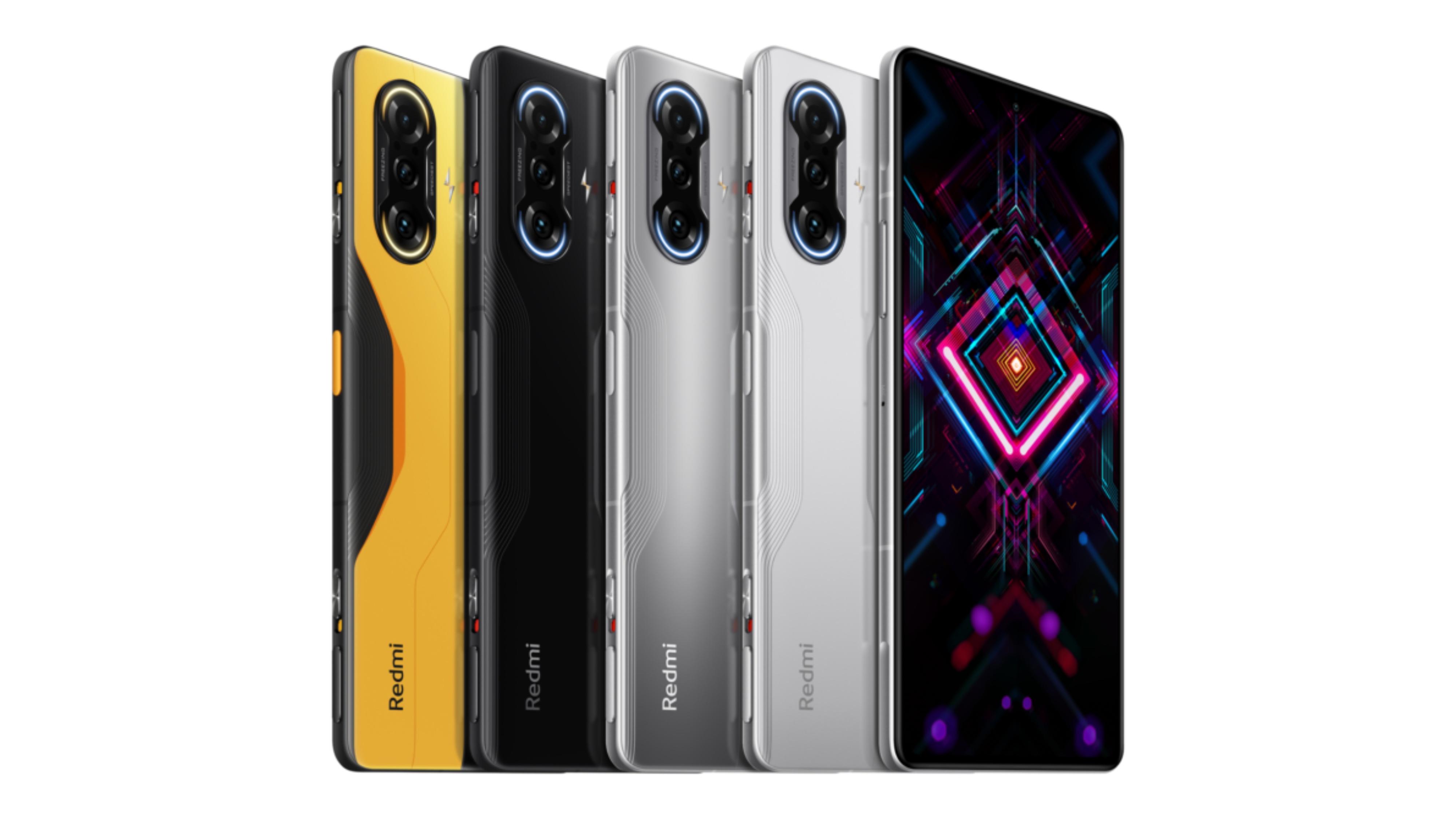
Xiaomi’s sub-brand Redmi announced the Redmi K40 Game Enhanced Edition with Dimensity 1200 chipset earlier this week. It is believed that the model number of this device M2104K10C. Fresh information reveals that its Indian variant with model number M2104K10I may debut in India with POCO F3 GT.
Past reports have claimed that Redmi K40 Game Enhanced Edition (M2014K10C) is codenamed as Ares. The tipster revealed that the Indian edition of this device has “ares in” codename and it might carry the POCO F3 GT moniker. Previously, this model number was spotted at India’s IMEI database as a POCO branded device.
It is not clear when POCO will be announcing the POCO F3 GT in India. Some parts of India have extended the COVID lockdown until May 15 because of which brands are now postponing their forthcoming launch events. Realme was supposed to announce the Realme X7 Max 5G on May 4 through a mega launch event, but its arrival has been postponed indefinitely. Hence, it is likely that the POCO F3 GT may debut in India after May 15 or if the lockdown continues, it may even arrive In June. Hence, it is advisable to wait for further reports to know about its arrival.
Redmi K40 Game Enhanced Edition
The Redmi K40 Game Enhanced Edition arrived in China with a base price of 1,999 Yuan ($309). It offers users a 6.67-inch AMOLED display that delivers a 120H refresh, a 480Hz touch sampling rate, and FHD resolution. The Dimensity 1200 chipset fuels the smartphone with up to 12 GB of LPDDR4x RAM and 256 GB of UFS 3.1 storage. It is backed by a 5,065mAh battery that supports 67W fast charging.
The K40 Game Enhanced Edition has a 16-megapixel front camera, and its triple camera system has a 64-megapixel main lens, an 8-megapixel ultrawide camera, and a 2-megapixel depth sensor. For enhanced gaming, it has JBL powered stereo speakers, a large heat dissipation unit, and mechanical gaming trigger buttons.
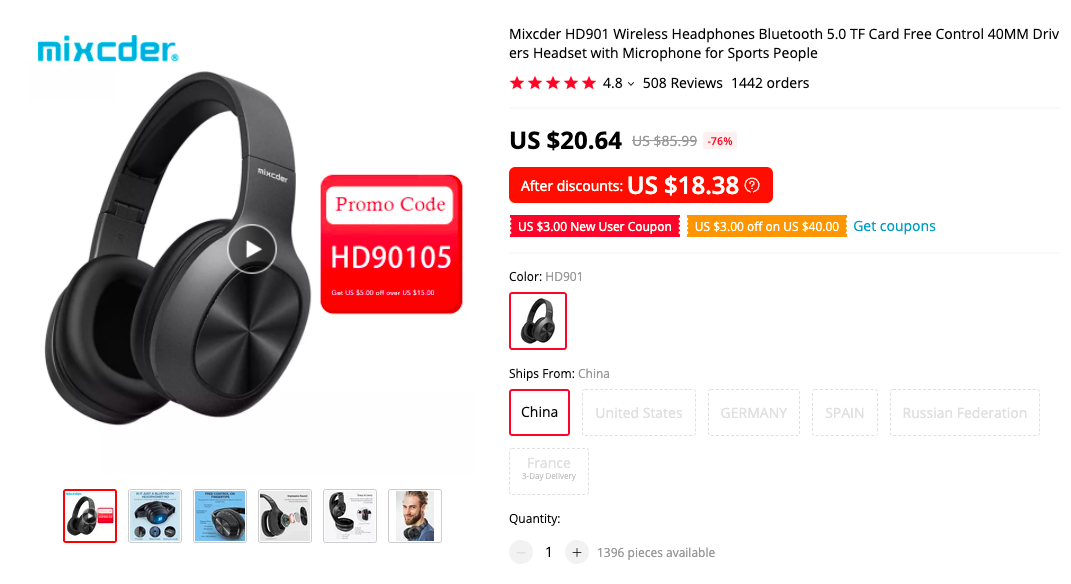
AliExpress is giving a fantastic deal on Mixcder HD901 headphones. The headphone which generally retails for $40 is now available for a heavily discounted price of $18.38.
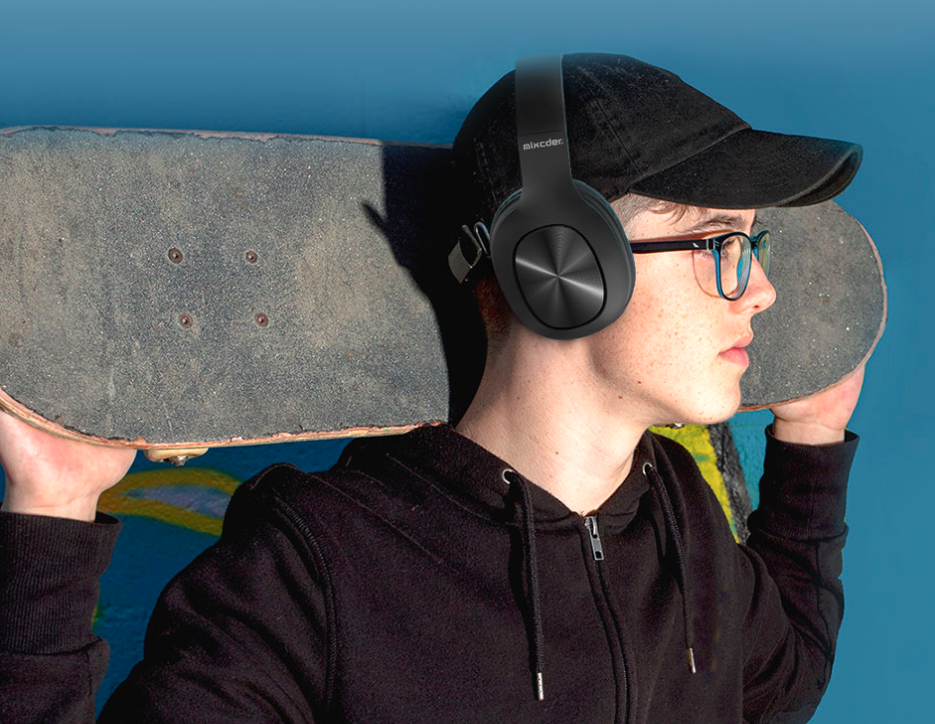
Mixcder HD901 is a lightweight over-the-head earphone that is known for its style and comfort. With foldable arms, this headphone is easy to carry around in your bag or travel case and the soft protein memory earpads make it super comfortable to wear the headphones for a long period.
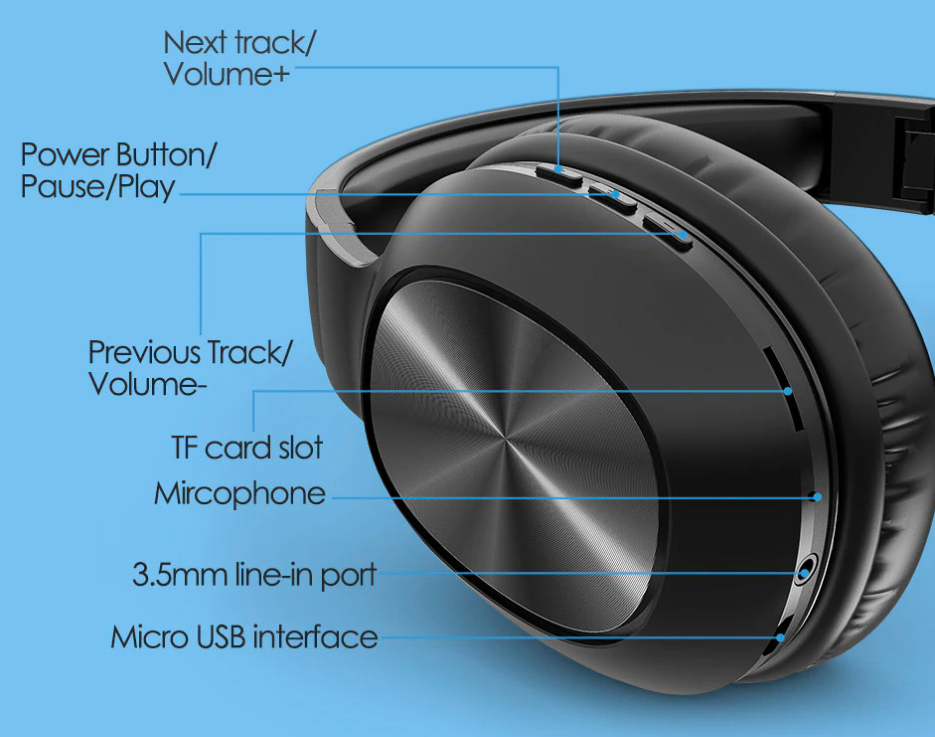
The wireless headphone can work up to 20 hours on one single charge making it the perfect companion for your travel adventures. The headphone features Bluetooth 5.0 giving you a faster and stronger connection up to 10m. However, Mixcder HD901 not only supports Bluetooth but also comes with a 3.5mm line-in port and TF card slot. This means you can easily switch between wireless and wired mode at your convenience.
Generally, you can get Mixcder HD901 headphones for around $40. But for a limited period, AliExpress is selling this headphone for $18.38 only. With free shipping and additional new user coupon, this deal is simply value for money. So grab your discounted wireless headphone asap.
For more information on such exciting deals and offers check out ourdeals hub.
* Please Note: When you buy something using the links in our articles, we may earn a small commission at no cost to you.
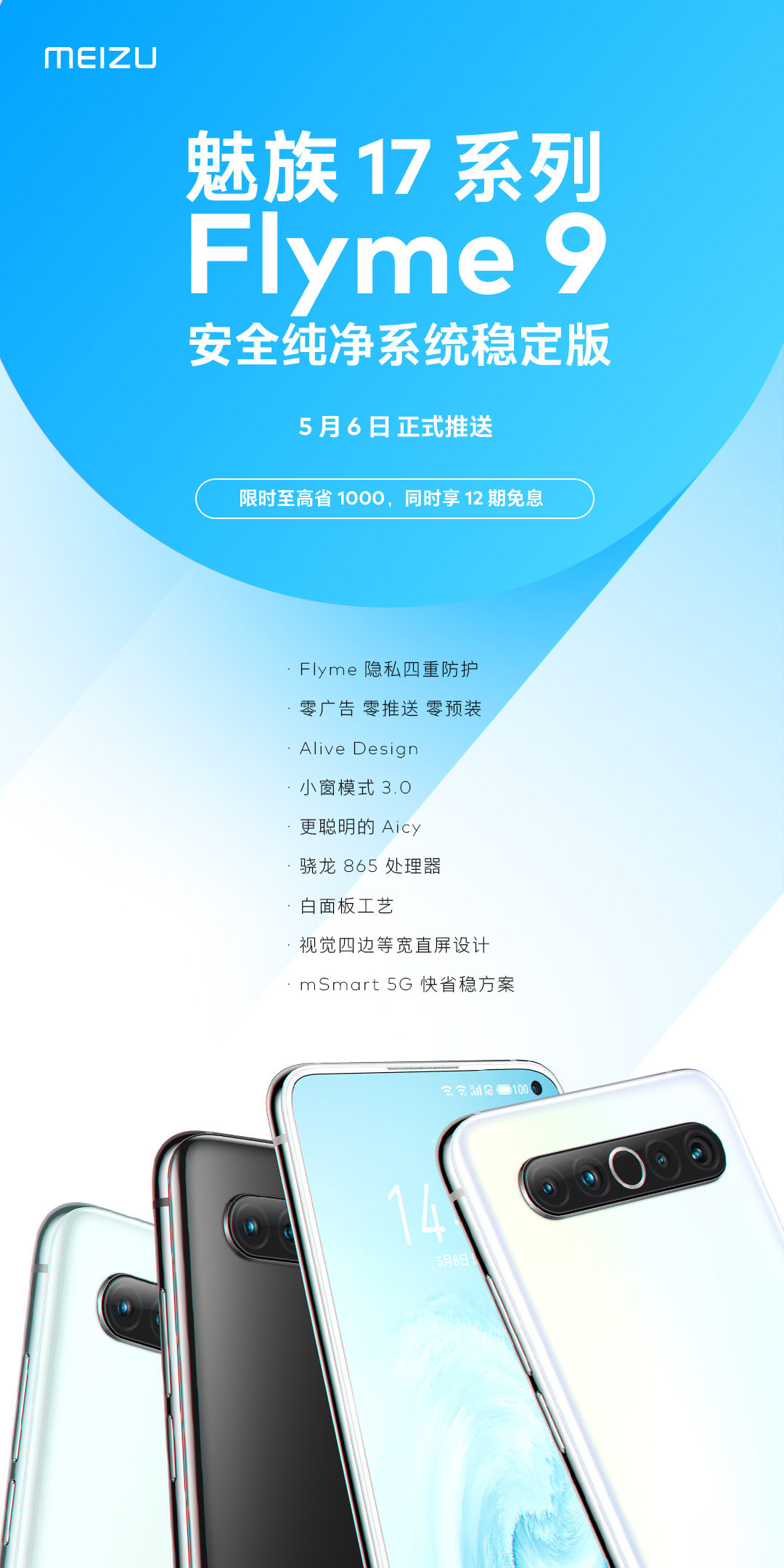
Meizu, the China-based smartphone manufacturer, has today announced that the stable version of its latest mobile operating system — Flyme 9 will be released for the Meizu 17 series smartphones on 6th May.
Further, the company has now started Flyme 9 Internal Beta Registration for the Meizu 16s Pro, 16s, 16th Plus, 16th, 16T, and 16X models. The original beta users of Flyme 8 will be automatically joined in and the new participants can go to the “System Update” section in the app and register for the same.
The latest Flyme 9, which was announced last month, comes with several improvements and new features. As this is a major update, it features significant changes in the design, privacy, functions, efficiency, and other aspects.
The desktop icons are now in square boxes with chamfered edges and there are beautiful color schemes that blend well with the background. Each third-party application can also rely on algorithms to achieve consistent icon styles.
The notification and control centers have been redesigned and are displayed side by side in a horizontal screen orientation, which is convenient to operate. The company has also visually simplified the fingerprint icon and application interface, removing the decorative elements and retaining only the necessary elements.
There are some interesting screensavers and wallpapers as well as new themes. Alive wallpaper supports dark and light color modes and can be transformed through different levels. The interface is also embedded with dynamic effects, covering screen fingerprint unlocking, facial recognition, screen rotation, gestures, etc.
ZTE has a new mid-range 5G smartphone coming according to a new leak posted on Weibo, the Chinese social media platform. The new phone will arrive as the ZTE Blade A31 5G and will have a Snapdragon processor under the hood.
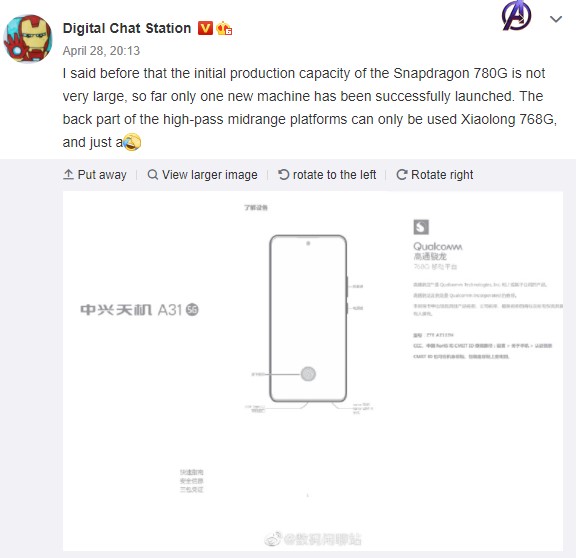
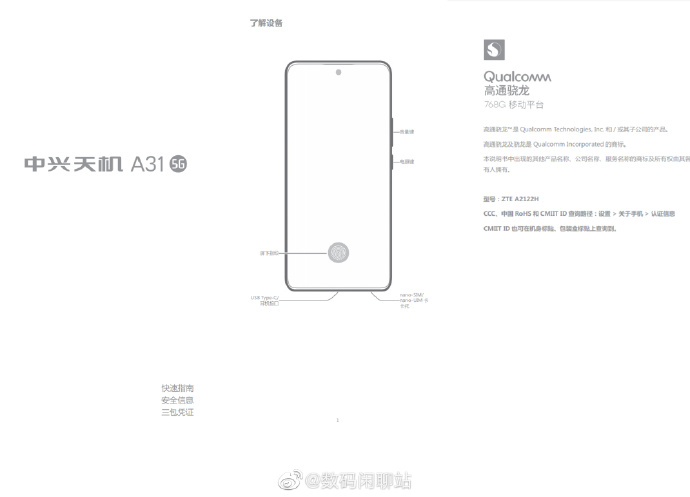
The source of the leak is Digital Chat Station and it comes as a shared image on his timeline that appears to be a page from a certification document. The scanned document shows that the ZTE Blade A31 5G has the model number A2122H.
1 of 2
ZTE Blade A31 5G Weibo.png
ZTE Blade A31 5G
There is a drawing of the phone which shows that it will have a centered punch hole and an in-display fingerprint scanner which means that it will have an AMOLED display. Powering the device is the Snapdragon 768G processor, the same chipset inside the iQOO Z3 and the Redmi K30 5G Racing Edition.
Judging from the caption of the post, it appears there is very limited stock of the Snapdragon 780G processor which made its debut in the Mi 11 Lite 5G. This has led manufacturers to look to other chipsets for their phones. It is safe to assume that the original plan was for the Blade A31 5G to come with the 5nm chipset but its unavailability led to ZTE settling for the Snapdragon 768G.
The Snapdragon 768G was announced last year and it first appeared in the Redmi K30 5G Racing. The 7nm chipset has a clock speed of 2.8GHz and boasts a 15% increase in GPU performance over the Snapdragon 765G.
We do not know when ZTE will unveil the Blade A31 5G. The manufacturer is yet to announce the UNISOC-powered Blade A31 4G we spotted on the Bluetooth SIG website back in February. Maybe both devices will be announced together.
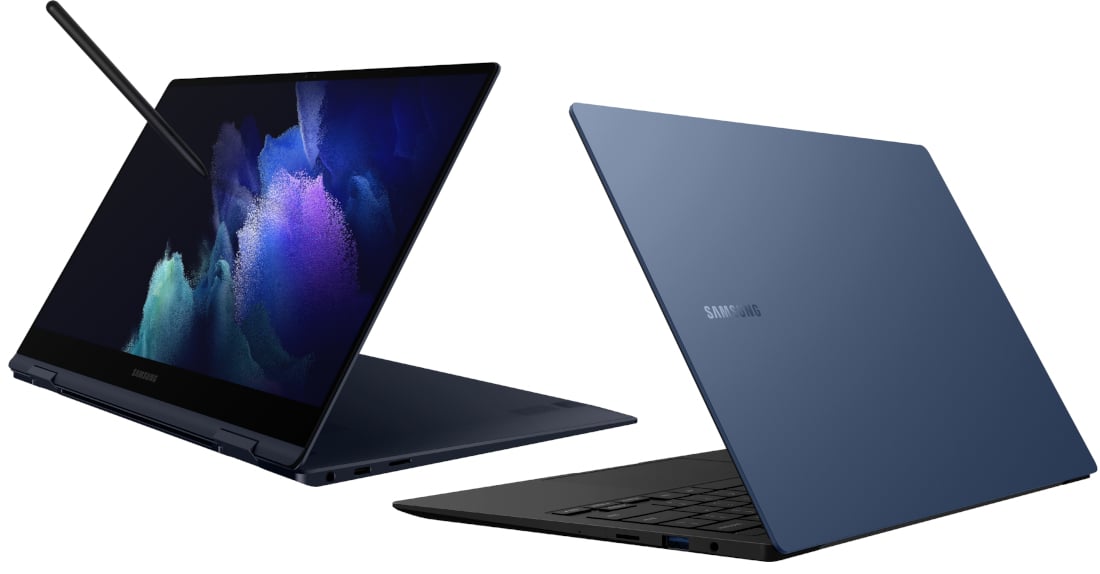
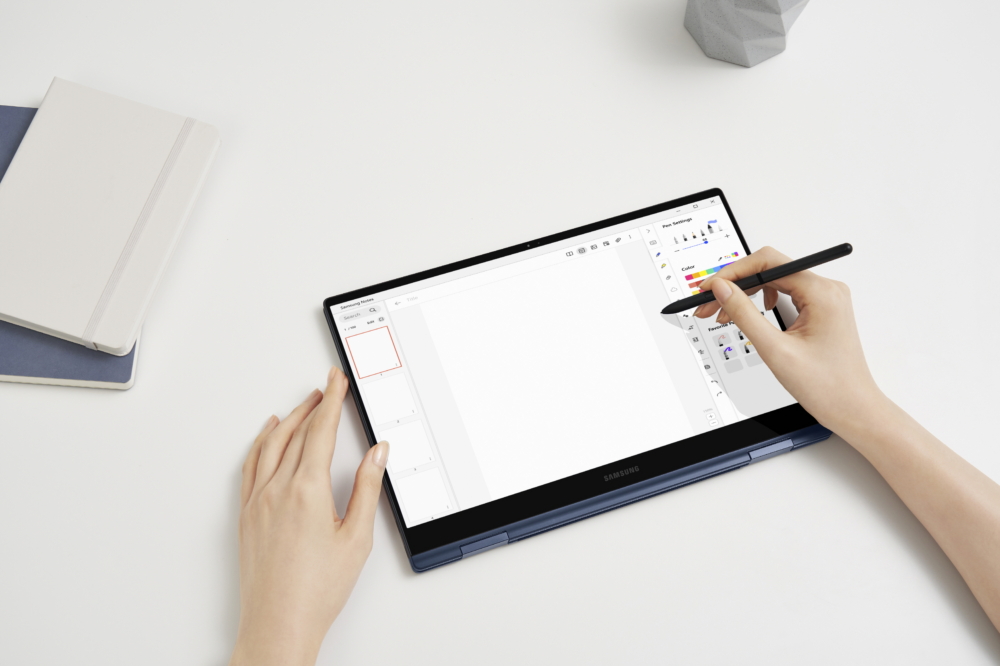
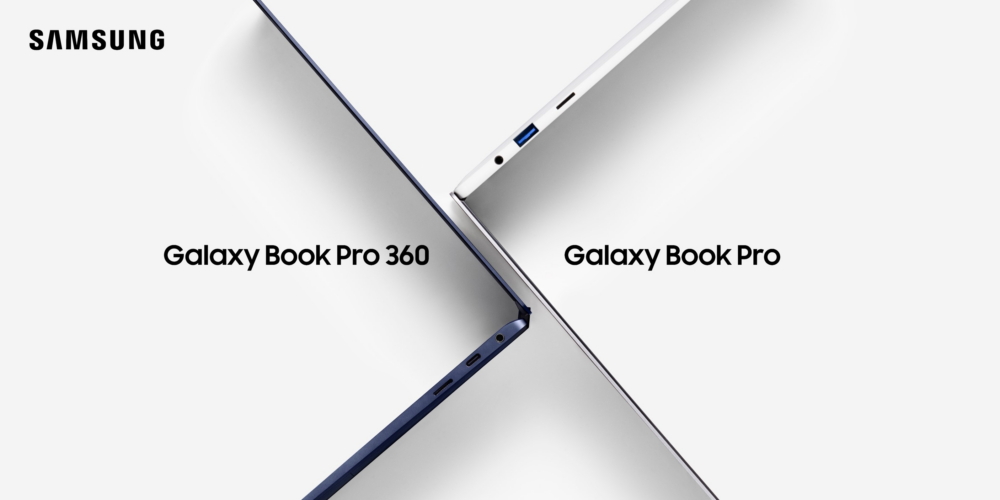
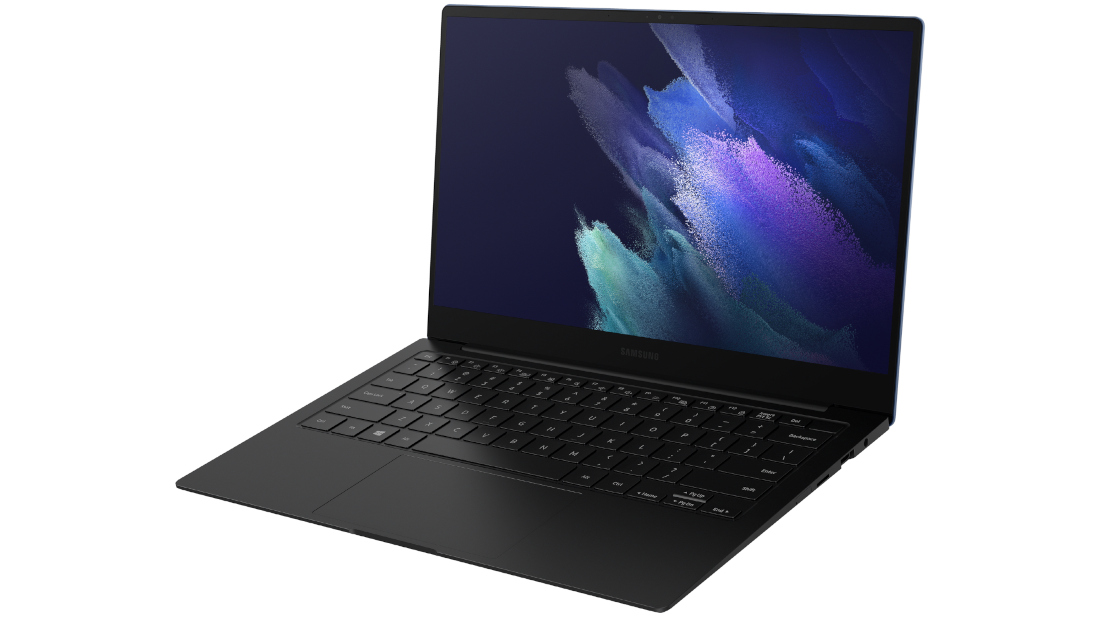
Samsung has officially unveiled the Galaxy Book Pro and Galaxy Book Pro 360, two premium notebooks powered by the 11th-generation Intel Core i7 CPU with greater power efficiency and processing speeds than its predecessors.
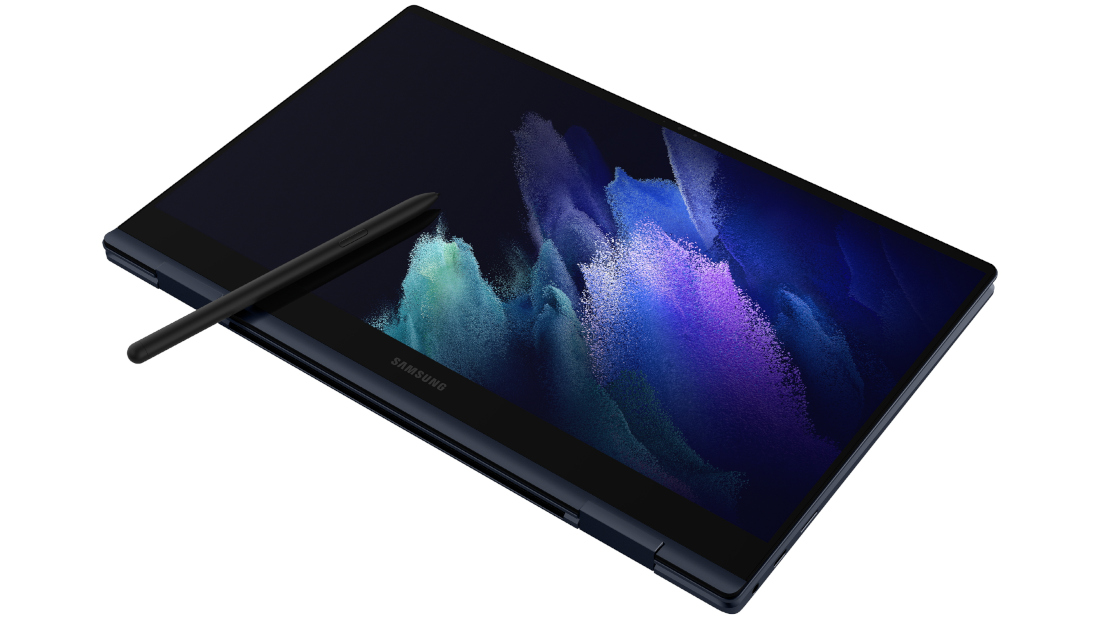
The two laptops are available in 13.3-inch or 15.6-inch AMOLED display options. They also come with Thunderbolt 4 connectivity and overall durability which are the hallmarks of the design philosophy of Samsung. The AMOLED display is the same as that in the Galaxy series smartphones, featuring intelligent color engine technology that helps to produce high-quality screen output always. The AMOLED screen on the Galaxy Book Pro 360 features touchscreen support.
The laptops have been verified on Intel’s Evo platform and sport an ultra-thin and lightweight exterior and aluminum covering. You also get up to 8GB of RAM and 1TB of internal storage, making both devices to be well suited for multiple tasks without being slowed down. The in-built microphone system in the laptops comes with an Intelligent Noise Cancellation Technology that makes it possible to have clearer and high-quality audio and video calls because it eliminates ambient disturbances when the mic is engaged.
On the software side, the Galaxy Book Pro and Galaxy Book Pro 360 come with several smart features such as SmartThings app to engage other smart devices in the home or other environment. There is also the Easy Bluetooth connection to connect to the Galaxy Buds and more. The Galaxy Book Pro in particular comes with an upgraded S Pen and has Clip Studio Paint preloaded into the laptop.
The Galaxy Book Pro has an upgraded stylus pen and is also preloaded with Clip Studio Paint. The Pro model starts at $999 for the base model while the 15-inch model will sell for $1,099. The laptop comes in two color variants – Mystic Blue, Mystic Silver, Mystic Pink Gold.
On the other hand, the Samsung Galaxy Book Pro 360 starts at $1,199 for the 13-inch model and $1,299 for the 15-inch high-end variant. The Pro 360 is also available in three colour options – Mystic Navy, Mystic Silver, Mystic Bronze.
The announcement was made on Twitter by Madhav Sheth, the CEO of Realme India and Realme Europe. The tweet revealed that the event, which was also going to be for the launch of its new AIoT products in the country, has now been postponed. The top executive also advised its fans to follow all COVID-19 protocols in the country.
Due to the challenging times, we have decided to postpone the upcoming launch of our products & anniversary celebrations. Till then we would urge you to follow the necessary safety protocols by maintaining social distance, wearing masks & staying indoors.#StayHomeStaySafehttps://t.co/iuOn03hnp4
A quoted tweet by the official Realme India account also shared a similar message.
India has been hit by a new wave of the COVID-19 pandemic. According to a BBC report, the country has recorded at least 300,000 new infections every day since last week. The total recorded infections are put at 17.9 million while recorded deaths are said to be about 200,000.
A number of Chinese phone manufacturers including Xiaomi, OPPO, and Vivo have all made donations towards the purchase of oxygen concentrators and breathing machines for various hospitals across the country. Realme too has announced that it will share 100,000 masks free of charge at its smart stores, experience stores, and service centers in Agra, Ahmedabad, and Lucknow.
Despite the issues with the supply of chipsets caused by the pandemic, several Chinese flagships hitten the market this year. Even ZTE came up with a new flagship series: the most advanced model of its latest lineup is the ZTE Axon 30 Ultra. It is not one of the most expensive flagships out there, but despite that, it still provides amazing specifications and top-notch cameras. In this comparison, we will help you to understand whether or not it delivers a value for money as high as the Realme GT 5G and the Xiaomi Mi 11X Pro which are the latest Realme and Xiaomi flagships powered by the Snapdragon 888 mobile platform.
ZTE Axon 30 Ultra 5G vs Realme GT 5G vs Xiaomi Mi 11X Pro
ZTE Axon 30 Ultra 5G
Realme GT 5G
Xiaomi Mi 11X Pro
DIMENSIONS AND WEIGHT
161.5 x 73 x 8 mm, 188 g
158.5 x 73.3 x 8.4 mm, 186 grams
163.7 x 76.4 x 7.8 mm, 196 grams
DISPLAY
6.67 inches, 1080 x 2400p (Full HD+), AMOLED
6.43 inches, 1080 x 2400p (Full HD+), Super AMOLED
6.67 inches, 1080 x 2400p (Full HD+), Super AMOLED
Quad 64 + 64 + 8 + 64 MP, f/1.6 + f/1.9 + f/3.4 + f/2.2
16 MP front camera
Triple 64 + 8 + 2 MP, f/1.8 + f/2.3 + f/2.4
16 MP f/2.5 front camera
Triple 108 + 8 + 5 MP, f/1.8 + f/2.2 + f/2.4
20 MP f/2.5 front camera
BATTERY
4600 mAh, fast charging 66W
4500 mAh, fast charging 65W
4520 mAh, fast charging 33W
ADDITIONAL FEATURES
Dual SIM slot, 5G
Dual SIM slot, 5G
Dual SIM slot, 5G
Design
ZTE Axon 30 Ultra 5G is definitely the handset with the most attractive design: the reason is the front panel. It is the only one to come with a curved edge-to-edge display; further, it has a higher screen-to-body ratio thanks to narrower bezels. Right after, we got the amazing leather color variant of the Realme GT 5G which features a very original design and is the most compact device of the trio. But you should not underestimate the Xiaomi Mi 11X Pro which comes with the thinnest body.
Display
The best display of this comparison belongs to the ZTE Axon 30 Ultra. It is a 6.67-inch panel with the AMOLED technology, one billion colors, the HDR10+ certification, a Full HD+ resolution and a refresh rate of 144 Hz. With the Xiaomi Mi 11X Pro you get a HDR10+ display too, but it does not show one billion colors and the refresh rate is lower: just 120 Hz. Further, unlike its rivals, it does not offer an in-display fingerprint reader (the biometric sensor is side-mounted). The Realme GT 5G has a 120 Hz AMOLED panel as well.
Hardware/Software
ZTE Axon 30 Ultra, Realme GT 5G and Xiaomi Mi 11X Pro are all powered by the awesome Snapdragon 888 mobile platform, actually the best chipset released by Qualcomm. The SoC is paired with LPDDR5 RAM and UFS 3.1 internal storage in each case, but you can get something more with the ZTE Axon 30 Ultra. The latest ZTE flagship offers up to 16 GB of RAM and up to 1 TB of internal storage: the best memory configuration you can get on a phone if we exclude the latest Asus ROG Phone Ultimate. All the phones are based on Android 11.
Camera
The ZTE Axon 30 Ultra wins the camera comparison thanks to a stunning camera setup which can compete with the best camera phones out there. It has a quad camera setup composed of three 64 MP sensors and an 8 MP periscope camera with 5x optical zoom. You also get an ultrawide sensor, laser autofocus and dual OIS. The silver medal goes to the Xiaomi Mi 11X Pro sporting a 108 MP main camera which supports 8K video recording.
Battery
These three phones come with similar battery capacities and there should be only marginal differences when it comes to the battery life. Note that the Xiaomi Mi 11X Pro has slower charging speeds.
ZTE Axon 30 Ultra 5G vs Realme GT 5G vs Xiaomi Mi 11X Pro: Price
ZTE Axon 30 Ultra starts from about €600/$728 (China), Xiaomi Mi 11X Pro is priced €442/$536, and Realme GT costs €395/$480 in its base variant. On the paper, the winner of the comparison is the ZTE Axon 30 Ultra due to its great display and better cameras, but Xiaomi Mi 11X Pro and Realme GT offer a higher value for money thanks to their affordable prices.
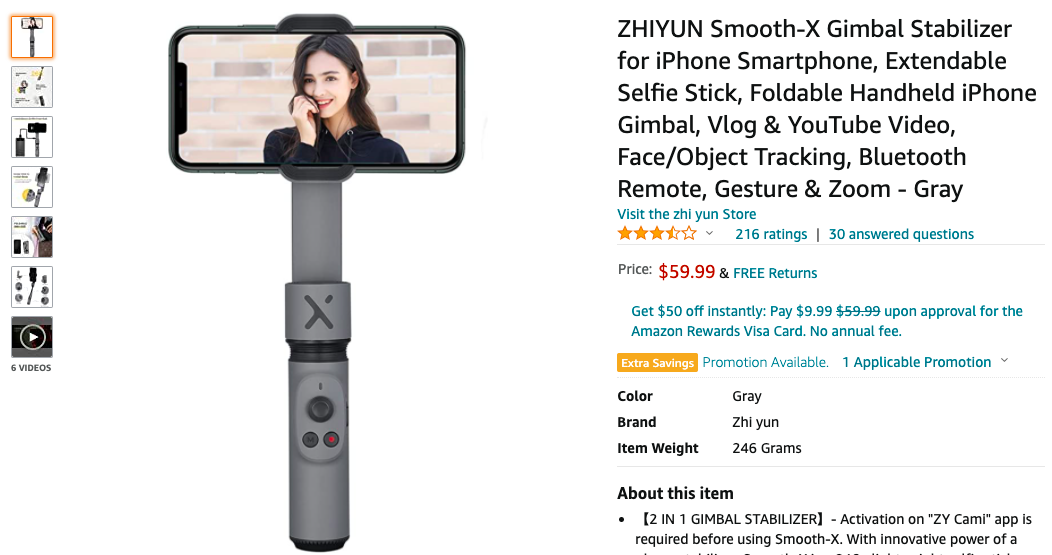
If you are planning to buy a smartphone stabilizer or gimbal then check out this awesome deal on Zhiyun Smooth X Gimbal. The foldable gimbal which generally retails at $59.99 can be bought at a discount of 40% for $35.99 via coupon code: 40E913Q2
Zhiyun Smooth X Gimbal is a highly portable gimbal cum selfie stick. The device comes with a 10.2-inch extendable aluminum rod that helps you to take group selfies and the lightweight and a foldable design makes it very easy to carry around in your bag or purse.
The gimbal which is compatible with a wide variety of smartphones like iPhone 11/11 Pro/Xs/Xr/SE and Samsung Galaxy series etc, comes with an advanced hand gesture function and Bluetooth wireless control which helps you to effortlessly capture images and record videos.
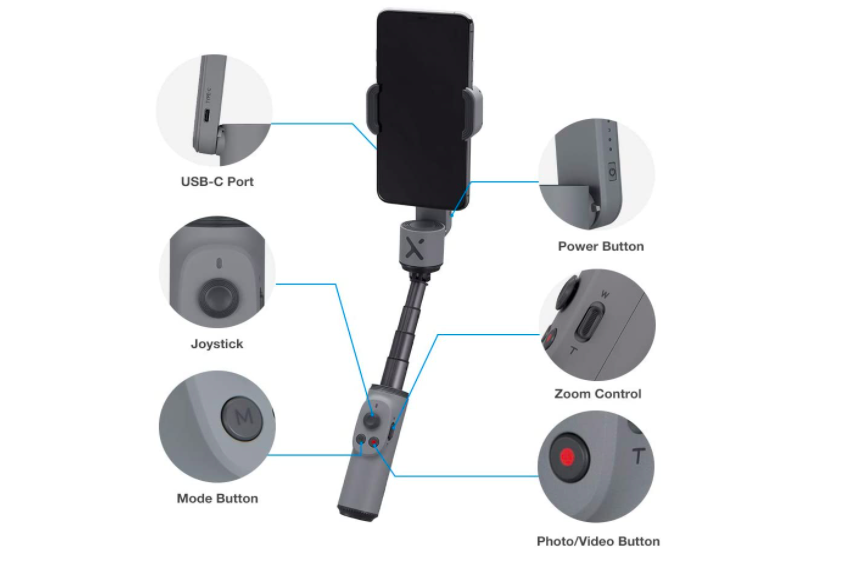
Zhiyun Smooth X gimbal comes with an ‘M’ switch, that easily helps you to switch between portrait and landscape mode and works with the ZY Cami app to give you beautiful, creative, and professional editing tools.
Generally retailing at $59.99, you can now get a 40% discount on Zhiyun Smooth X gimbal by using the coupon code: 40E913Q2. Thus you can buy the gimbal for $35.99 onlyat Amazon US. Please note that this coupon is valid only till May 5, 2021, 23:59 PST. So get your discounted gimbal asap.
For more information on such exciting deals and offers check out ourdeals hub.
Earlier this week we reported that the next-generation Nubia Z series flagship smartphone will soon arrive according to Ni Fei, a top executive and head of mobile devices at ZTE. Now an alleged render of the phone which is called the Nubia Z30 (name yet to be confirmed) has been posted online.
Since this is not an official render, we advise our readers to take it with a pinch of salt as there is a possibility the original device may not look like this. The render was posted on Weibo earlier today and it shows that the Nubia Z30 will adopt a design very different from that of its predecessor.
An alleged render of the Nubia Z30
As seen in the image, the Nubia Z30 is shown to have a curved display. The back is also curved at the sides but surprisingly, the side view doesn’t seem to show that the device is as curved as the front and rear view portrays.
The most noticeable thing is the lack of a hole in the screen for the front-facing camera. Since there is no hole or notch, there is a chance that the phone has either a pop-up camera or an under-display camera. And since this is a ZTE phone, it is most likely the latter.
On the back is a four-camera array in a rectangular housing. There is an inscription that says that the phone has a 100x hybrid zoom mode like the Galaxy S21 Ultra. This means one of the cameras is a periscope telephoto camera.
The Nubia Z30 will have a Snapdragon 888 processor as revealed in a Weibo post by Ni Fei a while back. However, we do not know if there will be only one model or if there will be lite, pro, and ultra versions too.
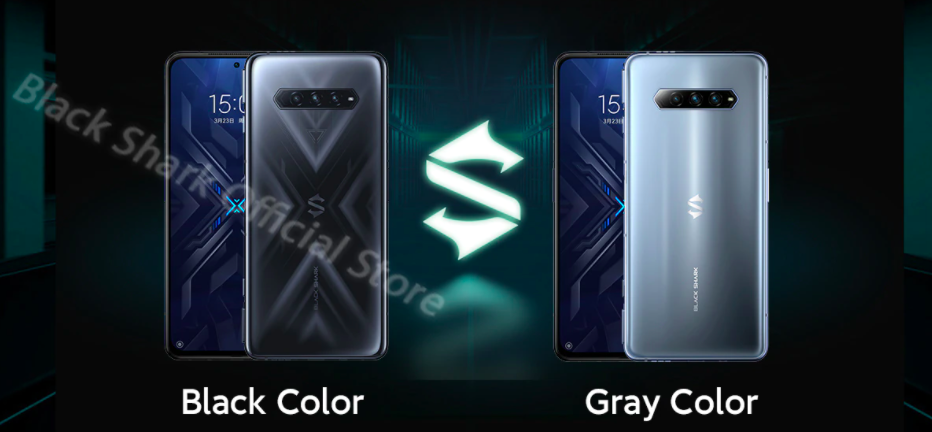
Black Shark 4, the latest flagship gaming smartphone from Black Shark is all set to hit the European market. Riding on the success of its China debut, Black Shark 4 is expected to be a strong competitor in the gaming smartphone segment, in Europe.
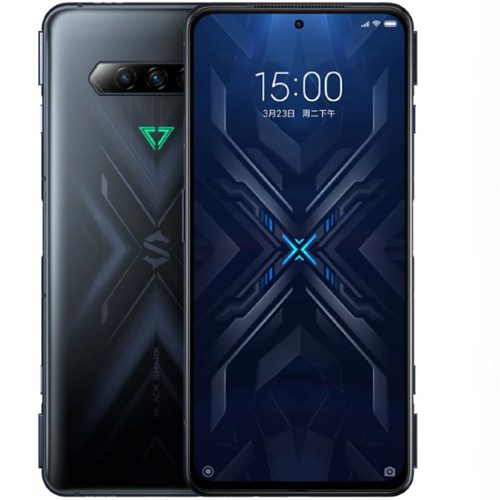
Black Shark 4 the latest addition to the revolutionary gaming smartphone of the Black shark series features a 6.67” Samsung AMOLED screen that uses a new generation E4 luminous material to give you an unprecedented visual experience. The smartphone is powered by Qualcomm Snapdragon 870 processor and comes in two memory variants viz: 6GB + 128GB and 8GB + 128GB. The unique feature of Black Shark 4 lies in its highly durable magnetic pop-up triggers which rise when playing a game and retract when not in use.
Fueled by a 4500mAh battery the smartphone supports 120W HyperCharge that charges your phone to 100% in just 17 mins. For its camera configuration, it features a simple gradient rear panel that holds a triple camera setup with a 48MP main camera and 8MP + 5MP secondary cameras. In the front, the smartphone features a 20MP punch-hole selfie camera.
The smartphone which was launched in China in March 2021, garnered pretty positive reviews amongst its customers. With more than 20000 user reviews on e-commerce platforms, Black Shark 4 has garnered an almost 95% positivity rate.
Now Black Shark 4 is now ready to launch in Europe and other global markets. The Black Shark 4, Global version is now available at a discounted price of $416.74 at AliExpress. For more information on this deal check out this link.
For more information on such exciting deals and offers check out ourdeals hub.
Taiwanese tech giant ASUS has officially released a teaser that shows the company will hold a product launch event on May 11 at 2 PM CEST. During the event, the tech giant will launch a new gaming notebook that is expected to be named ROG Zephyrus M16.
The ASUS ROG Zephyrus M16 notebook is touted to be powered by an 11th-generation Intel Tiger Lake H45 processor. The laptop was earlier revealed to have been listed on Amazon China giving us our first look at the gaming laptop.
The model listed on Amazon is ROG Zephyrus M16 GU603HR, equipped with Intel’s unreleased Core i9-11900H processor as well as the NVIDIA GeForce RTX 3070 GPU. The device is equipped with 32GB of memory and 2TB PCIe SSD. The gaming notebook is equipped with a 16:10 screen with a sunken hinge which can create an almost borderless effect when it is turned on. This screen has a 16-inch WUXGA display with a resolution of 1920 x 1200 pixels. The display supports a 165Hz refresh rate.
At present, Intel has not announced the release time of the 11th-generation Core H45 processor. It could be announced officially before May 11.
Apart from the gaming laptop, ASUS may also release other refreshed ROG laptops but we have no idea if the company will unveil any other model. There are speculations, though, that the company will also release models with Core i7-11800H processors, as well as those also having GeForce RTX 3050, GeForce RTX 3050 Ti, and GeForce RTX 3060 GPUs.
Chinese startup Ultenic has unveiled its smart home gadget, the Ultenic T10 Robot Vacuum Cleaner for the US market. The Ultenic T10 is a smart robot vacuum with a lot of impressive features and it is equally affordable, coming in at a discounted price of $599. The vacuum cleaner is on sale via Amazon US.
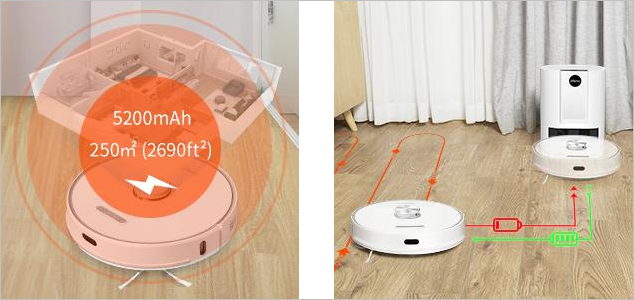
The Ultenic T10 Robot Vacuum Cleaner features three suction modes, EOMS Pro Mapping technology, auto dust disposal capability, in combination with a strong 5200mAh battery that allows the device to work up to five hours on a full charge.
The features of the smart vacuum cleaner also include a Smart Voice app, ultra carpet boost, Intelligent Laser Navigation System (ILNS) 3.0, and a multi-layer mapping technology that enables the gadget to save multiple maps of the area and no-go zones.
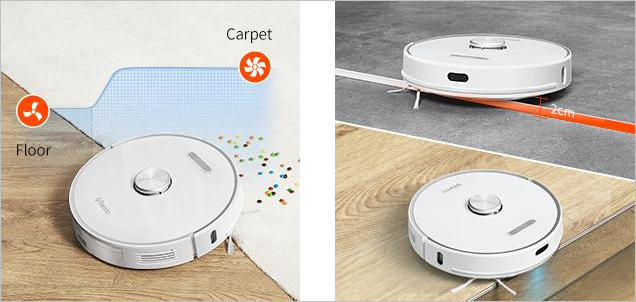
The T10 smart vacuum cleaner is an ideal home gadget that will help users to clean and mop their homes without hassles and efficiently. It has a self-emptying mechanism that enables the vacuum cleaner to automatically empty its dirt for up to 60 days. With a powerful suction of 3000Pa and three adjustable suction modes, the user can navigate from Standard to Quiet and then to Power mode to cater to different complexities of the task. The ultra carpet boost technology modulates the operation of the device to clean different floor types.
The Ultenic T10 robot vacuum cleaner also has app support, as the user can use the free app to control the device and even schedule cleaning tasks. The Smart Voice feature enables the user to use Alexa or Google Assistant and interface the gadget with other smart home devices.
The dual-purpose dustbin and water tank enable the user to vacuum and mop the floor simultaneously, with the Pro Mopping Technology to provide comprehensive cleaning of the room.
This special edition which is officially called the OnePlus Nord Reality to Idea Collector Box Limited Edition was found on the OnePlus Germany website by a user that goes by Felix Frank (@Flix_95). It is surprising that OnePlus didn’t officially announce it before it went on sale.
The special edition OnePlus Nord was made in collaboration with Joshua Vides, a designer who is known for his artworks which look like hand-drawn sketches. This sketch-like design is the same adopted for the OnePlus Nord Reality to Idea Collector Box Limited Edition.
The boxes the phone comes in looks like a sketch and so is the paint job of the phone itself and the included case. OnePlus also includes a tote bag in the box. This special edition OnePlus Nord has 12GB of RAM and 256GB of storage.
The OnePlus Nord Reality to Idea Collector Box Limited Edition is available only in Europe. It is priced at €499 in some countries such as Germany and France while in other countries such as Ireland, it is €509. Those in the UK can grab it for £469. if you want to grab a unit, just visit the OnePlus Website for your region.
Last week, Samsung started rolling out the Android 11-based One UI Core 3.1 update for the Galaxy A01. A few days later, the company is now seeding this very same update for the Galaxy M01, which is a rebranded Galaxy A01. Additionally, the Android 11 update is also being rolled out for the Galaxy A41 as One UI 3.1.
The Samsung Galaxy M01 Android 11 (One UI Core 3.1) update arrives with firmware version M015GXXU3BUD9. Apart from bringing new features and UI, the latest system update for this entry-level smartphone also bumps up the security patch level to April 2021.
On the other hand, the Android 11 (One UI 3.1) update for the Samsung Galaxy A41 is currently live in Russia with firmware version A415FXXU1CUD4. It also comes with April 2021 security patches.
Users of these two smartphones can head over to Settings > Software update > Download and install to check whether their unit has received the update.
Anyway, like any other software update, this OTA update is also being pushed in batches across different regions. Therefore, it may take some time to hit every unit in the market.
Lastly, it is worth noting that Android 11 is the first-ever major software update for these two phones. However, we are not sure if the cheaper Galaxy M01 will receive Android 12 in the future.
Advanced Micro Devices Inc (AMD) has raised its annual revenue forecast earlier this week. This arrives as the company bets that its chips used in data centers and consumers’ PCs as the chief executive of the firm is also confident about the supply chain’s current situation.
According to a Reutersreport, the chip designer’s shared had risen recently by about 4 percent in extended trading after it also recorded results that were better than expected for the first quarter of this year. Furthermore, AMD CEO Lisa Su has “good visibility” and that the company is confident to secure additional chips from its manufacturing partners. Su added that “The entire semiconductor supply chain is very, very tight. That being said, we’ve been working very closely with our supply chain partners. We have seen improvements that have led to the improved full year guide.”
For those unaware, Team Red has recently been stealing market share from Intel over processors, meanwhile, the company is also seeing a surge in demand for its graphcis cards as well for gamers. AMD now believes that their revenue will rise by 50 percent from a year prior. This means that the company could generate about 14.64 billion US Dollars, which marks a rise from the previously forecast that projected a 39 percent jump.
Lisa Su stated that “We feel very good about our progress, particularly in notebooks. We’re seeing traction in the premium ultra thin, gaming and commercial.” The brand is is expecting its computing and graphics business, which also includes graphics and central processing chips for personal computers rose by 46 percent to 2.10 billion US Dollars while its enterprise business that targets data centers chips posted a jump in sales as well, reaching 1.35 billion US Dollars.
Xiaomi has been rolling out MIUI 12.5 stable update to a number of devices for the past few days. The latest smartphone to get this update is 2019’s Mi CC9 Meitu Edition. This handset is a customized version of the regular Mi CC9.
Xiaomi Mi CC9 Meitu Edition
Back in 2019, Xiaomi introduced the China-exclusive Mi CC9 series. The lineup includes three devices and a limited edition model called Mi CC9 Meitu Edition. The latter phone is the latest Xiaomi group smartphone to receive the MIUI 12.5 update.
The Mi CC9 Meitu Edition MIUI 12.5 update is currently in the ‘Stable Beta’ phase with build number V12.5.1.0.RFECNXM. It also brings Android 11 to this handset.
For those unaware, MIUI builds termed as ‘Stable Beta’ are only released for a select few users. The status of these builds is changed to ‘Stable’ and gradually rolled out to all users if the early adopters don’t face any major issues.
That said, since the regular Mi CC9 has identical hardware, it should also receive the MIUI 12.5 update in the coming days. Once that device gets it, we can expect the Mi 9 Lite to receive the MIUI 12.5 update as it is a rebranded Mi CC9 for global markets.
Earlier this week, the Australian competition watchdog might soon have Apple and Google address their dominating market power with their app stores, namely iOS App Store and the Play Store.
According to a Reutersreport, these major tech giants might have regulations if they do not make changes regarding this matter. For those unaware, both Apple and Google have been facing pressure from various governments across the globe due to their major market dominance. Both firms charge developers and other firms a commission on any in app purchases made through their respective application platforms. Thus, this might lead to the Australian government passing regulations against both companies.
The Australian Competition and Consumer Commission (ACCC) stated that app developers should be allowed to provide customers with an alternative method of payments. Furthermore, the data collected from Google and Apple should be kept separate from their operations. Similarly, the ACCC even urged tech giants to allow consumers to change or remove pre installed or even default apps.
As per ACCC Chair Rod Sims, “We have identified a number of areas where action is required and have put forward potential measures to address areas of particular concern. There is a window of opportunity for Apple and Google themselves to take steps to improve outcomes for app developers and consumers.” Sims further added that the ACCC would look at changes of laws in other countries and other proposals but “regulation may be required if Apple and Google fail to take steps to address the concerns identified.”
OPPO has been rolling out ColorOS 11 (Android 11) builds to eligible devices since September 2020. The company has been following the monthly timeline it releases at the start of each month. Going by this month’s schedule, it has now opened registrations for OPPO A53 Android 11 beta update.
OPPO A53
According to ColorOS 11 April 2021 update plan, OPPO is supposed to open beta registrations for five devices. Following the schedule, the registration went live for the first four phones on and before time in some instances. Similarly, the registrations are now live for the fifth and final handset – OPPO A53 as well.
The OPPO A53 ColorOS 11 Beta program is currently limited to India and Indonesia only. Interested users in these two regions should be on firmware version A.69/A.77 to register themselves for the initiative.
To enroll in the program, users need to navigate to Settings > Software Update > Gear Icon > Apply for Beta Version > Update Beta Version and follow the on-screen instructions. According to the official announcement post on ColorOS Community, the registrations will run from April 27 to May 11 for limited seats.
The OPPO A53 debuted with ColorOS 7.2 based on Android 11. Hence, ColorOS 11 (Android 11) is the smartphone’s first major update. Going by OPPO’s software update track record, it could receive Android 12 in the future.
We use cookies on our website to give you the most relevant experience by remembering your preferences and repeat visits. By clicking “Accept”, you consent to the use of ALL the cookies.
This website uses cookies to improve your experience while you navigate through the website. Out of these, the cookies that are categorized as necessary are stored on your browser as they are essential for the working of basic functionalities of the website. We also use third-party cookies that help us analyze and understand how you use this website. These cookies will be stored in your browser only with your consent. You also have the option to opt-out of these cookies. But opting out of some of these cookies may affect your browsing experience.
Necessary cookies are absolutely essential for the website to function properly. This category only includes cookies that ensures basic functionalities and security features of the website. These cookies do not store any personal information.
Any cookies that may not be particularly necessary for the website to function and is used specifically to collect user personal data via analytics, ads, other embedded contents are termed as non-necessary cookies. It is mandatory to procure user consent prior to running these cookies on your website.