Advertisement

Redmi AirDots 3 True Wireless Bluetooth Headset goes official in China

Xiaomi today took the wraps off the Redmi K40 flagship smartphone in China and along came a couple of other products like the RedmiBook Pro notebook and the Redmi AirDots 3 TWS earbuds.Redmi AirDots 3

The Redmi AirDots 3 True Wireless Stereo Bluetooth headset is the successor to the Redmi AirDots 2 which was launched last year. The design of this new version didn’t change significantly from the previous model but there are some improvements in the functions.
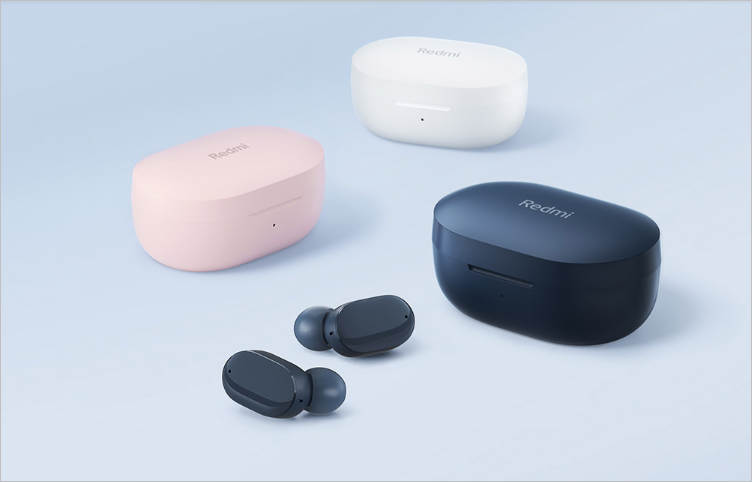
The Redmi AirDots 3 is driven by a QCC3040 chipset and the Bluetooth version is upgraded to Bluetooth 5.2 from Bluetooth 5.0 used on the AirDots 2. The upgraded version brings faster connection speed, improved data transmission rate, and stable connection. There is also an aptX Adaptive codec for upgraded sound quality. The earbuds will deliver up to 7 hours of non-stop music playback on a single charge which can be extended to up to 30 hours with the charging case. The charging case packs a 600mAh battery on board.

Further, the Redmi AirDots 3 supports multi-functional touch control, built-in XiaoAI voice assistant, and MIUI compatible pop-up window to enable instant viewing for connection and battery status. The storage box utilises a USB-C port which should deliver fast charging. The earbuds also come with an IPX7 rating. The earphones also support Environment Noise Reduction technology so whenever you are on a call, it removes the unnecessary surrounding noises for better sound clarity.

Redmi AirDots 3 true wireless bluetooth headset

As for the pricing, the Redmi AirDots 3 carries a decent price tag of 199 yuan (~$30). It is available in White, Black and Pink colours. Xiaomi says the headset will be available for purchase from all its official online/offline channels in China from March 4th, 2021.

RELATED;


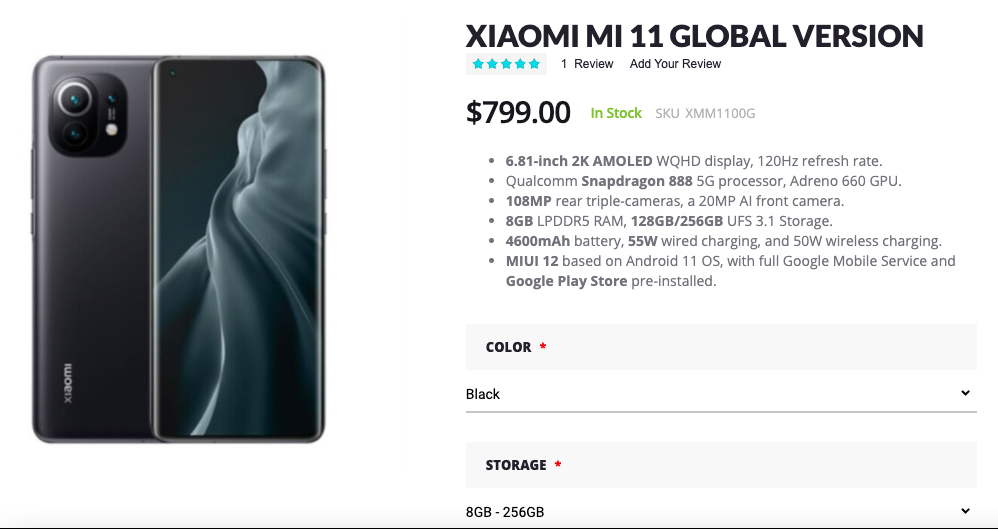
Super Deal: Giztop is giving $50 off on the new Xiaomi Mi 11 Global Version (Coupon Code)

Great news for all Gizmochina readers. Giztop is giving out the brand new Xiaomi Mi 11 Global Version which retails at $799 for a $50 discount at $749 only by using the coupon code: M11G50.

xiaomi mi 11 1

Xiaomi Mi 11 Global Version comes with a 6.81 inch AMOLED display and Corning Gorilla Glass Victus protection. With an 8GB  RAM and 256GB ROM, and the Snapdragon 888 Octa Core processor this flagship is powerful enough for your work and personal needs. 

xiaomi mi 11 2

Launched by Xiaomi as the next-generation movie maker, Mi 11 is known for its advanced videography and movie-making functions. To start off the smartphone comes with triple rear cameras with a massive 108MP main camera and a 13MP ultrawide and 5MP micro camera. The 108MP main cam gives ultra-clear and sharp shots while capturing every minute detail, thereby making your image pop out of the screen. The ultra-wide-angle 13MP camera is perfect to capture mesmerizing landscapes for your travel diaries and the 5MP telemacro camera brings alive the smallest of the creatures in your shots. Thus this studio-style camera setup is perfect for creating professional images and videos. 

xiaomi mi 11 3

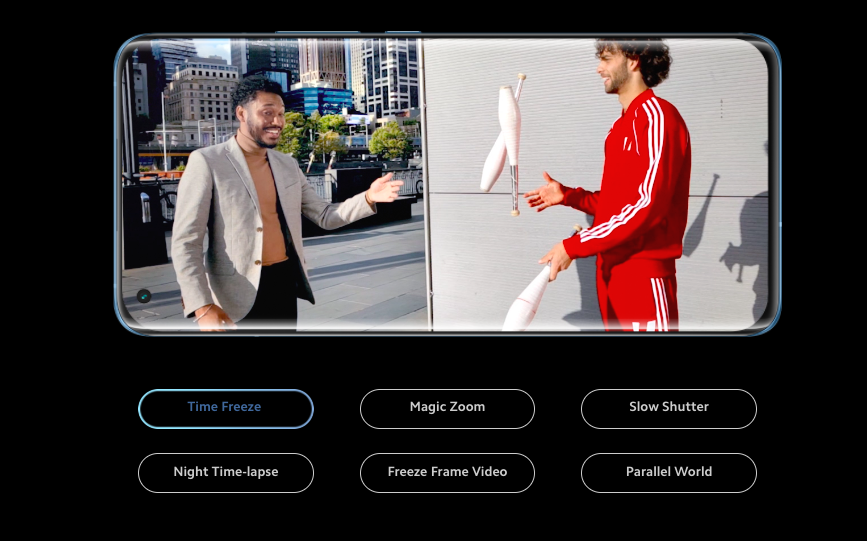
Moreover, the cutting-edge cinematic software AI Cinema brings you advanced functions like time freeze, magic zoom, slow shutter, night timelapse, frame freeze, parallel world, etc which enables you to shoot videos like pro directors. So, if you are a movie lover and dream about getting extraordinary footage for your self-made movies or want to take stunning images and videos for Instagram and TikTok, then Xiaomi Mi 11 is a must for you. xiaomi mi 11 4The 20MP selfie camera is adequate for all your social media needs and the cinematic filters and ultra night video function make it a pleasure to capture images and videos in dim and night light. 

With a 55W wired charging / 50W wireless charging and 4600mAh battery, Xiaomi Mi 11 is more than capable of fulfilling your professional aspirations. Retailing at $799, Giztop is giving out this flagship phone at a discounted price of $749 ($50 off on using the coupon: M11G50). This deal is applicable on the 8GB – 256GB storage and Black color variant only and can be shipped across the globe.

So without further delay grab Your Xiaomi Mi 11 while the offer lasts.


Redmi K40 is China’s latest flagship killer: 120Hz AMOLED display, Snapdragon 870, 48MP triple rear cameras and a ~$310 price tag

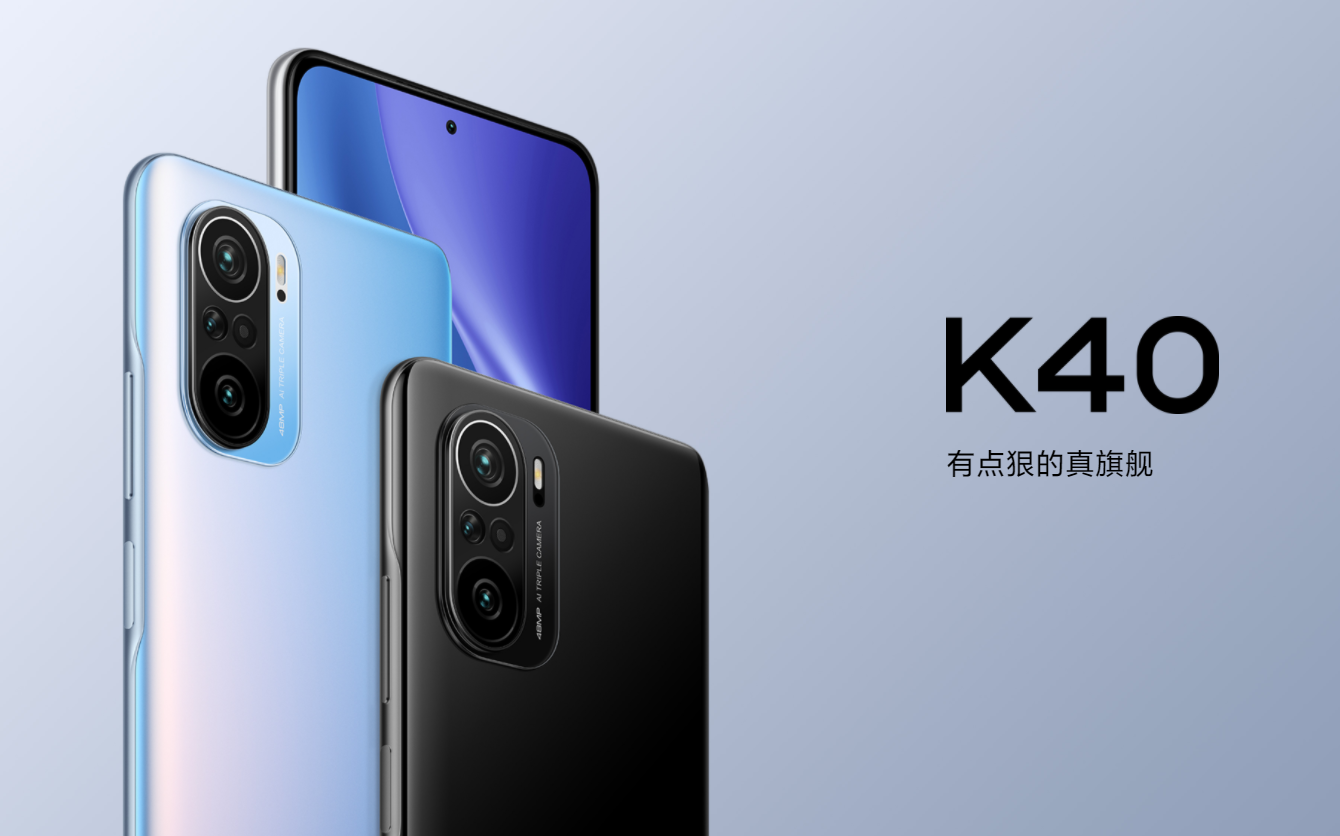
Today in China, Redmi announced the K40 series which has three phones – the Redmi K40, the Redmi K40 Pro, and the Redmi K40 Pro+. The base model, the Redmi K40 arrives as a flagship killer and a challenger to the Motorola Edge S. It packs an impressive display, a flagship processor, and a price tag that leaves you wondering if you really need to get a high-end flagship this year.

Redmi K40 featured

Redmi K40 Design

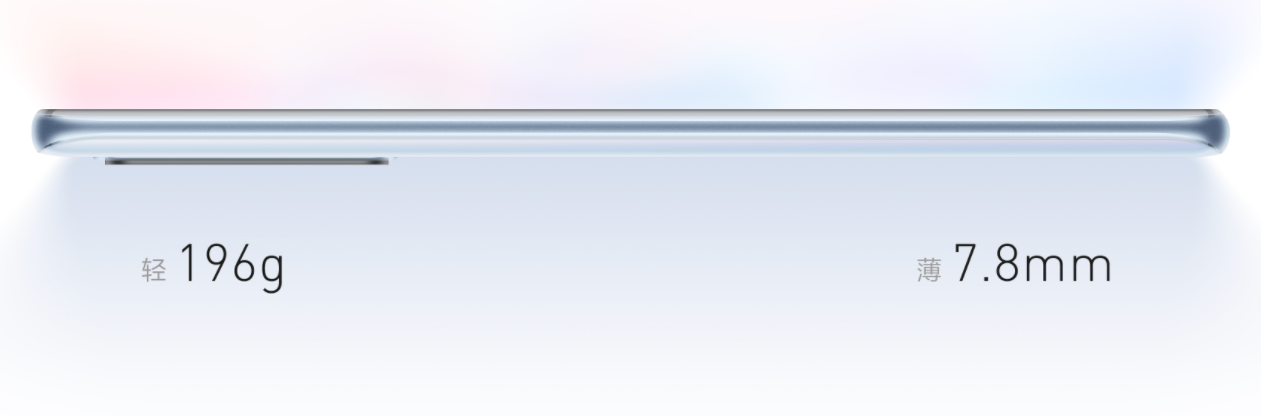
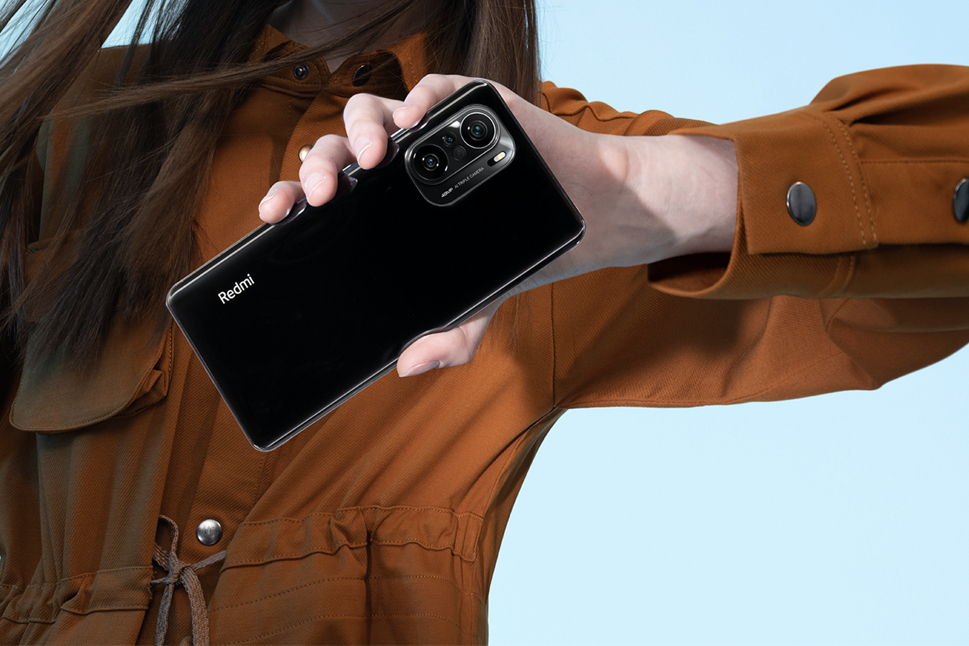
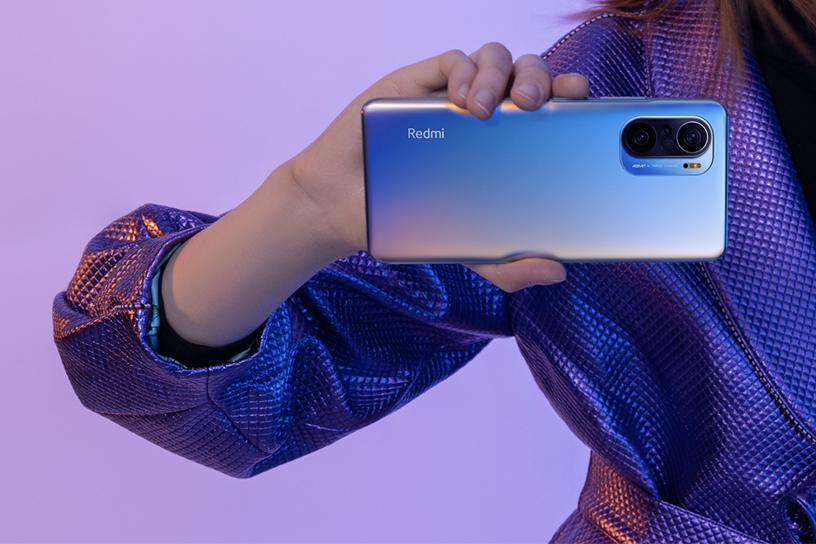
The Redmi K40 looks nothing like its predecessor. It drops the pill-shaped right positioned punch hole for a centered one. It also switches the design on the rear to one that is similar to that of the Mi 11 and with fewer camera sensors than the Redmi K30. Redmi has also managed to make it thinner and lighter even though it packs a tiny bit bigger battery.

Redmi K40

Redmi K40 Specifications

Just as it looks nothing like its predecessor, so also does it perform better than it. The 120Hz IPS LCD display is gone and in its place is a 6.67-inch E4 AMOLED True Tone display with a 120Hz refresh rate and a 360Hz touch sampling rate. The display has a DCI-P3 color gamut, HDR10+, and a maximum brightness of 1300 nits. It also has MEMC and is covered in Gorilla Glass 5. For those concerned with the size of the hole, Redmi says it is 2.76 millimeters.

The Redmi K40 gets a huge performance boost. The Snapdragon 730G of the Redmi K30 has been replaced with a Snapdragon 870 processor and it features up to 12GB of LPDDR5 RAM and 256GB of UFS 3.1 storage.

Redmi K40 cameras

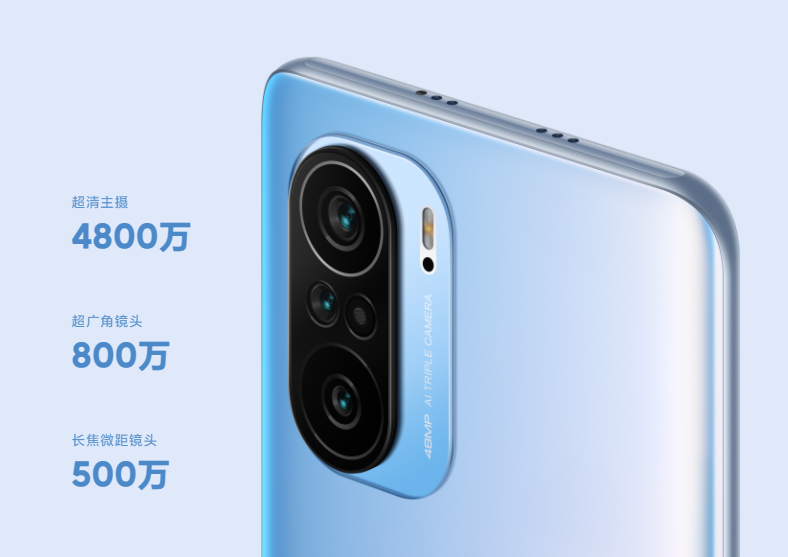
There are fewer rear cameras on the phone this time around. It has a 48MP f/1.79 Sony IMX582 primary camera, a 5MP telephoto macro camera with a 50mm focal length, and an 8MP 119° ultrawide angle camera. The selfie camera is a 20MP sensor.

The Redmi K40 can record slow-motion videos at a maximum resolution of 1080p and at 960 frames per second. It can also record in 4K at 30fps. The camera app is packed full of features including a VLOG mode, Magic Clone, macro video recording, and lots of filters for both still photos and videos.

Other features of the phone are a side-mounted fingerprint scanner, NFC, Bluetooth 5.1, Wi-Fi 6, stereo speakers with Dolby Atmos, Hi-Res Audio, and Hi-Res Audio Wireless. There is a 4520mAh battery inside the phone with support for 33W fast charging. Redmi says it can fully charge in 52 minutes. The phone also has support for Quick Charge 3+ and Power Delivery 3.0.

The Redmi K40 runs MIUI 12 based on Android 11 out of the box.

Redmi K40 price and availability

The Redmi K40 is available in four configurations and below are their price tags:

6GB RAM + 128GB – ¥1999 (~$310)

8GB RAM + 128GB – ¥2199 (~$340)

8GB RAM + 256GB – ¥2499 (~$387)

12GB RAM + 256GB – ¥2699 (~$418) [Early bird price of ¥2499 (~$387)]

The phone is available in three color variants – , Bright Black, Dreamland, and Sunny Snow.


RELATED:


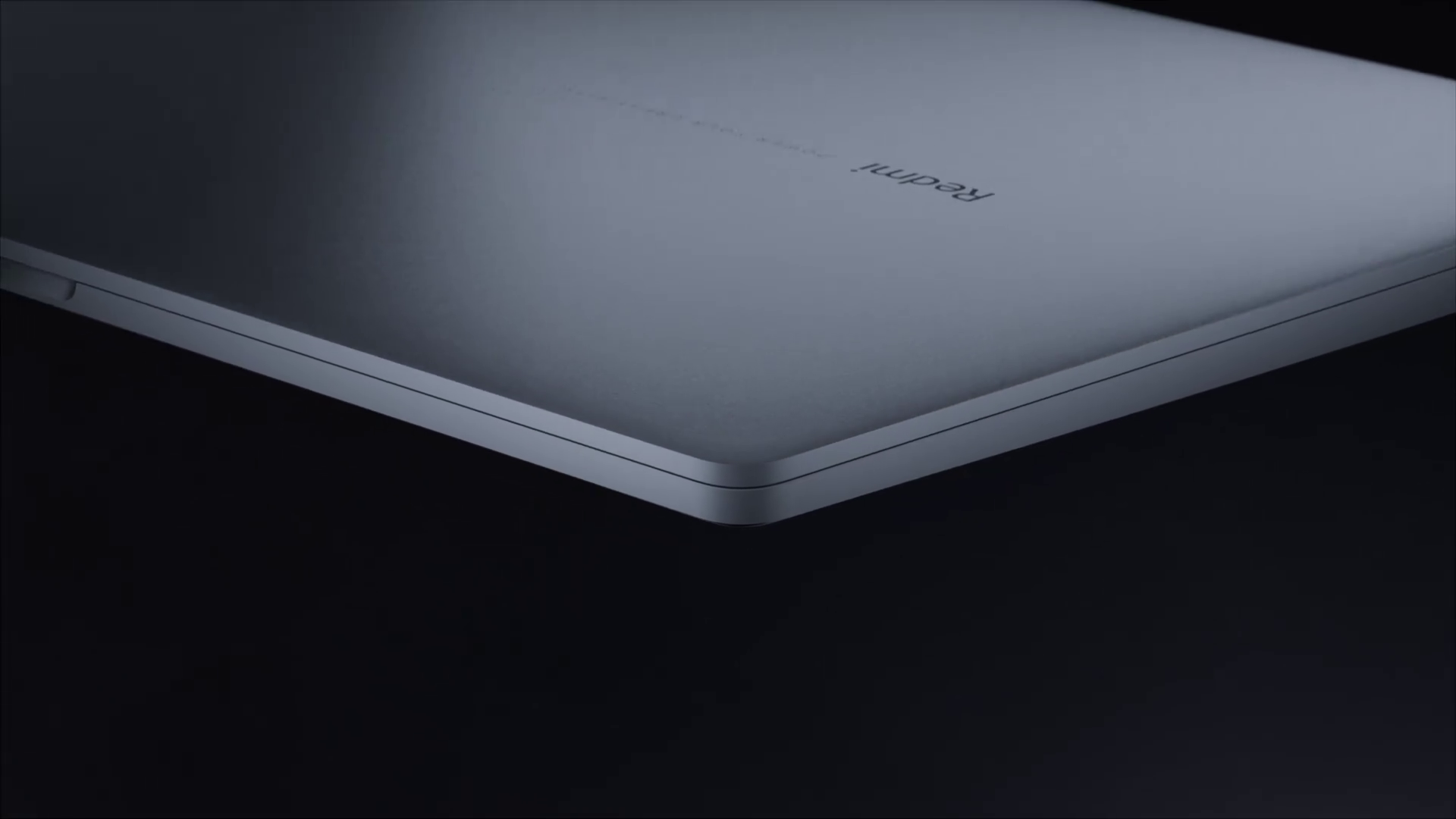
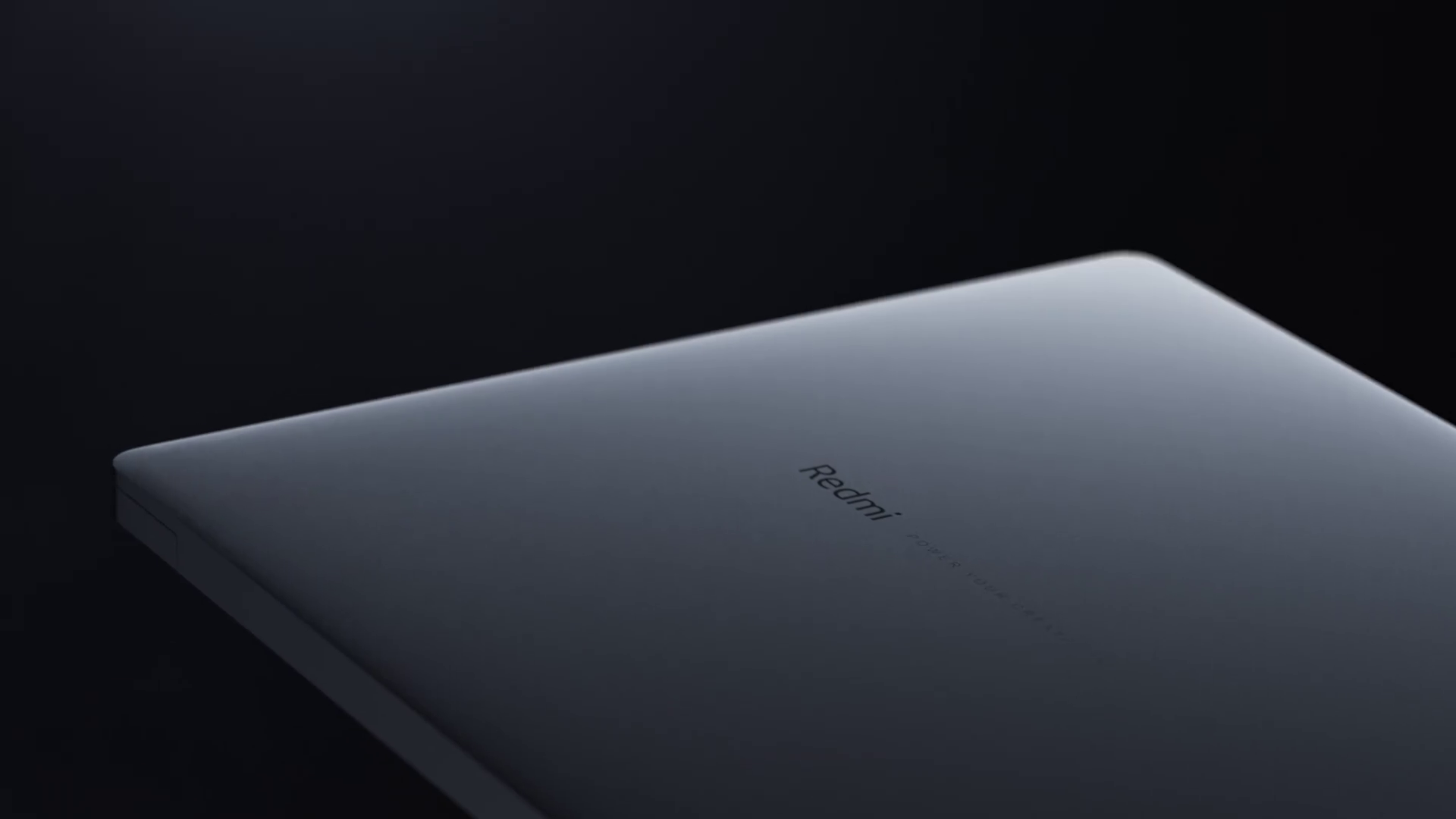
RedmiBook Pro 14 and 15-inch variants launched in China, Price starts at 4,699 yuan($726)

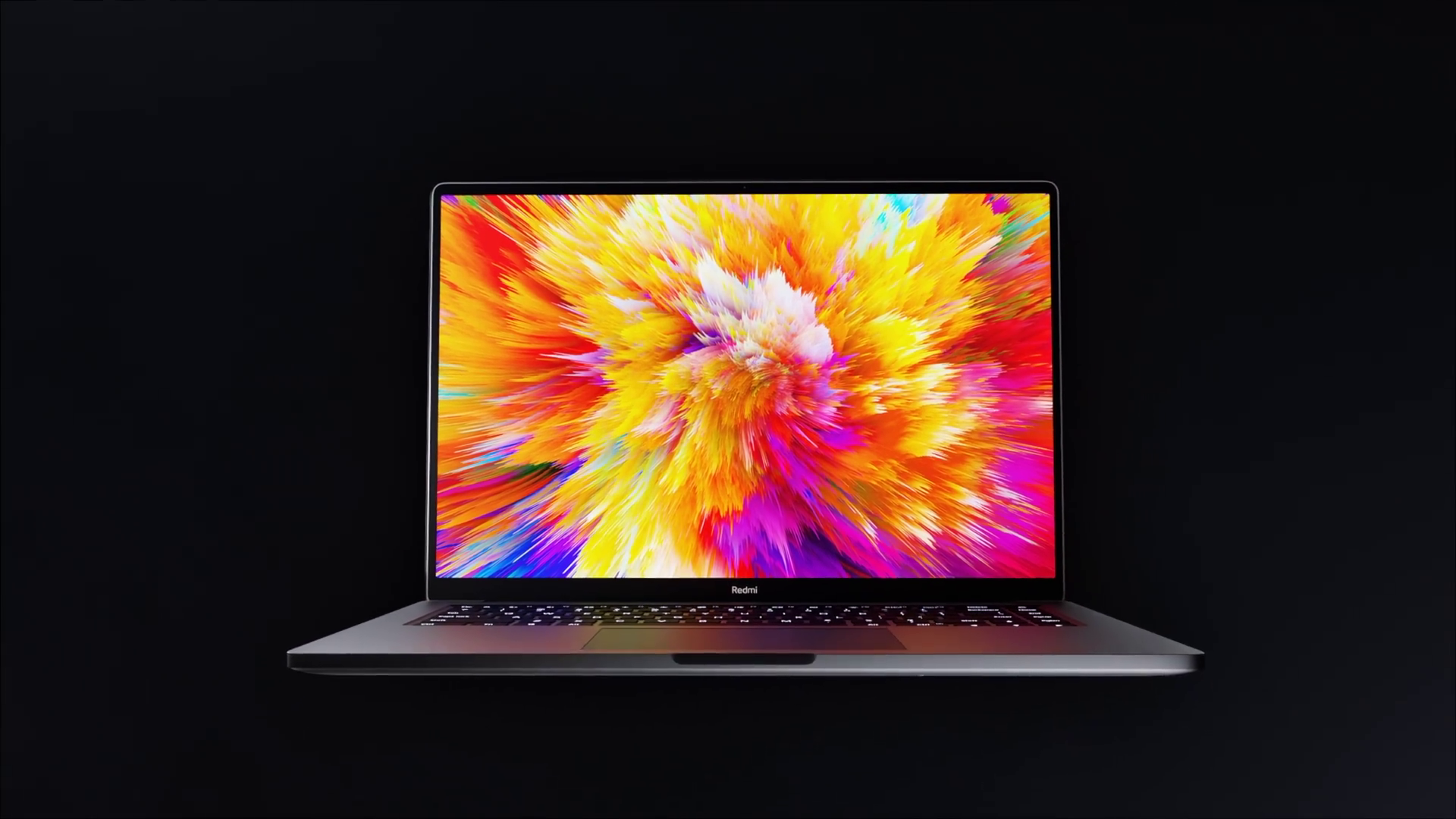
Xiaomi has launched the RedmiBook Pro in China today. Starting at 4,499 yuan($697), the laptops have Intel 11th-gen CPUs, display up to 3.2K, and more.
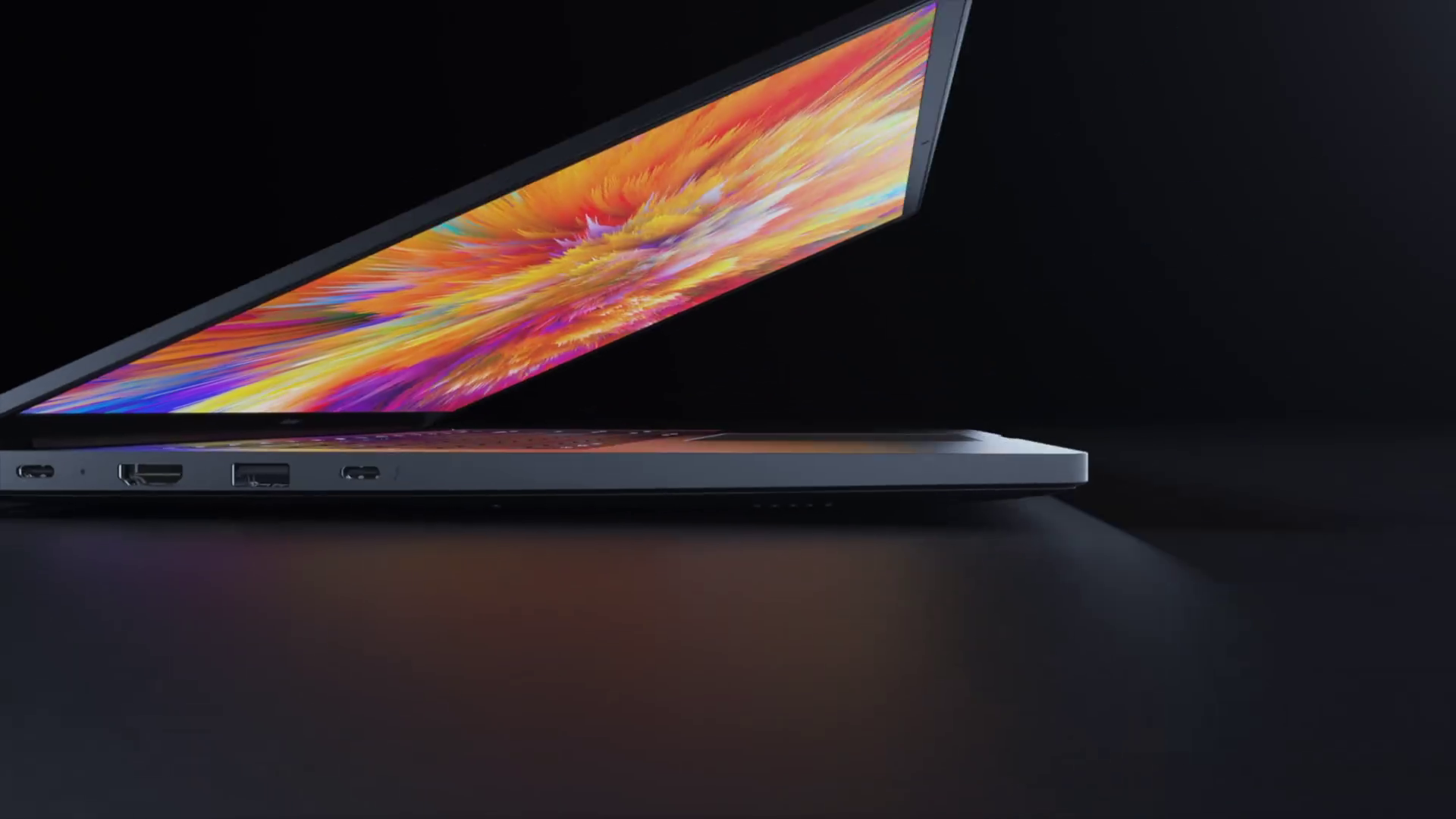
RedmiBook Pro

RedmiBook Pro 14 and 15-inch models Price, Availability 

The RedmiBook Pro 14 and 15-inch models come in three variants each. All of them are equipped with Intel’s 11th-gen Tiger lake processors(Core-i5/i7). Both the laptops come in a single Star Gray color variant. You can take a look at the pricing below:

  • RedmiBook Pro 14-inch
    • Core-i5, Intel-Xe Graphics-(16GB + 512GB)- 4,499 yuan($697)*
    • Core-i5, Nvidia MX450 GPU-(16GB + 512GB)- 5,299 yuan($821)
    • Core-i7, Nvidia MX450 GPU-(16GB + 512GB)- 5,999 yuan($929)
  • RedmiBook Pro 15-inch
    • Core-i5, Intel-Xe Graphics-(16GB + 512GB)- 4,999 yuan($774)
    • Core-i5, Nvidia GeForce MX450 GPU-(16GB + 512GB)- 5,499 yuan($852)
    • Core-i7, Nvidia GeForce MX450 GPU-(16GB + 512GB)- 6,299 yuan($976)

*- Price for First sale only. Original Price is 4,699 yuan($728)

The RedmiBook Pro 14-inch will go on pre-orders starting today(Feb. 25) at 21:00 Beijing Time. The first sale of this laptop is on March 4 at 0:00 local time.

The 15-inch model, on the other hand, will be up for pre-orders from March 6 at 10:00 local time. The first sale will be on March 15 at 10:00 AM.

RedmiBook Pro 14-inch Specs and Features 

Display and Build

Redmi says that the laptop is built in a metal body having a 6-series Aviation Aluminium alloy and CNC integrated molding process. The laptop measures 315.6×220.4×17.25mm and weighs about 1.46kg.

The RedmiBook Pro 14-inch features a 14-inch 2.5K display with a 16:10 aspect ratio. The resolution is about 2560×1440 and has a screen-body ratio of about 88.2%. The display is also TUV Rheinland certified for low-light emission, 100% sRGB color gamut, 178° degree viewing angle, 300 nits max brightness, DC dimming.

Specs and Features

Under the hood, it features the Intel 11th-gen Core i5-1135G7 and Core i7-1165G7 CPUs. This is paired with either Intel Xe integrated graphics or Nvidia GeForce MX450 GPU. As for memory, the variants of the laptop have 16GB DDR4 3200MHz RAM, and 512GB PCIe SSD.

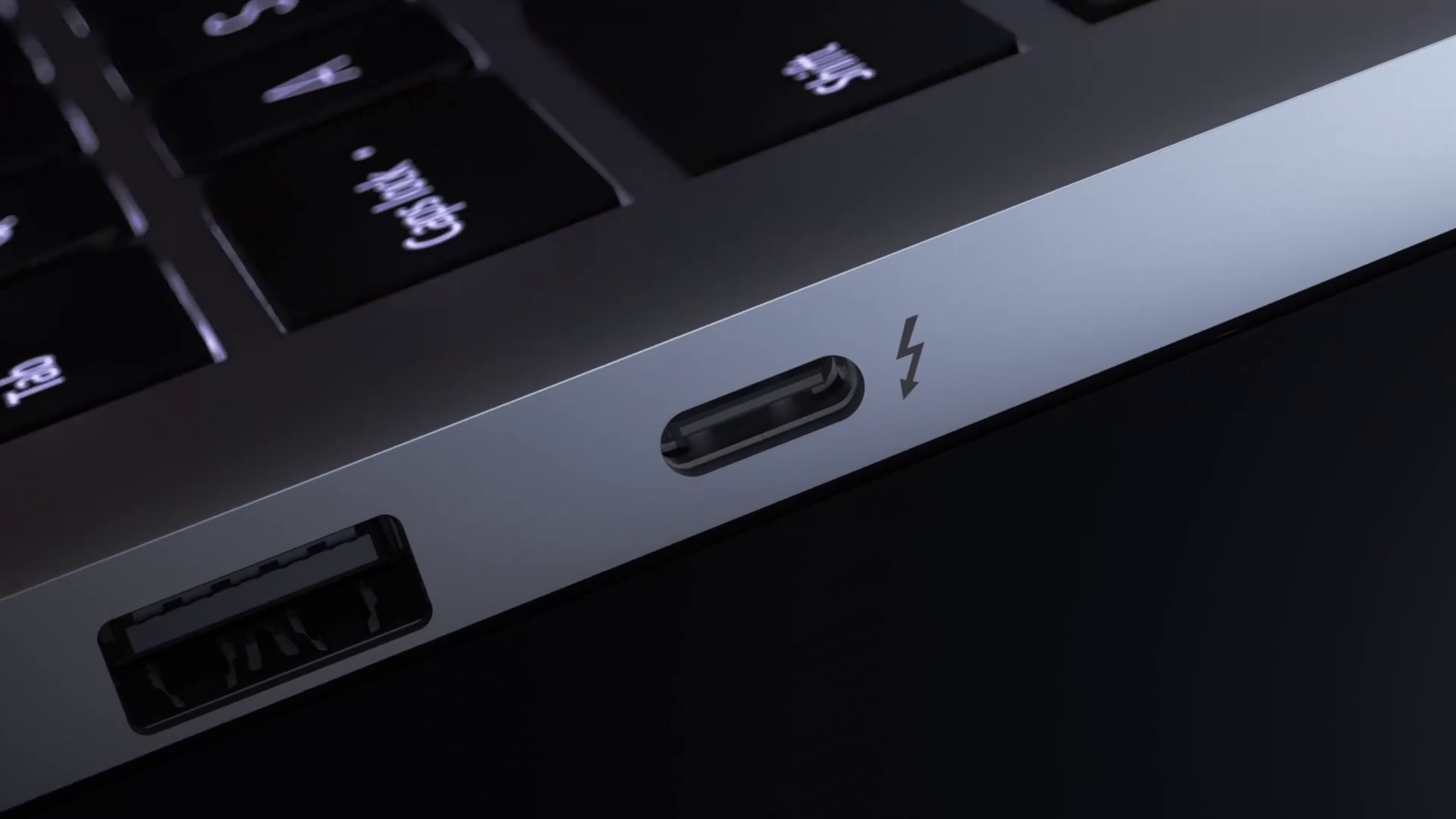
For connectivity, we have Wi-Fi 802.11ax(Wi-Fi 6), Bluetooth 5.1, 1xUSB-C Thunderbolt-4 port(supports 4K-ext. display at 60Hz, 1080p display up to 240Hz), 1xUSB-C, 1xUSB-A 3.2 Gen1, 1xUSB-A 2.0, 1×3.5mm audio jack, 1xHDMI ports.

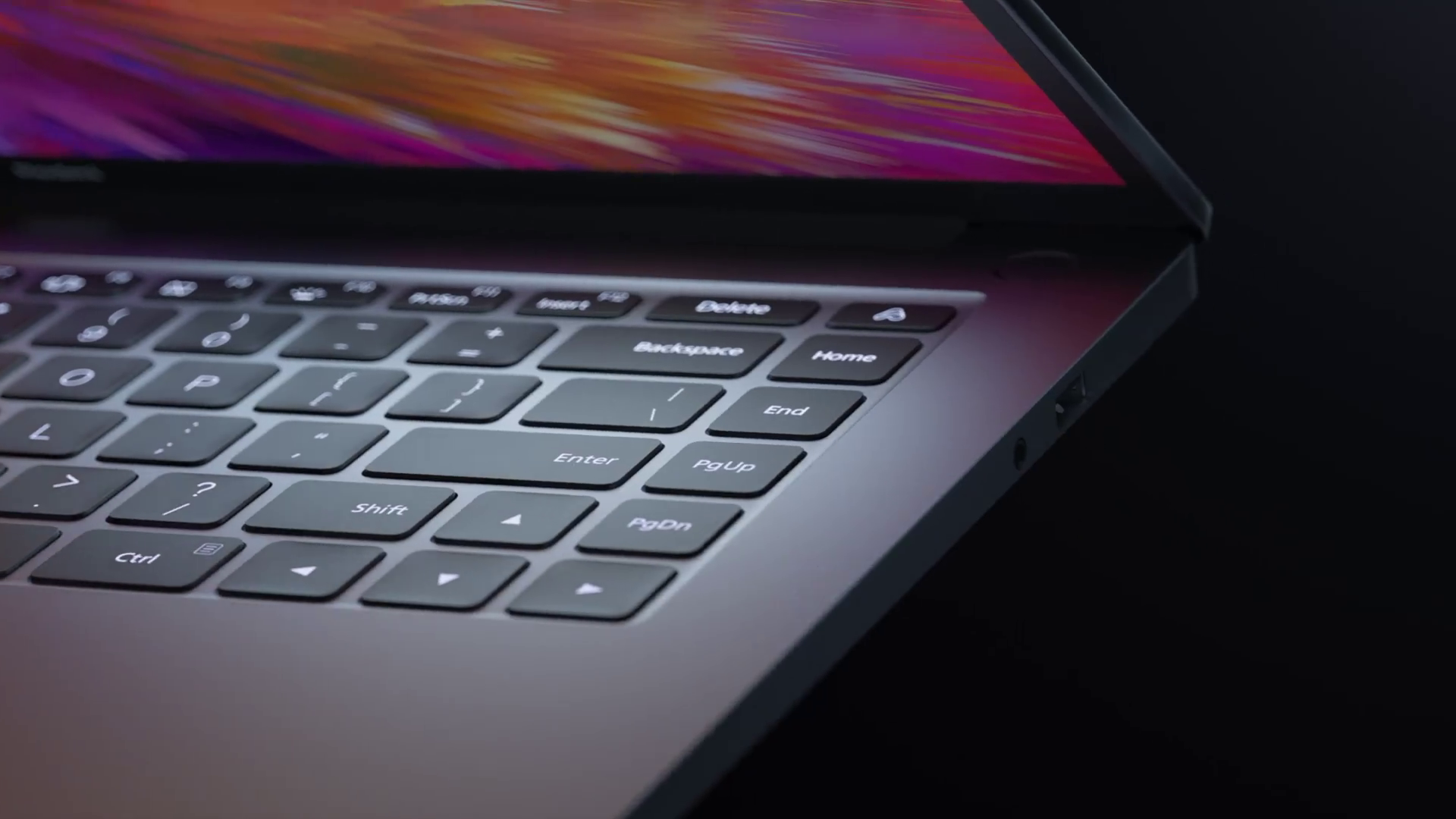
Other features include a 56WHr battery, 65W USB-C adapter, 4W speaker with DTS Audio, fingerprint sensor, 720p webcam, backlit keyboard, preinstalled Windows 10 Home(China) with XiaoAI, MIUI+, Microsoft Office Student edition.

RedmiBook Pro 15-inch Specs and Features

Display and Build

Unlike the 14-inch variant, the 15-inch model comes with a 15.6-inch 3.2K display with a resolution of 3200×2000 pixels. This display has a 242 PPI, 89.1% screen-body ratio, 1500:1 contrast ratio, 90Hz refresh rate(variable bet. 60/90Hz).

This 16:10 display also has a viewing angle of 178-degrees, TUV Rheinland certified for low-light emission, 100% sRGB color gamut, and DC dimming.

Also, just like the 14-inch, this model also has a 6-series aviation aluminum metal body, with CNC integrated molding process. It measures 350.1×242.3×17.9mm and weighs about 1.79kg.

Specs and Features

Under the hood, the RedmiBook Pro 15-inch is powered by the Intel 11th-gen Tiger Lake Core i5-11300H and Core i7-11370H processors. Just like above, it is paired with either integrated Intel Xe graphics or Nvidia GeForce MX450 GPU. For memory, you get the same 16GB DDR4 3200MHz RAM and 512GB PCIe SSD.

One more significant difference between the 15-inch from the 14-inch model is, that it has a 70WHr battery and comes with a whopping 100W USB-C charging adapter.

For connectivity, we have Wi-Fi 802.11ax(Wi-Fi 6), Bluetooth 5.1, 1xUSB-C Thunderbolt-4 port(supports 4K-ext. display at 60Hz, 1080p display up to 240Hz),1xUSB-C, 1xUSB-A 3.2 Gen1, 1xUSB-A 2.0, 1×3.5mm audio jack, 1xHDMI ports.

Other features include a 4W speaker with DTS Audio, fingerprint sensor, 720p webcam, backlit keyboard, preinstalled Windows 10 Home(China) with XiaoAI, MIUI+, Microsoft Office Student edition.

RELATED:


Samsung Galaxy Tab S7 Lite with Snapdragon 750G spotted at Geekbench

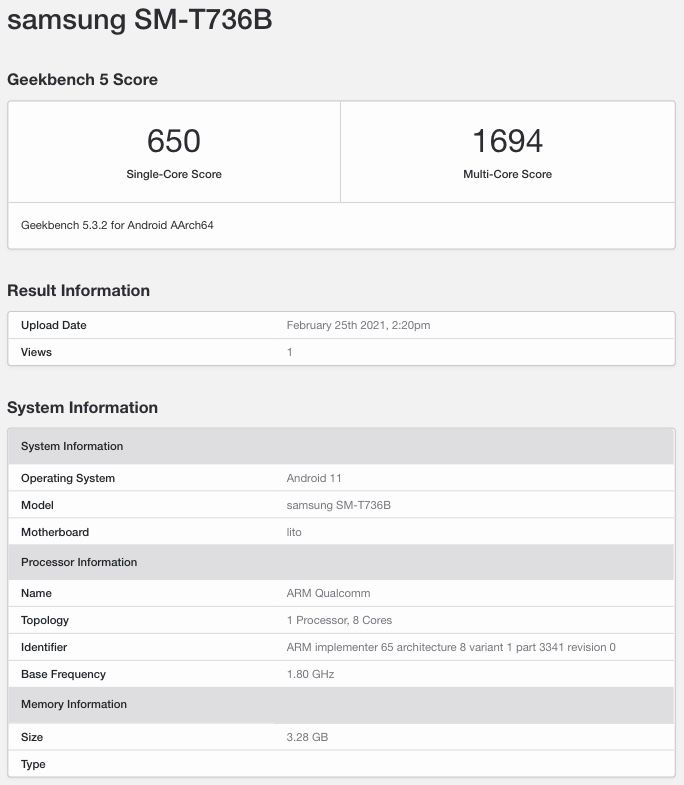
It was found in the previous month that Samsung is working on a new tablet named Galaxy Tab S7 Lite. It is speculated that model numbers such as SM-T730, SM-T735, and SM-T736GB belong to the Wi-Fi, 4G LTE, and 5G versions of the Tab S7 Lite. A recent leak had revealed the key specs of the tablet. The 5G edition of the tablet has appeared at the Geekbench benchmarking platform (via. MySmartPrice) to reveal its processor and RAM capacity.

The SM-T736B variant of the Galaxy Tab S7 Lite has been spotted with a processor that is codenamed as ‘lito’ on Geekbench 5. The Qualcomm chip offers a base frequency of 1.80GHz. The SoC is coupled with 4 GB of RAM and the device runs on Android 11 OS. In the single-core test, the device scored 650 points and it reached a score of 1694 points in the multi-core test.

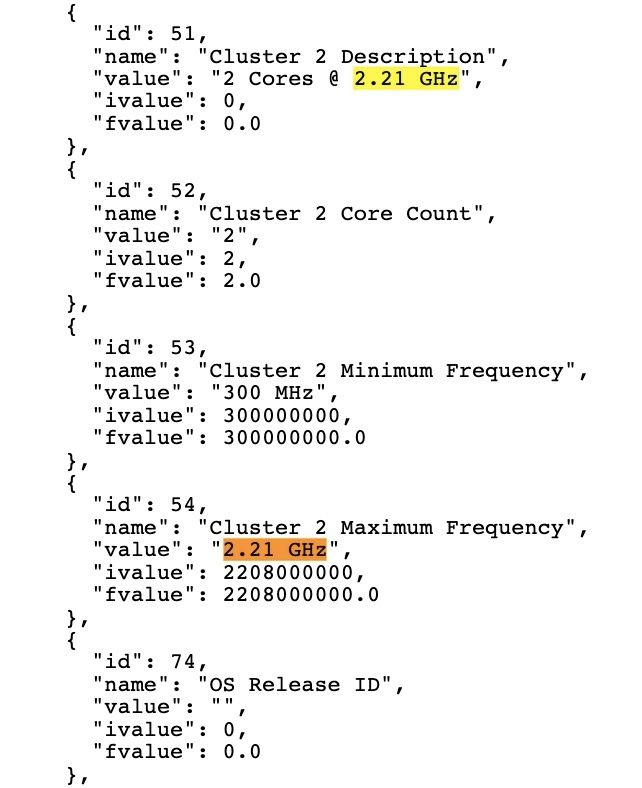
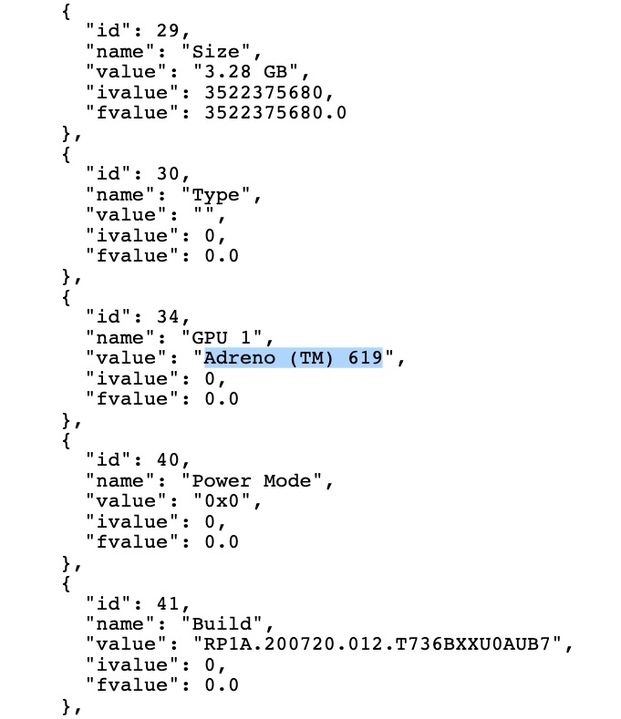
The publication shared a screenshot of the source code of the Geekbench listing. It reveals that the SoC can achieve maximum processing speeds of 2.21GHz and it has Adreno 619 graphics. These clues indicate that the device will be powered by the Snapdragon 750G chipset.  The same SoC fuels smartphones like Samsung Galaxy A42 5G, Motorola Moto G 5G, Xiaomi Mi 10 Lite, Xiaomi MI 10i 5G, and Xiaomi Redmi Note 9 Pro 5G.

A recent leak revealed that Galaxy Tab S7 Lite will be arriving with a 12.4-inch display and it will come with features like 5G and Galaxy Continuity, which lets users use the tablet as a secondary screen for a Galaxy phone. The other specs of the tablet are under wraps.

The Galaxy Tab S7 Lite is speculated to launch in June. The tablet will be succeeding the Galaxy Tab S6 Lite, which went official back in April 2020.

RELATED:

Realme GT 5G with under $465 pricing could be the most afforable Snapdragon 888 powered phone

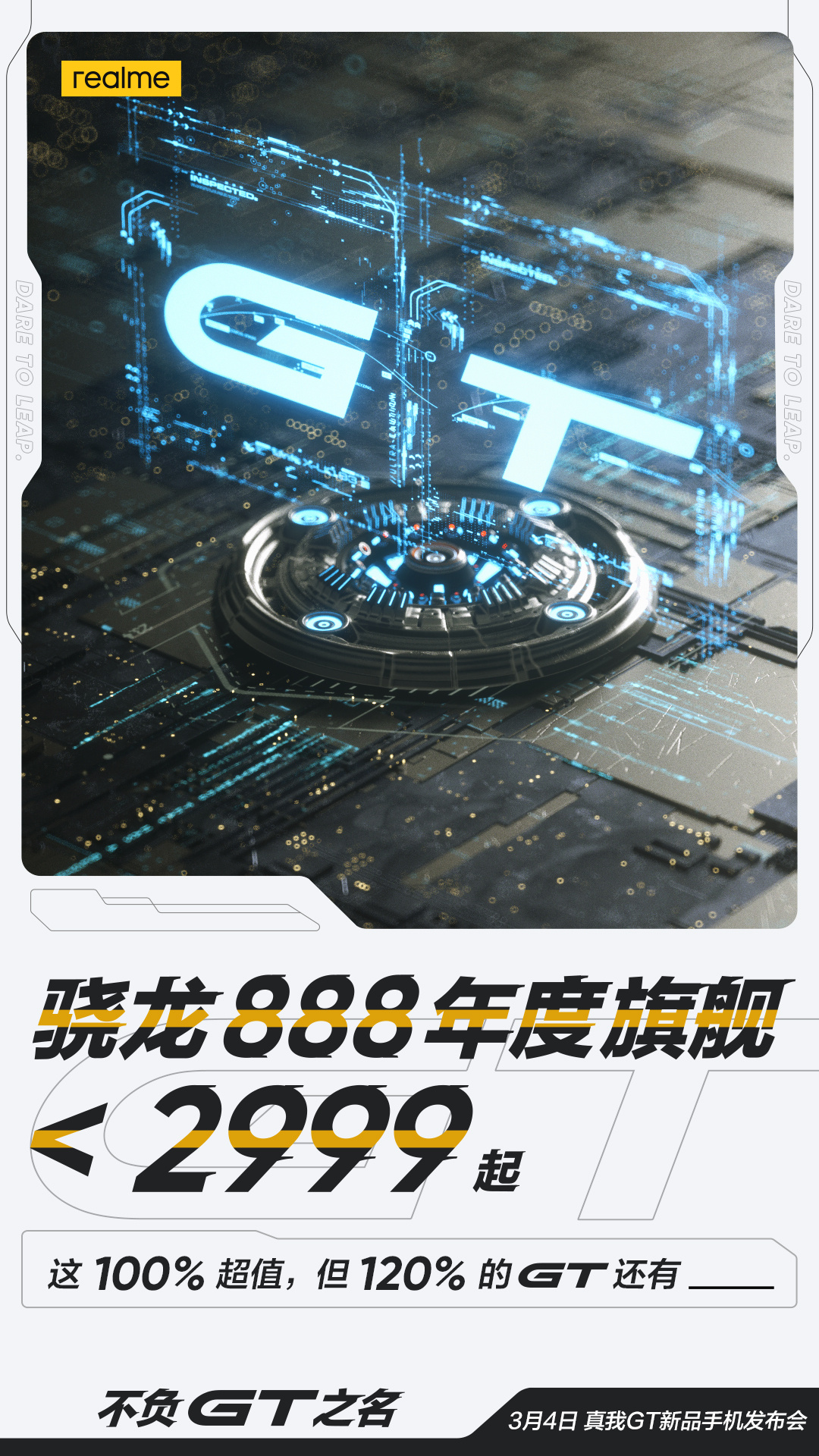
The Realme GT 5G flagship smartphone will be made official in China on March 4. Ahead of the launch, the company has already revealed some of the key specs of the smartphone. Today, it revealed that it will be priced under 2,999 Yuan (~$465) in the home market.

Realme GT pricing poster

The Realme GT 5G will be coming with some impressive specs and features. It will be featuring an AMOLED screen that supports a refresh rate of 120Hz. It will draw power from the Snapdragon 888 mobile platform.

The SoC will be coupled with enhanced versions of LPDDR5 RAM and UFS 3.1 storage. The handset was recently seen at AnTuTu benchmarks with 12 GB of RAM and 256 GB of storage. Realme CMO Xu Qi claimed that the Realme GT 5G will not come in a 6 GB RAM + 128 GB storage version. Hence, it appears that the base model of the smartphone may feature 8 GB of RAM and 128 GB of native storage.

The exact size of its battery is not known yet. The 3C certification of the phone revealed that it could be carrying support for 65W fast charging. There is no word on the front camera of the phone. Its rear camera setup has a 64-megapixel primary camera. Speculations are rife that it features a 13-megapixel ultrawide lens and a 13-megapixel telephoto snapper. It also features a 3.5mm audio jack and an in-screen fingerprint reader.

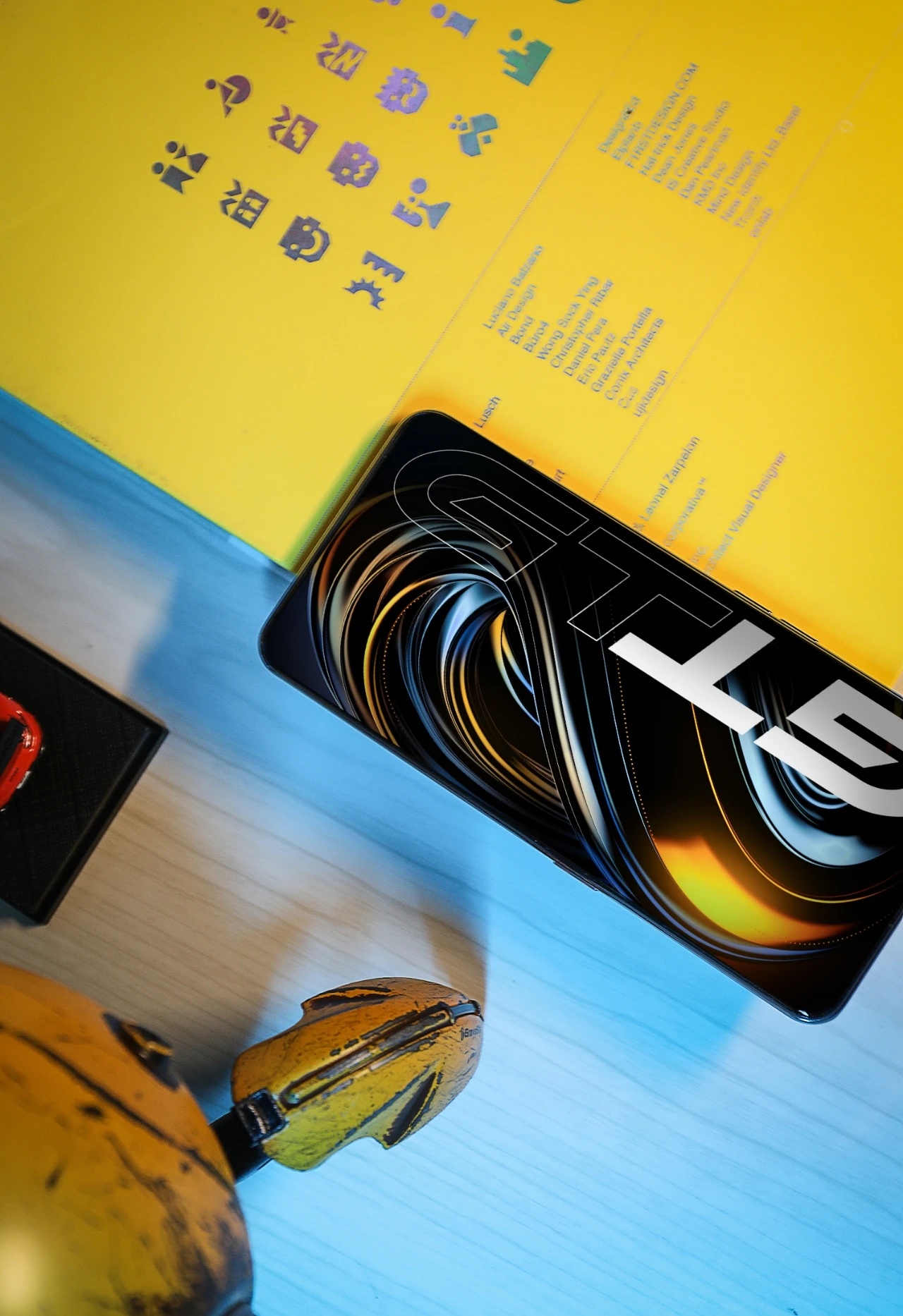
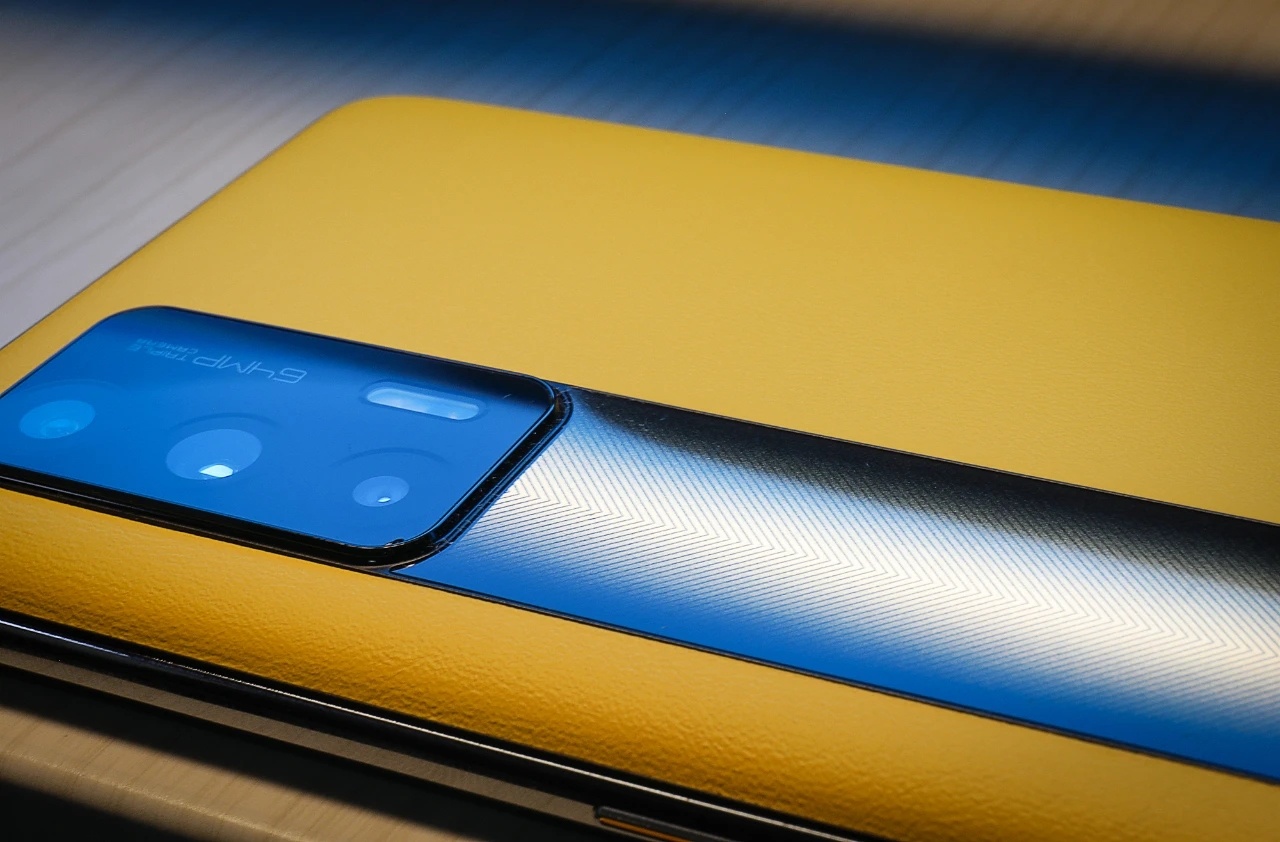
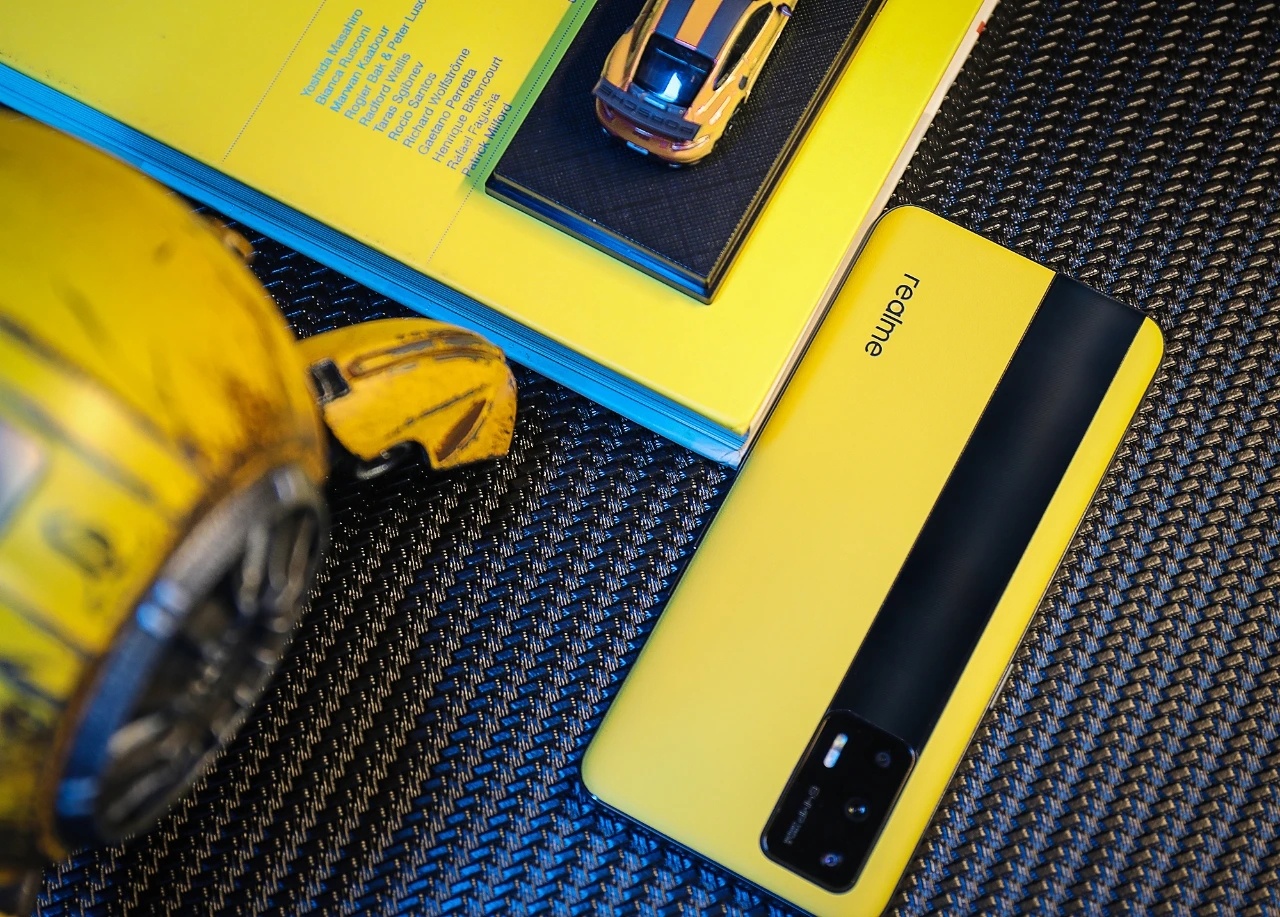
The Realme GT 5G will be available in leather and glass back versions. Shown above are some of the official renders of the leather back (aka Bumblebee leather edition. The sub-2,999 Yuan pricing for the Realme GT indicates that it will be arriving in the Chinese market as the most affordable Snapdragon 888 mobile platform powered handset.

RELATED:

realme 8 series teased to come with a 108MP camera sensor

Realme launches Mobile Game Controller, Cooling Back Clip and Mobile Game Finger Sleeves in India

realme Buds Air 2 launched in India with ANC, 25-hour battery life, and ₹3,299 price tag

POCO could launch the Redmi K40 5G under its brand, gets certified by IMDA

Redmi is gearing up to launch the Redmi K40 series in China today. Ahead of this, an IMDA listing suggests that POCO could rebrand the Redmi K40 and launch Globally as a 5G phone.
Redmi K40 Series First Look Official Teaser
Representative Image: Redmi K40

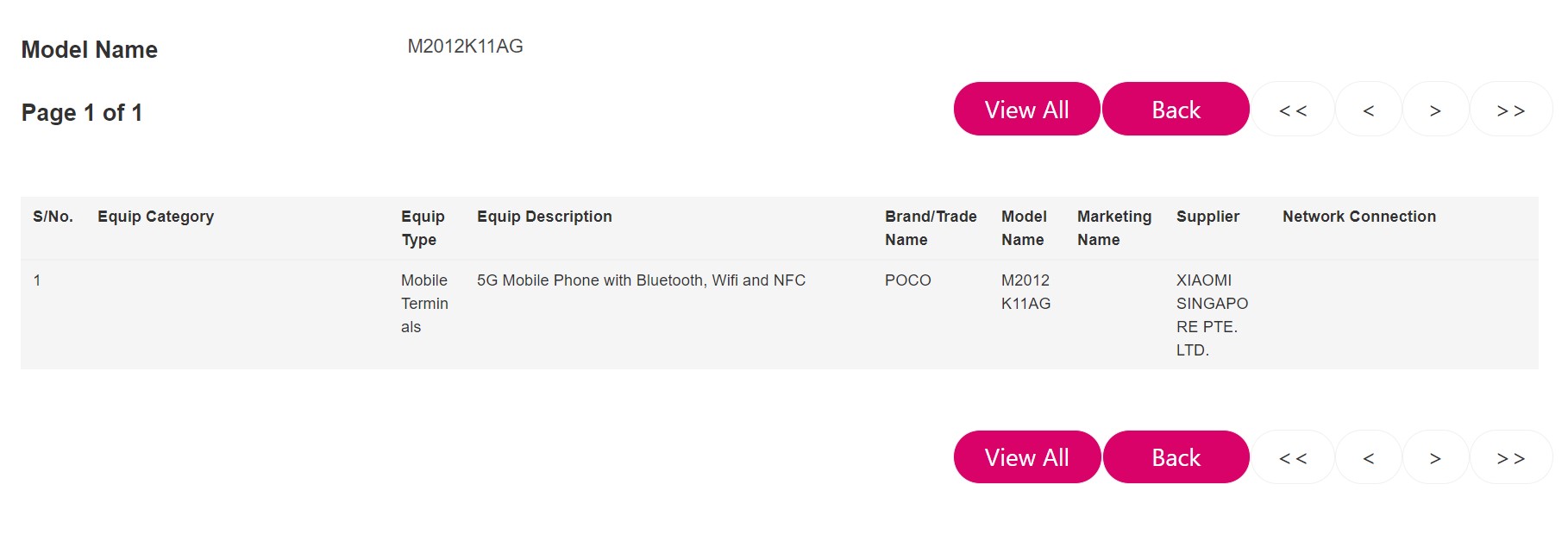
As noted by Abhishek Yadav on Twitter, a POCO device with model number M2012K11AG appears on Singapore’s IMDA certification. Now, if you recall, a similar model is said to be of the Redmi K40 thanks to earlier certifications.

Xiaomi’s certifications usually have three versions- One is for China, India, and Global. Usually, the three of them will have model numbers ending with the last letter C, I, G respectively. In that case, you can look at the model numbers as below:

As you can see above, the device in the listing supports 5G, Bluetooth, Wi-Fi, and NFC. We aren’t sure what POCO would name it but chances are that it may come under the F-series as a POCO F2 / F3. Besides the naming, POCO Global seems to have already started teasing about a new phone.

Angus Kai Ho Ng, who is the Global Spokesperson at POCO Global, has started a poll asking if users would prefer a 5G device or a flagship phone without 5G. I’m not sure which phone he is teasing here but it could very well be a headstart for an upcoming launch.

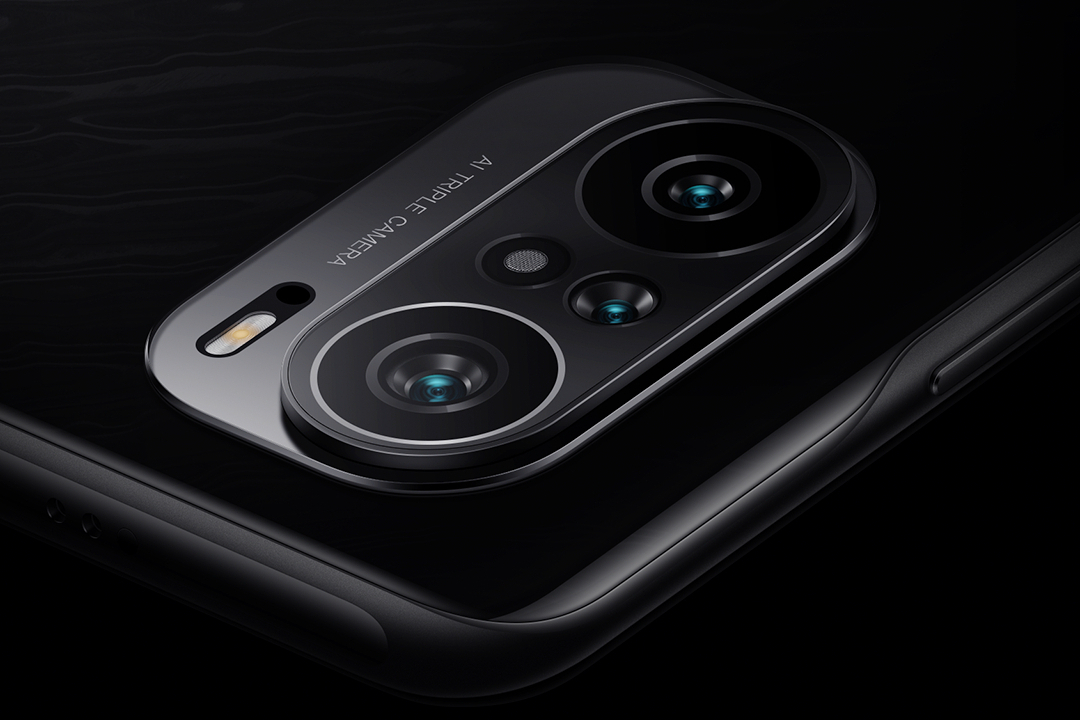
Parallelly, the Redmi K40 that is due for a launch today will likely feature a 6.67-inch Samsung E3 AMOLED 120Hz display, Snapdragon 870 chipset, AI Triple camera, 4,520mAh battery with 33W fast charging.

Let’s wait for more teasers from POCO in the coming days.

RELATED:


HUAWEI Mate20, Mate20 Pro, and Mate20 X Get EMUI 11 Global Stable Update

HUAWEI unveiled EMUI 11 based on Android 10 as the latest version of its mobile operating system at the HUAWEI DEVELOPER CONFERENCE 2020 in September. Since then, the company has been seeding out beta as well as stable builds for the eligible smartphones and tablets worldwide. Now, five months after the software’s official announcement, it is finally being rolled out to the global variants of the HUAWEI Mate20 series in stable form.

huawei mate 20 pro

According to Huawei Central, the Chinese telecom giant has finally started delivering EMUI 11 stable update for the global variants of the following HUAWEI Mate20 series models.

The update for the above-listed devices comes with build number EMUI 11.0.0.138. Interestingly, the OTA file only weighs 1.86GB in size for all three handsets. Anyway, it is worth noting that the update is being rolled out in batches. Therefore, it may take time to reach every region. 

Also, as per the timeline, even the company’s first 5G smartphone, HUAWEI Mate20 X 5G is scheduled to get the update along with other models in the series. Although it hasn’t received it now, it should get it soon as the firm has already rolled out this update for the Chinese variant earlier this month.

That said, in case you own any of these phones, then head over to Settings > System & updates > Software update > Check for updates to check whether your unit has received it. Additionally, users can also request OTA file from the Support app by navigating to the Service tab > update > Check for updates > download and install.


RELATED:


Huawei adds Headspace app to AppGallery, to offer wellbeing support to its customers

A new study from Huawei AppGallery and the Stress Management Society has found that a rising number of Brits have been using technology to keep their wellbeing in check amid the lockdown. Now, the company has also added known stress relieving app Headspace to its app gallery as well.

Huawei

The app was added to its ecosystem earlier today (25th February 2021). This arrives after the Chinese tech giant’s study revealed that 78 percent of Brits have used technology to relieve stress or to motivate themselves during the pandemic. During the lockdown, a 17 percent rise was observed in the number of people practicing mindfulness to cope with stress. At the moment, the Huawei AppGallery is the third largest app store in the world, which has now also added Headspace into the platform.

Through Headspace, the company aims to give customers access to ‘additional wellbeing support during this time of increased stress.’ According to Neil Shah, Chief De-Stressing Officer at The Stress Management Society, “It’s inevitable that every single one of us has been impacted in one way or another by the events of the last 12 months – and as we find ourselves living in a strange new reality, it is imperative that we find strategies to increase our resilience to cope with the unfamiliar, uncertain and challenging times we find ourselves living through.”

Huawei AppGallery

Jowlawn Victor, Chief International Officer at Headspace also added that “Since the lockdowns started last March, 10 times the number of people in the UK are following our ‘Reframing Anxiety at Home’ workout, and the ‘Stress meditation’ exercise is being listened to six times more than before lockdown; showing just how important a role the app is playing in supporting our mental wellbeing. Some Headspace courses have even had a 1000% spike in users as people turn to our app to help them feel more in control of their wellbeing during these unprecedented times.”

RELATED:


realme 8 series teased to come with a 108MP camera sensor

realme is back in the groove of launching smartphones frequently. The company is teasing realme GT in China while it has already launched budget devices like Narzo 30 Pro 5G in India. Yesterday, at the lndia launch, the company had hinted something with Infinity symbol on a poster. Today, Madhav Sheth has teased it further and it could be the realme 8 series with a 108MP camera.

VP, realme, and CEO of realme India & Europe, Madhav Sheth, in a Tweet has revealed the Quad-Camera setup of an upcoming realme smartphone. While he hasn’t explicitly mentioned it as a smartphone, the ‘#InfiniteLeapWith8’ and ‘108’ certainly suggest that realme 8 could be coming soon.

This is probably to take on the Chinese Giant Redmi that is already building up the hype for the Redmi Note 10 series. He says that he will reveal the breakthrough tomorrow i.e, February 26. Now, if it’s indeed the realme 8, it will be interesting to see how the company will bid it against the likes of rivals like Redmi Note 10.

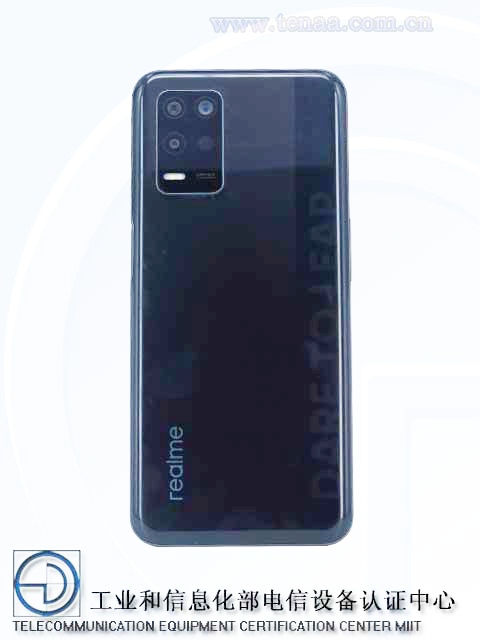
Recently, a realme device with model number RMX3161 appeared on TENAA. It was thought to be the Narzo 30 Pro 5G but the latter turned out as a rebadged realme Q2. That said, the RMX3161 has a camera layout similar to the one teased by Madhav and could be the realme 8.

Do note that this is just our guess and let’s wait for the official reveal tomorrow. Anyway, you can compare the images below.

At this point in time, the information regarding the realme 8 is very bleak, to say the least. However, vague benchmarks rooting back to November showed info like Dimensity 720 chipset, 8GB RAM, Android 10, and more. However, we wouldn’t put too much emphasis on this for now.

RELATED:


Samsung leads the Global TV market for the 15th consecutive year

Samsung Electronics has come out as the leader in the global TV market for the 15th consecutive year in 2020. The company led the market followed by LG and Sony, as per an Omdia research report.

Samsung

As per a FlatPanelsHD report, the South Korean tech giant recorded its lead 15 years in a row last year. In the global TV segment, it achieved a market share of 31.9 percent in terms of sales revenue in 2020. This marks a modest rise from 30.9 percent from the year prior. Unfortunately, the exact sales unit figures were not provided in the report. For those unaware, the company became the TV market leader back in 2006, when it launched the ‘Bordeaux’-designed LCD TVs.

Since then, Samsung has led the market thanks to its heavy investments and marketing in the segment. Furthermore, another South Korean firm arrived second as LG held a market share of 16.5 percent. On the other hand, Sony arrived third with a global market share of 9.1 percent. In other words, South Korean TV manufacturers alone accounted for nearly 50 percent of the entire TV market last year.

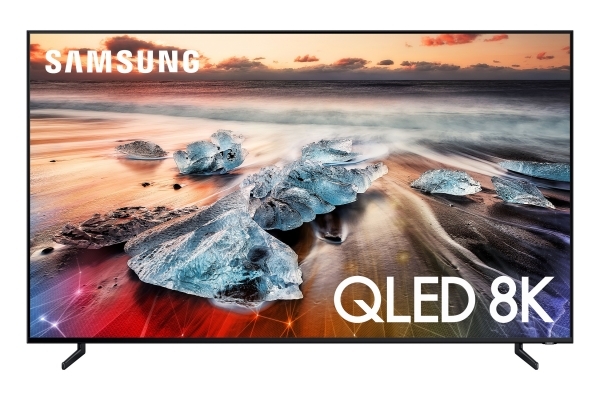
Samsung 8K QLED TV

According to Omdia, the company sold 7.79 million QLED LCD TVs last year, while LG sold just 2.04 million OLED TVs. Interestingly, Samsung saw great performance in both the higher and lower end markets. Meaning, its popularity was even across multiple segments, especially in the premium segment where it held a 50.8 percent market share for TV sizes 80 inch or larger TVs.

RELATED:


Lenovo Legion Pro 2 gaming smartphone to launch this Spring

Lenovo has just teased its upcoming gaming smartphone on Weibo, a Chinese microblogging website. This teaser was for the the Legion Pro 2 and highlighted the device’s cooling capabilities.

According to a GSMArena report, the company’s General Manager Chen Jin stated on his official Weibo account that the smartphone will be packed with top notch features, which will not compromise on any aspect to achieve the ultimate gaming experience. The senior executive also added that the device will be launching, sometime in Spring this year. Unfortunately, finer details regarding this device is still unknown at the moment.

Lenovo

Although, since its a gaming smartphone we can expect high end specifications like the Qualcomm Snapdragon 888 chipset, paired with up to 16GB of RAM. The teaser poster also highlighted cooling as a highlighting feature. So, we can expect some form of active thermal dissipation mechanism as well. Looking at the previous iteration, we can also expect to see at least a 5,000mAh battery pack along with an AMOLED display that supports high refresh rate of 144Hz.

RELATED:


TECNO CG6j spotted on FCC with 4,900mAh battery and 18W fast charging

TECNO is all set to release a new smartphone with model number CG6j. We know that because it has been certified by FCC. The certification has exposed the handset’s rear design and some of its key specifications.

TECNO CG6J FCC
TECNO CG6j | Source: FCC

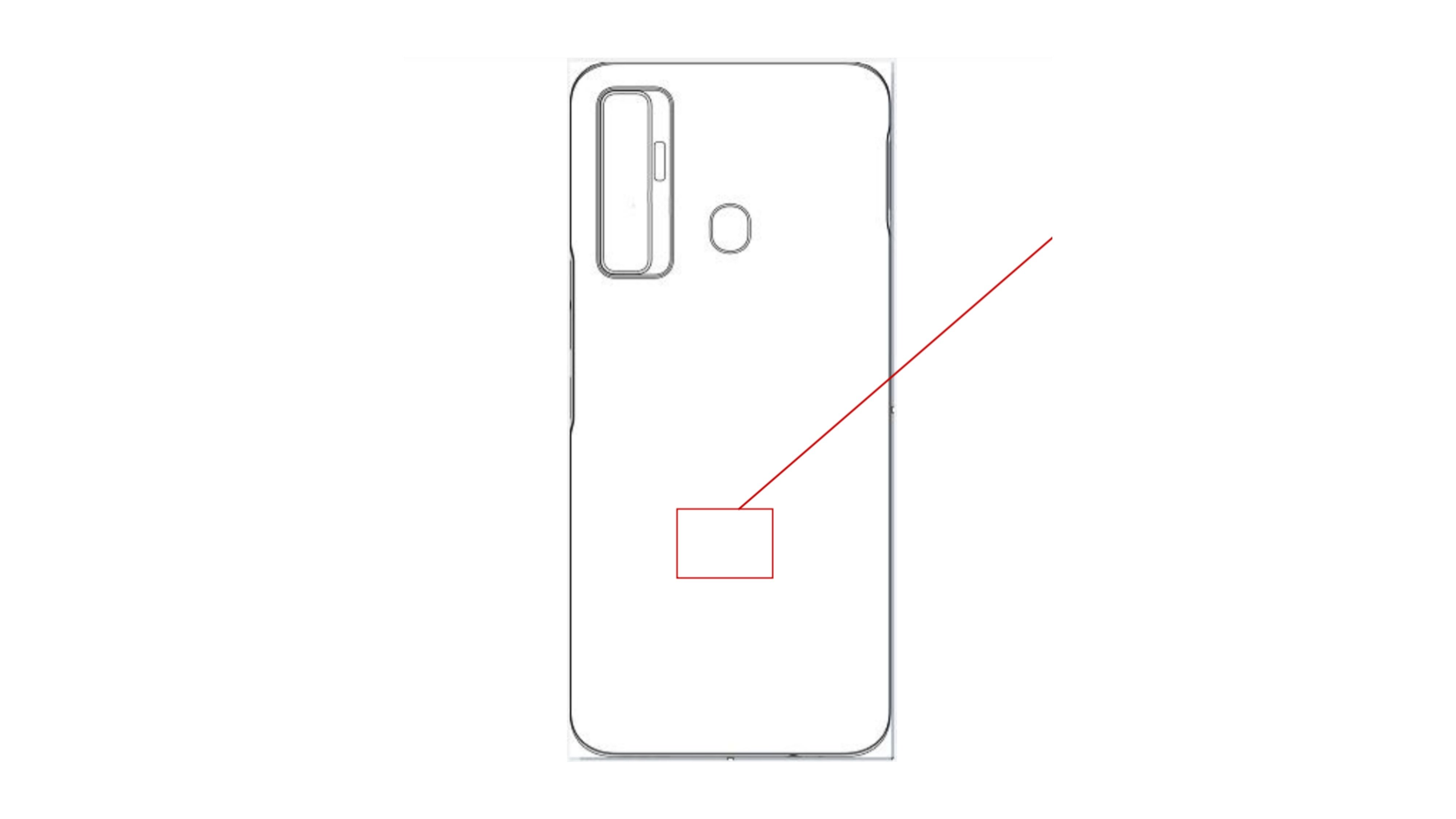
According to the design sketch for the FCC ID label, the forthcoming TECNO CG6j will house a vertically-aligned rear camera setup along with an elongated LED flash module. The back panel of the phone will also feature a capacitive fingerprint sensor.

There’s no info on the chipset but the device is confirmed to arrive with 4G connectivity, in addition to 3G and 2G. Like any other smartphone, it will also feature WiFi and Bluetooth.

Further, the handset will measure 165 x 76 x 8mm in dimensions and will be backed by a 4,900mAh battery with support for 18W charging. The charger for this phone will bear model number U180TSA. Last but not least, like any other budget smartphone, the device will also sport a 3.5mm headphone jack.

Unfortunately, we do not have information on this product’s official marketing name. Also, it is worth noting that most of the above-mentioned specs match with another upcoming smartphone called Infinix X693, which may go official as Infinix Note 10.

For those unaware, TECNO, Inifnix, and itel are sister brands under the parent company Transsion Holdings. Hence, some of the phones from these brands have identical features.


RELATED:


(Via)

Researchers develop a new wearable device that is powered by the users’ body

A new wearable device has been developed by researchers at CU Boulder. This device is unique since it is capable of transforming the human body into a biological battery, since it is powered by the user itself.

According to a SciTechDaily report, the device is described as a low cost wearable gadget that is stretchable as well. Meaning, it can be worn as a ring, a bracelet, and more different kinds of accessory that touches one’s skin. The wearable product taps into a person’s natural heat. In other words, it uses thermoelectric generators to convert the body’s internal temperature into electricity.

Jianliang Xiao, senior author of the new paper and an associate professor in the Paul M. Rady Department of Mechanical Engineering at CU Boulder stated that “In the future, we want to be able to power your wearable electronics without having to include a battery.” Furthermore, this device can generate about 1 volt of energy for every square centimeter of skin space. This is less voltage per area than what existing batteries provides, but it will still be enough to power products like fitness bands and watches.

Wearable

The wearable device can also heal itself when damaged and is fully recyclable along with being stretchable. This also makes it a cleaner alternative to conventional electronics. Xiao further added that “Whenever you use a battery, you’re depleting that battery and will, eventually, need to replace it. The nice thing about our thermoelectric device is that you can wear it, and it provides you with constant power.”

RELATED:


Redmi Note 10 hands-on video reveals AMOLED screen, rear design, key details

Earlier this week, a leaked photo of Xiaomi Redmi Note 10’s retail box was spotted on social sites. Today, an Indian retailer named Anis Mobile released a hands-on video of the device to reveal some of its key features and specs.

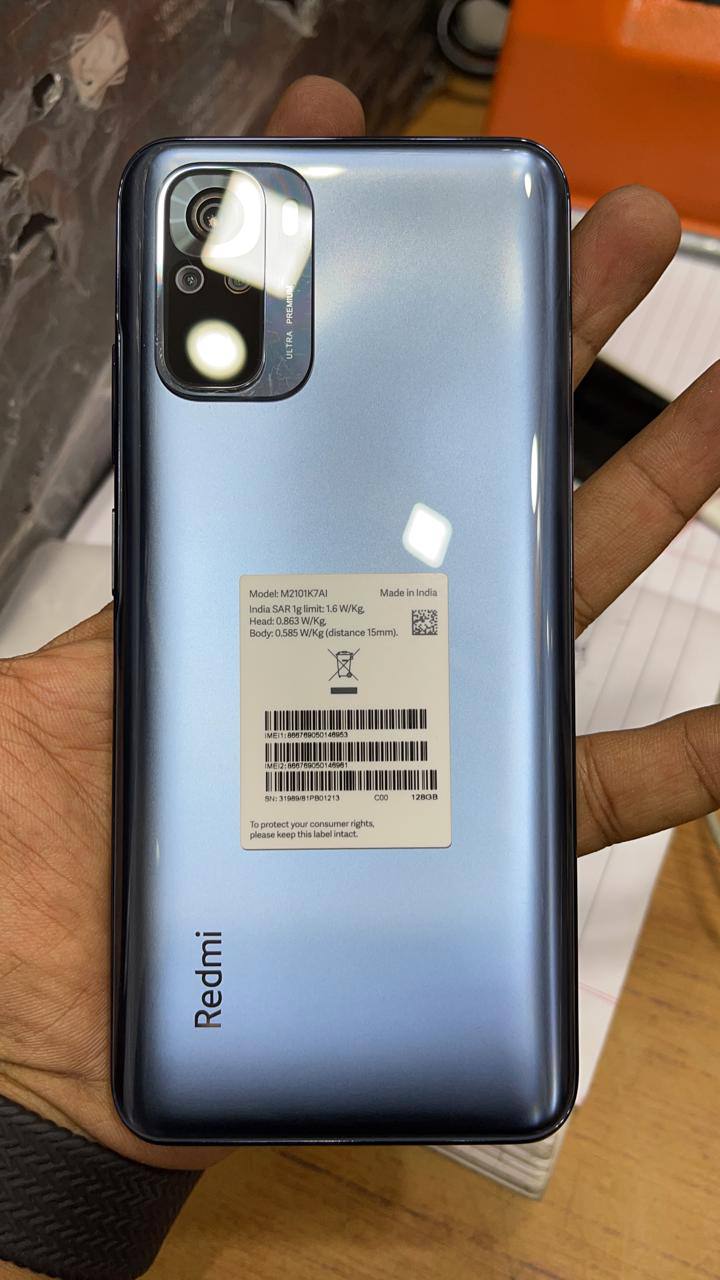
Reports have revealed that the Redmi Note 10 will be available in three colors like green, white, and grey. The hands-on video which has been taken down showcased the grey model with a curved back. It seems that the device could be equipped with a polycarbonate rear.

The M2101K7AI model number which belongs to the Indian variant can be seen mentioned on the label placed on the back panel. At the upper-left corner is a quad-camera module. Speculations are rife that it has a 48-megapixel primary camera.

The Redmi Note 10 will be arriving as the first Note series phone featuring an AMOLED screen. The Settings page reveals that it will come with an Always-on Display function that is found on phones with AMOLED panels. Rumors have claimed that it will offer a conventional refresh rate of 60Hz.

The top edge of the Redmi Note 10 seems to feature a loudspeaker and an IR blaster. Its bottom edge has another loudspeaker, a USB-C port, and a 3.5mm audio jack. It has a side-mounted fingerprint reader.

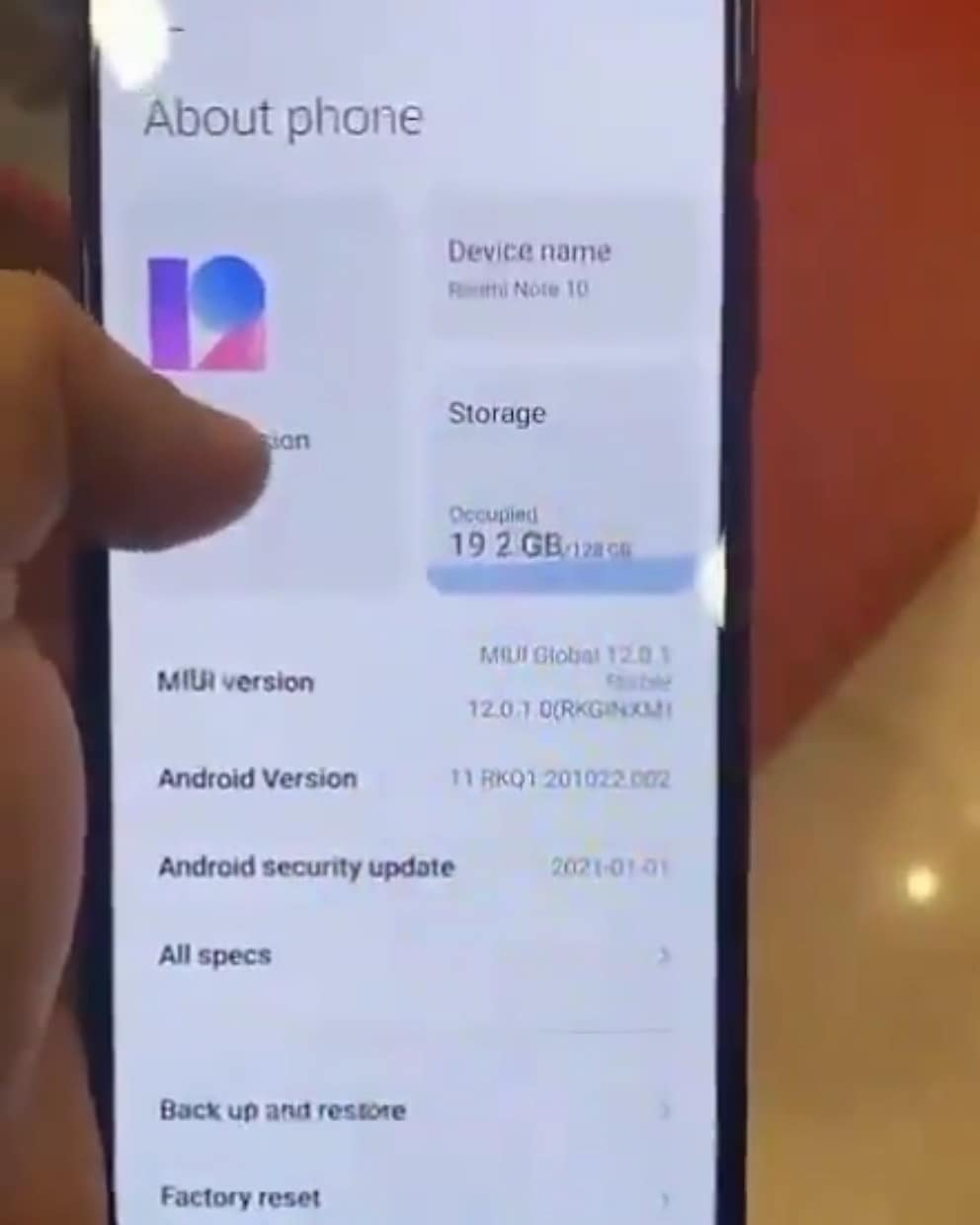
The About phone page reveals that the Redmi Note 10 has an internal storage of 128 GB. The phone is equipped with MIUI 12.0.1 based Android 11 OS and January 2021’s Android security patch.

Rumors have it that the Redmi Note 10 will draw power from Snapdragon 678 chipset. There is no information available on the display size, battery capacity, and fast charging capabilities of the device. According to Anis Mobiles, the Redmi Note 10 is priced at Rs 17,000 (~$235).

The Redmi Note 10 will go official on March 4 along with other models such as Redmi Note 10 Pro and Redmi Note 10 Pro Max.

RELATED:

Huawei Founder seeks to make ‘first-class’ products from ‘third-class’ components

Huawei Founder, Ren Zhengfei, has stated that it seeks to make ‘first-class’ products from ‘third-class’ components, as a part of its efforts to strengthen its position despite the difficult situation it is currently in.

Huawei Logo MWC 2019

According to an SCMP report, the senior executive made the statement to highlight the company’s aim to sharpen its focus to ensure the survival of the brand. Ren said that the company must try to use “third class” components to manufacture “first class” products during an internal meeting, which arrives amid its struggles caused by the US trade restrictions. The Founder stated that “In the past, we have ‘spare parts’ for high-end products. But now the US has completely blocked Huawei’s access [to such components] and even commercialized products cannot be supplied to us.”

He further added that the Chinese tech giant has to “work hard to sell products and services that can be sold and [help] maintain the market position of [its]core business” in 2021. “In terms of market strategy … we must dare to abandon some countries, some customers, some products and some scenarios.” This statement is in line with Ren’s previous speech, in which he said that the company has to decentralize its operations, while also simplifying its product line and focusing on generating profit to survive the US sanctions.

Zhengfei Ren, Huawei founder and CEO

Notably, Nicole Peng, vice-president of mobility at research firm Canalys stated that “It is already very challenging for Huawei to fight to survive, but the burden of developing China’s technology supply chain is way harder for a single company to bear. I believe that’s an area where Huawei wants to position itself to become one of the core pillars in China’s tech supply chain’s independence.” Similarly, Ren further added that “It will be difficult for us to rely solely on hardware to lead the world for a long time. We have to rely on software to remedy it.”

RELATED:


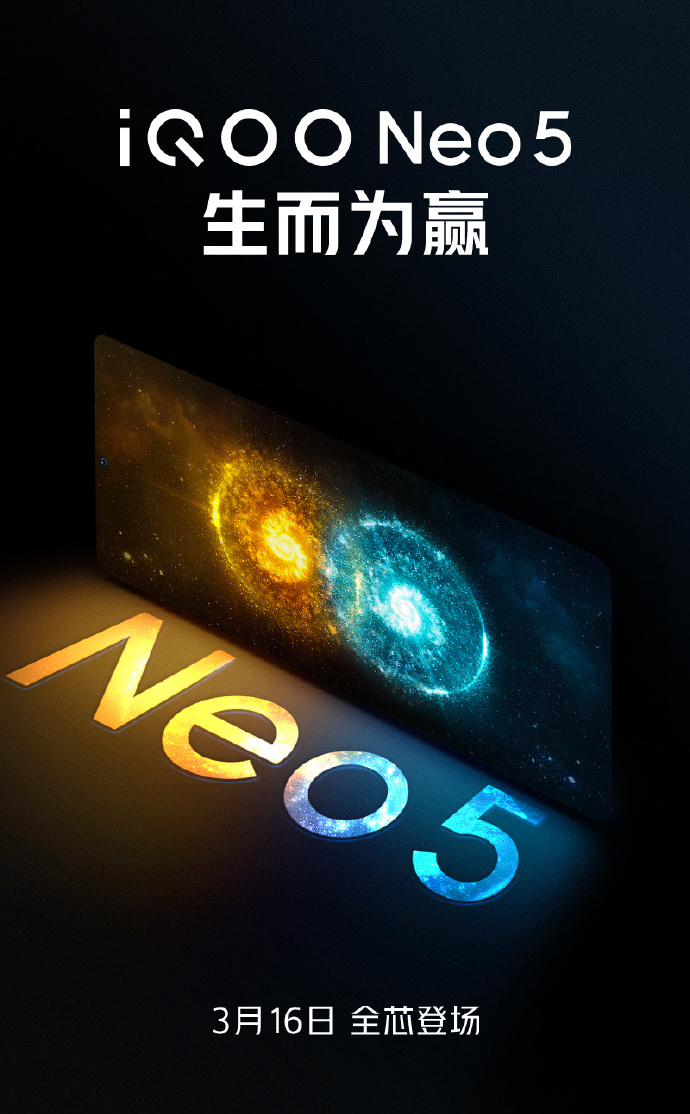
iQOO Neo5 launch date is March 16

iQOO is expected to bring a host of devices like the iQOO 7 to countries like India. In the meantime, it has finally locked the launch date for the iQOO Neo5 smartphone in China.

In a Weibo post, the company posted the announcement and confirmed the “iQOO Neo5” moniker. The device will debut in China on March 16. In a teaser poster, the company has also confirmed that the device will feature a centered punch-hole display.
Recently, a smartphone said to be the iQOO Neo5, has been appearing on the radar of leaks. It has a centered punch-hole similar to the one we see on the teaser image however, iQOO hasn’t revealed the complete design and specs yet.

Speaking of which, a retail box and charger leak also briefly showed the front of the Neo5 recently. Anyway, the display said to be an AMOLED panel with a 120Hz refresh rate. The resolution will at least be a 2400×1080(FHD+).

Under the hood, it will surprisingly be powered by Snapdragon 870 chipset, have up to 12GB RAM, 256GB storage, and run Android 11 OS. Other expected specs include a Triple-camera on the back with a 48MP Sony IMX 598 main lens, a 13MP ultra-wide, and a 2MP sensor.

Considering the predecessor, iQOO Neo3 had a 16MP selfie shooter upfront, we can expect the successor to at least have the same if not lower. The iQOO Neo5 will likely have a 4,400mAh battery with 66W FlashCharge support, SA/NSA 5G, Wi-Fi 6, NFC, and more.

Reports also say that iQOO might launch Neo5 at 2,999 yuan($465) which is about 300 yuan more than the predecessor’s launch price. However, we suggest you take this with a pinch of salt and wait for the official word.

RELATED:


Infinix X693 key specs and design revealed by FCC

Inifnix is one of the three Transsion brands other than TECNO and itel. The trio is popular in Africa, thanks to its affordable lineup of smartphones. According to FCC, Infinix may soon release a new handset with model number X693. Let us take a look at the specs and design of this device.

Infinix X693 FCC
Infinix X693 | Source: FCC

An upcoming Infinix smartphone with model number X693 has been certified by FCC (via Abhishek Yadav). The certification reveals the phone’s rear design and some of its specifications.

As per the documentation, this forthcoming device will be a 4G handset. Going by the design sketch for the label, the smartphone will feature a multiple-camera setup and ‘Infinix’ branding on its back. It will also house a 3.5mm headphone jack at the bottom.

On the connectivity front, apart from 4G, it will have support for 3G, 2G, WiFi, and Bluetooth. As for power, the phone will be backed by a 4,900mAh battery with support for 18W fast charging. A charger with model number CQ-18LX will be included in the box.

Lastly, the Infinix X693, whose marketing name is a mystery as of now, will measure 173 x 79 x 9mm in dimensions.

That said, this device could go official as Infinix Note 10. Because the Infinix Note 10 Pro, which is also yet to release, bears the model number X695 that differs by a single digit.

The Pro model is expected to arrive with MediaTek Helio G90T SoC, up to 8GB RAM/256GB internal storage, quad-camera setup, Android 11, and 33W fast charging.


RELATED:


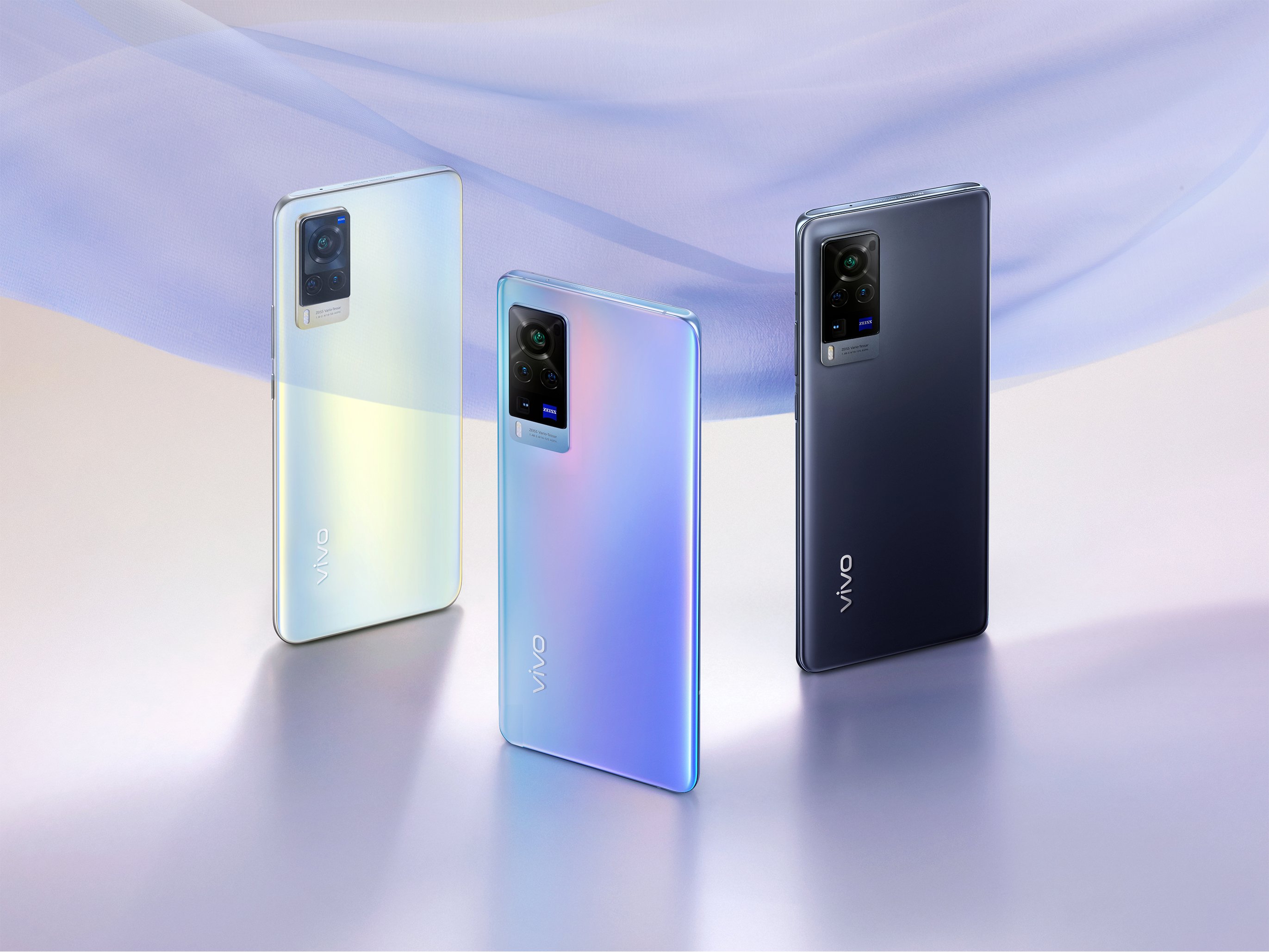
vivo X60 and vivo X60 Pro certified by India’s BIS, Indonesia Telecom, and more

Chinese smartphone maker vivo debuted the vivo X60 series in late December 2020 in China. All the three handsets in the lineup, namely vivo X60, vivo X60 Pro, and vivo X60 Pro+ are reported to launch in India in the coming days. Ahead of their release, the vanilla and the Pro models have been now certified by BIS, EEC, TKDN, and Indonesia Telecom.

vivo X60 and vivo X60 Pro Featured 01

First and foremost, the standard vivo X60 with model number V2045 has been spotted by 91Mobiles on two certification bureaus, namely BIS and Indonesia Telecom. The certifications somewhat confirm this handset to launch in India and Indonesia respectively.

The same publication has also spotted the vivo X60 Pro with model number V2046 on EEC, TKDN, Indonesia Telecom, and BIS. Hence, we can expect this smartphone to release in Europe, Indonesia, and India respectively.

Since these phones are already official and are being sold in China for quite a while, we know everything about them. The vivo X60 and vivo X60 Pro are identical in terms of specs with some minor differences.

They come with a 6.56-inch FHD+ 120Hz AMOLED display, Exynos 1080 SoC, OriginOS based on Android 11, 32MP selfie camera, and 33W fast charging. But their rear camera setup and battery capacity are different.

The vivo X60 has a 48MP (wide) + 13MP (2x telephoto) + 13MP (ultra-wide) triple camera setup, while the vivo X60 Pro sports an additional 8MP 5x periscope unit. Lastly, the former has a 4,300mAh battery and the latter is backed by a slightly smaller 4,200mAh cell.


RELATED:


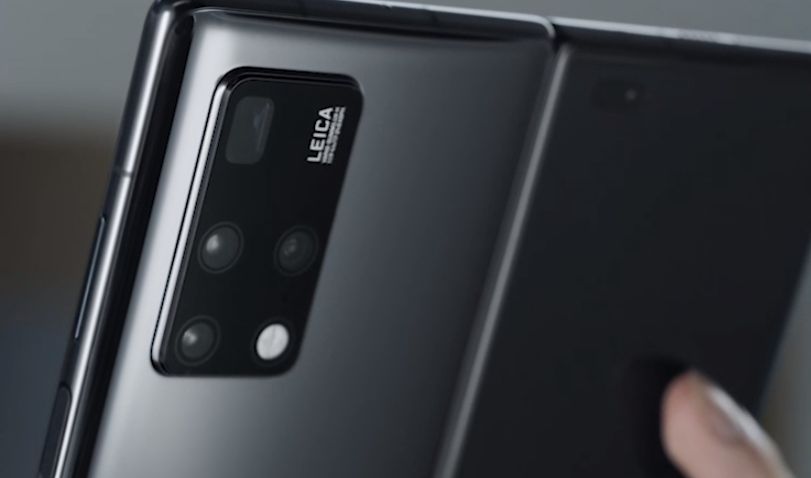
Scalpers are selling the Huawei Mate X2 at a premium of up to $1,500 to $3,000

The Huawei Mate X2, the company’s second generation of foldable smartphone, went on sale earlier today (25th February 2021). However, it seems that scalpers have targeted to the new device as well, selling these smartphone at a high premium.

Huawei

The Mate X2 foldable smartphone is officially priced at 17,999 Yuan (roughly 2,790 US Dollars) for the 256GB storage variant and 18,999 Yuan (roughly 2,944 US Dollars) for the 512GB storage variant. In other words, the new handset is an ultra high end device with a premium price tag. But, despite its high price, many people have already found that the placing an order for the foldable smartphone is not possible at the moment. Apparently, the option to place an order is not working, despite the device being in stock.

Furthermore, scalpers have also started reselling the device on other e commerce platforms at a higher price. These listings have been found in major websites like JD.com, with a premium ranging from 10,000 to 20,000 Yuan (roughly 1,500 to 3,000 US Dollars). Meaning, the 256GB Mate X2 variant that is priced at 17,999 Yuan is being sold for a price of around 28,888 Yuan, while a few other sellers are even pricing the device up to 38,366 Yuan.

Huawei

For those unaware, scalpers are basically people who acquire new products early on in large numbers to create an artificial scarcity, and resell these products on third party websites at a cost much higher than its actual price. This issue has recently been affecting various markets, like the newly launched console generations and even the GPU market as well. It remains to be seen how the Chinese tech giant deals with the situation.

RELATED: