Advertisement

Google’s Android 12 may come with “Material NEXT” design along with new features

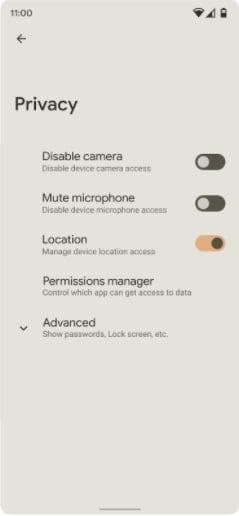
Recently, a few images of the upcoming Android 12 mobile operating system from Google were leaked online through documents shared by the tech giant with OEM partners. It showcased a few changes in terms of design, which appeared to be related to a new system-level theming engine for the OS.

However, the latest report coming from XDA-Developers hints that Google may be working on a new design for the Android operating system. As per the report, the company has marked the new notification UI changes as the start of the “road to Material NEXT” UI.
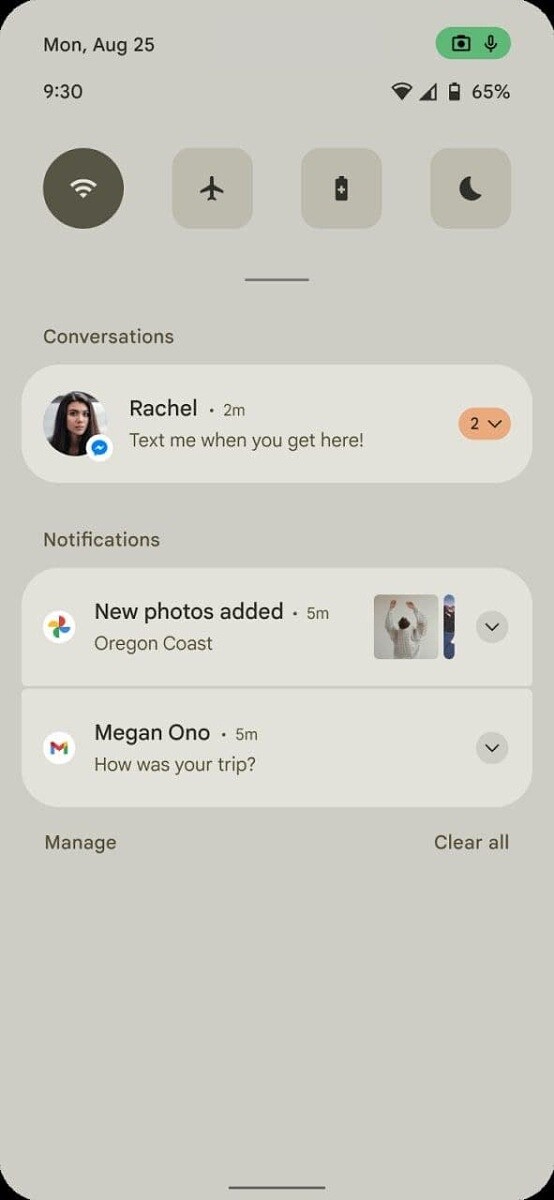
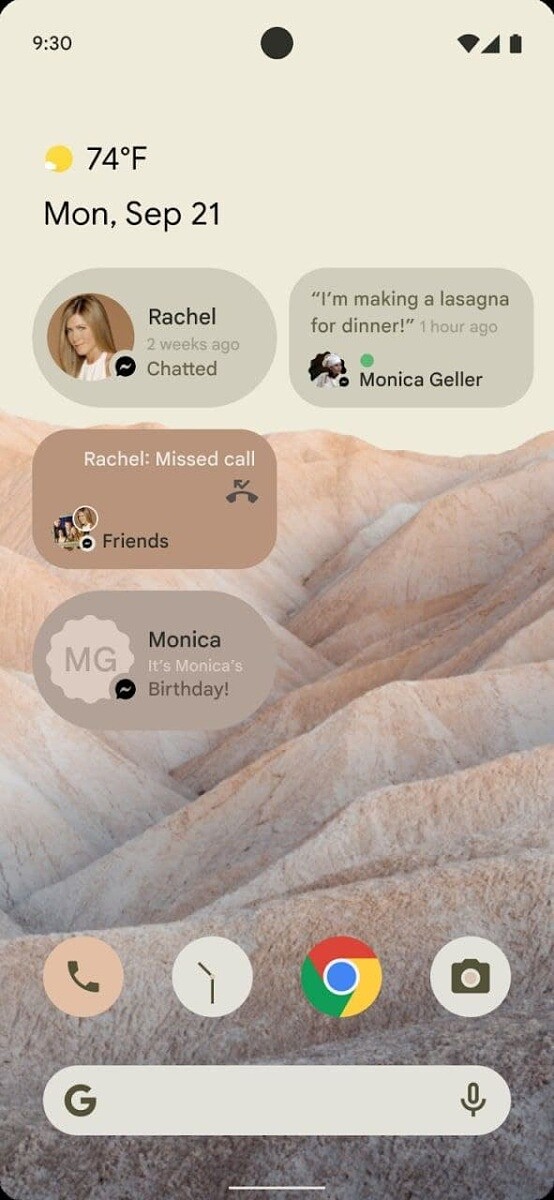
For those who are unaware, “Material” is a design library from Google which has improved a lot since its initial launch. Most of the Google applications are using Material design. However, it is not yet known what changes does the “Material NEXT” design includes but it seems to be significant changes if the leaked images are anything to go by.

Apart from the design-related changes, Google is also planning to introduce several new features to the Android 12 operating system, including new layouts and features for the Always-On Display and Lock Screen.

From the leaks so far, it appears that the company is primarily focusing on notifications user interface and changes to the Quick Settings panel. There also seems to be a “letterbox” feature which is a new way to put apps into a frame/window.

It is also expected to come with several other features, including Smarter Autorotation, a Gaming Mode, a Reduce Bright Colors feature, a “stashing” feature to the Picture-in-Picture (PiP) mode, and a new one-hand mode.

RELATED: 

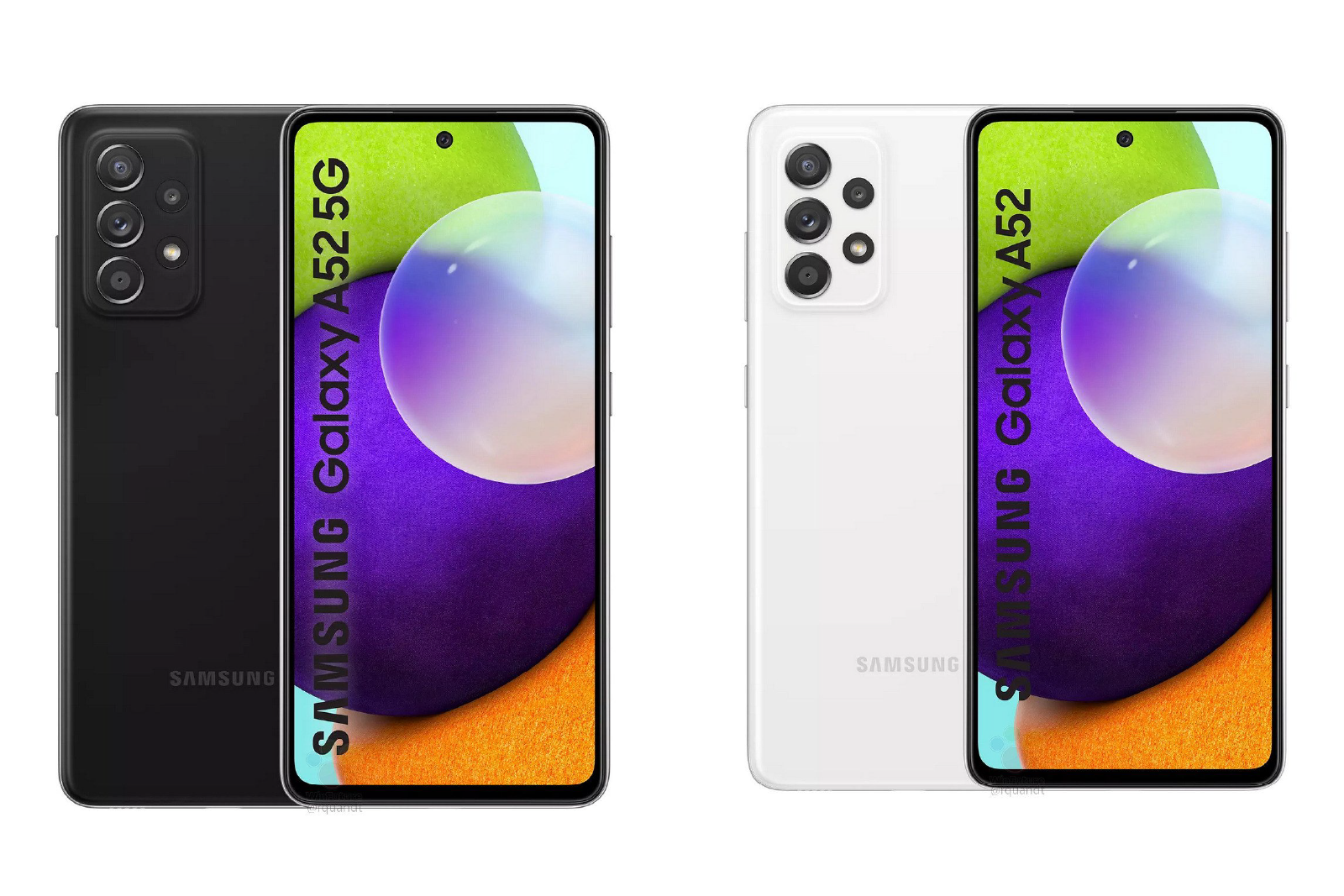
Samsung Galaxy A52 and A52 5G images, specs, and pricing details leak online

Samsung is expected to launch a couple of Galaxy A-series smartphones in the coming weeks but ahead of the official launch, details about the devices keep surfacing online. After details of Galaxy A72 leaked, now details of the upcoming Galaxy A52 and A52 5G have surfaced online through WinFuture.

As the naming itself confirms, the key difference between both models is the connectivity. Coming to the launch, there’s no specific date known yet but the devices are expected to go official by the end of this year or in early March.

Samsung Galaxy A52 5G Renders Leak

Now, coming to the specifications, the standard Samsung Galaxy A52 is powered by the Qualcomm Snapdragon 720G SoC while the 5G variant will come packed with the Snapdragon 750G chipset.

Apart from the difference in connectivity and chipset, both the smartphones are almost the same — both in terms of design as well as specifications. Both will come in two memory configurations — 6GB + 128GB and 8GB + 256GB.

Both the devices feature a 6.52-inch Super AMOLED Full HD+ display with 2400 x 1080 pixels screen resolution, 90Hz refresh rate, and an under-display optical fingerprint sensor for added protection.

The smartphones will feature a quad-camera setup on the back where the four camera sensors and an LED flash are placed on a rectangular module. The whole setup is placed on the top-left corner of the phone.

They will be running the latest Android 11 operating system with Samsung One UI 3 on top. The devices also have NFC support as well as an IP67 rating, making them water and dust resistant. The phones are powered by a 4,500mAh battery and come with support for 25W fast charging.

The Samsung Galaxy A52 models will come in four colors — Awesome White, Awesome Black, Awesome Blue, and Awesome Violet. The 4G variant is expected to start at €349 while the 5G variant will start at €429.

RELATED: 

DJI FPV Combo drone appears in unboxing video ahead of launch; full specs leaked too

Back in December, pictures of the DJI FPV racing drone surfaced on the web. It has been more than two months now and DJI is still yet to take the wraps off the drone. Now, an unboxing video of the drone has been posted on YouTube.

The video was posted on the YouTube channel SpiderMonkey FPV (seems to have been originally recorded by Dominion Drones) and it leaves nothing to the imagination as to what to expect when it is finally announced. The video shows us the drone and the accompanying FPV goggles and the new FPV controller which comes in a different color from the other two.

From the video, one can see that this is not the retail unit as there is a “NOT FOR SALE” and “DISPLAY DEMO” sticker on the box. The drone itself has a main gimbal camera for recording and four other smaller cameras (two downward-facing ones) whose function is presumed to be for detecting obstacles.

The controller that ships with the drone can pass for a game controller though with a pretty large antenna. It charges via USB-C and there are slots on the handles to store the joystick buttons.

There is a short FPV flight clip that shows the drone in action.

The spec sheet which was posted on Twitter by @JasperEllens reveals that the drone has a 12MP f/2.86 1/2.3” CMOS camera with a 150° field of view. The camera has an ISO range of 1-3200 and can record in both FHD and 4K.

The drone weighs approximately 795 grams and packs a 2000mAh battery capacity that supports a maximum charging power of 90 Watts. The maximum flight time is stated to be 20 minutes while flying at a consistent speed of 40km/h. The controller is a little under half the weight of the drone at 346 grams and it has a maximum transmission distance of 10 kilometers (with no obstruction).

As of the time of writing, there is no info regarding when the drone will be finally unveiled.


RELATED:


Lei Jun expresses admiration as boy, 9, turns a dismantled Redmi 1 into an artwork

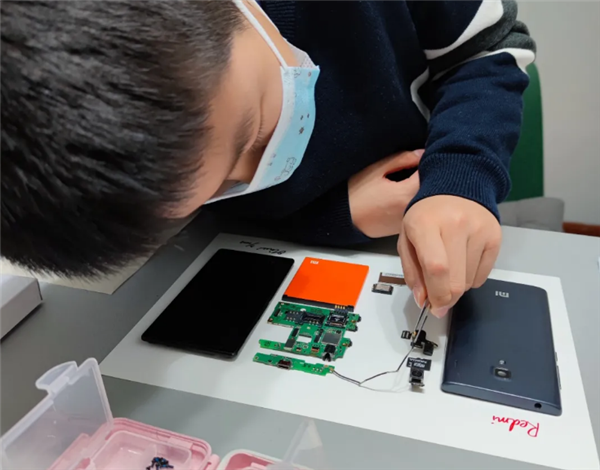
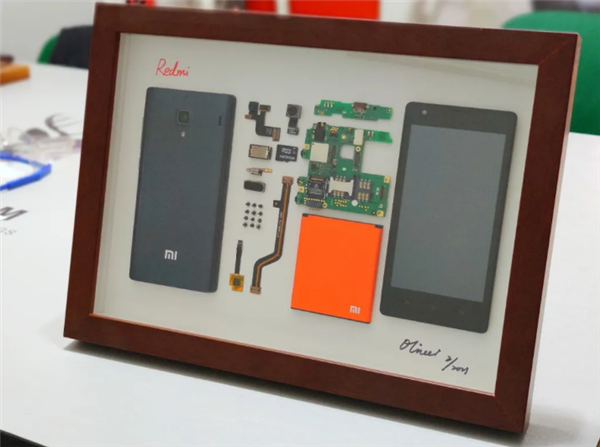
“Catch them young” is a popular axiom that is used all over the world but literally, Xiaomi may have caught one of its future engineers. A 9-year-old boy has just exhibited his dexterity and interest in smartphones by dismantling a Redmi 1 smartphone and turning all the components into a framed artwork.

The feat attained by the brilliant unnamed boy was first posted on Weibo by the boy’s father where it then caught the attention of Xiaomi’s CEO Lei Jun who described it as creative. He even recommended that those who have unused smartphones to convert them into such artworks that will help understand the internal structure of the smartphone. Lei Jun was so impressed that he even pinned the post to his Weibo page. redmi 1

In case you don’t know, the Redmi 1 is Xiaomi’s first Redmi-branded smartphone. The device was launched in 2013 making the lineup up to 7 years old. The Redmi 1 uses MediaTek’s 28nm quad-core processor, and the screen was supplied by AUO, having an HD resolution of 1280×720 pixels.

According to the boy, the phone was still working before it was torn apart but it is said to be extremely slow. This is, perhaps, because it wasn’t designed for heavy usage. In addition, the phone comes with 1GB RAM and 4GB storage, and a paltry 2050mAh battery. The setup perhaps explains why it lags.

RELATED;

Essential Inc. has been acquired by Nothing

Carl Pei’s Nothing is yet to announce its first product but the company has been in the news a lot lately. Just last week, it reported it had secured a $15 million investment from Alphabet’s GV. Now, the latest news is that the UK-based company has acquired Essential Inc. or what’s left of it. Yes, that Essential.

Nothing + Essential

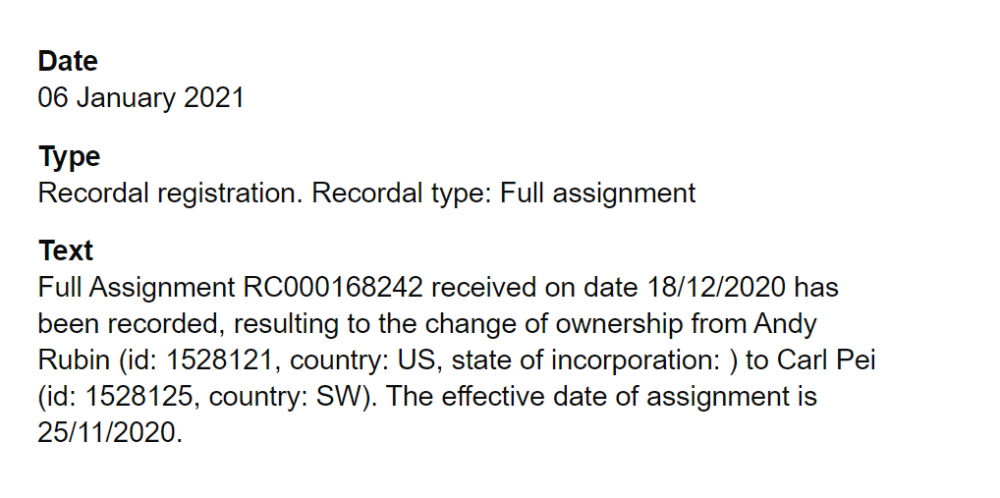
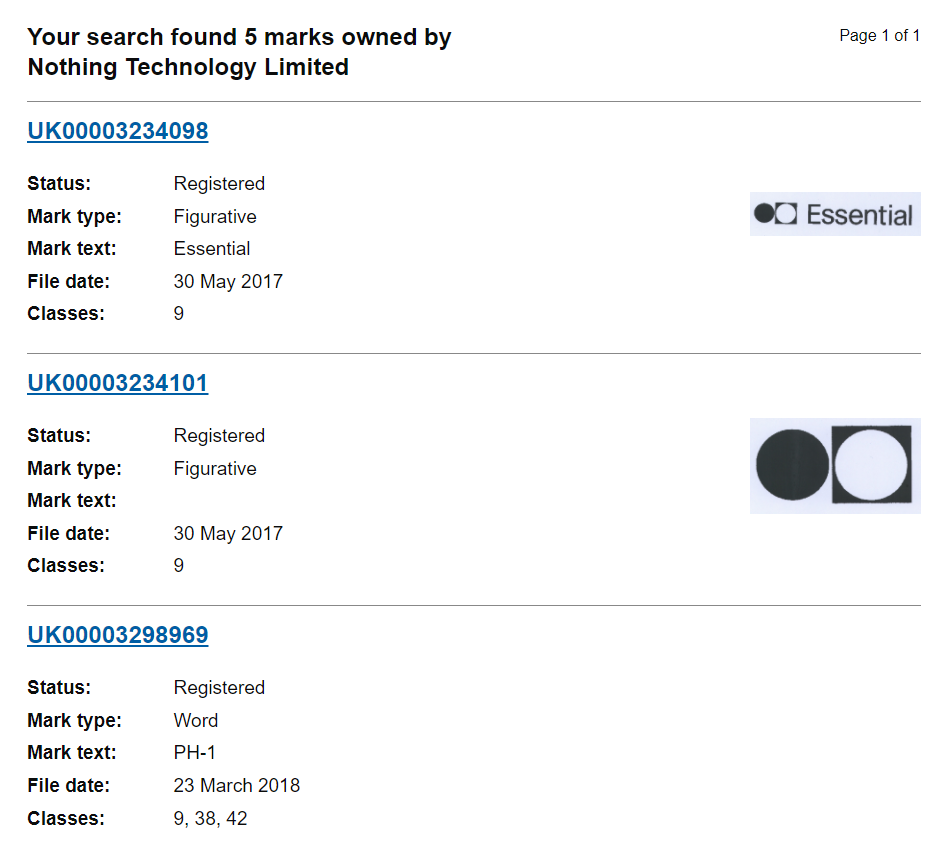
First reported by 9to5Google, filings found at the UK Intellectual Property Office now show that Essential is now owned by Carl Pei’s Nothing Technologies Ltd. The source reports that the application was filed back in November 2020 before it was completed in the first week of January 2021. Based on this, all that is left of Essential including its trademark and logo (no info on patents) are now owned by Nothing.

This is definitely exciting news as it presents the possibility of us seeing the return of the Essential brand. The company which was formed by Andy Rubin was one of the shortest lives smartphone brands to ever exist. It launched only one smartphone, the Essential PH-1 but went under before it could launch a successor or any of the other cool products it was developing.

Now that Essential is now owned by Nothing, we hope this is a sign that the Essential brand will rise from the ashes. We don’t expect a phone yet as that doesn’t seem to be in Nothing’s plan as far as we know.

Nothing is yet to officially announce the acquisition but we expect a statement to surface soon.


RELATED:

Moto E7 Power product page goes live on Flipkart, some specs in tow

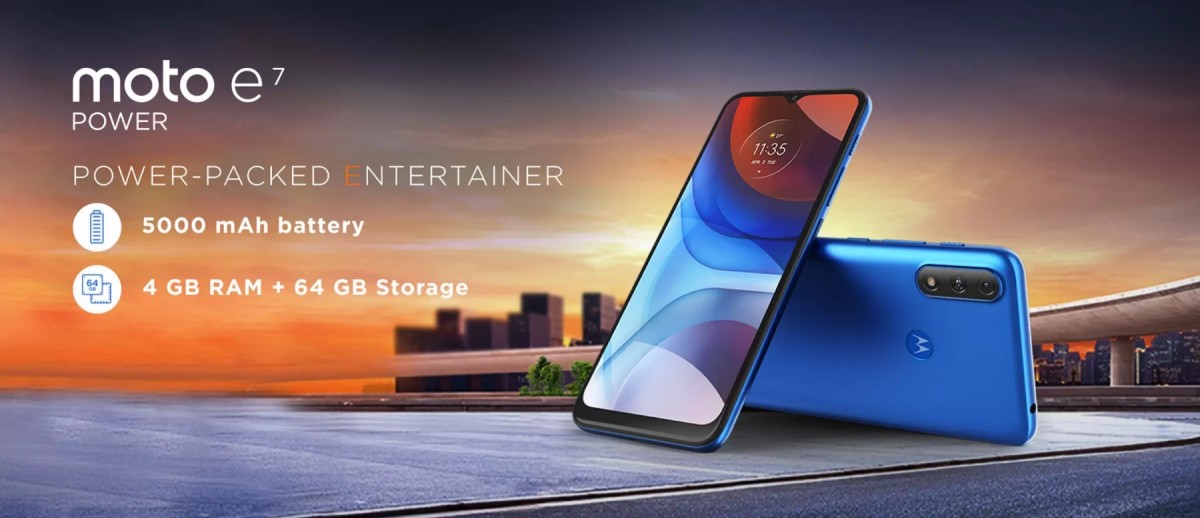
Motorola is expected to launch the Moto E7 Power in India on February 19. Ahead of the launch, the product page for the budget smartphone is now live on Flipkart. Incidentally, the device is expected to go on sale on Flipkart and should be an exclusive product.

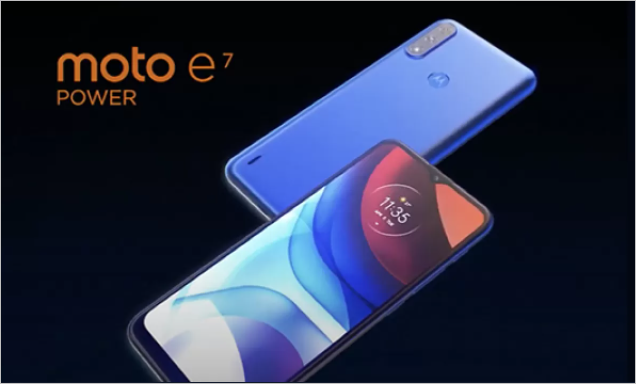
The product listing not only made bare the design of the smartphone but also, some key specs of what should be inside the phone has been shared as well. Sadly, the pricing is still elusive but then, February 19 is just a few days away. Moto E7 Power

The Moto E7 Power adopts a pretty impressive design which includes a waterdrop notch display. The display itself is a 6.5-inch display with an HD+ resolution of 720 pixels. The phone will b powered by an Octa-core processor, as mention on the official landing page but we expect it to be a MediaTek Helio P22 SoC.

Further, the device packs a 5000mAH battery which is slightly higher than that of the Moto E7. The phone features a USB-C port which is an indication that there may be fast charging onboard but since that wasn’t mentioned, it may not be.

On the camera end, it is shown to pack a dual-camera setup which consists of a 13MP main shooter and a 2MP sensor that could be a macro camera or a depth sensor. The phone will have  4GB of LPDDR4X RAM and 64 GB of built-in storage. There is also a memory card slot that can bump up the memory up to 1TB. The phone runs near-stock Android with some Motorola add-ons but the OS version is yet to be revealed. The phone packs a rear fingerprint sensor, and a 3.5mm audio jack.

The price of the Moto E7 Power is yet to be revealed but we expect it to retail around €150 in Europe.

RELATED;

(source)

Samsung to launch ISOCELL GN1s and ISOCELL GN3 image sensors in H2

Last year, Samsung announced the 50MP ISOCELL GN1 image sensor. The sensor can be found in phones such as the Vivo X50 Pro+ and the recently announced Vivo X60 Pro+. A new report says that the image sensor will be getting two successors by the second half of the year.

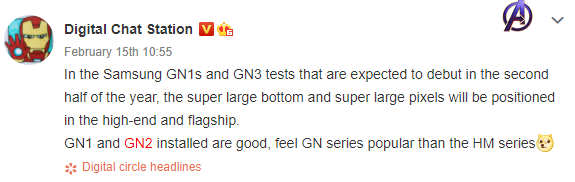
The source of the info is the Chinese leaker, Digital Chat Station, and according to him, Samsung will announce the ISOCELL GN1s and ISOCELL GN3 sensors later this year – the second half of the year to be specific.

ISOCELL GN1s and ISOCELL GN3

The ISOCELL GN1s should be a slightly upgraded version of the ISOCELL GN1 while the ISOCELL GN3 should be the one that packs the major upgrades. Both sensors will appear in flagship phones.

Before the launch of these two sensors, Samsung is expected to announce the ISOCELL GN2. It has been reported that the sensor will be one of the cameras inside the upcoming Mi 11 Pro.

The ISOCELL GN series are expected to be more widely used than the ISOCELL HM series which has sensors such as the ISOCELL HMX (Xiaomi Mi Note 10), ISOCELL HM1 (Samsung Galaxy S20 Ultra), ISOCELL HM2, and ISOCELL HM3 (Galaxy S21 Ultra).

We do not know which phones will be the first to come with the ISOCELL GN1s and ISOCELL GN3 cameras but we won’t be surprised to see it appear first in phones from Vivo and Xiaomi.


RELATED:

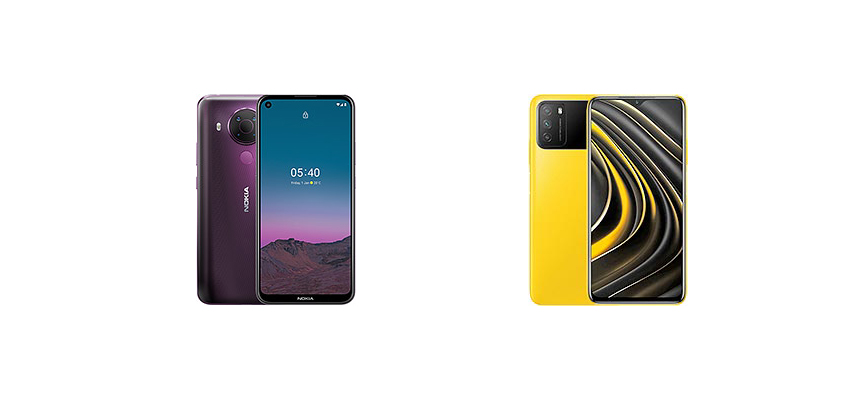
Nokia 5.4 vs POCO M3: Specs Comparison

HMD Global is a big player in the smartphone market but it is often underrated. If you want a phone with stock Android and long-term updates, even in the entry-level segment, you have to choose a Nokia phone. This is the biggest advantage of Nokia devices, but not the only one. The Nokia 5.4 recently debuted in the Indian market with a very attractive price tag and pretty nice specifications. Here, we compared it to one of the best devices in the same price segment and the best which features the same chipset as the Nokia 5.4: we are talking about the best-buy POCO M3 by Xiaomi.

Nokia 5.4 vs Xiaomi POCO M3

Apple iPhone 12 Xiaomi POCO M3
DIMENSIONS AND WEIGHT 161 x 76 x 8.7 mm, 181 g 162.3 x 77.3 x 9.6 mm, 198 g
DISPLAY  6.39 inches, 720 x 1560p (HD+), IPS LCD  6.53 inches, 1080 x 2340p (Full HD+), IPS LCD
PROCESSOR Qualcomm Snapdragon 662, octa-core 2.0 GHz Qualcomm Snapdragon 662, octa-core 2.0 GHz
MEMORY 4 GB RAM, 64 GB – 6 GB RAM, 64 GB – 4 GB RAM, 128 GB  4 GB RAM, 64 GB – 4 GB RAM, 128 GB –  micro SD dedicated slot
SOFTWARE  Android 10  Android 10, MIUI
CONNECTIVITY  Wi-Fi 802.11 b/g/n, Bluetooth 4.2, GPS  Wi-Fi 802.11 a/b/g/n/ac, Bluetooth 5, GPS
CAMERA Quad 48 + 5 + 2 + 2 MP, f/1.8
16 MP f/2.0 front camera
Triple 48 + 8 + 2  MP, f/1.8 + f/2.4 + f/2.4
8 MP f/2.1 front camera
BATTERY  4000 mAh  6000 mAh, fast charging 18W
ADDITIONAL FEATURES Dual SIM slot Dual SIM slot

Design

You should not go for so affordable devices if you want a premium design, but the Nokia 5.4 remains a pretty elegant phone. Despite being an entry-level handset, it has a punch-hole display with narrow bezels and a lightweight body. It is more compact and even thinner than the POCO M3, as well as more raffinate. The POCO M3 is definitely uglier with its big camera module and its waterdrop notch making it look like an older phone. While the POCO M3 has a side-mounted fingerprint reader, the Nokia 5.4 has a rear-mounted scanner.


Display

If we look at the quality of the displays, there is no much difference between Nokia 5.4 and Xiaomi POCO M3. Both feature an IPS panel with an HD+ resolution (720 x 1560 pixels), as well as a 400 nit typical brightness. The level of detail is more or less the same, as well as the color reproduction. What changes is the display diagonal: you get 6.39 inches with the Nokia 5.4 and a wider 6.53-inch panel with the Xiaomi POCO M3. This is what makes the Xiaomi POCO M3 more comfortable for power users, but the HD+ resolution may disappoint them.


Specs & Software

Nokia 5.4 and Xiaomi Poco M3 are powered by the same chipset: the Snapdragon 662 by Qualcomm. But with the Xiaomi POCO M3, you actually get better memory configurations. The 128 GB variants of the Xiaomi POCO M3 come with UFS 2.2 native storage and up to 6 GB of RAM, while Nokia 5.4 stops at 4 GB of RAM and it does not have so fast internal storage. On the other hand, the Nokia 5.4 is more interesting in terms of software: it has a stock Android version that will most likely get faster and more constant updates from the manufacturer.


Camera

On the paper, the Nokia 5.4 has a better camera setup. It is almost the same as the POCO M3, with a single difference: the Nokia 5.4 has a 5 MP ultrawide sensor, while its rival does not. Further, the Nokia 5.4 has a better 16 MP selfie camera allowing for better selfies, while its opponent has just 8 MP on the front side. After looking at the specs on the paper, there seems to be no doubt about the fact that Nokia 5.4 is a better camera phone, but only if you mind about ultrawide photos and selfies.


Battery

Xiaomi POCO M3 has a much bigger battery than Nokia 5.4: its capacity is a whopping 6000 mAh. And given that Xiaomi POCO M3 has a similar specs sheet to the Nokia 5.4 with the same chipset and almost the same display specifications, its battery life is longer in every scenario. That is not all: the POCO M3 features 18W fast charging and reverse charging, while Nokia 5.4 does not have any of these features. Its battery is smaller and it has standard charging.


Price

Nokia 5.4 carries a starting price of Rs. 13,999 / $193 in India (we are talking about the base variant with 4 GB of RAM and 64 GB of internal storage), while the base configuration of the Xiaomi Poco M3 costs Rs. 10,999 / $151. The Nokia 5.4 is a better phone except for the battery, but the Xiaomi POCO M3 carries a more affordable price. It is not an easy choice giving the long battery life and fast charging offered by the POCO M3, but given that it lets us save money, we would go for it.


Nokia 5.4 vs Xiaomi POCO M3: PRO and CONS

Nokia 5.4

PRO

  • Stock Android
  • Quick and constant updates
  • Ultrawide camera
  • Compact

CONS

  • Smaller battery


Xiaomi POCO M3

PRO

  • Bigger battery
  • Wider display
  • Stereo speakers
  • Reverse charging
  • Fast charging

CONS

  • Inferior cameras


RELATED

Check the latest videos from our YouTube channel and subscribe:

Realme exec hints the Race smartphone will bear the moniker “Realme GT”

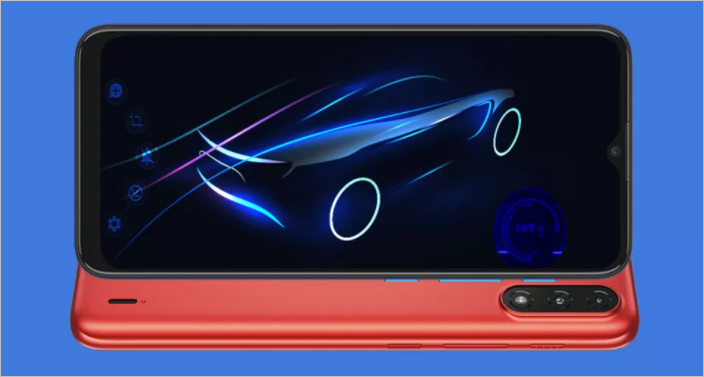
For a while now, we have been inundated with leaks and certifications for a Realme Race flagship smartphone. Apparently, the Race moniker is a codename for the unannounced smartphone. Realme’s exec Xu Qi Chase has shared a teaser which hints at the device launching under the moniker Realme GT. Realme Race

Earlier on, Chase had hinted that the Realme Race will herald the beginning of a refreshed flagship series from the brand. The exec posted a teaser on Weibo containing a Nissan GT-R scale model car. This aligns well with a TENAA listing for a Realme device with the GT branding stamped on the back panel which was spotted last week.Realme Race

It is already in the open that the Realme GT will be powered by a Snapdragon 888 chipset which will make it Realme’s first model to pack Qualcomm’s latest flagship SoC. In addition, the device will feature a triple camera setup  at the back, as spotted in a couple of live photos spotted recently.

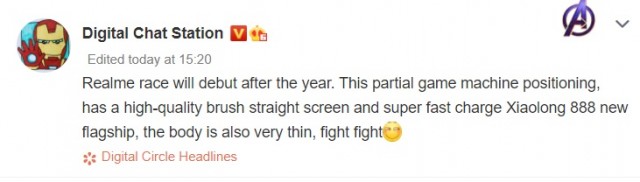
In the same light, noted tipster Digital Chat Station has disclosed that the Realme GT will  feature a flat display, in addition to a super-fast charging and a thin build.Realme GT

As for pother known specifications, the Realme Race/GT is expected to cram a 5000mAh battery under the hood and will have support for 125W UltraDart flash charging. The device also likely feature support for 120Hz refresh rate and will have up to 12GB RAM and 256GB storage on the top variant.

On the camera side, the GT/ Race will have a 64MP primary camera alongside a 13MP telephoto and a 13MP ultrawide sensors. The phone will likely come with a 120Hz display, up to 12GB RAM and 256GB storage. On the software side, it will run on Realme UI 2.0 based on Android 11 OS.

RELATED;

(source)

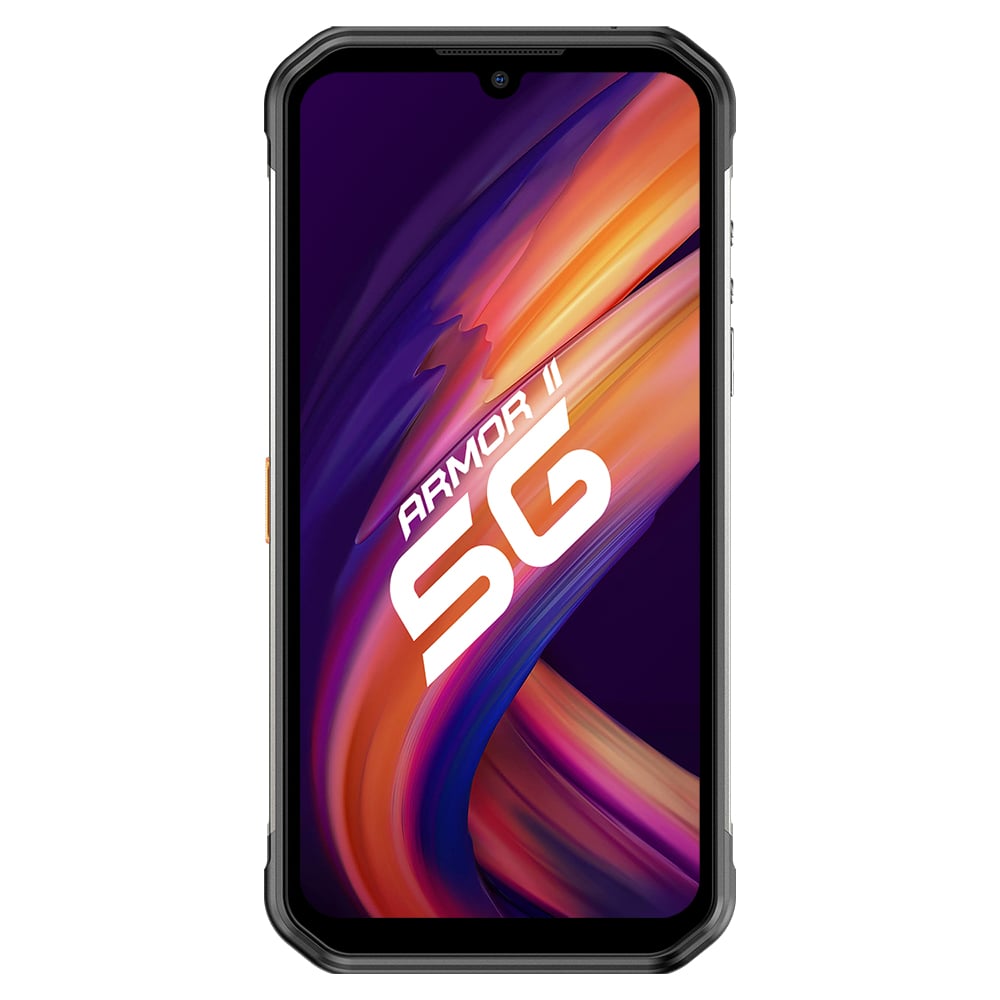
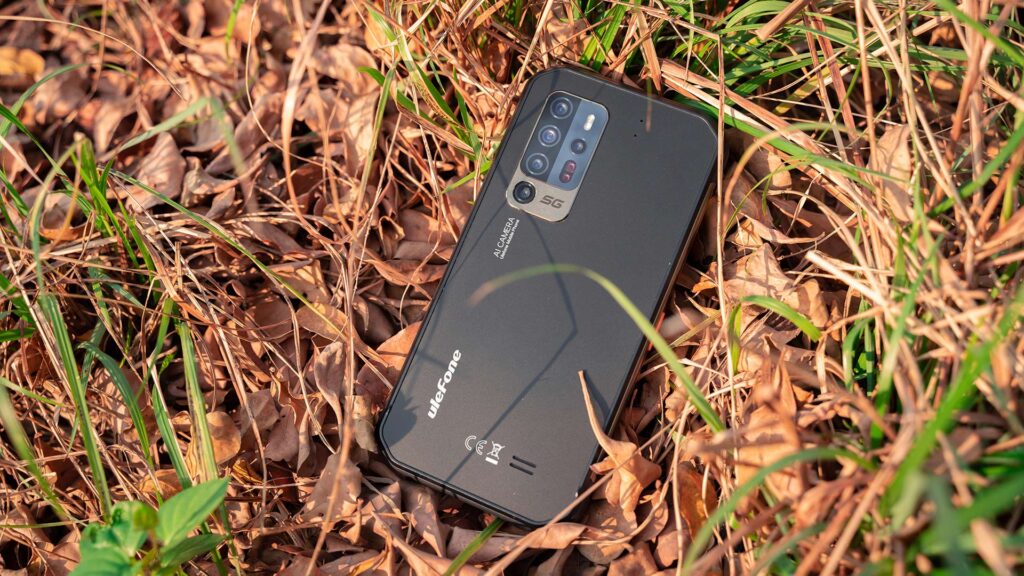
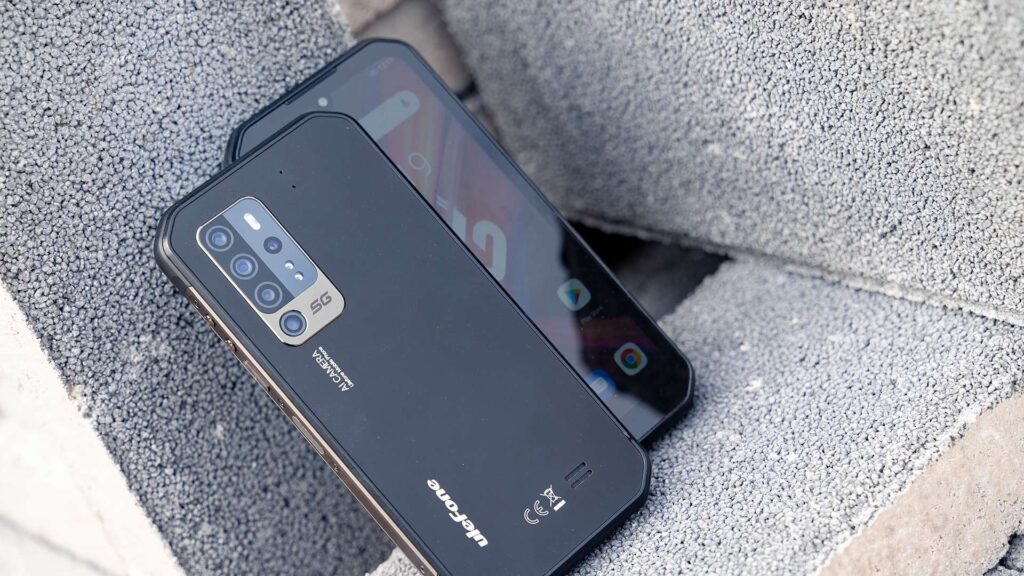
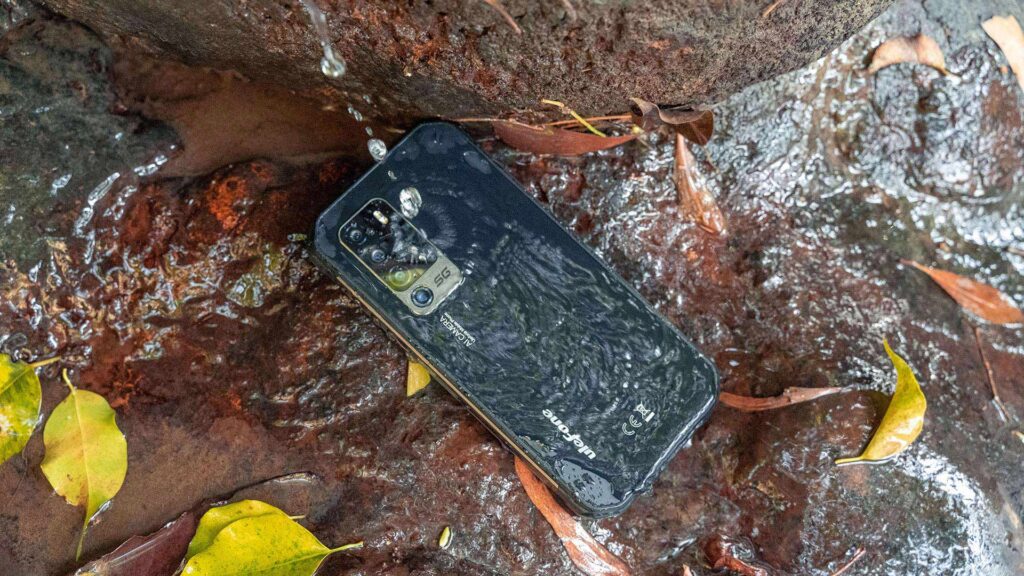
Ulefone Armor 11 5G will be a maiden Night Vision 5G rugged smartphone, launch due in February

Ulefone always stands tall against the rugged smartphone manufacturers in bringing interesting innovations first in the rugged smartphone market. After disrupting the market by bringing the first 5G rugged smartphone, now the company is again bringing first Night Vision 5G rugged smartphone this February.

ulefone

Must See: Ulefone Armor 10 5G flaunts wireless charging efficiency with UF003 charger

The new smartphone will be a part of the popular Armor series. It can be a perfect tool for shooting in t night or low light environment. Moreover, it is quite useful for observing wildlife. The company has shed some light on its other hardware specifications.

Apart from the Night Vision sensor, the Ulefone Armor 11 5G smartphone will feature Dimensity 800 5G SoC. It will further carry an 8GB RAM and 256GB internal storage which is enough for multitasking and storing tons of data. It will offer ultra-fast 5G connectivity.

In the camera department, the smartphone will feature a 48MP penta-camera rear module including a 20MP IR night vision camera, 13MP ultra-wide-angle, 2MP macro lens and a sub-camera. A 6.1-inch waterdrop display is present along with a 5200 mAh battery to keep devices running. IT also supports wireless charging.

There are several astonishing features that will be the part f the parcel. The phone is expected to launch somewhere in February. The users can keep connected with the Ulefone official website to know more about the upcoming device.

See More: Ulefone Armor 10 5G extreme test result shows impressive resilience

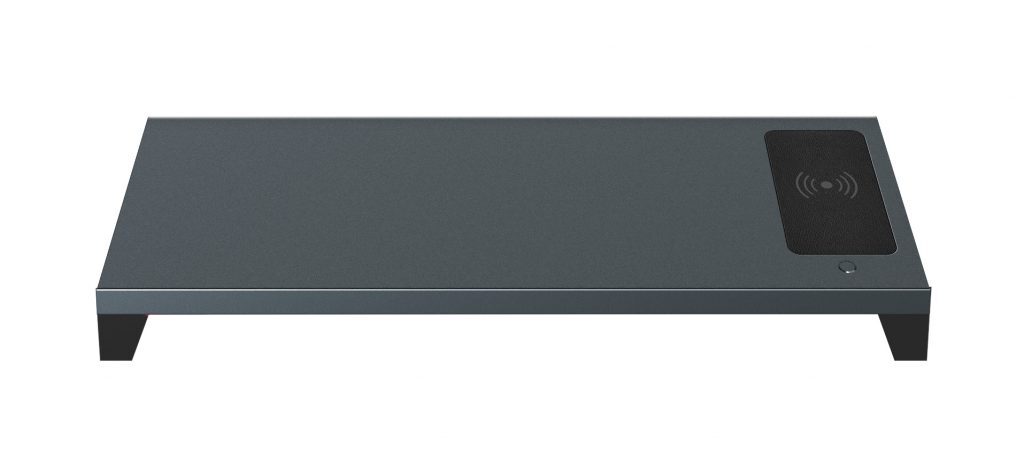
Lanq PCDock monitor stands to make your PC experience as easy as a phone

Though bulky, desktops may not even provide some of the cool functionalities of the sleek laptops outside in the market. Still, desktops have its own advantages so do many opt for them. Well, what if you get a contraption providing all those extra stuff to the PC which most modern laptops or even smartphones brag of? LANQ has something called PCDock which will do exactly the same.

lanq pc dock monitor

Must See: CES 2021: Quantum Operation shows a prototype of a Wearable with Noninvasive glucose monitoring feature

As per LANQ, LANQ PCDock is a device that compensates for the lack of WIFI, Bluetooth, fingerprint ID sensor and other limitations of the desktop computer. It cleverly integrates functions of the ergonomically designed monitor stand, desktop storage space and wireless charging. Not only enhancing the primary using part of PC but also make whole desktop setup tidy and dope!

The LANQ PCDock is scheduled for a launch on 01st March 2021. To be precise, LANQ has three variants of the PCDocks: LANQ PCDock Pro Max, LANQ PCDock Pro and LANQ PCDock Standard. The obvious difference being that the latter lacks some features such as wireless charging, RGB lights etc.

That being said, the desktop holder(s) would be a great fit for office and home use. It comes with a proper heat dissipation facility and has a multifunctional design.

Lanq PC Dock Monitor  Features

Integrated WIFI, Fingerprint Sensor, Bluetooth, etc

Due to its well-calibrated height, the PCDock assures a right visual angle, which would help you from the soreness of cervical discomfort. It’s integrated with dual WI-FI for speedy internet access, fingerprint lock for biometric authentication and BlueTooth connected APTX sound guarantees a true sound experience on your desktop set-up.

If not enough the Pro Max and Pro Dock supports 15W high-speed magnetic wireless charging, 2xUSB Charging Port or 2xType C charging port. To make things seem cooler, they feature gorgeous RGB light effects customizable as per your preference.

LANQ hasn’t made any compromise in the build quality as the stand is made of quality ABS material, so it is long-lasting and durable. If interested, you can get to know more about the LANQ PCDock products from here.

Related: Samsung DeX extends Wireless support to PCs, currently works with Galaxy S21


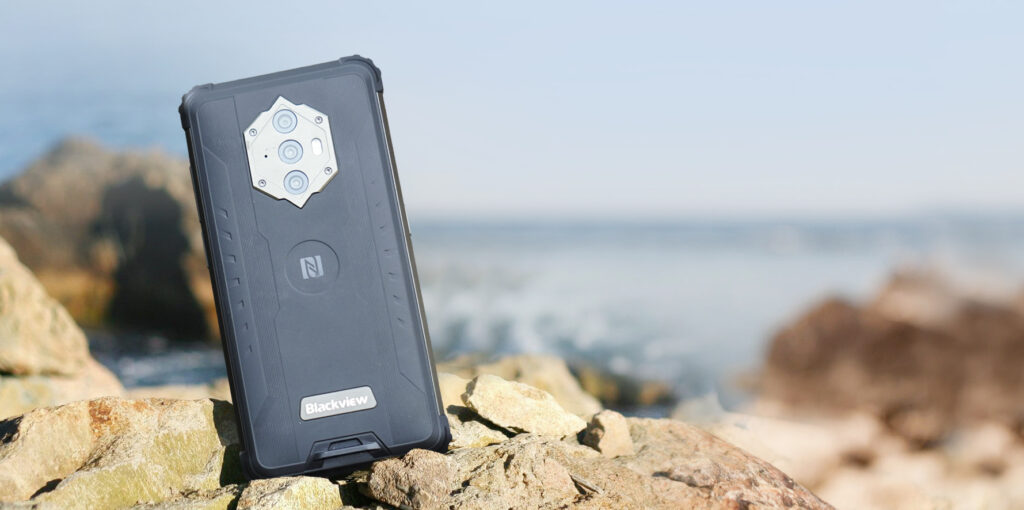
Blackview BV6600 rugged smartphone goes official with 8580 mAh battery

Blackview has introduced a new rugged smartphone featuring an 8580 mAh battery. Blackview BV6600 hosts powerful yet useful features such as touchless payments via NFC, rugged design and a massive battery for long battery standby. The smartphone is aimed to bring a better degree of convenience without worrying about the need to charge, keeping it away from water, and dust, etc.

Must See: Blackview BV6600 rugged smartphone will offer 3-5 days of battery backup

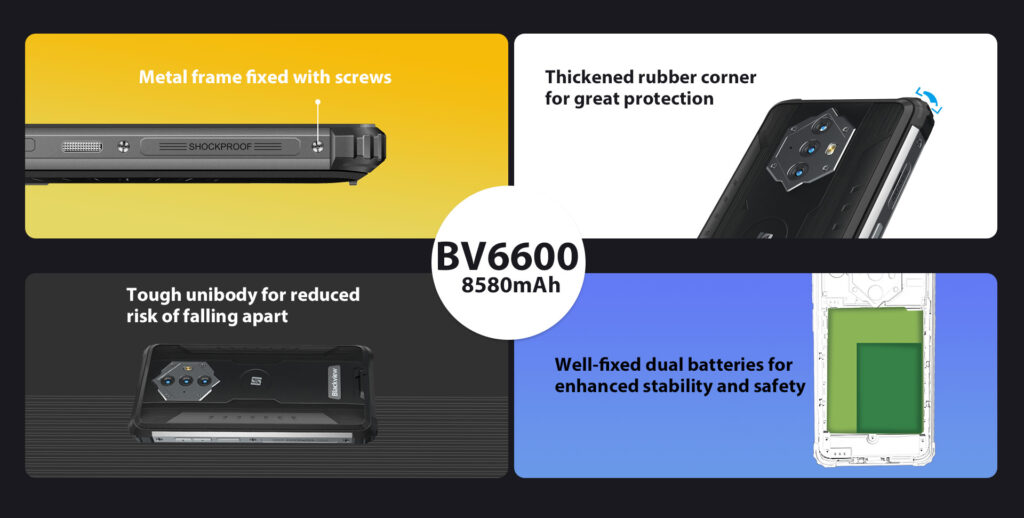
Blackview BV6600 allow the users to enjoy uninterruptedly with its massive 8580 mAh battery. The company is offering a guarantee of providing 792-hours of standby once fully charged. However, the user can check the official video for a detailed overview.

Moreover, the new rugged smartphone offers improved cameras for capturing quality photos. It also carries a fully new design, a large battery and useful software.

Safe and tested

Blackview BV6600 is a fully safe smartphone and the user need not to worry about its huge 8580 mAh battery. Blackview is not new in bundling large batteries, they added 10000 mAh battery in Blackview P10000 and BV9100 was launched with a 130000 mAh battery. Safety is the first priority for Blackview and even they add anti-explosion metrics.

Tougher and Smarter

Apart from being IP68, IP69K and MIL-TED-810G certified, the device also equips, GPS, GLONASS, Beidou, Galileo and other navigation sensors. It enhances the accuracy of the location to unprecedented levels. These features can be quite helpful, while trekking, mountaineering and doing other outdoor adventures.

Blackview BV6600 is made available in three colour options of Black, Orange, and Green. The smartphone will be available via AliExpress and Blackview official store. The interested users can further add Blackview BV6600 to the card and can enjoy the best some introductory discounts.

See More: Blackview BL8000 smartphone coming with MediaTek Dimensity 1200 SoC and 12GB RAM


Leaked poster reveals only Realme Narzo 30 Pro and Narzo 30A are coming

Realme’s Narzo series made its debut last year, and barely a year later, we are about to get the third-gen series in form of the Narzo 30 series. A leaked poster has now surfaced on the internet that reveals Realme will only announce two new phones and not three as in the case of the Narzo 20 series.

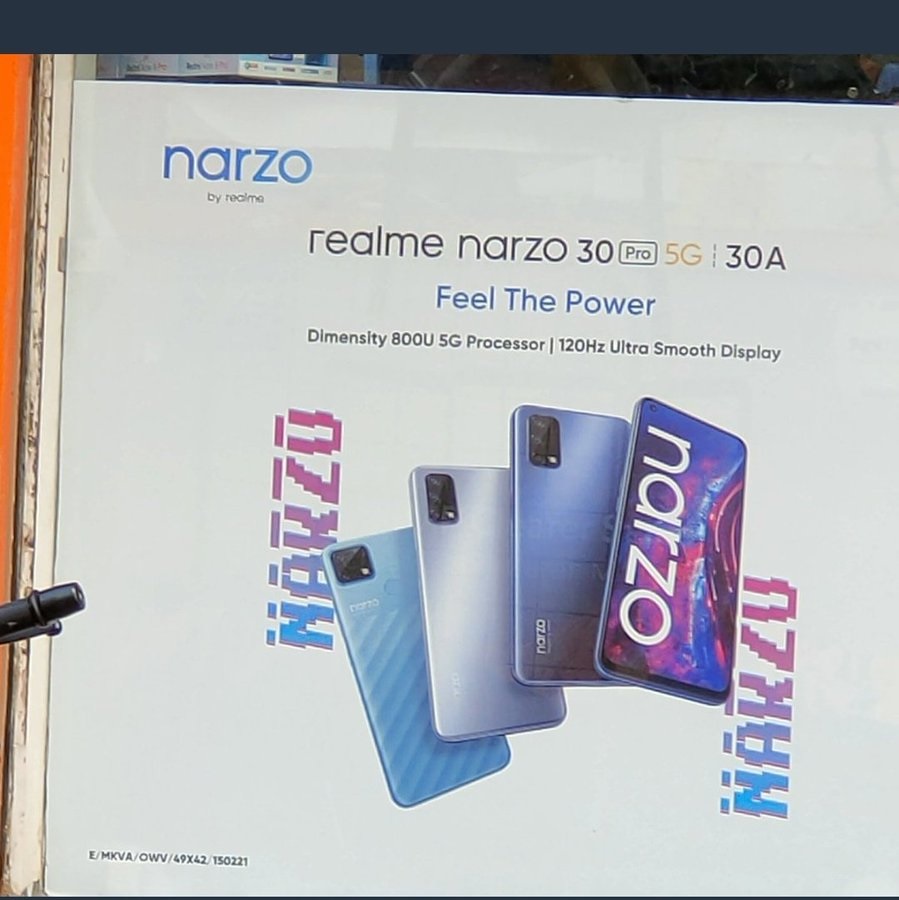
As seen in the image below which was posted on Twitter by the user that goes by Shubham (Shubham87873762), realme will announce the Narzo 30 Pro 5G and the Narzo 30A. There is no mention of a standard Narzo 30. We want to believe that realme will announce the Narzo 30 at a later date.

realme Narzo 30 Pro and Narzo 30A

The poster shows the Narzo 30 Pro will have a display with a punch hole for the front-facing camera at the top left corner of the screen. We are not sure if this is the type of display the Narzo 30A will also have. However, we can see both models will have a different design on the back.

The Narzo 30A is shown to have a square camera module that houses what appears to be three cameras and an LED flash. The phone has a wavy finish that appears to be textured which should provide some grip when held. The phone will be available in pale blue.

The Narzo 30 Pro, on the other hand, has a rectangular camera module with three visible cameras, though there may be four sensors, considering the Narzo 20 Pro has four cameras. There is no fingerprint scanner on the back but an indentation on the right side hints at the fingerprint scanner being side-mounted. The image also reveals some key specs of the Narzo 30 Pro such as a Dimensity 800U processor and a 120Hz refresh rate. The phone will come in silver and a dark shade of blue.

Realme is expected to take the wraps off the new phones on February 24 in India.


RELATED:


Tata Motors-owned Jaguar Land Rover announces plans to go all-electric by 2030

As electric vehicles continue to gain ground, more carmakers are shifting towards releasing theirs. UK based Carmaker Jaguar Land Rover (JLR) has announced that its luxury Jaguar brand of cars will become all-electric as early as 2025, and all models from JLR are expected to be electric in less than a decade, by 2030.

According to a statement released by JLR on Monday, the company owned by Indian auto giant Tata Motors stated that it has plans to achieve zero emissions by the turn of the next decade and has taken the bold step to pursue investment that will be integral in the company significantly reducing its carbon footprint, going forward.

In addition, the Land Rover brand of the company will be releasing its first of six electric models beginning from 2024. The plan is to progressively develop pure electric vehicles to replace all the iconic Jaguar and Rover models that were a beauty to behold and packed with power and luxury decades ago.

The electrification process in the three UK plants of the company is expected to flow seamlessly and there shall be no shutdowns of the plants and subsequent job losses as the process progress.

It would be a complex process of retooling the hitherto traditional car production plants to suit the new production direction of fully electric vehicles. A number of machines in the assembly line will have to be replaced and the manpower needed will be given the necessary cutting-edge training so as to prevent redundancies in the system. JLR did not provide the outlay of investments needed to transform the three-vehicle manufacturing plants to fully electric vehicle production facilities.

The stock market reacted positively to the news as Tata Motors stock soared by 3% after the announcement. However, JLR is expected to release further details on the plans in due course.

RELATED;

(source)

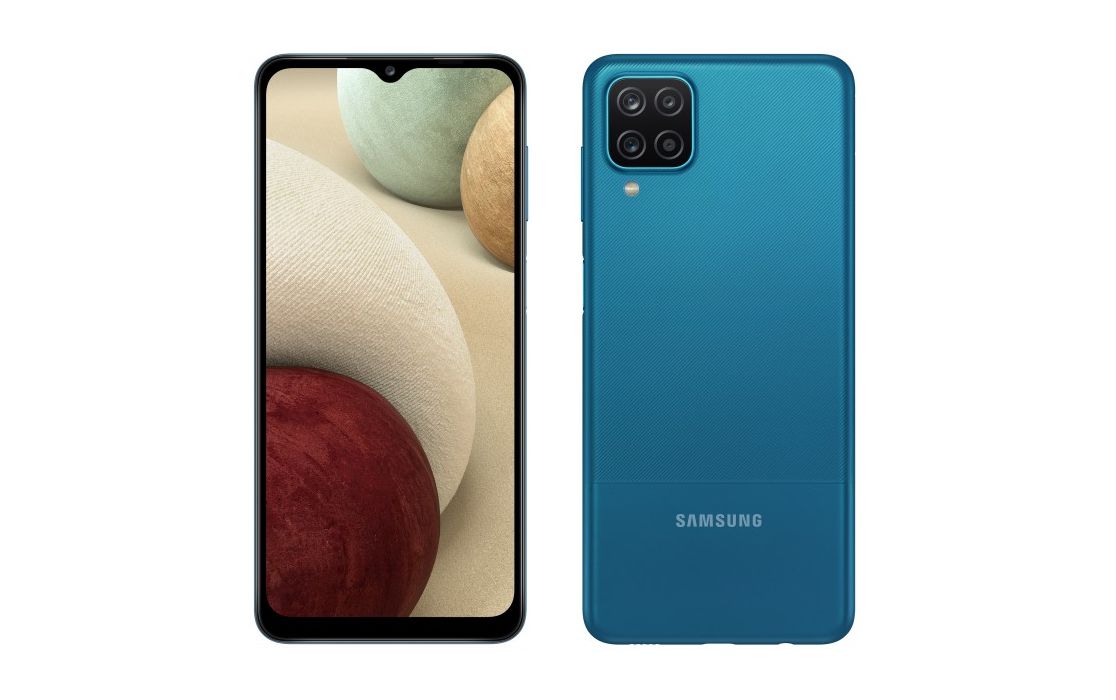
Samsung Galaxy A12 expected retail prices in India make the round ahead of launch

Ahead of its scheduled unveiling in the Indian sub-continent this week, retail sources have provided the prices of the various variants of Samsung‘s upcoming Galaxy A12 which was released to the global audience in December 2020.

Samsung Galaxy A12
Samsung Galaxy A12

A number of variants of the Samsung Galaxy A12 smartphone are available to the Indian market. The variations basically relate to the size of the RAM and the internal memory of the device. The base model of the Galaxy A12 has 4GB RAM and 64GB internal storage, while the other variant has 128GB internal memory to go with the 4GB RAM. The top draw of the Galaxy A12 is the 6GB RAM version with 128GB of internal memory. All variants of the Galaxy A12 come with a 5,000mAh battery, as well as other specs already highlighted at the November release.

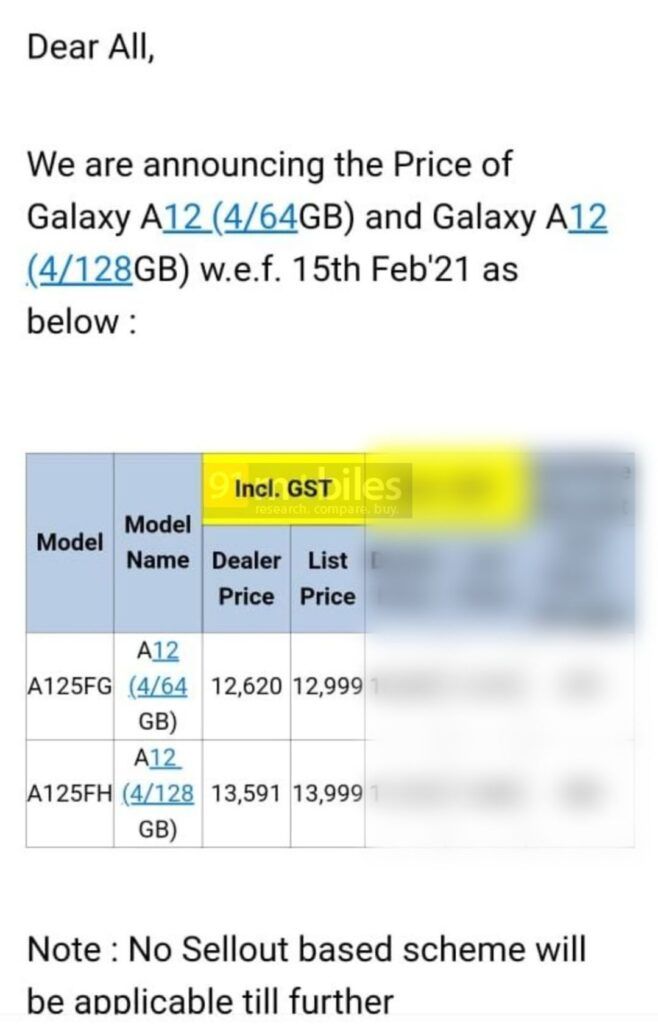
The base variant will sell for Rs 12,999 to interested customers in India, while the version with 128GB of internal memory would sell at Rs 13,999, according to the sources. However, no information was supplied for the 6GB variant of RAM with 128GB memory. It is suspected that the prices are effective from today and may be indicative of the plan of Samsung to go low with this release to the Indian market.

As a reminder, the Galaxy A12 sports a 6.5-inch HD+ screen with a waterdrop notch. The device also packs a side-mounted fingerprint scanner. It is worth noting also that the 5,000mAh battery has 15W fast charging support, and a microSD card slot. The device has a quad rear camera system and providing the interface is the Android 10 OS.

RELATED;

(source)

Online Channels dominated India Smartphone Market with 48% share in 2020: IDC

Recently, market research firm Counterpoint came up with a 2020 Smartphone shipment report for India. It cited that over 150 million smartphones were shipped last year. Similar to that, IDC has come out with its own version and says that Online channels outpaced the entire market.

smartphones

First off, the report says that for Q4 2020, i.e, from October – December, India recorded 45 million shipments with a 21% YoY growth. This, Although, is down from 54.3 million shipments in Q3, sets up the arena well for 2021. As the report says, 2020 began with brands suffering shutdowns, shortfall in Demand, and more.

However, after H2 2021, the need for electronic devices like Smartphones, Tablets, Laptops rose thanks to the increased due to online learning programs. Anyway, towards the end, Xiaomi, Samsung, Vivo, realme, OPPO shipped 12, 7.7, 7.6, 5.2, 5.1 million units in Q4 respectively. This makes Xiaomi retain the top spot with a whopping 27% market share

India Smartphone Market- Online Channel’s Dominance in 2020

That said, it’s worth noting that Samsung grew 35% YoY in Q4. If we take the overall Smartphone market for 2020, the report says that Online Channels(Online e-commerce) in India grew 12% YoY and grabbed 48% of Total share in 2020. Specifically, during Diwali sales, online segment held 51% whereas offline grew 5% YoY in Q4.

Xiaomi, who shipped 41 million devices overall and lead the Indian market with a 27% share, combined with POCO and ruled the online arena as well with a 39% share. Samsung, too gets a bite of its own with Galaxy-M & F devices. It grew 65% YoY online but failed to impress offline(28% decline). Overall, it shipped 29.7 million units and saw a 4% dip in 2020.

Other companies like Vivo, realme, OPPO shipped 26.7, 19.2, 16.5 million units overall respectively. As always, Vivo dethroned Samsung to dominate the offline market with a 30% share thanks to its Y-series devices. Although realme beat OPPO overall, it couldn’t grab the crown in online arena.

Finally, Transsion brands like Infinix, Tecno, Itel contributed to the growth as online share stood at 64%. Sadly, Apple is at the 7th spot despite showing a 93% YoY growth in 2020.

5G Smartphone Prospects in 2021

As for Processors, MediaTek surprisingly leads the chipset arena with a 43% share while Qualcomm sits at 40%. It’s a bit obvious that sub-$200 phones helped the Taiwanese giant grow more in 2020.

With 3 million shipments in 2020, 5G market will gain a rapid phase this year. Brands are expected to pull aggressive marketing campaigns and launch 5G devices at multiple price points although 5G adoption is nowhere near in India.

RELATED:


Alleged Mi 11 Lite render shows a Mi 11 with a flat screen

The Mi 11 Lite wasn’t announced alongside the Mi 11 both at the Chinese launch event in December and the global launch event last week. Nevertheless, the phone is still coming and should arrive before the end of the first half of the year, hopefully, next month since. While we wait, a render of the phone has surfaced and it shows that Xiaomi is sticking to the same design as the standard Mi 11.

The Mi 10 Lite 5G and Mi 10 5G look nothing alike but that will not be the case with the Mi 11 Lite and Mi 11 if this render is to be believed. The two devices are so similar that if you were to turn them facedown, you won’t be able to tell them apart. Okay, that may be a stretch as size will most likely be one of the differences.

Mi 11 Lite render
Alleged Mi 11 Lite render | Source – 

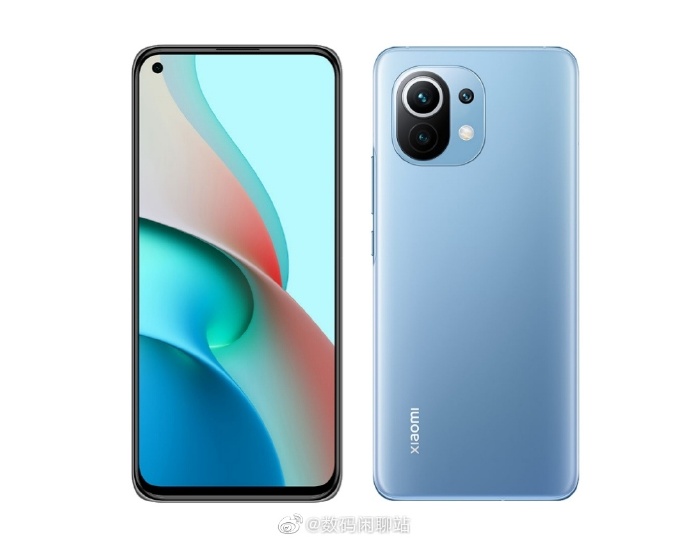
As seen in the render, the Mi 11 Lite has a flat display which many folks will appreciate. The display has a hole punch at the top left corner for the front-facing camera and there is a bit of bezel at the bottom.

On the back, the phone sports three cameras that are in a near-identical module as that of the Mi 11. You get two large sensors stacked on top of each other while the third camera which is significantly smaller is on the right with the LED flash.

The lack of a visible fingerprint scanner means that the phone has an in-display camera which confirms that the screen is AMOLED and not LCD as reported in some leaks. That should not be surprising seeing as the Mi 10 Lite 5G also has an AMOLED display.

The Mi 11 Lite should be a 5G smartphone like its predecessor which means that it will come with a processor with a 5G modem. The Mi 10 Lite 5G launched with a Snapdragon 765G processor which means we should get a better chipset for the Mi 11 Lite 5G.

While Qualcomm is yet to announce a true successor to the Snapdragon 765G, there is the Snapdragon 768G available. It is the only Snapdragon 700 series processor with Bluetooth 5.2 which the Mi 11 Lite has, so it makes sense that this may be the processor inside the phone unless Qualcomm announces a new Snapdragon 700 series chipset before the phone’s launch.


RELATED:

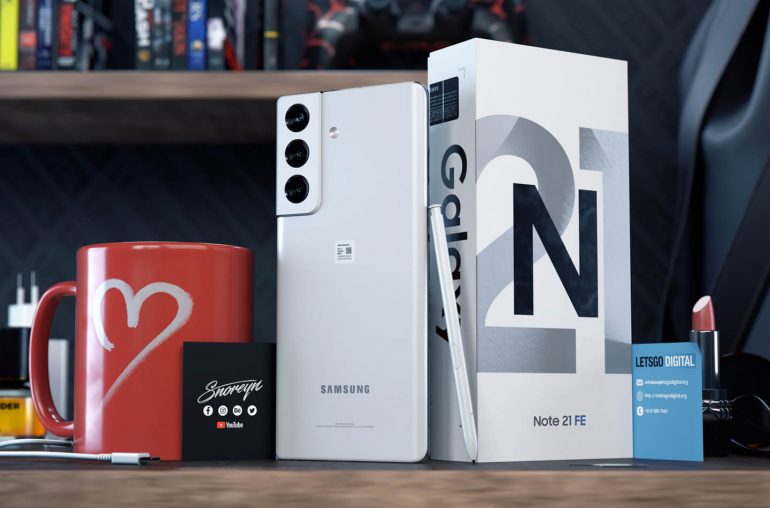
Concept renders of the Galaxy Note 21 FE that may be released this year appear online

It’s ten years already when Samsung first introduced the Galaxy Note series. But there have been rumors that the Note lineup will be discontinued. That is yet to be confirmed and Samsung even issued a rebuttal in December 2020 where it claimed that preparations are in top gear for a Galaxy Note series release for this year and is still committed to the Galaxy Note series. Samsung Galaxy Note 21 FE

In this light, Letsgodigital is projecting that the Galaxy Note 20 series will get a successor around August this year and may include a Fan Edition. Samsung did release a Galaxy S20 FE (Fan Edition) model in September last year. So, it is not out of place for the company to equally release a Note 21 FE. 

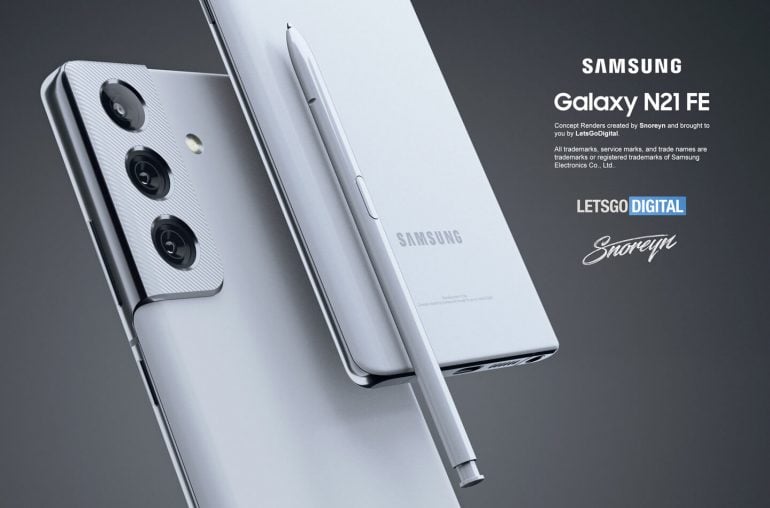
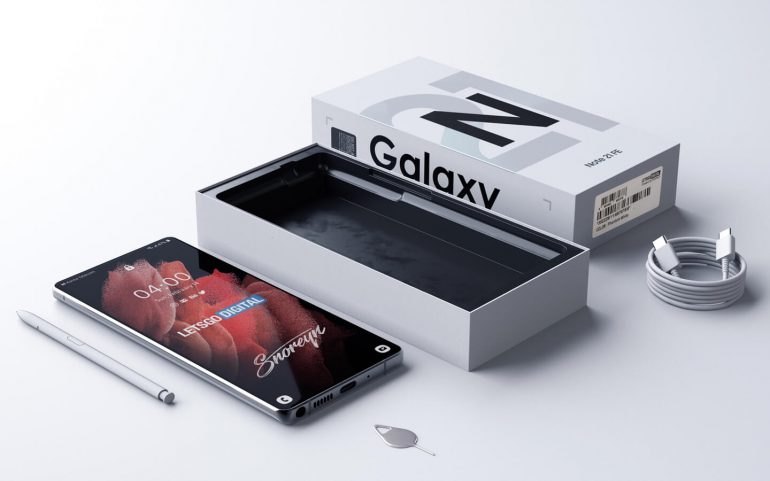
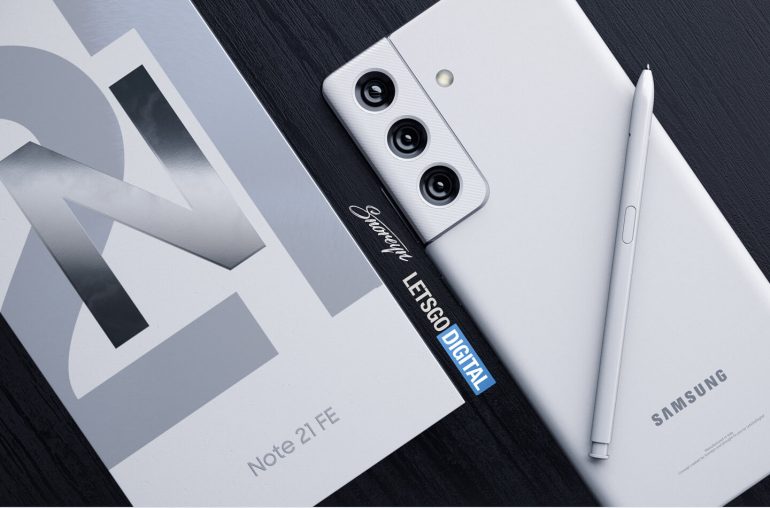
These are mere speculations but an Italian graphic designer Giuseppe Spinelli, aka Snoreyn, has given us an insight into how the Galaxy Note 21 FE will look like. The designer released a set of renders of the Galaxy Note 21 FE in Phantom White colour.

Putting the concept design in perspective, the retail package has a reduced size than last year’s. That is because the device may not ship with a charger and earphones. The Galaxy S21 series has already kickstarted what may be a trend going forward.

The designer envisions the Galaxy Note 21 FE to come with a full-screen design with an under-display fingerprint sensor. The rear aspect will pack a triple camera setup stacked vertically at the top left corner of the rear panel. Although the front panel looks like a flat-screen, the rear panel seems to have a curved edge design.

It would be nice to see Samsung release the device bearing this cool design style.

RELATED;


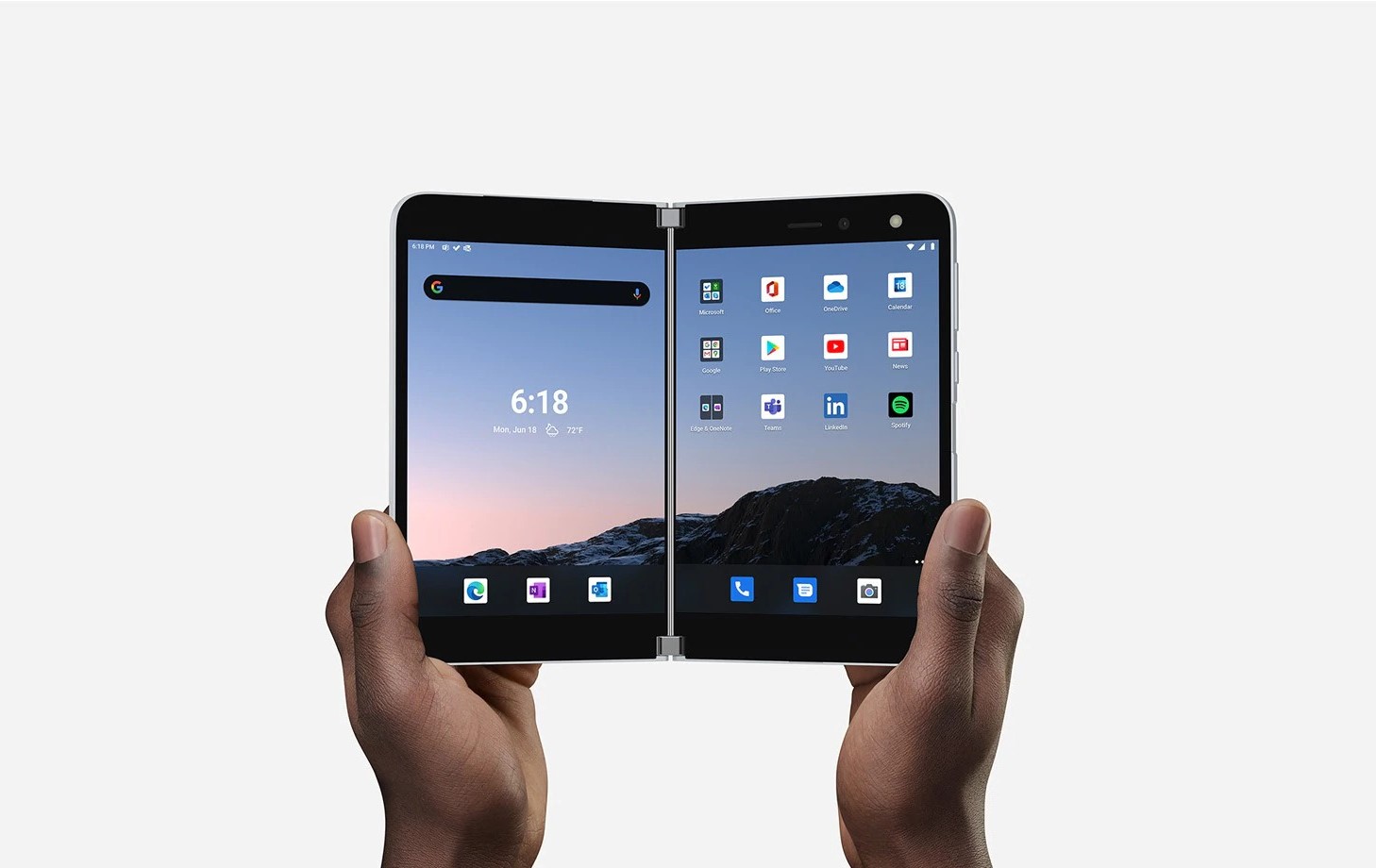
Microsoft Surface Duo to get Android 11 update by Summer 2021: Report

Microsoft’s Android Experiment with Microsoft Surface Duo meant the device launched with Android 10 out of the box. Now, a report by Dr. Windows says that the device will finally get Android 11 this year.

Microsoft Surface Duo Featured

As per the report, Microsoft will roll out the Android 11 update by this Summer. It claims to have got the info from a briefing with Microsoft USA members of the Surface Duo Product Group. Although there isn’t an exact date available, you can expect it anytime after the H2 2021 starts.

This is quite a big delay for the update as Android 12‘s Developer Preview 3 could come out by considering Google’s previous track record. Google launched the Android 11 back in September 2020 and Microsoft made the Surface Duo available for sale around the same time.

While people were suspicious that Microsoft might give up on the Android device, this report says otherwise. It seems Microsoft and Google have come to terms with more than before. Specifically, the changes regarding Dual-Display will reportedly make its way into the Android’s original code.

Let’s just hope that the update will be earlier and sometime in June or July 2021. Microsoft had recently cut the price of the Surface Duo in the US by $400. The device is available for $999 instead of $1,399 for the base model(128GB) and $1,099 instead of $1,499 for the 256GB version.

The company is also said to bring the Dual-Display device to more markets like Canada, Germany, UK, and France. According to The Verge, the Surface Duo will launch in the mentioned regions on February 18. Users can get it for around €1,549 in Germany and £1,349 in the UK.

RELATED:


(via)

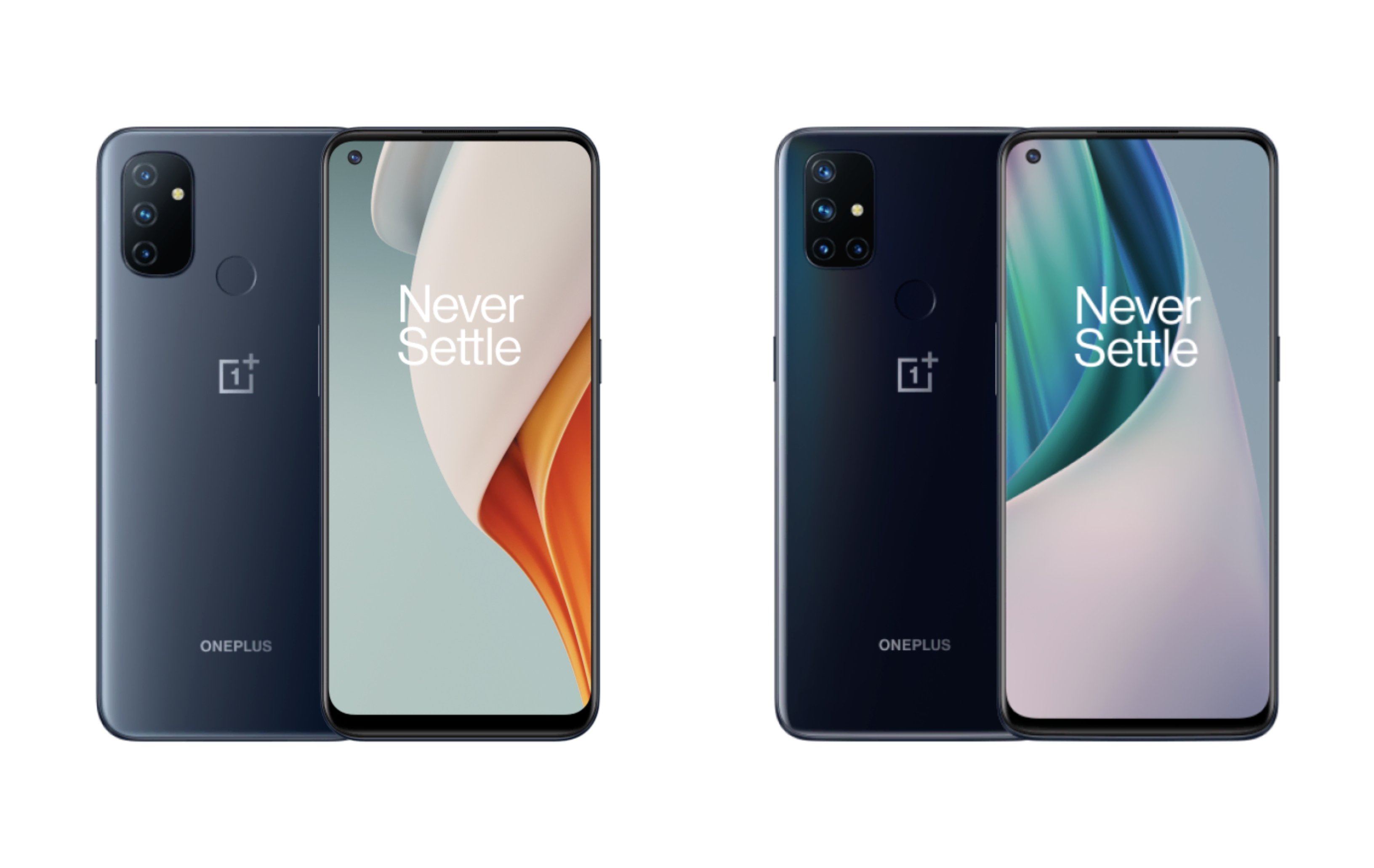
OnePlus Nord N100 and N10 5G join the Android Enterprise Recommended initiative

Last year, the OnePlus 8  became the brand’s first smartphone to get certified for the Android Enterprise Recommended Program. This handset was soon followed by the expensive OnePlus 8 Pro and mid-range OnePlus Nord to join the initiative. Now, months later, OnePlus’ most affordable handsets ever are also part of this program.

OnePlus Nord N100 N10 5G Featured
OnePlus Nord N100 and OnePlus Nord N10 5G

After the OnePlus 8T launch, Chinese phone maker OnePlus announced its first-ever budget smartphones in the form of OnePlus Nord N100 and OnePlus Nord N10 5G respectively. As their name suggests, the former is limited to 4G but the latter comes with 5G connectivity.

Being budget devices, they don’t pack heavy specs to boast about. In fact, these smartphones pale in comparison with handsets from other Chinese OEMs. Worst of all, OnePlus has only promised a single Android update and two years of security patches.

For those unaware, the duo debuted with OxygenOS 10.5 based on Android 10 when Android 11 was already official. Hence, they will be only receiving a single major update to Android 11-based OxygenOS 11 sometime later this year after the OnePlus 7 series, OnePlus 7T series, and OnePlus Nord.

Despite all of these shortcomings, the OnePlus Nord N100 and OnePlus Nord N10 5G have been certified for the Android Enterprise Recommended (AER) program. Unlike the consumer models, the devices part of this initiative will be receiving security patches up until January 2023, which happens to be a few more months than the regular variant of these phones.

Anyway, both the consumer and enterprise versions will be getting a single major system update to OxygenOS 11 based on Android 11.


RELATED: