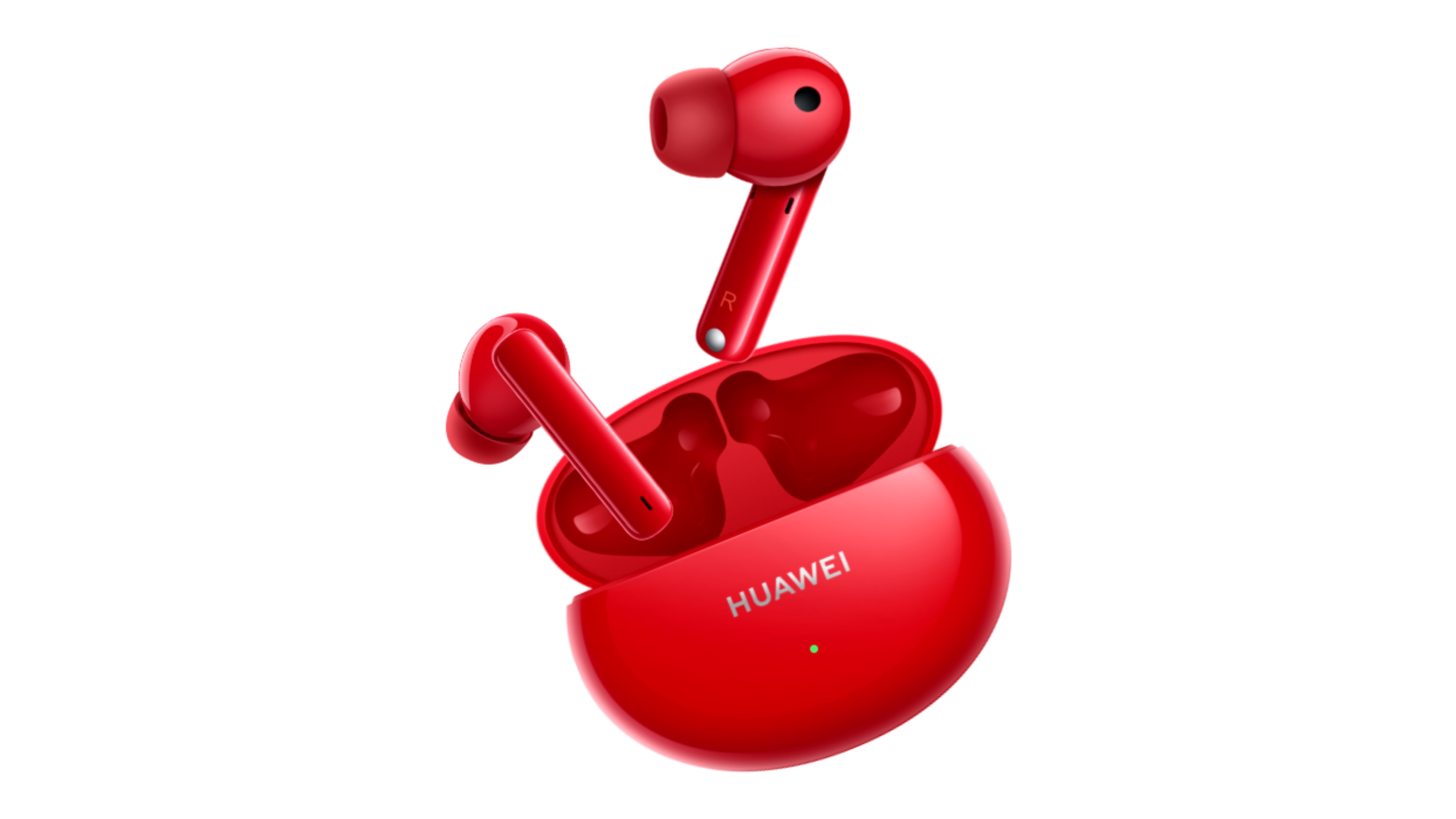
Huawei has quietly launched the FreeBuds 4i in China. The product is presently listed on Huawei’s official website and is on preorder on the company’s online store – Vmall. It carries a price tag of 499 yuan (~$76).
The Huawei FreeBuds 4i is the successor to the FreeBuds 3i which was first launched around May last year. The model comes with some upgrades one of which is support for up to 10 hours of continuous music playback. The wireless earbuds also come with active noise cancellation, something that was also on the FreeBuds 3i. The noise cancellation is capable of reducing the ambient noisein places such as a noisy station, a lively shopping mall, or a subway.
The earbuds adopts a similar design with its predecessor, that is an in-ear design with a long stem just like the Airpod. Each earbud has a dual-microphone design which helps to accurately pick up human voices. The special windproof structure design can improve the earphone’s ability to reduce wind noise.
HUAWEI FreeBuds 4i Honey Red
It has a lightweight body which ensures there isn’t too much strain on the ear, thus giving the user a comfortable wearing experience. The compact earphones come with a built-in 10 mm dynamic coil unit, with polymer composite diaphragm to deliver vivd vocals.
The earbuds also come with a portable, round storage box which also doubles as a charging case. A ten-minute charge can deliver up to 4 hours of playback.
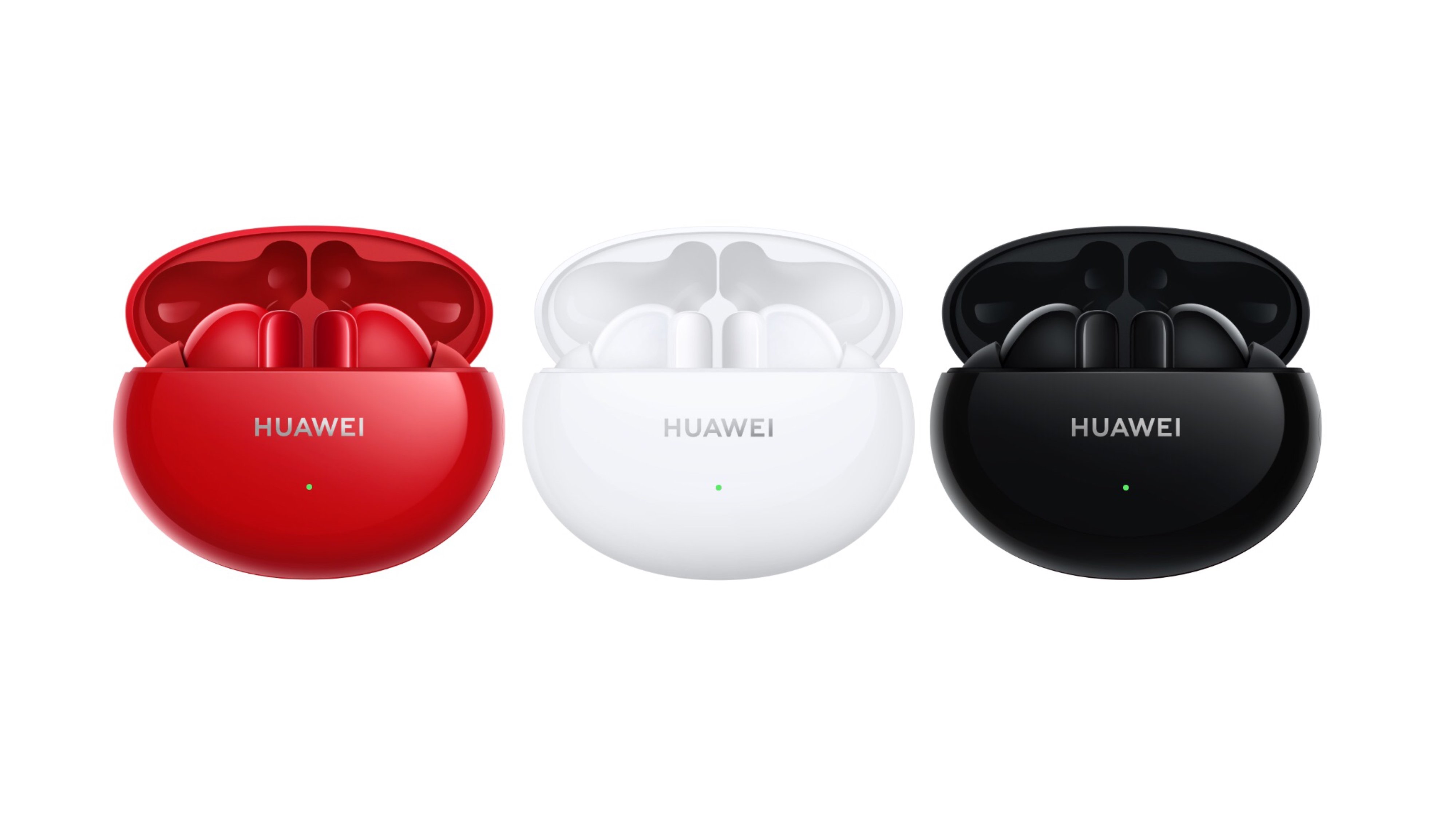
HUAWEI FreeBuds 4i | Honey Red, Ceramic White, and Carbon Crystal Black
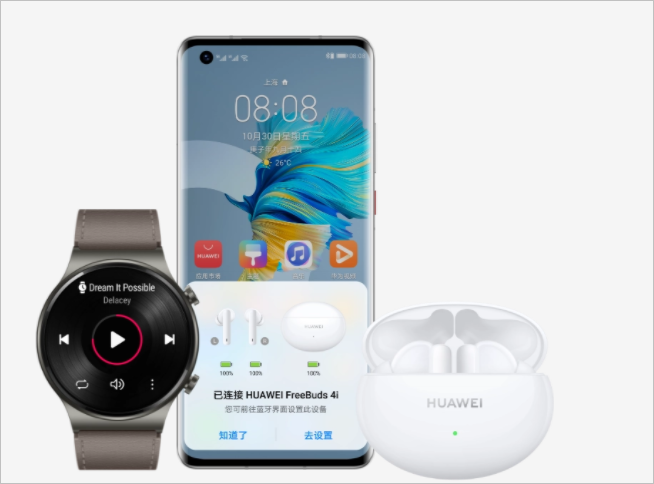
Further the FreeBuds 4i delivers a more intuitive connection method whereby you just pop open the carry case and it pairs automatically with the smartphone after the first pairing. It also enables touch control whereby with a simple double tap, you can play or pause a song playing or answer/hang up calls.
The earbuds are available in Red, Black and White colours. There is no word yet on when this product will be available outside China.
Last week was packed full of announcements and new developments in the mobile tech industry. If you missed out, here is your chance to get brought up to speed.
Essential is now a part of Nothing; you too can own (a part of )Nothing
Nothing also opened up investment into the company to the general public. The new startup is offering $1.5 million worth of shares to interested community members, allowing them to own a part of the company before it goes public. In just 24 hours after its announcement, the company had recorded registered interest valued at over $18 million from over 14,000 individuals.
POCO India goes Mad with its rebranding
POCO India has announced it is rebranding barely more than a year since the Xiaomi-owned brand became an “independent company”. The company unveiled a new logo alongside a mascot last week that it says is “Made of Mad”.
A little over a Year Ago, Poco and Mi became two different entities.
On This Day, we’re letting you in on the real reason. 😉
Several devices eligible for the Android 11 update are yet to get it but that is not Google’s concern. The tech giant has released the first developer preview (DP1) of the next version which will be released later this year as Android 12.
Those who have gotten have shared some of the new features that we should expect when the stable version is released later this year. If your device won’t be getting Android 12, that is a bummer, but you can download one of the new wallpapers here.
Rather than settle for an all-digital event, the plan is to have an in-person event with several safety measures put in place. What’s our advice? Stay at home!!!
Motorola unveils a handful of budget phones
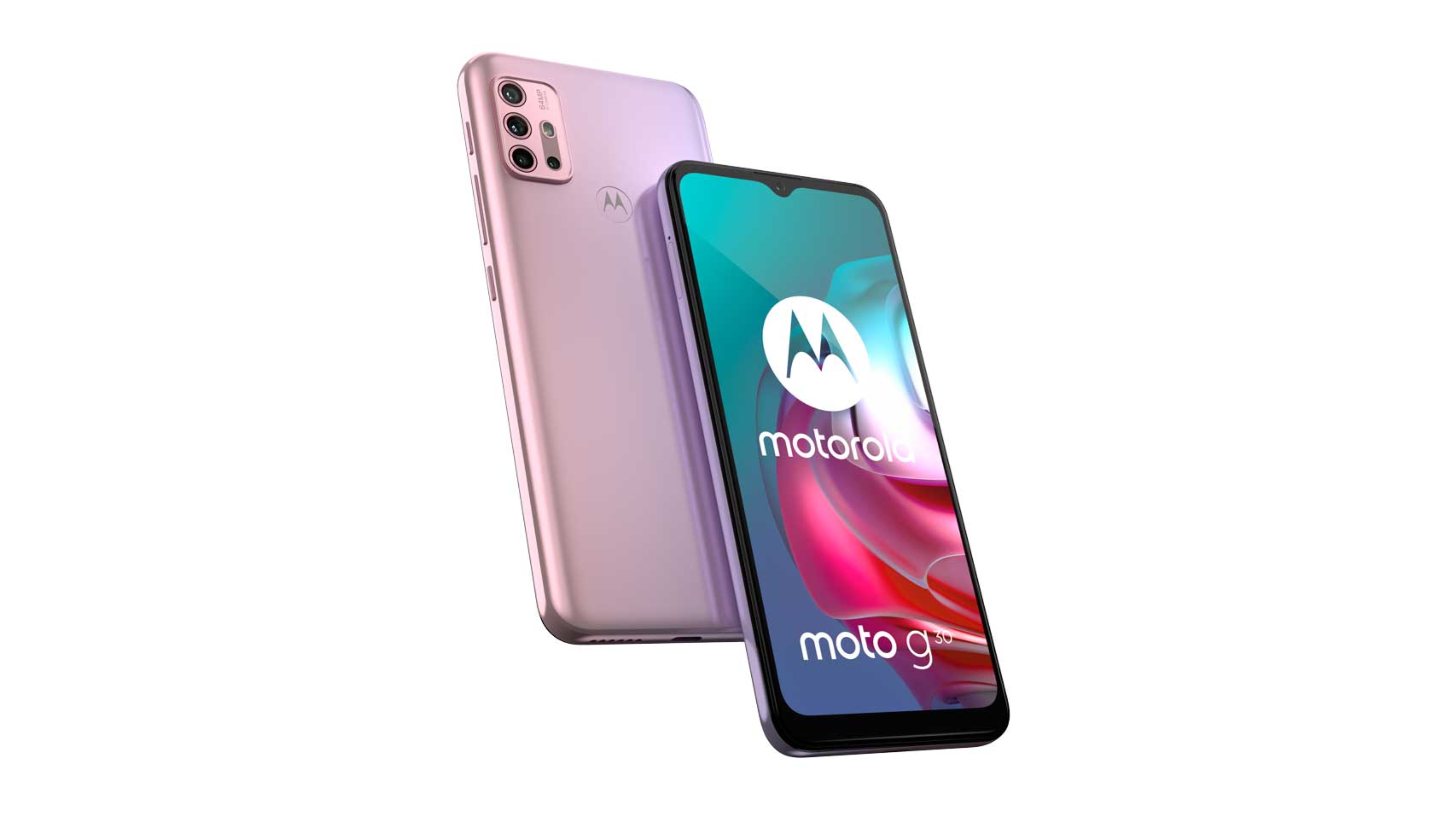
Motorola announced three new phones last week. First, it announced the Moto G10 and Moto G30 in Europe. Both phones have support for 4G, are powered by Snapdragon processors, have 5000mAh batteries, and are priced under 200 Euros.
Motorola Moto G30
It also announced the Moto G7 Power in India. An Helio G25-powered phone with dual rear cameras, a 5000mAh battery, and a starting price of ₹7,499 (~$103).
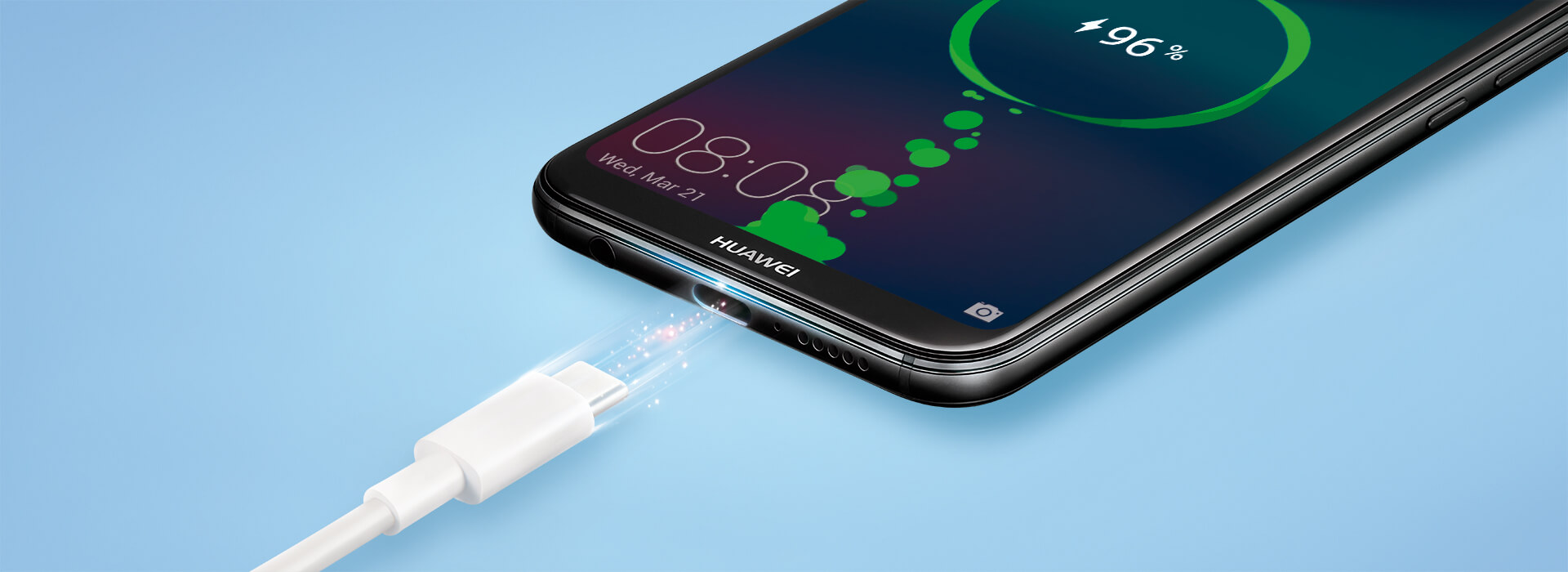
If you want a phone with the fastest wired charging technology available, your options include the Mi 10 Ultra, iQOO 5 Pro, and the iQOO 7. All of these phones support 120W fast wired charging and allow you to fully charge them in less than 30 minutes.
That is a big jump from what was available some five years ago where only a very few phones charged at a rating higher than 18W. Things began to change around 2018 when phones like the OPPO Find X Lamborghini Edition launched with support for 50W fast charging. Since its debut, we have seen manufacturers try to outdo themselves with different fast-charging technologies.
The arrival of these incredibly fast charging technologies has received mixed reviews. There are folks who are excited and want the fastest charging technology available and there are those who want to play it safe and will rather go for a device that charges much slower.
For this week’s poll, we want to know which fast charging speed our readers think is enough for a phone. So please take the poll and also drop a comment telling us what you think about the current fast charging trends.
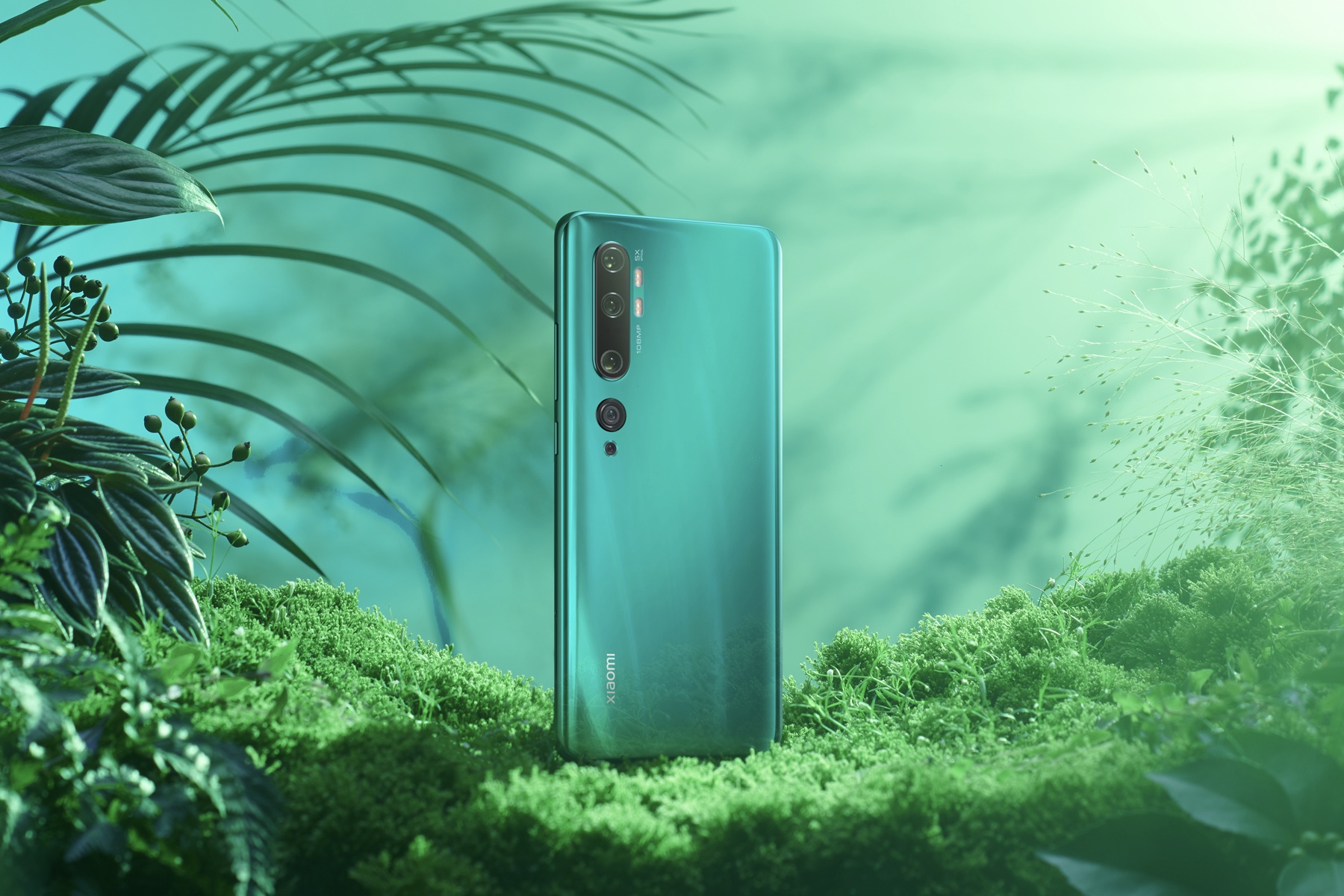
Xiaomi launched the Mi Note 10 and Mi Note 10 Pro as the world’s first 108MP smartphones. These handsets debuted with MIUI 11 based on Android 9.0 Pie. They were later updated to Android 10 and MIUI 12. Now, this duo has started receiving the Android 11 update.
For those unaware, Mi Note 10 and Mi Note 10 Pro were sold as Mi CC9 Pro and Mi CC9 Pro Premium Edition in India. These smartphones run the same MIUI build since their entire hardware is similar except for the type of lens used on the more expensive model (Note Pro and Premium Edition).
The original Chinese version of these phones got the Android 11 update in early January. We expected the international variant to receive the update a few weeks later. However, that did not happen as it is being seeded only now.
That said, the Android 11 update for the Xiaomi Mi Note 10 and Mi Note 10 Pro are currently only available for the EEA variant. The update comes with build number V12.1.3.0.RFDEUXM and brings along February 2020 security patch.
As of now, this build is in the ‘Stable Beta’ phase and therefore, it is only available for a limited number of users. Anyway, the update should be available for all the users, including the other regional variants of these handsets, namely Global, Russia, and Indonesia in the coming days.
Going by Xiaomi’s update track record, the Mi Note 10, Mi Note 10 Pro, Mi CC9 Pro, and Mi CC9 Pro will no longer receive any Android update. But they should get at least one more MIUI update.
Chinese tech giant and one of BBK subsidiaries OPPO last year announced what should be the world’s first rollable smartphone, aptly referred to as OPPO X 2021 ‘concept’ device. The company went on to state that the product was no vapourware and that the device is more durable than could be imagined. It even backed that up with a durability test. Well, looks like the X 2021 will be commercialized soon. OPPO has given out some units of the concept rollable to Youtubers. We have now come across a couple of review videos of the OPPO X 2021.
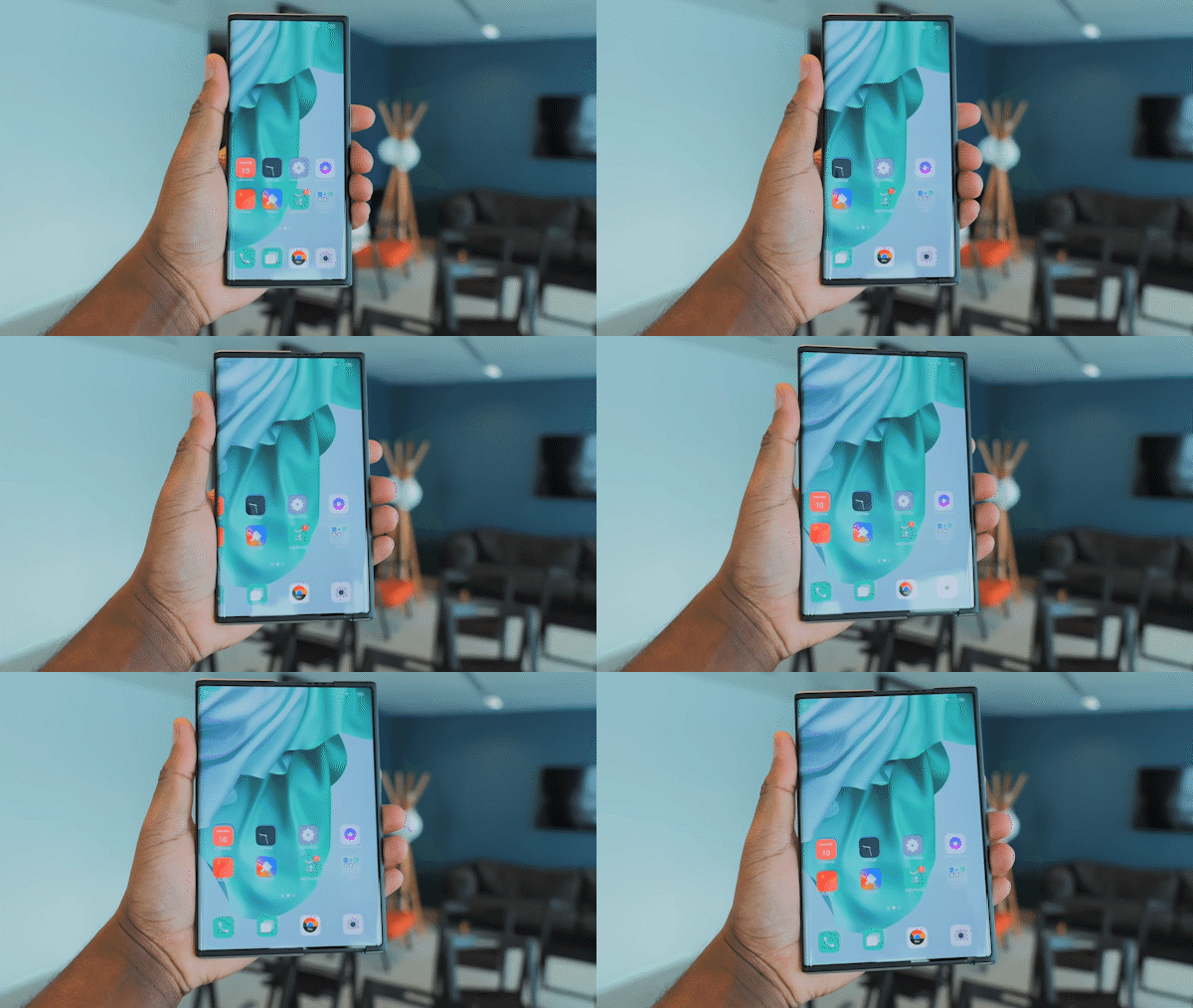
The videos give us our first look at the device in real skin showing us all the externals from the front and rear designs to the rollable mechanism and the user interface. In one of the videos by French YouTuber Brandon LeProktor, the Oppo rollable phone can be seen in all its glory with a spectacular and impressive look.
The video which is in French gives us an idea of how the phone retracts and rolls out at the press of a button. One aspect that would be of concern to many is how the interface is adapted to intuitively transition between the entended and contracted form-factor of the device. The video shows the software changes seamlessly.
A second video by Youtuber Sami Tech Tips provides a hands-on review of the device in English even though it may not the best of accents we’ve heard. The Youtuber gave answers to some burning questions about the Find X 2021 such as the selfie camera and what happens when you accidentally open it inside your pocket.
Interestingly, there is no selfie camera. Even more interesting is the discovery that the phone will open if the screen is left unlocked inside the pocket and the slide is accidentally triggered. In this situation, it will keep trying to expand even when the space is not wide enough. We believe this is still a work in progress and OPPO will modify that to retract if an obstacle is met.
You can check out both videos from above to get more insight into the OPPO X 2021.
Over the years Android OS has received several new refinements since its inception. Every iteration has improved the overall experience of smartphones, and now the search giant finally unveiled Android 12 Developer Preview 1 featuring several new advancements and features. It brings Developers access to highly effective APIs which will further improve the overall stability of the Android OS and adds several new features.
The Android 12 “Snow Cone” is still half a year away from its stable release. However, the Developer Preview of the same has allowed us to enjoy the majority of the new features.
Google is following the same release date as Android 11 last year. It seems the final build will also follow the same suit this year.
There’s a lot more new for the developers as several new APIs have been introduced to make the Android ecosystem more user-friendly. Apart from the developer’s material, there’s a lot for the common Android user. The latest Android iteration brings several new features, privacy improvements, and carries UI changes while the following Material NEXT design. We are listing all the prominent changes that we have seen in the Android 12 Developer Preview.
Best Android 12 Features
New UI – Material NEXT Design: Material Design was first introduced by Google in 2014. It was actually based on the principles of Shadow and Depth, and Google made it available across its vast brochure of services. Later came Material Design 2.0 and now the Material NEXT Design with some expressive improvements.
New Notification UI: Notifications are an important aspect of a smartphone OS. There are significant visual changes with smoother transitions and tweaks across the notifications area. Google has introduced a translucent background in the Notification pane, it was missing in Android 11. The icons remain the same but the color changes are present.
Moreover, the notifications will be more responsive and rapid in comparison with the old Android version.
Settings Panel: There are such big changes but much-needed refinements are part of the package. Bigger toggles are present for easy accessibility in the panel. Moreover, it resembles a bit like the OneUI skin from Samsung. Maybe, it is due to the blue background or something else.
LockScreen: A slight change on the lock screen is also seen if you’re using a pattern to unlock. It even includes a translucent background.
Optimized for large display devices: Google is optimizing Android 12 for large display devices such as tablets, foldable devices, and TVs.
A step ahead of modified skins, Android 12 now offers WiFi sharing to all nearby contacts by pressing the “Nearby” button. Rather than sharing the barcode scanner with every known contact, the user can simply share it with all using the “Nearby” button.
Better Screenshots
Android 12 brings improved editing options for screenshots. The latest additions in editing tools are the ability to add texts, Emojis, and stickers. It might reduce the dependence on third-party apps if running vanilla Android.
Improved Audio
Multi-channel audio: Android 12 brings support for MPEG-H while audio mixers can now bring 24 channels support.
Easy Audio Source Selection: Android 12 enhances the media player present in the Quick Settings. The user can now allow you to turn off media player in quick settings for YouTube, Spotify, etc, or vice versa.
One-Handed Mode
Smartphones are getting bigger, and it has become quite difficult for users to use them single-handedly. As a solution, the Android 12 has come up with a One-Handed mode on the line of Samsung’s OneUI and OnePlus OxygenOS.
Android Updates via Google Play
As expected, Android Runtime (ART) is finally making its way to the Play system updates program which is known as Project Mainline. It means Google will allow third-party developers or companies to push key updates via Google Play.
Improved Gestures
The latest iterations improve the gesture navigation while using the immersive mode. It is now easier and more consistent in Android 12.
Scrolling Screenshots
Finally, a year after it was initially spotted on Android 11 DP, the scrolling screenshots have again made it to the Android 12 Developer Preview. The same feature is present for the past couple of years on customized skins like Samsung’s OneUI, OnePlus’s OxygenOS, and Xiaomi’s MIUI.
Stackable Widgets
Yes, the iOS-like Smart Stack have finally made their way through Android 12 DP. The users would be able to enjoy multiple widgets of the same size via the same placeholder. It will be a quite useful addition to the Android ecosystem and will significantly boost the usage of widgets.
Notifications Snooze
It is an important option that is since Android Oreo but is a bit complex to use. Now, a single snooze button is made available which is easily accessible by heading to Settings>Apps and notifications>Notifications>Allow notification snoozing.
Behind the UI Changes
Enhanced Cookie handling
Android 12 is natively bringing the SameSite cookie to action while using WebView. However, this type of cookie handling is already present for prominent Android browsers.
Haptic-feedback to gaming controllers
Earlier, there were rumors that Android 12 could come with a Game Mode. However, it is not seen yet in Android 12 Developer Preview 1, but haptic-feedback to game controllers is present. It will allow the users to pass on the vibration to the connected gaming controllers.
Enhanced Media transcoding
Android 12 is offering App developers to use a native transcoding layer so that they can take advantage of video compression. It is just an in-case solution, however, Google recommends the app developers to make their own apps compatible with new compression standards such as HEVC.
AVIF Image Format
As like Webp format for images to save disk space and improve website’s speed, Google has introduced support for a new image format – AVIF. It is a better image format than JPEG and offers improved image quality with a smaller file size.
These are some prominent changes that are part of Android 12. We expect some more changes to surface before the official stable build rolls out in Q3 of this year. Until then, you can enjoy beautiful Android 12 stock wallpapers.
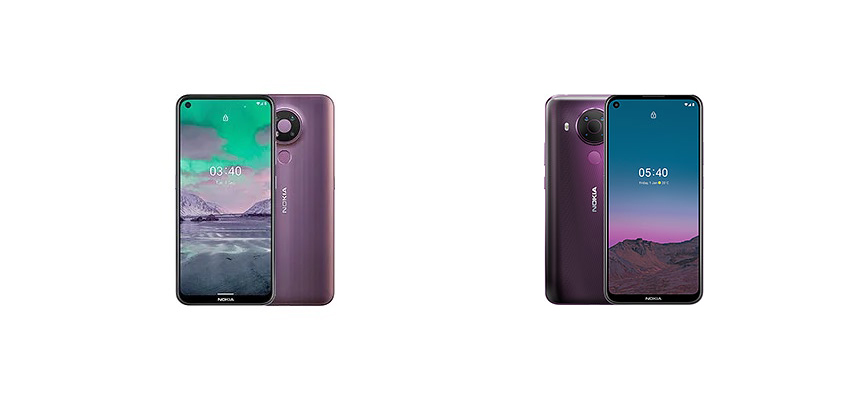
HMD Global launched two affordable handsets in India and in the global market: the Nokia 3.4 and the Nokia 5.4. It is kinda obvious that the 5.4 is a superior phone to the Nokia 3.4, you just need to read their names to understand it. But which are the differences between these two budget phones and which one is better for your actual need? These are harder things to understand, and that is why we decided to make a comparison between the two handsets. Check it if you want to know everything about them and which one is the best for you.
Quad 48 + 5 + 2 + 2 MP, f/1.8
16 MP f/2.0 front camera
BATTERY
4000 mAh
4000 mAh
ADDITIONAL FEATURES
Dual SIM slot
Dual SIM slot
Design
The Nokia 3.4 and the Nokia 5.4 have the same design: a punch-hole display, narrow bezels around the screen, a circular camera module, and a rear-mounted fingerprint reader. They even come with the same dimensions and the same weight. There are just two differences: the camera elements and the color variants. The Nokia 5.4 has a LED flash placed outside of the camera module, while on the Nokia 3.4, it is inside the camera module. This makes the design of the Nokia 3.4 slightly more attractive, but the Polar Night color variants of the Nokia 5.4 is more beautiful, at least for me.
Display
With the Nokia 3.4 and the Nokia 5.4, you get exactly the same display panel: it is a 6.39-inch display with an HD+ resolution of 720 x 1560 pixels, a 400 nit typical brightness, and a 269 ppi pixel density. It is a below-average display in terms of image quality since you get a low level of detail and a not-so-exciting panel in terms of contrast and brightness. But it is still a sufficient display for most of the users out there.
Specs & Software
One of the biggest advantages of the Nokia 5.4 over the Nokia 3.4 is the hardware setup. First of all, it has a stronger Snapdragon 662 chipset. It remains a low-end SoC, but it is more powerful than the Snapdragon 460 found on the Nokia 3.4. Further, the Nokia 5.4 offers up to 128 GB of internal storage, while you can get just 64 GB of native storage on the Nokia 3.4. Both the phones run Android 10 out of the box, close to the stock version, which will get a lot of updates in the long-term thanks to the famous HMD Global software support.
Camera
Besides the hardware department, the most important advantage of getting a Nokia 5.4 is the camera, and we are specifically talking about the main camera found on the rear side. While the Nokia 3.4 has a disappointing 13 MP sensor, the Nokia 5.4 comes with a pretty nice 48 MP main camera boasting a bright f/1.8 focal aperture. You can shoot photos with a higher level of detail and better performance in low light conditions. Even the selfie camera is better on the Nokia 5.4: you get a pretty good 16 MP front snapper.
The Nokia 3.4 and the Nokia 5.4 pack the same battery with a capacity of 4000 mAh. Given that the display is the same as well, and the chipsets are built at 11 nm, the phones should offer a very similar battery life. So you should choose the best device for you after checking the other specs: do not mind about the battery. In each case, you get a great battery phone with a battery lasting all day long even with intensive usage.
Price
The price of the Nokia 3.4 for the global market is €159/$193 (the European price, to be accurate), while the Nokia 5.4 is sold at €199/$241 in Europe. Should you spend those €40 more in order to get a better device? It depends on your actual needs: if you need better camera performance (for both normal photos and selfies), then go for the Nokia 5.4. Given the small gap between the processors of these two devices, we would not suggest spending €40 more just for the performance. Your final decision should be mainly based on the cameras.
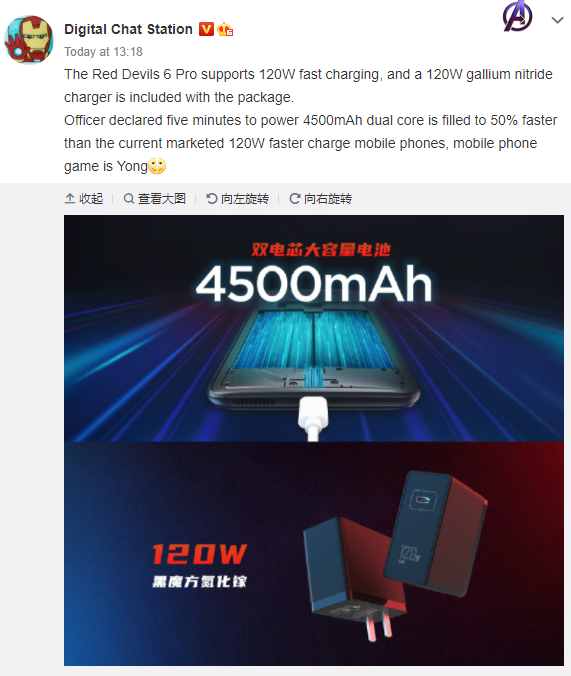
The Red Magic 6 will be announced in the first week of March. The gaming smartphone from ZTE will pack new features including an improved cooling fan. However, unlike its predecessors, it won’t be coming alone as a new leak says we will be getting a pro model. The leak has revealed the battery capacity and fast charging technology of this second model which will launch as the Red Magic 6 Pro.
According to Digital Chat Station, the China-based leaker, the Red Magic 6 Pro will support 120W fast charging. While that is exciting news, what is more interesting is that its own fast charging technology is said to be faster than that of competitors, as it takes it 5 minutes to charge its 4500mAh battery to 50%.
For comparison, the Mi 10 Ultra which also supports 120W fast charging charges the 4500mAh battery capacity to 41% in 5 minutes. The iQOO 5 Pro, another phone with support for 120W fast charging takes 5 minutes to charge its battery to 50% but its capacity is smaller at 4000mAh.
Thankfully, you should be able to try out the Red Magic 6 Pro’s fast charging technology once you get your hands on it as the leaker says that ZTE will include a 120W GaN fast charger in the box.
The Red Magic 6 and Red Magic 6 Pro will be announced on the 4th of March. The phones will have a display with a 144Hz refresh rate and a 480Hz touch sampling rate. They will also come with the Snapdragon 888 processor. The standard model is expected to come with 66W fast charging which is not as fast as that of the pro version but incredibly faster than most phones can boast.
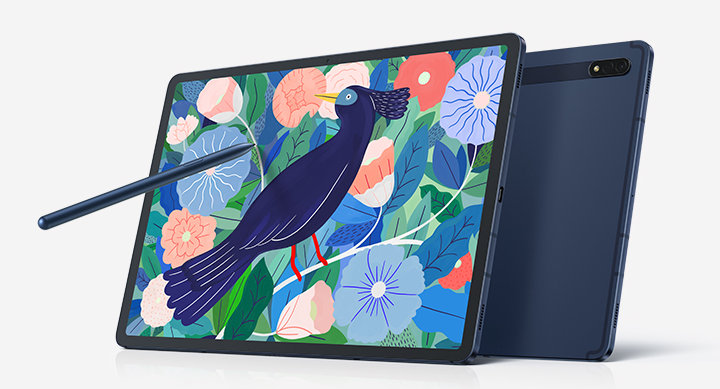
Samsung first released the Galaxy Tab S7 and Tab S7+ in August last year and the tablets were available in Mystic Black, Mystic Silver, and Mystic Bronze colors. The Korean company has now unveiled a new color variant for the Indian market and it is a Mystic Navy color. The variant was unveiled for the US market earlier this month. The new tablets also come pre-installed with Samsung’s latest One UI 3 software.
Samsung Galaxy Tab S7 Mystic Navy
As a reminder, the Galaxy Tab S7 features an 11-inch LCD display with 2560 x 1600 pixels resolution and a 120Hz refresh rate. On the other hand, the Galaxy Tab S7+ sports a bigger 12.4-inch AMOLED screen with a higher resolution at 2800 x 1752 pixels and also supports a 120Hz refresh rate.
Both tablets are powered by the Snapdragon 865+ processor with up to 8GB of RAM and 512GB of storage but India is only getting the 128GB storage variant. On the back of the two tablets is a 13MP + 5MP dual-camera setup while the front-facing camera is an 8MP sensor. For battery, the vanilla Tab S7 packs an 8000mAh cell while the Tab S7+ packs a 100090mAh battery capacity. Both support 45W fast wired charging, have quad speakers, and come with a stylus. The Tab S7 also comes with a side-mounted fingerprint sensor while the Tab S7 Plus has an in-display fingerprint scanner.
As for the prices in India, the Galaxy Tab S7 Wi-Fi only variant with 128GB storage is priced at Rs. 55,999 (~$771). This variant will be up for grabs at Reliance Retail and Samsung Shop. On the other hand, the Galaxy Tab S7 4G LTE variant with 128GB storage is priced at Rs. 63,999 (~$882). Finally, the Galaxy Tab S7+ 4G variant is priced at Rs. 79,999 (~$1,102). These models are presently available from Samsung.com and leading retail stores across India with several exciting offers.
No less than five phones from Redmi, Realme, and OPPO will be announced next week. Most of these phones will just be making their debut while others have been announced earlier but are heading to new markets. There will also be a handful of other products such as headphones and speakers from these brands.
Xiaomi – New Earphones and Bluetooth Speaker
Xiaomi will kick off the week with the launch of two new audio products in India. The manufacturer announced earlier this month that it will announce the products on Monday, February 22. From the teasers provided, we have been able to deduce that the two products are a pair of neckband-style earphones and a Bluetooth speaker. The teaser below for the former hints at it having noise cancellation.
The Reno5 series has been making its way across the globe and on February 22, it will land in Africa, Kenya to be specific. OPPO will announce the Reno5 alongside a new model in the series called the Reno5 F.
OPPO Reno5 F
The Reno5 F will pack an AMOLED display that has a punch hole at the top left corner. It will also have four rear cameras, a MediaTek processor, 8GB of RAM, 128GB of storage, an audio jack, a 4310mAh battery, and support for 30W fast charging.
Realme – Narzo 30 series and realme Buds Air TWS earbuds
The focus will shift to Realme on Wednesday, the 24th of February when it takes the wrap off its new Narzo 30 Pro and Narzo 30A smartphones. There are rumors the former will be India’s cheapest 5G smartphone and it has already been confirmed that it will have a Dimensity 800U 5G processor and a display with a 120Hz refresh rate.
The manufacturer will also announce the second generation realme Buds Air at the event.
Redmi unveils the K40 series and RedmiBook Pro in China
On February 25, Redmi will announce its 2021 flagship phones, the Redmi K40 and Redmi K40 Pro in China. The two phones will come with the best-in-class 120Hz AMOLED displays and Qualcomm’s Snapdragon 888 processor.
A new notebook called the RedmiBook Pro will also tag along, but unlike the Redmi K40 which should get a global release, this will most likely be exclusive to China.
Xiaomi takes the Mi 11 to Singapore
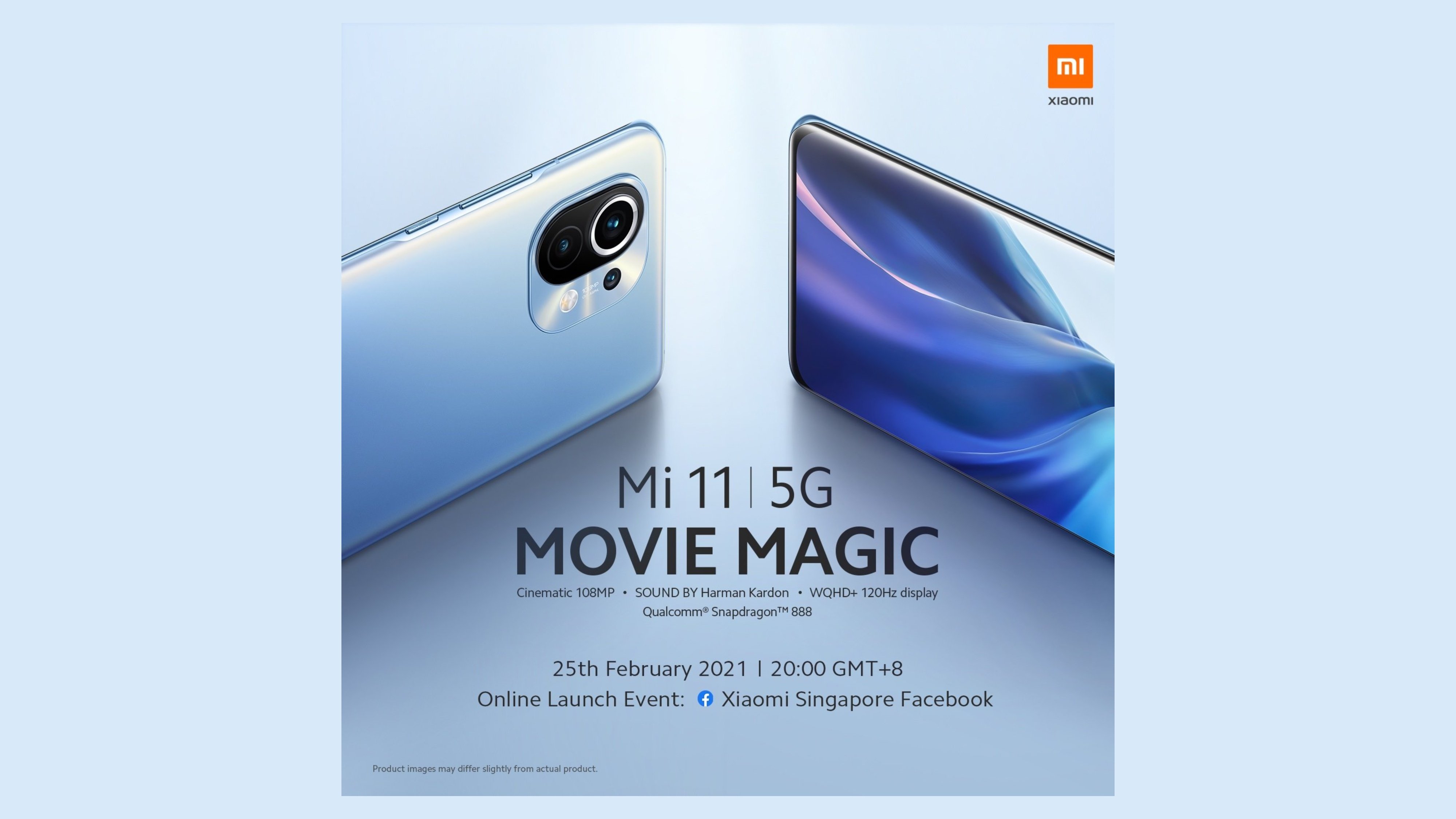
Following the global (read European) unveiling of the Mi 11, Xiaomi will be taking the phone to other markets. Singapore is next on the list and they will be getting the flagship on February 25.
The Redmi K40 and Redmi K40 Pro are not the only products Redmi will unveil on February 25. The manufacturer has also announced that it has a new Windows notebook coming that will launch as the RedmiBook Pro. Now a teaser poster shared today gives us an early look and it shows it is missing a feature.
The RedmiBook Pro is pictured showing off its metal chassis. The screen is half-opened, giving us a look at the bezels which appear to be pretty slim. Definitely not the thinnest we have seen on a notebook but noticeably slimmer than that of a lot of computers.
Redmi has gone for an island-style keyboard. However, there isn’t a dedicated numeric keypad which seems to be a bummer, and its lack thereof may be a dealbreaker for those who find the feature a necessity. Our guess is that this is the 14-inch model of the RedmiBook Pro, so there is a chance the 15-inch model might have a numeric keypad.
The poster also shows that the notebook has a wide trackpad below the keyboard and a groove in the chassis that should make it easy to lift the screen open.
The RedmiBook is shown in silver but we may also get a gray variant. Though we really wouldn’t mind seeing manufacturers experiment with brighter colors when it comes to notebooks.
Redmi will not only announce the RedmiBook Pro in multiple sizes but it has also been reported that it will come in Intel and AMD versions.
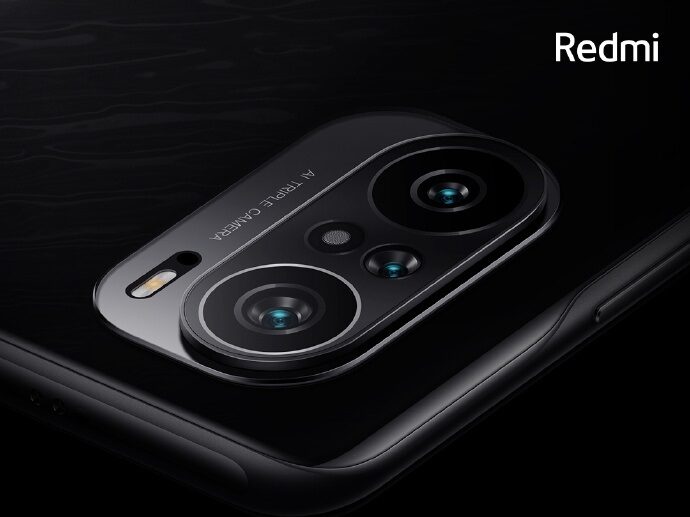
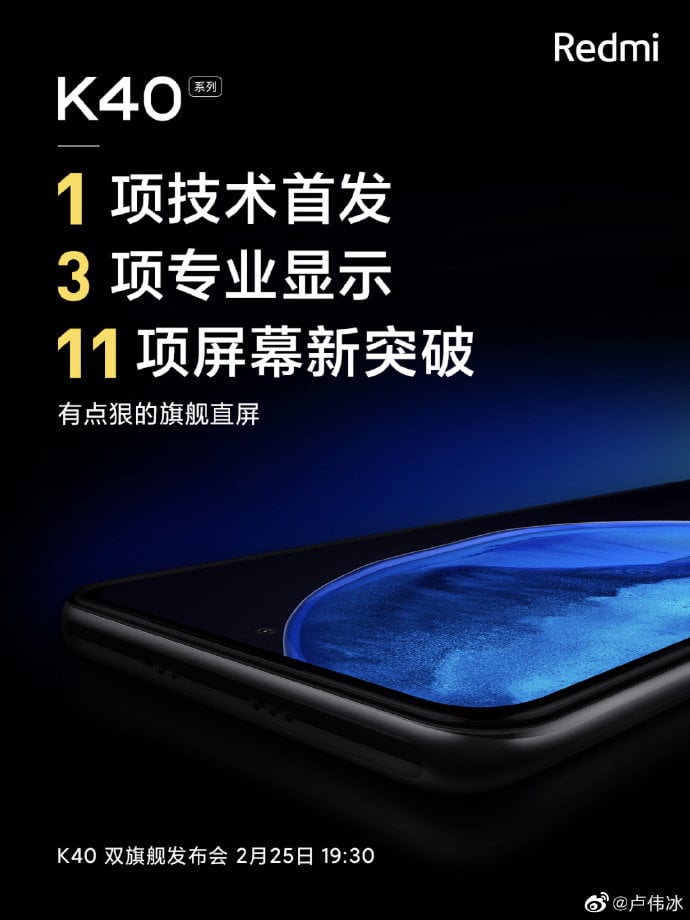
Ahead of the release of the Redmi K40 series next week, Redmi has released some official posters that confirm some of the features of the upcoming phones. A handful of images shared on Weibo by Lu Weibing, the brand’s General Manager, are focused on the display specification of the new phones.
Flat, E4 AMOLED, 120Hz, and more
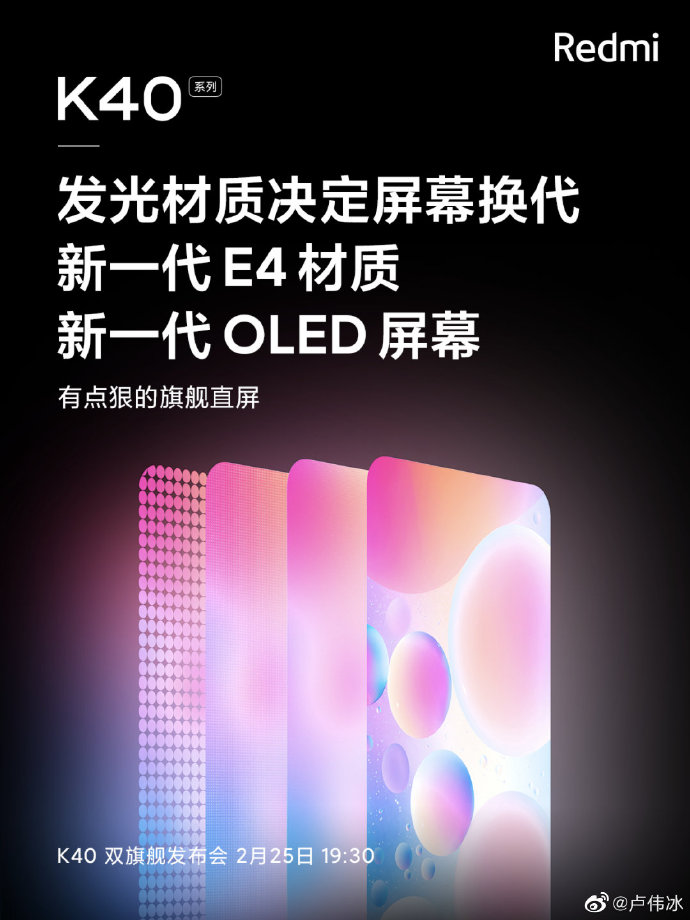
The Redmi K40 will have a flat display but not just any kind. Redmi claims the display of the phone is one of the best in the industry. It is an E4 AMOLED screen that has a higher peak brightness, lower power consumption, and better picture quality than the previous generation.
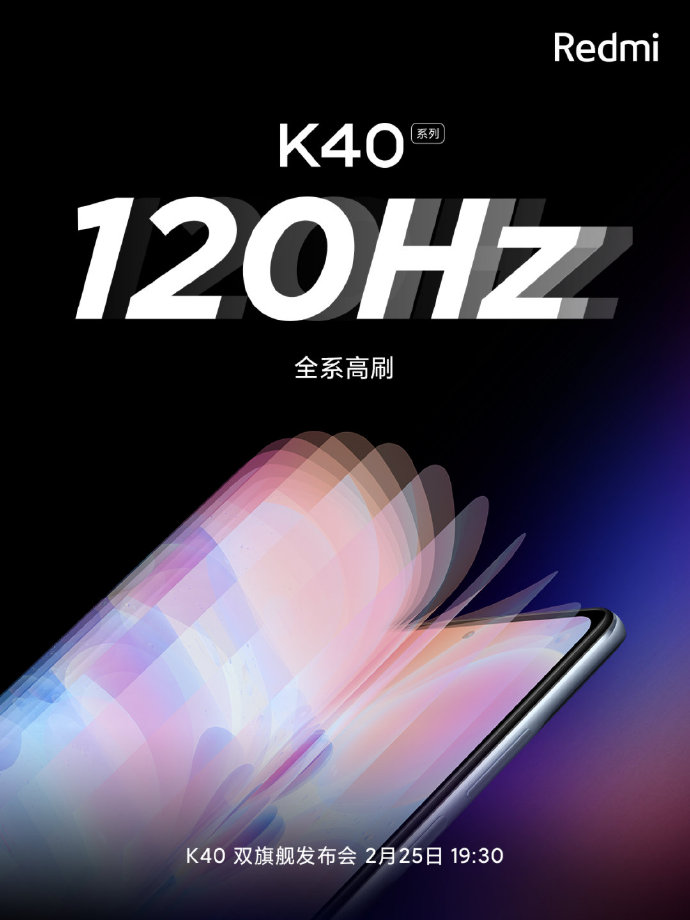
Lu Weibing revealed in a post that all models of the Redmi K40 series will not only have this high-quality E4 AMOLED screen but also have a 120Hz refresh rate. This means whether you purchase the standard model or the pro model, you get a 120Hz AMOLED display.
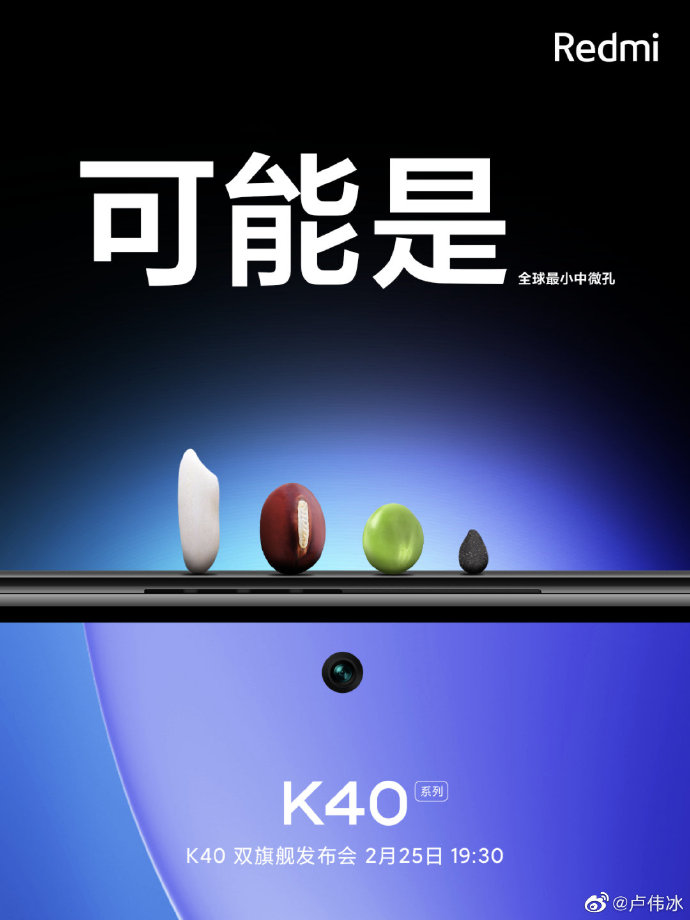
In another poster, the focus is on the diameter of the centered punch hole. The poster shows a rice grain, a red bean, a mung bean, and a sesame seed. The average sesame seed measures 2mm and looking at the image, the hole punch is about the size of a sesame seed.
1 of 4
Redmi K40 E4 AMOLED screen
Redmi K40 series 120Hz refresh rate
Redmi K40 series punch hole
Redmi K40 in-display fingerprint scanner
Redmi already said the K40 series will have the smallest punch hole in the world, and the phone that currently holds that title is the Vivo S5 whose punch hole measures 2.98 mm.
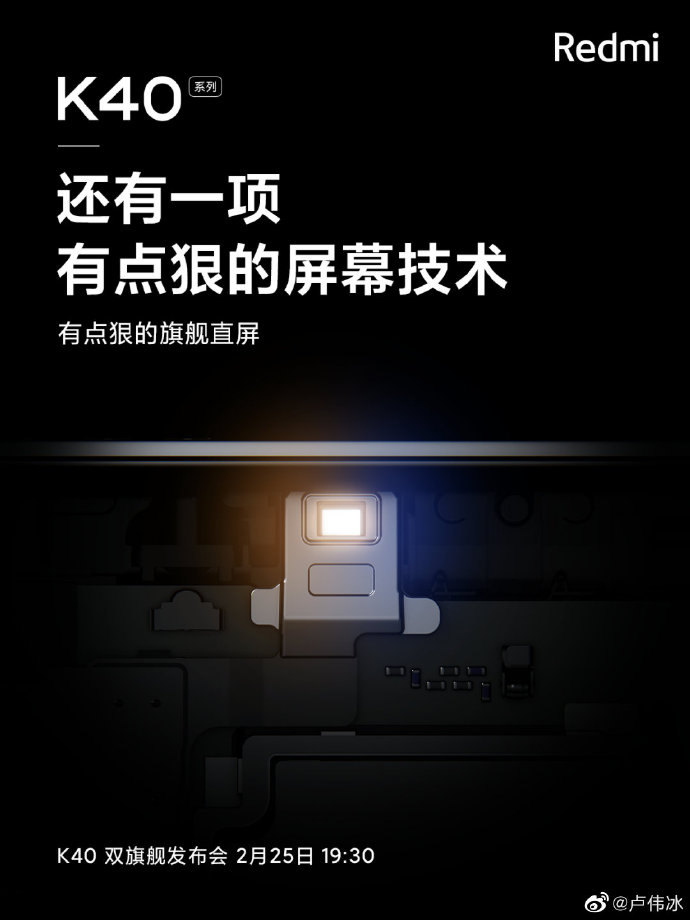
The final poster teases the phone’s in-display fingerprint scanner which should be a new generation type that is faster and has a larger area.
The Redmi K40 series will be unveiled on February 25 in China. They will not only come with impressive displays but also feature Qualcomm’s Snapdragon 888 processor.
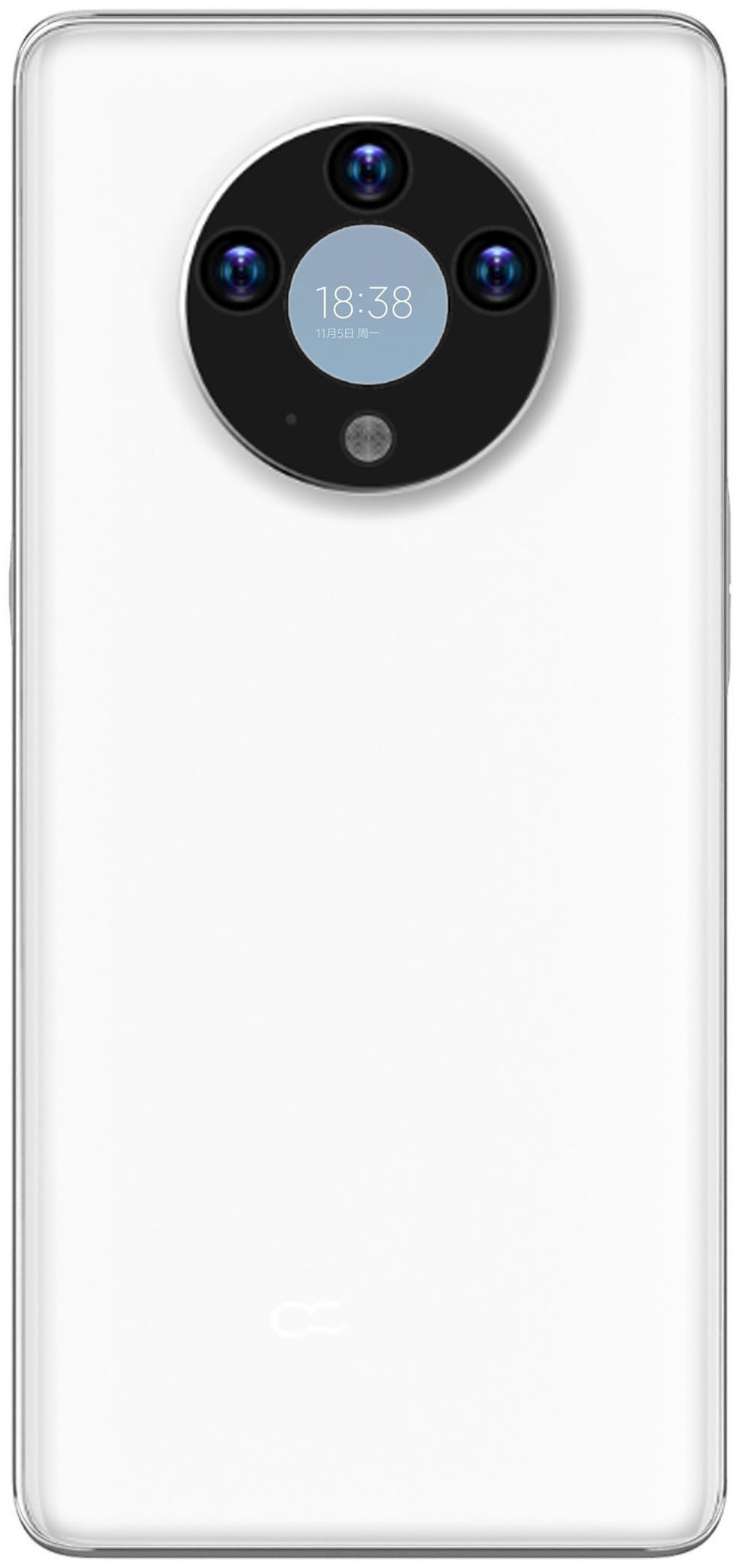
OPPO has been patenting interesting smartphone designs lately. One such weird patent we saw back in November showed a Block structure for foldables. Now, its new Patent makes a second screen within the rear Camera layout possible.
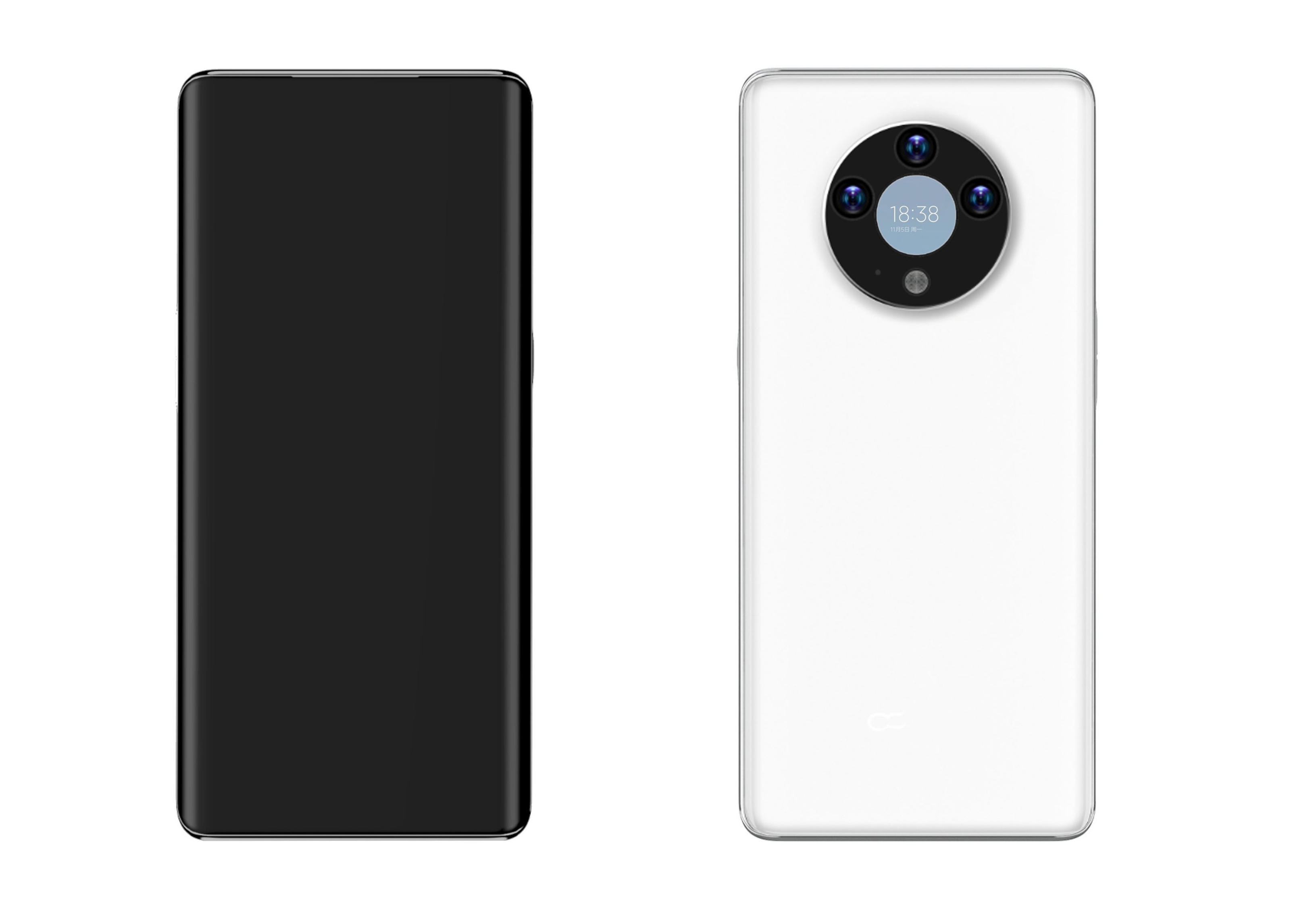
Credit: OPPO/CNIPA
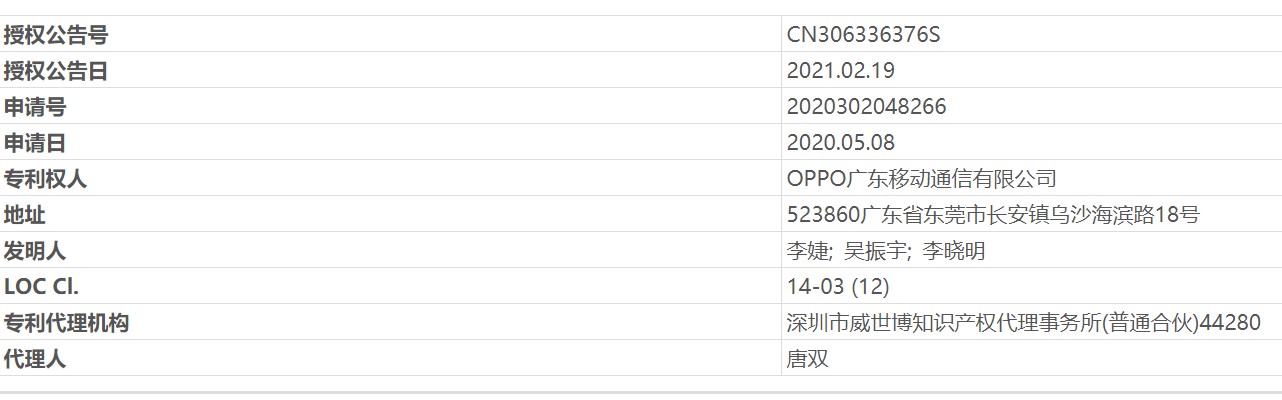
The patent, filed by OPPO Guangdong Mobile Communications Co., Ltd at CNIPA(China National Intellectual Property Administration) has been published on February 19. The patent shows a design just another Smartphone design upfront until you turn it over to the back.
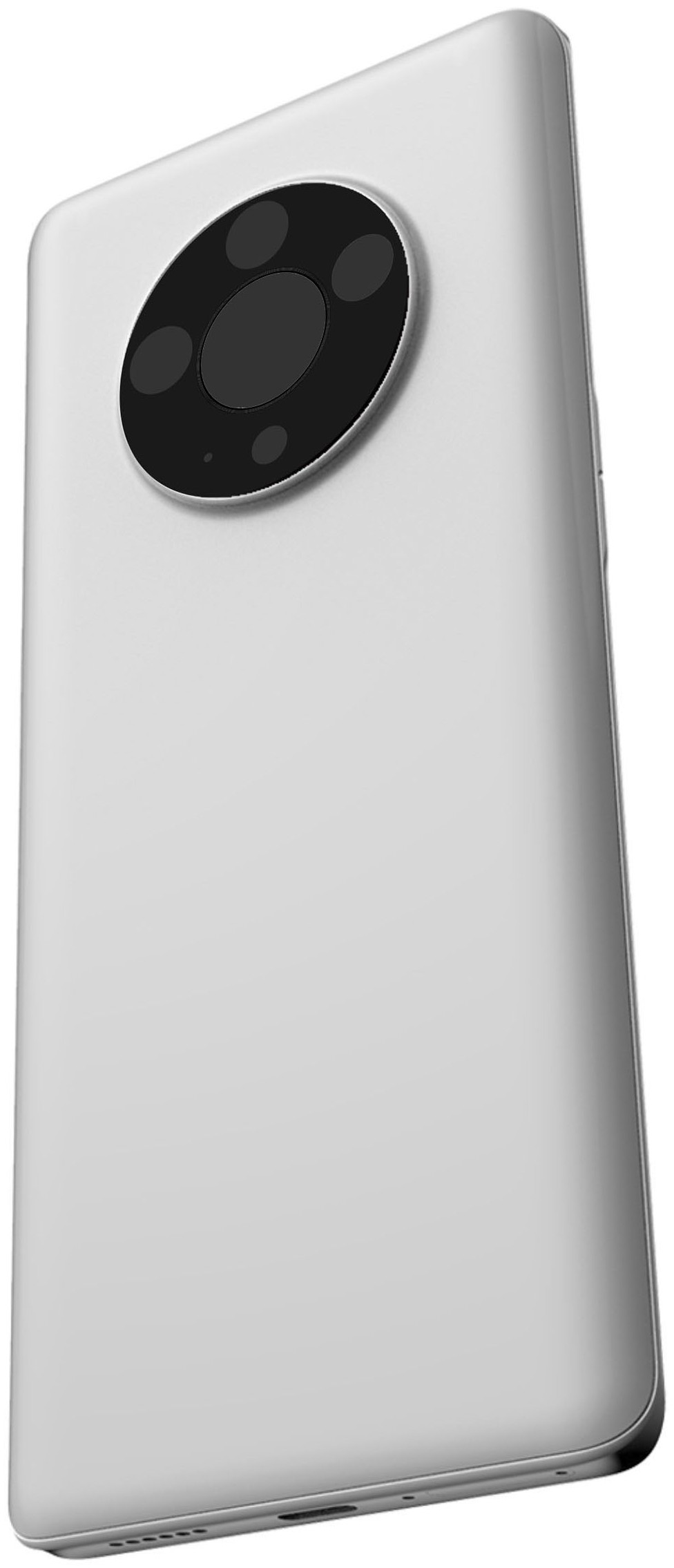
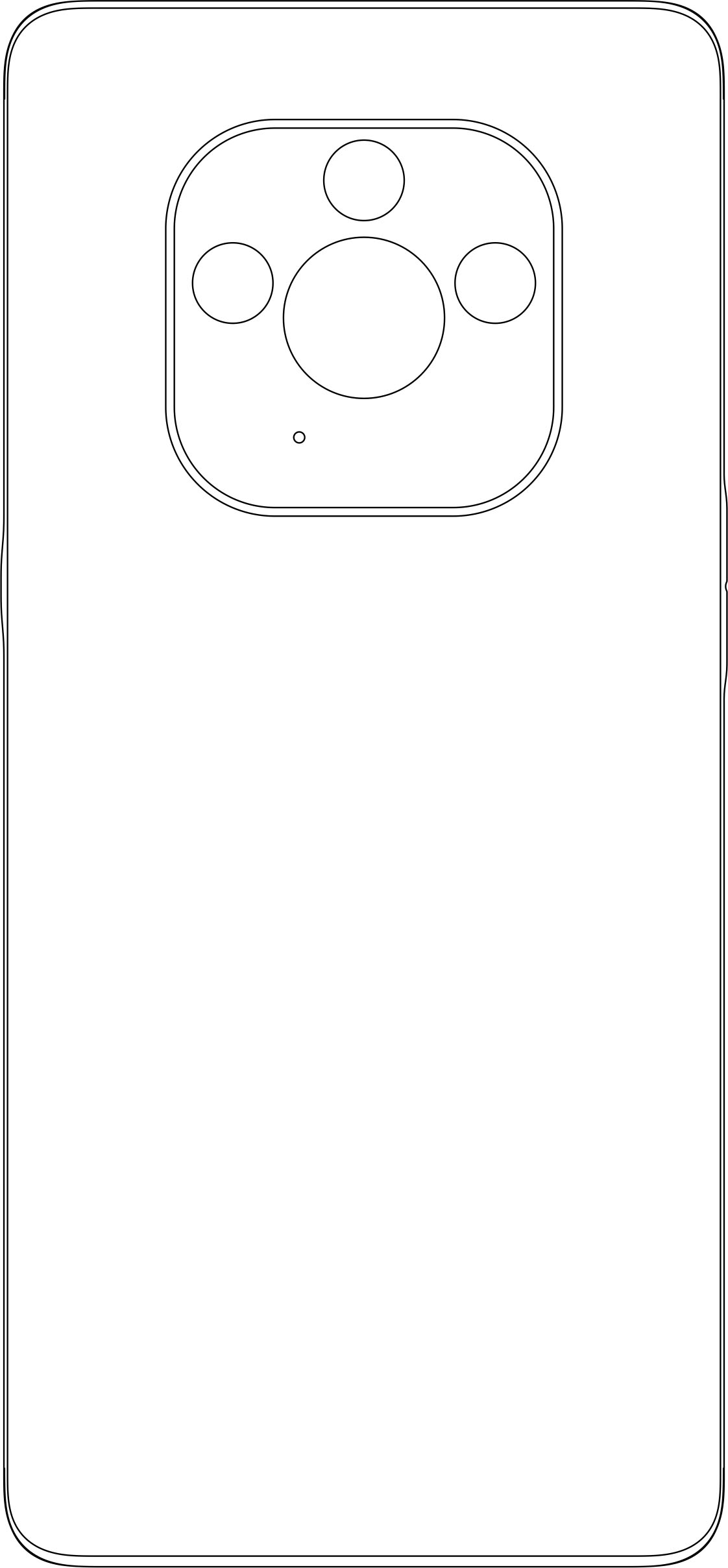
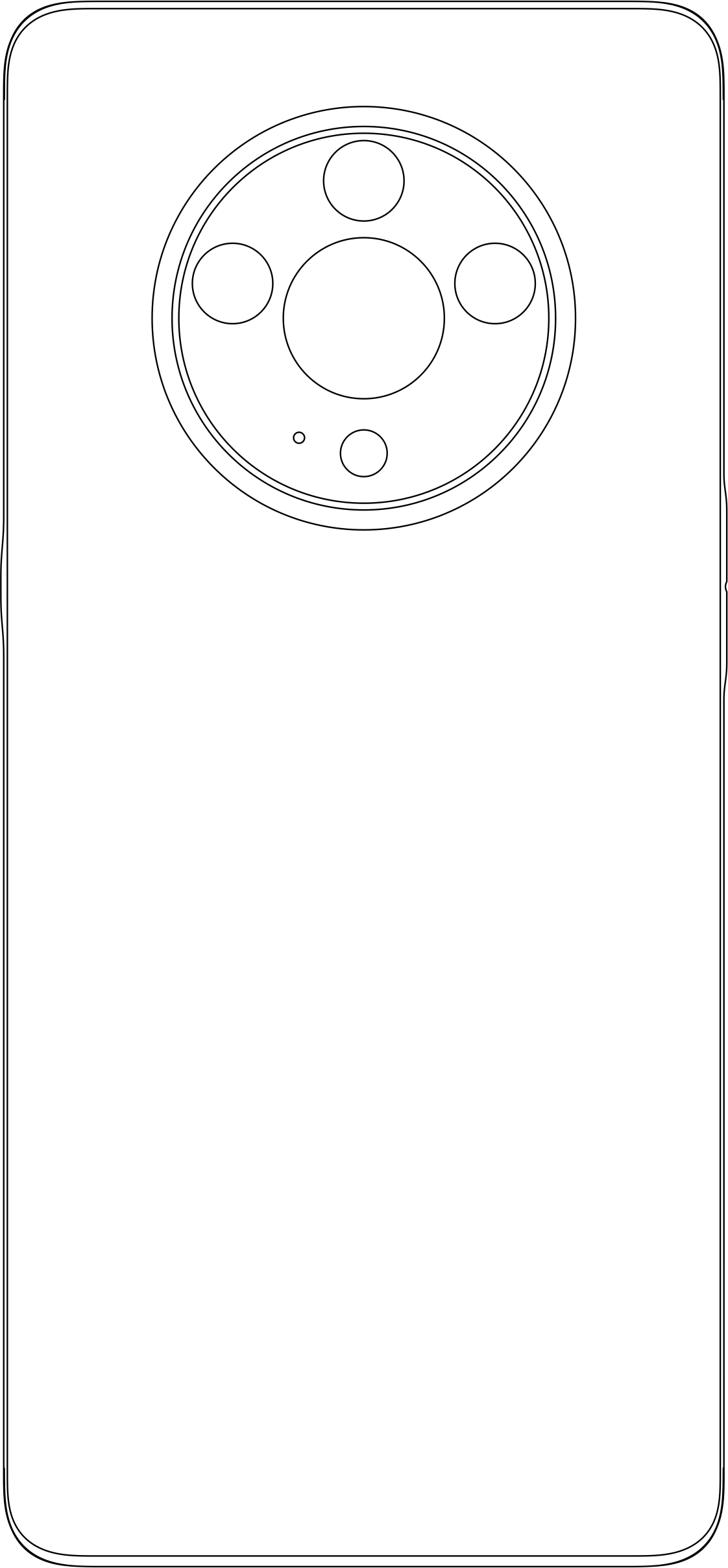
As you can see below, the rear has a circular camera layout with cut-outs for lenses and a small hole likely an LED flash. Inside the layout, there’s another circular layout. OPPO intends to use this as a small Secondary display. In the patent, it has shown a colored render with use-case scenarios.
For instance, the small display can quickly serve for showing Time, Date as shown in the design. And there is always a possibility that the company could expand this by showing Quick Notifications, Fitness Data, and more.
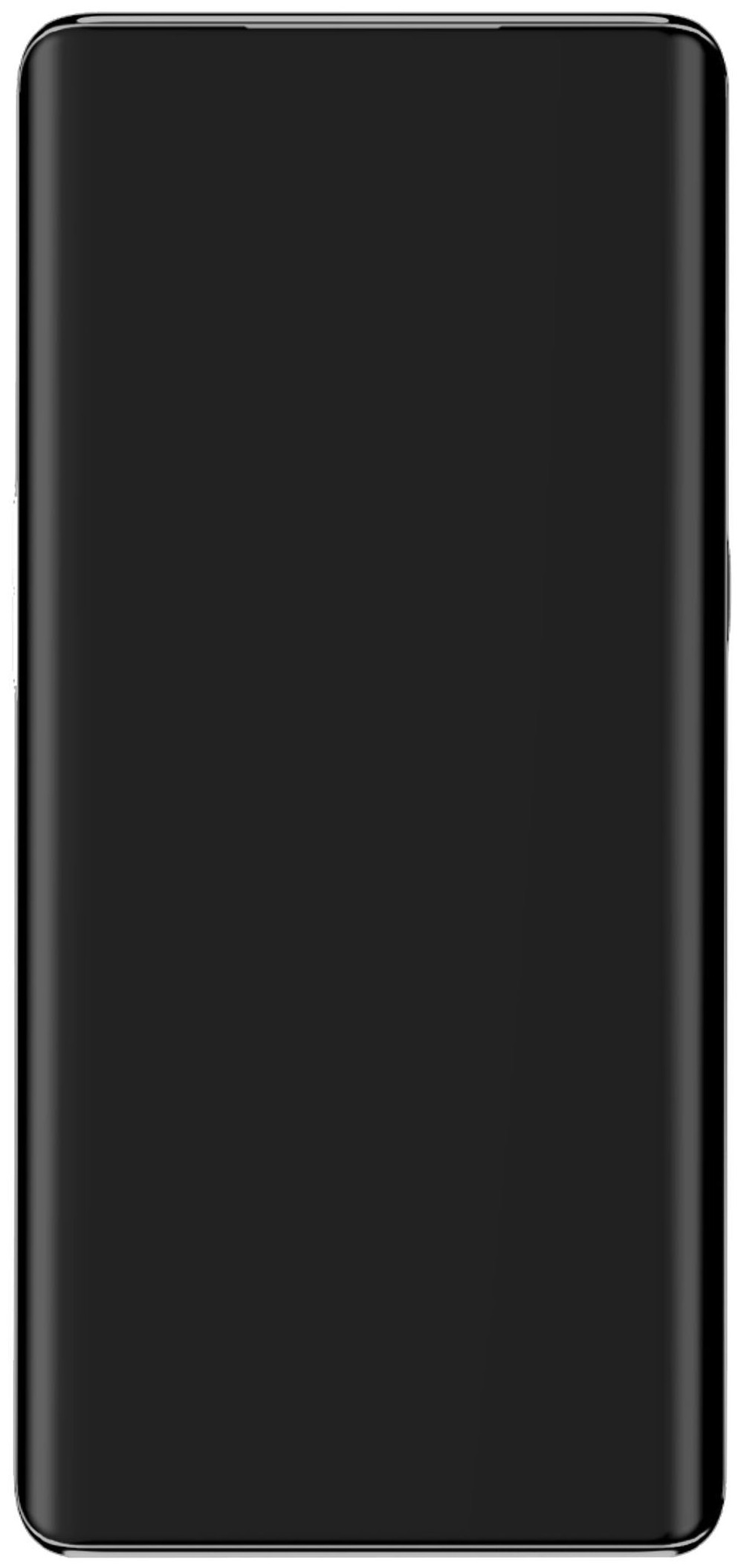
Also, upfront, there is no Selfie camera present. This might make you wonder if OPPO intends to use the secondary display(as a viewfinder) so people can take selfies using the rear camera. However, we aren’t sure about it as it is smaller in Size.
1 of 6
Anyway, the rest of the design isn’t that different. We have a curved display at the front, an USB-C, SIM card slot, Speaker, a primary mic at the bottom, and a secondary mic up top. Apart from the circular design, OPPO also has a sketch of a square-shaped rear layout with rounded edges.
As with every other patent, we aren’t sure if it would make it to the final design.
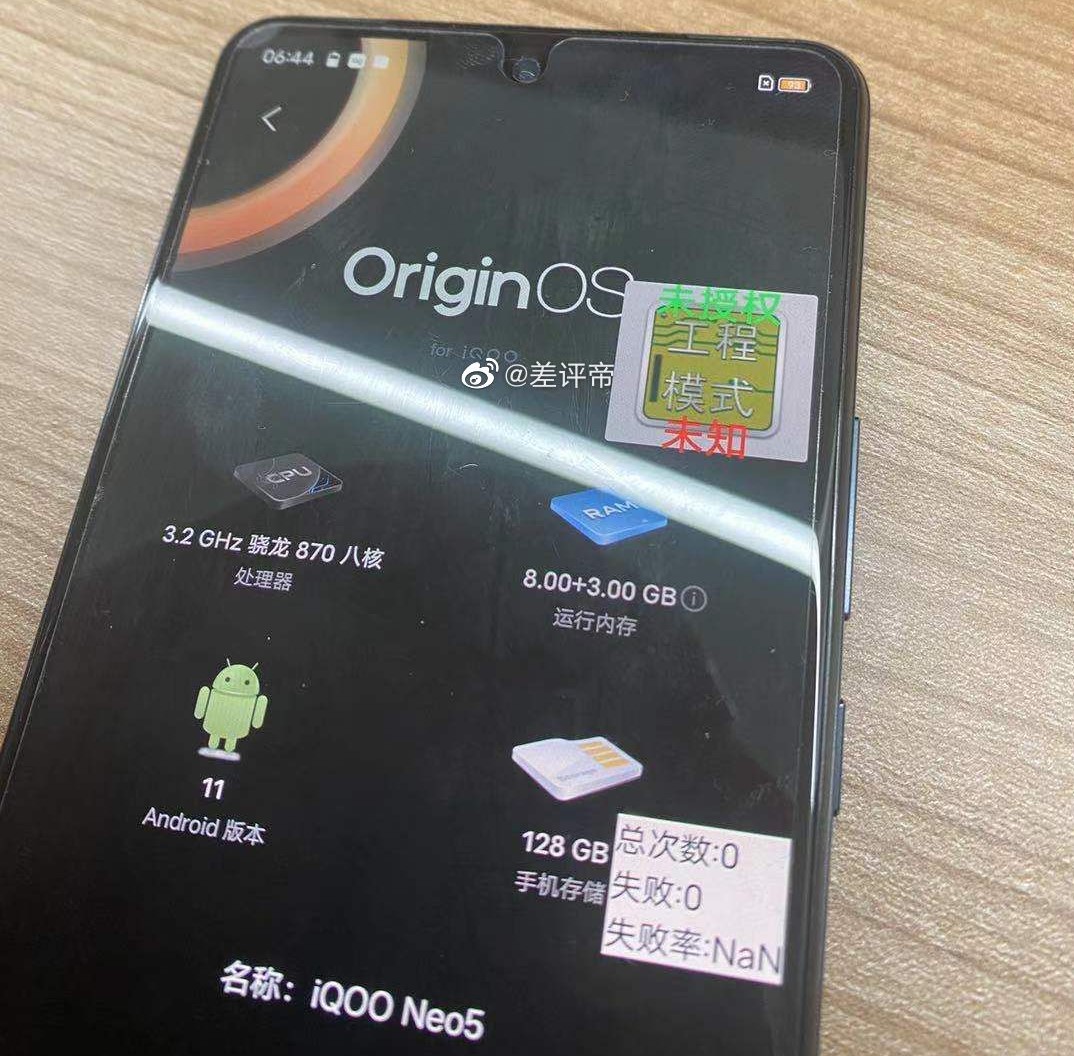
iQOO is prepping up to launch a new Smartphone termed Neo5 soon. Leaks regarding the device have been doing the rounds on social media for a while now. Adding to this, a Weibo user has now shared what could be its retail box along with the 66W Flash charger.
iQOO Neo5 Leaked Online(Alleged)
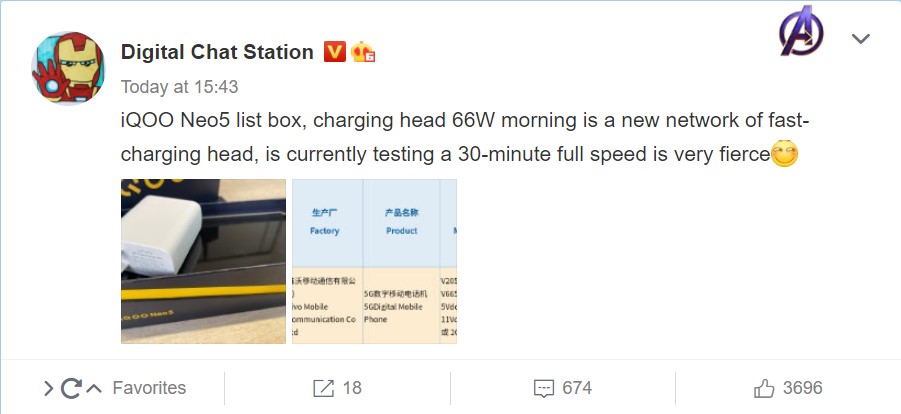
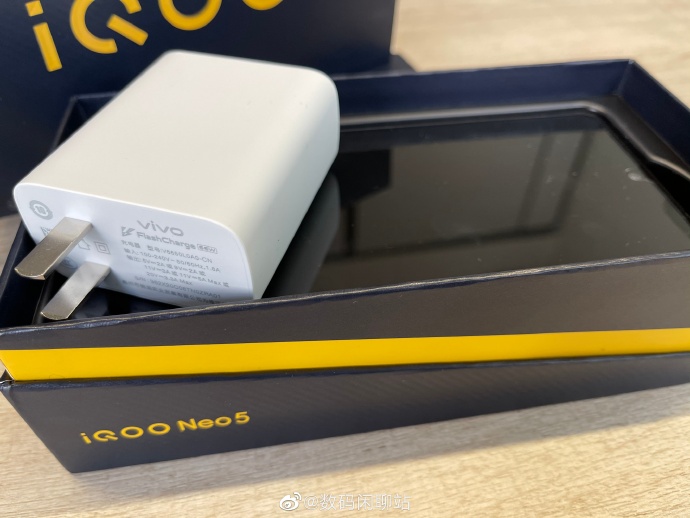
Digital Chat Station(@数码闲聊站) on Weibo has shared a retail box image of the upcoming iQOO Smartphone. The box is in Black and Yellow accents that iQOO has been using for its brand. On the side, we can see the ‘iQOO Neo5‘ moniker as well.
We can also spot the device inside but its display type is barely visible. However, there is a single Selfie camera at the center resembling the earlier leaks. Apart from this, the image also shows a 66W FlashCharger from Vivo.
1 of 3
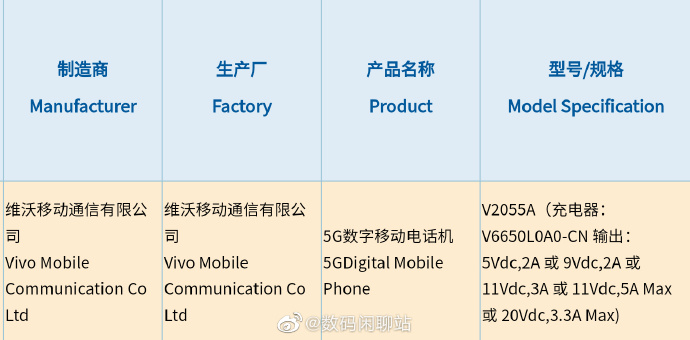
It can boost up the device’s battery with a 20V DC @ 3.3A capability. The tipster also mentions that this charger would charge the device’s entire battery in about 30 minutes. This isn’t confirmed yet so let’s wait for official teasers.
Speaking of which, the iQOO Neo5 is rumored to feature a 4,400mAb battery. The device will likely feature an AMOLED display with a 120Hz refresh rate. Considering iQOO generally makes a lot of gaming-centric devices, the Neo5 could also get the in-game vibrations, stereo speakers, and an aluminum alloy frame.
Other Expected Specs of the device include a Snapdragon 870 chipset, 8GB + 128GB, 8GB + 256GB, 12GB + 256GB storage variants, Triple-cameras with Sony IMX598 48MP, 13MP, and 2MP lenses.
The iQOO Neo5 is expected to launch next month i.e., mid-March, and begin at 2,998 Yuan (~$462).
Before the ban by the US, Huawei was one of TSMC’s biggest clients, in fact, the second biggest after Apple. Thus, the directive by the US government stopping all companies utilizing US technology from shipping components to Huawei was expected to affect TSMC’s revenue. However, that didn’t turn out to be the case as the world’s largest contract semiconductor foundry may have gotten more than enough clients that the absence of Huawei isn’t noticeable.
The Taiwanese Semiconductor Manufacturing Company (TSMC) is reportedly having more customers that it needs to hike production. A report by the Asian Times hints that the company is planning to deploy over a thousand engineers to its factory in Tainan’s Southern Taiwan Science Park in order to increase production. The extra workforce is expected to lead to an increase in its 5nm capacity from 60,000-70,000 wafers per month to 120,000 wafers per month.
Most of TSMC’s orders are for 5nm chips that are used on the latest flagship SoCs around like the Snapdragon 888. The 5nm chips come with a larger transistor density and transistor count which give them more power and energy-efficiency compared to older chips. TSMC presently manufactures 5nm chips for Apple, MediaTek, AMD, and Qualcomm. The last supply of 5nm chip to Huawei was in the middle of September 2020 after which it stopped taking orders from the Chinese tech giant due to the US embargo.
The surge in 5nm chip order ensured the loss of Huawei didn’t affect the company’s revenue.
realme is all set to bring an affordable 5G smartphone to India with the Narzo 30 series. The devices will debut in the country on February 24. Ahead of the launch next week, the Narzo 30A has appeared on Geekbench with MediaTek Helio G85 chipset.
A realme device with model number RMX3171 appears on Geekbench as reported by Nashville Chatter Class. The chipset running the show belongs to MediaTek MT6769V/CZ. This corresponds to the MediaTek Helio G85 chipset that was present on the Narzo 20 back then.
Also, the RMX3171 has already been spotted on NBC certification and it gives away the Narzo 30A moniker. Anyway, the Geekbench listing also shows that the device runs Android 10 which, although is a bit old, is ok considering the new realme X7 flagship devices also run the same OS.
Moving on, the device in testing seems to run on 4GB RAM, and if it becomes the base model, should be a relief for the users. The Narzo 20A launched in 2020 began with 3GB RAM and an upgrade is always welcome nonetheless.
We aren’t sure if realme would debut a Narzo 30 standard variant in the future but for next week, it has lined up the Narzo 30 Pro 5G and Narzo 30A. The specs of both the devices have already been leaked in their entirety.
Accordingly, the Narzo 30A will feature a Two-tone design in Black and Light Blue colors, a 6.5-inch display with a waterdrop notch(likely LCD). Other specs include a 13MP dual rear camera, 8MP front camera, 6,000mAh battery with 18W charging, fingerprint sensor on the back.
In late December 2020, Xiaomi launched Redmi 9 Power as a rebranded Redmi Note 9 4G in India. This smartphone debuted in two storage configurations. Now, almost two months later, the company is tipped to release a third memory variant.
Ishan Agarwal, one of the popular leakers on Twitter, has partnered with 91Mobiles to bring new info about the already official Redmi 9 Power. According to him, Xiaomi India will be launching a new higher storage variant of this handset.
The new version of Redmi 9 Power is reported to come with 6GB RAM and 128GB internal storage. As far as price is concerned, it will be retailing for ₹12,999 in the country. For those unaware, the currently available 4GB + 64GB and 4GB + 128GB variants are sold for ₹10,999 and ₹11,999 in the country.
It is interesting to see Xiaomi bringing a 6GB RAM variant of Redmi 9 Power in India. Because this feature is one of the key differentiators of POCO M3, another phone from the Xiaomi group with the almost same set of specs.
Hence, with the same amount of RAM and an additional 8MP ultra-wide camera, the upcoming Redmi 9 Power 6GB + 128GB variant sounds like a better option. However, it will be ₹2,000 costlier than the POCO M3 6GB + 128GB model.
Some of the highlights of Redmi 9 Power include a 6.53-inch FHD+ LCD panel, Qualcomm Snapdragon 662 SoC, dual stereo speakers, MIUI 12 based on Android 10, 6,000mAh battery, 18W fast charging, and more.
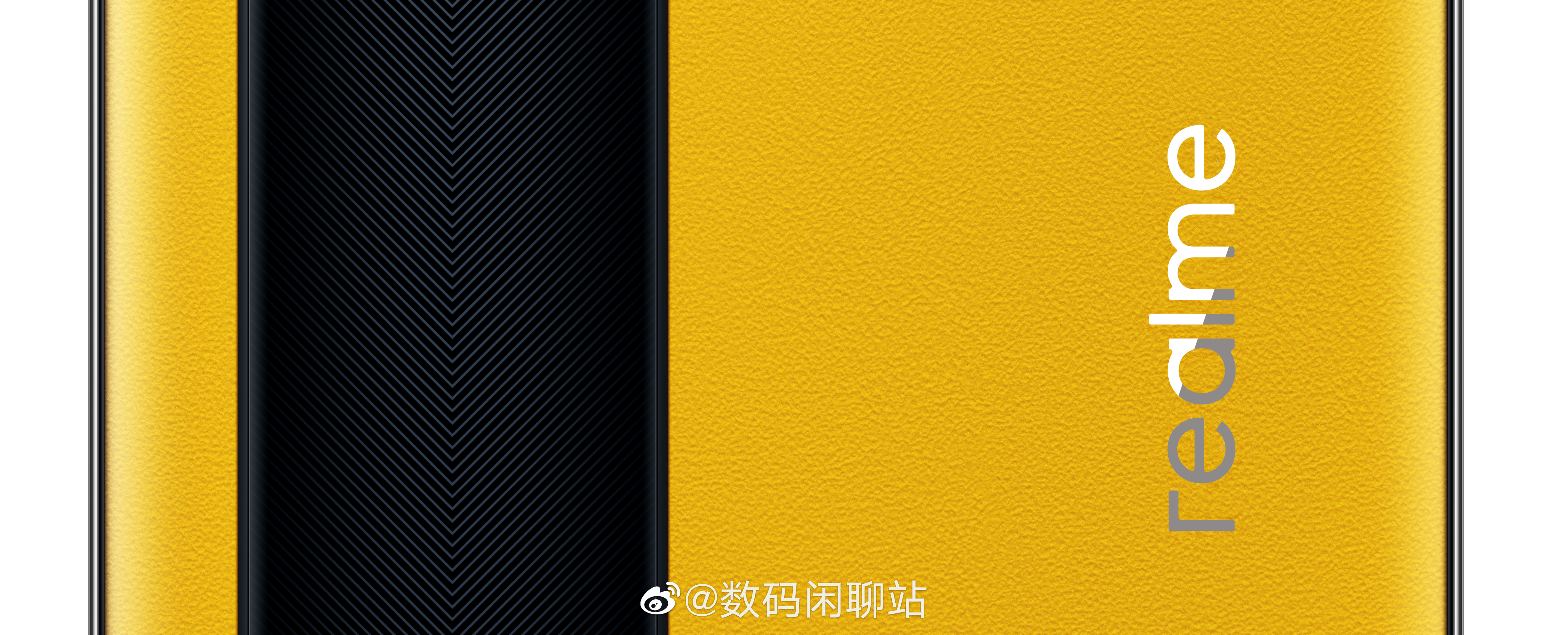
Realme will be launching the Realme GT on March 4. Ahead of the launch, both Realme and AnTuTu have revealed the benchmarking scores of the smartphone. A recent leak revealed that the handset will be arriving in leather and glass back editions. A Chinese tipster has shared a leaked render that gives a glimpse of the so-called “Bumblebee” leather edition.
A glimpse of the Realme GT’s “Bumblebee” leather edition
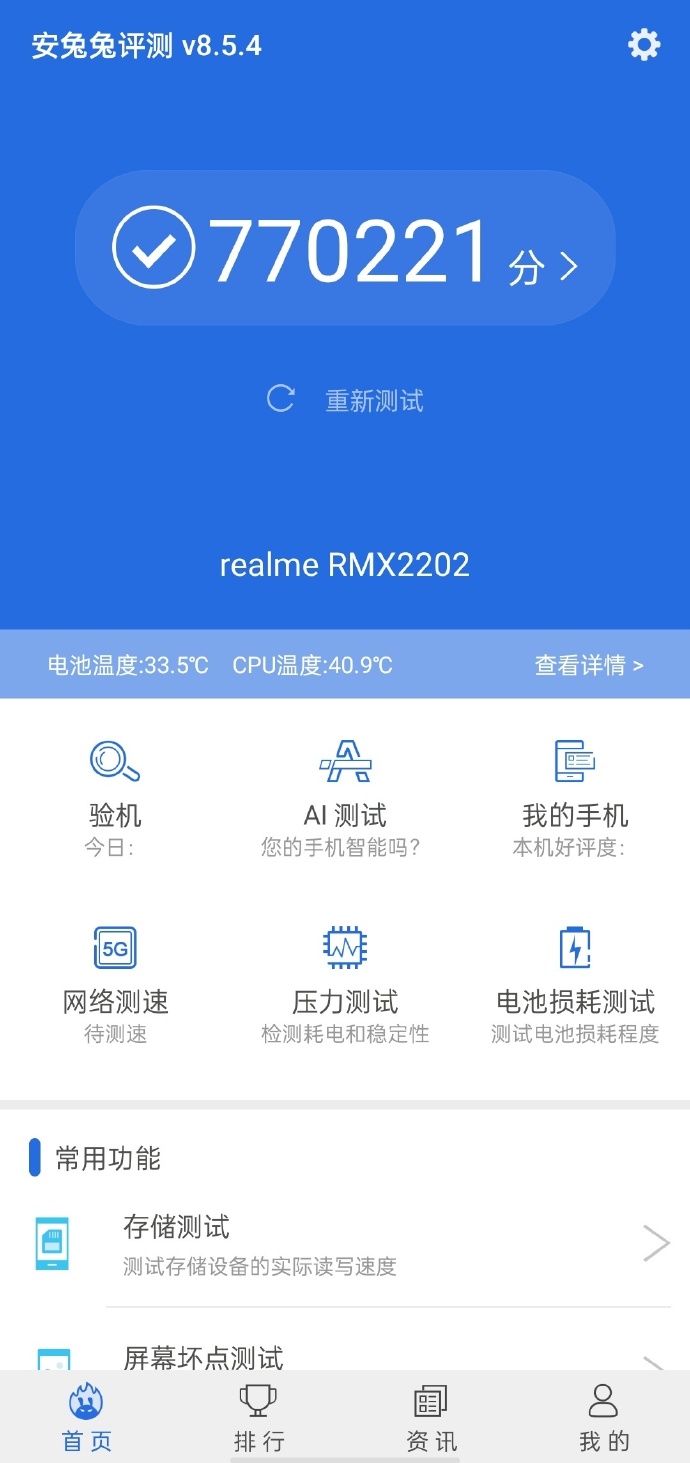
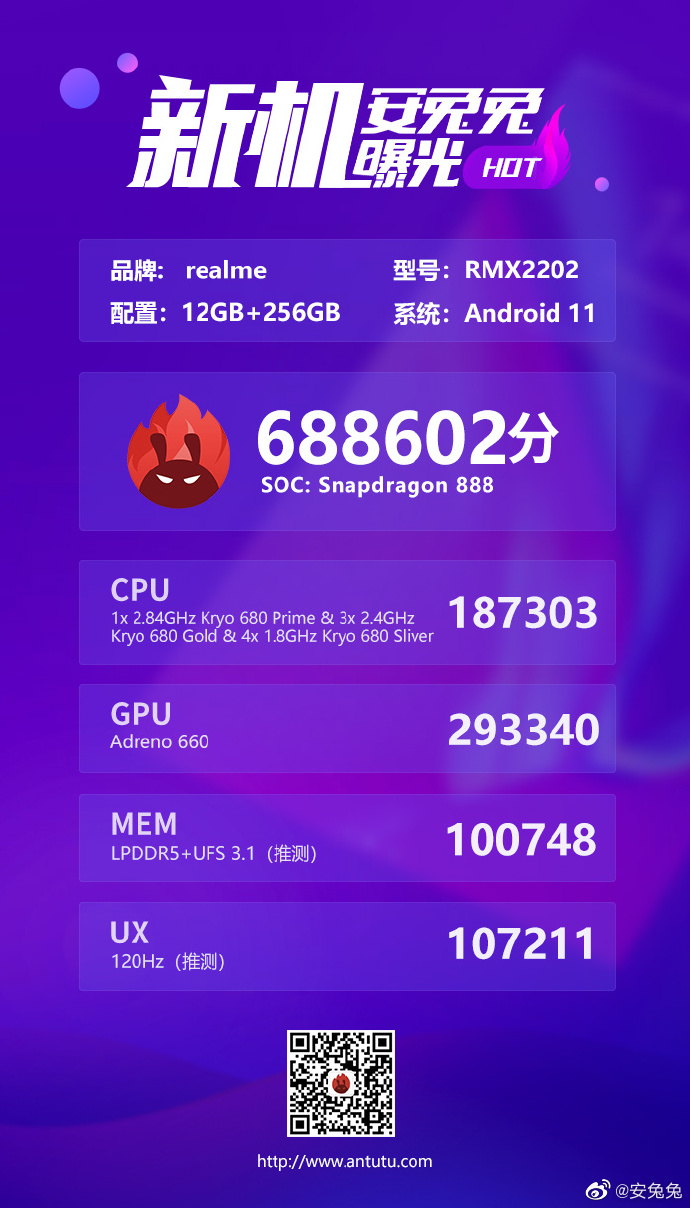
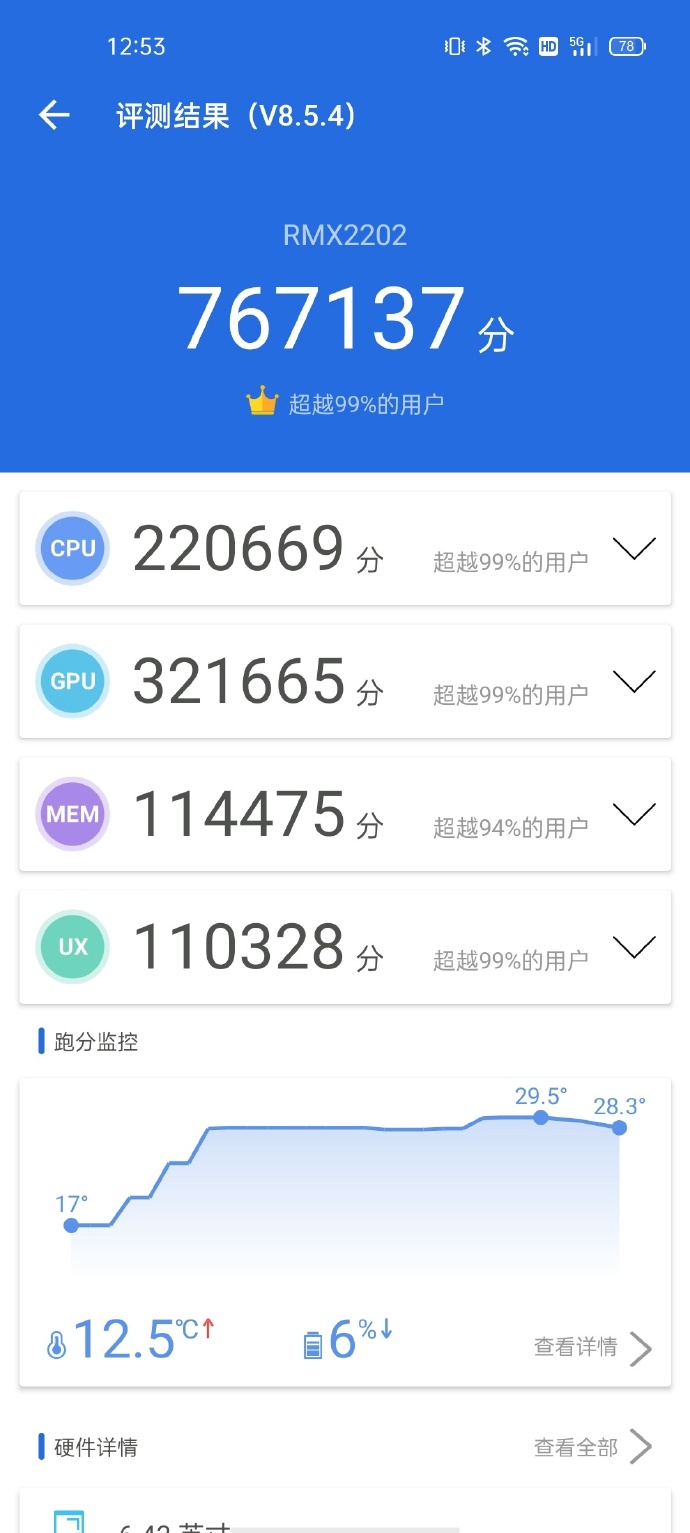
Around 10 AM (local time) in China today, Realme CMO Xu Qi shared a screenshot of the AnTuTu listing of the Realme GT (RMX2202). It revealed that the phone scored 770,221 points. Such a high core attracted the attention of netizens and the media.
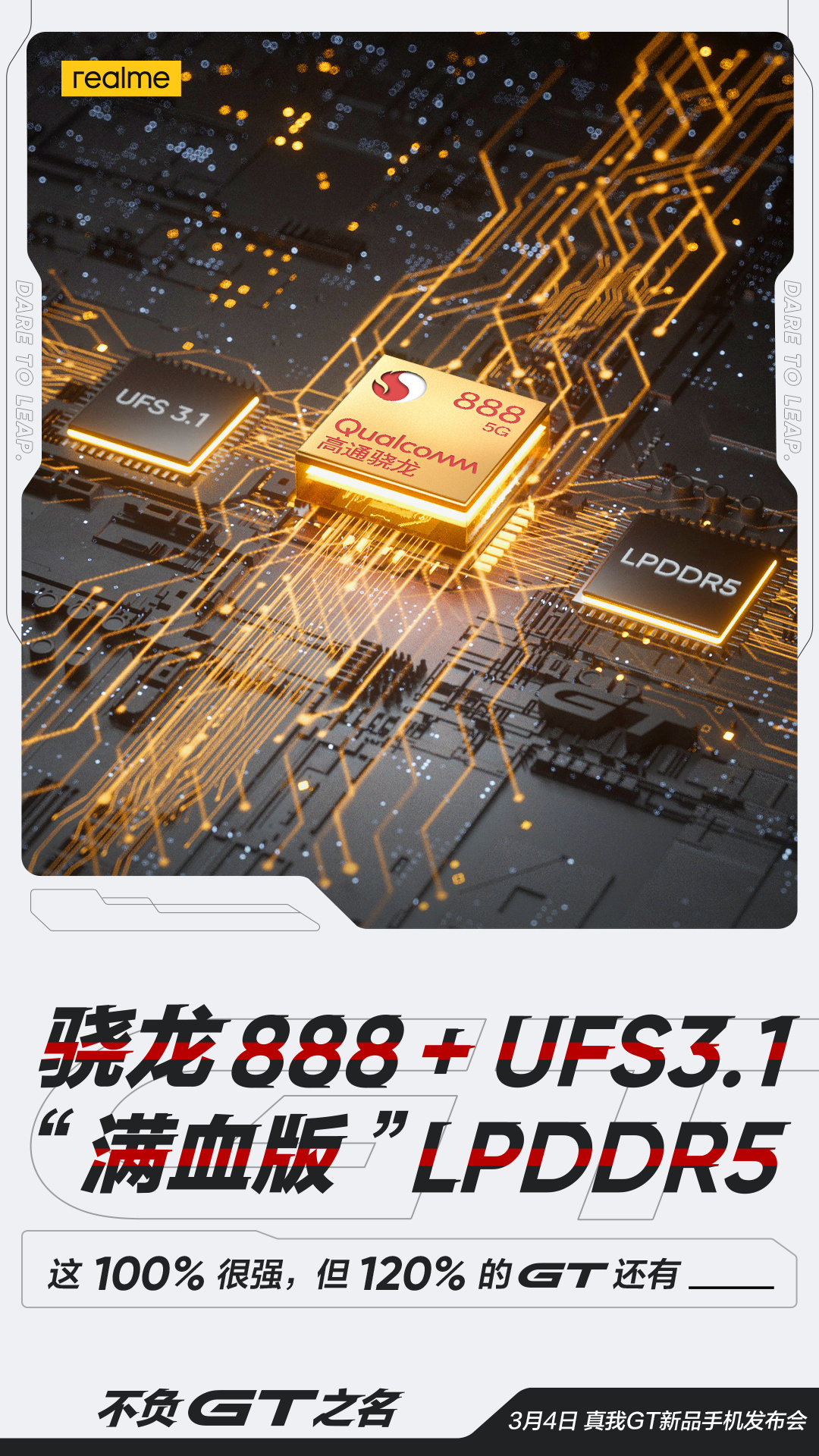
Then around 11:40 AM (local time), AnTuTu shared a screengrab of the benchmarks tests that it carried out on the smartphone. The handset scored 688,602 and revealed specs like a 120Hz refresh rate, 12 GB of LPDDR5 RAM, 256 GB of UFS 3.1 storage, Android 11 OS, and Snapdragon 888 mobile platform.
1 of 4
Realme GT AnTuTu1
Realme GT AnTuTu2
Realme GT AnTuTu3
Realme GT Snapdragon 888, UFS 3.1 and LPDDR5 RAM
AnTuTu claimed that it could only find one model (a different phone) with a score of under 700K and they were confused about how Realme could announce 770,221 as the official score. Since there was a good difference between the two AnTuTu scores, it reached out to Realme to know the answer. The company responded that AnTuTu may have used an early engineering prototype of the Realme GT to get a 688K score. The benchmarking platform said it will conduct actual tests on Realme GT once it releases in the market.
Around two hours later, Xu Qi shared another screenshot of the AnTuTu listing of Realme GT. This time the device scored 767,137. He claimed that this score was achieved by running the phone at room temperature. He added that he will not reveal how due to confidentiality reasons.
In related news, Realme GT was expected to arrive at 125W fast charging support. However, the 3C certification of RMX2202 revealed that it could be shipping with a 65W fast charger.
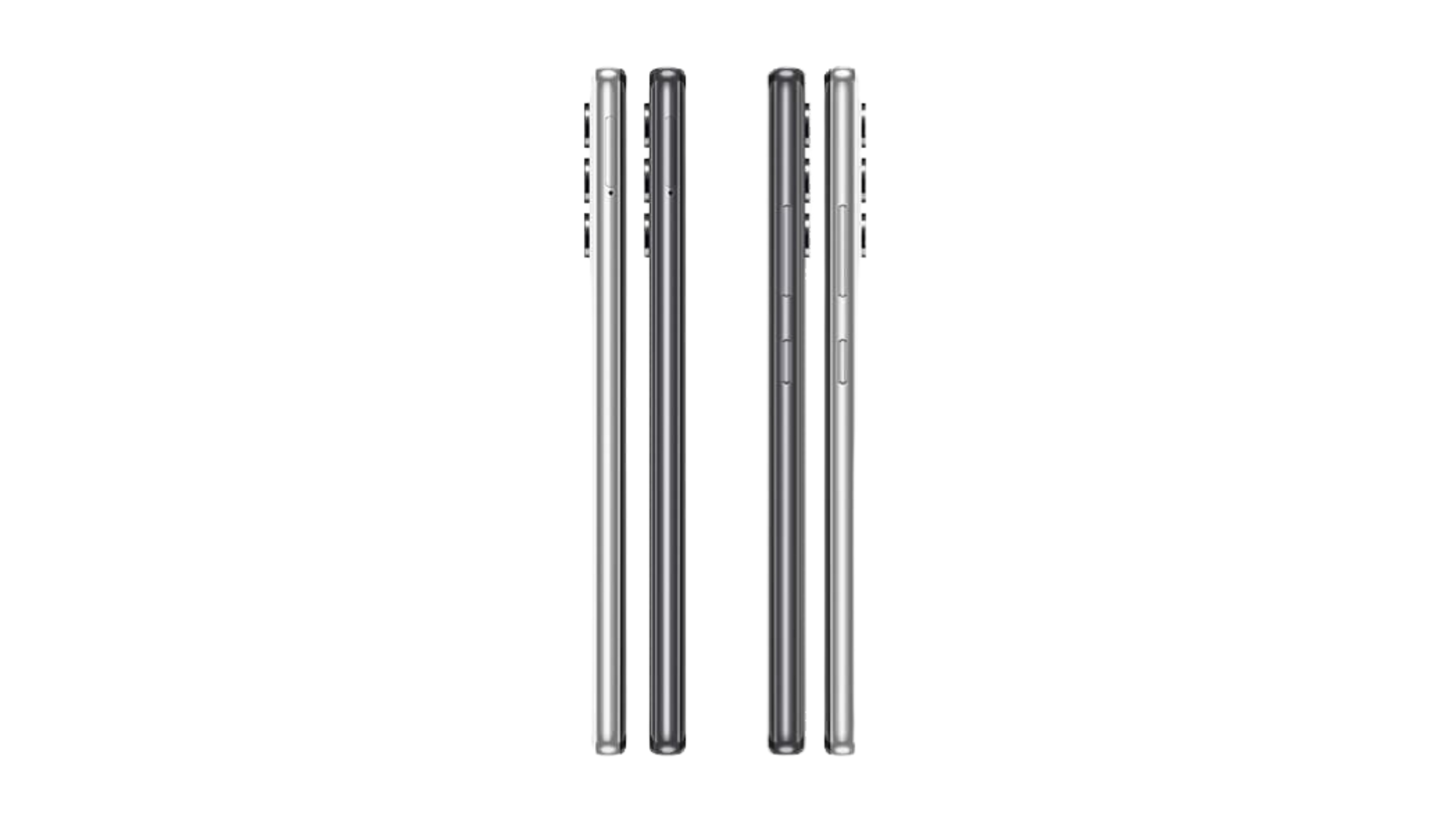
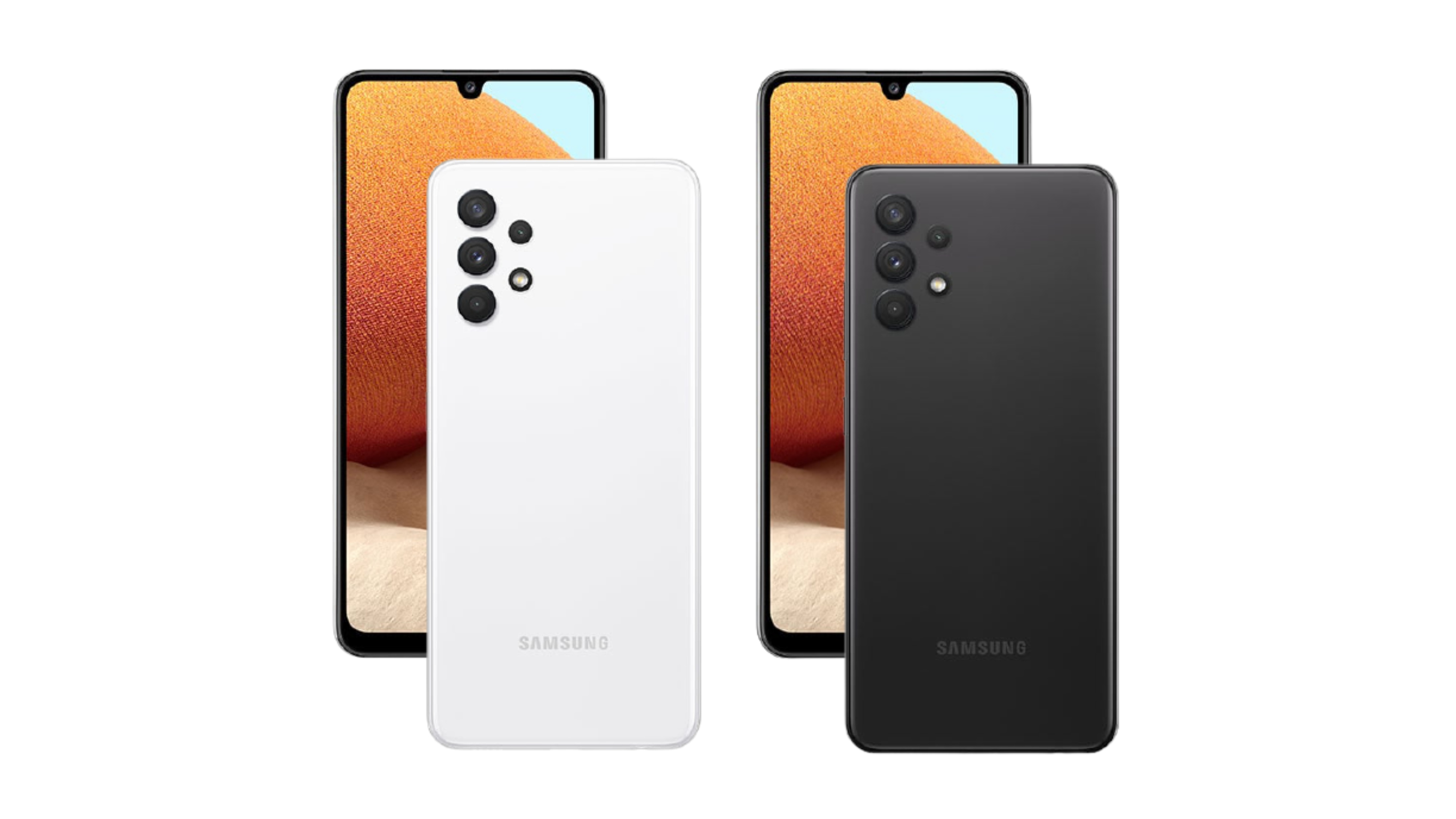
Last month, Samsung launched the Galaxy A32 5G as its most affordable 5G smartphone to date. This device is also expected to get a 4G variant. Ahead of its release, the handset’s press renders have now leaked in two colors.
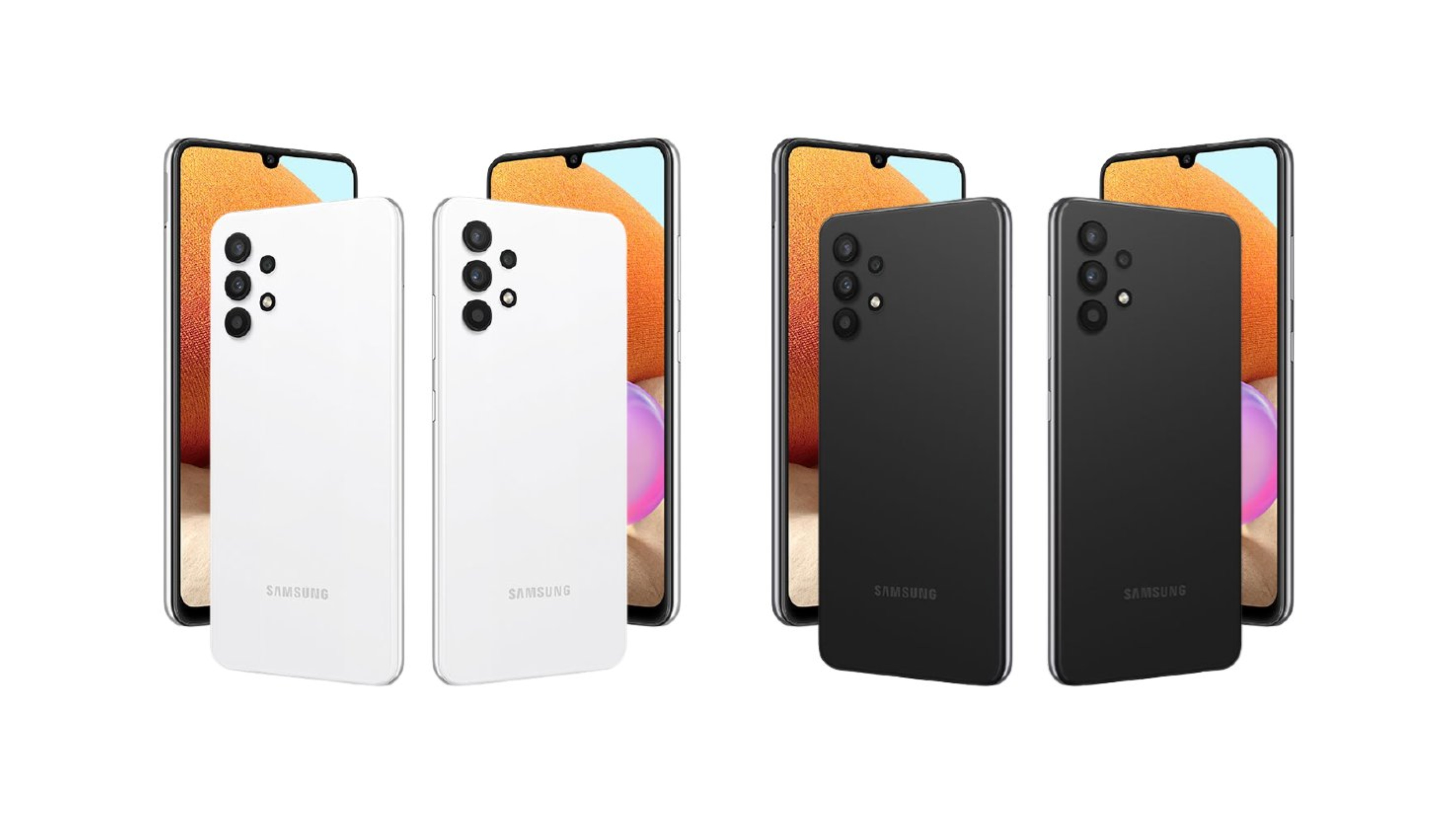
Earlier this month, the upcoming Galaxy A32 4G was tipped to arrive in four colors by Sudhanshu Ambhore, an Indian leakster on Twitter. The same person has now shared this phone’s press renders in White and Black colors.
As per the images and his tweet, the Galaxy A32 4G will come with an Infinity-U display, instead of the Infinity-V LCD panel as found on the Galaxy A32 5G. Also, interestingly, the power button looks to be too small to house a fingerprint sensor.
This suggests the Samsung Galaxy A32 4G may flaunt a Super AMOLED panel with an in-screen fingerprint sensor, just like its predecessors (Galaxy A31, Galaxy A30s). Anyway, it’s just speculation from our end, and therefore, consider this take with a pinch of salt.
1 of 2
Samsung Galaxy A32 4G
Samsung Galaxy A32 4G
As for other specs, apart from a different SoC, MediaTek Helio G85 to be exact, we expect this smartphone to be released with the exact same set of features as the already official 5G counterpart.
Hence, it should have a 48MP (wide) + 8MP (ultra-wide) + 5MP (macro) + 2MP (depth) quad-camera setup, 13MP selfie camera, One UI 3.0 based on Android 11, a 5,000mAh battery with support for 15W fast charging, and more.
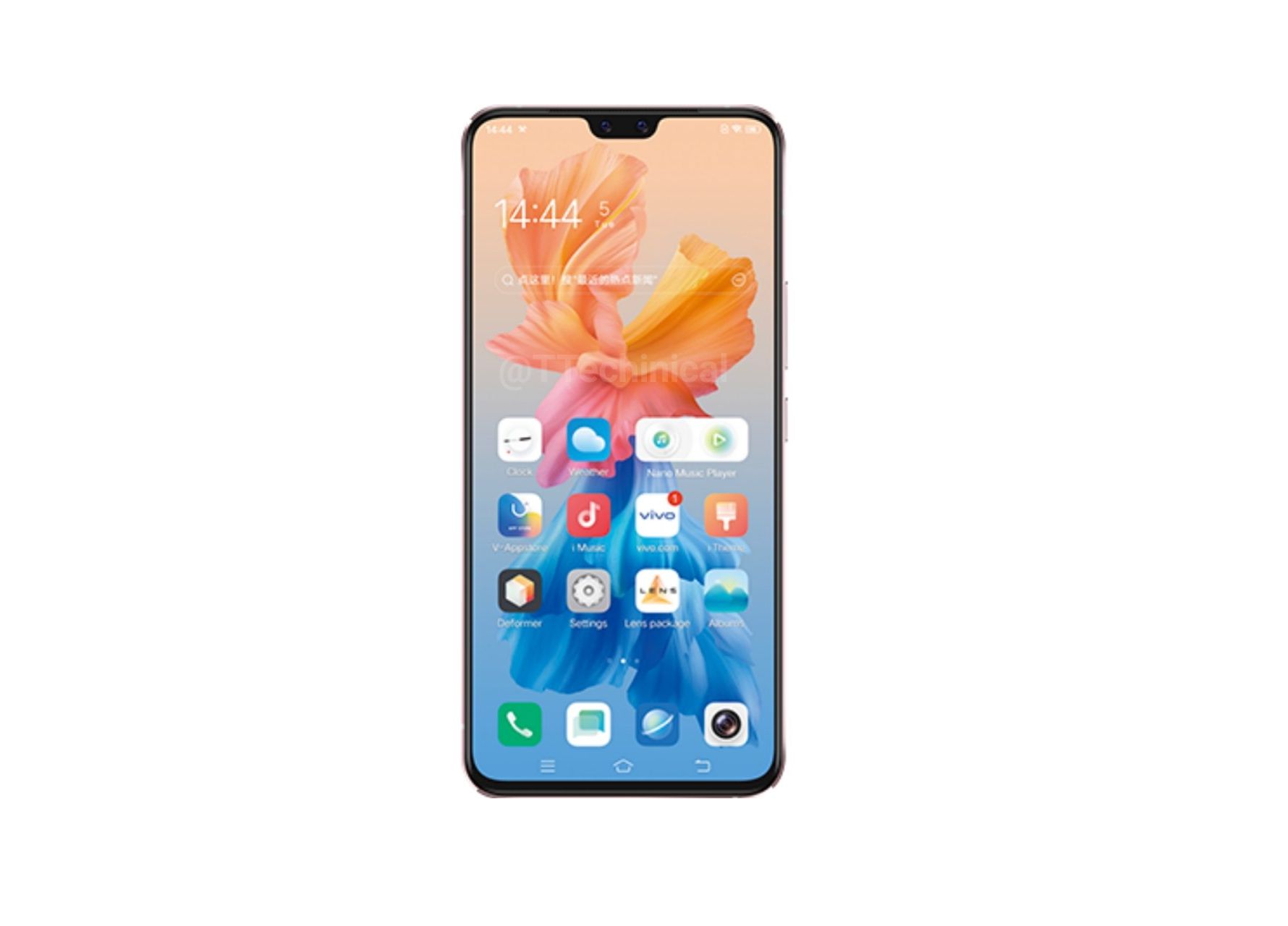
Vivo discreetly announced the Vivo S7t smartphone. It debuted as the first phone from the brand with Dimensity 820 chipset. A fresh leak reveals that Vivo may announce a phone named Vivo S9e alongside the Vivo S9 smartphone on March 6 in China. The Vivo S9e could be the second Dimensity 820 SoC-powered phone from the brand.
The tipster revealed that the Vivo S9e is equipped with a Samsung AMOLED screen of 6.44 inches. The waterdrop notch display produces a refresh rate of 90Hz. It has a 32-megapixel Samsung GD1 lens as a primary camera.
The rear shell of the Vivo S9e features a 64-megapixel triple camera setup. The tipster has speculated that the Dimensity 820 powered smartphone may come with 8 GB of RAM and 128 GB / 256 GB of storage. The device could be backed by a 4,100mAh battery that supports 33W Flash Charge technology.
Vivo V2072A phone is expected to debut as teh Vivo S9 in China next month
The Vivo S9e could be the Vivo V2048A smartphone that was seen at Geekbench last month. The listing revealed that the phone is equipped with the Dimensity 820 chipset, 8 GB of RAM, and Android 11 OS. In the single-core and multi-core tests of Geekbench, the handset scored 652 and 2525 points, respectively.
Vivo is yet to confirm the arrival of the Vivo S9 series. There is a possibility that the company may confirm its launch date in the coming week. Rumors are rife that the Vivo S9 could be arriving as the world’s first phone powered by the 6nm Dimensity 1100 chipset. It is expected to arrive with other specs like a 90Hz screen, a 44-megapixel dual selfie camera system, a 64-megapixel primary camera, 12 GB of RAM, a 4,000mAh battery, 33W fast charging, and Android 11 OS.
We use cookies on our website to give you the most relevant experience by remembering your preferences and repeat visits. By clicking “Accept”, you consent to the use of ALL the cookies.
This website uses cookies to improve your experience while you navigate through the website. Out of these, the cookies that are categorized as necessary are stored on your browser as they are essential for the working of basic functionalities of the website. We also use third-party cookies that help us analyze and understand how you use this website. These cookies will be stored in your browser only with your consent. You also have the option to opt-out of these cookies. But opting out of some of these cookies may affect your browsing experience.
Necessary cookies are absolutely essential for the website to function properly. This category only includes cookies that ensures basic functionalities and security features of the website. These cookies do not store any personal information.
Any cookies that may not be particularly necessary for the website to function and is used specifically to collect user personal data via analytics, ads, other embedded contents are termed as non-necessary cookies. It is mandatory to procure user consent prior to running these cookies on your website.