Advertisement

Huawei ready to transfer its 5G tech, source code, and more to push global innovation

Earlier this week, Huawei announced that it is open and ready to transfer its 5G technology, its source codes, proprietary and secretive hardware designs and more just to push global innovation.
huawei

According to a BusinessStandard report, the Chinese tech giant, which is also the one that holds the maximum number of patents for 5G technology, made the statement back on Wednesday. Huawei Founder and CEO, Ren Zhengfei, said that “We are open to transferring all of our 5G technologies, not just licensing production to others. This will include source programmes and source code to all the hardware design secrets as well as the know-how, and the chip design.”

The senior executive made the statement during the opening ceremony of the intelligent mining innovation lab in Taiyuan. Over the last several months, a few regions like the US, Australia, the UK, and some European nations have banned the company from selling its 5G equipment to local telecom operators over alleged security risks. Huawei has actively denied any allegations and has even called for open trade policies.

Huawei

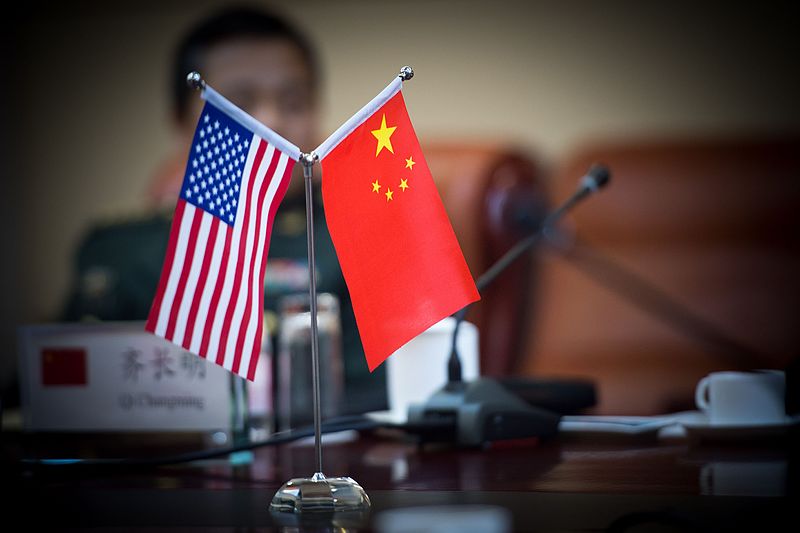
Ren further added that “Both the US and China need to develop their economies, as this is good for our society and financial balance. Everyone needs this. As humanity keeps making progress, no company can develop a globalized industry alone. It requires concerted efforts around the world.” The statement from Huawei is likely to create transparency between the OEM and various governments, since it has been accused of being a front for the Chinese government and its interests on multiple occasions.

RELATED:


Huawei updates its Petal Map app, brings Route planning for walks, bike rides, and public transit

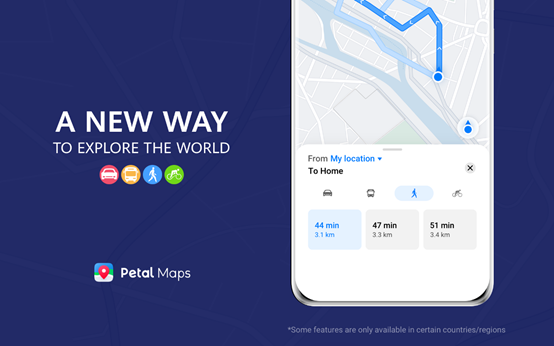
Last year, Huawei had launched its Petal Map app. Now, the company has rolled out a major update for this app, bringing in new and crucial features like : route planning for walks, bike rides, and public transit.

Huawei

These new features are an addition to the already existing driving route planner and arrives as an extension to its functionality. Through the new updates, users will now be able to view multiple routes, while also receiving additional information like duration and more. In other words, it arrives with new quality of life changes and improvements as well. For those unaware, the Petal Maps app was launched globally with the Chinese tech giant’s flagship Mate 40 series smartphones.

The app is a mapping service that utilizes the company’s various technologies, along with Super Global Navigation Satellite System, to provide location search with turn by turn navigation, and real time traffic information in over 140 countries. The 2021 update brings additional features for the service like route planning for walks, bike rides, and public transit. At a single glance, users will be offered various detailed information regarding the trip and the possible routes and modes of transportation to save time.

Huawei

Notably, one can expect to see “departure schedules stop-by-stop routes, and estimated time of arrival of buses, light rail, ferries, trains, and other public transit systems, are online in Petal Maps in certain regions. Remarkably, real-time public transport information is already available in 16 countries/regions.” These regions include, ” Australia, Belgium, Luxembourg, Canada, Netherlands, New Zealand, Norway, Finland, France, Spain, Germany, Switzerland and others.

RELATED:


Xiaomi India may launch Mi Portable Bluetooth Speaker (16W) and Mi Neckband Bluetooth Earphones Pro on February 22

Yesterday, Xiaomi India officially confirmed that the company will be launching the Redmi Note 10 series in March. Ahead of it, the firm will be releasing two audio products in the country on February 22, as per today’s announcement.

Xiaomi India has shared a short teaser video on its social handles with #MiSoundUnveil. Hence, we can confirm that the two products in the video will be Mi-branded and not Redmi.

Further, we think that they could be Mi Portable Bluetooth Speaker (16W) and Mi Neckband Bluetooth Earphones Pro respectively. The former is already available in some markets, whereas the latter is yet to go official.

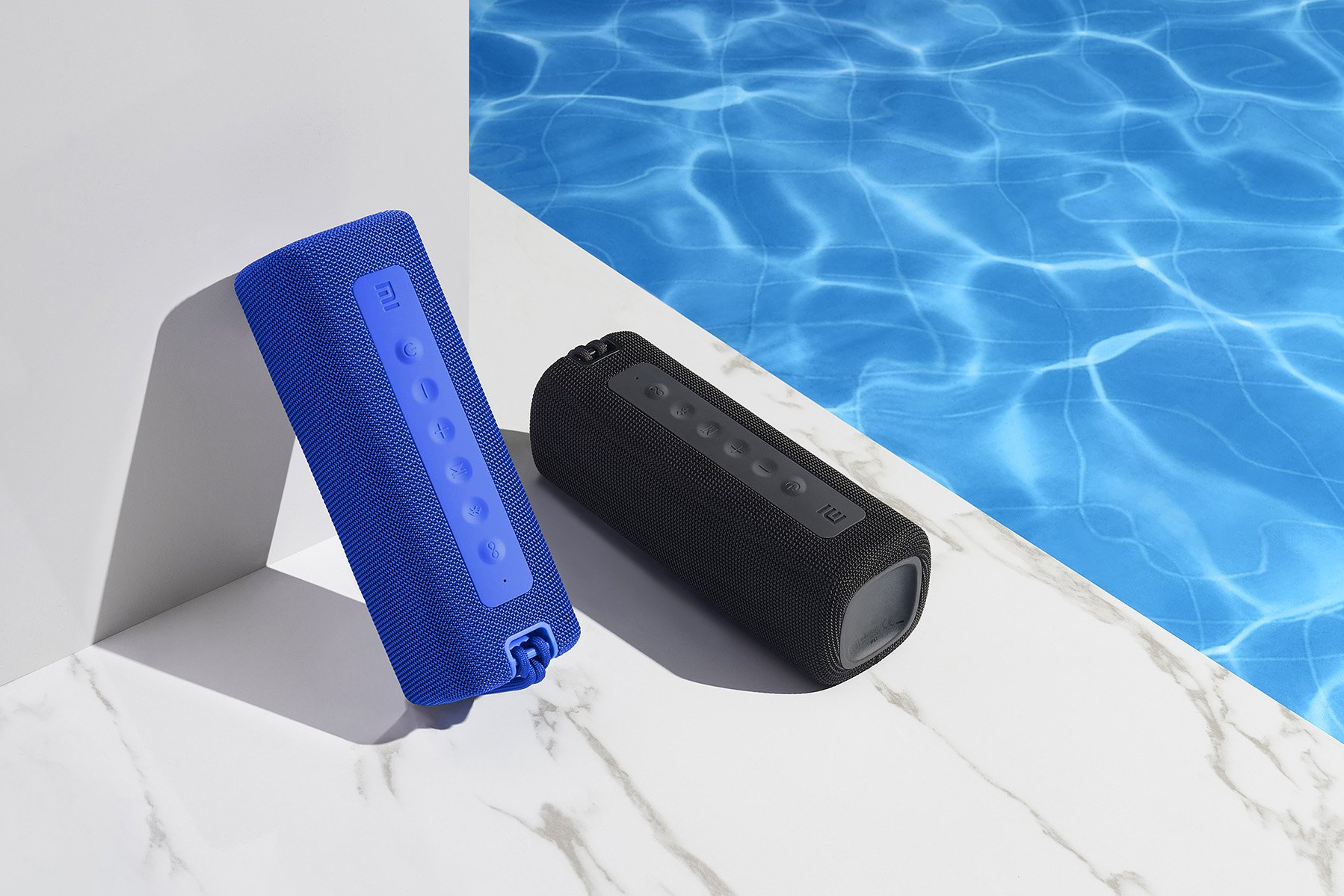
Talking about the speaker, as its name suggests, it comes with 16W power output with the help of 2 x 8W units. The product connects with devices wirelessly via Bluetooth 5.0 and wired through a 3.5mm aux-in.

Xiaomi Mi Portable Bluetooth Speaker (16W) Black Blue Featured
Xiaomi Mi Portable Bluetooth Speaker (16W)

It is elongated in design and comes in two colors – Black and Blue. Hence, it measures 213 x 74 x 74mm in dimensions. The speaker also has physical buttons for music control and options along with a lanyard to carry it.

Lastly, the Mi Portable Bluetooth Speaker (16W) is IPX7-certified for water resistance and is backed by a 2,600mAh battery, which is rated to run the product for approximately 13 hours at 50% volume.

On the other hand, not much is known about the Mi Neckband Bluetooth Earphones Pro apart from the fact that it will feature Bluetooth 5.0, IPX4 certification for water resistance, and support SBC as well as AAC audio codecs.


RELATED:


Infinix Smart 5 with 6.82-inch display, Helio G25, and 6,000mAh battery launched in India

Infinix has launched the Infinix Smart 5 as a successor to Infinix Smart 4 that debuted in November 2020. The low-priced smartphone comes with a huge display and a massive battery. Here is all information on its specifications, features, and price.

Infinix Smart 5 specifications and features

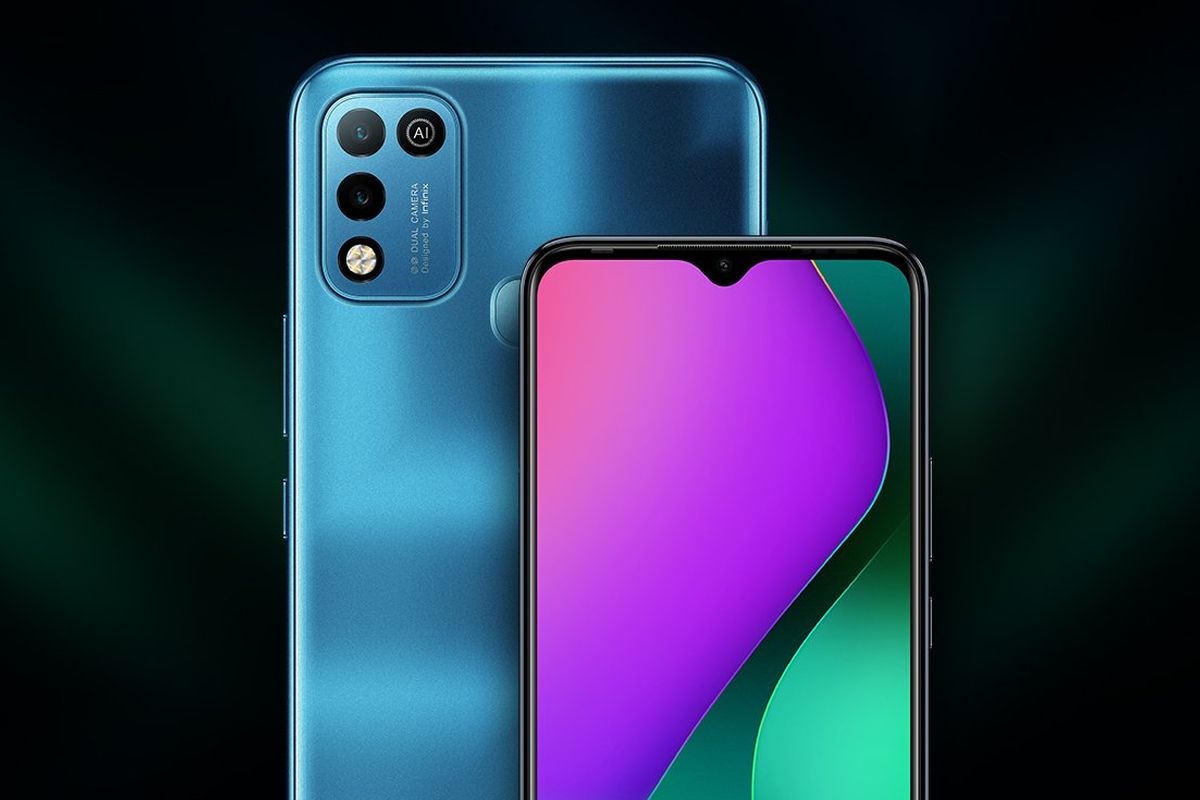
The Infinix Smart 5 sports a 6.82-inch screen with a teardrop notch. It supports HD+ resolution of 720 x 1,640 pixels, a 20.5:9 aspect ratio, 440nits brightness and a 1500:1 contrast ratio. The phone supports a screen space of 90.66 percent. The phone boots to XOS 7 UI based Android 10 OS.

The Smart 5 has an Helio G25 chipset and 2 GB of RAM as the driving force. It draws power from a 6,000mAh battery that promises 50-days of standby time. The phone ships with a native storage of 32 GB and it has a microSD card slot for more storage.

Infinix Smart 5
Infinix Smart 5

The Infinix Smart 5 has a front camera of 8-megapixel. The rear-facing camera module has a 13-megapixel main camera, a secondary depth assist lens, and an LED flash. For security, it also features a fingerprint scanner and AI face unlock support.  Its other features include dual SIM, 4G VoLTE, Wi-Fi, Bluetooth, GPS, and a 3.5mm audio jack. It has arrived as a rebranded version of the Infinix Hot 10 Play in Africa.

Infinix Smart 5 price in India

The Infinix Smart 5 is priced at Rs 7,199 and it comes in four colors like Obsidian Black, Aegean Blue, Morandi Green, and Purple. The sales of the smartphone will begin on Flipkart from Feb. 18. It has arrived to rival with phones such as Realme C12, POCO C3, Redmi 9A, Micromax In IB, and so on in the country.

RELATED:

Twitter is considering the use of bitcoins, says CFO Ned Segal

Just days after electric-vehicle maker Tesla invested $1.5 billion in Bitcoin, Twitter’s chief financial officer says that the microblogging platform has considering paying employees and vendors using bitcoin.

Twitter Logo

During an interview with CNBC, Twitter CFO Ned Segal said that the company is still reviewing the potential use-cases of the popular cryptocurrency. It is also considering whether the firm needs to have the digital asset on its balance sheet.

Even though buying bitcoin or any other cryptocurrency seems lucrative for many, the adoption has been very slow mainly because of the regulatory scrutiny. United States Treasury Secretary Janet Yallen recently warned that misuse of cryptocurrencies was a growing problem and she has previously raised concerns about the use of cryptocurrencies.

Apart from Tesla buying bitcoins and Twitter considering it, another company is making move in this direction. Mastercard has announced plans to begin allowing cardholders to transact in certain cryptocurrencies. The company is also “actively engaging” with central banks around the world on their plans to launch new digital currencies.

RELATED: 

Galaxy Tab S8 Enterprise Edition spotted on Samsung Ireland’s website

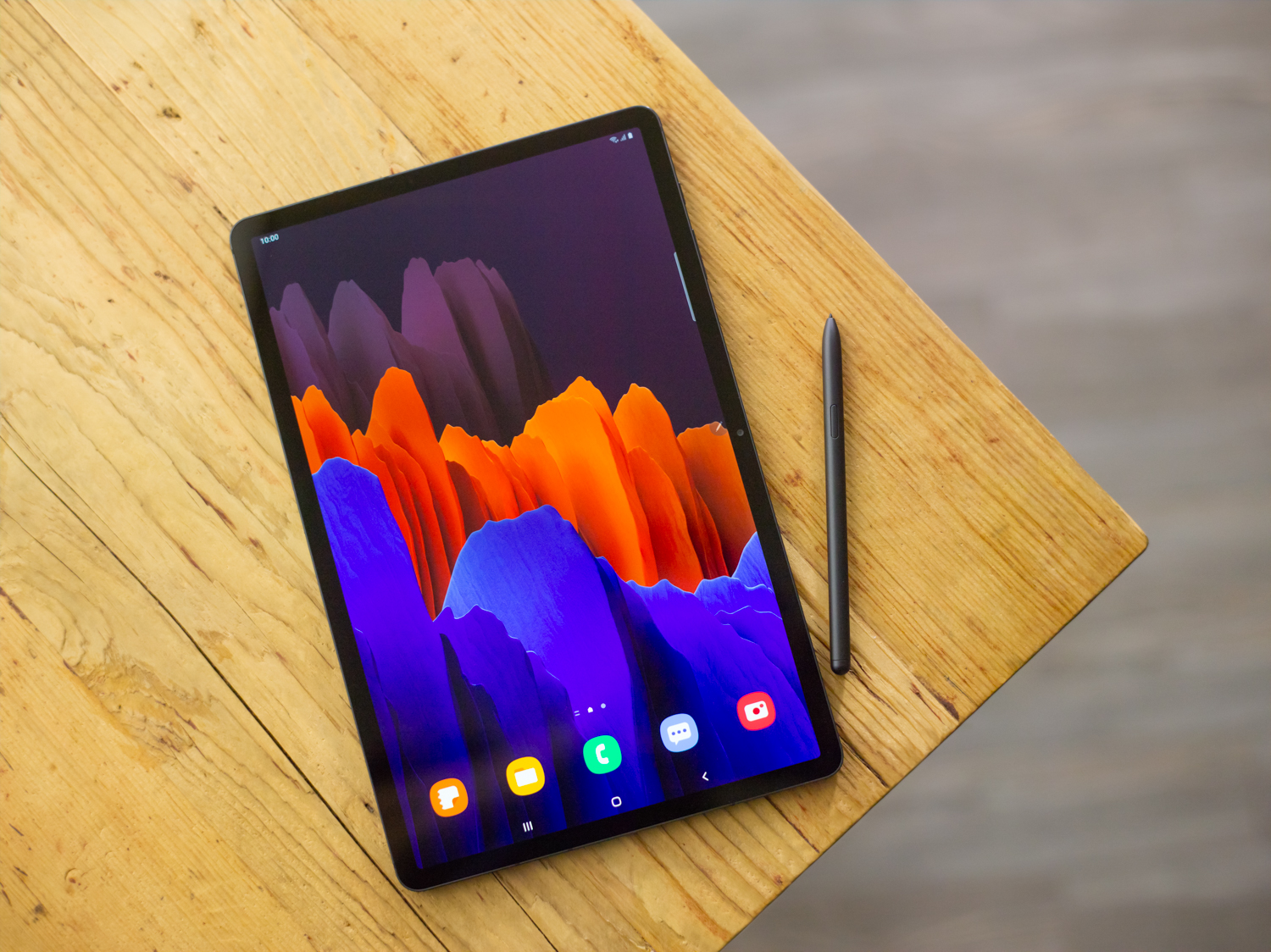
Samsung launched the latest flagship tablet models (Galaxy Tab S7, Galaxy Tab S7+) alongside the Galaxy Note20 and Galaxy Note20 Ultra in August 2020. It has been only six months, but details of their successors, the Galaxy Tab S8 series have already started popping up.

Samsung Galaxy Tab S7 Plus Featured A

Late last month, a report suggested some of the possible specifications of the upcoming Samsung flagship tablets – Galaxy Tab S8 and Galaxy Tab S8+. Now, almost two weeks later, Galaxy Tab S8 Enterprise Edition has been spotted on Samsung Ireland’s website.

According to the support page on which the said tablet is listed, it will be available in two cellular variants – 4G and 5G. Also, it will have support for MicroSD cards up to 1TB. Unfortunately, that’s all the information available about the Galaxy Tab S8 Enterprise Edition as of now.

As per the previous report, the consumer editions of Galaxy Tab S8 and Galaxy Tab S8+ are said to bring minor upgrades over their predecessors. The former is expected to sport an 11-inch LCD panel with a 120Hz refresh rate whereas the latter could feature a 12.4-inch AMOLED display with a 120Hz refresh rate and in-screen fingerprint sensor.

Further, the cheaper model may come with a side-mounted fingerprint sensor and an 8,000mAh battery. On the other hand, the expensive model might be powered by Qualcomm Snapdragon 888 SoC backed by a 10,090mAh battery.

Lastly, both the tablets could arrive with 8GB/12GB RAM, 128GB/256GB/512GB internal storage, and 25W fast charging.

The Samsung Galaxy Tab S8 series may launch sooner than last year since tablet sales got a bump due to the pandemic and there may not be a Galaxy Note in 2021.


RELATED:


(SourceVia)

Samsung: The Galaxy S21 is selling 30% more in South Korea

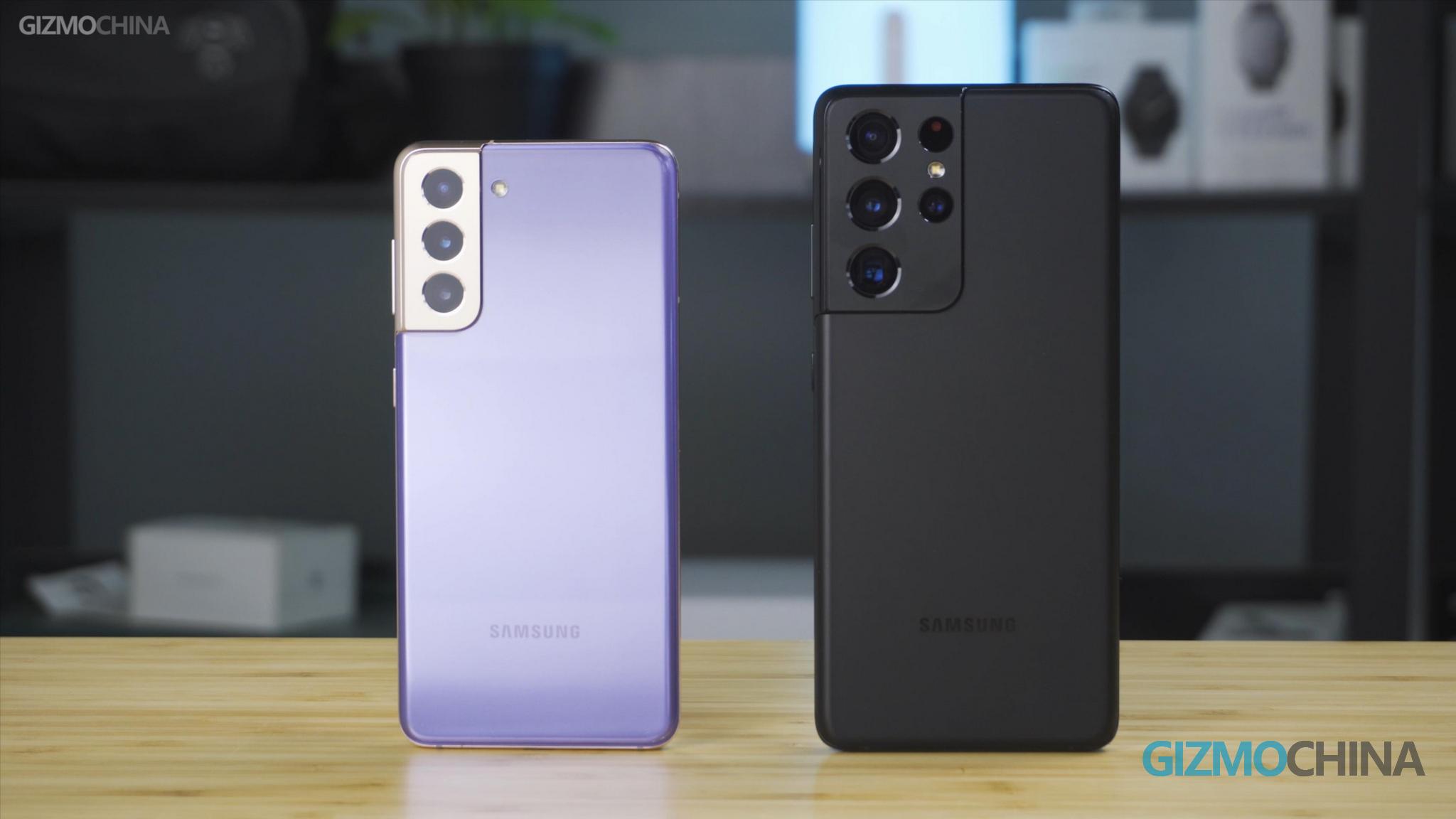
Earlier this week, Samsung Electronics stated that its Galaxy S21 series of flagship smartphones were selling 30 percent higher in comparison to its predecessor, the Galaxy S20, in South Korea.

samsung galaxy s21 vs s21 ultra featured
Samsung Galaxy S21 vs S21 Ultra

The South Korea based tech giant made the statement by comparing the sales within the first eleven days of both series’ launch. Furthermore, the base Galaxy S21 accounted for 40 percent of the entire sales within the series, while the Galaxy S21 Ultra accounted for 36 percent. Lastly, the Galaxy S21 Plus accounted for just 24 percent of all sales from the series, as per TheElec report.

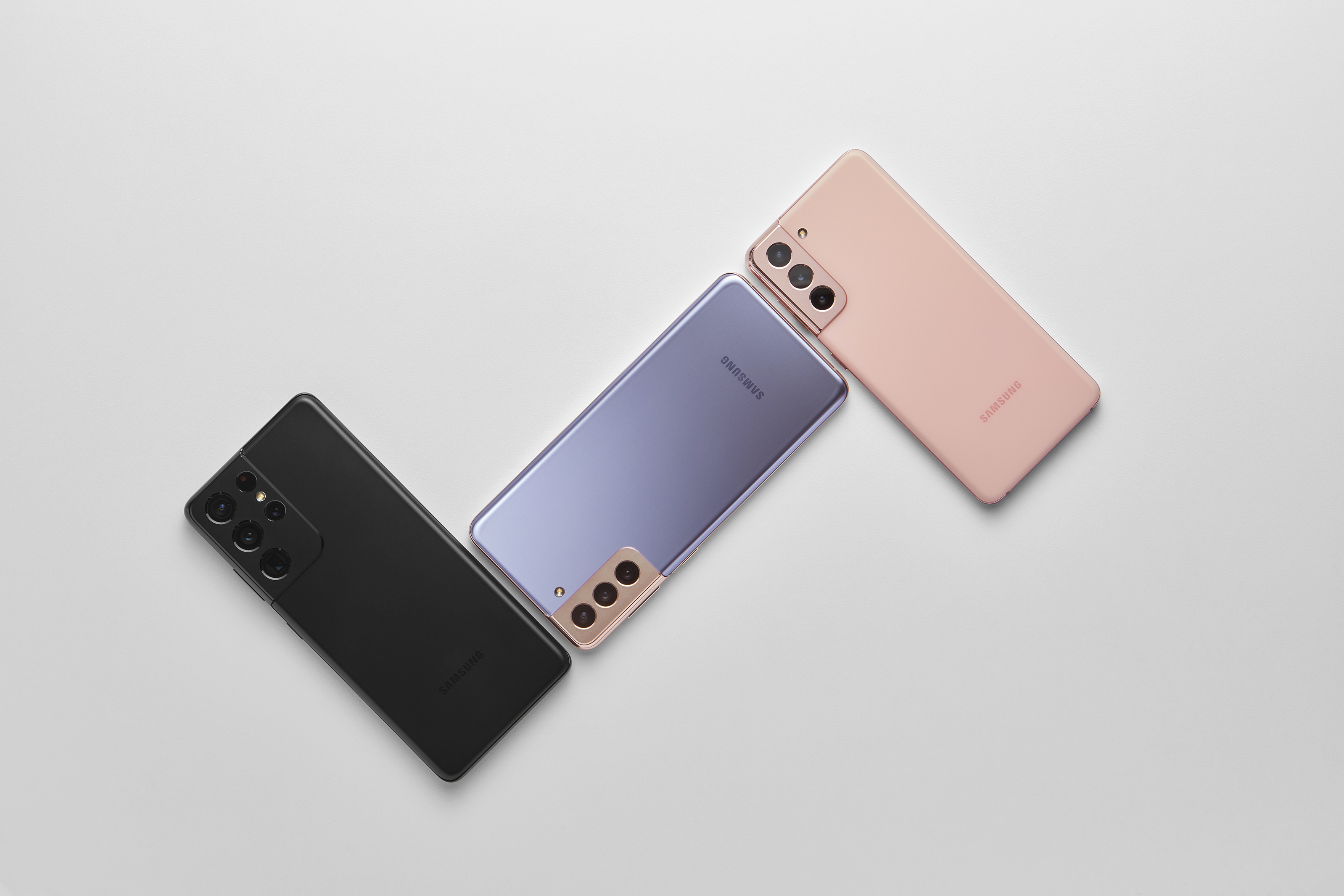
The company also stated that the phantom black was the most popular color for the Galaxy S21 Ultra, while the phantom violet color variant was the most popular for the Galaxy S21 and Galaxy S21 Plus. Out of the overall sales, direct purchases accounted for 30 percent of the sales, which was double that for the Galaxy S20. Additionally, 60 percent of all Galaxy S21 series model were bought online in direct purchases.

Samsung Galaxy S21 Series Plus Ultra Featured

Similarly, the Galaxy Buds Pro truly wireless earbuds from the company also saw sales that were double that of its predecessor during this period. Samsung added that it expected the demand to spike as well from March to April this year, due to customers that are nearing the end of their two year contracts for their current Galaxy S flagship smartphones. In other words, the current premium grade handset from the popular brand is performing noticeably better in its home market, when compared to its previous iteration.

RELATED:


BOE to reportedly launch MicroOLED display panels later this year

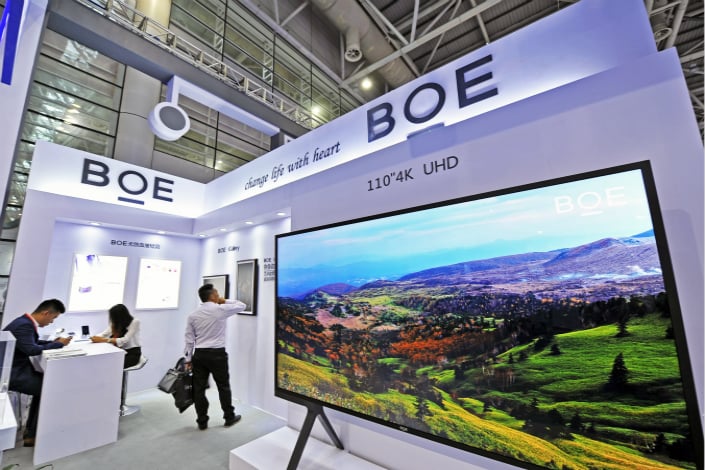
China’s one of the leading display makers, BOE, is reportedly planning to commercially launch a MicroOLED display in the second half of this year. This will be used to support Augmented Reality and Virtual Reality viewing.

For those who are unaware, BOE has been developing MicroOLED panels since 2018 through Kunming BOE Display Technology, which is a joint venture with Yunnan province.

MicroOLED attaches OLED panels on a silicon wafer instead of a glass substrate, allowing it to realize super high resolution. While the OLED panel pixel sizes in smartphones and TVs are around 40-300 micrometers, MicroOLED panel pixel size is a tenth of this at around 4-20 micrometers. Also, it is ideal for AR and VR use-case because of its response time.

Sunic Systems, a South Korea-based company has supplied BOE with deposition equipment for the manufacturing of MicroOLED panels, and last year, the company had signed a deal worth $225 million for the same.

Apart from BOE, LG Display is also working on this new type of panels aims at AR/VR devices. Samsung Display, one of the leading in the world, has not yet unveiled any of the MicroOLED products so far.

Recently, a report claimed that Apple is planning on developing ultra-advanced MicroOLED display technology at a secret facility in Taiwan in partnership with TSMC. This will be used in the company’s upcoming AR/VR device, development of which is being headed by former hardware engineering chief Dan Riccio.

RELATED:

Apple Watch’s heart rate sensor can predict COVID-19 a week before a Swab Test: Report

A new study has revealed that the popular wearable Apple Watch can effectively predict a positive case of Coronavirus infection up to a week prior to the PCR based nasal swab tests.

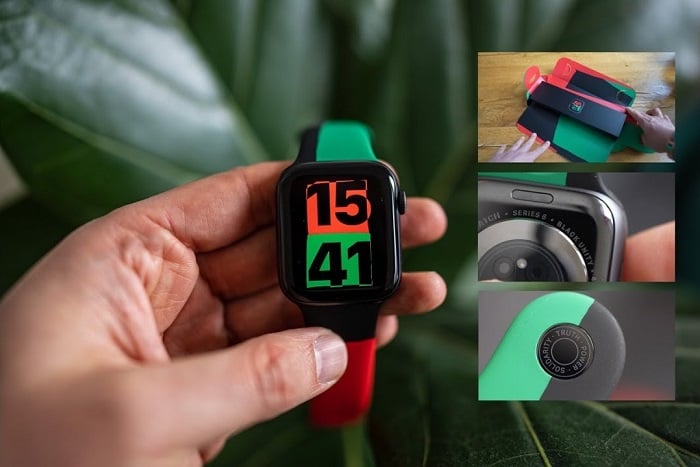
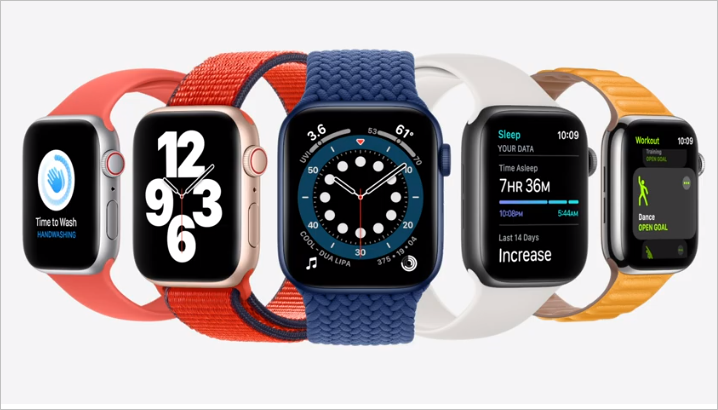
Apple Watch Series 6

According to a MacRumors report, a new study published in the Journal of Medical Internet Research titled “Warrior Watch Study” had several hundred Mount Sinai healthcare workers using a dedicated Apple Watch and an iPhone app for personal health data monitoring. Furthermore, these participants also required to fill out a daily survey over several months to also provide direct feedback, regarding potential COVID symptoms and other health related aspects as well, like stress.

The data collected in the study was between April to September of last year, with the primary focus being the heart rate variability (HRV). For those unaware, this is a key indicator of strain on the nervous system. This data was then compiled with reported symptoms associated with the disease, through symptoms like fever, aches, dry cough, and loss of the sense of taste and smell.

Apple Watch Series 6

The researches had hoped that the results could help anticipate the outcome and enable remote isolation of individuals to prevent the further spread of the virus. Similar to this, other studies have also surfaced that aimed to detect other health related problems as well, including diabetes and even provide early warning signs of atrial fibrillation.

RELATED:


Apple and Samsung leads as top Semiconductor customers in 2020

According to the latest report published by Gartner, tech giant Apple retained its position as the No. 1 semiconductor chip buyer in the year 2020, representing about 11.9 percent of the total market worldwide.

Samsung Electronics, based in South Korea, came in second with an 8.1 percent market share in 2020, which represents a growth of 20.4 percent compared to the previous year.

Semiconductor

Huawei, the Chinese giant which is now a subject of several trade restrictions imposed by the United States, stood third with a market share of 4.2 percent. However, it registered a decline of over 23.5 percent compared to its market share in the previous year.

The report adds that the top 10 original equipment manufacturers (OEMs) increased their semiconductor spend by 10 percent in 2020, and accounted for 42 percent of the total market, up from 40.9 percent in the year 2019. Also, the top 10 companies in 2020 remained the same as in 2019.

It goes on to say that Apple managed to retain the top position mainly due to the continued success of AirPods, special demand for Mac devices and iPads, and increasing NAND flash consumption.

As for Samsung, the report says that the weakened competition from Huawei and the strong demand for enterprise solid-state drives (SSDs) for data centers are the driving force behind its growth. Xiaomi registered the highest growth, 26 percent, mainly because it was among the least affected in terms of sales because of its strong online presence.

RELATED: 

United States could add more trade restrictions for technology export to China

The Chinese technology companies suffered a lot because of the policies implemented by the former US President Donald Trump. The situation was expected to get a bit better under Joe Biden but it seems that isn’t the case.

As per the latest report, the Biden administration is expected to add “new targeted sanctions” on some sensitive technology exports to China in cooperation with the country’s allies. This comes ahead of the first call of Joe Biden with China’s Xi Jinping.

United States China trade war

Apart from adding new trade restrictions for sensitive technologies, it is also being said that the United States government won’t list trade tariffs imposed by the Trump administration before conducting “intense consultation and review” with the allies.

During a briefing session, an official told, “We are maintaining those tariffs while we conduct our review because we’re not going to act precipitously. President Biden’s major criticism of the Trump strategy here was not that he wasn’t getting tough on China on trade, but that he was doing so alone, while also fighting our allies.”

It was also said that Joe Biden is aiming to quickly work with Republicans to boost public investment in technology sectors that are crucial to the United States’ economic edge, including semiconductors, biotechnology, and artificial intelligence.

RELATED: 

Xiaomi’s flagship Mi MIX 4 may feature under-display camera technology, here are some concept renders

Xiaomi has already confirmed that the company will be launching a new Mi MIX series smartphone later this year. Along with the Mi MIX 4, the company is also confirmed to launch a tablet device.

Ahead of the launch of the Mi MIX 4, more and more information related to the smartphone keep surfacing online. One such report is claiming that the device will come with the leading display design.

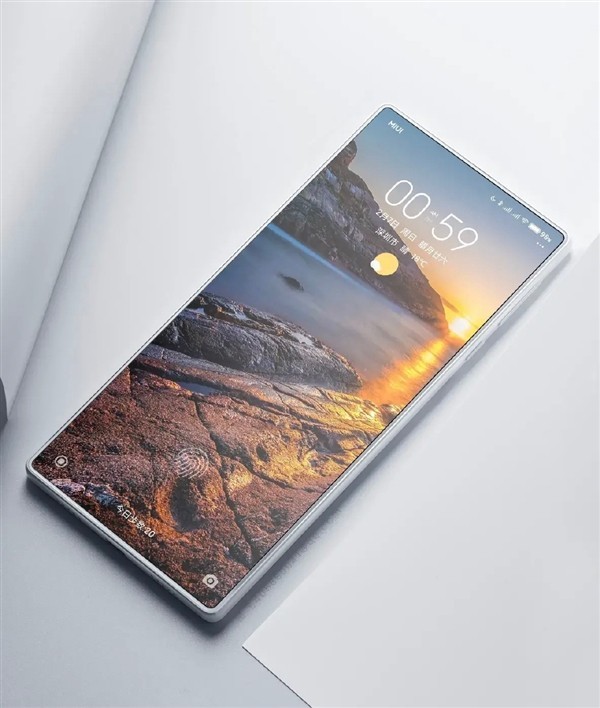
Xiaomi Mi MIX 4 Under-Display Camera

It claims that the phone will have a full-screen design without any notches. It could mean that Xiaomi could be among the first phone makers to launch a smartphone with under-display camera technology.

So far, only ZTE has launched a smartphone with under-display camera technology. It had launched the Axon 20 5G last year and is now gearing up to launch its successor, dubbed as the Axon 30.

Xiaomi had earlier teased the under-display camera technology using a prototype device. Last year, in September, it was reported that the company’s under-display cameras made by TCL CSOT could arrive in 2021.

There are also reports that the Mi MIX 4 could feature the four-sided waterfall display with 88-degree curves which was recently unveiled by Xiaomi. However, do note that all these have not been confirmed by the company yet.

We expect more details about the smartphone to surface online and teased by the company as the launch date nears. Till then, we will have to rely on leaks and reports hitting at possible specs and features.

RELATED: 

Redmi K40 and Xiaomi Mi 11 Pro receive BIS certifications, India launch could be nearing

Xiaomi is reportedly working on the launch of the Xiaomi Mi 11 Pro. A recent tweet by tipster Max Weinbach suggested that the Mi 11 Pro and another device named Mi 11 Ultra could be coming in April or May. He claimed that the upcoming Xiaomi phone with the M210K1G model number could be arriving in the market as the Xiaomi Mi 11 Pro. Now, the Indian version of the device has received certification from the Bureau of Indian Standards (BIS). The same authority has also approved the Redmi K40 phone.

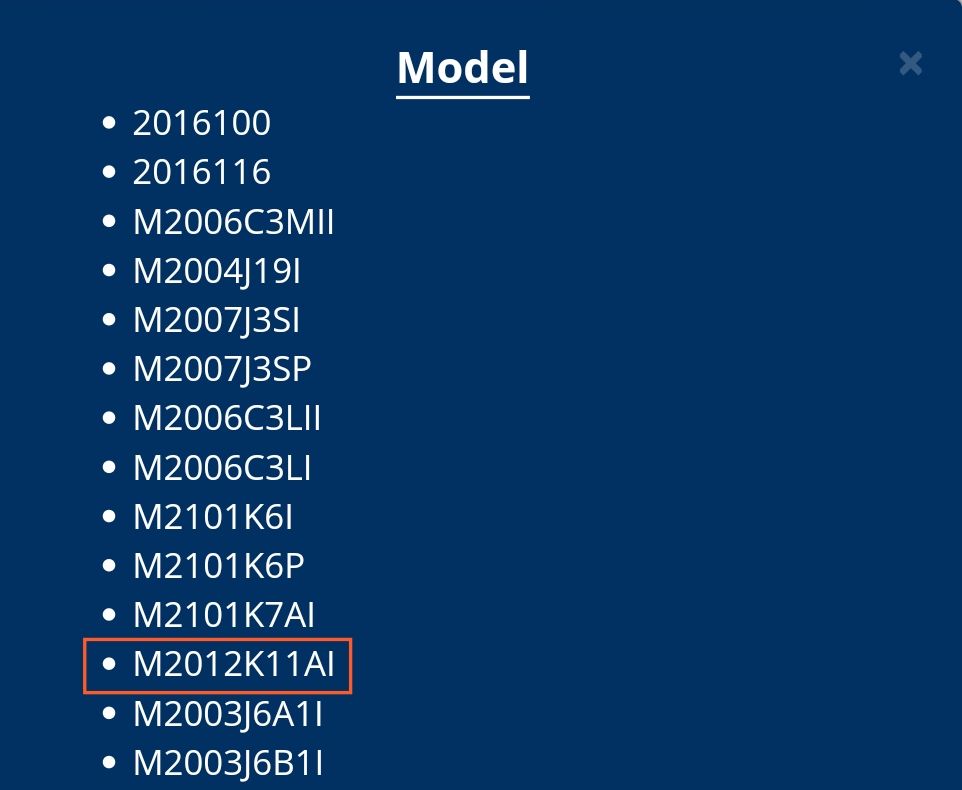
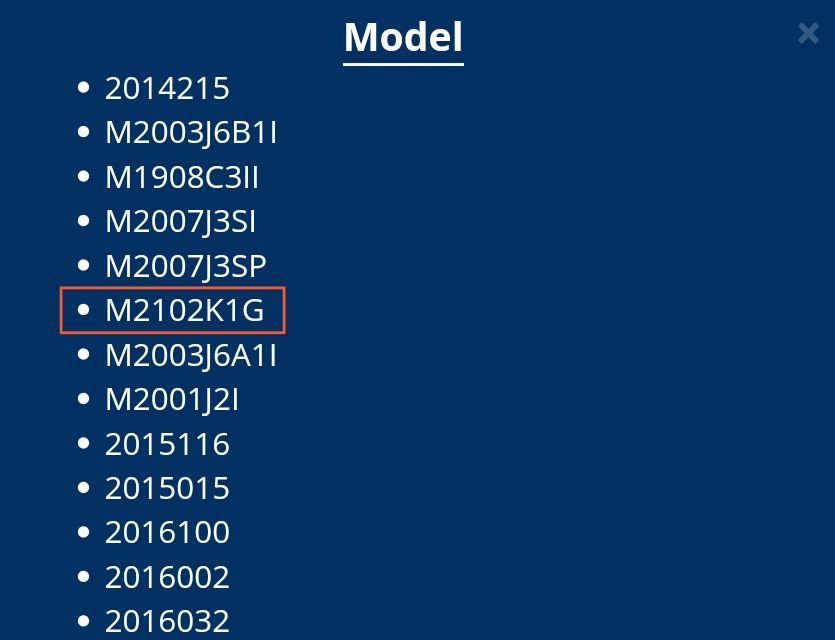
The alleged Xiaomi Mi 11 Pro has appeared with M2102K1G model number whereas the Redmi K40 has emerged with M2012K11AI model number. The BIS certifications of these devices have no information on their specifications. The certifications only hint that these devices may release in India in the near future.

The rumor mill is yet to spill concrete information on the specs of the Xiaomi Mi 11 Pro. It is expected to feature the Snapdragon 888 mobile platform and could be the company’s first phone with in-screen camera technology. Some of its other rumored features include a 6.81-inch OLED curved edge OLED screen with a QHD+ resolution and a 120Hz refresh rate support, 120x zoom, and a 5,000mAh dual-cell battery.

A recent tweet by popular tipster Mukul Sharma revealed that the global version of the Redmi K40 may debut as a POCO branded device. There is a possibility that the Redmi K40 end up as a POCO handset in India.

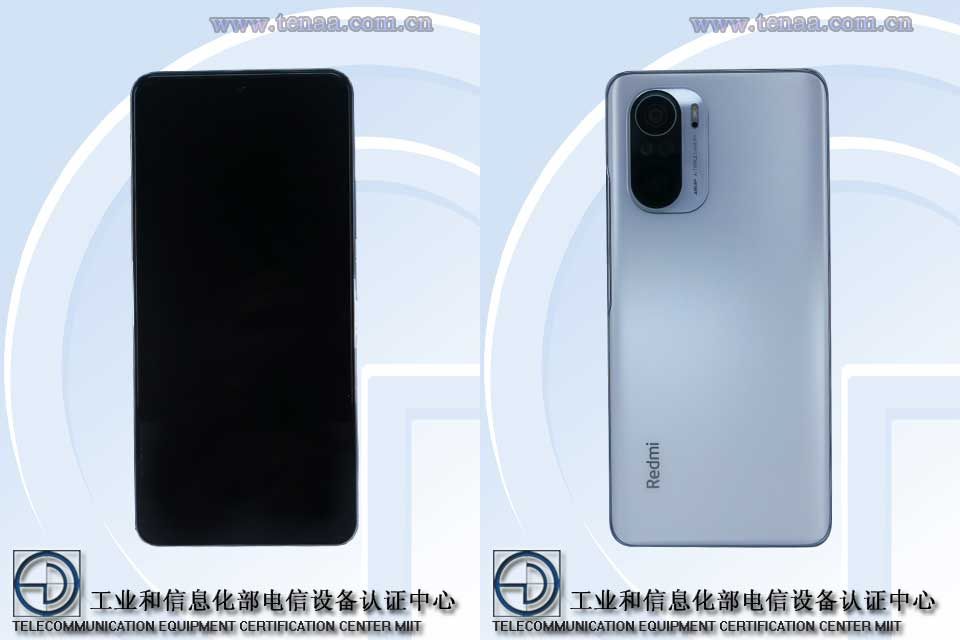
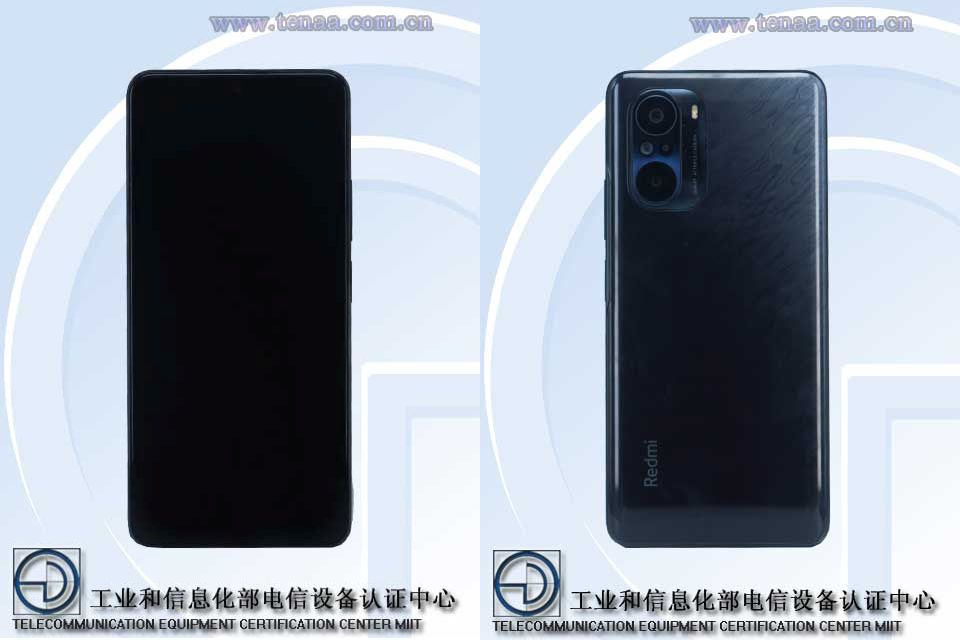
The TENAA listing of the Redmi K40 revealed that it will come with a 6.67-inch Samsung E4 AMOLED FHD+ display, a 4,420mAh battery, 33W fast charging, and Android 11 OS. It could be coming with a new Snapdragon 7-series chipset.

(via)

RELATED:

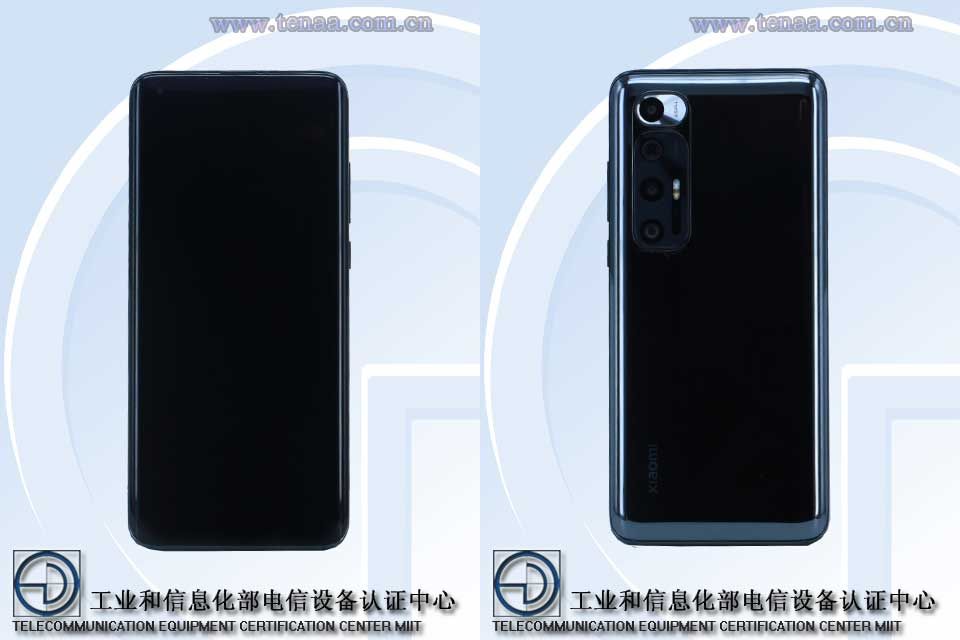
Redmi K40, K40 Pro and alleged Mi 10S specifications appear at TENAA

Yesterday, the new version of the Xiaomi Mi 10 (M2012J2SC), Redmi K40 (M2012K11AC), and Redmi K40 Pro (M2012K11C) were certified by China’s TENAA telecom authority. The TENAA listings only carried the images of these devices. Now, these listings have been updated with a few of their specifications.

Redmi K40 and Redmi K40 Pro specifications

The Redmi K40 and K40 Pro have the same dimensions and have identical displays and batteries. Hence, it appears that these phones may differ in departments like chipset and cameras. Both phones measure 163.7 x 76.4 x 7.8mm and they are equipped with 6.67-inch display panels. Leaks have claimed that these phones will be fitted with Samsung E4 AMOLED screens that will produce 1080 x 2400 pixels and up to 120Hz refresh rate.

The Redmi K40 and Redmi K40 Pro have 4,420mAh (rated) batteries and they are loaded with Android 11 OS. The 3C appearance of both phones revealed that they may ship with a 33W fast charger. While the Redmi K40 Pro is expected to feature the Snapdragon 888 flagship chip, it is unclear which SoC will drive the vanilla model. It may feature the upcoming Snapdragon 7-series chipset. The Redmi K40 duo is slated to debut on Feb. 25 in China.

Alleged Xiaomi Mi 10S specifications

Rumors suggest that the new version of the Xiaomi Mi 10 which is expected to feature a Snapdragon 870 chipset may break cover as the Xiaomi Mi 10S. It measures 162.6 x 74.8 x 8.96mm and it has a 6.67-inch screen. The phone runs on Android 11 OS, and a 4,680mAh battery is packed inside it. It is also expected to arrive with support for 33W rapid charging. Its launch date is yet to be confirmed.

(source 123)

RELATED:

Exynos 2100 & Snapdragon 888 benchmark tests show the Exynos 2100 still lags behind

Samsung‘s in-house chipset utilised on the Galaxy S20 series, the Exynos 990 was a disappointing chipset sort of, as it failed to match the Snapdragon 865. The Exynos 2100 was released as an improvement over the Exynos 990 and to take on the Snapdragon 888 with an improved power efficiency when compared to the previous model. However, the chipset doesn’t seem to match up the capabilities of the Snapdragon 888.

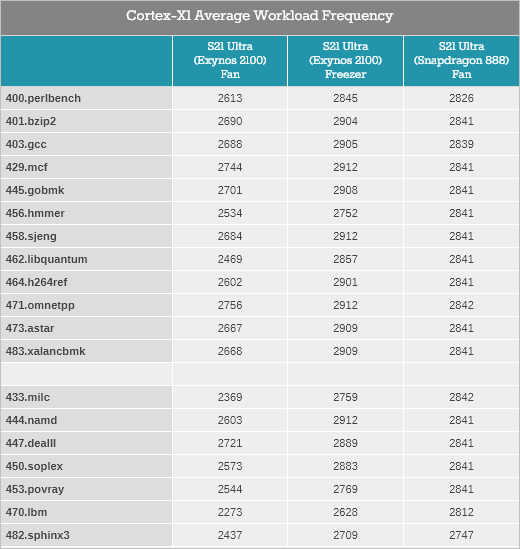
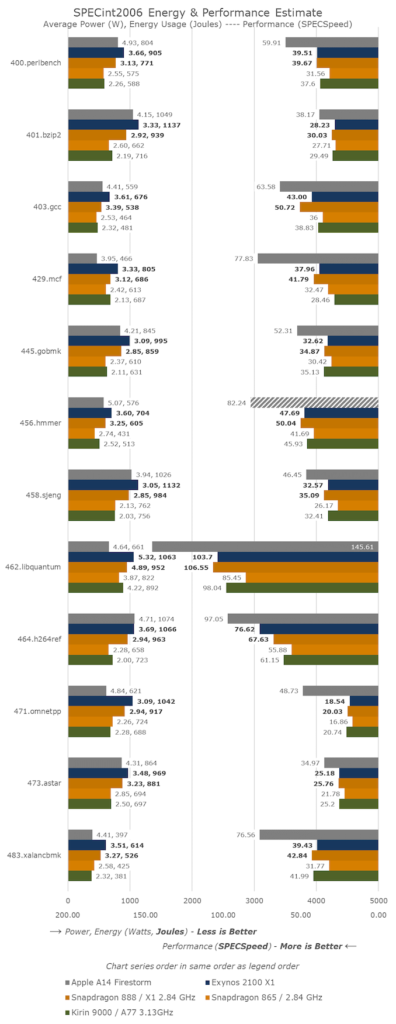
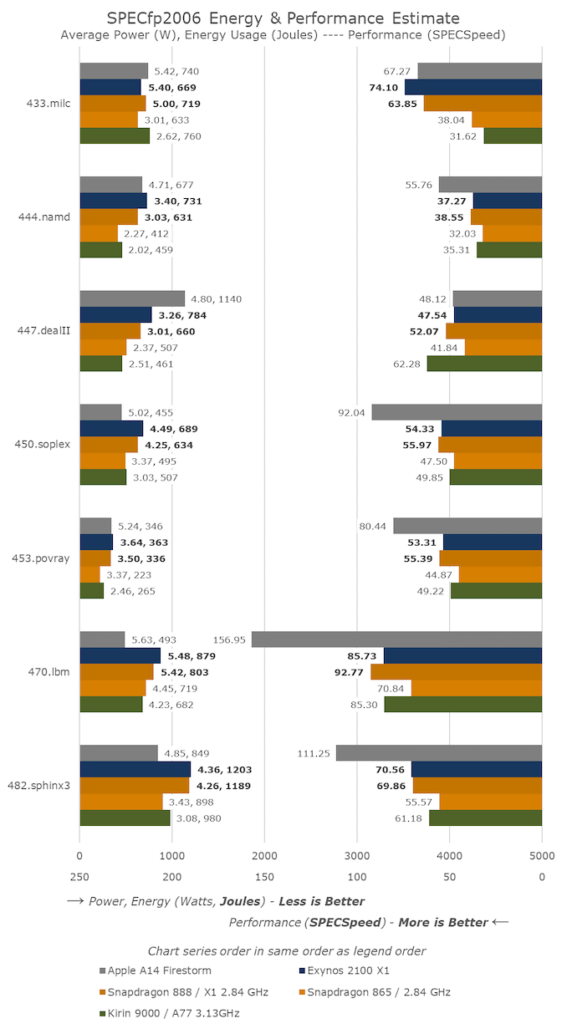
A holistic test result of the Exynos 2100 in comparison to the Snapdragon 888 in terms of the performance and power efficiency has now been published by the guys at AnandTech. The test was carried out using the two variants of the Galaxy S21 Ultra running Exynos 2100 and Snapdragon 888 processors. The team performed several tests on both devices which suggest that Samsung’s 5nm (5LPE) fabrication process brings some improvements to the Exynos 2100 in terms of power efficiency compared to their predecessors.

However, the Exynos 2100 is on par with TSMC’s 7nm process (N7P) and doesn’t measure up to the more advanced 5nm process. As a result, Qualcomm’s SD888 fared better in many of the tasks than the Exynos 2100 and also consumes less power. The exynos 2100 throttles earlier than the Snapdragon 888 counterpart which then slows down the performance when the load is sustained.

The reviewer even kept the Galaxy S21 Ultra with an Exynos 2100 chip in a freezer and kept the Snapdragon 888 version in front of a fan while performing benchmark tests. Surprising, the two devices still output almost similar results. What this portends is that the Exynos 2100 will most likely throttle under real-world scenarios.

The benchmark tests also show that the Exynos 2100 has a higher power consumption of up to 18-35% compared to the Snapdragon 888. The battery life will bear the brunt of this high power consumption. Both PCMark Work 2.0 and web browsing battery life test confirm that the Galaxy S21 Ultra Snapdragon 888 version lasts longer on a single charge compared to the Exynos 2100 version of the same flagship phone.

RELATED;


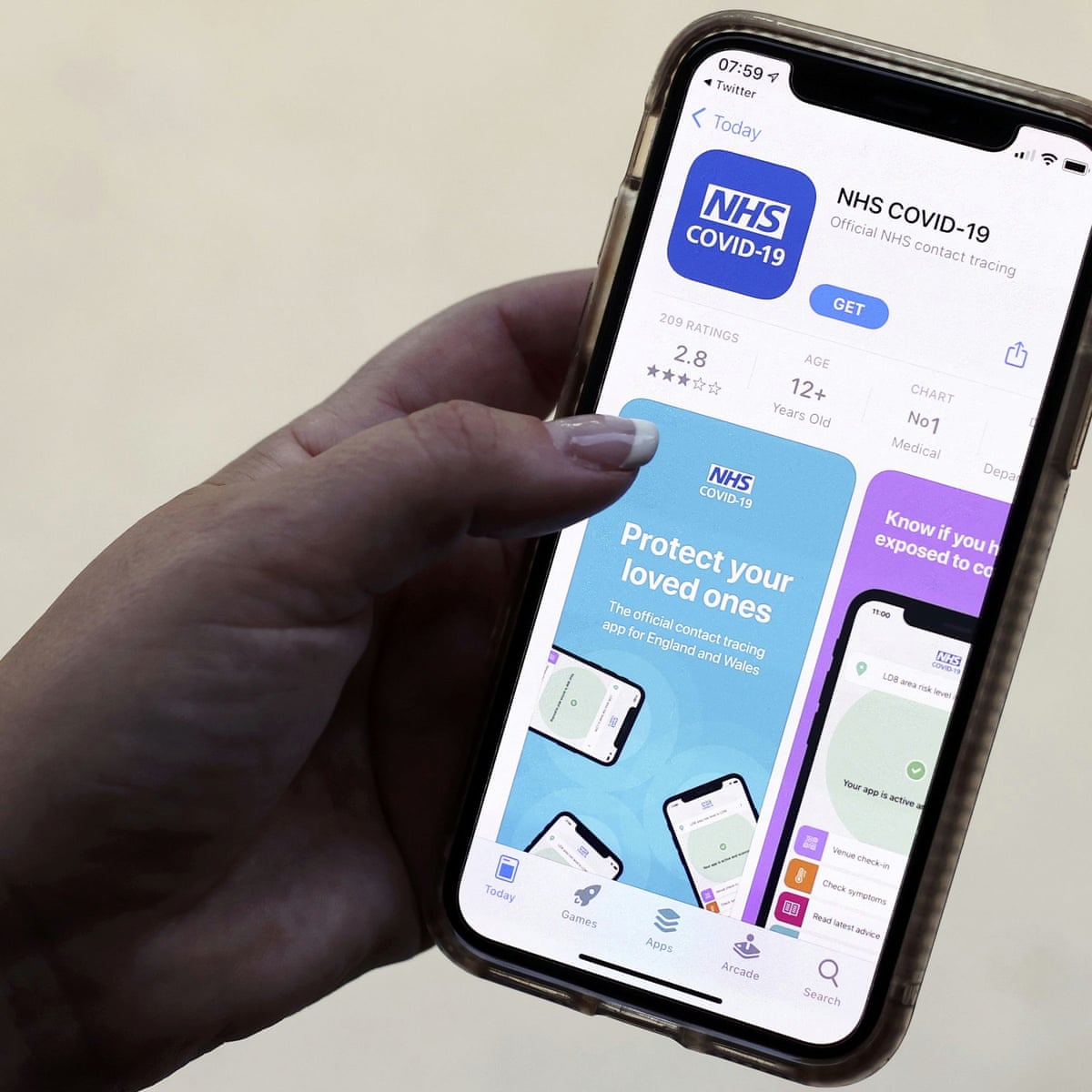
Contact tracing app may have prevented up to 600k COVID-19 infections in the UK

The use of contact tracing app was adopted last year in the thick of the COVID-19 pandemic but there haven’t been a means of monitoring the effectiveness of the app usage. Well, there is now available data for the UK version dubbed NHS COVID-19 contact tracing app.

Researchers from the Alan Turing Institute at Oxford University (via) have claimed that the COVID-19 contact tracing app may have contributed to the prevention of infections to a reasonable extent across England and Wales. The study covers the period from September 2020 when the app was introduced to January 2021.

The app works by telling a user that he should isolate as a result of some activities he may have participated in. Avaailable data shows that the app has been downloaded around 21 million times, of which about 1.7 million people were advised to isolate.However, the research did not reveal the estimate of these 1.7 million users who actually followed the advice of the app and indeed did self isolate.

The research team went ahead to estimate the number of COVID-19 cases that may have been prevented across England and Wales through the NHS contact tracing app’s advisory, and this figure is put approximately at 600,000, which is about a third of the total notifications sent by the app.

While the report offers a ray of assurance and hope that such apps which have been well interfaced with Apple’s and Google’s location services on smartphones, continue to play an important role in the battle against the novel coronavirus, it should be pointed out that the results and conclusions from the study is yet to go through a rigorous peer review process that is needed to validate the research and its conclusions.

While more studies spanning a longer investigation period are being carried out, the present findings by the researchers from Oxford University may be lending support from the UK government’s investment in the contact tracing app worth over £35 million.

RELATED;


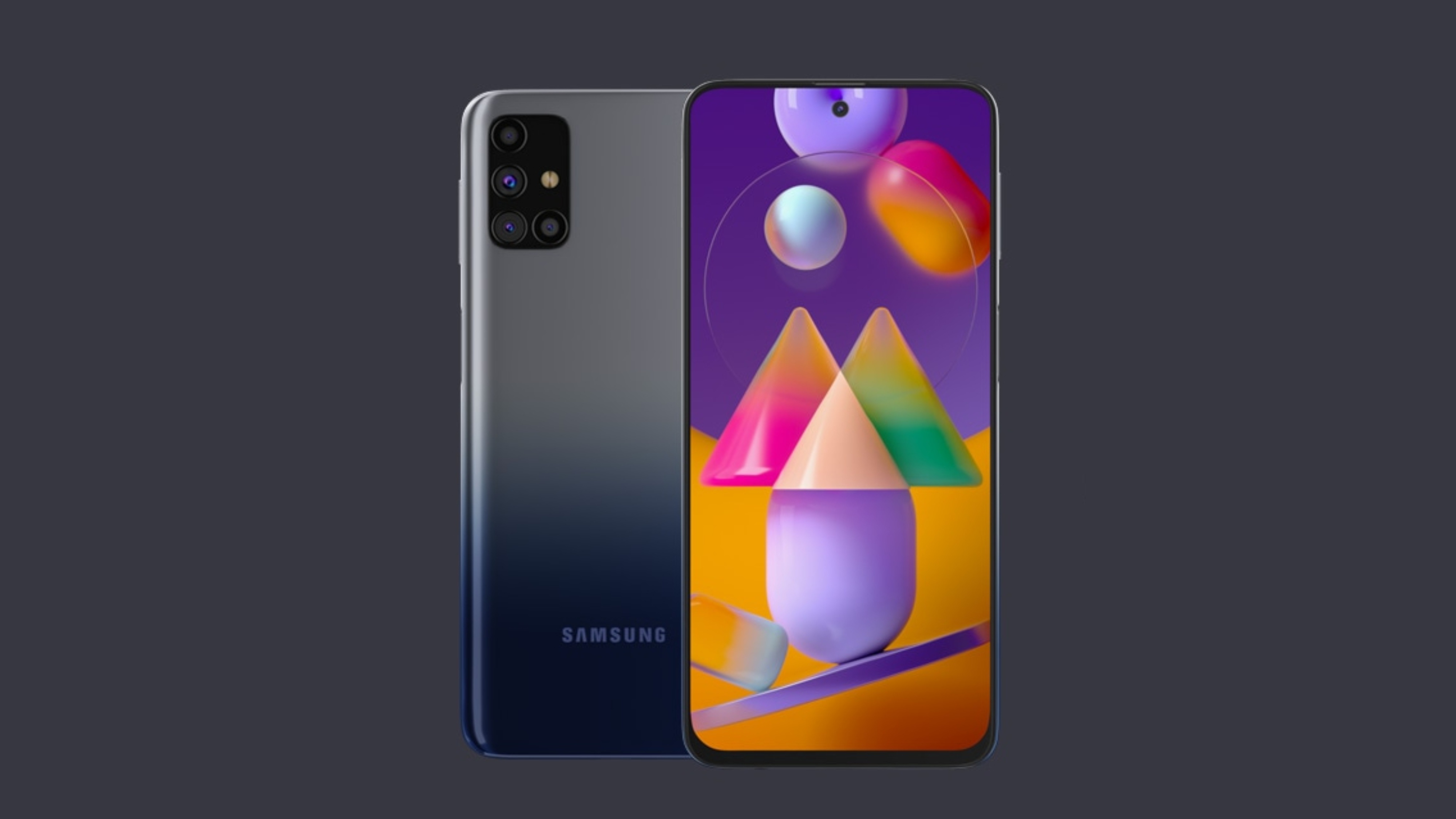
Samsung Galaxy M31s has begun to receive One UI Core 3.0 (Android 11) update

The Galaxy M31s is a slightly improved version of Galaxy M31. Samsung announced this smartphone in the second half of 2020. It debuted with One UI Core 2.1 based on Android 10 and was later updated to One UI Core 2.5. Now, this handset has started receiving Android 11-based One UI Core 3.0 update.

Samsung Galaxy M31s Mirage Blue Featured

According to SamMobile, the One UI Core 3.1 update for the Samsung Galaxy M31s is currently live in Russia and Ukraine. The update comes with firmware version M317FXXU2CUB1 and February 2021 security patch for these regions.

As expected, the latest system update for this phone not only brings Android 11 and its features but also new One UI features and improvements. However, being a budget smartphone, it does not get all the features just like all other Galaxy M series devices that have received One UI Core 3.0 update so far.

Anyway, if you happen to own the Galaxy M31s, then head over to Settings > Software update > Download and install to check whether your unit has received the update yet. If yes, then make sure to download to as soon as possible to experience the fresh software from the house of Samsung.

That said, it is worth noting that the update is being rolled out in batches and therefore, it may time to reach every unit out there around the world.

RELATED:


Motorola Moto E7 Power renders leak again

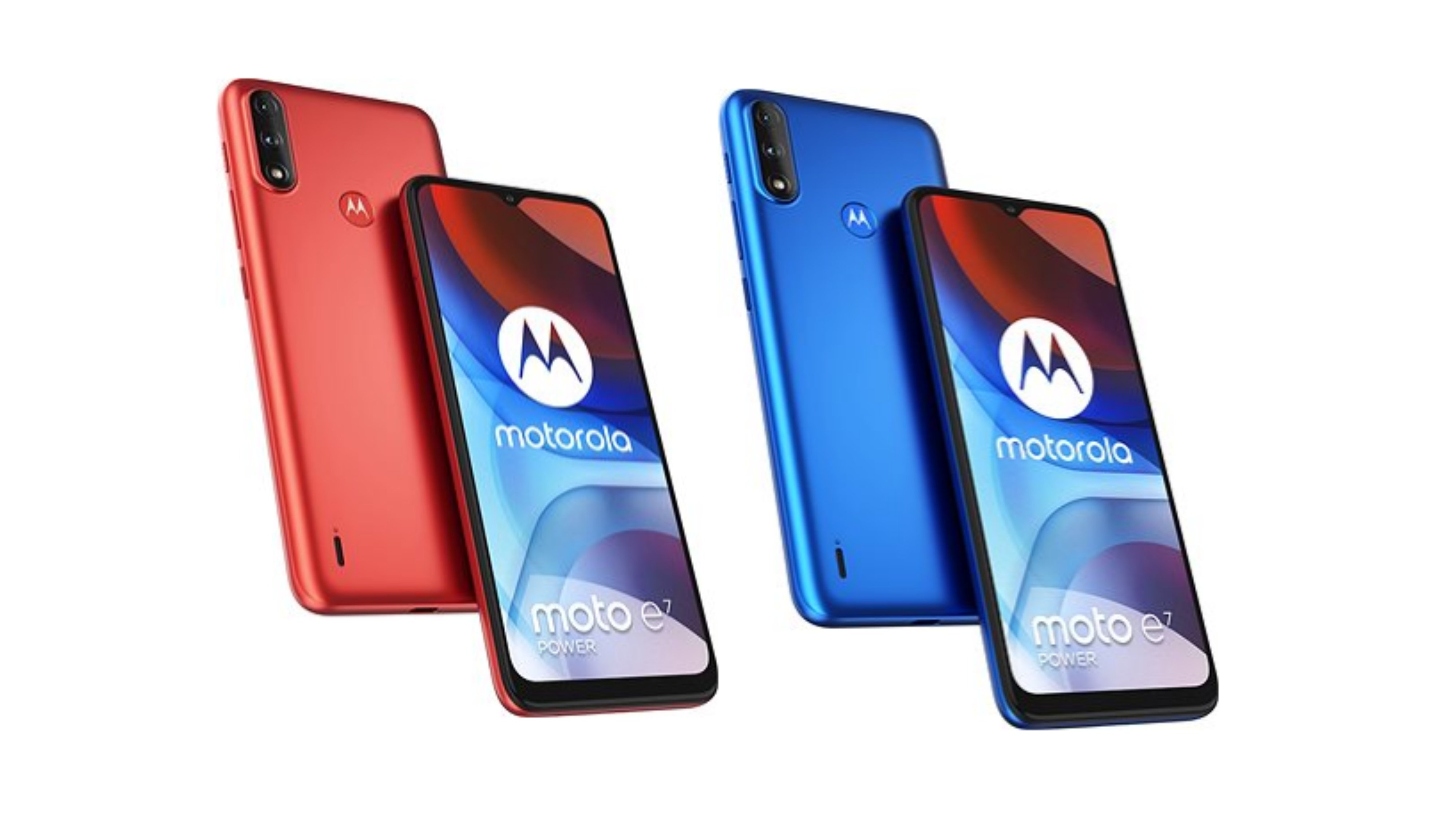
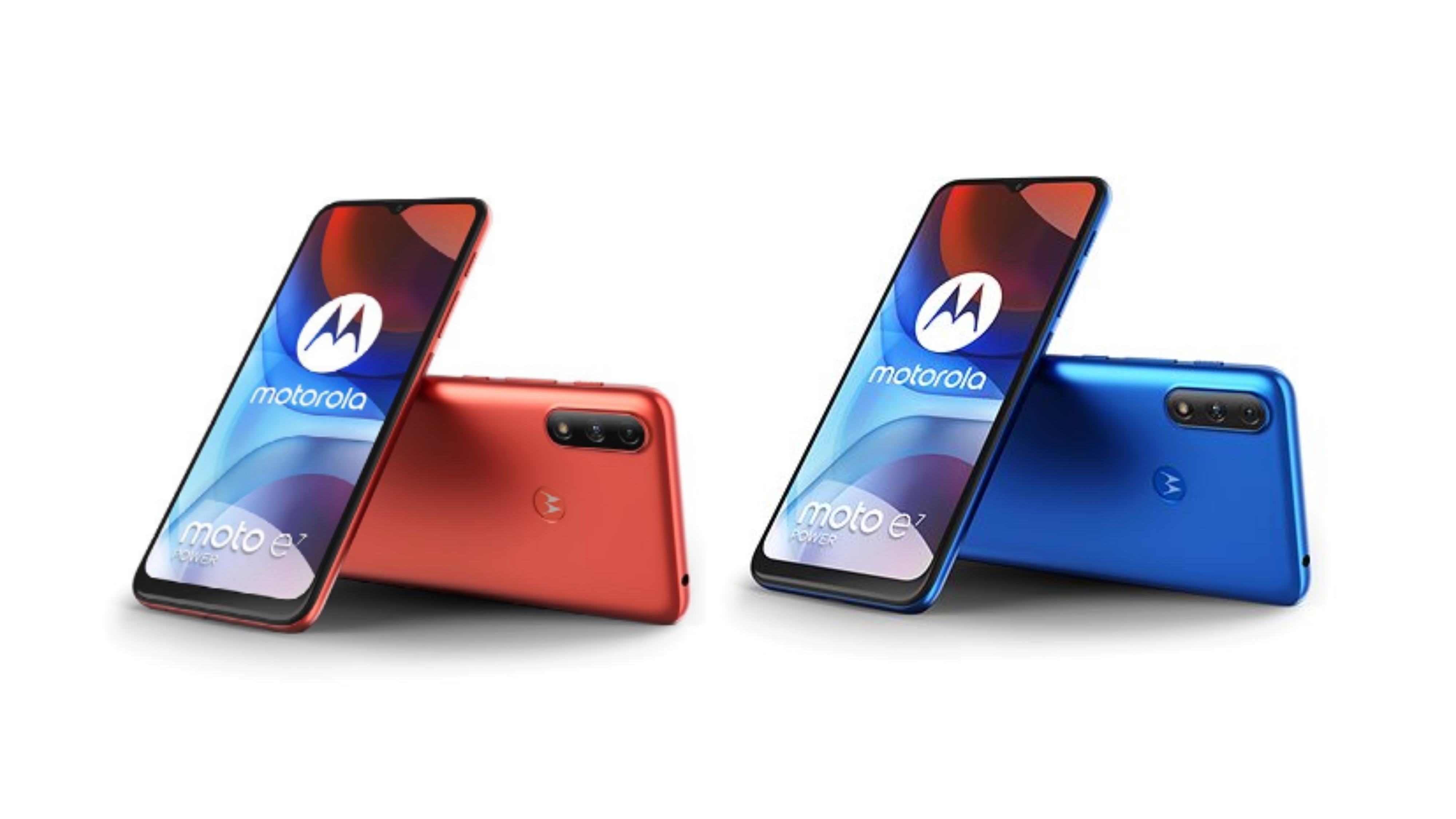
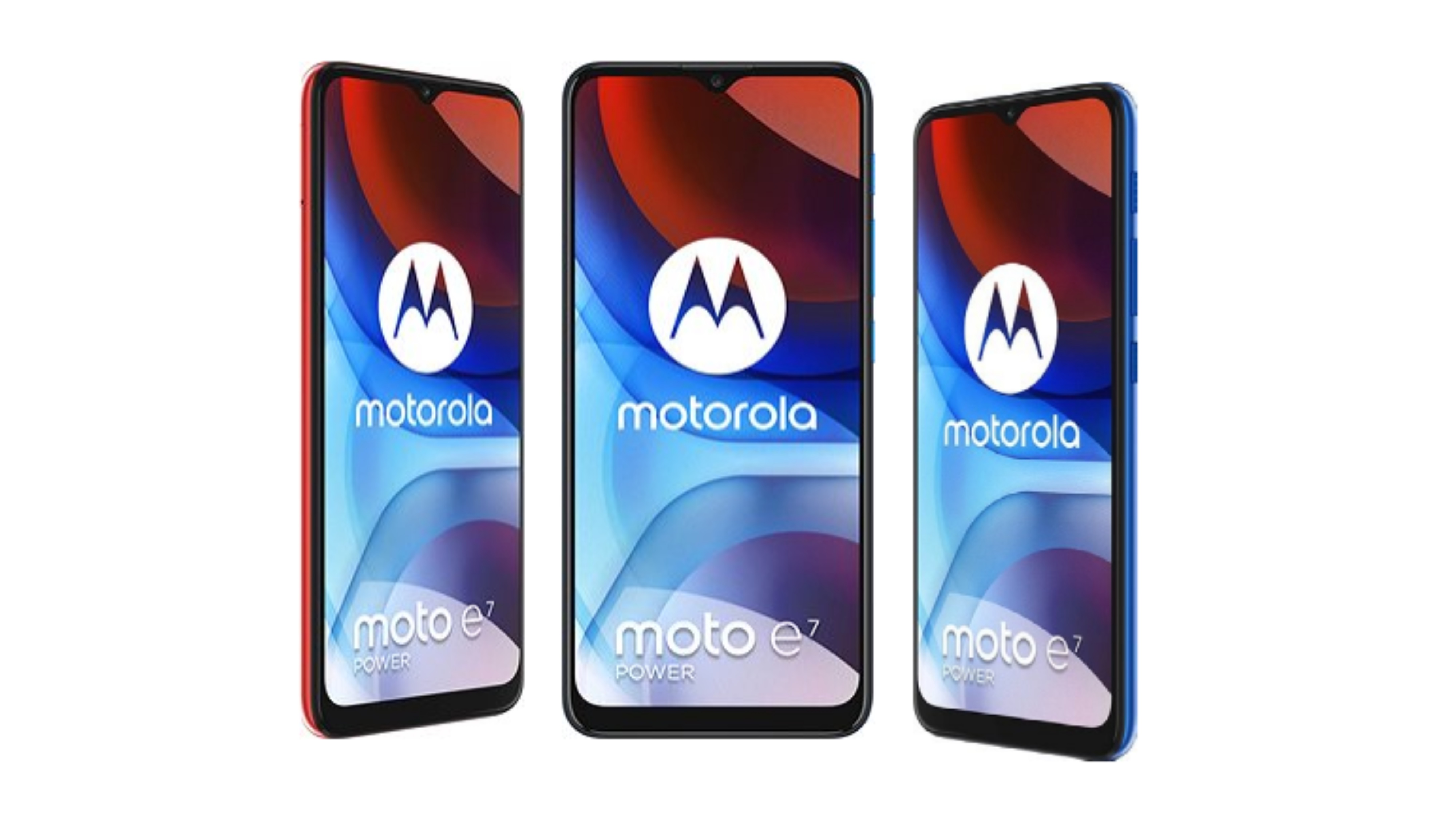
Late last week, almost all the specs of the upcoming Motorola Moto E7 Power leaked alongside renders and a live image. Now, this smartphone’s official high quality press renders have leaked as well.

Motorola Moto E7 Power Press Renders Leak 01

As you can see from the renders, the Moto E7 Power will be available in two colors. According to the previous report, the company will be marketing these colors as Digital Blue and Oxy Red respectively.

As far as the specifications are concerned, the handset is said to be powered by MediaTek Helio P22 SoC paired with 2GB/3GB RAM and 32GB/64GB internal storage. It will house a 13MP (wide) + 2MP (macro) vertically aligned dual-camera setup on the back, whereas the front-facing 5MP selfie camera will be located in a dewdrop notch.

Further, this device will come with a rear-mounted fingerprint sensor with Motorola Batwing logo embedded on it, a dedicated Google Assistant key, and a 5,000mAh battery. Lastly, this phone is also known as ‘Malta Lite’ (codename).

Interestingly, these renders look similar to that of the recently leaked renders of Lenovo K13. It all makes sense as that smartphone bears model number XT2097 just like another device called Moto E7i Power. All of these suggest that this phone will be sold with three different brandings in different markets across the world.

Hence, as per the Lenovo K13 leak, we can add some more features of Moto E7 Power like dual-SIM, microSD card slot, USB Type-C port, and Android 10.


RELATED:

Apple made the top 5 in China in 2020, recording an exceptional YoY growth – CINNO Research

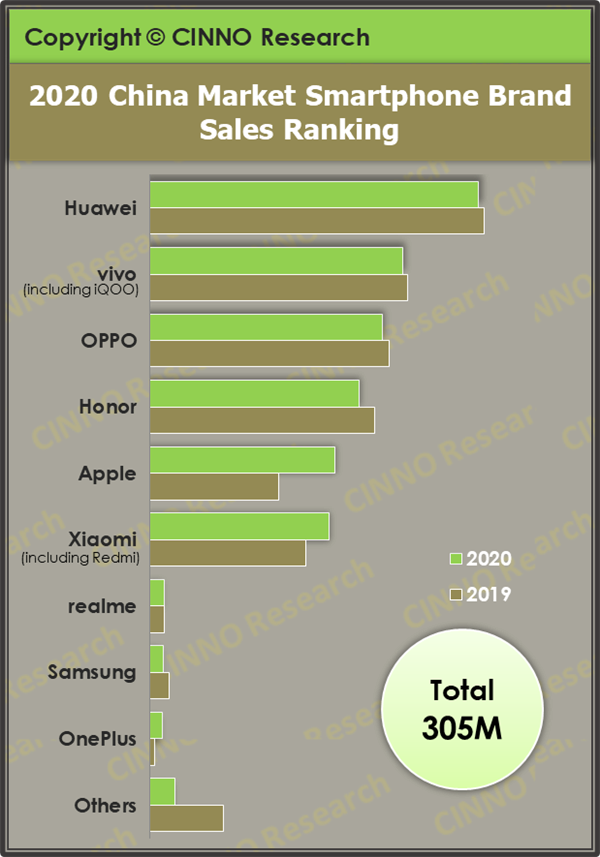
Chinese market research firm CINNO Research has released its smartphone sales ranking for the Chinese market for last year. The data shows that the entire smartphone market saw an estimated gross shipment of 305 million smartphones. The shipment saw a 21% decline year-on-year as a result of the Coronavirus pandemic which crippled economic activities in China last year.

The datat shows that Huawei still retained the number one spot as the topmost smartphone brand in 2020. Vivo (including iQOO) is ranked on the second spot while OPPO a fellow BBK subsidiary is at the third spot. The top-three brands accounted for 56% of the domestic smartphone shipments last year.

Huawei is reported to have shipped an estimated 68.8 million smartphones inn 2020, giving it a 22.6% share of the market. Although the company’s total sales fell by 23% due to the impact of sanctions, Huawei still relied on its strength and strong performance in the first three quarters to maintain the first position.

Vivo followed Huawei closely with an estimated 53 million units shipment, ranking second and this translates to a 17.4% market share. The brand’s gross shipment fell by 23% year-on-year, though.

OPPO occupies the number 3 spot, raking in an estimated 48.8 million mobile phones in 2020, representing 16% share of the market, slightly lower than Vivo’s. The brand’s shipment also declined by 23% year-on-year which is not much different from vivo sales.

Apple completed the top five spots while Honor clinched the fourth spot. It is worthy of note that even though Apple came in at number 5, the Cupertino-based company is the only brand that had a positive year-on-year growth among the top five on the list. Apple’s annual sales volume was 38.7 million units, an increase of 13% year-on-year, and the brand’s market share was 12.7%. Apple’s growth is attributed to the superb market performance of the iPhone 12 series.

Other manufacturers on the list include Xiaomi occupies the sixth position, Realme in seventh, Samsung in the 8th position and OnePlus occupying the 9th spot.

RELATED;

(via)


RedmiBook Pro is scheduled to launch on February 25; posters tease features

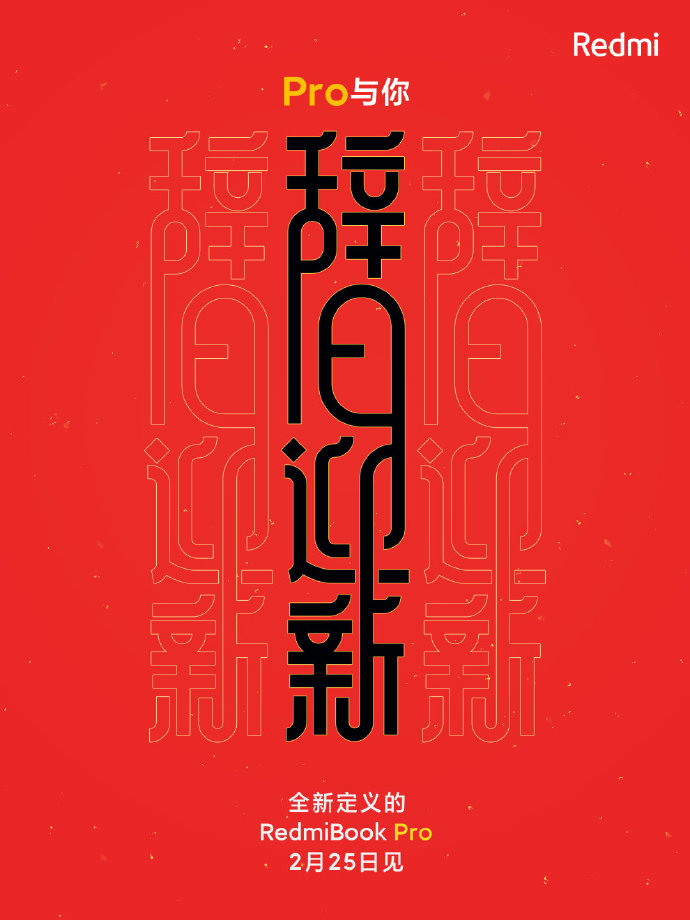
RedmiBook is Redmi’s line of Windows-powered notebook computers, and come February 25, there will be a new model called the RedmiBook Pro. The date is the same day Redmi will unveil the Redmi K40 series.

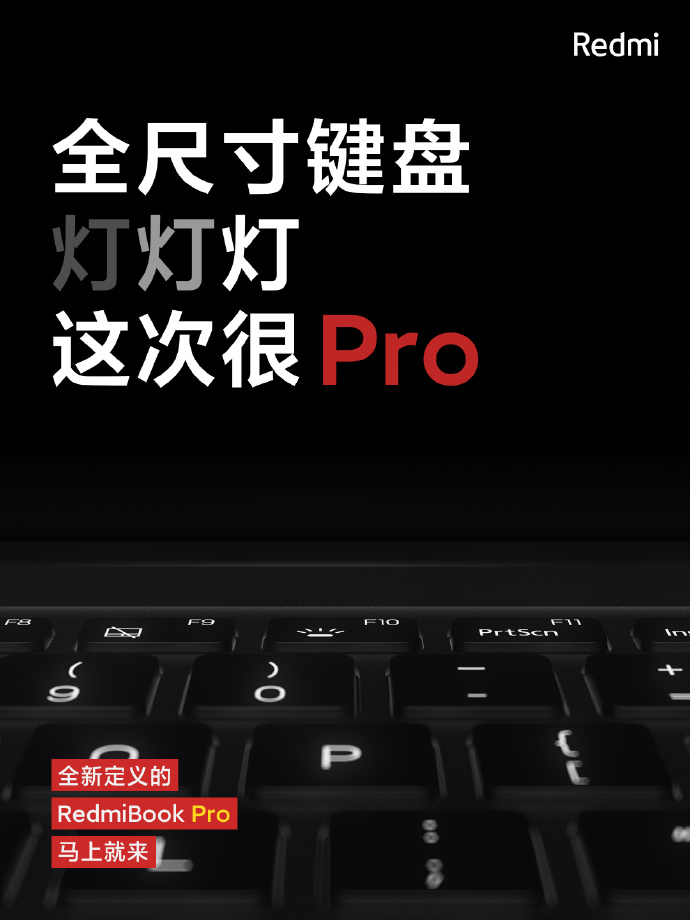
The official Mi NoteBook Weibo account confirmed the launch of the new computer yesterday. Previously, the account had shared several images that tease some of the upcoming computer’s features.

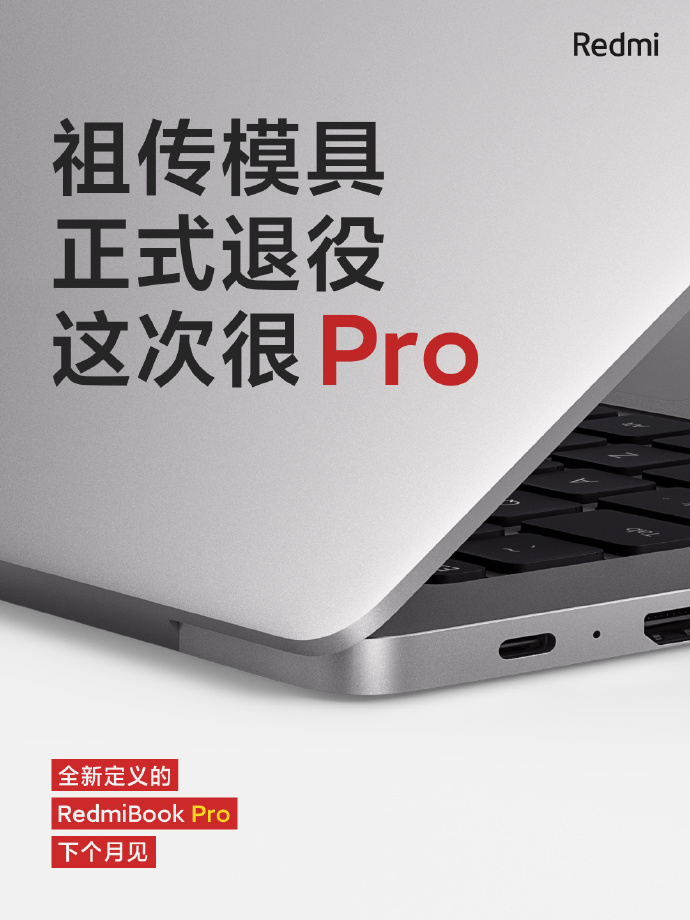
RedmiBook Pro will launch on February 25

So far, we know the RedmiBook Pro will be powered by a processor from Intel’s Tiger Lake H35 series. The line of 11th-gen quad-core processors features 10nm chipsets with a TDP of 35W and Intel Xe graphics. It has been reported that Redmi will also announce variants of the RedmiBook with AMD Ryzen processors too. The AMD-powered version is expected to launch as the RedmiBook Pro 15S.

The RedmiBook Pro will come with an all-metal design with a new finish that should give it a premium feel. The teaser poster shows that there is a USB-C port for charging on the right side of the computer along with an HDMI port. The notebook will also have a full-size backlit keyboard.

It has also confirmed that it will have a webcam. You will expect that to be standard but Xiaomi actually sells some computers that do not have a webcam.

The RedmiBook Pro will launch in China but it remains to be seen if we will get a global release. You may want to look to Xiaomi’s own Mi NoteBook line if you want a computer from the Chinese manufacturer.


RELATED: