Advertisement

Qualcomm unveils 4th-Gen Snapdragon Automotive Cockpit Platforms

US chipmaker Qualcomm who, earlier this week signed a collaborative agreement with Veoneer to produce driver-assisted automotive systems, has now introduced its 4th generation Snapdragon Automotive Cockpit Platforms. The release of the systems was during the company’s Automotive Redefined: Technology Showcase event. In addition, Qualcomm also unveiled the Snapdragon Automotive 4G and 5G Platforms which it considers as critical building blocks for future automobile designs.Snapdragon Automotive Cockpit Platforms The 4th generation Automotive Cockpit Platforms are designed to be the engine room for high-performance all-round computing and processing, that could be seamlessly extended to commercial applications.  It comes in three variants – Performance, Premiere, and Paramount, for entry-level, mid-level, and supercomputing platforms, respectively. In addition, over-the-air (OTA) updates will be easily available throughout the vehicle’s lifecycle, with its Car-to-Cloud with Soft SKU capabilities.Snapdragon Automotive Cockpit Platforms
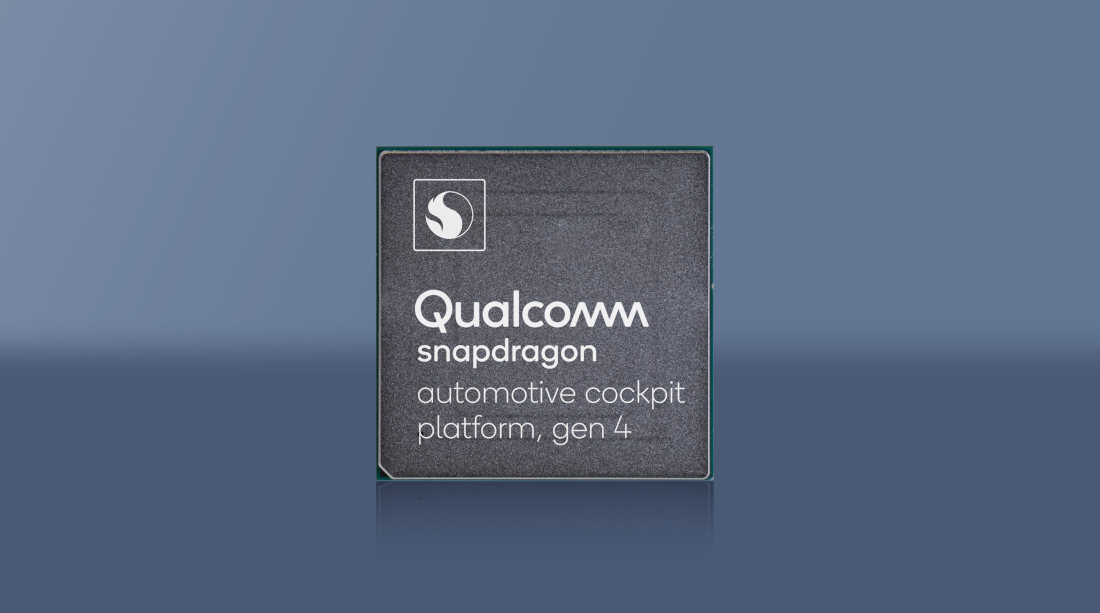
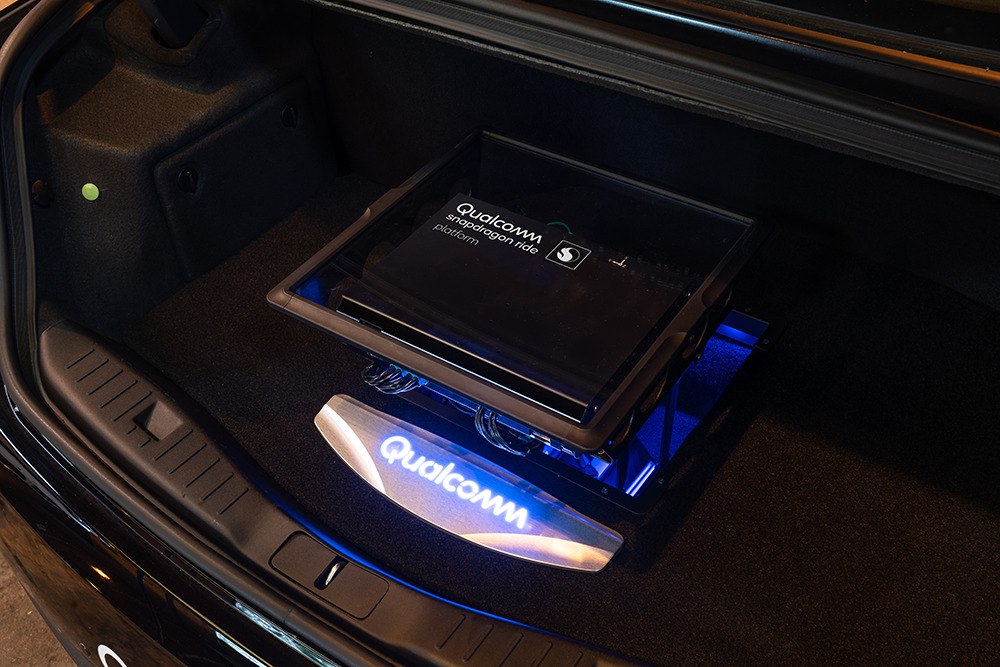
The new automotive platforms also have the 6th generation Kryo CPUs, the Hexagon Processors, Qualcomm’s AI Engine, 6th generation Qualcomm Adreno GPUs and its Spectra ISP, providing all-round capabilities and resulting in various assisted platforms experiences like the cockpit, augmented reality heads-up-display (AR-HUD), infotainment and in-cabin monitoring services
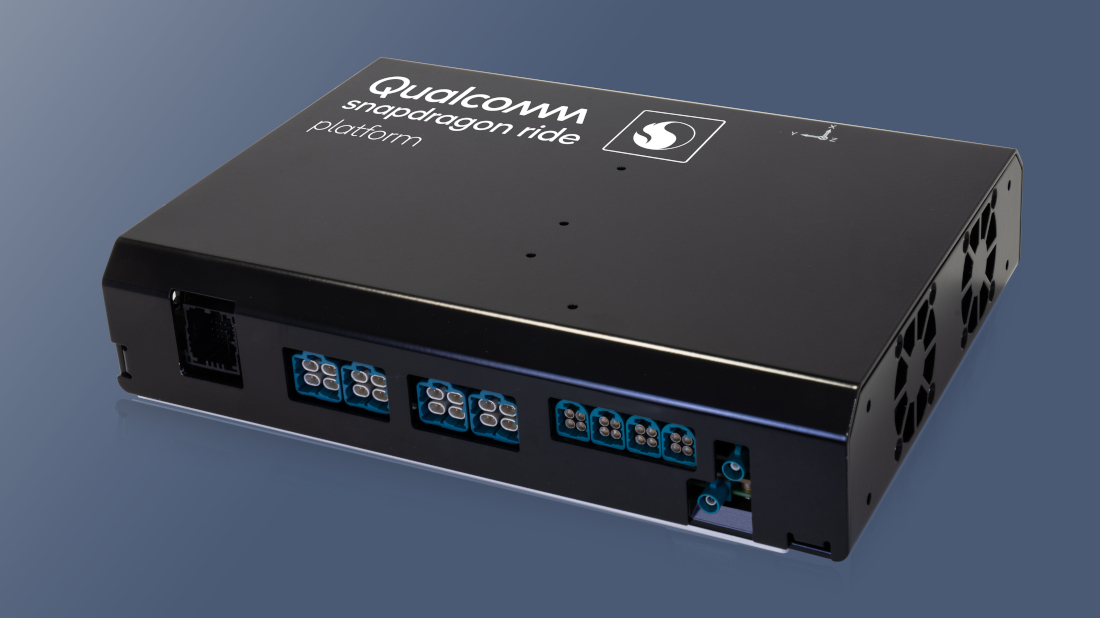
Qualcomm is also expanding the connectivity capabilities of these platforms with the Snapdragon Automotive 4G and 5G Platforms. Drawing from the rich resource of technologies such as integrated Cellular Vehicle-to-Everything (C-V2X), Wi-Fi, Bluetooth, and other precise positioning technologies, the platforms can easily connect vehicles to the cloud for improved experiences.Snapdragon Automotive Cockpit Platforms
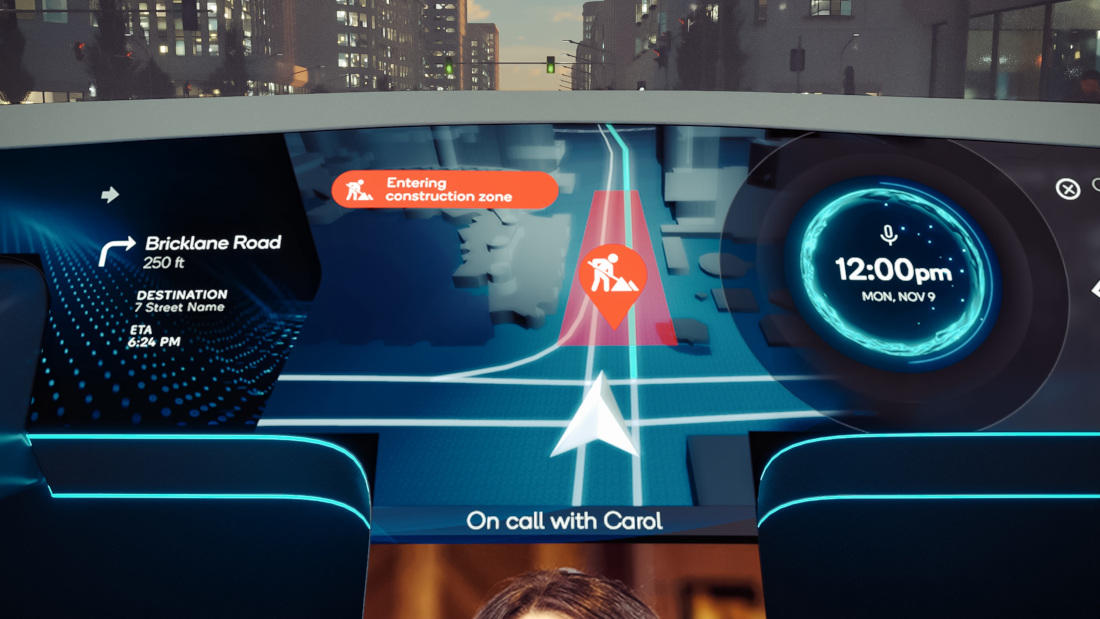
During the event, Qualcomm also stated that the predecessor Snapdragon Automotive Cockpit Platforms are being adopted across tier-1 suppliers such as LG Electronics Inc, Google LLC, Panasonic Corporation, Visteon Corporation, among several others, and vehicles having these platforms are projected to be available commercially later this year.

In his remarks, Nakul Duggal, the senior vice president of Qualcomm said that their 4th Generation Automotive Cockpit Platforms will continue to be developed as they strive to deliver advanced digital cabin solutions and reinvent the driver, passenger, and rear-seat entertainment and contextual awareness experience. 


Leak: Colors and configuration of Redmi Note 10 and Redmi Note 10 Pro for India

It has been almost a year following the launch of the Redmi Note 9 series in India and the anticipation for new models is rising already. The successor is expected to arrive as the Redmi Note 10 series and in the past few weeks, it has been spotted o various certification agencies. Now, a new leak has revealed the configuration as well as the color variants of the models heading to India.

Redmi Note 9
Redmi Note 9

In an exclusive leak provided by Ishan Agarwal via the Indian publication, MySmartPrice, two Redmi Note 10 models will be announced in India – the standard Redmi Note 10 and the Redmi Note 10 Pro. Knowing Redmi (read Xiaomi), we can expect other models to come later.

Redmi Note 10 Pro

According to the leaker, the Redmi Note 10 Pro will be available in two RAM variants and three storage configurations. The base configuration will have 6GB of RAM and 64GB of storage. There will be a second 6GB RAM variant that has 128GB of storage while the last will have 8GB of RAM and 128GB of storage.

Xiaomi India will offer the phone in three colorways – Bronze, Blue, and Gray. We also expect at least one more colorway to be announced down the line.

Redmi Note 10

The Redmi Note 10 will be available in two configurations. The base configuration will have 4GB of RAM and 64GB of storage while the second configuration has 6GB of RAM and 64GB of storage. Seeing as the Redmi Note 9 sold in India comes in three configurations, we can expect a third configuration.

The phone will come in three color options too at launch – White, Green, and Gray – but more color options may be announced later.

The two phones are expected to launch in February in the country. Other markets should get them later and likely under different names or with different specifications.

RELATED:

Google Lens gets Offline translation support on Android

Google lens was unveiled back at Google I/O 2017 and it was initially exclusive to Pixels. Months later, it became a standalone application available for other Android devices in 2018. Regardless of this, the translation feature of it was only available online but had an offline feature under development for a while. That ends today as Google is rolling out this feature to the users of Android.

Google Lens Logo Featured

First reported by 9to5Google(via XDA), the Offline Translation support of Google Lens is rolling out to Android users. This update, being a server-side one, might take a few days to reach everyone. Either way, to avail the offline translation, users first need to simply open the Google Lens App.

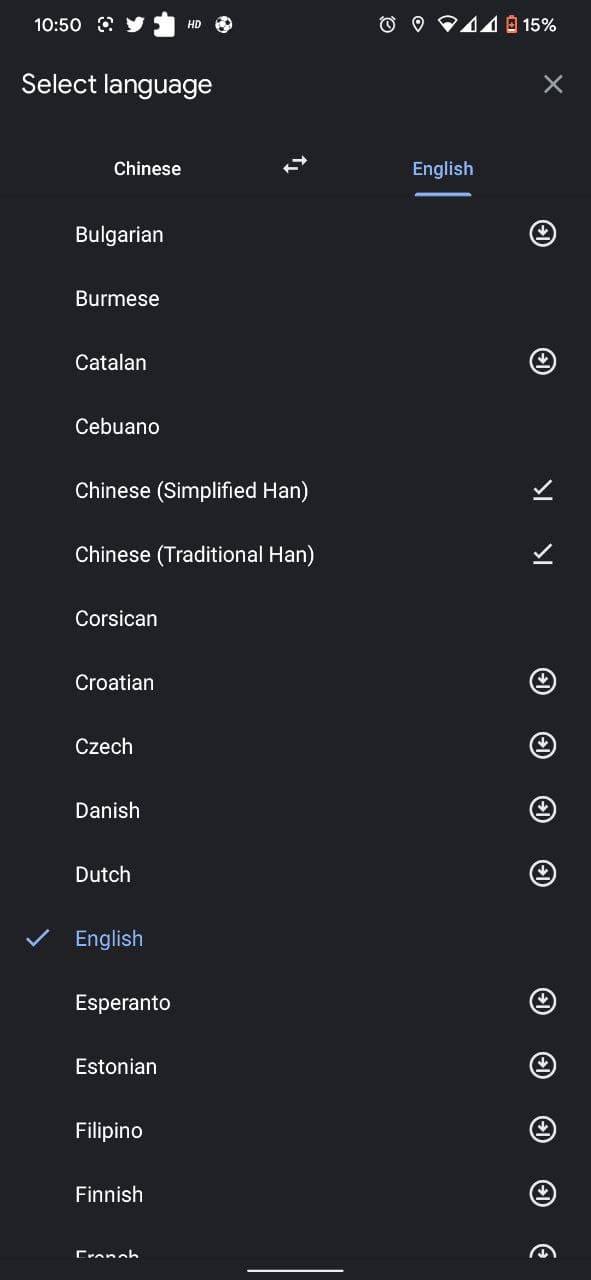
Then choose the “Translate” option and Select the Language menu that appears at the top. Here, unlike before, a Download icon will appear beside the language that is available. As you press it, the package file will get downloaded onto your device.

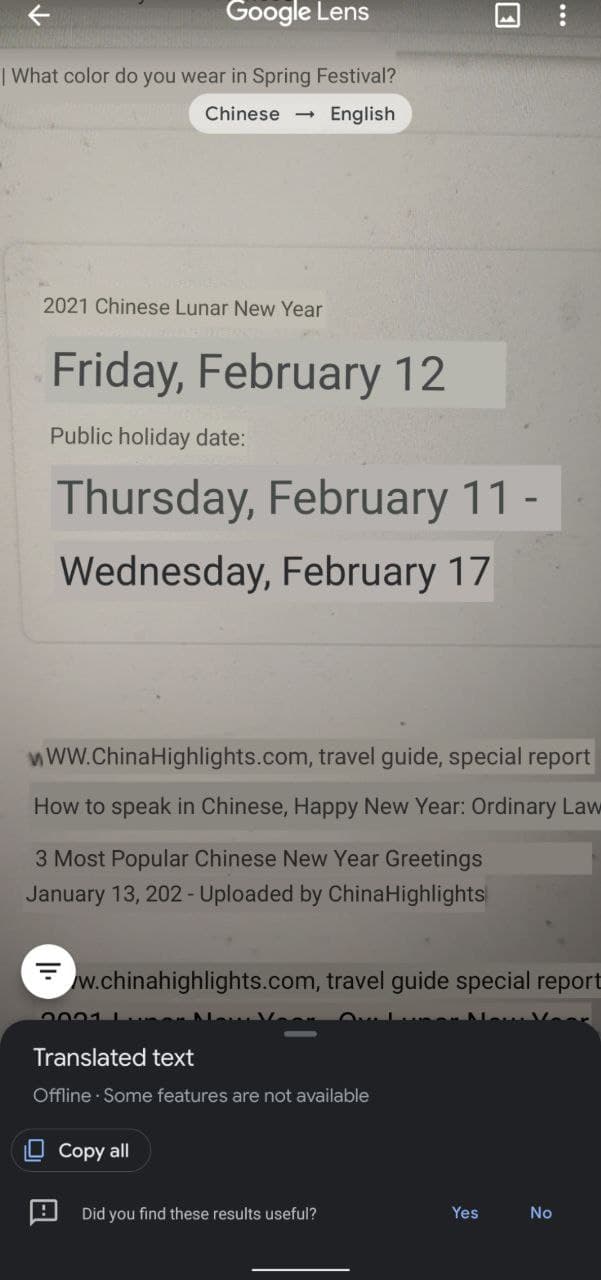
After this, you can use the feature offline, i.e, without Internet connectivity. It’s worth noting that the offline translation works equally well as the online mode. I checked it myself and found that on pointing to an image, the results show up almost instantly.

As you can see above, a preview of the images with the ‘offline’ tag below will appear in the results. You can always tap on the tick mark of the language to remove the package if you don’t like it.

Google has been updating the Google lens application with a lot of features since its inception. Some of the prominent ones include recognizing handwritten texts, copy the scanned text, solve maths and science questions, and more.

As a result of this, it gained immense popularity, and opening it to other Android devices made it reach 500 million downloads on the Play Store recently.

RELATED:


Android 11 is now available for the Sony Xperia 10 II

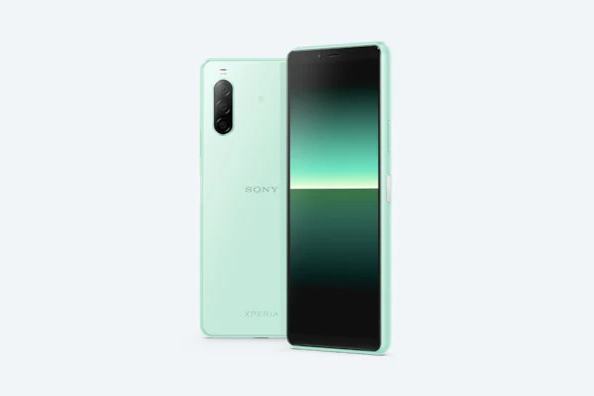
Sony has been rolling out the Android 11 update for its devices for the past few weeks. All the eligible smartphones have started receiving the update, except the Sony Xperia 10 II. Now, the company has begun to seed the update for this phone as well.

Sony Xperia 10 II Featured

According to XDA Developers, the Android 11 update for the Sony Xperia 10 II is currently live in South East Asia. The update comes with build number 51.1.A.0.485 and weighs 993.5MB in size. Just like any other OTA update, it is only available for select users and should be hitting the units in the other regions in the coming days.

Anyway, if you own this handset, you can head over to Settings > System > System update to check manually for the update.

That said, the latest major update for the Sony Xperia 10 II brings all the goodies of Android 11, such as chat bubbles, smart device controls, and new media controls in the quick settings panel to name a few. Other than these, the update also adds a feature called Battery Care that allows users to set the maximum charging limit so that the battery’s longevity can be increased.

As per the update timeline shared by Sony, this device should be receiving the Android 11 update in February. However, the rollout has begun early just like the other eligible smartphones. Hence, we expect the company to finish seeding the update to all the handsets in all the regions by next month.

RELATED:


Redmi 8, 8A get MIUI 12 update in India

Xiaomi announced the MIUI 12 alongside the Mi 10 Youth Edition smartphone launch event in China back in April 2020. Days after this, it started the pilot testing program in India. However, the affordable smartphones started receiving the stable update only a few months later. The latest to join the list are the Redmi 8 and Redmi 8A devices.

Redmi 8 Ruby Red Featured

The MIUI 12 update for Redmi 8 and 8A in India comes a couple of weeks after they started receiving it in multiple regions. The update for Redmi 8 has the firmware version V12.0.1.0.QCNINXM while the Redmi 8A‘s firmware is V12.0.1.0.QCPINXM. The former weighs around 2.1GB while the latter is about 1.8GB in size.

It’s also worth noting that both the devices will still run on Android 10 OS. Considering the devices launched with MIUI 10 and Android 9 Pie out of the box, this is not a big issue. Xiaomi usually bundles all the necessary Android features on its UI and for OS, they have already received one major update to Android 10.

With MIUI 12, both the Redmi 8, 8A get the second major UI update from the company. Hence, don’t expect another one as they are mere entry-level smartphones. Additionally, this update also changes the security patch to January 2021.

As for availability, this is currently in the Stable Beta stage which means only a few users will get it initially. After finding that it doesn’t have any major issues, the company will roll it out for everyone via OTA(Over-The-Air).

So far Xiaomi has updated other oldies like Redmi 7ARedmi 6 Pro, Redmi Note 7/7S, Redmi Note 8, 8 Pro, to the latest MIUI 12 in India.

RELATED:


AMD recorded almost 1000% jump in profit in Q4 2020

California-based semiconductor company, Advanced Micro Devices (AMD) Inc has reported a massive financial performance up to Q4 of year 2020. Drawing from a very solid performance from its products powering gaming consoles like PlayStation and Xbox, as well as powerful PCs and CPUs, the company has been recording massive returns from its investments last year.

The full year earnings released by the company has shown that it was able to eclipse its year-on-year performance for each quarters of 2020. The figures are really impressive for the US chipmaker and indicate greater things ahead. 

According to the financial report, the revenue for Q4 2020 was $3.2 billion, which was about 53% higher than the $2.1 billion realized in Q3. The profits also reflected a humongous rise from $170 million in Q3 to $1.78 billion in Q4, up 948%. The profit figures of the company, therefore, imply that it was able to ramp up its profits by up to one billion US dollars from October to December of 2020.

In comparison with the overall performance of the company in the previous year, its revenues went up 45% from $6.7 billion in 2019 to $9.76 billion in 2020, a difference of more than 3 billion US dollars. The year-on-year profit also witnessed a 630% climb from $341 million in 2019 to $2.49 billion in 2020.

It is noted that the profits, according to the company, included a Q4 income tax holiday of $1.30 billion associated with what it termed valuation allowance release.  

This new revenue and profit performance, according to AMD is a new record, far exceeding the corporate expectation of the company, whose projections were a bit less enthusiastic due to a weakened demand consequent on the coronavirus pandemic.  

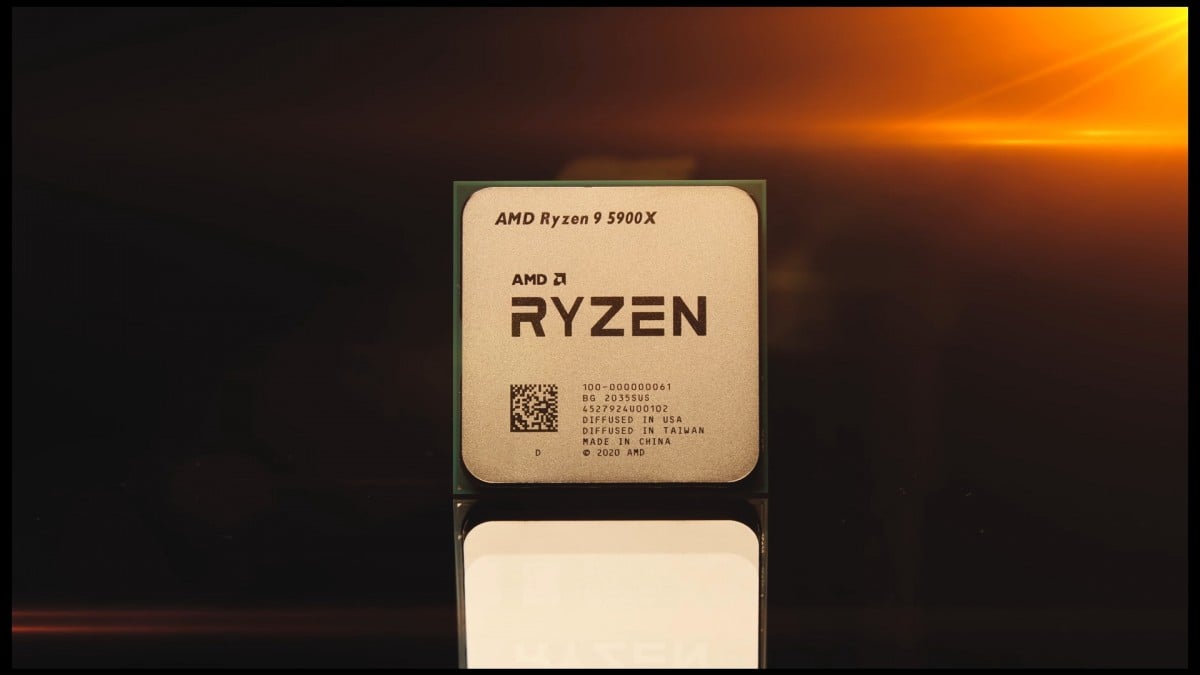
It is noted that the company has several business concerns outside the production of consumer-grade chips, although more than 50% of the Q4 revenue came from the computing and graphics segment of the industry. The strong Q4 revenue was attributed to the powerful Ryzen processors’ sales. 

However, the company continues to struggle to meet the demand for some of its premium products like the new Radeon 6000 cards, as well as the Radeon HD 7970 which had experienced some form of scarcity.

(via)


OnePlus Watch: Everything you need to know before the launch

OnePlus has been teasing to launch a smartwatch for a very long time. Finally, it seems like the time has come for it as the brand’s fist smartwatches have begun to get certifications. Yes, you heard it right, OnePlus could be releasing not one, but two watches. Let us take a look at everything that has leaked about these wearables so far in this article.

OnePlus Watch Sketch

OnePlus Watch Design

According to the OnePlus Health app, the Chinese smartphone maker may release two smartwatches. One of them will have a circular dial and will bear the model number W501GB. Whereas, the second watch with model number W301GB will sport a square-shaped dial. 

Both these wearables have been certified by India’s BIS (Bureau of Indian Standards). Hence, we could expect them to release in the country just like the OnePlus Band, which was launched in early January as OnePlus’ first wearable product.

Oppo
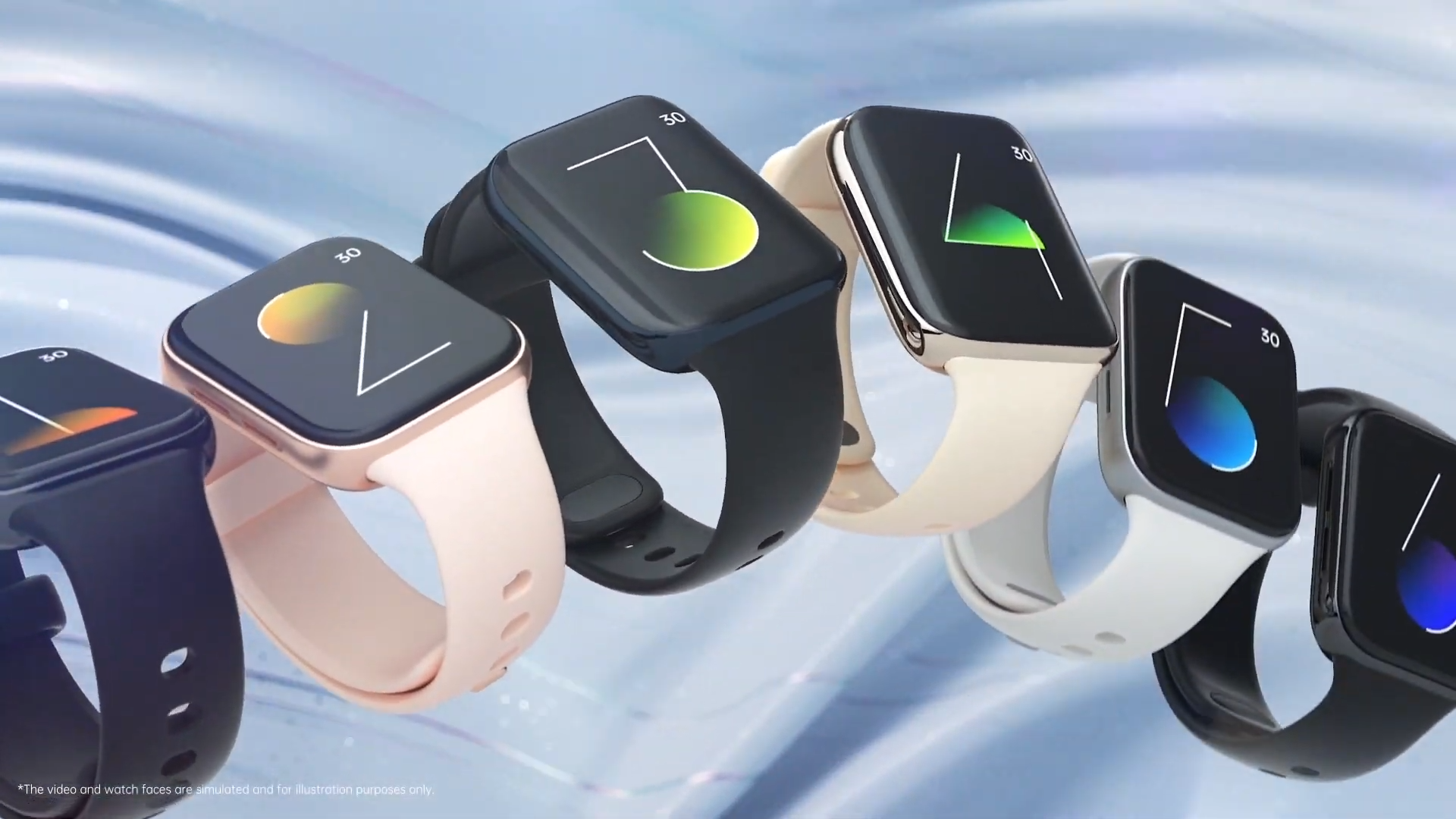
The OnePlus Watch could be similar to the already available OPPO Watch

That said, these watches could debut as ‘OnePlus Watch RX’ and ‘OnePlus Watch’ respectively. Also, they are expected to be either rebranded or tweaked versions of OPPO Watch RX  and OPPO Watch respectively. Out of these two, the former is yet to go on sale.

OnePlus Watch Software

OnePlus was expected to ship its smartwatch with Google Wear OS. But unfortunately, it may not be the case, as per a reliable leaker. Even the OnePlus Health app confirms the same.

Hence, we can expect these wearables to run in-house software. Therefore, it may not have support for third-party applications. 

In a nutshell, if this happens to be true, then the OnePlus Watch and OnePlus Watch RX will not be anything but fitness trackers disguised as smartwatches.

OnePlus Watch Limited Edition

At least, one of the two OnePlus smartwatches was initially planned to release alongside the OnePlus 8T. It could have been the one with the square dial (W301GB) since it was certified by Singapore’s IMDA in late August 2020 itself.

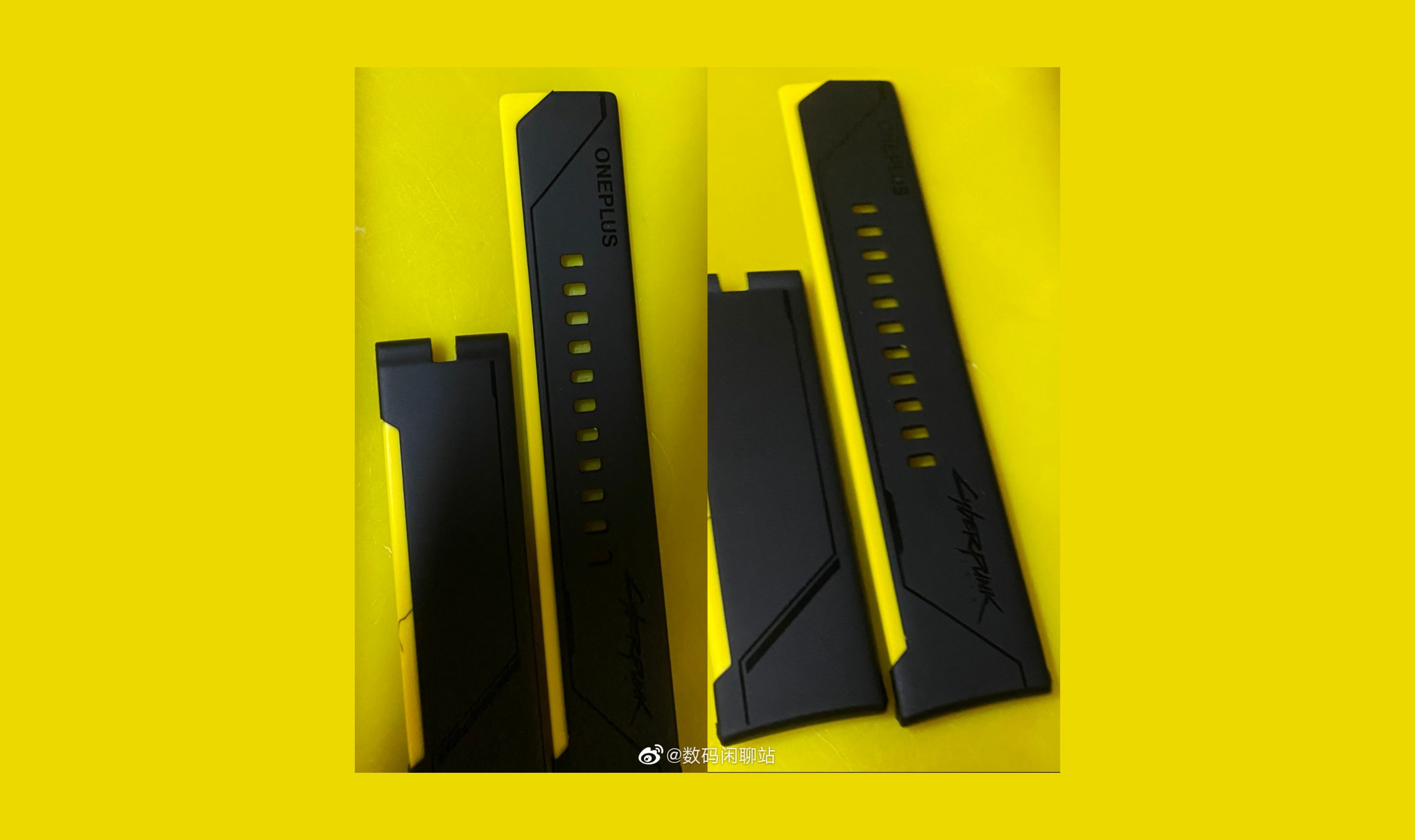
OnePlus Watch Cyberpunk 2077 Limited Edition Leak Featured

As this watch was supposed to launch in the second half of last year, the company even had plans to launch a Cyberpunk 2077 Limited Edition along with the OnePlus 8T model with the same theme.

We are aware of this variant as its straps were leaked in early November. Anyway, it is not sure if this special edition will be ever released now. But maybe, there could be a different limited edition instead.

OnePlus Watch Launch Date

OnePlus is yet to officially announce the launch date of the OnePlus Watch. But the company’s CEO Pete Lau has revealed that it will be released in early 2021.

OnePlus Watch Pricing and Availability

OnePlus was born as a flagship killer brand. Since its inception, the company’s products have been cheaper than the mainstream high-end products. Therefore, we believe the firm’s smartwatches could be affordable just like its smartphones and other products.

As far as availability is concerned, the OnePlus Watch and OnePlus Watch RX should hit the shelves in almost all the markets where the company has its presence.


RELATED:


Amazfit T-Rex Pro and Amazfit GTR 2 eSIM and more are coming this year

Huami launched several smartwatches under its Amazfit brand last year. This year is expected to be no different as we expect those watches to get successors alongside new models too. A leak has revealed some of the smartwatches the manufacturer has planned, one of which will have an eSIM.

Amazfit T-Rex Pro/T-Rex 2

The Amazfit T-Rex launched last year as the manufacturer’s first rugged smartwatch. It was also one of the first products announced by the manufacturer in 2020. Now a successor is on the way and it may launch as the Amazfit T-Rex Pro or Amazfit T-Rex 2.

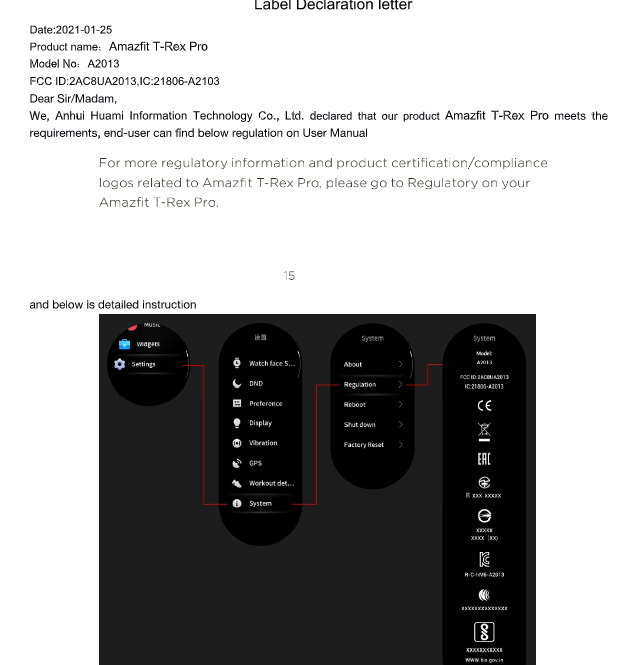
Amazfit T-Rex Pro FCC

The smartwatch has been spotted at the FCC where it is listed under both names mentioned above but with the same model number – A2013. Images seen in the FCC document show that the Amazfit T-Rex Pro/T-Rex 2 will have a round screen just like the first-gen model. It also shows that the watch will have GPS and workout detection.

A leak from Nils Ahrensmeier, who posted details of the OnePlus Watch and OnePlus Band earlier this month, revealed in a tweet that the Amazfit T-Rex Pro has the codename “blancw”.

The tweet also mentioned the names of other upcoming models which are listed below:

Amazfit Health Watch Pro

The Amazfit Health Watch launched as a China-exclusive health-based wearable back in 2019. Now, a successor is in development almost two years later under the codename “jiuhuashanpro”. There is a chance that this too will be exclusive to China.

The first-gen model has support for NB-IoT (Narrowband Internet of Things), a special low-power radio standard for communication. It allows the watch to send health information to emergency health services in real-time without the need for connecting to a phone. It also has ECG and fall detection. We expect the new model to have these features and more when it launches.

Amazfit GTR 2 eSIM and Amazfit GTR 2 LTE

At CES 2021, Huami announced that it has an LTE version of the Amazfit GTR 2 planned for launch later this year. However, it appears there will be two versions. Alongside the Amazfit GTR 2 LTE which has the codename “volgaw”, there will also be a version with an eSIM called the Amazfit GTR 2 eSIM with the codename “volga”.

There is no info on when these smartwatches will be announced but they will most likely be spread across the year.


RELATED:

Twitter rolls out a fact-checking portal called ‘Birdwatch’

Twitter on Monday, January 25, announced a new community-driven, fact-checking platform named “Birdwatch”. The motivation behind the concept is that Twitter users will be able to add contextual notes and comments to tweets considered misleading or containing false misinformation

This new intervention is part of the company’s moves to shore up its ability to identify and take some action against misleading or false tweets in the aftermath of the Donald Trump presidency.

Twitter said it intends to expand its fact-checking capability beyond content that falls short of the established rules and is tapping from the rich resource of its users who may be able to provide a greater perspective to issues that will help to curb misleading tweets better than what obtains presently.

The Birdwatcher community is open to anyone who has not broken any of Twitter’s rules, has a verified phone number and his account is linked to an email. Two-factor authentication should also be enabled on the account. Obviously, the community would serve a greater purpose with their numbers and diversity, and Twitter is encouraging its users to join this community to help curb misinformation on the platform.

The Birdwatch program is at the pilot stage presently, as Twitter pursues a full test run of the platform for its full deployment. It tweets with Birdwatch context live on a specific website, and users can only see the notes if they visit the site. There are plans to integrate the Birdwatch notes into Twitter more directly.

Public information on a possible community-based fact-checking initiative was first made around early 2020 and has taken up to a year to come to fruition.

The context notes from Birdwatch will look different from regular comments. There is a link on the Birdwatch portal that provides all the notes for any tweet, as well as the perception of the Birdwatcher (e.g. Misleading information, false information, etc), as well as the public identity of the Birdwatcher.

Although the concept could still be seen to be in development, it may also be subject to negative use, as Birdwatchers may specifically target a tweet to cast aspersions on it, when it may indeed not be false or misleading. Twitter may also be thinking in this direction, as they plan to provide some editorial and fact-checking algorithm to establish the reputation of potential Birdwatchers and their notes.


OnePlus launcher from OxygenOS 11 can be now installed on select Android 10 devices

OnePlus was once known for providing faster updates. But unfortunately, that is not the case anymore. With an increase in its product offerings, the brand began to grow slower in delivering updates. As a result, its devices are now mostly out of date, in terms of security patches. Also, the company is yet to deliver the stable Android 11 update for its 2019 flagships. But ahead of it, the firm has updated the OxygenOS 11’s OnePlus launcher to run on older devices.

OnePlus Launcher Logo Featured

OxygenOS 11 is the latest version of OnePlus’ mobile operating system based on Android 11. It brings a redesigned UI, which happens to be similar to Samsung’s One UI. Also, the stock launcher gets a visual overhaul.

This new launcher is only available for OnePlus smartphones running OxygenOS 11, such as OnePlus 8, OnePlus 8 Pro, and OnePlus 8T. But not anymore as the brand has rolled out a new updated build on the Play Store with version number 5.x.

The new update adds support for OnePlus phones running OxygneOS 10 (Android 10). But for some reason, it is not supported the brand’s budget handsets – OnePlus N10 5G and OnePlus N100. However, a company spokesperson has confirmed Android Police that the launcher will be made available for these two devices later this week.

That means only users of the following OnePlus smartphones can install the latest OnePlus launcher from the Google Play Store.

Lastly, as far as new features are concerned, the updated OnePlus launcher brings redesigned OnePus Shelf, Google Discover integration, new quick search gesture, and more.


RELATED:


Microsoft Surface Duo to release by February 2nd week in Europe, pricing appears on French retailer site

After re-introducing the Surface Duo dual-screen smartphone in August 2020, Microsoft began with its sales in the U.S. It was reported at that time that the company plans to sell the Surface Duo in markets like Europe, Canada, and Japan in Q1 2021 window. Fresh information reveals that the Surface Duo will be hitting the European markets as early as the second week of February.

According to Android Community, the Microsoft Surface Duo will arrive in the U.K. through telecom operators such as BT and EE in the second or third week of February. Other regions in Europe are also expected to receive the device around the same time.

Microsoft Surface Duo Phone

In Germany, the Snapdragon 855 SoC powered Microsoft Surface Duo could be available by Feb. 13. Also, it is said that the company may sell a business bundle of the device in the European markets. It may include a custom Android interface and a pair of wired earphones. It is likely to land in Canada by the end of February. The report has no information on the pricing of the Surface Duo for Europe and Canada.

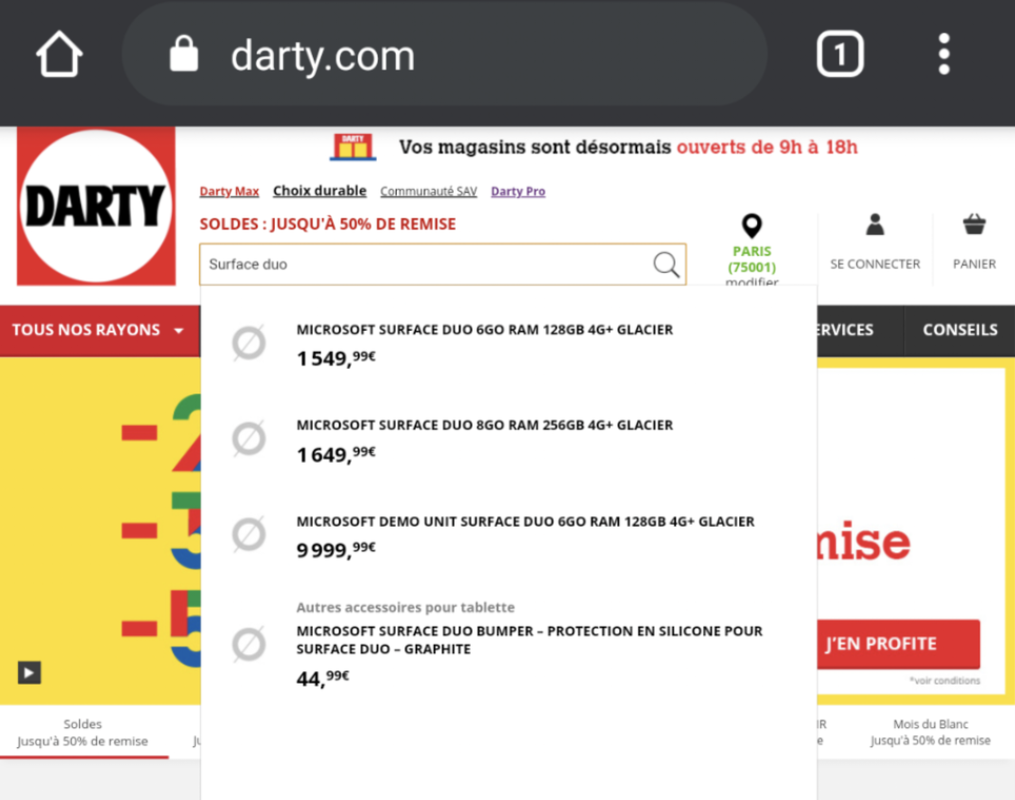
In related news, the Surface Duo subreddit (via. MS Power User) spotted a listing of the Microsoft Surface Duo at French retailer Darty.com. The listing was no longer available at the time of writing this post.

Microsoft Surface Duo Darty listing

In the U.S., the Surface Duo ships with 6 GB of RAM. However, the European audience will the device in 6 GB as well as 8 GB RAM edition. It was listed in three variants such as:

  • 6 GB RAM + 128 GB storage – 1,549.99 euros (~$1,875)
  • 8 GB RAM + 256 GB storage – 1,649.99 euros (~$1,996)

The Surface Duo was listed in Glacier color and a bumper case in Graphite color priced at 44,99 euros was also found on the retailer site.

RELATED:

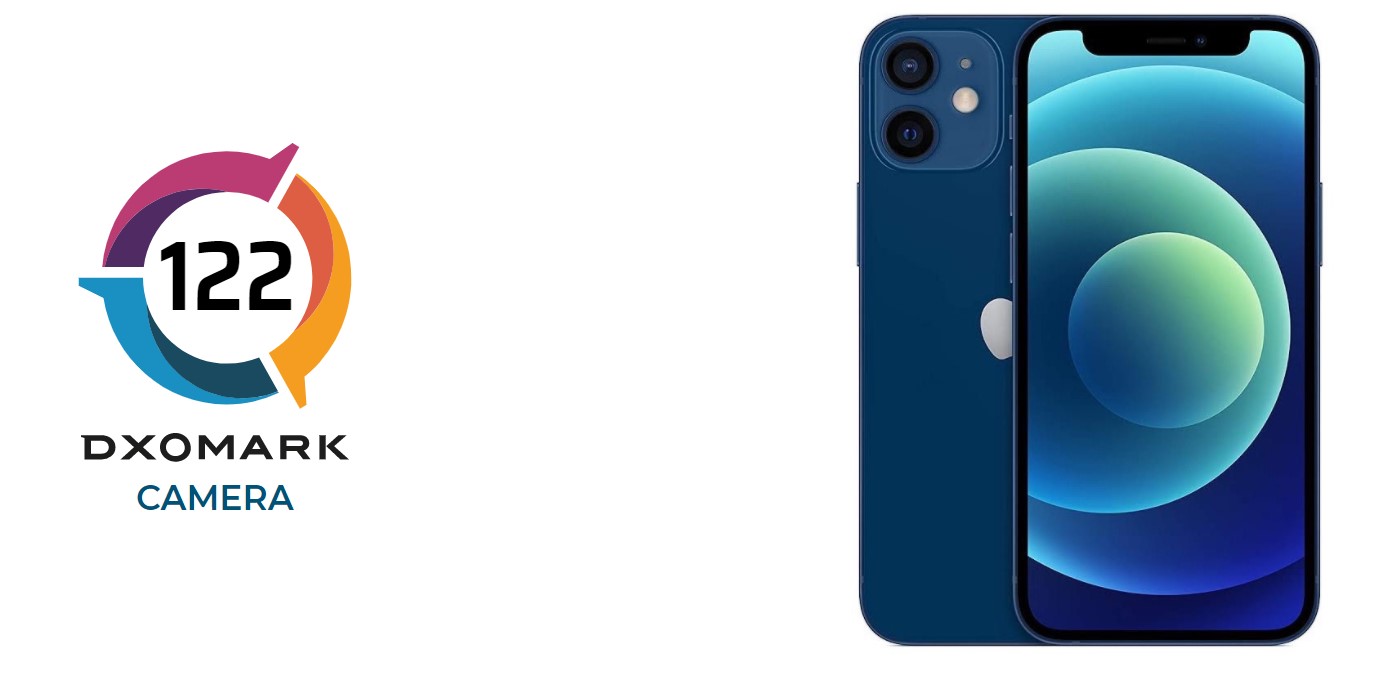
Apple iPhone 12 mini scores 122 points on DXOMARK Camera test

Apple announced the iPhone 12 mini back in October 2020. The device has a Dual-Camera setup unlike the ‘Pro’ variants of the series. Today, DXOMARK, popular for its camera reviews, has posted its Camera test results.


iphone 12 mini dxomark
Credits: DXOMARK

According to the DXOMARK report, iPhone 12 mini gets an overall score of 122. With this, it sits outside the top-10 of the website’s rankings. However, it levels with its sibling, the iPhone 12. To compare, the iPhone 12 Pro and Pro Max are inside the top-10 with 128 points and 130 points respectively. Currently, the crown is held by HUAWEI Mate40 Pro+ with 139 points.

As mentioned above, the iPhone 12 mini scores similar to the iPhone 12 with 132, 41, and 112 points in Photo, Zoom, and Video categories. Even in performance, the report says that the mini is almost identical to the iPhone 12 with good & accurate results, right exposures in most conditions.

Before we get into the pros and cons, let’s look at the camera specs of the iPhone 12 mini. The device has two camera sensors one of which has OIS:

  • 12MP f/1.6 26mm Primary lens with 1.4µm pixel size; Has OIS, and PDAF
  • 12MP f/1.36 14mm Ultra-wide lens
  • Dual-LED Flashlight
  • Features: 4K video at 60fps, 1080p video at 240fps, Dolby Vision HDR up to 30fps.

For Pros, the iPhone 12 mini gets the exposure right in Photo & Video, has Faster Autofocus, good video stabilization, and processes the Dolby Vision HDR videos faster.

However, the Cons include Shortened highlights due to limited Dynamic range(Photo), a Bluish White Balance cast in Photo & Video, artifacts like flare, ringing, and noise in low light/indoor scenes.

RELATED:


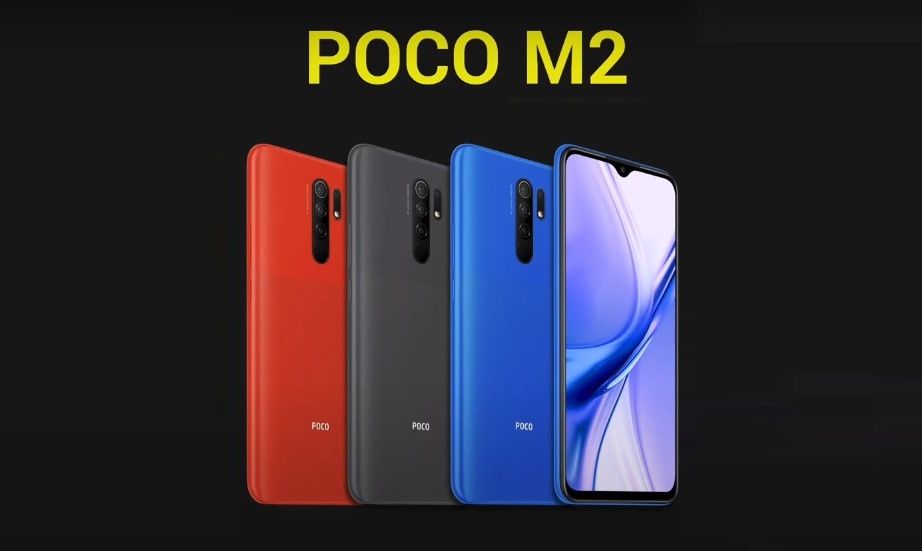
After POCO C3, POCO M2 budget smartphone clocks over a million sales in India

Recently, POCO announced that it sold more than 1 million units of the entry-level POCO C3 smartphone in India. Now is the turn for another budget smartphone, POCO M2.

POCO M2
POCO M2

POCO India has revealed that the POCO M2 has sold over a million units in India. Through a tweet, the company posted the achievement and said its orders have already crossed 1 million on Flipkart. For the unware, the company’s devices are sold online exclusively via the e-commerce giant.

This comes ten days after the POCO’s anniversary of becoming an independent brand. To recall, Xiaomi’s Manu Kumar Jain had announced the split on January 17, 2020. It is surprising to see POCO managing to attract the audience towards it online amidst heavy competition.

POCO M2 was unveiled back in September 2020. The smartphone, with MediaTek Helio G80 chipset, launched at a starting price of ₹10,999($150). However, the device received its first price cut early this month. Accordingly, it currently starts at ₹9,999 for the 6GB RAM, 64GB storage variant.

As Country Director Anuj Kumar pointed out, POCO has evolved to become a brand that can cater to customers at multiple price points. The company has been rebranding few phones lately and POCO M2 is no exception to this. It is a rebadged version of the Redmi 9 smartphone that is also selling in India.

As a result of this diversification, POCO has garnered good sales, and becoming the third-largest smartphone brand within a year is just icing on the cake. Also, it’s worth noting that the company had sold over a million smartphones in total during the Flipkart Big Billion Days sales back in October.

RELATED:


Xiaomi Mi 11 Pro render, case image reveal horizontal camera housing with 120x zoom support

Xiaomi is expected to announce the Xiaomi Mi 11 Pro as the more advanced version of the Xiaomi Mi 11 flagship after the Sprint Festival of China (Feb. 12) . It is unclear whether the smartphone will be debuting later in February or March. A render of the alleged Mi 11 Pro has surfaced on Weibo to reveal its rear design.

Alleged Xiaomi Mi 11 Pro poster

The render reveals that the Xiaomi Mi 11 Pro has a horizontal camera module. It includes four cameras and an LED flash. The squarish lens in the setup seems to be a periscope telephoto lens. The text under the periscope lens mentions that the device carries support for 120x digital zoom. It is likely that the device could be equipped with a 108-megapixel primary shooter. The Mi 11 Pro is expected to arrive with the most powerful camera module in Xiaomi’s history.

Another image of a protective case (via Mydrivers) designed for the smartphone has appeared on an e-commerce site in China. While the case image does not exactly match with the above-shown render, it does show a horizontal camera housing with a quad-camera system.

Xiaomi Mi 11 Pro protective case

As far as the front design of the Xiaomi Mi 11 Pro, it is expected to feature the same 6.81-inch AMOLED panel that is available on the Xiaomi Mi 11. The screen of the Mi 11 Pro will offer a Quad HD+ resolution, a 120Hz refresh rate support, and a 480Hz touch sampling rate. The Snapdragon 888 will be fueling the Xiaomi Mi 11 Pro. Speculations suggest that it may carry support for 120W fast charging and 80W wireless charging.

Readers are recommended to digest the leaked render with a grain of salt as it appears more like a fan-made image.

RELATED:

China’s IT Supply chain Companies to operate during Lunar New Year Holidays to catch up demand

Amidst fears of another outbreak of the COVID-19 during Lunar New Year, China’s IT supply chain companies are going to work round the clock according to reports. The move is to ensure the companies complete the outstanding orders whilst also curbing another possible spread of the virus.

According to the report by Digitimes, the percentage of workers present on the production lines will be at an all-time high. Last year, by this time, the Coronavirus had broken into many countries and China was the epicenter. As a result, giants like Apple had to halt production as their suppliers Foxconn shut their factories.

Coming back, the production, especially in Taiwan-based firms, will see attendance as high as 90% of Taiwanese Managers. Citing industry sources, the report says that most of them will not return to Taiwan for reunions during Holidays. For the unware, Lunar New Year, also called Spring Festival, is a festival celebrated in China and other Asian countries.

It begins with the first new moon of the Lunar calendar and ends on the first full moon of the calendar after 15 days. This year, the New Year is falling on February 12, 2021. As said above, the migrant workers might spread the virus if they move across places during this time.

To ensure safety, and catch up with the demand, companies including the ones in the IT supply chain are keen to keep the work going and not commit the same mistake as last year. In fact, the mistake was so bad in 2020 that giants like Apple, Microsoft, and even Sharp had to move the production out of China.

However, the shortage of components is said to be high during the holidays nonetheless. To tackle the inventory dip to their best, some companies are planning to pay the workers up to 3x times the normal.

RELATED:


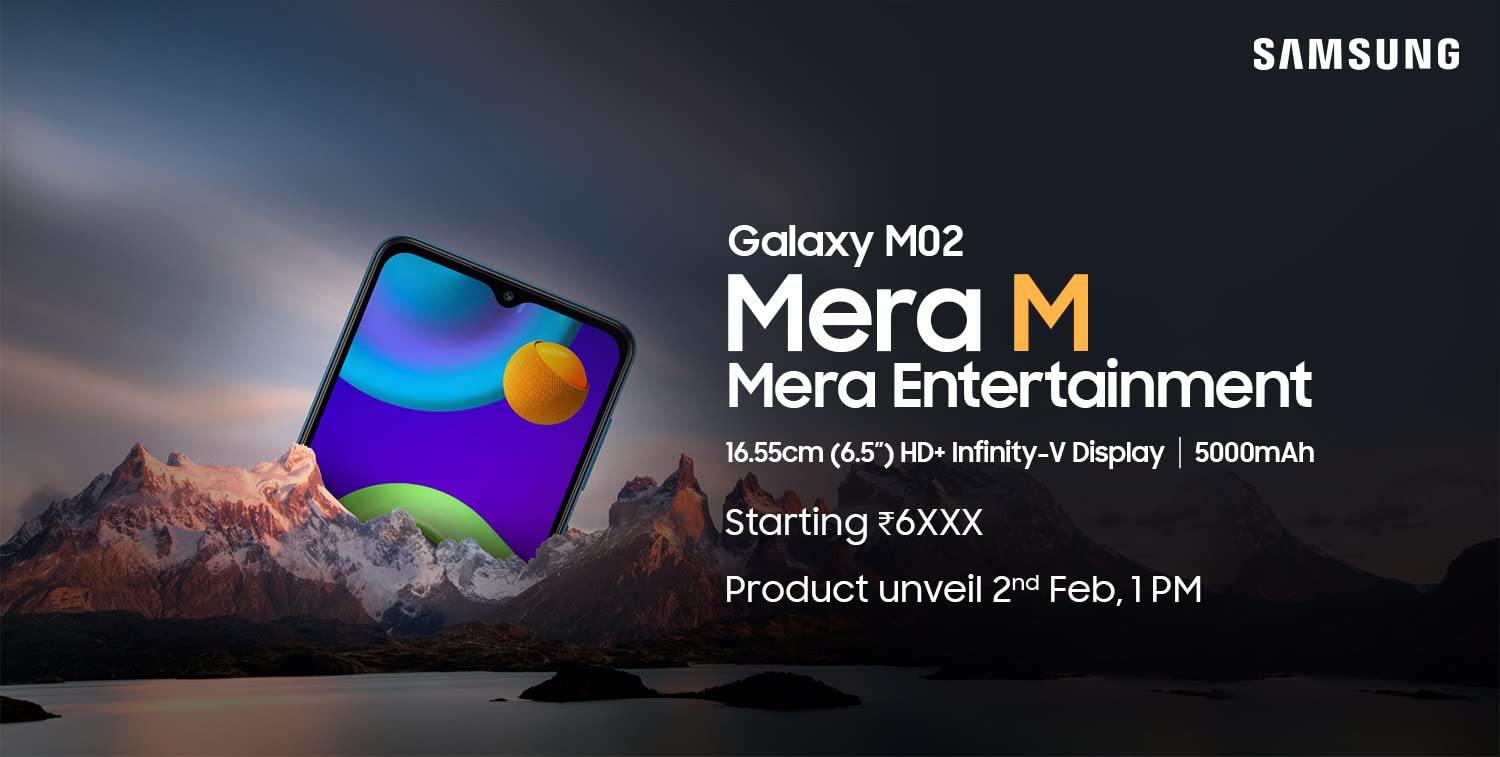
Samsung Galaxy M02 to launch on February 2 with sub-Rs 7,000 (~$96) pricing

Last year, Samsung launched Galaxy M01s and Galaxy M01 smartphones in India. These handsets were made official as the cheapest M-series phones from the brand. Earlier this month, Samsung unveiled the Galaxy M02s phone with a price tag of Rs 9,999 (~$137). A product page of the upcoming Galaxy M02 entry-level smartphone has appeared on Amazon India. The listing has revealed the key features and launch date of the Galaxy M02.

The listing has revealed that the Galaxy M02 is equipped with a 6.5-inch display with an Infinity-V notch. It offers an HD+ resolution. The images of the phone show it is equipped with a thick-sized chin.

The Amazon listing has also revealed that the Galaxy M02 has a 5,000mAh battery. It confirms that the device will be arriving with a sub-Rs 7,000 (~$96) price tag. Hence, it is likely to land in India as the cheapest smartphone from Samsung. A report by IANS revealed the device will be equipped with a dual-camera system.

Samsung Galaxy M02 launch date

Past reports have revealed that the Galaxy M02 could be sporting a 13-megapixel + 2-megapixel dual-camera system. The device could be powered by Snapdragon 450 and 3 GB of RAM. It is also rumored to house internal storage of 64 GB.

The Galaxy M01 phone that launched last year was a slightly modified version of the Galaxy A01. Hence, the Galaxy M02 is expected to borrow many of its specs from the Galaxy A02 phone that went official earlier today. It debuted with specs like a 6.5-inch HD+ display, a MediaTek MT6739W chipset, 3 GB of RAM, 64 GB of storage, a 5-megapixel selfie camera, a 13-megaixel + 2-megapixel dual-camera system, and a 5,000mAh battery.

RELATED:

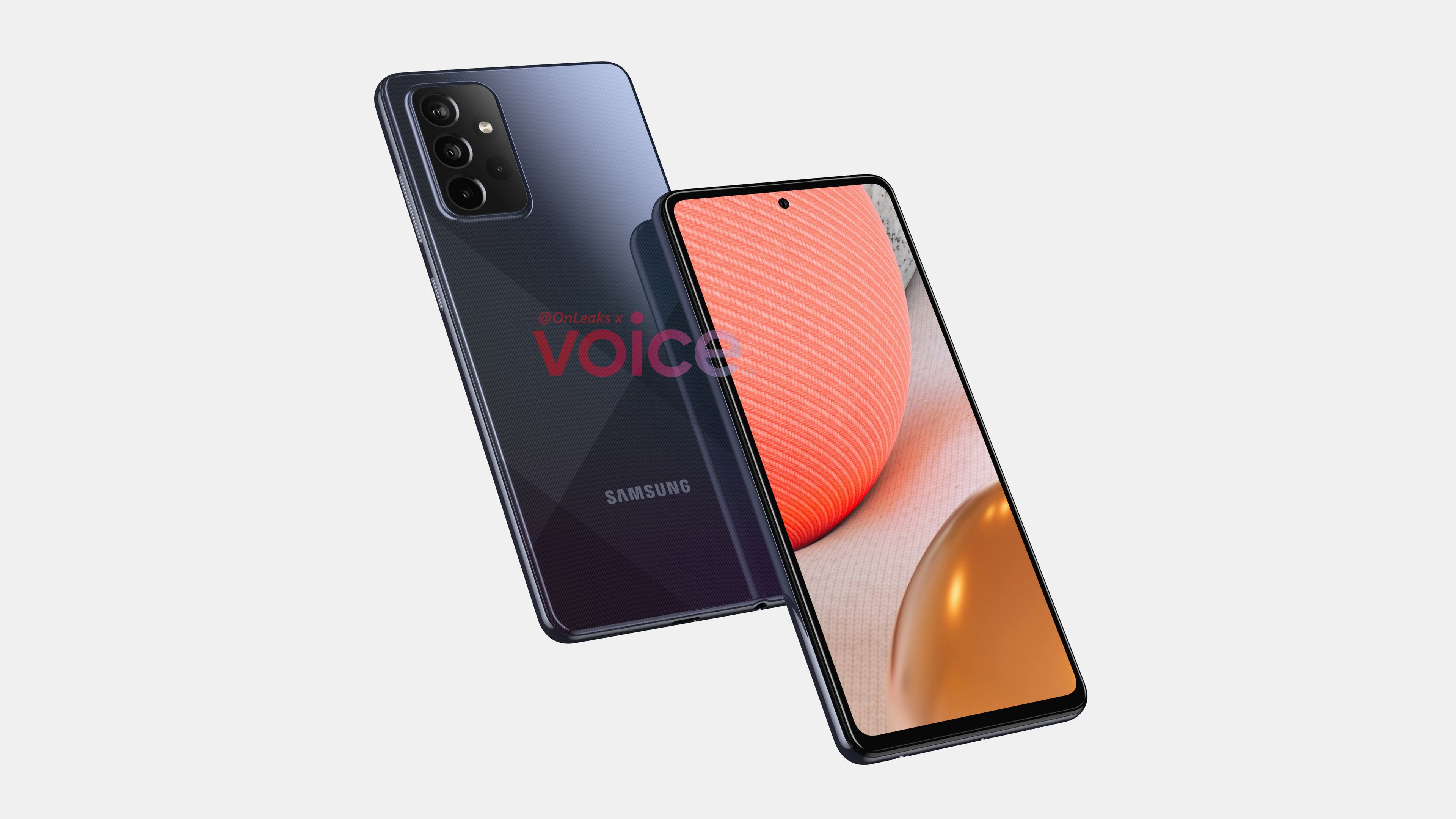
Samsung Galaxy A72 4G clears FCC certification ahead of launch

Samsung is expected to launch the Galaxy A72, the successor to one of its 2020 bestsellers, the Galaxy A71 very soon. Just like its predecessor, it is reported to come in both 4G and 5G variants. Ahead of their official announcement, the 4G model has been now certified by FCC.

Galaxy A72 5G

The listing of the Galaxy A72 4G does not reveal anything new about this smartphone. Instead, it confirms the device (SM-A725M) to come with LTE, dual-band WiFi, NFC, and 25W fast charging, which were already leaked via different certifications.

As far as other specs are concerned, the upcoming Galaxy A72 4G is said to flaunt a 6.7-inch FHD+ AMOLED display with a centered punch-hole and an in-screen fingerprint sensor. Under the hood, it will be featuring a Qualcomm Snapdragon 720G SoC paired with up to 8GB RAM and will run the Android 11 (One UI 3.x) operating system.


Talking about cameras, it is reported to house a quad-camera setup on the back. This setup will include a different 64MP primary sensor than its predecessor, a 12MP ultra-wide unit, a 5MP macro shooter, and a 5MP depth sensor. However, it’s front camera is still a mystery.

Thanks to the 3D CAD renders, we also know that it will come with a USB Type-C port, 3.5mm headphone jack, and the same design as the Galaxy A71 with some tweaks. 

Last but not least, according to a recent leak, the Samsung Galaxy A72 4G will be available in three colors in Europe, namely Denim Blue, Icy White, and Graphite Black. And it will retail for €449 (6GB + 128GB) and €509 (8GB + 256GB) respectively.


RELATED:


(Via)

Carl Pei’s new startup is called Nothing, yes Nothing!

Carl Pei has unveiled the details behind his new startup which is called “Nothing”! Yes, you read that right. All that anticipation, all for Nothing!

Nothing fetaured

Nothing is a London-based consumer technology company which means its products will be available for purchase by the average consumer and not that it will be providing services to other companies.

Nothing’s mission is to remove barriers between people and technology to create a seamless digital future – Carl Pei

The 31-year old founder said in a press release that the company’s mission is to remove barriers between people and technology. He also holds the belief that “the best technology is beautiful, yet natural and intuitive to use. When sufficiently advanced, it should fade into the background and feel like nothing.”

If you are wondering what category of products Nothing plans to build, unfortunately, we have nothing on that. Though they will be smart devices and the first set of products will be from simpler categories. The vision is to expand into multiple categories that form an ecosystem, as the team scales up in capabilities and skills.

In an interview with The Verge, the OnePlus co-founder said they plan to make most of their money from hardware sales when asked if they plan to launch a music service. He also didn’t give an answer when asked if headphones are one of the products Nothing will announce. However, he did say that their products will use custom made components that will distinguish them from the competition.

Carl Pei also informed The Verge that the new company is totally independent and not owned by any parent company. It has its own R&D department and it won’t just be relabelling another company’s products.

The first smart products from Nothing are scheduled to arrive before the second half of the year and we are eager to see what the company has planned for us.


RELATED:


Redmi Note 10 gets TUV Rheinland and Indonesia Telecom certifications

Xiaomi is expected to launch the Redmi Note 10 series of Smartphones soon. So far leaks point to a mix of 4G and 5G models. Ahead of a February launch, the device has now got TUV Rheinland and Indonesia Telecom Certifications.

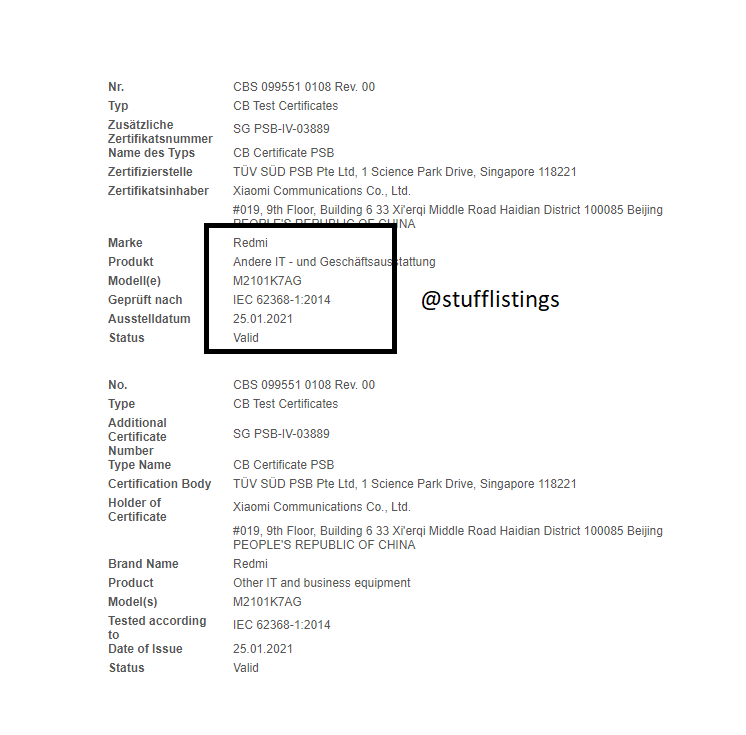
A device with model number M2101K7AG appears on Indonesia’s SDPPI, and TUV Rheinland Certifications. The former has the device listed under ‘Xiaomi‘ while the latter shows it under ‘Redmi‘. Anyway, this model number’s name is already revealed as Redmi Note 10 4G by the FCC listing and SDPPI confirms it again.

Similarly, the device has also obtained certifications in India(IMEI approval) suggesting that it is heading to more Asian markets. Additionally, a ‘Pro‘ variant of the Redmi Note 10 (M2101K6G) has also bagged several certifications including FCC.

As for Specs, nothing significant is known about the Redmi Note 10 yet. The FCC listing of the Note 10 shows it will run MIUI 12, support a 4G LTE network, and dual-band Wi-Fi(2.4GHz, 5GHz). Additionally, it will come in Gray, White, and Green colors as per a previous leak.

The Pro variant is likely to come with 6/8GB RAM, 64/128GB storage and hence we can expect the same for the vanilla model. If the leak regarding the addition of 108MP HM1 camera sensor on the Note 10 Pro is true, the non-Pro could feature a lower 64MP main lens.

Considering the predecessors(Redmi Note 9) had quad-cameras, we can expect the same on the Note 10 series if not higher. Let’s wait for more details in the coming days as the launch is happening as soon as next month(February 2021).

RELATED:


(via)

Apple sees its best quarter performance in India, doubles its iPhone sales in Q4 2020

Apple apparently has seen one of its best quarterly performance in the fourth and final quarter of 2020 in India. The company has reportedly doubled its iPhone sales during this time and raised its local market share as well.

Apple

According to a TechCrunch report, market research has found that the company has doubled its iPhone sales in the region, achieving its best ever performance in a quarter. This had the Cupertino based giant hold a market share of 4 percent during this period, with annual sales growing by 60 percent with more than 3.2 million units sold. While the performance of the company is notable, it is still nowhere near some of the top brands in the region.

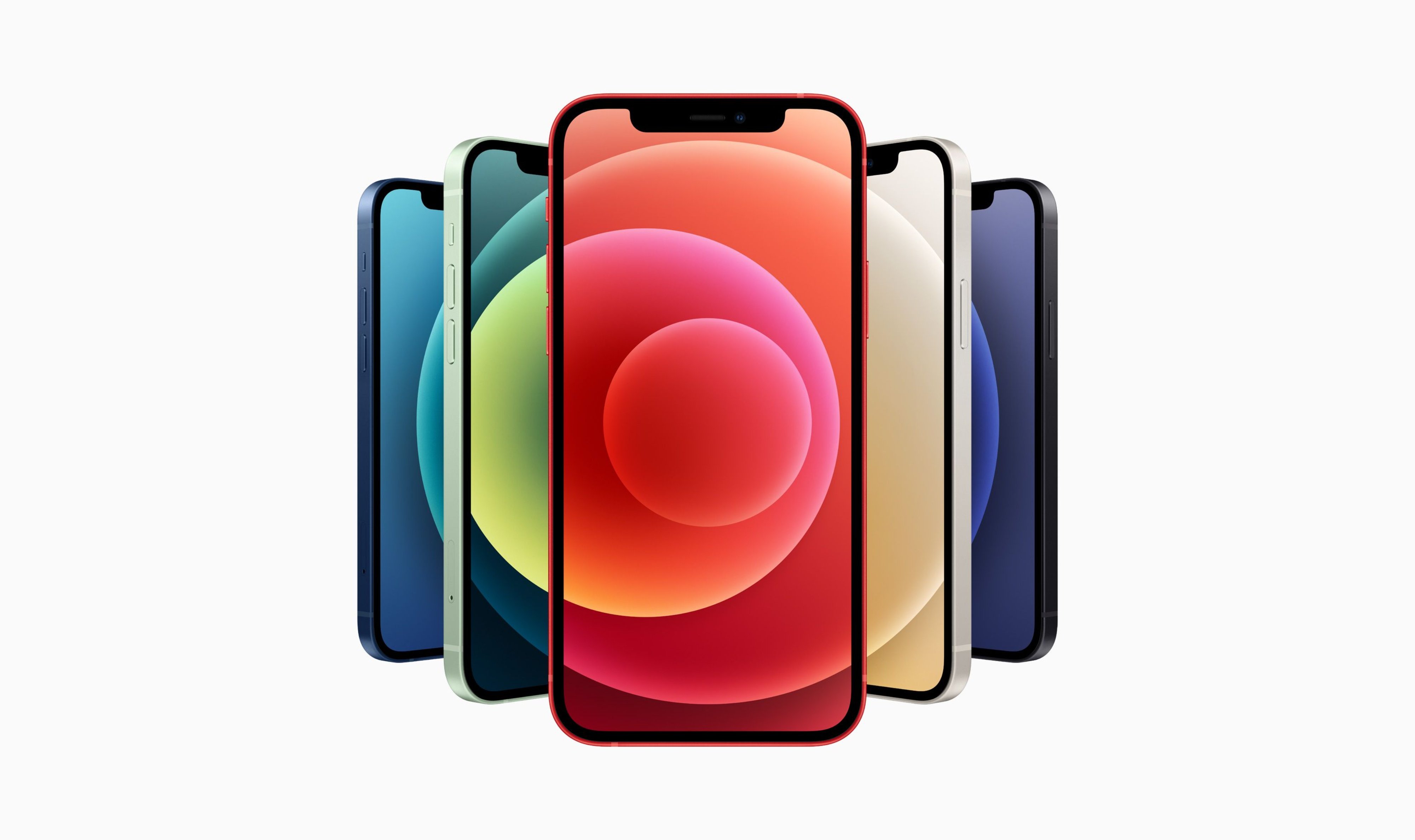
However, the company is making active efforts to grow into the world’s second largest smartphone market. At the moment, Apple witnessed strong sales thanks to its older iPhone models like the iPhone 11, iPhone XR, iPhone SE, and growing interest for its iPhone 12 series as well. Notably, the company has also started local production in the region to avoid heavy duties through its suppliers, like Wistron, which recently suffered from a riot outbreak.

Apple iPhone 12 All Colors Featured

Furthermore, other suppliers like Foxconn and Pegatron are also set to invest in Indian smartphone production as well, with both firms aiming to introduce more production facilities in the region. Both firms believe that local production site could one day act as major export hubs in the near future. So stay tuned for more updates.

RELATED: