Advertisement

Motorola Edge S could launch in India in February

Yesterday, Lenovo launched the Motorola Edge S in China as the first flagship killer smartphone of 2021. The handset is also the world’s first device powered by Qualcomm Snapdragon 870 chipset. Within a day from its debut, rumors have begun to pop up regarding this phone’s Indian launch.
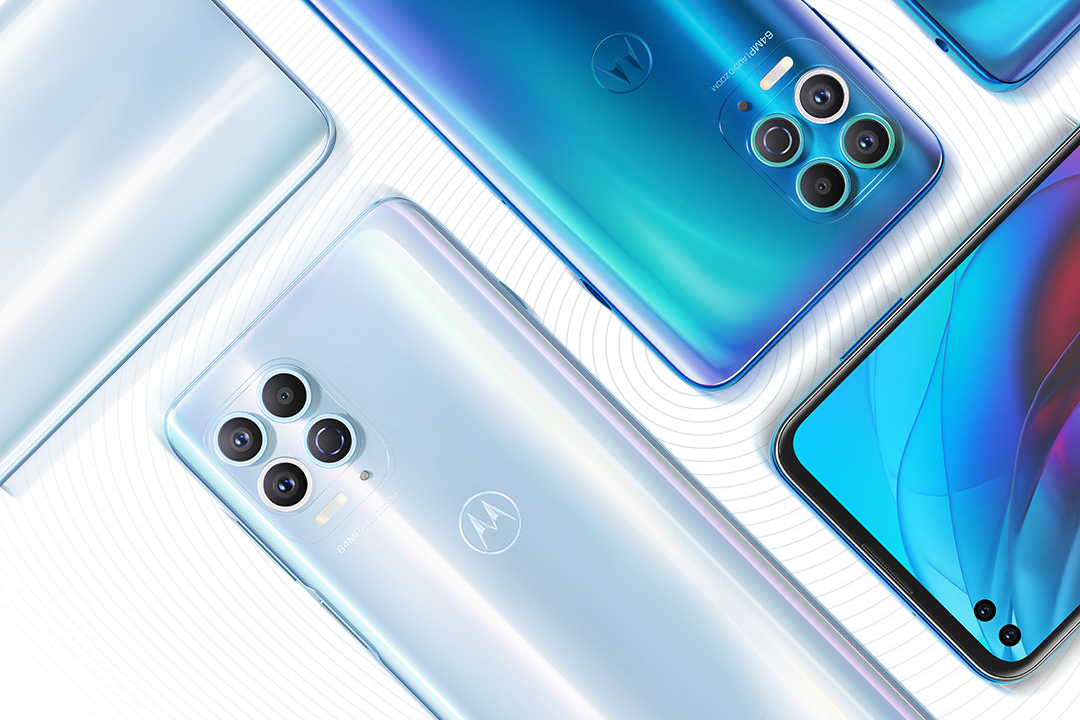
Motorola Edge S Featured 02

According to a tipster called Debayan Roy (@Gadgetsdata), Lenovo-owned  Motorola could launch the brand-new Motorola Edge S in India in either mid or late February. That’s not all, the company may also announce a Moto G series smartphone in the same month.

This person is mostly known for sharing certifications and patents on Twitter. Therefore, we would highly recommend you to consider this piece of information with a pinch of salt.

With that being said, as per the latest leak of the Motorola Edge S before its launch, the company will be releasing a second variant codenamed ‘Tahoe’. This version is said to debut as Moto G100 powered by Qualcomm Snapdragon 865, instead of the new Snapdragon 870 like in the Edge S, which bears the codename ‘Nio’.

Further, since Lenovo has been releasing the same phone with different brandings in various markets, we are not sure with what name the Motorola Edge S will launch in India. Also, although it starts at ¥1,999 ($309) in China, it may cost a bit more in India but still, it should be one of the affordable smartphones with a flagship chipset.


RELATED:


Joe Biden’s Commerce nominee vows to protect nation’s networks from Huawei and ZTE

The US President’s, Joe Biden, nominee for the position of the head of the US Commerce Department vowed to protect the US telecommunications networks against Chinese companies like Huawei and ZTE, earlier this week.

Joe Biden

According to a Reuters report, the nominee would protect the US networks from the Chinese firms and would commit to keeping companies like Huawei and ZTE on the economic trade blacklist. Rhode Island Governor Gina Raimondo said in testimony before the U.S. Senate Commerce Committee that “I would use the full toolkit at my disposal to the fullest extent possible to protect Americans and our network from Chinese interference or any kind of back-door influence.”

In particular, the government official named Huawei and ZTE, who are known telecommunications equipment providers, especially for 5G infrastructure. Back in December 2020, Congress even approved 1.9 billion US Dollars in funds for the replacement of ZTE and Huawei equipment from the US networks. This decision is in line with the previous President’s efforts against Chinese firms, which had dozens of Chinese companies being placed on the trade blacklist.

Joe Biden

Raimondo also stated that she would “review the policy, consult with you, consult with industry, consult with our allies and make an assessment as to what’s best for American national and economic security,” when asked about keeping Huawei on the economic blacklist. Furthermore, she has vowed to take an “aggressive: stance against the trade practices of China saying that “China’s actions have been anticompetitive,” and that she would use all the tools at her disposal to “level the playing field.”

RELATED:


Apple to launch 2nd Gen AirPods Pro in first half of 2021: Report

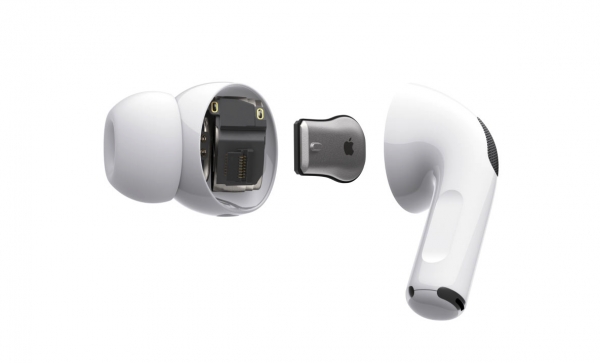
Apple might be launching a new iteration of its popular hearables soon. A new report has suggested that the second generation of the AirPods Pro could launch as early as the first half of this year.

Apple

According to a DigiTimes report (Via PhoneArena), the Cupertino based giant is planning on launching the new generation of its popular earbuds soon, as per sources close to the company’s flash memory supplier Winbond. Reportedly, Apple is planning on launching the new AirPods Pro version in the first half of the year, with Winbond already running at full capacity on its production lines. Earlier this month, a previous report had suggested that Apple might be launching its high end earbuds in April 2021.

Furthermore, the company is also rumored to launch the AirPods Pro in two different size variants, while another rumor pointed at a Lite variant of the AirPods Pro as well. Similarly, other reports also claimed that the second generation of the AirPods Pro will feature a shorter stem and may even resemble the Samsung Galaxy Buds or the Google Pixel Buds in terms of design.

Apple

Unfortunately, that is all the information we have to go on at the moment and we will have to wait for an official announcement from Apple to know for sure. With the supposed launch date nearing, we can expect to see more leaks and rumors surface soon. So stay tuned as we will be providing more updates when additional information is available.

RELATED:


POCO M3 India launch date is February 2

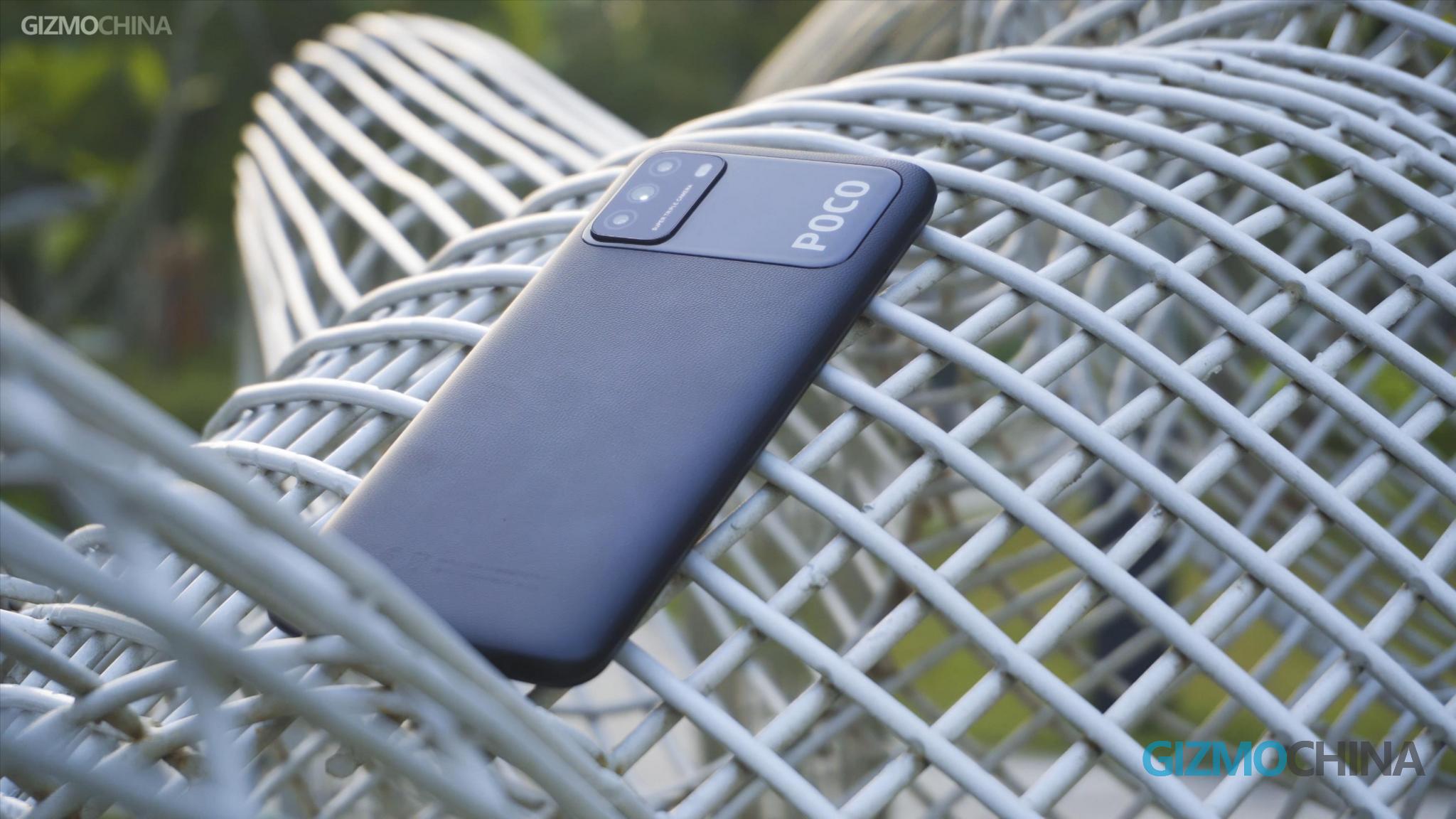
The POCO M3 is the brand’s latest smartphone. This device initially debuted in Europe in late November. In the past few days, the handset has been making its way to multiple markets. Now, finally, the company has revealed the launch date for India.

Poco M3 review 19

India is Xiaomi’s largest market outside its home country China. The POCO brand was born in India and therefore, this region got some exclusive smartphones like the POCO X2, POCO M2, POCO M2 Pro, and POCO C3.

However, the last two globally available handsets, namely POCO X3 NFC and POCO M3 made their debut first in Europe. Anyway, the former was soon unveiled in India in the same month. However, the POCO M3 will be launched in India only on February 2, which happens to be more than two months after it went official.

Nevertheless, the POCO M3 is at least coming to India, unlike the POCO F2 Pro. That said, as far as the price is concerned, we can expect the company to sell it for the same price as the POCO M2, i.e. ₹10,999 for the base variant.

The highlights of POCO M3 include a unique bold design with a leather-like finish, yellow color, Qualcomm Snapdragon 662 SoC, UFS 2.1/UFS 2.2 storage, stereo speakers, a 48MP primary camera, an FHD+ display, and a 6,000mAh battery. In other words, this device can be described as a better Redmi Note 9 4G, which is known as Redmi 9 Power and Redmi 9T in global markets.


RELATED:


China smartphone makers spark new hardware specs competition

China based smartphone makers have sparked another round of hardware specification competition. The news arrives as the companies are raising efforts in expanding their presence in the global market.

China
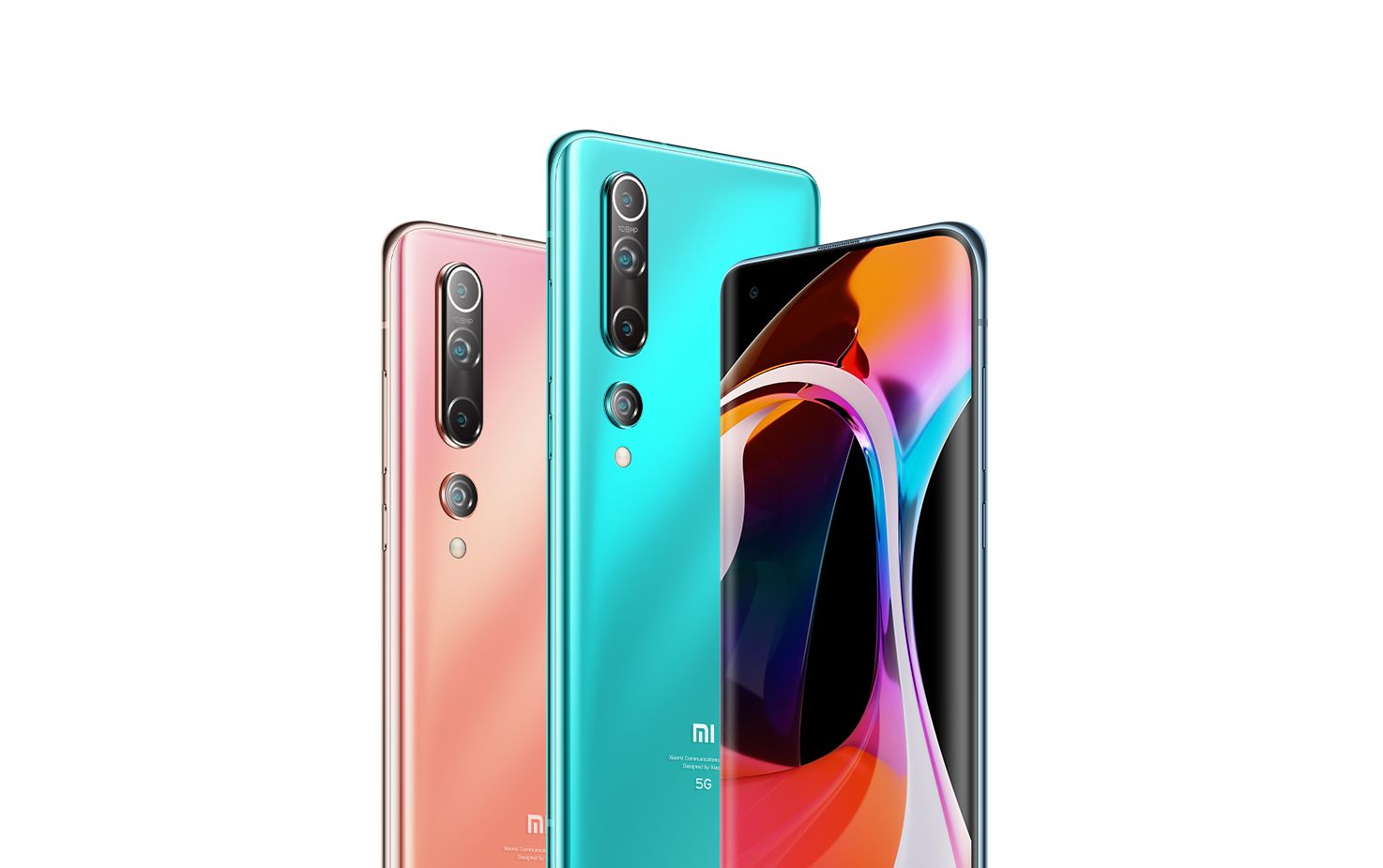
Xioami Mi 10

According to DigiTimes report, Xiaomi is currently focusing on developing new smartphones equipped with multiple lenses to improve the photographic performance of its offerings, as per a source. At the moment, about 70 percent of new smartphones from the Chinese tech giant feature up to four camera lenses, with the company aiming at ramping up the shipment ratio of its mid to high end models as well.

The source also added that other brands are also aiming at adopting a similar strategy of offering multiple camera lenses on their smartphone offerings in the mid to entry level segments. Similarly, Oppo has also recently announced that it would be building a new research and development center in Xian, China. This site will develop new technologies and new smartphone series as well. At the moment, the company has its research and development centers in Shenzhen, Dongguan, Xian, and Chengdu in China, and even one in India.

China
Oppo A55 5G

Furthermore, Oppo has also shipped about 120 million smartphones across the globe last year and seeks to raise its shipments this year. For those unaware, the company is also the world’s fifth largest global smartphone maker in the rankings of 2020, in terms of shipments, behind other giants like Samsung Electronics, Apple, Huawei, and Xiaomi.

RELATED:


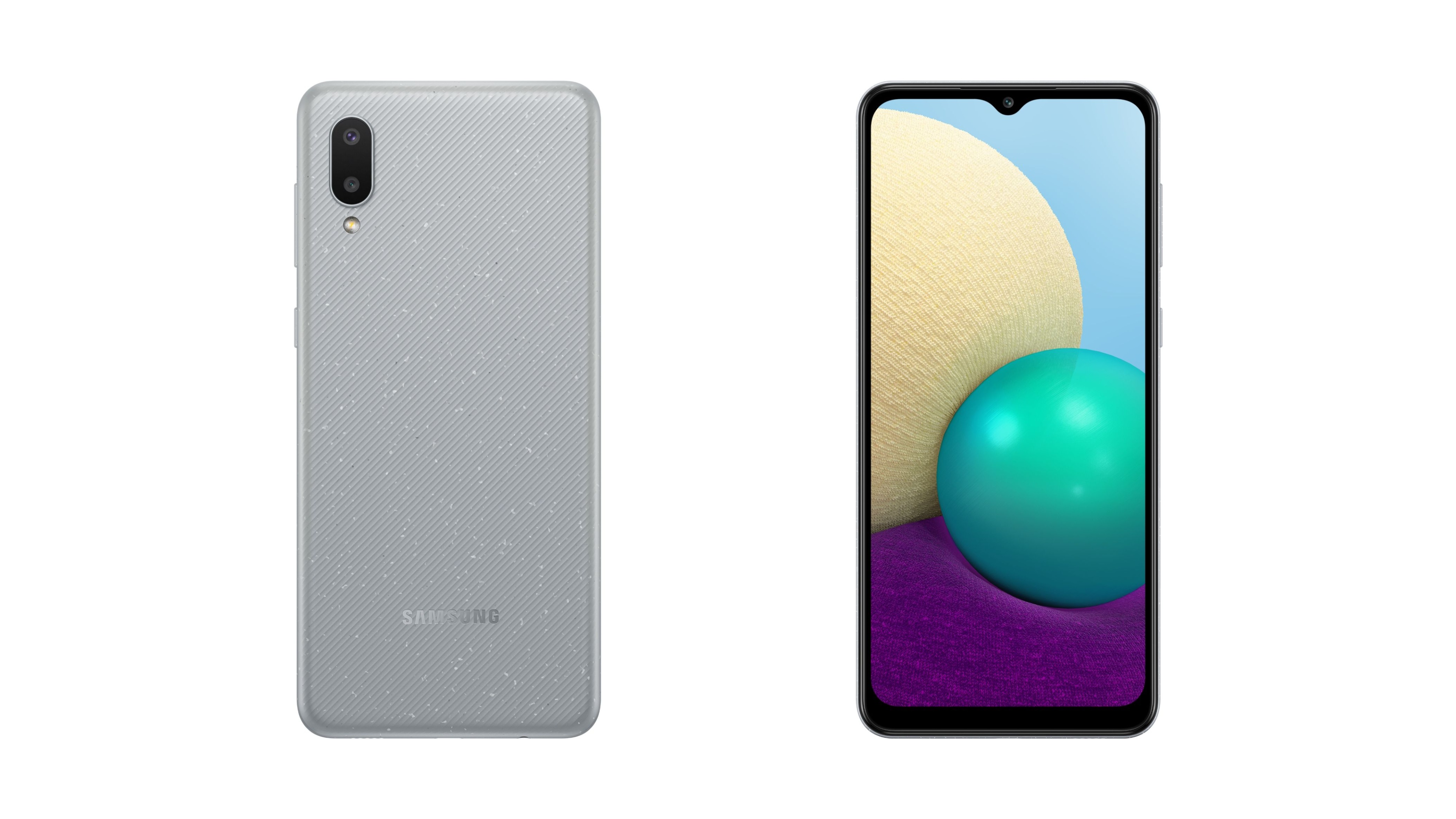
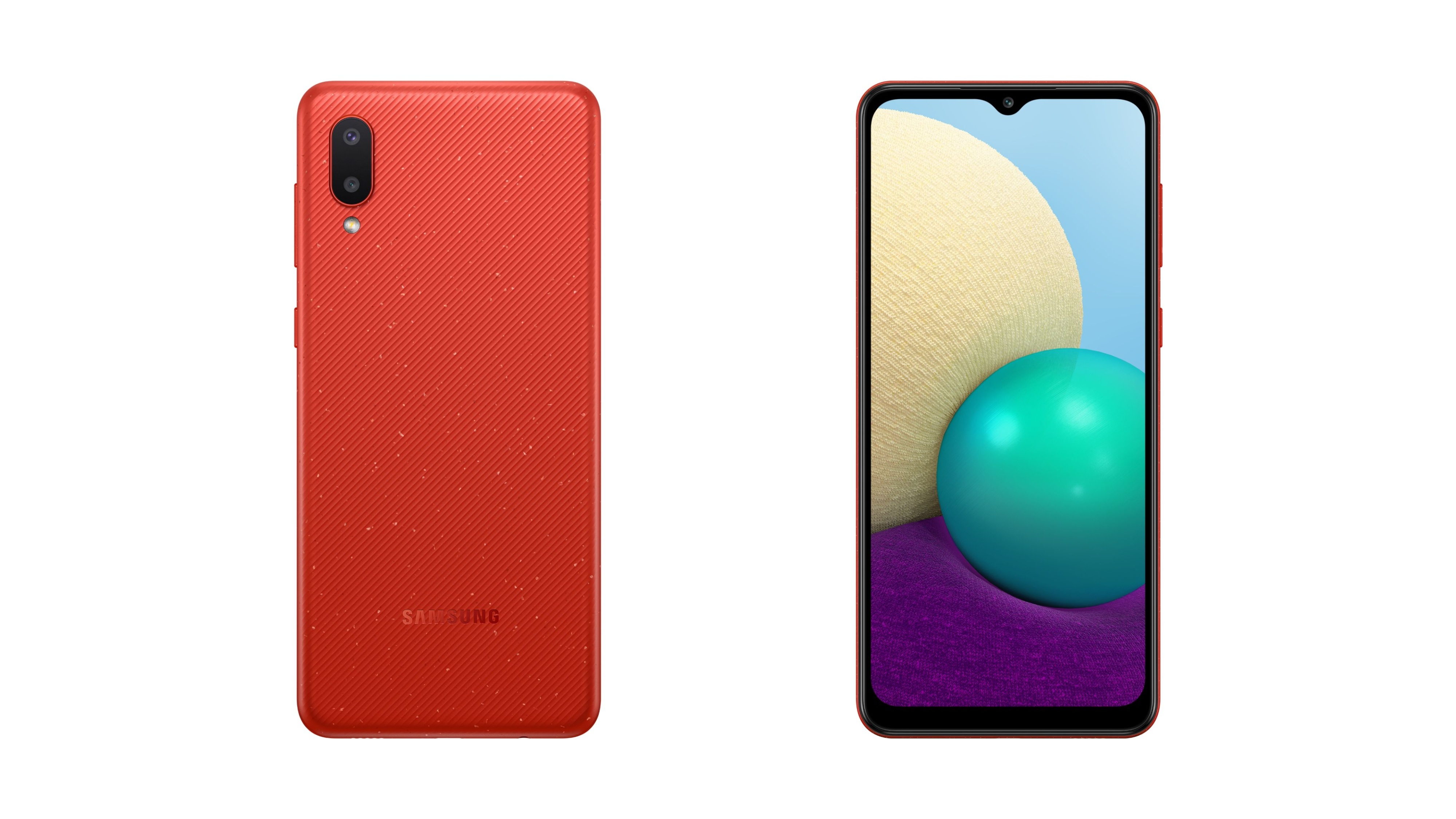
Samsung Galaxy A02 goes official with MediaTek MT6739W SoC and Android 10

Samsung has quietly announced its first entry-level smartphone of 2021 in the form of Galaxy A02. The handset is currently listed on the company’s official website for Thailand with no details regarding pricing and availability. According to a promo shared by the firm on social media, this device should cost around ฿2,999 ($100).

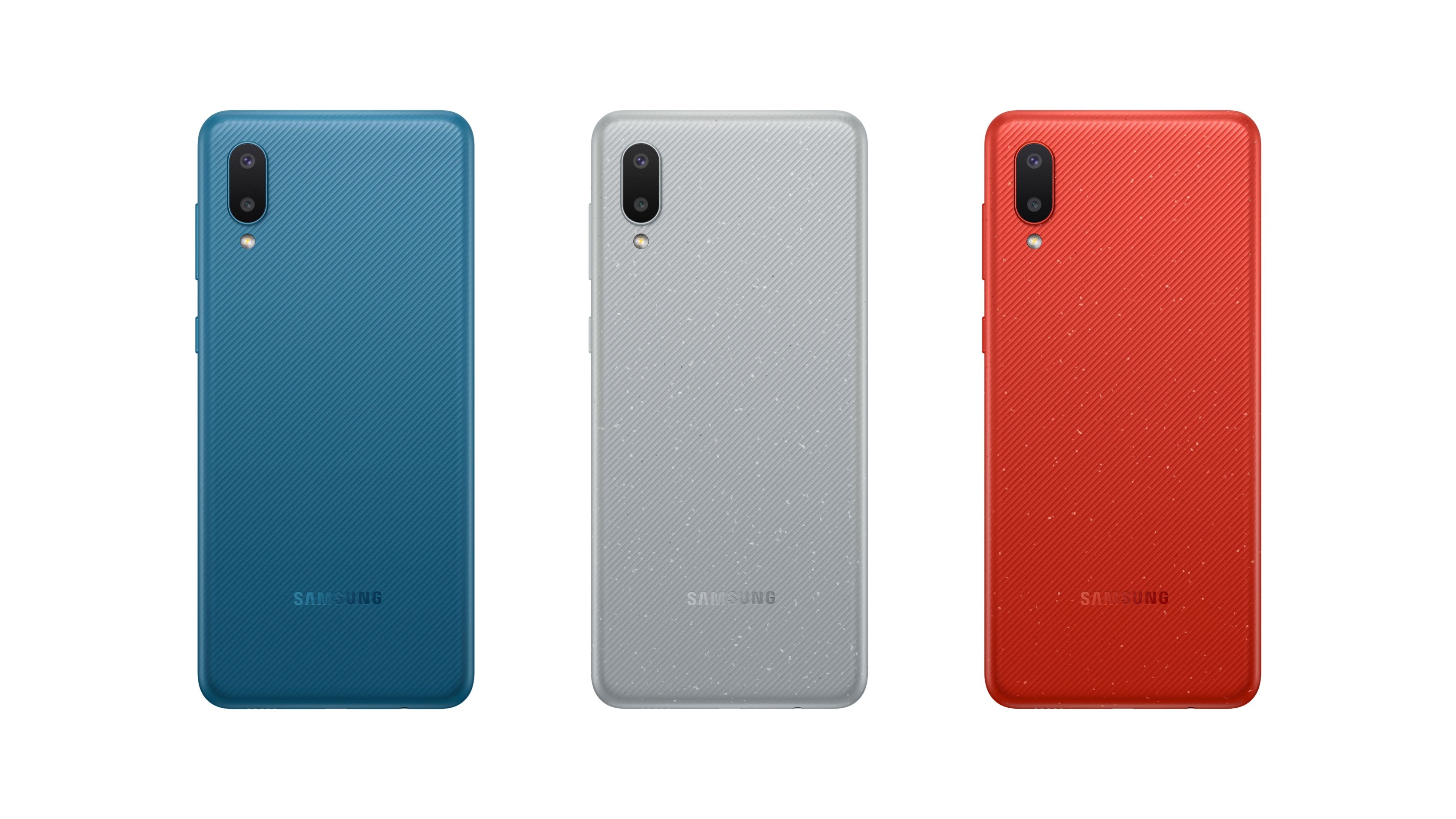
Samsung Galaxy A02 Denim Blue Denim Gray Denim Red Featured

Samsung Galaxy A02 Specifications and Features

The Samsung Galaxy A02 has been in the news for a while, thanks to certifications and benchmarks. Hence, we already know much about his phone. Anyway, now as it’s official, let us take a look at its entire specs and features.

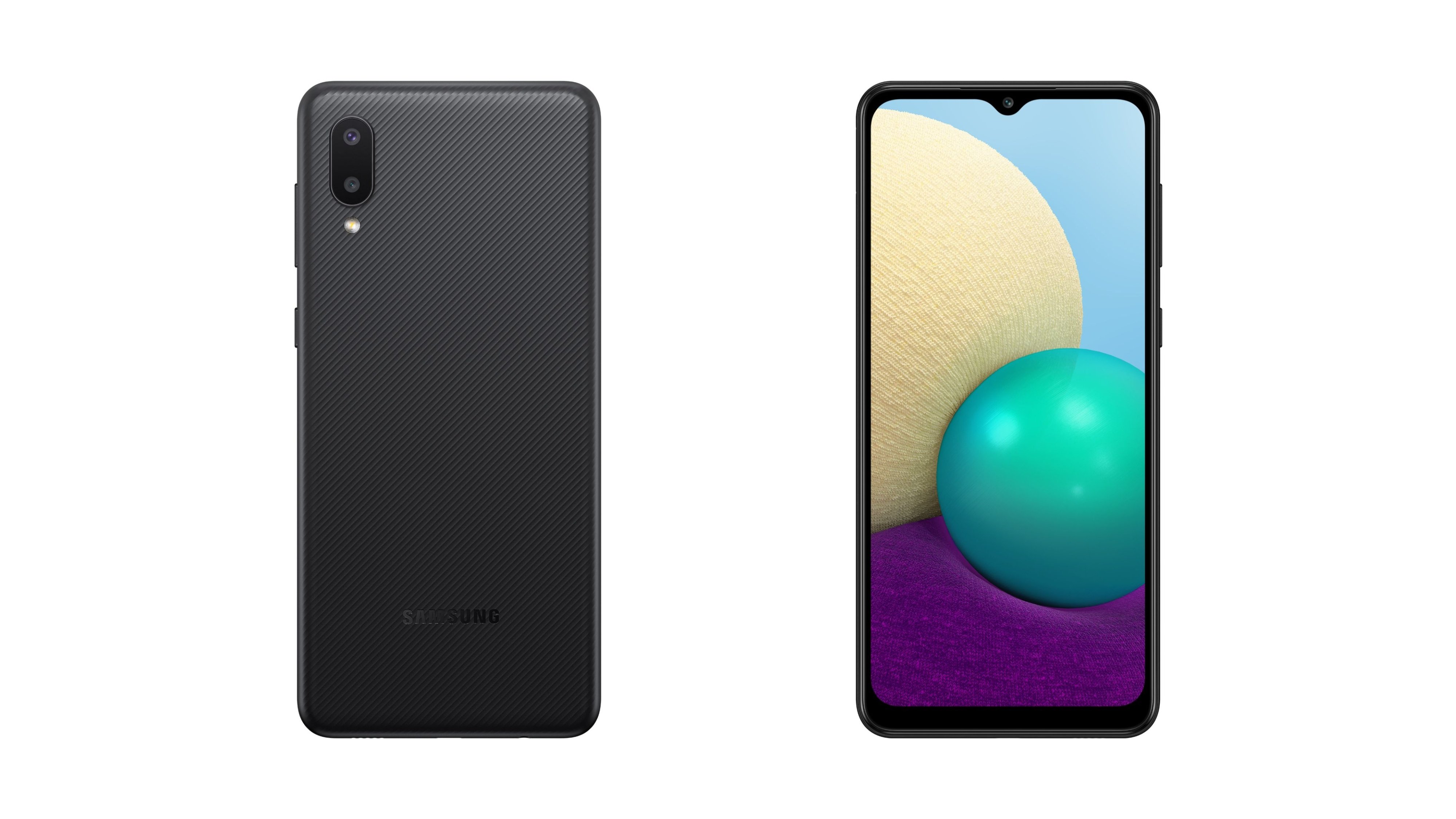
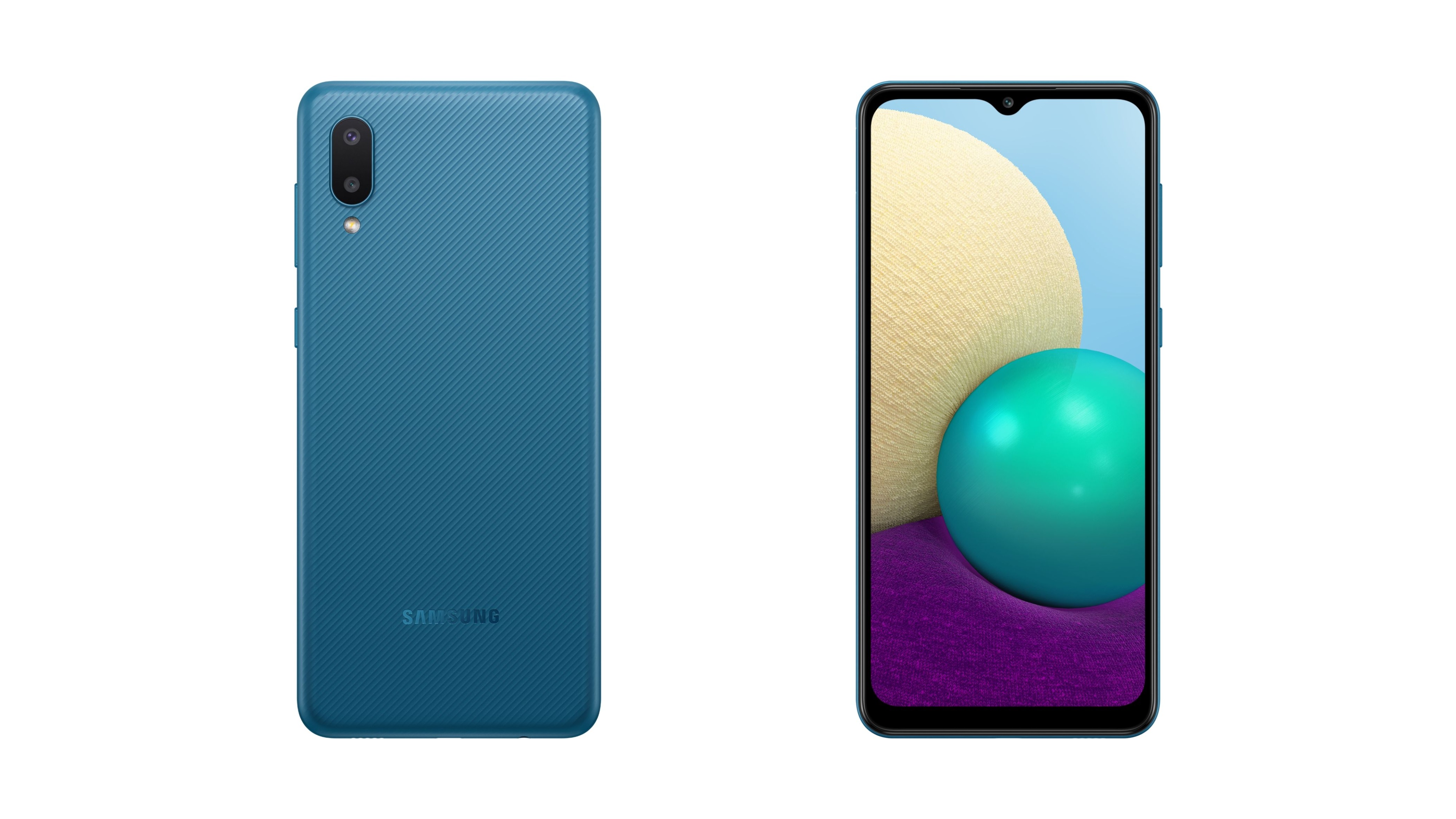
The newly announced Galaxy A02 flaunts a 6.5-inch PLS TFT LCD panel with a resolution of  720 x 1600 pixels (HD+) and a dew-drop notch for the front-facing camera. The firm calls it ‘Infinity-V Display’.

Under the hood, the handset features a MediaTek MT6739W SoC paired with 2GB/3GB RAM and 32GB/64GB internal storage. However, the company has only listed the 3GB + 32GB variant for Thailand.


Talking about this MediaTek chip, it includes a 1.5GHz quad-core CPU (4 x ARM Cortex A53 cores clocked at 1.5GHz each)  and a 570MHz PowerVR Rogue GE8100 GPU.

Further, the entire body of the phone is made of polycarbonate except for the front display glass. Also, the backside of the device features a grippy pattern, in addition to a 13MP (wide) + 2MP (macro) dual-camera setup along with an LED flash. Whereas, on the front, it sports a 5MP snapper for selfies and video calls.

On the connectivity front, the smartphone supports dual-SIM (varies by region), 4G, VoLTE, single-band WiFi, Bluetooth 5.0, and GNSS (GPS, GLONASS). As for ports and sensors, it comes with a MicroUSB port, a 3.5mm headphone jack, a dedicated MicroSD card slot (up to 1TB), a grip sensor, an accelerometer, and a proximity sensor.

Running this phone is a gigantic 5,000mAh battery and more than a year old Android 10 (One UI 2.x Core) operating system. Lastly, the Galaxy A02 comes in four colors (Denim Black, Denim Blue, Denim Gray, and Denim Red), measures 164.0 x 75.9 x 9.1mm in dimensions, and weighs 206g. But unfortunately, Thailand only gets the first two colors.


RELATED:


(Via)

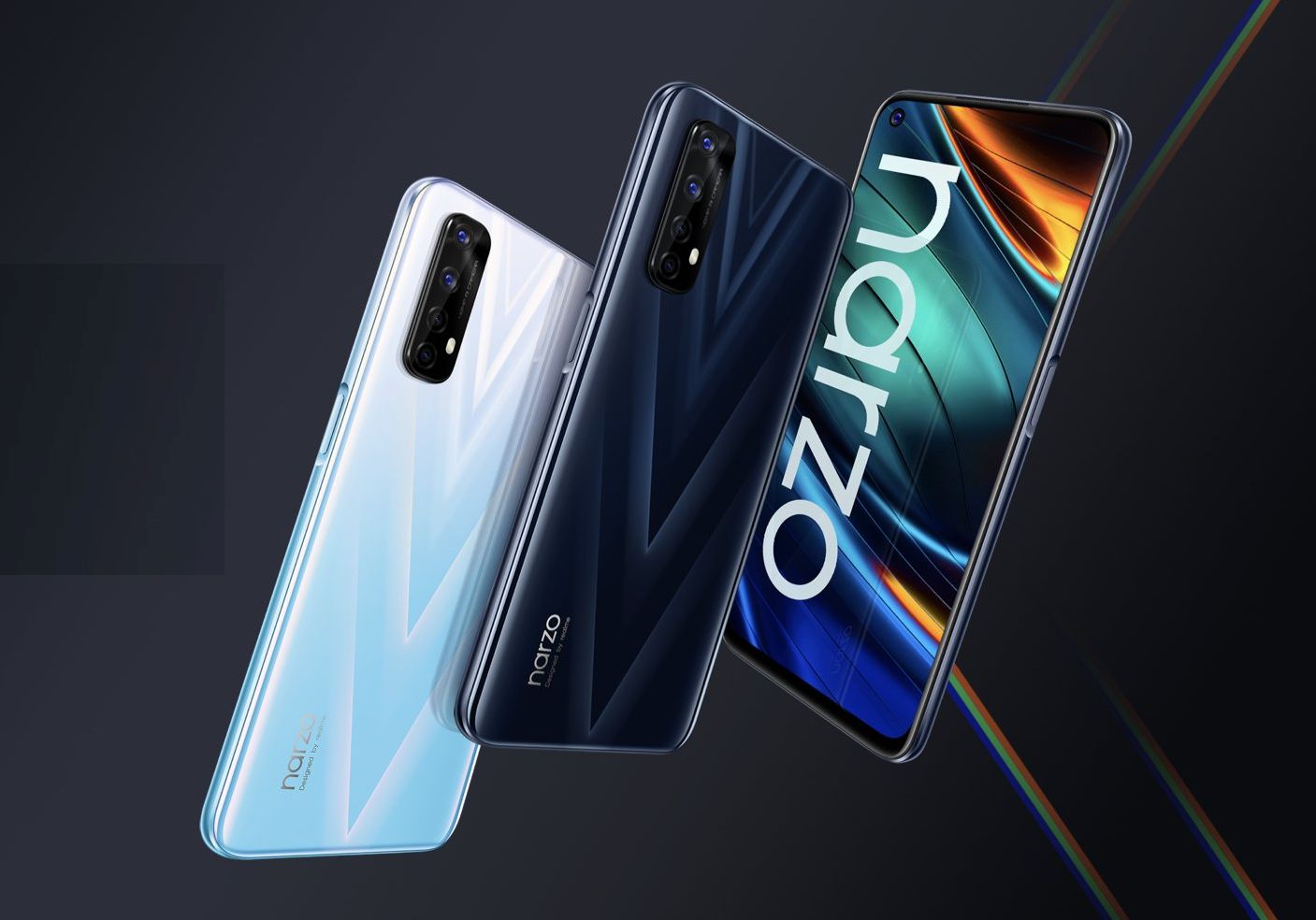
Realme Narzo 30A bags NBTC certification, launching in February?

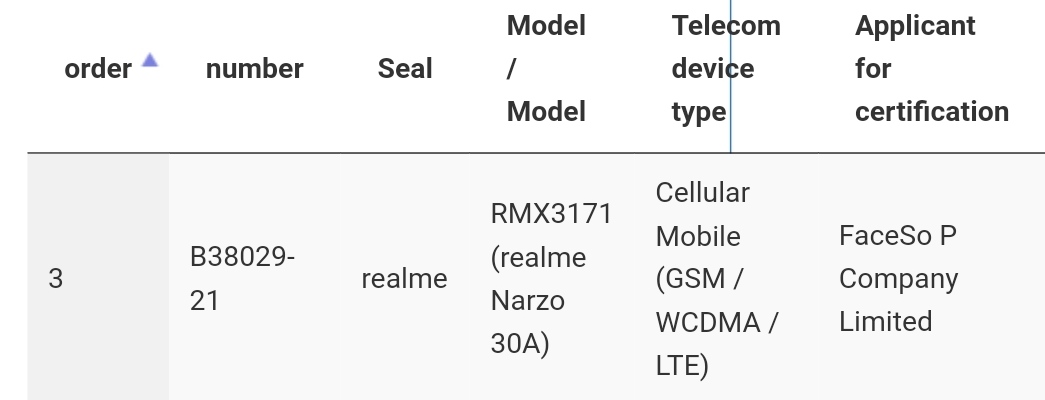
Fresh information reveals that Realme may soon launch the Narzo 30 series of smartphones in some of the Asian markets like Thailand and India. The reason behind this is that the Realme Narzo 30A phone appeared today in the database of the National Broadcasting and Telecommunications Commission (NBTC) certification platform of Thailand.

The RMX3171 was spotted last month at the Bureau of Indian Standards (BIS) authority of India. However, the listing did not reveal the name of the device. The NBTC filing has confirmed that the RMX3171 phone will break cover as the Narzo 30A smartphone.

Realme Narzo 30A NBTC

In the recent past, the RMX3171 has been also spotted at Indonesian Sertifikasi and TKDN authorities. Unfortunately, none of these listings have revealed the specifications of the Realme Narzo 30A smartphone.

It was speculated in December that the Narzo 30 series of smartphones will go official in January. However, with only a few days remaining this month, the Chinese manufacturer could be planning to launch the Narzo 30A lineup in February. With the Realme X7 series launching on Feb. 4 in India, it is likely that the Narzo 30 series may break cover later in February or March.

Realme Narzo 20 Pro
Realme Narzo 20 Pro

The Narzo 30 family is expected to include three models such as Realme Narzo 30A, Narzo 30, and Narzo 30 Pro. These devices are expected to succeed last year’s Narzo 20A, Narzo 20, and Narzo 20 Pro models.

In related news, Realme will be launching Realme X7 and Realme X7 Pro as its first 5G-ready mid-range phones in India in the coming week. The Realme X7 is expected to launch as India’s first Dimensity 800U powered handset.  The Realme X7 Pro will be featuring the Dimensity 1000+ chipset. Some of the other exciting features of the X7 lineup include AMOLED displays, 32-megapixel selfie cameras, 64-megapixel quad cameras, and 65W fast charging support.

RELATED:

Semiconductor association urges US government to ease export restrictions

A semiconductor industry group named Semiconductor Industry Association (SEMI) has urged the United States Department of Commerce to reaccess export restrictions imposed last year aimed at China.

It argues that the restrictive policies were implemented without public participation and adds that it will harm the American companies in the long-term as they will be left behind in global competitiveness.

Semiconductor

Ajit Manocha, CEO of SEMI, has asked the Department of Commerce to prioritize reviewing rules that block companies from supplying chipsets made using American technology to Huawei. He has also requested them to quickly process a backlog of requests for trade licenses and adds that the procedure acts as a “de facto denial.”

He has also blasted former President Donald Trump’s administrator for using a “highly unusual process” for implementing “board, ambiguous unilateral controls on semiconductor-related items.” It is asking for a multinational approach for trade policies to ensure a “level playing field.”

In the letter, he also reiterated what many others have said previously — the restrictions imposed by the government harms the American companies and could “stifle innovation in the United States” and it forces them to reduce R&D budgets and shifting production and research activity overseas.

Several major companies are listed as members of SEMI, including Broadcom, Intel, Micron Technology, NXP Semiconductors, and Samsung Electronics.

RELATED: 

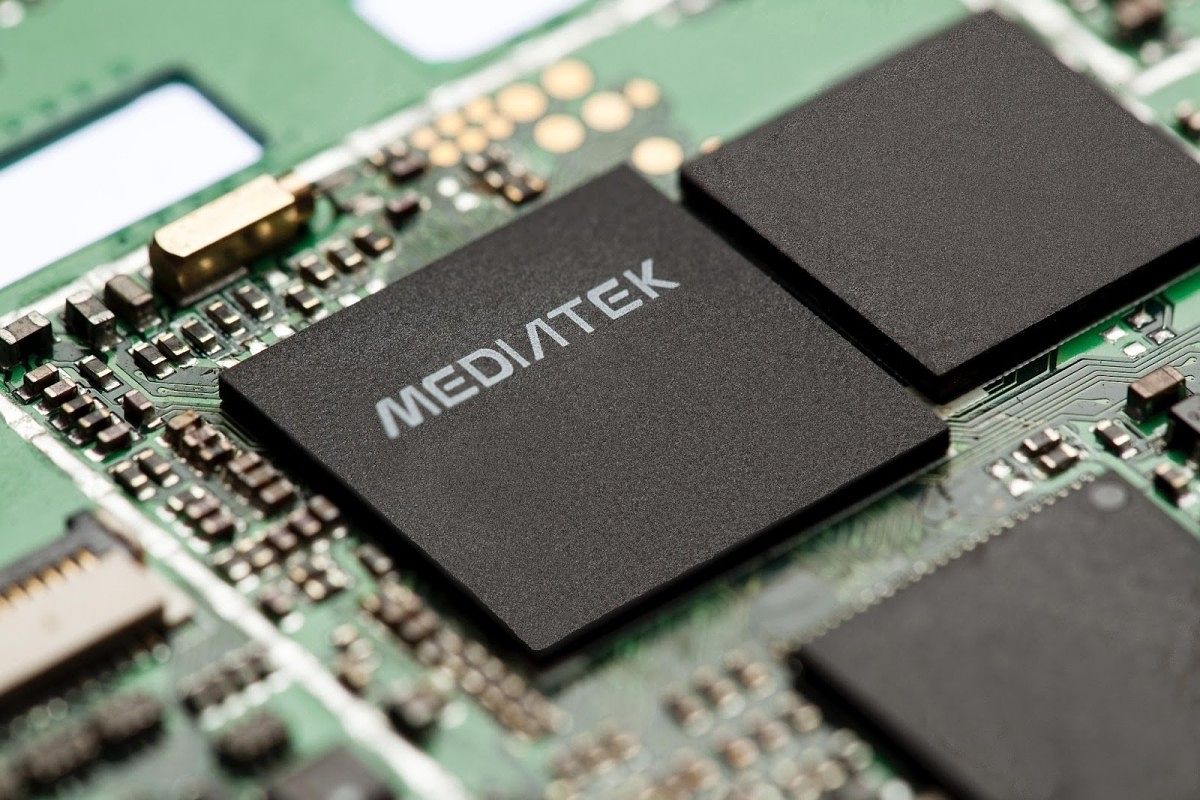
MediaTek partners with Oppo, Ericsson and Swiscomm to enable 5G CA and VoNR

MediaTek recently announced that it has achieved a 5G carrier aggregation (CA) and voice over new radio (VoNR) through its partnership with Swiscomm, Ericsson, and Oppo, to advance 5G networking in Europe.

mediatek nokia 5g

According to a DigiTimes report, the chipmaker collaborated with the various brands to reach 5G CA between frequency division duplex (FDD) low band and time division duplex (TDD) mid band was achieved in both non-standalone (NSA) and standalone (SA) network architectures. In simpler terms, the company is able to leverage FDD alongside TDD bands to help extend the coverage of the newer and faster bandwidth while also raising its network capacity as well.

As per JS Pan, general manager of Wireless Communication System and Partnership at MediaTek, “As a 5G innovation pioneer, MediaTek has a long history of working with Swisscom, Ericsson, and Oppo on 5G to usher in this new era of ultra-fast connectivity. This is just the beginning of the 5G SA journey in Europe and MediaTek is committed to bringing it live to its full extent. We are prepared to meet the increasing demand in new 5G services and applications. Our Dimensity series of powerful and energy-efficient 5G SoCs are designed to support NR CA across multiple configurations, as well as native VoNR support, to ensure a seamless user experience.”

MediaTek

Furthermore, VoNR also represents a notable step towards the shift towards 5G SA systems. Through this, MediaTek would be able to offer new and innovative services to the market. The company also added that SA networks would also boost 5G applications by offers higher data throughput to meet ultra low latency and reliability requirements, especially in terms of application for the next generation of mass IoT deployments.

RELATED:


Apple raises iPhone and iPad production in India and Vietnam

Apple is raising the production output of its iPhones, iPad, Macs, and other electronic products outside of China. The company will be ramping its efforts to diversify its supply chain to other nations.

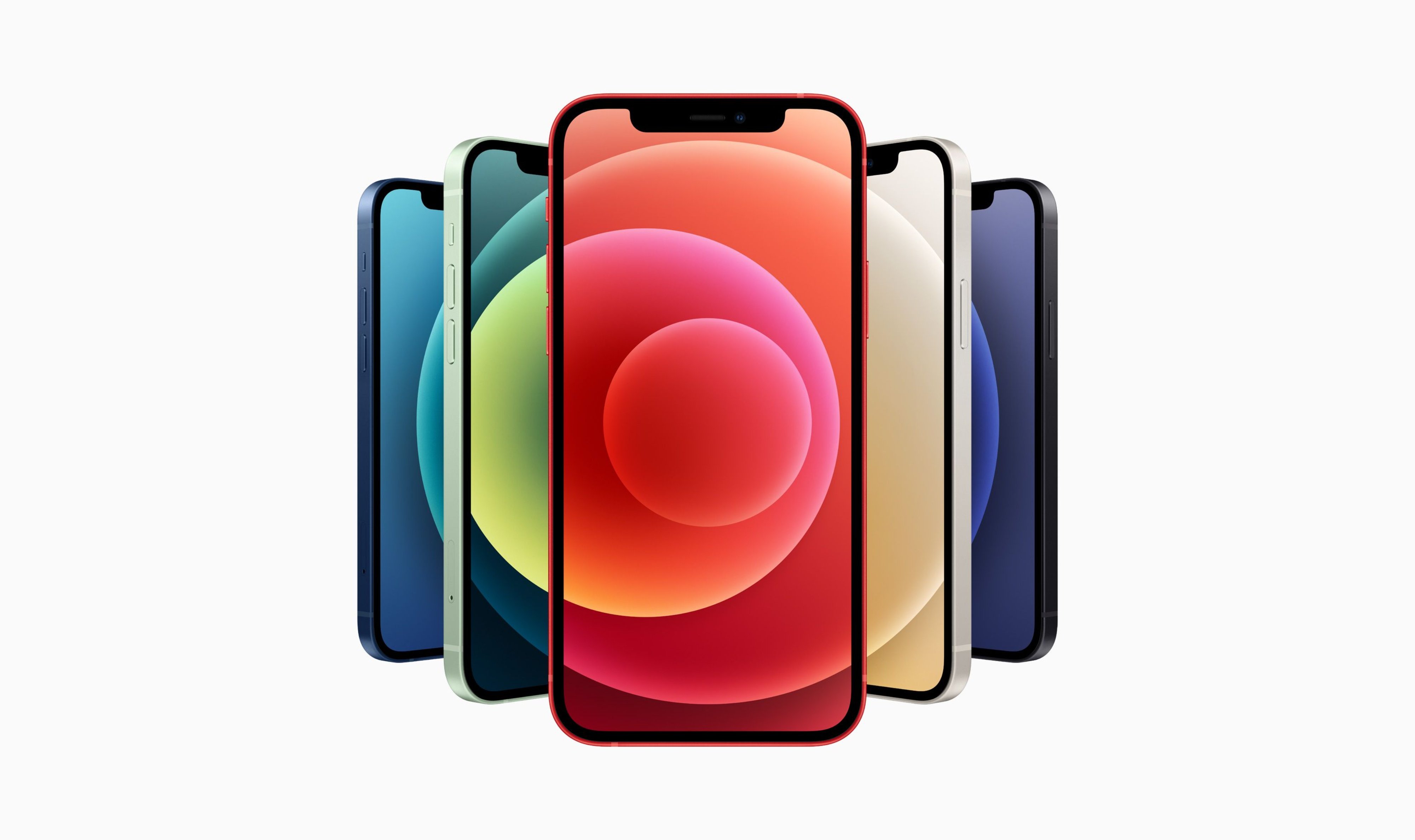
Apple iPhone 12 All Colors Featured

According to a NikkeiAsia report, the push towards raising output for its product in countries apart from China arrives despite the hopes of easing US-China tensions after the arrival of the new US President, Joe Biden. As per sources close to the matter, the production of iPads will begin in Vietnam sometime by the middle of this year. This marks the first Apple is building a number of its devices outside of China. Similarly, the Cupertino based giant is also raising production in India as well, which is currently its second largest production base for iPhones.

At the moment, the company also plans on producing its latest 5G enabled iPhone 12 series in India within this quarter, as per sources. Furthermore, the company is also planning on increasing the production capacity for its smart speakers, earphones, and computers as well in the Southeast Asian region, which is a part of its ongoing diversification strategy. Similarly, Apple is also asking its suppliers to expand production capacity for the latest HomePod mini smart speakers.

Apple

According to a supply chain manager, “Apple and many other tech companies all want out-of-China production capacities, and that has not slowed even though the U.S. has a new president. And they are studying not only peripheral products. Apple, for example, aims to build capacity in new locations — mostly Southeast Asia nations — for multiple core products, such as iPhones, iPads, MacBooks, AirPods, and others. It was hard to imagine that two years ago, but now, nothing is impossible to shift.”

RELATED:


Apple iPhone 13 series to reportedly come with Wi-Fi 6E support

Apple recently launched the iPhone 12 series smartphones, making them the first devices from the company to come with support for 5G connectivity. Now, reports about its successor are surfacing online.

If the latest report coming from MacRumors is to be believed, then the upcoming iPhone 13 series models are expected to come with support for Wi-Fi 6E technology. Semiconductor maker Skyworks could be the supplier for the power amplifier.

iPhone 12

Apart from that, the report also goes on to add that Broadcomm also stands to benefit from Samsung and Apple adopting Wi-Fi 6E technology. For those who are unaware, the recently launched Samsung Galaxy S21 Ultra comes with Wi-Fi 6E support, and that technology is based on Broadcom chip.

Coming to the Wi-Fi 6E technology, it is similar to Wi-Fi 6 in terms of features, including higher performance, lower latency, and faster data rates. However, the technology utilizes the 6GHz band, provides a lot more airspace beyond the existing 2.4GHz and 5GHz Wi-Fi.

Recently, FCC adopted new rules that make the 1200MHz spectrum in a 6GHz band available for unlicensed use in the United States. This paves a way for rolling on devices with support for Wi-Fi 6E connectivity in the US.

As for the Apple iPhone 13 series smartphones, the devices are expected to get launched in September this year. As it’s still several months away, we expect to know more about the phones in the coming months.

RELATED: 

BlackBerry to power Baidu’s mapping technology used in Chinese EVs

While BlackBerry is no longer a major player in the mobile market, it is continuing to expand its presence in the automobile market. The company will be powering the mapping technology of Baidu, the Chinese counterpart and rival of Google, that will power future electric vehicles in China.

blackberry

According to a CNET report, Baidu’s high definition mapping technology for automobiles will run on BlackBerry’s QNX Neutrino real time operating system. This technology will be used by Guangzhou Automobile Group and future electric vehicles from the Chinese company, which will feature the BlackBerry/Baidu technology. This marks another step for BlackBerry in its efforts to grow in China, arriving after it closed a deal with Baidu to provide its software to the company’s Apollo self driving car program as well.

At the moment, the software from BlackBerry only acts as a supporting system towards driver assisting technology. However, the company aims on launching a fully automated driving system sometime in the future. Furthermore, the company stated that its software technology is already used in over 175 million cars across the globe that feature active safety or driver assist capabilities.

Baidu

Unfortunately, this is all the information available regarding the matter. We have yet to see if this partnership with Baidu involves other undertakings and new deals also forming for BlackBerry. Notably, Baidu is also working on building its own cars through a partnership with Geely as well. So stay tuned for more updates.

RELATED:


Mysterious Vivo V2072A phone with all-new Dimensity 1100 chip spotted

A mysterious Vivo phone with model number V2072A has been spotted for the first time on Google Play Console. The listing has revealed the key specs of the phone and an image that showcases its front design. The listing reveals that the V2072A could be debuting as the first phone powered by the newly announced Dimensity 1100 chipset.

The Google Play Console listing states that the Vivo V2072A is powered by the MediaTek MT6891 chipset. This model number confirms that it is powered by the Dimensity 1100 chipset. As it can be seen in the screenshot, the D1100 chipset has 4 core of ARM Cortex-A78 CPU clocked at 2.6GHz and 4 cores of ARM Cortex-A55 CPU working at 2.0GHz. The SoC includes ARM Mali-G77 graphics.

The image of the Vivo V2072A shows that it has a wider notch like the ones found on Vivo S7 5G, which is also known as Vivo V20 Pro 5G outside China. Probably, the handset could be equipped with a dual selfie camera system.

The display size of the Vivo V2072A is not mentioned in the Google Play Console listing. It only states that the V2072A’s screen offers a 1080 x 2400 pixels Full HD+ resolution, a 20:9 aspect ratio, and 480ppi pixel density.

The D1100 SoC of the Vivo V2072A is coupled with 12 GB of RAM. The device can be seen running on Android 11 OS. Devices are known to go official soon after its appearance at the Google Play Console. Probably, the V2072A phone will break cover in February. It is unclear which markets will be treated with the V2072A phone.

In related news, Vivo is reportedly working on a phone named Vivo S7t. The handset is expected to arrive as a new chipset version of the Vivo S7 5G that debuted last year. The S7t is speculated to feature the Dimensity 820 chipset.

RELATED:

Humanoid robot “Sophia” will start rolling out of factories in the first half of this year

In 2016, Hong Kong-based robotics company Hanson Robotics first unveiled Sophia, a humanoid robot. The robot soon became an internet sensation as it went viral after unveiling. Hanson Robotics is now planning to commence mass production of the robots before the end of the year.Sophia

The Hong Kong-based company hinted that plans are in top gear to release four models, including Sophia. These models would start rolling out of factories in the first half of 2021. This news is coming as researchers predict the pandemic will open new opportunities for the robotics industry.

“The world of COVID-19 is going to need more and more automation to keep people safe,” founder and chief executive of Handon Robotics, David Hanson said. We ghve seen robots deployed in the healthcare and delivery industry  but Hanson CEO holds the believe that robotic solutions to the pandemic are not limited to healthcare but could assist customers in industries such as retail and airlines too.

“Sophia and Hanson robots are unique by being so human-like,” he added. “That can be so useful during these times where people are terribly lonely and socially isolated.” He rolled out plans to sell “thousands” of robots in 2021, both large and small” but failed to disclose the specufuc number the company us targeting.

Social robotics professor Johan Hoorn, whose research has included work with Sophia, said that although the technology is still in relative infancy, the pandemic could accelerate a relationship between humans and robots.

Humanoid robot Sophia developed by Hanson Robotics makes a facial expression at the company’s lab in Hong Kong, China January 12, 2021. Picture taken January 12, 2021. REUTERS/Tyrone Siu

Hanson Robotics is also planning to launch a robot this year developed for the healthcare sector and called Grace.

Products from other big players in the industry are helping fight the pandemic as well. SoftBank Robotics’ Pepper robot was deployed to detect people who weren’t wearing masks. In China, robotics company CloudMinds helped set up a robot-run field hospital during the coronavirus outbreak in Wuhan.

The use of robots was on the rise before the pandemic. According to a report by the International Federation of Robotics, worldwide sales of professional-service robots had already jumped 32% to $11.2 billion between 2018 and 2019.

(source)


Huawei has no plans of exiting premium smartphone business

Huawei, which was on its way to dominating the smartphone market globally, is now struggling to keep its smartphone business afloat after the United States imposed several sanctions on the company.

With the restrictions, effectively banning the company from doing business with American firms and using its technology, the Chinese giant is practically out of the premium smartphone business. However, the company is still hoping for a revival.

Huawei Logo MWC 2019

According to the latest report, Huawei isn’t planning to divest its premium smartphone business except as a “last resort”. The company has denied reports about it planning to sell its flagship P-series and Mate-series brands. In a statement, the company added that “we remain fully committed to our smartphone business, and will continue to deliver world-leading products and experiences for consumers around the world.”

The development comes just a couple of months after Huawei sold off its sub-brand Honor to Shenzhen Zhixin New Information Technology, a consortium of more than 30 agents and dealers of the company.

Huawei’s statement confirms that the company has not yet given up on reviving its premium smartphone business, including the P-series and Mate-series phones as well as its HiSilicon Kirin chipset products.

Recently, Huawei founder Ren Zhengfei said that the company must decentralize its operations, simplify product lines, focus on generating profit, and maintain pay levels for three to five years to survive US trade restrictions.

RELATED: 

Meizu smartwatch patent reveals the wearable device’s design

A few years ago, Meizu had launched its first hybrid smartwatch but after that, the company hasn’t released anything else in that category. But it seems like that is about to change pretty soon.

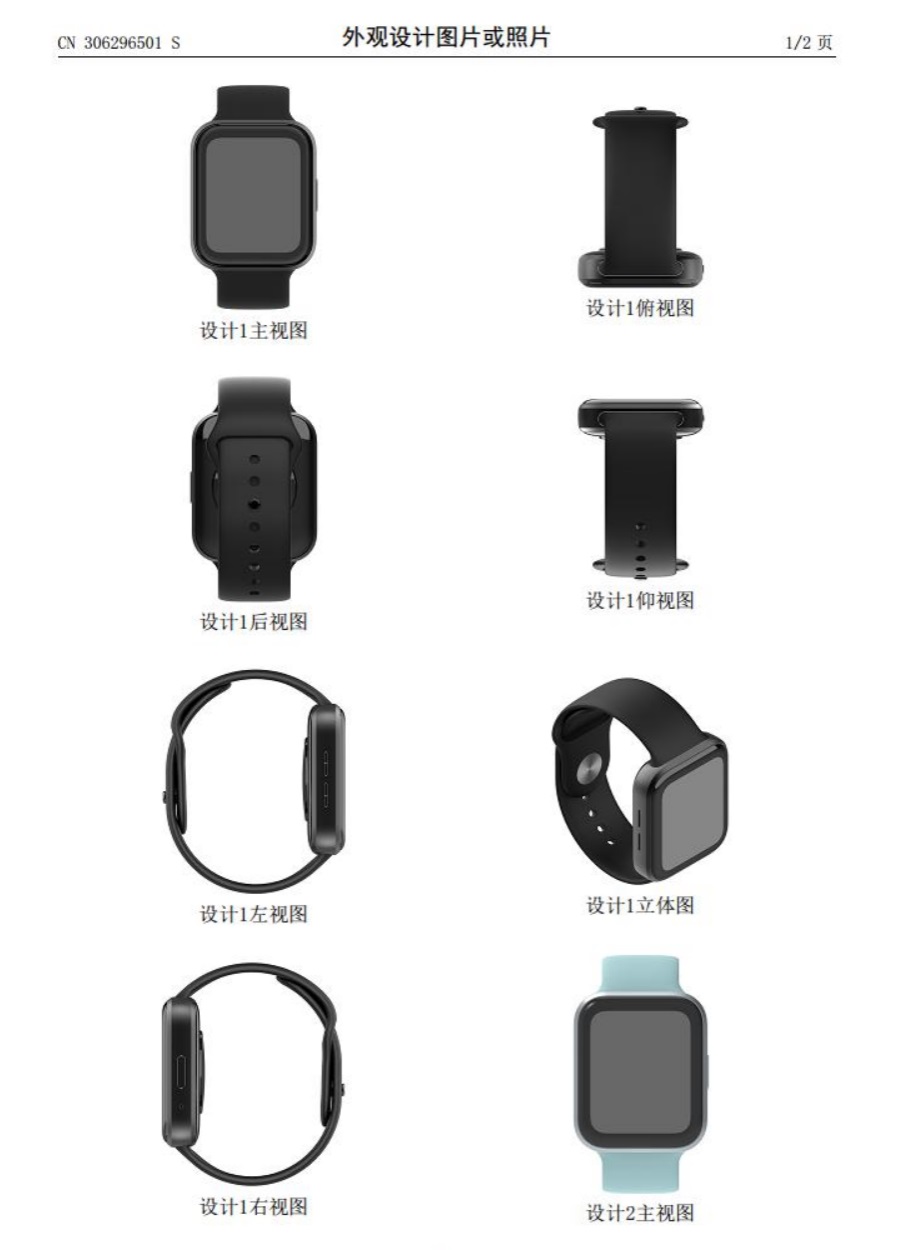
A patent application filed by Meizu for a smartwatch has surfaced online with publication number CN306296501S which was filed by the company a few months ago. The abstract shows that the device intends to display time, run programs, and enable users to use communication tools.

Meizu Watch Patent

The purpose of the patent application is said to be the combination of the shapes and color of the device. While the patent doesn’t reveal much about the smartwatch’s specs and features, it does gives a look at its design.

Recently, a Meizu Smartwatch carrying model number M007W was spotted on Compulsory Certification of China a.k.a. 3C Certificate, which is expected to go official at the Meizu Watch and supports 7.5W charging.

We expect the smartwatch to come with an AMOLED display, heart rate tracking, SpO2 level measurement, and support for tracking various sports. The device is also said to have LTE connectivity support, confirming that it will either have a SIM card slot or support for eSIM. In the software department, it is expected to be running the “Flyme For Watch”, which is a special version of its Flyme OS.

As of now, there’s no information available about the launch of this Meizu Watch. However, we expect the wearable device to soon get launched, in the coming weeks or months

RELATED: 

Realme X7 series launch date for India is February 4

Realme has been teasing the arrival of Realme X7 series in India since December. Hence, it was speculated that the company may announce it in the country at some point in January. Finally, the company began sending out invites for Realme X7 series launch event starting from today in India. The invite confirms that the Realme X7 lineup will land in India on Feb. 4.

The launch invites states that the Realme X7 series launch event will be held at 12:30 PM (local time) on Feb. 4 in India. The event will be streamed through YouTube and other social media accounts. To recollect, the Dimensity 800U powered Realme X7 and Dimensity 1000+ powered Realme X7 Pro was made official first in China in September last year.

As it can be seen in Ishan Agarwal’s tweet, the launch invite includes a MediaTek chip with MT6853V text on it. The “TN” identifier mentioned on it is a giveaway that one of the Realme phones debuting on Feb. 4 in India is fueled by the Dimensity 800U. Hence, it appears that the Realme X7 could be landing in India as the company’s first Dimensity 800U powered smartphone in the country.

The Realme X7 has a 6.4-inch AMOLED display and a 4,300mAh battery. It has a 32-megapixel selfie camera and a 64-megapixel (Samsung GW1) + 8-megapixel (ultrawide) + 2-megapixel (macro) + 2-megapixel (depth) rear-mounted quad-camera system.

The Realme X7 Pro has a 6.55-iinch AMOLED screen with a 120Hz refresh rate and a 4,500mAh battery. It is fitted with the same cameras that are found on the X7 model. However, it features a Sony IMX682 lens as the primary shooter. Both phones support 65W fast charging and are fitted with in-screen fingerprint sensors.

RELATED:

TSMC to reportedly manufacture 3nm chips for Intel in 2022

Intel has been struggling for some time despite being the leader in the computer chipset market and blaming that on the CEO, the company announced the appointment of current VMWare CEO Pat Gelsinger who will take control next month.

Now, another major development related to the company has surfaced online. As per the report from Taiwanese media, Intel has given an outsourcing contract to Taiwan Semiconductor Manufacturing Company (TSMC) for manufacturing 3nm chips.

Intel Logo

The report claims that Intel’s upcoming chips designed with a 3nm process will go into mass production in the second half of 2022. With this, Intel will become the second-largest customer for TSMC’s 3nm process after Apple.

Earlier, it was reported that Intel has been in talks with TSMC and Samsung as the company is exploring the possibility of outsourcing some of its high-end chipset manufacturing. While the report claims that it has reached an agreement with TSMC, the talks with Samsung are said to be in the preliminary stage.

Intel has been a giant player in the semiconductor market that is worth over $4 trillion. The American company is valued at around $230 billion but seems to have losing its grip over the market and competitors have taken the approach of designing chips and outsourcing productions to third-party manufacturers.

The company is also facing stiff competition from the likes of AMD and NVIDIA. While AMD has acquired Xiling for $35 billion, NVIDIA recently announced the acquisition of ARM for $40 billion, putting Intel’s current position in the market at risk.

RELATED: 

Meizu 18 series’ display and battery details emerge in a new leak ahead of rumored Q1 launch

Meizu is reportedly working on the Meizu 18 series. While the Chinese manufacturer announced the Meizu 17 in May last year, it is speculated that the Meizu 18 lineup may break cover in Q1 this year. Ahead of the rumored launch, a reliable tipster rom China has revealed the battery capacities of the Meizu 18 and Meizu 18 Pro.

It can be said based on the Weibo post of the leakster that the Meizu 18 will be arriving with a rated battery of 3,910mAh capacity (typical value around 4000mAh). The handset is likely to arrive with support for 30W fast charging.

On the other side, the Meizu 18 Pro could be coming with a 4,410mAh rated battery (typical value around 4,500mAh). The device could be coupled with a 40W charger. Meizu could be the next company to join the trend of not providing a charger in the retail package of the Meizu 18 series.

The above-mentioned devices are said to be powered by Qualcomm processors. Since they belong to the flagship line, they are highly likely to feature the Snapdragon 888 mobile platform.

meizu 17 featured

The leakster also revealed part from battery and charging capabilities, the other major upgrade on the Meizu 18 series will be in the display department. The Meizu 18 duo is expected to arrive with Samsung E4 OLED flexible screen with a punch-hole design that produces a Full HD+ resolution and a 120Hz refresh rate.

A previous leak claimed that the Meizu 18 Pro could be sporting a quad-camera system that will include a periscope telephoto lens that will offer 5x optical zoom. It may arrive with a starting price of 4,699 Yuan (~$727).

RELATED:

The latest Chrome OS update turns your device into a sort of smart display

Chrome OS devices are known to receive updates for way longer than an Android device. A typical Chrome OS device will get software support for about 6½ years. That sure is a pretty long time, right? Google is rolling out a new update out to Chrome OS devices that brings some interesting and useful features, one of which sort of turns your device into a smart display.

Chrome OS 88 update featured

The update arrives as Chrome OS 88 and one of the features it brings is support for web sign-in using a PIN or fingerprint that you’ve set up to unlock your Chromebook. This is a useful feature that makes it easier and faster to sign in to a website, provided the site supports WebAuthn. Some of the supported sites are Dropbox, GitHub, and Okta.

Chrome OS 88 WebAuthN

Google says that you can also use your PIN or fingerprint as the second factor if you use 2-step verification.

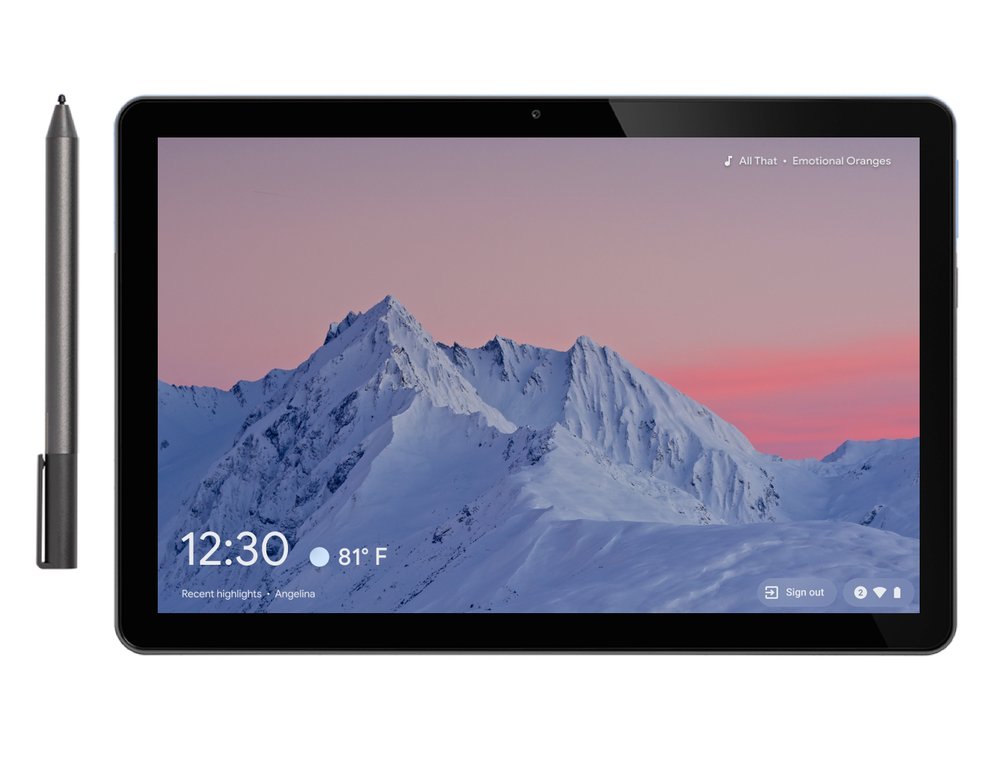
The other major feature that comes with the update is a personalization feature that transforms your Chromebook into a personalized smart display. Just as you can choose to have your Google Nest Hub display photos from your photo album on the lockscreen, you will now be able to show off photos from your Google Photo album or from an art gallery on your Chromebook’s lockscreen too.

Chrome OS 88 Lock screen

Your lockscreen will also show information such as the current weather and what is currently playing. You also would not need to unlock your device to control playback. This setting can be activated under Settings > Personalisation > Screen saver.


RELATED: