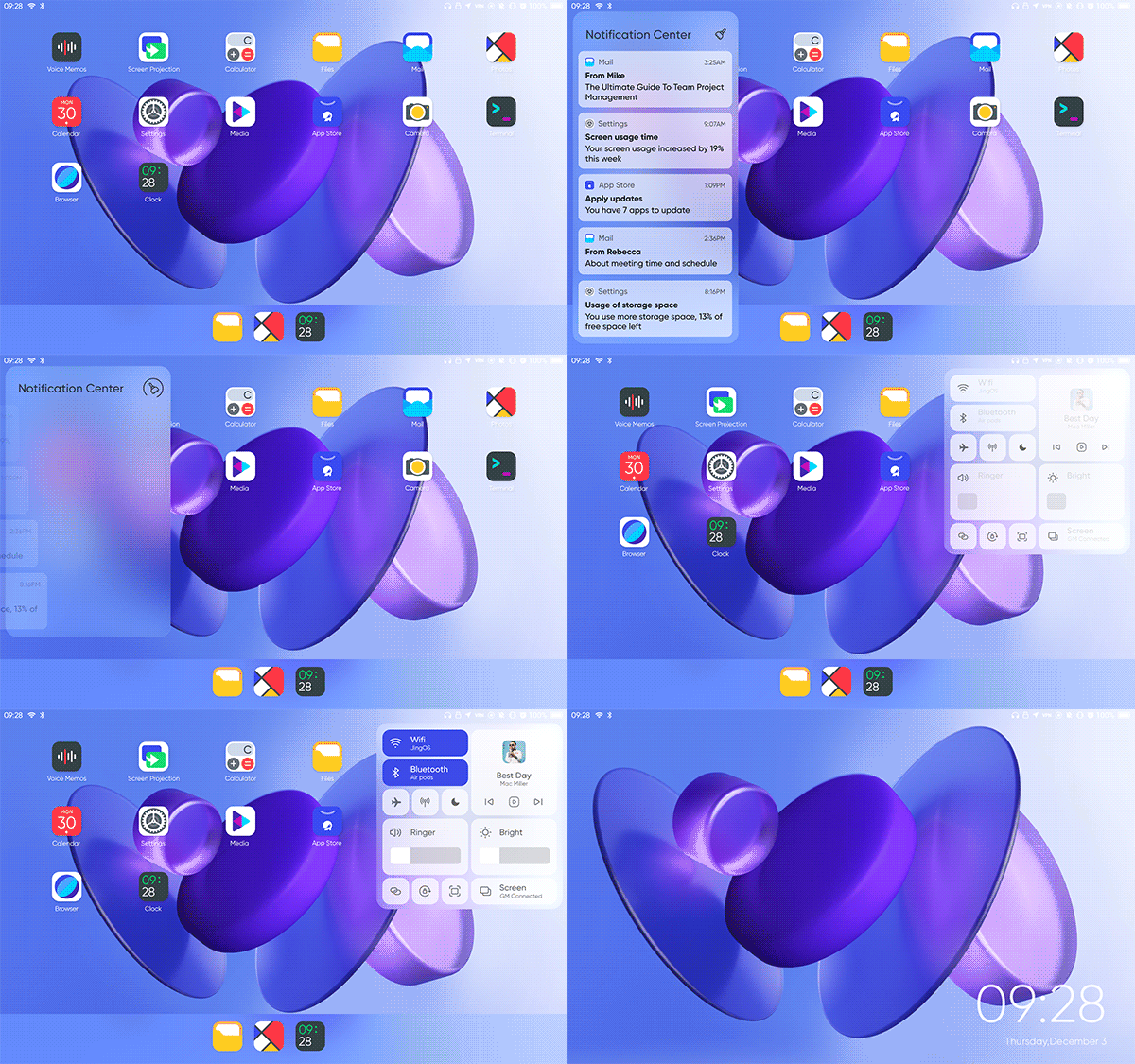
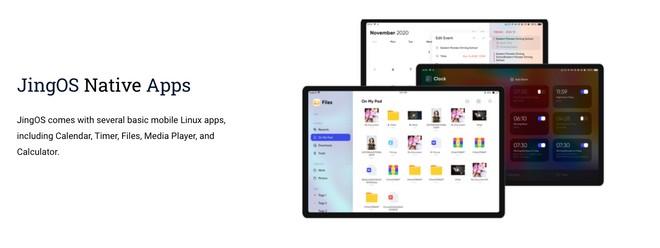
Apple‘s attempts to distinguish its iPad lineup with a dedicated operating system has been met with positive reception overall. Now, China’s first Linux based Distro (Distribution) called JingOS has just been unveiled and it aims to provide the same level of functionality that the iPadOS offers.
JingOS was built with the idea of improving the functionality and productivity of a tablet overall. So, the team behind the new operating system took inspiration from the Cupertino based giant’s iPadOS platform to offer a simple/clean, yet productive and efficient UI design that can ensure that your tablets are a mini computer that one can work on, on the go. JingOS is not only a tablet OS but a full function Linux distro.
With productivity in mind, the OS also supports full mouse and keyboard support. Furthermore, the current selections of apps designed for this platform also support both touch mode and desktop mode. Meaning, one can use it in the form of a laptop and as a notebook. So for those looking for an iPad like experience for their tablets, JingOS might be the next best thing.
Notably, JingOS is also being developed for smartphones as well, and will be available before the end of this year, while the tablet variant will be launch before the end of this month. At the moment, the operating system is supported on just the Huawei MateBook 14 and the Microsoft Surface 6. Unfortunately, it has yet to be tested on other devices but the company aims to bring support for other tablets including ARM based ones as well in the near future.
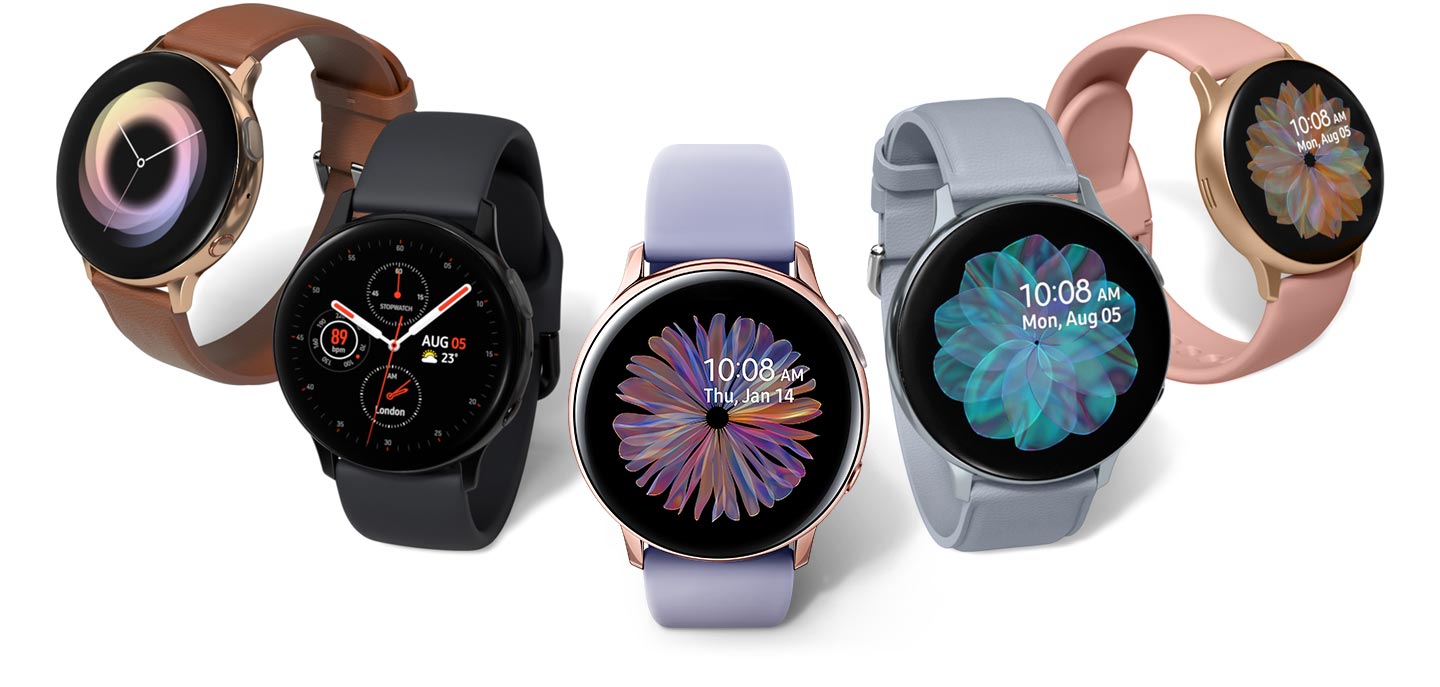
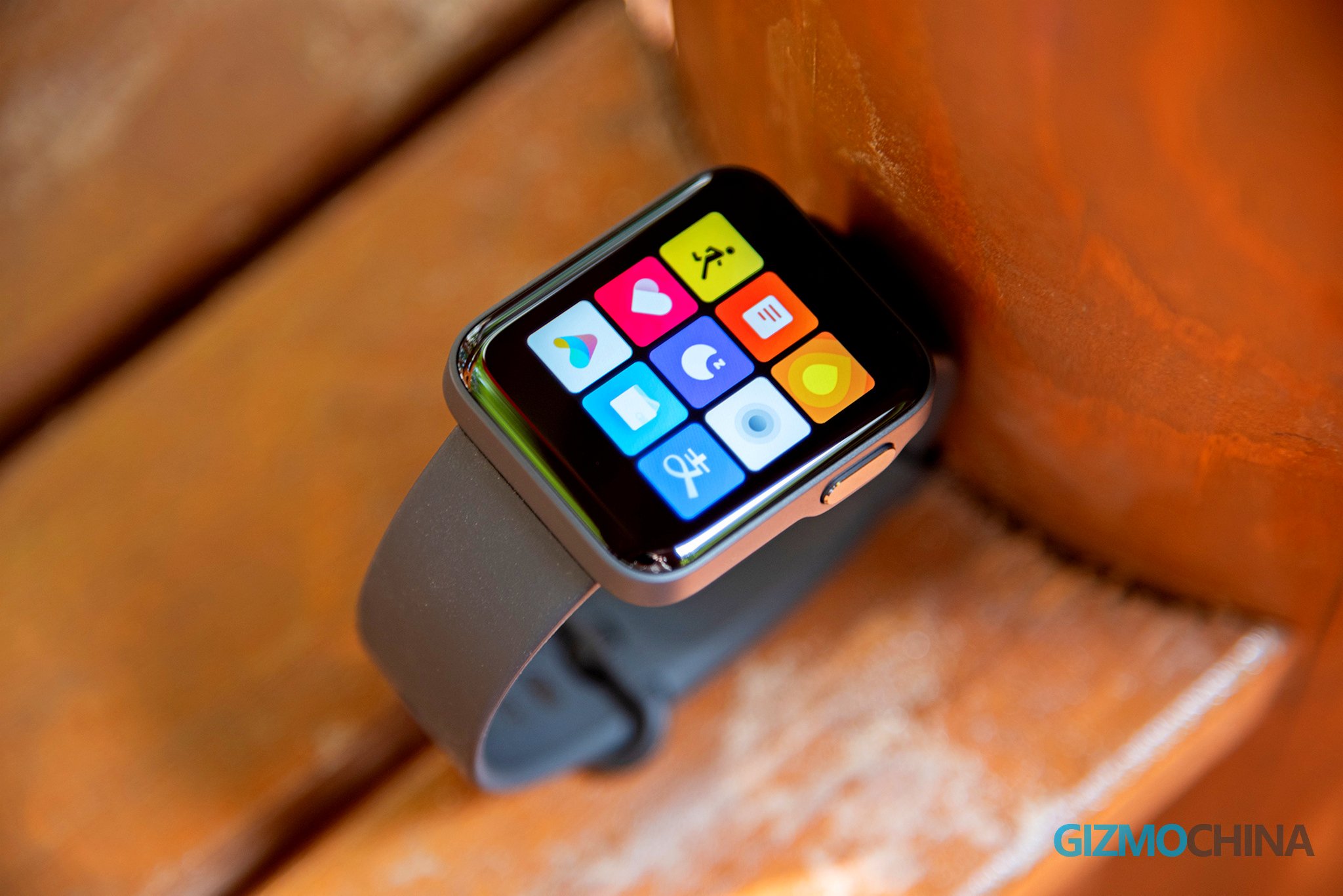
Samsung has rolled out a new firmware update for the Galaxy Watch Active 2 and with that, the company has introduced a number of new features to the wearable device. In addition to the software features, the company has also introduced a Violet-colored strap, to match the profile of the Galaxy S21 lineup.
The Samsung Galaxy Watch Active 2 has received a firmware update that has been named R820XXu1DUA3/R820GFC1DUA3 and the size of this new update is about 85MB. Although it improves system stability, there’s also a major feature addition.
The company has added support for the SmartThings Find function, which is compatible with SmartTag released by Samsung. For those who are unaware, SmartTags is basically a Bluetooth tracker that can be attached to anything and now with the new update, it can be tracked using the smartwatch.
The Samsung Galaxy Watch Active 2 comes in two sizes — 40mm and 44mm. It features an S-AMOLED display that supports 360 x 360 pixels resolution. The 40mm device has a 1.2-inch display whereas the 44mm model is fitted with a 1.4-inch screen.
Under the hood, it is powered by an Exynos 9110 chipset along with 768MB of RAM. However, the LTE supported premium stainless steel edition of the smartwatch has 1.5 GB of RAM. The smartwatch runs Tizen OS with One UI which also allows users to create a customized watch that matches the clothes of the user.
It is an IP68 rated and MIL-STD 810G rated water-resistant and dustproof device that can remain unaffected from harsh climatic conditions. The device offers 39 workout options with different categories. It features an improved optical heart rate tracker with 8 LEDs for faster readings and also comes with an electrocardiogram (ECG).
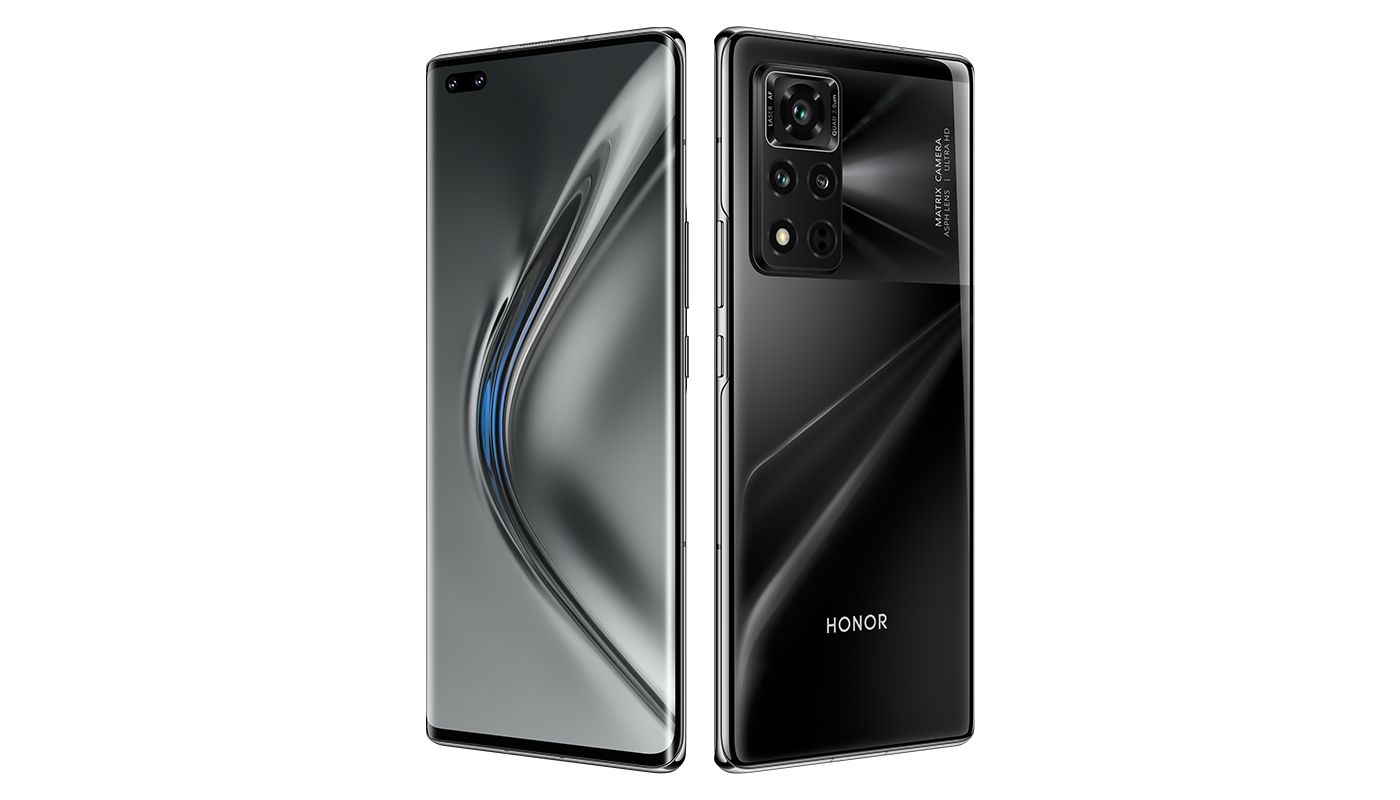
The Honor V40‘s launch is just around the corner. While the device was expected to arrive on 18th January 2021, its launch has since been delayed to January 22. Now, the company has teased one of its features that will help improve the mobile gaming experience on the new smartphone.
Earlier today, the Chinese tech giant shared a post on its official Weibo account, a Chinese microblogging website. In this social media post, the company teased the Honor V40’s new graphics acceleration engine, dubbed the GPU Turbo X. Honor even shared a short video teaser, which demonstrated the graphics acceleration feature that will arrive in the upcoming device. At the moment, the finer details of how this engine works are currently unknown, but we can expect it to be a form of software optimization, which improves paired with slight GPU overclocking to squeeze performance from its chip.
According to rumors, the Honor V40 is expected to feature a MediaTek Dimensity 1000 Plus 5G chipset. Other reported features include a 6.72-inch FHD+ AMOLED screen that offers a 120Hz refresh rate and a 300Hz touch sampling rate. For photography, the Honor V40 could be sporting a 50-megapixel + 8-megapixel (ultrawide) + 2-megapixel (macro) rear camera setup and a 32-megapixel + 16-megapixel duals selfie camera system.
The device is also rumored to be powered by a large 4,000mAh battery pack that supports up to 66W wired fast charging and 50W wireless charging. On the front, the Honor V40 is said to also sport an in display fingerprint scanner for biometric security. Unfortunately, we will have to wait for the 22nd January 2021 launch conference to confirm these specifications so stay tuned for more updates and the release date.
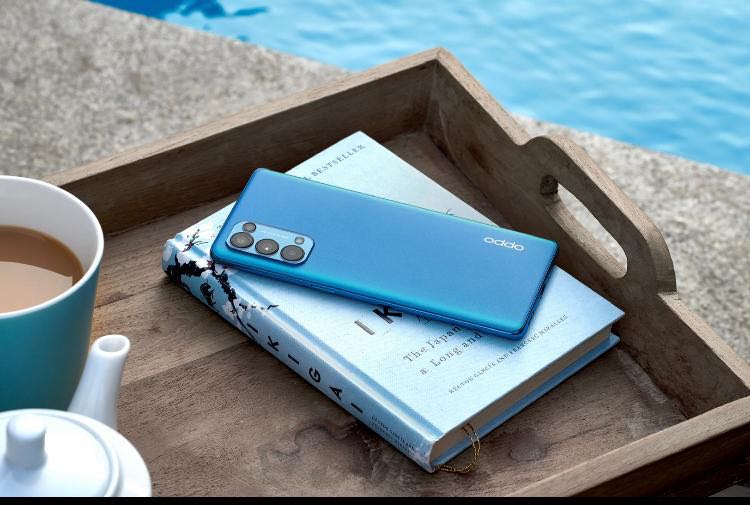
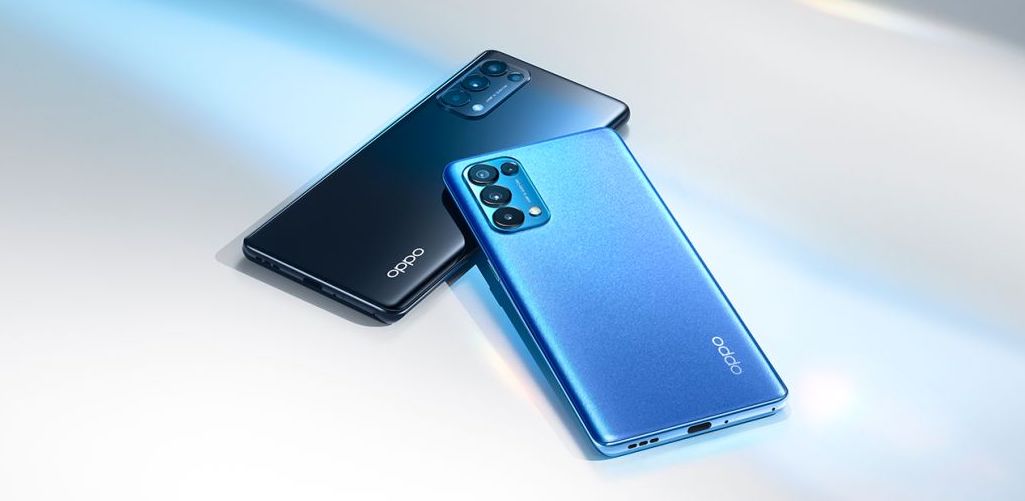
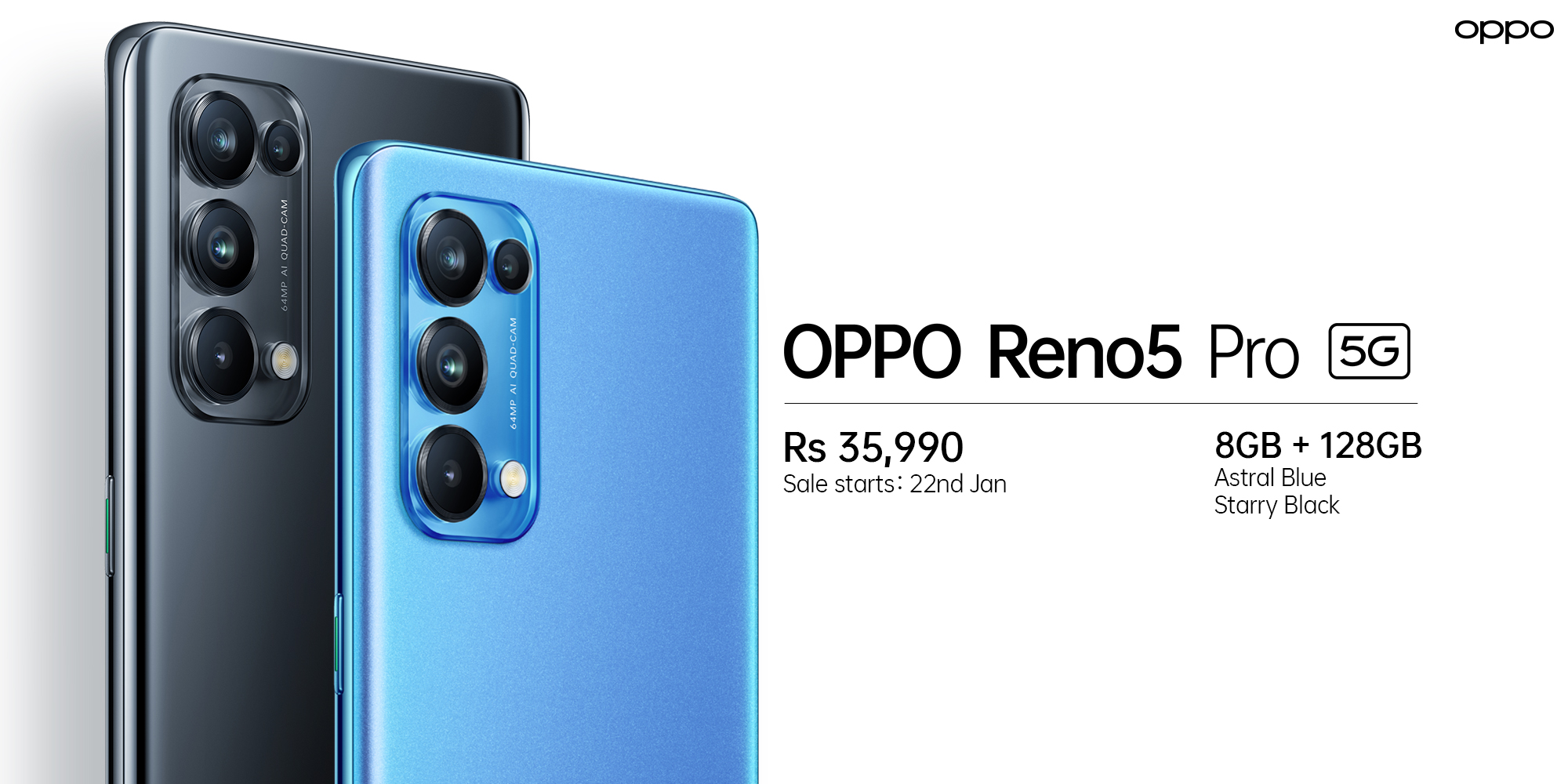
OPPO has just announced its latest upper mid-range smartphone in India, the OPPO Reno5 Pro 5G. It is the first Dimensity 1000+ smartphone in India and comes with premium features such as a 65W SuperVOOC 2.0 fast charging, a beautiful curved 6.5-inch Super AMOLED display, and a special Reno Glow matte design.
credit: OPPO
OPPO Reno5 Pro 5G Design
OPPO is focused on bringing a sleek and lightweight design on the new Reno5 Pro 5G. The phone comes in a super thin 7.6mm body and weighs only 173 grams, which makes it one of the lightest 5G smartphones in the market. The front features a 6.5-inch 3D curved Super AMOLED display with a 90Hz refresh rate and 180Hz touch sampling rate. The display is rated for HDR10+ certification and is Amazon Prime and Netflix HD certified.
One of the biggest highlights of the Reno5 Pro 5G is the Reno Glow texture at the back. This adds a sparkly texture to the back of the device but features a matte finish ensuring that it’s not a fingerprint magnet. The Astral Blue variant shifts its color from blue to purple at different angles. There’s a Starry Black color variant as well.
OPPO also adds that its new phone brings a 360-degree surround antenna design which will select the appropriate antenna group based on how you are holding the device. This will ensure that there’s always a stable network connection without any interference.
OPPO Reno5 Pro 5G Specs
Inside, the Reno5 Pro 5G comes with the same Dimensity 1000+ processor, similar to its Chinese variant. The Dimensity 1000+ features an integrated 5G modem and comes with 4 big Cortex A77 cores for flagship-level performance along with the Mali-G77 GPU. MediaTek claims its Dimensity chip is the world’s lowest power-consuming 5G chip in the market right now. As for RAM and ROM variants, the Reno5 Pro starts with 8GB of RAM and 128GB of ROM.
Camera
Coming to its camera specs, the new OPPO device features a quad-camera setup at the back. This includes a 64MP primary sensor, an 8MP ultra-wide angle shooter, 2MP Macro and depth sensors, respectively. Unfortunately, there’s no telephoto sensor on the Reno5 Pro 5G.
However, OPPO is leveraging its new FDF Portrait Video system to improve the videography experience on its new model. We have already explained how the FDF Portrait System works in an earlier article. The system basically takes advantage of OPPO’s imaging algorithms to combine Live HDR and Ultra Night Video and offer a better video shooting experience on the Reno5 Pro. OPPO claims that the new model is able to capture brighter, more colorful, and less noisy videos, even at night.
As for software, the Reno5 Pro 5G runs on the new ColorOS 11.1 based on Android 11.
Battery
The OPPO Reno5 Pro comes with a fast 65W SuperVOOC 2.0 charging technology which promises 100% charging of its 4350mAh battery in just 30 minutes. OPPO claims that a mere 5 minutes of charging will top up the phone for an additional 4 hours of video playback.
OPPO Reno5 Pro 5G Pricing & Availability
The OPPO Reno5 Pro 5G starts at Rs. 35,990 (~$491) in India for its 8GB RAM and 128GB variant. The company is also offering cashback up to 10% to HDFC and ICICI card users along with exclusive offers for existing OPPO users.
Our Reno5 Pro 5G hands-on article will be up very soon, so stay tuned for that.
OPPO has officially launched Enco X, the company’s flagship truly wireless earphones alongside OPPO Reno5 Pro 5G smartphone in India. They are priced at ₹9,990 ($136) and will be available in two colors, namely Black and White. Their first sale is scheduled for January 22 in the country.
The OPPO Enco X TWS first debuted in China in the month of October 2020 at the OPPO TV launch event. Soon, the wireless earphones made it to other markets in the following weeks. In mid-December, this product was tipped to launch in India in January 2021. As expected, OPPO revealed its launch date last week and it is now official in the country.
These in-ear style earbuds with a stem feature an 11mm dynamic driver and a 6mm balanced membrane driver. They support LHDC, AAC, and SBC audio codecs. Above all, their sound is said to be tuned by Dynaudio, a Danish Hi-Fi brand.
Further, they connect via Bluetooth 5.2 and come with binaural low-latency support for gaming sessions. Being the brand’s high-end TWS, these earbuds also support ANC (Active Noise Cancellation). Users can either opt between two different modes of ANC (Noise Cancellation, Max Noise Cancellation) to lose themselves in music or Transparency Mode when they need to hear the outside world.
The OPPO Enco X earbuds are IP54-certified for water resistance and weigh 4.8g each. Whereas, their charging case measures 66.3 x 49 x 21.7mm in dimensions, weighs 42.5g without buds, and weighs 52.5g with buds.
Last but not least, each earbud is backed by a 44mAh battery, which is rated to run for up to 5.5 hours with ANC turned off and up to 4 hours when ANC is activated. With the 535mAh battery-equipped charging case that charges via USB Type-C and Qi wireless charging, these numbers increase to 25 hours and 20 hours respectively.
Just when it seemed that things are finally lining up for Huawei, the company has been dealt with another major blow by the Trump administration in the United States. As per the report from Reuters, the Trump administration has notified the Chinese giant that it is revoking certain licenses granted to its suppliers, including Intel.
It doesn’t stop just there. On top of that, it has also informed Huawei that the administration is planning to reject dozens of applications for licenses to supply components and services to Huawei.
This is yet another attempt by the United States to weaken the world’s largest telecommunication equipment maker which it sees as a national security threat because of its origin and base in China.
In an email to Reuters, Semiconductor Industry Association said that the Commerce Department had issued “intents to deny a significant number of license requests for exports to Huawei and a revocation of at least one previously issued license.”
However, sources aware of the development claims that as many as eight licenses from four companies have been revoked by the United States. It is also said that along with Intel, Japan-based flash memory chip maker Kioxia Corp’s license has also been yanked.
It seems that companies that received the “intent to deny” notices have 20 days to respond, and the Commerce Department has 45 days to advise them of any change in a decision, otherwise it becomes final. After that, Companies would have another 45 days window to appeal that decision.
After more than a year of restrictions, the United States had finally started issuing licenses to companies for commencing supplies to Huawei as long as the components were not related to the development of 5G technology. And now just months after that, the U.S. government is backing out from that as well, incurring hundreds of billions of losses for companies tied-up between this trade war.
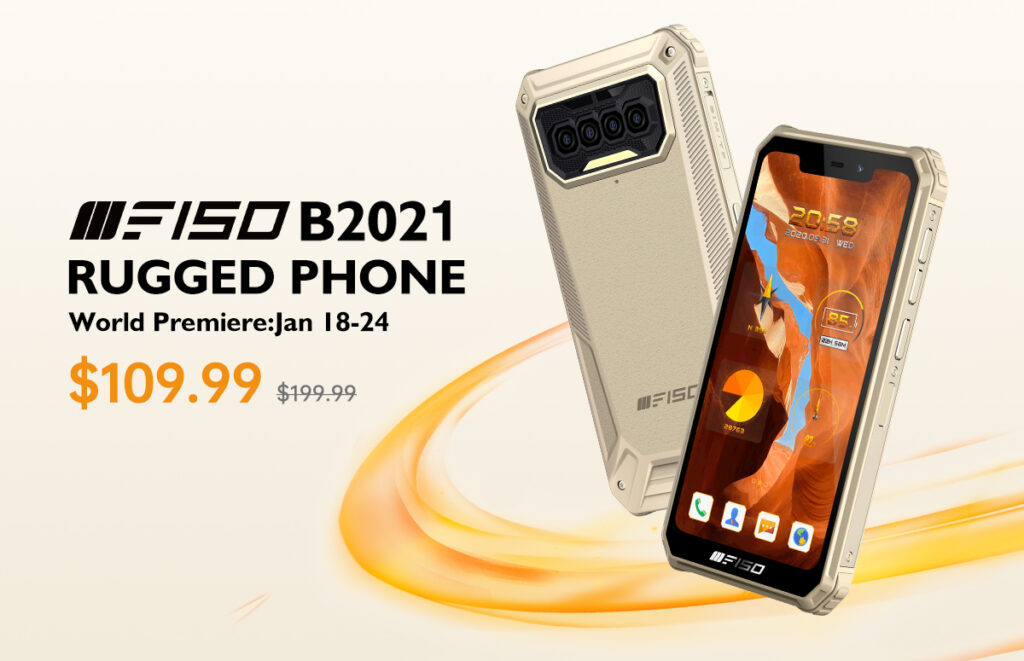
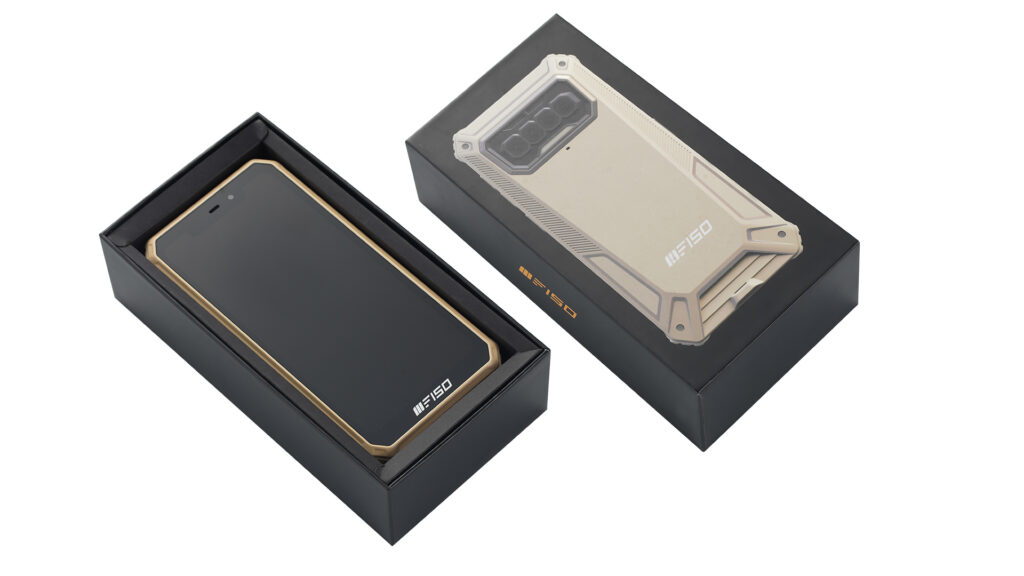
After a wait of over a few weeks after F150 launch, the B2021 rugged smartphone is now finally on sale for $109.99. The device is retailing with a massive discount of 45% on its actual price of $199.99. The smartphone is ready to compete as it carries a differently designed and a fully furnished Android 10 software. Moreover, the companies have used innovative technologies to make the device better and slimmer and lighter than the present-day rugged smartphones.
The device is built to provide a better phone experience in the real world while using it under extreme conditions. It is built on the insights from the partners who are outdoor enthusiasts and former employees of a software company.
F150 B2021 features some exciting features at the compelling price of $109.99. The device offers refined design, polished software, special modes and expressive UI design.
Unique and Furnished Design
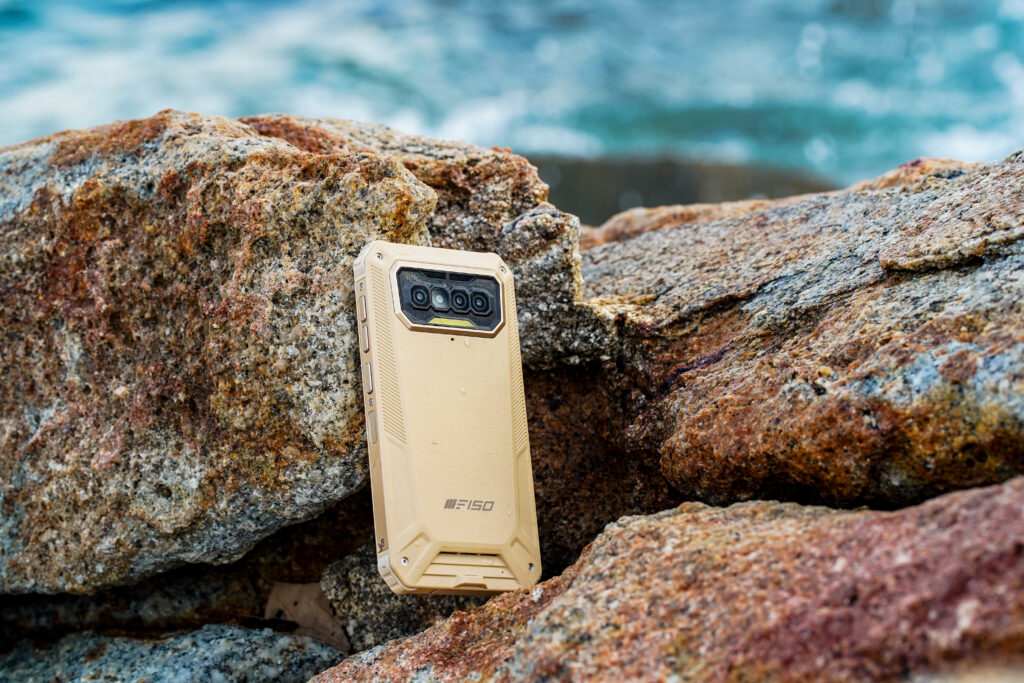
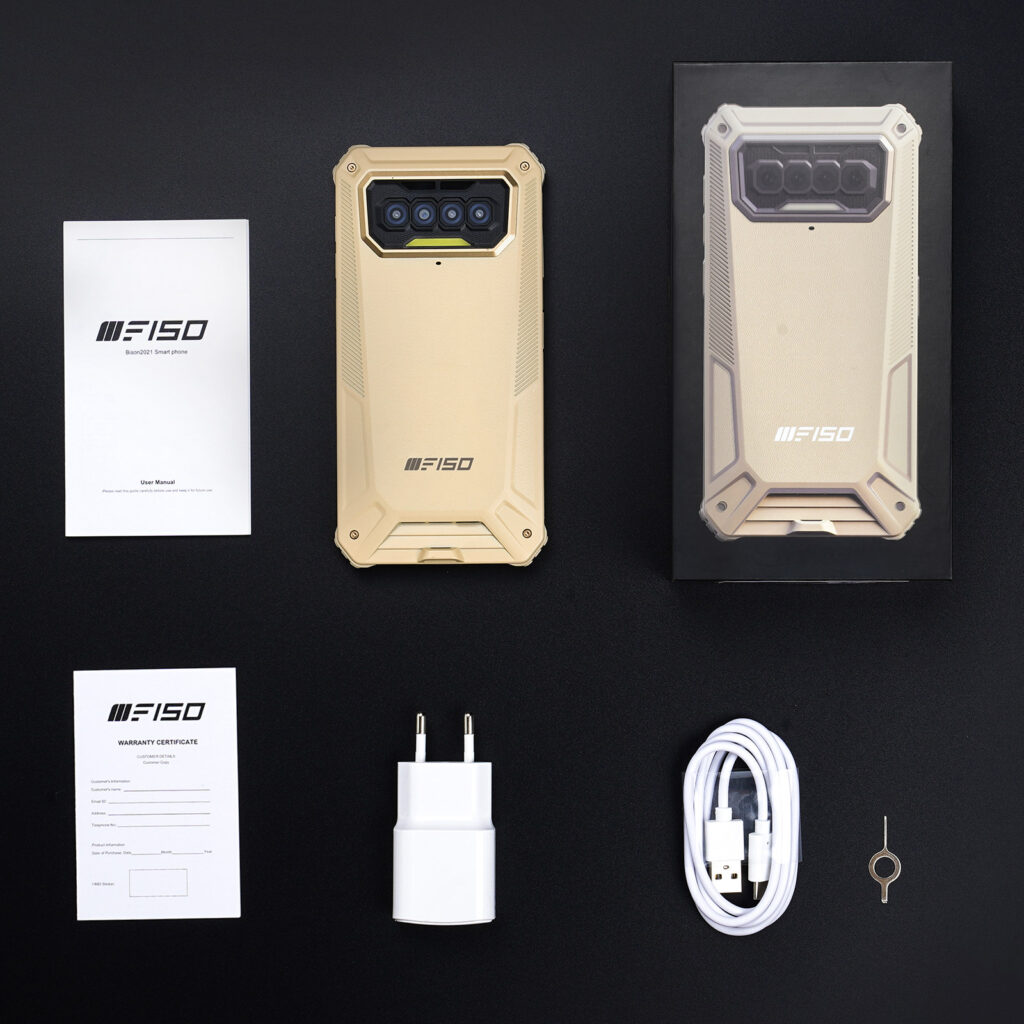
F150 B2021 is a beautifully crafted device which houses an octagonal camera bump featuring quad-camera module. Moreover, the rear looks magnificent and sturdy as it adorns well-aligned lines and octagonal shapes. The lines even enhance aesthetics and provide friction while holding the smartphone. The octagon shapes make is distinguished from other rugged phones and infuse more ruggedness in the device.
Maiden Yellow Colored Rugged Phone
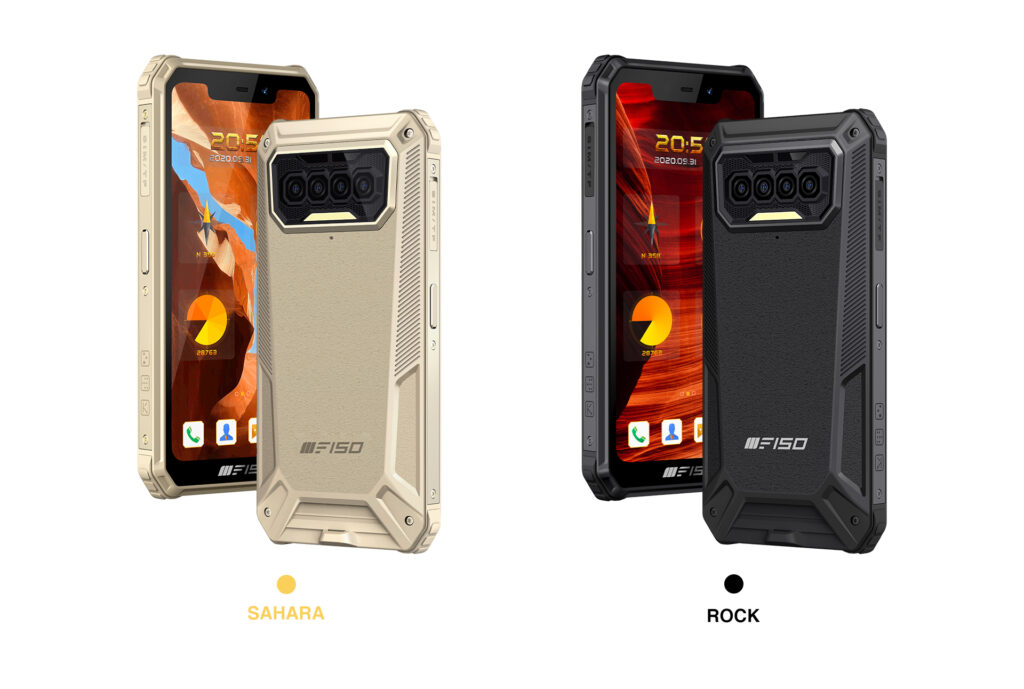
Have you ever seen a rugged phone in yellow colours? We think it was impossible to bring light and bright colours on rugged smartphones due to metal usage. However, F150 has used cutting-edge plastic technology which gives freedom to explore more colours and achieve better ruggedness. The users can grab F150 B2021 in two colours of Black and Shara Yellow. However, the company will launch the device in a few more colours within the coming months.
Polished Software
The device comes with several software improvements which enable the users to be more productive. We have listed some noticeable features below:
Two Switchable Modes
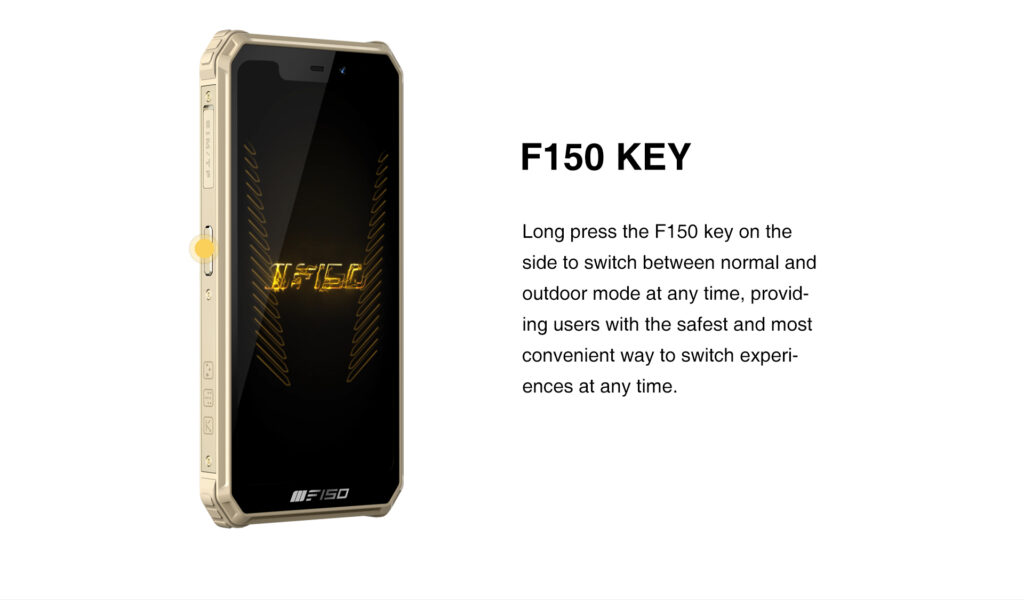
The smartphone comes with a Normal Mode and an Outdoors Mode aka F150 Mode.
The Normal mode gives you access to all the applications and software tweaks that we expect from a normal smartphone.
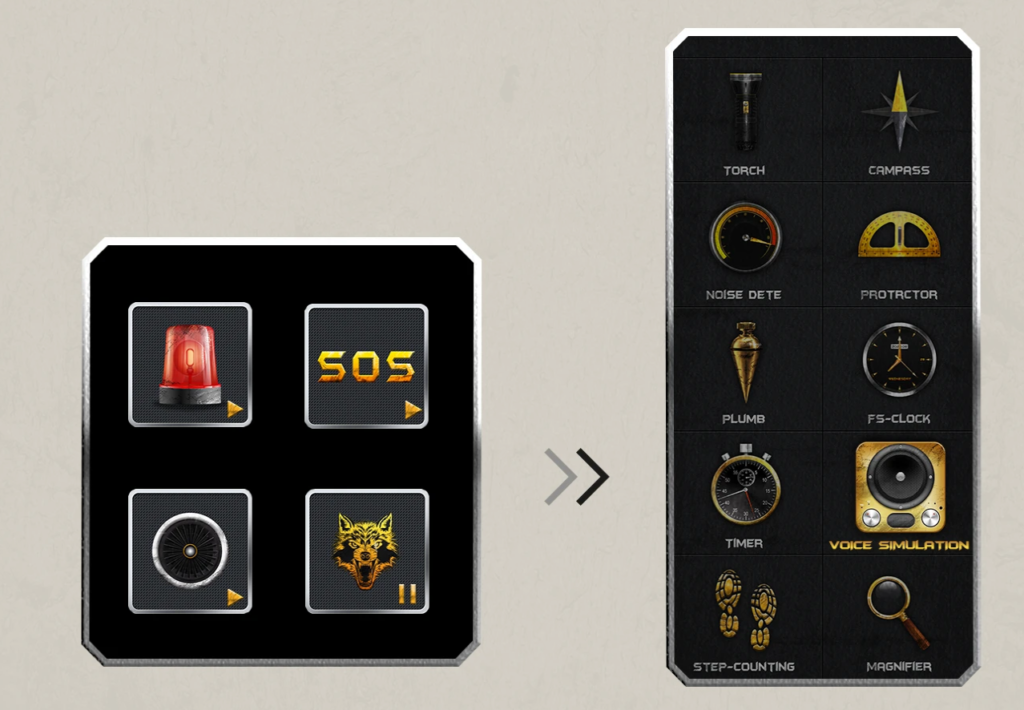
However, the F150 mode is specially designed to enjoy the outdoors. It lists all the tools which are used mostly in extreme conditions. Moreover, the UI of the smartphone gets tailored for easy accessibility.
Dedicated F150 Key
In order to toggle between two modes, the company has provided a dedicated F150 key Moreover, if you’re in some emergency situation, the user can press the same button following the emergency sequence. It automatically makes flashlight flash to get someone’s attention.
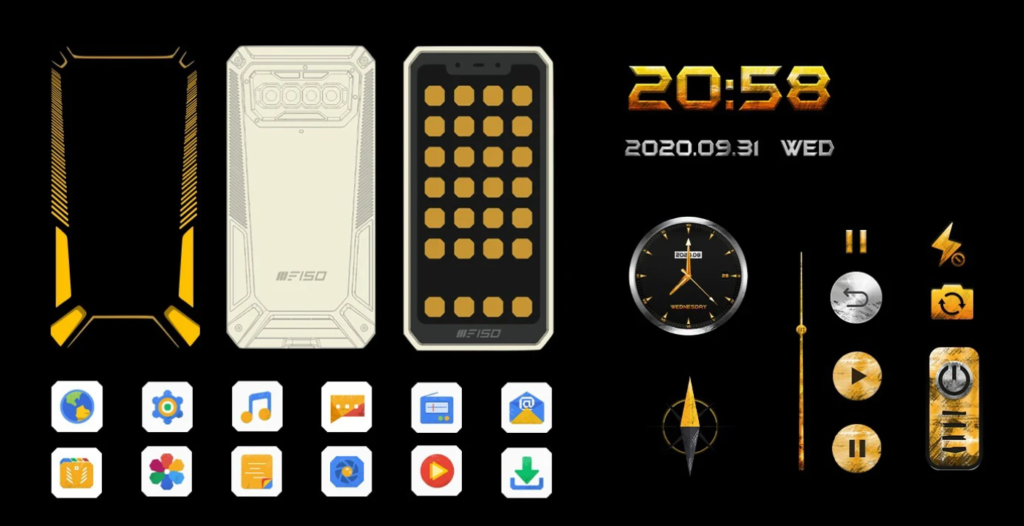
Octagonal UI Design
F150 B2021 comes with an Octagonal UI which carries specially crafted Apps, widgets, and other software elements which enhances the overall experience. The UI is more visible in the F150 mode.
Voice Simulation
The smartphone hosts prebuilt dog bark, SOS alarm and an engine sound under voice simulation technology.
Certification: IP68 and IP69K rating and MIL-STD-810G
Customizable button
One Operating System, Two Modes
Colors: Black and Sahara Yellow
Supports NFC
Moreover, you can check the unboxing video of the smartphone below to get a better overview.
Overall, the smartphone further houses a set of features which are not seen in other rugged smartphones. The company is also on the right path to become a well-established brand int the smartphone industry soon.
The users can grab the smartphone for $109.99 under a limited time introductory sale on AliExpress and Banggood. Moreover, the users can head over to the official website to known more about the global open sale.
Huawei announced three new MateBook series laptops in its home market in China — Huawei MateBook 13, MateBook 14, and MateBook X Pro 2021. As the name indicates, the MateBook Pro X 2021 is the high-end variant in the lineup.
Now, the Huawei MateBook X Pro 2021 is available for pre-order in China with a deposit of 100 yuan (approximately $15) and the company has confirmed that the device will be officially up for purchase from 20th January.
The laptop features a thin and light metal build and comes in two color options — Gray and Teal. The highlight of the device is its display, featuring a 13.9-inch screen that offers 3K resolution and a 3:2 aspect ratio. It also comes with support for a 100% sRGB wide color gamut and offers a 91% screen-to-body ratio.
It comes with a new Touchpad that has four times the sensing area. The device also supports the company’s own Huawei Share technology. There are four high- and low-frequency speakers for an immersive audio experience.
The device also has Huawei Application Market as well as Quick Applications support. As for the internals, the device comes in three different configurations, packing up to Intel 11th generation Core i7 processor, 16GB RAM, and 1TB SSD.
Its pricing starts at 8,999 yuan (~$1,387) for the base model that includes a Core i5-1135G7 chipset, 16GB RAM, and 512GB of internal storage. Another model with Core i7-1165G7, 16GB RAM, and 512GB SSD is priced at 9,999 yuan (~$1,541). The top-end model with Core i7-1165G7, 16GB RAM, and 1TB SSD costs 11,999 yuan (~$1,849).
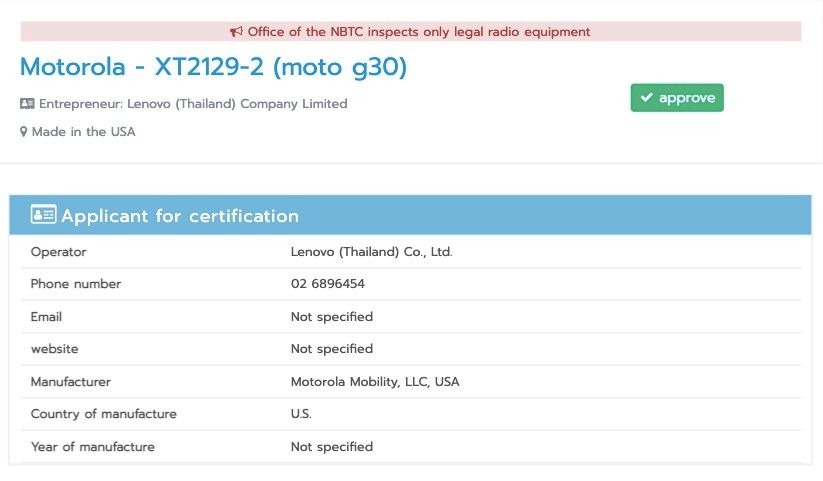
In December, it was revealed that Motorola is working on two smartphones that are codenamed Capria and Capri Plus. It is speculated that the XT-2127 model number belongs to the Capri whereas the XT-2129 model number is associated with the Capri Plus. Both models have received approvals from the Federal Communications Commission (FCC) and are expected to launch in Q1 this year. However, the rumor mill has been silent on their final marketing names. The XT2192-2 variant received approval from Thailand’s National Broadcasting and Telecommunications Commission (NBTC) today. The listing (via) has revealed that the phone could be heading to the country with the Moto G30 moniker.
The listing did not reveal any new information on the specifications of the Moto G30. Past reports have revealed that it will be a mid-range handset.
The Moto G30 is expected to arrive with a display that offers an HD+ resolution and a 90Hz refresh rate. Unfortunately, the size and design of the screen is not known yet. The device was spotted at the Geekbench benchmarking platform recently. While it was not mentioned explicitly in the listing, it is speculated that the Snapdragon 662 could be present under the hood of the G30.
The Moto G30 could be coming with a front camera of 13-megapixel. The backside of the phone could be featuring a triple camera system comprising of a 64-megapixel main camera, a 13-megapixel ultrawide lens, and a 2-megapixel depth sensor.
The G30 could be coming with a 5,000mAh battery. It is speculated to arrive in two models such as 4 GB RAM + 64 GB storage and 6 GB RAM + 128 GB storage.
MediaTek is growing rapidly in the smartphone chipset market and one of the reasons behind that is the company’s newly introduced Dimensity series. The company has already launched a few chips under the lineup and is now set to launch more.
The company has today confirmed by sharing a poster on its social media account that it will launch new Dimensity series products in China on 20th January. While MediaTek has not revealed what product it plans to launch, it is likely to be Dimensity 1200 (MT6893).
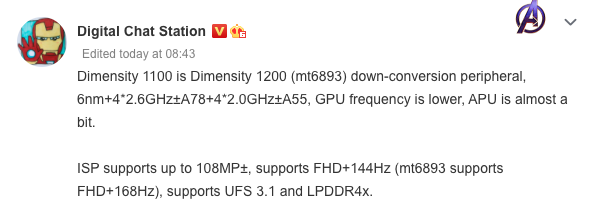
Now, another chipset from the company has been leaked online, which is dubbed as MediaTek Dimenisty 1100. From the leak, it seems that the Dimensity is just an under-clocked variant of the upcoming Dimensity 1200, and nothing much is changed.
It is being reported that the MediaTek Dimensity 1100 will be manufactured using the 6nm processor and will have four Cortex A78 cores and four Cortex A55 cores in the 1+3+4 architecture. Its clock speed is said to be 2.6GHz and the GPU won’t be overclocked.
Additionally, the chipset packs ISP that supports 108MP primary camera sensor, a Full HD+ display with a 144Hz refresh rate, LPDDR4x RAM, and UFS 3.1 storage. Overall, it seems to be a mid-range offering from the company.
We expect the chipset to be announced later this week along with the MediaTek Dimensity 1200 SoC. To know for sure about these chipsets and expected availability in the market, we will have to wait for a couple of days.
In related news, it is being reported that the upcoming Redmi K40 smartphone will have a MediaTek-powered variant along with the Snapdragon 888 version. It remains to be seen which chipset from MediaTek ends up in this upcoming smartphone.
Last week, Redmi confirmed that the Redmi K40 series will be launching in February. The company also shared the key details on the specs and pricing of the K40 lineup. Yesterday, Redmi Product Director Wang Teng Thomas took to Weibo to hint that the company could be launching two Snapdragon 888 powered K40 series phones.
The machine-translation of Thomas’ Weibo post reads that there is more than one Snapdragon 888 version in the K40 series. Last year, Redmi launched multiple K30 series smartphones across different price points. At the beginning of the year 2020, it began with sales of the Redmi K30 5G and in February, it announced the Redmi K30 Pro and Redmi K30 Pro Zoom edition. Both Snapdragon 865 SoC powered phones carried identical specs, but the Zoom edition offered a better photography experience.
The first K40 phone with an SD888 chip onboard could very well be the Redmi K40 Pro smartphone. The second SD888 phone could be the successor to the Redmi K30 Pro Zoom edition. Apart from the Snapdragon 888 powered models, the company is also expected to launch a vanilla model powered by a new MediaTek chip or the new Snapdragon 7-series sm7350 chip by Qualcomm.
So far, Redmi has revealed that the Redmi K40 series will be carrying a starting price of 2,999 Yuan (~$462). It will be equipped with the most expensive flat display and it will be backed by a battery that is bigger than 4,000mAh. Rumors have that it could be sporting a punch-hole display with a high refresh rate support. The other details of the K40 models are under wraps. Since the lineup is set to launch next month, the company is expected to start revealing some of its key features in the coming days.
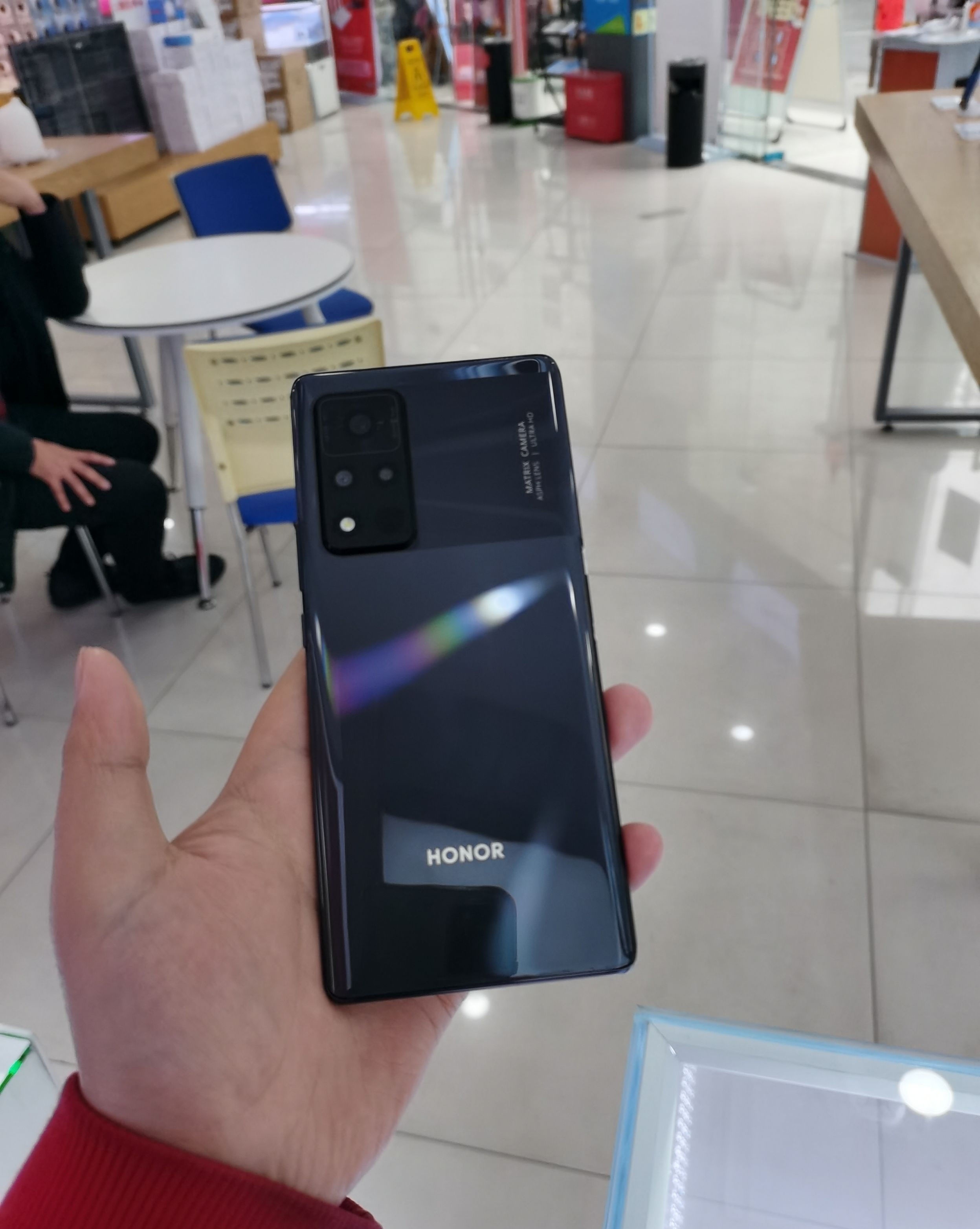
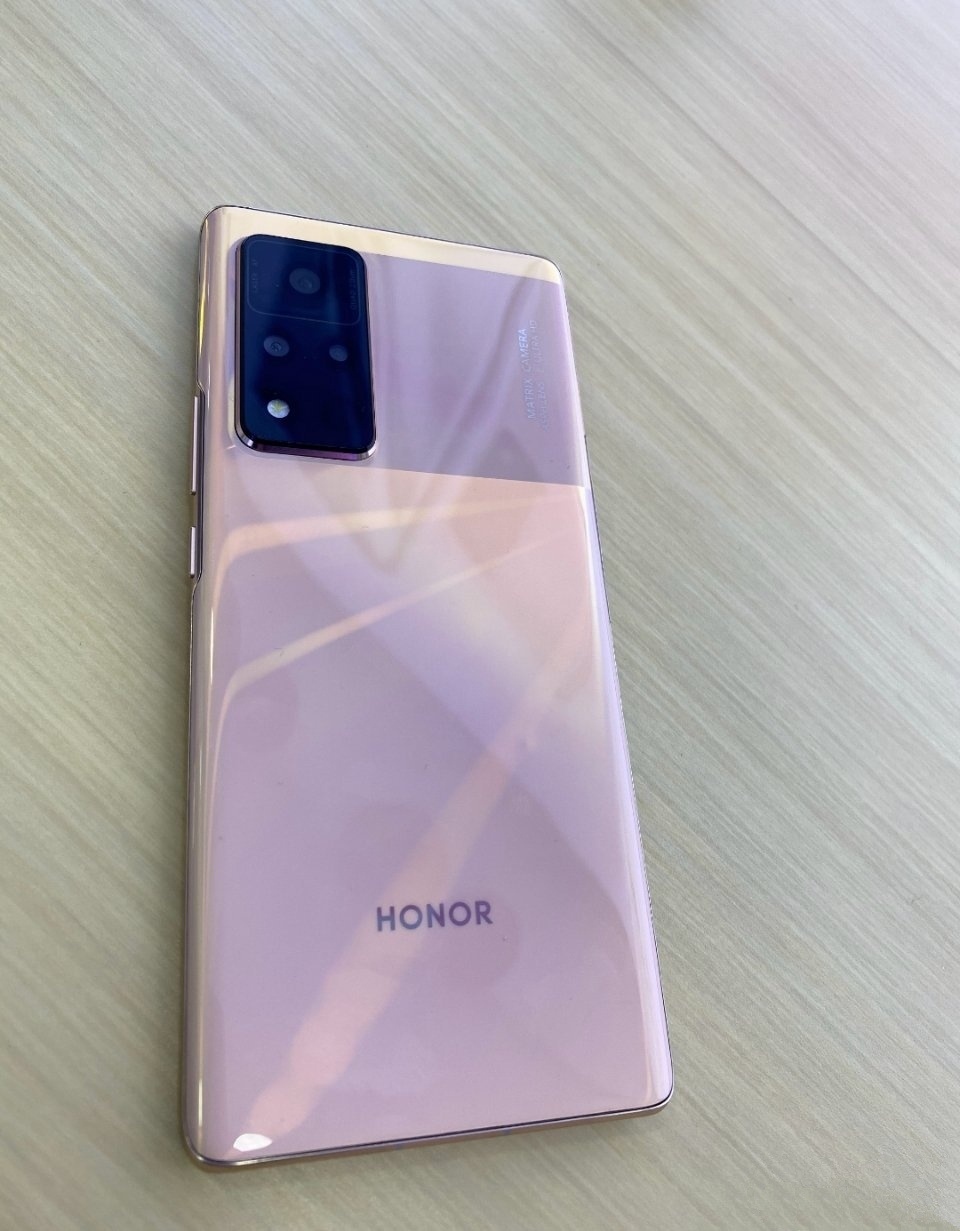
Earlier this month, Honor confirmed that it will be launching the Honor V40 on Jan. 18. Last week, the company revealed that its launch date has been postponed to Jan. 22. Ahead of the launch, the official renders of the Honor V40 have appeared in a listing at a Chinese retailer site.
1 of 5
Honor V40 render
The Honor V40 is now up for reservations on Suning and other retailer sites in China. The renders confirm the presence of a pill-shaped cutout at the upper-left corner of the V40’s screen. The display can be seen sporting curved edges. The rear view of the phone reveals that its rectangle-shaped camera module has three cameras, laser autofocus, and an LED flash unit
Recent reports have revealed that apart from black, the V40 will be also available in blue and orange colors. In addition, multiple sources have revealed the live shots of the Honor V40. A screenshot of the Honor V40’s price through a channel dealer warehouse has appeared on Weibo. The listing states that the device is priced at 3,999 Yuan (~$617).
Rumors have revealed that the Honor V40 could be coming with a 6.72-inch FHD+ AMOLED screen that offers a 120Hz refresh rate and a 300Hz touch sampling rate and it could be powered by the MediaTek Dimensity 1000 Plus chipset.
1 of 9
For photography, the Honor V40 could be sporting a 50-megapixel + 8-megapixel (ultrawide) + 2-megapixel (macro) rear camera setup and a 32-megapixel + 16-megapixel duals selfie camera system. The smartphone is rumored to house a 4,000mAh battery with 66W fast charging and a 50W wireless charging support. Lastly, it features an in-screen fingerprint reader.
At the end of the year 2020, POCO India seemingly teased the arrival of the POCO F2. Since then, the rumor mill has been spilling some information on the specs of the POCO F2. A recent leak claimed that it will not be a flagship phone, but an upper mid-range phone driven by the Snapdragon 732G. On Saturday, popular tipster and YouTuber Mukul Sharma carried out an AMA session with POCO India Country Director, Anuj Sharma to share some exclusive information. During the session, Anju revealed that the Snapdragon 7332G would not drive the POCO F2.
In December, two laptop batteries with model numbers R15B02W and R14B02W was certified by the Bureau of Indian Standards (BIS). These batteries were reportedly listed with POCO branding. Hence, the rumor mill started speculating that the POCO brand could be venturing into the laptop market soon. However, in the starting few minutes of the AMA session, Anuj confirmed that it was indeed a POCO battery, but it was not a laptop battery.
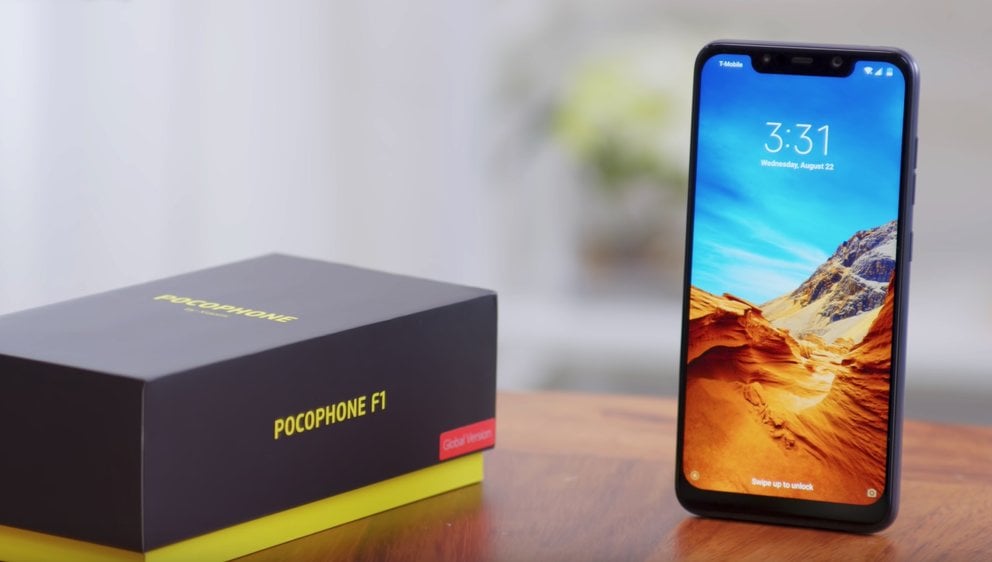
While Anuj spoke a couple of times about the POCO F2 in the AMA session, it is yet to be confirmed whether the successor to the legendary POCO F1 will be called POCO F2 or POCO F3. He revealed that the company the Snapdragon 732G (an upper mid-range chip) will not power the F-series. This indicates that the POCO F1’s successor could be a flagship SoC.
The Snapdragon 845 SoC powered POCO F1 came with an astonishing price tag of Rs 20,999 (~$287). Talking about the pricing of the F1’s successor, Anuj revealed that it will be priced higher as it is impossible to launch it with pricing that the F1 carried. He did not mention the specific price range of the POCO F2.
The POCO F2 Pro debuted in August 2020 with a starting price of 599 euros (~$723; ~Rs 52,920). It was a rebranded version of the Snapdragon 865 powered Redmi K30 Pro 5G that went official in March. Probably, the POCO F1’s successor featuring a flagship SoC could be priced between Rs 25,000 (~$341) to Rs 40,000 (~$546).
Anuj also revealed that he tasked the R&D team to work on another product that could end up as a spiritual successor to the POCO F1. It may be something, and it might not be called the F2. The POCO executive did not divulge much info on the mysterious device. Check out the video above to know what else Anuj spoke about in the AMA session.
WhatsApp announced changes to its privacy policy a few weeks ago. The announcement was met with disapproval as folks interpreted the changes to mean that their messages will no longer be private and their data will be exchanged with Facebook and its other services.
Following the development, several users numbering millions decided to switch to other messaging apps such as Telegram and Signal which offer better privacy. While WhatsApp has tried to reassure users about protecting and respecting their privacy via social media announcements, a blog post, full-page newspaper adverts, and even in-app stories, the deed has already been done and it will be hard to reverse it.
For this week’s poll, we want to know if you still use WhatsApp or if you have switched to a different messaging app. Also, let us know in the comment box if you will return to using the app following WhatsApp’s clarification.
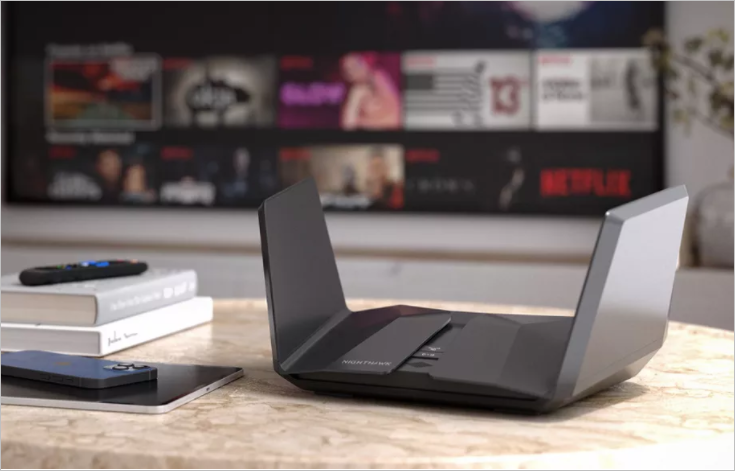
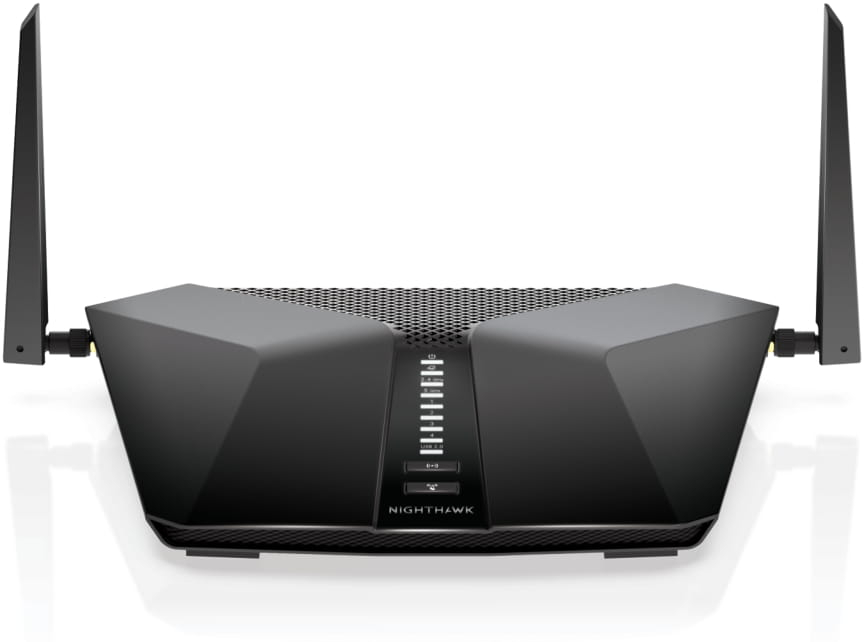
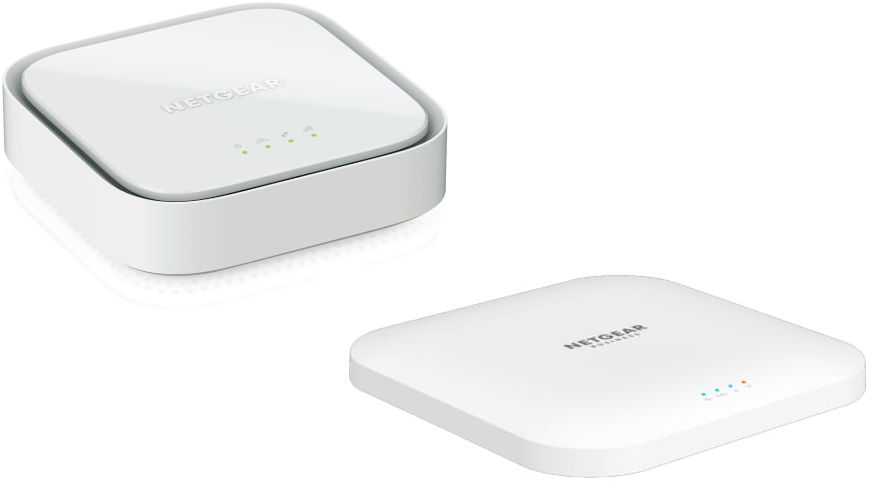
Popular networking products manufacturer Netgear has launched the Nighthawk RAXE500 Tri-band Wi-Fi Router. The new router is the brand’s first-ever Wi-Fi 6E router and it makes its debut alongside the Nighthawk 4G LTE Wi-Fi 6 Router, the LM1200 4G LTE Modem, and the WAX214 and WAX218 APs.
NETGEAR Nighthawk RAXE500 Tri-Band Wi-Fi Router
The Nighthawk RAXE500 Tri-band Wi-Fi Router is built with expanded capacity to use the present 6GHz Wi-Fi band for higher-capacity, lower latency connections. The router is great for use cases such as simultaneously streaming 4K/8K video, video conferencing, and conducting distance learning. It also features the latest WPA3 protocol, which should provide enhanced security.
The new high-end router has a semblance with a manta ray, which is similar to other products on Netgear’s Nighthawk line of wireless routers. Netgear says the router can push beyond gigabit speeds for mobile devices, and that it offers a total bandwidth of up to 10.8Gbps.
Netgear Wireless APs
Furthermore, the new Nighthawk RAXE500 Router features five-gigabit ports and two USB 3.0 ports on its rear. It supports multi-gigabit speeds via a compatible DOCSIS 3.1 modem, either through the RAXE500’s single 2.5Gb link or by opting for a multiport link aggregation method (which offers up to 2Gbps speeds).
The Netgear Nighthawk RAXE500 is priced at $599.99 and will be available later this month while the Nighthawk LAX20 costs $299.99 and the LM1200 LTE modem costs $149.99.
The previous week was an exciting one for nerds and geeks as it was packed full of events. From CES 2021 to Samsung having two important announcements, there are probably a ton of gadgets folks are looking forward to getting their hands on. Here is a recap of the top stories:
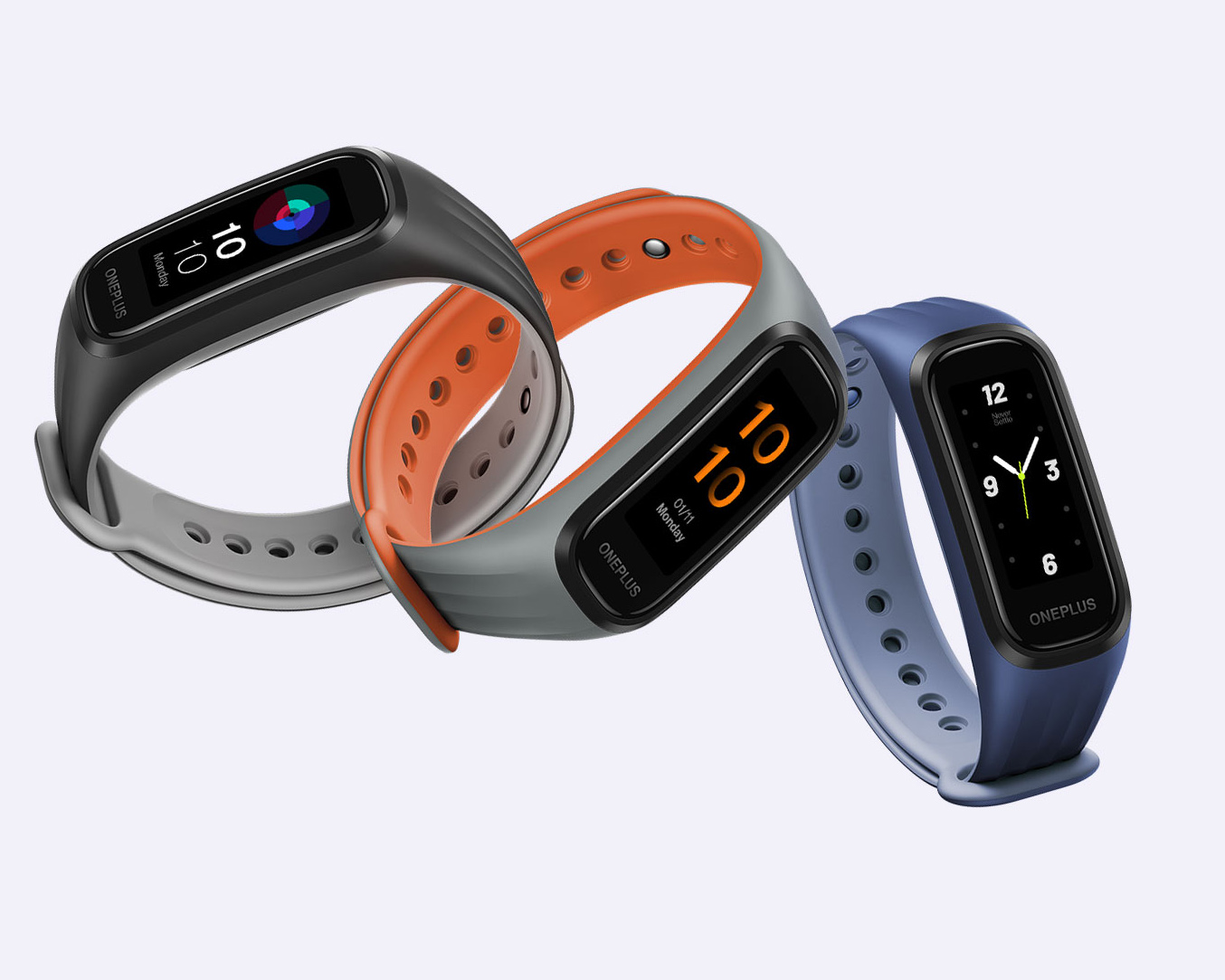
Oneplus Band
OnePlus Band wants to take on the Xiaomi Mi Band
The first wearable from OnePlus, the OnePlus Band was announced last week in India. The fitness tracker is priced at about $35, offers a 14-day battery life, can track sleep and activities including yoga, rowing, and elliptical. It also has a blood oxygen level monitor. OnePlus has not said anything about a launch in other markets.
iQOO 7
iQOO 7 is fast in all ways
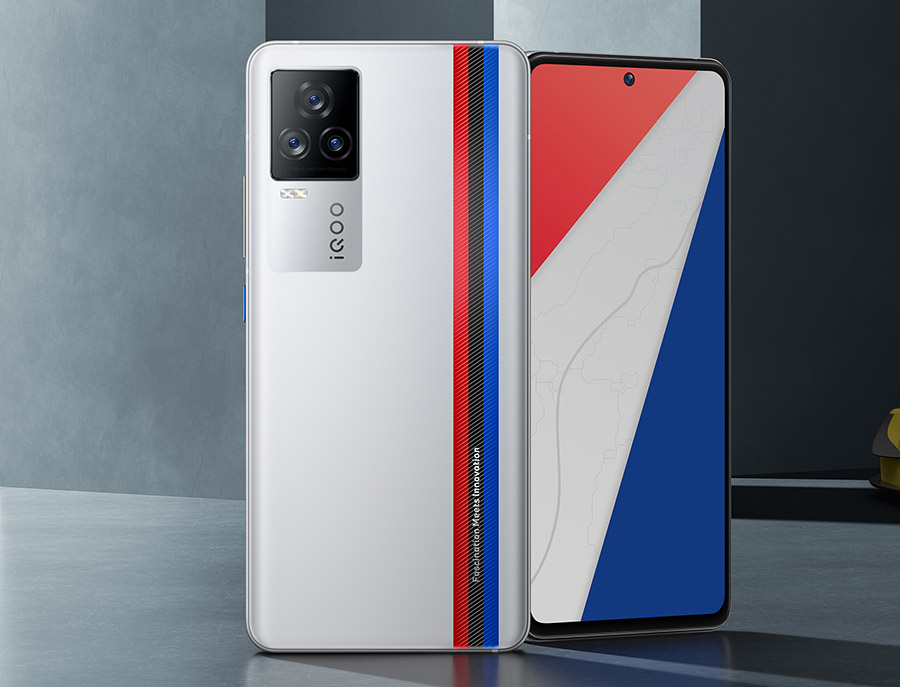
The iQOO 7 is the definition of fast. 120Hz refresh rate? Check. Snapdragon 888? Check. 120W charging? Check. This flagship phone from Vivo’s sub-brand also starts at under $600.
Samsung’s Exynos 2100 is a promising chipset
Samsung announced its Exynos 2100 processor last week and the 5nm chipset packs a punch. It brings significant improvements in CPU, GPU, and AI performance and its ISP is also pretty impressive. We compared it to the Snapdragon 888 and the result is surprising.
Galaxy S21 series arrives with S Pen support but no accessories in the box
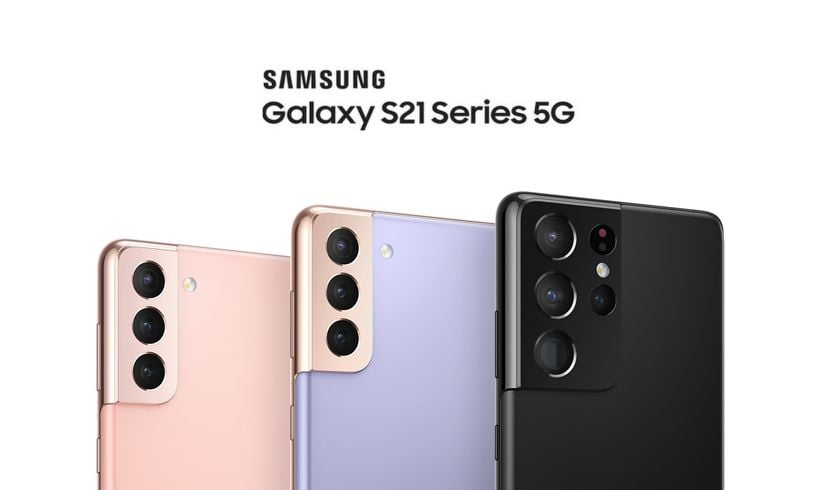
The Galaxy S21 series was one of the key announcements last week. The Galaxy S21 and Galaxy S21 Plus rock a new design, improved cameras, and powerful processors but it is the Galaxy S21 Ultra that is turning heads. It packs better cameras, a bigger battery capacity, and is the only one with support for the S Pen. But just like its siblings, this phone that is priced over $1000 doesn’t come with a charger in the box. You also have to buy the S Pen separately for an extra $40.
It is claimed that your smartwatch, as well as other smart wearables that continuously measure the users’ vital statistics like heart rates, skin temperature, and other physiological indicators, can provide sufficient information that may help in determining possible coronavirus infection a few days before an individual is diagnosed with the virus, after doing a test.
Such devices include the Apple Watch, Garmin, and Fitbit watches, as well as other brands from producers of smart wearables, could indicate whether an individual is positive for COVID-19, even before the known symptoms are felt, at which time they have become symptomatic and tests could detect the presence of the virus. This is according to studies from a number of leading academic and medical institutions, including Mount Sinai Health System, and Stanford University, both in the US. It is believed in many quarters that wearable technology could play a very important role in curtailing the pandemic, as well as some other communicable diseases.
The researchers at Mount Sinai Health System discovered that the Apple Watch can detect subtle changes in a person’s heartbeat, which can provide evidence and a signal that the person may have contracted the coronavirus. This indication or signal could come as early as a week before the person may feel sick or the infection is detected after a test was conducted.
The study analyzed what was defined as heart rate variability — the variation in time between a person’s heartbeats, which is also an indicator of how well a person’s immune system is working. Persons who had COVID-19 were observed to have lower heart rate variability, while the COVID-negative persons were exhibiting a higher variability in the time between heartbeats.
It is noted that a high heart rate variability does not reflect or indicate an elevated heart rate, but rather It indicates that a person’s nervous system is quite active, adaptable, and could be more effective in coping with stress.
The Study involved about 300 health care workers in the Mount Sinai medical facility who wore Apple Watches for 153 days from April to September 2020.
Apple was not part of the Mount Sinai Study but is aware of the potentials of its smartwatches.
Data generated by smartwatches could be very helpful in the fight against the pandemic, as it is estimated that more than 50% of coronavirus cases are spread by asymptomatic persons, well unaware that they are carriers. This is according to a report by the US Centers for Disease Control and Prevention last week.
A separate and independent study by researchers from Stanford University, in which the participants wore a variety of different activity trackers from Garmin, Fitbit, Apple, and others, discovered that about 81% of COVID-19 positive participants experienced an elevated increase in their resting heart rates up to nine full days before symptoms began to be observed, which, according to the study, indicated the onset of symptoms.
The Stanford researchers used the smartwatch data to correctly identify up to 66% of COVID-19 cases, four to seven days before the participants showed symptoms, as reported in their study published in Nature Biomedical Engineering in November last year. The study examined data from 32 persons who tested positive for covid-19 among more than 5,000 participants.
The Stanford research team has gone ahead to create an alarm system that alerts wearers of smart devices that their heart rate has been elevated for a sustained period of time,
It is believed that such technology could assist to mitigate some of the observed shortcomings in relation to testing for coronavirus.
Manufacturers of these smart wearables are also looking at how the technology could be used to fight the virus and have started funding research in this direction.
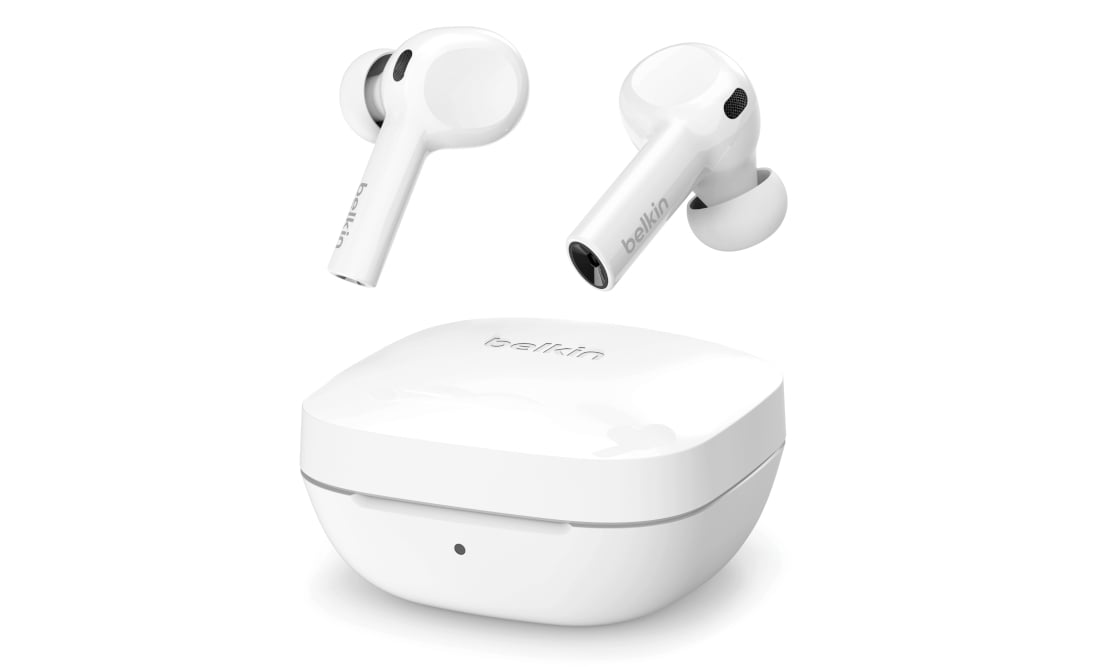
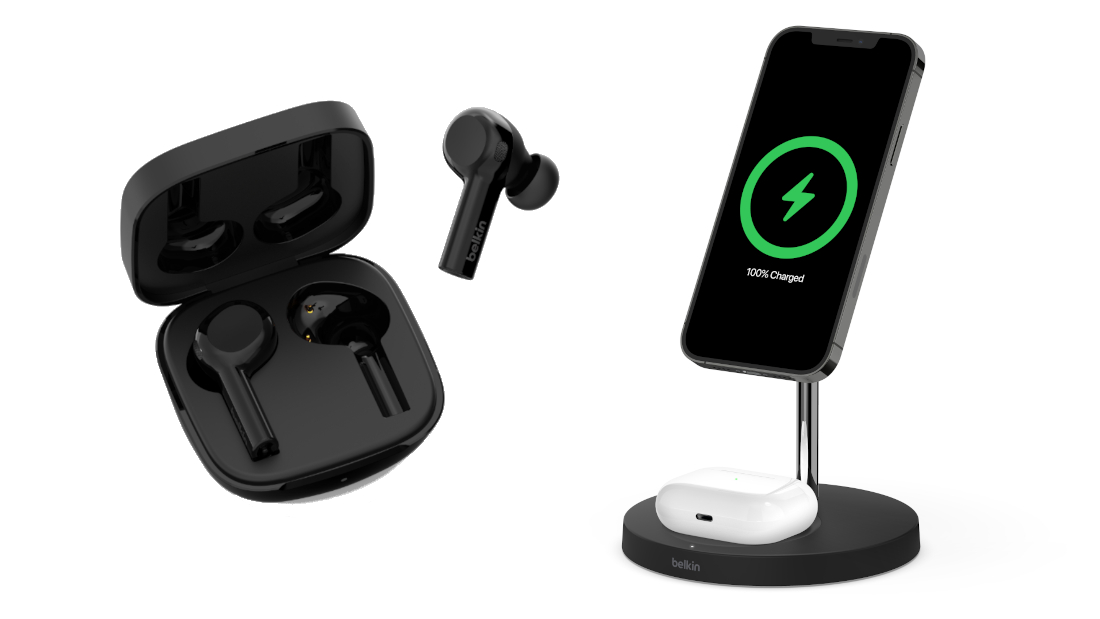
Belkin, a long-standing manufacturer of a wide array of electronics products, has announced the launch of its latest TWS headphones, the Soundform Freedom True Wireless Earbuds. Also announced was the BOOST↑CHARGE PRO 2-in-1 Wireless Charger Stand from Apple. The announcement of the launch of the two products was made during CES 2021.
The Belkin Soundform Freedom True Wireless Earbuds, among other features, has Qualcomm’s QCC3046 Bluetooth SoC built-in. These, in combination with the custom-built and impressive drivers, has made the device to be capable of delivering a wonderful sound experience, as the earbuds can produce powerful bass and great clarity for music playback.
The Belkin Soundform Freedom True Wireless Earbuds is IPX5 certified, and it is compatible with Apple’s Find My network. The earbuds also feature environmental noise cancellations.
On a single full charge, the battery of the earbuds is projected to last up to 8 hours, which Belkin claims can be further extended for another 20 hours with the charging case which is included in the package. It has a fast-charging capability, as charging the device for 15 minutes could provide up to two hours of music playback non-stop. In addition, the charging case can be charged either through its USB-C port or with a Qi wireless charger.
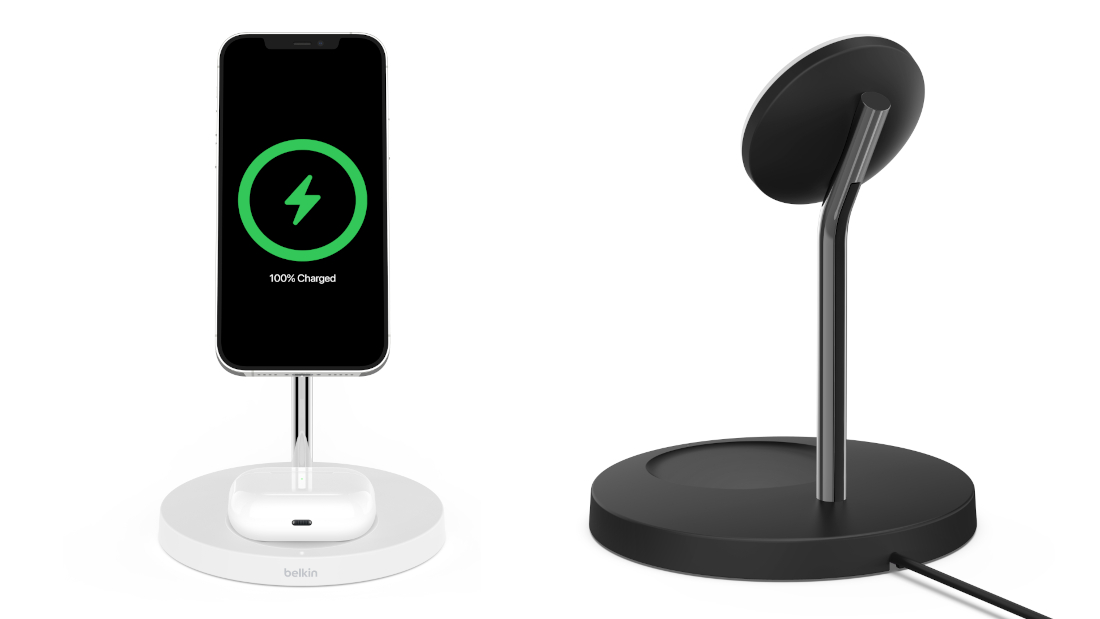
The BOOST↑CHARGE PRO 2-in-1 Wireless Charger Stand is part of Apple’s MagSafe accessory devices, and, according to Apple, it is capable of charging the iPhone 12 series smartphones at up to 15W. The Wireless Charger stand also contains a second charging coil for the AirPods Pro and AirPods True Wireless Earbuds, with Wireless Charging Case.
The Apple BOOST↑CHARGE PRO 2-in-1 Wireless Charger Stand with MagSafe will be available around April 2021 and would sell for about $100. The Belkin Soundform Freedom True Wireless Earbuds will be available around the same period of early April 2021, although the price is yet to be announced.
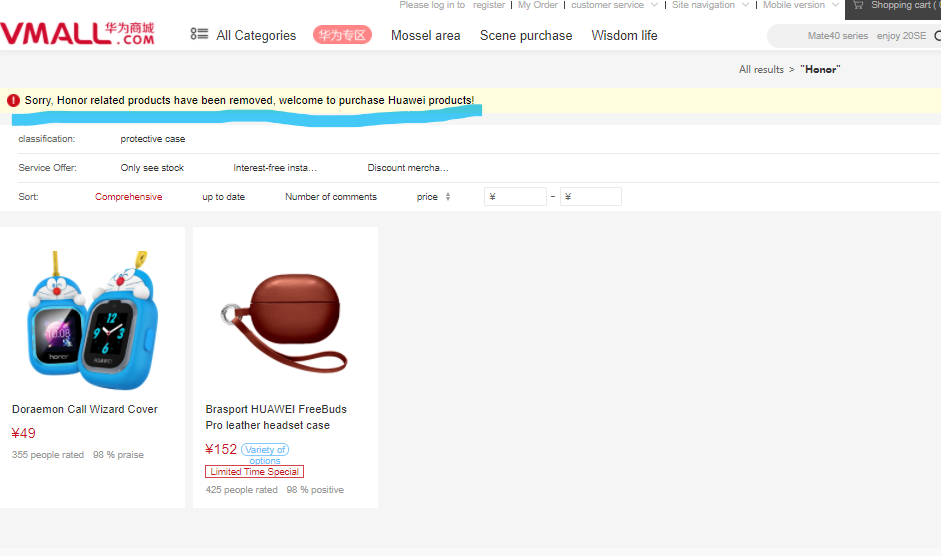
It is no news that Honor is no longer a Huawei company, and to further emphasize that, Huawei has delisted all Honor products from its Vmall online store.
If you head to Vmall.com and search for Honor, you get a message that says that “Honor related products have been removed…”. If you want to purchase Honor products, you will have to go to the manufacturer’s own online store via its official website, HiHonor.com.
The link to the Honor online store which was announced on January 12, is currently giving a 404 error. We want to believe the site is under maintenance. ITHome reports that aside from the website, there is also a WeChat app version of the store but a proper mobile app is yet to be announced.
The Honor Mall will sell the brand’s smartphones, tablets, smart displays, notebooks, earphones, and smartwatches. It has been reported that the 75-inch Honor X1 Smart Screen is already listed for purchase there and also opened registration for the new Honor MagicBook notebooks and Honor V40 smartphone scheduled to launch on January 22.
Honor used to be a subsidiary of Huawei before but the latter’s ongoing battle with the US has greatly affected its business. Last November, Honor was sold to Zhixin New Information technology Co. Ltd – a company formed from a consortium of more than 30 agents and dealers of the Honor brand, and Shenzhen Smart City Development Group Co. Ltd.
Honor has been in talks with chip manufacturers, MediaTek and Qualcomm, for chip supply. The manufacturer says it plans to ship more than 100 million smartphones this year and it can only do that if its chip supply and supply chain, in general, is not cut off.
ByteDance has pulled the plug on Smartisan, the Chinese company known for its well-designed smartphones. Both companies had worked together last year to release the Smartisan Nut R2 after reports surfaced that ByteDance had acquired some of Smartisan’s patents and also employed some members of its staff.
ByteDance shuts down Smartisan Mobile
According to Chinese media, ByteDance suspended the mobile phone hardware business on January 13. The Chinese company which owns TikTok announced that it has integrated the R&D team established by Smartisan into its own educational hardware team. This educational hardware team is said to be led by Yang Luyu, the founder of Musical.ly. The team will report to Chen Lin, the senior vice president of ByteDance and the head of the education business.
There are a handful of reasons that have surfaced regarding ByteDance’s decision to shut down the Smartisan mobile business. ITHome reports that a mobile phone distributor had revealed that the popularity and sales of Smartisan phones are very low. This is said to be partly because they are sold only online, and those sold offline are usually second-hand units. Another distributor revealed that he purchased a few second-hand units last year but he is yet to sell them. He has decided to write them off as a bad purchase.
Bigger outlets such as JD.com and Taobao have reported that total sales of the Smartisan Nut R2 flagship phone launched last year is less than 100,000 units. At the moment, the stores have slashed the price from ¥4499 (~$694) to ¥2299 (~$355). Now that news of the business shutting down has surfaced, we do not think anyone will want to buy such a phone.
Smartisan Nut R2
Another reason that has surfaced is the cost of production. ByteDance doesn’t have the supply chain advantage that bigger manufacturers such as OPPO, Vivo, and Xiaomi boast of, so the production cost is more expensive. It has been reported that ByteDance has switched to the development of desk lamps for its education business.
Wondering why desk lamps? A research institute, Multi-Whale Capital Education Research, predicts the K12 education smart hardware market will reach ¥57 billion by 2022 and smart lamps are part of the products that have gained popularity. Last October, ByteDance announced the Dali Smart Tutoring Lamp which has a screen and an educational coach built-in.
This may not be the end for Smartisan as there is a possibility that an investor or buyer may enter a deal with the owners to bring its products back to the market. However, if that is going to happen, the mistakes of the past will have to be avoided.
We use cookies on our website to give you the most relevant experience by remembering your preferences and repeat visits. By clicking “Accept”, you consent to the use of ALL the cookies.
This website uses cookies to improve your experience while you navigate through the website. Out of these, the cookies that are categorized as necessary are stored on your browser as they are essential for the working of basic functionalities of the website. We also use third-party cookies that help us analyze and understand how you use this website. These cookies will be stored in your browser only with your consent. You also have the option to opt-out of these cookies. But opting out of some of these cookies may affect your browsing experience.
Necessary cookies are absolutely essential for the website to function properly. This category only includes cookies that ensures basic functionalities and security features of the website. These cookies do not store any personal information.
Any cookies that may not be particularly necessary for the website to function and is used specifically to collect user personal data via analytics, ads, other embedded contents are termed as non-necessary cookies. It is mandatory to procure user consent prior to running these cookies on your website.