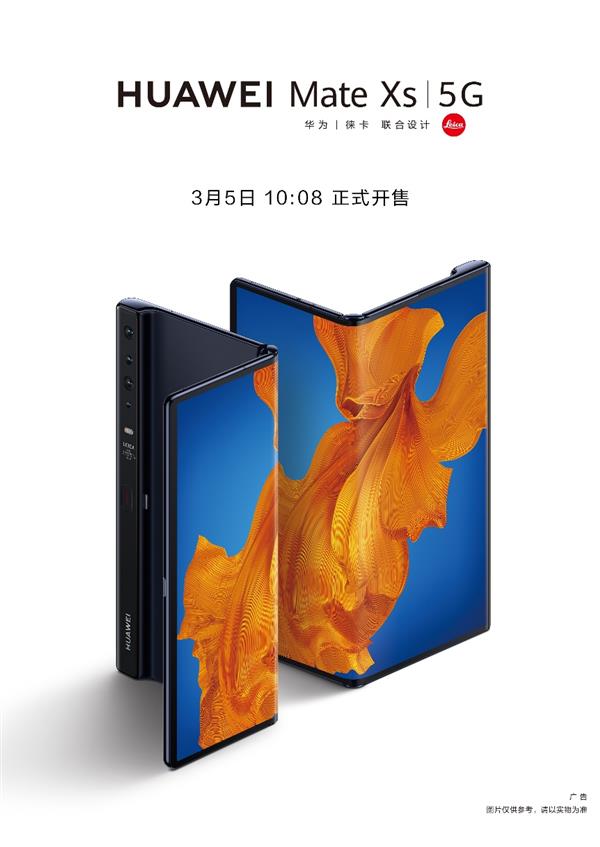
While Samsung cemented its hold of the foldable market with multiple models last year, Huawei was missing from the scene after it announced the Mate Xs in February. Fans of the first two models were expecting the announcement of the Huawei Mate X2 but that never happened. Now, a new report says that the foldable phone which was earlier scheduled to launch this month has been postponed.
Huawei Mate Xs
The info comes from Teme (@RODENT950) who revealed that Huawei Mate X2’s launch that was originally planned for this month has been moved forward. However, there is no news of a new timeframe or specific date for the launch.
More postponed launches, this time Mate X2, originally plannet release on this month but currently it is postponed.#HuaweiMateX2
While no reason was provided for the postponement of the launch, our guess is that it has to do with Huawei’s current chipset predicament. Other than the Mate X2, it also has the Huawei P50 series scheduled for this quarter, and with limited chipsets, including the Kirin 9000, it may be weighing its options as to which device(s) should get the available stock.
There are rumors that the Mate X2 will have an inward folding design just like that of the Samsung Galaxy Z Fold 2 but a leaked image alleged to be that of the device that surfaced a few months ago shows an outward folding design. Until more concrete evidence surfaces, the Mate X2’s design remains unconfirmed.
Nevertheless, we expect Huawei to launch a foldable that packs improved features such as a bigger battery capacity with support for a faster charging technology, and better cameras.
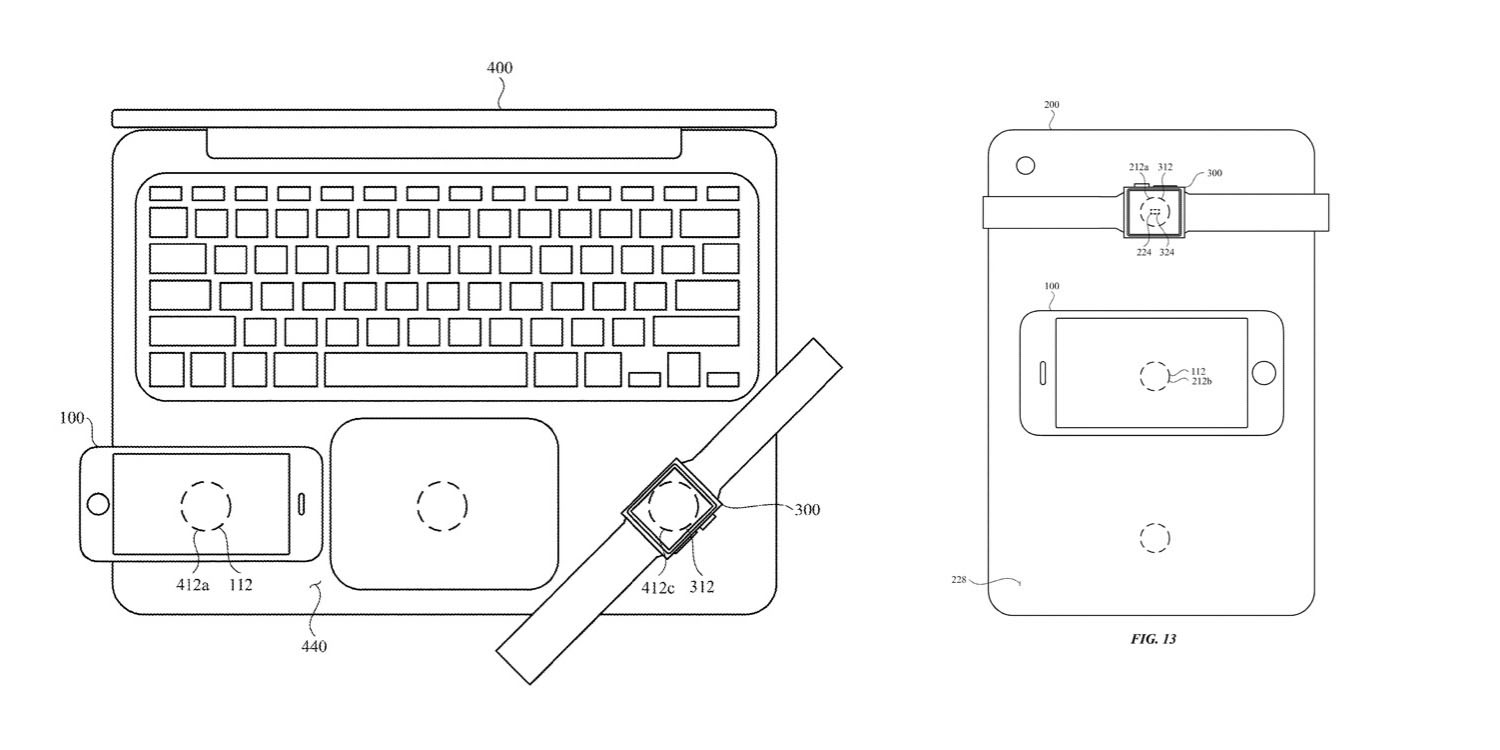
Apple has made sure about a couple of patents that portrays a MacBook wirelessly charging iPhone, iPad, and Apple Watch, Patently Apple reports. Looking all the more carefully at the patent papers incidentally, Apple needs to incorporate wireless charging loops into the MacBook’s undercarriage. In addition, the coils work in two different ways, they can get power, hence wirelessly charging the PC itself or charge different gadgets.
The thought is a perfect one, given all the links and chargers one should take when voyaging. Numerous individuals as of now utilize their MacBooks to charge telephones and other little devices however in the good old, wired way. Here’s a passage from one of the patents:
Patent Claim #1: “A portable electronic device comprising: an enclosure having a back surface and defining an opening opposite from the back surface; a display positioned within the opening of the enclosure; a first inductive coil and a second inductive coil positioned separate from the first inductive coil, both the first inductive coil and the second inductive coil being positioned within the enclosure and between the display and the back surface of the enclosure, and operable to wirelessly transmit power to, or receive power from, an external device positioned proximate to the enclosure; and a first alignment component positioned adjacent to the first inductive coil and a second alignment component positioned adjacent to the second inductive coil, wherein the first alignment component is arranged in a first configuration, and the second alignment component is arranged in a second configuration different from the first configuration.”
There are 40 patent cases in the two papers, however, the general picture is clear. You take your MacBook with its charger and that is it. No compelling reason to manage iPhone chargers, cables, proprietary Watch chargers, etc. The MacBook’s reverse wireless charging itself is an intriguing choice – we wager it would require an incredibly powerful wireless charger to make this choice commercial. Similarly, as with all patents, we shouldn’t get our expectations high, despite the fact that putting a wireless charging loop into a laptop doesn’t appear to be serious.
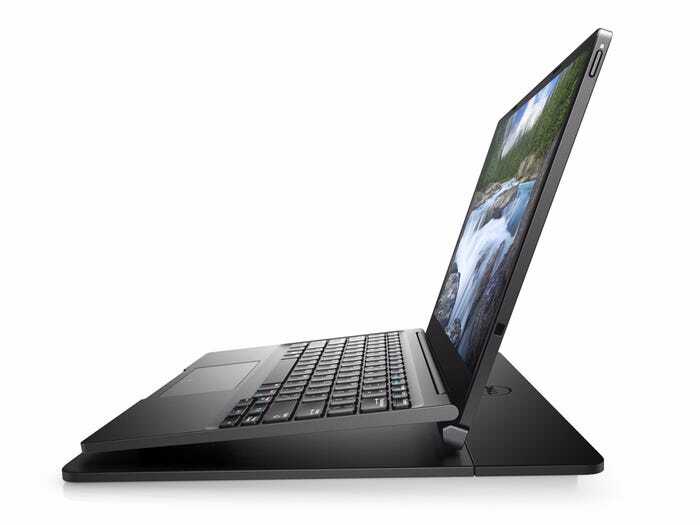
Dell Latitude 7285
This won’t be the first laptop to adopt wireless charging. Wireless charging capabilities on laptops go back to 2017 when the Dell Latitude 7285 was launched packing a wireless charging coil. There is a wireless charging mat that charges the laptop when it is placed on top of the mat.
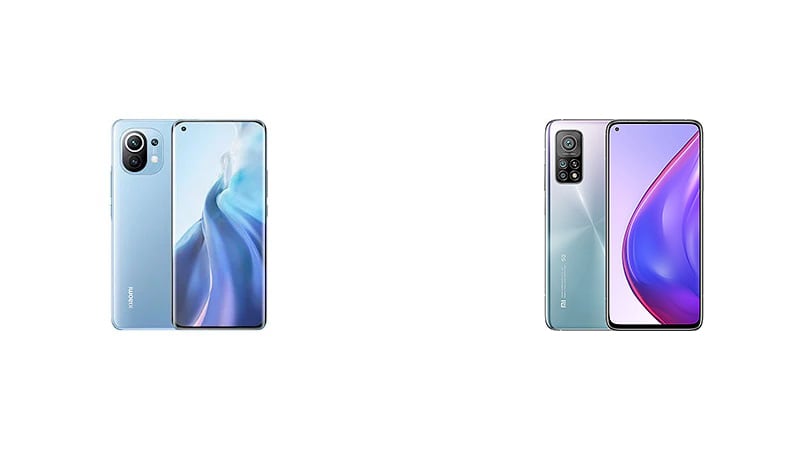
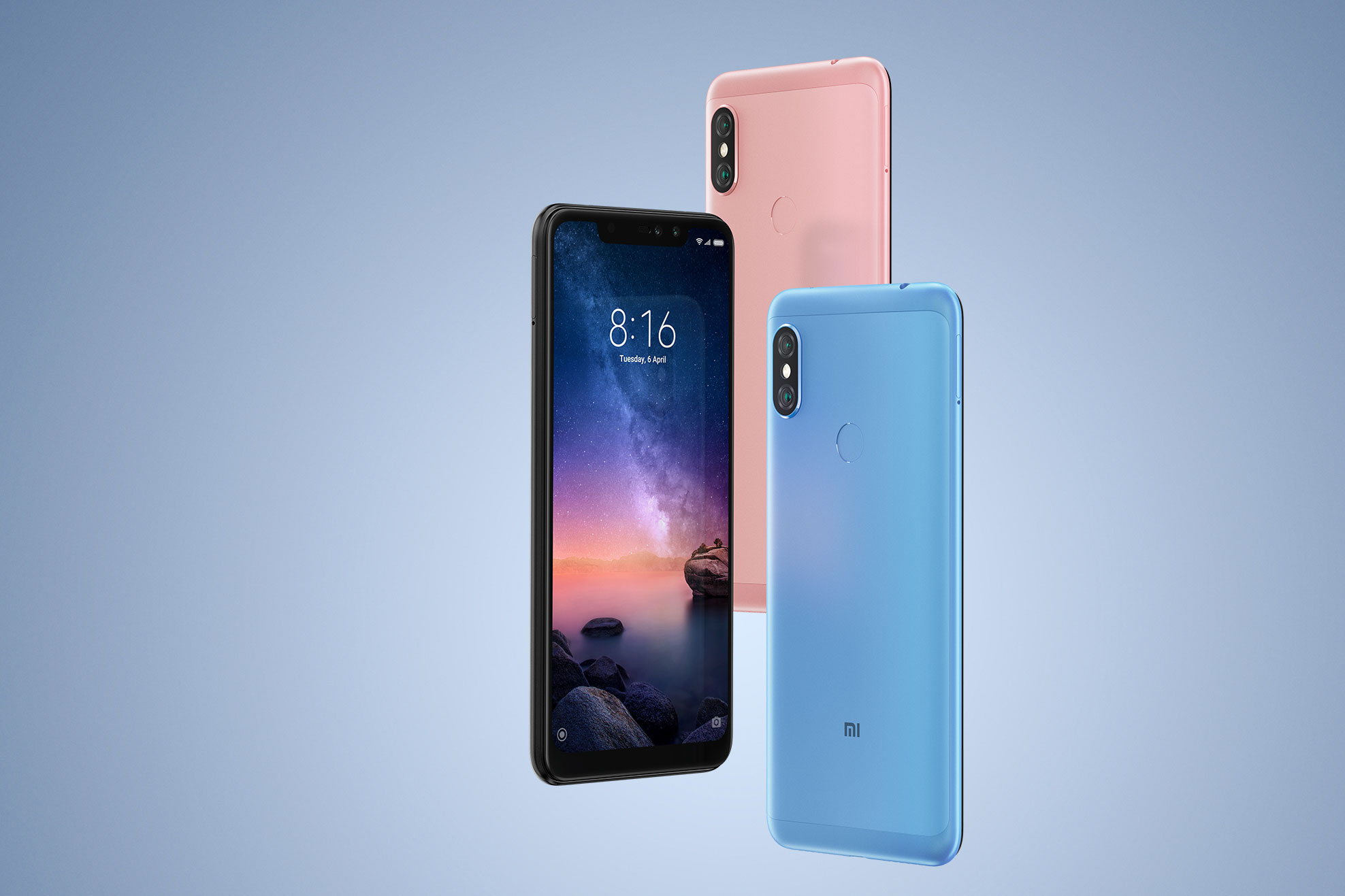
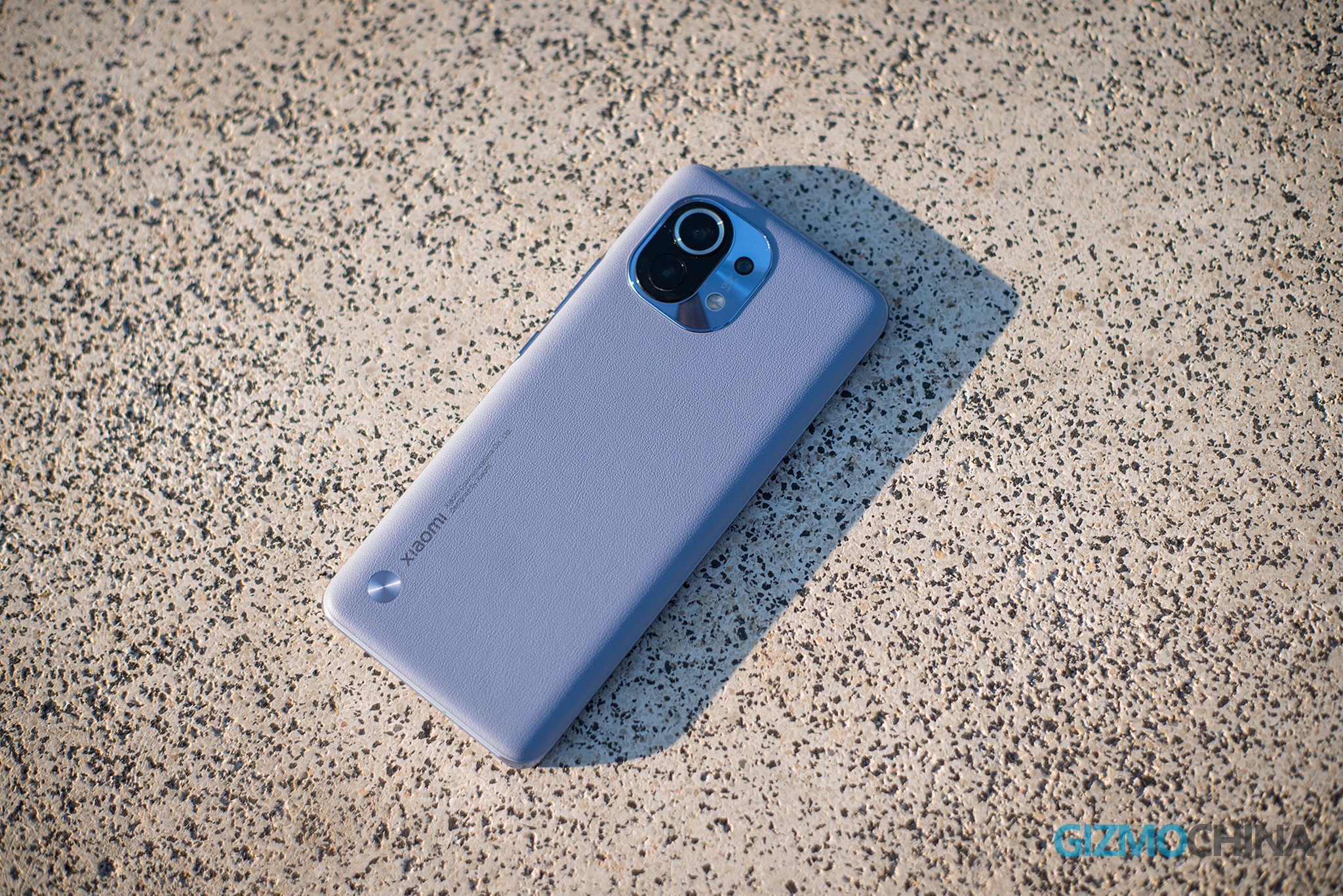
Xiaomi just launched its brand new flagship for 2021: the Xiaomi Mi 11. Despite it has a few compromises, it is undoubtedly one of the most attractive smartphones in the market, especially if we consider that it is actually the only one to boast the Snapdragon 888 mobile platform. But is it the best Xiaomi flagship in terms of value for money? Is it an important upgrade if we compare it with the previous flagship released by the Chinese giant? In order to answer these important questions, we decided to compare the specifications of the latest flagships Xiaomi brought to the market: the Xiaomi Mi 11 and the Xiaomi Mi 10T Pro 5G. Let’s discover together all the main differences between their specifications.
Triple 108 + 13 + 5 MP, f/1.9 + f/2.4 + f/2.4
20 MP front camera
Triple 108 + 13 + 2 MP, f/1.7 + f/2.4 + f/2.4
20 MP f/2.2 front camera
BATTERY
4600 mAh, fast charging 50W, wireless charging 50W
5000 mAh, fast charging 33W
ADDITIONAL FEATURES
Dual SIM slot, 5G, reverse wireless charging 10W
Dual SIM slot, 5G
Design
There is definitely no challenge, and it is not a matter of taste: the Xiaomi Mi 11 is a more beautiful device than the Xiaomi Mi 10T Pro. It has a more elegant and futuristic design, with a less invasive camera module, a curved display, a very high screen-to-body ratio, and a stunning overall look. Further, its glass is protected by Gorilla Glass Victus: the latest Corning protection which is actually superior to Gorilla Glass 6. Do not misunderstand me: the Xiaomi Mi 10T Pro 5G still offers a premium design, including a glass back and an aluminum frame. But nothing you can compare to the Mi 11.
Display
The display is actually the weakest point of the Xiaomi Mi 10T Pro 5G. Despite it comes with a flagship-class hardware department, the Xiaomi Mi 10T Pro 5G has an IPS panel which is actually not the trend and provides an inferior image quality. The AMOLED panel of the Xiaomi Mi 11 is a lot better with one billion colors and more realistic quality. The Mi 10T Pro 5G has a higher 144 Hz refresh rate, but you will hardly notice the difference if you compare it with the 120 Hz refresh rate provided by its successor. Unlike the Xiaomi Mi 11, the Mi 10T Pro 5G does not have an in-display fingerprint scanner, but it comes with a side-mounted one.
Specs & Software
The Xiaomi Mi 10T Pro 5G is one of the most powerful devices out there, but the Xiaomi Mi 11 is even better. Thanks to the new Snapdragon 888 chipset by Qualcomm, it reaches an even higher performance level. Further, you can get up to 12 GB of RAM instead of just 8 GB provided by the Xiaomi Mi 10T Pro 5G. But the latter is still an amazing handset providing blazing speeds and a great multitasking experience. Last but not least, Xiaomi Mi 11 ships with Android 11, while Mi 10T Pro 5G is still based on Android 10. Naturally, it will be updated to Android 11.
Camera
Xiaomi Mi 10T Pro and Xiaomi Mi 11 have very similar camera departments and, if you want the best camera phones, you should not choose these devices since they lack a telephoto sensor and optical zoom. The Xiaomi Mi 10T Pro 5G has a brighter focal aperture for the 108 MP main sensor, so it should be able to capture more light. That would be the reason why it wins the camera comparison. The rest of the cameras are exactly the same, including a 13 MP ultrawide sensor and a 5 MP macro camera. You also get a 20 MP selfie snapper on both the handsets.
Xiaomi Mi 10T Pro 5G has a bigger 5000 mAh battery, but this does not necessarily mean that its battery life will be better. The Xiaomi Mi 11 has more efficient components, including a processor with a 5 nm production process and an AMOLED display. Further, you get faster charging speeds thanks to a 55W fast charging technology. The phone even supports 50W wireless charging, unlike the Mi 10T Pro 5G and most of the flagships out there. So the Xiaomi Mi 11 is a better phone when it comes to both battery and charging technologies.
Price
Unfortunately, we still do not know how much Xiaomi Mi 11 will cost in the global market. Thanks to online street prices, you can actually get the Xiaomi Mi 10T Pro 5G for less than €500/$615 with ease. While the Xiaomi Mi 10T Pro will surely provide a higher value for money, the Xiaomi Mi 11 is definitely a better smartphone thanks to its AMOLED display, fast charging, wireless charging, and a better chipset. But for the rest of the specifications, the Mi 10T Pro 5G is close.
Xiaomi Mi 11 vs Xiaomi Mi 10T Pro 5G: PRO and CONS
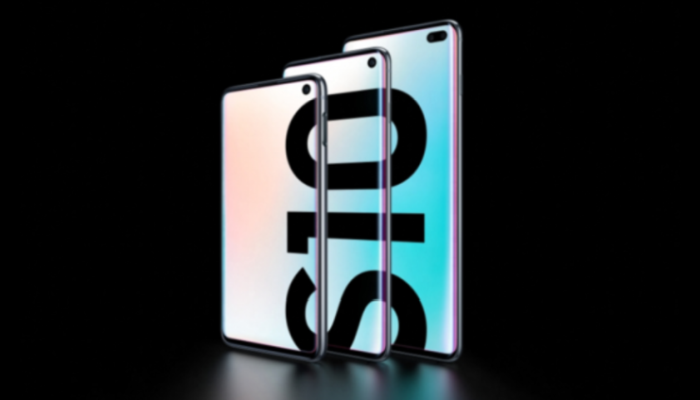
It will be dishonest to say that Samsung has not stepped up its software support in the past year or more. Following the launch of Android 11, the Korean giant has updated practically all its flagship phones released in 2020 and has even begun to update those released in 2019. The latest devices to get the update now are the Galaxy S10 models.
The Galaxy S10 series include the Galaxy S10 itself, the Galaxy S10 Plus, and the Galaxy S10e, and if you own any of these devices, you should check for the update now and over the next few days. The Galaxy S10 Lite already received the update a few weeks ago.
According to XDA Developers, the update is already rolling out to users in Switzerland and the update brings with it not only a new Android version but a new user experience with One UI 3 and also January 2021’s security patch.
Android 11 brings new features such as conversation bubbles, new permission management features, built-in screen recording, and new media controls.
With One UI 3.0, you get a visually enhanced lock screen, home screen, notifications, and Quick Panel. Samsung says the motion effects and animation are smoother, button presses are more realistic, and toggles slide more smoothly.
Other customization features that the update brings include support for adjustable widget transparency, the ability to customize the clock on the lock screen or Always On Display, and the ability to add a video to the incoming and outgoing call screen.
One UI also brings upgrades to the camera such as improved autofocus and auto-exposure and better AI-based zoom to allow you to capture better photos. The gallery has also been re-organized to make it easy to easily find photos, Samsung says edited photos can even be reverted back to the original at any time even after saving.
Android 11 is the second major OS update for the Galaxy S10 series and going by Samsung’s promise to provide three years of updates for the phone, it is expected to get Android 12 too when it is released.
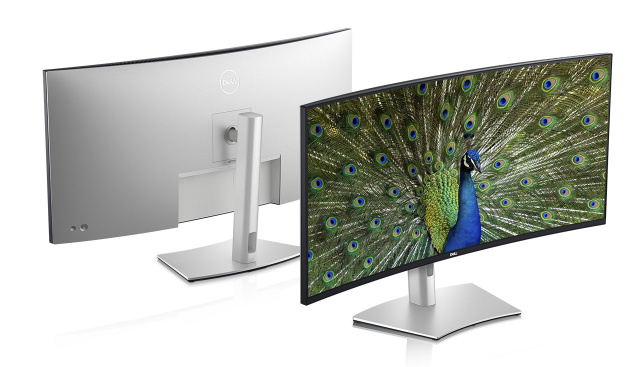
US computer maker Dell recently announced some new products in their Latitude series of laptops, highlighted with Intel’s new next-generation vPro chips and an integrated webcam shutter feature called “SafeShutter”, to serve customers with a business niche. In addition, the company has also announced the UltraSharp 40 Curved WUHD display and Dell 34 Curved Video Conferencing Monitor which arrives alongside a 24-inch and 27-inch version with flat screens.
The U4021QW UltraSharp 40 Curved WUHD display is the first from Dell, having a display resolution of 5,120 x 2,160 pixel and with “wide color coverage and excellent color performance”. It has support for Thunderbolt 3 via the USB-C port along with the capability to deliver up to 90W of power for fast charging.
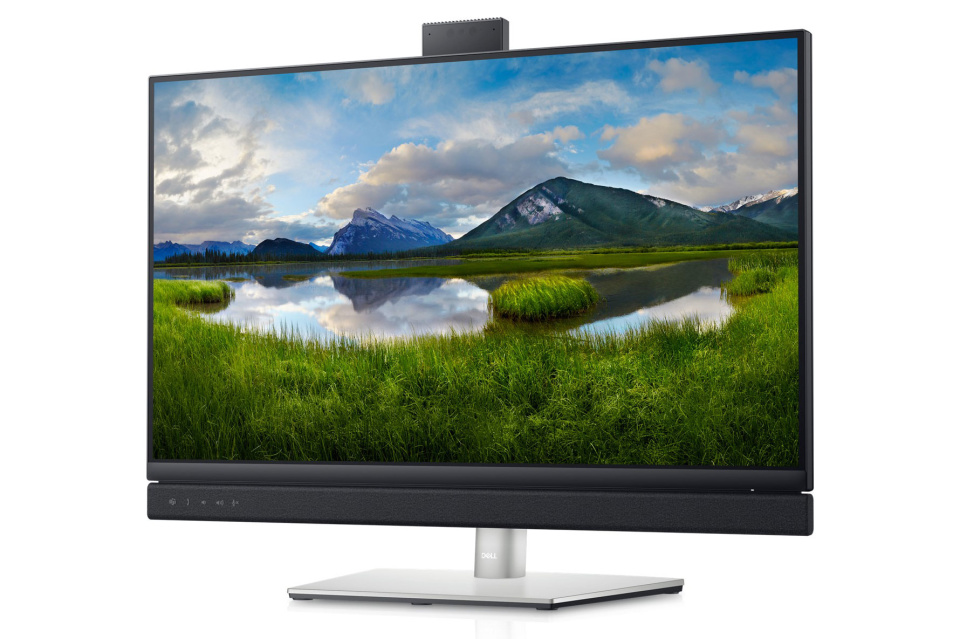
In addition, Dell also unveiled the Curved Video Conferencing Monitors, which come in three size variants of 24 inches, 27 inches, and 34 inches. The monitors are Microsoft Teams -compliant and feature secure facial recognition sign-in and several hands-free functions.
The monitors pack several features that make them stand out such as a one-touch dedicated Microsoft Teams button, a pop-up 5MP IR camera, two 5W speakers, a noise-canceling microphone, support for Windows Hello facial recognition sign-in, as well as hands-free commands via Microsoft Cortana.
Since Dell knows you’ll be staring at the screens for far too long each day, the company also says the monitors come with its ComfortView Plus system which helps reduce blue light emissions without sacrificing color accuracy.
Dell 27 Curved Video Conferencing Monitor
The Dell UltraSharp 40 Curved WUHD display will be available for purchase at the end of January 2021 at $2,100.
On the other hand, the Dell 24 Video Conferencing Monitor is priced at $519.99, Dell 27 Video Conferencing Monitor (C2722DE) comes in at $719.99. Finally, the Dell 34 Curved Video Conferencing Monitor (C3422WE) will cost $1,149.99. All models will be available by mid-February 2021.
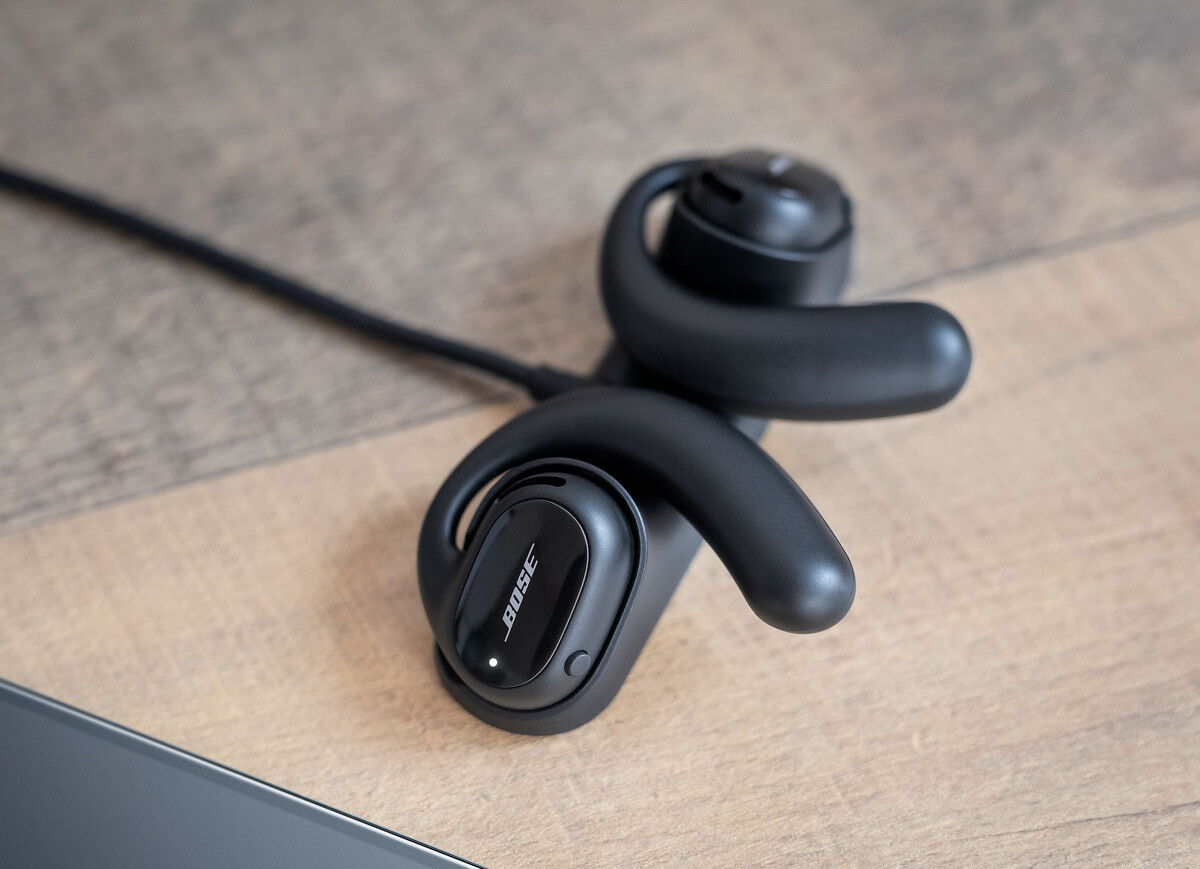
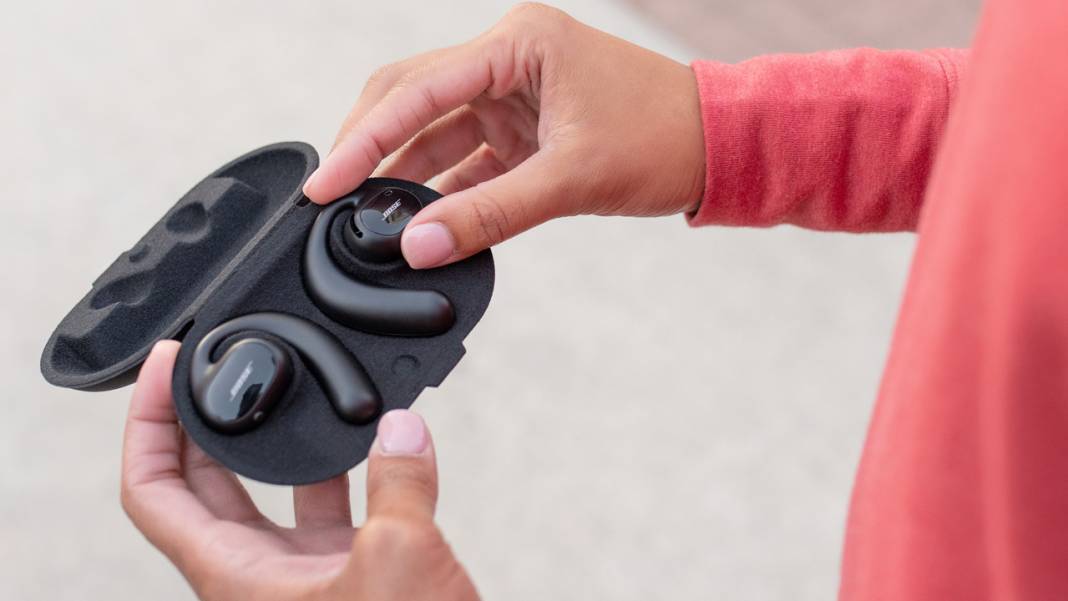
Bose Sport Open Earbuds are the perfect pair of headphones well suited for workouts and several other activities. The new sports earbuds, according to the company, operate in a refreshingly different manner from conventional headphones, as they don’t go into or cover your ears, but feature an innovative and new design in combination with Bose OpenAudio to keep users conscious of the sounds in the environment.
The design contains what could be called a contoured ear hook that is attached to an enclosure atop it, sitting just above the ear canal and aimed at redefining the listening experience. This design, therefore, affords users to hear sounds in their surroundings while engaged in one sporting event or the other, be it cycling, jogging, at the gym, or even mountaineering.
The new earbuds perfectly match the growing yearnings by sportsmen and women for headphones that allow them to remain focused on their activity without wires and neckbands, and not needing to occasionally remove such headphones to hear the sound of traffic while on the road.
For cyclists and runners who may be on public roads with some level of traffic, it is very important that they are always aware of their environments, as several fatal accidents have occurred as a result of the cyclists or runners not being fully aware of their environment by wearing headphones that totally covered the ear canals.
Many manufacturers have sought to produce headphones that sought to overcome the problem of the surrounding in different ways. Apple’s AirPods Pro goes inside the ear canal and has a transparency mode to enable users to hear what’s going on around them. However, Bose’s revolutionary solution instead introduces an innovative design to accomplish the twin outcomes of listening to your music while still very conscious of the environment.
The Bose Sport Open Earbuds, when worn, grips the user’s ear’s outer ridge without any skin contact. The enclosure uses a tiny dipole transducer for producing high-fidelity audio. The innovative earbuds also have a microphone system that will isolate your voice while chatting on the phone.
It is easy to control the Bose Open Earbuds. There’s a single button on the left bud to access your smart assistant of choice. There’s also one button on the right bud for phone call activities mainly.
The Sport Open Earbuds pack Bluetooth v5.1, IPX4 rating, and eight hours of battery life. The earbuds are expected to come on sale in mid-January and will launch for $199 from Bose.com and Best Buy.
Redmi Note 6 Pro is probably the least popular Redmi Note smartphone of all time. The handset was only sold in a few regions. The device debuted with MIUI 9 based on Android 8.1 (Oreo). It was later updated to MIUI 10, Android 9.0 (Pie), and MIUI 11. Now, the phone has begun to receive the MIUI 12 update.
Unlike most Xiaomi smartphones, the Redmi Note 6 Pro only has two build channels – Global and Russia. The latter has not received any update since early 2019. In other words, the variant sold in Russia is still on MIUI 10 based on Android Oreo.
Anyway, the global variant is receiving the MIUI 12 update with build number V12.0.1.0.PEKMIXM. It is currently in the Stable Beta phase and therefore, it is only available for select users.
Xiaomi will be extending the availability of this build to more users if early adopters don’t face any major issues. We expect the complete rollout to end by this month or early February.
That said, MIUI 12 is the last major update for the Redmi Note 6 Pro just like Redmi Note 5/5 Pro, which has also started receiving this update recently. But there’s a chance that these two phones may get the minor MIUI 12.5 update later this year.
As far as the Android version is concerned, both are not eligible for Android 10, let alone Android 11. However, interested users can install custom ROMs to experience the latest version of Android.
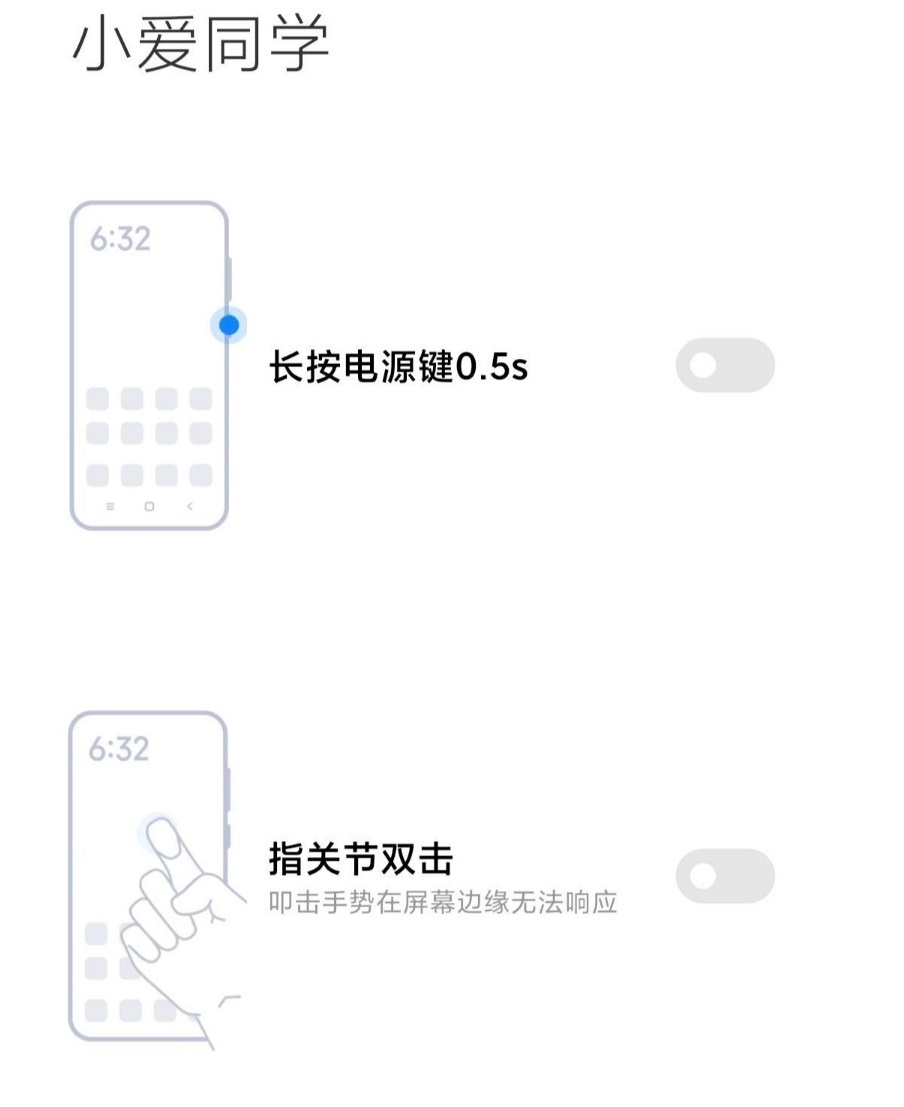
Huawei rebranded Qeexo’s FingerSense to Knuckle Sense. Subsequently, the feature to take screenshots and gesture actions using the Knuckle of a finger became popular. Several devices of Huawei and Honor supported them. Last year, Redmi K30S Ultra became the company’s first smartphone to support a similar feature. Now, according to a report, Xiaomi Mi 11 also joins the list.
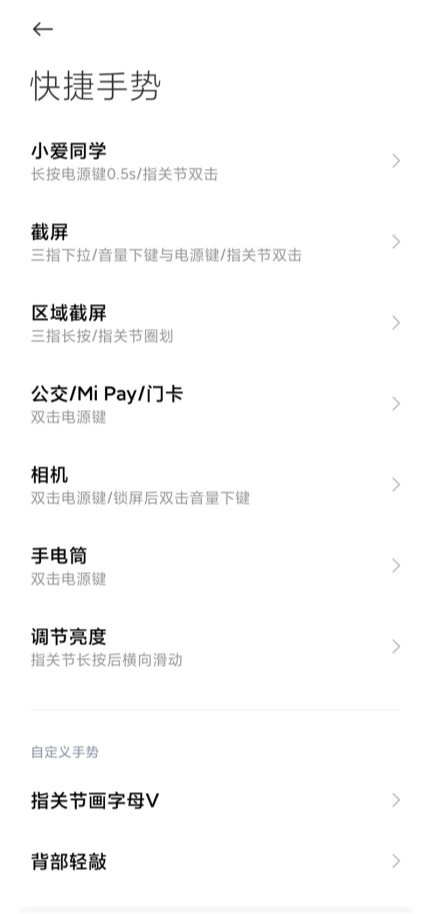
According to the report, Mi 11 is currently running on MIUI 12.0.8 stable version in China. In this, the device has been reportedly spotted having the Knuckle screenshot and gesture actions. Precisely, you can take a look at the Knuckle functions below:
Double-Tap for Screenshot
Draw a ‘Circle’ with a Knuckle for Localized Screenshot(Particular Area)
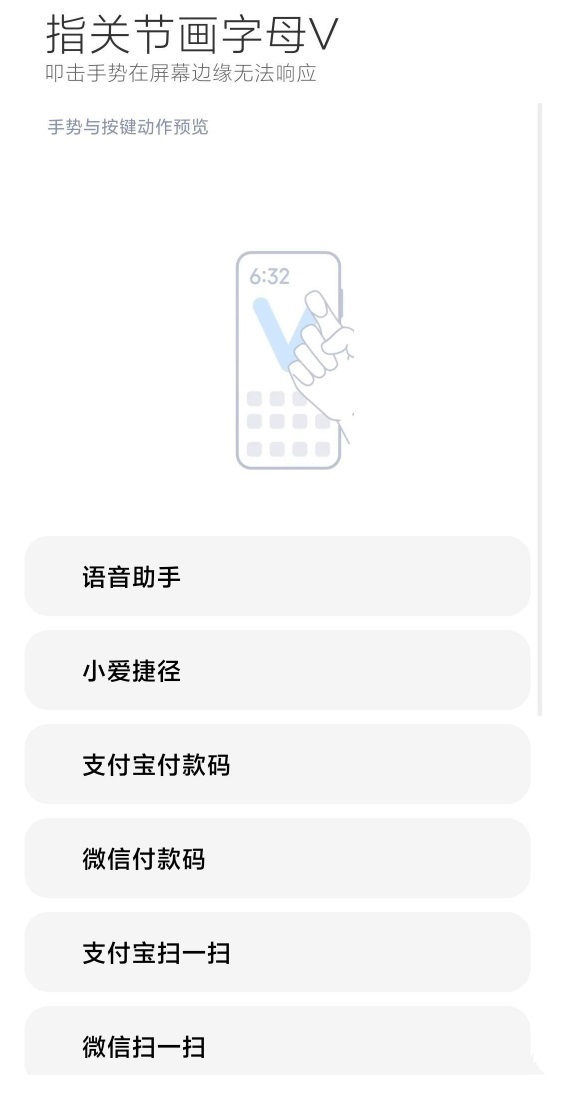
Draw ‘V’ with Knuckle to perform customized actions as below:
Wake up Xiao AI assistant
Redirect to AliPay, WeChat Payment Code
AliPay, WeChat Scan
Additionally, you can also long-press and drag across the screen to toggle screen brightness. As mentioned above, Xiaomi hasn’t quite popularized this feature after K30S Ultra that launched back in October. The reason for this is said to be the problems with Patent Authorization.
Probably, Xiaomi has to pay royalty fees for this to access them and that could be the reason for the delay in expansion across the MIUI devices. That said, as much as the feature’s usability is welcoming, we aren’t sure if it would be efficient on adding a screen protector.
Anyway, if you are a user in China, you can try out the feature by navigating to Settings->Additional Settings->Shortcut Gestures. Nevertheless, we really hope that Xiaomi finds a way to popularize the Knuckle-based features to other devices in China and maybe to the Global version in the future.
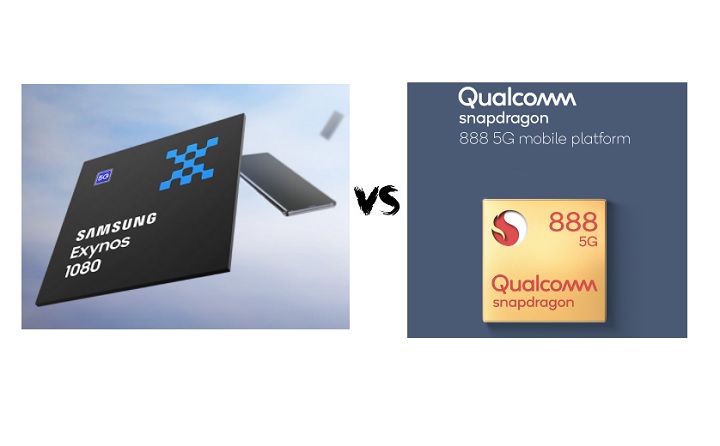
There are only three 5nm chipsets available for Android smartphones at the moment. The first to hit the market is Huawei’s HiSilicon Kirin 9000 series and it was followed by Samsung’s Exynos 1080 before Qualcomm announced the Snapdragon 888 early last month. We already compared the Kirin 9000 and Snapdragon 888, and now we want to see if Samsung’s first 5nm chipset can hold its own against Qualcomm’s most powerful mobile chipset.
Processor
Exynos 1080
Snapdragon 888
Node size
5nm EUV
5nm
CPU
1 x ARM Cortex-A78 at 2.84 GHz
3x ARM Cortex-A78 at 2.6 GHz
4x ARM Cortex A-55 at 2.0GHz
1 x ARM Cortex-X1 at 2.84GHz
3 x ARM Cortex-A78 at 2.40GHz
4 x ARM Cortex-A55 at 1.8GHz
GPU
Mali-G78 MP10
Adreno 660
ISP
Info not available
Spectra™ 580
AI Engine
Info not available
Hexagon 780
Modem
Info not available
Snapdragon X60 5G
Connectivity
W-Fi 6, Bluetooth 5.2
Wi-Fi 6E, Wi-Fi 6, Bluetooth 5.2
CPU
Samsung’s Exynos 1080 chipset brings a significant upgrade in performance compared to its predecessor, the Exynos 980. With eight cores made up of four Cortex-A78 performance cores and four Cortex-A55 cores, it definitely packs a punch.
The Exynos 1080 not only has its Cortex-A78 cores clocked higher than that of the Snapdragon 888, but it also has one more Cortex-A78 core than it. Similarly, its Cortex-A55 cores are also clocked higher than those of the Snapdragon 888. However, the Snapdragon 888 has the upper hand thanks to its prime core which is a Cortex-X1 core clocked at 2.84GHz. Arm says that the Cortex-X1 brings a 30% improvement in performance over the Cortex-A77 while the Cortex-A78 has a 20% improvement in performance over the Cortex-A77. Based on this, we can say deduce that the X1 has a 10% improvement in performance over the A78.
What do benchmarks say?
An AnTuTu benchmark result of the Vivo X60 Pro which has an Exynos 1080 processor powering it shows the device scored a total of 634,373 points. Do note that this is not the highest score recorded by AnTuTu for the chipset but this may be the most reliable one as it was recorded from a commercially-available phone.
In AnTuTu’s review of the new Vivo phone, the X60 Pro surpasses almost all devices that are powered by the Snapdragon 865 processor, Qualcomm’s last-gen flagship chipset.
Image source: AnTuTu
The image below shows a benchmark comparison of the Vivo X60 Pro and the Snapdragon 865-powered Vivo NEX 3S 5G. While the Vivo X60 Pro does have a higher overall score, its scores are slightly lower than those of the NEX 3S 5G in the CPU department.
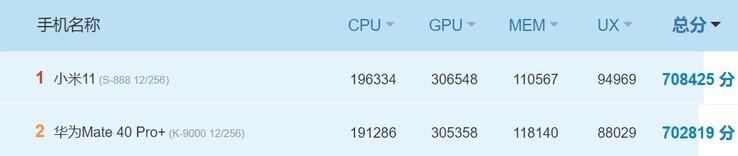
In conclusion, seeing as the Exynos 1080 doesn’t surpass the Snapdragon 865 in the CPU department, it definitely can’t match the Snapdragon 888 which has a CPU score of 196,334 points (recorded from the Mi 11) as seen in the image below. And as you can see, the margin is less than 15,000 points.
GPU
In the above benchmark result, the Exynos 1080 almost matches the Snapdragon 865 Plus in CPU performance but where it really shines is in the GPU. The Mali-G78 MP10 leads the Adreno 650 GPU of the SD865 by a significant margin. So how does it compare to the Adreno 660 of the Snapdragon 888?
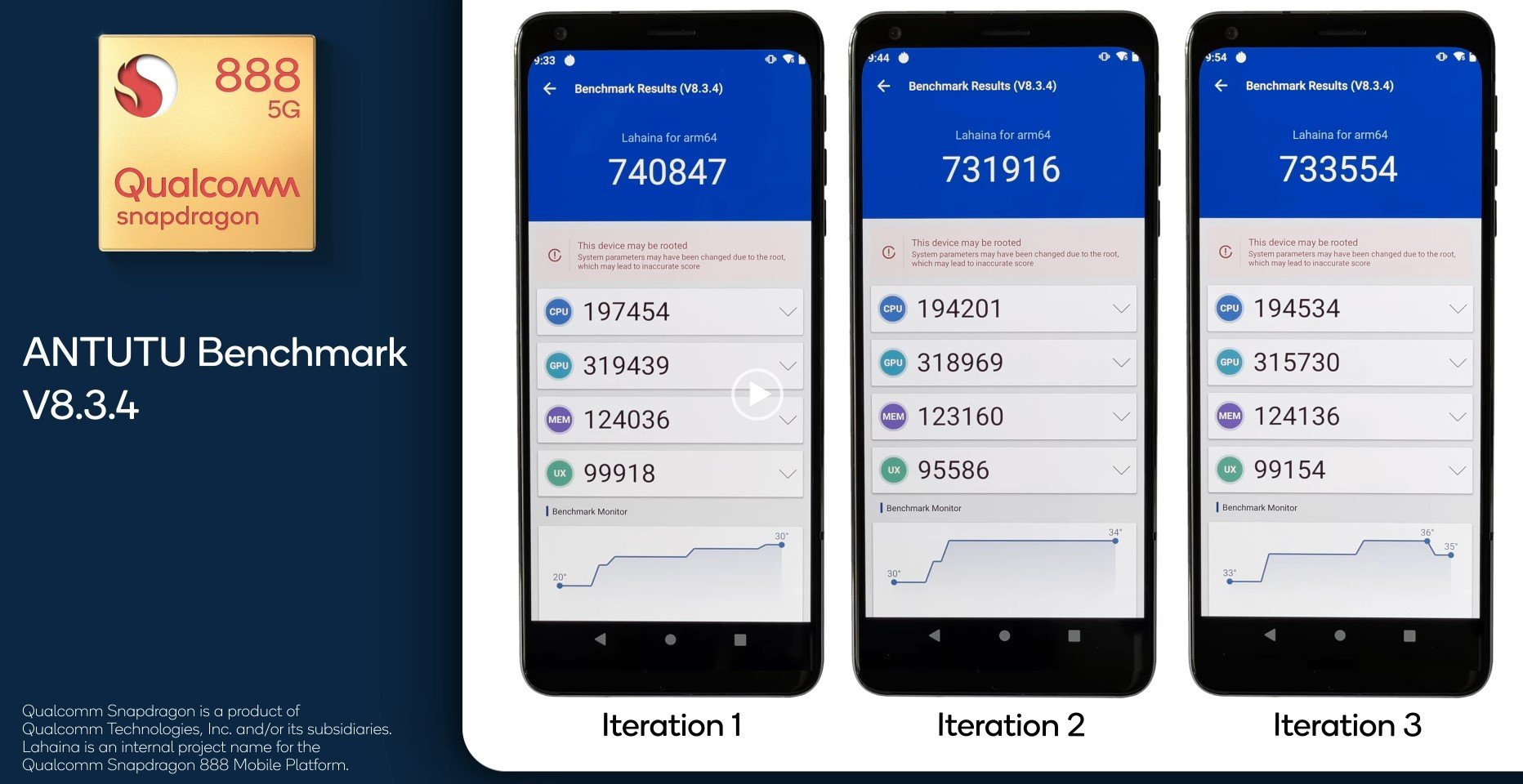
Qualcomm released a video that benchmarked the Snapdragon 888 on AnTuTu. The benchmark result showed the chipset had a GPU score of 319,439 points. However, seeing as we want to make this a fair comparison by using commercial products, we will go with an AnTuTu benchmark result of the Snapdragon 888-powered Xiaomi Mi 11 which shows the Adreno 660 has a GPU score of 306,548 points. Irrespective of the Adreno 660’s score you decide to go with, the Mali-G78 MP10’s 239,408 points of the Exynos 1080 is way behind.
Image source: AnTuTu
If you are wondering how the Adreno 660 of the Snapdragon 888 is able to surpass the Mali G78 of the Exynos 1080 by such a wide margin while it barely beats that of the Kirin 9000 as seen in the image above, the reason is that the Kirin 9000’s GPU has more cores (24 cores) than that of the Exynos 1080 (10 cores).
AI
Samsung says the Exynos 1080 has a powerful neural processing unit (NPU) but doesn’t specify the increase in performance over the last-gen. Unfortunately, the AI Benchmark site doesn’t have both the Exynos 1080 and Snapdragon 888 listed, so we can’t say which processor is better at AI tasks.
Conclusion
The Snapdragon 888 is the clear winner as it outperforms in both CPU and GPU performance. Nevertheless, the Exynos 1080 is an excellent chipset too as it almost holds its own against the Snapdragon 865 in CPU performance and even surpasses it in GPU performance. However, it is its more powerful sibling, the Exynos 2100, that will be the challenger to the Snapdragon 888.
Huawei spun off its Honor business recently due to the crippling effect of the US trade ban on the company. The dispute wasn’t only affecting the company’s access to semiconductor, but was also affecting the honor brand.
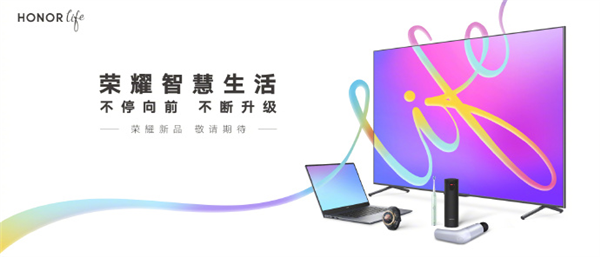
After the sales, Honor is yet to release any product, but the brand is gearing to launch its firsts product.Honor has released a teaser poster on its official Weibo channel. Alredy, we know the brand will launch the V40 smartphone soon but that won’t be all. The poster shows that Honor will release a number of products under the Honor Smart Life platform.
The poster shows the array of new products that are expected to be launched soon includes the 75-inch Honor Smart Screen X1, Honor Watch GS Pro smartwatch. Others include a notebook, fascia gun, smart water cup and electric toothbrush.
In comparison with the previous models under the Honor Smart Screen X1 series, this 75-inch Honor Smart Screen X1 is larger in size than the previous models which has 65 inches as the largest. The smart TV will also come with a more aesthetic design and upgraded smart functions.
Currently, the Honor Smart Screen category includes a standard version, a Pro version, and the X1 series. In terms of configuration, it is equipped with Honghu smart chip, has 92% DCI-P3 wide color gamut, 3840×2160 pixel ultra-high-definition 4K display, and is also equipped with 4x10W high-power speakers.
Already, the 75-inch Honor Smart Screen X1 is up for reservation on Jingdong, and the website information shows that it is expected to be available on January 15, 2021.
Honor also announced on Weibo that the Honor Mall will officially be launched on January 12 and will provide consumers with genuine guarantees, considerate services and after-sales peace of mind to enhance the purchase experience in all aspects.
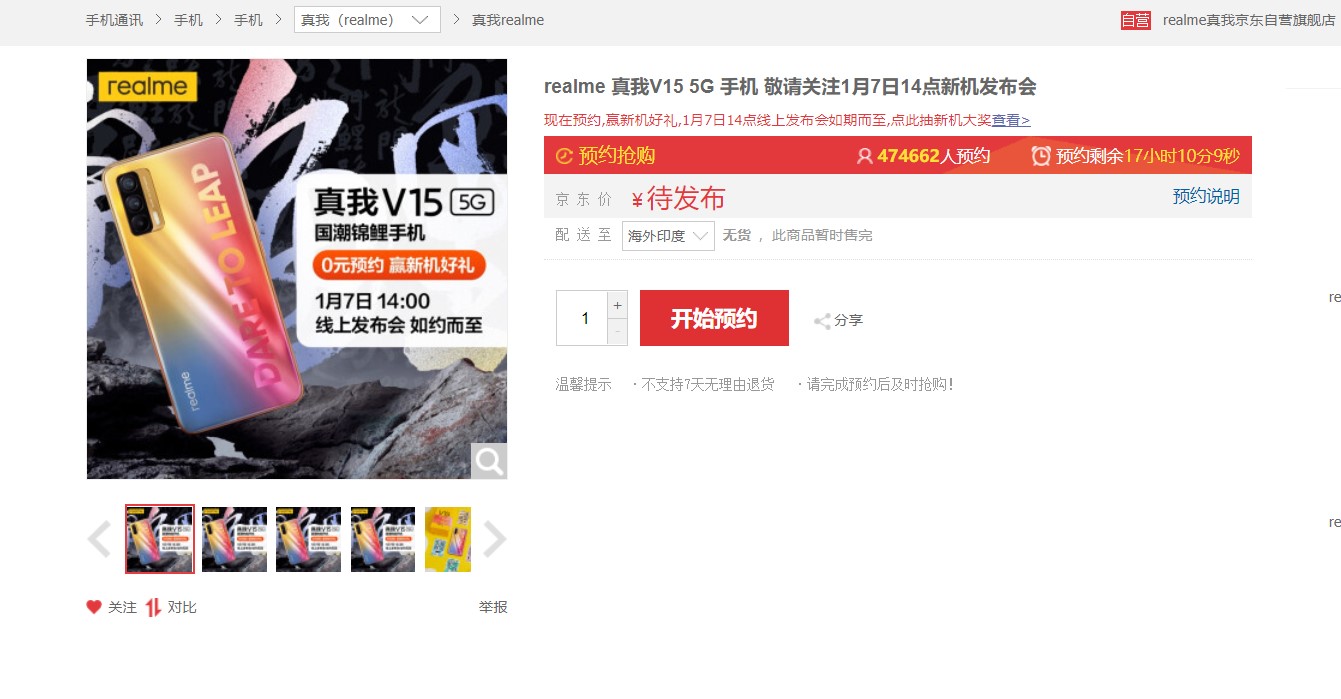
realme is all set to launch the realme V15 in China tomorrow(January 7). Ahead of this, it’s pre-sale registrations is already underway on JD.com(Jingdong). And the device has received a rave response from the consumers.
The realme V15 is the first of probably many smartphones coming with a “Koi”-inspired beautiful rear design. That is, it resembles the Koi ornamental fish found in Japan. While the company hasn’t revealed the core specifications and price yet, it’s pre-sale has already crossed 450,000 registrations on Jingdong(via).
Precisely, at the time of writing this, the numbers stand at 474,662. At this rate, it looks like, before official launch event, which will happen tomorrow at 14:00 PM Beijing time(UTC +08:00), registrations will surely cross 500,000.
The realme V15 is said to come in three colors but we only know about two of them. Those are Koi-Design with Gradient hue and Crescent Silver. The device will weigh within 200 grams(probably 176g with 8.1mm thickness) and be one of the slick phones.
Upfront, it will have a top-left punch-hole display which could be AMOLED. At the back, a rectangular layout for cameras and a ‘realme’ branding. The triple-camera setup will host a 64MP main lens and a couple of other sensors(could be Ultra-wide, Macro).
Further, you get a speaker grille, USB-C, Microphone at the bottom, and at the right and left, there is a Power button and Volume rockers respectively. Underneath, it is expected to bring improvements like an in-display fingerprint scanner, bigger battery over it’s predecessor, the realme V5.
Most likely, it will feature a MediaTek Dimensity 800U chipset with SA/NSA 5G support. Besides, the company’s China President Xu Qi has confirmed today that it will have 65W fast charging support.
A leak spotted by Mukul Sharma also hints that realme V15 will come in 6GB+128GB and 8GB+128GB configurations. Accordingly, the price is expected to be around 1799 yuan($278) and 2099($325) yuan respectively.
OPPO unveiled ColorOS 11 based on Android 11 as the latest version of its mobile operating system in September 2019. Since then, the company has been updating its devices to this new version of its software worldwide. As we have entered the new year, the company has now shared its update rollout plan for January 2021.
A few days back, OPPO China revealed the ColorOS 11 update rollout plan for Q1 2021. We expected the global division to make an announcement soon. And there they are, with a tweet and a community post detailing the rollout plan for January 2021 instead of the year’s first quarter.
According to OPPO Global, the following smartphones will receive the ColorOS 11 update in January 2021.
ColorOS 11 Beta
The below-mentioned handsets are currently receiving a beta update.
Ongoing
OPPO F11
OPPO F11 Pro
OPPO F11 Pro Marvel’s Avenger’s Limited Edition (India, Indonesia)
OPPO A52 (India, Indonesia, Pakistan)
OPPO A92 (Indonesia, Thailand, Egypt)
OPPO A9 (India)
OPPO Reno4 Z 5G (Thailand, Philippines, Australia)
Whereas, the following phones will start receiving the beta update on the listed date.
January 26
OPPO Reno2 F (India)
OPPO Reno 10x Zoom (India, Indonesia)
January 29
OPPO F15 (India)
ColorOS 11 Stable
Taking about the stable update, these are the smartphones that are currently receiving it.
Ongoing
OPPO Find X2
OPPO Find X2 Pro
OPPO Find X2 Pro Automobili Lamborghini Edition
OPPO F17 Pro
OPPO Reno4 F
OPPO A93
OPPO Reno4 Pro 5G
OPPO Reno4 5G
OPPO Reno4 Pro 4G
OPPO Reno4 4G
OPPO Reno4 Lite
OPPO Reno3 Pro 4G
OPPO Reno3 4G
OPPO A72
Last but not least, the stable rollout will begin for the following handsets on the mentioned dates.
January 6
OPPO Reno4 Z 5G (Australia)
January 8
OPPO F11
OPPO F11 Pro
OPPO F11 Pro Marvel’s Avengers Limited Edition (India, Indonesia)
January 15
OPPO Reno4 Z 5G (Thailand, Philippines)
January 21
OPPO A9 (India)
Having said that, to know about the complete list of eligible devices as well as their update timeline, make sure to check out our coverage on the same.
Chinese smartphone maker Blackview is known for its rugged smartphones but the brand also manufactures tablets. The brand has just announced the Blackview Tab 8E which is a budget tablet with fairly decent hardware.
Specs-wise, Blackview Tab 8E packs a 10.1-inch IPS LCD display with a resolution 1,920 x 1,200 pixels and a 16:10 aspect ratio. The device is powered by a Unisoc SC9863A SoC which integrates eight ARM Cortex-A53 cores split across two clusters. The processor is paired with 3GB of RAM. The display is powered by a PowerVR IMG GE8322 GPU.
Furthermore, the tablet packs 32GB of internal storage that can be expanded using a microSD card. The device gets its power from a 6,580 mAh battery which can be charged using a USB-C port. Blackview touts the device will last up to 8 hours between charges when playing videos and has a standby of 408 hours.
For interface, the Blackview Tab 8E runs Android 10 out of the box although Blackview has not confirmed if the tablet will receive Android 11. The tablet is a WiFi tablet and doesn’t support LTE. The tablet also comes with a detachable keyboard which will be purchased separately. The detachable keyboard makes the tablet to be used as a laptop replacement. It comes pre-installed with WPS Office Suite.
For photography, the device packs a 13MP rear camera which should output vivid shots and clear videos. While for selfies, there is a 5MP camera at the front.
As for the price, the Blackview Tab 8E can be purchased from Blackview’s website and other third-party retailers like AliExpress for $135.99. The tablet bundled with the keyboard is available for $165.99. It is available in grey or gold.
A Redmi smartphone with M2101K6G has got several certifications(FCC, EEC, IMDA) and it is believed to be the Redmi Note 10 Pro. Multiple tipsters speculated that it will come with a 5G support. However, we couldn’t spot the evidence of 5G carrier frequencies on the FCC listing. Amidst this, a new tip says that the device will indeed get a 4G variant and come with a 108MP camera sensor.
The latest information comes from the Xiaomiui Telegram Channel. According to them, one of the 4G variants of the Redmi Note 10 Pro is codenamed as “sweet_pro”. That is, it says that the 4G model will also have another variant with a bigger camera sensor. If this leak is true, it would be the Samsung 108MP S5KHM1 sensor.
If we recall, the Redmi Note9 Pro 5G in China, and Mi 10i 5G that recently launched as a tweaked version of Mi 10T-Lite, have Samsung’s 108MP HM2 sensor. This is slightly a bigger 1/1.52-inch sensor with an f/1.75 aperture. However, you can find the HM1 sensor on the older flagships like Mi 10.
The device that launched in India back in May, has a smaller 1/1.33-inch sensor but with a wider f/1.69 aperture. In any case, we shouldn’t expect flagship camera features like OIS on the Redmi Note 10 Pro, which will mostly be placed in the low-mid segment.
Anyway, this leak also suggests that we may see multiple Camera variants of the Redmi Note 10 Pro let alone it supporting 4G/5G. Precisely, it says that a variant with the codename “sweet” will feature Samsung’s 64MP S5KGW2 sensor along with ultra-wide, Macro, and Depth as auxiliaries.
Further, it says that the device will feature an IPS display(40-120Hz), Snapdragon 732G SoC, 5,050mAh battery and have a non-NFC variant for India(codename- sweetin). That said, we advise you to take this information with a pinch of salt and wait for official news.
We know from FCC listing that the Redmi Note 10 Pro will likely feature NFC, Wi-Fi 2.4/5GHz, and run MIUI 12(it could also be MIUI 12.5).
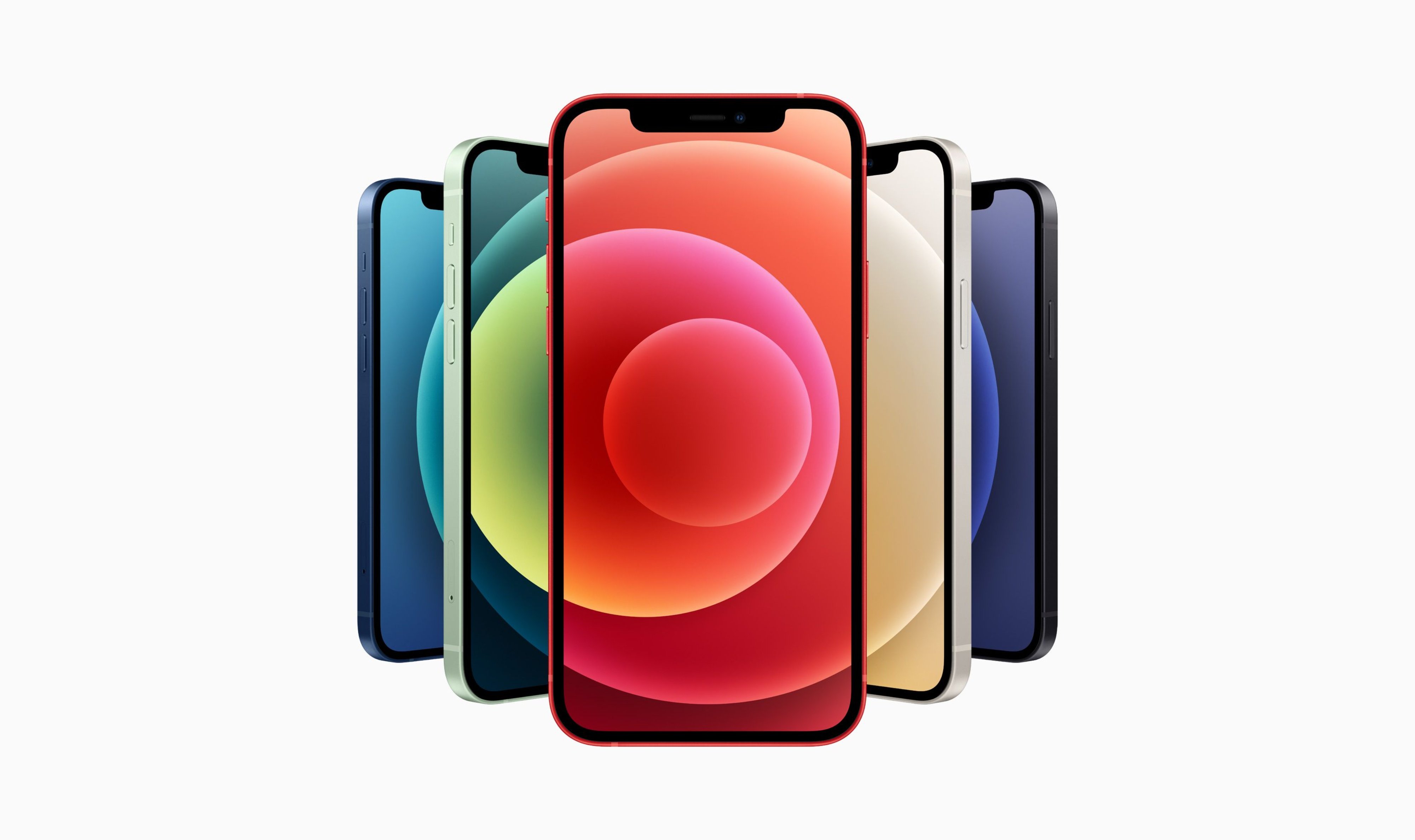
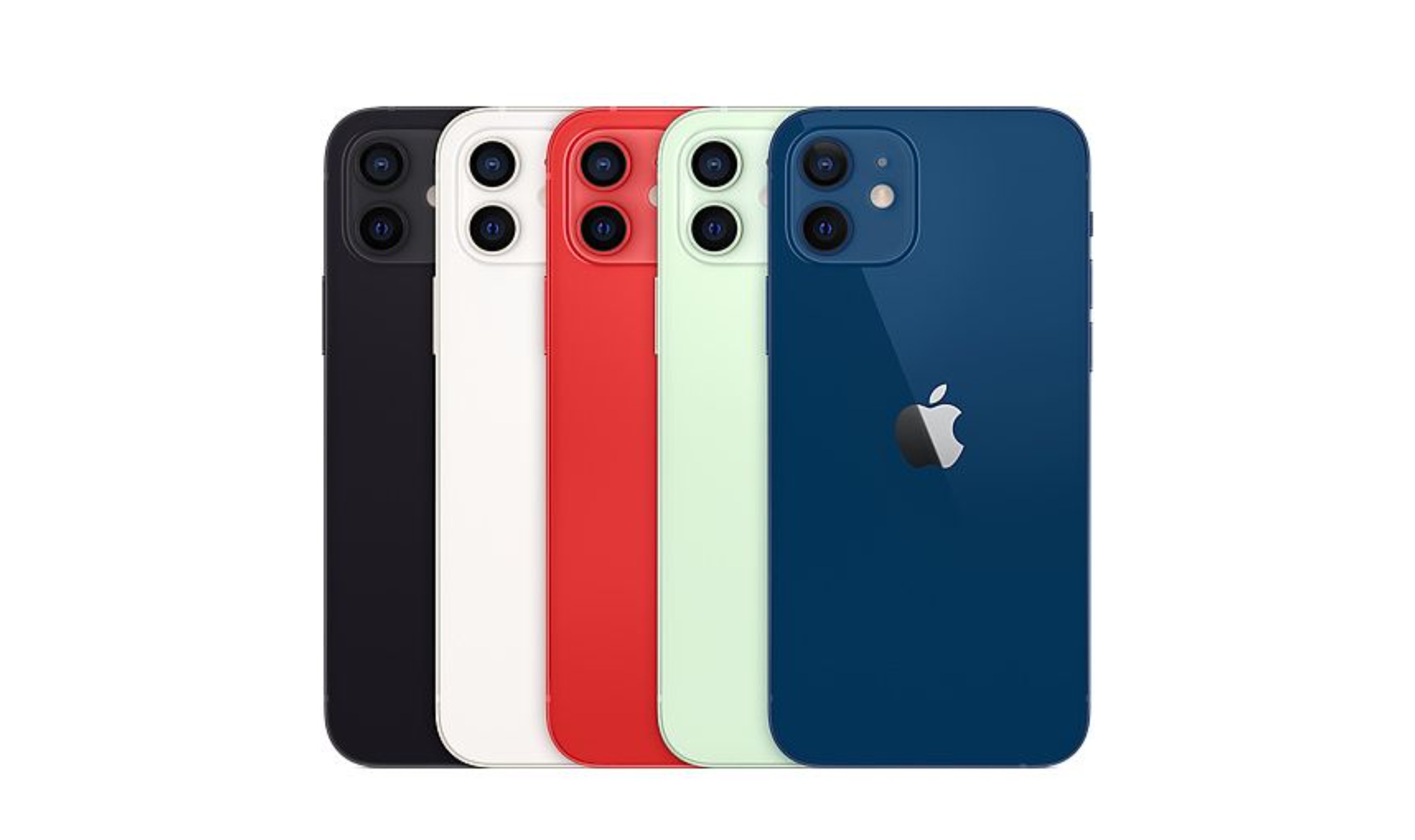
The iPhone 12 is one of the four first 5G smartphones by Apple. It brings a lot of new things as compared to its predecessor, iPhone 11. Now, as the device is over two months old, a report reveals how much it costs Apple to build the base 128GB model.
Counterpoint Research is a popular research firm known for its market insights. But lately, it has been also reporting BoM (Bill of Materials) for popular devices. Since iPhone 12 is the hottest as well as one of the important 5G smartphones, the company has published a BoM analysis on this handset.
According to the report, the sub-6GHz variant that is sold in all the regions except the US costs about $415 to make. On the other hand, the mmWave version, which is exclusive to the US (as of now) costs nearly $431 to make. In other words, both of them cost 21% and 26% more than the previous model, iPhone 11.
The increase in BoM is due to the inclusion of three new technologies namely 5nm chipset, 5G, and OLED display. The A14 Bionic, PMIC (Power Management Integrated Circuit), audio chip, and UWB (Ultra Wide Band) chip alone account for over 16.7% of the overall BoM amount. The SoC itself is estimated to cost above $17.
Further, the OLED panel (supplied by Samsung Display and LG Display) used in the phone has incremented the BoM by over $23. Whereas, the 5G RF (Radio Frequency) components have hiked the BoM cost by around $19.
When we consider the 5G modem and transceiver, in addition to RF components, $19 increases to $38. Also, despite saving $27 by featuring a simplified RF design, the sub-6GHz variant’s BoM is still 18% more.
As far as suppliers are concerned, Samsung is the largest company, closely followed by Qualcomm. Others include Skyworks, MURATA, Avago, KIOXIA (Toshiba), SK Hynix, Micron, Sony, LG Innotek, Sharp, NXP, Broadcom, Cirrus Logic, Goertek, Knowles, AAC, TI, ST, and ASE/USI.
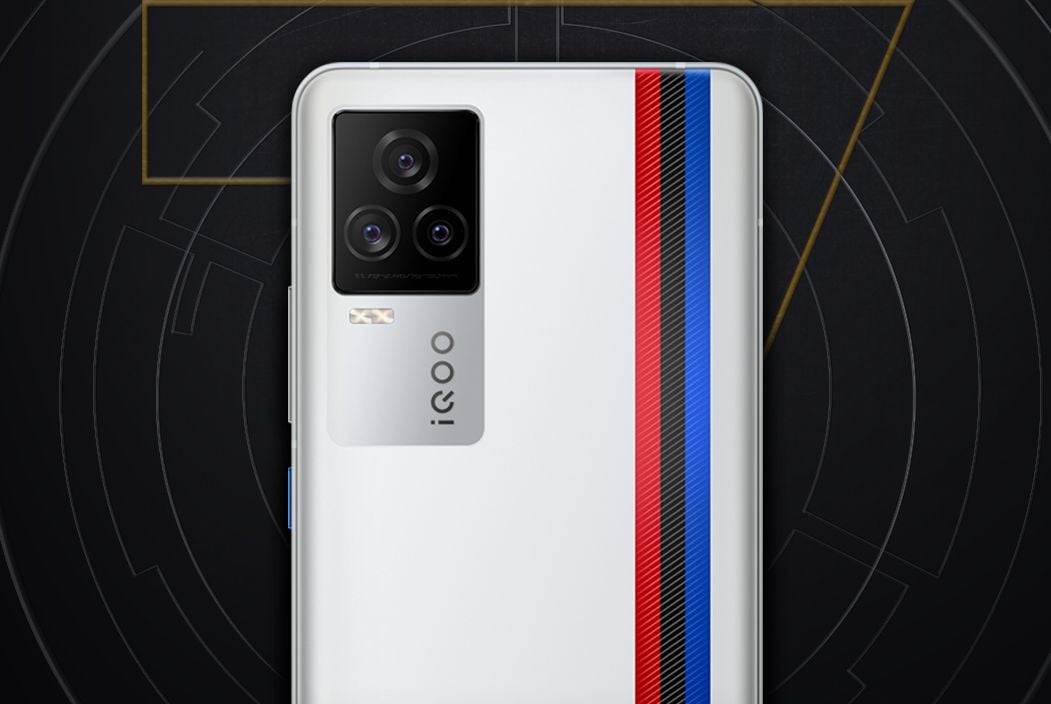
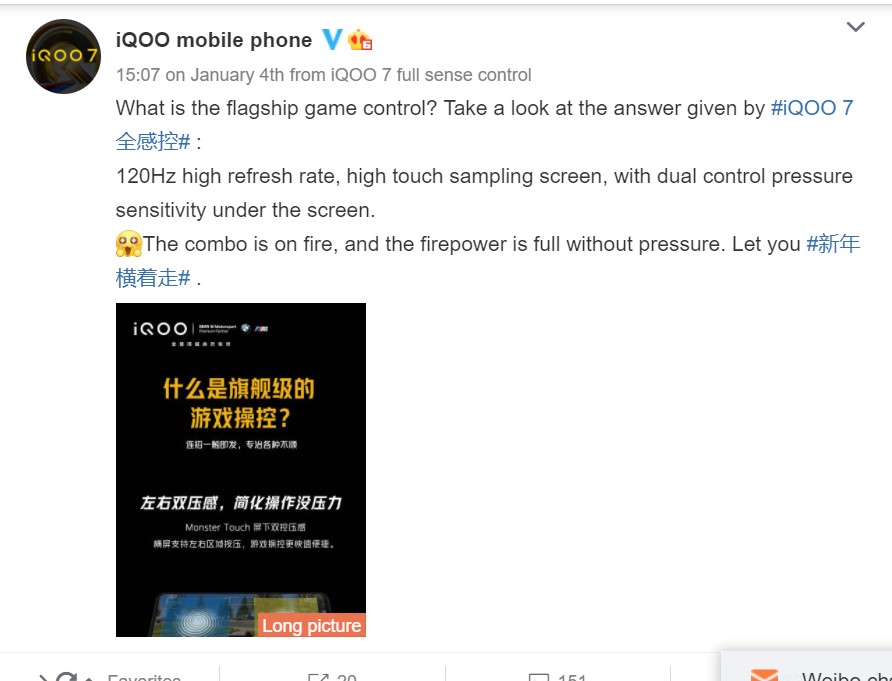
iQOO is gearing to launch the next iteration of flagship, the iQOO 7 on January 11 in China. Ahead of the launch, it has been teasing the features of the device. Recently, the company has revealed its key specs including a pressure-sensitive screen, Dual-Linear Motors, and Dual Speakers with Hi-Res certification.
iQOO 7 BMW edition
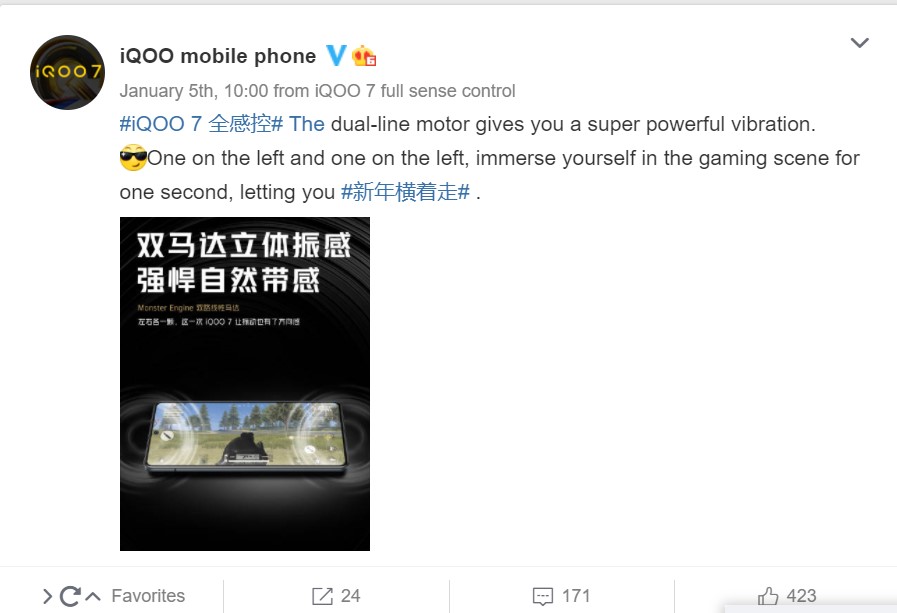
iQOO on Weibo, Shared a Video(via) to depict the features of the device. Precisely, the iQOO 7 will feature Dual- Linear Motors with one on the left and right side when held in Landscape mode. This coupled with a Monster Engine will help the device function like a Gamepad in giving feedback vibrations.
The company, in a poster, also says that the flagship will not only provide 3-Dimensional surround vibrations but also have a Dual Speakers with Hi-Res Certification. In fact, it will have a HiFi DAC chip that has a dynamic range (DNR=120dB) and THD<0.03%.
Additionally, iQOO 7 will feature a pressure-sensitive AMOLED display with a 120Hz refresh rate. Just like the Vibration, the screen also recognizes touch on the Left, Right areas in the Landscape area. The company has termed it as Monster Touch but let’s wait to see it’s implementation.
Other features of display confirmed are 100% DCI-P3 color gamut, HDR10+, SGS Certification for Blue-Light and Smear etc. The iQOO 7 is shaping out to be a pretty strong contender for flagship rivals in 2021. It will join the bandwagon of devices with Snapdragon 888 SoC.
Besides, the device is expected to feature a 6.6-inch 2400×1080 display in addition to having a centered punch-hole screen which is confirmed. At the back, it will have a triple-camera setup with iQOO branding beneath. Out of this, the primary will likely be a 48MP Sony IMX598 with OIS.
Lastly, the iQOO 7 will feature a 120W charging that can essentially charge a 4,000mAh battery in just 15 minutes. Apart from the usual three colors, the company will also launch a BMW Special Edition and will be the official gaming smartphone of KPL(King Pro League).
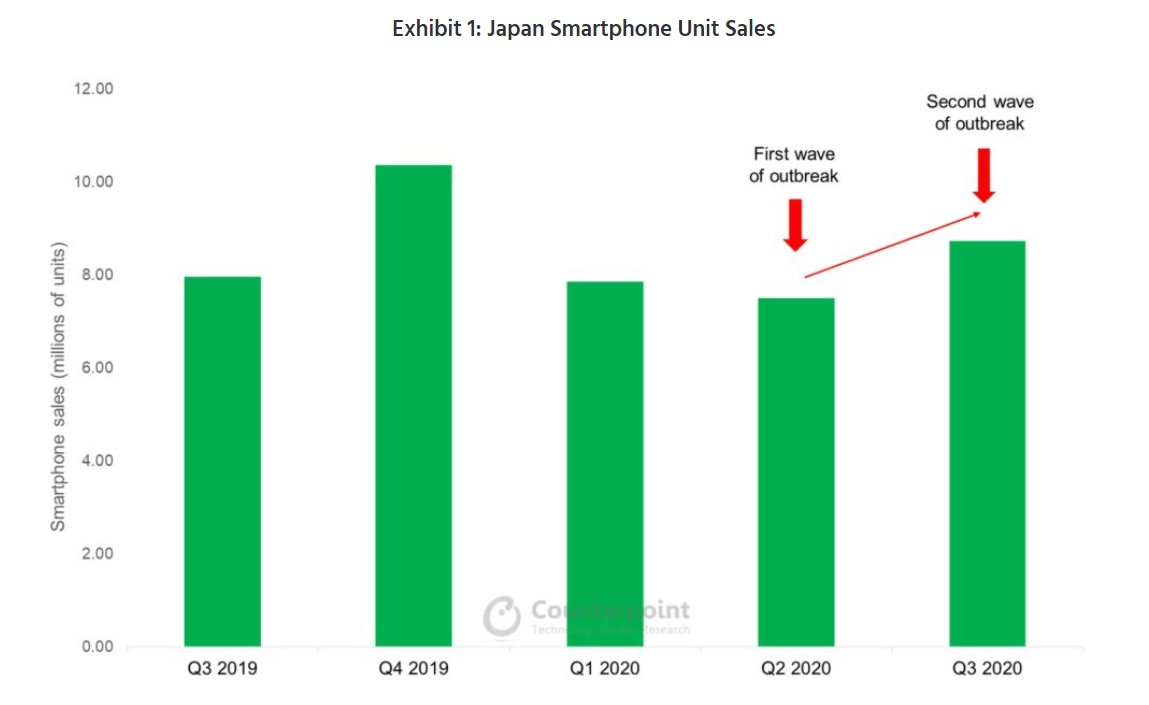
Japan is already attracting the attention of Chinese companies like Xiaomi. Amidst a lot of uncertainty in Q3 2020 due to a second-wave of COVID-19, it has recovered from a dull smartphone sales in Q2. A report from Counterpoint Research says that affordable phones were the catalyst of such sale figures.
According to the report, smartphone unit sales have crossed the 8 million mark for the first time in 2020. This is both due to the pandemic forcing people to look at budget smartphones and the Government not enforcing any strict restrictions. Precisely, it has gone up 10% YoY(Year-over-Year) in Q3 when compared to Q2’s 24% YoY drop.
Some of the serious contributors to the sales include mid-rangers like iPhone SE 2020. And budget devices like Samsung Galaxy A20 and Fujitsu Arrows Be4. Premium smartphones, which usually get the most attention, got overshadowed by the low and mid-range segment thanks to COVID-19. Specifically, iPhone SE 2020 alone makes 26% of the total market share in Q3.
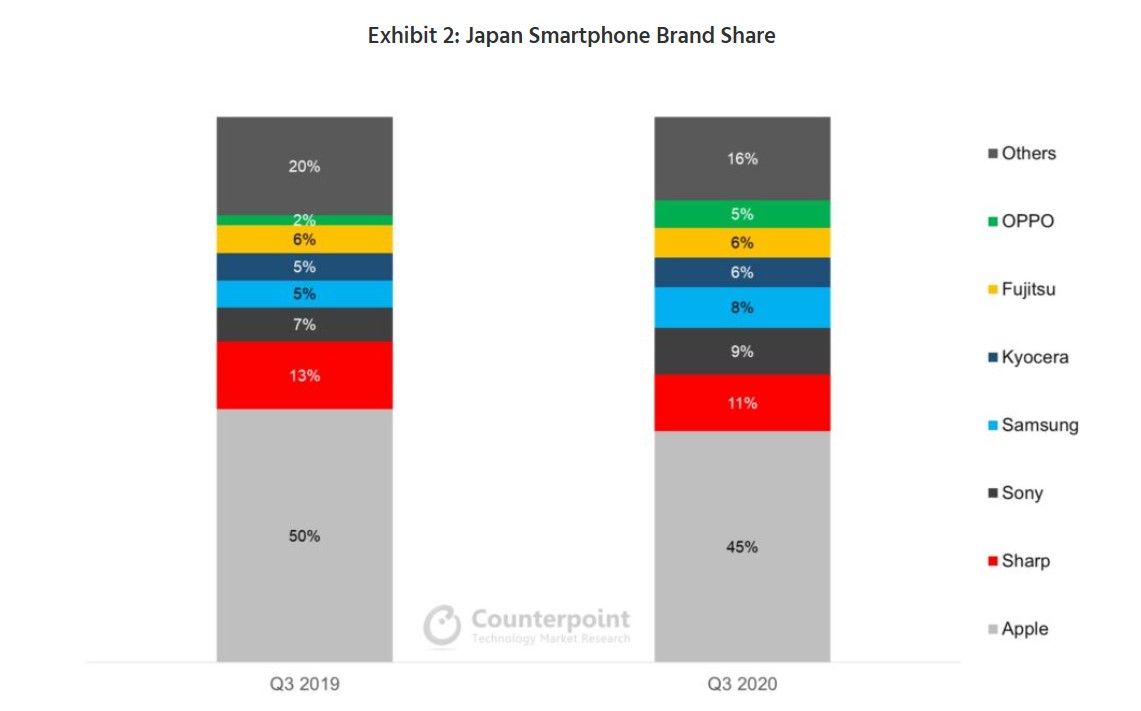
Additionally, sales in Q3 has also opened new opportunities in Japan where the share of sub-$150 phones has grown by 14% YoY in Q3 2020 but devices above $600 have declined to 18%. In terms of companies’ market share, Apple has reportedly lost 5% YoY due to delay in iPhone 12 series launch. Contrary to this, companies like Samsung, OPPO, which launched many phones have an 8% and 5% share respectively.
In spite of the dip, Apple remains the undisputed champion brand of the Japanese market as seen above. However, it no longer retains half the market share like Q3 2019 as companies like Fujitsu, Kyocera hold 6% each, and Sharp, Sony have 11 and 9% share respectively. The contribution of the other small companies is around 16%.
That said, Apple is expected to dominate the next Quarter, i.e, Q4 with iPhone 12‘s sales. Reasons like 5G, the need of replacing older iPhones, and increasing demand will reportedly drive the already strong initial sales forward.
POCO became a separate brand under the Xiaomi Group in early January 2020. The first phone from the brand after going independent was POCO X2. Since then, it has launched a handful of devices. Two of them, POCO M2 and POCO C3, have now received their first permanent price cut in India.
The POCO M2 debuted as the cheapest 6GB RAM smartphone in India in September of 2020. The handset comes in two storage configurations. The base 6GB + 64GB was introduced at ₹10,999, whereas the higher 6GB + 128GB version had been selling for ₹12,499.
But now, customers can now pick up this device for either ₹9,999 or ₹10,999 respectively. Because the brand has reduced its price by ₹1,000 and ₹1,500 respectively.
Hence, if you were saving money to buy the POCO M2 base version, you can now get the high-end version at the very same price. Anyway, you can still opt for the base version and buy accessories with the extra cash.
On the other hand, the brand’s cheapest smartphone, POCO C3, has also received a price cut. But unlike the former phone, only the higher variant of this handset has got a ₹500 price drop. Therefore, interested customers can buy the POCO C3 for either ₹7,499 (3GB + 32GB) or ₹8,499 (4GB + 64GB).
The new prices of POCO M2 and POCO C3 are already live on Flipkart, POCO’s official online retailer in India.
WhatsApp, which recently rolled out an important update for PC users, is a part of Facebook companies from 2014. The company has so far evolved to co-exist with products, services offered across the messaging and social media platform, Facebook. As an addition, it has updated its privacy policy that makes data sharing with Facebook mandatory.
If you are a regular user of WhatsApp, you must have noticed a full-screen pop-up suddenly showing the information about updated Terms and Privacy Policy. In that case, you are not alone. The company’s new update(as of January 4, 2021) to this makes the data sharing compulsory.
And the cut-off date for that is February 8, 2021, as per the notification screenshot. As you can see below, the company briefly describes three important points:
WhatsApp Service and Processing of Data
Businesses can use Facebook Hosted Services to store WhatsApp chats.
Partnership with other Facebook Products for seamless integration.
1 of 2
Android WhatsApp
iOS WhatsApp
It essentially means that the latest update, unlike previous versions where you had a choice to opt-out, will share information with other products of Facebook. In an FAQ, the company also details the kind of information it is sharing with its sisters. In case you don’t know, the subsidiaries of Facebook include Facebook Payments Inc., Facebook Payments International Limited., Onavo, Facebook Technologies LLC, and CrowdTangle.
That said, You can take a look at the category of information shared below:
Account Registration(eg. Phone Number)
Transaction Data
Service-Related Information
Information on how you interact with others(incl. Businesses)
Mobile device information
IP Adress
Others (Specified as on Privacy Policy->Information we collect)
Precisely, the others on the Privacy Policy page has new additions like Transactions And Payments Data(if you use WhatsApp Pay). The details that the company is entitled to collect includes Shipping Details, Payment Method, and Transaction Amount. The said payments feature has already begun its rollout in countries like India.
Additionally, there is also location-based information. WhatsApp says that even if you don’t use their location services, they will use the IP address and Phone Number to determine your general location. To this, the company reasons out that the process is for troubleshooting and diagnostic purposes.
The company Straight up says that you can either abide by these changes to continue using the service or go to Help Center and see how to “Delete your Account”.
With innovation in technology bringing more effective and efficient way we interact with electronic gadgets, a new portable power bank has been developed, which can basically be charged by filling it up with warm water and also acts as a hot water mug
The Beijing Institute of Space Vehicle Systems Engineering of the Rocket Academy has made this possible through the use of aerospace based technology. In other words, drinking more hot water can charge one’s smartphone as well, as per its description. In other words, the power bank also doubles as a thermos. As smartphones becoming more common in the modern world, power banks have become even more essential as well. Furthermore, the gadget working as a thermos ensures that the user stays hydrated and the device topped up.
As a thermos, the device is just compact enough to be portable and at room temperature, it can preserve heat for up to 6 hours above 65℃ and even preserve cold water below 9℃ for up to 6 hours as well. When working as a power bank, the hot water mug can convert thermal energy into electrical energy to charge various electronic products, even supporting wireless charging as well. So, one can essentially use this in various areas where there is no supply of electricity, an example being camping outside.
This is achieved by what is apparently called Aerospace black technology, which uses high-performance thermoelectric conversion technology from the aerospace field. In other words, this is technology quite literally originates from aerospace or rocket engineering. Let us know in the comments section down below if you would ever use such a unique power bank.
We use cookies on our website to give you the most relevant experience by remembering your preferences and repeat visits. By clicking “Accept”, you consent to the use of ALL the cookies.
This website uses cookies to improve your experience while you navigate through the website. Out of these, the cookies that are categorized as necessary are stored on your browser as they are essential for the working of basic functionalities of the website. We also use third-party cookies that help us analyze and understand how you use this website. These cookies will be stored in your browser only with your consent. You also have the option to opt-out of these cookies. But opting out of some of these cookies may affect your browsing experience.
Necessary cookies are absolutely essential for the website to function properly. This category only includes cookies that ensures basic functionalities and security features of the website. These cookies do not store any personal information.
Any cookies that may not be particularly necessary for the website to function and is used specifically to collect user personal data via analytics, ads, other embedded contents are termed as non-necessary cookies. It is mandatory to procure user consent prior to running these cookies on your website.