Back in late November, an MIUI 12 code exposed Xiaomi to be working on a smartphone with a QHD+ display. Following that, a few days back, the Chinese tech giant announced Mi 11 with a similar spec’d panel. Now, another code in the MIUI Gallery app confirms that there will be a Mi 11 Pro as well.
Earlier this year, Xiaomi launched both Mi 10 and Mi 10 Pro at the same event. But surprisingly, the company only unveiled Mi 11 for 2021 as of now. Although the firm did not say anything about Mi 11 Pro at the launch conference, Digital Chat Station, a popular as well as reliable Chinese tipster revealed that the Pro variant will be announced after the Spring festival.
That said, recently, Xiaomi updated the MIUI Gallery to v2.2.17.18. According to kacskrz, a recognized XDA member, the source code of the latest version of the MIUI Gallery app not only confirms the existence of Mi 11 Pro but also its QHD+ curved display.
According to previous reports, the Mi 11 Pro’s display may also support 120Hz refresh rate, SDR to HDR mapping, MEMC, and AI upscaling. On the other hand, the vanilla Mi 11, which is now official does not come with any of these features except for the 120Hz refresh rate.
Apart from the differences in display, we also expect the Mi 11 Pro to come with a better camera setup and support for faster charging.
Vivo’s sub-brand iQOO confirmed that the company’s upcoming flagship smartphone, dubbed iQOO 7 will get launched on 11th January 2021 in China, powered by the latest Qualcomm Snapdragon 888 chipset.
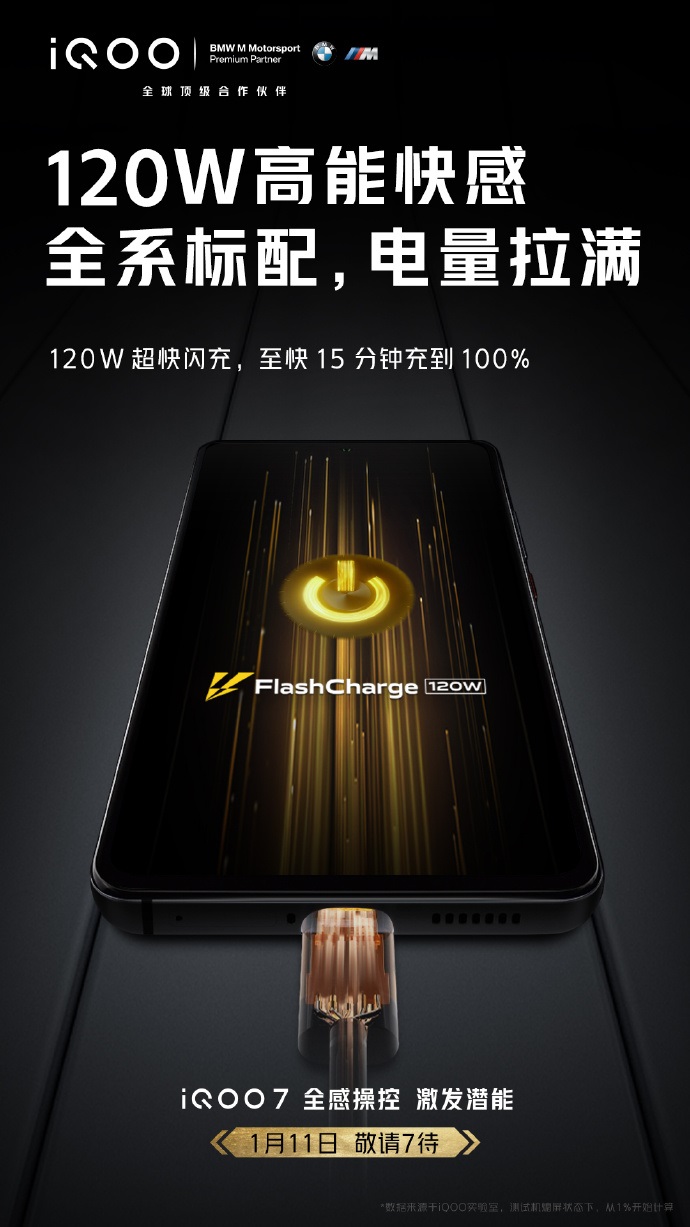
Now, days ahead of the official launch, the company has shared a new teaser poster on its social media, confirming that all the models in the iQOO 7 series will come with support for 120W fast charging technology.
As per the company’s claim, the smartphone with a 4,000mAh battery can get fully charged within 15 minutes using this technology. Prior to this, the company had revealed that the phone will have its audio output tuned by Audio Technica. Along with the latest flagship Snapdragon 888 chipset, the phone will pack LPDDR5 RAM and UFS 3.1 storage for better performance.
The upcoming smartphone was recently spotted on the AnTuTu benchmark with a score of 752,935. The listing reveals that the phone will have a Full HD+ display that offers a 120Hz refresh rate. It is likely to feature a 6.56-inch AMOLED screen with in-display fingerprint sensor technology for added security.
A recent report has revealed that the smartphone will come with a triple-camera setup on the back, consisting of a 48-megapixel primary camera with Optical Image Stabilization (OIS) support.
In the software department, the device will come running the latest Android 11 operating system out-of-the-box with OriginOS on top, which was recently released by Vivo. We also expect the phone to come with several software enhancements, including a Gaming Mode for advanced users to boost performance and overall experience.
Along with the iQOO 7, the company has confirmed to launch the iQOO 7 BMW Edition on 11th January. This edition will come with a White-colored body and a Red-Black-Blue colored vertical stripe on the back. We expect the company to keep sharing more information about the device as the launch nears.
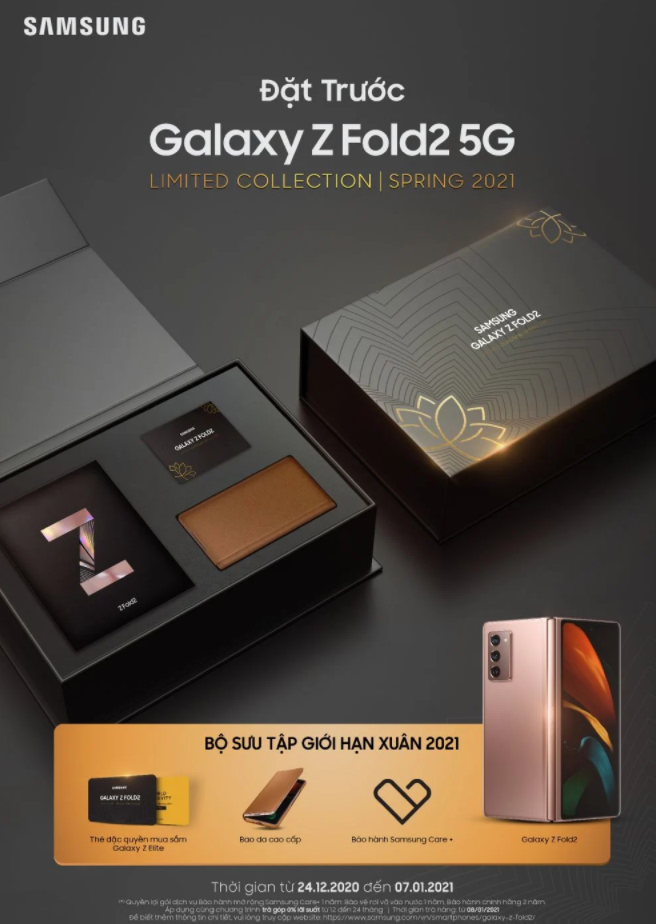
The Samsung Galaxy Z Fold 2 is the company’s successor to its first foldable smartphone. It was launched earlier this year and now, the company has announced a new Galaxy Z Fold 2 Limited Edition Collection is arriving for its customers in Vietnam.
According to a SamMobile report, the new Limited Edition Collection for Spring 2021 will not be sold along with the vase Galaxy Z Fold 2 variant. Apparently, the South Korean tech giant was taken by surprise by the foldable smartphone’s success in the region. So, Samsung decided to not just replenish the stocks, but also make the fresh batch a bit special as well. The official name of the device is the Galaxy Z Fold 2 Limited Edition Collection – Spring 2021, which essentially is the same as the regular version but its retail box arrives with a handful of goodies and incentives.
Looking into these special offerings, customers in Vietnam are given the Galaxy Z Elite Privilege card, which was previously only reserved for customers that had placed pre orders in the country. This card is valid till 25th September 2021 and will have holders enjoy benefits like receiving discounts up to 35 percent on non foldable Galaxy handsets, and up to 45 percent off on consumer electronics, excluding the 8K TVs.
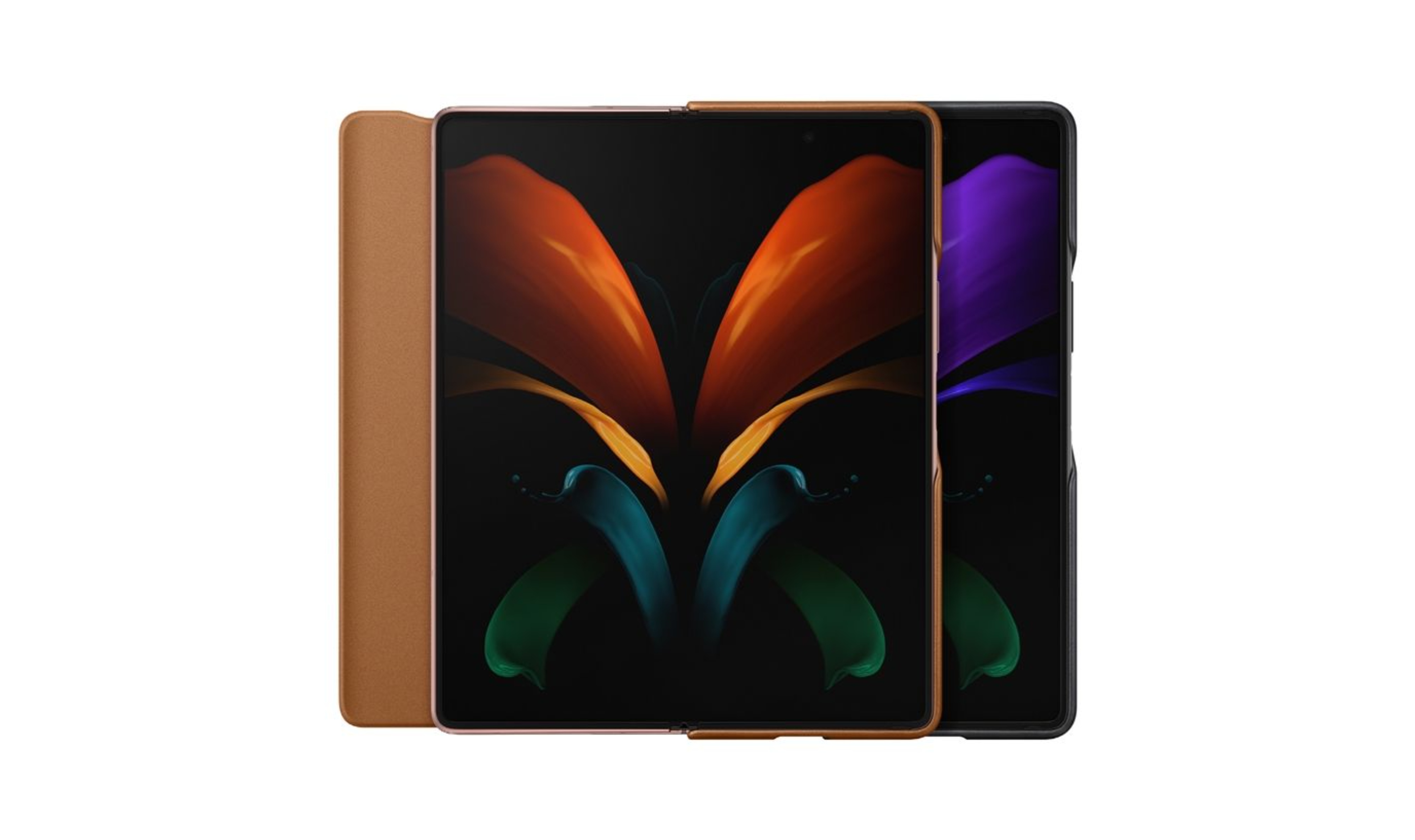
Galaxy Z Fold 2 Official Leather Case
Furthermore, the Galaxy Z Fold 2 Limited Edition Collection also arrives with a Premium Leather Case, Samsung Care+ extended warranty, and even allows users to choose the color of the hinge. All of this would be stores in the special edition retail box adorned with Lotus flowers. For those unaware, Lotus is Vietnam’s national flower and is considered a symbol of purity, commitment, and more. The device will be available for pre orders starting from January 7 from the company’s official Vietnamese website.
OnePlus is known for making smartphones but the company recently entered the mobile accessories market and has launched a few products in that category. Now, the Chinese company is set to launch yet another product in its portfolio.
It appears that the OnePlus Band fitness tracker is set to get launched in the first quarter of 2021. This will be the company’s first wearable fitness tracking device and likely to compete against the likes of Xiaomi Mi Band 5, and Honor Band 6, among others.
Interestingly, the company is also set to launch its first smartphone in 2021, which has already been confirmed by OnePlus. It is not yet known if both these devices — the OnePlus Band and the OnePlus Smartwatch will get launched at the same time.
Some reports indicate that the OnePlus Band fitness tracker could debut in the Indian market in January or February. Later on, the device will make its way to other regions, ahead of the launch of the OnePlus 9 flagship smartphone.
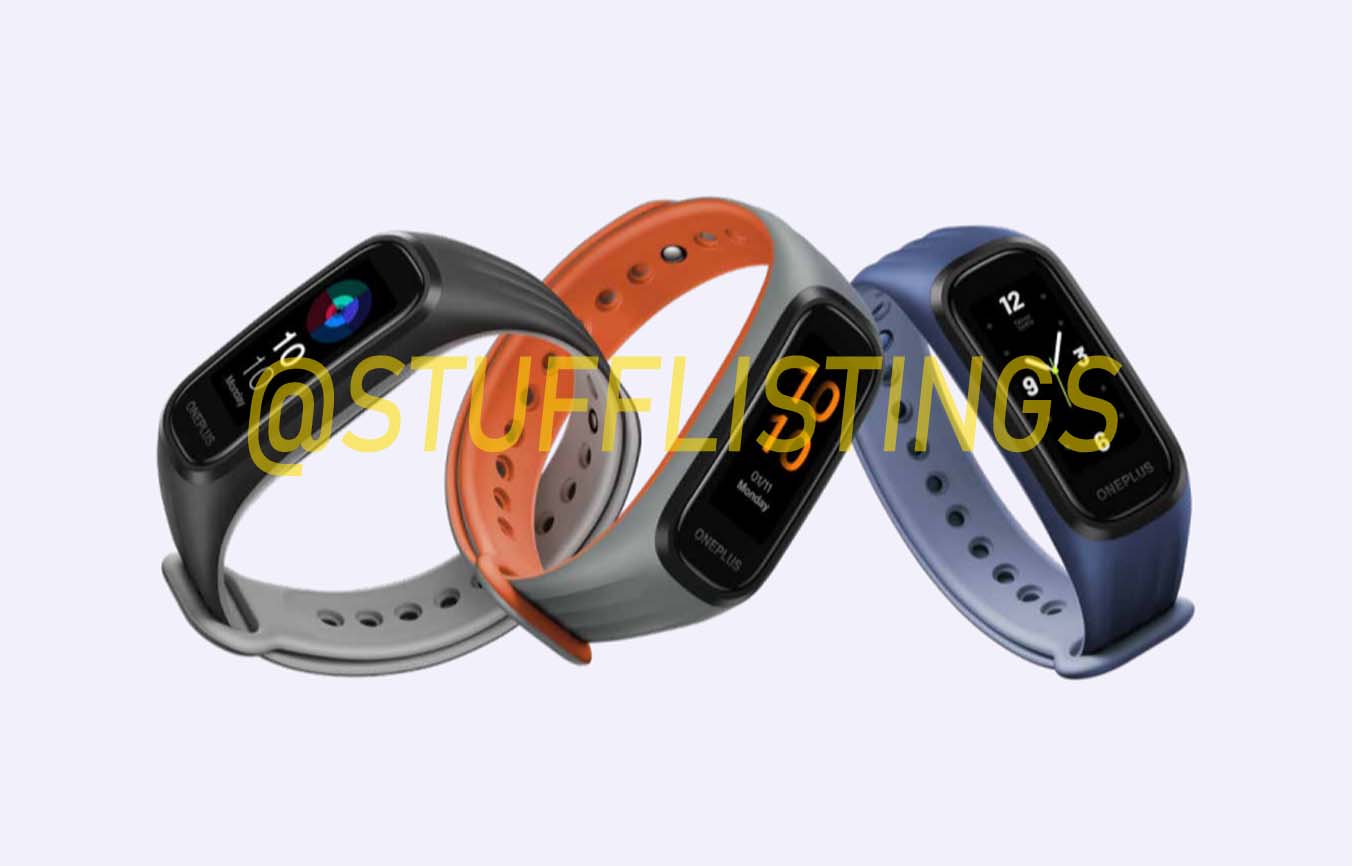
The upcoming fitness tracker is said to be focusing on the budget market and will come with an AMOLED display and multi-day battery life support. Based on the render shared by StuffListings, the OnePlus Band could be a rebranded version of the OPPO Band.
We expect more information about this product, including specifications, features, and pricing details to surface online in the coming days or weeks. However, a report indicates that the device will be priced under $40.

Yesterday, Vivo announced the Vivo Y20 (2021) smartphone in Malaysia. A similar device called the Vivo Y20A has also gone official in India. It is third in the Y20 series that includes phones like Vivo Y20 and Vivo Y20i. Here is all the information on the specifications, features, and pricing of the Vivo Y20A.
Vivo Y20A specifications and features
The Vivo Y20A has a 6.51-inch IPS LCD screen that produces an HD+ resolution of 720 x 1600 pixels. The waterdrop notch screen offers a 20:9 aspect ratio. While the Vivo Y20 and Y20i are powered by the Snapdragon 460, the Y20A is equipped with the less powerful Snapdragon 439.
The Vivo Y20A comes with 3 GB of LPPDR4x RAM and it has an internal storage of 64 GB. For additional storage, users can add a microSD card to the device. The phone is preinstalled with FunTouch OS 11 based Android 10 OS.
The rear side of the Vivo Y20A has a triple camera system. It includes a 13-megapixel main camera with f/2.2 aperture and a pair of 2-megapixel sensors for macro shooting and depth sensing. Both the auxiliary cameras come with f/2.4 apertures. The smartphone features an 8-megapixel camera on the front for capturing selfie shots.
The Vivo Y20A is backed a by 5,000mAh battery with 10W charging support. The phone comes with support for face unlock and it has a side-facing fingerprint scanner. The handset offers connectivity features like dual 4G VoLTE, Wi-Fi 802.11 b/g/n, Bluetooth 4.2, GPS, microUSB, and a 3.5mm audio jack.
Vivo Y20A pricing and availability
The Vivo Y20A comes in colors like Nebula Blue and Dawn White and it is priced at Rs 11,490. Major e-commerce will start with its sales from Jan 2.
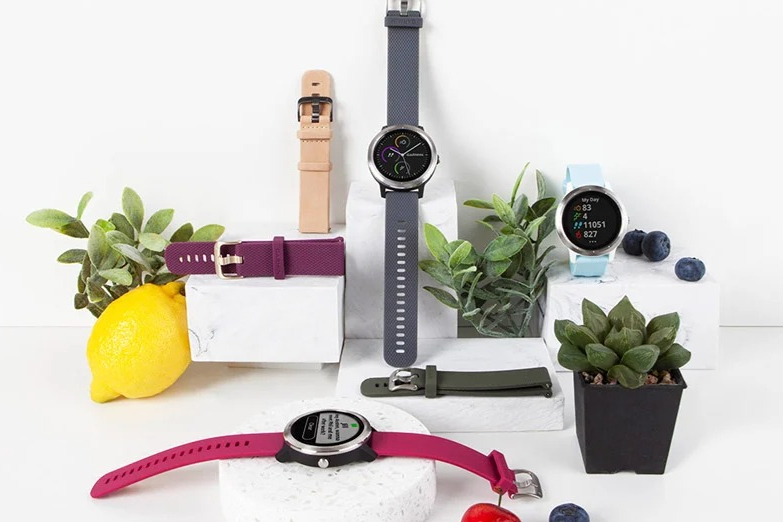
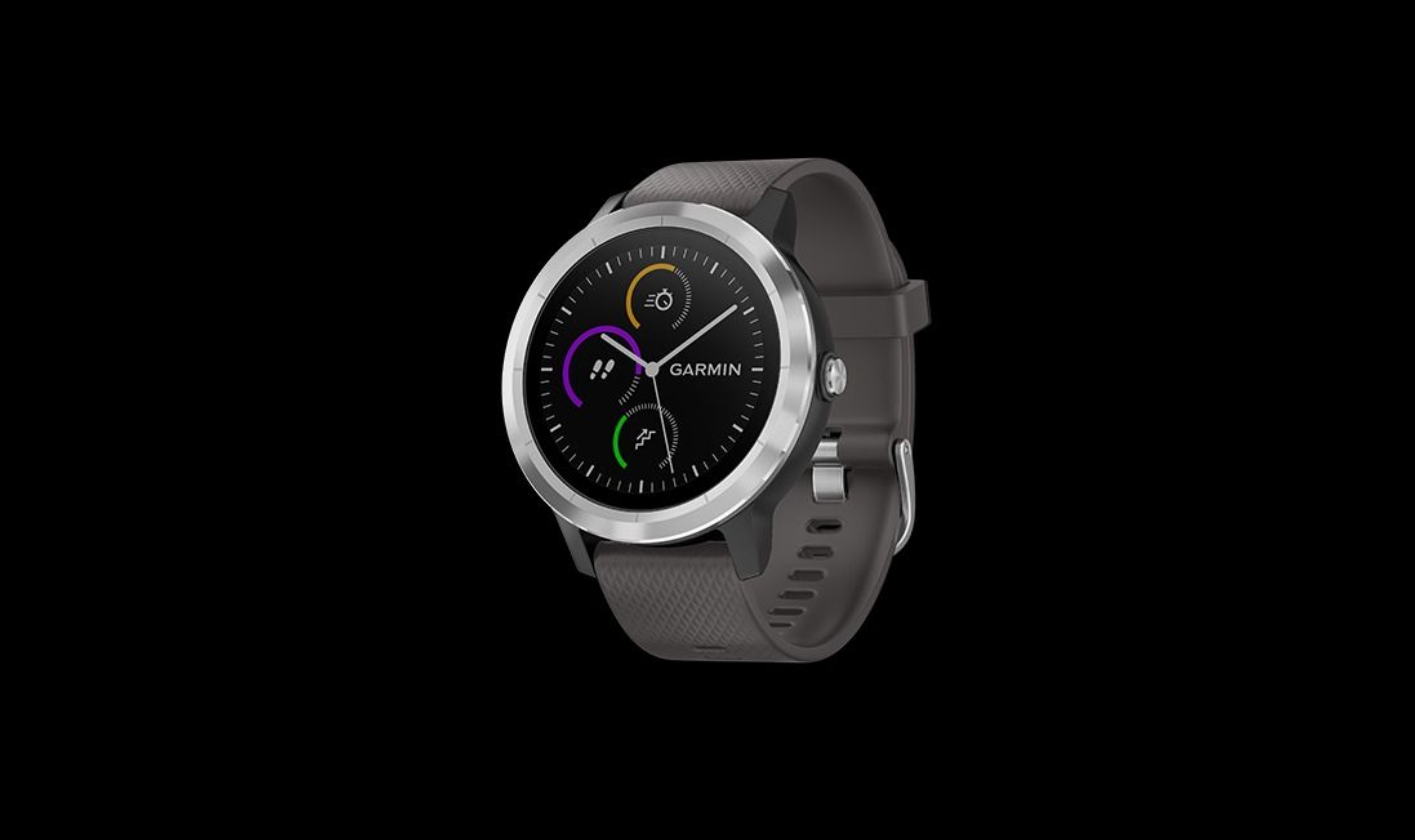
Garmin has launched the Vivoactive 3 Element in India priced at ₹15,990 ($219). This wearable can be purchased from either Garmin online store, Amazon India, or Tata Cliq in the country. It is the brand’s cheapest smartwatch offering in the region and comes in a single grey option.
The Garmin Vivoactive 3 Element sports a 1.2-inch transflective memory-in-pixel (MIP) display with a resolution of 240 x 240 pixels. This screen is protected by chemically strengthened glass. Further, the casing of the smartwatch features stainless steel and fiber-reinforced polymer, whereas the strap is made of silicone.
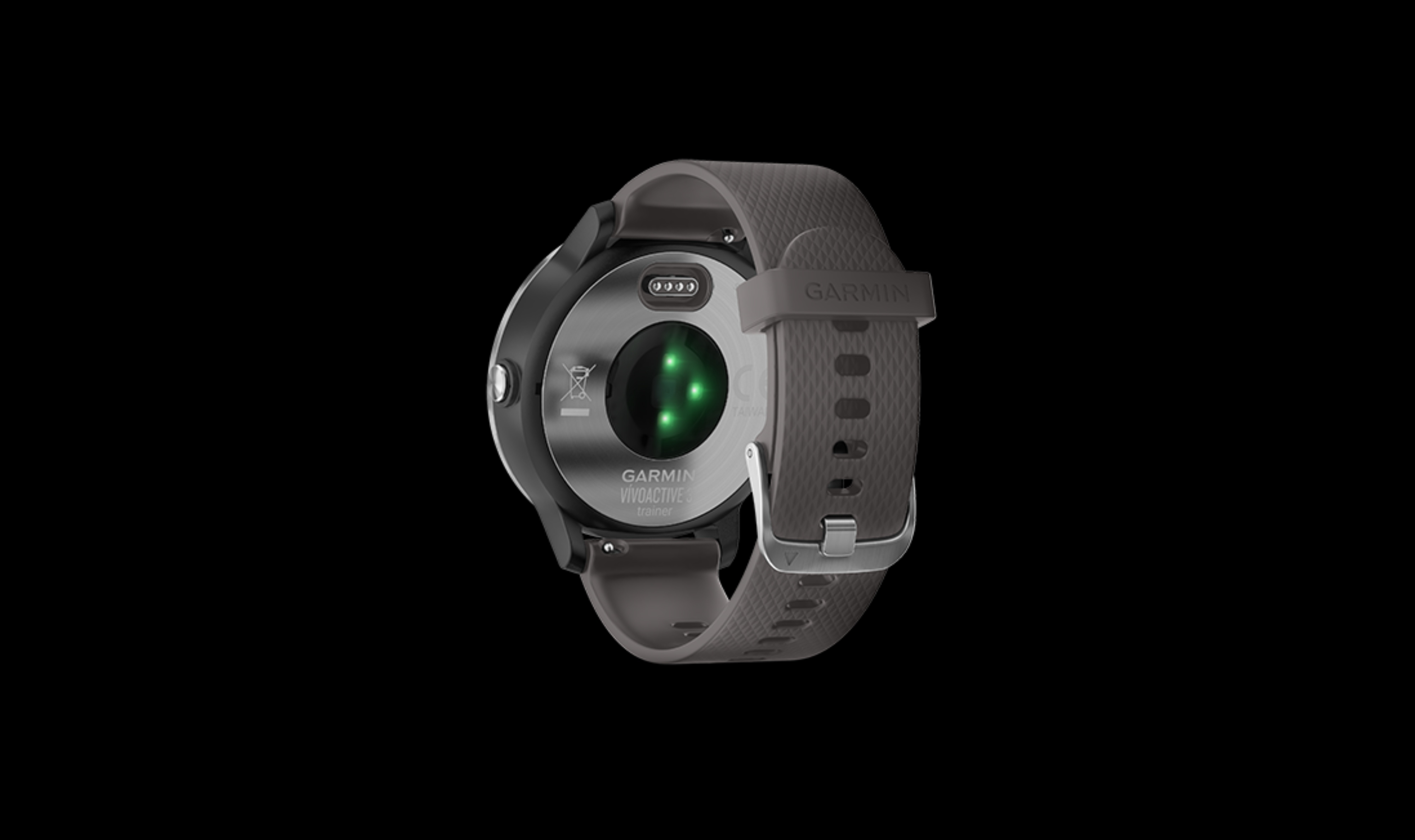
Being a fitness-focused wearable, the product ships with all the essential sensors such as optical heart rate sensor, barometric altimeter, compass, accelerometer, thermometer, GPS, and GLONASS. As for connectivity, the smartwatch uses Bluetooth and ANT+.
The watch connects with smartphones via the Connect IQ app, which is available on both Google Play Store for Android and Apple App Store for iPhones. Just like any other companion app, this application can be used to modify various settings on the smartwatch.
1 of 2
As far as features are concerned, the wearable comes with more than 10 pre-loaded GPS and indoor sports modes. It also supports app notifications, VO2 Max, heart rate monitoring, stress level monitoring, customizable workouts, Samsung SmartThings controls, and more.
Last but not least, the Garmin Vivoactive 3 Element is 5ATM water-resistant and can last up to 8 days in smartwatch mode but only up to 13 hours in GPS mode.
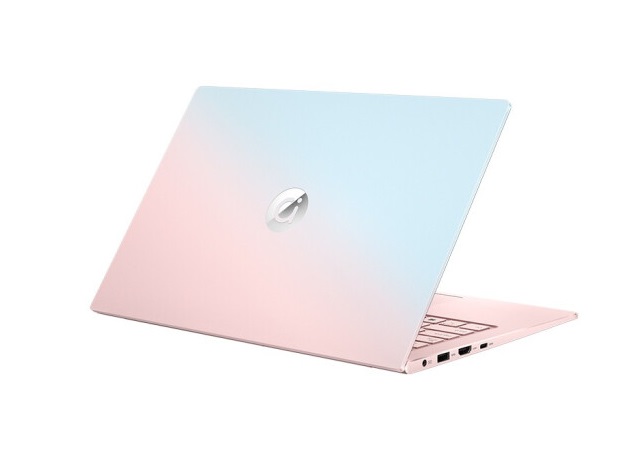
Around September last year, Taiwanese tech giant ASUS announced the Adolbook14 which it prides as the world’s first metal gradient notebook. The company also marketed the device as a fashionable PC and that wasn’t far from the truth. The electronics giant has just launched a successor to the Adolbook14 and it is called ASUS Adolbook13 2021.
The Adolbook13 2021 is a compact notebook PC powered by the latest 11th generation Intel Core i5-1135G7 processor. The processor is paired with 16GB of LPDDR4X-4266 memory while there is 512GB M.2 SSD onboard. The notebook is also equipped with an upgraded Cicada wing fan which supports three-speed fan switching.
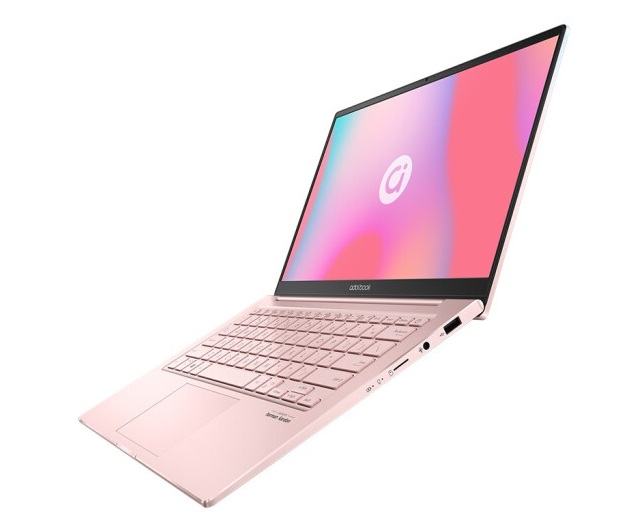
ASUS Adolbook13 2021
In terms of the design, ASUS Adolbook13 2021 uses 3D metal printing technology. The company says the tech is used to create a psychedelic ocean color with gradient metal. The notebook uses an all-metal body with a toughened mirror logo.
The Adolbook13 2021 features a 13.3-inch display with an FHD resolution of 1080p. The display also offers 100% sRGB color gamut, and has a screen ratio of up to 88%. The entire notebook is as light as 1.19kg and is just 13.9mm thick. This makes it thinner, lighter and has a wider screen ratio than last year’s Addolbook14.
There are decent options when it comes to I/O, even considering the device’s thinness. The Adolbook13 2021 features a 3.5mm headphone jack, an SD card reader, a USB 2.0 port, an HDMI video out port, a USB 3.1 port and a USB-C port. While the number of ports available isn’t all that impressive, the sheer variety is pretty good.
There’s a 50Wh battery, which should offer a decent hours of video playback. The laptop is TUV Rheinland certified and also packs HArman Kardon stereo speakers.
The ASUS Adolbook13 2021 carries a decent price tag of 4999 yuan ($766) which is a decent price considering the build material and other hardware configuration. The model is available from Asus’ Jingdong official flagship store.
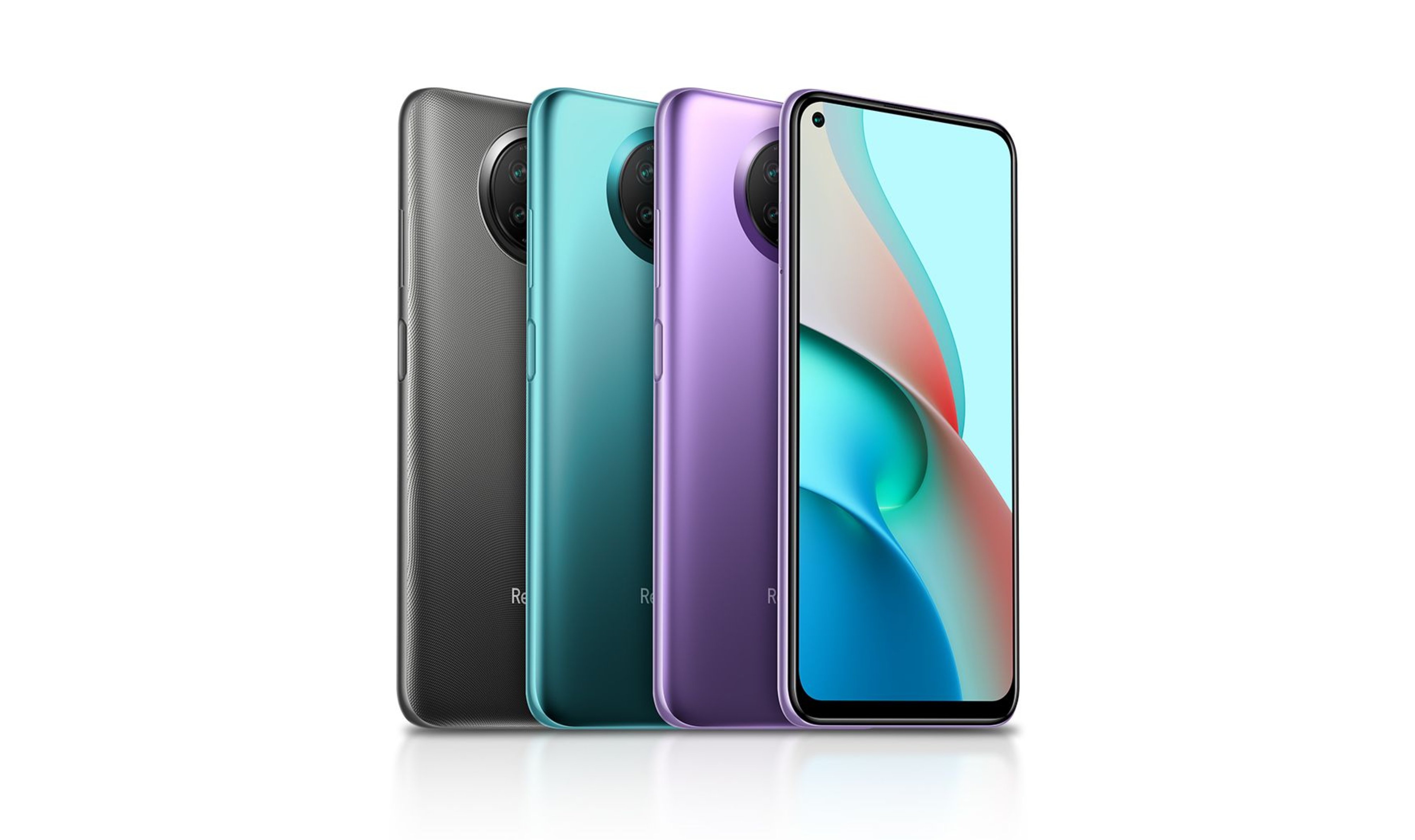
The Redmi Note 9T has now appeared on Geekbench further strengthening the belief that it’s a rebadge of China’s Redmi Note9 5G. The listing also suggests that the supposed Global variant will come with an older version of Android.
The latest Geekbench listing of a Xiaomi smartphone with model number M2007J22G appears online. If we recall, a device with a similar model number has already passed Thailand’s NBTC and Malaysia’s SIRIM certifications. Among this, the NBTC revealed that the device would debut as Redmi Note 9T 5G.
Anyway, the device in testing runs 4GB of RAM and has an ARM MT6853T processor. A similar Geekbench of the Redmi Note9 5G before its launch revealed that it’s the MediaTek Dimensity 800U 5G SoC. That said, the 4GB variant doesn’t exist in China as it is selling only in 6/8GB RAM, and 128/256GB UFS 2.2 storage variants.
Besides, the listing also reveals that the Global variant will likely debut with Android 10 OS just like Redmi Note9 5G. Previously, while launching in November, the latter came with MIUI 12 but didn’t carry the latest Android(11). Also, despite sporting a lower RAM, the scores are almost on par with the Chinese variant(single-core- 598, multi-core- 1,760 points).
Redmi Note 9T Specifications(Expected)
The Note 9T 5G will likely feature a 6.53-inch FHD+ LCD display with a top-left punch-hole upfront. At the back, a circular camera layout like the Note9 Pro 5G will hold three sensors with a 48MP main lens, 8MP ultra-wide, and a 2MP sensor.
Other expected specs include a 5,000mAh battery with 22.5W fast charging, in addition to SA/NSA 5G and other connectivity options.
Xiaomi launched the Mi Human Sensor 2 was launched on Xiaomi crowdfunding in November this year. The product is focused on motion detection, light and dark recognition, intelligent linkage, and adopts a compact size. Exactly a month after the crowdfunding exercise, the tech giant has launched the Mi Human Sensor 2 on open sale for 59 yuan (~$9). The product is on sale on Jingdong and other platforms.
The Mi Human Sensor 2 is small in size and comes with a stand, which can be placed or pasted at will. It supports multiple installation methods such as flat placement, wall pasting, and inversion.
The Mi Human Sensor 2 supports 130° wide-range sensing and a detection distance of 7 meters. It can be placed in a room, corridor, or bedside to monitor the movement of people or pets, and send notifications to the Mijia app through a nearby Bluetooth gateway, or when linked with other smart devices.
This version comes with ambient light and dark detection function and so there is no need to buy a light sensor. You can wake up at night and it automatically turn on the light after detecting your movement.
The product also supports linkage with Mijia IoT products. For example, when you go home, you can turn on the Mijia Air Purifier remotely. When there is no one in the house, you can turn off the home air conditioner, air purifier, and other electrical equipment remotely from the app.
It should be noted that the Mi Human Sensor 2 cannot be directly connected to the smart home via Wi-Fi, and must be used with a Bluetooth gateway or Bluetooth Mesh gateway, such as Xiaomi XiaoAI touch screen speakers and Xiaomi smart multi-mode gateway.
Apple launched the AirPods Max recently as its first wireless headphone. The headphones have since gone on sale but the reviews have not been without any bloat. Some users have complained of condensation build-up inside the headphones. It is reported that water collected inside one user’s AirPods Max ear cups after using the device for an extended period. Condensation is not uncommon with such devices although the metal ear cups, coupled with their tight fit might be some of the reasons for the increased amount of water.
The AirPods Max was unveiled earlier this month. It’s one of the high-end headphones available in the market and sells for $549. It enjoyed rave reviews at its launch for its top-end design and quality, which now comes under scrutiny with this observed flaw. The metal ear cups may be a remote cause of this buildup of water droplets after long use.
The replaceable ear pads provide ear comfort and enable noise cancellation by forming a seal around the cups. It is likely that it can trap moisture, possibly after long use and under certain circumstances.
Several users have been sharing their experience on Twitter, Reddit and other platforms, stressing that the headphones begin to malfunction until the moisture disappears. Some users even provided photos of their headphones with visible signs of moisture on it.
Water condensation, however, is not unique to the AirPods Max, and condensation after extended use is not uncommon.
Much has been written about this problem but a logical explanation is that moisture builds up as a result of sweat from the ear, as the ear cushions trap air and heat, causing a build-up of moisture observed in the ear cups. A company, EarHugz has even produced sweat-resistant headphone covers as a solution to the problem.
It is therefore advisable to periodically remove the headphones and wipe the ear cups when wearing AirPods Max for extended periods or when exercising. To do this, pop out the cushions and wipe dry the metal interiors with a soft, dry, lint-free cloth, as advised by Apple.
Chinese smartphone maker realme unveiled realme UI 2.0 based on Android 11 in September. The announcement for the same came soon after the ColorOS 11 launch event. Because despite separating from OPPO, realme’s software is still based on ColorOS. So far, the brand has delivered the stable update to a single handset – realme X50 Pro, whereas builds for two devices are in the beta testing phase. Now, the company has started recruiting testers for four new phones.
Hence, as December 2020 is about to end, the firm has started recruiting realme UI 2.0 Early Acess testers for the following smartphones.
realme 7
realme 6 Pro
realme narzo 20 Pro
realme X2 Pro
Just like with the previous three handsets, the seats for the next four devices are also limited. Therefore, if you are interested in trying out the latest software, then head over to Settings > Software Update > Gear Icon > Trial Version > Submit Details > Apply Now.
If you get selected, you will be receiving the realme UI 2.0 (Android 11) beta build via OTA. That said, for some reason, you want to rollback to realme UI (Android 10), make sure to backup your data first as this process will wipe your internal storage.
Anyway, even if you don’t join this program now, you will be receiving the stable update in the coming weeks when it is ready.
After the current flagships, Samsung has started seeding the Android 11 update for its yesteryear smartphones. First of a probable bunch is the Galaxy Note 10 series of Smartphones.
As Sammobile reports, Samsung is rolling out the One UI 3.0 based on Android 11 update to Galaxy Note 10(SM-970F), and Note 10+(SM-975F), Note 10+ 5G(SM-976B) users. A firmware version N97xFXXU6ETLL is reaching countries like Germany for 4G variants while Spain and Switzerland are getting the N976BXXU6ETLL version for the 5G model.
Along with the major Android upgrade, the update also brings the latest December 2020 security patch. Samsung has been updating its flagship smartphones with One UI 3.0 stable update from Early December. It began with the Galaxy S20 series and moved over to other devices of 2020.
Anyway, the Galaxy Note 10 which launched back in 2019, gets the latest Android features like bubbles(conversations), media controls, improved permission management, and organized notifications. Additionally, you can also expect the One UI 3.0 features to land with this update.
Plus, Samsung hasn’t incremented the bootloader version which means downgrading is possible theoretically(but we won’t recommend doing it if you are new). It is also worth noting that this is for the Exynos variant and hence, Snapdragon users(US, Canada, China) should stay away from manually flashing it.
Samsung announced its One UI 3.0 beta(Android 11) back in August at the Galaxy Note 20 series launch. After the initial developer build, it expanded the beta to a lot of devices including the Galaxy Note 10 series but had to temporarily halt it due to a major bug.
Nevertheless, the stable update is finally here and it is sure to expand to other countries soon. So far, Samsung has updated devices like Galaxy Z Flip 5G, S20 FE, S10 Lite.
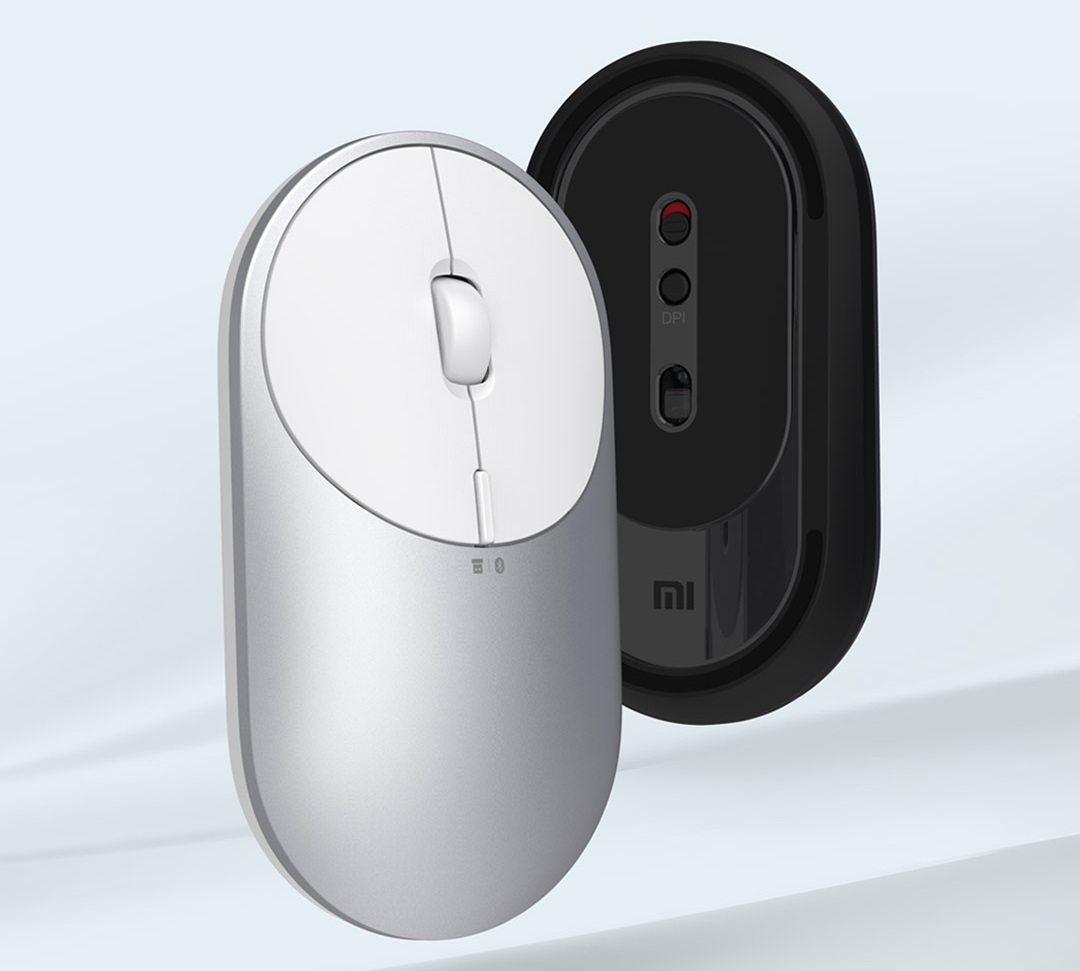
A few months back, a mouse with Mi Portable Wireless Mouse 2 moniker got Bluetooth SIG Certification. Today, Xiaomi has finally crowdfunded the successor of the Mi Portable Mouse today in China. The new Mi Portable Mouse 2 has features like Dual-Mode connection, low energy Bluetooth, and more.
From the looks, the Mi Portable Mouse 2looks like a successor to the Mi Portable Wireless Mouse that launched in India this year. However, unlike the latter, it has a darker silver version and a Black color variant. Also, at the back, it has a DPI switch which according to the company is 4-way adjustable.
At the front, we see a similar circular layout for the mouse-click buttons. However, there is an additional button that is for the dual-mode switch. Speaking of which, the Mouse supports dual-mode connection. Users can connect through a 2.4GHz Wi-Fi and via the Bluetooth 4.2. This Bluetooth connectivity is provided by a Telink Low-Energy Bluetooth chip.
Once done, you can easily switch between the two screens with the button. That said, the mouse also has the usual Left, Right Click buttons and a two-way scroll wheel. The outer body of the mouse is built using Anodized Aluminum Alloy through a sandblasting process. The buttons and wheel have improved less-noisy clicks thanks to the soft rubber material.
This portable mouse, aimed at home and office use, runs on one AA battery. Xiaomi says the battery will last up to a year which is similar to the predecessor. And, it also has a low-battery reminder so you can be aware when the battery is going to die.
The crowdfunding price of the Mi Portable Mouse 2 is 79 yuan($12) and shipment starts from January 13. But if we look at the official website, it says the otherwise retail price is 99 yuan($15).
Xiaomi Malaysia has teased a new smartphone that may be launching soon in the Asian country. The tech giant recently initiated a contest on its Facebook page that will see ten lucky fans win a unit of the new smartphone each. But the company didn’t reveal the name of the unannounced smartphone. It only indicated that the phone will be a Redmi model which it dubbed Redmi XX.
The teaser poster accompanying the contest contains a render of the device showing the rear camera. The image shows the device will pack a Quad-camera setup stacked vertically at the top left corner. The device looks like the Redmi Note 9 4G China version which is also similar to the Poco M3. Thus, there are strong speculations that this is the Redmi 9T which was certified in Thailand recently.
To put it in perspective, the Redmi 9T is expected to feature a 6.53-inch Full HD+ IPS display and will be powered by a Qualcomm Snapdragon 662 processor paired with 6GB of RAM and 128GB of expandable storage. The device will also pack a large 6,000mAh battery.
The camera setup will be similar to that of the Poco M3 which includes a 48MP main camera, a 2MP macro lens, and a 2MP depth sensor. the Redmi 9T is said to have a fourth sensor which is an 8MP ultra-wide-angle camera. The design is similar to the Redmi Note 9 4G still, except that where there is an LED sensor on the Redmi Note 9 4G, there will be a sensor.
There is no word yet as to when the device will be launched but considering that the contest ends on the 7th of January 2021, the new phone could be revealed as early as next week. We can’t guess the price tag but since the POCO M3 starts at RM599 (~$148) for the 64GB version and RM699 (~$173) for the 128GB, we expect the Redmi 9T to be priced around that region.
Motorola is expected to launch a new high-end smartphone codenamed ‘Nio’. The primary specs of this handset have already been revealed late last month. In fact, the front of this phone has also leaked in an image a few weeks back. Now, this device has been spotted on Geekbench as well.
According to the Geekbench listing, the upcoming Motorola Nio with model number XT2125 will be powered by Qualcomm Snapdragon 865 chipset paired with 8GB RAM. As for software, it will run Android 11 out of the box. These features go in line with the initial specs leak.
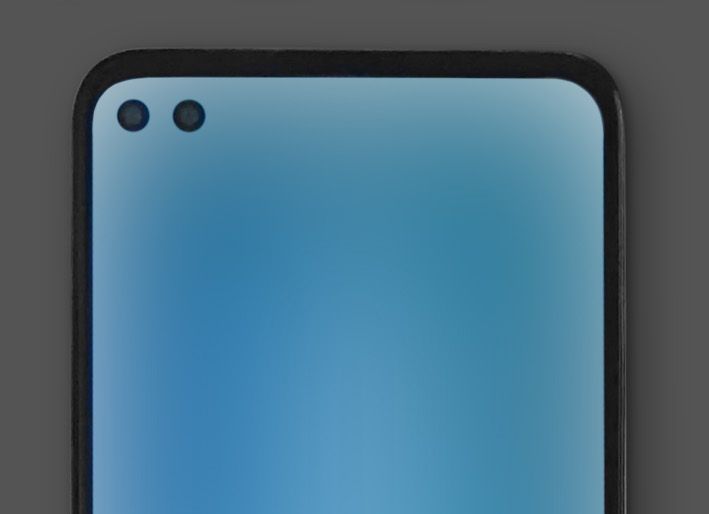
As per the first-ever report regarding this smartphone by TechnikNews, it will be available in a single 8GB + 128GB storage configuration but there could be a higher 12GB + 256GB variant as well. On the other hand, Evan Blass (@evleaks), who shared the front image of this phone exposing its dual punch-hole display says that this handset will arrive with 8GB RAM and 256GB internal storage.
Other expected features of Motorola Nio as per reports include FHD+ ( 1080 × 2520 pixels) display, 105Hz refresh rate, 5,000mAh battery, a triple camera setup on the back (64MP OmniVision OV64B sensor with a wide-angle lens, 16MP OmniVision OV16A10 sensor with an ultra-wide-angle lens, and 2MP OmniVision OV02B1B depth sensor), and a dual-camera setup on the front (16 MP sensor OmniVision OV16A1Q sensor with a wide-angle lens and 8MP Samsung S5K4H7 with an ultra-wide-angle lens).
We already made a list of our best phones of the year 2020, which you should read if you have not. While we were compiling that list, there were some devices that we shortlisted but that didn’t make the final cut. It turns out that some of these devices can actually be classified as “underrated” as they didn’t make it out of China, got little attention when they were announced, or were overshadowed by other phones. So here is our list of the Most Underrated Phones of 2020.
Sony Xperia 5 II
Sony Xperia 5 II
Sony’s flagship phones usually get overshadowed by competitors for reasons such as price, features, or a combination of both, and the Xperia 5 II is a prime example. This 6.1-inch phone stands out in a market flooded with phones whose screens are just a few inches shy from entering the 7 inches turf. While it is as tall as a lot of other phones, no thanks to its 21:9 aspect ratio, this also means it is narrower making it more comfortable to hold.
The phone’s specs are good but when compared to the competition where you have phones with bigger batteries, faster-charging technologies, and more affordable price tags, then a compact-sized phone such as the Xperia 5 II will not be on your shortlist.
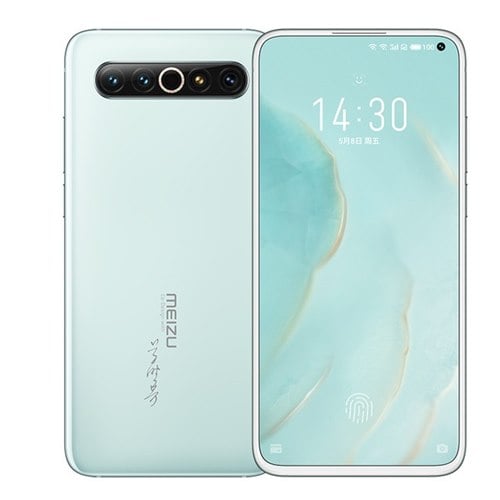
This year, the Meizu 17 Pro was one of the two smartphones announced by the former top Chinese manufacturer; the other being the standard Meizu 17. This flagship is one of the best-designed phones announced this year.
Unlike most phones with a punch hole at the top left corner or center, the Meizu 17 Pro has its own at the top right corner. Not only does the hole have a really small diameter, but the bezels are also some of the thinnest you will find on a smartphone. Meizu completes the design with a ceramic back, horizontally arranged rear cameras, and a ring LED flash.
Even though it packed amazing specs out of the box, it got more features via OTA updates such as an increased refresh rate (from 90Hz to 120Hz) and video stabilization for all cameras. Unfortunately, the Meizu 17 Pro and its sibling, both gorgeous and with impressive specs, did not get a global release.
Vivo is known for making phones with a premium design, impressive cameras, a mid-range chipset, and a high price tag, and the Vivo X50 Pro or Vivo X51 5G is one of such devices.
Its first-of-its-kind gimbal system brought a new type of stabilization to smartphone cameras. The whole 48MP quad-camera system is quite impressive and the camera arrangement is one we have seen other manufacturers copy. However, its high price tag, not unjustified for its pioneering technology, puts it in direct competition with more affordable flagships that offer a better all-round experience.
The Redmi 10X Pro 5G is a mid-range phone that packs features you will usually find on premium mid-range phones and flagships. This Dimensity 820 5G phone, which is exclusive to China, has a telephoto camera with OIS and 3x optical zoom! That is a big deal when you realize that flagships such as the Mi 10 5G and Mi 11 don’t have a telephoto camera but this sub $350 phone does.
Lenovo Legion Phone Duel
Lenovo Legion Duel
The Legion Phone Duel was Lenovo’s first gaming smartphone. It was also the first phone powered by a Snapdragon 865+ processor. For its first attempt, Lenovo did a lot of things differently. From adopting a side pop-up selfie camera to placing the rear cameras in an unusual position, and using two USB-C charging ports to achieve its 90W fast charging technology.
Like other gaming phones, the Legion Phone Duel has trigger buttons, RGB lights, a high refresh rate display, and great stereo speakers. While it did launch in Europe in October, gaming smartphones are still a niche category, so they usually get overshadowed by other flagships that pack better features overall and are not as expensive.
This 6.65-inch phone with a 144Hz AMOLED display, a Snapdragon 765G processor, 48MP quad rear cameras, and a 5100mAh battery with 30W fast charging had a launch price of ¥2399 (~$339 as of April) for the base model that has 6GB of RAM and 128GB of storage!
It did get a global launch but as the Red Magic 5G Lite and with some toned-down features such as a 120Hz refresh rate, 18W charging, and a much higher price tag.
The Mi 10 Youth 5G launched in China as an affordable version of the Mi 10 series. Prior to its announcement, Xiaomi had announced an affordable Mi 10 phone called the Mi 10 Lite 5G that was only sold in international markets. Both the Mi 10 Lite 5G and Mi 10 Youth Edition share not only design almost the same specifications but Xiaomi gave the latter a camera upgrade in form of a periscope telephoto camera with OIS, 5x optical zoom, and 50X digital zoom.
The Mi 10 Youth 5G was supposed to launch in international markets as the Mi 10 Lite Zoom but that didn’t happen. We do not know if Xiaomi has canceled it or it decided to push the launch to next year.
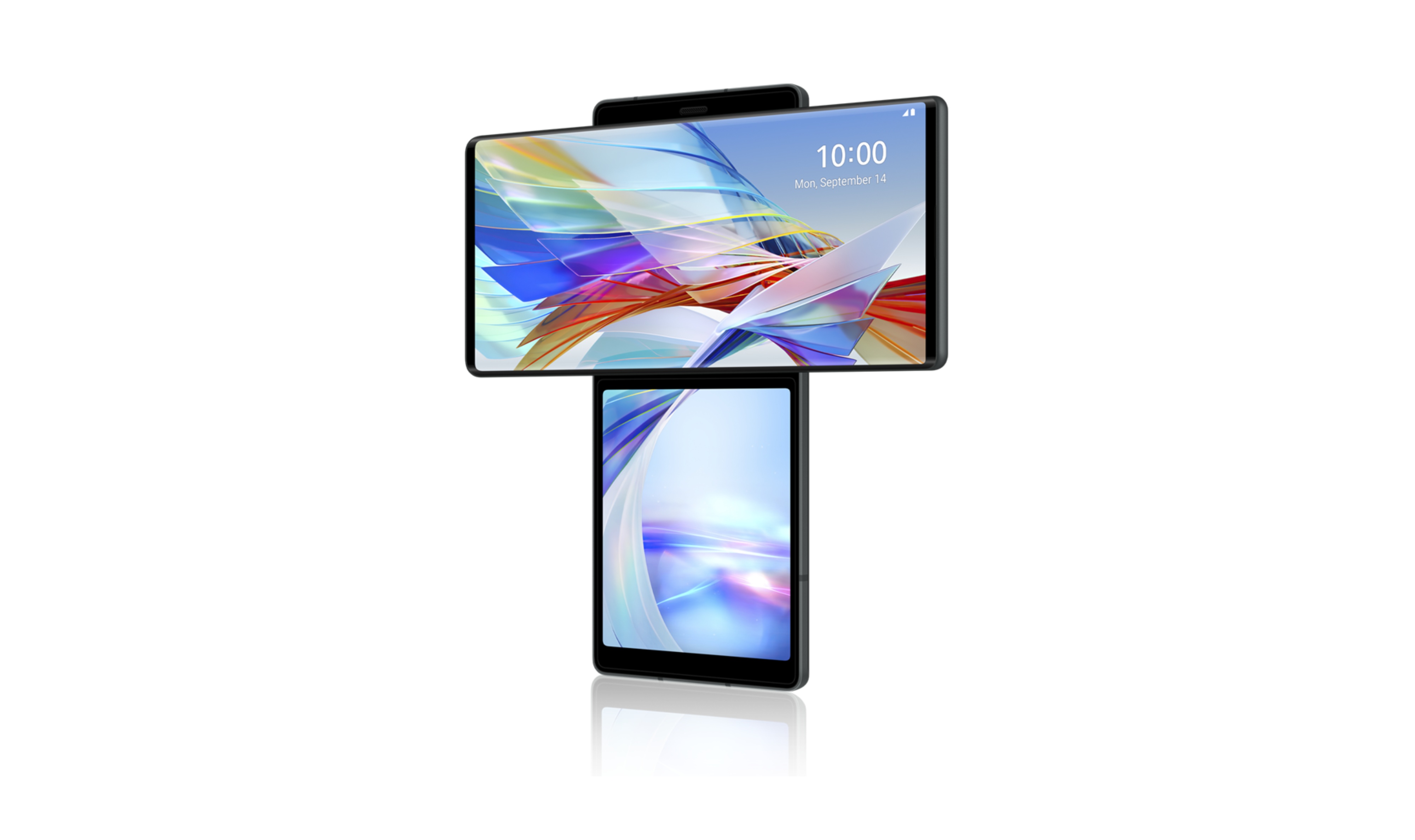
Lately, smartphone OEMs have been releasing devices with different form factors. Most of these handsets are foldables except for LG Wing. This particular phone is part of LG’s Explorer Project. Now, two months after its release, a report from South Korea says that this smartphone has been suffering from poor sales since its launch.
According to Herald Corporation, LG Electronics managed to sell less than 50,000 units of LG Wing to date in its home country South Korea. In case you do not know, the company aimed to sell 2 million units in order to improve its brand image.
But unfortunately, the sales volume of LG Wing is merely 10% of that of the Galaxy Note20, a phone from Samsung Electronics that was released at around the same time.
The sales did not see momentum despite LG U+, the official telecom company of the LG corporation lowering the price of the handset by half via subsidies. Similarly, global sales also did not improve even though the firm tried to market it through advertisements and product placement in the latest Michael Bay movie called ‘Songbird’ and one of the popular American talk shows – Jimmy Kimmel Live!
In other words, the only other chance for LG Electronics to recover its brand image in the smartphone market is through the company’s second product under the ‘Explorer Project’. The firm has already confirmed that this upcoming device will be coming with a rollable display.
Not much is known about this phone except for a set of alleged specs and price that may or may not be true. But we do expect to learn more about this handset before its official announcement sometime later in 2021.
Tech giant Apple has lost its copyright claims against Florida-based Corellium, a company engaged in the production of what it termed virtual iPhones, usually deployed by its system security research team in testing system vulnerabilities.
Apple held the view that Corellium LLC copied the operating system, graphical user interface and other aspects of the devices without obtaining its permission. It also accused Corellium of selling privileged information after hiding under the pretense of helping discover bugs in Apple’s iPhone’s operating system. Corellium was accused of selling such unauthorized information on the open market to the highest bidder.
West Palm Beach District Court Judge, Rodney Smith in the ruling on Tuesday stated that Corellium’s actions fell under an exception to copyright law because it creates a new, virtual platform for the iOS and adds capabilities previously not available on Apple’s devices. The Judge stated that the fact that Corellium sells its product does not in any way; undermine its fair use defense, particularly considering the public benefit accruing from the sale of the said product.
Apple currently has a hacker rewards program aimed at rewarding progressive hackers who discover flaws in its system. The company argued that the Corellium product went far beyond its own hacker reward program, even though Corellium said it evaluates potential customers and was at liberty to reject some customers.
Corellium has said its clientele was drawn from government agencies, financial institutions, and security researchers and further accused Apple of stymieing its operations by trying to control security research to limit what the public learns about vulnerabilities of its system. Apple had been in talks to buy the company but the talks crumbled after the two sides were unable to agree on a price, according to the court papers. The lawsuit began a year after the collapse of talks.
Corellium’s virtual product is currently being used on a desktop computer and currently cannot be used as a phone to make calls, send text messages, or do any of the other things an iPhone can.
The Judge insisted that there was sufficient evidence to support Corellium’s claim that the product was being used for security research, stressing further that Apple would have used the same for its internal security testing had it been successful in the acquisition of the company.
Officials of both companies are yet to comment on the court ruling at this time.
Apple drew parallels to the billion-dollar dispute between Oracle Corp. and Alphabet Inc.’s Google unit, which was now at the US Supreme Court after the Appeals Court dismissed Google’s arguments that it had the right to copy Oracle code for inclusion into its Android operating system. However, Judge Smith ruled that the two cases were not comparable
The judge said that Corellium may still be in violation of the Digital Millennium Copyright Act, which prohibits tools to circumvent security measures, therefore he declined to dismiss that aspect of the case in his ruling. He ordered the two sides to submit a status report by January 11, 2021 to determine how the case proceeds.
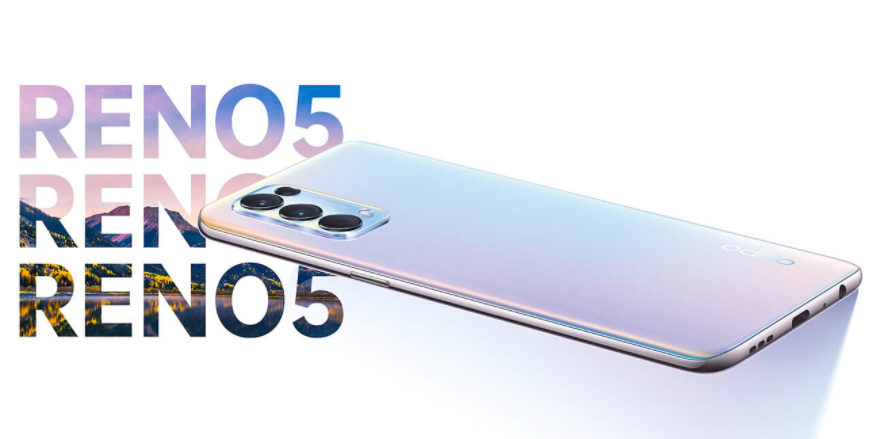
A couple of weeks ago, OPPO launched its next-generation Reno5 series smartphones in the Chinese market, which includes three models — Reno5 5G, Reno5 Pro 5G, and Reno5 Pro+ 5G. Now, the company has officially launched a 4G model in the lineup.
The company has today launched the OPPO Reno5 4G in Vietnam for the price of 8,690,000 Vietnamese Dong which is approximately $377. Now, the company is also set to launch the same smartphone in Indonesia on 12th January.
OPPO Reno5 4G
The smartphone features a 6.4-inch AMOLED display that offers a Full HD+ screen resolution of 2400 x 1080 pixels and a refresh rate of 90Hz. The phone also comes with an in-display fingerprint sensor for added security.
Under the hood, the device is powered by the Qualcomm Snapdragon 720G chipset given that is limited to 4G LTE connectivity. It packs 8GB of LPDDR4x RAM and 128GB of internal storage with a microSD card slot for expanding the storage capacity.
In the camera department, the phone comes with a quad-camera setup on the back, featuring a 44-megapixel primary sensor, an 8-megapixel superwide lens, as 2-megapixel macro lens and a 2-megapixel monochrome sensor. On the front side, there’s a 44-megapixel selfie snapper.
Similar to the 5G model, the OPPO Reno5 4G runs the latest Android 11 operating system out-of-the-box with the company’s own ColorOS 11.1 on top. The phone is powered by a 4,310mAh battery which comes with support for the first-gen 50W SuperVOOC fast charging technology.
Meanwhile, OPPO is also expected to launch the Reno5 5G series smartphones globally in the coming weeks. While the Reno5 Pro 5G packs MediaTek Dimensity 1000+ SoC in China, it is expected to be powered by the SD765G SoC for the global markets.
Apple’s iPhone 13(Tentative) is already the talk of the town. It has been just two months since the predecessors’ launch, but the next iteration is hitting the news constantly. Now, a report sheds more light on the display tech of the supposed ‘Pro’ variants.
According to a Korean report, Apple is ready to load up at least the Top 2 models of the next iPhone with a 120Hz OLED display. Besides, Samsung Display(Pro Max, mini) and LG Display(all except Pro Max) are said to be the Prime suppliers for iPhone 13 series’ displays.
Precisely, the Top-2 ‘Pro’ variants- iPhone 13 Pro, iPhone 13 Pro Max to feature the long-rumored 120Hz ProMotion display. This is in contrast to an early report that said all the models will have the high-refresh rates.
Anyway, the base variants(iPhone 13 mini, iPhone 13) will reportedly have LTPS while the Pro variants with 120Hz will feature the LTPO display. That is, LTPS is Low-Temperature Polysilicon while the LTPO is Low-Temperature Polycrystalline Oxide.
Simply put, Apple has gone with LTPO and an LTPO-TFT backplane to evade the power consumption caused due to the 120Hz. By doing so, it aims to get the best of both worlds- Advantages of LTPS and less power hungriness. If the report is true, iPhone 13 will have the following OLED display specs:
Further, the LTPO backplane will also allow Apple to vary the refresh rate as low as 1Hz. This not only aids the Always-on scenarios well but ensures you get more screen-on time. We saw this on the Galaxy Note 20 Ultra and Apple also uses them on the Apple Watch 5 and Watch 6.
The report also says that LTPO-TFT will mean SCM(supply-chain management) will grow and suppliers get more profit(more unit price). However, Apple has to deal with changes in corresponding parts such as Driver IC, RF-PCB, OLED emitters etc.
We use cookies on our website to give you the most relevant experience by remembering your preferences and repeat visits. By clicking “Accept”, you consent to the use of ALL the cookies.
This website uses cookies to improve your experience while you navigate through the website. Out of these, the cookies that are categorized as necessary are stored on your browser as they are essential for the working of basic functionalities of the website. We also use third-party cookies that help us analyze and understand how you use this website. These cookies will be stored in your browser only with your consent. You also have the option to opt-out of these cookies. But opting out of some of these cookies may affect your browsing experience.
Necessary cookies are absolutely essential for the website to function properly. This category only includes cookies that ensures basic functionalities and security features of the website. These cookies do not store any personal information.
Any cookies that may not be particularly necessary for the website to function and is used specifically to collect user personal data via analytics, ads, other embedded contents are termed as non-necessary cookies. It is mandatory to procure user consent prior to running these cookies on your website.