Advertisement

vivo V20 launched in Kenya for Ksh 45,999 ($420)

Chinese phone maker vivo has debuted the vivo V20 smartphone in Kenya. The handset is priced at Ksh 45,999 ($420) for the single 8GB + 128GB storage configuration. Interested customers can pick it up in either Midnight Jazz (Black) or Sunset Melody (Blue-Purple Gradient) color option. The device can be purchased from any vivo branded shop or authorized retailer across the country.
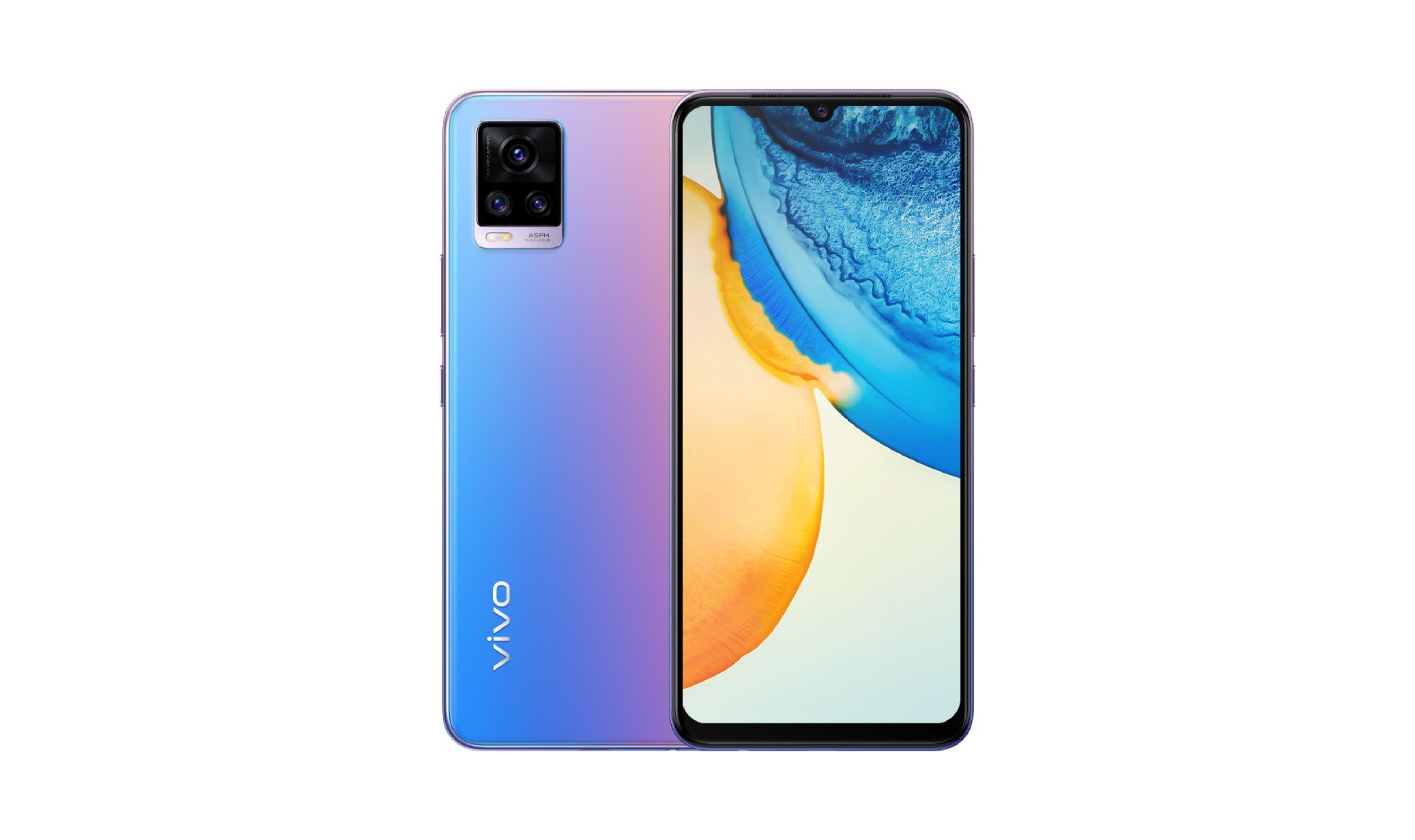
vivo V20 Sunset Melody Featured

The vivo V20 launched in Kenya is the same device that first made its debut in Thailand, followed by India. Hence, the handset’s specifications are identical. We are saying this because usually vivo and OPPO launch different phones with the same branding.

Anyway, coming back to the V20, the smartphone flaunts a 6.44-inch AMOLED display on the front with a resolution of 2400 x 1080 pixels (FHD+), an in-screen fingerprint sensor, and a dew-drop notch at the top housing a 44MP selfie camera with support for eye autofocus.


Whereas, the rear panel of the handset resembles vivo X series device with its triangle-shaped camera alignment located at the top left side. This setup consists of a 64MP primary sensor, an 8MP secondary sensor for wide-angle, macro, and bokeh shots, and a 2MP tertiary monochrome sensor.

Further, the phone is powered by Qualcomm Snapdragon 720G chipset paired with 8GB RAM and 128GB internal storage, as mentioned in the beginning. On the connectivity front, it supports 4G, dual-band WiFi 5, Bluetooth 5.1, GNSS (GPS, BeiDou, Galileo, GLONASS), and USB Type-C port.
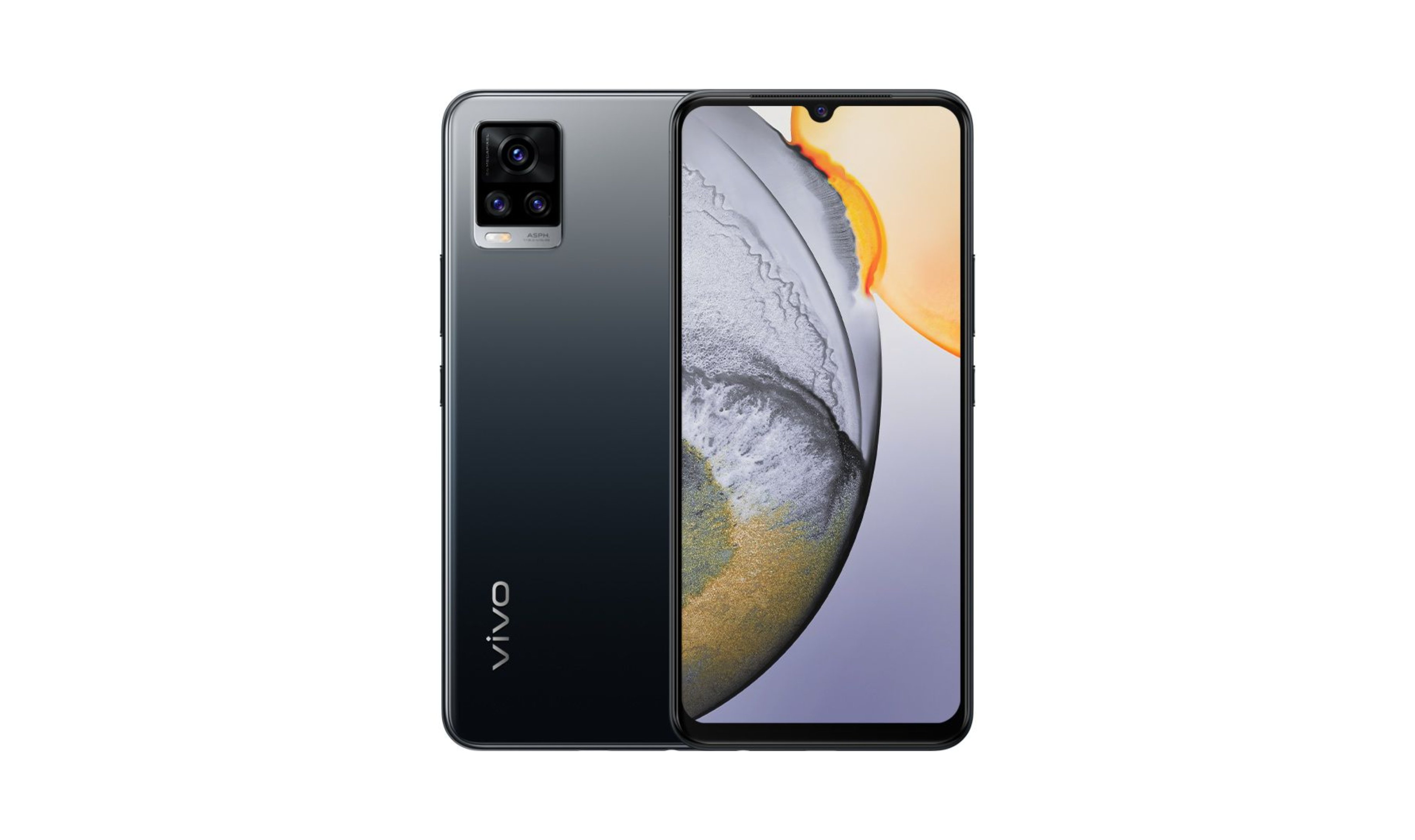
vivo V20 Midnight Jazz Featured

Unfortunately, the smartphone does not come with a 3.5mm headphone jack but does feature a triple card slot for dual-nano SIM and microSD, accelerometer, ambient light sensor, compass, proximity sensor, gyroscope 

Last but not least, the vivo V20 runs Funtouch OS 11 based on Android 11 and is backed by a 4,000mAh battery with support for 33W fast charging.


(Via)

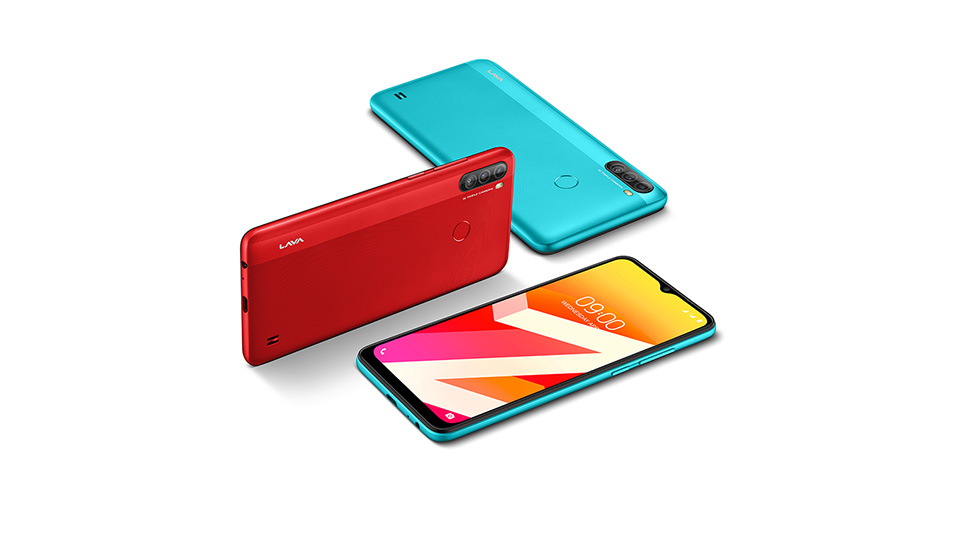
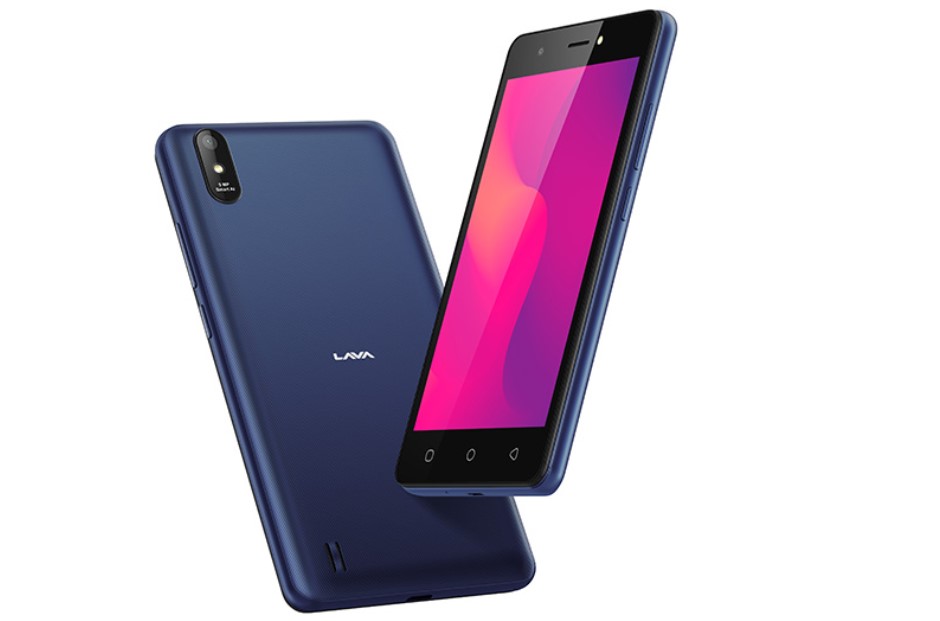
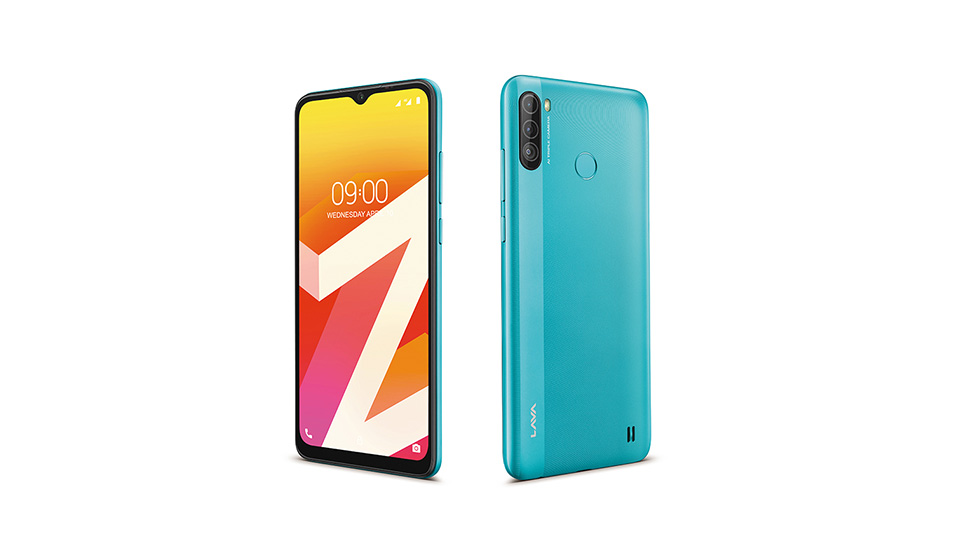
Lava Z1, Z2, Z4, and Z6 launched in India starting at ₹5,499($75); Price, Availability details inside

After hyping the “Made In India” smartphones for a while, Lava International has finally launched them and a Fitness Band in India. Let’s take a look at four new Lava Z-series of smartphones- Lava Z1, Z2, Z4, and Z6.

Lava Z1, Lava Z2, Lava Z4, Lava Z6 Price and Availability

The prices of Lava Z1, Z2, Z4, and Z6 devices begin as low as ₹5,499($75). Although Lava gives you an option to upgrade to higher storage(for Z2, Z4, Z6 models) within a year, they have fixed variants of the devices too. Among them, Lava Z2, Lava Z4, Lava Z6 will go on sale from January 11 in India.

As for the lowest model, i.e., the Lava Z1, will go on sale at a later date from January 26. you can take a look at the entire pricing details below:

  • Lava Z1(2GB+16GB)- ₹5,499($75)
  • Lava Z2(2GB+32GB)- ₹6,999($95)
  • Lava Z4(4GB+64GB)- ₹8,999($123)
  • Lava Z6(6GB+64GB)- ₹9,999($136)

All the devices will be available for purchase online via Amazon, Lava e-store, and offline retailers across the country.

Lava Z1 Specifications and Features

The Lava Z1 is the latest entry-level offering from the company. It has a traditional display with huge bezels on top and bottom. In fact, Lava says it’s the first smartphone to be designed in India and it is Military-Grade Certified. It measures 145.1×73.3×10.26mm.

Upfront, you get a 5-inch FWVGA display with a 16:9 aspect ratio, 480x854p resolution, 195 PPI. It also has a less-powerful 1.8GHz MediaTek Helio A20 SoC. This is paired with 2GB RAM, 16GB storage.

For cameras, you get a 5MP f/2.2 sensor each on the front and back. Other features include a five-magnet speaker, 3,100mAh battery, Wi-Fi 2.4GHz, USB 2.0 micro-USB, and 3.5mm audio jack. The website says it runs Android 10 but it’s probably a Go Edition considering it has only 2GB RAM.


Lava Z2, Lava Z4, Lava Z6 Specifications and Features

Essentially, the Lava Z2, Z4, Z6 share a lot of similarities in design and specs. However, we do have some distinctive differences between them. All three devices have the same 6.517-inch HD+ display with a water-drop notch and 20:9 aspect ratio. The display is protected by Corning Gorilla Glass 3 and has a 2.5D curved screen with 1600x720p resolution, 263 PPI.

Under the hood, all three devices are powered by 2.3GHz MediaTek Helio G35 SoC. However, the Lava Z2 has a single 2GB RAM variant with 32GB storage. The Lava Z3 and Z4, on the other hand, have 4GB, 6GB RAM, and 64GB storage respectively. All three devices have a dedicated microSD slot for expansion up to 512GB storage.

Another important distinction lies in the Cameras. The Lava Z2 sport a vertical dual-camera setup with an AI logo on the back. There is a 13MP main, and a 2MP sensor with LED flash. Upfront, you get an 8MP selfie shooter.

Both the Lava Z3 and Z4 feature three lenses with a 13MP main, 5MP ultra-wide, and a 2MP tertiary sensor and a rear fingerprint sensor(not in Z2). Additionally, they have a higher 16MP selfie camera at the front. All three devices support 1080p rear video recording and have common features like Beauty Mode, HDR Mode, Burst Mode, Panorama, Night, AI Scene Detection, Bokeh Mode.

Other common features of Z2, Z4, Z6 include a Type-C port, 3.5mm audio jack, 4G, 5,000mAh battery, dual-SIM 4G, Wi-Fi 2.4GHz, Bluetooth 5.0, dimensions of 164.5 mm*75.8 mm*9.0mm, Flame Red and Aqua Blue colors, speakers at bottom-right of rear panel, and 190g weight.

For software, the Z2 runs Android 10 Go Edition(2GB RAM) while the Z4 and Z6 run the regular Android 10 but Lava says that all of them will offer a stock Android experience.


CES 2021: Samsung unveils Neo QLED and Micro-LED TV display panels

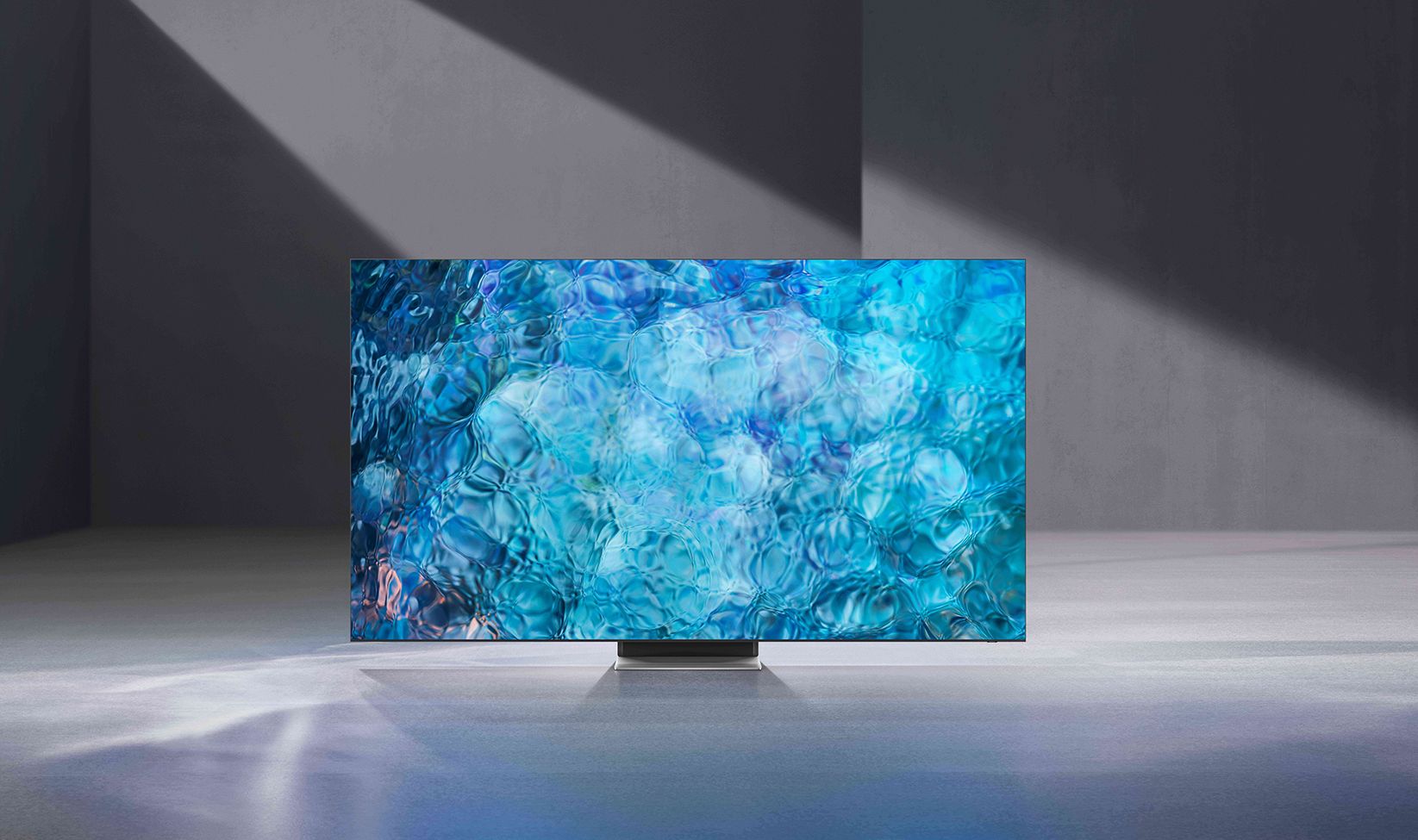
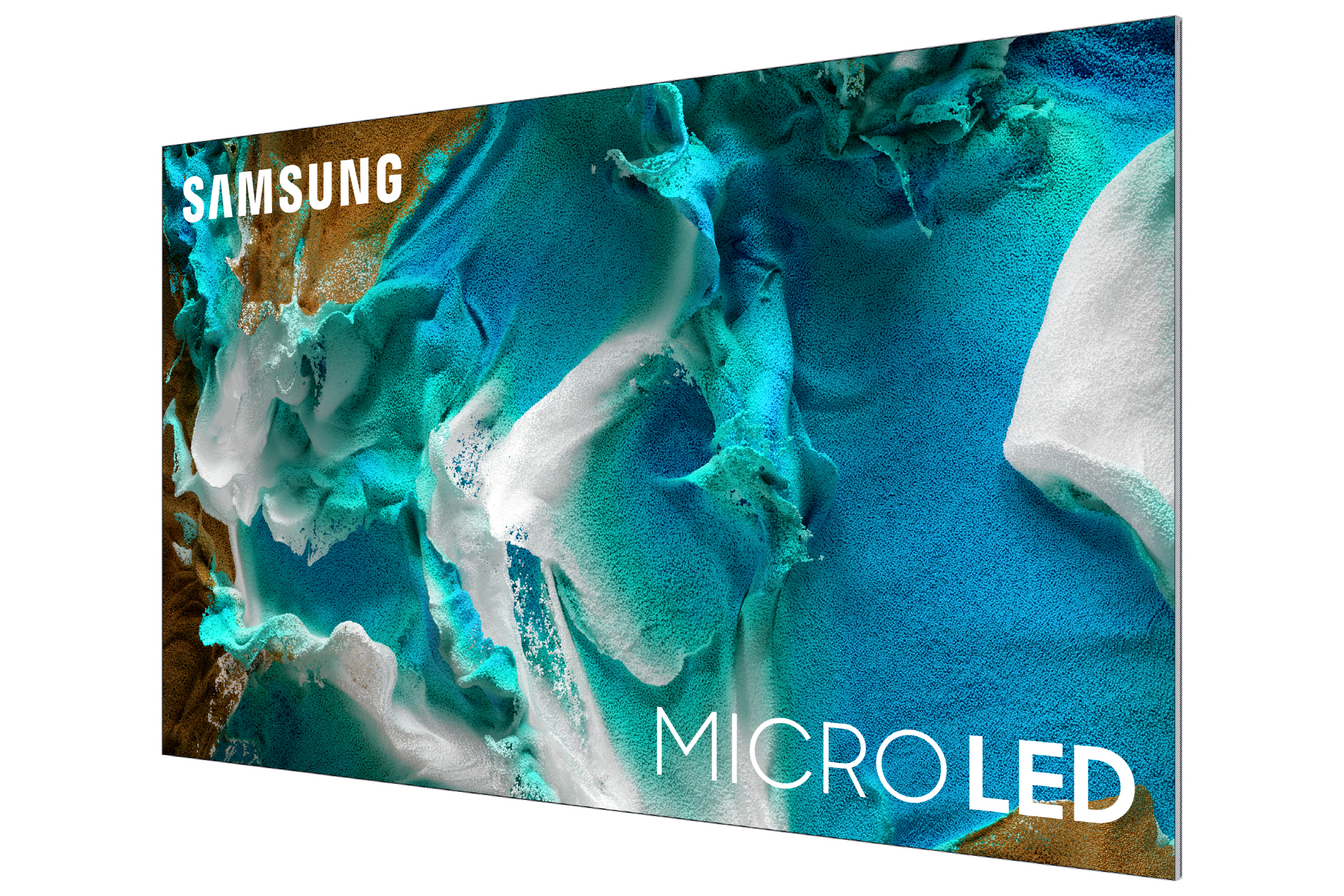
Samsung has announced its Neo QLED, micro-LED, and lifestyle TV display panels at the virtual CES (Consumer Electronics Show) 2021. The Neo QLED is designed for upcoming 8K and 4K TVs from the brand. The 88-inch, 99-inch, and 110-inch MicroLED panels are designed for TVs that will be aimed towards general consumers.

The Neo QLED panel is based on mini-LED backlighting technology that features smaller LEDs that can focus light on a smaller area. The panel is equipped with up to 40 times smaller LEDs than conventional LEDs with full-array back-lighting. Adding more LEDs in a smaller area makes it possible for the display panel to offer precise backlighting control, improved HDR, higher contrast, and better brightness.

Samsung's New QLED panel
Samsung’s New QLED panel

The Neo QLED panel is equipped with the Neo Quantum Processor (image processor) for AI upscaling with 16 neural networks to upscale image quality to the native resolution of the panel. The Neo QLED panel is built for Samsung’s QN900A 8K and QN90A 4K models. The new TVs featuring Neo QLED panels will offer features like super-slim bezels, 21:9 and 32:9 aspect ratios, a new audio system with object tracking and spatial optimization, and more.

TVs with MicroLED panels have only been aimed towards business since they are expensive. In 2021, the South Korean company will launch standard TVs with MicroLED panels for consumers.

Samsung's microLED panel
Samsung’s microLED panel

MicroLED panels have self-emitting LEDs for each pixel and there is no backlight required. It is better than an OLED panel as it offers accurate black levels and high brightness. The Multi View feature will allow users to view content from four different sources at the same time on the forthcoming MicroLED TVs.

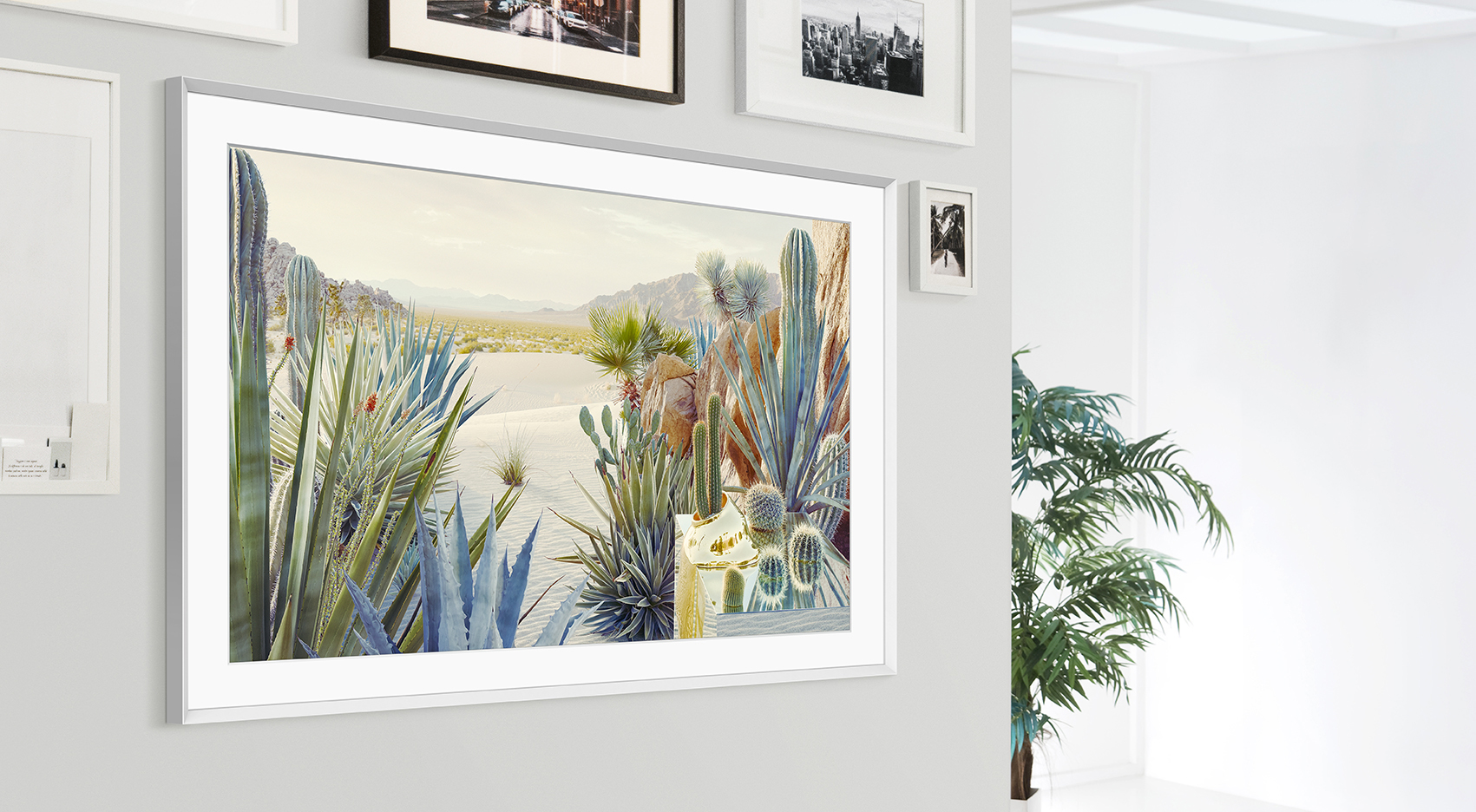
The 2021 Frame
The Frame (2021)

The 2021 Frame lifestyle range of TVs come with a reduced thickness of 24.9mm. The company is offering swappable bezels for 2021 Frames in five colors and two styles. Customers who subscribe to ArtStore can configure The Frame to display artwork when idle. Like before, it produces the same QLED 4K HDR image. In its quest to reduce carbon footprint, Samsung also announced a solar-powered remote control that can be charged with indoor/outdoor light sources or USB.


Samsung unveils new Solar Charging Eco Remote for its latest TVs

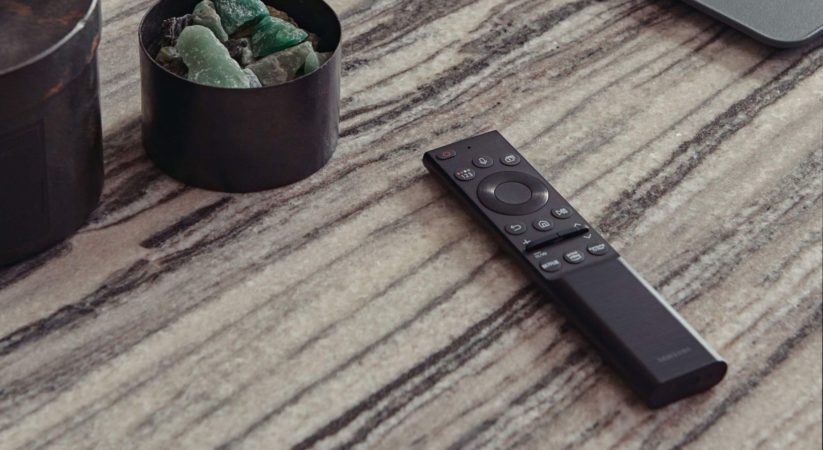
Alongside the company’s 2021 lineup of 4K and 8K QLED TVs, Samsung has also unveiled its new Eco Remote Control. This new remote supports solar charging and is a part of the company’s environmentally friendly efforts.

Samsung

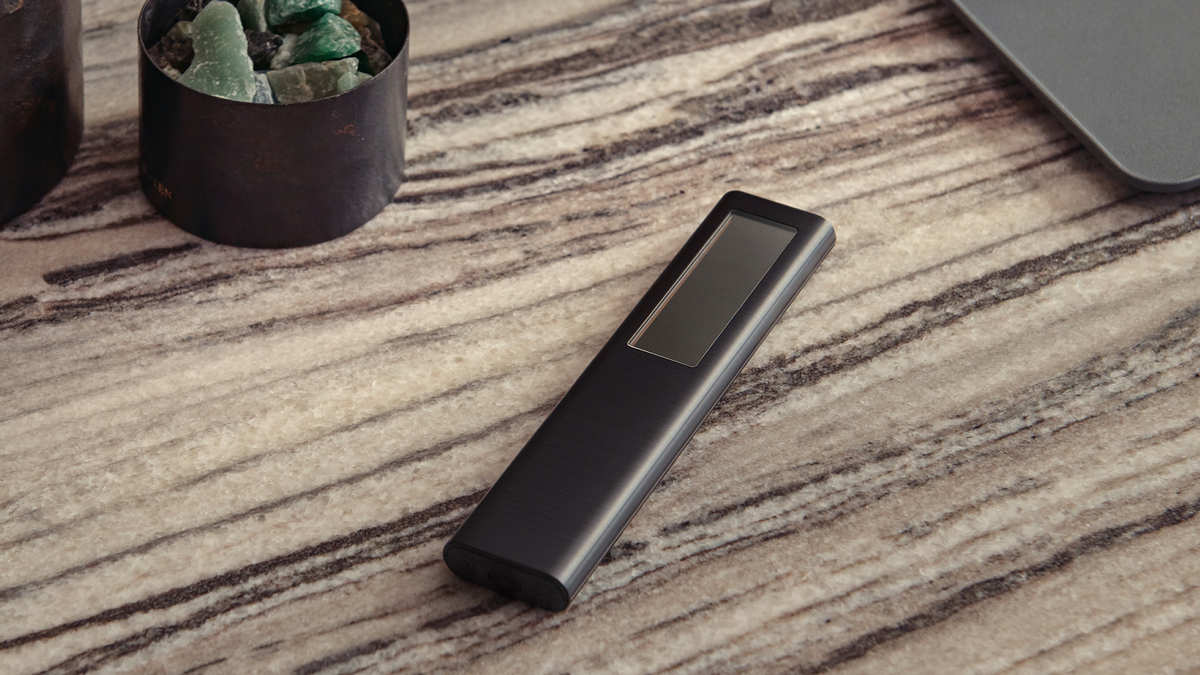
According to TheVerge report, the South Korean tech giant claims that the new remote will “reduce tons of plastic waste per year” and will benefit the environment. Looking at the Eco Remote from the front, it more or less resembles any of the previous TV remotes that shipped with Samsung TVs. However, the rear is what houses its most highlighting feature. On the rear, one can see a long panel of solar cells that can charge the internal battery.

The Samsung Eco Remote itself weighs just 31 grams and is made of plastic, but the company claims that about 28 percent of this material is from “recycled polyethylene terephthalate.” As per Samsung’s official claims, the battery on the remote can be used at a stretch for up to two years before requiring a full charge and can remain functional for a total of about seven years, which is also the average cycle of a single TV.

Samsung

While it can be charged using solar energy, Samsung has also offered a USB Type C port on the bottom to charge the remote faster. The company added that “By eliminating oil-based ink and expanding eco-friendly packaging to all Lifestyle and QLED TV models, Samsung offers a sustainable solution that can upcycle up to 200,000 tons of boxes a year and turn them into pieces of home decor.”


Sony to launch new modular displays, similar to ones used in The Mandalorian

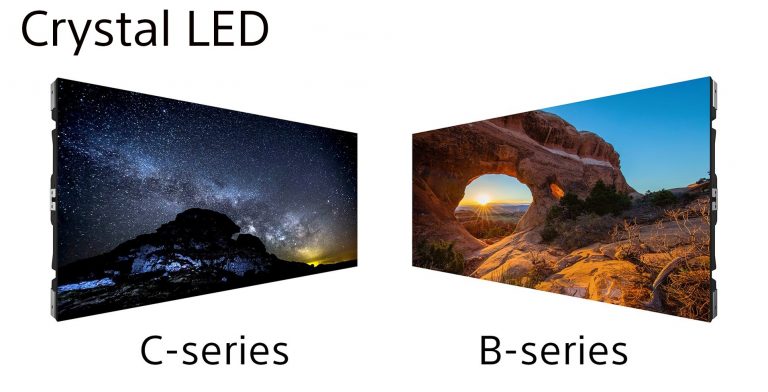
Sony has just announced that it will soon start selling its new series of modular displays. These displays can be used to create digital movie sets, which is similar to the technology that was also used to create the popular Star Wars series, The Mandalorian.

Sony

According to an official announcement from Sony (Via TheVerge), the company is going to start selling its Mandalorian like virtual set displays. The technology resembles the digital sets that were used to create The Mandalorian by Industrial Light & Magic and Epic Games. These displays are a part of the company’s Crystal LED line, which arrive in the form of modular panels that use MicroLEDs. To put it simply, the modularity enables these displays to be stacked together to make a single giant display, using only a bunch of panels and a controller. This helps in making virtual sets out of displays alone.

Earlier this week, Sony announced new modular displays that are a part of its latest B series. The new panels are being marketed for movie production and feature anti reflective coating and are quite bright as well. These displays can top out and operate at around 1,800 nits, which is even higher than the Apple Pro Display XDR’s 1,600 nits. This high brightness also adds another benefit to film studios, as it can offer the set more realism as the brightness helps in creating lighting that makes it seem like the actors are actually in the scene that is in the background.

Sony

As per claims from Sony, the new displays are capable of high frame rates and 3D as well. This offers a higher degree of flexibility as well. The company aims on launching the new modular displays by “the summer.” Although, it has yet to announce an official price tag for it. However, considering these are professional grade products, we can assume an average consumer might probably not even considering buying these due to exorbitant prices.


Samsung is offering Galaxy S21 series for less than a dollar in Thailand

Samsung has officially scheduled its first-ever Unpacked event of 2021 for January 14. The company is expected to announce the Galaxy S21 series comprising of Galaxy S21, Galaxy S21+, and Galaxy S21 Ultra at this virtual launch conference. It is also reported to unveil the Galaxy Buds Pro as well as Galaxy SmartTag. Ahead of it, the firm has started taking pre-orders in multiple regions across the world. However, the offer in Thailand is more intriguing than any other.

Galaxy S21 Series Pre-Order Registration Thailand Offer

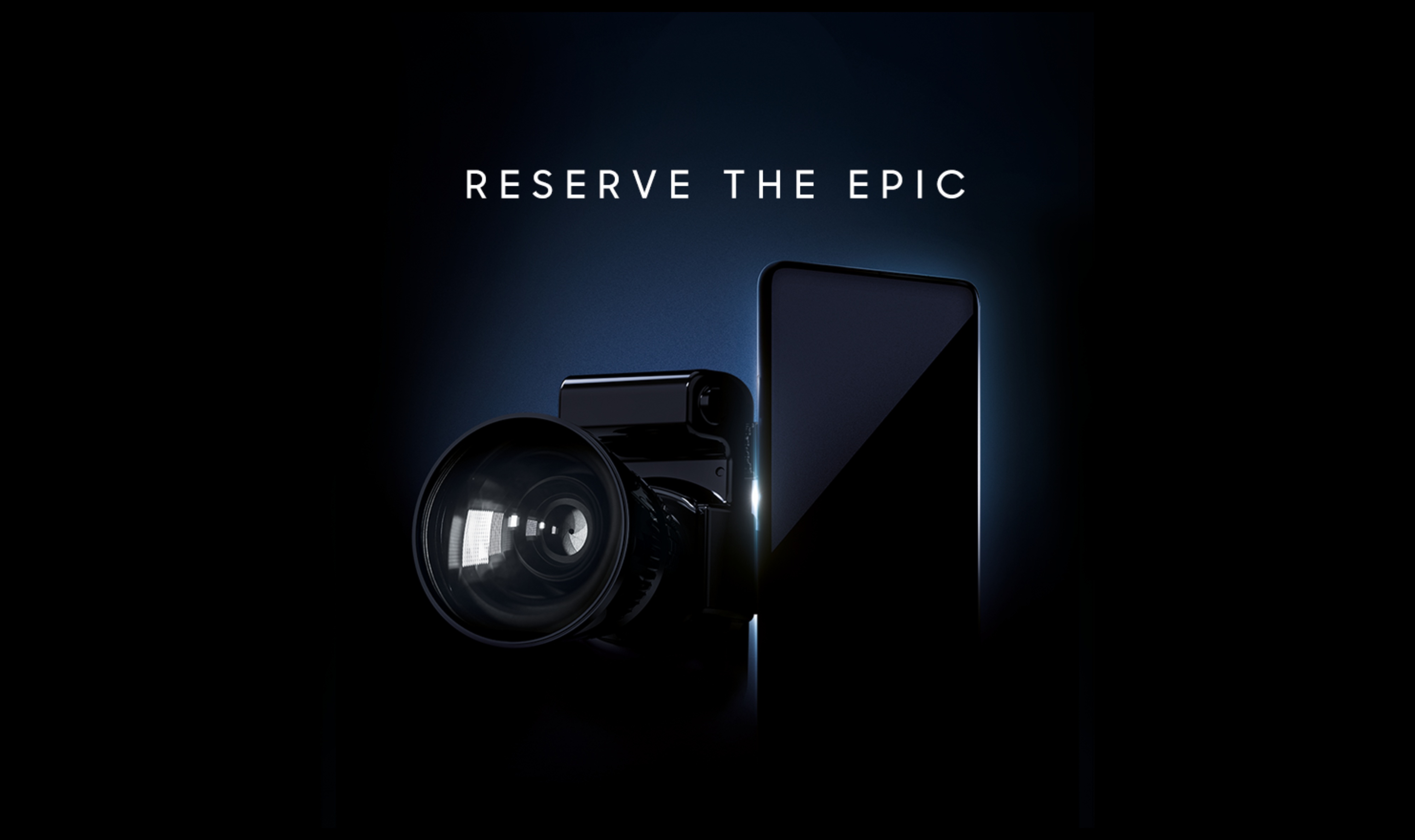
The Thailand division of Samsung is running an exciting promo called ‘RESERVE THE EPIC’ for the Galaxy S21 series on its official website. According to the description, the first 100 customers who order a pre-defined model, can get the device for only ฿21 ($0.70) by trading-in a digital camera.

Since the page reads ‘pre-defined model’, the exact Galaxy S21 model is a mystery. It can be any of the three but still not bad for less than a dollar and an old working digital camera, which can be either DSLR, DSLR-like, mirrorless, compact, or action. Additionally, these 100 customers, as well as the next 1,000 customers, will get a 1-year Samsung Care+ plan worth ฿2,939 ($98). 

That said, in order to stand a chance to claim this offer, interested customers will have to register on the campaign page before 6:00 PM (local time), January 14. Customers who register will receive a unique code on their email ID. They will have to use that code when pre-ordering the device between  10:00 AM, January 21 – 11:59 PM, January 28.

Having said that, if you are from Thailand, then make sure to check Samsung’s official website and social handles to stay up to date regarding this offer. 


(Via)
Huawei HiCar partners with BAIC Blue Valley to launch a new smart car in H1 2021

After the impacts of the US sanctions, Huawei faced a sharp decline in its smartphone business. However, that has yet to stop the company from expanding its horizons. Despite facing impacts of reinforced restrictions the company aimed at diversifying into the automobile industry, and now a report suggests that the company is collaborating with another brand to launch a new smart car.

Huawei
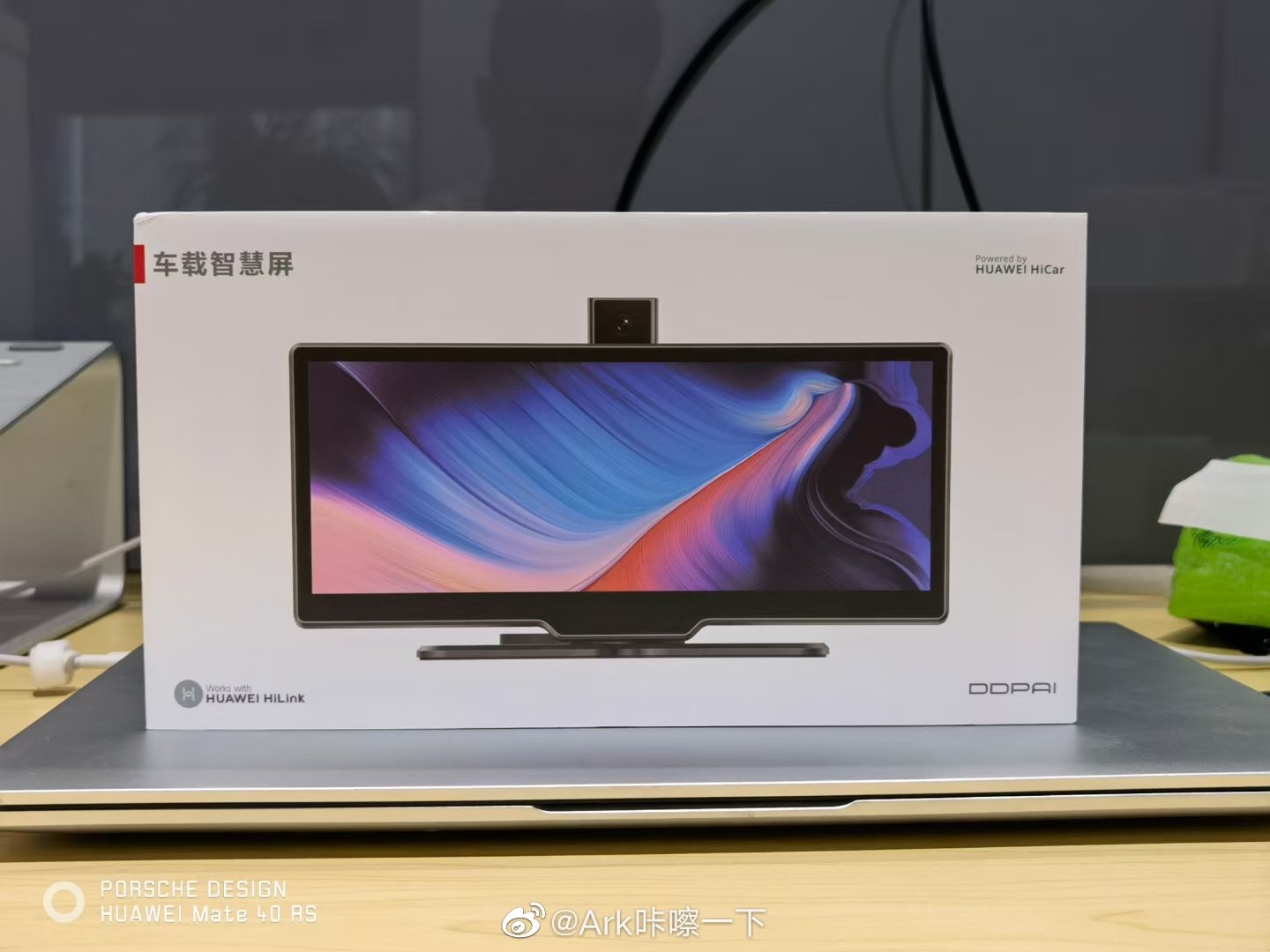
HiCar Smart Screen

According to a ChinaStarMarket report, the Chinese tech giant’s HiCar is partnering up with BAIC Blue Valley to launch a new smart car. The announcement was made earlier today (7th January 2021), during a conference. This collaboration had apparently begun early last year, on January 28, and will have both companies jointly launch a new smart car by the first half of this year.

At the moment, not a lot of finer details regarding this partnership or the smart car is known. But the report also stated that Huawei will be undertaking the research and development behind the upcoming smart car’s software systems and more. Furthermore, the company will also be responsible for the ICT technology and cloud computing systems behind the new smart car.

Huawei
Huawei HiCar partnership with BYD

Previously, the company had similarly partnered with Chinese automobile maker BYD, to launch the world’s first car that features HarmonyOS, under its HiCar initiative, and had even reportedly planned to begin making parts and systems of automobiles as well. For those unaware, BAIC Blue Valley is a Beijing based electric vehicle manufacturer, which has collaborated with other major automobiles brand from across the globe. So, its partnership with a local company, which has experience in networking and software systems, would only help to boost its strength in the EV market.


Samsung Galaxy S21 series pricing for South Korea leaked

Samsung will be launching the Galaxy S21, Galaxy S21 Plus, and Galaxy S21 Ultra phones on Jan. 14 through a global launch event. Ahead of the launch, the pricing of the Galaxy S21 trio for European markets has already appeared in recent reports. A fresh report by ET News has revealed the South Korean pricing of the S21 models.

According to the report, the Galaxy S21 will be priced at 1,000,000 KRW (~$916)and the Galaxy S21 Plus will be priced at 1,119,000 KRW (~$1,025). The Galaxy S21 Ultra will carry a price tag of 1,450,000 KRW (~$1,329). In comparison, the predecessor models such as Galaxy S20, Galaxy S20+, Galaxy S20 Ultra had debuted with costlier price tags. At the launch, these models were priced at 1,248,000 KRW (~$1,148), 1,353,000 KRW (~$1,240), and 1,595,000 KRW, respectively.

After hosting the Galaxy Unpacked 2021 event, the Galaxy S21 models will be available for reservations in the home market until Jan. 21. Customers who reserved will be allowed to place orders for S21 models between Jan. 22 and Jan. 28. The sales of the Galaxy S21 series will finally begin on Jan. 29 in South Korea.

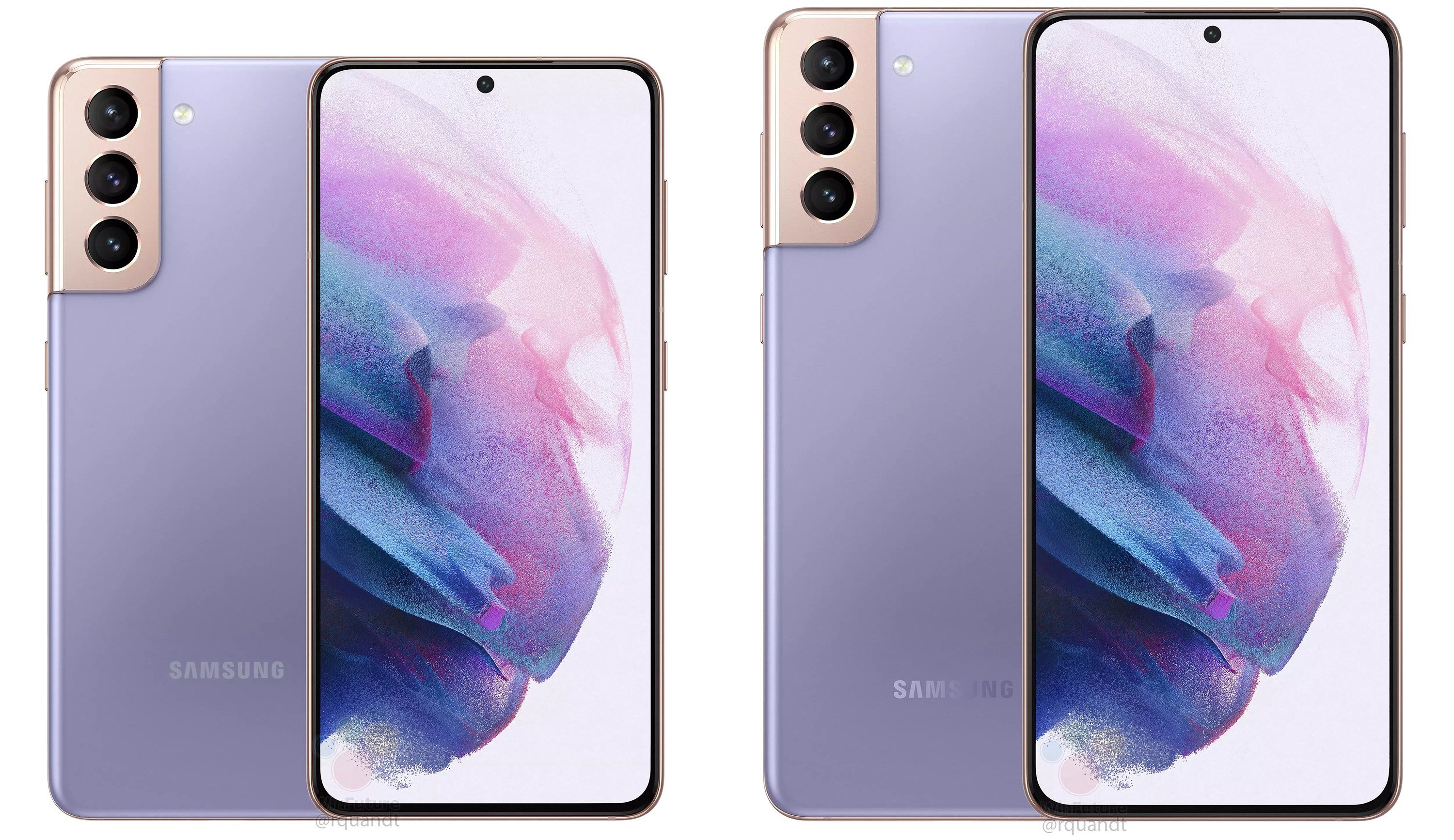
Samsung Galaxy S21 and Galaxy S21 Plus 5G
Samsung Galaxy S21 5G (left) and Galaxy S21 Plus 5G (right)

As compared to the predecessor models, the Galaxy S21 models will be debuting a month earlier and it will be arriving with cheaper price tags. The South Korean publication mentions that the company has taken such a decision to increases sales by reducing consumer burden and to counter the iPhone 12 series, which is the first generation 5G-enabled smartphone from Apple. Samsung also aims to dominate the premium smartphone market at a time when Huawei is currently with the ongoing US sanctions.

In a bid to reduce the price, Samsung is offering only Full HD+ resolution support on the Galaxy S21 and Galaxy S21+ models. In comparison, the Galaxy S20 and Galaxy S20 carried support for quad HD+ resolution. Also, the S21 will be sporting a plastic build instead of glass. Recent reports have revealed that Samsung has excluded chargers from the retail packages of the S21 models in some regions to sell them at reduced prices.

Samsung has reportedly allotted 60 precent of the production of the S21 series to its base/standard model. The report mentions that difference between standard and premium (ultra) variants is getting narrower. These days, consumers are averse to pricey models and are opting for cheaper models. People are now more inclined towards base models since they come with premium features at affordable prices.


Download Gcam 8.1 for all the Android smartphones (Google Camera)

Google launched Pixel 5 late last year during the Launch Night In event with some exciting features and a new Google Camera app. The Pixel devices are known for their extraordinary camera features with limited hardware resources. Due to the immense popularity of the Google Camera application, the third-party developers started extending the unofficial support for other devices. However, the Google Camera 8.1 aka Gcam 8.1 APK extracted from Pixel 5 device is now available for all Android smartphones.

gcam mod

Google Camera is known for its built-in AI features like Astrophotography mode, HDR+ and much more. The new features include Night Sight portrait mode, Cinematic pan, etc. However, Google Camera 8.0 and 8.1 are limited to Pixel devices. In order to grab the same set of features the users can download Gcam 8.1 Mod APK.

Download Gcam 8.1 for all Android devices

You can download the latest Gcam Mod from the link below. The APK will flawlessly work on most of the Android smartphones excluding some Samsung, OnePlus and Snapdragon-845 based devices. It is designed to perfectly work on devices running Android 10 and Android 11.

Download Urnyx05 Google Camera 8.1 Mod

Gcam 8.1 Features and Changelog

The new update brings “Storage Saver” mode for all the non-Pixel devices. Other changes in Gcam 8.1 APK is as follows:

  • Added Color Transform to fix saturation on devices with dull colours
  • Brings all the fixes necessary for the first start
  • Added an option to disable tracking focus
  • Brings OPModes to fix EIS
  • Added buttons in the drop-down menu to enable/disable AWB
  • Disabled Sabre on unsupported sensors
  • Added an option to disable motion photos
  • Added an option to choose between Pixel 2, Pixel 3, IMX586, and IMX686 AWB
  • Improved colors on Mi Note 10
  • Added an option to disable Synthetic Fill Flash
  • Added an option to disable auto night sight on portrait and photo

We hope you’ve successfully installed the GCam 8.1 based on Google Camera 8.1.


Huawei seeks to help Australia in rolling out 6G network

Huawei is apparently calling on the Australian government to begin the initiative of rolling out the next generation of telecommunications. The company seeks to cooperate with the government for 6G networking.

Huawei

According to an SMH report, the Chinese telecom equipment maker wants the government to talk to the company on how to roll out the next generation of mobile networking technology, or 6G. This time it aims at working closely with the government to avoid a ban, which it faced for the nation’s 5G network. In other words, it is also another attempt to reverse its original ban from working on Australia’s 5G roll out and aims at working with the government for research and development of 6G networking.

As per Huawei Australia’s director of corporate affairs Jeremy Mitchell, it is still “not too late” for the company to supply the country with telecommunications equipment for its 5G infrastructure, but he also believes that “it is very unlikely.” The official added that “The conversation we now want to have with the Australian government is what do we do when 6G or 7G comes, because like it or not Huawei or another Chinese company will be the leader in this area,” and that “We would like to work with the government to ensure Australia has access to the best technology but do so in a way which gives security agencies confidence in terms of risk mitigation.”

Huawei

Mitchel believes that “6G is just at the very beginning of research development but it’s important to get in now to understand where this technology is going.” For those unaware, Huawei faced a ban by the Australian government over its participation in the 5G roll out as it was a “high risk vendor,” which might be under the influence of a foreign government and its interest that might conflict with Australian law. Thus, the move from the Chinese company might be seen as an attempt to scrap the ban, with Mitchell even bringing the example of Ericsson lobbying against the Swedish government over a similar Huawei 5G ban as an example.


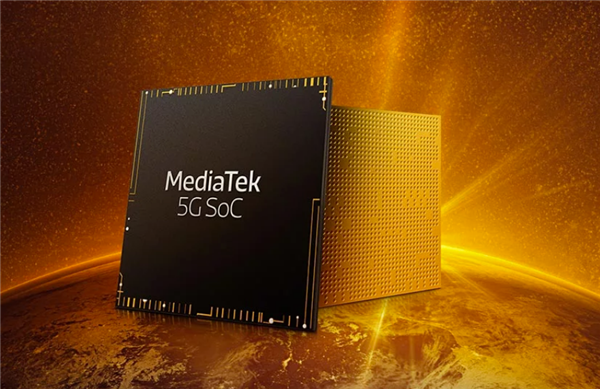
MediaTek assesses supplying Honor, but large chip orders may take time

After Qualcomm reportedly started cooperating with Honor for chip supply, it seems like MediaTek will soon follow suit as well, after the Chinese smartphone maker separated from its former parent company Huawei.

MediaTek

Earlier today (7th January 2020), the chipmaker told Yicai that as a global smartphone chipset supplier, MediaTek aims to cooperate with various smartphone OEMs and vendors and will seek to bring its leading technology to its customers and consumers across the globe. The company said that “At present, Honor is a newly established independent company, and we are evaluating the current situation.”

This also arrives amid reports surfacing of Honor already working with ODM manufacturers for its upcoming products, right after its independence from Huawei. These rumored devices will apparently run with MediaTek’s latest chipsets, although, the company has yet to respond to this matter. The report also claims that the company is expected to launch MediaTek powered Honor smartphones by mid 2021.

MediaTek

Just yesterday, it was reported that Qualcomm and Honor are cooperating to resume the chip supply. The American chipmaker will now be able to supply Honor as the latter is not in the US Entity list and no longer falls under Huawei. However, the report also claimed that a large supply of chips will have to wait till at least the second quarter of 2021. As per a research report, the resumption in supply would grow MediaTek’s (chip) and Honor’s (smartphones) shipments in China and overseas market, but the former is still evaluating the brand’s performance in both areas.


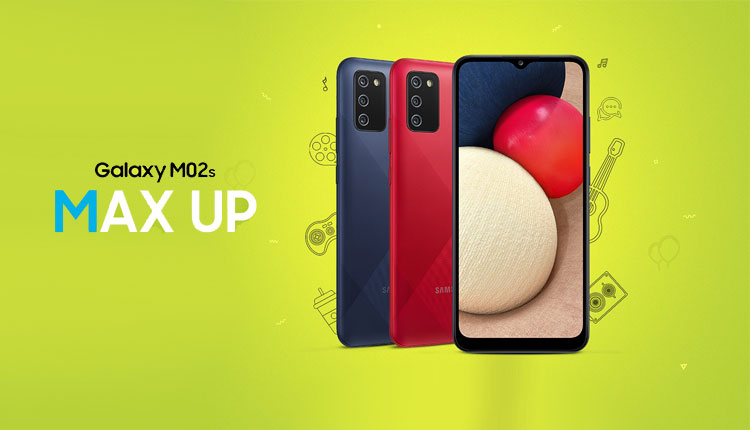
Samsung Galaxy M02s with Snapdragon 450, 5,000mAh battery, and 13MP triple cameras launched for Rs 8,999 (~$123)

Earlier this week, the Samsung Galaxy M02s was announced in Nepal. The same device has gone official in India today. It has arrived as a replacement to last year’s Galaxy M01s phone. Here is all the information on its specifications, features, and price.

Samsung Galaxy M02s specifications and features

The Samsung Galaxy M02s smartphone is equipped with a 6.5-inch IPS PLS display with an Infinity-V notch. The screen delivers an HD+ resolution of 720 x 1600 pixels and a 20:9 aspect ratio. The One UI based Android 10 OS comes preinstalled on the Galaxy M02s.

Samsung Galaxy M02s
Samsung Galaxy M02s

The Galaxy M02s is equipped with the older Snapdragon 450 chipset. It is the first sub-Rs 10,000 priced handset from the South Korean company in India to arrive with 4 GB of RAM. The handset comes with up to 64 GB of storage. For more storage, the handset has a microSD card slot.

There is a 5,000mAh battery at the helm of the Galaxy M02s. The device comes with support for 15W charging only. At the front, it has a selfie camera of 5-megapixel. The rear-facing camera module has a 13-megapixel primary camera, a 2-megapixel lens for adding depth effects, and a 2-megapixel camera for macro shots. It lacks a fingerprint scanner.

Samsung Galaxy M02s price in India

The Samsung Galaxy M02s has arrived with a pricing of Rs 8,999 (~$123) for the base variant that has 3 GB of RAM and 32 GB of storage. The pricing of the higher 4 GB RAM + 64 GB storage variant is yet to be declared. The smartphone will be available for purchase in color options like black, blue, and red through Amazon India soon.


realme V15 5G launched in China with Dimensity 800U, AMOLED display, and 50W fast charging

Chinese smartphone maker realme has finally launched the realme V15 5G  in its home country after teasing it for the past few days. The handset offers a compelling package at an affordable price tag. Let us take a closer look at this phone’s design, specs, features, and price.

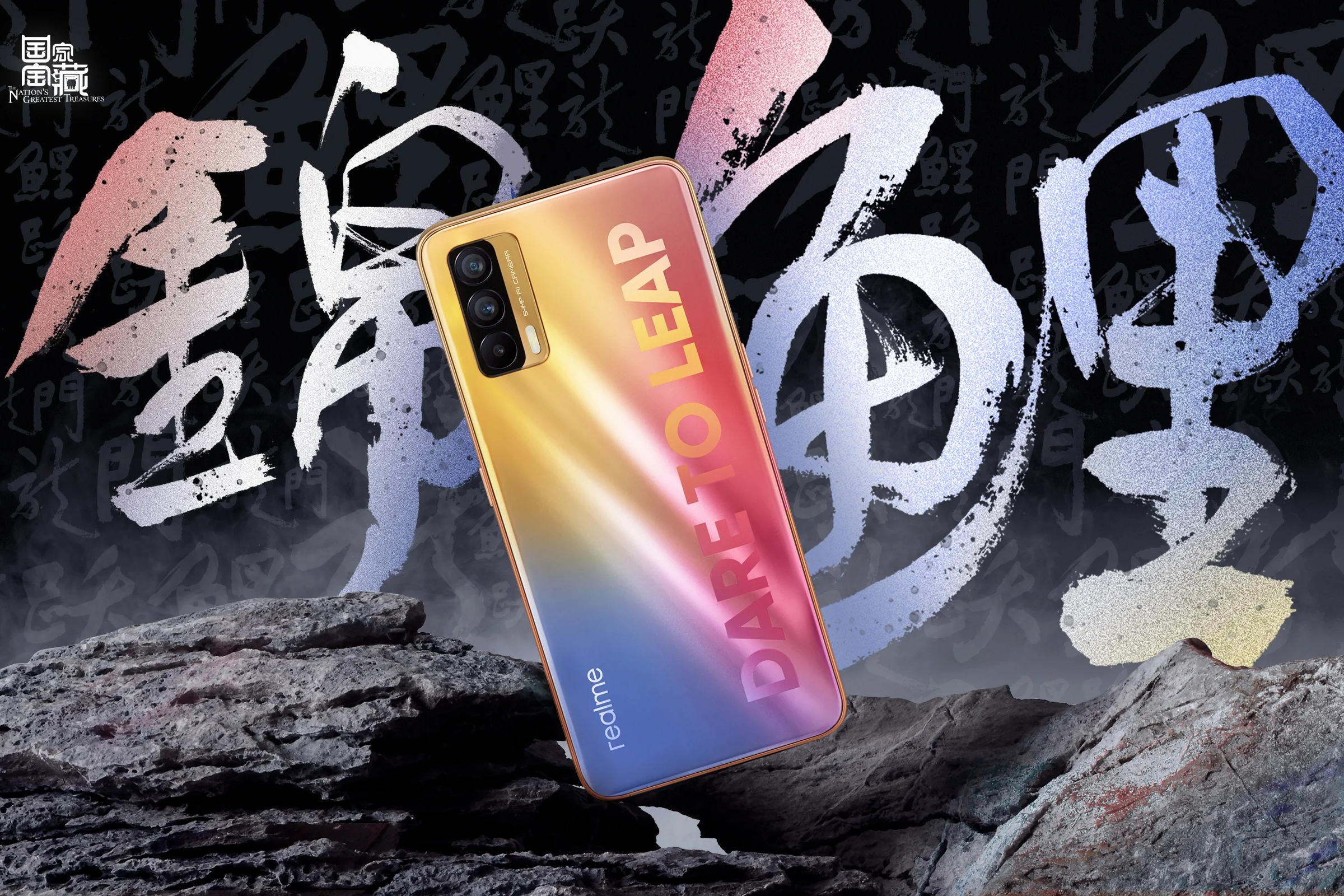
realme V15 5G Koi Mirror Featured

realme V15 5G Specifications and Features

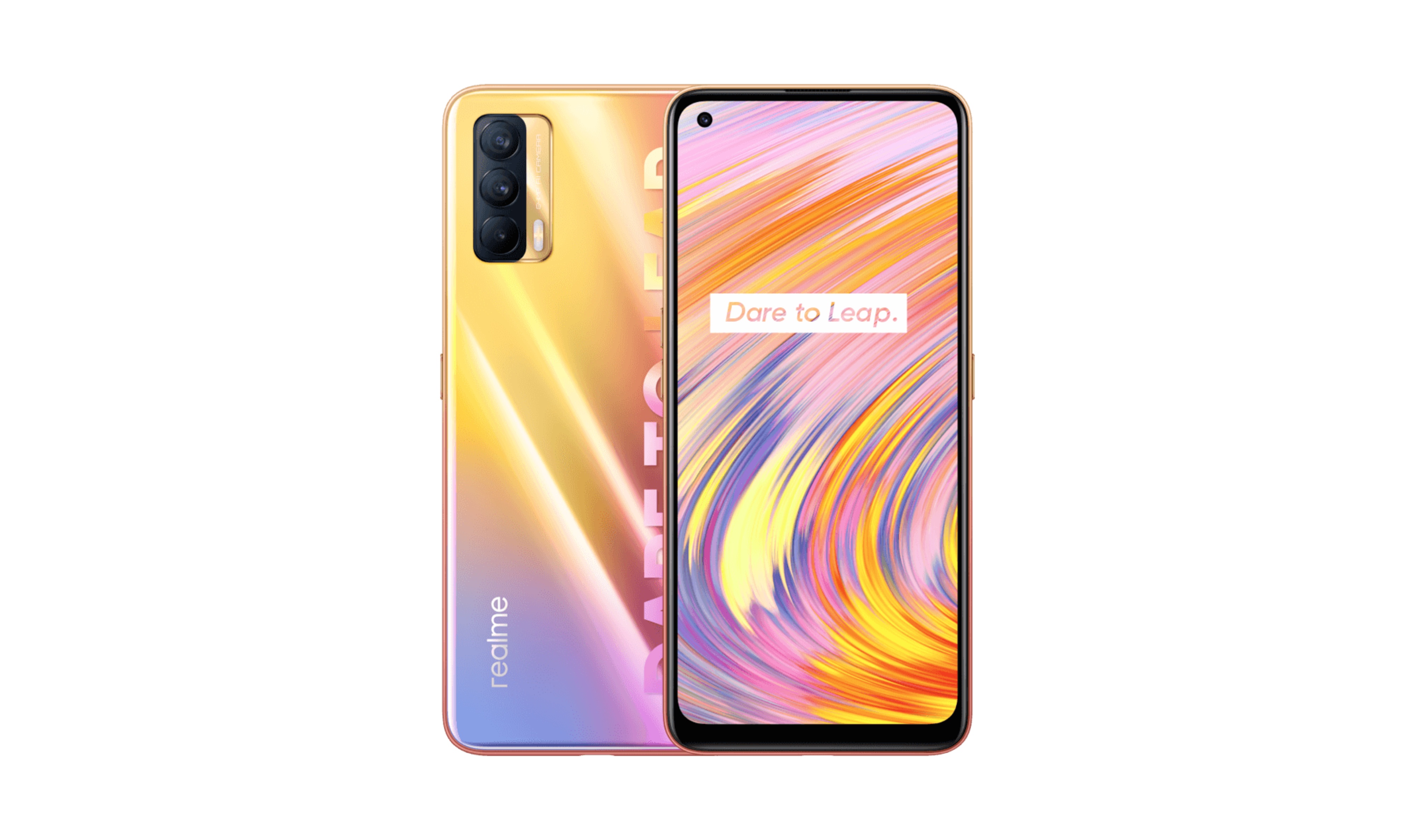
The realme V15 5G looks like any other realme smartphone with a vertically aligned camera setup located at the top left corner of its back. The separately placed camera sensors also give this phone an OPPO Reno series look.

That said, the handset is powered by MediaTek Dimensity 800U chipset paired with LPDDR4X RAM and UFS 2.1 internal storage. Customers can pick it up in either 6GB + 128GB or 8GB + 128GB storage configurations.

On the front, the device flaunts a 6.4-inch FHD+ (2400 x 1080 pixels) AMOLED display with a single punch-hole at the top left corner for a 16MP selfie camera. The panel does not support any high refresh rate but it does come with a 180Hz touch sampling rate, 20:9 aspect ratio, 90.8% screen-to-body ratio, 600 nits peak brightness, 1000000:1 contrast ratio, and under-display fingerprint sensor.

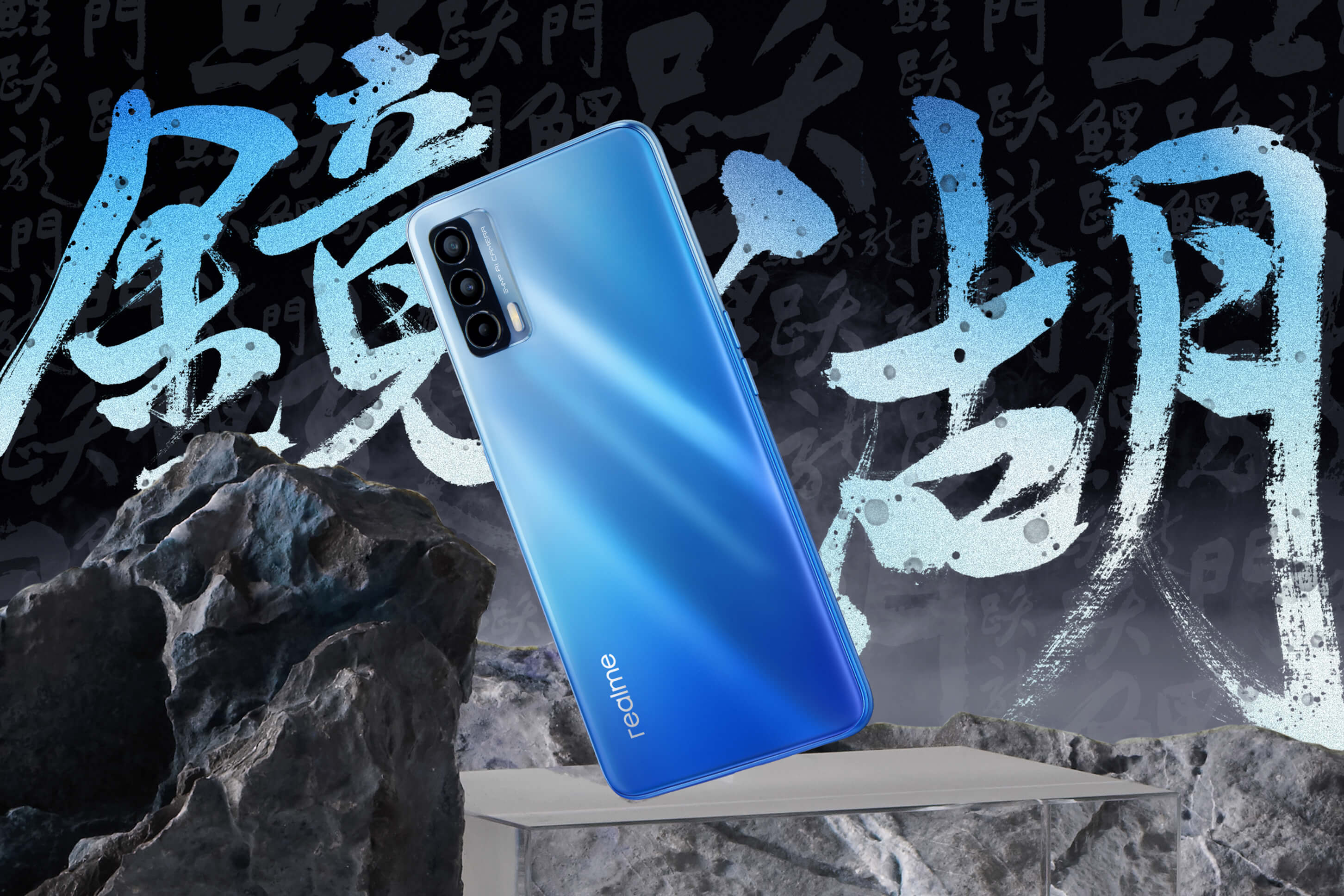
realme V15 5G Lake Blue Featured

Further, the back of the smartphone houses a triple camera setup consisting of a 64MP primary sensor with a wide-angle (80.7°) lens, an 8MP secondary sensor with an ultra-wide-angle (119°) lens, and a 2MP tertiary sensor with a macro (4cm) lens. The rear panel of the phone also includes the realme branding and the brand’s slogan – DARE TO LEAP (only on Koi version).


On the connectivity front, the device supports 5G (SA/NSA), dual-band WiFi 5, Bluetooth 5.1, and GNSS (GPS, GLONASS, BeiDou, GALILEO, QZSS). As for sensors, it comes with compass, ambient light sensor, gyroscope, proximity sensor, and accelerometer. Other features include a dual nano-SIM card slot, dual-mic, single bottom-firing speaker, and USB Type-C port. 

Interestingly, the handset neither has a microSD card slot nor a 3.5mm headphone jack but it is Hi-Res Audio certified, Lastly, the smartphone runs realme UI based on Android 10 and is backed by a 4,310mAh battery with support for 50W fast charging. However, the phone ships with a 65W charger along with a USB Type-C to 3.5mm headphone jack adapter.

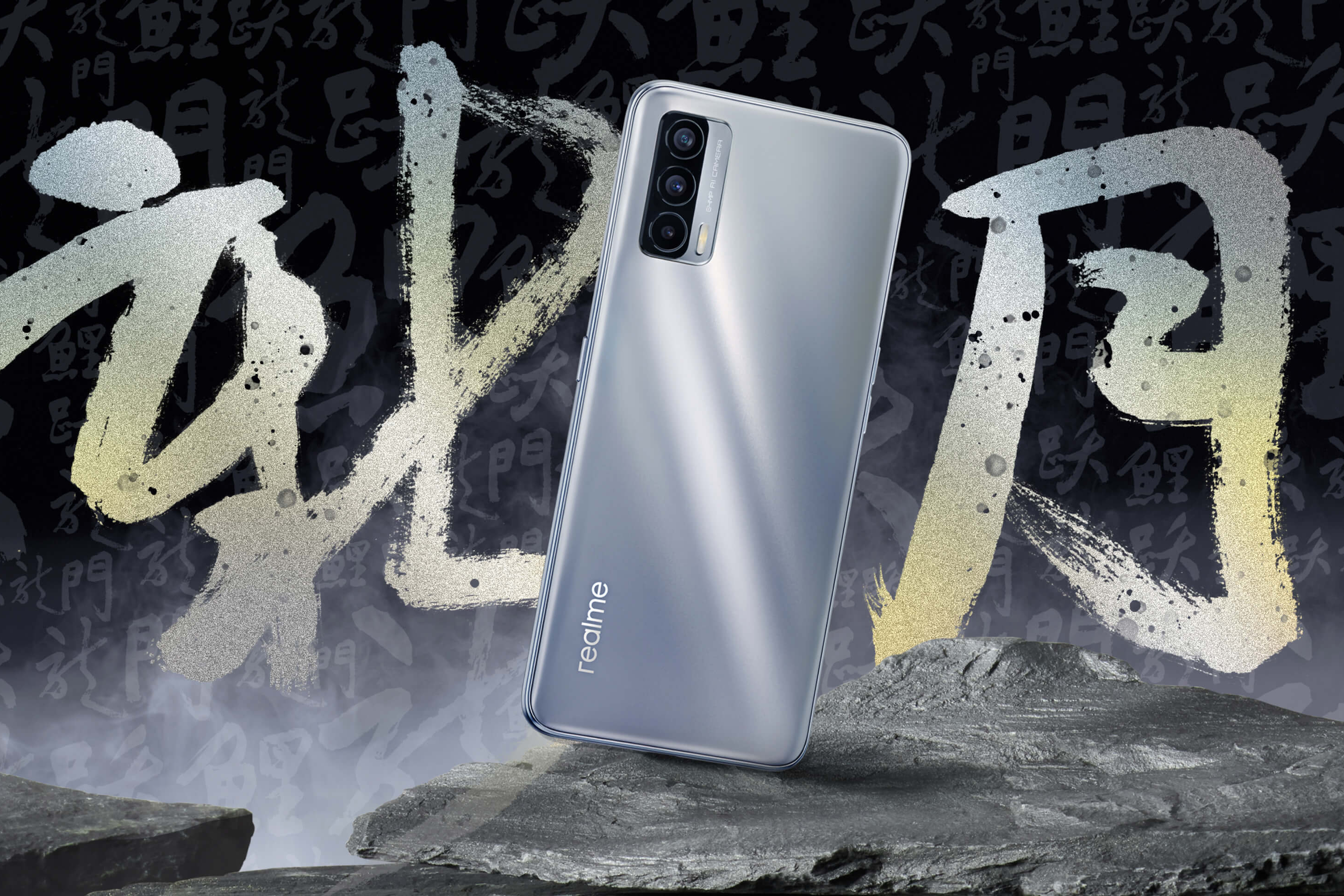
realme V15 5G Crescent Silver Featured

The realme V15 5G comes in three color options namely Koi Mirror, Lake Blue, and Crescent Silver. The former variant measures 160.9 x 74.4 x 8.3mm in dimensions and weighs 179g. On the other hand, the remaining two versions measure 160.9 x 74.4 x 8.1mm and weigh 176g.

realme V15 5G Pricing and Availability

The realme V15 5G is priced at ¥1,399 ($216) for the base 6GB + 128GB variant, whereas the higher 8GB + 128GB costs ¥1,999 ($309) in China. The device will be available for pre-order starting January 7 and will go on sale for the first time on January 14.

realme V15 5G Koi Front and Rear Featured

There’s no word on international availability but since MediaTek 5G handsets have now begun to launch in global markets, this one could also make its way to other regions.


Meizu 17 Pandaer New Year Limited Edition case launched in China for 49 yuan ($8)

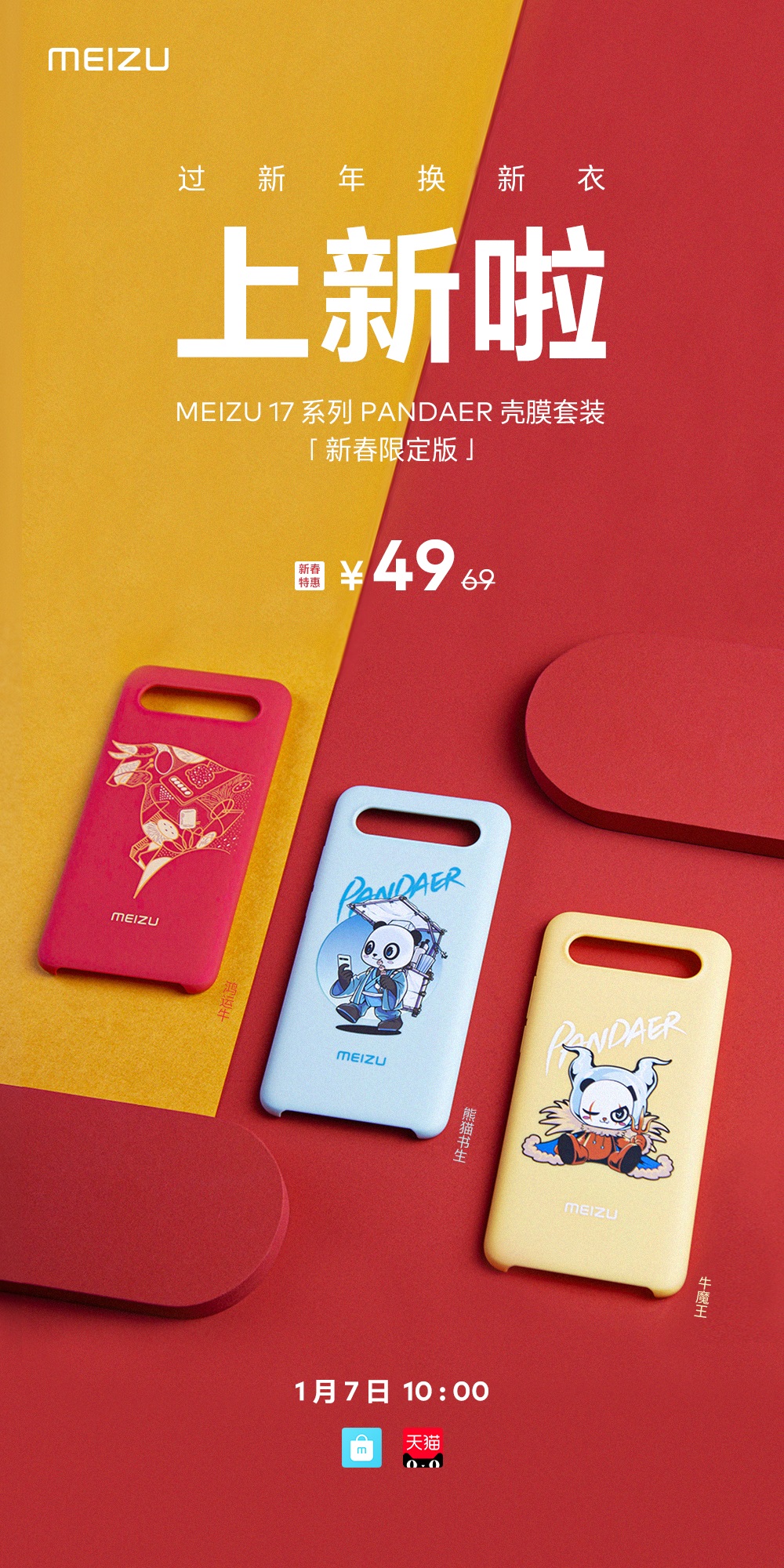
Chinese smartphone maker Meizu has today officially launched Pandaer New Year Limited Edition mobile case for the company’s flagship Meizu 17 smartphone. The newly launched cases are priced at 49 yuan, which roughly converts to $8.

It comes in three designs — Fortune Bull, Panda Scholar, and Bull Devil. The company has revealed that these new back cases are made using polycarbonates and matched with PET high-permeability layer.

Meizu 17 PANDAER New Year Edition Back Case

EDITOR’S PICK: Samsung will reportedly be Apple’s Exclusive Supplier of LTPO OLED for the next-generation iPhone

The Meizu 17 smartphone features a 6.6-inch S-AMOLED Full HD+ display which comes with an in-display fingerprint sensor. Under the hood, the device is powered by the Qualcomm Snapdragon 865 octa-core processor, coupled with 8GB RAM.

In the camera department, the phone comes with a quad-camera setup on the back that includes a 64-megapixel primary shooter, a 12-megapixel wide-angle lens, an 8-megapixel ultrawide sensor, and a 5-megapixel macro lens. On the front side, there’s a 20-megapixel front-facing snapper for taking selfies and video calling.

The device runs the Android 10 operating system out-of-the-box with the company’s own Flyme OS 8.1 on top. It is set to receive the latest Android 11 update by Spring. Ever since the launch of the phone, Meizu has been regularly pushing updates with new features. The phone is powered by a 4,500mAh battery with support for 30W fast charging technology.


Samsung will be Apple’s Exclusive Supplier of LTPO OLED for next gen iPhone: Report

Samsung Display will be the exclusive supplier of Apple for its next generation of iPhones. The former will supply the latter with organic light emitting diode (OLED) panels, which will be used on its two high end iPhone models.

Samsung

According to TheElec report, the iPhone 13 models will use the South Korean display maker’s low-temperature polycrystalline oxide (LTPO) thin-film transistors (TFT) OLED panels. The report states that the next gen iPhone series will arrive in four models, all of which sporting OLED panes. Furthermore, the two higher variants will use LTPO OLED panels that also support a high refresh rate, up to 120Hz.

Meanwhile, Samsung Display’s competitor, LG Display, will not be able to supply the Cupertino based giant with LTPO OLED panels for iPhones this year. Although, the company is working on developing the display technology and is aiming to supply Apple in the year 2022. Notably, Samsung Display has also supplied LTPO OLED panels for the first time through the Galaxy Note 20 Ultra, back in 2020. As per Samsung, this technology is called Adaptive Frequency or hybrid oxide and polycrystalline silicon (HOP).

Samsung Galaxy Note 20 Ultra

For those unaware, Apple is planning on using LTPO OLED panels for its entire 2022 iPhone lineup. Furthermore, Apple had also decided to take on LG Display as one of its LTPO OLED panel suppliers, since it would be more beneficial for the company to not solely rely on Samsung Display. Last year, Samsung was Apple’s sole supplier of on cell OLED panels for its iPhone 12 series; and the same technology is also expected to be found in the upcoming iPhone 13 lineup as well.


Apple 2021 iPad to be similar to iPad Air, but no major changes in iPad Pro: Report

A new report has suggested that the upcoming 9th generation of Apple iPad for 2021, will feature a design that is similar to the 2019 iPad Air 3, while the 2021 iPad Pro will apparently not see any major changes in design.

Apple

According to a MacOtakara report (Via AppleInsider), a source from the Chinese supply chain has claimed that the low cost iPad will still retain a 10.2 inch display, but will arrive in a thinner and lighter form factor, of 6.3mm and 460 grams. At the moment, the 8th gen iPad that is currently available features a thickness of 7.5mm and weighs about 490 grams. So, this is a noticeable difference between the two generations.

Despite becoming slimmer and lighter, the upcoming 9th generation of Apple iPad will also carry features that are similar to the current generation. Furthermore, the report claims that it will still feature a Lightning port along with a Touch ID on the physical home button. The source also added that the 9th generation iPad will continue to feature a full lamination display, with an anti reflective coating, P3 wide color gamut support, and True Tone as well.

Apple iPad Pro 11 (2020) Space Gray

Although the base model is seeing certain changes in its design, apparently the high end iPad Pro might not see any major changes. The source from the Chinese supply chain stated that the 11 inch iPad Pro and its larger 12.9 inch iPad Pro variant might not see any drastic change in design or features. However, we can expect to see a refresh in terms of a newer and more powerful Apple A series processor.


Apple MacBook powered by M1 chipset accounts for 0.8% market share in 2020

Last year, Apple confirmed that it will be transitioning from Intel chipsets to its own Apple Silicon chips based on ARM. In line with that, the company launched a new M1 chipset and three devices powered by the same — MacBook Air, MacBook Pro, and Mac Mini.

Now, months after the devices were available for purchase, a report from market research firm TrendForce reveals that M1-powered Mac devices currently account for about 0.8 percent of the total laptop sales in 2020.

13-inch MacBook Air with M1 Chip Gold
Apple MacBook Air powered by M1 chipset

EDITOR’S PICK: Xiaomi Mi 11 Lite’s FCC listing reveals key specs, Could be rebranded as POCO F2 in some markets

However, the firm forecasts that this year, i.e. 2021, the market share of Apple M1-powered devices will be around 7 percent. This is because the Cupertino-based giant is expected to launch new devices, including 14-inch and 16-inch MacBook Pros.

The report notes that the overall notebook shipments in the year 2020 surpassed the 200 million mark with a 22.5 percent year-on-year increase — the highest percentage of increase recorded so far. This is being attributed to the stay-at-home economy because of the on-going COVID-19 pandemic.

Apple is also expected to launch a new chipset for Mac devices this year which will be more powerful compared to the current M1 chip. The upcoming chipset, which could be named M1X or M2, will reportedly power high-end Mac devices from Apple and if it manages to meet the expectations as M1, the company’s market share could see significant growth.


Apple launches new Limited Edition AirPods Pro in China for 1,999 yuan ($310)

In October 2019, Apple launched the AirPods Pro TWS earphones with in-ear design and active noise cancellation support. The company is expected to launch its successor in the first quarter of this year.

However, ahead of the launch of AirPods Pro 2, Apple has launched AirPods Pro Limited Edition in the Chinese market. This new limited edition model features ’emojis of the year’ on the charging case as well as the retail box.

Apple AirPods Pro Limited Edition

Apart from that, it seems that everything else remains the same as the standard AirPods Pro available in the country. The AirPods Pro Limited Edition is being sold in China for a price of 1,999 yuan (approximately $310), the same as the regular model.

Coming to the features and specifications, the AirPods Pro features a silicone ear tip that sits over the ear canal and offers a better seal. This is crucial for offering Active Noise Cancelation (ANC), a feature that justifies the higher pricing.

EDITOR’S PICK: Dell unveils UltraSharp 40 Curved WUHD display & Curved Video Conferencing Monitors

The software-backed dual-microphone setup adapts continuously, removing background noises to offer an immersive audio experience. There’s also Adaptive EQ that automatically tunes low and mid-range audio frequencies based on the shape of an individual’s ear canal.

Users can also enable Transparency Mode that disables ANC, in case they want to hear background noises while listening to music. Apple’s new H1 chip is responsible for boosting AirPods Pro’s performance and the earphones offer five hours of battery backup.


China Telecom starts pilot testing of quantum encrypted phone calls

China Telecom, a state-owned telecom service provider in China, has launched a new pilot program that offers quantum encrypted phone calls using a special SIM card and a smartphone application, reports SCMP.

This new service is being launched in Anhui province where the company is recruiting “friendly experience customers.” As the service requires a special SIM, the user needs to visit a China Telecom shop and swap out the existing SIM card for a new one.

China Telecom

After that, the user also needs to install the company’s “Quantum Secure Call” application which is currently available only on Android. So far, more details about the service, including its pricing, remains unknown.

Quantum encryption, unlike traditional methods, is based on the laws of quantum physics. The service will generate two secret keys using quantum information technology which verifies the caller’s identity and the call’s information, ensuring end-to-end encryption.

EDITOR’S PICK: Apple patents a new MacBook wireless charging design that charges other devices

This is a step ahead for China which is focused on using quantum computing, especially in areas like 5G and artificial intelligence. It’s noteworthy that these areas are targeted by the United States in the on-going US-China trade war.

As for the wider availability of the service, China Telecom has said that quantum encryption will first be available to users that need “absolute security” such as those working in government, military, and finance. After that, the company will expand its usage to the general public.

The technology is being developed by China Telecom in partnership with QuantumCTek Group. The companies are also working on launching special phones with quantum encryption but nothing much is known about this.


Next Black Shark gaming phone will be invincible, claims Black Shark CEO

Last year in March, Black Shark unveiled two gaming smartphones such as Black Shark 3 and Black Shark 3 Pro. Hence, there is a possibility that the company may bring the Black Shark 4 series by March this year. Today, Black Shark Technology CEO Luo Yuzhou took to Weibo to hint at the arrival of the next Black Shark phone.

Black Shark 4 invincible

Through Weibo, Yuzhou hinted that the upcoming Black Shark gaming phone is truly invincible. Before the announcement of the Snapdragon 888 chip, he had claimed that the Black Shark will be one of the first smartphone OEMs to launch a phone with Snapdragon 888. Hence, it is highly likely that the Black Shark model will be driven by the Snapdragon 888 SoC.

Like last year, the company may launch two phones this year. Probably, the standard Black Shark 4 model could be accompanied by the more advanced Black Shark 4 Pro. Chinese manufacturers are known for skipping the number ‘4’ in the monikers of their products since it is considered a bad omen in the country. Hence, it remains to be seen whether the next phone from the brand will be called Black Shark 5 or 4.

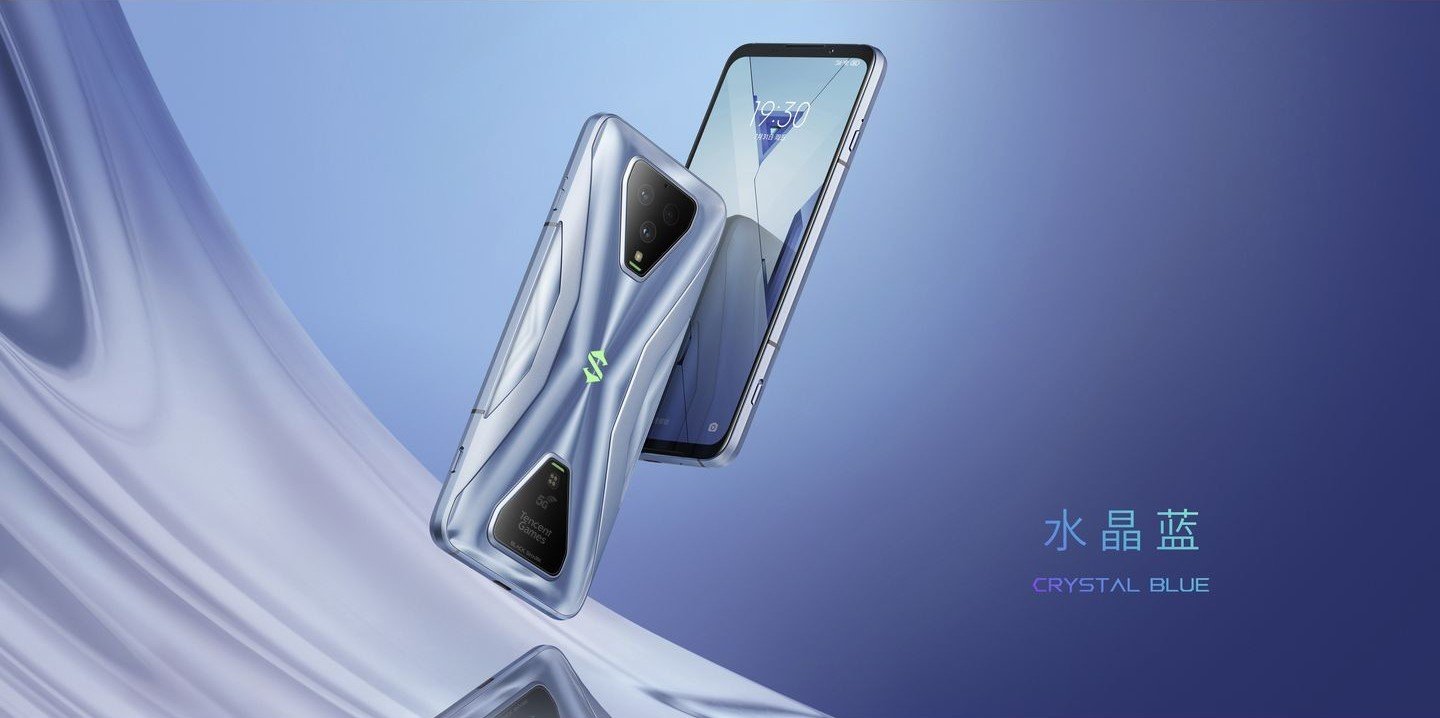
Black Shark 3S Crystal Blue

Nothing much is known about the next Black Shark gaming phones in terms of specifications. A recent leak had revealed that the next phone from the brand is codenamed as “Emperor” and it said that it could be coming with better design, faster-charging capabilities, and topnotch performance. Hopefully, the rumor mill will start spilling leaked information soon on the Black Shark 4 series in the coming weeks.