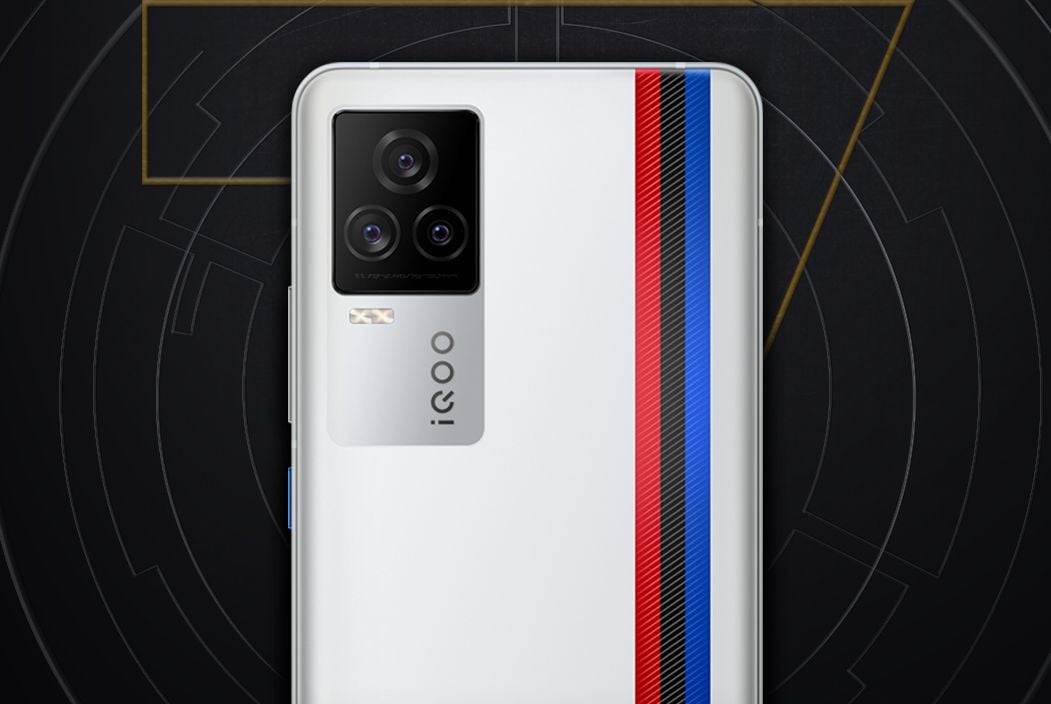
Last week, iQOO revealed the rear design of the upcoming iQOO 7 flagship smartphone. It showcased a special BMW edition of the phone featuring a white leather-like rear with blue and red stripes on the right. The handset was also seen sporting a triangle-patterned triple camera setup housed inside a rectangle module. A reliable tipster from China claimed that the iQOO 7 may launch by mid-January.
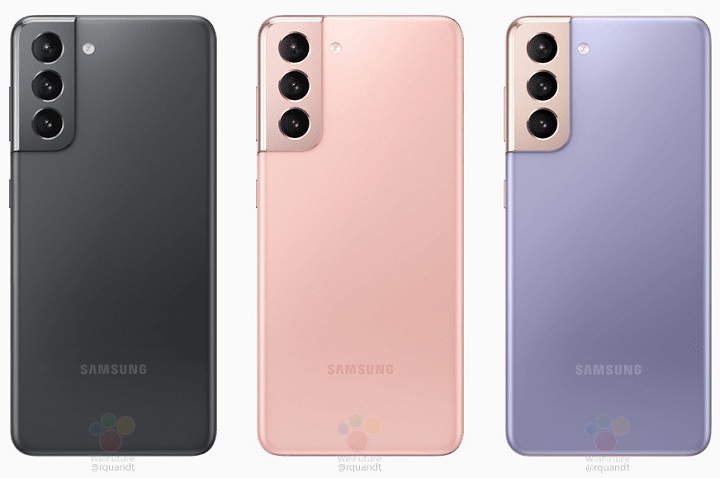
The tipster claimed that at least four Snapdragon 888 powered flagship phones will debut in China before the Spring Festival that will fall on Feb. 12. It can be said based on the recent reports that China may receive SD88 powered phones like the Samsung Galaxy S21 series, Xiaomi Mi 11 series, Vivo X50 Pro+, and iQOO 7 before the Spring Festival.
It is speculated that an iQOO phone with a V2049A model number that was recently approved by the 3C authority of China could be the forthcoming iQOO 7 phone. The listing had revealed that it may ship with a 120W fast charger.
The tipster who tipped the mid-January launch for the iQOO 7 had previously claimed that it will be arriving with a flat display and a battery that is slightly bigger than the iQOO 5 Pro It is likely that the iQOO 7 may feature a display with a top-centered selfie camera cutout like the upcoming Vivo X60 series.
At present, there is no concrete information on the camera specs of the iQOO 7. The iQOO 5 Pro came with a 50-megapixel Samsung GN1. The leakster claimed that the iQOO 7 may feature a different main camera.
United States has banned Huawei from participating in its 5G infrastructure development and has pressured other countries to do the same, and many have complied. Now, the country is set to replace the existing infrastructure.
The lawmakers in the United States are set to back a $1.9 billion program that will provide funding to remove telecom network equipment which the government has classified as posing a national security risk.
Huawei and a few other Chinese companies, including ZTE, have been classified as a national security risk. The funding for this new program has been added as a part of a $900 billion COVID-19 relief bill, reports Reuters citing people aware of the development.
Earlier this month, Huawei had said that it was disappointed in the FCC’s decision “to force the removal of our products from telecommunications networks. This overreach puts U.S. citizens at risk in the largely underserved rural areas – during a pandemic – when reliable communication is essential.”
Recently, the United Kingdom also banned Huawei and asked telecom network carriers to remove the Chinese company’s infrastructure by 2027. It recently banned the installation of new 5G equipment from Huawei after September 2021.
The government is also working to create a new law, which once approved, will enable them to plan fines on telecom operators and can have them pay 10 percent of turnover or 100,000 Pounds per day if they fail to comply with the new regulations.
Apart from entering the budget smartphone segment, OnePlus also introduced budget smart TVs this year. The company’s first affordable televisions go by the names of OnePlus TV 32Y1 and OnePlus TV 43Y1 respectively. These TVs received their first system update in their launch month itself, whereas the second update was rolled out a month later. Now, the brand has started seeding out the third update.
The two models in the OnePlus TV Y series have identical hardware except for the display size and resolution. Hence, both of them run the same software build and receive updates together.
That said, the new update called OTA3 brings new OnePlus Connect features, new Amazon Alexa skills, and most importantly, the latest build also claims to improve Google Chromecast stability. The update is currently being rolled out in batches and should reach every unit in the coming days.
Talking about the new OnePlus Connect features, the changelog mentions the addition of screen time and data statistics, an option to clear background apps in one click, and connection stability improvements. Similarly, new Alexa skills include search content, brightness control, open applications, and keypad control.
OnePlus TV 32Y1/43Y1 OTA3 Update Official Changelog
Update OnePlus Connect:
Check Screen time and Data statistics
Clear background apps in one click
Improve connection stability with TV
New skills of Alexa:
Search content: “Alexa, show me the movie The Lord of the Rings.”
Brightness control: “Alexa, dim OnePlus TV.”
Open apps: “Alexa, open YouTube on OnePlus TV”
Keypad Controller: “Alexa, go left.” “Alexa, choose this.”
Improve Chromecast stability while casting from phone to TV
Earlier this year, Apple announced that the company will be launching its ARM-based Apple Silicon. Recently, with the launch of new Apple M1-chipset powered Mac devices, the company officially started the transition process from Intel to Apple Silicon.
Now, as per the report from Bloomberg News, Microsoft is also following the lead of Apple and is reportedly working on its own ARM-based chipset. The company is developing the new chip with Windows 10 support and is mainly for the data centers but is also expected to power Surface devices.
Microsoft Surface Pro X powered by Qualcomm SQ2
The Redmond-based tech giant is currently using Intel-based processors for the majority of its Azure cloud services. Also, the company’s Surface devices lineup is powered by Intel processors. But now, it seems that Microsoft is ready to move on.
The company recently worked with AMD and Qualcomm for designing custom chips for the Surface Laptop 3 and Surface Pro X, underlining the fact that Intel could get replaced soon. But similar to the process of Apple, it is likely to happen in a phased manner.
Microsoft is reportedly working on offering devices with ARM-based chipset for quite some time now and is also improving its support for Windows 10 operating system. However, unlike Apple, the company has a much wider footprint of technology.
Its product is used by different manufacturers and is powered by different chipsets. Thus, whatever Microsoft creates need to have wider compatibility and be universal. It will be interesting to see the development in this area.
Apart from Apple and Microsoft, Amazon also possesses a threat to Intel as well as AMD. The eCommerce giant, which is also the leading cloud infrastructure provider with AWS, has its own ARM-based Graviton2 processors.
Although the new chipsets based on ARM architecture offer better performance, longer battery life, and are cheaper, they still have a smaller market share and the majority of the market is dominated by Intel and AMD.
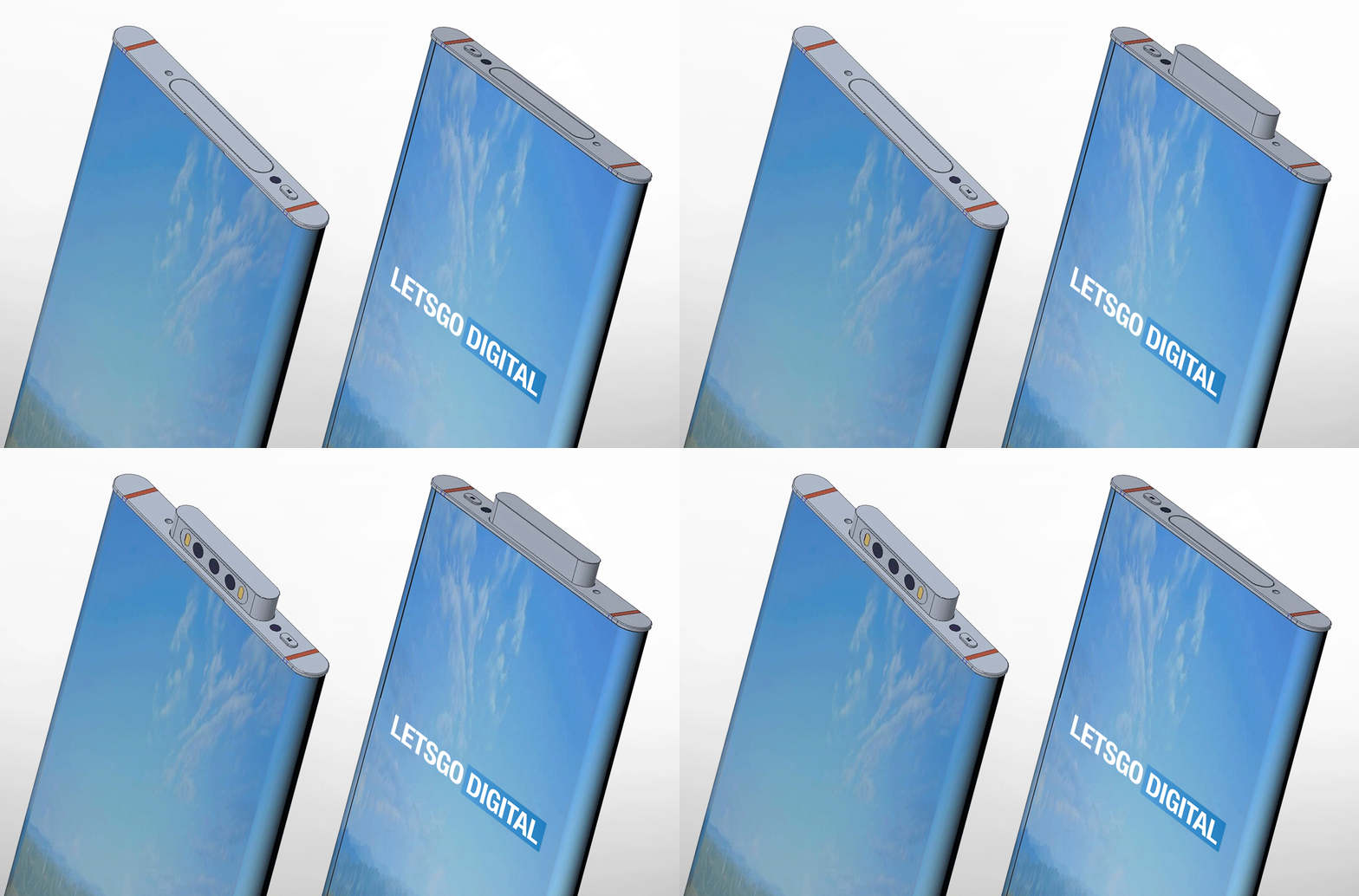
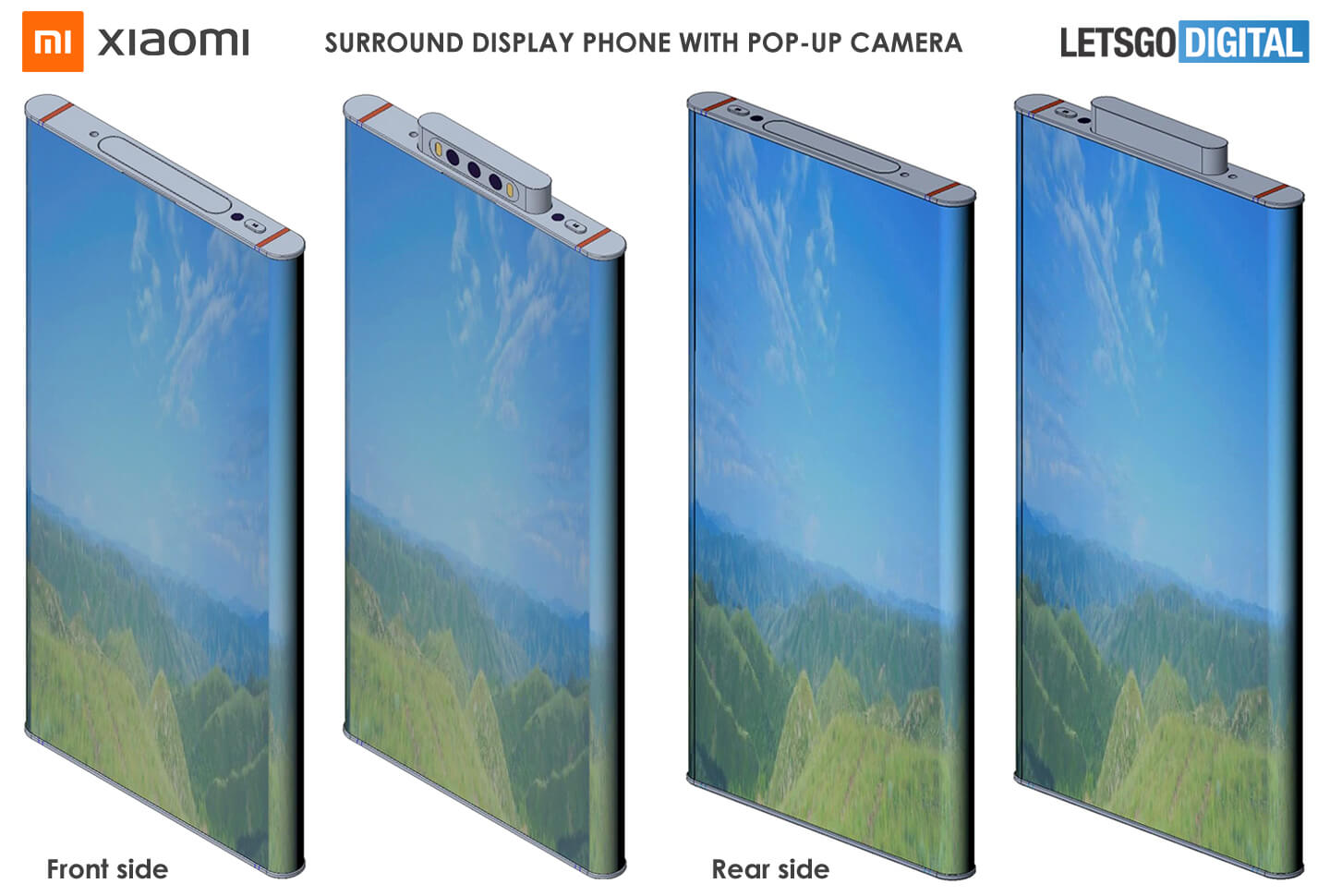
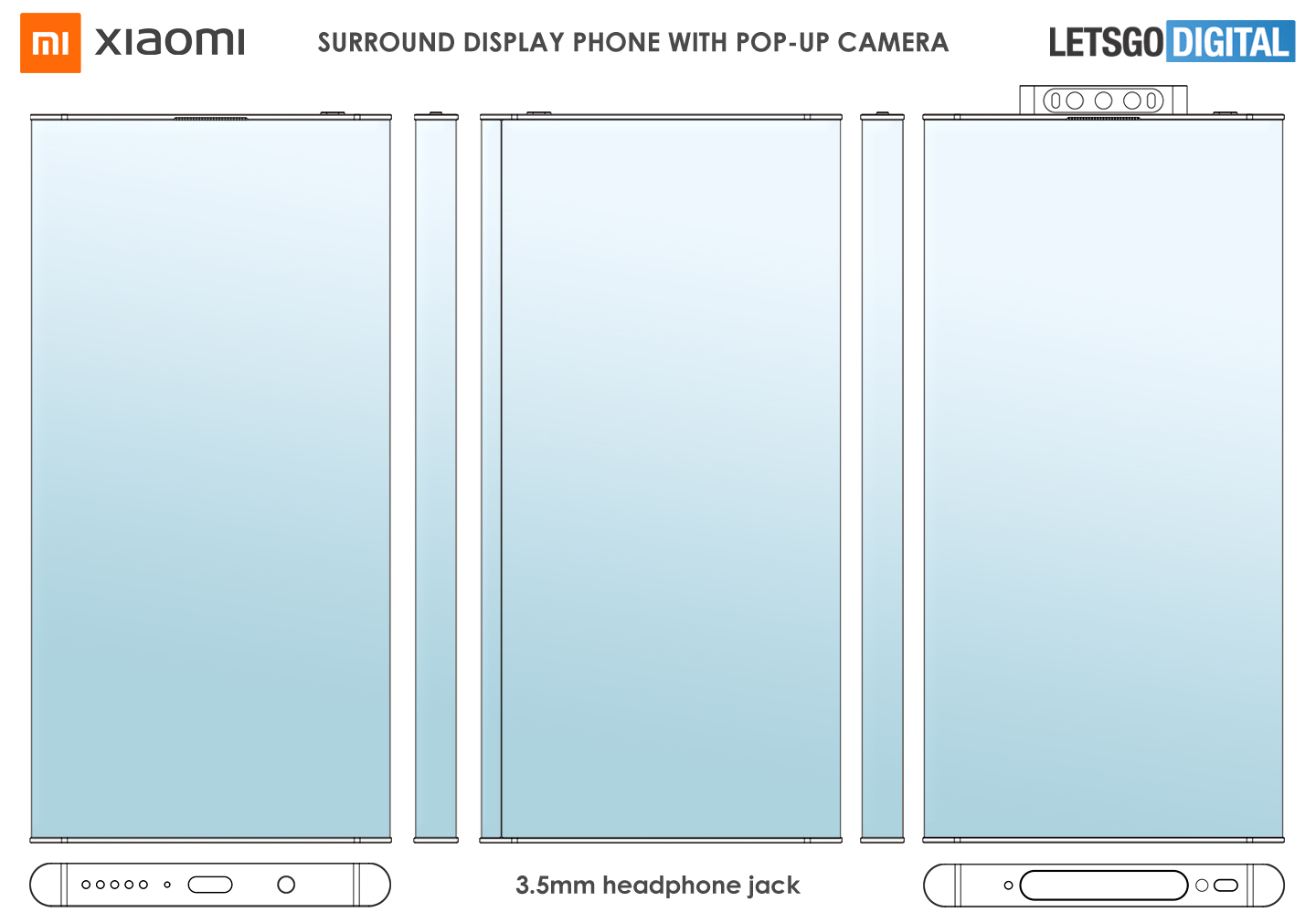
Last year, Xiaomi shocked the world by unveiling Mi MIX Alpha, a concept smartphone with a surround display. This device never made into mas-production and therefore, it did not hit the shelves although the company had plans to sell this phone in a limited quantity in China. Now, more than a year later, a Xiaomi smartphone design patent with similar looks has emerged.
This new Xiaomi patent was unearthed by LetsGoDigital. According to the publication, the company applied it with The Hague Bulletin, part of the WIPO (World Intellectual Property Office). The documentation for the same got published on December 18, 2020.
These documents include 16 sketches detailing the design of a smartphone with a 360° surround display. But unlike the Mi MIX Alpha, this design does not include a vertical frame on the rear. Instead, it features a wide pop-up module at the top housing a triple camera setup accompanied by a dual-LED flash.
The top of the handset also includes the power key and a hole for the secondary microphone. Whereas, the bottom part of the device features a USB Type-C port, a speaker grille, a primary microphone hole, and even a 3.5mm headphone jack.
1 of 2
Having said that, we don’t see Xiaomi releasing a consumer phone with a such design in near future. Because the firm did not even sell the first generation product and this model comes with pop-up cameras, which all the OEMs have been avoiding now.
A couple of months ago, Xiaomi had launched the Redmi K30S Extreme Commemorative Edition. The smartphone has been very well received in the company’s home market and the device is still in high demand, causing supply issues.
Given the popularity of the smartphone, it seems that the company isn’t wasting time on improving the user experience. As per the report, just weeks after the official launch, the device is now getting a new MIUI 12 update.
The new update for the Redmi K30S Extreme Commemorative Edition mainly focuses on the software algorithm and has optimized the phone’s vibration effect. Apart from this, there are also new security patches from Google and further improvements to optimize gaming performance and power consumption when using Wi-Fi.
As for the device, it doesn’t differ much from the Mi 10T smartphone that was launched by the company earlier this year. However, in the Chinese market, the Redmi K30S Extreme Commemorative Edition is a bit cheaper compared to Mi 10T.
The smartphone features a 6.67-inch display that supports a Full HD+ screen resolution, a 20:9 aspect ratio, HDR10+, MEMC, 650nits brightness, and up to 144Hz refresh rate. It is powered by the Qualcomm Snapdragon 865 SoC, which is coupled with up to 8GB of LPPDR5 RAM and 256GB of UFS 3.1 storage.
Taking care of the camera department is a 64MP Sony IMX682 primary sensor, which is paid with a 13MP ultra-wide lens with 123-degree FOV, and a 5MP macro sensor. On the front side, there’s a 20MP snapper for taking selfies.
The device, which supports 5G connectivity, is running MIUI 12 based on the Android 10 operating system out-of-the-box. The phone is powered by a 5,000mAh battery which supports 33W fast charging technology.
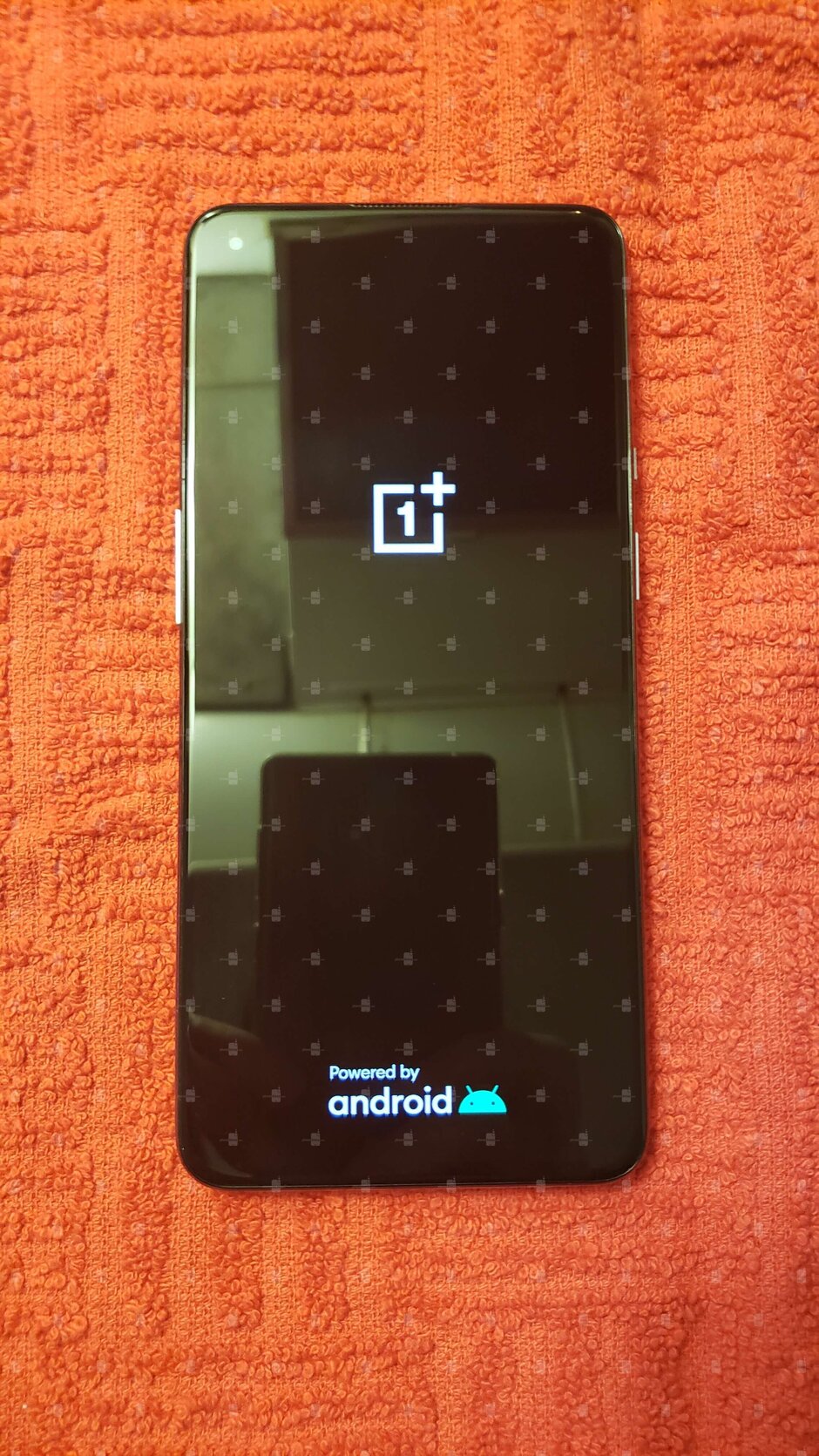
The OnePlus 9, OnePlus 9E, and OnePlus 9 Pro smartphones are expected to go official by mid-March 2021. It was revealed in the previous week by a reliable tipster that OnePlus may collaborate with a Germany-based camera firm named Leica for the upcoming OnePlus 9 series. If the collaboration turns out to be true, the OnePlus 9 lineup may arrive with significant improvement in the camera department. A new leak that appeared on SlashLeakshas revealed the camera configurations of the OnePlus 9 smartphone.
The leak states that the triple camera system of the OnePlus 9 will be led by a 50-megapixel Ultra Vision wide-angle camera with f/1.9 aperture. It will be coupled with a 20-megapixel Cine Camera, an ultrawide lens with f/1.8 aperture. The third lens in the setup will be an OIS assisted 12-megapixel telephoto camera with autofocus and an f/3.4 aperture.
The authenticity of the leaked information could not be confirmed. Hence, it is advisable for OnePlus fans to wait for further reports to know about the camera capabilities of the OnePlus 9 series.
OnePlus Boot Logo
Last week, PhoneArena had shared the leaked specs of the OnePlus 9. The leak revealed that the smartphone could be coming with a 6.55-inch FHD+ flat screen with HDR, a 20:9 aspect ratio, and 120Hz refresh rate support. The Snapdragon 888 5G mobile platform will be fueling the smartphone. The handset may ship with 8 GB of RAM, 128 GB of storage, and OxygenOS based Android 11 OS.
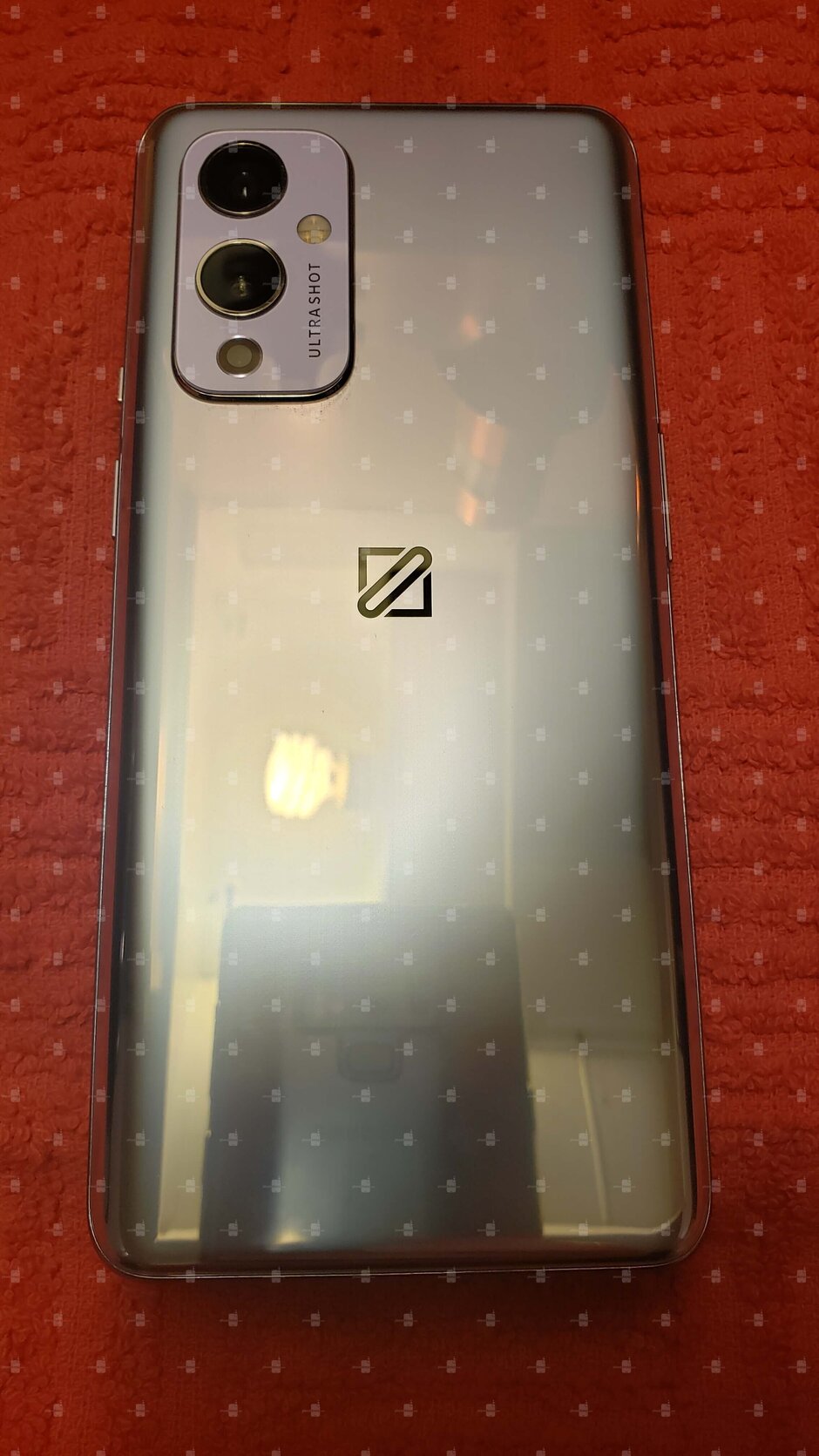
Silver Color
The publication had also claimed that the OnePlus 9 could be featuring a selfie camera of 16-megapixel and a 48-megapixel main camera on the rear. Live shots shared by the publication revealed that the OnePlus 9 has a punch-hole screen and a rectangle-shaped camera module on its rear.
OnePlus, the company known for making “flagship killer” phones, revived its mid-range offering with the launch of the OnePlus Nord smartphone earlier this year, followed by two more models. Now, the company is getting up to launch several new mid-range phones.
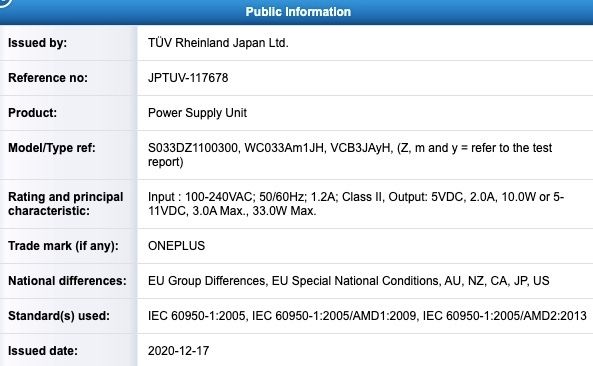
As per the report, the company could soon launch OnePlus Nord 2 and the OnePlus Nord SE. In line with that, a new Power Supply Unit from the company has been spotted on the TUV Rheinland certification website.
The product is a 33W charger, which is likely to have a USB Type-C port for charging, with a rating of 11VDC, 3.0A Max. The brand has been using 33W fast chargers for its smartphones and is expected to continue doing the same for mid-range phones.
But do note that it is not yet confirmed that the 33W charger is indeed for the upcoming mid-range smartphones, but it’s likely to be the case given that the company should be using a faster-charging technology, such as 65W, for its upcoming premium smartphones.
Meanwhile, OnePlus is also gearing up to launch its next-generation flagship smartphone — the OnePlus 9 series which is likely to include three models — the OnePlus 9, 9 Pro, and 9 SE. The company has partnered with Leica for the camera lenses of the upcoming premium devices, which are expected to launch in Q1 2021.
During this weekend, Apple decided to shut down all of its stores in California, including ones in the San Francisco Bay area. This arrives after the company began shutting stores in Los Angeles last week, bringing the number almost up to 100.
At the moment, the Cupertino giant has shuttered all of its retail stores in California, with notice being put up to inform customers that its stores are temporarily closed. However, some of the pending orders are still being allowed for pickups and other genius bar appointments through 22nd December 2020. Unfortunately, it is currently unknown when these stores will reopen, however, it is confirmed that the locations will remain closed through the holidays, as per a MacRumorsreport.
Similarly, Apple has also shut stores in Tennessee on the weekend, and other stores, which are located in the Tier 4 restriction areas in the UK as well. Furthermore, the company has closed 18 stores in Germany and the Netherlands last week, with additional store also being shut in Mexico and Brazil within this week. Apple stores still open in the US are now operating in a limited “Express” capacity only.
Meaning, they are just allowing pickups and genius bar appointments and not in store shopping and browsing. Apple has been shutting stores since earlier this year, with many locations being closed for months on end all throughout spring, due to the ongoing pandemic. Since June, the company started reopening stores but stated that these might shut again, as per local conditions and guidelines. At the moment, 400 stores are still operating, all of which require a face mark, with only a limited store occupancy, temperature checks, and practicing proper social distancing with regular cleaning.
Semiconductor Manufacturing International Corp., known as SMIC, was recently put on Entity List or U.S. export control blacklist. Now, the company has said that the move will hamper the development of its cutting-edge technologies.
The company has released a statement after doing an initial assessment and said that “the U.S. move will badly affect the company’s Research & Development and the production capacity construction of advanced technologies of 10 nanometers and below.” It added that there’s no significant impact on the operation and finances in the short-term as the company isn’t mass-producing the chips using the 10nm technology.
SMIC getting banned by the United States is a major blow for the Chinese government which is working towards making the country self-sufficient when it comes to manufacturing semiconductors and the company is leading the campaign.
From the development, it appears that the United States is determined to thwart every effort of China or Chinese companies to procure components for advanced technologies. To provide components to the companies in the Entity List, the U.S.-based firms will have to apply for a special license.
This is similar to the situation Huawei is facing right now, which was put on Entity List by the Trump administration in its ongoing US-China trade war. While the Executive Order from Trump cited national security risk, no evidence to back that claim has been produced. Huawei has time and again denied any such allegations against the company.
SMIC has said that the company will continue to cooperate with relevant U.S. government bodies and will be taking all feasible measures to minimize adverse effects and work out a solution to continue its development.
OnePlus is working with Google to improve Wear OS. Pete Lau, the CEO of the Chinese smartphone manufacturer, revealed the collaboration with the search engine giant in a recent interview.
According to a 9To5Googlereport, Pete Lau stated that OnePlus is directly working with Google on Wear OS. At the moment, both companies have joined hands to improve the system and how it talks to Android smartphones and Android TVs. This improvement in communication between devices will boost the interoperability between the different platforms. Although, it is unclear just how the companies aim on achieving this at the moment.
As per Pete Lau, “Wear OS definitely has room to improve. What we’re trying to do is work with Google to try to improve the connectivity between the Wear OS ecosystem, Android TV, and Android smartphones to create this ability for better device interoperability across the ecosystems. This has been something looked at very positively from Google’s side as well, so this is the direction that we’re trying to develop, but we don’t have more than we can share on that right now.”
Unfortunately, this news doesn’t imply that future OnePlus smartwatches will support Wear OS, as was previously believed after the interview, but the CEO has since clarified that this is not yet confirmed. However, we might still see a collaboration in the near future as both companies are closely working on improving a platform. We can also expect to see some notable improvements on the Wear OS soon, so stay tuned for more updates.
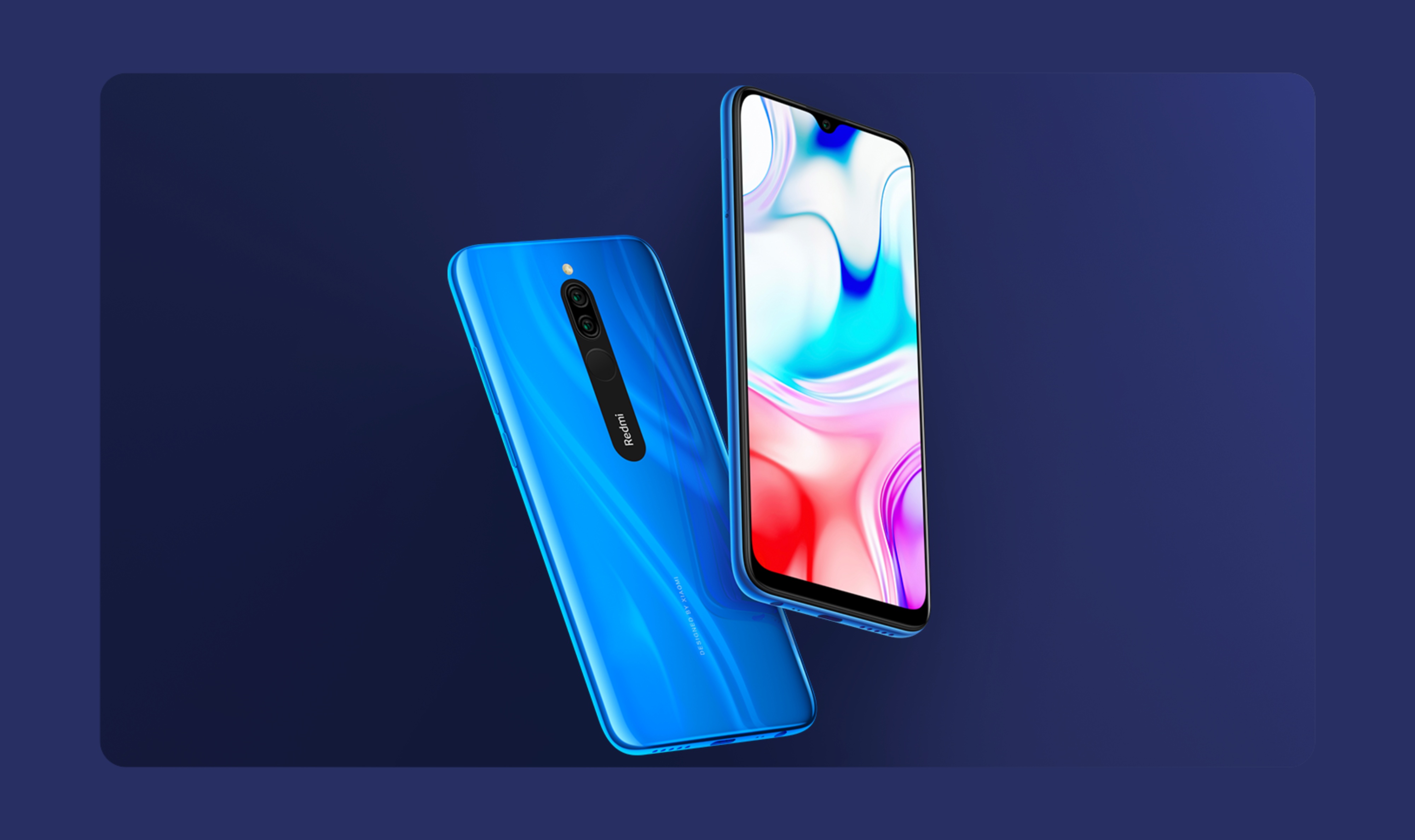
The Redmi 8, like most of its predecessors, was one of the best-selling smartphones globally during its time. The budget smartphone by Xiaomi launched with MIUI 10 based on Android Pie out of the box. The phone was updated to MIUI 11 a few weeks after its launch and it even got the Android 10 update earlier this year. Now, more than a year after its release, the global variant of this device has started receiving the MIUI 12 update.
Xiaomi’s Redmi number series of phones have been global best-sellers for years now just like the Redmi Note series. These handsets offer almost everything one needs in a smartphone at an affordable price.
Unlike most OEMs, Xiaomi also provides two MIUI updates and a single Android update to these devices. Hence, the firm has now begun to seed MIUI 12 as the second and the last MIUI update for the Redmi 8.
The update is currently only live for the global variant. It comes with build number V12.0.1.0.QCNMIXM and is in the ‘Stable Beta’ form as of now. That means it is only available for select users. If the early adopters don’t face any major issues, the availability of this build will be extended for more users.
We also expect other regional variants of the Redmi 8 such as China, India, Indonesia, Russia, and EEA to start receiving the update in the coming days.
Having said that, Xiaomi usually releases any new update for the Chinese variant of its smartphones first. Interestingly, in the case of Redmi 8, the MIUI 12 has been initially made available for the global variant. Whereas, the Android 10 update first arrived on the Chinese variant.
The Indian government has recently issued an Expression of Interest (EoI) for setting up an existing semiconductor FAB plant in the region and is even planning to offer incentives to attract investments.
According to a BusinessTodayreport, the government is keen on bringing investments to set up or expand a wafer/device fabrication plant within the country or even acquire semiconductor FABs outside of India. Notably, the plans are the main part of the government’s National Policy on Electronics 2019, which aims to position India as a global hub for Electronics System Design and Manufacturing (ESDM).
For those unaware, semiconductor technologies are an integral part of the digital world in this day and age, with various economies also rushing for a similar goal at the moment. Notably, semiconductors are a crucial part of the total value of Bill of Material (BOM). Furthermore, semiconductor manufacturing is a complex and research intensive area that also requires high investments. Thus, the Indian government is planning to incentivize and attract investments to set up FABs in India.
This move also arrives as the nation is striving to increase it global manufacturing share of smartphones, automotive electronics, IT hardware, industrial and medical technology, and even IoT (Internet of Things) devices within the near future. The country plans on expanding its electronics manufacturing sector to 400 billion US Dollars by the year 2025. The government is currently inviting proposals for semiconductor FABs with the last date of submissions being 31st January 2021. Information received through these responses will help in formulating a scheme to expand on existing semiconductor facilities or acquire such plants outside of India.
Samsung announced the Galaxy A21 smartphone in April this year. Fresh information shared by a South Korean publication (via) reveals that the company may launch the Galaxy A22 5G as its successor in the second half of 2021. The device is expected to break cover as the most affordable 5G-ready Samsung phone.
The Galaxy A32 5G that is expected to debut early in 2021 is expected to remain as the cheapest 5G phone in the first half of the year. A recent report revealed that it could be powered by the Dimensity 720 5G chipset. The handset could be costing around 299 euros (~$365) in the European markets.
Samsung Galaxy A32 5G CAD renders by Steve Hemmerstoffer
The Galaxy A22 5G could be positioned lower than the Galaxy A32 5G. The new report claims that it could be priced around 200,000 won (~$185). The handset will battle with low-cost 5G phones from Chinese brands like Huawei, Xiaomi, OPPO, and Vivo.
In 2018, Samsung adopted the ODM order system to let Chinese firms design and produce their smartphones. In 2019, Samsung increased the proportion of phones manufacturer by ODMs. This strategy was adopted to increase its market share in emerging markets like China and India. The ODM strategy resulted in a backlash among part suppliers who previously cooperated with Samsung. Hence, it came up with the JDM (joint development and production) strategy where Samsung is partially involved in the selection of major specifications of the product.
Samsung will reportedly jointly develop and manufacture the Galaxy A22 5G with China-based firms like Wingtech and Hwachin. It will be sold in emerging markets like India and Southeast Asian countries. Hopefully, reports arriving early next year will spill more information on the Galaxy A22 5G.
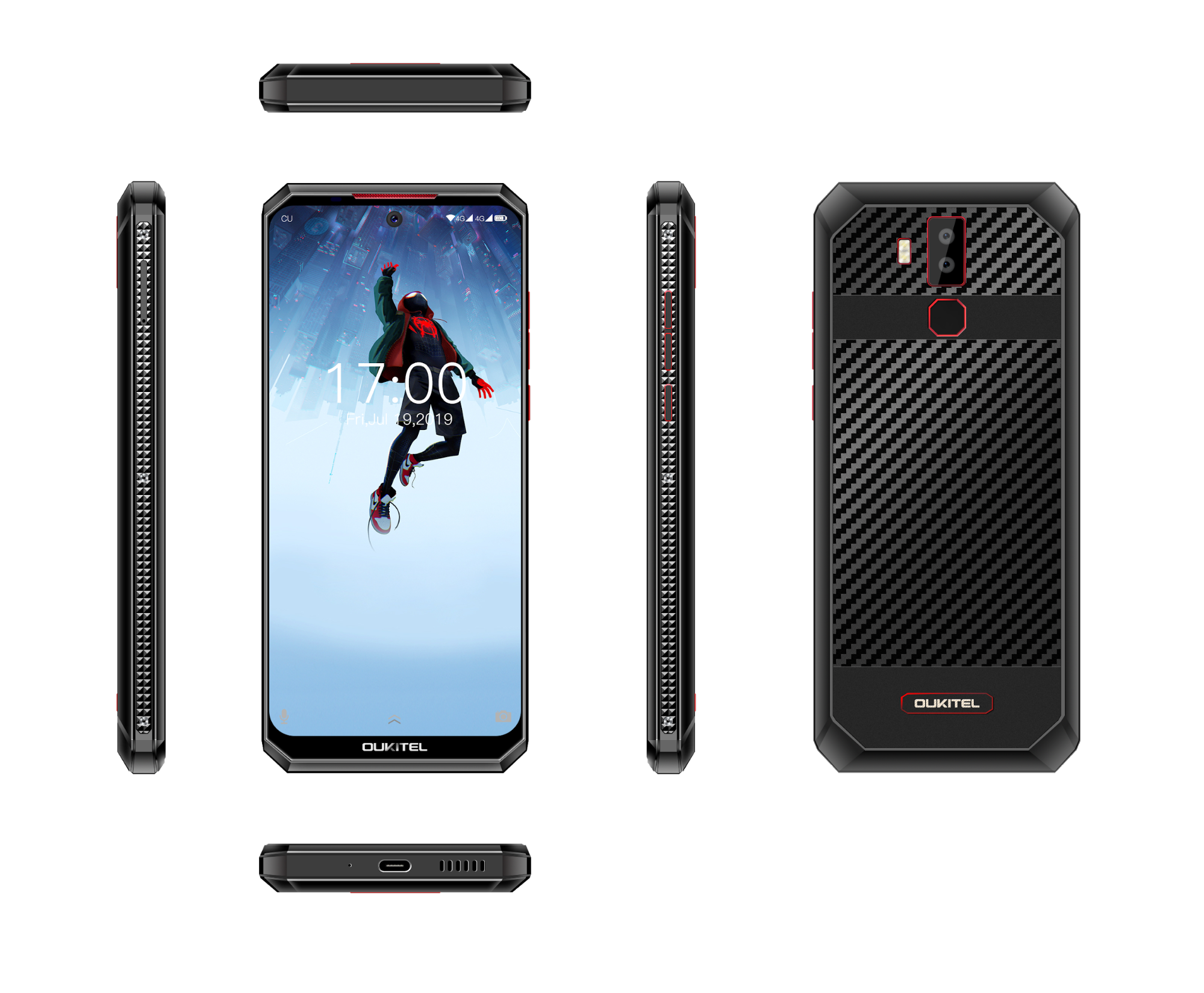
Oukitel, a Chinese phone manufacturing company has over 13 years of experience in the rugged phone manufacturing industry and has established itself as one of the biggest players in the industry. Apart from its durable devices, the company is also famous for installing powerful batteries in their smartphones. Of late, they have launched phones with some of the largest battery capacities in the world. And today, we have decided to review the top 6 Oukitel smartphones that have the most powerful batteries.
Oukitel K13 Pro
Oukitel K13 Pro has the highest battery capacity of all the phones with over 11000mAh. So far, among all the devices that we have reviewed, this is the only smartphone with such high power. It can easily run for days in just a single charge. K13 Pro comes with a charger of power rating 5V/3A that can juice it up in just 2 hours 20 minutes; it also supports fast charging.
Except for the battery, the other interesting features that this outdoor smartphone offers are a 6.41-inch o-notch display, MediaTek MT6762 octa processor, 6GB RAM, and 64GB internal storage.
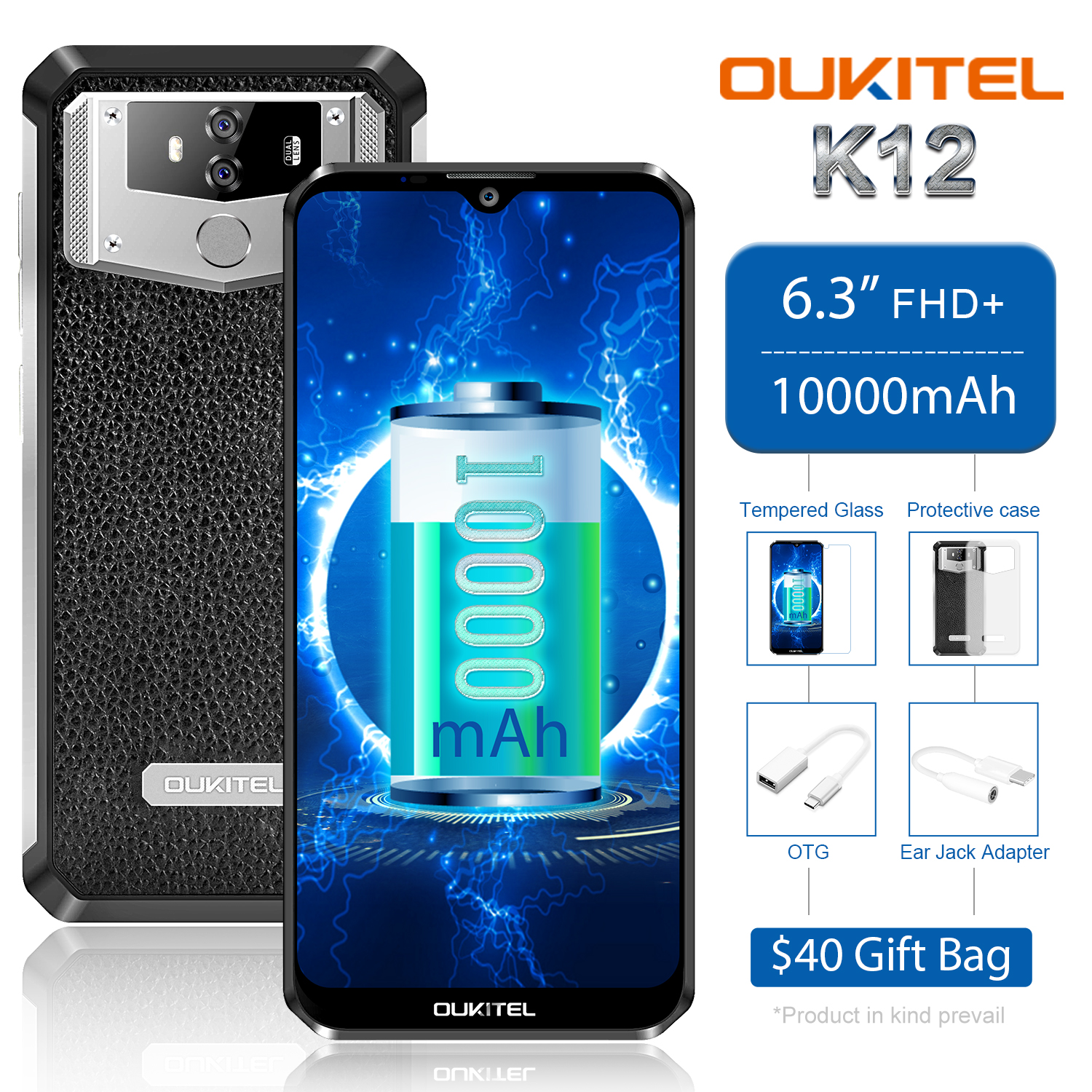
Oukitel K12
Belonging to the K-series, Oukitel K12 comes with a massive battery, having a capacity of 10000mAh. This device can too run on a single charge for days to a stretch, ideal for all your camping and trekking adventures. Like the other models of this series, K12 too supports fast charging and comes with a 5V/6A adapter that can fully power up the phone in up to 2 hours 20 minutes.
Oukitel K12 boasts a 6.3-inch FHD+ hole-punch display with a resolution of 1080 x 2340p. It runs on MediaTek P35 chipset and has 6GB RAM and 64GB internal storage. This unit has a classic leather-on-metal look that is both durable and elegant.
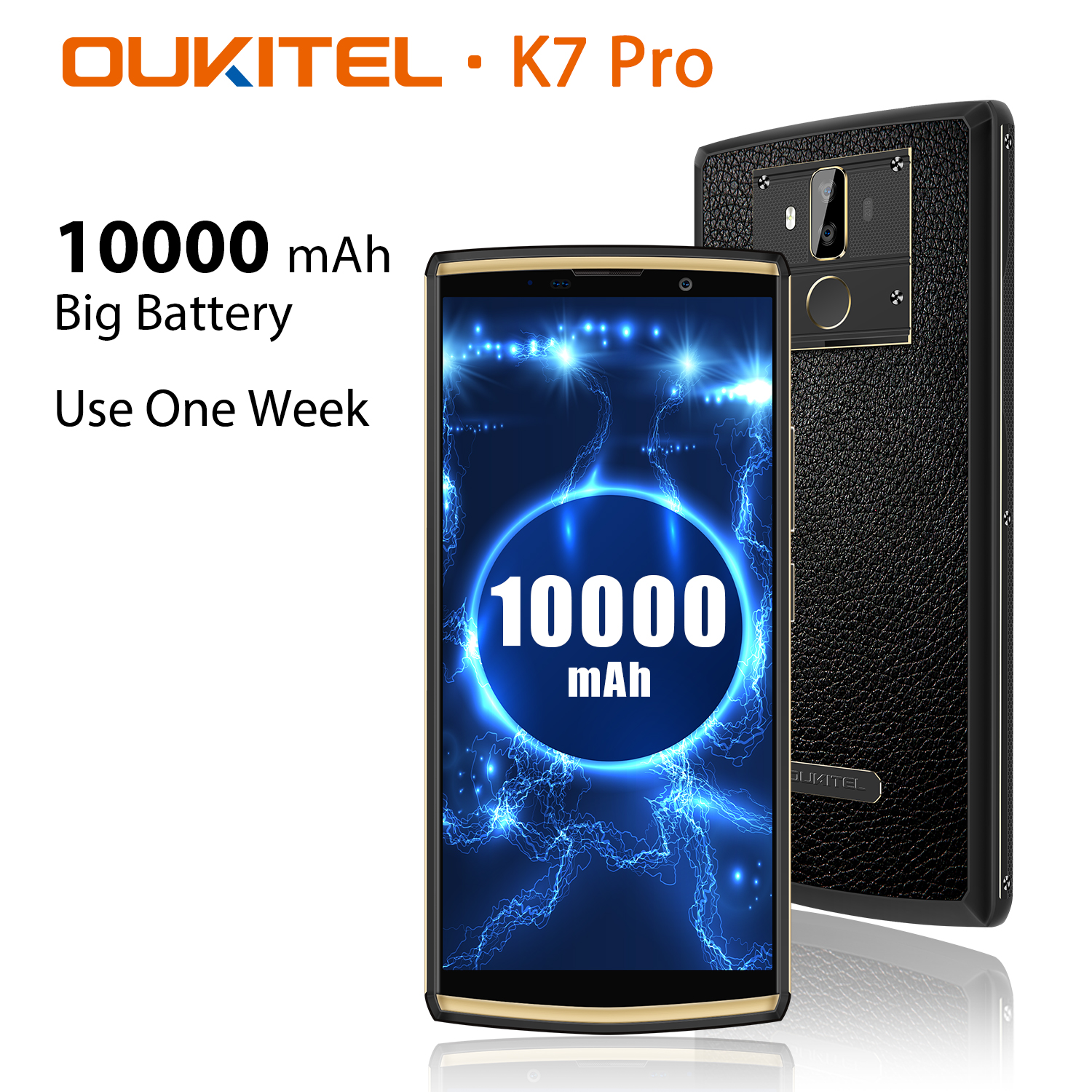
Oukitel K7 Pro
Being a successor of the K12, K7 Pro too comes with a massive battery of 10000mAh. It supports fast charging and comes with a charger of 9V/2A rating that powers up the device in just 3 hours.
K7 Pro is enhanced with a 6-inch display, having a resolution of 1440 x 720p. It is powered by a MediaTek MT6763 processor and has over 4GB RAM and 64GB internal storage. Oukitel K7 Pro boasts a classic K-series look with a sturdy built, ideal for all environments.
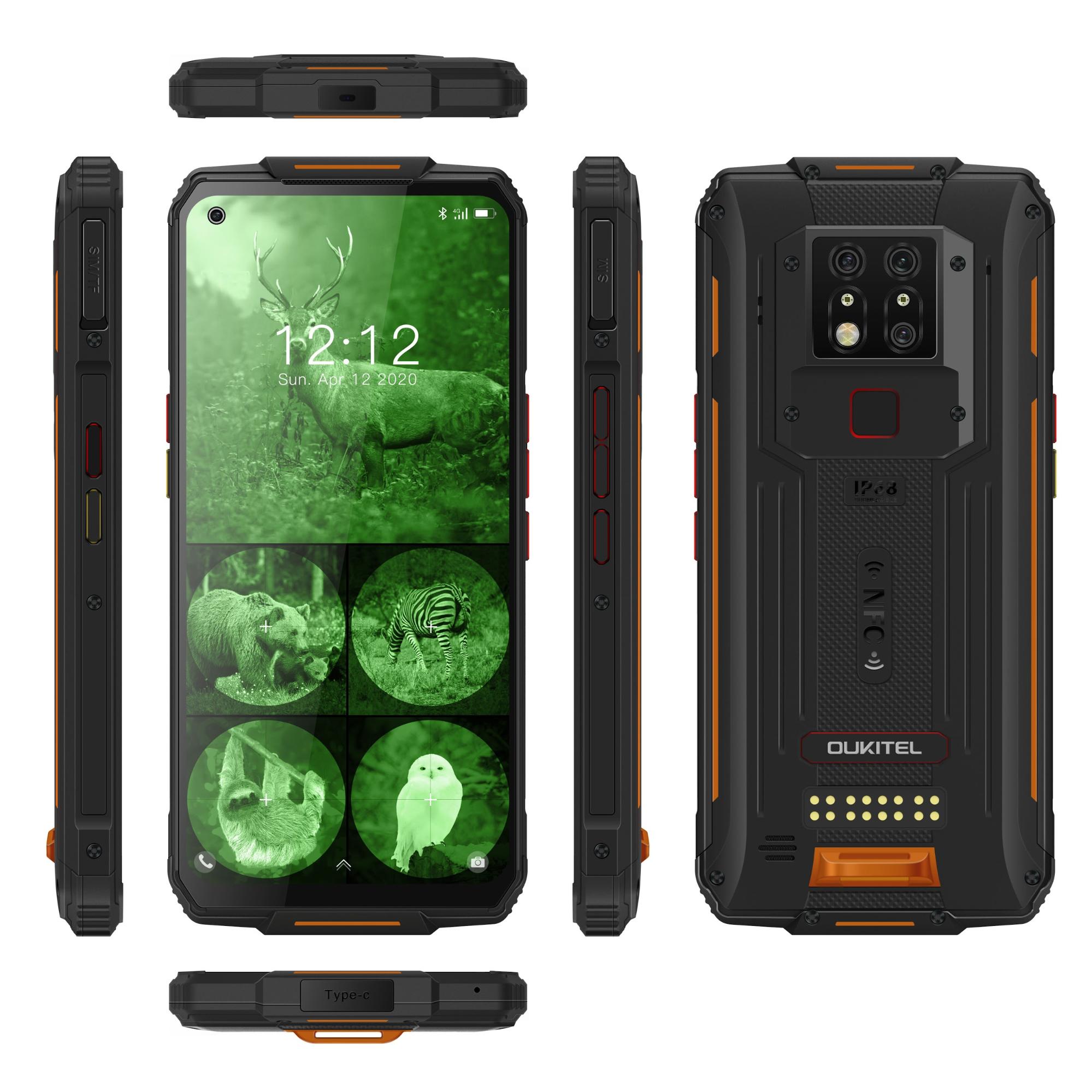
Oukitel WP7
Oukitel WP7 features an 8000mAh battery that can easily last up to 2 days on a single charge. It supports 18W fast charging and can be fully powered up in under 3 hours.
WP7 packs a 6.53-inch display for seamless viewing. What sets it apart is the 48MP triple-rear camera with an in-built infrared function, multi-module support system with a UVC sterilizer, and a flashlight module. It also has 8GB RAM and 128 GB of internal storage for efficient multitasking and storage.
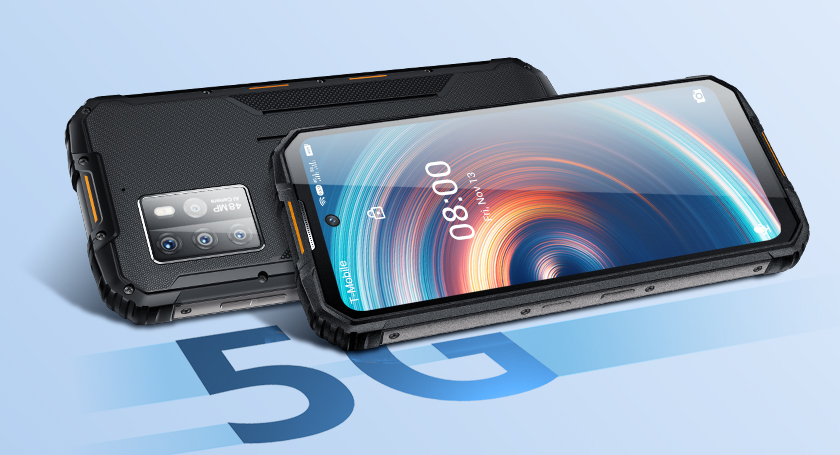
Oukitel WP10 5G
Oukitel WP10 5G is their latest introduction and is the first 5G rugged phone from this manufacturer. It is ranked as one of the best-rugged smartphones by Gizchina and a host of other websites. Packed with a 6.67-inch FHD+ hole-punch display, 5G network access, 8GB RAM, and 128GB ROM, this device offers seamless use.
WP10 5G has an 8000mAh battery that supports 18W fast charging that fully powers up the device in under 3 hours. Since the 5G network is expected to consume more energy, its large battery capacity seems like an ideal fit.
Oukitel C21
Out of all the listed phones, Oukitel C21 is a mainstream, budget-friendly smartphone. It has features like a 16MP quad-rear camera, a 20MP AI selfie camera, a 6.4-inch hole-punch display, runs on the MediaTek Helio P60 chipset with a RAM of 4GB and internal storage of 64GB.
Oukitel C21 packs a 4000mAh battery but still deserves a courtesy mention as it is a mid-range mainstream smartphone. Compared to the products in its category, this phone has the most powerful battery.
Now that you know how powerful these rugged phone batteries are, which Oukitel device do you prefer and why? Let us know in the comments section.
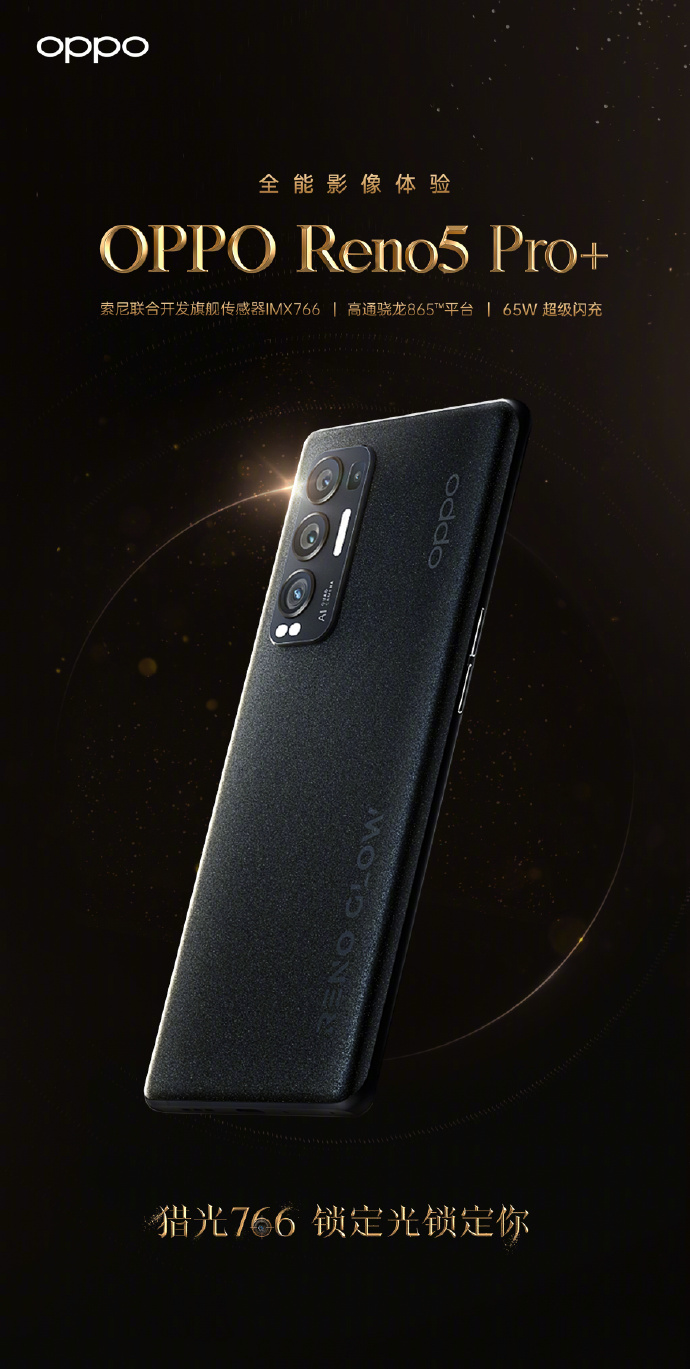
Earlier this month, OPPO unveiled the Reno5 and Reno5 Pro smartphones in China. During the event, it confirmed that it will be announcing the Reno5 Pro+ flagship phone on Dec. 24 in the home market. Recently, the smartphone was spotted at TENAA with its entire specifications. The listing had revealed that its rear camera setup has a 50-megapixel primary shooter. Today, the Chinese brand took to Weibo to confirm that the Reno5 Pro+ will be flaunting the Sony IMX766 primary camera. It seems to be a custom-made 50-megapixel lens jointly developed by Sony and OPPO.
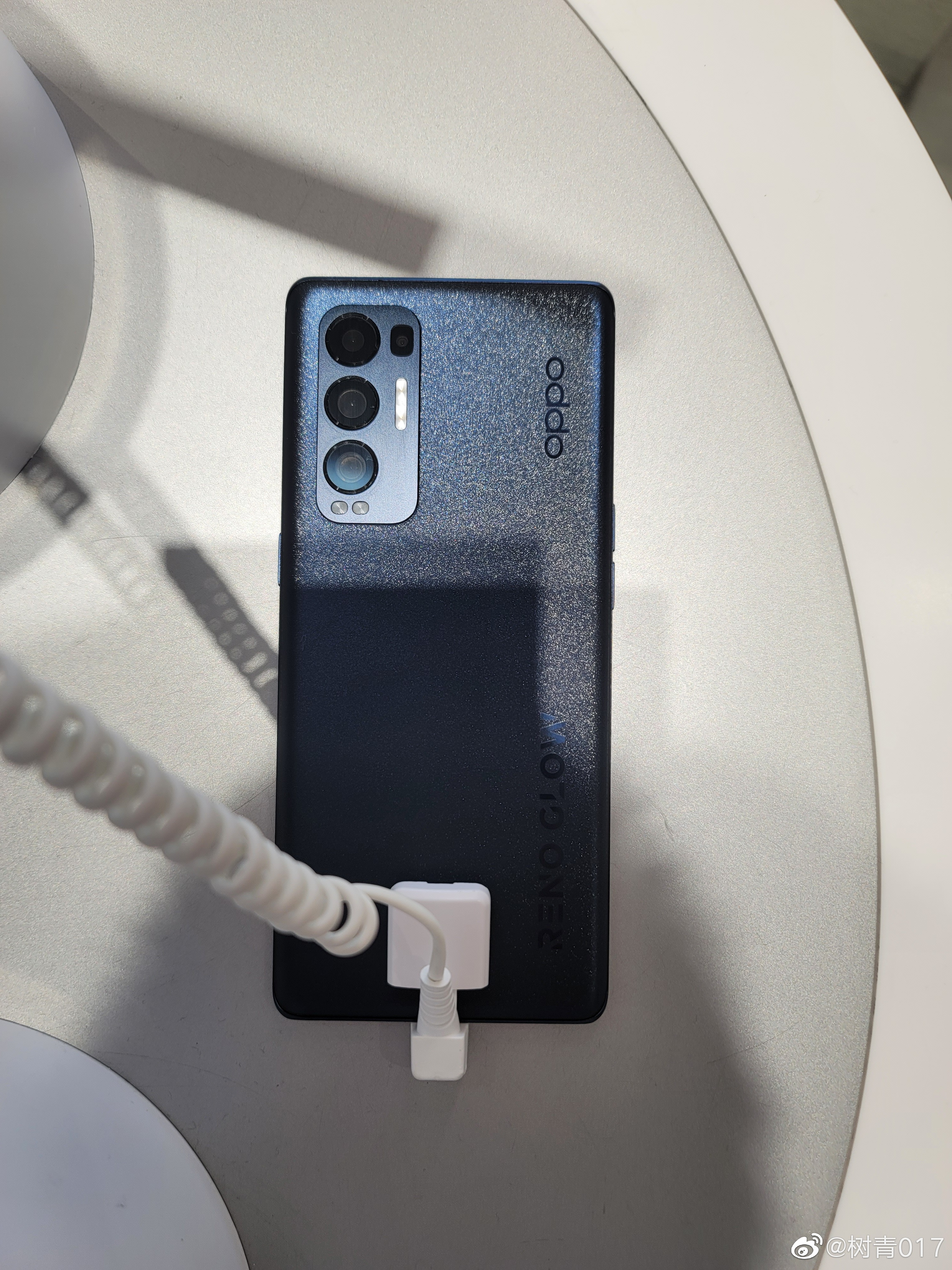
The OPPO Reno5 Pro+ 5G will be the world’s first phone to sport the 50-megapixel Sony IMX766 camera. In the official poster, the handset can be seen sporting a matte color finish with a textured design. The protruding camera module of the phone has four cameras.
It can be said based on the TENAA listing of the Reno5 Pro+ 5G that its 50-megapixel camera will be coupled with a 16-megapixel superwide lens, a 13-megapixel telephoto lens, and a 2-megapixel macro shooter. For capturing selfies, it will be equipped with a 32-megapixel front camera.
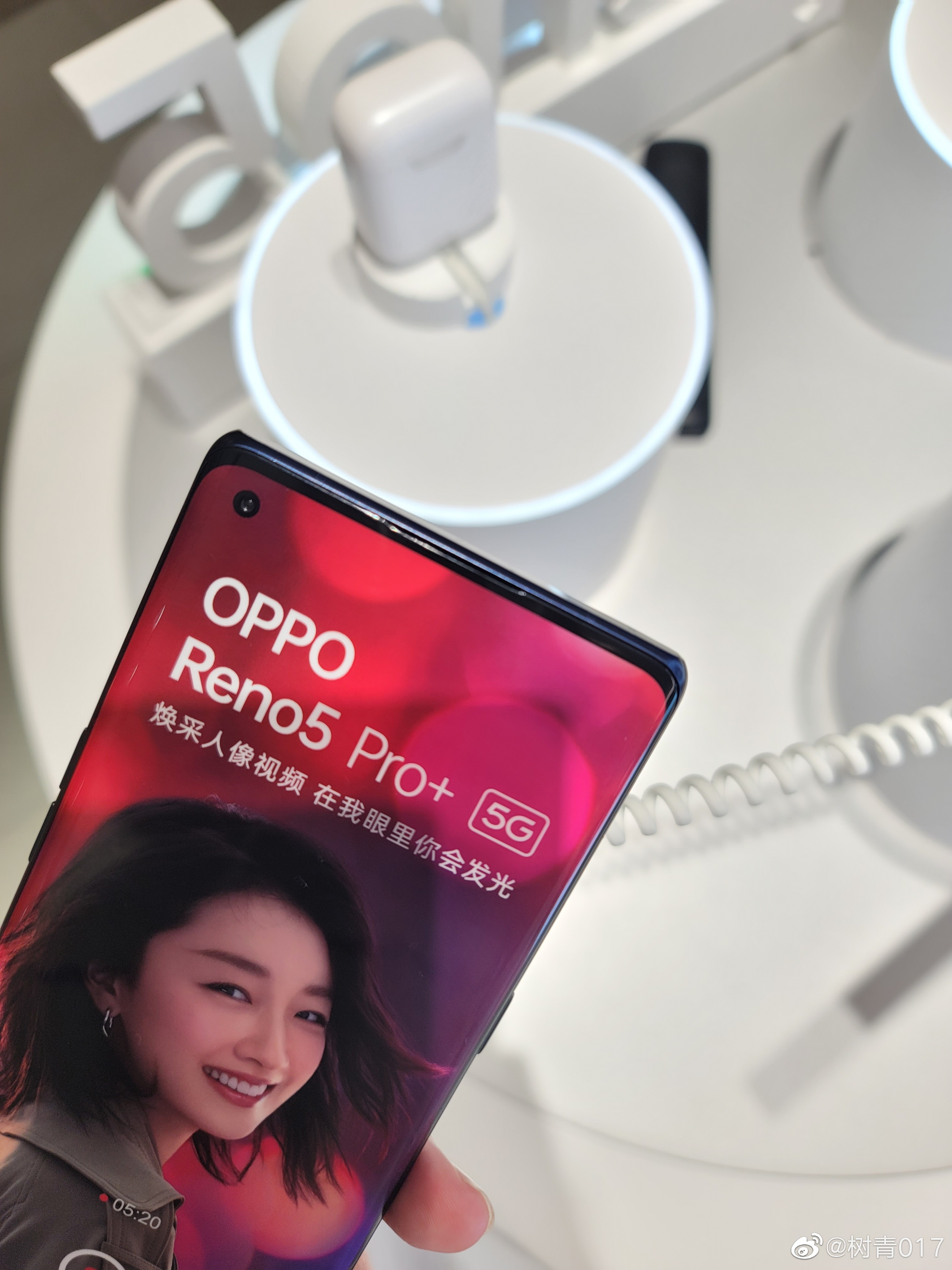
The Snapdragon 865 mobile platform is present under the hood of the Reno5 Pro+ 5G. it will be arriving with 65W rapid charging technology for its rumored 4,500mAh battery. The handset could be housing a 6.55-inch AMOLED display with a punch-hole design and curved edges. The FHD+ screen may come equipped with support for a 90Hz refresh rate and an in-display fingerprint sensor.
1 of 4
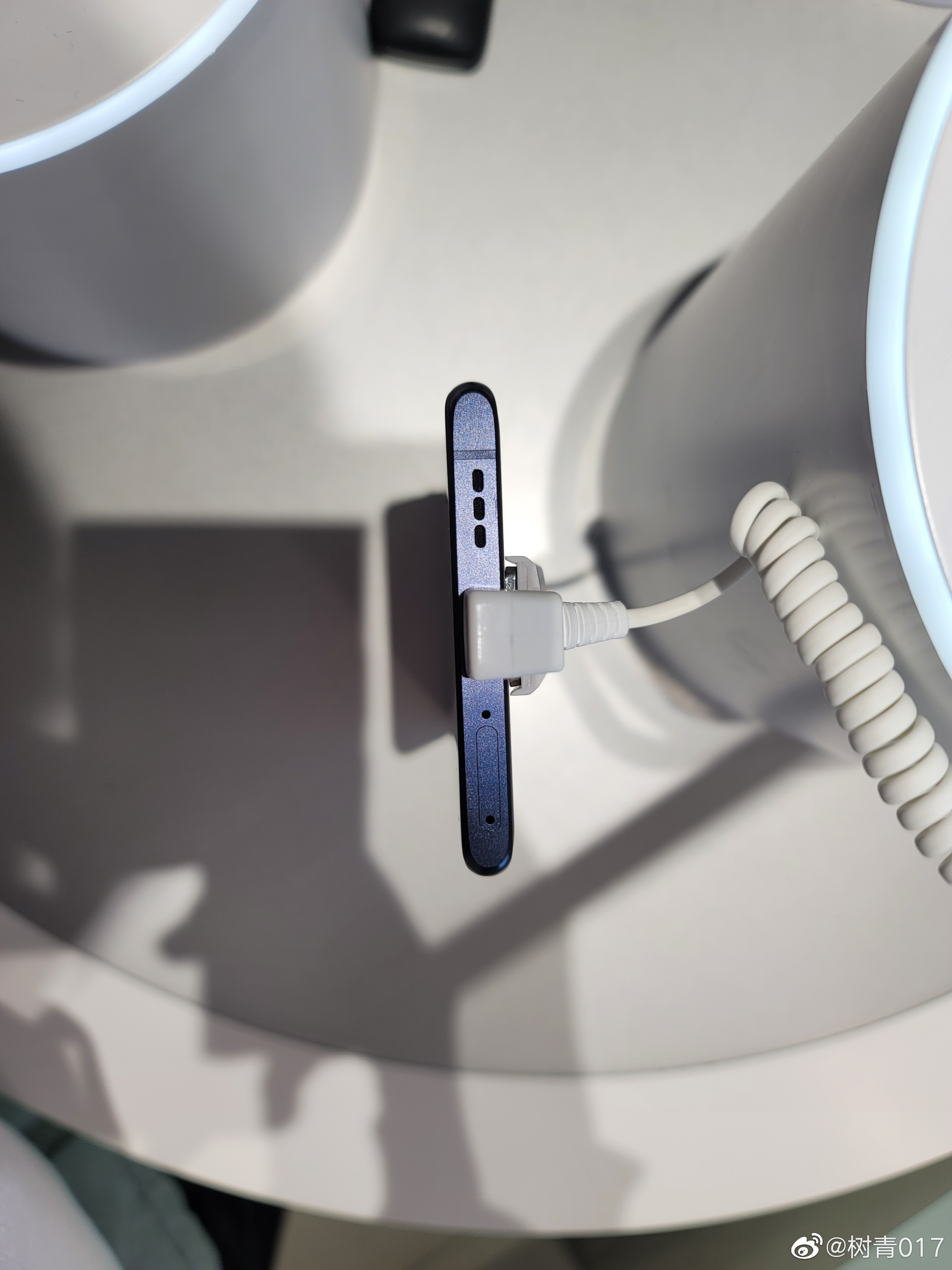
Shown above are a couple of live shots of the Reno5 Pro+ 5G (via) that emerged on Weibo last week. It may arrive with 12 GB of RAM and 256 GB of built-in storage. At present, there is no word on the pricing of the smartphone. The handset is unlikely to arrive in markets outside of China.
Recent reports have claimed that the Vivo X60 series will debut on Dec. 28. However, Vivo has now officially confirmed that the Vivo X60 series will break cover on Dec. 29. The lineup is expected to include three smartphones such as the Vivo X60, Vivo X60 Pro, and Vivo X60 Pro+.
The Vivo X60 series launch event will be held at 7:30 PM (local time) on Dec. 29. Today, the company shared a promo of the Vivo X60 series to showcase its design. The lineup will be equipped with the second-generation micro-gimbal stabilization driven by ZEISS optics.
While the camera specs of the Vivo X60 and X60 Pro have leaked, the camera configurations of the X60 Pro Plus are not known yet. The triple camera system of the Vivo X60 is said to be equipped with an f/1.6 aperture 48-megapixel main camera, a 13-megapixel ultrawide lens, and an 8-megapixel lens for portrait shots. It is expected to arrive in variants like 8 GB RAM + 128 GB storage and 8 GB RAM + 256 GB storage in China. It may be available in three colors like blue gradient, black, and shimmer.
On the other side, the Vivo X60 Pro is expected to arrive in 12 GB RAM + 256 GB storage option only. It may come in two colors like blue gradient and black. The quad-camera system of the Vivo X60 Pro may feature an f/1.48 aperture 48-megapixel main shooter, a 13-megapixel ultrawide snapper, a 13-megapixel portrait lens, and an 8-megapixel telephoto sensor.
The Vivo X60 and X60 Pro are said to be fitted with 120Hz 6.55-inch AMOLED displays with top-centered selfie camera cutout. The X60 has a flat-screen, whereas the display of the Pro model has curved edges. The Exynos 1080 chipset will power both smartphones.
The X60 may house a 4,300mAh battery, while the Pro variant may get a 4,200mAh battery. The X60 series is expected to arrive with 33W fast charging support. The Snapdragon 888 mobile platform may power the Vivo X60 Pro+. It could be equipped with a more powerful camera setup.
Samsung will announce new wireless earbuds alongside the Galaxy S21 series next month. The pair of TWS earbuds will launch as the Galaxy Buds Pro, and early leaks have revealed what it will look like. Now, another leak has stated some key features Samsung’s new earphones will have, one of which Apple already offers on the AirPods.
According to Ishan Agarwal (@ishanagarwal24), the Galaxy Buds Pro will have support for “multiple levels of Active Noise Cancellation and Ambient Sound”. What this means is that users will be able to adjust the noise cancellation and ambient sound feature as they wish.
Galaxy Buds Pro Renders through Wearable APK
Found & uploaded by u/TheBone_
Supports multiple levels of Active Noise Cancellation & Ambient Sound. Voice Detection Feature which automatically turns on Ambient Sound. 3D Spatial Audio w/ Head Tracking. Seamless earbud connection. pic.twitter.com/IU76nvmObE
This is similar to a feature the Jabra Elite 85t offers which allows the user to switch between up to 11 different noise cancellation levels rather than having just one – noise cancellation on or off. You will also be able to adjust ambient sound level on the Galaxy Buds, hopefully in a similar way to how the Huawei FreeBuds Studio allows users to switch between two types of its Hear-through Mode.
The leaker doesn’t say if these features will be accessible via the app or can be adjusted using the controls on the earbuds. However, our guess is that you will have to launch the companion Galaxy Wearable app to access these features.
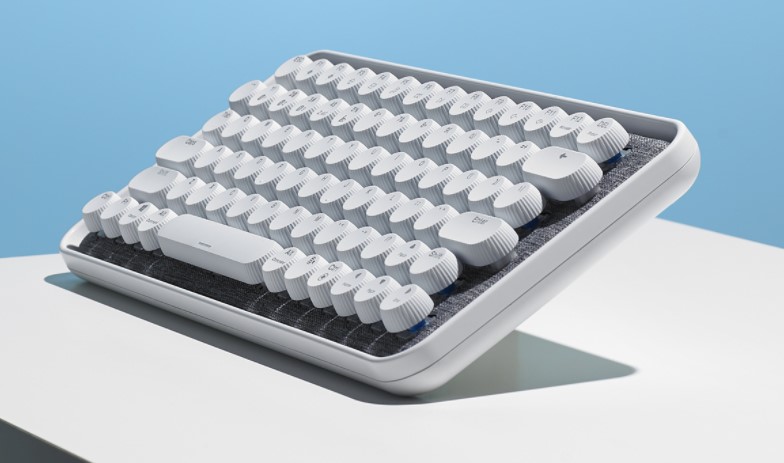
Rapoo, the Chinese company that manufactures keyboards, mice, and wireless chargers has announced a new keyboard in China. The new keyboard is a fabric version of the Ralemo Pre 5 that had been announced before.
Unlike the standard version of the Ralemo Pre 5 that has a polycarbonate body, this new one has fabric covering the space between the keys. It also comes in a single color variant – gray.
Apart from the change in materials, the Ralemo Pre 5 Fabric Edition has the same features as the standard version. The multi-device keyboard has pleated round keys with six backlight modes and four brightness adjustment levels.
The Ralemo Pre 5 Fabric Edition connects in four different modes. It has Bluetooth 3.0, Bluetooth 5.0, 2.4GHz Wi-Fi, and a wired USB-C mode. Rapoo says that it is compatible with both Windows and macOS and can be connected to up to five devices at a time. There is no dedicated number pad but the keyboard has multimedia shortcuts.
There is a 4000mAh rechargeable lithium battery inside the keyboard and it has support for fast charging. A full charge takes four hours and it will last up to 13 days.
The Ralemo Pre 5 Fabric Edition is priced at ¥599 (~$92), ¥100 (~$15) more than the standard version. Unfortunately, there is no info on availability. We also do not think it will be sold outside China.
We have just a few weeks left before the end of the year and while other industries are shutting down for the holidays, that is not the case in the tech industry as everywhere is still abuzz with activities. If you missed last week’s major announcements and happenings in the industry, then you should bring yourself up to speed with this roundup.
Vivo partners with ZEISS on smartphone cameras; OnePlus goes with Leica
The cameras on phones from Chinese manufacturers, Vivo and OnePlus, are about to get better. The former has confirmed it has signed a partnership with ZEISS to use its lens technology in its phones, beginning with the Vivo X60 series scheduled to launch by the end of December.
Benchmarking the Snapdragon 888, unveiling the Snapdragon 678
Qualcomm announced the Snapdragon 888 processor earlier this month. The chipset will power the flagships of 2021 and is expected to make its debut after this month in the Xiaomi Mi 11. If you want to know how well the chipset fares in benchmark tests, then Qualcomm has got you covered as it has released a video showing just that. The chipset shows its prowess on the popular benchmark apps such as AnTuTu, GFXBench, Geekbench, and AIMark.
The San Diego semiconductor company also announced a new mid-range processor last week. The Snapdragon 678, as it is called, is an upgrade over the Snapdragon 675 announced in October 2018.
DJI, the leader in consumer drone technology was added to the US Government’s entity list along with three others as they “enabled wide-scale human rights abuses within China through abusive genetic collection and analysis or high-technology surveillance”.
A new OnePlus backpack but nowhere to go
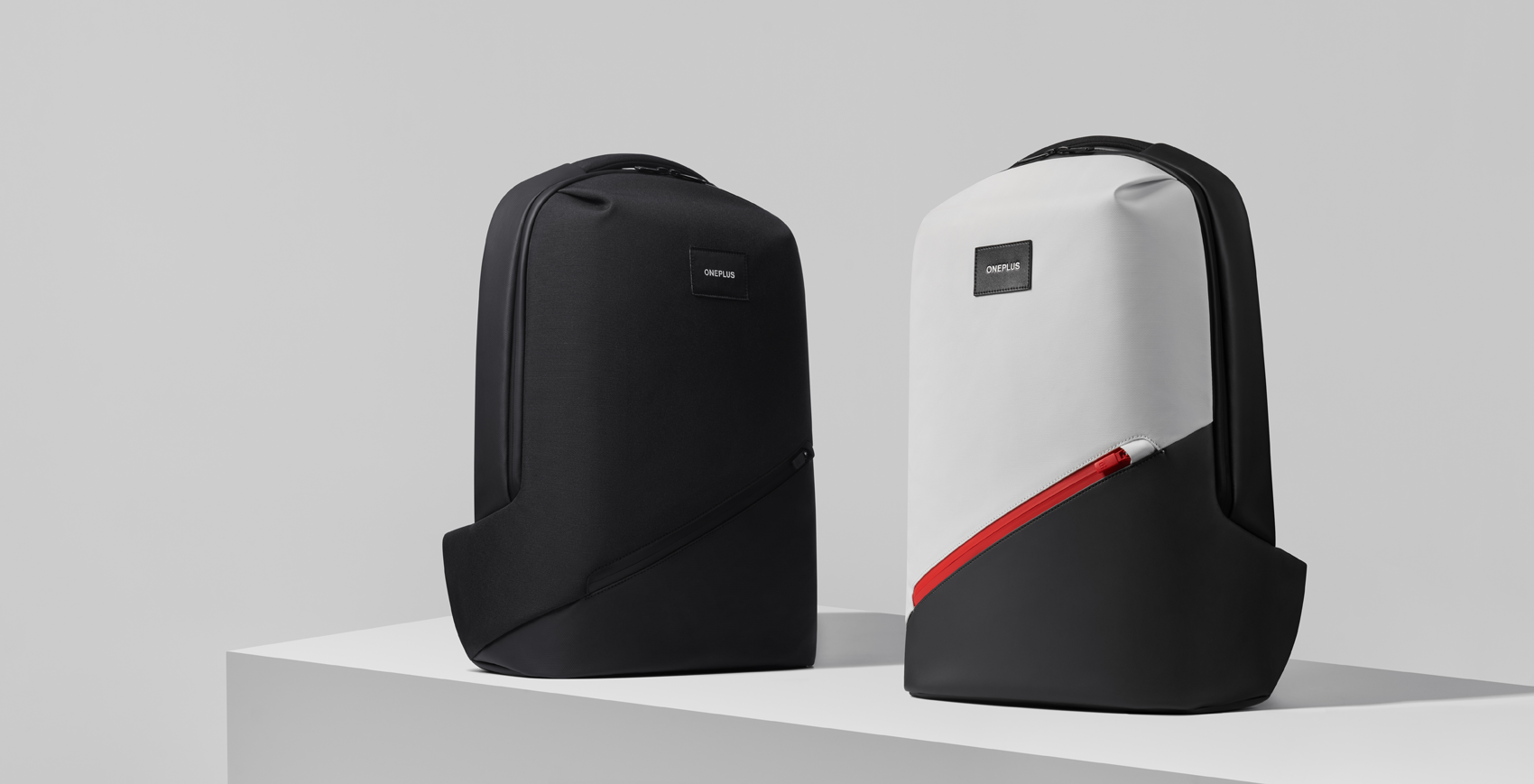
OnePlus is known for its phones but its product portfolio also includes lifestyle products such as backpacks. Last week, it announced a new one dubbed the OnePlus Urban Traveler that is scheduled to go on sale in early January. With countries going into a second round of lockdown, buying a backpack knowing you will be indoors for the unforeseeable future doesn’t seem like the wise thing to do.
An expensive Flex
Samsung’s Galaxy Book Flex got a second-generation model last week and it comes with all the bells and whistles of a premium computer. You get a QLED touch display, Intel’s 11th Gen processor, up to 16GB of RAM and 1TB of SSD storage, and an S Pen stylus. It also costs over $2500 and has a 5G model too.
We use cookies on our website to give you the most relevant experience by remembering your preferences and repeat visits. By clicking “Accept”, you consent to the use of ALL the cookies.
This website uses cookies to improve your experience while you navigate through the website. Out of these, the cookies that are categorized as necessary are stored on your browser as they are essential for the working of basic functionalities of the website. We also use third-party cookies that help us analyze and understand how you use this website. These cookies will be stored in your browser only with your consent. You also have the option to opt-out of these cookies. But opting out of some of these cookies may affect your browsing experience.
Necessary cookies are absolutely essential for the website to function properly. This category only includes cookies that ensures basic functionalities and security features of the website. These cookies do not store any personal information.
Any cookies that may not be particularly necessary for the website to function and is used specifically to collect user personal data via analytics, ads, other embedded contents are termed as non-necessary cookies. It is mandatory to procure user consent prior to running these cookies on your website.