In what would be considered one of the fastest acquisition deals in the face of antitrust concerns, Google has finally acquired watchmaker Fitbit. The two companies commenced acquisition talks over 14 months ago but the bid was faced with serious scrutiny by regulatory authorities such as EU’s European Commission over privacy concerns.
The final acquisition means the road has been cleared for the deal to happen but obviously, Google had to make a series of “binding commitments with global regulators” that ultimately quelled the privacy concerns. It comes in a record time considering how long it took before the T-Mobile and Sprint merger was allowed to sail through last year.
The acquisition deal will see the search giant dole out a little more than $2 billion for the renowned wearable manufacturer established in 2007. Google says it is planning to work closely with Fitbit to “create new devices and services” helping you “enhance your knowledge, success, health, and happiness.”
In his official blog post announcing the completion of the acquisition, Google’s Senior VP of Devices & Services Rick Osterloh didn’t elaborate on the tech giant’s future hardware plans. However, the post explicitly mentioned the recently released Fitbit Sense and Inspire 2 which seems to suggest their successors could very be in the pipeline.
Also, there was no indication if Google will try to blend its own Wear OS with the Fitbit OS software platforms going forward. But then, it is too early to phantom the duo’s future plans for the partnership.
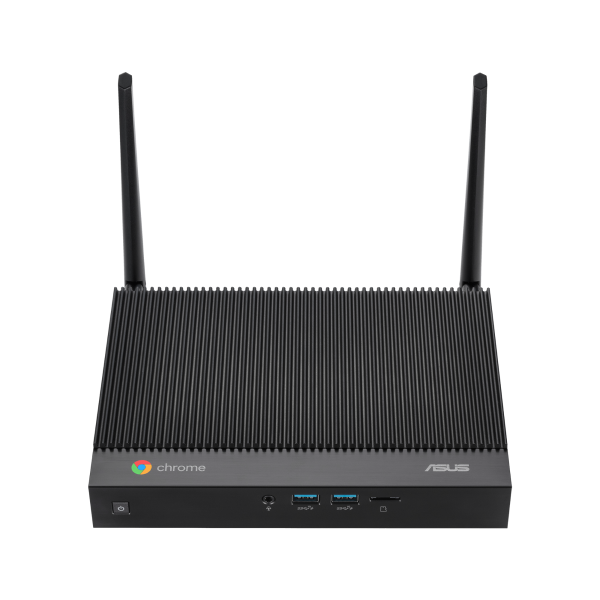
Taiwanese tech giant ASUS has launched its latest Chrome OS device known as Fanless Chromebox. The device packs 10th generation Intel CPUs and is available in two processor versions. Also, to enable the device to deliver premium performance, there is a USB-C 3.2 Gen 1 for ultrafast connections as well as built-in Google Play support for a rich selection of apps for productivity, and communication.
The Fanless Chromebox adopts a tough and versatile aluminum chassis with a fanless design that allows for smooth and reliable operation even in harsh commercial and industrial environments.
ASUS Chromebox is powered by 10th Gen Intel Core or Celeron processors, paired with up to 16GB of DDR4-2666 memory and up to 256GB of M.2 SSD storage for fast, smooth performance with energy efficiency at the peak. The device is also equipped with a versatile USB-C 3.2 Gen 1 Type-C port for fast data transfers, power delivery, and DisplayPort functionality. In addition, the Chromebox supports the connection of up to three 4K displays simultaneously for brilliant, sharp visuals and powerful productivity. You also get an Intel WiFi 6 connectivity support and USB 3.2 Type-A ports for rapid data transfers.
Further, the Fanless Chromebox features support for an external power-switch cable which enables it to be turned on or off easily especially when it is placed in difficult-to-reach locations. There is also an RS232 via RJ50 interface allowing users to interface the device with legacy monitors and devices.
The use cases for the ASUS Fanless Chromebox are diverse, including digital signage, point-of-sale systems, intelligent vending machines, warehouse workstations, and even factory production lines. It is also a suitable desktop-replacement system for cloud workers.
The bulit-in Google Play support onboard the mini PC brings a rich lineup of apps and other contents that makes the Chromebox a fitting companion for businesses. It also gets automatic software and security updates ensuring that it is safe from viruses, malware, and other security issues. There is a lockable VESA mount which enables the Chromebox to be mounted securely in a diverse range of locations like on ceilings, walls, or under desks or counters. There is also a separate cable lock which provides the ability to secure DC-in and HDMI cable connections in commercial settings.
ASUS is yet to disclose the pricing and availability details of the Fanless Chromebox.
With regards to this incident, Xiaomi has released an official statement. It reiterates that it has no affiliation with the Chinese military and that it was looking into the potential implications of the matter.
“The Company has been in compliance with law and operating in compliance with the relevant laws and regulations of jurisdictions where it conducts its businesses. The Company reiterates that it provides products and services for civilian and commercial use. The Company confirms that it is not owned, controlled or affiliated with the Chinese military, and is not a “Communist Chinese Military Company” defined under the NDAA. The Company will take appropriate course of actions to protect the interests of the Company and its shareholders.
The Company is reviewing the potential consequences of this to develop a fuller understanding of its impact on the Group. The Company will make further announcements as and when appropriate.”
It remains to be seen how this affects the company and its products in the future. But in the short term, it likely doesn’t have any direct implications on existing Xiaomi users.
Original Story below.
Now that Huawei is effectively out of the picture, the Trump administration has set its eyes on the next big Chinese smartphone maker, Xiaomi. On Thursday, the US administration added nine companies to its blacklist of companies with ties to the Chinese military, which includes the world’s third-largest smartphone maker, Xiaomi.
Following this move, US investors can no longer invest in the companies added to this special blacklist. They are barred from purchasing shares and securities of companies like Xiaomi who are a part of this list and will have to divest their existing holdings in them by Nov. 11, 2021, Reuter reports.
Unfortunately, so far the Trump administration has not given any proof as to how Xiaomi or other companies are tied to the Chinese military. Blacklisting Xiaomi was very sudden and quite unexpected given how Xiaomi is essentially a smartphone and electronics company. Before this move, the Trump administration was focused on blacklisting companies from crucial industries like telecommunications (Huawei) and Semiconductor technology (SMIC). Currently, the US has blacklisted over 60 Chinese companies which include the world’s largest drone maker DJI and China’s top semiconductor firm SMIC.
However, it’s worth noting that this blacklist is different from the US Entity List. So unlike Huawei or even DJI, Xiaomi still can import US technology without a license, at least for now.
It’s also quite possible that the Biden administration that’s all set to take power from January 20 overturns this decision. However, until then, it remains to be seen how Xiaomi and other Chinese companies react to this sudden blacklisting.
The Galaxy S21 Ultra is the first Galaxy S smartphone to have support for the S Pen. Although, it misses out on some of the features of the Galaxy Note 20‘s Bluetooth S Pen. Samsung has now revealed more Galaxy devices will get S Pen support.
The source of the info is an official statement sent to SamMobile by Samsung in which a spokesman revealed that the Korean company plans to expand the Galaxy S Pen experience to more devices in the future. Below is an excerpt of the statement:
“We are committed to innovating new mobile experiences that flow seamlessly and continuously to make our consumers’ lives easier and better. We’ve made the bold decision to expand the S Pen experience to Galaxy S21 Ultra, and plan to expand the S Pen experience across additional device categories in the future. We remain committed to providing the best mobile experience to our consumers and will continue to actively listen and consider consumer feedback in our product innovations.”
As you can see, no specific Galaxy device was mentioned but leaks have revealed that one of Samsung’s upcoming foldable will have support for the input device. One from last October even said that the Galaxy Z Fold 3 may come with an S Pen.
The stylus which first appeared in the first Galaxy Note is now included with some of Samsung’s tablets and computers. Since the very first one, the S Pen has gained more features including Bluetooth connectivity and air gesture support.
Those planning to get the Galaxy S21 Ultra will have to pay an additional $40 for the S Pen. However, Samsung says that the S Pen from other Galaxy Note and Galaxy Tab devices will also work. You will be able to use the stylus to draw, take notes, edit photos, and sign documents.
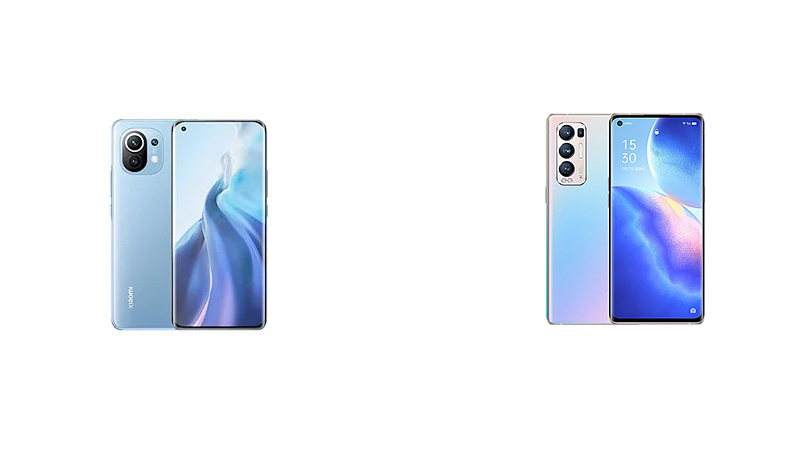
2020 ended with two amazing Chinese flagships: Xiaomi Mi 11 and OPPO Reno5 Pro+. The former is the first device with the Snapdragon 888 inside, while the latter is the first flagship from the Reno lineup after the Reno10x zoom (and its 5G version called Reno 5G). Both come with flagship-class hardware, but they are not among the most expensive smartphones out there. They sit in the middle between flagship killers and top-tier flagships. Given that they were released in the same period and they are sold at similar prices in the Chinese market, a lot of people are wondering which one they should go for. With this specs comparison, we will try to clear your ideas about their specifications and differences.
The OPPO Reno5 Pro+ is the first commercial phone with an electrochromic back cover. The phone is able to change its color after a double tap. Just for this reason, the OPPO Reno5 Pro+ features the most innovative design and we would choose this handset as the winner of the design comparison. But it is not all: the OPPO Reno5 Pro+ is even thinner, lighter, and more compact than the Xiaomi Mi 11. It is definitely one of the sleekest and beautiful phones you can find in the market. The Xiaomi Mi 11 is very attractive, it has a futuristic design and even a leather version, but the OPPO Reno5 Pro+ looks slightly more interesting to me.
Display
When it comes to the display, OPPO Reno5 Pro+ does not stand a chance against the Xiaomi Mi 11. First of all, the Xiaomi Mi 11 has a higher resolution: Quad HD+ vs Full HD+. Further, the refresh rate is higher, with a max of 120 Hz. The Xiaomi Mi 11 also features a wider panel protected by Gorilla Glass Victus. But the OPPO Reno5 Pro+ still comes with a great display: it is a Full HD+ panel with a 90 Hz refresh rate, very high brightness, and the HDR10+ certification. Both are AMOLED panels and both feature an in-display fingerprint reader.
Specs & Software
The Xiaomi Mi 11 has a superior hardware department compared to the OPPO Reno5 Pro+ because of the chipset: it is fueled by a more powerful Snapdragon 888 mobile platform built at 5 nm, while the OPPO Reno5 Pro+ is built around the Snapdragon 865 from 2019. In the highest-end variant, you get the same memory configurations with both the phones: 12 GB of RAM and 256 GB of UFS 3.1 internal storage. OPPO Reno5 Pro+ and Xiaomi Mi 11 run Android 11 out of the box, with highly-customized user interfaces.
Camera
The OPPO Reno5 Pro+ sports a more complete camera department. It has a 50 MP main sensor (the all-new Sony IMX766) with OIS, a 13 MP telephoto sensor with optical zoom, a 16 MP ultrawide camera, and a 2 MP macro camera. The Xiaomi Mi 11 has an amazing 108 MP main camera, but, unfortunately, it lacks a telephoto sensor and it does not feature optical zoom. Even the front camera is better on the OPPO Reno5 Pro+, with a 32 MP resolution.
The OPPO Reno5 Pro+ and the Xiaomi Mi 11 come with similar battery capacities: 4500 mAh and 4600 mAh, respectively. Given that we had no chance to test them and they have been available for just a few days, it is still hard to understand which one will last more on a single charge. The Mi 11 has a more efficient chipset, while the OPPO Reno5 Pro+ has a more efficient display. OPPO Reno5 Pro+ supports a faster 65W faster technology, but, unlike the Mi 11, it lacks wireless charging and reverse wireless charging (it only supports reverse wired charging).
Price
The Xiaomi Mi 11 and the OPPO Reno5 Pro+ are priced at about €500/$610 in their base variants: the price refers to the Chinese market as they are not available in the international market. The Xiaomi Mi 11 will become global, while the OPPO Reno5 Pro+ will remain a China-exclusive. Which is the best device? The answer varies depending on your needs. The Mi 11 has better hardware, display, and it supports wireless charging. The OPPO Reno5 Pro+ provides faster charging speeds, a sleeker design, and a more complete camera department. What would your choice be?
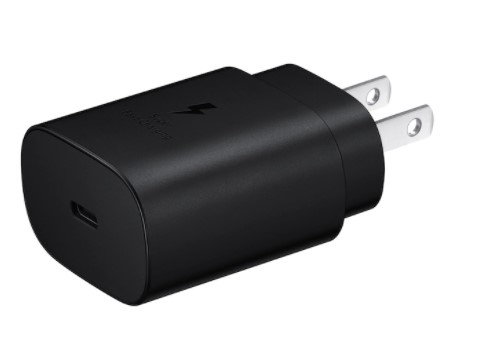
Samsung has followed in the footsteps of Apple and Xiaomi by choosing not to ship the new Galaxy S21 series smartphones without a charger, though it does include a USB cable, unlike the others. Since Samsung knows a number of buyers will be picking up a new charger along with their new phones, it has announced a price cut for its 25W USB-C Wall Charger.
The Samsung 25W USB-C Fast Charging Wall Charger sells for $34.99 but SamMobile has reported Samsung has cut the price down to $19.99. However, when we checked as at the time of writing, the price is still $34.99. We will advise you to exercise some patience if you already planned to purchase the charger before the price cut.
There is no info on if the price cut will happen in other countries and at offline stores. We also do not know if Samsung will be cutting the price of its wireless chargers.
The charger, which comes in black and white color variants, has a USB-C port at the top. It uses Power Delivery, so if you are not picking up any of the Galaxy S21 phones but you have a phone that supports Power Delivery up to 25W, then you may want to pick up this charger too.
All models of the Galaxy S21 series max out at 25W which is disappointing considering that we now have phones that support 120W fast charging and Qualcomm’s Quick Charge 5 technology brings 100+W fast charging to compatible devices. It must also be disappointing to those who own the Galaxy S20 Ultra which supports 45W fast charging and hoped that its successor will have faster charging and not a slower one.
Global payment platform, PayPal Holding Inc incursion into the Chinese market has resulted in the company becoming the first foreign operator to have 100% control of a payment platform in China. This much was revealed by recent data emanating from the Chinese government, as the U.S. firm makes giant steps to have a greater foothold in the fast-evolving and booming market for online payments.
Last year, PayPal completed the takeover of the payment platform, GoPay by buying its remaining 30% stake, according to shareholder data from the National Enterprise Credit Information Publicity System.
The financial details of the deal weren’t disclosed in the data. The purchase came one year after PayPal bought the initial 70% stake in GoPay for an undisclosed amount at that time, which made it the first foreign company to enjoy such ownership privilege and licensed to provide online payment services in China.
At this time, PayPal is yet to give an official statement on the issue, as it declined to comment.
How this affects PayPal
The implication of taking total control of a company, albeit a small player, in the Chinese payment market is that PayPal has to compete with domestic heavyweights like Alipay and WeChat Pay in the world’s largest payment market, as it makes inroads into the ever-expanding Chinese financial system.
The purchase comes in the wake of a deliberate government policy to ensure a level playing field for all players and Beijing’s move to prevent monopoly in any sector of the economy.
PayPal had appointed Hannah Qiu as head of China business in August 2020, and she’s responsible for formulating a long-term strategy that would drive the company to have a firm foothold on the Chinese economy. Qiu is a former executive at insurer Ping An Group’s fintech unit OneConnect.
PayPal will focus on providing cross-border payment solutions to Chinese businesses, merchants, and consumers, leveraging on its global network to provide seamless services for its Chinese customers. PayPal has its job cut out, as this segment of the payment market also has some big names.
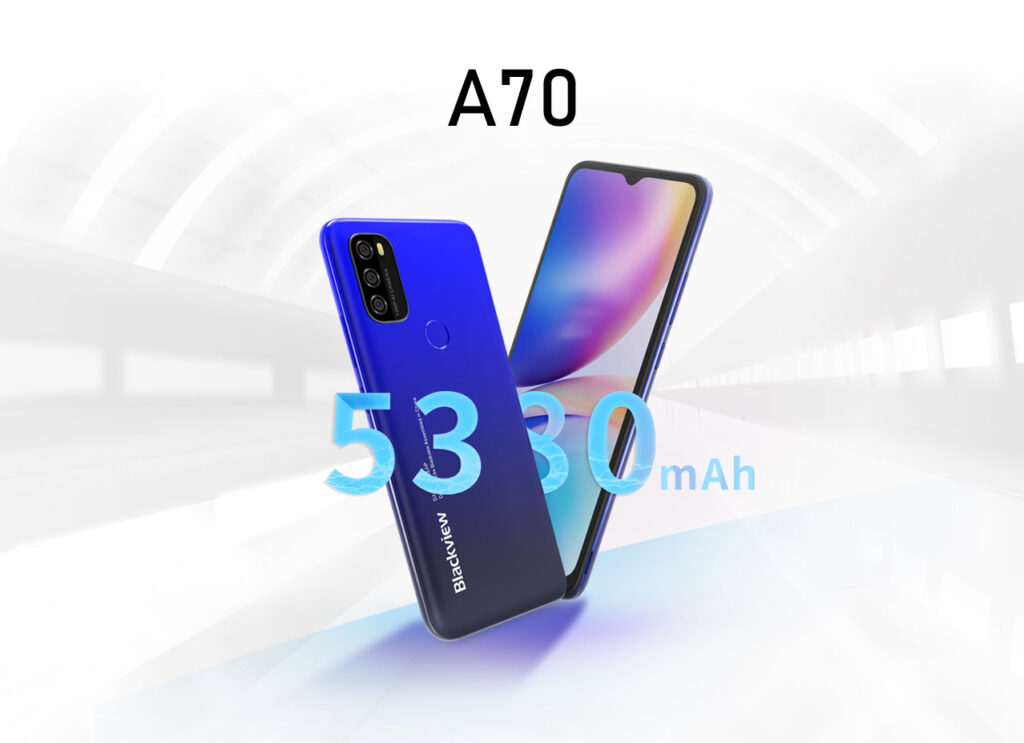
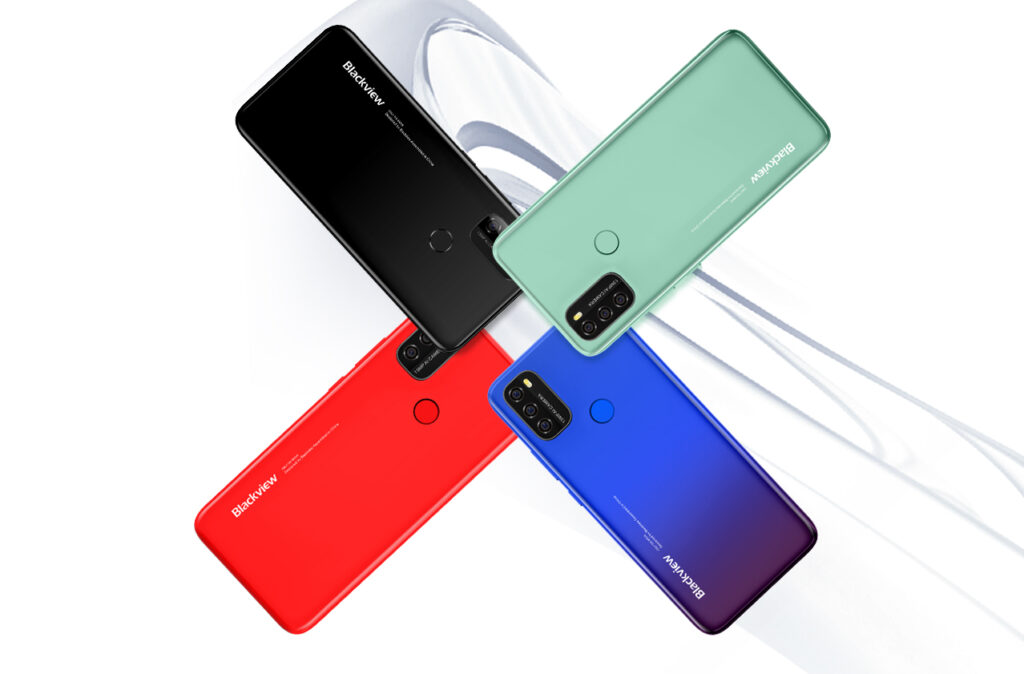
These days smartphones have become more important than wallets. However, it does not matter which smartphone you carry, but it should be working and connected to the network to keep you online. Even a single call or a message sometimes become important. So, it’s better to buy an affordable smartphone with a massive battery capacity and never miss important notifications. Blackview A70 is such a device which is retailing for the lowest price of $79.99 with 5380 mAh battery.
The device is at 38% off for a limited time, but soon the price will be back to normal. It is a golden time for the users who are looking to grab an entry-level smartphone.
Blackview A70 comes with a 6.517-inch In-Cell display having an aspect ratio of 29:9. The display provides an immersive viewing experience while providing a natural vivid colour. In the camera department, the smartphone features a Sony IMX258 13Mp primary camera.
The smartphone houses an octa-core processor paired with 3GB RAM and 32GB internal storage which is enough for day-to-day usage. A 3.5mm earphone jack is present for flawless music experience. The users can expand the internal storage of the device using the microSD card slot. It bundles a 10W fast charger.
However, the device runs on Android 11 OS carrying exceptional features with built-in screen recording, better security and enhanced privacy. It is a value-for-money device which is available for $79.99. The sale will end on January 29.
Ulefone Armor 10 5G is the world’s first 5G rugged smartphone launched a couple of months ago with exciting specifications. The smartphone manufacturer who is a titan in the rugged smartphone industry is still proving its steel by letting their devices face brutal tests. After the performance, drop, weight and temperature tests, the device faced durability tests. The quad-camera device has once again proved its ruggedness by standing against the ferocious durability test.
As seen in the video above, the Armor 10 5G us pushed enough to test its limits. It survived repeated throwing of darts without any damage to display and body. Moreover, it is dropped from stairs and on hard-surfaces in lawn with over 2m height. The smartphone worked perfectly fine after getting run over by a vehicle. The device has proved its mettle under various circumstances.
The company soaked the device in the running river for about half an hour, but it came out with the flying colours. Ulefone Armor 10 5G has performed really well in this test. The test itself approves the water, dust and drop-resistance of Armor 10 5G.
Apart from the rugged smartphone build, it features some impressive specifications at the affordable price. It comes with a MediaTek Dimensity 800 SoC 5G chipset coupled with 8GB RAM and 128GB storage. There’s a 64MP quad-rear camera for quality photography. The 6.67-inch full-view display improves the viewing experience of the device. A 5800 mAh battery with 15W wireless charging is present. However, users can pay wirelessly using NFC support via Google Pay.
It is available at Banggood for the reasonable price of $399.99. Interested users can know more about the device by heading to the official Ulefone website.
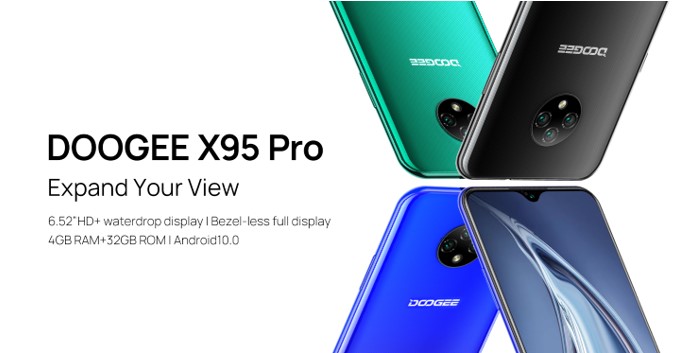
On the surface, the device looks very similar to that of the non-pro variant of the X95 which was released last year. The difference lies under the hood and yeah, the device is massive. As you’d expect, the device comes with a better CPU, larger Display and an improved Camera unit.
Let’s take a look at what this budget killer has to offer.
CPU & Storage
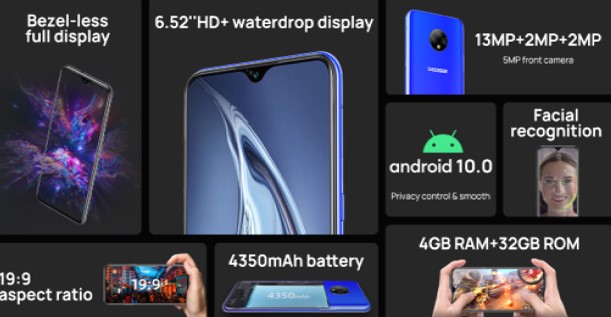
The device sports the new Helio A20 CPU. It sports 4x Cortex-A53 which is clocked at 1.8 GHz. Paired with the IMG PowerVR GE8300 GPU and the 4GB RAM, the CPU offers some decent performance at the price range. The device comes with a base storage of 32GB and can be expanded further up to 128GB using the dedicated SD Card Slot.
Camera
The X95 Pro comes with a triple camera setup that would give you some nice clicks in any scenarios. In terms of some numbers, the rear module includes a 13MP main sensor, a 2MP macro and a 2MP depth sensor, paired with a single LED flash. The front has a 5MP shooter that should output satisfactory selfies.
Display
The smartphone comes with a 6.52-inch HD+ display, with a resolution of 1520×720. As an icing on the cake, the display has very minimal bezels and comes with a water-drop notch on the top for the front camera. This is a huge deal considering the price. The device lacks a fingerprint sensor though, but we hope the included Face ID should provide you with the needed security.
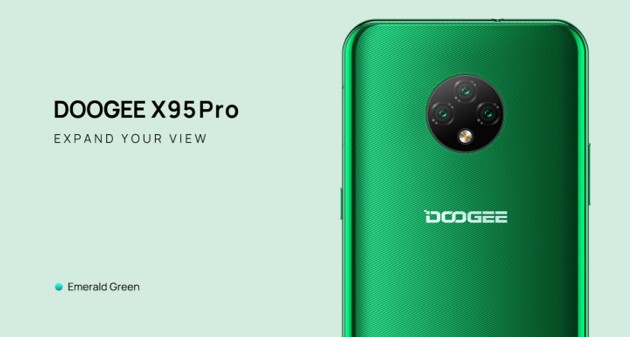
As of the connectivity, it has a dual SIM slot with 4G support. It has a 4350mAh built-in battery and comes with a 10W charger. Colour options include Jewelry Blue, Starry Black and Emerald Green.
The DOOGEE X95 Pro is available through AliExpress. The initial price of the device will be slashed from $119 to $79, and you can join the ongoing giveaway at the official website for a free DOOGEE X95 Pro. Join quickly because the results will be drawn soon, on February 1st 11:00 AM – UK (GMT) live on the DOOGEE YouTube channel.
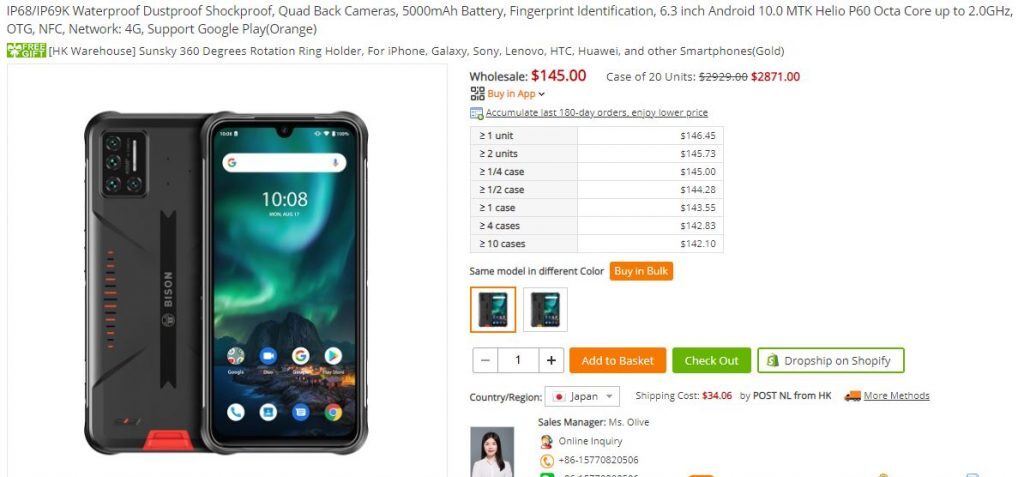
Umidigi Bison rugged smartphone retails at around $150 globally as you’d know. If you’re looking to save some bucks for the smartphone, then it’s the right time. The device has been listed on sunsky-online.com retailer for $145. And, the offer is valid for a limited period, so go get it before the price gets to its normal state.
The $146 price tag is a fair price for the Umidigi Bison which is a rugged device with exceptional build-quality as well as promising internal specs. If interested, you can get the device using the link given below.
For the unversed, the Umidigi Bison is dust, dirt, and sand-proof with the proper certification of IP68 and IP69K for water-resistance. It can withstand thermal steam wash test up to 100 bar of pressure. The device has a 6.3-inch FHD+ display protected by Corning Gorilla Glass and a water-drop notch. Powering the device is a Mediatek Helio P60 SoC paired with 6GB LPDDR4x RAM and 128GB UFS 2.1 storage.
In terms of optics, there is a quad rear camera setup with a 48MP f/1.79 Sony sensor, 16MP ultra-wide with 120-degree FOV, and two 5MP macro and depth sensors. While in the front is a 24MP f/2.0 Sony camera sensor for selfies. Other features include 4G, Bluetooth, Wi-Fi, GPS, 5,000mAh battery with 18W charging via USB-C port. The device is available in Cyber Yellow and Lava Orange colour schemes.
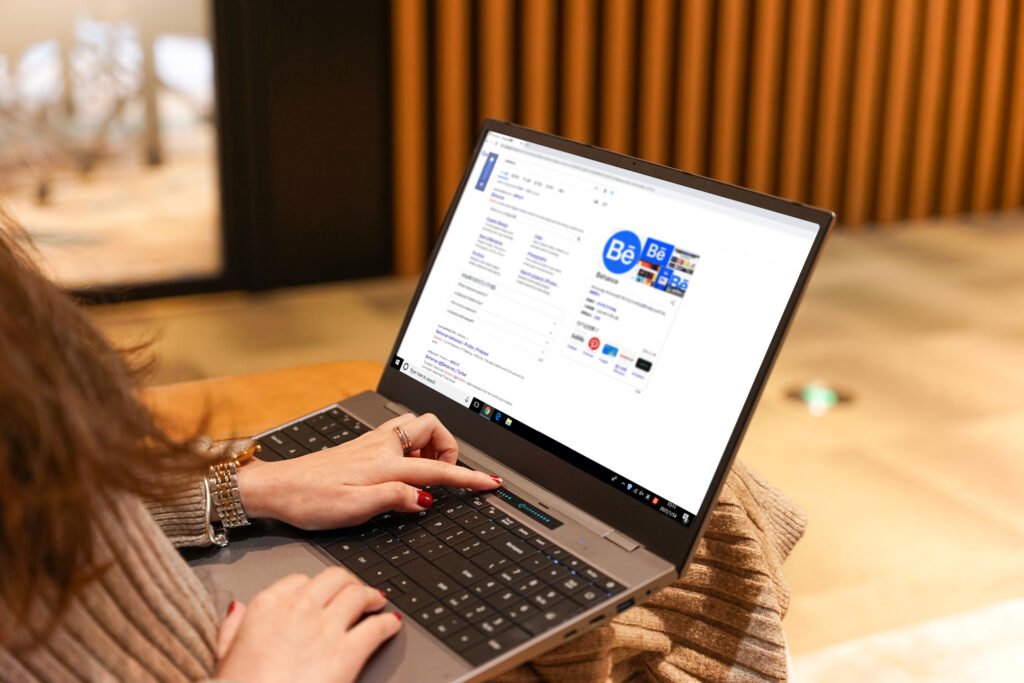
After several teasers, the Dere TBook T10 laptop is finally official featuring high-end specifications for the starting price of $599. The device carries a powerful Intel Core i3, i5 or i7 processor featuring up to 16GB RAM and 512GB internal storage. A beautiful yet useful touch bar is present to further aids content creators and business-oriented users. It sports a 15.6-inch FHD display for enhanced viewing experience. A $100 discount coupon Dere TBook T10 is applicable while buying the laptop from the official store, and the effective price would be $499.
Dere TBook T10 is crafted out of premium metallic chassis which supports up to 180-degree rotation. The laptop supports up to 1TB Harddrive or up to 2TB SSD expansion. Moreover, its enhanced heat dissipation system enables users to keep working continuously for hours.
Performance
In terms of specifications, the fast yet powerful Dere TBook T10 laptop houses 10th generation Intel Core i3, i5 and i7 processor with up to 16GB RAM and 512 GB SSD storage. It provides incredible performance and efficiency while multitasking. The 10th generation chipset clocked at 3.90GHz supercharges the laptop with its impressive performance. It is bundled with Intel Iris Graphics for running graphics-intensive tasks and applications. The users can flawlessly enjoy gaming and can use it for creating content using software such as Adobe Premiere Pro, Photoshop and others.
Display
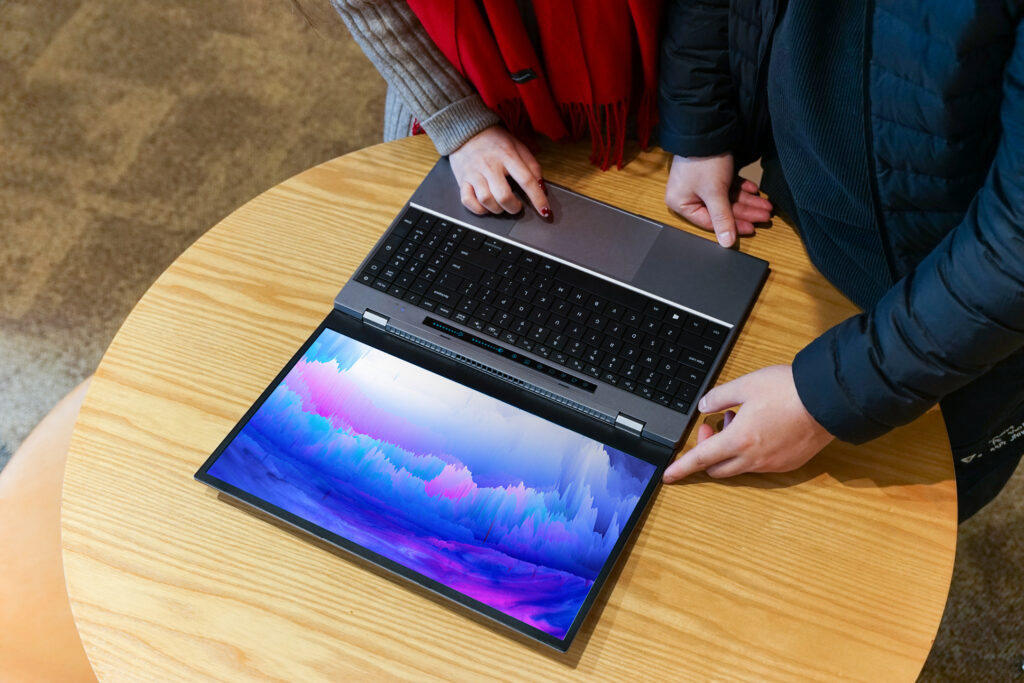
The device carries a three-sided ultra-narrow bezel design which enables the viewers to get a better view. It opens up new horizons for the big screen and enhances productivity. The display folds up to 180-degree and possesses features like anti0glare, low blue light and comfortable look.
Design
In order to further improve productivity, Dere has introduced a touch-bar carrying shortcuts and features to control volume, screen brightness and much more. It even houses 180-degree hinge to control the panel’s opening.
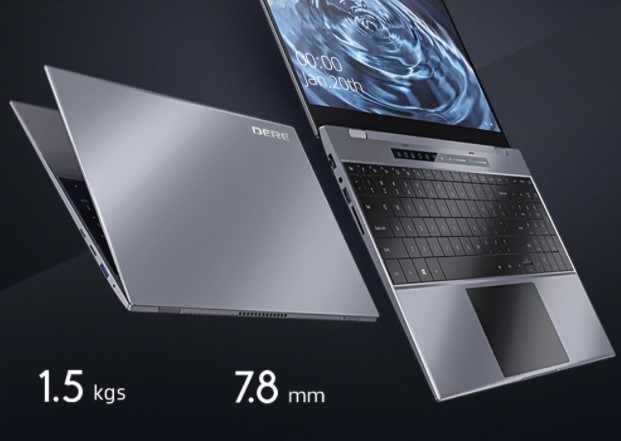
Dere TBook T10 is built using double-sided aluminium-magnesium alloy metal. The metal texture on the front side gives it a premium look. The build is refined and has undergone 46 processes from CNC cutting to delicate texture for providing it with a better look.
It carries an exceptional keyboard and touchpad along with a quite useful display. Unlike traditional keyboards, the Dere TBook T10 carries chocolate keyboard integrated with suspension design. The keys are 45% bigger and provide 12% improved keyboard size. Moreover, the chassis houses an efficient air intake grill which cools down the CPU effectively.
Connectivity
The beautifully designed laptop comes with 2x USB 2.0 ports, 1x Type-C port, LAN port, Headphone jack, SD card slot, mini HDMI support and an AC power inlet.
The network card supports up to 1.0Gbps transfer rate and it also supports 2.4GHz and 5GHz wireless WiFI. There’s a Bluetooth 4.0 support. Dere TBook T10 features a 5000 mAh battery and measures 360mm x 235mm x 7.8mm. It weighs 1.5kg in size.
Pricing and Availability
Dere TBook T20 is available in three different variants featuring different chipsets.
$499(I3-1005G1 8GB DDR4+256GB SSD)
$599(I5-1035G1 8GB DDR4+512GB SSD)
$699(i7-1065G7 16GB DDR4+512GB SSD)
However, the users can get a $100 discount on the final price using Coupon Code DERET1010 between January 13-19. You can grab the device from the official store and can ship it anywhere around the globe.
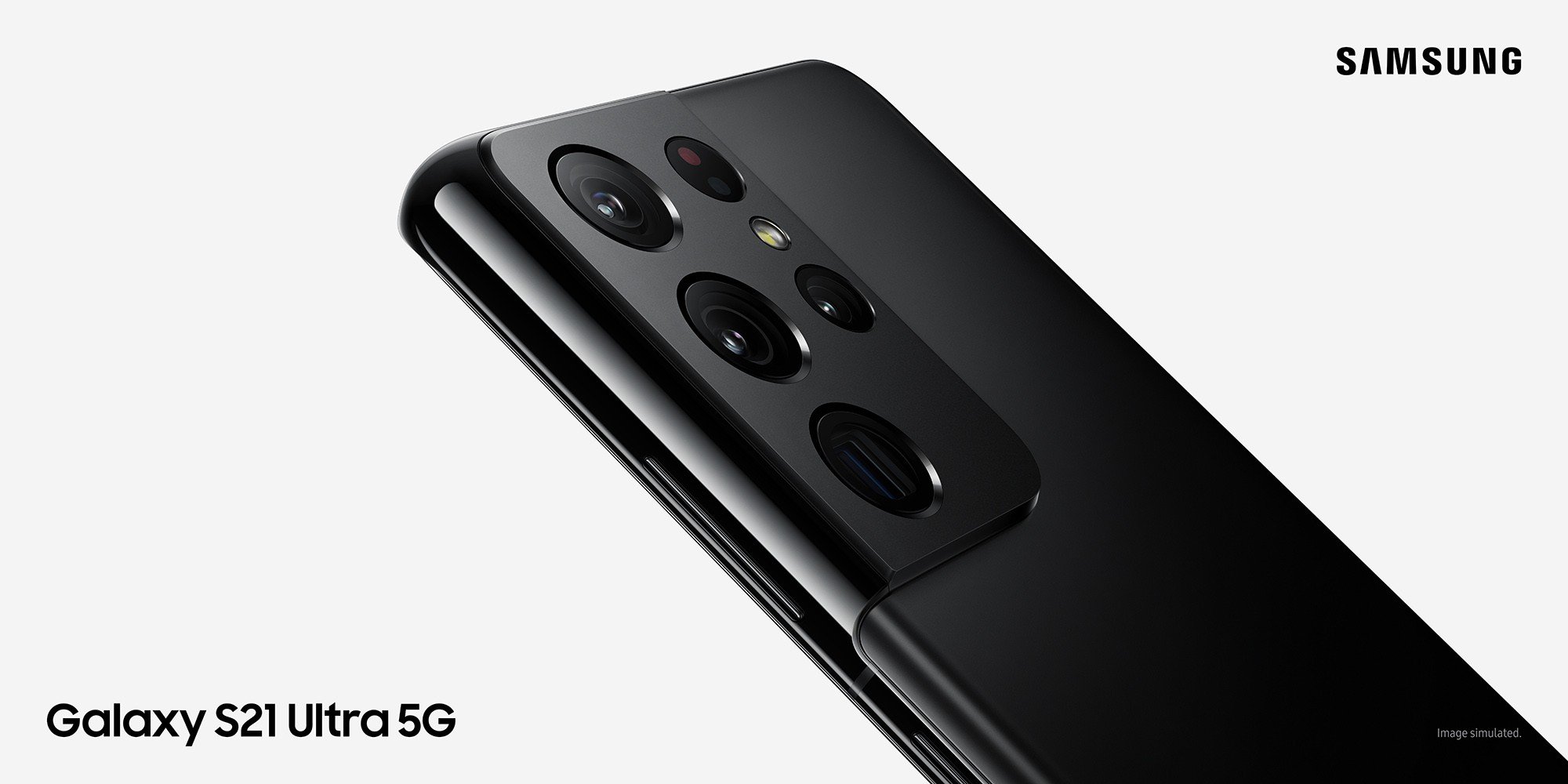
Alongside the Galaxy S21 and Galaxy S21+, Samsung also announced the Galaxy S21 Ultra, succeeding the Galaxy S20 Ultra model that was announced last year. The Galaxy S21 Ultra is a special phone as it is the first Galaxy S Series smartphone with support for the S Pen.
Galaxy S21 Ultra Design
This is not just a bigger model but a more feature-packed phone. It also has an Infinity-O display with a centered punch hole and the same Contour Cut Camera housing that is bigger as a result of having more cameras. The phone comes in Phantom Black, Phanom Silver, Phantom Titanium, Phantom Navy, and Phantom Brown. The last three colors are exclusive to Samsung.com.
Galaxy S21 Ultra Specifications
The Galaxy S21 Ultra has a curved 6.8-inch Quad HD+ Dynamic AMOLED 2X display covered with Gorilla Glass Victus. It also has a 120Hz adaptive refresh rate (10Hz to 120Hz) and users also have the option to choose the highest resolution and highest refresh rate at the same time.
Samsung says the display has a peak brightness of 1500 nits, the brightest on a Galaxy smartphone. The contrast ratio has also improved by 50% and the display offers a 25% brighter picture than the Galaxy S20.
Just like its siblings, the phone comes in Exynos 2100 and Snapdragon 888 variants. However, the Galaxy S21 Ultra packs more RAM than the other models. The base model has 12GB of LPDDR5 RAM and is available in 128GB and 256GB storage variants. There is also a 16GB RAM variant of the phone that has 512GB of storage.
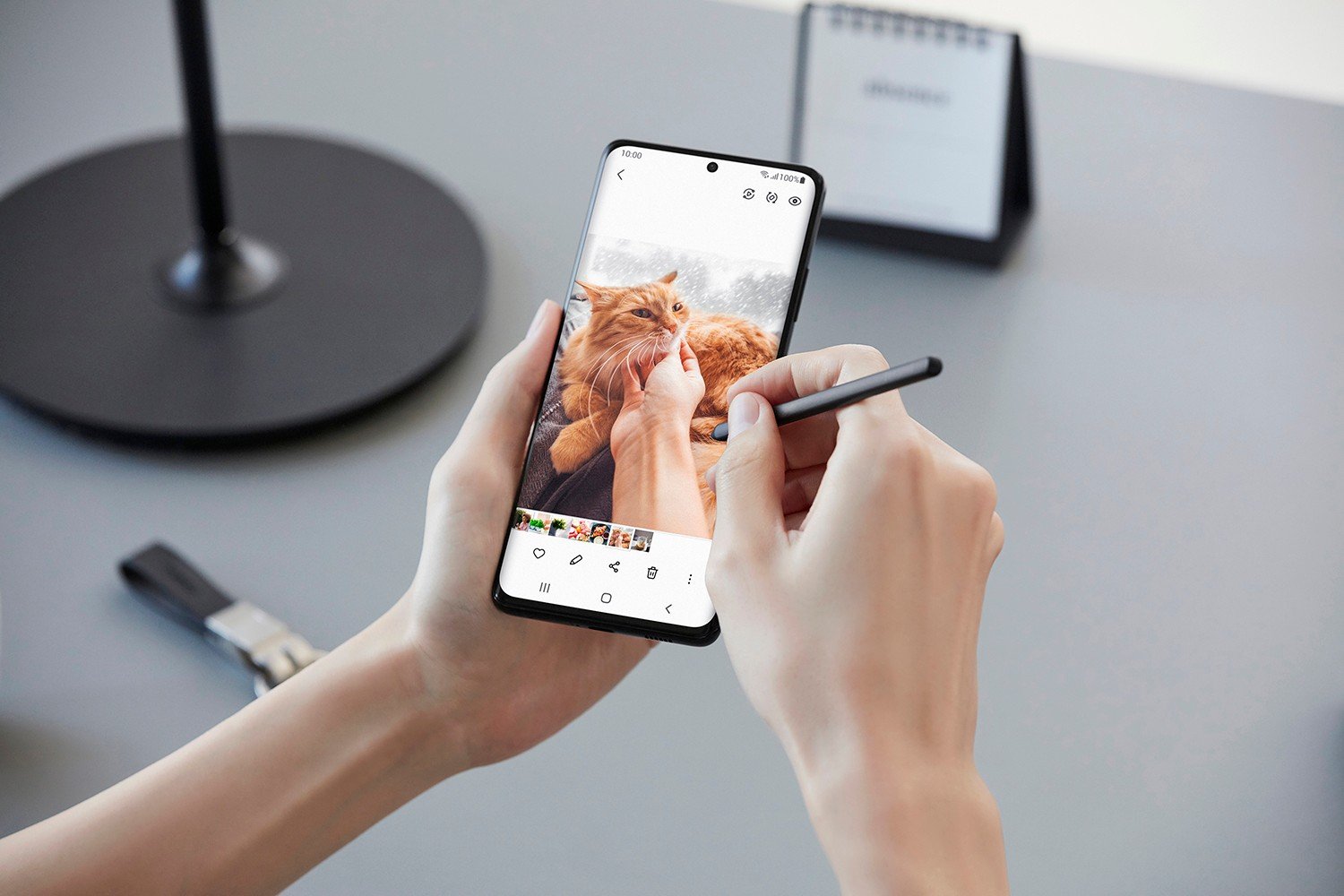
The Galaxy S21 Ultra is the first Galaxy S phone to have support for the S Pen, so you get S Pen features in the operating system. It is a nice addition but we think Samsung should have included the stylus for free but seeing as you don’t even get a charger, it is no surprise that a stylus not natively built into the device will not be included in the box. The S Pen for the Galaxy S21 Ultra is different from that of the Galaxy Note 20. It doesn’t have a battery, so those tricks and air gestures are not available.
If you don’t want to pick up the S Pen for $40 (or $70 if you decide to get a case that has storage for the S Pen too), you can purchase a Wacom stylus as that too will work.
There is a 5000mAh battery inside the phone with support for 25W fast wired charging (seriously Samsung?). That is slower than the Galaxy S20 Ultra’s 45W fast wired charging. You also get support for wireless charging and reverse wireless charging support too.
The Galaxy S21 Ultra has an ultrasonic in-display fingerprint scanner, IP68 rating, NFC, and is the first smartphone to support Wi-Fi 6E. It runs One UI 3 based on Android 11 out of the box.
Aside from the support for the S Pen, the camera department is another major distinguishing area between the Galaxy S21 Ultra and its siblings.
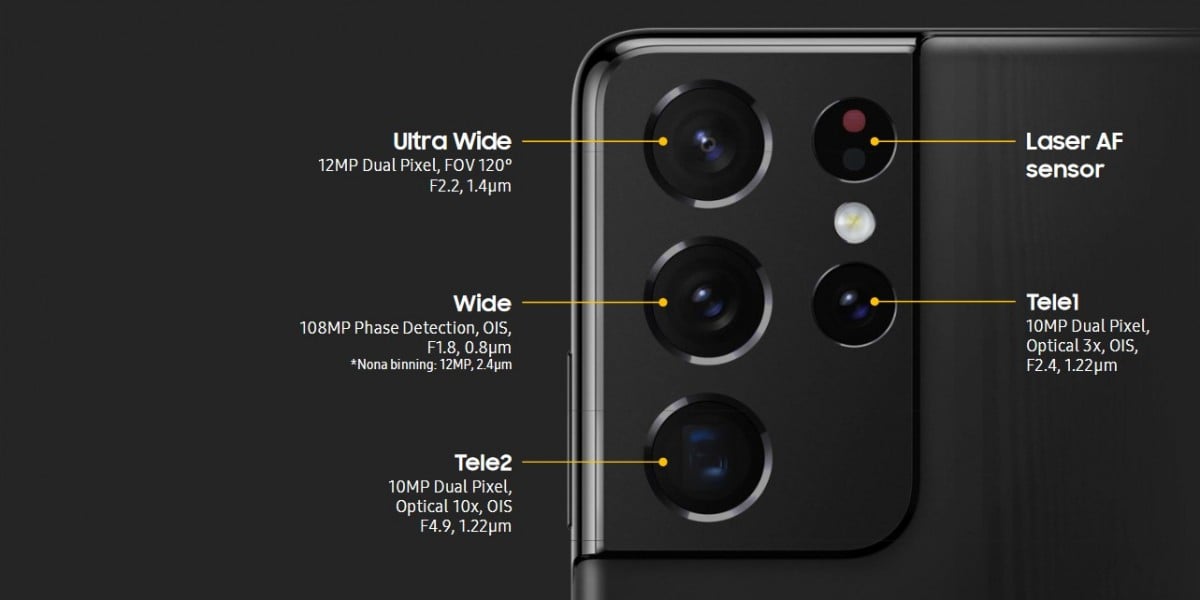
The phone has four rear cameras that include a 12MP f/2.2 Dual Pixel AF ultrawide sensor with a 120-degree field of view, a 108MP f/1.8 0.8µm camera with OIS and PDAF, a 10MP f/2.4 Dual Pixel camera with OIS and 3x optical zoom, and a 10MP Dual Pixel AF periscope zoom camera with OIS and 10x optical zoom. The selfie camera is a 40MP f/2.2 sensor with PDAF.
The 108MP is an upgrade from the one in the S20 Ultra. It uses 9-in-1 pixel binning to 12MP. The phone also has support for 4K 60fps video recording with all five of its cameras. There is a laser focus module and the telephoto cameras bring 100X Space Zoom.
Galaxy S21 Ultra Price and Availability
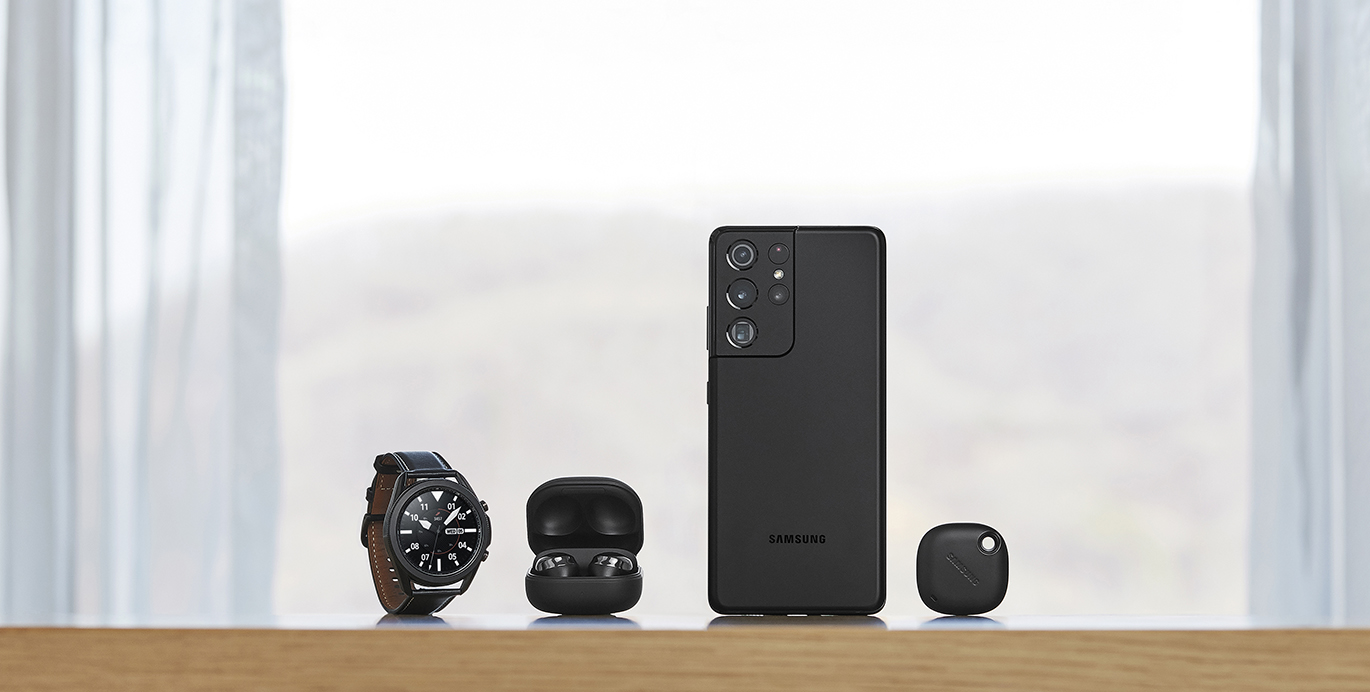
The Galaxy S21 Ultra has a starting price of $1,199 and pre-orders include a free pair of the new Galaxy Buds Pro and a SmartTag. Just like its siblings, there are no 4G versions. Pre-orders begin today and it goes on sale on January 29.
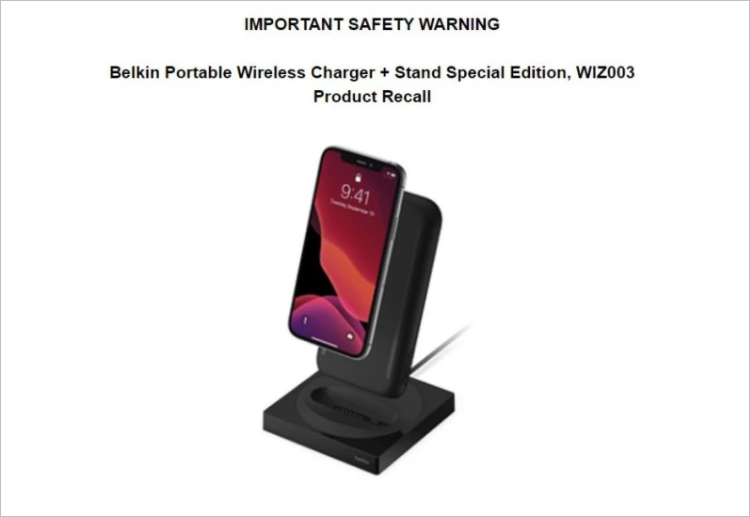
In response to several cases of fire outbreaks resulting from the use of its Wireless charger, Belkin has now put in motion the process of recalling its latest wireless charger, the Belkin Portable Wireless Charger + Stand Special Edition (WIZ003). This is because there are credible fears that fire outbreaks might ensue while charging your device with the wireless charger, obviously due to a manufacturing defect that may not have been discovered at the quality assurance stage of production.
The company says it found out that the wireless charger has been observed to exhibit overheating due to a yet-to-be-determined malfunction. Belkin also says that no injuries or property damage have been reported, and no other wireless chargers are affected by the recall.
The company insists that no incidents have been reported, but users who have the Portable Wireless Charger + Stand Special Edition (WIZ003) are encouraged to unplug the charger and to stop using it immediately, to prevent the risk of overheating and fire. The company is giving a full refund to the customers who bought the product. In addition, Belkin will provide its customers with explicit steps and instructions that will help customers safely and securely dispose of a faulty wireless charger.
In the statement released by Belkin, the company said that only the WIZ003 portable wireless charger was affected by the recall and all other Belkin chargers and other products are still available for an excellent consumer experience. It is estimated that the recall only affects chargers that were sold between July 2020 and October 2020.
The Belkin wireless chargers, prior to the voluntary recall, had enjoyed patronage over a wide spectrum and were sold by Belkin directly via its website, as well as on the Apple website and retail stores. The Boost Charge Portable Wireless Charger + Stand Special Edition was sold by Apple and Belkin from July 2020 through October 2020, and it sold at $80. It features a removable 10,000mAh power bank that can be charged at the same time as an iPhone.
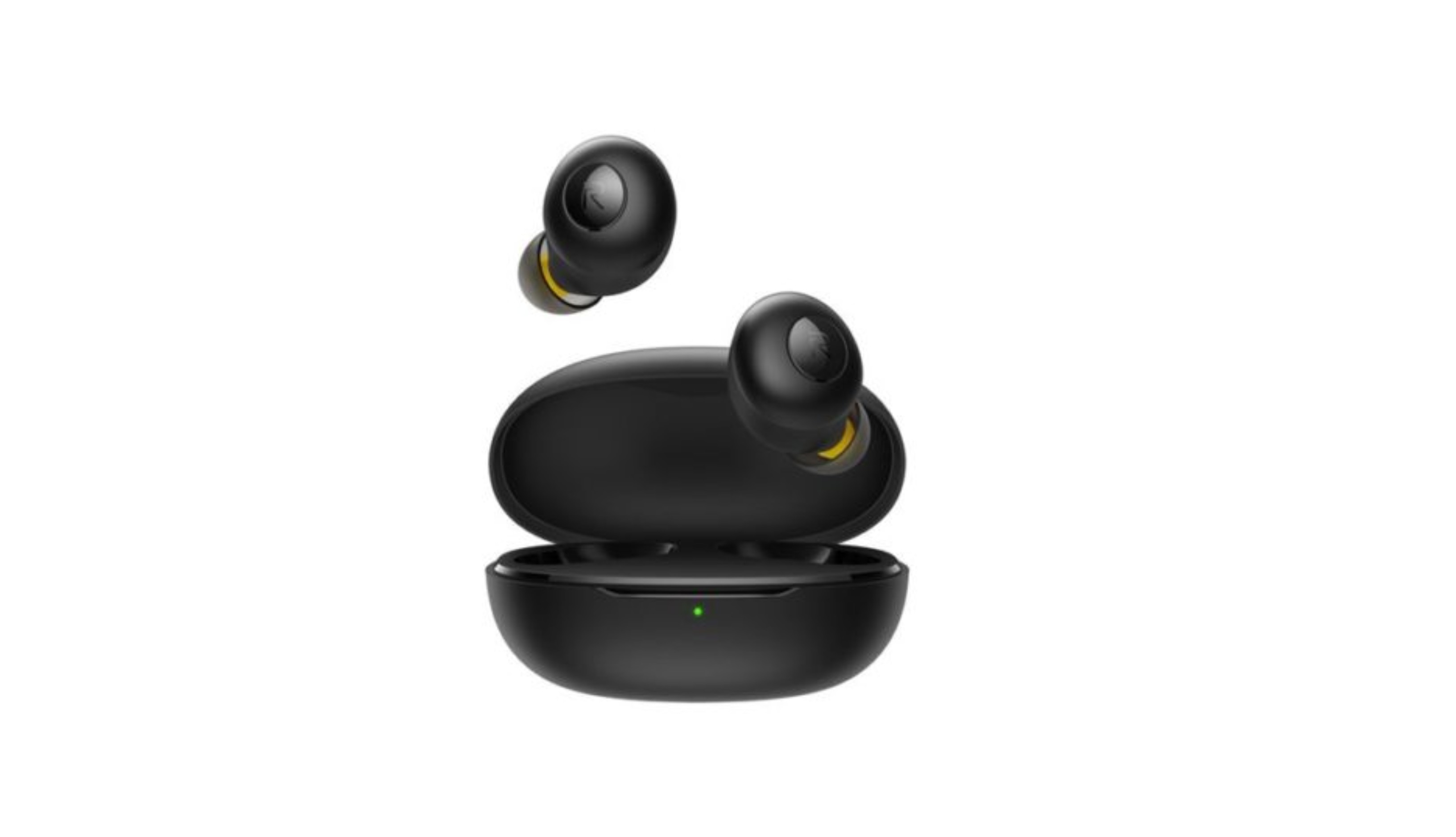
After numerous leaks, Samsung has finally unveiled the Galaxy Buds Pro TWS at the first-ever Galaxy Unpacked event of 2021. The main star of this event was the Galaxy S21 series, which we have covered separately for Galaxy S21/Galaxy S21+ and Galaxy S21 Ultra respectively. But here in this article, let us take a look at the specs, features, price, and availability of the Galaxy Buds Pro instead. Before we begin, we would like to remind you to read about Galaxy SmartTag and Galaxy SmartTag+, which were also announced at this event.
Galaxy Buds Pro Specifications and Features
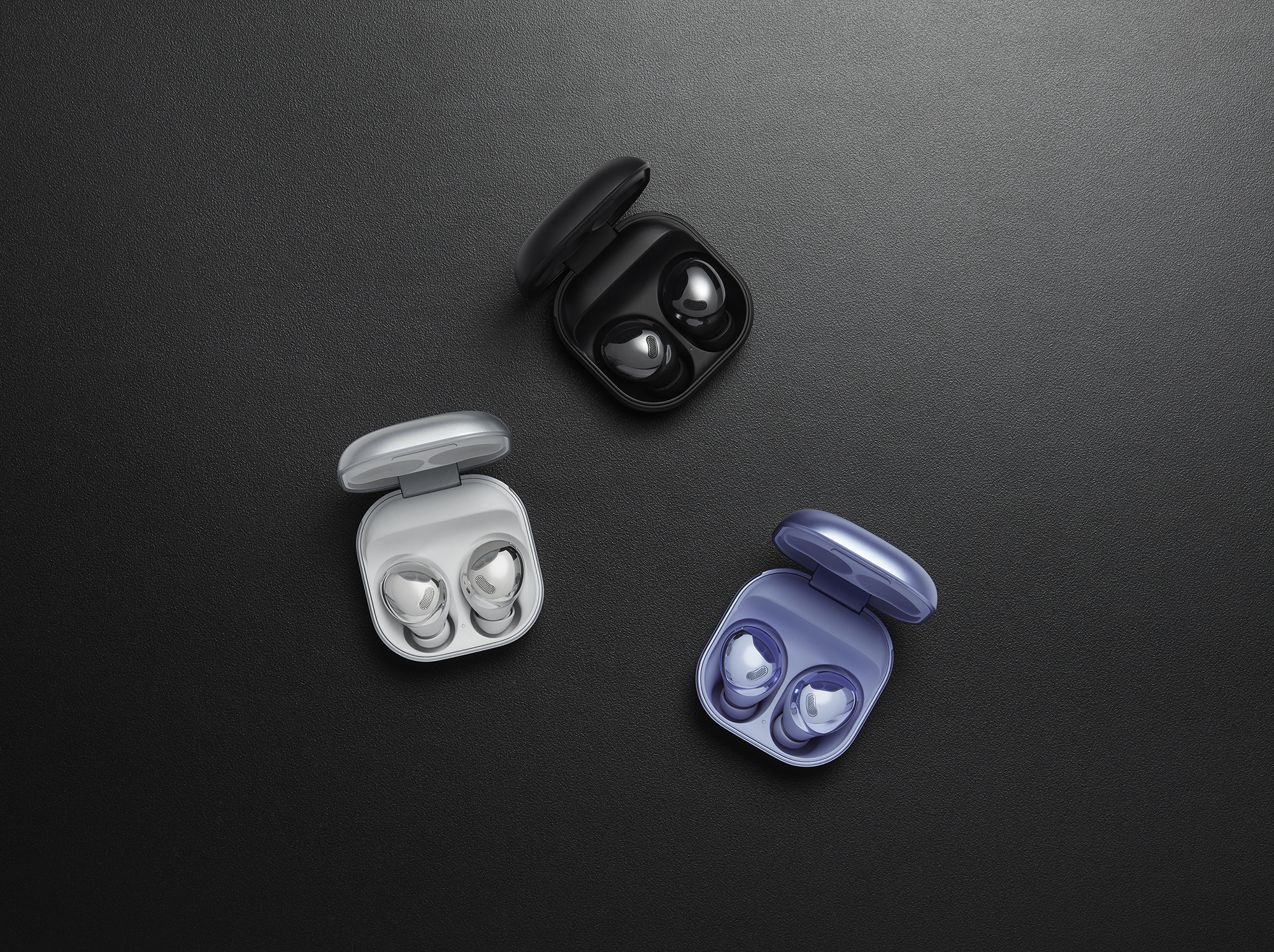
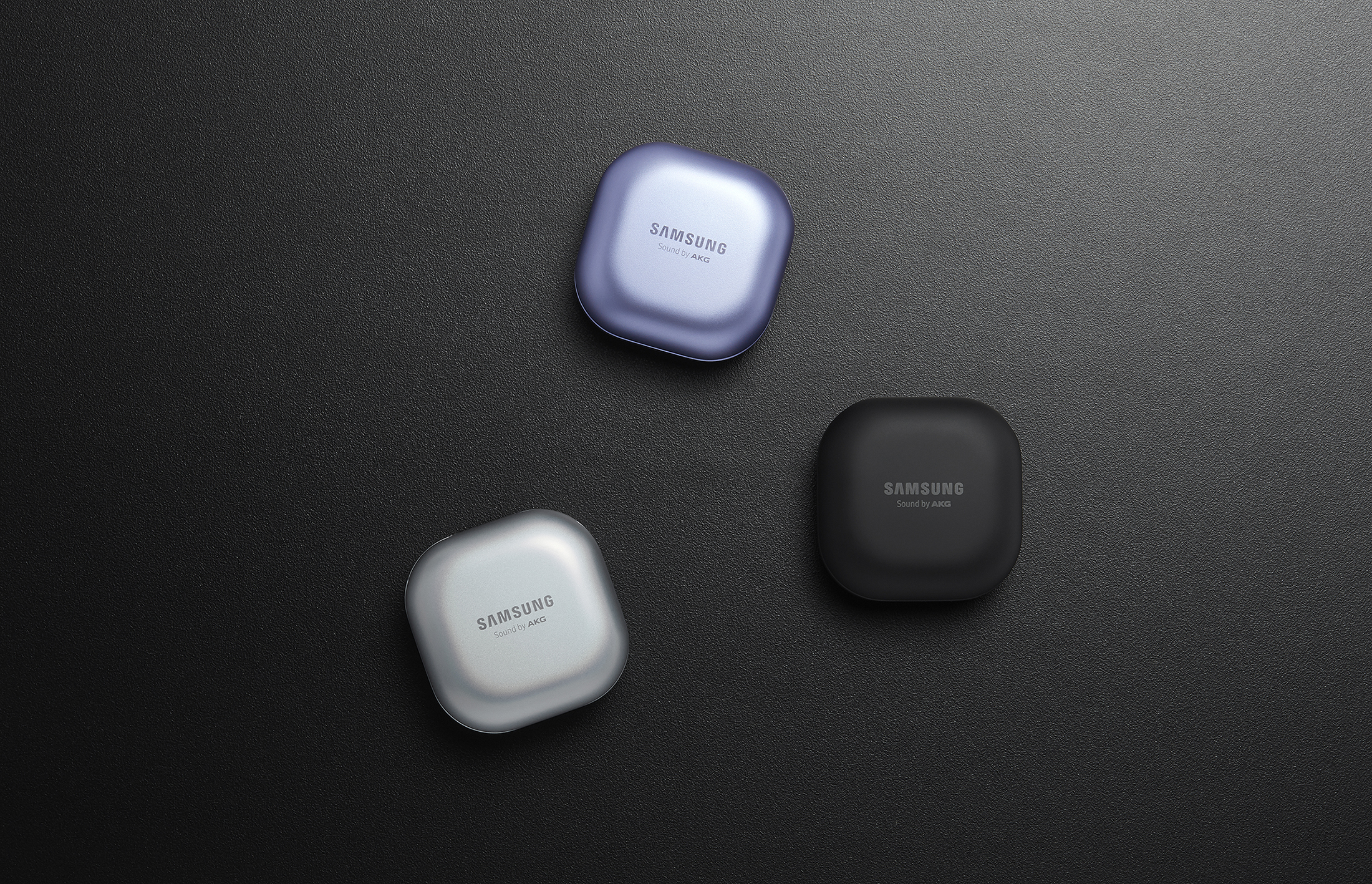
The Galaxy Buds Pro is the most premium truly wireless earphones offering from Samsung in terms of features as well as price. The design of the new buds is inspired by the Galaxy Buds+ as well as Galaxy Buds Live, and they come in three colors, namely Phantom Black, Phantom Silver, and Phantom Violet respectively.
As per the company, these IPX7-certified in-ear style buds feature an 11mm woofer for deeper bass and a 6.5mm tweeter for a crisp treble with minimum distortion. Further, they have 3 microphones, one on the inside and two on the outside. They also come with all the essential sensors, such as accelerometer, gyroscope, proximity, hall, touch, and Voice Pickup Unit (VPU).
Thanks to these sensors and microphones, the Galaxy Buds Pro not only supports ANC (Active Noise Cancellation) and Ambient Sound but also 360 Audio powered by Dolby Head Tracking technology (similar to Spatial Audio on Apple AirPods Pro). The firm claims that the buds can reduce the background noise by up to 99% when ANC is turned on. It also says that these earbuds can amplify nearby sounds by more than 20 decibels when the Ambient Sound mode is activated. Interestingly, the buds are also capable of switching between these modes automatically based on the user’s environment.
Another noteworthy feature is Auto Switch, which works with Galaxy ecosystem products. As the name suggests, it switches between Galaxy products on its own depending on the situation. For example, you are watching a movie on your Galaxy Tab S7 with the Galaxy Buds Pro, and then a call arrives on your Galaxy S21. At this moment, the movie playback will pause and the buds will be connected with your phone to attend the call. Similarly, when you are done with the call, the earbuds will automatically reconnect to your tablet and resumes the movie.
Despite packing these many features, Samsung claims 5-hour battery life with ANC on and up to 8 hours without ANC. With the charging case, these numbers increase to 18 hours and 28 hours respectively. As for battery capacity, the buds include a 61mAh unit each, and the case that charges via USB Type-C and Qi wireless charging sport a 472mAh cell.
Lastly, the SmartThings Find app locatable earbuds connect via Bluetooth 5.0, support SBC, AAC, and scalable (Samsung proprietary) codecs, measure 19.5 x 20.5 x 20.8mm in dimensions, and weigh 6.3g. Whereas, the charging case weighs 44.9g and measures 50 x 50.2 x 27.8mm in dimensions.
Galaxy Buds Pro Pricing and Availability
The Galaxy Buds Pro is priced at $199.99 in the US, €229.99 in Europe, £219 in the UK. It will be available in select markets starting tomorrow (January 15) itself.
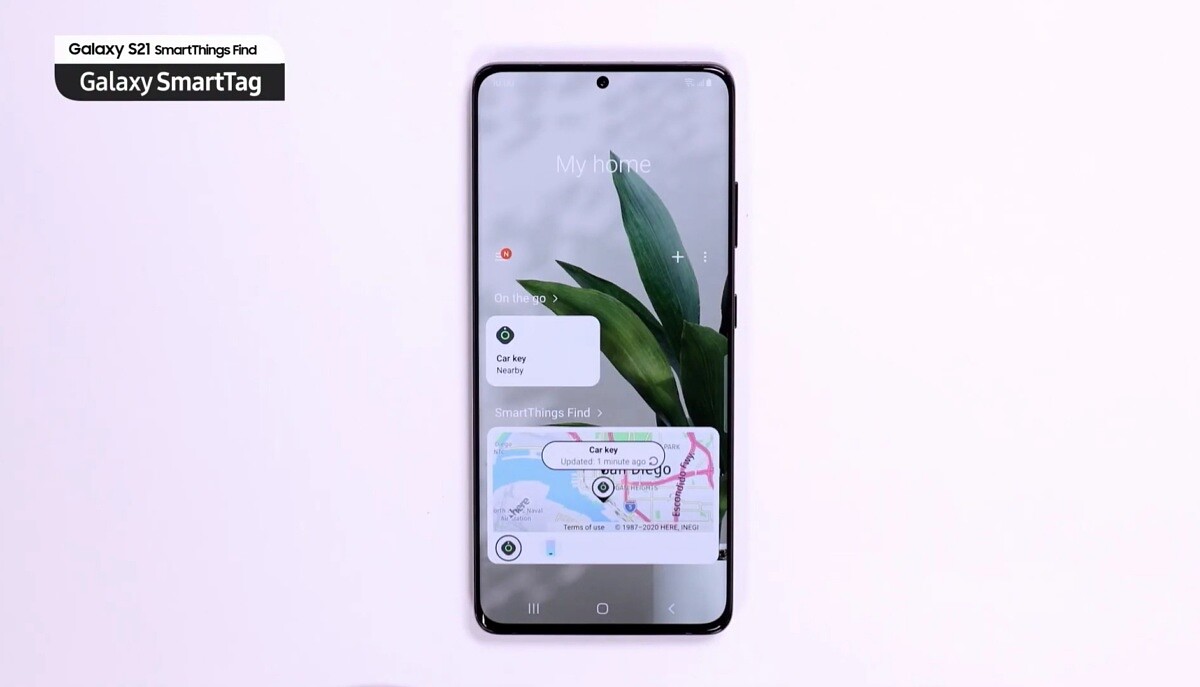
Samsung held the Galaxy Unpacked event today. Alongside Products like Galaxy S21 series, and Galaxy Buds Pro TWS, the company also launched Galaxy SmartTag. This Tile-like Bluetooth-LE tracker will help you find your lost objects and it starts from $29. At the launch, the company also briefly showed a SmartTag+ and its UWB features.
Galaxy SmartTag(Right End)
Galaxy SmartTag, SmartTag+ Price, Availability
Samsung announced Two Variants of Bluetooth Tracker today- Galaxy SmartTag and SmartTag+. They will be available as a Single Product or as multi-packs. You can look at their pricing below:
Galaxy SmartTag:
Single: $29.99
Pack of 2: $49.99
Pack of 4: $84.99
Galaxy SmartTag+:
Single: $39.99
Pack of 2: $64.99
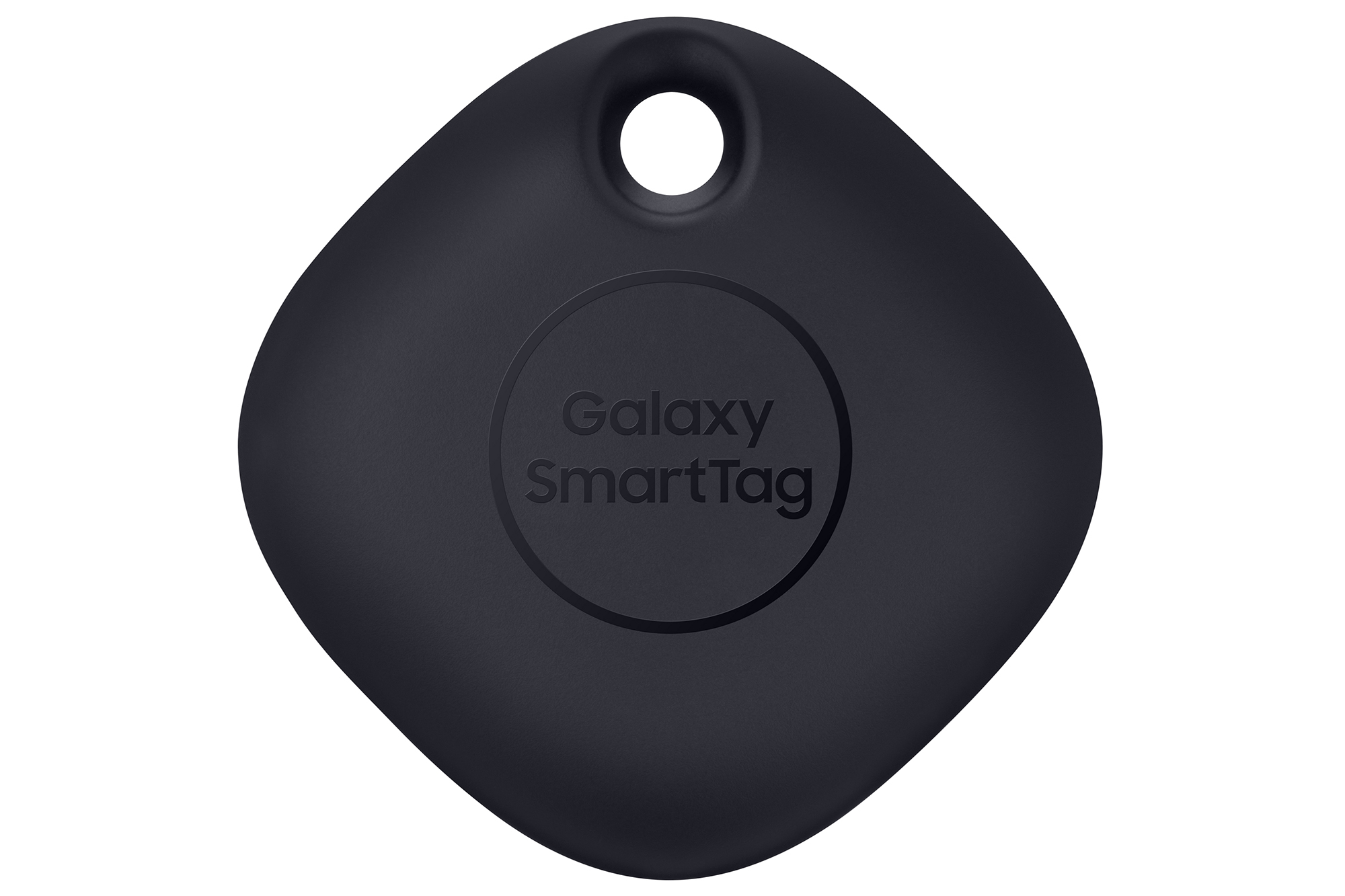
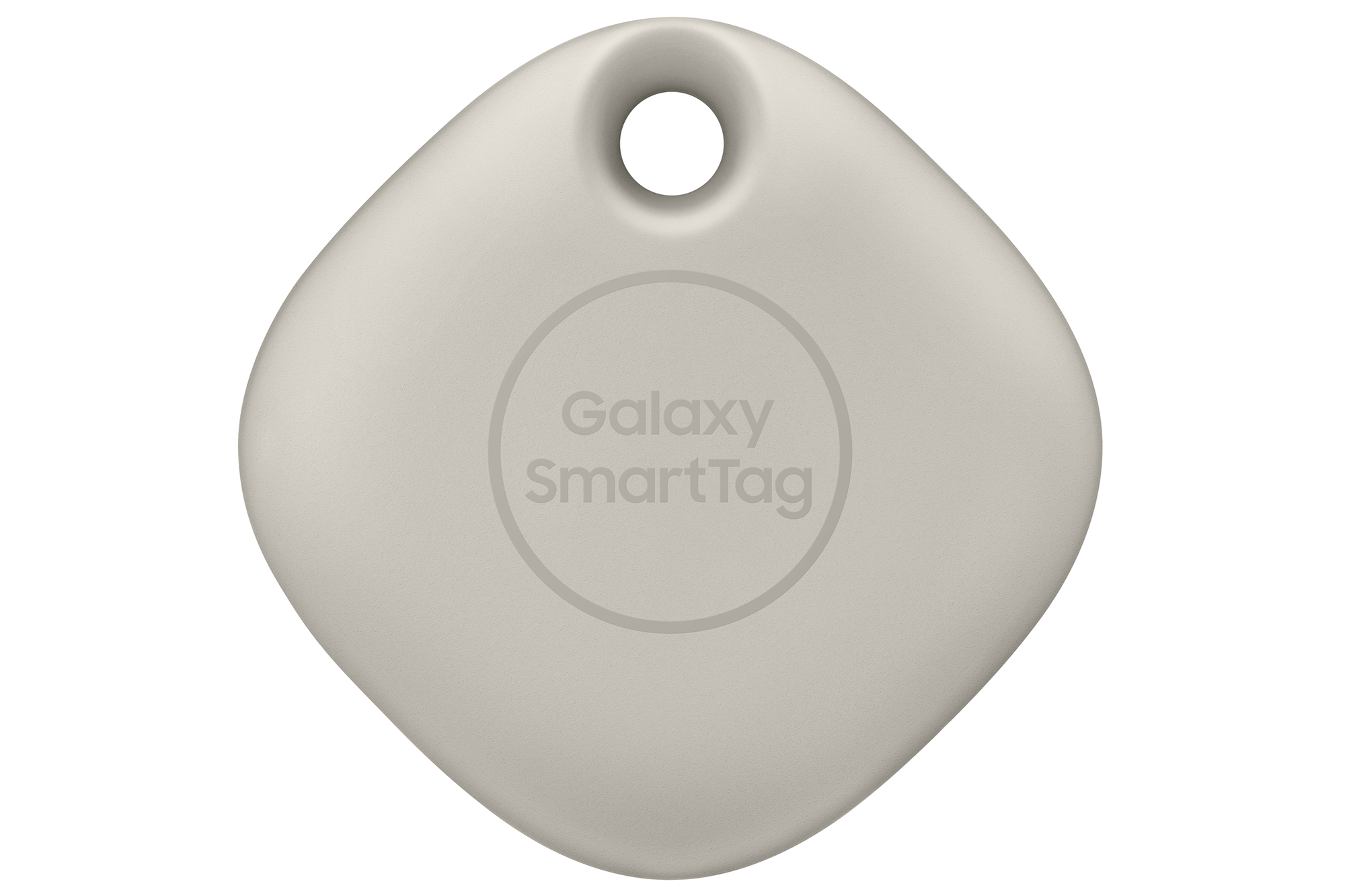
Samsung said that users can buy the Galaxy SmartTag from January 29. However, SmartTag+ will only be available later this year(date not specified). Samsung showcased the SmartTag in Black, Oatmeal, Pink, and Mint colors.
The SmartTag+ will be available in Oatmeal and Denim Blue options. Apart from these colors, Samsung also showed cases with customized versions too. Some notable ones include Minions, Baby Yoda(Mandalorian- Grogu), and Simpson-themed ones.
Design and Specs
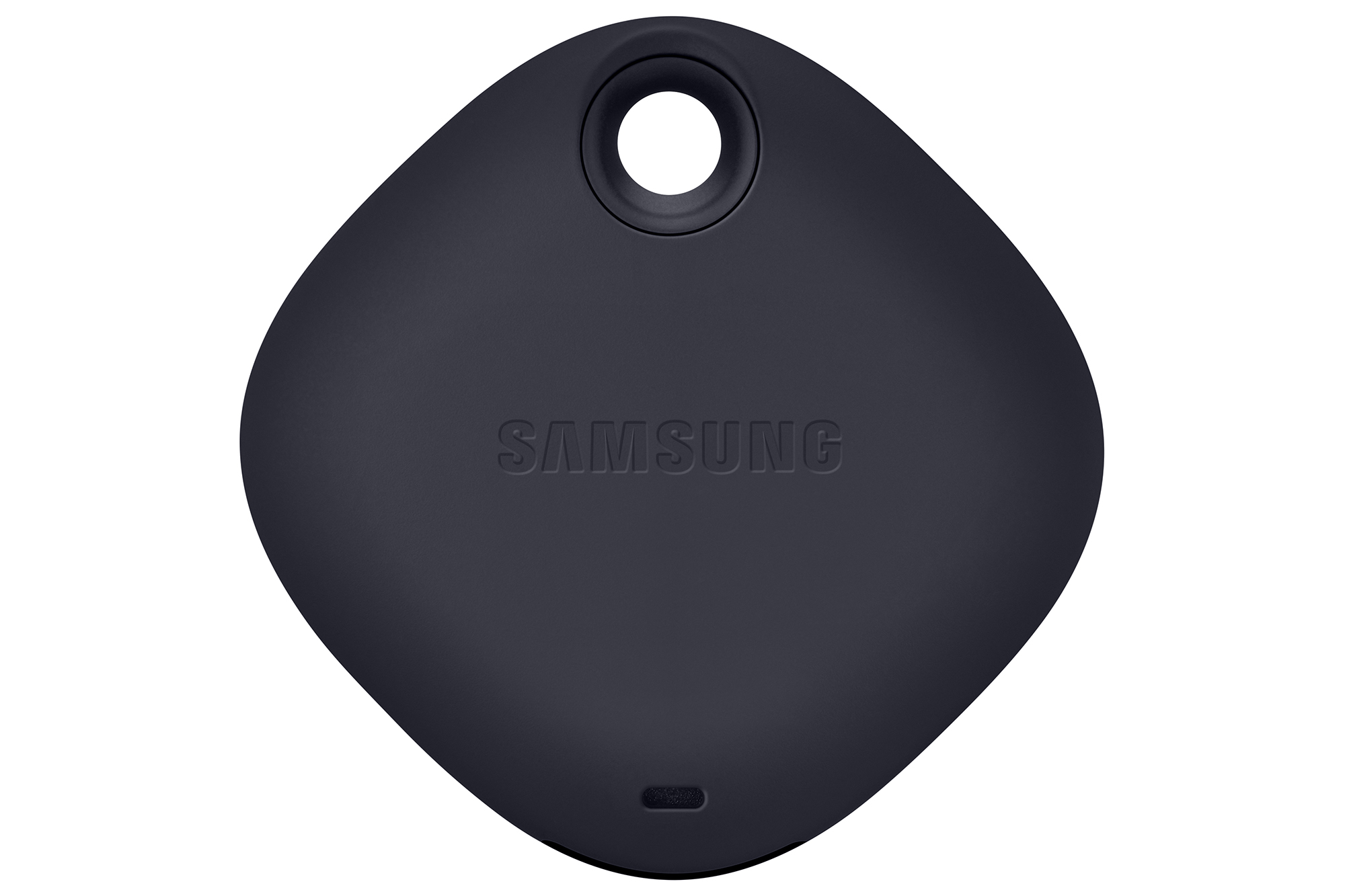
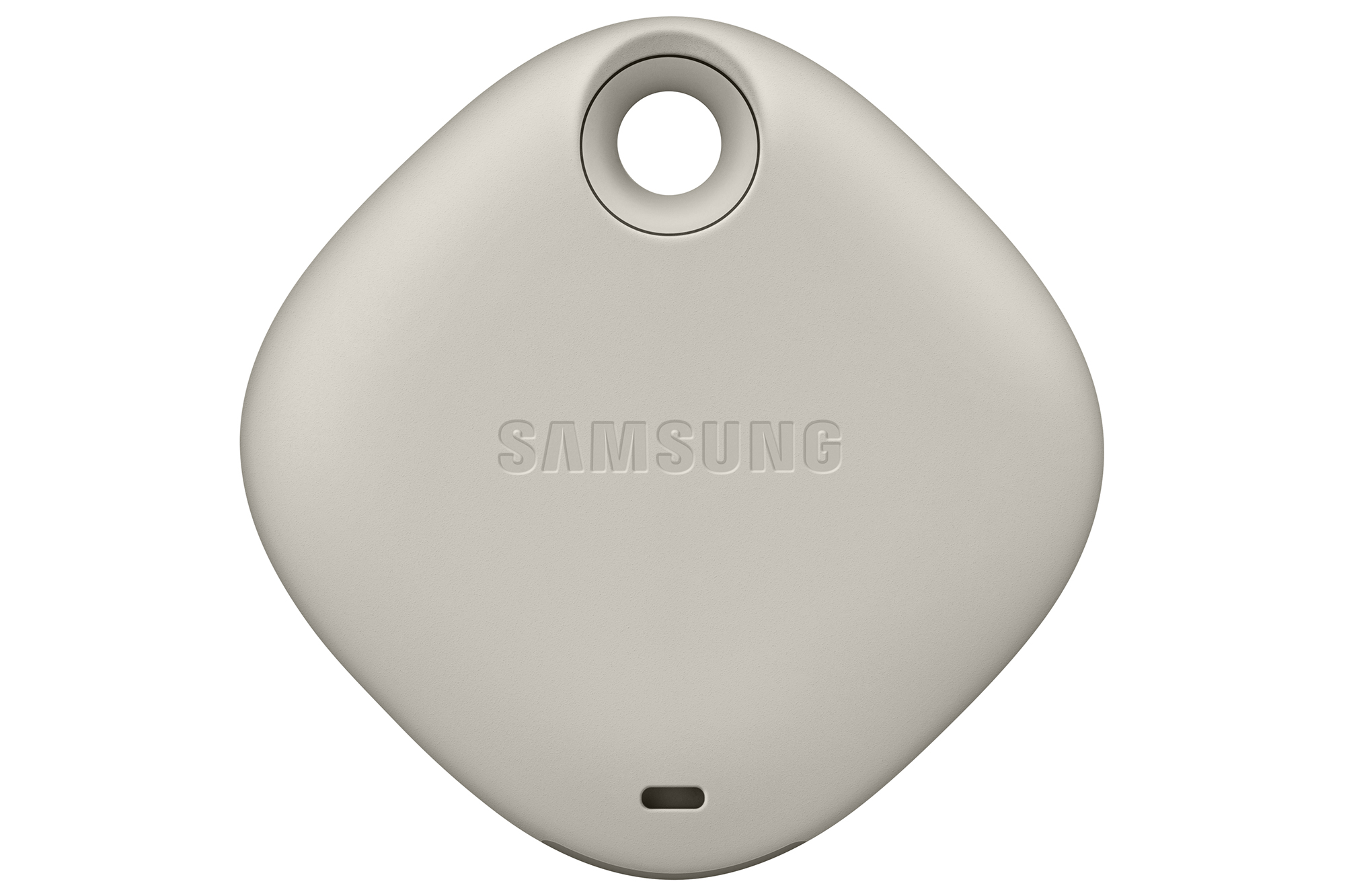
The Samsung Galaxy SmartTag has a rounded square shape and measure 4x4x1cm. That means, it about a cm thick which is probably due to the battery. At one end, you get a hole for the lanyard/a thread to hold it. You can use it to connect the SmartTag with Keys, Backpacks, Bicycles, Wallets, etc.
1 of 4
The outer casing of the Tags are made of Plastic and inside you get the Bluetooth 5.0 LE module and a 220mAh battery. Samsung says the Bluetooth LE(Low-Energy) should help you retain the tags for 280days before the battery dies out. It also has a single button that on pressing twice will send an alert to the connected device.
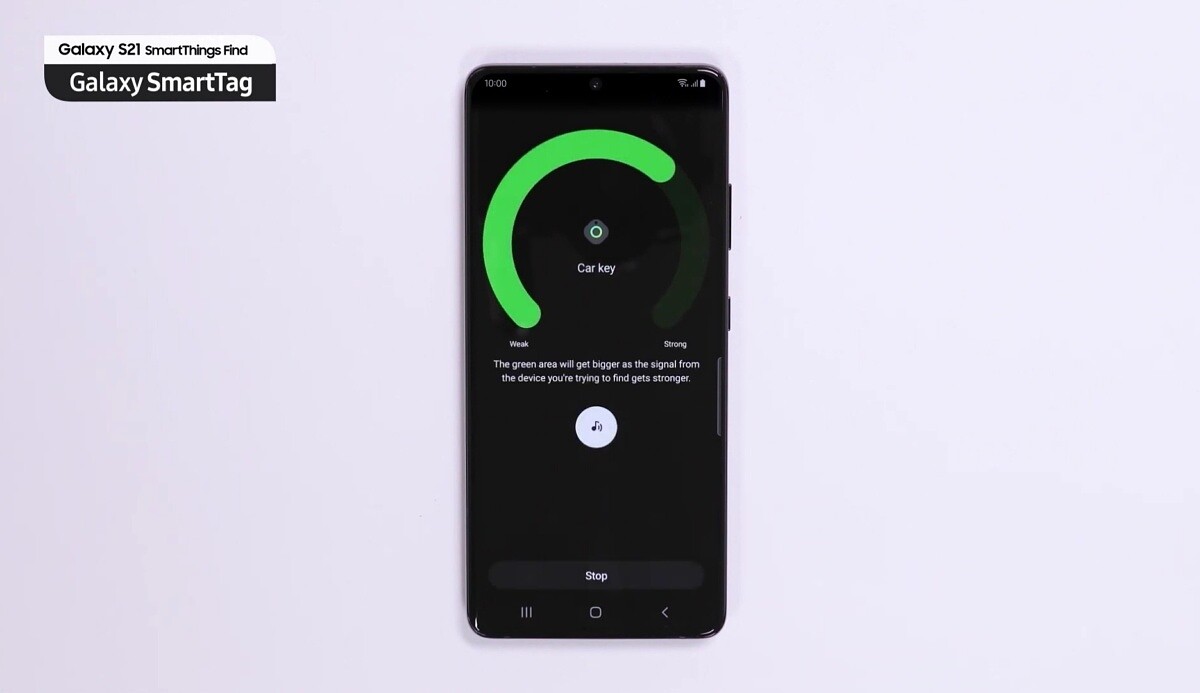
Here, the SmartTag+ will use the UWB(Ultra Wide Band) to accurately track the location of tags, and help you with directions. It also helps users find locate objects accurately with navigation info and an AR finder from your smartphone.
Galaxy SmartTag Features
With SmartTag trackers, Samsung has expanded the universe of SmartThings Find feature. Back in October, the company widened the scope of this to Tablets, Galaxy Watch, and earbuds to work offline. Now, it says you can basically track any object using the SmartTag.
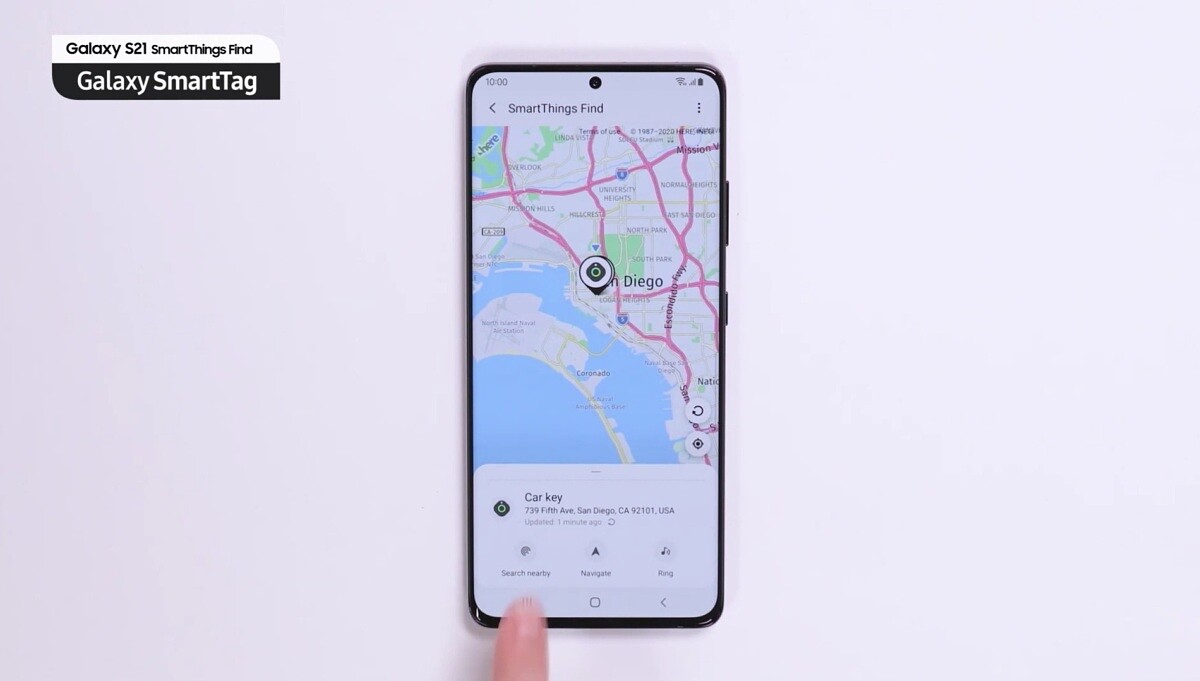
Being Bluetooth-based trackers, they typically send Bluetooth signals to the connected Galaxy devices. Now Samsung says, with respect to the distance your tracker is (i.e., nearest proximity), it can also be detected by a community of other Galaxy devices to give the precise location.
1 of 3
Samsung says the signals are end-end encrypted and have a Privacy ID so the data is safe within the community. As you can see above, the SmartTag works combined with the SmartThings Find App. Once paired with a name, you can open the device options to Search nearby, Navigate, and even Ring the Tag if its location is unknown.
And talking about the button, you can also map it to do other Smart IoT functions like starting Home lights, TV, Smart Speakers etc. Apart from this, Samsung has also launched a dedicated Galaxy Find Network App and it is expected to be available on Samsung and maybe other Android devices soon.
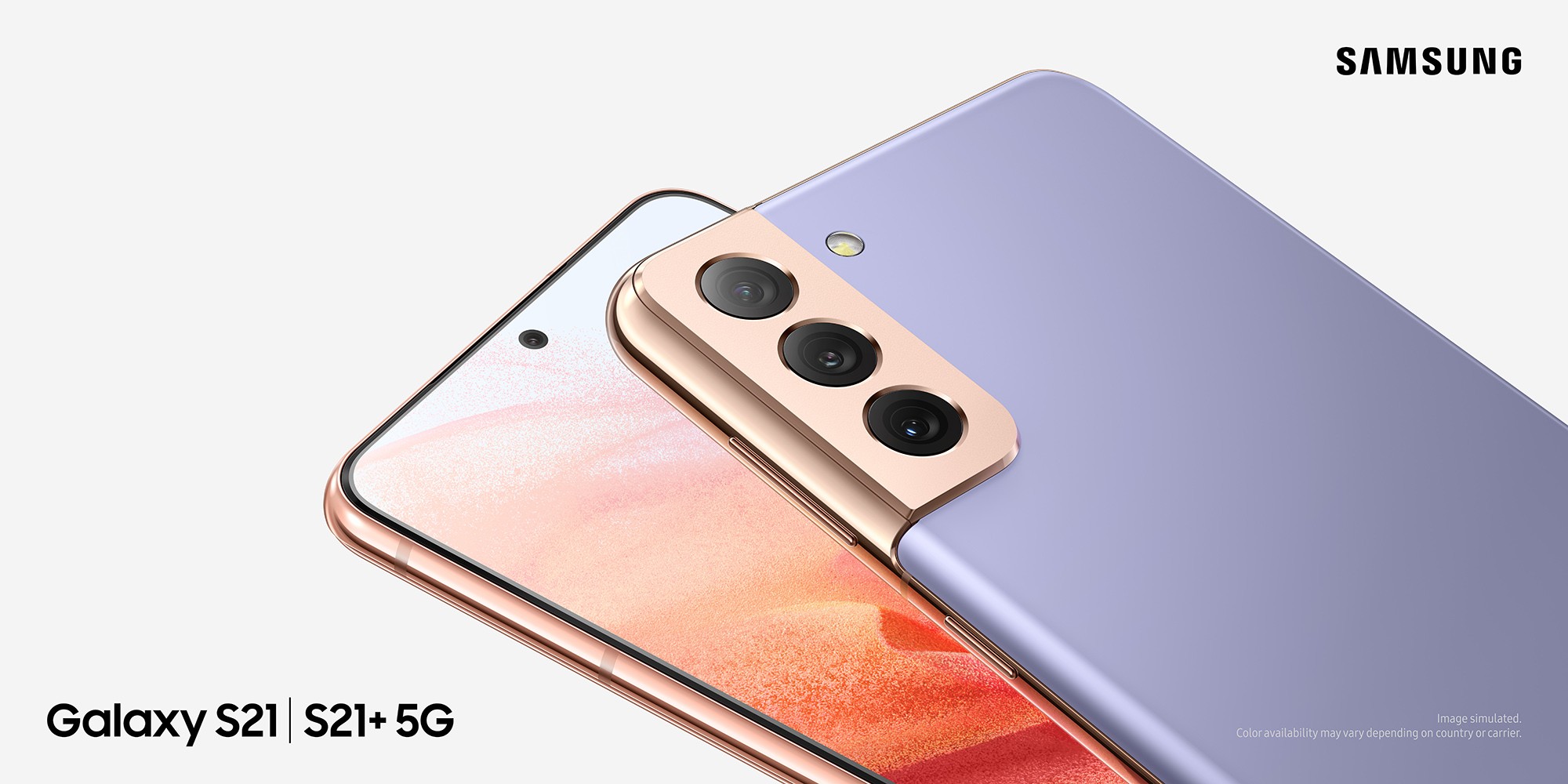
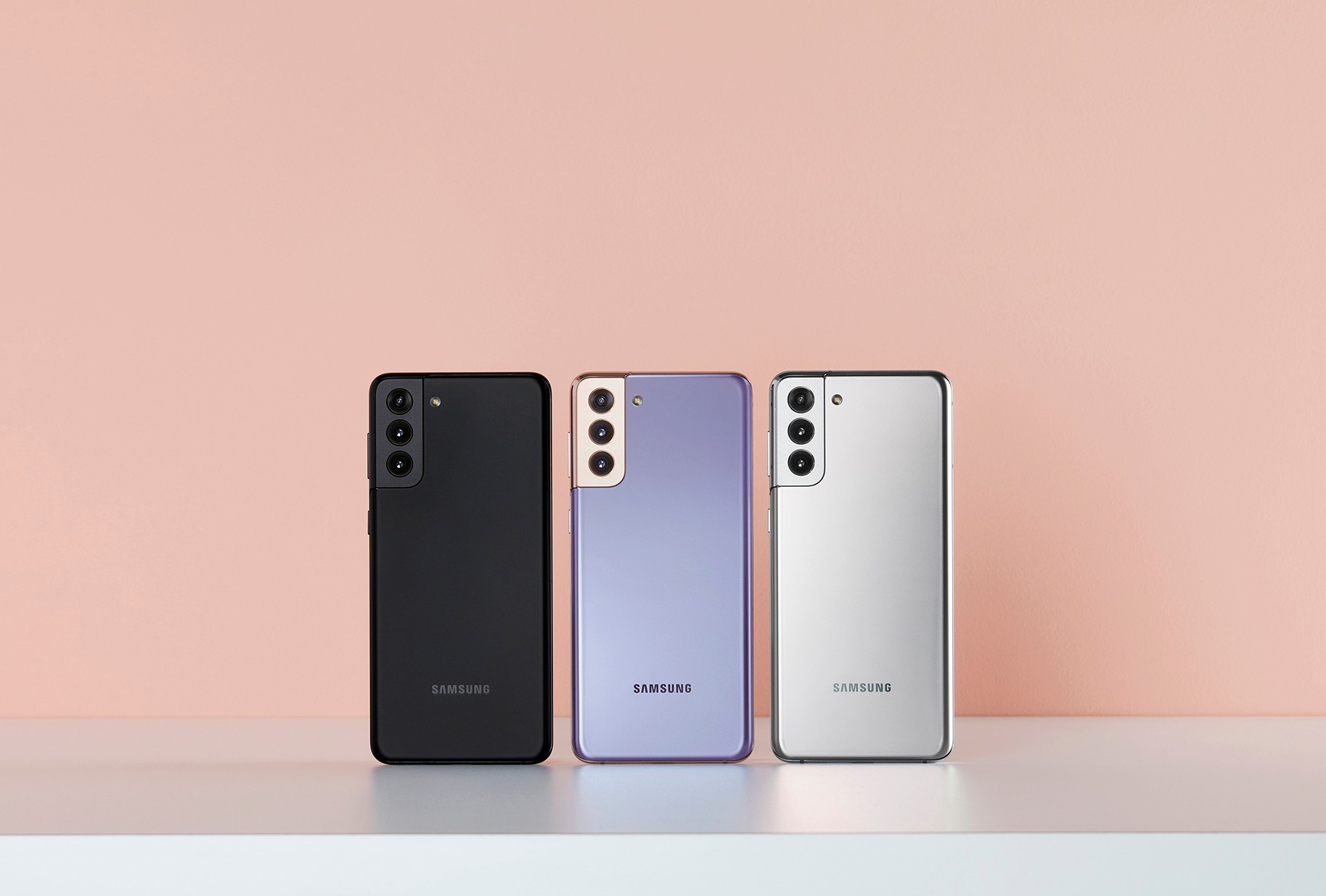
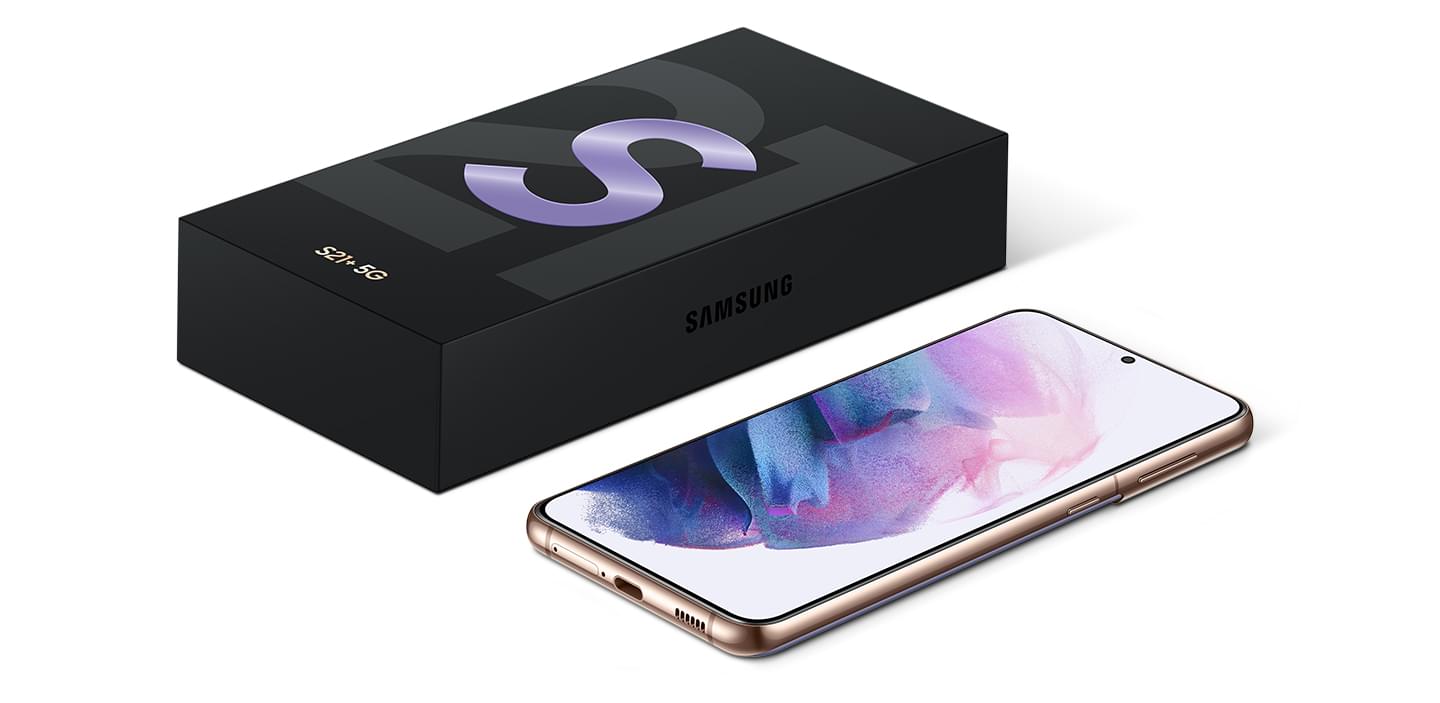
Samsung has finally announced the Galaxy S21 series of smartphones. These new phones – the Galaxy S21 and Galaxy S21 Plus – have been announced much earlier than their predecessors. The two phones have a new design, new chipsets, upgraded cameras, but also lose some features and accessories from the last generation.
Galaxy S21 and Galaxy S21+ Design
The several leaks that surfaced before today have already shown us what the two phones look like but it is still worth talking about.
Both phones have a centered punch hole for the selfie camera. It is an Infinity-O display as Samsung likes to call it. But the more interesting part of the design is the new Contour Cut Camera housing that blends into the phone’s frame. Samsung describes it as a sleek, yet striking aesthetic.
The front of the two phones is covered in Gorilla Glass Victus while the back of the S21 is glasstic and that of the S21 Plus is glass. The phones will be available in Phantom Black, Phantom Pink, Phantom Violet, and Phantom Silver. Color availability varies from market to market.
Galaxy S21 and Galaxy S21 Plus Specifications
The Galaxy S21 has a 6.2-inch screen while the Galaxy S21 Plus has a 6.7-inch screen. Both are flat Dynamic AMOLED 2X displays with a 2400 x 1080 resolution and an adaptive refresh rate (48Hz to 120Hz). The refresh rate is adjusted automatically based on the content you are viewing. Samsung also said there is a new Eye Comfort Shield that automatically adjusts the blue light based on the time of the day.
The Galaxy S21 and Galaxy S21 Plus come with either the Exynos 2100 or the Snapdragon 888 depending on the market. You get 8GB of RAM on both phones and can choose between 128GB or 256GB of storage. There is no longer support for storage expansion, which is disappointing.
The two phones feature the same number of cameras on both sides. The front-facing camera is a 10MP Dual Pixel AF camera with an F 2.2 aperture, a 1.22µm pixel size, and an 80° field of view.
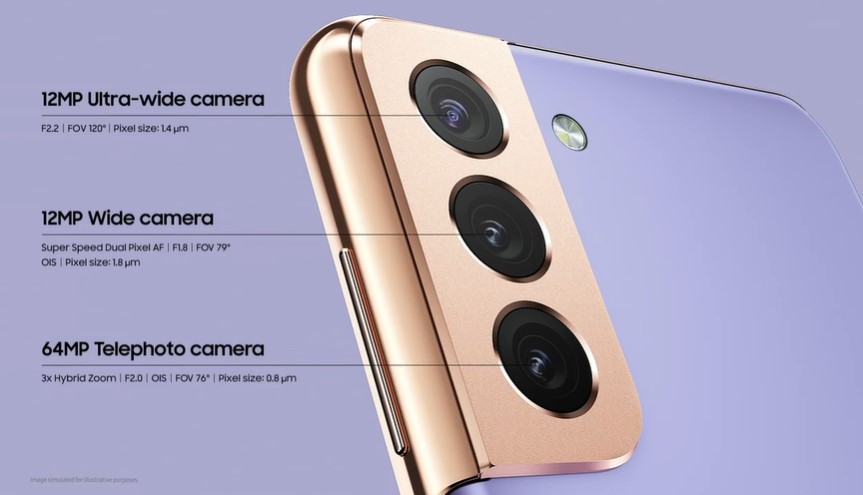
On the back are three cameras – a 12MP f/2.2 ultrawide camera with a 120° field of view, a 12MP f/1.8 Dual Pixel AutoFocus camera with OIS, and a 64MP f/2.0 telephoto camera with OIS, PDAF, and 3x Hybrid Optic Zoom and 30X Space Zoom.
The cameras pack lots of new features. For example, the 64MP camera can record in 8K at 24 FPS. Samsung says you will be able to get high-res 33MP photos from the 8K videos you record. There are also up to 6 different portrait photo features to choose from.
The Galaxy S21 has a 4000mAh battery while the Galaxy S21 Plus has a 4800mAh battery. They both support 25W fast wired charging (charger not included in the box but you get a USB-C cable) and 15W wireless charging. There is also support for 9W reverse wireless charging. You also get an IP68 rating, NFC, UWB, and an in-display ultrasonic fingerprint scanner. They also run Android 11 with One UI 3 out of the box.
Galaxy S21 and Galaxy S21 Plus Price and Availability
The Galaxy S21 starts at $799 while the Galaxy S21+ starts at $999. Both phones will be available for purchase starting on January 29. Pre-order goes live tomorrow and those who pre-order (at least in Europe) get a free pair of Galaxy Buds Live and a Samsung SmartTag for free.
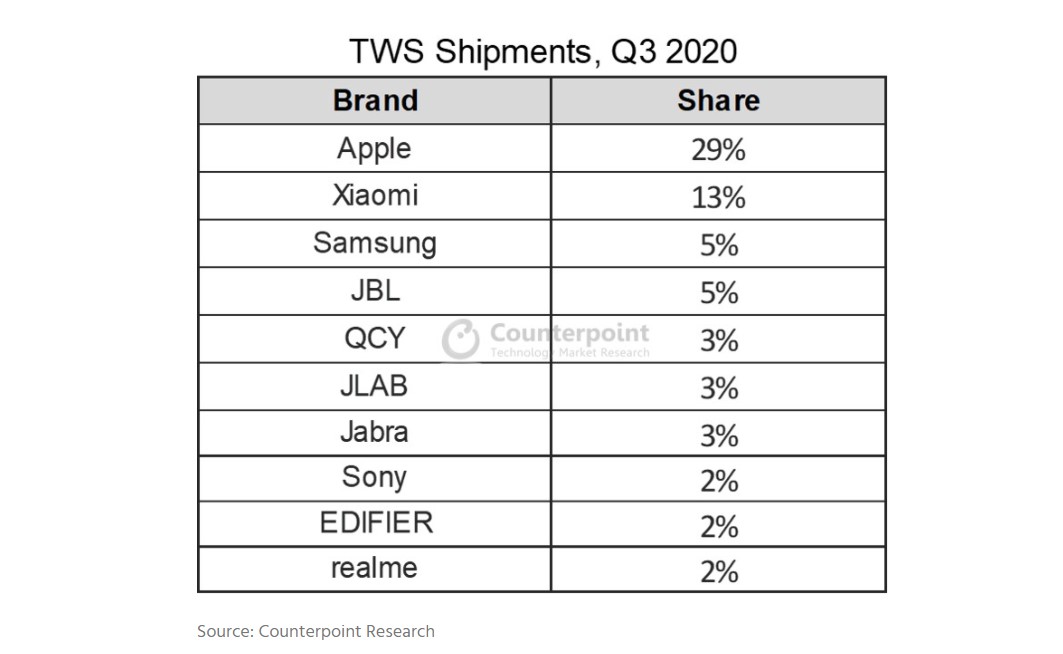
If you find a person wearing Wireless Bluetooth earbuds/headphones, you shouldn’t think it’s because of the crazy 2020 year. As Counterpoint Research points out, the TWS(Truly Wireless) hearables have dominated the 2020 wearable market and 2021 will be the turn of wristwear(Smartwatches).
According to the report, just the Earwear and Wristwear products alone shared 93% of the overall Wearable market shipments as of Q3 2020. The other 7% meager share is occupied by Eyewear, Bodywear(3% each), and Skinwear(1%).
If the report’s data is anything to go by, TWS yearly shipments is expected to settle at 238 million shipments for 2020. This is an 83% growth from last year when the hearables weren’t that popular. Sure, companies like Samsung, Apple had already launched them but they were in the premium category.
Not all can afford costlier TWS earbuds and enter budget brands like realme, Xiaomi. Speaking of brands, Apple dominates the market with a 29% TWS shipments share(as of Q3). To emphasize this more, the report says that Apple also dominates the Smartwatch space with a 28% share. If you recall, the company began the year 2020 with a whopping 43.4 million shipments in Q4 2019.
Continuing the moment into 2020, Ms. Sujeong Lim, Senior Analyst, says Apple’s iOS ecosystem is one of the catalysts. If you look at rival Samsung, it is nowhere near Apple with just a 5% share. One of the reasons why TWS drove the wearable shipments is due to the omission of 3.5mm jacks in smartphones.
Trickle-down to the budget category and you see Xiaomi is the king with a 13% market share sitting only next to Apple at 2nd.
Although the list is common and not categorized, the report says by the cusp of 2020, the Top-10 list had more than 50% belonging to the budget categories. At the budget of $20-$50 and below, some notable ones were Redmi Earbuds S, realme Buds Q, and more.
realme despite sitting at last already has reached a 2% share in just one year. And countries like India should be a deciding factor in the future just like they did in Q3.
Regarding Smartwatches, the report says that it will reach 100 million shipments this year. However, moving into 2021, you can expect this to dominate more. Increased awareness on health and fitness will drive the smartwatch sales this year. And if brands bring the prices down, we can see double-digit growth for sure.
Chinese tech giant TCL still remains a formidable force in the manufacture of smart displays, including smart TVs, smartphones, and tablets under the Alcatel brand. The company has now launched a trio of rugged tablets designed for kids.
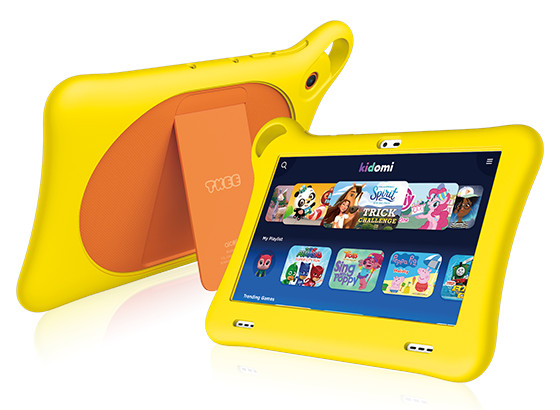
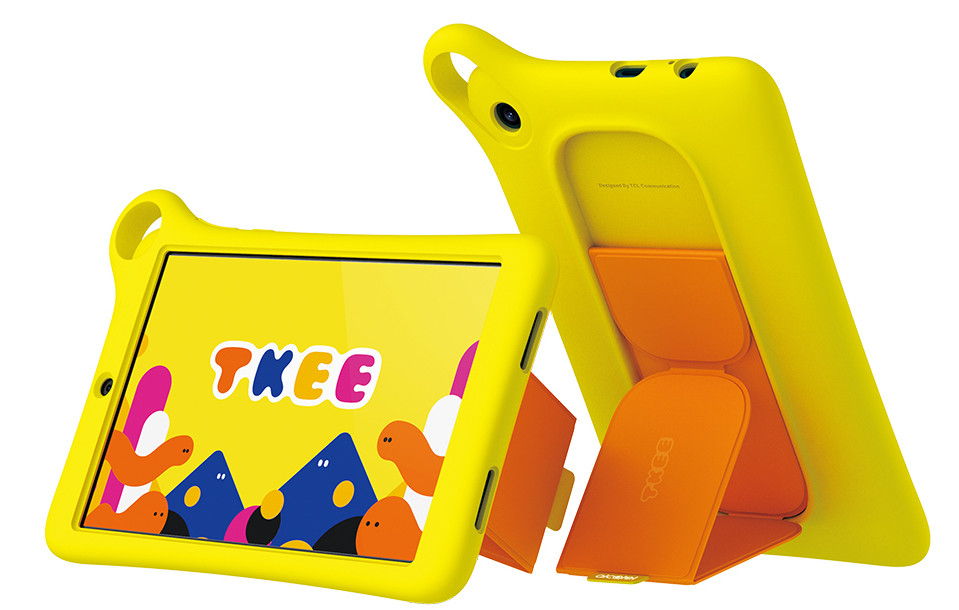
The tablets dubbed Alcatel TKEE tablets for kids that includes TKEE MAX, TKEE MID, and TKEE Mini in India specially designed for kids. The tablets all come with inbuilt award-winning software known as KIDOMI that offers more than 3,000 games and 2,500 videos of child-friendly educational content.
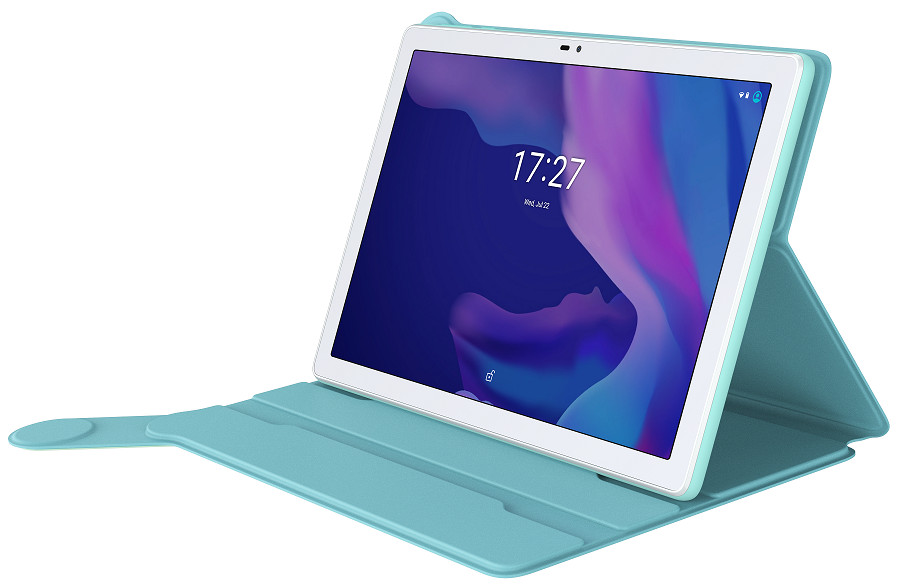
Two of the tablets – the TKEE MAX and TKEE MID are TÜV Rheinland certified with Eye Care eye protection features. The Alcatel TKEE tablets are bundled with a custom mint green bumper case with soft, rounded corners. The bumper cases are durable and child-friendly but can withstand any drop after undergoing more than a thousand drop tests up to 100cm. There is a foldable back stand which makes the tablet suitable for watching educational videos and playing learning games.
In terms of specifications, the Alcatel TKEE MINI features a 6.95-inch screen with a resolution of 1024 x 600 pixels. It is powered by a 1.3 GHz quad-core MediaTek MT8167D processor paired with 1.5GB RAM and 16GB internal memory which is expandable memory up to 128GB with micro SD. The phone runs Android 10 Go edition. The tablet packs a 2MP rear camera with f/2.4 aperture, LED flash, and a 2MP front camera.
On the other hand, the Alcatel TKEE MID sports an 8-inch display with 800 x 1280 pixels resolution. It is powered by a 2GHz quad-core MediaTek MT8766B processor backed by 2GB RAM and 32GB internal memory, expandable memory up to 256 GB with micro SD. The tablet runs on Android 10 and packs a single Nano-SIM with support for 4G LTE. for photography, there is a 5MP rear camera with f/2.4 aperture and a 5MP front-facing camera with f/2.2 aperture.
The tablet comes with support for Wi-Fi 802.11 ac (2.4GH & 5GHz), Bluetooth 5.0, GPS, USB Type-C. Keeping the lights on is a massive 4080mAh battery.
Finally, the Alcatel TKEE MAX packs a 10-inch (800 x 1280 pixels) HD multi-touch display. A
1.26GHz quad-core MediaTek MTK8167B processor powers the device. The processor is paired with 2GB RAM, 32GB internal memory, expandable memory up to 128GB with micro SD. Providing the interface is the Android 10 OS while for photography there is a 2MP camera apiece at the front and back. Other features include Wi-Fi 802.11n, Bluetooth 4.0, GPS, USB Type-C. A decent 4080mAh battery keeps the device fired up.
Pricing & Availability
The Alcatel TKEE MAX (10″) and Alcatel TKEE MID (8″) are priced at Rs. 8699 (~$118) and Rs. 9999 (~$136), respectively and will be available on Amazon.in and select retail outlets. The Alcatel TKEE Mini will be available by January end.
Several months ago, we reviewed the Zeaplus Buds, a pair of budget wireless earbuds with good active noise cancelation. It got good feedback because of its comfortable fit and super cheap price tag. And today we have received a new headset from the same brand Zeaplus – the Wireless Zeaplus Studio headphone with active noise canceling. There’s no doubt this headphone is targeted at the budget market.
So, let’s see if the brand Zeaplus can continue to keep the pricing advantage with good value for money with its new Zeaplus Studio.
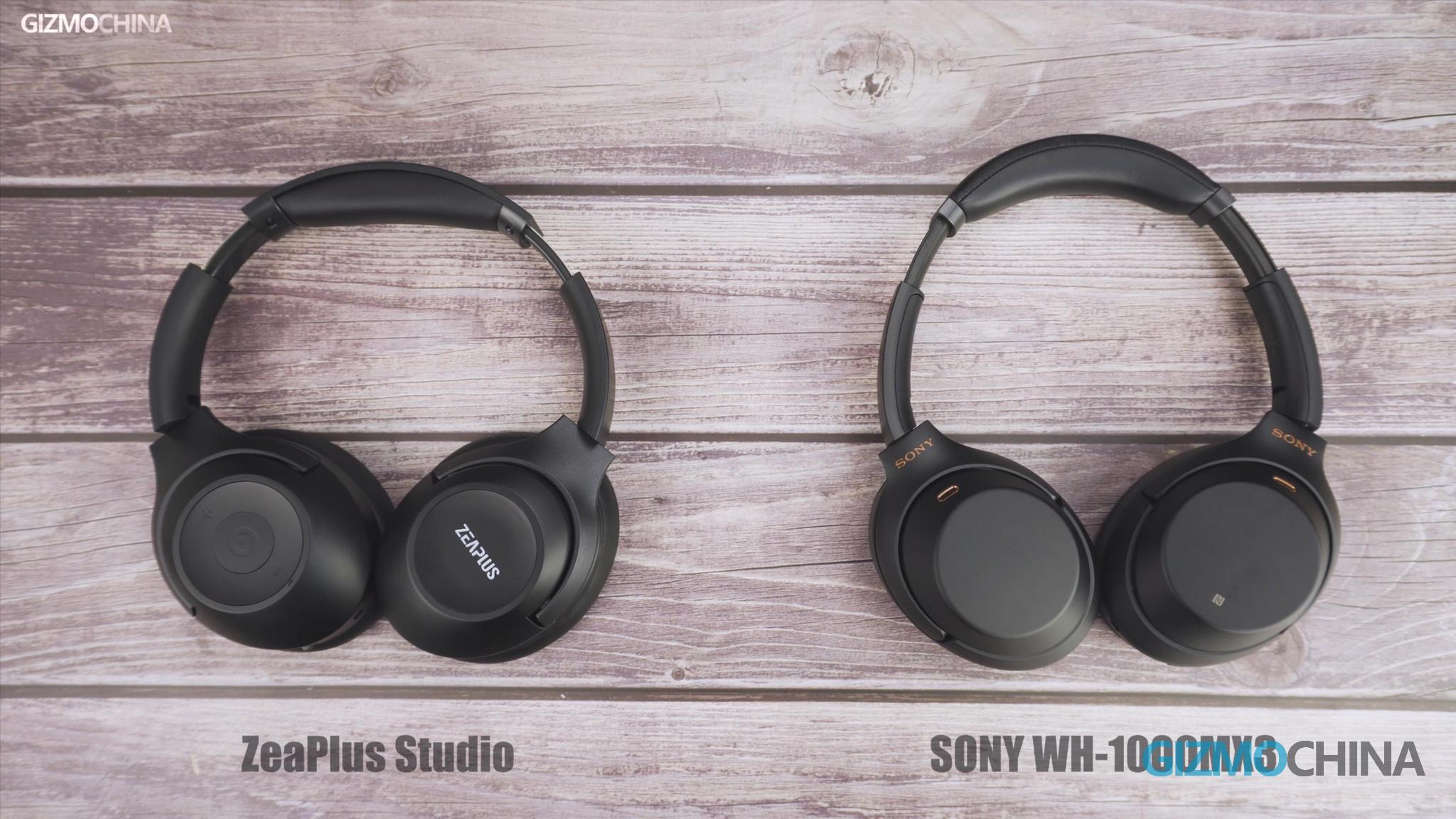
We’ll take Sony WH-1000XM3 as a reference to see what Zeaplus Studio does well and what it doesn’t do well enough. But I want to remind you that the Sony XM3 earphone is one of the best noise-canceling headphones from 2020 and the XM3 on Amazon costs over $200, while the Zeaplus Studio only sells for $39. So please keep this in mind while reading this comparison.
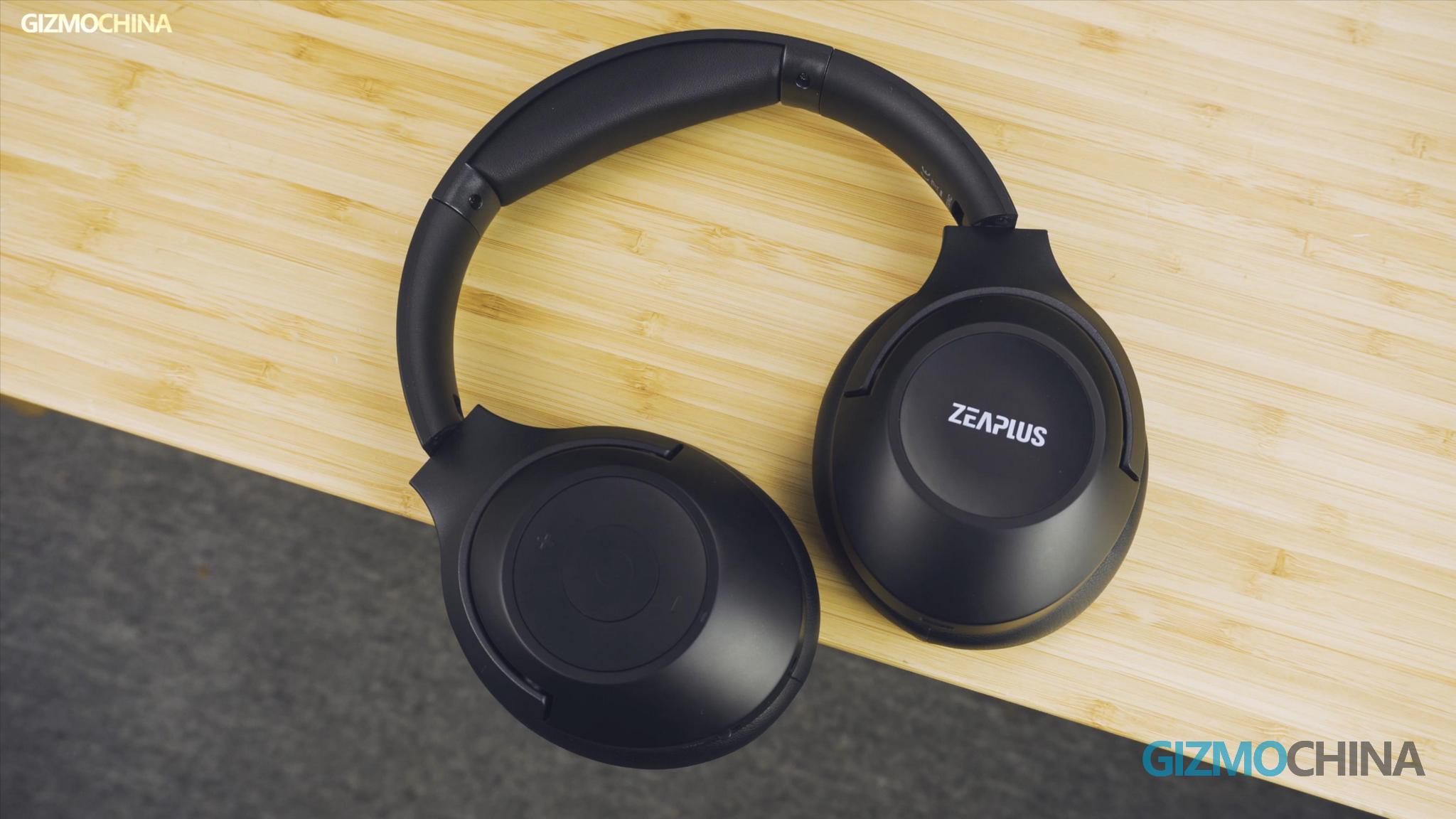
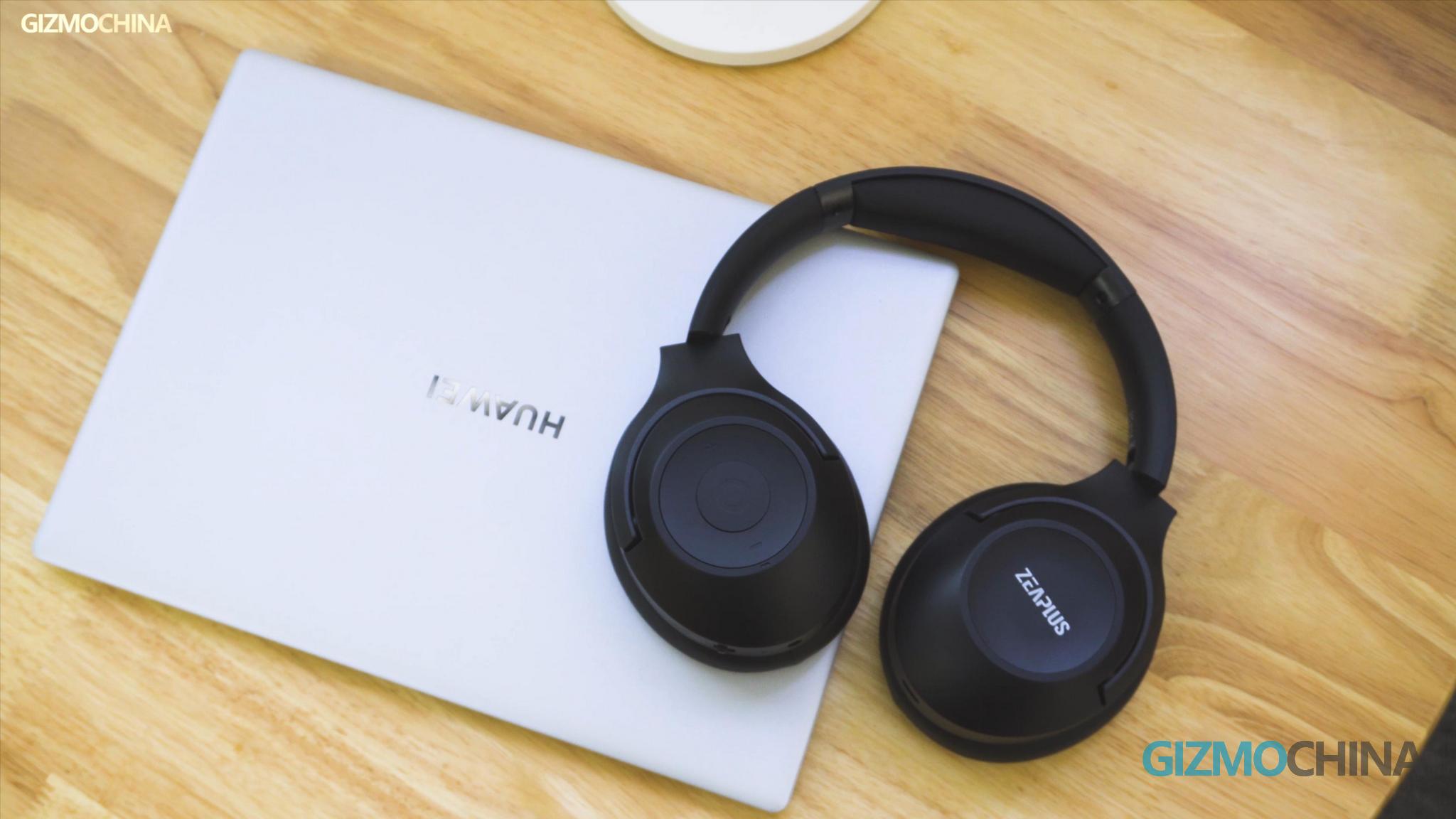
Let’s first talk about its design. The Zeaplus studio has adopted the most popular design for wireless earphones in recent years, which makes it look a bit similar to the Sony XM3 headphones.
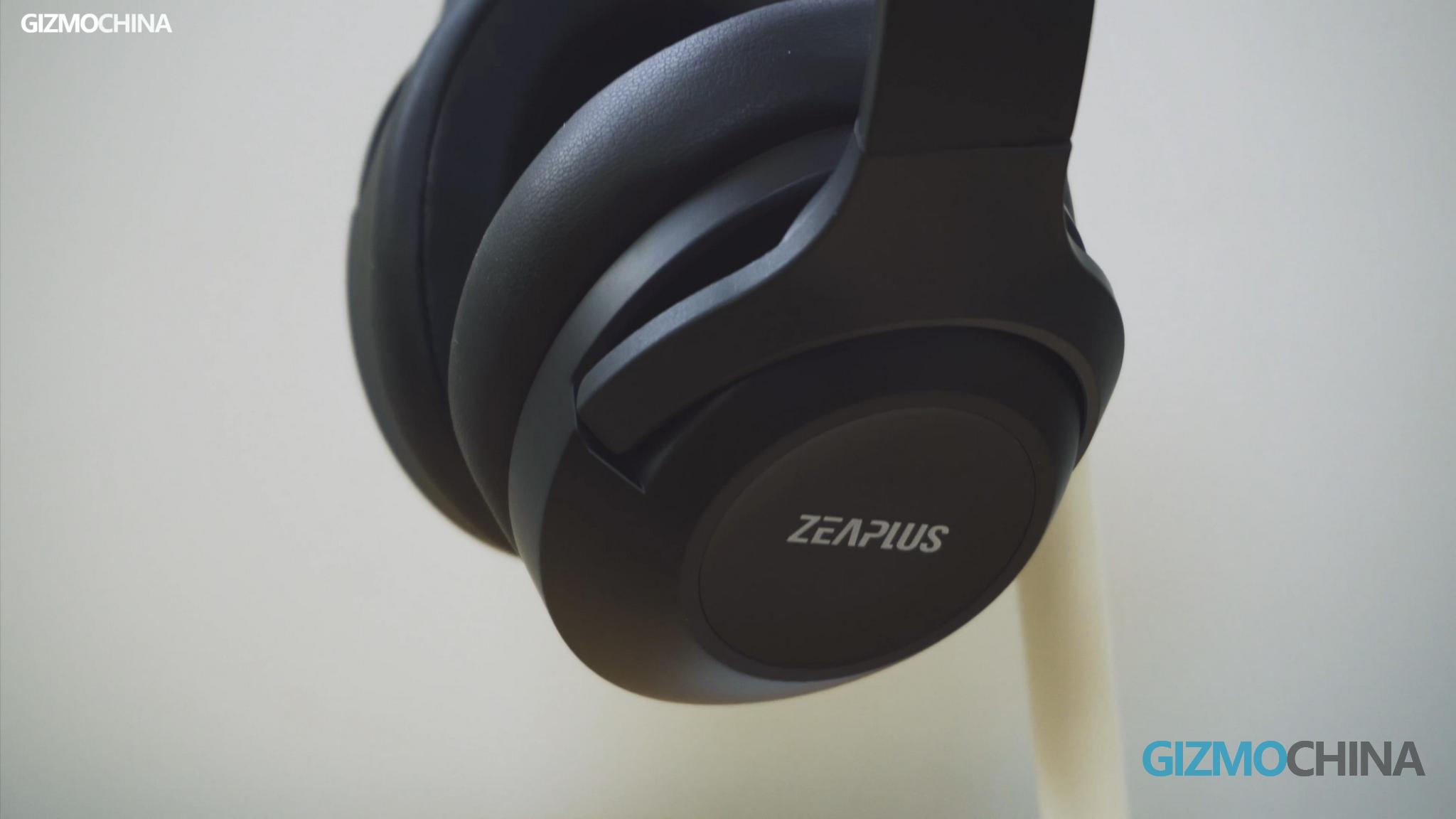
The headset’s exterior body is made of black plastic with a matte finish. For a headset product, plastic is still one of the best choices for reducing weight and leads to a good wearing experience for a long time. For good extensibility, the top expansion is made of brushed bright metal.
The weight of 264g is only 10g heavier than the XM3, but the difference is not easily perceived when you wear them on your head.
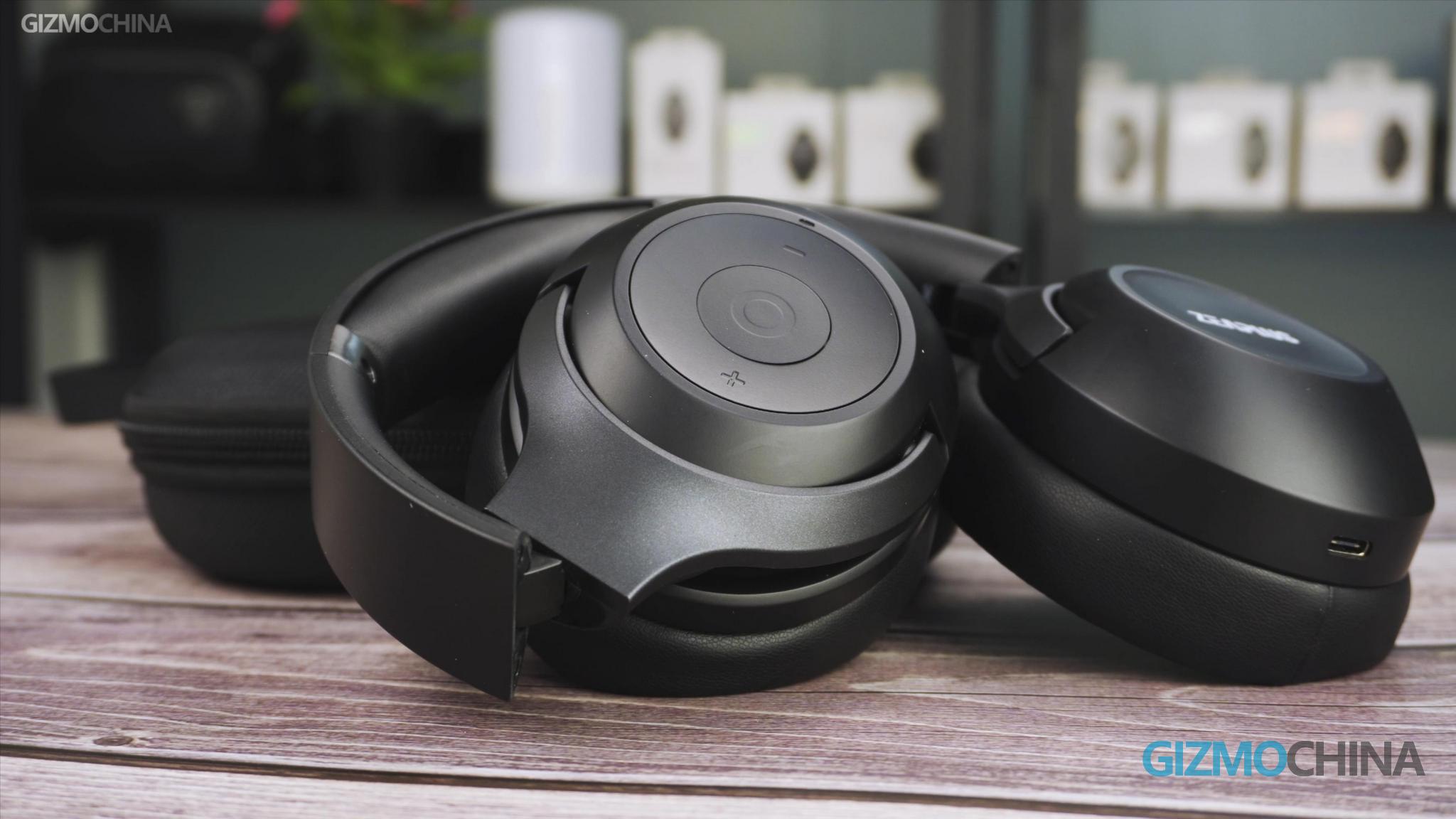
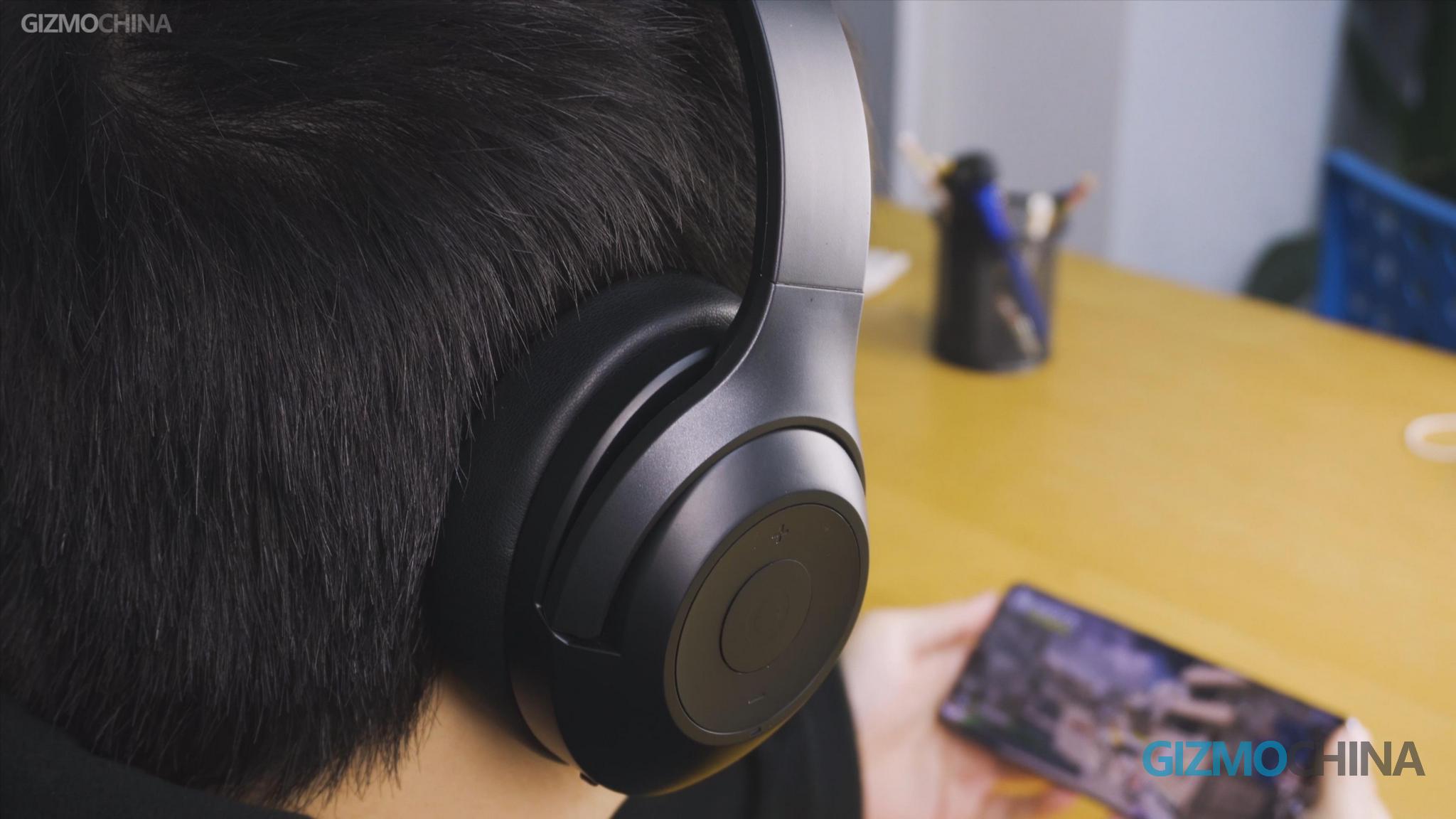
Like the XM3, the ear cups of the Zeaplus Studio also have a wide range of rotation. They can be folded and stably placed on the table or stored in the included carrying case. The Studio headphone’s over-ear sponge is much thicker than the XM3’s. And it feels pretty soft and comfortable to wear. No doubt that the Sony headphone has excellent wearing experience. But what really surprised us was that as a budget wireless headphone, the Zeaplus headphone can also provide a similar fit and comfort to the users. More interestingly, the thicker sponge coverage of the ZeaPlus Studio even offers better warmth for ears in the winter. But after the weather warms up, probably, wearing it for a long time wouldn’t be a good suggestion for most users.
Now let’s look at the exterior finish on the ear cups. On the left side, you’ll find a Zeaplus logo which is smooth, and the other side features the control panel with three function buttons. These three buttons offer primary controls including power on/off, song switch, pausing playback, and making voice calls.
Although the physical buttons don’t look as advanced as the XM3’s touch control panel, it’s more user-friendly in the sense that users are allowed to have a more intuitive operation with specific buttons and reduce accidental actions.
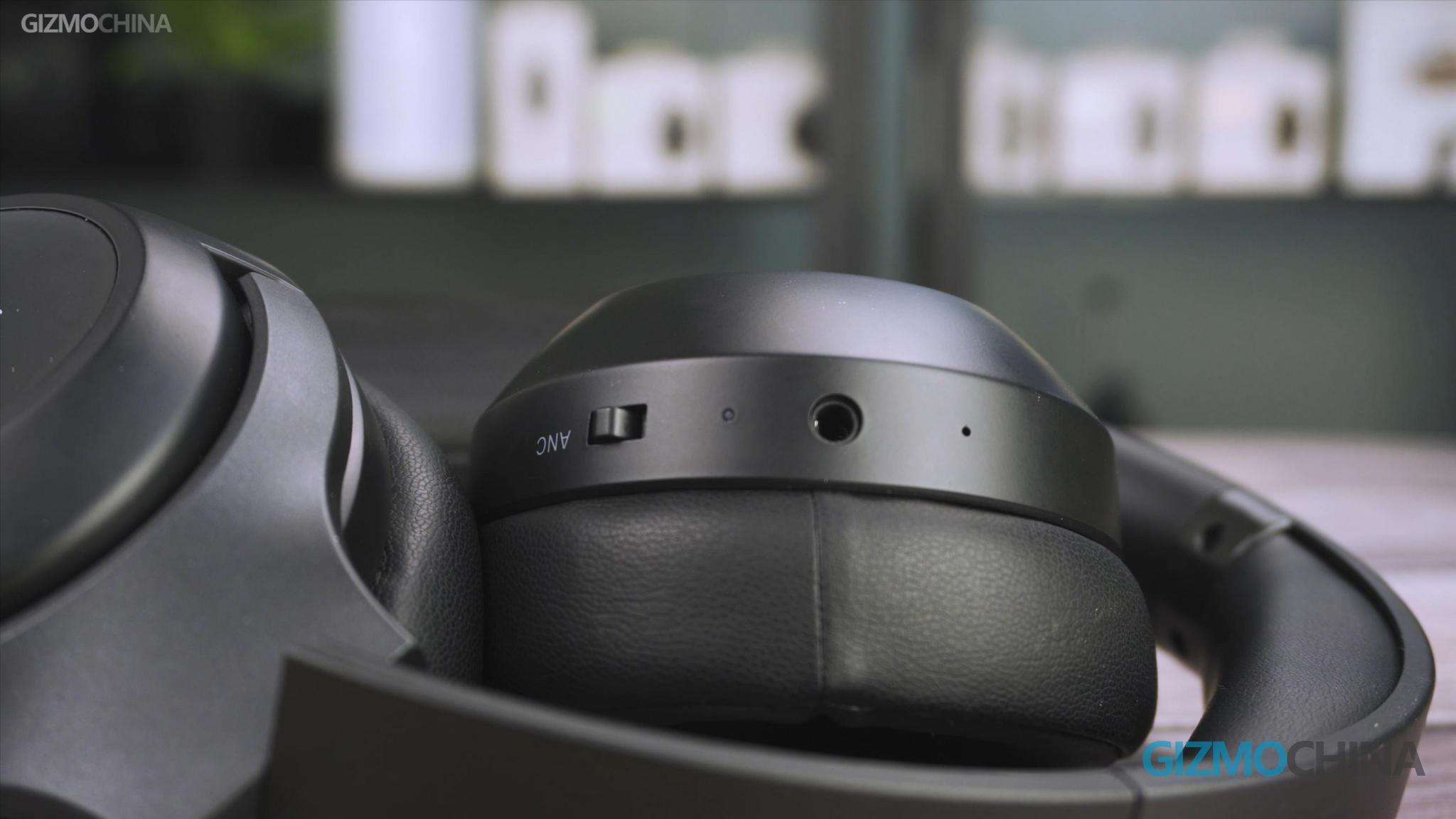
In addition to a wireless connection with Bluetooth, the Studio headphone also offers a wired connection through the 3.5mm headphone jack at the left bottom. And the noise-canceling switch is placed next to the headphone jack. At the right near the bottom, there is a type-C charging port, which allows you to charge the headphone with your phone’s charging cable and charger.
From its appearance alone, it’s doesn’t look like a cheaply-positioned product. However, it does only sell for 39 US dollars, so it has a solid design for its price.
But that doesn’t mean that it’s perfect without any drawbacks. Although it has a softer sponge at the top, we can still feel the pressure when it presses against the head when you wear it. After we pull both the ear cups to the longest width, you’ll clearly notice this. The Zeaplus Studio’s retractable length is a bit shorter than what we can reach on the Sony XM3. So if you have a big smart head, this might be an issue.
And now let’s talk about its performance and let’s start with its noise-canceling performance. The difference in noise cancellation between the Zeaplus and Sony headphones is pretty obvious. The ZeaPlus Studio still needs to work harder on its future models. If we give the sony 1000MX3 a rating of 100, the ZeaPlus Studio could be rated around 70. But considering their price tags, it would be unfair to criticize the ZeaPlus for comparing it with the top models in the market.
Compared to some wireless earbuds with active noise cancellation, the ZeaPlus studio still has better active noise canceling, not to mention it does a pretty good job when compared to other headsets at the same price level. Especially for low-frequency range, it’s good enough to reduce or even block out most annoying consistent sounds in certain scenarios, such as the general hubbub of a busy office, vehicles’ engine, or roaring machines. But when it comes to the high-frequencies including human voices, the reducing effect is less impressive. And there is no adjustable strength level for noise canceling. All you have is an option to turn on or off the function through the ANC switch at the bottom of the left cup. Also, there is no transparent mode that could have come in handy when you are talking to a person or when you need to hear ambient sound.
As for sound quality, the ZeaPlus studio supports the AAC codec, which no doubt is better than headphones with only the SBC codec.
Although it won’t be able to beat Sony’s headset which supports additional LDAC and aptX HD codec, the AAC codec is the best option that you can find on a budget wireless headset. But as a headphone model, the ZeaPlus Studio has a larger space for using a better transducer than most wireless earbuds. Meanwhile, if you want to enjoy relatively high sound quality with the noise-canceling function at lower prices, the ZeaPlus Studio is a safe pick. It delivers an open sound that gives good detail of the instrument and enhanced dynamics. With a good performance over lovely, deep bass, it would be an excellent inexpensive tool for those Rock music lovers. On the contrary, vocals and high-range are not as impressive as its low-range performance especially since we expected it to be a bit more focused. But overall, the gap among frequencies doesn’t lead to an unbalanced listening experience. Instead, the richness of bass reinforces the overall delivery in a pleasant way to make up for its slight drawbacks.
The latency is naturally a concern for many people who require it for watching videos and gaming. But for the Zeaplus Studio, the latency optimization is pretty good. If not listen carefully, it’s hard to perceive the sound delay during our gaming test. The general latency with ACC codec activated is estimated to be about 0.5 seconds, and it will be reduced by about half if the SBC codec is enabled.
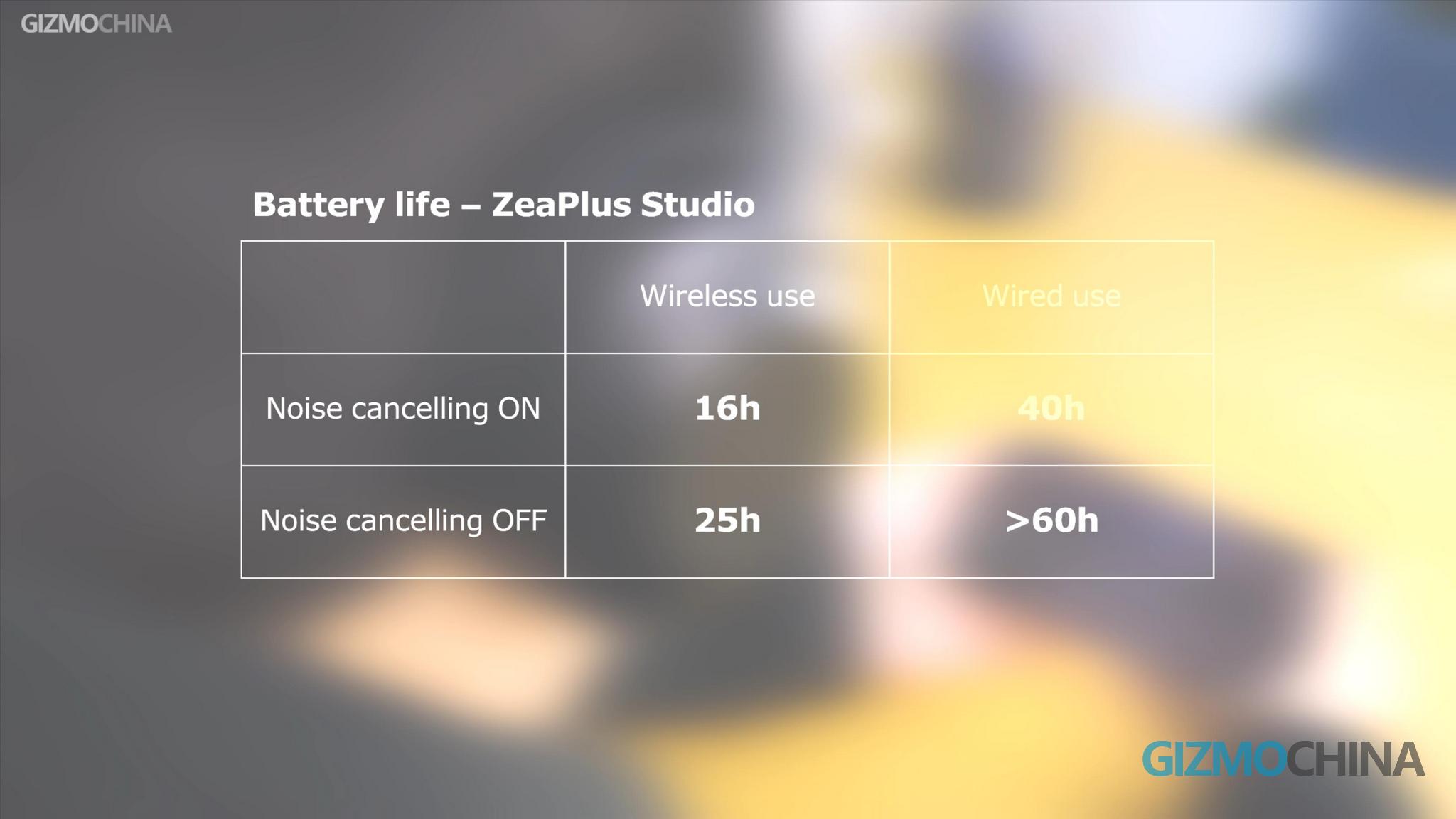
And the battery performance is also not bad on the ZeaPlus studio. For wireless use, the full-charged headset can continuously work for 16 hours with noise canceling on, while it can last 25 hours with noise canceling off. If you prefer wired use with noise cancellation on, the battery life can even reach up to 40 hours.
So this is the ZeaPlus Studio, a reliable basic wireless headphone with noise canceling. It’s probably our most recommended ANC headset model that you can get for under 50 US dollars. It has a pretty good design, effective noise cancellation, decent sounds, and relatively good latency. At the same time, you also have to live with its imperfections, such as the fit which might be a bit tight for some users, and the obvious sound quality drawbacks.
But overall, looking at its price, it’s definitely worth the money. So if you are interested in getting a cheap ANC headset, the Zeaplus Studio could be a good option. You can check out more details about the headphones here.
We use cookies on our website to give you the most relevant experience by remembering your preferences and repeat visits. By clicking “Accept”, you consent to the use of ALL the cookies.
This website uses cookies to improve your experience while you navigate through the website. Out of these, the cookies that are categorized as necessary are stored on your browser as they are essential for the working of basic functionalities of the website. We also use third-party cookies that help us analyze and understand how you use this website. These cookies will be stored in your browser only with your consent. You also have the option to opt-out of these cookies. But opting out of some of these cookies may affect your browsing experience.
Necessary cookies are absolutely essential for the website to function properly. This category only includes cookies that ensures basic functionalities and security features of the website. These cookies do not store any personal information.
Any cookies that may not be particularly necessary for the website to function and is used specifically to collect user personal data via analytics, ads, other embedded contents are termed as non-necessary cookies. It is mandatory to procure user consent prior to running these cookies on your website.