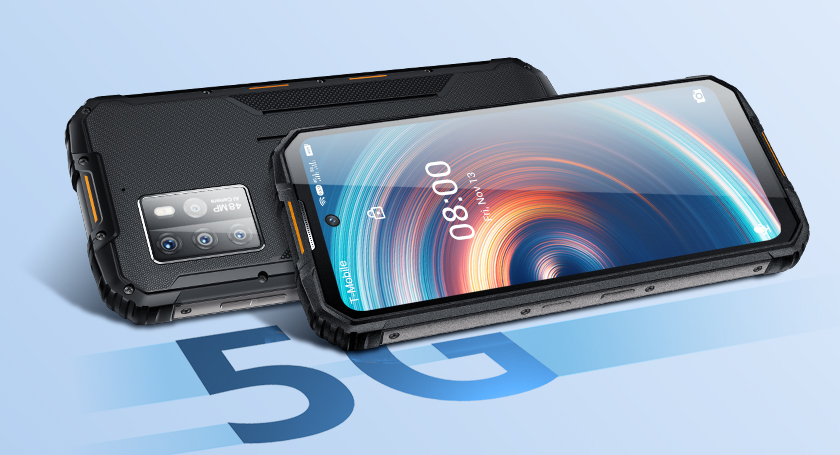
5G band connectivity is currently only available in a few regular and rugged smartphones. Given its high-speed browsing, downloading and transfer, it comes in phones with a slightly elevated price margin. Beating the odds, Oukitel recently released Oukitel WP10, that is by far the cheapest rugged smartphone with 5G compatibility. Today we will answer all the basic questions that one will have while buying this device.
What makes it special and why should one buy it?
The direct answer would be- 5G network band is finally here, and it works! Users can now enjoy seamless HD browsing, video-calling, online gaming and more. Oukitel WP10 runs on an Android 10 OS that has all the user-convenient layouts and functions. Moreover, this Oukitel smartphone is highly durable and can work even in freezing conditions. It also comes with a clever modular design that uses magnets and POGO connectors for expansion, giving the user the freedom of endless customizations. This smartphone blends well with the needs of adventure enthusiasts, white-collared users, and tech-savvy people. Overall, it is priced at a much cheaper end than its competition.
What else should you know?
Apart from the high-speed connectivity and durability, Oukitel WP10 packs the sort of hardware that we’re accustomed to seeing in a mid-range smartphone. It boasts a 6.67-inch display with 2400 x 1080p resolution and Outkitel flagship runs on Mediatek Dimensity 800 system-on-chip. Other key features include 8GB RAM with 128GB onboard storage, a quad-rear camera with 48MP+13MP+2MP+2MP sensors, 16MP front sensor, and a massive 8000Ah battery with Type-C connector.
How much does it cost?
Currently, Oukitel WP10 is up for sale at Banggood with a $100 off and available for just $379.99 (about £275/ AUD487). This deal is up only till December 27th. Overall, you get more than 26% off its suggested retail price.
Any cons?
We’d love to have 256GB storage at this price as well as the perks of wireless charging. Weighing about 380g, it is also far heavier than we’d expect it to be; blame it on the huge battery and the near-tablet-sized display.
Have we reviewed it?
We will be reviewing the phone pretty soon, stay tuned.
Realme fans in India are eagerly waiting for the arrival of the Realme X7 series in India. Both phones have received certification from the Bureau of Indian Standards (BIS) in the recent past. Earlier this week, Realme CEO Madhav Sheth shared an image of what appears to be the Realme X7 Pro smartphone. Today, popular tipster Mukul Sharma revealed that the handset is listed on the support page of Realme India. It remains to be seen whether Realme announces the Realme X7 and X7 Pro phones before the end of 2020 or in early 2021.
Realme X7 Pro
The Realme X7 Pro has begun its global journey as it has recently launched in markets like Thailand and Taiwan. The above-shown handset teased by Sheth for India is the X7 Pro. The appearance of the Realme X7 Pro on the spare parts support page is a good hint that its Indian launch is not far away.
The Realme X7 Pro has a 6.55-inch 120Hz AMOLED display that offers a 20:9 aspect ratio and Full HD+ resolution. The Dimensity 1000+ SoC that has recently gone official in India is present under the hood of the X7 Pro.
The handset is equipped with up to 8 GB of LPDDR4x RAM and up to 255 GB of UFS 2.1 storage in China. It comes preinstalled with Realme UI based Android 10 OS. It is backed by a 4,500mAh battery that supports 65W fast charging.
For snapping selfies, the Realme X7 Pro has a 32-megapixel front camera. Its rear is fitted with a 64-megapixel + 8-megapixel (ultrawide) + 2-megapixel (macro) + 2-megapixel (depth) quad-camera system. There is no word on its pricing for India.
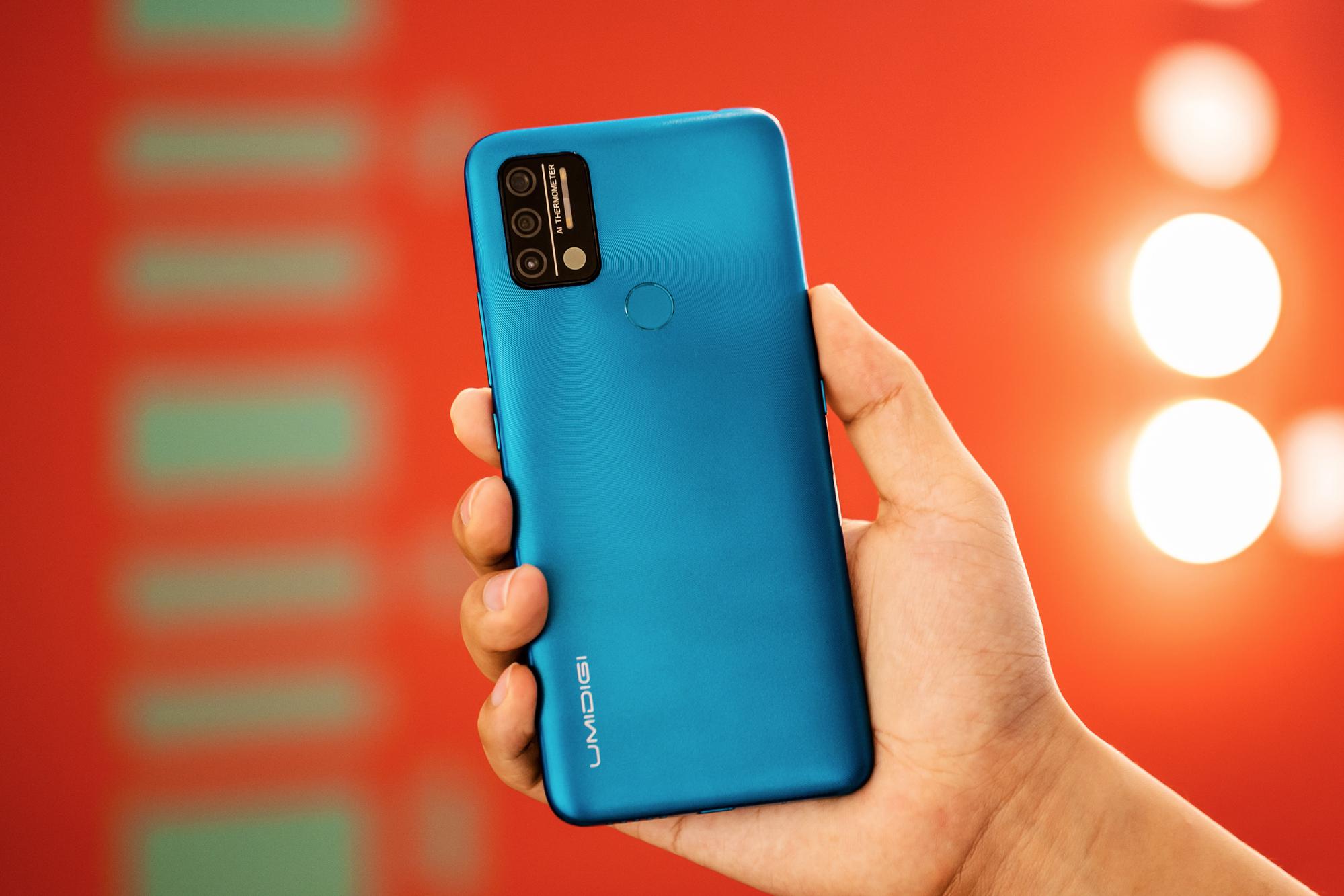
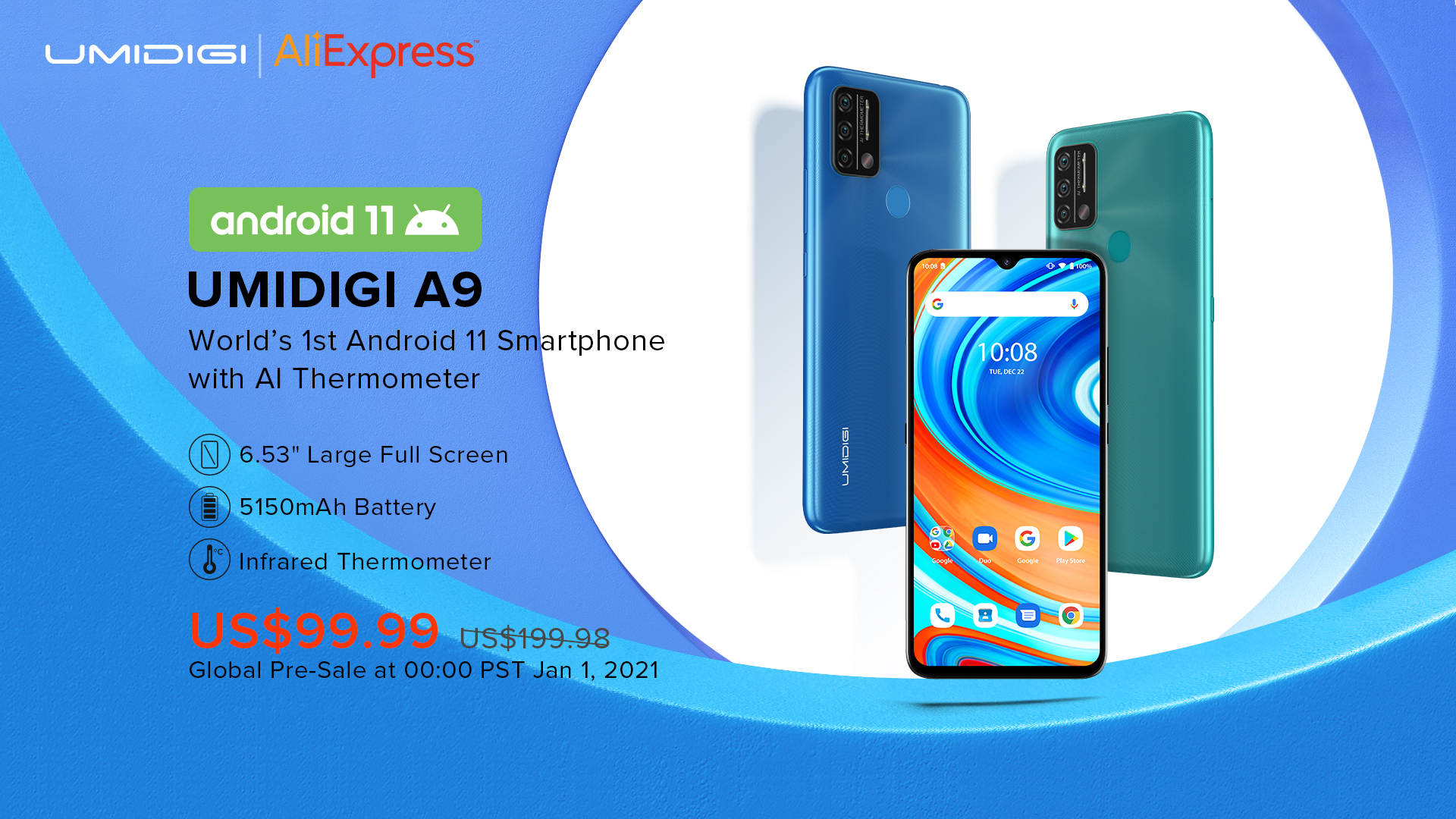
UMIDIGI recently launched UMIDIGI A9, a comparatively cheaper version of A9 Pro. Despite its budgeted price, this smartphone packs a powerful battery, efficient processor, and the latest operating system. It is also the world’s first smartphone with infrared temperature measurement that runs on the new Android 11 OS. UMIDIGI A9 will be up for global pre-sale from January 1st, 2021 for just at $99.99.
Operating System
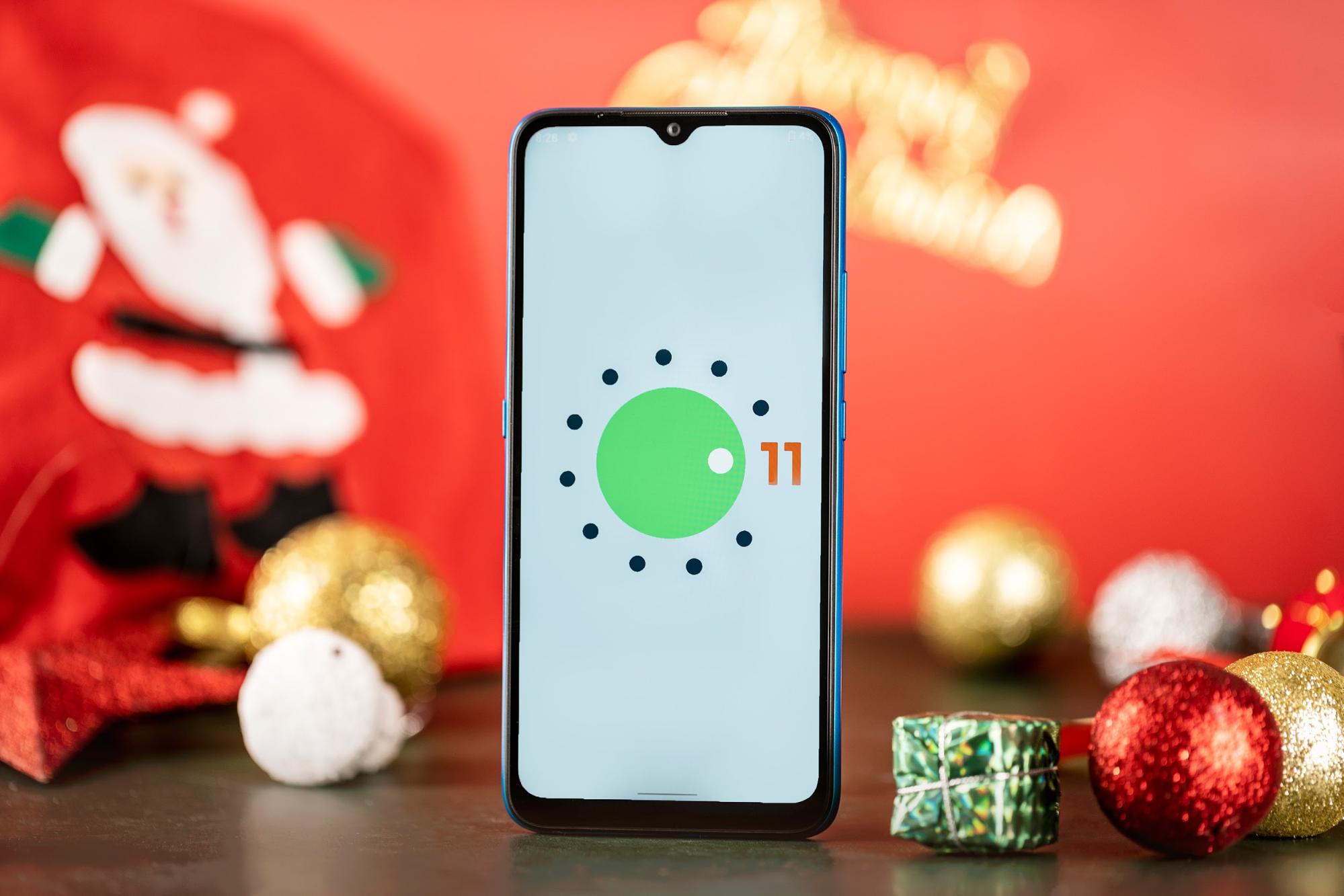
The key feature of UMIDIGI A9 is without a doubt Android 11 OS as there are hardly any devices enhanced with it currently, let alone the ones priced in the entry-level range. In this perspective, UMIDIGI has taken a huge leap and is competing with high-end, expensive phones on the software front. With the latest layout and functions, this UMIDIGI flagship offers many device controls and convenient ways to manage conversations, privacy settings, and much more.
Temperature Measurement
The other highlight of UMIDIGI A9 is surely the infrared temperature measurement, similar to the one we can find in the premium Porsche Design HUAWEI Mate 40 RS. This comes as a handy tool for checking fever, given the current pandemic and the alarming number of COVID-19 cases. The below video shows how what is the infrared temperature measurement all about and its uses.
Other Specifications
UMIDIGI A9 boasts a 6.53-inch HD+ dot-drop display that has a resolution of 720×1600p and an aspect ratio of 20:9. It is powered by MediaTek Helio G25 processor with 12nm process technology and 2.0GHz speed. This UMIDIGI flagship has 3GB LPDDR4X RAM along with 64GB storage.
UMIDIGI A9 is a budget-friendly device featuring a triple-rear camera with 13MP primary lens + 8MP ultra-wide lens + 2MP depth lens and an 8MP front camera. It has a 5150mAh battery capacity and can be charged with a 10W, Type-C charger. This UMIDIGI flagship sports an independent shortcut key for quick controls and a triple card slot for two SIM cards and one SD card.
Packed with a host of features, UMIDIGI A9 can be an ideal upgrade for people looking to buy new smartphones. The company will start global pre-sale of this unit from the first day of the new year for just $99.99. Apart from this smartphone, UMIDIGI has also launched a new smartwatch- UMIDIGI Urun S, a budgeted version of Urun (just without GPS), which will also be available from Jan 2021.
Additionally, in the light of the holiday season, UMIDIGI is running a huge giveaway, with a chance for over 50 participants to win a UMIDIGI smartphone or smartwatch for free. To participate, interested users can check out the UMIDIGI official website.
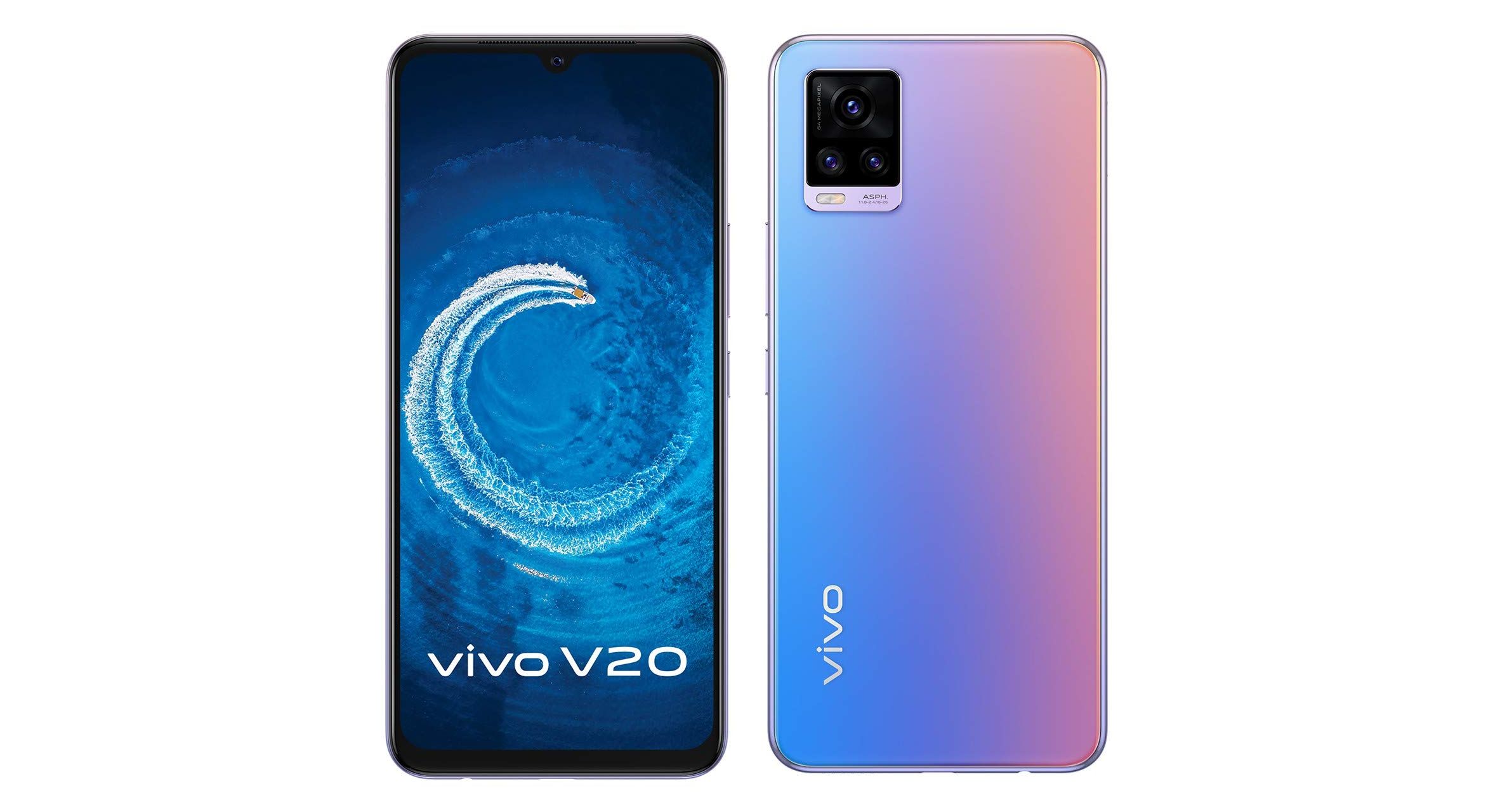
The Vivo V20 (2021) measures 161.3 x 74.2 x 7.38mm and it weighs 171 grams. It is fitted with a 6.44-inch AMOLED display that offers a Full HD+ resolution of 1080 x 2400 pixels, a 60Hz refresh rate, and a 20:9 aspect ratio. The waterdrop notch on the screen has a 44-megapixel selfie camera.
The rear-mounted camera module has a 64-megapixel primary shooter, an 8-megapixel ultrawide lens, and a 2-megpaixel depth sensor. The phone boots to Android 11 OS and FunTouchOS 11.
The Snapdragon 730G SoC is present under the hood of the Vivo V20 (2021). It is coupled with 8 GB of RAM. The phone comes with 128 GB of internal storage and a microSD card slot. The 4,000mAh battery of the smartphone supports 33W fast charging.
In terms of design and specs, the Vivo V20 (2021) is identical to the original Vivo V20. The major difference between the two phones can be seen in the chipset department. The Vivo V20 has the Snapdragon 720G, whereas the SD730 fuels its 2021 edition.
Vivo V20 (2021) pricing and availability
Interestingly, the Vivo V20 and the newly announced V20 (2021) have the same price tag of Rs 24,990 (~$339). The new phone comes in Midnight Jazz and Sunset Melody colors.
Computer maker Acer is making progress in the design and production of a gaming laptop that combines AMD’s incoming Ryzen 7 5800H processor with the Nvidia RTX 3080 GPU. This information was provided by German retailer ElectronicPartner, as they have listed the company’s next-generation Nitro 5 ahead of its potential release at CES 2021. The listing has been removed from the retailer’s website, though.
The gaming laptop is among the first devices to pair AMD’s Zen 3 and Nvidia’s Ampere architectures. It is reported to have an octa-core Ryzen 7 5800H processor, capable of enhancing the base and boost clocks to 3.2GHz and 4.4GHz, respectively alongside the Nvidia RTX 3080 graphics card with 8GB of memory and likely GDDR6.
There is a high possibility that this could be the mobile version of the Ampere GPU, which will likely feature cut-down specifications. The Acer Nitro 5 gaming laptop has a 17.3-inch FHD screen, refresh rate of 144 Hz, 32GB of DDR4 memory, and a massive 1TB SSD.
The gaming laptop features a full-size keyboard equipped with backlighting, a battery capable of working up to eight hours, together with Wi-Fi 6 and Bluetooth 5.0 capabilities. The laptop also has one HDMI port, three USB 3.0 ports, a single USB 3.1 port, and a 3.5mm audio jack.
The listing by ElectronicPartner enforces the view that Acer may also be releasing a trimmed-down variant of the Nitro 5 that could have either an Nvidia GTX 1650 with 4GB of GDDR6 memory or an AMD Radeon GPU.
According to the German retailer, the Acer Nitro 5 will carry a hefty retail price of €1,948.61 (about $2,372). The laptop is also expected to adopt a cheaper price when it is announced for the US market.
It was reported at the beginning of this month that the arrival of the Honor V40 could be postponed to January 2021. A tipster known for Huawei and Honor leaks claimed that the Honor V40 may go official on Jan. 12. Also, he has shared a new screenshot that reveals that the Honor V40 could be sporting a 120Hz refresh rate.
The above-shown poster states that Honor’s annual fan meeting is scheduled to take place on Jan. 13. In the past, the company held fan activities the day after it launched a new product. Hence, the leakster seems to have speculated that the Honor V40 will launch on Jan. 12.
Previous reports have claimed that the Honor V40 is equipped with a 6.72-inch dual punch-hole OLED panel with curved edges. It is speculated to carry support for a 120Hz refresh rate, and it may offer the highest touch sampling rate seen on a smartphone.
Shown above is a screengrab shared by the tipster. He claimed while accessing the “Temple Escape 2” game, he saw a surprise message about the Honor V40. The message reads “120 fps beta test (Honor V40).” The 120fps beta test for the Honor V40 could be in progress, which indicates it could be arriving with 120Hz refresh rate support.
There is a possibility that the Honor V40 could be fitted with the same 6.72-inch OLED screen that is available on the Huawei Nova 8 Pro that went official yesterday. The Nova 8 Pro screen delivers a 120Hz refresh rate and a high touch sampling rate of 300Hz.
The Dimensity 1000+ SoC is expected to power the Honor V40. It is believed that the YOK-AN10 phone that was recently certified by the 3C and CMIIT authorities of China could be Honor V40. The handset is expected to arrive with support for 66W rapid charging and 45W wireless charging.
Xiaomi is keeping true to its plans to expand further in Europe. The Chinese tech giant has reportedly opened its largest Mi Store in Central and Eastern Europe. The Mi Store is located in Warsaw, the capital of Poland. The grand opening of the store was carried out while observing COVID-19 protocols such as the use of facemasks and maintaining physical distancing.
Xiaomi’s International president Shou Zi Chew who shared the news on Twitter also disclosed that the store is the brand’s first store equipped with a service center inside. Thus, you do not only get the chance to get your favorite Mi ecosystem products, but you can also as well drop by to get your faulty Mi product repaired. This will particularly appeal more to new users who may be concerned about after-sales services and availability of parts when they are considering including a Xiaomi product on their shopping list.
The Mi Store also has a Smart Home zone that lets visitors experience Xiaomi’s ecosystem products first hand. This may be all we need to confirm that Xiaomi will soon release a majority of its ecosystem products in Europe. The brand is hoping to capitalize on Huawei’s travail to rake in more market shares in the smartphone market in Europe.
Although several of the ecosystem products are on display at the store’s Smart Home zone, there is no indication that they’ll all be up for grabs at the store right away. However, we expect a rich array of Mi products including the latest flagship and mid-end smartphones to be available at the new Warsaw Mi Store.
The emergence of the prevailing COVID-19 pandemic has resulted in the launch of several products that are targeted at ensuring the objects we interact with daily are clean and sanitized. To this end, Samsung has launched the AirDresser, a portable wardrobe-like device that can sanitize and refresh our clothes deploying various built-in technologies.
The AirDresser is equipped with a new technology which Samsung calls JetSteam. The JetSteam infuses powerful air deep into the clothes, an action which Samsung claims remove 99.9% of viruses and bacteria, 100% of house mites, 99% of odor-causing gases, and 99% of other harmful substances. The chamber also houses a Deodorizing Filter that can capture odor particles from sweat, tobacco, and food.
Also, the AirDresser is equipped with Heatpump Drying for drying up the clothes. The technology uses air supplied at a low temperature to dry clothes without allowing the clothes to shrink or get damaged. Since the winter period is a time most persons use fur coats, Samsung even included a dedicated Fur Care Cycle that can dehumidify fur clothes by removing up to 90% of the moisture.
The Samsung AirDresser carries a price tag of Rs. 110,000 (~$1489) and will be available for purchase starting December 24th via Samsung’s online and offline stores, as well as online retail stores.
Recall that Samsung launched the UV-C Portable sterilizer earlier this year which is designed to kill the germs on phones. The device is said to be capable of killing up to 99% of germs including E. coli, Staphylococcus aureus, and Candida albicans in just 10 minutes. It can also be used to sterilize other devices and items including earbuds, smartwatches, keys, sunglasses, and masks. The gadget uses dual UV lights which sterilize both the top and bottom surfaces of the item that is placed inside the box.
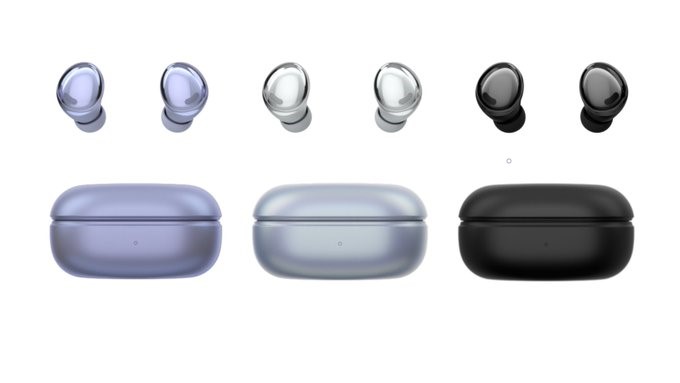
Rumors are rife that Samsung will take off covers from the Galaxy S21, Galaxy S21+, and Galaxy S21 Ultra smartphones on Jan. 14. At the same event, the company is also expected to unveil the Galaxy Buds Pro. Some of the specs of the upcoming earbuds were seen in official support page listings that had surfaced last week. A fresh leak by 91mobilesin partnership with Ishan Agarwal has revealed all the important specs of the Galaxy Buds Pro.
Samsung Galaxy Buds Pro specifications (Rumored)
The Galaxy Buds Pro will be offering 20 precent more battery life than last year’s Galaxy Buds Live. Each earbud may have a 61mAh battery and its case may include a 472h battery. The Buds Pro may offer 28 hours of battery life.
The leak states that the Galaxy Buds Pro has 11mm bass drivers and 6.5mm tweeters coupled with coaxial dual speakers. The Buds Pro will come with Active Noise Cancellation and it will bring 35db noise canceling. It is already known that the earbuds will support multiple levels of ANC.
The leak states the Buds Pro will be equipped with IXP7 water-resistance, dual connection, voice detection, and seamless connection. It is said that the 3D spatial audio with head tracking will be only supported on devices running on One UI 3.0 based Android 11 OS. The Buds Pro is expected to offer other features such as Find My Earbuds, gyro sensors, touch controls, Dolby Atmos, and ambient mode with four-volume settings.
Samsung Galaxy Buds Pro pricing (Rumored)
According to the leak, the Galaxy Buds Pro will be costing more than the Galaxy Buds Live earbuds. In Europe, the Buds Pro could be priced at 229 euros (~$279). It could be available in Phantom Black and Phantom Silver color options. The earbuds are likely to be made available as bundled pre-orders with the Galaxy S21 models.
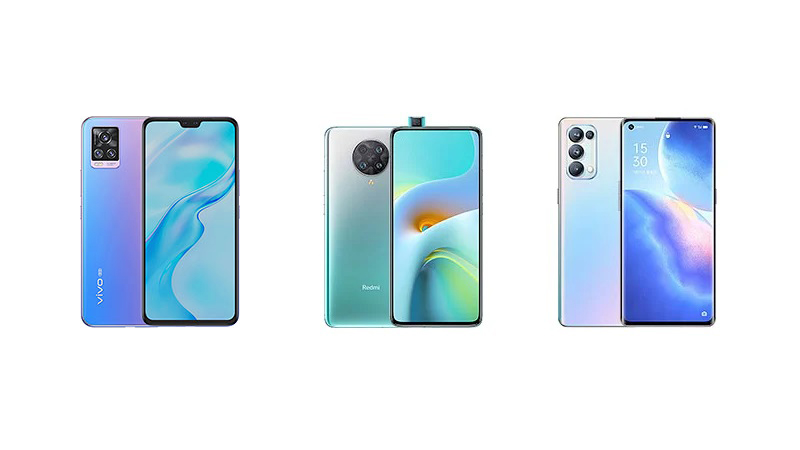
At first glance, the Vivo V20 Pro 5G looks like a very atypical phone, but we consider it as a very underrated mid-ranger. It is a phone full of surprises and it offers something that it’s hard to get in its price range. Is this alternative phone good for your needs or you would better choose other upper-midrange devices and flagship killers in the same segment? This comparison between Vivo V20 Pro 5G, OPPO Reno5 Pro 5G, and Redmi K30 Pro will clear your ideas by highlighting all the main differences between these three amazing handsets sold in the Chinese market.
Vivo V20 Pro vs Xiaomi Redmi K30 Pro vs OPPO Reno5 Pro
Vivo V20 Pro 5G
Xiaomi Redmi K30 Pro
OPPO Reno5 Pro 5G
DIMENSIONS AND WEIGHT
158.8 x 74.2 x 7.4 mm, 170 g
163.3 x 75.4 x 8.9 mm, 218 grams
159.7 x 73.2 x 7.6 mm, 173 g
DISPLAY
6.44 inches, 1080 x 2400p (Full HD+), AMOLED
6.67 inches, 1080 x 2400p (Full HD+), 395 ppi, AMOLED
With that big notch, the design of the Vivo V20 Pro 5G looks a bit outdated. But you should note that it is the thinnest and most lightweight device of this trio. It is one of the thinnest 5G phones thanks to its 7.4 mm thickness and it is incredibly light with just 170 grams. The Vivo V20 Pro 5G is even the most compact phone of this comparison thanks to its smaller display. If you do not care about the dimensions, then the best design belongs to the OPPO Reno5 Pro 5G. It comes with an amazing look, a curved screen with a high screen-to-body ratio, and even parts of the design glowing in the dark. It is almost as thin and lightweight as the Vivo V20 Pro 5G, despite it packs a bigger battery.
Display
Besides boasting the most beautiful design, the OPPO Reno5 Pro 5G has even the best display. It is an OLED panel with a 90 Hz refresh rate and a very high peak brightness (up to 1100 nits). On the other hand, the Redmi K30 Pro has the HDR10+ certification, but it lacks the 90 Hz refresh rate. It has an OLED panel as well which is even wider, but the brightness is lower. The Vivo V20 Pro 5G has a Full HD+ OLED panel with HDR10. None of these displays is disappointing and all of them include an in-display fingerprint reader.
Specs & Software
The best chipset is onboard the Redmi K30 Pro: we are talking about the Snapdragon 865 mobile platform by Qualcomm paired with up to 8 GB of RAM and UFS 3.1 internal storage. But with the OPPO Reno5 Pro 5G, you get a similar chipset in terms of performance: the Dimensity 1000+ can be placed between Snapdragon 855+ and Snapdragon 865. The OPPO Reno5 Pro 5G packs a lower UFS 2.1 storage, but it offers a higher quantity of RAM: up to 12 GB. Vivo V20 Pro 5G is just a mid-ranger with its Snapdragon 765G SoC. Vivo V20 Pro 5G and Redmi K30 Pro run Android 10 (the Vivo V20 Pro 5G already got the update to Android 11), while Oppo Reno 5 Pro is based on Android 11.
Camera
Oppo Reno5 Pro 5G wins the rear camera comparison thanks to a brighter focal aperture for the 64 MP main camera allowing it to offer a higher quality in low light conditions. On the other hand, Vivo V20 Pro 5G has better selfie cameras: a dual 44 + 8 MP front camera department. But the Redmi K30 Pro is able to record 8K videos.
Battery
Redmi K30 Pro is the battery champion thanks to its bigger 4700 mAh capacity. Oppo Reno5 Pro comes right after and it wins the fast charging comparison thanks to its 65W power. Vivo V20 Pro 5G has just 4000 mAh.
Price
Oppo Reno5 Pro is priced at €425/$519 in its base variant, Redmi K30 Pro costs €375/$457, and Vivo V20 Pro 5G costs €333/$407. The OPPO Reno5 Pro wins the comparison thanks to its better design, display, rear cameras, faster charging, and Android 11 out of the box. But it costs more.
A number of phone manufacturers have their own store where users can download apps, wallpapers, themes, and the likes. Samsung is one of them and its store is called the Galaxy Store.
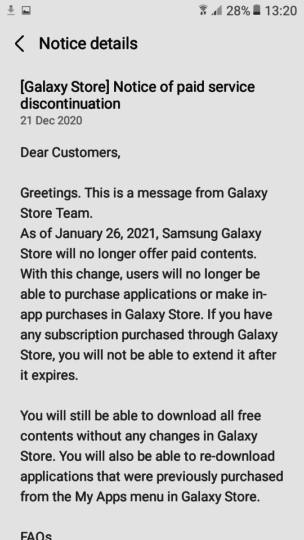
The Galaxy Store contains both paid and free content but a notice from Samsung has sent a notice to users informing them that it plans to remove all paid content from the store in select countries.
Samsung says it will not only remove paid content but apps that have IAPs (in-app purchases) too. The countries where the change will take effect are Albania, Azerbaijan, Bahamas, Bangladesh, Iceland, Moldova, Pakistan, and Uruguay.
Image source: Reddit (ki1f91)
While no reason was provided for the decision, SamMobile, believes that the decision may have been influenced by payment policies in the countries rather than of Samsung’s own volition.
The new policy will take effect on January 26, 2021. Those who have an active subscription will not be able to renew it on the store once it expires. However, already bought apps can be re-downloaded at any time from the user’s My Apps menu in the Galaxy Store.
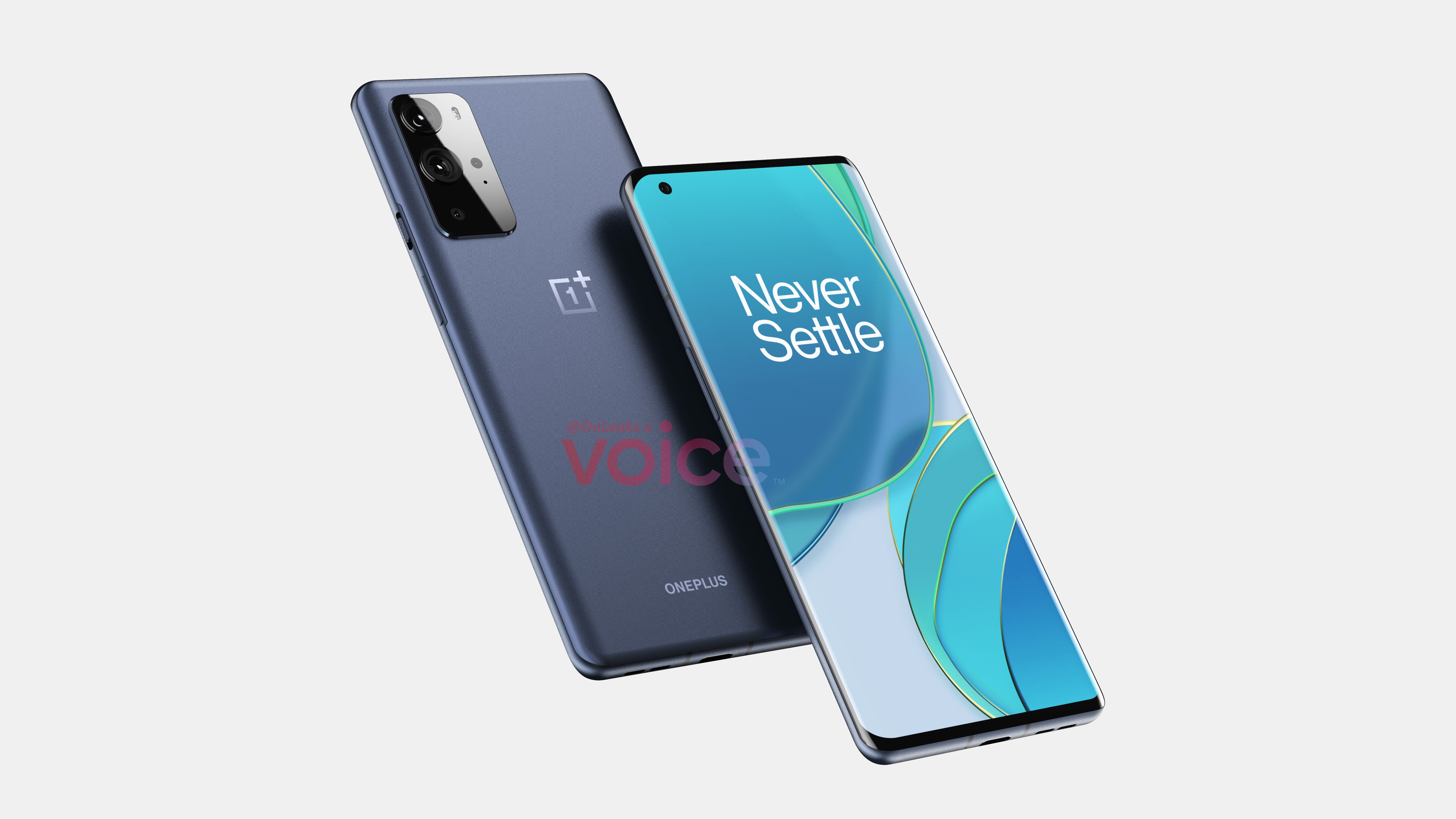
Last month, a leaker revealed that the OnePlus 9 series will have three models. Alongside the expected OnePlus 9 and OnePlus 9 Pro, a third model called the OnePlus 9E will also be announced. Now, a new leak says the third model will go by a different name – OnePlus 9 Lite – and will have a different chipset too.
Render of OnePlus 9 Pro | Source: OnLeaks
The source of the news is Android Central and they have reported that an insider has informed them of OnePlus’s plans to launch three OnePlus 9 phones next year. The addition of a third model is a new move for OnePlus who just added a Pro model to its lineup just last year.
This third model will launch as the OnePlus 9 Lite, and unlike the OnePlus 9 and OnePlus 9 Pro that will come with a Snapdragon 888 processor, it will come with a Snapdragon 865 processor. This means the OnePlus 9 Lite will sell for lesser than its siblings and even other flagship phones.
While a more affordable OnePlus 9 definitely sounds exciting, OnePlus may be shooting itself in the foot as the launch of the OnePlus 9 Lite may affect the sales of the OnePlus 8T or vice versa.
We do not know if OnePlus originally went with the name “OnePlus 9E” and then changed to “OnePlus 9 Lite”. Nevertheless, we advise you to take the info with a pinch of salt.
OnePlus launching a flagship phone with a processor from the previous year is unlike them, however, this is a move we have seen from its sister company, realme. The realme X3 SuperZoom that was announced in May of this year has a Snapdragon 855+ processor and not a Snapdragon 865 chipset like most other Android flagships.
We do not know what the OnePlus 9 Lite will look like but we expect OnePlus to cut corners in other areas too. We hope more details to surface in the coming weeks.
Reliance Jio is already reported to be working on a $50 Android Phone for the Indian market. Now, it is all set to launch a feature phone next year according to the latest ET report. However, it looks like the device isn’t really going to be a new one.
Ambani-led Reliance launched its first feature phone as Jio Phone with 4G VoLTE connectivity. The device’s latest pricing is ₹699($9). ET’s report says that Reliance is planning to relaunch this device in Q1 of 2021.
While the move is questionable, the report says Jio is doing it to tap-in the online-education revenue and gain new subscribers. That said, the new Jio Phone will reportedly cost below ₹1,000($13.55) but will be higher than the old price. This corroborates with an early report that said the current Jio Phone’s price would be hiked to ₹999($13.54).
And although the pricing would be a bit steep, the rise in component costs and import restrictions during COVID-19 reasons it out. Citing industry sources, the report also says the new Jio Phone will be manufactured by Flex, come bundled with a new subscription plan, and available across 800,000 retail stores in India.
If you are unaware, Reliance Jio is the top Cellular Network Provider in India. Despite having rivals like Bharti Airtel, and Vi(Vodafone-Idea), it maintains over 400 million subscribers(as of Oct’20) in the country. Thus, to cash in the benefits, corporates like Facebook, Google have invested in the firm.
In fact, Jio is working with the latter for an entry-level smartphone through a partnership. Coming back, the report says Jio will launch the said smartphone after the Jio Phone later next year. Nevertheless, with the 4G Jio Phone, the company is probably looking to regain the top spot it once had two years back.
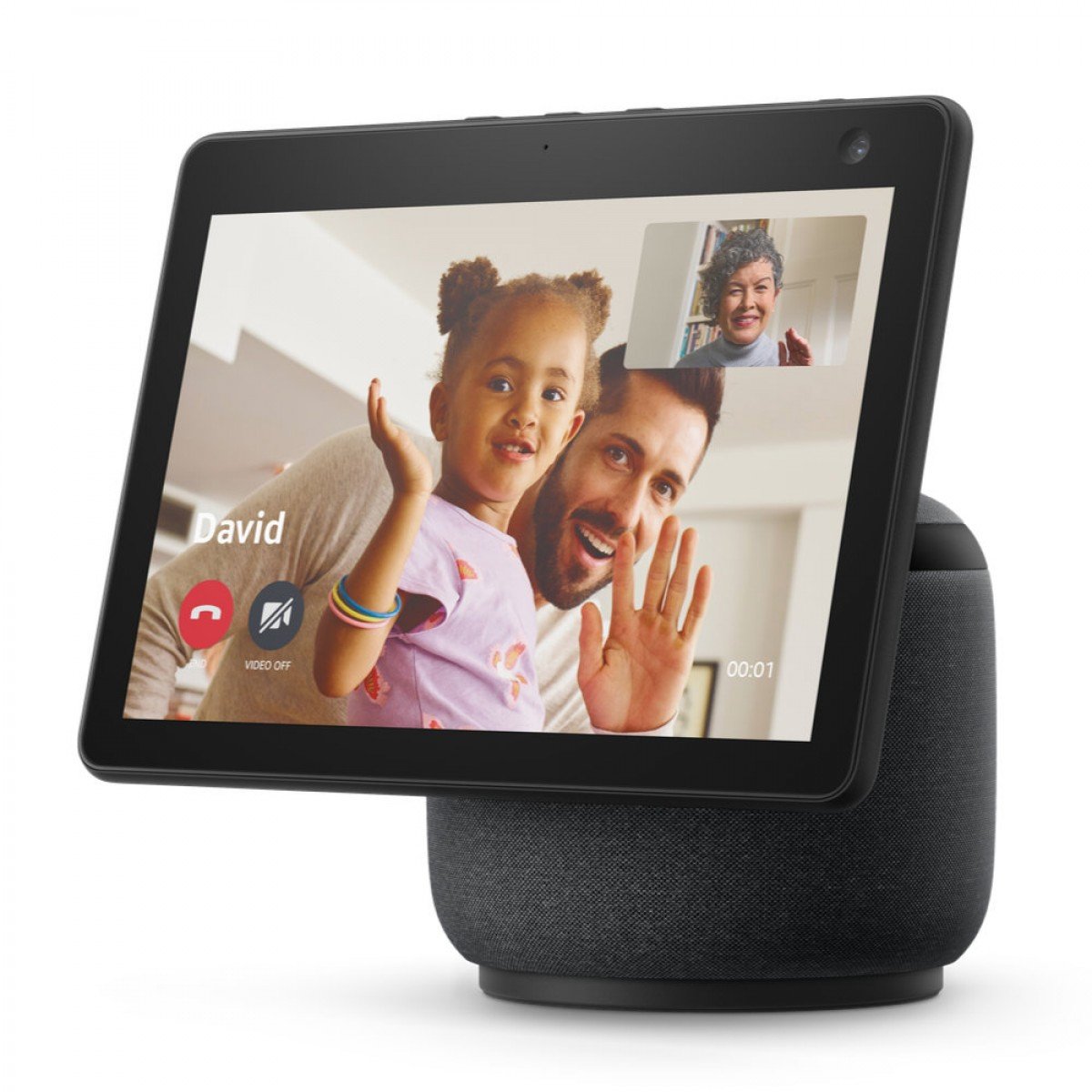
Five months after the Google Nest Hub and Nest hub Max got support for Netflix, Amazon’s line of smart displays, the Echo Show, follows suit.
Amazon Echo Show 10
The announcement was made earlier today by Amazon and it comes right in time for owners of an Echo Show who will appreciate having an extra display to stream their favorite movies and TV shows on. Below is the official statement from the tech giant:
Today, we’re excited to bring Netflix to Echo Show devices, giving customers more video options to choose from. Whether it’s tuning in for watching how-to videos or streaming your favorite movies or TV shows, our goal is to give customers the most convenient experience and widest range of video content options to select from. – Amazon
The Amazon Echo Show lineup includes the Echo Show 5, the Echo Show 8, and the Echo Show 10. From their names, you should be able to tell what their individual screen sizes are.
Alongside support for Netflix, the Echo Show devices also get a new video homepage that makes it easier for users to find the next exciting series to binge or movie to watch. To access this page, all you have to say is “Alexa, open video home”. The smart displays also got support for group video/voice calls a few days ago.
All these new features should begin to roll out to users starting today in countries where the Amazon Echo lineup is officially sold.
Samsung launched the Galaxy Watch Active 2 back in August 2019. The wearable has an AMOLED display, ECG measurement, and runs Tizen-based wearable OS. As per a new leak, the company will re-launch it in the new Color variant in 2021.
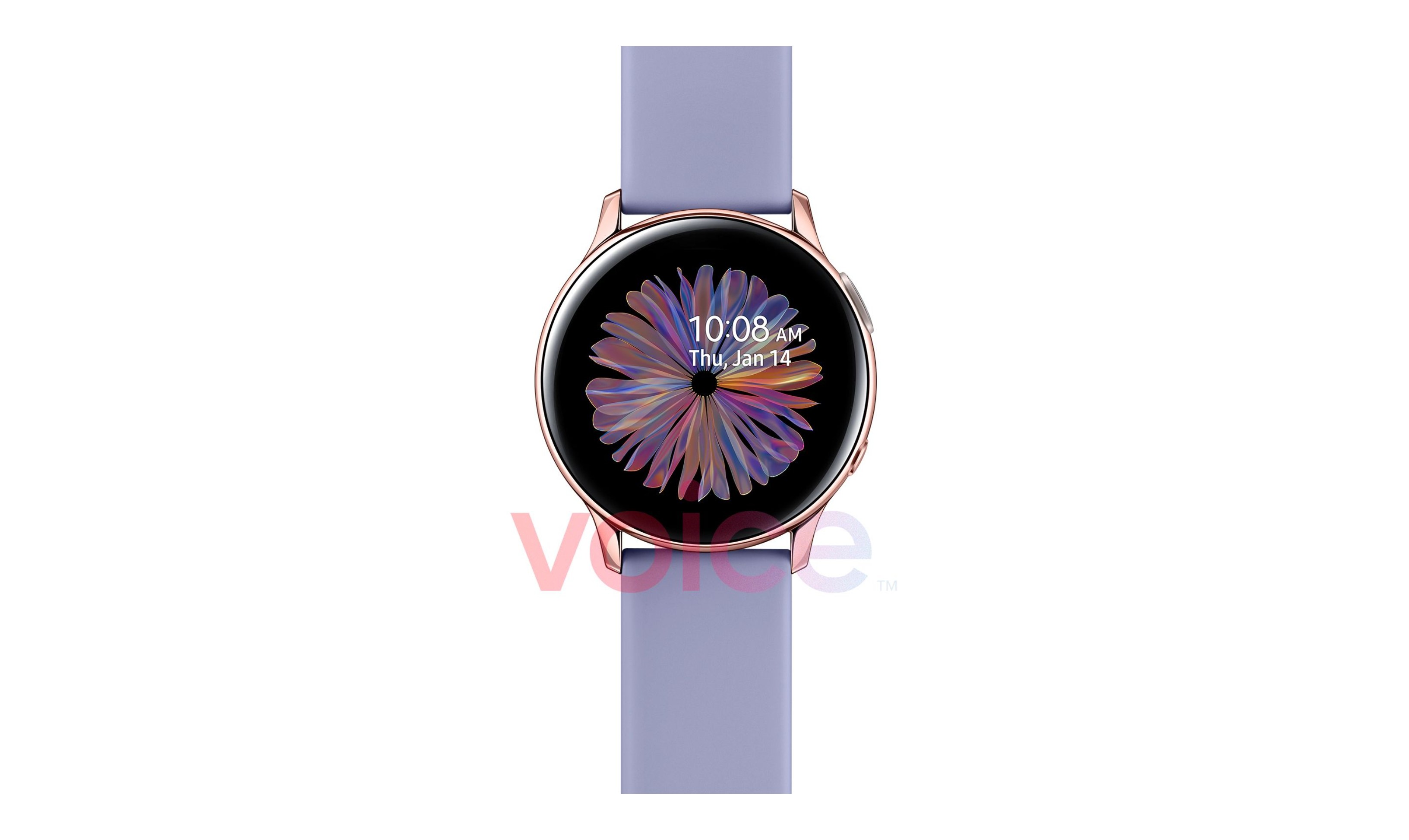
Evan Blass, (via a Voice Post) says Samsung will launch a new Rose Gold variant of the Galaxy Watch Active 2 next month. And as the date on Watch face suggests, the launch could be on January 14. This is the date when the company is expected to unveil the flagship Galaxy S21 series.
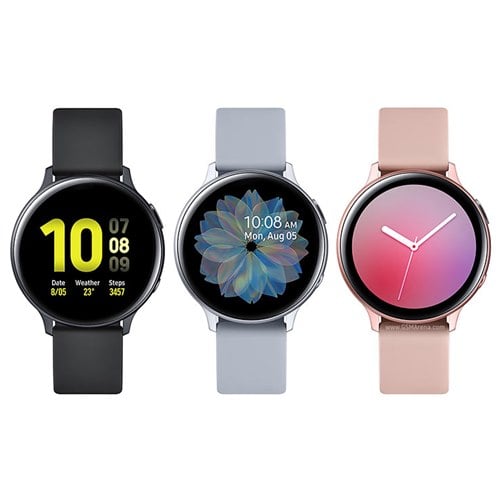
A picture courtesy of Evan shows the Watch Active2 in Rose Gold base. The strap on the image looks to be in Purple color. To recall, the wearable is already selling in Pink Gold along with Black, Silver color options. That said, we are as surprised as you in hearing the news as Samsung has already launched an improved Galaxy Watch 3 back in August.
One of the reasons Samsung could bring this is just for the sake of launching a wearable at the unpacked event. Or maybe to leverage a bit more on the already booming wearable market in multiple countries whilst not undermining the sales of Watch 3. Either way, looks like the Watch Active 2 will make its appearance again and launch alongside the Galaxy S21 series, Galaxy Buds Pro TWS.
Needless to say that Samsung has been updating its Watches constantly. Back in April, it brought a new Health Monitor App support which eventually made its way to Watch Active 2. Recently, the company also brought VO2 max measurement for endurance and Smart reply features.
Hence, even if it re-launches a year and a half later in 2021, users shouldn’t be wary of it being outdated. The Galaxy Watch Active 2 features a 1.2-inch(40mm), 1.4-inch(44mm) sAMOLED round display, Exynos 9110 dual-core chipset, 768MB of RAM. It also has Bluetooth/4G and Aluminum/Stainless-steel variant and supports ECG measurement, 39 workout modes, and more.
OnePlus has released OxygenOS Open Beta 5 for the OnePlus 8 and OnePlus 8 Pro. The new public beta build comes a little over a month after the previous build. The latest update brings more fixes, updated security patch, a new feature, and an animation effect.
The latest Open Beta for OnePlus 8 series bumps up the security patch level to December 2020. It also adds a new feature called ‘Rewind Recording’, which allows users to record the last 30 seconds of gameplay. That’s not all, the update also adds an animation effect that activates while switching to the front-facing camera.
Further, the build brings fixes for delayed messages, volume adjustment, speaker not working, and freezing of the phone while playing music via Bluetooth. Additionally, it also optimizes the startup speed of some applications.
OnePlus 8/8 Pro OxygenOS Open Beta 5 Official Changelog
System
Optimized the startup speed of some apps for a faster launch experience
Fixed the small probability issue that receiving messages may delay
Fixed the issue that the volume adjustment has a small probability of failure
Fixed the small probability issue that the speaker doesn’t work
Updated Android security patch to 2020.12
Camera
Refresh the animation effects when activating the front camera
Game Space
Newly added Rewind Recording where you can record the exciting moments in the game of past 30 seconds with just one tap (Swipe down from the upper left or right corner to quickly open in the Gaming Tools)
Bluetooth
Fixed the issue that the call may freeze when receiving the phone when playing music via Bluetooth
Having said that, this OxygenOS build is currently rolling out in batches as an OTA update to the users who are already on the previous build. Whereas, new users can download and install it from the OnePlus Community.
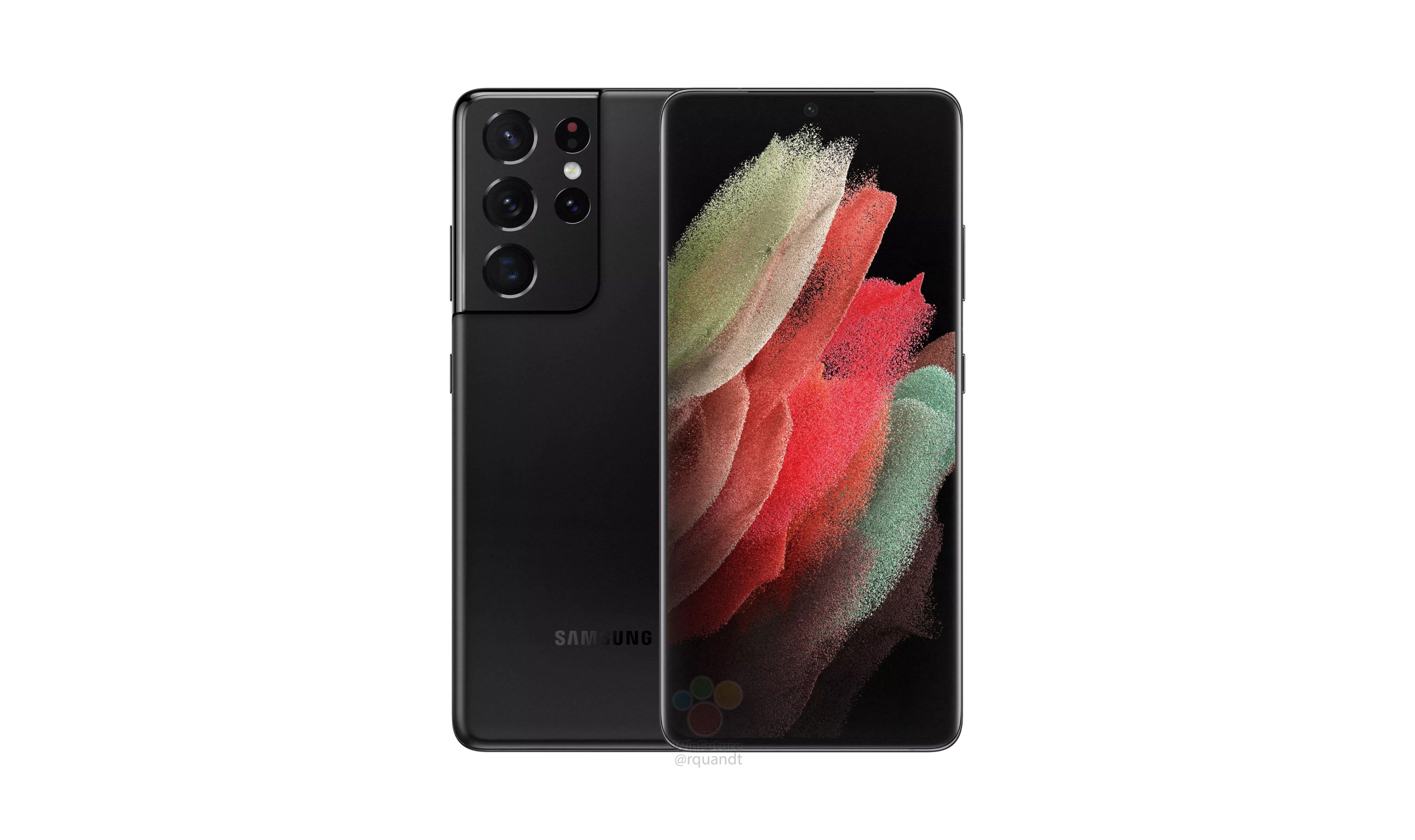
A week ago, Samsung’s President of Mobile division, Ru Toh, indirectly said that features of the Galaxy Note series will trickle down to other devices. Today, an FCC listing confirms that the upcoming Galaxy S21 Ultra(Tentative) will come with support for S-Pen.
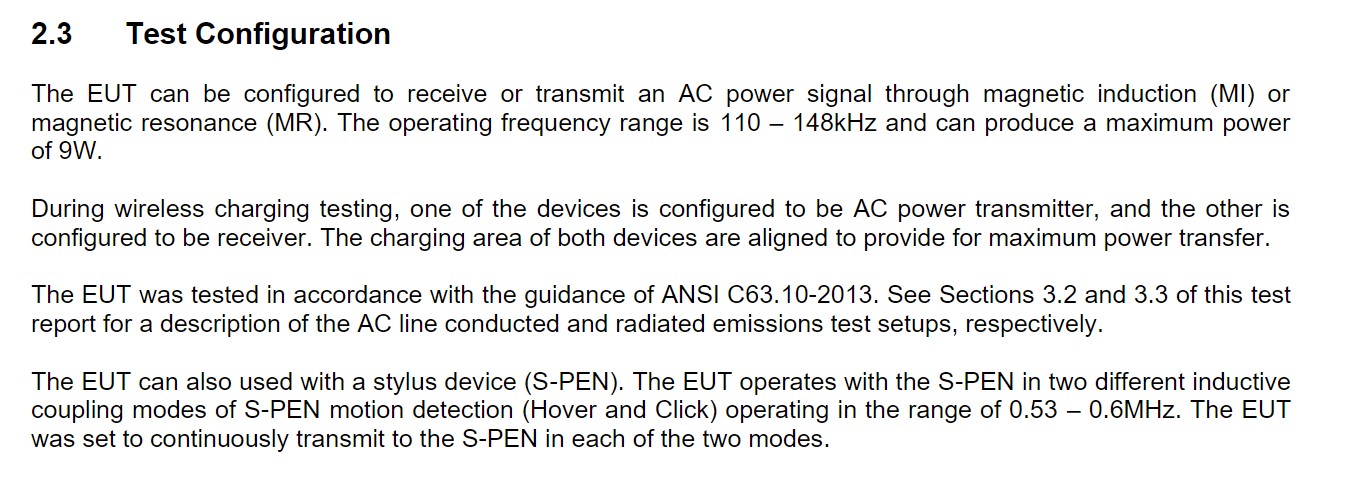
Moving on, the Wireless Charging Test report of SM-G998B reveals that it will support a stylus device(S-PEN). Previously, multiple rumors said that the Galaxy S21 Ultra will get the S-Pen functionality but won’t have the shaft to hold it. Since the report also indicates “support” of a stylus, we feel Samsung might not add it in the box. And sell it along with a Case to hold it as an accessory.
That said, the test report also says that users can use the S-PEN in two different modes- Hover and Click. For the unaware, Hover is when you hold the stylus above the screen without touching and perform certain functions. It will be interesting to see how Samsung will position the S21 Ultra if it continues the Note-series as per reports.
Either way, Galaxy S21 Ultra is shaping out to be an ultra-premium flagship of 2021. A leak on the entire specifications says it will sport a Metal-Glass sandwich design, Gorilla Glass Victus for protection. It will feature a 6.8-inch Infinity-O-Edge Dynamic AMOLED 120Hz LTPO display, Exynos 2100(IN, Korea, EU)/Snapdragon 888 (US, China) chipset, up to 12GB RAM, 512GB storage.
Coming back, the NFC listing also reveals that Samsung’s top-of-the-line flagship will include Ultra-Wide Band(UWB), NFC, Wireless charging, Reverse Wireless charging, and Wi-Fi 6E support. The device is likely to debut in mid-January of 2021 and expected to start at EUR 1,349 in Europe.
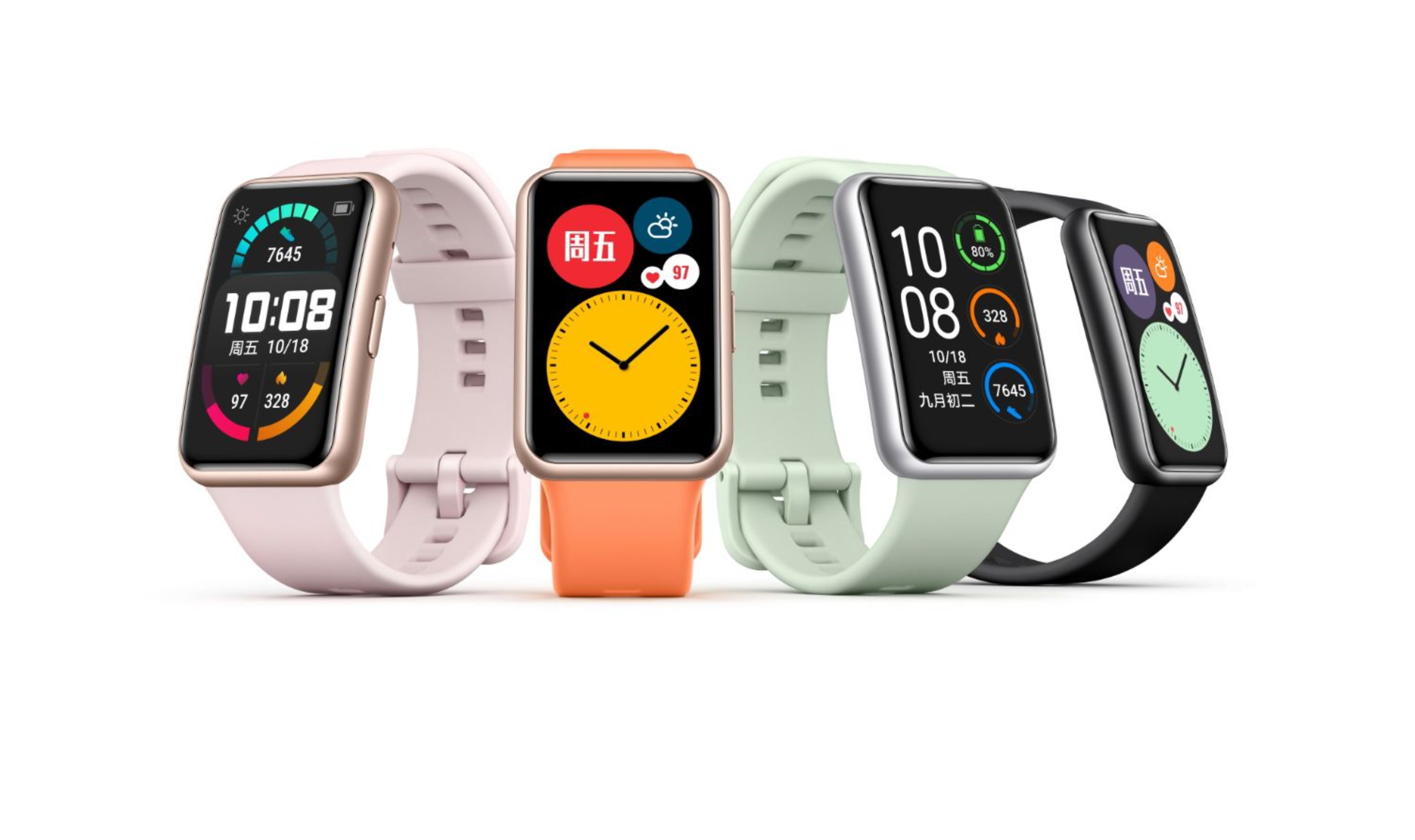
HUAWEI Watch Fit, a fashion-centric fitness tracker disguised as a smartwatch was initially announced in late August. Now, almost four months later, the company has debuted this wearable in its home country China along with a special New Year Edition.
The HUAWEI Watch Fit announced in China is the same as the one sold in other markets. Hence, it comes with the exact same set of specs.
That means we are looking at a fitness tracker with a 1.64-inch rectangular AMOLED display with a resolution of 456 x 280 pixels and 326ppi. Its body is made of reinforced polymer fiber, whereas the strap is silicone material.
The smartwatch has 4GB internal storage for songs and features Bluetooth 5.0 to connect with smartphones. Further, it comes with GPS as well as all the essential sensors such as accelerometer, gyroscope, ambient light sensor, optical heart rate sensor, and SpO2 sensor.
The wearable is powered by the HiSilicon Kirin A1 chipset and comes with 12 animated fitness courses. That’s not all, it supports HUAWEI TruSeen™ 4.0 (heart-rate monitoring), HUAWEI TruSleep™ 2.0 (sleep monitoring), HUAWEI TruRelax™ (stress monitoring), blood oxygen level monitoring, menstrual cycle tracking, app notifications, call & messages alerts, reminders, weather, alarm, stopwatch, and more.
Last but not least, it is water-resistant up to 5ATM, measures 46 x 30 x 10.7mm in dimensions (only tracker), weighs about 21g (without strap), and can last for up to 10 days on a full charge.
The HUAWEI Watch Fit is priced at ¥799 ($122) for the regular version that comes in four colors namely Obsidian Black, Mint Green, Melon Orange, and Sakura Powder. This model will be available for pre-order starting December 23 and will go on sale from January 8.
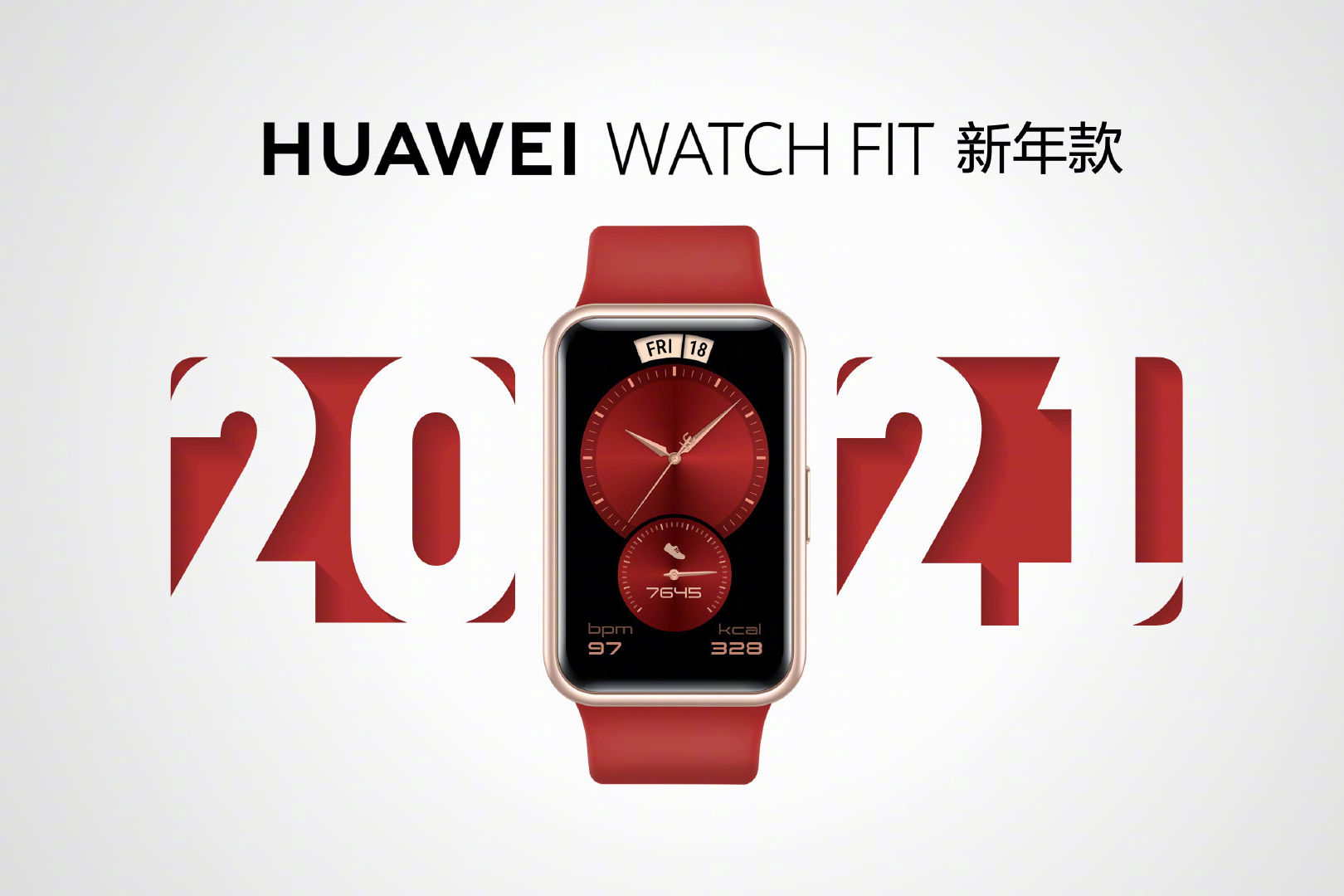
On the other hand, the special New Year Edition in Red color costs ¥899 ($137) and will be available for purchase starting January 15.
DXOMARK recently unveiled a new category of testing for Smartphone Displays. Accordingly, the company covers sub-categories like legibility, color, video, motion, touch, and artifacts. After releasing reports of various devices, today, it has included the Vivo X51 to the Display ranking list.
In case you don’t know, Vivo X51 is a tweaked version of the X50 Pro. It launched in the UK, Europe back in October. Anyway, the device gets an overall DXOMARK score of 87. With this, it ties up with other flagships like iPhone 12 Pro and Galaxy S20 Ultra at the third spot. And misses out on the crown with just 2 points difference.
To compare’s the top spot is still held by the Galaxy Note 20 Ultra with 89 points. The report says the X51 mainly drops in Video and Touch categories. Overall, the device looks to perform well indoors with good readability. And although the brightness isn’t dealt well outdoors, it reportedly has a good blue light filter.
To recall, the iPhone 12 Pro had a strong Blue light filter that impacted the reading at night according to earlier DXOMARK testing. In any case, the Vivo X51 has a much bigger screen(aspect ratio: 20:9) compared to the iPhone 12 Pro(19.5:9). Let’s quickly look at the display specs of the former below:
Size: 6.56-inch
Dimensions: 158.5 x 72.8 x 8 mm
Type: AMOLED display with 90Hz refresh rate
Resolution: 1080 x 2376 pixels
To sum up, if you talk about the Pros and Cons, the Pros of Vivo X51 include good color reproduction(across all lighting), indoor brightness, motion-blur, and blue-light filter. However, it has some major Cons like Touch accuracy(gaming), lack of smoothness, outdoor brightness, video(darker HDR10 content).
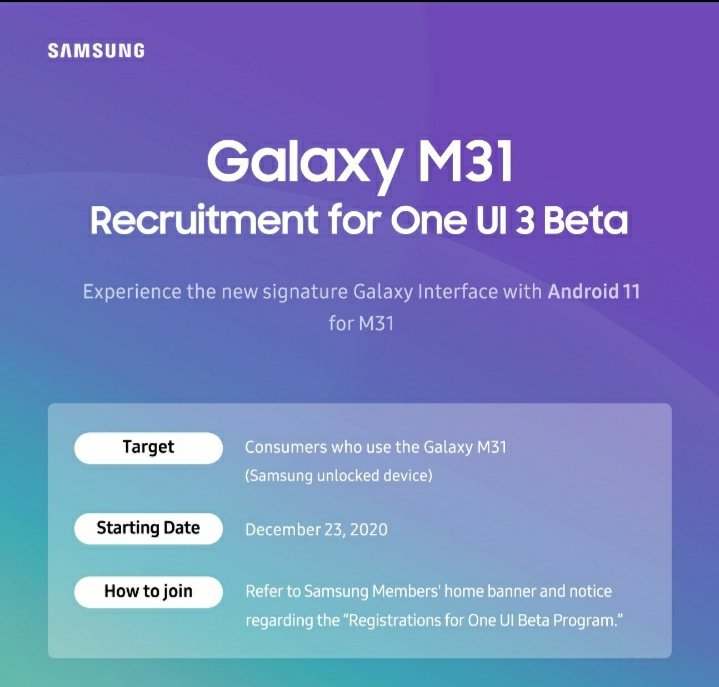
Samsung has been swiftly updating its devices with the latest One UI 3.0 based on Android 11. Right after the initial developer beta, it powered through the beta program for present and yesteryear flagships to reach the stable update stage this month. And now, it has come down to the budget M series of devices.
As Sammobile reports, Samsung has finally announced the beta program for the Galaxy M31 in India. To get things out of the way, for the Beta program, you need to enroll via the Samsung Members App. After opening the app, you will see a One UI banner. Click on that to complete the registration process.
Anyway, the first One UI Core 3.0 Beta carrying the firmware version M315FDDU2ZTLF will rollout to the registered devices. It brings the new Android 11 OS upgrade and December 2020 security patch along with it. That said, we advise you to be wary of the initial Beta build as there is a possibility of bugs.
Apart from the Android 11 features like chat bubbles, revamped notifications you should also see new features of One UI 3.0 in the update. However, since this is a budget device, Samsung might limit certain features of the One UI Core. In case you don’t know, Samsung uses One UI Core instead of full-fledged One UI for budget devices like the M-series.
Nevertheless, the early Beta signals a stable update sooner than the scheduled timeline(March 2021) for the device. If you are living in India, you can check for the first Beta(after registering) by navigating to Settings->Software Update-> Download and Install.
Samsung announced the One UI 3.0 back in August. It has already updated the flagships like the Galaxy S20 series(incl S20 FE), Note 20 series, Galaxy S10 Lite, and Z Flip 5G.
We use cookies on our website to give you the most relevant experience by remembering your preferences and repeat visits. By clicking “Accept”, you consent to the use of ALL the cookies.
This website uses cookies to improve your experience while you navigate through the website. Out of these, the cookies that are categorized as necessary are stored on your browser as they are essential for the working of basic functionalities of the website. We also use third-party cookies that help us analyze and understand how you use this website. These cookies will be stored in your browser only with your consent. You also have the option to opt-out of these cookies. But opting out of some of these cookies may affect your browsing experience.
Necessary cookies are absolutely essential for the website to function properly. This category only includes cookies that ensures basic functionalities and security features of the website. These cookies do not store any personal information.
Any cookies that may not be particularly necessary for the website to function and is used specifically to collect user personal data via analytics, ads, other embedded contents are termed as non-necessary cookies. It is mandatory to procure user consent prior to running these cookies on your website.