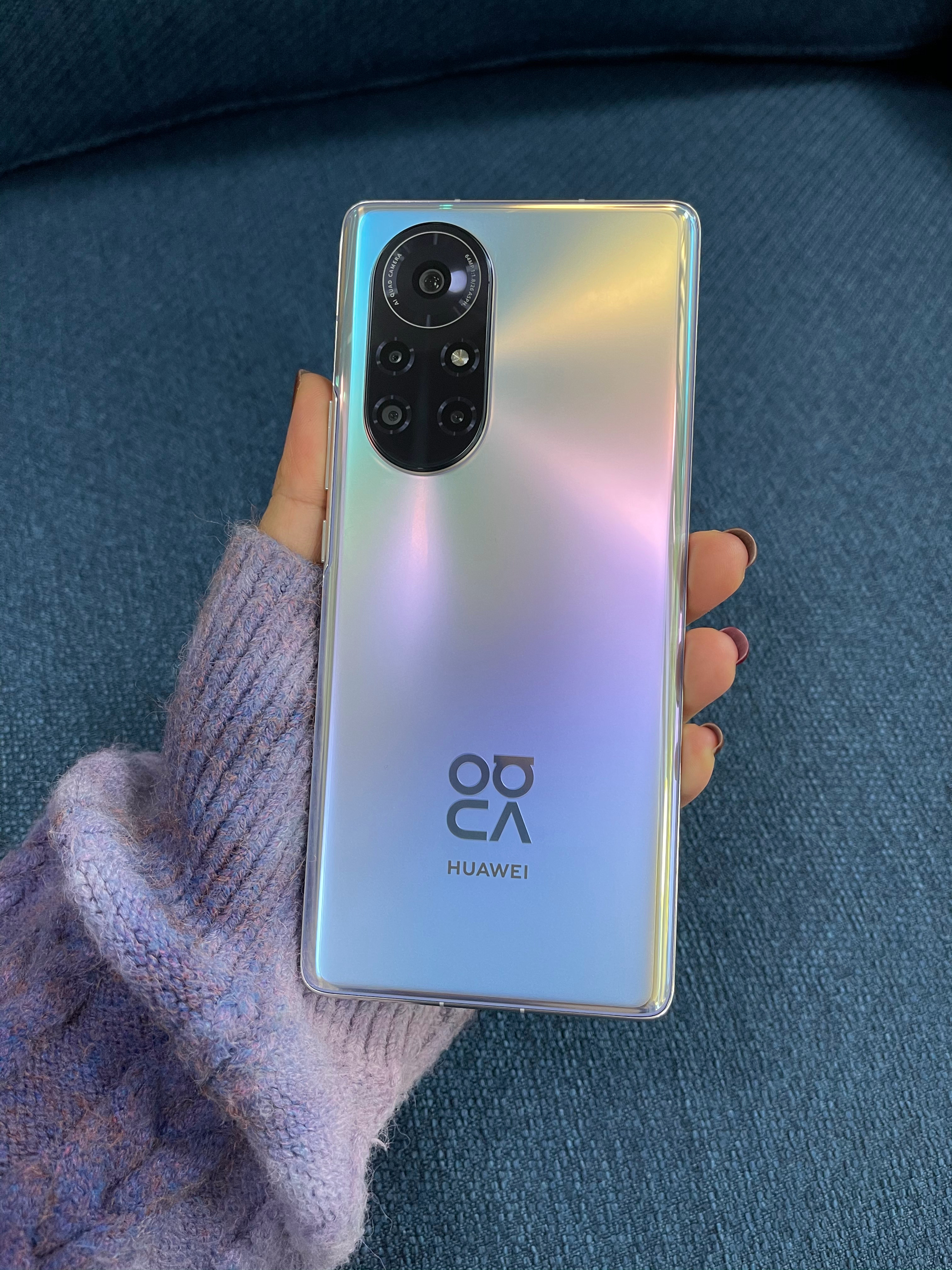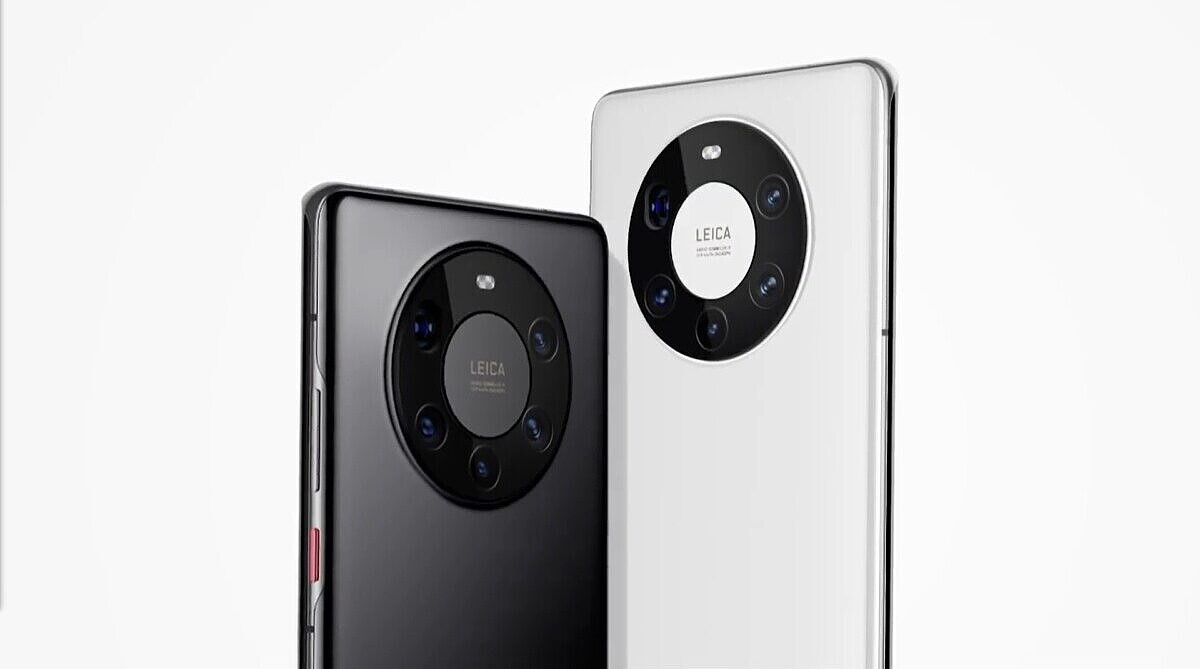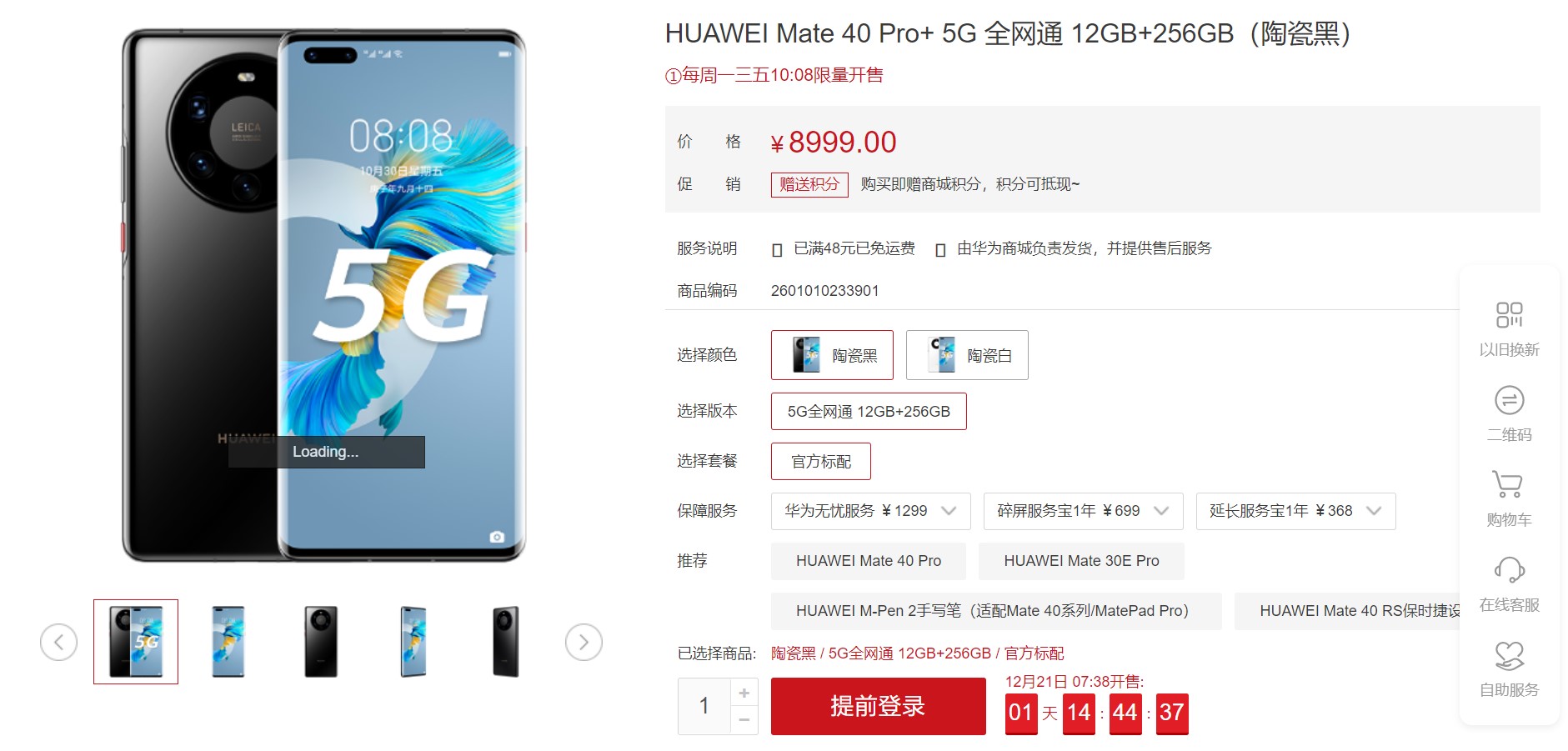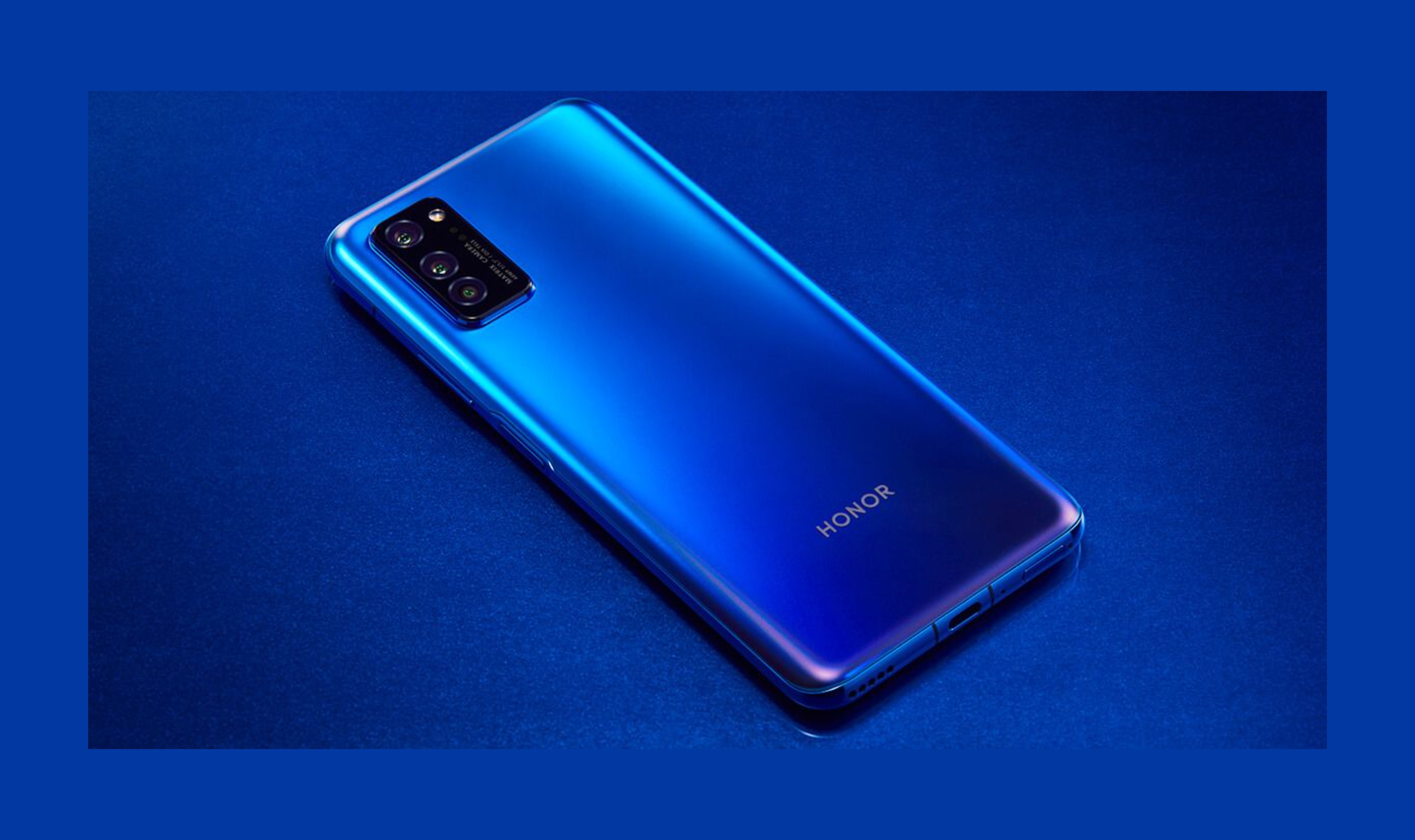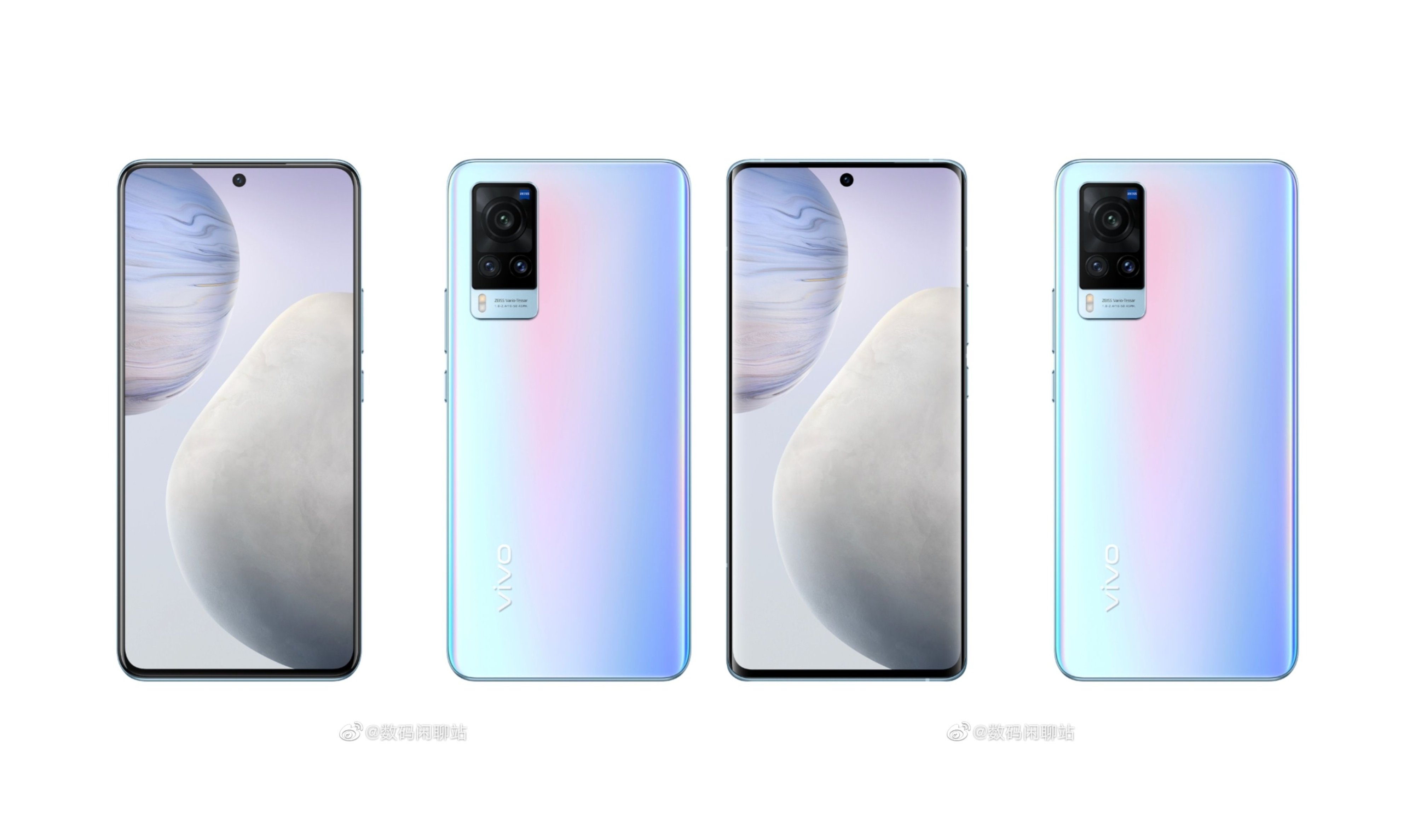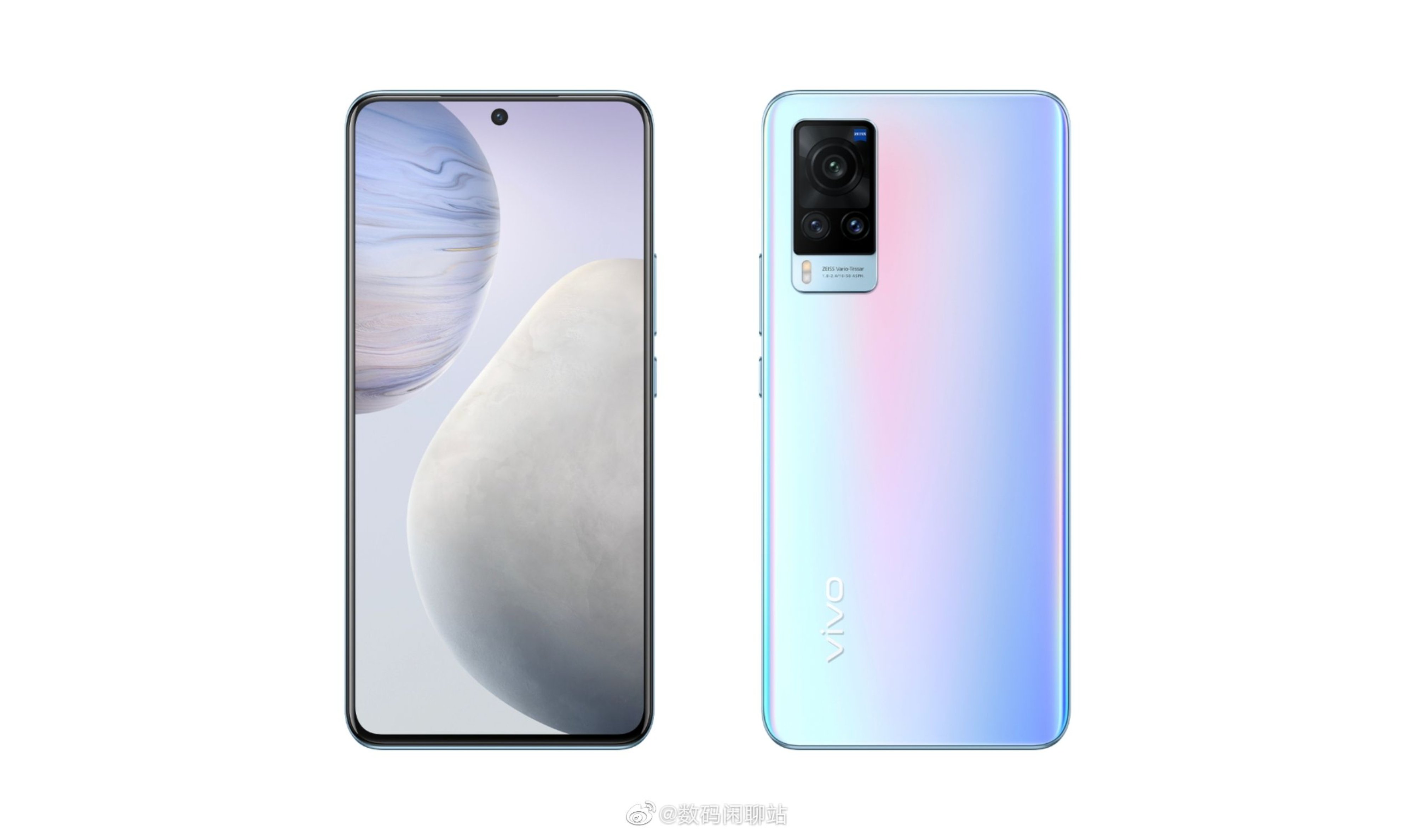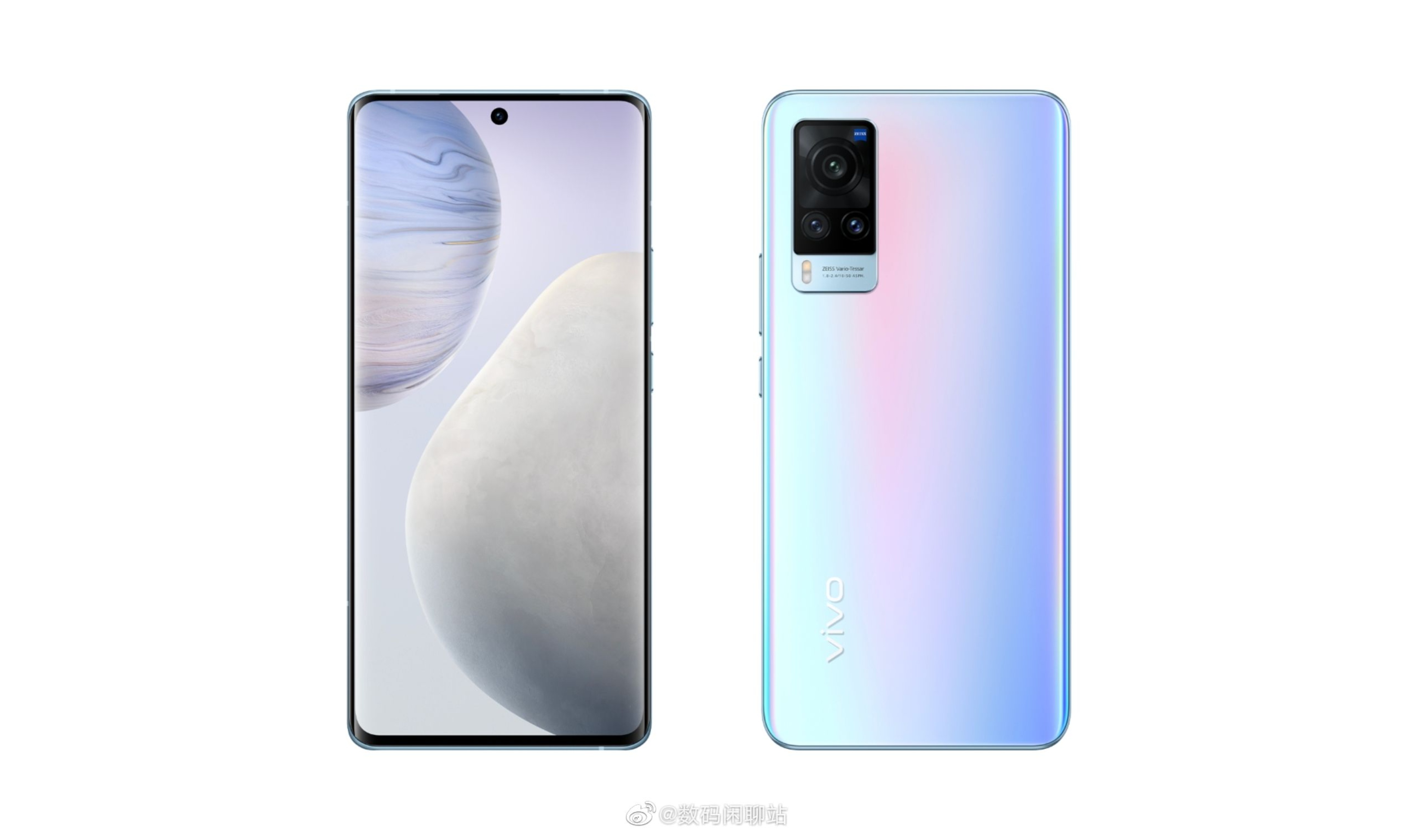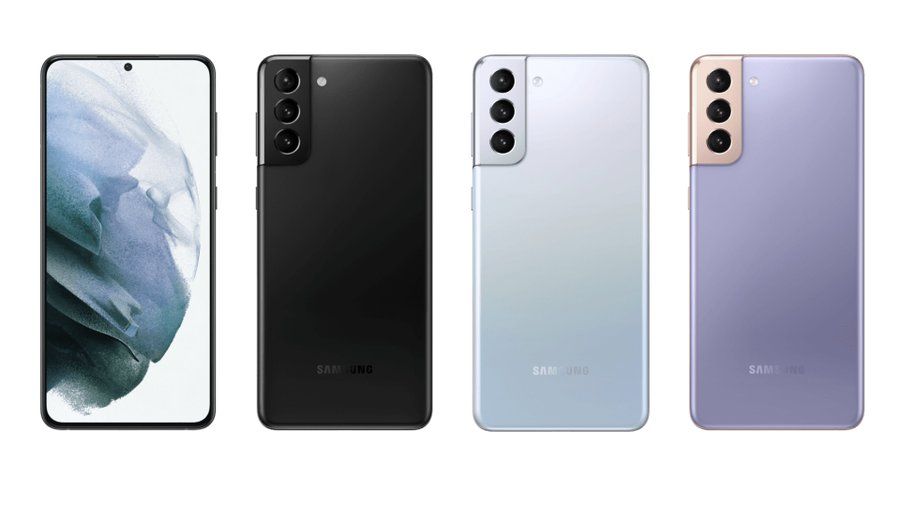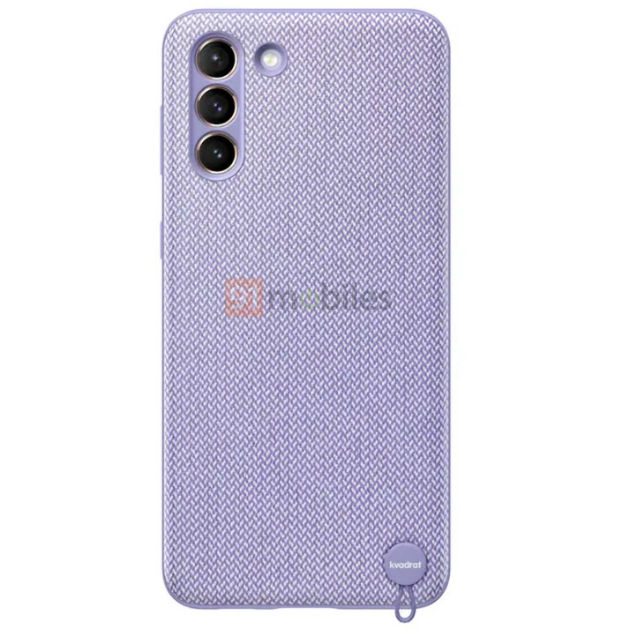
The Mate 40 series, save for the standard Mate 40, is already available for purchase. The new phones pack the most powerful Kirin chipset, the 5nm Kirin 9000, super-fast charging, and impressive cameras. If you are grabbing a unit, Huawei’s VP, Bruce Lee, has a piece of advice about picking up a phone case.
The Huawei executive had responded to a question from a Weibo user asking if a particular type of third-party case was suitable for the Mate 40 as official cases were out of stock.
The case in question is partly made from metal which is where the problem lies. Mr. Lee says the case will seriously affect signal strength as well as GPS connection. To compensate for the weak signal, the phone will use more power to pick up stronger signals which will, in turn, lead to a battery drain and a shorter battery life.
Usually, cases are mostly made from non-metallic materials such as different forms of plastic with a mix of other materials such as fabric and leather. However, it appears some cases have metal in them to provide additional strength. Nevertheless, it is best to avoid these sorts of cases as they can negatively affect the performance of the phone.
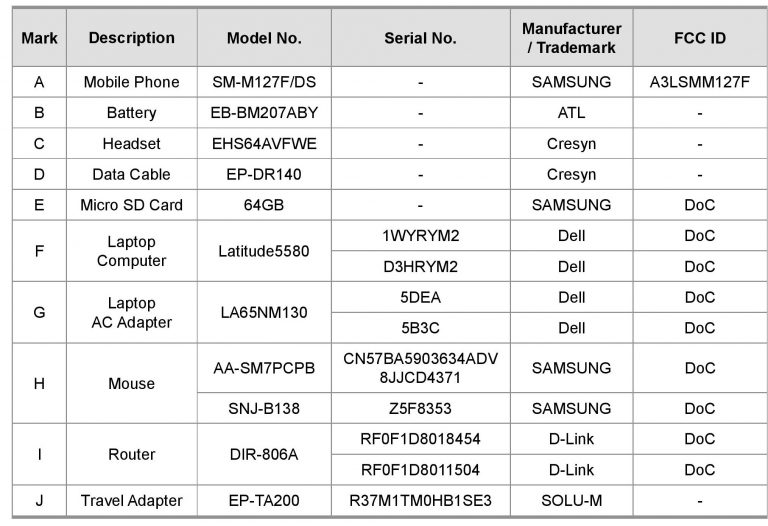
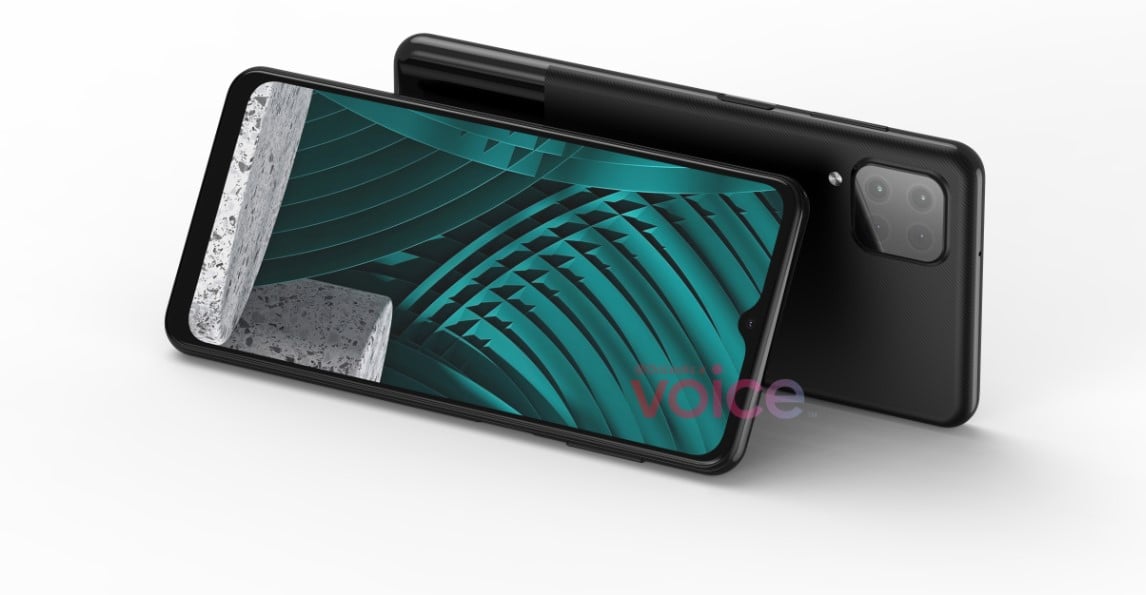
Samsung is expected to launch a phone running Android 11 out of the box soon. The phone, according to a leak, will launch under the Galaxy M series.
The source of the info is Android Police’ Max Weinbach and he revealed in a tweet that an unreleased M series phone for India will launch with Android 11. The phone which has the model number “SM-F127G” will be powered by the Snapdragon 460 Mobile Platform.
Unreleased M series phone for India. Will launch with Android 11
Yes, we know the phone’s model number points at it launching under the Galaxy F series but Max’s statement means the device will also launch under the Galaxy M series. The Galaxy F41 is practically the Galaxy M31 with one less camera and this upcoming Galaxy M phone may also only slightly differ from the Galaxy F variant.
Samsung shipping the phone with Android 11 is a big deal since most manufacturers are still shipping phones, including flagships, with Android 10. This phone should also be an alternative to the OnePlus Nord N100 which is also powered by the Snapdragon 460 but runs Android 10 and will get Android 11 as its only OS upgrade.
There is no info on when the phone will be announced but we expect more details to surface in the coming weeks.
Samsung announced the first FE phone in 2017. The Galaxy Note FE (Fan Edition) as it was called was a revamp of the ill-fated Galaxy Note7 that was eventually recalled. This year, Samsung launched the Galaxy S20 FE, a more affordable version of the S20 series and it promised that more flagship phones will get FE models. Now, a list of upcoming Samsung flagships for next year has revealed the Galaxy Fold series will also get an FE model.
The list of devices was posted on Twitter by Max Weinbach (@MaxWinebach) and it includes a total of seven devices, some of which we already expect to be announced.
The list includes the Galaxy S21 FE, which should be the successor to the Galaxy S20 FE, and also mentions the already known members of the Galaxy S21 series. There is also the Galaxy Z Fold 3, the Galaxy Z Flip 3 (not 2?), and the Galaxy Z Fold FE.
Of all the devices on the list, we are most excited for the Galaxy Z Fold FE, as it means the large foldable series will be getting a more affordable model. We do not know how much it will cost but a price tag of under $1500 at launch seems plausible.
The Galaxy Note 20 series may be the last of the Note line
While this list should get Samsung fans excited, it should also be surprising to them as there is no mention of new Galaxy Note models. Back in August, it was reported that Samsung may kill the Galaxy Note series next year but info from Korea said new Galaxy Note models will be announced in 2021 whilst confirming that there are indeed talks to kill the series.
With the Galaxy Note 21 series missing from the list of 2021 Samsung flagships, it may mean a decision has been taken already and the legendary Galaxy Note line has been terminated.
Which phone are you most excited about? Do let us know in the comment box and also share your thoughts about the other devices on the list.
A number of manufacturers are expected to announce their H1 flagship phones early next year. The launch is expected to kick off with the Galaxy S21 series which are billed to arrive in the second week of January. OnePlus is also reported to be bringing the OnePlus 9 series early, with a rumored March 2021 launch date.
Last week, a leaker revealed the model numbers of the OnePlus 9 series. Now, a device with a model number that matches that of the OnePlus 9 Pro has been spotted on Geekbench.
The device was benchmarked a few days ago under the name “LuBan LE2117”. The latter part of the benchmark ID is the model number of the OnePlus 9 Pro.
The OnePlus phone runs Android 11 and has 8GB of RAM. Its motherboard has the codename “lahaina” and its octa-core processor has a base frequency of 1.80GHz. The benchmark scores are 1122 points for the single-core test and 2733 points for the multi-core test.
Further analysis of the benchmark result by the Weibo user that goes by @肥威, reveals the CPU configuration of the processor, which is believed to be the Snapdragon 875. As seen in the second image, the flagship octa-core processor has four of its (base) cores clocked at 1.80GHz, three (performance) cores clocked at 2.42GHz, and a prime core clocked at 2.84GHz.
The OnePlus 9 series should come with AMOLED displays with high refresh rates. Unconfirmed reports say the refresh rate may reach 144Hz but this may be limited to the OnePlus 9 Pro while the standard version has a 120Hz refresh rate. It has also been reported that the OnePlus 9 series will come with 65W fast wired charging and support for 40W fast wireless charging.
Xiaomi has reportedly started pushing a new update to the Redmi K30 Pro Zoom edition. The new update brings the firmware version MIUI V12.1.3.0.RJKCNXM stable version and the update package size is about 3.3GB.
The main highlight of this update is that it upgrades the OS version to the latest Android 11. It equally brings the latest Android security patch. However, no other details have been disclosed.
Feedbacks from users in the Mi community shows that the new version is still riddled with bugs such as battery life issues, minor sound system issues, etc.
Earlier this November, Xiaomi pushed the MIUI V12.2.2.0.RJBCNXM stable version based on Android 11 operating system to the Mi 10. The update was subsequently withdrawn but some of the features it came with include super document and camera VLOG, AI watermark, etc. We can’t say if these features will be pushed to other models.
The Redmi K30 Pro Zoom Edition was launched a few months back with Android 10-based MIUI 11 out-of-the-box. The phone features a 6.67-inch Full HD+ E3 Super AMOLED display. Under the hood, the device is powered by Qualcomm Snapdragon 865 tagging along with a Snapdragon X55 modem, providing support for both SA/NSA 5G modes.
The highlight of the smartphone is the quad-camera setup which includes a 64MP Sony IMX686 1/1.7″ sensor with four-axis OIS, an 8-megapixel telephoto lens with support for 3x optical and 30x digital zoom, a 13-megapixel 123° ultra-wide-angle lens and a 2MP depth sensor.
On the front side, the device is equipped with a pop-up mechanism for housing a 20-megapixel snapper with support for 120 fps slo-mo videos and time-lapse shooting. It is powered by a 4,700mAh battery with 33W fast charging support.
Vivo will take the wraps off its new operating system, which is called OriginOS, on Tuesday, November 18. The new operating system is said to be based on Android just like Vivo’s current operating system, Funtouch OS.
There are unconfirmed reports that Vivo plans to make it possible for users to switch between OriginOS and Stock Android with ease. While dual-boot is usually associated with computers, there are ways or apps users can install multiple Android operating systems on their Android devices. Nevertheless, the news sounds really exciting as practically all phones come with a single operating system out of the box.
For this week’s poll, we want to ask our readers if they want more manufacturers to adopt a dual-boot system that allows for switching from the custom OS of the manufacturer to a stock version of Android. So please take the poll below and also drop a comment sharing any thoughts you have about the topic.
It is already well known that Oukitel flagship Oukitel WP10comes with a lot of exciting features, including 8000mAh battery capacity, sizeable full-view display and 5G fast network access. Although this rugged phone has a decent configuration, people have been wondering how its camera will be and will it match up to the specification hype. According to a recently released tender, the answer might be a Yes.
It is rumored that Oukitel invested a lot in upgrading the function of the camera this time. Oukitel WP10 is enhanced with a quad-camera system, having a 48MP Sony IMX582 primary camera, 13MP Samsung S5K3L6 wide camera, 2MP macro, and 2MP depth camera. To complement the camera system, the company has also upgraded its photography software with various features. Oukitel has customized and optimized the algorithm for each lens to achieve better shooting effects.
Crisp and Detailed Pictures
Oukitel WP10 features a wide lens that helps the user capture images at an expansive 120° ultra-wide angle. Coupled with an image distortion correction algorithm, this rugged smartphone delivers clean lines and edges for a crisp quality. Its super nightscape mode reduces the noise and allows one to click bright and clear photos in low-light environments. Furthermore, the smart HDR algorithms refine highlights, shadows, and contours to offer a more detailed view of the picture.The depth camera of Oukitel WP10 comes with a depth-sensing technology that enables the user to effectively do background blurs and facial detection for creative results. Its macro lens captures rich textures and patterns that enhance the visual appeal of the picture.
Shoot Professional 4K Videos
The most distinctive feature of the Oukitel WP10 camera is that it can shoot videos in 4k at 30fps. It gives the user the power to click and create high-quality content. The Dimensity 800 feature enables multi-frame 4K HDR video recording by capturing frames at different exposures and fusing them into a single video stream in real-time. It also features four cores of the latest Arm Mali-G57 MC4 GPU that can enhance any graphics-related function. Apart from this, Oukitel WP10 also features an underwater mode with a customizable side key to take pictures when the user is under the water.Packed with a host of features, Oukitel WP10 is a versatile, rugged smartphone, an ideal choice for basically everyone. The phone will be launching soon; to stay updated about their latest news and deals, all interested users can subscribe to the newsletter on their official website.
Mibro is a Zhenshi Technology brand and a part of the forked Xiaomi ecosystem. The company recently introduced a new smartwatch named Mibro Air with a decent design and specifications that catches one’s eye. This smartwatch will supposedly launch on November 30th at a pocket-friendly price range. To keep the conversation going and hold people’s interest, the company is offering various deals that one can take advantage of before its official launch.
Mibro Air smartwatch boasts a metal body that is made from one piece to withstand scratches and offer durability. This piece has IP68 certification and can easily resist daily rain, sweat, and frequent handwashing splashes.
As for the display, this smartwatch features a 1.28-inch round dial with TFT high-resolution color screen with a screen-to-body ratio of 95%. Its well-spaced icons enhance readability while the rotary mode further adds to the versatility. The user can even customize the background and interface of the dial according to their preference.
Mibro Air smartwatch is perfect for people living an active lifestyle as it boasts up to 12 sports modes. It can effectively record various activities, including treadmill and exercise bike, in addition to the most usual sports such as running, football, tennis or even a simple walk. It comes equipped with a heart rate sensor that helps measure the values permanently, alerting the user to any possible problem or irregularity. Additionally, this smartwatch can also monitor one’s sleep every night to keep an all-round check. All these values and measurements can be recorded and synchronized with the Mibro Fit mobile app that is pretty similar to Xiaomi’s Mi Fit app.
Mibro Air comes with a 200mAh battery that guarantees up to 10 days of continuous use and 25 days standby. It supports Bluetooth V5.0 to offer a convenient connection with a smartphone. One can easily receive notifications from apps, including Phone(calls) and Messages, WhatsApp, Messenger, Skype, Gmail, and more.
The Xiaomi Mibro Air smartwatch is a lightweight, elegant and versatile piece that can be an ideal addition to one’s accessories. It is already up for preorders on their official store for a discounted price. The company is offering a free dark green strap to interested users who preorder the watch from November 11th to November 30th. In addition to that, the first 20 preorders on November 14th can get $16 off by using the coupon code MIBRO1114.

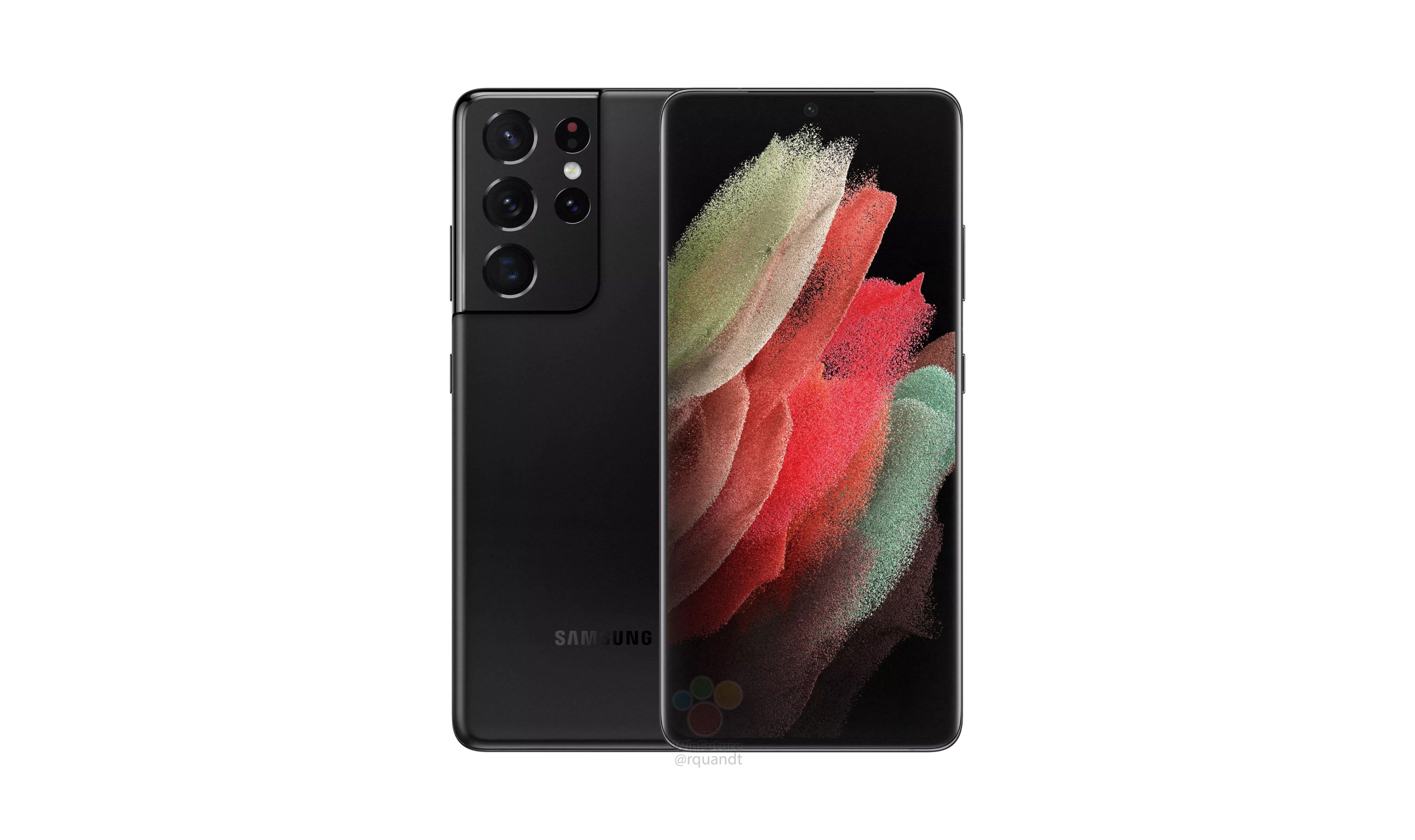
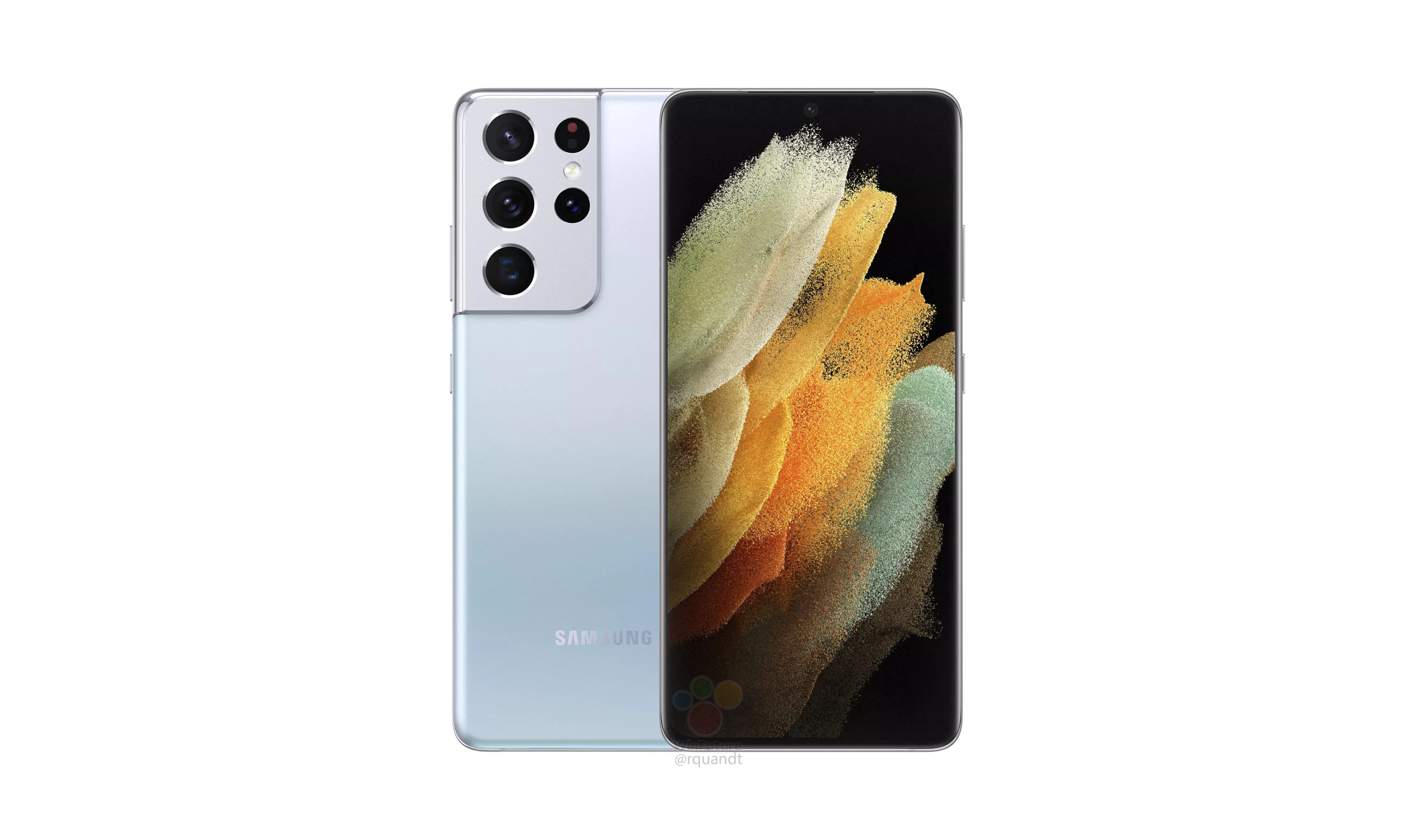
The Galaxy S21 series will arrive pretty early next year. As revealed by a leaker, the new phones will be announced on January 14 and will go on sale on January 29. We already know what the phones will look like thanks to CAD renders. Now, the key specifications of the three phones have been revealed along with some interesting details.
The leak confirms that Samsung will launch the Galaxy S21, Galaxy S21 Plus, and Galaxy S21 Ultra in two processor variants. In some markets, the phone will come with the Exynos 2100 processor while in others, it will be powered by the Snapdragon 875. The Exynos chipset will be better at power efficiency than its predecessors, so battery life should get an upgrade. It is also said to match or even outperform the Snapdragon 875 with respect to performance
Below are the specs and features for each model as reported by Android Police:
Galaxy S21
The standard Galaxy S21 will have a 6.2-inch LTPS display with an FHD+ resolution and a 120Hz refresh rate. There is no info on RAM and storage but that should vary from market to market.
On the back of the phone will be three cameras which is the same configuration as that of the Galaxy S20. So you get a 12MP ultrawide camera, a 12MP main sensor, and a 64MP telephoto camera. The selfie camera is not stated but that may also remain unchanged from the 10MP sensor we have on this year’s model.
Galaxy S21 CAD render
The cameras will be getting software upgrades such as support for 4K @60fps recording on all cameras, support for 60fps recording in Super Steady Stabilization mode, and the ability to automatically switch between 30fps and 60fps depending on the lighting conditions. Other stated features are 8K video recording at 30fps, support for dual recording (front and rear cameras at the same time), and an improved moon mode.
Samsung is also sticking to the same 4000mAh battery capacity of the S20. The phone will run One UI 3.1 based on Android 11 and will have 5G support, Wi-Fi 6, and Bluetooth 5.1. It will be available in Phantom Violet, Phantom Pink, Phantom Gray, and Phantom White. Just like the Galaxy Note 20, the Galaxy S21 will have a plastic back. Apparently, Samsung says the reception of the Galaxy Note 20’s plastic body was better received than it expected.
The Galaxy S21 Plus will come with a bigger 6.7-inch display but the resolution is now FHD+ and not QHD+. It also has a 120Hz refresh rate but it is not adaptive. That feature is exclusive to the Ultra model.
Galaxy S21 Plus render
The camera configuration on the back is also 12MP + 12MP + 64MP and you get the same software features as the standard variant. The battery capacity has been increased from 4500mAh in the Galaxy S20 Plus to 4800mAh. It will also run One UI 3.1 based on Android 11 and will be available in Phantom Silver, Phantom Black, and Phantom Violet. There is no confirmation on the material the backplate of the Galaxy S21 Plus will be made of.
Galaxy S21 Ultra
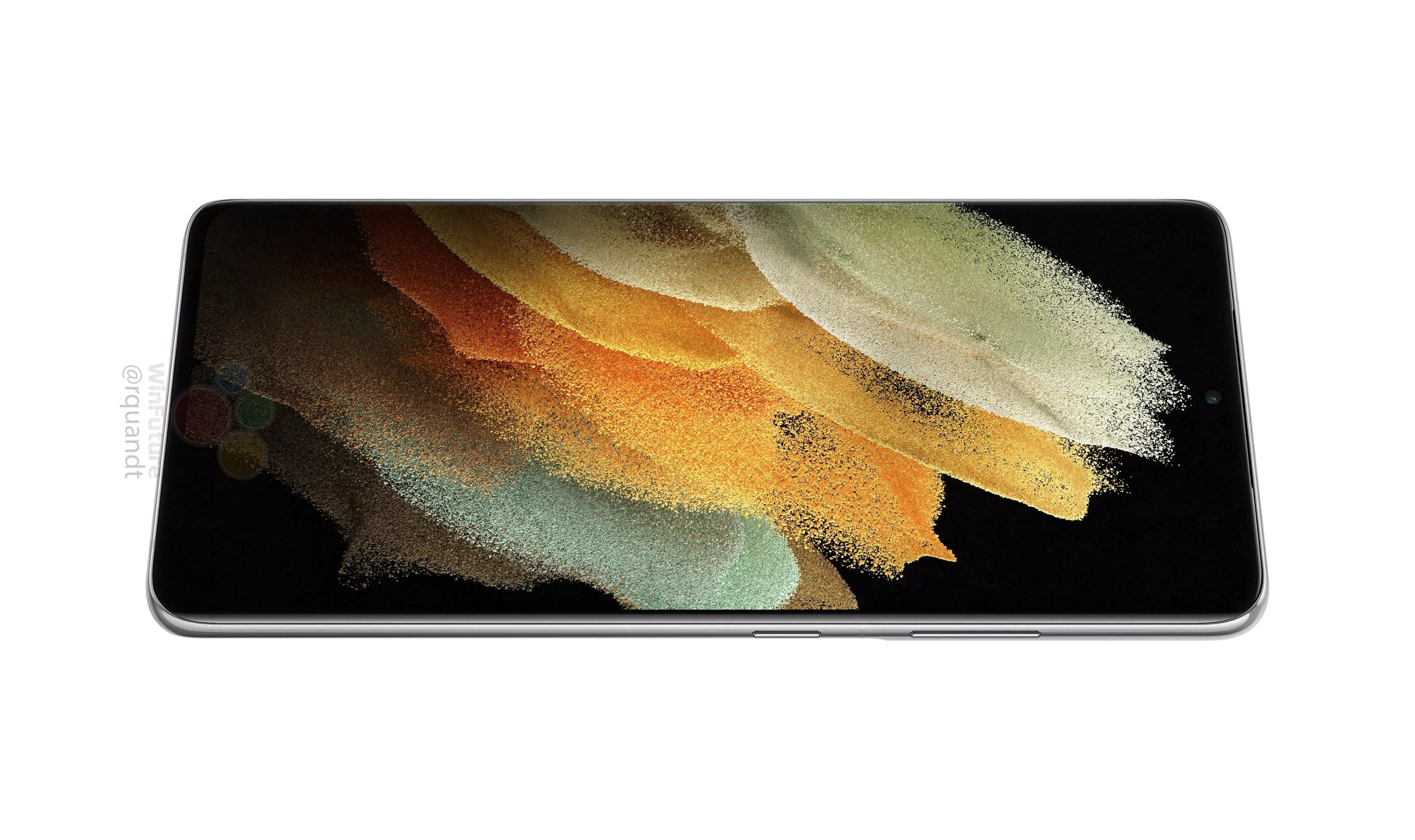
The Galaxy S21 Ultra is said to feature one of the best displays on a smartphone. The 6.8-inch screen has a WQHD+ LTPO display with a variable refresh rate from 1Hz to 120Hz and a peak brightness that reaches 1600 nits. The contrast ratio has also been increased to 3,000,000:1
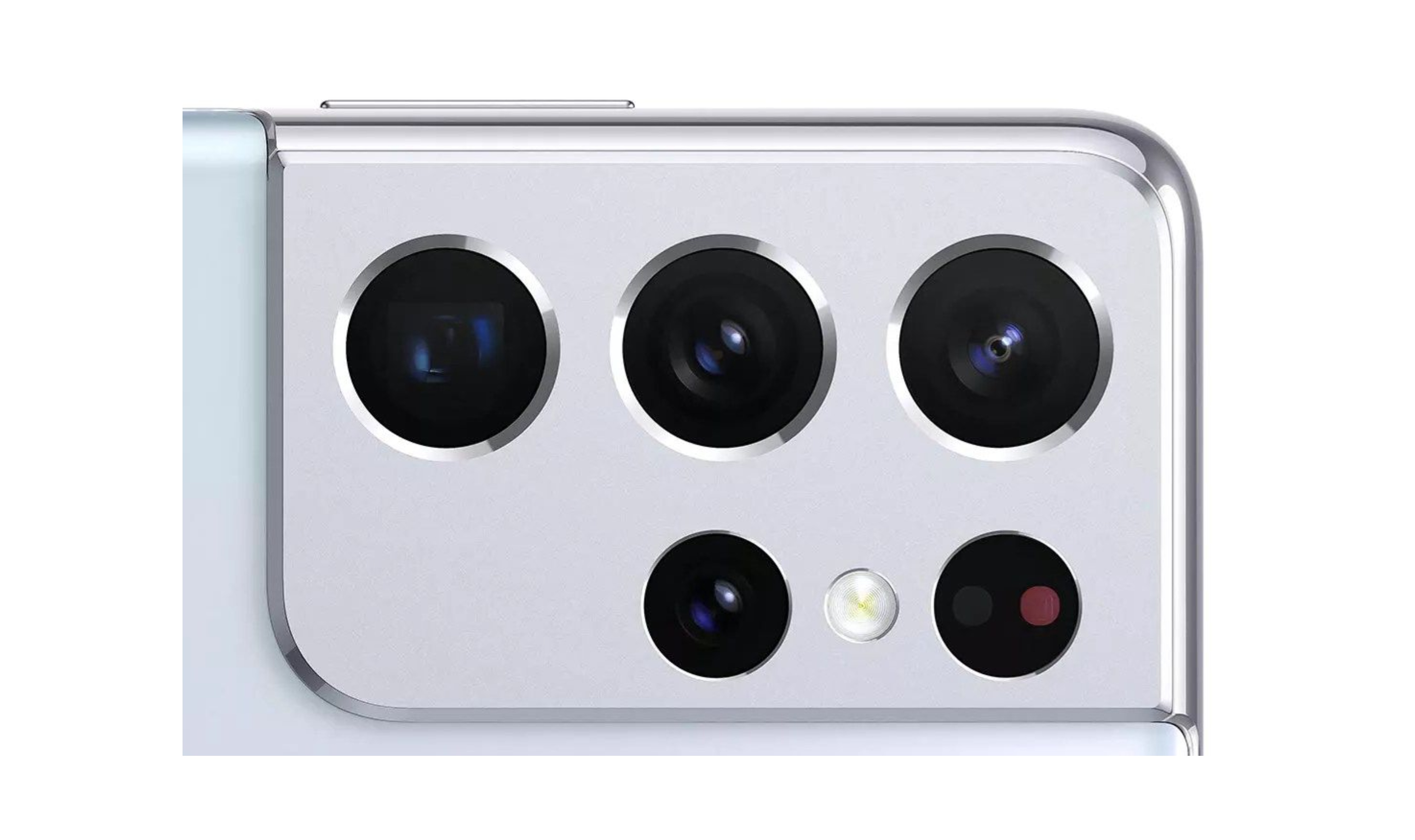
Its quad-camera setup consists of a 12MP ultrawide camera, a 108MP sensor which is a newer version of the one in the S20 Ultra; a telephoto 10MP sensor with 3x optical zoom, and another 10MP super-telephoto sensor with 10x optical zoom which brings 100X Space Zoom. The two telephoto sensor are said to have 130% larger pixels and dual pixel autofocus. There is also a laser focus system on the Galaxy S21 Ultra.
Galaxy S21 Ultra render
The Plus and Ultra models are the only two that will have Ultra Wide Band support. The feature will be used for tracking the upcoming SmartThings tags. The source also mentions that the two phones will also have support for digital car keys but this feature may be available in select regions.
The phone will also have Bluetooth 5.1 and will be the only model with Wi-Fi 6E. It will have a 5000mAh battery under the hood. Another feature that has been confirmed is S Pen support but it will be purchased separately along with custom cases that have a slot for storing the stylus.
The Galaxy S21 Ultra will come in Phantom Black and Phantom Silver and will have a glass back.
Design and Price
The source confirms that the design of the three phones matches what the CAD renders have shown us. They claim they have also seen press renders but can’t show them so as to protect their insider source.
With respect to price, it is said that the Galaxy S21 series will be cheaper than the Galaxy S20 series due to the recession and pandemic ad also to make them more competitive. Sadly, there is no specific info on how much each model will cost. There is also no confirmation that the phones will not ship with a charger.
OPPO is scheduled to hold the 2020 OPPO Future Technology Conference in Shenzhen on November 17. The Future Technology Conference is an annual event where the tech giant showcases its latest discoveries, thoughts and results on future technology from its R&D arm.
Previously, it was revealed that OPPO will showcase an FDF full-dimensional portrait video technology system, a full-link colour management system, and three concept products.
OPPO has revealed on Weibo that the second generation of the OPPO AR glasses will be unveiled at the Future Technology Conference. The teaser poster shows the device will bring a comfortable wearing experience. The AR glass is also lightweight and will have two cameras in the corners of the two lenses. One of the cameras will likely be used for AR detection.
In December last year, at the last OPPO Future Technology Conference, the company announced its involvement in the AR glasses category and demonstrated its first AR glasses. The first generation of OPPO AR glasses is equipped with four lenses, of which a ToF lens is used for distance measurement, an RGB lens is used for shooting object shapes, and two fisheye lenses are used for imaging.
According to reports, OPPO AR glasses will be equipped with depth sensors and spatial MIC arrays. It will also use diffractive optical waveguide technology, support voice interaction and 3D surround sound. It is also equipped with a microphone and physical buttons, which can be operated by gestures and voice.
OPPO founder and CEO Chen Mingyong once said that in the next three years, he will invest 50 billion yuan in R&D, continue to focus on cutting-edge technologies such as 5G/6G, artificial intelligence, AR, and big data. The company will also build core hardware technologies and software engineering and system capabilities.

If you own a Surface device or plan to get one, then you should know that Microsoft has released a list detailing the end of service dates for its entire lineup. The list includes the Surface RT from 2012 as well as the Surface Laptop Go that was released last month.
The list which is shown below shows that the duration for support for most devices is 4 years, however, there are some devices that get 5 years of support, while a few such as the Surface Pro 3 get 7 years of support.
Image Source: MSPowerUSer
A few of the devices on the list have already passed their end of service dates while nearly a third will reach their end of service dates next year. The Surface Go, Surface Studio 2, Surface Pro 6, and Surface Laptop 2 which were released in 2018 will reach their end of service dates in 2022.
Microsoft said it decided to release the list following requests from customers so as “to help plan and manage hardware and software deployments”.
The end of service date is the date Microsoft stops providing driver updates and firmware updates for the devices. Nevertheless, they will continue to receive Windows OS updates and security updates.
The latest iPad Air is incredibly powerful, beautiful, and full of features for entertainment and productivity. But it does not belong to the most advanced series of tablets by Apple. The most expensive ones belong to the iPad Pro series and they are specifically the iPad Pro 11 and the iPad Pro 12.9. Given that they actually feature similar street prices, is it better to go for the base variant of the Pro series, or the iPad Air 2020 is a superior tablet? This comparison will highlight the main differences between these two amazing Apple tablets.
Triple 12 + 10 MP + LiDAR scanner f/1.8 and f/2.4
7 MP f/2.2 front camera
BATTERY
28.6 Wh
28.65 Wh
ADDITIONAL FEATURES
Optional LTE, Pen support, keyboard support
Optional LTE, Pen support, LiDAR scanner
Design
If I had to choose only by focusing on the design, I would probably go for the iPad Pro 11 2020 because it has a higher screen-to-body ratio than the iPad Air 2020. But its rivals still comes with very narrow bezels and it has a less invasive camera module because it sports just one sensor on the rear side. The iPad Pro 11 is even lighter than the iPad Air. For the rest, they are more or less the same: they are thin and lightweight, and they are built with an aluminum body. Both come with the support of Apple Pencil and the official keyboard.
Display
The display found on the Apple iPad Pro 11 is actually superior to the one of the iPad Air. Besides having a slightly wider diagonal, it offers higher brightness and a slightly higher amount of pixels. But the biggest difference is the refresh rate: the iPad Pro 11 has a 120 Hz refresh rate, while its opponent offers a standard 60 Hz refresh rate. Despite we are talking about IPS panels, they offer very high color accuracy, as well as a high level of detail. They have a very wide color gamut and True-tone support. The iPad Pro 11 relies on facial recognition for authentication (Face ID), while the iPad Air has a fingerprint scanner.
Hardware/Software
Despite it is not a Pro variant, the iPad Air 2020 offers a stronger chipset than the iPad Pro 11: we are talking about the Apple A14 Bionic built at 5 nm, while the iPad Pro 11 has an older Apple A12Z Bionic built at 7 nm. So, you can get higher performance with the iPad Air. Further, it runs iPadOS 14 out of the box, while the Pro variant is still based on iPadOS 13. With iPadOS 14 you get more interesting productivity features and a lot of improvements. Note that, despite the SoC is different, there is not a huge difference in terms of performance.
Camera
IPad Pro 11 is one of the best tablets out there if we consider the camera department. It has a triple sensor composed of a 12 MP main camera, a 10 MP ultrawide sensor, and a ToF 3D LiDAR scanner to calculate depth info for AR appliances and mapping the environment. The iPad Air 2020 has exactly the same 12 MP main camera as the Pro version, but unfortunately, it lacks secondary sensors. The front camera is the same as well.
Battery
The iPad Pro 11 and the iPad Air 2020 come with the same battery capacity, but the iPad Air 2020 is able to last more on a single charge for two reasons. First of all, it has a more efficient chipset because the Apple A14 Bionic is built at 5 nm. Further, it does not come with a 120 Hz display, so it has a lower impact on battery life. But we should be talking about marginal differences. On the other hand, the iPad Pro 11 can be used as a power bank thanks to reverse charging. The iPad Pro 11 also supports 18W fast charging for its battery.
Price
The starting price of the iPad Air 2020 is €640/$550 for the configuration with 64 GB of internal storage, while the iPad Pro 11 starts from €800/$750 for the configuration with 128 GB of native storage. The iPad Pro 11 wins the comparison thanks to its better cameras and display, but the iPad Air 2020 actually offers a better hardware department (but it lacks reverse charging). With the iPad Air, you get an inferior camera and display, but the price is more affordable and iPadOS 14 is installed out of the box. Which would be your choice?
OnePlus is churning out updates for its latest flagship phone, the OnePlus 8T. Just last week, the phone received its second update which brought several fixes and optimizations. Yesterday, OnePlus announced that there is another update for the phone.
OnePlus 8T
The new update tagged a “hot-fix” for India arrives as OxygenOS 11.0.4.5 for the OnePlus 8T. The update will also be available for Europe and North America. The changelog lists several fixes and optimizations including for the camera and the network. Below is the full changelog:
System
Optimized the call stability
Improved system power consumption performance to reduce heating
Improved mis-touch prevention to offer a better gaming experience
Optimized fluidity with some mainstream games to reduce lagging risks
Optimized user experience with Alert Slider by adding toast messages when switching among the 3 modes
Fixed the issue that the status bar kept hovering on the screen in landscape mode
Fixed the issue that NFC cannot be turned on in a small probability
Camera
Optimized the imaging effect to bring you with better shooting experience
Improved camera stability
Network
Optimized mobile network connection to improve the network intensity with signal
Fixed the small probability issue with network interruption while playing games
The OnePlus 8T has a 6.55-inch FHD+ 120Hz display with a hole punch at the top left corner. There is a Snapdragon 865 processor under the hood along with up to 12GB of RAM and 256GB of storage. The phone has a 48MP quad-camera setup on the rear while the selfie camera is a 16MP sensor. Other features are a 4500mAh battery with support for 65W fast charging, stereo speakers, and Android 11 pre-installed.
Expert in audiovisuals and images, DXOMark has just released its iPhone 12 Pro camera review, together with its verdict. The new model offers some improvements, performance-wise, over the iPhone 11 Pro, released in 2019. Overall, this performance review resulted in a 4 point improvement of the 12 Pro over the 11 Pro.
The overall score of the test was 128 points, thus ranking the new model fourth in overall rankings, on par with Xiaomi’s Mi 10 Pro and a place behind Huawei’s P40 Pro.
In the performance test of the sensors, all three sensors output 12MP shots. The smartphone has a main 26mm-equivalent lens with aperture and OIS, supported by a 13mm-equivalent ultrawide lens that comes with F/2.4 aperture, and a 52mm telephoto module with F/2.0 aperture and OIS. An important addition to the iPhone 12 Pro is the LiDAR sensor which is deployed for accurate depth sensing.
The 12 Pro performed substantially well across all the levels. DxO highlighted its consistent autofocus performance, perfect colours and detail preservation as the strong selling points. Details in indoor shots were rendered excellently and the exposure tests also came out nicely on all grounds for the model.
The results from the performance tests on nighttime also revealed a solid footing for the model. However, for the nighttime shots, the noise was visible and detail was slightly affected. On the aspect of the dynamic range, the model scored low, while the telephoto sensor was not up to speed when greater zooming was required for difficult tasks. The ultra wide-angle performance was satisfactory, although a little more still could be done to put it at par with other leading lights in the industry.
Visuals provided by video recording showed great performance for the model, with excellent results in autofocus, exposure and colour accuracy. The video tests also established excellent stabilization and sufficient detail preservation even in extreme lighting conditions, and the wide dynamic range contributed positively to the overall points garnered by the 12 Pro.
A leading Apple analyst of longstanding, Ming Chi-Kuo predicts that Apple’s revenue is expected to double (100% rise) year-on-year in 2021 due mainly to a change in the iPhone 13’s battery components.
The research report released by the analyst (via) states that Taiwan Career Technology will be rejoining the fray as a key supplier for virtually all Apple’s products beginning from next year, 2021. This includes iPhone 13 projected to come on stream in the second half of 2021, the new AirPods with an expected release by the second quarter of 2021, and a new mini LED iPad (with an innovative and new display) expected to berth within the first half of the new year as well. The iPhone 12’s batteries currently combine soft and hard boards in production. However, the iPhone 13 is predicted to utilize only soft board technology. Soft board batteries come with fewer layers than hardboard batteries. This innovation in the battery design of the iPhone will result in better optimization of internal space due to its smaller-sized battery and an overall reduction in the cost of production.
The iPhones models released this year have slightly smaller batteries than the iPhone 11 series released in 2019. Given the added power demands of the fifth-generation (5G) modems in all the models in the series, coupled with the larger screen of the iPhone 12 Pro, the current iPhone’s performance has not been stellar in terms of endurance. Apple has been searching for ways to extend battery life while making iPhones sleeker.
In terms of battery supplies, Taiwan Career Technology is expected to have between 40%-50% of battery orders for the iPhone 13 and 13 mini next year. A couple of other suppliers, Unimicron and Unitech, .are also expected to have a little chunk of the battery supply market.
From the Kuo report, the new Apple AirPods 3 will have a similar design with the current AirPods Pro. Taiwan Career Technology is expected to also be the main supplier of many components in the product. These include the soft boards in the AirPods and the accompanying charging cases, as well as optical and acoustic component soft boards for the mini LED iPads.
We hold our breaths while awaiting the release of these products in H1, 2021.
Earlier this week, MediaTek teased the arrival of a new 6nm chipset. The Taiwan-based company revealed that it is a premium platform that features Cortex-A78 cores that work at 3.0GHz. The company is yet to confirm its final product name and other details. Today, a reliable tipster from China shared the specs of an unannounced MT6893 chipset. The same SoC has also appeared at the Geekbench benchmarking platform. Probably, it could be the same chip that MediaTek is planning to launch soon.
The leak reveals that the MediaTek MT6893 is an octa-core processor that includes a single Cortex-A78 core working at 2.8GHz, a triple Cortex-A78 core ticking at 2.6GHz, and a quad Cortex-A55 core working at 2.0GHz. The SoC is equipped with a Mali-G77 MC9 CPU for handling graphics. These specs suggest that the MT6893 will offer better performance than the existing Dimensity 1000+ chipset.
The tipster claimed that the frequency of the MT6893 is the same as the Exynos 1080 that went official earlier this week. As mentioned above, MediaTek’s upcoming premium chipset can clock up to 3.0GHz. So, there could be two versions of the chipset or its frequency could be increased to 3.0GHz at launch.
The MT6893 chipset’s Geekbench listing reveals that it has scored 4108 in the single-core test and 11,204 in the multi-core test. The listing seems to belong to a testing device that is equipped with 8 GB of RAM and Android 11 OS. The base frequency of the SoC is mentioned as 2.0GHz.
The MediaTek MT6893 is expected to go official before the end of this year. The Taiwanese company is also rumored to be working on another chipset that has a model number MT6891. It is likely that both chipsets may go official together in the coming weeks.
In related news, MediaTek recently announced the Dimensity 700 mid-range chipset. Alongside it, the company also unleashed the 7nm MT8192 and 6nm MT8195 chipsets for forthcoming Chromebook with high-end specs.
Vivo has unveiled a new mid-range phone called the Vivo Y12s. The handset is already available for purchase in Asian markets like Hongkong and Vietnam. Some of the salient features of the Vivo Y12s include a tall aspect ratio, a big battery, and 13-megapixel dual rear shooters.
Vivo Y12s specifications and features
The Vivo Y12s has a big IPS LCD display of 6.51 inches. The waterdrop notch screen delivers an HD+ resolution of 720 x 1600 pixels and a 20:9 aspect ratio. The handset measures 164.41 x 76.32 x 7.41mm and it weighs 191 grams.
It has a front-facing camera of 8-megapixel. The backside of the phone has a vertical camera unit that includes a 13-megapixel main camera with f/1.8 aperture and a 2-megapixel secondary lens with f/2.4 aperture.
The Helio P35 chipset is present under the hood of the Vivo Y12s. The SoC is coupled with 3 GB of RAM. The phone comes with an internal storage of 32 GB and there is a microSD card slot onboard for additional storage. The FunTouch OS 11 based Android 10 OS comes preinstalled on the Vivo Y12s.
The Vivo Y12s is driven by a 5,000mAh battery that carries support for only 10W charging. The usual connectivity features like dual SIM support Wi-Fi 802.11ac, Bluetooth 5.0, GPS, microUSB, and a 3.5mm audio jack is also available on the Y12s. The handset is also equipped with a side-facing fingerprint sensor and face unlock.
Vivo Y12s pricing and availability
The Vivo Y12s is priced at HK$ 1,098 (~$142) and it comes in two colors such as Phantom Black and Glacier Blue.
The newly released gaming console by Sony, PlayStation 5 has been hit by a bug that prevents a smooth download of games and apps. This download glitch is reflected in the prompt “Queued for Download” or error state whenever a user wants to make a download. For now, the only temporary solution is to reset the console to factory settings.
The glitch has been experienced by several users of the console, and it is reported that it occurs when the console is set for its first download. It is reported that there is either an error in the download or the game or app being chosen by the user for download will show the message: Queued for Download. Both notifications give a prompt to check the Downloads menu, which remains empty.
As a fallout of this download glitch, the console becomes annoyingly stuck and temporarily demobilized with respect to the download. A check on the PS5 library will show that the user owns the game/app while the PS5 Store still says the user is yet to purchase the app/game.
Some of the popular games affected by these download glitches are Godfall, Spider-Man, Demon’s Souls, Call of Duty: Black Ops Cold War (the earlier PS4 version could be downloaded without any hitches) and the Disney+ app, among others.
From the reports thus far, the download glitches only affected games and apps that were specific to the PS5.
Sony has not released any statement yet on the issue. But Activision publisher of Call of Duty recommends a factory reset for any user who encounters this bug. This solved the problem for many of the users. Of course, undertaking a factory reset wipes the console clean, meaning one has to download his games afresh, as well as begin playing from scratch. However, for now, this seems the only way out of the problem.
OnePlus is not all about flagships anymore. This year, the Chinese giant released three affordable phones from the brand new Nord series: we are talking about the OnePlus Nord, the OnePlus Nord N10 5G and the OnePlus Nord N100. After comparing the vanilla Nord with several handsets, it is the turn of the OnePlus Nord N10 5G: one of the most affordable 5G mid-rangers. And we could not avoid comparing it with other 5G mid-rangers released in the last period. We believe the best ones for such a comparison are the Xiaomi Mi 10T Lite and the Samsung Galaxy A51 5G. Let’s discover who is better.
OnePlus Nord N10 5G vs Xiaomi Mi 10T Lite vs Samsung Galaxy A51 5G
Quad 64 + 8 MP + 5 + 2 MP f/1.8, f/2.3, f/2.4 and f/2.4
16 MP f/2.1 front camera
Quad 48 + 12 + 5 + 5 MP f/2.0, f/2.2, f/2.4 and f/2.2
32 MP f/2.2 front camera
BATTERY
4820 mAh, fast charging 33W
4300 mAh
Fast charging 30W
4500 mAh, Fast charging 15W
ADDITIONAL FEATURES
Dual SIM slot, 5G
Dual SIM slot, 5G
Dual SIM slot, 5G
Design
The design of these phones is all but ugly and outdated. They are beautiful devices, but not as premium as flagships. I do not like the big and rectangle-shaped camera module of the Xiaomi Mi 10T Lite placed in the center. The Samsung Galaxy A51 5G looks more elegant with its centrally-placed punch-hole display, its less invasive camera module, and its sturdy aluminum frame, despite it lacks the glass back of the Xiaomi Mi 10T Lite. The Samsung Galaxy A51 5G has a cleaner back than both its rivals. The OnePlus Nord N10 5G is entirely made of polycarbonate with the exception of the front panel, and it has a rear-mounted fingerprint scanner: definitely not the best solution.
Display
My favorite display and the best one for most of the users out there belongs to the Samsung Galaxy A51 5G since it sports a Super AMOLED panel showing more brilliant colors and deeper blacks. Further, it has an in-display fingerprint reader. But despite all these qualities, someone (especially gamers) may prefer the Xiaomi Mi 10T Lite due to its high 120 Hz refresh rate and the HDR10 certification, no matter if it is an IPS panel. The Xiaomi Mi 10T Lite also offers a wider diagonal. The OnePlus Nord N10 5G is inferior to both with its average IPS 90 Hz display.
Hardware/Software
On the paper, the best hardware department belongs to the Samsung Galaxy A51 5G, despite it is not powered by a Snapdragon chipset. The Samsung Galaxy A51 5G is fueled by the Exynos 980 mobile platform paired with up to 8 GB of RAM and UFS 2.1 internal storage. With the Xiaomi Mi 10T Lite which takes the second place, you get a Snapdragon 750G SoC paired with a max of 6 GB of RAM. You get just 6 GB of RAM with the OnePlus Nord N10 5G as well, but the chipset is the Snapdragon 690 5G. These handsets run Android 10 out of the box, but we already know that OnePlus Nord N10 5G will get just one major update.
Camera
If we talk about the rear cameras, the OnePlus Nord N10 5G is a more interesting camera phone, at least on paper. It has a 64 MP main sensor, an 8 MP ultrawide lens, a 5 MP depth sensor, and a 2 MP dedicated macro camera. But the Samsung Galaxy A51 5G actually comes with a better front camera with its 32 MP resolution. Xiaomi Mi 10T Lite is not a great camera phone, at least if we compare it to the other handsets of this comparison. It has a pretty nice main sensor, but the camera department is not as stunning as the OnePlus Nord N10 5G.
Battery
The Xiaomi Mi 10T Lite sports the biggest battery and the fastest charging technology. But in several scenarios, the Samsung Galaxy A51 5G can reach a slightly longer battery life because its components are more efficient, including its AMOLED display with standard refresh rate and smaller diagonal.
Price
Thanks to online street prices, you can find all of these devices for less than €300/$300 in the global market. While we would discard the OnePlus Nord N10 5G due to its inferior display and hardware, it is a hard fight between Xiaomi Mi 10T Lite and Samsung Galaxy A51 5G. The former offers an AMOLED display and amazing hardware, while the latter has stereo speakers, 120 Hz, and a big battery with very fast charging. Maybe I would go for the Samsung Galaxy A51 5G.
Google recently announced that it will terminate unlimited ‘High-quality‘ backup on Google Photos starting June 1, 2021. While the existing Pixel devices are exempt from this change, new reports suggest that future Pixel devices won’t be able to escape it.
As quoted by Android Authority(source 1, 2), Google has confirmed to Android Police and Android Central that Future Google Pixel smartphones won’t have Free Google Photos backup. In fact, it won’t even get the unlimited ‘high-quality’ option that current pixels(till Pixel 5) are going to get. This totally negates the point of People who basically prefer to buy them for unlimited backup.
Instead, as reported earlier, the company has started emphasizing more on its Paid Cloud Storage, Google One. If you notice at the end of the blog post about Google Photos, it has mentioned Google One subscriptions. Accordingly, it costs $99.99(USA)/₹6,500(India) a year or $9.99/₹650 a month, and includes VPN service for Android as well(2TB Plan).
That said, this confirmation basically means that if you are someone who is planning to buy future pixel devices(after Google Pixel 5), you need to start saving for cloud storage. In case you run out of the free 15GB, Google will constantly alert you. And entice you to get the extra storage. Do note that, if you leave the completed storage unattended for 24 months, Google might delete some content by itself.
Besides, If you track Google’s approach over the years, you can see a trend here. The first Pixel introduced unlimited “original-quality” backup to Google Photos. However, after Pixel 3a, and subsequently 4, the tagline changed to “high-quality” images. Ironically, the same company, which used “unlimited backup” as a marketing tagline earlier, now says that the free 15GB it offers is enough to store three years of memories.
That said, we do understand Google’s concern about maintaining a sustainable App experience in the future. And catering to the insane demand for cloud storage every day. However, it needs to find a way to lure future Pixel buyers by giving plans similar to “three months of Google One(100GB)” with Pixel 5.
We use cookies on our website to give you the most relevant experience by remembering your preferences and repeat visits. By clicking “Accept”, you consent to the use of ALL the cookies.
This website uses cookies to improve your experience while you navigate through the website. Out of these, the cookies that are categorized as necessary are stored on your browser as they are essential for the working of basic functionalities of the website. We also use third-party cookies that help us analyze and understand how you use this website. These cookies will be stored in your browser only with your consent. You also have the option to opt-out of these cookies. But opting out of some of these cookies may affect your browsing experience.
Necessary cookies are absolutely essential for the website to function properly. This category only includes cookies that ensures basic functionalities and security features of the website. These cookies do not store any personal information.
Any cookies that may not be particularly necessary for the website to function and is used specifically to collect user personal data via analytics, ads, other embedded contents are termed as non-necessary cookies. It is mandatory to procure user consent prior to running these cookies on your website.