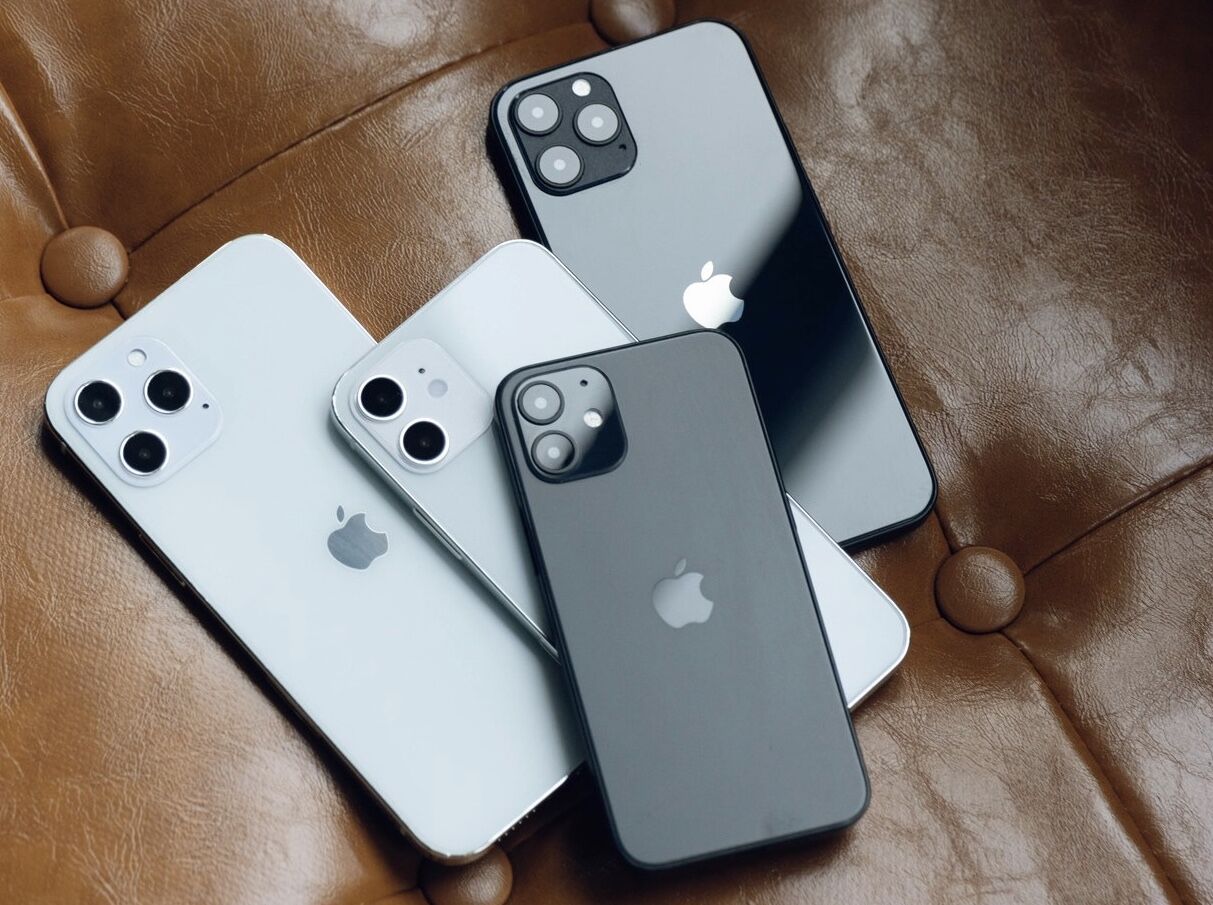
Smartphone photography has been reaching new heights for the past few years, thanks to the premium flagship smartphones. While companies like Samsung and Huawei are leading with the new innovative camera features, Apple is lagging behind.
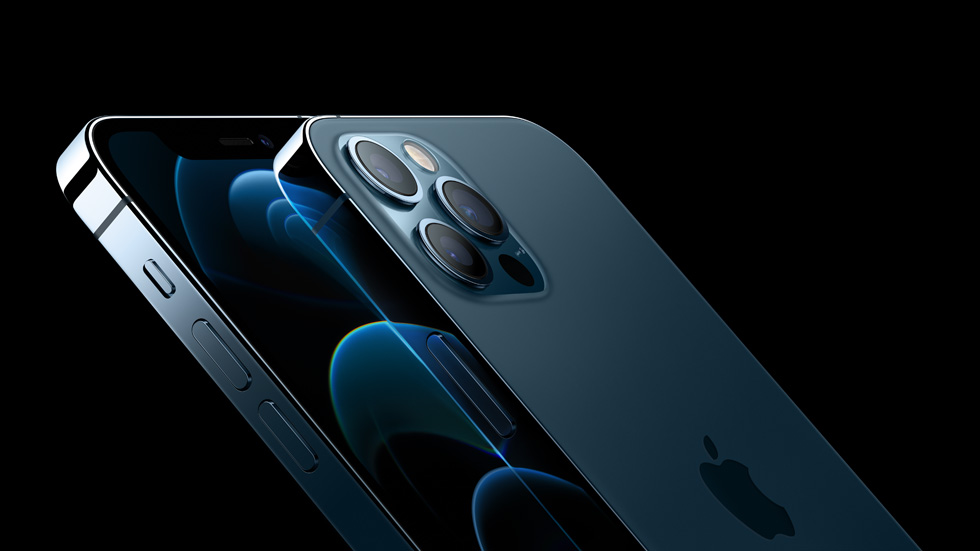
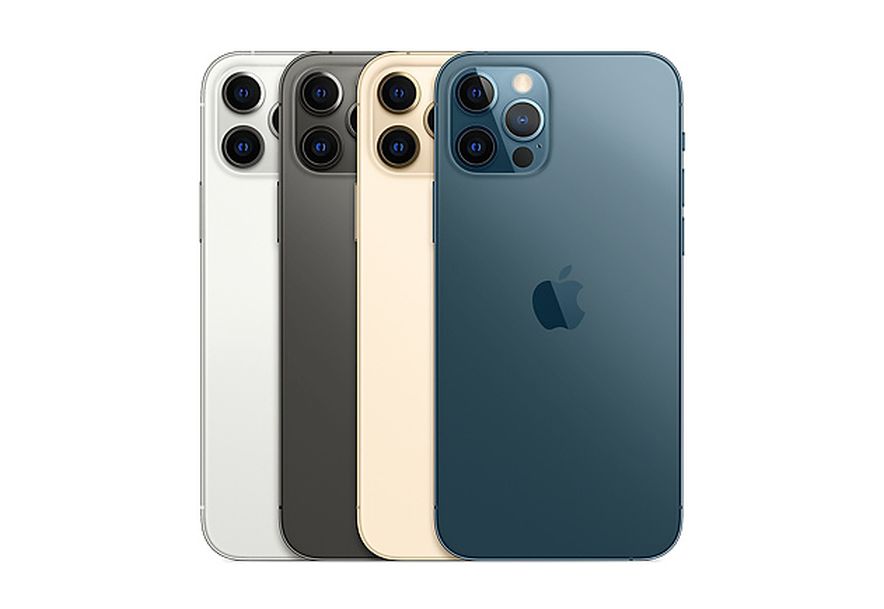
For the iPhone models launching in the year 2022, the Cupertino-based giant is expected to opt for a folded zoom camera module. And for that, some of the components could be supplied by Samsung.
As per the report coming from Korea, Samsung won’t be supplying the components, such as actuators and lens, directly to Apple but will supply them to LG, and then LG Innotek will use them in the folded zoom camera module.
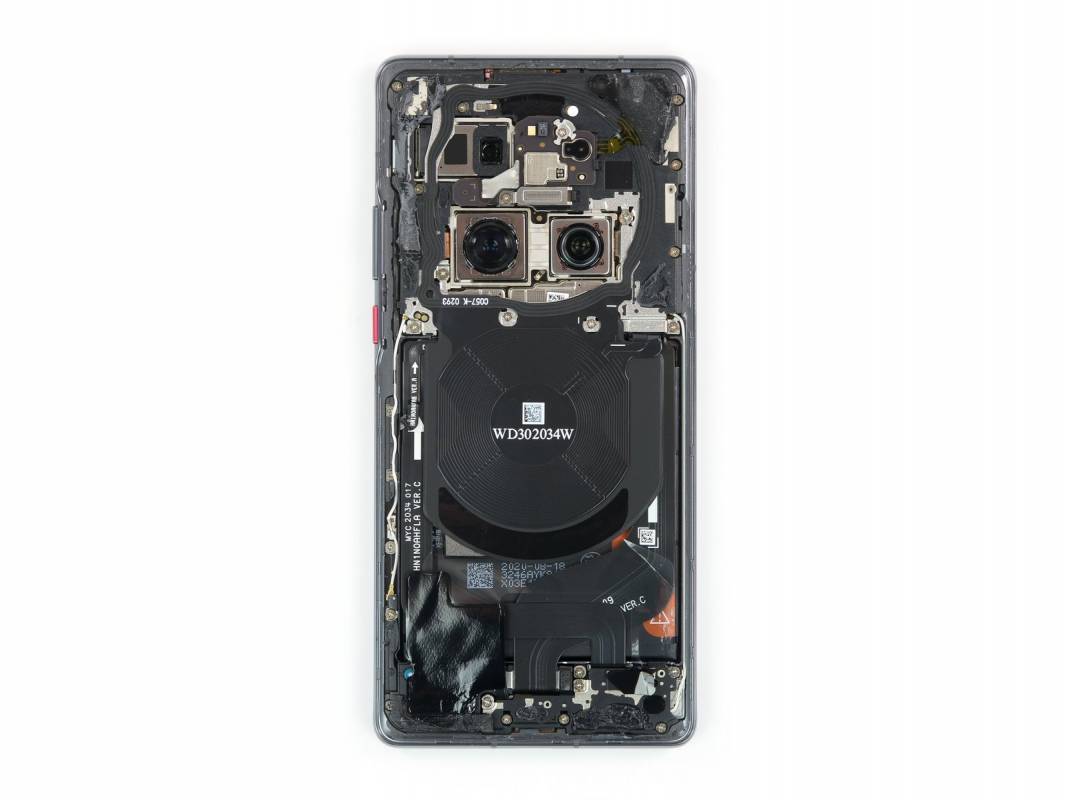
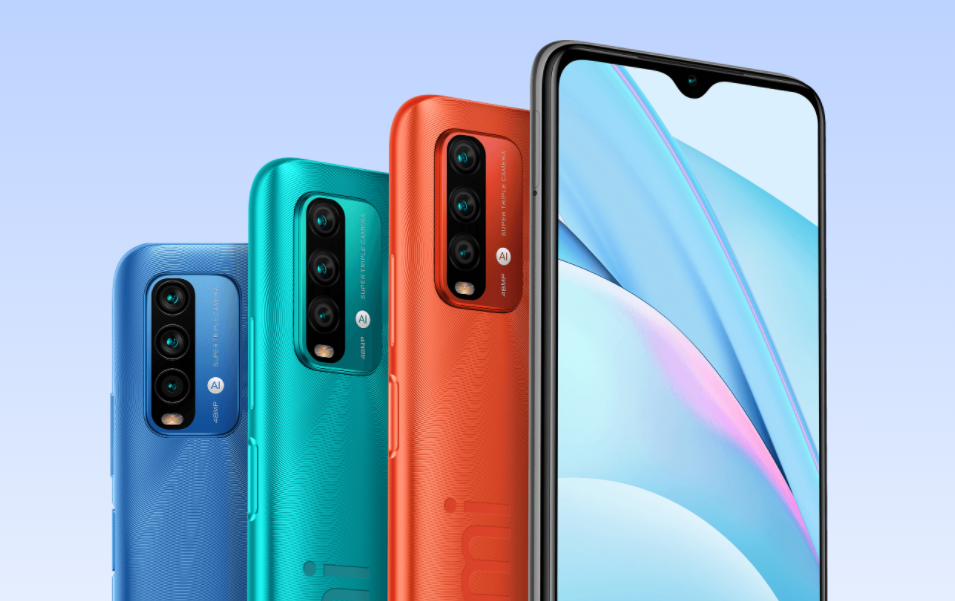
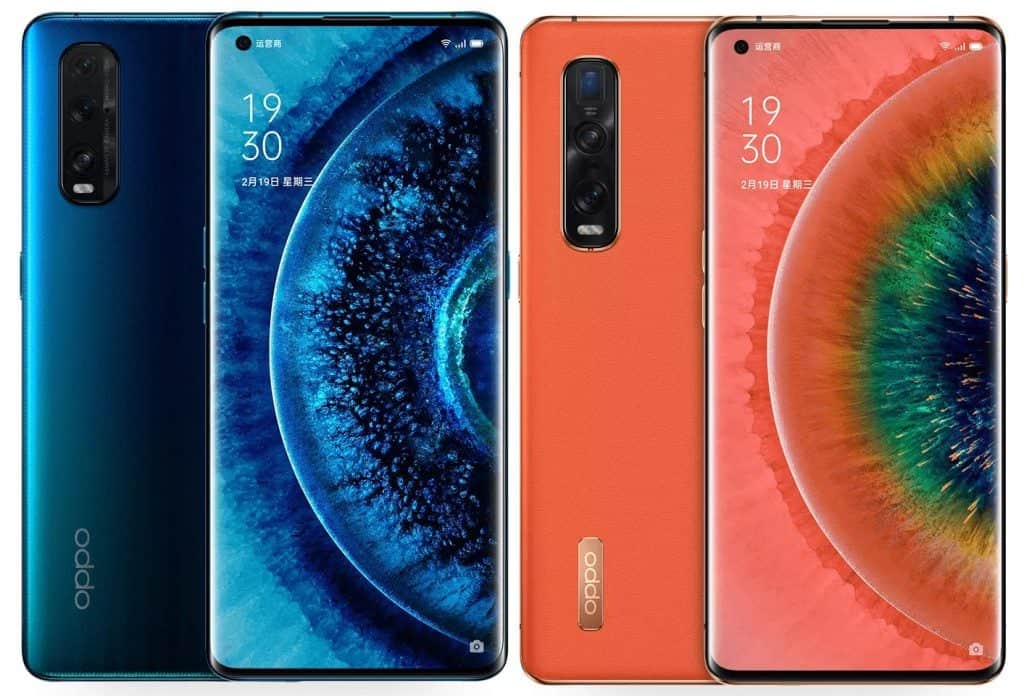
A folded zoom camera structure includes a mirror or prism that sits in the middle of the lens to reflect light. It works similar to the periscope technology but allows the camera to use the phone’s length and width rather than the thickness of the body and camera bump for the enhanced zoom feature.
Several smartphone companies, including Samsung, Huawei, and OPPO have already adopted this technology for their own flagship smartphones. For the Galaxy S20 Ultra, Samsung’s subsidiary Samsung Electro-Mechanics provided the folded zoom module.
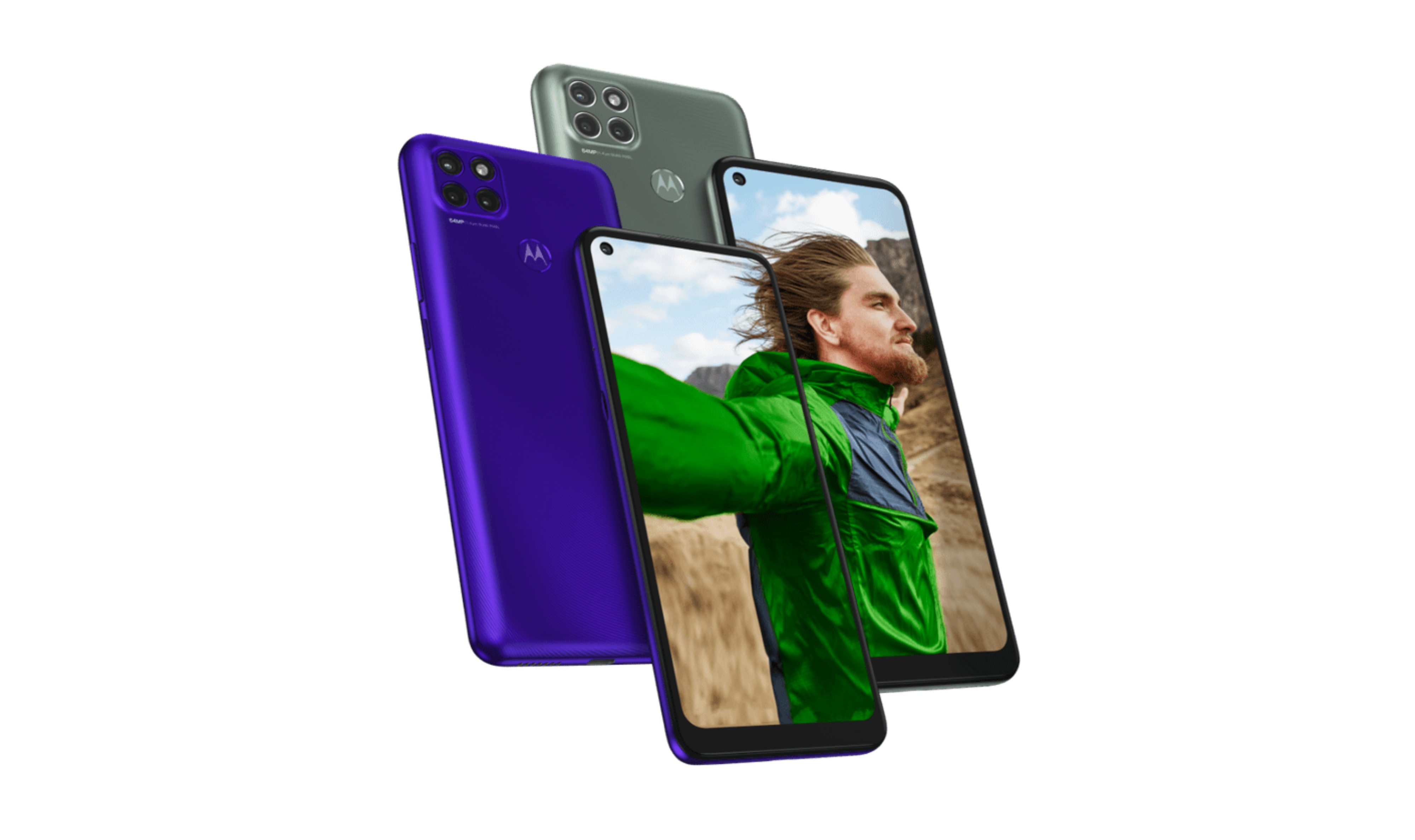
Last month, Motorola announced the Moto G9 Power and Moto G 5G phones in the global markets. Both phones are now official in India. While the Moto G 5G got introduced as the cheapest 5G phone in India earlier this month, the Moto G9 Power went official today.
Moto G9 Power price in India
The Moto G9 Power for India comes with 4 GB of RAM and 64 GB of storage. It is priced at Rs 11,999 (~$162) and it comes in two colors such as Sophisticated Metallic Sage and Vivid Electric Violet. Flipkart will begin the sales of the Moto G9 Power from Dec. 15 at 12 PM. Users with HDFC Bank cards can avail Rs 1,750 (~$24) instant discount, whereas Axis Bank credit card users can avail 5 percent unlimited cashback.
The Moto G9 Power has a 6.8-inch IPS LCD HD+ display with a punch-hole design. It has an IP52 rated splash-resistant rear shell. A fingerprint scanner is integrated with the Moto logo on the rear.
The Snapdragon 662 SoC fuels the smartphone and it carries support for 20W fast charging for its 6,000mAh battery. The My UX based Android 10 OS comes preinstalled on the smartphone. There is a microSD card slot onboard for more storage.
The front side of the Moto G9 Power features a 20-megapixel selfie camera. The square-shaped camera module on its rear has a 64-megapixel main lens, a 2-megapixel depth helper, and a 2-megapixel macro sensor. It comes with other specs like dual 4G VoLTE, Wi-Fi 802.11ac, Bluetooth 5.0, GPS, USB-C, and a 3.5mm audio jack.
Samsung has been making impressive progress when it comes to camera technology, being the first to launch a few high-megapixel count sensors. Now, the company has an ambitious plan to make a camera sensor that goes beyond the human eye.
Earlier, Yongin Park, Executive Vice President of Samsung’s Sensor Business had expressed that the company could create a camera sensor that can go beyond the human eye, which in camera technology, said to have 576-megapixels.
Now, it seems that Samsung has started working on the same. The South Korean giant is developing a 600-megapixel camera sensor which features 0.8µm pixels and is 1/.0.57″ big. But, the company has a long way to go as the current prototype takes up about 12 percent of the smartphone’s area and results in a 22mm bulge.
The company is reportedly looking to employ the ISOCELL pixel binning technology to keep the camera bump in check. However, before we see the 600MP camera, we expect to see sensors like 150MP and 250MP.
Samsung’s focus for such a high-megapixel count camera sensor isn’t just smartphone photography but much beyond that. It believes that the technology could have several other use-cases, such as in the medical field and agriculture.
The company is also expanding the categories of its camera sensors usage from smartphones. It is now planning to provide camera sensors for including autonomous vehicles (AVs), drones, and other IoT (Internet of Things) devices.
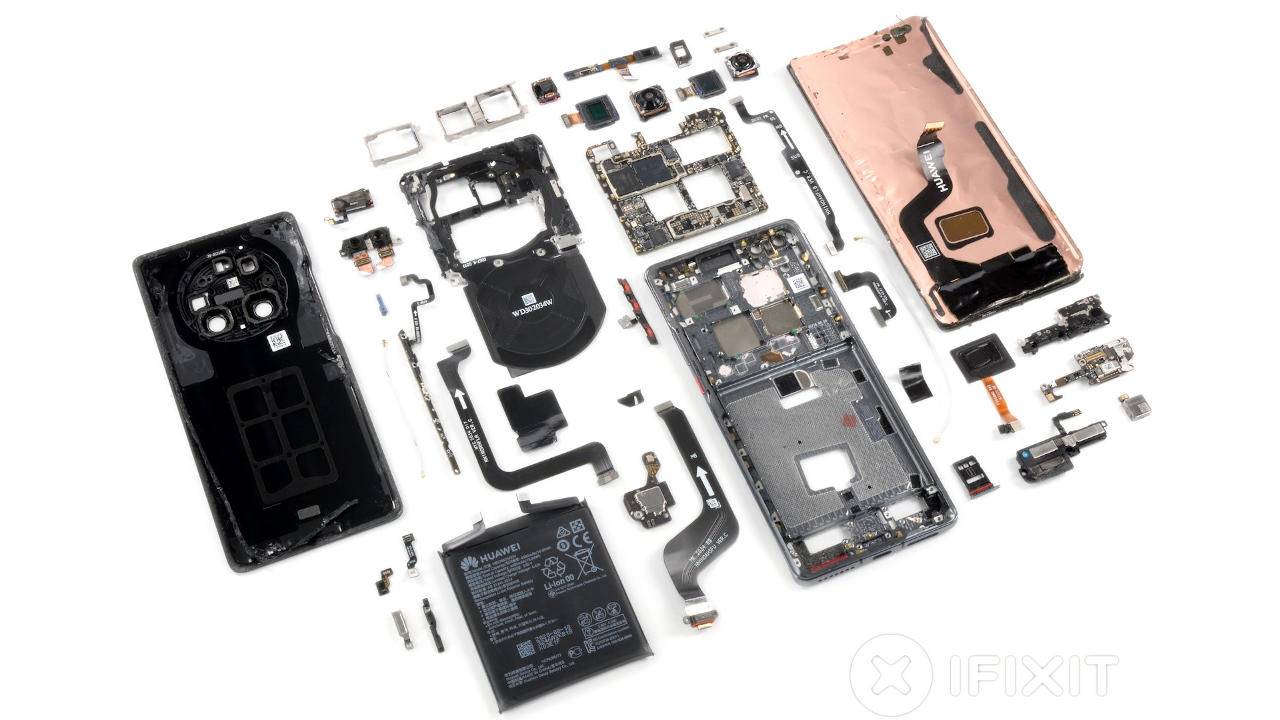
It is a well known fact that companies prefer that customers only reach out to them or their authorized partners for repairs of their smartphones. Apple takes an aggressive approach to this philosophy with near impossible third party repairs. Now, it seems that Huawei might have also unintentionally made repairs of the Huawei Mate 40 Pro impossible as well after a recent iFixit teardown revealed a mess of its components on the inside.
Generally, smartphones with glass on the front and back are usually more likely to face more visible damage from hard drops. However, this also makes it harder for repairs as well, since trying to pry off the glass panels might cause them to break. iFixit tried to remove the Mate 40 Pro’s back panel by heating, prying and even slicing, although, the screen wasn’t as easy. This already makes the repairs for the most commonly broken part of Huawei flagship’s quite difficult and even expensive.
The issues with repairs don’t just stop there as the teardown discovered that the layout of the internal components also makes repairs hard. Due to the messy placements of certain parts, like the hidden flex cable that iFixit experts accidently cut off due to its close proximity to the power button. While OEMs sometimes focusing on packing the components neatly like art, it seems like Huawei just dumped the internal components into the housing and crammed everything in, as per a SlashGearreport.
Notably, iFixit didn’t just find negative aspects for repairs, with many parts being modular and easier for replacing in case of damage. Even the top speaker and the periscopic telephoto camera are also modular. So, switching out damaged components is easier, although, that depends on if one can get this deep enough for repairs without breaking anything in the first place. iFixit gave the Huawei Mate 40 Pro a 4 out of 10 in terms of repairability, which is even below the Apple iPhone 12 series.
Xiaomi India has started a microsite for an upcoming Redmi phone. The listing only reveals that the phone will be packed with a huge battery and it will sport a quad-camera setup. Based on recent reports, the company could be teasing the launch of the Redmi 9 Power.
The Redmi 9 Power is speculated to debut on Dec. 15 as a modified version of the Redmi Note 9 4G that launched in China last month. Apart from an inclusion of an additional camera, the Redmi 9 Power is expected to sport identical specs as the Redmi Note 9 4G.
Redmi 9 Power specifications (Rumored)
The Redmi 9 Power could be arriving with a 6.53-inch IPS LCD FHD+ display with a waterdrop notch. The Snapdragon 662 SoC may fuel the device with a 6,000mAh battery that will support 18W fast charging and reverse charging.
For shooting selfies, it may possess an 8-megapixel snapper. The rear-mounted quad-camera system of the phone may include a 48-megapixel primary lens, an 8-megpaixel superwide sensor, a 2-megapixel depth assist lens, and a 2-megapixel macro shooter as an extra camera.
The Redmi 9 Power is expected to land in India in options like 4 GB RAM + 64 GB storage and 4 GB RAM + 128 GB storage. It will be available in three colors like black, blue, and green.
Xiaomi is yet to confirm the launch date for the Redmi 9 Power. There is no word on its pricing. The Redmi 9 Prime is the most powerful Redmi 9 series smartphone in India. Since the Helio G80 powered phone starts at Rs 9,999 (~$135), it is likely the Redmi 9 Power may cost Rs 10,999 (~$149) at launch.
At the beginning of this month, Qualcomm announced the Snapdragon 888 mobile chipset for 2021’s flagship phone. After the launch, OPPO confirmed that its Find X3 series of flagship smartphones will be driven by the SD888 SoC. The Find X3 and Find X3 Pro phones are expected to get announced in the first quarter of 2021. Well ahead of the launch, popular tipster Evan Blass has revealed the key specifications and features of the Find X3 Pro.
The tipster revealed that the Find X3 Pro is codenamed as Fussi and the device could be promoted with an “Awaken Color” tagline to highlight its 10-bit color support. The leak reveals that the Find X3 Pro will carry support for a full-path color management system that will make it possible for its display to natively support 10-bit color depth. In other words, the Find X3 Pro will be able to produce images in 1.07 billion colors just as the images captured by its quad cameras.
OPPO Find X3 Pro specifications
The Find X3 Pro has a 6.7-inch curved OLED display that will support 1440 x 3216 pixels resolution, a 525ppi pixel density, and an adaptive refresh rate ranging from 10Hz to 120Hz like the Samsung Galaxy Note 20 Ultra. It is unclear whether the smartphone has a punch-hole display. The curved back of the Find X3 Pro could be available in ceramic glaze or matte-frosted glass options. The thickness of the device is 8mm and it weighs 190 grams. It is expected to arrive in blue and black color variants. The company may release a white version a bit later.
The Snapdragon 888 5G mobile platform powers the Find X3 Pro. It is fueled by a 4,500mAh dual-cell battery that supports 65W SuperVOOC 2.0 fast charging and 30W VOOC Air wireless charging. It will come with a new NFC module with a dual-body antenna design. This new tech will allow users to make payments not only by touching the phone’s back to the reader but also by placing the front to the rear. The ColorOS 11 based Android 11 OS comes preinstalled on the smartphone.
The rear-facing quad-camera system of the Find X3 Pro will include two 50-megapixel Sony IMX766 cameras, one will be a primary lens and the other one will be a superwide sensor. It will have a 13-megapixel telephoto lens as the third camera that will carry support for 2x optical zoom, and the setup will also feature a 3-megapixel macro camera encircled with lights. The macro lens will function as a microscope as it will carry support for 25x zoom. The leak has no information on the front camera of the Find X3 Pro.
Apple iPhone 12 series has faced a healthy demand since its launch. However, it seems that the company has yet to catch up with supply as its production lines are straining to provide consumers with its latest flagship handsets.
According to an AppleInsiderreport, investment bank JP Morgan tracked the delivery times, which suggested that the demand for the iPhone 12 Pro and iPhone 12 Pro Max is still ahead of the company’s supply. Reportedly, this issue is not being reflected on the lower end variants in the series, including the iPhone 12 mini and iPhone 12.
As per analyst Samik Chatterjee, JP Morgan’s iPhone availability tracker has been witnessing a build up in lead times for shipments. In other words, the time for a customer to receive their iPhone Pro or Pro Max model has been rising. At the moment, the lead times for the iPhone 12 Pro has reached an average of 27 days across several regions. This is the longest lead time ever observed by JP Morgan, which has been tracking the lead times since the start of the iPhone 12 series’ launch.
On the other hand, the lead times for the iPhone 12 mini and iPhone 12 decreased over the previous week. This is suggestive of a more humble demand from the consumers. As of the first week of December, both the lower end iPhones had a lead time of only 3 days, while the iPhone 12 Pro Max takes 23 days to reach customers on average.
In the US, the Apple iPhone 12 Pro and iPhone 12 Pro Max lead times have surged even further and reached 33 days and 25 days respectively. This is notable considering that the region accounts for about 35 percent of the global iPhone shipments. Although, in store pickup for all models only had a lead time of just a single day. In this regard, China, UK, and other European regions saw slightly better lead times in comparison.
Huawei is apparently ready to accept any terms or requirements that the Swedish government may set on its 5G networking equipment. The company will also be willing to accept any measures to address any other concerns as well to avoid a complete ban in the country.
According to a senior executive from Huawei, the Chinese tech giant is willing to accept any terms after it faced a ban in the region, which also caused a delay in Sweden’s spectrum auction as well. For those unaware, Chinese telecommunications equipment providers Huawei and ZTE faced a ban in Sweden after the country’s telecom regulator PTS banned the use of equipment from both the companies.
However, since then Huawei has managed to win a court injunction and is even awaiting an appeal from PTS. Kenneth Fredriksen, Huawei Executive Vice President, said that “We are even willing to meet extraordinary requirements, such as setting up test facilities for our equipment in Sweden, for example, if they want to,” in a statement to Reuters. The senior executive further added that the company is “now in the middle of the court process, but we are willing to have pragmatic discussions. I can’t give you a concrete plan, but of course we will fight for our rights.”
In recent months, Europe has followed in the United States’ footsteps and have tightened regulations against Chinese made 5G networking equipment, alleging that the technology might be used by the Chinese government for spying and espionage. At the moment, the 5G spectrum auction has been delayed over the Huawei ban in Sweden, which is the second nation after the UK to ban the company. The date for the appeal court has yet to be set, so stay tuned for more updates regarding the matter.
Uber, the world’s leading cab-hailing service provider, has announced that it is selling its driverless self-driving car subsidiary to Aurora Technologies for $4 billion. Uber is also investing $400 million in the startup for a 26 percent stake.
As a part of the transaction, Uber’s Chief Executive Officer Dara Khosrowshahi will be serving on Aurora’s board. The startup, headquartered in Silicon Valley with an office in Pittsburgh, will also be acquiring engineers and support staff of Uber A.T.G.
This acquisition deal is expected to get closed in the first quarter of 2021. The sale of Uber’s Advanced Technologies Group has been valued at $4 billion, which is much lower than its valuation of $7.5 billion last year.
Although Uber is selling its Advanced Technologies Group (A.T.G.) division, the company says that it remains interested in the field. Going forward, the company will be collaborating with Aurora to launch driverless cars on its network. However, Aurora’s CEO Chris Urmson has confirmed that the startup’s first product won’t be a robot taxi but is likely to be a self-driving truck.
The driverless technology was a key focus for Uber’s founder and former CEO Travis Kalanick as it could help the company get rid of its biggest expense — drivers. With driver-related expenses reducing, the company was hoping to become profitable, ending years of enduring losses in billions of dollars.
However, the autonomous driving unit of Uber has been involved in several legal matters — from pedestrian death to intellectual property theft. While investors have been long pressuring the company to sell its self-driving unit, the company was finally forced to do so after revenue plummeted because of the COVID-19 pandemic.
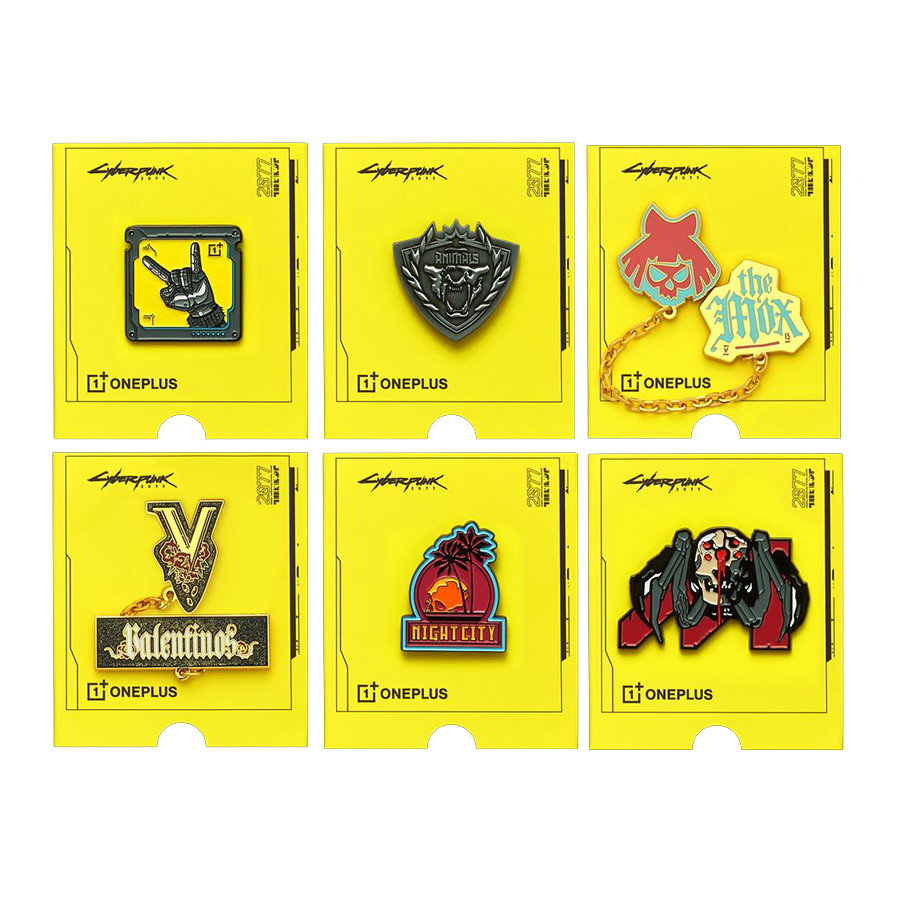
Gizmochina along with Giztop is conducting 3 sets of Cyberpunk 2077 badges(a set that includes 6PCS badges) as a giveaway gift to 3 lucky readers. Like always, you just have to follow the steps mentioned on the Gleam widget to get a chance to win this amazing gift.
OnePlus recently partnered with CD Project Red and launched the OnePlus 8T Cyberpunk 2077 Edition smartphone bearing a crafty design. The Oneplus 8T Cyberpunk 2077 limited edition is available for $899 on Giztop.
The main features of Oneplus 8T Cyberpunk edition:
6.5-inch DisplayMate A+ screen with 120Hz refresh rate.
Qualcomm Snapdragon 865 5G Soc, with Adreno 650 GPU.
Rear quad-cameras: 48MP+16MP+5MP+2MP, a 16MP selfie camera.
The winner will be posted on Gizmochina’s twitter and Gizmochina’s Facebook, so please follow us on Twitter and Facebook, so that you don’t miss the winner announcement.
Terms & Conditions:
1. The giveaway is an international giveaway. 2. We are not responsible for lost shipments. 3. We are not responsible for any duties, import taxes that you may incur. 4. We reserve all rights to make any changes to this giveaway. 5. The prize will be shipped in a month when the giveaway ends.
* The winners of the last giveaway were announced last week on this Facebook page.
Just follow the steps mentioned in the Gleam widget to participate in the giveaway.
Update: The 3 winners are picked, please contact us via email: [email protected]. If the winner does not contact us within 2 weeks, it will be deemed to have automatically given up the prize.
The European Union has funded a wireless project called Hexa-X which is focusing on the next generation of mobile technology — 6G. Now, the Finnish company Nokia has been appointed to lead a group of companies and universities working on the project.
The project aims to create unique 6G use-cases and scenarios as well as develop fundamental 6G technologies. It will also define a new architecture for the integration of the key 6G enablers.
Apart from Nokia, the project also includes Ericsson, Atos, Intel, Orange, Siemens, TIM, and Telefonica. Ericsson is also acting as the technical manager for the project. The University of Oulu and the University of Pisa are also a part of this initiative.
It’s interesting to see countries kickstarting preparations for the 6G technology at a time when 5G is still in the early stages of going mainstream and is available in select regions only. As per the report, there are about 100 wireless carriers globally that offer 5G connectivity, that too in limited regions.
Nokia says that it is expecting the 6G technology to launch commercially by 2030, which follows the typical 10-year cycle between the new generations of mobile technology. It is expected to use super high-frequency terahertz airwaves and deliver advanced connectivity and even support real-time holographic imaging.
The Hexa-X project is set to commence from 1st January 2021 and has a planned duration of 30 months. Apart from the European Union, countries like South Korea and China have also started working on 6G technology.
Apple has created a successful product lineup in the form of AirPods — the company’s own true wireless earphones. Currently, in the second-generation, the third-generation variant of the same, dubbed Apple AirPods 3 have been in the news for some months.
Now, a new report coming from @LeaksApplePro Twitter handle claims that the AirPods 3 could get official in March 2021. This is in line with the previous reports which indicated that the next-gen AirPods will go official in early 2021.
Previous reports have also indicated that the Apple AirPods 3 will come with a new design, which is similar to what the company is offering with the AirPods Pro. As for the components, Taiwan Career Technology is expected to be the main supplier.
Although it is expected to have an AirPods Pro design, it’s unlikely to get support for Active Noise Cancellation — the main feature that separates the Pro variant from the standard models. To know for sure, we will have to wait for the official launch.
While the next-generation AirPods will get launched after a few months, Apple is reportedly all set to launch the AirPods Studio within a few days. For those who are unaware, AirPods Studio is an over-ear headphone that is rumored to launch this week.
Apple is a classic tech company. Similarly, Gucci is one of the popular luxury fashion brands. When the latter makes accessories for the former, we expect them to be costlier. Unsurprisingly, that is the fact for the new Gucci cases for AirPods.
GUCCI AirPods Pro Case (left) & GUCCI GG Marmont AirPods Case (right)
The Italian fashion brand has released two new cases for Apple AirPods. The first one is called ‘GUCCI AirPods Pro Case’. It can be worn around the neck like a mini handbag using the detachable strap.
As the name suggests, this accessory is designed for the AirPods Pro. It is made of beige & ebony colored GG Supreme canvas, leather, and metal. The case also features a faux lock and key inspired by the brand’s ‘Padlock’ rande and a ‘Bamboo Line’-inspired handle. Lastly, the inside of the case is red in color and comes with magnetic closure.
On the other second, the second new accessory is called ‘GUCCI GG Marmont AirPods Case’. Unlike the former case, this one can be attached to a belt loop or bag, thanks to the presence of a clasp. Further, the case is made of black leather and golden colored metal. It also sports the iconic double G GUCCI logo.
1 of 8
Now, coming to the prices, the GUCCI AirPods Pro Case costs a whopping $1,100, whereas the GUCCI GG Marmont AirPods Case is priced at $460.
When Apple removed the earphone jack from the iPhone 7, a number of manufacturers mocked the Cupertino-based company before following suit and removing the connector from their own phones too. This year, Apple decided not to ship its new iPhones with chargers and it has been made fun of by different manufacturers including Samsung. Now, evidence has surfaced that shows the Korean giant will not include a charger in the box of the upcoming Galaxy S21 series.
There have been reports that Samsung will not ship its 2021 flagships with a charger following news of Apple starting the trend with the iPhone 12. While there was no confirmation and seeing that Samsung itself mocked Apple on Facebook for not including a charger in the box. The post which has now been deleted shows that Samsung may be shamelessly doing what it accused Apple of.
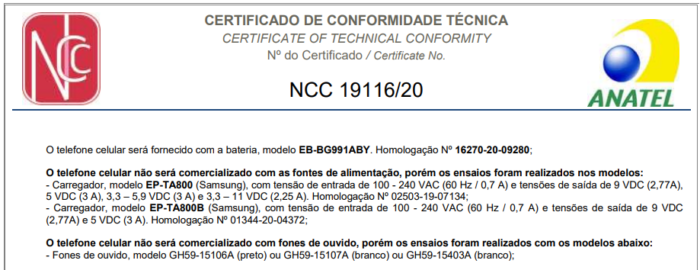
The evidence that the Galaxy S21 series will not ship with a charger comes from an ANATEL (Brazil’s equivalent of the U.S.’ FCC) certification that reveals the three phones will not ship with a charger and earphones. The news was first reported by Tecnoblog.
A translation of the portion of the certification document (pictured above) says that “The cellphone will not be sold with a power supply” but adds that the devices were tested with two Samsung chargers with model numbers EP-TA800 and EP-TA800B. It also says that the cellphones will not be sold with headphones but three headphones with model numbers GH59-15106A, GH59-15107A, and GH59-15403A were provided for testing.
However, there is a chance that buyers of the Galaxy S21 series in Brazil, at least, will get a charger and headset considering the country is forcing Apple to include a charger with the iPhone 12 models sold there. So while you won’t find one in the box, you should get one if you request for it.
Samsung will definitely not be the only one that won’t include a charger in the box of its phones next year. You can be sure a number of other manufacturers will follow suit until it sort of becomes standard, at least for flagship phones.
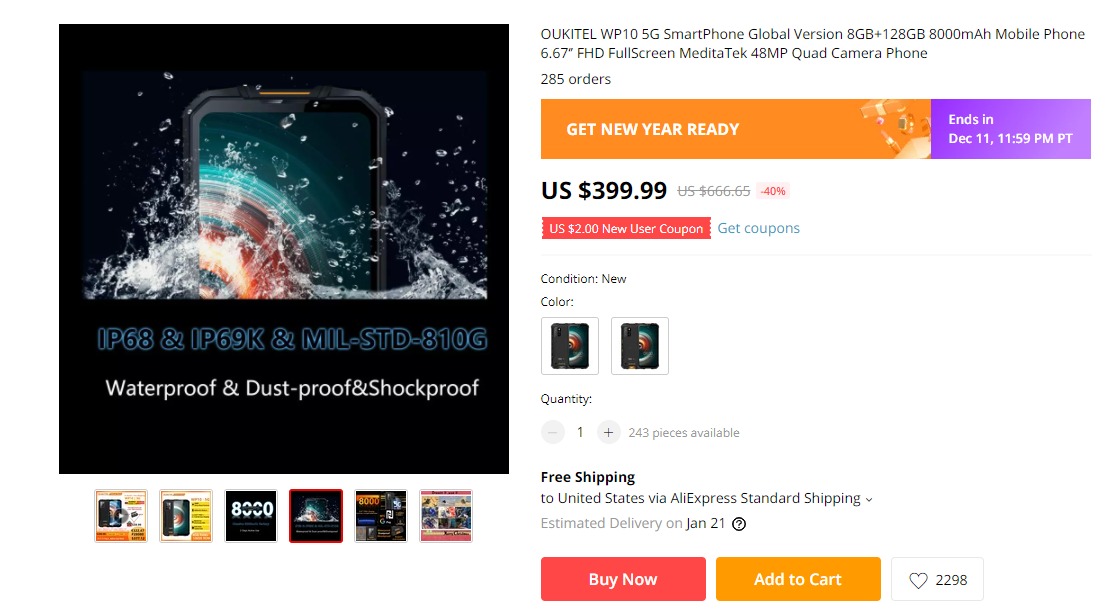
Oukitel recently launched its flagship WP10- a 5G rugged smartphone and was pretty well received by the audience. Apart from the high-speed network, this phone packs a decent camera and software to offer versatility. Couple that with Oukitel’s MO for durability, and consumers are in for a treat. Taking it up a notch, Aliexpress recently announced a massive $100 discount on this bad boy. Interested readers can buy it for just $399 from December 7th to 11th.
As if this wasn’t enough, we too have jumped on the bandwagon and have decided to conduct a giveaway contest of 5 Oukitel WP10 smartphones. Keep reading to know more.
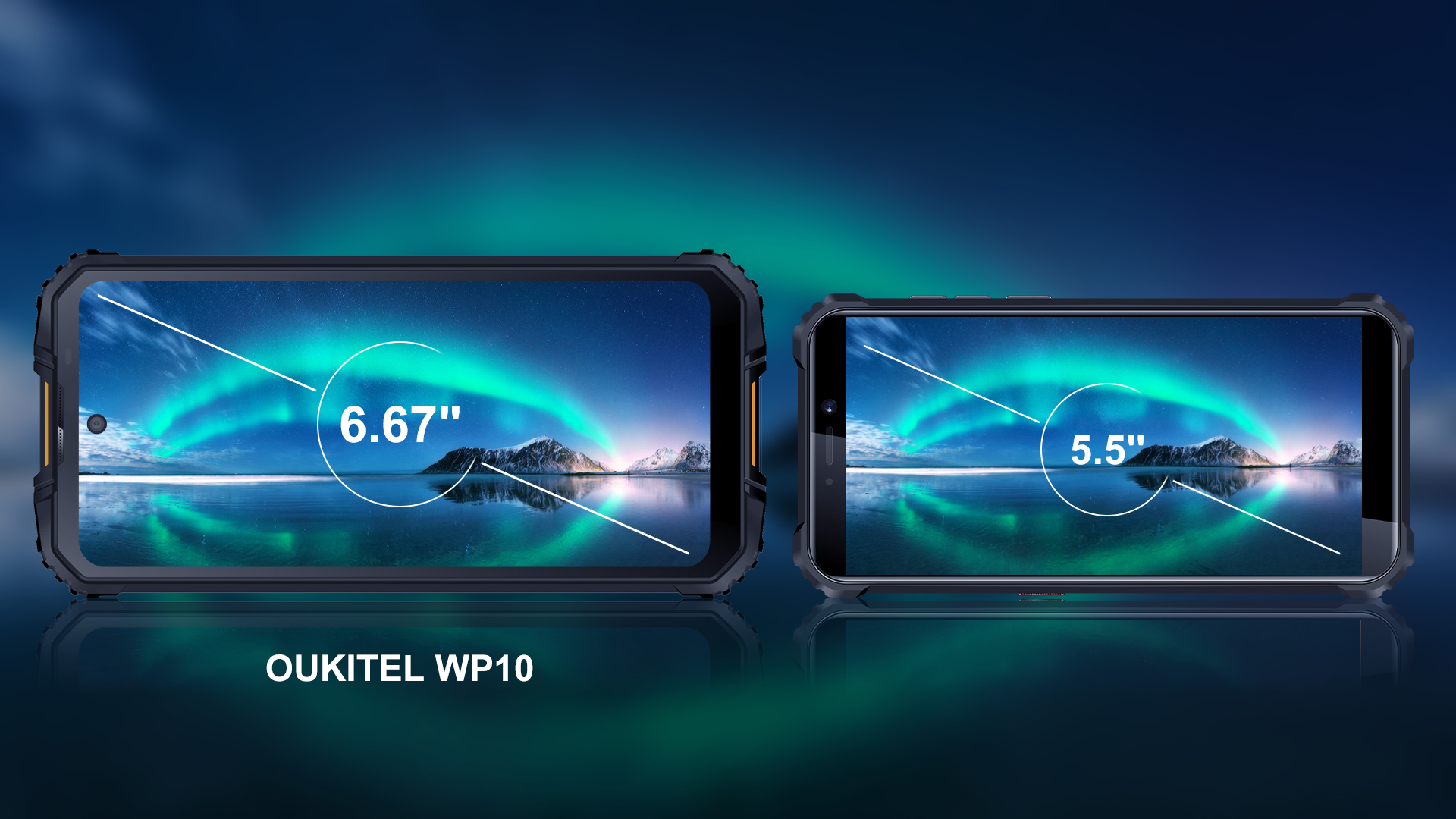
Oukitel WP10 boasts a 6.67-inch punch-hole display featuring a 2400 x 1080 pixels resolution that is protected with Corning Gorilla Glass, making it drop-proof. Powered by MediaTek Dimensity 800 chipset and built on 7nm process technology with a 5G integrated modem, this unit offers seamless operation. It supports global 5G/4G network bands and features 8GB LPDDR4AX RAM and 128GB UFS 2.1 ROM. Its powerful 8000mAh battery capacity ensures up to 2 days of usage in a single charge.
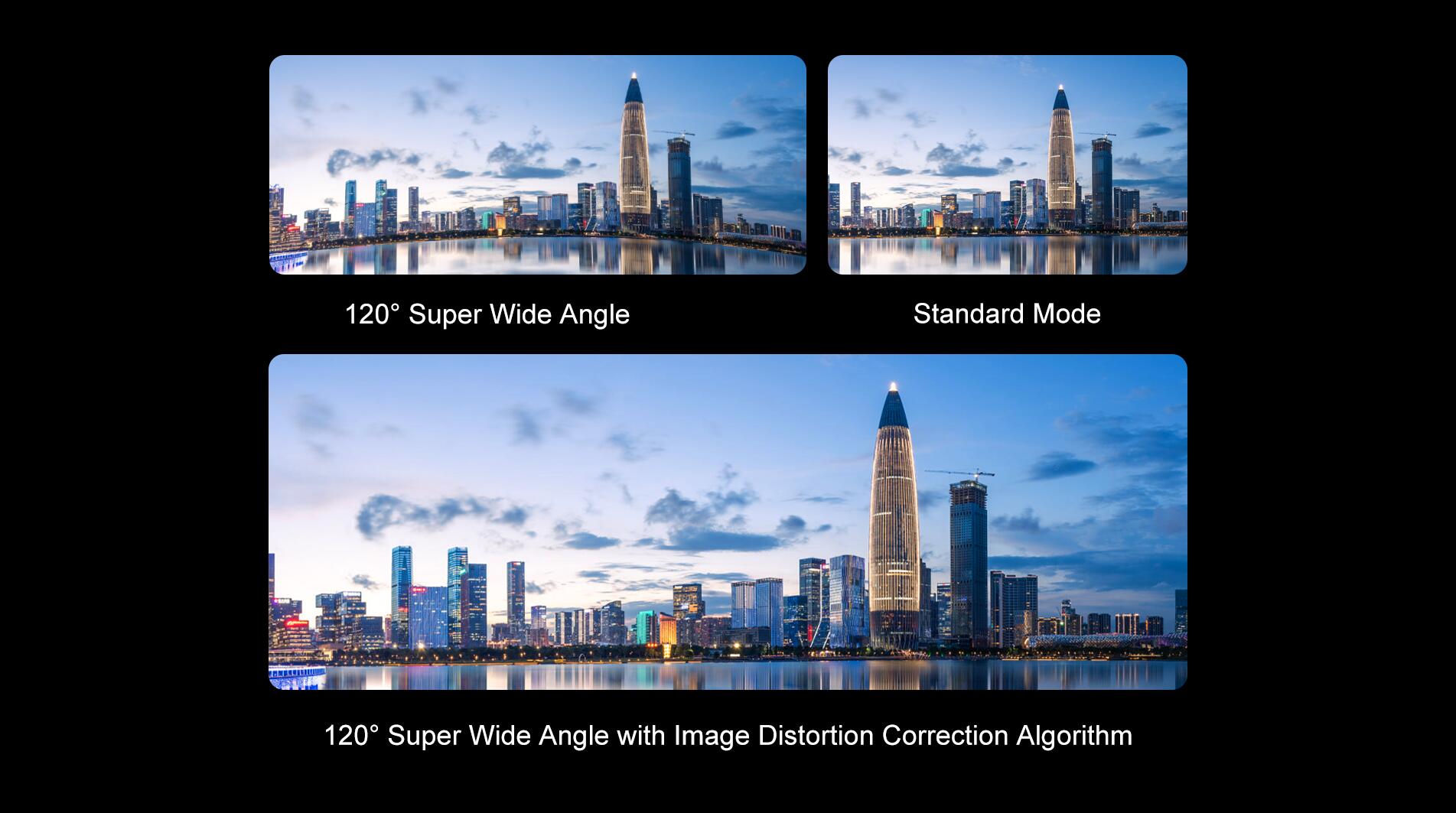
As for durability, this 5G rugged smartphone is enhanced with IP68, IP69K, and MIL-STD-810G certification that protects it from water, dust, and impact. Oukitel WP10 packs a quad-rear camera that includes Sony IMX582 48MP primary camera, a 13MP wide-angle lens, a 2MP depth sensor, 2MP macro lens. Other functions include a side-fingerprint sensor, NFC payments, and more.
Currently, Oukitel WP10 is up with a massive $100 discount at Aliexpress for a limited time period (December 7th-11th). Apart from this, interested users can also participate in the giveaway contest conducted by our website.
How to enter this giveaway? Just follow these steps:
Share this giveaway contest on Facebook, Twitter, and Reddit.
The winners will be posted on Gizmochina’s twitter and Gizmochina’s Facebook, so please follow us on Twitter and Facebook, so that you don’t miss the winner announcement.
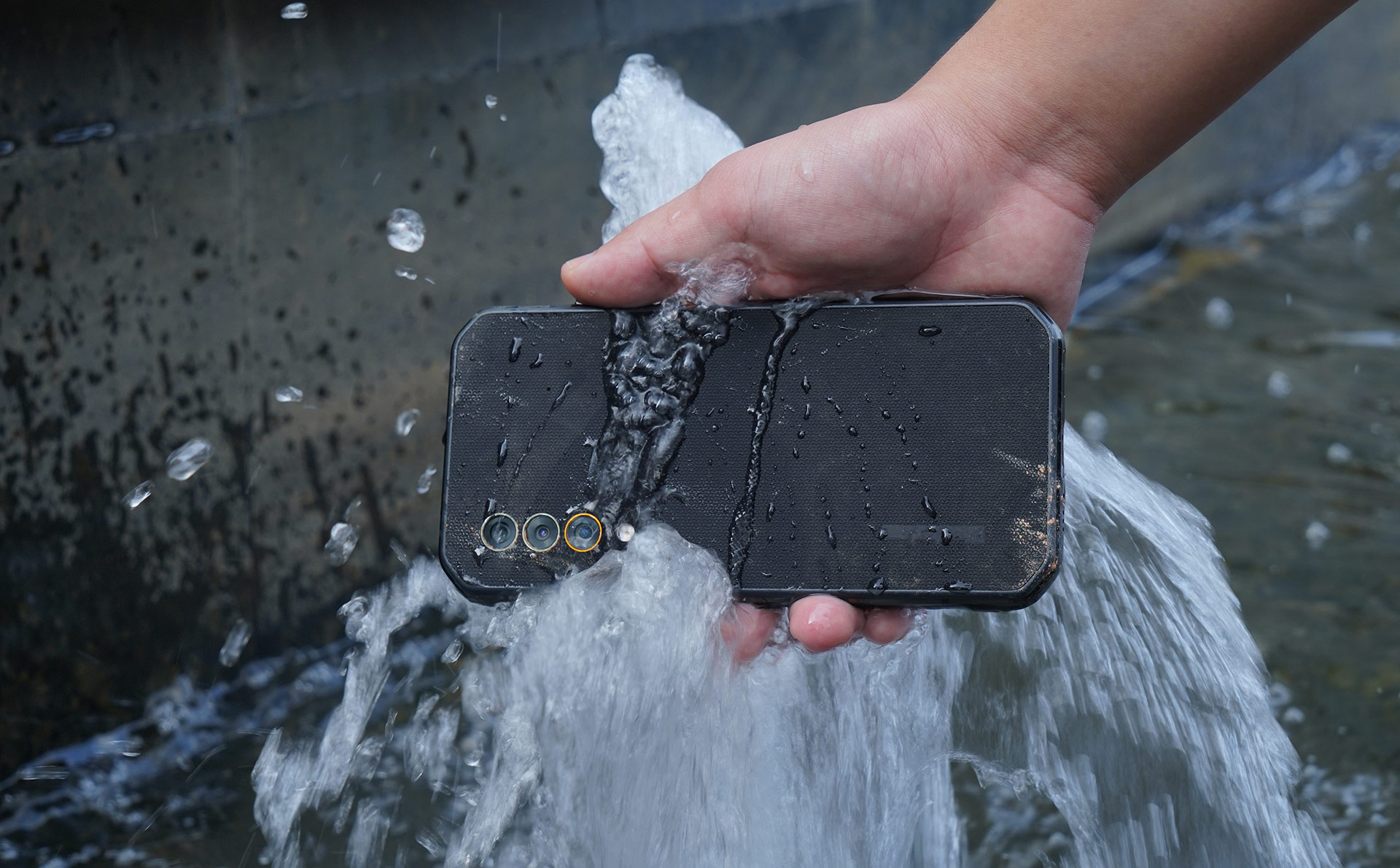
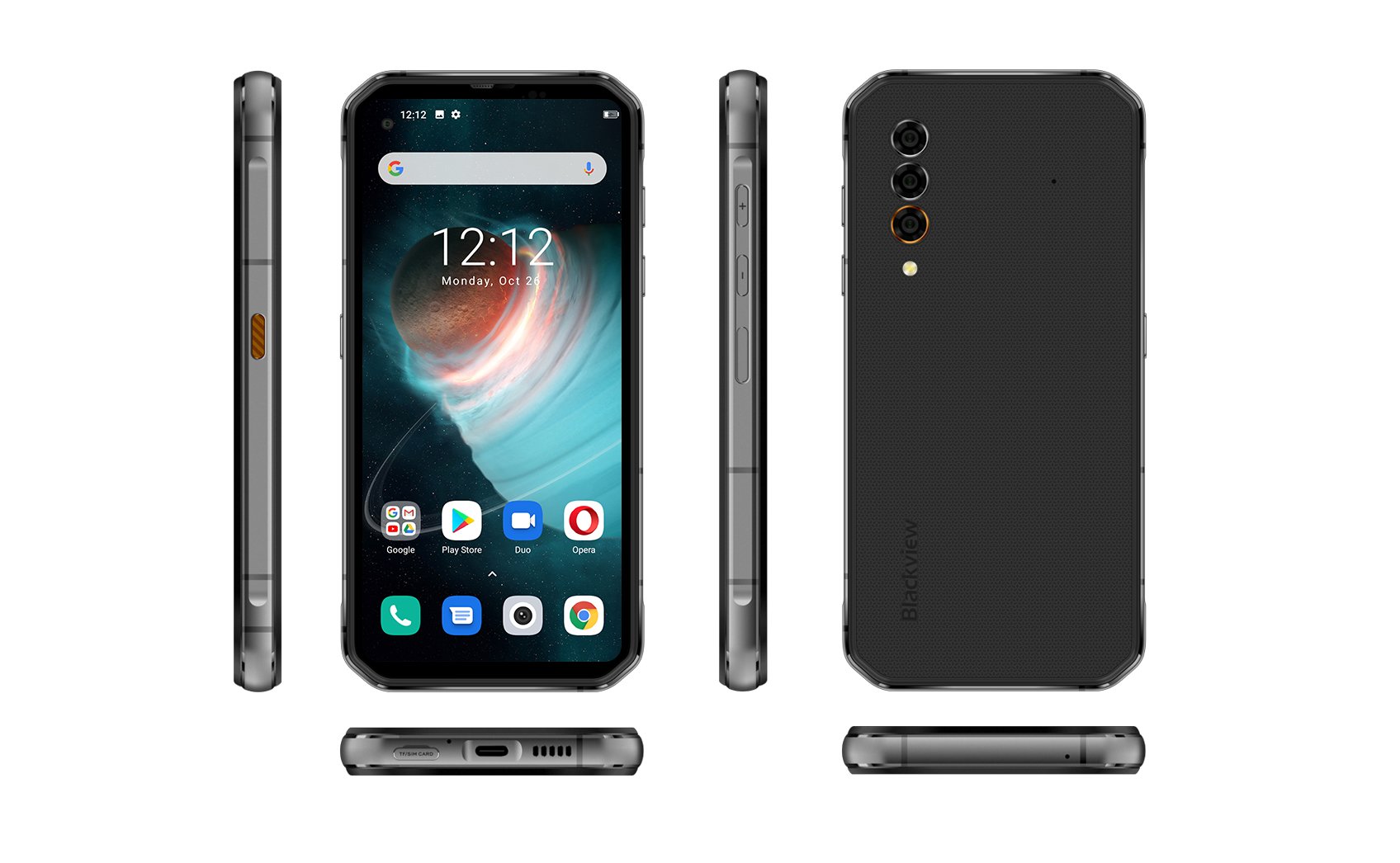
Blackview BL6000 Pro is one of the sleek and elegantly designed rugged smartphones that can pass on for a regular one easily. And even though, Blackview is known for is rugged smartphones, the new and refined design of its flagship put the durability and ruggedness question in people’s mind. To resolve all these queries and put them at rest, the company compiled clips of durability tests conducted by some tech reviewers on this device. Let’s take a look at it.
As seen from the above clips, it is pretty safe to say that Blackview BL6000 Pro is a waterproof and drop-proof rugged smartphone that can withstand unexpected drops, water splashes and immersions.
Blackview has ditched its traditional thick rubber design and incorporated a thin one and a sturdy metal body to maintain its sleek form without compromising on durability. Other highlights of this unit include nano molding, an all-new waterproof technology, coupled with the sealing membrane to enhance its water resistance. Apart from water, BL6000 Pro is also designed to withstand extremely cold conditions of up to -30℃. Its battery optimization allows the user to access basic functions on the phone that is still impossible for most phones to achieve.
Key Features:
IP68 & IP69K & MIL-STD-810G certified
-30℃ cold resistance
MediaTek Dimensity 800 chip
8GB RAM, 256GB ROM
Sony® IMX582 triple-rear camera, Samsung® S5K3P9-SP 16MP front camera
Advanced FHD+ punch-hole display
5280mAh battery
GPS & GLONASS & Beidou & Galileo & QZSS
Barometer sensor, fingerprint sensor, NFC
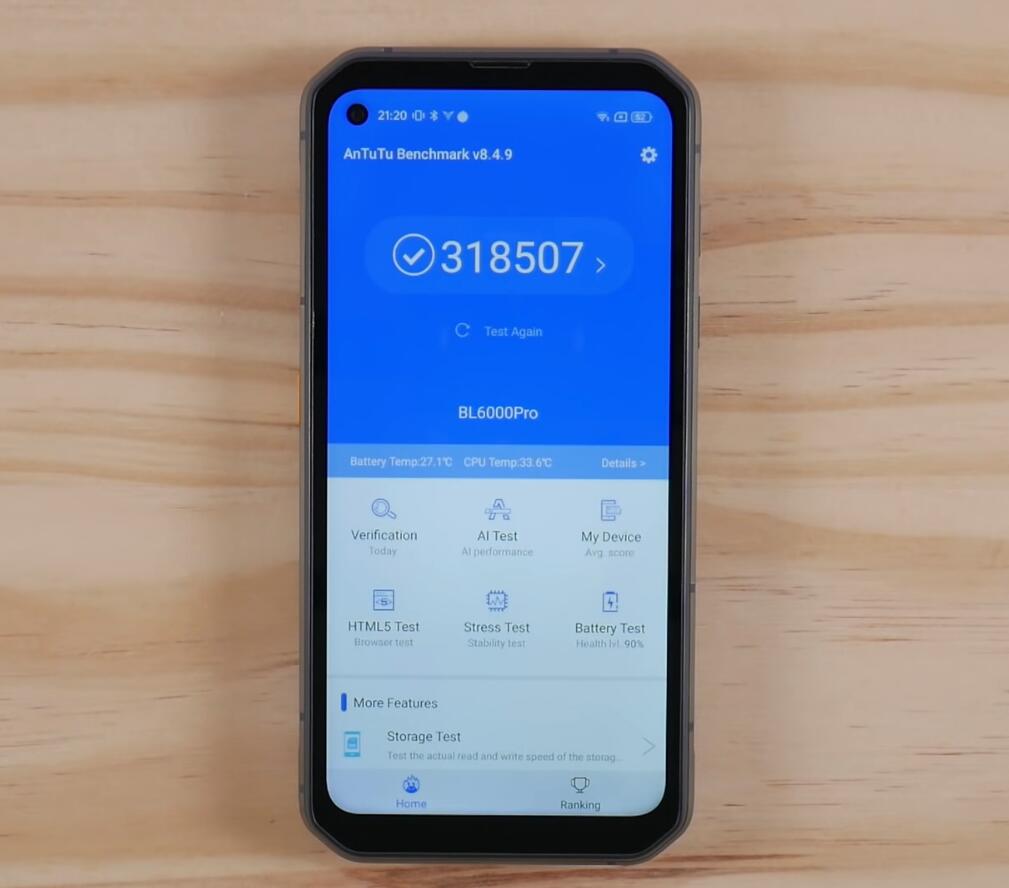
Antutu: 318,507
Android 10 OS (update Android 11, early next year)
The Blackview BL6000 Pro is currently available for pre-sale at Indiegogo, with a massive 41% discount, and can be purchased at just $449.99. Apart from this, users can also get a free smartwatch gift (worth $69.99). The estimated shipping time is in mid-to-late December, and to cut that short interested readers can opt for free shipment via DHL.
One year ago it was almost impossible to find an affordable 5G phone in several countries. But now, midrange 5G phones are all around the place and they are becoming every day more affordable. Now, even the Redmi series contains 5G phones. The latest ones are the Redmi Note 9 5G and the Redmi Note 9 Pro 5G. After comparing the vanilla variant to Realme 7 5G and Moto G 5G, we decided to compare the Note 9 Pro 5G with the other devices sold in the same price range. The latest 5G phones offered at similar prices are the OnePlus Nord N10 5G and the Realme Q2 Pro, and this is a comparison between their specifications.
Xiaomi Redmi Note 9 Pro 5G vs OnePlus Nord N10 5G vs Realme Q2 Pro
Quad 108 + 8 + 2 + 2 MP, f/1.8 + f/2.2 + f/2.4 + f/2.4
16 MP front camera
Quad 64 + 8 MP + 5 + 2 MP f/1.8, f/2.3, f/2.4 and f/2.4
16 MP f/2.1 front camera
Quad 48 + 8 + 2 + 2 MP f/1.8, f/2.3, f/2.4 and f/2.4
16 MP f/2.5 front camera
BATTERY
4820 mAh, fast charging 33W
4300 mAh
Fast charging 30W
4300 mAh, Fast charging 65W
ADDITIONAL FEATURES
Dual SIM slot, 5G
Dual SIM slot, 5G
Dual SIM slot, 5G
Design
If I had to judge the design of these handsets, I would say the Realme Q2 Pro is the best one. It lacks the glass back found on the Redmi Note 9 Pro 5G, but it has a less invasive camera module, it is lighter and it is even more compact and thinner. But with the Note 9 Pro 5G, you actually get the best build quality. Besides the glass back, the handset also offers the IP53 certification making it splash resistant and dust resistant. It has a water-repellent body and even the Gorilla Glass 5 protection for both the front glass and the rear glass.
Display
Even when it comes to the display, I would choose the Realme Q2 Pro. It is the only device of this comparison to feature a Super AMOLED display and it can show more vibrant colors, as well as very deep blacks. Further, with the Realme Q2 Pro, you get an in-display fingerprint scanner which is definitely more comfortable than the rear-mounted and side-mounted fingerprint reader you get with Redmi Note 9 Pro 5G and OnePlus Nord N10 5G. The second place in the display ranking goes to the Note 9 Pro 5G featuring an IPS panel with a 120 Hz refresh rate and the HDR10+ certification. OnePlus Nord N10 5G has an average IPS display with 90 Hz refresh rate.
Hardware/Software
The most advanced and most appreciated hardware department is offered by the Redmi Note 9 Pro 5G which is fueled by the Snapdragon 750G mobile platform paired with up to 8 GB of RAM and up to 256 GB of UFS 2.2 internal storage. But its two rivals are not far away: they provide more or less the same performance with their Snapdragon 690 5G and Dimensity 800U chipset paired with up to 8 GB of RAM and 256 GB of UFS 2.1 storage. All run Android 10 out of the box.
Camera
The most stunning camera is offered by the Redmi Note 9 Pro 5G: you get the same 108 MP camera sensor found on the Xiaomi Mi 10, but it lacks OIS. The secondary sensors are the same on all of these devices: an 8 MP ultrawide lens and a pair of 2 MP sensor for macro and depth. But the main camera sensor changes: Redmi Note 9 Pro 5G gets the best one, followed by the OnePlus Nord N10 5G with a 64 MP camera. The Realme Q2 Pro has a lower-end 48 MP sensor, but you do not get huge differences in terms of photo quality if you compare it to the OnePlus Nord N10 5G.
Battery
The Redmi Note 9 Pro 5G has the biggest battery with a capacity of 4820 mAh: if you do not use the maximum refresh rate, you get a way longer battery life with this handset. But OnePlus Nord N10 5G and Realme Q2 Pro are still good battery phones with their 4300 mAh units. With Realme Q2 Pro you get the amazing 65W fast charging technology found on OPPO and Realme flagships allowing you to charge the phone a lot faster. With Redmi Note 9 Pro 5G and OnePlus Nord N10 5G, you only get 33W and 30W powers, respectively.
Price
Xiaomi launched the Redmi Note 9 Pro 5G in China with a starting price of about $330/€272, while Realme Q2 Pro is priced at about $320/€265 in its base variant. The OnePlus Nord N10 5G actually sells for less than $320/€265 in China, but it costs a bit more in the global market. We do not see any reason to go for the OnePlus Nord N10 5G. The Redmi Note 9 Pro 5G offers the most advanced camera, great build quality, slightly better hardware department (with Snapdragon 750G and UFS 2.2 storage), and a bigger battery, while the advantages of the Realme Q2 Pro are mainly its Super AMOLED display and 65W fast charging. Which one would you pick?
Google’s Stadia cloud gaming platform was announced last year but the service has been only available in a few countries. Google has now announced that 8 new countries are getting it but they are all in Europe.
The one-year-old streaming service is now rolling out in Austria, Czech Republic Hungary, Poland, Portugal, Romania, Slovakia, and Switzerland. When the cloud gaming service went live last year, it was available in just 14 countries. These new additions bring the total number of supported countries to 22.
The service will roll out in the next 24 hours in the aforementioned countries and once available, users will be able to sign up with their Gmail account and get ready to play on their computers and compatible phones and tablets. Free
New users get a free one-month subscription to Stadia Pro. The service costs $9.99 and games claimed by the user during the free trial remain theirs as long as they renew their subscription. Google also adds new free games every month. If you want more games or one that is not available for free, you can purchase from the store which has games such as Assassin’s Creed Valhalla and will also add the much-anticipated game, Cyberpunk 2077.
Stadia works by streaming games over the internet much like the way you stream a show or movie. It supports a range of resolutions based on your internet connection speed. Users can pair a compatible controller to their device of choice including PS4 and Xbox controllers or use a mouse and keyboard.
In recent years, it has become a trendy style for OEMs in the smartphone industry to release a transparent version of the popular models. The Xiaomi Mi 8 Explorer released in 2018 was the first model with such a design and the success of the model has prompted several others to do the same including the Lenovo Legion Pro transparent edition that was released last month.
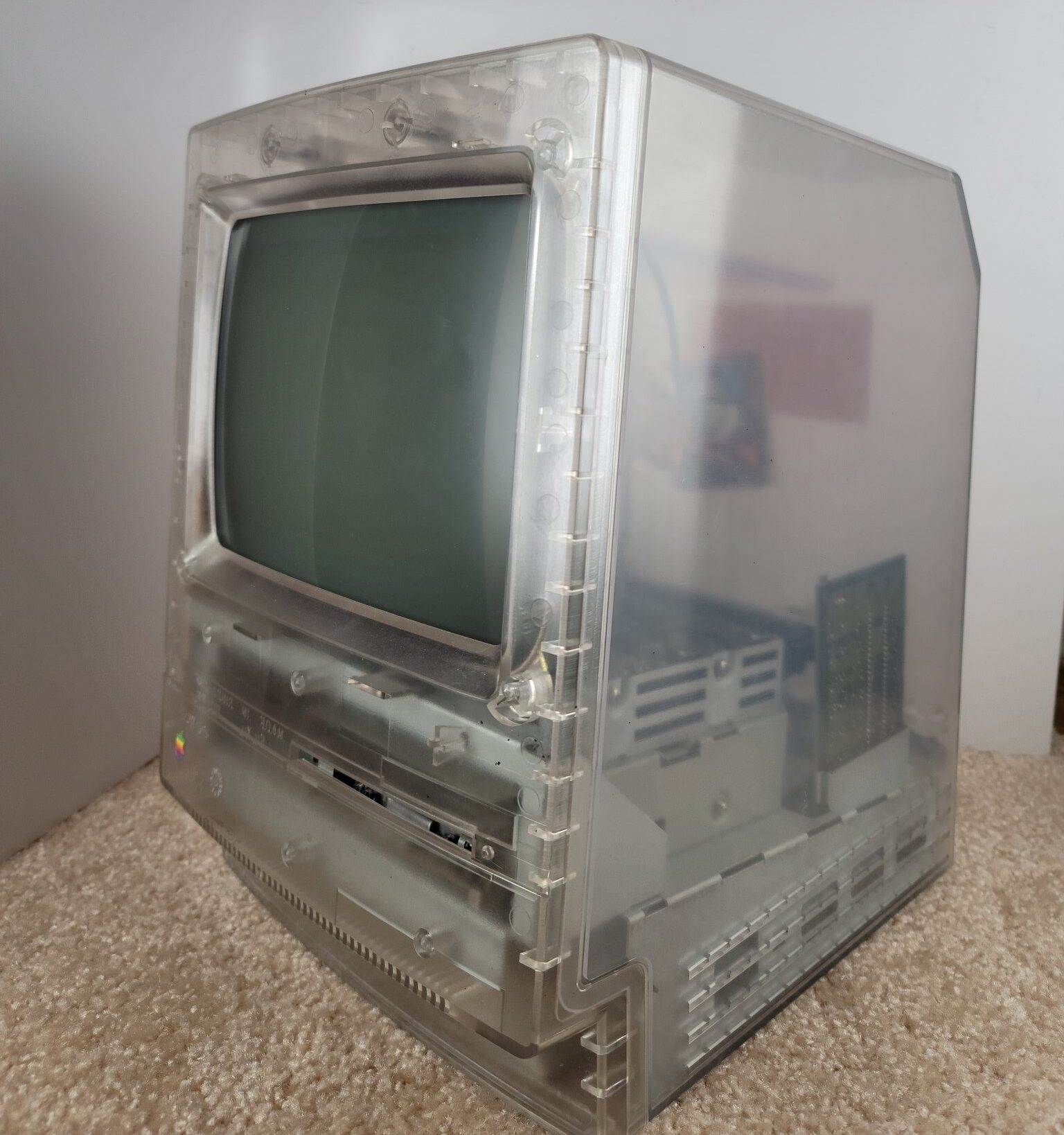
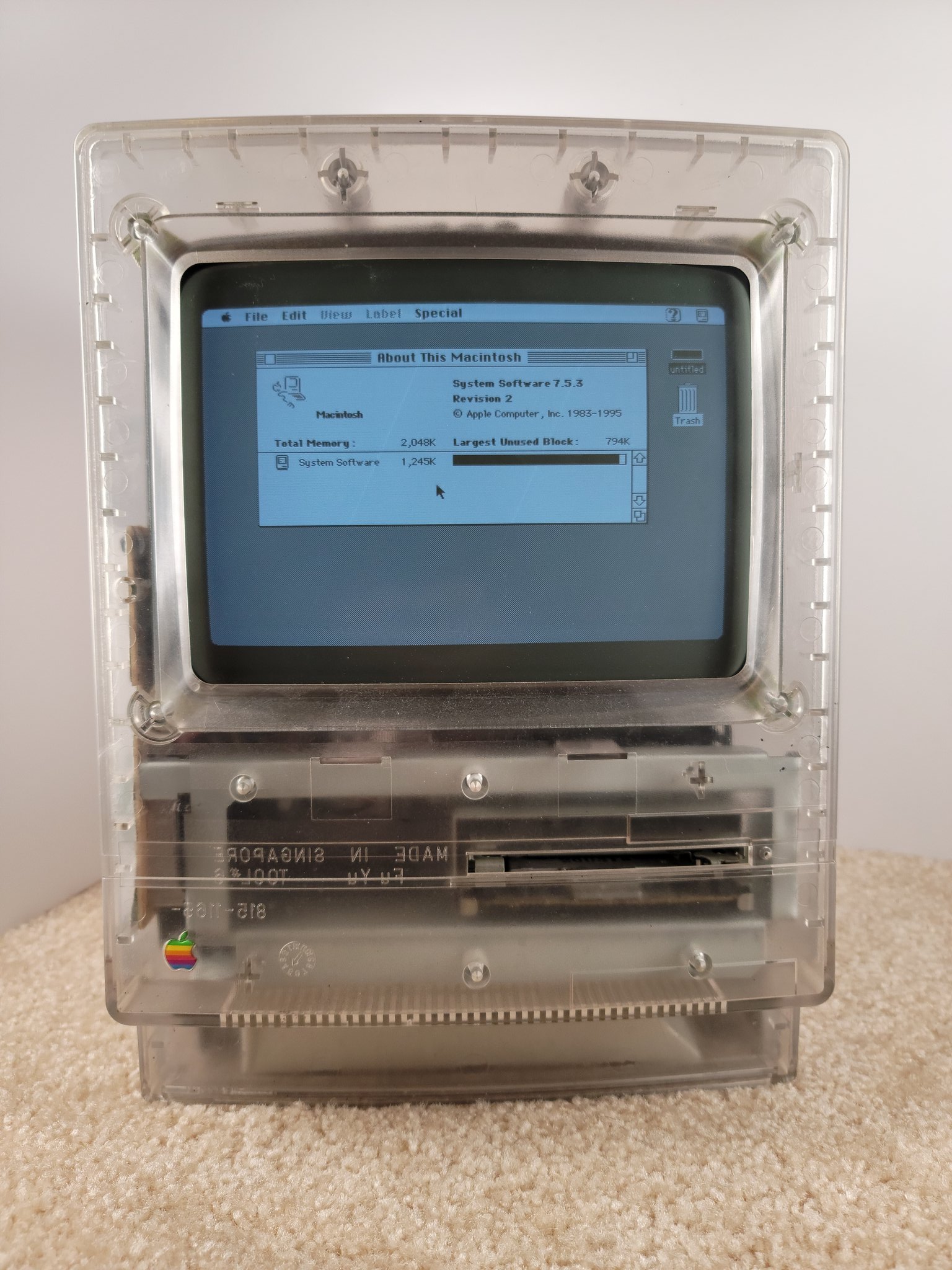
Apparently, Apple had experimented with a transparent casing for the first-generation Macintosh PC but it is likely for a different reason. A prototype version of an early Apple Macintosh Classic computer has surfaced on Twitter. The picture shows this antique Mac is housed in an unusual, completely transparent frosted case. Macintosh Classic is an antique computer we are familiar with. It is famous for its classic design and light beige casing. In the picture shared by “@DongleBookPro” on Twitter, Apple used different shell styles during the development process.
1 of 3
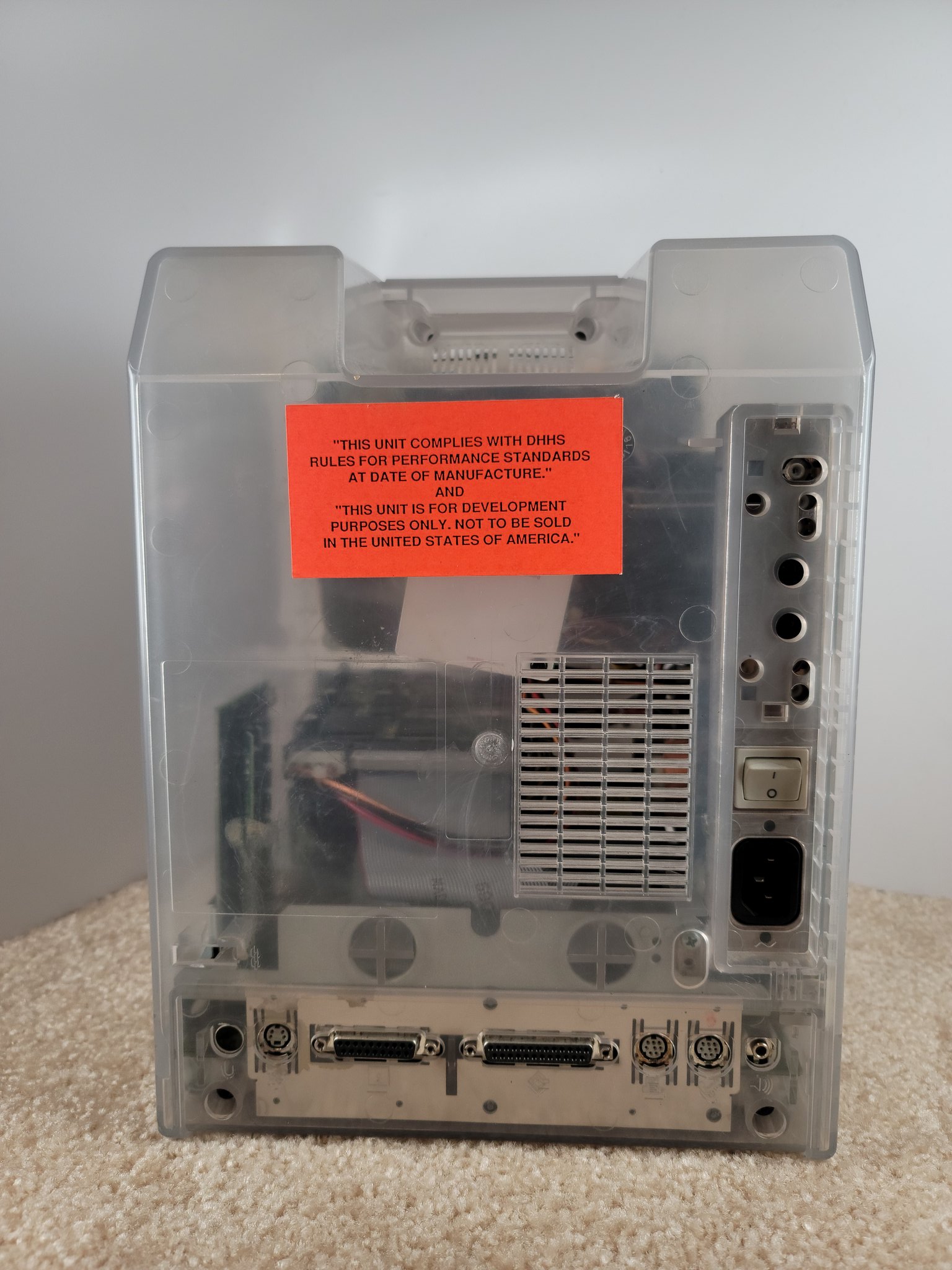
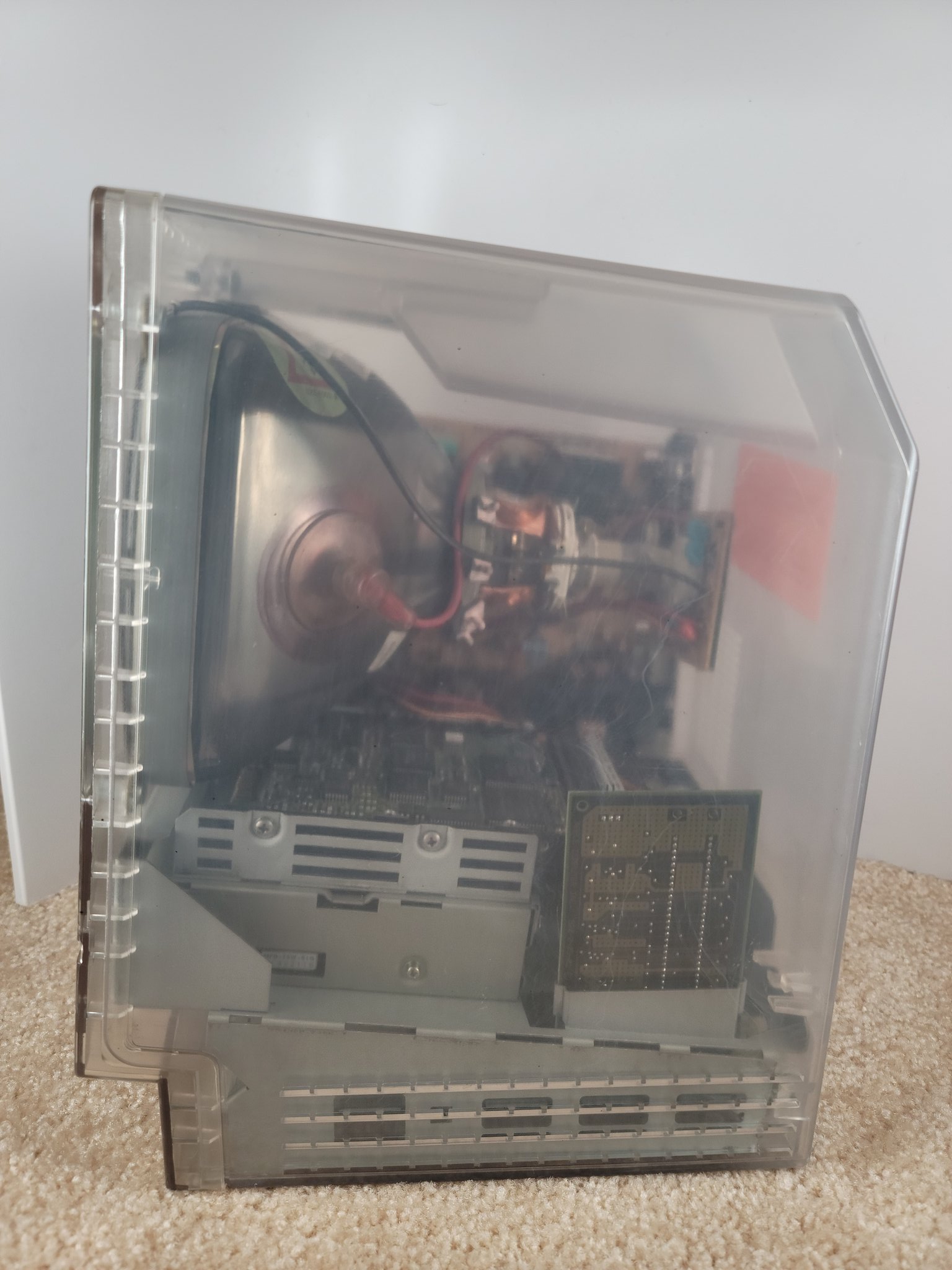
The photos of the “Macintosh Classic prototype” shows that the computer is housed in a transparent plastic case. This gives observers the opportunity to take a good look at the internal layout of this computer. The large CRT screen occupies a lot of space at the top, while most of the computing components are placed at the bottom. Thanks to the fully transparent shell, the various words inside are clear enough, and even the words “Made in Singapore” can be seen. On the front of the fuselage, the rainbow-colored Apple logo is particularly eye-catching.
On the back, a large sticker confirms that “the device is only for development purposes” and that it is “not for sale in the United States”, indicating that this is a prototype model and is not available to standard users.
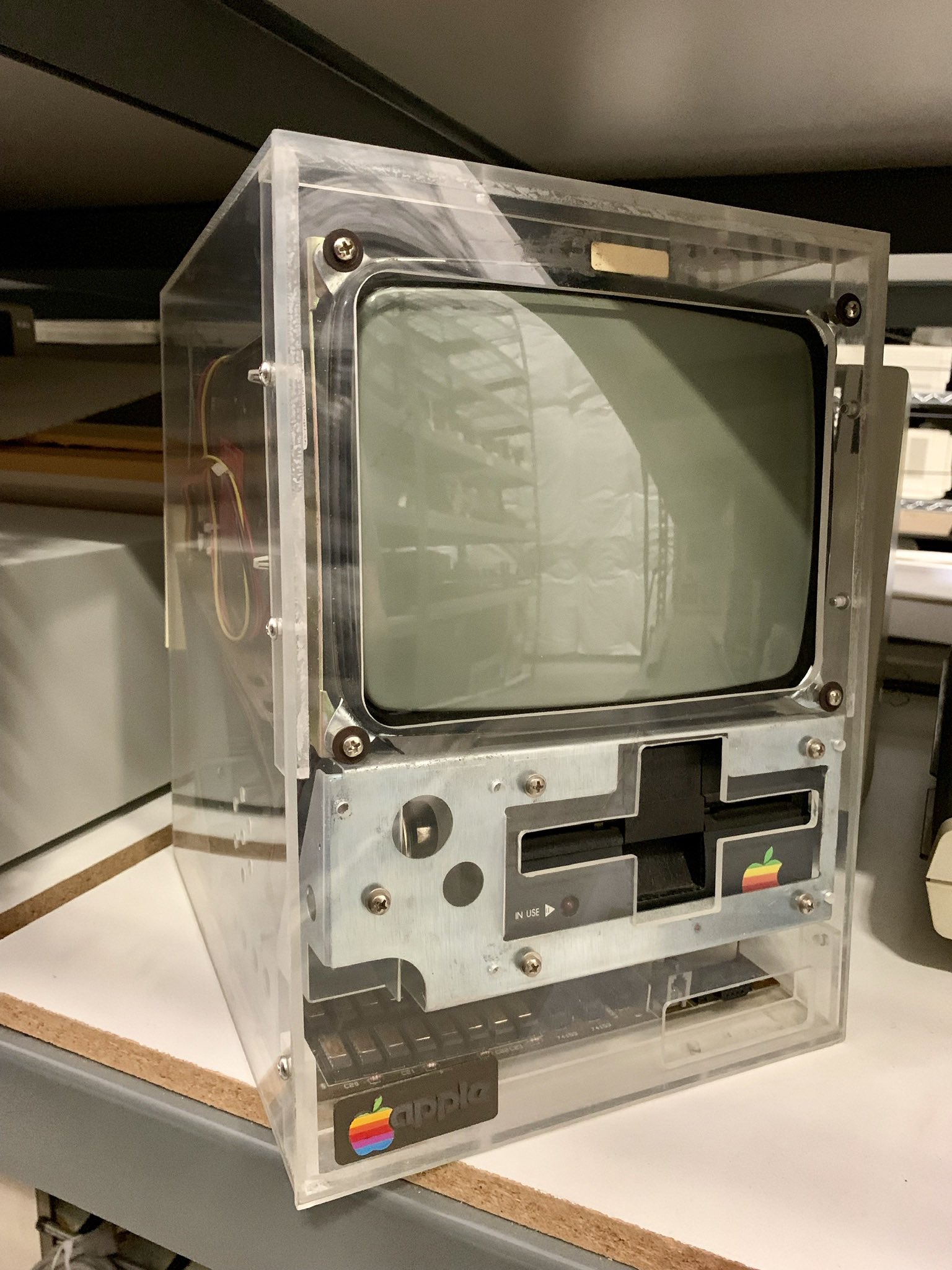
Such a system is believed to help observe the effectiveness of the thermal management system during development, that is, by blowing smoke in the case and observing the path it is moved by the fan. Apparently, this trend extended to the early Macintosh computers as can be seen from this image below. The Macintosh Classic was originally sold in October 1990. It utilizes a Motorola 68000 8MHz processor, 1MB of memory (expandable to 4MB), and a 9-inch 512x342p monochrome screen. It also installed a 40MB SCSI hard drive and a 3.5-inch floppy drive, weighing about 16 pounds. It was succeeded by the Macintosh Classic II released in October 1991.
Would you like to see Apple release a transparent iPhone someday? Let us know your thoughts in the comment section.
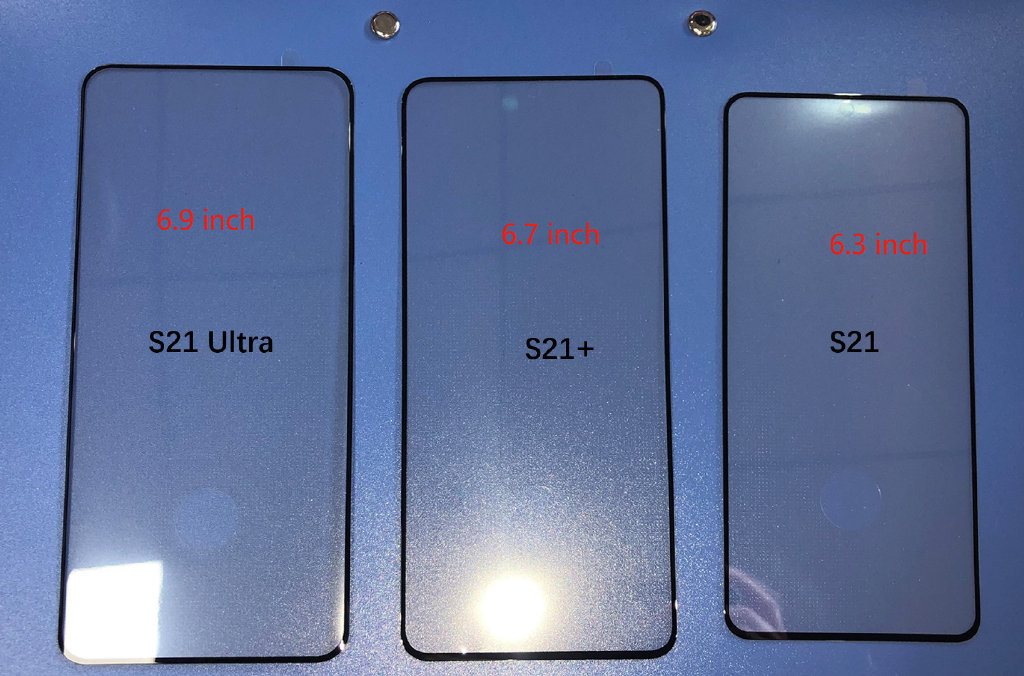
Samsung has been relatively generous with leaks surrounding the next-generation Galaxy flagship – the Galaxy S21. If we consider that the device is set to be released in January, then the leaks aren’t coming in too early. Not too long after we saw the purported real-life images of the Galaxy S21+ and Galaxy S21 Ultra, a new leak has emerged said to be the display glass panel of the three Galaxy S21 models.
The image containing the glass panels was posted by the noted Samsung leaker Ice universe on his Instagram page. The picture provides us with a side by side size comparison and also affirm the previous renders of the Galaxy S21 models.
The Galaxy S21 trio will have a near-bezel-less display of which the bottom bezel is slightly thicker than the side and top bezels but the difference is negligible.
The panels also show that all the models won’t have any form of cut-outs on their displays. Recall that Samsung used a punch-hole design on the Galaxy S20 models. The company may shift to an under-screen display type for the new model.
The Galaxy S21 Ultra is shown to have a 6.9-inch screen size while the Galaxy S21 Plus will feature a 6.7-inch display. Finally, the base Galaxy S21 model will pack a 6.3-inch screen size.
The recent leak of the Galaxy S21 models gave us a glimpse of the rear aspects of the Galaxy S21 Ultra and Galaxy S21 Plus. The Galaxy S21 Ultra is said to pack a 108MP main camera as well as a 12MP ultrawide-angle sensor and two 10MP telephoto shooters with one of them having 10x optical zoom capability.
On the other hand, the Galaxy S21+ camera configuration is given to include a 12MP main sensor and a 12MP ultrawide camera alongside a 64MP telephoto module. The two models will feature glass panels donning a matte finish.
We use cookies on our website to give you the most relevant experience by remembering your preferences and repeat visits. By clicking “Accept”, you consent to the use of ALL the cookies.
This website uses cookies to improve your experience while you navigate through the website. Out of these, the cookies that are categorized as necessary are stored on your browser as they are essential for the working of basic functionalities of the website. We also use third-party cookies that help us analyze and understand how you use this website. These cookies will be stored in your browser only with your consent. You also have the option to opt-out of these cookies. But opting out of some of these cookies may affect your browsing experience.
Necessary cookies are absolutely essential for the website to function properly. This category only includes cookies that ensures basic functionalities and security features of the website. These cookies do not store any personal information.
Any cookies that may not be particularly necessary for the website to function and is used specifically to collect user personal data via analytics, ads, other embedded contents are termed as non-necessary cookies. It is mandatory to procure user consent prior to running these cookies on your website.