Chinese smartphone brand OPPO has today announced that the company has signed Dongyu Zhou as a brand ambassador. While the company has not yet confirmed this, but given the timing of the announcement, it seems that she will be the brand ambassador for the upcoming OPPO Reno5 series smartphones.
Dongyu Zhou is a Chinese actress who has won the Golden Horse Best Actress Award as well as a Best Actress award from Hong Kong Film Awards. Earlier this year, Forbes ranked her 3rd in its China Celebrity 100 list.
As for her alliance with OPPO, it seems that the cooperation could be related to the upcoming device’s beautification features. It is being speculated that the company could launch a new technology for the camera and beautification features with the upcoming OPPO Reno5 series devices.
Based on the leaks so far, it seems that the Reno5 will come with a 32-megapixel front-facing snapper taking care of the selfie needs. On the backside, the device is expected to feature a quad-camera setup that includes a 50-megapixel sensor.
The device is expected to come with super-fast 65W Super Flash Charging technology. The phones in the series are said to have an AMOLED display and come with support for a 90Hz refresh rate. They will be running the Android 11 operating system out-of-the-box with the company’s own ColorOS 11 custom user interface.
While the company has not yet revealed the launch date for the Reno5 lineup, the leak of the key specifications, devices getting certified in China, and the announcement of the brand ambassador indicate that the launch is just days away.
It was recently confirmed that Lenovo will once again start selling Lemon branded phones in China. The Lemon brand will target entry-level and mid-range buyers in the home market. Today, the company took to confirm that it will be launching the Lemon K12 smartphone on Dec. 9 in China.
The launch poster released by the company only confirms only the Lemon 12 moniker. The company is yet to spill information on its specs. Lenovo had recently teased the design of an upcoming Lemon phone. The teasers revealed that it has a punch-hole display, a hardware key on the left edge, and a square-shaped camera module housing three cameras.
It is speculated that the upcoming Lemon phones could be a rebranded version of the Motorola phones that were recently made official in global markets. It is advisable to wait for further reports to know whether the Lenovo K12 is a brand-new phone for a rebadged Motorola handset.
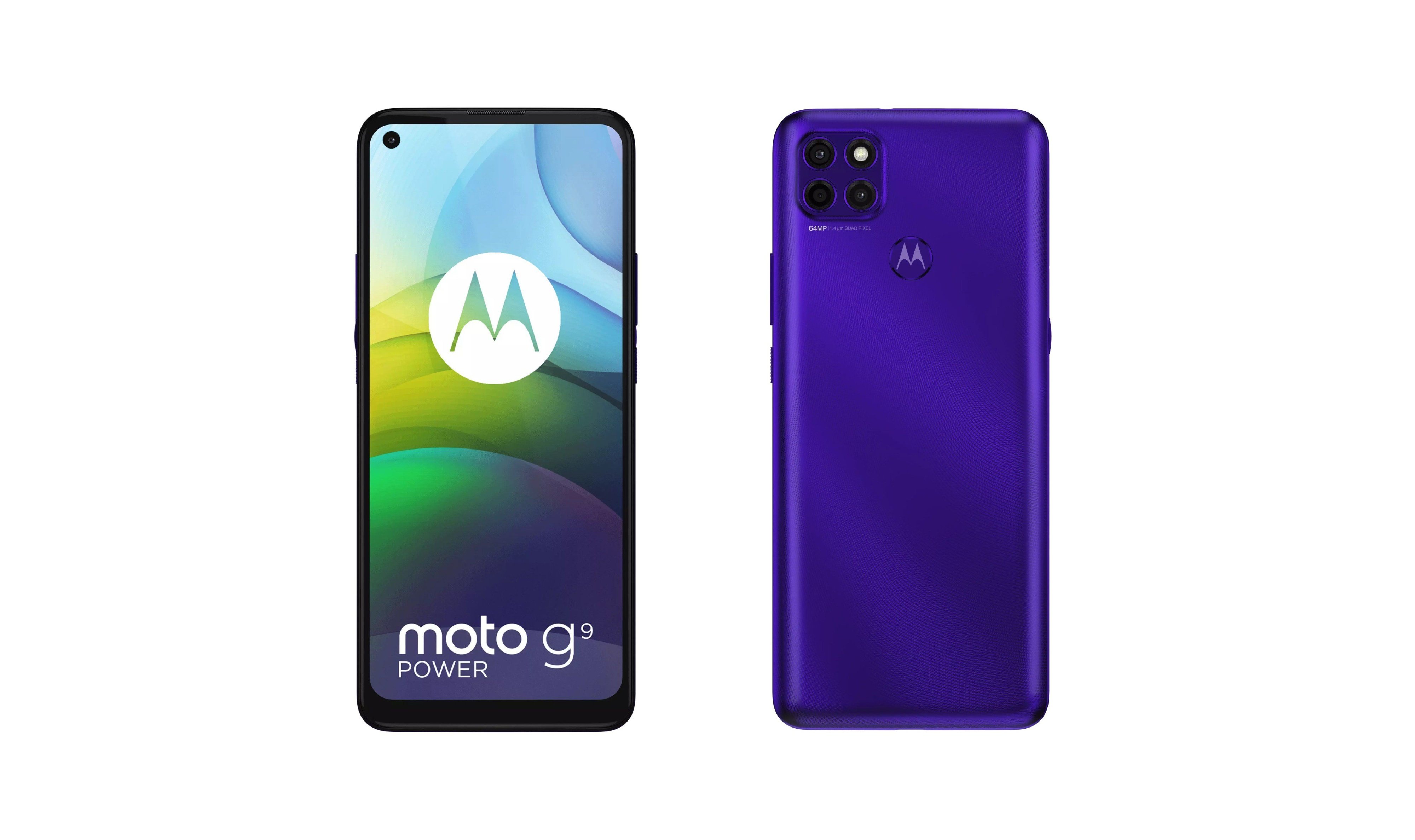
A smartphone with model number XT2091-7 was spotted at TENAA with a few specs and images. The listing revealed it is the Moto G9 Power for China. However, reports surrounding suggest that it will be branded a Lenovo device. It is speculated that this device could be rebadged as the Lemon K12 Pro in China. A recent report had also revealed that the Moto E7 Plus could be also rebranded as a Lemon branded phone. The E7 Plus may go official as the Lenovo K12.
The Moto E7 Plus has a 6.5-inch IPS LCD HD+ screen and it is powered by a Snapdragon 460 chipset and 4 GB of RAM. It features an 8-megapixel front camera and a 48-megapixel (main) +2-megapixel (depth) triple camera setup. The 5,000mAh battery of the E7 Plus supports 10W charging. It is loaded with Android 10 OS and comes with 64 GB of built-in storage.
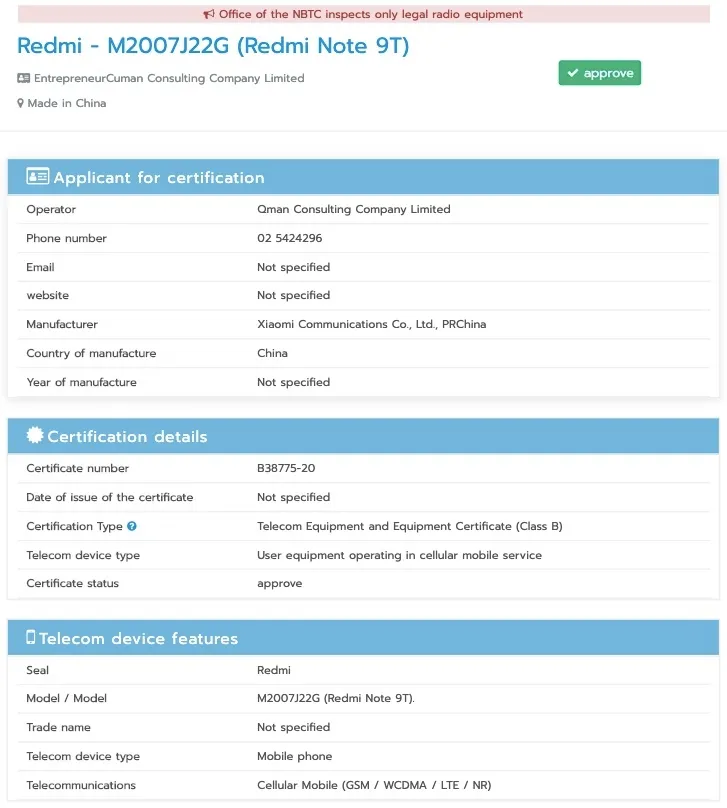
Last month, Redmi announced the Redmi Note 9 4G, Redmi Note 9 5G, and Redmi Note 9 Pro 5Gv in China. A variant of the Redmi Note 9 4G went official as the POCO M3 and there is speculation that its other variant could be heading to some markets as the Redmi 9T. There have been speculations that the Redmi Note 9 5G will be heading to markets outside of China as the Redmi Note 9T. The model number of the Note 9 5G is M2007J22C and its global variant has the M2007J22G model number. Today, the M2007J22G model number appeared with the Redmi Note 9T moniker at Thailand’s NBTC certification.
The NBTC listing only confirms the Redmi Note 9T moniker. It appears that the Redmi Note 9 5G will be rebranded as the Redmi Note 9T in Thailand, Malaysia, and some other markets. The specifications of the Note 9T are not mentioned in the NBTC listing. However, it is likely that the device could be packed with the same specs that are available on China’s Note 9 5G.
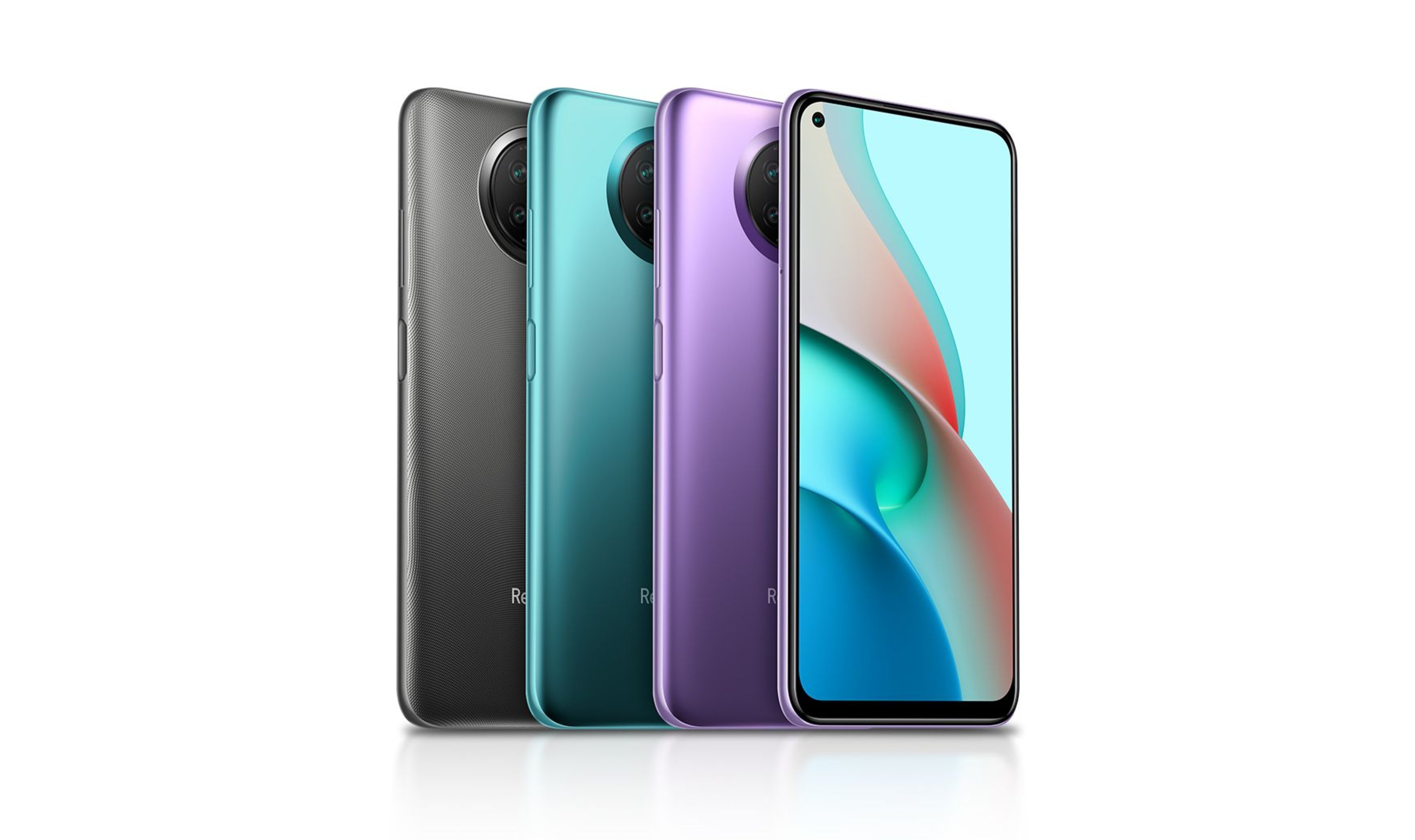
The Redmi Note 9T could be equipped with a 6.53-inch IPS LCD FHD+ punch-hole display. The Dimensity 800U chipset could be powering the device with LPPDR4x RAM and UFS 2.1 storage. In China, the Redmi Note 9 5G is available with up to 8 GB of RAM and up to 256 GB of storage. It is preinstalled with MIUI 12 based Android 10 OS and it has a microSD card slot for additional storage.
Redmi Note 9 5G
The Redmi Note 9T could be sporting a 12-megapixel front-facing camera. Its rear shell could be fitted with a 48-megapixel + 8-megapixel + 2-megapixel triple camera system. The device is could be backed by a 5,000mAh battery with 18W fast charging support.
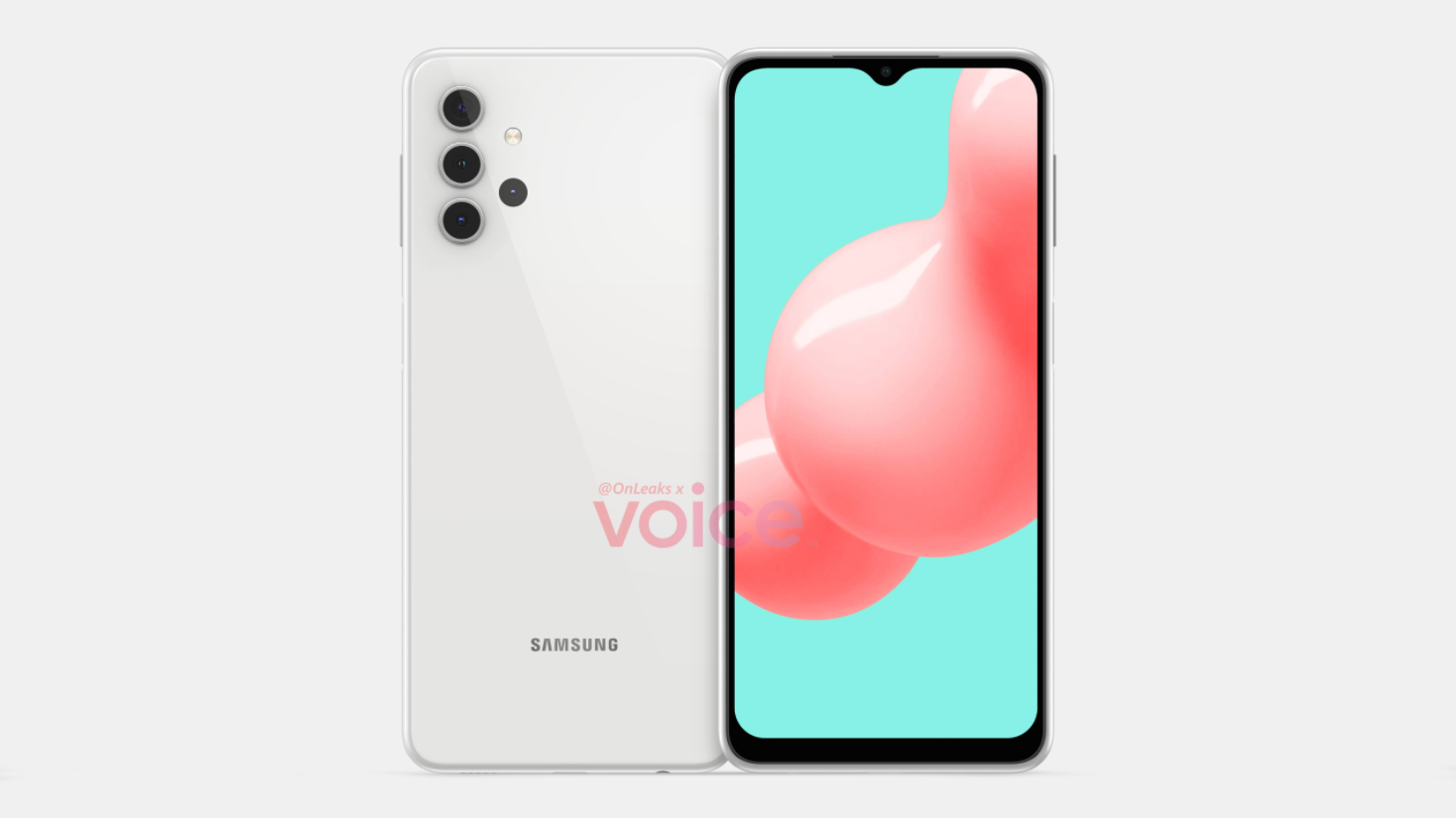
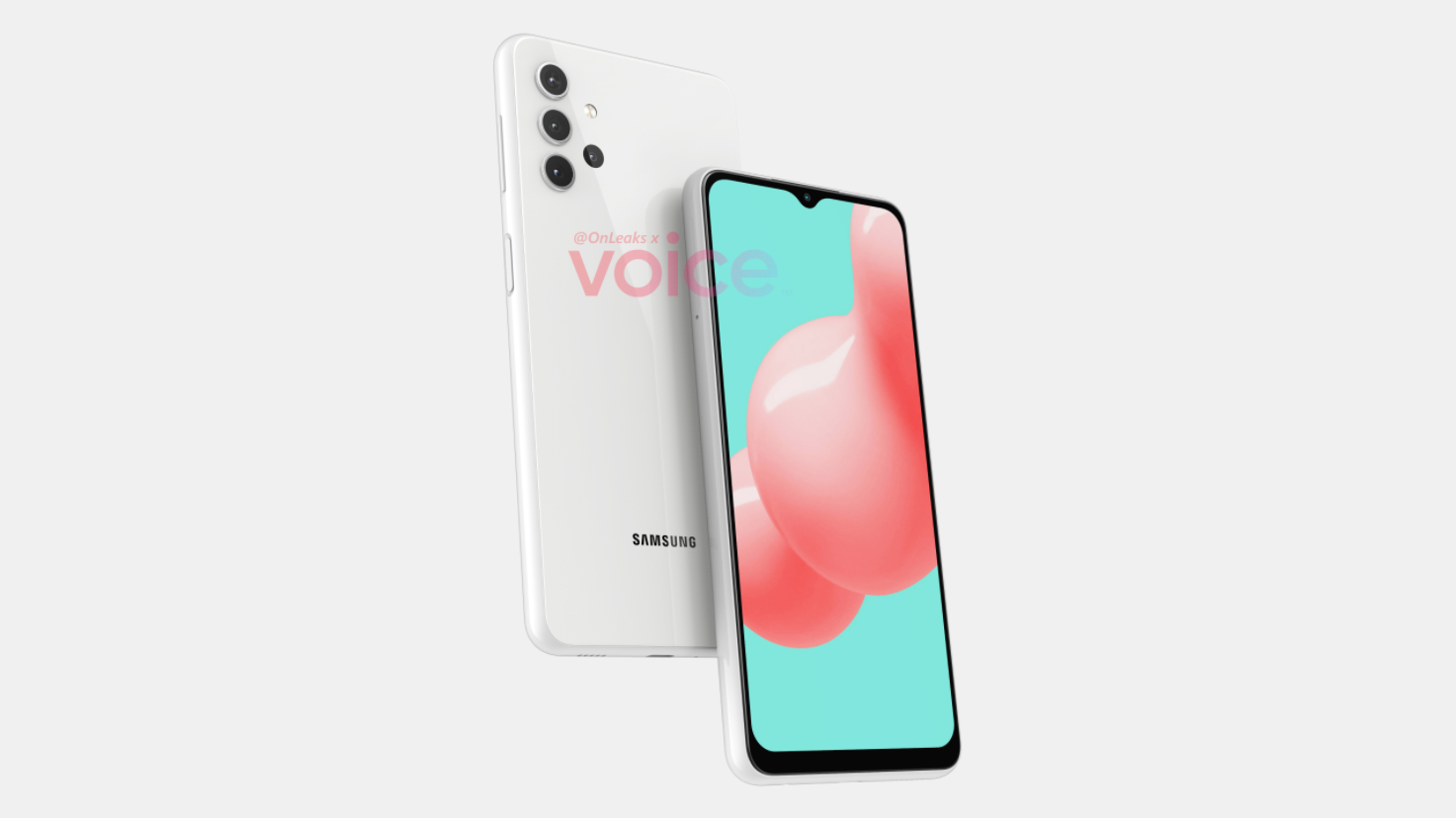
In September, Samsung introduced the Galaxy A42 5G smartphone in the European markets. The Snapdragon 750G chipset powered handset is the most affordable 5G phone from the brand. Recent reports have revealed that the title will be soon taken over the Galaxy A32 5G. Ahead of its arrival, popular tipster OnLeaks has shared the CAD renders of the Galaxy A32 5G to reveal its design in full glory.
The tipster has revealed that the Samsung Galaxy A32 5G will be sporting a polycarbonate chassis. Most Samsung phones available in the market have curved edges and protruding cameras. However, the Galaxy A32 has a different appeal since it has a flat rear, and it does not feature a camera housing.
The vertically aligned triple cameras of the Galaxy A32 protrude from the plastic shell. The triple shooters are accompanied by an LED flash and an unknown sensor. The front side of the Galaxy A32 is fitted with a screen that measures around 6.5 inches. The selfie camera is housed inside the Infinity-V notch. The screen is surrounded by thick bezels and it has a large chin.
The Galaxy A32 5G measures around 164.2 x 76.1 x 9.1mm and its thickness increases by 1mm at the rear camera area. The handset is equipped with a side-facing fingerprint scanner, a 3.5mm audio jack, a USB-C port, and an external speaker around the edges.
The leak has no information on the other specs of the Galaxy A32 5G. Rumors have it that the camera module could be housing a 48-megapixel main camera and a 2-megapixel depth sensor. While Samsung is mum on the arrival of the Galaxy A32, it appears that its launch date may not be far away.
If we decide to brand Japan as the Robotics headquarters of the world, we won’t be wrong! The Asian nation leads the world in the field of robotics with highly competitive research, development, and applied technologies. The stride isn’t ending anytime soon as a 60-foot (18-meter) “Gundam” robot that is capable of walking and moving its arms has reportedly been unveiled in Japan on Monday.
The robot, which is expected to help efforts to invigorate the country’s tourism sector which has been hit by the COVID-19 pandemic, is modeled after a figure in “Mobile Suit Gundam,” a Japanese cartoon first launched in the late 1970s. The cartoon series is themed around the story of enormous battle robots piloted by humans. The series has given birth to several spin-offs as well as toys and has a worldwide following.
The huge robot will take the center stage on December 19 at the opening of the Gundam Factory, a tourist attraction located in the port city of Yokohama. Japan’s Chief Cabinet Secretary Katsunobu Kato told a news conference that he hoped that the tourist attraction would lead to stimulating tourism demand and revitalizing local areas.
“Of course, we now have the coronavirus issue. I want people to tackle endeavors like this while making an effort to prevent the spread of infection,” he added.
Japan has consistently been at the forefront of deploying robots as part of our everyday life, especially during the present COVID 19 period. We have covered several stories of robots being deployed in Japan to perform duties ordinarily covered by humans like the deployment of robots in a professional Baseball game to act as cheerleaders in the absence of fans at the stadium. Much more recently, a shop in Japan rolled out a robot which helps enforce physical distancing and the use of facemasks inside the store. (via)
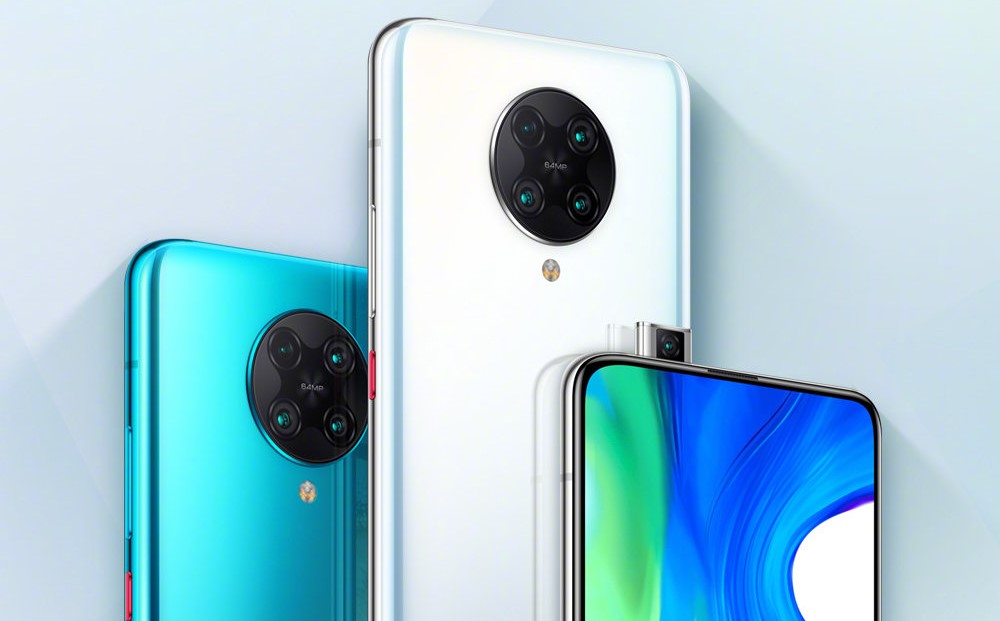
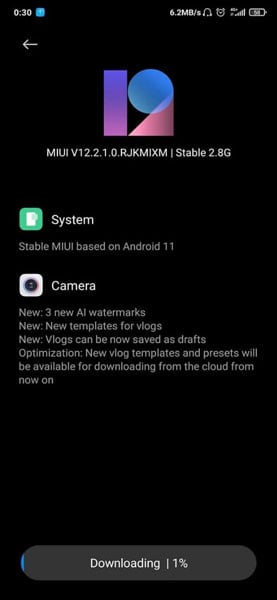
Earlier in June, Xiaomi had promised to push the Android 11-based MIUI 12 update to users of the Poco F2 Pro and even commenced the Android 11 beta update. It did tarry for quite a while but the company has finally fulfilled that promise as the Poco F2 Pro owners in Asia has now started receiving the new update. This is an indication that it will hit other regions soon.
The update ushers in the firmware version MIUI V12.2.1.0.RJKMIXM and the package has a file size of 2.8GB. The update changelog isn’t very elaborate as it equally brings just some camera templates, watermarks, and vlog features in addition to the “Stable MIUI based on Android 11”.
Here’s the official changelog;
System
Stable MIUI based on Android 11
Camera
New: 3 new AI watermarks
New: New templates for vlogs
New: Vlog can be now saved as drafts
Optimization: New vlog templates and presets will be available for downloading from the cloud from now on
Apart from the listed features, the new MIUI update also brings the latest MIUI 12 features such as Chat Bubble, new Power Menu, Internal Audio Recording, Smart Reply, and improved security and media controls. There are equally visual changes and updates, UI customizations, and plenty of new wallpapers.
The update is already rolling out via OTA to select users but you can sodeload it from the source link below if you can’t wait until it is pushed to your unit. However, if you decide to wait for the official OTA, you may likely not wait for too long. e expect Xiaomi to push to all F2 Pro owners globally latest in December. (source)
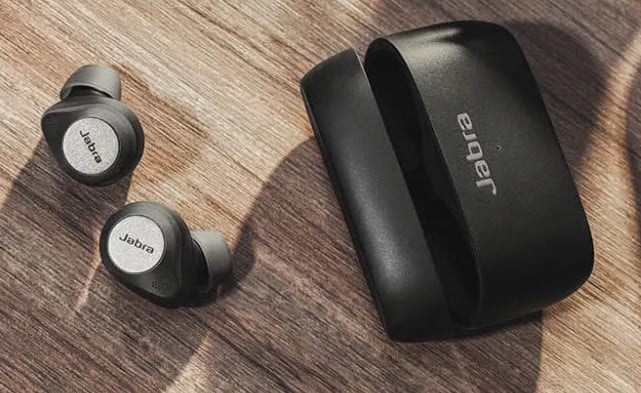
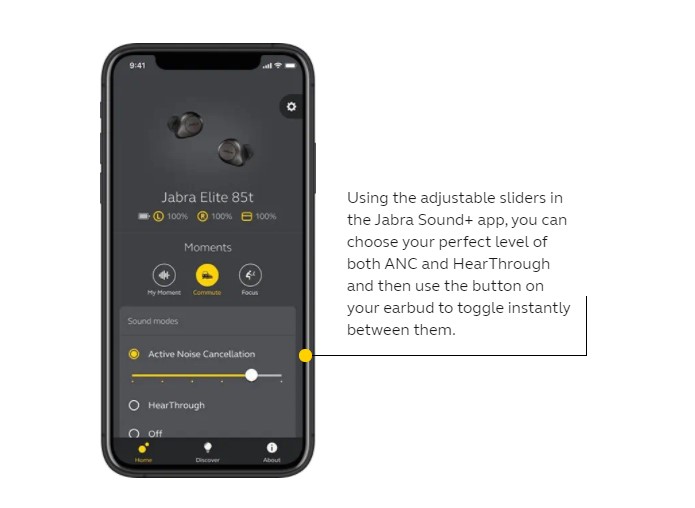
If you are in India and are looking for premium earbuds, then the Jabra Elite 85t should be on your list. The pair of TWS earbuds which launched in the US back in September has made its way to the Asian country. It brings with it customizable Active Noise Cancellation and a battery life that goes up to 25 hours.
The Jabra Elite 85t’s active noise cancellation feature can be customized, allowing the user to switch between up to 11 different levels. The lowest one is dubbed HearThrough a.k.a transparency mode, which allows environmental sounds to pass through. Each level is around 3db apart which is said to be the way the human ear best perceives differences in sound level.
Jabra uses dual-microphone technology for its digital active noise cancellation. Each earbud has a pair of microphones – one feedforward mic that cancels the noise from outside and one feedback mic that cancels the noise from inside the ear. The earbuds also feature 12mm drivers and support AAC and SBC codecs.
The earbuds feature three professional-grade microphones each for crystal clear calls. There is also a feature called sidetone that allows you to hear your own voice on calls. Other features are an IPX4 rating, customizable controls via the Sound+ app, and compatibility with both Google Assistant and Siri.
The Jabra Elite 85t lasts up to 7 hours on a single charge ( up to 30 hours with the case) with ANC turned off. When you turn on ANC, you get 5.5 hours with the earbuds and up to 25 hours with the case. The earbuds support fast charging, so a 15-minute charge will provide up to 1 hour of playback time. The case charges via a USB-C port and also supports Qi wireless charging.
The earbuds go on sale starting today on Amazon India for INR 18,999 (~$257) and they will be available in Titanium Black. The earbuds will come with three sizes of Jabra’s EarGels.
Xiaomi started out as a mobile phone manufacturer some ten years ago but the company has since grown beyond being a phone maker into an ecosystem with its product catalogue spreading from smart TV, smart home products, PCs, e-scooters, surveillance camera and several others. If we are to add the ecological chain companies, then the products are even more dazzling and overwhelming.
Although most of the products are not easy to come by outside China, they are readily available in the brand’s home country. That must have been the driving force behind the action of a fan of the Mi brand who recently walked into a store and purchased the full set of Mi products on display. The video showing the transaction slip was posted on Douyin and indeed, that is one long slip. The receipt shows that the fan purchased a total of 690,000 yuan (~$104,880). It was noticed that the buyer did not use coupons and red envelopes to purchase products.
It is common to see buyers picking up a set of Apple products but for Xiaomi, this is an uncommon feat. Xiaomi even has a wider array of products than Apple and so, a fan who walks into any Mi store will have a tough choice deciding the ones he would like to have. A lover of the Mi brand products would prefer to have all the products on display and that is perhaps what played out here. (via)
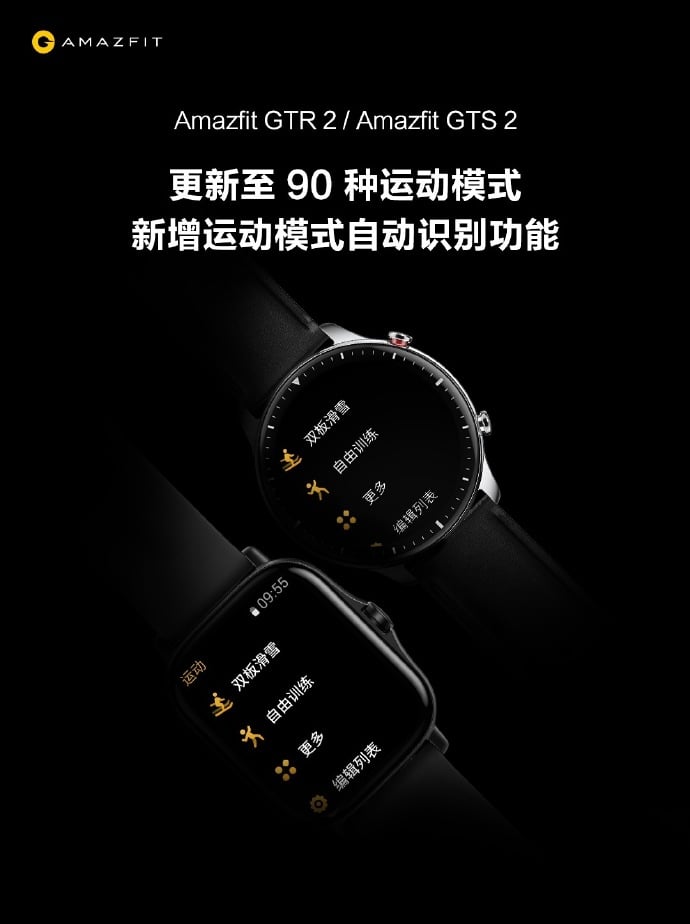
A new update is rolling out to the Amazfit GTR 2 and Amazfit GTS 2 smartwatches. The update brings new features to the two watches, with the key one being support for more sports modes.
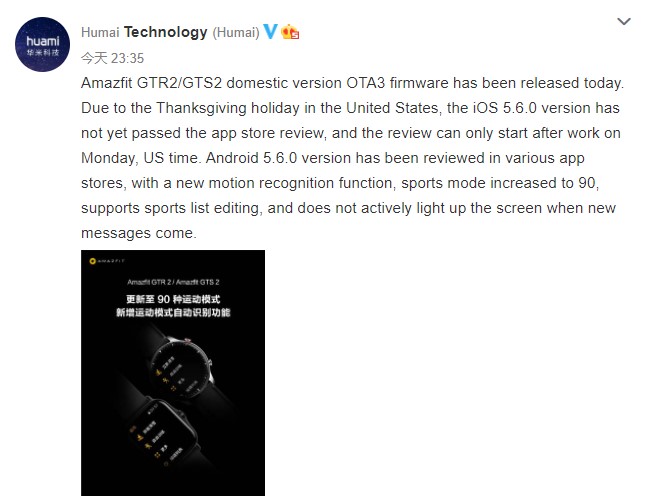
According to an official Weibo post, the update is currently available only for Android users. The iOS update has been delayed as it has not yet passed the iOS app store review as a result of the Thanksgiving Holiday in the US. The update arrives as version 5.6.0 for Android and has already been reviewed by the various Android app stores.
Huami says the update brings a new motion recognition function. It also increases the number of supported sports modes to 90. The manufacturer had promised during the launch of the two watches that an update will increase the supported sports modes from 12 to 90.
Users will also be able to edit the list of supported sports modes so that they can bring their favorite sports to the top of the list. The changelog also says that the smartwatches will not light up every time a new message alert comes in.
This new update is the third firmware update for the Amazfit GTS 2 and Amazfit GTR 2 since they were announced in September. The two watches have AMOLED displays but of different shapes and sizes – a 1.65-inch rectangular display for the GTS 2 and a 1.39-inch circular display for the GTR 2.
Both watches have 4GB of storage (3GB for the global version), built-in GPS+GLONASS, a SpO2 sensor, a heart rate sensor, XiaoAI voice assistant (Alexa for the global version), NFC, and a battery life of up to 7 days for the Amazfit GTS and up to 14 days for the Amazfit GTR. The two watches are priced at $179.
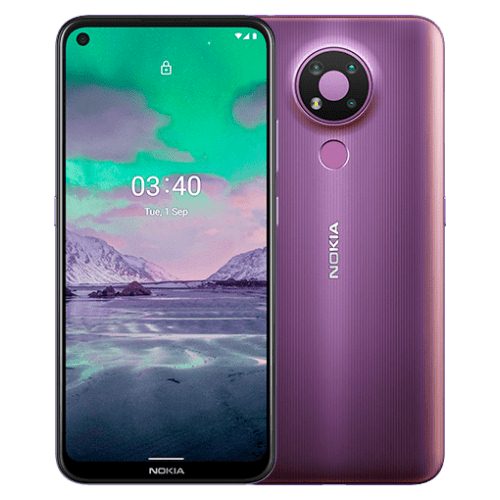
Nokia 5.4 is likely to launch very soon and the design, colors, and possible specs of it have already been leaked. Now, a fresh report by Nokiamob.net says that the price of the Nokia 5.4 has been tipped by Australia’s retailers.
The Nokia 5.4 has been reported to have a screen similar to that of the Nokia 3.4 pictured above
According to the report(via MSP), Nokia’s retailers like Acquire, Aus Shop IT have listed Nokia 5.4 name in Blue, and Purple colors. Although the listing doesn’t have any renders, colors corroborates with the earlier leak. Moving on, the Aus Shop IT goes a step above and lists the 4GB RAM, 128GB Purple variant for AUD 349($257/₹19,018). However, Acquire lists the same variant for AUD371($273/₹20,176).
To compare, going by the name, it’s predecessor Nokia 5.3 launched for EUR 189($225) in Europe and ₹13,999 in India. That said, the new listing could just be a placeholder, hence, let’s wait for the official launch. Either way, the device will be an upgrade at least in terms of performance. According to reports, it will sport a display with a punch-hole design.
The size will, however, be similar to the Nokia 3.4(likely a 6.39-inch display) which is down from 6.55-inch on Nokia 5.3. Considering the price, and the lineup, we can expect it to be an HD+ (720p) display. Under the hood, it will feature a processor faster than Snapdragon 665 SoC on the Nokia 5.3. For cameras, you can expect the same quad-rear layout from the predecessor but we don’t want to jinx it’s performance yet.
Other basic features like 4G support, Wi-Fi, Bluetooth, USB-C, 3.5mm audio jack, a base 4GB RAM/ 64GB storage model, and more likely to return. If reports are true, the device will probably launch alongside the Nokia 7.3 5G next month. And hence, let’s wait for more details as we inch closer to the launch.
Motorola just launched the Moto G 5G in India, where it is one of the most affordable 5G smartphones. It is one of the few phones able to offer 5G connectivity with a high value for money. But it has a few important rivals released in the same period. A few days ago, Xiaomi launched the Redmi Note 9 5G, while Realme came up with the Realme 7 5G. Are you wondering which one is the best low-end 5G phone out there? This comparison will let you find out by highlighting the differences between their main specifications.
Realme 7 5G vs Xiaomi Redmi Note 9 5G vs Motorola Moto G 5G
Triple 48 + 8 + 2 MP f/1.8, f/2.2 and f/2.4
13 MP f/2.3 front camera
Triple 48 + 8 + 2 MP f/1.7, f/2.2 and f/2.4
16 MP f/2.2 front camera
BATTERY
5000 mAh, fast charging 30W
5000 mAh
Fast charging 18W
5000 mAh, Fast charging 20W
ADDITIONAL FEATURES
Dual SIM slot, 5G
Dual SIM slot, 5G
Dual SIM slot, 5G
Design
Unfortunately, none of these devices offers a premium design. In each case, you get a plastic body. But the Realme 7 5G is actually more attractive because it has a better look, more compact dimensions, and a thinner design, as well as a lighter body. It is not so compact if we compare it to the Redmi Note 9 5G, but there is a marginal difference. The camera module looks more beautiful and the phone features a side-mounted fingerprint scanner, unlike the Motorola Moto G 5G which comes with a rear-mounted sensor. Redmi Note 9 5G and Realme 7 5G offer minimum protection against water and weather, while Motorola Moto G 5G does not seem to.
Display
The most interesting display is the one found on the Realme 7 5G for a simple reason: it supports a high 120 Hz refresh rate. In each case, you get an IPS panel, but the Realme 7 5G is the only one to offer a high refresh rate. On the other hand, the Motorola Moto G 5G has the LTPS technology and the HDR10 certification providing a better image quality in several scenarios. The Redmi Note 9 5G has just a classic IPS panel with no additional technologies making it better than its rivals.
Hardware/Software
The best chipset belongs to the Motorola Moto G 5G: we are talking about the Snapdragon 750G mobile platform running at a 2.2 GHz frequency. But the Motorola Moto G 5G does not win the hardware comparison. The Realme 7 5G is equipped with a Dimensity 800U chipset which is slightly inferior to the Snapdragon 750G, but it packs more RAM: up to 8 GB. The Redmi Note 9 5G has the same hardware setup as the Realme 7 5G, but it comes in a version with 256 GB of native storage, while you get a max of 128 GB with the Realme 7 5G. All the handsets run Android 10 out of the box.
Camera
The Realme 7 5G has more rear cameras: it features an additional 2 MP sensor for macros. But the Motorola Moto G 5G has a brighter focal aperture for its main sensor (f/1.7). This may result in better photos with low light conditions. A better main sensor counts more than a secondary camera sensor, for overall photo quality. But it depends on your needs. The Redmi Note 9 5G loses the camera comparison.
Battery
The battery capacity of Redmi Note 9 5G, Motorola Moto G 5G, and Realme 7 5G is exactly the same: 5000 mAh. Their battery life is similar unless you use the 120 Hz refresh rate on the Realme 7 5G. The Realme 7 5G features a faster charging technology with 30W power.
Price
Redmi Note 9 5G is priced at about €204/$243 in China, Realme 7 5G starts from €229/$273 globally, and Moto G 5G costs about €200/$238 in India. Despite the great camera and display of the Motorola Moto G 5G, my choice would be the Realme 7 5G mainly due to its higher refresh rate, followed by the faster charging technology. But there are just marginal differences between the specifications of these devices, so it is also a matter of taste.
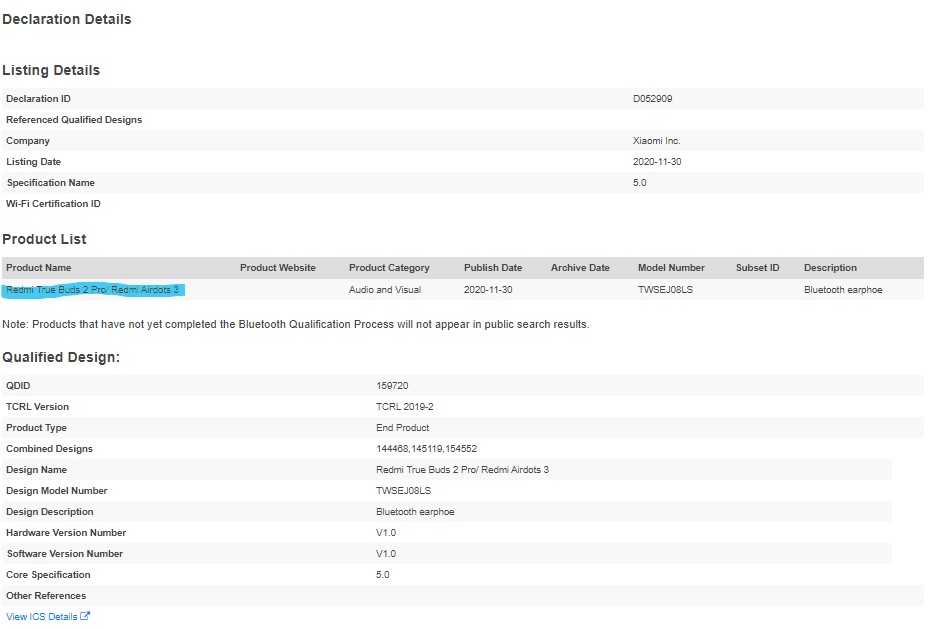
The Redmi AirDots 2 was announced in June as the third pair of TWS earbuds from Redmi. Back in April, Redmi had announced the AirDots S as an upgraded version of the first-gen AirDots. Now, a new model, the Redmi AirDots 3, is on the way and it has been certified by the Bluetooth SIG.
The Redmi AirDots 3 was spotted on the Bluetooth SIG website today. The certification page reveals the pair of TWS earbuds has the model number TWSEJ08LS and will connect via Bluetooth 5.0.
Another important info that the certificate reveals is that the Redmi AirDots 3 will also launch as the Redmi True Buds 2 Pro. It should not be surprising that the product will launch under a different name as that has become a norm for Xiaomi and Redmi products that are sold in different regions. What is surprising is that there isn’t even a pair of TWS earbuds called the Redmi True Buds, so a second-gen Pro model is even more surprising.
There is no info on the design and features of the upcoming earbuds. Redmi has not changed the design of its earbuds since the first generation and there is a chance it may eventually do so now. Nevertheless, we expect the new model to come with improved audio quality, better battery life, and maybe even active noise cancelation.
OnePlus launched the OnePlus Buds Wireless earbuds alongside the OnePlus Nord, the company’s second mid-range smartphone in 5 years. Sadly, both the products seem to have caught up in a world of issues of their own. OnePlus Nord has had multiple bugs so far and if numbers are anything to go by, the OnePlus Buds’ issue might turn never-ending.
As reported by Android Police, several uses have taken to OnePlus’ Forums to express what’s going on with OnePlus Buds. Accordingly, users say that the left earbuds of the OnePlus Buds suddenly stops working. And trying methods like repairing, resetting, disconnecting doesn’t seem to work.
While some users have got replacement units, a few of them report that the replacement units are also having the same issue. The aforementioned reports indicate that the issue might just be beyond a software bug. Anyway, the thread, which was opened way back in September 15, is getting submissions as latest as November.
Besides, a user on September 30 has reported that the issue could be due to a firmware issue. And that he was able to bring it back on after reconnecting it before noticing it again. Additionally, other users mentioned above felt that the left earbud had its touch, and sensors work despite the audio going kaput.
To top it off, a user has reported to Android Police that it isn’t a firmware issue. Consequently, a post on the forum mentions that a OnePlus support assistant had a chat with him. That is, after his 2nd replacement unit failed, the assistant goes on to say that it’s a hardware defect.
In any case, the issue seems to be creeping up for a lot of users and we really hope that OnePlus fixes this or makes an official statement soon. If you are someone who is facing the same issue, do let us know your experience in the comments below.
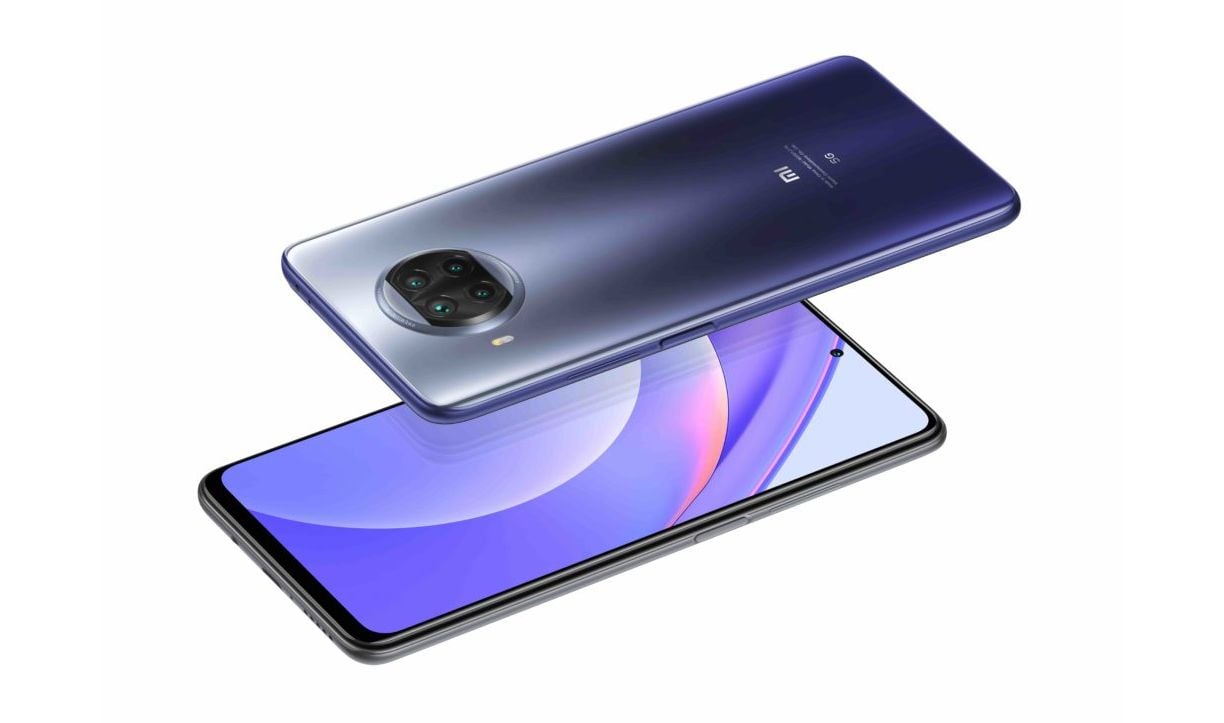
Xiaomi launched theRedmi Note 9 series including the Redmi Note9 Pro 5G in China On November 26. This is a tweaked version of the Mi 10T Lite in Europe. Now, a device with a similar model number likely for India has appeared on Google Play Supported devices list. Let’s find out which device is probably going to debut in the country.
Xiaomi Mi 10T Lite 5G
As noted by Mukul Sharma, Google Play Supported devices list shows a device with codename ‘gauguininpro’ and model number ‘M2007J17I’ underXiaomi. Here the ‘in’ and “I” probably denotes that it’s an Indian variant as usual. Further, it is listed as Mi 10i. Now to find out which device this could be, have a look at the model numbers below:
Previously, two Xiaomi devices withcodename gauguin and gauguinpro were spotted on MIUI 12 code back in July. Accordingly, these had the model number ‘J17’ and as per the firmware at that time, XDA had reported that two versions- ‘gauguinpro’, and ‘gauguin’ with 108MP, and 64MP cameras will launch in China, and India & Global markets respectively.
Although XDA considered it as an incorrect listing, Cut back to September, theMi 10TLite debuts Globally with a 64MP camera. A few months later, a device with model number M2007J17C & 108MP camera, has landed recently in China asRedmi Note9 Pro 5G. And just like early reports, both the devices are similar with a major difference in camera.
All this, along with the ‘M2007J17I’ listing and Mi 10i name suggests that the device could be a rebadged Mi 10T Lite from Europe. And even though ‘gauguininpro’ and 64MP here appears contradictory, we feel Xiaomi might skip the 108MP variant for India. That is, it can place the device both as a watered-down variant of the Mi 10. And not jeopardize the Mi 10T series in the process.
Besides, even if Xiaomi were to launch Mi 10i as a budget 5G device with a 108MP camera to compete with the likes of OnePlus, Realme, Motorola, they would be jeopardizing their own Redmi brand. The latter generally operates between the 6k-25k segment. That said, considering it’s just a listing, let’s wait for more info in the coming future.
Mi 10i Specifications(Expected)
Either way, apart from the main Camera sensor, we can expect similar features like a 6.67-inch FHD+ 120Hz LCD display, QualcommSnapdragon 750G 5G SoC, circular rear camera layout, 16MP selfie shooter, 4,820mAh battery with33W fast charging.
What’s after, Black Friday? If you ask an engaged shopper, the answer would probably be “Cyber Monday”. Indeed, these are the days when the market will be flourished with offers and discounts on products and services. We looted a bunch on Black Friday and we’re back with Cyber Monday offers prevailing now in the Amazon U.K/U.S for smartwatches.
Now it’s time to have a look at some of the best smartwatches for you with the discount that you can’t resist. It’s pertinent to mention here, some deals are applicable for U.K./Europe while others are for the U.S. market. The CyberMonday deals are available only for a limited time, so act quick and save some bucks. Also, make sure to tap the respective Amazon link depending on your region.
Cyber Monday Deals on Smartwatches
Fossil Men’s Gen 5 Touchscreen Smartwatch: £298.9 £167.5, Save 45% Amazon U.K. | $295 $179, Save 40% Amazon U.S.
Fossil Women’s Gen 4 Smartwatch with WearOS by Google: £249 £117, Save 53% Amazon U.K | $275 $195, Save 30% Amazon U.S.
Garmin 010-01746-00 Forerunner 935: £499 £349 Amazon U.K | $499 $269, Save 46% Amazon U.S.
Garmin Approach S60: £350.63 £239.5, Save 30% Amazon. U.K | $399.99 $259.99, Save 35% Amazon U.S.
Hope you’ve been able to find your next wearable in the above list. Similarly don’t miss to check out our exclusive Deal Section for extensive coverage of deals and offers on other products as a part of Cyber Monday.
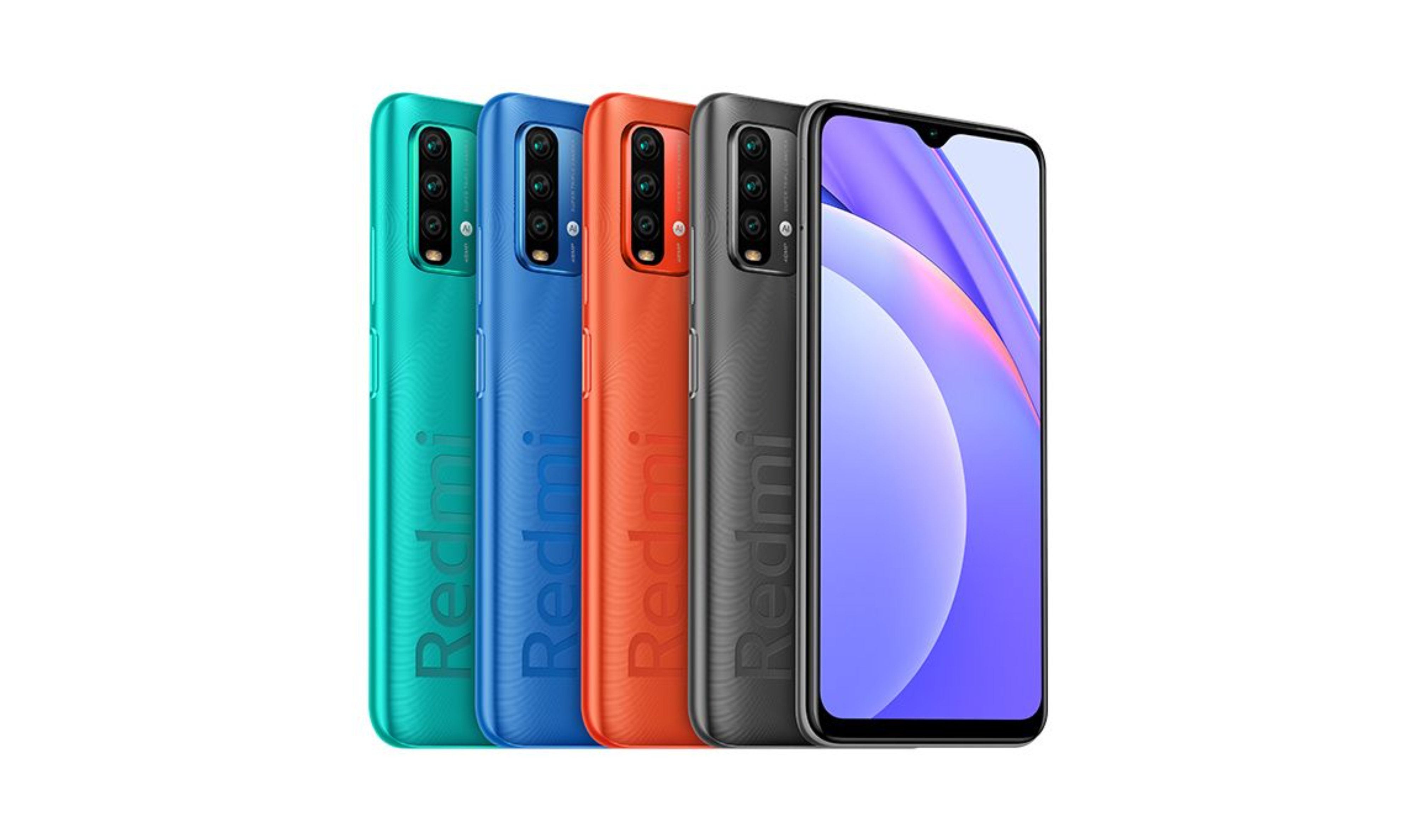
Last week, Redmi, the sub-brand of Xiaomi launched an exclusive Redmi Note 9 series in China. This series consists of three models namely Redmi Note 9 4G, Redmi Note 9 5G, and Redmi Note 9 Pro 5G. A tweaked version of the first model has already debuted as POCO M3 in certain global markets. Now, according to new findings, the original Chinese phone with a different camera setup will be also launching as Redmi 9 Power in India and Redmi 9T in other international markets.
The POCO M3 launched earlier last week in Europe with a refreshing design. The same phone with a different rear design debuted as Redmi Note 9 4G a few days later. The former is currently restricted to Europe, whereas the latter is only available in China. But as per multiple findings, both of them will be soon made available in other markets as well.
The last model number in the above-list belongs to the Indian variant, which has been now listed on Google Play Console. Hence, we can expect it to launch soon in the country.
Lastly, MIUI 12 builds are only live for the Global and EEA versions of this handset. Therefore, the phone’s exact future availability is still a mystery except for India.
On the other hand, Redmi Note 4G is codenamed ‘lime’ and it comes with the following model numbers.
M2010J19SC
M2010J19SG
M2010J19ST
M2010J19SI
In the above list, the first model number is of the Chinese variant of this device, which is sold as Redmi Note 4G. This smartphone features a triple camera setup consisting of 48MP (wide) + 8MP (ultra-wide) + 2MP (depth).
The next three are of international variants and the last one, in particular, belongs to the Indian version. It was found in the Google Play Console database a few hours back and interestingly, it will be sold as Redmi 9 Power.
Whereas, the other two model numbers will launch as Redmi 9T. These three models will sport a quad-camera setup, unlike the Chinese variant. The only difference is that these two handsets will include an additional 2MP macro camera.
Having said that, POCO is yet to reveal the availability of POCO M3 for more markets. Similarly, Xiaomi/Redmi is yet to confirm launch dates for Redmi 9T and Redmi 9 Power.
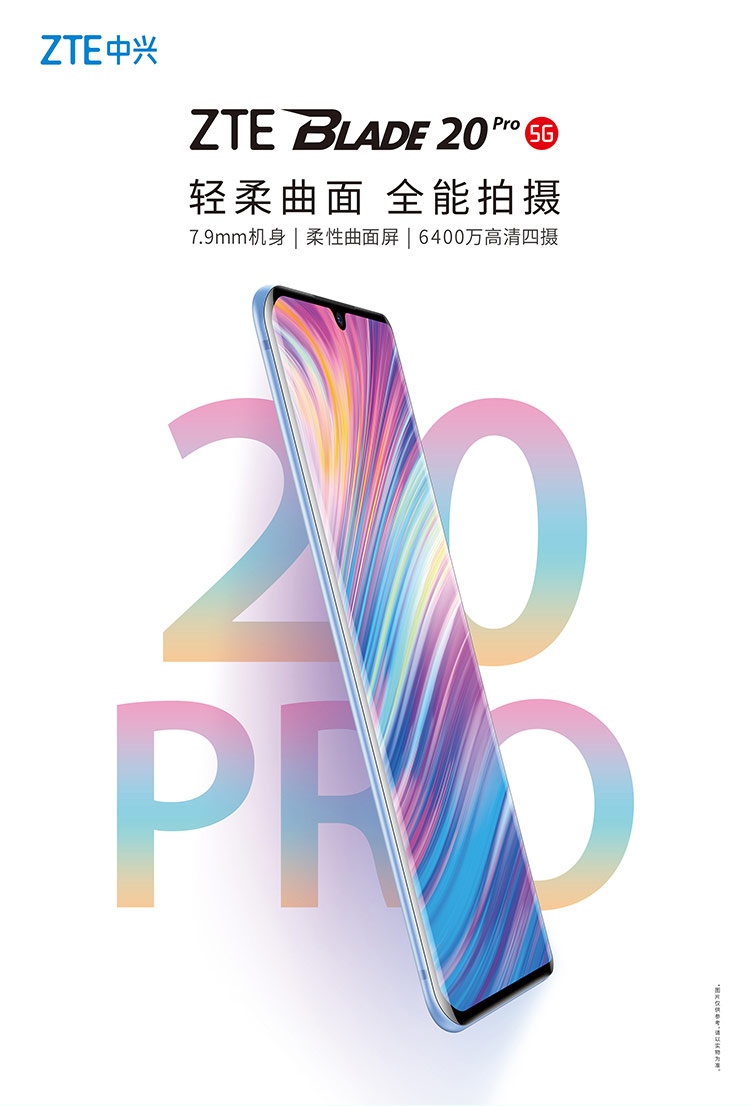
The ZTE Blade 20 Pro 5G was announced in China today. ZTE has focused on the design of the upper mid-range smartphone, making sure it is thin, light, and comfortable to hold.
The Blade 20 Pro 5G is covered in 3D glass on both sides and ZTE claims it makes it comfortable to hold. The phone is just 7.9 millimeters thick and is also pretty lightweight at 168 grams.
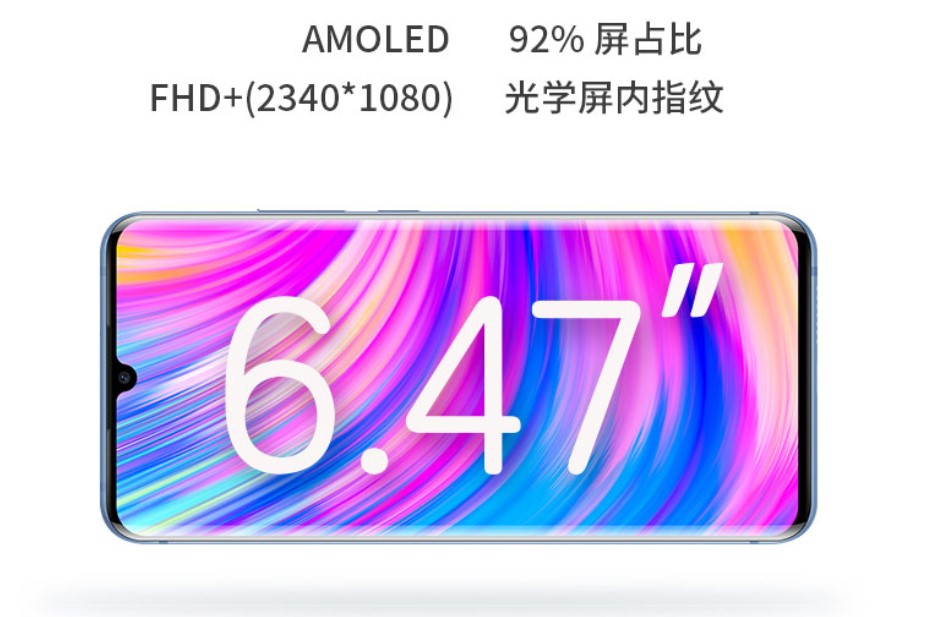
The phone has a 6.47-inch flexible curved AMOLED display with a waterdrop notch, a 2340 x 1080 resolution, and a 19.5:9 aspect ratio. Unfortunately, there is no high refresh rate. The notch in the display is home to a 20MP camera.
There is a Snapdragon 765G processor inside the phone and it is paired with 8GB of RAM and 128GB of storage. There is a MicroSD card slot, so you users can add up to an additional 2TB of storage.
There are four cameras on the back of the phone arranged in a rectangular housing. The primary camera is a 64MP sensor and it comes along with an 8MP 120° ultrawide angle camera, a 2MP 4CM macro camera, and a 2MP depth sensor. ZTE says the phone can record in 4K at 60 frames per second. There is also image stabilization when you are recording with the main and ultra-wide cameras.
Inside the Blade 20 Pro 5G is a 4000mAh battery with support for Quick Charge 4+. The phone has liquid cooling to keep the temperature low during CPU-intensive tasks. It also has DTS:X Ultra, NFC, Bluetooth5.1, USB 3.1, and an in-display fingerprint scanner. ZTE ships it with MiFavor 10 based on Android 10 out of the box.
The ZTE Blade 20 Pro 5G comes in a single color – Blue. At the moment, there is no info on the price of the device and its availability.
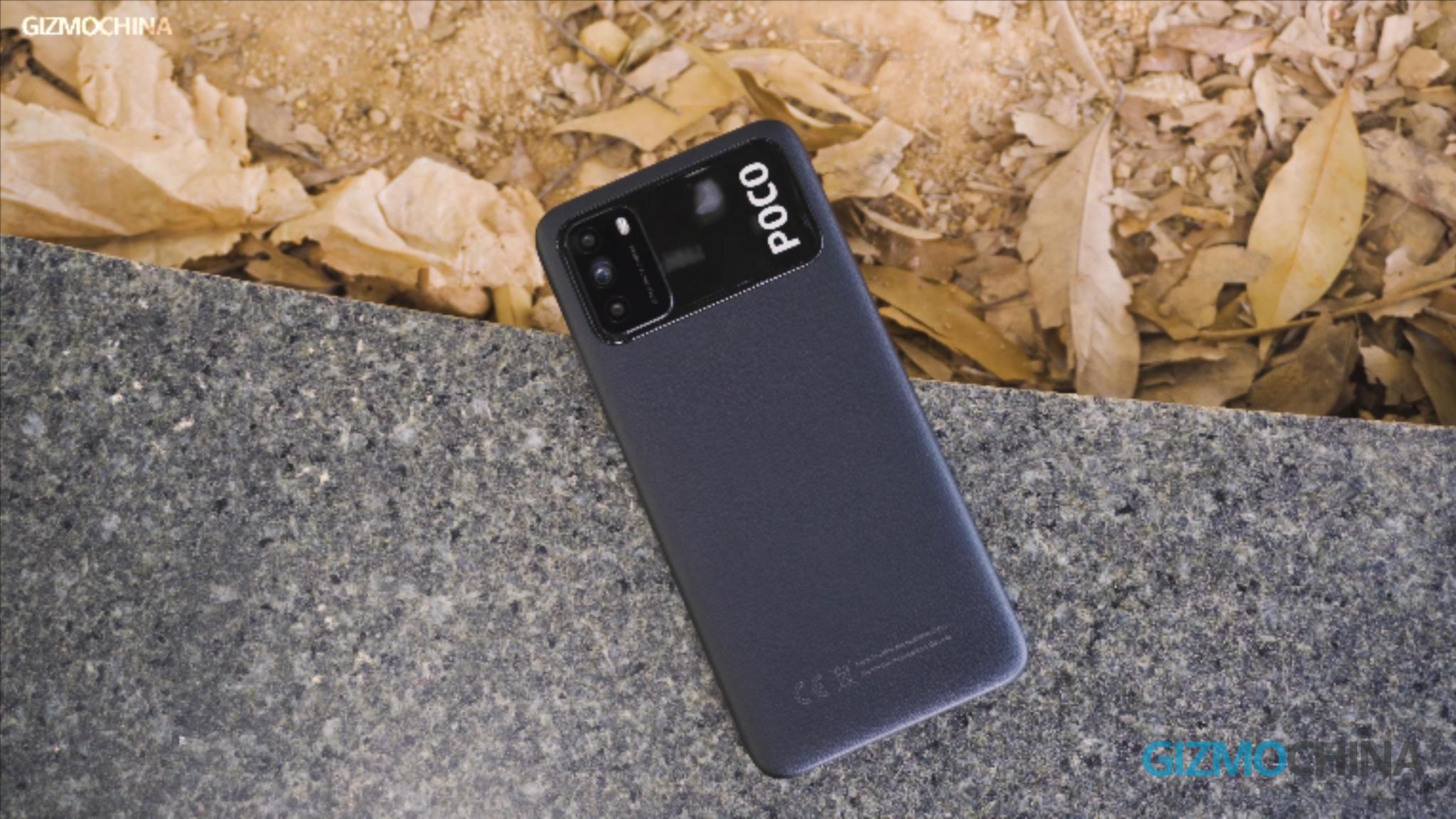
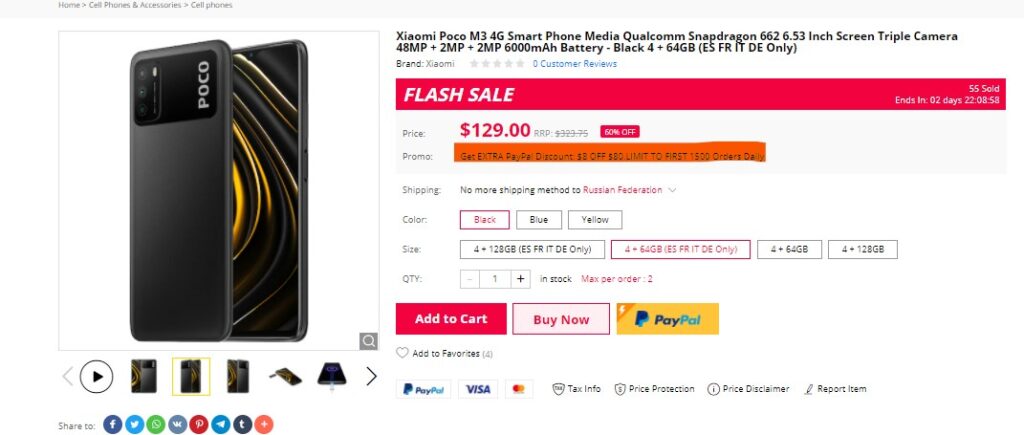
The shopping days are not over yet, as Gearbest is offering a CyberMonday discount on Poco X3 and M3 smartphones. The interested buyers can grab the smartphones with a discount of $8 by completing payment via Paypal. Poco recently launched the Poco M3 with some entry-level specifications at a super affordable price of $129 for a 4GB RAM + 64GB variant.
The Poco M3 is available via Gearbest in three different colors of Black, Blue, and Yellow. Xiaomi Poco M3 is available in two storage variants – 64GB and 128GB for the price of $129 and $149, respectively. However, the user can get an $8 discount on the checkout page which reduces the price to $121 and $141 while paying with Paypal.
Poco M3 comes with a Qualcomm Snapdragon 662 chipset coupled with 4GB RAM. The smartphone carries a 6.53-inch FHD+ display with 2340 x 1080 pixels resolution, a 400 nits brightness, and a 1500:1 contrast ratio. A quad-rear camera sits on the rear side with a 48MP primary camera. It is accompanied by three other cameras including a 2MP sensor, a 2MP depth sensor, and an 8MP front camera.
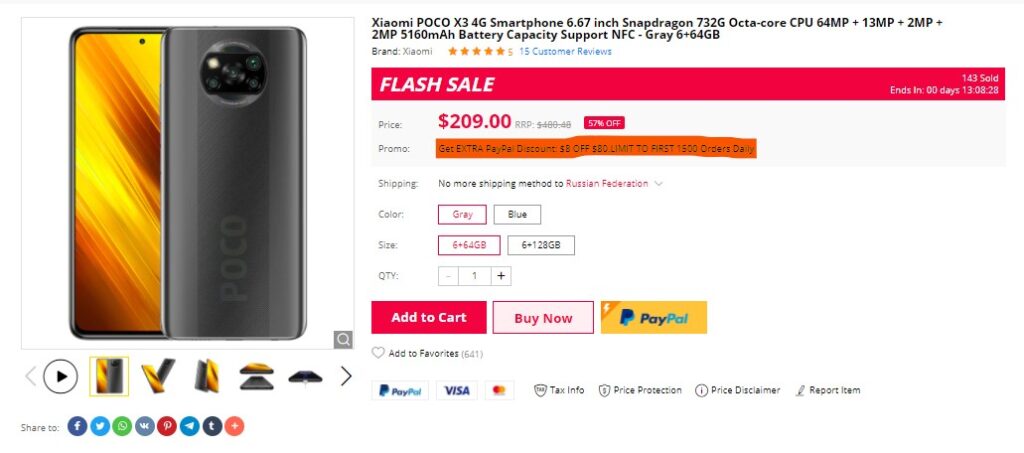
Poco X3 is also available from Gearbest at the price of $209 for 6GB RAM + 64GB storage. While the users need to shell in $229 for a 6GB RAM + 128GB storage variant. It is available in Gray and Blue color options. The user can grab the device at an effective price of $201.
Poco X3 is powered with Snapdragon 732G SoC and coupled with 6GB RAM. There’s a massive 6.67-inch display with a resolution of 2400 x 1080 pixels. The display offers a 120Hz refresh rate for smooth gaming. There’s a quad-rear camera featuring a 64MP primary camera, a 13MP wide-angle lens, a 2MP Macro camera, and a 2MP depth camera. There will be a 5160 mAh battery coupled with 33W fast charging.
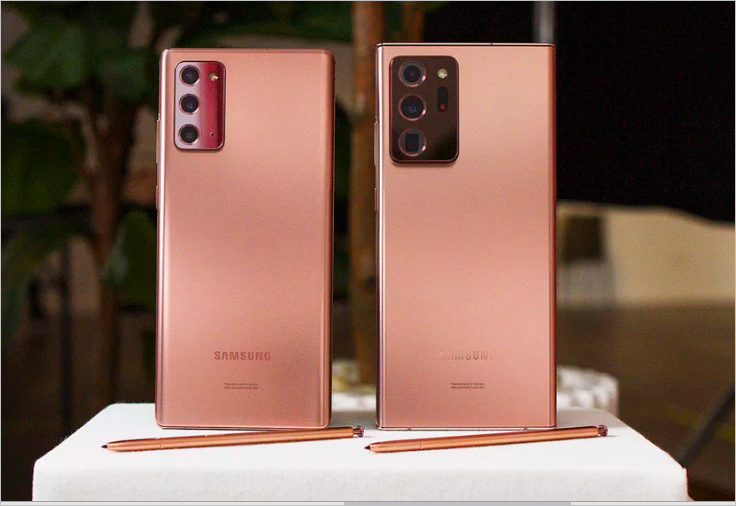
A new report from South Korea has seemingly reinforced projections that Samsung‘s Galaxy S21 will be released in January 2021, and this high-end and flagship model will support the S Pen stylus.
South Korean news medium ET News says that Samsung Corp has ordered digitizers for the Galaxy S21 Ultra and mass production will commence shortly. Digitizers are sensors that are placed beneath the display of a device to ensure stylus compatibility.
There are indications that Samsung is in a rush to launch the next S series smartphones earlier than expected, as a move to counter Apple’s first 5G-enabled smartphone, the iPhone 12, and also have a share of the market. The company also wants to take advantage of the sanctions imposed by the US on Huawei, which has greatly hampered its capacity to meet its demand quotas.
The South Korean report also seems to confirm an earlier rumor that Samsung will begin the process for the replacement of the Note series with Galaxy S and Z smartphones this year.
Samsung is reportedly set to launch up to five foldable smartphones in 2021, with two or more of the foldable projected to offer S Pen integration. The company is reportedly mooting a new digitizer technology for the Galaxy Z Fold 3 and will also increase the thickness of its display to enhance durability and better withstand the pressure from the stylus.
According to the grapevine, the Galaxy Note 21 will be unveiled together with the Z Fold 3 within the first half of 2021. The foldable phone release will likely dominate the waves and only one variant of the Note 21 is expected to be released.
The obvious strategy is apparently to remove from the spotlight, the next Note smartphone to be released in 2021, and possibly migrate existing Note users to the Galaxy S and Z flagships. Feelers are that Samsung will likely discontinue the Galaxy Note lineup in 2022 but there is a counter-rumor that that may not be the case. (via)
In a report monitored on Bloomberg, the U.S Federal Communications Commission (FCC) has denied approval for a proposal that would have allowed air passengers to make inflight voice calls using their smartphones. According to the report, Pilots and Flight Attendants were said to be “strongly opposed” to the idea.
In 2013, the FCC mooted a plan that would allow in-flight calls to take place above 3.05 km (about 10,000 feet) as obtainable in parts of Europe, but it resulted in a backlash by frequent flyers who envisioned their comfort will be affected by being forced to sit next to persons who make loud and long calls during trips. A critical segment of the US Congress also opposed the plan, insisting that if the proposal comes to effect, phone users in the middle of a flight could face air rage from other passengers on the same flight.
Furthermore, in 2017, FCC Chairman Ajit Pai, hinted that the agency would not grant approval for the proposal. He said, “Taking it (the proposal) off the table permanently will be a victory for Americans across the country who, like me, value a moment of quiet at 30,000 feet.”
Of course, in addition to keeping order in an aircraft, the restriction was in place to prevent mobile phones from interfering with the communications equipment and other gadgets used by pilots for flight controls, and navigation.
Also in 2017, Taylor Garland, spokesperson for the Association of Flight Attendants stated that “We are strongly against voice calls on planes.” A flight attendant in one of the Airlines stressed that it would be impossible for passengers on a flight to follow the flight attendant’s directions if the plane needed to be evacuated if calls were allowed on board.
While a passenger may not be able to send or receive calls in many commercial flights, some airlines like Jet Blue provide passengers with free Wi-Fi allowing them to send and receive text messages via an interface. (via)
We use cookies on our website to give you the most relevant experience by remembering your preferences and repeat visits. By clicking “Accept”, you consent to the use of ALL the cookies.
This website uses cookies to improve your experience while you navigate through the website. Out of these, the cookies that are categorized as necessary are stored on your browser as they are essential for the working of basic functionalities of the website. We also use third-party cookies that help us analyze and understand how you use this website. These cookies will be stored in your browser only with your consent. You also have the option to opt-out of these cookies. But opting out of some of these cookies may affect your browsing experience.
Necessary cookies are absolutely essential for the website to function properly. This category only includes cookies that ensures basic functionalities and security features of the website. These cookies do not store any personal information.
Any cookies that may not be particularly necessary for the website to function and is used specifically to collect user personal data via analytics, ads, other embedded contents are termed as non-necessary cookies. It is mandatory to procure user consent prior to running these cookies on your website.