Advertisement

Google will disable default selfie retouching with new Pixel phones

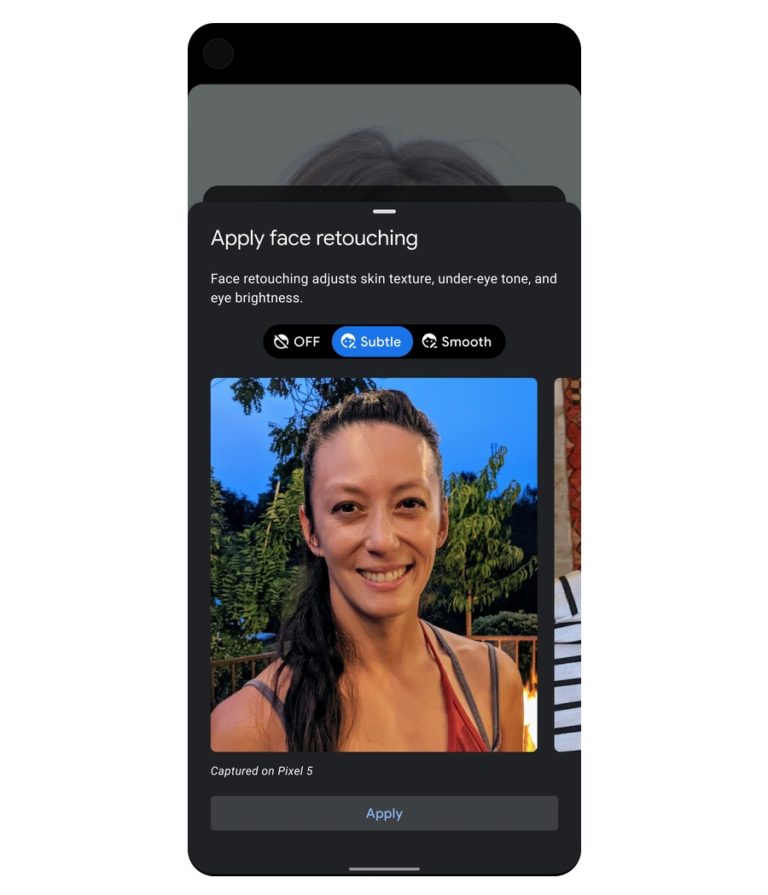
Google is turning off the selfie retouching on its new Pixel smartphones that are enabled by default. This includes deactivating the feature on the Pixel 4a, Pixel 4a 5G, and Pixel 5, along with the camera app now also providing more information to those using this feature.
Google

The second part will arrive in a later update and will arrive with icons and labels to provide information to users and explain what the retouching features want to apply and why. The update will describe the selfie features it wishes to tweak for various facial regions like “skin texture, under-eye tone, and eye brightness.” Users will also be given the option to accept these touch ups.

This update is aimed at providing better transparency to the user with an unchanged view of themselves, according to Google. The AndroidAuthority report also stated that the new changes also seek to promote better mental health and body positivity. The search engine giant further added that “these default filters can quietly set a beauty standard that some people compare themselves against.”
pixel 5
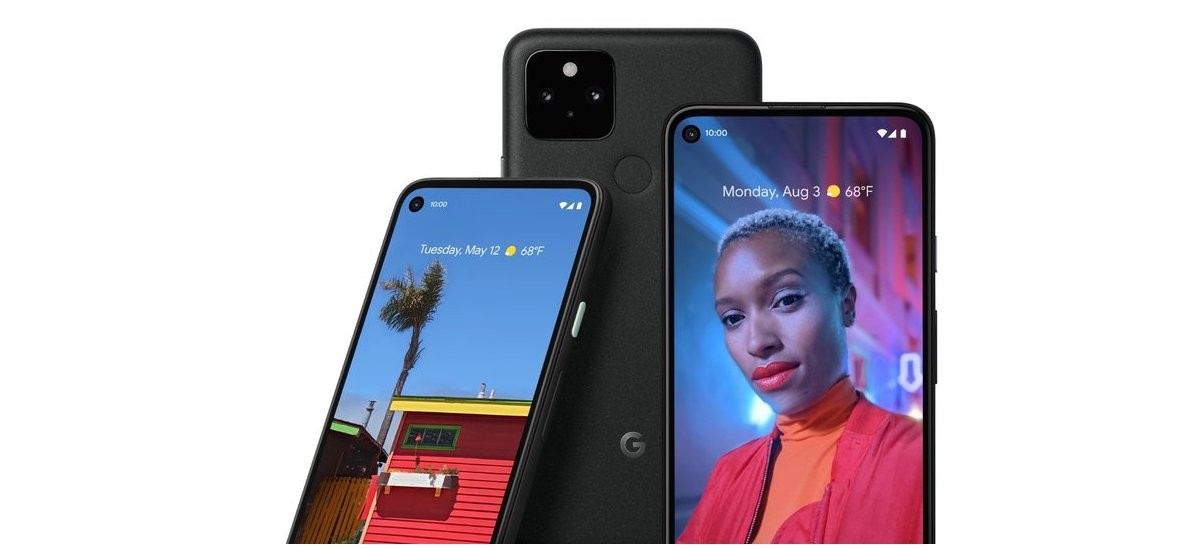
Google Pixel 5

This small change within the Camera app isn’t being introduced to have users lean off from using the filters, but to give people more control over the process of people using the feature for selfies. At the moment, it is unknown if the update will also include other Pixel smartphone models. Although, since it is just software related, we might soon see it brought over to the Camera app on other devices as well.


Rakuten BIG launched with under display selfie camera and Snapdragon 765G

Last month, ZTE became the first brand to launch the ZTE Axon 20 5G as the world’s first smartphone with under display selfie camera technology. The Vinsmart Vsmart Axis Pro phone that debuted in the same month in Vietnam became the second phone to arrive with the advanced front camera technology. Now, Japanese smartphone OEM Rakuten has announced the Rakuten BIG phone in Japan. As the name goes, it is a huge phone since it houses a 6.9-inch display. It goes without saying that the under display selfie camera technology is the major highlight of the Rakuten BIG smartphone.

Rakuten BIG specifications and features

The Rakuten BIG measures 174 x 80 x 9mm and weighs 227 grams. The phone is equipped with a 6.9-inch OLED display that produces 1080 x 2460 pixels resolution. The Snapdragon 765G chipset is present under the hood of the Rakuten BIG along with 6 GB of RAM.

The handset offers users with a native storage of 128 GB. For additional storage, it has a microSD card slot. It is loaded with Android 10 and it draws power from a 4,000mAh battery.

Rakuten BIG
Rakuten BIG

The notch-less screen of the Rakuten BIG features a 32-megapixel under display front camera. The backside of the phone features a quad camera system that includes a 64-megapixel main shooter, an 8-megapixel superwide sensor, a 2-megapixel depth sensor, and a 2-megapixel macro shooter.

The Rakuten BIG is an IP68 rated dustproof and water-resistant device. It comes with connectivity features like an in-display selfie scanner, e-SIM, Wi-Fi 802.11ac, Bluetooth 5.0, NFC, and USB-C.

Rakuten BIG pricing and availability

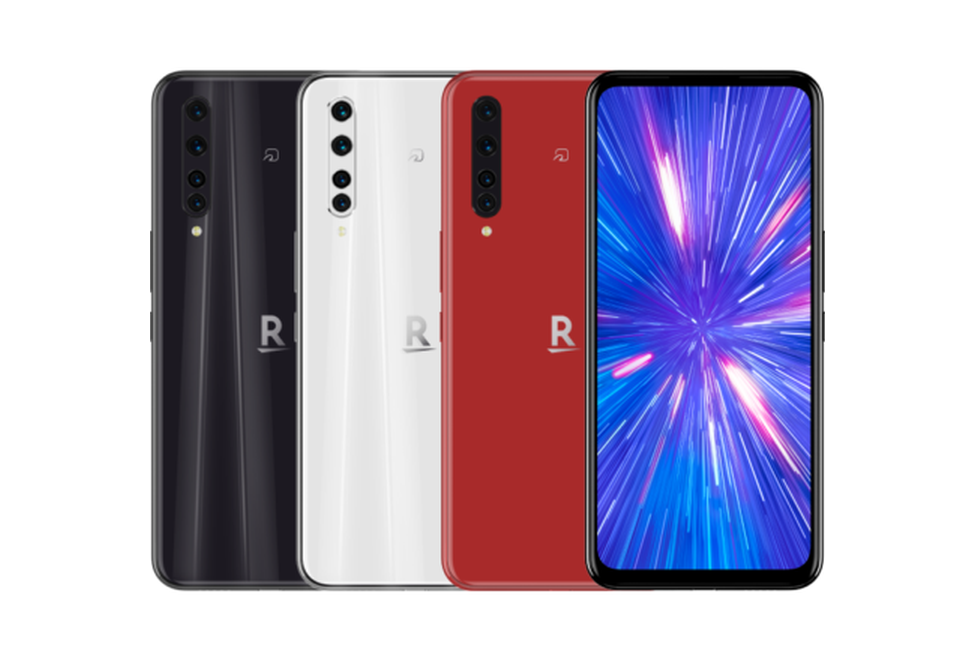
The Rakuten BIG carries a price tag of 69,800 Yen (~$660). It comes in three colors such as Black, White, and Crimson Red. There is no word on the availability of the Rakuten BIG outside of Japan.


UK consumers prefer buying phones offline while those in Germany & Spain have shifted to online

Ever since the pandemic became worse, people around the world have been staying indoors as much as possible. Even their shopping preferences have changed over the course of the last few months. A recent survey by Counterpoint Research on smartphone shopping in the UK, Germany, and Spain paints a similar picture.

Smartphone Generic Featured
Photo by Ahmed Aqtai from Pexels

UK

Talking about the UK first, the online smartphone sales currently sit at ~35% in the country. According to the research firm, the online sales has moderately increased since Q1 2020. Above all, they sustained even after the re-opening of brick and mortar stores.

The survey revealed that 90% of UK consumers preferred to make their purchase from either electronic stores or supermarkets. That’s because consumers in this country want to experience the device in a “more engaged manner”.

Even retailers like Carphone Warehouse and Currys PC World are aware that consumers prefer buying from large format stores rather than smaller standalone mobile shops


That’s because these companies allow consumers to buy the latest phones without making an upfront full payment. They also provide options to bundle plan charges with phone instalments, in addition to direct debit options with offers and treats.

As per the UK consumers who participated in the survey, convenience was their top-most priority while shopping followed by probability of cheaper pricing.

That said, almost 60% of this survey respondents have a monthly income of less than £ 1600. More than 40% of individuals are planning to buy a phone from an operator are self-employed. Whereas, more than 50% of those willing to make an upfront payment are either homemakers or unemployed.

Germany and Spain

Unlike the consumers in the UK, those in Germany and Spain have changed their preference for buying smartphones to online by a high margin. 

For instance, the survey revealed that 35% and 30% of respondents from Germany and Spain respectively purchased their current phone online. Most importantly, a whopping 90% of Germans said that their next smartphone purchase will be online compared to 76% Spaniards, which is not a small number anyway.

Further, consumers in these two countries mostly prefer full up-front payment and retailers like Amazon, Media Markt, Saturn, Comtech, Fnac, Conectrol and Walmart.

As for numbers, 41% of Germans chose upfront payment in the survey and 42% of these respondents are salaried. The numbers for Spain is 53% and 61% respectively.

Last but not least, consumers who selected upfront payment earn less than €1,900 per month. They prefer this mode of buying because of cheaper deals and better offers.

Conclusion

Counterpoint Research says that ASPs (average selling prices) of smartphones will decrease as consumers are expected to reduce their budget. Also, going by their survey, most of the consumers will opt for a full upfront payment for their next phone to reduce a deferred liability.

Lastly, respondents from all the three countries said that they are not looking to reduce touchpoints despite they are concerned about the COVID-19 pandemic.


Google to pay $1 billion to news publishers for content on Google News Showcase

Google has announced that the company will be paying around $1 billion over three years to news publishers for content and to support the launch of a new product, which is dubbed as Google News Showcase.

Sundar Pichai, CEO of Google, claimed that this investment of $1 billion in news publishers is the company’s biggest financial commitment to journalism so far. He added that with the new Google News Showcase, the company is aiming to create a “different kind of online news experience.”

Google News Showcase

For the new platform, Google has already signed licensing deals with more than 200 publications in select countries. However, the company is planning to add more publishers and will also expand geographically.

The participating publishers will be able to curate and decide how to present their content on the platform. The content is displayed as a “story panel” and publishers can use timelines, bullets, or related articles to tease the story and encourage viewers to click and visit their website to read more. As a part of the program, Google will pay some publishers to make the paywalled articles free to access to non-subscribers.

EDITOR’S PICK: Huawei forced to fix critical flaws in its equipment by British Intelligence

In the future, Google will also allow publishers to include video and audio and not limit them to just text and images. Brad Bender, Google’s vice president of product management for news has said that the company plans to go beyond the three-year commitment and therefore invest more than the planned $1 billion.

Google News Showcase is currently available only in the Google News app on Android but the company adds that it will soon come to the iOS app. Later on, it will be expanded to the Google Discover app and Google Search. Currently, this new platform is available to users in Brazil and Germany.


Sony Wena 3 Smart Band for traditional watches launched in Japan

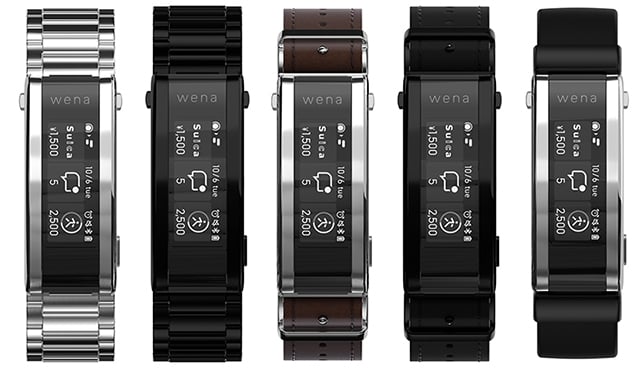
Sony has today launched the third-generation of its smart wristband for watches — Sony Wena 3. The company has announced the wearable device in three different types of bands 00 Leather, Metal, and Silicone Rubber.

For those who are unaware, Sony Wena smart wristband has been a sensational product from the company in its home market Japan ever since it was announced for a crowdfunding campaign.

Sony Wena 3

The company claims that it designed the mechanical structure, antenna, electric circuit, and the board pattern in-house to ensure that everything fits in the buckle. It also adds that compared to Wena Active, it is 30 percent smaller in volume and 2.5mm thicker.

In order to improve fit, the battery, as well as the touch-panel display, come in a curved design. The cover glass for the display is of graphite-type and the company says that it passed through more than 20 processes.

EDITOR’S PICK: China could be working on an antitrust investigation into Google

The display also has impact resistance which is claimed to withstand a drop impact of 90cm. Apart from this, the smart wristband also comes with support for 5ATM standard waterproof, which is usually found in any wearable device nowadays.

It packs an accelerometer and dual optical heart rate sensor, enabling users to keep track of daily activities as well as to measure heart rate and keep track of sleep data. The company says that it is powered by a unique algorithm for daily health management.

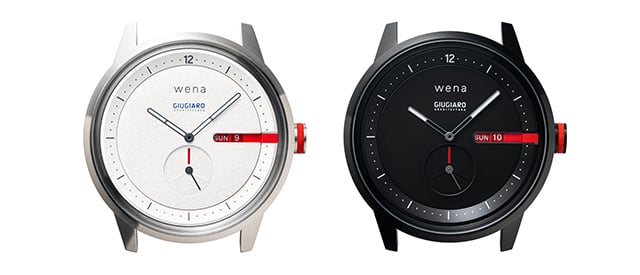
Wena Head designed by Shunji Yamanaka

Sony Wena Head Giugiaro Architettura

There’s also a “MAMORIO” notification function that helps prevent misplacement and supports searching. The device is said to offer one week of battery life on a single charge and has a built-in reverse power of 24 hours that can be used for payments. It also comes with support for Alexa voice assistant.

The Sony Wena 3 Metal variant in Silver is priced at 33,000 yen (~$314) while the same in Premium Balck costs 35,000 yen (~$333). On the other hand, the Leather Brown and Leather Premium Black models are priced at 30,000 yen (~$285) and 32,000 yen (~$304) respectively. The cheapest of them all, which comes in the Silicone Rubber variant, cost 24,000 yen (~$228).

Sony has also launched two Wena heads. One of them is designed by Shunji Yamanaka while the other one named “Giugiaro Architettura” is designed by Italian car designer Fabrizio Giugiaro. Both the models are priced at 59,000 yen (~$561) and 58,000 yen (~$552) respectively.


Huawei forced to fix critical flaws in its equipment by British Intelligence

Huawei Technologies has recently been forced to fix a major flaw in its products by the British Intelligence, which put the security of the country’s networks at risk, as per a government agency.

huawei

The UK government found a “Critical, user-facing vulnerabilities” in the system regarding the Chinese telecommunications giant’s fixed-broadband products. The issue was caused by poor code quality and an old operating system, according to Huawei Cyber Security Evaluation Centre Oversight Board. This center was built by the company alongside the government in an arrangement to let the British National Cyber Security Centre examine its hardware and software.

Since then, an annual report from HCSEC Oversight Board has stated that the security issue has been cleared and as such, no exploitations were detected. However, the fix also created a new and “major issue,” which is said to be caused by the “deficiencies in Huawei’s engineering processes remain.” The report from SCMP mentioned the event had “national significance,” and being a rare occasion where a full description of the problem was temporarily withheld from Huawei as the impact was assessed.

Huawei Logo MWC 2019

Notably, the discovery of the critical flaw arrived during the time when the British government had decided to ban the Chinese company from supplying the nation with equipment for 5G networking. The government is also currently reviewing its role in supplying fixed-broadband infrastructure. The HCSEC Oversight Board stated that it “can only provide limited technical assurance in the security risk management of Huawei equipment in UK networks.”


Entry-level Apple iPhone 12 models pack 64GB storage while Pro models start at 128GB storage

Apple is expected to launch the next-generation iPhone 12 models on 13th October, but there’s no official confirmation from the company yet. Ahead of the launch, more details about the devices keep surfacing online.

Now, a new report related to the iPhone 12 models reveals that the entry-level iPhone 12 Mini will come with 64GB of internal storage. On the other hand, the iPhone 12 Pro models will start at 128GB internal storage.

Aple iPhone 12 Models

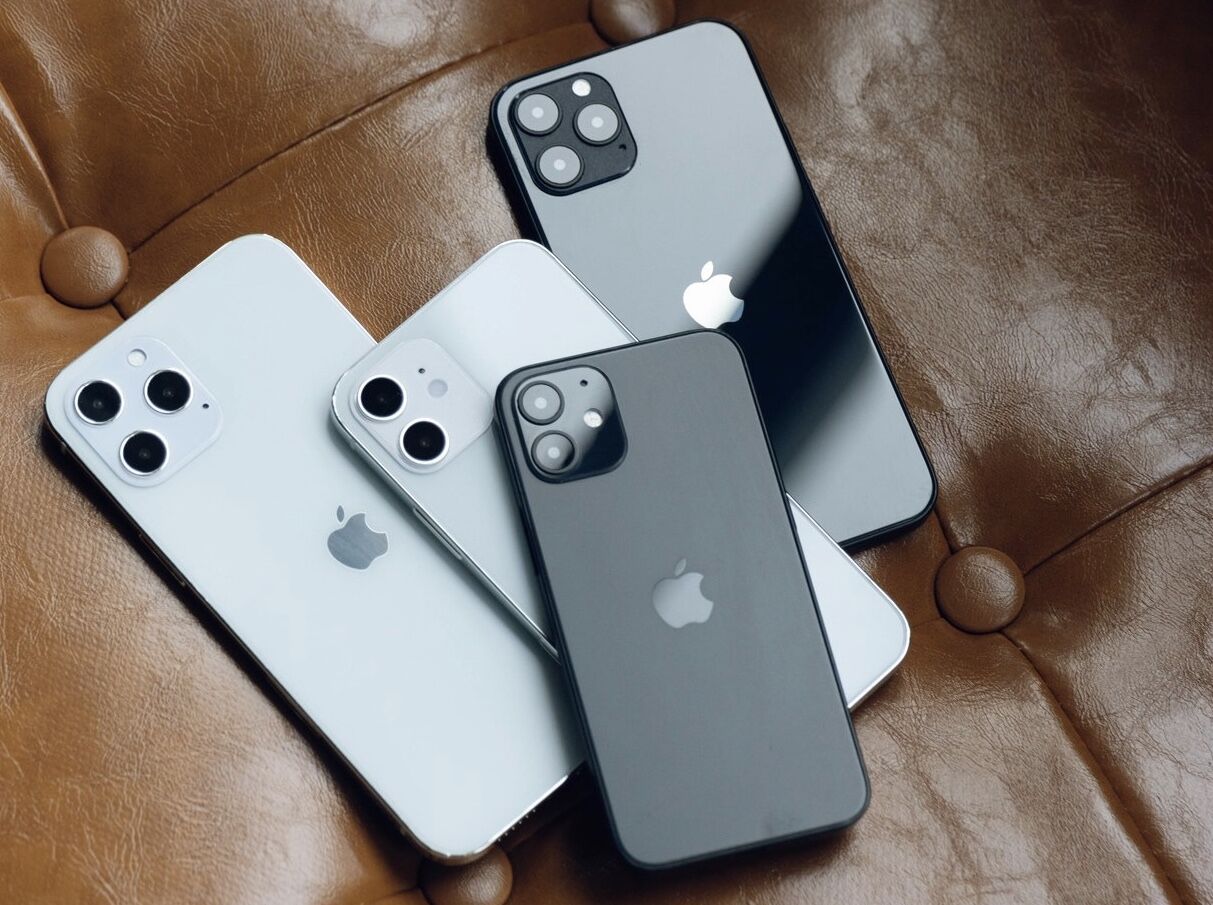
It has also been revealed that the Apple iPhone 12 will come in six color options — Black, White, Blue, Red, Yellow, and Coral. The listing hints that the Pro and Pro Max models will be limited to just three colors — Black, White, and Silver.

We recently reported that the first shipment of the iPhone 12 models is set to go out to distributors on 5th October. The initial batch of shipment includes just two smartphone models — iPhone 12 Mini and iPhone 12.

EDITOR’S PICK: China could be working on an antitrust investigation into Google

For those who are unaware, the iPhone 12 Mini has a 5.4-inch display and the iPhone 12 as well as the Pro model features a 6.1-inch screen. The iPhone 12 Pro Max, the one with the largest screen, will feature a 6.4-inch display.

Earlier, it was reported that during the initial days of the sale, Apple will be selling only one or two models and the rest of the models will be available for purchase from the month of November. It was recently revealed that the pricing could start from $699.


Apple sues Geep Canada for reselling 100,000 devices that were given for recycling

In recent times, Apple has placed an increasing focus on the recyclability of its products. Now, the company is suing a company that was hired to scrap its devices after it allegedly resold about 100,000 iPhones, iPads, and Apple Watches.

The Cupertino based giant has plans on bringing its entire recycling process in house, however, it continues to rely on other parties for now. Geep Canada is the recycler the company had hired to scrap its products that Apple has now filed a lawsuit against. According to an AppleInsider report, Geep has not denied these allegations, although, it has filed a counter suit against the iPhone maker, citing that the 100,000 devices were resold by three “rogue” employees without their knowledge.

Apple

Apple responded to the matter by pointing out that the three employees in question are in fact senior management in the firm. While the case only got publicly revealed recently, the lawsuit was originally filed back in January 2020. The company first discovered these thefts at the end of 2017 or the start of 2018. After this, it stopped its partnership with Geep altogether. In September 2019, Geep Canada merged with another firm to form Quantum Lifecycle Partners.

The lawsuit states that Apple shipped 531,966 iPhones to Geep Canada for recycling between January 2015 and December 2017, alongside 5,673 iPads, and 19,277 Apple Watches. However, during an audit, it was reportedly discovered that some of its devices were being stored away from those of other firms. These devices were stored away from security cameras’ vision and had the serial number of devices that were shipped to Geep. Approximately 18 percent of 103,845 of these devices were found to be active on carrier networks.

Apple

The company is now seeking full recovery of profits made from the resale of these devices, along with $31 million Canadian (roughly $22.7 million US). Quantum Lifecycle Partners stated that “the lawsuit is between Geep and Apple and we have no knowledge regarding the details.” The filing also stated that, “At least 11,766 pounds of Apple devices left Geep’s premises without being destroyed – a fact that GEEP itself confirmed.” At the moment, Geep is currently looking for the three employees to pay damages and costs.


China could be working on an antitrust investigation into Google

China is gearing up to launch an antitrust probe into Google based on the allegations that the company has leveraged the dominance of its Android mobile operating system to stifle competition, reports Reuters.

The Chinese government has also added that the practice could cause “extreme damage” to Huawei and other Chinese companies. It is said that the case was proposed by Huawei last year and has been submitted by the top market regulator to the State Council’s antitrust committee for review.

Google

A decision on proceeding with the formal investigation could come sometime this month. The investigation, if it goes ahead, could affect China’s relationship with the United States, which has already deteriorated by the U.S. government targeting Chinese companies.

The development comes at a time when the Trump administrator has targeted several Chinese companies. It has put sanctions on Huawei, effectively banning the company and restricting it in several ways, making it difficult to keep doing business.

EDITOR’S PICK: Apple’s foldable iPhone could feature a self-healing display

Apart from Huawei, the United States government is also targeting other companies, including ByteDance-owned TikTok, Tencent’s WeChat, and the country’s one of the largest chipset maker SMIC.

China is also planning a major revamp of its antitrust laws and the newly proposed amendments include a dramatic increase in maximum fines and expanded criteria for judging a company’s control of a market.

On the other hand, the United States is also reportedly planning to launch an antitrust probe against Google. The Department of Justice could look into Google’s Android dominance, along with its large share of digital advertising and search engine businesses.


Apple’s foldable iPhone to reportedly come with self-healing screen

Samsung and Huawei are the two major smartphone brands that have already launched their foldable smartphones. Now, Apple also seems to set to join the list as the company is working on its own foldable iPhone.

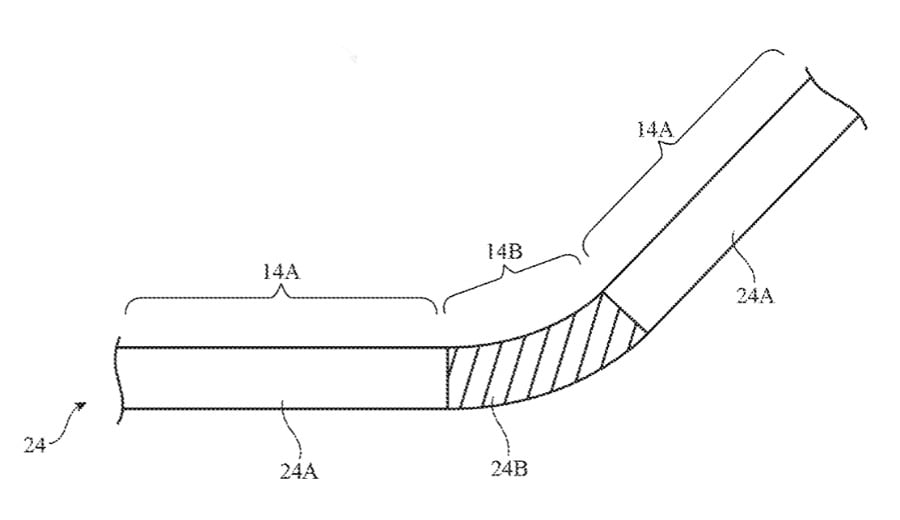
Now, as per the latest report from AppleInsider based on a new patent application filed by Apple, the upcoming foldable iPhone could come with a self-healing display that could fix the normal wear and tear by itself, including scratches and dents.Foldable iPhone Self-Healing Screen Patent

The patent application, named “Electronic Devices With Flexible Display Cover Layers” suggests methods for minimizing damage and doing something when the damage occurs. It hints at mixing rigid and flexible areas for a display and utilizing “self-healing.” However, the company has not mentioned how the process will work.

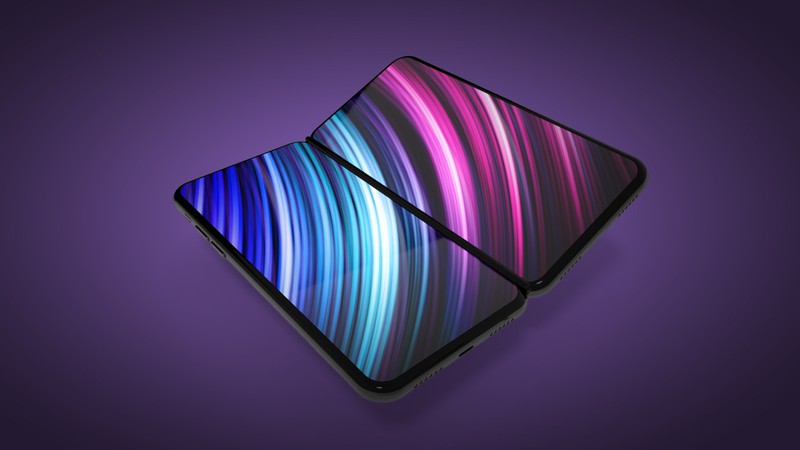
If the previous reports are to be believed, then the foldable iPhone is designed in such a way that when opened, it has a single continuous display and doesn’t appear to have two separate display panels, even though that is the case.

EDITOR’S PICK: OnePlus 8T dimension and camera sensors tipped ahead of its official launch on October 14

Foldable iPhone Prototype

Going by the development, there’s a possibility that the self-healing display feature won’t be included in the first generation of foldable iPhones given that the company has already placed a large order with Samsung Display for providing samples for at least one year.

Samsung has been a key supplier of OLED display panels to Apple iPhones for many years. With Samsung Display being a leader in the foldable display market, it is now hoping to dominate the market by increasing its production capacity to 10 million units a year.

Reports indicate that the foldable iPhone could get launched as soon as next year. Meanwhile, the company is currently gearing up to launch its 5G-powered iPhone 12 models in the coming weeks.


Segway’s First Smart eBike – Segway eMoped C80 raises $150,000 in less than 12 hours

The company, Segway, gained recognition for launching an innovative hoverboard that took the market by storm. Taking things a step further, the company is now launching a smart eBike- Segway eMoped C80 that is funded by Indigogo. The company has introduced a RideyGo! Intelligent System for the eMoped with features like Airlock System, NFC tag, Smart Seat Detection, and Auto-Lock Mode.

The campaign raised more than $150,000 in 12 hours post-launch and has got over $274,000 from backers in two days.

Smart Locking System

The Segway eMoped can be started with an AirLock system that can be connected via the Segway-Ninebot app. A simple swipe on the NFC tag can also lock and unlock the vehicle.

Equipped with various sensors under the seat, this Segway eMoped automatically locks itself within 3 seconds of the user leaving it. The eMoped C80 features a Smart Seat Detection that allows the user to unlock the vehicle easily. Furthermore, to ensure the biker’s safety, the eMoped remains locked in case of improper seating or no movement, even if the throttle is twisted. The smart vehicle assistant automatically locks the eMoped C80 with an Auto-Lock mode within 3 seconds of the rider stepping down. The lock timer, however, can be customized according to individual preferences with the Segway-Ninebot app.

Segway eMoped C80

Smooth rides

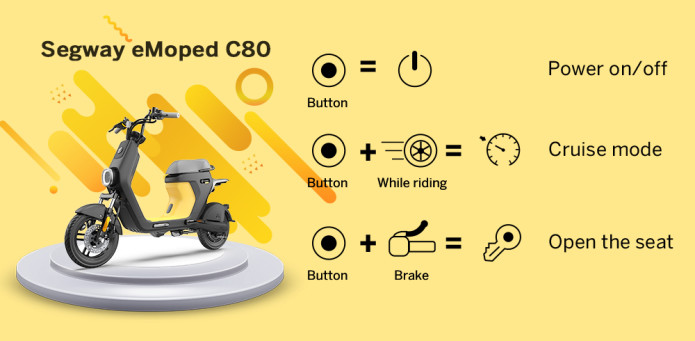
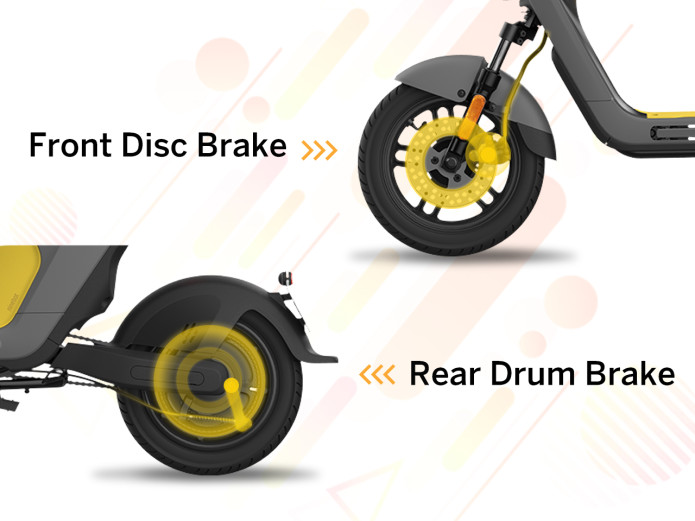
The Auto Cruise feature on the Segway-Ninebot app and the multi-functional button on the right side of the bike allows the rider to select the desired speed for a smooth and carefree ride. Featuring a front disc and rear drum brakes, this Segway eMoped ensures the rider’s safety during sudden halts. Furthermore, the front suspension fork and the middle-segmented spring suspension ensures a comfortable ride on uneven roads. With an 1152-Wh lithium-ion battery, this eMoped can efficiently run up to 52.8 miles range on a single charge. The battery weighs just 13.2 lbs and is detachable for convenient use.

Smart Security System

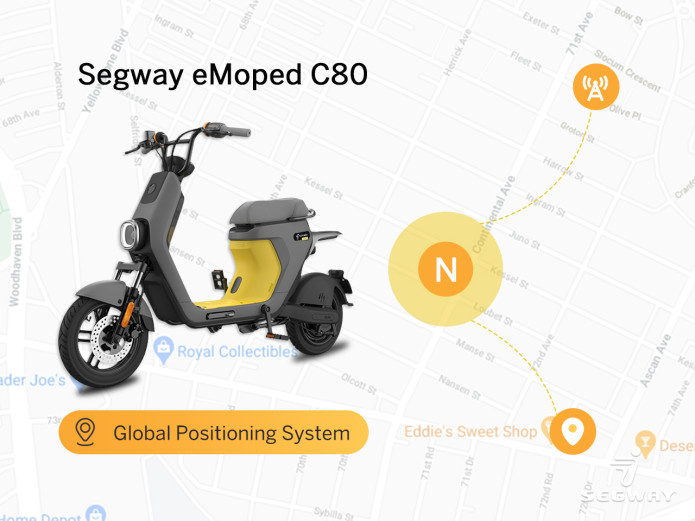
The smart security system of this Segway eMoped detects irregular movements like pushing, moving, or vehicle-accessing to trigger the alarm. The 4 types of alarms that help safeguard the vehicle include visual, auditory, and motion sensor alarm, and a phone notification system. The security system alerts the user with flashing lights, loud sounds, an auto-wheel lock, and a phone notification. Enhanced with a GPS and LBS, the rider can easily track and get notified about the latest travel status from their phone.


Segway eMoped C80

The versatile eMoped is perfect for short-distance rides and grocery runs. One can pre-order the Segway eMoped C80 on Indiegogo

The Pixel 5 drops the Pixel Neural Core and Active Edge

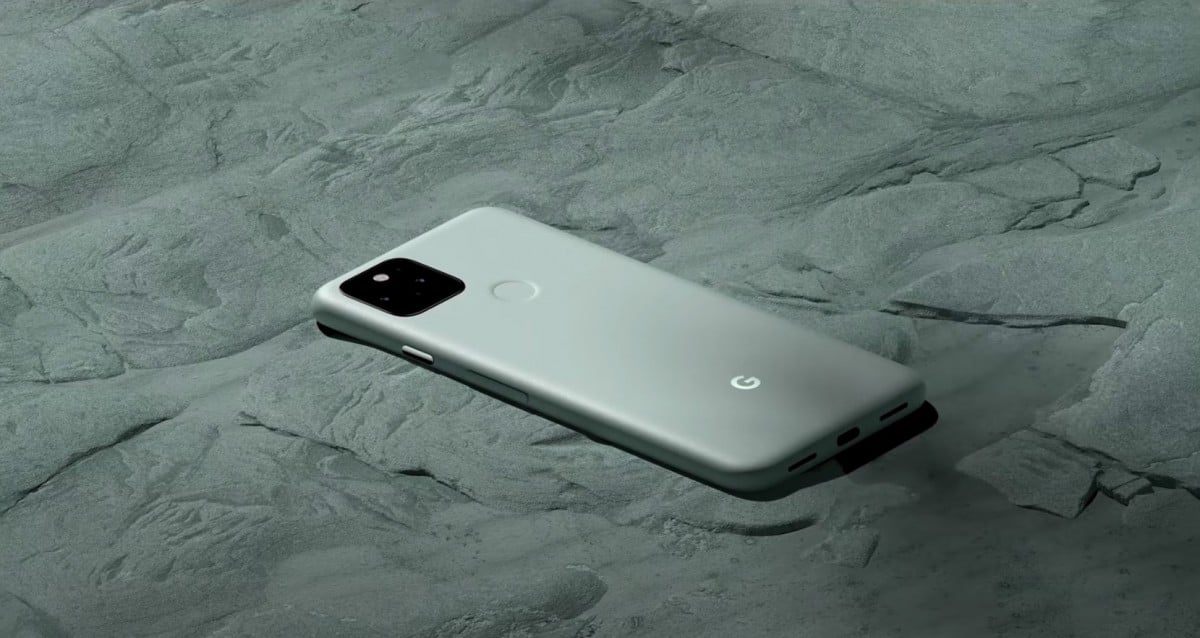
The Pixel 5 is very different from the Pixel 4 that was announced last year. The design is not the only area but there are also key changes under the hood. Some of which we know includes the choice of a Snapdragon 700 series processor over a Snapdragon 800 series chipset; and the return of the rear-mounted fingerprint scanner. Now, it has been confirmed that the Pixel Neural Core chipset is gone and so also is Active Edge.

Google Pixel 5

Starting with Active Edge, Google first removed it from the Pixel 4a which came as a surprise as the Pixel 3a from last year has it. However, we didn’t expect that it would not be present on the Pixel 5 too (the Pixel 4a 5G doesn’t have it too). Active Edge allowed users to squeeze the sides of their Pixel phones to wake up the Google Assistant and can also be used to silence alarms, timers, and calls. With all of the phones Google launched this year not having it, it is safe to say Active Edge is dead and buried.

For the Pixel Neural Core, Google confirmed to Android Police that the Pixel 4a 5G and Pixel 5 (and Pixel 4a too) do not have the chip which helped with imaging, machine learning, and also powered Face Unlock on the Pixel 4 series.

While the new phones do not have Face Unlock, the neural core chip still has other functions it can perform such as helping with imaging. However, Android Police said that the Pixel hardware team informed them during a Q&A session that they were able to get a similar camera performance with the Snapdragon 765G inside the Pixel 5, thus making the need for the chip redundant.

Which feature will you miss the most in the new Pixel phones? Let us know in the comment box.

Logitech’s UE Fits TWS earbuds mold into the shape of your ears

UE or Ultimate Ears is a Logitech-owned company known for its audio products. The company has announced a new pair of TWS earbuds called the UE Fits which have a cool trick for a perfect fit.

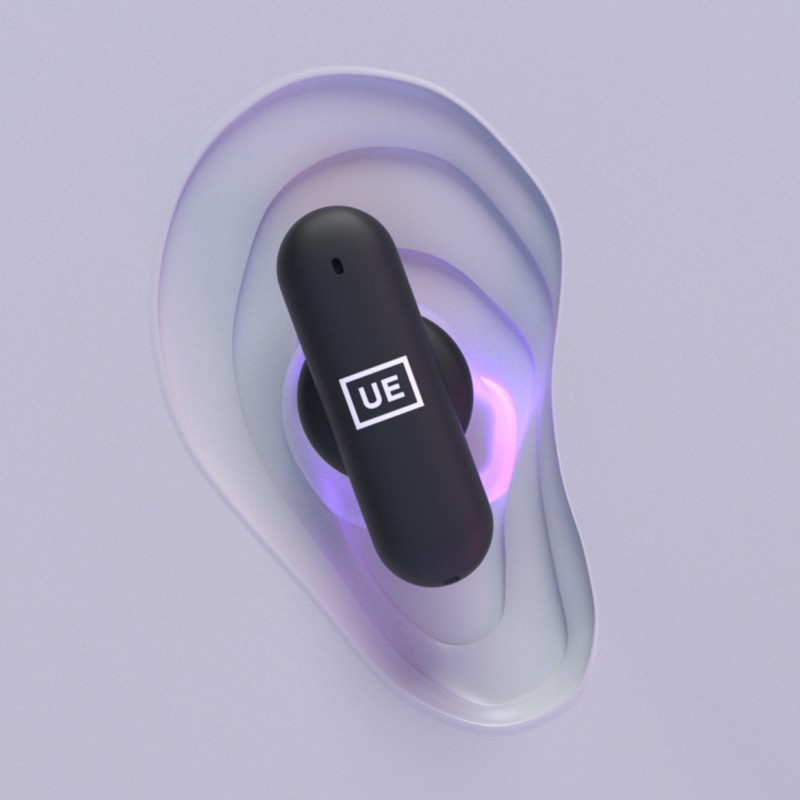
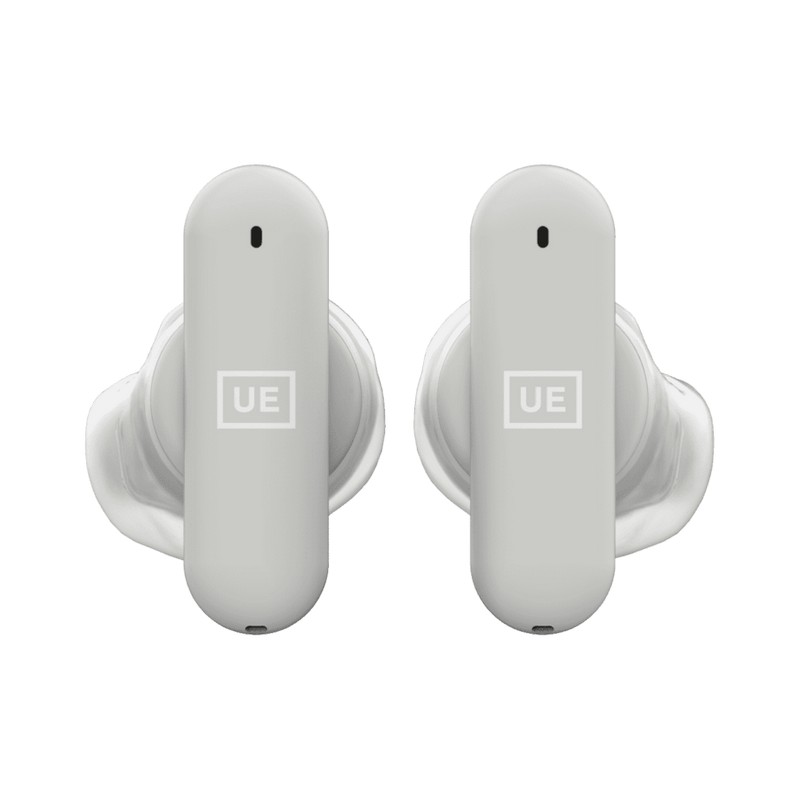
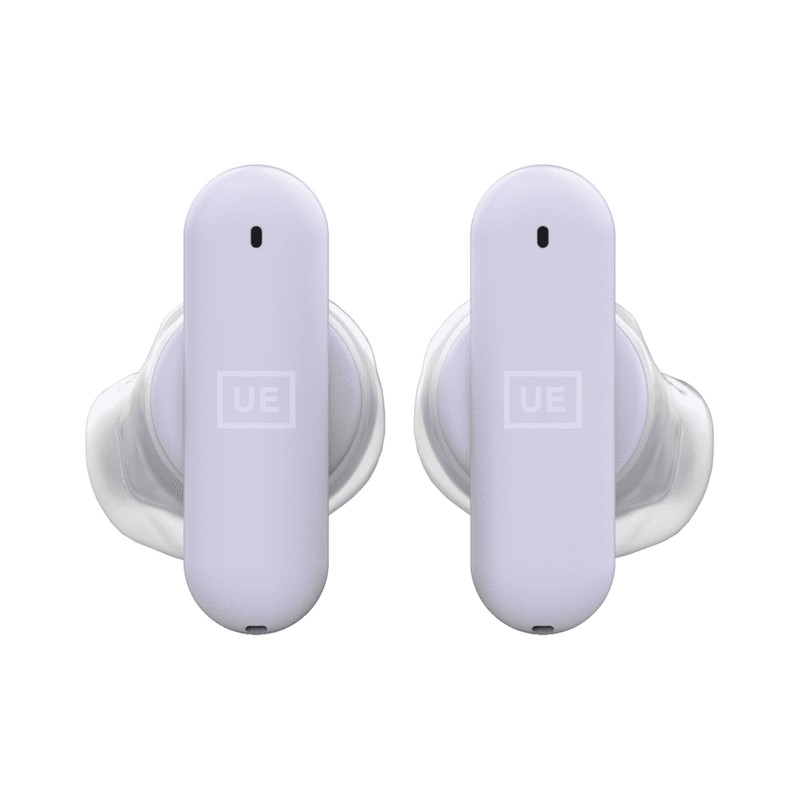
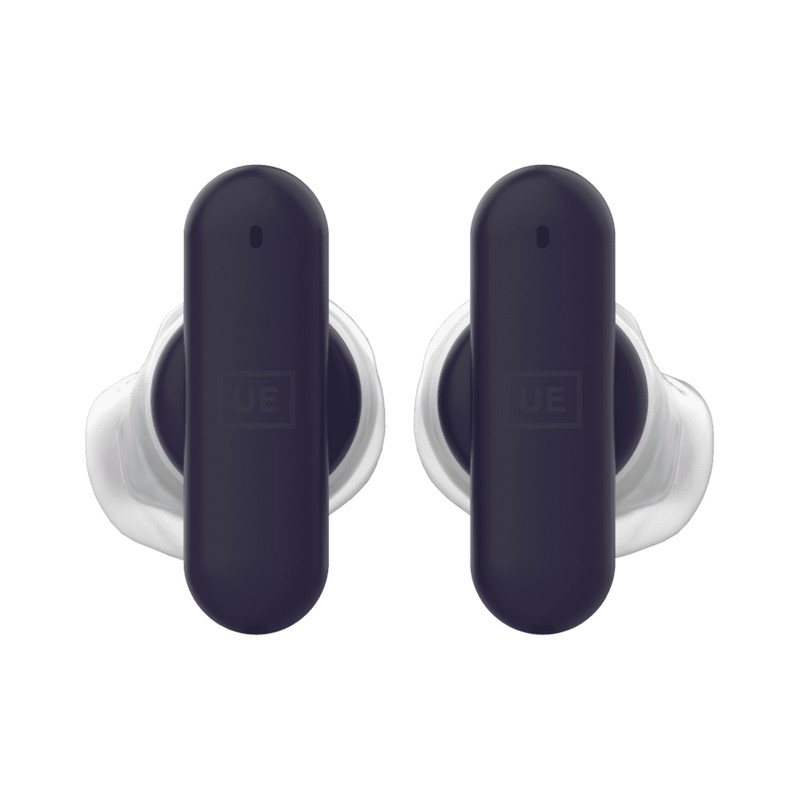
UE Fits

The design of the UE Fits are unique, so they can’t be called AirPods clones. The stem on each earbud is flat and extends upwards and downwards in equal length, giving it a shape similar to a large pill.

The trick of the UE Fits is the ability to mold into the shape of your ears for a perfect fit. UE says it uses a patented Lightform Technology that causes the tips to “conform to the natural shape of your ears” in just 60 seconds. Once complete, the earbuds have a perfect seal that blocks outside noise. This design eliminates the need for silicone earbuds of different sizes that manufacturers ship with their earbuds.

The earbuds have 10mm drivers and support SBC, AAC, and Apt-X codecs. They also have a battery life of 8 hours on a single charge which goes up to 20 hours with the charging case that charges via a USB-C port. The spec sheet says a 10-minute charge will provide up to 60 minutes of listening time.

Other features are Bluetooth 5.0; support for Siri and Google Assistant; dual microphones for crystal clear calls; and an IPX3 rating, so you can wear them when you exercise. The app which you use to begin the molding process also has an equalizer so you can tune the earbuds to your preference.

The UE Fits come in Cloud, Dawn, and Eclipse with a price tag of $249 but can be pre-ordered now for $199.


WhatsApp Beta for Android v2.20.201.10 adds Always Mute, new Storage Usage UI & Media Guidelines
WhatsApp is known for its simplicity. But lately, the beta version of the app is being updated with new features inspired from other platforms. Last week, we saw the company implementing a feature called “Expiring Media”, followed by “Catalogue Shortcut” and revamped call button for business chats. Now, this week, the company has added an “Always Mute” option, new “Storage Usage” UI, and “Media Guidelines” in the build v2.20.201.10 for Android, according to WABetaInfo.

whatsappweb dark mode

Always Mute

Sometimes we don’t need notifications from certain conversations. Hence, WhatsApp offers an option called “Mute”. The longest duration available at the moment in the stable builds is 1 year. But in the latest beta version, the company has finally added an “Always” option.

We are not sure when this option will hit the stable channel as it is still not live for all the beta users.

Storage Usage UI

The latest WhatsApp beta also brings a new “Storage Usage” UI with more details than the previous view. At the top, this page houses a modern bar with usage information. Below that, there’s an option to clean up unnecessary files along with two rows of all the received files with support for sorting.

Then, there’s a list of conversations with their sizes mentioned at the right side. This section also includes a search bar at the top so that users can easily search for the chats they want.

Media Guidelines

Last but not least, WhatsApp for Android Beta v2.20.201.10 also adds “Media Guidelines” just like on Instagram to help users align stickers and texts while editing images, videos, and GIFs. 


OnePlus 8T dimension and camera sensors tipped ahead of October 14 launch

OnePlus 8T is due for launch on October 14. Apart from the official teasers, leaks keep pouring in for the device to reveal more features. And now, the latest leaks by tipsters reveals camera sensors and dimensions of the 8T. If reports are true, the device will be slightly taller and thicker than its predecessor, and OnePlus 8.

oneplus 8t

The new Leaks come from tipsters Steve(@Onleaks) and Yogesh(@heyitsyogesh) on Twitter. According to Steve, OnePlus 8T will have a rough dimension of 162.8×75.5×8.4mm. This means the thickness of the device would be around 8.4mm. Also, Steve says that the thickness will increase to 9.3mm when you add the rear-camera bump into the equation. That’s almost an mm increase in thickness and you can imagine how the bump would look like.

Having said that, the Oneplus 8T seems a bit thicker than OnePlus 8‘s 8.0mm and its predecessor, the OnePlus 7T‘s 8.13mm. In fact, if reports are true, its thickness is quite similar to the OnePlus 8 Pro. This is understandable considering its battery will most likely be 4,500mAh battery and similar to the 8 Pro.

Moving on, another leak by Yogesh suggests that the Oneplus 8T will have a 48MP Sony’s IMX 586 primary sensor with an f/1.8 aperture including OIS, EIS similar to the 7T. It will reportedly have a 16MP f/2.2 ultra-wide with 116˚ FOV(Field of View) sensor. However, it looks like 8T will ditch the Telephoto lens found on the 7T and instead have 5MP f/2.4 macro and 2MP f/2.4 depth sensors to complete the setup.

That said, the company is yet to officially confirm these specifications. Besides, the device is said to retain the 16MP Sony’s IMX 471 from the 7T for selfies. It will be interesting to see how OnePlus defends the image quality with optimization considering the main sensors are pretty much the same. By now, we are familiar with the possible Specifications of the OnePlus 8T. It will have a 6.55-inch AMOLED display with a 120Hz refresh rate, Snapdragon 865 SoC, 4,500mAh battery with 65W charging, RAM up to 12GB, and 128/256GB storage.

Up Next: September security update arrives for the OnePlus 7 series and OnePlus Nord

September security update arrives for the OnePlus 7 series and OnePlus Nord

OnePlus is rolling out new updates to the OnePlus 7 series and OnePlus Nord. The new update brings optimizations, bug fixes, and the September 2020 security patch to the three devices.

OnePlus Nord OxygenOS 10.5.8 update

The OnePlus Nord update will arrive as OxygenOS 10.5.8 for India, Global, and EU variants of the phone. However, only the first two regions will get the update now. The EU will follow later according to OnePlus. Below is the full changelog:

System

  • Newly added “Hide silent notifications in status bar” feature to filter unimportant notifications, making the app notification management easier( Route: Settings>Apps & Notifications> Notifications> Advanced> Hide silent notifications in the status bar )
  • Optimized the expanded screenshot user experience for some scenes
  • Fixed known issues and improved system stability
  • Updated Android security patch to 2020.09
Camera
  • Optimized image stabilization performance.
Display
  • Improved general display calibration.
Network
  • Optimize network stability.

The update for the OnePlus 7 and OnePlus 7 Pro come as OxygenOS 10.3.5 and is rolling out as a staged update to both the Indian and Global versions. OnePlus says the update for the EU will arrive soon. Below is the changelog:
System
  • Newly added user assistance feature to help user master usage skills quickly (Route: Settings>OnePlus Tips&Support).
  • Optimized power consumption of the system and improve user experience (OP7 Pro Only).
  • Fixed the flashback issue with some third-party apps.
  • Fixed known issues and improved system stability.
  • Updated Android Security Patch to 2020.09.

OnePlus says using VPNs to get the update may not work as the rollout is not based on regions. A few users will get it today and a wider rollout should follow over the next few days.


Telegram’s new update adds Comment sections for Channels, Anonymous Admins, and more

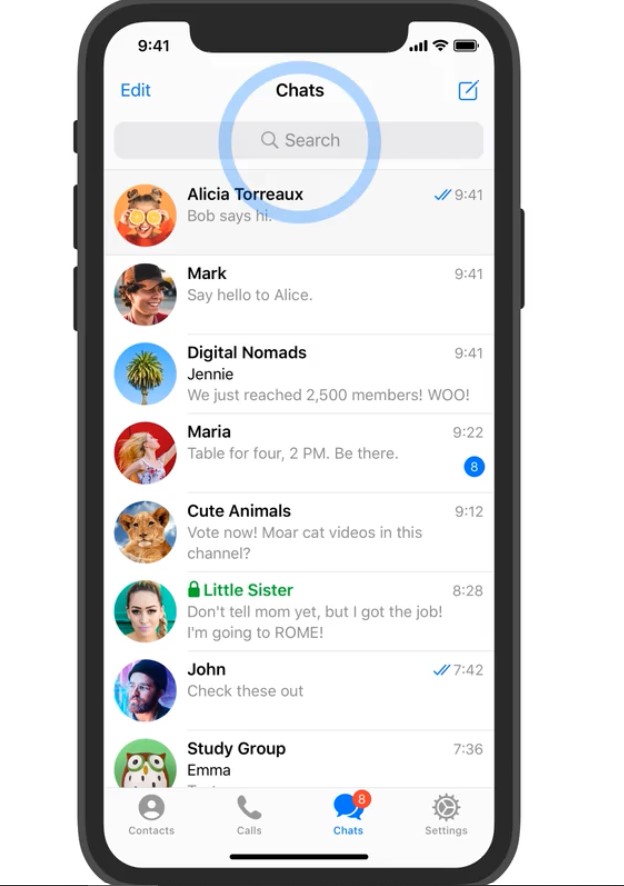
Cloud-based messaging service Telegram has brought a bucket load of features through a new update. The updates include features like categorized search filters, comment sections for channels, anonymous admins, and more.

Telegram trough a blog explains the new features landing in the app via the latest update. It says the latest update will focus on helping the admins manage the content shared whilst maintaining civility and safety of the interaction.

Search Filters

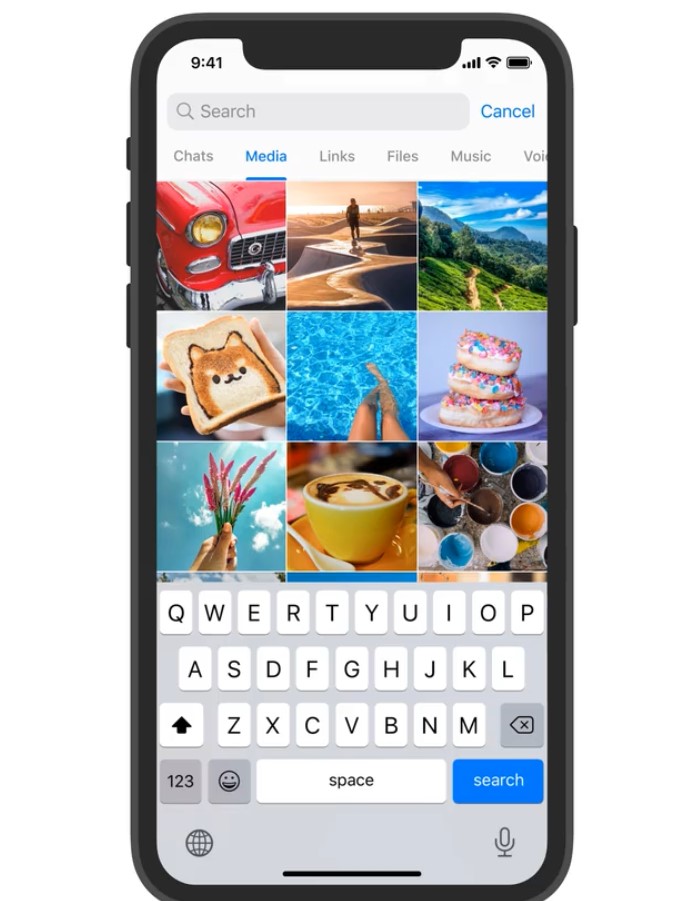
Search Filters now has six categories- Chats, Media, Links, File, Video, and Voice messages. Users can enter a search term pertaining to a particular time, person, group/channel, bot. And, the filter will segregate the message accordingly. For instance, we can search “Joel + 15th August”. This will display a particular message on that day by the person.

Editor’s Pick: Telegram adds video editor, two-step verification, cache management tool, and more

Comments for Channels and Anonymous admins for Groups

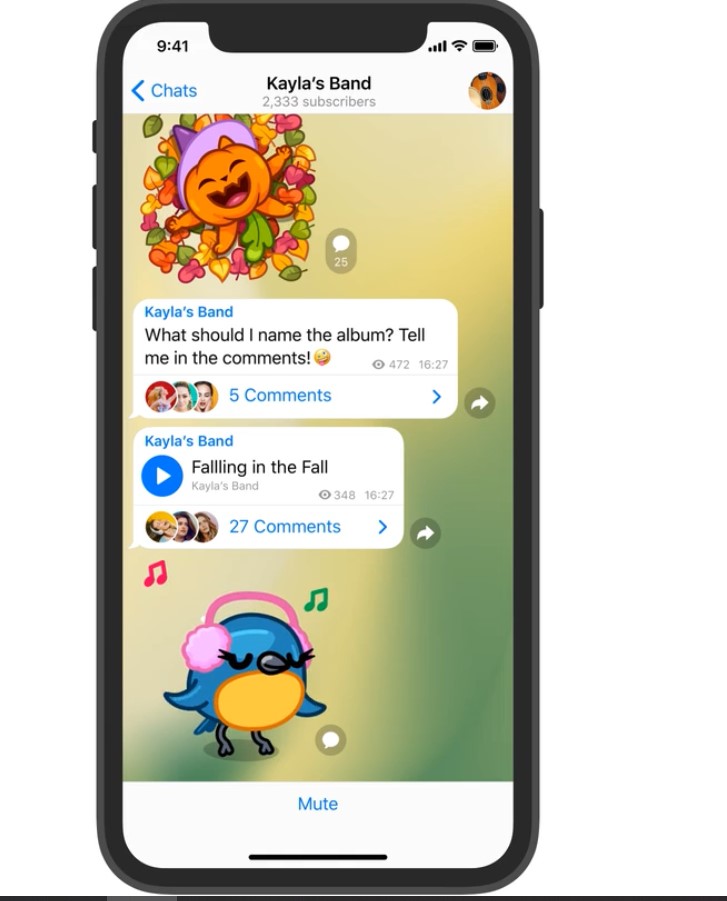
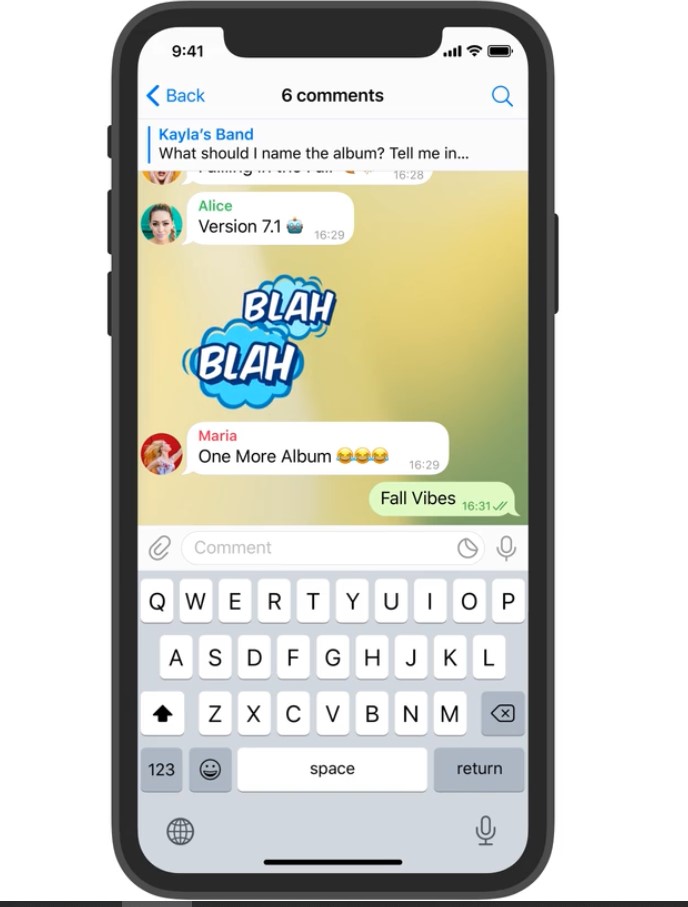
Next, Telegram has brought a new comment section inside the Channels. A comment button will appear on the messages posted on the Channels. Users can post GIF, voice messages, stickers, and more as a comment to that post. Also, Telegram says that admins can control the comments of the channel to maintain the courtesy. That said, the feature will be available only to Channels which have a separate discussion group linked within. This is because users will be redirected to that group to see and reply to those comments.

Additionally, Telegram introduces a new feature called Anonymous Group admins. The feature is already available for Channels and now will turn even admins to anonymous in Groups while sending messages. Also, the messages they send will now be under the Group name tag.

Animated pop-ups and new emojis

The update also includes animated pop-ups. This feature is limited to Android and shows revamped animations when users delete messages, save media, change notification, etc. In addition to new animated emojis, the update brings features like long-press on profile picture to view closer, and do the same on account switcher to preview chat lists.

Up Next: India to launch its own app store to rival Google and Apple

Gionee F11VE spotted on Google Play Console with UNISOC SC9863A & HD+ display

Recently, Gionee S12 Lite, a budget smartphone was announced for Nigeria. It will be launching in the country on October 5. Now, another Gionee-branded budget handset called F11VE has been sported on Google Play Console. Going by the specifications, it should be even cheaper than the S12 Lite.

Gionee F11VE Render Google Play Console Listing

The Gionee F11VE listing on Google Play Console was first spotted by user @smartvenkat95 on Twitter. As usual, the listing also includes a front render of this upcoming phone.

According to it, this forthcoming Gionee device will be powered by 1.6GH UNISOC SC9863A (formerly Spreadtrum) octa-core processor with PowerVR GE8322 GPU clocked at 550MHz. Further, the amount of RAM in this phone will be 2GB.

On the front, it will sport an HD+ (720 x 1560 pixels) with a dew-drop notch. Last but not least, it will run Android 10 out of the box.

Apart from the above-mentioned specs, nothing else is known about this mysterious Gionee handset. It is not known in which region this device will debut first.

As per the render and features, it is definitely an entry-level smartphone with a large chin below its screen, which should be an LCD panel. Also, we cannot rule out the possibility of it shipping with Android 10 Go Edition.


Microsoft announces Surface Laptop Go and a more powerful Surface Pro X

In what can be termed a surprise launch, Microsoft has announced new products today. The main announcements include the new Surface Laptop Go and a refreshed Surface Pro X. There are also a number of new accessories.

Surface Laptop Go featured
Surface Laptop Go
Surface Laptop Go

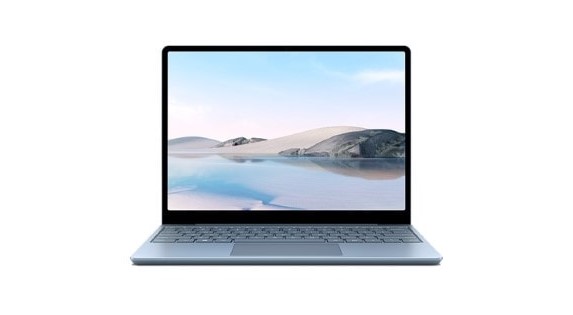
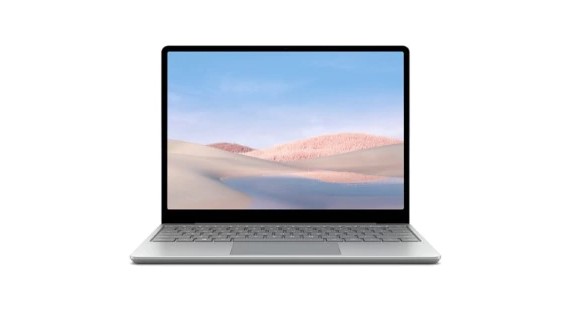
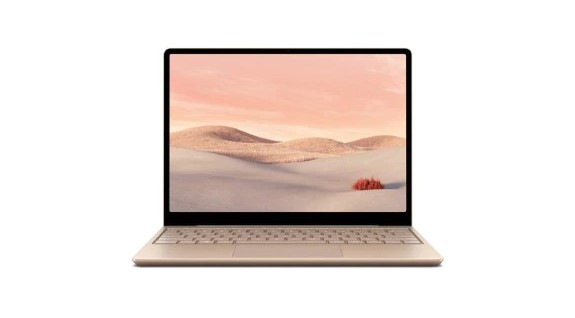
The Surface Laptop Go joins the Surface Laptop family as a more affordable option for those who want to pick up a Microsoft computer. the new notebook PC has a 12.4-inch PixelSense touchscreen display with a 3:2 aspect ratio. Microsoft has even given the screen rounded corners. It also it is its lightest Surface Laptop with a weight of 1.110 kg. The top is aluminum and the base is a polycarbonate composite resin system with glass fiber.

The notebook is powered by Intel’s 10th-gen Core i5-1035G1 processor and comes with up to 8GB of RAM and 256GB of storage. For ports, the Surface Laptop Go has 1 x USB-C port, 1 x USB-A port, a Surface Connect port, and a 3.5mm audio jack.

The Surface Laptop Go has a 13-hour battery life, a fingerprint scanner built into the power button, a 720p HD camera, Omnisionic Speakers with Dolby Audio, Dual far-field Studio Mics, Bluetooth 5.0, and Wi-Fi 6. The notebook measures 278.18 x 205.67 x 15.69 millimeters.

Below are the configurations and price tags of the Surface Laptop Go:

  • 4GB RAM + 64GB (eMMC) = $549 (no fingerprint scanner and available only in Platinum)
  • 8GB RAM + 128GB (SSD) = $699 (available in Platinum, Ice Blue, and Sandstone)
  • 8GB RAM + 256GB (SSD) = $899 (available in Platinum, Ice Blue, and Sandstone)

The laptop is available for pre-order now on the Microsoft Store and it will go on sale on October 13.


Surface Pro X featured

Surface Pro X

The new Surface Pro X comes with a new processor, the Microsoft SQ2, with an Adreno 690 GPU. It has 16GB of RAM and comes with 256GB or 512GB of SSD storage. The rest of the specs remain unchanged from last year. The SQ1 will still be in production and serves as the base model of the Surface Pro X with 8GB of RAM and up to 256GB of storage.

Microsoft also announced a new Platinum color variant for the notebook but it is limited only to the SQ2 version.

Below are the prices for the Surface Pro X:

  • 8GB RAM + 128GB + SQ1 = $999.99
  • 8GB RAM + 256GB + SQ1 = $1299.99
  • 16GB RAM + 256GB + SQ2 = $1499.99
  • 16GB RAM + 512GB + SQ2 = $1799.99

You can pre-order it today on the Mirosoft Store ahead of when it goes on sale on October 13.

Microsoft also announced a new keyboard called the Designer Keyboard with a price tag of $69.99. There is also a number pad that is $24.99, a $49.99 ergonomic mouse, and a 69.99 4K display adapter.


Mi 10T series orders in Italy include some really amazing gifts

Xiaomi is trying to outdo itself in Europe with the free gifts that are included with orders of its new flagship phones, the Mi 10T and the Mi 10T Pro. Both phones already offer incredible value for their price tags but these gifts make them more tempting to buy.

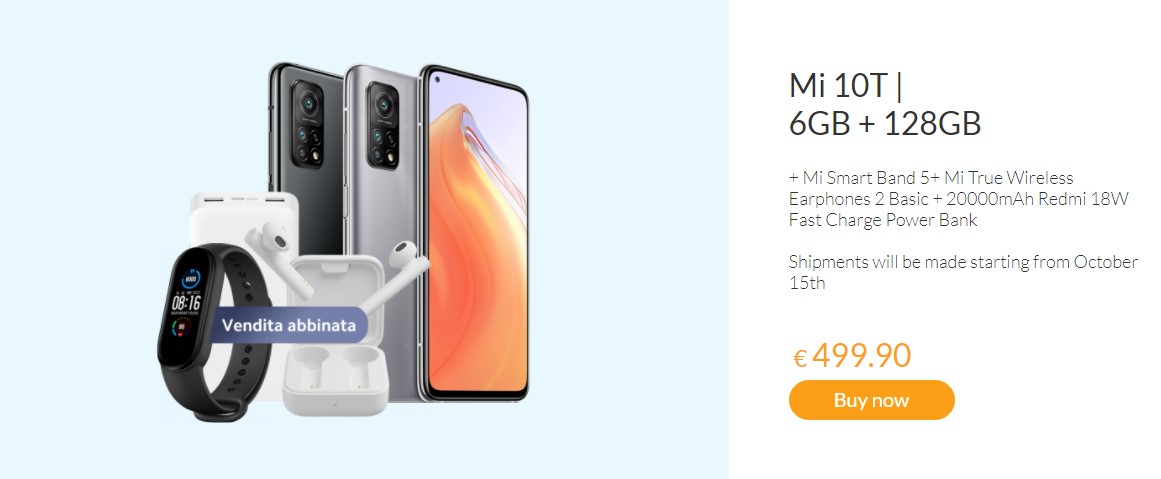
Mi 10T Bundle

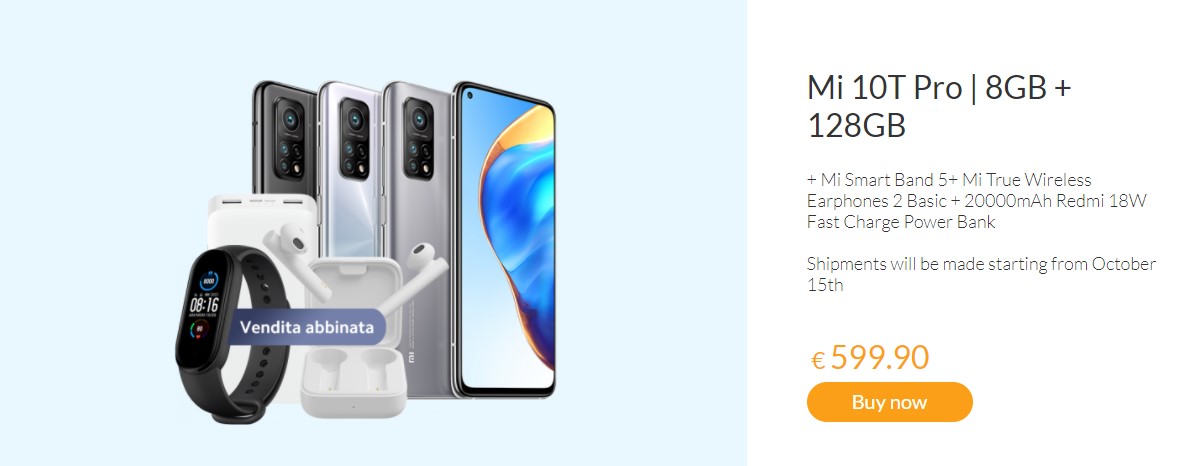
We reported yesterday that Xiaomi was shipping pre-orders of the phones in Germany with a vacuum cleaner. Right now, if you purchase the 128GB version of the Mi 10T Pro in Italy, your order will ship with a Mi Band 5, Mi True Wireless Earphones 2 Basic, and a 20000mAh Redmi 18 Fast Charge Power Bank. Those three items have a combined value of €105 which means you are technically paying €495 for the phone instead of €599.90.

If you order the 128GB version of the Mi 10T, you get the same set of free gifts which means you are actually paying €395 for the phone.

Mi 10T Pro bundle

While the above may sound like great deals, the best deal is no longer available. For just 1 hour, Xiaomi Italy sold the 256GB version of the Mi 10T Pro with a free Mi Electric Scooter Essential.

The other bundles are still on sale, so hurry and check them out before they go out of stock. Xiaomi says orders will begin shipping October 15.