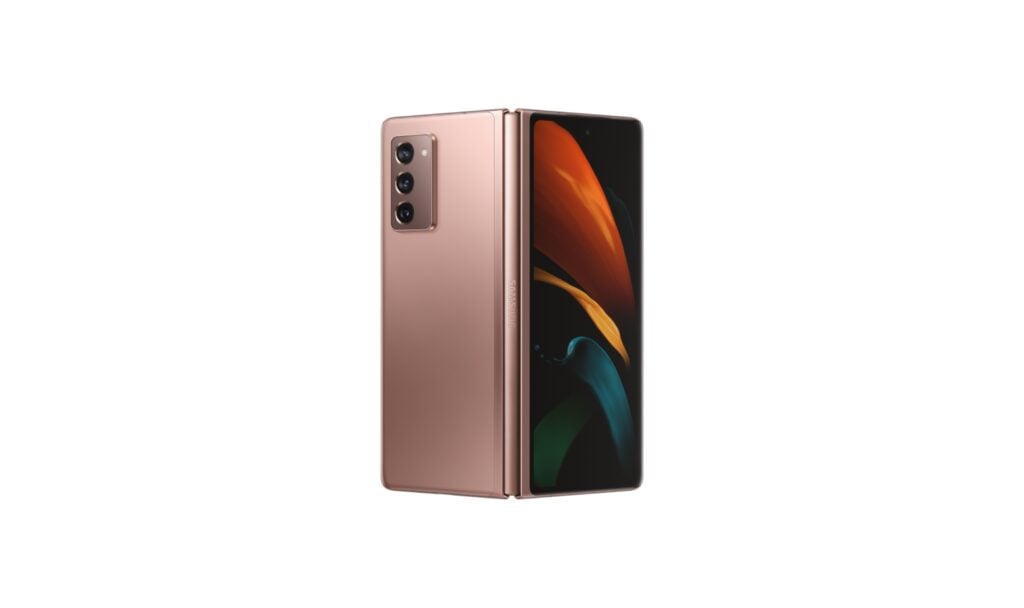
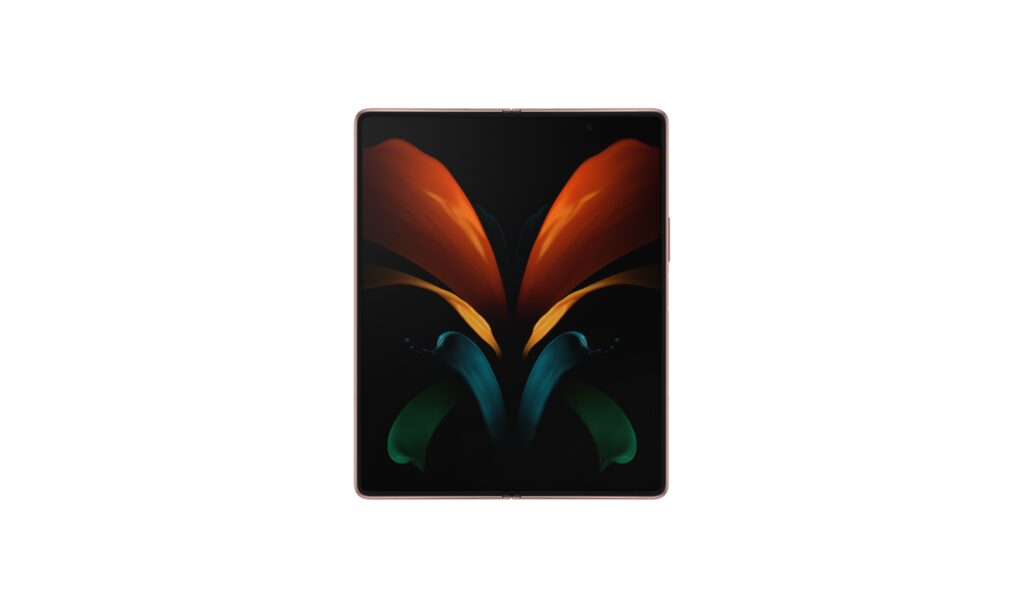
Samsung Galaxy Z Fold2 is one of the most expensive and futuristic smartphones released this year. It is also the company’s third foldable device after the original Galaxy Fold and Galaxy Z Flip. After launching it in key markets like the US and even China where the company has negligible market share, it has finally brought this handset to India.
Surprisingly, the South Korean tech giant has priced the Galaxy Z Fold2 at only ₹1,49,999 ($2,039) in India. For comparison, last year’s Galaxy Fold debuted in the country for ₹1,64,999 ($2,243). That means Samsung’s latest foldable smartphone is ₹15,000 ($204) cheaper than its predecessor in India.
The device will be available in two colors namely Mystic Black and Mystic Bronze. People interested in the handset can pre-order it from either Samsung online store or any leading retail store starting September 14.
That said, buyers can avail 12 months no-cost EMI if they purchase the Galaxy Z Fold2 from Samsung online store (Samsung.com) or from any Samsung Experience offline store across the country. They also get YouTube Premium free for 4 months and 22% discount for Microsoft Office 365 subscription.
Nevertheless, at least the price of the smartphone is lower than the last year. Also, it is worth noting that it costs similar to the iPhone 11 Pro Max 512GB storage variant.
Apple iPhones are the only smartphones that sell well in India above ₹1,00,000 ($1,359). But now as the innovative Galaxy Z Fold2 retails for the same price, people may opt for it instead.
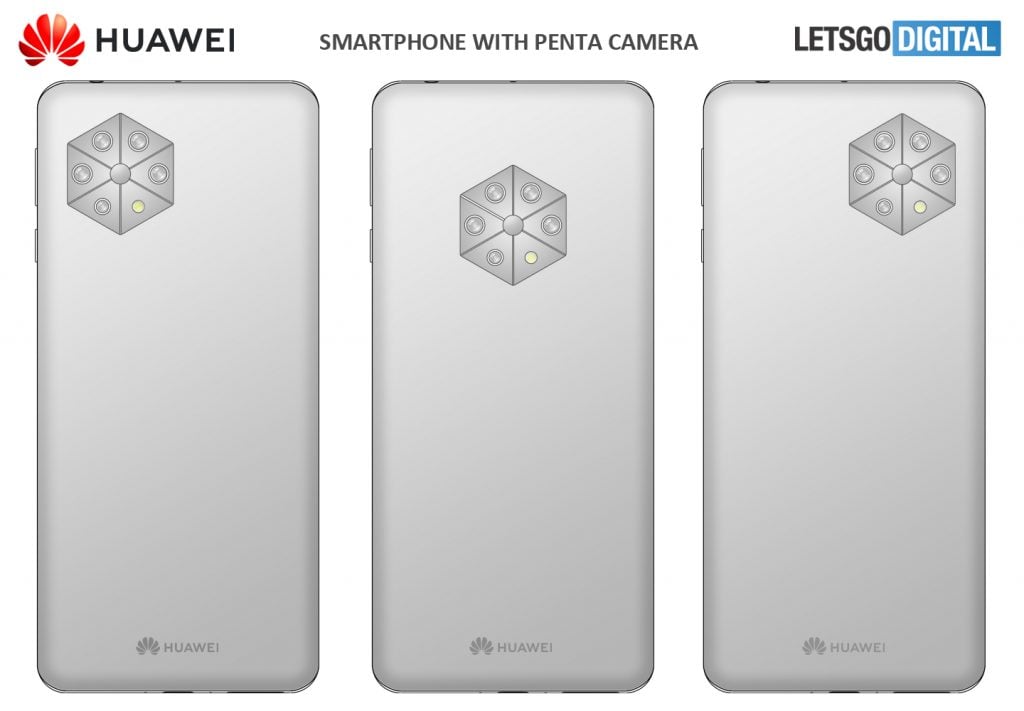
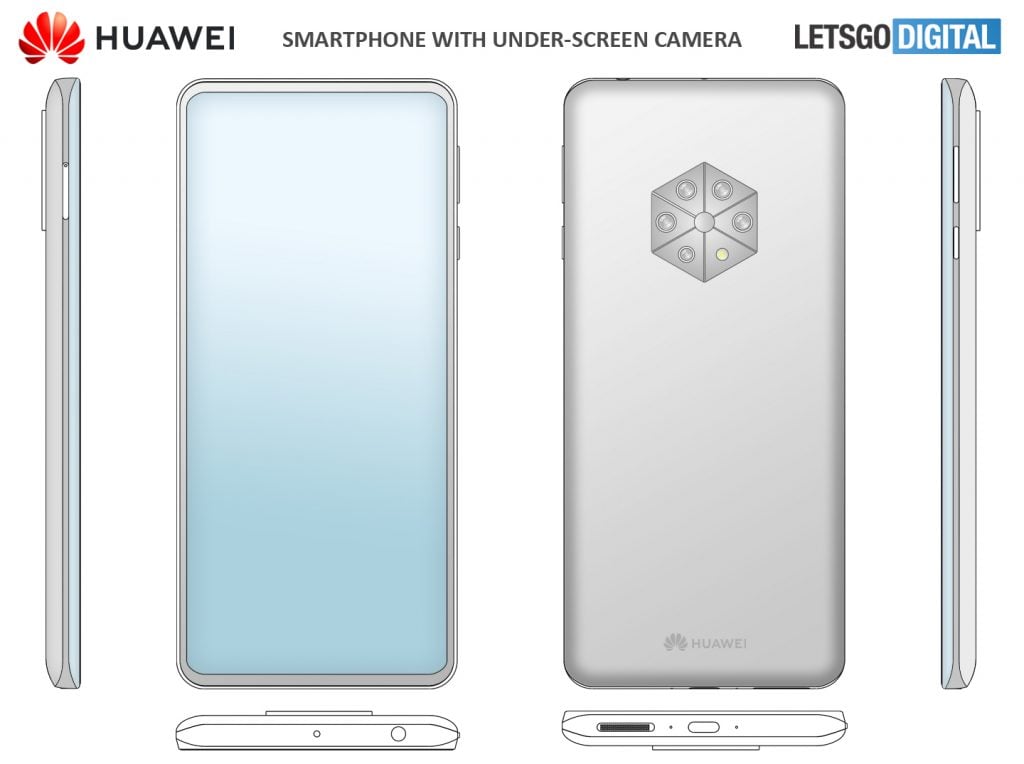
Huawei has recently patented a new smartphone, with a unique rear camera module. On the back, a 5 camera setup can be observed while the front features an under screen selfie shooter.
A new report from LetsGoDigitalfound that the Chinese tech giant filed for the design patents with the CNIPA (China National Intellectual Property Administration). Looking at the patent, a smartphone is described with a penta camera setup. The patent also contains 24 product sketches and was published earlier today (11th September 2020). The overall design of the smartphone is quite futuristic as well.
In the patent, three variants of this smartphone have been detailed. The different iterations have the rear camera module placed in varying spots on the back. One has the 5 camera setup set in the middle, with the other two having it on the top left and top right respectively. Notably, the camera module itself is quite unique with a hexagonal shape on which all 5 cutouts being of a similar size for the image sensors alongside an LED flash.
On the left, the device is completely bare, while the right houses the volume rockers and power button as well. The bottom has a USB Type C charging port flanked by a lone speaker grill while the top features a 3.5mm headphone jack and a microphone. Unfortunately, it is unknown if Huawei is actually planning on developing this device or whether it is just covering all bases.
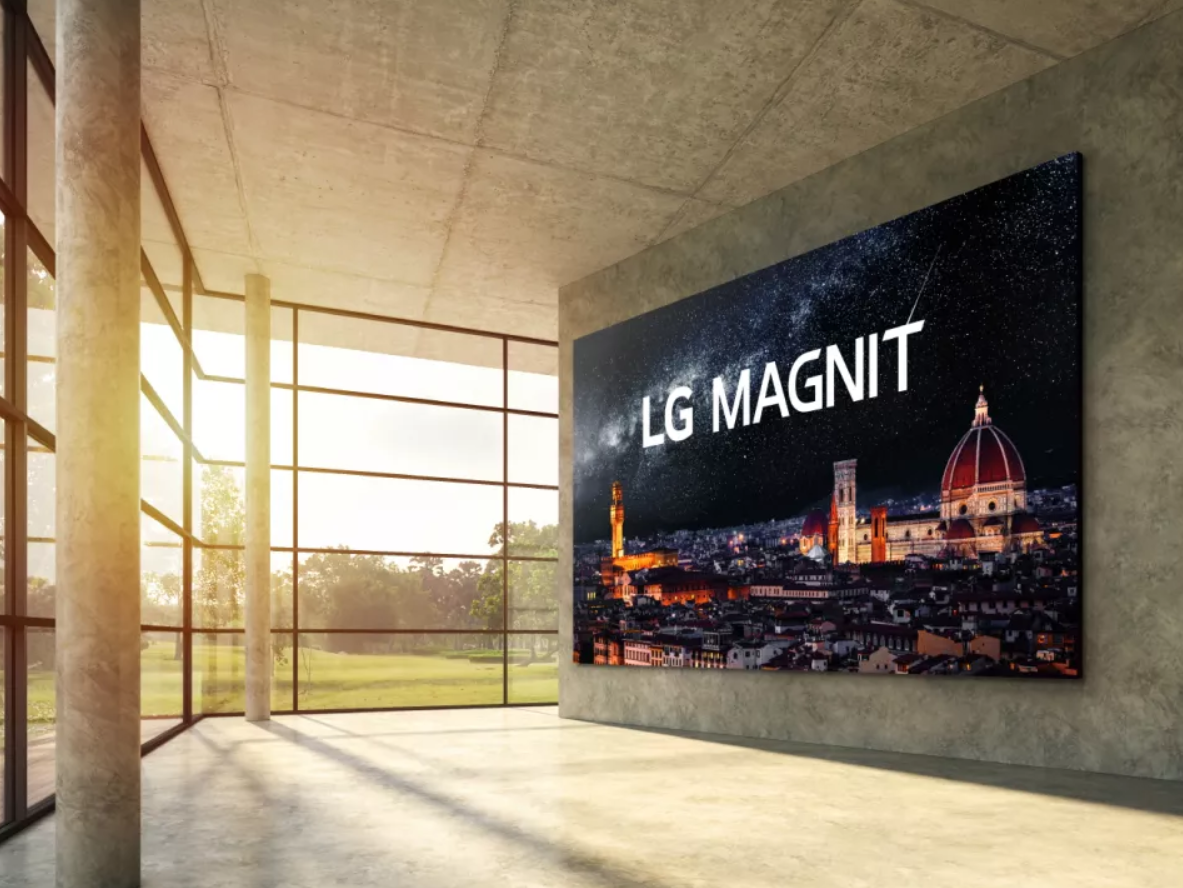
LG, the known consumer electronics maker, is launching a new TV. But it isn’t just a regular high end OLED TV, but a humongous 163 inch TV that has been dubbed as the Magnit, which sports a microLED panel.
The LG Magnit is the company’s first TV with a microLED display that is promised to offer “groundbreaking picture quality and durability.” It will be available in markets like the US, Europe, and a few others soon. For those unaware, microLED is a new breed of displays, which are similar to the OLED panels found in many TVs and smartphones but work with pixels that are a lot smaller. These pixels can be up to 100 times smaller, which should offer clearer images, better color reproduction, and better visibility from different angles.
The South Korean tech giant also highlighted the “Black Coating” that it has applied on its microLEDs. This apparently will help in protecting the panel from damages and dust, while also helping in reducing reflections on the screen. The Magnit is run by the LG webOS, which also supports the Alpha AI imaging processor that will help optimize the images being displayed.
Notably, LG isn’t exactly targetting the broad consumer market with Magnit. Due to its enormous size, it will likely be used in more commercial sectors like hotels or other large corporate lobbies and more. Furthermore, microLED panels are also expensive, however, with the technology being available in the market, we can expect a shift to the newer generation of displays taking place within the arriving next few years. In other words, there will be a day where TVs with microLEDs will become a lot more common and affordable.
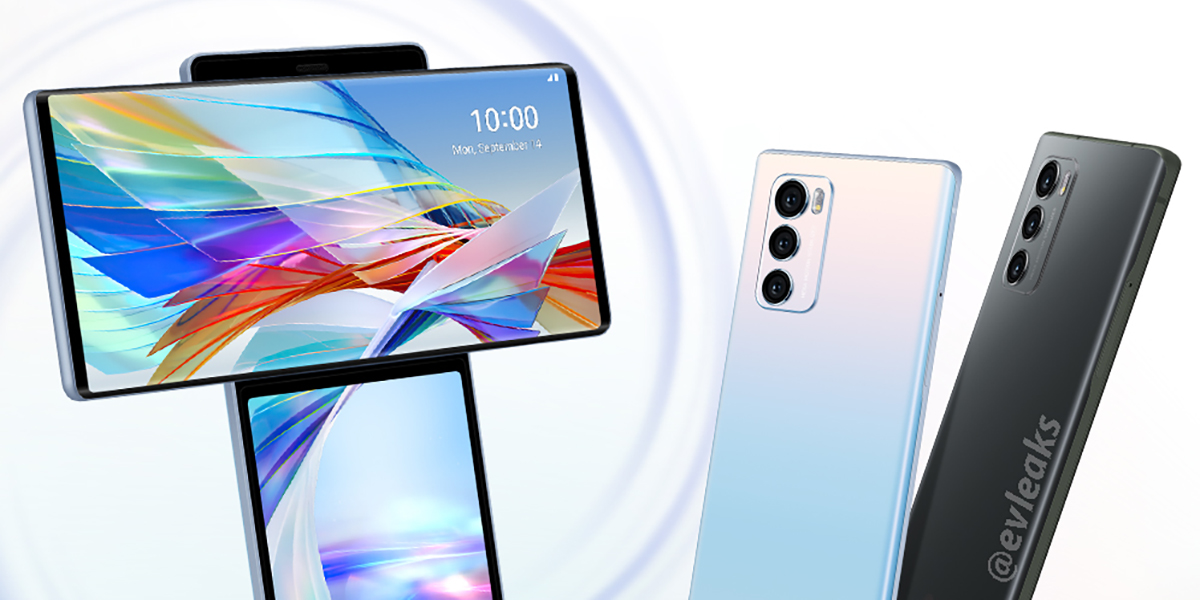
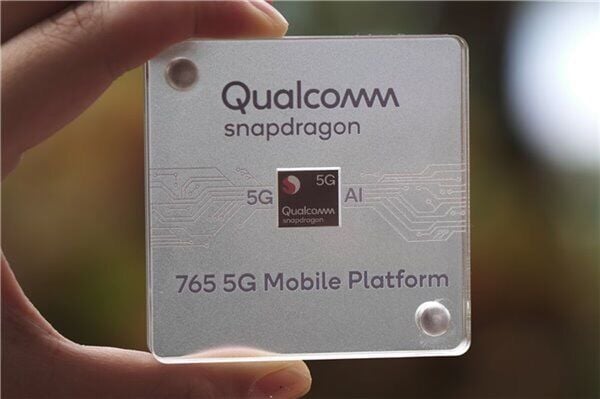
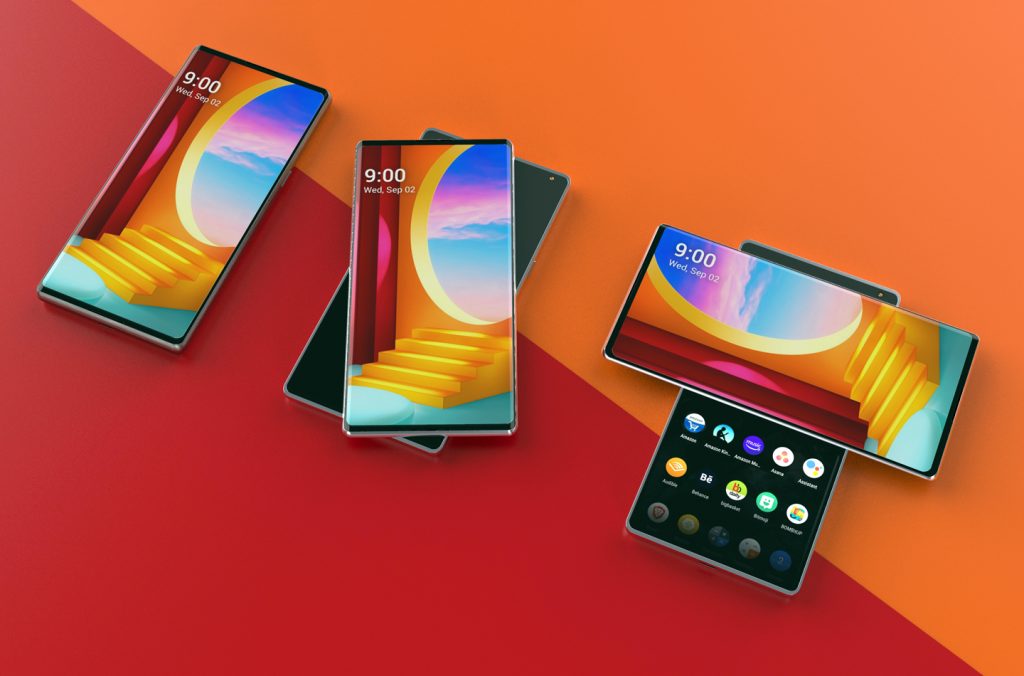
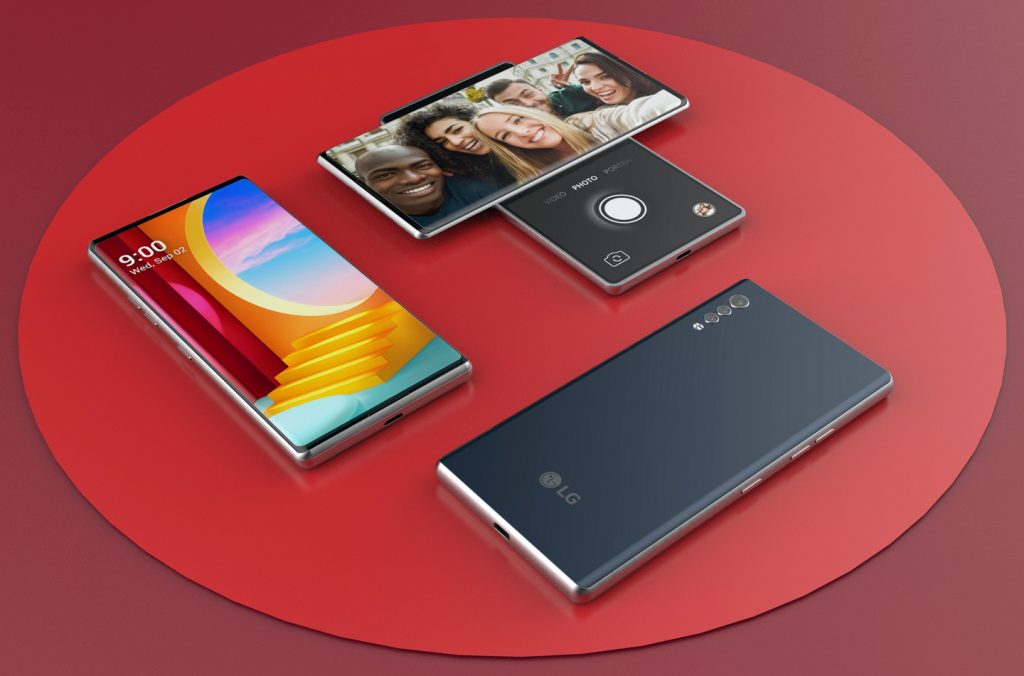
With the LG Wing launch being just around the corner, new reports regarding the upcoming dual display smartphones have started surfacing. While previous reports had hinted at the device possibly featuring the Qualcomm Snapdragon 765G, TheElechas apparently confirmed this to be true.
For those unaware, the LG Wing is the latest device from the South Korean tech giant, which features a unique rotating display. Under the hood, the device will reportedly house the Snapdragon 765G, which is built on a 7nm process and is the first in the industry to have its 5G modem (Snapdragon X52) and RF system integrated into one chip solution. Usually, 5G processors generally have their 5G modems installed separately.
Notably, the chip also supports both sub 6Ghz and mmWave spectrums alongside both 5G non-standalone and standalone networks. The chipset has a maximum download and upload speed of 2.76Gbps and 464.1Mbps. It also performs about 10 percent better than the base Snapdragon 765 chip in terms of graphical performance, beating even the HiSilicon 810 and Samsung Exynos 980 SoC.
LG Wing is expected to arrive with an OLED panel for its primary display and an LCD panel for its secondary screen. Its main display can swivel 90 degrees and reveal the second display underneath it. The wing shaped formation might be the reason behind its name. On the rear, we had reported on a triple gimbal motion camera module on the rear while the front is said to feature a popup selfie shooter. Although, we will have to wait for the 14th September 2020 launch conference to know for sure.
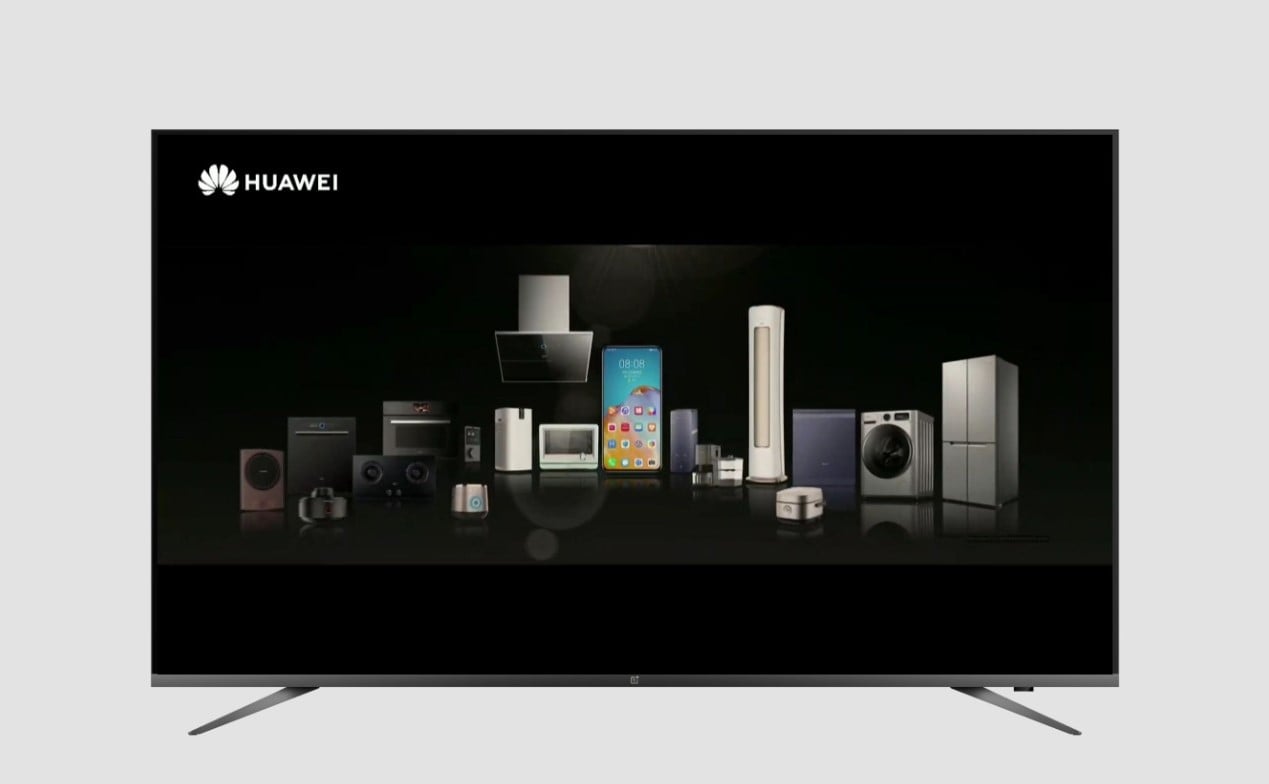
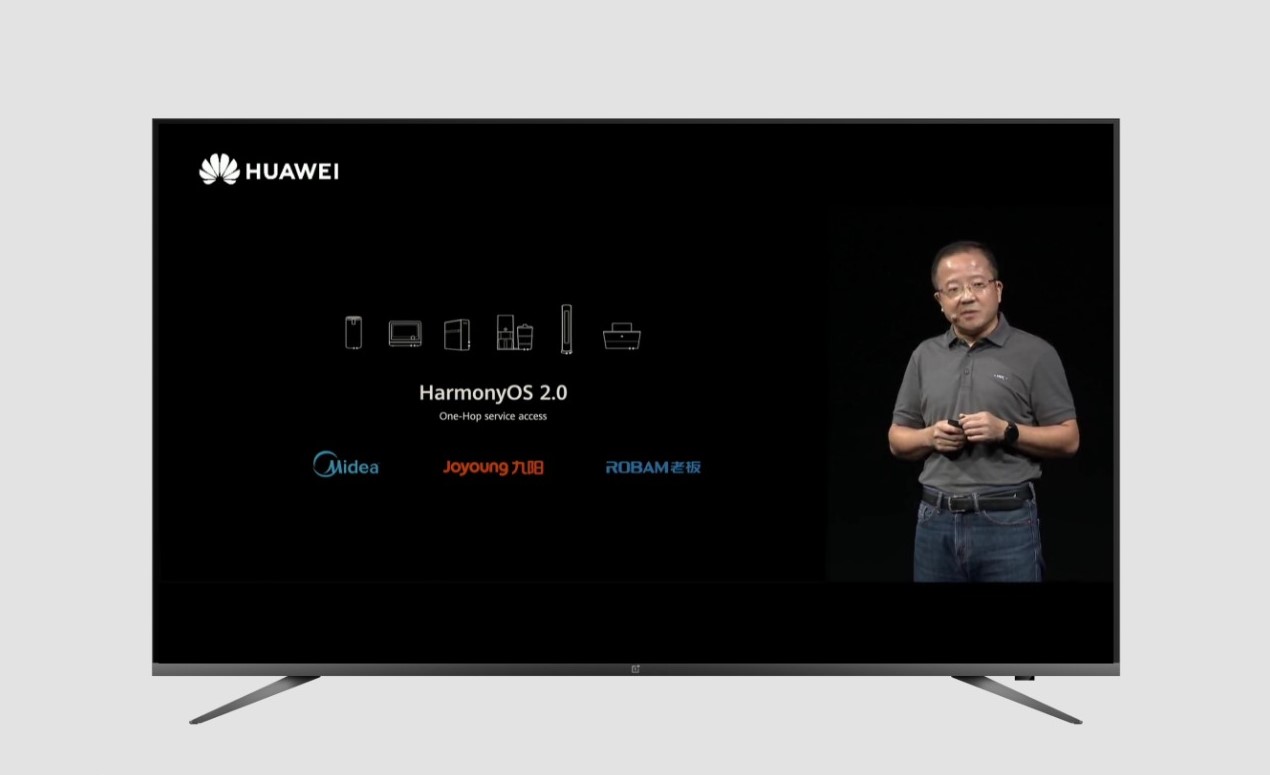
In the Huawei Develop Conference 2020 event earlier today (10th September 2020), the company officially announced Harmony OS 2.0 (or HongMeng OS in China), an upgraded version of Huawei’s proprietary operating system.
During the event, Wang Chenglu, President of Huawei’s consumer business software department, said that the company has already partnered up with various leading manufacturers in China to release smart home related products that feature the latest version of the OS. The partners include Midea, Joyoung, and Hangzhou Robam. The Huawei official also stated that the new smart products will be a lot more interactive and extremely simple to use, thanks to the new OS.
As an example, the senior executive mentioned a microwave, which he claimed can be connected to a smartphone with just a touch. From there, users can seek recipes online and share the information between both devices to aid in cooking. In other words, a seamless cross platform support between smartphones and IoT products (Internet of things). Notably, Harmony OS is also being developed for future Huawei smartphones, and is apparently 80 percent the level of Android OS and can be rolled out on devices if further US sanctions ban Android completely.
Harmony OS 2.0 is the first distributed operating system that is truly built with cross platform support in mind, according to Huawei. Through its cross device pairing, one can essentially have interactions on multiple screens, have a fast network distribution, adaptive UI, and more responsive voice interaction as well through AI assistants in smart speakers. The Harmony OS 2.0 beta version will be launching today for bigger screens, smartwatches, and automobiles, with the smartphone iteration launching in December 2020 and full support arriving in 2021.
Update: A new report from MyDrivershas revealed some additional details regarding the rollout of Harmony OS 2.0. Huawei is planning on immediately releasing the OS for app developers, offering Beta versions for its smartwatches, cars, and others. We had previously mentioned Midea launching new smart home products that will feature the new OS above, and now, we now have more details that state that the company will launch upwards of 15 home appliances equipped with Harmony OS 2.0 that will launch within the next two months.
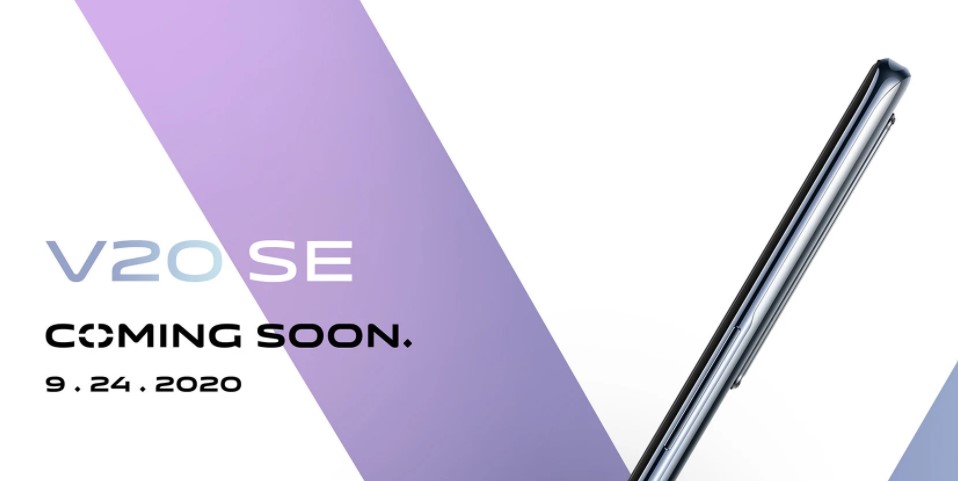
Recent reports have revealed that the upcoming Vivo V20 series has three devices such as Vivo V20 SE, Vivo V20, and Vivo V20 Pro. The Chinese firm is expected to release the Vivo V20 series in multiple markets in Asia. Earlier this week, Vivo Malaysia started teasing the launch of the Vivo V20 SE smartphone. Today, the company officially confirmed that the Vivo V20 SE will be announced on Sept. 24.
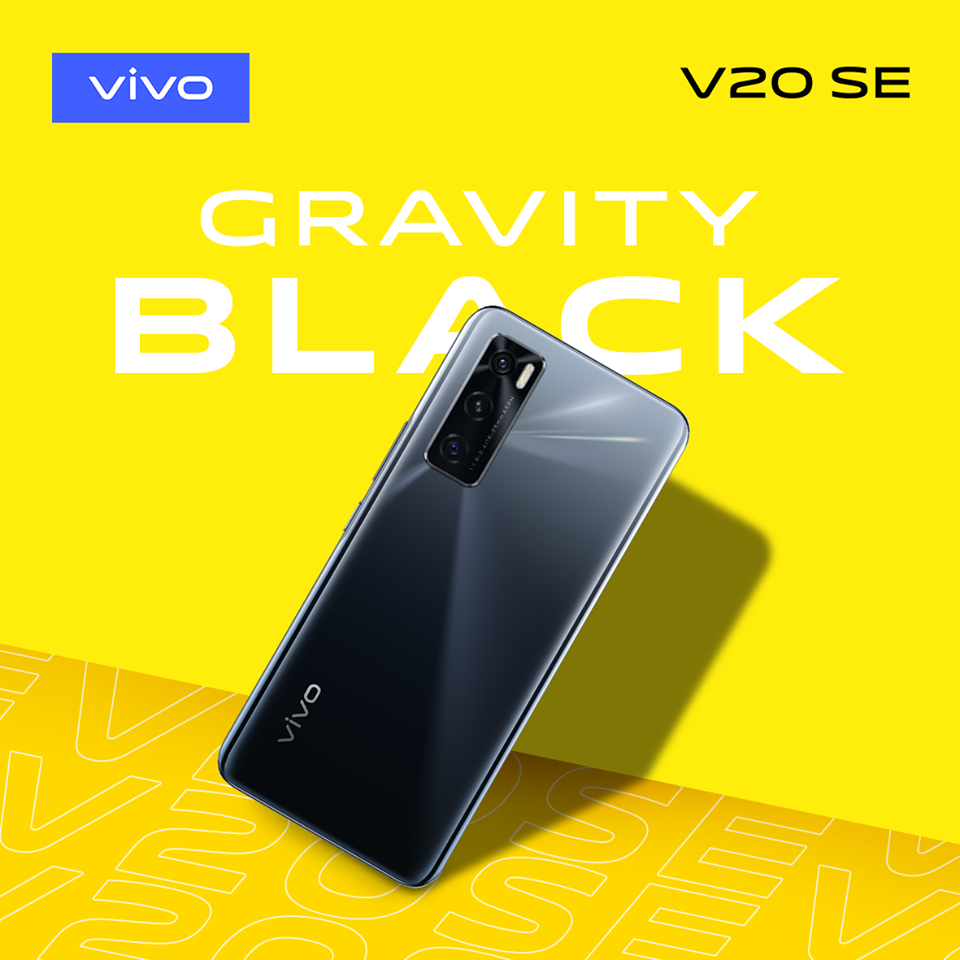
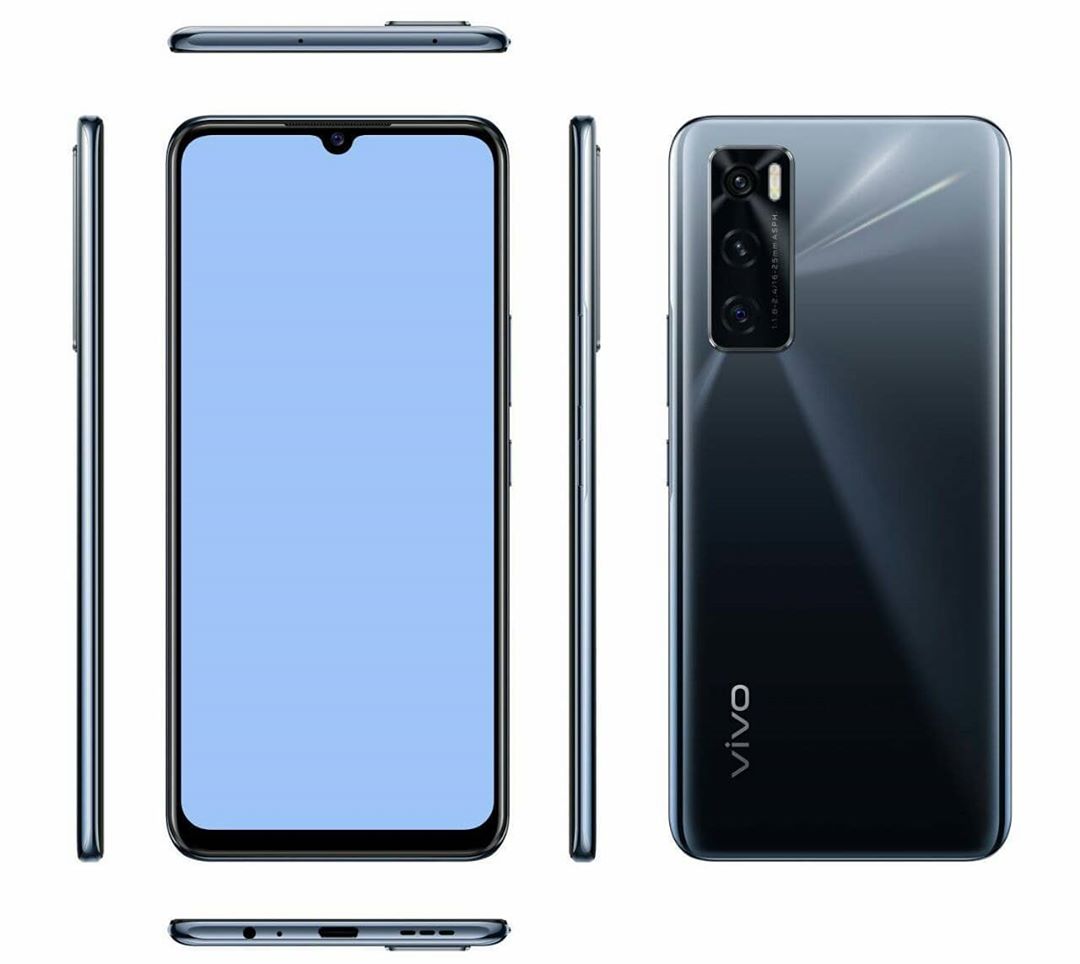
At present, the landing page of the Vivo V20 SE phone on Vivo Malaysia’s website only mentions that it supports flash charging, offers impressive low-light photography experience, and it has a slim design. An official poster shows the phone in black color. The image reveals that it has triple rear cameras.
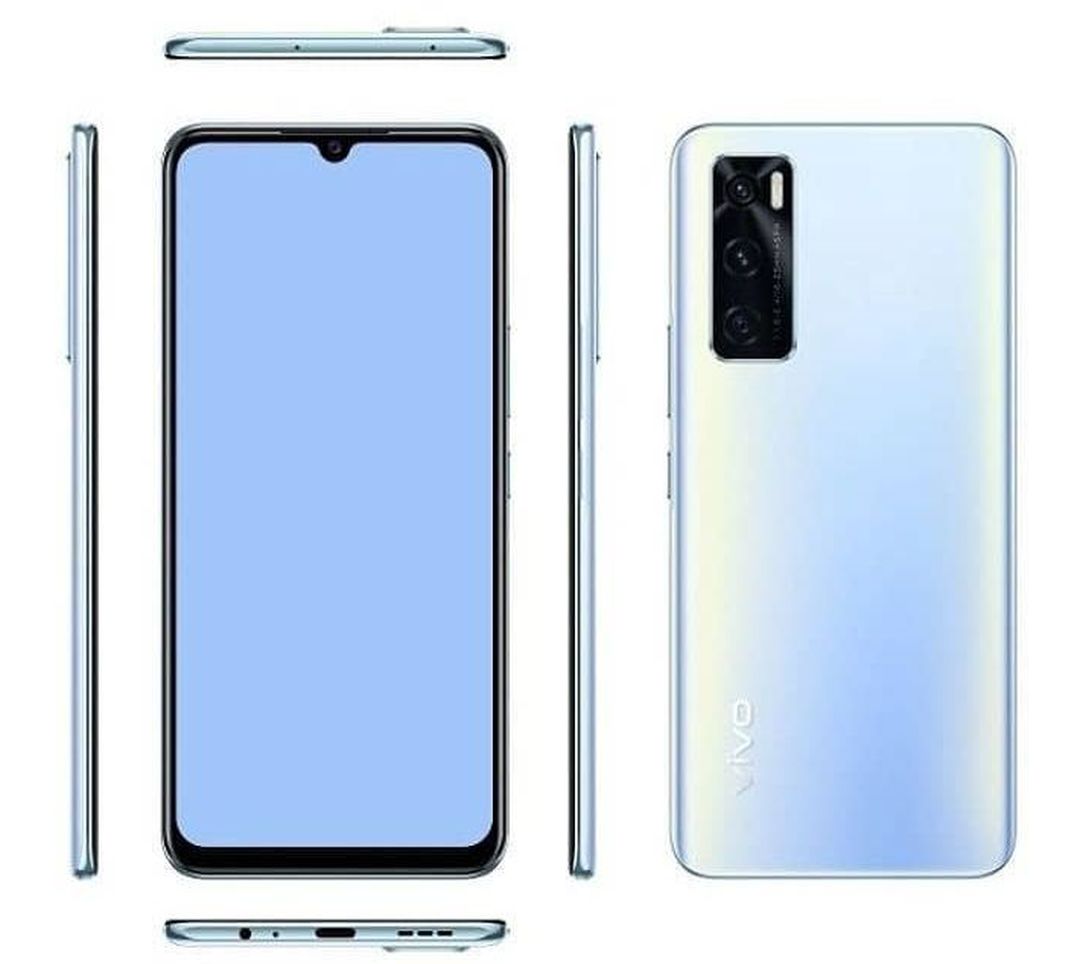
Past reports have revealed that the Vivo V20 SE is powered by 8 GB of RAM. The phone will come preinstalled with Android 10 OS and the latest version of FunTouchOS UI. The handset is expected to carry support for 33W rapid charging technology. Shown below are the leaked renders of the Vivo V20 SE that are now doing rounds on social platforms. It shows the phone with a waterdrop notch display.
1 of 2
Vivo V20 SE white
Vivo V20 SE black
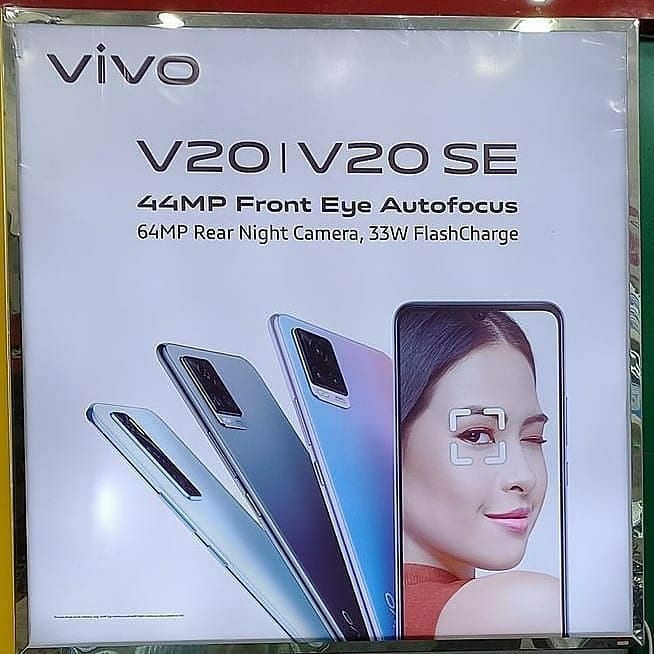
A snapshot of advertising has also surfaced. It reveals the design of the Vivo V20 and Vivo V20 SE. It appears that the Vivo V20 has a camera setup that resembles with the Vivo X50 series in appearance. The poster also reveals that the Vivo V20 and Vivo V20 SE will come with 64-megapixel primary camera, 44-megapixel selfie camera with autofocus, and 33W fast charging support.
A growing number of Google Pixel 4 and Pixel 3 users have recently been complaining about their devices. Reports of users facing battery issues have been prominent, with people having their handset’s battery swell up.
Google Pixel 4 XL
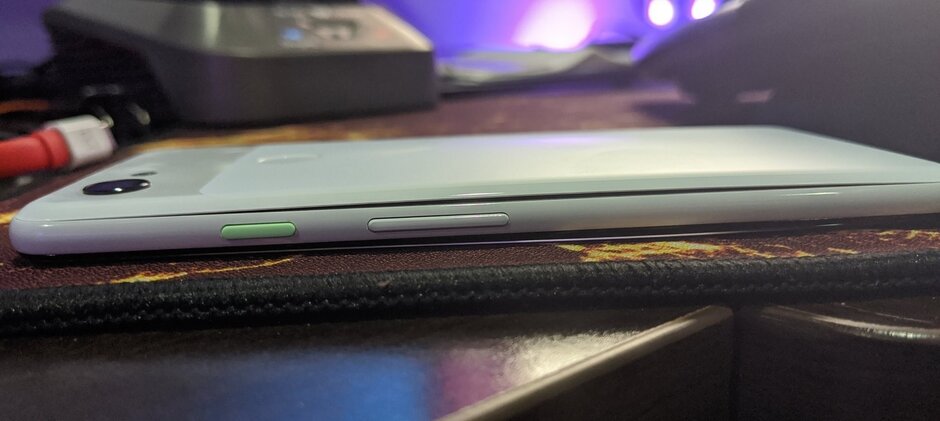
According to a PhoneArena report, the number of posts regarding the bloated batteries has been growing in number since back in May. Images show that the swelling is so severe in certain cases, that it pushed against the rear panel, lifting it out of its housing. These posts have been flooding in the Google Support Forum and on Reddit. Certain users even reported on the problem after noticing that they weren’t able to charge their devices wirelessly anymore.
According to one Reddit post, a user had arranged for a replacement Pixel 4 XL from Verizon. However, the company didn’t have the model in stock and were sending him a Samsung Galaxy S10+ instead. This led to the speculation that the battery swelling issue is the reason behind the early discontinuation of the Pixel 4 series. Although, this is just an unconfirmed rumor, so take it with a pinch of salt.
So for those facing a similar issue, it is advised that you seek a device replacement. However, if your Pixel 4 or Pixel 3 is out of warranty, Google is still providing replacements, albeit with refurbished models. Keep in mind, Google will not be offering another smartphone if your replacement also faces the same issue after a year or two. Notably, the issue is known to affect the Pixel 3 XL and Pixel 4 XL as well.
Xiaomi is reportedly working on Xiaomi Mi 10T series. The lineup is said to include Mi 10T Lite, Mi 10T, and Mi 10T Pro phones that will replace last year’s Xiaomi Mi 9T and Mi 9T Pro smartphones. The arrival of the series could be close at hand as leaked renders of the Mi 10T Pro have surfaced online.
The Xiaomi Mi 10T Pro seems to be equipped with a flat-screen. Past reports have revealed that the smartphone is equipped with an OLED panel that supports up to 144Hz refresh rate. However, the exact size of the screen is not known yet. The right edge of the device has a volume rocker and it also seems to feature a side-facing fingerprint sensor.
Previous leaks have shown the Mi 10T Pro in blue and gradient white colors, the new renders show the phone in black color. The device seems to be equipped with a glass rear. The Vivo X50 series like camera module of the Mi 10T Pro includes three cameras. The Mi 10T Pro is blessed with a 108-megapixel main lens, but the configurations of the other two sensors are not known yet.
Rumors have it that the model numbers associated with Xiaomi Mi 10T Pro are M2007J3SG, M2007J3SC, M2007J3SI, M2007J3SP, and M2007J3SY. It is speculated that the Snapdragon 865 mobile platform, 8 GB of RAM, and 5,000mAh battery are present under the hood of the device. The Mi 10T Pro is also expected to arrive with fast charging technology. On the other side, the Mi 10T could be coming with similar specs as the Mi 10T Pro, but it may feature a weaker chipset. It speculated that the Mi 10T will offer users with 64-megapixel triple rear cameras.
On Sept. 1, Xiaomi began teasing the arrival of the new Mi 10 series smartphones. The teaser confirmed that the new phones support 5G connectivity and it is powered by a new Snapdragon 7-series chipset. The device will be priced under 300 euros. Rumors are rife that the company could be teasing the arrival of the Xiaomi Mi 10T series. It is speculated that the Mi 10T Pro could be priced around Rs 35,0000 (~$476) in India.
Motorola just released its second foldable smartphone in the form of “Motorola razr 5G”. It is priced at $1,399 in the US and 12,499 yuan ($1,828) in China. This handset is out of reach for most consumers. But the company is also working on a new budget 5G smartphone behind the scenes, as per a new leak.
The information about this mysterious Motorola budget 5G smartphone comes from TechnikNews. The publication not only revealed the codename and model numbers of this device but also its chipset, display as well as camera specs.
According to the website, the upcoming budget Motorola smartphone with support for 5G connectivity is codenamed “Kiev”. It will be powered by Qualcomm Snapdragon 690 paired with 6GB RAM and 128GB internal storage. Additionally, it will also come with a microSD card slot to further expand the storage if needed.
Ont the front, the phone will sport an OLED panel with FHD resolution, HDR, and 60Hz refresh rate. The size of the display is unknown but it should feature a notch or punch-hole for the selfie camera.
Talking about cameras, this handset will come with a 48MP Samsung GM1 primary sensor, an 8MP Samsung S5K4H7 sensor with a telephoto lens, and a 2MP OmniVision OV02B10 depth sensor at the back. Whereas, the front camera will be a 16MP OmniVision OV16A1Q sensor.
Unfortunately, it will run Android 10 though Android 11 is out. Last but not least, this phone will feature NFC and will come in two variants with model numbers – XT2113-2 and XT2113-3 respectively.
That said, the design, marketing name, and launch date of this upcoming Motorola budget 5G smartphone are unknown at the moment.
Xiaomi has just launched a new product in India. This new product isn’t a smartphone or any electronic gadget the company is known for but rather a T-Shirt. The Mi Eco-Active T-Shirt, which is made from recycled materials and promises to be a great partner for fitness enthusiasts.
The Mi Eco-Active T-Shirt is made from 12 recycled PET bottles that have been sourced from different regions of the Indian subcontinent. Despite using such materials, it is a breathable fabric that is sweat absorbent and skin friendly. Xiaomi is targetting the fitness enthusiasts demographic in India with this launch. Notably, these T-Shirts can be further recycled as well, continuing its nature of sustainability.
Xiaomi specifically made the product with the environment in mind/ According to Raghu Reddy, Mi India Chief Business Officer, “At Mi India, we are cognizant of our responsibility towards the environment and realize the need for an eco-friendly lifestyle. We have actively worked towards creating merchandise that not only offers optimal breathability but is ingeniously designed to reduce waste by using discarded PET bottles to manufacture the T-Shirts that can be further recycled too.”
Each yarn produced for the Mi Eco-Active T-Shirt consumes just 10 liters of water for recycling one kilogram of plastic yarn. This is almost negligible when compared to the 23,000 liters required to produce the same amount of yarn of cotton. Furthermore, the T-shirt also saves up to 70 percent of carbon emission in the process in comparison to regular cotton T-shirts and is also offered with holy basil seeds which can be sown. These seeds can be sown in the canister packaging the Mi Eco-Active T-Shirt arrives in, which doubles as a pot.
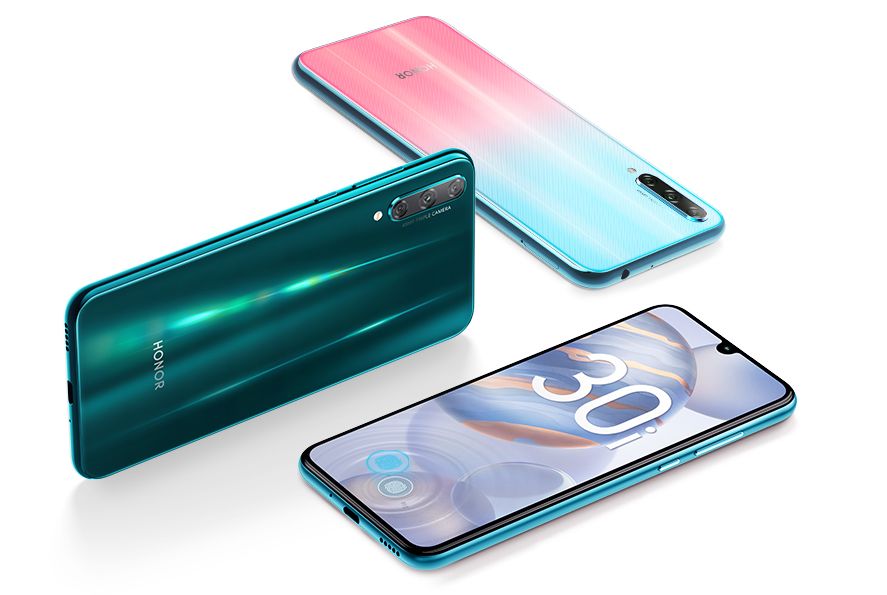
The Honor 30i smartphone has gone official in Russia. While it is a new addition to this year’s Honor 30 series, it is a rebadged version of the Honor 20 Lite phone that debuted in October 2019 in China. The main specs of the Honor 30i include a large-sized screen, a 48-megapixel triple camera system, and a decent battery.
Honor 30i specifications and features
The Honor 30i measures 157.2 x 73.2 x 7.7mm and it weighs 171.5 grams. The handset a 6.3-inch OLED panel with a waterdrop notch. It supports full HD+ resolution, 417ppi pixel density, and 20:9 aspect ratio. The Magic UI 3.1 along with Android 10 OS comes preinstalled on the Honor 30i.
The Kirin 710F chipset and 4 GB of RAM powers the Honor 30i smartphone. It has an internal storage of 128 GB and it carries support for a microSD card for more storage. The phone is backed by a 4,000mAh battery.
For snapping selfies, it has a front camera of 16-megapixel. The rear-mounted camera system of the phone has a 48-megapixel main snapper, with f/1.8 aperture, an 8-megapixel ultra-wide lens with f/2.4 aperture, and a 2-megapixel depth sensor with f/2.0 aperture.
The Honor 30i has an in-display fingerprint sensor. The usual connectivity features like dual SIM support, Wi-Fi 802.11ac, Bluetooth 5.0, GPS, USB-C, and 3.5mm audio jack are also available on the Honor 30i.
Honor 30i pricing and availability
The Honor 30i has arrived in Russia with a price tag of RUB 17,990 (~$240). It comes in three colors such as Ultraviolet Sunset (blue-pink gradient), Green, and Midnight Black.
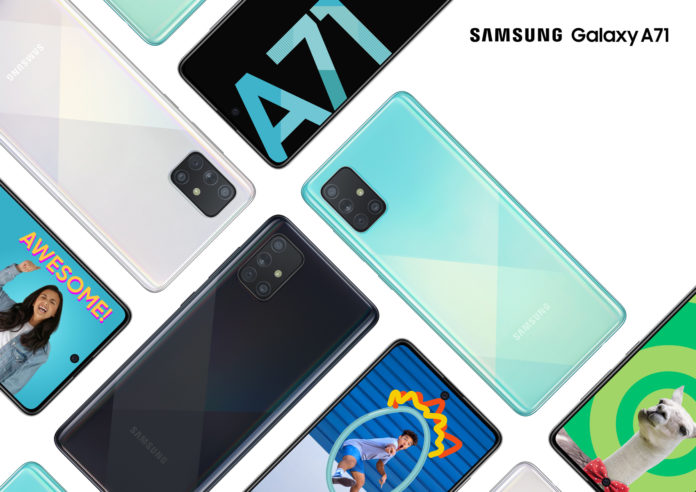
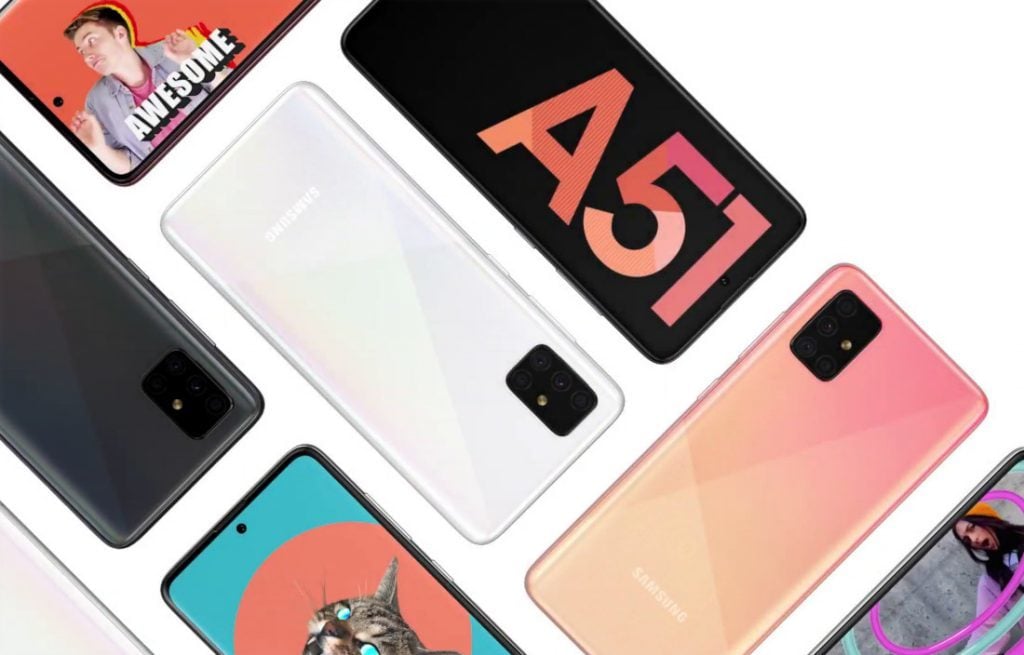
Samsung launched Galaxy A51 and Galaxy A71 earlier this year in India. Due to GST (Goods & Services Tax) hike on mobile phones, the price of these smartphones was increased in April. But now, after five months, they get a permanent price cut of up to ₹2,000 ($27).
The Galaxy A51 is one of the best-selling smartphones worldwide ever since it released. Though it pales in comparison with devices from other brands in its price segment in countries like India, it still manages to keep up with the competition with the help of brand identity.
This handset launched in the month of January in India in a single 6GB + 128GB storage configuration for a price tag of ₹23,999 ($326). In April, this amount was increased to ₹25,250 ($343). Then, in May, the company launched a new storage variant of the device with 8GB + 128GB configuration for ₹27,999 ($381).
Now, the price of the base variant has returned to its original amount of ₹23,999 (₹1,250 off). On the other hand, the higher variant now retails for ₹25,999 (₹2,000 off).
Similarly, South Korean tech giant launched the Galaxy A71 in India in February for ₹29,999 ($408). Unlike the previous device, this handset is still only available in a sole 8GB + 128GB variant. The price of which was incremented to ₹31,999 ($435) in April. But, its price tag has been lowered to 30,999 (₹1,000), which is still more than its launch price.
The permanent price cut of these two Samsung handsets in India comes after the launch of Galaxy M51. Though we haven’t tested out the Galaxy M51 yet, it is better than the Galaxy A51 and Galaxy A71, at least in terms of specifications.
However, these two Galaxy A series phones are eligible to get three generations of Android updates and they even run proper One UI with support for Samsung Pay, features from Galaxy S20 series, and a new feature called AltZLife.
LG is gearing up for the launch of a very unique smartphone later this month. The LG Wing is the company’s upcoming dual display device, with a swiveling rotating design. While various reports have hinted at its possible specs and features, new product renders offers us a look at the rear panel of the handset where the triple camera setup is housed.
According to a LetsGoDigitalreport, renders made based on a recently published LG patent reveals that the Wing will feature what is being called a ‘Gimbal Motion Camera.’ This new module comprises a triple camera system on the top left corner of the device with sensors stacked vertically. The trademark was filed with the EUIPO (European Union Intellectual Property Office) earlier this week.
We have heard of gimbal cameras recently, with Vivo grabbing a lot of attention with its X50 Pro. The device featured the world’s first smartphone with a gimbal camera which greatly improved image stabilization. For those unaware, a gimbal camera offers great stabilization, when compared to traditional OIS (optical image stabilization) solutions.
Unfortunately, finer details regarding the smartphone are still unknown. Although certain specs like the Qualcomm Snapdragon 765G has been rumored recently. With the LG Wing announcement arriving on 14th September, we can expect more details to be announced at the launch conference. So stay tuned, as we will be covering the event.
A couple of months ago, Xiaomi had unveiled its Mi 10 flagship smartphone in Guofeng Ya Gray, which offers a different shade compared to the Twilight Gray color option, and comes with a matte finish.
Now, Lei Jun, founder and CEO of Xiaomi Group, has confirmed that the Xiaomi Mi 10 Guofeng Ya Gray model is the exclusive smartphone partner for the upcoming Disney movie Mulan in China.
Mulan, starring Liu Yifei, is getting released in China today. It is an American action drama film produced by Walt Disney Pictures, and a live-action adaptation of Disney’s 1998 animated film of the same name.
The Xiaomi Mi 10 comes with a 6.67-inch curved S-AMOLED Full HD+ display with a 90Hz refresh rate and 180Hz touch sampling rate. Under the hood, the device is powered by the Qualcomm Snapdragon 865 SoC along with up to 12GB of RAM.
It features a quad-camera setup on the back that consists of a 108MP primary sensor from Samsung, a 13MP superwide lens, a 2MP depth sensor, and a 2MP macro lens. On the front side, it has a 20MP snapper for taking selfies and video calling.
The smartphone is running MIUI 11 out-of-the-box which is based on the Android 10 operating system. The phone is powered by a 4,780mAh battery which supports 30W fast charging along with Quick Charge 4+ and USB-PD 3.0 charging protocols.
Smartphone makers are coming up with new designs to make their devices stand out from the crowd. While some designs are meant for better user experience, some are just concepts to showcase the company’s capabilities.
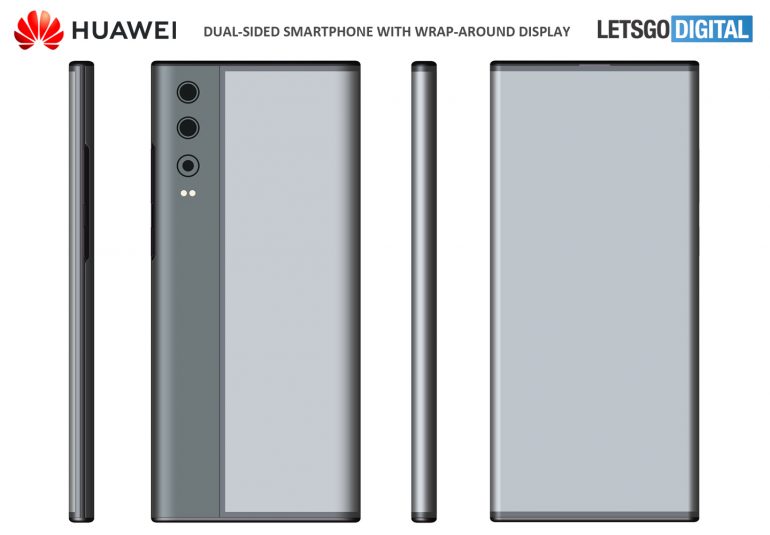
One of the most unique smartphone design was unveiled by Xiaomi last year in the form of the Mi MIX Alpha concept smartphone. Now, Huawei has also patented a smartphone design with a similar design of the wrap-around display, reports LetsGoDigital.
The phone showcased in the patent application seems similar to the Huawei Mate X but instead of being a foldable smartphone, it features a wrap-around display that extends from the front-side to the back.
However, unlike the front panel, the back of the phone is not entirely covered with the display. The display panel on the back accounts for 60-70 percent of the space while the remaining is used for the triple-camera setup.
Huawei has been one of the leading smartphone brands when it comes to innovation. It was among the first to launch a commercial foldable smartphone and is reportedly working on its successor, which could go official this year.
But given the current situation of Huawei not being able to procure necessary components because of the U.S. sanctions, it remains to be seen if the Chinese giant actually plans to start working on this wrap-around display smartphone.
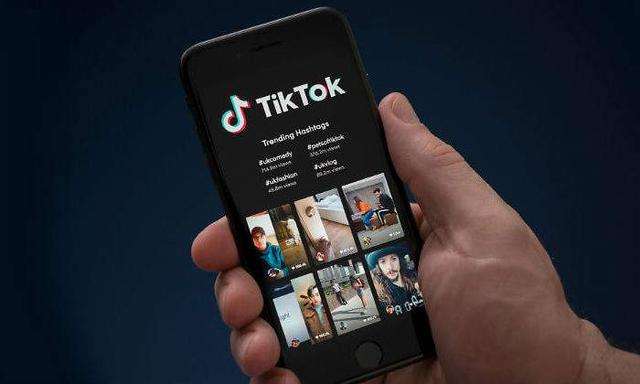
Earlier this week, the US President, Donald Trump, said that the deadline set for ByteDance, the parent company of TikTok, to sell its popular social media platform’s US assets will not be extended.
In a statement to reports, Trump said that “It’ll either be closed up or they’ll sell it. There will be no extension of the TikTok deadline.” TikTok has yet to comment on the matter. For those unaware, the Trump administration is seeking to ban TikTok, with the only saving grace being that ByteDance sells all of the US assets of the app within the country or stop their operation in the region completely.
Since then, numerous reports have surfaced pointing at other tech giants taking a possible interest in the acquisition of the short video sharing application. The reason for the ban was touted to be national security and data protection, as the government alleged that users’ information could be passed forward to the Chinese government. Although, TikTok has not complied with any request to share data with Beijing.
According to Republican Senator Josh Hawley, “I’m sure there are any number of backdoors that are built into the code and of course, ByteDance knows exactly what they are, so there needs to be a clean, clear, total separation.” At the moment, it is still unclear who would be acquiring the US assets of TikTok from ByteDance. So stay tuned as will be providing more updates.
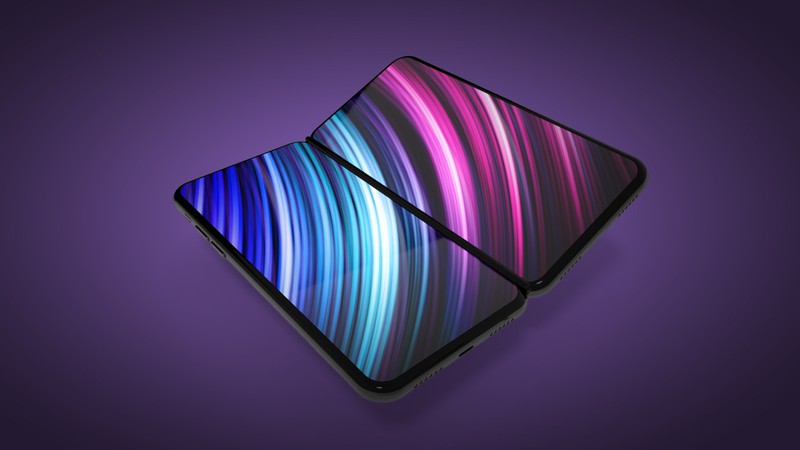
After years of development, foldable smartphones became a reality last year, and Samsung has already launched its second-generation foldable smartphone while Huawei is reportedly working on a new device.
Several other smartphone makers are said to be working on a foldable smartphone and one of them is Apple. Last month, we reported that the foldable iPhone is in the prototype stage but nothing much is known about the device.
Now, if the latest report is to be believed, then Apple is indeed working on a foldable iPhone and is making steady progress. Apple has reportedly placed a large order with Samsung Display to provide samples for at least one year.
As per the reports, Samsung started shipping its foldable display technology to other companies, including Apple. Now, with the latest leak, it seems that after testing the initial samples, Apple has now started trials of the foldable devices.
This isn’t surprising at all given that Samsung has been a key supplier of OLED display panels to Apple iPhones for many years. With Samsung Display being a leading player in the foldable display market, it is now hoping to dominate the market by increasing its production capacity to 10 million units a year.
As per the report, the foldable iPhone is designed in such a way that when opened, it has a single continuous display and doesn’t appear to have two separate display panels, even though that is the case.
Some reports indicate that the foldable iPhone could get launched as soon as next year. Meanwhile, the company is currently gearing up to launch its 5G-powered iPhone 12 models in the coming weeks.
The gaming smartphones have become a popular category of phones and more and more device makers are jumping in. Now, it seems that the China-based smartphone maker Meizu is also planning to soon launch a gaming smartphone.
The company has renamed its “Meizu Neighbourhood Committee” on Weibo to “Meizu Gaming” which indicates that the company could soon launch a gaming smartphone. Some are speculating that it could mean that Meizu is forming a new e-sports team.
A post on the official Weibo account reveals that Meizu Gaming, in partnership with King of Glory game, is inviting gamers to make a strong team to represent Meizu in a gaming competition. It adds that winners will get five Meizu 17 smartphones along with few more prizes for the participants.
Meizu planning to make a gaming smartphone makes sense given that the company’s co-founder had talked about it last year. Also, with gaming smartphones getting more and more popular for powerful hardware, most manufacturers are expected to join the race to make the most powerful gaming smartphone.
At this time, there’s nothing known about the Meizu Gaming Smartphone but given the new Weibo update, we expect the company to reveal more details about the same in the coming days or weeks.
Currently, Meizu 17 and 17 Pro are the flagship smartphones from the company for this year, available in its home market. It has been releasing new software updates at regular intervals with new features and functionalities.
The company had previously teased that it could launch a smartwatch in Q4 2020 and now it seems that the company is finally ready to do so. It has trademarked the names “Meizu Watch” and “Flyme For Watch” for its upcoming wearable device.
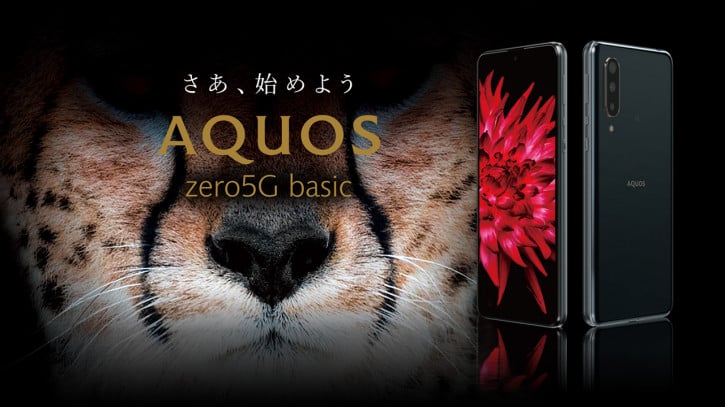
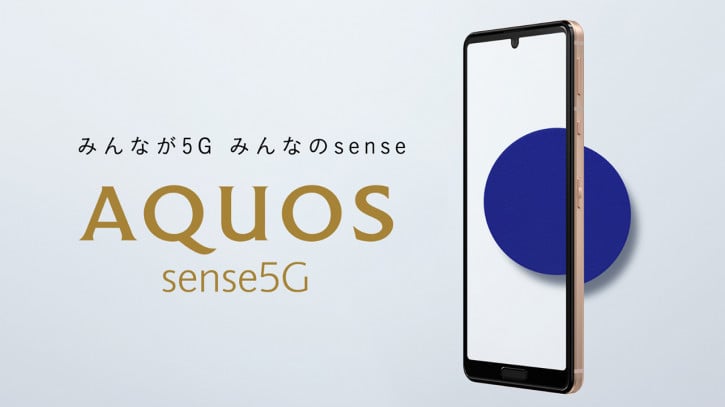
Last year, Sharp’s AQUOS Sense 3 series received a good reception in Japan. Now, the company has unveiled the AQUOS Sense 4 series, which includes three devices such as AQUOS Sense 5G, Sense 4, and Sense 4 Plus. Apart from the 5G-ready AQOUS Sense 5G, the Japanese firm also unveiled the AQUOS Zero 5G Basic upper mid-range 5G phone.
Sharp AQUOS Zero 5G Basic specifications and features
The AQUOS Zero 5G Basic is an IP65/68 rated smartphone that measures 161 x 75 x 9mm and it weighs 182 grams. It has a 6.4-inch OLED display that offers 1080 x 2340 pixels resolution. The waterdrop notch screen supports a 240Hz refresh rate and it comes with an in-screen fingerprint reader. The Snapdragon 765G chipset powers the phone’s two variants such as 6 GB RAM + 64 GB storage and 8 GB RAM + 128 GB storage.
The AQUOS Zero 5G Basic has a 16.3-megapixel front camera with an f/2.0 aperture. Its rear-facing triple camera system has an f/1.8 aperture 48-megapixel main camera with hybrid AF, an f/2.4 aperture 13.1-megapixel ultrawide lens with 125-degree field-of-view, and an f/2.4 aperture 8-megapixel telephoto lens with PDAF. The AQUOS Zero 5G has a 4,050mAh battery and it comes with other features like Wi-Fi 802.11ac, Bluetooth 5.1, GPS, NFC, and USB-C. The device is preinstalled with Android 11 and it lacks a 3.5mm audio jack.
Sharp AQUOS Sense 5G specifications and features
The AQUOS Sense 5G has 148 x 71 x 8.9mm and it weighs 176 grams. It has a 5.8-inch IGZO LCD display with a waterdrop notch. It supports 1080 x 2280Full HD+ resolution. The AQUOS Sense 5G seems is the world’s first phone to be fueled by the Snapdragon 690 5G chipset. The device is equipped with 4 GB of RAM and 64 GB of native storage.
The Sense 5G has a front-facing camera of 8-megapixel with f/2.2 aperture. The back panel of the phone has a triple camera system. It includes a 12-megapixel main camera with f/2.0 aperture, a 12-megapixel ultrawide lens with 121-degree FOV and f/2.4 aperture, and an 8-megapixel telephoto snapper with f/2.4 aperture. It is backed by a 4,570mAh battery that promises a battery life of one week. The device is also equipped with other features like face recognition, front-facing fingerprint sensor, Wi-Fi 802.11ac, Bluetooth 5.1, GPS, NFC, USB-C, and IP65 / 68 rated chassis. The Sense 5G is also loaded with Android 11 and it does not feature a 3.5mm audio jack.
Sharp AQUOS Sense 4 Plus and Sense 4 specifications and features
The AQUOS Sense 4 Plus measures 166 x 78 x 8.8mm and it weighs 198 grams. It has a larger 6.7-inch IGZO LCD notch-less display that offers 1080 x 2400 pixels resolution. The device is flanked with stereo speakers. The Snapdragon 720G chipset ships with Android 10 OS and is accompanied by 8 GB of RAM and 128 GB of storage.
The Sense 4 Plus has a dual selfie camera system that comprises of an f/2.0 aperture 8-megapixel main camera and a 2-megapixel depth sensor with f/2.5 aperture. Its rear-mounted triple camera system comprises of a 48-megapixel main lens with f/1.8 aperture, a 5-megapixel ultrawide lens with 115-degree FOV, and f/2.2 aperture, 2-megapixel macro shooter with f/2.4 aperture, and a 2-megapixel depth sensor with f/2.4 aperture. It has a smaller battery of 4,120mAh capacity. The other features of the Sense 4 Plus include face unlock, rear-mounted fingerprint sensor, IP65 / 68 certified body, Wi-Fi 802.11ac, Bluetooth 5.1, GPS, NFC, USB-C, and 3.5mm audio jack.
The measurements and weight of AQUOS Sense 4 are identical with Sense 5G. It has a 5.8-inch IGZO LCD panel with a waterdrop notch that delivers 1080 x 2280 pixels resolution. The Snapdragon 720G driven handset has Android 10 OS, 4 GB of RAM, and 64 GB of native storage.
It has the same quad-camera system that is available on the Sense 4 Plus. At front, it features a single selfie camera of 8-megapixel with f/2.4 aperture. The phone houses a 4,570mAh battery. Like the Sense 4 Plus, the Sense 4 offers other specs like face unlock, rear-mounted fingerprint sensor, IP65 / 68 certified body, Wi-Fi 802.11ac, Bluetooth 5.1, GPS, NFC, USB-C, and 3.5mm audio jack.
At present, there is no word on the pricing of the AQUOS Zero 5G Basic, Sense 5G, Sense 4, and Sense 4 Plus.
Microsoft’s latest hardware product — Surface Duo has been announced and is now available for purchase in the United States. The early reviews of the device indicate that the product doesn’t live up to the expectations.
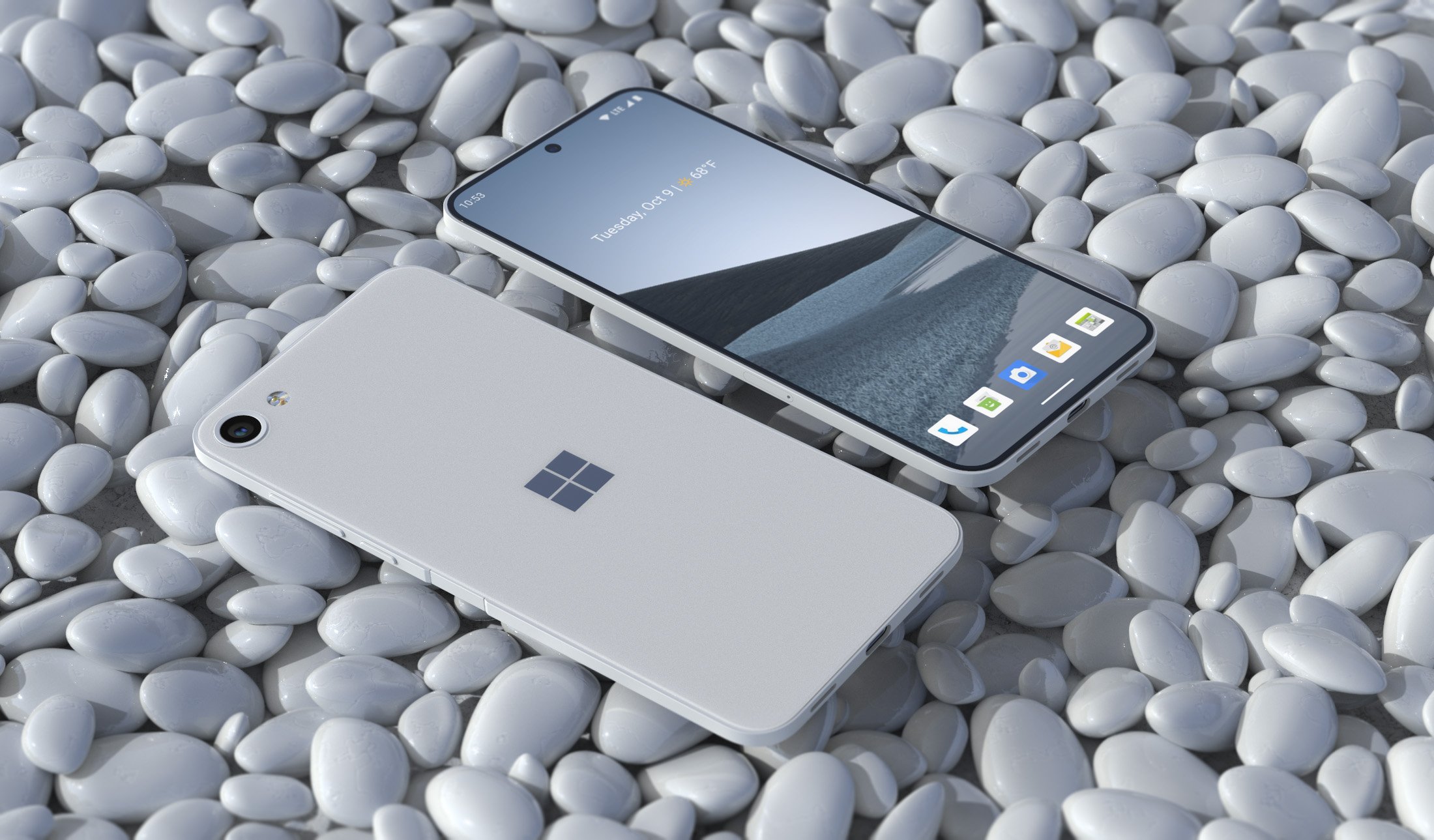
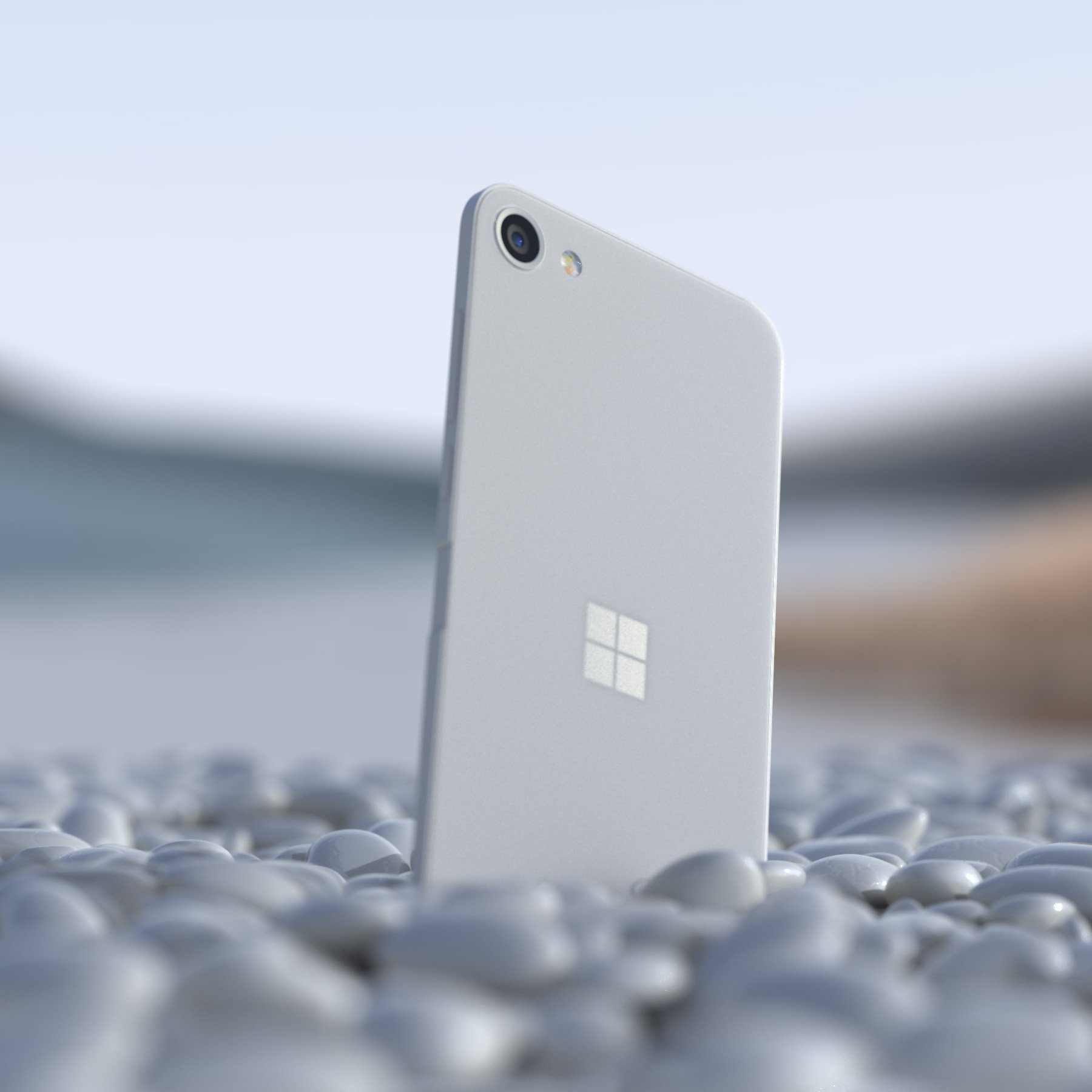
Amid all these, fan-made concept renders of the Microsoft Surface Solo smartphone have surfaced online. It showcases what the company could make as a standalone typical smartphone and not the experimental dual-display device.
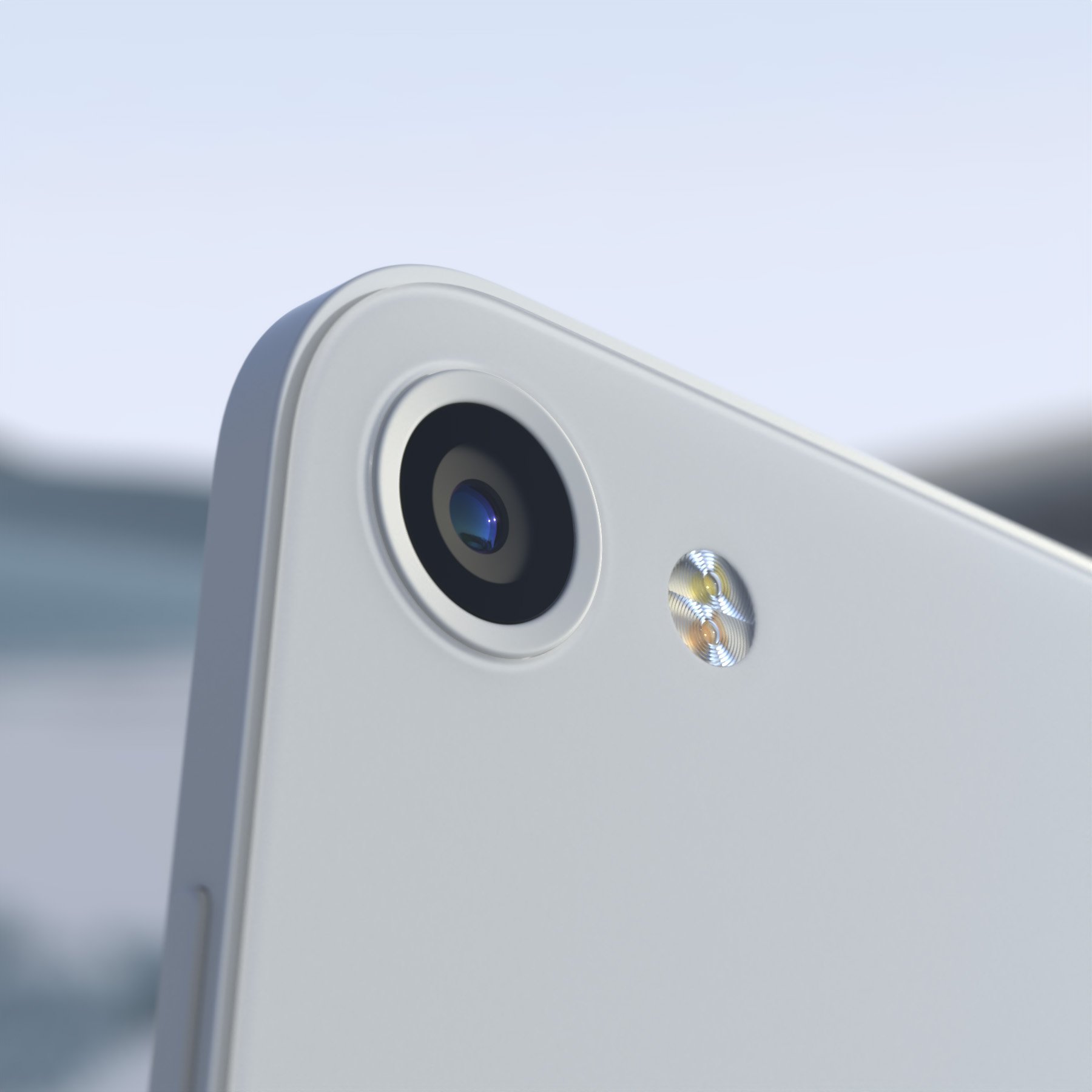
The renders showcase a smartphone with minimal bezels and a punch-hole cutout at the top-center to house the front-facing camera sensor. On the backside, there’s a single camera sensor and an LED flash at the top-left corner. The phone, which features round corners, has a USB Type-C port and dual speaker grille at the bottom. It has a power button and volume rocker keys on the right side.
Do note that these are just concept renders by Jonas Daehnert and the company isn’t working on a Surface Solo smartphone. There are no reports of Microsoft developing a typical Android-powered mobile phone, so even if something like this is to happen, it isn’t happening anytime soon.
While the Microsoft Surface Duo smartphone with dual-display and a customized Android operating system has been launched, the company has delayed the launch of its Surface Neo with a similar dual-display concept.
We use cookies on our website to give you the most relevant experience by remembering your preferences and repeat visits. By clicking “Accept”, you consent to the use of ALL the cookies.
This website uses cookies to improve your experience while you navigate through the website. Out of these, the cookies that are categorized as necessary are stored on your browser as they are essential for the working of basic functionalities of the website. We also use third-party cookies that help us analyze and understand how you use this website. These cookies will be stored in your browser only with your consent. You also have the option to opt-out of these cookies. But opting out of some of these cookies may affect your browsing experience.
Necessary cookies are absolutely essential for the website to function properly. This category only includes cookies that ensures basic functionalities and security features of the website. These cookies do not store any personal information.
Any cookies that may not be particularly necessary for the website to function and is used specifically to collect user personal data via analytics, ads, other embedded contents are termed as non-necessary cookies. It is mandatory to procure user consent prior to running these cookies on your website.