Advertisement

LG officially confirms the“Wing” dual-screen phone moniker and launch date

LG has officially announced that the much-touted dual-screen phone will be named “Wing”. The company also disclosed that the smartphone will be launched as the first product under the Explorer Project. Also confirmed is the launch date of the device. The device will be unveiled on September 14 at 10:00 (EDT). The launch event will be streamed live on LG Mobile’s official YouTube channel and Facebook page.

The Explorer Project is LG’s new mobile category aimed at discovering new ways to interact with mobile devices, focusing on the evolving and ever-changing needs of today’s consumers and challenging established user norms. LG’s boldest, newest smartphone will deliver a new and different form factor and mobile experience that would be impossible to create with conventional smartphones.

Unlike LG’s own past offerings, this dual display has the display on top a swivel which can rotate to an angle of 90-degrees. When the top display slides out, it offers the utility of the second display behind it. Except for the rotating angle and the fact that both screen are full-displays, this is similar to what obtains during the flip phone era where a few devices could have their screens rotate up to reveal a keypad.

The use cases for this design are numerous but will depend on LG’s ability to provide software backing to the features. You can watch a video on the top screen in landscape mode while tweeting, chatting or perform other tasks on the bottom screen. We’ll find out more when it is officially released.


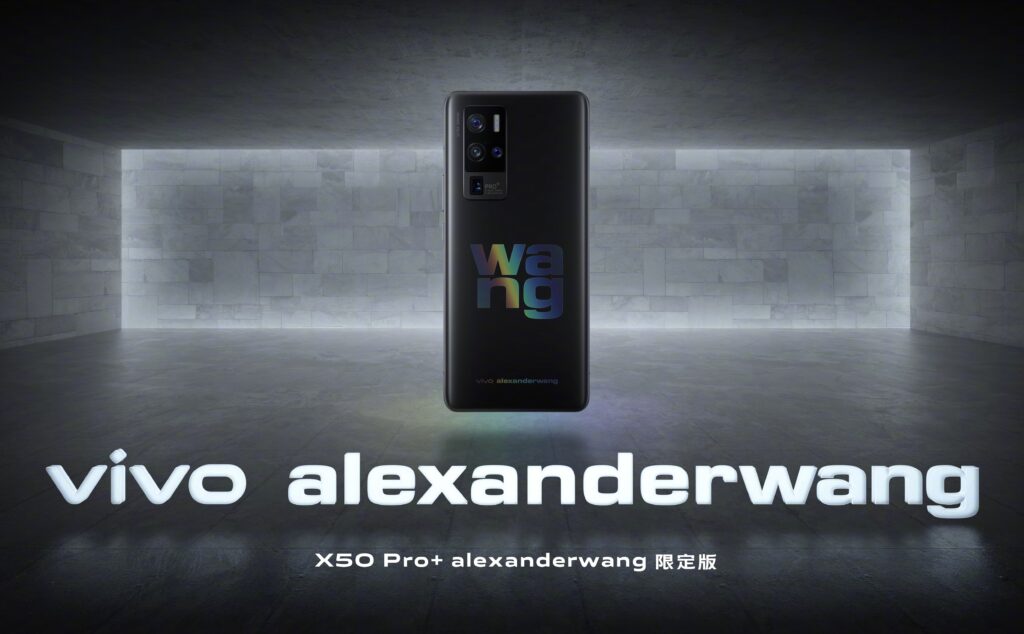
vivo X50 Pro+ alexanderwang Limited Edition launches in China; only 1,000 units up for grabs

In June, vivo launched vivo X50 Pro+ (Plus) as its flagship smartphone of 2020. Ahead of its sale in July, the company teased a limited edition in collaboration with fashion designer Alexander Wang. Now, after two months, the company announces this product officially.

vivo X50 Pro Plus alexander wang Limited Edition Featured

Earlier in March, vivo launched “vivo X30 Pro alexanderwang Limited Edition”. So this is the second handset from the company in association with the American fashion designer.

The device is officially marketed as “vivo X50 Pro+ alexanderwang Limited Edition”. It comes in a single 12GB + 2565GB storage configuration priced at 5,998 yuan ($877). It is currently up for pre-order in China. It is scheduled to go on sale on September 17 at 12 AM. According to the company, only 1,000 units will be up for grabs.

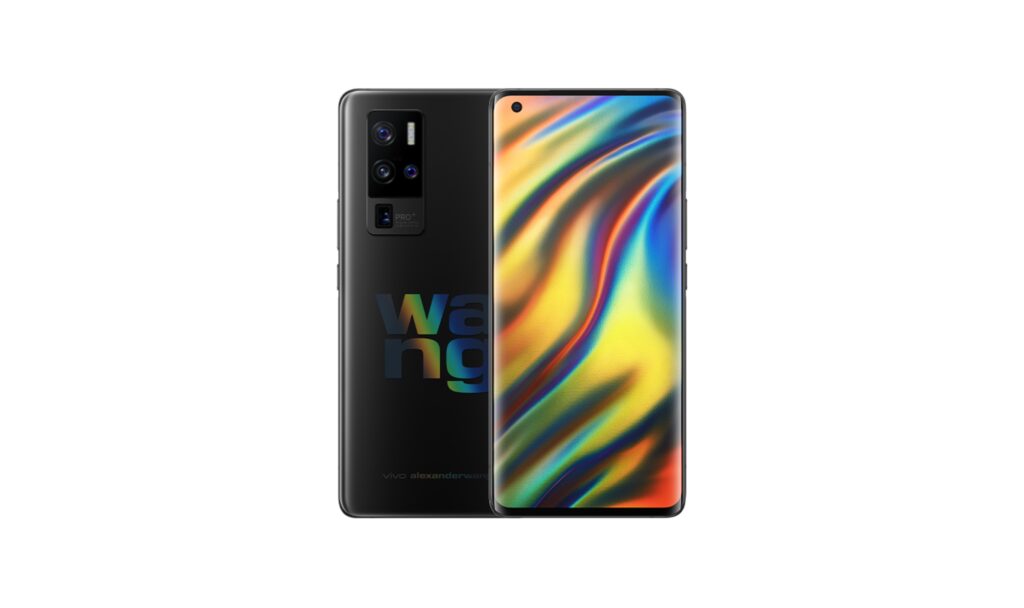
Apart from the black-gray rear glass panel with the trademark of Alexander Wang in gradient and a dedicated theme, the limited edition is identical to the regular X50 Pro+ (Plus) in all ways possible.

vivo X50 Pro Plus alexander wang Limited Edition

Since vivo did not launch X50 Pro+ in international markets, we don’t think the limited edition will be made available in global markets. Hence, all those 1,000 units could be limited to China even though the company mentions “worldwide” in a Weibo post.


Xiaomi launches the MIJIA Sports ECG T-shirt for 299 Yuan ($44)

Xiaomi recently started the crowdfunding for a new MIJIA product earlier this month. It was for the MIJIA Sports ECG T-shirt, which was priced at 249 Yuan (roughly 36 US Dollars) for crowdfunding. Now, it has successfully been supported by 12,000 people and has now launched officially by Xiaomi today (8th September 2020) for 299 Yuan (roughly 44 US Dollars).

Xiaomi

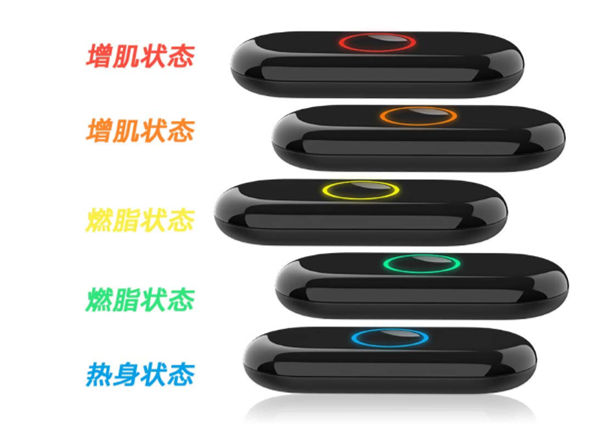
According to official notes, the MIJIA Sports ECG T-shirt is similar to conventional sports T-shirts. It is made with a seamlessly integrated weaving process that allows for a tight fit around muscles for added support. The T-shirt is elastic and light to help in movement during exercises. However, the most notable aspect regarding this T-shirt is the ECG bean at the center.

In the heart of the T-shirt, an ECG module is housed. This captures the micro signal generated by the users’ heartbeats. These signals are directly captured by the COTECH sensor fiber. In comparison to traditional optical sensors, the data offered through this sensor will be more accurate. Furthermore, the MIJIA Sports ECG T-shirt records in real time in 60 seconds, with a sampling rate of 250 times per second.

Xiaomi

This allows users to accurately map in real time. In other words, measure their heart rate and more in regards to the activity they were performing or their physical state. This can help a lot for guidance during training and even offer a more comprehensive analysis to the users, with added accurate and scientific data. Interestingly, the ECG bean module also has an LED indicator in the middle, which reveals heart rate intervals, and can differentiate between different states as well.


Huawei Exec: Harmony OS has reached 70-80% the level of Android

Back in 2019, the US Government enforced new regulations that had Huawei lose Google support from Android OS. Since then, the company has been working on its own proprietary operating system called Harmony OS (HongMeng in China), which has now apparently reached about 70 to 80 percent of the level of Android.

Huawei

According to Yu Chengdong, CEO of Consumer BG Huawei, the Chinese tech giant is also ready for other worst case scenarios as well. With the level of Harmony OS nearing Android systems’ level, the company can roll it out on its smartphones to replace Android, if in case the US bans Chinese companies from using Android entirely. In other words, the operating system is almost completed and its ecosystem can rival and replace Google globally for its offerings.

Furthermore, the senior official also stated that in the eventuality that Huawei faces a complete Google software ban, it can now ship their operating system. The operating system isn’t restricted to just smartphones, as Yu Chengdong said that it will be shipped in future Huawei tablets, PC and more. Meaning, it will create a cross platform OS, which is similar to the Apple ecosystem many know and love today.

Huawei

The official believes that the initial ban faced by the company didn’t cause a panic and crisis back in 2019, but it did lead to greater impacts in its consumer business which he is responsible for. He further mentioned that the second round of sanctions was even more unreasonable and was “catastrophic” to the company. Comparing Huawei’s current predicament with an example of real estate. Since the company is not allowed to use building equipment, it will have to make its own to survive in the industry.


PUBG Corp to take over PUBG Mobile from Tencent in India after Ban

PUBG Corporation, the ones behind the original successful battle royale PC title, has decided to no longer authorize Tencent from running the PUBG Mobile franchise in India.

PUBG Mobile Featured

According to an official statement earlier this week, the company will be taking over all of its publishing within the country. The move arrives just shortly after the local government banned the massively popular mobile game title due to alleged national security risks due to Tencent Games’ ties with the Chinese government. The country had previously banned 60 apps earlier this year and has recently also banned an additional 118 Chinese applications as well.

Notably, last week, Tencent said that it would be working with Indian authorities to ensure the continued availability of the application in India. In other words, comply with any issue to make sure that it is still available for its broad number of users. However, PUBG Corporation, the developer of the title, has now decided to take the rein in the mobile title themselves in the region.

PUBG

In the statement on their website, the company said that “Moving forward, PUBG Corporation will take on all publishing responsibilities within the country, As the company explores ways to provide its own PUBG experience for India in the near future, it is committed to doing so by sustaining a localized and healthy gameplay environment for its fans.” At the moment, PUBG Mobile is one of the most promising fields of esports in the country and is also a source of livelihood for many streamers. Thus, the news might come as a great relief for many players as well if the government decides to roll back its decision. So stay tuned for more updates.


Renders of vivo V20 reveal it to feature a similar rear design as the vivo X50 Pro

Chinese smartphone maker vivo has been going head to head with Samsung in India for the past few quarters. Both companies have been launching new devices every now and then. Most of the offerings from Samsung are either budget or premium. On the other hand, vivo’s devices are mostly mid-range. Now, a new mid-range handset called vivo v20 leaks in renders suggesting an imminent launch.

vivo V20 Render Leak Featured

Yesterday, 91Mobiles reported that vivo will be launching vivo V20 series in India in October. The series will consist of three devices namely vivo V20, vivo V20 Pro, and vivo V20 SE. Today, MySmartPrice shares the renders of the vanilla vivo V20.

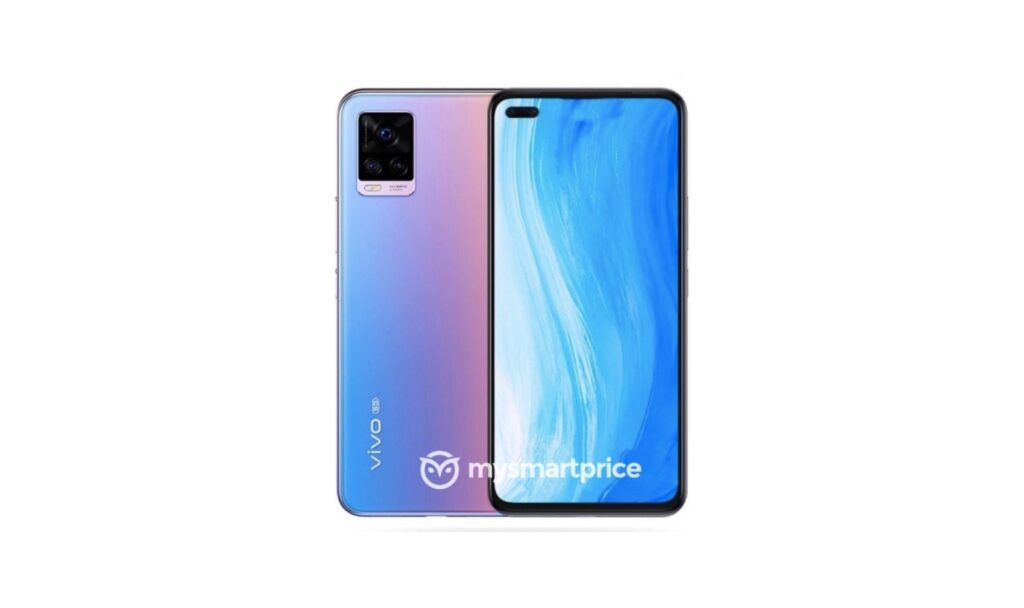
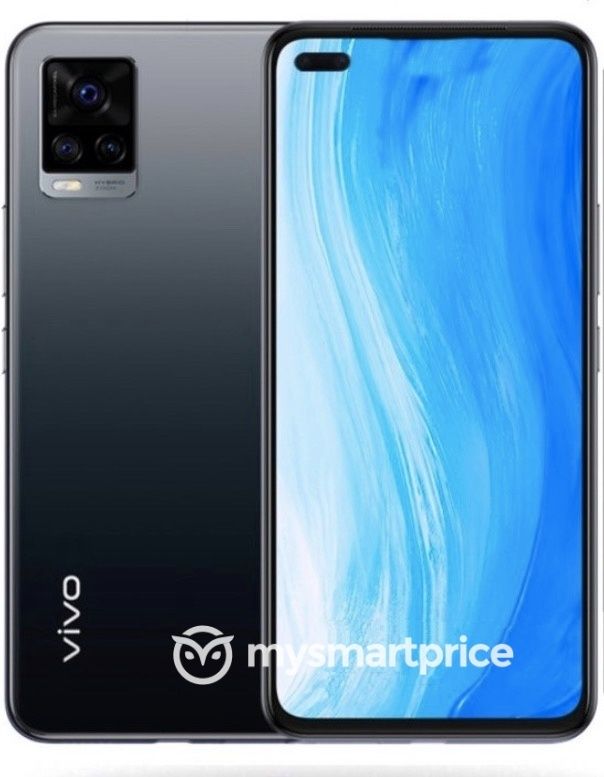
As per the renders, the upcoming vivo V20 will feature a similar rear design as the vivo X50 Pro. But instead of quad-camera, it will come with a triple camera setup without the periscope unit.

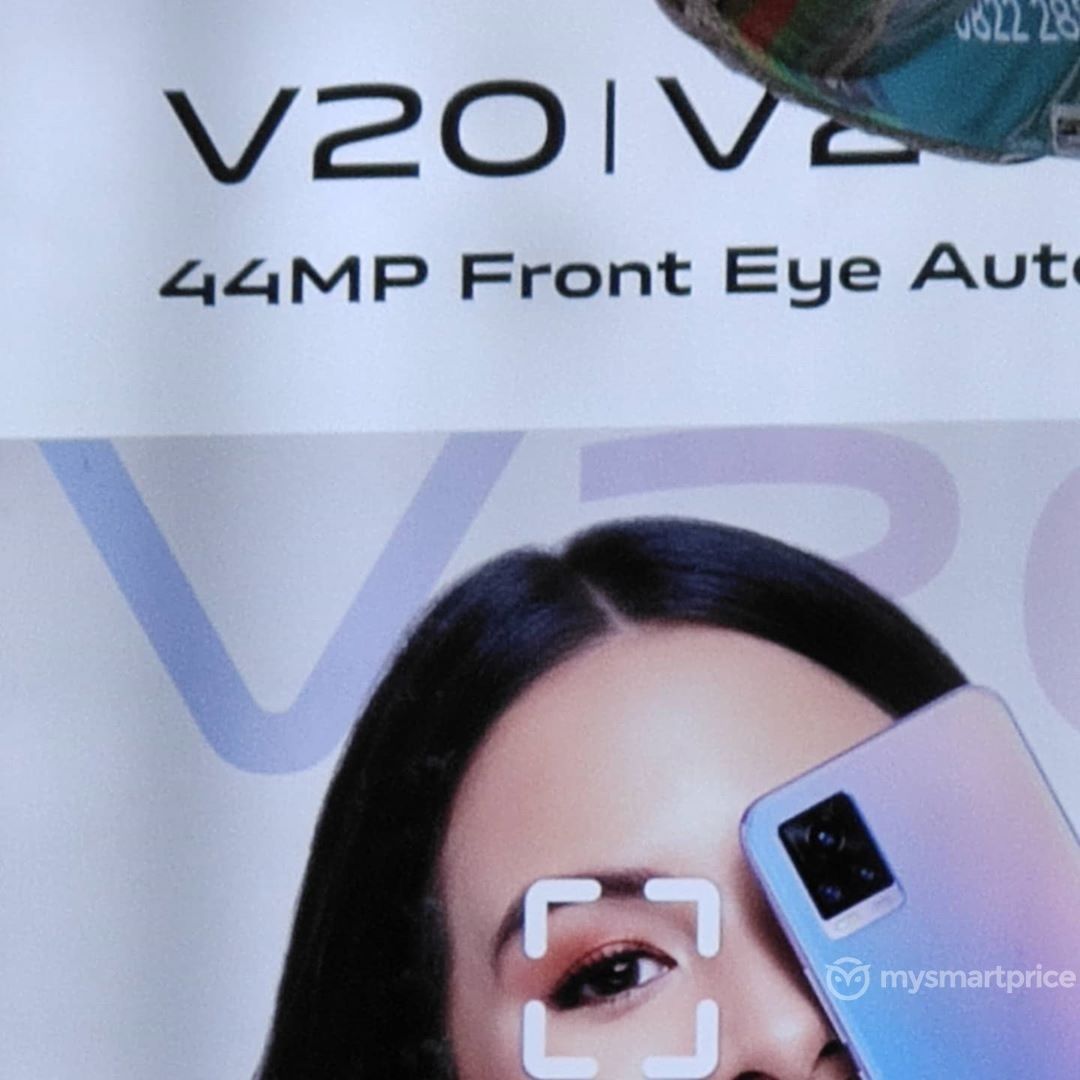
The renders showcase the phone in two colors –  gray and gradient. An advertisement poster also reveals one of the two cameras on the front to be of 44 megapixels. The details about the other cameras and internals of this handset is a mystery.

According to a previous leak, the vivo V20 SE, another phone in the series will be powered by Qualcomm Snapdragon 665 paired with 8GB RAM. It is also said to come with 33W fast charging.


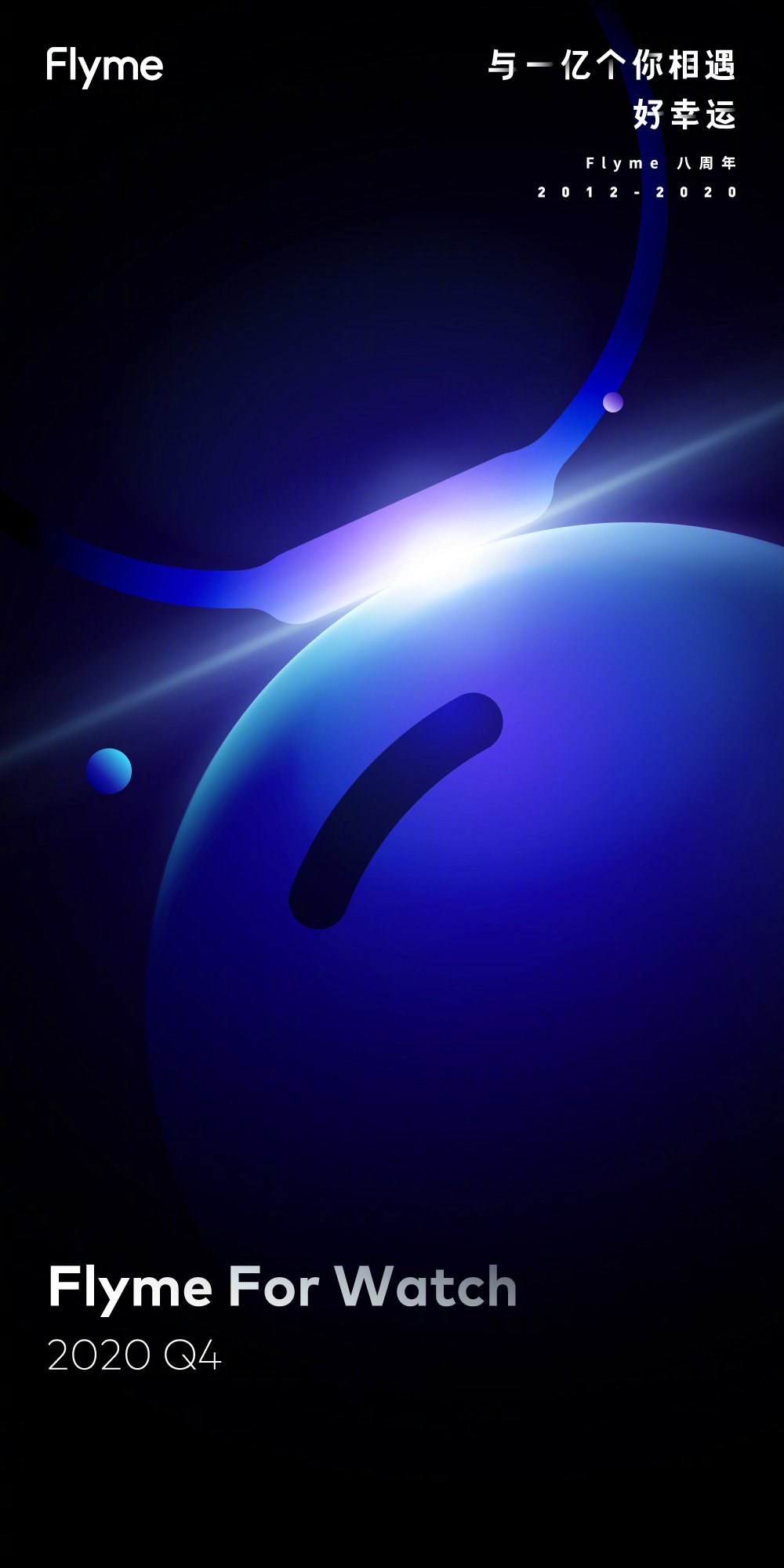
Meizu trademarks MEIZU Watch and Flyme For Watch for its upcoming wearable

Meizu is finally entering the smartwatch market. The Chinese company previously shared the announcement and even teased its Q4 2020 launch and has now trademarked the names “MEIZU Watch” and “Flyme For Watch” for its upcoming smartwatch.

Flyme is the name of the custom skin uses in Meizu its smartphones. At the moment, the trademarks are currently under the process of registration. Unfortunately, not a lot of information is currently available regarding the company’s upcoming first smartwatch. Although certain things are known, like the smartwatch will run Flyme (custom skin) for the watches, but it is unclear if it is built based on the Android Wear platform or the AOSP.

Meizu Flyme for Watch

Notably, this isn’t exactly the first wearable from the company, but the first actual smartwatch. The company has already launched a hybrid smartwatch called ‘Meizu Smart Watch Mix’ aka ‘Meizu Light Smartwatch’. There is still time for the launch so we will have to wait for further leaks for any additional information. The availability of the product in markets outside of China is also unknown at the moment. Thus, we will have to wait for the official launch date to be announced as further news or leaks should arrive close to that time. So stay tuned for more updates.


Xiaomi is working on a transparent TV with a 27 inch Samsung OLED panel

Xiaomi has recently been launching its own iteration of monitors across different segments and is showing an increasing interest in the display market as well. Now, a new report suggests that the company is working on a new transparent TV, which features a 27 inch Samsung OLED panel.

According to a MyDrivers report, the Chinese tech giant is planning on launching this transparent TV by 2021. This new monitor will be positioned as the company’s ultra high end flagship TV. For those unaware, transparent TVs forego traditional backplane, and bring circuits and micro devices into a subversive transparent form through precise layout design. Furthermore, the panel used will be a 27 inch OLED display from Samsung.

Xiaomi

The report has also stated that Xiaomi has already started setting up the supply chain for the product with negotiations regarding operations and shipping commitments being made as well. Although considering the high cost of Samsung OLED panels and the inherited cost of transparent displays, we can expect the upcoming TV to be priced quite high. Unfortunately, finer details regarding this TV are currently unknown, so stay tuned for more updates which should arrive in the near future.


Samsung Galaxy Tab Active3 Bluetooth SIG certified; Launch could be nearing

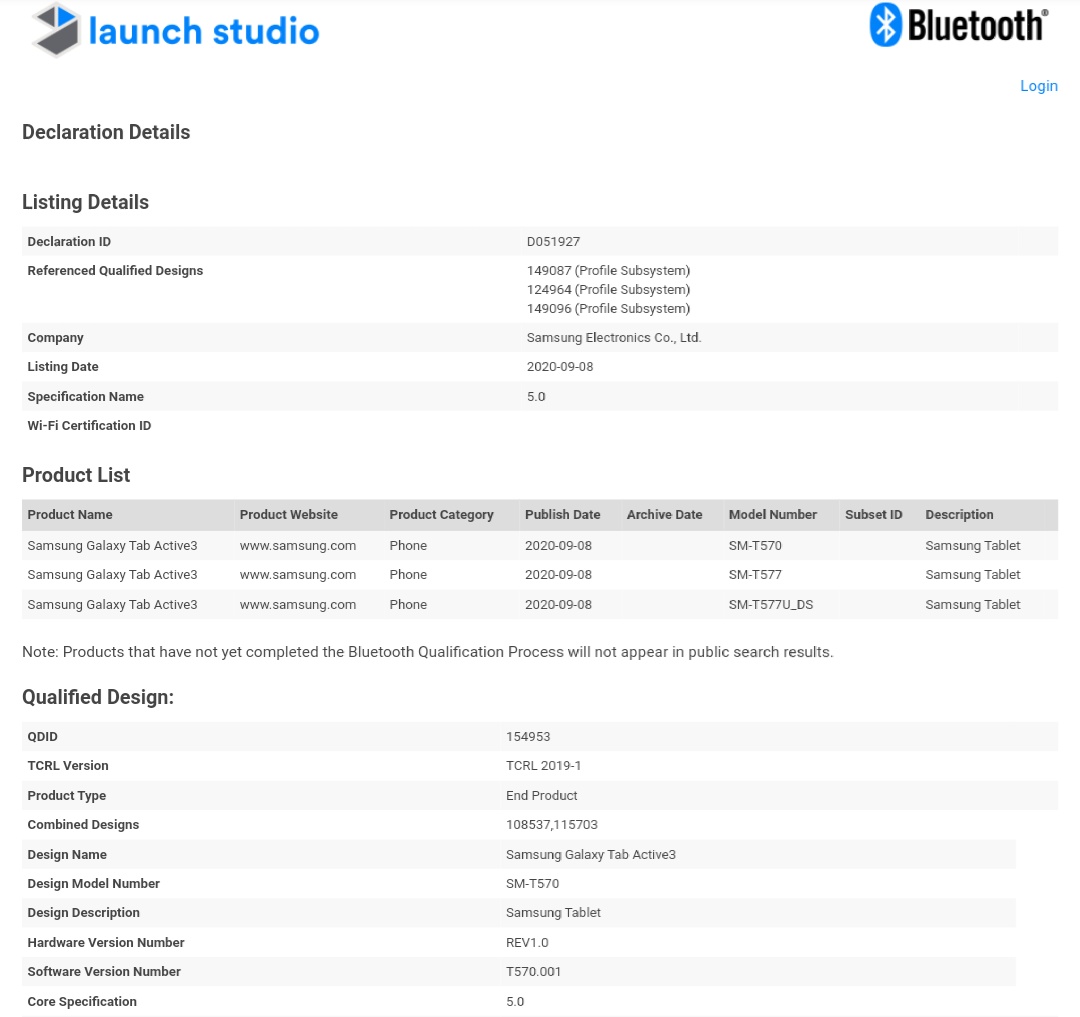
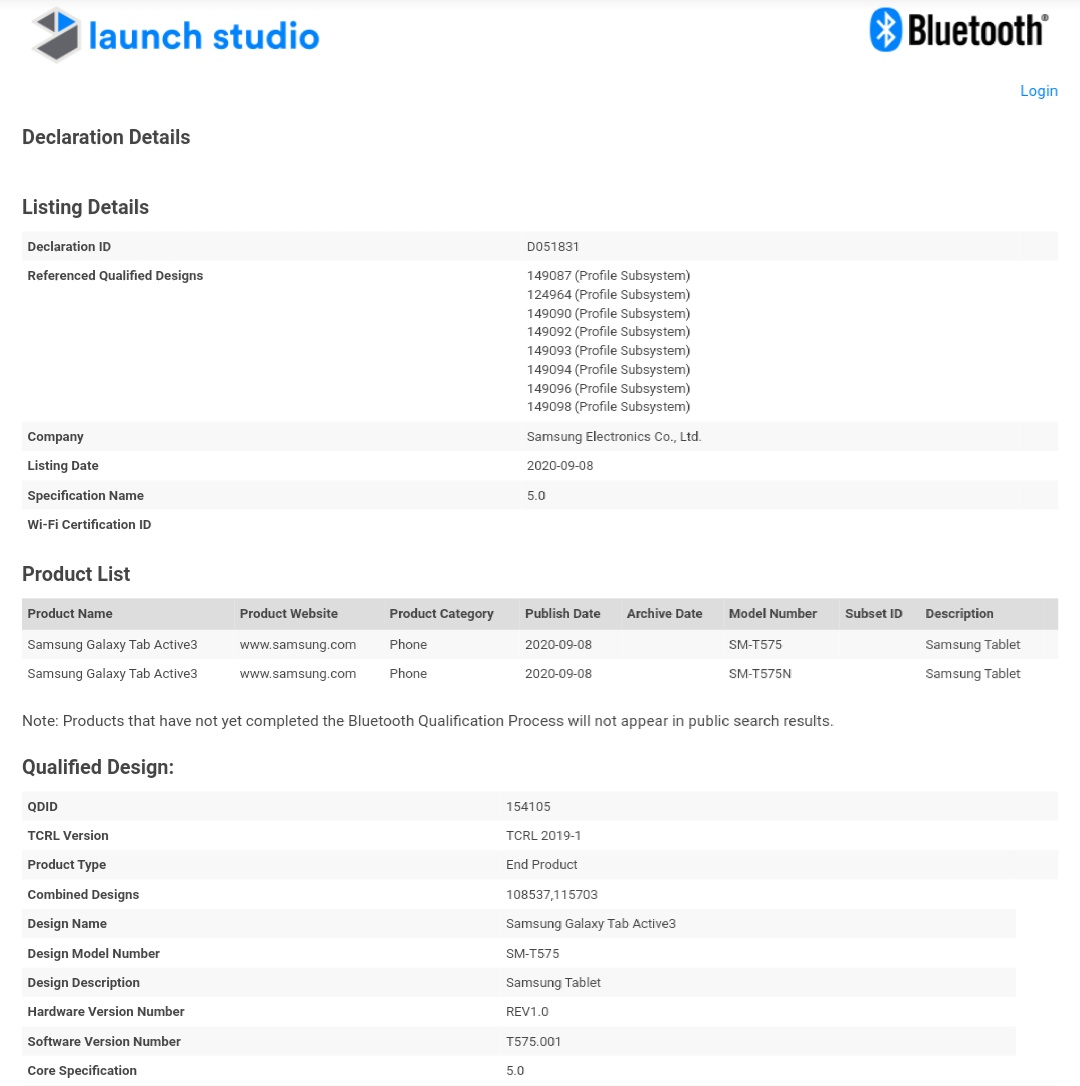
In July, a mysterious Samsung tablet with model number SM-T575 was spotted in a Geekbench listing. The tablet has now received approval from the Bluetooth SIG authorities. It reveals that the SM-T575 as well as other model numbers such as SM-T575N, SM-T570, SM-T577, and SM-T577U_DS all belong to the upcoming Galaxy Tab Active3 tablet. The moniker suggests that it will be replacing the Galaxy Tab Active2 tablet that went official in October 2017.

The Bluetooth certification has revealed that the Galaxy Tab Active3 supports Bluetooth 5.0. The SM-T575 and SM-T570 model numbers belong to the LTE and Wi-Fi only editions of the Tab Active3. The predecessor model had sported a ruggedized construction and a stylus. Apart from upgraded specs, the Tab Active3 could be coming with the same features.

The previously seen Geekbench listing had revealed that the tablet is equipped with Android 10 OS, 4 GB of RAM, and Exynos 9810 which fueled Galaxy S9, Galaxy S9 Plus, and Galaxy Note 9 flagship phones back in 2018.

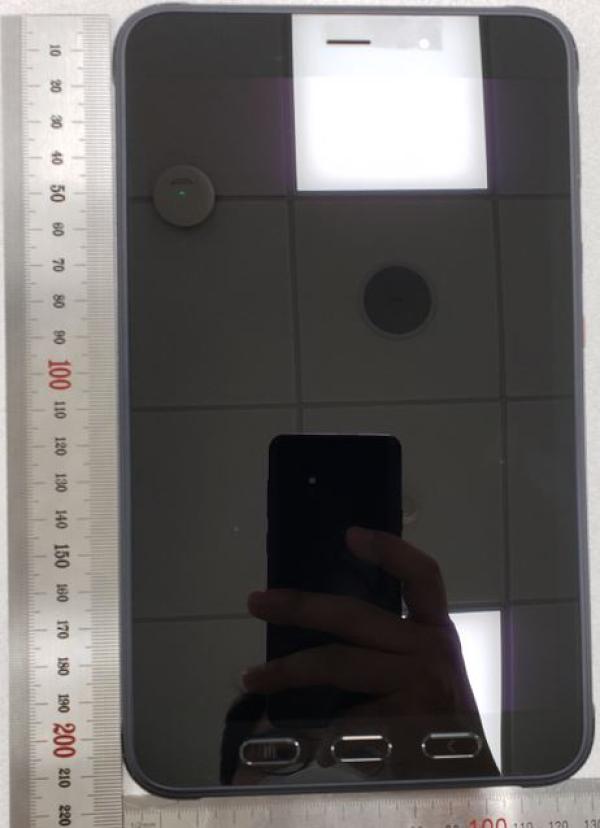
The TUV Rheinland certification had also approved the EB-BT575BBE battery of the tablet. The certification revealed that the typical size of its battery is 5,000mAh battery. MySmartPrice managed to spot an image of the tablet in the database of the SafetyKorea certification platform. Like the predecessor model, the Tab Active3 can be seen with three physical buttons.


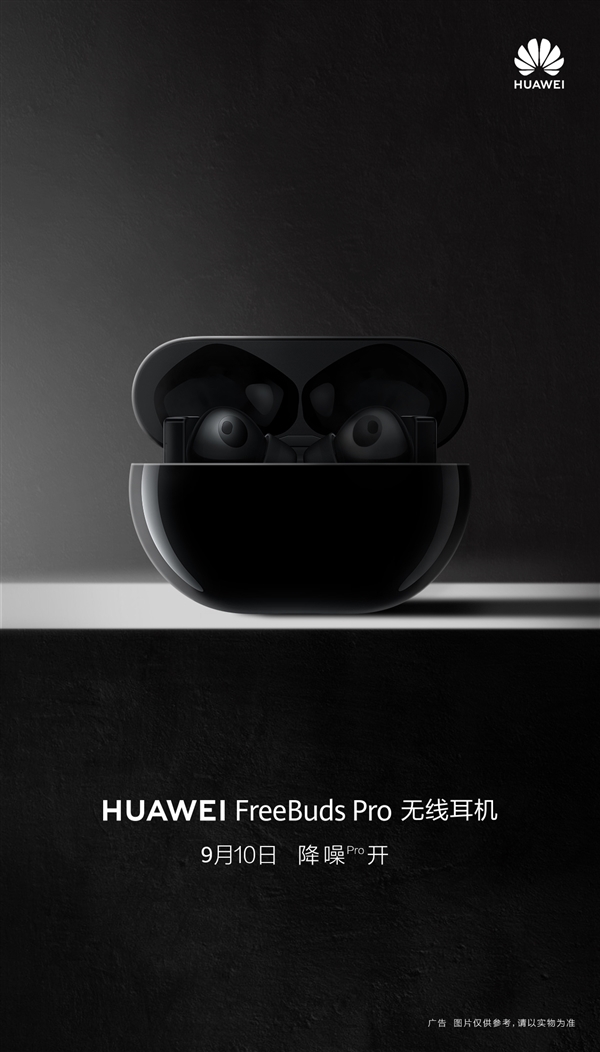
Huawei Freebuds Pro features dynamic noise reduction that adjusts to users’ environment

Huawei is set to host its developers conference on 10th September 2020. In the event, the company is expected to launch various products with the company’s consumer business CEO, Yu Chengdong, hinting at the features of its upcoming flagship audio product.

Huawei

According to the senior official, the upcoming hearables will be announced during HDC 2020. The new flagship audio product has apparently impressed Yu Chengdong thanks to its dynamic noise reduction performance. The executive stated that the earphone is capable of recognizing adjusting its noise reduction feature according to the environment around users. As stated by Yu himself, the earbuds adjusted to his being at work in the office, at work, and even when he was outdoors or in a plane.

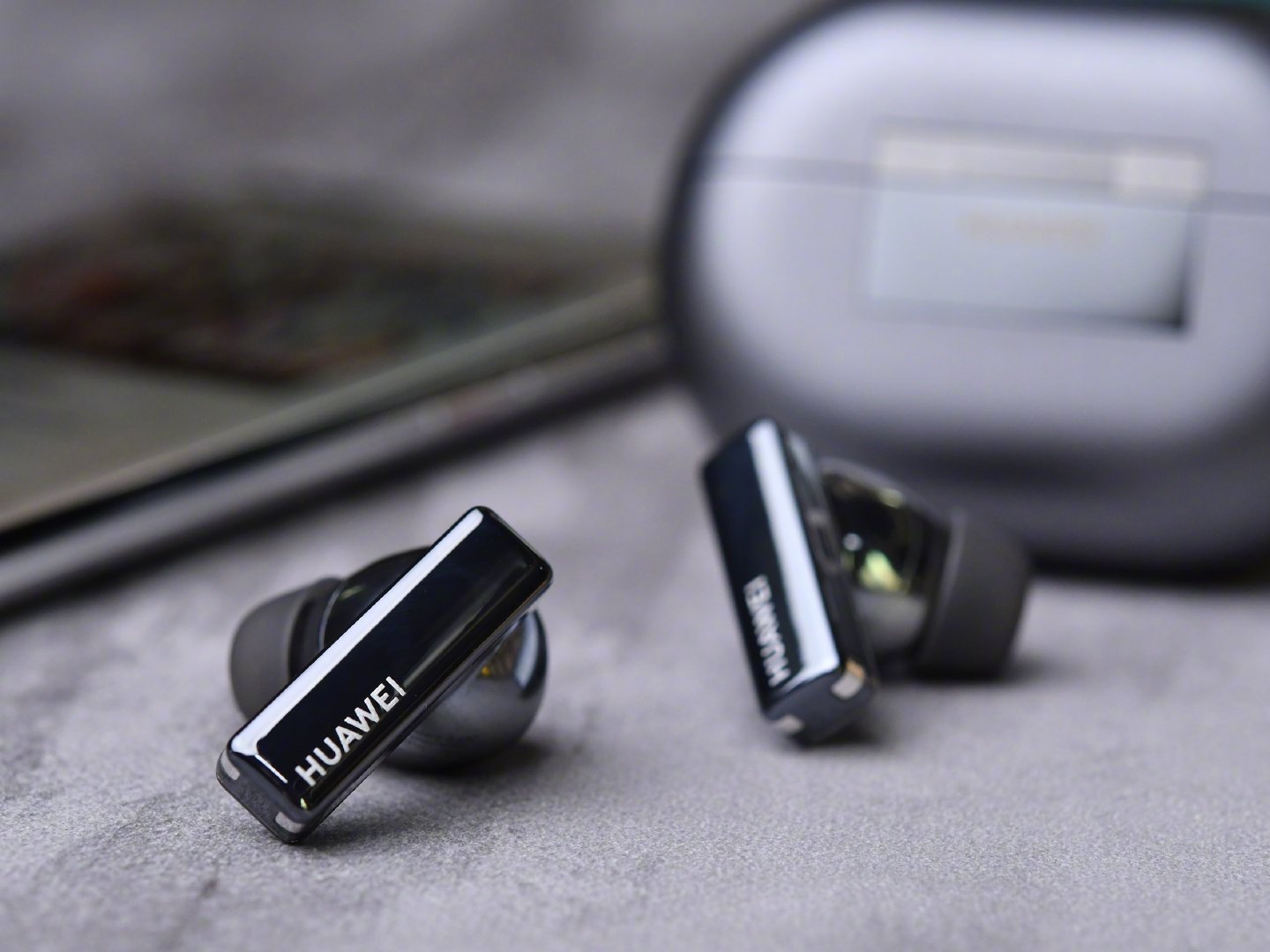
The hearable Yu Chengdong used is official and it is the Huawei Freebuds Pro TWS earbuds. It is reported that the Pro variant of the company’s Freebud brings various improvements across the board. Furthermore, the new earphones are said to feature a comfortable fit, improved aesthetic, and better battery life as well. Although, the intelligent noise reduction feature will undoubtedly be its highlighting and selling feature.

Huawei FreeBuds Pro

The Freebuds Pro will reportedly feature the company’s Kirin A1 chip, support Bluetooth 5.2, and will have three built in microphones. It arrives with a new ear design and is expected to launch in black, silver, and white. Unfortunately, finer details like pricing are currently unknown, although, we can expect the pricing can be expected to be over 1000 Yuan (roughly 146 US Dollars).


Realme Narzo 20, 20 Pro, 20A variants and color editions leaked

Earlier this year, Realme introduced Narzo 10 and Narzo 10A smartphones in India. At the recently held IFA 2020 tech trade show, Realme confirmed that it will be launching the Realme Narzo 20 series in the near future. A tipster from India has revealed that the Realme Narzo 20 series will include three devices such as Narzo 20A, Narzo 20, and Narzo 20 Pro. He also shared the details on the variants of each of these smartphones.

The leak suggests that the Narzo 20A is an entry-level phone and it will be arriving in variants such as 3 GB RAM + 32 GB storage and 4 GB RAM + 64 GB storage. The Narzo 20 will come in 4 GB RAM + 64 GB storage and 4 GB RAM + 128 GB storage editions. Both phones are expected to arrive in colors like Victory Blue and Glory Silver.

Realme-Narzo-20

The predecessor series had only two phones such as Narzo 10A and Narzo 10. However, the Narzo 20 lineup will have a higher model called Narzo 20 Pro. It will come in options like 6 GB RAM + 64 GB storage and 8 GB RAM + 128 GB storage. The Narzo 20 Pro will come in different colors like Black Ninja and White Knight.

The other details of the Narzo 20A, Narzo 20, and Narzo 20 Pro are under wraps. Hopefully, newer leaks will reveal more information on the upcoming Realme Narzo 20 series. Also, readers are advised to digest the above leak with a grain of salt. The Realme Nazro 10 series phones were rebranded versions of the Realme 6i that debuted in Myanmar and Realme C3 that launched in markets like Thailand and Indonesia. Hence, it remains to be seen whether the Narzo 20 phones are rebadged editions of the previously unveiled Realme / OPOO smartphones.


Huawei reportedly cuts Mate 40 series component orders by 30%

Even since the United States government banned Huawei, the company has been under immense pressure. The situation is getting worse for the Chinese giant as the U.S. government keeps imposing more sanctions.

During the initial months of getting banned, the company managed to ship an impressive number of smartphone units, and ultimately became the leading smartphone brand globally. But now, the company is feeling the effect of the ban.

Huawei Mate 40 Pro

As per the report from DigiTimes, Huawei has lowered component orders for the next-generation of Mate-series flagship smartphones — Mate 40 and Mate 40 Pro by 30 percent. This means that the company is expecting a significant drop in demand for the upcoming flagship smartphones.

So far, the company was banned from using Android and pre-installing Google’s apps and services on its devices. However, with the new sanctions getting in-effect this month, the company won’t be able to use U.S. technology to make its Kirin chipsets nor will it be able to procure chipsets from the likes of Qualcomm.

The company has reportedly stockpiled chipsets, which can be helpful for its survival for the next few months. But it remains to be seen what Huawei plans to do afterward. This will severely impact Huawei’s ability to compete in the market.

EDITOR’S PICK: Huawei to reportedly produce 50 million smartphones in 2021

Huawei Mate 40

It has already been confirmed that the upcoming Huawei Mate 40 series smartphones will come powered by the company’s flagship Kirin 9000 SoC, which could be the last flagship chipset from the company.

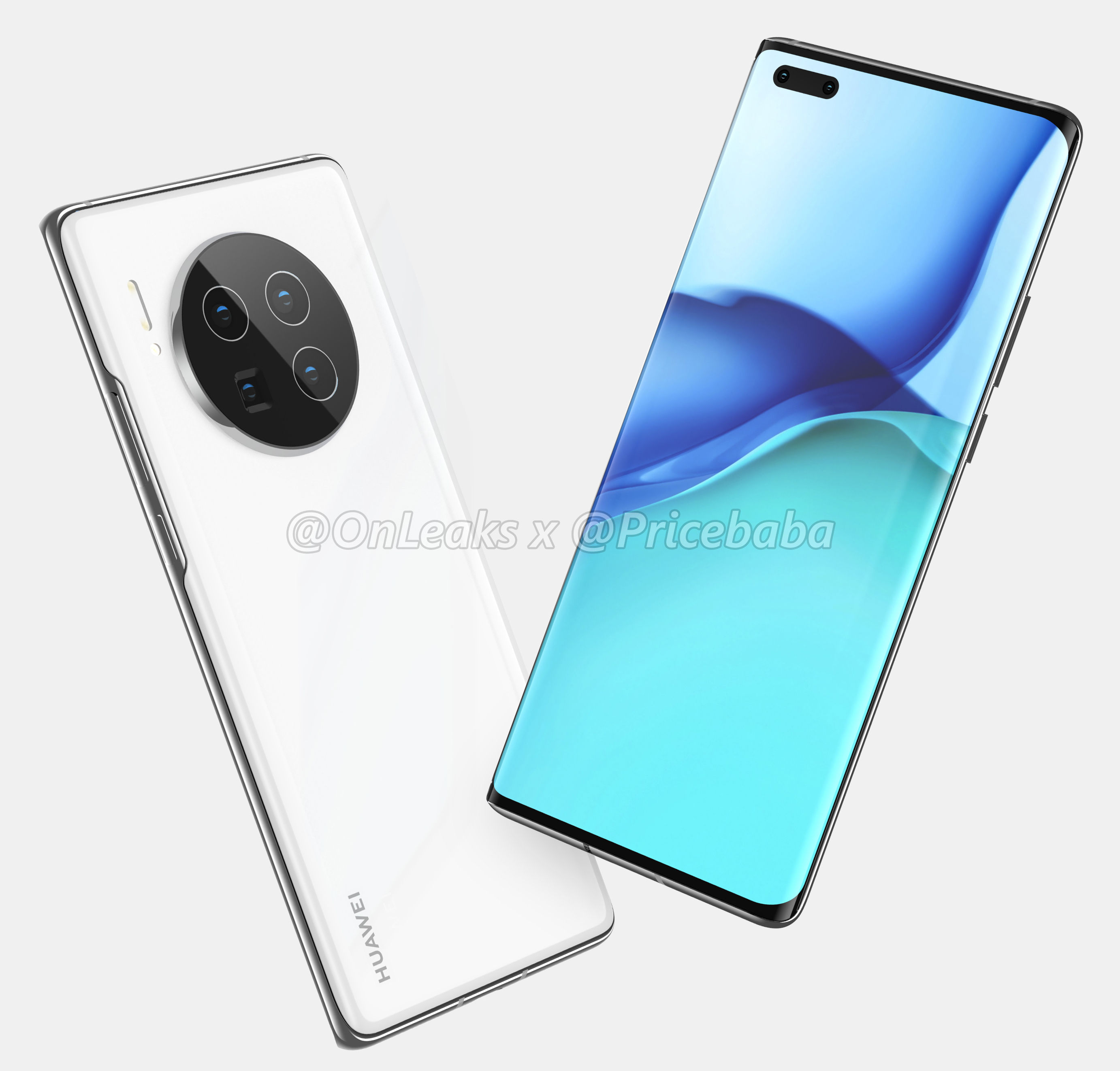
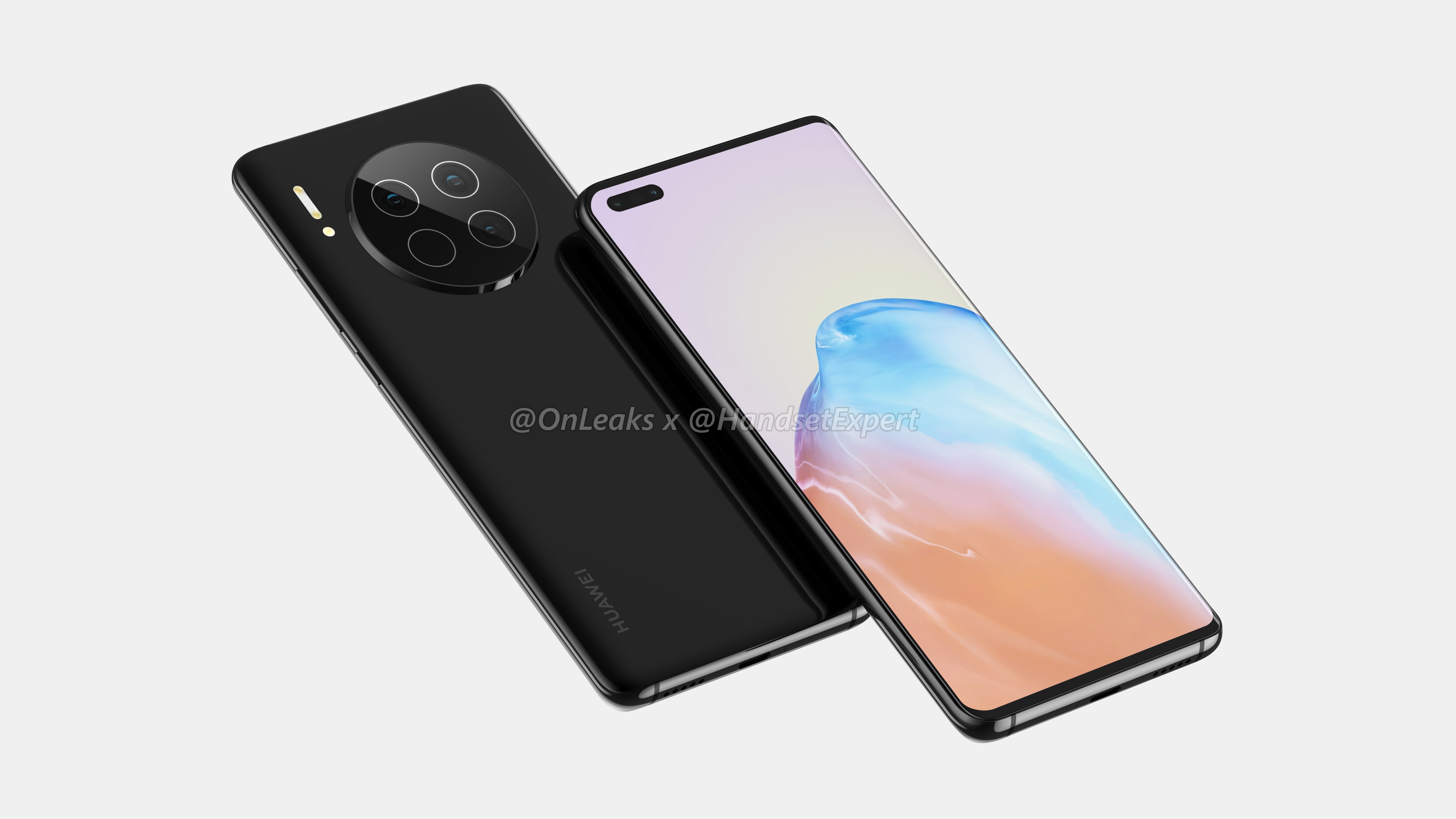
As per the reports, the Mate 40 and Mate 40 Pro could come with OLED panels with a dual punch-hole design, along with support for the 90Hz refresh rate. The Mate 40 may house a 6.5-inch Full-HD+ display, whereas the Mate 40 Pro could be equipped with a 6.78-inch Quad-HD+ display.

While the company has not yet announced anything related to the upcoming phones, we expect the Mate 40 series to go official later this month. If that’s the case, then we expect to hear from the company in the coming days.


Redmi Smart Band with 14-day battery life and USB charging launches in India for ₹1,599 ($22)

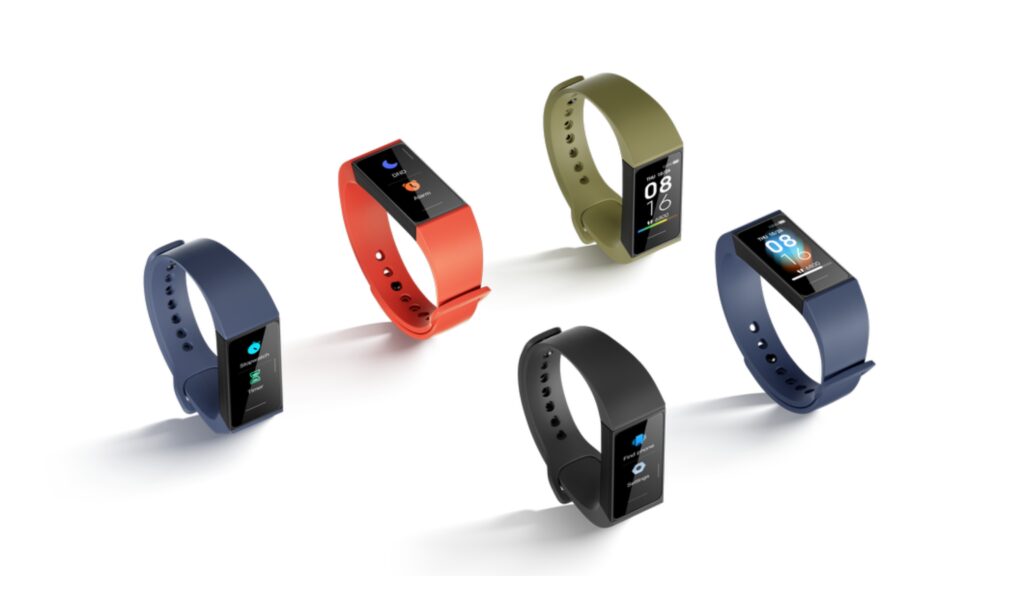
Xiaomi India launches Redmi Smart Band as its first fitness tracker in the country for the year 2020. It is priced at ₹1,599 ($22) and will be available starting September 9 at 1 PM from Xiaomi online store (Mi.com), Mi Home retail stores, Mi Studios, Amazon India, and partner retailers.

Redmi Smart Band Featured
Redmi Smart Band

The Redmi Smart Band aka Redmi Band features a 1.08-inch 16-bit color TFT LCD panel with 128 x 200 pixels and support for touch input. The screen’s maximum brightness is rated at 200 nits, which is less compared to Mi Smart Band 4’s 400 nits. 

Nevertheless, it is worth noting that the Redmi-branded fitness tracker is priced lower than the company’s flagship Mi-branded fitness trackers. Hence, it lacks some features like 3-axis gyroscope and comes with a slightly smaller 130mAh battery (compared to 135mAh unit in Mi Band 4), which the brand claims to offer 14-day battery life.


On the plus side, the Redmi Smart Band is the first Xiaomi wearable to come with direct USB charging. But it is still 5 ATM water-resistant and includes 3-axis accelerometer and PPG heart-rate sensor.

Other features of the Redmi wearable include 24×7 heart rate monitoring option, music playback control, app notification, call alerts, 5 sports modes, alarm, weather, idle alert, sleep tracking, phone locator, reminder alerts, 50+ watch faces, and more.

Redmi Smart Band All Colors

The body of the tracker is made of polycarbonate and it weighs 13g. It comes with a black thermoplastic polyurethane wrist band as standard but users can separately buy the band in blue, orange, green, and even default black.

Last but not least, Redmi Smart Band features Bluetooth 5.0 to pair with smartphones via Xiaomi Wear app on Android and Xiaomi Wear Lite on iOS.


Samsung to make 5G smartphone chips for Qualcomm: Report

Samsung Electronics has apparently received an order from a known chip designer, Qualcomm Technologies. The former will be making 5G chipsets for smartphones for the latter and develop mobile application processors (AP) for budget 5G enabled handsets.

Samsung

According to a Korea Herald report, an industry source close to the matter that the South Korean tech giant managed to secure this order as it plans on raising its presence in the foundry industry. Since the 5G chips are meant for budget smartphones, Samsung will likely be making the next Snapdragon 400 series processors for Qualcomm. These chips are expected to hit the market sometime by next year.

Furthermore, various OEMs like Xiaomi, Oppo, and Motorola have reportedly decided on using these Qualcomm chips for their upcoming offerings. Samsung has been obtaining major orders in recent times, so obtaining more for 5G chips isn’t that far fetches. The company is even currently helping NVIDIA manufacture its next gen RTX 3000 series graphics card, which was announced earlier this month.

Samsung

For those unaware, Samsung is the world’s largest memory chip maker as well, although, it trails behind TSMC in the foundry industry. Reports have estimated that the company has a 17.4 percent market share in the global foundry market, while TSMC dominates with a 53.9 percent market share. Although, we can expect Samsung to claw for more grounds in the field with its continuous investment within its own semiconductor capabilities.


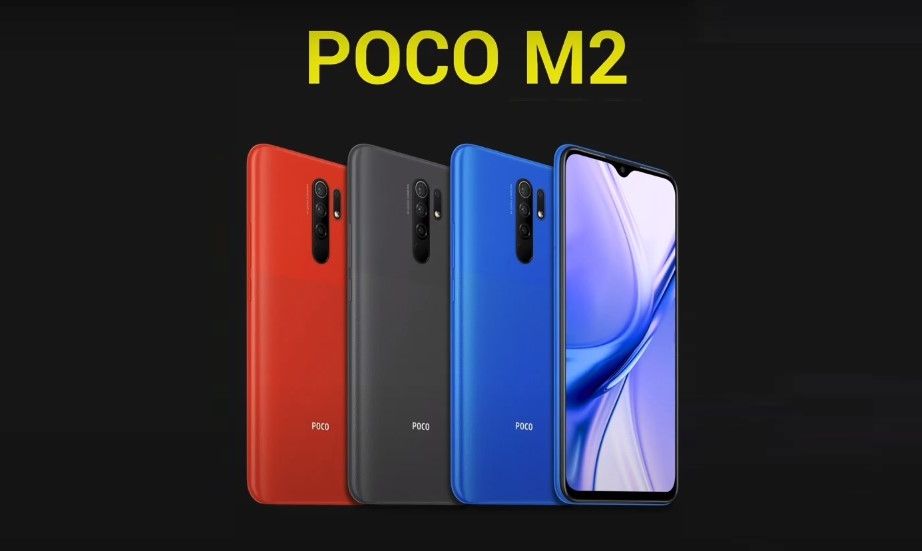
POCO M2 with Helio G80, 6GB RAM, 13MP quad cameras and 5,000mAh battery launched for Rs 10,999 (~$149)

In July, the POCO India brand unveiled the POCO M2 Pro smartphone in India. It was just a rebadged version of the global edition of the Redmi Note 9 Pro with slight differences. The M2 Pro arrived in India with a starting price of Rs. 13,999 (~$190). Today, the company held an unveiling to unveil the POCO M2. As the name goes, it is positioned lower than the POCO M2 Pro. Hence, it has landed in India as the cheapest POCO phone in the country.

POCO M2 specifications and features

The POCO M2 has a big IPS LCD panel of 6.53 inches. The Dot Display notch screen supports Full HD+ resolution of 1080 x 2340 pixels. The screen is shielded by a Gorilla Glass 3 layer. The rear cameras are also protected by the same reinforced glass. The phone houses a massive 5,000mAh battery that promises 2-day battery life. With a single charge, the POCO M2 promises 12 hours of gaming, 25 hours of video playback, 76 hours of music playback, and 26 days of standby time. The phone ships with an 18W fast charger.

Present under the hood of the POCO M2 is the MediaTek Helio G80 chipset. For gamers, it comes with HyperEngine gaming technology that intelligently manages resources, promotes smoother gaming experience, promises enhanced power efficiently, and intelligently handles Wi-Fi and LTE. The POCO M2 ships with 6 GB of LPPDR4x RAM and 128 GB of internal storage. There is a dedicated microSD card slot for additional storage.

POCO M2
POCO M2

The POCO M2 comes with a quad-camera system on its rear. It comprises of a 13-megapixel primary lens, an 8-megapixel ultrawide snapper, a 5-megapixel macro lens, and a 2-megapixel depth assist lens. For selfies, the phone features a front camera of 8-megapixel. The phone ships with MIUI 11 based Android 10 OS. Being a POCO device, it has the POCO Launcher onboard. The company has promised to release the MIUI 12 system update soon for the POCO M2 users. During the launch, it was confirmed that the POCO M2 has no ads.

The POCO M2’s rear has a two-tone pattern that promotes better grip through anti-fingerprint texture. The phone also comes with P2i splash-resistant coating. The device comes with preinstalled screen protector.

POCO M2 price in India

The POCO M2 has arrived in India with a price tag of Rs 10,999 (~$149) for 6 GB RAM + 64 GB storage edition. The pricing of the 6 GB RAM + 128 GB storage version is Rs. 12,499 (~$170). The handset comes in colors like Pitch Black, Slate Blue, and Brick Red. Customers with ICICI and Federal Bank cards can avail of an instant discount of Rs 750 (~$10). The phone will be available for purchase for the first time at 12 PM on Sept. 15 through Flipkar.com.

The POCO M2 is just a rebranded version of the Redmi 9 Prime that debuted recently in India. The Redmi handset has the same specs as the POCO M2 but comes in variants like 4 GB RAM + 64 GB storage and 6 GB RAM + 128 GB storage. The circular pattern seen around rear camera of the Redmi Prime is absent on the POCO M2. Also, the Redmi 9 Prime ships in different colors like Matte Black, Mint Green, Space Blue, and Sunrise Flare.


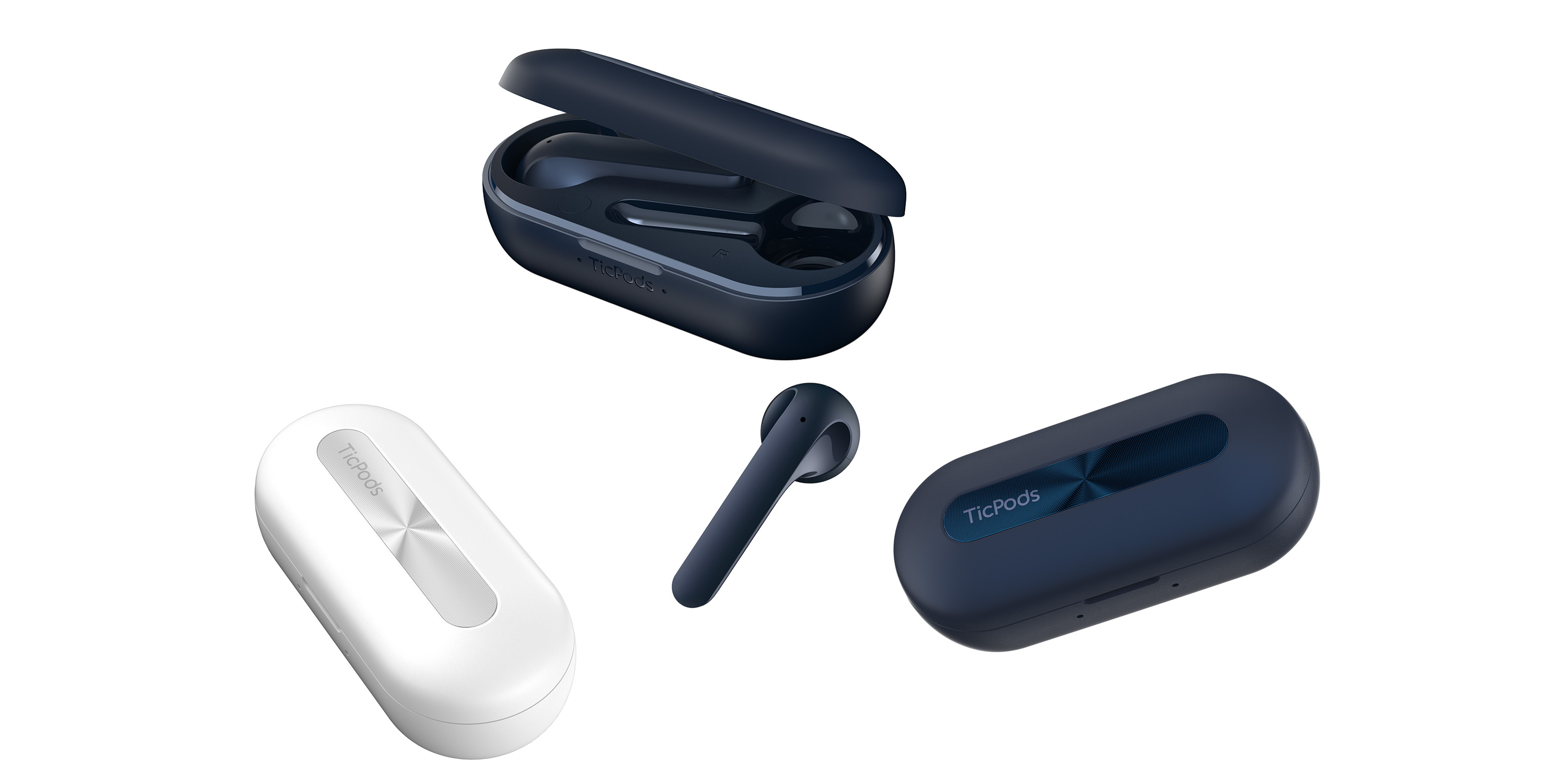
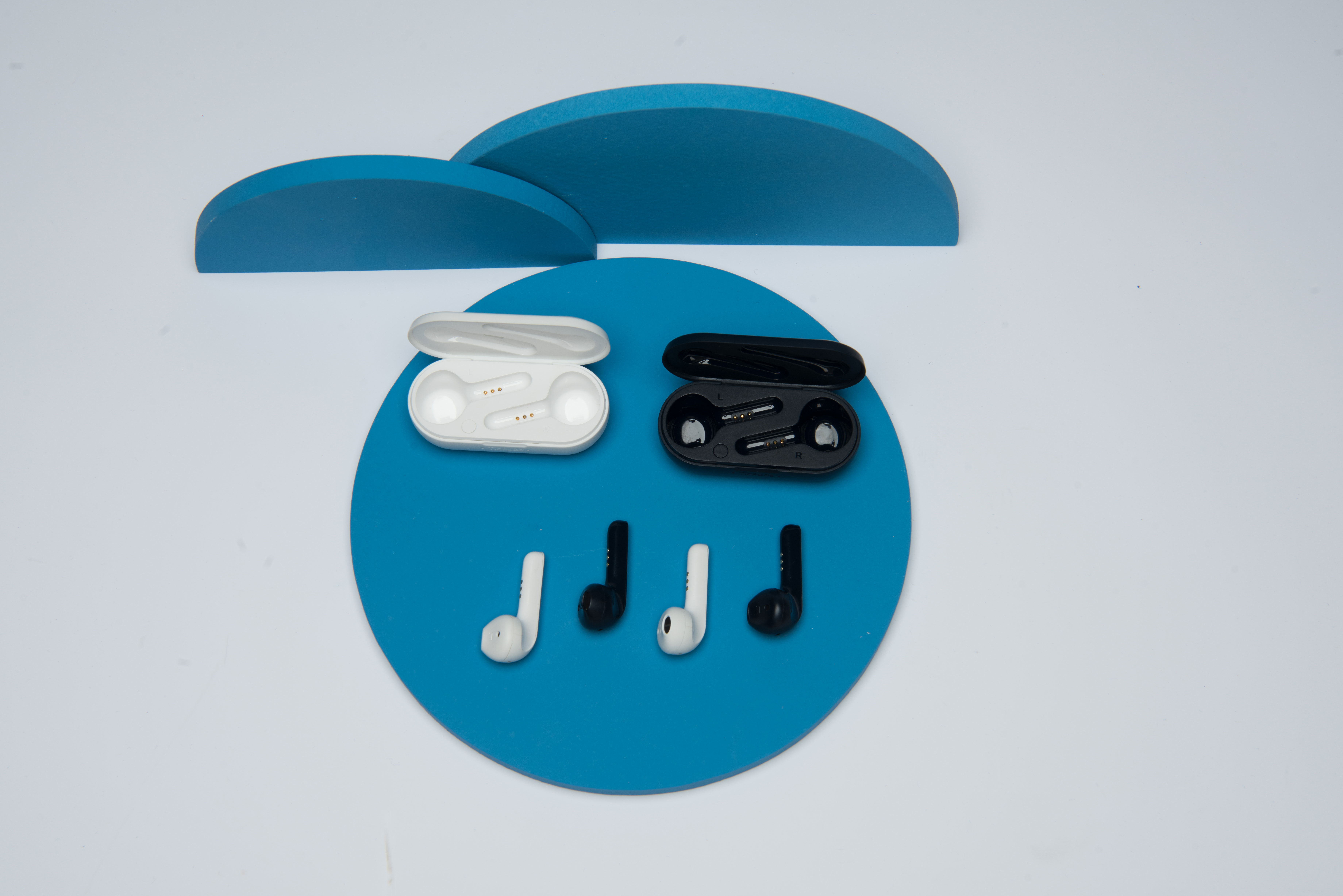
Mobvoi TicPods 2 Pro+ TWS earphones with new features launched for $139

Last year, at Consumer Electronics Show, Mobvoi had launched its TicPods 2 Pro with new design and features. Now, the same is getting an update as the company has now launched TicPods 2 Pro+ TWS earphones.

Just like its predecessor, the new true wireless earphones from Mobvoi is powered by Qualcomm’s QCC5121 chipset. But the major improvement comes in the form of connectivity as this time, each earbud can be connected individually to a smartphone.

Mobvoi TicPods 2 Pro+

EDITOR’S PICK: Huawei to reportedly produce just 50 million smartphones in 2021, a 74% decline to its expected shipments this year

For this, the company has opted for Bluetooth 5.0 support. As for the codecs, iOS users will be stuck with just AAC, while Android users will have more codecs to choose from, including aptX, AAC, and SBC.

Along with the standard controls, the TicPods 2 Pro+ also comes with support for voice commands and gesture-based control for volume adjustment as well, which was missing in the previous version. It also comes with IPX4 ratings, making it water and dust resistant.

Mobvoi TicPods 2 Pro+

As for the battery, the company claims that the carry case packs a 390mAh battery which can be charged over a USB Type-C connection and offers one hour of usage in only five minutes of charge time.

The Mobvoi TicPods 2 Pro+ comes in two colors — Navy (Blue) and Ice (White) for a price of $139.99 and is now available for purchase through the company’s website and Amazon.


China becomes largest buyer of smartphone OLED panels: UBI Research

Smartphone manufacturers are increasingly adopting OLED displays instead of LCD panels for their devices. It is growing at such a rapid pace that it does not only surpass other technologies but will also have a lasting lead.

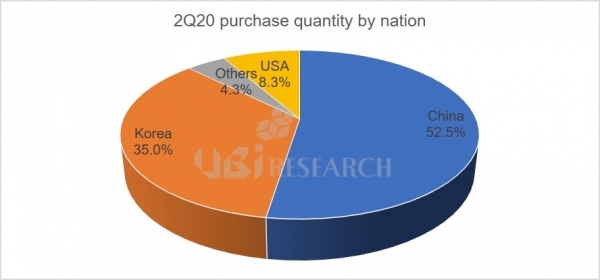
Now, a new report coming from UBI Research reveals that China has emerged as the largest buyer of OLED display panels for smartphones in the second quarter of this year, with 52.5 percent of the total volume.

OLED Shipments Q2 2020 (Countries)

OLED Shipments Q2 2020 (Companies)

In comparison, South Korea’s volume for the second quarter of this year stands at 35 percent. The United States, on the other hand, managed to get 8.3 percent of the volume. Companies in China purchased around 30.4 million units of OLED panels in total.

This is quite an unexpected development given that it’s usually Samsung Electronics which procures the most OLED panels. It has always been leading the list and this is the first time that Chinese companies bought more panels in a quarter.

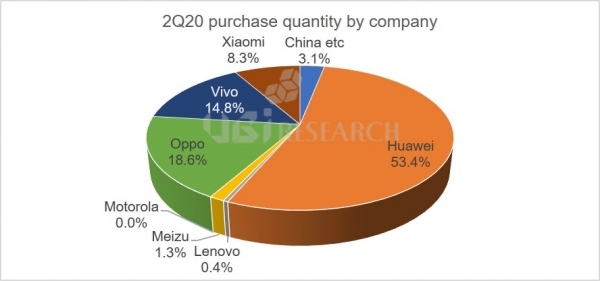
Looking at the Chinese companies, Huawei was the leading brand to source OLED panels for smartphones, accounting for 53.4 percent. It was followed by OPPO, Vivo, and Xiaomi which accounted for 18.6 percent, 14.8 percent, and 8.3 percent.

EDITOR’S PICK: Huawei to reportedly produce just 50 million smartphones in 2021, a 74% decline to its expected shipments this year

However, it doesn’t seem to be a one-time thing for Chinese companies. The report adds that going forward, the China-based OLED panel makers will continue to increase their production volume. But it will be interesting to see how this works out given that Huawei has now significantly lowered its smartphone production for next year to just 50 million.

When compared to LCD panels, OLED is preferred due to its thin and light form factor as well as better color performance. Another major factor is that OLED enables flexible display form factor, allowing manufacturers to go ahead with innovative designs.

Along with leading smartphone brands like Samsung, Huawei, and Apple, other companies like OPPO, Vivo, Xiaomi, and more are increasingly adopting OLED panels for their smartphones. Thus the display manufacturing industry is gearing up to expand AMOLED capacity for both rigid and flexible OLED.


OPPO Reno4 SE specifications leaked; Could be debuting soon

Reno4 5G and Reno4 Pro 5G phones were made official in China in June. Fresh information reveals that the company could be planning to launch another Reno series phone called Reno4 SE in the home market. A Chinese leakster has shared the entire specifications of the Reno4 SE along with its speculated pricing.

OPPO Reno4 SE specifications (Rumored)

The leak states that the OPPO Reno4 SE will have a punch-hole display of 6.43 inches. The S-AMOLED E3 screen is expected to offer a 20:9 aspect ratio, Full HD+ resolution, and 90Hz refresh rate.

According to the tipster, the Dimensity 800 chipset could fuel the Reno4 SE. The phone may come with 8 GB of RAM and built-in storage of 128 GB. The phone may arrive with 65W fast charging support for its 4,300mAh dual-cell battery.

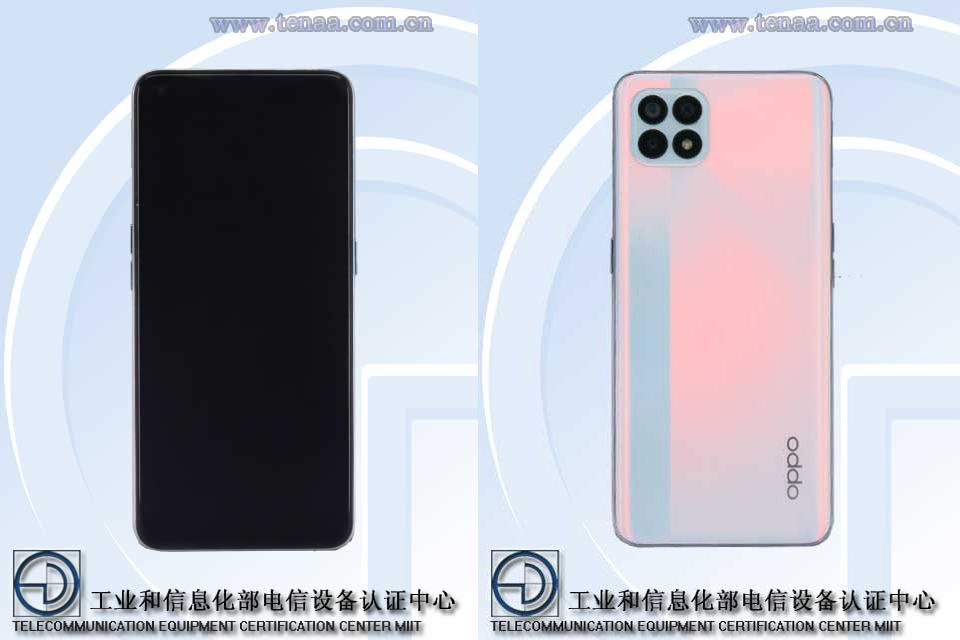
OPPO PEAM00, PEAT00 TENAA

For capturing selfies, the Reno4 SE may possess a Samsung GD1 32-megapixel front camera. The rear side of the phone will have a triple camera system featuring the Sony IMX586 48-megapixel as the main camera, a superwide lens of 2-megapixel that will be also capable of shooting macro shots, and a B&W portrait shooter of 2-megapixel. The thickness of the device is 7.85mm and it weighs 169 grams.

In August, China’s TENAA telecom authority had certified an OPPO phone with PEAM00 / PEAT00 model number. The specifications of the smartphone match with Reno4 SE’s leaked specs. Hence, it is likely that the PEAM00 / PEAT00 smartphone could be arriving in China as OPPO Reno4 SE.

OPPO Reno4 SE pricing (Rumored)

The OPPO Reno4 SE could be priced at 2,599 Yuan (~$380) for the 8 GB RAM + 128 GB storage. The device may rival the likes of Vivo S7 and Realme X7 in the Chinese markets.


Xiaomi patents new smartphone design with angled pop-up cameras

Smartphone manufacturers keep working on new designs to make their devices stand out from the crowd and offer something unique to the users. With people wanting bezel-less phones, companies come up with several different designs, including pop-up cameras and under-display cameras to increase the screen-to-body ratio.

The technology of the under-display camera has been in the works for quite some time. ZTE recently launched the Axon 20 5G as the world’s first smartphone to have an in-display camera sensor and other brands are expected to follow the suit next year.

Xiaomi Dual Pop-up Camera Smartphone Patent

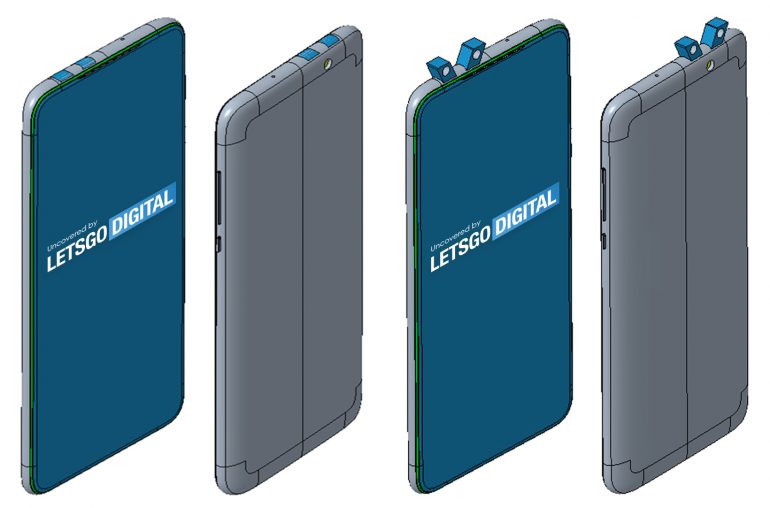
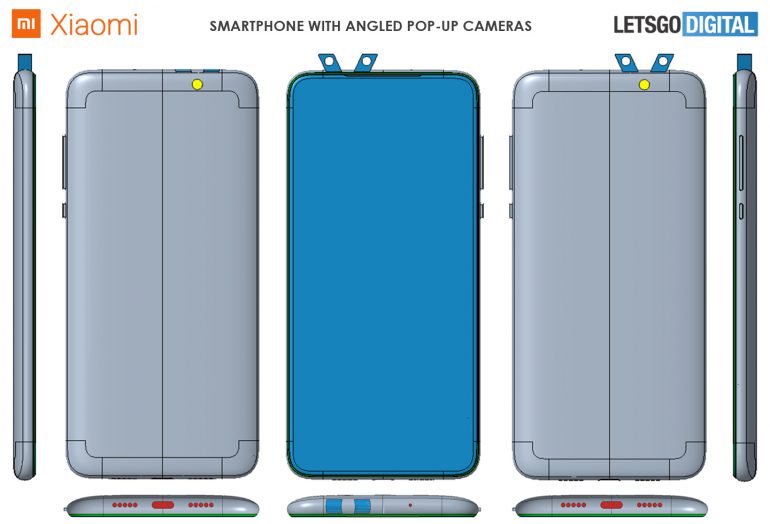
Amid this, companies keep working on new design ideas. In line with this, China-based Xiaomi has filed a patent application for a smartphone design that includes two pop-up cameras aimed to work as both rear and front-facing snapper, reports LetsGoDigital.

The concept images attached to the patent application showcases a flat-screen smartphone with very narrow bezels. There are no camera sensors visible on the front panel or on the backside of the device. Instead, the company has opted for a pop-up mechanism for housing camera sensors.

EDITOR’S PICK: Huawei to reportedly produce just 50 million smartphones in 2021, a 74% decline to its expected shipments this year

Xiaomi Dual Pop-up Camera Smartphone Patent

Both the camera sensors pop-up at an angle, similar to what we’ve seen on OPPO‘s Shark-Fin camera. Since there are sensors on both sides of the pop-up mechanism, the phone packs four camera lenses in total — two at the front and two on the back.

The LED flash has been placed towards the top of the smartphone on the backside, right below the area from where the camera sensors pop-up. The phone also has stereo speakers and a USB-C port at the bottom.

Xiaomi already has a few smartphones using a pop-up mechanism for the front-facing camera under its Mi as well as the Redmi lineup. It will be interesting to see if the company actually goes ahead and launches a phone with a dual pop-up mechanism for the front as well as the back camera module.


Huawei to reportedly produce just 50 million smartphones in 2021

Huawei is currently the world’s largest smartphone manufacturer in terms of shipments. The company finally managed to surpass Samsung after years of being ranked second or third in the list of top smartphone makers.

However, the company won’t be able to retain its rank. In fact, it seems difficult to see the brand among the top smartphone companies list. Now, a report from The Elec claims to have Huawei’s plan for phone manufacturing, which seems to fit our speculations.

Huawei Logo MWC 2019

As per the report, Huawei is planning to produce around 50 million smartphones in 2021. This represents a massive 74 percent drop compared to what the Chinese giant is expected to ship this year.

Just to give you an idea, the company had shipped around 240 million units of its smartphones last year. For the current year, the company is expected to ship around 190 million units of its phones.

The primary reason behind cutting down smartphone production is because of the sanctions imposed by the United States which has made it almost impossible for the company to continue making phones. Thanks to this, Samsung is now expected to ship more than 300 million units of smartphones in 2021.

EDITOR’S PICK: Rumor: OPPO has killed off the Ace line; Realme will have a “replacement” next year

It all started last year in May when the U.S. government banned Huawei, restricting it from using Google‘s Android or any of its services and apps on Huawei or Honor smartphones, among a few other restrictions.

Most recently, the U.S. government tightened restrictions and added new sanctions on Huawei and dozens of its subsidiaries, banning it from procuring chipsets from Qualcomm or MediaTek. TSMC, which manufactures Huawei’s Kirin chipset, has also been restricted to provide its service.

Currently, the company is relying on SMIC to produce budget Kirin chipsets that can be used in budget and mid-range smartphones. However, the U.S. government is also planning to ban SMIC. if it goes through, then Huawei will practically have no access to chipsets for its smartphones.