Earlier this month, it was rumoured that Qualcomm was planning to launch a new Snapdragon 732G processor. True to the rumour, the US fabless chipmaker has now announced the Snapdragon 732G SoC. The processor is an upgraded version of the SNapdragon 730 and 730G which were announced in April last year.
The new Snapdragon 732G comes with two major upgrades over the Snapdragon 730G. One of them is the main core with a higher clock speed of 2.3GHz as against 2.2GHz clock frequency on the SD 730G. The processor also comes with an Adreno 618 GPU which brings a 15% improvement in the GPU. Aside from these two improvements, all other features are the same as the 730G.
For clarity, the Snapdragon 732G features a Kryo 470 “Prime” core clocked at up to 2.3GHz and a second Kryo 470 “Performance” core clocked at up to 2.2GHz. There are also six Kryo 470 “Efficiency” cores clocked at up to 1.8GHz. The microarchitecture of the Prime and Performance cores are based on ARM’s Cortex-A76 design while the microarchitecture of the 6 Efficiency cores is based on ARM’s Cortex-A55 design. The SoC is fabricated on Samsung’s 8nm LPP process.
Further, the Snapdragon 732G also features several Snapdragon Elite Gaming features such as Qualcomm Game Jank Reducer, Vulkan 1.1 Graphics Driver, True HDR, and anti-cheat extensions. It also comes with the Spectra 350 Image Signal Processor with support for 4K HDR video capture, the 4th generation Qualcomm AI Engine with up to 3.6 TOPS, the Hexagon 688 DSP, Qualcomm Quick Charge 4+ support. The processor also features the Snapdragon X15 LTE Modem with support for 3-CA and 4×4 MIMO on two carriers, support for the Qualcomm FastConnect 6200 subsystem, and support for Qualcomm’s Aqstic audio codec, among other features.
What should interest fans of the POCO brand is the disclosure that the processor will be utilised by an upcoming POCO smartphone. Although the name of the smartphone wasn’t confirmed, earlier rumours tip it to be the POCO X3. The Poco X2 features a Snapdragon 730G SOC so it makes sense if the next-gen model packs a Snapdragon 732G chip.
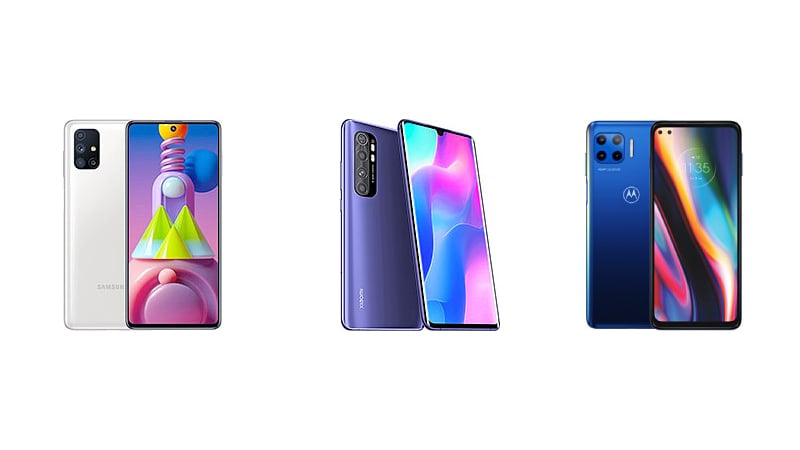
2020 is the year of mid-rangers and several manufacturers released midrange phones with huge batteries. But today, Samsung overcame all the other mainstream brands by launching the Galaxy M51: the phone with the biggest battery released in 2020 (if we only consider mainstream brands). But is this phone just a battery monster or it also offers a high value for money and good specifications? Is it worth choosing it or you can find something better in the same price range? We want to let you find out by comparing it with its rivals from other brands. As you maybe realized, we chose two other midrange battery phones for this specs comparison: Xiaomi Mi Note 10 Lite and Motorola Moto G 5G Plus.
Samsung Galaxy M51 vs Xiaomi Mi Note 10 Lite vs Motorola Moto G 5G Plus
Quad 64 + 8 MP + 2 + 5 MP f/1.9, f/2.2, f/2.4 and f/2.4
16 MP f/2.5 and f/2.5 front camera
Quad 48 + 8 + 5 + 2 MP f/1.7, f/2.2, f/2.4 and f/2.2
Dual 16 + 8 MP f/2.0 and f/2.2 front camera
BATTERY
7000 mAh, fast charging 25W
5260 mAh
Fast charging 30W
5000 mAh, Fast charging 20W
ADDITIONAL FEATURES
Dual SIM slot
Dual SIM slot
Dual SIM slot, 5G
Design
Despite it is an affordable phone, the Xiaomi Mi Note 10 Lite is built with premium materials just like flagships. Its body is composed of a glass back protected by Gorilla Glass 5 and an aluminum frame: these materials alone let the Xiaomi Mi Note 10 Lite win our design comparison since both Samsung Galaxy M51 and Motorola Moto G 5G Plus have a full plastic body. However, the Motorola Moto G 5G Plus is still very interesting with its dual punch-hole display and its water-repellent body.
Display
On the paper, Xiaomi Mi Note 10 Lite has the most interesting display. It is equipped with an AMOLED panel showing brilliant colors with the support of the HDR10 standard for better image quality. Right after, we got the Samsung Galaxy M51 which still comes with an AMOLED panel. Unfortunately for a lot of people following the trends, Motorola Moto G 5G Plus features an IPS display. But on the other hand, it is the only one to offer a 90 Hz refresh rate. Note that Samsung Galaxy M51 and Motorola Moto G 5G Plus have a wider display than Xiaomi Mi Note 10 Lite, and this makes the Xiaomi Mi Note 10 Lite a more compact phone.
Hardware/Software
The most advanced hardware department belongs to the Motorola Moto G 5G Plus. First of all, it has the fastest and best chipset: the Snapdragon 765 (not the G version). Further, it supports 5G connectivity, unlike Xiaomi Mi Note 10 Lite and Samsung Galaxy M51. The Xiaomi Mi Note 10 Lite takes the silver medal with its Snapdragon 730G paired with up to 8 GB of RAM. The Samsung Galaxy M51 loses the comparison with its Snapdragon 730 and just 6 GB of RAM, but it is still a great phone if we talk about performance. These devices run Android 10 out of the box.
Camera
On the camera side, nobody can beat the Samsung Galaxy M51. It has the same main camera as the Xiaomi Mi Note 10 Lite, but it sports better secondary sensors including a 12 MP ultrawide lens and two 5 MP sensors for macros and depth info. Last but not least, it features a better 32 MP selfie snapper. With the Motorola Moto G 5G Plus, you get better selfie cameras than Xiaomi Mi Note 10 Lite, but the latter offers good rear cameras.
Battery
The battery is the strongest point of the Samsung Galaxy M51. Xiaomi Mi Note 10 Lite and Motorola Moto G 5G Plus are great battery phones, but Samsung Galaxy M51 kills them with its mammoth 7,000 mAh battery. The Xiaomi Mi Note 10 Lite and the Motorola Moto G 5G Plus are more or less at the same level, but the Xiaomi Mi Note 10 Lite is slightly better in a lot of scenarios, especially thanks to its AMOLED display.
Price
Samsung Galaxy M51 is priced €360/$430, Motorola Moto G 5G Plus has a listing price of €399/$476, and Xiaomi Mi Note 10 Lite can be bought for less than €300/$359 thanks to online street prices. There is not a winner for everyone in this comparison: the Samsung Galaxy M51 offers better cameras and battery, the Motorola Moto G 5G Plus has better hardware and 5G, and Xiaomi Mi Note 10 Lite has a better build quality and display. Which is your favorite one?
Tech giant Google may likely launch contactless payment support for Google Pay in India soon. Google has only officially deployed the Unified Payment Interface (UPI) payments through which users can send or receive money directly to their bank accounts either by entering a mobile number or scanning a QR code. However, the tech has reportedly started testing tokenized card payments for a few users in India.
According to the report, a couple of Google Pay users in India have noticed the presence of the option to add a credit or debit card as a supported payment option in the Google Pay app. The option is ye to be rolled out statewide but Google is said to have been expanding its A/B testing to more users over the last couple of weeks. The feature is most probably a server-side switch and doesn’t seem to require to be on the most recent version of the app.
Google has created a support page up which explains how users can set up their cards to use with Google Pay. The steps outlined include filling in their card details (card number, expiry date, CVV, etc.) and authenticate the details using the One-Time Password. If the feature is activated for a user and he is verified, the user will be able to make tokenized card payments at NFC-enabled POS terminals in addition to QR-based payments at vendors, and online payments on 3rd-party merchants where Google Pay is accepted.
At the moment, Google Pay only supports Axis debit/credit cards and SBI credit cards issued by Visa in India. With the roll-out of NFC-based contactless payment, more bank and issuers may be added so as to expand the reach.
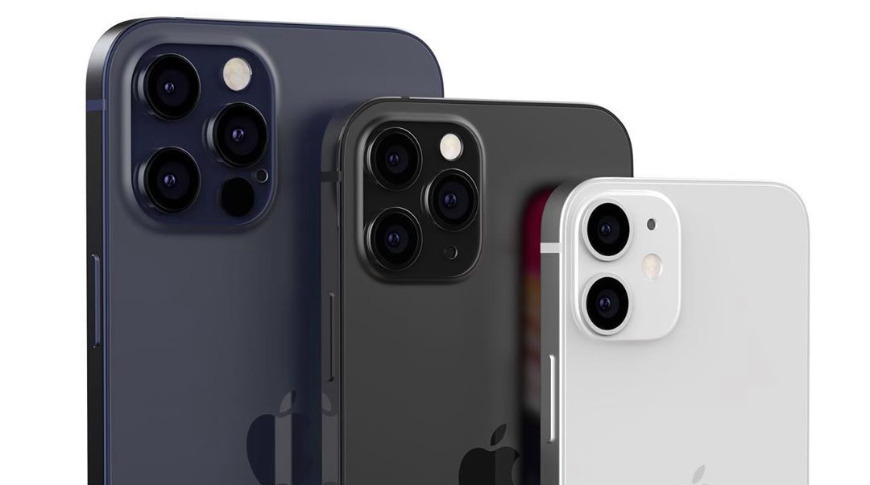
The Apple iPhone 12 series will be the company’s 2020 flagship series. It is the company’s first 5G lineup and a new report has suggested that the series will reach up to 68 million units in shipment in the second half of 2020, which is lower than its predecessor.
According to a DigiTimesreport, the next generation of iPhones will reach a total of 63 to 68 million units in the second half of this year. This is a fall of about 5 million units in comparison to the previous generation’s iPhone 11 series that shipped back in 2019. The report arrives after projections were made that the production and the official launch of the new iPhone series will likely be delayed by four to six weeks. In other words, fall behind schedule due to the Coronavirus pandemic.
However, there is still hope as it is also possible that the extra unemployment benefits from the US government might be able to affect the actual sales of the iPhone 12 by as much as 10 million units in H2 2020. Although, with WeChat, a Chinese multi purpose chatting app being banned from China’s App Store, the overall shipments of all iPhone products could fall by nearly 10 percent in 2020. This is lower than the original estimation of around 190 million units being shipped.
Unfortunately, it is still too early to tell how the new Apple iPhone series performs in the market. The company is gearing up for its launch despite various production delays, but the Cupertino based giant’s first iPhone with 5G networking might just be something many are looking forward too. So stay tuned, as we will be providing updates when more information is available.
Some users of the OnePlus Nord reported they were facing Bluetooth connectivity issues last week. OnePlus has now released a small update that fixes the issue.
The update which is just 54MB in size and has version number 10.5.6.AC01*A is already rolling out to a small percentage of users first before a wider roll-out in a few days. The official forum post says Indian and Global versions are getting it first while the European version will get it later. Below is the full changelog:
System
Improved system stability
Camera
Optimized image stabilization performance
Power
Improved general power consumption
Bluetooth
Improved Bluetooth connection stability
The OnePlus Nord has released several updates since it launched and a lot of these updates have been fixes for multiple issues. This update is its sixth one since it was announced.
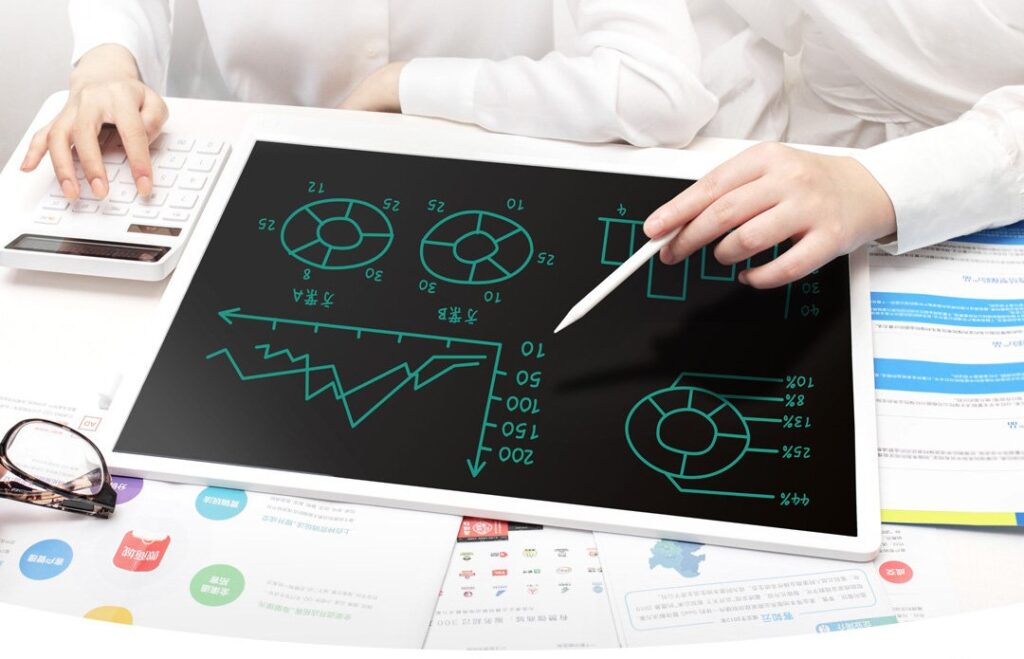
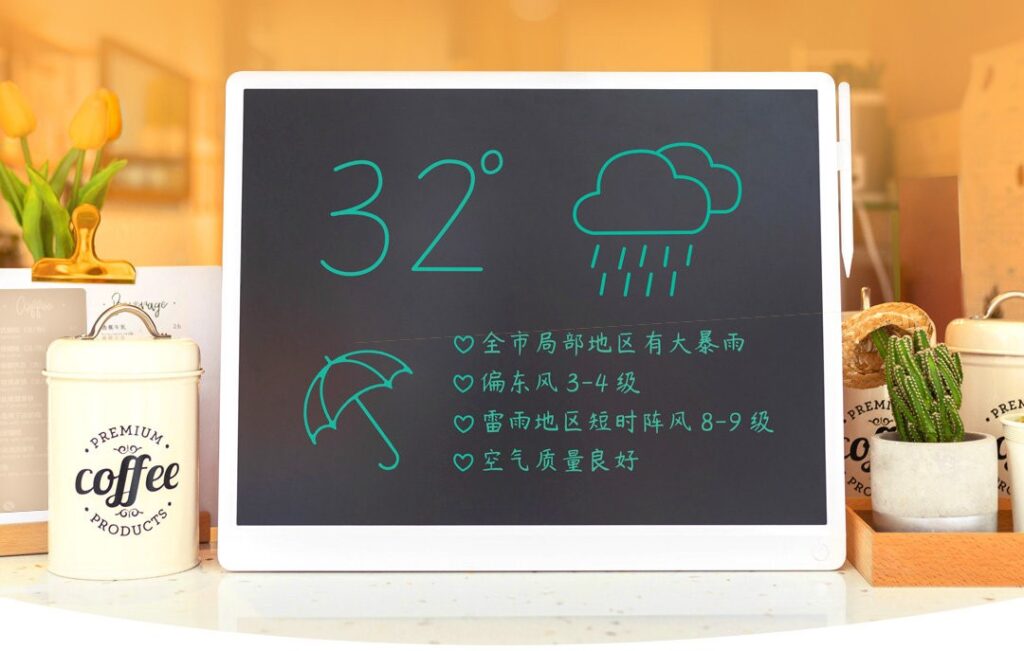
In August of 2019, Xiaomi launched MIJIA LCD Blackboard in 10-inch and 13.5-inch variants priced at 49 yuan ($7) and 79 yuan ($11) respectively. Now, a year later, the firm announces a new 20-inch version of this product. It will be available for a crowdfunding price of 129 yuan ($19) from September 2 in China. The final retail price after successful crowdfunding will be 149 yuan ($22).
The new 20-inch version of MIJIA LCD Blackboard is similar to the older models. The only difference is its huge size. That means it comes with the same customized pressure-sensitive LCD panel and a stylus that magnetically attaches to the side just like on iPad Pros.
The company claims the screen to be free from blue-light and hence, kids, as well as people of all ages, can use it for a long period of time. Also, the board consumes energy only when the content on it is erased by pressing the Apple-esque circle button located at the right side of the bottom bezel.
On the previous models, the firm claimed 365 days of battery life from a single CR202 coin cell battery even if the screen is erased 100 times a day. So this one should perform similarly or maybe slightly less on account of its larger screen.
Since the first two models are yet to debut in international markets, we are not sure if this will be made available too. Anyway, you can import one from any third-party seller when it goes on sale after the crowdfunding.
Oppo has recently toppled Samsung as the leading smartphone manufacturer in the Southeast Asian market for the second quarter of this year. The Chinese tech giant saw great success thanks to its broad arsenal of budget handsets.
According to a Counterpoint Research report, Oppo topped the list with the highest market share for a smartphone manufacturer, coming in at 20.3 percent. The South Korean tech giant arrived a close second with a total market share of 19.5 percent. Similarly, other Chinese vendors took four of the top five spots in the list. This includes Vivo that came in third with a market share of 17.9 percent, followed by Xiaomi with 14 percent and Realme with a market share of 12.8 percent.
This is not the first time Samsung has lost to Oppo in the Southeast Asian market, with the last quarter of 2019 also showing similar results. Although, the former had managed to reclaim its title in the first quarter of 2020, but only by a marginal lead of 0.2 percent over Oppo. The primary factor that helped the Chinese OEM achieve this was the Coronavirus pandemic, which led people to spend less on nonessential goods and go for budget smartphones, something Oppo had taken great advantage of.
Notably, the Southeast Asian market has declined by 22 percent year on year, dropping to 24 million units being shipped in the second quarter of 2020. This was to be expected considering this time period suffered the brunt of the viral outbreak and the various lockdowns which were common across many nations around the globe. Despite defeating the South Korean company in Q2, it remains to be seen how the market shifts in the second half of this year. So stay tuned.
Earlier today (31st August 2020), Huawei announced that it is terminating its sponsorship of an Australian rugby league team a year earlier than planned after certain issues within its business in the region.
According to an official statement from the company, Huawei is ending its sponsorship of the Canberra Raiders at the end of the 2020 season as “continued negative business environment is having a larger than originally forecasted impact on our planned revenue stream.” The news arrives amid the increasing political tensions between Australia and China.
At the moment, the national rugby league team is seeking to distance itself from Beijing, after various concerns have arisen regarding trade and security. Currently, Australia has become the first country in the world to have banned Huawei completely from its 5G network infrastructure over the grounds of national security. Since then, Australia and China have had their relationships soured, with even lower points in their relationship being reached during the Coronavirus pandemic.
According to Jeremy Mitchell, a Huawei Australia executive, “Even after the Turnbull government banned us from 5G we managed to find the resources to continue the sponsorship but we just can’t financially support it any longer.” The Chinese tech giant has backed the team for nearly a decade now, and will still keep its name on the team’s training center along with a place on the rear of the football jersey.
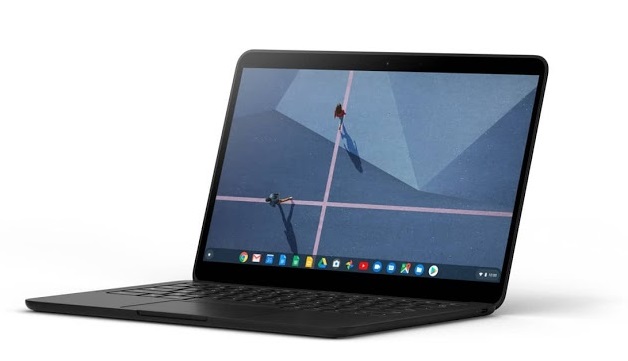
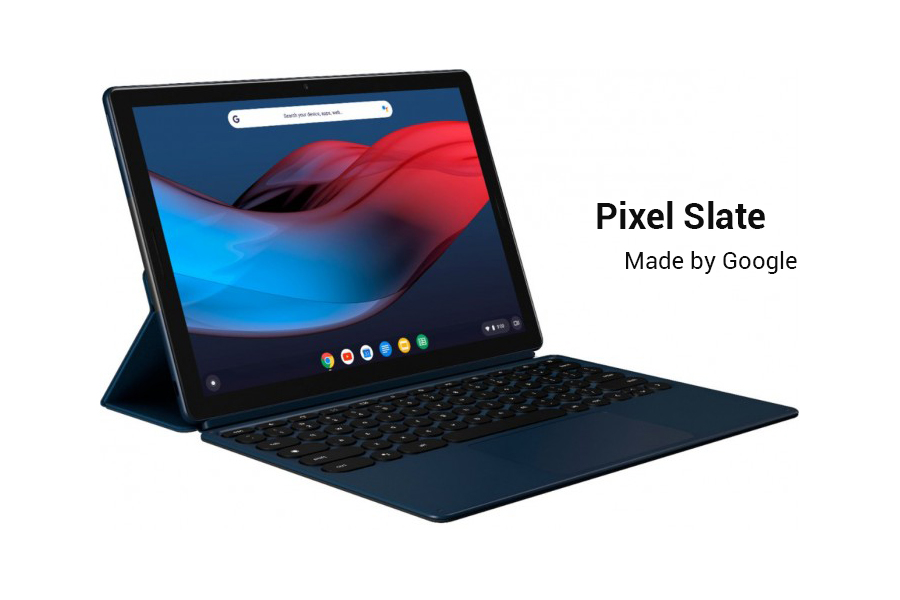
Google is apparently working on a new Chromebook that is code named Halvor. This could be the successor of the company’s Pixelbook Go and is said to arrive sometime in 2021.
Pixelbook Go
According to a Chrome Unboxed report, the new machine’s code name was recently spotted in the Chromium Repository. Similarly, a 9to5Googlereport also revealed that the Pixelbook is “built on a “baseboard” called “Volteer” — another Spyro reference — which uses Intel‘s upcoming 11th Gen Tiger Lake processors. For comparison, the Pixelbook Go and Pixel Slate use 8th Gen Intel Amber Lake processors.”
Furthermore, the Halvor is also said to feature a keyboard, a touchpad, and even a touchscreen panel. This indicates the device might also follow the clamshell design which was featured in the Google Pixelbook Go, which can have it turn into a laptop or tablet depending on the user. At the moment, not a lot of information regarding the upcoming generation of Pixelbook is known. However, there are a few other specs that have been hinted at.
Pixel Slate
For memory, the latest generation of the Chromebook will support two memory variants, with at least one of them going up to 16GB of RAM. Additionally, another piece of information that was discerned was that the device will also feature a 3.5mm headphone jack, which was something the Pixel Slate lacked. Halvor will also have 3 USB Type C ports, with a possible USB 4 support as well. Meaning, the laptop is likely geared towards productivity.
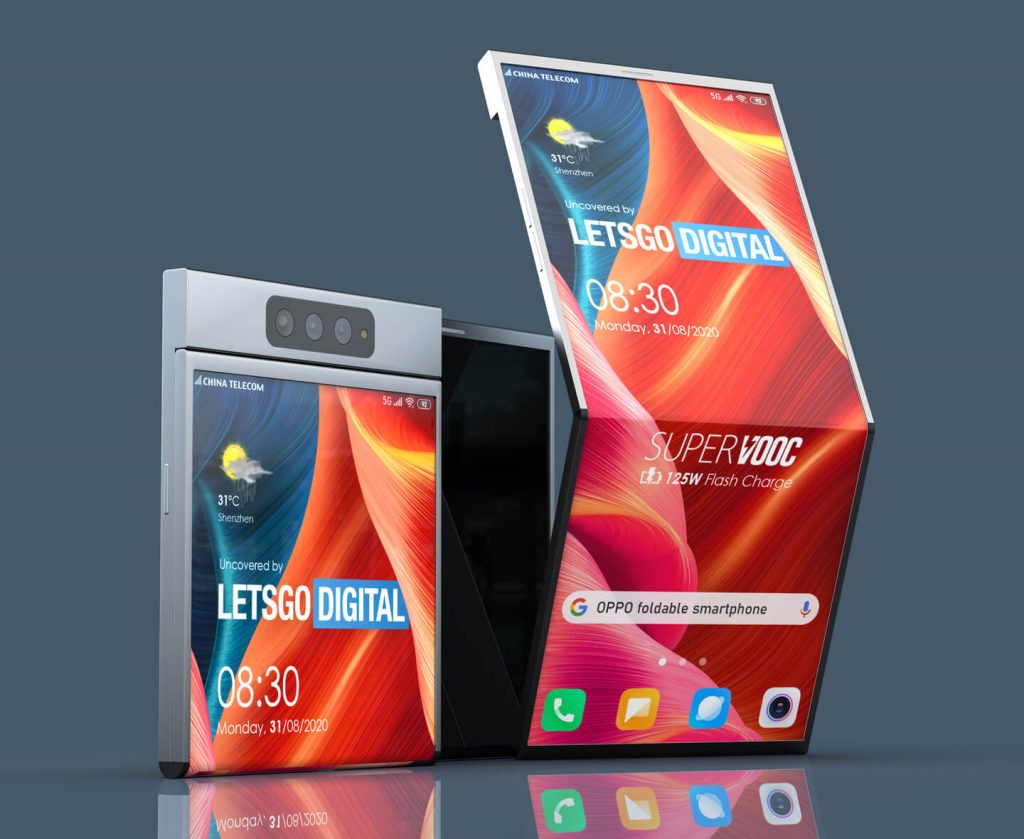
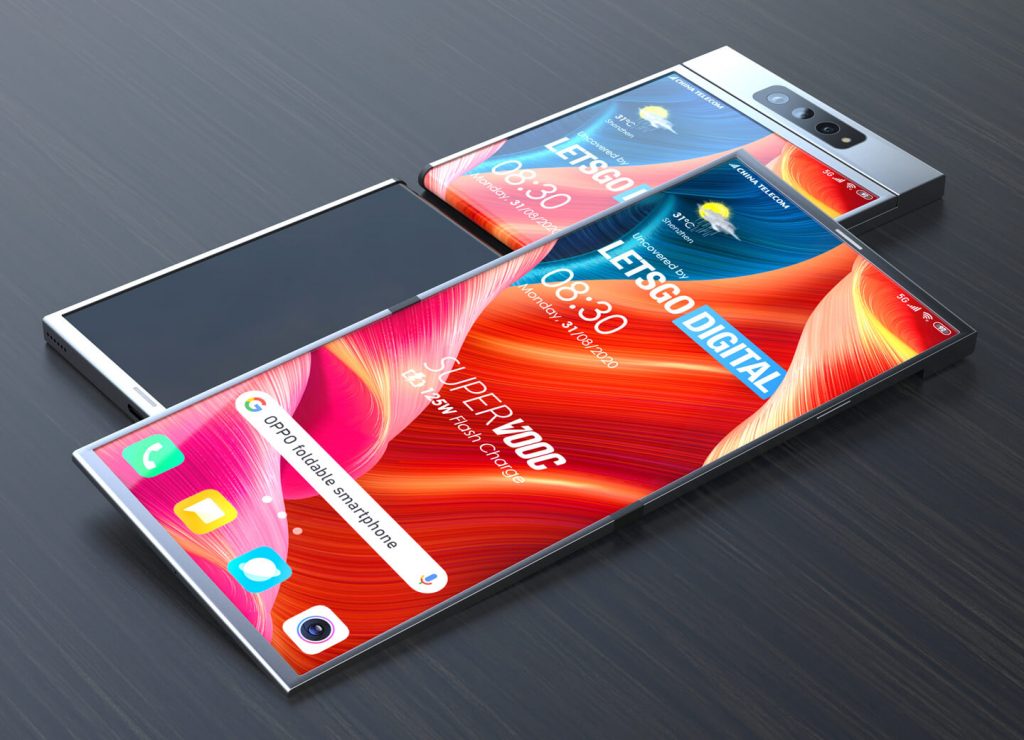
Foldable smartphones have been a new trend in the industry for over a year now and companies have made their respective offerings stand out quite a bit. Samsung had made a device with an inward folding display, while Huawei made one with an outward folding screen. Similarly, the Moto Razr 2019 followed a clamshell design and now, Oppo might be looking to launch a device that bends outward horizontally.
According to a LetsGoDigitalreport, the Chinese tech giant recently had a patent for a foldable smartphone approved by the WIPO (World Intellectual Property Office). In the patent, an unique design is adopted by the bendable handset. Unlike the Galaxy Z Flip and Motorola Razr, the display bends outward, rather than the clamshell inward bending design the other two devices feature.
Looking at the detailed images in the patent, Oppo designed the smartphone to be compact and portable. While the display would be large when unfolded, being bent outward would still have the entire display being present outside, but make it easier to carry around, and also eliminates the need for a smartphone cover. This design would also allow the primary camera sensor to be used as a selfie shooter as well.
Notably, the Oppo patented device features an angle detection module, which calculates the angle between two housing. One housing is for the magnet while the other is for the Hall sensor. These determine how the device is being used, and by its extension, adjust the UI according to the display’s orientation. The folding mechanism is supported by a cylindrical hinge. Unfortunately, it is unknown if Oppo will actually develop such a device or whether this just the company’s attempt to cover all bases. So stay tuned.
With the US crack down hard on Huawei intensifying, the effects of the recent sanctions have started to show, with a DigiTimesreport revealing that the Chinese tech giant has slowed down its production of smartphones.
Amidst the stricter regulations being placed upon Huawei, the company has had to slow down its pace of orders from its handset ODMs. For those unaware, the US has been successful in cutting chip supply to the Chinese vendor. After the company lost TSMC as its primary chip supplier, the US government also amended its regulations to further hamper its supply chain. Now, Huawei can’t source technology that has originated from America, without a special license being issued.
Being a major player in the smartphone market, this means that the company stands to lose a lot of grounds in the market share. In other words, we can expect other companies to fill in the void created within the market. According to sources close to a certain Chinese handset ODM, the company is reducing its orders to better cope with the intensifying pressure from the US Government.
Since Huawei lost Google support on its Android smartphones, the company has faced a decline in its various overseas markets. This means that China is currently its largest and most important market. So, the slowed pace of smartphone output could noticeably hamper its smartphone sales in the region in 2020. We can also expect other Chinese OEMs like Xiaomi, Oppo, and Vivo to take advantage of the situation.
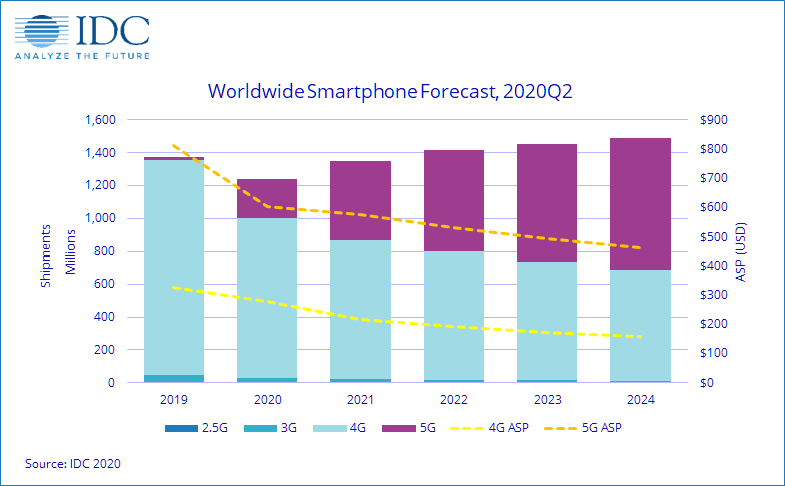
International Data Corporation or IDC for short has released a new report on the global smartphone market. According to the research firm, the market will only recover in the year 2022. And by 2023, 5G handsets will account for 50% of the entire market.
Smartphones have become a necessity in today’s fast-paced world. However, the worldwide smartphone market has been diminishing for a few years now. It was forecasted to improve by the end of 2020. But that did not happen as a result of COVID-19 pandemic, which further accelerated the rate of decline.
Currently, IDC forecasts the global smartphone market to decline 9.5% YoY in 2020 with 1.2 billion units in shipments. This is despite better than expected performance in Q2 since the market was still down 17% YoY.
According to Ryan Reith of IDC, 5G handsets will drive the growth in the coming years as it continues to be the priority of OEMs. Due to pandemic, companies have reduced their production plans. Mostly, they cut costs on 4Gdevices as they expect developed markets to be dominated by 5G smartphones leaving less space for the former by the end of 2020.
Most importantly, with the economic crisis, the average selling price (ASP) of 5G devices will continue to drop in 2020 and beyond. Even in the last quarter, 43% of 5G handsets sold in China were already priced under $400. IDC expects the global 5G smartphone ASPs to hit $495 by 2023, which in turn will increase the market share of 5G handsets to 50%.
Nabila Popal of IDC says that the worldwide smartphone market will grow 9% YoY in 2021 but that will be due to the huge drop in 2020. As per her, the real recovery won’t happen until 2020 and low to mid-end 4G devices, which account for 80% shipments in developing markets will play an important role.
Samsung, the known South Korean consumer electronics maker, is also a leading figure in producing memory chips. Now, the company has recently been showcasing its latest mobile RAM chips, which have been built using the extreme ultraviolet lithography technology.
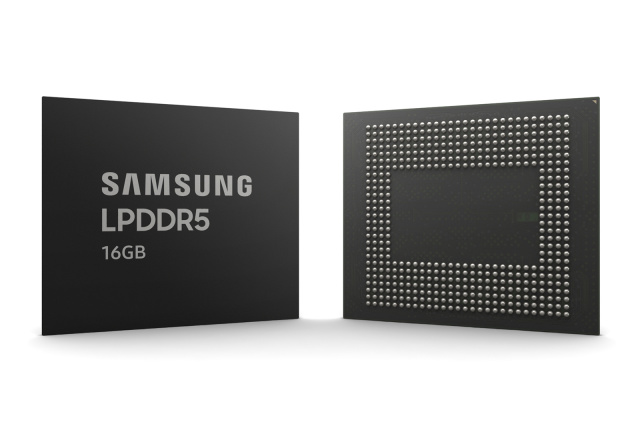
According to an Engadgetreport, Samsung has started the production of its new 16GB LPDDR5 mobile RAM that is the first to be made using EUV. For those unaware, this technique utilizes lasers and light sensitive chemicals to etch the silicon. This development is a breakthrough in Samsung’s memory production capabilities, which not only gives it an edge over its rivals but also clears a “major developmental hurdle.”
In other words, the advancement opens up growth for the memory industry as a whole. Looking at some of its improvements, the new memory chips arrive with a 16 percent faster bandwidth than the previous 12GB RAMs seen before. The improved memory bandwidth now reaches up to 6.4Gbps while its size is also 30 percent smaller. This is a big deal in the mobile RAM market since shrinking parts allow smartphone manufacturers to make their devices even slimmer or offer more internal space for other components like battery.
At the moment, Samsung is gearing up to offer this new RAM stick in flagship smartphones. We will likely see upcoming generation of premium grade handsets from the South Korean tech giant featuring these chips. The company will likely pitch it to its rivals as well. Notably, Samsung is also hoping to bring these new chips into the automobile industry, which will likely improve the infotainment systems in cars.
After concerns over the data collection practices of TikTok and the U.S. government’s threat to ban the short video social media app in the country if it doesn’t sell the business to an American company, everything was seemingly falling in line for the U.S. But that is no longer the case.
As per the latest report, the Chinese government has imposed new restrictions on the export of artificial intelligence technologies which will now require ByteDance to seek the approval of the Chinese government for selling TikTok’s U.S. operations.
China’s Ministry of Commerce has added AI-backed technologies such as speech and text recognition, and those that analyze data for personalized content recommendations have been added to the list of export-control products. It adds that the government permits will be required for overseas transfers to “safeguard national economic security.”
It seems that the new rule is aimed at delaying the sale of TikTok to the U.S.-based company. In a statement, ByteDance has said that the company was aware of the new restrictions and would “strictly comply with” the Chinese regulations on technology exports.
Recently, Walmart confirmed that it has partnered with Microsoft in an attempt to purchase TikTok in the United States. It was confirmed just hours after TikTok CEO Kevin Mayers announced his resignation.
It was being speculated that the resignation could be because of the acquisition deal getting finalized. In his resignation letter, he said that he expects “a resolution very soon,” hinting that the official acquisition-related announcement could be made within days.
To acquire TikTok’s U.S. business from ByteDance, Microsoft and Oracle are the leading contenders. However, it is reported that Centricus Asset Management Ltd. and Triller Inc. have also made a last-minute pitch to buy TikTok’s operations in several countries for about $20 billion.
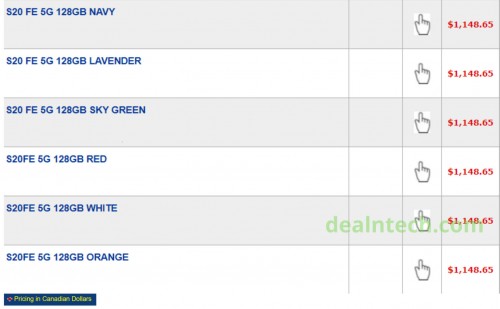
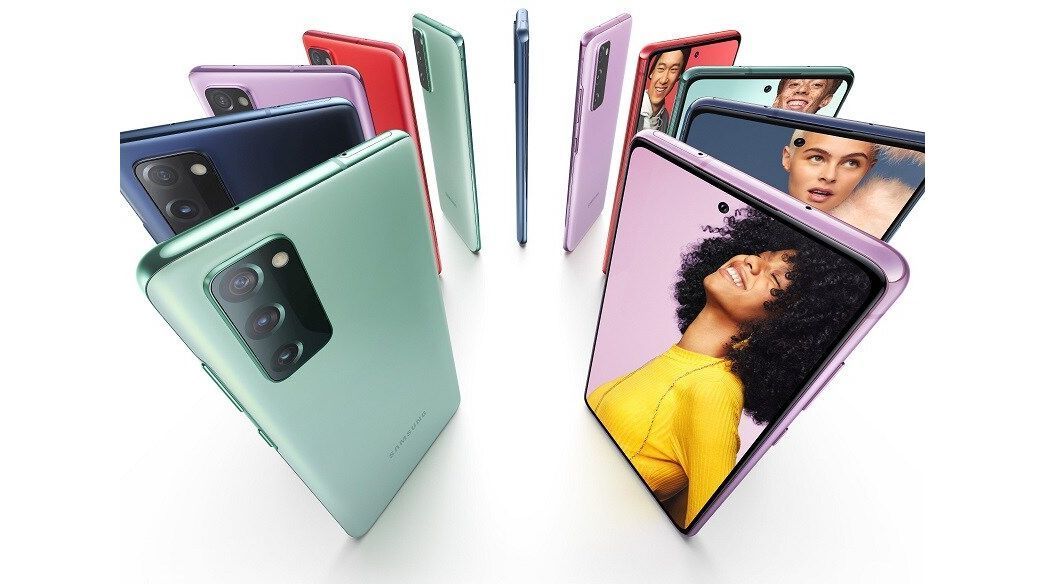
The arrival of the Samsung Galaxy S20 Fan Edition is drawing since recent reports have revealed almost everything about it. The Galaxy S20 FE is arriving as the successor for the Galaxy S10 Lite phone. Judging from the leaks, it appears that the Fan Edition phone may go official as early as next month. DealNTechhas comes across a couple of listings that have revealed the pricing of the Galaxy S20 FE for Canada.
As can be seen in the screengrab, the Galaxy S20 FE has mentioned with CAD 1,148.65 pricing for Canada. The pricing roughly equates to $876. The listing even reveals that the Galaxy S20 FE could be coming to Canada in colors like Navy, Lavender, Sky Green, Red, White, and Orange.
The Galaxy S20 FE for Canada supports 5G connectivity and it has 128 GB of internal storage. Past reports have revealed that depending on the market, the Galaxy S20 FE will be available in 4G and 5G flavors.
The Galaxy S20 Fan Edition has a 6.5-inch S-AMOLED display with a punch-hole design. It supports Full HD+ resolution and 120Hz refresh rate. The Snapdragon 865 mobile platform may power the device with 6 GB of RAM. It may come with 128 GB of built-in storage and a microSD card slot. The Indian edition of the Galaxy S20 FE may feature Exynos 990 SoC.
Samsung Galaxy S20 FE
The Galaxy S20 FE has a 4,500mAh battery and IP68 rated chassis. The smartphone will boot to One UI 2.5 based Android 10 OS. IT may come with a 32-megapixel selfie camera and a Sony IMX555 12-megapixel (main)+ 12-megapixel (ultrawide) + 12-megapixel (telephoto) triple camera system.
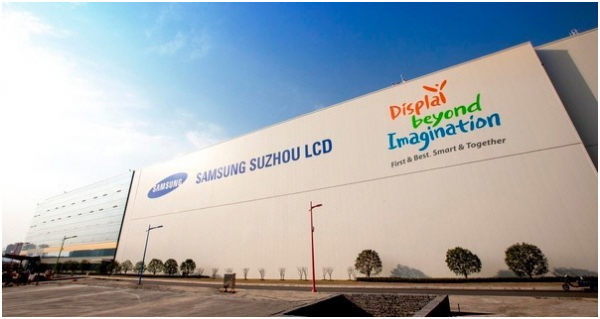
Samsung Display, an arm of South Korea-based Samsung Electronics which makes display panel for various devices, has sold off its LCD production line located in Suzhou, China to TCL Technology.
The move is in line with the company’s plan to stop the production of LCD panels by the end of this year. The South Korean company is now shifting its focus towards the production of LED panels and the next-generation QD panels.
Samsung Display has announced that the company has signed an agreement to sell its entire stake in Suzhou production line to TCL Huaxing, a subsidiary of TCL Technology, in a deal worth around $1.08 billion.
It handed over around 60 percent stake in a fab in charge of front-end processes and a 100 percent stake in a back-end module production line at the Suzhou plant to TCL Huaxing. Following this deal, Samsung Display has also acquired a 12.33 percent stake in TCL Huaxing for $739 million.
The plant can handle production of 160,000 sheets per month and is currently processing 120,000 sheets of glass per month. It is currently used for producing 32-inch, 55-inch, and 65-inch panels for mainstream products in the market.
With this acquisition, TCL Technology now has three 8.5th-generation lines and two 11th- generation lines for the LCD panel production. It seems that the company is seeking to expand its market share in the display segment without spending much money on setting up its own production facilities.
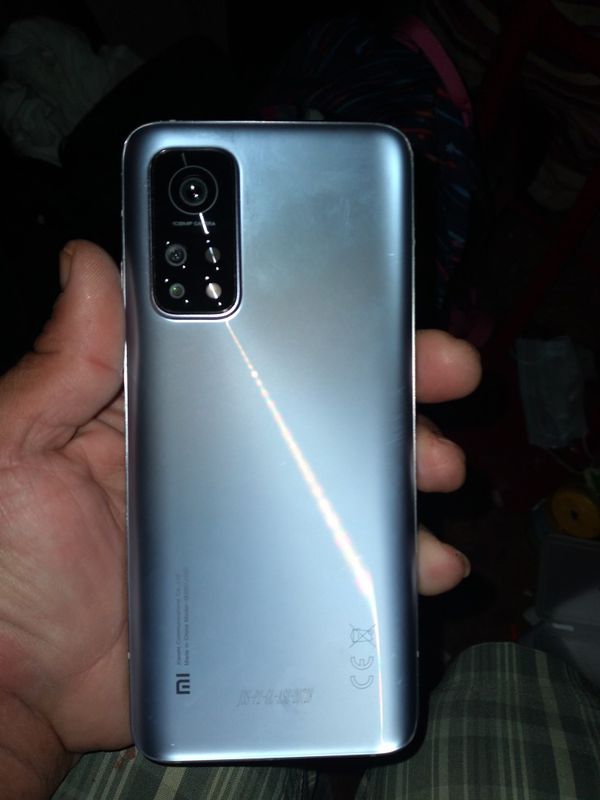
Last week, it was revealed that Xiaomi is gearing up to introduce Xiaomi Mi 10T and Xiaomi Mi 10T Pro smartphones in global markets including India. The images and key specs of the Mi 10T series have also appeared. Both phones are expected to replace the Xiaomi Mi 9T and Mi 9T Pro phones from last year. Reliable tipster Ishan Agarwal has claimed that a new Xiaomi phone with flagship specs is rumored to be heading to India with a price tag of around Rs. 35,000. He did not reveal the name of the device but speculated that it could be the Xiaomi Mi 10T Pro smartphone.
The tipster revealed that Xiaomi’s next flagship phone for India has a 108-megapixel main camera, Snapdragon 865 mobile platform, and a display with high refresh rate support. The device is expected to be priced around Rs. 35,000 (~$476).
The aforementioned specs match with the rumored specs of the Xiaomi Mi 10T Pro. It is speculated that the Mi 10T Pro is equipped with an OLED panel that supports a 144Hz refresh rate and it has a 10-megapixel triple camera system. The phone may draw power from a 5,000mAh battery and it is likely to carry support for rapid charging.
The leaked shots of the Xiaomi Mi 10T Pro revealed that it has a punch-hole display and a side-mounted fingerprint reader. The rear side of the phone has a Vivo X50-like camera module that features a rectangle-shaped camera module that includes a large-sized main lens followed by two horizontally arranged two cameras.
While the Mi 10T Pro is expected to come with a 108-megapixel triple camera system, the Mi 10T may come with 64-megapixel triple rear cameras. At present, there is no official word on the existence of the Mi 10T series.
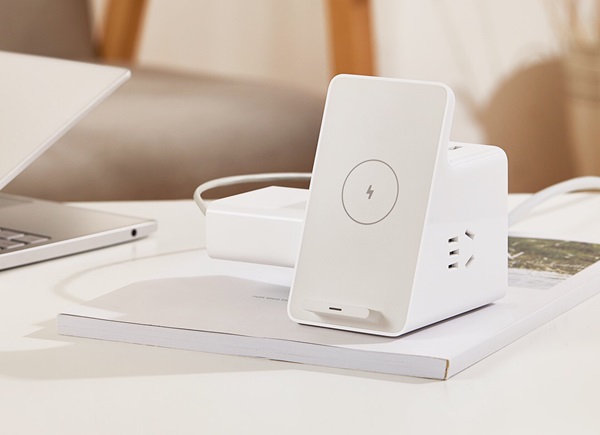
Last month, Xiaomi started crowdfunding a vertical wireless charging socket on Xiaomi Mall, for a price of 109 yuan (~$16). By the end of the crowdfunding campaign, around 35,000 people backed the product.
Now, the product is available for purchase on Xiaomi Mall, Xiaomi Youpin, and other retail channels of the company, carrying a price tag of 129 yuan, which roughly converts to $19.
The Xiaomi Vertical Wireless Charging Socket uses dual-coil wireless charging so that the devices can be charged however they are placed — vertically or horizontally. The maximum wireless charging speed is 10W.
It is designed in such a way that the socket can also be used as a mobile stand with a 20-degree viewing angle. Being a charging socket, it comes equipped with three USB ports and a single port output is 18W.
The device also comes with a new standard combination jack and the two sets of standard combination hacks can fulfill the power needs of two desktop plugs, says the company. There is also a green-colored indicator to show the charging status.
The product also has a wireless charging stand with a non-slip silicone cushion. It is designed in such a way that when a device is docked, it offers a 20-degree viewing angle and can be used for several functions, including music playing, chatting, browsing, etc.
The United States recently tightened sanctions against Huawei and its subsidiaries, banning the company from getting its hands on chipsets for smartphones or any of the other hardware products from the company.
However, a new report from FT claims that despite the sanctions, the Chinese giant still has access to U.S. chipsets for the cloud business, and thus, the company will now be shifting its focus towards that.
For those who are unaware, Huawei has a cloud computing business that sells computing power and storage solutions to companies. It also gives access to artificial intelligence and the report adds that this division is growing rapidly.
Huawei is putting the cloud computing business in line with the smartphones and telecom equipment business. On top of that, it is said that the Chinese government will increasingly support the company through public cloud contracts.
A few months ago, the Trump administration tightened restrictions on Huawei and its subsidiaries, banning the company from procuring chipsets that are made in the U.S. or use American technologies. With this, TSMC, the contract manufacturer for Huawei, stopped taking new orders and will completely stop the business from 15th September.
The Chinese giant is all set to launch its Mate40 flagship smartphone series in the coming days and along with it, the company will also launch the Kirin 9000 SoC, which is said to be the last flagship chipset from the brand.
However, it is being reported that Huawei is planning on manufacturing its own chipsets. It is said that the Chinese tech giant will be announcing its plan on creating its own semiconductor chips without requiring any US equipment or components.
Xiaomi has taken to Weibo to announced that the company will be launching its new Smart Home Appliance on 1st September, i.e. tomorrow. The Chinese company is all set to launch a high-end Washing Machine & Dryer.
Making the announcement, the company said that the new MIJIA high-end washer and dryer will be quieter, more stable, and more surging. It adds that the user experience will be better and worth looking forward to.
It comes with 10kg capacity and a display that is made from tempered glass. It also has support for XiaoAI smart voice assistant. The model has a compact build, with a door diameter of 468mm and comes with a cycle power of 0.873 kWh.
The washing machine supports up to 22 different washing modes, including smart air washing. The appliance can be controlled through the MIJIA app with options to select washing and drying modes and make custom adjustments.
There are also reports indicating that Xiaomi is planning to launch a wide range of smart home products in the Indian market this year, including a smart refrigerator and a washing machine. The report indicates Q4 2020 as the launch timeframe but the exact month or date is not yet known.
We use cookies on our website to give you the most relevant experience by remembering your preferences and repeat visits. By clicking “Accept”, you consent to the use of ALL the cookies.
This website uses cookies to improve your experience while you navigate through the website. Out of these, the cookies that are categorized as necessary are stored on your browser as they are essential for the working of basic functionalities of the website. We also use third-party cookies that help us analyze and understand how you use this website. These cookies will be stored in your browser only with your consent. You also have the option to opt-out of these cookies. But opting out of some of these cookies may affect your browsing experience.
Necessary cookies are absolutely essential for the website to function properly. This category only includes cookies that ensures basic functionalities and security features of the website. These cookies do not store any personal information.
Any cookies that may not be particularly necessary for the website to function and is used specifically to collect user personal data via analytics, ads, other embedded contents are termed as non-necessary cookies. It is mandatory to procure user consent prior to running these cookies on your website.