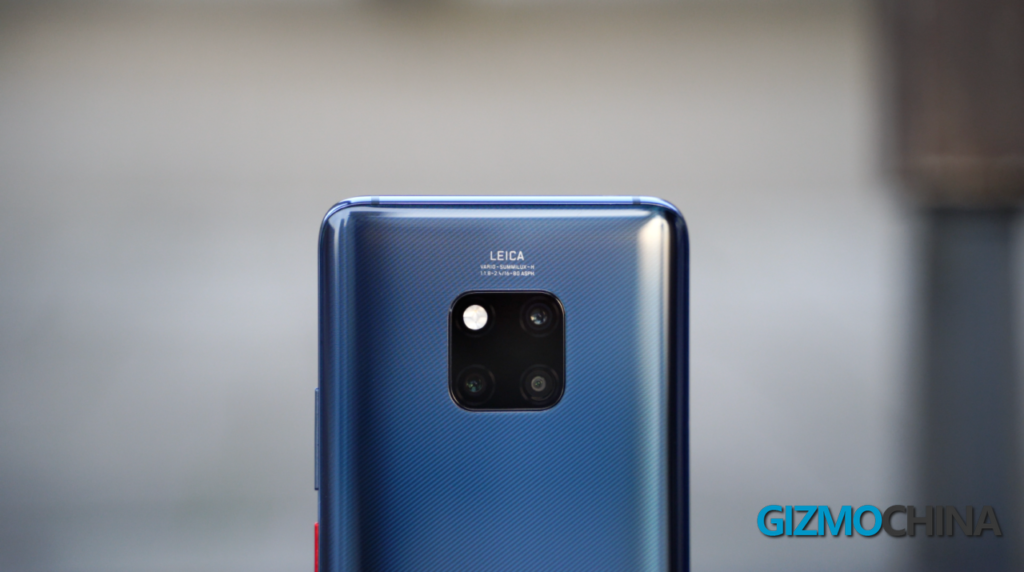
Huawei has been updating its devices to EMUI 10.1 ever since it debuted with HUAWEI P40 series earlier this year. The update rollout began in China, followed by other regions. Unfortunately, India is one of the last countries to get the update since the Chinese telecom giant was never a big smartphone player in this region. Hence, the Mate 20 Pro from 2018 has only started receiving the update now, a month later than other countries.
Recently, two Honor handsets namely HONOR 20 and HONOR View20 were updated to Magic UI 3.1 (EMUI 10.1 for Honor smartphones) in India. Then, a few days earlier, HUAWEI P30 Pro also began to get the same update in the country.
Now, HUAWEI Mate20 Pro is getting similar treatment in the region. The update for this phone comes with build number 10.1.0.291(C675E9R1P5) and weighs a whopping 4.80GB in size. Being the 2018 flagship of the company, it gets almost all the new features introduced in this version of the firm’s mobile software.
Some of the notable features include new AOD styles, new fingerprint animations, Multi-Window, new themes, Smart Charge, and more. The update also brings July 2020 security patch to the device.
That said, EMUI 10.1 for Mate 20 Pro in India is being rolled out in batches and therefore, may take time to reach every unit out there.
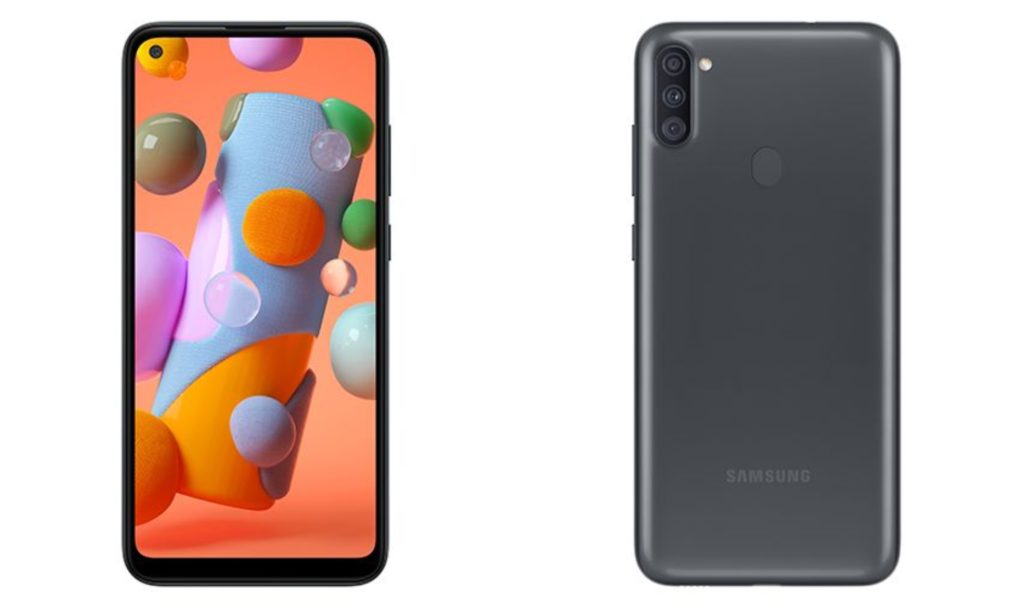
Samsung launched Galaxy A11 in March of this year as the cheapest Galaxy A series smartphone with a punch-hole display. Now, within five months of its release, a report says that the company is working on its successor called Galaxy A12, skipping Galaxy A11s.
Samsung Galaxy A11
This piece of information regarding the upcoming Galaxy A12 comes from SamMobile. According to the publication, the handset is in development with model number SM-A125F.
The only major difference between it and its predecessor will be a variant with higher internal storage. In case you do not know, the Galaxy A11 comes in two variants, one with 2GB RAM and another with 3GB RAM. However, both of them only feature 32GB internal storage with support for microSD card.
On the other hand, the forthcoming Galaxy A12 will also come in a 64GB storage configuration, in addition to a 32GB base version. But the amount of RAM present in both the variants is not known, however, it is confirmed to retain the capacitive fingerprint sensor. Also, it is said to come in four colors namely Black, White, Red, and Blue.
Although other specs of this Samsung budget smartphone is a mystery at the moment, one shouldn’t be surprised if it features the same 13MP (wide) + 5MP (ultra-wide) + 2MP (depth) triple camera setup and 4,000mAh or a slightly larger battery.
Blackview keeps entertaining its fans and the buyers by introducing some great discount festivals throughout the year. In the ongoing Blackview and AliExpress 828 sale, the company is offering massive discounts of up to 58% on its popular smartphones and other accessories. However, the sale is already on the verge to end, but still, our readers can benefit a lot if they are looking to buy a tablet, smartphone, and rugged smartphone.
The sale is slated to end on August 28th, but still, users can enjoy interesting discounts. We have compiled a list of some best deals including Blackview BV9900 Pro and BV6300 Pro which are retailing for the all-time-low price of $399.99.
Blackview BV9900 Pro
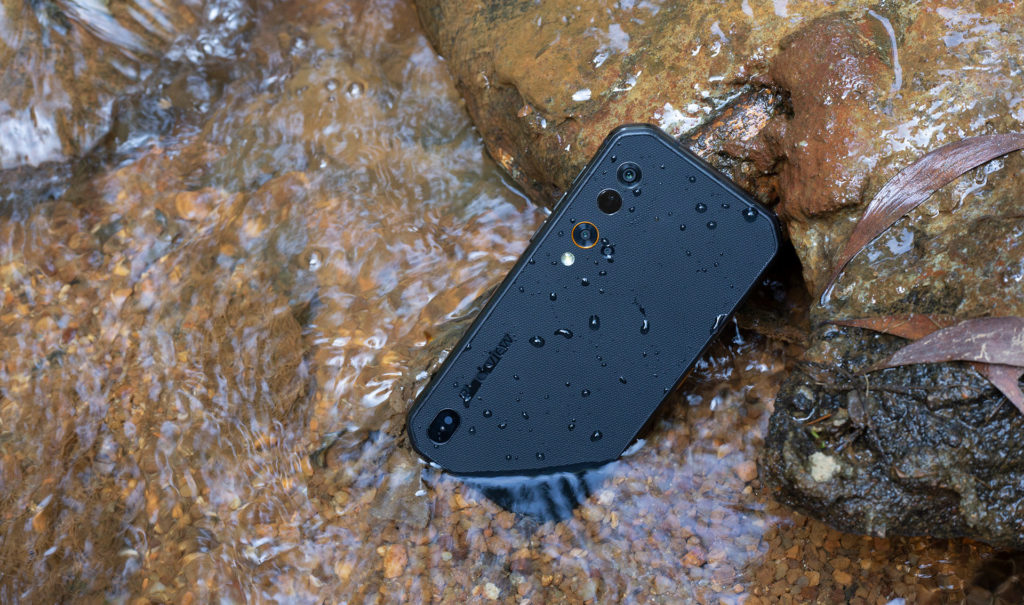
It is the fastest thermal rugged smartphone which is quite popular since its launch. The smartphones fully retail for the price of more than $449, but now the users can grab it for $399.99. It’s a limited time discount and will last only for a few days.
The smartphone primarily runs on MediaTek Helio P90 octa-core SoC which couples an 8GB RAM and 128GB internal storage. There’s a 5.85-inch FHD+ display enacted under Corning Gorilla Glass 5. There are a 48-megapixel quad-rear camera and a single 16-megapixel selfie camera on the front. It encompasses all the maintenance tools ranging from electrical systems to mechanical systems.
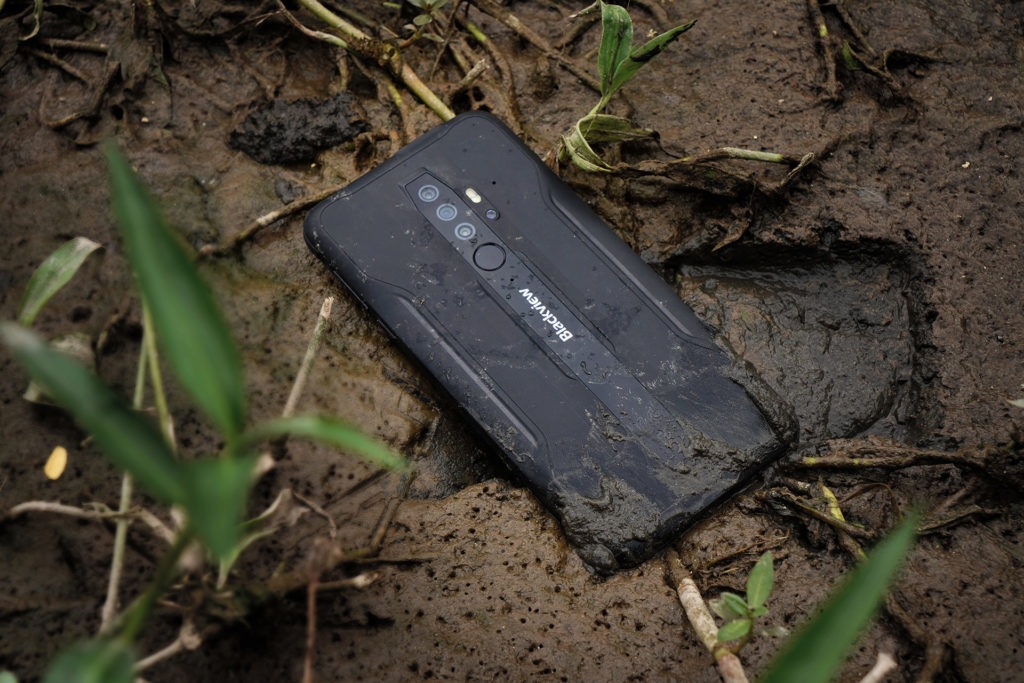
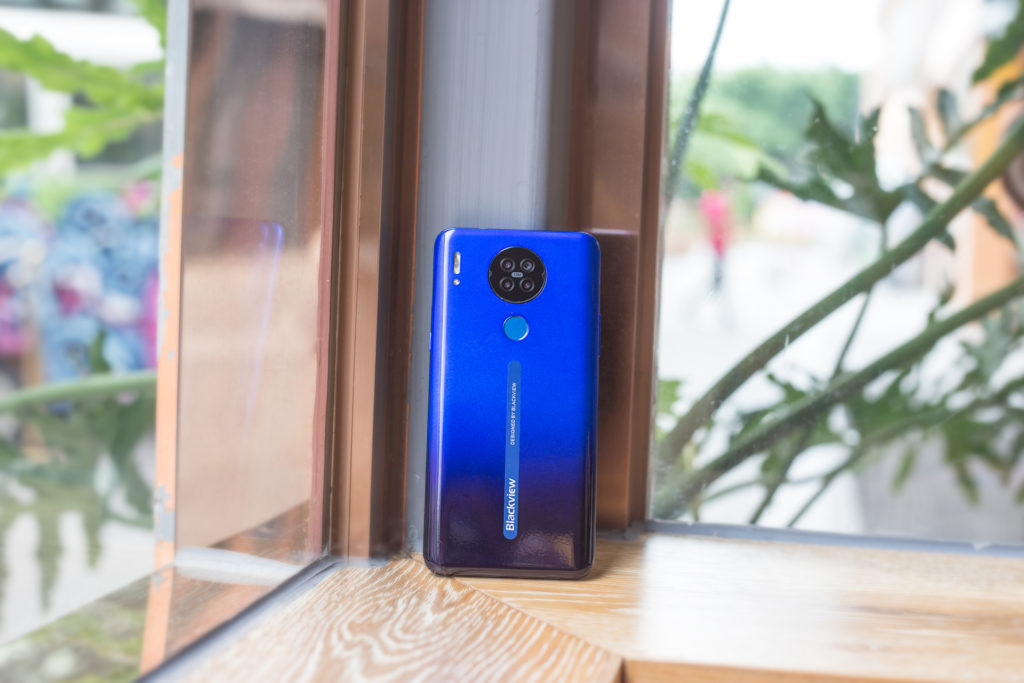
It is a photography-centric rugged smartphone available at a decent price of $179.99. The best camera-focused smartphone features a quad-rear camera with a Samsung 16-megapixel primary sensor, a 120-degree ultrawide sensor, a macro unit, and a depth sensor for pro photographs.
Blackview BV6300 Pro is even regarded as the slimmer and the lighter rugged smartphone among the other smartphones in the market. It measures 159.9 x 78.2 x 11.6 mm and weighs 230 grams. You can know more about the device here.
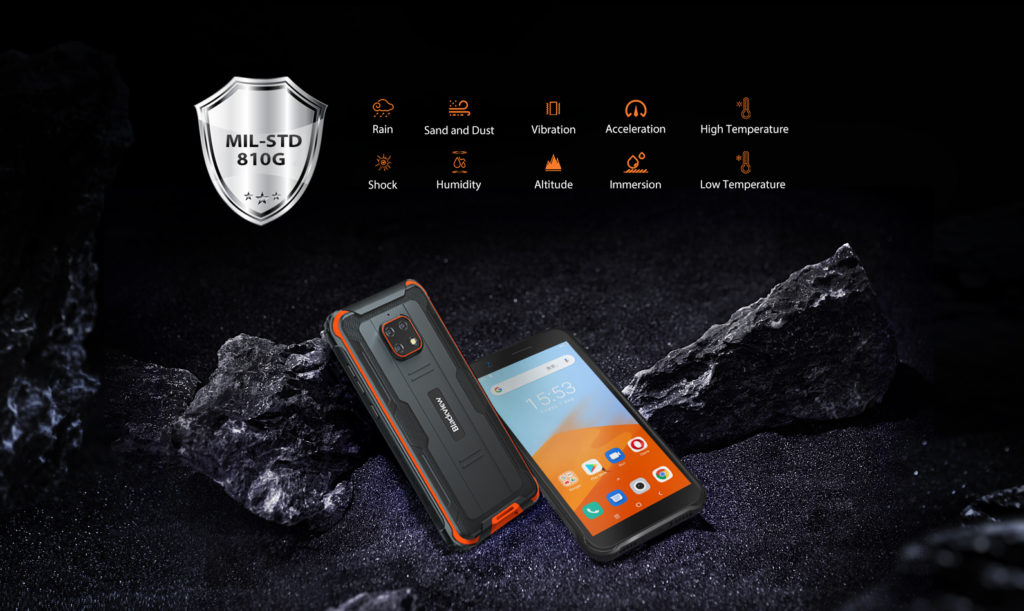
It is the latest entrant to the Blackview’s brochure featuring splendid “Space Capsule” rugged design. It is different in several aspects from other Blackview smartphones. Blackview BV4900 carries 27 upgrades on its inner design to make it more rugged and improves the resistance against drops, shocks, and water.
It is designed like a real space capsule. The smartphone houses a 5.7-inch HD+ display, 3GB RAM, and 32 GB internal storage. There’s a triple camera module on the rear and is powered with MediaTek MTK671 SoC. There’s around 5580 mAh battery and runs stock Android 10 out of the box. You can know more about the device over here.
Blackview A80 is a best-budged quad-camera smartphone. It is the cheapest Blackview smartphone housing a 6.21-inch display and MediaTek MT6737 SoC. Blackview A80 is available with 2GB RAM and 16 GB storage. A 13-megapixel sensor on the rear and a 5-megapixel camera reside on the front for selfies.
A tablet becomes a useful laptop if it supports external keyboard and that too with a 4G VoLTE support. Blackview Tab 8 offers both the functionalities at a super affordable price of $127.99. It houses a 10.1-inch display with a resolution of 1920 x 1200 pixels, an octa-core processor with 4GB RAM, and 64 GB storage.
It’s super slim body packs a 6580 mAh battery which can provide a standby time of more than a couple of days. Blackview Tab 8 runs Android 10 and packs a 13-megapixel rear camera and a 5-megapixel shooter on the front for selfies and face unlock.
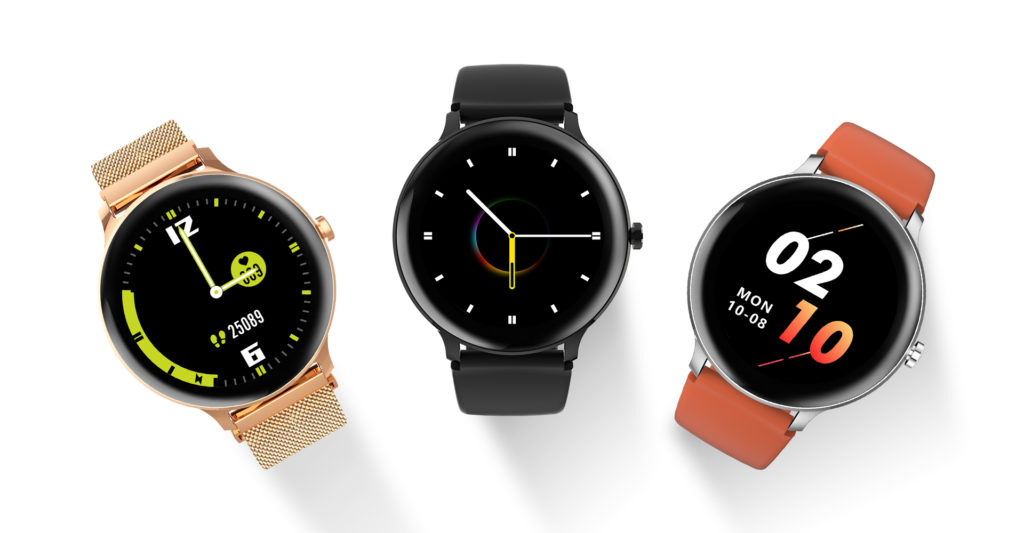
Along with rugged smartphones and quality tablets, Blackview also offers stunning smartwatches. The company recently unveiled Blackview X1 and X2 smartwatches to address the ever-increasing demand. Both the smartwatches packs outstanding features like support for 9 sports mode, 5ATM waterproof, long-lasting battery with 45 days standby. Moreover, it notifies you of important messages, texts, and calls.
AliExpress 828 sale will end on August 28, so hurry up if want to grab the Blackview device at a massive discount. You can get more information about the ongoing Blackview and AliExpress 828 sale by heading over here. You can also join Blackview new Giveaway to get products for free.
Ulefone always keeps surprising its fans with some new innovative technologies and smartphones. Surprisingly, the company is once again here to stun the interested folks with the world’s first 5G rugged smartphone – Armor 8 5G. Ulefone today unleashed the teaser video of Ulefone Armor 8 5G – showcasing the blazing fast internet speeds.
The new smartphone will combine the rugged design with the exceptionally fast nextgen communication protocol. We can see the phone’s top download speed of up to 443 Mbps and the upload speed of 114 Mbps as shown in the video above. It is believed that the 5G network will bring a great change in our day-to-day lives, and the Ulefone has already started preparing.
The 5G variant design looks familiar with the Ulefone Armor 8 which is already on sale via AliExpress.
Ulefone Armor 8 5G smartphone is expected to ship with MediaTek Dimensity 800 SoC as like several other mid-range smartphones in the market. There will be an 8GB RAM and 128 GB internal storage which will enable flawless multitasking. Moreover, it could come with a 6.7-inch FHD+ waterdrop display sporting a quality front-facing camera.
It is highly expected to feature some similarities with recently launched Armor 8 smartphones. There’s no other information about the device specifications and pricing. However, we expect some more information to surface before the official launch.
Further, you can check the Ulefone Armor 8 4G version if you’re looking for an affordable rugged smartphone that is available for $139.99. It is available from the Ulefone AliExpress store.
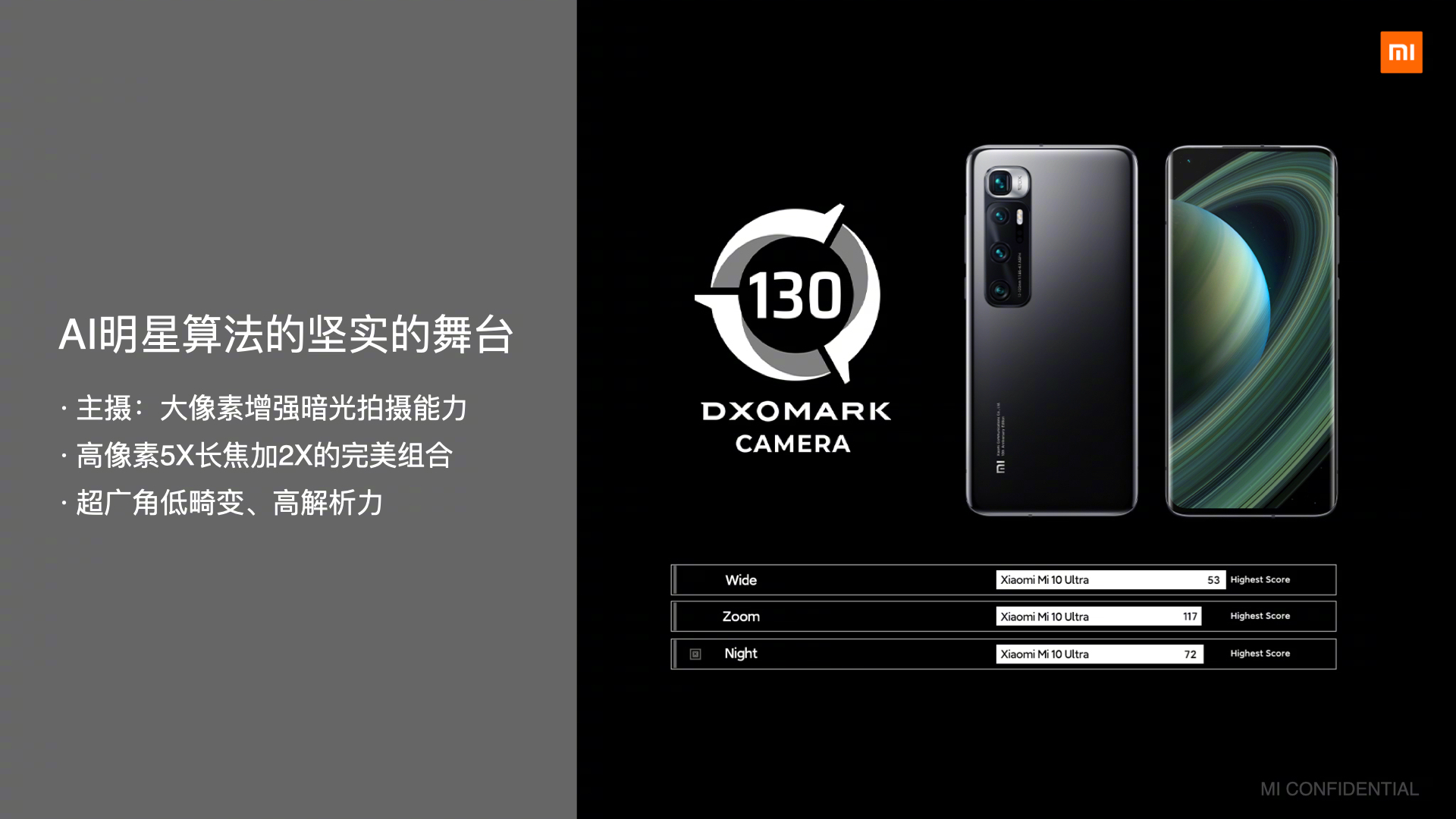
At Xiaomi’s 10th Anniversary Special Event in China, the company unveiled a number of star products but the most spectacular one for smartphone enthusiasts is definitely the Mi 10 Ultra which is its most powerful smartphone for 2020. As the name suggests, the phone aims to take on the big flagships in the market like the Huawei P40 Pro Plus and the Samsung Galaxy Note 20 Ultra. The flagship phone did a good job in that regard as it managed to beat the world’s best camera phone according to DxOMark – the Huawei P40 Pro, with a score of 130.
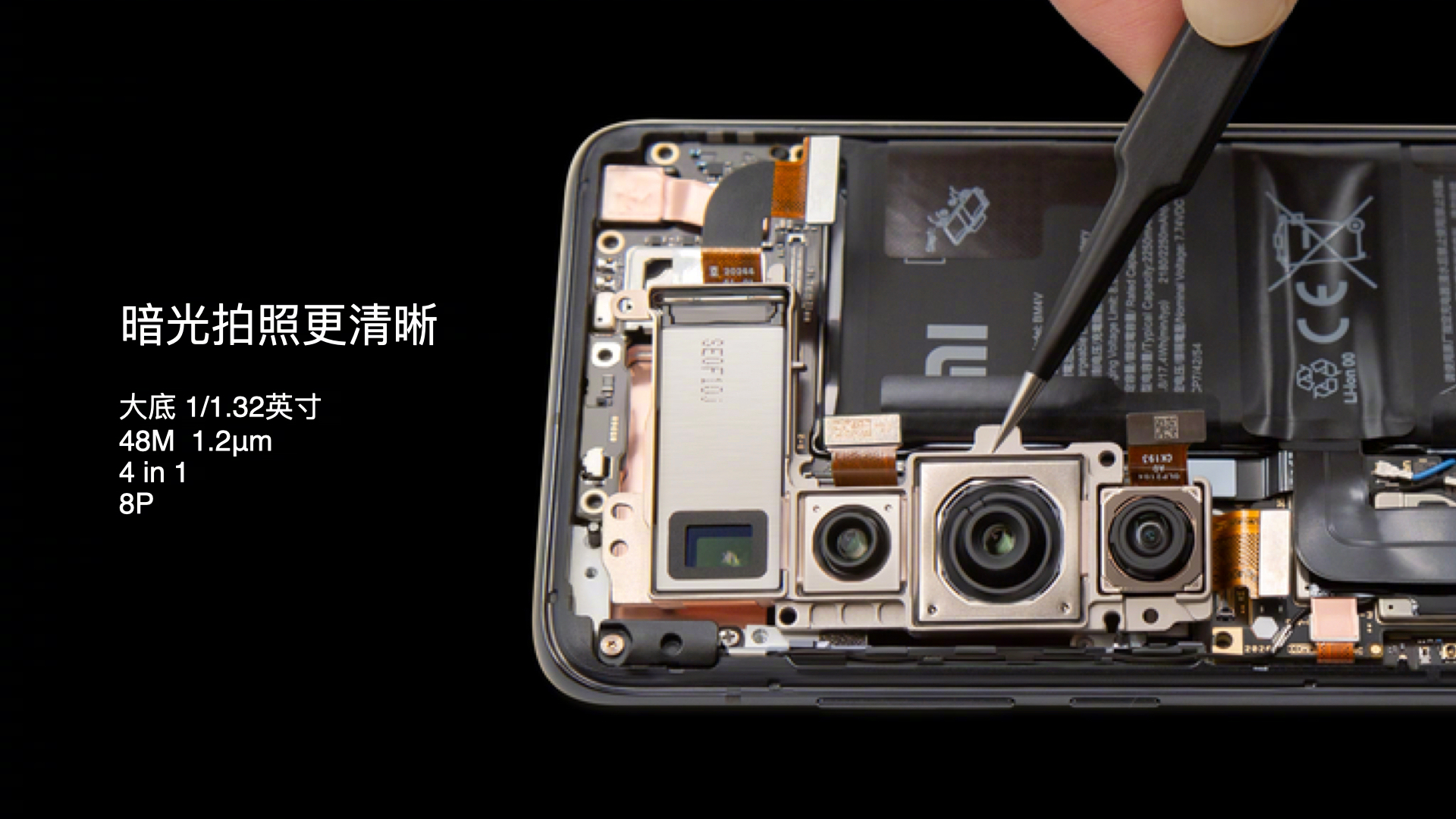
Xiaomi has given an insight into the technology at play on the Mi 10 Ultra’s camera. The camera was the product of several research efforts by engineers in Xiaomi’s numerous R&D centres around the world: in Beijing, Shanghai, Shenzhen, Nanjing, Tokyo, Santiago, Bangalore, Paris and Tampere.
The main camera has a 48 MP 1/1.32” sensor that can do on-chip single-frame HDR processing. Basically, pixels are grouped into three categories: short, medium and long exposure. Then those are merged into an HDR signal as the sensor reads out the image line by line.
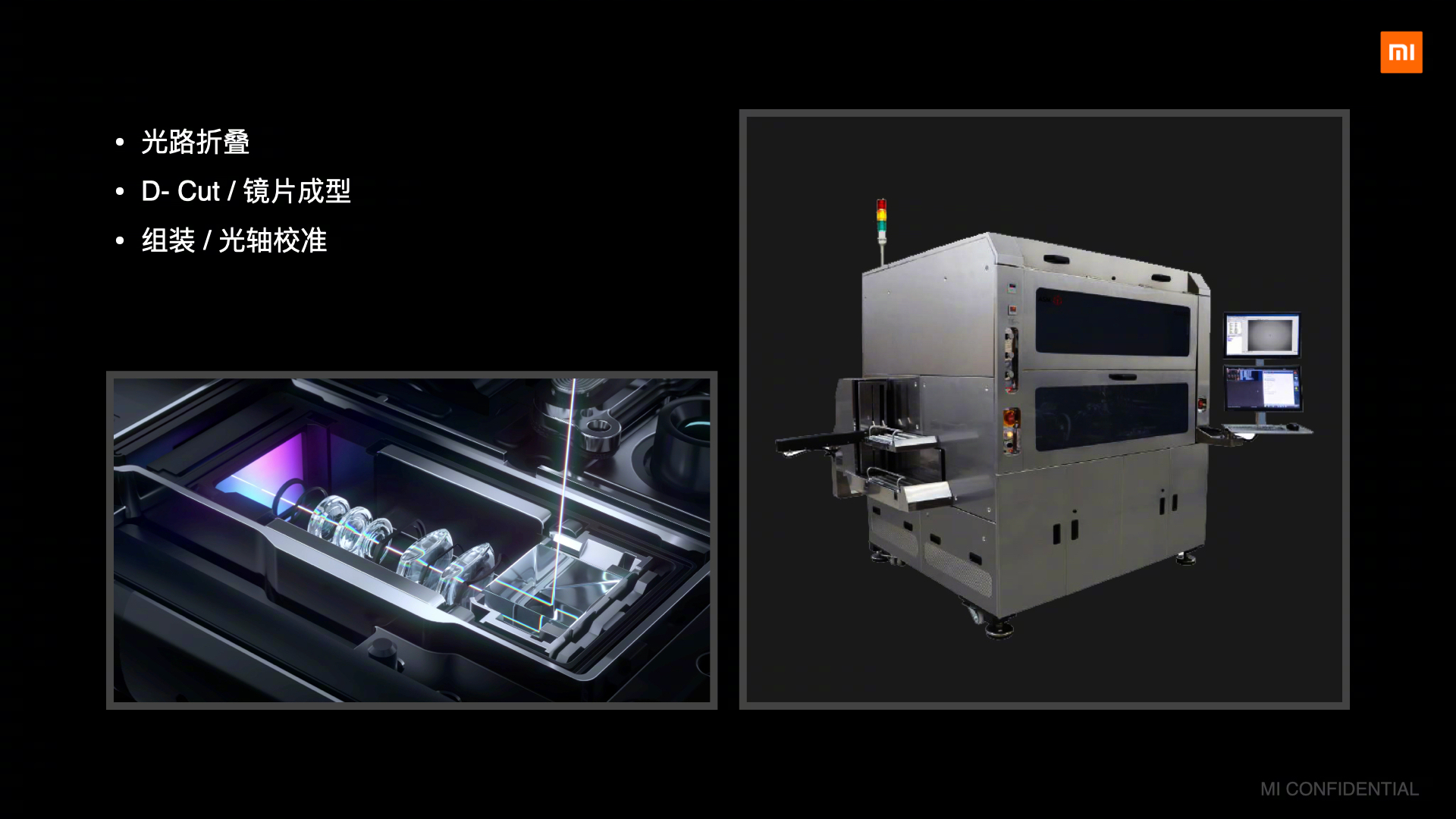
The Mi 10 Ultra is Xiaomi’s first phone that can record HDR10 video, thanks to this on-sensor processing. It also has a rare 8P lens design – a lens with eight elements, which reduces aberrations as much as possible. Each element added to the lens makes it exponentially trickier (and more expensive) to produce.
Making the telephoto camera a perfect fit was yet another challenge. The phone packs a 48MP SonyIMX586 sensor with a large 1/2.32” aperture. The size of the sensor would have made the module too thick to fit into the frame of the phone. In this regard, Xiaomi had to use a D-cut lens to slim it down. D-cut lenses make optical image stabilization more difficult but after several attempts, the engineers got it just right.
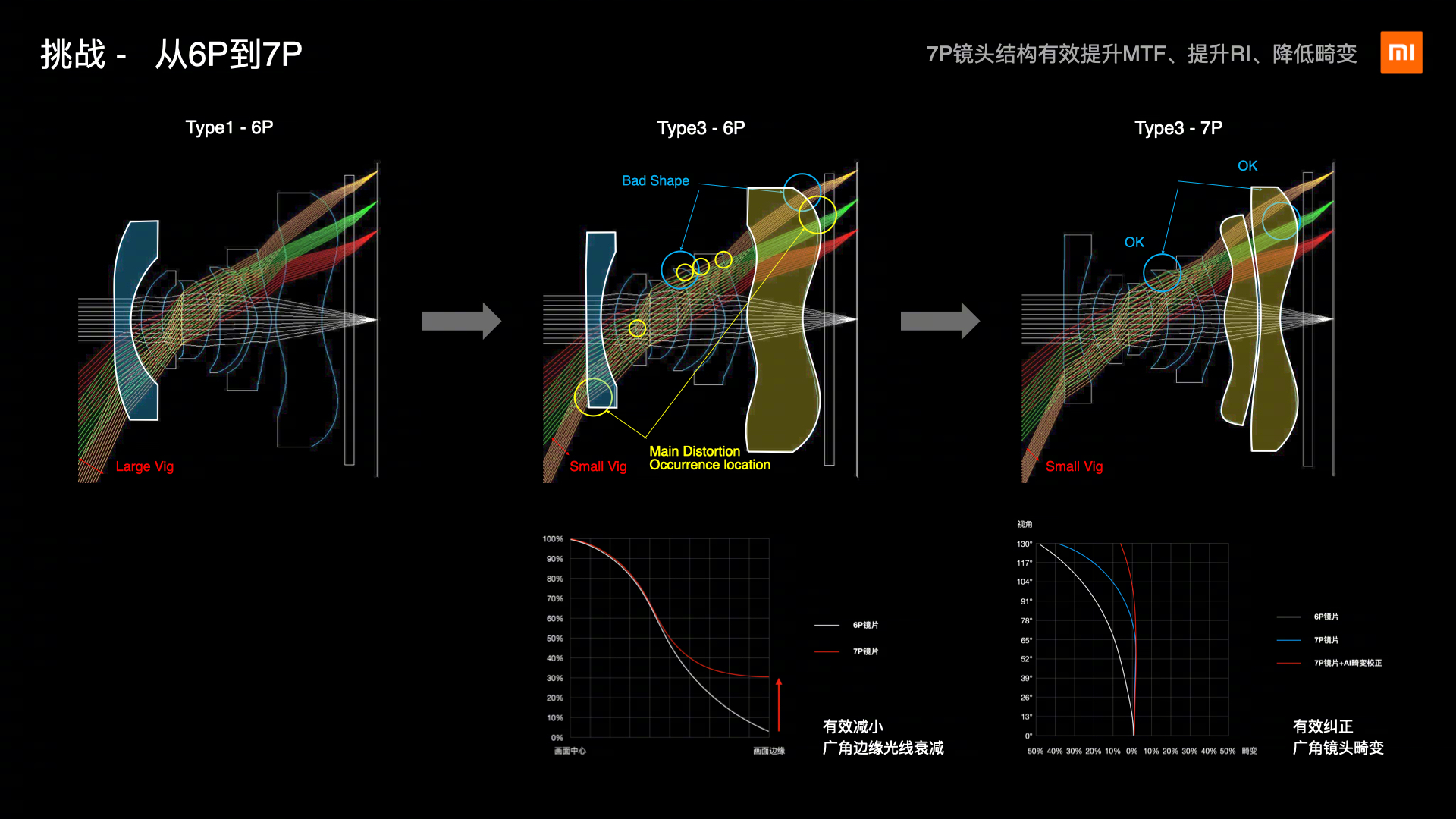
Furthermore, the Mi 10 Ultra’s ultrawide-angle lens has a 128° field of view. It uses a 7P lens again to minimize distortion, especially around the edges of the image. This helps improve the resolution so that there wasn’t any need to correct the distortion in software.
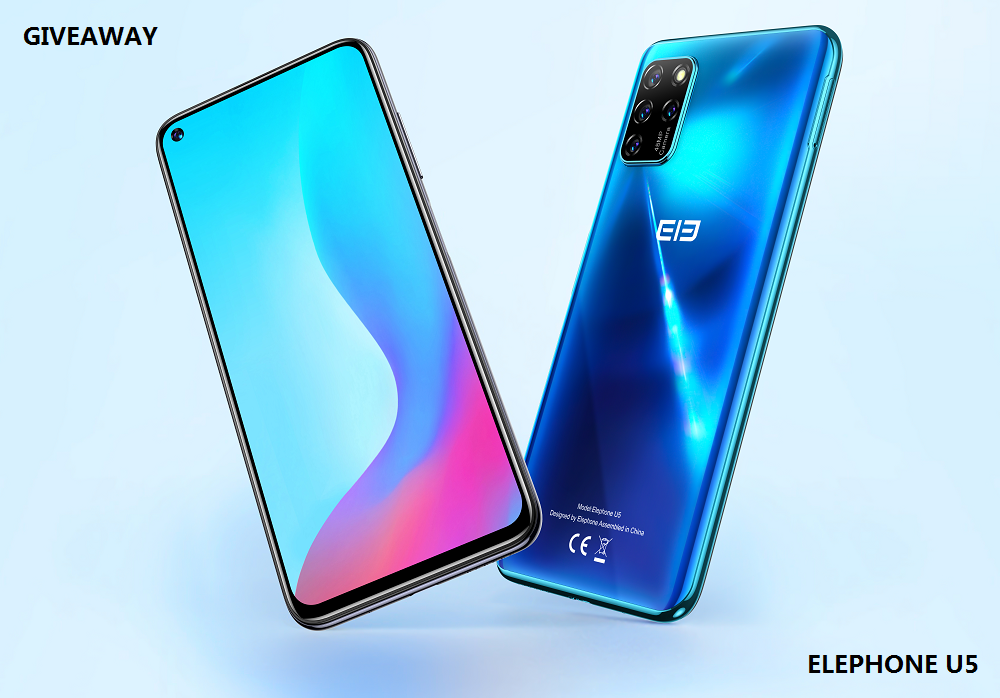
Elephone is already offering exceptional deals by offering decent smartphones at super affordable prices. The company recently launched Elephone U5 with MediaTek Helio P60 SoC and other compelling hardware for the price of $159.99. It is already available from the Elephone official store in two color options of Ocean Blue and Black. However, here’s a glaring chance for the interested users who would like to own an Elephone U5 for free via the ongoing giveaway.
The interested folks can easily participate in the giveaway until September 11. The winners will be announced within a week after the giveaway expiry date. The users can simply log in and then share the giveaway in order to win it.
Elephone U5 comes with a 6.4-inch full HD+ display featuring a punch-hole and 93.38% high screen-to-body ratio. It is powered with Helio P60 SoC coupled with an octa-core processor, 4GB RAM, and 128GB internal storage. It also offers a MicroSD card slot for expandable storage up to 512GB.
The smartphone embedded a quad-rear camera module consisting of a 48-megapixel primary camera, a 13-megapixel ultrawide sensor, a 5-megapixel depth sensor, and a 2-megapixel macro camera. On the front, there’s a 24-megapixel selfie camera.
A 4000 mAh battery is present on the board, and the smartphone runs on Android 10 OS. The NFC chip facilitates contactless payments via Google Pay and other supported apps.
You can easily win the Elephone U5 giveaway by completing all the activities listed on the giveaway page. However, you can even buy it for the discount price of $159.99 in two color options of Ocean Blue and Black for $159.99 from the online store. You can know more about the device by heading over to the official Elephone store.
Samsung is expected to launch its third foldable smartphone in the form of Galaxy Z Fold2 next month. Ahead of it, a tipster claims the South Korean tech giant to be working on three more foldables namely Galaxy Z Fold Lite, Galaxy Z Fold3, and Galaxy Z Fold S. He even mentioned the type of displays used on these devices.
Samsung has been long-rumored to launch a budget foldable smartphone tentatively called Galaxy Fold Lite. This device could bear the model number SM-F415. Now, a leakster going by the username @hwangmh01 on Twitter(via SamMobile) claims it to feature CPI (Colorless Polyimide) instead of UTG (Ultra Thin Glass) on Galaxy Z Flip and Galaxy Z Fold2.
For those unaware, the original Galaxy Fold comes with CPI-clad display, which is not as strong as UTG and therefore, such screens are more prone to damages. Anyway, if this could bring down the cost of foldables, then it is kind of a bargain as there are plenty Galaxy Fold users out there without any issue.
Further, the leaker also says that Galaxy Z Fold3, apart from retaining UTG, will also support S Pen but it will be pricey. That means it could end up as the most expensive smartphone from the house of Samsung.
Last but not least, the company is also working on another foldable called Galaxy Z Fold S with “in & out folding”. We don’t know what that means but it could be something like TCL’s tri-fold prototype.
Last year, Xiaomi announced the Mi 9T series. The Mi 9T and Mi 9T Pro were rebadged versions of the Redmi K20 and Redmi K20 Pro respectively. A new leak has revealed that successors are on the way called the Mi 10T and Mi 10T Pro and they will be coming along with a less-powerful version called the Mi 10T Lite.
The info comes from Abhishek Yadav (@yabhishekhd) and in his tweet, he revealed the three phones will soon be announced globally. He also revealed the key specs of the Mi 10T Pro and shared a render of the device.
[ Exclusive ] Mi 10T, Mi 10T Pro & Mi 10 Lite Launching Soon Globally. Here is The First Look Of Mi 10T Pro. Mi 10T Pro Specs. •5000mAh Battery •144Hz Refresh Rate •108MP Rear Camera •May Be Side Mounted Fingerprint Scanner I Am Not Sure About This One.#Mi10TPro#Mi10Tpic.twitter.com/8ngfxyrzZo
The Mi 10T Pro will have a display with a 144Hz refresh rate. The screen size isn’t mentioned and we also do not know if it has a punch hole. However, there is a chance this is an LCD panel as the render appears to show the device has a side-mounted fingerprint scanner.
Xiaomi will ship the phone with four rear cameras with a 108MP camera as the main sensor. The camera housing shows the 108MP sensor occupies a pretty large part of the housing while the other three cameras and the LED flash are placed below it.
The Mi 10T Pro will have a 5000mAh battery which is bigger than that of the Mi 10 5G and Mi 10 Ultra. There is no mention of the processor powering the phone but we know the device has 5G. There is the Snapdragon 865 and Snapdragon 865 Plus to choose from but there is also the upcoming Snapdragon 860 processor too.
So far, the Mi 10T Pro doesn’t seem to be a rebadged phone but we cannot yet say about its siblings. We expect more details will surface soon.
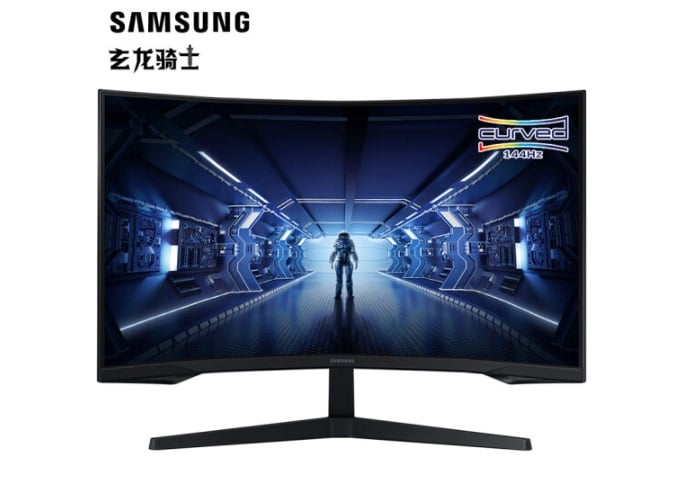
Samsung Electronics has unveiled a new gaming monitor in China. The product is known as Dragon Knight G5 Curved Gaming Monitor and it comes with all the bells and whistles of a powerful monitor for top-level gaming.
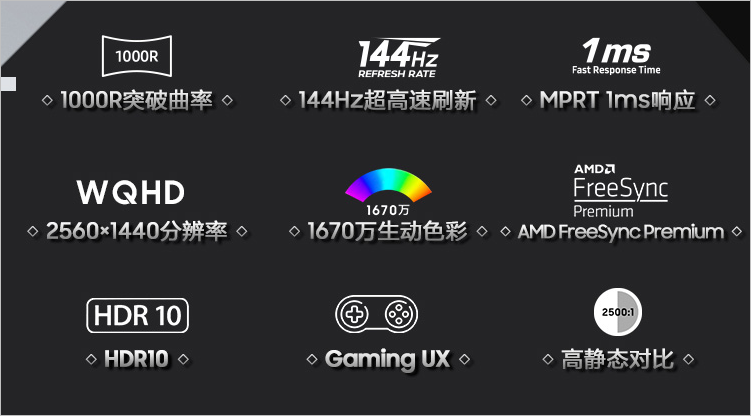
The monitor, which bears the model number C27G55TQWC, is equipped with a 27-inch curved VA screen having a curvature of 1000R. The display also comes with a WQHD resolution of 2560 x 1440 pixels, a 144Hz refresh rate and a 1ms response time. The display equally supports AMD FreeSync Premium and HDR10. Since it is designed as a gaming monitor, Samsung included a Gaming UX on the interface which will improve the user experience.
Further, the static contrast ratio of the Samsung Dragon Knight G5 monitor reaches 2500:1 and you also get support for low blue light eye protection. The display features an adjustable base and fir interface, there is an HDMI port, DM port among others.
Coming to the pricing and availability, the Samsung Dragon Knight G5 gaming monitor is priced at 2199 yuan (~$319). The product is presently listed for pre-sale in China on Jingdong. It is expected to start shipping on August 31.
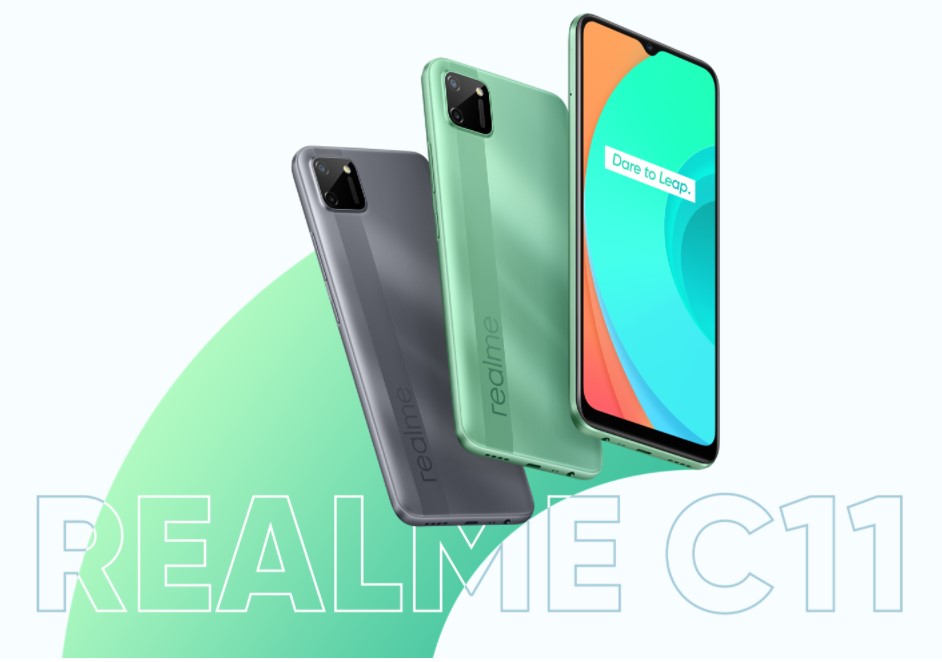
The Realme C11 has made its way to Europe, more than a month after it launched in India. The new budget phone costs €99 and even comes with a free gift for early buyers.
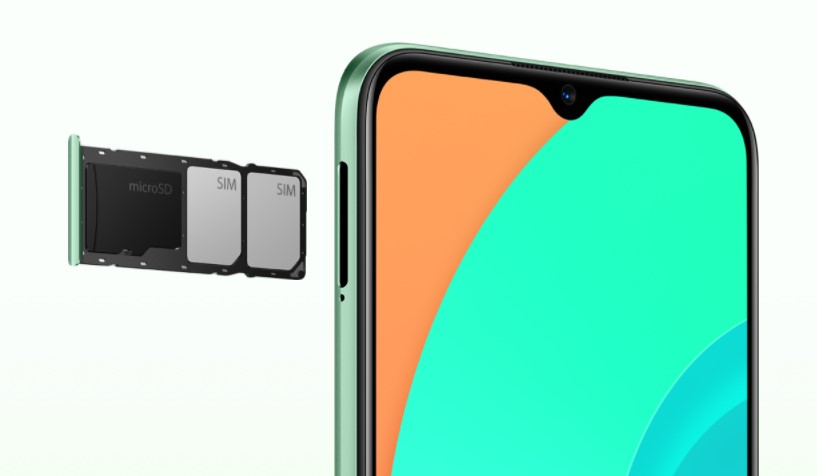
The Realme C11 has a 6.5-inch Mini-drop display with an HD+ resolution. There is an Helio G35 processor under the hood and it is paired with 2GB of RAM. There is 32GB of storage but you can expand it as the phone has a triple card tray with a slot for a MicroSD card.
There are dual cameras on the back – a 13MP primary camera and a 2MP portrait camera. The phone has a 5MP selfie camera with a 77.9° FOV and has a number of fetures including HDR, portrait mode, timelapse mode, and face unlock.
The Realme C11 has a 5000mAh battery that has a standby time of 40 days. It comes with a 10W charger, supports reverse charging, and charges via a MicroUSB port. There is also an audio jack at the bottom. The phone runs Android 10 out of the box and is available in Mint Green and Pepper Grey.
Realme has a number of promos available. First students get a 5% discount when they purchase the phone. Also, the first 100 buyers get a free Realme Band that is worth €24.99 and this promo is valid between August 26 and August 28. You also have the choice of purchasing the Realme Buds 2 at a reduced price of €10 or the Realme Buds Wireless at a reduced price of €20 when you purchase the Realme C11. Both ofers are also limited to 100 buyers and begin today through September 10..
Another 2020 flagship killer series went official and a lot of people are wondering whether or not it is the definitive flagship killer series. We are talking about the Asus Zenfone 7 line-up composed of the Zenfone 7 and the Zenfone 7 Pro. The former is a device with flagship-class hardware sold at an incredibly affordable price if compared to other flagships. It is mandatory for us to make a comparison between this device and other flagship killers in order to establish whether or not this is the device a lot of power users should get in this second half of 2020. So, we decided to compare it with the Xiaomi Mi 10 and the Realme X50 Pro, both affordable flagships, both with Snapdragon 865 just like the Asus Zenfone 7.
Asus Zenfone 7 vs Realme X50 Pro vs Xiaomi Mi 10
Xiaomi Mi 10
Asus Zenfone 7
Realme X50 Pro 5G
DIMENSIONS AND WEIGHT
162.6 x 74.8 x 9 mm, 208 g
165.1 x 77.3 x 9.6 mm, 230 g
159 x 74.2 x 9.4 mm, 207 g
DISPLAY
6.67 inches, 1080 x 2340p (Full HD+), Super AMOLED
6.67 inches, 1080 x 2400p (Full HD+), Super AMOLED
6.44 inches, 1080 x 2400p (Full HD+), Super AMOLED
Quad 64 + 12 + 8 + 2 MP, f/1.8 + f/2.5 + f/2.3 + f/2.4
Dual 32 + 8 MP f/2.5 and f/2.2 front camera
BATTERY
4780 mAh, fast charging 30W, Fast wireless charging 30W
5000 mAh, fast charging 30W
4200 mAh, fast charging 65W
ADDITIONAL FEATURES
Dual SIM slot, reverse wireless charging 10W, 5G
Dual SIM slot, 5G
Dual SIM slot, 5G
Design
The most original design belongs to the Asus Zenfone 7 due to the presence of flip-up camera and a true full-screen display. But the most beautiful device is the Xiaomi Mi 10, in my honest opinion. Its curved edges and its high screen-to-body ratio are simply amazing and they make it look like one of the most expensive flagships out there. With Asus Zenfone 7 you get a sturdier front panel thanks to the Gorilla Glass 6 protection, but it has an inferior Gorilla Glass 3 for the glass back. Realme X50 Pro 5G is still made of premium materials, but I like the design of the Xiaomi Mi 10 more.
Display
The displays of these devices are more or less at the same level. In each case, you get a Full HD+ resolution, a 90 Hz refresh rate, and the HDR10+ standard. But the Asus Zenfone 7 looks slightly better due to its higher brightness. However, we had no chance to test the color accuracy and other display features of this device, so we can not give you a definitive verdict. Note that Xiaomi Mi 10 and Realme X50 Pro 5G feature an in-display fingerprint reader, while the Asus Zenfone 7 has a side-mounted biometric sensor. Last but not least, Xiaomi Mi 10 and Asus Zenfone 7 come with a wider diagonal.
Hardware/Software
The awesome Snapdragon 865 mobile platform powers all of these handsets: not the most advanced Qualcomm’s SoC out there, but it takes the silver medal right behind the Snapdragon 865+. Asus Zenfone 7 only gets 8 gigs of RAM in its most expensive configuration, while you can get up to 12 GB of RAM with Xiaomi Mi 10 and Realme X50 Pro 5G. On the other hand, Asus Zenfone 7 has UFS 3.1 storage instead of UFS 3.0, as well as a micro SD slot to expand its native storage (which is not present on Xiaomi Mi 10 and Realme X50 Pro 5G). All of the devices run Android 10 with a highly-customized user interface.
Camera
If we talk about the main sensor of the rear camera, Xiaomi Mi 10 is the winner. It sports an amazing 108 MP sensor just like the Mi 10 Pro, as well as OIS. But it lacks a telephoto lens, unlike Realme X50 Pro 5G and Asus Zenfone 7. Further, it has a pretty disappointing front camera. The Asus Zenfone 7 can use its rear triple camera as a selfie camera too, thanks to its motorized mechanism. The Realme X50 Pro 5G has a great dual front camera with 32 and 8 MP resolution, as well as an ultrawide sensor.
Battery
The Asus Zenfone 7 has the biggest battery and, with a 5000 mAh capacity, it is likely to last a lot more than Realme X50 Pro 5G and Xiaomi Mi 10. With the Realme X50 Pro 5G, you get the smallest battery, but also the fastest charging technology: 65W power instead of 30W found on the Asus Zenfone 7 and the Xiaomi Mi 10. On the other hand, Xiaomi Mi 10, which sits in the middle in terms of capacity, offers both fast wireless charging and reverse wireless charging.
Price
The price of Asus Zenfone 7 for the global market is yet to be announced (€600/$710 in Taiwan). You can get a Xiaomi Mi 10 for less than €600/$710 thanks to online street prices, and it is the same for the Realme X50 Pro 5G. It is very hard to pick a winner of this comparison. Asus Zenfone 7 has a better display, a bigger battery, and a flip-up camera. Xiaomi Mi 10 offers wireless charging, reverse wireless charging, and a better main camera. Realme X50 Pro 5G has great selfie cameras and faster charging. Which one would you pick?
LG Electronics has unveiled its newest laundry solution which will be officially announced “virtually” at IFA 2020. The product is dubbed LG WashTower and is a washing machine and dryer combined in a single unit with LG’s latest technologies and smart features.
LG WashTower offers total clothing care and ultimate user convenience. This innovative new home appliance will be available worldwide this year, with availability starting next month in North America.
Unlike competing stacked washers and dryers, LG’s WashTower is designed from the ground up as a “one body” solution. At the beginning of the wash cycle, the integrated unit indicates how long it will take to complete both washing and drying. The washer also shares information with the dryer, which automatically sets the optimal course and preheats the drum, contributing to better results and shorter overall laundry times.
Unlike a stackable washer and dryer where each appliance has its own control panel, the WashTower boasts the convenience of a single, intuitive interface. Located between the washer and dryer for easy access, the all-in-one Center Control makes it simple to manage every aspect of LG’s complete laundry solution.
With the height of LG WashTower approximately 87 millimetres lower than the average combined height of stackable units, loading and unloading the top-mounted dryer is measurably easier. And WashTower doesn’t scrimp on capacity, with a maximum load of 17 kilograms for the washer and 16 kilograms for the dryer.
It equally incorporates LG’s most-advanced laundry and smart technologies, providing customers with both outstanding performance and ease-of-use. Thanks to TurboWash 360° and Artificial Intelligence Direct Drive (AI DD), the washer feature guarantees fast, gentle and cleaner clothes, detecting the weight and softness of clothing to calculate the best setting for every load. Its advanced AI reduces cycle times and energy usage without sacrificing effectiveness while the dryer utilizes LG’s steam technology to deliver maximum hygiene, eliminating 99.99 percent of common bacteria.
On August 27, a day after this story was originally published, Xiaomi officially showcased Device Control in a video. It was shared by Xiaomi Smart Life profile on Weibo.
The Telegram channel who spotted the feature first claimed it to only work on Mi NoteBook Pro 15 2020. However, the person in the video attached below uses it on the newly launched Redmi G Gaming laptop.
Original Story
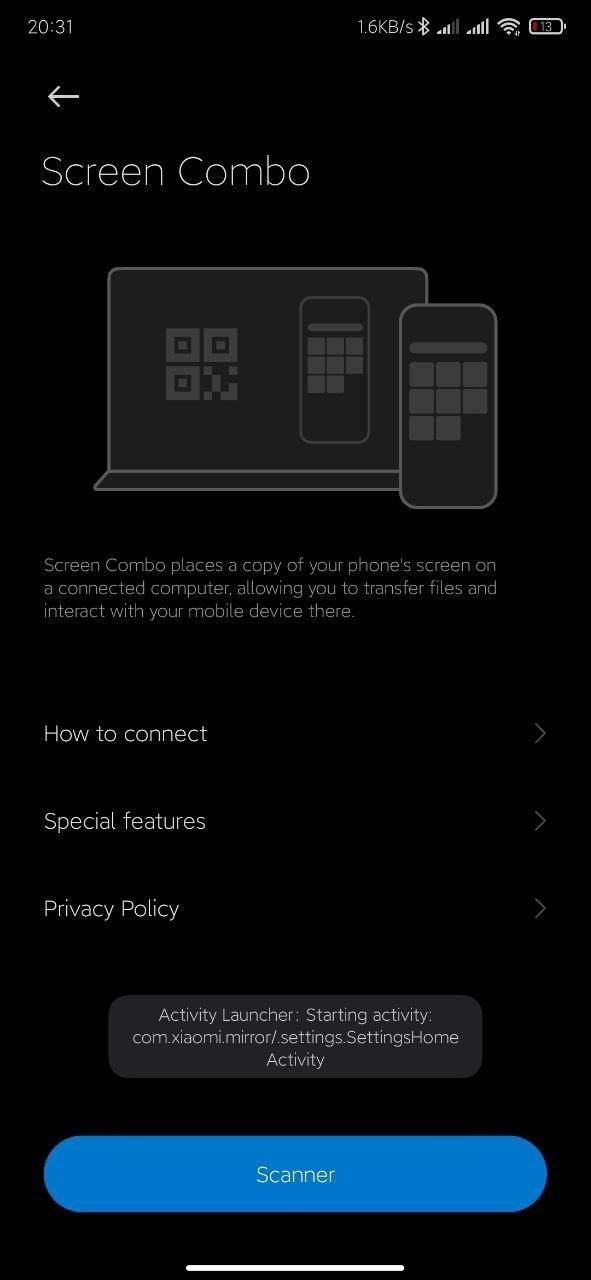
Ever since Xiaomi released MIUI 12 in late April, the company has been adding new features with weekly beta builds. The latest MIUI 12 beta build for Mi 10 Ultra brings an app called ”Xiaomi Device Control”, which is similar to Huawei Multi-Screen Collaboration and Microsoft Your Phone.
Earlier this month, Xiaomi launched Mi 10 Ultra and Redmi K30 Ultra to commemorate its 10th anniversary. However, the new Xiaomi Device Control app is currently only available on the former device.
This app was first reported by a Telegram channel called @miuiknoun (via XDA Developers). It only supports Mi 10 Ultra, Mi 9 and Mi NoteBook Pro 15 2020 as of now. It should be compatible with more smartphones and laptop models from the company in the coming weeks.
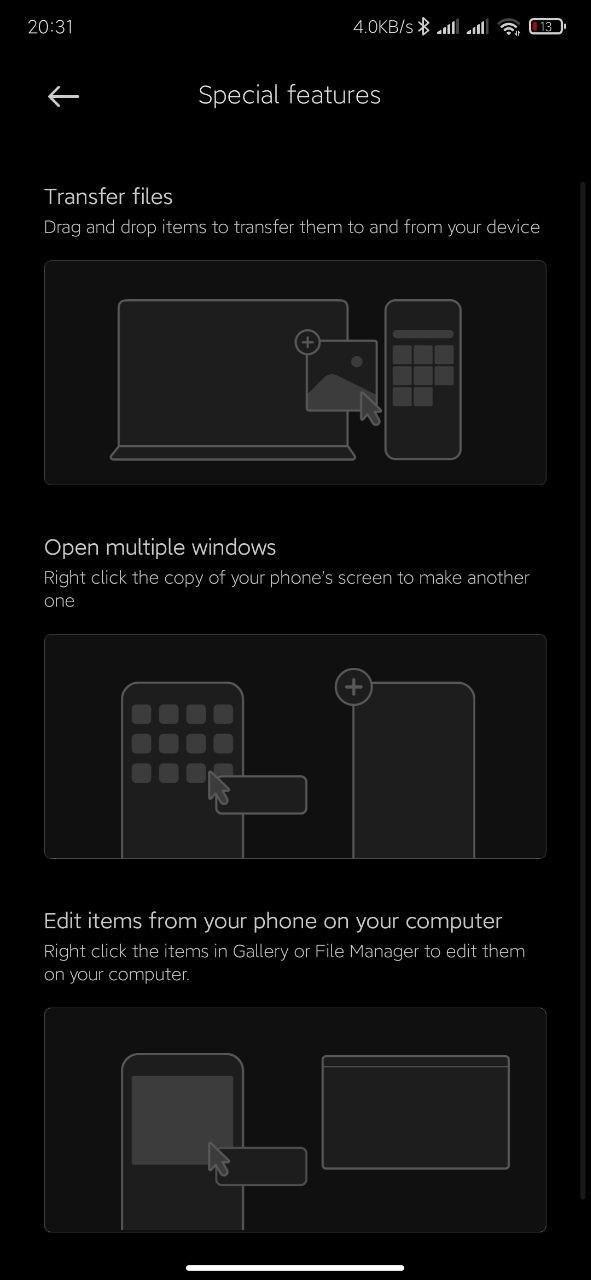
To use the features offered by this app, users must have another application called Mi Share PC (Mi AIoT) installed on their supported Xiaomi laptop. Once the connection is established, users can perform the following actions.
Screen mirroring
Transfer files between phone and PC
Open multiple windows (instances) of the phone on PC
Edit files on the phone directly from the PC
All these features screen Huawei Multi-Screen Collaboration and Microsoft Your Phone. Hopefully, Xiaomi brings it to more devices and maybe even implement it with NFC for a seamless experience like on Huawei devices.
This MIUI feature is expected to debut in the stable channel in October after wider internal beta testing in September.
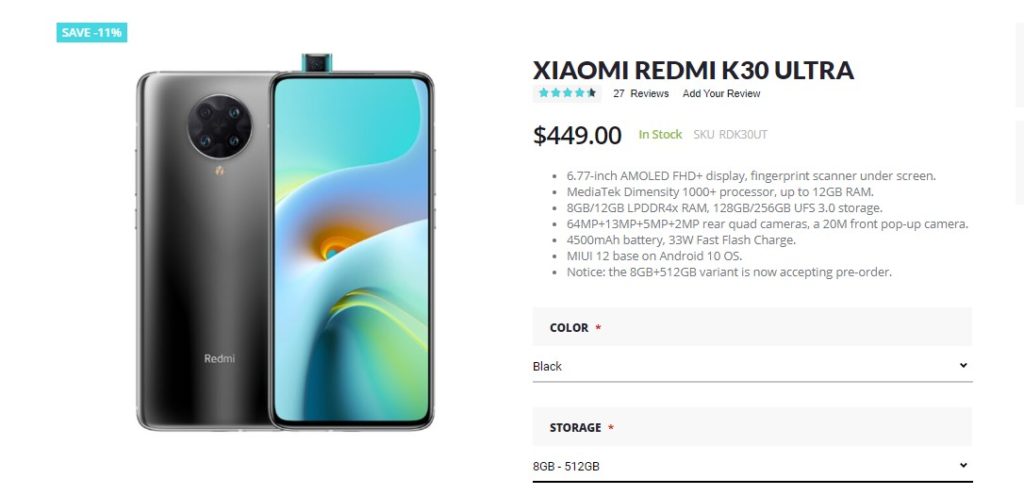
Xiaomi recently launched Rdemi K30 Ultra alongside the already available Redmi K30, Redmi K30 Pro, and Redmi K30 Pro Zoom Edition smartphones. The newest member of the Redmi K30 series brings several new enhancements like 120Hz AMOLED display, MediaTek 1000+ SoC, dual stereo speakers, and quad-camera setup. It is available in three different storage variants in China. However, international buyers can grab it via Giztop for the starting price of $349.
Redmi K30 Ultra is available in all three storage variants of 6GB RAM + 128GB storage, 8GB RAM + 128GB storage and 8GB RAM + 512GB storage variant from Giztop. The interested users can grab their favorite color among Black, White, and Mint Green options.
Redmi K30 Ultra Specifications
Redmi K30 Ultra is the maiden device among the K30 series which runs on Media Tek chipset, as others run Qualcomm Chipset. The Redmi K30 Ultra runs MediaTek 1000+ SoC couped an octa-core processor with a maximum clocking speed of 2.6GHz and Mali-G77 MC9 GPU. The smartphone is capable to provide breathtaking performance while performing CPU-Intensive tasks.
It houses a beautiful 6.67-inch AMOLED display with a resolution of 1080 x 2400 pixels and 20:9 aspect ratio, The display is well-protected with Corning Gorilla Glass 5 and offers HDR10+, 120Hz refresh rate, and 500 nits brightness.
The smartphone carries a pop-up selfie camera that provides full-view display experience without any hindrance. There’s a quad-rear camera featuring a 64-megapixel primary sensor, a 13-megapixel ultrawide sensor, a 5-megapixel telephoto lens, and a 2-megapixel depth sensor. It is capable of recording 4K stable video, thanks to the gyro-EIS for stability. A 20-megapixel pop-up selfie camera is present on the rear side of the smartphone for quality selfies.
The device comes with a 4500 mAh battery coupled with a 33W fast charging. In connectivity, the user gets support for WiFi, Bluetooth 5.1, GPS, NFC, and USB Type-C 2.0. There’s an under-display fingerprint sensor for easy authentication.
Pricing
The interested users can grab the 6GB RAM + 128GB storage variant for the price of $349, while the 8GB RAM + 512GB storage is available for $399, and the 8GB RAM + 256GB is available for $449. You can head over to Giztop for fast global shipping.
The POCO X3 is an upcoming smartphone that is scheduled to launch soon. The name of the device was confirmed in a tweet earlier today by Angus Kai Ho NG, the product marketing manager and global spokesperson for POCO Global. Now a leak has revealed the key specs, render, and launch date for the smartphone.
The source of the leak is the forum site, MIUITurkiye, but the page seems to have been pulled down. Nevertheless, the young leaker, Ishan Agarwal (@ishanagarwal24) has tweeted some of the details.
According to the tweet, the POCO X3 will have a 6.67-inch 120Hz display. It is an LCD panel with a centered punch hole for the front-facing camera. The display will also have a 240Hz touch response rate.
Powering the phone is a yet-to-be-announced Snapdragon 732 processor. News of the chipset first surfaced a few weeks ago and it is touted as an upgraded version of the Snapdragon 730G. The processor will draw power from a 5160mAh battery with support for 33W fast charging.
Poco X3 Official Looking Renders and Specs have been leaked!
-September 8 launch -Snapdragon 732 -6.67" 120hz Display, 240Hz Touch Latency -5160 mAH Battery -33W Fast Charging -64MP Main Quad Camera -20MP Front Camera
The back of the phone is home to quad rear cameras arranged in a very unusually-shaped camera housing. We believe the renders are legit seeing as they are similar to those posted by POCO’s marketing manager in his tweet above. As you can see, he asks fans to choose which design they think is that of the phone and the person with the closest design will get to win a free POCO X3 phone. Seeing as the phone’s renders have now leaked, it remains to be seen if the competition will go on or be canceled. The leak says the primary rear camera is a 64MP sensor but doesn’t mention the other three sensors. For the selfie camera, the phone is said to have a 20MP sensor.
The POCO X3 is shown in two colorways – Blue and Dark Gray. It has a side-mounted fingerprint scanner that doubles as the power button and is positioned on the right side of the phone. The image also shows the left side of the device is where the SIM tray. There is a speaker grille above the display and at the bottom too. It also looks like there is an audio jack on the other side of the USB port.
The leak says the POCO X3 will be announced on September 8 which is about two weeks from now.
What do you think about the design of the POCO X3? At least this time around it is not a rebadged phone.
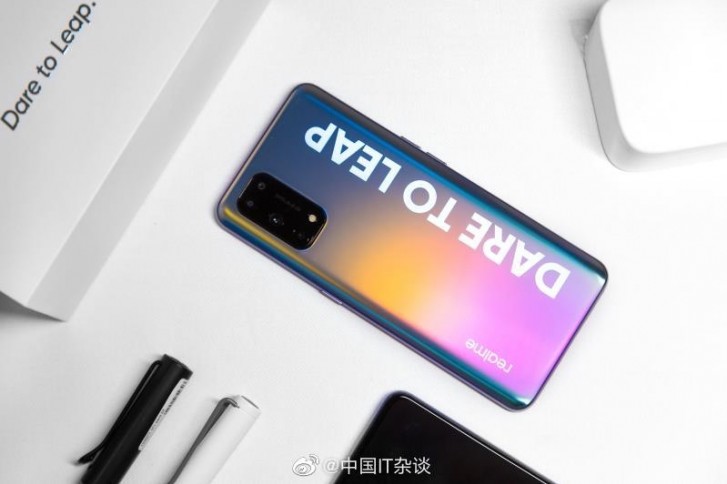
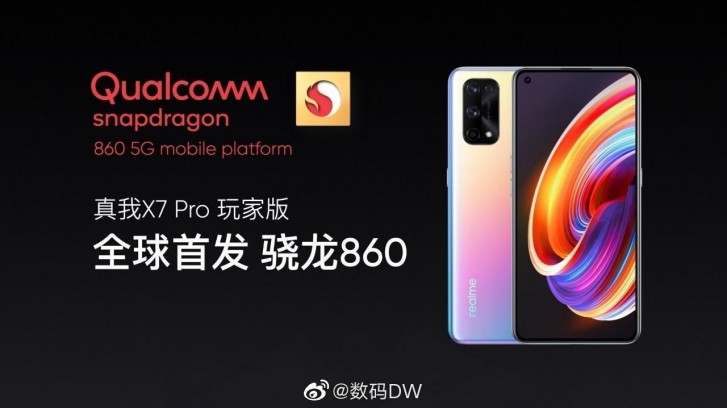
Realme is expected to launch the X7 series on September 1. The series is made up of the Realme X7 and X7 Pro and that has already been confirmed by several teasers and leaks. However, a new rumour has emerged that the Chinese company will also be launching a third version that would be known as Realme X7 Pro Player.
The Realme X7 Pro Player is rumoured to feature a Snapdragon 860 chipset as agaist the MediaTek Dimensity 1000+ that will be on the regular Pro. A leaked poster which appeared recently shows the device will pack a Snapdragon 860 SoC which is yet to be announced. Thus, the phone may be the first to feature the processor. Although the details of the phone is yet to be revealed, it maylikely be a middle ground between Snapdragon 855 and Snapdragon 865.
This won’t be the first Realme model to get a Player edition. Backin February this year, the Realme X50 Pro 5G had a layer version targeted at gamer. The phone comes with an improved cooling and extra layers for better heat dissipation. We’ll have to wait for the launch date to confirm if there will indeed be a X7 Pro Player version.
With the advent of social media platforms including photo-based sites like Instagram, people seldom print photos. However, there are those who still do; and if you don’t, maybe Polaroid’s new pocket printer may convince you to begin to print some of your photos.
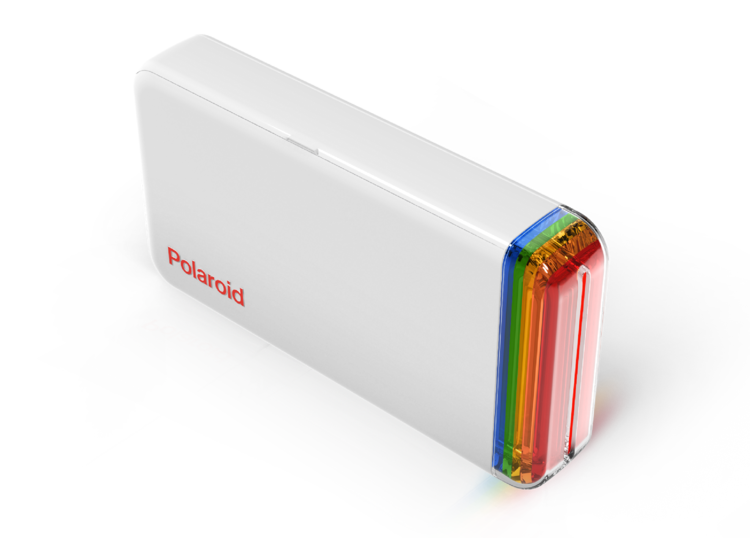
The new Polaroid Hi-Print 2×3 Pocket Photo Printer is unlike other printers. Not only is it the cutest pocket printer out there but it prints high quality photos. The printer uses dye-sublimation technology or its life-like photos unlike other pocket printers that use Zero-Ink technology.
The Polaroid Hi-Print Photo Printer has a white ABS outer shell with a rainbow colored end that reminds us of Apple’s legacy logo. The 2.1” x 3.4” photos are water-resistant and have an adhesive film on the back, so you can stick them on surfaces.
The Polaroid says printing is easy and takes just a minute. The printer connects to your device via Bluetooth 5.0. There is an app which is available for both iOS and Android devices. You can use the app edit your photos – add filters, stickers, and text – before printing.
There is a 640mAh battery inside the printer that charges via a MicroUSB port. The battery will allow you to print up to 20 photos on a single charge. Excluding the paper catridge, the pocket printer weighs 255 grams and it measures 175 x 101 x 46 millimeteres.
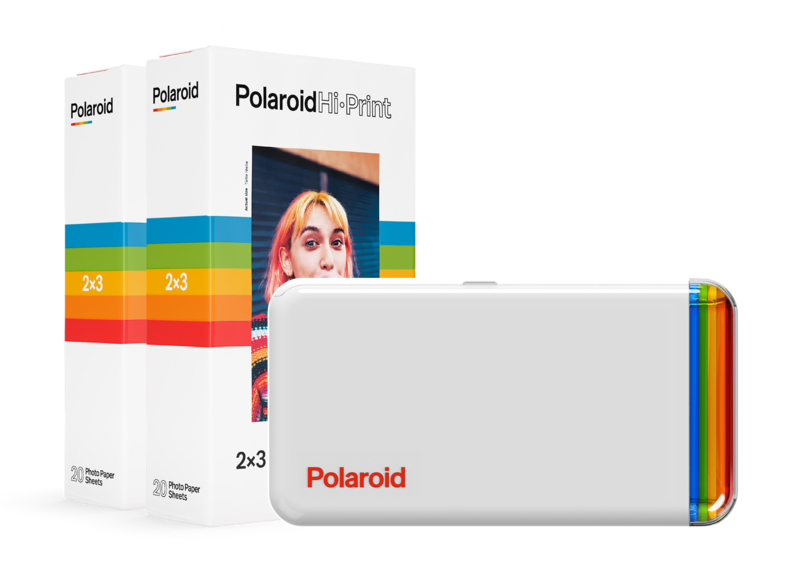
The Polaroid Hi-Print 2×3 Pocket Photo Printer is priced at $99/€99 but you have to pay $16.99/€16.99 for a pack of paper cartridge with 20 sheets. There is also a bundle that includes the printer and 2 packs of cartridge paper for $129.99/€129.99. You can make a purchase on Polaroid’s official website or you can wait until September to to order on Best Buy and Amazon.
Chinese phone maker Vivo has launched its latest smartphone s in the Y series in India. The phones are dubbed Vivo Y20 and Y20i and pack almost identical design and specs, save for a few differences.
Vivo Y20 & Vivo Y20i – Specifications & Features
The Vivo Y20 and Y20i both feature a 6.51-inch Halo iView LCD display with an HD+ resolution of 1600 x 720 pixels. The models are powered by a Snapdragon 460 chipset. The processor has an octa-core architecture built on an 11nm FinFet process. The processor is paired with an Adreno 610 GPU.
The processor is paired with 3GB of RAM on the Y20i while the Y20 pack 4GB of RAM. The two models have 64GB of internal storage onboard. The storage is expandable up to 256GB via microSD.
As for the camera, the models both adopt a triple camera setup at the rear made up of a 13MP main + 2MP depth + 2MP macro lens. There are an 8MP selfie camera and a side-mounted fingerprint scanner which unlocks the phone in just 0.22s.
The phones pack a mammoth 5,000mAh battery and feature support for 18W FlashCharge technology that promises up to 16 hours of online HD movie streaming and 11 hours of gaming on a single charge. For interface, the phone runs on Android 10 with FunTouch OS 10.5. For connectivity, the models feature a dual 4G VoLTE, Wi-Fi 802.11 ac, Bluetooth 5, and GPS/ GLONASS/ Beidou. There is also 3.5mm audio jack, FM Radio and micro USB.
As for the pricing, the Vivo Y20i is priced at Rs. 11,490 (~$154) and is available in a single 3GB RAM + 64GB storage. The phone is available in Dawn White and Nebula Blue colours. It will be available starting September 3, 2020, across all partner retail stores, Vivo India E-store, and other major e-commerce websites.
On the other hand, the Vivo Y20 is priced at Rs. 12,990 (~$174) for the 4GB RAM and 64GB storage sole option. The phone is available in Obsidian Black and Dawn White. It will be available for purchase on all partner retail stores, Vivo India E-store, and other major e-commerce websites starting August 28, 2020.
Sony is no longer a known player in the smartphone space. But the Japanese company continues to release new models every year with limited availability. Earlier this year, the firm launched Xperia 1 II as its flagship mobile device of 2020. Now, it may unveil Xperia 5 II soon as a render of this handset leaks revealing its entre design.
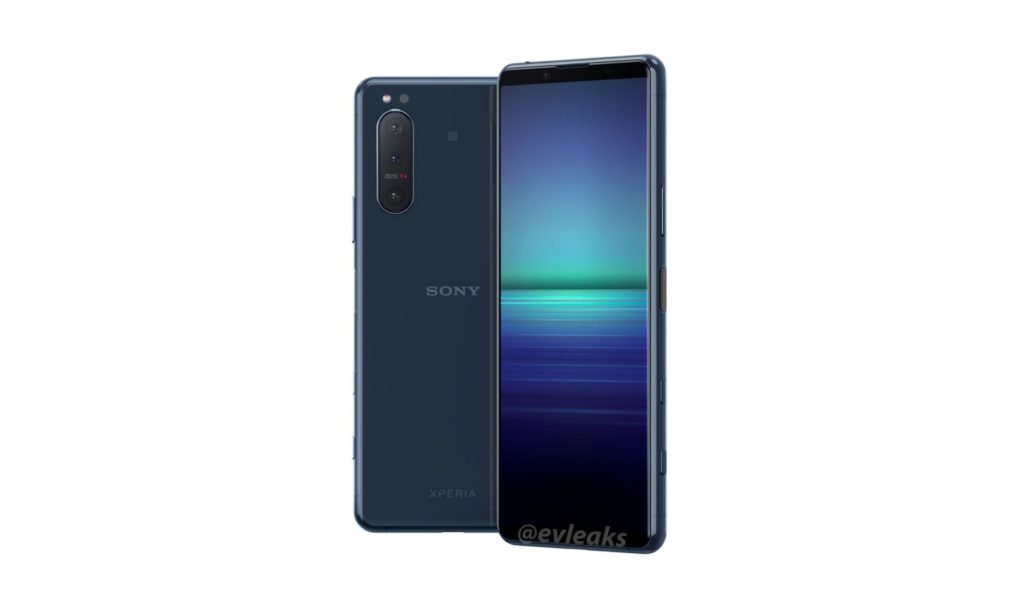
Last year, Sony launched Xperia 5 at IFA 2019. Therefore, its successor was expected to debut at the same event this year. Looks like it will certainly happen as its press render leak, courtesy of @evleaks (Evan Blass).
The render shared by Mr Blass gives us the first-ever glimpse of the upcoming Sony Xperia 5 II (pronounced as “Mark 2”). Just like its predecessor, it will come with a tall display most likely with 21:9 aspect ratio. The best part of this screen is there’s no notch or punch-hole as the selfie camera is loathed in the top bezel.
Interestingly, there are four physical buttons on the right side of this handset. The topmost one is volume rockers, followed by power key with an embedded fingerprint sensor, and two more buttons, which we think might be for Google Assistant and camera shutter respectively.
The rear of the phone looks like a carbon copy of Xperia 1 II except for a vertically triple camera setup with Zeiss T* optics instead of a quad. Further, there’s an NFC sign at the top, a “SONY” branding at the centre, and “XPERIA” logo at the bottom. Interestingly, there’s also a 3.5mm headphone jack at the top.
That said, Evan did not mention the specifications of this smartphone. But going by its predecessor, it should be powered by Qualcomm Snapdragon 865 flagship SoC.
Semiconductor based firms in China are hiring South Korean engineers to strengthen their domestic semiconductor industry and supply chains. The move likely arrives after pressure from recent US sanctions that threaten the existing suppliers.
According to a BusinessKoreareport, a South Korean headhunting company is looking for semiconductor etching experts for a Chinese company. Apparently, the job opportunity ad states that it is for a well known foreign company and is recruiting engineers with a master’s degree or higher who has worked as a section chief in the etching or plasma field.
For those unaware, etching is a process of drawing patterns on semiconductor circuits. In the semiconductor industry, this process has become increasingly more complex and important as production processes are now measured in nanometers. Similarly, another recruitment site has posted ads that state, “We will give preferential treatments to former engineers of Samsung Electronics and SK Hynix.”
These ads also promise exceptional working conditions with high salaries, good housing, and guarantee of international school for worker’s children. An industry insider stated that “I understand that Chinese companies are trying to contact employees of Samsung Electronics’ NAND flash plant in Xian, China, or SK Hynix’s DRAM plant in Wuxi to secure semiconductor human resources. The move from the Chinese semiconductor firms is likely due to the ongoing crisis caused by US sanctions, which have already restricted crucial chip supply from Huawei.
We use cookies on our website to give you the most relevant experience by remembering your preferences and repeat visits. By clicking “Accept”, you consent to the use of ALL the cookies.
This website uses cookies to improve your experience while you navigate through the website. Out of these, the cookies that are categorized as necessary are stored on your browser as they are essential for the working of basic functionalities of the website. We also use third-party cookies that help us analyze and understand how you use this website. These cookies will be stored in your browser only with your consent. You also have the option to opt-out of these cookies. But opting out of some of these cookies may affect your browsing experience.
Necessary cookies are absolutely essential for the website to function properly. This category only includes cookies that ensures basic functionalities and security features of the website. These cookies do not store any personal information.
Any cookies that may not be particularly necessary for the website to function and is used specifically to collect user personal data via analytics, ads, other embedded contents are termed as non-necessary cookies. It is mandatory to procure user consent prior to running these cookies on your website.