Advertisement

Oppo A53 2020 vs Redmi Note 9 vs Realme 6i: Specs Comparison

Three months after the global launch of the A52, OPPO officially announced the OPPO A53 2020 and launched it in Indonesia. While waiting for it to hit the Indian market, we can examine all of its specifications and compare it with the other devices sold in the same price range. For this comparison, we chose the Redmi Note 9 and the Realme 6i. Note that Realme 6i exists in two different variants: the Indian version and the global version. The phone we will talk about in this comparison is the Indian version, while the global version is a more affordable phone with inferior specifications.

 

Oppo A53 2020 vs Xiaomi Redmi Note 9 vs Realme 6i

Xiaomi Redmi Note 9 Realme 6i Oppo A53 2020
DIMENSIONS AND WEIGHT 162.3 x 77.2 x 8.9 mm, 199 grams 162.1 x 74.8 x 8.9 mm, 191 grams 163.9 x 75.1 x 8.4 mm, 186 grams
DISPLAY 6.53 inches, 1080 x 2340p (Full HD+), 395 ppi, IPS LCD 6.5 inches, 1080 x 2400p (Full HD+), 405 ppi, IPS LCD 6.5 inches, 720 x 1600p (HD+), 270 ppi, IPS LCD
PROCESSOR MediaTek Helio G85, octa-core 2 GHz Mediatek Helio G90T, octa-core 2.05 GHz Qualcomm Snapdragon 460, octa-core 1.8 GHz
MEMORY  3 GB RAM, 64 GB – 4 GB RAM, 128 GB – micro SD dedicated slot 4 GB RAM, 64 GB – 6 GB RAM, 64 GB – micro SD dedicated slot 4 GB RAM, 64 GB – micro SD slot
SOFTWARE Android 10, MIUI Android 10, Realme UI Android 10, Color OS
CONNECTIVITY Wi-Fi 802.11 a/b/g/n/ac, Bluetooth 5.0, GPS Wi-Fi 802.11 a/b/g/n/ac, Bluetooth 5.0, GPS  Wi-Fi 802.11 a/b/g/n/ac, Bluetooth 5.0, GPS
CAMERA Quad 48 + 8 + 2 + 2 MP f/1.8, f/2.2, f/2.4 and f/2.4
13 MP f/2.3 front camera
Quad 48 + 8 + 2 + 2 MP f/1.8, f/2.3, f/2.4 and f/2.4
16 MP f/2.0 front camera
Quad 12 + 2 + 2 MP
16 MP f/2.0 front camera
BATTERY 5020 mAh, fast charging 18W 4300 mAh, fast charging 30W 5000 mAh, fast charging 18W
ADDITIONAL FEATURES Dual SIM slot, reverse charging, water-repellent Dual SIM slot, splash resistant Dual SIM slot

Design

The sleekest handset of this trio is the Realme 6i which sports a smaller camera module and a punch-hole display with a hole placed on the upper left corner. But if we talk about build quality, the Redmi Note 9 looks more interesting because it has a glass back instead of a full polycarbonate body. It is uglier, but it is well-built. Oppo A53 is thinner and lighter than its two rivals, but it is bigger due to its thicker display bezels.


Display

The most advanced display belongs to the Realme 6i: a Full HD+ panel with a 90 Hz refresh rate. It is not a high-end panel and it is an average IPS display, but it is way better than Redmi Note 9 and Oppo A53 2020. Indeed, the former features a Full HD+ display with a standard refresh rate, while the latter has a low HD+ resolution, despite it features a 90 Hz refresh rate just like the 6i. The Realme 6i wins the comparison simply because it has both the features.

 

Specs & Software

Even when it comes to the hardware, Realme 6i is the champion. It has a more powerful Helio G90T chipset paired with up to 6 GB of RAM. With Redmi Note 9, which gets the second place, you get the Helio G85 paired with max 4 GB of RAM, while Oppo A53 has an inferior Snapdragon 460 SoC built with a better production process, but with lower performance. Oppo A53, Redmi Note 9, and Realme 6i run Android 10 out of the box, highly-customized by proprietary user interfaces.


Camera

On the paper, Realme 6i wins the camera comparison. It has exactly the same rear cameras as the Redmi Note 9, but it features a better chipset as well as a better front camera with a 16 MP resolution. With the Oppo A53, you get the same front camera as the Realme 6i, but the rear cameras are inferior to both its two opponents of the comparison. Realme 6i is able to record 4K videos at 30 fps and 1080p videos at 120 fps with EIS. It has a 48 MP main sensor with an f/1.8 focal aperture, an ultrawide sensor, and two sensors with 2 MP resolutions for macro and depth.


Battery

The biggest battery belongs to the Redmi Note 9, but the OPPO A53 2020 should last more on a single charge because it has a lower resolution for the display and a more efficient chipset (the Snapdragon 460 built at 11 nm). Both feature 18W fast charging, but with the Redmi Note 9, you get 9W reverse charging (wired). Realme 6i has a smaller battery and a shorter battery life, but it has a much faster charging technology with a power of 30W.


Price

Oppo A53 sells for €140/$165, Realme 6i starts from €170/$200, and Redmi Note 9 has a €150/$177 starting price. The Realme 6i is a more advanced device thanks to its Full HD+ 90 Hz display and its better chipset, but unlike Redmi Note 9 and Oppo A53, it is not a battery phone.


Oppo A53 2020 vs Xiaomi Redmi Note 9 vs Realme 6i: PROs and CONS

Xiaomi Redmi Note 9

PROs

  • Big battery
  • IR blaster
  • Water-repellent
  • Micro SD dedicated slot
  • Reverse charging

CONS

  • Nothing particular


Realme 6i

PROs

  • High performance
  • 90 Hz display
  • Splash resistant
  • Faster charging tech
  • Micro SD dedicated slot
  • Great cameras

CONS

  • Smaller battery


Oppo A53 2020

PROs

  • Big battery
  • 90 Hz display
  • Good price
  • ColorOS 7.2 out of the box

CONS

  • HD+ display

 

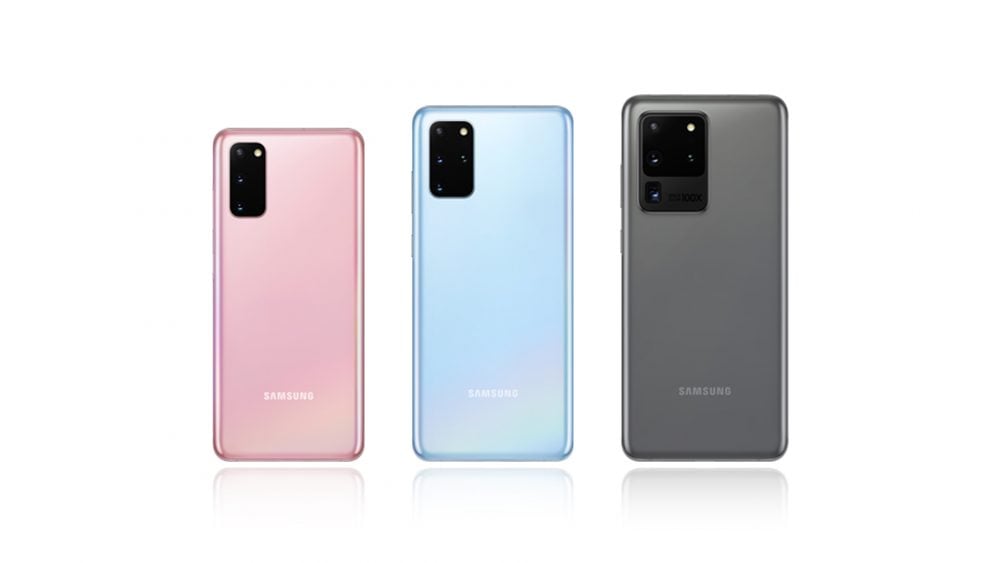
Samsung Galaxy S20 series has begun to receive One UI 2.5 update

Samsung launched the Galaxy Note20, Galaxy Note20 Ultra, Galaxy Tab S7, and Galaxy Tab S7+ with One UI 2.5 out of the box. Even the upcoming Galaxy Z Fold2 will also be debuting with this software. The company’s other smartphones were expected to get his version of One UI in the coming days. But the firm surprised everyone by initiating the rollout to Galaxy S20 series on the first-day sale of Galaxy Note20 series, which happens to be today.

Samsung Galaxy S20 Series Featured

The One UI 2.5 update for Galaxy S20, Galaxy S20+, and Galaxy S20 Ultra is currently live for the 5G variants of these handsets in certain regions. The models that are receiving the update are the following listed below.

  • Galaxy S20 – SM-G981B
  • Galaxy S20+ – SM-G986B
  • Galaxy S20 Ultra – SM-G988B

The above-mentioned variants of Samsung Galaxy S20 series are getting the One UI 2.5 update with build number G98xBXXU4BTH5 in European countries like Spain, Italy, Hungary, Portugal, the Netherlands, Germany, and others. Other models and 4G variants of these phones should also start receiving the update in the coming days. 

This update based on Android 10 brings some of the Galaxy Note20 series features like navigation gestures support for third-party launchers, improved Pro Video mode, changes in Single Take, Wireless DeX, and more.


(Via)

Samsung Galaxy Note20 teardown does nothing to quell our disappointment

The 2020 Galaxy Note series is made up of the Galaxy Note20 and Note 20 Ultra of which the latter is the topmost variant. While the Galaxy Note20 Ultra has continued to receive rave reviews, the same can’t be said of the Note20. Most complaints are centred around the display lacking a high refresh rate and the presence of a plastic back panel.Samsung Galaxy Note 20 Ultra

Turns out that the internals of the device isn’t one to be happy about. YouTuber channel PBKreviews has shared a video teardown of the vanilla Note20 giving us our first peek at the internals of the cheaper new Note. Sadly, the arrangement of the internal components means the device won’t be an easy one to repair.

The teardown started rolling with the reviewer taking off the back cover, first by applying heat and using the pry tool. Removing the back cover reveals the internal components, prominent of which is the 12MP wide and 64MP telephoto cameras which boast OIS. Heading down, you’ll find the wireless charging pad, earpiece and the 4,300 mAh battery. The S Pen dock is tucked in right next to the battery.

Talking of the battery, there is no pull tabs on the body which makes it difficult to remove the battery should there be any reason to want to do so. The only way to take it out is to heat up the adhesive and then apply alcohol. Then it becomes easy to yank it off using the pry tool.

The Galaxy Note20 features an under-screen fingerprint sensor and it is located under the battery compartment. The sensor is part of the display and is not easy to replace without prior knowledge. The display can be taken off after all the internal components are removed. All that is needed is some heat and the pry tool.


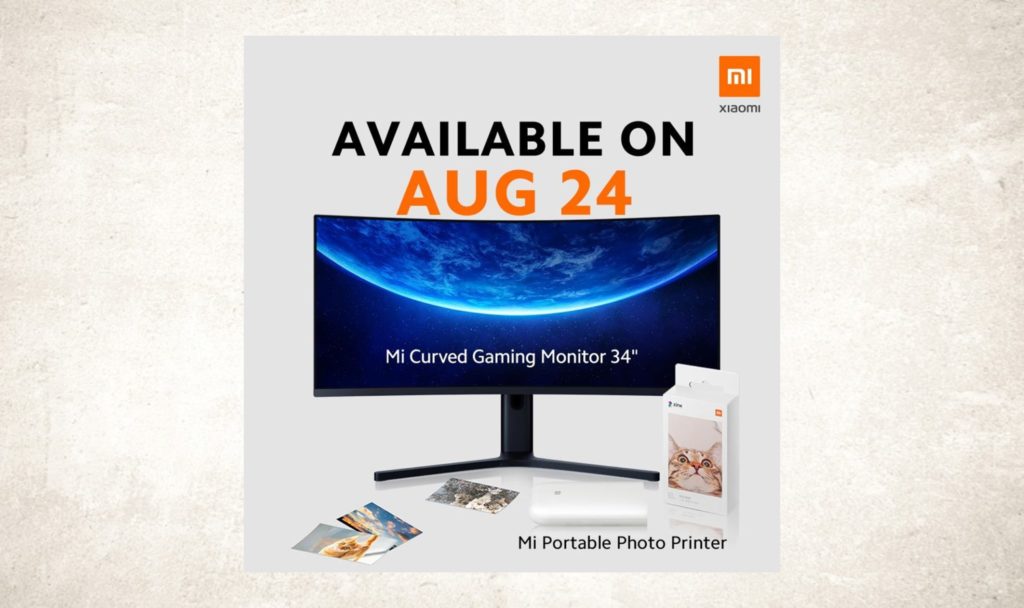
Xiaomi Mi Curved Gaming Monitor 34” and Mi Portable Photo Printer launching in Malaysia on August 24

In July 2020, Xiaomi launched Mi Curved Gaming Monitor 34” for the European market. Similarly, in September 2019,  the company crowdfunded Mi Portable Photo Printer in China. Now, these two products will be available for purchase in Malaysia on August 24.

Xiaomi Malaysia announced the availability of the above-mentioned two products in the country on its official Facebook page (via Soyacincau). The price for the same will be revealed on Monday whey they will go on sale.

Xiaomi Mi Curved Gaming Monitor 34 Mi Portable Photo Printer Malaysia Launch

Mi Curved Gaming Monitor 34”

This Xiaomi monitor, as the name suggests, features a 34-inch WQHD (3440 × 1440 pixels) LCD panel with 1500R curvature, 21:9 aspect ratio,144Hz refresh rate, 85% NTSC color gamut, 16.7 million colors (8-bit), 3000:1 contrast ratio, 4ms response time, 300 nits brightness, and AMD FreeSync Premium.

As for ports, it includes 2 x HDMI 2.0, 2 x DisplayPort 1.4, 1 x 3.5mm headphone jack, and 1 x  AC power in. Lastly, the monitor can be used with the included stand and can also be wall-mounted.

It costs €399 in Europe but will be mostly priced less than RM2,000 for Malaysia.

Mi Portable Photo Printer

This tiny pocketable printer resembling a power bank is capable of printing photos in 313 × 400 dpi resolution. It can hold up to 10 sheets at a time and takes about 45 seconds for a single print using ZINK (Zero Ink) technology.

The printer features Bluetooth 5.0 to connect with smartphones so that it can be managed via the MIJIA app. Last but not least, it can print a maximum of 20 photos on a full charge with its 500mAh battery, which charges via MicroUSB port.

As for price, the Xiaomi printer launched officially in China for 349 yuan ($50).


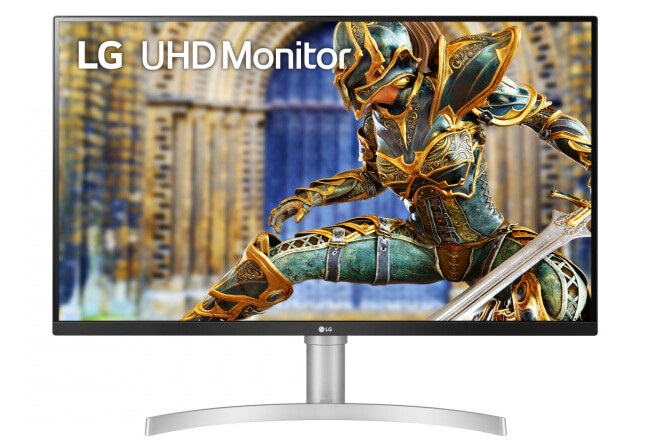
LG launches a 31.5-inch UHD monitor with 95% DCI-P3 color gamut, built-in speakers

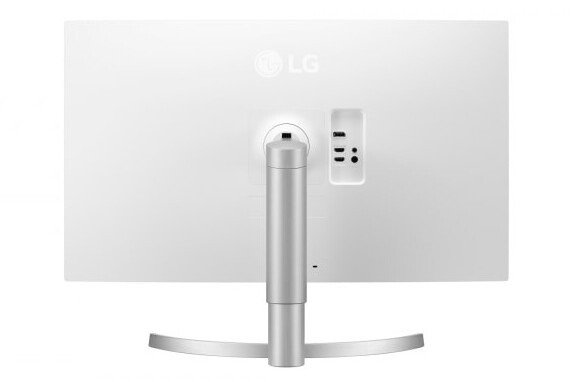
LG Electronics has unveiled a new Ultra-high-definition monitor having the model number 32UN650-W. The monitor features a 31.5-inch LG IPS display panel and has a 4K UHD resolution of 3840 x 2160 pixel. It also has up to 95% DCI-P3 wide colour gamut, 1.07 billion colours and HDR10 support.LG UHD Monitor

In terms of gaming, this monitor supports AMD FreeSync,  a response time of 5 ms (GTG), a maximum brightness of 350 nits, and a 1000:1 static contrast ratio. It also comes with anti-blue light, In terms of interfaces, this monitor uses DP 1.2a and HDMI interfaces and has built-in 5-watt stereo speakers. The monitor has a swivel stand and a C-shape base. The height of the stand is also extendable.

LG is yet to announce the price of the UHD monitor but did hint that it will go on sale in the last week of August 2020.


Samsung Galaxy M51 expected to pack a 7000mAh battery, details leak!

Renders of Samsung’s unannounced Galaxy M51 first surfaced online back in March. Since then, we have had to wait for more details. At the moment, the Galaxy M51 specifications have surfaced online with the leak showing the device will pack a 6.7-inch FHD+ AMOLED screen with a punch-hole design. The device will also have 6GB or 8GB RAM versions with 128GB storage.

Further, the Galaxy M51 is said to feature a 64MP quad-camera setup at the rear but we must note that earlier renders show a triple camera setup. What caught our fancy pretty quickly is the huge 7000mAh battery with support for 25W fast charging. This will likely be the main selling point for the device. For reference, the Galaxy Tab S7 tablet packs a 7,040mAh which puts the M51’s battery in the tablet category. The battery is also 2,500mAh larger than the battery in the Galaxy Note 20 Ultra.

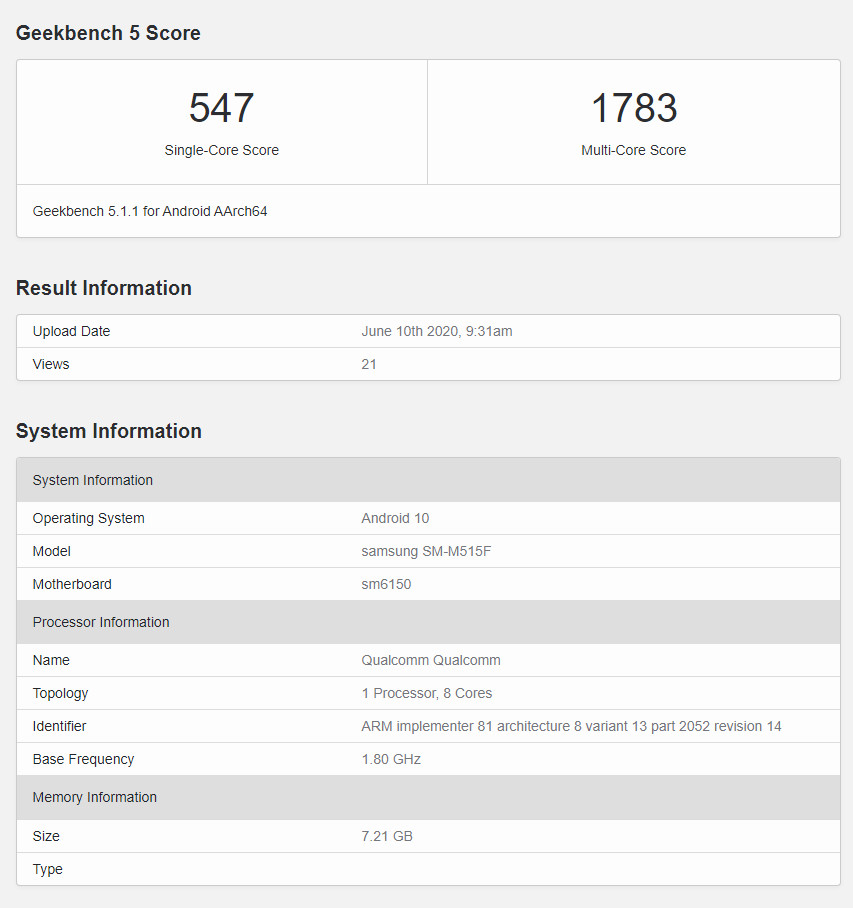
The Galaxy M51 had earlier appeared on GeekBench with the model number SM-M515F. The GeekBench listing shows the device will be powered by a Qualcomm Snapdragon 730 SoCchipset paired with 8GB of RAM. The interface will be provided by Android 10 OS.

In terms of the build, the Samsung Galaxy M51 will likely come with a glasstic body similar to the M31s but we can’t be so sure. We’ll have to wait for further details. The phone will reportedly launch in India soon.


Google Pixel 5 3D CAD renders expose the entire design

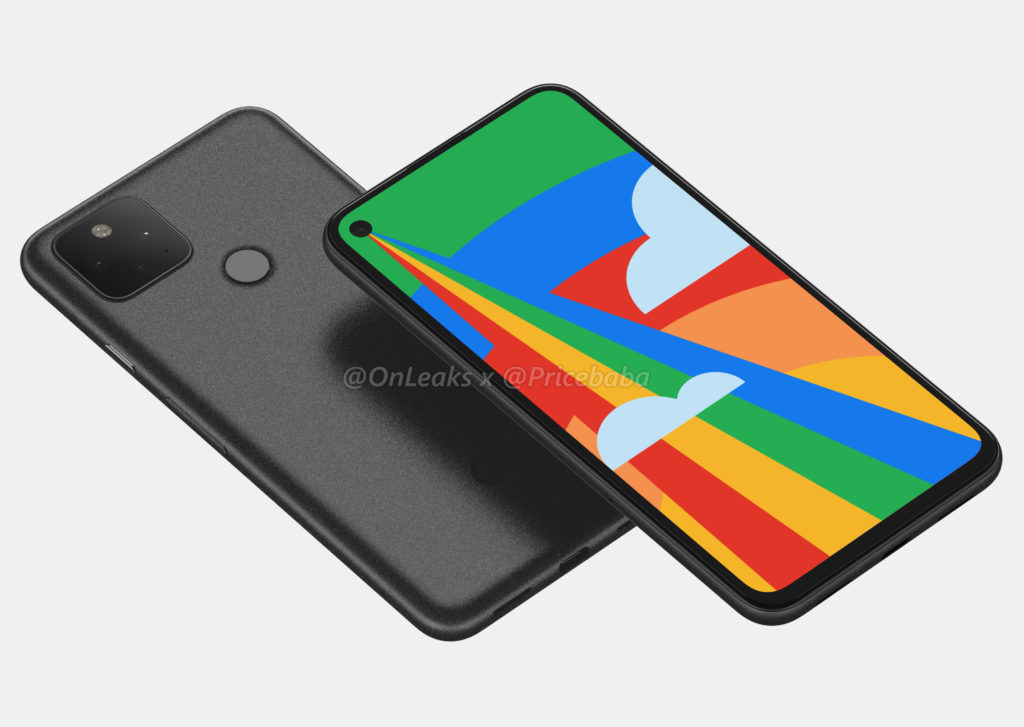
While announcing the Pixel 4a earlier this month, Google also unveiled Pixel 4A 5G and Pixel 5A. But the company neither revealed the design nor their specifications. But it did confirm them to come with 5G connectivity. Now, weeks later, Pixel 5 3D CAD renders from @OnLeaks expose the entire design of this handset.

Google Pixel 5 3D CAD Render Leak Featured

Steve Hemmerstoffer, commonly known as @OnLeaks is known for his 3D CAD render leaks. He has been accurate with his leaks for years. He partners with various publications for his exclusive leaks. For the Pixel 5 renders, he has joined hands with PriceBaba.

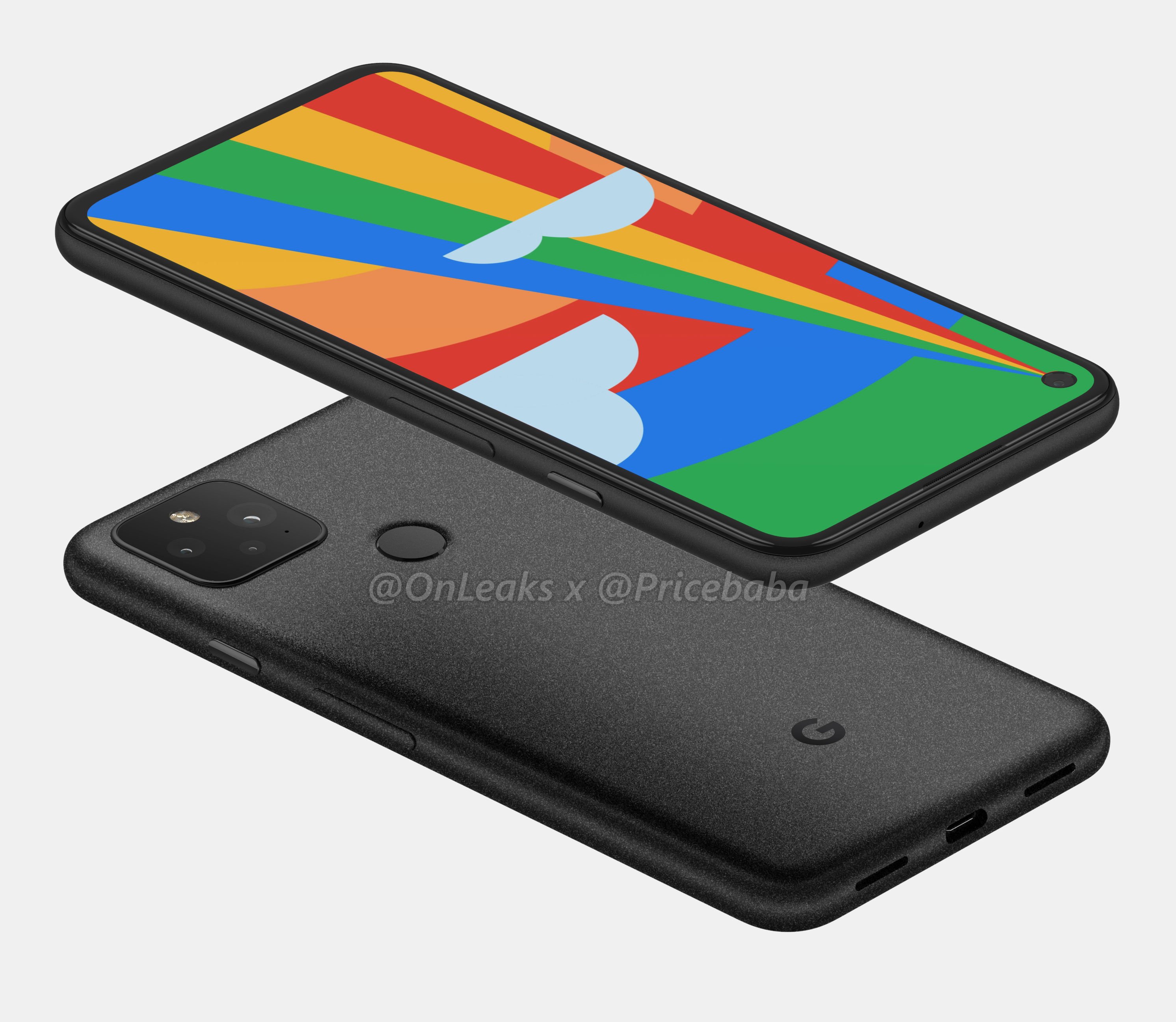
According to the leakster, the upcoming Pixel 5 will measure 144.7 x 70.4 x 8.1mm in dimensions. His renders reveal the design of this handset to be similar to that of the recently launched Pixel 4a.

On the front, the phone is said to sport a 5.7-5.8 inch display with a punch-hole cutout at the top left corner for the selfie camera. The renders show the phone is a glittery black color just like the official teaser by Google with a glossy power key at the right side along with volume rockers.

The right side of the smartphone has a SIM card slot, whereas the top of the phone houses a secondary microphone. Further, the bottom features a centrally-aligned USB Type-C port flanked by speaker grille on either side, out of which one should nest the primary microphone.

Talking about the rear panel, the handset features a fingerprint sensor and a dual-camera setup on a raised square module with an unknown third sensor as well as LED flash.

As per previous reports, the forthcoming Pixel 5 will come with Qualcomm Snapdragon 765G, 128GB base variant, and reverse wireless charging feature called Battery Share. It is expected to launch on September 30 as per tipster Jon Prosser.


ZTE Axon 20 5G, the world’s first under-display camera phone was in development for 20 months

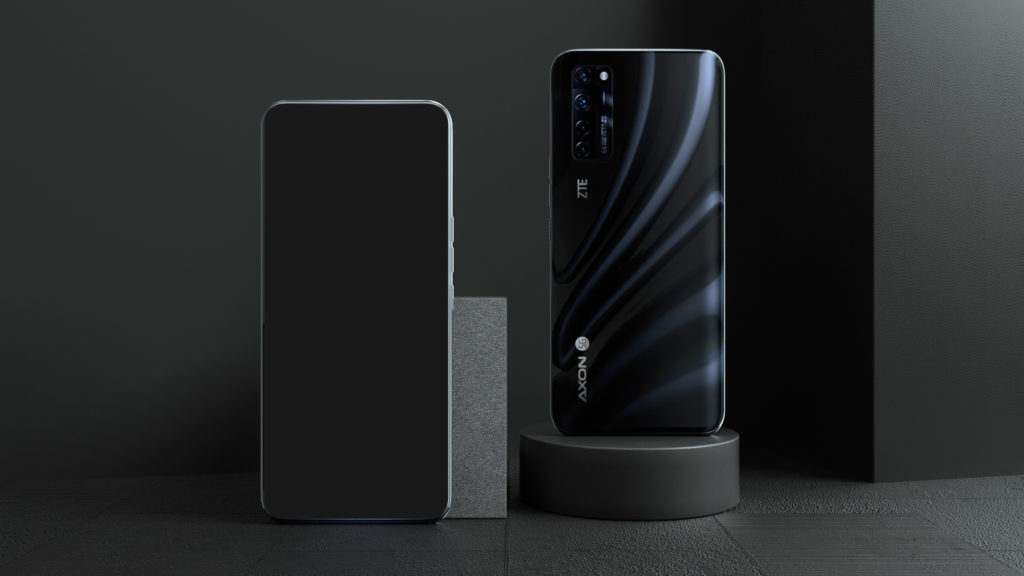
Earlier this week, ZTE officially announced to launch the world’s first under-display camera smartphone called Axon 20 5G on September 1. Since then, the company has been teasing this handset with promos and renders. One of the firm’s executives has now revealed some tidbits regarding the development of this phone to the Chinese media.

ZTE Axon 20 5G
ZTE Axon 20 5G

Lu Qianhao, Director of Consumer Experience at ZTE told Chinese media (via MyDrivers) that they spent more than 20 months in R&D to give birth to ZTE Axon 20 5G. He admitted that under-display camera technology is extremely difficult, complex, and expensive to achieve.

Back in June, Brian Shen, Vice President of OPPO also made a similar statement. He mentioned the development phase as a “tortuous path”. And even asked people to not expect good quality images from the first-gen products. But he did say that one day, this tech will be perfected with incremental improvements.

It is rumored that OPPO is not satisfied with the picture quality of the under-display cameras yet even though they were the first to showcase it publicly in December 2019 at OPPO INNO DAY conference in Shenzhen, China.

On the other hand, Ni Fei, President of ZTE Mobile Devices said that they carried out a blind selfie camera test for Axon 20 5G and the participants did not find any issue with image quality.

Oppo Under Display Camera Samartphone
OPPO Under Display Camera Smartphone

Having said that, the upcoming ZTE Axon 20 5G is rumoured to feature Visionox OLED panel for the under-display camera solution. Earlier in July, news broke out that the display manufacturer had shipped $500 million worth of this type of panels to Huawei and Xiaomi.

Interestingly, the world’s first under-display camera smartphone will not be a flagship. According to TENAA, the Axon 20 5G will be powered by the mid-range Qualcomm Snapdragon 765G chipset. But due to that selfie camera, the phone may be priced higher than other normal 5G handsets with this very same silicon.


LG Display’s transparent OLED displays outfitted on subways in China

Earlier today (21st August 2020), LG Display officially announced that it has provided 55 inch transparent OLED display panels to subway trains of Beijing and Shenzhen in China.

These new transparent OLED screens are used to display information to the commuters that ride the subway. The displays have a 38 percent transparency and have a Full HD resolution. LG stated that it would be working to provide similar solutions to other subway networks from across the globe as well.

LG

Unfortunately, it is unknown just how many of such displays the South Korean tech giant has equipped on the subway trains. Furthermore, the company has also announced that it would be doubling the output of transparent OLED panels since it believes that the new generation of displays can be used in various commercial sectors like large shop windows, on the exteriors of buildings, and other exhibition spaces as well.


Xiaomi MIJIA Smart Oven launched, priced at 1,499 Yuan ($216)

Earlier today (21st August 2020), Xiaomi launched a new product from the MIJIA brand. It is the MIJIA Smart Oven which will start being crowdfunding on 26th August 2020

According to official notes, the new MIJIA Smart Oven has a total capacity of 30 litres. It adopts a vertical body design with support for a variety of cooking methods. This includes roasting, steaming, frying, and even stewing with 30 seconds of steam output. The product also supports a smart link, meaning it can be connected via the MIJIA smart home application.

Xiaomi

The Xiaomi MIJIA Smart Oven follows a minimalistic design with a single colored body. It has a circular dial on the top right corner that displays all the essential information as well. It is planned to go on crowdfunding with a price tag of 1,299 Yuan (roughly 187 US Dollars) while its retail price is 1,499 Yuan (roughly 216 US Dollars).


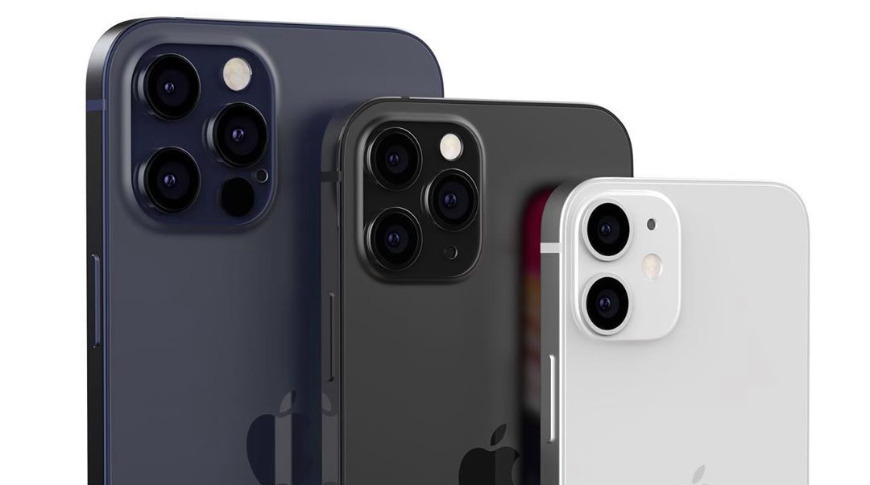
Apple iPhone 12 series to arrive with cheaper battery design to offset 5G cost: Ming-Chi Kuo

With the iPhone 12 series being right around the corner, rumors and speculations regarding the latest generation of Apple flagship are surfacing. The latest report arrives from known analyst Ming-Chi Kuo and, which stated that the company might be looking to offset some of the 5G costs in their new lineup by offering cheaper battery designs.

Apple

The iPhone 12 series will be the Cupertino based giant’s first flagship lineup that features 5G networking. However, 5G enabled handsets are known to be generally pricier than their 4G LTE counterparts. Adding on the Apple premium you pay for their products, and one would rightly assume that breaking the bank might be the way to get the latest 5G iPhone.

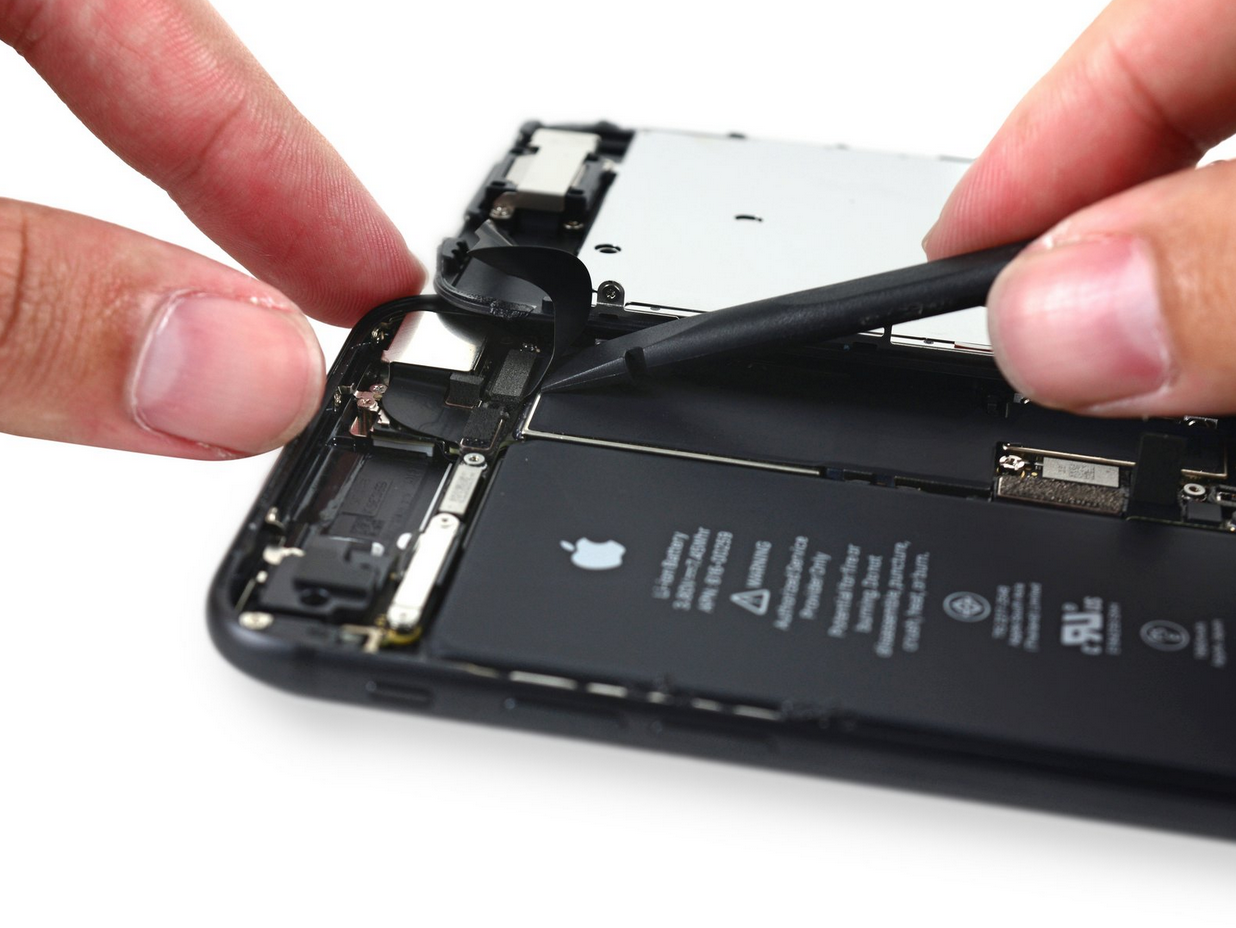
The report from Kuo has revealed through supplier data that the cost of an iPhone could rise by $85 for adding sub-6 5G support or $135 for adding millimeter-wave. Apparently, Apple has been pressuring its suppliers to try and reduce the cost of parts and will use a simpler battery design to lower the overall cost of the iPhone 12 series. The iPhone 12 battery board specifications reportedly feature a reduced number of layers and smaller areas.

Apple

This would enable Apple to reduce costs on the battery by 40 to 50 percent when compared to the iPhone 11 series. The company will reportedly abandon the hard board design and opt for a soft board battery design for the iPhone 12s series in 2021. Unfortunately, this is still an unconfirmed report so take it with a pinch of salt and stay tuned.


Mysterious POCO phone with 120Hz AMOLED display may launch this month

POCO re-introduced itself as a separate entity at the beginning of this year. So far, the company has unveiled three phones this year such as the POCO X2, POCO F2 Pro, and POCO M2 Pro. The POCO F2 Pro as a rebadged version of China’s Redmi K30 Pro 5G. The POCO M2 Pro and POCO X2 are midrange devices. While the F2 Pro arrived as a powerful flagship phone with impressive cameras, some POCO fans were not happy with since it came with a regular 60Hz display. Fresh information suggests that POCO is now gearing up to launch a flagship phone with 120Hz refresh rate display.

The tweet by Angus Kai Ho Ng who is the Product Marketing Manager and Global Spokesperson for POCO suggests that the company could be soon launching a phone with a high refresh rate. It appears that the executive will be spilling more information on the mysterious device in the next few days.

Tipster Abhishek Yadav has claimed that the POCO executive deleted the original tweet that mentioned 120Hz refresh rate and AMOLED display. He has also claimed that the new POCO device will debut this month.

Meanwhile, Nashville Chatter Class has come across an unknown phone that has M2007J20CG. The handset has recently received certification from Indonesia’s TKDN authority. The listing only confirmed that is a 4G device. However, its appearance at the Eurasian Economic Commission (EEC) in the last month revealed that it is a POCO branded device. Also, tipster Mukul Sharma had previously claimed that the POCO M2007J20CG could be a high-end phone

Apart from the POCO M2007J20CG phone, POCO is reportedly working on the launch of the POCO C3 smartphone that was recently approved by the Bluetooth SIG authority. The handset is expected to arrive as a rebranded version of the Redmi 9C.


Auto-fill with Google adds support for biometric authentication on Android

Google auto-fill service is one of the best free password managers available in the market. It comes pre-loaded with all Android devices with GMS (Google Mobile Services). It is now finally getting support for biometric authentication, which is present on competitors for a long time.

Google-Logo-2015

Password managers are one of the most useful applications on smartphones. But not everyone uses them as they don’t come free. However, with the introduction of “Auto-fill with Google”, more people started using the service as the system prompts to use it while entering credentials.

It works flawlessly across Google software like Chrome,  Android, and ChromeOS. Since the former two have a huge market share, more users started using Google auto-fill service because of its easy to use and free to use nature.

Now, Google is strengthening its security by adding support for biometric authentication on Android. The search giant is rolling it out as a server-side update to select users with Google Play Services v20.33.13 and v20.26.14.

To check if you have received it, go to Settings > Google > Auto-fill > Auto-fill with Google and see if you have a new option called Auto-fill Security. If then, enable it to use your device’s biometric solution like fingerprint (most handsets), iris (older Samsung Galaxy flagships) or secure facial recognition (Pixel 4 series).

We expect Google to roll out this update to all Android users worldwide in the coming days.


(Via)

Huawei and ZTE slow down building 5G in China after US tech ban

Huawei and ZTE, known Chinese telecommunications equipment providers, have slowed down building 5G base stations in China. This arrives after the US tech ban, which puts uncertainty regarding its key supply chain in the near future.

Huawei

Both Chinese tech giants account for over 80 percent of all base stations contracts in China. In other words, these companies are integral to the country’s transition into the newer generation of mobile telecommunications. Furthermore, the slow down in 5G infrastructure also signals that the recent US export sanction has started taking its toll on the Chinese firms. Although, this slowdown is also caused by Chinese carriers’ investment strategy with 5G.

At the moment, Huawei and ZTE are working on re-designing a few of their 5G products. This is being done to completely remove US parts as much as possible. According to a report from Nikkei, both firms have told suppliers to slow down shipments of certain 5G base station related products back in June 2020. ZTE told a supplier to slow down shipments in June, with orders coming to a near standstill in July.

Huawei

Similarly, Huawei had also stated that it changed some designs and is replacing certain equipment used in its manufacturing process. Furthermore, the monsoon season hitting southern parts of China, causing floods, have also contributed to delays in 5G base station installations in the region. For those unaware, the Trump administration is cracking down on Chinese companies like Huawei and ZTE, with its recent sanctions trying to cut off US made parts completely and disrupting their supply chain.


Apple acquires AR and camera tech based Israeli firm Camerai

Apple has just recently acquired a new firm called Camerai (formerly known as Tipit). The Cupertino based giant is known to acquire small scale firms and startups, with the latest addition being a specialist in AR and camera technology.

Apple

According to a TechCrunch report, the iPhone maker quietly acquired and shut down Camerai which was bassed out of Israel. The news was first reported on by Israeli newspaper Calcalist, and Apple has yet to comment on the matter. Similarly, Camerai’s CEO and Co-founder Jonathan (Yehonatan) Rimon has declined to comment on this new as well, although sources close to this have confirmed the story separately.

Reportedly, the augmented reality and computer vision company was sold for tens of millions of US Dollars. Back in 2015, Camerai had raised over 5 million US Dollars, 2.5 million US Dollars in 2017, and another 2.5 million in 2018. Its investors included the Atooro Fund and SKO Fund. Apparently, multiple other companies had also approached the small firm back then, when AR had a higher demand and market hype.

Apple

According to Calcalist’s report, the Camerai employees have been transferred to Apple’s computer vision team, while its technology has already been incorporated into Apple products. Although, when exactly this occurred is currently unknown, but both iOS 13 and iOS 14 received big software updates to its camera systems in the past. Camerai built an SDK and a range of AR tools that offered various image editing methods as well.


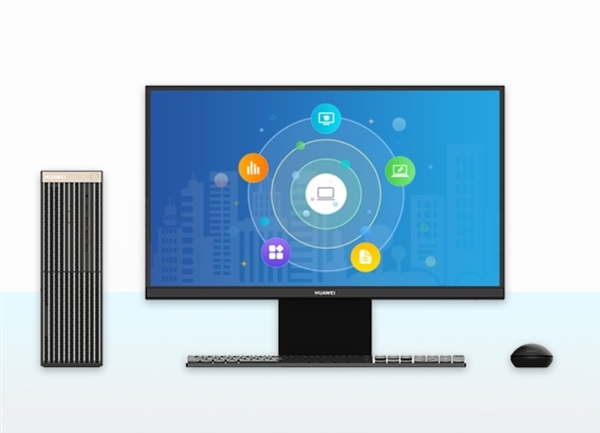
Huawei Qingyun W510 desktop PC is manufactured by Foxconn

Huawei has been long reported to enter the desktop PC market. There have been multiple leaks and rumors in the past few months regarding this computer. Recently, it even appeared in renders revealing its entire design. Now, it also gets 3C certification in China exposing its manufacturer.

Huawei has been selling laptops for a few years now. All of them are powered by Intel or AMD chipsets and mostly run Microsoft Windows. For those aware, there are some laptop models by the company with Ubuntu on-board.

But with its first desktop PC, the company is taking a different route. According to leaks, it will be powered by Huawei’s in-house 7nm HiSilcion Kunpeng 920 3211K processor paired with AMD Radeon 520 GPU. It will come equipped with 8GB RAM, 512GB Samsung SSD, and will run UOS (Unity Operating System), a Chinese Linux distro developed by UnionTech.

As per 3C certification, it is manufactured by Hongfujin Precision Electronics, a subsidiary of Hon Hai Precision, which is commonly known as Foxconn.

This machine is reported to be marketed as Qingyun W510. It will include a 23.8-inch FHD (1920 x 1080) monitor with 70% color gamut, a keyboard, and a mouse. For ports, it is said to feature 7 x USB Type-A, 1 x USB Type-C, 3.5mm headphone jack, and ethernet. It will also feature an optical drive.

Having said that, Huawei is yet to announce the launch date of its first desktop PC, which is reported to be made available only in certain provinces of China.


OPPO F17, F17 Pro promo video released, dual punch-hole display, design and color variants confirmed

OPPO India took to Twitter yesterday to confirm that it will be soon launching the OPPO F17 Pro smartphone in India. The company claimed that it will be the sleekest phone of this year since it measures 7.48mm in thickness and weighs 164 grams. It also revealed that the phone will be priced under Rs 25,000 in India. Today, OPPO India released a promo video of the F17 series to reveal some of its key features.

The OPPO F17 series promo confirms that the lineup includes two phones namely, the OPPO F17 and OPPO F17 Pro. Half through the video, a handset can be seen with a dual punch-hole display for the dual front-facing cameras. It is unclear whether the handset shown with the frontal view is the F17 or F17 Pro.

OPPO F17 and OPPO F17 Pro poster

Towards the end of the video, the OPPO F17 and F17 Pro can be seen in different color variants. It also confirms that the F17 duo will have a quad camera setup arranged in a square-shaped module along with an elongated LED flash unit. The Chinese manufacturer is yet to shed light on the specifications of the F17 and F17 Pro smartphones.

MySmartPrice has shared a leaked promo image of the F17 series. The handset will be sporting an OLED panel with an in-screen fingerprint reader. The leak has no information on the specs of the F17 series.

OPPO F17 leaked promo

The OPPO F17 will be replacing the OPPO F15 that debuted in India in January this year. The phone came with a 6.43-inch AMOLED FHD+ display with waterdrop notch. The Helio P70 chipset powers the phone with 6 GB / 8 GB of RAM. The phone offers users with 128 GB of storage. The Android 10 OS with ColorOS 7.2 updated was released for the phone in July for users in India. It has a 48-megapixel + 8-megapixel + 2-megapixel + 2-megapixel quad-camera setup and a 16-megapixel front camera. The phone houses a 4,025mAh battery with 30W fast charging.



TSMC has manufactured over 1 Billion 7nm chips

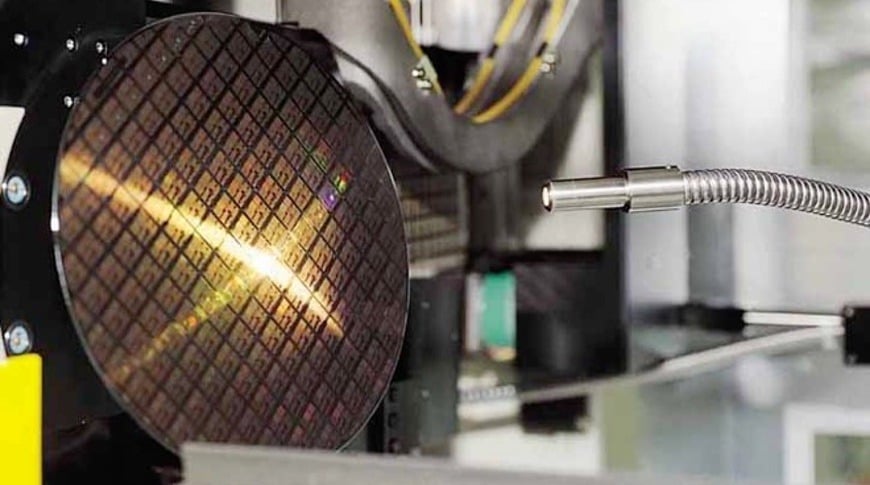
TSMC, the world’s largest contract chipmaker, has managed to manufacture over 1 billion 7nm chips. This arrives in just a bit over 2 years since it began manufacturing the 7nm process, which is a notable achievement that the company celebrated earlier this week.

TSMC

The number of chips produced could cover 13 Manhattan city blocks. TSMC (Taiwan Semiconductor Manufacturing Company) began production of 7nm chips back in April 2018. Since then, the firm has “manufactured 7nm chips for well over 100 products from dozens of customers.” The customers include big names in the industry like AMD, Apple, Qualcomm, and even Huawei up until September of this year.

In comparison, Intel, one of the other major chipmakers, has yet to transition into the 7nm process. It has faced various issues in its yield and has delayed the 7nm chips till late 2022 or early 2023. On the other hand, TSMC has already managed to equip each of its 7nm chips with at least one billion transistors inside i. In other words, the company has also managed to make more than one quintillion 7nm transistors as well.

TSMC

One of the reasons through which TSMC managed to achieve this milestone is its EUV lithography technology that the company introduced with its latest generation. EUV stands for “extreme ultraviolet light” which is used to print on a scale of nanometers. This technology was particularly difficult to introduce to its mass production line, although, it has definitely paid off and the company is already working with 5nm chips as well.


Apple Watch accounts for more than half of all global smartwatch sales in 2020

Despite the wearables market seeing a decline in 2020 due to the Coronavirus pandemic, the Apple Watch is still seeing great sales. According to a Counterpoint Research report, the wearable is dominating the global smartwatch market for 2020.

Apple

The Cupertino based giant’s wearables have dominated the market, especially its latest Apple Watch Series 5. According to the report, the Apple Watch series accounted for an estimated 51.4 percent of global smartwatch market revenue during the first half of 2020. In other words, the company’s offering alone accounted for more than half of the entire market.

Furthermore, no other OEM came even close to Apple’s dominance, with Garmin and Huawei products arrived in second and third with 9.4 percent and 8.3 percent respectively. In other words, the iPhone maker had a commanding lead through the first half of this year. While the viral outbreak did slow the industry down, the global smartwatch market still saw a 20 percent year on year growth and is expected to grow even further in the near future.

Apple Watch Series 5 Featured

We had previously reported on the market which was said to double by 2024, and Apple might have a big role in it. Counterpoint Research estimated that a total of 42 million smartwatches were shipped in the first half of 2020. Notably, the company’s Apple Watch sales also grew in Europe and North America by 22 percent, with the Apple Watch Series 5 being the best selling smartwatch during this period of time.


Apple could manufacture iPhone 12 series models in India from next year

In a bid to diversify its production facilities and reduce reliance on China, Apple seems to have shifted its focus towards the Indian market. After the company started producing iPhone 11 in India, the upcoming series could also be manufactured in the country.

As per the reports, it is being speculated that Apple could start producing “Made in India” iPhone 12 series models from mid-2021. The manufacturing is expected to take place at the new Narasapura plant in Bengaluru, which is being operated by Taiwanese company Wistron — a contract manufacturer for Apple.

Apple iPhone 12 Render

It is also being reported that the company could be investing around ₹2,900 crores as it looks to hire about 10,000 employees. While a new project is already in works at this plant, the facility is expected to start manufacturing in a couple of months.

This is a different plant than the one used by Apple to assemble the iPhone 11 and iPhone XR models. Both of these phones are being manufactured by Foxconn at the plant in Chennai, which is also expected to start making iPhone SE 2020 models from this year.

EDITOR’S PICK: Apple and Google may face trouble as startups seek probe on their in-app purchase system

If the iPhone 12 models are being manufactured in India, the pricing for the same could be lower as Apple will be able to evade a 22 percent import tax on the devices. It’s noteworthy given that the Apple iPhone pricing in India is among the highest in the world.

As for the upcoming iPhone 12 series, the official launch event has been delayed by a few weeks, as confirmed by Apple. Reports indicate that the launch could take place on 12th October, with pre-booking starting the same week and shipments of the base model beginning a week after that.

However, not all the models are expected to go on sale together. It is being reported that the iPhone 12 will be available for purchase in October itself while other models in the lineup, including the iPhone 12 Pro, will go on sale in November.