The United States government has announced that it plans to reinforce its restrictions on the Chinese tech giant, Huawei. The move is to further prevent the manufacturer from gaining access to available chipsets and thus crippling its business even more.
Reuters reported earlier today that the US Commerce Department wants to prevent Huawei from purchasing chipsets using third parties which they have been doing. With the new rule, the use of American software or fabrication technology is banned and will require a license said Wilbur Ross, the Commerce Secretary.
We don’t want their equipment in the United States because they spy on us – Donald Trump, President of the United States
Huawei has denied that it spies for the Chinese government but it appears its words have fallen on deaf ears.
The new rule will make it even harder for Huawei to continue its operations. Mike Pompeo, the US Secretary of State said in a tweet that the US government has “dealt a direct blow to Huawei and the Chinese Communist Party by further limiting Huawei’s ability to acquire U.S. technology and compromise the integrity of the world’s networks and Americans’ private information.”
About a month ago, the UK government announced that Huawei was banned from the UK’s 5G networks. They also issued a ban on the purchase of Huawei equipment which will take effect on January 1, 2021. Carriers that have already set up 5G networks using Huawei technology have been given until 2027 to have them removed.
Xiaomi has been updating a plethora of smartphones to MIUI 12 since its official announcement in late April. The company is currently updating its 2018 handsets to stable version in China. Whereas, internationally, the update has begun to hit certain 2019 devices. The Mi 9 SE and Mi 9 Lite are the latest phones to get it.
The Xiaomi Mi 9 and Mi 9 Pro were one of the first smartphones to get MIUI 12 stable update in June in China. Later, the Mi 9 SE also received it in July. Now, the global, Europe (EEA) and Russian variants of the latter device along with Mi 9 Lite have also begun to get MIUI 12 stable.
Both the devices launched with Android Pie in all the markets and were updated to Android 10 earlier this year. However, as the Mi 9 SE is a bit older handset, it came with MIUI 10. On the other hand, Mi 9 Lite, which is basically a rebadged Mi CC9 debuted with MIUI 11.
Therefore, MIUI 12 update is the second and first MIUI update for these phones respectively. The build numbers for their update are as listed below.
Xiaomi Mi 9 SE
Xiaomi Mi 9 Lite
Global
v12.0.1.0.QFBMIXM
v12.0.2.0.QFCMIXM
EEA
v12.0.1.0.QFBEUXM
v12.0.2.0.QFCEUXM
Russia
v12.0.1.0.QFBRUXM
v12.0.2.0.QFCRUXM
That said, since these two devices have only received a single Android update so far, they are also eligible for Android 11. However, they may probably get it next year even though Google will officially release it in Septemeber.
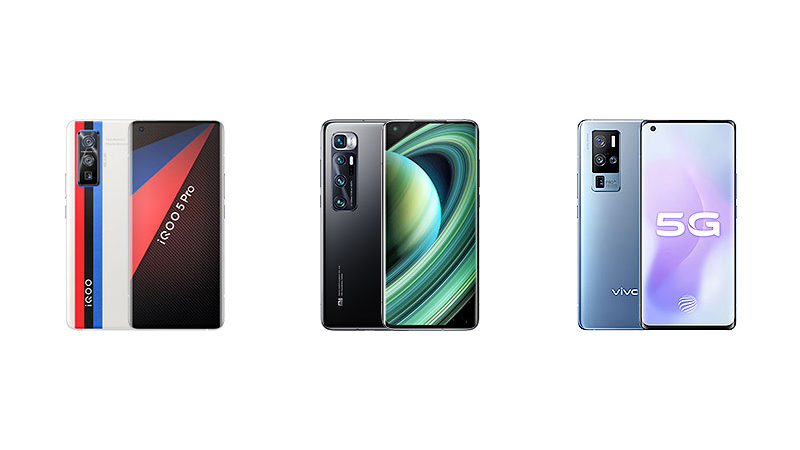
The newly-announced iQOO 5 Pro is one of the most original and powerful smartphones out there. A lot of people did not expect such a phone from a so young brand, but it came and it has all the potentialities to compete with the most advanced devices released from the best brands. The handset debuted in the Chinese market and we think there is no better way to understand its potentialities than comparing it with other Chinese-exclusive devices. iQOO is a brand launched by Vivo and the iQOO 5 Pro has a few important things in common with the Vivo X50 Pro+: that is why we decided to include it in this comparison. We also included the latest top-tier flagship by Xiaomi: the Mi 10 Ultra. Let’s discover who is better.
Vivo iQOO 5 Pro vs Xiaomi Mi 10 Ultra vs Vivo X50 Pro+
4500 mAh, fast charging 120W Quick Charge 5, fast wireless charging 50W and reverse wireless charging 10W
4315 mAh, fast charging 44W
ADDITIONAL FEATURES
Dual SIM slot, reverse wireless charging, 5G
Dual SIM slot, 5G
Dual SIM slot, 5G
Design
The iQOO 5 Pro and the Vivo X50 Pro+ offer a premium and unique design. The former debuted in a BMW Edition with two color variants: a carbon black version and a leather variant. The latter comes with a leather back as well, but it is not customized by a car manufacturer. On the other hand, it has a very elegant curved display. The most attractive devices are definitely iQOO 5 Pro and Vivo X50 Pro+. Xiaomi Mi 10 Ultra is still a premium device when it comes to the design, but it is a classic glass sandwich with an aluminum frame just like most of the flagships out there.
Display
In each case, you get amazing displays. All of these handsets feature an OLED panel with a Full HD+ resolution, a high 120 Hz refresh rate, the HDR10+ certification, and very high brightness. There is nothing negative to say about the displays. They are not the most advanced displays in the market, but they are great high-end panels. Given that there are only marginal differences between the displays of these phones, we recommend focusing on the other specifications instead of looking for the device with the best display. Note that Xiaomi Mi 10 Ultra comes with stereo speakers, so it should provide better audio quality.
Hardware/Software
If we talk about hardware, we can tell you almost the same concept we told you in the previous paragraph of this comparison. iQOO 5 Pro, Vivo X50 Pro+, and Xiaomi Mi 10 Ultra all feature a Snapdragon 865 chipset, as well as LPDDR5 RAM and UFS 3.1 native storage. In its most expensive configuration, Xiaomi Mi 10 Ultra wins the hardware comparison because it offers more RAM (up to 16 GB) and more internal storage (up to 512 GB). All of these devices get Android 10 out of the box, but with different customized UIs.
Camera
Besides coming with flagship-class hardware, these three phones are also amazing camera phones. The Xiaomi Mi 10 Ultra and the Vivo X50 Pro+ are actually superior to the iQOO 5 Pro, at least on the paper. They both look awesome with their incredible optical zoom capabilities, flagship-class sensors, and more. According to DxOMark, at this moment, the Xiaomi Mi 10 Ultra is the best camera phone in the market. But DxOMark never reviewed a Vivo phone and we believe the X50 Pro+ with its gimbal camera will be a valid opponent.
Battery
Xiaomi Mi 10 Ultra has a bigger battery and, given that it features similar components to its two rivals, it should last more on a single charge. Further, it has the fastest charging technology alongside the iQOO 5 Pro, with a 120W power. However, the iQOO 5 Pro will charge faster due to its smaller battery capacity. With the Xiaomi Mi 10 Ultra, you also get the fastest wireless charging technology with a 50W power.
Price
The starting price of the Xiaomi Mi 10 Ultra is $999/€841, Vivo X50 Pro+ begins at $790/€665, and iQOO 5 Pro starts from €610/$724. It costs more, but Xiaomi Mi 10 Ultra looks like the most complete device of the trio. The iQOO 5 Pro wins the value for money award.
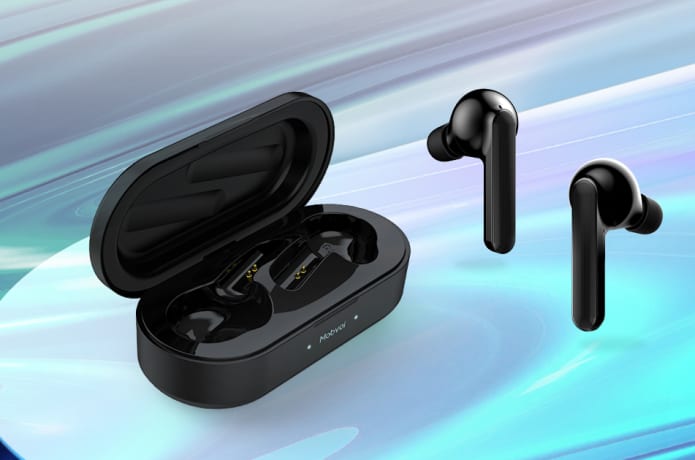
Mobvoi has a new pair of TWS earbuds and they are the first pair of earbuds from the manufacturer to not go by TicPods. The Mobvoi Earbuds Gesture as they are officially known is currently being crowdfunded on Indiegogo.
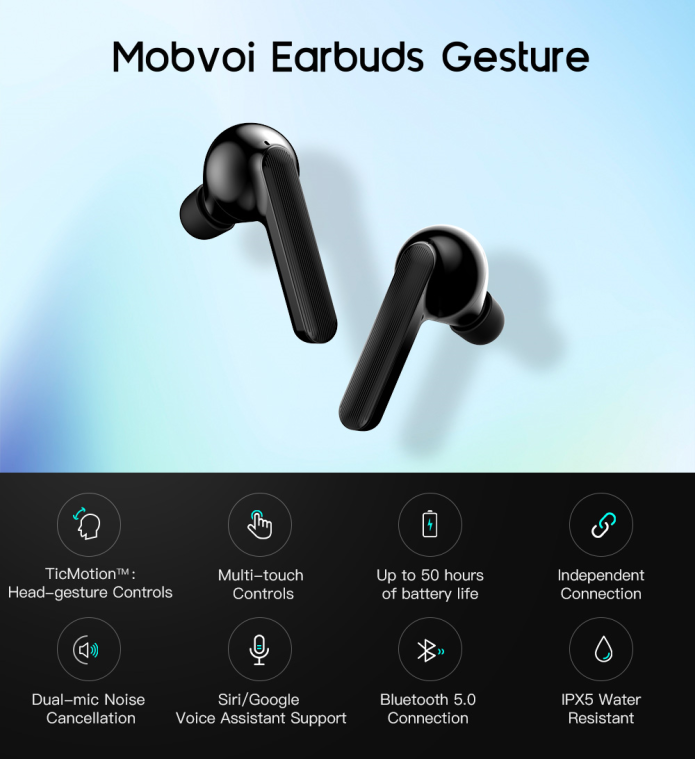
The new earbuds have a black matte+gloss finish and an in-ear design with silicone tips that provides passive noise cancellation. The selling point of the Mobvoi Earbuds Gesture is its support for head gestures, a feature that debuted first on the TicPods 2 Pro. The feature allows owners to accept or reject incoming calls by nodding or shaking their head twice.
There is also support for touch controls, so you can tap the earbuds to play/pause playback, switch between tracks, activate the voice assistant (Google Assistant and Siri), and also accept, reject, or end calls.
Each earbud has a 90mAh battery capacity while the charging case has a 600mAh battery capacity. The earbuds which have an IPX5 rating will last up to 10 hours on a single charge, and with the case (charges via USB-C), you get an additional 50 hours of playback. There are dual-microphones on each earbud for noise cancellation during calls and you can use each one independently.
The Mobvoi Gesture Earbuds will sell for $67 to those who back the campaign on Indiegogo with a promise to begin shipping in October. After the campaign ends, the earbuds will sell for $130.
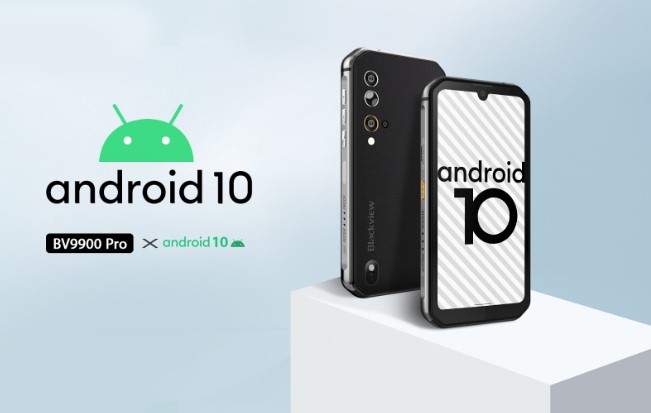
Blackview BV9900 Pro which was launched earlier this year as the world’s fastest thermal rugged smartphone has started receiving Android 10. The device features some exceptional features like water and drop resistance, a top-notch display, thermal imaging camera, powerful processor, and high-end cameras. The new update brings all the useful features of the Android 10 OS including the improved dark mode, revamped UI, navigation gestures, and much more.
Blackview BV9900 Pro houses a MediaTek P90 SoC, 8GB LPDDR4X RAM, 128GB storage, and 48-megapixel rear camera. There’s a 4380 mAh battery with 18W wired and 10W wireless charging. A 5.84-inch FHD+ waterdrop display is present with Corning Gorilla Glass 5 display. There’s an added advantage of Heart Rate Monitor, Baromaterer, and NFC chipset.
Blackview BV9900 Pro brings several new features with Android 10. We have listed some of them below.
Dark Theme
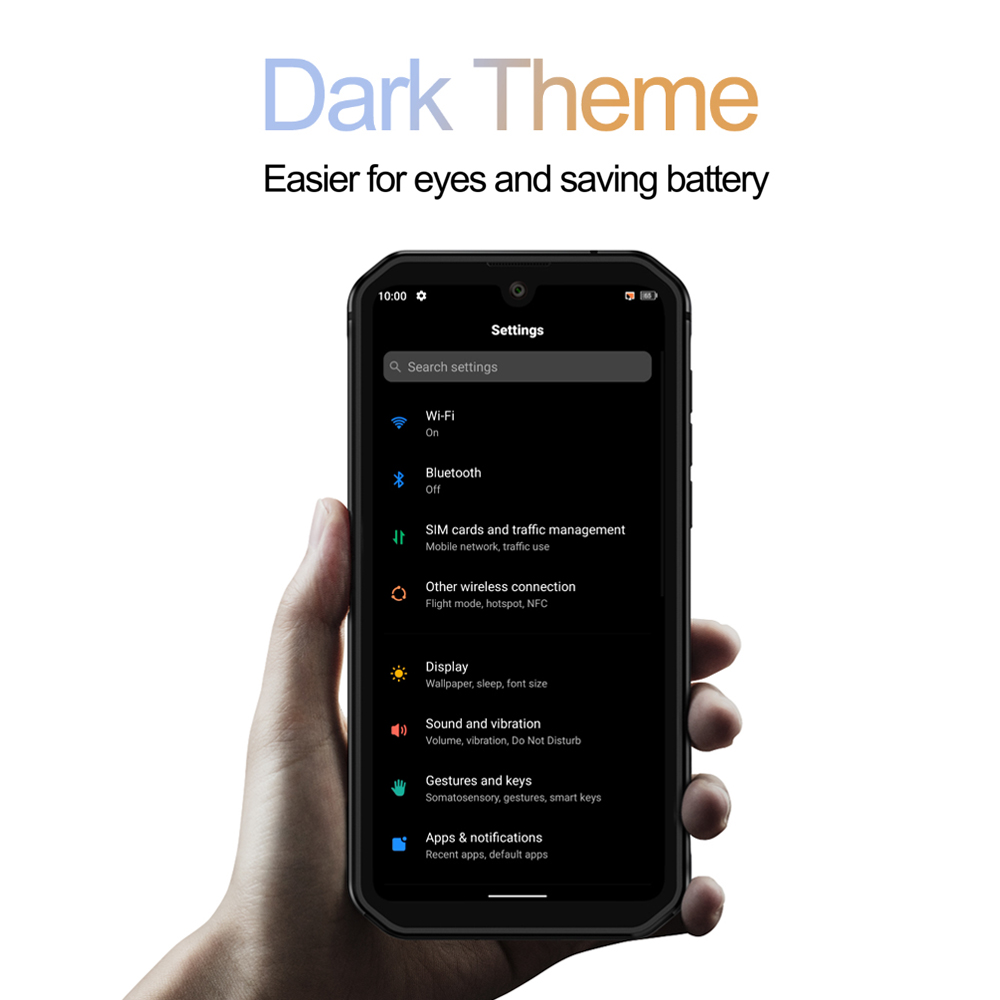
Android 10 brings improved Dark Theme on Blackview BV9900 Pro smartphone. It saves eyes from blue light exposure on white displays or backgrounds in the night time or in dark environments. The feature reduces the luminance of the display.
Grayscale Mode
While reading an ebook or using a phone for elongated hours, the grayscale mode can really help the users to reduce eye strain.
The whole User Interface is tweaked with the Android 10 update.
Navigation Gestures
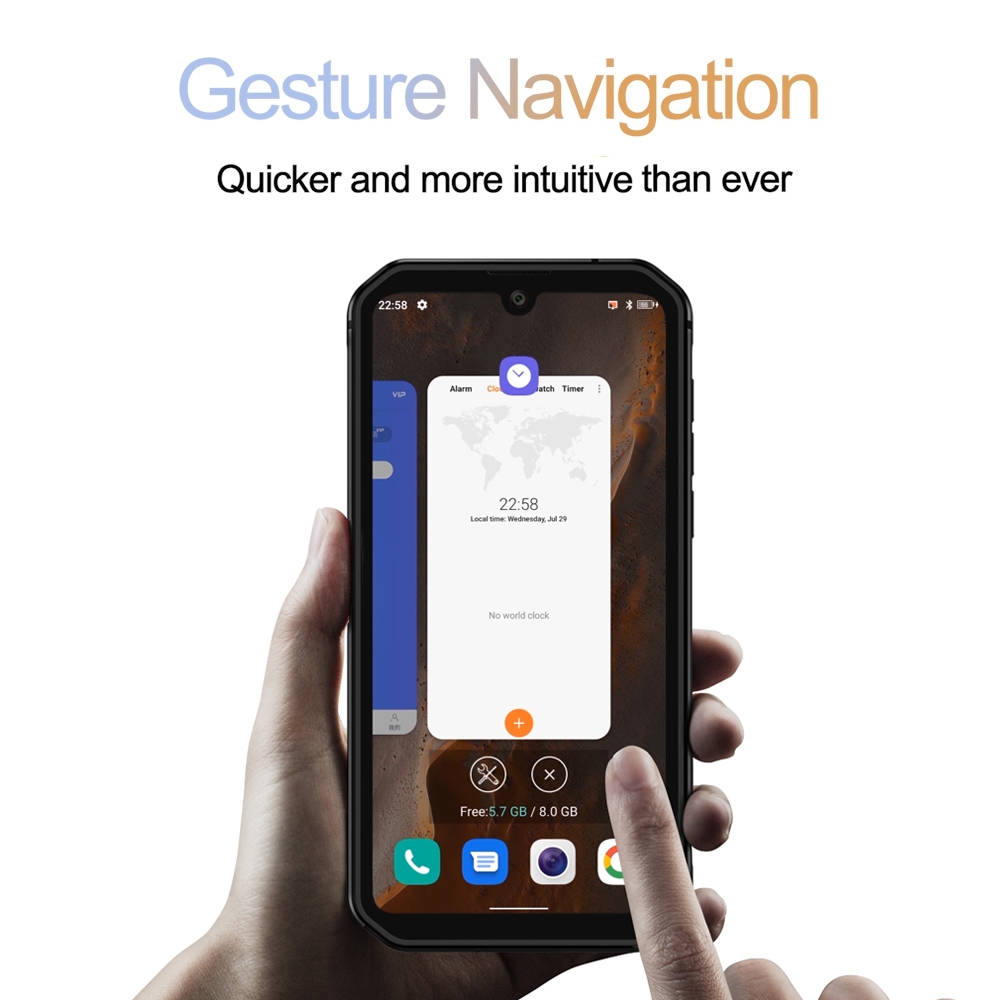
The latest update also brings new navigation features which makes it easy for the user to interact with the phone. Rather than pressing the buttons, the swipes are more fluidic and make some features easily accessible.
Improved Efficiency
Blackview BV9900 Pro efficiency increased with the new drawer and Clone Phone options. Clone Phone enables users to migrate all the data including call logs, SMS, notes, recordings, photos, music, video, applications from one device to another.
Enhanced Security and Digital Wellbeing
The new update brings Digital Wellbeing which allows the users to set Parent Controls and even intimates the user for any over-usage.
Blackview BV9900 Pro Android 10 variant is available for presale via Blackview Official Store. However, the old device units will also get the Android 10 update starting from the next month.
Moreover, there are some other Blackview models like BV9900 Pro, BV6300 Pro, A80, Tab 8, and BV4900 are also up for grabs via AliExpress. You can also join the Giveaway to win Blackview “Space Capsule” phone for free.
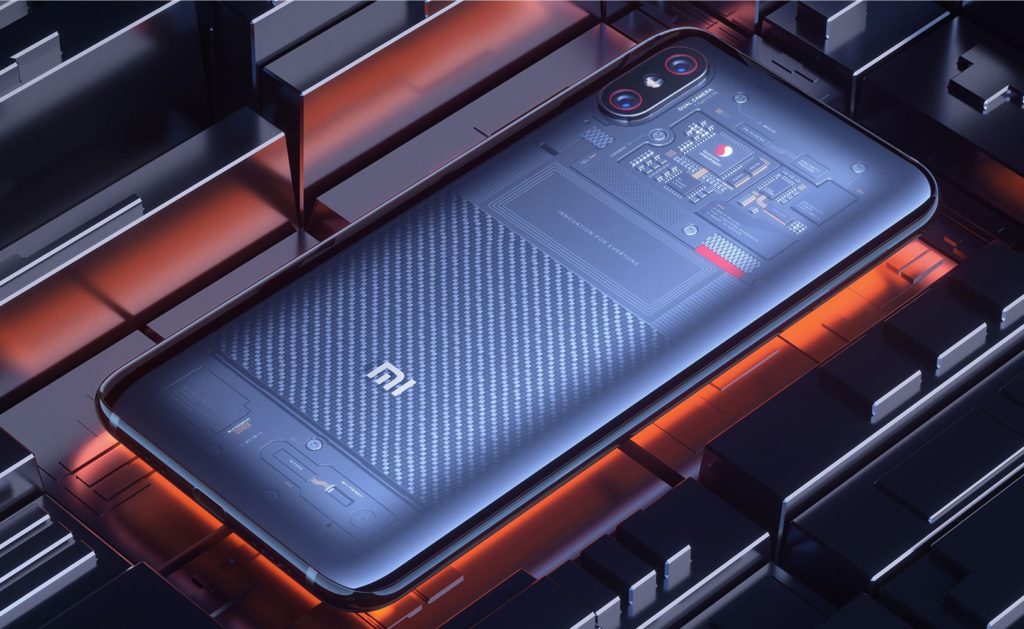
MIUI 12, Xiaomi’s 10th-anniversary Android skin has been rolling out to eligible devices since its official announcement in late April. After the 2020 and 2019 smartphones, the stable update is currently being pushed to 2018 handsets in China. The Mi 8 Pro, Mi 8 Explorer Edition, and Mi Max 3 are the latest phones to get it.
Xiaomi launched a total of five models in the Mi 8 series in 2018 consisting of three flagship handsets and two toned-down versions. One of the higher-end and mini models, Mi 8 and Mi 8 Lite already received MIUI 12 stable update in July and August respectively in China.
Now, the top devices in the series, Mi 8 Pro and Mi 8 Explorer Edition have begun to get this long-awaited update in the company’s home country. The build numbers for their update are v12.0.1.0.QECCNXM and 12.0.1.0.QEHCNXM respectively.
Similarly, the last phone in the Mi Max series, the Mi Max 3 is also being blessed with MIUI 12 stable update. The update comes with build number v12.0.1.0.QEDCNXM for this giant smartphone of its time.
We expect Xiaomi to roll out this update to the international version of these handsets in the coming days like it is doing with the previous phones.
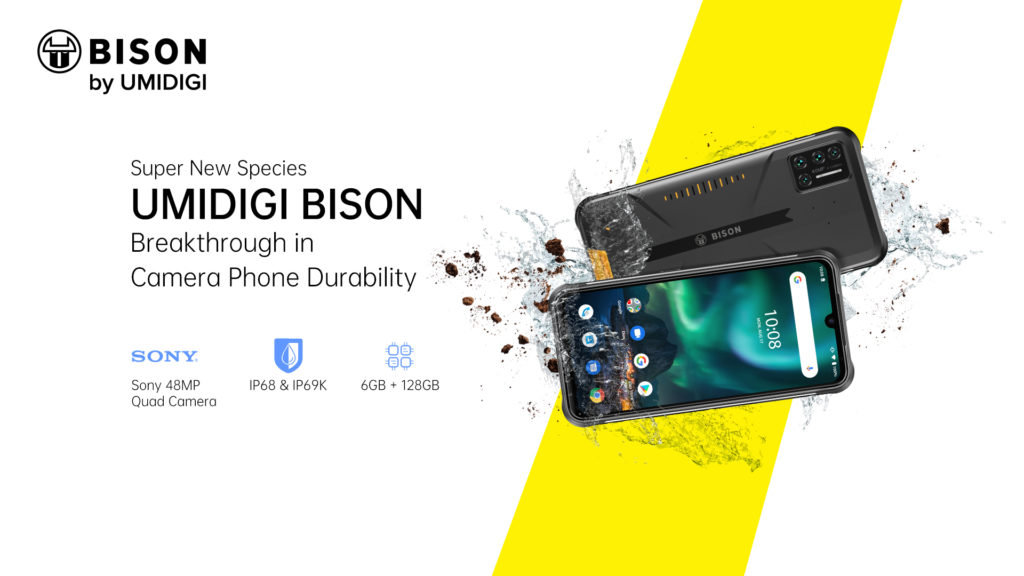
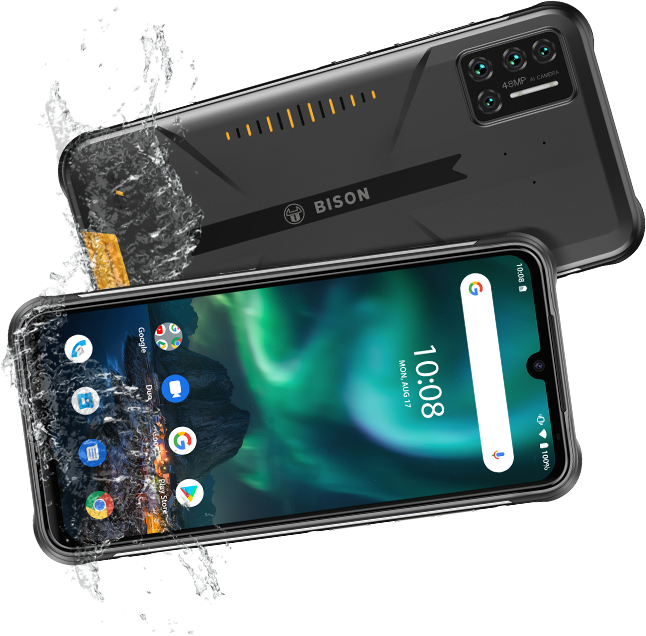
Following some rumors and leaks, Umidigi finally unveiled its new series smartphone – Umidigi Bison featuring a powerful camera and durable design. The newly launched rugged smartphone further features IP68 and IP69K water resistance certification along with a rugged design. It is a perfect companion for users who live to enjoy sports and outdoor activities. However, the company hasn’t revealed the pricing information, but it would retail below $250.
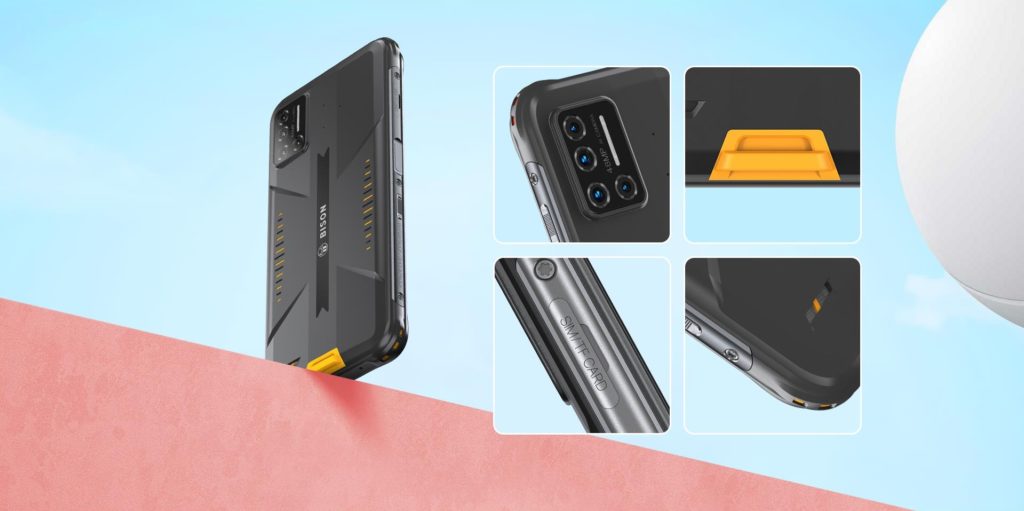
Umidigi Bison carries a quad-rear camera featuring a 48-megapixel Sony primary sensor which can even take quality photos. It is accompanied by three other sensors including a 16-megapixel ultra-wide-angle camera, a 5-megapixel depth lens, and a 5-megapixel macro lens. Moreover, you get a 24-megapixel selfie camera on the front for accurate colors while snapping a selfie.
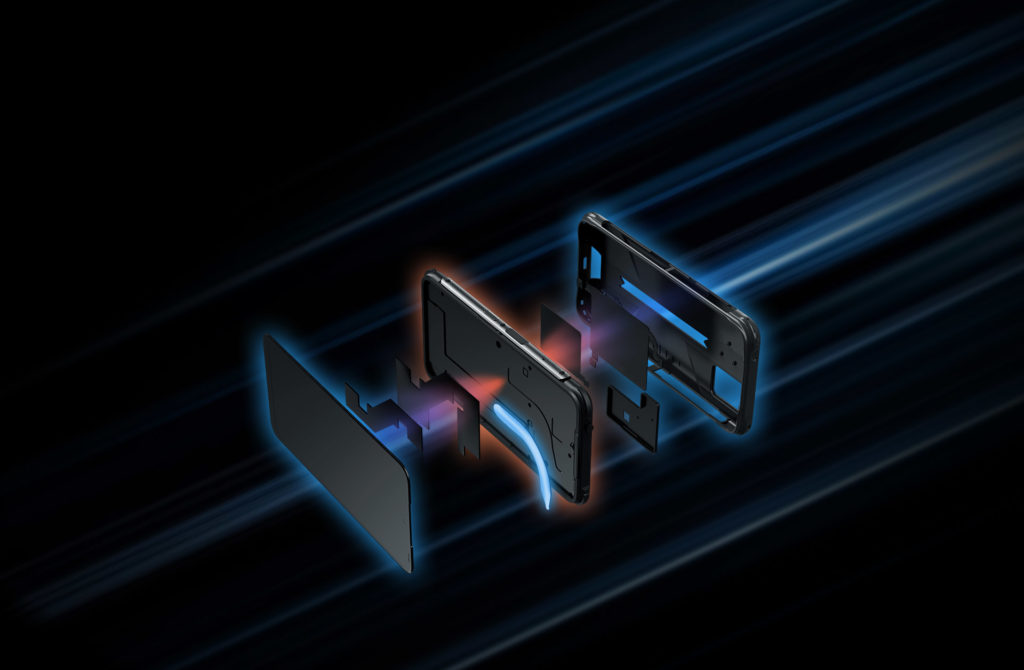
It is a rugged smartphone and features IP68 and IP69K certification which confirms its water-resistant ability up to 1.5 meters of water for 30 minutes. Umidigi Bison is also dust, dirt, and sand proof. The smartphone can easily withstand the thermal steam wash test, the high water pressure of 100 bar (1450 psi), and a high water temperature of 80-degree. A barometer sensor is also handy which can be useful to measure while you’re trekking heights or performing any other related activity.
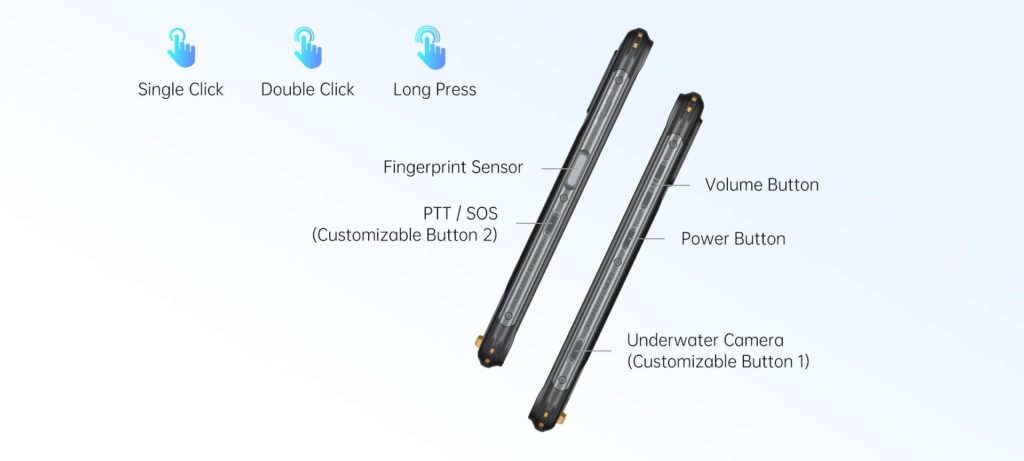
Umidigi Bison comes with two independent customizable buttons which can be used for Push-to-Talk, underwater camera mode, and emergency call. It can be assigned different features for single click double click and long press functions.
There’s a beautiful 6.3-inch FHD+ display with edge-to-edge Corning Gorilla glass protection. The edge-to-edge protection on a rugged smartphone is difficult but it present on Umidgi Bison.
It comes with an octa-core chipset coupled with a 6GB LPDDR4X 6GB RAM and 128GB UFS 2.1 storage. There’s a 5000 mAh battery that can sustain for a couple of days. The smartphone houses a Side-Mounted Fingerprint Sensor, Barometer, Proximity Sensor, Ambient Light Sensor, Accelerometer, Gyroscope, and Electronic Compass.
Umidigi Bison Technical Specifications
Screen: 6.3″ FHD+ Waterdrop Screen
CPU: MediaTek, Helio P60, 4xCortex-A73, 2.0GHz & 4xCortex-A53, up to 2.0GHz
Front camera: Sony 24MP, F/2.0 aperture, 5-element lens
Water, dust, shock resistant: IP68, IP69K
Dedicated keys: Two independent customizable buttons
Connectivity: Dual 4G / Dual VoLTE
GPS, Glonass, Galileo
USB Type-C, Bluetooth 4.2, OTG
Battery: 5000mAh, 18W Fast Charge
Dimensions: 162.5 x 79.9 x 12.8 mm
Weight: 250g
Colors: Cyber Yellow, Lava Orange
Umidigi Bison Price
Umidigi Bison’s official pricing details are not out yet, but we expect it to be under $250. The smartphone is already listed on Umidigi with the option to add it to the cart. Moreover, the company is giving away 10 units of Umidigi A7 via the company’s official website.
HMD Global’s next 5G phone after the Nokia 8.3 5G is expected to be the Nokia 7.3. The company is expected to unveil the smartphone in September at IFA Berlin 2020. Ahead of that date, an unknown Nokia model believed to be the Nokia 7.3 has been spotted on the set of the upcoming James Bond movie No Time To Die.
HMD’s Nokia recently replaced Sony Mobile as the official partner of James Bond movies. The company had earlier hinted that the Nokia 8.3 5G will be featured a lot in the film. There are also reports that the cheaper Nokia 5.3 could make an appearance too.
But in a video shared by NokiaMob showing the visit of Prince Charles who was on a tour of the set of No Time To Die, a mysterious Nokia phone with a circular camera module was spotted. Tipster Nokia Anewlater revealed on Twitter that the device is a prototype of the Nokia 7.3.
The device is said to be an early prototype but is a reflection of the final design of the smartphone. In other words, the 5G phone will feature a circular camera bump on the rear complete with several sensors and an LED flash.
The Nokia 7.3 is rumoured to be powered by Qualcomm’s recently announced Snapdragon 690 5G chip. The device is touted to emerge as the cheapest 5G smartphone from Nokia when it is official. There are speculations that it will have a 90Hz display.
As stated earlier, Nokia is expected to unveil the smartphone at IFA 2020 while it will be released in October.
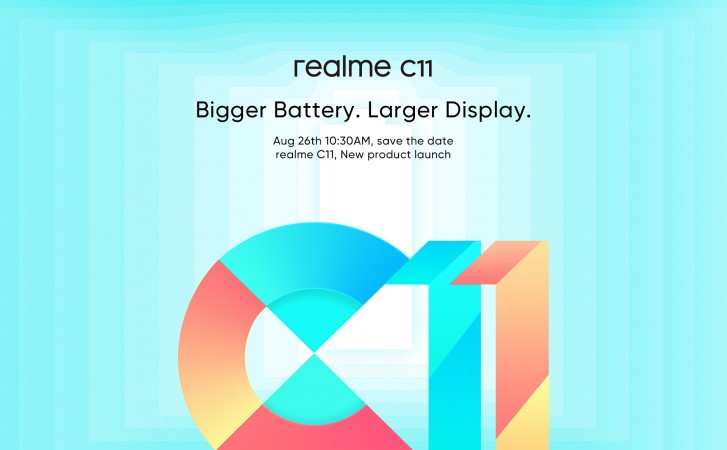
Realme has officially confirmed that the budget Realme C11 smartphone will be available in Europe soon. The company has been teasing the launch for a couple of days on Twitter with several #DareToBe teasers on Twitter. The Chinese firm has now disclosed that the device will be launched in Europe on August 26.
The Realme C11 was first unleashed in Malaysia at the end of June. The phone has also been released in India in July, raking in over 150K units in sales within 2 minutes of its first sales.
The specs are pretty well known but the pricing details for the European market will be revealed at the launch event. For reference, the device was sold for around €90 (Rs. 7,499) in India and Malaysia. The price in Europe will likely be slightly higher.
To recall, the Realme C11 comes in a single 2GB and 32GB variant. The phone is powered by an Helio G35 chipset and sports a 6.5-inch HD+ LCD display with HD+ resolution. It runs on Android 10-based Realme UI and gets its power from a 5000mAh battery with reverse charging support. The phone which comes in Green and Grey colours packs a dual-camera setup at the rear comprising a 13MP main sensor and a 2MP depth sensor. There is also a 5MP selfie shooter.
OnePlus is expected to launch a more affordable smartphone under its new Nord line, and now a recent certification has revealed a key spec of the upcoming phone.
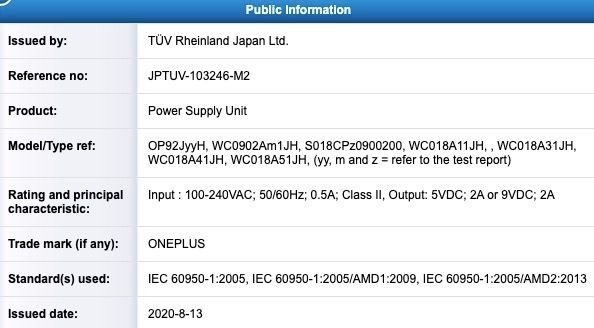
TÜV Rheinland has certified a OnePlus charger that supports 5V 2A (10W) and 9V 2A (18W ). OnePlus doesn’t have any phone that supports 18W fast charge; even the OnePlus Nord supports 5V 6A (30W, Warp Charge 30T). It is safe to presume that this new charger is for an even more affordable phone since it supports 18W and not even the faster but retired OnePlus’ 20W (5V 4A) fast charging.
The charger was certified last week on August 13 and it is the first OnePlus charger that uses a voltage higher than 5V.
There are reports of a OnePlus phone powered by the Snapdragon 690 5G processor which is yet to appear in any phone. There is a chance that the new 18W charger will be bundled with this device.
Earlier this month, a OnePlus phone (or two) with the codename “Billie” sort of leaked. Billie is actually two phones – one with triple rear cameras and another with dual-rear cameras. We want to believe one is a lite version of the other and the lite version might come with support for 18W fast charging.
Anyways, these are speculations but the existence of this charger means it will be bundled with a more affordable device.
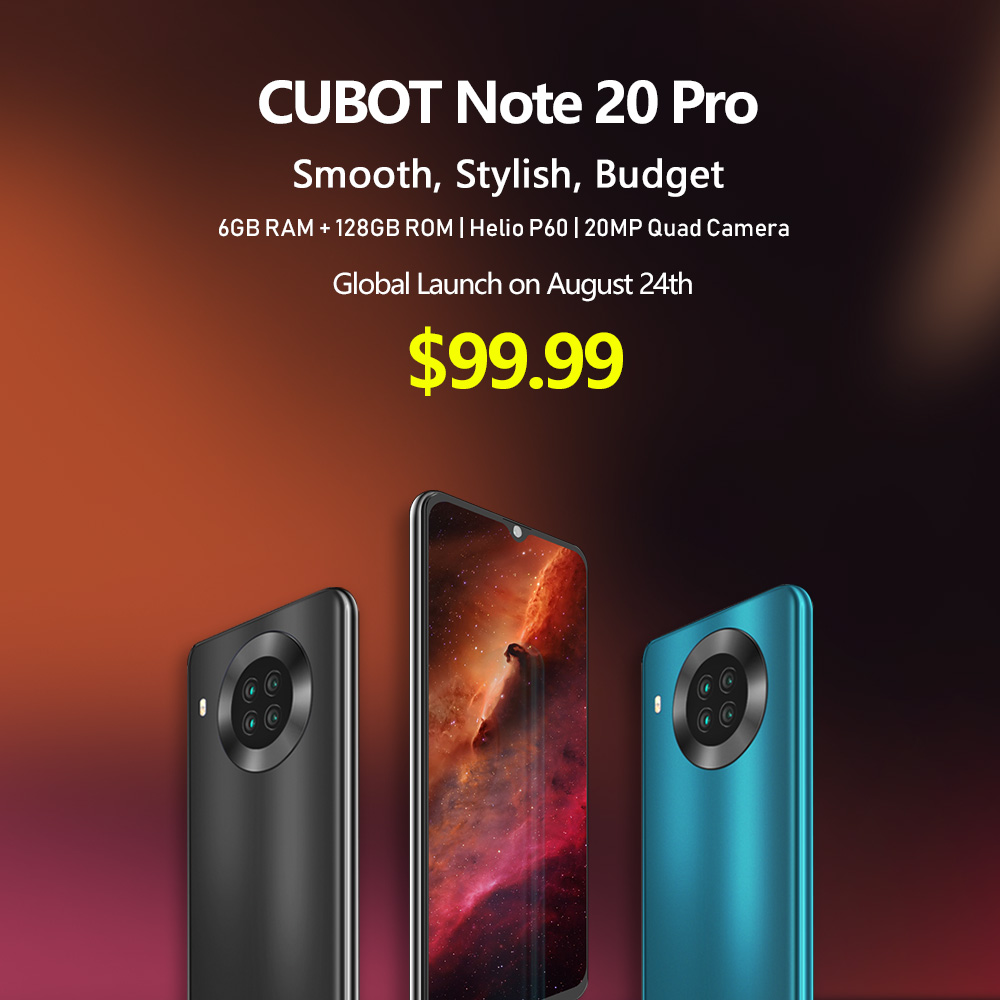
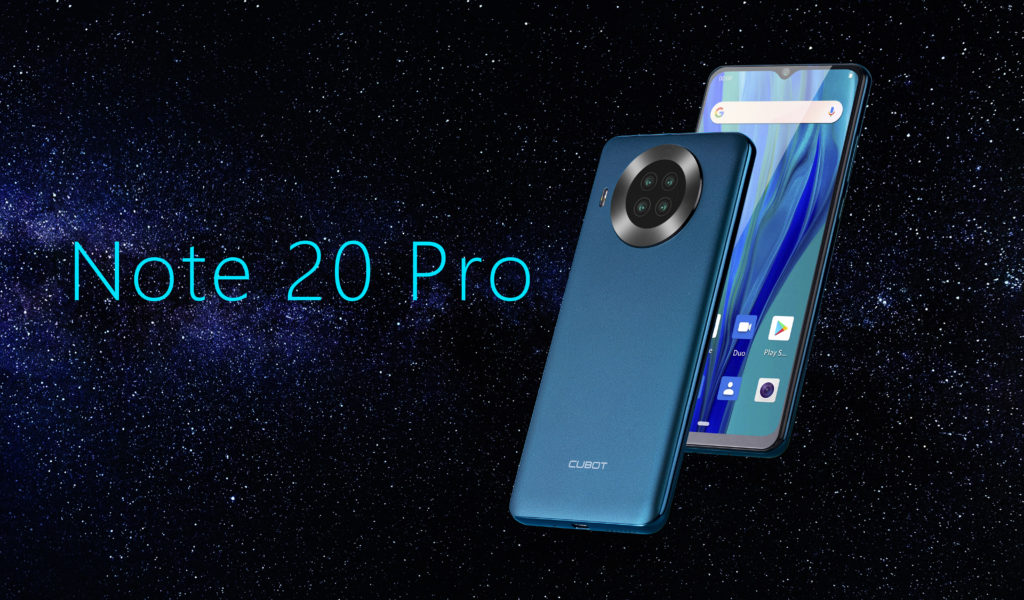
A new affordable device from Cubot is launched with some decent specifications. Cubot Note 20 Pro houses several new advancements over Note 20 which was launched a few months ago. The new smartphone primarily features a quad-rear camera, 6 GB RAM + 128GB Storage, an Helio P60 chipset, and a full HD 6.5-inch waterdrop display. It is a value-for-money device and is retailing at an excellent price of $99.99 via AliExpress brand activity.
Cubot Note 20 Pro packs magnanimous 6.5-inch super large size HD display with narrow bezels offering 90.3% screen-to-body ratio. The front side of the device is designed to provide a better viewing experience. It is powered with an octa-core MT6771 Helio P60 SoC, 6GB RAM, and 128GB internal storage. The powerful chipset is efficient enough to maintain a smooth operating experience while playing games and doing any power-intensive tasks.
In the camera department, the smartphone offers an 8-megapixel AI beauty front camera which is encased inside waterdrop notch. It can take quality selfies and further enables HD video calling. There’s a quad-rear camera on the rear side of the smartphone featuring a Sony IMX486 12MP primary camera, a 20MP depth sensor, and a 0.3MP photosensitive lens with 1A flashlight. The smartphone can take high-quality images even in the low-light environment.
Cubot Note 20 Pro packs a massive 4200 mAh battery which is efficient enough to bring you back uptime of over a couple of days upon normal use with a single full charge. It runs on stock Android 10 with features like better privacy controls, system-wide dark mode, and much more. The smartphone is available in three color options of Black, Green, and Blue.
Moreover, you can easily make contactless payments using its NFC chip via any payment gateway like Google Pay. A USB Type-C port is present with a 3.5mm headphone jack for flawless connectivity.
Cubot Note 20 Pro Pricing and Availability
Cubot Note 20 Pro’s actual retailing price is $119, but for a limited time period discount and you can get the smartphone from AliExpress for $99.99 using a coupon code. The discount will be applicable for the first 1000 units starting fro August 24.
The company is also hosting a Cubot Note 20 Pro Giveaway where 10 interested users have a chance to win the device. You can head over to the official website to join the Cubot Note 20 Pro giveaway.
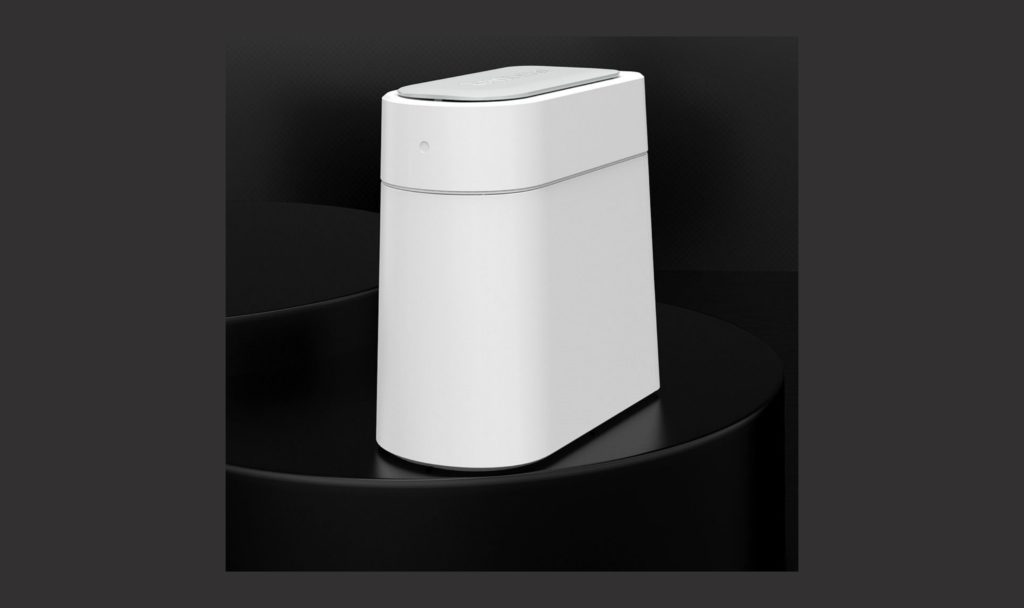
Tuoniu (Townew) is a Chinese company known for its smart automatic trash cans. The first model called T1 initially debuted in 2018 on Xiaomi’s Youpin crowdfunding platform. Then, it made its way to Indiegogo and was finally made available in the US and Europe by Knectek Labs. Now, the company behind this product crowdfunds a new model called Touniu Smart Trash Can T3 on Youpin for 299 yuan ($43).
Since Tuoniu is hard to pronounce, the company changed its name to Townew for global markets and therefore, we will use the latter name going forward in this article.
The new Townew Smart Trash T3 retains all the features of the original model with improvements. According to the listing (via MyDrivers) on Youpin, which is the official crowdfunding platform of Xiaomi in China, the new model is elliptical in shape. For those unaware, the first model was squircle.
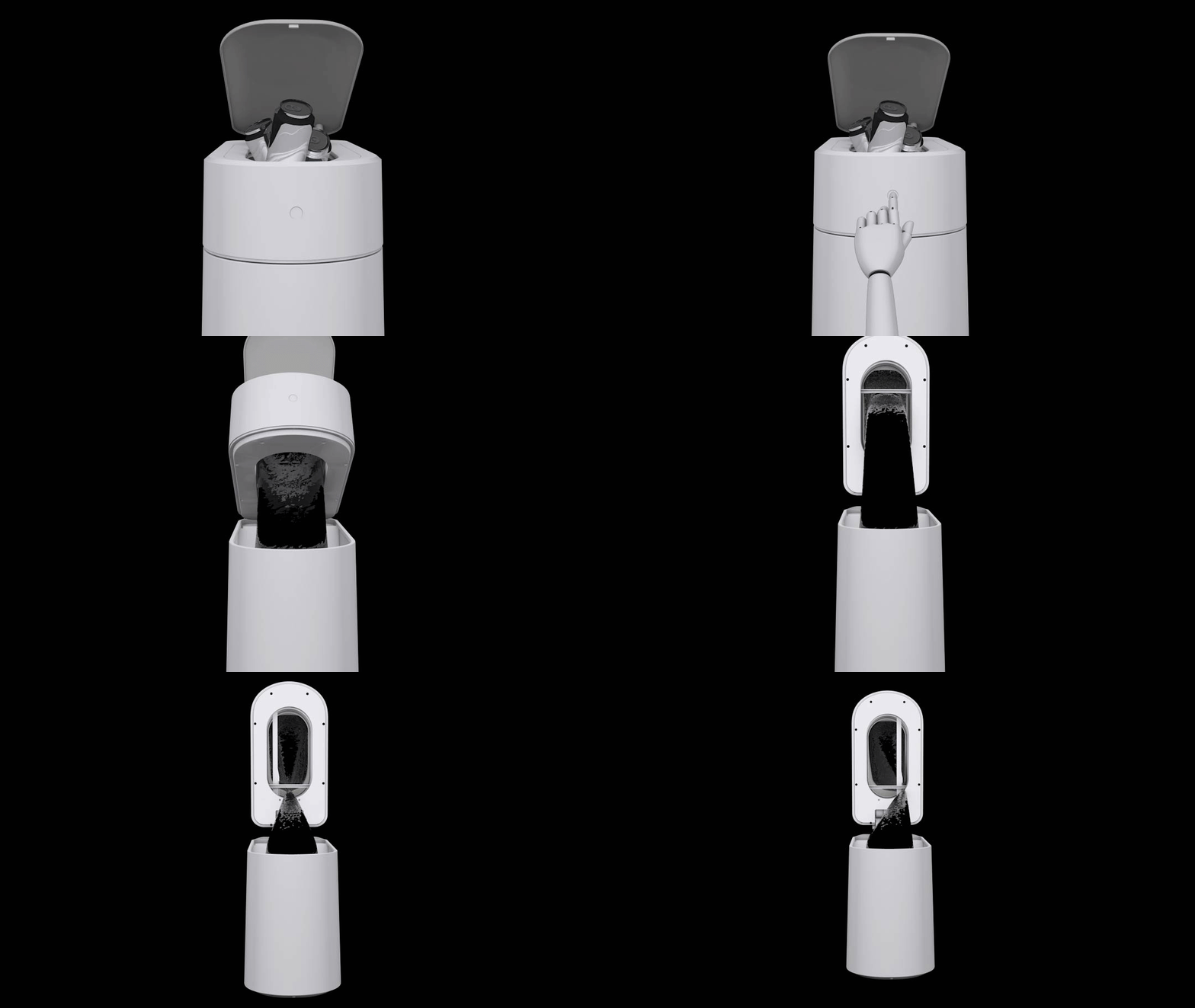
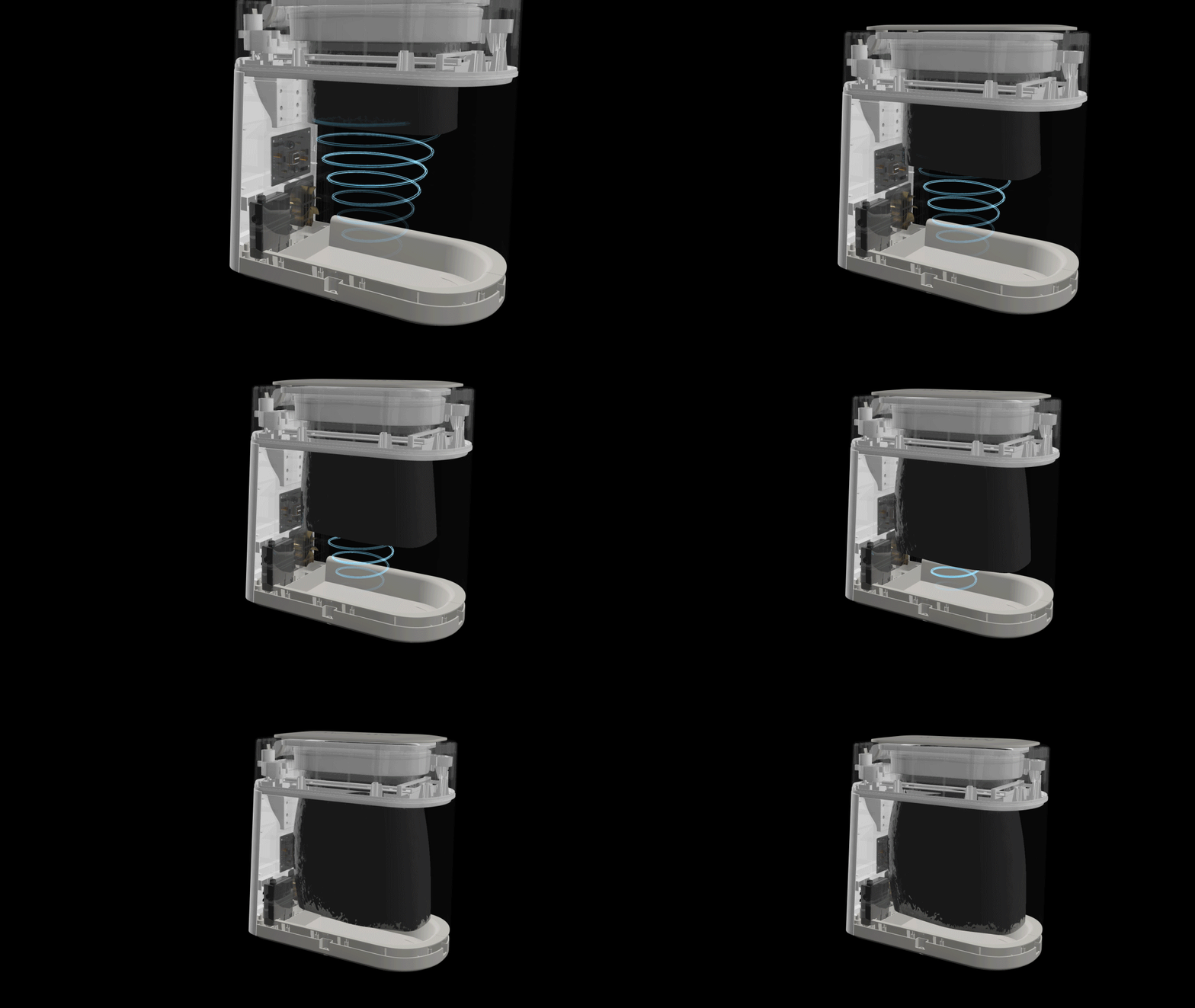
The company claims the new T3 model to take 30% lower space because of its new shape. Further, it features the firm’s ASAR 3.0 patented technology to seal the garbage bag and pull down new bag from the refill.
It said to be 100% faster and 120% more efficient than the previous generation. Also, the response time in detecting movements at a range of 35cm to open the lid has been reduced to 0.3s.
1 of 2
The battery powering it is still the same 2,000mah unit cell (not bad for a trash can), which the company says to offer 60 days of standby time. Buts sadly, it still charges via MicroUSB port.
That said, the Townew Smart Trash T3 is priced at 599 yuan ($86) but it is available for a crowdfunding price for 299 yuan ($43) on Youpin for a limited time. There’s no word on international availability but it might be made available like the first model.
Foldable screen phones are gradually gaining grounds as we expect a number of new foldable phones to be released in the coming days. However, the durability of the display has often been a cause for concern.
LG Foldable display patent
South Korea’s two major display panel manufacturers LG and Samsung are reportedly advancing their foldable display technology. This is in a bid to outwit the competition as durability is looking to become a key competitive factor.
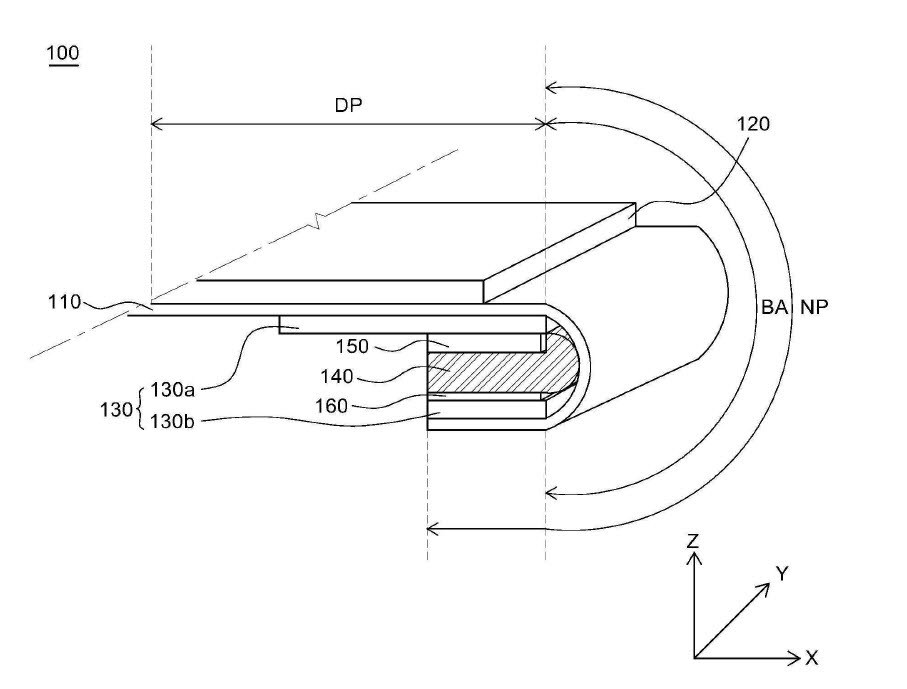
According to the industry sources, LG Display recently applied for a patent for a ‘flexible display manufacturing method’. It is a technology that minimizes wrinkles that occur when a foldable display substrate is bent repeatedly. The purpose is to increase durability by reducing the stress applied while the substrate is deformed.
In general, various components including a film supporting a substrate make up a foldable display. When the substrate is bent, stress (bearing force) is generated as a force is applied to these components, causing the substrate itself to be deformed.
LG Display patented method involves applying a ‘control layer’ to reduce the stress on the substrate. The so-called stress absorbing layer acts as a cushion and reduces the occurrence of wrinkles.
Samsung Foldable display patent
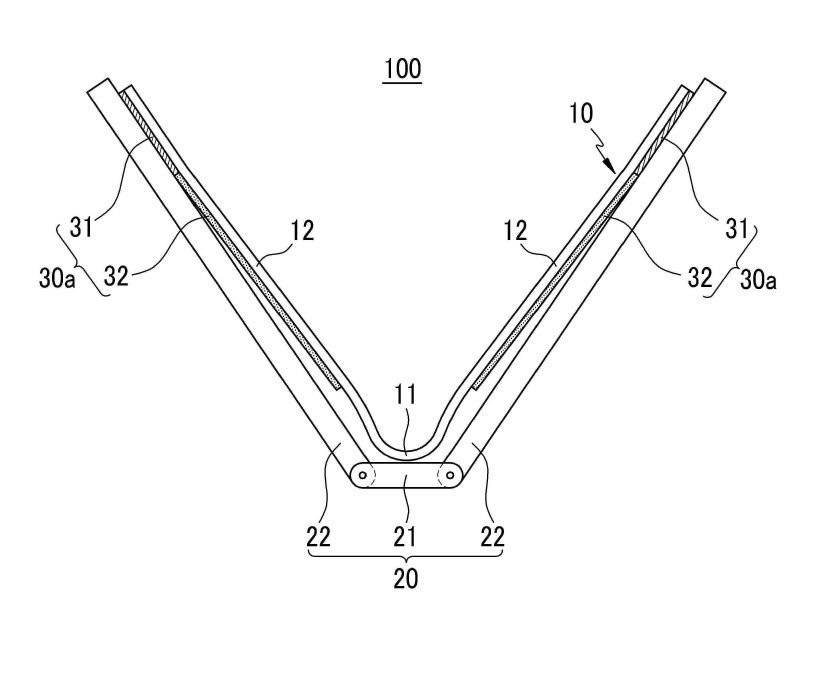
In the same light, Samsung Display has applied for a patent for a ‘foldable display design’ which utilises a new display manufacturing technology for foldable displays. Like LG Display, the purpose is to prevent panel damage by reducing the bending stress that occurs when the foldable substrate is deformed.
Samsung Display paid attention to the adhesive used for the hinge part. A member whose adhesive force changes according to the folding force of the foldable display is used. For example, when the panel is folded, it loses its adhesive strength and separates from the support, and when unfolded, it recovers its adhesive strength.
In the patent application document, Samsung Display is said to have explained, “ It utilises a pressure-sensitive adhesive (PSA ) that is bonded or separated by low pressure, thus increasing the durability of the panel by relieving the stress.”
An industry insider disclosed that the demand for foldable displays is expected to increase as 5G foldable phones are being released. This will, in turn, lead to competitors working on new technologies that will outwit the competition.
Micromax used to be one of the popular smartphone brands in India but has now been relegated to the sidelines by Xiaomi, Realme, and other Chinese brands. On August 15, India’s Independence Day, the manufacturer revealed it will be making a comeback.
The announcement was made on Twitter and includes a 90-second long video about how India has been dependent on other countries and how the dragon (China) has been bigger than the elephant (India) for 73 years.
Micromax’s co-founder, Rahul Sharma revealed that they will be announcing multiple smartphones and we expect a handful of them will belong to the entry-level and mid-range category. Digit.in reports that these phones will be powered by MediaTek processors which should be the current Helio G series we have seen in a number of smartphones from Realme and Xiaomi/Redmi. However, Micromax has boasted they are going to change the game.
Hi Kushal. We are going to change the game. Are you ready to join us?
Mr. Sharma also added that they plan to invest INR 5 billion in R&D by the end of 2021. Research and Development is actually very important for any company especially those in a competitive market like the smartphone industry.
The last Micromax phone was the iOne Note and it was launched last October. We expect the first set of these smartphones will be announced as early as next month.
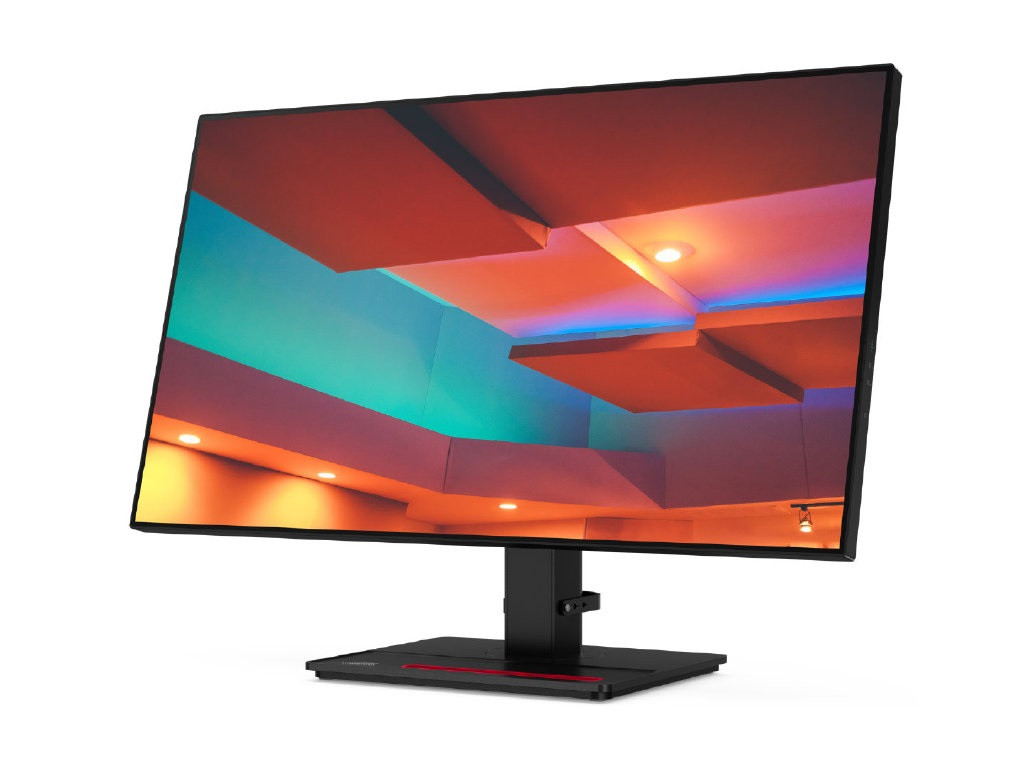
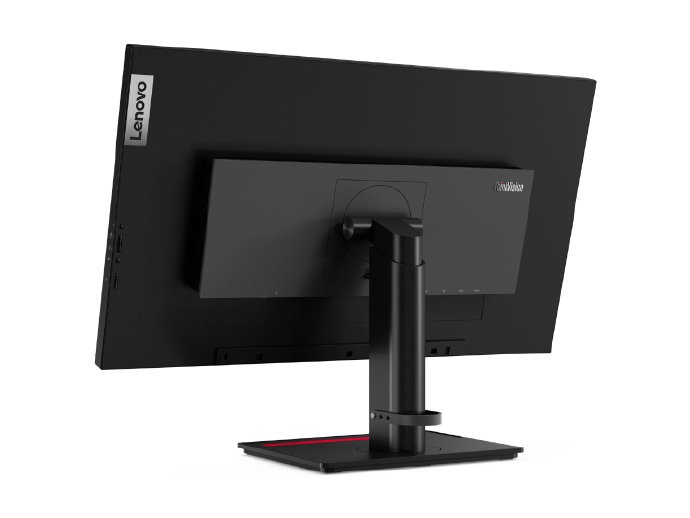
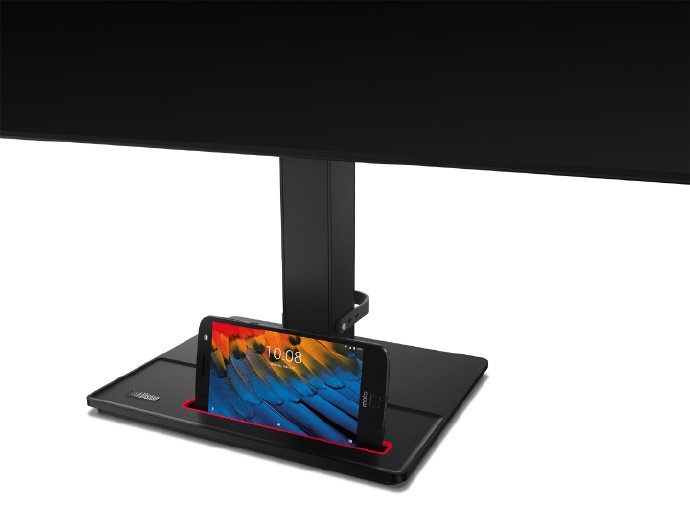
Lenovo has unveiled a new ThinkVision display with a 27-inch screen which would go on sale tomorrow in China. The smart display is an affordable screen which features 2K resolution and will retail for 1,899 yuan ($274).
The Lenovo ThinkVision 27-inch display adopts a full-screen design with almost zero bezels. The ultra screen ratio of 92%. The display also comes with 99% Rec.709 cinema-level color rendering, 99% sRGB+85% DCI-P3 multi-color gamut, and factory color calibration ΔE< 2.
In terms of design, the ThinkVision 27-inch full-screen display supports Type-C first-line expansion and transmission as well as reverse power supply. It is also equipped with a rotatable and liftable ergonomic stand which makes adjusting the screen as desired easy.
The ThinkVision display carries a groove at the base that can also be used to hold a mobile phone.
The Nokia 5.3 was announced in Europe back in March before going on sale in April. The phone also appeared on the Nokia India website in March but is yet to get an official launch. HMD Global has now sent out invites for an August 25 virtual event.
The invite says it will be a virtual briefing session ahead of their product announcements. The virtual session will be done on Microsoft Teams and will begin at 10 AM IST. It is believed the Nokia 5.3 (and possibly other devices) will be announced on that day.
The info comes from NokiaPowerUser who first revealed the Nokia 5.3 will be launched this month. They have also reported that the 2020 models of the Nokia 125 and Nokia 150 may be announced on that day since they have both been certified by the Bureau of Indian Standards since June.
The Nokia 5.3 has a 6.55-inch display with an HD+ resolution and a waterdrop notch. The device is powered by the Snapdragon 665 processor and has 4GB of RAM and 64GB of expandable storage.
Sporting a cookie-like rear camera design, the phone has a 13MP primary camera, a 5MP ultrawide angle camera, a 2MP depth sensor, and a 2MP macro camera. The selfie camera is an 8MP sensor. You also get a rear-mounted fingerprint scanner, a 4000mAh battery, and support for 10W fast charging.
HMD Global has also included a dedicated Google Assistant button on the left side of the phone, a notification LED buried under the power button, a USB-C port at the bottom, and an audio jack at the top. It runs Android 10 out of the box and will get updated to Android 11 and Android 12.
As for its price, the Nokia 5.3 launched for €189 in Europe which is about INR 16,770. HMD Global will have to bring down the price if it intends to make sales in India.
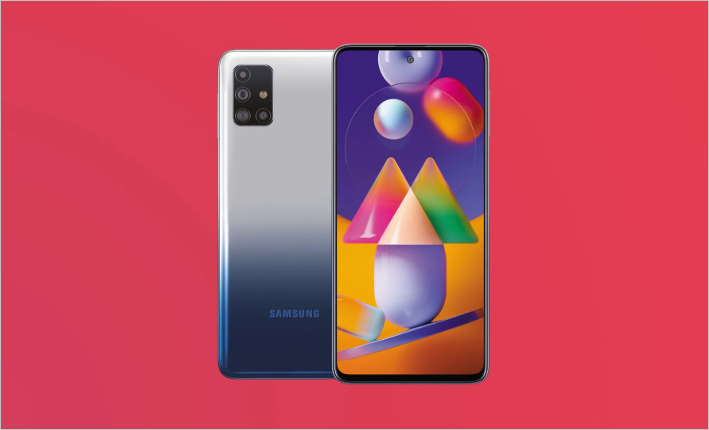
With its new Galaxy M series, Samsung improved its budget smartphone offerings by a high margin to compete with Chinese OEMs in India. The newly launched Galaxy M31s is arguably one of the best Samsung budget smartphones in years. Now, it seems like this handset will be soon making its way to Europe as well.
Galaxy M series smartphones debuted in India last year. This series is primarily targeted for this region but some devices occasionally launch in other countries as well.
Following the trend, the Galaxy M31s may soon launch in a number of European countries as the support page for the same has gone live in multiple regions. According to them, Samsung’s new budget smartphone will be available in the following EU nations.
Germany
Italy
Portugal
Czech Republic
Slovenia
Hungary
The Galaxy M31s retails for ₹19,499 in India for the base 6GB + 128GB variant. Whereas, the higher 8GB + 128GB version is priced at ₹21,499. This translates to €220 and €242 respectively.
For this price, the Samsung Galaxy M31s offers a 6.5-inch FHD+ Infinity-O Super AMOLED display, Exynos 9611 SoC, 64MP Sony IMX682 primary sensor, 12MP 123° ultra-wide-angle camera, 5MP macro camera, 5MP depth sensor, 32MP selfie camera, dual SIM + microSD card slot, One UI 2.1 based on Android 10., 6,000mAh battery, and 25W fast charging.
Unfortunately, the exact launch date and price are unknown at the moment. Hopefully, the South Korean tech giant announces this handset sooner than later.
ASUS launched the ROG Phone 3 as its third generation gaming smartphone worldwide last month. Now, the company quietly schedules Zenfone 7 series launch event for August 26. However, this launch will be limited to its home country Taiwan. The live stream for the official announcement is already live on the firm’s Taiwanese YouTube channel.
The upcoming ASUS Zenfone 7 series is one of the least leaked smartphones of 2020 so far. Though the devices have passed through multiple certifications, the details about their design and specifications are scarce.
Anyway, according to previous reports, the Zenfone 7 is expected to retain the flip camera from its predecessor Zenfone 6 aka ASUS 6Z in India. Also, it is said to feature a larger 6.7-inch display compared to 6.4-inch on its predecessor.
Further, it may be powered by Qualcomm Snapdragon 865 instead of Snapdragon 865+ (Plus), which is present inside the ROG Phone 3. Like any other flagship these days, it will also feature a massive battery, 5,000mAh to be exact with support for 30W fast charging as per TÜV Rheinland certification.
Whereas, according to NCC, it will come with WiFi 6, NFC, Bluetooth 5.0, and 512GB internal storage. However, there could be variants will lower storage configuration as well.
Unfortunately, nothing else is known about this smartphone, especially its design. That said, since we are still a week from the launch, the handset may leak in the coming days as it might have probably shipped to retailers and media by now.
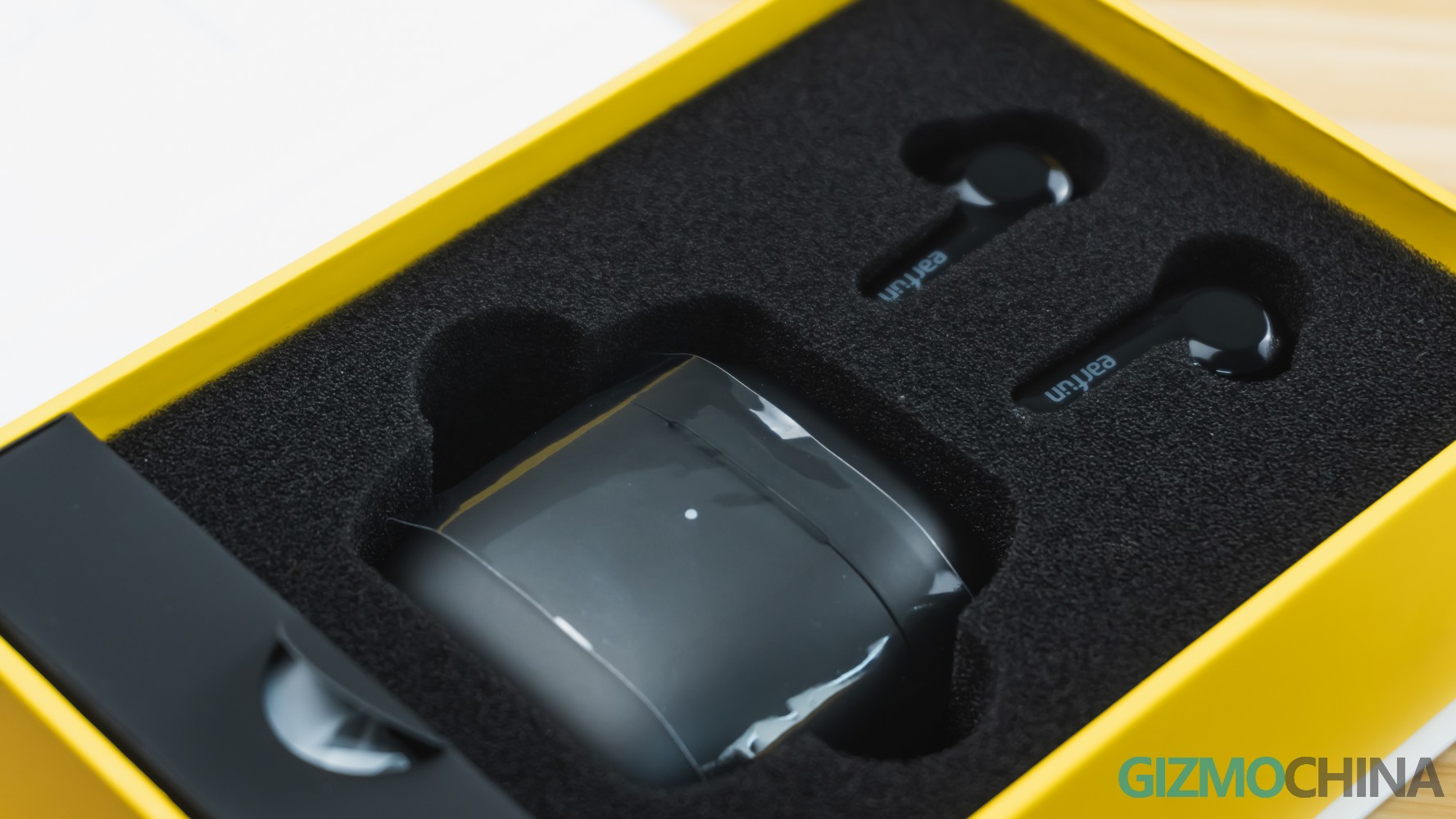
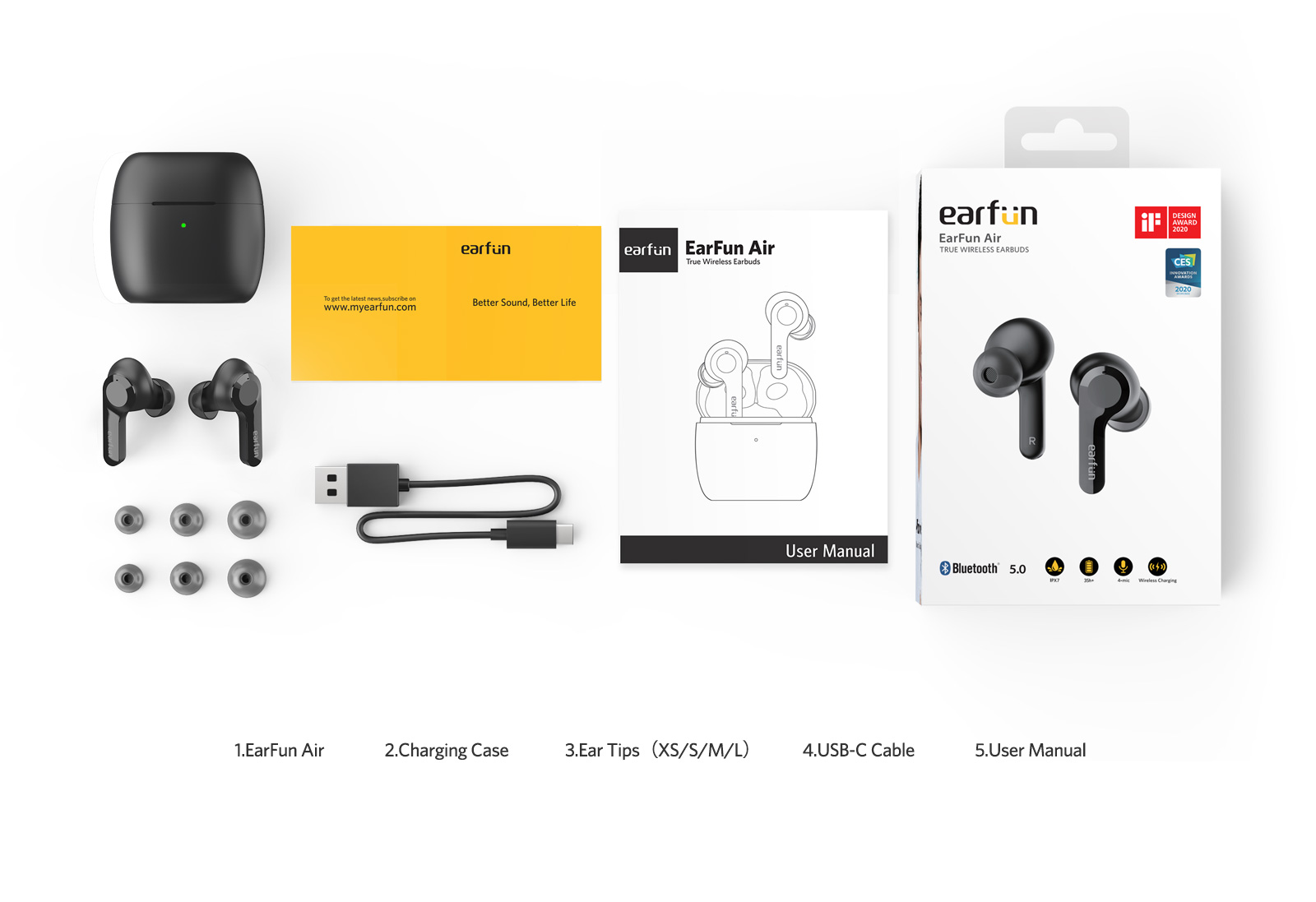
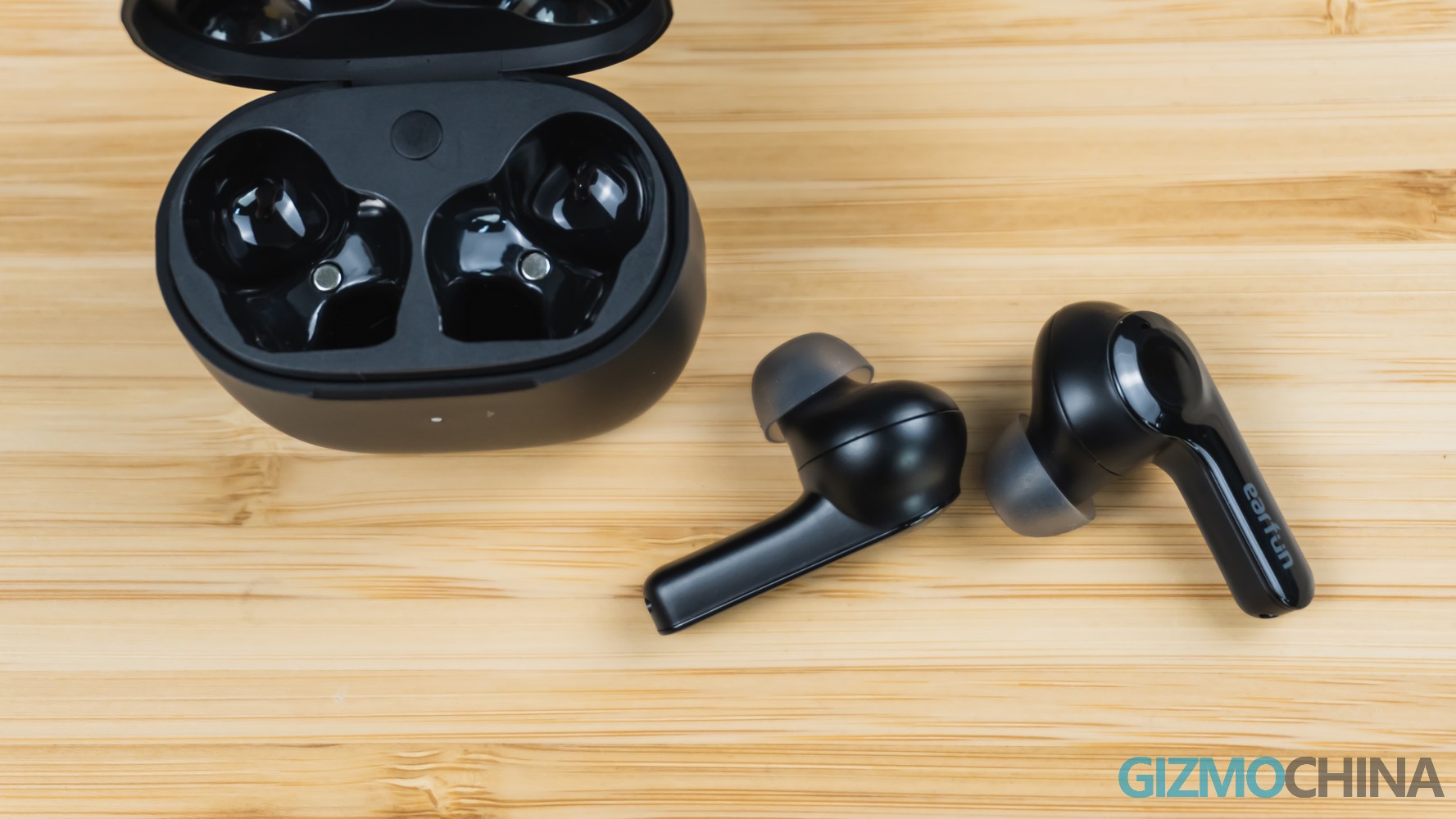
In 2020, we have been impressed with a bunch of true wireless earbuds. Just when we thought the list of 2020 recommended wireless budget earbuds should come to a close, EarFun Air changed our mind, completely. The EarFun Air is the latest Earbuds product designed by EarFun HK. The company has brought quite a few budget audio products with impressive industrial design and high-quality sound.
Compared with other budget earbuds, the $59.99 EarFun Air offers a variety of improvements, from in-ear comfort design to a 4-way microphone for clear ambient-sound-canceling calls; from IPX7 waterproof to longer battery life.
Design
Whether you are a design enthusiast who’s interested in the good looking electronic products or an audiophile seeking convenient high-quality audio devices, the EarFun Air could probably catch your eyes in both aspects.
Comparing the EarFun Air with many well-known brands’ earbuds, the biggest highlight at first glance should be the industrial design. Many of these accessory-type earbuds present a highly recognizable identity to the brand but share poor design as an independent audio device. And design seems to be its specialty as the EarFun Air has won the IF Design Award 2020 and CES 2020 Innovation Award. Even as a common consumer, we also can feel the refinement in use.
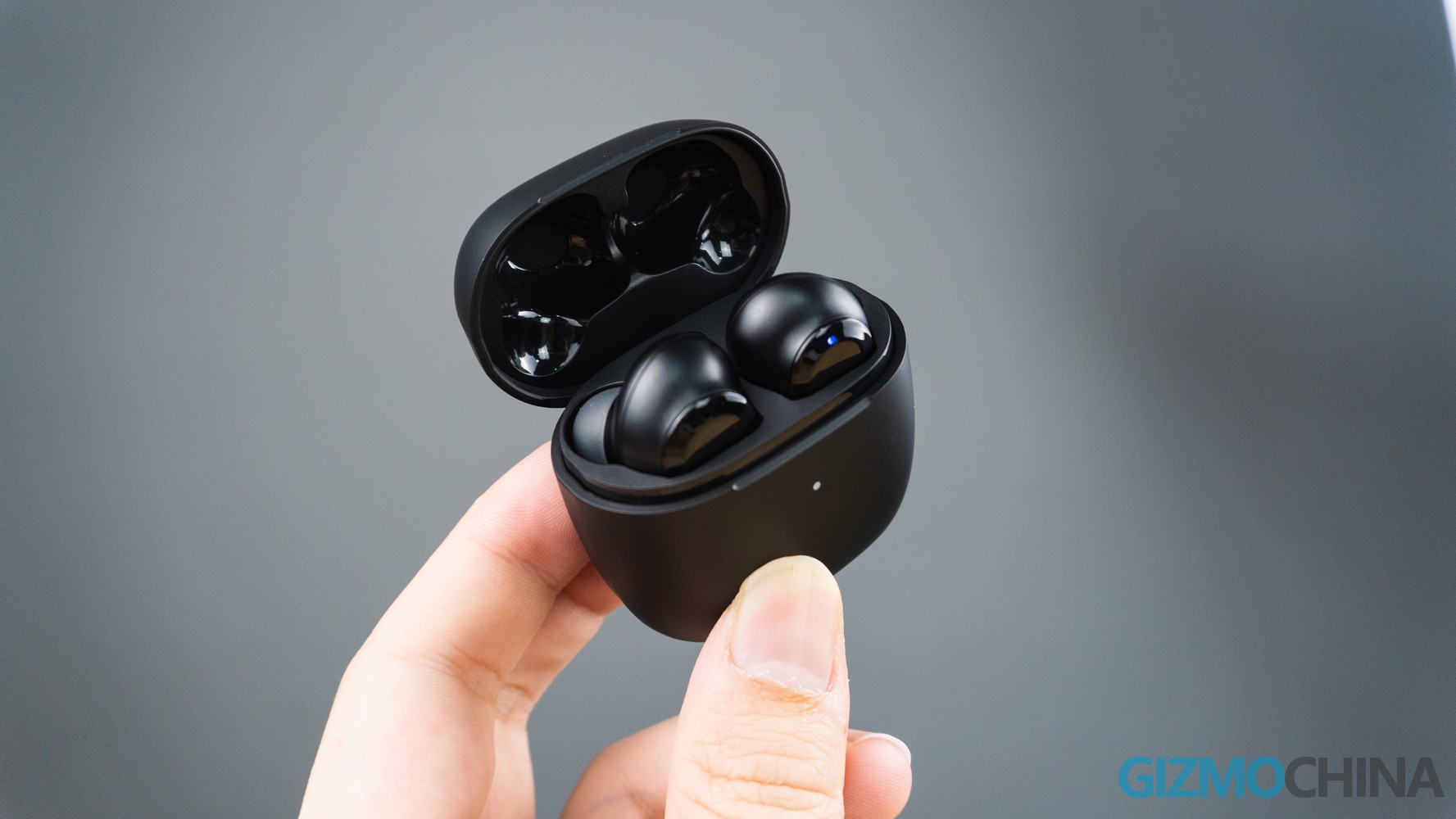
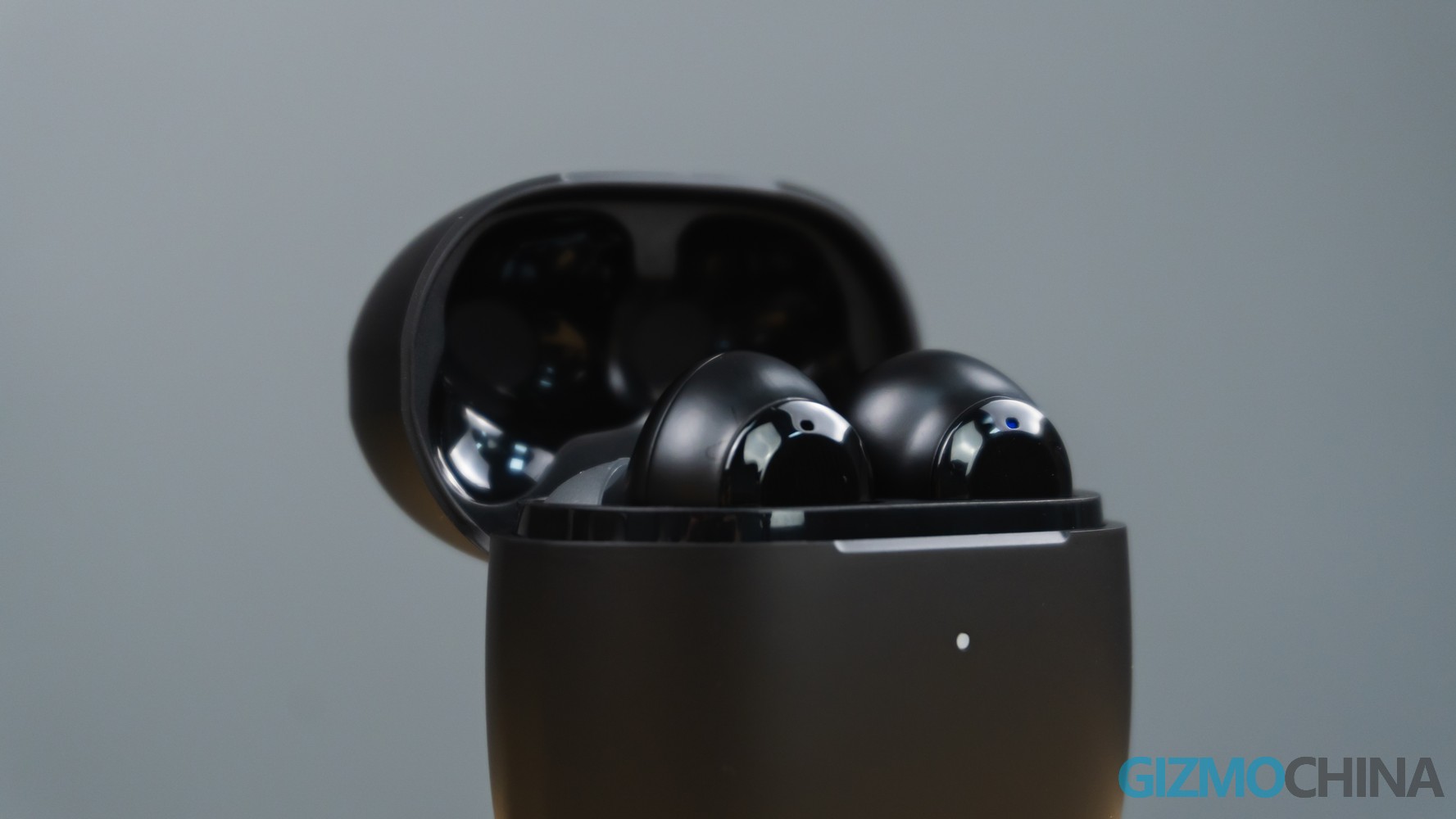
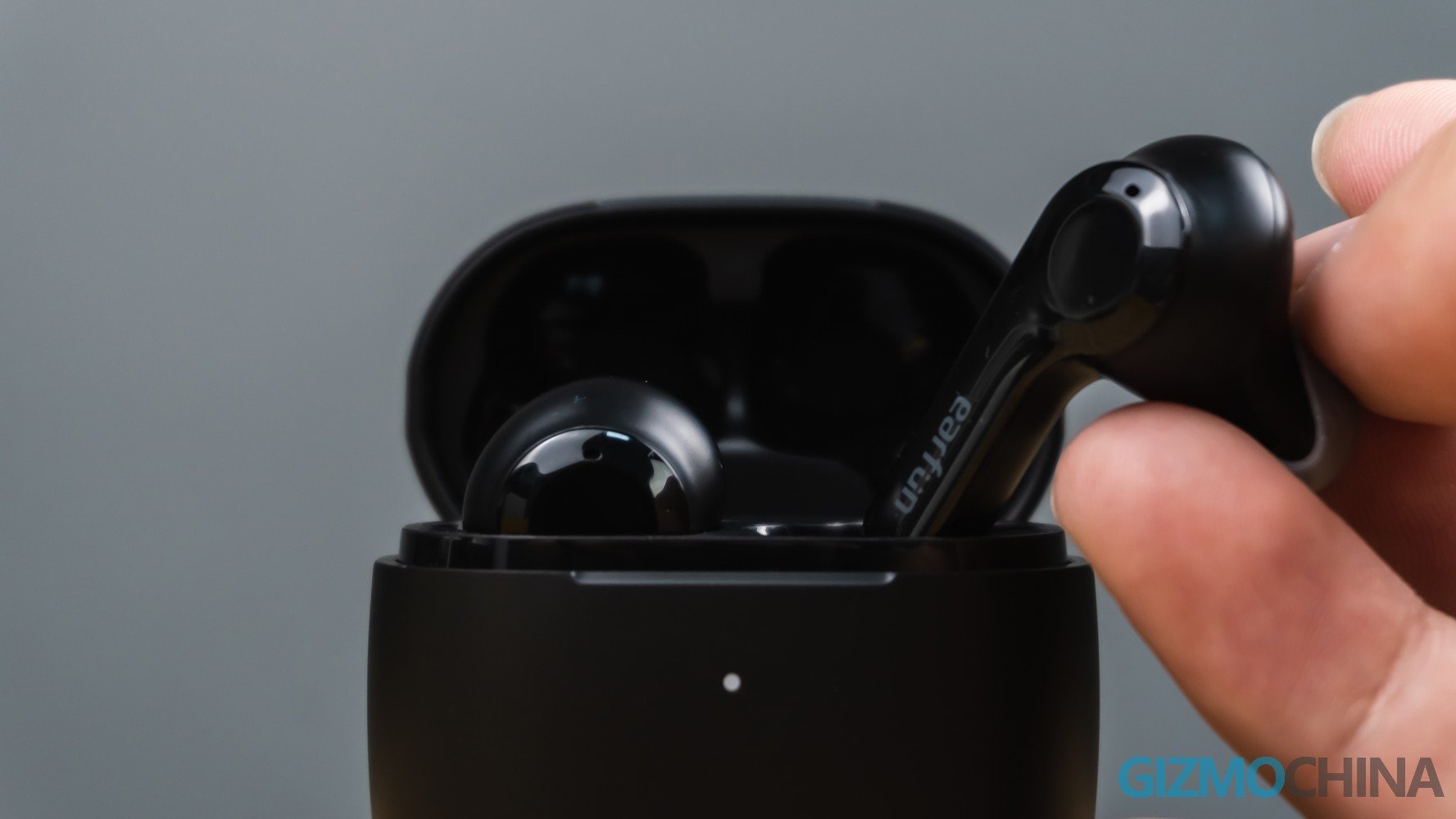
EarFun Air’s in-ear design has the best fit that we’ve ever experienced. It’s comfortable and secure as we tried most ears in the office with 4 pairs of silicone tips in various sizes and did not hear any complaints about the fit.
However, when compared to other earbuds, the Air’s controls are much more complicated. But if you can get past the learning curve, the touch controls offer a wider range of hands-free audio controls. The round sensitive panels on both ears work as follows:
Playing music:
Play/Pause
Tap twice (L/R)
Next track
Tap triple (R)
Volume up
Tap & hold (R)
Volume down
Tap & hold (L)
Hands-free conversation:
Answer/End a call
Tap twice (L/R)
Reject a call
Tap & hold for 2s (L/R)
Answer the second call and hold current call
Transfer two calls
Tap triple (L/R)
Reject the second call
Tap & hold for 2s (L/R)
Wake the Voice assistant (Phone):
Voice assistant
Tap triple (L)
So make sure that you could remember all the above so well if you are having a lot of calls. Otherwise, for music play, it’s much easier to just use the basic L/R bud controls.
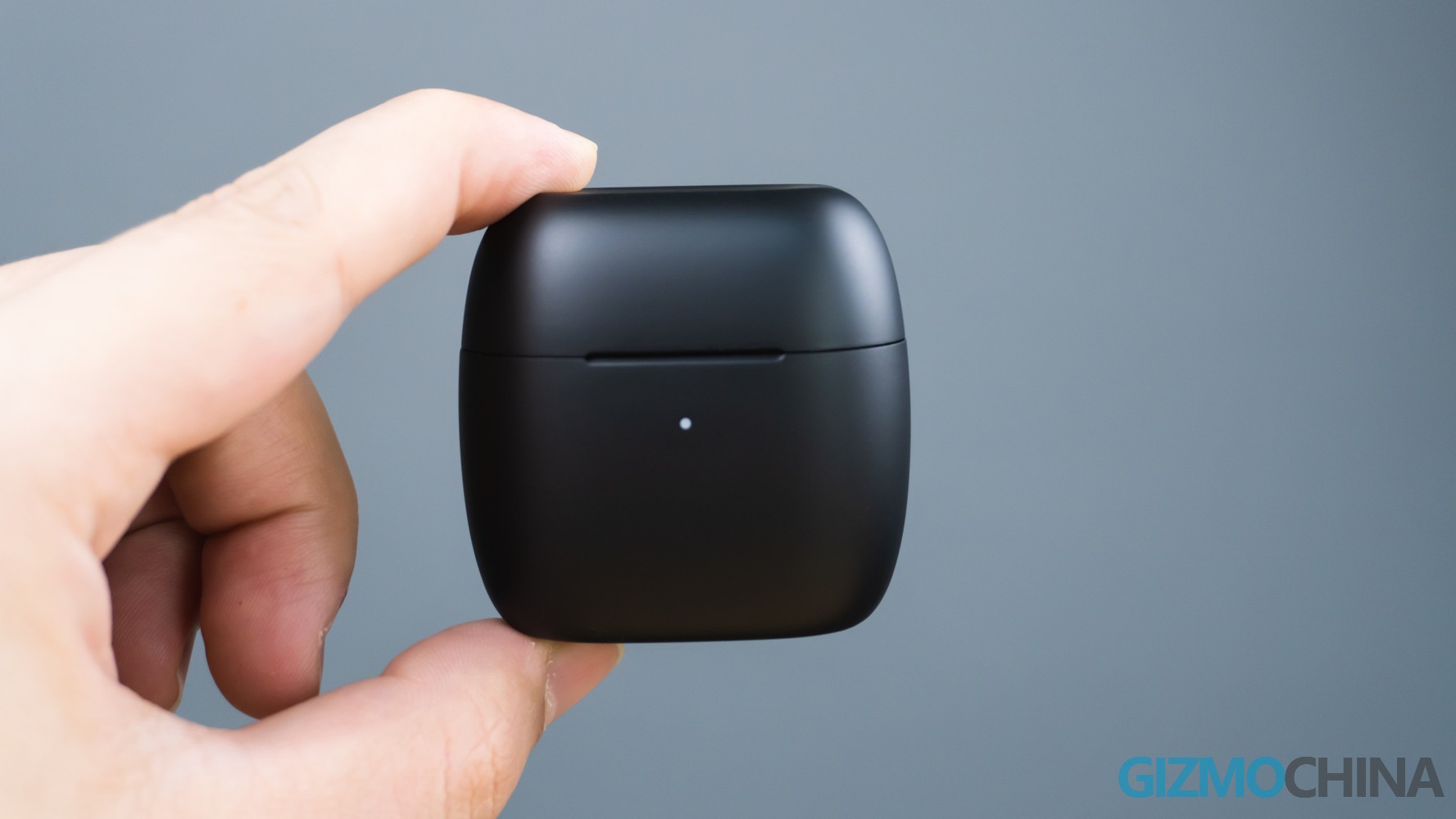
The charging case is well-designed and it is not just shaped like a boring cube. Although it’s made of plastic, the smooth surface with a matte finish leads to a mismatch of elegant design and inexpensive pricing. Another surprise is that the case not only can be charged with the included USB-C cable but also supports wireless charging, which is really not a necessary feature for a pair of inexpensive earbuds. An LED on the front face roughly indicates the battery state in different colors: Green for a full charge, orange for halfway, red for empty.
Connection
The EarFun Air supports Bluetooth 5.0 connectivity (No AptX codecs). The connecting process is intuitive and simple for various devices. No matter you are going to use it for PC, Android, or iOS devices, the Air has stable signals with clear audio within around 15M distance. But in different uses, a slight latency (about 0.2s) sometimes could be perceived, which may lead to an uncomfortable feeling for someone who requires accurate Sound & Picture sync during gaming.
Performance
The Air’s sound quality and music performance are also not bad at all. Especially on the lows such as tracks with strong bass, the Air covered good bass depth, and presented a better feeling of its general sound signature, which emphasizes strong bass.
On tracks like songs, the Air delivered the singing part clearly and naturally without pushing instrumentation too far forward. However, the treble is still not as outstanding as the bass. At high-volume listening levels, the bass sometimes may run over the mids and highs but it’s still far away from being muffled.
IPX7 waterproof
Another highlight should be the excellent IPX7-rating waterproof. It means that the earbuds are able to work well with sweat, rain, and getting completely submerged under shallow water.
But pay attention here: the charging case, however, is not waterproof.
Battery and charge
There is a 55mAh battery in each earbud, which in daily use, could last for around 5-7 hours. Putting the Earbuds back to the charging case, a full-charge requires 1.5 hours. The 500mAh charging case is estimated to provide around 4 full-charges for the earbuds. so generally, if you prefer to use dual-buds at the same time, you can squeeze out a day’s usage.
The case can be fully charged with the USB-C cable in 2 hours, while it needs 4 hours if you charge it in a wireless way.
4-microphone Noise-canceling call
The 4-microphone offers great ambient sounds canceling when we have phone calls. Recording with the 4 microphones, it did sound much better than I’ve experienced on other budget earbuds. And I eventually got positive feedback from my call partner since he used to complain about the sound of my microphone. But it’s still not able to guarantee a perfect conversation quality because of poor phone or Bluetooth signals.
Conclusion
We’ve tested a lot of inexpensive earbuds and decided not to give full reviews for some of them. The reason is pretty simple: they did not bring a lot of value for their pricing. On the contrary, the reason that we admired EarFun Air is simple: the product value exceeds its price. Besides good sound quality and excellent waterproof, we are more impressed by its identifiable industrial design, which is really a rare attempt for budget earbuds.
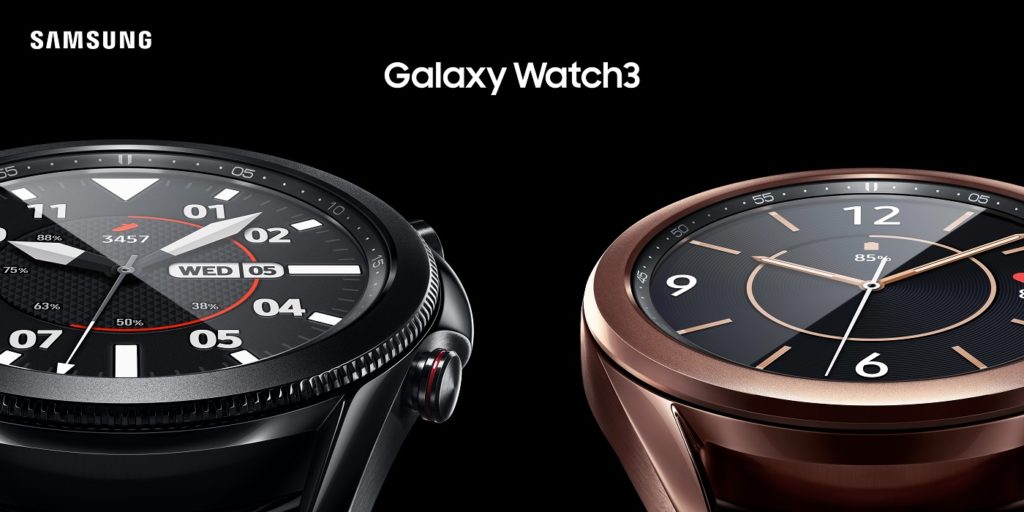
Samsung officially announced the Galaxy Watch3 and Galaxy Buds Live at the virtual Galaxy Unpacked event on August 5. Now, after almost two weeks, these two products launch officially in India. They will go on sale starting next week in the country.
Galaxy Watch3 Price and Availability – India
The new Samsung Galaxy Watch3 is the direct successor to the original Galaxy Watch from 2018. It retains the same physical rotating bezel but comes with a smaller battery and updated Tizen software.
Samsung launches all the four variants of the Galaxy Watch3 in India and their prices are as listed below.
Variant
Price
Galaxy Watch3 41mm Bluetooth
₹29,990
Galaxy Watch3 41mm LTE
₹34,990
Galaxy Watch3 45mm Bluetooth
₹32,990
Galaxy Watch3 45mm LTE
₹38,990
Talking about colors, the smaller 41mm model will be available in Mystic Bronze and Mystic Silver. Whereas, the larger 45mm model will come in Mystic Silver and Mystic Black.
Pre-orders for all the variants of Galaxy Watch3 are live in India and it will run till August 26. It can be pre-ordered from Samsung Opera House, Samsung online store, retail stores, and leading online portals. It will be available for purchase from August 27.
Galaxy Buds Live Price and Availability – India
Galaxy Buds Live, one of the uniquely designed TWS in the world is priced at ₹14,990 in India. It will be available in three colors namely Mystic Bronze, Mystic Black, and Mystic Black.
For comparison, the Galaxy Buds+ (Plus) debuted at ₹13,990 earlier this year but with the launch of Buds live with better features like ANC (Active Noise Cancellation), the former currently retails for around ₹11,000 in the country.
That said, the Galaxy Buds Live will go on sale starting August 25 across retail stores, Samsung Opera House, Samsung online store, and leading online portals.
Galaxy Watch3 and Galaxy Buds Live Launch Offers – India
Customers pre-ordering the Galaxy Watch3 LTE variant (41mm/45mm) between August 17 and 26 from Samsung online store and retail stores will be eligible to purchase the Galaxy Bus Live for only ₹4,990.
On the other hand, customers who pre-order the Galaxy Watch3 Bluetooth variant (41mm/45mm) from Samsung online store, Amazon India, and Flipkart during the same time period will be eligible for an instant cashback of ₹4,500.
We use cookies on our website to give you the most relevant experience by remembering your preferences and repeat visits. By clicking “Accept”, you consent to the use of ALL the cookies.
This website uses cookies to improve your experience while you navigate through the website. Out of these, the cookies that are categorized as necessary are stored on your browser as they are essential for the working of basic functionalities of the website. We also use third-party cookies that help us analyze and understand how you use this website. These cookies will be stored in your browser only with your consent. You also have the option to opt-out of these cookies. But opting out of some of these cookies may affect your browsing experience.
Necessary cookies are absolutely essential for the website to function properly. This category only includes cookies that ensures basic functionalities and security features of the website. These cookies do not store any personal information.
Any cookies that may not be particularly necessary for the website to function and is used specifically to collect user personal data via analytics, ads, other embedded contents are termed as non-necessary cookies. It is mandatory to procure user consent prior to running these cookies on your website.