Advertisement

Mi 10 Ultra arrives with a stand-out design, 120W fast charging, and 120x zoom

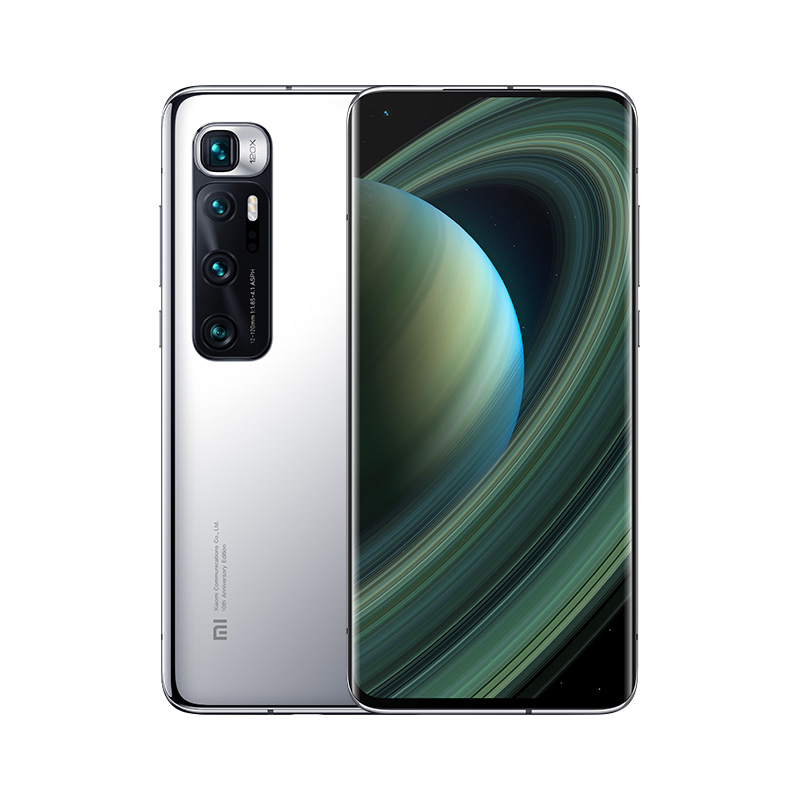
Xiaomi just announced the Mi 10 Ultra flagship and it is practically their best phone yet. From an impressive design to cameras that bring you closer to your subject to the fastest charging technology on a commercially-available smartphone, this is a cumulation of 10 years of hard work.
Xiaomi Mi 10 Ultra FEATURED b


Mi 10 Ultra Specifications – All about the numbers

The Mi 10 has a 6.67-inch FHD+ display (2340 x 1080). It boasts a 120Hz refresh rate, 240Hz touch sampling rate, support for HDR10+, a peak brightness of 1120 nits, and is a 10-bit display that is capable of displaying up to 1.07 billion colors. It has a Delta E value of less than 1 and a JNCD value of less than 0.63. The display has a TÜV Rheinland certification, is covered with Gorilla Glass 5, and has a fingerprint scanner behind it.

Xiaomi has stuck to the Snapdragon 865 processor that powered the Mi 10 and Mi 10 Pro that launched in the first half of the year. You get up to 16GB of LPDDR5 RAM and up to 512GB of UFS 3.1 storage.

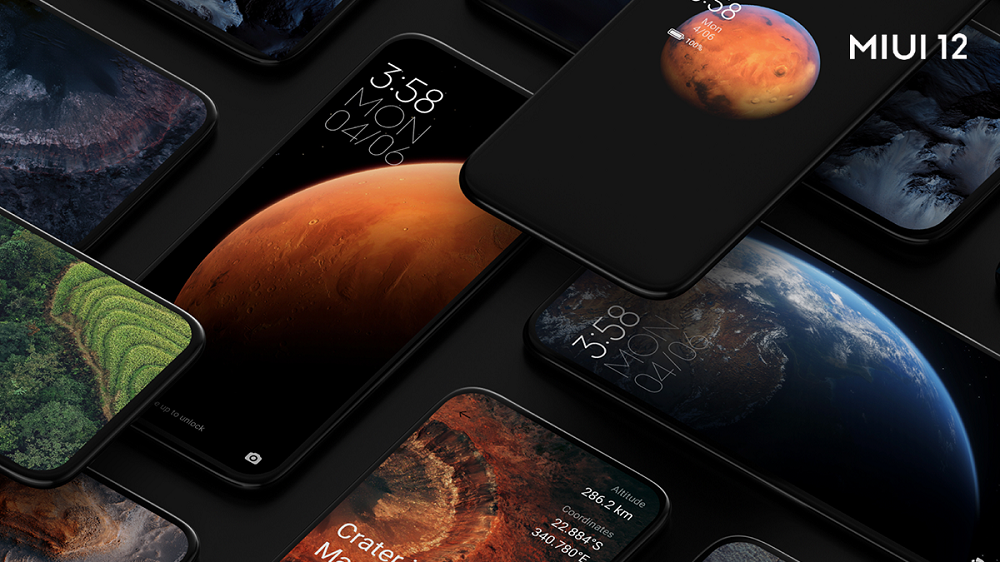
There is support for dual SIM, WI-Fi 6, Bluetooth 5.1, and NFC. The phone also has an IR sensor. The Mi 10 Ultra ships with MIUI 12 based on Android 11.

EDITOR’S PICK: No new Mi MIX phone this year, Mi MIX Alpha won’t be mass-produced
Xiaomi Mi 10 Ultra cameras

Mi 10 Ultra Cameras – The Champ (for now)

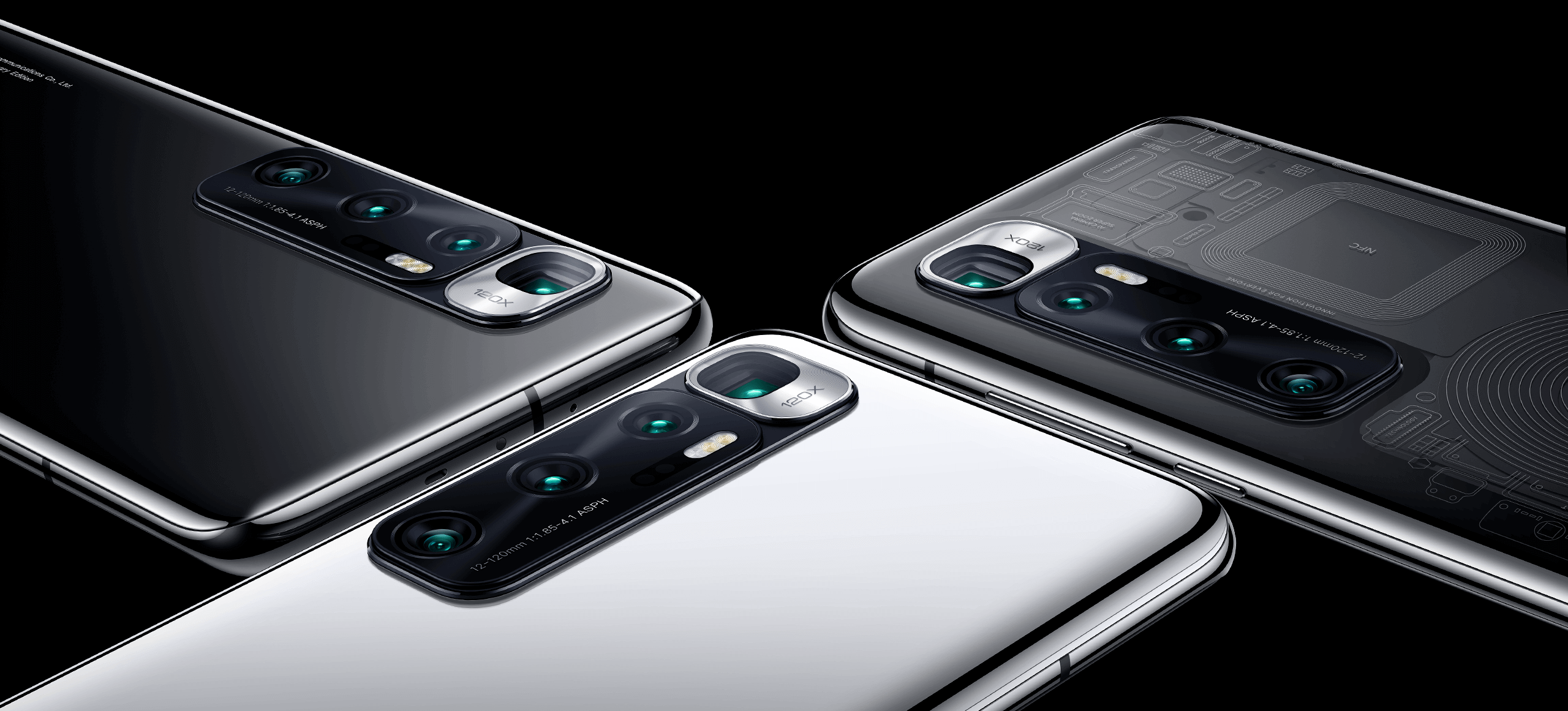
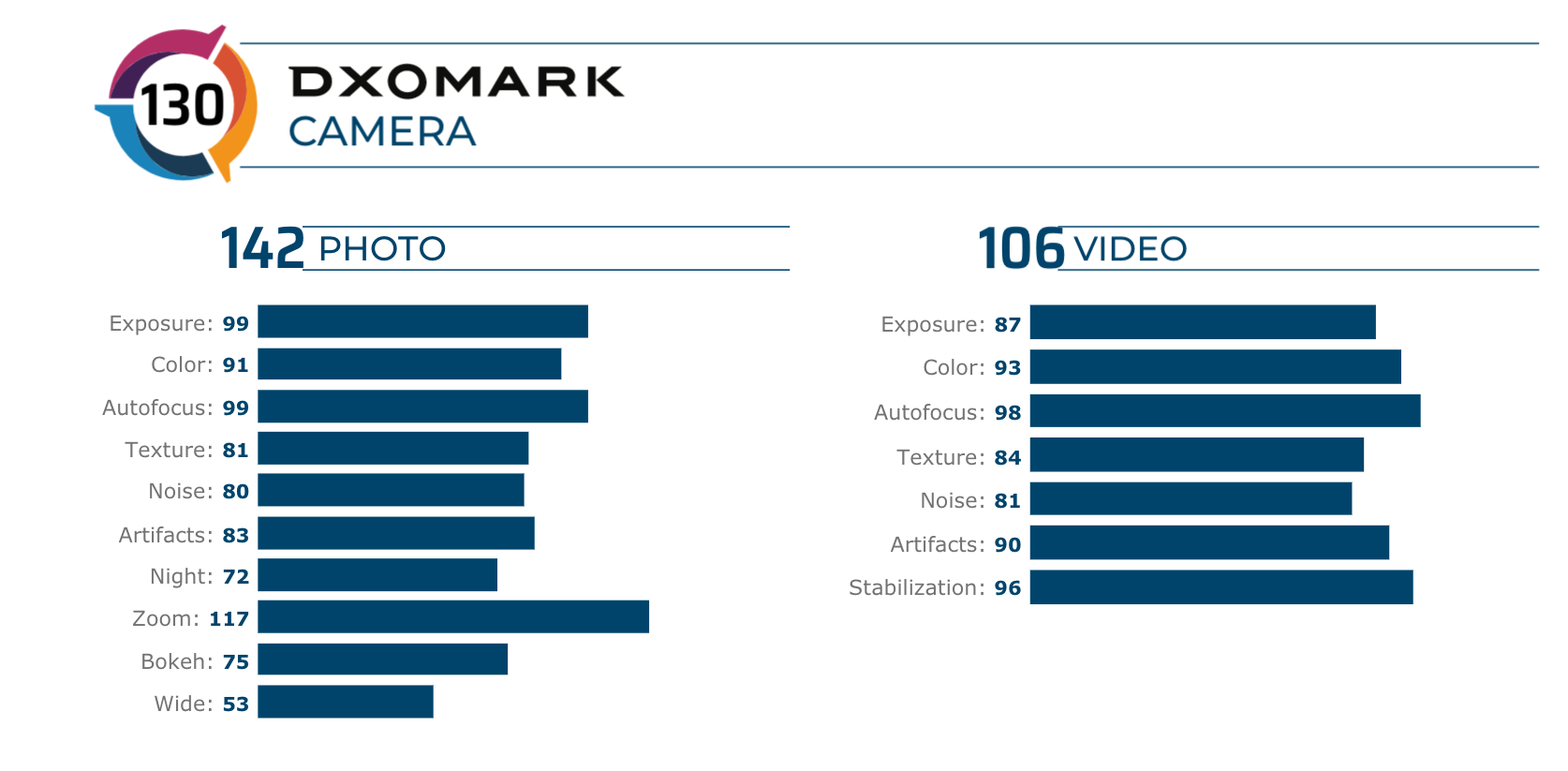
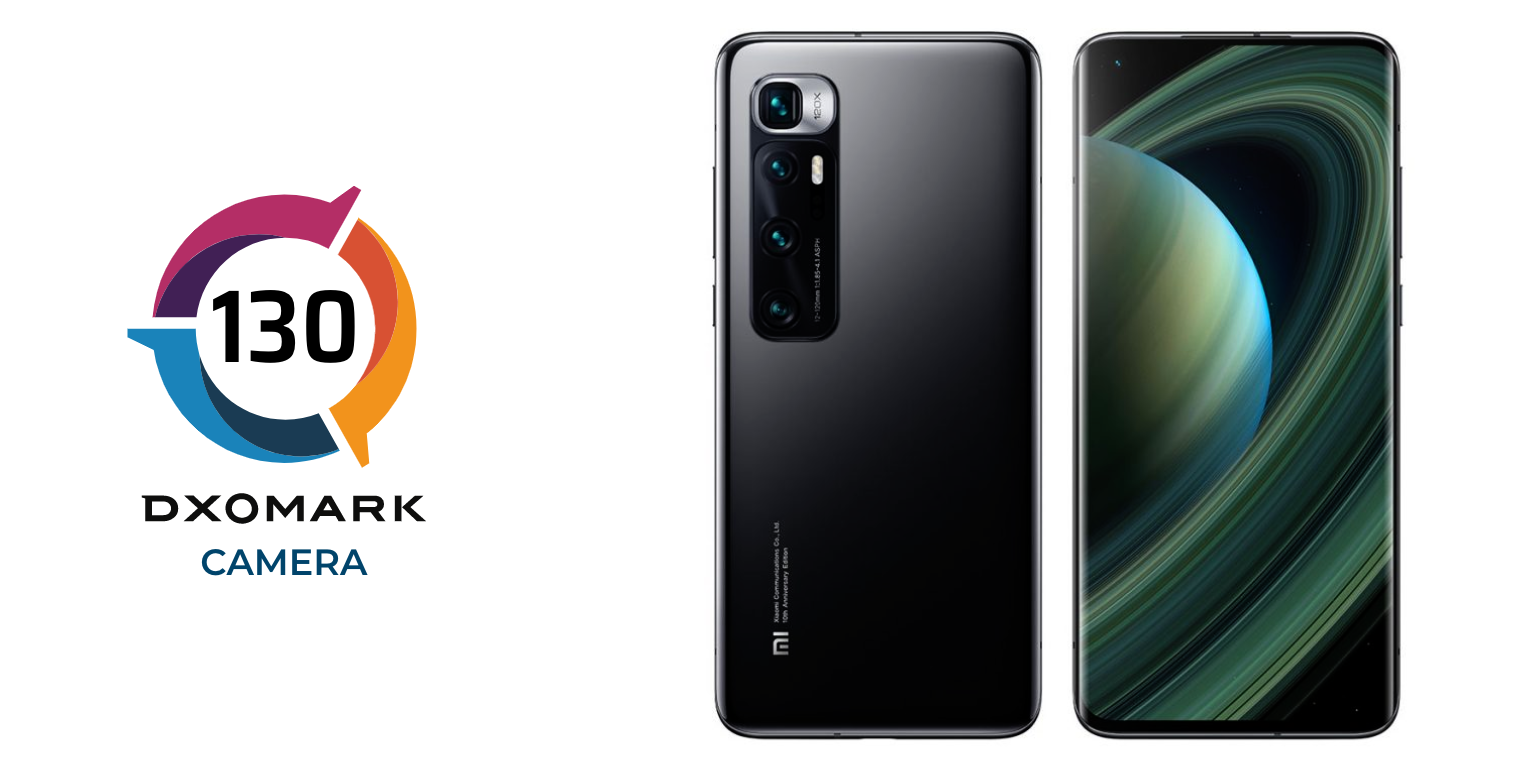
Xiaomi’s new flagship is the new king on DXOMark with an overall score of 130. The phone has four rear cameras:

  • 48MP f/1.85 1/1.32″ 2.4μm custom-manufactured main sensor with OIS and an 8P lens
  • 48MP 1/2-inch Quad Bayer ultra-telephoto sensor, 120mm-equivalent (5x optical) lens with f/4.1 aperture, PDAF, and OIS
  • 12MP 1/2.56-inch telephoto sensor, 50mm-equivalent (2x optical) lens with f/2 aperture, Dual-Pixel AF
  • 20MP 1/2.8-inch ultrawide sensor, 12mm-equivalent lens with f/2.2 aperture, PDAF, and a 128° field of view

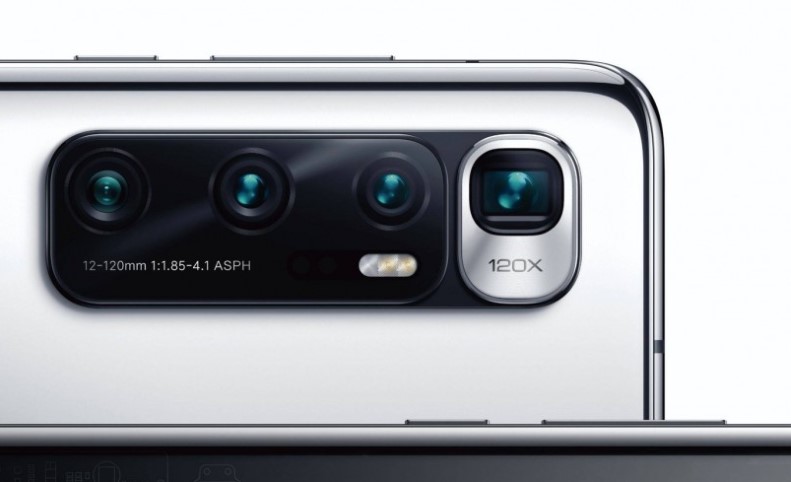
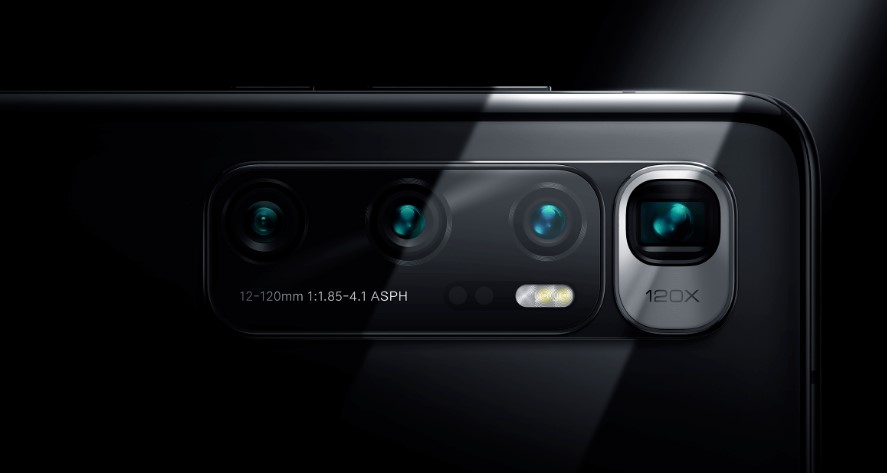
The Mi 10 Ultra has 10x optical zoom and a digital zoom that goes up to 120x, bringing you closer to objects that are far away. The custom-made primary sensor allows for taking high-quality photos in the dark.

The rear cameras can record slow-motion videos at a resolution of up to 1080p at 120fps, 240ps, and 960fps. The phone can also record 8K videos at 24fps and 4K at 60fps.

The Mi 10 Ultra also has a 20MP front-facing camera with EIS and it can shoot in 1080p at 30fps and in slow-motion at 120fps. It is packed with lots of features including HDR and Night Mode.
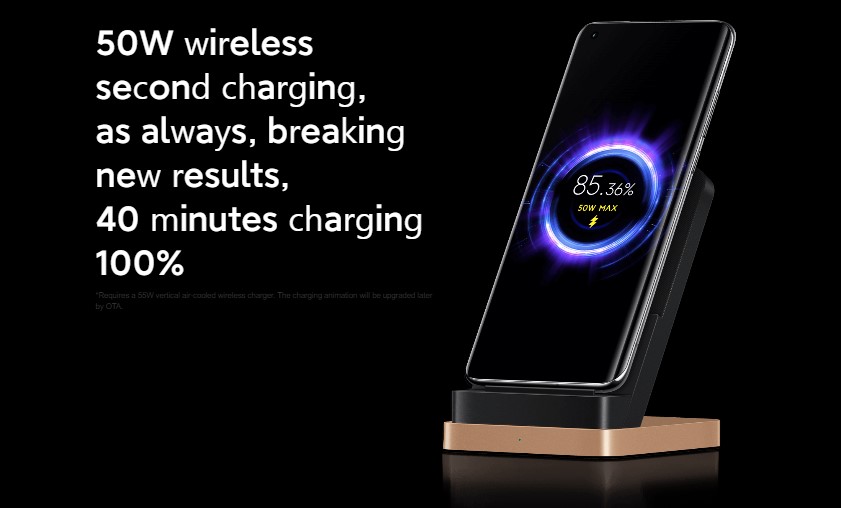
 

Xiaomi Mi 10 Ultra charging

Mi 10 Ultra Battery and Charging – extremely fast

There is a 4500mAh battery inside the phone which is actually two 2250mAh butterfly-designed graphene-based lithium-ion batteries. The phone supports 120W wired fast charging that charges the phone up to 41% in 5 minutes and 100% in just 23 minutes. Don’t like wires cluttering your desk? Then there is 50W wireless charging that charges the device up to 100% in 40 minutes. Support for reverse wireless charging is available at 10W. The phone also supports Quick Charge 5.0, Quick Charge 4+, and Power Delivery 3.0. The spec sheet says the phone has a TÜV Rheinland Fast Charge 3.0 authentication.
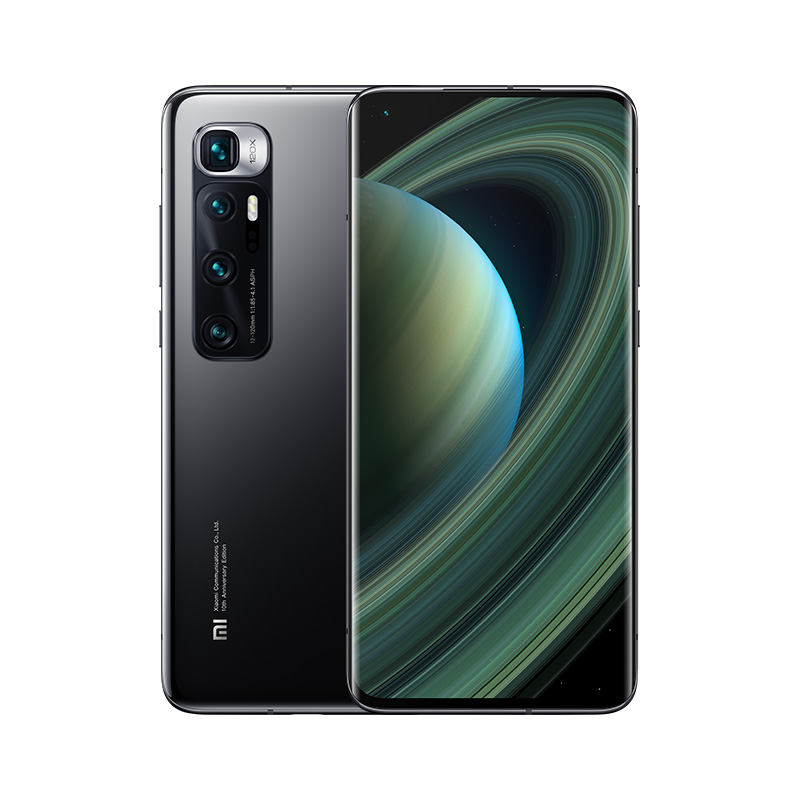
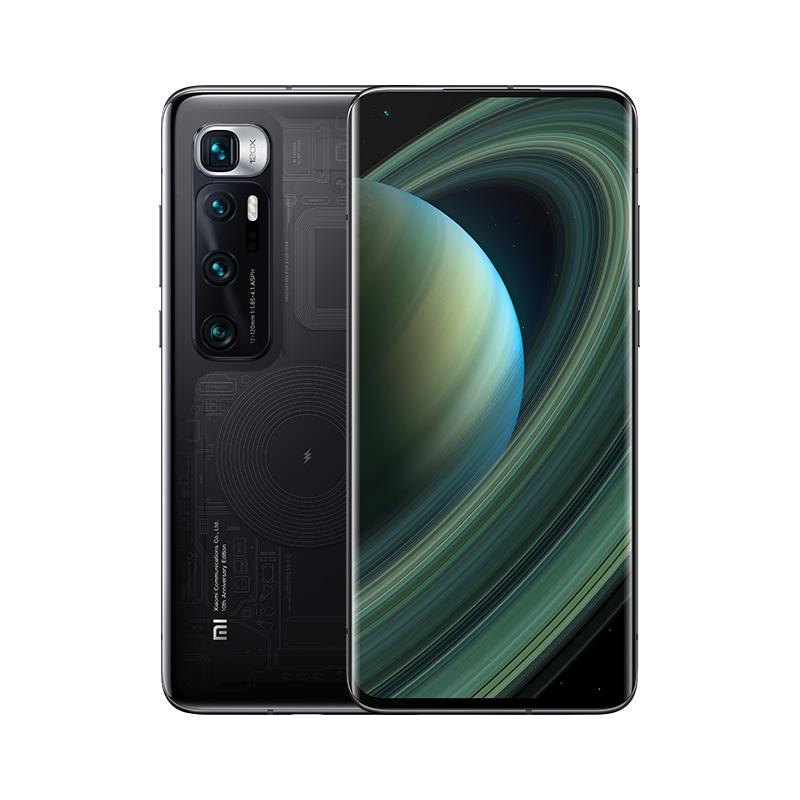
Mi 10 Ultra Price – more value than the competition

The Mi 10 will be available for pre-order starting today until Saturday, the 15th of August. Below are the prices for each variant:

  • Ceramic Black
    8+128GB – ¥5299 (~$763)
    8+256GB – ¥5599 (~$806)
    12+256GB – ¥5999 (~$863)
    16+512GB – ¥6999 (~$1007)
  • Transparent Edition
    8+128GB – ¥5299 (~$763)
    8+256GB ¥5599 (~$806)
    12+256GB – ¥5999 (~$863)
  • Bright Silver
    16GB+512GB – ¥6999 (~$1007)

The phone will go on sale in Mainland China on Sunday, August 16.


Hisense R11 5G powered by a UNISOC T7510 SoC launched

Hisense mobile division has gained a reputation in recent time for its e-ink display-packing models ideal for reading. The company is bringing the kindle experience not only to smartphones but also to tablets. But that isn’t enough to grab a profitable size o the smartphone market. to this end, the company made a foray into the 5G phone market with the launch of the F50 5G recently.Hisense R11 5G

Hisense has now launched a second 5G model dubbed Hisense R11 5G. Unfortunately, the design and hardware of the 5G phone aren’t spectacular despite carrying a high price tag. One would have expected that an unpopular mobile phone brand like Hisense should launch phones that are mainly cost-effective, but this is not the case at all with this new 5G phones.Hisense R11 5G

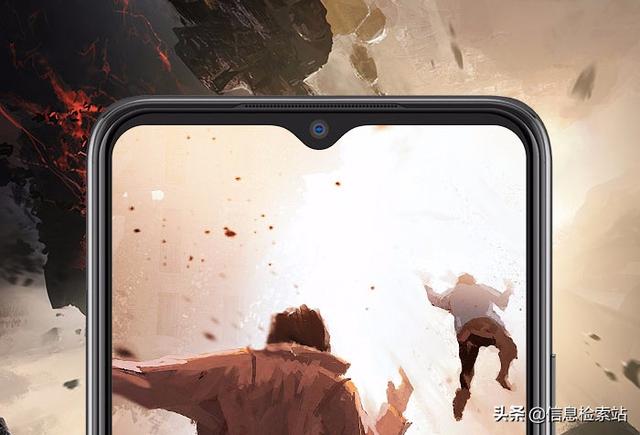
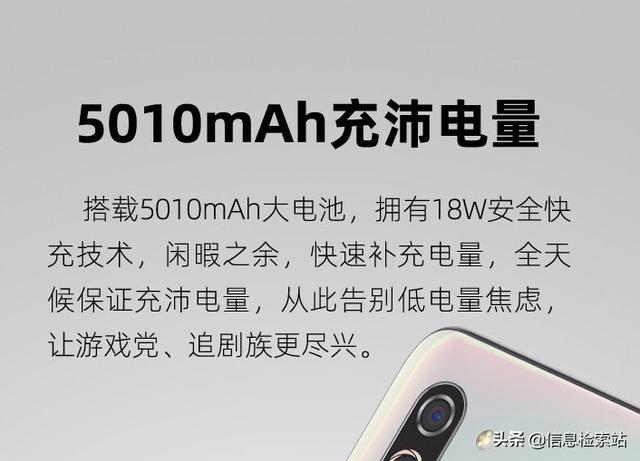
The R11 5G packs a decent 5010mAh battery life which is good for a 5G phone. But the phone only comes with support for 18W fast charging support. The display size is yet to be disclosed but the phone utilises a waterdrop notch design.

The phone is powered by a UNISOC tiger T7510 processor which packs a 5G modem. The chip brings support for dual-mode 5G and supports all domestic 5G frequency bands in China. The chip isn’t likely a high-performance one as it is built on a 12nm process compared to 7nm process which most high-performance 5G chips are built. Hisense R11 5G

The processor teams up with 6GB of RAM while there is 128GB of storage onboard. The device is priced at 4,999 yuan, a price that would scare away potential buyers due to the availability of far cheaper options with lesser price tags.


Xiaomi Mi 10 Ultra beats Huawei P40 Pro in Camera Performance with a DxOMark score of 130

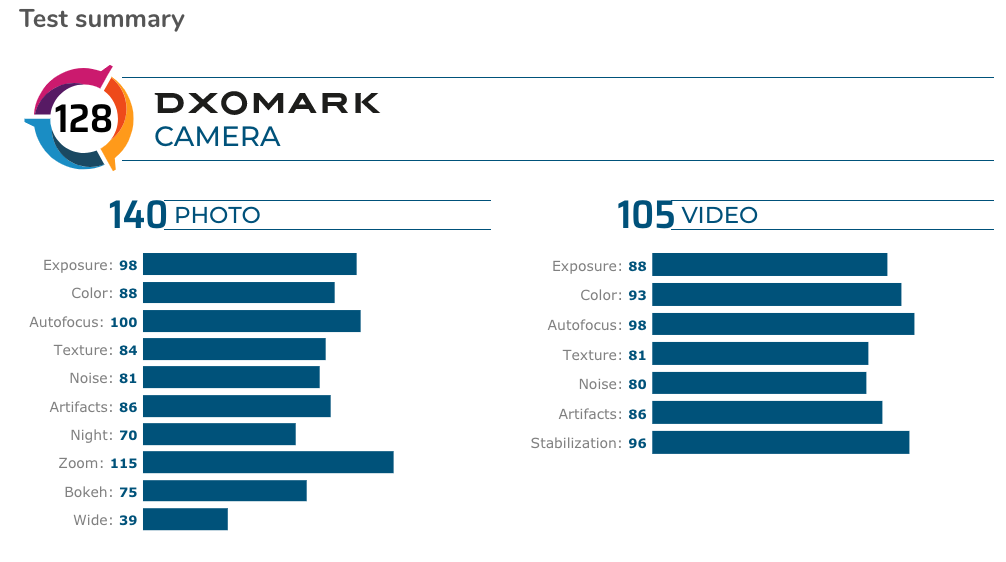
At Xiaomi’s 10th Anniversary Special Event in China, the company unveiled its most powerful smartphone for 2020, the Xiaomi Mi 10 Ultra. As the name suggests, the phone aims to take on the big flagships in the market like the Huawei P40 Pro Plus and the Samsung Galaxy Note 20 Ultra. And the company’s new Mi 10 Ultra has managed to beat the world’s best camera phone according to DxOMark – the Huawei P40 Pro, with a score of 130.

Xiaomi Mi 10 Ultra Camera Specs

  • 48 1/1.32-inch Quad Bayer sensor, f/1.85, PDAF, OIS
  • 12MP 1/2.56-inch Telephoto sensor, f/2.0, dual-pixel AF (2x optical)
  • 48MP 1/2-inch Quad Bayer Telephoto sensor, f/4.1, PDAF, OIS (5x optical)
  • 20MP 1/2.8-inch Ultra Wide sensor, f/2.2, PDAF
  • Dual-LED flash

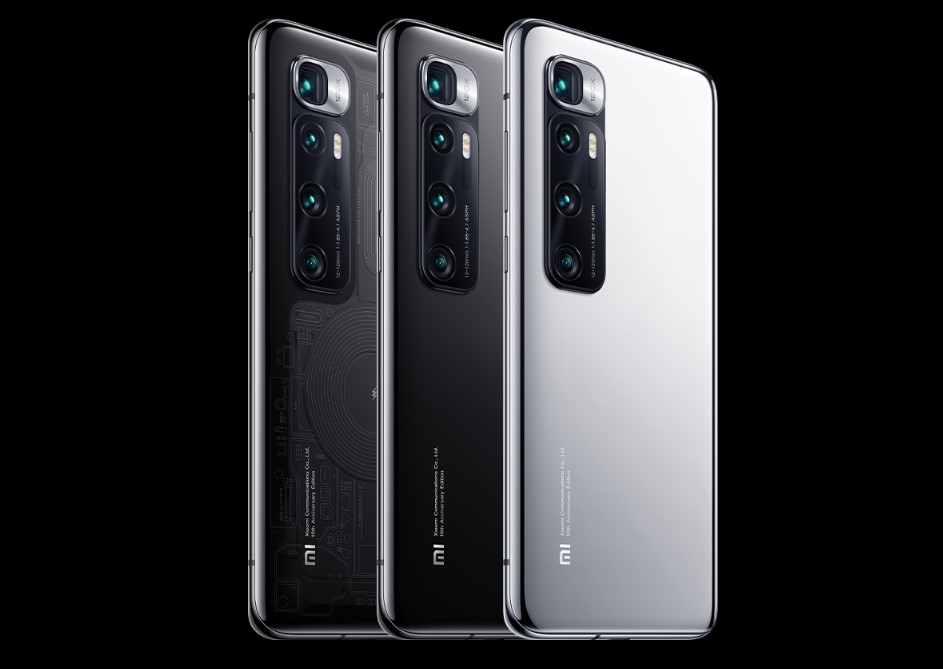
Mi 10 Ultra all colors

Xiaomi Mi 10 Ultra gets the Best Score in Photography: 142

DxOMark test reveals that the Xiaomi Mi 10 Ultra does exceptionally well in reproducing natural, lifelike colors, with excellent target exposure and sharp zoomed-in images with lots of detail. In fact, the Xiaomi Mi 10 Ultra rakes in the highest scores in a number of categories, beating the past leader, Huawei P40 Pro. The phone got the best score in bokeh performance too, with excellent subject isolation. The phone was smart enough to recognize and avoid blurring strands of hair too, performing even better than P40 Pro. DxOMark adds that the Mi 10 Ultra had a very strong background blur too, enabling the subject in focus to pop out in the image.

Mi 10 Ultra DxOMark
Mi 10 Ultra DxOMark

The ultra wide-angle camera is also one of the highlights of the Mi 10 Ultra. DxOMark notes that the phone has the widest field-of-view of all smartphones launched to date. The field of view is significantly wider than the P40 Pro and it does well in controlling distortion and noise. It does exceptionally well in night time photography too, retaining better details of the subject with low noise.

Editor’s Pick: Xiaomi will launch the Mi Note 10 Lite as the Mi 10i in India

Mi 10 Ultra does exceptionally well in Video too: 106

The Xiaomi Mi 10 Ultra can capture 4K 60 fps videos but you can really test its limits with 8K 4320p 30fps video recording. And according to DxOMark, the phone manages to record high-quality videos with good dynamic range, excellent colors, quick autofocus, and effective stabilization.

Mi 10 Ultra Dxomark
Mi 10 Ultra Dxomark score

While DxOMark isn’t perfect, the standardized tests give you a fair idea of how the Mi 10 Ultra fares as compared to its competitors. And with such high scores, we can expect excellent camera performance in real life from the new flagship.

Huawei P40 Pro DxOMark

From a smartphone maker who struggled to perfect its camera, Xiaomi has slowly climbed up to the top of DxOMark, in just a few years. The Mi 10 Ultra is a prime example of how the company’s efforts in the camera department over the years has finally paid off.

Note that the Huawei P40 Pro Plus model hasn’t been tested by DxOMark yet but I have a feeling Huawei might send it in soon for review.

Xiaomi announced a bunch of new products at the event today. Check them out below.


Elephone U5 smartphone to hit the market on August 12

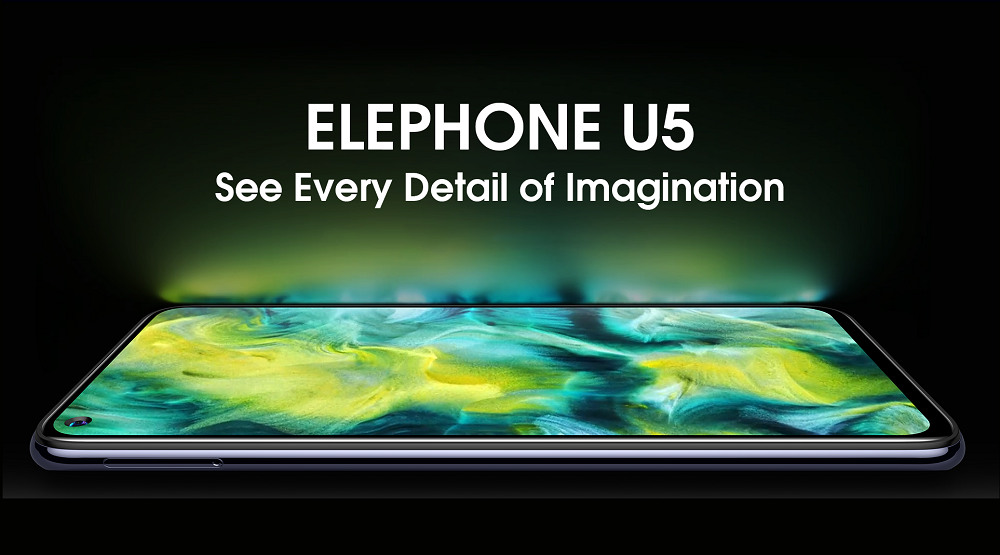
In case if you’re considering to purchase a sub $200 smartphone with commendable specifications. Then hold on for few more days, as a new entrant in the Chinese market, the Elephone U5 is set to hit the market starting from 12th August. Offering decent hardware specifications in elegant body design, the device can be your next daily driver.

See More: Grab Elephone ElePods and ElePods 1 TWS at much affordable price of $15.99 and $19.99, respectively

The Elephone U5 has been listed on the official website for $189.99. We’re not sure whether is it the final price or will change upon the launch. Nevertheless, we have a complete specs sheet of the device, thanks to the listing.

As it’s clear, the U5 is a mid-ranger boasting 6.4-inch FHD+ screen with a punch-hole camera and narrow bezels all around the edges. A 24MP selfie shooter resides in the punch-hole display. Powering the device is an Helio P60 processor, coupled with 4 GB RAM and 128 GB of internal storage. Resultingly, the device shouldn’t have any issue handling medium to slightly heavy tasks.

Most of you’d like the fact that the U5 sports triple slot which can house two SIMs and a microSD at a time. The Elephone U5 is not short of camera prowess with its powerful rear quad-camera lead by a 48MP main sensor. If you’re wondering, fueling the device is a decent 4000 mAh battery capacity. It has a side-mounted fingerprint scanner for biometric authentication, runs Android 10 Operating System on-board. All in all, the device seems to be a steal deal for the listed price. You can get more information about the device by heading to the official website.

Related: Grab Elephone PX Pro with the pop-up selfie camera, 6.53-inch display for $169.99


The original MateBook X may get a refresh soon

Huawei’s MateBook line got a refresh this year except for the standard MateBook X and the MateBook E. New info has surfaced that says the former may get a new model.

MateBook X
The original MateBook X released in 2017

The MateBook line includes the MateBook D, the MateBook E, the MateBook 13, MateBook 14, MateBook X, and MateBook X Pro. Since the MateBook X was announced in 2017, it has not gotten any new models, but popular Huawei leaker, @RODENT950 tweeted today that the notebook may be making a comeback.

The original MateBook X had a 13-inch 2K display with Gorilla Glass protection. One of its selling points was its size being smaller than an A4 Paper. It was powered by Intel’s 7th-gen processor and buyers could choose between 4GB RAM + 256GB SSD and 8GB RAM + 512GB SSD. It had a fanless design, a power button that doubled as a fingerprint scanner, and a battery life of up to 10 hours.

The new model should come with Intel’s 10th-gen processor, at least 8GB of RAM on the base model, and up to 1TB of SSD storage. It should also have a cheaper price tag than the MateBook X Pro 2020 which starts at €1499 ($1766).


MIUI Gallery adds Text Recognition (OCR), Device Frame for Screenshots & New Sky Replacement Filters

Apart from rolling out MIUI 12 update to the eligible devices, Xiaomi has also been adding new features in the weekly MIUI 12 Beta builds. Over the past few months, the company introduced new features like partial screenshot and has been also working on “Bak Tap” gesture, “Paper” Reading Mode, and “AI Shutter” to name a few. Amidst all these, the company surprised users with a release of MIUI Gallery v2.2.16.17 in the latest beta build with new features and fixes.

MIUI 12 Super Wallpaper Featured

The new version of MIUI Gallery app brings three new major features and they are as listed below.

Text Recognition –  OCR (Optical Character Recognition)

With this feature, users can copy text from images inside MIUI Gallery by tapping on options, followed by “Recognize text”. It works similar to Google Lens text recognition feature but a tab bit slower.

Device Frame for Screenshots

Users can now add device frame to screenshots if they wish to. Here are the smartphones that support this feature for now.

  • Mi 10
  • Mi 10 Pro
  • Redmi K30 5G
  • Redmi K30 4G / POCO X2
  • Redmi K20 / Mi 9T
  • Redmi K20 Pro / Mi 9T Pro
  • Mi 9
  • Mi 9 Pro 5G

New Sky Replacement Filters

Sky replacement filters first debuted in MIUI 10. With MIUI 11, Xiaomi improved it and also added more filters. Now, with the new MIUI Gallery App in MIUI 12, the company further introduces several more new presets.

Here’s the official changelog of MIUI Gallery v2.2.16.17 (Translated)

  • The slide bar experience for quick preview of photos is upgraded
  • Time album revision experience upgrade
  • Upgraded experience of album free sorting function
  • Add photo to text function (OCR)
  • Add and edit night scene change
  • Add editing filters, water green, smoke green, light summer, blue dream, water blue, mojito, quiet
  • Optimized editing function experience
  • Optimized photo album scanning speed
  • Fix several bugs and improve the smooth experience of photo albums

Having said that, the new version of MIUI Gallery app is only available in the latest  MIUI 12 Beta but interested users can download and install the APK from the link provided below.

Download MIUI Gallery v2.2.16.17 APK


(Via)

Blogger that leaked Xiaomi Mi 10 Ultra hands on video could face serious charges, Mother claims responsibility

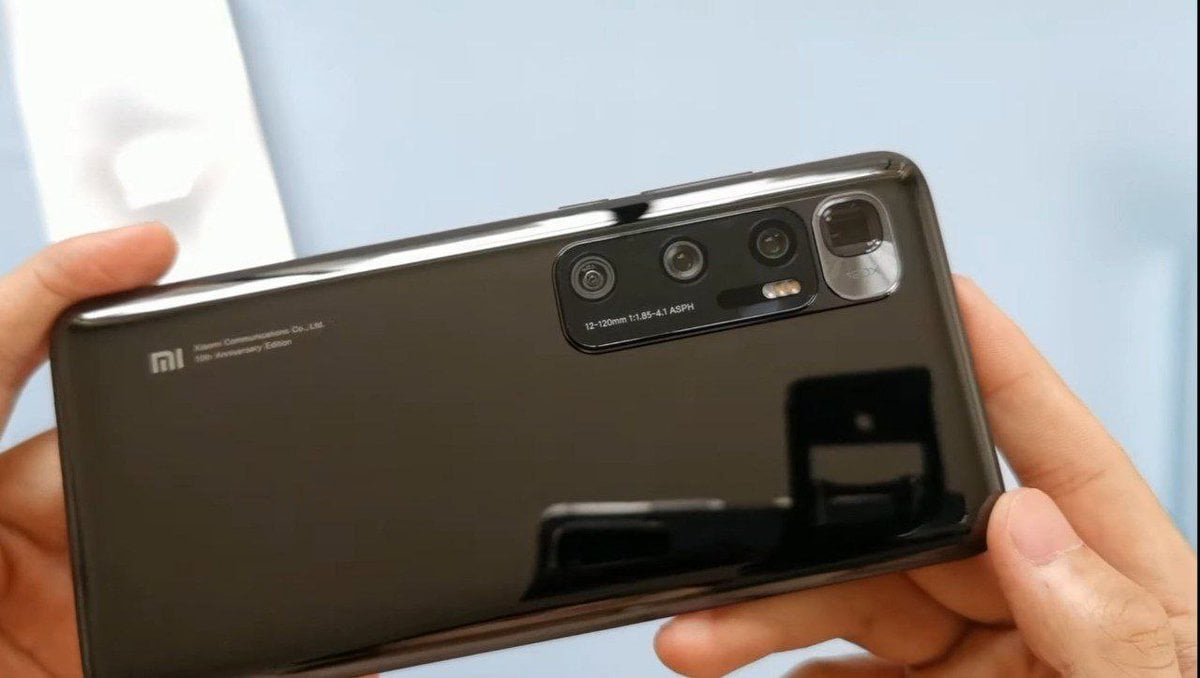
Earlier today (11th August 2020), a Weibo blogger by the name @beautiful科技 leaked the hands on video of the Xiaomi Mi 10 Ultra online. Apparently, the blogger had also signed an NDA with the company and could potentially face a breach of contract worth 1 million US Dollars. But in a bizarre turn of events, the blogger’s mother is claiming responsibility for the leak.

When the news regarding the initial leak first spread, certain Chinese reporting agencies reached out to @beautiful科技. However, the one that responded to all of these queries was not the blogger but their mother. According to the supposed parent, she was the one responsible for the leak and had done this by accident. Allegedly, she just saw the post on his computer waiting to be uploaded and hit “Yes” to share it online to a QQ group by mistake.

Xiaomi
Still from the leaked hands on video

The original post has since been deleted but it has already been reuploaded by others and is circulating online. When the parent was asked about the gravity of the situation, she replied that she didn’t know what the matter was concerning and that her son had signed a non-disclosure agreement. At the moment, Xiaomi has yet to comment on the situation, so we will have to wait and see what course of action the Chinese tech giant takes.


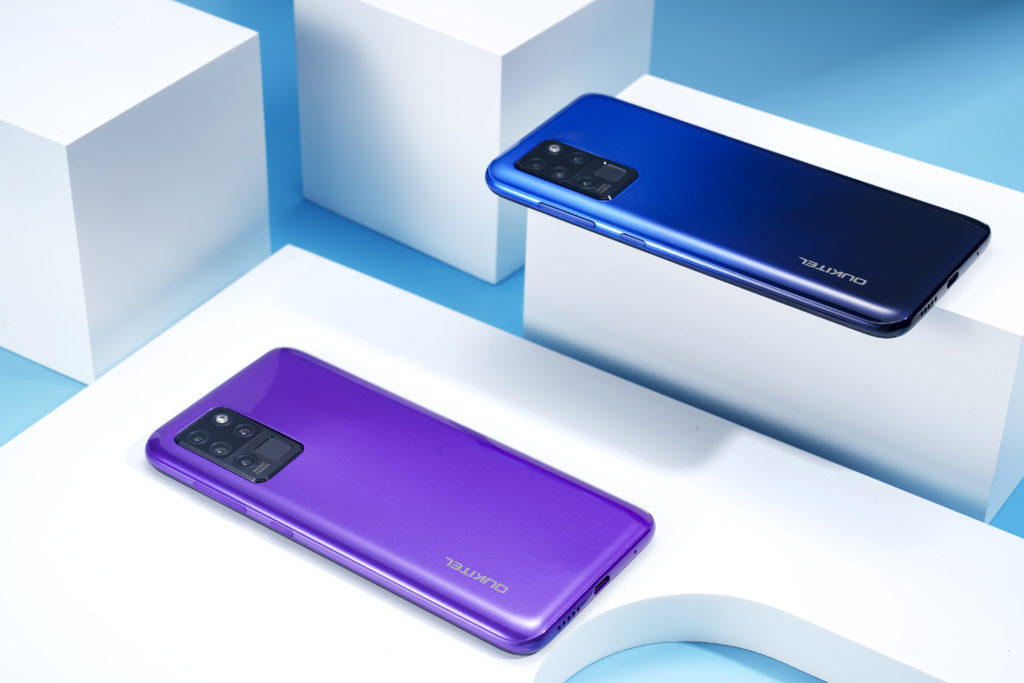
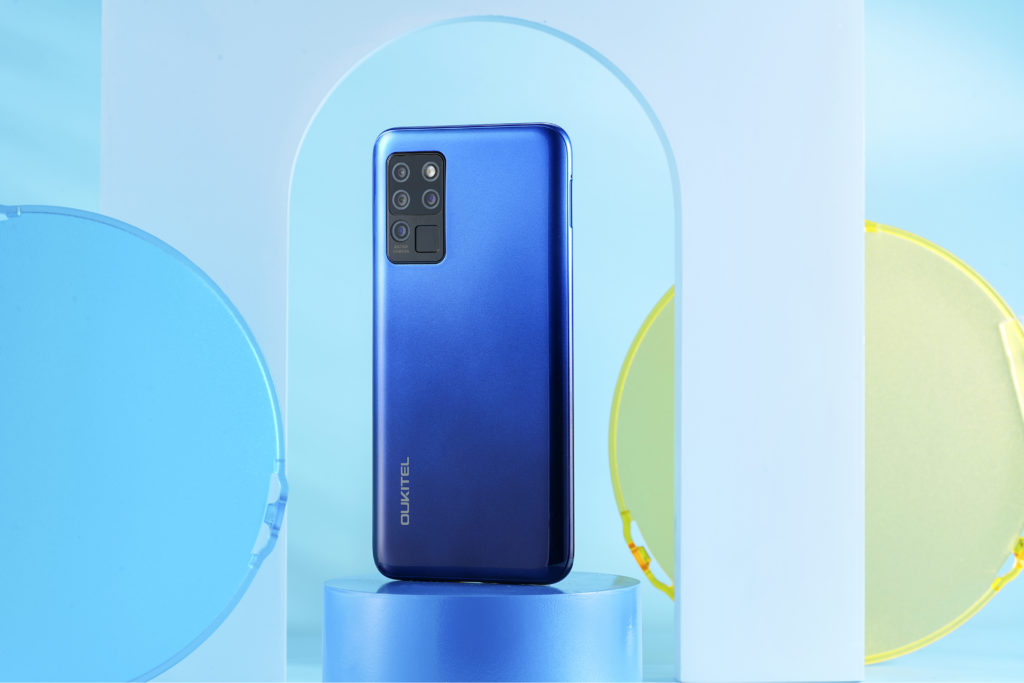
Oukitel C21 with Helio P60 SoC, FHD+ display and AI Matrix Camera launched for $89.99

Oukitel fans were waiting for the C21 for the past few weeks. Several leaks and rumors have already leaked smartphone design, specifications, and some unknown details. Oukitel C21 is official and features mid-range specifications at an affordable price. The primary highlights of the smartphone include an Helio P60 SoC, a matrix AI camera, and a FullHD+ display available at a highly competitive price of $89.99.

Must See: Specs comparison between Oukitel C21 and Samsung Galaxy M01s

Oukitel C21 is an exemplary device offering decent specifications at an extraordinary price of $89.99. The company will start retailing the device from August 24 along with a limited-time introductory discount.

Oukitel C21 Features

Oukitel C21 houses a powerful MediaTek Helio P60 SoC coupled with an octa-core processor with a clocking speed of 2.0GHz and ARM Mali-G72 MP3 GPU. It is fully capable to handle graphics-intensive tasks easily while maintaining ample efficiency. Further, the smartphone coupled 4GB RAM and 64GB internal storage.

A massive 6.4-inch punch-hole Full HD+ display is present on the device while offering a 19.3:9 aspect ratio with a resolution of 1080 x 2310 pixels. The display is built using ultra-thin in-cell technology. The beautiful punch-hole design enables the smartphone to maximize the screen-to-body ratio of up to 99%. Such a beautiful display enhances the viewing experience.

Oukitel C21 features a beautiful quad-camera module on the rear with a primary AI sensor of 16-megapixel. Othe three lenses include a 2-megapixel macro lens, a 2-megapixel depth sensor, and a 2-megapixel auxiliary lens. The camera module is capable enough to record 1080p videos coupled with software-based features like beauty mode, bokeh mode, and others. Moreover, you get a 20-megapixel AI selfie camera on the front which can capture detailed selfies and assist in better video-calling.

A 4000 mAh battery is present with 10W fast charging capability. It can easily sustain for up to 24 hours of uninterrupted use. The smartphone carries support for dual-band WiFi with speeds of up to 900 Mbps. Oukitel C21 runs on stock Android 10 OS.

Oukitel C21 Specifications:

  • Screen: 6.4” FHD+ Full Screen, 19.3:9
  • CPU: MediaTek, Helio P60, 4 x Cortex-A73, 2.0GHz & 4xCortex-A53, 2.0GHz
  • GPU: Arm Mali-G72 MP3
  • RAM: 4GB
  • Storage: 64GB
  • Rear Camera: 16 MP + 2 MP + 2 MP + 2 MP
  • Front Camera: 20 MP
  • Connectivity: Dual 4G/Dual VoLTE, GPS, GLONASS, Galileo, BeiDou, BL 5.0, OTG, USB Type-C
  • Battery: 4000mAh, 10W Fast Charge
  • Dimensions: 157.3*75.7*8.75
  • Weight: About 170g
  • Sensors: Rear-Mounted Fingerprint Sensor, Proximity Sensor, Ambient Light Sensor, Accelerometer, Gyroscope, FM, Electronic Compass
  • Colors: Ocean Blue, Black, Purple

Oukitel C21 is available in three color options of Ocean Blue, Neon Purple, and Midnight Black for the price of $89.99. The sale will commence from August 24 via AliExpress official store. However, you can be a trial user if you enter the Oukitel C21 Giveaway. It enables the company to get real-time usage reports and helps in providing final touches to the firmware prior to launch.

You can know more about the device and other products b heading to the company’s official website.

Related: Oukitel C21 appears in Ocean Blue color, launching on August 11

Xiaomi Mi 10 Ultra appears on TENAA right before the launch

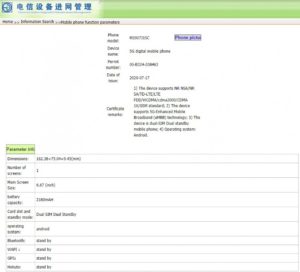
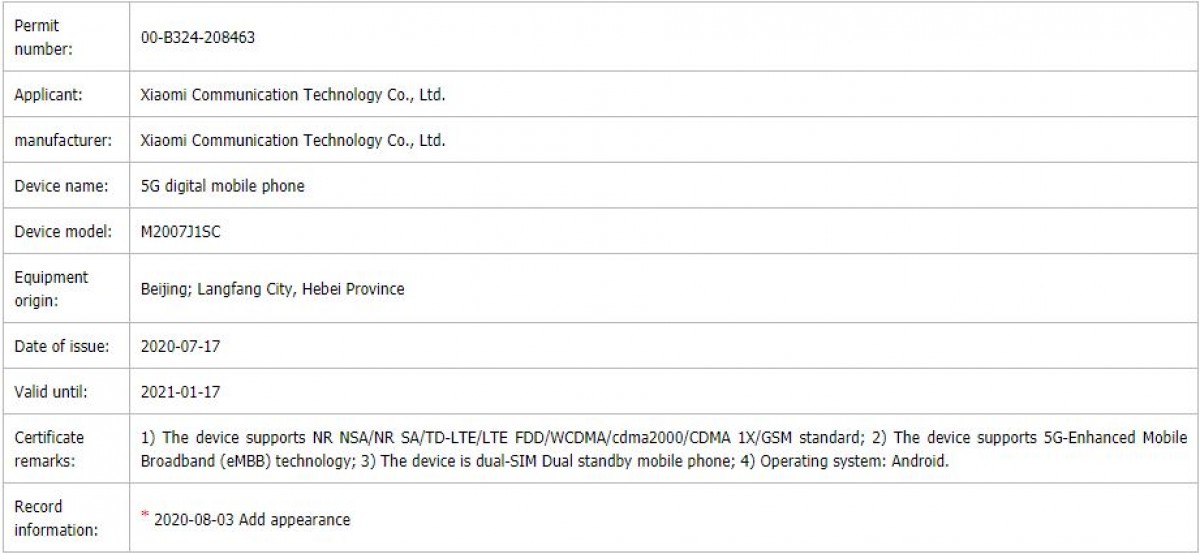
Xiaomi‘s 10th-anniversary ceremony is about to kick off with the Mi 10 Ultra expected to be the star of the night. Just ahead of the event, the mi q10 Ultra has been listed on the website of China’s telecoms regulatory agency TENAA.

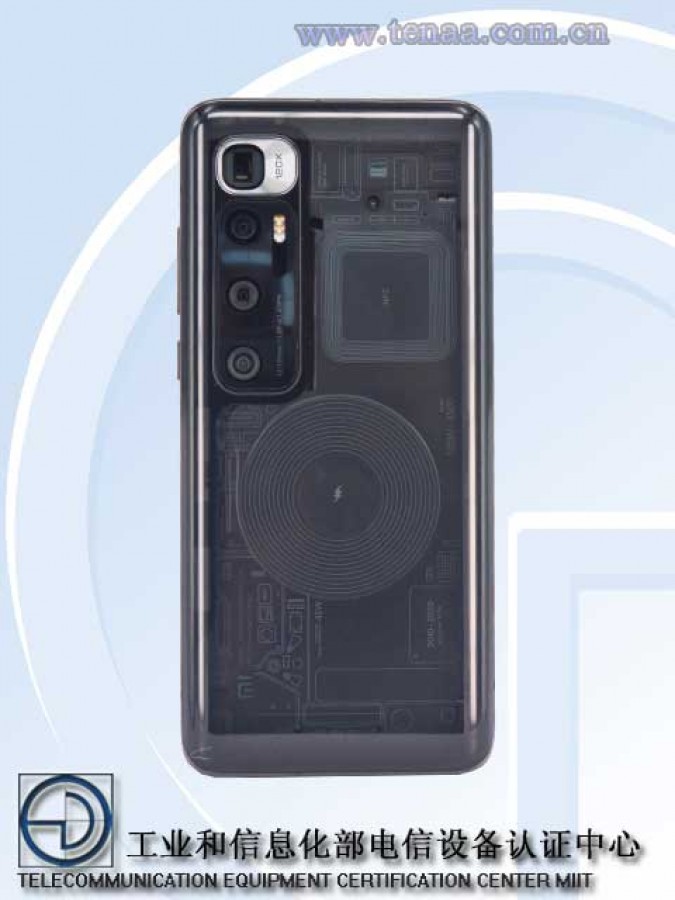
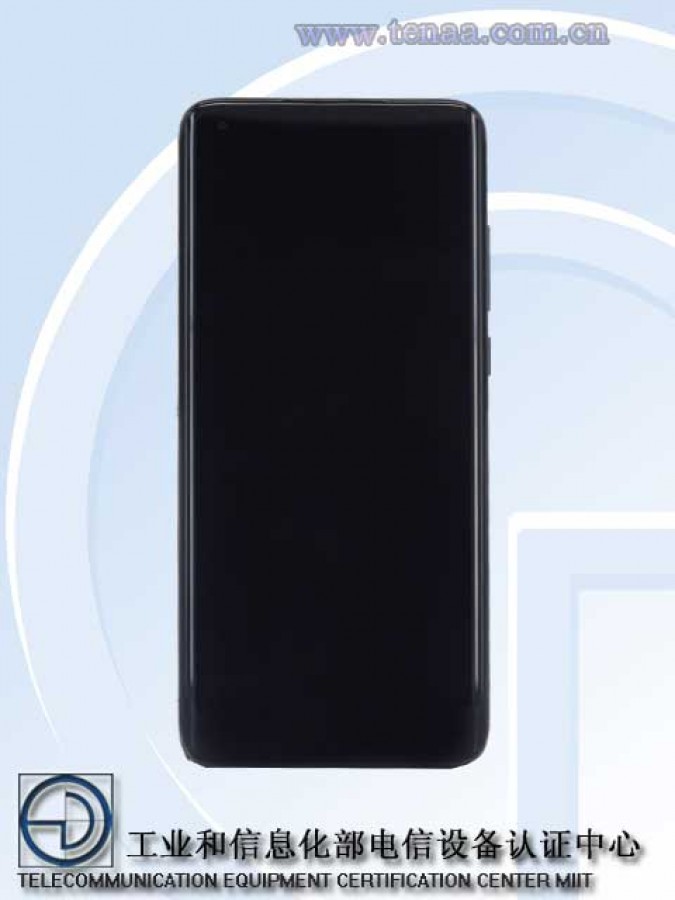
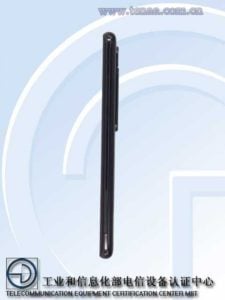
The TENAA listing shows the images of the device and some of the key specs. The TENAA images are those of the version with a transparent glass back. The model comes with the model number M2007J1SC and will sport a 6.67-inch curved display similar to that of the Mi 10 Pro. The phone is listed to have a dimension of 162.38 x 75.04 x 9.45mm.

The listing also confirms the presence of 5G connectivity onboard the model. However, it is listed to have a 2,180mAh battery which is incorrect. The Mi 10 Ultra is executed to pack a 4300mAh battery.

The unboxing video of the Mi 10 Ultra had recently leaked online and with the launch just hours away, we won’t have to wait too long to find out other details such as pricing and availability.


Huawei patents all screen fingerprint unlock technology for smartphones

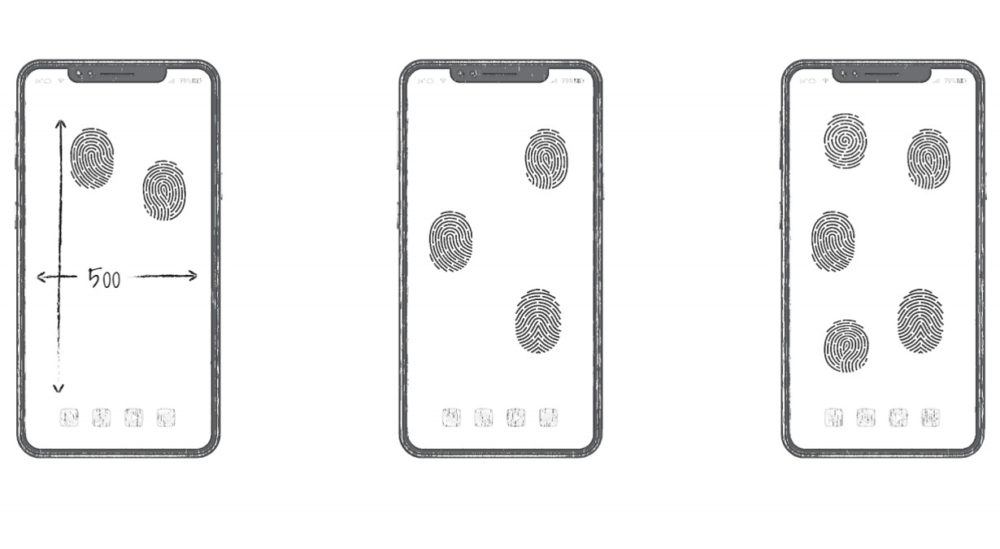
Huawei has recently filed a patent for an all screen fingerprint unlock technology. This translates to a device that can be unlocked from any and every inch of a smartphone’s display, which means its the epitome of biometric security.

Huawei

The Chinese tech giant confirmed with Android Authority that it has filed a patent in six markets, including China, Europe, the US, Japan, Korea, and India, and is awaiting approval. In the patent, Huawei has outlined a few potential applications for the technology, such as fingerprint verification for individual applications, through their icons. In other words, you would no longer have to start an app then place your finger on the fingerprint sensor, and can simply touch the app and start it up after scanning.

The company also mentioned that it would be possible to quickly view, enter, and respond through the SMS app without having to unlock your device. This could potentially make lock screen interactions more streamlined and carry a lot more functionality as well. Furthermore, users will still have the option to “activate sensors in a chosen area on the screen while deactivating the rest on the screen space.”

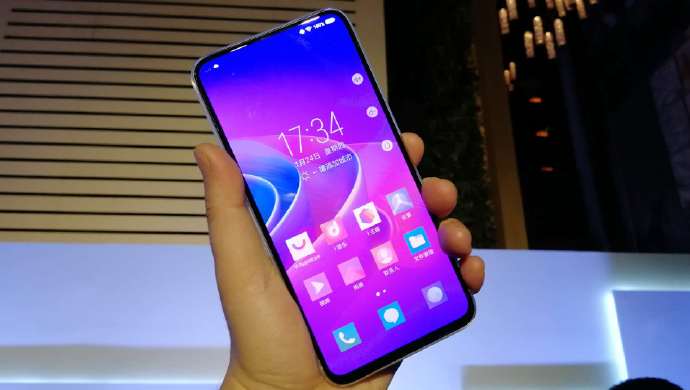
Vivo APEX 2019 hands on
Vivo APEX 2019 featured an all screen fingerprint unlock display

This would save power consumption and offer more practical usage as well, since most users typically only use the lower half of the display with their thumbs. Unfortunately, there is no timeline currently available which tells us the time regarding when such a device will be available. Although, it might not be very far away considering concept phones have already appeared with the feature in the past.


Realme Smart TV is now available in 1,250 Offline Stores in India

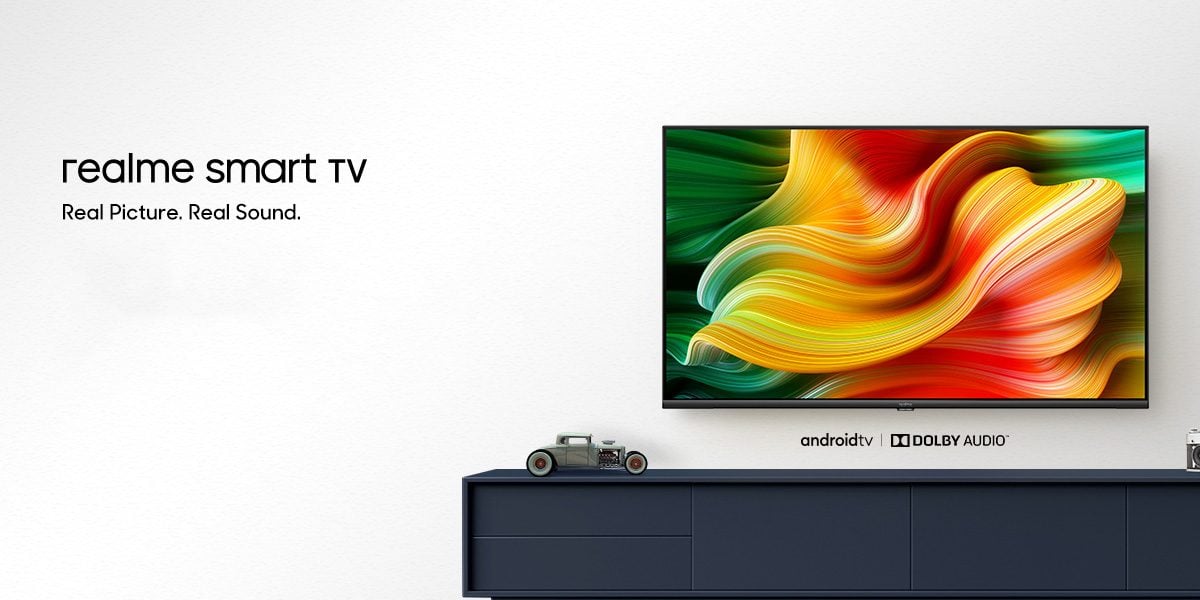
The Realme Smart TV is now available for purchase directly from 1,250 offline stores in India. Both the 32 inch and 43 inch variant are available and arrives months after exclusive online sales via e-commerce giant, Flipkart, and its own official website.

Realme Smart TV runs on Android TV and features a quad speaker system. The TV also supports HDR 10 and arrives with Dolby Atmos as well. The offering from the Chinese brand arrives to compete with the likes of Vu, TCL, and Xiaomi in the region, with the offline sales being announced earlier this week. Notably, the 1,250 offline stores that sell the Realme Smart TV are a part of the ‘Royal Club,’ which is a privileged club made to boost the company’s branding in the country.

Realme Smart TV

The 32 inch variant is HD ready and features a 1,366 x 720px resolution, while the 43 inch variant features a Full HD panel (1920 x 1080px resolution) with 400 nits of maximum brightness. Under the hood, a 64 bit MediaTek processor powers both models along with 1GB of RAM and 8GB of internal storage. The smart TVs also feature pre installed apps like Amazon Prime Videos, Netflix, and YouTube.


Xiaomi introduces Redmi Note 9 Onyx Black for global markets

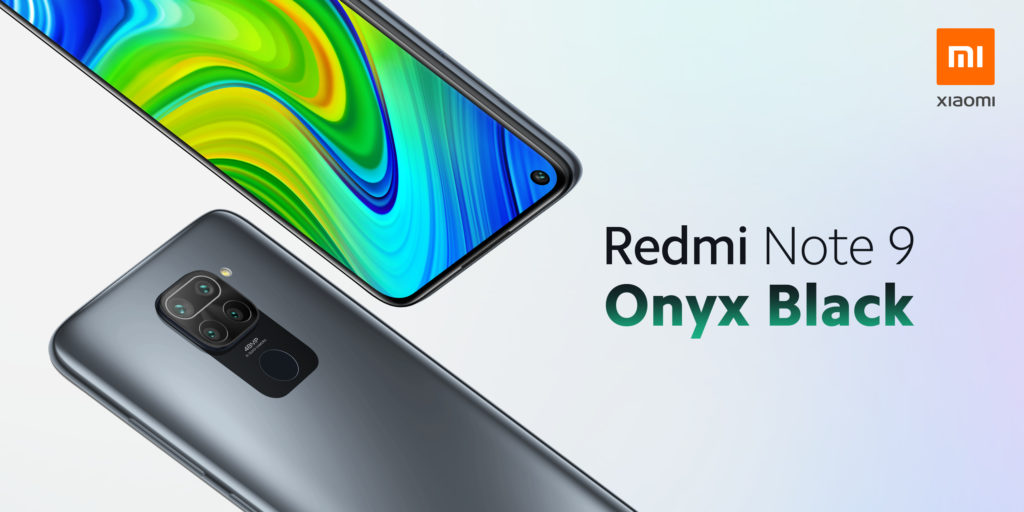
Xiaomi initially launched Redmi Note 9 globally in late April. The very next month, the company rebranded it as Redmi 10X 4G for China. Later, the handset debuted with its original name in India in July. Now, the firm introduces a new Onyx Black color variant for global markets.

Redmi Note 9 Onyx Black Featured

Just yesterday, Xiaomi announced Redmi Note 8 Pro Coral Orange Special Edition for global markets. Within a day, the company unveils new Onyx Black Redmi Note 9.

Unlike the former model, which was already available in China as Twilight Orange, the latter is debuting for the first time in any region. Unfortunately, just like yesterday’s announcement, Xiaomi did not reveal the specific countries that will be getting the new color variant.

The Redmi Note 9 initially launch in three color versions namely Forest Green, Midnight Grey, and Polar White. The same color variants are known as Pine Morning Green, Sky Blue, and Ice Fog White in China (Redmi 10X 4G).

Whereas, in India, they are called Aqua Green, Pebble Grey, and Arctic White. Additionally, India also got an exclusive color called Scarlet Red on the occasion of Amazon Prime Day sale.

In a similar manner, if the new Onyx Black global variant if ever launches in India or China, we are certain it will be called something else.


Huawei is diversifying chip business to include Display Driver chips: Report

A new leak has revealed that Huawei is diversifying its chip business even further and will now also be making display driver chips as well. The Chinese tech giant is entering the industry to offer display driver chips according to Weibo tipster @长安数码君.

Huawei

The leak on the Chinese microblogging website shared a document, which was titled “Notice on the establishment of the terminal chip business unit in the field of display driver products,” by Huawei’s Yu Chengdong (or Richard Yu). In the notice, it was stated that most major producers had display driver chips imported from abroad. For those unaware, these chips are key components of the display and act as the brain behind the whole operations.

Thus, it seems like Huawei plans on producing these chips as well, to keep the supply chain local for other Chinese brands and gaining a new market to sell to. At the moment, the company has 5 different lineups of chips including Kirin for smartphones, Kunpeng chips for servers, Ascend AI Chips, GigaHome for routers, and Honghu for smart displays.

Huawei
Huawei’s HiSilicon Kirin chipset

Despite China being a major producer and exporter of displays, the region only has local display driver chips worth 5 percent in the market. These chips are specifically designed for LED screens and have brought a quantum leap in the technology. With China being such a large market for such technology it arrives as no surprise that Huawei is diversifying to these types of chips as well.


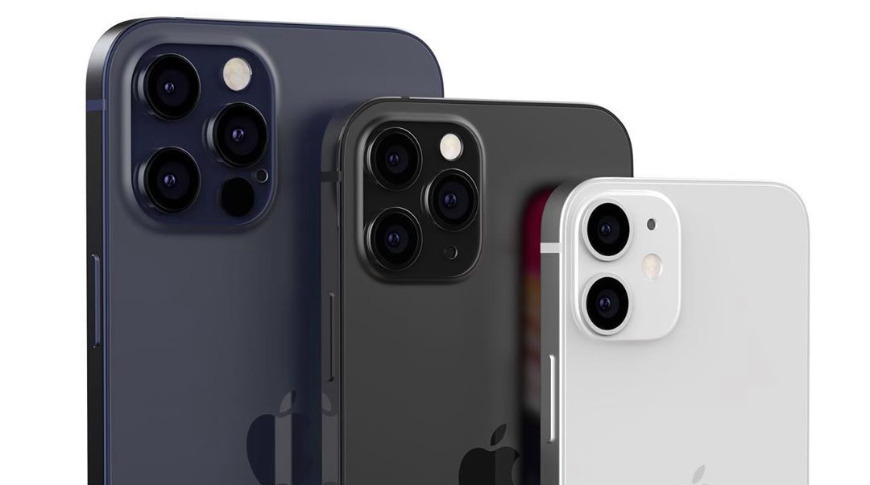
Apple iPhone 12’s A14 Bionic could arrive with a 40% increase in CPU performance over the A13

The upcoming Apple iPhone 12 series will feature the company’s A14 Bionic chips. These are being built on TSMC‘s 5nm process node and are reportedly going to arrive with a whopping 40 percent CPU performance bump over last year’s A13 chip.

According to a new leak from tipster KomiyaLeaks on Twitter, the iPhone 12 series’ A14 Bionic chip will arrive with a massive CPU performance gain of 40 percent and GPU performance gain of 50 percent over the previous generation A13 chip. This gives the upcoming Apple flagship series some serious power under the hood. Previous reports had also suggested performance rivaling and beating the A12X Bionic chip, which is found on the much large 2018 iPad Pro.

Apple

Unfortunately, the tipster only divulged the performance gains and offered no substantial information or graphs apart from it. While Apple’s silicon development has really grown, these leaks are still unconfirmed. So take it with a pinch of salt for now and stay tuned for more iPhone 12 rumors and leaks.


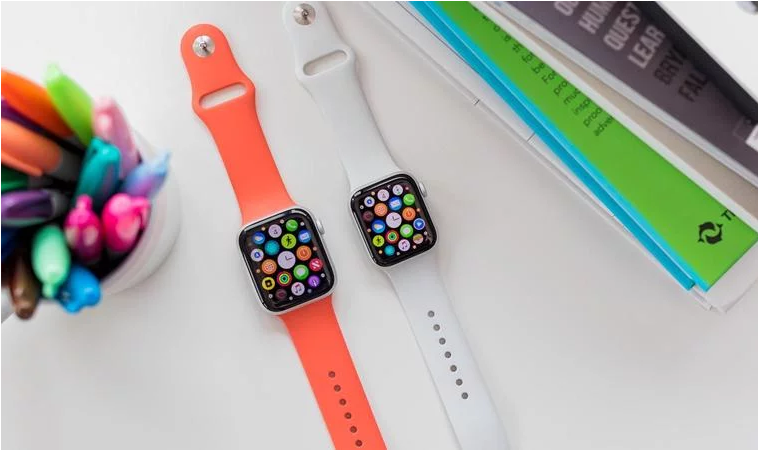
Apple Watch to reportedly start using MicroLED Display in a few years

Apple Watch is one of the most premium wearable devices in the market as it comes with several advanced features and technologies. When charging premium pricing, the company has to offer premium features, and keeping that in mind, Apple is planning to adopt the new MicroLED display panels for the smartwatch.

According to a new report from DigiTimes, Apple could be using the MicroLED Display panel for the seventh-generation Apple Watch. However, the upcoming Apple Watch, the sixth-generation model, will continue to have an OLED panel.

Apple Watch Series 5

It is being reported that Apple is investing around $330 million in Taiwan-based company for MicroLED factory that will manufacture displays for future iPhones, iPads, MacBooks, and other devices from Apple.

As per the report, Taiwan-based LCD panel maker AU Optronics is the supplier for the glass substrates for MicroLEDs sized 20-50 microns. On the other hand, Epistar is focusing on improving yield rates and reducing costs for mass transfer.

EDITOR’S PICK: Apple removing WeChat from App Store may have iPhone shipments fall by 30% in China: Kuo

Manufacturers are trying to now adopt MicroLED screens instead of LCD or OLED panels as the new technology promises to be more energy-efficient and the panel is also thinner. It is said that the power consumption of the MicroLED screen is one-tenth compared to LCD.

Further, MicroLED also supports a higher brightness, higher dynamic range, and wider color gamut. It also offers a faster update rate and a wider viewing angle. Given that the technology is still in the development phase, we could see devices with Mini-LED display first, which falls between traditional LED and MicroLED technology.

As previously reported, Apple is soon going to launch six products with Mini-LED display, including a 12.9-inch ‌iPad Pro, a 27-inch iMac Pro, a 14.1-inch MacBook Pro, a 16-inch ‌‌‌‌MacBook Pro‌‌‌‌, a 10.2.-inch iPad, and a 7.9-inch ‌‌‌‌iPad‌‌‌‌ mini.


Tesla is reportedly working on a new Smartwatch with Xplora

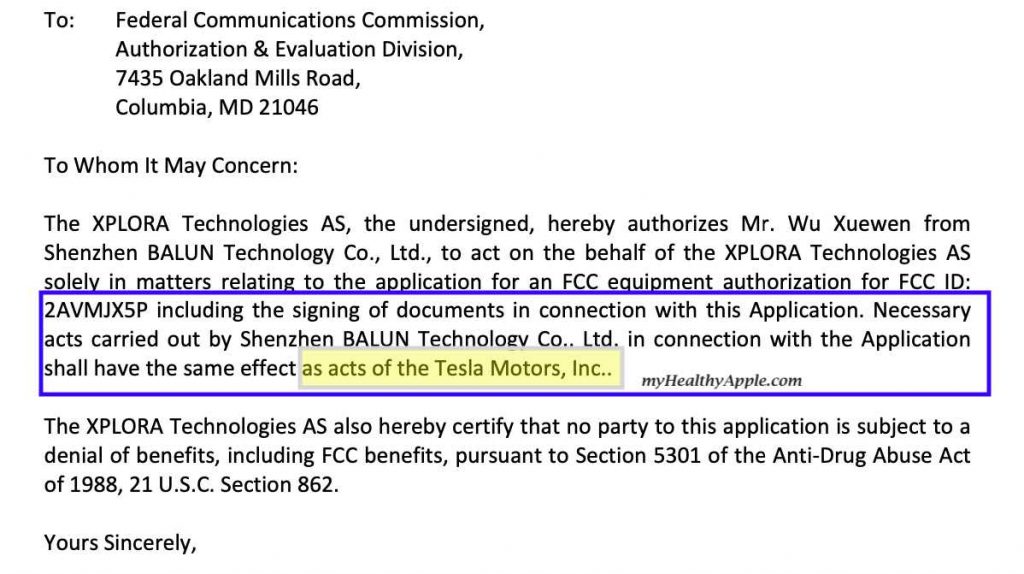
A recent FCC filing has revealed that Tesla Motors is apparently working to develop a new smartwatch. But the main question that arises here is why? The Elon Musk owned brand is known for its automobiles, although, it seems like it now also diversifying to include IoT products as well.

Tesla

In the listing, Xplora Technologies, a Norwegian brand that sells smartwatches for kids, has recently filed an application with FCC for a new smartwatch. Notably, the company also added Tesla as being involved in the project. The listing was first spotted by My Healthy Apple who also shared the authorization letter in full.

Tesla Model S
Tesla Model S

Unfortunately, it is still unclear as to why Tesla is involved in the development of a smartwatch at the moment. One possible explanation could be that Tesla is acquiring Xplora Technologies or may have already done so. Although that is still unlikely. But another possibility is that the smartwatch would somehow tie in with its automobile offerings. Currently, Apple Watch apps do allow some controls over Tesla vehicles, and this could be an extension of the same.


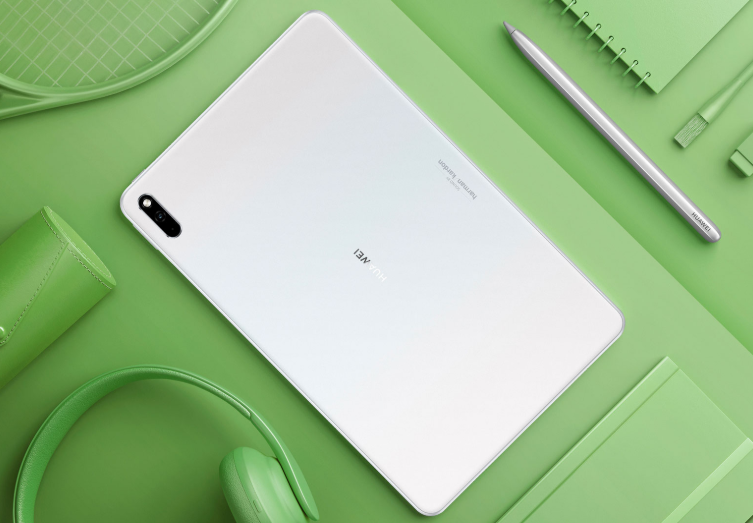
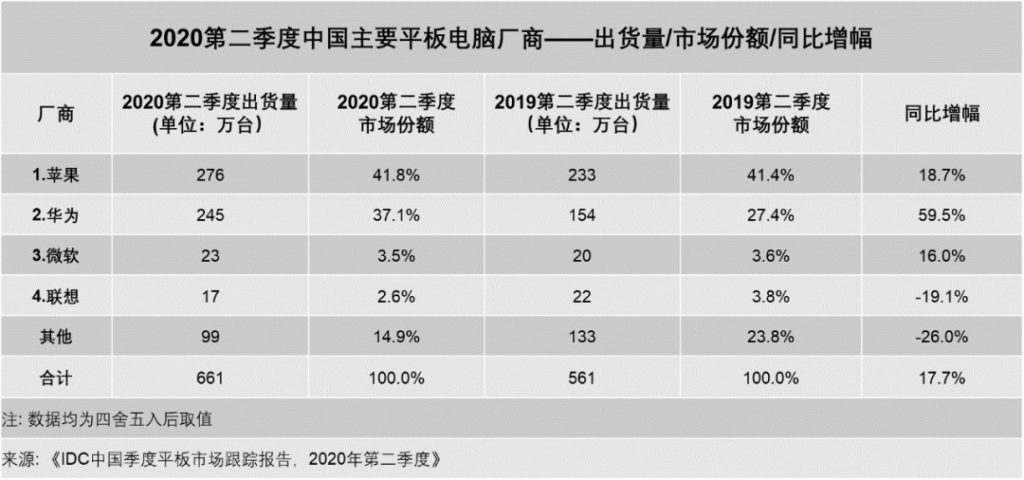
Huawei grew 59.5% YoY in China Tablet Market in Q2 2020 while Apple maintained the lead

Last week, Canalys released a quarterly report on global tablet shipments for Q2 2020. Today, IDC does the same but for China, rather than global. According to it, all the top 4 brands retained their positions, however, Lenovo declined YoY while others improved.

Apple remained unbeaten in China in terms of tablet shipments at the top position in the second quarter of 2020. The American tech giant shipped 2.76 million iPads in this period leading the market with 41.8% market share. Its shipments also increased by 18.7% YoY.

At the second position, Huawei shipped 2.45 million units with 37.1% market share. Additionally, it was the most successful company with 59.5% YoY growth. The gap between the first and the second brand decreased by a huge margin than previous quarters.

Further, Microsoft maintained the third position with its Surface lineup of products. It shipped only 230,000 units capturing 3.5% of the market with 16% YoY increase. Lastly, at fourth position, Lenovo shipped merely 170,000 units accounting for only 2.6% of the market. Above all, as mentioned in the beginning, it was the only top brand to decline by 19.1% YoY. But globally, it was the fastest-growing brand according to Canalys.

China Tablet Market Q2 2020 IDC

That’s not all, even the minor tablet brands in the “Others” category declined by 26.1% in Q2 2020. However, due to the success of the top 3 brands, the overall market shipments incremented by 17.7% YoY.


(Via)

Sony Xperia smartphone business forecasts first profit in four years

Sony has been in the smartphone business for many years but the company has not been having a good run in the segment since the past few years if we look at the company’s financials. Despite being unprofitable for several years, the Japanese company kept on making and launching new phones.

Well, it seems that the company’s efforts are finally paying off. Sony has confirmed that it is expecting its Mobile Communications business to post its first yearly profit in four years.

Sony

In the recent earnings call, Sony confirmed that the company has shipped 800,000 Xperia smartphones in the second quarter of this year (via PhoneArena). The numbers are quite good for Sony, which is down by only 100,000 units from the same period in 2019.

In Q2 2020, the demand for smartphones declined because of the COVID-19 pandemic and despite that, the company sold a decent number of units. Compared to Q1 2020, the Xperia smartphone shipments have doubled.

EDITOR’S PICK: Samsung announces plans for 6G technology; Launch expected by the end of this decade

Sony’s expected profitability for the smartphone business is the result of several different steps taken by the company. For instance, the company has significantly downsized its operations in the past quarters and is also lowering costs.

The company has not yet revealed how much profit it is expecting from this division. Further, Sony has also revealed that it is shifting its focus away from high-end smartphones, given that the demand is lowering.

Instead, the company will now be focusing on mid-range and low-end smartphones. Sony is claiming this as a temporary transition because of the COVID-19 pandemic but it expects the mid-range Xperia smartphones to account for a larger share.


OPPO CPH2127 bags FCC certification, key details emerge

Soon after the appearance of the OPPO Reno4 Pro 5G (CPH2089) and Reno4 5G (CPH2091) in the database of Federal Communications Commission (FCC) in the U.S., a mysterious new phone with model number CPH2127 has also surfaced at TENAA. The CPH2127 phone has been previously spotted at certification platforms like Indonesia’s TKDN, India’s Bureau of Indian Standards (BIS), and Russia’s Eurasian Economic Commission (EEC). The mysterious OPPO smartphone had also appeared on Geekbench in the recent past. The FCC listing of the CPH2127 has revealed some of its key details.

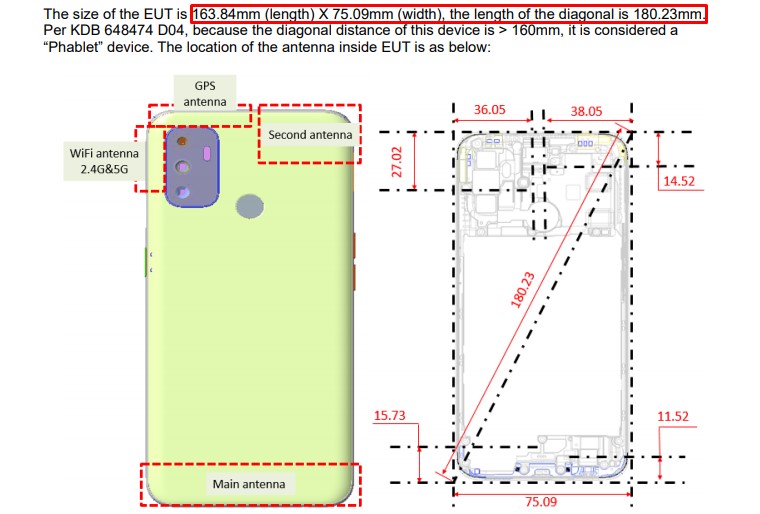
The OPPO CPH2127 FCC documents has its rear schematics. It shows that it has a rectangle-shaped camera housing on its back. It includes three cameras and an LED flash. A traditional fingerprint scanner can also be seen on the rear shell of the CPH2127.

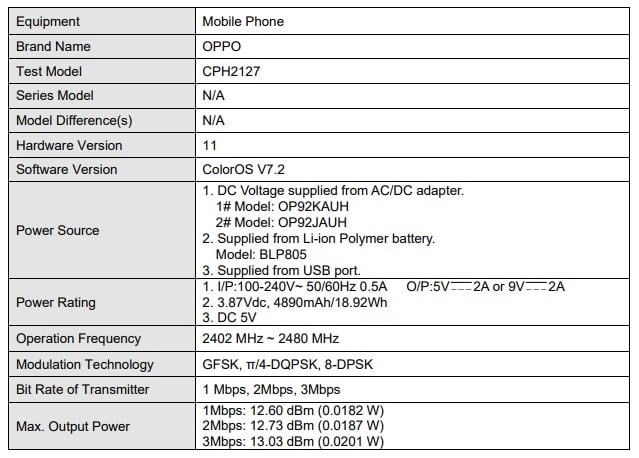
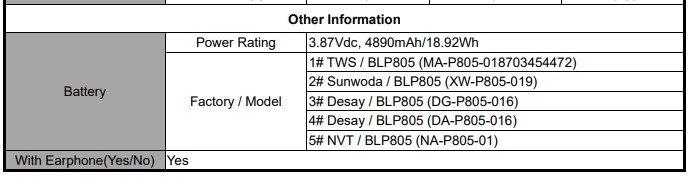
The OPPO CPH2127 measures 163.84 x 75.09mm and it measures 180.23mm diagonally. Hence, it appears that it could be having a display of around 6.5 inches. The CPH2127 is preloaded with ColorOS 7.2 based Android 10 OS. The handset houses a 4,890mAh battery and it may ship with an 18W fast charger.

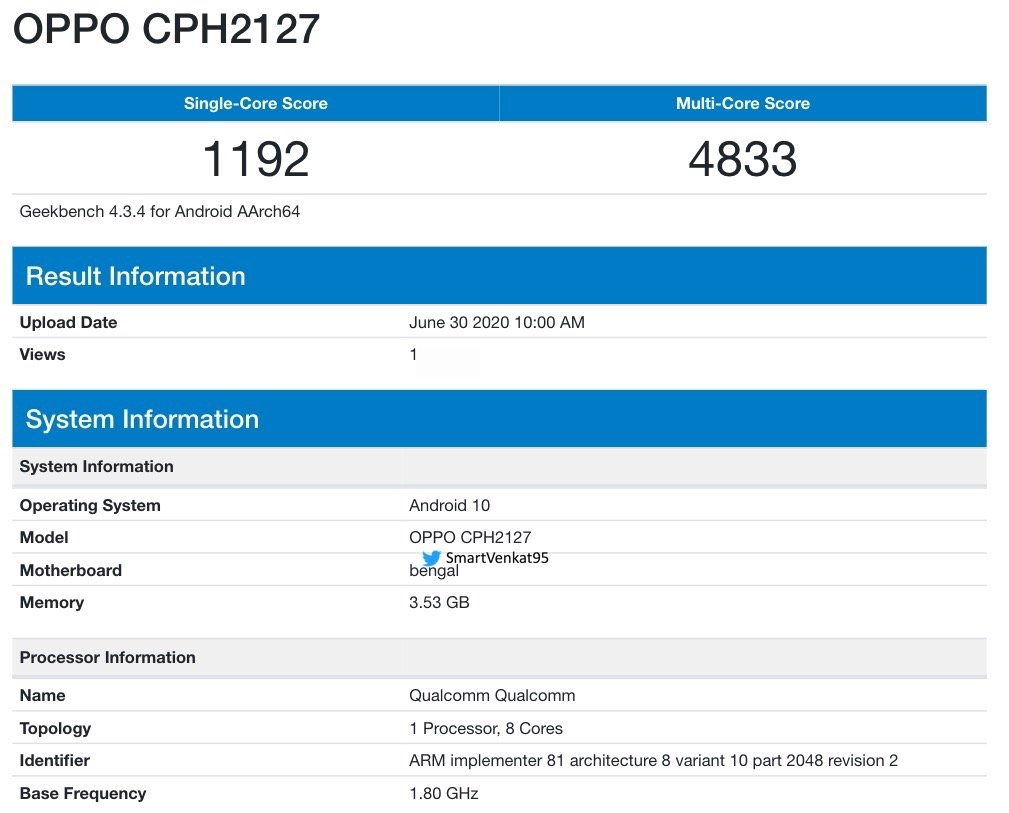
The CPH2127’s Geekbench listing that was spotted in June had revealed that it is powered by Qualcomm’s octa-core processor that has a base frequency of 1.80GHz. The processor was mentioned with its ‘Bengal’ codename on Geekbench. Speculations are rife that the codename belongs to the Snapdragon 662 SoC that went official earlier this year. The SoC is coupled with 4 GB of RAM and it boots to Android 10 OS.


Apple confirms that iPhone 11 utilizes China’s BeiDou Satellite System data

Apple recently faced a major issue with it possibly losing a sizeable chunk of its iPhone sales in China. After the US government issued a new ban, which as against TikTok and WeChat, the company apparently had been forced to remove these apps from its App Stores. But despite tensions between the US and China ramping up, the company recently confirmed that its latest smartphone use data from China’s BeiDou Satellite System.

The statement from Apple arrived just after Ran Chengqi, head of China’s Satellite Navigation Office (CSNO), said that the smartphone maker should introduce Beidou compatibility with the iPhone. In a statement to Global Times, the company confirmed “iPhone 11 models use Beidou as part of its location data system.” While Apple has confirmed this, its official Chinese website has yet to detail the same in its list of supported networks.

China
China recently completed its BeiDou Satellite Navigation system