Honor is to Huawei as Redmi is to Xiaomi. What started as a line of affordable smartphones by Xiaomi now includes multiple product lines including PC notebooks, TVs, washing machines, and more. Now, it is set to launch its first smartwatch.
A few months ago, Redmi announced the Redmi Band, a fitness tracker that is also sold as the Mi Smart Band 4C in some markets. For those who want a proper smartwatch, then you should be happy to know that a Redmi Smartwatch will soon be announced according to Digital Chat Station.
Actually, this is not the first time we have heard of the Redmi Smartwatch. The first time was back in November 2019, after the launch of the Mi Watch. The General Manager of Redmi, Lu Weibing, asked on Weibo shortly after the Mi Watch launched if fans of the brand were looking forward to a Redmi Watch.
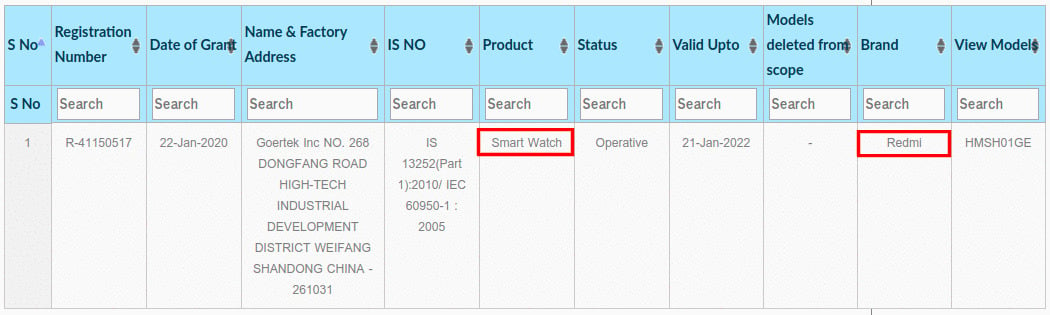
This announcement was followed by the certification of a Redmi product with model number HMSH01GE in January. As you can see in the image above, the product is said to be a “Smart Watch”. It appears the development of the smartwatch has been completed and it is ready to hit the market.
We have no idea what the Redmi Smartwatch will look like and what specs it will pack. One thing we are pretty sure about is its price tag which should be lesser than that of the Mi Watch.
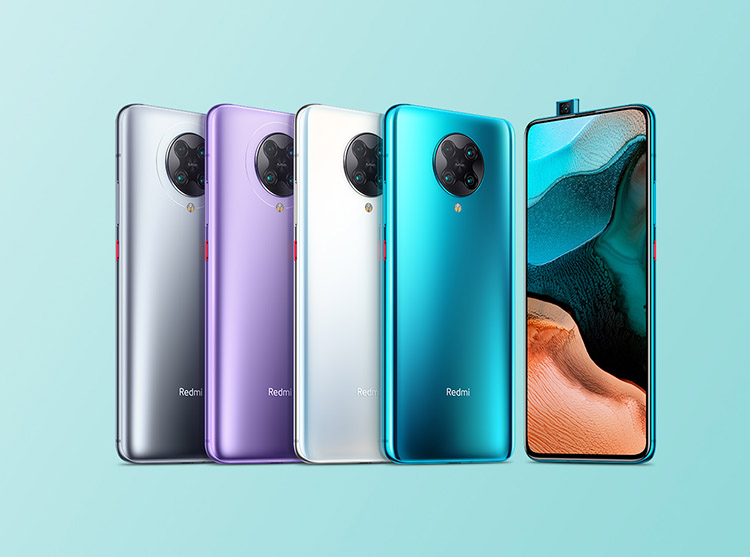
Redmi is expected to announce a new phone powered by the Dimensity 1000+ processor next month. There is a chance the Redmi Smartwatch will be announced alongside it.
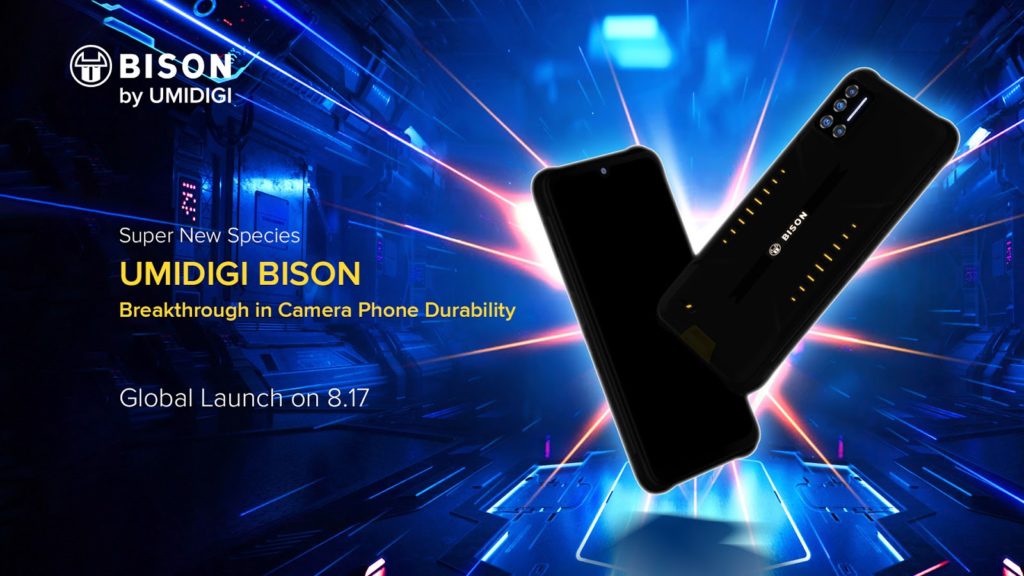
Umidigi is on the verge to launch a new smartphone – Umidigi Bison on August 17. The new smartphone has already appeared via multiple leaks in the past revealing some unknown information. According to the latest leak, Umidigi Bison will be made available in two models featuring different primary cameras – Sony 48MP and 64MP sensors. There are some new renders also which shows the presence of side-mounted fingerprint sensor and other aspects of its design.
Umidigi recently announced that Bison will globally launch on August 17 featuring a modern rugged camera and several other advancements. We can even spot some notable details of the smartphone design in the latest render.
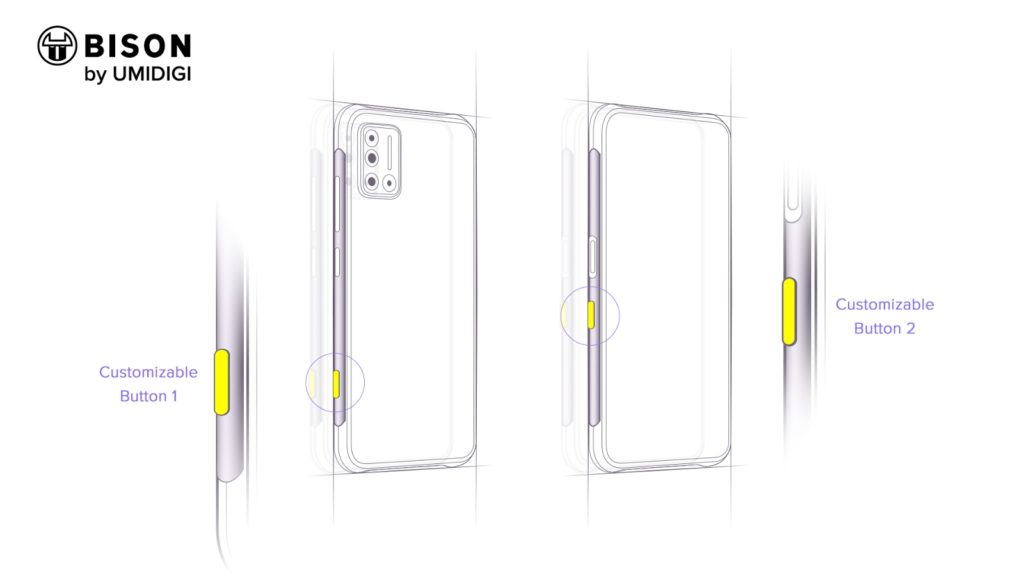
We can see quad-rear camera module on the rear side of the device, and a punch-hole display on the front side. The rugged design is visible along with stylish aesthetics. There’s a power button on the left side of the device. Moreover, you can spot a customizable button on either side of the phone which can be used to complete any action. The user can choose between camera function, push-to-talk and any other functionality aiding the easy usability. The smartphone houses a side-mounted fingerprint sensor for easy accessibility.
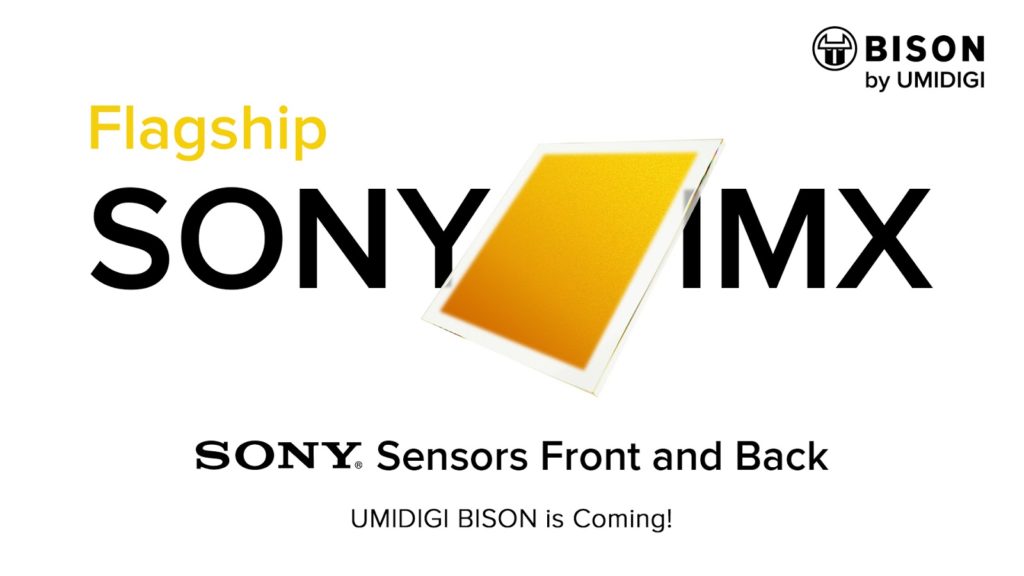
Already, Umidigi Bison is expected to feature Sony sensors on the front and the rear. We expect the smartphone to launch in two different camera variants, as the new leak hints at the presence of a 48-megapixel rear camera. We spotted 64-megapixel rear camera in some previous leaks.
As like always, Umidigi Bison will be a shockproof, dustproof and waterproof device with the IP68 rating. It can easily survive under the 1.5m to 2m of water depth. It will run on stock Android 10 with global bands support. We expect some more information to reveal via upcoming leaks and rumours. Umidigi Bison will launch on August 17 with a super useful camera and sturdy design.
However, you can get to know about other Umidigi products by heading to the official website.
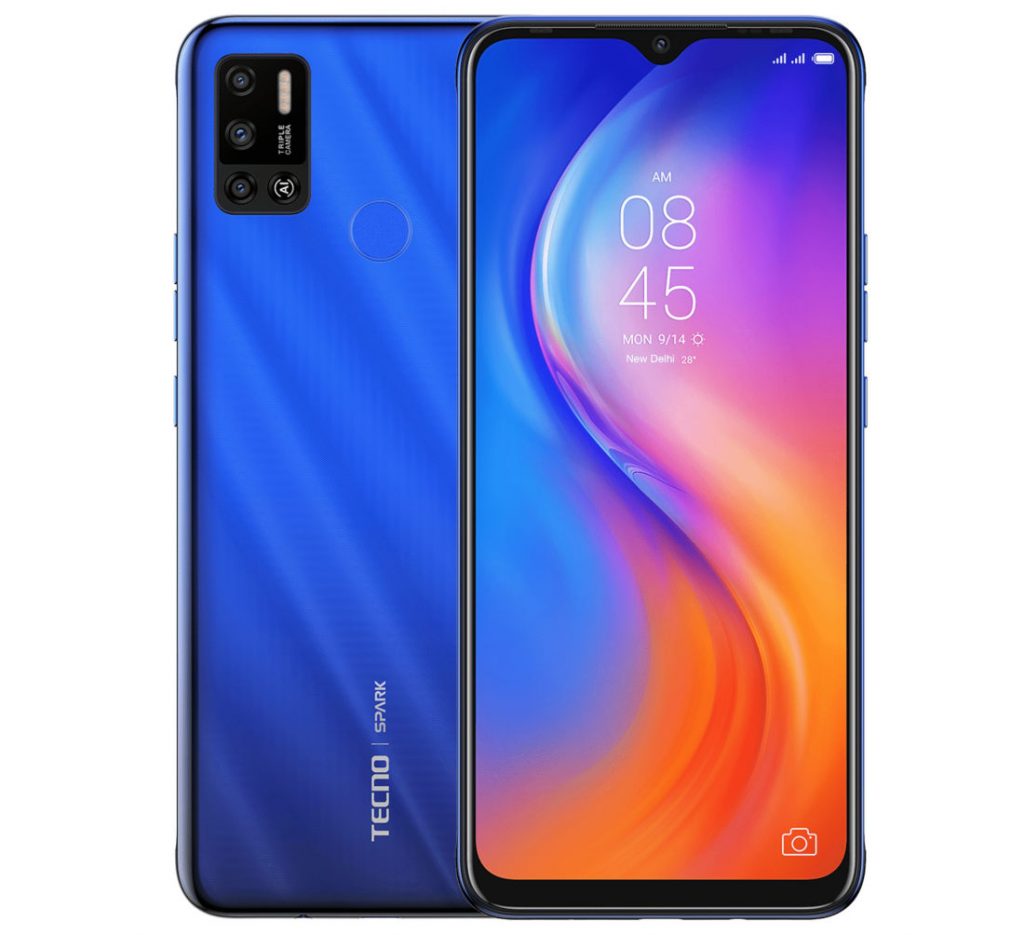
Transsion Holdings owners of the Tecno brand has been on a spark of late as the company has launched several models under the Spark series and apparently doesn’t plan to stop soon. The latest addition is the Tecno Spark 6 Air which has just been launched in India. The smartphone was launched alongside the Minipod M1 true wireless single earbud.
The Spark 6 Air sports a 7-inch HD+ Dot Notch screen with HD+ resolution of 1640 x 720 pixels. The display has a 20.5:9 aspect ratio and 2.5D curved glass on top. The phone is powered by an octa-core MediaTek Helio A25 chipset with 2GB of RAM and 32GB of storage which is expandable up to 1TB with microSD.
The phone equally packs a quad-camera setup at the rear consisting of a 13MP main sensor as well as quad-LED flash. At the front, there is an 8MP selfie shooter with dual-LED flash, Keeping the lights on is a monster 6000mAh battery which should last for days. Sadly, the battery charges over a micro USB port.
The Tecno Spark 6 Air runs HiOS 6.0 based on Android 10. It also crams a physical rear-mounted fingerprint sensor and brings AI Face Unlock. Other features include dual-SIM support, dual 4G VoLTE, Wi-Fi 802.11 b/g/n, Bluetooth, GPS.
The Tecno Spark 6 Air is priced at Rs. 7999 (~$) and will be available in Comet Black and Ocean Blue colours. It will go on sale on Amazon.in starting from August 6th.
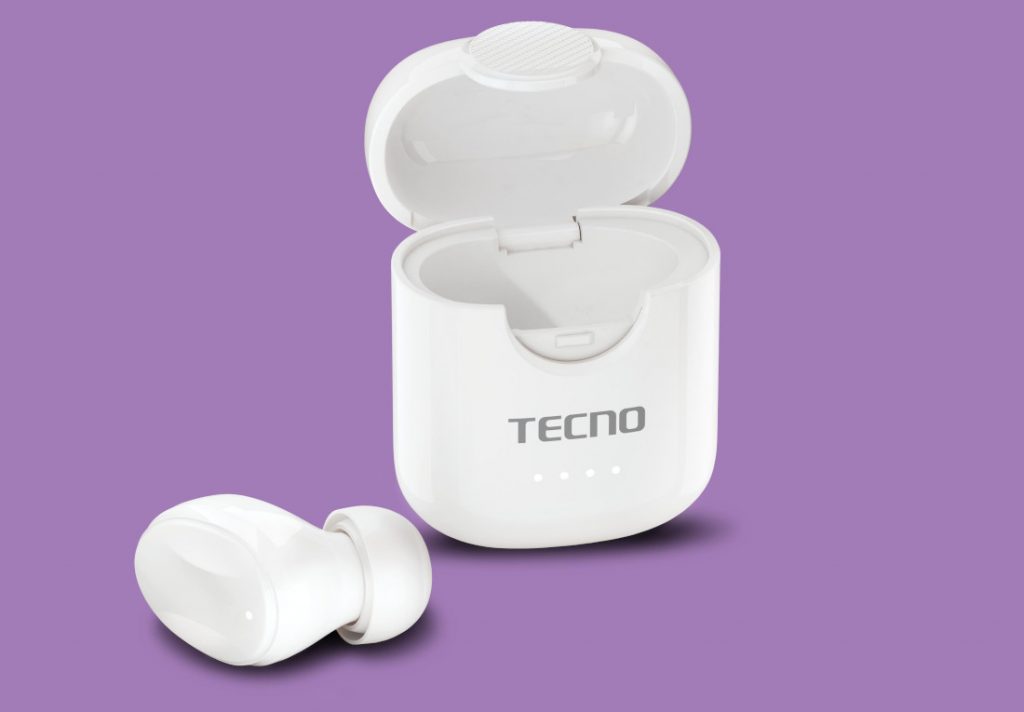
Tecno Minipod M1
Tecno also unveiled the Minipod M1 TWS single earbud. The earbud supports Bluetooth v5.0 and features Environment Noise Cancellation (ENC) technology that blocks ambient sounds for calls. You also get Touch Controls allowing you to accept or reject calls, skip tracks and activate voice assistant. The single earbud comes with IPX4 ratings for water resistance and can withstand up, up to 6 hours of music playback on a single charge. Crammed inside is a 50mAh battery. There is also a charging case which holds a 110mAh charging case that promises more than 18 hours of playback.
The Minipod M1 comes in white colour with multicoloured silicone protective cases and snap hook. It is priced at Rs. 799 ($10) and will be available from Amazon.in during Prime Day sale on August 6th.
The Reno series launched last year and is already in its 4th iteration. While the series spans several models, only three have actually been flagship phones and they are the Reno 10x Zoom, the Reno Ace, and the Reno 5G. The Reno3 series and the Reno4 series have all been mid-range phones, but a leak has revealed that will change with the next-gen series.
According to Digital Chat Station, the successor to the Reno4 series will have a flagship processor, specifically a Snapdragon 800 series chipset.
The next-generation Reno series uses the flagship core of the Snapdragon 8 series [eat melon]
We are not sure if the next-gen Reno series will launch as the Reno 5 yet but we expect it to arrive this year. This means it should feature the Snapdragon 865 or Snapdragon 865 Plus.
There is also a high chance that there will be models with a mid-range processor from both Qualcomm and MediaTek alongside the flagship(s). These models will not only have a lower price tag but should also pack fewer features.
OPPO is set to launch the Reno4 Pro 4G in India tomorrow. The phone will be powered by a Snapdragon 720G processor, unlike its Chinese variant that has a Snapdragon 765G processor and support for 5G. The 4G variant will also pack quad rear cameras, a curved AMOLED display with a 90Hz refresh rate, and is rumored to have a price tag of around INR 32,990 (~$440).
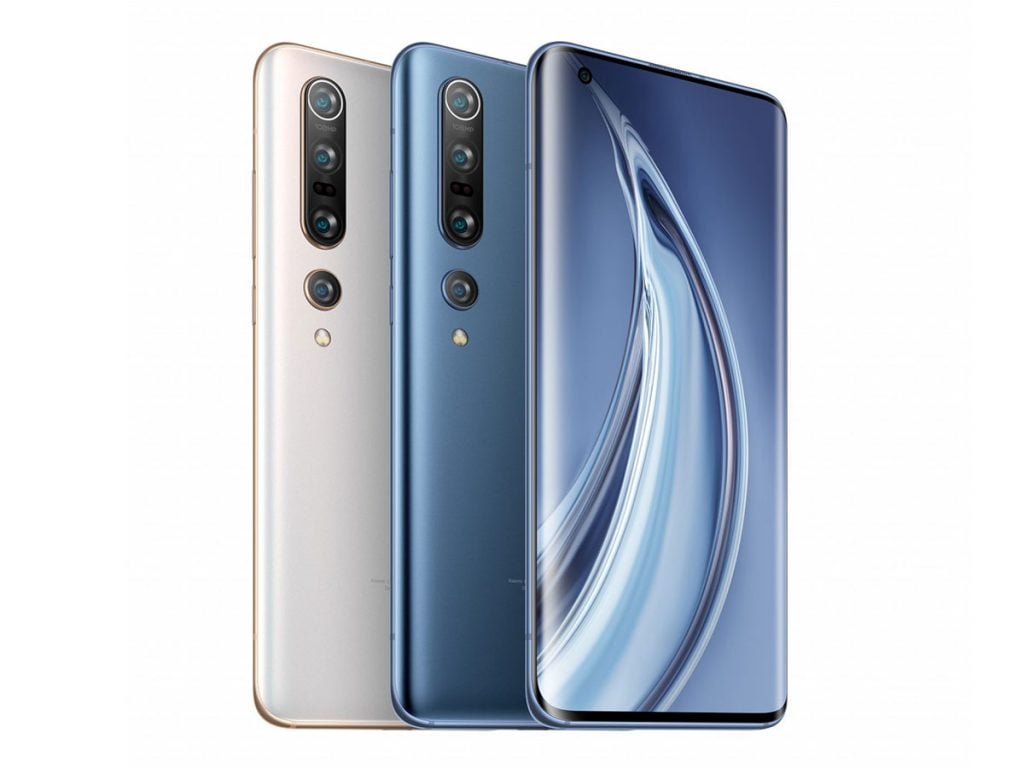
Xiaomi is expected to launch a new variant in its flagship Mi 10 series. The new handset dubbed as the Mi 10 Pro Plus. will be a higher variant of the Mi 10 Pro. However, the smartphone isn’t expected to feature a Snapdragon 865+ but will retain an overclocked Snapdragon 865 SoC.
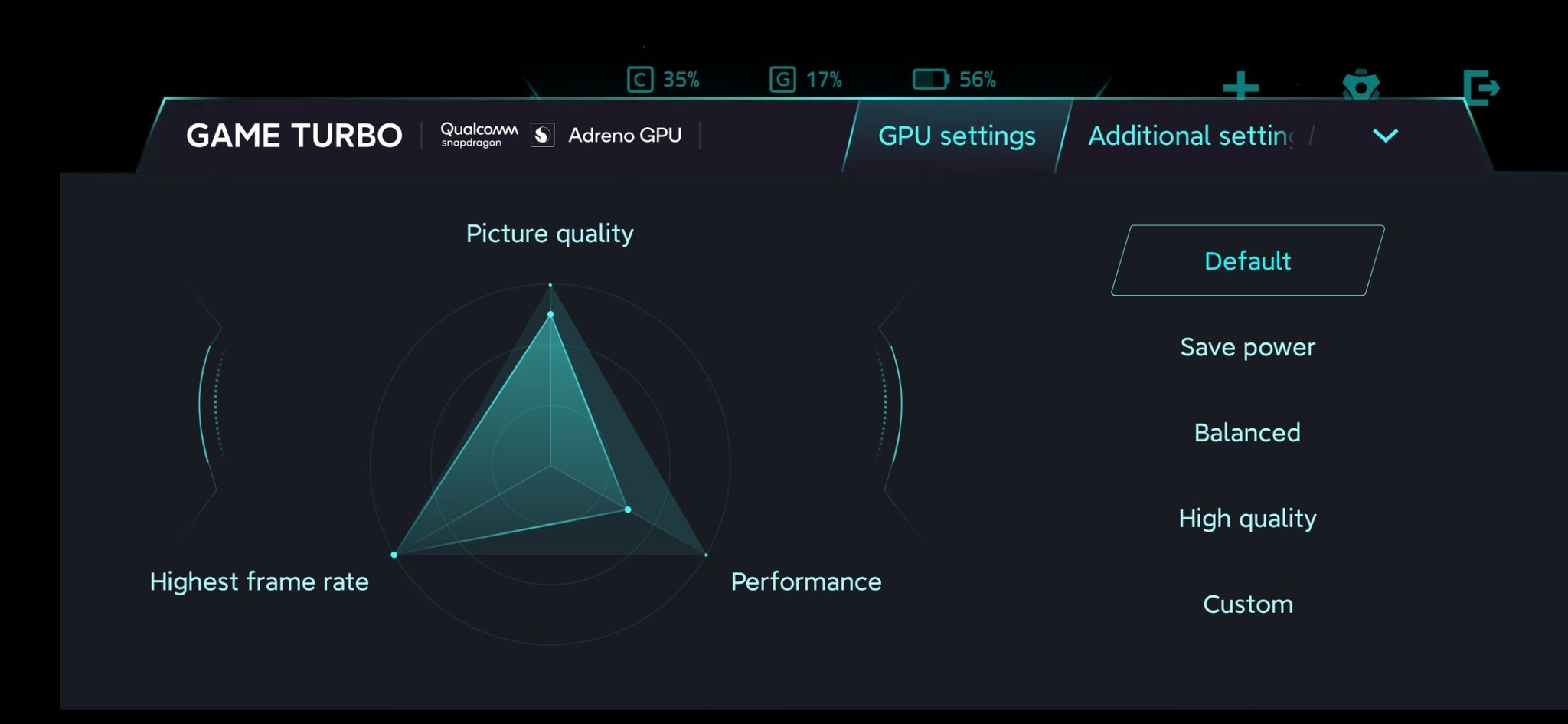
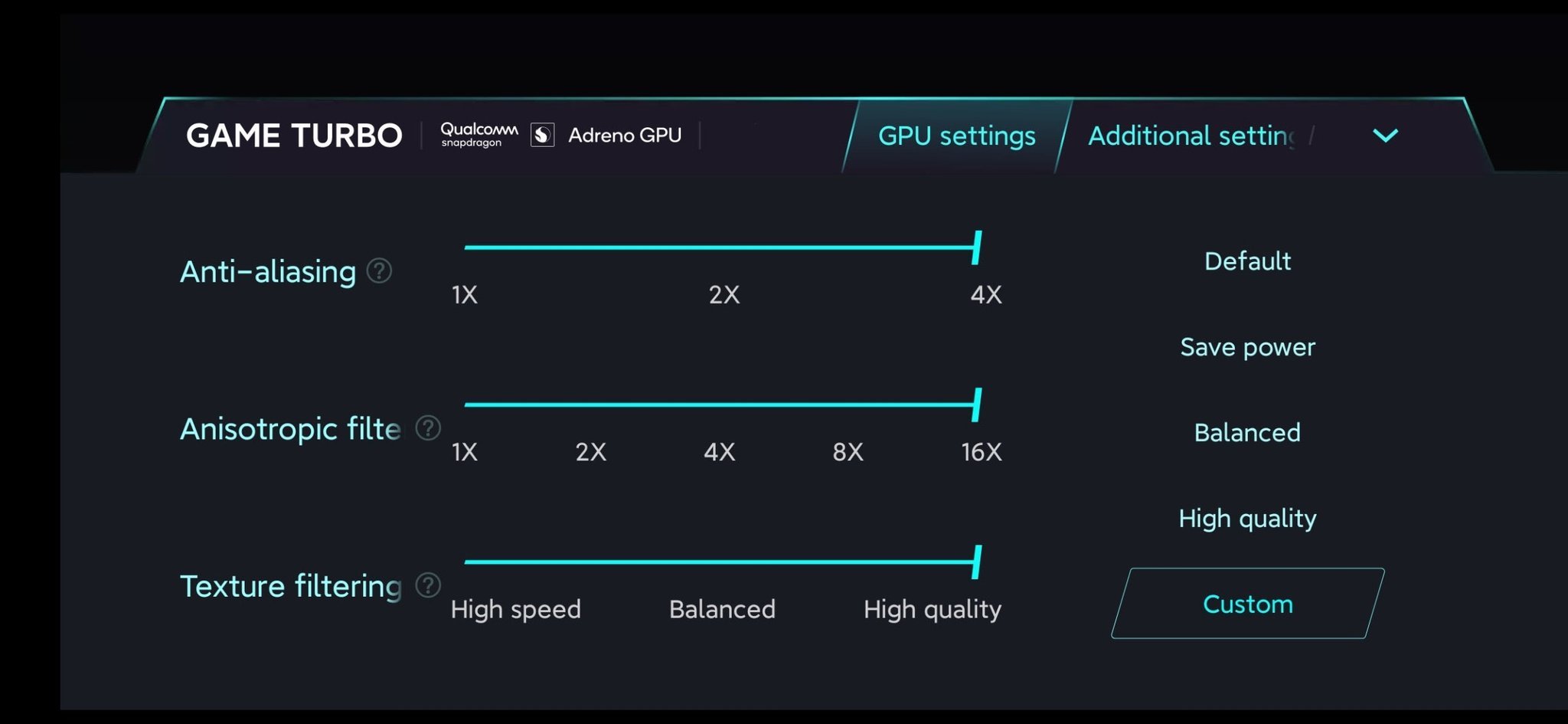
Super Leak:Xiaomi Mi10 Pro+ has a unique feature: Game Turbo, a mode developed by Xiaomi and Qualcomm's GPU team, which is unprecedented. You can use it to adjust GPU parameters and modes, including GPU frequency adjustment and so on. pic.twitter.com/Tu609T7Dy9
The Mi 10 Pro Plus had earlier appeared on AnTuTu benchmark where it clinched an overall score of 687,422 – the highest we’ve seen out of any phone. Presently, respectable leakster Ice Universe has uncovered another insight concerning the upcoming gadget – it will include a customizable GPU.
As per the tweet, Xiaomi cooperated with Qualcomm to optimize the Mi 10 Pro+ with a graphics control board located inside the Game Turbo application. Users will have the option to change the GPU performance right from there exactly as you would prefer with explicit profiles, settings and even all-out manual GPU frequency alterations. The screenshots provided also shows texture filtering, anti-aliasing, surface and anisotropic filters.
The Mi 10 Pro+ is touted to support up to 120Hz screen refresh rate as well as a 108MP main camera. The phone is also expected to pack a 4500mAh battery and 120W charging support.
Last month Xiaomi rolled out Android 11 Beta 1 for Redmi K30 Pro and POCO F2 Pro. It was an AOSP build and a similar update was also available for Mi 10 and Mi 10 Pro. Now, the company has released Android 11 Beta 2 for Redmi K30 Pro in China. Unlike the previous build, this one comes with MIUI 12.
Xiaomi has been releasing MIUI 12 weekly beta builds for the supported devices since the day of the announcement. That said, today’s build (20.7.30) for Redmi K30 Pro also brings Android 11 Beta 2. It is good that the company has already incorporated its heavy skin to the latest version of Android.
Hence, we can expect the Android 11 stable rollout for Redmi K30 Pro to commence on the same day when Google will release it for the Pixels. Why are we so positive? That’s because a similar thing happened last year with Android 10 rollout for Redmi K20 Pro.
Having said that, this update is currently limited to Redmi K30 Pro in China. The Chinese smartphone maker is yet to release it for POCO F2 Pro, the international variant of the handset. We expect the company to release it soon in the coming days.
Nokia smartphone division will reportedly unveil a number of new cell phones to IFA 2020. The launch won’t be graced by a flagship model, rather the HMD Global-controlled brand has concentrated on supporting its entrance level and mid-tier offerings.
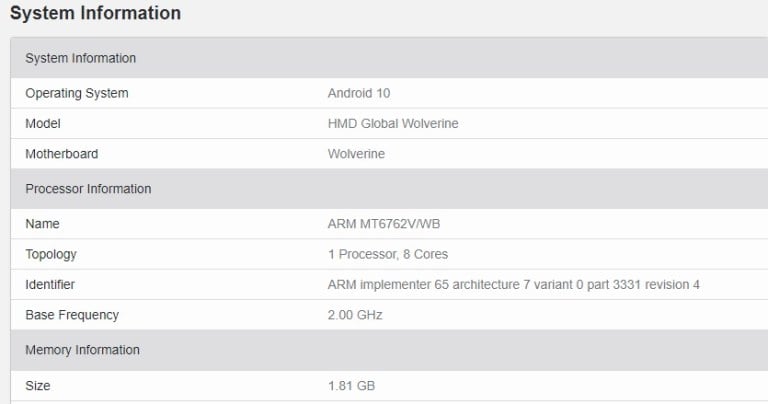
One of the expected models is the Nokia 2.4, code-named Wolverine. It will be genuinely huge with a 6.5-inch display and big 4,500 mAh battery, as indicated by leaked information. Contrast that with the Nokia 2.3, which has a 6.2-inch screen and 4,000 mAh battery.
The new model will be fueled by a MediaTek Helio P22 chipset as found in this Geekbench result (octa-center Cortex-A53 at 2.0 GHz and PowerVR GE8320 GPU). The mobile phone runs Android 10 on just 2 GB of RAM. The leakster says that this model will have 16 GB storage and that there will be a 3GB+32 GB variation too.
The back has a 13 MP primary camera joined by a 2 MP depth sensor and a LED flash. The smartphone will feature a Light Purple shading among other colour options. The selfie cam will have a 5 MP sensor.
The mid-range offerings will be the Nokia 6.3 and 7.3 that was earlier billed to launch. Very little is thought about them, but the Nokia 7.3 may utilize one of the new Snapdragon 700-series chipsets with 5G availability. There may also be a 4G model for markets with no 5G connectivity. The 6.3 should make do with a Snapdragon 670 or 675 chipset.
The two mid-range models will have quad cameras on the back with ZEISS optics. Their predecessors, the Nokia 6.2 and 7.2, were fundamentally the same as, the primary contrasts being that the 7-arrangement showed signs of improvement chipset and better picture sensors.
There’s likewise the “Gamora Plus”, which visited Geekbench. This one is fueled by a Unisoc chipset and is most likely the TA-1258 model we saw at TENAA yesterday. The chipset is like the Helio P22, with the exception of it utilizes eight Cortex-A55 cores (1.6 + 1.2 GHz) and a GE8322 GPU.
The unit from Geekbench had 2 GB of RAM while the one certified by TENAA had 3 GB of RAM and 32 GB stockpiling. Both the Gamora Plus and the Wolverine ought to be running Android 10, but not Go version. It’s not confirmed which model number will be doled out to the Gamora Plus.
Looking for a TV Media Player? A smart TV box? A smart TV Set?
Well, you don’t need anything big to add smarts to your TV.
A portable TV stick is enough. And Xiaomi’s Mi TV Stick might be the cheapest, trusted option available to a number of consumers right now.
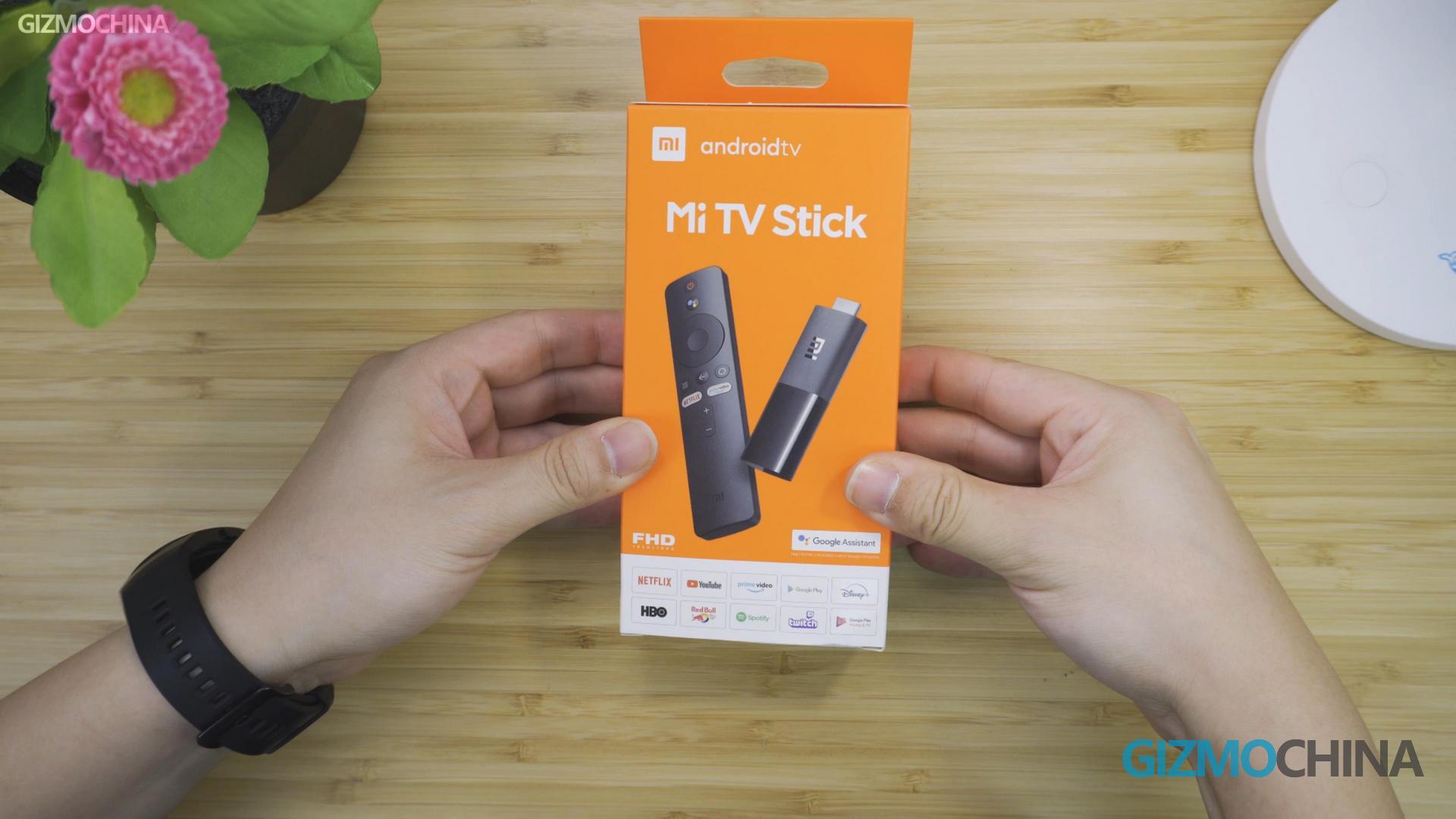
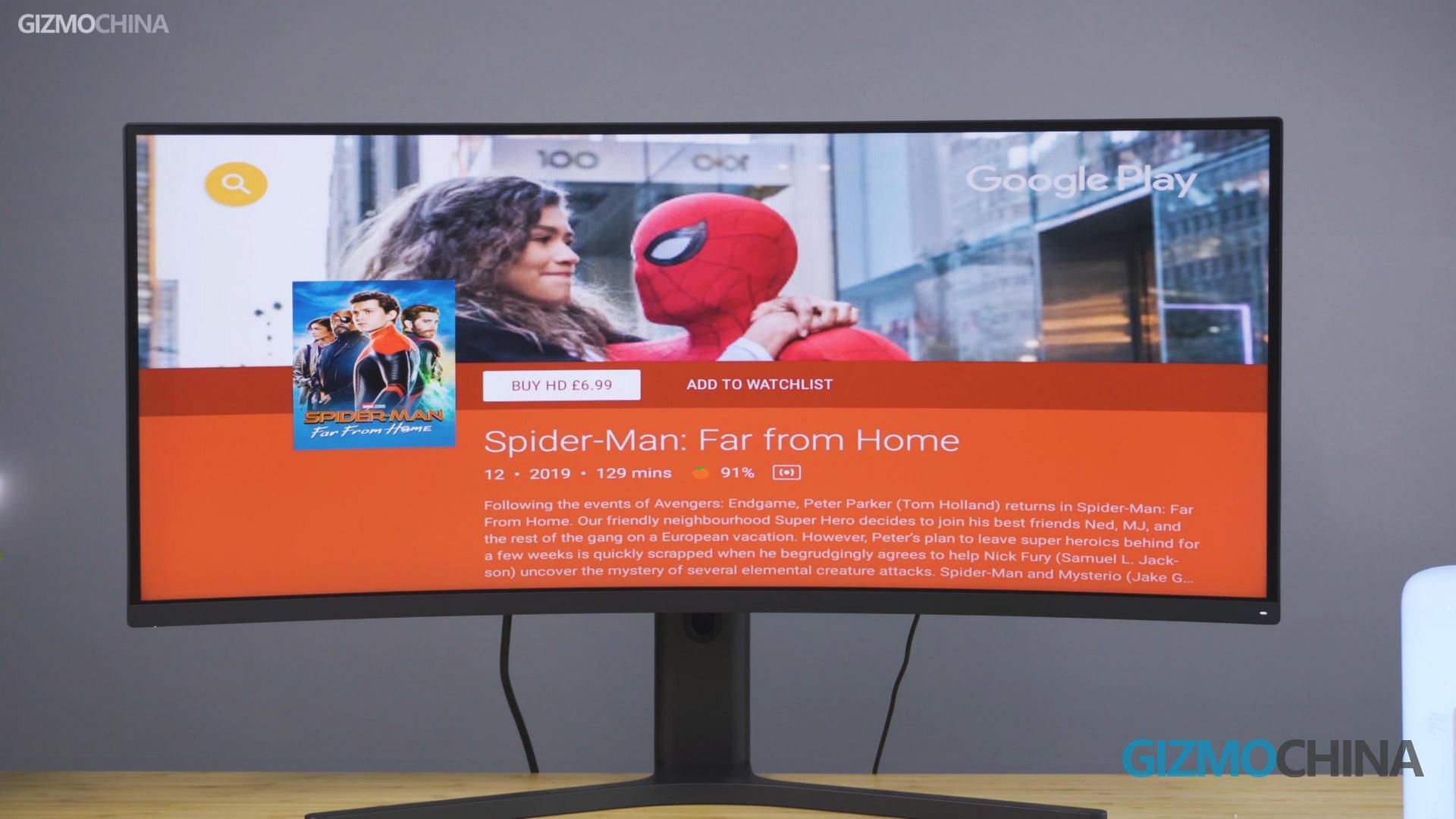
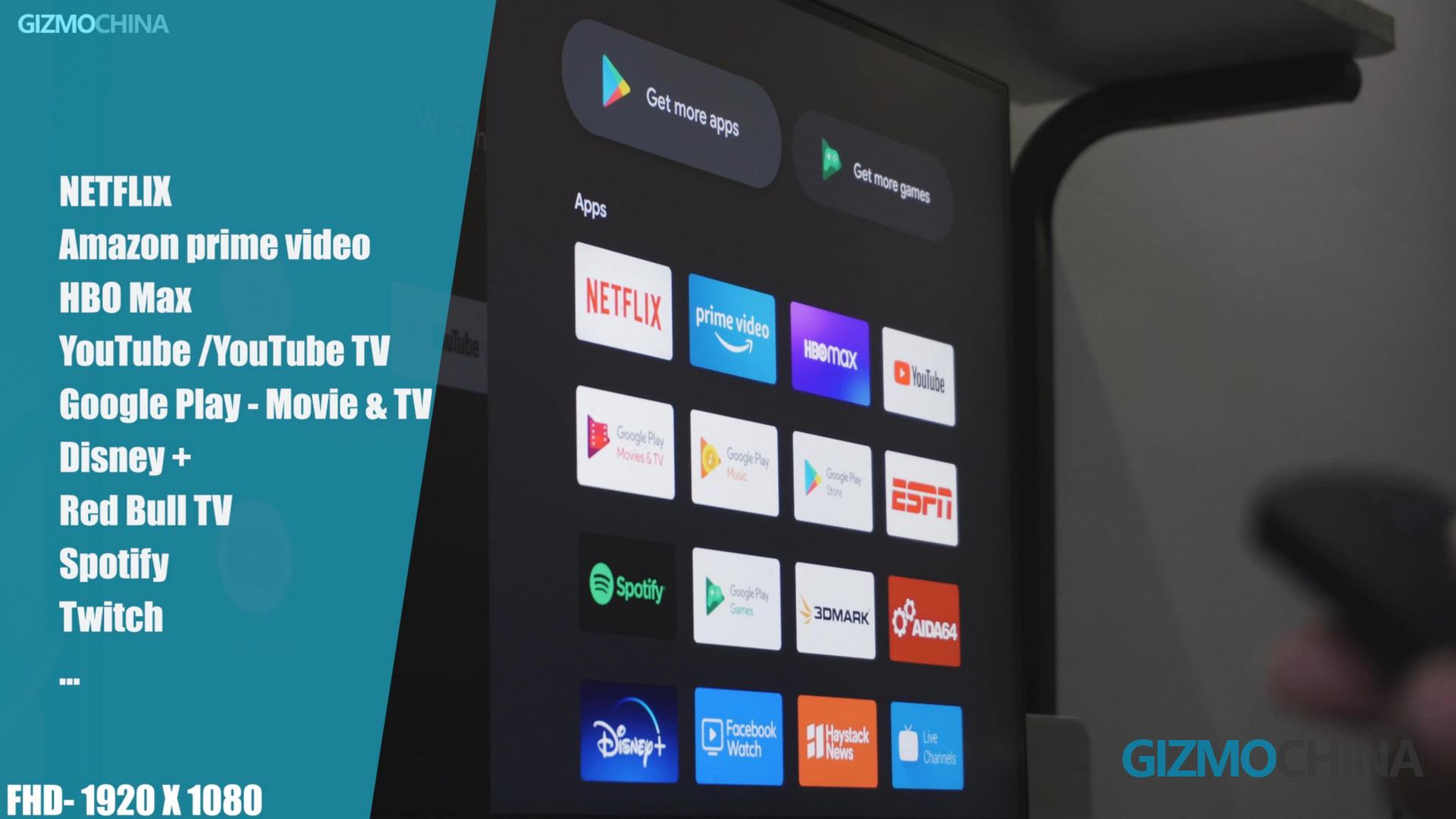
The newly launched Mi TV Stick is certified to run Netflix, Amazon Prime Video, Disney Plus, Youtube, HBO, Redbull TV, Spotify, Twitch, and Google Play Movies. Did we miss out on anything? Well, don’t worry, the TV stick is powered by the Android TV platform which means you can download and install most android apps and TV games from the play store.
Today, in the Mi TV Stick 1080p Review, let’s see how it works and what should you really pay attention to.
A Cheaper Alternative to the Mi Box 4K
The Mi TV Stick was one of the most anticipated 2020 Xiaomi products. At least for those who wanted to get more from their TV at a super cheap price. The package of the Stick is really compact and simple, which is nothing special – just what we expected.
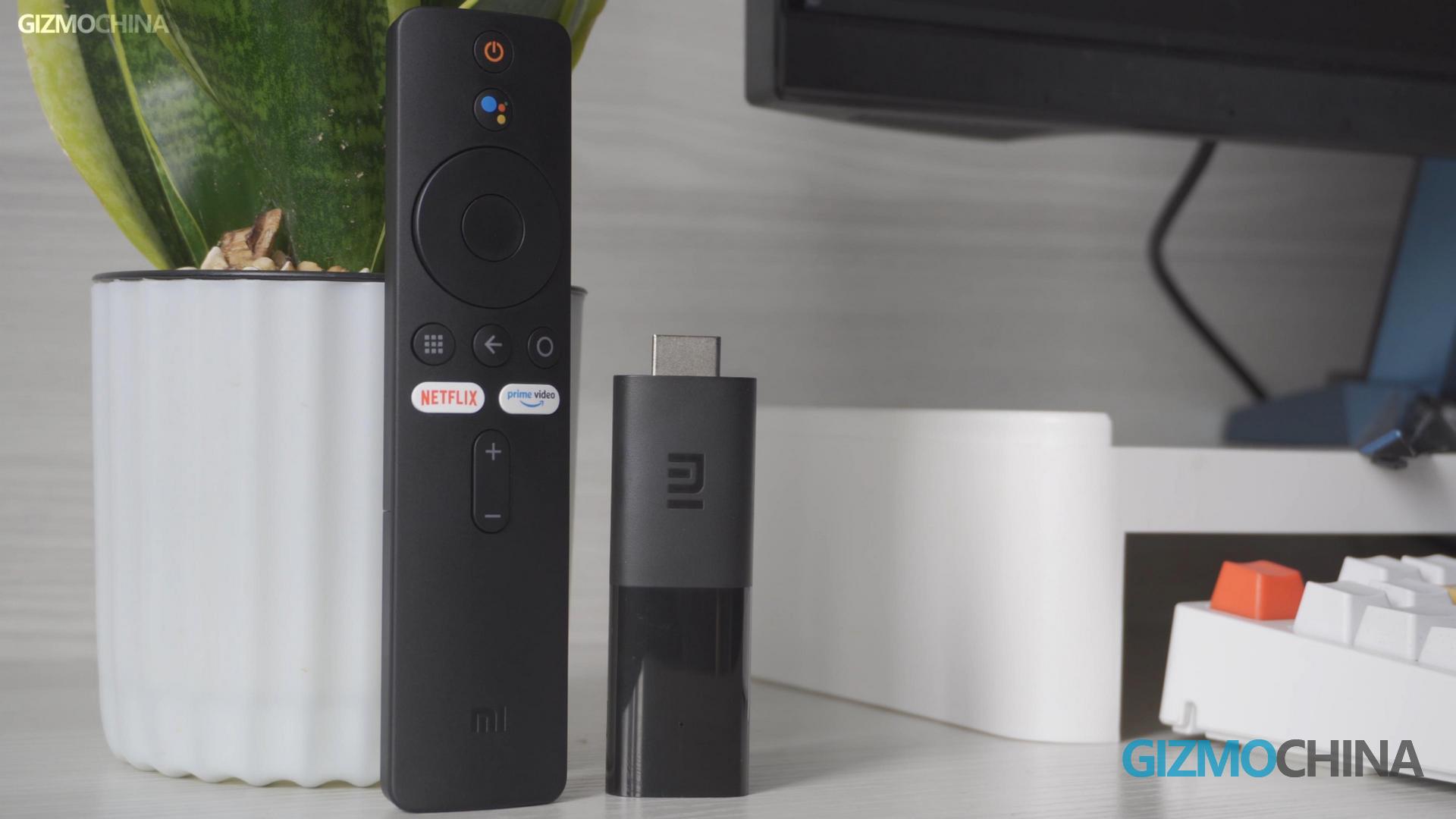
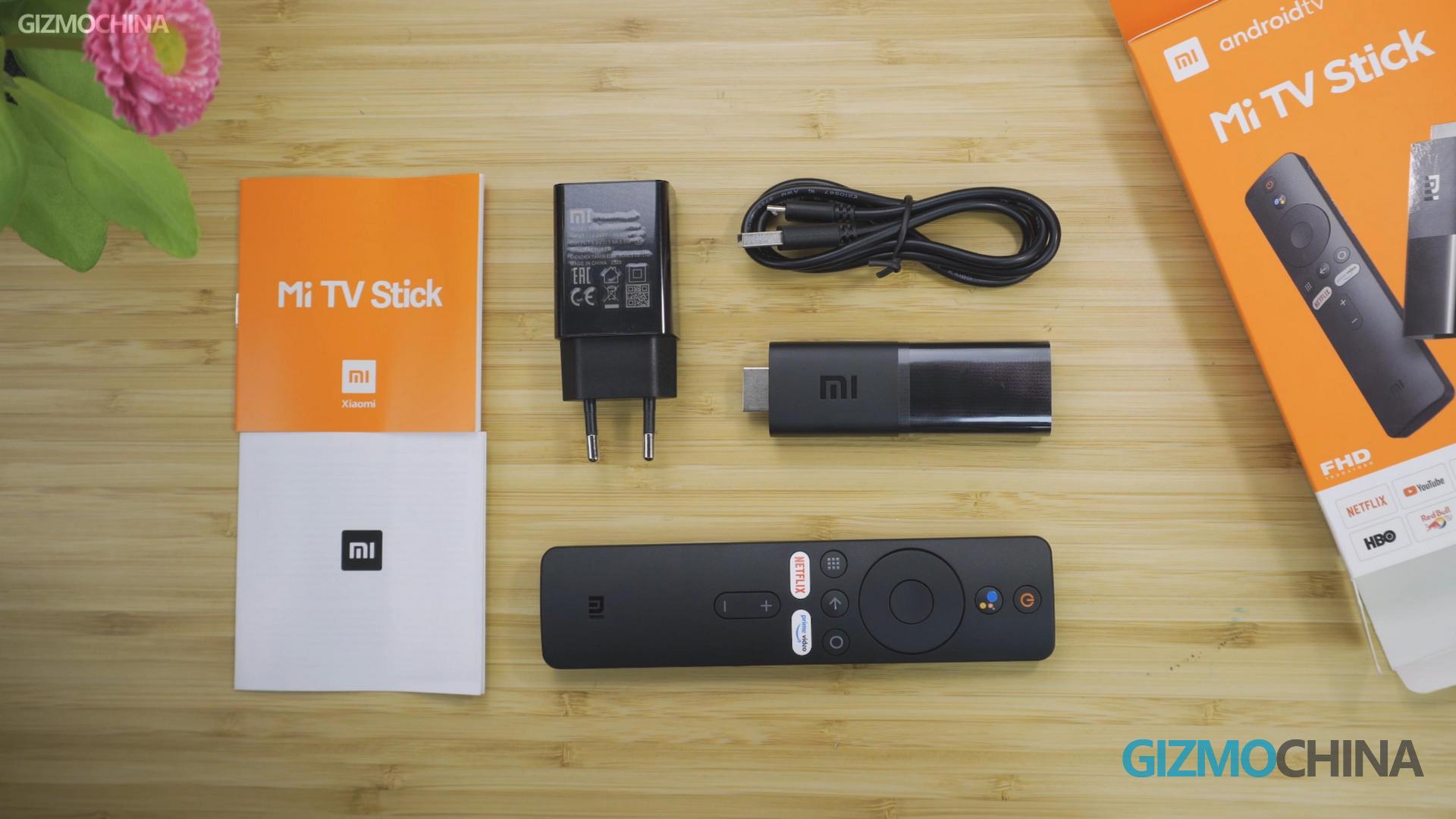
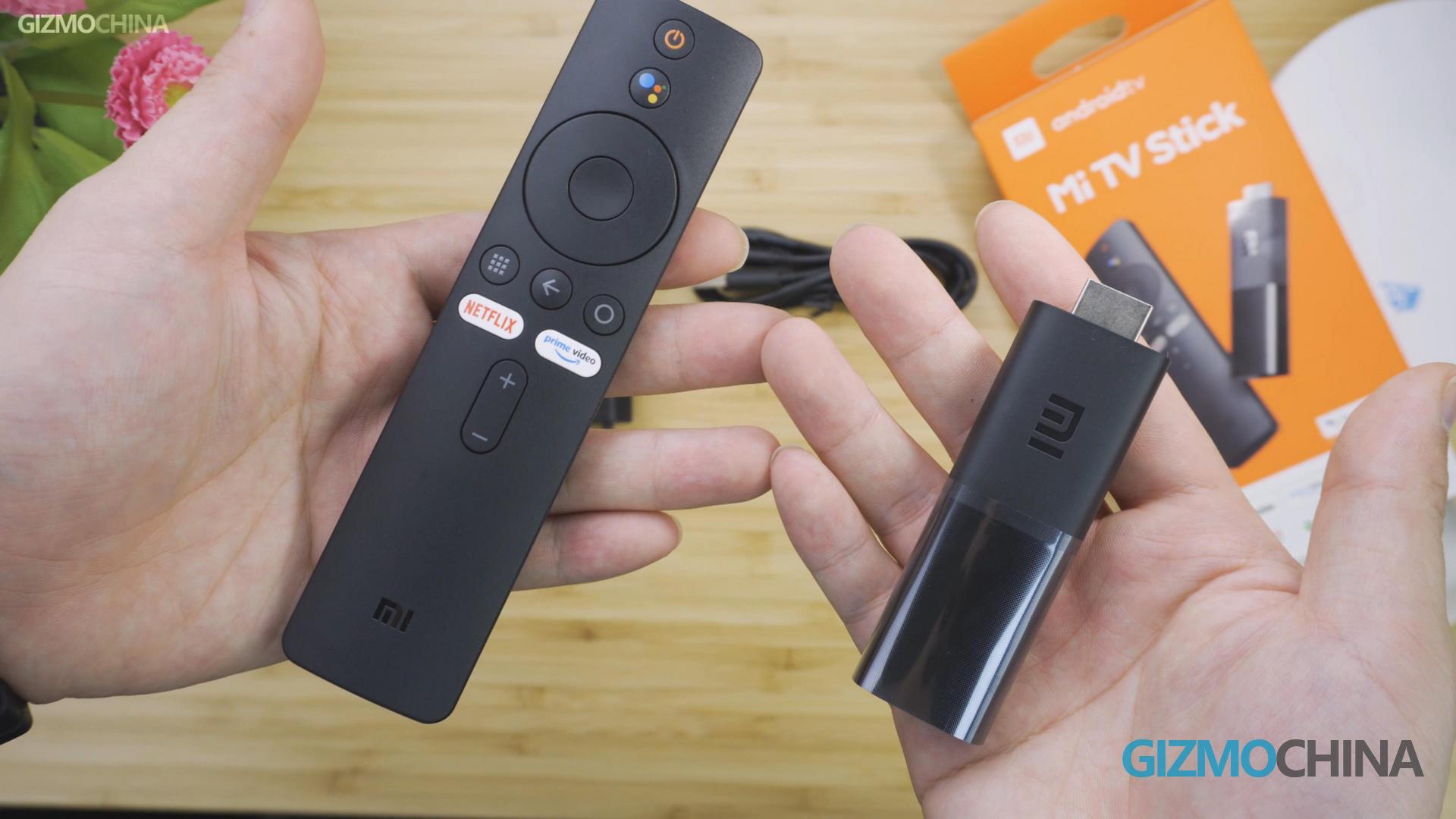
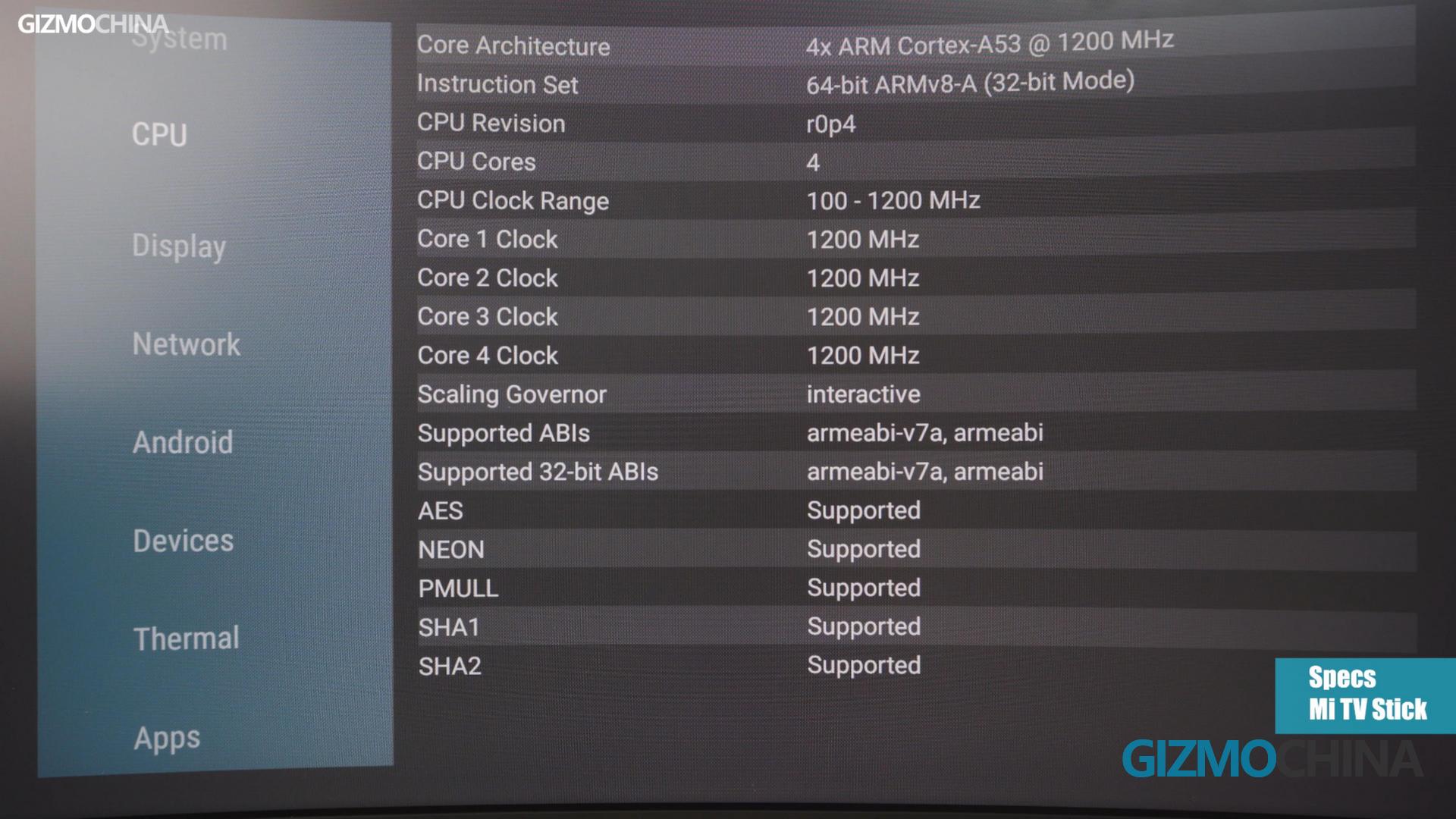
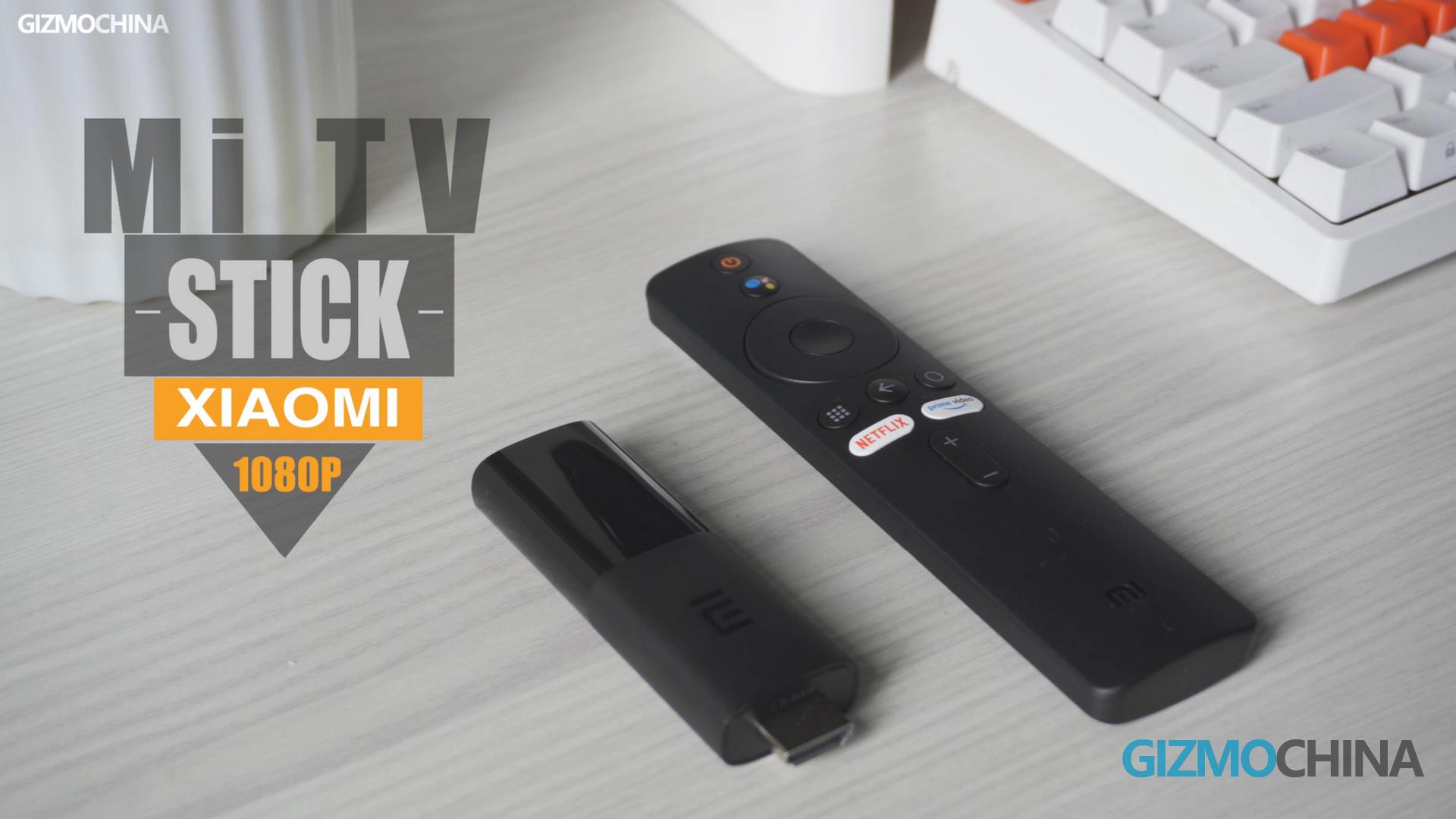
Open the box, and what we see is an adapter for power supply; a Mi-TV-style voice remote; and the TV stick, which looks like a USB flash drive. Well, it’s really hard to believe that such a small stick is a device running Android TV. Although it looks small, the stick is packed with a quad-core CPU, 3+2-core GPU, 1GB RAM, and 8GB storage.
The design of the remote still follows the Xiaomi style, which is simple and intuitive. The only highlight should be the voice button for Google search, and two customized buttons for Netflix and Amazon prime video. The box doesn’t contain the triple-A batteries that the remote requires.
As for the sound output, the TV stick supports both DTS and Dolby multichannel HD audio decoding. So besides good HD visual experience, you could also have dynamic and realistic stereo surround sound no matter if you are watching HD video or just playing high-quality music on your Android TV.
Mi TV Stick 1080p Performance
The Mi TV Stick we received is able to output up to 1080P resolution, and it’s been certified for HD videos on most TV sources. Considering most TVs already support 4K media play, the 1080P capacity is really a drawback of this powerful stick. So, no matter what resolution your monitor or TV screen supports, the Mi TV Stick will play content at a maximum resolution of 1080P 60fps.
On first use, the TV stick required us to pair the remote to the stick through Bluetooth and log into our Google account as an option. Once the TV got Bluetooth and Wifi connection, the interface was smooth. During the installation process, the system will automatically ask you to add/customize the apps you’ve installed in existing phones/ devices, which were not limited to Media apps, but also included some games and apps for other use. For example, we installed the app Aida for device information on the Mi TV Stick.
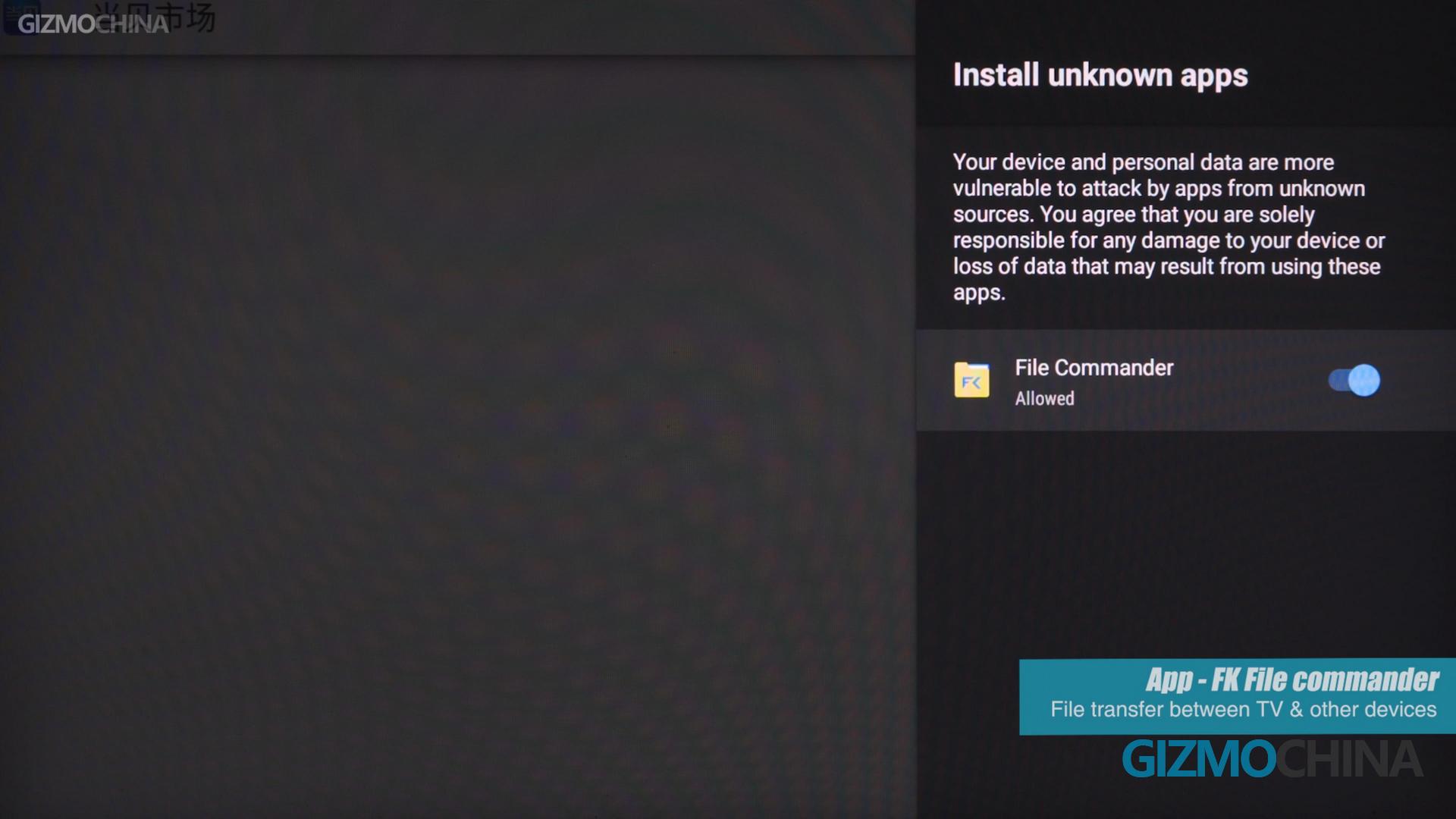
You can download almost all media apps that you can find on the Google Play store. In addition, if you have apps that aren’t found on the Play Store, you can also copy transferapk files through the TV File Commander and install third-party Android apps on your TV. For example, we’ve transferred a popular TV app from the app market store in China via my PC, and then installed it on the Mi TV Stick. You can follow the same method to customize and add more media apps to your TV.
About its performance with Netflix and other popular media service providers, the experience streaming Full HD content was delightful and smooth. So you shouldn’t have any issues while streaming.
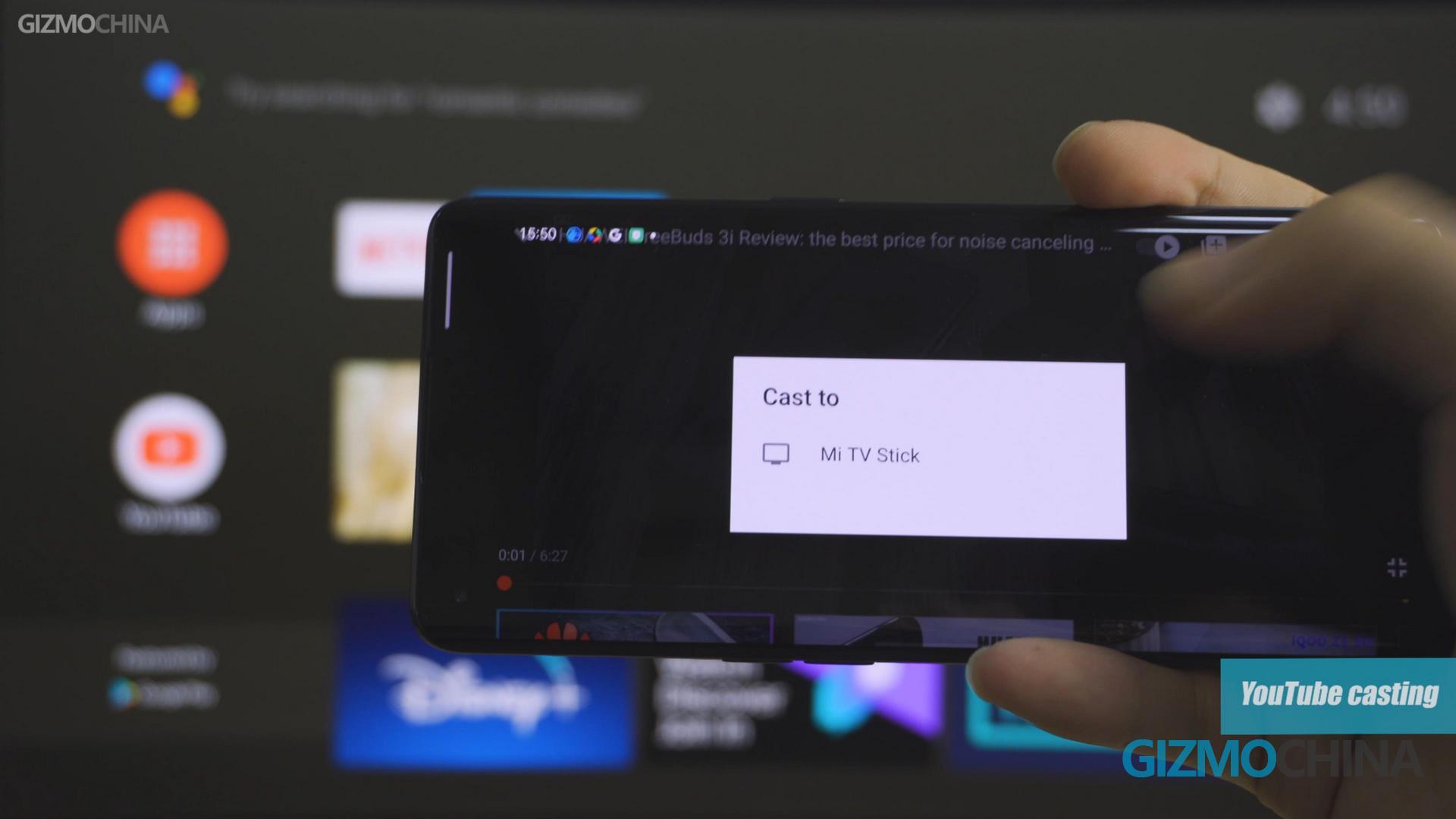
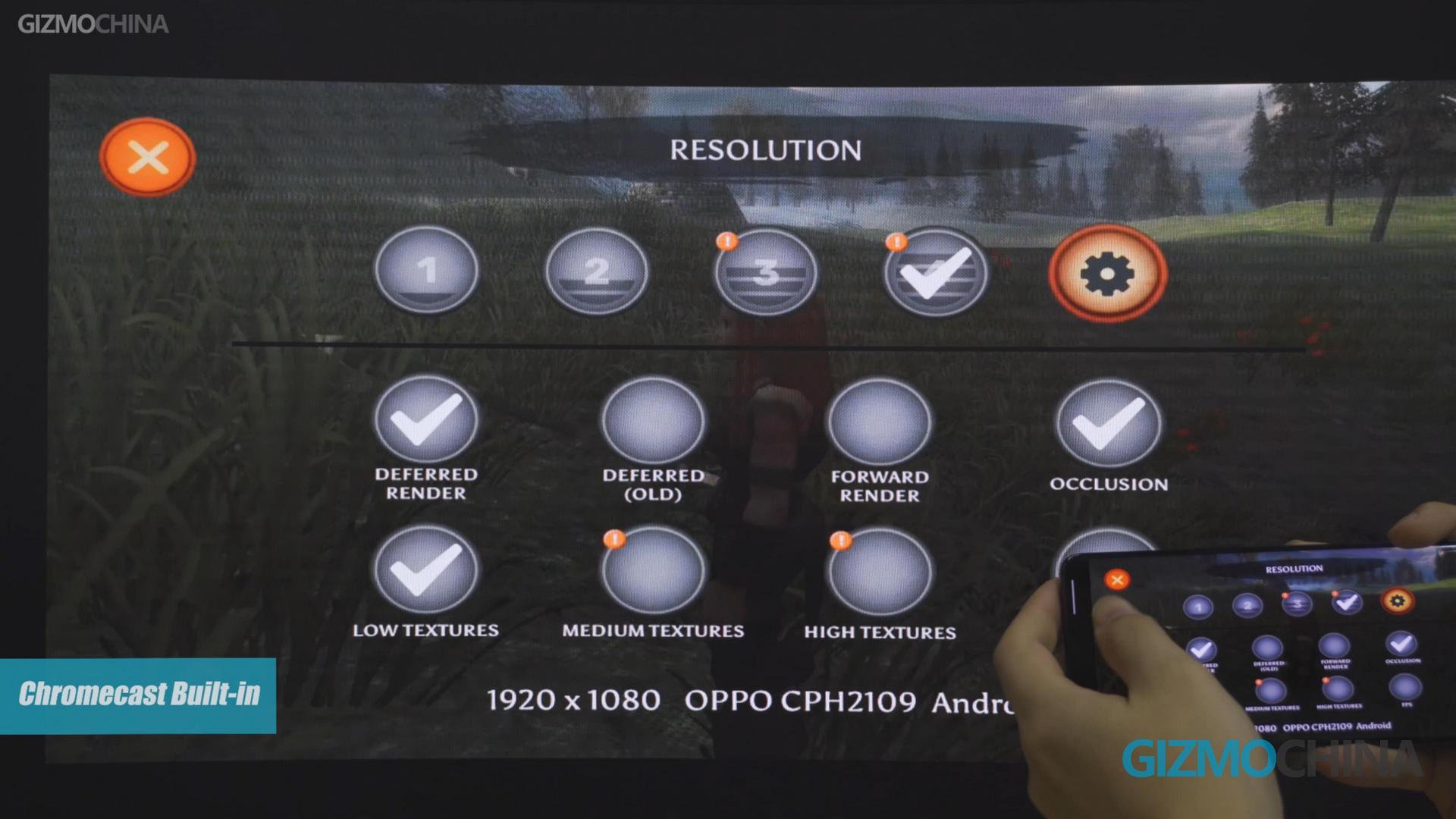
Another good detail of the Mi TV stick is the Built-in Chromecast. With Chromecast, you can easily cast your favorite movies, shows, apps, games, and more from smart devices directly to your Android TV without latency issues. Before casting media, just make sure that your device and the TV stick are connected to the same network. Also, pay attention here, the resolution still remains at 1080P.
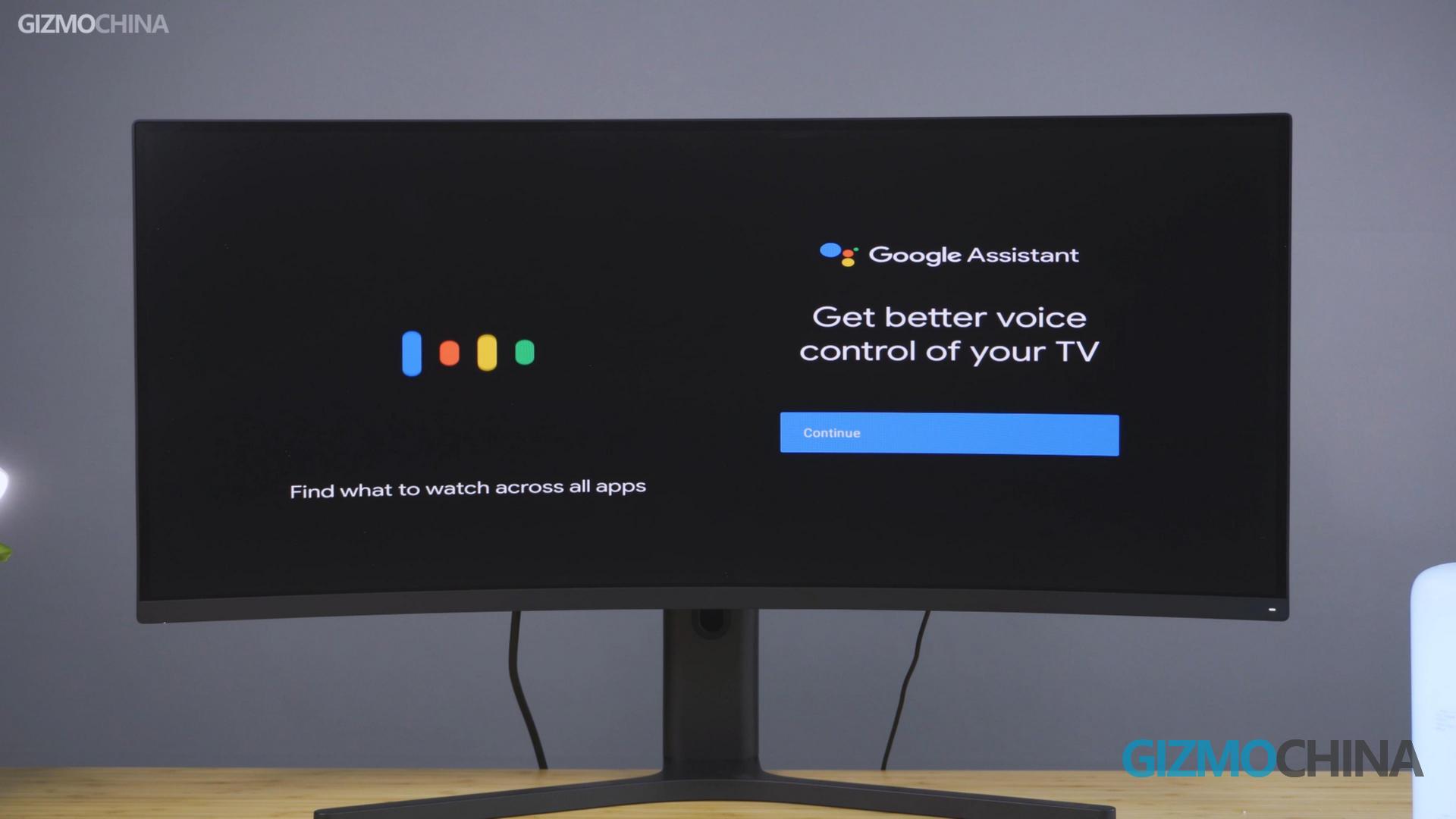
The Mi TV Stick remote also supports voice commands. Just press and hold the voice button, and tell the TV which content you are looking for.
The voice search will call out YouTube or other apps (that you may have mentioned) and present the contents related to what you asked on the screen. It was moderately fast but was accurate.
So that’s our experience of the Mi TV Stick. Indeed, it’s one of the most reliable TV sticks in the market that offers great flexibility of content and high affordability. It’s so small that you can travel with it and enjoy the convenience of Plug-and-Play. And the freedom of android system would also allow you to explore more possibilities of your TV set. And all you need is just a screen.
However, the 1080P resolution may not be able to satisfy the requirements of some users who are looking for better quality. Also, the lack of an internal battery spoils the stick’s super portable form factor as you still need to power it with the included adapter.
We are still not sure when Xiaomi will release a 4K version. But whenever it launches, it should still be affordable and will likely become another star Mi product in 2020.
But for those who are happy with 1080p (most consumers should), the Mi TV Stick comes out as an excellent device to convert your TV or monitor to a smart entertainment hub.
You can buy the Xiaomi Mi TV Stick Global Version from GizTop at just $19.99.
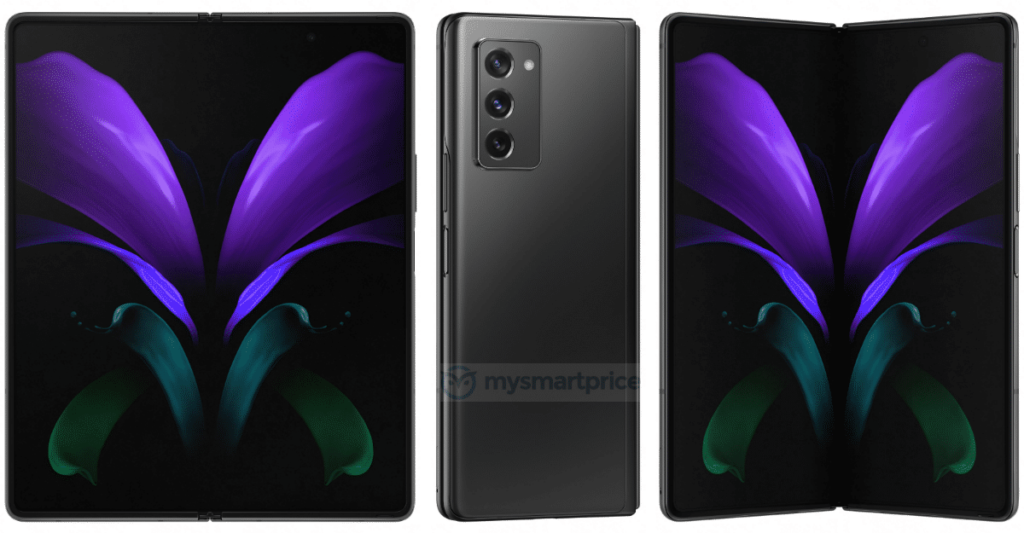
Samsung is expected to unveil the much-awaited Galaxy Z Fold 2 on August 5 Galaxy Unpacked event. Like any other device, it has leaked multiple times. Yesterday, even its entire design was revealed, courtesy of press renders leak. Now, a new report, fresh out of South Korea, mentions it to retail for the same price as the original Galaxy Fold.
According to a report by DDaily (via SamMobile), the carriers in South Korea have begun to test the Galaxy Z Fold 2 last week. Even, they tentatively agreed with Samsung on its release date as well as the retail price.
The report says the company’s third commercial foldable smartphone will go on sale starting September 18 in its home country. This goes in line with a previous report, which suggested the chaebol to ship the handset in Septemeber, followed by Galaxy S20 FE (Lite) in October.
As far as price is concerned, the Galaxy Z Fold 2 is reported to retail for 2,398,000 South Korean Won, which roughly translates to ($2,005). This is exactly the same price Samsung debuted its predecessor last year. That means the second-gen Galaxy Fold will be priced similar to the original ($1,980) in international markets as well.
Previously, it was thought to be priced lower than the 2019 model. Anyway, it is good to see that the price has not increased like the Galaxy S20 series.
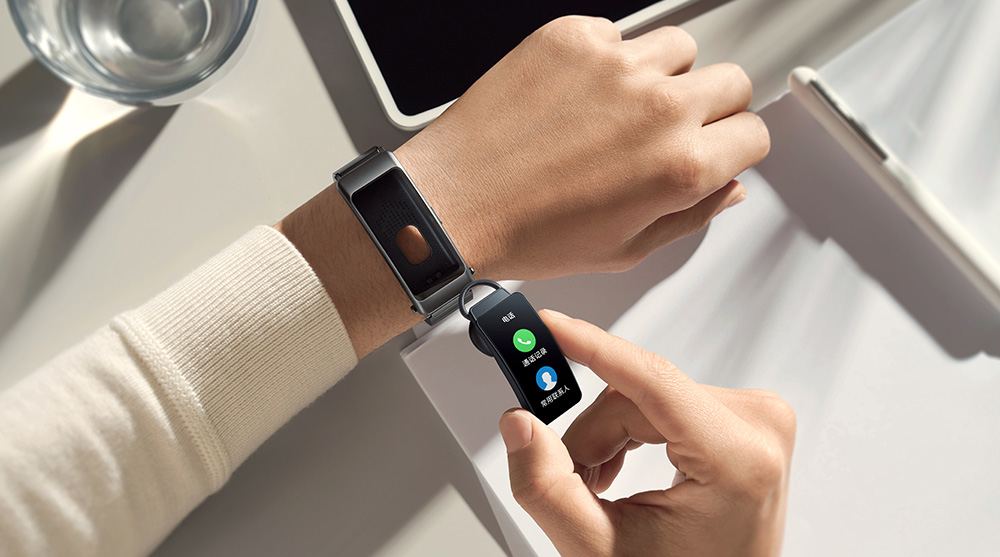
Huawei officially launches TalkBand B6, a fitness tracker cum Bluetooth headset in China. It comes in three variants namely Sports, Fashion, and Exclusive. They are priced at 999 yuan ($142), 1,199 yuan ($171), and 1,499 yuan ($214) respectively.
The Huawei TalkBand B6 sports a 1.53-inch flexible curved AMOLED display with a resolution of 460 x 188 pixels and 326 PPI. It comes powered by the company’s in-house HiSilicon Kirin A1 chipset.
As a fitness tracker, it packs all the necessary sensors such as accelerometer, gyroscope, heart rate sensor, SpO2 sensor, ambient light sensor, and hall effect sensor (compass). It connects to smartphones via Bluetooth 5.2 and the company claims it to offer a maximum connection distance of 150m.
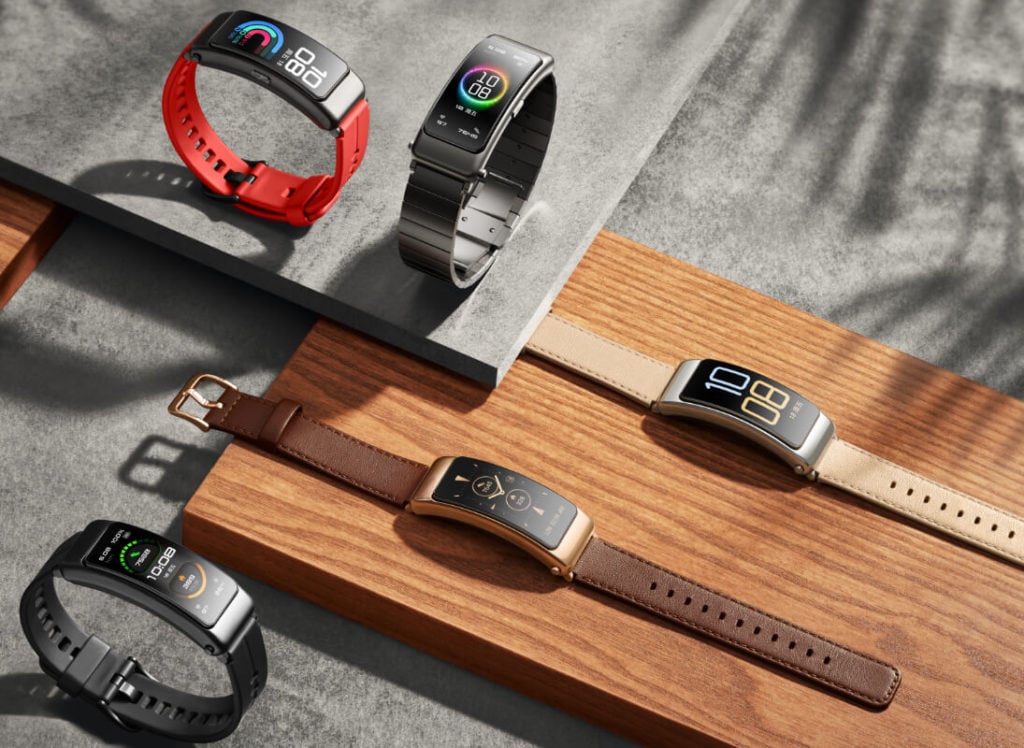
The wearable can be paired with both Android 4.4+ and iOS 9.0+ devices. The casing of the tracker is made of stainless steel, however, buyers can choose from these three types of straps – Silicon, Leather, and Metal.
As for colors, the Silicon strap comes in Obsidian Black and Coral Red version, whereas the Leather strap comes in Camellia Brown and Mocha Brown variants. Lastly, the metal strap comes only in Titanium Silver Gray color.
Talking about features, the Huawei TalkBand B6 supports fitness tracking, app alerts, weather, music controls, Xiaoyi AI voice assistant, sleep tracking, menstrual cycle tracking, and more. Also, it is IP57-certified for dust and water resistance but it does not apply for the leather strap.
Last but not least, the wearable is backed by a 120mAh battery, which charges via USB Type-C.
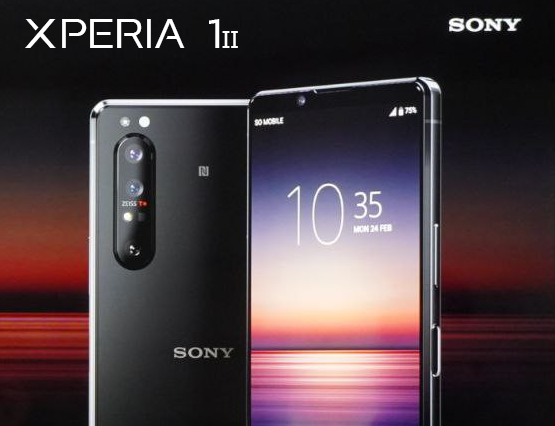
Sony has just teased the launch of a smartphone for 6th August 2020, earlier today (30th July 2020). The teaser was shared on the company’s official Weibo account (a Chinese microblogging website) and might be for the flagship Xperia 1 II or even its WH-1000XM4 wireless noise canceling headphones.
Sony Xperia 1 II
For those unaware, Sony had unveiled its 2020 flagship, the Xperia 1 II, back in February. It features a 6.5 inch OLED HDR display with 3,840 x 1,644 resolution, 643ppi, a 90Hz refresh rate and even a 21:9 aspect ratio. The device was powered by Qualcomm’s Snapdragon 865 SoC along with 8GB of RAM and 256GB of storage. The device had a 3.5mm headphone jack and supported wired fast charging and wireless charging as well.
Similarly, the other possible launch candidate is the WH-1000XM4 series wireless headphones from Sony. These headphones featured a 40mm audio driver with a frequency response of up to 30kHz. On a single full charge, the device can last for up o 30 hours and could also be paired with two Bluetooth devices at the same time, with a quick switch with just a single button.
Unfortunately, apart from the teaser of an upcoming launch of a product and the date, we have no confirmation as to what the company is planning on unveiling. Thus, we will have to wait for August 6 to know for sure, so stay tuned as we will be covering the launch.
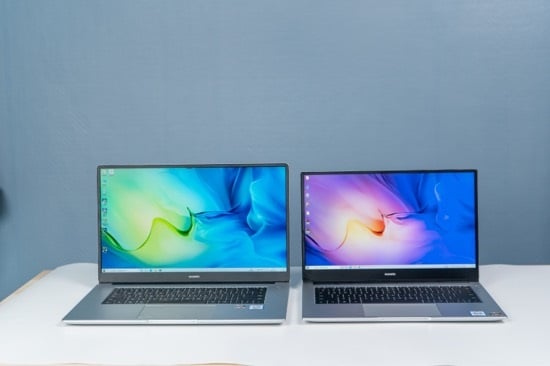
Earlier today (30th July 2020), Huawei launched its latest series of MateBook notebooks. The new laptops, MateBook D 14 and MateBook D 15, feature AMD’s latest Ryzen 4000 series processors.
MateBook D 14
The Huawei MateBook D 14 is the company’s latest addition to its 14 inch notebook offering. It features a 1080p display with minimal bezels on the top and the corners on the sides. The D 14 measures in at 15.9mm thick and weighs just 1.38 kilograms. This makes it a very portable ultrabook laptop. Under the hood, a Ryzen 5 4500U or Ryzen 7 4700U processor powers the laptop with 16GB of RAM and 512GB SSD storage on both variants.
Apart from the display size, the MateBook D 15 from Huawei is nearly identical to its 14 inch counterpart. It also features a 1080p display with thin bezels and has either a Ryzen 5 4500U or Ryzen 7 4700U processor. For storage, the 16GB of RAM and 512GB SSD storage is also offered here, while the laptop itself is slightly thicker at 16.9mm and a bit heavier weighing 1.53 kilograms.
Pricing and More
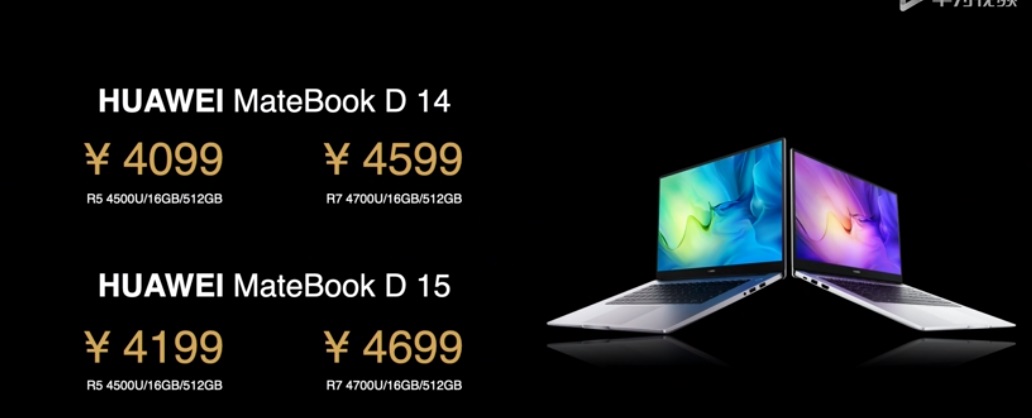
Both laptop models have arrive with Fn+P enabled and support Huawei share, touch connection, allow users to make calls via their smartphone and access documents, and use mobile applications after pairing/screen mirroring. Here is the pricing for the new ultrabook laptops:
MateBook D 14 (Ryzen 5 4500U) – 4,099 Yuan (roughly 585 US Dollars)
MateBook D 14 (Ryzen 7 4700U) – 4,599 Yuan (roughly 656 US Dollars)
MateBook D 15 (Ryzen 5 4500U) – 4,199 Yuan (roughly 599 US Dollars)
MateBook D 15 (Ryzen 7 4700U) – 4,699 Yuan (roughly 670 US Dollars)
Recently, the Chinese smartphone maker, Huawei, agreed to pay the US Chipmaker Qualcomm a large sum of 1.8 billion US Dollars to settle their long disputed patent infringement lawsuit. Since then, both companies have signed a new long term deal despite the rising tension between the US and China.
For those unaware, Qualcomm currently holds patents on various key smartphone components and generally licenses its products/IP for revenue. Huawei had been one of its customers but had allegedly withheld payments since 2017. Back in 2019, the latter finally agreed to pay 150 million US Dollars for every quarter for using the former’s technology up until 2018.
After the settlement, Huawei and Qualcomm have now inked a new agreement that will license the latter’s patented technology to the former. This deal is also a sort of a win-win scenario for both sides, with the chipmaker already seeing the benefits as its stock value has risen to record heights just by the deal. Huawei also benefits from the deal by gaining access to various Qualcomm technology, especially key components for smartphones, which is quite crucial after the company lost its chip supply from TSMC due to US sanctions.
Notably, Qualcomm CEO also stated that the new deal is “consistent with the framework of our licensing programme and incremental to the partial payments received from Huawei under the interim agreement in prior years”. So, we will have to wait and see as to what more this new deal might bring to the table in the near future.
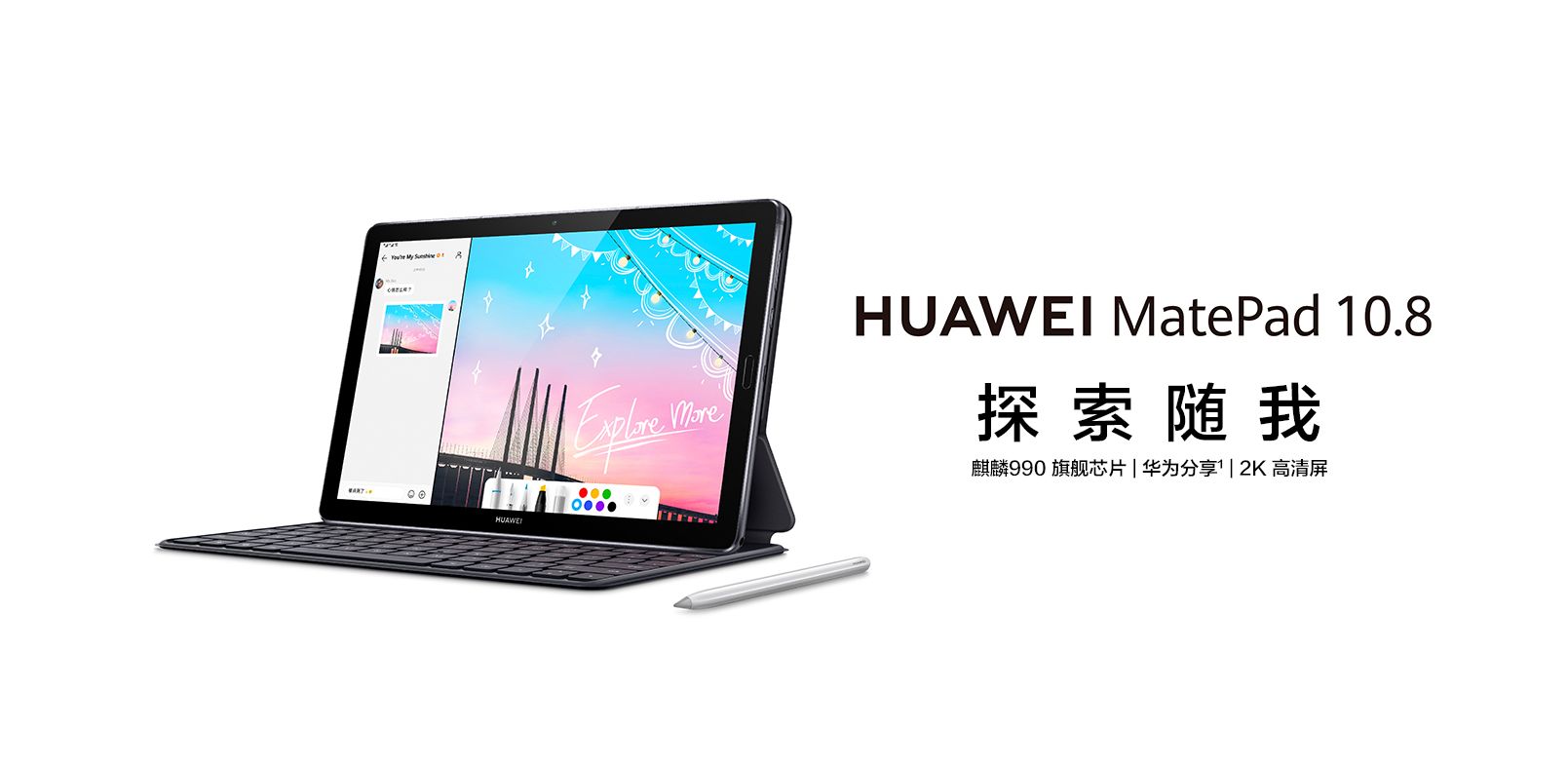
The Huawei MatePad 10.8 tablet has gone official in China. The tablet was announced alongside other products such as Huawei MateBook D 15 2020 Ryzen Edition notebook, Huawei TalkBand B6, and Huawei Kids Watch 4X. The major highlights of the MatePad 10.8 include 2K resolution supporting display, flagship processor, a large-sized battery, and support for M-Pencil stylus.
Huawei MatePad 10.8 specifications
The Huawei MatePad 10.8 features a 10.8-inch IPS LCD display that produces 1600 x 2560 pixels resolution and 280ppi pixel density. The tablet is fueled by Kirin 990 chipset SoC and 6 GB of RAM. It comes with up to 256 GB of built-in storage.
The tablet comes loaded with EMUI 10.1 based Android 10 OS. There is a microSD card slot for expanding its storage. The tablet is equipped with an f/2.0 aperture 8-megapixel front camera. Its rear is fitted with a 13-megapixel camera with f/1.8 aperture and autofocus. However, it does not feature an LED flash.
The MatePad 10.8 has a big battery 7,500mAh capacity. It supports 22.5W fast charging. The tablet has pogo-pin slots on its edges to connect a keyboard. It is fitted with Harmon Kardon tuned quad speakers. For audiophiles, the tablet comes with support for Histen 6.1 sound effects. The other features available on MatePad 10.8 include fingerprint scanner, LTE, Wi-Fi 6, Bluetooth 5.0, USB-C, and a 3.5mm audio jack. The tablet measures 257 x 170 x 7.2mm and it weighs around 500 grams.
Huawei MatePad 10.8 price and availability
The Huawei MatePad 10.8 has arrived in China in four models such as 6 GB RAM + 64 GB storage (Wi-Fi only), 6 GB RAM + 128 GB storage (Wi-Fi only), 6 GB RAM + 256 GB storage (Wi-Fi only with keyboard), and 6 GB RAM + 128 GB storage (LTE). These models are priced at 2,399 Yuan (~$342), 2,799 Yuan (~$399), 3,599 Yuan (~$513), and 3,199 Yuan (~$456).
The tablet is now up for pre-sale in China. The sales of the device will start on Aug. 13. There is no word on the international availability of the MatePad 10.8.
The US Ambassador in Brazil warned the country of ‘consequences’ if it allows Huawei Technologies to gain access to the country’s telecom infrastructure to build and develop 5G networking, in a recent interview as per Reuters.
The US has been actively working to restrict the Chinese telecom equipment provider’s role in the region. For those unaware, Huawei is a pioneer in the 5G networking field and had planned on developing the newer and faster bandwidth in the Latin American country. However, the US has been stepping up its efforts to limit the company, in fear of data being sent to the Chinese government for spying.
While Huawei has, on multiple occasions, denied any such allegations, it has still faced pressures from the western nation on multiple fronts. An example being the UK, where the US government had pressured the lawmakers in the region to reconsider allowing Huawei to build its 5G network. Furthermore, Todd Chapman, US Ambassador, said that Brazil would not face reprisals for allowing Huawei, but could face consequences.
According to the official, “Each country is responsible for its decisions. The consequences we are seeing in the world are that firms involved in intellectual property are scared to make investments in countries where intellectual property is not protected.” Notably, the Trump administration had also recently set up a new funding agency, that would help its allies develop 5G networking by help cover costs of buying from trusted sources over Huawei thanks to its $60 billion budget.
With mobile gaming becoming a bigger phenomenon day by day, various OEMs have recognized the market and are building their smartphones with gaming optimizations in mind. One would usually hear something like GPU Turbo or other enhancing techniques and it seems that Xiaomi and Qualcomm are also working on launching their own iteration of the same.
Super Leak:Xiaomi Mi10 Pro+ has a unique feature: Game Turbo, a mode developed by Xiaomi and Qualcomm's GPU team, which is unprecedented. You can use it to adjust GPU parameters and modes, including GPU frequency adjustment and so on. pic.twitter.com/Tu609T7Dy9
According to a recent Tweet by known leakster Ice Universe, the Chinese tech giant and the known chipmaker have partnered up to develop Game Turbo. It is a new unique feature that is said to arrive in the Mi 10 Pro+ and was co-developed by Xiaomi and Qualcomm’s GPU teams. This new software will help mobile gamers enhance their gaming experience by giving them a degree of control that is generally found in PC gaming.
In other words, apart from just boosting your smartphone’s performance, users can also tweak various graphical settings like Anti-Aliasing, Anisotropic Filtering, and even Texture Filtering. Looking at the images shared in the tweet, Game Turbo also offers free control over the GPU’s parameters, letting users adjust the GPU frequency. So, one can tweak not only the device but the game they are playing, which is something no OEM has offered before.
Xiaomi Mi 10 Pro
Furthermore, the images also reveal different GPU performance profiles, which are saved under default, save power, balanced, high quality, and a custom profile as well. These are quite similar to PC gaming’s NVIDIA control panel, which also offers the ability to customize multiple in game settings. The controls also seem streamlined and clutter free, so it should be easy to navigate for even a beginner.
As countries around the world have begun to deploy 5G networks, smartphone OEMs are working on more affordable 5G handsets. Last year, we had 5G connectivity only on flagship models. In 2020, one can experience 5G even on mid-range devices. By the end of this year or mostly in 2021, we will have 5G support even on budget phones. One of these devices is expected to be Samsung Galaxy A32 5G, which is said to be under development according to a new leak.
The news regarding the existence of Galaxy A32 5G comes from GalaxyClub. According to the sources of the publication, this phone will retain 48MP primary camera from its predecessor Galaxy A31. But this sensor will be accompanied by a 2MP depth sensor instead of 5MP found on the current generation.
Further, this phone way probably come with model number SM-A326. Also, It is worth noting that this is not the first time we are hearing about the Galaxy A32. That’s because Samsung already filed trademarks for its Galaxy AX2 series earlier this year, which includes Galaxy A12, A22, A32, A42, A52, A62, A72, A8 and A92.
Apart from Galaxy A32 5G, the South Korean tech giant is also working on Galaxy A42 5G. This handset was recently spotted on 3C with a 5,000mAh battery. We can expect more leaks regarding these two smartphones in the coming days.
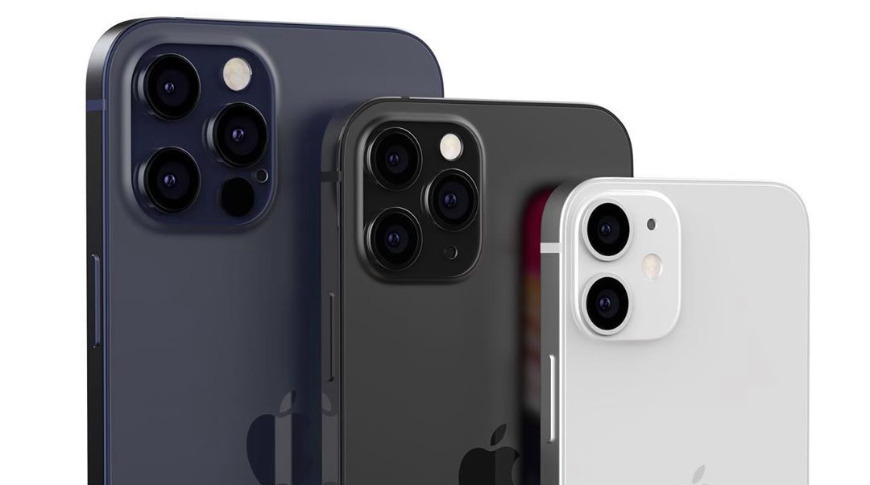
While we had reported on previous rumors that pointed at the possible delay of the Apple iPhone 12 series, it seems that the known chipmaker, Qualcomm, might have just confirmed the reports.
Earlier this week, Qualcomm shared its financial report for Q3 2020 and also shared a few expectations for the next quarter, as per a 9to5Mac report. Here, the chip giant revealed that it expects an impact on Q4 shipments, due to a delay in the launch of a particular 5G flagship smartphone. Furthermore, Qualcomm’s chief financial officer, Akash Palkhiwala stated that a few of its 5G chips, which were slated to ship in September, have been delayed till the end of this year.
While Qualcomm refrained from directly mentioning any names, Apple seems to be the company in question. Rather, Apple is about the only company known to launch the iPhone traditionally in September. At the moment, the company is expected to launch 4 new iPhone models this year, all of which support 5G networking. However, the various complications caused by the Coronavirus pandemic might have delayed the launch to late October to even possible early November.
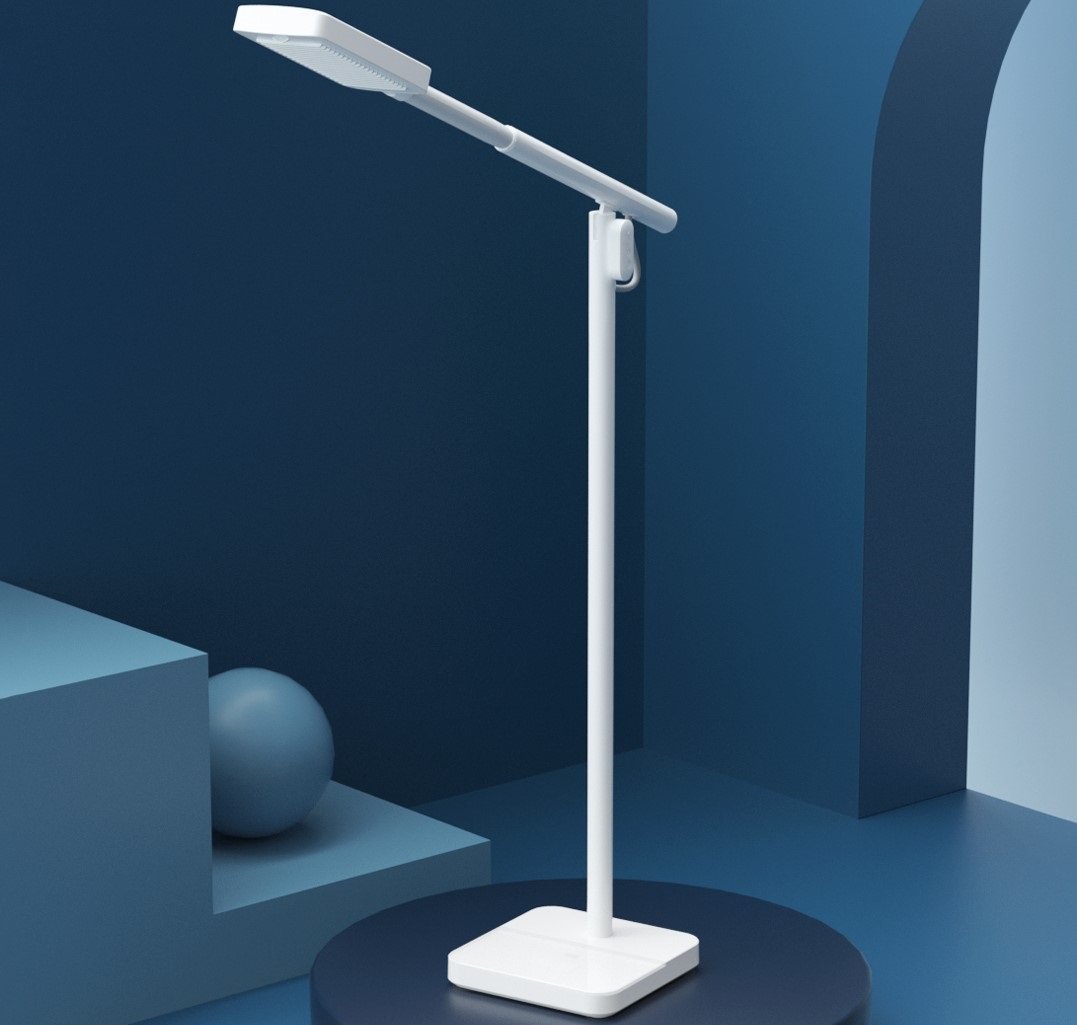
Xiaomi Youpin crowdfunding platform has today launched a new device on the platform — Zuodian XiaoAI Smart Moxibustion Device X8. It is priced at 399 yuan, which roughly converts to $57.
In terms of design, it continues with Xiaomi‘s usual simple and sleek design with a White finish. The device is powered through a socket and doesn’t have smoke heating. It comes with two moxibustion heating chamber and the temperature can also be adjusted through a mobile application.
For those who are unaware, Moxibustion is a traditional Chinese medicine therapy. In this heat therapy, dried plant materials called “moxa” are burned on or very near the surface of the skin to warm and invigorate the flow of Qi in the body.
As for the product, it comes with a heating part placed on a gooseneck hose so that the moxibustion heating panel can be placed on the sore parts of the body. The device uses algorithms to calculate the remaining time for moxibustion cake and reminds users when it needs replacement.
The Smart Moxibustion Device X8 comes with support for five different modes and allows users to adjust the duration and temperature in each mode — Comfort, Mild, Spacer, High-Temperature, and Custom. As mentioned, it can also be adjusted and operated through Xiaomi’s Mijia App.
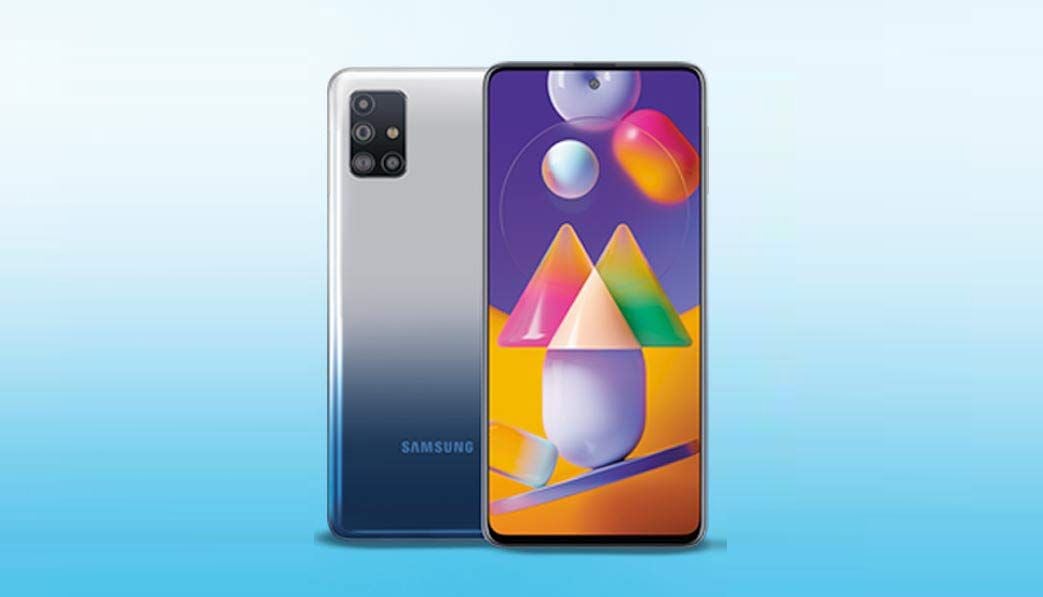
The Samsung Galaxy M31s smartphone has gone official in India. It is an improved version of the Galaxy M30s that was announced in February this year. The Galaxy M31s has many attractive features such as Sony IMX682 64-megapixel main camera, faster-charging capabilities, and a huge battery.
Samsung Galaxy M31s specifications
The Samsung Galaxy M31 comes with an attractive gradient rear and it houses an S-AMOLED display of 6.5 inches with Infinity-O design. The display notch has been replaced by a punch-hole on the screen. The display supports Full HD+ resolution, 20:9 aspect ratio, 78960:1 contrast ratio, and peak brightness of 420nits. The phone offers a screen space of 91 percent. In comparison, the Galaxy M31 had come with a 6.4-inch S-AMOLED display with waterdrop notch.
The 10nm Exynos 9611 with clocking speeds of up to 2.3GHz powers the Galaxy M31s. The same processor had powered the Galaxy M31 phone and the Galaxy M30s that debuted in September last year. The SoC of the M31s is assisted by 6 GB / 8 GB of LPDDR4x RAM. The handset comes with a native storage of 128 GB. There is a dedicated microSD card slot onboard for expanding its storage. The Android 10 OS along with One UI 2.1 skin comes preloaded on the smartphone.
The Galaxy M31s retail box includes a 25W fast charger and a USB-C to USB-C cable that can be used for charging other devices with USB-C port. The handset houses a behemoth battery of 6,000mAh capacity. The 25W charger can completely charge the it in 97 minutes, claims the company.
The Galaxy M31s inherits the 32-megapixel front-facing camera that was made available on the Galaxy M31 phone. The backside of the device has a rectangle-camera housing. It is the first smartphone to feature the new Sony IMX682 64-megapixel lens with f/1.8 aperture as the primary snapper. It replaces the Samsung GW1 64-megapxiel lens that was made available on the Galaxy M31. The main sensor of the Galaxy M31s is accompanied by a 123-degree ultrawide lens, a 5-megapixel macro shooter, and a 5-megapixel lens for adding depth effects.
The main sensor that is dubbed as Intelli-Cam offers an enhanced photography experience through the Single Take that lets users to capture up to 7 photos and 3 videos in one take. The other photography features available on the Galaxy M31s include the ability to switch between front and rear cameras while video shooting, night hyperlapse for better photography in low-light conditions, AR Doodle, AR Emoji, 4K video recording, and more.
The Galaxy M31s has security features such as face unlock and a side-facing fingerprint reader. The connectivity features available on the smartphone include dual 4G VoLTE, Wi-Fi 802.11ac, Bluetooth 5.0, GPS, USB-C, and a 3.5mm audio jack.
Samsung Galaxy M31s price and availability
The Galaxy M31s is priced at Rs. 19,499 (~$260) for the 6 GB RAM + 128 GB storage. The higher 8 GB RAM + 128 GB storage edition costs Rs. 21,499 (~$487). The phone will be available in Mirage Blue and Mirage Black color editions. Samsung India’s online shop and Amazon India will begin the sales of the Galaxy M31s from Aug. 6. Amazon’s Prime Day sale also begins on Aug. 6 in the country.
The Galaxy M31s seems to be Samsung’s weapon to battle with the likes of the Xiaomi Redmi Note 9 Pro Max and Realme 6 Pro. What’s your opinion on the Galaxy M31s’ specifications and pricing? Share us your views by posting your comments below.
We use cookies on our website to give you the most relevant experience by remembering your preferences and repeat visits. By clicking “Accept”, you consent to the use of ALL the cookies.
This website uses cookies to improve your experience while you navigate through the website. Out of these, the cookies that are categorized as necessary are stored on your browser as they are essential for the working of basic functionalities of the website. We also use third-party cookies that help us analyze and understand how you use this website. These cookies will be stored in your browser only with your consent. You also have the option to opt-out of these cookies. But opting out of some of these cookies may affect your browsing experience.
Necessary cookies are absolutely essential for the website to function properly. This category only includes cookies that ensures basic functionalities and security features of the website. These cookies do not store any personal information.
Any cookies that may not be particularly necessary for the website to function and is used specifically to collect user personal data via analytics, ads, other embedded contents are termed as non-necessary cookies. It is mandatory to procure user consent prior to running these cookies on your website.