Advertisement

How Safe is the OPPO 125W Flash Charging Technology?

As we are heading towards a completely digitized society, smartphones and other gadgets are at the forefront of connecting us to the world. Consequently, our energy requirement is increasing every year, with portable devices like smartphones, tablets, and laptops becoming increasingly thin but more powerful than ever before. But unfortunately, we haven’t been able to achieve a breakthrough in battery density technology to satisfy our growing requirement. 

So what’s the workaround to this obstacle?

One way of meeting the growing energy needs of portable devices is to develop fast charging technology that tops up a battery in minutes. 
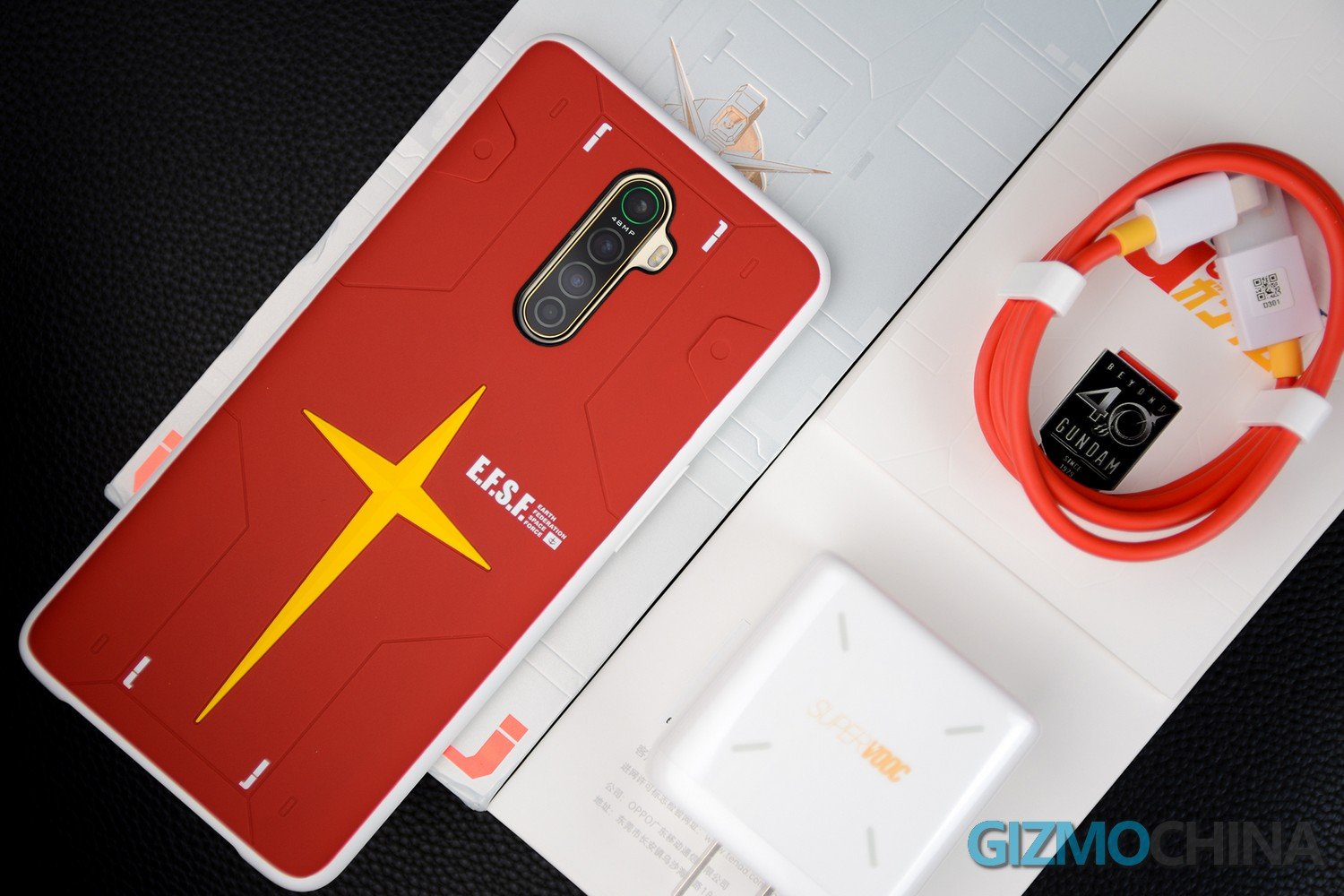
OPPO Reno Ace Gundam edition featured
OPPO Reno Ace Gundam edition comes with its proprietary 65W SuperVOOC 2.0 charging technology

When it comes to smartphones, OPPO leads the market with its innovative VOOC charging technology. And earlier this month, the company unveiled the world’s fastest wired charging solution for smartphones – the 125W Flash Charge technology. It can charge a 4000mAh battery in just 20 minutes. 

This is a significant development in smartphone charging technology, doubling charging speeds to never before seen values. 

But how safe is it to pump in such high wattage into your compact smartphone battery? We have already seen laptops like the Dell XPS 15 charge at up to 130W. However, doing the same on an exceptionally compact battery raises a lot of questions.  
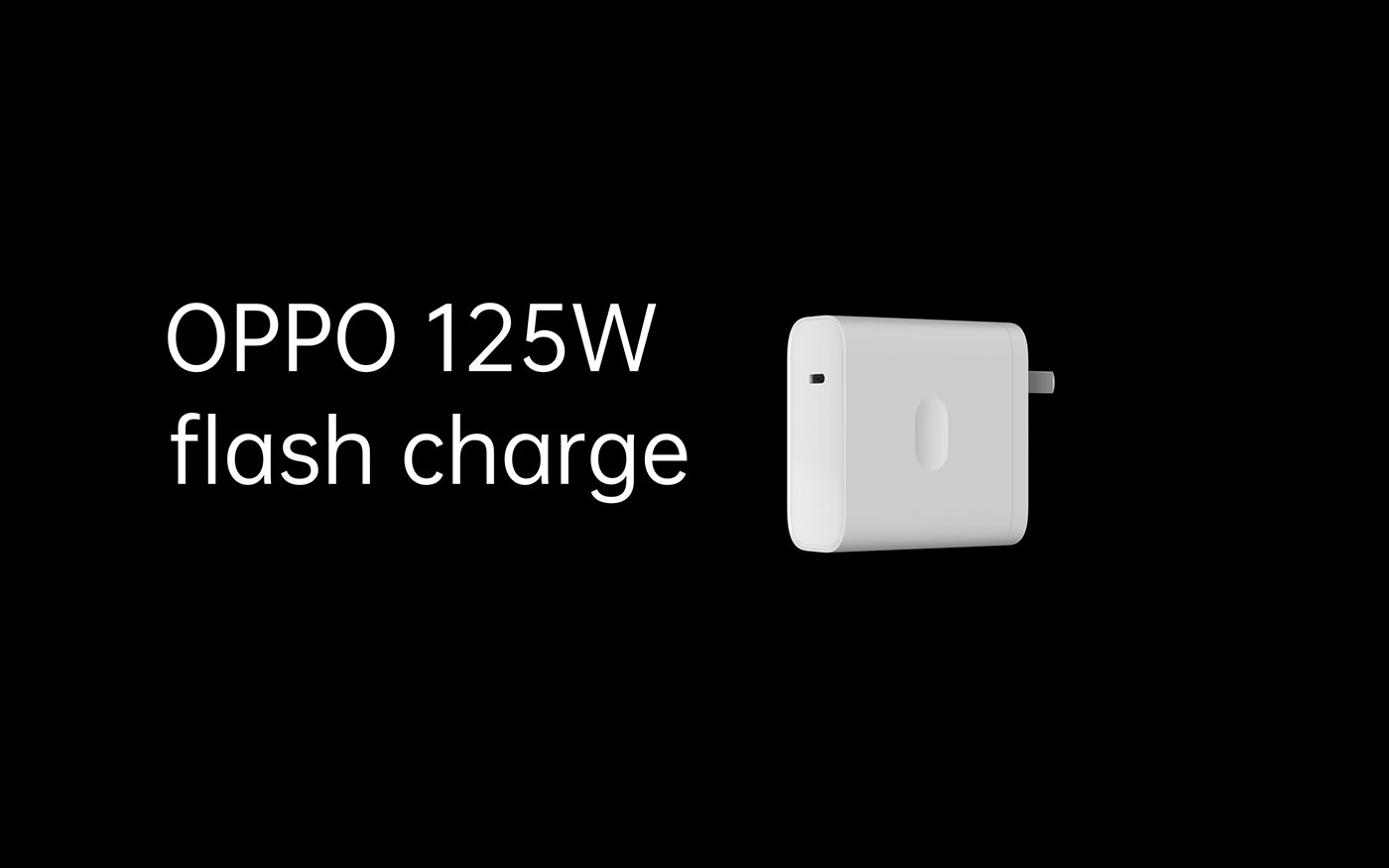
OPPO launches 125W flash charge, 65W AirVOOC wireless flash charge and 50W mini SuperVOOC charger

So I decided to ask OPPO about 125W flash charging and how safe it is for the device and the end consumer. 

When you are charging a 4000mAh battery at 125W, essentially topping it up to 100% in just 20 minutes, two primary questions come to your mind. 

  1. Won’t charging at such high wattage generate a lot of heat, thereby compromising safety?

  2. Won’t this also degrade my battery significantly?

Before we find answers to these two questions, it’s crucial to understand how OPPO’s 125W flash charging works. 


OPPO 125W Flash Charging Explained

OPPO’s 125W flash charging is made possible with the help of many proprietary components and technologies working together in synergy. 

OPPO 125W fast charging

To make things simple, here are some of the specialized components that allow the smartphone battery to flash charge at 125W. 

  • A Charger that can output power at 20V 6.25A (125W)
  • A thick and specialized cable that can support current up to 6.25A
  • A USB Type-C connector that supports more than 5A current (in this case 6.25A)
  • Efficient Charge Pumps that can adjust the voltage to match the phone’s battery specifications
  • Superior quality batteries in a bi-cell design that can sustain charging and discharging at 12.5A (6C)
  • A specially customized intelligent control chip that controls the voltage, current, and temperature
  • A battery safety monitoring chip to monitor in real-time, whether the battery in the mobile phone is damaged by external forces when in use
  • 10 new temperature sensors, in addition to the existing four sensors (three on the phone and one on the charger)
  • 128-bit encryption owned by OPPO while also following TBS protocols
  •  VCU intelligent control chip, MCU Charge management chip, AC/DC control chip, and a custom protocol handshake chip. 

When all these components come together, your smartphone can charge at up to 125W. 


Here’s a simplified version of how OPPO’s 125W Flash Charging Works

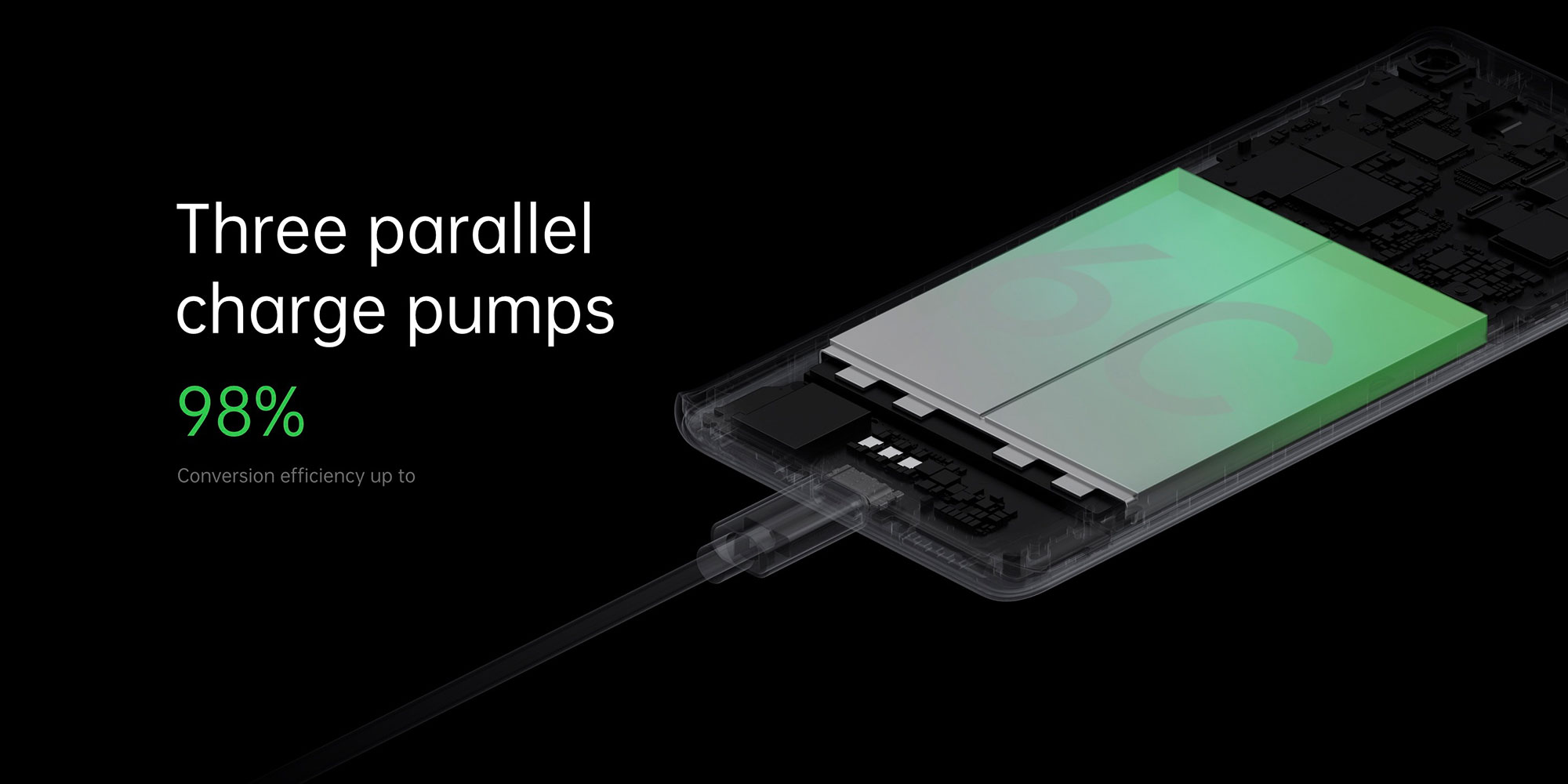
When you connect OPPO’s 125W charger to your phone via USB-C, the charger outputs power at 20V and 6.25A. This power is sent to the phone via a customized USB-C port that supports current over 6A. The power from the USB-C port is then transferred to the three charge pumps. However, the bi-cell batteries inside the phone do not support such high voltage. So the three charge pumps work together (along with the other microcontroller chips) to bring down the voltage to 10V and increase the amperage to 12.5A. Thus each of the three charge pumps outputs 42W (so 125W in total) of power to the battery with an impressive efficiency of 98%. OPPO claims that using three charge pumps significantly improves efficiency and reduces heat generation. Remember that heat is bad for your battery, and the less heat generated, the better it is for your phone. 

An essential component that makes fast charging at such a high current possible is the quality of the batteries. OPPO’s 125W flash charging technology works because the 6C batteries can charge at 12A. 

The C-rating of a battery is the ratio of the maximum current draw and the battery capacity. Here, the 2000mAh ( equivalent to 2Ah) battery has a 6C rating. This means that the bi-cell batteries can charge effectively at a high current of 12.5A. But this would also mean that these batteries discharge at such a high rate, which is why OPPO added another charge pump to slow down the discharging rate. So in total, OPPO’s 125W flash charging technology utilizes four charge pumps, three for controlling the power coming into the phone via the charger and one for controlling the discharge rate. 

Editor’s Pick: Qualcomm announces Quick Charge 5 with support for 100W+ fast charging


OPPO 125W Flash Charging – How Safe Is It?

Now that we have got a basic idea of how OPPO’s new flash charging works, let’s come back to the questions. 


Won’t charging at such high wattage generate a lot of heat and thereby compromise safety?

Heat is an inevitable byproduct of fast charging. Every smartphone battery has internal resistance, and when you pump in 125W of power during the charging process, the resistance generates heat. 
ImageBut OPPO explained that they have taken additional measures to monitor and address this issue. 

  • OPPO says that the three charge pumps that share the load current being sent to the battery makes for an extremely efficient solution (98% conversion efficiency) for fast charging at such high power. This also helps dissipate heat more effectively, ensuring the battery and the phone’s safety. 
  • OPPO’s flash charging technology also utilizes 6C batteries, which are of superior quality than the ones used in its 65W SuperVOOC 2.0 (3C batteries). The bi-cell 6C batteries have lower internal resistance and support 12.5A current charging. This allows charging the batteries at such high power without generating a large amount of heat. 
  • The bi-cell batteries’ unique parallel multi-tab structure also plays a significant role in reducing internal resistance and effectively lowering heat production during fast charging. 
  • Monitoring is also a significant part of ensuring the safety of the device and the user during fast charging. In this regard, OPPO explains that its 125W flash charging technology comes with 10 additional temperature sensors. Yes, I said additional because there are already four temperature sensors (three on the phone and one on the charger) in SuperVOOC 2.0 (65W). But for 125W flash charging, the company installed 10 more temperature sensors in the battery tabs, BTB, and power supply motherboard junctions to monitor the charging status in real-time.
  • OPPO claims that with such high levels of monitoring, the smartphone body temperature will never exceed 40℃ during the flash charging process when the screen is off. 
  • But if the phone is in use, for example, if the user is playing video games while charging, the technology is smart enough to adjust the power to avoid overheating or other abnormalities quickly. 
  • The company has also added 128-bit encryption (owned by OPPO) while following TBS protocols of the USB IF public version to prevent security risks caused by hackers attempting to tamper with firmware, eliminating any potential hacking risks. 
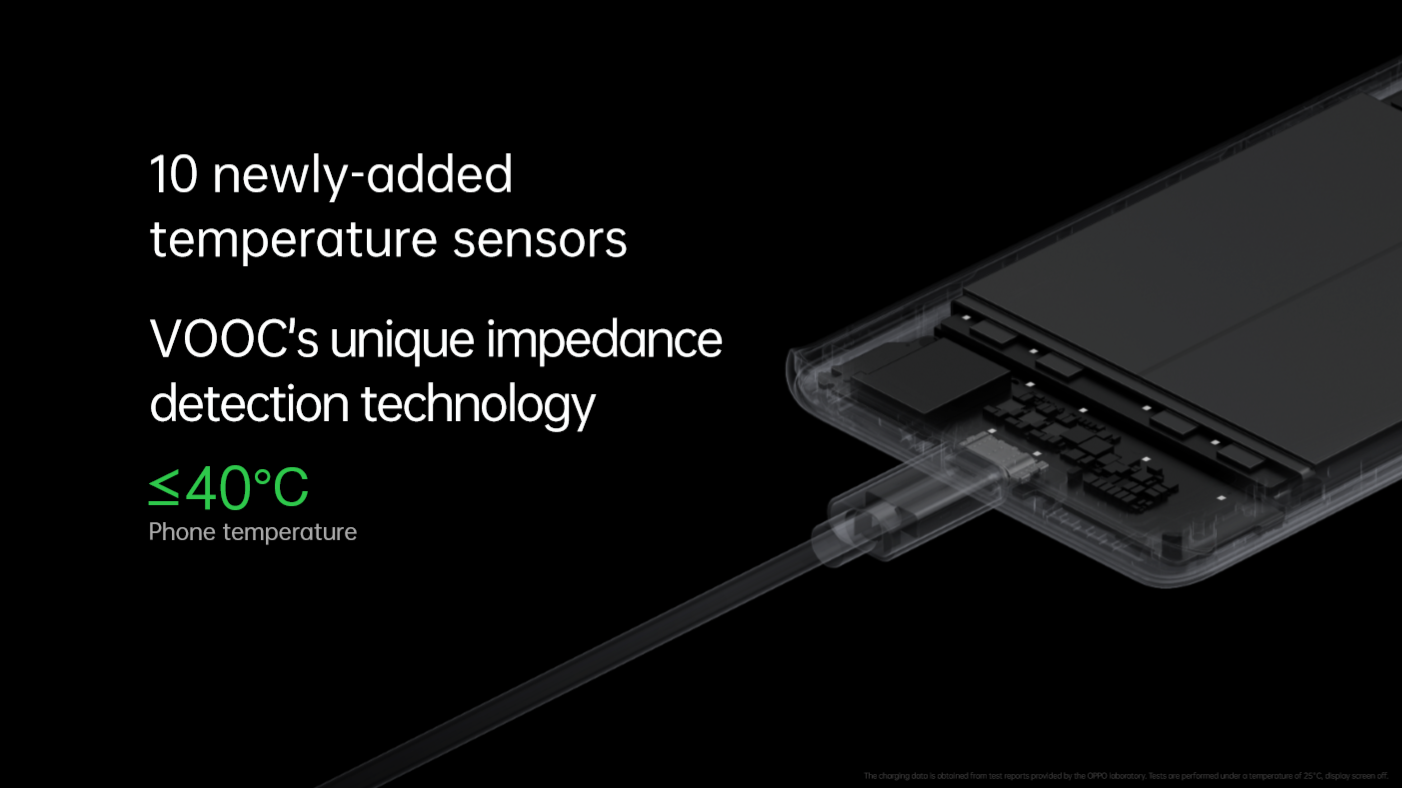
oppo 125w charging temp sensors


Moving on to the second question. 


Won’t this also accelerate battery degradation?

If heat is an inevitable byproduct of fast charging, then faster battery degradation is also an unavoidable consequence.

Remember how OPPO revealed that the 65W SuperVOOC 2.0 degrades the battery faster than standard slow charging? 

OPPO Reno Ace with SuperVOOC 2.0 that charges at 65W degrades its battery’s capacity to around 90% in 800 full charging cycles. 

So if you think 125W would degrade the battery capacity even more rapidly, then you are correct.

OPPO revealed that according to their tests, the 125W flash charging reduces the battery life expectancy at 80% after 800 charging-discharging cycles. 

This figure isn’t really surprising. And it can be acceptable if you consider the convenience of ultra-fast charging in our day to day lives. If you charge your phone once every day, the 800 charging cycle amounts to over two years. 

Unfortunately, this is the price you pay for not having to spend hours charging your phone. 


Conclusion

Historically, OPPO has had an excellent track record with its VOOC and SuperVOOC 2.0 fast-charging technologies. Given that the 125W flash charging is built upon its earlier generation, safety seems to be given due priority on this new technology as well. 

OPPO Reno Ace Gundam edition featured
We checked out the Reno Ace Gundam Edition and its 65W SuperVOOC 2.0 last year.

OPPO did well with its Reno Ace model’s 65W SuperVOOC 2.0, keeping the heat to manageable levels while charging. But we’ll have to wait and see if the 125W flash charge technology with the additional temperature control measures can keep the phone relatively cool even when it charges a battery in just 20 minutes.

OPPO has confirmed that the technology is ready for mass production, but we don’t know which product will get it first. Probably, the next OPPO Ace3 model (OPPO has dropped Reno branding from the Ace series) will launch with this flash charging technology later this year. 


So what do you think of ultra-fast 120W+ fast charging technologies? Super cool or unnecessary?


Japan may also ban TikTok and other Chinese apps similar to India and US

Japan might just be following the footsteps of India and the US by a possible ban on TikTok and other Chinese applications. The news arrives after India previously banned over 59 apps, with the US also planning a similar course of action.

Japan

According to an NHK World report, a group of lawmakers is working to ban the use of TikTok and other apps that were developed by Chinese publishers. Like the other two nations, the Japanese lawmakers have also raised similar concerns regarding data security, with large sums of domestic data possibly ending up within the hands of the Chinese government.

The group is planning on submitting the proposal to the Japanese government by September 2020. TikTok, the short video sharing platform, has seen great success in Japan, despite being a tough market to get into. Data from the iOS store in Japan has revealed that TikTok has consistently ranked at the top among entertainment apps from across the globe. It currently holds the 5th most downloaded position.

tiktok india ban

TikTok spokesperson stated that “There’s a lot of misinformation about TikTok out there. TikTok has an American CEO, a Chief Information Security Officer with decades of industry, U.S. military and law enforcement experience, and a U.S. team that works diligently to develop a best-in-class security infrastructure. Four of our parent company’s five board seats are controlled by some of the world’s best-respected global investors. TikTok U.S/ user data is stored in the U.S. and Singapore, with strict controls on employee access.”


Black Shark 3S to feature screen mirroring, motion controls and mouse and keyboard input via USB

With the launch of the Black Shark 3S being just around the corner, the company has shared a few video teasers regarding the device that showcase a few of its upcoming features.

Black Shark

The videos were shared through the company’s official Weibo account and were also re-uploaded on YouTube by SparrowNews. Thus, it is confirmed that the Black Shark 3S will feature screen mirroring, motion controls, and mouse and keyboard input support via USB connection. The device runs the company’s latest JOYUI 12, which now supports the aforementioned features, via USB 3.0. In other words, users can simply plug the smartphone’s USB charger cable to a laptop/PC to mirror the device’s screen through the Black Shark app.

This, in turn, allows one to output the handset’s display to a device with a larger screen at 60fps. Through this, one can gain input support for mouse and keyboard for improved gameplay experience. The controls can also be fully customizable on screen. Furthermore, the Black Shark 3S supports motion controls as well, bringing additional functionality in the form of in app inputs.

In simpler terms, one can just bind a certain motion command to a particular action in different games. An example being tilting the device downward to reload or upward to jump. This could help in various multiplayer games by eliminating the need for additional touch input through fingers, helping increase finger space, and a clutter free experience with on display commands.

To give users even more options, the Black Shark 3S will also have a clip on that brings shoulder keys. Interestingly, this can also be used on other devices as well. JOYUI 12 brings with it many improvements to its UI for a better gaming experience. One such inclusion is “Game Barrage” that shows notifications from SMS, WeChat, QQ, or others during gaming. Users get to fully customize the font color, opacity, and other aspects regarding these notifications, whilst vice control also enables many additional functions without having to put a pause on gaming.


“Hunter” will be the branding for Honor gaming laptops, Design sketches leak

Honor has been teasing the launch of its first gaming laptops for a while now. It was initially thought to launch this month, instead, the company released 2020 Ryzen Editions of MagicBook Pro and MagicBook 14/15. According to a tip, they may be finally debuting in August. But ahead of it, the branding and design sketches of these gaming laptops have leaked.

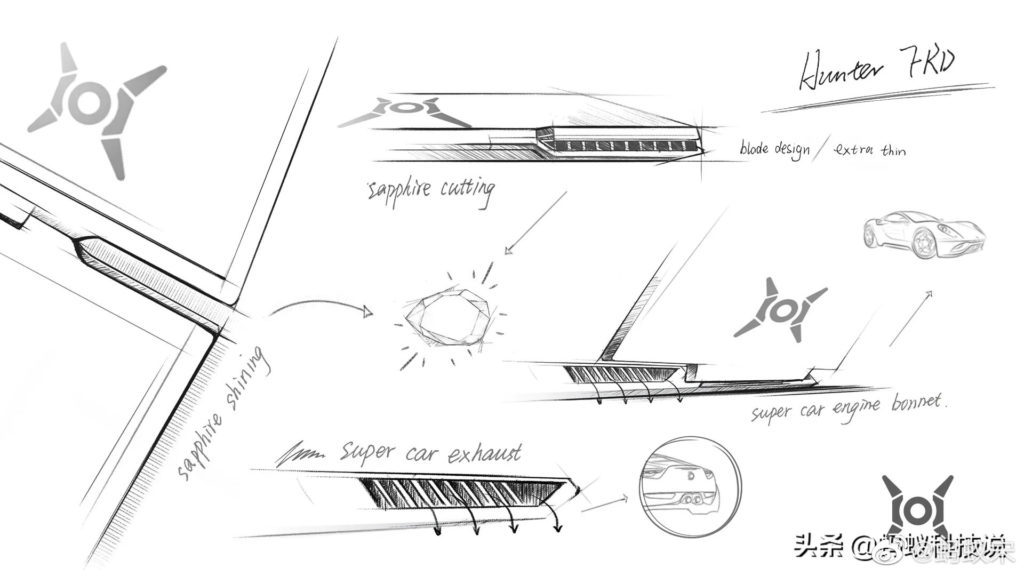
Honor Hunter Gaming Laptop Design Sketch

The upcoming gaming laptops will not be the first gaming products from Honor. The brand already launched a gaming router dubbed as “Honor Hunter Gaming Router” alongside Honor V30 series in November of 2019. Turns out, these forthcoming laptops will also launch under “Hunter” series.

Just like ASUS ROG, Lenovo Legion, Acer Predator, HP Omen, and Dell Alienware, Honor will use “Hunter” branding for its gaming products. The design sketches for its first laptops reveals them to feature supercars-inspired massive vent for better heat dissipation.

These sketches also expose the brand logo along with its placement on the laptops. Further, it also reveals the series model number – FRD, which goes in line with the 3C certification listing from a few days back.

Unfortunately, the specs of Honor Hunter gaming laptops are still a mystery. But since the brand announced a partnership with AMD, we can expect them to feature Ryzen processors with dedicated NVIDIA GPUs.


(Via)

Sony unveils the A7S III, features 4K 120p video recording, 5-Axis stabilization, and more

Sony has finally launched the highly anticipated A7S III. It has been unveiled 5 long years after its predecessor and arrives in the series known for its low light capabilities and great video recording performance.

The first camera launched in the A7S series was back in 2014. The S in the branding stood for sensitivity, with the A7S II launching back in 2015. Sony’s A7S camera series was designed to be the best in dynamic range and low light performance, which they were thanks to their 12 megapixel full frame sensors. Although, many of its fans were more inclined towards its video capture performance.

Sony

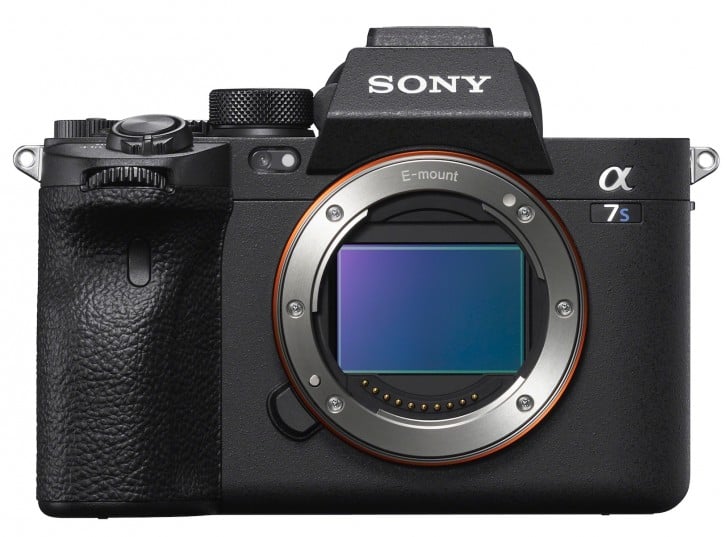
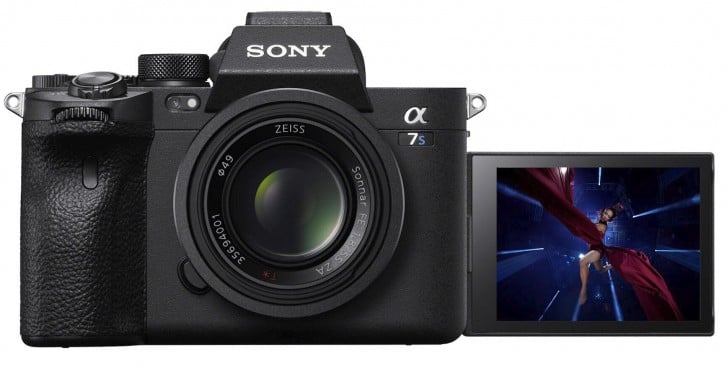
The Sony A7S III sports the new 12MP backside illuminated EXMOR R CMOS full-frame sensor. Despite having a low resolution the pixel are larger in size and is hence more sensitive to light, improving low light performance. The BIONZ XR image processor on the newly unveiled camera is also 8 times more powerful than its predecessor. The camera has an ISO range of 40-409,600, and is capable of 15+ stops of dynamic range and 3x reduction in rolling shutter.

Sony

Furthermore, it can shoot 10fps in a burst mode, with up to 1000 consecutive uncompressed RAW images being captured in full AF/AE tracking. The Sony A7S III shoots in the HEIF format with a wide dynamic range (HLG) and 10-bit gradation. Arriving at videography, the camera can record at up to 4K resolutions at 120p, 10 bit 4:2:2. Users also get the option of recording at 4K 60p in 16-bit RAW externally, when plugged into a full sized HDMI.

The camera supports S-Gamut, S-Gamut 3, and S-Gamut3. Cine color profiles and also features the new XAVC HS format with H.265 codec. It uses a new phase detection AF that uses 759 points that cover 92% of the image sensor. Users are also treated to real time tracking and real time eye AF which locks on to the subject.

Sony

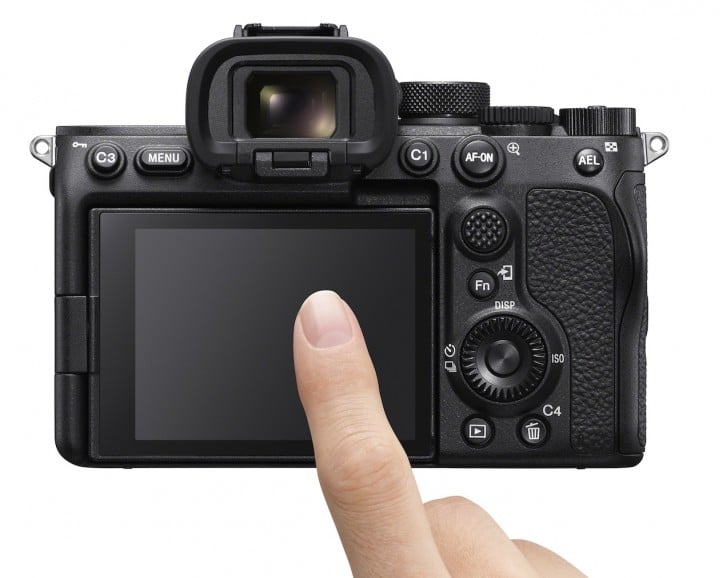
It even sports a 5-axis n-body stabilization which works well with lenses that have IBIS and gimbals. Although, it is useless when paired with lenses without stabilization. The viewfinder has also seen great improvements as Sony claims that it is the world’s first EVF with 0.64 type, 9.44 million dot OLED panel. The display is a 3 inch 1.44 million dot display which is touch responsive.

Sony

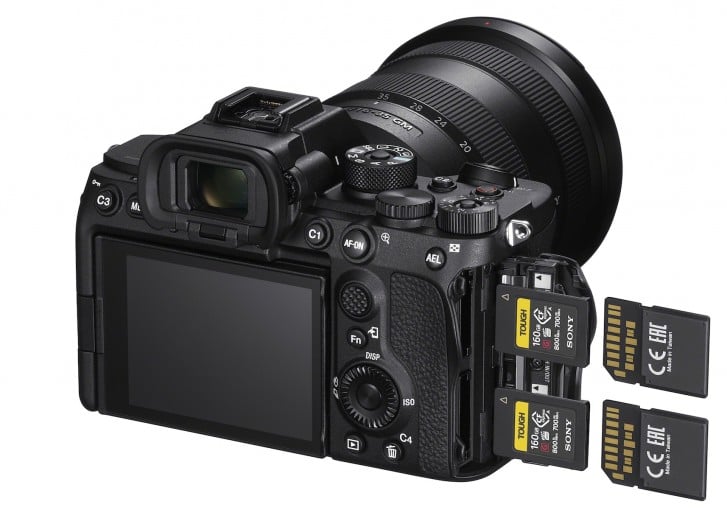
For slots, the A7S III supports dual card slot design that can have either DXC/SDHC or CFexpress cards in each slot. While the 12 megapixel sensor might turn away professional photographers, the video recording features do make up for any lacking in that area. As for the price, the Sony A7S III will set you back a whopping $3500, for the body alone, and begins sale in September 2020.


Xiaomi Ecological Chain launches the Aqara smart door lock NFC card

The Xiaomi Ecological Chain has just launched a new product for home security. It is the Aqara smart door lock NFC card, which is priced at 49 Yuan (roughly 7 US Dollars).

Xiaomi

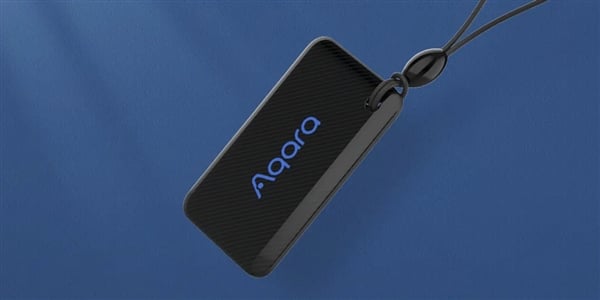
The Aqara smart door lock card basically functions has a mini key card that lets you unlock doors via a smart door lock. It houses a microprocessor on the inside, which features top notch security. The Aqara card has a dimension of 42 x 26 x 3.5mm and weighs just 4 grams. Through its data algorithm and storage capabilities, it cannot be copied and offers financial level security protection.

Every Aqara smart door lock NFC card features a built in EAL5+ security chip to ensure the safety of the key information. It also has a strict encryption code to prevent any duplication. Even if one were to lose their key card, the user can simply delete the credentials stored in the smart door lock to prevent any unwanted access into homes or other premises.

Xiaomi

Furthermore, users can just rebind the key card later on if they happen to find it , or get a new one. At the moment, the Aqara smart door lock NFC card is only supported on a select number of smart door locks, including the Aqara N series and Aqara P series of smart locks (N100, N200, P100). A single card only supports one smart door lock, while the lock itself can be paired with up to 5 NFC devices simultaneously. So for those interested, you can check out the Xiaomi Ecological Chain store.


Mi 10 Pro Plus could be the fastest charging smartphone of 2020

It has been a long while since Xiaomi launched its last Mi-branded smartphone in China. The latest one is Mi 10 Youth Edition, which debuted in April alongside MIUI 12. Between these three months, we only witnessed  Redmi launches in the company’s home country. The next Mi series phone is expected to be the long-rumoured Mi 10 Pro Plus, which even Lei Jun, the CEO has begun to tease. Now, according to the latest leak, this handset could be the overall fastest charging smartphone of 2020.

Mi 10 Pro Alpine White

Almost all information regarding this so-called Mi 10 Pro Plus has been coming from Digital Chat Station, a renowned Chinese tipster on Weibo. Unsurprisingly, that’s the case with the latest tip.

According to him, this upcoming Xiaomi Mi series premium smartphone will be the overall fastest charging phone of this year. That means it will support the fastest wired, wireless, and reverse wireless charging standard than any commercially available smartphones in 2020.

According to a teaser post by Lei Jun, this mysterious Mi smartphone may come with dual stereo speakers, x-axis linear motor, high rarest rate display, 3.5mm headphone jack, NFC, IR sensor, 30x or above zoom, front and rear optical sensors, 4,5000mAh or above battery, wireless charging, and VC heat sink.

As per an earlier tip, this handset should launch in August. But the same leak suggested the debut of Redmi K30 Ultra (Dimensity 1000+) in July but that did not happen until now. Maybe, the launch of this phone will be delayed as well.


Apple Glass may make AR more immersive with 3D Audio support

The Apple Glass, an AR headset, may offer a few interesting features. To make the whole experience more immersive it could offer an accurate reproduction of sounds on a 3D plane, according to a report from AppleInsider.

Virtual reality in gaming and augmented reality has become increasingly more popular in recent times, and the people behind such technology are constantly trying to make the world you see more believable. The latter in particular has revolved around bringing more to the mundane world around the user. Thus, the added realism from the accurate audio could make digitally created structures seem more genuine.

Apple

This could also help improve interactions with said artificially produced objects in the users’ vision. While most stereo headphones offer basic left and right differentiation, a virtual sound system can reproduce audio positioning on a 3D plane by altering the properties of the sound effects to mimic the distortions caused by different factors.

The Apple patent titled “Head related transfer function selection for binaural sound reproduction,” points at such a system. In simpler terms, the Cupertino based giant seeks to improve 3D sound positioning by having Head related transfer function (HRTF), which is basically a pair of acoustic filters for each ear. These help in differentiating the transmission of sounds from various positions in the environment around the user.

Apple AR Glasses

Unfortunately, the Apple patent does show the company’s interest in this field. Although, it does not provide any guarantee that the company would work on such a system. Rather, it could be their efforts in covering various bases for future possibilities which are again unlikely.


Vivo applies patent for electronic equipment and display for a foldable smartphone

While foldable smartphones were first seen commercially in 2019, only a few OEMs have so far launched such devices. This includes brands like Huawei, Samsung, and Motorola. However, Vivo might also be joining the club as a new patent application suggests a possible foldable handset.

Vivo
Samsung Galaxy Fold 2 render by Benjamin Geskin

Vivo recently applied for a number of new patents that were under the display and electronic equipment title, according to a MyDrivers report. The description reveals a new display technology and an electronic device. What’s interesting is that the display is flexible, with multiple layers. The flexible display will be connected to a protective layer through a type of adhesive.

According to the patent, the display is made of three parts, with the first and second being protective layers that surround the third layer that is the flexible display. The emphasis on display protection is likely to provide a solution to the issue that the current generation of flexible displays faces, which are easier to damage than conventional screens.

Vivo Logo

Furthermore, the Chinese tech giant also patented two other patents for the display technology and an electronic equipment/device. The patent for these mainly highlights the connection between the device and the display, while the former application solely aimed at protection and durability. This might be Vivo’s attempt at a future possible foldable smartphone launch or just simply covering all bases. Unfortunately, it is also unknown if the company would actually work on such a device.


Xiaomi Mi TV Stick to launch in India on August 5

The Xiaomi Mi TV Sick is one of the most leaked gadgets of 2020. It was officially unveiled for the European market at “Xiaomi Ecosystem Product Launch 2020” earlier this month. Now, within a few days, the streaming stick (1080p version) has been also confirmed to launch in India on August 5.

Xiaomi Mi TV Stick India Launch Teaser

Xiaomi is India’s largest smartphone as well as smart TV brand in terms of shipments. In May of this year, the company launched Mi Box 4K in the country as a rebranded Mi Box S for only ₹3,499 ($47).

With the launch of Mi TV Stick 1080p next month, the company will try to enter more living rooms in the country as we expect it to be priced somewhere around ₹2,499 ($33). For context,  the same product retails for €39.99 in Europe, which equals to the price of Mi Box 4K in India. Hence, we believe the Mi TV stick to be at least ₹1,000 cheaper as it has fewer features.

Talking about specifications, the Xiaomi Mi TV Stick 1080p is powered by a 2.0GHz quad-core processor consisting of Cortex-A53 cores paired with Mali-450 GPU and 1GB RAM along with 8GB eMMC storage. As the name suggests, the streaming stick supports a maximum resolution of FHD.

It features Bluetooth 4.2, dual-band WiFi, 1 x HDMI 2.0a, 1 x MicroUSB, Android TV Pie with support for leading streaming platforms such as Netflix, Chromecast built-in, and comes with a voice remote for Google Assistant.


ZTE’s Adam Zheng to join Xiaomi as Smartphone Division head: Report

Adam Zheng, the former CEO of ZTE mobile division might be joining Xiaomi as the Vice President of the company and the Mobile Phone Department President, according to a new report.

ZTE-Logo

Adam Zheng resigned from ZTE back in 2017 and has 20 years’ worth of experience in the industry. His portfolio includes notable roles in various top brands including Sharp, ZTE, and more. Now, a new rumor has suggested that he has also been appointed by Xiaomi to lead the research and development and production of its smartphone offerings.

Notably, Zheng had founded Huixin Communication, a joint venture between the local government and scientific groups. Xiaomi had invested in this joint venture which focused on developing cutting edge technology and improve the 5G infrastructure as well. Furthermore, Xiaomi has been actively recruiting various high ranking officials from different companies since last year.

ZTE

Thus, the move of hiring a former ZTE mobile division CEO could be a part of the same plan. For those unaware, Xiaomi has recruited individuals like Lu Weibing, Gionee President, Chang Cheng, the Lenovo Mobile Phone business founder, and others. According to a Xiaomi official, “Only by continuously introducing external talents can our team be full of vitality.”


OnePlus smartphones may get AOD with Android 11 update

OnePlus has been using AMOLED display on its smartphones starting with OnePlus 3 from 2016. But even after 4 years, the company’s handsets still lack AOD (Always-on Display). Thankfully, earlier this year in March, this feature got enough votes through the OnePlus IDEAS program to get selected for implementation. Later, in May, the brand even shared a rough timeline for the rollout. Now, Pete Lau, the founder and CEO of OnePlus officially teases the arrival of AOD on Twitter.

OnePlus AOD Always-on Display Teaser

OxyygenOS is one of the most popular Android skins in the market, thanks to its resemblance to stock Android and quick animations. Though it has tons of useful features and customization options, it still lacks Always-on Display.

As a matter of fact, AOD has been the most requested feature on OnePlus smartphones for years now. Looks like it is finally coming with the release of OxygenOS 11 based on Android 11 as per a teaser image tweeted by none other the company’s CEO Pete Lau.

His tweet simply reads “11 on display” with a picture of AOD-esque analog clock. According to a timeline shared by the brand, the development for Always-on Display should have begun in June and it should be incorporated in Closed Beta builds in August, followed by Open Beta in September.

In other words, supported devices, probably OnePlus 6 and above will be getting AOD by the end of this year if the company manages to roll out stable Android 11 to them by then.


New Apple patent hints at next-gen AirPods with bone conduction for improved audio

Apple’s true wireless earphones, dubbed as AirPods, remains one of the best-selling products from the company. The company improved the offering with the launch of AirPods Pro by introducing an active noise cancellation feature.

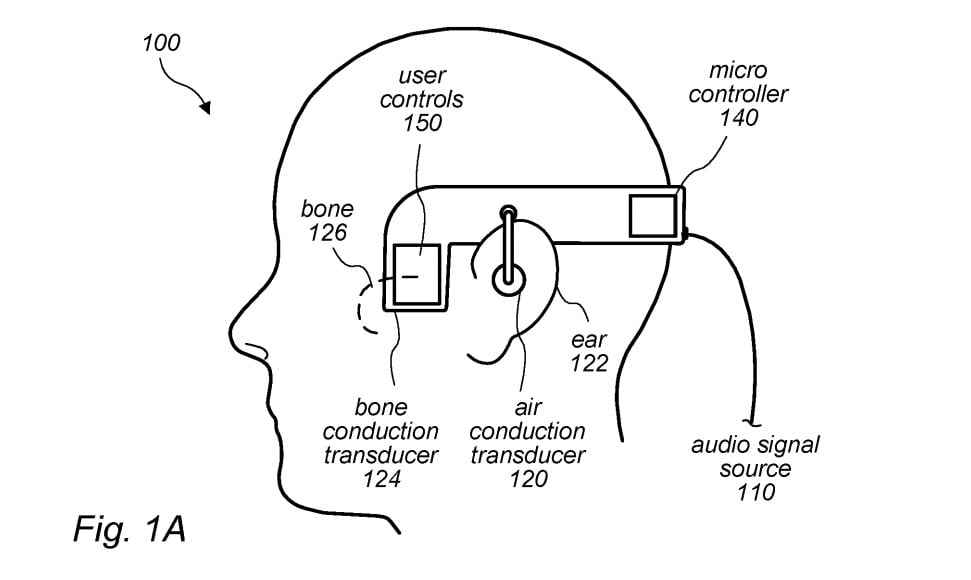
Now, a new patent granted to Apple (via AppleInsider) suggests that the company could be working on a new version of AirPods with bone conduction audio. The US-based tech giant has proposed a system that combines bone conduction with normal air-based sound transmission.

Apple AirPods Bone Conduction Patent

For those who are unaware, bone conduction includes transmitting sound to the inner ear through the bone of the skull. This allows users to hear audio content without blocking the ear canal or using earpieces.

However, there are some drawbacks to this technology, mainly the lack of its ability to work at high frequency. Human hearing ranges from 20Hz to 20,000Hz but bone conduction is only effective at sub-4,000Hz levels and then the audio quality starts deteriorating. Also, for the technology to work, it required contact with the head but causes a tactile tickling sensation, which could be annoying for some users.

EDITOR’S PICK: World’s First 120W fast charging unveiled by iQOO; the First phone with this tech could be announced in August

Apple AirPods 2 (with charging case)

Apple patent has a workaround for the high-frequency audio. It will deliver mid- and low-frequency signals using a compressor through bone conduction while the high-frequency signals will be transmitted through air, enabling the best of both worlds.

The patent from Apple titled “Multipath audio stimulation using audio compressors” was originally filed in May 2018. Do note that Apple files the number of patents every year and not all of them materialize into commercial products.

Ming-Chi Kuo, a well-known Apple analyst, claims that the next-generation AirPods, likely to be named AirPods 3 with bone conduction technology, will have the same design as the AirPods Pro and could get launched ahead of next year’s WWDC.


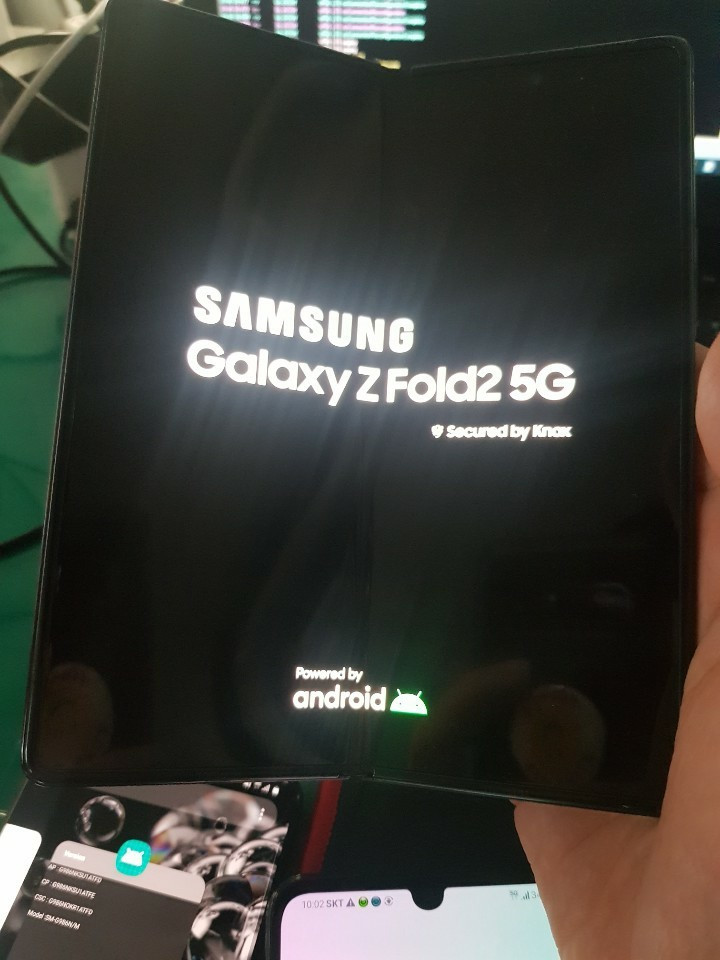
Samsung Galaxy Z Fold 2 real image appears to reveal punch-hole display

Samsung will be announcing a new foldable smartphone alongside the Galaxy Note20 series, Galaxy Tab S7, Galaxy Watch 3, and Galaxy Buds Live on Aug. 5. Initial rumors dubbed the device as Galaxy Z Fold, but newer reports revealed that it could be called Galaxy Z Fold 2. A leaked image of the device was shared by a Twitter user via Max Weinbach. It confirms that it will indeed break cover as Galaxy Z Fold 2. Also, it gives a look at the refreshed inner display of the Z Fold 2.

The Samsung Galaxy Fold that debuted last year came with a 7.3-inch inner display. A notch was placed at the top-right corner of the screen. It housed a dual-camera setup.

Samsung Galaxy Fold 2 live shot

Due to the glare from the logo on display, the design of the internal screen is not clearly visible in the leaked shot. However, it does seem to show that the South Korean company has done away with the notch. Instead of the notch, it appears to feature a punch-hole for the front cameras. The design appears to match with the following leaked render of the Z Fold 2 that appeared last month.

Samsung Galaxy Fold 2 render 1
Samsung Galaxy Fold 2 inner screen render

Rumors have it that the Galaxy Z Fold 2 has a 7.59-inch internal AMOLED display that supports 2213 x 1689 pixels resolution and 372ppi pixel density. The internal display is said to support 120Hz refresh rate. The display cutout could be featuring a 10-megapixel front camera.

The Galaxy Z Fold 2 is rumored to come with a 6.23-inch cover display with slim bezels around it. It could be a 60Hz screen that may produce 2267 x 819 pixels resolution. It is also expected to sport a punch-hole design.

The Snapdragon 865 Plus SoC is expected to fuel the device. It could be sporting a 12-megapixel (ultrawide) + 12-megapixel (wide-angle) + 64-megapixel triple camera system. It could be housing a 4,365mAh dual-part battery that will support 25W fast charging and 15W wireless charging. The foldable phone could be available in 256 GB and 512 GB storage choices.


Samsung Electro-Mechanics to enter camera market for mid-range smartphones

Samsung Electro-Mechanics, an electronic component manufacturing arm of the South Korean giant Samsung, is now considering to enter the mid-range smartphone camera module market. This was announced by the company during its second-quarter earnings call earlier this week, as reported by The Elec.

The company’s Vice President Bae Kwang-wook said that the company demand for camera modules of mid-range smartphones has been on the rise and it anticipates increased demand for the high-resolution sensors and optical zoom sensors.

He added that the company has been planning to enter this market for some time and it plans to compete based on the pricing of the module. Samsung Electro-Mechanics will likely provide high-resolution camera modules for the Samsung Galaxy A-series phones.

Interestingly, the announcement comes just a day after it was reported that Samsung Electro-Mechanics has secured a contract from Apple to supply camera parts as the US-based tech giant looks to diversify its supply chain.

EDITOR’S PICK: Apple Pays a hefty amount to Samsung after the company missed OLED panel orders target

Samsung Electro-Mechanics, which has supplied camera modules for premium smartphones such as Galaxy S- and Galaxy Note-series, could be entering the mid-range market because of the falling demand for premium phones.

In line with this, it is also being reported that the company could introduce Optical Image Stabilization (OIS), a premium feature, for the upcoming Galaxy A-series smartphones launching next year. It is also planning to offer differentiating features such as better optical zoom and slimmer design.

For the second quarter of this year, the company posted 96 billion won in operating profits and 1.8122 trillion won in revenue, which represents a decline of 41 percent and 5 percent, respectively compared to last year.


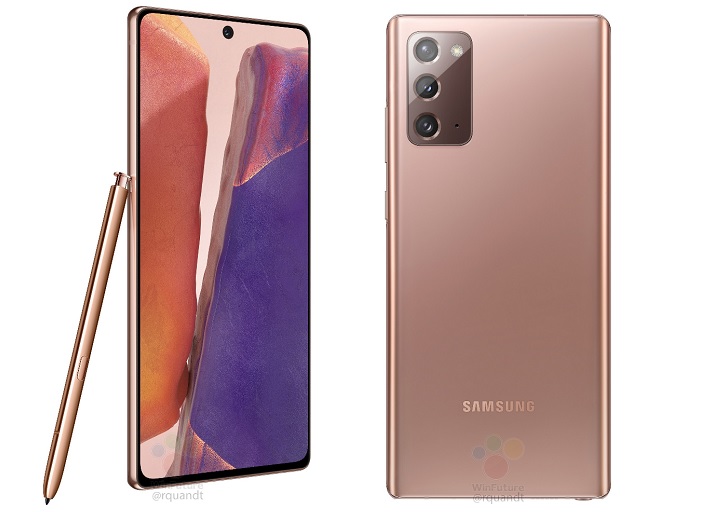
Samsung Galaxy Note20 to reportedly come powered by improved Exynos 990 chipset

Samsung is all set to launch its next-generation Galaxy Note20 series flagship smartphones next week through a virtual Galaxy Unpacked conference. While most of the details about the phones have surfaced online, we are getting some more info ahead of the launch.

While the flagship smartphones will come powered by the Qualcomm Snapdragon 865 Plus chipset, some markets will get the Samsung Exynos 990 variant. The new report claims that the Exynos 990 has been improved and seems more like 990 Plus.

Galaxy Note20 featured
Samsung Galaxy Note20

Essentially, it is said that the Exynos 990 chipset packed inside the upcoming Samsung Galaxy Note20 smartphone is different from the one found in the Galaxy S20 series smartphones launched earlier this year.

The Exynos 990 chipset has been optimized with improved performance and will be on-par with the newly announced Qualcomm Snapdragon 865 Plus chipset. However, this is just a claim by a tipster and we need to test the device once it launches, to confirm the claim related to improved performance.

EDITOR’S PICK: Samsung announces plans for 6G technology; launch expected by the end of this Decade

As per the reports, the Samsung Galaxy Note20 is expected to come with a 6.7-inch Full HD+ flat display with 2400 x 1080 pixels screen resolution and 60Hz refresh rate. In the camera department, the phone could have a triple-camera setup on the back, consisting of a 12MP + 12MP + 16MP sensors.

Samsung Galaxy Note20 Ultra

The device is also said to come with features like Bluetooth 5, Wi-Fi 6, IP68 rating, stereo speakers, dual-SIM support. Running on Android 10 with Samsung One UI on top, the device will be powered by a 4,300mAh battery.

Coming to the pricing, as per the leaks, the European pricing is likely to start at €999. Recent leak claims that in India, the smartphone will be priced at ₹77,999 (~$1,043) while the Galaxy Note20 Ultra will cost ₹1,05,999 (~$1,418).


Vivo V19 price in India slashed by Rs. 4,000 (~$54)

After a considerable delay due to the COVID-19 pandemic, Vivo unveiled the Vivo V19 smartphone in India in May. The handset was introduced with a price tag of Rs. 27,990 (~$374). After two months of making it available for purchase, the Chinese firm has now slashed its price by Rs. 4,000 (~$54) in the country.

The Vivo V19 was introduced in two models in India. The 8 GB RAM + 128 GB storage and the 8 GB RAM + 256 GB storage version of the V19 were priced at Rs. 27,990 (~$374) and Rs. 31,990 (~$428), respectively. With the new price revision, these models are now available for Rs. 24,990 (~$334) and Rs 27,990 (~$374), respectively. The Vivo V19 will be available with Rs. 4,000 (~$54) price cut until Aug. 31.

The Vivo V19 can be now bought with revised pricing through Vivo India’s official website, Flipkart, Amazon, and other retailer sites. The handset is also available discounted price tags trough offline stores in the country. The Vivo V19 can also enjoy other benefits like 10 percent cash back for EMI transactions through ICICI bank cards, one-time screen replacement, EMI plans, and Jio benefits worth Rs. 10,000 (~$133).

Vivo V19
Vivo V19

Vivo V19 specifications

The Vivo V19  has a 6.44-inch AMOLED screen that offers Full HD+ resolution and 20:9 aspect ratio. The pill-shaped cutout on the screen has a 32-megapixel main selfie snapper and an 8-megapixel ultrawide lens. The back panel of the device is decked with a 48-megapixel + 8-megapixel (ultrawide) + 2-megapixel (macro) + 2-megapixel (portrait) quad-camera system.

The Snapdragon 712 mobile platform fuels the Vivo V19 with LPDDR4x RAM. The handset has UFS 2.1 storage and it boots to FunTouch OS 10 based Android 10 OS. The 4,500mAh battery of the Vivo V19 supports 33W fast charging.


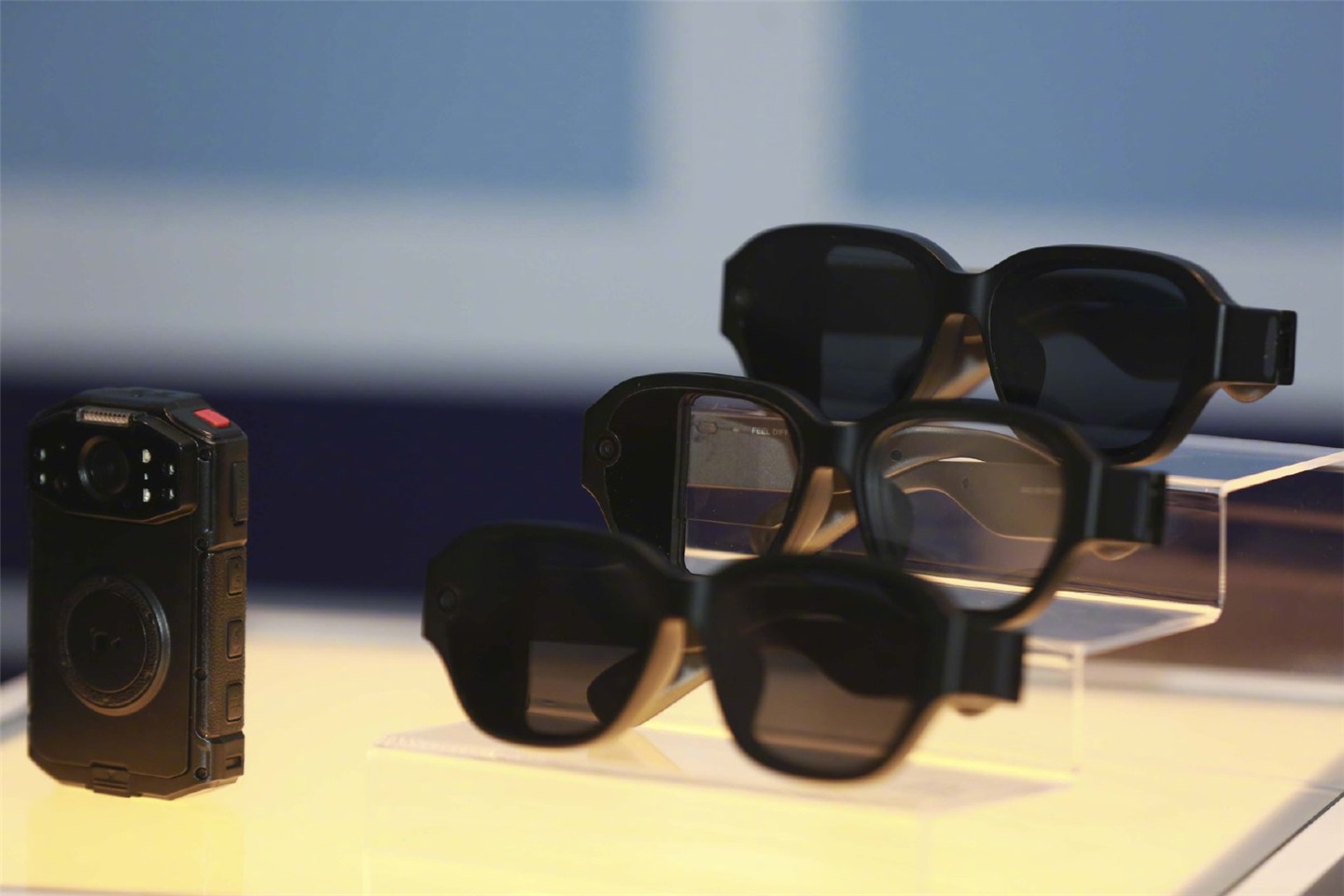
Coolpad Xview Smart Wearable AR Glasses launched in China for 2,999 yuan ($428)

Coolpad Group hosted a new product launch conference with the theme of “Unlimited Horizons” and at the event, the Chinese company launched its smart wearable AR glasses, dubbed as Coolpad Xview.

The company claims this newly launched smart device as the first wireless all-in-one AR glasses in China. It is also claimed to be the first such device in the market to come powered by a wearable chipset.

Coolpad Xview

Coming to design, it seems very similar to the regular sunglasses and has lens measuring just 3mm. The product comes with an optical display which is equipped with optical waveguide technology. Coolpad claims that it offers industry-leading light transmittance, contrast, and color.

As for the interactions, it offers high-precision fusion positioning, space marking, target recognition, and tracking along with other features powered by algorithms based on the wearable chipset. This is achieved through a 5-year collaboration of Coolpad and Beijing University of Aeronautics and Astronautics.

EDITOR’S PICK: OPPO unveils World’s Fastest 125W Flash Wired Charging and 65W AirVOOC Wireless Charging

Coolpad Xview Demo

The company has launched two variants of this new Coolpad Xview Smart Wearable AR Glasses. The consumer version is focused on lightweight AR apps such as navigation, shopping guide, communication, etc. It can be used in a standalone mode or can be connected to smartphones through Bluetooth.

There’s another variant of the same which comes with support for 4G connectivity, which is also claimed to be the first. The company is now planning to introduce support for 5G connectivity as early as next year.

As for the pricing, the Coolpad Xview consumer version is priced at 2,999 yuan which roughly converts to $428. The company is yet to reveal availability details, but it will definitely be limited to the Chinese market for now.


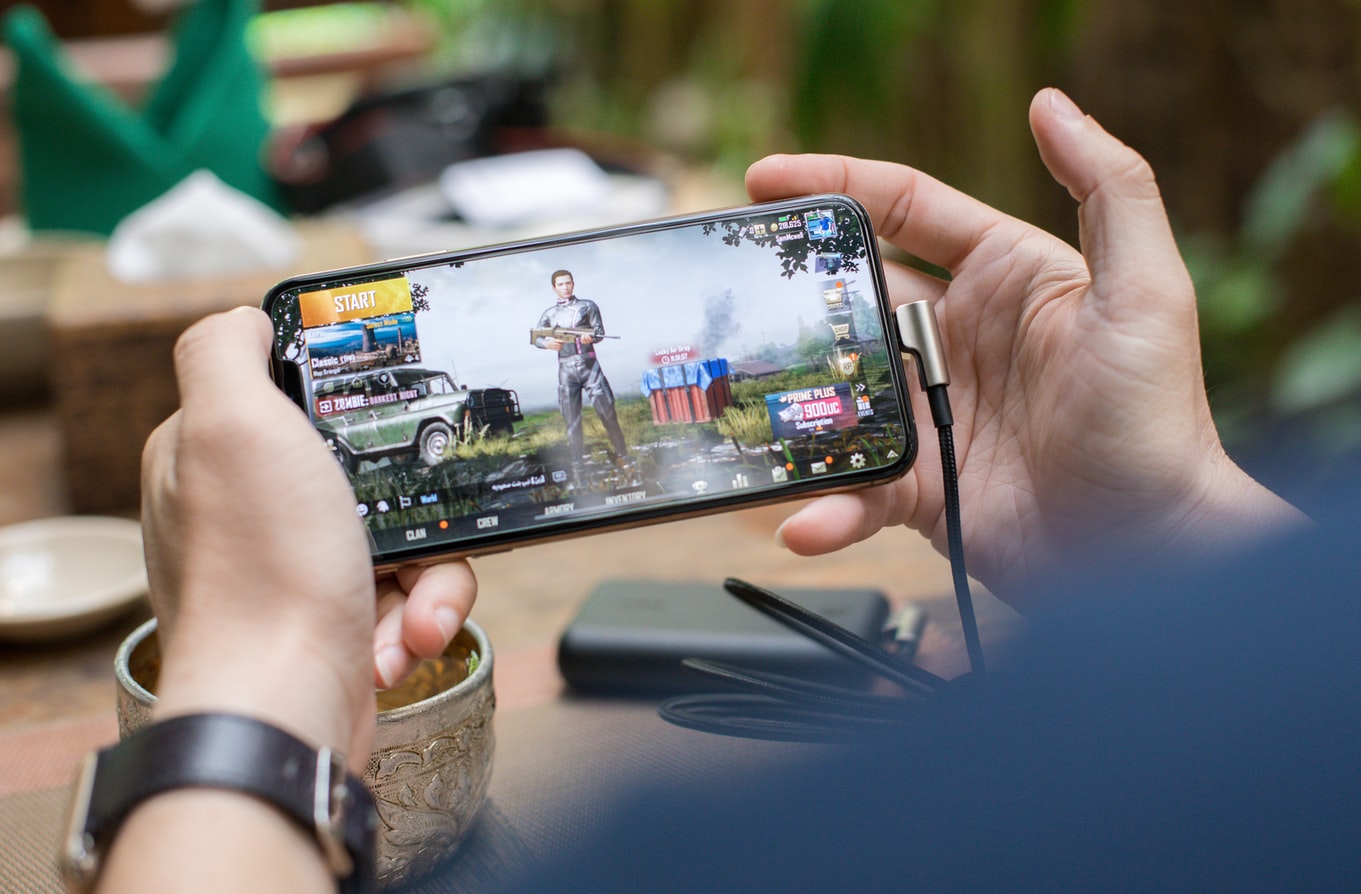
India could ban more Chinese apps, including PUBG Mobile and AliExpress

The Indian government banned 59 Chinese applications earlier this year which includes some of the most popular apps such as TikTok, ShareIt, UC Browser, WeChat, CamScanner, and more. Recently, India banned 47 more apps, which mostly include the ‘Lite’ versions or clones of the apps banned earlier.

Now, it is being reported that the government has prepared a list of 275 Chinese apps which are being studied for potential privacy and security issues. The list includes some of the biggest names, including PUBG Mobile and Alibaba‘s AliExpress.

PUBG Mobile Featured

The report adds that more applications from ByteDance, the parent company of TikTok are under scrutiny, including Resso music streaming and ULike. Further, 14 applications from Xiaomi or Mi are also being tested for the said violations.

The ban on PUBG Mobile could be a serious blow to PUBG Corporation, backed by Tencent. With more than 175 million installs, India is the largest market for the game, accounting for around 24 percent of the total downloads.

EDITOR’S PICK: Huawei begins counterattack by filing patent infringement against Verizon, HP, and Cisco

However, do note that the Indian government could ban all of these apps, some of these apps, or none of them. There’s no certainty about this and there’s no timeline about when this could happen. It is also being reported that the Indian government is developing a formal process for such bans, including a law or regulation that would require constant monitoring of apps.

When India banned the 59 apps earlier this year, Ji Rong, spokesperson of the Chinese Embassy in India, has said in a statement that China firmly opposed the decision and claimed that it’s a “violation of World Trade Organisation rules.”

The decision of banning Chinese applications is a result of rising tensions related to border disputes between India and China. Along with banning apps, India has also restricted neighboring countries from bidding on public contracts, exclusive Bangladesh, Myanmar, and Nepal which means that it is clearly targeting China.


Huawei MatePad 10.8 price, specs appear on retailer site before July 30 launch

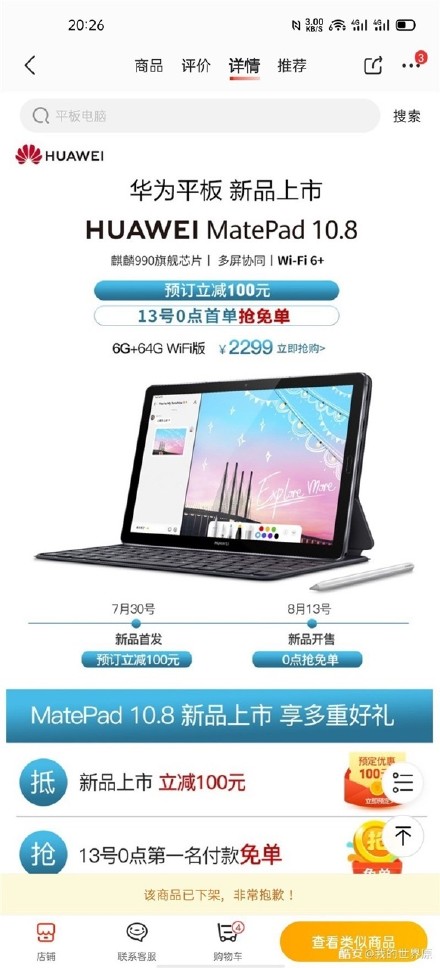
Today, Huawei confirmed that it will be holding a launch event on July 30 to announce a couple of new devices such as the MatePad 10.8 tablet, MateBook D 15 2002 Ryzen Edition, TalkBand B6 fitness tracker, and Kids Watch 4X. It appears that the Chinese retailer JD.com jumped the gun by adding a listing for the MatePad 10.8. The listing is no available on the retailer site, but its screenshot is now doing rounds on Weibo.

The screenshot shown above shows that the Wi-Fi-only version of the MatePad 10.8 with 6 GB of RAM and 64 GB of storage is priced at 2,299 Yuan (~$328). The listing states that the product will be announced on July 30 and the company will carry out its sales on Aug. 8. It also reveals that people who purchase the device during the first sale will benefit from 100 Yuan (~$14) discount.

Huawei MatePad 10.8 JD listing

Huawei MatePad 10.8 specifications

A poster of the MatePad 10.8 with its key features and specs is also being circulated on Weibo. The image has revealed that the tablet is powered by the Kirin 990 SoC and 6 GB of RAM. The device draws power from a 7,500mAh battery.

The 10.8-inch screen of the MatePad 10.8 produces 2K resolution. Also, the display delivers an aspect ratio of 16:10. The tablet is equipped with support for Wi-Fi 6 connectivity.

The MatePad 10.8 is fitted with Harmon Kardon tuned quad speakers for 3D stereo output. The speakers are coupled with Histen 6.1 audio technology from Huawei.

The tablet carries support for NFC connectivity and M-Pencil stylus. Past reports have stated that the device has a rear camera of 13-megapixel and it has a front camera of 8-megapixel. A recent report had claimed that the Chinese firm had previously planned to launch the device as Huawei MediaPad M7.