Nubia launched Red Magic 5G gaming smartphone earlier this year with 144Hz AMOLED display, Snapdragon 865, and a cooling fan. Now, after 5 months after its release, the brand’s president Ni Fei teases the arrival of Red Magic 5S powered by the recently announced Snapdragon 865 Plus chipset.
This is the first time we are hearing about Red Magic 5S and the information comes from Nubia itself. Hence, nothing else is known about this handset except for the fact that it will launch soon with the slogan “Beyond Plus”.
Going by last year’s Red Magic 3S, which was a minor update to Red Magic 3 from earlier that year, we can expect the same trend with the upcoming Red Magic 5S. That means apart from the new 3.1GHz Qualcomm SoC, other features will be identical to Red Magic 5G.
So we can expect the forthcoming Nubia gaming smartphone to feature 144Hz AMOLED display, in-screen fingerprint sensor, shoulder buttons, cooling fan, liquid cooling system, at least triple camera setup, 4,500mAh or larger battery, fast charging, WiFi 6, 5G connectivity, and an affordable price tag compared to competitors.
Last week, reliable tipster Max Weinbach had claimed that Samsung will not be launching the Galaxy Z Fold 2 through its Galaxy Unpacked event on Aug. 5. He had claimed that the device is not ready to launch at the event. However, fresh information that has surfaced today reveals that the South Korean company will indeed announce the Galaxy Z Fold 2 on Aug. 5.
Ross Young, the Founder and CEO of Display Supply Chain Consultants (DSCC) who had previously leaked the display configurations of the Galaxy Z Fold 2 has claimed today that the foldable phone will go official on Aug. 5. He further said that the shipments of the device will begin in early October.
Fold 2 fans, confirmed with my sources that it will be announced at Unpacked, although may not ship till as late as early October. Assembly starts in September. Also, why are leakers/media saying 7.7". As we said on 4/20, it is 7.59"…No change. pic.twitter.com/CBJ380tYnb
Recent reports have been claiming that the Galaxy Z Fold 2 has an internal display of 7.7 inches. Young said that it is incorrect, and its actual size is 7.59 inches.
Even tipster @IceUniverse claimed that the Galaxy Z Fold 2 will debut on Aug. 5 and it will sales will begin on Sept. 20 in China. The Aug. 5 Unpacked event will also the arrival of the Galaxy Note20 series, Galaxy Z Flip 5G, and Galaxy Buds Live.
On July 22, the South Korean company may announce the Galaxy Watch 3 and Galaxy Tab S7 series. It is speculated that these devices could be made official through a press release.
With the Samsung Galaxy Note20 series launch being just around the corner, more rumors and leaks have started surfacing. A recent one reveals that the flagship Galaxy Note20 Ultra will feature a dynamic refresh rate switching.
The latest firmware Galaxy Note20 Ultra has added an adaptive 120Hz option. But there is still no QHD+120Hz option. pic.twitter.com/VOf9Y5LoJW
The known leakster Ice Universe (@UniverseIce) shared the leak on Twitter. Similar to the Galaxy S20 series, the Galaxy Note20 Ultra will not have an option to use 120Hz high refresh rate at QHD+ resolution. For those unaware, Samsung offered users a manual option to toggle between 60Hz and 120Hz refresh rate at the FHD+ resolution in the flagship handset that was launched earlier this year.
Although, Samsung might be able to offer a balance between decent battery life and performance with Galaxy Note 20Ultra through its dynamic switching feature. This feature would be welcomed considering the 120Hz high refresh rate panel is only beneficial in quite a few scenarios or applications.
Keep in mind, the dynamic refresh rate is different from the variable refresh rate, which requires necessary hardware support. Dynamic switching will have the Samsung device automatically switching between 60Hz and 120Hz depending on usage and the situation. On the other hand, the variable refresh rate adjusts the displays refresh rate in real time depending on the content on the screen.
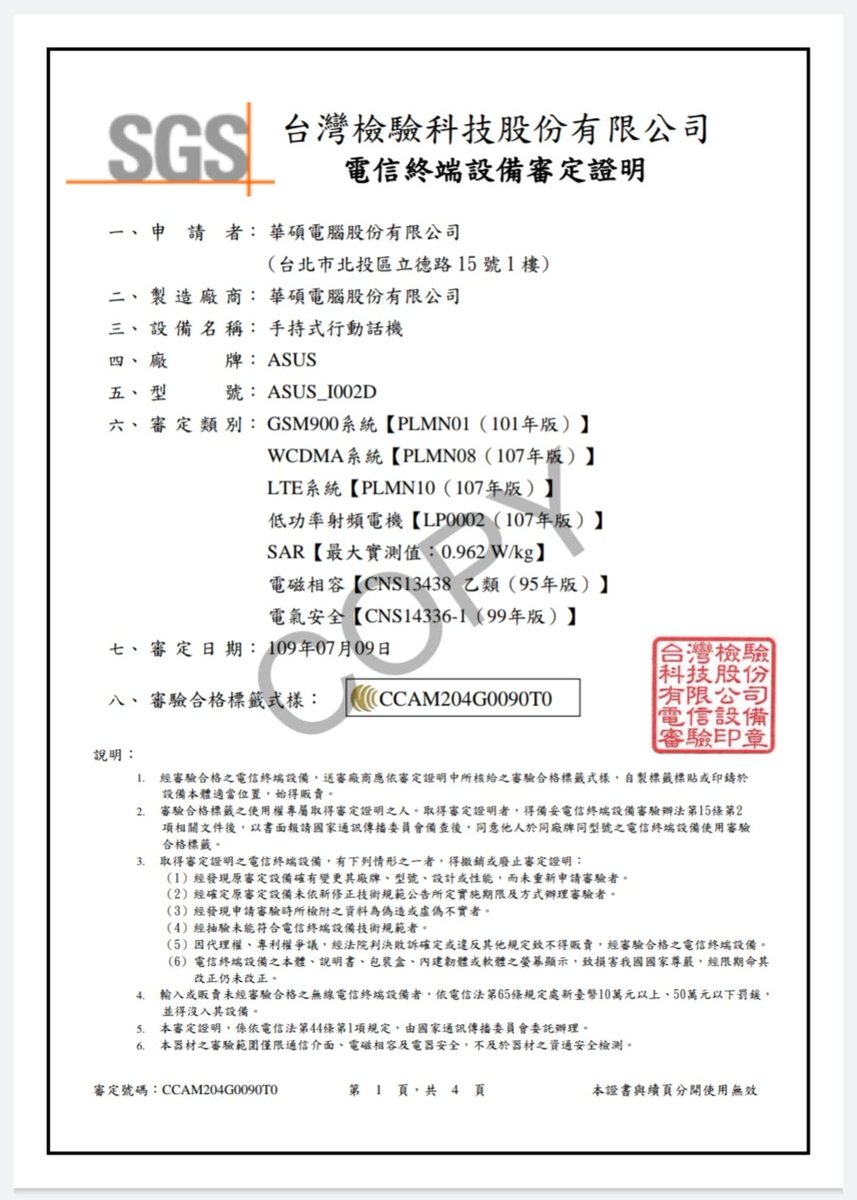
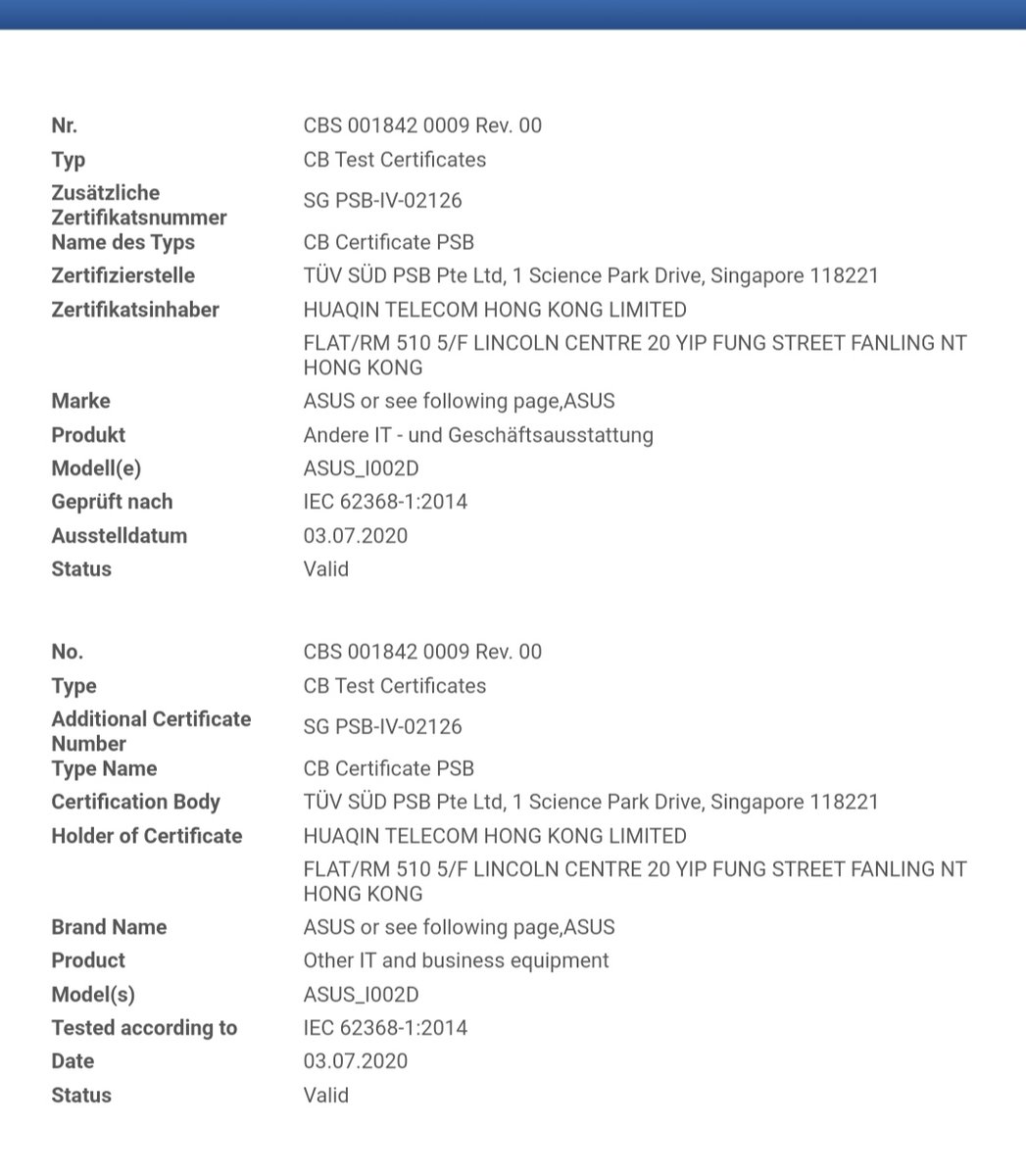
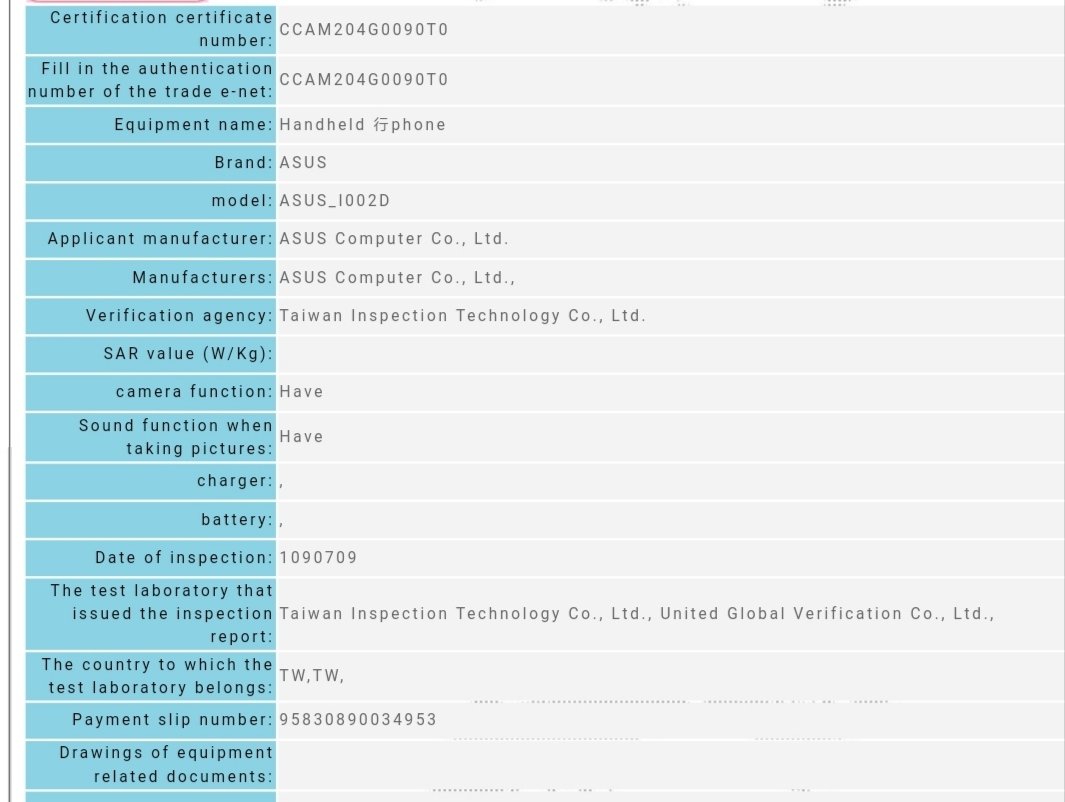
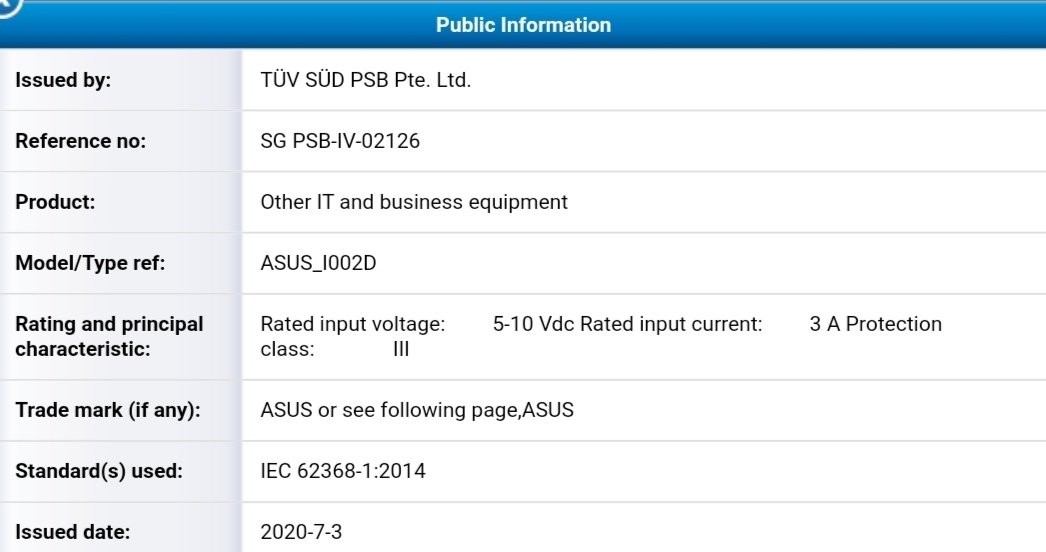
On July 22, ASUS will take off covers from the ROG Phone 3 gaming smartphone. It is speculated that the company may announce the ZenFone 7 series in the coming month. A recent leak had revealed that the lineup includes ZenFone 7 and ZenFone 7 Pro smartphones. A new ASUS phone ID number ASUS_I002D has been spotted at certification platforms like the National Communications Commission (NCC) in Taiwan and TUV Rheinland Japan. These listings have revealed its model number and several other vital information.
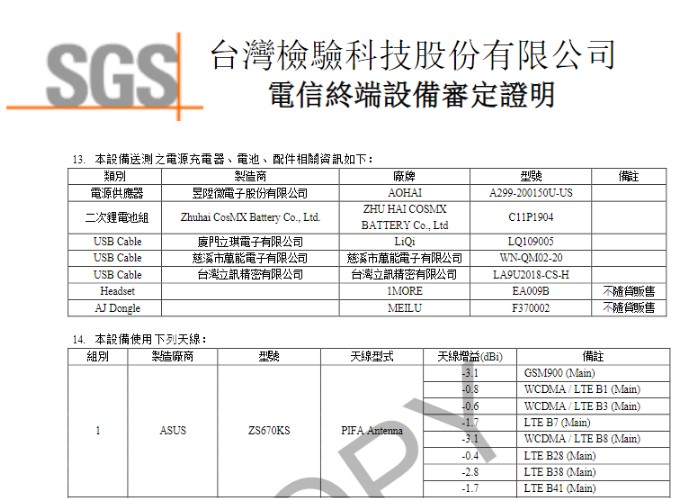
The NCC certification has revealed that ASUS ZenFone 7 (ASUS_I002D) has a ZS670KS model number. From the model number, it can be speculated that the phone has a 6.7-inch size. The NCC listing also shows that the phone is equipped with a massive internal storage of 512 GB. The device has support for NFC, Wi-Fi 6, and Bluetooth 5.0.
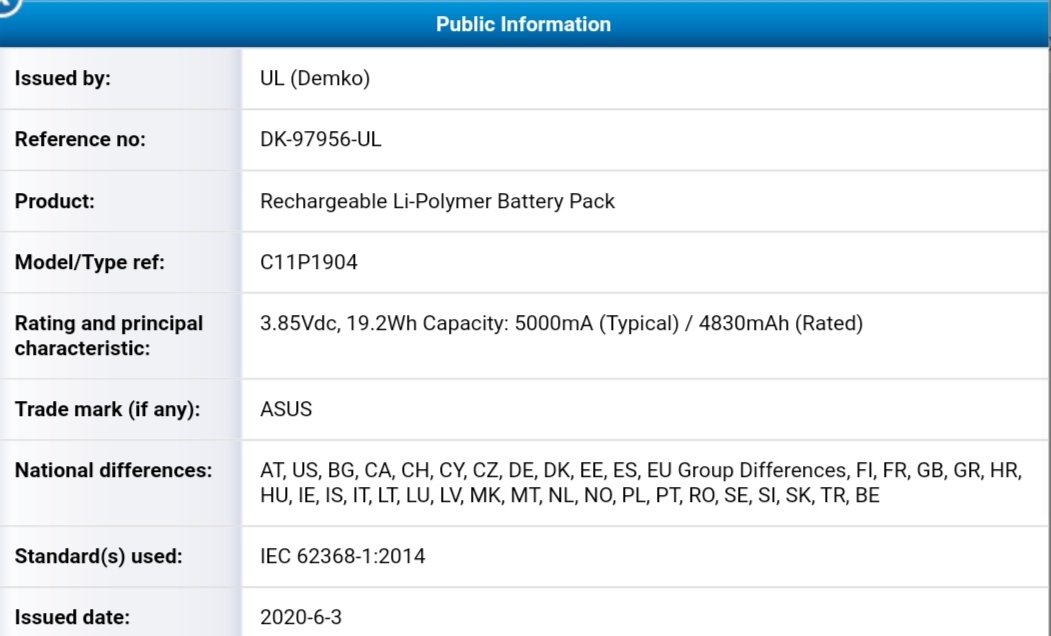
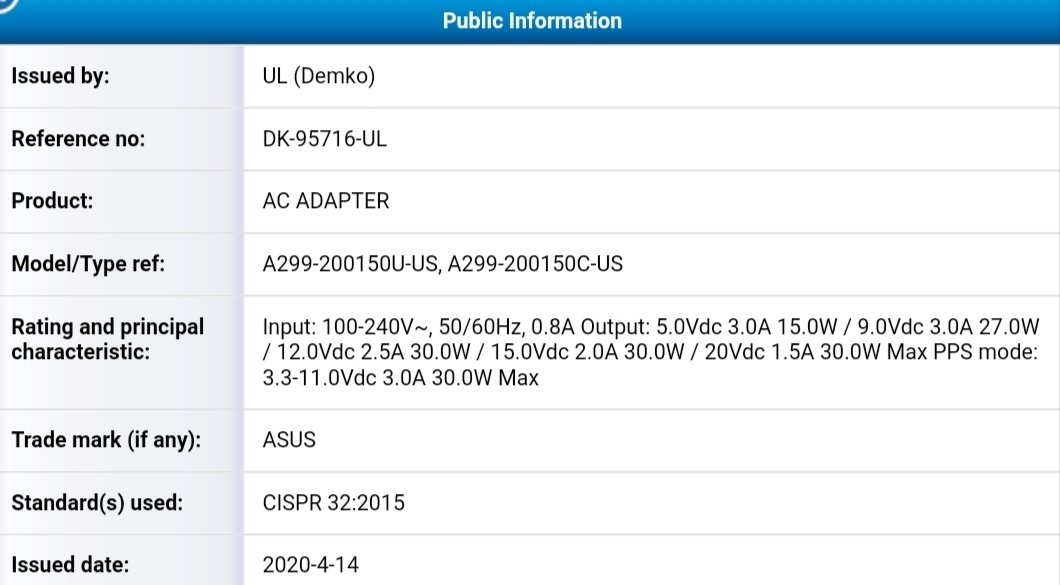
The model number of the ZenFone 7’s battery is C11P1904. It’s TUV Rheinland certification reveals that it has a typical value of 5,000mAh. The certification platform also reveals that the ASUS phone supports up to 30W fast charging.
While the ROG Phone 3 will be fueled by the Snapdragon 865 Plus mobile platform, the ZenFone 7 and ZenFone 7 Pro are rumored to be fueled by Snapdragon 865. The ZenFone 7 duo will retain the flip camera system that was introduced on the predecessor ZenFone 6. The last year’s model number had two cameras in the flip camera setup. ASUS is expected to increase the number of cameras on the ZenFone 7 series. The ZenFone 7 series is expected to arrive with a notch-less design, 5G support, and up to 16 GB of RAM. It is expected to arrive in black and white color editions.
Reliance Jio, a major telecom operator in India, has developed its own completely ‘Made In India’ 5G technology. The company has built the technology as well as supported IoT to reduce dependence on foreign equipment and for other cost related benefits.
Notably, the telecom operator has already replaced 4G technology from Nokia and Oracle with its own technology, and this seems to also be extending to 5G networking. According to analysts, this development is perhaps the world’s first, where a mobile phone company has developed proprietary 5G technology to replace 3rd party equipment providers, like Huawei, ZTE, Ericsson, and others.
A source close to the matter said that “We have now developed everything end-to-end around 5G technology. We are more scalable than these vendors and are fully automated since we have our own cloud-native platform. In 5G, we will totally be self-sufficient. Furthermore, apart from designing its own infrastructure for 5G networking, the company has also readied other IoT gear.
Previously, we had reported on 5G trials in India being possibly delayed due to the country passing new data security laws that might have Huawei and other 5G vendors pull out of the region. However, with this development, the 5G trials can still be held later this year. The source also said that “We can give the design, layouts, and board support packages to third-party manufacturers to have our gear made.”
The applications of this news are huge and can include a new age for both the commercial and industrial sectors of India. Through end to end 5G technology, the Mukesh Ambani owned Reliance Jio will be able to provide security through multiple interconnected surveillance drones, industrial IoT, and digitalization in the agricultural fields as well. The company will be launching its 5G service in 2021, due to the current situation of the Indian telecom industry, so stay tuned for more updates.
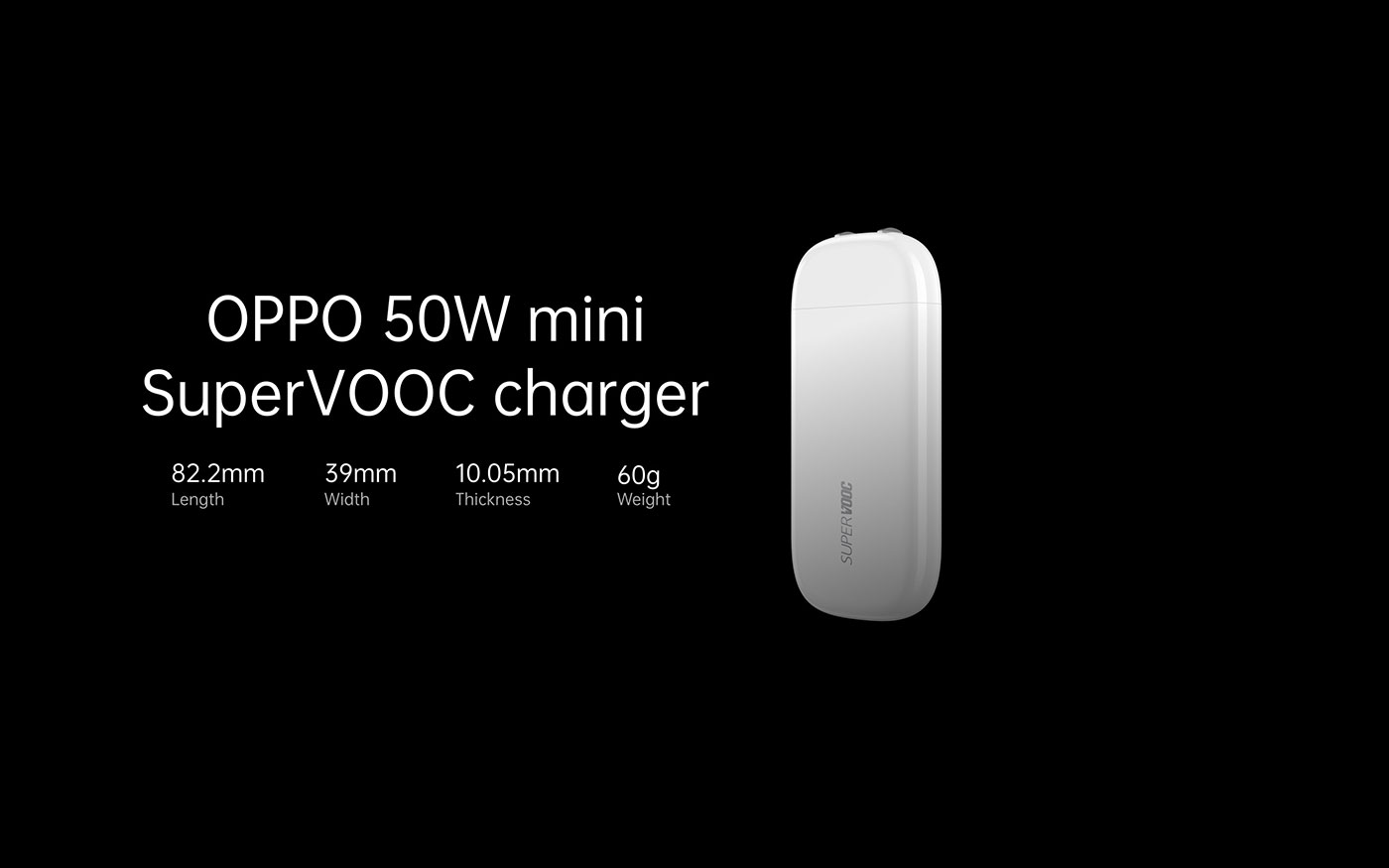
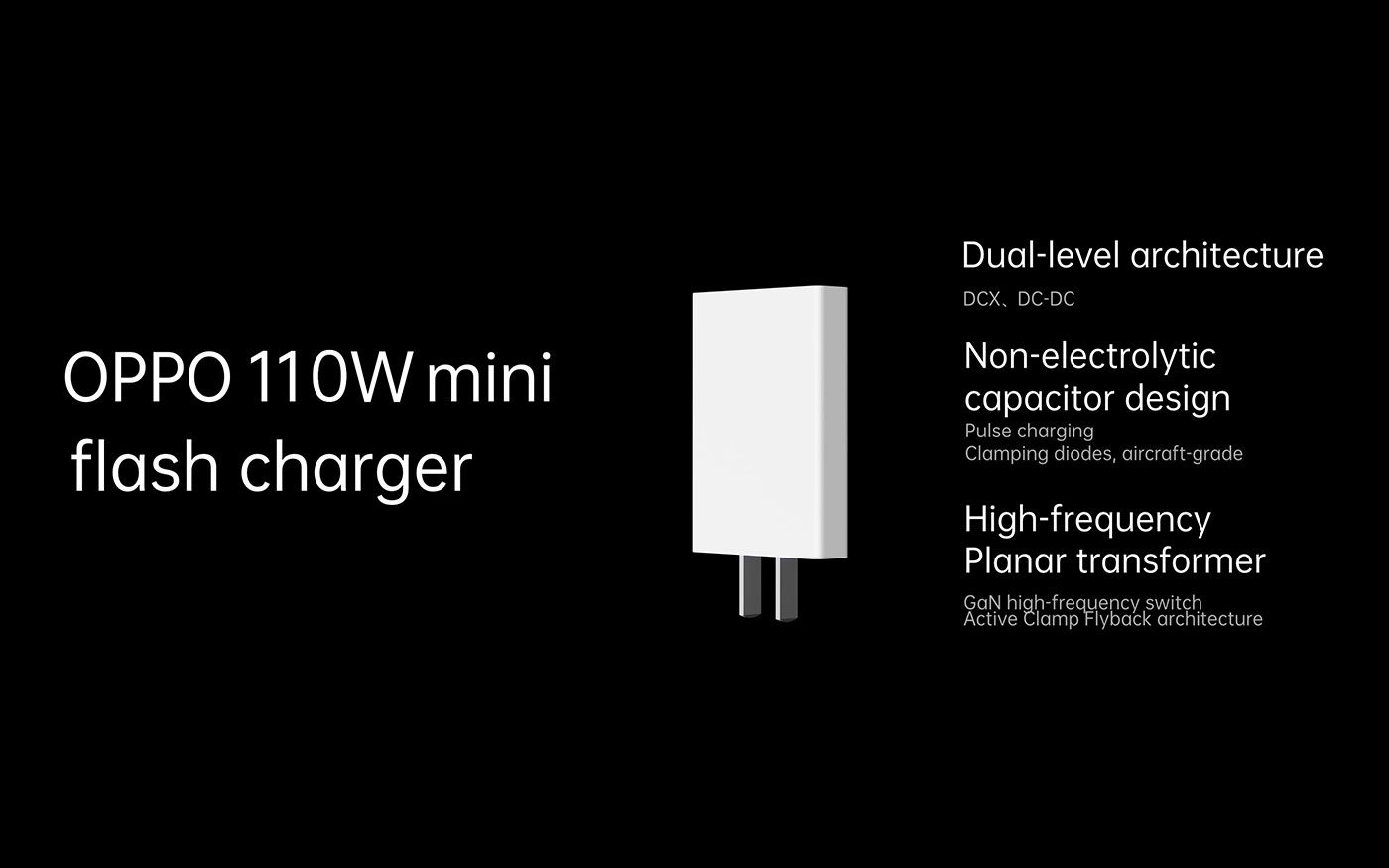
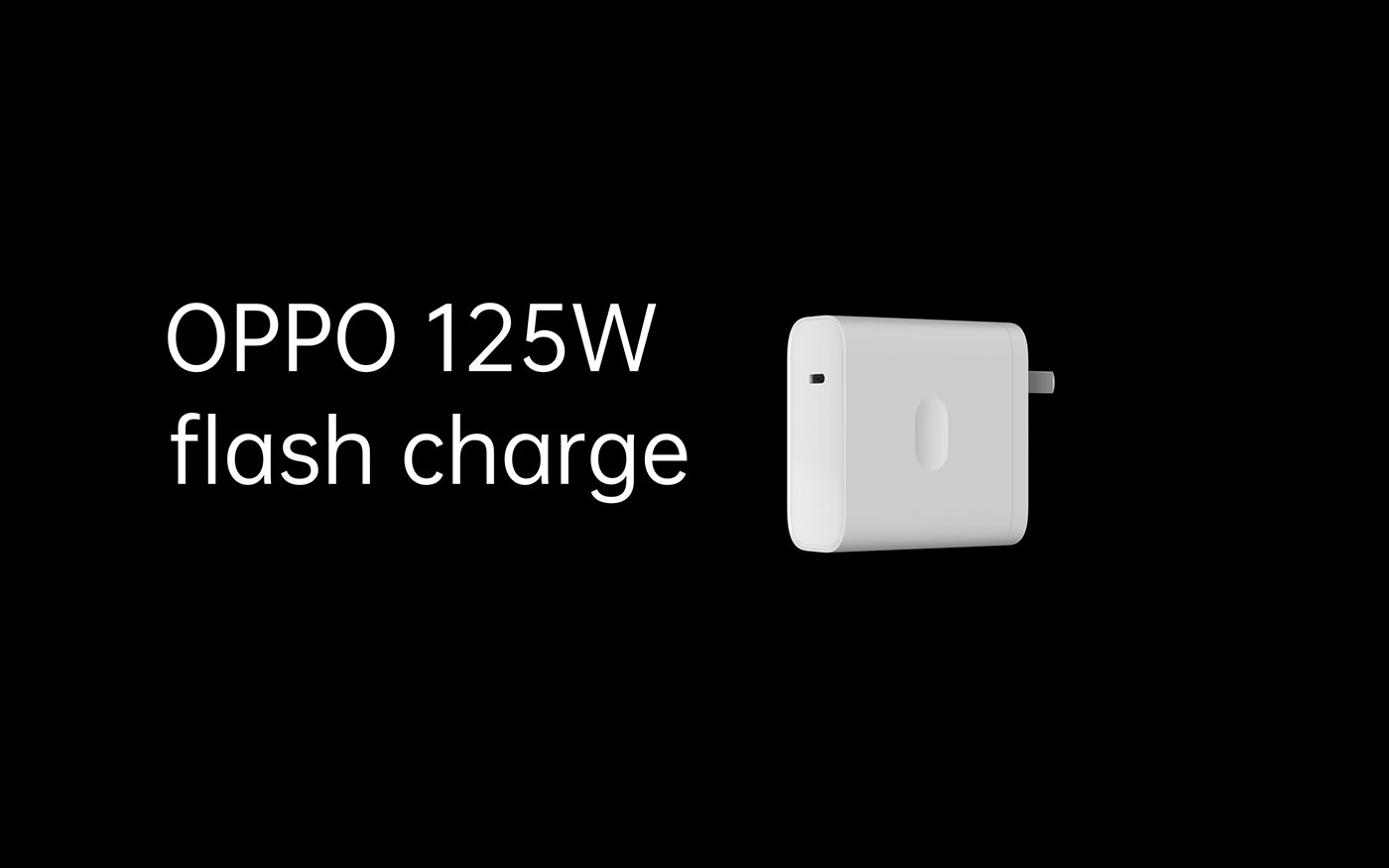
Apart from introducing 125W flash Charge and 65W AirVOOC, Oppo also announced 50W mini SuprVOOC and 110W mini flash chargers. As their names suggest, these two charging heads are smaller than the conventional models and thus, they can be carried easily while commuting.
Like other small chargers from different brands, Oppo’s mini fast chargers also use GaN (Gallium Nitride) instead of silicon.
The 50W mini SuprVOOC charger is slimmer than other similar models in the market measuring at only 1.05cm in thickness. This charger supports popular fast-charging protocols like Oppo’s own SuperVOOC, 27W PD (Power Delivery), 50W PPS (Programmable Power Supply), and others.
Oppo advertises this charger to be as small as a biscuit. It can be carried in all sorts of pockets include those of pants, shirts, and coats, thanks to a foldable/retractable pin as well as its size.
1 of 2
The second charger called 110W mini flash charger is larger than the other model. However, it is smaller compared to other similarly spec’d models from competitors. The company claims it to be only 35.76 cm³ in size with a thickness of 1.2cm similar to a standard 18W adapter
Having said that, Oppo neither revealed the price of these chargers nor their availability. In fact, the company did not even reveal their complete specifications.
Over the past few years, OPPO has taken the lead in the industry with its VOOC fast charging technology. Today marks an important achievement for the company. OPPO has officially announced 125W Flash Charging technology for its smartphones, evolved from its 65W SuperVOOC technology announced last year. This makes it the world’s fastest wired charging technology in the industry. But the company doesn’t stop here, it has also announced the World’s Fastest Wireless Charging technology – the 65W AirVOOC.
125W Flash Charge comes with double-6C cells
OPPO’s new flash charging technology can charge a 4000mAh battery up to 41% in just 5 minutes and 100% in 20 minutes!
The 125W flash charging technology is built on the existing 65W SuperVOOC 2.0 charging protocol. The VOOC charging protocol has always focused on increasing the current (instead of the voltage) to increase the total wattage. The 65W SuperVOOC 2.0 supported up to 10V / 6.5A. But now, with the 125W Flash Charge technology, OPPO has doubled the voltage with the current remaining more or less the same.
Here’s a first look at 125W Flash Charge technology in action. It can fully charge a 4,000mAh battery in 20 minutes. 🤯 #FlashForwardpic.twitter.com/EWtfGcsL4m
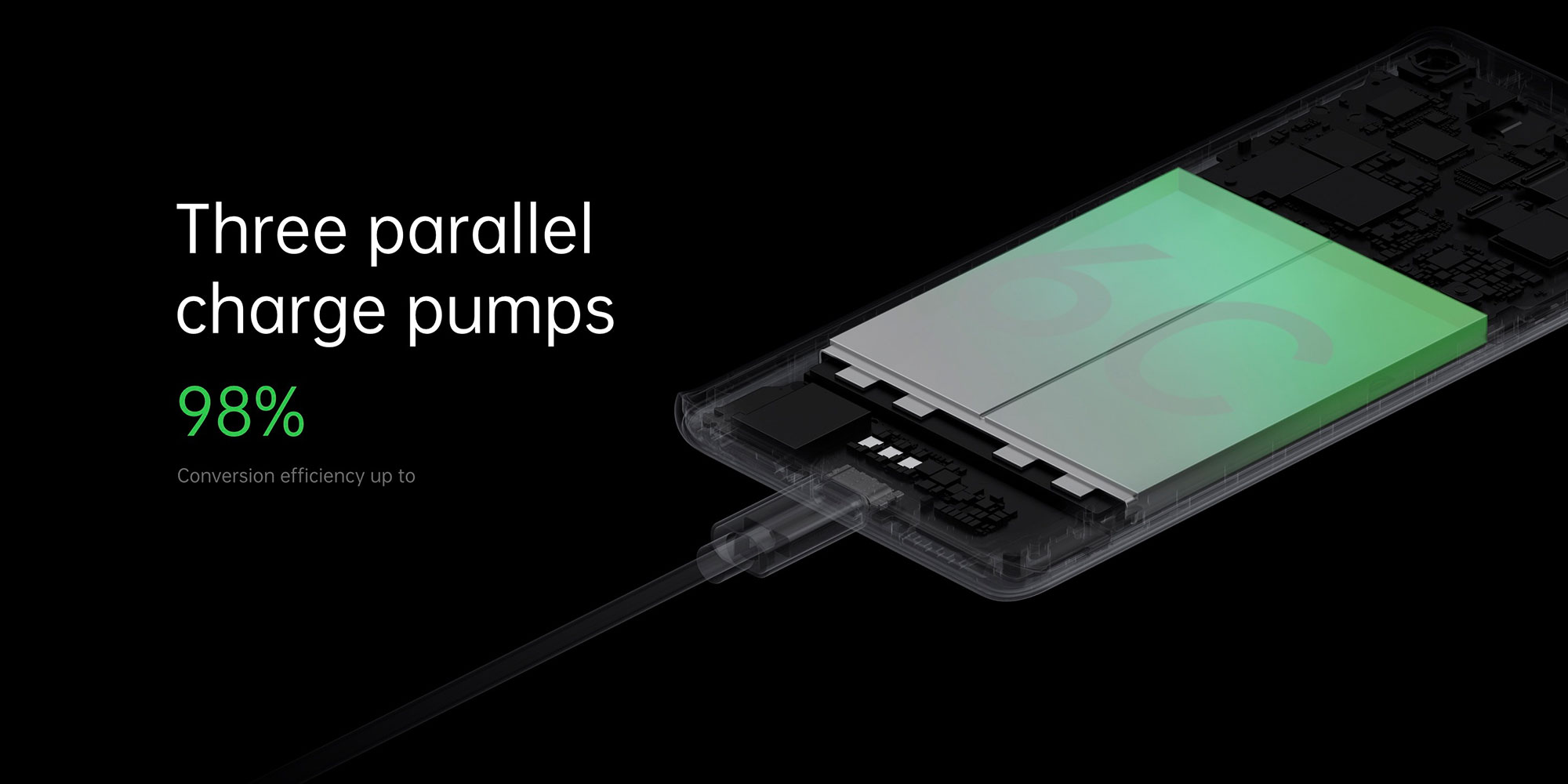
In order to achieve an incredible 125W, the OPPO Flash Charge increases the voltage to 20V while the maximum current drops a little to 6.25A. This is further made possible by significantly improving power density properties. Instead of two 3C cells found on the SuperVOOC 2.0 tech, the new Flash Charge protocol utilizes two 6C cells. This marks a breakthrough in the battery ratio (this ratio is defined as the charge and discharge ratio of the cell). The new technology further comes with industry-leading multiple battery tab structures, three parallel charge pumps, and an integrated MCU (Microcontroller unit) for improving charging efficiency.
The 125W flash charge technology is compatible with the previous versions like SuperVOOC and VOOC protocols. It even supports mainstream charging technologies like 65W PD (Power Delivery) and 125W PPS (Programmable Power Supply).
Given the extremely high wattage being thrust into the smartphone, OPPO has also worked on its safety protection features by adding 10 more temperature sensors to monitor the charging status. Other safety measures include fuse overvoltage protection, Type-C to Type-C wire as well as 128-bit high-strength encryption algorithm.
65W AirVOOC Wireless Charging makes Wired Charging Obsolete
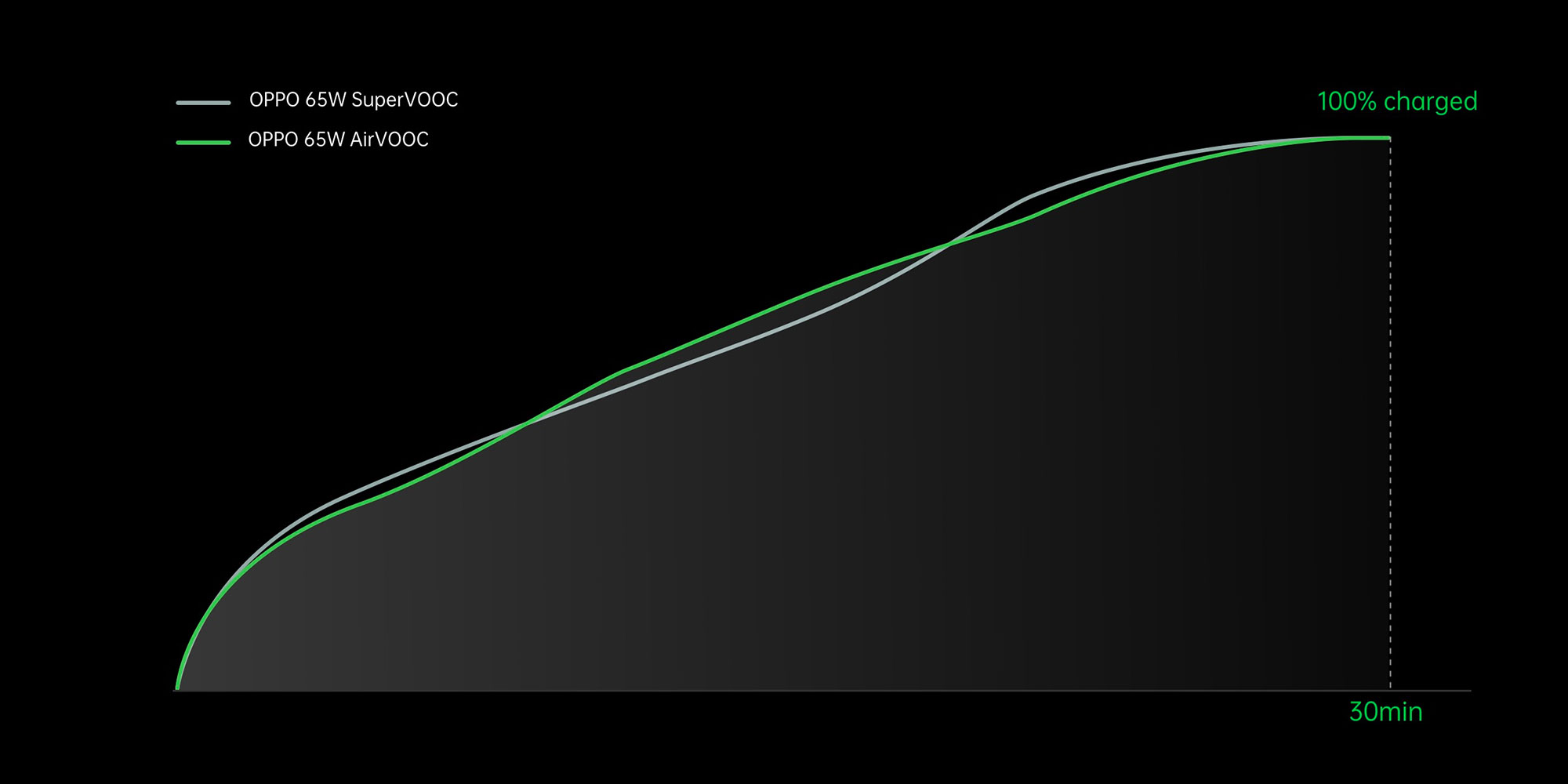
In a surprise announcement, OPPO also announced the world’s fastest wireless charging technology. The new wireless charging protocol can fully charge a 4000mAh battery in just 30 minutes! This makes it faster than most current wired charging solutions in the market and has the potential to make wired charging obsolete.
Today we’re not just announcing one flash charge innovation breakthrough. 😮
In fact, in a graph, OPPO revealed that the 65W AirVOOC charges a phone in the same time as its 65W SuperVOOC 2.0 wired charging technology.
The OPPO AirVOOC 65W wireless charging technology uses a self-developed isolated charging pump technology and parallel dual-coil design to improve the wireless charging efficiency. It has also reduced the interference in the charging frequency and comes with five-fold safety protection measures in addition to the standard foreign object detection feature. Like its 40W wireless charging tech, the 65W AirVOOC charging is compatible with the Qi standard.
OPPO also revealed a conceptual wireless charger based on its 65W AirVOOC wireless flash charging technology. The charger comes with a sculpted-glass body which is made of moldless rapid prototyping technology. OPPO reveals that this is the first application of this type of technology in the consumer electronics market.
At the bottom of the charger, there’s a semiconductor cooler for better heat management. This allows the temperature of the phone to be 2°C lower than using a traditional fan for heat dissipation.
Unfortunately, we have no word on the release date or pricing of this 65W AirVOOC wireless charger. We also don’t know when we’ll see a smartphone with this 125W Flash Charge technology.
Nevertheless, this is a big leap in smartphone charging technology. And it’s becoming evident that charging a smartphone won’t be a pain point for users in the near future.
Realme launched the year 2020 in China with the launch of the Realme X50 5G phone. It later unveiled the Realme X50 Pro 5G and Realme X50m 5G smartphones. A gaming-friendly version called Realme X50 Pro Player Edition went official in May. Since then, the company has not launched a new smartphone in China. It appears that the company has plans to launch a couple of new phones in the homeland as three new devices such as Realme RMX2121, Realme RMX2111, and Realme RMX2112 have received approval from the 3C authority of China.
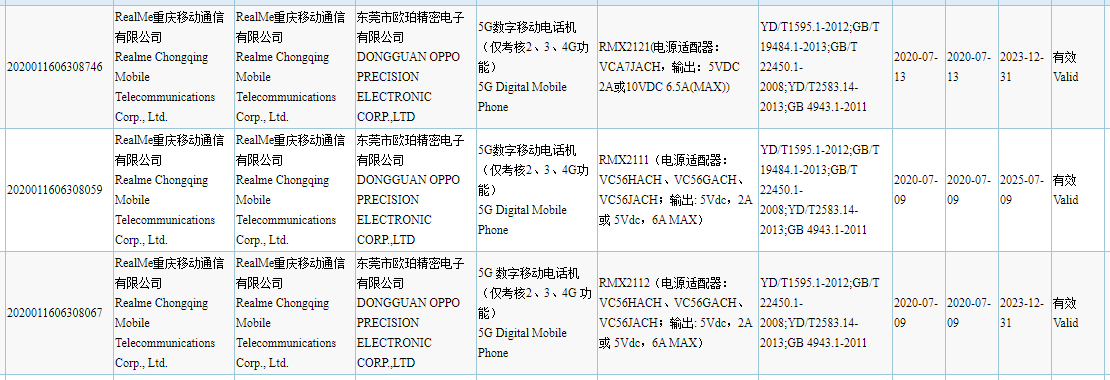
The Realme RMX2121 is a 5G phone and its 3C certification that it may ship with a VCA7JACH charger. The VCA7JACH belongs to the SuperVOOC 2.0 charger that supports up to 65W charging speeds. While the identity of the Realme RMX2121 is not known, it could be a flagship smartphone.
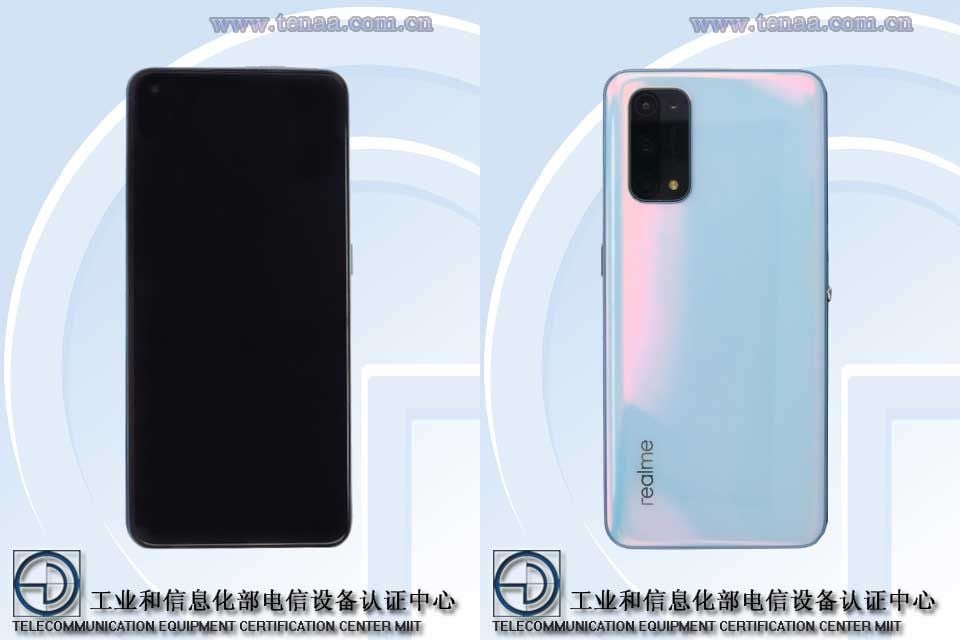
The Realme RMX2121 had appeared at the TENAA certification platform in June. The handset has a punch-hole display which appears to be an AMOLED panel with an in-screen fingerprint reader. Its rear has a rectangle-shaped camera module with four lenses inside it. The size of the screen is 6.55 inches and it has a dual-party battery. One of its battery has a 2,200mAh rated capacity. It has 160.8 x 75.2 x 8.5mm dimensions.
Some speculations suggest that it could be the Realme X50 Pro 5G smartphone. However, there is a possibility that it could be a flagship phone from the company’s new series. A leaked image of the unidentified phone that appeared in the previous week revealed that it has a punch-hole screen with curved edges. The leakster who revealed it claimed that it supports a high refresh rate. Today, the same tipster revealed that it is packed with a 4,500mAh battery.
The Realme RMX2111 and Realme RMX2112 that were certified by 3C authority in the previous week could be network variants of the same smartphone. The RMX2111 / RMX2112 3C appearance reveals support for 5G connectivity.
The listing also shows that the smartphone will be shipping with a VC56HACH charger that supports up to 30W fast charging. The VC56HACH model number belongs to the VOOC 4.0 Flash Charger that was made available with phones like OPPO K5 and Reno3 series. The identity of the RMX2111 / RMX2112 is under wraps.
TikTok, the popular video sharing platform, has come under fire again. This time in South Korea as regulators are fining social media giant for the mishandling of child data.
The Korea Communications Commission (KCC) has fined the company for 186 million won or roughly 155,000 US Dollars. For those unaware, the KCC acts as the regulator and overwatches the country’s telecommunications and data related sectors. The fine it has imposed on TikTok is due to the company failing to protect users’ private data, especially regarding its younger user demographic.
Notably, the fine is equivalent to 3 percent of the company’s annual sales within the country, which is the amount designated for such violations under local privacy laws. KCC began the investigation into this matter back in October 2019 and found that TikTok collected that data of children under the age of 14 without consent from their legal guardians.
According to KCC, a minimum of 6,0007 pieces of child data were collected between 31st May 2017 and 6th December 2019. Furthermore, TikTok had also failed in notifying its users of the transfer of personal data overseas. The investigation also revealed that the company uses four cloud service providing companies, namely Alibaba Cloud, Fastly, Edgecast, and Firebase.
According to the latest data released by the China Academy of Information and Communications Technology (CAICT), shipments of 5G smartphones have reached 17.51 million units in the month of June 2020.
With this, the 5G smartphone shipments account for 61.2 percent of China’s total mobile phone shipments for the month of June. This also represents an increase from 46.3 percent market share in May.
The report from CAICT, which is a research institute under the Ministry of Industry and Information Technology (MIIT), claims that companies have launched about 105 5G smartphones in the market in the first half of this year, with total shipments crossing the 63.6 million mark.
Huawei is the leading smartphone company in China which has capture more than half of the market with its two brands — Huawei and Honor. In Q1 2020, the company shipped 15 million 5G smartphones, capturing 55.4 percent market share.
China’s 5G smartphone market is expected to grow further given that the pricing of 5G devices could soon drop as the next-generation communication technology goes on to become mainstream.
The country is among the first in the world to commercially launch 5G services and now China is rapidly developing 5G infrastructure, with more than 600,000 5G base stations expected to be built nationwide by the end of this year. China Mobile, China Unicom, and China Telecom are expected to spend more than 180 billion yuan for 5G technology.
The Coronavirus pandemic has been caused for major concerns across the globe and especially in Asia. The Southeast Asian region has one of the higher human population density, which has made combatting the viral outbreak difficult. However, Thailand has successfully managed to keep the virus at bay, with the help of Huawei as well.
Despite being one of the first countries to be affected by the COVID-19 back in January, the region only has 3,200 confirmed cases of infection with only 58 deaths. Although, the country is still remaining vigilant and is prepared for the second wave of infections. One entity that it is relying on is Huawei Technologies, which is supporting the nation with its 5G technology.
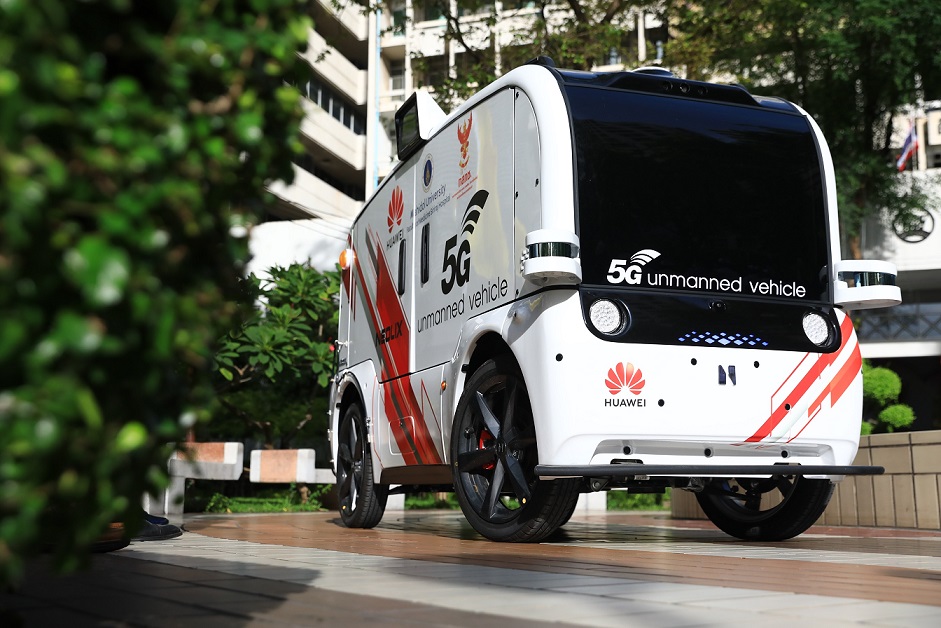
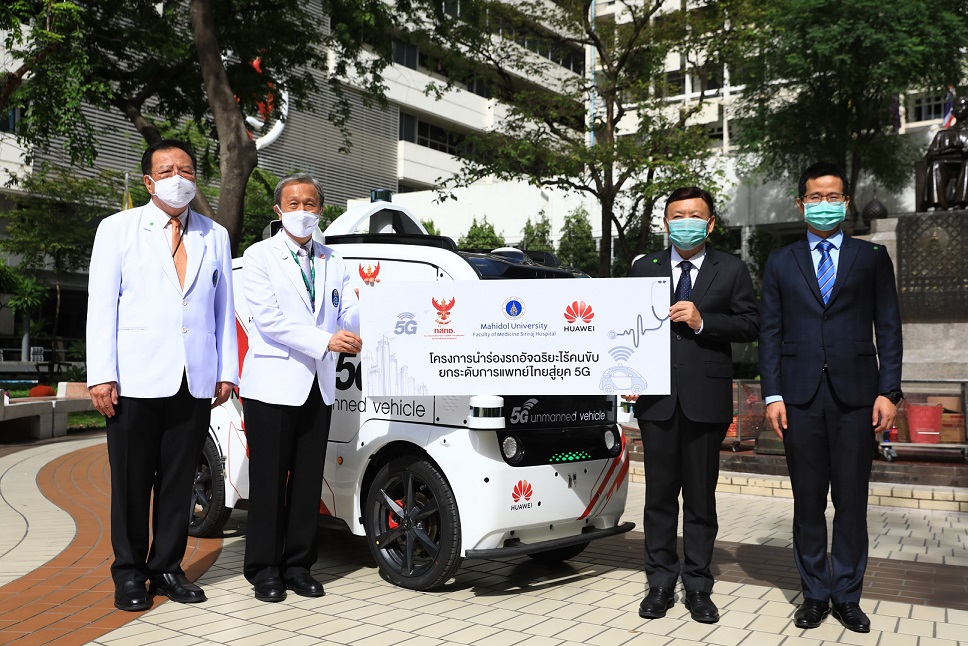
The Chinese tech giant had recently worked with Thailand National Broadcasting and Telecommunication Commission (NBTC). In the collaboration, unmanned vehicles were used at the Siriraj Hospital. These driverless vehicles had the primary task of offering contactless delivery of medical supplies around one of the country’s oldest and largest hospitals.
Siriraj Hospital stated that the pilot project’s goal is to enhance the logistics system within the hospital. The infrastructure in terms of transportation and medical supply distribution also helps reduce workloads and helps lower the risk of infection for frontline workers considerably. At the moment Thailand is the first country in the ASEAN to deploy commercial 5G services.
Xiaomi has lately been launching a lot of new products for crowdfunding and continuing the spree, the company has today started crowdfunding for a new Qin AI Phone, aimed towards kids in China.
The device is now available for purchase in the company’s home market, through the Xiaomi Youpin platform, for a price of 399 yuan which roughly converts to $57. It is being offered in two color options — Pink and White.
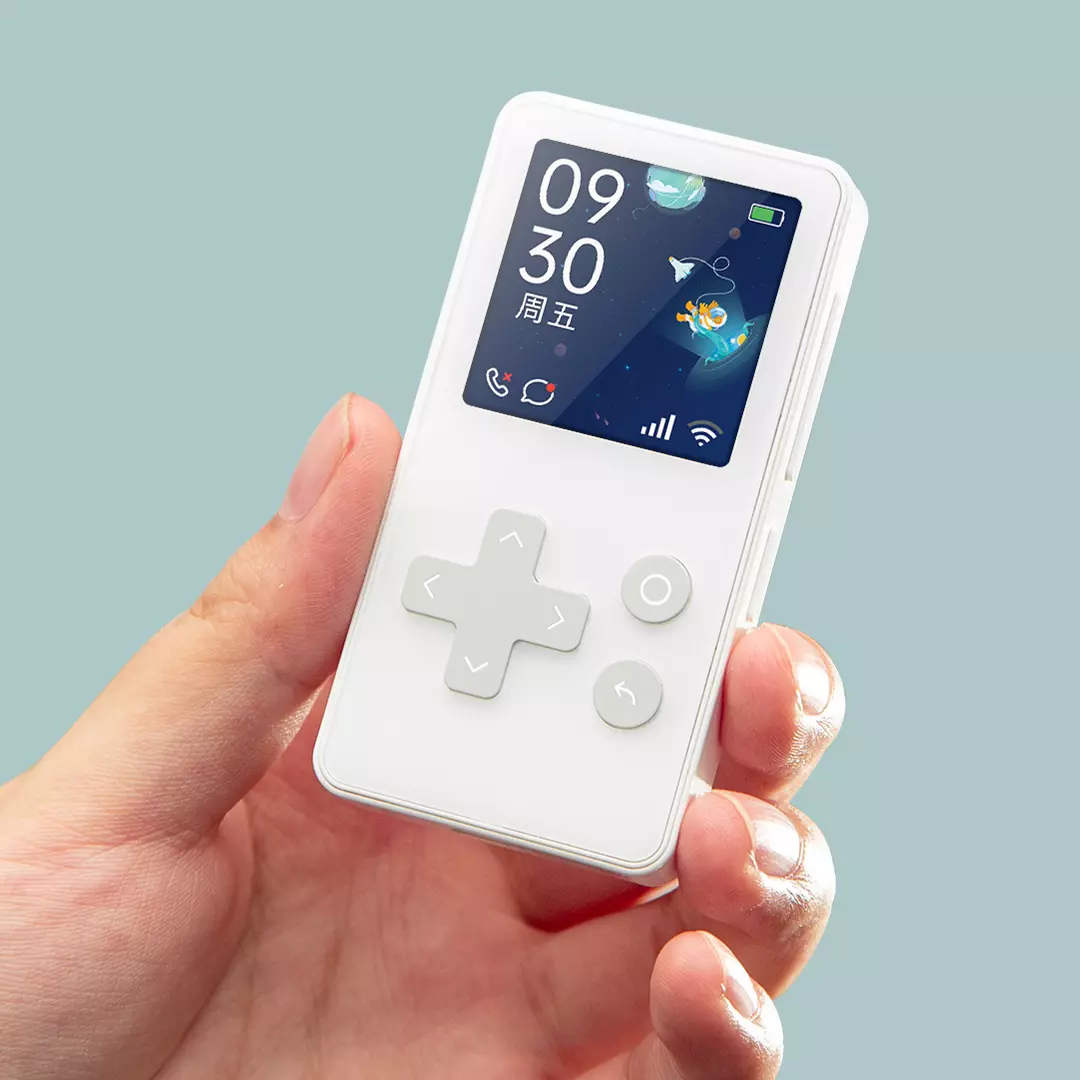
In terms of design, the device doesn’t look like a traditional phone but looks similar to the handheld gaming console GameBoy. But that doesn’t mean the device doesn’t come with the latest smartphone features.
The device features display with 240 x 240 pixels screen resolution. It also has Wi-Fi and Bluetooth 4.2 support. The phone is likely running a customized skin on the Android operating system and is powered by a 1,150mAh battery.
The new QIN AI Phone has support for 4G eSIM connectivity for calling as well as data. Along with that, it also comes with GPS support for precise positioning, which is quite a useful feature for tracking the location of the kids.
It also has Xioami’s own XiaoAI smart assistant which supports tons of functionality, enhancing the overall user experience. There’s also support for some basic phone features such as messaging, alarm, and others.
Google is reported to release Android 11 stable on September 8. But some old devices like Galaxy J8, Galaxy Tab A 10.5, and LG Q70 are receiving last year’s Android 10 only now. Also, it’s worth noting that update for these handsets and tablet is currently being pushed in batches in certain regions. Hence, it may take more time to reach every unit across the world.
Galaxy J8 Android 10 Update
Samsung is known to deliver only a single Android update to its budget devices. But the company has surprised everyone by rolling out One UI 2.0 to the Galaxy J8 launched in 2018 with Android Oreo-based Samsung Experience.
The handset was updated to One UI based on Android Pie last year. Now, it is also receiving the latest mobile software from Samsung. The update ( J810FPUU4CTG3) is currently rolling to the variant with model number SM-J810F in Russia. We expect other variants to receive the same update in the coming days.
Galaxy Tab A 10.5 Android 10 Update
Like the Galaxy J8, the Galaxy Tab A 10.5 also launched in 2018 with Android Oreo and was even updated to Android Pie last year. Now, it is also getting Android 10 update with One UI 2.0.
The update is rolling out to both WiFi (SM-T590) and LTE (SM-T595) variants with build numbers T590XXU3CTF9 and T595XXU4CTF9 respectively in a number of regions.
LG Q70 Android 10 Update
LG Q70 launched in 2019 powered by Qualcomm Snapdragon 675 SoC with Android Pie onboard. It is now receiving Android 10 update with build number Q730N20c/Q730NO20c in the company’s home country South Korea. According to LG, the update is available for both unlocked and carrier variants of the device.
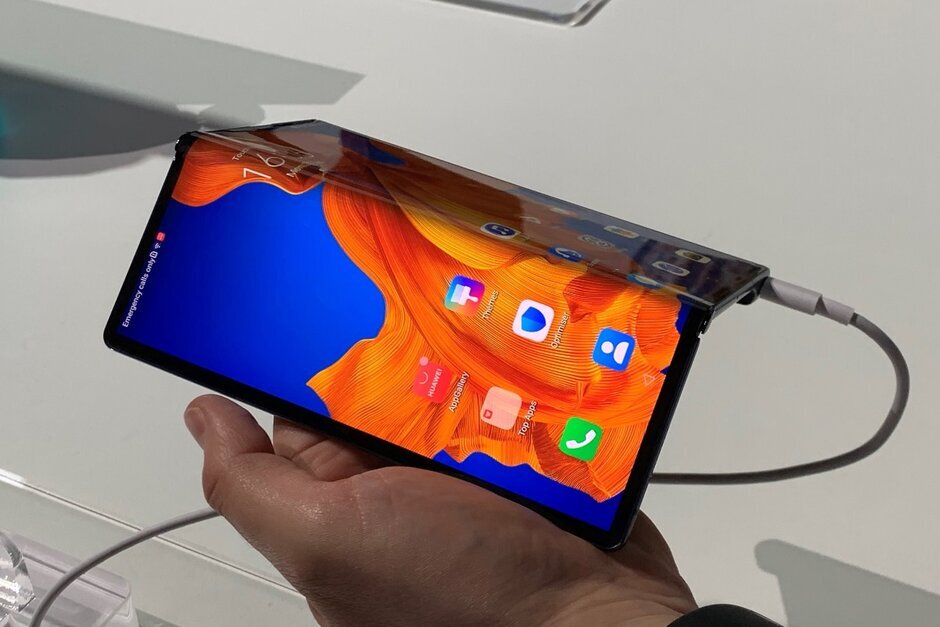
Huawei, the known smartphone maker, is being sued by Cedar Lane Technologies. The latter had filed a lawsuit earlier this week for patent infringement and claims that Huawei infringed on their image processing patents and even used these patented methods in their systems and devices.
Huawei Mate Xs
According to Cedar Lane Technologies, the Chinese tech giant has infringed on multiple different patents including JPEG compression, scene recognition, electro-luminescent devices, image processing systems, VR camera, and more. Cedar Lane alleged that the smartphone maker has infringed one particular patent on a variety of its products such as smartphones like the Mate Xs, Mate X, Mate 20, Mate 20 Pro, Honor View 10, Honor 8 and even tablets like the MediaPad M5, MediaPad M6, and MediaPad T5.”
Cedar Lane said that these products have been “made, used, sold, imported, and offered for sale by Defendant.” The infringement from Huawei revolves around one particular patent, namely 527 patent, which covers “[a] method for interfacing analog/digital converting means and JPEG compression means, said JPEG compression means having a built-in memory device, comprising the steps of: sequentially reading a predetermined number of image lines from the image data output of said analog/digital converting means.”
The plaintiff claimed that since Huawei utilized this image conversion method, it infringes on its patents. Cedar Lane has also stated that it had “employees internally test and use these Exemplary Products.” In other words, Huawei had knowledge about the patent but still created products, which was grounds for this infringement suit.
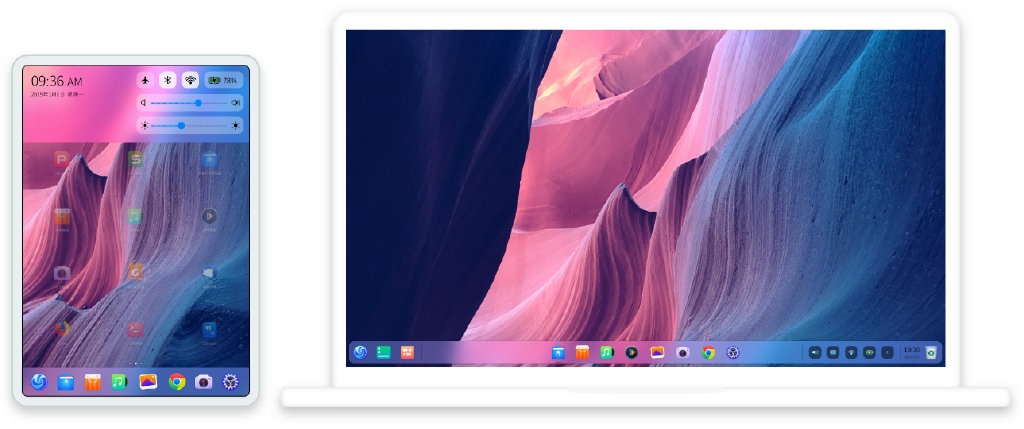
Deepin, a Linux operating system for computers, seems to be getting ready to power tablets. An image of the Deepin OS powering a laptop as well as a tablet has surfaced online through Weibo.
This seems to indicate that the company is gearing up to launch a tablet version of its operating system and thus, will support multi-terminal collaboration. Currently, not much information is available regarding this development.
For those who are unaware, the Deepin operating system is available globally and is known for having a beautiful user interface. It comes with support for 33 languages worldwide and has accumulated more than 80 million downloads.
The operating system is being developed by China-based Wuhan Deepin Technology Co., Ltd. The company generates most of its revenue through the sale of technical support and other services related to the OS.
The Deepin 20 Beta, which was expected to release in January, was finally released in April this year. The new distribution features Ubuntu 20.04 coupled with the Deepin Desktop Environment. It comes with a built-in AI assistant, Cloud Sync for easily syncing commonly changed settings across multiple machines, and an overhauled Control Center.
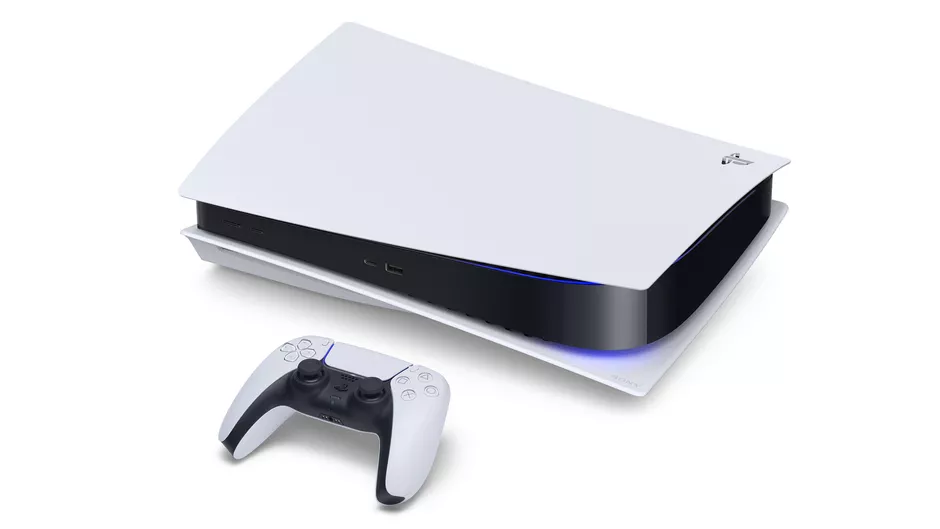
With the next generation of gaming console being just around the corner, many are anticipating their launch. Now, Sony has apparently raised the order for its upcoming PlayStation 5 by nearly 50 percent expecting to cater to higher sales.
According to a new report, the company was originally touted to produce 6 million PS5 consoles in 2020. However, that number has since been bumped up to 9 million units and could even reach 10 million as well. The reason for Sony to order such a large number of consoles is likely to be directly related to a higher demand for in house entertainment systems that have arisen due to the Coronavirus pandemic.
Notably, the PlayStation 4 had sold over 4.2 million units within the first month of its launch. Thus, it can be said that Sony is preparing to see a much higher demand for its latest generation game console. Furthermore, Facebook has also reportedly boosted the production of Oculus VR headsets, with a similar goal that ishes to raise production by 2 million units in total (another 50 percent increase) in the second half of 2020.
The company is also said to start mass production of new headsets later this month, although it is unclear if it’s a standalone system like the Rift S. At the moment, supply constraints have been hampering operations and many gaming related peripherals have also been out of stock for a while now. So, we will have to wait and see how this works out for major launches in the near future.
Last week, Xiaomi had revealed that the company will be crowdfunding a smart mattress under its eco-chain company Fun Sleep Technology. Today, the company has officially started the crowdfunding of 8H Smart Mattress.
It comes in two models — the lowest priced model measures 150x200x26cm and costs 4,599 yuan (~$657) while the other model is priced at 4,999 yuan (~$714) and measures 180x200x26cm. After the crowdfunding campaign, it will retail for 6,799 yuan (~$972).
The company says that being a smart mattress, it can intelligently determine the left and right partitions and appropriately adjust the softness and hardness. It also comes with several different features, including Yoga Sleep Mode, XiaoAI Smart Assistant, Graphene Infrared Heating, Vibration Alarm Clock, etc.
Thanks to the smart algorithms, the mattress can automatically sense and map the human body data and calculate the airbag pressure which is suitable for the body. This process occurs in just 20 seconds and is subjective to different users.
Users can also customize the softness of the mattress through the Mi App, similar to all other smart products from the company. Apart from Mijia App, it can also be controlled through a wireless remote and XiaoAI Smart Assistant.
The 8H Smart Mattress is 26cm thick and covered with 3 cm thick Italian Schcott natural latex. The independent pocket springs combined with the independent 6 zone airbag helps provide support for the spine as well.
It also has an in-built sleep monitoring system and can provide a report with data such as the user’s sleeping posture, comfort, sleep level, sleep time, and physical condition.
OnePlus has confirmed that the company will be launching its upcoming mid-range smartphone dubbed as OnePlus Nord on 21st July. Earlier this month, the device was listed in the Europen market for pre-order which will take place in three phases.
Now, ahead of the official launch, the OnePlus Nord smartphone is available for pre-order in the Indian market through Amazon for limited stock. Customers who pre-order the smartphone will get two surprise gift boxes with products worth ₹5,000 (~$66).
To pre-order the smartphone in India, head over to the Amazon.in and you will be able to see the pre-order page for the OnePlus Nord around 1:30 PM IST. To successfully pre-order the phone, customers need to make a deposit of ₹500 (~$7).
The OnePlus Nord AR launch will be the world’s first AR smartphone launch which will commence at 7:30 PM IST. The access costs ₹99 (~$1) and gives fans an opportunity of experiencing the Nord hands-on in Augmented Reality (AR) even before the official launch. Users who purchase the AR launch invitations will also get a chance to participate in the Launch Day Lottery on Amazon and win an assured gift.
The smartphone is said to feature a 6.44-inch Fluid AMOLED display with a screen resolution of 1080 x 2400 pixels. The screen has a 20:9 aspect ratio and a pixel density of 408 PPI. It will be powered by the Snapdragon 765G SoC and packs 6/8 GB of RAM with 128/256 GB of internal storage.
In the camera department, the device has a quad-camera setup on the back that includes a 48MP Sony IMX586 with an f/1.75 aperture, an 8MP ultrawide angle camera, a 5MP f/2.4 depth sensor, and a 2MP f/2.4 macro lens. On the front, there’s a dual-camera setup that consists of a 32MP Sony IMX616 sensor and an 8MP wide-angle lens.
Running Android 10 operating system with OxygenOS on top, the phone is powered by a 4,115mAh battery with Warp Charge 30T support. It will be made available in three color options — Blue Marble, Gray Onyx, and Gray Ash.
According to a reliable tipster from China, Huawei is planning to launch a new 5G smartphone. The tipster has shared the specs sheet of the device. The dimensions, display size and battery capacity revealed in the leak matches with the TNN-AN00 phone that has surfaced on TENAA. Another tipster has claimed that the TNN-AN00 handset will break cover as Huawei Enjoy 20s.
Huawei Enjoy 20s specifications (Rumored)
The specs sheet shared by the tipster reveals that the smartphone measures 170 x 78.5 x 8.9mm and it weighs 212 grams. It houses a Full HD+ resolution supporting display of 6.81 inches. The MediaTek Dimensity 800 5G SoC is present under the hood of the device. It draws power from a 4,300mAh battery. The handset is expected to arrive with support for 22.5W fast charging.
The smartphone is equipped with a front-facing camera of 8-megapixel. There is a 64-megapixel + 8-megapixel + 2-megapixel triple camera system on the backside of the handset. The leakster did not share the name and model number of the device.
The specs of the Huawei TNN-AN00 resembles with Honor Play4 (model number TNNH-AN00) that was announced in early June. The only major difference is the Huawei phone has a triple camera setup and the Play4 has a 64-megapixel + 8-megapixel + 2-megapixel + 2-megapixel quad-camera system.
Last month, Huawei announced the Huawei Enjoy 20 Pro 5G phone. Apart from the Huawei Enjoy 20s phone, the Chinese firm is also speculated to launch the Huawei Enjoy 20 phone soon. Recent reports have revealed that it will come with specs like a notch-less 6.63-inch IPS LCD FHD+ display, a pop-up selfie camera, a 48-megapixel triple camera, Kirin 820 SoC, and a 4,300mAh battery with 22.5W fast charging.
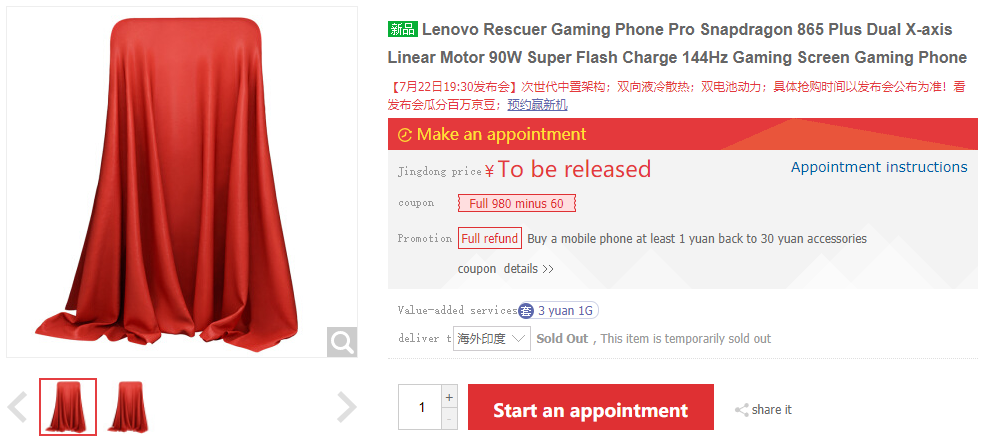
Lenovo will be launching the Legion gaming phone on July 22. Ahead of next week’s launch, the smartphone is now up for reservations through JD.com in China. The listing has revealed some of the key features of the gaming phone.
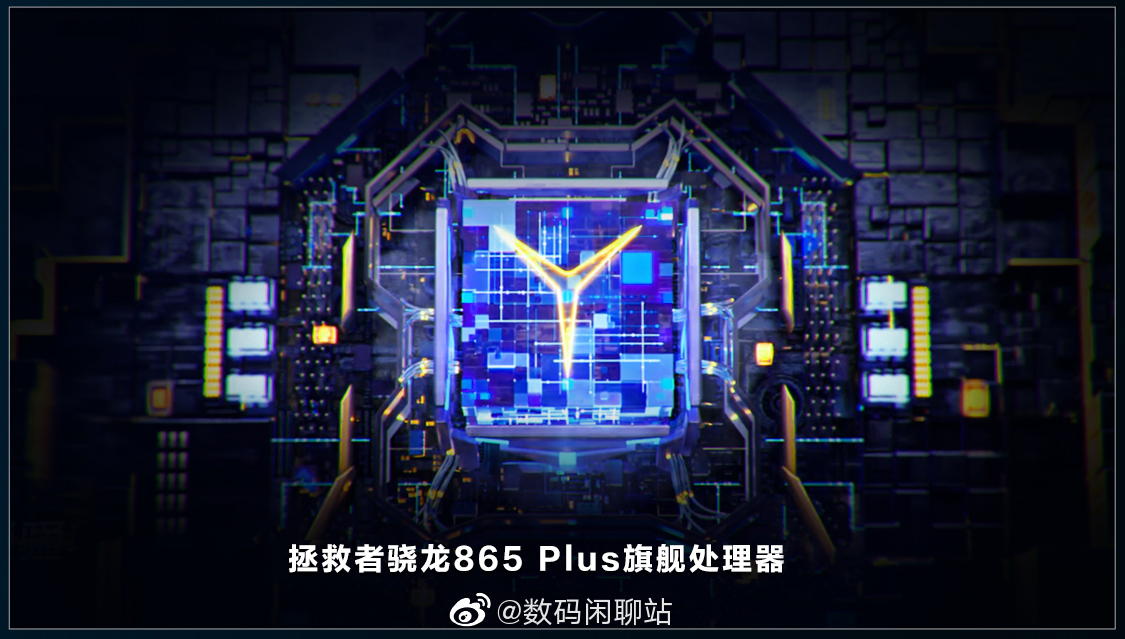
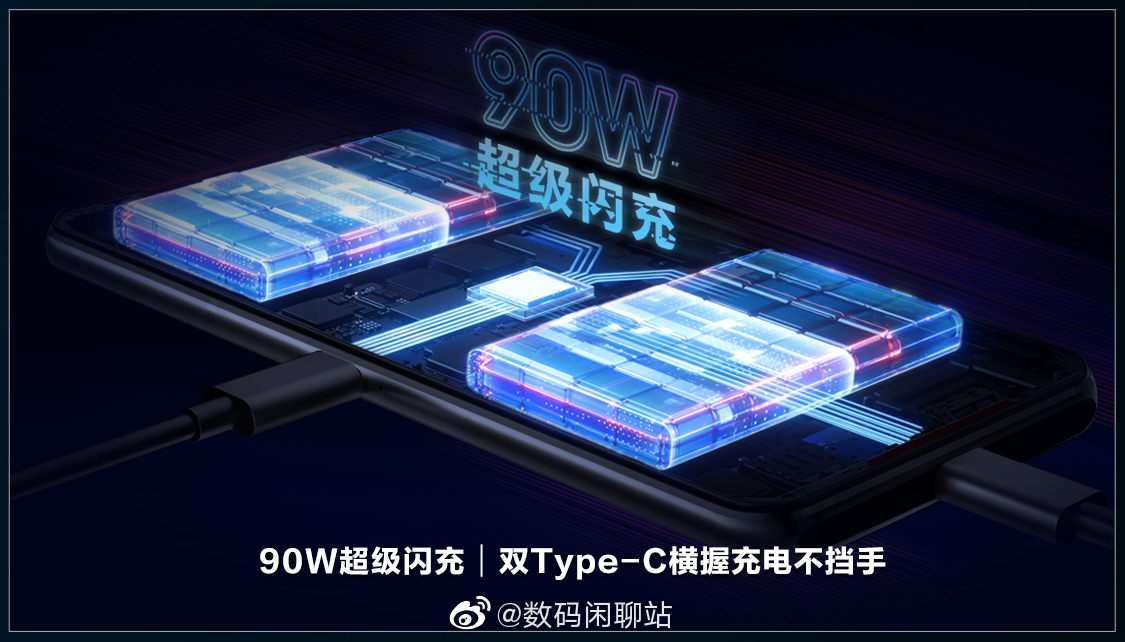
The reservations page of the Lenovo Legion gaming phone reiterates that it is fueled by the latest Snapdragon 865 Plus mobile platform. The phone will come with support for 90W fast charging and it will be equipped with dual USB-C ports. The device is fitted with not one, but dual liquid cooling system.
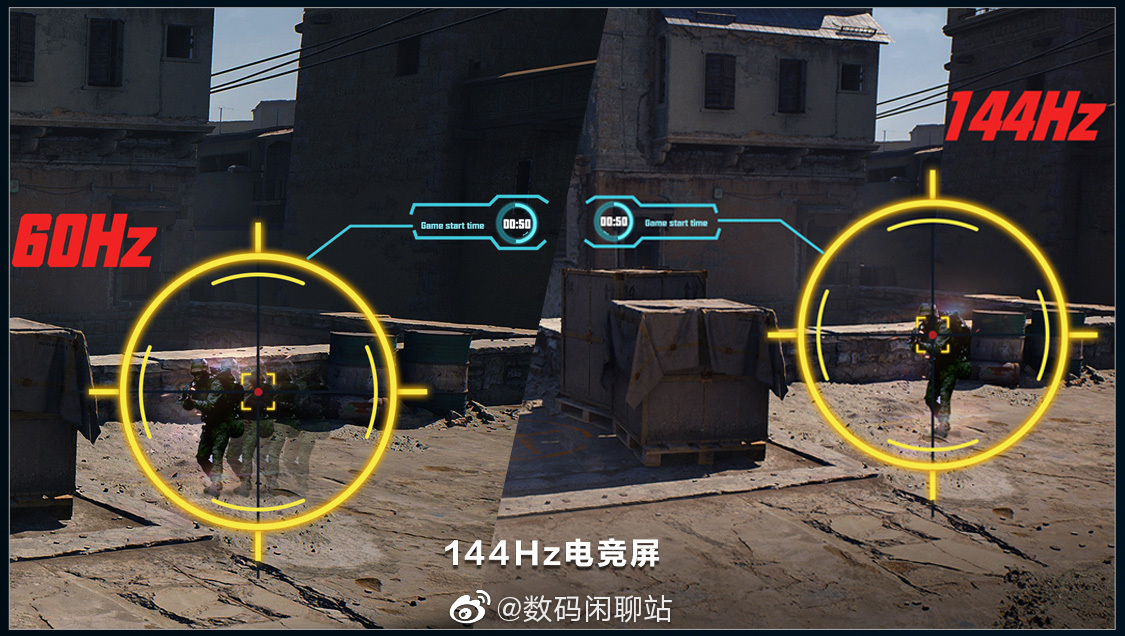
The Legion gaming phone is equipped with dual X-axis linear motor for enhanced gaming experience. As expected, the phone’s display carries support for up to 144Hz refresh rate.
Rumors have it that the Lenovo Legion phone is equipped with a 6.67-inch AMOLED display that is said to support up to 1440 x 3120 pixels resolution. The screen of the device is integrated with a fingerprint reader. The Legion gaming phone has a side-mounted 20-megapixel selfie camera. On its back is a dual-camera system that consists of a 64-megapixel primary shooter and a 16-megapixel ultrawide lens.
The Lenovo Legion gaming phone could be coming with a 5,050mAh battery. The SD865+ SoC will be equipped with up to 16 GB of LPDDR5 RAM and up to 512 GB of UFS 3.1 storage. The gaming phone was spotted with a remarkable benchmarking score of 648,871 at AnTuTu.
We use cookies on our website to give you the most relevant experience by remembering your preferences and repeat visits. By clicking “Accept”, you consent to the use of ALL the cookies.
This website uses cookies to improve your experience while you navigate through the website. Out of these, the cookies that are categorized as necessary are stored on your browser as they are essential for the working of basic functionalities of the website. We also use third-party cookies that help us analyze and understand how you use this website. These cookies will be stored in your browser only with your consent. You also have the option to opt-out of these cookies. But opting out of some of these cookies may affect your browsing experience.
Necessary cookies are absolutely essential for the website to function properly. This category only includes cookies that ensures basic functionalities and security features of the website. These cookies do not store any personal information.
Any cookies that may not be particularly necessary for the website to function and is used specifically to collect user personal data via analytics, ads, other embedded contents are termed as non-necessary cookies. It is mandatory to procure user consent prior to running these cookies on your website.





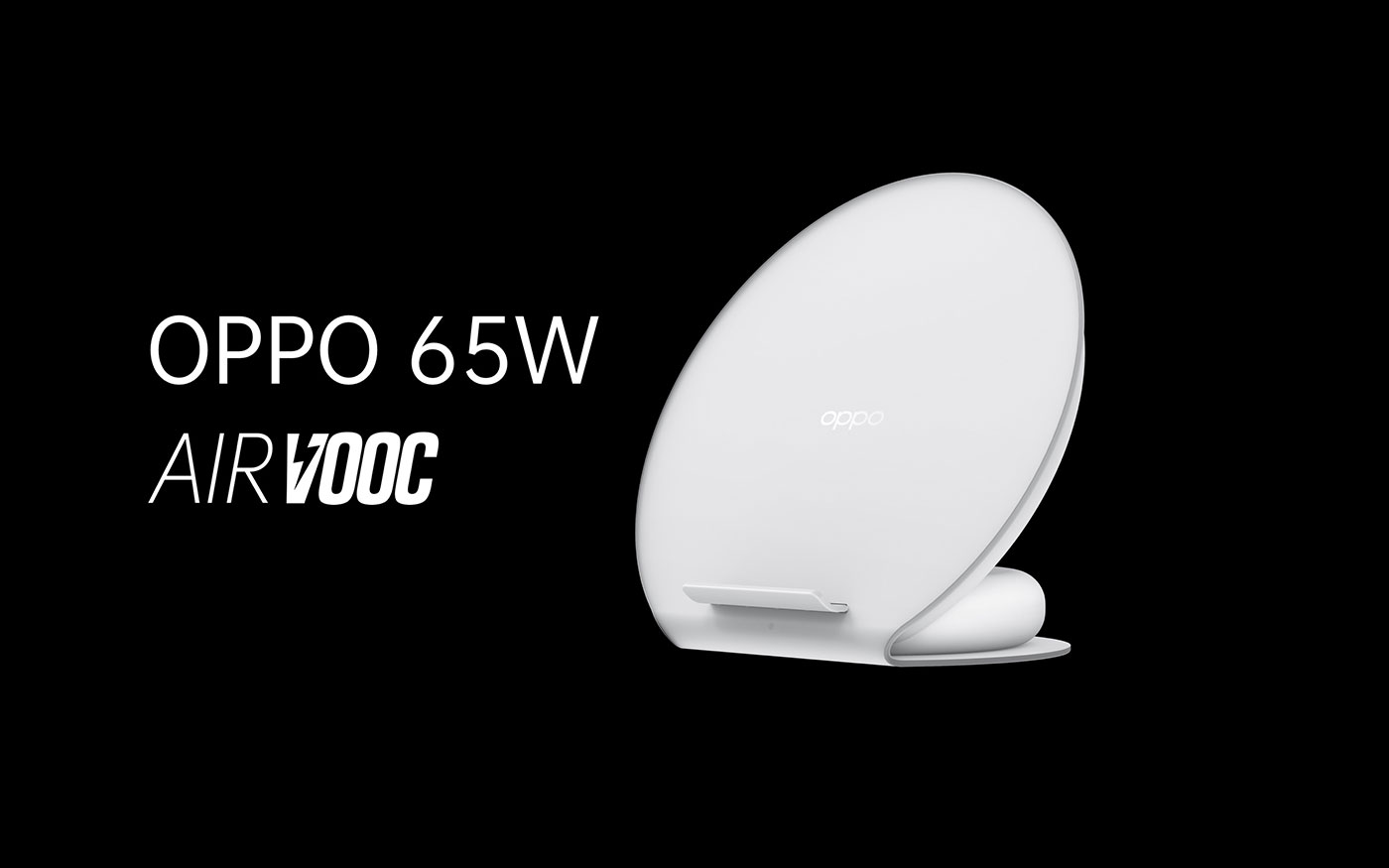 OPPO also revealed a conceptual wireless charger based on its 65W AirVOOC wireless flash charging technology. The charger comes with a sculpted-glass body which is made of moldless rapid prototyping technology. OPPO reveals that this is the first application of this type of technology in the consumer electronics market.
 The Realme RMX2121 is a 5G phone and its 3C certification that it may ship with a VCA7JACH charger. The VCA7JACH belongs to the SuperVOOC 2.0 charger that supports up to 65W charging speeds. While the identity of the Realme RMX2121 is not known, it could be a flagship smartphone.