Xiaomi has officially begun rolling out the HyperOS 3 update for a bunch of 13 Xiaomi and Redmi devices. These smartphones and tablets are getting the official stable build of the Android 16 based custom UI, bringing various upgrades and changes to Xiaomi’s vision of Android skin. So here are all the details.
The Chinese tech giant recently released the HyperOS 3 stable build for the Xiaomi Pad 7. Later this month, a bunch of other models were also confirmed to receive the major OS upgrade. And now, the company is rolling out the update for a batch of 13 Xiaomi and Redmi branded devices. Considering the big changes in the HyperOS 3, the update has a hefty download size, which is around 7.3GB to 7.6GB.
So here is the full list of devices that are receiving the update:
Xiaomi Pad 6S Pro 12.4
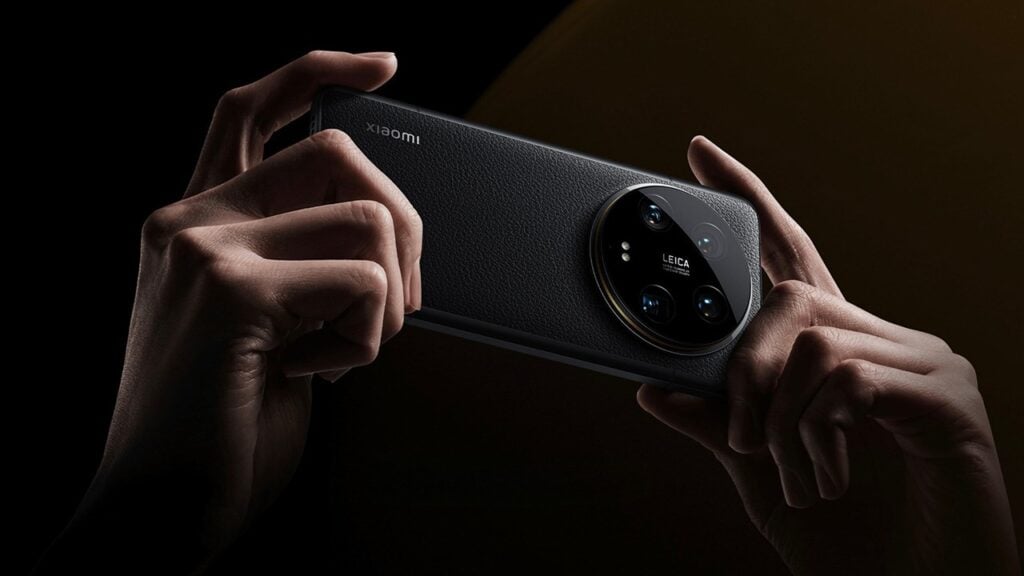
Xiaomi 14 Ultra
Xiaomi 14 Ultra Titanium Special Edition
Xiaomi 14 Pro
Xiaomi 14 Pro Titanium Special Edition
Xiaomi 14
Xiaomi MIX Fold 4
Xiaomi MIX Flip
Xiaomi Civi 4 Pro
Redmi K70 Pro
Redmi K70 Ultimate Edition
Redmi K70
Redmi K70E
Based on what we know so far, the company is set to release the HyperOS 3 update for a bunch of other models as well, which include:
POCO F7 Pro
POCO F7
POCO X7 Pro
POCO X7 Pro Iron Man Edition
POCO X7
Redmi Note 14 Pro+
Redmi Note 14 Pro 5G
Redmi Note 14 Pro
Redmi Note 14
For more daily updates, please visit our News Section.
BenQ has introduced the BenQ ScreenBar Halo 2 for users who work in dim or shifting lighting conditions. The desk lighting solution is designed for professionals, gamers and creators. Continue reading to learn everything revealed about the new model.
BenQ ScreenBar Halo 2 specifications and features
BenQ ScreenBar Halo 2
The BenQ ScreenBar Halo 2 arrives as a refined monitor light developed after several years of research and user studies. It features a dual-light system and a triple-curvature backlight arrangement that spreads illumination much wider than the previous generation. This broader coverage helps lower the contrast between the screen and the surrounding area, reducing visual fatigue during long work sessions.
BenQ’s ASYM-Light optical technology directs light at an 18-degree cut-off angle so it falls on the desk instead of the monitor surface, eliminating reflections and maintaining clarity. The light can be adjusted using a redesigned wireless control dial with an anti-fingerprint finish. Users can smoothly tune brightness from 0 to 100 percent and shift the colour temperature between 2700K and 6500K. The new zinc alloy mounting clamp supports a range of monitor designs, including curved and ultra-slim models, while resting gently on the display without applying pressure.
Additional features include auto-dimming based on surrounding light, motion detection that turns the light on when the user returns, and memory settings that store preferred brightness and warmth levels. The Halo 2 has been co-designed with MINIMAL Design and carries a clean metallic look that matches BenQ’s PD, RD, MOBIUZ and MA series monitors.
BenQ ScreenBar Halo 2 price in India, availability
The BenQ ScreenBar Halo 2 is available for purchase in India for Rs 17,490 (~$200). It can be bought through the BenQ India E-Store, Amazon India and select retail outlets. BenQ has not indicated any special editions or alternate versions for other markets at the moment.
Samsung has expanded its Galaxy Book 5 lineup with a new model that stands apart from the existing standard, Pro and 360 versions. Spotted by XpertPick, the newly listed Galaxy Book 5 Edge 5G introduces built-in 5G connectivity, making it the only version in the series capable of offering mobile data access through a SIM card. Here’s everything you need to know about the new Galaxy Book 5 variant.
Samsung Galaxy Book 5 Edge 5G specifications and features
Samsung Galaxy Book 5 Edge 5G
The Galaxy Book 5 Edge 5G features a 15.6-inch Full HD IPS screen with an anti-glare finish, designed for comfortable viewing during long hours of use. It weighs around 1.66kg and has a slim 15.5mm profile, making it easy to carry despite its large display size. For audio, Samsung includes stereo speakers tuned with Dolby Atmos for a more immersive sound experience.
Under the hood, the device runs on the Snapdragon X processor (X1-26-100) paired with Adreno graphics. It comes with 16GB of LPDDR5X RAM and offers 512GB of eUFS storage, giving users enough performance headroom for multitasking, productivity and entertainment needs.
Samsung Galaxy Book 5 Edge 5G price
The laptop is equipped with a 61.2Wh battery that supports superfast charging through the included 65W USB-C adapter. Connectivity options are extensive, including 5G Sub6 support via SIM slot, Wi-Fi 7, Bluetooth 5.4, two USB 4.0 ports, USB 3.2, HDMI 2.1 for 4K output at 60Hz, a microSD card slot and a headphone/mic combo jack.
Samsung Galaxy Book 5 Edge 5G price and availability
Samsung has priced the Galaxy Book 5 Edge 5G at £949 (approximately Rs 1,10,680) on the UK website. The model is available only in a Sapphire Blue colour and is currently listed in a single 512GB configuration. For now, Samsung has not confirmed whether the Galaxy Book 5 Edge 5G will debut in other global markets.
For more daily updates, please visit our News Section.
Asus finally begins rolling out the Android 16 update, and it’s none other than the Zenfone 12 Ultra and ROG Phone 9 getting the first bites. Both devices were also part of the beta program, which began in August, and after three months, they are now receiving the stable version.
The Android 16 update for the Zenfone 12 Ultra and ROG Phone 9 comes with the firmware version 36.0810.1810.43. Since it’s a major upgrade, the download size should be over a gigabyte; hence, it’s recommended to switch to a Wi-Fi connection to download such large update packages.
If you’re rocking a Zenone 12 Ultra or ROG Phone 9, go to Settings > System and tap System updates to check if the update is available. As the rollout usually happens in batches, the update may take a few days to reach all users.
The Android 16 upgrade for Zenfone 12 Ultra and ROG Phone 9 doesn’t bring groundbreaking features or major UI changes, but it brings notable improvements and minor additions to further improve the software experience, including a new way to trigger predictive back gesture, a new skip countdown button to the screen recording feature, and the ability to trigger digital assistant by long-pressing the power button.
The update also fixes the occasional no sound issue during calls with Bluetooth headsets. For ROG phones, Android 16 includes updated game profiles, updated AirTrigger profiles, and updated Macro profiles in ROG Instant Master for many popular games.
Here’s the complete Android 16 changelog:
Adjusted the system navigation settings. The Predictive Back animation can be triggered by either the back gesture or long-pressing the back button.
Added a power button option in the advanced setting, allowing users to configure quick access to the digital assistant by long-pressing the power button.
Added the skip countdown button to the screen recording feature.
In About Phone > Status setting, users can long-press the IMEI or Serial number field to copy the content.
Fix the issue of occasional no sound during calls with Bluetooth headsets.
Some 3rd-party apps are not compatible with Android 16 yet.
Updated game profiles for the following games: Arena of Valor (TW), Arena of Valor (US), Garena Delta Force (TW) (Cooler X Pro), Delta Force (WW) (Cooler X Pro), Genshin Impact (WW), Free Fire (WW), KartRider Rush+ (WW), Mobile Legends: Bang Bang (WW).
Updated AirTrigger profiles in ROG Instant Master for the following games: NEW STATE: NEW ERA OF BR (WW), Brawl Stars (WW), Genshin Impact (WW), Black Desert Mobile (WW), GODDESS OF VICTORY: NIKKE (TW) (Cooler X Pro), GODDESS OF VICTORY: NIKKE (WW) (Cooler X Pro), Racing Master (SEA)(Cooler X Pro), Need for Speed Mobile (TW).
Updated Macro profiles in ROG Instant Master for the following games: Arena of Valor (TW), Arena of Valor (US), Zenless Zone Zero (WW), Mobile Legends: Bang Bang (WW), Genshin Impact (WW), Honor of Kings (WW), League of Legends: Wild Rift (TW), League of Legends: Wild Rift (US).
The gaming-related changes (last three bullet points) do not apply to the Zenfone 12 Ultra.
Both Asus phones were launched with Android 15 out of the box, and therefore, it’s the first major Android upgrade for them. Sadly, they will receive just one more OS upgrade before reaching the end of major upgrades. However, they will continue to receive security updates for a few more years.
Remember to visit the Asus section on Gizmochina regularly to get the latest updates. Alternatively, you can join our Telegram channel to get instant notification about latest software updates, product launches, and breaking tech news.
But now we’re getting the closest thing to a full reveal. Reliable tipster Digital Chat Station has posted what looks like the complete spec sheet for the Honor 500 Pro on Weibo.
Honor 500 Pro Specifications
The Honor 500 Pro seems to mix familiar mid-range features with a few specs you usually see on premium phones. On the front, the device reportedly comes with a 6.55-inch display with a 2736×1264 resolution and a 120Hz refresh rate.
The design also sticks to the recent trend of clean, simple shapes, featuring a large flat panel with rounded corners and a metal frame.
Honor 500 Pro
Inside, the phone is said to run on the Snapdragon 8 Elite processor. It’s said to be paired with 16GB of RAM and a massive 1TB of storage, but that’s likely the highest-tier option. We are expecting the lineup to start at 12GB of RAM and 256GB of storage, like its predecessor.
One of the biggest highlights is the 8000mAh silicon battery. And previous leaks add that it will support 80W wired and 50W wireless charging. The device will run on MagicOS 10 based on Android 16.
Honor is also going big on cameras this year. The phone reportedly has a 200MP main sensor, although DCS says that the final image quality may not match early prototypes because of “limitations in image processing.”
Other hardware extras round out the package. It has a 3D ultrasonic fingerprint sensor, Honor’s self-developed C1+ RF enhancement chip for improved signal performance, and an E2 energy efficiency chip to help manage the large battery.
For more daily updates, please visit our News Section.
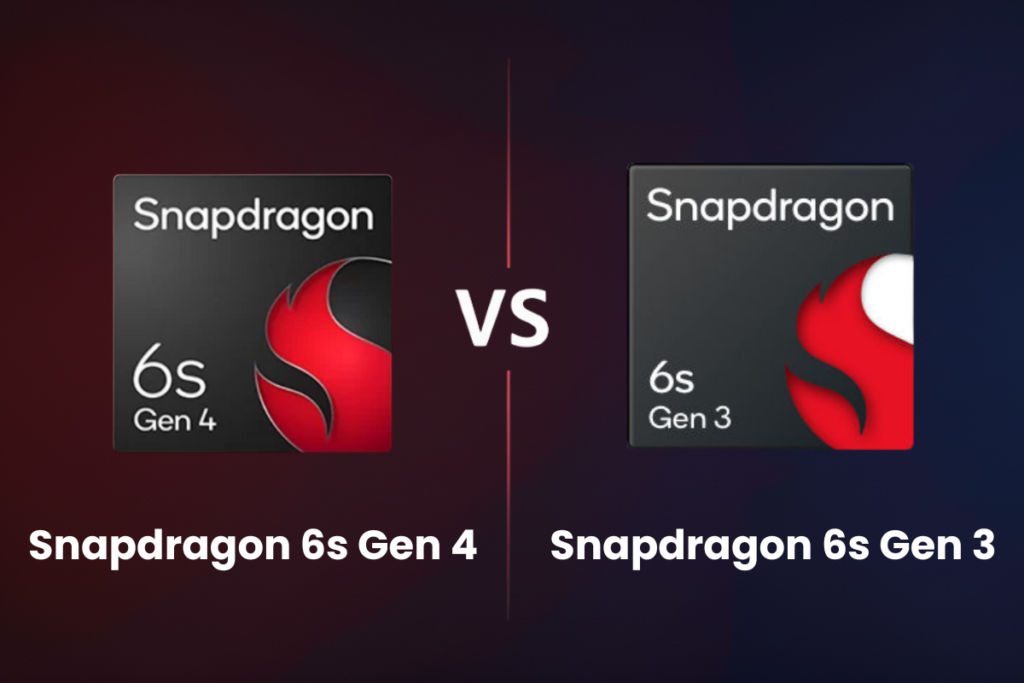
The new Snapdragon 6s Gen 4 offers enhanced CPU and GPU performance, along with optimized power efficiency, for affordable and lower mid-range devices. The camera and connectivity have also received notable upgrades, making it a well-rounded upgrade over last year’s Snapdragon 6s Gen 3.
However, the real question is how solid the upgrades are. Is the new chip just another name for 6s Gen 3 with minor changes, or are there some real upgrades? Let’s dive deep into benchmark numbers and real-world differences to find out.
Snapdragon 6s Gen 4 vs 6s Gen 3: Benchmark scores
The Geekbench 6 scores for the Snapdragon 6s Gen 4 have been obtained from an alleged listing of the Moto G100s, which is said to have the same chipset. For the Snapdragon 6s Gen 3, we tested the Moto G85 to get the benchmark scores.
The Snapdragon 6s Gen 4 scored 1,018 single-core points, which is about 11% higher than the Snapdragon 6s Gen 3’s 923 points. The gap between multi-core scores is even wider, with the Gen 4 achieving a solid 35% boost (2,893 vs 2,140).
Geekbench 6
Single core
Multi core
Snapdragon 6s Gen 4
1,018
2,893
Snapdragon 6s Gen 3
923
2,140
The Geekbench scores suggest higher responsiveness and faster processing on Snapdragon 6s Gen 4-powered devices than on 6s Gen 3 devices. The newer chip should also result in improved multitasking and higher performance in demanding tasks, where the software leverages multiple processor cores simultaneously.
Snapdragon 6s Gen 4 vs 6s Gen 3: Key differences that matter
The Snapdragon 6s Gen 4 is manufactured using Samsung’s 4nm process node, whereas the 6s Gen 3 utilizes TSMC’s 6nm process node. The former is more advanced and offers better performance and power efficiency.
CPU & GPU
The Snapdragon 6s Gen 4 features a 4+4 revised core configuration, which includes four Cortex-A78 performance cores and four Cortex-A55 efficiency cores. The Gen 3 features just two Cortex-A78 performance cores, but six Cortex-A55 efficiency cores. The newer chip also benefits from a higher peak CPU frequency of 2.4 GHz (vs. 2.3 GHz on the Gen 3).
Qualcomm claims 36% improved CPU and 59% faster GPU performance for the Snapdragon 6s Gen 4. The Adreno GPU brings support for HDR gaming, OpenGL ES 3.2, OpenCL 2.0 FP, and Vulkan 1.1. It also integrates some Snapdragon Elite Gaming features, including Variable Rate Shading (VRS) and Game Quick Touch, offering reduced touch latency and more efficient rendering.
Additionally, the Snapdragon 6s Gen 4 supports a 144Hz refresh rate, up from Gen 3’s 120Hz, to further improve the gaming experience on budget phones.
Camera & Imaging
The camera receives one of the biggest upgrades to the Snapdragon 6s Gen 4, now supporting up to 200MP single-camera resolution, up from 108MP on the Gen 3. It also supports dual 16MP sensors at 30fps with zero shutter lag.
The Gen 4 chip supports 2K HDR video recording at 30fps and 720 slow-mo video recording at 240fps. In contrast, the Gen 3 supports 1080p video recording at 60fps and 720p slow-mo video recording at 120fps.
Connectivity
The newer Snapdragon chip features a newer 3GPP Release 16 5G standard, which delivers higher connection speeds and advanced new features. It supports download speeds of up to 2.9 Gbps over a 5G connection, which is higher than Gen 3’s 2.5 Gbps. Additionally, it incorporates enhanced performance technologies, including Qualcomm Smart Transmit 2.0, Qualcomm 5G PowerSave 2.0, and Qualcomm AI-Enhanced Signal Boost, to further improve 5G connectivity.
Wi-Fi connectivity also receives several notable upgrades, including support for Wi-Fi 6E on the Snapdragon 6s Gen 4. In contrast, the Gen 3 supports Wi-Fi 5. In other words, the newer chip can also use 6GHz to achieve higher speed and improved latency.
The Gen 4 also features a newer Bluetooth 5.4 standard, while the Gen 3 uses Bluetooth 5.2.
Qualcomm Spectra dual ISPs (12-bit) up to 200MP single camera up to 32MP single camera at 30 fps with zero shutter lag up to 16+16MP dual cameras at 30 fps with zero shutter lag up to 2K HDR video recording at 30 fps 720p slow-mo video recording at 240fps Hardware-based noise reduction support
Qualcomm Spectra triple ISPs (12-bit) up to 108MP single camera up to 32MP single camera at 30 fps with zero shutter lag up to 25+13MP dual cameras at 30 fps with zero shutter lag up to 13MP triple cameras at 30 fps with zero shutter lag up to 1080p video recording at 60 fps 720p slow-mo video recording at 120fps
Connectivity
Qualcomm Release 16 5G modem peak speed: 2.9 Gbps Wi-Fi 6E Bluetooth 5.4
Huawei Mate 80 lineup is getting closer to its expected launch, and as usual, leaks are doing most of the talking. And the latest claim from China is that the Mate 80 phones might ship with a massive 20GB of RAM.
Right now, most premium Android phones have 12GB to 16GB of RAM, even when they’re gaming devices. 20GB of storage is completely uncharted territory for mainstream flagships, but Huawei might make it a reality with the Mate 80 series.
Expected to be the Huawei Mate 80 Pro
The phones are also expected to run on Huawei’s new Kirin 9030 processor. Details about the chip are limited, but it will be a step up from last year’s Kirin flagship.
What we know so far
The lineup will reportedly include four models: the standard Mate 80, the Mate 80 Pro, the new Mate 80 Pro Max, and the Mate 80 RS Master Edition.
According to the report from MyDrivers, the Pro Max could replace the Pro+ name, and the change is said to be more than branding. It is said to have a clearer separation from the regular Pro model, though specifics haven’t surfaced yet.
Moreover, early rumors suggest that Huawei is testing a built-in active cooling fan for the Mate 80 series.
One confirmed upgrade across the lineup seems to be 3D face recognition. Huawei has used this feature in its premium versions before, but this will be the first time the standard Mate model gets it.
The series will also support side-mounted fingerprint recognition and carry a new red-maple-colored camera module design.
The Mate 80 series is expected to launch on November 25. As always with pre-launch leaks, nothing is final until the company makes it official, so we suggest you take these details with a pinch of salt.
For more daily updates, please visit our News Section.
Honor is preparing to introduce the Honor 500 and Honor 500 Pro in China, and the latest information comes from updated listings on the brand’s official online store. These pages reveal the designs, colour variants, and memory options of both models. While the company has not announced the exact launch date, it could be scheduled to launch on Nov. 24 in China. Here’s a look at all the new details about the Honor 500 series.
The Honor 500 and Honor 500 Pro will ship in four colorways, which include Aquamarine, Starlight Powder, Obsidian Black and Moonlight Silver. Both phones are listed in 12GB+256GB, 12GB+512GB and 16GB+512GB configurations. The Pro version adds a 16GB+1TB variant, offering the highest storage capacity in the lineup.
The product images show that both models feature a flat display with slim bezels and a centred hole-punch camera. The rear design adopts a horizontal camera island that resembles the iPhone Air layout, but Honor uses multiple lenses instead of a single large one.
The base model appears to include two large rings accompanied by smaller cutouts, while the Pro version features a slightly more elaborate module with an additional camera, likely the periscope unit. The Pro handset seems to a new button placed beneath the power key, which is expected to be customisable.
Honor 500, 500 Pro specifications (rumored)
Honor 500 Pro – AquamarineHonor 500 Pro – Starlight PinkHonor 500 Pro – Obsidian BlackHonor 500 Pro – Moonlight Silver
Reports suggest the Honor 500 series will feature a 6.55-inch OLED display offering a 1.5K resolution and a 120Hz refresh rate. Both phones are expected to feature a 50-megapixel front camera. The Honor 500 may come with a 200-megapixel main camera and an ultra-wide lens and is tipped to be powered by the Snapdragon 8s Gen 4 chipset.
The Snapdragon 8 Elite-powered Honor 500 Pro is said to include a 200-megapixel primary camera, an ultra-wide shooter and a 64-megapixel periscope camera. Both models are expected to run MagicOS 10 based on Android 16 and feature an 8,000mAh battery with 100W charging, while the Pro may also support wireless charging.
For more daily updates, please visit our News Section.
A recent leak claimed that the Vivo S50 series will be unveiled in December in China. Now, in a new Weibo post, reliable tipster Digital Chat Station has reiterated the December launch timeframe and revealed a few more details. Continue reading ahead to learn what the tipster revealed in the latest leak.
Vivo S50 series key details tipped
Vivo S50 series leak
DCS claims that the Vivo S50 series will be unveiled in December and is internally codenamed ‘Battle Angel.’ According to him, the company is aiming to bring a true flagship experience in three key areas on its forthcoming mid-range lineup for the first time.
The S50 series’ major upgrades include the upcoming Snapdragon 8 Gen 5 chipset, a Sony IMX882-class periscope telephoto camera, and an improved version of the ultrasonic in-screen fingerprint scanner, which will be the same as the X300 series.
DCS adds that the S50 series continues with a slim, minimalist design while offering hardware and software specifications that are unusually strong for this segment. With the year-end competition in the mid-range “flagship-killer” space heating up, he suggests that users might want to wait for a few models to launch and then compare them.
Reports have revealed that the Vivo S50 Pro Mini will feature a 6.31-inch OLED 1.5K 120Hz display and a battery of between 6,000mAh and 6,500mAh capacity. Under the hood, it will feature the Snapdragon 8 Gen 5. It will have a triple camera setup, which will include a flagship-grade periscope telephoto camera.
The Vivo S50 is said to be a slightly bigger device equipped with a 6.59-inch OLED 1.5K 120Hz screen. On being asked whether the S50 is equipped with the Snapdragon 7 Gen 4 chipset, the tipster responded that it is powered by a Snapdragon 8-series chipset. This phone is also expected to feature a periscope camera in its triple camera unit. Both devices are expected to support 90W wired charging.
There have been some reports claiming that the Vivo V70 heading to the global market will be based on the China-exclusive Vivo S50. The reason is that the V70 has just been spotted with the Snapdragon 7 Gen 4 on Geekbench, whereas the S50 is expected to feature a higher Snapdragon 8-series chipset. This indicates that the V70 and S50 may not have many similarities.
For more daily updates, please visit our News Section.
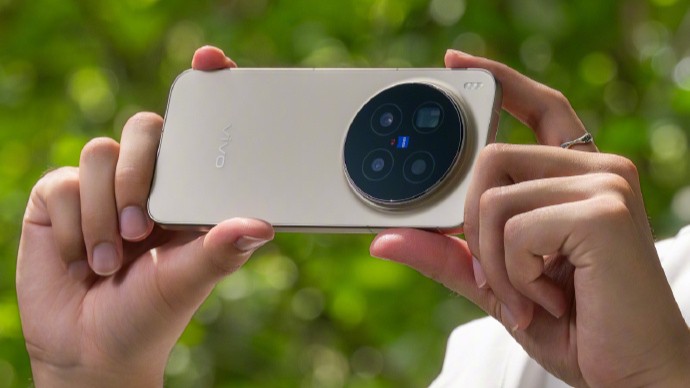
Vivo’s latest X300 lineup is barely out the door, and the company hasn’t even taken the wraps off the X300 Ultra yet. Still, early chatter about what comes after the X300 series is already starting to pick up.
A post from well-known Weibo leaker Digital Chat Station suggests that Vivo is preparing a big jump in battery capacities for its next flagship generation.
For context, the standard X300 carries a 6,040mAh pack, while the X300 Pro bumps that to 6,510mAh. The new leak says that the company is looking to increase capacities to 7000mAh with the upcoming X phones.
If Vivo follows its usual naming logic, the upcoming line could skip straight to “X500.” The number “4” is commonly avoided in parts of Asia for cultural reasons, so skipping the X400 series wouldn’t be unprecedented.
The Vivo X300 Ultra, among the current lineup, might housea bigger battery than its two siblings. However, the tipster refuted the rumors of that being a 7000mAh cell in comments.
Mid-range phones will have even bigger batteries
Battery upgrades may not be limited to the high end, either. The same leak claims Vivo is planning to push capacities even higher across its mid-range devices, with some models allegedly targeting 8,000mAh and 9,000mAh cells.
Most Chinese phone makers have already moved toward silicon–carbon batteries, and the shift is happening fast. It’s hard not to wish Samsung and Apple would follow the same path, both of which still rely on roughly 5,000mAh cells in their flagships, despite increasingly bulky designs.
Of course, it’s way too early to talk seriously about the Vivo X500 series. These phones aren’t expected until October or November of next year. But as always, the rumor mill has no intention of waiting for an official reveal.
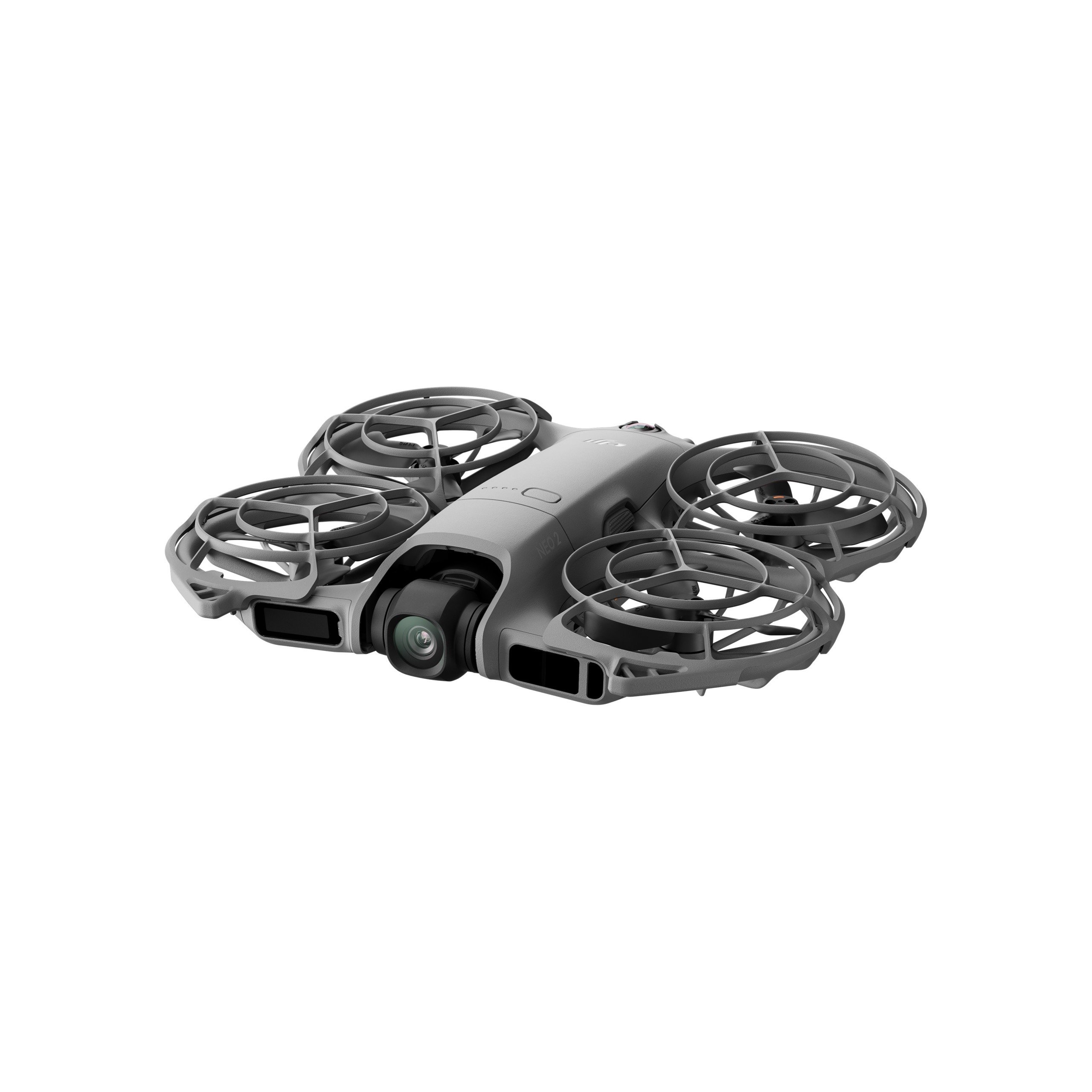
DJI has released the Neo 2, a compact 151 gram drone built for users who want something easy to carry and easy to control. It is the company’s lightest drone with omnidirectional obstacle sensing and brings new gesture controls, upgraded ActiveTrack and a SelfieShot mode aimed at quick everyday shooting.
A small display sits beside the camera to show the current shooting mode. The drone can lift off straight from the user’s palm by pointing it toward themselves and pressing the take off button. When the flight is done, the Return to Palm feature guides the drone back to the user’s hand so it can land safely without much effort.
Gesture Control is one of the main additions. Holding up one palm lets users move the drone left, right or adjust altitude. Using both palms makes it move closer or farther depending on how the hands shift. The camera angle can also be adjusted without a remote. The Neo 2 listens for voice commands through a smartphone or Bluetooth headphones, and those who want a longer range can connect it to the DJI RC N3 controller for up to 10 km of video transmission.
The drone also works with DJI’s motion controller and goggles for an FPV setup. It uses a 12 MP 1/2 inch CMOS sensor with an f/2.2 aperture and a new 2 axis gimbal that helps keep footage stable. It shoots 4K video at up to 100 fps for slow motion and can record 2.7K vertical clips. With ActiveTrack and SelfieShot, the drone can frame subjects on its own and quickly switch between waist up, full body and long shots. In open spaces, it can track at speeds up to 12 m per second and follow movement in eight directions including diagonals.
Dolly Zoom, QuickShots and MasterShots return with presets like Dronie, Circle, Rocket, Spotlight, Helix and Boomerang for simple social friendly videos.
For beginners, the Neo 2 includes omnidirectional monocular vision, forward LiDAR and downward infrared sensors to detect obstacles. Built in propeller guards add extra protection. Hovering and positioning have also been improved for flying indoors or near buildings and water.
The drone offers level 5 wind resistance, up to 19 minutes of flight time and 49 GB of internal storage. Footage can be moved to the DJI Fly app through Wi Fi at up to 80 MB per second.
Pricing
The Neo 2 starts at 239 euros. The Fly More Combo (drone only) is 329 euros, the full Fly More Combo is 399 euros and the Motion Fly More Combo is 579 euros.
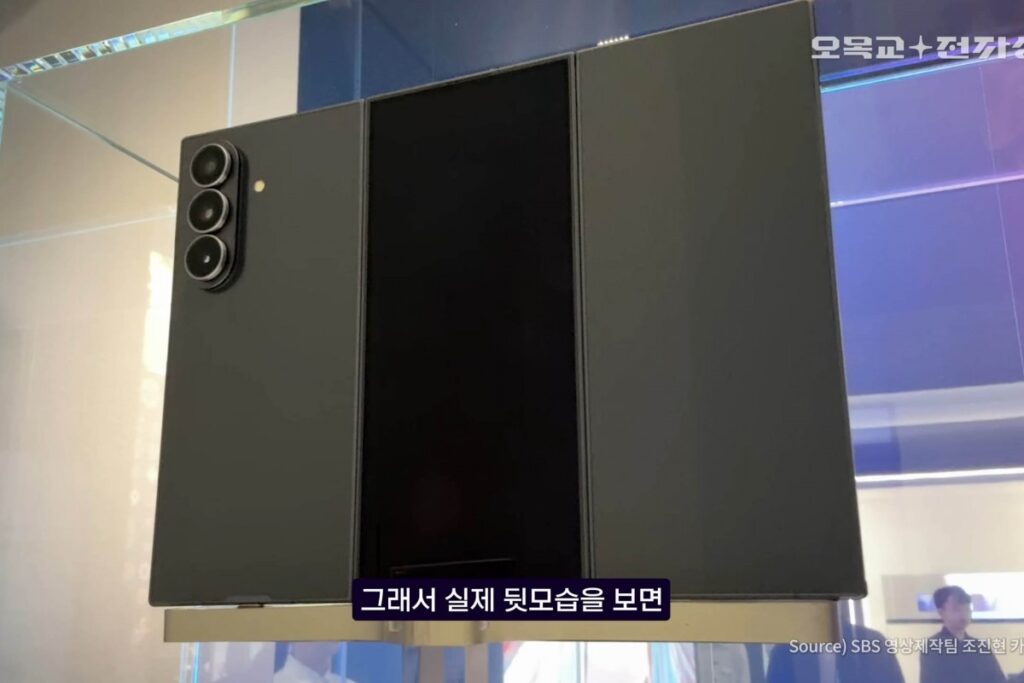
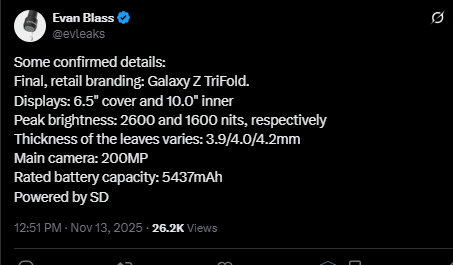
Samsung’s long-awaited tri-fold is finally shaping up. Reliable leaker Evan Blass (@evleaks) has confirmed the official name — Galaxy Z TriFold — along with some key specs such as screen size, battery capacity, and thickness.
Samsung is reportedly sticking with the Z-series branding, keeping the TriFold tied to its foldable heritage rather than spinning it off into a new “Galaxy G Fold” category.
According to the tipster, the TriFold will run on a Qualcomm Snapdragon chip. While the leak didn’t mention a specific chipset and there has been some confusion between the Snapdragon 8 Elite and 8 Elite Gen 5, the latter seems more likely given the larger display, focus on multitasking, and a higher price tag than the upcoming Z Fold8, which is also expected to use the 8 Elite Gen 5.
The Z TriFold is also rumored to pack a 200MP main camera, similar to the Fold7. The rated battery capacity, according to this leak, is 5,437mAh. While this number is lower than a recently leaked spec sheet listing 5,600mAh, that figure likely refers to the typical capacity. For those unfamiliar, the rated capacity is a minimum performance guarantee — ensuring the battery will always meet or exceed that number — while typical capacity represents the more common, slightly higher value seen in real-world use.
The cover display is said to measure 6.5 inches with 2,600 nits of peak brightness, while the main 10-inch AMOLED panel inside reportedly hits 1,600 nits. The device is expected to measure between 3.9mm and 4.2mm thick when unfolded. For comparison, Huawei’s Mate XT Ultimate ranges between 3.6mm and 4.8mm.
According to previous leaks, Samsung is planning a limited launch, with 20,000 to 30,000 units heading to Korea and select Asian markets first. No word yet on a global release.
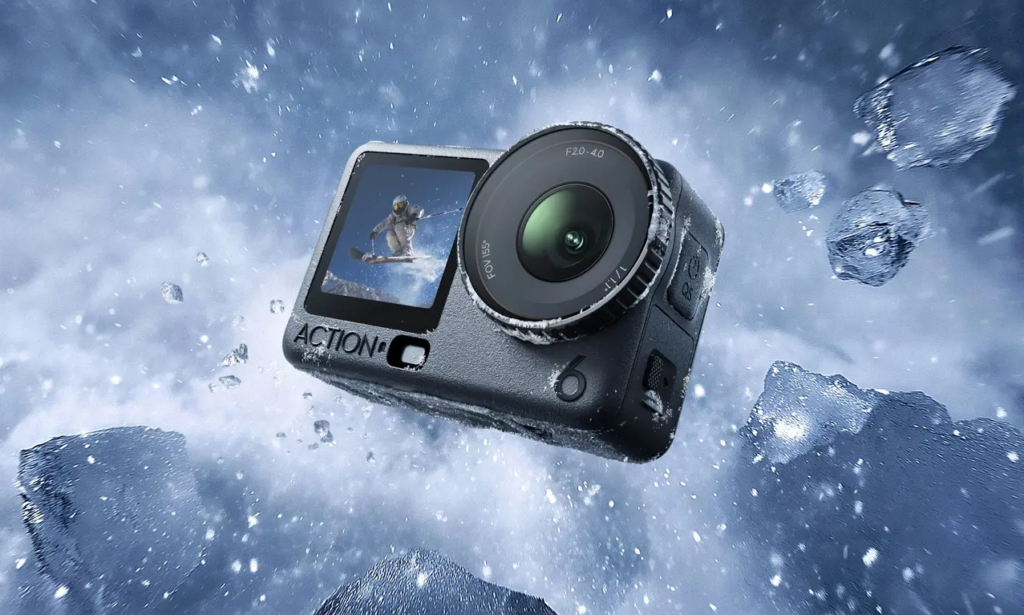
DJI has released the Osmo Action 6 in China ahead of its global launch on November 18. The camera arrives as the successor to the Osmo Action 5 Pro, which debuted in September last year.
The Osmo Action 6 uses the same 1,950 mAh (7.5 Wh) battery from the Action 5 Pro. DJI claims up to 240 minutes of use on a full charge, with continuous 4K recording rated at 52 minutes, one minute less than before. The camera has a 1.46-inch OLED screen on the front and a 2.5-inch OLED display on the back, both with up to 800 nits of brightness.
Most changes come from the camera hardware. DJI replaced the 1/1.3-inch CMOS sensor with a new 1/1.1-inch sensor that offers 13.5 EV of dynamic range. It keeps a 155-degree field of view and adds a variable aperture that ranges from f/2.0 to f/4.0. The Osmo Action 6 can record 4K video at 60 fps in a 1:1 format or 4K at 120 fps for slow motion in 16:9. Still photos reach up to 38 megapixels.
In China, the camera starts at CNY 2,998 (about $422). The standard kit includes the camera, one battery, and basic accessories, while combo kits for biking, snorkeling, and other activities add mounts and protective cases. DJI has not announced international pricing yet.
Unitree Robotics has officially introduced the G1-D, its first wheeled humanoid robot designed for advanced data collection and model training. The robot serves as the centerpiece of a full-stack solution that combines high-performance humanoid hardware with a scalable software platform for data acquisition, AI training, and real-world deployment.
Specifications
The G1-D is available in two versions: Standard and Flagship. Both models stand between 1260 mm and 1680 mm tall and weigh up to 80 kg. The Standard version is stationary, while the Flagship version features a mobile base that supports differential drive and can move at speeds of up to 1.5 meters per second. The mobile base includes sensors such as LiDAR, depth cameras, and collision detection units.
Unitree has equipped the G1-D with 17 degrees of freedom on the Standard model and 19 on the Flagship model, excluding the end effectors. Each arm has seven degrees of freedom and supports a payload of up to 3 kg. The robot’s waist joint allows motion along the Z-axis up to ±155 degrees and along the Y-axis between -2.5 and +135 degrees. The platform supports a vertical working range of 0 to 2 meters.
The robot features a high-definition binocular camera on its head and an additional HD camera on each wrist. It supports various end effectors, including a two-finger gripper, three-finger dexterous hands with or without tactile sensors, and a five-finger dexterous hand. Unitree has powered the G1-D with an Nvidia Jetson Orin NX module that delivers up to 100 TOPS of AI performance. The Flagship version offers a battery life of up to six hours.
The G1-D is designed for a wide range of real-world applications. It can perform repetitive manual tasks in industrial and service environments, assist in warehouse automation, collect and annotate data for AI training, and even interact with retail or consumer settings using its onboard vision and mobility. The robot’s dexterous hands and mobile base allow it to manipulate objects, conduct inspections, or serve as a data-gathering agent in complex environments.
Alongside the hardware, Unitree has launched a comprehensive software stack that manages the entire AI workflow. This includes data acquisition tools, task management, annotation systems, and real-time tracking. The platform supports distributed training and integrates with popular open-source frameworks such as GROOT and PI. It also includes a simulation environment for model evaluation and supports seamless export and deployment of trained models.
Samsung’s foldable lineup is seemingly gearing up for its biggest year yet — not with wild new form factors, but with smart refinements aimed at everyday users. Leaks out of Korea hint that the upcoming Galaxy Z Flip8 and Z Fold8 will be leaner, smarter, and built to push foldables out of the niche corner and into the mainstream.
Samsung Galaxy Z Fold 7 and Galaxy Z Flip 7
According to The Bell Korea, Samsung’s 2026 MX (Mobile eXperience) business roadmap sets a goal of 6.7 million combined Flip8 and Fold8 units, about a 10% boost over last year’s sales. The push is led by the Flip8, which is reportedly getting a major hardware revamp. There’s no mention of a Flip8 FE yet.
The Galaxy Z Flip8 is shaping up to be Samsung’s thinnest clamshell yet. Sources suggest the phone could measure just 9.5 mm when folded, roughly 30% slimmer than the Flip7’s 13.7 mm profile. Early leaks suggest the same 6.9-inch inner display, and the slimmer design should make it easier to pocket.
The Galaxy Z Fold8, meanwhile, is expected to stay closer to the Fold7 formula. Expect brighter AMOLED panels and S Pen support refinements, but no major redesign.
With the TriFold expected to arrive as a limited release and the Galaxy S26 series on the horizon, the Flip8 and Fold8 carry the task of bringing foldables to more people. If Samsung can deliver a 9.5 mm Flip that feels as sturdy as it looks, it might finally have a clamshell ready for the masses.
As 2026 approaches, Samsung’s message seems to be clear: the next chapter in foldables isn’t about showing off — it’s about shaving down, selling more, and making foldables feel like the future again.
URBAN has launched the Vibe Clip 2 Open-Ear Wireless Earbuds in India, adding to its open-ear audio range. The earbuds have a clip-on design that fits around the ear, keeping them steady during workouts or long use. The open-ear style lets users stay aware of their surroundings, making them suitable for both indoor and outdoor use.
The Vibe Clip 2 features 16.2 mm dynamic drivers for clear audio and stronger bass. It includes AI Environmental Noise Cancellation (AI-ENC) to improve call clarity by reducing background noise. The earbuds support Bluetooth 5.3 and Dual Device Pairing, allowing users to connect two devices at once.
URBAN has added features like Air Beam, Deep Bass, Smart AI EQ, and 3D Panoramic Sound. There is also a low latency mode for better sync while watching videos or gaming. The earbuds have touch controls for playback, volume, and calls, and support voice assistants such as Siri and Google Assistant.
Battery life is rated at up to 18 hours on a single charge and 50 hours with the charging case. Type-C fast charging is supported for quicker top-ups. The Vibe Clip 2 is IPX5 water-resistant, protecting it from sweat and light rain.
Please Note: When you buy something using the links in our articles, we may earn a small commission at no cost to you.
Pricing & availability
The URBAN Vibe Clip 2 Open-Ear Wireless Earbuds are priced at Rs. 1,999 and are available in Starlight Beige, Lilac Purple, and Storm Black. They can be purchased from URBAN’s official website, Amazon.in, Flipkart, and select offline stores across India.
For more daily updates, please visit our News Section.
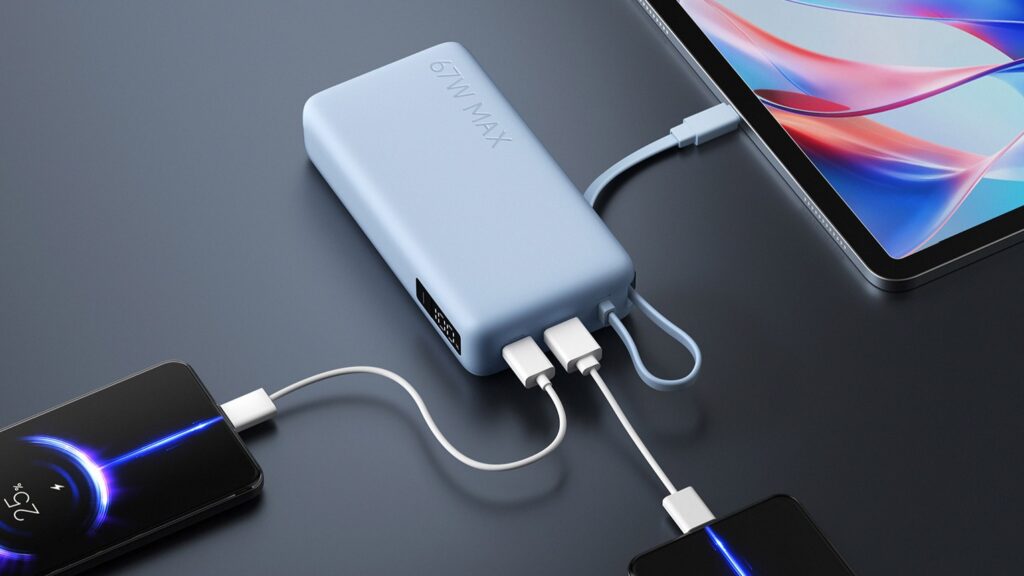
Xiaomi has quietly launched its latest fast-charging power bank in Europe, and it’s built for travel. The new 67W Power Bank 20000 (Integrated Cable) comes with a built-in USB-C cable that doubles as a lanyard — so you’ll never dig through your bag looking for a cable again.
The power bank supports up to 67W USB-C fast charging (PD 3.0, PPS, QC 3.5) and includes a USB-A and a USB-C port alongside the built-in cable, letting you charge up to three devices at once. When all three ports are in use, total output is capped at 15W. Still, it can be useful when charging low-power devices like smartwatches and earphones.
According to Xiaomi, the power bank has a nominal capacity of 12,000mAh (5V/3A), enough to charge most phones from 0 to 100% at a solid speed.
It also recharges quickly via 65W USB-C input, taking around 2.5 hours to top up completely. There’s a low-current mode for accessories like earbuds, plus a digital display showing the exact battery percentage.
The design is simple but practical: beige or blue, measuring 140 × 72 × 31.2 mm and weighing 415 g.
The 67W Power Bank 20000 is available now in Germany for €45.99 on mi.com/de, with availability expanding to more EU countries in the coming weeks. Xiaomi is also bringing the 67W 10000 and Super Slim Magnetic 5000 to the region.
With fast charging, three ports, and that built-in cable, Xiaomi’s latest power bank looks like a handy little upgrade for anyone who travels light — or just hates tangled cords.
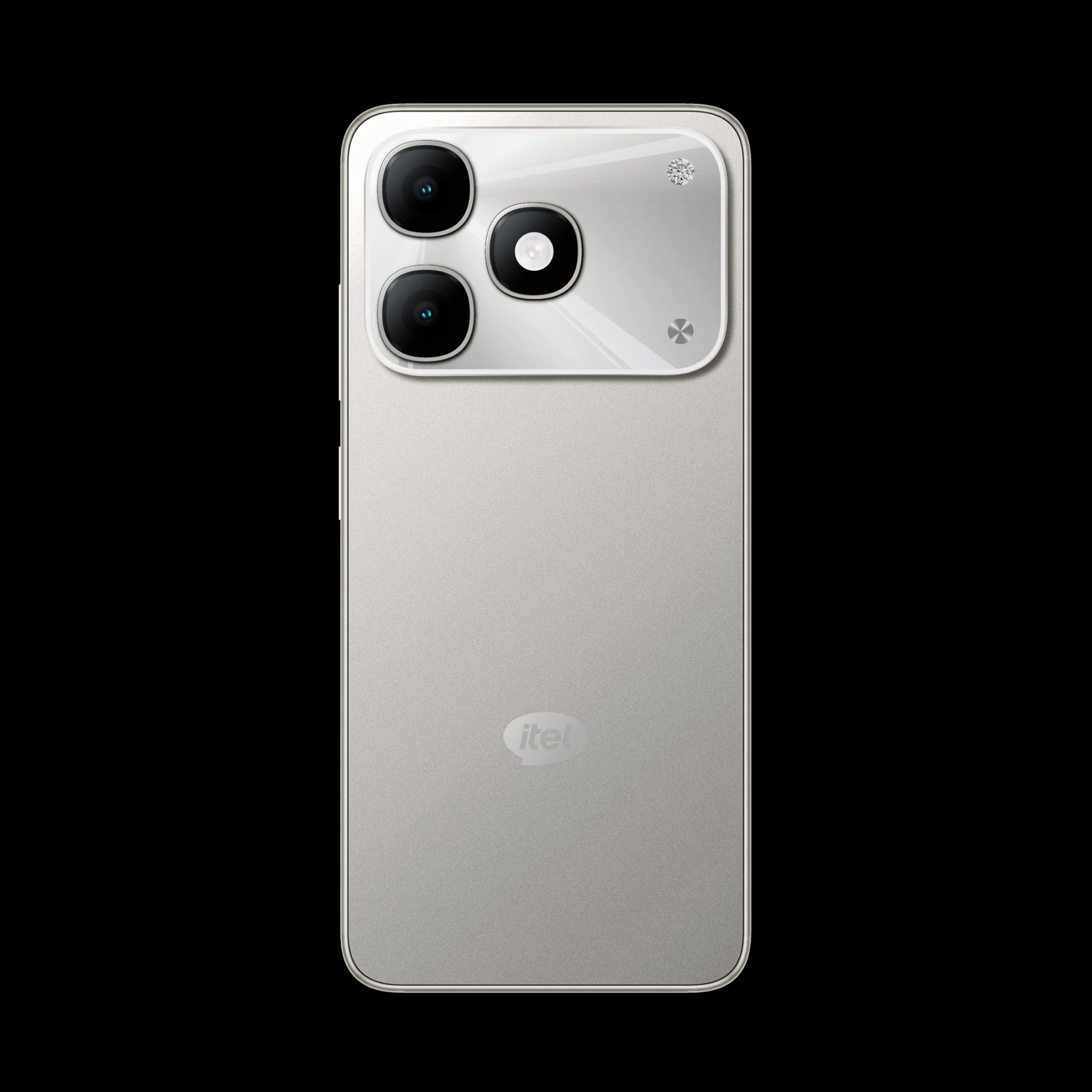
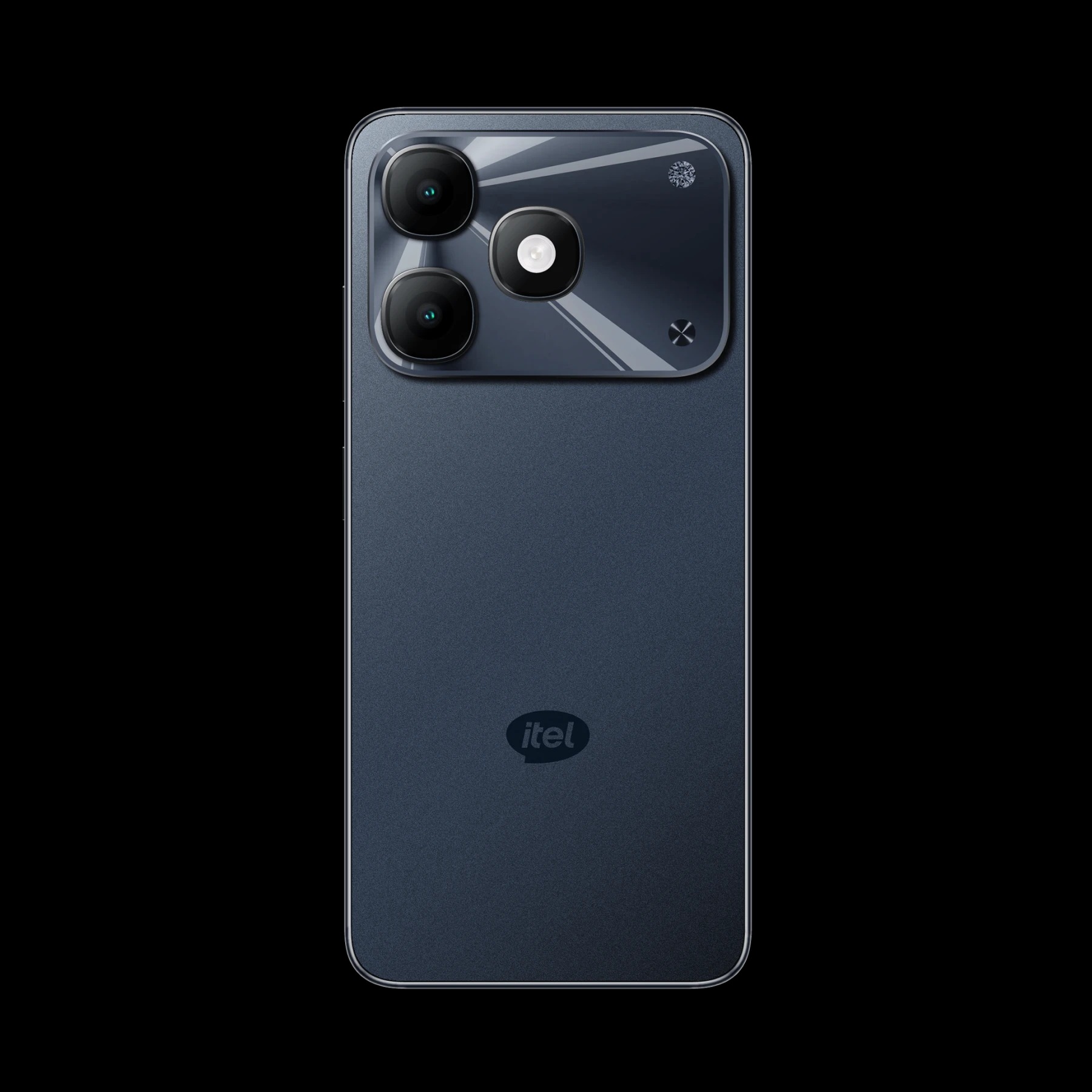
itel has launched the 128GB variant of the A90 Limited Edition in India. The phone was initially launched in September 2025 in two configurations. It comes with MIL-STD-810H certification, an IP54 rating, and itel’s 3P protection that helps against dust, water splashes, and accidental drops.
The device is powered by a 2.2GHz Octa-Core UNISOC T7100 processor with a Mali G57 MP1 GPU on a 12nm process. It has a 6.6-inch HD+ IPS display with a 720 x 1612 resolution, a 90Hz refresh rate, 180Hz touch sampling, Dynamic Bar support, and 480 nits brightness. The Always on Display feature shows important alerts without unlocking the screen. DTS audio improves sound output.
On the back, the A90 Limited Edition has a 13MP camera with LED flash, advanced image processing, and a sliding zoom button that allows one handed zooming and quick photos. The front camera is 8MP. The phone includes 12GB total RAM with 4GB physical RAM and 8GB virtual RAM, along with 128GB internal storage. Storage can be expanded up to 2TB using a microSD card.
It supports Dual Nano SIM cards and has a dedicated microSD slot. Network options include Dual 4G VoLTE, Wi Fi 802.11ac, Bluetooth 5, GPS, GLONASS, and Beidou. Other features include a 3.5mm headphone jack, DTS audio, a side mounted fingerprint scanner, Face Unlock, USB Type C, a G sensor, and itel’s AI voice assistant. Dynamic Bar navigation is also available. The phone runs on Android 14 Go Edition. It has a 5000mAh battery with a 10W in box charger and support for 15W fast charging.
Pricing and Availability
The itel A90 Limited Edition 128GB is priced at Rs. 7,299. It comes in Space Titanium, Starlit Black, and Aurora Blue and will be sold through retail stores across India. Buyers also get a free screen replacement within 100 days.
For more daily updates, please visit our News Section.
Minisforum has launched the X1 Lite-255 mini PC in the Chinese market, a compact 0.84-liter system powered by AMD’s Ryzen 7 255 processor. The device targets users who need desktop-grade performance in a portable form factor. The barebones version, which comes without RAM or storage, starts at 1,999 yuan ($281).
Minisforum X1 Lite-255 Mini PC Specifications
The Ryzen 7 255 is based on AMD’s Zen 4 architecture. It features 8 cores and 16 threads with a maximum boost clock of 4.9GHz and a 65W TDP. The processor integrates Radeon 780M graphics, which support DirectX 12 and can handle creative tasks, 3D workloads, and light gaming.
The X1 Lite-255 supports external GPU expansion through an OCuLink connection, which is included via an M.2 adapter. This feature allows users to pair the system with a discrete graphics card for improved performance in AAA games or GPU-accelerated applications.
The device includes two DDR5 SO-DIMM slots that support up to 128GB of 5600MHz memory. It also features two M.2 2280 PCIe 4.0 x4 SSD slots, allowing storage expansion up to 8TB. These options provide flexibility for both multitasking and large data processing needs.
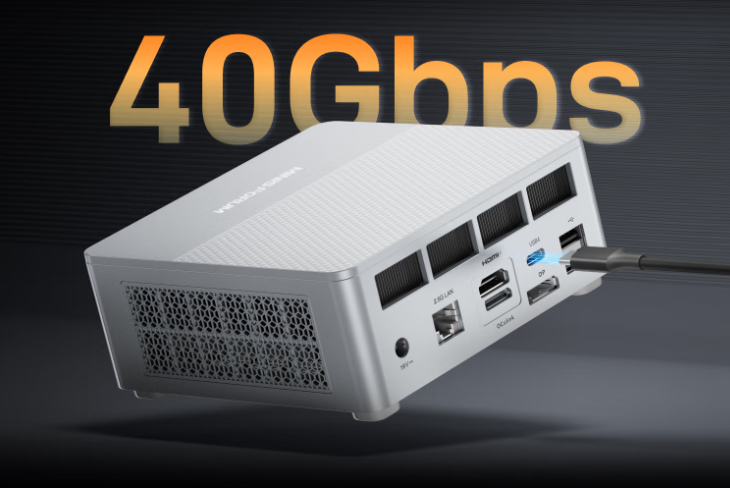
The mini PC includes a wide range of I/O ports. It has one USB4 port with 40Gbps bandwidth and support for PD input (65-100W) and output (15W). Other ports include two USB 3.2 Gen 2 Type-A, two USB 2.0, a 2.5G Ethernet port, a 3.5mm audio jack, HDMI 2.1, and DisplayPort 1.4. The device supports video output through USB4 as well. It can drive up to three 4K displays or one 8K display at 60Hz.
The X1 Lite-255 features Wi-Fi 6E and Bluetooth 5.2 for wireless connectivity. It supports VESA mounting and has compact dimensions of 130 × 126 × 47.2 mm, weighing approximately 0.67 kg. The system uses a large fan, dual heat pipes, and phase-change thermal materials for cooling. Minisforum claims that fan noise remains under 35dB during regular operation.
OPPO will launch the OPPO Enco Buds 3 Pro+ in India on 18 November 2025 alongside the Find X9 series. The earbuds are already listed on Flipkart, which reveals the full set of features ahead of the event.
The Enco Buds 3 Pro+ support Bluetooth 5.4 and offer a 47 ms low-latency mode. This is meant to keep audio stable while gaming or watching videos. The earbuds are built to handle daily use with an IP55 rating for dust and water resistance. OPPO also highlights reliability tests that include 20,000 fold tests for the case hinge, a 1.8 meter drop test for the earbuds, a 1.5 meter drop test for the charging case, and temperature resistance up to 55 degrees Celsius.
Battery life is one of the main upgrades. The earbuds deliver up to 43 hours of total playback with the charging case when ANC is off. Each earbud can run for up to 12 hours on its own. A 10 minute charge gives up to 4 hours of listening. The battery setup includes a 58 mAh cell inside each bud and a 440 mAh battery in the case. The earbuds also have TÜV Rheinland battery health certification and can retain at least 80 percent capacity after 1,000 charge cycles.
Sound quality is handled by 12.4 mm titanized dynamic drivers that are tuned for stronger bass and clearer audio. Users can switch between Bass Boost, Clear Vocals, and Original Sound through the Enco Master Equalizer. OPPO Alive Audio adds a wider soundstage for music and gaming. The earbuds support 32 dB active noise cancellation along with a transparency mode. Dual mic AI Clear Call technology is included to improve voice clarity in noisy places.
The Enco Buds 3 Pro+ come in Sonic Blue and Midnight Black. The design uses a glossy, droplet shaped stem for comfort and grip. Touch controls include single tap for play or pause, double tap for the next song or taking pictures, triple tap for the previous song, touch and hold to switch between ANC and Transparency Mode, and long touch and hold for volume control.
For more daily updates, please visit our News Section.
We use cookies on our website to give you the most relevant experience by remembering your preferences and repeat visits. By clicking “Accept”, you consent to the use of ALL the cookies.
This website uses cookies to improve your experience while you navigate through the website. Out of these, the cookies that are categorized as necessary are stored on your browser as they are essential for the working of basic functionalities of the website. We also use third-party cookies that help us analyze and understand how you use this website. These cookies will be stored in your browser only with your consent. You also have the option to opt-out of these cookies. But opting out of some of these cookies may affect your browsing experience.
Necessary cookies are absolutely essential for the website to function properly. This category only includes cookies that ensures basic functionalities and security features of the website. These cookies do not store any personal information.
Any cookies that may not be particularly necessary for the website to function and is used specifically to collect user personal data via analytics, ads, other embedded contents are termed as non-necessary cookies. It is mandatory to procure user consent prior to running these cookies on your website.