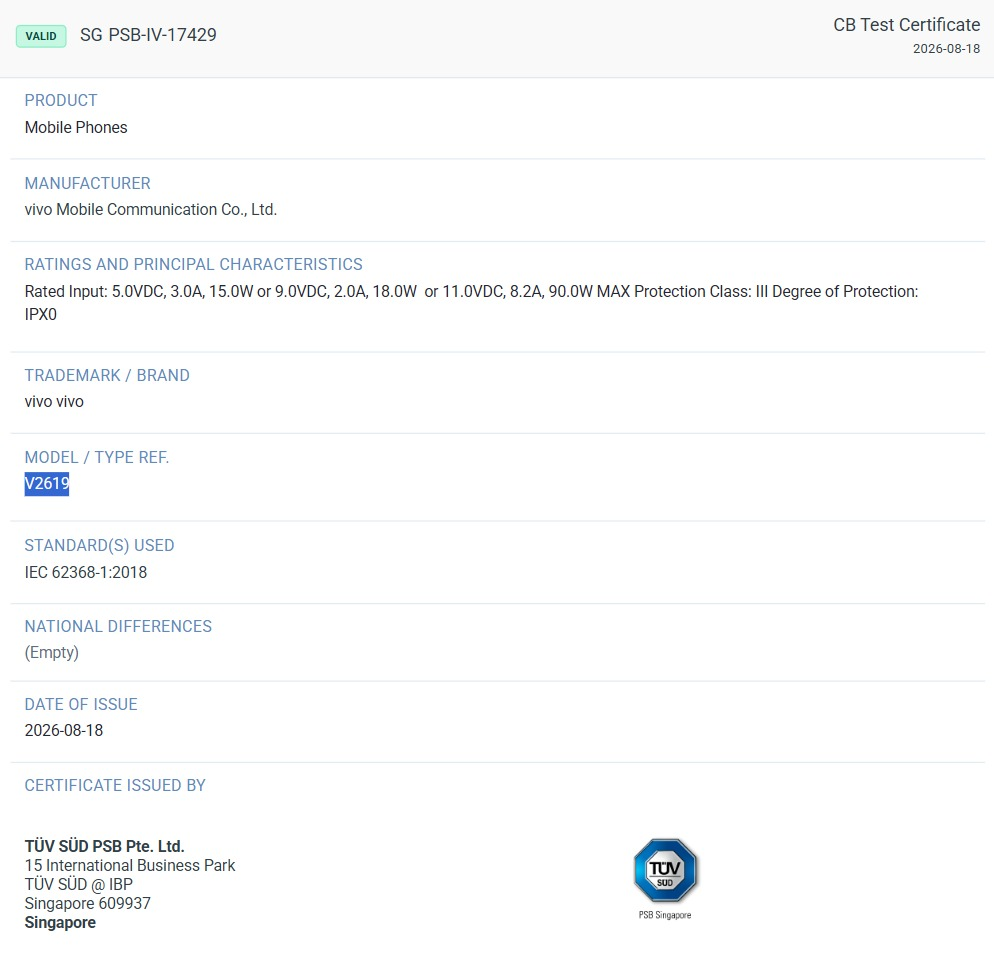
Rumors suggest Vivo is preparing to revive its S-series smartphones in India, with the Vivo S2 expected to debut in the coming weeks. While the company is yet to make anything official, tipster Abhishek Yadav has now shared an alleged retail listing that appears to reveal the phone’s storage variants, color options, and expected pricing, offering a clearer picture of what buyers can expect.
Leaked retail listing reveals Vivo S2 variants and pricing
The leaked image indicates that the Vivo S2 may arrive in both 8GB+128GB and 8GB+256GB configurations. The 8GB+128GB version is listed in Sapphire Blue, Regal Bronze, and Silk White shades with an apparent price of Rs 38,000 (~$395). The same storage option also appears in demo units. Meanwhile, the 8GB+256GB variant is shown in the same three color options with a listed price of Rs 42,000 (~$437).
Interestingly, the retail listing also includes another set of 8GB+128GB variants in Sapphire Blue, Regal Bronze, and Silk White carrying a price tag of Rs 43,000 (~$447). It remains unclear whether these entries represent a different edition, revised pricing, or another sales channel. Since Vivo has not confirmed the details, the leaked pricing should be treated with caution.
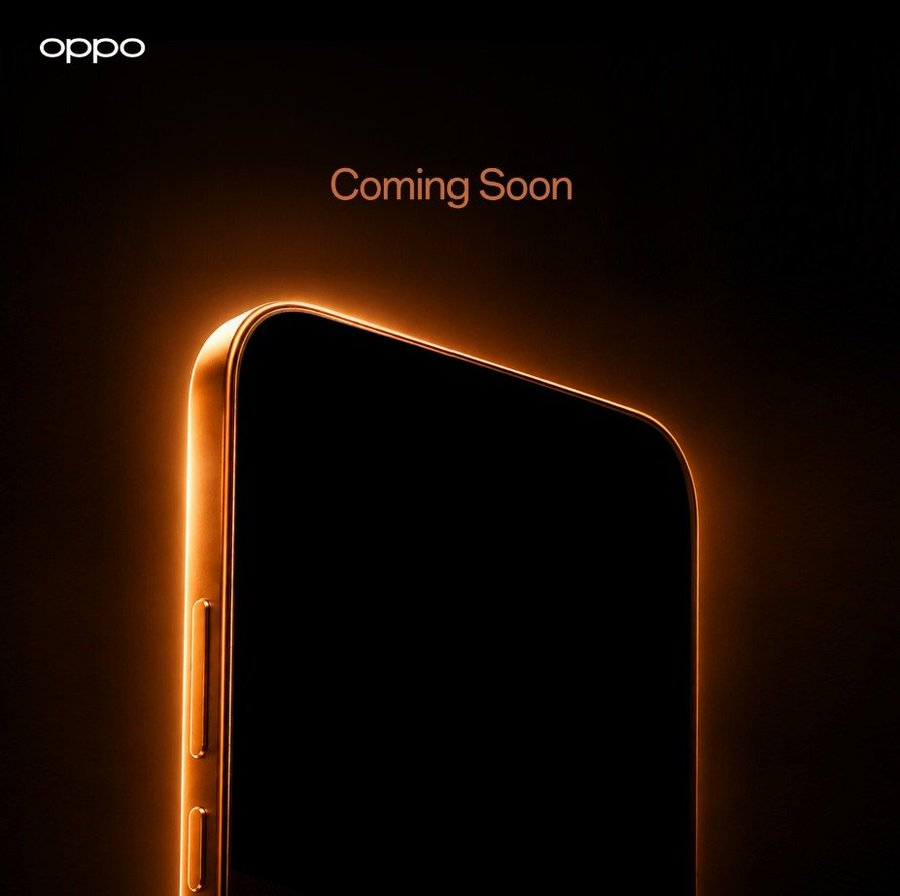
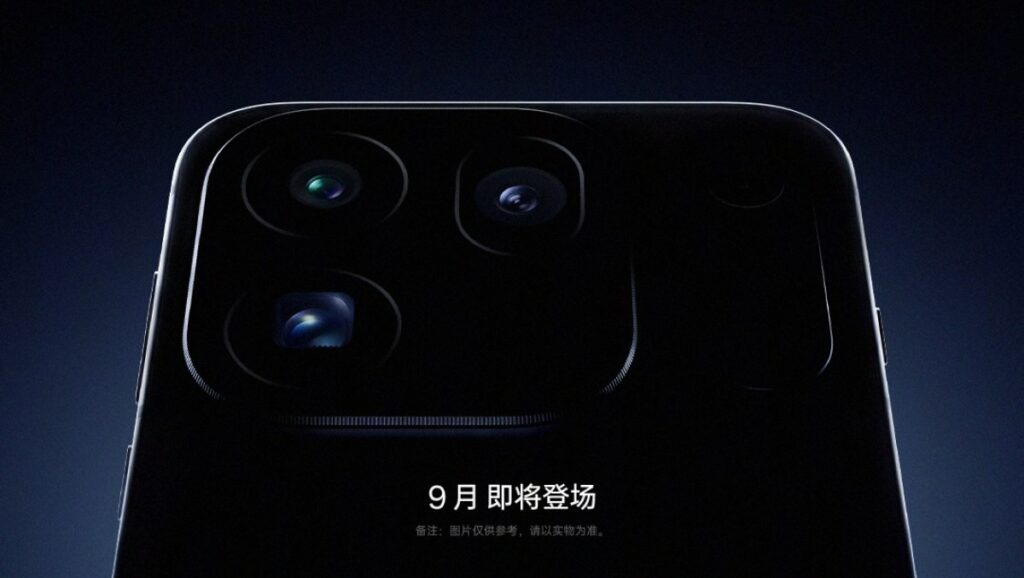
A recently leaked promotional poster (via. 91mobiles) also hinted that the device could launch in the country soon, although an official launch date has not been announced. While the poster did not disclose hardware specifications, it reinforced speculation that the announcement may be only weeks away.
For more daily updates, please visit our News Section.
Poco is reportedly working on the Poco F9 series of smartphones. According to a report by XimiTime, two F9 series devices have emerged in the GSMA IMEI database, revealing their model numbers and monikers. At the same time, these devices have also received certifications in multiple countries, indicating that their global launch could be fast approaching.
Poco F9 Ultra, Poco F9 Pro global launch may be near
Poco F9 Pro and F9 Ultra IMDA listings
Poco F9 Pro and F9 Ultra TKDN listings
The GSMA IMEI database listings reveal that the upcoming Poco F9 Pro carries the model number 2607APCA5G, while the Poco F9 Ultra has the model number 26077PC53G. These devices are expected to launch globally, including in the EEA, Turkey, Indonesia, Taiwan, Russia, and Japan. While India is a major market for Poco, it is unlikely to receive the F9 Pro and F9 Ultra.
Apart from surfacing in the IMEI database, both devices have also appeared on Indonesia’s SDPPI and Singapore’s IMDA certification platforms. This is earlier than expected, considering that the Poco F8 Ultra and F8 Pro were spotted on IMDA and Thailand’s NBTC certification platform in October before going official in November.
The Redmi K100 series is expected to debut in China in August. Since the Poco F9 Pro and F9 Ultra are expected to be based on the Snapdragon 8 Elite Gen 5-powered Redmi K100 series, the F9 lineup could break cover globally as early as October.
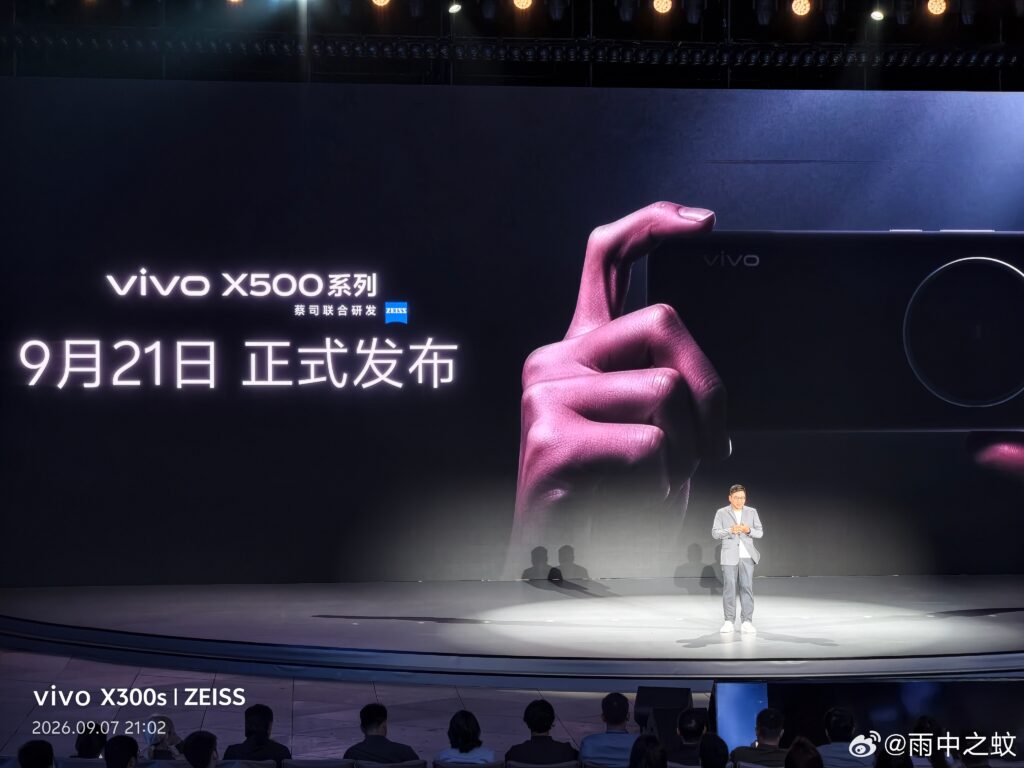
A recent report revealed that the global version of the Vivo X500 has appeared in the GSMA IMEI database. More recently, the Vivo X500 Pro Max was approved by Indonesia’s TKDN certification platform, and now the Vivo X500 has also surfaced in the same database. In addition, the X500, carrying the model number V2610, has appeared on Indonesia’s SDPPI certification platform.
For those unaware, the TKDN certification measures the percentage of locally sourced Indonesian components in a product, while the SDPPI certification confirms that a device complies with Indonesia’s telecommunications and radio equipment standards before it can be sold in the country.
As usual, none of these certifications reveal any specifications. However, since the global Vivo X500 models have already started appearing on certification platforms, it appears that their global launch could take place around a month after the China debut, which is expected in September.
For more daily updates, please visit our News Section.
There have been rumors that iQOO will soon unveil a new Neo series phone in China. Initial reports suggested that the rumored Neo 11S would break cover in July, but now reliable tipster Digital Chat Station claims that it is tentatively scheduled to debut next month (August) in China. Ahead of the launch, he has shared key details about the device.
iQOO Neo 11S key details tipped
According to the tipster, the iQOO Neo 11S will be equipped with a flat OLED panel that offers a 2K resolution and a 144Hz refresh rate. While the new leak does not specify the phone’s chipset, it is expected to feature an underclocked version of the Dimensity 9500.
The tipster has also previously claimed that the Neo 11S will pack a battery of around 8,000mAh. Other expected features include 100W charging, an ultrasonic in-display fingerprint sensor, and an IP68 rating for dust and water resistance.
There is no information yet about the Neo 11S’s camera capabilities. Considering that it is expected to be a minor upgrade over the existing Neo 11, it may inherit the 16-megapixel front camera and a 50-megapixel + 8-megapixel (ultra-wide) dual rear camera setup.
The Neo 11S is said to arrive in multiple configurations, including 12GB+256GB, 12GB+512GB, 16GB+256GB, and 16GB+512GB. It is expected to be available in Light White, Shadow Black, and Wind Chaser color options. The phone is tipped to be priced at around 3,000 Yuan (about $445) in China.
After the Neo 11S, the company is expected to shift its focus to its next-generation flagship lineup, reportedly beginning with the iQOO 16 series, which is expected to launch in September or early October. It is likely to be joined by the iQOO Neo 12.
For more daily updates, please visit our News Section.
Recently, Nubia announced the NaviX Ultra smartphone in China, and is touted as the world’s first AI-agent smartphone with on-device AI processing. While it was showcased at the 2026 World Artificial Intelligence Conference, the brand hasn’t confirmed its specifications yet. Now, reliable tipster Bald Panda has released a Weibo post to reveal the core specs of the device.
Nubia NaviX Ultra leak reveals flagship hardware
Nubia NaviX Ultra
According to the tipster, the Nubia NaviX Ultra will feature a 6.78-inch flat display with a 1.5K resolution and a 144Hz refresh rate. The screen is said to have a centred punch-hole cutout, symmetrical bezels on all four sides, and could offer the slimmest bezels on any Nubia smartphone so far.
It is tipped to run on Qualcomm’s Snapdragon 8 Elite Gen 5 chipset and pack a 7,100mAh battery, making it one of the larger battery capacities expected on a premium flagship.
The camera setup is also expected to be a major highlight. The leak claims the phone will feature three 50-megapixel rear cameras, likely covering primary, ultra-wide and telephoto shooting. A 50-megapixel front-facing camera is also said to be part of the package. In terms of design, the device is expected to arrive in blue, pink, black and white colour options with a horizontal runway-style camera module on the rear.
The NaviX Ultra also has a dedicated orange AI button on the side. It is designed around four key pillars, understanding natural language, completing real-world tasks, remembering user context and keeping data secure. It is based on a system-level GUI Agent architecture that can recognise on-screen content and interact directly with supported apps through MCP and A2A protocols instead of mimicking taps and gestures.
The AI assistant is expected to chain together actions across multiple applications, allowing users to complete multi-step tasks with simple voice or text commands. The tipster also claims Nubia is preparing the NaviX Ultra for large-scale commercial availability, although the company is yet to announce an official launch date.
For more daily updates, please visit our News Section.
Samsung is officially entering the smart glasses market. At its Galaxy Unpacked event in London, the company unveiled new intelligent eyewear powered by Google’s Android XR platform and Gemini AI. To avoid the bulky look of traditional AR hardware, Samsung partnered with eyewear brands Gentle Monster and Warby Parker to design frames intended for everyday use.
The hardware is built around Qualcomm’s Snapdragon AR1 Gen1 platform. Samsung says the glasses will get up to nine hours of battery life on a single charge, with the included charging case providing seven additional full top-ups. The built-in camera provides visual context for the onboard AI, allowing the device to process your surroundings.
Samsung is showcasing two distinct styles. The Gentle Monster edition features a slim black frame with a straight upper rim, while the Warby Parker version opts for a brown frame with a slightly upswept brow line. Both were engineered to prioritize a lightweight fit, with Samsung working alongside the brands to refine the fit around the ears and forehead.
On the software side, the glasses rely on Google’s Gemini AI to handle hands-free tasks via voice, touch, and gesture controls. The camera enables several multimodal AI features: the glasses can scan whiteboards and organize the text into Notes, provide real-time translation, and offer location-based navigation. You can also share your live point-of-view during video calls or have the AI summarize incoming messages and read them aloud.
The core concept is straightforward, positioning the device as a direct competitor to Meta’s smart glasses: bringing AI assistance into your line of sight without forcing you to constantly pull out a phone. However, Samsung is keeping the final launch details under wraps for now. The company has not yet announced pricing or an official release date for the eyewear.
For more daily updates, please visit ourNews Section.
Lenovo has launched the Lecoo Pro 14 in China, a new 14-inch thin-and-light laptop that emphasizes connectivity, upgradeability, and external GPU support. It is available in both Intel and AMD variants and carries a suggested retail price of 5,799 yuan (around $856).
Lenovo Lecoo Pro 14 Specifications
You can choose between an Intel Core Ultra 5 135H or an AMD Ryzen 7 H 255 processor. Both configurations come standard with 24GB of LPDDR5 memory and a 512GB PCIe solid-state drive.
The AMD model utilizes 6400MT/s memory, while the Intel model runs at 5600MT/s. Both versions feature dual M.2 2280 SSD slots, a practical inclusion that allows you to upgrade or add storage later.
The display hardware is identical across both models. Lenovo is using a 14-inch, 2.8K (2880 x 1800) panel with a 120Hz refresh rate. It peaks at 400 nits of brightness, covers 100% of the sRGB color space, and uses a matte anti-glare coating with DC dimming to reduce flicker. The chassis features aluminum alloy on the top and bottom covers, weighs 1.48kg, and includes a hinge that opens flat to 180 degrees.
Where the Lecoo Pro 14 separates itself from typical thin-and-lights is its port selection. Lenovo has included a dedicated OCuLink interface on the motherboard. This port provides a direct PCIe connection for external desktop graphics cards, offering significantly more bandwidth and lower latency than standard Thunderbolt or USB4 connections for eGPU setups.
Alongside the OCuLink port, the laptop includes two USB-C ports (one being a 40Gbps USB4 port), three USB-A 3.2 Gen 1 ports, an HDMI 2.1 output, a Gigabit Ethernet RJ45 jack, a microSD card reader, and a standard 3.5mm audio jack.
To handle thermals, Lenovo is using a dual-fan rear exhaust system capable of sustaining a 65W TDP in its highest performance mode. The cooling setups differ slightly between the two models, with the Intel version utilizing three heat pipes and the AMD version using two.
Power is supplied by an 80Wh battery, which charges via an included 100W GaN USB-C adapter. Rounding out the spec sheet is a 1080p webcam with a physical privacy shutter, Wi-Fi 6 support, and a fingerprint reader integrated into the power button. The laptop ships with Windows 11 Home pre-installed.
In related news, Lenovo has recently unveiled the Legion R9000X 2026, powered by the Ryzen AI Max+ 392 with Radeon 8060S graphics and a 165Hz OLED display.
For more daily updates, please visit our News Section.
HMD has added a new feature phone to its lineup called the Nokia 123 Shield. The company is positioning it as its most affordable option with water and dust resistance, aimed primarily at people who work outside or just want a cheap backup device. HMD hasn’t announced an official global price yet, but retail listings in Bulgaria and Greece have it priced between €35 and €40.
Nokia 123 Shield Specifications
The design of the phone is very straightforward. It has a textured plastic exterior on the sides to make it easier to grip. To keep water, sand, and dust out, there is a rubber flap covering the ports on the bottom. Under that flap, you will find a standard 3.5mm headphone jack and a USB-C port.
The internal hardware is basic. It runs on the S30+ operating system and uses a Unisoc SC6531E processor. The phone comes with just 4MB of RAM and 4MB of internal storage. If you want to store files or listen to music, you have to use a MicroSD card, and the device supports cards up to 32GB. The screen is a 2.4-inch QVGA display. On the back, there is a low-resolution QVGA camera and an LED flash.
Feature phones usually offer long battery life, and the 123 Shield is built to do the same. It has a removable 1,750 mAh battery. HMD says it can provide up to 27.9 hours of continuous talk time and can stay powered on standby for up to 19 days.
The phone also includes an FM radio that works with or without wired headphones. Additionally, there is a built-in flashlight, which HMD says is brighter than the one on the older Nokia 110 model.
The Nokia 123 Shield only supports 2G networks (GSM 900 and 1800 bands) using a dual Mini SIM setup. While HMD says the phone is optimized to hold a signal well for clear calls, the reality is that 2G networks are currently being shut down in many countries.
The Nokia 123 Shield weighs 108 grams and comes in two colors: green and purple.
At yesterday’s Unpacked event, Samsung unveiled the Galaxy Z Fold8 alongside the Galaxy Z Fold8 Ultra, with the standard model offering a noticeably fresher take on the book-style foldable that feels more compact and fun to use than its predecessor.
Instead of the tall, narrow design we’ve gotten used to, this one goes shorter and wider. It’s clearly built for watching videos, scrolling social media, and just everyday enjoyment without feeling like you’re wrestling with a big tablet every time you open it.
On the outside, you get a 5.5-inch Dynamic AMOLED 2X display with a 10:16 aspect ratio. Open it up and there’s a big 7.6-inch inner screen with a more square-ish 4:3 ratio that reduces black borders on long-form videos. Both support HDR and get seriously bright (up to 3000 nits on the main panel) with an anti-reflective coating so they actually look good outdoors. One quick note: there’s still no S Pen support.
There are a few notable hardware improvements this year. Apart from the anti-reflective coating, Samsung is also using a new “Flex Titanium” backplate that helps reduce the display crease and makes the phone feel more solid than Fold 7.
At just 201 grams, it’s now Samsung’s lightest book-style foldable, lighter than the Galaxy S26 Ultra. Folded, it’s 123.9 × 81.9 × 9.7mm. Unfolded, it stretches to 123.9 × 161.4 × 4.5mm. It also carries IP48 dust and water resistance.
The camera setup is a bit less impressive, though. Around the back you’ll find a dual camera setup: a 50MP main (with OIS) and a 50MP ultra-wide. There are 10MP front cameras on both the cover and inner displays.
Power comes from the Snapdragon 8 Elite Gen 5 for Galaxy, with 12GB or 16GB of RAM depending on storage (256GB/512GB/1TB options). The battery jumps up to 4,800mAh, thanks to its silicon-carbon construction, which should feel like a nice improvement. It supports 45W wired charging (0-63% in about 30 minutes) and 20W wireless.
It ships with One UI 9.0 on the latest Android and gets seven years of OS and security updates. Samsung packed in plenty of Galaxy AI and Gemini-based features.
Pricing and availability
The Fold8 comes in four color options: Lavender, Graphite, and Cream. Pre-orders are already live, and shipping begins August 7. Samsung has listed the phone on its official website at the following prices:
Overall, this looks designed as a direct competitor to Apple’s yet-to-launch first foldable, positioned below the Galaxy Z Fold 8 Ultra in Samsung’s lineup.
Casio has officially released the MTP1302PGC-3AV in the US market. The analog watch, which has already been available in several other regions, is now listed for $120. It is a straightforward, battery-powered timepiece that focuses strictly on basic timekeeping rather than smart features or complex mechanical movements.
Design Details
From a design standpoint, the MTP1302PGC-3AV leans into a classic aesthetic. The watch features a gold ion-plated case and a matching stainless steel band secured by a triple-fold clasp. This gold hardware is paired with an emerald-green sunburst dial, giving the watch a distinct contrast.
The watch measures 44.2 x 38.5 x 9.4 mm, giving it a standard footprint that should fit most wrists (compatible with band sizes from 150 to 205 mm) without appearing overly bulky.
It weighs in at 105 grams, which provides a substantial feel on the wrist without being uncomfortably heavy for daily wear. The dial is protected by standard mineral glass, a typical material choice for watches in this price bracket.
Functionally, Casio is keeping things basic. The watch features a standard three-hand analog display, tracking hours, minutes, and seconds, alongside a date window positioned at the 3 o’clock mark.
It is rated for 50 meters (5 bar) of water resistance. This means the watch can handle splashes, rain, and brief periods of swimming, though it is not intended for diving or high-impact water sports.
Inside the case, the watch is powered by a standard SR626SW button-cell battery. Casio estimates the battery life at approximately three years before requiring a replacement.
Samsung just unveiled its first-ever Ultra-branded book-style foldable. It aims to be the ultimate productivity machine that fits in your pocket.
The “Ultra” name has sparked some debate: people are used to seeing it on slab phones with cutting-edge optics. But Samsung says it simply represents their most advanced and capable devices across all categories.
On the outside, you get a 6.5-inch FHD+ cover display with tough Gorilla Glass Ceramic 3 protection. Unfold it, and you’re looking at a massive 8-inch QXGA+ inner screen using Dynamic AMOLED 2X tech, complete with an anti-reflective coating and a crazy-high peak brightness of 3000 nits. Both screens support smooth 120Hz adaptive refresh rates, making multitasking and media consumption feel buttery smooth.
Cameras are a big focus this time. There’s a triple rear setup: a 200MP main sensor (with 2x optical zoom), a 50MP ultra-wide, and a 10MP 3x telephoto. You also get dual 10MP front cameras (one on each display). Samsung added new software tricks like better HDR in 200MP shots, improved low-light performance, 8K video recording, and APV encoding.
Powering everything is the Snapdragon 8 Elite Gen 5 for Galaxy, paired with plenty of memory and storage, starting at 12GB + 256GB and going all the way up to 16GB + 1TB. The battery now uses silicon-carbon tech, increasing capacity from 4,400mAh on the Fold 7 to 5,000mAh despite the phone keeping almost the same dimensions. Charging also gets a nice bump to 45W wired and 20W wireless, making this one of the Fold 8 Ultra’s biggest hardware upgrades.
Other notable improvements include a new Flex Titanium support structure behind the display that reduces the crease, along with better thermal management, a smoother hinge with magnetic assist, and an efficient dual-path charging system. The phone measures just 4.1mm when unfolded and weighs about 215g. Color options include Twilight Purple, Rock Gray, Cloud White, and an online-exclusive Pine Green.
It ships with One UI 9, loaded with expanded Galaxy AI features powered by Google Gemini. Pre-orders are live, and shipping begins August 7. Samsung has listed the phone on its official website at the following prices:
The Oppo Find X10 series has reportedly appeared in a fresh set of leaked images that are circulating on Chinese social media. Although the original source of the images is unknown, well-known tipster Digital Chat Station has weighed in on the leak, sharing additional details about the engineering prototypes, including their redesigned camera layout and other expected hardware changes.
Oppo Find X10 series leak points to major design changes
According to Digital Chat Station, the Oppo Find X10 series EVT engineering units feature a redesigned rear camera layout that resembles the Find X9s Pro. The phones appear to replace the circular camera island with a wide horizontal camera module.
Three camera sensors are positioned on the left, while the LED flash and a multispectral sensor are placed on the right. The tipster also claims the series could arrive in white, orange, and cyan color options, along with a dedicated customizable AI button. Since the tipster further claims that the Oppo Find X10 series has already reached the EVT stage, it appears that the brand could be planning to launch it in September or October in China.
The above images appear to show three engineering units probably representing the Find X10, Find X10 Pro, and a new Find X10 Pro Max, along with the iPhone 17 Pro. At present, there is still uncertainty surrounding the existence of an Oppo Find X10 Ultra. If the leaked Find X10 Pro Max is indeed the highest-end model, it could reflect a broader trend of smartphone brands streamlining their flagship portfolios as rising memory costs continue to put pressure on production expenses.
Recent rumors have even suggested that Xiaomi may skip the Xiaomi 18 Ultra, although nothing has been confirmed. That said, it is still too early to draw conclusions, especially since an Ultra-branded Oppo flagship would likely be scheduled for the first half of 2027.
New 6.4-inch compact Oppo flagship phone in works
Digital Chat Station has also claimed that Oppo is developing a compact flagship smartphone with a 6.3-inch to 6.4-inch display. The device is tipped to feature a 1.5K LTPO panel with extremely narrow and symmetrical bezels on all four sides. According to the tipster, the phone is currently scheduled for launch in the first half of 2027.
While the identity of this device remains unknown, it could succeed the China-exclusive Find X9s Pro, which debuted alongside the Find X9 Ultra in April this year. Whether Oppo markets the upcoming compact flagship as the Find X10s Pro or adopts a different branding strategy remains to be seen.
For more daily updates, please visit our News Section.
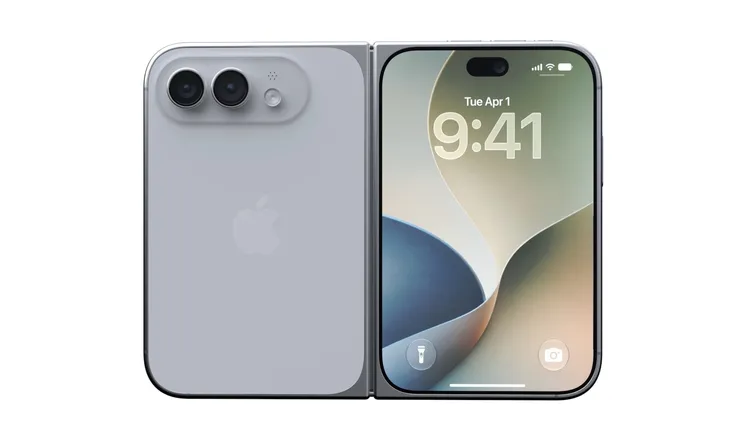
Huawei set the trend for foldable phone design by launching the Huawei Pura X last year. This year, it unveiled the Pura X Max as an updated version of the existing model. Since the first-generation product was launched, there have been reports that other brands will follow suit. In fact, the first Apple foldable phone, which is tentatively called the iPhone Ultra and launching in September, is also expected to sport the same design. Meanwhile, Samsung has already launched its iteration with the same design called the Galaxy Z Fold 8.
Yes, the Galaxy Z Fold 8 is not a large foldable phone like last year’s Z Fold 7. It sports the new wide foldable form factor, as is expected to take Samsung’s lead in the foldable market even further ahead. Here’s a look at the comparison between the Galaxy Z Fold 8 and Huawei Pura X Max to know which wide-style foldable truly reigns supreme.
Samsung Galaxy Z Fold 8 vs. Huawei Pura X Max:
7Verdict
Both devices represent an exciting step forward for the wide-style foldable format. The Huawei Pura X Max shines as a hardware powerhouse, giving buyers an elite XMAGE camera setup, superior battery capacity, and faster charging speeds. However, regional software limits and import markups make it a niche pick outside domestic markets.
The Samsung Galaxy Z Fold 8 emerges as the more practical daily companion for most users worldwide. By combining a refined passport form factor with top-flight processor performance, polished multitasking software, and seamless global support, Samsung delivers the most balanced foldable phone experience currently on the market.
Samsung has officially announced its next generation of wearables: the Galaxy Watch Ultra 2 and the Galaxy Watch 9. Both smartwatches are built around Qualcomm’s new 3nm Penta-Core Snapdragon Wear Elite (SDW6100) chipset, bringing significant bumps to battery capacity, display brightness, and processing efficiency.
Galaxy Watch Ultra 2 Specifications
The Galaxy Watch Ultra 2 is Samsung’s high-end, rugged offering, positioned directly against the Apple Watch Ultra 3. Available in a single 47mm size, it retains the shock-resistant titanium casing of its predecessor but manages to shave off 12% of its thickness.
The display is a 1.52-inch Sapphire Crystal Super AMOLED panel that now peaks at an intense 5,000 nits of brightness. Inside, Samsung has packed in a massive 800mAh battery, a 35% increase over the previous Ultra model.
For outdoor and extreme sports tracking, the Ultra 2 includes a new Trail Run mode that monitors elevation and terrain impact, alongside a Nutrition Alert system that estimates sweat loss to provide hydration guidance.
It is fully dive-ready with IP69K, 10ATM, and EN13319 certifications, and includes the Ultra 2 Diving app that automatically tracks depth, dive duration, and water temperature underwater.
Galaxy Watch 9 Specifications
The mainstream Galaxy Watch 9 focuses on everyday health tracking and comfort. It comes in 40mm and 44mm sizes, featuring an aluminum case and a display that peaks at 3,000 nits. Battery capacities sit at 390mAh for the 40mm model and 445mAh for the 44mm version.
Both watches run on Wear OS 7 with Samsung’s One UI 9 Watch on top, and both feature 2GB of RAM (with 64GB of storage on the Ultra 2 and 32GB on the Watch 9).
They also share AI-powered health tracking features powered by Samsung’s BioActive sensor. These include an FDA-cleared Sleep Apnea detection feature, a Heart Health Score, Daily Cardio Load tracking for workout recovery, and a Hearing feature that monitors environmental noise exposure.
Pricing and Availability
Both the Galaxy Watch Ultra 2 and Galaxy Watch 9 are available for preorder starting today, with general availability beginning on August 7.
In the US, the Galaxy Watch Ultra 2 is priced at $699 for the LTE model. The standard Galaxy Watch 9 starts at $379 for the 40mm Bluetooth variant, while the LTE version starts at $430.
In Europe, the Ultra 2 is priced at €749, and the Watch 9 starts at €409. For the Indian market, the Watch Ultra 2 costs Rs. 69,999, and the 40mm Bluetooth Watch 9 is Rs. 38,999, with regional pre-order discounts of Rs. 5,000 and Rs. 1,000, respectively.
Additionally, eligible customers who purchase either watch will receive a 60-day trial for Strava and a two-month trial for iFIT.
Alongside these watches, Samsung has also launched the Galaxy Z Flip 8, featuring a 4.1-inch cover display, AI-powered software, and either the Snapdragon 8 Elite Gen 5 or Exynos 2600 chipset, depending on the market.
Alongside the Fold 8 series, Samsung has introduced the Galaxy Z Flip 8. The company’s latest clamshell foldable brings a larger cover screen, a thinner chassis, and a heavy emphasis on system-level AI features. However, these hardware and software updates come with a price hike.
Samsung Galaxy Z Flip 8 Specifications
The Galaxy Z Flip 8 is 6.1mm thick when unfolded and weighs 180 grams. The internal folding display is a 6.9-inch 120Hz OLED, but the more prominent hardware change is on the outside. The cover display, which Samsung continues to brand as the FlexWindow, has expanded to 4.1 inches. The device maintains an IP48 water and dust resistance rating and features an upgraded hinge mechanism housed within an Armor Aluminum frame.
Under the hood, the device is powered by the Exynos 2600 in most markets, including India, while select regions will receive the Snapdragon 8 Elite Gen 5. Just like last year, all variants come with 12GB of RAM.
Storage options are also limited to 256GB or 512GB. The battery capacity sits at 4,300 mAh, supporting 25W wired charging and 15W wireless charging, specs that remain relatively conservative compared to the broader smartphone market.
The camera system includes a 50-megapixel primary sensor with OIS, paired with a 12-megapixel ultrawide lens. The internal display houses a 10-megapixel front-facing camera. Samsung has added a Camcorder Grip interface that utilizes the folding hinge for handheld video, alongside a Horizontal Lock feature designed to stabilize footage during movement.
In terms of software, the Flip 8 runs on Android 17 with One UI 9 and brings deeper Gemini Intelligence integration. Samsung has enhanced the cover screen experience with features like Now Brief for notifications, reminders, and alerts, while also enabling voice-controlled actions across more than 40 supported apps.
To address privacy concerns associated with persistent AI features, Samsung has introduced an AI Assistant Activity Dashboard. This centralized hub allows users to monitor background AI processes, review automated actions, and manage individual app permissions. The device also includes a six-month trial of Google AI Pro, which bundles 5TB of cloud storage.
Pricing and Availability
The Galaxy Z Flip 8 is available for pre-order starting today and will begin shipping on August 8th. Pricing starts at $1,199 for the 256GB model, while the 512GB variant costs $1,399.
In Europe, the models are priced at €1,299 and €1,499, respectively, and in India, they will cost Rs. 1,24,999 and Rs. 1,44,999.
OnePlus 15 is now available at a discounted price on Giztop, making it a compelling option for anyone looking for a flagship Android smartphone. Packed with Qualcomm’s latest Snapdragon 8 Elite Gen 5 processor, a vibrant 6.78-inch LTPO display, powerful cameras, and a massive 7000mAh battery, the phone delivers premium performance for gaming, photography, and everyday use.
Premium Display and Flagship Performance
The OnePlus 15 features a 6.78-inch 2K LTPO AMOLED display with a smooth 165Hz refresh rate and a DisplayMate A++ rating for excellent color accuracy and image quality. The panel also supports HDR10+, up to 1300 nits of peak brightness, and includes useful features such as Reading Mode, Night Mode, and Vibrant Color Effect for a comfortable viewing experience. An in-display fingerprint scanner provides quick and secure unlocking.
Powering the device is Qualcomm’s flagship Snapdragon 8 Elite Gen 5 processor, paired with either 12GB or 16GB of LPDDR5X RAM. This combination delivers fast app launches, smooth multitasking, responsive gaming, and low-latency performance. The phone also supports dual 5G connectivity, helping users stay connected with fast mobile networks.
Storage, Software, and Cameras
The OnePlus 15 comes with UFS 4.0 storage, offering up to 1TB of internal storage depending on the variant. The high-speed storage allows apps, games, and files to load quickly while providing plenty of space for photos, videos, and documents.
The smartphone runs ColorOS 16, which brings a refreshed interface along with Dark Mode 2.0 and support for more applications. The software focuses on speed, productivity, and a clean user experience.
For photography, the OnePlus 15 includes a versatile triple rear camera system featuring a 50MP Sony LYT-808 main camera, a 50MP Samsung JN5 secondary sensor, and a 48MP Sony IMX581 ultra-wide camera. The setup is designed to capture detailed photos across different lighting conditions and shooting scenarios. On the front, there is a 16MP selfie camera that supports 1080p video recording and fast face unlock.
Large Battery with Fast Charging
Battery life is one of the highlights of the OnePlus 15. The phone packs a large 7000mAh battery that easily supports extended gaming sessions, video streaming, and daily productivity without frequent charging.
When it’s time to recharge, the device supports 100W SuperVOOC wired charging for quick top-ups. It also supports 50W AirVOOC wireless charging for added convenience. An Ultra Power Saving mode helps extend battery life even further by reducing background activity and unnecessary power consumption.
Deal and Availability
OnePlus 15 is currently available at Giztop in the Titanium 12GB RAM + 256GB storage variant. While the smartphone is generally sold for around $900, Giztop is offering it at a discounted price of $749, saving buyers around $150. For users looking for a flagship smartphone with a premium display, powerful Snapdragon 8 Elite Gen 5 processor, capable cameras, generous battery life, and ultra-fast charging, this limited-time offer delivers excellent value.
HMD Global, the company behind modern Nokia phones and its own HMD lineup, might be tapping into nostalgia around the old Windows Phone days.
Leaks suggest the company is experimenting with a tile-style user interface that brings back memories of those colorful, glanceable Live Tiles from the Lumia era. According to reports shared on X by accounts like smashx_60 that follow HMD closely, this could be a fresh take on the old Windows Phone and Nokia X Software Platform feel. It would be a pretty big departure from the usual Android launchers, giving users those dynamic, at-a-glance updates in a vibrant, Metro-inspired layout.
This fits right in with HMD’s love for honoring Nokia’s heritage. We’ve already seen them pay tribute to classic Lumia designs through squared-off looks inspired by the old Fabula design language (think Nokia N9 and early Lumias). Phones like the HMD Skyline have drawn direct comparisons to the Lumia 920 for their colorful unibody style.
Adding more fuel to the fire, there have been reports that HMD is looking into acquiring the Lumia trademark and related patents from Microsoft. If that happens, we could eventually see an official “Lumia remake”, probably running Android, but carrying that beloved branding. HMD is also rumored to be doing something similar with the Asha name.
As HMD grows its own brand alongside Nokia licensing, leaning into nostalgia like this could be a smart move. Windows Phone’s typography, live updates, and intuitive navigation had a special charm that many people still miss in today’s very similar-looking Android and iOS interfaces. A tile-based launcher running on Android could give HMD phones a unique personality while still offering full access to important apps.
Of course, software differentiation is tough, but if they nail a fun, customizable tile experience, especially paired with good cameras (echoing PureView roots) and durable, repairable hardware, it could really stand out in a crowded market.
HMD seems to understand that legacy brands still have plenty of emotional pull, even years after the original platforms faded away.
Redmi Note 17 Pro is now available at Giztop with a starting price of $299. The smartphone is designed for users looking for a large display, long battery life, and reliable everyday performance without spending too much. It also ships with Xiaomi HyperOS 3, based on Android 16, bringing a smooth and modern software experience.
Large AMOLED Display
The Redmi Note 17 Pro features a 6.83-inch FHD+ AMOLED display with a resolution of 2772 × 1280 pixels. The panel supports up to 3500 nits peak brightness, making it easier to view content outdoors. It also includes HDR10+, 3840Hz high-frequency PWM dimming, DC dimming, a 240Hz touch sampling rate, and a 3200Hz instant touch sampling rate for smoother scrolling and responsive touch controls.
Snapdragon Processor and Cameras
Powering the Redmi Note 17 Pro is the Qualcomm Snapdragon 6s Gen 4 octa-core processor. It delivers dependable performance for daily tasks, entertainment, and multitasking while also offering improved AI capabilities. For photography, the phone comes with a 50MP main rear camera paired with a 2MP depth sensor for portrait shots. On the front, an 8MP selfie camera handles video calls and self-portraits. The device also provides ample storage space for apps, photos, videos, and files.
Massive Battery and Connectivity
One of the biggest highlights of the Redmi Note 17 Pro is its huge 9000mAh battery. It supports 67W fast charging for quicker top-ups and also offers 22.5W wired reverse charging, allowing you to charge compatible devices. Additional features include dual SIM support, Bluetooth 5.4, Wi-Fi 6, NFC 3.0, a 3.5mm headphone jack, and an infrared sensor, making it a well-equipped smartphone for everyday use.
Price and Availability
The Redmi Note 17 Pro is now available for purchase through Giztop with prices starting at $299. Buyers can choose from available memory configurations and have the device shipped internationally, making it an attractive option for users looking for a feature-packed smartphone at an affordable price.
Light, the hardware startup known for its stripped-down, distraction-free mobile devices, has announced its next product: the Light Flip. The new device adopts the classic clamshell form factor while retaining the company’s core philosophy of intentional, minimalist technology.
Light Flip Specifications
The device features a 2.8-inch OLED display with a matte finish and a 480 x 640 resolution. It comes in six color options: Black, Navy, Red, Pink, Yellow, and Light Gray.
It also includes a lanyard loop for attaching accessories. For audio and charging, it has a 3.5mm headphone jack, stereo speakers, and a USB-C 2.0 port. The device is powered by a user-replaceable 1800mAh battery. It weighs 160 grams and carries an IP54 rating, meaning it can handle basic dust exposure and light splashes.
Internally, the Light Flip runs on a MediaTek MT8873 octa-core processor, paired with 6GB LPDDR4X RAM and 128GB UFS 2.2 internal storage. It supports 5G networks, Wi-Fi 6, and Bluetooth 5.0. It also includes dual SIM functionality through a physical nano-SIM slot and an eSIM. For photography, there is a 50-megapixel rear camera that captures 12-megapixel images, alongside an integrated flashlight.
The phone operates on LightOS, a custom interface that excludes web browsers and social media. Instead, the software provides a specific set of utilities: an alarm, calculator, calendar, directory, directions, hotspot, music player, notes, podcast player, weather, a timer, and a 2FA authenticator.
Communication relies on voice calls, audio messaging, and texting via predictive T9 or voice-to-text. Light has also introduced a developer program to allow community-built, open-source tools onto the operating system.
Pricing and Availability
The Light Flip is priced at $299 for an unlocked model. The company is also offering the device through its own service plans, starting at $39 per month on a two-year contract for 1GB of data and unlimited talk and text, or $69 per month for an unlimited plan. Pre-orders are currently open. The company says that shipping will occur in four batches, beginning in early April 2027.
While there are many mid-range chipsets in the market, the Snapdragon 7s Gen 4 and Dimensity 7400 have quickly become popular picks among buyers, as they deliver solid performance and excellent power efficiency at an affordable cost. However, choosing one over the other isn’t straightforward.
Neither of them is entirely ahead of the other. So, whether Snapdragon 7s Gen 4 is good for you or the Dimensity 7400 depends on your priorities. In this post, we’ll look at the benchmark scores and important differences to help you find the right one.
Let’s begin with the spec sheet:
Snapdragon 7s Gen 4
Dimensity 7400
Announced
August 2025
February 2025
Process node
4nm (TSMC)
4nm (TSMC)
CPU
1 x 2.7 GHz — Cortex-A720 3 x 2.4 GHz — Cortex-A720 4 x 1.8 GHz — Cortex-A520
Qualcomm Spectra Triple ISP (12-bit) up to 200MP single camera up to 64MP camera with zero shutter lag up to 32MP + 21MP dual cameras with zero shutter lag up to 21MP triple cameras with zero shutter lag 4K HDR video recording at 30fps
MediaTek Imagiq 950 ISP (12-bit) up to 200MP single camera up to 4K video recording at 30fps Google Ultra HDR support hardware-based noise reduction (MCNR)
Connectivity
Snapdragon 5G modem download speed: up to 2.9 Gbps (cellular) Wi-Fi 6E (peak speed: 2.9 Gbps) Bluetooth 5.4 mmWave & sub-6 GHz
MediaTek 5G modem download speed: up to 3.27 Gbps (cellular) Wi-Fi 6E Bluetooth 5.4 sub-6 GHz only
Snapdragon 7s Gen 4 vs Dimensity 7400: Benchmark scores
Note: The benchmark tests were performed on the Vivo T5 Pro (powered by the Snapdragon 7s Gen 4) and the iQOO Z10R (powered by the Dimensity 7400).
In the CPU test on Geekbench 6, the Snapdragon pulls off an 18% higher score in the single-core test. The multi-core score is also higher for the Snapdragon chip, but the lead reduces to 6%.
Geekbench scores clearly show the Snapdragon 7s Gen 4 delivers a more powerful CPU performance than Dimensity 7400, particularly for tasks that rely on a single core, such as app launching, UI scrolling, and file compression. Even multi-core tasks should offer noticeably better performance.
On the AnTuTu v11 platform, the Snapdragon 7s Gen 4 achieves a total score of over 1.1 million, while the Dimensity 7400 could reach just over 900K. That’s a solid gain of about 26% for the Snapdragon chip. However, this number doesn’t give a clear picture until you look at the breakdown.
The Snapdragon 7s Gen 4 maintains an edge across all AnTuTu tests. The CPU score is 32% higher, and the GPU score is 30% higher. The memory and UX scores also favor the Snapdragon chip.
To better examine the gaming performance, we put both chips through the Wild Life Extreme Stress test, which is designed to evaluate sustained GPU performance and thermal throttling under heavy graphical loads.
The Snapdragon 7s Gen 4 obtains a 30% higher overall score compared to the Dimensity 7400, which aligns with the AnTuTu test. The average FPS is also 30% higher on the Snapdragon chip.
Snapdragon 7s Gen 4
Dimensity 7400
Overall score
1108
850
Average FPS
6.64
5.09
While the Snapdragon 7s Gen 4 dominates performance benchmarks, there are aspects in which the Dimensity 7400 holds the edge. More on that in the following section.
Snapdragon 7s Gen 4 vs Dimensity 7400: Key differences you should know
CPU, GPU & NPU
While both are octa-core chips built using TSMC’s 4nm process, they have a completely different set of cores and core structure. The Snapdragon 7s Gen 4 has a traditional ‘1+3+4’ CPU structure, which focuses on balanced performance and power efficiency. In contrast, the Dimensity 7400 has a ‘4+4’ structure, thereby focusing on raw performance.
The Snapdragon chip uses newer-generation CPU cores that are more powerful and performance-friendly than those in the Dimensity 7400. Plus, the Snapdragon chip offers higher peak speed, further boosting the overall performance.
Furthermore, the Snapdragon 7s Gen 4 brings a more powerful Adreno 810 GPU to maintain sustained frame rates and optimized power efficiency, even during extended gaming sessions. On the other hand, the dual-core Mali-G615 GPU in the Dimensity 7400 chip relies on an older architecture optimized for peak bursts.
The Snapdragon chip also excels at on-device tasks such as text summarization, live call translation, and local generative image expansions via the integrated Qualcomm AI Engine. The Dimensity 7400 also has a capable MediaTek NPU 655 AI unit that handles on-device tasks and enhances camera results.
Camera & Imaging
While both chips support 200MP single-camera sensors and 4K recording at 30 fps, they handle image signal pipelines (ISPs) and computational photography tasks differently.
The Snapdragon 7s Gen 4 features a Triple ISP configuration that can process data streams from three individual sensors simultaneously with zero switching lag, while the Dimensity 7400 relies on a streamlined pipeline optimized for raw execution speed.
The Snapdragon chip delivers superior shadow detail via multi-frame raw stacking, while the Dimensity 7400 offers blazing-fast photo processing and instant zero-shutter-lag capture.
Connectivity
Both Snapdragon 7s Gen 4 and Dimensity 7400 bring powerful connectivity stacks, but there are some key differences worth noting. The Dimensity chip offers higher peak speeds over a cellular connection (3.27 Gbps vs 2.9 Gbps). On the other hand, the Snapdragon chip offers mmWave spectrum, which isn’t supported by Dimensity 7400.
Snapdragon 7s Gen 4 vs Dimensity 7400: Which is better?
The Snapdragon 7s Gen 4 is a better choice over the Dimensity 7400 for most people. The chip delivers superior CPU performance, smoother gaming with higher sustained frame rates, advanced triple camera processing, and support for mmWave 5G networks. The Snapdragon chip dominates across all the synthetic benchmarks we tested it on.
The Dimensity 7400, on the other hand, offers faster peak cellular download speeds and a capable ISP with fast photo processing and instant zero-shutter-lag capture. While it doesn’t match the performance offered by Snapdragon 7s Gen 4, it’s powerful enough to deliver smooth, lag-free performance for everyday tasks, as well as smooth gaming at moderate settings.
Back in 2023, Honor unveiled the Honor Pad X9, followed by the Pad X9a in 2025. If you thought the company was done with the lineup, it has now surprised everyone by introducing another model in the series called the Honor Pad X9 Max. Announced in the UK, the new tablet brings a large 13-inch display, a 10,100mAh battery, Android 16, and a Snapdragon chipset. Here’s everything you need to know about its specifications, features, and pricing.
Honor Pad X9 Max specifications and features
The Honor Pad X9 Max has a 13-inch LCD screen with a resolution of 2500 x 1560 pixels, a 120Hz refresh rate, 700 nits of HBM brightness, and support for 1.07 billion colors. The screen also offers a paper-like viewing mode, DC dimming, TÜV Rheinland certifications for low blue light and flicker-free viewing, and an 88 percent screen-to-body ratio.
Under the hood, the tablet is powered by the Snapdragon 6s 4G Gen 2 chipset. It comes up to 6GB of RAM and up to 256GB of storage, with support for microSD cards up to 2TB. Keeping the device running is a 10,100mAh battery with support for 45W fast charging. Honor says the battery can deliver up to 16 hours of video playback or up to 13 hours of reading on a single charge.
The Pad X9 Max runs MagicOS 10 based on Android 16 and includes features such as AI Memo, desktop-style file management, and cross-platform file sharing with Android, iOS, HarmonyOS, Windows, and macOS devices. The tablet offers a 5-megapixel rear camera with autofocus and a 5-megapixel front-facing camera.
Other features include four speakers with IMAX Enhanced support, Wi-Fi 5, Bluetooth 5.1, USB Type-C, and support for the optional Honor Magic Pencil 4s stylus and Smart Bluetooth Keyboard. Finally, it features a slim aluminum body measuring 297.62 x 192.72 x 6.72mm and weighs approximately 618 grams.
Honor Pad X9 Max price and availability
The Honor Pad X9 Max is available in Gray. In the UK, the 4GB+128GB variant is priced at £349.99 (~$470), while the 6GB+256GB model costs £449.99 (~$600). The tablet is currently listed on Honor’s UK website, although sales have not yet begun. The company has not announced any launch offers or availability details for other markets at this time.
We use cookies on our website to give you the most relevant experience by remembering your preferences and repeat visits. By clicking “Accept”, you consent to the use of ALL the cookies.
This website uses cookies to improve your experience while you navigate through the website. Out of these, the cookies that are categorized as necessary are stored on your browser as they are essential for the working of basic functionalities of the website. We also use third-party cookies that help us analyze and understand how you use this website. These cookies will be stored in your browser only with your consent. You also have the option to opt-out of these cookies. But opting out of some of these cookies may affect your browsing experience.
Necessary cookies are absolutely essential for the website to function properly. This category only includes cookies that ensures basic functionalities and security features of the website. These cookies do not store any personal information.
Any cookies that may not be particularly necessary for the website to function and is used specifically to collect user personal data via analytics, ads, other embedded contents are termed as non-necessary cookies. It is mandatory to procure user consent prior to running these cookies on your website.