Nokia entered the Smart TV market last year with the launch of a 55-inch Ultra HD (4K) LED Smart TV. Now, the company has confirmed that it will be launching a new model in India on 4th June.
Ahead of the official launch, key features of the upcoming Nokia Smart TV model have been revealed through the Flipkart listing. It showcases that the 43-inch TV will have narrow bezels and a soundbar at the bottom.
The company has confirmed that the upcoming model features Ultra HD (4K) LED display panel and comes equipped with JBL Soundbar. The device is running the Android TV 9 operating system with built-in Chromecast support.
While the pricing is not yet confirmed, we expect the 43-inch Nokia Smart TV to be priced around ₹30,000 to ₹34,000, which is somewhere between $397 to $450. We’ll get to know its pricing and availability details when it goes official on 4th June.
The 43-inch model was set to get launched in India in the month of March this year but because of the COVID-19 pandemic, it got delayed. Since Flipkart holds the license for the Nokia-branded Smart TVs, it will be exclusively available through its eCommerce platform.
Currently, the 55-inch Nokia Smart TV is available in India for ₹41,999 which is about $555. It comes powered by a quad-core processor and Mali-450 GPU, with support for 4K screen resolution. The device packs 2.25GB of RAM and 16GB storage and runs Android TV 9 operating system.
Smartphone manufacturers have been hard at work to offer handsets with a full screen front body. With bezels going even thinner and notches turning into punch holes or pop up cameras, the only remaining technology to be seen is the commercial version of the under-display camera technology. And now, Huawei may be one of the first to launch a smartphone that features this technology as new patents from the company surface online.
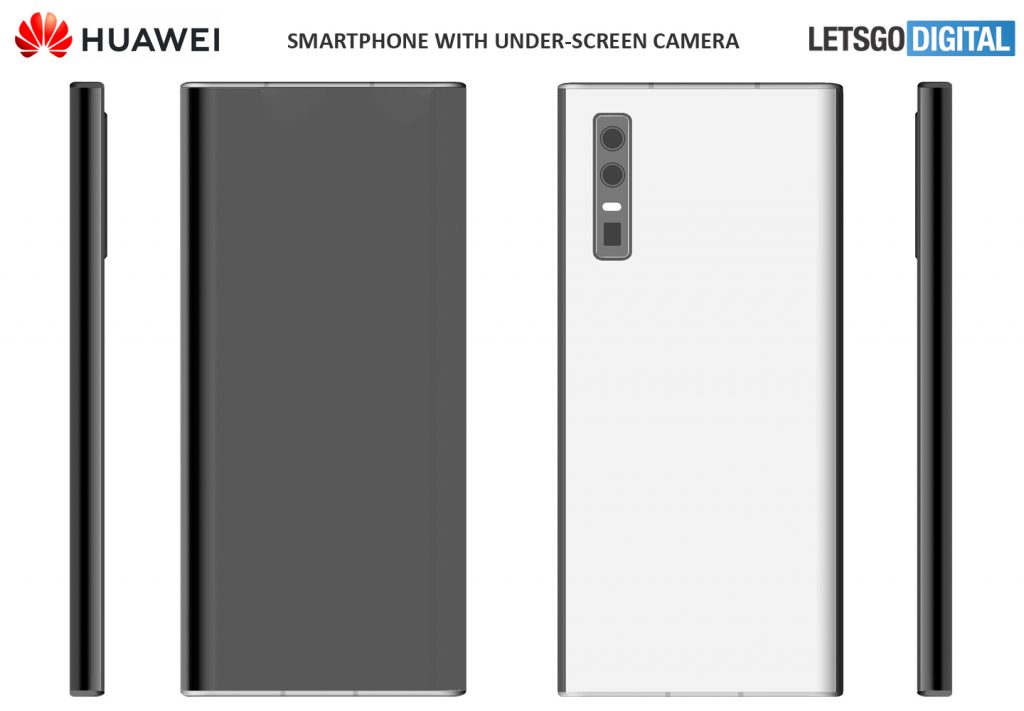
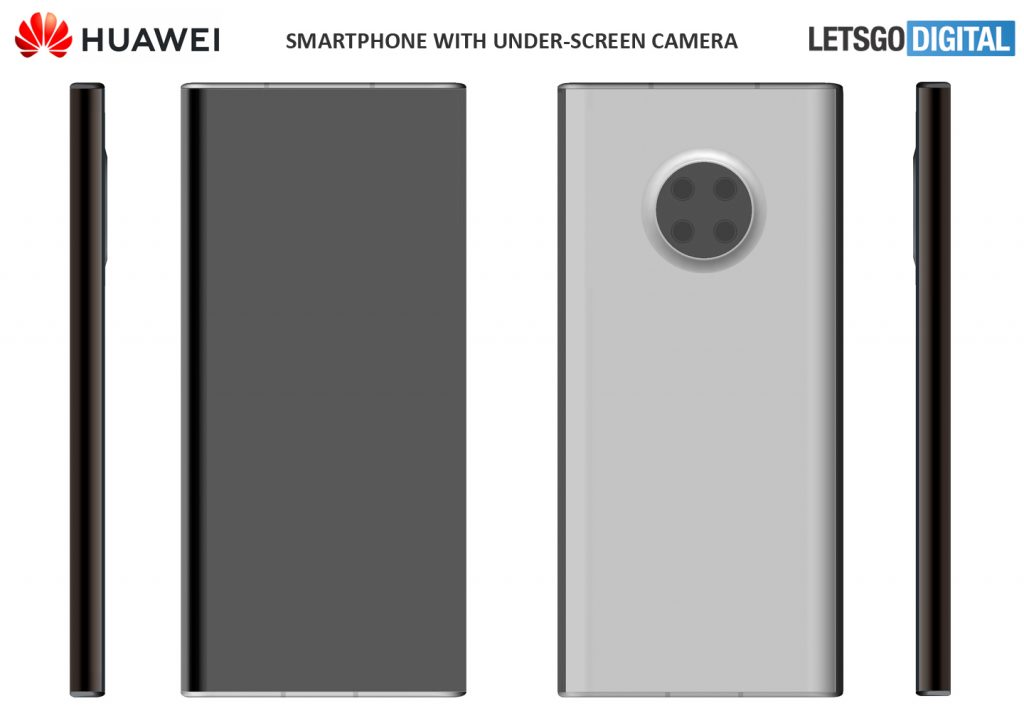
The Chinese tech giant had filed two patents back in 2019 that has finally been published by the CNIPA (China National Intellectual Property Office). In the patents, 7 product images were also featured that revealed the design of the yet to be announced Huawei smartphone. Both patents depict similar devices, with the only difference being the rear camera module. So, the patents could be the same smartphone, but with different variations to cover all bases.
Looking at the images, the first variant of the smartphone features a vertically stacked triple camera system, which is similar to the flagship P series from Huawei. Two camera sensors can be observed with a rectangle cut out right below the LED flash that is likely a periscopic telephoto lens. On the other hand, the second model bears a resemblance to the Mate series with four cameras being housed in a round camera module.
Apart from these differences, the smartphone from the front and sides looks identical. It features a curved edge display that rounds the sides with negligible bezels on the top and bottom of the Huawei smartphone. No selfie camera can be observed on the front, which suggests that the sensor is housed right below the display. However, this is still uncertain and the company has yet to officially reveal any finer details regarding the handset. So take it with a grain of salt and stay tuned for more updates.
AMD’s new Ryzen-series processors for laptops have received a good response. Following this, the company now seems to be getting ready to launch a smartphone chipset under the same lineup.
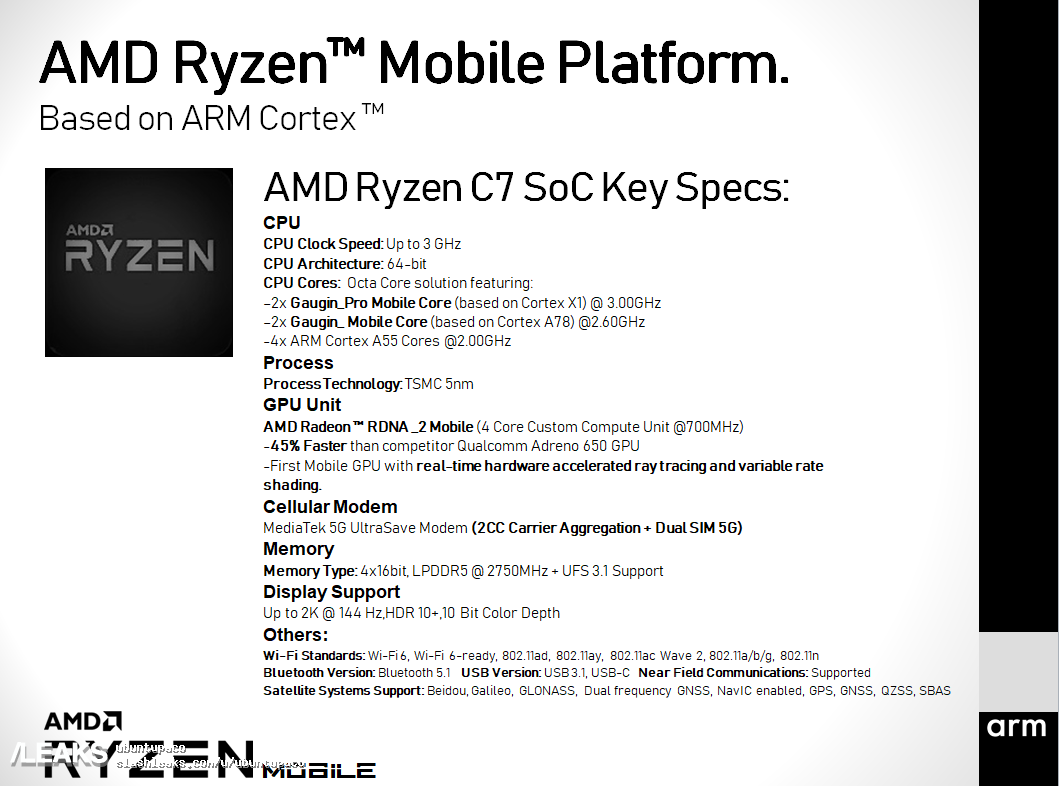
As per the reports, the company is working on Ryzen C7 chipset for smartphones that include two Gaugin Pro cores based on ARM’s recently announced Cortex X1 cores running at 3GHz. It is paired with two cores based on the Cortex A78 running at 2.6 GHz, and four low-power cores based on the Cortex A55 running at 2 GHz.
It is said to have the elusive RDNA-based smartphone graphics solution that AMD and Samsung partnered for last year. As per the leak, the GPU is about 45 percent faster than the Adreno 650 used in SD865. Further, the chipset is said to have support for LPDDR5 RAM and 2K displays at a 144Hz refresh rate.
The chipset is said to have been built by TSMC, the world’s leading contract chipset manufacturer, using a 5nm process node. It also comes with support for 5G along with the integration of Mediatek 5G UltraSave Modem.
However, we’d advise you to take this information with a pinch of salt. As the leaked image has several misspells and inconsistencies in branding of names, it’s likely to be fake. If it turns out to be true, then it’ll be interesting to see AMD compete against the likes of Qualcomm and MediaTek for the market share. It could also help the company bring in more revenue.
OnePlus unveiled the OnePlus 8 and OnePlus 8 Pro smartphones in April this year. Rumors have also claimed that the company is planning to launch a less powerful phone called OnePlus Z. The smartphone is rumored to be powered by Snapdragon 765G and is expected to debut in July. A mysterious OnePlus has surfaced on the Geekbench benchmarking platform. It appears to be the upcoming OnePlus Z phone.
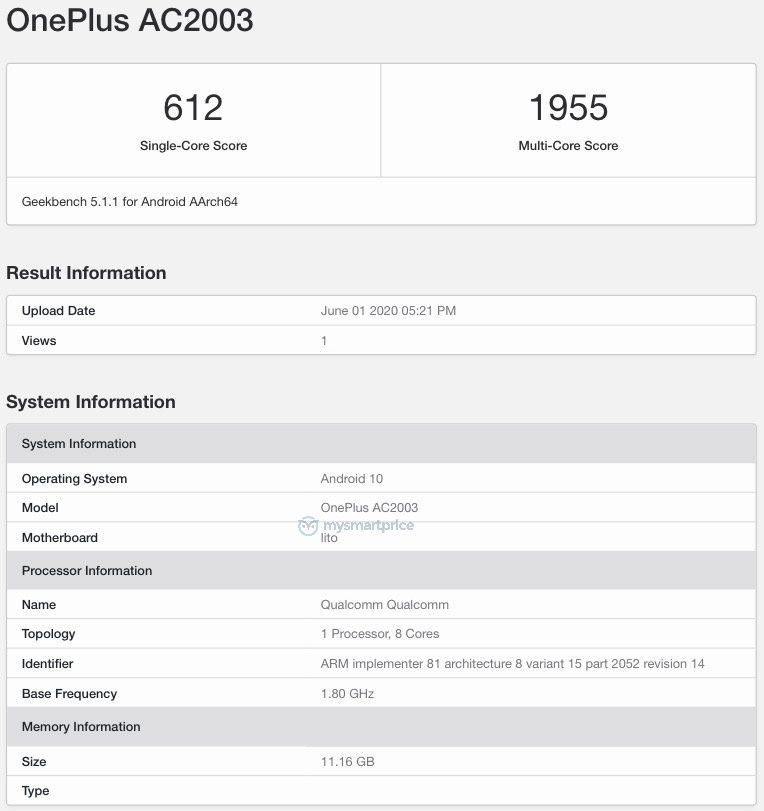
The mysterious OnePlus AC2003 that has emerged on Geekbench 5 has scored 612 in the single-core test and 1955 in the multi-core test. The handset is fueled by an octa-core processor from Qualcomm that is dubbed as “Lito” on Geekbench 5. It has a base frequency of 1.80GHz.
The OPPO Reno4 phone that surfaced on Geekbench yesterday was spotted with the same Lito processor. The Reno4 is rumored to be fueled by Snapdragon 765G SoC. Hence, there is a possibility that the OnePlus Z could be fueled by the Snapdragon 765G. As mentioned above, previous reports have also claimed that the SD765G will be driving the OnePlus Z phone. The Geekbench listing further mentions that the phone has Android 10 OS and 12 GB of RAM.
The OnePlus Z is speculated to come with a 6.4-inch display. The back panel of the phone may sport a 48-megapixel + 16-megapixel + 12-megapixel triple camera system. It may draw power from a 4,000mAh battery with 30W fast charging support. It could be coming in 8 GB RAM + 128 GB storage and 8 GB RAM + 256 GB storage versions. The handset could be having a starting price of GBP 400 (~$500).
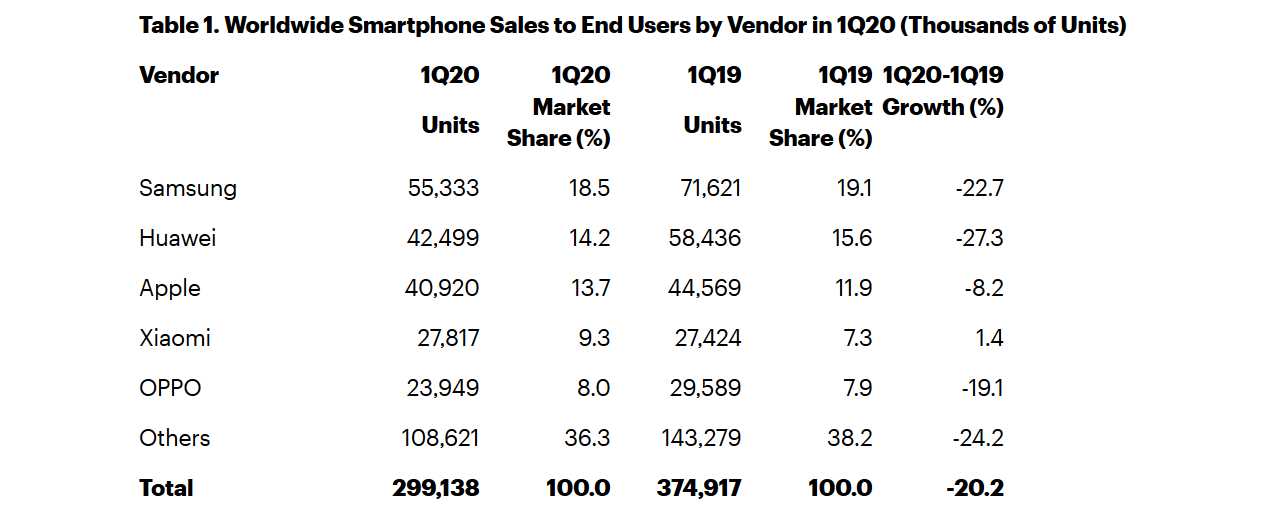
Due to the onset of the Coronavirus pandemic, the global smartphone market has seen a decline of 20.2 percent in terms of total sales. While all of the major brands saw a decline globally, the Chinese tech giant, Xiaomi, was the only vendor that witnessed growth during the first quarter of 2020.
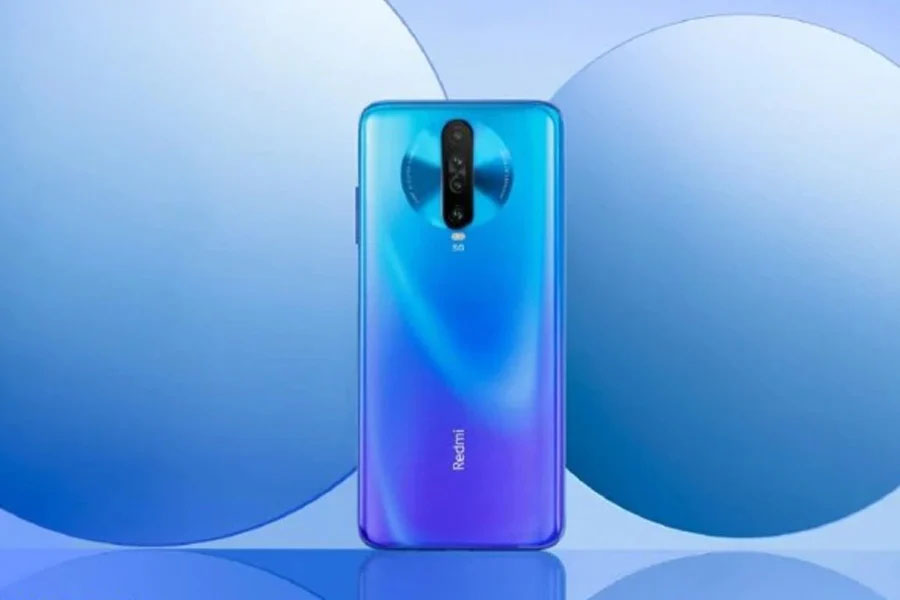
Xiaomi Redmi K30 (4G)
According to a new report by Gartner, a known analytics firm, the global smartphone sales declined by 20.2 percent in Q1 2020. The primary reason was the COVID-19 outbreak with “most of the leading Chinese manufacturers and Apple were severely impacted by the temporary closures of their factories in China and reduced consumer spending due to the global shelter-in-place.”
In the list of the top 5 smartphone brands in the world, Xiaomi is the only vendor that managed to avoid the noticeable decline. The Chinese company witnessed a growth of 1.4 percent year on year from 2019, during the first quarter of 2020. On the other hand, OEMs like Samsung saw a sizeable decline of 22.7 percent and Huawei sales shrank by 27.3 percent. Apple faired relatively better with just an 8.2 percent fall in sales, although, Oppo also suffered by a decline of 24.2 percent during Q1.
Despite the Coronavirus being a primary reason for the overall market being affected, various brands dealt with the issue differently, Huawei was focused towards its local market of China while improving upon its HMS services overseas, while Xiaomi focused heavily on the global market. Samsung and Apple had their operations heavily obstructed by the many lockdowns and disruption in their supply chains, but have ramped up production since. The first quarter does share a bleak view of the current market, but this is set to improve later on in the year.
Sony had recently announced a PlayStation 5 event on 4th June where the company was set to unveil the new set of games coming to the next-generation gaming console. However, the PS5 event has now been postponed.
Making this announcement to postponed the PlayStation 5 event scheduled for 4th June, the company said: “While we understand gamers worldwide are excited to see PS5 games, we do not feel that right now is a time for celebration and for now, we want to stand back and allow more important voices to be heard.”
The company is referencing to the protests in the United States and around the world in response to the death of Geroge Floyd, which has now escalated significantly. Sony has not yet revealed a new date for the event but we expect to get that information soon, probably in the coming days.
As said, Japan-based Sony had scheduled an event for this Thursday which was for more than an hour to give us a look at the games that we’d be able to play when the PlayStation 5 launches this holiday season.
So far, the company has unveiled the logo of the PS5, some of its specifications, and a new wireless controller that will be bundled with the console. But the company is yet to showcase the gaming console itself and it remains to be seen if that changes with the upcoming event next week.
The company has confirmed that the PS5 includes AMD hardware with Zen 2 CPU and Navi GPU, along with super-fast PCIe 4.0 SSD and new data-transfer architecture. The DualSense gamepad has motorized triggers that can provide variable resistance depending on the in-game context and has modern haptics for players to “feel” the games.
Samsung will be launching its Galaxy M01 and Galaxy M11 smartphones in the Indian market today and soon the company will launch the Galaxy A21 in the country. Now, a report claims that the Galaxy A21s will also soon get launched in India, probably in this month only, i.e. in June 2020.
The Samsung Galaxy A21s was launched a couple of weeks ago and is now available in the European market, and most recently in Malaysia. It remains to be seen if it gets launched in other regions by the time it becomes available in India.
Coming to the specifications, the Galaxy A21s features a 6.5-inch HD+ Infinity-O Super AMOLED display with 1600 x 720 pixels screen resolution and a 20:9 aspect ratio. Under the hood, the device is powered by the company’s own Exynos 850 octa-core processor clocked at 2.0GHz.
It comes packed with up to 6GB of RAM and two internal storage options to choose from — 32GB and 64GB. The major difference between the A21 and A21s is in the form of a camera module configuration.
On the backside, the device features a quad-camera setup that includes a 48-megapixel main sensor, an 8-megapixel ultra-wide sensor, a 2-megapixel depth sensor, and a 2-megapixel maco lens. Upfront, the phone comes with a 13-megapixel snapper for taking selfies and making video calls.
The smartphone runs the Android 10 operating system out-of-the-box with the company’s own Samsung One UI custom user interface on top. The device is powered by a 5,000mAh battery that supports 15W fast charging technology.
As for the pricing, in Europe, it starts at €200 (~$217) and comes in three color options — Black, White, and Blue. To know about the pricing and availability of Galaxy A21s in India, we’ll have to wait for the official announcement from the company.
Since the past few months, Lenovo has been teasing on the arrival of the Lenovo Legion gaming phone. Some reports have claimed that the smartphone will be going official in the third quarter of this year. It appears that the launch of the Lenovo gaming phone could be drawing near as it has received approval from the 3C authority of China.
Past reports have revealed that the Legion gaming phone has L79031 model number. The 3C listing shows that the L79031 is a 5G-ready smartphone. The 3C appearance also mentions a 45W charger. Lenovo has previously a poster that claimed that the Legion gaming phone supports 90W fast charging. However, netizens were doubting whether the phone really charges at that speed, but the Chinese firm later clarified that it will indeed arrive with a 90W rapid charger. So, there is a possibility that the company could be providing a 45W charger in the retail box of the device and it could be separately selling a 90W fast charger for it.
In May, XDA Developers had revealed some of the key specs of the Legion phone. The report revealed that the handset is codenamed as “moba.” The gaming phone is powered by Snapdragon 865 mobile platform and it is expected to run on gaming-grade Legion OS.
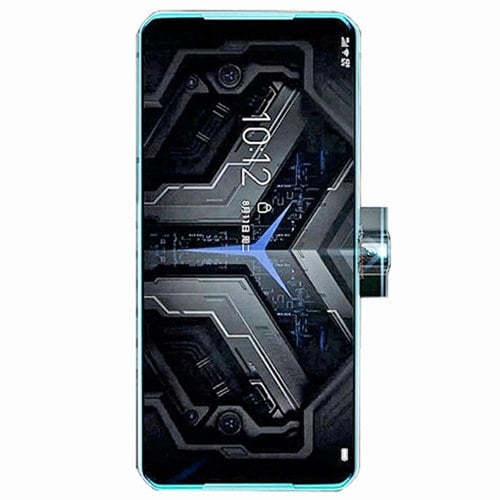
The Lenovo Legion gaming phone has a notch-less display and it has two USB-C ports. The smartphone is designed to be operated in a horizontal manner. The exact battery size of the device is not known, but its promo video had revealed that it can fully charge in just 30 minutes. A teaser poster released by the company in April suggested that it could be coming with a 4,000mAh battery. It is unclear whether the phone has a 3.5mm audio jack.
For an enhanced gaming experience, the phone is expected to come with uEngine dual X-axis linear vibration motor. The handset is said to have an advanced liquid cooling system. The device is also expected to deliver stellar audio experience through its 65mm dual speakers, dual 0.6mm amp speaker system, and 1.4cc large sound cavity.
In terms of specs, the Lenovo Legion gaming phone is likely to arrive with UFS 3.0 storage, LPDDR5 RAM, and 144Hz refresh rate supporting screen with 1080 x 2340 pixels resolution. It is unclear whether the phone has an LCD or OLED display. It has a side-mounted pop-up selfie camera of 20-megapixel and a 64-megapixel + 16-megapixel (wide-angle) dual-camera setup on its back.
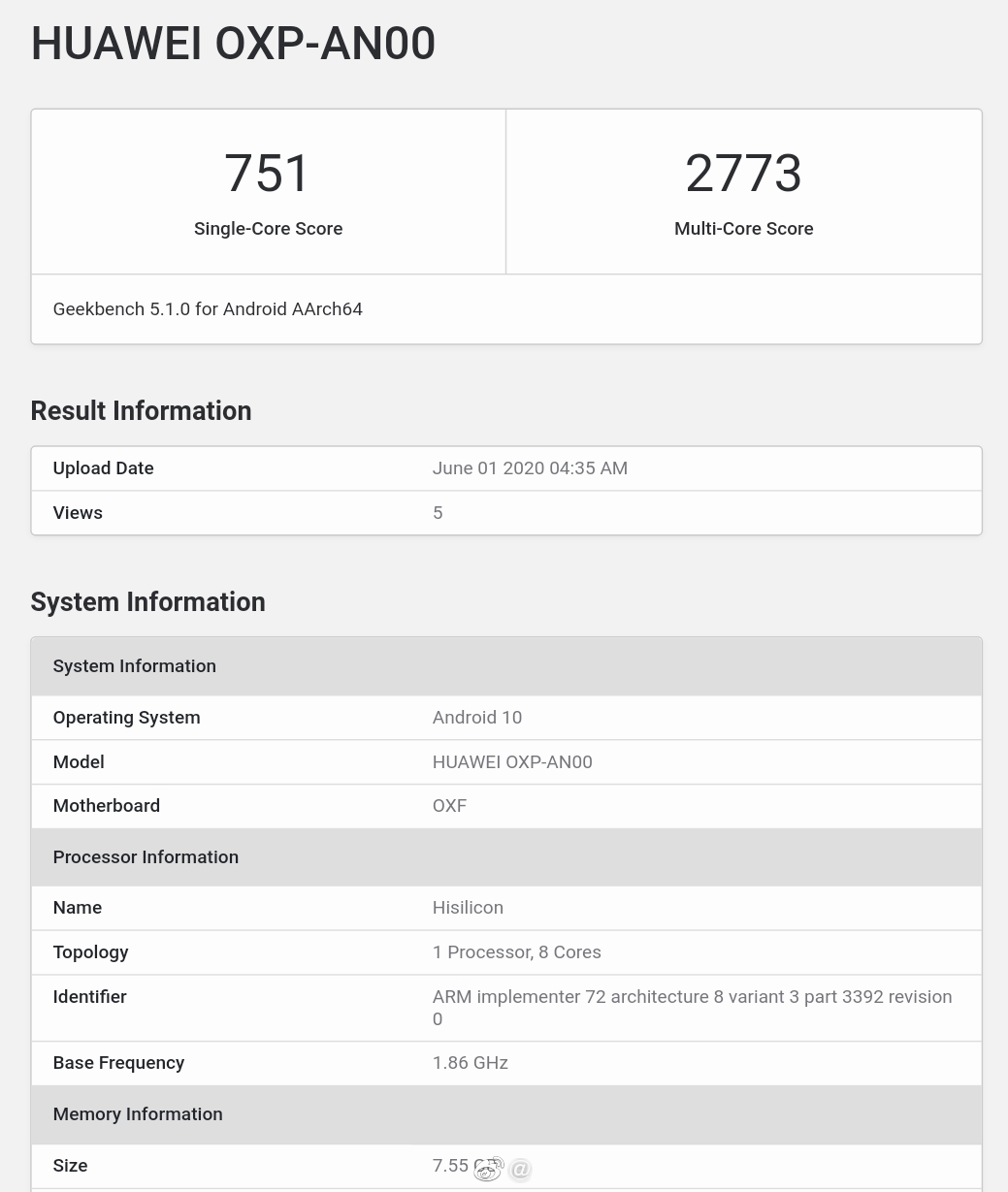
Honor will be announcing the Honor Play4 series of smartphones tomorrow in China. The TNNH-AN00 Honor phone that appeared on TENAA in the previous month is the Honor Play4 5G smartphone. The OXP-AN00 model that has been spotted at TENAA, 3C and Wi-Fi Alliance certification platforms is believed to be the Play4 Pro 5G smartphone. Today, the smartphone appeared on Geekbench benchmarking platform to reveal some of its key details.
On Geekbench, the Honor Play4 Pro 5G has recorded a score of 751 in the single-core test and 2773 points in the multi-core test. The smartphone is fueled by an octa-core Kirin chipset that offers a base frequency of 1.86GHz.
Huawei had launched Kirin 990 chipset in two versions. The Kirin 990 5G SoC that came with an integrated 5G modem has a base frequency of 1.95GHz. However, the other variant that came without an integrated 5G modem debuted as Kirin 990. It has a base frequency of 1.86GHz. Based on the Geekbench listing, it can be speculated that the Honor Play4 Pro 5G could be featuring this Kirin 990.
The Geekbench listing of the Honor Play4 Pro 5G further states that it has 8 GB of RAM. The phone is loaded with Android 10 OS. Honor’s Magic UI will be overlaid on the Android OS.
The above poster released by Honor reveals that the Honor Play4 series will arrive with support for 40W fast charging. The Play4 Pro’s specs leak revealed that it will come with a 4,200mAh battery.
The Honor Play4 Pro has a pill-shaped cutout on its 6.57-inch display for its dual selfie camera setup. It includes a 32-megapixel main camera and an 8-megapixel lens. The backside of the device has a dual-camera setup. It comprises of a 40-megapixel Sony IMX600Y sensor and an 8-megapixel shooter.
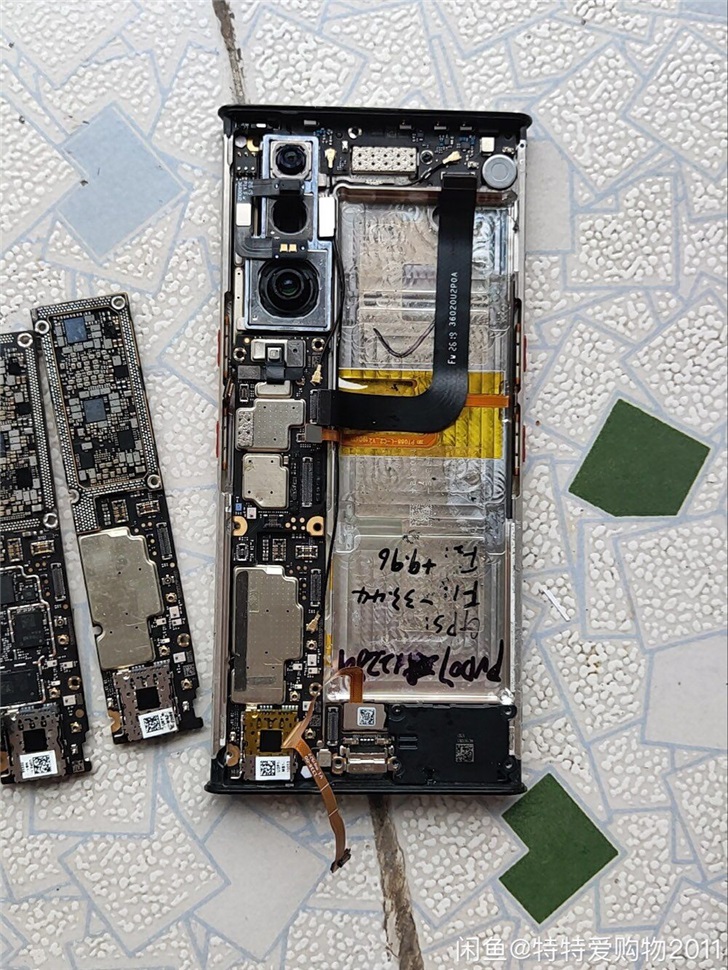
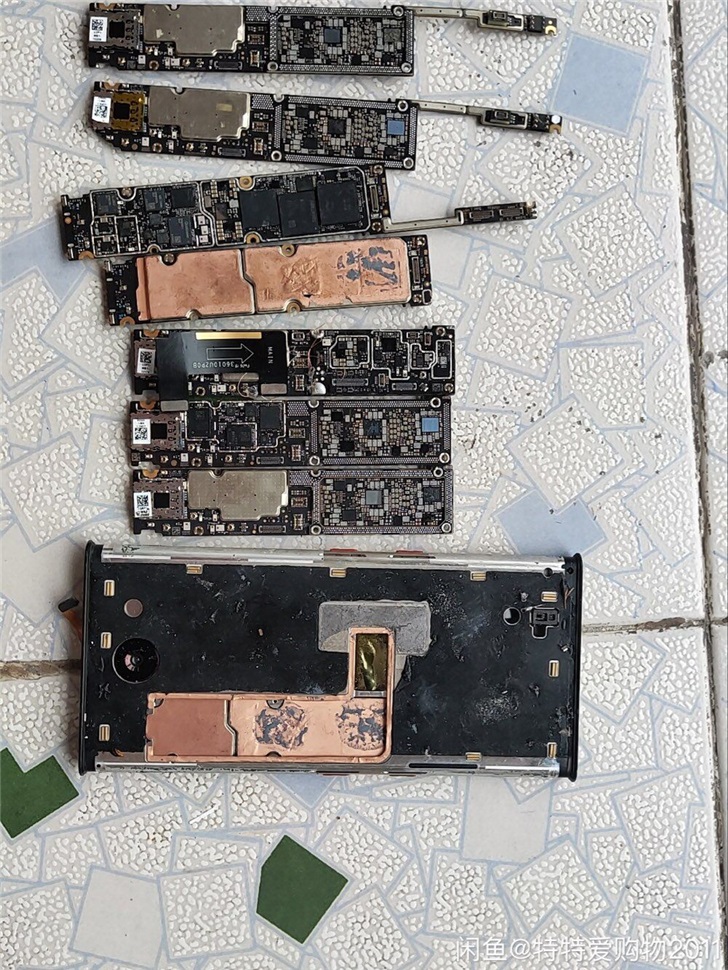
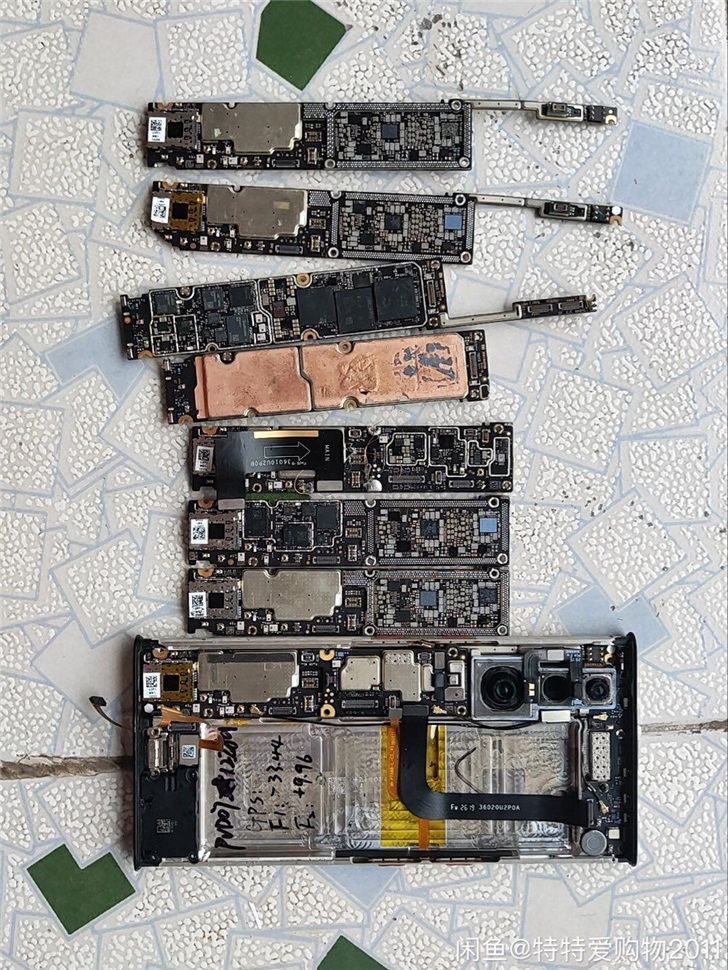
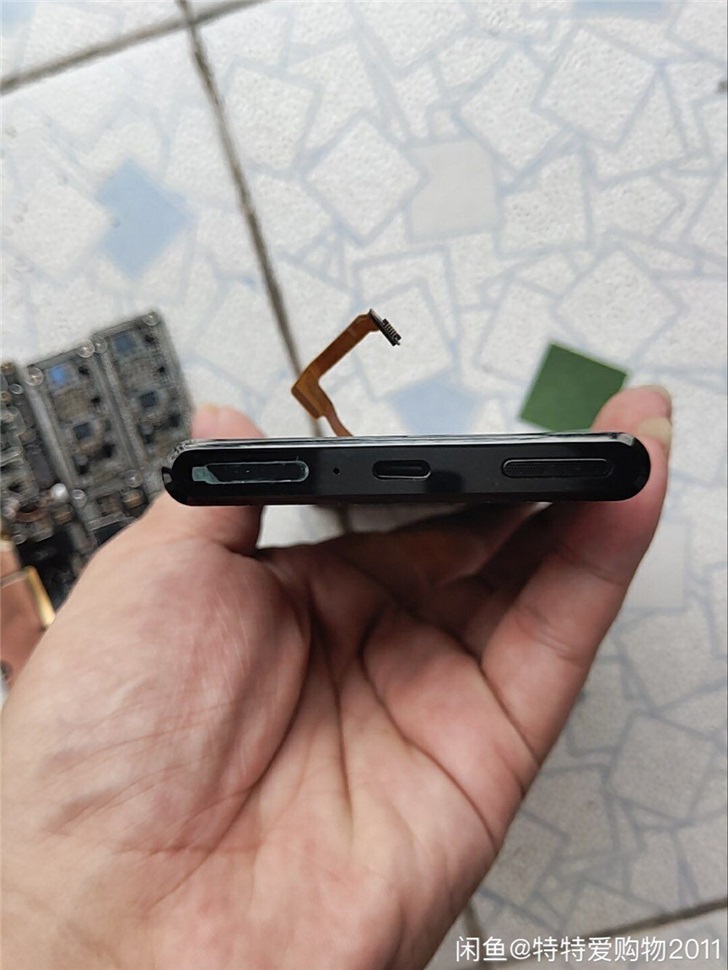
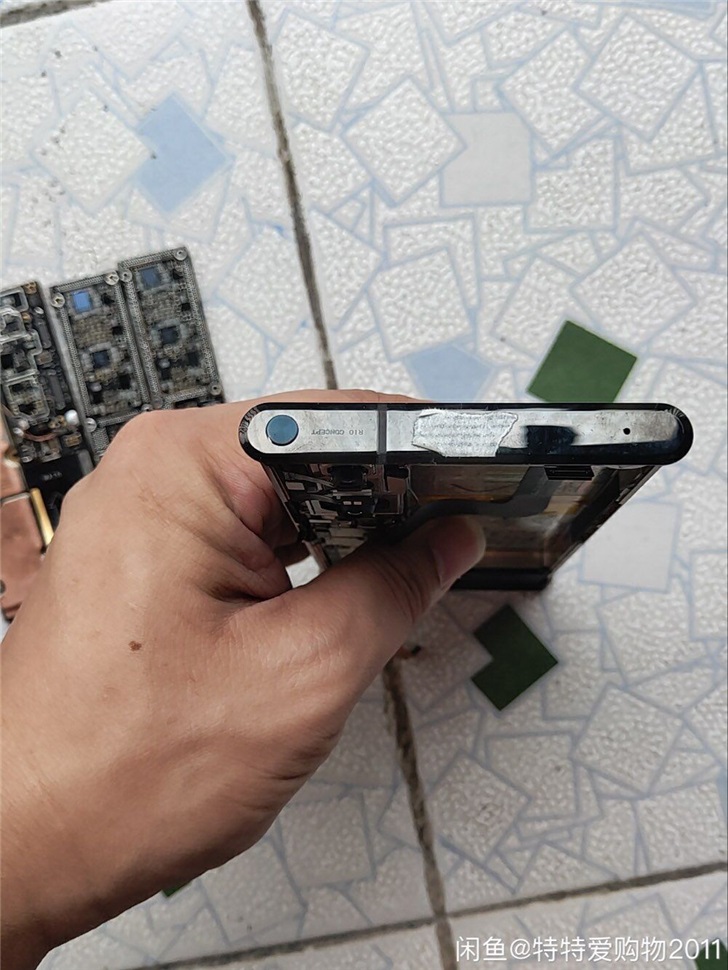
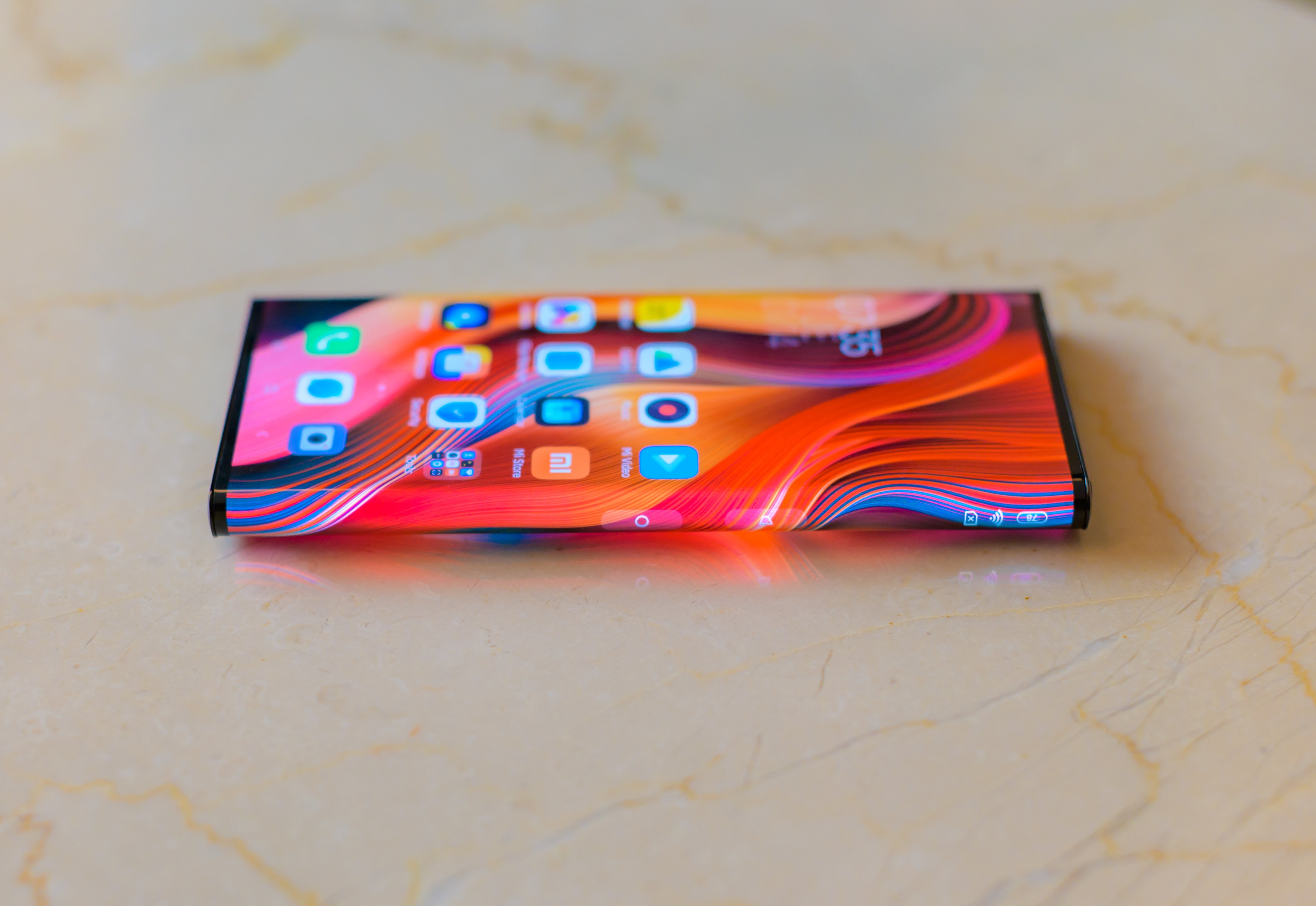
As of January this year, Xiaomi‘s official position is that the Mi Mix Alpha Concept phone was ready for mass production. A much recent leak tips the flagship to get upgraded to a Snapdragon 865 chipset. Looks like the Mi Mix Alpha may just be around the corner as a couple of teardown pictures purported to be those of the Mix Alpha’s prototype have appeared online.
The pictures which appeared on the Xianyu second-hand platform in China shows the internals of the device. The images clearly show the motherboard of the main unit as well as the screen and cardholders. The battery accessories are not captured on the shared images. Overall, the internals looks well arranged.
Xiaomi Mi MIX Alpha 5G concept mobile phone is equipped with Samsung’s 108-megapixel ultra-high-definition main camera. The camera’s photosensitive size is 1/1.33 inches, the aperture is F/1.69, the pixel area is 1.6 μm, and 12032×9024 pixel images can be exported directly The image size can reach 40MB, and supports OIS four-axis optical image stabilization.
The Xiaomi Mix Alpha utilises a flexible OLED with a plastic finish to create a unique 4D surround display. It offers an impressive 180.6 percent screen-to-body ratio. This new display also features a brand new display acoustic technology to get rid of the earpiece. The technology also works as an ultrasonic proximity sensor for the smartphone. If there is any confusion, the display does curve and wrap around the sides to continue on the back.
1 of 2
The back houses a uniquely designed triple-camera setup aligned vertically. The device holds the record as the world’s first smartphone to feature a 100MP+ resolution camera sensor. This is made possible by using the Samsung ISOCELL Bright HMX 108MP camera sensor at the back of the device. The 108MP primary sensor on the Mi Mix Alpha is ultra-large with a 1/1.33″ sensor.
The second sensor is a 12MP telephoto camera with 2x optical zoom and the third, a 20MP ultra-wide-angle camera lens with 117° FOV. This setup also supports 1.5cm macro photography. Other features of the setup include a four-axis OIS, Laser focus, and a flicker sensor. There is no selfie camera but you can flip the rear camera and use the rear display as a viewfinder for selfies.
While the Mix Alpha looks awesome as a concept model, it is left to be seen if it will be a successful product whenever Xiaomi choose to release the model.
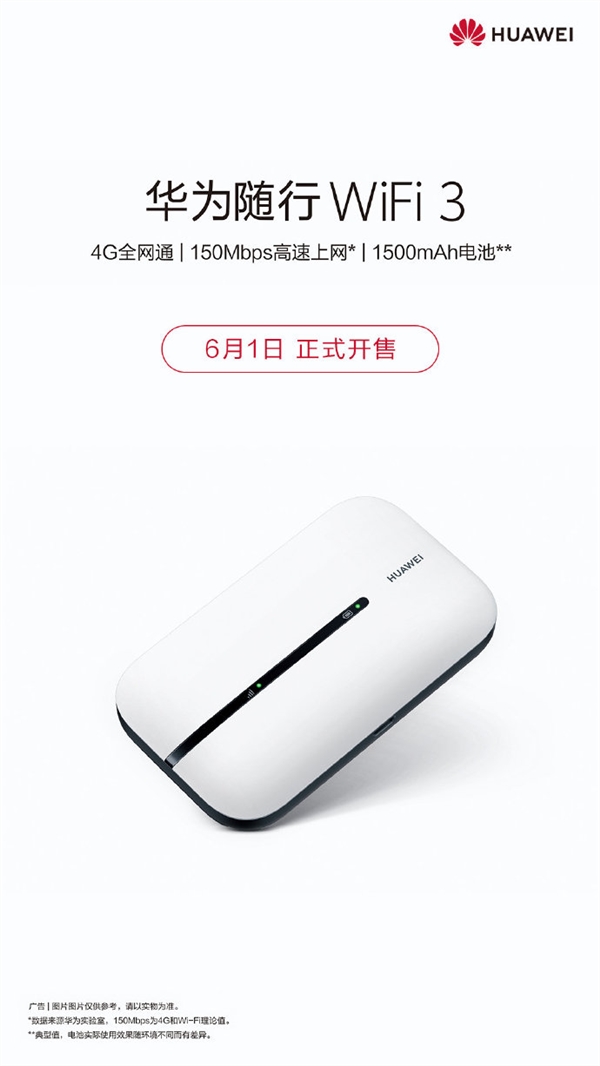
Huawei has got an array of high-end routers to its name including 5G routers. But if you are low on cash and needs a dependable router that you can take anywhere you like, the Huawei’s latest mobile WiFi 3 router may be worth considering.
Huawei Mobile WiFi 3 router is a portable router with an affordable price tag of 269 yuan (~$37). The router is available in white and black colour options. The router is pocket-friendly, and that doesn’t refer to the price but also the size. It can fit into a pocket easily. It is the size of a credit card with a thickness of just 14mm, weighing in at 73g.
The mobile WiFi 3 router’s speed can reach up to 150Mbps and it supports the 4G networks of China’s three major telecoms operators. Huawei also says the WiFi 3 router supports up to 11 4G/3G frequency bands. In addition, up to 16 devices can be connected at the same time, without worrying about the problem of network freeze caused by too many connected devices.
The device crams a 1500mAh battery under the hood. The router utilises Huawei ’s smart power-saving algorithm to ensure the battery lasts for a long period.
Huawei‘s brand is going to launch a new smartphone lineup which will include at least two models: Honor Play4 and Honor Play4 Pro. This series is very important and awaited because it will include at least one flagship killer (the Pro variant, naturally). Ahead of the official announcement, we got a lot of info about the new upcoming series made in Honor thanks to a lot of leaks and rumors surfaced in the last weeks. Here we gathered all the information we got about the specs, features, and launch of the Honor Play4 series. Note that not everything you will read here is officially confirmed, so take everything with a pinch of salt.
Honor Play4 and 4 Pro rumor roundup
Design
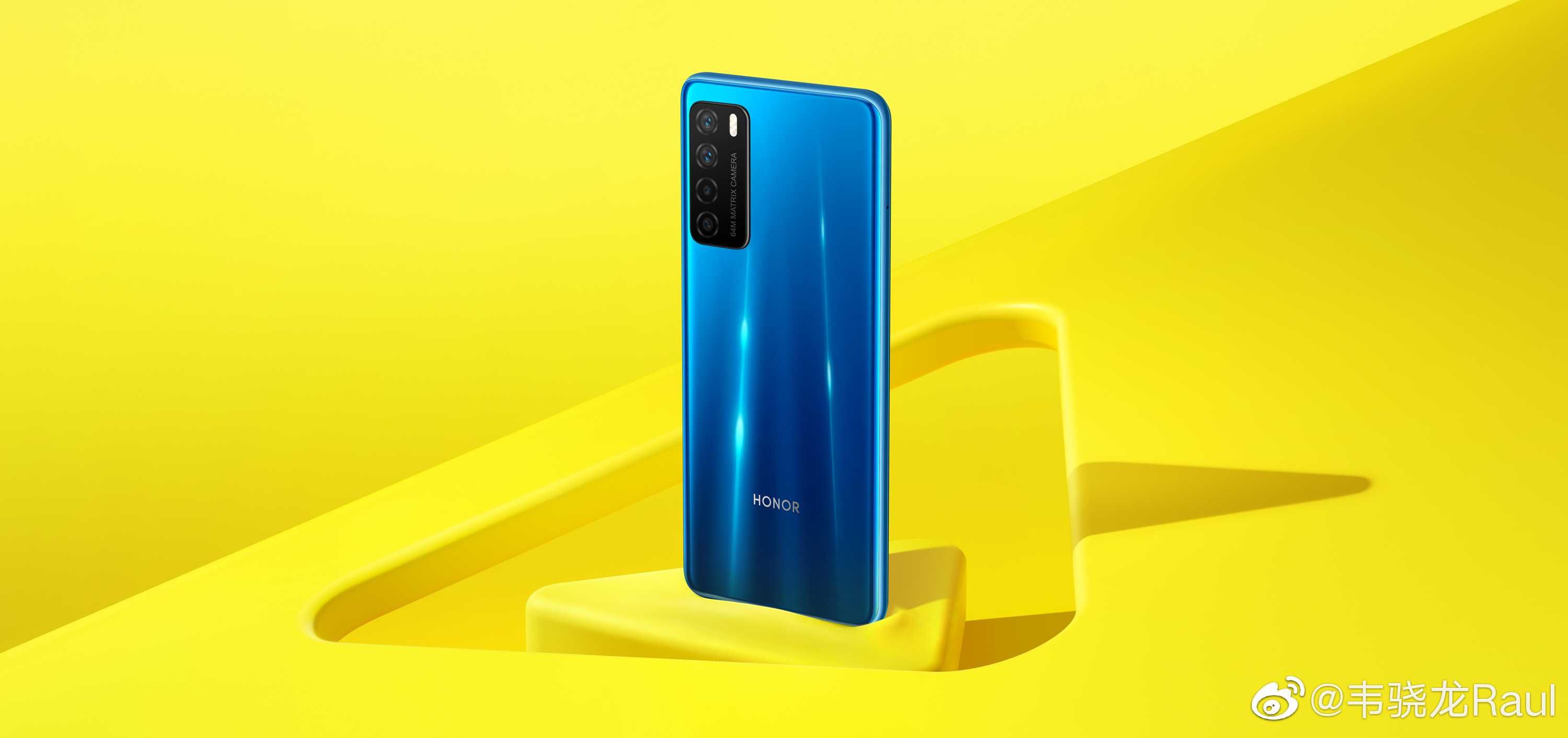
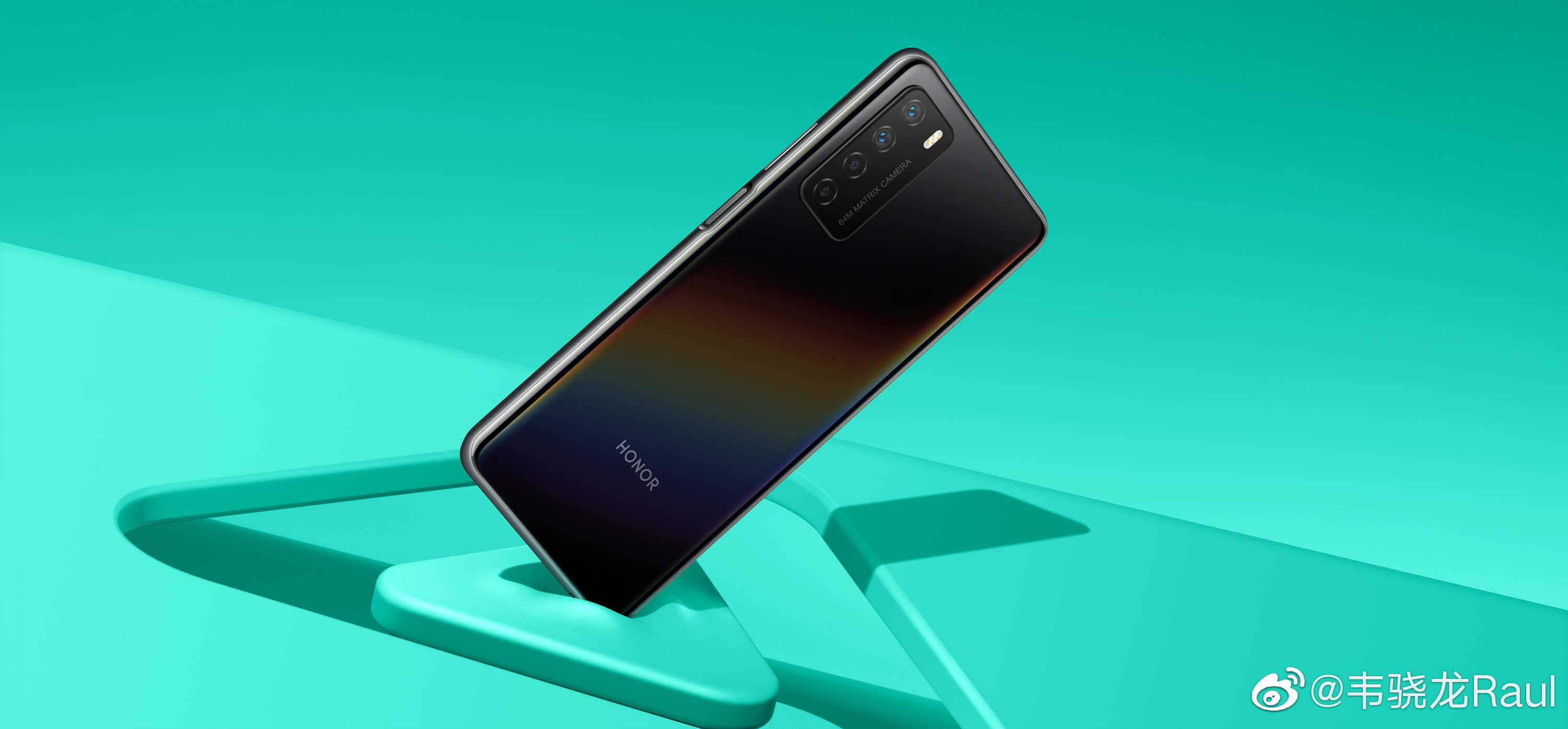
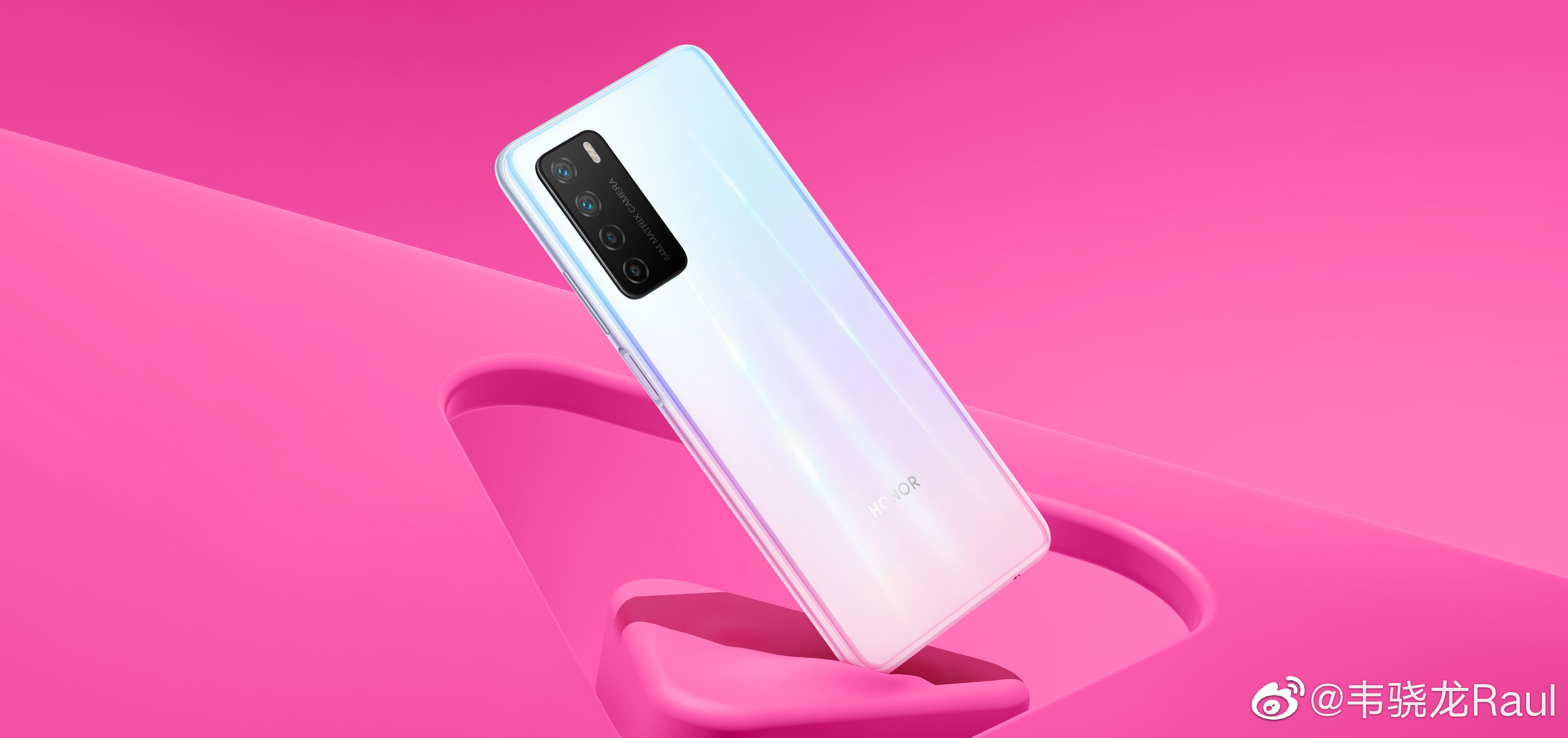
Thanks to official renders and images surfaced on TENAA listings, we already know how the design of the Honor Play4 series will be. As you can see from the images in this post, the Honor Play4 Pro will sport a full screen display with a punch hole housing a dual selfie camera. The Honor Play4 5G will have a single punch-hole with just one selfie camera. The rear side of the phone will be clean except for a big camera module laying on the top right side of the device (on both the variants).
The camera module will include all the visible camera elements of the phones. The devices are expected to debut in China in color variants like red-blue gradient, black, white, and blue. According to a Vmall listing, there will be a Magic Night Black version and a Mecha Blue version (with a futuristic appeal) of the Honor Play4 Pro. The Honor Play4 measures 170 x 78.5 x 8.9 mm and weighs 213 grams.
TENAA revealed that the Honor play4 5G will have a large-sized IPS LCD punch-hole screen. The display is expected to have a 6.81-inch diagonal and a Full HD+ resolution of 1080 x 2400 pixels, as well as a 20:9 aspect ratio, very narrow bezels and a single punch-hole. Honor Play4 Pro will be equipped with a 6.57-inch panel coming with a 20:9 aspect ratio, a Full HD+ resolution of 1080 x 2400 pixels and a dual punch hole housing a dual front camera. The display will be an IPS LCD panel just like the vanilla version. We still do not know whether or not these handsets will support a high refresh rate for a smoother viewing and gaming experience, but given that Honor Play4 Pro is a flagship killer, it is likely to come with a high refresh rate.
Honor Play4 Pro 5G is expected to be powered by a 5G-ready octa-core processor running at a 2 GHz frequency. The SoC will be paired with 4 GB, 6 GB or 8 GB of RAM and 64, 128 or 256 GB of internal storage. Unfortunately, the name of the processor is still unknown as there is no official info in regards and TENAA only revealed the architecture and the clock frequency of the chipset. Through official teaser, Honor confirmed that the Play4 Pro will be fueled by Kirin 990 mobile platform: the same processor as the Huawei P40 and Huawei Mate 30 lineups, that is the best chipset released by Huawei. We expect the SoC to be supported by at least 8 GB of RAM and UFS storage. There will be an NM card slot to expand the internal storage. Honor Play4 and 4 Pro will also feature an IR sensor that can measure a person’s temperature. Their IR blaster can also be used to control home products like TVs, ACs, and more. As suggested by the name, these devices will be gaming-oriented.
Besides having different chipsets, Honor Play4 and 4 Pro will differ for their camera departments. The former will sport a quad-camera setup including a 64 MP main sensor, an 8 MP ultrawide lens and two sensors with 2 MP resolutions likely for macro and portrait shots. Honor shared an official camera sample of the Play4 which looks impressive. On the front panel, inside a punch hole in the display, the handset will house a 16 MP selfie camera. The Honor Play4 Pro is expected to come with a dual camera paired with a LiDAR scanner like the one found on the new Apple iPad Pro 2020. The main sensor of the rear camera department will be a Sony IMX600Y RYYB sensor with a 40 MP resolution. It is a flagship-class sensor and it is the same as the one found on the newly-announced Honor X10.
Both Honor Play4 and 4 Pro are expected to come with 4200 mAh batteries. It is a pretty decent capacity, despite it is actually the average battery capacity of flagship phones. An official teaser implicitly confirmed that the battery of the Honor Play4 Pro will support a 40W fast charging technology (very fast, note that the most powerful fast charging technology in commerce has a 65W power).
Honor Play4 and 4 Pro – Launch date, price, and availability
Honor Play4 and 4 Pro will be officially announced in China on June 3. The prices are still not official, but the Pro variant is expected to hit the shelves with a starting price of around 3,000 Yuan, which roughly translates into $420. The vanilla Honor Play4 will obviously be more affordable, but we do not know how much it will cost. The Honor Play4 Pro was recently spotted on a Vmall listing, but there was no price. Instead, the listing showed renders of two color variants which you can actually see above.
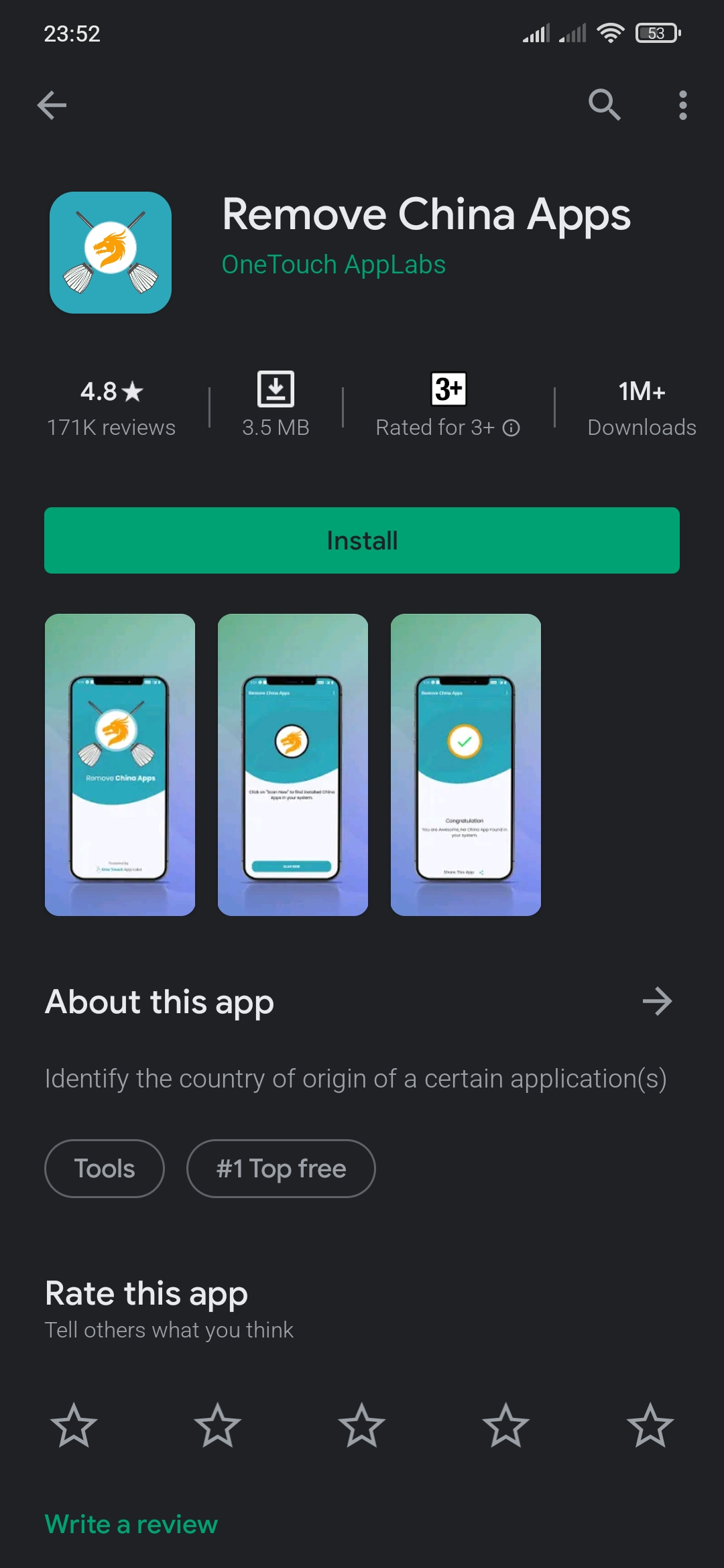
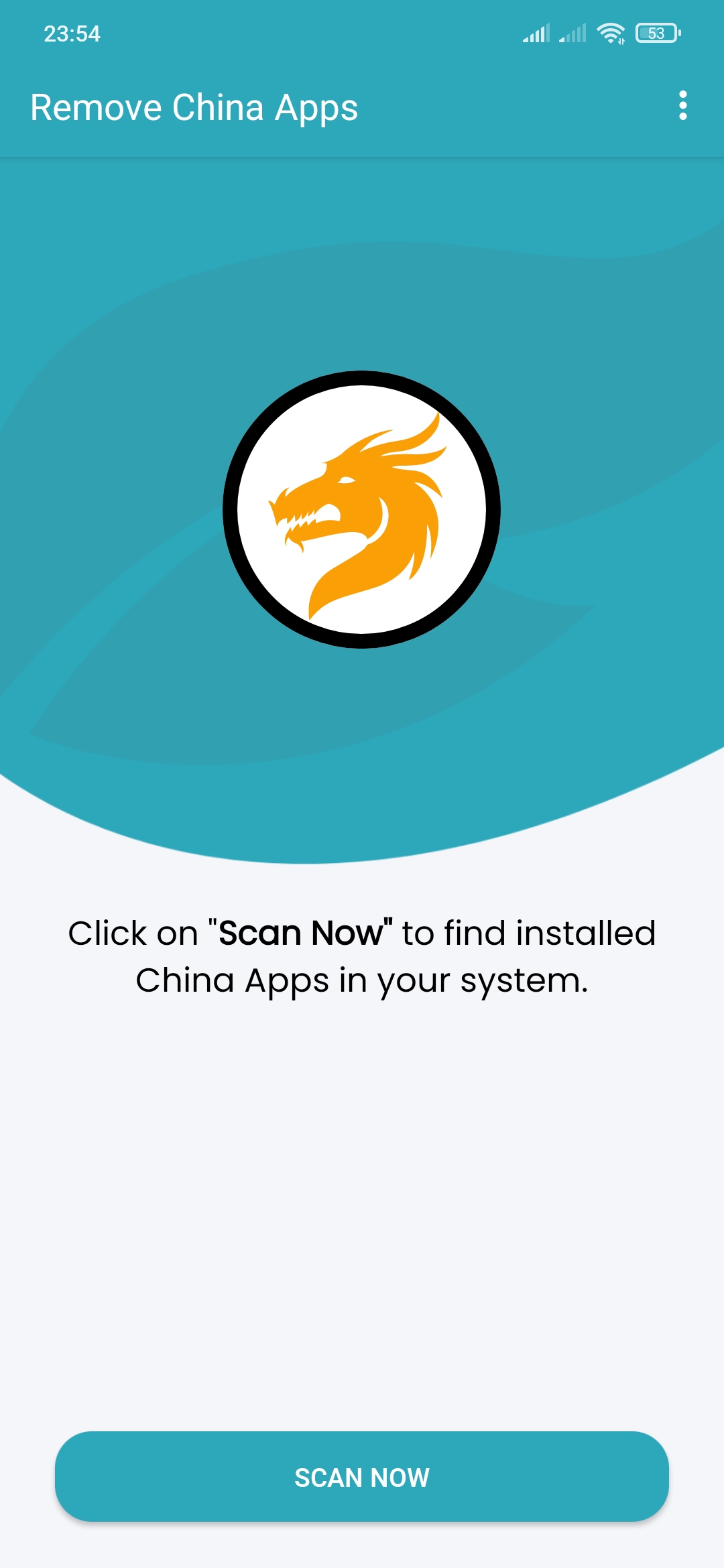
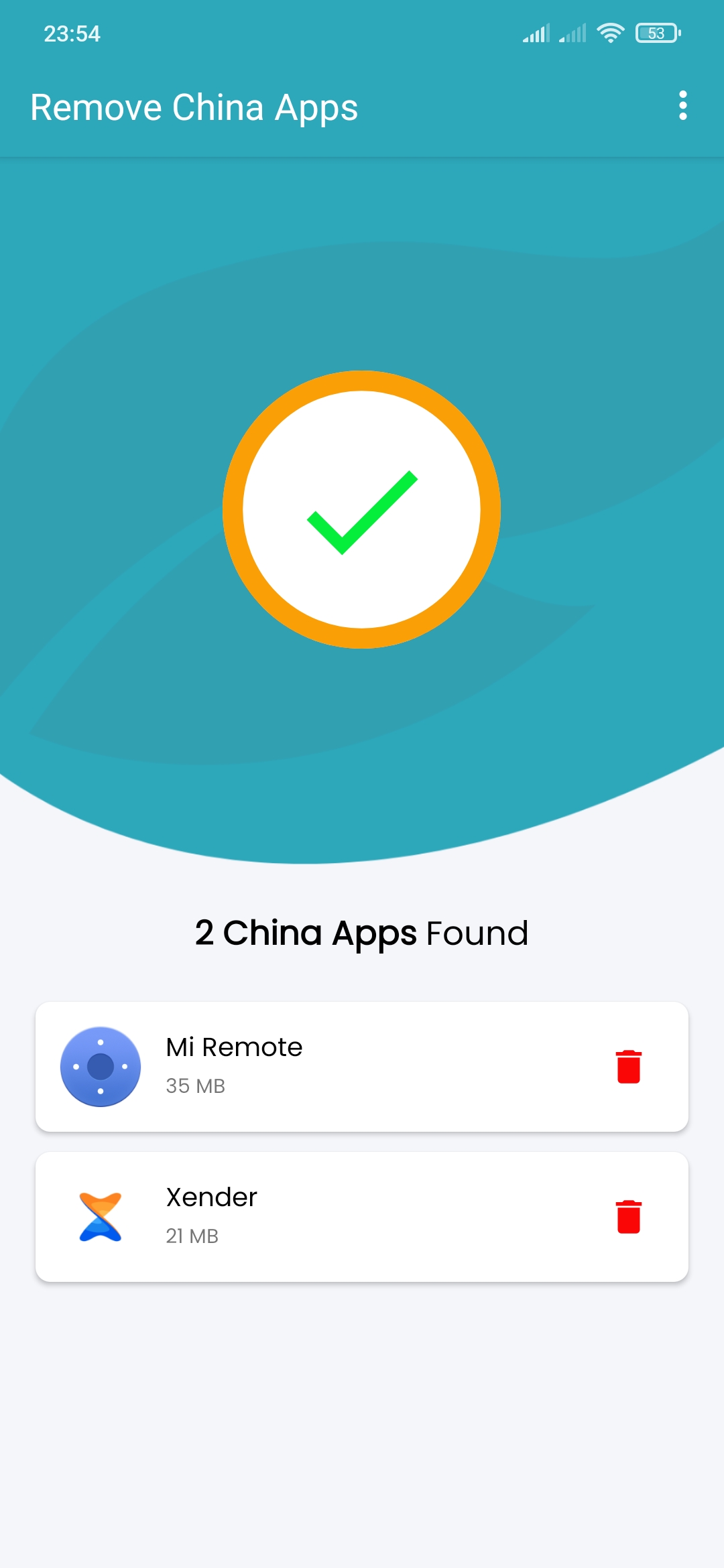
There’s a new trending app on Google Play Store in India called Remove China Apps. This app currently ranks first in a number of categories. As the name suggests, it scans Chinese apps on Android devices and uninstalls them.
1 of 4
The COVID-19 outbreak, India-China border dispute, and other things have led to boycott China movement in India. Making use of this situation, a company going by the name of OneTouch AppLabs published an app called Remove China Apps on Google Play Store on May 17.
Since its release, the app has been downloaded by over 1 million (10 lakh) users. With an overall rating of 4.8, the app now ranks first in all the applicable categories like Overall, Applications, and Tools in both Top New and Top New Free.
According to the description on the Play Store listing, the app is meant for educational purpose to identify the country of origin of apps installed on users’ smartphones. However, it only identifies Chinese apps and helps the users uninstall them with a direct toggle to system app uninstall option.
Lastly, it is worth noting that this app only identifies the Chinese apps installed from the Play Store. It cannot identify pre-installed Chinese apps on any smartphone.
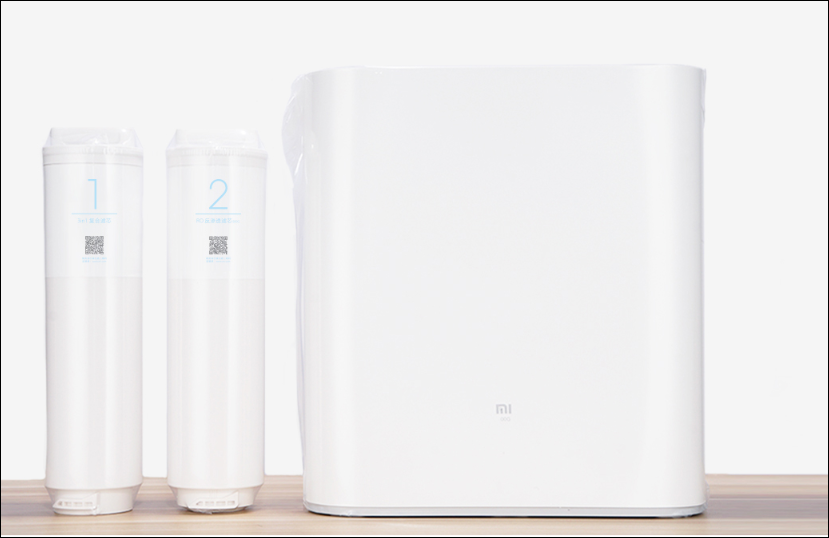
In September 2019, Xiaomi launched the Mi Water Purifier C1 on Xiaomi Mall with a price tag of 1299 yuan (~$182). The Chinese tech giant has now unveiled the Mi Purifier C1 Enhanced Edition. This new enhanced version comes with an 1899 yuan (~$266) price tag.
What has changed
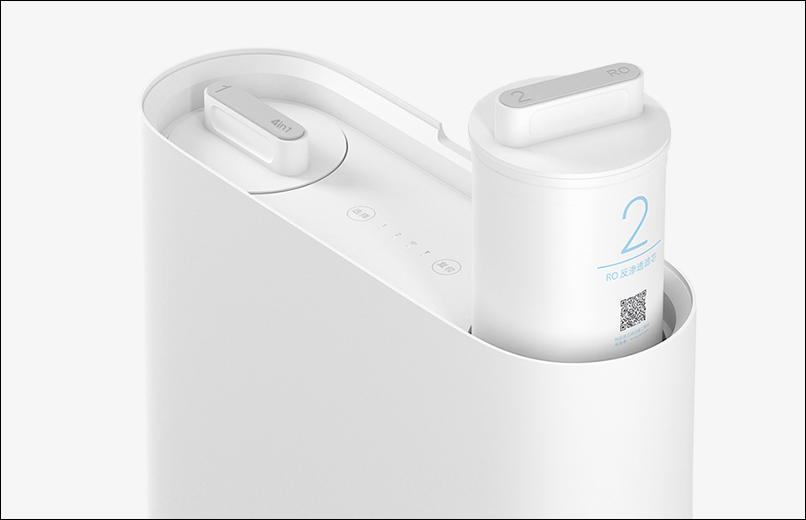
The new version has the same design and dimension as last year’s model. However, the filtration has been upgraded from a 4-stage filter to a 5-stage filter. The five filter elements include folding PP, front carbon rod + scale inhibitor, Reverse osmosis, and rear carbon rod. The five-level filtration brings the water to the level of packaged drinking water. Also, the wastewater ratio on this new version has also been upgraded from 1:1 to 2:1.
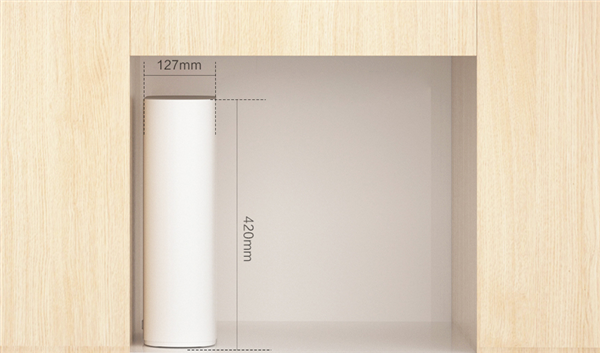
The Mi Water Purifier Enhanced version adopts a 127mm slim body and is installed under the kitchen. It is opened by 500 gallons and produces 1.3L of water per minute.
In addition, the independent smart control faucet has a blue/orange light reminder which displays the real-time life of the filter element and the running state of the machine. The purifier can also be connected to the MIJIA app and these parameters also checked from a smartphone. If the filter element needs to be replaced, a reminder is sent to the smartphone and you can also place an order for it from the app.
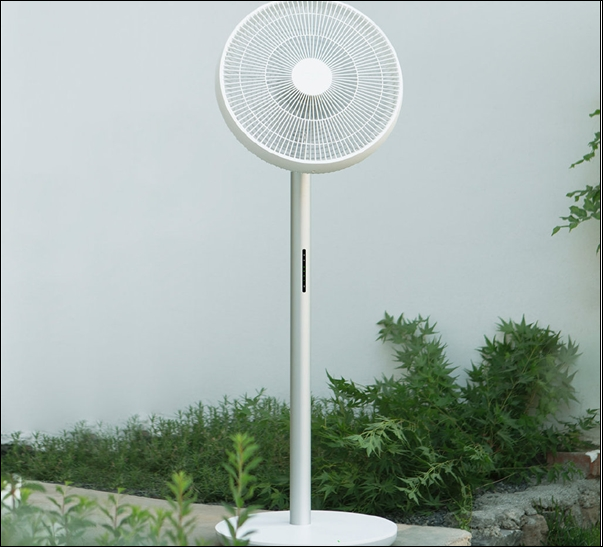
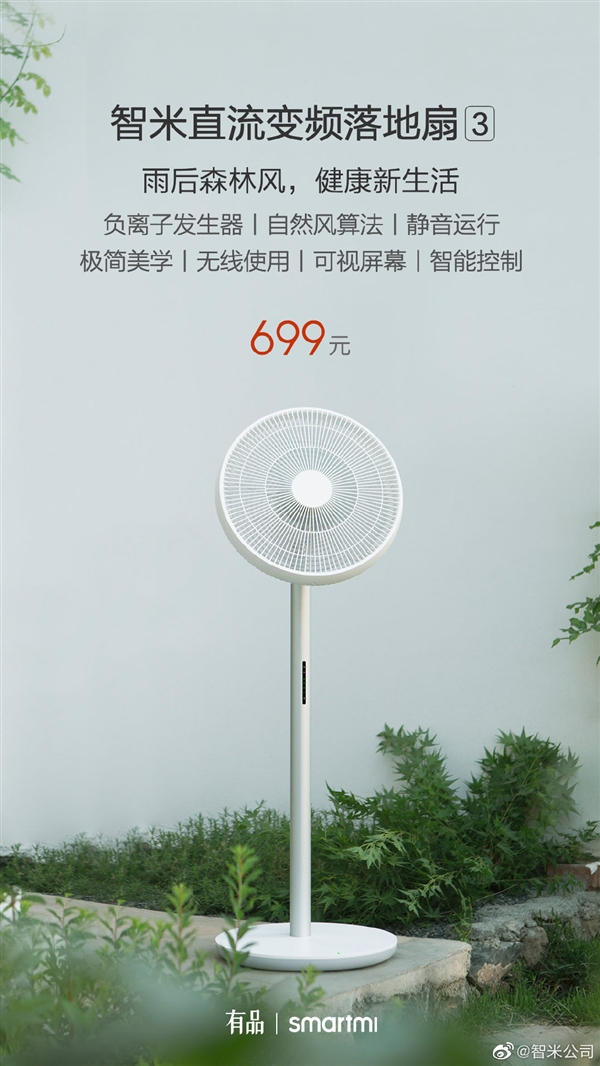
Xiaomi‘s ecological chain company Smartmi has launched its latest DC Inverter floor fan under the Youpin platform. The Smartmi DC inverter floor fan 3 comes with a retail price of 699 yuan (~$98).
The Smartmi floor fan 3 has a built-in negative ion generator, which is claimed to be able to sterilize and reduce dust and protect sensitive people. The fan uses a Japanese Minebea DC brushless motor with seven feather blades which enable a noiseless operation. The blade and its protective cover are manufactured from ABS plastic.
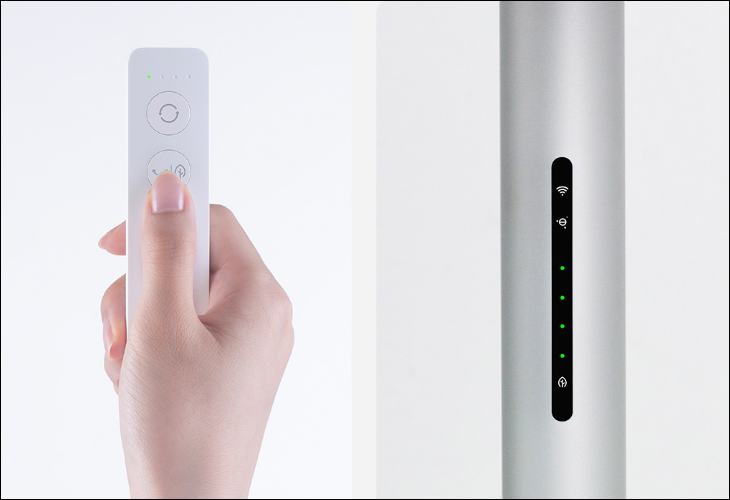
The floor fan has a built-in 33.6Wh battery, which can be used wirelessly for up to 20 hours and weighs 3.5Kg. When plugged in, it will be fully charged in 4 hours. The fan has a total height of 960mm. The frame has a display strip which shows the battery level, WiFi connectivity level and a few other parameters when the fan is working.
In terms of personalized functions, the fan features wind volume adjustment, swing head angle adjustment and supports voice control using the MIJIA app or XiaoAI speaker. The floor fan is equipped with Bluetooth remote control. It also supports WiFi connectivity.
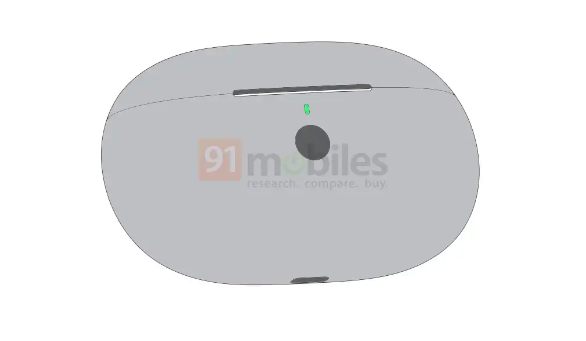
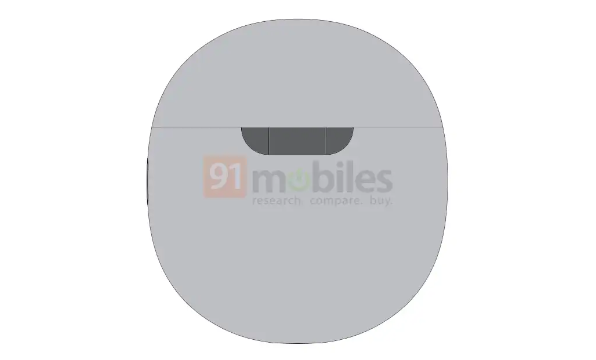
TWS earbuds are the new craze this year and it looks like brands won’t be happy with just one or two earbuds models in the market this year. Realme already has three TWS earbuds to its name but it seems to be working on a new model with an Airpods Pro-like design. The brand has patented three designs: two earbuds cases and one design for earbuds at the World Intellectual Property Organization (WIPO).
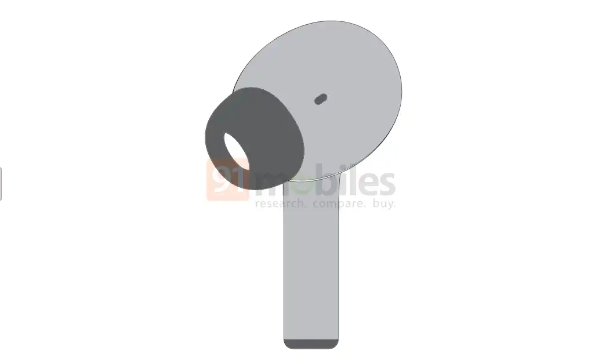
The recently patented Realme earbuds design (first spotted by 91Mobiles) is interesting because it seems to be inspired by the Airpods Pro. So it features a similar in-ear design along with a long stem as the Apple earbuds. The other two patents are for the charging cases, one with a round design and another one with a flatter, oval design. Both the patented cases featured an LED indicator, USB-C port for charging, and a button – likely for pairing.
1 of 2
Realme’s current earbuds, the Realme Buds Air and Buds Air Neo feature an open design, but the Realme Buds Q that was launched last week comes with an in-ear design, similar to the Galaxy Buds. So it looks like the company wants to experiment with the in-ear design on a new model in the future.
As always, we would like to add that this is just a patent and it remains to be seen if this design would translate into a real product in the coming months.
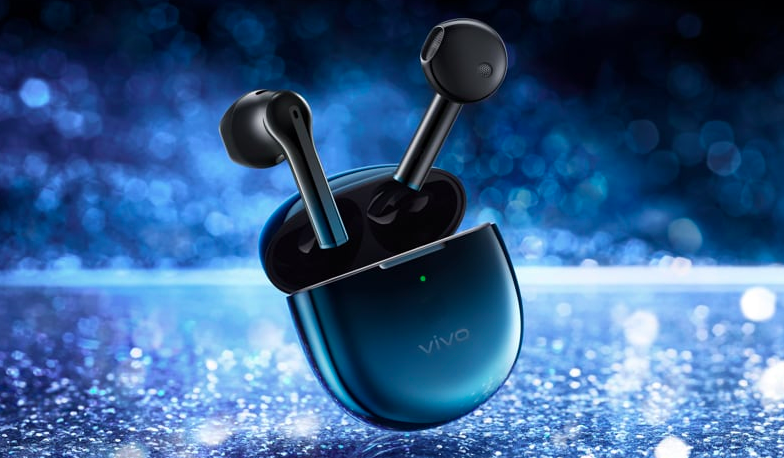
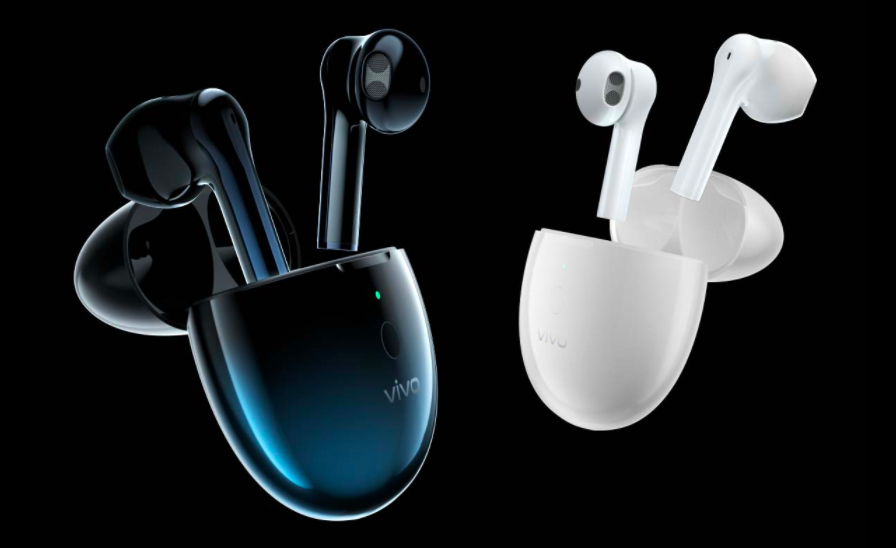
Vivo has launched a new pair of TWS earbuds alongside the Vivo X50 series in China today. This is a premium pair of earbuds featuring similar 14.2mm large drivers as the Vivo TWS earbuds launched last year, but upgrades the Bluetooth version to 5.2.
The Vivo TWS Neo earbuds feature three DeepX Stereo modes for a customized listening experience. You can choose between bass-heavy mode, clear voice mode, and high pitch mode to suit the audio you are playing.
The company claims that aptX audio code ensures that you get CD-rated audio quality on these earbuds. Plus, it features dual-channel transmission 2.0 which helps improve latency and battery life. According to official figures, the Vivo TWS Neo earbuds can play audio for up to 5.5 hours on the standard AAC code and this goes down to 4.2 hours on the aptX adaptive codec. But this figure is still better than the original Vivo TWS earbuds model.
Combined with the charging case, you get up to 27 hours of audio playback on the new earbuds. The charging case comes with a USB-C port for charging. There’s no wireless charging support for the case.
The earbuds also come with a low latency mode of 88ms for gaming and video calls. Other features of the Vivo TWS Neo include IP54 certification, Jovi assistant, Find My Earbuds feature, one-touch pairing and connection, and touch gesture support such as slide to adjust volume, single tap to play/pause music or call up Jovi assistant (customizable), and long press to reject a call. You also get smart call noise reduction, eliminating ambient noise such as wind interference, running, riding, with the help of its dual microphones.
The Vivo TWS Neo earbuds come in two colors: Interstellar Blue and Moon White. Notably, the earbuds are priced cheaper than last year’s model. It costs just ¥499 (~$70) and is already available for purchase in China.
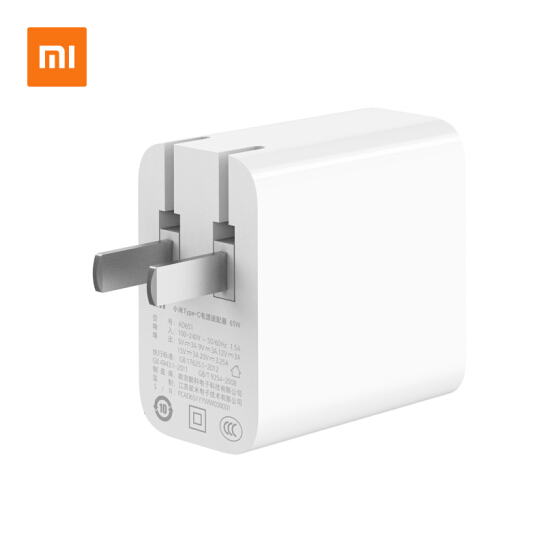
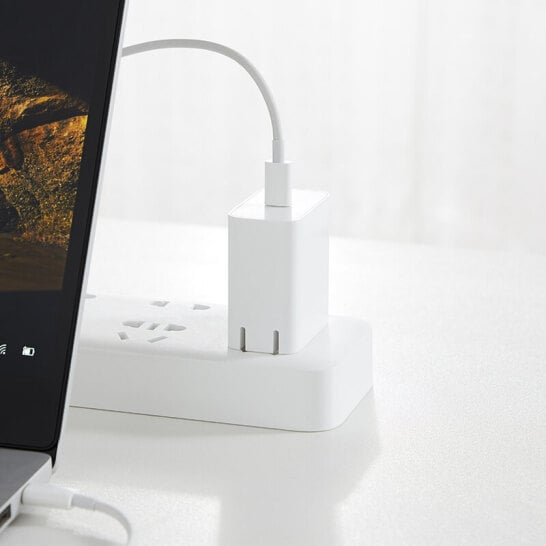
Xiaomi has announced a new 65W PD fast charger ahead of 618 sale in China. This multipurpose charger costs only 99 Yuan ($14). It can be used to charge all sorts of devices including smartphones, laptops, tablets, and more.
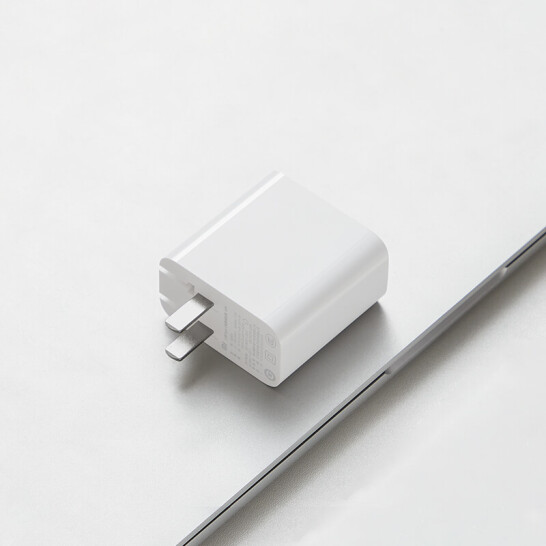
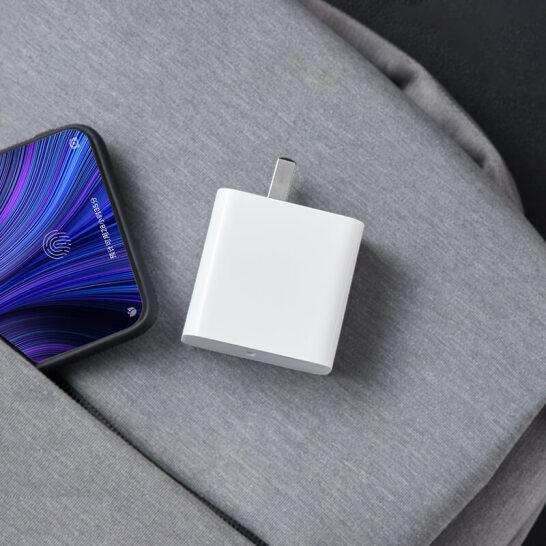
The new Xiaomi 65W PD fast charger comes only in white color and looks similar to other fast chargers from the brand. It has a single USB Type-C port and a foldable pin.
Xiaomi 65W PD Fast Charger
1 of 4
According to the company, the new charger comes with protection for over-voltage, I/O over-current, and short circuit. It also has a low ripple, low electromagnetic interference, and static resistance.
Xiaomi claims its charger can fully charge MacBook Pro 13” and 15.6” in 1 hour 50 minutes and 2 hours 25 minutes respectively. It has also mentioned charging time of other devices such as Mi 10 Pro (1 hour 50 minutes), Redmi K20 Pro (1 hour 40 minutes), iPad Pro (2 hours 28 minutes), Nintendo Switch (2 hours 55 minutes), iPhone 11 (1 hour 55 minutes), and iPad Air (2 hours 10 minutes).
Xiaomi has also listed some of the laptop models that are compatible with its new 65W PD fast charger.
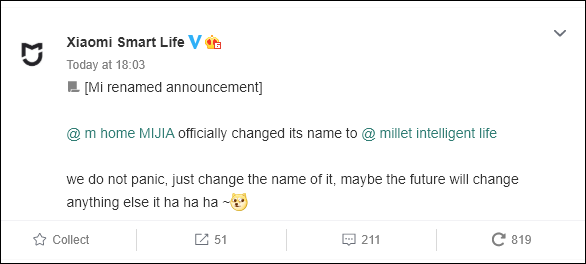
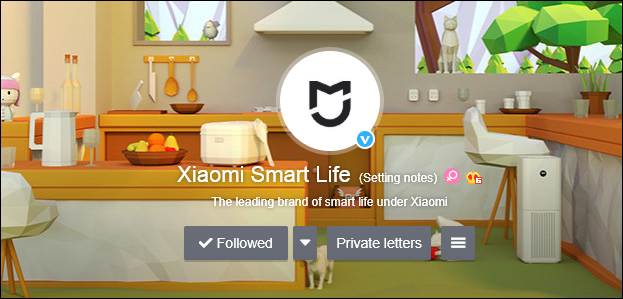
Xiaomi today officially announced a change in the name of the MIJIA brand to Xiaomi Smart Life. The post announcing the change clarified that it is only a name change.
The MIJIA brand is Xiaomi’s smart home brand. The term “MIJIA” literally means Xiaomi Smart Home in Chinese. It was established in 2016 and encompasses all the major smart home products released by Xiaomi under the brand. The MIJIA Rice Cooker was the first product released under the brand name.
The logo hasn’t changed, retaining the simplistic shield logo. The shield portrays the image of a reliable brand which is what Xiaomi is projecting.
Xiaomi’s operation director is reported to have responded in the comment section that products will still use the MIJIA logo for new products launched under the Xiaomi Smart Life brand. The products cut across the Xiaomi and Redmi brands.
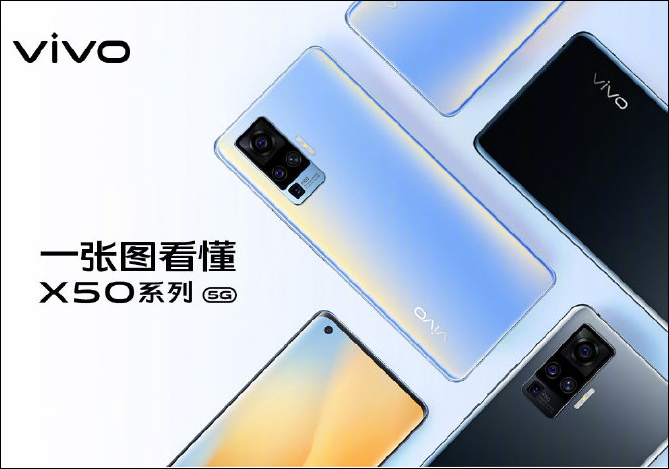
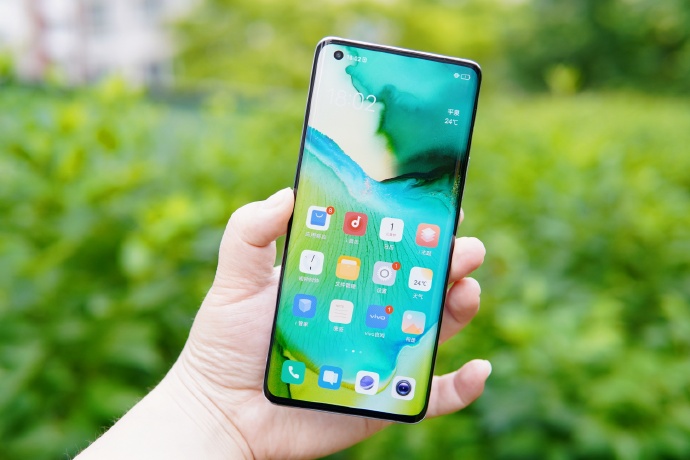
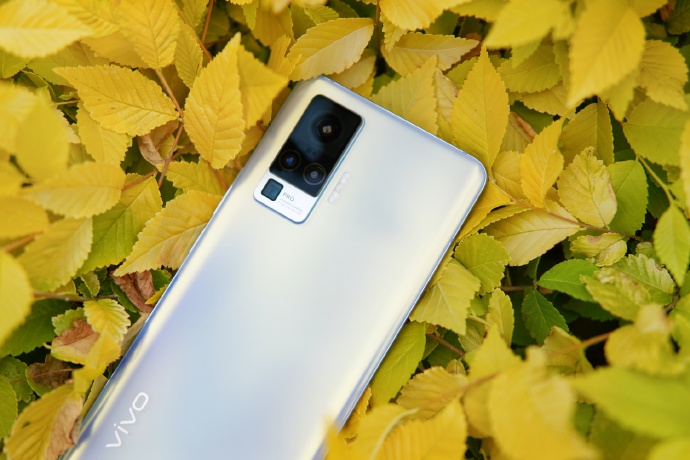
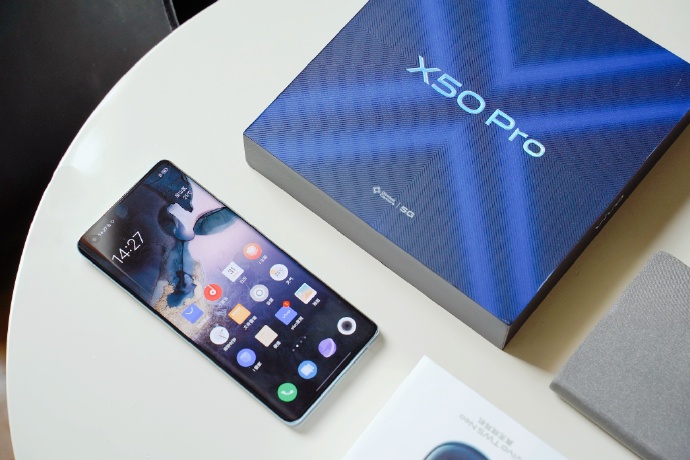
Vivo today held a press conference in China where the Vivo X50 series was unveiled. The new X50 series is made up of the Vivo X50, X50 Pro andX50 Pro+, all 5G phones. What makes the trio stand out is that it is Vivo’s thinnest 5G phone.
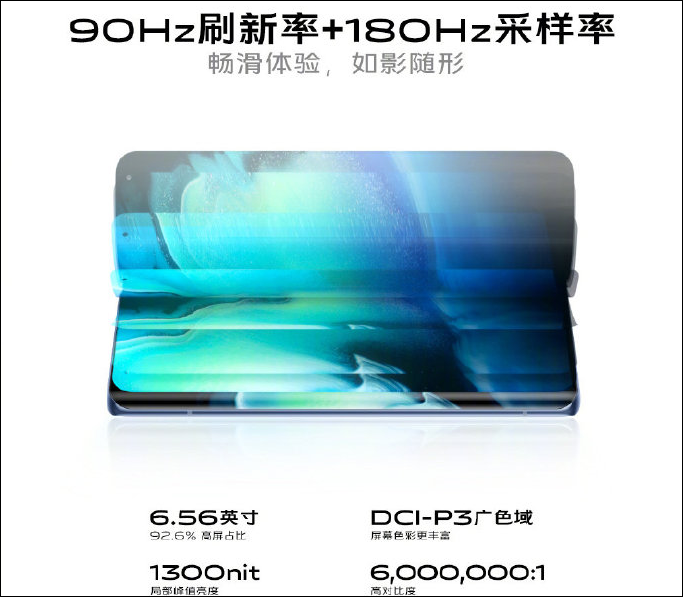
The Vivo X50 and X50 Pro both come with a 6.56-inch AMOLED screen with a resolution of 2376 x 1080p. The screen has support for 90Hz refresh rate and equally has an under-screen fingerprint sensor embedded underneath. The X50 weighs only 173 grams and has a thickness of 7.49mm. On the other hand, the X50 Pro weighs 181.5 grams and is 8.04mm thick. Notably, most 5G phones weigh around 200g.
Although the two phones have similar screen sizes, the X50 Pro uses an aesthetic curved screen design and is also the first curved phone in the X series.
In terms of hardware, both the X50 and X50 Pro pack a Snapdragon 765G processor with 8GB LPDDR4X memory. While the X50 uses UFS 2.0 flash memory, X50 Pro is UFS 2.1 flash memory. Both models also have different battery capacities and fast charge. The X50 crams a 4200mAh battery, while the X50 Pro is powered by a 4315mAh battery, and both support 33W flash charging.
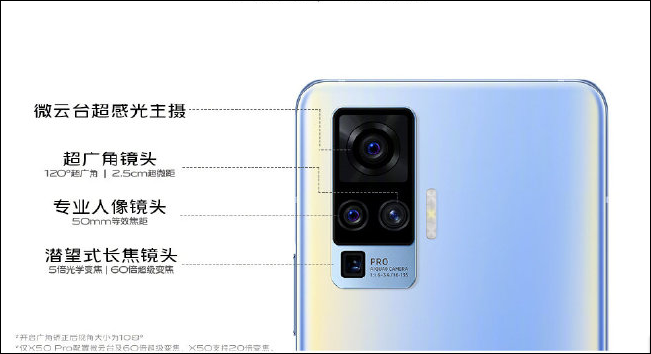
On the camera aspect, Vivo X50 and X50 Pro both packs a 32MP front-facing camera that supports night view, portrait, photo, video, panorama, dynamic photo, slow motion, short video, AR cute shoot and others. At the rear side, there is a quad-camera setup on both models but the X50 Pro setup includes a 48MP Sony IMX598 main camera + 13MO portrait + 8MP wide-angle + 5MP macro lens. The main camera supports four-axis OIS, closed-loop motor, and 20x digital zoom. There is also support for up to 60x digital zoom.
One spectacular feature of the X50 Pro camera is the presence of a gimbal camera system modelled after a full-sized professional gimbal. The gimbal moves the camera module in the direction opposite to that of the shake, increasing the stability of the main camera. The gimbal system widens the rotation angle and the anti-shake area. The camera UI is also tweaked to reflect the movement of the gimbal and show when the sensor is stable. Te X50 Pro+ misses out on this feature, perhaps due to the presence of a large sensor onboard already. It uses ordinary OIS.
In terms of sound quality, Vivo’s X series has always performed well in HiFi. The X50 supports three microphones and Hi-Res certification while the X50 Pro adds an AK4377A sound quality chip, which also supports Hi-Res certification.
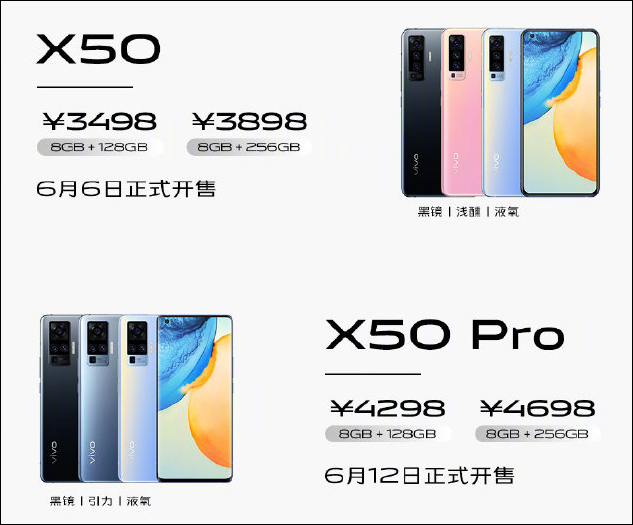
As for the prices, the Vivo X50 (8GB + 128GB) is priced at 3498 yuan (~$490) while the 8GB+256GB variant is priced at 3898 yuan (~$547). On the other hand, the X50 Pro (8GB + 128GB) is priced at 4298 yuan (~$603) and 4698 yuan (~$450) for the 8GB+256GB variant. The X50 went on sale today.
Vivo X50 Pro+
Vivo X50 Pro+: Specs & Price
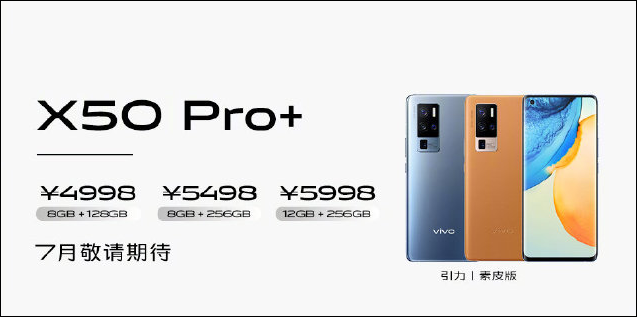
Vivo also launched a flagship model dubbed Vivo X50 Pro Plus. The model is powered by Qualcomm’s latest Snapdragon 865 flagship SoC. In terms of the design, the X50 Pro+ uses an 0.5mm plain leather material which feels better and lighter in weight. Vivo’s logo is embossed on the leather.
The device features a 6.56-inch AMOLED screen with a resolution of 2376 x 1080p. The screen has support for 90Hz refresh rate and equally has an under-screen fingerprint sensor.
The X50 Pro+ uses a 50MP Samsung Isocell GN1 sensor with a 1 / 1.3 ” pixel size. The main camera is expected to perform well in complex scenes with low light and light and dark conditions.
In addition, the X50 Pro+ supports dual-mode SA/NSA 5G as well as LPDDR4X flash storage. The display supports up to 120Hz refresh rate and 240hz touch screen sampling rate, bringing delicate and smooth operations.
In terms of the sound output, the Vivo X50 Pro+ packs the HiFi CS43131 chip with high-performance independent DAC decoding, sampling rate up to 384kHz, 32-bit accuracy, dynamic range up to 130dB, total harmonic distortion + noise as low as -115dB.
The X50 Pro+ comes with a 4998 yuan (~$701) price tag for the 8GB+128GB variant. The 8GB+256GB variant is priced at 5498 yuan (~$771) and finally, the 12GB + 256GB variant will go up 5998 yuan (~$841). Vivo says the flagship will be released in July.
We use cookies on our website to give you the most relevant experience by remembering your preferences and repeat visits. By clicking “Accept”, you consent to the use of ALL the cookies.
This website uses cookies to improve your experience while you navigate through the website. Out of these, the cookies that are categorized as necessary are stored on your browser as they are essential for the working of basic functionalities of the website. We also use third-party cookies that help us analyze and understand how you use this website. These cookies will be stored in your browser only with your consent. You also have the option to opt-out of these cookies. But opting out of some of these cookies may affect your browsing experience.
Necessary cookies are absolutely essential for the website to function properly. This category only includes cookies that ensures basic functionalities and security features of the website. These cookies do not store any personal information.
Any cookies that may not be particularly necessary for the website to function and is used specifically to collect user personal data via analytics, ads, other embedded contents are termed as non-necessary cookies. It is mandatory to procure user consent prior to running these cookies on your website.