Advertisement

OPPO Reno4 vs Redmi 10X vs Realme X50: Specs Comparison

After just a year from the first model, the Reno lineup is already in the fourth generation. OPPO just unveiled the Reno4 series composed of the OPPO Reno4 and 4 Pro: both premium mid-rangers and both with 5G connectivity. But are they the mid-rangers with the highest value for money out there or you can find something better in the actual smartphone market? We think there is no better reason to understand this than comparing the new OPPO Reno4 with its most recent rivals in the same price segment. That is why we decided to write a specs comparison between OPPO Reno4, Redmi 10X, and Realme X50, all mid-rangers, all with 5G support.

OPPO Reno4 5G vs Xiaomi Redmi 10X 5G vs Realme X50 5G

Oppo Reno4 5G Realme X50 5G Xiaomi Redmi 10X 5G
DIMENSIONS AND WEIGHT 159.3 x 74 x 7.8 mm, 183 g 163.8 x 75.8 x 8.9 mm, 202 grams 164.2 x 75.8 x 9 mm, 205 grams
DISPLAY  6.43 inches, 1080 x 2400p (Full HD+),  AMOLED 6.57 inches, 1080 x 2400p (Full HD+), IPS LCD 6.57 inches, 1080 x 2400p (Full HD+), AMOLED
PROCESSOR Qualcomm Snapdragon 765G, octa-core 2.4 GHz Qualcomm Snapdragon 765G, octa-core 2.4 GHz MediaTek Dimensity 800, octa-core 2.6 GHz – micro SD dedicated slot
MEMORY  8 GB RAM, 128 GB – 8 GB RAM, 256 GB 8 GB RAM, 128 GB – 6 GB RAM, 256 GB – 12 GB RAM, 256 GB 6 GB RAM, 64 GB – 6 GB RAM, 128 GB – 8 GB RAM, 128 GB – 8 GB RAM, 256 GB
SOFTWARE  Android 10, Color OS Android 10, Realme UI Wi-Fi 802.11 a/b/g/n/ac, Bluetooth 5.1, GPS
CONNECTIVITY  Wi-Fi 802.11 a/b/g/n/ac, Bluetooth 5.1, GPS Wi-Fi 802.11 a/b/g/n/ac, Bluetooth 5.0, GPS  Wi-Fi 802.11 a/b/g/n/ac, Bluetooth 5.0, GPS
CAMERA  Triple 48 + 8 +  2 MP, f/1.8, f/2.2 and f/2.4
Dual 32 + 2 MP f/2.4 and f/2.4 front camera
quad 64 + 12 + 8 + 2 MP, f/1.8, f/3.0, f/2.3 and f/2.4
Dual 16 + 8 MP f/2.0 and f/2.2 front camera
Triple 48 + 8 + 2 MP f/1.8, f/2.2 and f/2.4
16 MP f/2.3 front camera
BATTERY  4000 mAh, fast charging 65W with SuperVOOC 2.0 4200 mAh, fast charging 30W 4520 mAh, Fast charging 22.5W
ADDITIONAL FEATURES Dual SIM slot, 5G Dual SIM slot, 5G Dual SIM slot, 5G

Design

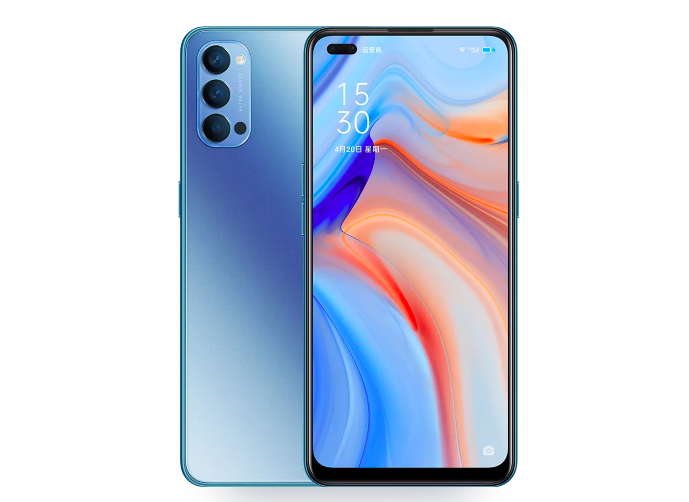
At first glance, you might not notice important differences between the designs of these three handsets. But if you dig deeper, you find that OPPO Reno4 is more premium than its two rivals. It is more compact, thinner, and even lighter than Redmi 10X and Realme X50. Further, it boasts a glass back and an aluminum frame, while Redmi 10X has a glass back and a plastic frame. It is even more elegant thanks to its camera module sporting the same color as the rear side, and let’s not talk about its higher screen-to-body ratio. I do not like the Redmi 10X so much due to its big and central rear camera module, while Realme X50 looks pretty elegant and it adopts the same materials as the OPPO Reno4, but in a bigger and thicker body.


Display

On the paper, Redmi 10X 5G looks like the device with the most impressive display. It is the only device with a display sporting the HDR10+ certification, and it is AMOLED. But this does not necessarily mean it is a better panel: OPPO always used great AMOLED panels on the Reno lineup, so do not underestimate the Reno4. Unfortunately (at least for most of the potential users), Realme X50 5G has an IPS display, but on the other hand, it supports a high 120 Hz refresh rate and it is one of the most affordable smartphones with a so high refresh rate.


Hardware/Software

The most awesome handset in terms of the hardware department is the Realme X50 5G, at least in its most impressive variant. It sports an amazing Snapdragon 765G chipset paired with up to 12 GB of RAM and up to 256 GB of UFS 2.1 internal storage. Redmi 10X 5G offers the same chipset and less RAM (up to 8 GB), while Redmi 10X looks less interesting with its Dimensity 820 chipset, but it is the only with a micro SD slot to expand the internal storage. Android 10 is installed out of the box on all of these devices, with a highly-customized user interface.


Camera

The winner of the camera comparison is the Realme X50 5G which is equipped with a 64 MP quad camera on the rear side, including a telephoto lens with 2x optical zoom. OPPO Reno4 and Redmi 10X are equipped with a triple camera and they lack a telephoto sensor. Further, you may be interested in the fact that Realme X50 5G is the only with a dual ultrawide front camera. OPPO Reno4 has a dual front camera (and its main sensor is even better than Realme X50 5G), but the secondary sensor is just a depth sensor.


Battery

The Redmi 10X 5G should guarantee the longest battery life on a single charge because it sports a bigger 4520 mAh battery and it comes with a standard refresh rate. OPPO Reno4 wins the charging speed battle thanks to its 65W SuperVOOC 2.0 fast charging technology.


Price

OPPO Reno4 is priced about €370/$418 in its base variant, Xiaomi asks just €200/$226 for the Redmi 10X, while Realme X50 5G is priced €220/$248. While Redmi 10X has a higher value for money, OPPO Reno4 and Realme X50 5G look more impressive. There is not a definitive winner of this comparison as you should choose depending on your needs, after checking the pro and cons of each device.


OPPO Reno4 5G vs Xiaomi Redmi 10X 5G vs Realme X50 5G: PRO and CONS

Oppo Reno4 5G

PROS

  • Thinner and lighter body
  • Nice cameras
  • Fastest charging
  • USB-C 3.1 port

CONS

  • Smaller battery


Oppo Realme X50 5G

PROS

  • Amazing rear cameras
  • 120 Hz refresh rate
  • Best performance
  • Ultrawide front camera

CONS

  • IPS display


Xiaomi Redmi 10X 5G

PROS

  • HDR10+ display
  • Great price
  • Bigger battery
  • Micro SD slot

CONS

  • Inferior hardware

 

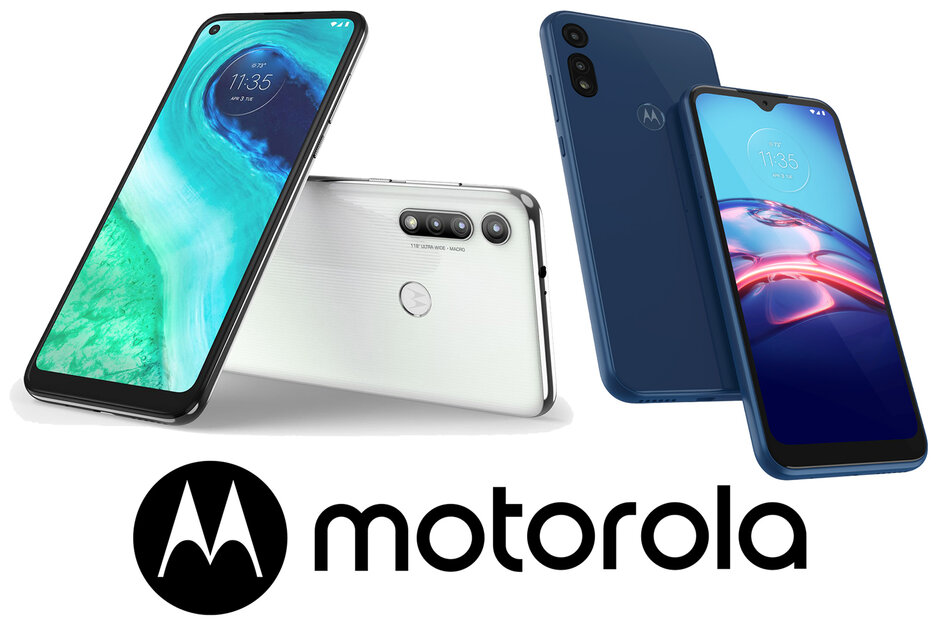
Motorola unveils the Moto G Fast & Moto E (2020) in the US

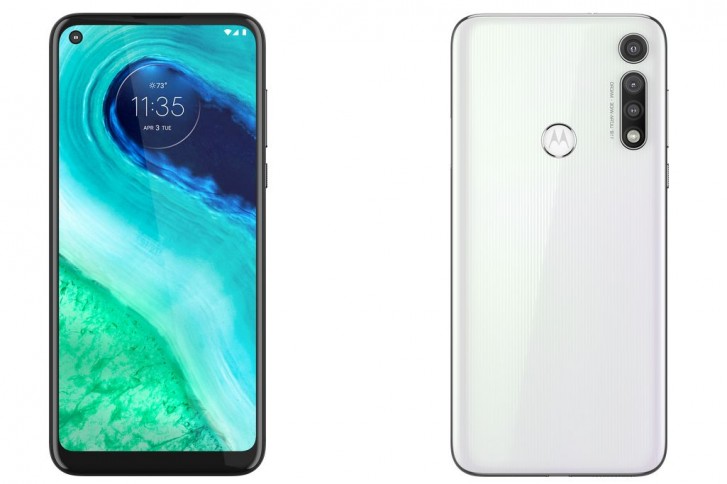
Lenovo-owned Motorola has gone official with two new smartphones in the US. The Moto G Fast and Moto E (2020) are budget models with fairly decent specs. Moto G Fast

The Moto G Fast sports a 6.4-inch Max Vision IPS LCD panel with a resolution of 720×1560 pixels and a punch-hole design. The phone also adopts a tall 19:9 aspect ratio. It is powered by a Qualcomm Snapdragon 665 chipset paired with 3GB of RAM. The phone has 32GB of expandable storage onboard. Providing the lighting is a 4,000mAh battery and the phone also supports 10W fast charging via a USB-C port. Moto-G-Fast

On the camera end, the phone packs a triple camera setup at the rear. The setup includes a 16MP f/1.7 main sensor teaming up with an 8MP ultrawide sensor and a 2MP dedicated macro unit. For selfies, there’s an 8MP front camera. The phone has a rear-mounted fingerprint sensor, a 3.5mm audio jack and IP52 water/dust resistance rating.

The Moto G Fast is priced at $200 and will go on sale in the US on June 12 through Amazon, Walmart, B&H and BestBuy.

Moto E 2020
Moto E 2020

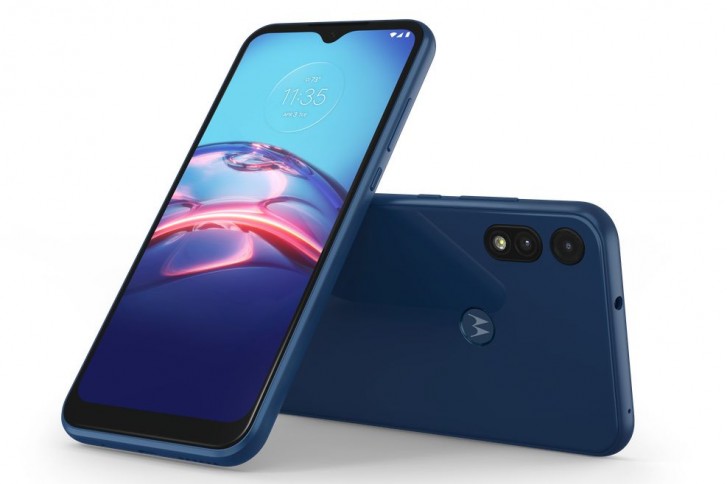
Moto E (2020)

On its part, the Moto E (2020) sports a 6.2-inch LCD display with 720×1520 pixels resolution and a waterdrop notch design.  It is fired up by a Snapdragon 632 chipset paired with 2GB of RAM. The Moto E also comes with 32GB of internal storage which can also be expanded. Keeping the lights on is a decent 3,550mAh battery that charges over a micro-USB port.

For photography, the Moto E (2020) packs a dual-camera setup at the rear consisting of a 13MP main sensor and a 2MP depth sensor. The back panel also plays host to a fingerprint sensor for unlocking the phone. The waterdrop notch holds a 5MP selfie shooter.

Both the Moto E (2020) and Moto G Fast are running an almost-stock variant of Android 10 with Motorola’s promise of at least one major OS update for the Moto G Fast but none of such promise for the Moto E (2020).

The Moto E (2020) is IPx2 certified for dripping rain (no dust protection) and will go on sale unlocked for $150 through a number of US retailers and subsidized through T-Mobile, Boost Mobile, US Cellular, Xfinity Mobile, Republic Wireless and Verizon prepaid.


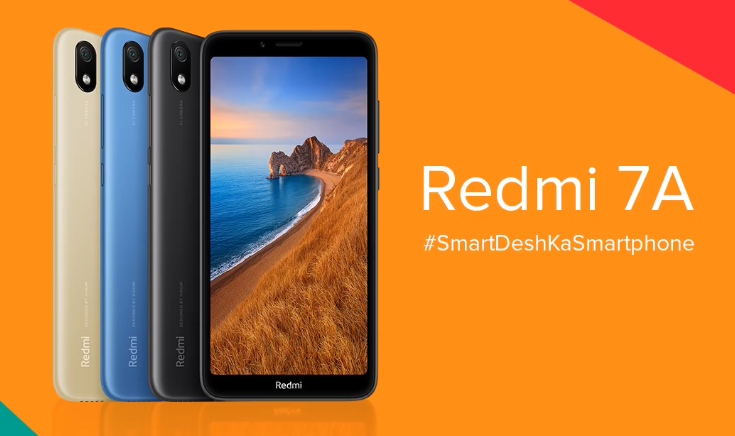
Redmi 7A is receiving Android 10 but newer and costlier Xiaomi phones are still running Android Pie

Redmi announced Redmi 7A ahead of Redmi K20 series launch in China. The phone came with MIUI 10 based on Android Pie out of the box. Now, after a year from its release, the handset is receiving Android 10 update in its home country.

Redmi 7A

The Android 10 update for Redmi 7A in China comes with build number MIUI 11.0.1.0. It also bumps up the security patch level to May 2020. Having said that, the costlier models in the same generation, as well as the next generation, are yet to receive the same update.

Redmi’s first 48MP camera smartphones, the Redmi Note 7 series is still running Android Pie just like Redmi 7 from the same family. Fortunately, these models are popular in the custom ROM community. So, power users can enjoy the latest Android, even Android 11 in some case.

Further, the whole Redmi 8 series (excluding Redmi Note 8 Pro) is also yet to receive the Android 10 update. That means the most selling Xiaomi smartphone of Q1 2020, the Redmi Note 8 is still running Android Pie.

The situation is even terrible for the forgotten Mi Mix 3 5G, the company’s first 5G smartphone. The phone launched with Android Pie-based MIUI 10 and the brand did not even update it to MIUI 11, let alone Android 10 and MIUI 12.

It is high time Xiaomi starts updating its handsets to latest Android on time in addition to MIUI. Also, it should improve in delivering regular security patches to devices in all segments.

Last but not least, Xiaomi should also axe the Android One series if it cannot deliver proper bug-free timely updates. The 2019 Mi A3 has shown us how undedicated the company is towards this series.


(Via)

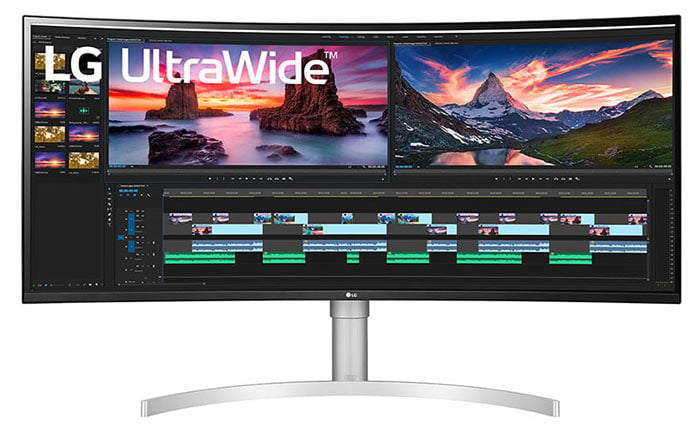
LG 38WN95C-W curved Gaming Monitor with a 38″ QHD+ IPS panel launched

LG has launched the LG 38WN95C-W curved gaming monitor for sale in some market. The curved gaming monitor was first announced in December last year and was showcased at the Consumer Electronics Show (CES) 2020 way back in January. The 38WN95C-W curved gaming monitor is a 38-inch UltraWide QHD+ IPS curved monitor with many attractive specs for gamers. The sleek monitor is already available for pre-orders in the US priced at $1,599. It is also billed to go on sale in the UK as LG UK product page indicates it is “coming soon”.LG 38WN95C-W curved gaming monitor

LG’s 38-inch UltraWide Curved monitor features a resolution of 3840 x 1600 and a 1ms Nano IPS display with a 144Hz refresh rate. The UltraWide also covers 98% of the P3 color space and more. The resolution gives it a lower pixel density than LG’s existing 34-inch UltraWide with Thunderbolt 3.LG 38WN95C-W curved gaming monitor

The monitor’s Nano IPS display covers 98 percent of the DCI P3 color space for incredibly natural and realistic images. Certified as VESA DisplayHDR 600, this monitor delivers a truly dynamic HDR experience on its mammoth 38-inch display. Certified as VESA DisplayHDR 600, this monitor delivers a truly dynamic HDR experience on its mammoth 38-inch display.https://youtu.be/qaY2j4V9Jy8

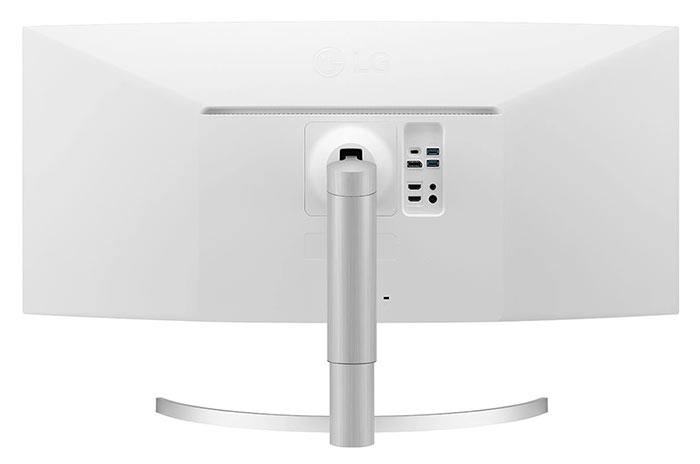
For connectivity, the new UltraWide monitor packs two HDMI ports, one DisplayPort, two USB ports, and Thunderbolt 3.


(source, via)


Amazfit T-Rex is priced at Rs. 9999 (~$132) in India, pre-order starts June 7 on Amazon.in

A couple of days back, Huami had teased the impending launch of the Amazfit T-Rex smartwatch in India. The company has now confirmed that the smartwatch will be up for pre-orders from June 7 on Amazon India. The price of the T-Rex was also revealed to be Rs. 9999 (~$132). Amazfit T-Rex

The Amazfit T-Rex was announced earlier this year at CES 2020 with a price tag of ¥799 (~$111). Available in five colors, the Amazfit T-Rex is Huami’s most durable watch. It has a rugged design and boasts 12 military certifications.Amazfit T-Rex

The watch packs a 1.3-inch AMOLED display with several watchfaces to choose from. There is a high-precision GPS chip from Sony inside. The Amazfit T-Rex has 14 sports modes including elliptical training, hiking, climbing, and trail running. It is also water-resistant up to 50 meters.

Other features include 24-hour heart rate monitoring, call reminder, app notification support, and more. Its battery life is put at 20 days and it goes up to 66 days in basic watch mode.


(source)


Survey shows Apple and OnePlus have the highest customer loyalty in India

91mobiles has released an elaborate survey report that captures how the Indian smartphone market is changing as regards customers’ preference and other factors. The report is titled 91mobiles Smartphone Buyer Insights Survey 2020 and one of the interesting aspect you’ll find inside is on brand loyalty.

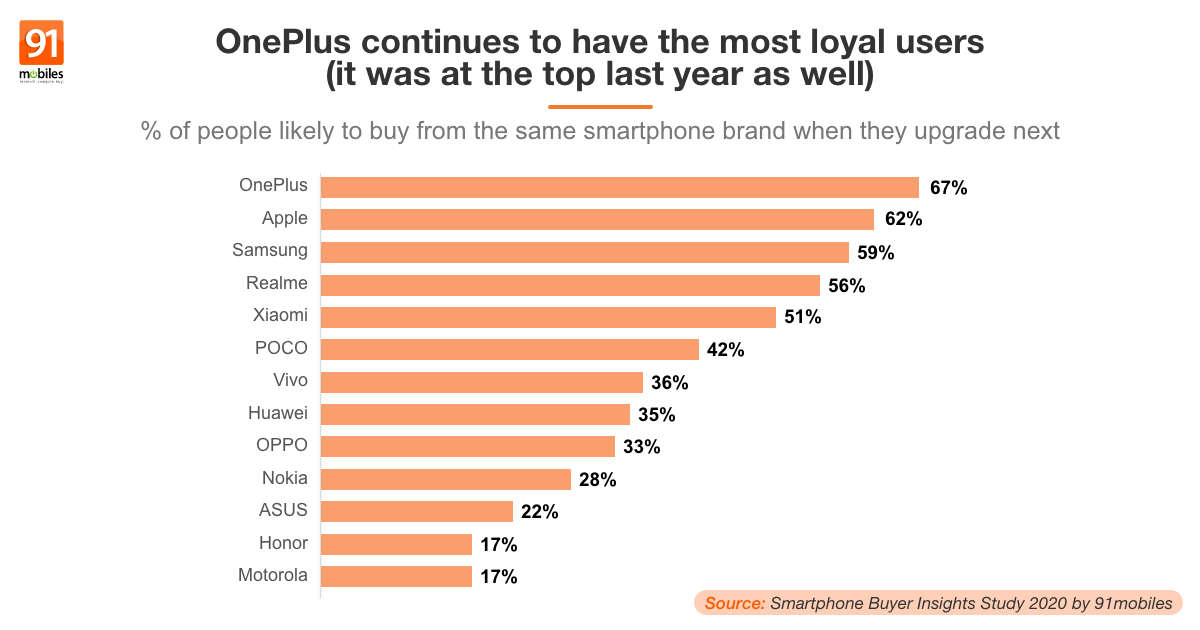
The survey is said to represent data collected from over 15,000 respondents and OnePlus is shown to have the most loyal brand followers. 67 per cent of its current users say they’ll stick to the same brand when they upgrade next. Despite the obvious shift from its “cheap flagship” posture with the OnePlus 8 series, the brand still remains popular. OnePlus has built a solid reputation over the years thus attracting a loyal fanbase. The regularly updated OxygenOS is yet another thing that has made a number of fans say loyal to the brand.

OnePlus is followed by Apple with 62% loyal fan base India. Of course, if this survey is replicated in the US, Apple will sweep all categories but in India, it has an impressive number of loyal followers. 62% of Apple fans say they will upgrade to another iPhone next.

Samsung is in third place with 59% of its users in India indcating that they want a new phone from the same brand. At the fourth spot is Realme with 56% of uses electing to stick with their Realme phones. Xiaomi completes the top five 51% of respondents who use the Mi brand, excluding Poco indicating their willingness to upgrade to a new Xiaomi phone.

You can read the full survey report from the source link below.


(source)


Oppo Band, Oppo Band Fashion, and Oppo Band EVA launch in China for a starting price of 199 Yuan ($28)

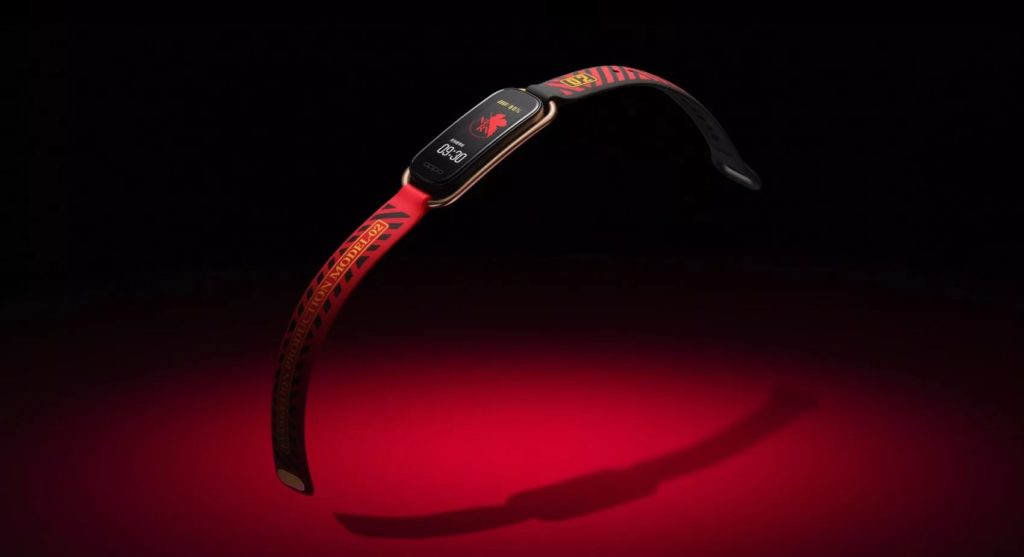
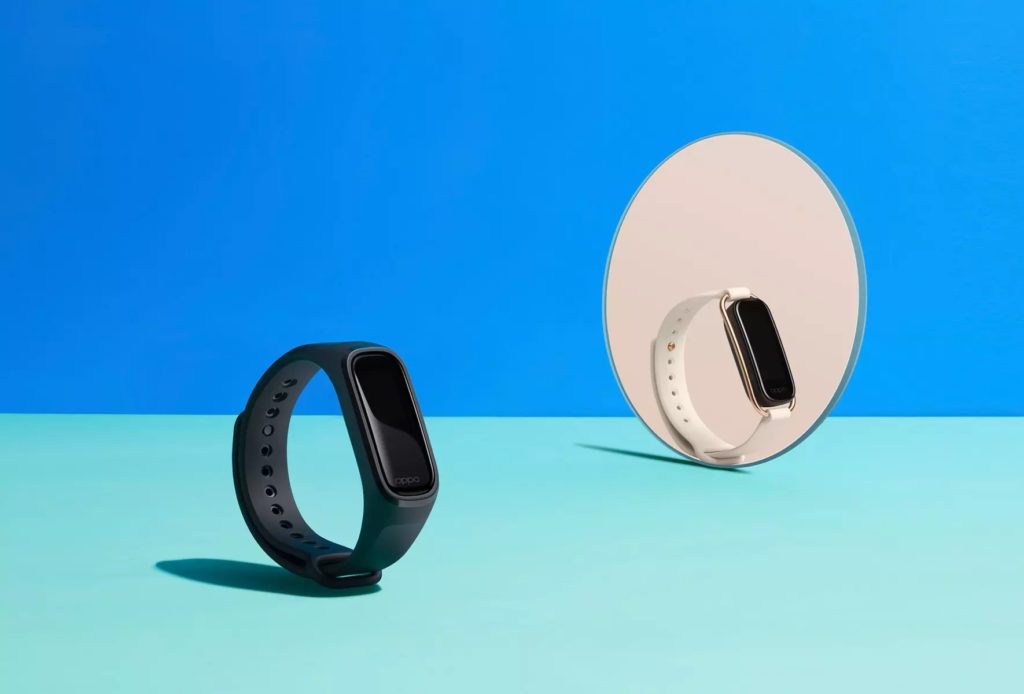
As expected, Oppo has officially launched Oppo Band, Oppo Band Fashion, and Oppo Band EVA at the Reno 4 series launch event where it also announced Enco W51 TWS with ANC. These fitness trackers are priced at 199 Yuan ($28), 249 Yuan ($35), and 299 Yuan ($42) respectively.

Oppo Band EVA
Oppo Band EVA

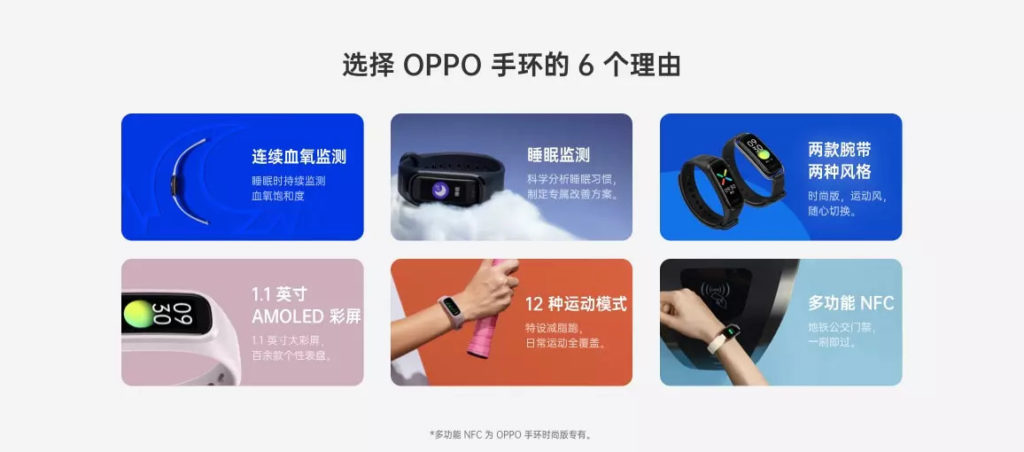
All the three versions of Oppo Band feature a 1.1-inch AMOLED display covering 100% of P3 color gamut with a resolution of 126 x 294 pixels. The screen is protected by a stylish 2.5D curved glass.

The fitness tracker can be paired with devices running Android 6.0+ or iOS 10.0+ via Bluetooth 5.0. It is powered by the Apollo 3 chip, which is also present in the Oppo Watch.

The main features of the Oppo Band include 12 sports modes, heart rate monitor, SpO2 sensor to measure blood oxygen level, call and message alerts, app notifications, music controls, weather, stopwatch, alarm, find my phone, 5ATM water resistance, 160+ band faces, and even NFC (only Fashion variant) for contactless payments.

Oppo Band Fashion
Oppo Band and Oppo Band Fashion

Although all the three models of Oppo Band have similar internals and features, their strap design and colors are different from each other. The standard version comes with a ubiquitous strap in Black and Purple color options.

Whereas, the Oppo Band Fashion features a floating strap design and comes in Black and Sandal colors. Lastly, the Oppo Band EVA features the same design as the Fashion since it is a variant of this model with Neon Genesis Evangelion anime-themed strap.

Oppo Band Features

Last but not least, Oppo claims 14 days of battery life on a full charge. The battery is rated at 100 mAh and takes 1.5 hours to charge completely via pogo pin charger.


Oppo Enco W51 TWS with ANC launches in China for 499 Yuan ($70)

Oppo has launched new truly wireless earphones in China called Enco W51 alongside Reno 4 series. The new TWS by the company costs only 499 Yuan ($70) and comes in three colorways – White, Blue, and Black.

The newly announced Oppo Enco W51 TWS has a similar design to the already available Enco W31. But it is a better model with extra features like ANC and wireless charging.

It uses Bluetooth 5.0 to connect with devices and features a new updated dual-core chip. The main highlight of this TWS is its ANC (Active Noise Cancelling) function, which can reduce noise up to 35db with the help of 3 mics on either bud.

Further, the brand also claims it to have a lower latency of 94ms for gaming and video consumption. Whereas for protection, it is IP54 certified, which generally means sweat-resistant and thus can be used during workouts without any hesitation.

Oppo Enco W51 TWS Features

It can be paired with Oppo phones running ColorOS easily by simply opening the case similar to Apple AirPods. According to the company, it will last 24 hours on a full charge including the charging case. The buds themselves have a battery life of 4 hours.

Lastly, it can be charged via USB Type-C port or with any Qi wireless charger. As per the brand, 15 minutes wired charging will provide 9 hours of playback and it takes 80 minutes to charge completely.


OPPO Reno4 and Reno4 Pro launched with Snapdragon 765G, 65W Fast Charging, & Thin Form Factor

OPPO has announced two new models in the Reno4 series today in China. The Reno4 and the Reno4 Pro are upper mid-range smartphones featuring a powerful camera setup, optimized for videography. Another big highlight of the new OPPO Reno4 series is its slim and lightweight form factor.

OPPO Reno4 Pro featured

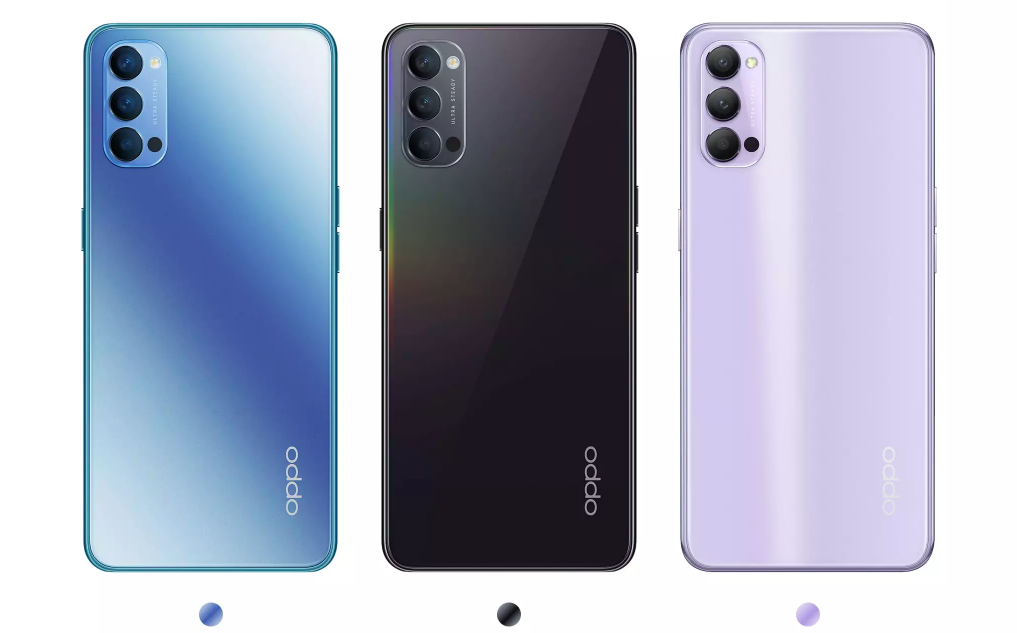
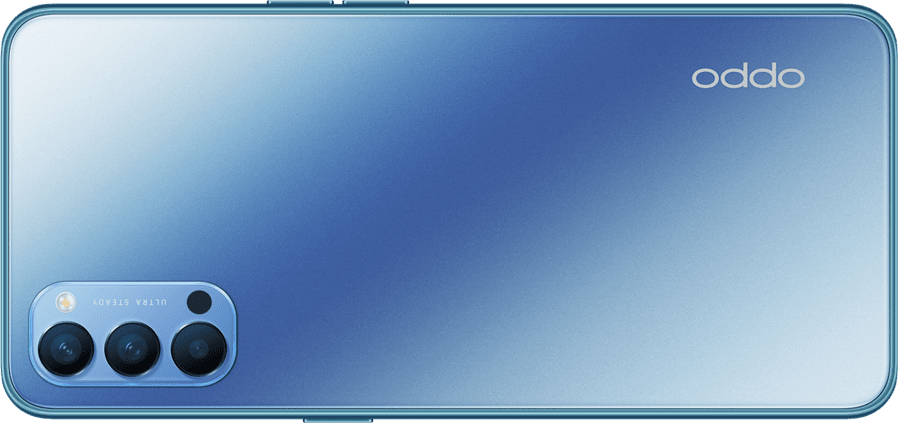
The OPPO Reno4 Pro is the real star of the series featuring a curved AMOLED display upfront and a 3D curved back for better ergonomics. The standard Reno4 comes with a simple, flat AMOLED panel. Both the phones have triple cameras at the back, but the Pro variant packs a more powerful setup. You also get a bunch of fancy colors on the Reno4 Pro including the brand new Reno Glow Blue and Reno Glow Red color variants. There’s even a Pantene Summer Green edition for the Pro model alongside two other regular Black and White color options. The standard Reno4 has three color options: Diamond Blue, Black, and White.

The standard Reno4 weights 183 grams and measures 7.8mm in thickness. However, the Reno4 Pro has an even slimmer 7.6mm body, weighing just 172 grams. This makes the Pro model, one of the lightest 5G smartphones in the market right now.

OPPO reno4 colors
OPPO reno4 colors

OPPO Reno4 & Reno4 Pro Specs

Both models are powered by the Snapdragon 765G processor with Adreno 620 GPU. You get liquid cooling too to ensure the phone doesn’t overheat when running intensive tasks. Naturally, given the CPU, both the devices come with 5G support too. The Reno4 has just 8GB of RAM with 128GB and 256GB storage options, but the Reno4 Pro includes a top-end 12GB RAM and 256GB ROM variant too.

oppo reno4
oppo reno4

As for the display, the Reno4 comes with a 6.4-inch FHD+ AMOLED panel while the Reno4 Pro has a much better 6.5-inch FHD+ AMOLED panel with a 90Hz refresh rate, 180Hz touch sampling rate, 100% DCI-P3 color gamut, HDR10+ and low Blue Light certification. Another big feature exclusive to the Reno4 Pro model is dual stereo speakers with Dolby Atmos sound.

Both the phones feature a 4000mAh battery with 65W SuperVOOC fast charging. This fills up the battery to 60% in just 15 minutes and 100% in just 36 minutes. They also run on the new ColorOS 7.2 UI based on Android 10.


OPPO Reno4 & Reno4 Pro Cameras

Cameras are the real highlight of the two devices.

reno4
reno4 cameras

The OPPO Reno4 comes with a 48MP IMX586 f/1.7 primary camera that’s paired with an 8MP 119-degree ultra-wide-angle lens, and a 2MP black and white sensor.


OPPO Reno4 Pro
reno4 pro

The Reno4 Pro comes with the same primary 48MP IMX586 camera but has OIS. The second sensor is a 12MP IMX708 1.4μm 120-degree ultra-wide-angle f/2.2 shooter and a 13MP f/2.4 telephoto shooter with 5x optical zoom and 20x digital zoom support.

They both have a laser focus sensor.

Both models come with OPPO’s ultra-clear low light algorithm, which was reportedly developed for more than a year in the company’s institute. The new night algorithm enables clear and colorful night videos. They also support OPPO’s Video Anti-Shake 3.0 technology when using the ultra-wide-angle sensor as well as front camera video stabilization.

The new Reno4 models add a live HDR video mode and 21:9 custom movie shooting mode with manual parameter adjustment options which the company claims offer a more professional shooting experience. This paired with OPPO’s Soloop video editor which features classic movie filters and soundtracks, you can produce high-quality videos right from your Reno4 smartphone.

Both phones support up to 4K 30fps and up to 720p 240fps slo-mo video shooting from its rear cameras. The front cameras are also capable of 1080p 30fps videography.

The Reno4 comes with a dual punch-hole front camera setup featuring a 32MP primary camera and a 2MP secondary one. The Pro model comes with one single 32MP front selfie shooter. Both models have front video stabilization (software) and AI Smart Beauty ‘face repair’ algorithm that enhances clarity and fixes blurry faces even when the lighting is dim.


OPPO Reno4 & Reno4 Pro Pricing

OPPO Reno4 Pricing
  • 8+128GB – ¥2999 (~$423)
  • 8+256GB – ¥3299 (~$465)

OPPO Reno4 Pro Pricing

  • 8+128GB – ¥3799 (~$536)
  • 12+256GB – ¥4299 (~$606)
Pantone Summer Green Edition

Both phones are currently up for pre-orders in China and will go on sale via online and offline retailers on June 12. The special Pantone Summer Green Edition will go on sale for ¥4299 on June 18.

OPPO also announced its new TWS earbuds, the OPPO Enco W51 with ANC at the same launch event.


Same IMEI number found in over 13,500 Vivo smartphones in India

Phones are uniquely identified by their IMEI number. This number consists of 15 digits, which is assigned by the device manufacturer. No phone should have the same IMEI number, unfortunately, that has what happened to over 13,500 Vivo smartphones in India.

Vivo Logo

The investigation of multiple Vivo smartphones with the same IMEI number began when a sub-inspector of Meerut found out that the one on his phone was changed when he received it from a Delhi service centre in the month of September 2019. The case was soon assigned to the cyber cell team of Meerut Police.

Over the course of 5 months, the investigation revealed that more than 13,500 Vivo smartphones across different states of India had that same IMEI number. When questioned, the manager of the Delhi service centre denied changing them.

Since tampering of IMEI number is a criminal offence, the police sent a notice to Vivo India’s nodal officer Harmanjit Singh under Section 91 of the CrPC (Code of Criminal Procedure).

Vivo India is yet to comment on this matter. Only then, we can paint a picture of what went wrong these many numbers of phones.

PSA: If you bought a new phone or received it after repairs, make sure to check the IMEI number on your handset matches with the one printed on the box and invoice. To access IMEI number on any phone, open dialer and type *#06#.


(Via)

OnePlus 8 Pro scores 119 points on DxOMark, sits above Galaxy S20+ and iPhone 11 Pro Max

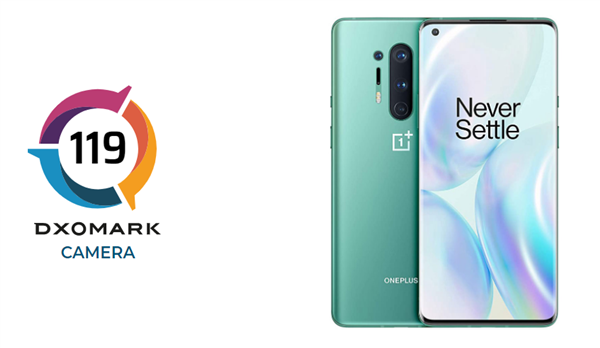
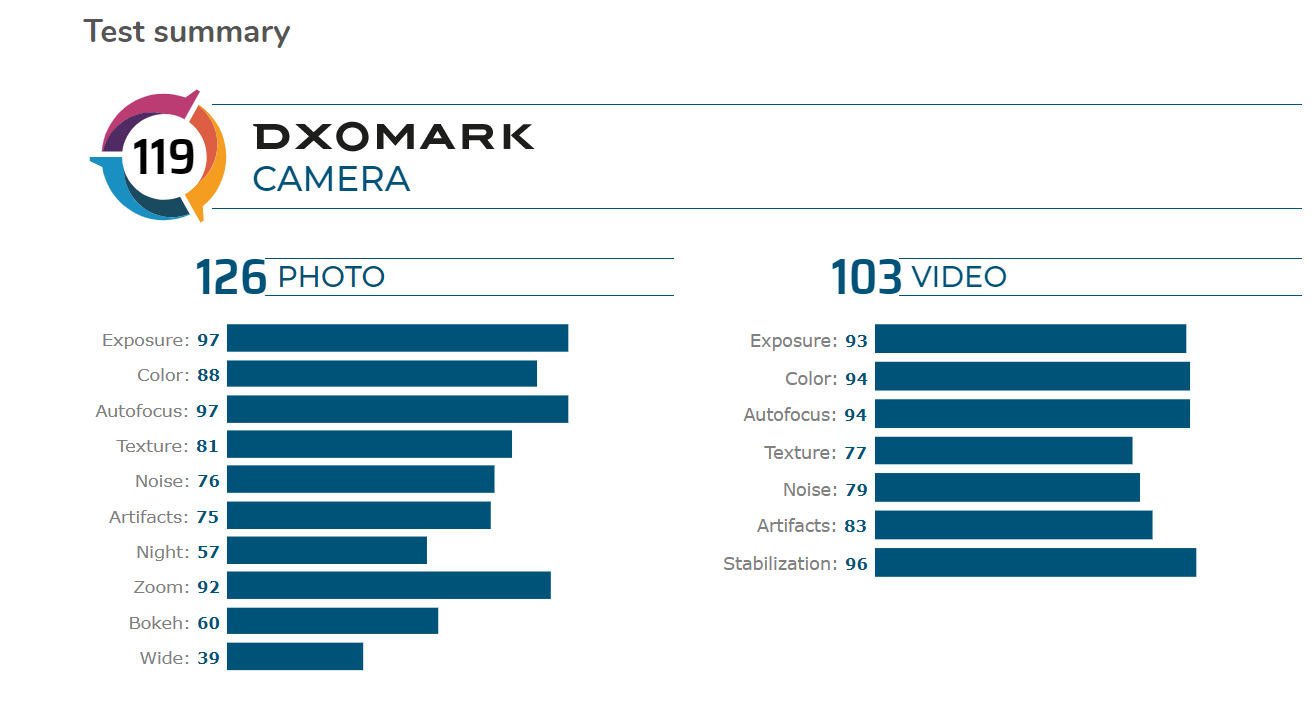
Earlier today (5th June 2020), DxOMark published the camera ratings for the OnePlus 8 Pro. The tests had the Chinese company’s flagship receive 119 points overall, which sits above the Samsung Galaxy S20+ and even the Apple iPhone 11 Pro Max and arrives tenth in the DxOMark camera leaderboard.

OnePlus

For those unaware, DxOMark is a known firm in the smartphone industry that tests smartphones camera and even audio performance. Its reviews have even become a selling point for smartphones and the latest review brings OnePlus’ 2020 flagship into the spotlight. In the testing, DxOMark rated both the photography and videography of the device, with a score of 126 and 103 points respectively.

In terms of photography, the OnePlus 8 Pro received praise for its exposure and color accuracy. Its telephoto lens and zoom camera were also well received and its decent noise reduction in various scenarios. The camera retained good detail in most favorable conditions and its autofocus was generally accurate and quick. A few issues noted during testing were some obvious artifacts, with ghosting being visible on moving objects and strong flare on bright light sources.

OnePlus

Talking about video capture, exposure, color accuracy, and autofocus were praised again for consistent performance. The primary sensor’s stabilization also receives a high scoring due to its impressive functionality. However, the testings did reveal a few issues, pertaining to shadow exposure in HDR scenes, some visible temporal noise and aliasing being visible in highlights. Apart from these, the camera of the OnePlus 8 Pro was said to be a great and consistent performer, which has come a long way in just a few short years of the company’s existence.


(Source)

Nokia 125 and Nokia 150 launch in China powered by a MediaTek chip

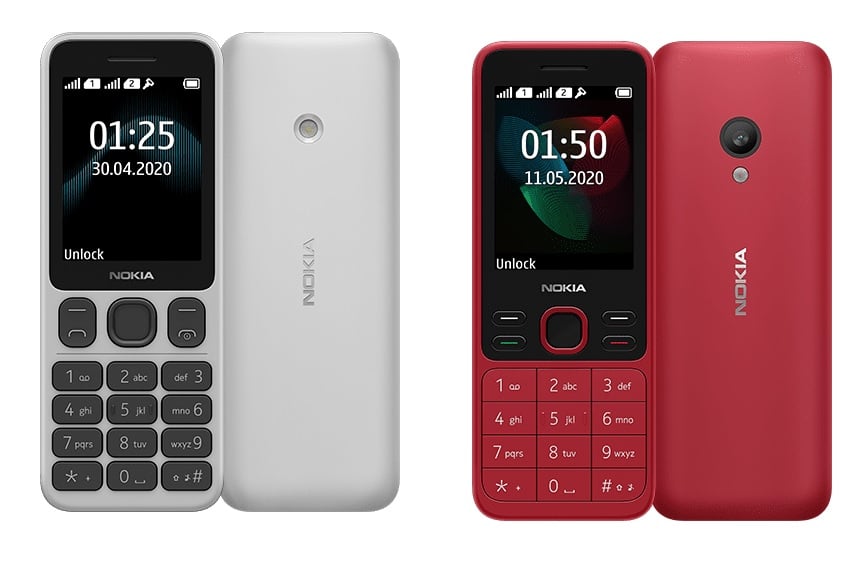
Back in April, HMD Global’s Nokia 125 and 150 leaked for the first time. Soon the handsets were announced officially in mid-May. Now, these two feature phones have launched in China for 189 Yuan ($26)  and 229 Yuan ($32) respectively.

Nokia 125 and Nokia 150

Both the Nokia 125 and Nokia 150 feature a 2.4-inch QVGA (240 x 320 pixels) TFT LCD color screen and polycarbonate body. They are limited to 2G connectivity with support for dual SIM and dual standby.

An unknown MediaTek processor paired with 4MB RAM and 4MB ROM powers them backed by an identical 1,020 mAh removable battery. Further, the phones charge via MicroUSB port which is normal for their price.

Being a cheaper model, the Nokia 125 lacks the VGA camera that is present on the Nokia 150. However, both of them have an LED flash and support wireless FM radio.

These handsets also come pre-loaded with the new Snake game, which first debuted on Nokia 3310 (2017). Having said that, the design and keypad of the costlier model are better polished than the cheaper phone.

As for colors, Nokia 125 only comes in White and Black options, whereas, Nokia 150 is available in Blue, Red, and Black versions.


(Via)

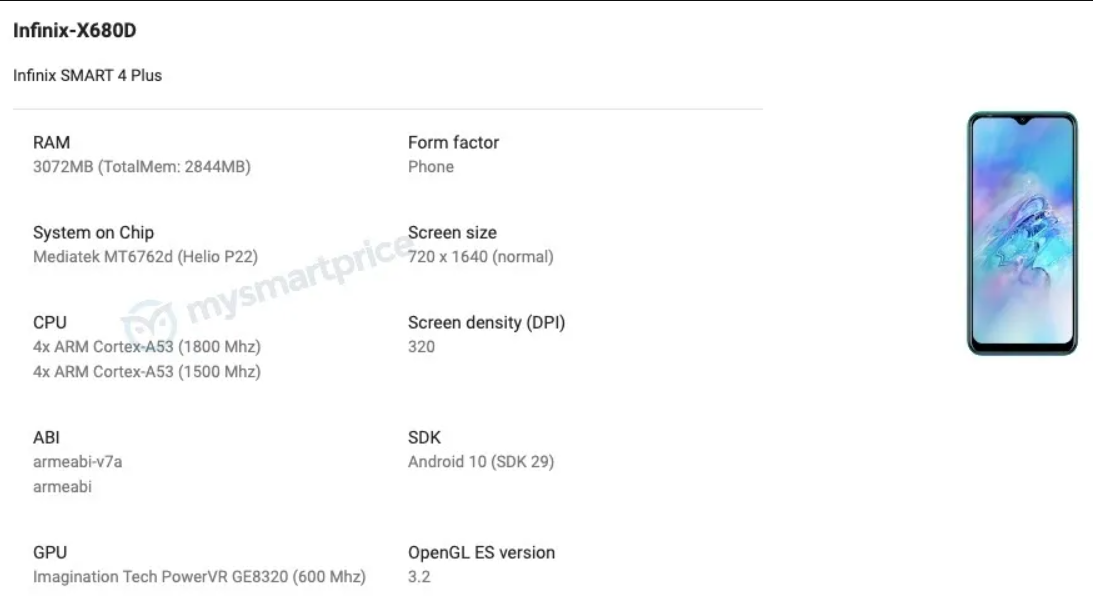
Infinix SMART 4 Plus specs revealed, features MediaTek Helio P22, 3GB RAM, and More

Infinix is apparently gearing for the launch of a new smartphone. The new handset is the Infinix Smart 4 Plus, which was recently spotted on Google Play’s Support list and Google Play Console listing as well, with the latter revealing a few key specifications.

Infinix

The Infinix SMART 4 Plus will sport an HD+ display and feature a waterdrop notch on the front. It runs on MediaTek’s octa core Helio P22 SoC, which features 4x ARM Cortex-A53 cores and 4x ARM Cortex-A53 cores). In terms of memory, a 3GB RAM variant is confirmed, with other variants being a likely possibility as well. The device will run Android 10 OS out of the box.

Unfortunately, the listing doesn’t reveal any other specifications regarding the smartphone or its design. It is likely to be a budget handset athough we have no information regarding its exact pricing. It carries the model number Infinix-X680D and while the company has yet to make any official announcement, we can expect a launch to arrive soon. So stay tuned, as we will be providing more updates when additional information is available.


(Via)

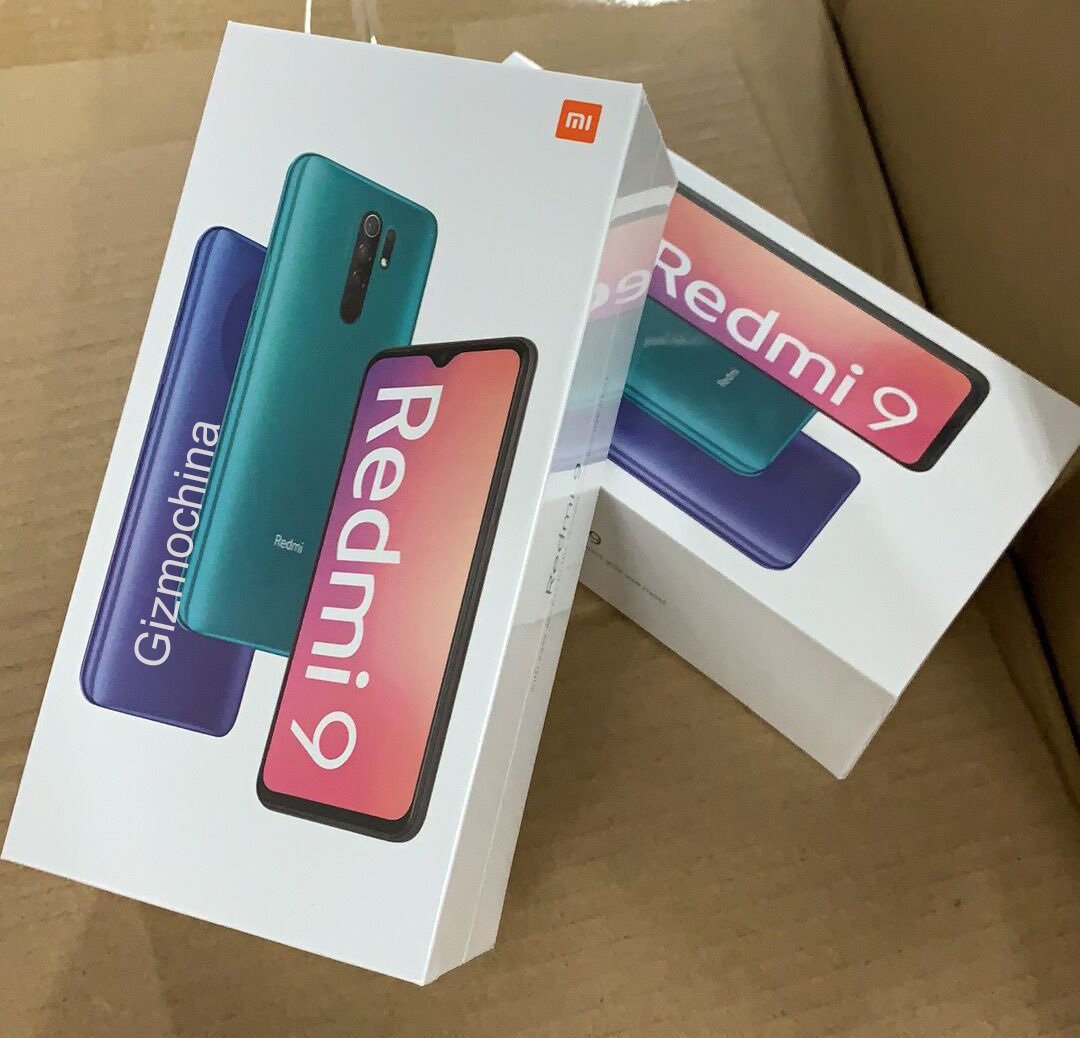
EXCLUSIVE: Redmi 9 Pricing, Variants, Box & Colors revealed

Redmi is soon expected to add a few more devices to its Redmi 9 series. We have already got the Redmi Note 9, Note 9 Pro, and the Note 9 Pro Max. Now, Redmi 9 and its variants are expected to launch this month. And according to our supply chain sources, the Redmi 9 launch could be very near.

Our sources reveal that the Redmi 9 is already being stocked up. This is a very good indication that the device will go on sale soon. Earlier rumors said that the release date is on June 25, but considering this new information, we believe the launch could be even sooner.

Redmi 9 Gizmochina Exclusive

Redmi 9 Pricing

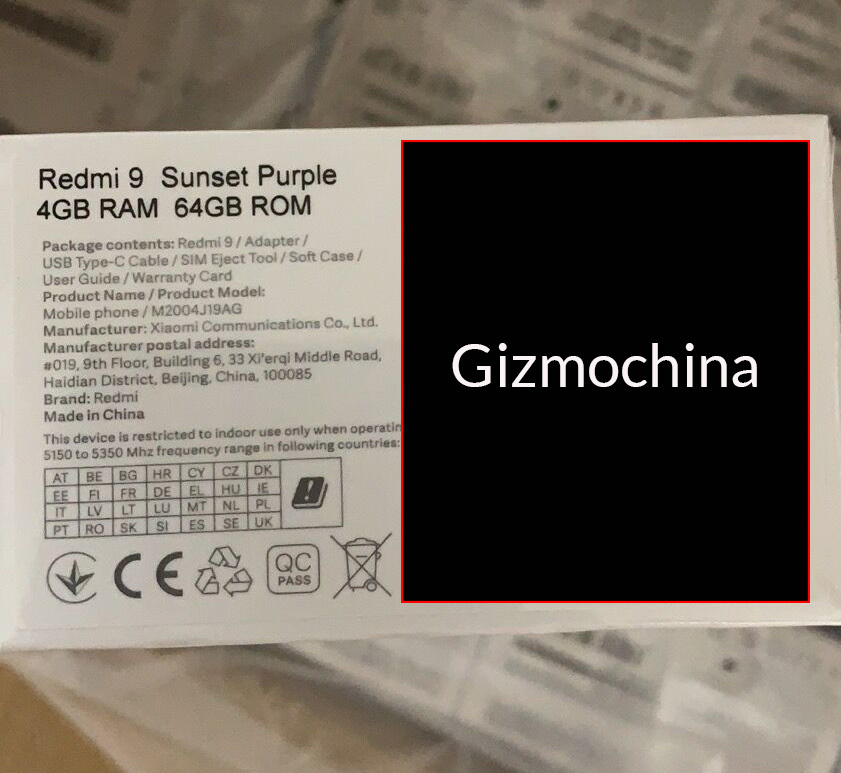
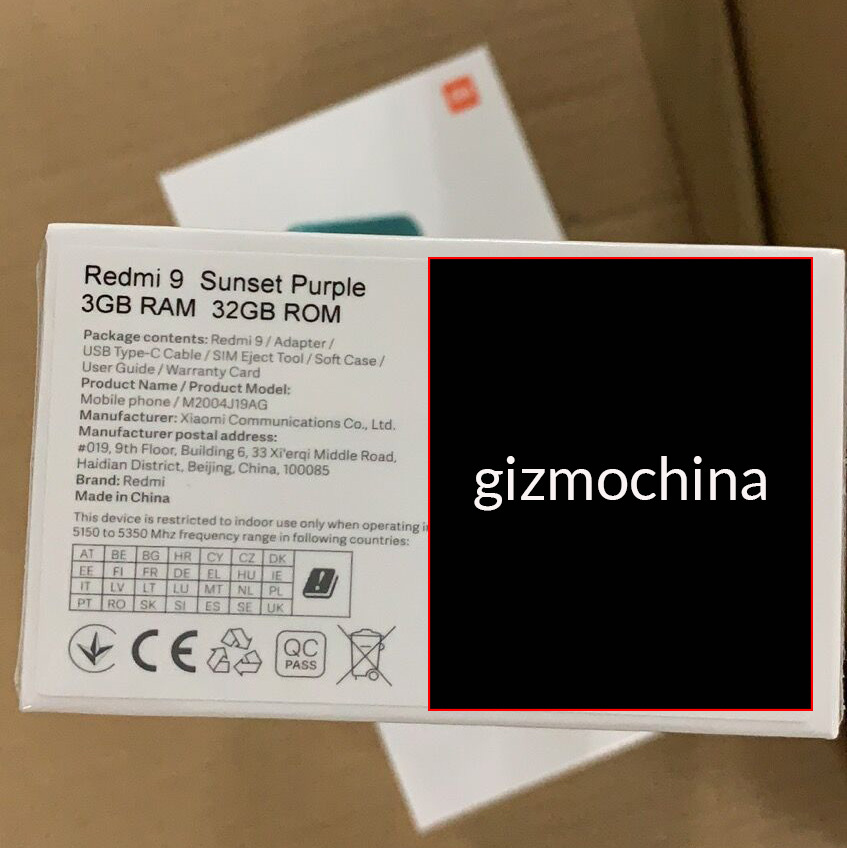
In addition to this, we’ve already got the pricing of the Redmi 9. According to our source, the 4GB RAM and 64GB variant of the device will retail for around $149. The 3GB RAM and 32GB ROM variant will retail for approximately $139. There will be three color options available at launch: Grey, Sunset Purple, and Green. Also, the phone features a quad-camera setup at the back with a rear-placed fingerprint sensor.

REDMI 9 Pricing
3GB RAM + 32GB ROM $139.99
4GB RAM + 64GB ROM $149.99


Our information is in line with the recently leaked image of the Redmi 9. The photo revealed two color options for the device: Green and Purple. The camera housing is similar to the Redmi K30 but the vertical arrangement of the sensors resembles the Redmi Note 8 Pro, which includes a fingerprint sensor below the camera. But the Redmi 9 won’t have the same glossy finish as the Redmi K30.

The Redmi 9 should come with the Helio G80 processor and a 6.53-inch FHD+ LCD display. We expect the four cameras at the back to be as follows: 13MP + 8MP + 5MP + 2MP. The phone should also feature a large 5000mAh battery just like its predecessor. We will try to confirm Redmi 9 specs details from our source soon.


OnePlus might disable the Color Filter Camera for Indian OnePlus 8 Pro Units

The OnePlus 8 Pro is the latest premium grade flagship from the Chinese company. But recently, people started noticing an interesting function that the 5 megapixel color filter camera offered. While it seemed like a quirky addition in the camera module, the Color Filter was capable of looking through certain plastics and even thin white clothing as well.

Now, it is suggested that OnePlus might be disabling this feature altogether, with new OnePlus 8 Pro being sold in India having the color filters disabled outright. When the camera’s ability was originally discovered, the company sent out an OTA update that essentially disabled the camera. However, this was said to be a mistake, and OnePlus soon reverted the change. But a new report suggests that the feature will be completely disabled in the flagship device in India.

oneplus
The Color Filter camera is able to look through certain plastics

Reportedly, XDA Developers have found evidence of this move occuring for the Indian market. According to their new post, the OnePlus Camera 4.0.267, which was rolled out for OxygenOS 10.5.10 for the OnePlus 8 Pro units in India carries a few notable additions. This new update adds video filters, but apparently, it also includes plans for a “Smart Scene Enhancement” toggle.

Furthermore, the update also includes the property “InfraredCameraBuilder.ModelsToDisableInfraredCamera” which was modified to include “IN2020” and “IN2021.” The former refers to the Chinese OnePlus 8 Pro version while the latter is for the Indian variant. When enabling the values that are planned to roll out in the IN2021, it was revealed that the update disables the color filter camera on the camera app.

OnePlus 8 Pro All colors

Despite the OnePlus 8 Pro already being launched, the device has yet to start sales in India. The primary reason for the delay was the government mandated lockdowns and restrictions. But as the restrictions are being eased, an imminent launch is expected. Interestingly, XDA Developers also stated that internal sources revealed a possible fix arriving for the Color Filter camera. In other words, the company will eventually enable the camera again after “fixing” the camera’s unintentional abilities.


(Source)

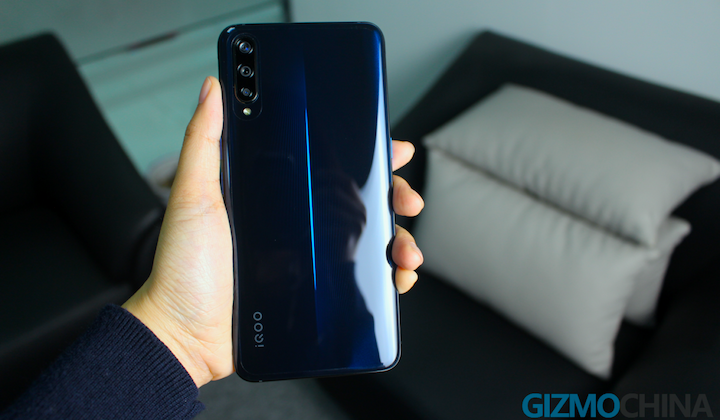
The first-ever iQOO smartphone is finally receiving iQOO UI Android 10 update

Vivo iQOO was the first phone in the series of flagship killers, which was soon spun-off into an independent brand. It came with FunTouchOS 9 based on Android Pie out of the box like the other four devices that launched after it. In April. the company announced that all the old handsets will be receiving iQOO UI Android 10 update in mid-June. As promised, the brand is currently rolling out the update to the original iQOO.


Vivo has been never known for affordable powerful smartphones. Instead, the company focused on designs and bleeding-edge technologies like in-screen fingerprint sensor, pop-up camera, waterfall display, and more.

But to everyone’s surprise, the company launched Vivo iQOO in March of 2019 with high-end internals for a mid-range price tag. It was a huge success and so Vivo launched a few more models and declared iQOO a separate brand.

The iQOO 3 5G launched earlier this year is the first phone from the brand to come with iQOO UI based on Android 10. Right before the launch of iQOO Neo 3 5G in China, the company revealed that it will roll out the latest software to all of its old devices in mid-June.
Surprisingly, we are just in the first week of June and the update has been already released for Vivo iQOO. We expect the remaining eligible devices to also receive the update in the coming days.
Though iQOO is late to update its first-ever smartphone to Android 10, it is understandable since it is a new brand and developing an Android skin from scratch does take time. Hopefully, the company updates its smartphones faster with the release of Android 11 later this year.


(Via)

Buy Xiaomi Mijia Laser Projection TV 4K Home Theater For Only $1899.99 From Gearbest

Living up to its reputation for offering a wide range of amazing products at affordable prices, Gearbest is now doling out a noteworthy discount on the Xiaomi Mijia Laser Projection TV 4K Home Theater.

Xiaomi Mijia Laser Projector - Ultra Short Throw

The Xiaomi Mijia Laser Projection TV 4K Home Theater would normally set you back a pretty penny on both online, as well as offline stores. Much to the relief of those living on a tight budget, the Chinese online store is now offering the feature-laden 4K laser projector for a lowered price of only $1899.99, which translates to a significant 41 percent reduction in the original asking price of $3233.32.
This is the Chinese version of the Mijia Laser Projection TV 4K Home Theater that also supports English but works exactly like the international version. You can connect the Mijia Laser Projection TV 4K to all devices that support HDMI audio and video output.

You can watch Traditional cable TV programs with the help of a TV signal receiver such as an IPTV set-top box or a wide-genome set-top box. The Xiaomi mijia 4K laser projector offers up to 3000:1 of the original contrast along with support for HDR 10 decoding for a high dynamic range picture presentation.2019 Xiaomi Laser Projection TV 4K Home Theater
Furthermore, it adopts the latest ALPD 3.0 laser fluorescence display technology, increasing the ratio of red light up to 16 – 18 percent. The new technology also helps to deliver richer color, more real restoration, coupled with wider gamut distribution.

You can head straight to this link to check out more details about Xiaomi Mijia Laser Projection TV 4K Home Theater and place your order. With 3 pieces sold at the time of writing, note that the flash sale is slated to end in just 2 days.

The Gizmochina Coupons is a community that finds, reports, and evaluates deals and coupons of Chinese products from online shops. Please visit it here to find more coupons to save money on mobiles and smart gadgets.

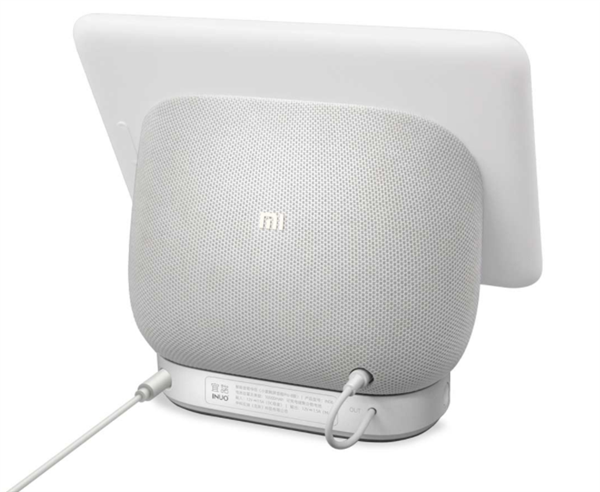
Xiaomi launches new charging base for XiaoAI Touchscreen Speaker Pro 8, offers up to 5hrs of video playback

Xiaomi has just launched a new charging base for its XiaoAI Touchscreen Speaker Pro 8. The smart speaker was launched back in December 2019 and featured an 8 inch display. Now, the new charging base aims to add portability to the speaker.

Xiaomi

For those unaware, the XiaoAI Touchscreen Speaker Pro 8 acted as an interactive smart speaker, which could essentially work as a hub for controlling other smart products at home. A notable inclusion was voice calls thanks to the addition of a camera. The smart speaker housed a 3 bass booster unit with 50.8mm speakers that had a high output and tuned professionally tuned by DTS, a known brand in the audio industry.

While users could watch videos and more on the smart speaker, its function was limited to a socket and at homes. Now, the new charging base launched by Xiaomi would enable the XiaoAI speaker to be taken along in places where you can’t plug it in. The base is slim and connects to the smart speaker from the bottom. It powers the device throws a power cable and can also be charged separately.

Xiaomi

It arrives in a similar color scheme as the speaker and also houses 5 LED indicators at the bottom, that reveals the remaining battery capacity. The battery is a large 10,000mAh lithium cell that allows for up to 5 hours of video playback at 50 percent volume and maximum brightness. While using it just as a speaker on a 50 percent volume level, the battery endurance rises to 12 hours. A switch on the side wakes the charging base up, so, if you’re interested in getting it for your XiaoAI Touchscreen Speaker Pro 8, you can buy it for 129 yuan (roughly 18 US Dollars).


(Via)

Xiaomi patents a foldable smartphone that resembles the Huawei Mate Xs

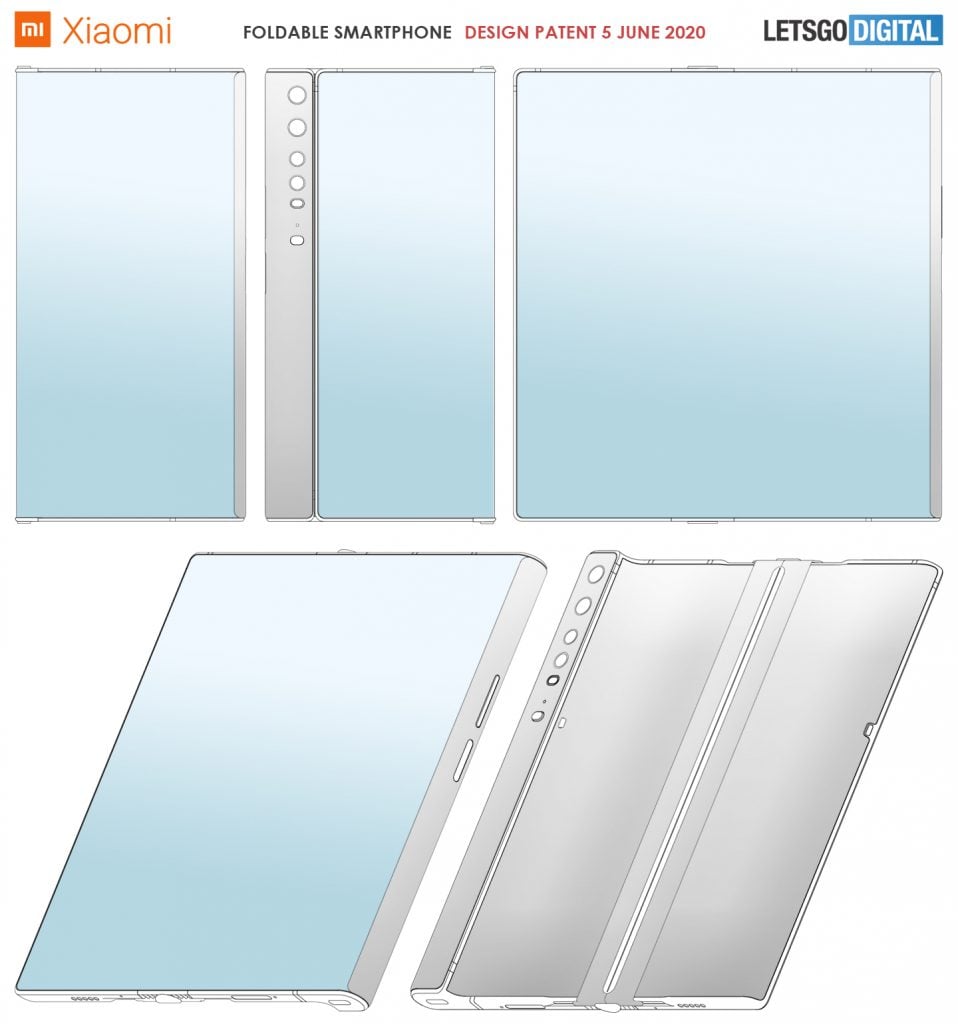
A new Xiaomi patent has recently surfaced for a foldable smartphone. The patent was found on CNIPA (China National Intellectual Property Administration) database and reveals a device that highly resembles the Huawei Mate Xs.

Xiaomi
Images Via LetsGoDigital

Looking at the images, the Xiaomi patent is for a smartphone with a flexible display. It folds outward with a noticeable bezel on the right corner when completely unfolded. When it is folded outward, the rear the front facing side is full screen body while the rear has a narrow segment that houses its camera module. This design is quite similar to the Mate Xs that was launched earlier this year.

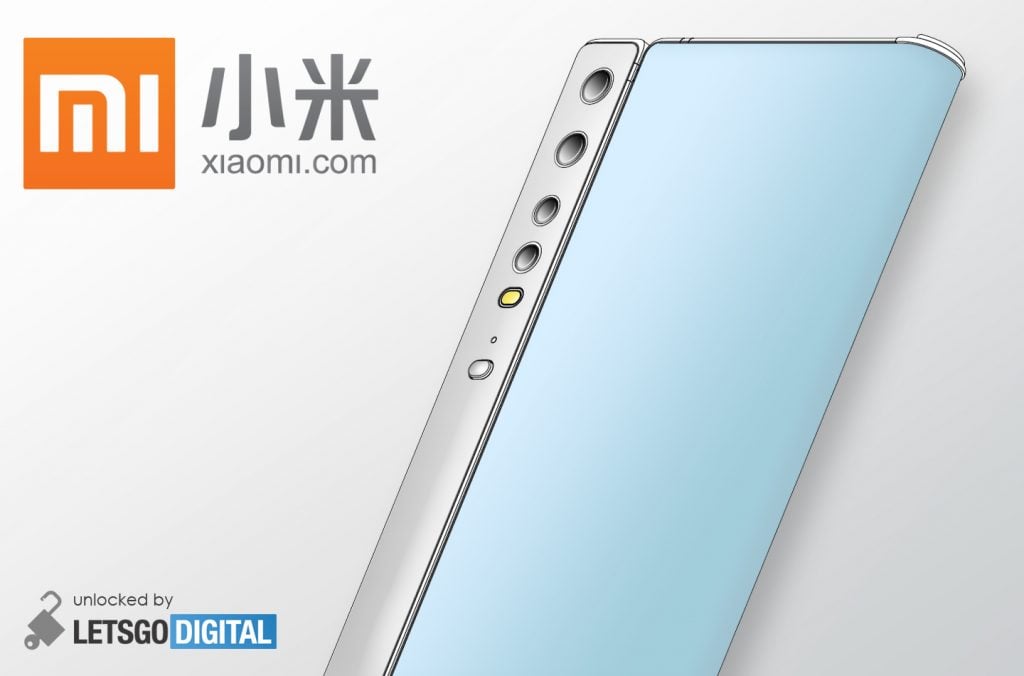
The large display on the front has negligible bezels surrounding it, with the narrow right corner also featuring the volume rockers and power button. The narrow segment on the back sports a quad camera setup along with a mic, an LED flash, and a button as well. This button is apparently pressed to release unfold the display from its place. In other words, the display is secured with this mechanism.

Xiaomi

The patented Xiaomi smartphone is charged via a USB Type C port that is flanked by a speaker grill. When looking at the device from the back, one can observe the hinge mechanics on the rear of the device is unfolded. Unfortunately, it is unknown if the Chinese tech giant will actually manufacturer such a device or if it’s just covering all bases.


(Via)

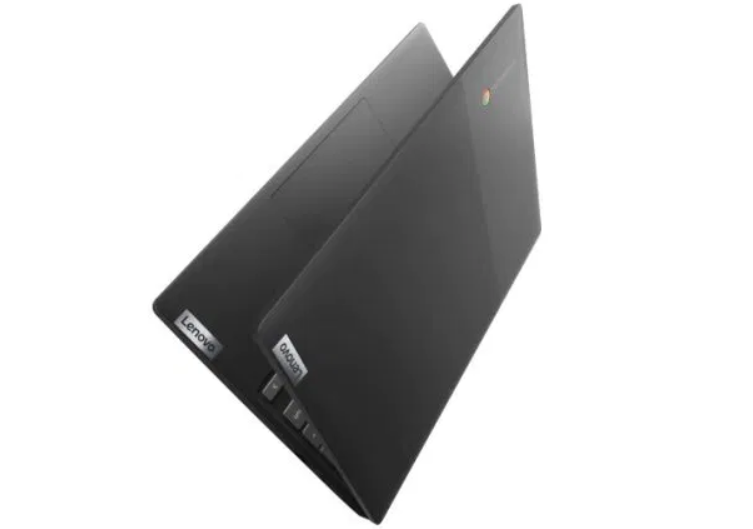
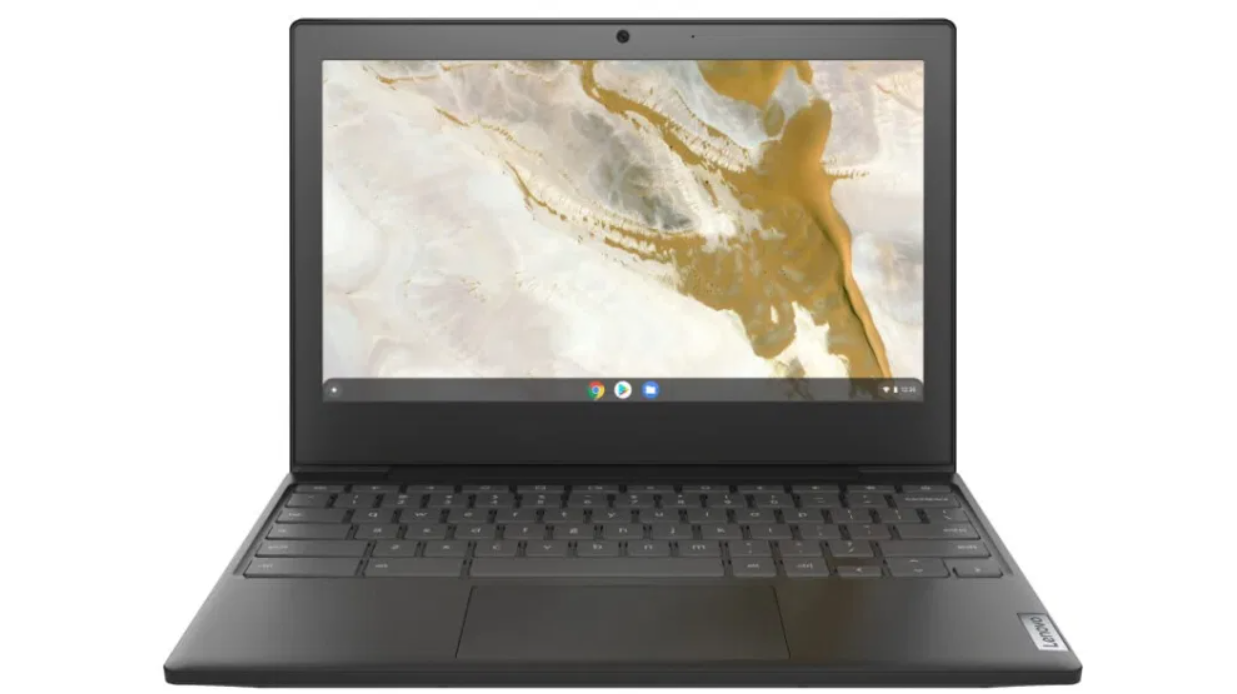
Lenovo quietly launched the Chromebook 3, features an 11 inch display

Lenovo has just launched a new affordable laptop which features Google’s Chrome OS. The company has quietly released the Chromebook 3 with an 11 inch display and a low end Intel CPU.

Lenovo

For those unaware, Lenovo is one of the major manufacturers of Google’s Chrome OS. These series of laptops are meant for basic computing and casual use over productivity. Under the hood, the Lenovo laptops house 4GB of RAM and 64GB of internal storage, which is decent for a budget computer that sports the Intel Celeron N4020 processor.

With these specs, the Chromebook 3 can basically handle general web browsing with ease. Its 11 inch display features a 1366 x 768px resolution on a TN panel. This display isn’t exactly top notch but at that size and budget, it would be good enough. Notably, the display of the laptop features a 180 degree hinge that allows it to lay completely flat on a table.

Lenovo

On the front, a 720p webcam can be found with basic connectivity features like a microSD card slot, and two USB Type C and USB Type A ports also being provided. The design is minimalistic with a dual tone “Onyx Black” color option which has a textured material on it. The laptop is promised to receive till 2026 and is offered for a price of 229 US Dollars.


(Via)