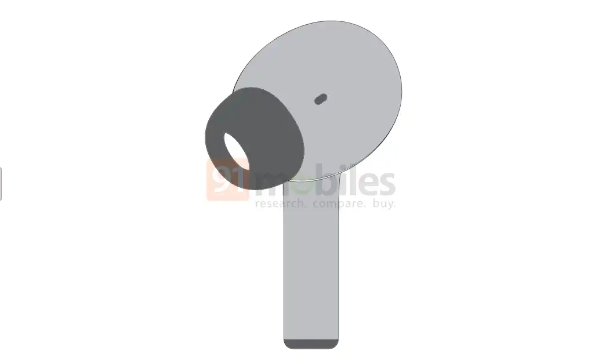
TWS earbuds are the new craze this year and it looks like brands won’t be happy with just one or two earbuds models in the market this year. Realme already has three TWS earbuds to its name but it seems to be working on a new model with an Airpods Pro-like design. The brand has patented three designs: two earbuds cases and one design for earbuds at the World Intellectual Property Organization (WIPO).
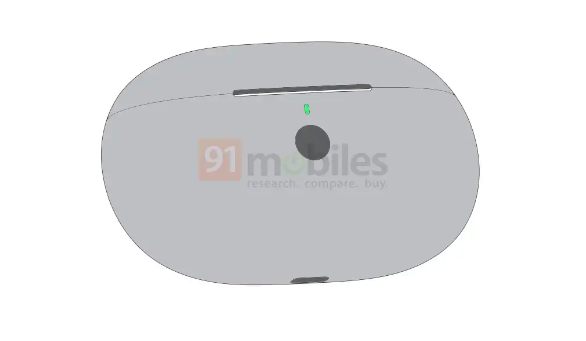
The recently patented Realme earbuds design (first spotted by 91Mobiles) is interesting because it seems to be inspired by the Airpods Pro. So it features a similar in-ear design along with a long stem as the Apple earbuds. The other two patents are for the charging cases, one with a round design and another one with a flatter, oval design. Both the patented cases featured an LED indicator, USB-C port for charging, and a button – likely for pairing.
1 of 2
Realme’s current earbuds, the Realme Buds Air and Buds Air Neo feature an open design, but the Realme Buds Q that was launched last week comes with an in-ear design, similar to the Galaxy Buds. So it looks like the company wants to experiment with the in-ear design on a new model in the future.
As always, we would like to add that this is just a patent and it remains to be seen if this design would translate into a real product in the coming months.
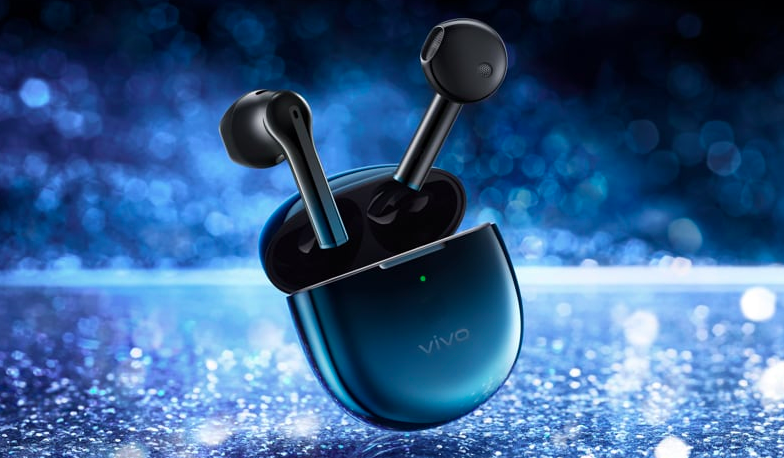
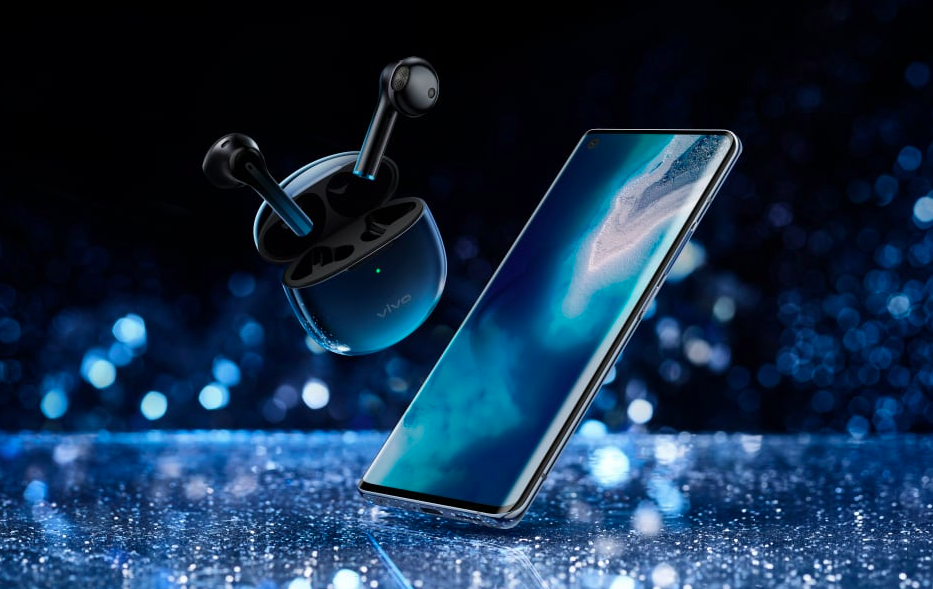
Vivo has launched a new pair of TWS earbuds alongside the Vivo X50 series in China today. This is a premium pair of earbuds featuring similar 14.2mm large drivers as the Vivo TWS earbuds launched last year, but upgrades the Bluetooth version to 5.2.
The Vivo TWS Neo earbuds feature three DeepX Stereo modes for a customized listening experience. You can choose between bass-heavy mode, clear voice mode, and high pitch mode to suit the audio you are playing.
The company claims that aptX audio code ensures that you get CD-rated audio quality on these earbuds. Plus, it features dual-channel transmission 2.0 which helps improve latency and battery life. According to official figures, the Vivo TWS Neo earbuds can play audio for up to 5.5 hours on the standard AAC code and this goes down to 4.2 hours on the aptX adaptive codec. But this figure is still better than the original Vivo TWS earbuds model.
Combined with the charging case, you get up to 27 hours of audio playback on the new earbuds. The charging case comes with a USB-C port for charging. There’s no wireless charging support for the case.
The earbuds also come with a low latency mode of 88ms for gaming and video calls. Other features of the Vivo TWS Neo include IP54 certification, Jovi assistant, Find My Earbuds feature, one-touch pairing and connection, and touch gesture support such as slide to adjust volume, single tap to play/pause music or call up Jovi assistant (customizable), and long press to reject a call. You also get smart call noise reduction, eliminating ambient noise such as wind interference, running, riding, with the help of its dual microphones.
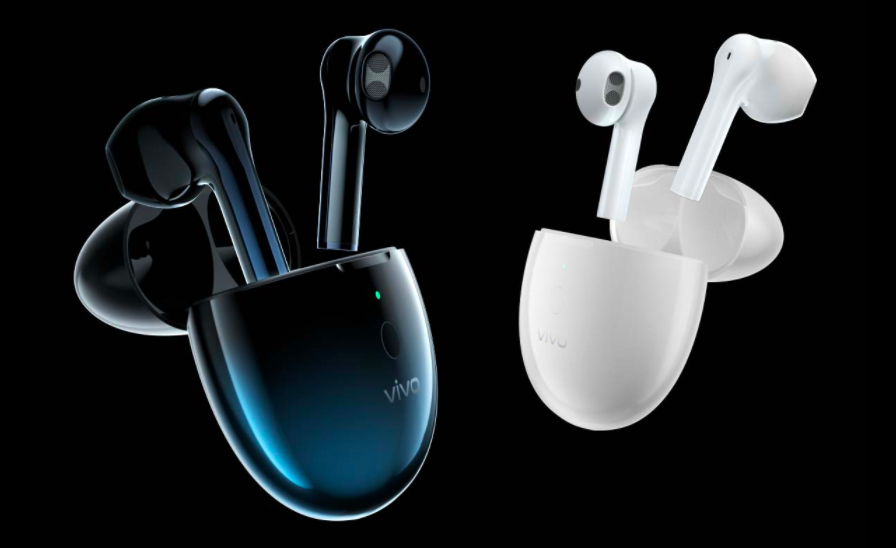
The Vivo TWS Neo earbuds come in two colors: Interstellar Blue and Moon White. Notably, the earbuds are priced cheaper than last year’s model. It costs just ¥499 (~$70) and is already available for purchase in China.
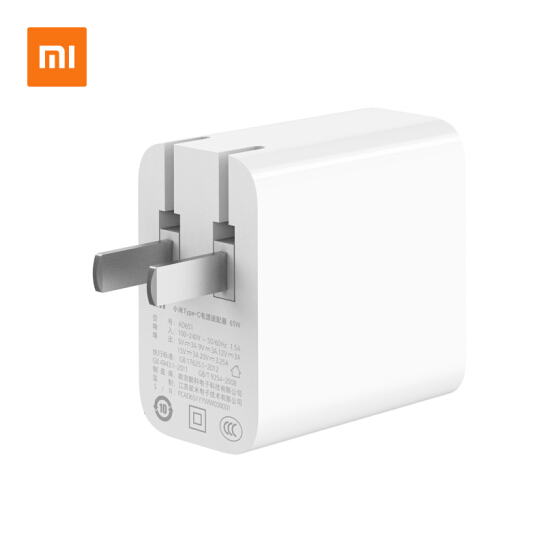
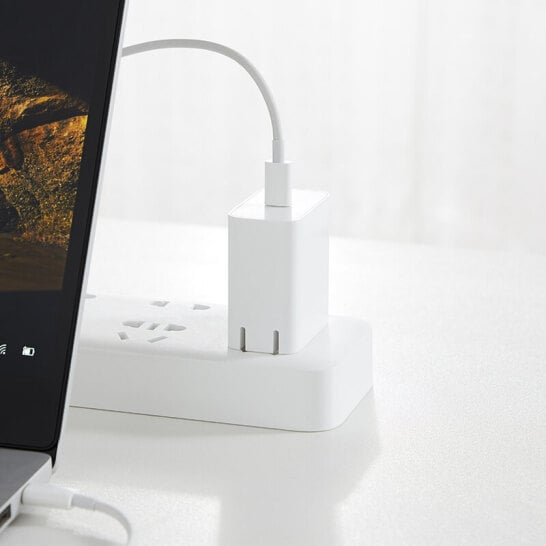
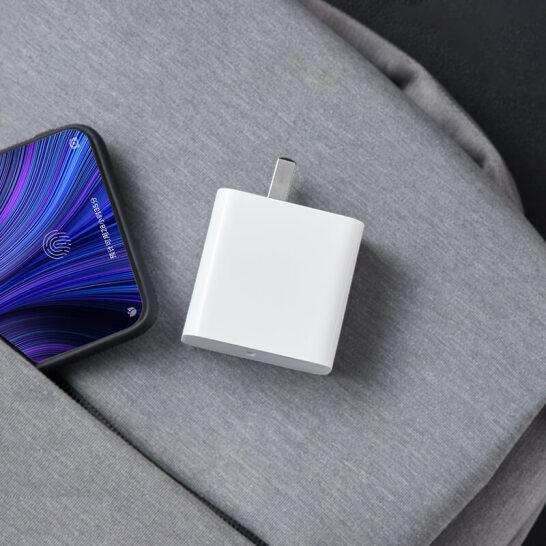
Xiaomi has announced a new 65W PD fast charger ahead of 618 sale in China. This multipurpose charger costs only 99 Yuan ($14). It can be used to charge all sorts of devices including smartphones, laptops, tablets, and more.
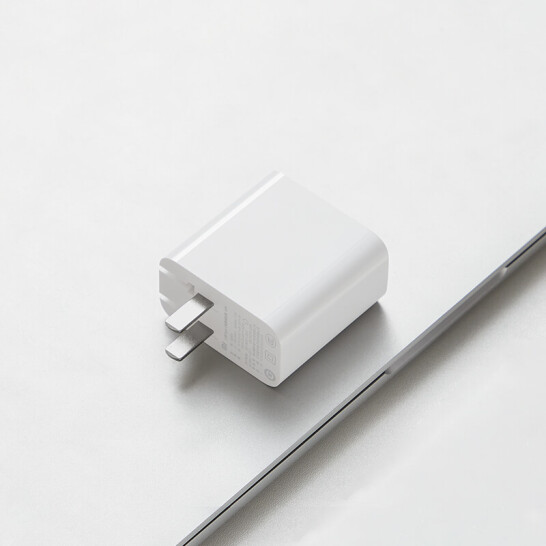
The new Xiaomi 65W PD fast charger comes only in white color and looks similar to other fast chargers from the brand. It has a single USB Type-C port and a foldable pin.
Xiaomi 65W PD Fast Charger
1 of 4
According to the company, the new charger comes with protection for over-voltage, I/O over-current, and short circuit. It also has a low ripple, low electromagnetic interference, and static resistance.
Xiaomi claims its charger can fully charge MacBook Pro 13” and 15.6” in 1 hour 50 minutes and 2 hours 25 minutes respectively. It has also mentioned charging time of other devices such as Mi 10 Pro (1 hour 50 minutes), Redmi K20 Pro (1 hour 40 minutes), iPad Pro (2 hours 28 minutes), Nintendo Switch (2 hours 55 minutes), iPhone 11 (1 hour 55 minutes), and iPad Air (2 hours 10 minutes).
Xiaomi has also listed some of the laptop models that are compatible with its new 65W PD fast charger.
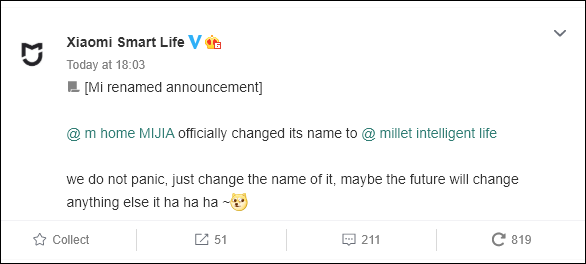
Xiaomi today officially announced a change in the name of the MIJIA brand to Xiaomi Smart Life. The post announcing the change clarified that it is only a name change.
The MIJIA brand is Xiaomi’s smart home brand. The term “MIJIA” literally means Xiaomi Smart Home in Chinese. It was established in 2016 and encompasses all the major smart home products released by Xiaomi under the brand. The MIJIA Rice Cooker was the first product released under the brand name.
The logo hasn’t changed, retaining the simplistic shield logo. The shield portrays the image of a reliable brand which is what Xiaomi is projecting.
Xiaomi’s operation director is reported to have responded in the comment section that products will still use the MIJIA logo for new products launched under the Xiaomi Smart Life brand. The products cut across the Xiaomi and Redmi brands.
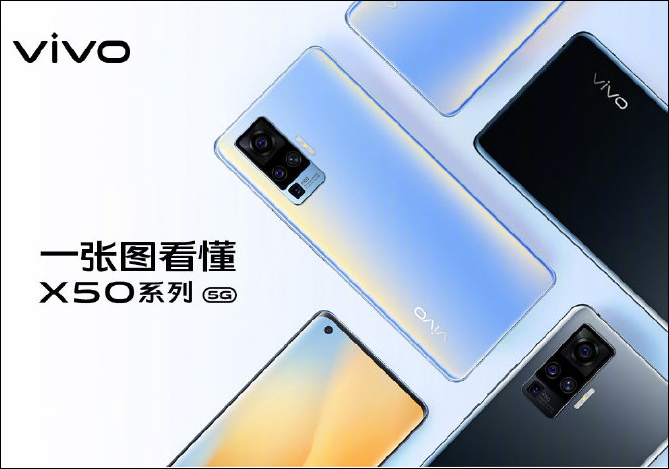
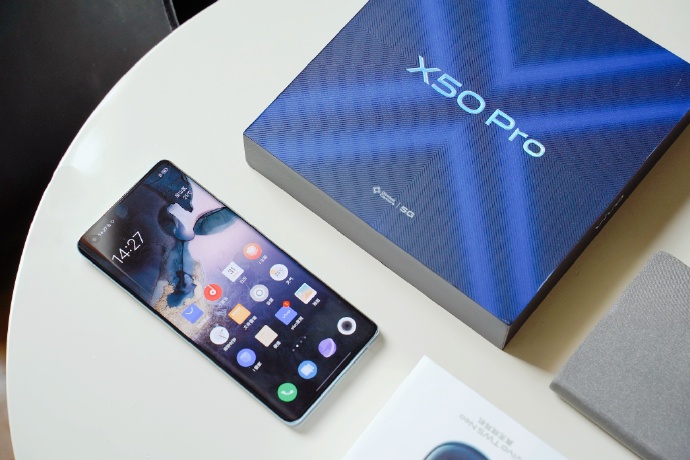
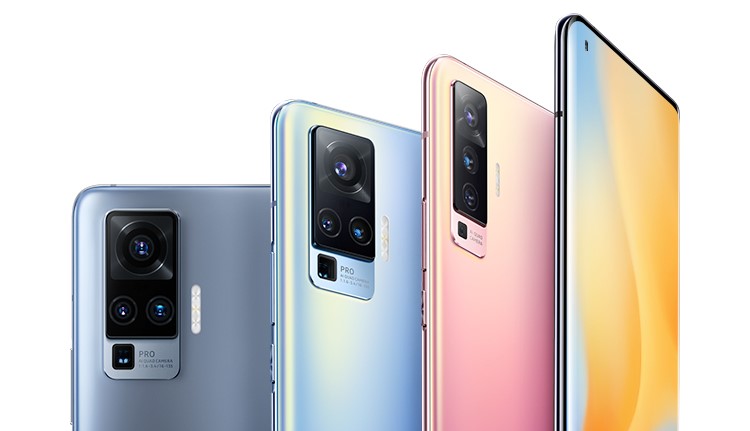
Vivo today held a press conference in China where the Vivo X50 series was unveiled. The new X50 series is made up of the Vivo X50, X50 Pro andX50 Pro+, all 5G phones. What makes the trio stand out is that it is Vivo’s thinnest 5G phone.
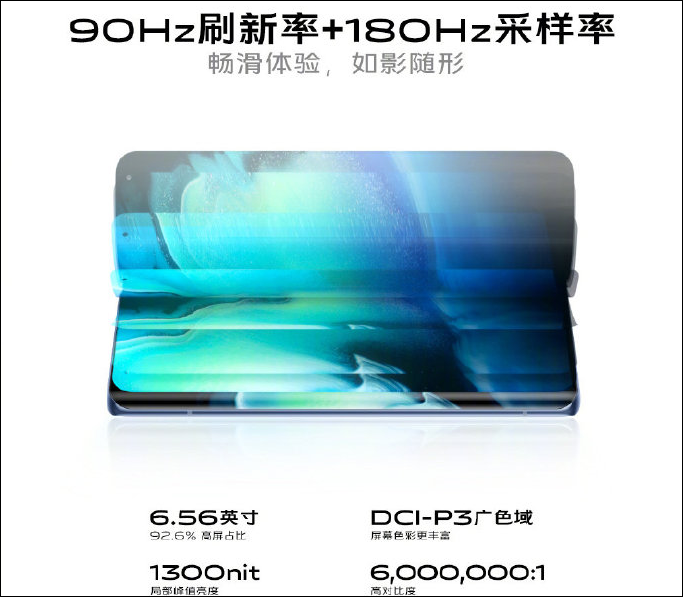
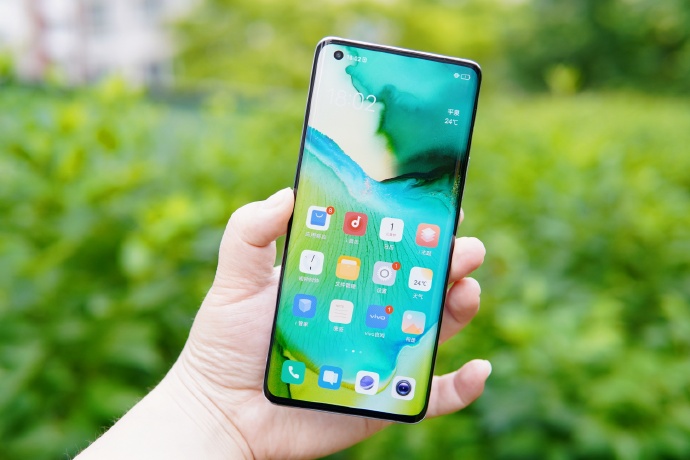
The Vivo X50 and X50 Pro both come with a 6.56-inch AMOLED screen with a resolution of 2376 x 1080p. The screen has support for 90Hz refresh rate and equally has an under-screen fingerprint sensor embedded underneath. The X50 weighs only 173 grams and has a thickness of 7.49mm. On the other hand, the X50 Pro weighs 181.5 grams and is 8.04mm thick. Notably, most 5G phones weigh around 200g.
Although the two phones have similar screen sizes, the X50 Pro uses an aesthetic curved screen design and is also the first curved phone in the X series.
In terms of hardware, both the X50 and X50 Pro pack a Snapdragon 765G processor with 8GB LPDDR4X memory. While the X50 uses UFS 2.0 flash memory, X50 Pro is UFS 2.1 flash memory. Both models also have different battery capacities and fast charge. The X50 crams a 4200mAh battery, while the X50 Pro is powered by a 4315mAh battery, and both support 33W flash charging.
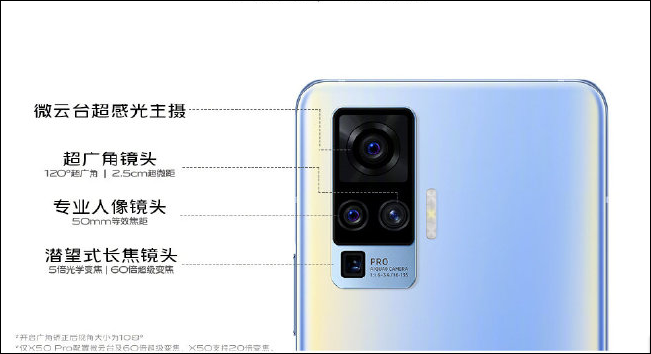
On the camera aspect, Vivo X50 and X50 Pro both packs a 32MP front-facing camera that supports night view, portrait, photo, video, panorama, dynamic photo, slow motion, short video, AR cute shoot and others. At the rear side, there is a quad-camera setup on both models but the X50 Pro setup includes a 48MP Sony IMX598 main camera + 13MO portrait + 8MP wide-angle + 5MP macro lens. The main camera supports four-axis OIS, closed-loop motor, and 20x digital zoom. There is also support for up to 60x digital zoom.
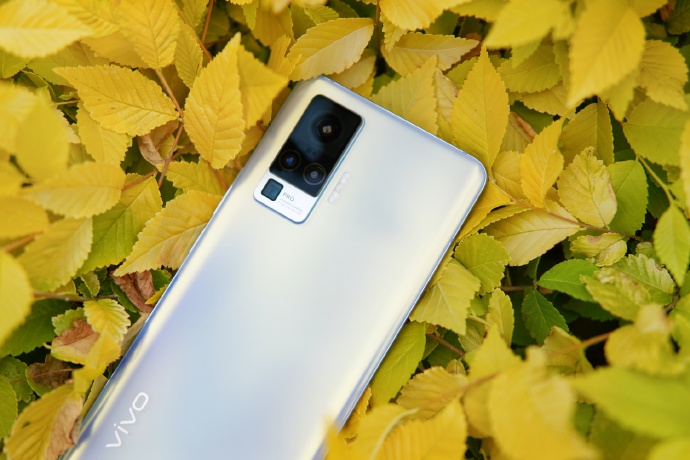
One spectacular feature of the X50 Pro camera is the presence of a gimbal camera system modelled after a full-sized professional gimbal. The gimbal moves the camera module in the direction opposite to that of the shake, increasing the stability of the main camera. The gimbal system widens the rotation angle and the anti-shake area. The camera UI is also tweaked to reflect the movement of the gimbal and show when the sensor is stable. Te X50 Pro+ misses out on this feature, perhaps due to the presence of a large sensor onboard already. It uses ordinary OIS.
In terms of sound quality, Vivo’s X series has always performed well in HiFi. The X50 supports three microphones and Hi-Res certification while the X50 Pro adds an AK4377A sound quality chip, which also supports Hi-Res certification.
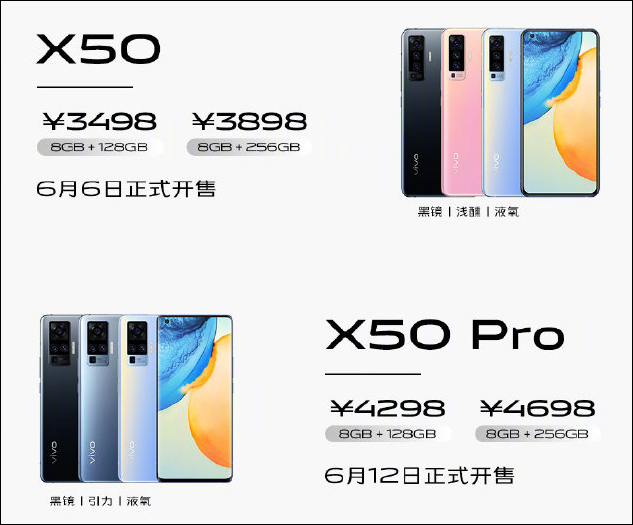
As for the prices, the Vivo X50 (8GB + 128GB) is priced at 3498 yuan (~$490) while the 8GB+256GB variant is priced at 3898 yuan (~$547). On the other hand, the X50 Pro (8GB + 128GB) is priced at 4298 yuan (~$603) and 4698 yuan (~$450) for the 8GB+256GB variant. The X50 went on sale today.
Vivo X50 Pro+
Vivo X50 Pro+: Specs & Price
Vivo also launched a flagship model dubbed Vivo X50 Pro Plus. The model is powered by Qualcomm’s latest Snapdragon 865 flagship SoC. In terms of the design, the X50 Pro+ uses an 0.5mm plain leather material which feels better and lighter in weight. Vivo’s logo is embossed on the leather.
The device features a 6.56-inch AMOLED screen with a resolution of 2376 x 1080p. The screen has support for 90Hz refresh rate and equally has an under-screen fingerprint sensor.
The X50 Pro+ uses a 50MP Samsung Isocell GN1 sensor with a 1 / 1.3 ” pixel size. The main camera is expected to perform well in complex scenes with low light and light and dark conditions.
In addition, the X50 Pro+ supports dual-mode SA/NSA 5G as well as LPDDR4X flash storage. The display supports up to 120Hz refresh rate and 240hz touch screen sampling rate, bringing delicate and smooth operations.
In terms of the sound output, the Vivo X50 Pro+ packs the HiFi CS43131 chip with high-performance independent DAC decoding, sampling rate up to 384kHz, 32-bit accuracy, dynamic range up to 130dB, total harmonic distortion + noise as low as -115dB.
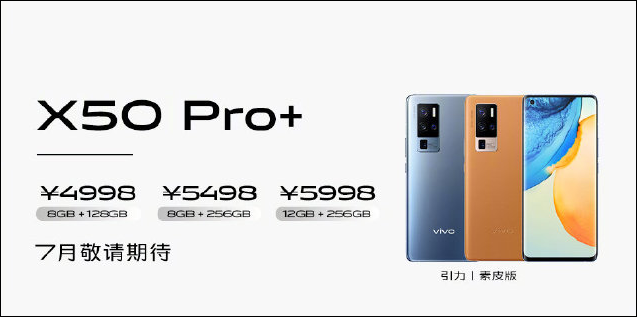
The X50 Pro+ comes with a 4998 yuan (~$701) price tag for the 8GB+128GB variant. The 8GB+256GB variant is priced at 5498 yuan (~$771) and finally, the 12GB + 256GB variant will go up 5998 yuan (~$841). Vivo says the flagship will be released in July.
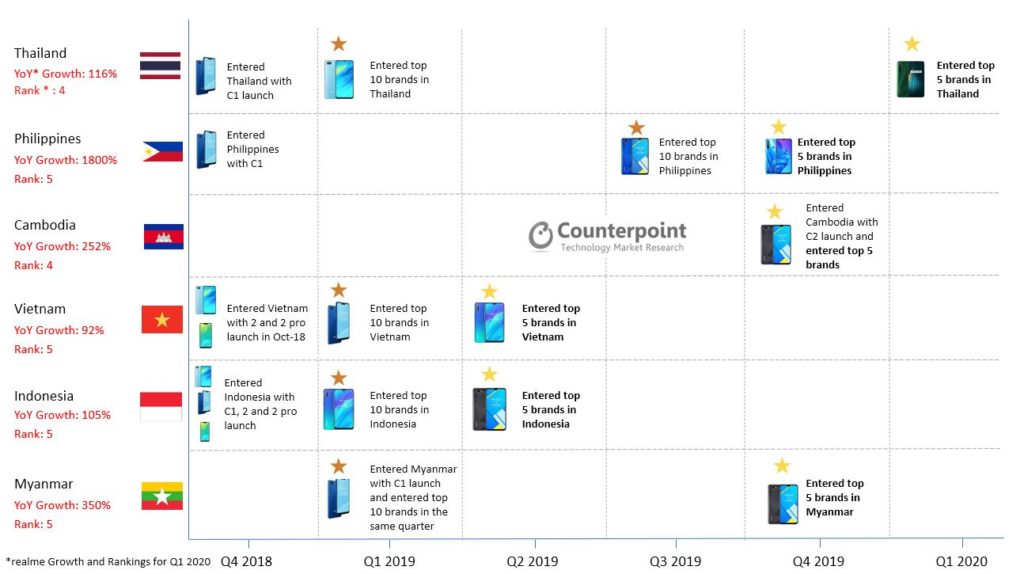
Realme entered the South East Asian markets in the last quarter of 2018. Since then, the brand has been growing in those regions steadily. The latest report by Counterpoint Research for Q1 2020 reveals an astonishing growth rate for the company. Realme is currently the fastest growing brand in South East Asia region with 173% YoY growth.
Realme initially debuted in India as a sub-brand of Oppo in early 2018. In the last quarter of the same year, the brand entered Sout East Asian countries like Thailand, Philippines, Vietnam, and Indonesia.
Within a quarter in Q1 2019, Realme entered the top 10 brands in the above-mentioned countries except for the Philippines. In the same quarter, the brand debuted in Myanmar and also entered the top 10 brands at the same time.
Then, in Q2 2019. Realme became one of the top 5 brands in Vietnam and Indonesia, followed by top 10 in the Philippines in the third quarter of 2019.
Later in Q4 2019, the brand entered the top 5 in Phillippines, Myanmar and even Cambodia where it made its entrance for the first time. Lastly, it took Realme more than a year to step into the top 5 brands in Thailand, compared to other nations.
The global smartphone market declined by 13% in Q1 2020 due to COVID-19 pandemic. The South-East Asian smartphone market also witnessed an 11% decline in the same period.
However, Realme was the fastest growing brand globally as well as in Sout East Asia with 157% and 173% YoY growths respectively in the first quarter of 2020.
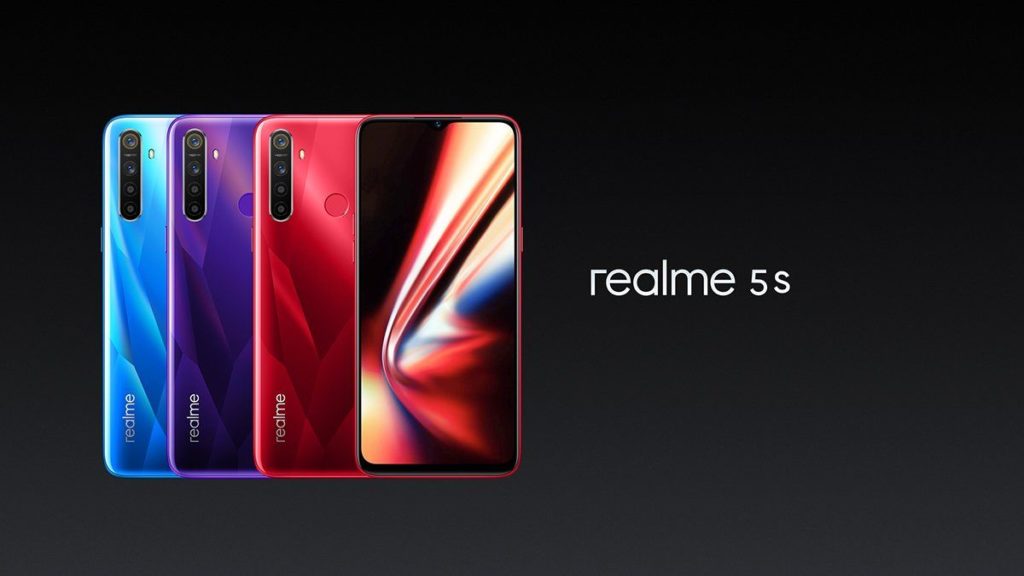
Realme 5 launched last year as the first quad-camera smartphone under ₹10,000 in India. The phone was soon succeeded by Realme 5s with a 48MP primary sensor, thanks to tough competition from Xiaomi’s Redmi Note 8. These phones came with ColorOS 6 based on Android Pie but the handsets made the list of eligible devices for Realme UI. Hence, they are now finally receiving a stable update for the same as promised.
According to the Realme UI update timeline shared by the company, Realme 5/5s were supposed to get the update in May. Keeping up with its word, the brand started rolling out the OTA update from May 29.
Realme 5 and 5s run the same firmware since their internals are identical except for the primary camera. Therefore, the Realm UI update for these phones comes with the same build number, which happens to be RMX1925EX_11_C.39.
For the unaware, Realme UI is a fork of ColorOS 7 based on Android 10. Hence, both the Android skin looks familiar and features common design and features. That said, Realme UI does have different visuals here and there to differentiate it from the Oppo skin.
Anyway, just like any other OTA update, the Realme UI stable update for Realme 5/5s is being rolled out in batches and thus, will take time to reach every unit.
Last week, Huawei announced the sale of P40 Pro Plus to begin from June 6, preceded by pre-orders from June 1. As today is the day, the handset is now up for pre-order in China on Huawei’s official online store called VMall.
The Huawei P40 series made its debut in late March globally, followed by an exclusive Chinese event in April. The regular P40 and P40 Pro are available for purchase for weeks but the P40 Pro Plus will be only available from June 6.
The most premium Huawei P40 Pro Plus can be finally pre-ordered in China. The sale for the handset is scheduled to begin from June 6 in the country. Having said that, the company is yet to announce the availability of this phone in international markets.
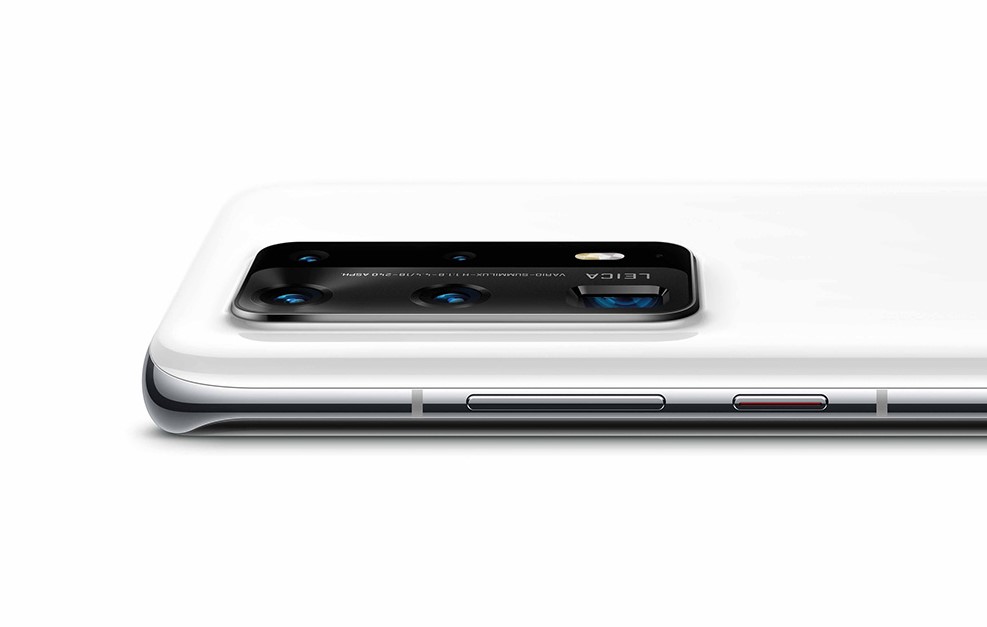
The P40 Pro Plus is similar to P40 Pro except for few changes here and there. First and the foremost, the back of the Pro Plus is made of ceramic and comes in two colors – White and Balck respectively.
Further, it features an extra 8MP periscope telephoto camera with OIS, PDAF, and 10x optical zoom, which can be used to digitally zoom up to 100x. Finally, the last difference is that the handset supports 40W wireless charging just like the Oppo Ace 2.
The Huawei P40 Pro Plus is priced at 7,988 Yuan ($1,120) and 8,888 Yuan ($1,245) for the 8GB + 128GB and 8GB + 256GB storage variants respectively in China.
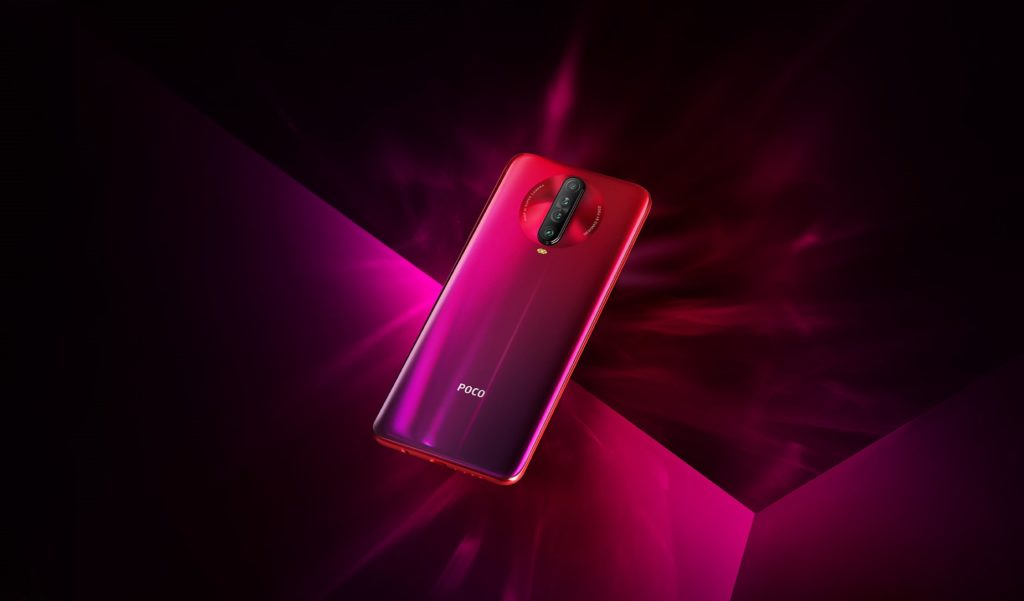
Poco X2 launched as the brand’s second smartphone in February 2020 almost one and a half year from the launch of Poco F1. It is a rebranded Redmi K30 4G and is only limited to India. Now, after 4 months from its release, the handset’s price has been hiked (increased) second time. The phone now costs up to ₹1,500 more than its launch price.
Poco became an independent brand ahead of the announcement of Poco X2. Hence, the device is exclusively available on Flipkart and cannot be bought Mi.com in India.
The handset comes in three storage configurations – 6GB + 64GB, 6GB + 128GB, and 8GB + 256GB. They debuted at the price of ₹15,999, ₹16,999, and ₹19,999 respectively.
But within two months from its release, a new GST (Goods and Services Tax) for phones came into effective from April. This led the brand to increase the price of all the storage variants by ₹1,000. Thus, they were available for ₹16,999, ₹17,999, and ₹20,999 up until May 30.
But from May 31, Poco has once again hiked the price of base and mid variants of Poco X2 by another ₹500. Hence, the handset now costs ₹17,499, ₹18,499, and ₹20,999 respectively since the higher-end variant did not receive any price hike this time.
Here’s a table to understand the new price of Poco X2 in India.
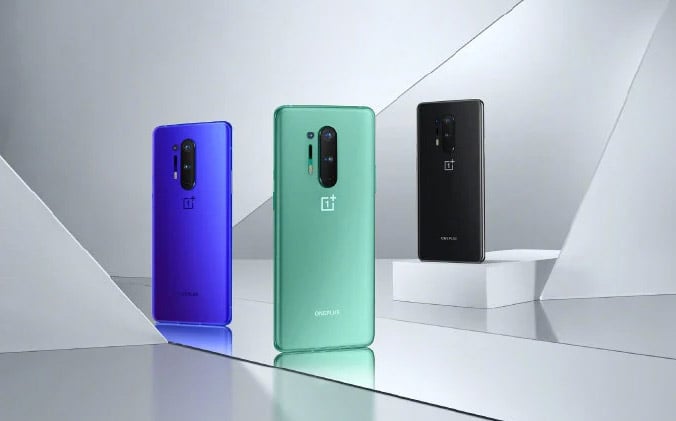
India is one of the key markets for OnePlus. The company opened its largest R&D centre in Hyderabad last year. Pete Lau, the company’s co-founder and CEO announced an investment of ₹1000 crores in the centre for the next three years at the inauguration ceremony. Now, less than a year later, the OnePlus reveals its Indian R&D centre has played an important role in developing features for the OnePlus 8 series and OxygenOS.
OnePlus R&D centre in India’s Hyderabad includes three primary labs namely camera, communication and networking, and automation. The engineers at these labs innovated new features for the company’s latest OnePlus 8 series.
Some of those features include Smart SMS that categorizes messages into promotions, transactions, and OTPs in a card format, Work-life Balance, and Cricket Score. These features are currently limited to Indian users only.
Further, the engineers at Hyderabad R&D centre have been working closely with the China team, Qualcomm and network operators in Europe to provide a seamless 5G experience. The Indian team is handling this by addressing common issues like low throughput, data stall, call drops and video lag.
Also, they are optimizing 5G for North American markets, in addition to working with Indian telecom operators to provide reliable 5G experience to users when the service goes live.
Last but not least. the dedicated camera software team has also created unique, customised tuning for specific scenarios for Indian users.
ByteDance, the company behind one of the world’s most popular social media app TikTok, is setting up another corporate entity in India. This is the second endeavor in India from the Chinese multinational corporation, which is looking to broaden its horizons in the Southeast Asian country.
At the moment, India is also one of ByteDance’s key markets, with many TikTok users originating from this region. Sources have claimed that the company is now looking to expand to the IT sector by providing information technology related and other similar services to all of ByteDance’s other platforms across the globe as well as India.
ByteDance owns two popular social media platforms including the short video sharing app TikTok and Helo apps. The company also owns content discovery platforms like Toutiao and Douyin, which are the Chinese counterparts of TikTok and Xigua Video as well. Furthermore, this new corporate entity will reportedly be responsible for including content generated from all of these platforms.
According to one source, “There will be data and technology transfer into India with ByteDance looking to ramp up its workforce in India, a market where the company will look to create a center of excellence over the near-term.” In other words, an expansion in the Indian market where it already has 611 million downloads of its TikTok app alone.
Today evening in China, Vivo will be announcing the Vivo X50 and Vivo X50 Pro smartphones. Some reports have claimed that there could be a higher-edition phone called Vivo X50 Pro+. Vivo CEO Jerome Chen revealed through his Facebook page that X50 series will also be coming to India soon. It remains to be seen whether the Vivo X50 series arrives in China this month in India.
Light up the cities. X50 Series are coming on 1st June.Coming to India soon…Stay tuned!
Vivo India has not been actively selling launching X-series phones in India. The Vivo X21 was the last X-series smartphone from the brand for India. It had debuted in the country in May 2018. The Vivo X50 and X50 Pro are powered by Snapdragon 765G SoC and the Vivo X50 Pro+ is rumored to be driven by Snapdragon 865. A fresh leak has carried the specifications of all three smartphones.
The Vivo X50 phones are expected to come with 6.56-inch S-AMOLED punch-hole displays. The X50 and X50 Pro may support a 90Hz refresh rate whereas the X50 Pro+ may come with 120Hz refresh rate support. These phones are expected to come with 32-megapixel front cameras. The X50 may come with 33W fast charging support for its 4,200mAh battery. The X50 Pro and X50 Pro+ may house 4,315mAh batteries. The Pro variant may come with 33W fast charging support while the Pro+ may offer 44W fast charging.
The quad-camera setup of the Vivo X50 may house a 48-megapixel Sony IMX598 main lens. The new leak has no information on the other rear-facing cameras of the X50 phone. The X50 Pro may come with a 48-megapixel (Sony IMX598), an 8-megapixel telephoto lens with 60X hybrid zoom, a 13-megapixel depth lens and an 8-megapixel ultrawide shooter. The X50 Pro+ may come with Samsung GN1 50-megapixel main camera and its other lenses could be the same as X50 Pro phone. The X50 Pro is likely to carry a price tag of 3,998 Yuan.
There is an image that can actually soft-brick your smartphone if you set it as your device’s wallpaper. This image is known to affect smartphones from Google, Samsung, OnePlus, Nokia, Xiaomi, and more, but have different effects on each of them.
WARNING!!! Never set this picture as wallpaper, especially for Samsung mobile phone users! It will cause your phone to crash! Don't try it! If someone sends you this picture, please ignore it. pic.twitter.com/rVbozJdhkL
The issue was recently revealed by a known leakster, Ice Universe, on Twitter. While Huawei handsets were reportedly not affected by this issue, DO NOT try this with your smartphone. If you do end up doing this regardless of all the warnings, expect to see an immediate crash. An attempted reboot animation should also pop up but the smartphone will eventually get stuck in an endless booting sequence making it impossible to restart your device.
According to users on Reddit and Twitter, the issue is caused by the color profile of the image in question. Reportedly, the image exceeds the bounds of Android’s color compatibilities and can cause a crash. Although, this issue isn’t universal and effects models offered from various companies differently. The issue has been sent to Google developers and the response should arrive soon.
If you do end up soft-bricking your device, a factory reset will always fix the issue but that would make you lose all your data as well. Another method of fixing this issue is entering in safe mode and changing the wallpaper again. Hence, we highly advise against readers trying this out themselves, but do let us know in the comments section down below if you were brave to a fault.
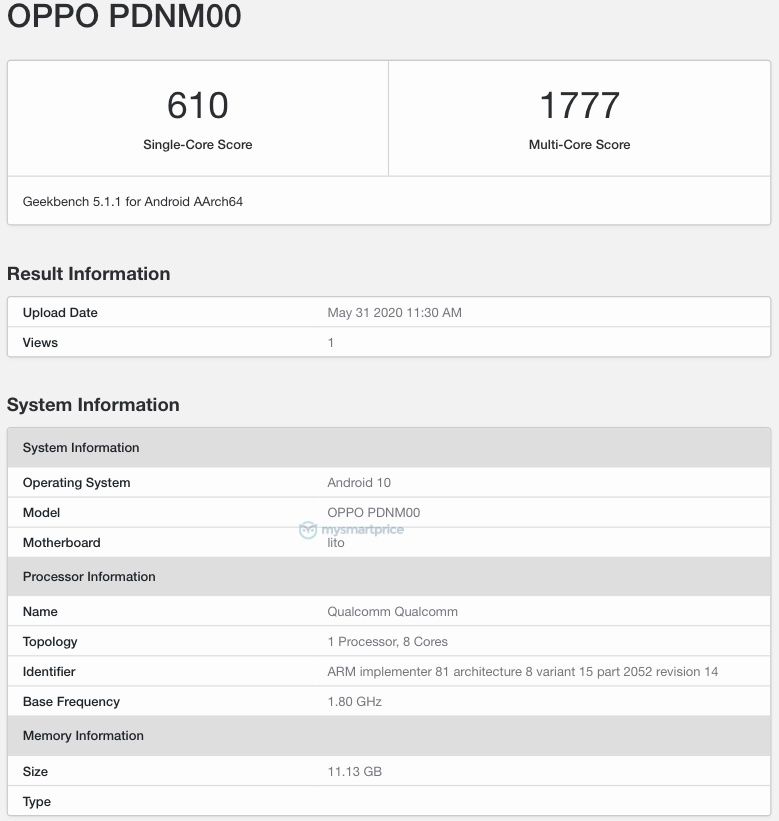
On June 5, OPPO will be launching the OPPO Reno4 5G and Reno4 Pro 5G smartphones in China. The Reno4 variants with model numbers PDNM00 / PDNT00 and Reno4 Pro variants with model numbers PDPM00 / PDPT00 were recently spotted on TENAA with full specifications. The rumor mill has claimed that the Reno4 and Reno4 Pro phones will be driven by the Snapdragon 765G processor. The vanilla model surfaced at Geekbench benchmarking site today. The listing also suggests that it has SD765G SoC onboard.
On Geekbench 5, the OPPO Reno4 PDNM00 smartphone recorded 610 in the single-core test. It secured 1777 in the multi-core test. The motherboard field mentions the processor as “lito” and the “arm implementer 81 architecture 8 variant 15 part 2052 revision 14” text can be seen in the Identifier. The base frequency of the processor is 1.80GHz. These things suggest that the phone could be featuring the Snapdragon 765G SoC.
The SoC is coupled with 12 GB of RAM and the phone is found to be running on Android 10 OS. The handset is expected to ship with the latest version of ColorOS 7.
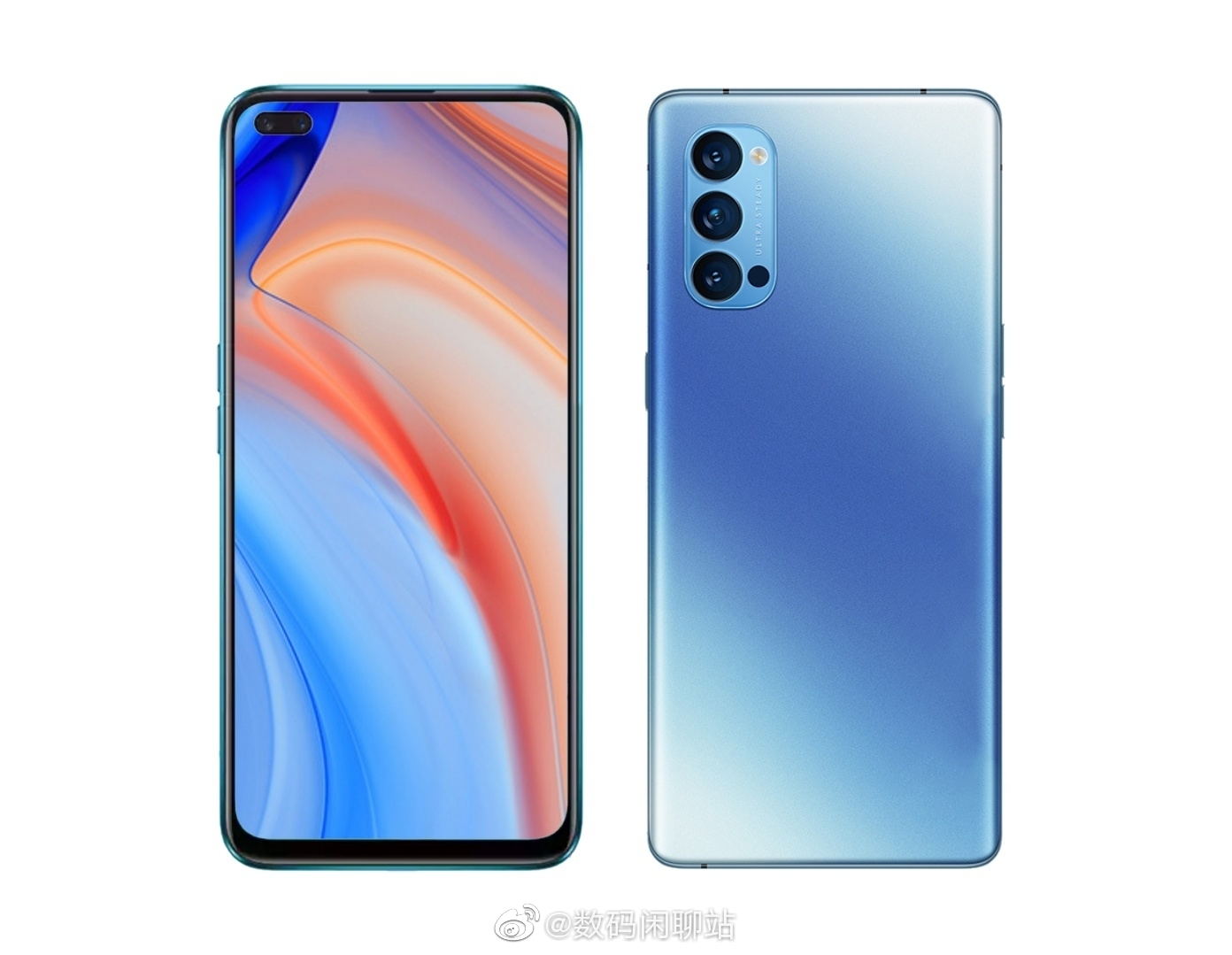
The Reno4 has a 6.43-inch S-AMOLED display that supports full HD+ resolution and has an in-screen fingerprint reader. The pill-shaped cutout on the screen has a main camera of 32-megapixel and a secondary shooter of 8-megapixel. The back panel of the device has a 48-megapixel + 8-megapixel + 2-megapixel triple camera setup. The 4,00mAh battery of the Reno4 supports 65W fast charging.
TSMC was slated to start trial phases of the production for its latest 3nm fabrication process by the end of 2020. However, due to the ongoing Coronavirus pandemic, the semiconductor giant has had to delay its plans until early 2021. This arrives as good news for Samsung as it hopes to catch up to the world’s largest contract chipmaker.
The Coronavirus outbreak has affected the entire world, its various economies, and industries. Supply chains have been disrupted as well, causing shortages as well. Now, the 3nm trial production line, which was expected to be fitted by the end of this year, will only be seen by Q1 of 2021 and mass production starting sometime in 2022. Similarly, Samsung had also announced a delay for its 3nm process’ mass production to 2022, with efforts being placed in the shift from 7nm fabs.
According to an official TSMC spokesperson, the company is currently focusing on its 7nm and 5nm processes. It has various orders at the moment, with pressures and tight deadlines also being in the way, especially with Huawei in mind. While the delay isn’t by a very large margin, it should offer it’s South Korean rival an ample amount of time to hope and catch up to TSMC’s shift to the 3nm process.
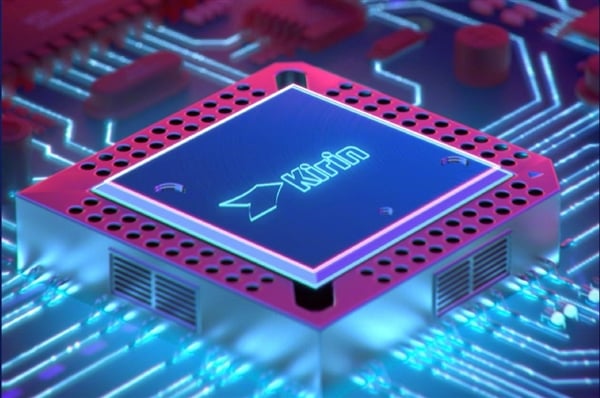
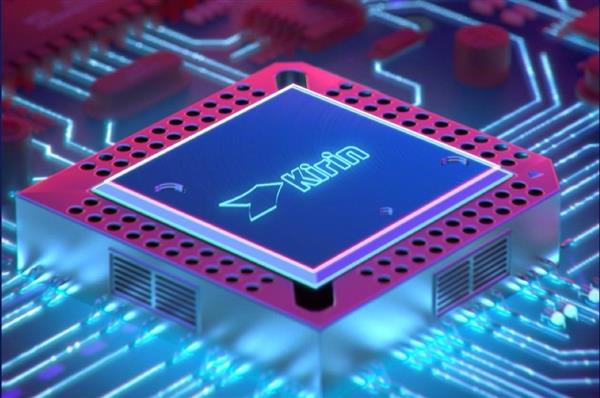
Huawei’s Kirin chipsets are manufactured by TSMC
The Taiwanese based semiconductor giant is investing heavily in the 3nm project. Similarly, Samsung has also been working hard on its shift towards 3nm processes, skipping the 5nm entirely while focusing on its current order on the 14nm, 10nm, and even 7nm fabs as well. At the moment, TSMC leads the semiconductor industry with its 5nm process that has clients from across the globe including giants like Apple, HiSilicon, AMD, Qualcomm, and many more.
Honor Play 4 series will be officially announced on June 3 in China. Ahead of the launch, as usual, the brand has been teasing the phones on Weibo. We got to see some renders coupled with a revelation of certain features. Followed by which, the brand also shared a camera sample of regular Honor Play 4 yesterday.
Wei Xialong aka Raul is the product manager of Hono Play series of smartphones in China. He was appointed before the launch of Honor Play 4T series and was responsible for teasing those handsets before their official release.
Mr Xiaolong is continuing the same for the forthcoming Honor Play 4 series. He posted the official renders of Honor Play 4 in three different colors on his Weibo. These pictures revealed the handset to feature a 64MP quad-camera setup.
A day later, which happened to be yesterday, the executive also shared a picture shot using the 64MP primary sensor present on the Honor Play 4. We cannot judge the camera performance of this phone without experiencing the handset but the camera sample does look impressive.
Having said that, only the regular Honor Play 4 will feature quad-camera setup. The Honor Play 4 Pro, on the other hand, will come equipped with a dual-camera setup and a LiDAR scanner like the Apple iPad Pro 2020.
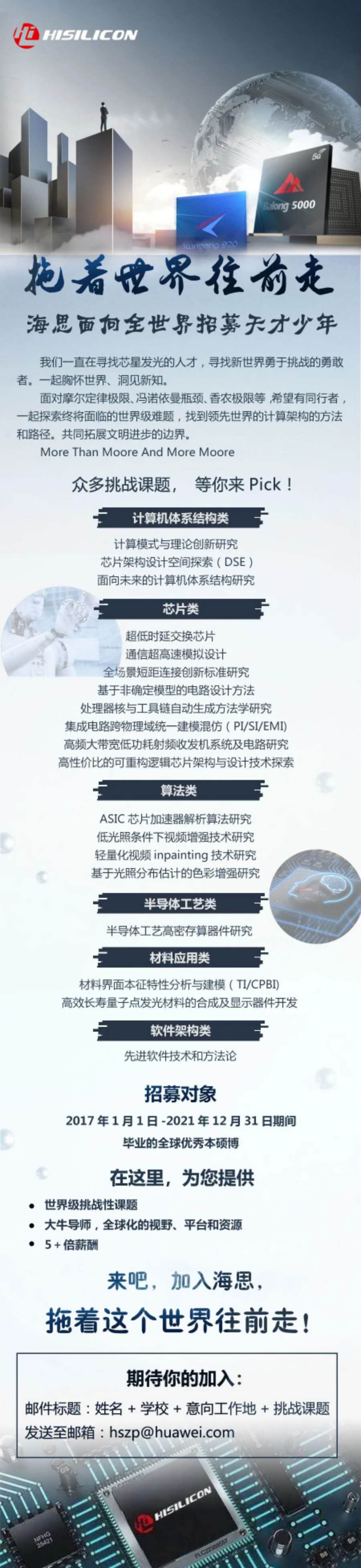
Huawei’s chip subsidiary HiSilicon is recruiting fresh IT graduates and others in the field from across the globe. The company has launched a new global recruitment program, which apparently promises salaries up to 5 times what you were earning or would be offered as a new post-graduate. Huawei shared a posted image, which revealed its efforts in seeking new blood and fresh talent.
According to the poster, post-graduates or people with a master’s degree that graduated from 1 January 2017 to 31 December 2021 are eligible to join the new recruitment program. The purpose of this recruitment is to tackle obstacles in various fields including computer software architecture, semiconductor and chipset technology, and more, with a hefty 5x salary promise.
The official poster reads, “WE HAVE BEEN LOOKING FOR TALENTS WITH A “CORE STAR” TO SHINE. WE’RE LOOKING FOR BRAVE PEOPLE WHO ARE BRAVE TO CHALLENGE IN THE NEW WORLD AND WANT TO DIVE INTO THE NEW KNOWLEDGE. MOREOVER, THEY WILL DEAL WITH THE LIMITS OF MOORE’S LAW, VON NEUMANN’S BOTTLENECK, AND ETC. WE HOPE THAT OUR PEERS WILL EXPLORE THE WORLD-CLASS PROBLEMS THAT WILL EVENTUALLY FACE. THEY’LL FIND METHODS AND PATHS OF COMPUTING ARCHITECTURE, AND JOINTLY EXPAND THE BOUNDARIES OF CIVILIZATION AND PROGRESS.”
For those unaware, HiSilicon is behind Huawei’s Kirin processors that are found in the company’s smartphones and tablets. In other words, its chip department is looking for innovative minds in the field of mobile computing. Thus, if you’re interested, definitely check out this opportunity. The recruitment process is underway and will last another year. So stay tuned as we will be providing more updates when more details are available.
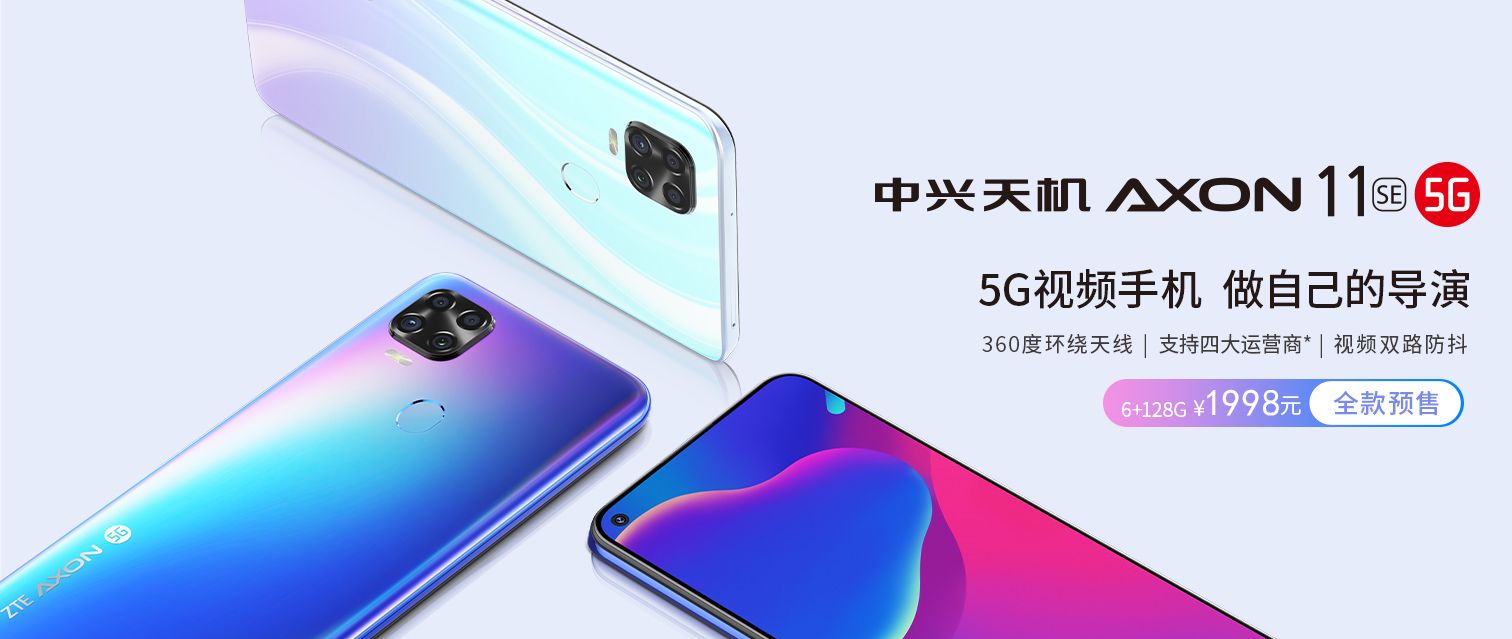
ZTE has launched the Axon 11 SE 5G smartphone in China. It joins the Axon 11 family members that include Snapdragon 765G powered Axon 11 5G and Axon 11 Pro 5G phone that features Snapdragon 865 mobile platform. The handset has debuted as the cheapest ZTE branded 5G phone.
ZTE Axon 11 SE 5G specifications
The Axon 11 SE 5G has an IPS LTPS LCD panel of 6.53 inches. The upper-left corner positioned punch-hole houses a 16-megapixel selfie camera. The display offers 1080 x 2340 pixels Full HD+ resolution and a tall aspect ratio of 19.5:9.
The presence of Dimensity 800 5G brings support for dual-mode 5G on the Axon 11 SE 5G. The handset is equipped with up to 8 GB of RAM and built-in storage of up to 256 GB. There is a microSD card slot on the device for more storage. The Android 10 OS along with MiFlavor UI comes preinstalled on the smartphone.
The Axon 11 SE 5G has a 4,000mAh battery with 18W fast charging support. The triple camera setup present on the back panel of the smartphone has a 48-megapixel primary lens, an 8-megapixel ultrawide sensor with a 120-degree field-of-view, and a 2-megapixel depth sensor with 2cm focal length. The other features that are available on the Axon 11 SE 5G are rear-mounted fingerprint reader, dual-SIM slot, Wi-Fi 802.11ac, Bluetooth 5.0, GPS, USB-C, and 3.5mm audio jack are also available on the smartphone.
ZTE Axon 11 SE 5G price
The Axon 11 SE 5G has arrived in China in three options such as 6 GB RAM + 128 GB storage, 8 GB RAM + 128 GB storage and 8 GB RAM + 256 GB storage. They are priced at 1,998 Yuan (~$280), 2,298 Yuan (~$322), and 2,598 Yuan (~$364). The handset is now up for pre-orders in China.
A new report from IDC and Counterpoint Research, two well known analytics firms, has revealed that the Indian smartphone market is witnessing a slump. The reports suggest that the sales will fall by 13 to 15 percent due to the ongoing Coronavirus pandemic.
Redmi Note 8 has its price increased in India due to taxes on imports
India is the world’s second largest smartphone market. Various Chinese OEMs and other major brands in the industry consider it a key market and fight for a better foothold in the region. However, due to the viral outbreak, the local government had to employ a strict and mandatory lockdown that even caused smartphone manufacturing plants to shut down as well. At the moment, there is an economic crisis with salary deductions being a common measure being taken in both the private and government organizations.
This translates to overall lower revenue being generated by working members of the family, and, by its extension, makes them less likely to purchase a new smartphone. Currently, various foreign smartphone vendors that have opened up manufacturing plants in the region have been facing difficulties in ramping up production to meet demands, making imports necessary. However, the customs duty and GST taxes of 12 to 18 percent have made certain smartphone pricing rise as a consequence.
Redmi 8A Dual also had its prices raised by Xiaomi India
The best example of this is Xiaomi raising the prices of certain budget Redmi smartphone twice in a single month. According to IDC, the Indian smartphone market may only sell 130 million handset units in 2020 (which is below its original projection of 140 million units), down from 158 million units from 2019. Similarly, Counterpoint Research also dropped its initial estimation down from 147 million units to just 137 million units being shipped this year.
This morning, OnePlus CEO Liu Zuohu shared a questionnaire on Weibo. The questionnaire is all about knowing the TV usage habits and purchase preferences of the consumers in China. It suggests that the company could be planning to soon introduce its high-end TV lineup in China.
Last year in September, OnePlus introduce the OnePlus TV Q1 series in India. Even though China is the home market for the brand, the country didn’t receive the OnePlus TV Q1 series. It remains to be seen whether OnePlus will launch OnePlus TV Q1 and Q1 Pro or entirely new series in China.
Last month, a new OnePlus TV with model number 55UA0A00 was seen at the database of Bluetooth SIG. The listing suggested that it could be a 55-inch TV with Bluetooth 5.0 support. The new remote control that was spotted at the same certification site revealed it has an RC-003A model number and it supports Bluetooth 4.2.
There is a possibility that this model may debut first in China. OnePlus will reportedly launch the OnePlus Z 5G phone in July. It will be arriving as a mid-range addition to the OnePlus 8 and OnePlus 8 Pro flagship phones that debuted in April. It remains to be seen whether the new OnePlus TV that was spotted at Bluetooth SIG may debut along with the OnePlus Z.
The OnePlus TV Q1 and Q1 Pro are priced at Rs. 69,900 (~$913) and Rs. 99,000 (~$1,311), respectively. They feature 55-inch QLED displays that offer 4K resolution and are equipped with the Gamma Magic Color picture processor for enhanced viewing experience. The Q1 duo comes with a unique stand and Kevlar-like finish on their rear.
We use cookies on our website to give you the most relevant experience by remembering your preferences and repeat visits. By clicking “Accept”, you consent to the use of ALL the cookies.
This website uses cookies to improve your experience while you navigate through the website. Out of these, the cookies that are categorized as necessary are stored on your browser as they are essential for the working of basic functionalities of the website. We also use third-party cookies that help us analyze and understand how you use this website. These cookies will be stored in your browser only with your consent. You also have the option to opt-out of these cookies. But opting out of some of these cookies may affect your browsing experience.
Necessary cookies are absolutely essential for the website to function properly. This category only includes cookies that ensures basic functionalities and security features of the website. These cookies do not store any personal information.
Any cookies that may not be particularly necessary for the website to function and is used specifically to collect user personal data via analytics, ads, other embedded contents are termed as non-necessary cookies. It is mandatory to procure user consent prior to running these cookies on your website.









UP NEXT: [Update: Accidental Rollout] OxygenOS 10.5.9 temporarily removes photochrom filter on global OnePlus 8 Pro