Advertisement

Redmi 10X uses the same Samsung AMOLED panel as the Mi 10 Youth 5G

The Redmi 10X is an upcoming 5G mid-range smartphone scheduled to launch in China tomorrow. The phone will be packing some pretty interesting specs such as an AMOLED display and a Dimensity 820 processor.

If you are wondering who the supplier for the display used in the phone is, then you are in the right place. It has been revealed that the display panel is a  Samsung E2 AMOLED panel and this is the same type Xiaomi ships with the Mi 10 Youth 5G.
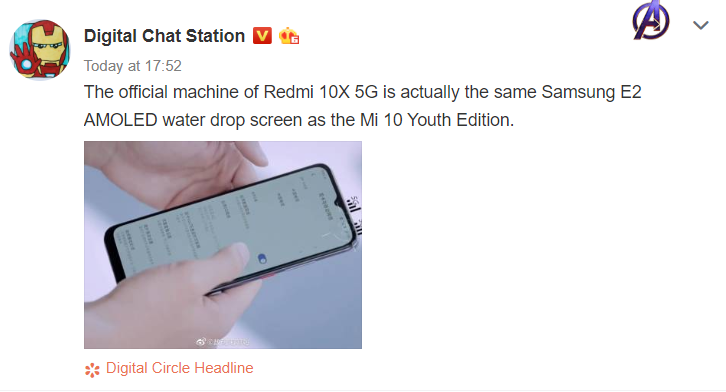
Redmi 10X display

The screen measures 6.57-inches with a resolution of 2400 x 1080 and a waterdrop notch at the top for the selfie camera. There is HDR10+ support and the maximum brightness is 600 nits. So far, this is a pretty great display for the device.

Redmi already confirmed the phone will have AOD+, Super Wallpaper, and will run MIUI 12 out of the box. It will also have an in-display fingerprint scanner. Other confirmed features of the phone are quad cameras on the rear with optical image stabilization and 30x zoom.


(Source)
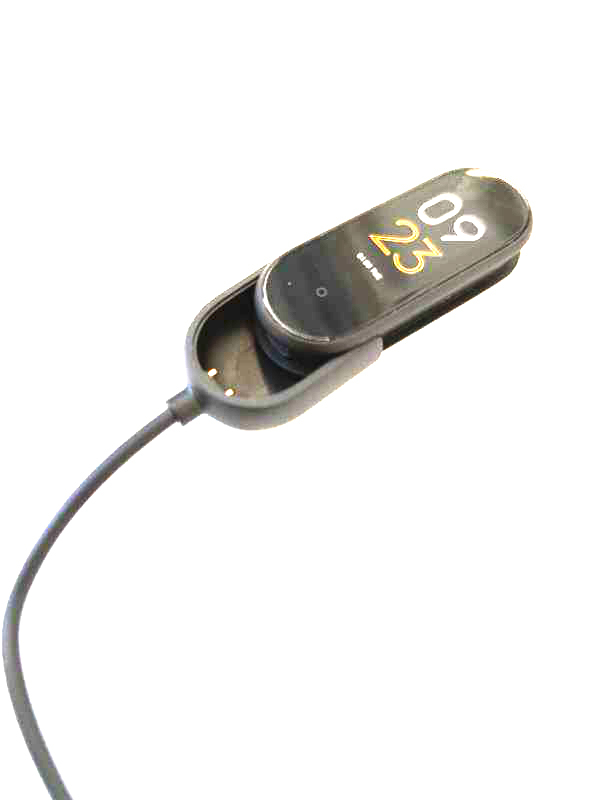
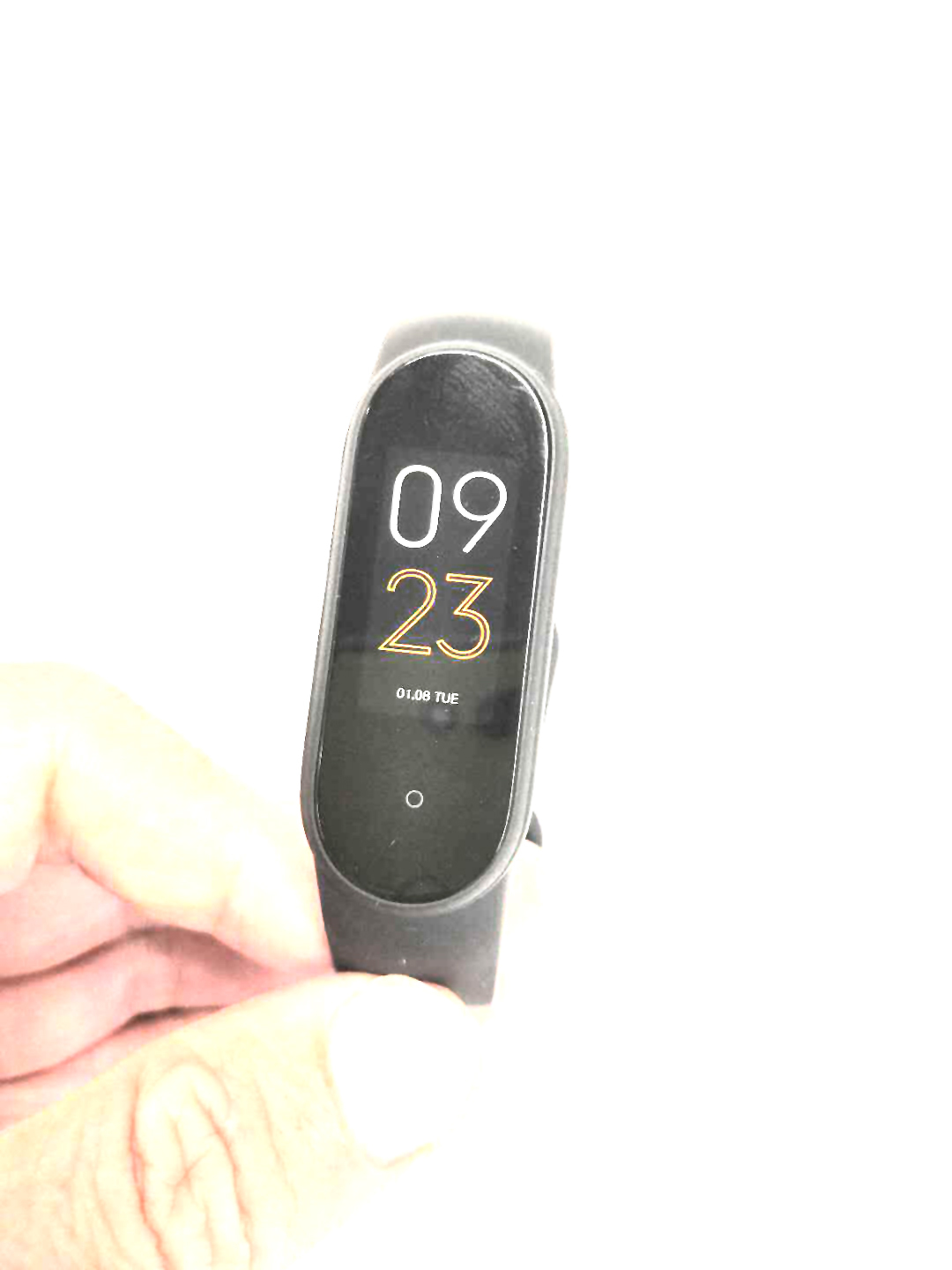
Is this really a Mi Band 5 or a Mi Band 4 with a Mi Band 3 charger?

Xiaomi’s Mi Bands are one of the popular budget fitness tracker series’ available in the market. The Mi Band 4 is about to be a year old in a few weeks from now. There have been multiple rumors and leaks of Mi Band 5 for the past few days. A new one has now popped up on Weibo but is it legit?

The existence of Mi Band 5 was confirmed by Huami’s CEO in the company’s earnings call for Q1 2020. For the unaware, Huami designs Mi Bands for Xiaomi, which is a long time investor in the fitness company.

Even before that, there were a couple of leaks but they were definitely fake so we did not feel right to cover them. Then, came a legit leak from TizenHelp with concrete proofs. This one revealed some of the interesting features of the Mi Band 5 such as SpO2 sensor (finally), Amazon Alexa, menstrual cycle tracking, and PAI.

But the live images (pictured above) shared by a tipster called C Technology on Weibo looks shady at first sight. In my eyes at least, I feel like this is a Mi Band 4 with a Mi Band 3 charger rather than a forthcoming Mi Band 5.

I have been wearing Mi Band 4 continuously on my wrist for 8 months and the images look exactly like it. Also, there seems to be no pogo pin receiver on the fitness tracker pictured above. How will this Mi Band 5 charge through the plastic casing?

In case you do not remember, the Mi Band 3 has a similar charger with pogo pin on the side since its receiver is on the side as well. On the other hand, the Mi Band’s 4 receiver is at the bottom and hence we could see not it in this so-called Mi Band 5 leak image.

Having said that, there’s still a possibility that the pixelated side part of the fitness tracker could be the pogo pin charging receiver. If this is true, then the upcoming Mi Band 5 will look exactly like the Mi Band 4 with functional differences.

Anyway, we hope Huami redesigns charger for the Mi Band 5 since the Mi Band 4’s charger does not house the tracker properly for most users. However, my unit came with a perfect charger which fits the fitness tracker snugly.


Leaked Motorola RAZR 2 specs still can’t match the Galaxy Z Flip

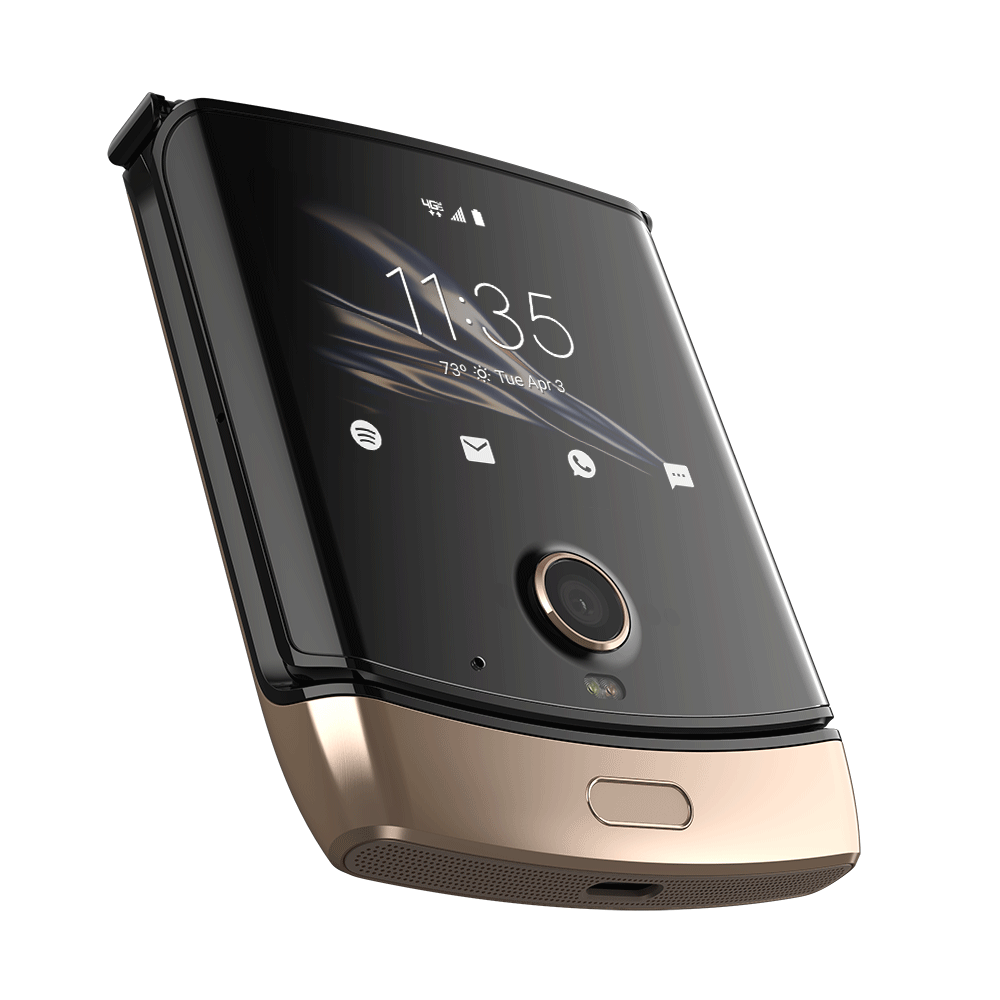
The Motorola RAZR is a foldable phone that was announced last year but didn’t go on sale until a few months ago. Its rival is the Samsung Galaxy Z Flip – a phone with a similar vertically folding design but with significantly better specs. Now, key specs of the Motorola RAZR 2 (not official name) have leaked and they show Motorola will still be playing catch-up with Samsung’s own phone.

Moto RAZR Gold

XDA-Developers reports that an unnamed source has revealed some key details about the 2nd-gen Motorola RAZR. According to their source, the phone will go by the codename “smith” and will have the model number “XT2071-4”.

Last year’s Motorola RAZR packs a Snapdragon 710 processor. The 2-year old chip has appeared in several devices but none with a price tag of $1499 as that of the RAZR. For its successor, Motorola is once again not going with a flagship processor but the Snapdragon 765 (not Snapdragon 765G).

The Snapdragon 765 is a 5G processor found in mid-range and upper mid-range devices. It is a more powerful processor than the Snapdragon 710 and it will be paired with 8GB of RAM and 256GB of storage. While it has a 5G modem built-in, it still can’t beat the Snapdragon 855+ inside the Galaxy Z Flip.

The source says the processor will draw power from a 2845mAh battery which is a boost in capacity when compared to the 2510mAh capacity of the Motorola RAZR (2019). However, this is still smaller than the 3300mAh battery inside Samsung’s own foldable phone.


The displays on both sides are said to be unchanged (for now) with respect to sizes but Motorola may adopt new technologies such as the use of UTG (Ultra Thin Glass) for the main screen.

With respect to cameras, the Motorola RAZR 2 will have a 48MP Samsung ISOCELL Bright GM1 sensor. Sorry, just a single camera again. The selfie camera has also been upgraded from 5MP to 20MP.

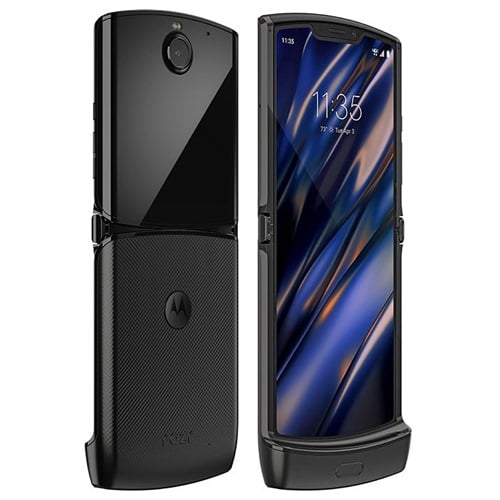
Motorola Razr 2019

The phone will run Android 10 out of the box with Motorola’s own software additions. The Motorola RAZR 2 will launch in China and North America but should also launch in other markets such as India and Europe. Of course, it will have 5G support but XDA-Developers are skeptical it will support mmWave 5G networks due to the size of the antennas which take up space in devices.

There is a chance that the above specs may change before the launch of the phone which is expected to launch in September according to a Motorola executive. Nevertheless, Samsung seems to have the vertically-folding phone category under its belt as its phone offers better specs and a cheaper price tag.


(Source)
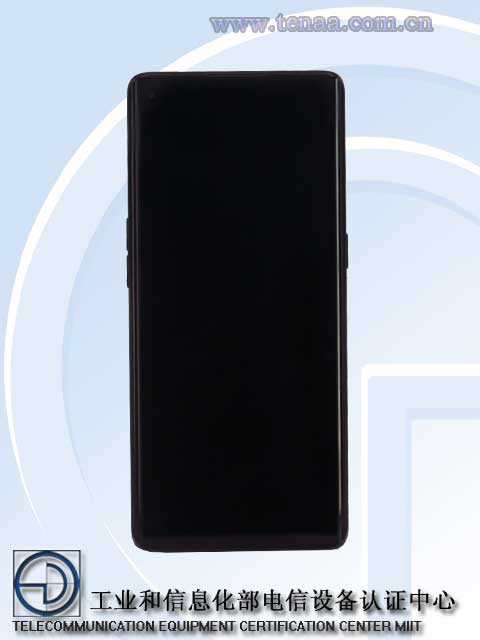
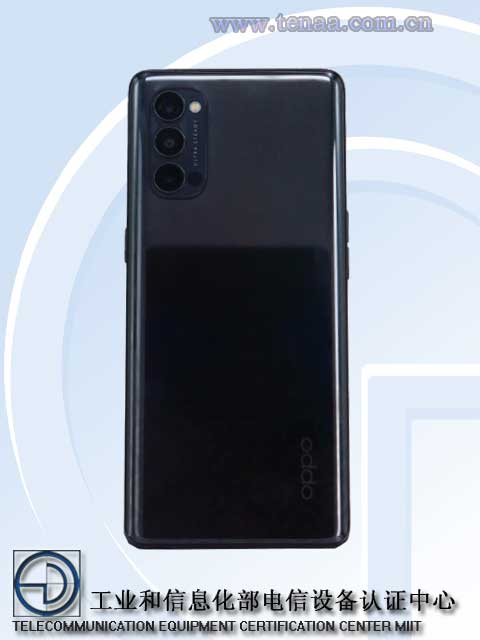
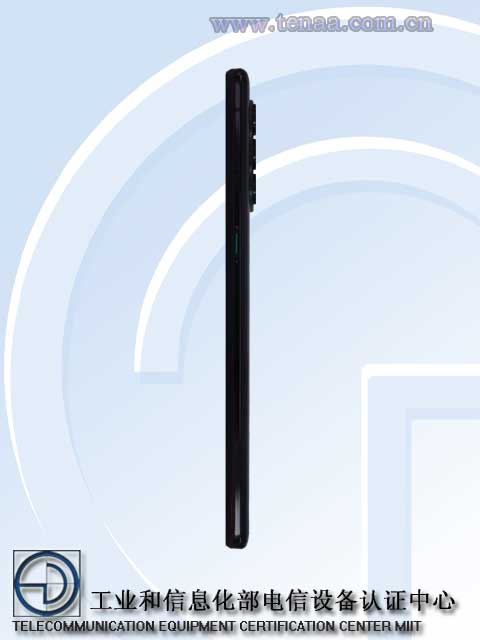
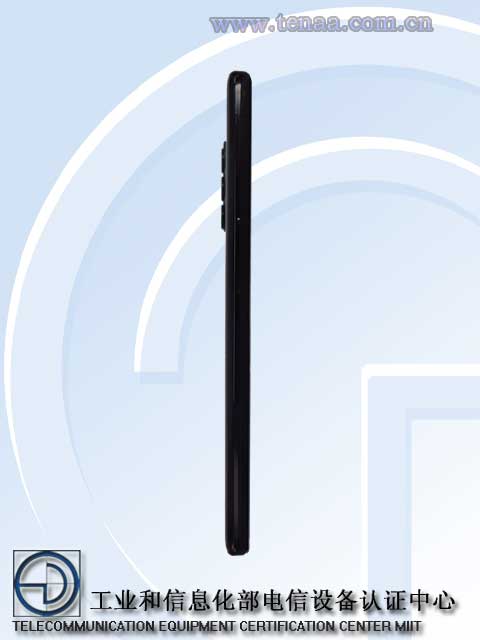
Oppo Reno 4 series’ TENAA listings confirm specs from previous leaks

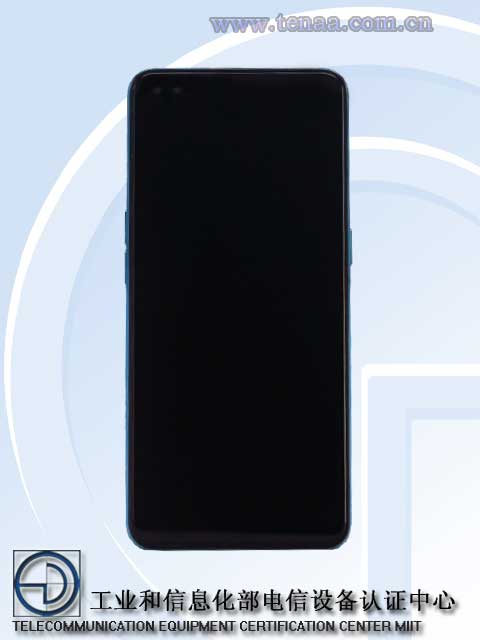
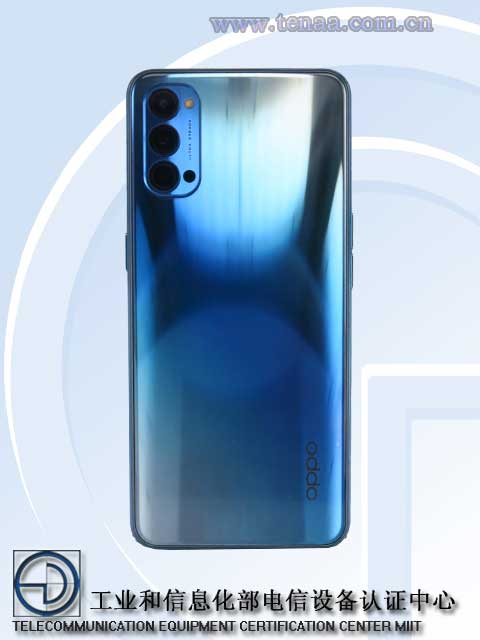
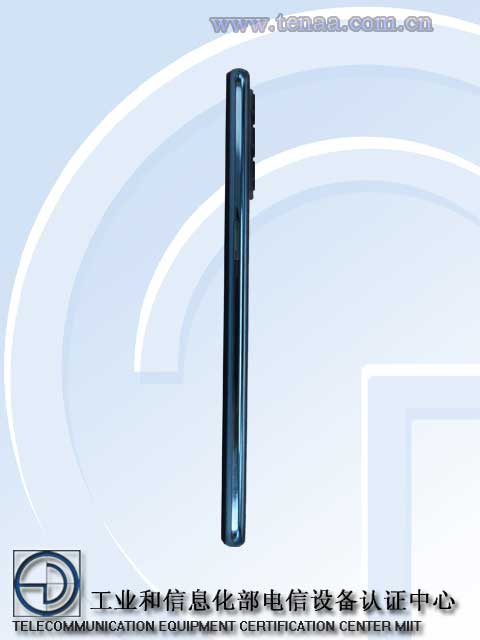
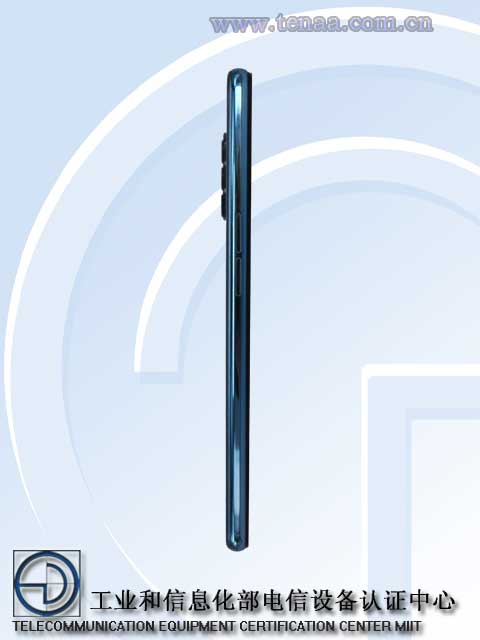
Oppo dropped the first official teaser video of Reno 4 earlier today on Weibo. In addition to that, the handset already got leaked yesterday in a live image along with specifications. Now, the device also gets listed on TENAA certification portal as the launch is nearing.

According to TENAA, the forthcoming Oppo Reno 4 will include two devices – Reno 4 and Reno 4 Pro. The differences between them include display type/size, camera setup, dimensions, and weight.

Oppo Reno 4 Series Official Render

The Reno 4 and Reno 4 Pro will come with two model numbers each. They are PDPM00 / PDPT00 and PDNM00 / PDNT00 respectively.

The former will measure and weigh 159.3×74.0×7.8mm and 183g, whereas the latter will have 159.6×72.5×7.6mm dimensions and 172g weight.

Both the handsets will have support for dual-mode (SA / NSA) 5G  and are expected to be powered by Qualcomm Snapdragon 765G according to the previous leak. They will be available in 8GB + 128GB and 12GB + 256GB storage variants.

As for the screen, the standard Reno 4 will sport a 2.5D 6.4-inch FHD+ (2400 × 1080 pixels) AMOLED display.  The Reno 4 Pro, on the other hand, will come equipped with a 6.5-inch curved display with the same resolution. However, both will have an under-display fingerprint sensor.

Talking about cameras, both the handsets will feature triple camera setup at the back but the configuration is slightly different. The Oppo Reno 4 will arrive with a 48MP primary sensor, 8MP ultra-wide shooter, and a 2MP monochrome portrait lens. Whereas, the Reno 4 Pro will include a 48MP primary shooter with OIS, 12MP dedicated low-light video camera and a 13MP telephoto unit.

Bizarrely, the Reno 4 will sport a dual punch-hole for 32MP + 2MP selfie cameras. But the Reno 4 Pro will only feature a single punch-hole for the same 32MP shooter.

Last but not least, the Reno 4 series will run ColorOS 7.1 based on Android 10 and will be backed by a 4,000 mAh battery with support for 65W SuperVOOC 2.0 fast charging technology.


(Via)

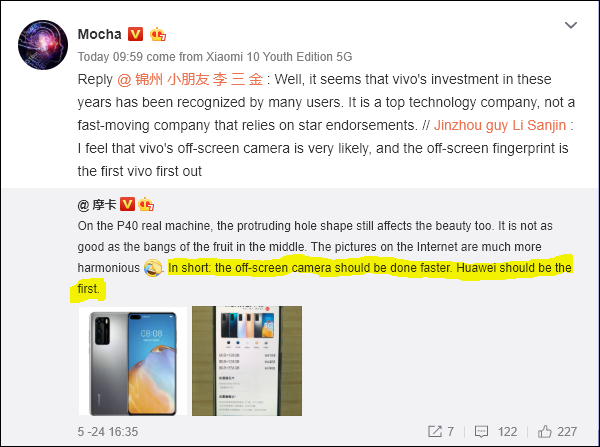
Huawei could release the first under screen camera smartphone

The mobile phone industry has experienced a rapid change in several ways but one which stands out among the pack is the display bezels. OEMs have adopted various measures to trim down the bezels around the display screen in order to give an immersive viewing experience and improve aesthetics.

One component that has made maintaining the symmetry while trimming the bezels is the front camera. OEMs have used display notch, pop-up selfie camera design and lately, punch-hole design-style to ensure the camera takes less space. But one technology which is believed to be the perfect solution is the under-screen camera technology.

A number of OEMs have been reported to be working on such technology. Xiaomi was reported to have patented a smartphone with an under-screen camera. OPPO and Samsung have also reportedly got the technology under development. A Chinese tipster has now hinted that Huawei may beat all other brands to become the first to release a smartphone using the under-screen technology.

Under-screen display technology involves the use of a transparent glass around the camera area which has the characteristics of low reflection and high light transmission. When not taking pictures, the screen content can be displayed normally, and when taking pictures, it becomes transparent glass, so that the light enters to realize the self-timer. The under-screen camera has to work with other hardware flawlessly and image algorithms are needed to perfect the camera experience.

Previous reports tipped the under-screen technology to be mass-produced in the second half of this year. This is just in time for the Mate 40 series release. The technology might find its way first on Huawei’s upcoming Mate 40 series which should drop around October.


Grab Umidigi S5 and A7 Pro with 18-months extended warranty at Global Fan Festival 2020

The wait for Umidigi Fan Festival is over, as the company has started offering deals and special discounts on products a day before the official announcement of the discount extravaganza. As confirmed earlier, the Umidigi is finally here with its two new smartphones S5 and A7 Pro offering 10-months of extended warranty along with other usual discounts. The global sale for both smartphones has kicked-off via AliExpress.

umidigi a7 pro

Must See: Umidigi A7 Pro goes official with AI Quad camera, FHD+ display, and 128GB internal storage

Umidigi’s powerful yet astonishing S5 Pro and entry-level Umidigi A7 Pro is here for a shockingly low price of $249.99 and $99.99 respectively. The company is offering a few more surprises along with these new smartphones at Global Fan Festival. The users can stay connected with Umidigi social media handles to grab special discounts and coupons. We are listing some useful deals that you can grab at the latest iteration of the Fan Festival 2020.

Umidigi S5 Pro – a Powerful Flagship

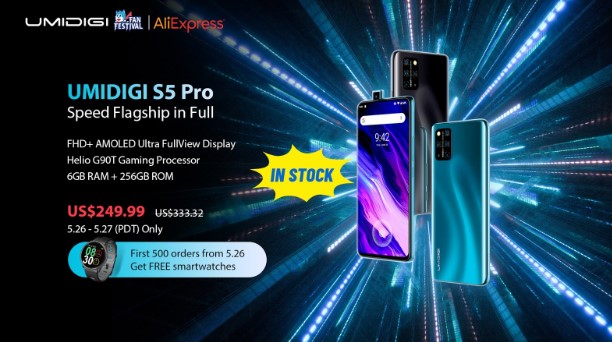
The wait of over a month appears to have ended, as Umidigi is finally here with its flagship device – Umidigi S5 Pro for the compelling price of $249.99.

The smartphones come powered with MediaTek Helio G90T processor with 6GB RAM and 256 GB internal storage. There’s a 6.39-inch beautiful Full HD+ AMOLED display featuring 1080 x 2340 pixels resolution. An under-display fingerprint scanner and pop-up selfie camera bring a full-view display experience.

umidigi s5 pro

Umidigi S5 Pro features a 48-megapixel rear camera module along with a 16-megapixel ultrawide sensor + 5-megapixel macro lens and a 5-megapixel depth lens. A 4680 mAh battery is available with support for fast charging. Google Pay can work contactless using the inbuilt NFC services on the smartphone.

The users can grab Umidigi S5 Pro for $249.99 from AliExpress. You even get a chance to win a free Umidigi Smartwatch if you’re in the first 500 buyers.

Umidigi A7 Pro – an entry-level Value King

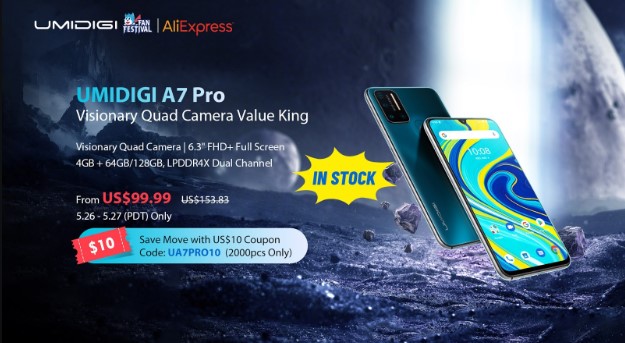
Umidigi A7 Pro is the successor to A5 Pro which was launched last year. It features a 6.3-inch Full HD+ display, an Octa-core processor, 4GB LDDR4X RAM, 64/128GB internal storage. The smartphone carries a 25D glass back and metal frame giving a premium design feel.

Umidigi A7 Pro features a quad-rear camera featuring a 16-megapixel primary camera + 16-megapixel ultra-wide lens + 5-megapixel depth sensors and a 5-megapixel macro sensor with night mode and AI scene recognition. There’s a 16-megapixel front camera for selfies and video calling.

umidigi a7 pro

You can even expand the storage using a microSD card slot.

The smartphone is retailing for the price of $99.99 for 4GB + 64GB variant and $199 for the 4GB + 128GB storage. Moreover, you can get an additional discount after using an exclusive $10 off coupon listed below. The coupons are limited for first 2000 users, you need to hurry in order to grab the offer.

Buy Umidigi A7 Pro from AliExpress

Coupon Code: UA7PRO10

Umidigi is continuously improving its consumer services by extending support. Moreover, the company is working to advance the shopping experience by piling-up the necessary stock of both smartphones for fast deliveries across the globe.

Related: Umidigi S5 Pro stumbles Samsung Galaxy A51 in performance, design, and display, reveals a new unboxing


Redmi to launch a ¥1000 (~$140) phone powered by upcoming Snapdragon SM6350 5G chip

5G phones are about to become very affordable pretty soon according to new info from China. Last week, we reported that Qualcomm was working on its first Snapdragon 600 series 5G processor. A new leak has now revealed that the octa-core chipset with part number SM6350 will appear in a Redmi phone with a price tag under $150.

The source of the info is the Chinese leaker/blogger that goes by @Digital Chat Station on Weibo. He is the same source that revealed the specs of the SM6350 processor last week. In a new post today, he revealed Redmi is developing a 5G phone powered by the upcoming processor and will have a price tag within the ¥1000 (~$140) range.

Redmi SM6350 phone

A 5G phone that sells for under $150 is definitely good news for anyone that wants to jump on the new network radio without forking out a lot of cash. However, for that price, expect the same specs as you will find on a 4G phone under $200 such as an LCD display, a triple camera, or even a quad-camera setup with 2MP sensors, a 4000+mAh battery, and at least 18W fast charge.

There is still no news regarding when the chipset will launch but we won’t be surprised if its debut is on the same day the Xiaomi phone is announced. A number of Qualcomm chips have debuted on Xiaomi/Redmi devices even before the chipset was officially released. The Snapdragon 768G is the most recent example but won’t be the last.


(Source)
UGREEN 3C1A GaN PD Charger appears on Indiegogo at 50% off

UGREEN is once again here with another impressive accessory for your smart gadgets. This time the company has crafted a 3C1A GaN PD Charger which could replace Apple’s 18W charger for just $19. The UGREEN charger has just listed the new GaN PD charger on Indiegogo. It features various advancements over the chargers that are already available in the market. The charger is currently on a limited sale for as low as $19.

ugreen gan charger

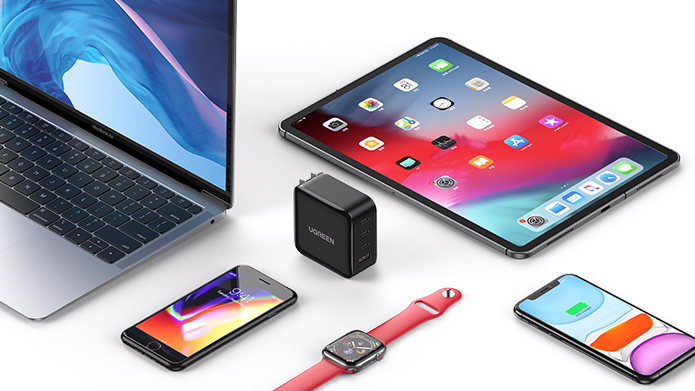
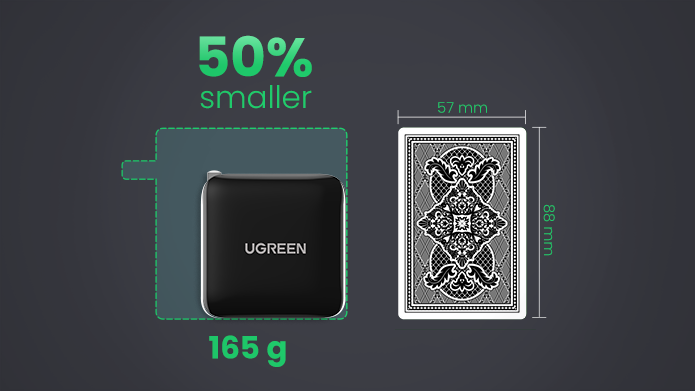
The UGREEN GaN Charger is a well-designed charger offering 65W 4Port fast charging for all the smart devices. It is ergonomically designed and saves up to 50% of the space and weighs over 165 grams. The availability of the GaN semiconductor makes it safer and efficient enough to charge your smart devices. It can even boost the charging by keeping the higher voltage and other issues at bay.

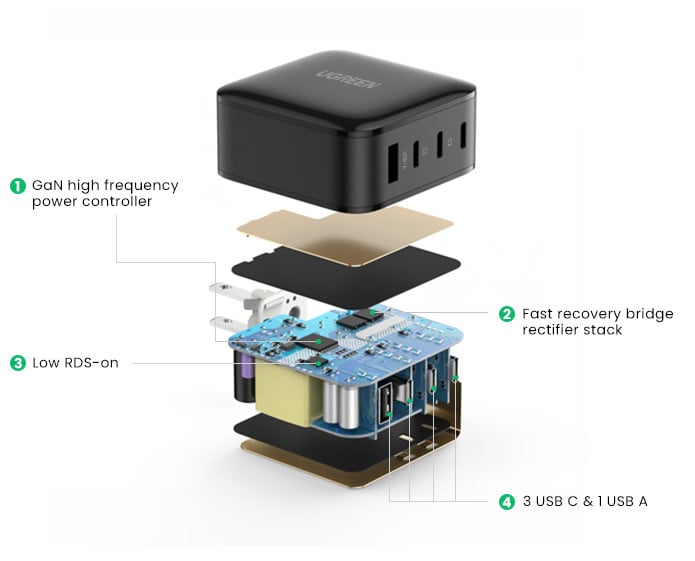
The charger hosts an intelligent power management system for optimal fast charging. It is able to charge every kind of smart device as it supports every type of wired and wireless charging protocols including PD 3.0/2.0, QC 4.0/3.0/2.0, AFC, FCP, SCP, and SFCP. You can simultaneously charge iPhone, iPad Pro 2020, Nintendo switch, and AirPods. It is the best option to replace all your chargers with just a single powerhouse.

ugreen

It is the best option for heavy users to use UGREEN GaN charger in order to arrange their messy setups. The UGREEN GaN charger generates the lowest heat than any other charger showing its 93.48% of AC/DC power efficiency.

UGREEN GaN charger provides 100% safe charging as it remains under 50ºC-80ºC degree Celcius temperatures, rather than the industry standards for 65ºC to 135ºC.

ugreen gan charger internal

The user can take it anywhere without worrying about the weight or size. It is convenient, easily accessible, and supports multiple devices.

Technical Specs:

The charger measures 65 x 65 x 31.8 mm in size and weighs 165 grams. It houses a 3C+1A port with a maximum power output of 65W. The USB-C ports are capable of producing 5V-3A, 9V-3A, 12V-3A, and 15V-3.25A. It supports all the above mentioned fast charging protocols.

You can get the UGREEN GaN Charger for the starting price of $19 with a single USB C port, or $37 for 3C+1A charger from Indiegogo.

Realme 10000mAh Power Bank 2 with 18W two-way fast charging launched

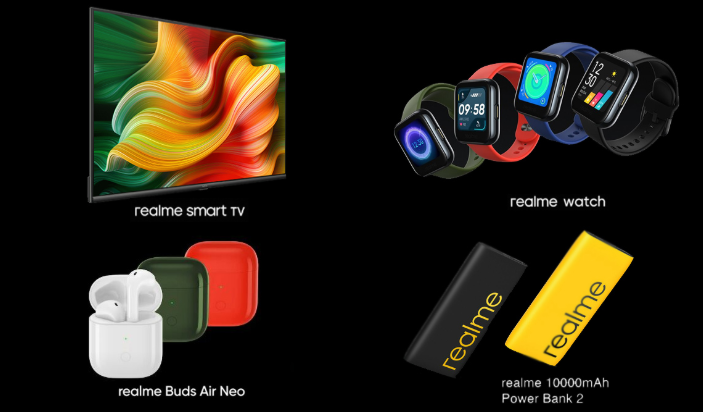
Realme held a launch event today in India where the much-touted Realme Smart TV was launched alongside the Buds Air Neo TWS earbuds and the Realme Watch, the brand’s first smartwatch. Realme 10000mAh Power bank 2

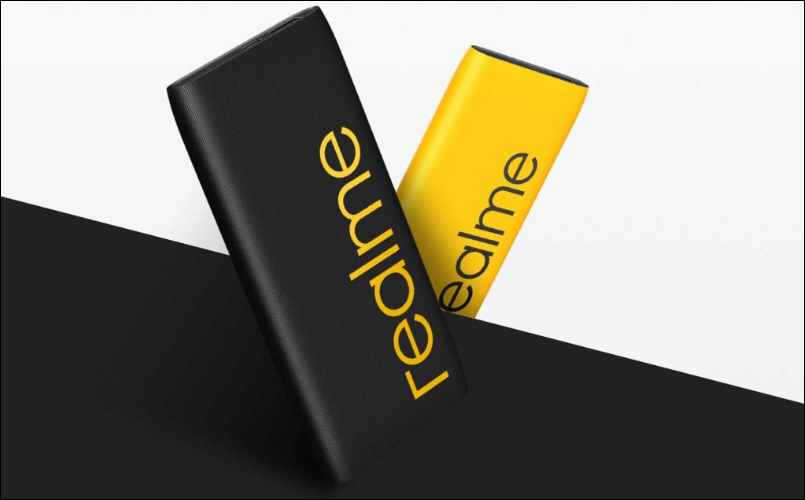
The Chinese brand also announced a new Realme Power Bank 2 with a 10000mAh high-density Lithium polymer battery which the company claims has less capacity loss after several charging cycles. It is the successor to the Realme 10000mAh Power Bank that was launched last year. This version shares the same design language with the previous version. There is an LED indicator on the surface which shows the battery level. This model comes with two-way quick charging and has two output ports; a USB-A and USB-C ports.

The two-way quick charge also ensures it can be refilled fast when the battery runs down. The power bank is said to come with thirteen layers of circuit protection that improves safety when charging at high speeds. It is also is compatible with USB-PD as well as Qualcomm’s QC 4.0.Realme 10000mAh Power bank 2

The Realme 10000mAh Power bank 2 comes with an affordable Rs. 999 price tag and is available in Black and Yellow colours. The black variant has the Realme branding created on the casing in yellow while the yellow variant has the Realme branding printed in black. The gadget will go on sale at 3 pm IST today, May 25 via Flipkart and Realme.com. The firm also disclosed that the power bank will be available in offline stores across India.


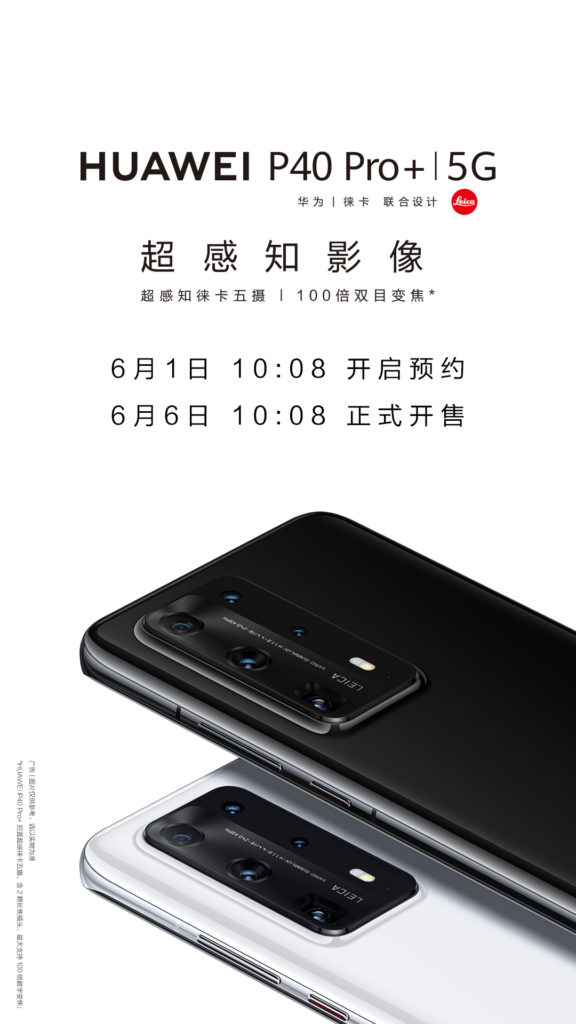
Huawei P40 Pro Plus will go on sale for the first time from June 6 in China

Huawei announced the P40 series globally in late March, followed by a separate launch event for China in April. The standard P40 and P40 Pro were soon available to purchase in most regions. But now, finally, the star of the series – Huawei P40 Pro Plus with 10x optical zoom will be going on sale from June 6.

Huawei P40 Pro Plus Sale China

The Huawei P40 Pro Plus is the most premium and expensive P series handset to date. The 8GB + 512GB variant of the handset is priced at €1399 for European countries.

On the other hand, the device will be also available in an 8GB + 256GB variant in China, in addition to the above-mentioned higher model. They are priced at 7,988 Yuan ($1,199) and 8,888 Yuan ($1,245) respectively.

According to the official Weibo account of Huawei, the P40 Pro Plus will be available for pre-order starting June 1 in China, followed by regular sale from June 6.

The Huawei P40 Pro Plus and P40 Pro are identical with a few differences. First and the foremost,  the Pro Plus features a ceramic back (white & black color options) unlike the glass panel on the Pro.

The P40 Pro also features an additional fifth rear camera. It is an 8MP periscope telephoto camera with OIS, PDAF, 10x optical zoom and up to 100x digital zoom.

The last difference between the two is support for 40W wireless charging on the P40 Pro Plus compared to 27W on the Pro.

Having said that, Huawei is yet to announce the availability of P40 Pro Plus for global markets.


Huawei Kirin 990/980 supply at stake since TSMC 7nm is already at full capacity

Ever since the Huawei US ban has been extended, the company is in the news every day with new developments. One of the latest reports suggests the supplies for 5nm chips by TSMC remain unaffected as the orders were placed before the new sanction.

Huawei Logo MWC 2019

Huawei’s upcoming high-end smartphones, possibly called Mate 40 series is rumored to be powered by a 5nm chipset. The chip in question has been long thought to be called Kirin 1020 but a new rumor from earlier today suggests it will be known as Kirin 1000, following the name of its predecessor Kirin 990.

Having said that, this 5nm chipset is being manufactured by TSMC, which is the only company to have the tech for mass production. The Taiwanese chipmaker is also making Apple’s A14 5nm chipset slated to debut on iPhone 12 series.

But when TSMC was asked to drop business with Huawei by the US government, news started emerging that the upcoming Mate 40 series will be affected due to lack of 5nm Kirin 1020 (or 1000). However, a new report says otherwise.

The sanction by the US is only applicable for future orders from September. Since the orders for the 5nm chips were placed earlier, TSMC will supply it to Huawei as planned before the sanction goes live.

Earlier reports suggested Huawei placed orders for 5nm and 7nm chips. However, this latest one says they were actually for 5nm mobile chip for Mate 40 series and 12nm chips for 5G bases stations. That is because TSMC’s 7nm production line is currently at 100%, whereas their 5nm line is said to be only at 50%.

This means Huawei currently has no one to manufacture its 7nm Kirin 980 and Kirin 990 chipsets. This could be the reason why the company has increased its orders for MediaTek chips by a whopping 300%.


(Via)

TSMC could adjust orders from Qualcomm, NVIDIA and more to ramp up production of Huawei chips

The world’s largest contract chipmaker, TSMC (Taiwan Semiconductor Manufacturing Company), maybe planning on coordinating with various companies like NVIDIA, AMD, Qualcomm and more to shift its production focus towards Huawei chips.

TSMC
Huawei’s Kirin chipsets are manufactured by TSMC

This move arrives after the Chinese company lost its chip supply from TSMC, due to new sanctions being enforced by the US Government. However, 120 days buffer period was also offered for a smooth transition of phasing out Huawei chip orders and completing pending ones as well. Thus, TSMC could be asking other companies to shift their orders, enabling it to ramp up Huawei Kirin chip production and complete the order in time.

According to reports from Taiwanese media, TSMC may face difficulties to achieve the chip orders for the Chinese smartphone vendors if it doesn’t coordinate with other firms and adjusts its production capacity. Thus, a more focused approach to, what could possibly be Huawei’s final order, maybe a priority order for the semiconductor giant. The former has always been a major customer for TSMC, so the new sanctions will affect both sides.

TSMC

Earlier this month, a report had claimed that Huawei has placed an additional order worth 700 million US Dollars with TSMC to cover its 7nm and new 5nm chip orders. The latter is for its upcoming flagship Mate 40 series that will launch later this year. Hence, Huawei is reliant on TSMC regarding its 5nm based Kirin 1020 (or reportedly Kirin 1000) SoC. We will be providing more updates regarding this, so stay tuned.


(Via)

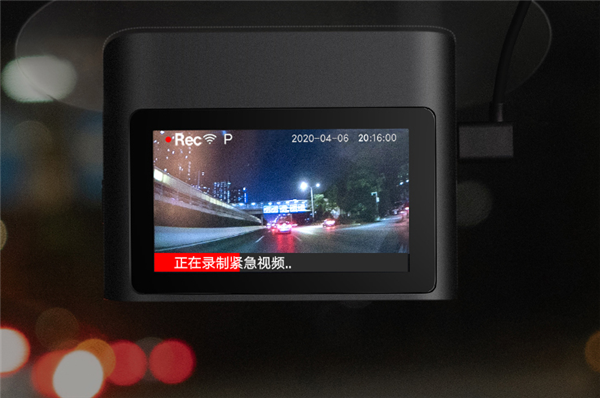
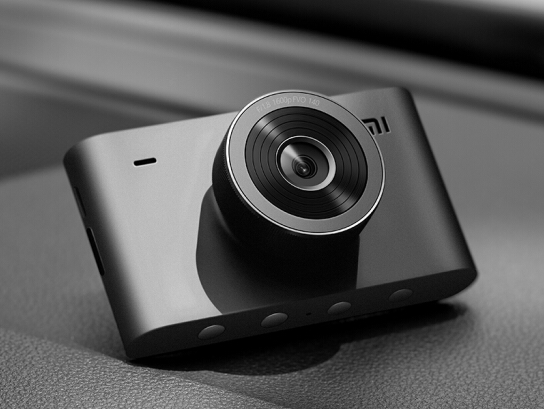
Xiaomi Mi Smart Dashcam 2K launched, supports 2K recording and a 3-inch display

Earlier today (25th May 2020), Xiaomi officially released the Mi Smart Dashcam 2K. As the name suggests, it is a new dashcam for your car with a design akin to a regular camera. The product is priced at 399 Yuan (roughly 56 US Dollars) and can be purchased from JD.com.

Xiaomi

The Mi Smart Dashcam 2K is the second entry in the series from Xiaomi. It brings various improvements in picture quality over its predecessor and can even record videos at high resolution, up to 1600p. This is just above the 1440p resolution for 2K and is enabled through the camera’s OV OS05A10 back-illuminated image sensor. This sensor has an f/1.8 aperture.

This large aperture enables an ample amount of light to be taken in by the sensor, which helps to improve both image quality and performance during low light scenarios. Furthermore, the dashcam has a super wide-angle lens with a 140-degree wide field of view. This would technically allow users to cover all three lanes, reducing the blind spot in the overall video capture.

Xiaomi

The Mi Smart Dashcam 2K sports a 3-inch IPS display on the rear. This screen displays the footage in real-time. The device also supports intelligent voice control, allowing users to relay commands like recording a video or taking a picture directly. Xiaomi has also placed an emphasis on clearing up the picture quality with improved 3D noise reduction technology and WDR (wide dynamic technology). The image produced is made from multiple frames to contrast the images for the best result.


Redmi 1A Display leaked, features a 23.8 inch display and 178 degree viewing angle

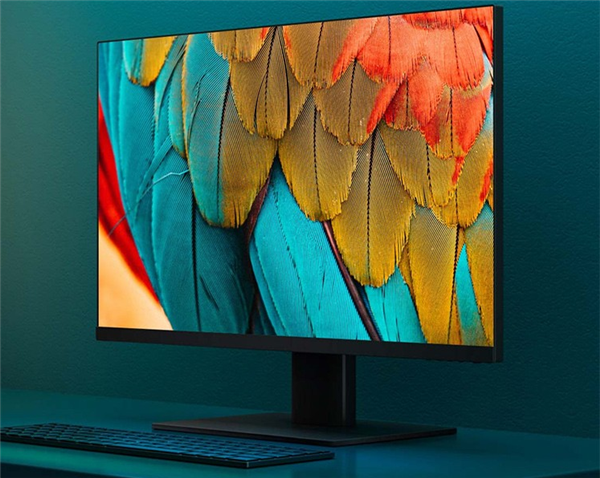
A new Redmi monitor has recently been leaked. It is the Redmi 1A, which is expected to be announced on the May 26th launch event, which will have the Chinese company announce the Redmi 10X alongside various other products as well.

Redmi
Xiaomi 1A Display

According to the leak, the Redmi 1A Display features a 23.8 inch display, which has a 178 degree viewing angle and a standard refresh rate of 60Hz. Reportedly, the display will share many similarities with the Xiaomi 1A Display. In terms of design, the Redmi monitor does share design and aesthetics similar to the Xiaomi monitor, so we can expect certain recurring specifications as well.

Notably, we had previously reported on a new leak regarding upcoming Redmi monitors earlier this month. These had hinted at monitors of various sizes, including a 23.8 inch version. So, the Redmi 1A Display could be the model in question, which may be available sometime in June 2020. Unfortunately, this is again unconfirmed and we will have to wait for tomorrow’s launch event.

For pricing, the Xiaomi 1A Display is currently priced at 689 Yuan (roughly 96 US Dollars). Thus, we can expect the Redmi 1A Display to be priced around the same range and may even be more affordable, being offered around 500 Yuan (roughly 70 US Dollars). Although, this is just a speculation, hence, take it with a grain of salt for now. The Chinese company will be announcing various products tomorrow and we will be covering the event, so stay tuned for more.


Samsung sends 300 additional workers to expand its chip unit in China

The South Korean tech giant, Samsung, has sent an additional 300 workers to China for the expansion of its chip unit in the region. These workers will aid in the completion of the second chip manufacturing site in the country, despite the ongoing Coronavirus pandemic.

Samsung
Samsung’s semiconductor plant in Pyeongtaek, South Korea

Previously, Samsung Electronics had already sent 200 engineers to the Xian plant last month. Furthermore, the new workers being sent to China will be exempted from the mandatory 14 days of isolation. This is made possible through the new “fast-track” entry, which was approved between South Korea and China. Although, these workers will be quarantined for at least three days and testings to ensure there are no positive infection cases being brought in.

At the moment, the Xian plant is Samsung’s only chip factory in an overseas land. This plant makes 3D NAND flash memory and is set to receive an additional 8 billion US Dollars in funding for further expansion. Additionally, the company is also looking to grow its presence in the chip foundry industry to rival the industry giant, TSMC. This will have it reduce its own reliance on its memory department and open up other opportunities in the semiconductor market.

Realme Buds Air Neo TWS launches as a toned-down Buds Air for ₹2,999 ($39)

As expected, Realme officially launched Realme Buds Air Neo in India today. The new truly wireless earphones from the company is a toned-down version of already available Realme Buds Air. It is priced at ₹2,999 and will be available starting today in a special sale at 3 PM.

Realme-Buds-Air-Neo-Specifications

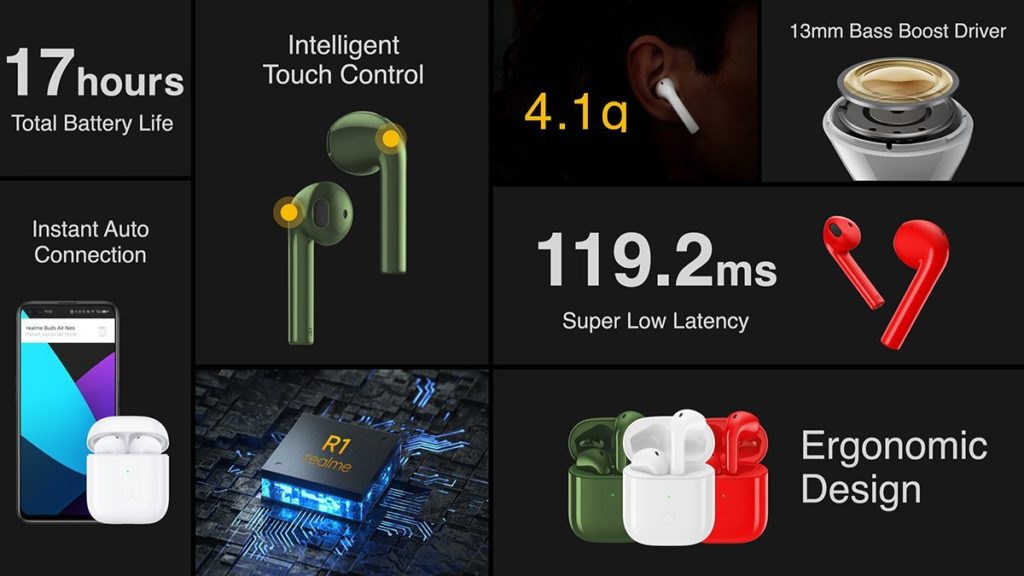
The newly launched Realme Buds Air Neo connects with devices via Bluetooth 5.0 technology. It also supports Google Fast Pair Service for a seamless pairing process. Further, the buds feature 13mm drivers and a dedicated R1 chip that powers it

The Realme Buds Air Neo is rated to provide 17-hour battery life along with the charging case. On a single complete charge, the buds are said to run for 3 hours continuously. However, unlike the Buds Air, the Neo’s charging case features a MicroUSB port and lacks wireless charging.

Also, it has touch gesture controls for various operations such as double-tap to answer calls/play and pause music, triple tap for next track, press and hold one side to end calls or wake voice assistant, press and hold both sides to enable/disable low-latency (119.2ms) gaming mode. 

The new Realme TWS can be managed through Reame Link app which allows users to revamp gestures, install firmware updates, and more. As for protection, it is IPX4 certified for water resistance or say sweat resistance.

Last but not least, the Realme Buds Air Neo comes in three colors namely Pop White, Punk Green, and Rock Red.


Realme Smart TV goes official in India; pricing starts at ₹12,999 ($171)

The highlight of the Realme’s launch event today in India was the Realme Smart TV. With the launch of the this smart TV from the company, Realme has now entered into a new category of Smart TVs, expanding its portfolio to become a lifestyle tech brand.

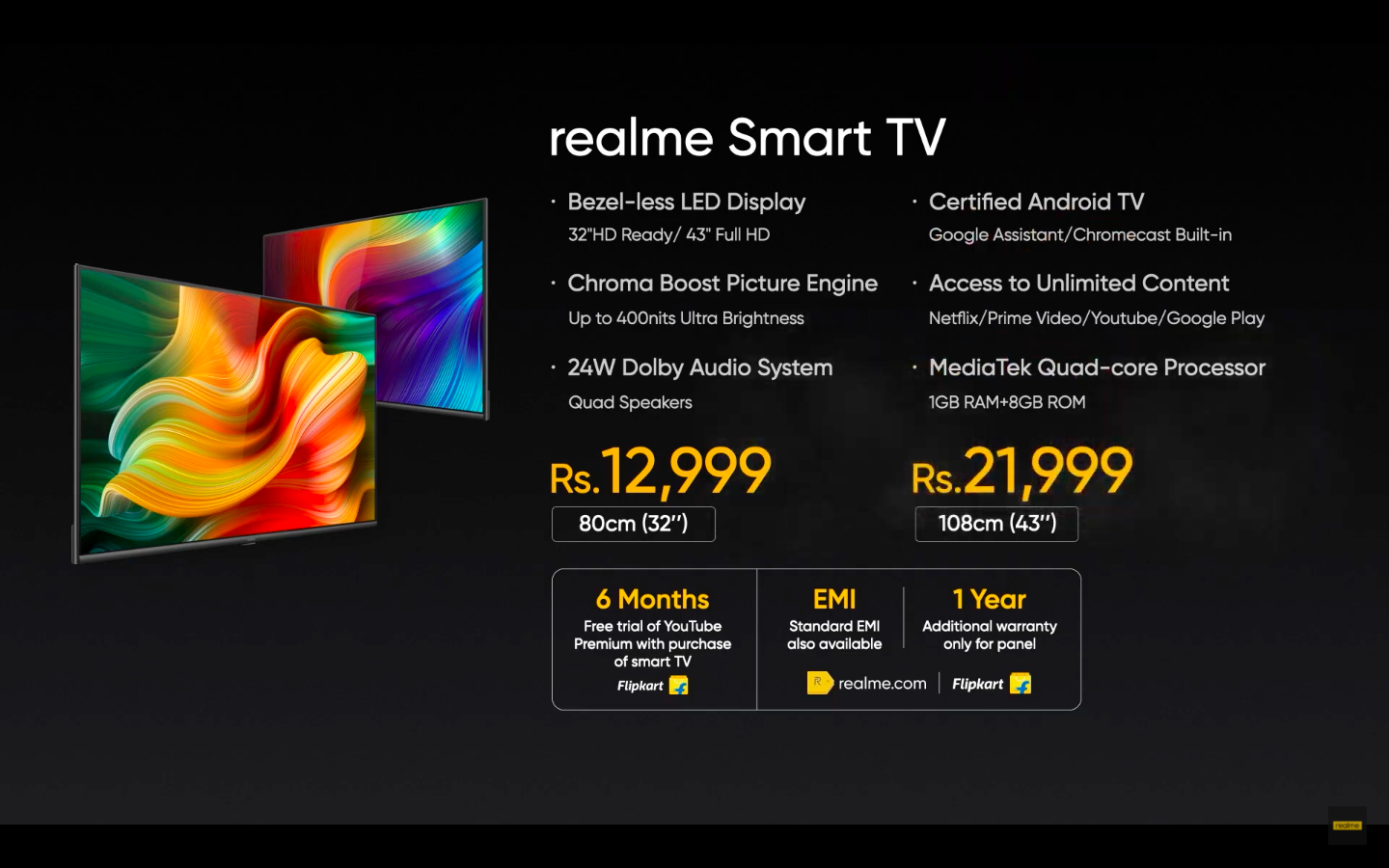
The Realme Smart TV comes in two display sizes — 32-inch and 42-inch. It comes with features like Chroma Boost Picture Engine for enhanced picture quality, 400 nits brightness, 178-degree viewing angle, and HDR 10.

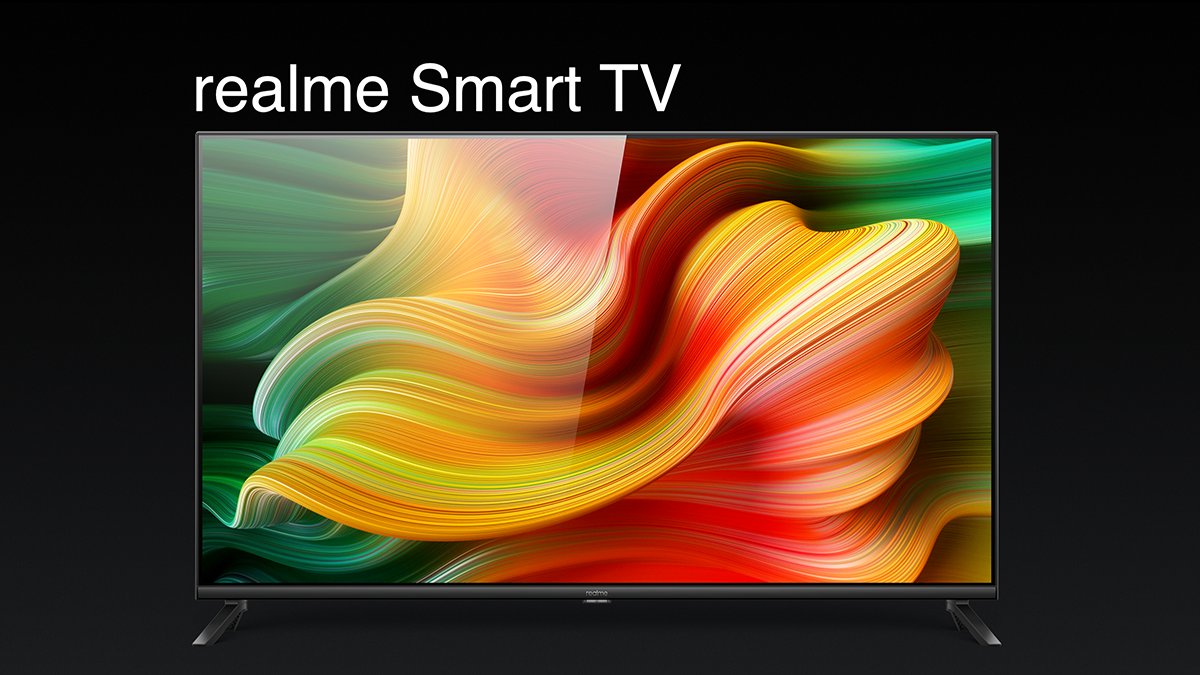
Realme Smart TV

While the 43-inch model comes with Full HD 1080p support while the 32-inch model supports HD resolution. The company is offering seven different picture modes — Standard, Vivid, Game, Sports, Movie, User, Energy Saving.

Under the hood, the Realme Smart TV is powered by the MediaTek chipset which the company claims is the first in this price segment. It packs 64-bit quad-core Cortex-A53 CPU and Mali-470 MP3 GPU, along with 1GB of RAM and 8GB of internal storage.

It comes with 2 x 12W speakers and 2 x tweeter, making it a 24W quad-speaker setup and has support for Dolby Audio. The device supports H.264, H.263, and MPEG1/2/4, among other video codecs.

There’s also support for Wi-Fi 802.11 b/g/n (2.4GHz), Bluetooth 5.0, 3 x HDMI (1 contain ARC), 2 x USB, SPDIF, DVB-T2, and Ethernet. The device is running Android TV 9.0 with in-built Chromecast, Netflix, YouTube, Prime Video, and Live channel.

The Realme Smart TV 32-inch model is priced at ₹12,999 (~$171) while the 43-inch model is priced at ₹21,999 (~$289). Both of them will be available for purchase in India from 2nd June through Flipkart and Realme.com.

As a launch offer, the company will be providing six months of YouTube Premium trial for free to those who purchase the Smart TV from Flipkart. The company is also offering two years of warranty for the panel to all the buyers.


UK may remove Huawei from its 5G infrastructure by 2023

Earlier this year, we had reported on the UK government allowing Huawei to work on bringing 5G networking to the country, albeit in a limited capacity and non-core areas. But now, it seems like the government is working towards phasing out the Chinese tech giant’s equipment by 2023, as conservative members have pressured the UK Prime Minister, Boris Johnson.

According to various reports, the Prime Minister has been pushed towards drawing up a plan that will effectively remove the telecommunications equipment made by Huawei in the near future. Previously, Huawei was allowed to only have a market share of 35 percent, which was similar to the Australian government’s restrictions. This arrives amidst multiple accusations like espionage and national data security risks being alleged by the US government.

Huawei
Huawei’s 5G base stations

The US government had also urged the UK to ban Huawei in a similar fashion, but the Prime Minister had deemed the company’s involvement necessary at that point, even in a limited role. Various nations across the globe are having similar debates regarding the involvement of Huawei in their nation’s move to adopt the newer and faster bandwidth. While many do feel a threat of national security, there are also those that adopt 5G through the equipment provided by the Chinese company.

However, the UK government’s plans for the near future could be a sign of increased resistance being faced by Huawei in the western regions. Sir Iain Duncan, a conservative leader stated that “this is very good news and I hope and believe it will be the start of a complete and thorough review of our dangerous dependency on China.”

Boris Johnson Huawei Smartphone
UK Prime Minister, Boris Johnson

In other words, the removal of Chinese technology from their entire telecommunications ecosystem. At the moment, the trade disputes between the US and China have been ramping up, with additional sanctions being adopted to further limit Huawei’s operations in the US. There is a clear negative outlook on Chinese organizations and their possible individual actions, which are allegedly in the best interest of the Chinese government.


(Via)

Realme Watch, the company’s first smartwatch launched in India for ₹3,999 ($52)

In its bid to become a lifestyle tech brand from a smartphone company, OPPO-backed Realme has today launched its first smartwatch — Realme Watch. The company had already teased some features of the device and today everything about this new wearable from Realme has been revealed.

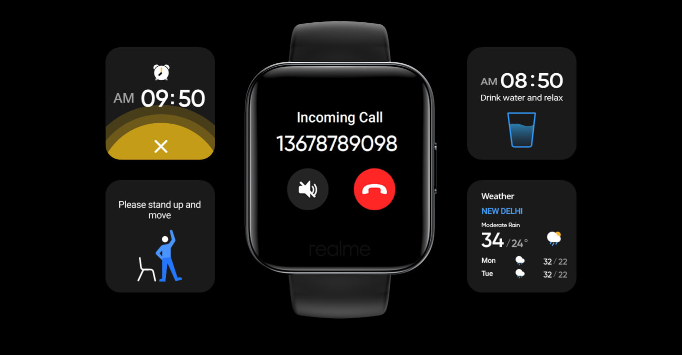
In terms of design, as we said earlier, the watch seems very much similar to the OPPO Watch that was recently launched. From the first look itself, it’s clear that the Apple Watch is the design inspiration for the device.

Realme Watch

The smartwatch comes with a 1.4-inch Touchscreen display with 2.5D curved Gorilla Glass 3 protection on top, 320 x 320 pixels screen resolution, 323 PPI pixel density, and 380 nits brightness.

Initially, the product comes pre-installed with 12 watch faces but the company adds that it will be adding more than 100 more watch faces later through over-the-air (OTA) update. However, there’s no timeline provided for this.

It comes with 24/7 Health Assistant, which includes real-time heart rate monitor, blood oxygen level monitor (SpO2), and 14 sports modes. The sports modes include Football, Basketball, Table Tennis, Bike, Spinning, Elliptical, Yoga, Cricket, Running, Walking, Treadmill, Badminton, Aerobic Capacity, and Fitness.

Realme Watch Teaser

There’s also Step Tracker, Idle Alert, Meditation, Water Drinking Reminder, and Sleep Monitor. The device can be connected to the smartphones using Realme Link app which will enable calls and message notifications as well as smart notifications from several other third-party applications.

The smartwatch can also be used to control music, unlock smartphone, as well as to control smartphone’s camera functions. The device is IP68 rated, making it water and dust resistant.

The Realme Watch comes in four strap colors — Black, Red, Blue, and Green. It is priced at ₹3,999 (approximately $52) and will be up for purchase via Realme.com and Flipkart. The device will be available with Black strap from 5th June and will soon be available for purchase through offline retailers across the country.


Huawei’s orders of MediaTek chips reported to have increased by 300%

Huawei’s US ban was extended for another year a few days back, in addition, to cut off of the company from its primary chip supplier TSMC. To overcome this, the Chinese telecom giant is already in talks with multiple alternatives such as MediaTek.

MediaTek Chipset White


Huawei is one of the three largest smartphone companies to be capable of designing its own chipsets. But due to the US ban, it cannot continue to place new orders for the manufacturing of its HiSilicon Kirin chipsets to TSMC.

This led the company to find shelter in other chip suppliers. The firm has been using MediaTek chipsets in its smartphones for years. According to the latest reports, Huawei’s orders of MediaTek chips have been increased by 300% this year.

The Chinese smartphone maker is expected to use the Taiwanese chipmaker’s 5G chipsets in is mid as well as high-end handsets. Previously, it only used MediaTek 4G chips in its low and mid-range segments.

The report also adds that MediaTek is evaluating if it has sufficient resources to meet Huawei’s demands. If the chipmaker pulls it off, it will be a big win since it has been not doing well in the last few years due to intense competition from Qualcomm.

Huawei just recently launched Huawei Enjoy Z 5G,  its first 5G smartphone powered by MediaTek Dimensity 800 for 1,699 Yuan ($238).


(Via)