Huawei‘s upcoming flagship in the Mate series is expected to launch around September 2020. The device will sport top notch specs and was expected to feature HiSilicon Kirin 1020 SoC. However, a new rumor has suggested that the smartphone will feature a different chip, dubbed Kirin 1000 SoC, which is based on a 5nm fabrication process.
Mate 40 series use 5nm K1000 soc manufactured by TSMC. Samsung also started to build 5nm production lines.
The rumor arrives through a known leakster (@RODENT950) that revealed this information on Twitter. In the tweet, he stated that the upcoming Huawei Mate 40 Pro will house the Kirin 1000 SoC, which will be manufactured by TSMC. It will be built on a 5nm process and the naming is in line with its current generation of high end 5G chips, namely the Kirin 990 processor.
Interestingly, this rumor arrives after the Chinese tech giant had its chip supply cut off from TSMC by the US government. Although, it may be possible that Huawei had already placed an order for the 5nm chips before the new sanctions were put in place. So while the company might be able to source the new chips from the world’s largest contract chipmaker this year, the future remains a bit uncertain thereafter.
HiSilicon Kirin chipsets
Unfortunately, finer details regarding the flagship chipset are currently unknown. The Kirin 1000 SoC was rumored to feature Cortex-A78 cores, but that has yet to be confirmed. We’ll provide more updates as additional information is uncovered, so stay tuned.
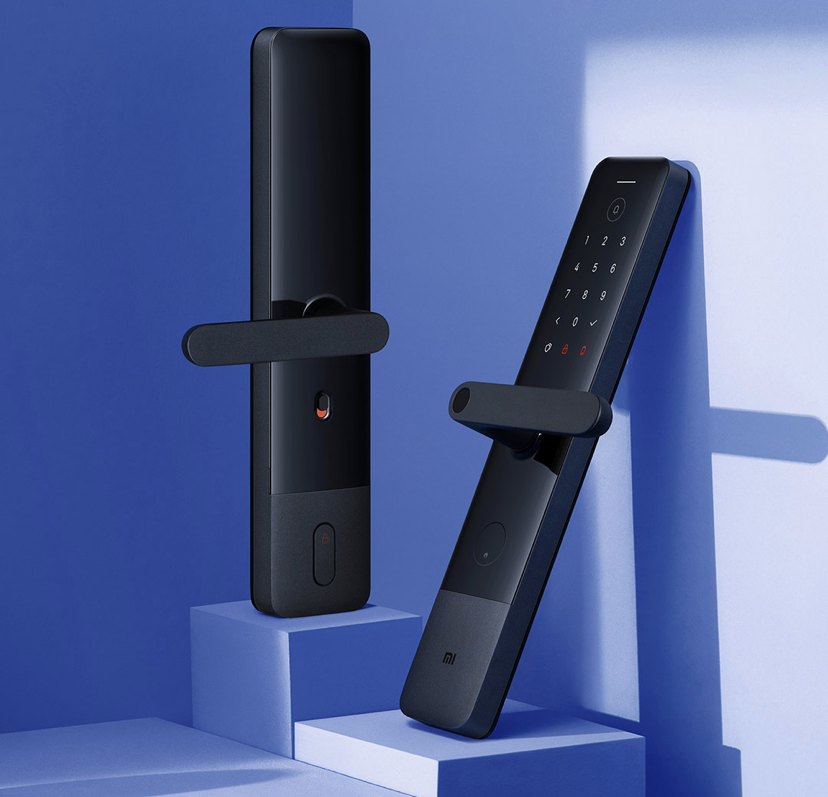
Xiaomi has today launched a new product for crowdfunding on its Xiaomi Mall online store — Xiaomi Smart Lock E. The product comes with support for six unlocking methods and has an electronic doorbell function as well.
The six unlocking methods supported by the product includes Fingerprint, Password, Temporary Password, Bluetooth, Homekit, and Emergency Key. It comes with an integrated 3D semiconductor fingerprint module at the top of the door handle. The company claims that the fingerprint sensor has recognition rate of 98.5 percent.
Thanks to the support for Homekit, the device can easily be controlled using the built-in Siri or Home application on iPhone, iPad or even Apple Watch after it has been authorised by the Mi App. Once done, the device can be controlled through voice commands. For instance, when someone comes, just say “Hey Siri, open door lock.” and it’ll do the rest.
The Xiaomi Smart Lock E is powered by eight batteries which is promised to offer 18 months of battery life. The company says that when the power left is less than 20 percent, it starts showing red flash light, reminding you to change batteries.
There’s a USB Type-C emergency power supply module at the bottom of the device which can temporarily power the product using the mobile power supply. If every digital unlocking system fails to work properly, it also comes with a mechanical lock which can be unlocked using a physical key.
The Xiaomi Smart Lock E is priced at 999 yuan which is approximately $140 but during the crowdfunding campaign, it will be available for purchase at 899 yuan, which roughly converts to $126.
Oppo Ace 2 launched in the month of April in China for a starting price of 3,999 Yuan ($560). Now, after a month from its release, the handset is on sale for a discount up to 400 Yuan ($56).
The Chinese smartphone maker separated its Ace series of smartphones from Reno with the launch of Oppo Ace 2. The phone comes with all the fast charging technologies such as 65W wired fast charging, 40W wireless charging, and 10W reverse wireless charging.
The discount is only available for the base and the high-end variant. The mid variant is still selling for the price it debuted last month. Further, the device can be also purchased on no-cost EMI for up to 24 months. Anyway, here are the complete details of the Oppo Ace 2 discount sale in China.
Variant
Launch Price
Discount
Final Price
8GB + 128GB
3,999 Yuan ($560)
400 Yuan ($56)
3,599 Yaun ($504)
8GB + 256GB
4,399 Yuan ($616)
–
4,399 Yuan ($616)
12GB + 256GB
4,599 Yuan ($644)
200 Yuan ($28)
4,399 Yuan ($616)
It is powered by Qualcomm Snapdragon 865 SoC paired with up to 12GB LPDDR5 RAM and 256GB UFS 3.0 storage. It is marketed as a 5G smartphone with faster performance and gaming capabilities.
The handset sports a 6.55-inch FHD+ (2400 x 1080 pixels) 90Hz refresh rate OLED display with an in-screen fingerprint sensor underneath it, The panel has a punch-hole at the top left corner to house a 16MP selfie camera.
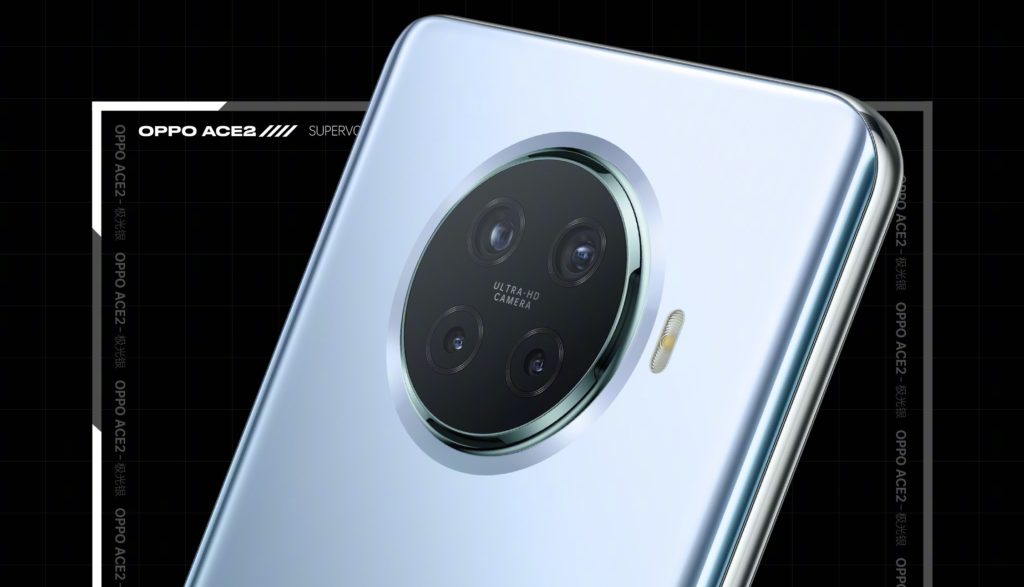
On the back, the phone features a circular module which incorporates a quad-camera setup consisting of a 48MP Sony IMX586 primary sensor, 8MP 119° ultra wide-angle shooter, a 2MP depth sensor, and a 2MP monochrome sensor.
The Oppo Ace 2 runs ColorOS 7.1 based on Android 10 and is backed by a 4,000 mAh battery. Last but not least, the phone is available in black, purple, and silver color options.
Huawei was put on the Entity List by the U.S. government in May last year and recently, the ban was further extended by another year. A few days ago, the United States tightened export controls in a move that is aimed at limiting Huawei’s access to chip supplies.
Now, the Chinese giant is seeking help from the likes of Samsung Electronics and SK Hynix for continued supply of memory chips despite mounting pressure from the United States as the Trump administration tries to isolate Huawei.
As per the reports, Huawei is one of the biggest clients for Samsung and SK Hynix as the company spends more than 10 trillion won (around $8.1 billion) for purchasing DRAM and NAND flash memory chips from the South Korean companies.
While memory chipmakers aren’t subject to the restrictions recently announced by the United States but Huawei is worried that such move could come in later and the Chinese company is preparing for the same.
The U.S. Commerce Department announced that the all the chip manufacturers using American chipmaking equipment, intellectual property or design software needs to apply for a license before shipping chips to Huawei. Soon after this new rule was announced, TSMC, the world’s largest contract chipset maker stopped taking new orders from Huawei.
In response to this, China’s Department of Commerce said that it strongly objects to the tighter U.S. export controls and added that such restrictions pose a huge threat to the global supply chain. It also demanded U.S. to reverse the new restrictions and warned to take necessary countermeasures.
Commenting on this new rule from the U.S., Andy Purdy, the US Chief Security Officer for Huawei, said that the company will survive this event and will eventually adapt to this and added that the problem will mostly be borne by American employees and companies.
Earlier this year, during CES 2020, Huami had introduced the Amazfit BIP S which went on sale in China last month. Now, the company is all set to launch this new wearable device in the Indian market on 3rd June.
The Amazfit BIP S has been listed on Amazon India for a priced of ₹4,999, which is roughly $66. This is interesting given that the Amazfit BIP was also launched in India for the same price. It could mean that the BIP S will replace the BIP in the Indian market.
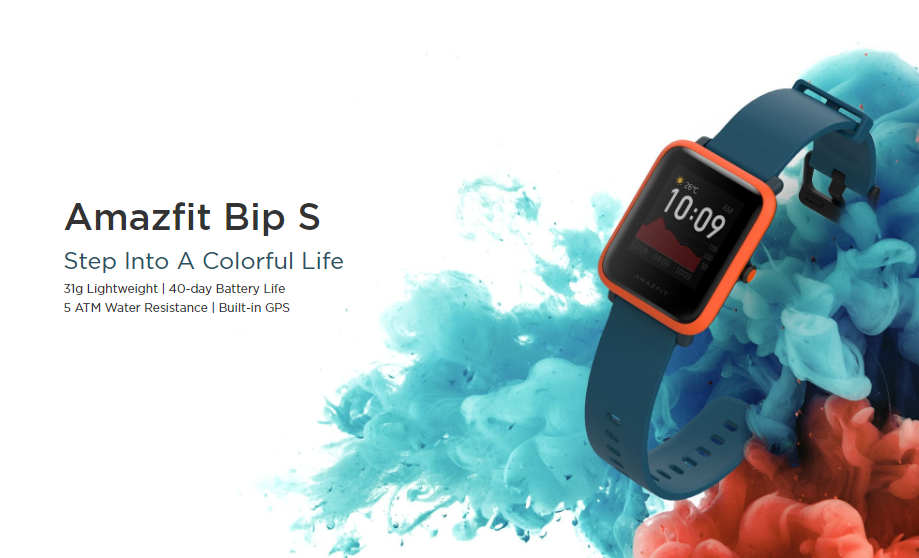
The newly launched Huami Amazfit Bip S keeps the square display of the original and features the same 1.28-inch TFT transflective color display with a 176 x 176 pixels screen resolution and a 64 RGB color gamut.
It supports 10 sports modes, more than double that of the original. Along with indoor and outdoor activities like running, cycling, and indoor and outdoor walking, the device can also track elliptical training, free training, yoga, and indoor and outdoor swimming. For swimming, it can also measure stroke rate, stroke times, and SWOLF index. It will also measure your speed and alert you when your heart rate is higher than normal.
Inside, there’s a 28nm Sony GPS chip which brings better positioning and an improvement in power consumption. The device also comes with a 24-hour heart rate monitoring along with the new BioTracker PPG heart rate sensor’s sensing area.
The watch also comes with Huami’s PAI (Personal Activity Intelligence) Assessment System which helps in measuring the impact of physical activity on the heart. There is also support for music control, weather forecast, alarm clock, world clock, call notifications, message notifications and more.
As for the battery life, is packs a 190mAh battery which is claimed to offer 40 days of usage on a single charge and 90 days of usage in standby. However, with GPS turned on, you’ll get only 22 hours of usage on a single charge.
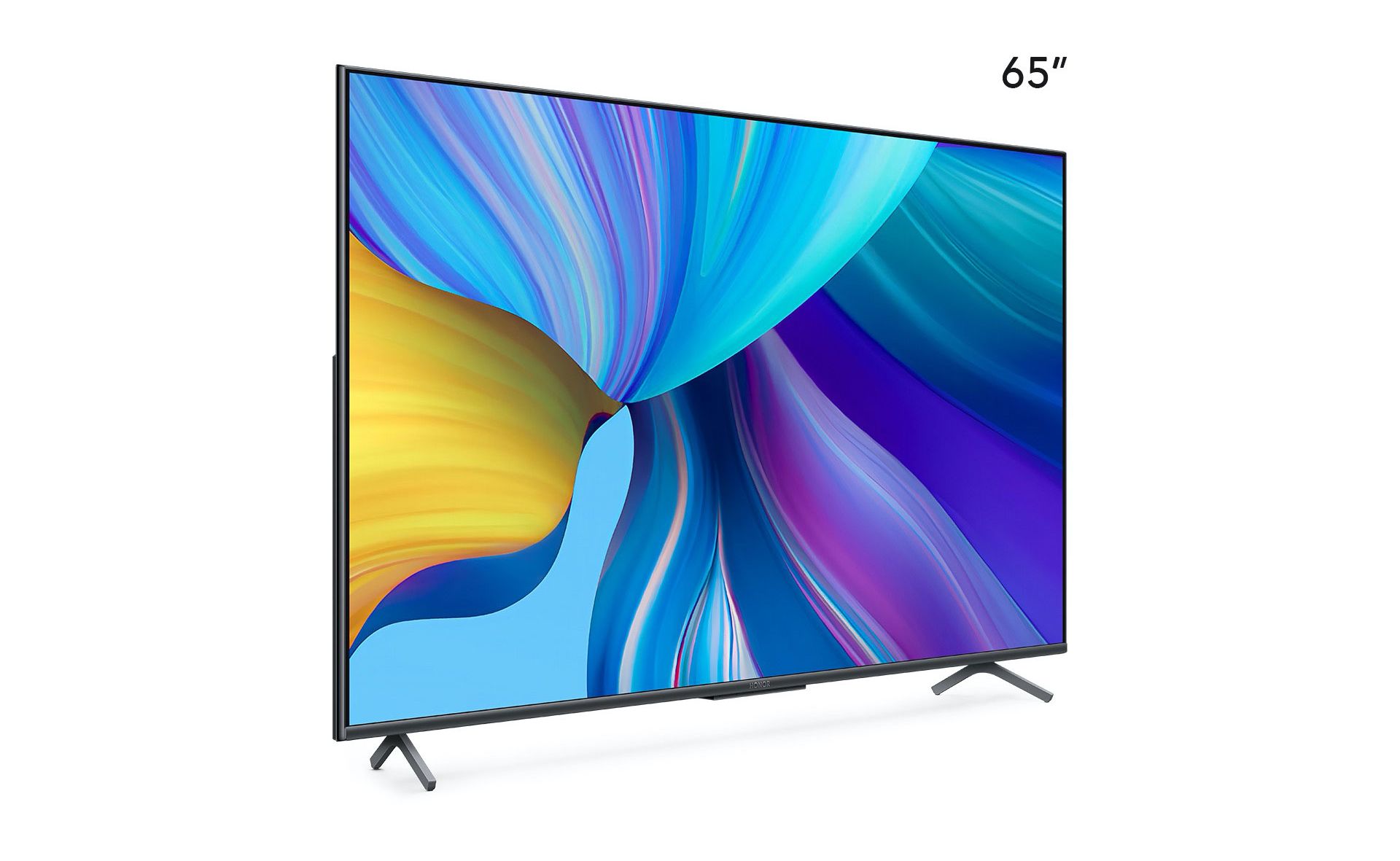
Last week, Honor unveiled the Honor X1 Smart TV in three screen sizes such as 50-inch, 55-inch, and 65-inch in China. The pre-orders of the X1 Smart TV began soon after its launch. The pricing and availability of the 50-inch model is not known yet. The 55-inch X1 Smart TV is slated to go on sale from June 1. The 65-inch edition of the Honor X1 Smart TV is available for purchase in China starting from today.
The 55-inch Honor X1 Smart TV is priced at 2,299 Yuan (~$322) while the 65-inch variant costs 3,299 Yuan (~$462). However, for the first sale that is carried today in the home market, the 65-inch X1 Smart TV is available with a discount of 300 Yuan (~$42) which effectively brings down its cost to 2,999 Yuan (~$420).
The Honor X1 Smart TV 65-inch edition supports 3840 x 2160 pixels UHD 4K resolution. The LCD panel supports a 60Hz refresh rate. The slim bezels around the screen allows it to offer a screen-to-body ratio of 94 percent. The X1 Smart TV delivers a 16:9 aspect ratio and it can seamlessly run 8K content.
The X1 Smart TV is fueled by a 1.5GHz Honghu 818 quad-core processor and 2 GB of RAM. It has a native storage of 16 GB. The smart TV boots to Harmony OS. The TV promises superior audio performance through its four 10W speakers and two O.5L independent sound chambers powered by Histen audio processing algorithm.
The 65-inch Honor X1 Smart TV supports Bluetooth 5.0 LE and Wi-Fi 802.11ac. It has got sports for HDMI 2.0, AV, DTMB, S/PDIF, and Ethernet.
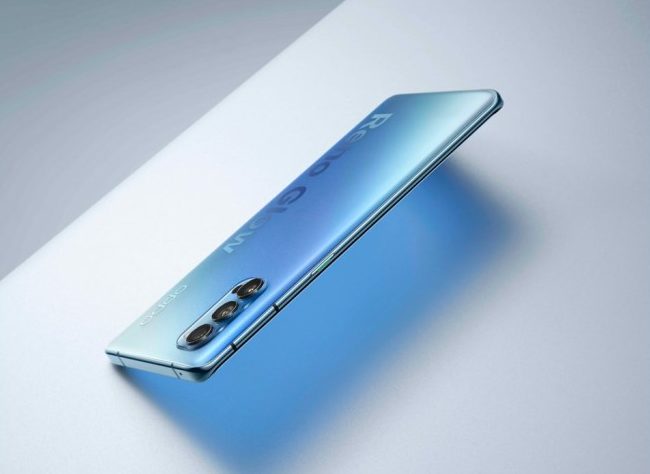
Earlier this month, a live image of the OPPO Reno4 smartphone had surfaced on Weibo. Its appearance suggested that the Chinese firm may soon launch Reno4 series smartphone in China. Over the weekend, plenty of leaks appeared to reveal that revealed the alleged specifications of the Reno4 and Reno4 Pro smartphones. Today, the company released the first teaser video of the Reno4 series to showcase its exquisite design.
The video showcases the marvelous gradient blue edition of the Reno4 / Reno4 Pro smartphone. The curved glass back of the phone is engraved with a large-sized “Reno Glow” text. The front design of the phone is not shown in the video. It is speculated that it could be sporting a punch-hole display.
The left edge of the Reno4 has volume up and down buttons. The power button is positioned on the right spine. The bottom edge of the phone is populated with an external speaker, a USB-C slot, and a microphone. The camera module on the backside of the Reno4 has three lenses. An LED flash and a laser autofocus system appears to be present alongside the triple cameras.
OPPO Reno4 and Reno4 Pro specifications (Unconfirmed)
A leaked image with specifications of Reno4 and Reno4 Pro has appeared on Weibo. It states that the Reno4 has a dual punch-hole display of 6.43 inches with 2.5D curved glass. It is fitted with a 32-megapixel + 2-megapixel dual selfie camera setup. The Reno4 Pro has a larger 6.55-inch screen with 3D curved glass. The single punch-hole on the Pro model is said to house a 32-megapixel selfie camera.
The back panel of the Reno4 Pro will have an OIS enabled 48-megapixel main shooter, a 12-megapixel night scene video camera, a 13-megapixel telephoto sensor and a laser autofocus unit. The Reno4 has a 48-megapixel primary camera, an 8-megapixel ultrawide sensor, a 2-megapixel black and white lens, and a laser autofocus unit.
The Snapdragon 765G SoC is expected to power both devices. The Reno4 and 4 Pro have 4,000mAh batteries with 65W fast charging support.
The Reno4 may come in 8 GB RAM + 128 GB storage and 8 GB RAM + 256 GB storage models. It may come in Crystal Diamond Blue, Dream Mirror Black and Purple Taro color editions. The Reno4 Pro could be coming in 8 GB RAM + 128 GB storage and 12 GB RAM + 256 GB storage editions. It may arrive in Crystal Diamond Blue, Crystal Diamond Red, Dream Mirror Black, and Titanium Black.
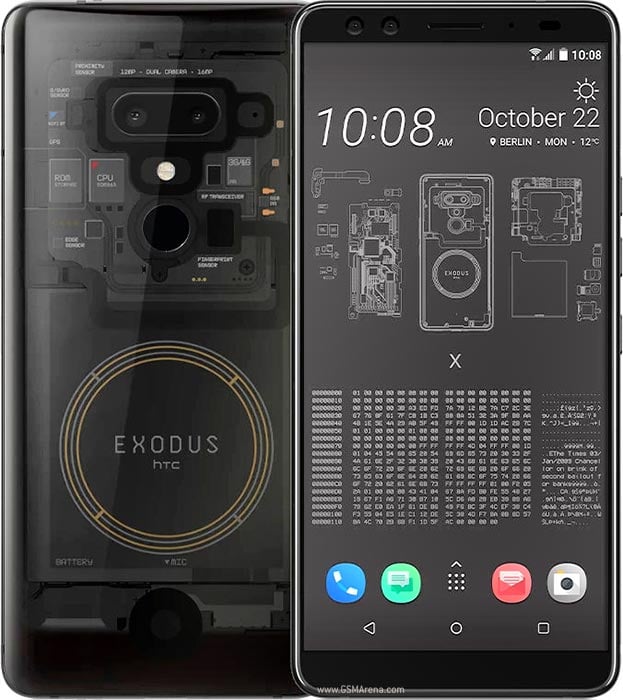
A recent report had revealed that HTC is working on a mid-range phone called HTC Desire 20 Pro even though it has been encountering losses in its smartphone business. The Taiwanese company is reportedly gearing up to launch its first 5G smartphone in July. It could either be a high-end of a flagship smartphone. The HTC Exodus 1 and HTC U12+ that went official in 2018 were the last flagship phones from the company.
In a recent interview, HTC Taiwan Chen Boyou said that when 5G arrives in Taiwan, HTC will also launch 5G-ready smartphones. It is speculated that the first 5G phone from HTC will debut in July. There is no word on the name and specifications of HTC’s first 5G smartphone. Hopefully, more details on the device will appear in the near future.
On the other hand, HTC is also planning to launch a 4G smartphone in June. The name of the device is not known yet. However, there is a possibility that it could be the HTC Desire 20 Pro smartphone.
The Desire 20 Pro is speculated to be equipped with a Snapdragon 665 mobile platform and 6 GB of RAM. Its back panel may sport a triple camera system and a fingerprint reader. It could be the first punch-hole display phone from the company.
Samsung launched the Galaxy A31 smartphone in March. Fresh information that has appeared on Indo-Asian News Service (IANS) states that the Galaxy A31 will be made official in India in the first week of June. The IANS report also revealed the pricing of the smartphone.
Samsung India is yet to confirm the arrival of the Galaxy A31. A previous report had claimed that the South Korean company may announce the A31 in this month. However, the new report reveals the Galaxy A31 priced around Rs. 23,000 will be available through offline channels across India in the first week of the coming month. There is no word on the color variants of the smartphone that will be available in India.
The Samsung Galaxy A31 has a 6.4-inch S-AMOLED display with Infinity-U design. The display supports full HD+ resolution and is integrated with a fingerprint sensor. The Helio P65 chipset is said to be present under the hood of the smartphone. The phone draws power from a 5,000mAh battery that is coupled with 15W charging.
The One UI 2.0 based Android 10 OS runs on the Galaxy A31. It has a 20-megapixel front camera. The quad-camera setup on its rear has a 48-megapixel main lens, an 8-megapixel superwide shooter, a 5-megapixel macro lens, and a 5-megapixel depth sensor. It has a microSD card slot.
The Galaxy A31 was announced in multiple variants such as 4 GB RAM + 64 GB storage, 6 GB RAM + 64 GB storage and 6 GB RAM + 128 GB storage in March. The IANS report has no information on the Galaxy A31 variants that will be available in India.
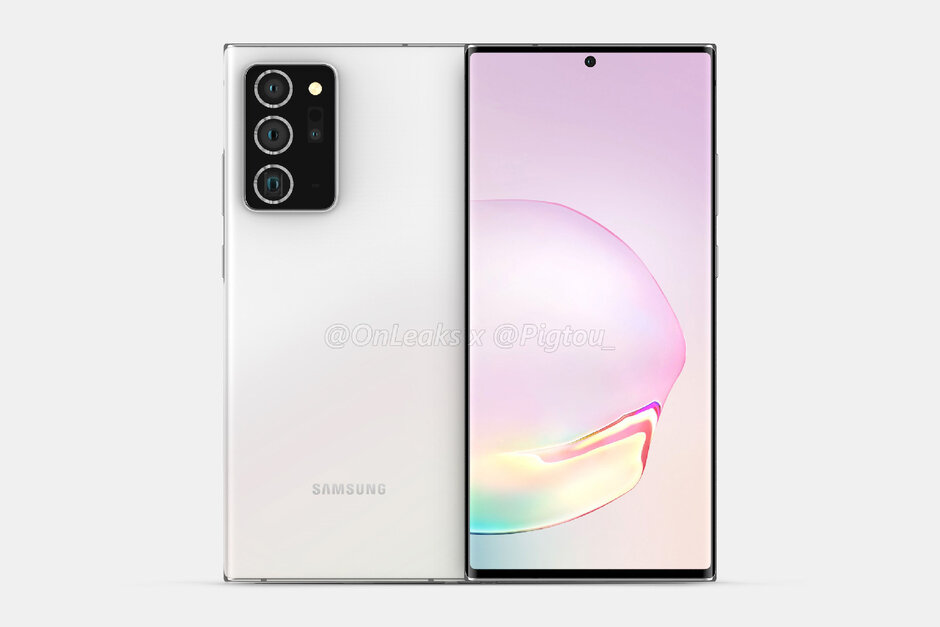
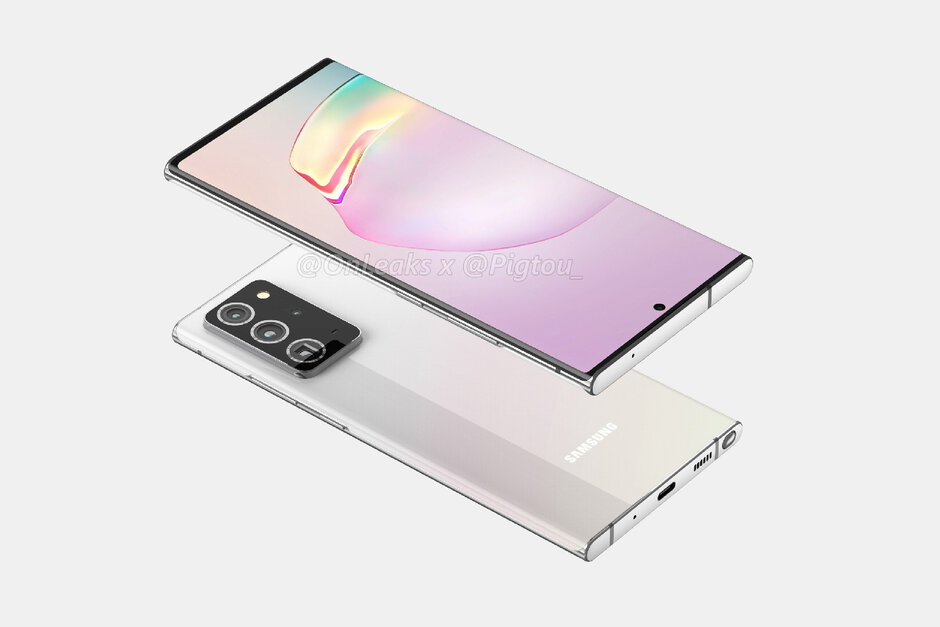
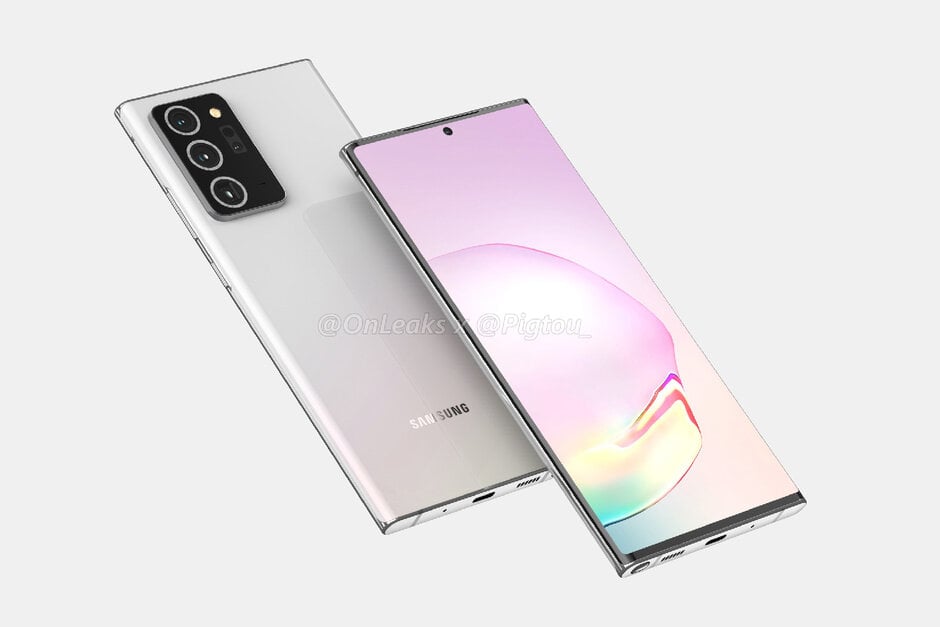
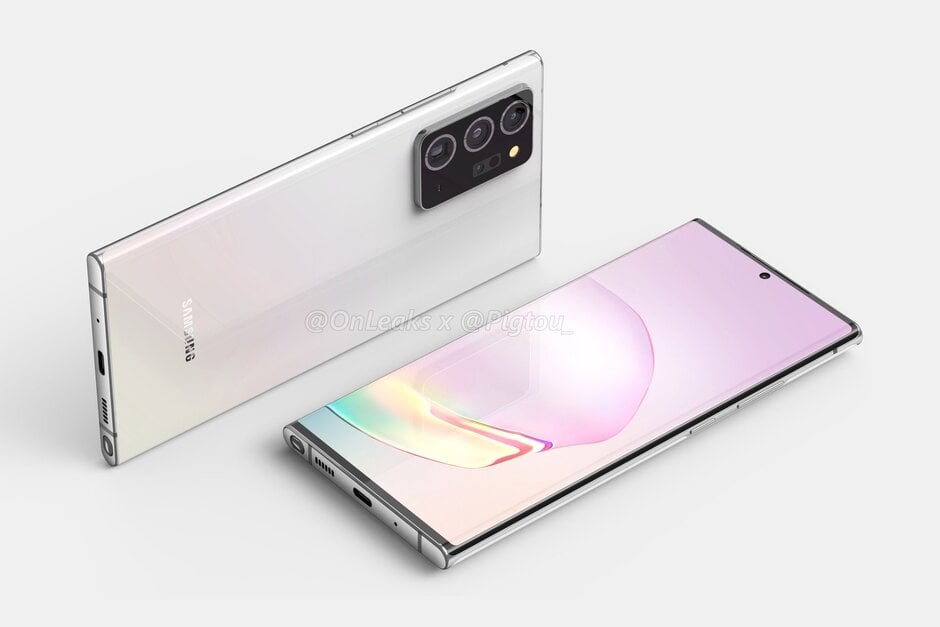
Samsung is expected to announce the Galaxy Note 20 series of flagship phones in August. The lineup is likely to include two devices named Galaxy Note 20 and Galaxy Note 20+. Last week, the CAD renders of the Galaxy Note 20 were released by Pigtou publication in partnership with @Xleaks7. Now, the same publication is back with renders of the more advanced Galaxy Note 20+ smartphone designed by popular tipster @OnLeaks.
The publication reported that the Galaxy Note 20+ measures 165 x 77.2 x 7.6mm and it has a 6.9-inch curved display with top-center positioned punch-hole. In comparison, the Galaxy Note 20 is expected to come with 161.8 x 75.3 x 8.5mm dimensions and a 6.7-inch display. The display of the Note 20+ is surrounded by very thin bezels.
It was reported that the Galaxy Note 20’s S-Pen stylus compartment is repositioned to the left side. The renders of the Note 20+ shows that its S-Pen slot has been shifted to the left. The other things that can be found on the bottom edge of the Note 20+ are an external speaker, a USB-C slot and a microphone. The Note 20 renders also showed that the volume and power buttons are present inside. The same can be seen on the Note 20+ renders. The predecessor Galaxy Note 10 series models had these buttons on the left edge.
There is a camera module placed at the top-left corner of Note 20+’s back panel. The three cameras have silver rings. The third one is a periscope lens. A 3D ToF sensor seems to be present below the LED flash unit. A laser autofocus unit and a microphone are other elements that can be seen in the camera setup of the Note 20+. Rumors have it that the Note 20 Plus features a 108-megapixel main lens.
The publication did not reveal any information on other specs of the Galaxy Note 20+ The handset may arrive in Snapdragon 865 and Exynos 992 SoC versions depending on the market. The Note 20+ is also expected to arrive with support 120Hz refresh rate.
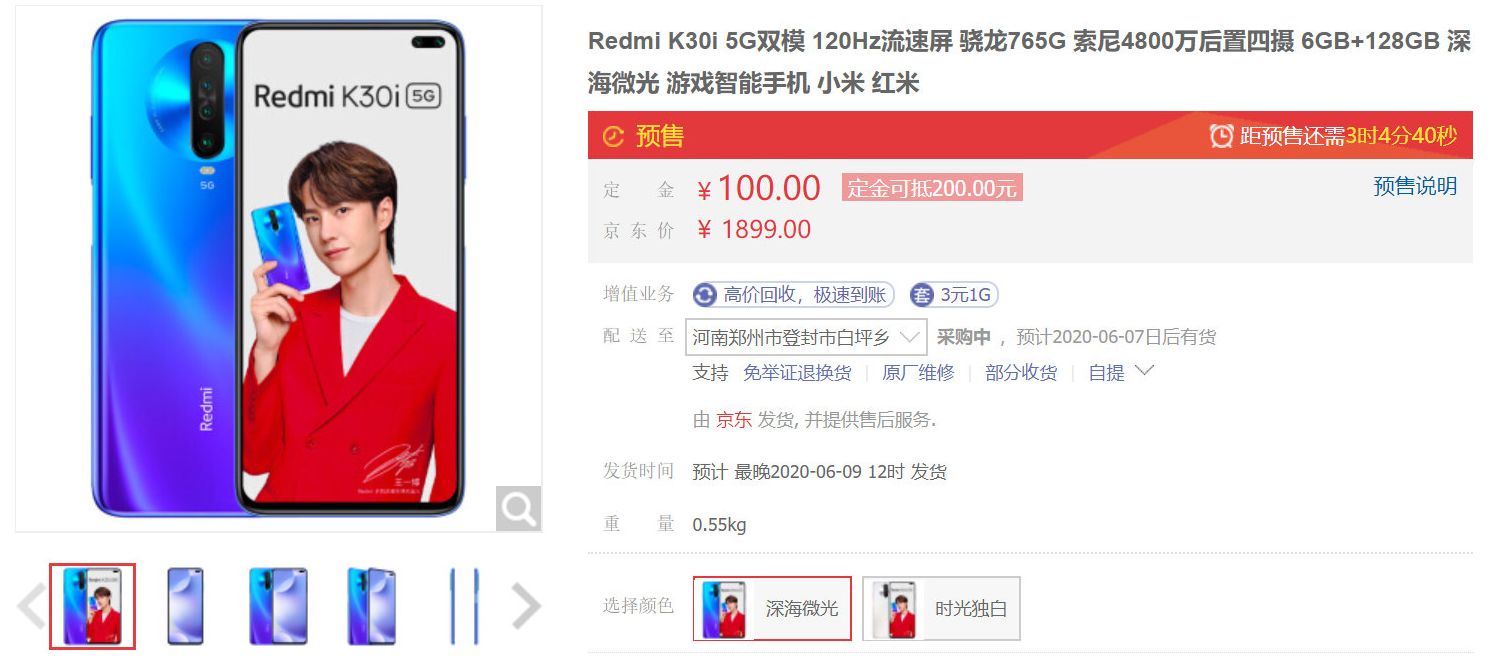
Redmi has silently introduced a new smartphone called Redmi K30i 5G in China. Its design and specifications are identical to the Redmi K30 5G phone that went official in China back in December 2019. The only major difference between the two phones is that the Redmi K30 5i comes with a 48-megapixel primary lens on its back.
Redmi K30i 5G specifications
The Redmi K30i 5G sports a TUV Rheinland certified 6.67-inch IPS LCD display that produces FHD+ resolution and 120Hz refresh rate. The HDR10 complaint screen is protected by Gorilla Glass 5 panel. The pill-shaped cutout on the screen features a 20-megapixel main lens and a 2-megapixel depth assist lens.
The Snapdragon 765G SoC is present under the hood of the Redmi K30i 5G. The SoC is coupled with 6 GB of LPDDR4X RAM and it has a UFS 2.1 storage of 128 GB. There is a 4,500mAh battery inside the device. It comes with support for 30W fast charging.
Coming to the feature that sets the new Redmi K30i 5G apart from the Redmi K30 5G, its quad-camera setup is led by a 48-megapixel with f/1.79 aperture and 1.6micro large pixel size. It is said to be a Sony lens. The Redmi K30 5G features a 64-megapixel main lens. The other three lenses that are available on the K30 are also available on the K30i. Hence, the 48-megapixel primary shooter on the K30i is accompanied by an 8-megapixel ultrawide sensor, a 5-megapixel super macro lens, and a 2-megapixel depth sensor.
The MIUI 11 based Android 10 OS come preinstalled on the Redmi K30i 5G. Its other specs include dual-SIM slot with 5G support, Wi-Fi 802.11ac, dual-frequency GPS, USB-C, 1217 ultra-linear speaker, smart PA loudspeaker, Hi-Res audio support and 3.5mm audio jack.
Redmi K30i 5G pricing and availability
The Redmi K30i is listed on JD.com with a price tag of 1,899 Yuan (~$262). The 6 GB + 128 GB Redmi K30 5G is available for 1,999 Yuan (~$280). The K30i comes in colors like blue, red, purple, and white. However, only blue and white variants are listed on JD. The handset is now up for pre-orders on the Chinese retailer site. Customer The listing states that the sale of the smartphone will start on June 2.
Realme has a new smartphone launching this week in Europe. The phone is the Realme X3 SuperZoom, and ahead of its release on Tuesday, May 26, renders, specifications, and pricing details have been leaked.
The source of the leak is the German Tech News site, Winfuture.de. Based on the specs, one will see Realme has cut corners in more areas than one for the Realme X3 SuperZoom.
The Realme X3 SuperZoom will have a 6.6-inch display with a double punch hole at the top left corner just like that of the Realme X50 5G. However, the FHD+ display doesn’t have a high refresh rate, not even 90Hz like that of the Realme 6 Pro which has the same screen size and design.
[envira-gallery id=”324322″]
It has already been officially confirmed that the phone will have a Snapdragon 855+ processor. The model that will be sold in Europe will have 12GB of RAM and 256GB of UFS 3.0 storage. There is no MicroSD card slot for storage expansion.
The phone is called the Realme X3 SuperZoom for a reason and that is because of its cameras which provide up to 60x hybrid zoom. The primary rear camera is a 64MP Samsung GW1 sensor. There is an 8MP telephoto camera with 5x optical zoom and OIS. The quad-camera setup is completed with an 8MP ultrawide angle camera and a 2MP macro camera. You can check out some camera samples here.
For the dual selfie cameras, the Realme X3 SuperZoom will come with a 32MP main sensor and an 8MP secondary camera for capturing depth details. This setup is a bit unusual since other Realme phones with a similar setup have an ultrawide lens for the secondary camera.
There is a 4200mAh battery inside the phone along with support for 65W SuperDart fast charging. The phone has a side-mounted fingerprint scanner on the right while the SIM tray is at the bottom. Sadly, it ditches the audio jack which would have been an appreciated feature.
The Realme X3 SuperZoom will run Android 10 with Realme UI on top. Its weight is revealed to be 195 grams and it measures 8.6 millimeters in thickness.
When it launches, it will be available in gradient white and gradient blue with a price tag of €499. Do you think this price tag can steer customers away from the OnePlus 8 which sells for €599 for the 8GB+128GB version? Let us know in the comment box.
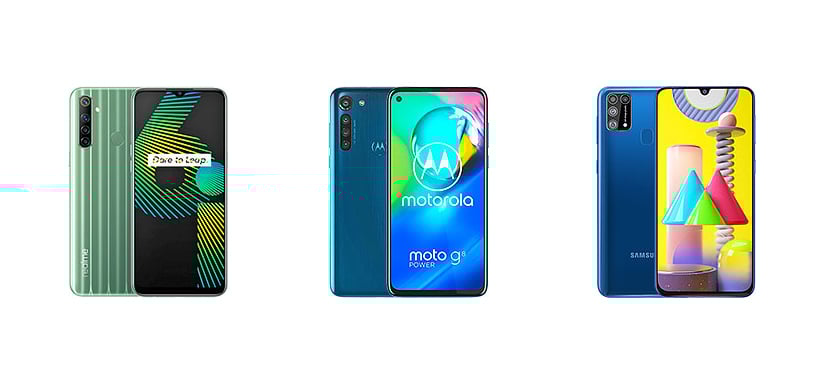
In order to get the best camera quality, the highest performance and the most advanced displays, you must opt for a flagship phone and often spend a lot of money. But if you need the longest battery life, you have to go for an affordable phone. Thanks to their efficient components and often also to their huge batteries, a lot of entry-level and midrange smartphones offer a way longer battery life than high-end devices. This is a specs comparison between the most stunning battery phones released recently: Realme 6i, Motorola Moto G8 Power, and Samsung Galaxy M31.
Realme 6i vs Motorola Moto G8 Power vs Samsung Galaxy M31
Quad 16 + 8 + 8 + 2 MP f/1.7, f/2.2, f/2.2 and f/2.2
16 MP f/2.0 front camera
Quad 48 + 8 + 2 + 2 MP f/1.8, f/2.3, f/2.4 and f/2.4
16 MP f/2.0 front camera
Quad 64 + 8 + 5 + 5 MP f/1.8, f/2.2, f/2.4 and f/2.2
32 MP f/2.0 front camera
BATTERY
5000 mAh, fast charging 18W
5000 mAh, fast charging 18W
6000 mAh, fast charging 15W
ADDITIONAL FEATURES
Hybrid Dual SIM slot, splash resistant
Dual SIM slot, splash resistant
Dual SIM slot
Design
Realme 6i, Motorola Moto G8 Power, and Samsung Galaxy M31 are not the best phones if we talk about aesthetics. They are all built with a polycarbonate body. I personally like the Motorola Moto G8 Power a bit more because it boasts a punch-hole display instead of a waterdrop notch. But Realme 6i is still interesting because of its original rear cover. Realme 6i and Motorola Moto G8 Power are splash resistant, while Samsung Galaxy M31 does not offer any kind of protection against water. Note that the Motorola Moto G8 Power is also the one with the most compact body.
Display
Realme 6i loses the display comparison because it is equipped with a below-average HD+ panel offering a lower resolution than its rivals. Moto G8 Power and Samsung Galaxy M31 are both Full HD+ phones, but the Samsung Galaxy M31 wins because it features a Super AMOLED display showing more brilliant color and deeper blacks. Unfortunately, despite it is AMOLED, it does not have an in-display fingerprint reader. On these devices, the fingerprint scanner is mounted on the back. Note that Motorola Moto G8 Power offers a more advanced audio department thanks to stereo speakers.
Specs & Software
Samsung Galaxy M31 packs the most impressive hardware department. It has a more efficient chipset, a higher amount of RAM (6 GB) and even a UFS 2.1 internal storage, while its opponents come with a standard eMMC storage. Unlike the Moto G8 Power, Samsung Galaxy M31 packs a dedicated micro SD slot, so you do not have to renounce to the dual SIM slot while expanding your internal storage. But Realme 6i is still an amazing phone when it comes to performance, thanks to its Helio G80 chipset offering very high CPU and graphics performance. All the handsets run Android 10 out of the box, but while Moto G8 Power offers a nearly stock experience, the others have customized UIs.
Camera
Samsung Galaxy M31 is equipped with the most impressive camera setup, including a 64 MP main sensor and a 32 MP selfie camera. But if you need a device with better zoom capabilities, go for the Moto G8 Power as it is the only with a telephoto sensor, and it is very hard to find a telephoto lens on a so affordable device. Both Samsung Galaxy M31 and Moto G8 Power can record 4K videos, while Realme 6i can not.
Battery
Samsung Galaxy M31 has the biggest battery, but the Realme 6i has a more efficient display, so it offers a battery life as great as the Galaxy M31 in a lot of scenarios. Even Moto G8 Power is very close to its opponents. In each case, you get a phone which can last up to three days of moderate use on a single charge.
Price
Realme 6i is priced €199/$217 in its base variant, Samsung Galaxy M31 begins at €269/$293, and Moto G8 Power starts from €229/$250. Is it worth spending more for the Galaxy M31? Yes, we think it is since it offers amazing cameras, an AMOLED screen, and even a bigger battery. But do not forget that you can find the Realme 6i at very nice street prices making it a device with a higher value for money than both its rivals. Moto G8 Power has a telephoto sensor, a Qualcomm chipset, and a stock Android experience, but honestly we do not see a lot of reasons why it should be preferred to the Galaxy M31. Which one would you pick?
Huawei has announced a brand new phone today in China. The Huawei Enjoy Z 5G is the manufacturer’s first 5G smartphone not powered by a Kirin processor. Instead, Huawei has opted for MediaTek’s Dimensity 800 5G processor.
The use of the Dimensity 800 is to provide affordable 5G devices for consumers. With a starting price of ¥1699 (~$238), that aim has been met. The Huawei Enjoy Z packs a number of interesting features alongside 5G support.
Huawei Enjoy Z Specifications
The Enjoy Z 5G has a 6.5-inch display with a Dewdrop notch at the top for the selfie camera. Huawei says the screen, with its 2400 x 1080 resolution and 90Hz refresh rate, has a 91.2% screen-to-body ratio. It also has a touch sampling rate of 180Hz.
MediaTek’s Dimensity 800 processor is a 7nm chip with 4 x Cortex-A76 cores clocked at 2.0GHz and 4 x Cortex-A55 cores clocked at 2.0GHz. The GPU is a NATT MC4.
Buyers will be able to choose from three variants – 6GB+64GB, 6GB+128GB, and 8GB+128GB. There is support for storage expansion via a NanoMemory card slot (256GB). For those who don’t know, Huawei isn’t the only one making NM cards, Lexar also makes and they start at ¥199 (~$28) for the 64GB capacity.
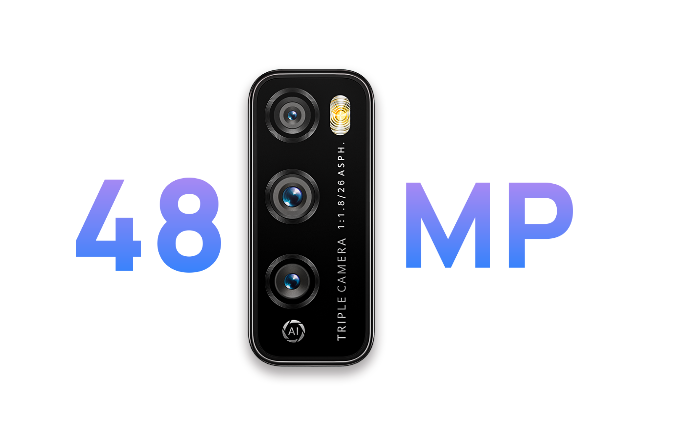
The Huawei Enjoy Z 5G has a 48MP triple camera setup on the back. The main camera has an f/1.8 aperture and it comes along with a 2MP f/2.4 4CM macro camera and an 8MP f/2.4 super wide-angle camera. Huawei says there is Electronic Image Stabilisation (EIS) for smoother videos. The phone also has 10x digital zoom, night scene mode, macro mode, and a beauty mode. The selfie camera is a 16MP f/2.0 camera.
There is a 4000mAh battery inside the phone with support for 22.5W fast charge. Other features of the phone are Bluetooth 5.1, Dual-SIM support, Dual-Band Wi-Fi, a side-mounted fingerprint scanner, and OTG support. It ships with EMUI 10.1 based on Android 10 out of the box with features such as Knuckle Screenshot, Bluetooth Easy Connect with Huawei Freebuds 3, and a smart collage feature in the Gallery app.
Huawei Enjoy Z 5G Price and Availability
The Huawei Enjoy Z 5G is available in Dark Blue, Sakura Snow Clear Sky, and Magic Night Black. The 64GB version is priced at ¥1699 (~$238), the 6GB+128GB version goes for ¥1899 (~$266), and the 8GB+128GB will sell for ¥2199 (~$308).
[envira-gallery id=”324304″]
It can be pre-ordered on Vmall and on JD.com before it goes on sale on June 1.
OnePlus is expected to launch its very first TWS earbuds soon. The earbuds should launch in July alongside the OnePlus Z mid-range smartphone. A new leak has revealed what is most likely the official name of the earbuds.
The source is from the leaker and graphic designer @maxJmb, the same source that revealed the earbuds will launch in July. According to his latest leak, the TWS earbuds will be called “Buds”, so technically, OnePlus Buds. No, no “Bullets” in the name.
The leak includes a sketch of the earbuds which are designed like Apple’s own AirPods. They come in a round case with an LED in front that should come on when charging. We expect the OnePlus Buds to have support for touch controls, Google Assistant, and fast-pairing with OnePlus devices.
Details such as battery life and price are currently unknown but they should surface in the coming month.
OnePlus has a bunch of Bluetooth earphones, with the latest being the Oneplus Bullets Wireless Z. In the past, it has also launched wired earphones with 3.5mm and USB-C connectors. Maybe, just maybe, we may even see OnePlus launch a pair of wireless over-the-ear headphones in the future.
Last September, Realme announced its first power bank in China, and then later the same month in India. The 10000mAh power bank is a personal favorite thanks to its colorful and slim design as well as its support for 18W fast charging. Today, Realme has confirmed the Realme Power Bank 2 is coming and it will launch tomorrow.
The announcement was made on Twitter via the official Realme Link (@realmelink) account. The tweet confirms the power bank will keep the 10000mAh capacity of its predecessor. There is also an image of the power bank attached to the tweet.
We are here with another surprise for our fans. Introducing the powerful 10000mAh #realmePowerbank2. Launching tomorrow at 12:30 PM on all our official channels. pic.twitter.com/vonffkLBLp
With respect to design, there isn’t much difference between the Realme Power Bank 2 and its predecessor save for the finish which appears to be faux leather. The manufacturer’s name is also printed boldly in its signature yellow color.
There is a USB-A port visible on the far left while the USB-C port has a cord plugged into it. There are four LEDs to indicate the battery level while a power button sits at the far right.
The Realme Power Bank 2 will launch tomorrow at 12:30 PM alongside the Realme TV and Realme Watch.
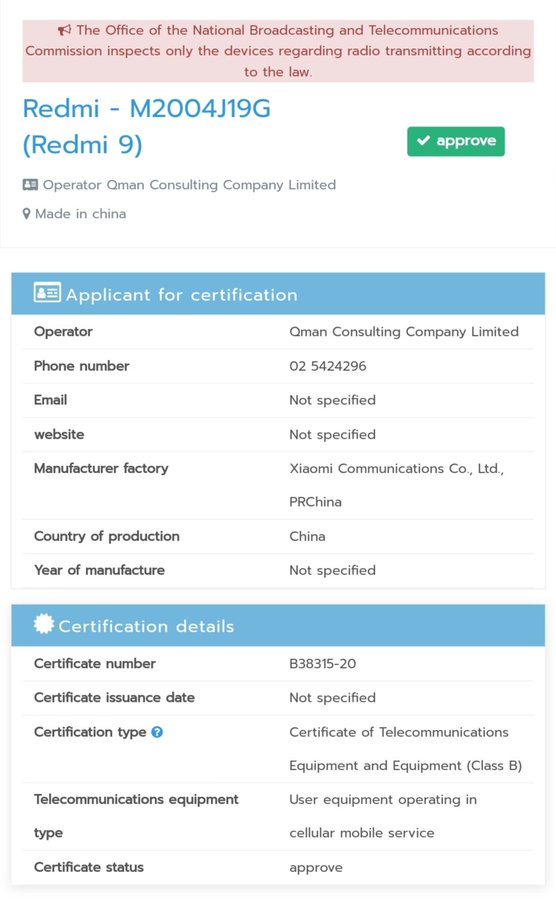
The Redmi Note 8 series has already gotten successors in the form of the Redmi Note 9, Redmi Note 9S, Redmi Note 9 Pro, and Redmi Note 9 Pro Max. Soon it should be the turn of the Redmi 8 to get a successor. A little over a week after getting certified by the FCC, the Redmi 9 has also been certified by Thailand’s NBTC.
The Redmi 9 (M2004J19G) is expected to launch soon in various markets, however, a launch date is still unknown. The budget phone will have a rated battery capacity of 4920mAh (typical should be 5000mAh or 5020mAh).
A leak from back in March also revealed the phone will have an Helio G80 processor, four rear cameras in a 13MP + 8MP + 5MP + 2MP configuration along with a fingerprint scanner below the setup.
There is no info on the screen size, resolution, and design but those should surface in the weeks leading up to its launch.
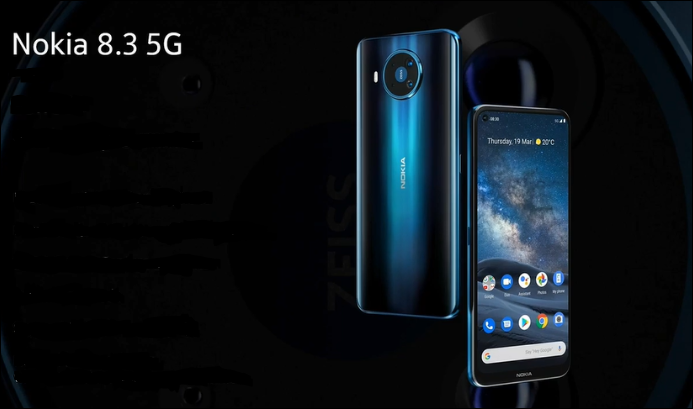
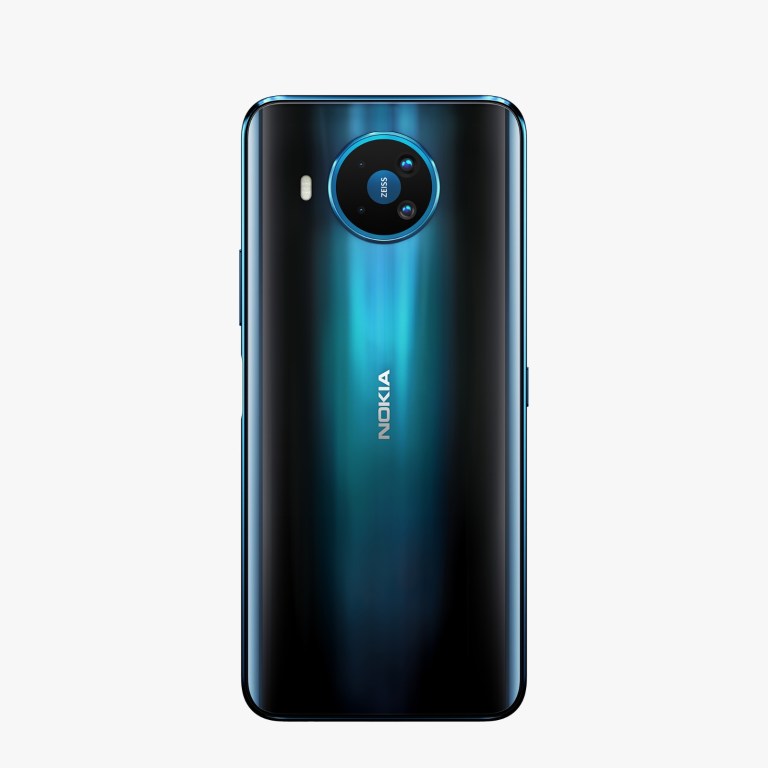
Nokia had announced its first 5G phone, the Nokia 8.3 5G, during an online event in March this year. The company unmasked the device and also announced its features and price. But talking about the availability, Nokia hinted that the device will be available in Europe this summer.
However, a new teaser video released by Nokia on its official Twitter page may be an indication that the model will soon be released. The accompanying post only hinted that the Nokia 8.3 5G will soon be available but no specific date was revealed. However, we expect the company to announce a release schedule in the coming days.
Ready for 5G? The soon available Nokia 8.3 5G allows you to play games without distraction, stream films and share content – all in 5G 👊 pic.twitter.com/mjXeilVxeh
As a reminder, the Nokia 8.3 5G features a mammoth 6.81-inch PureDisplay with an FHD+ resolution, punch-hole and a 20:9 aspect ratio. The phone features a Pixelworks chip that helps it convert SDR to HDR content.
The device is powered by a Snapdragon 765G processor paired with 6GB or 8GB of LPDDR4X RAM and 64GB or 128GB of expandable storage. For photography, it packs a Quad camera setup at the rear comprising a 64MP primary camera, a 12MP ultrawide angle camera, a 2MP depth sensor and a 2MP macro camera. All four cameras have ZEISS optics. A 24MP camera is housed in the punch-hole in front for selfies.
The Nokia 8.3 5G features support for more 5G bands more than any other phone in the world at present. This will likely be one of its major selling points, especially in Europe. It not only supports 600MHz bands but also mid-bands and 3.8GHz High-bands.
The phone starts at 599 Euros and will be available a single attractive Polar Night colour.
Have you got bored using the same Android Home screen from months? Then Android offers you the power to customize the Home screen up to any extent. There are different launchers, icon packs, and screen savers that provide you the ability to completely change. We have crafted some Android Home screen setups that you can use after grabbing the resources as provided.
The new layouts will amplify your smartphone’s typical home screen layout. The new layouts will be like a breath of fresh air on your tidy home screen setup. Some of the setups below will offer minimal experience while others will bring denser information in a well-defined way.
Unlike last week, today we have got some different types of setups using black and white wallpaper, small widgets, and a background rain effect. Moreover, some of the works below are from their respective authors.
Note: You need to download third-party apps, wallpapers, skins, and setups to get the actual look of depicted Android Home screens.
Best Android Home Screen Setups
Below you can download all the pre-requisites that you will need while arranging the setups on your Android smartphones.
You might need to purchase KWGT Widget Pro, and Rainpaper app.
Joker Raining Street
A minimalist, powerful yet dynamic Android Home screen setup with music controls. The rain effect in the background brings animation to the static display using Rainpaper for Rain Effect. The Minty Icon pack looks fantastic at the bottom of the display. You can open App drawer by swiping up from the bottom.
Music lovers can control music from the widget and can see the completion status in a small circle ring around the play/pause button. Joker on a street wallpaper is downloaded from the Wallpsy app.
Items Required:
Download Links are present under the pre-requisites subheading above.
Wallpaper from WallsPy
Mini-ism KWGT – Minimal 128
Ornate KWGT – Ornate Widget 51
Minty Icon Pack
Process:
The user needs to first setup Wallpaper from the Wallpsy app. Then Set grid size to 12 x 6 on desktop, hide notification bar, hide icons dock from the home screen, and turn on the swipe up/down to open/close drawer using Nova launcher settings. Now, take a screenshot of the empty home screen.
Install Rainpaper app, open it, and choose Background > My Images, Select the screenshot you just took.
Now, Play KWGT 4 x 4 KWGT widget and place Minimal 128 from Mini-ism KWGT. Place it in the appropriate place.
Next is to place a 4 x 2 widget and select Ornate Widget 51 for the music widget. Set the scalability of the device after resizing it.
Use Minty Icon Pack and place the required icons at the same place as it is in the above image.
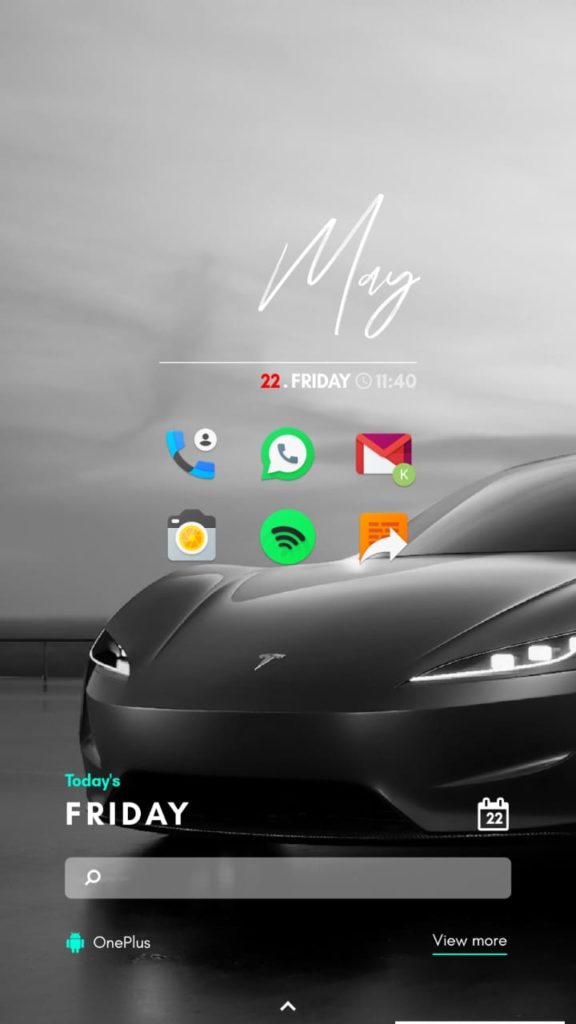
Black and White Tesla
Yes, you read it right. We have tested a black and white Tesla wallpaper to bring a subtle yet crafty Android Home screen. The beautiful Minimal 153 widget from Mini-ism KWGT is the main attraction of this layout. Another Minimal 049 widget at the bottom featuring a calendar, search bar, and app drawer ‘view more’ button at the bottom.
The icons from Minty as in the previous setup is placed in the center for a more attractive look.
You can easily create this setup using the wallpaper from the WallsPy app.
Items Required:
Wallpaper from WallsPy App
Mini-ism KWGT – Minimal 049 and Minimal 153 widget
It is a perfect pack for nature lovers, as the beautiful wallpaper itself speaks a lot about the never-ending cycle of day and night. The widget from Fuchsia for KWGT is a single widget offering weather, date, and time information. You will also found a search button within the same widget.
The dock at the bottom is also created from Fuschia showing weather, and other utilities. The wallpaper link will be provided in the link below.
We hope you love today’s Android Home Setups. You can stay connected with us for weekly Android Home setups. If you have any recommendation then do let us know via the comments below.
Xiaomi Smart Home Appliances division MIJIA has announced that it will release two new washing machines on May 25. This news comes just a day after MIJIA announced it would release three new refrigerator models same date The gadgets will be called MIJIA Automatic Pulsator Washing Machine 5.5kg and MIJIA Automatic Pulsator Washing Machine 3kg.
From the preview posters, the models will come with a top loader design which makes them the first MIJIA-branded washing machines with a top loader design. The washing machines are portable devices as they come in 5.5kg capacity and 3kg capacity respectively. This is smaller than the 8kg capacity of the Redmi 1A Washing Machine. The smaller 3kg version is said to also feature a high-temperature sterilization function, which seems to be specially designed for baby clothes that require sterilization. The prices of the washing machine are yet to be revealed but we expect them to be priced between 499 yuan (~$70) and 599 yuan (~$84) since the Redmi 1A retails for 799 yuan (~$112).
We use cookies on our website to give you the most relevant experience by remembering your preferences and repeat visits. By clicking “Accept”, you consent to the use of ALL the cookies.
This website uses cookies to improve your experience while you navigate through the website. Out of these, the cookies that are categorized as necessary are stored on your browser as they are essential for the working of basic functionalities of the website. We also use third-party cookies that help us analyze and understand how you use this website. These cookies will be stored in your browser only with your consent. You also have the option to opt-out of these cookies. But opting out of some of these cookies may affect your browsing experience.
Necessary cookies are absolutely essential for the website to function properly. This category only includes cookies that ensures basic functionalities and security features of the website. These cookies do not store any personal information.
Any cookies that may not be particularly necessary for the website to function and is used specifically to collect user personal data via analytics, ads, other embedded contents are termed as non-necessary cookies. It is mandatory to procure user consent prior to running these cookies on your website.





 The publication reported that the Galaxy Note 20+ measures 165 x 77.2 x 7.6mm and it has a 6.9-inch curved display with top-center positioned punch-hole. In comparison, the Galaxy Note 20 is expected to come with 161.8 x 75.3 x 8.5mm dimensions and a 6.7-inch display. The display of the Note 20+ is surrounded by very thin bezels.