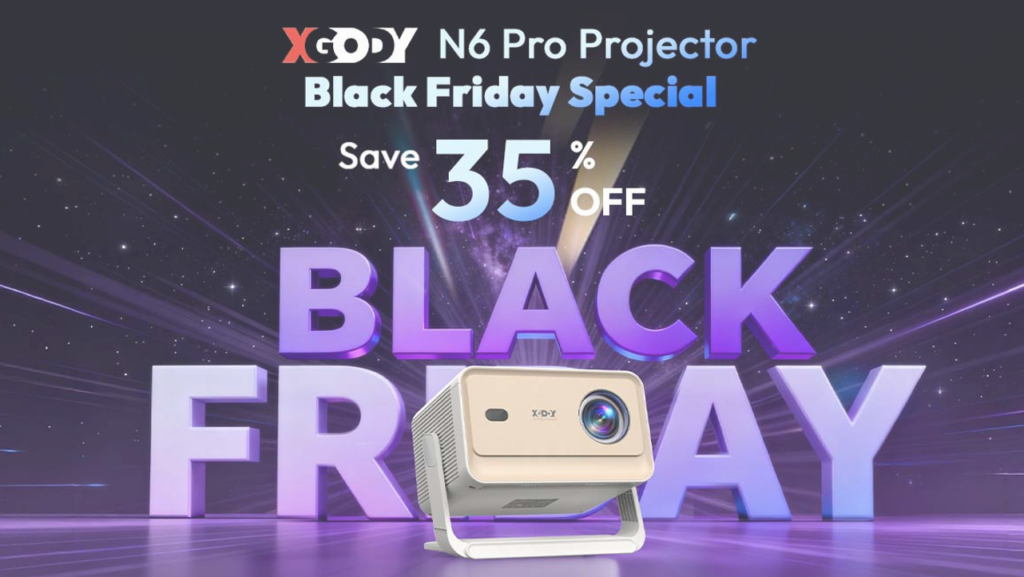
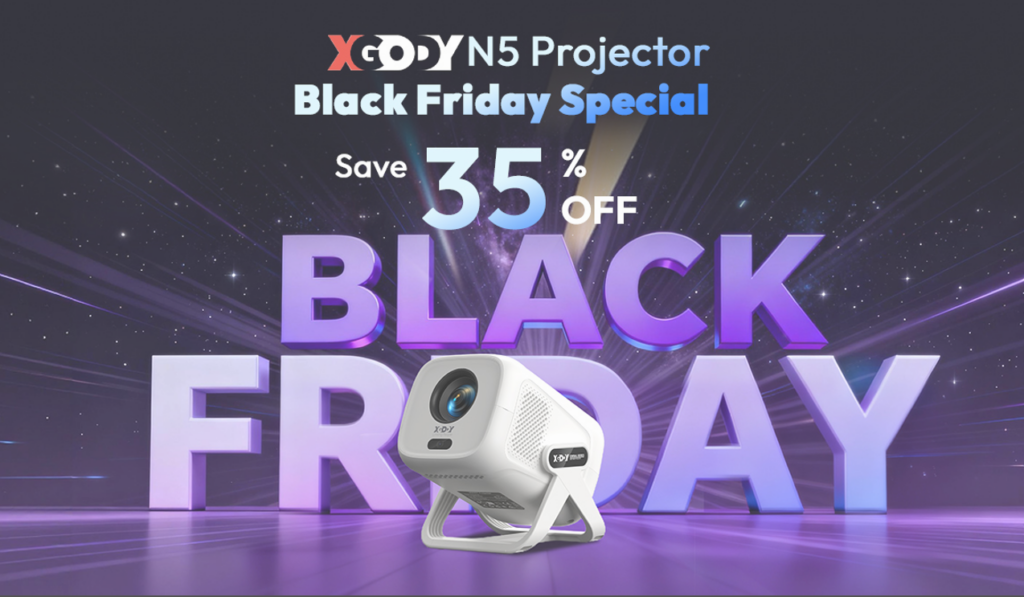
This Black Friday, XGODY is bringing its most advanced projectors to customers at some of the lowest prices of the year. Known for creating simple, smart, and accessible projection solutions, the brand is offering significant discounts on two of its leading models, the XGODY N6Pro and XGODY N5. Both devices are designed to make big-screen entertainment easier and more enjoyable for families, students, and home-theater lovers.
XGODY N6Pro: A Smarter Way to Experience the Big Screen
Premium Visuals With Intelligent Features
The XGODY N6Pro offers a high-quality cinematic experience with native 1080P resolution, HDR10, 700 ANSI lumens, and a 5000:1 contrast ratio, ensuring sharp images and bright, vivid colors. Three levels of adjustable brightness make it comfortable for day or night use.
Powered by Whale OS, the N6Pro includes official Netflix certification and comes preloaded with YouTube, Prime Video, Disney+, plus access to over 8,000 apps. With 32GB of storage, users can install and stream content without limitations.
Connectivity is also a major strength, thanks to WiFi 6.0, Bluetooth 5.4, and support for AirPlay, Miracast, Transscreen, and TV Cast, making it compatible with iOS, Android, Fire TV Stick, gaming consoles, and Bluetooth speakers.
Easy Setup and Flexible Design
The N6Pro includes auto focus, auto keystone correction, auto obstacle avoidance, and auto screen alignment, allowing it to adjust the picture within seconds. The 135° rotating stand, built-in 5W speaker, and AI voice remote make it suitable for living rooms, bedrooms, or outdoor use.
XGODY N5: Compact, Smart, and Ready for Everyday Viewing
The XGODY N5 Projector is designed to bring smart, high-quality projection into everyday spaces. With native 1080P resolution, 4K decoding, HDR10 support, and a 3000:1 contrast ratio, the N5 delivers vivid colors, sharp details, and bright visuals with its 450 ANSI lumens. It’s built-in Whale OS, official Netflix certification, integrated 135° swivel mount, and AI voice remote make it easy to use anywhere, from the bedroom and living room to outdoor movie nights.
Black Friday Deal
For Black Friday and Cyber Monday, XGODY is offering the N5 at a major discount. Originally priced at $139, it is now available for just $89 with the code XGDN5R88. The deal is available on Amazon and the official XGODY website. This offer gives buyers access to a smart streaming projector with auto focus, auto keystone correction, WiFi 6.0, Bluetooth 5.2, and multi-protocol casting at one of the best prices of the season.
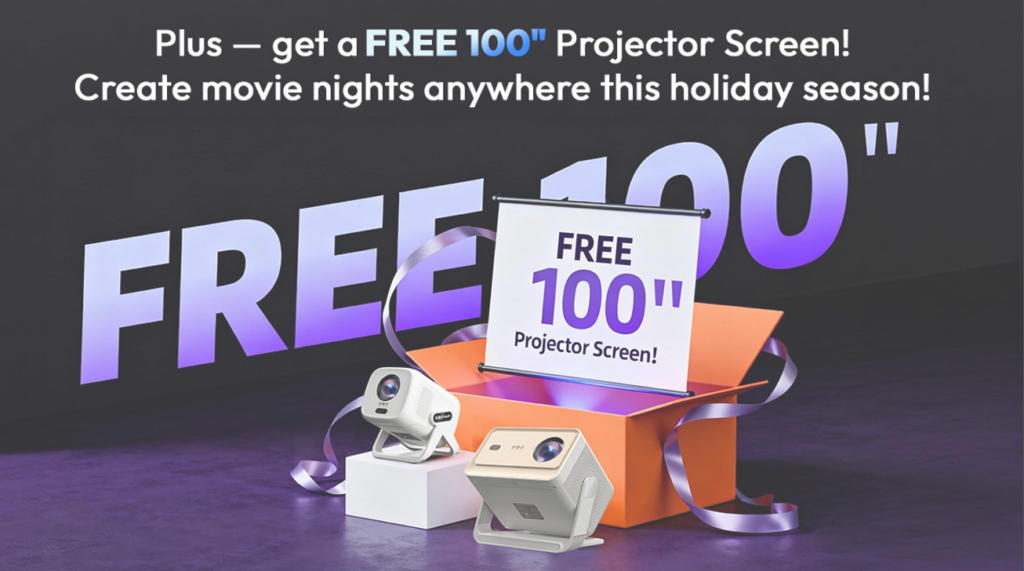
XGODY is also hosting a limited giveaway for N6Pro or N5 buyers. Customers who share real usage experiences — through photos, videos, or written posts — on platforms like YouTube, Instagram, TikTok, Facebook, Reddit, Pinterest, Twitter, or community forums can receive a free 100-inch ALR projection screen.
Reward: Free 100-inch ALR screen
Limit: First 300 participants (first-come, first-served)
Campaign Period: November 20 – December 31, 2025
Participation: Submit via banner on xgody.com or contact XGODY via email/DM
With major discounts on both the N6Pro and N5 projectors, XGODY is making big-screen experiences more accessible than ever. Whether for movies, games, learning, or family time, these projectors deliver smart performance, strong visuals, and easy setup, all at impressive Black Friday prices.
For years, the smartphone industry’s unspoken rule has been clear: if you want a compact device, prepare to compromise. Brands reserve their best cameras, batteries, and performance for “Ultra” and “Pro” variants, leaving small-screen enthusiasts with a choice between overloaded premium devices or underpowered budget options. I spent two weeks testing the vivo X300 Standard, and it systematically demolishes that compromise.
Design: Finally, a True One-handed Phone
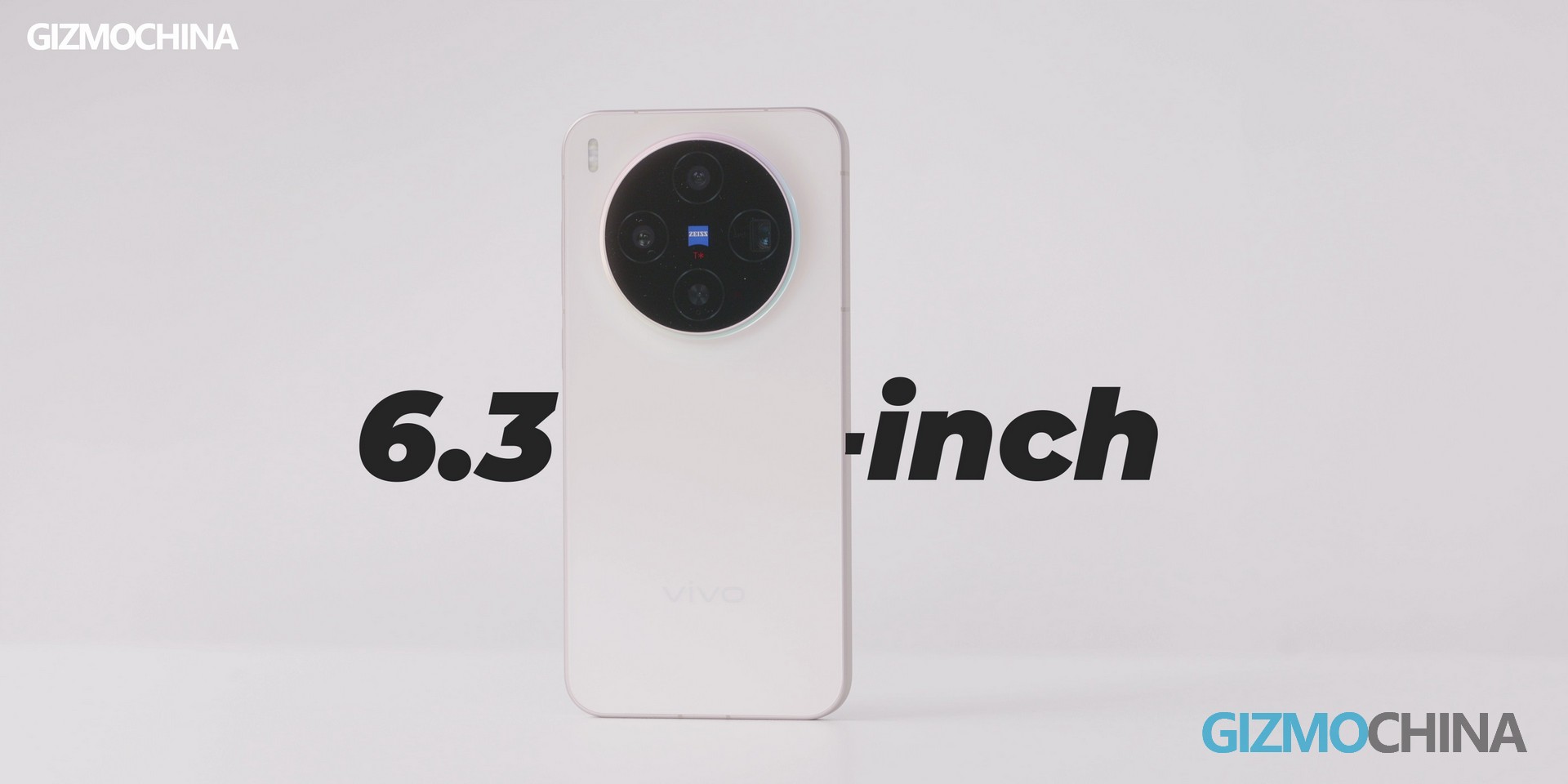
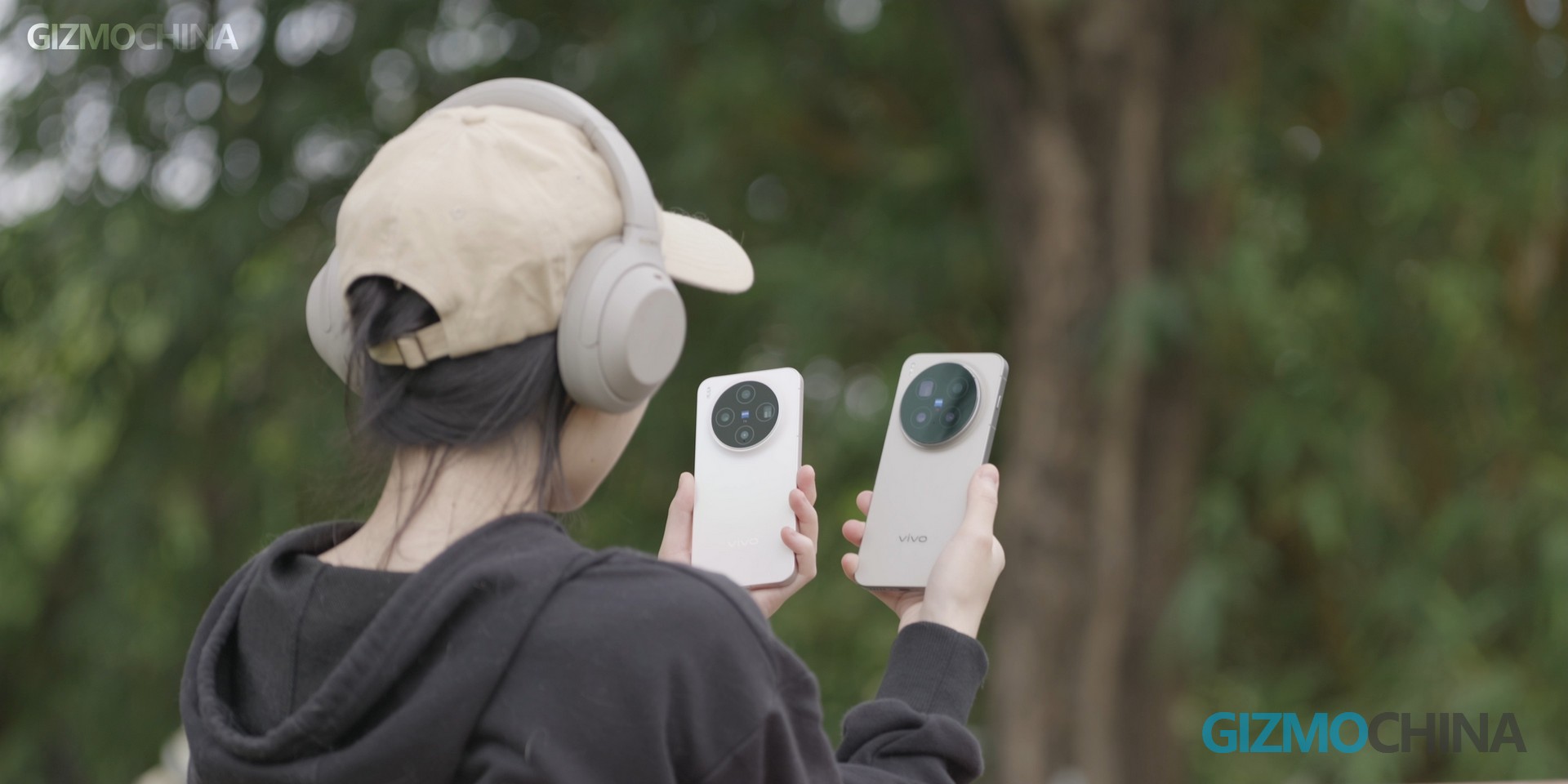
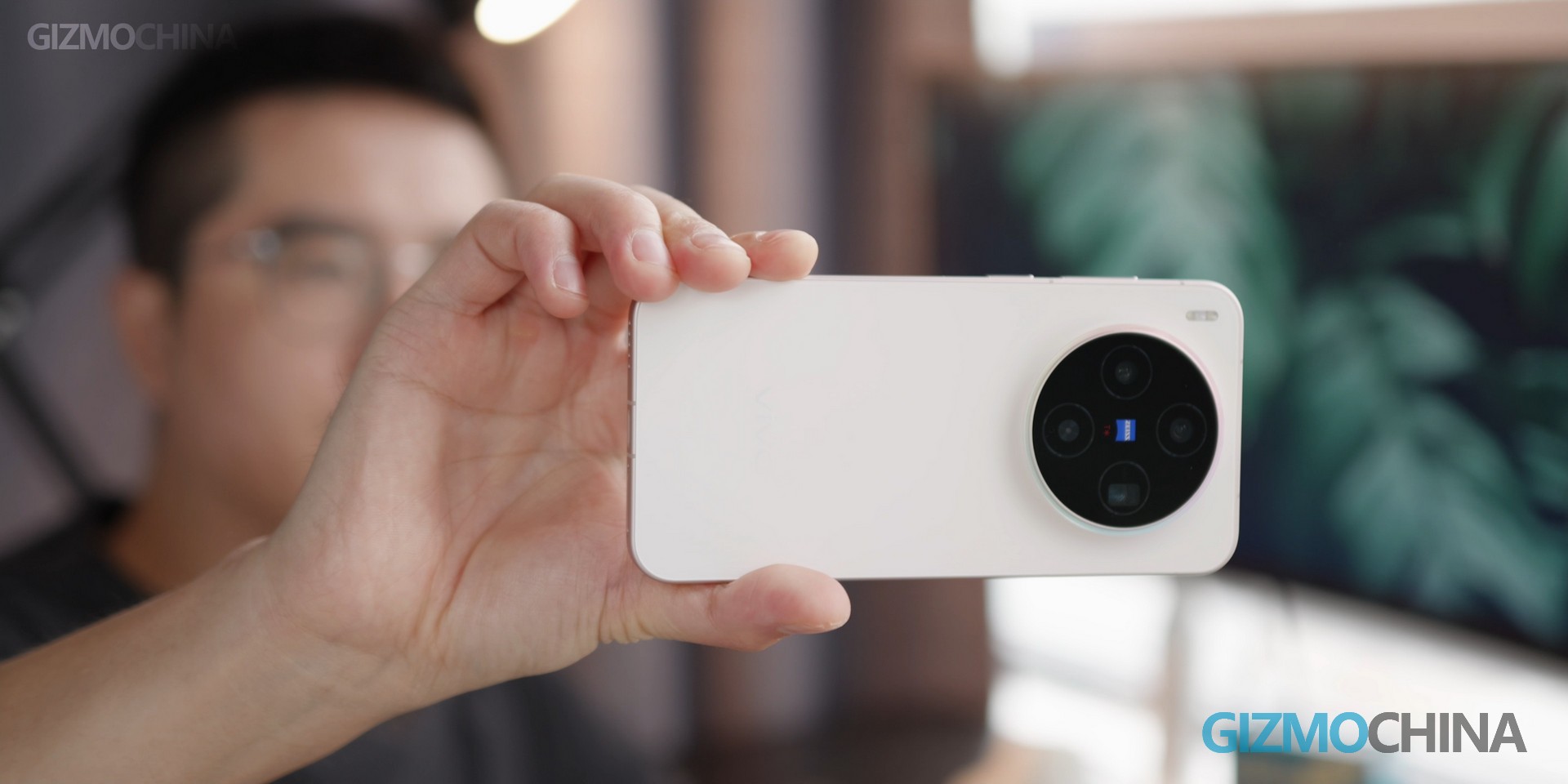
The X300 is built for people who actually use phones with one hand. At 6.3 inches and 183 grams, it achieves something rare: a device that doesn’t force you to choose between portability and capability.
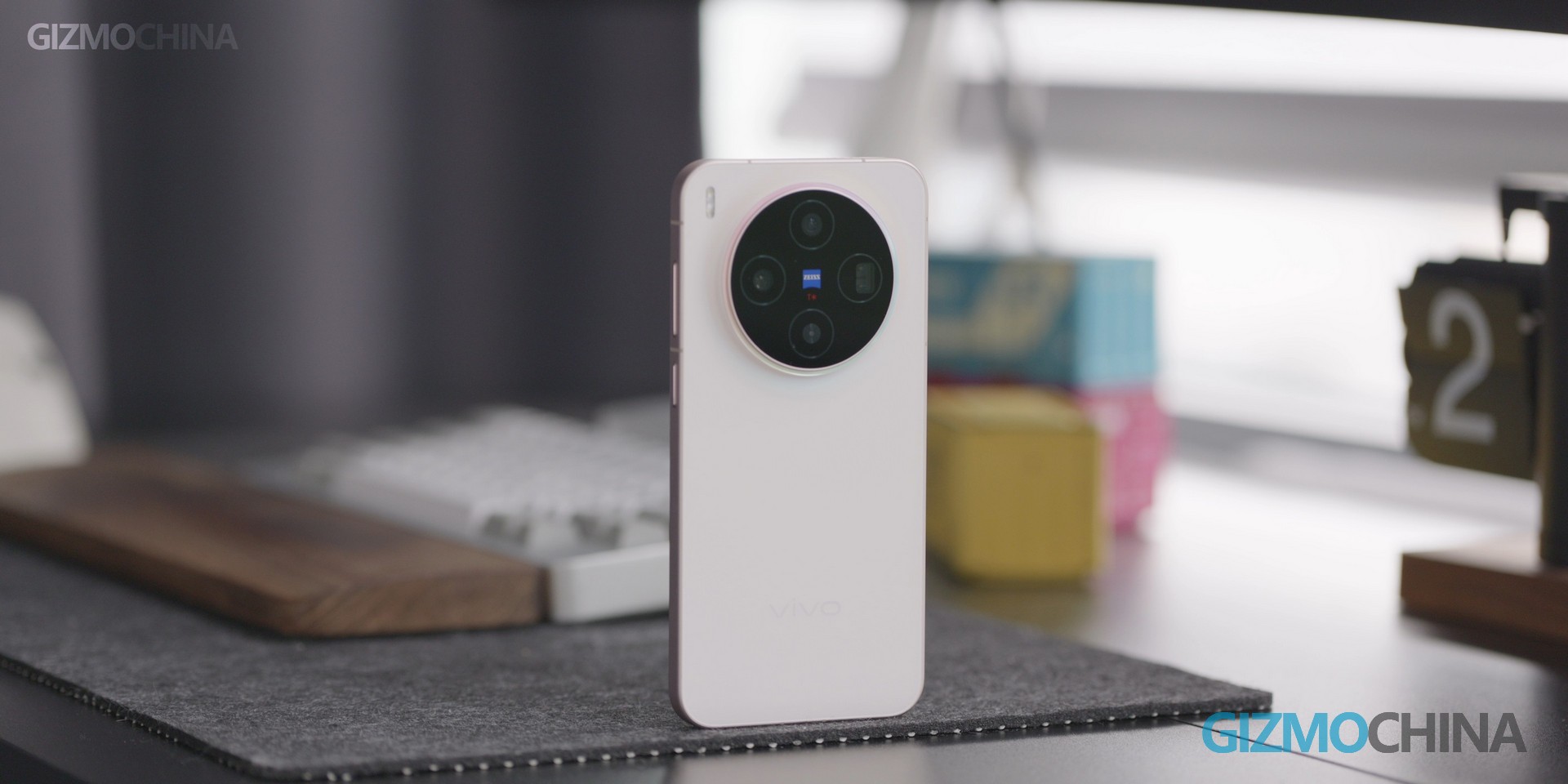
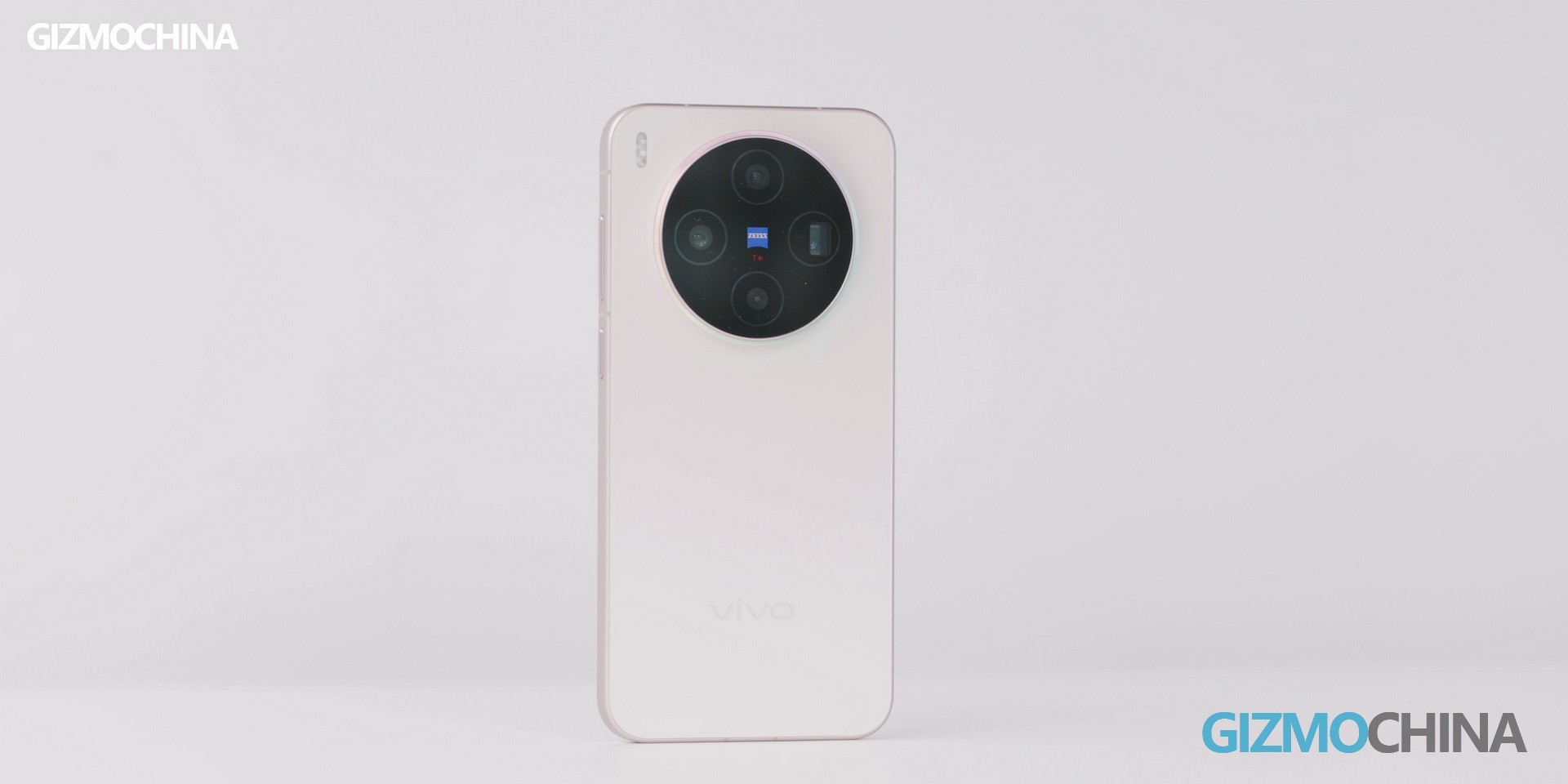
vivo didn’t cut corners on materials. The matte AG glass back comes in four colors—Black, Blue, Purple, and Pink—and resists fingerprints while catching light in subtle, shifting patterns. It feels premium, not plasticky. More importantly, it doesn’t slip from your grip when you’re juggling coffee and groceries. After a week of daily use, I’d forgotten what a relief it is to have a phone that doesn’t require finger gymnastics.
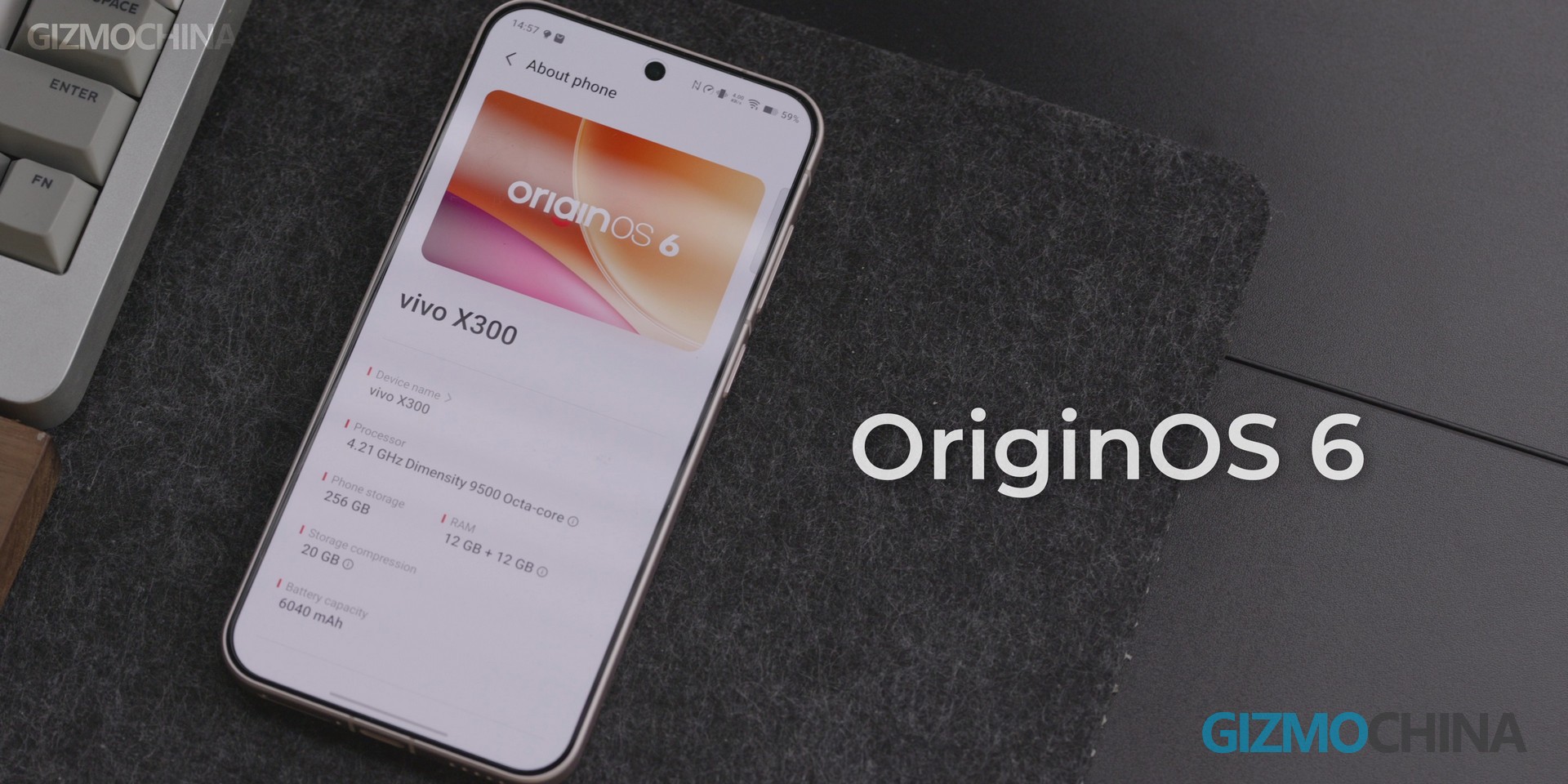
Software: OriginOS 6 Actually Understands Real Usage
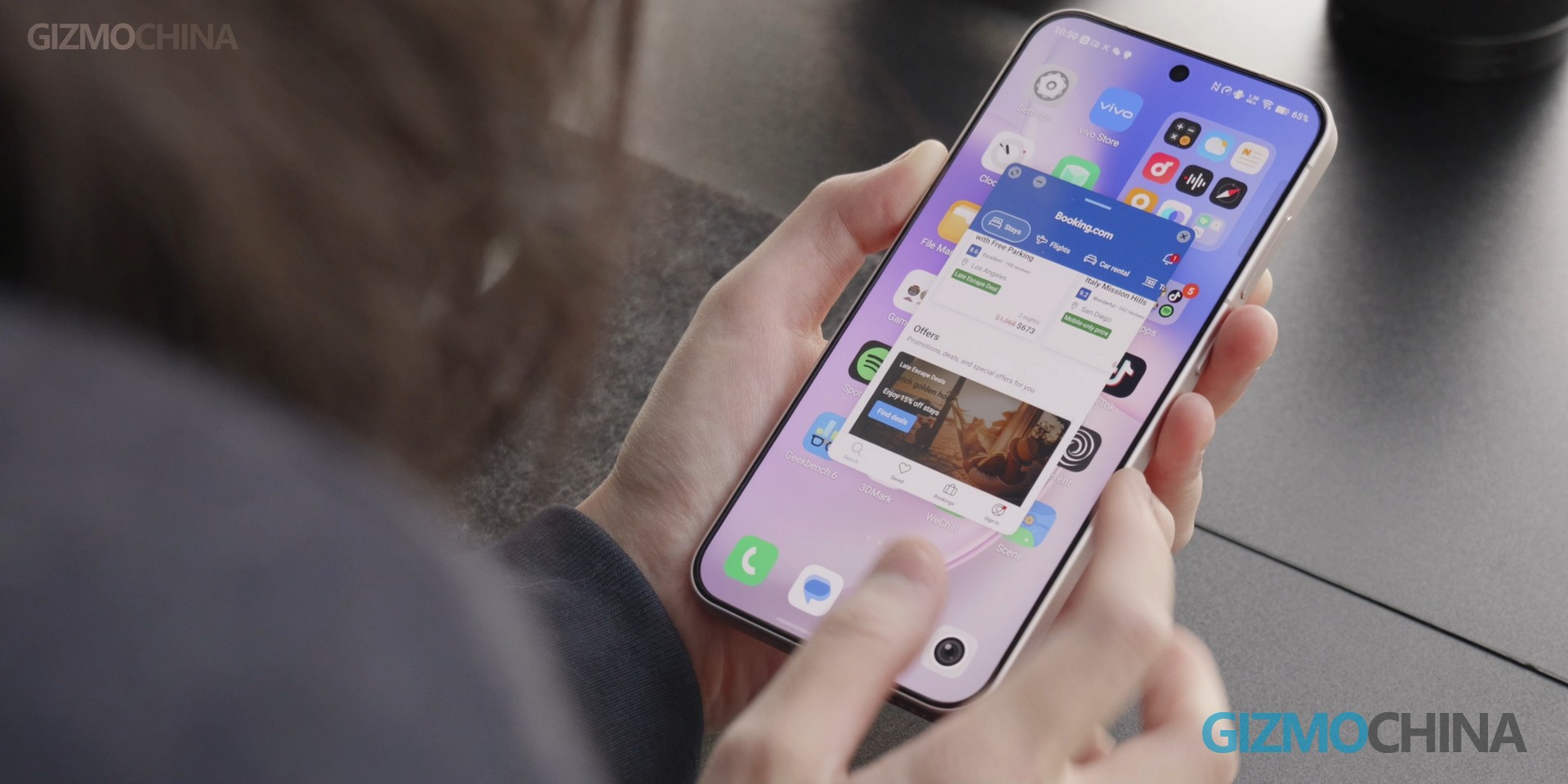
Running Android 16 with OriginOS 6, the X300’s software revolves around three principles: smoothness, intelligence, and personalization. But unlike most manufacturer skins, Vivo’s execution respects how people actually work.
Real-World Performance, Not Benchmark Theater
Multitasking doesn’t faze this phone. I had a dozen apps running background processes while gaming, and never noticed a frame drop. More impressively, vivo’s interface rendering makes everyday actions—scrolling lists, switching apps, loading content—noticeably snappier than other small-screen flagships I’ve used.
Standout Features
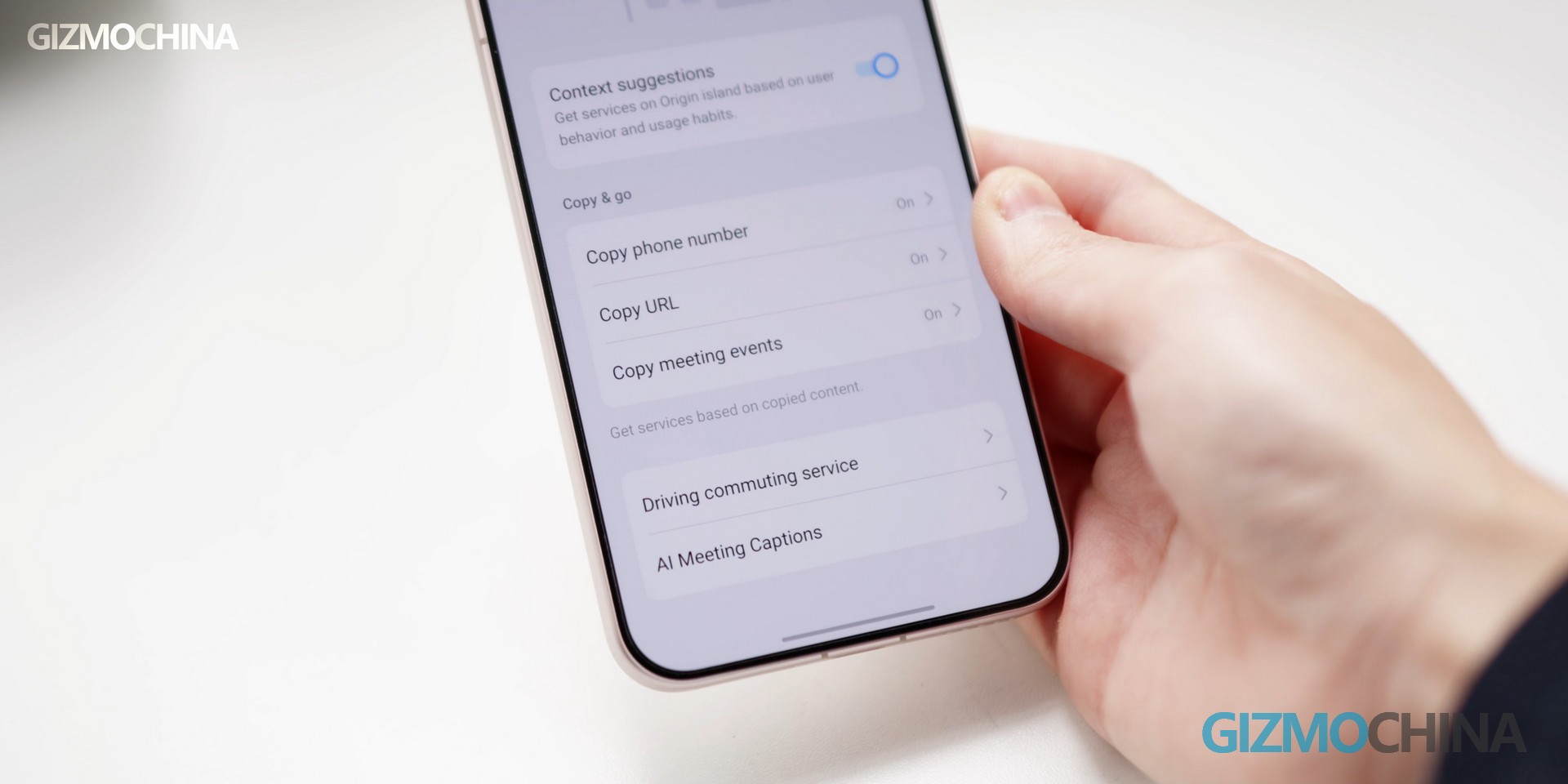
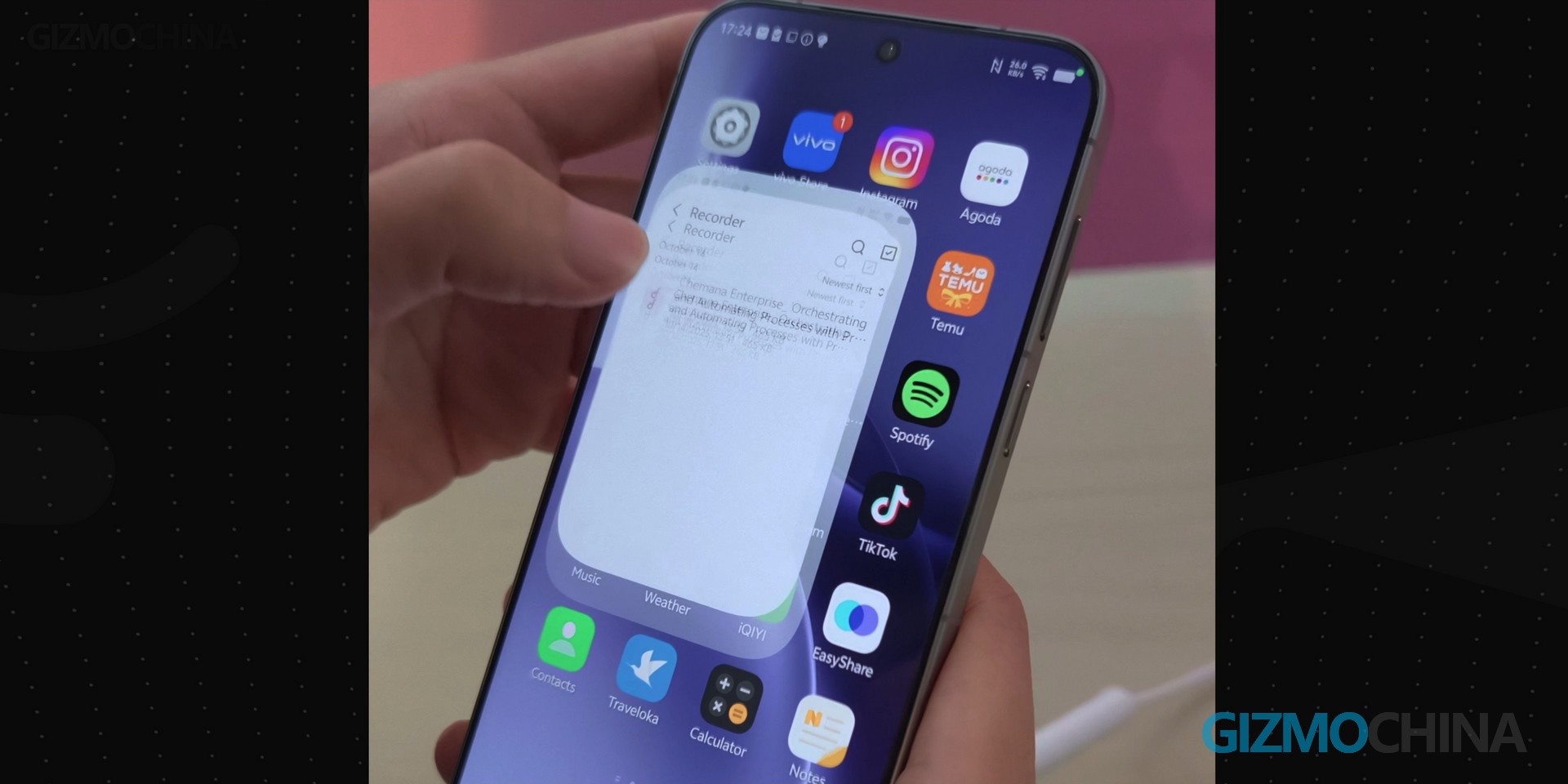
Drag & Go sounds like marketing fluff until you actually use it. Drag a hotel address to the OriginOS shelf and navigation launches instantly. Drag a check-out time to Notes and you’ve saved yourself three taps. It’s the kind of friction reduction that adds up.
AI Meeting Captions transcribed calls in real time with surprising accuracy, and the Driving Commute Service automatically simplified my notifications when it detected I was in the car. These aren’t gimmicks; they’re practical tools I used daily.
Global Support – The system offers real-time translation for over 30 languages—including English, Spanish, and French—enabling one-click translation of chat messages or foreign-language webpages. It also integrates seamlessly with Google services with zero compatibility issues, a critical requirement for global users (Please check the video).
Notification Stacking – Alerts from the same app automatically fold into a single stack, keeping the lock screen uncluttered and ensuring important information remains easy to locate.
Imaging: Where This Phone Punches Above Its Weight
The X300’s camera system is its crown jewel, and the telephoto lens is the star—rare for a non-Pro device.
Telephoto Lens: Sharp Details with Minor Trade-Offs
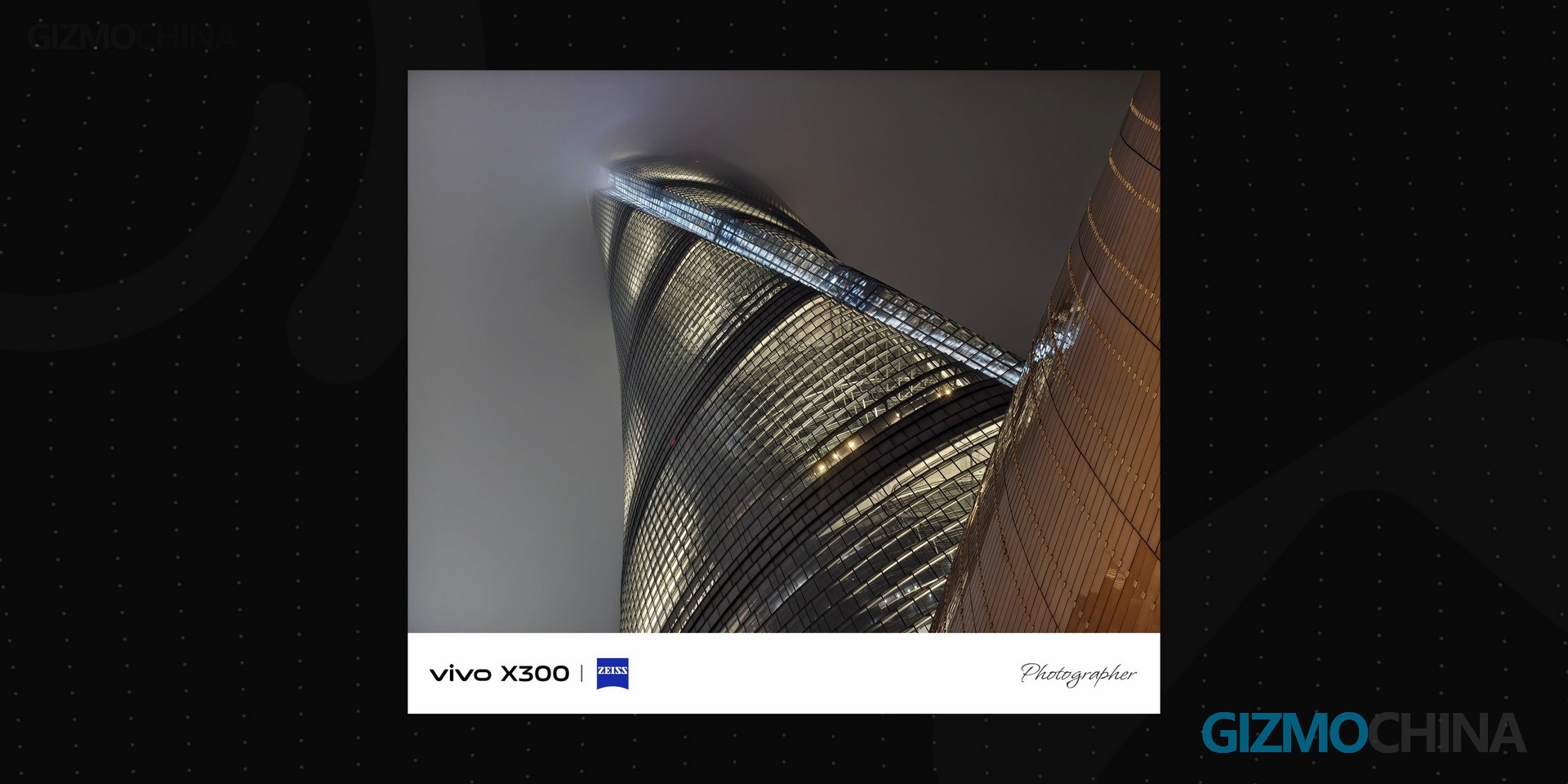
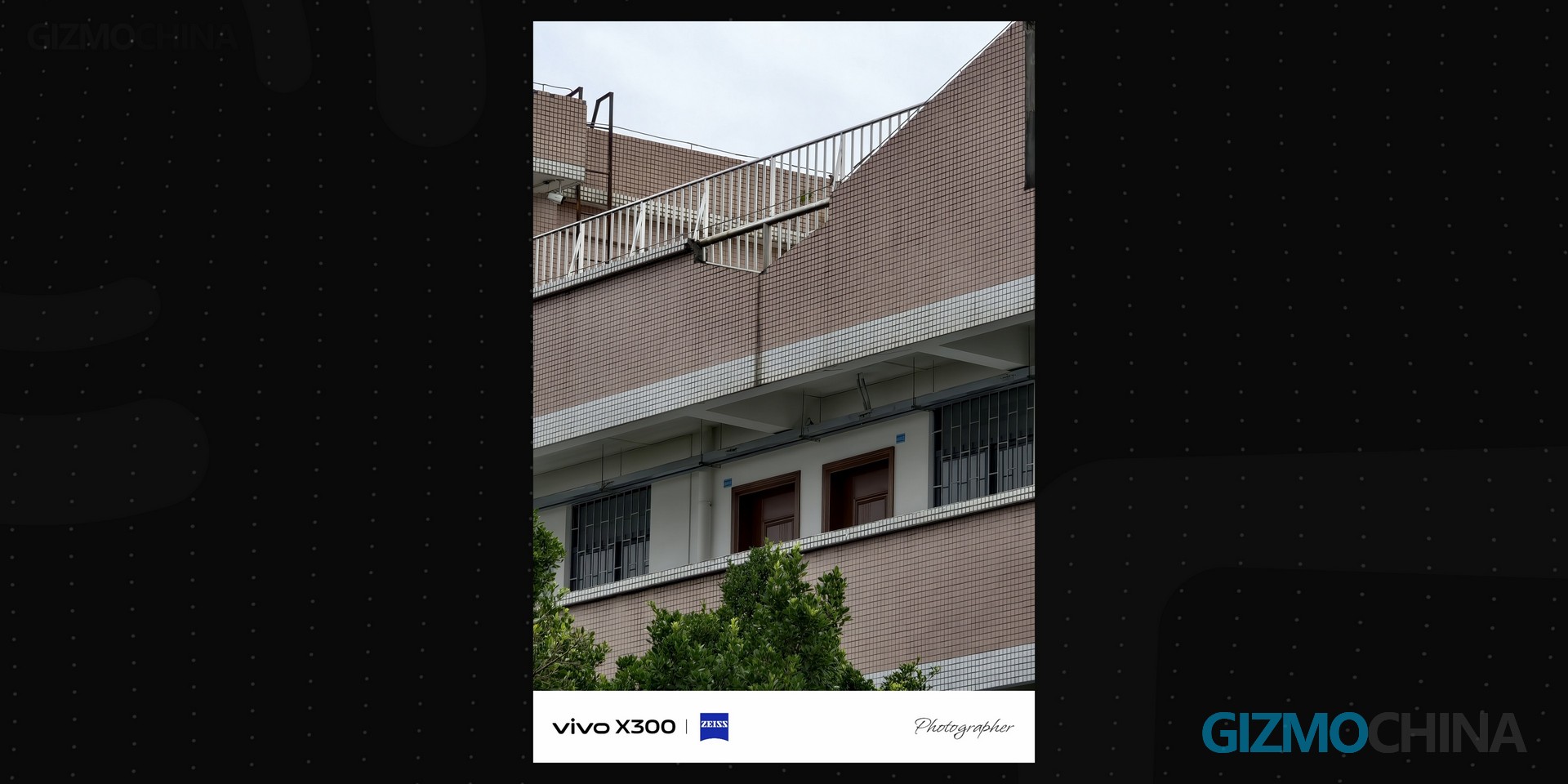
Our testing team captured real-world sample shots using the telephoto lens, with impressive results: sharp-edged grass plants, intricate garden roof tiles, detailed sculptures on ancient buildings, and the sleek architectural lines of the Shanghai World Financial Center were all rendered with exceptional clarity. This is no “mini” downgrade of a flagship camera—it functions as a capable standalone imaging system.
That said, we observed a minor limitation at 223mm focal length: the AI sharpening algorithm creates a trade-off. While it boosts edge sharpness, it also introduces slight smearing, especially in overcast weather or complex indoor lighting. In these conditions, detailed objects may appear slightly AI-generated—a flaw, but one that is forgivable when comparing a standard model to its Pro-tier counterpart.
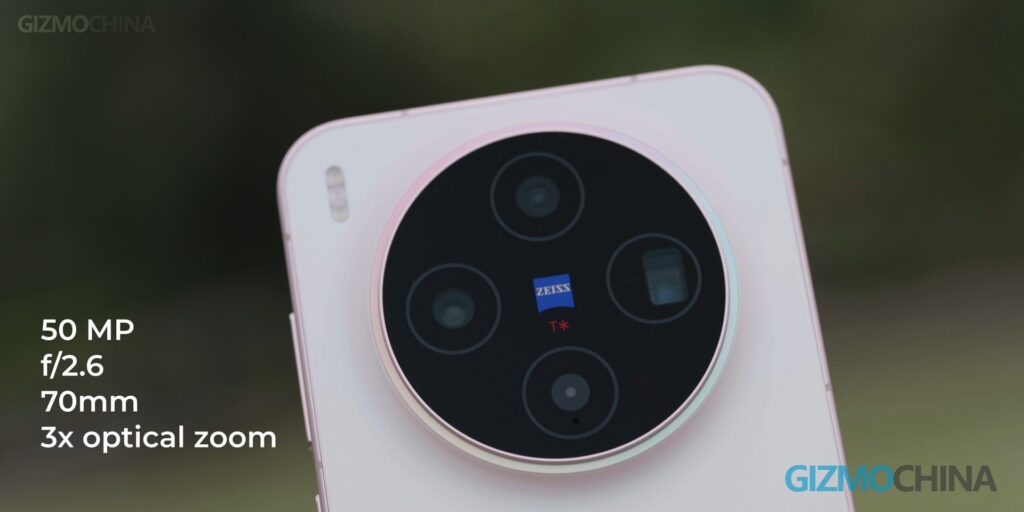
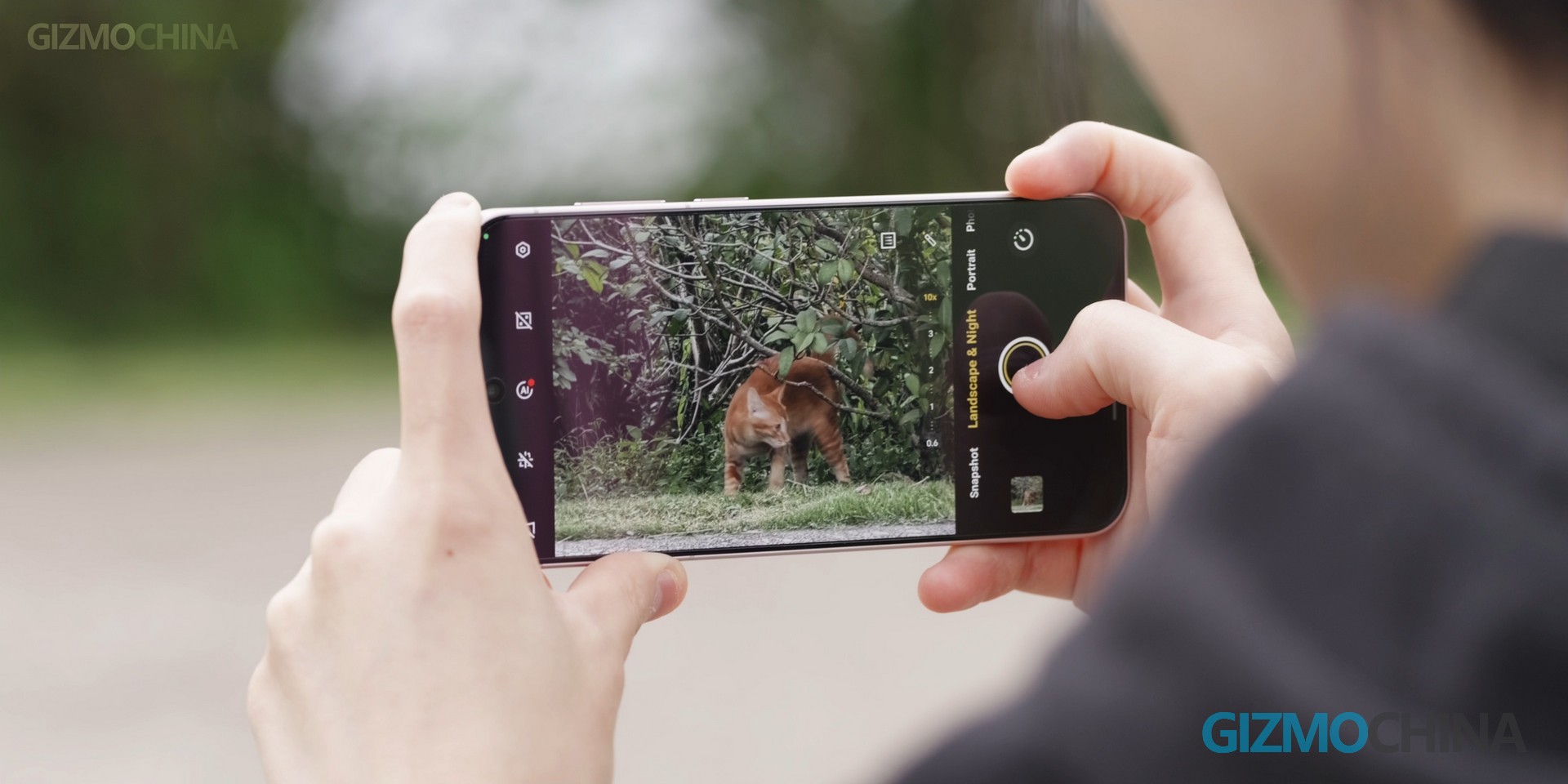
A key advantage is the 50MP periscope telephoto lens equipped with CIPA 4.5 professional anti-shake technology. Whether capturing portraits or macro shots of flower petals, results remain consistently sharp—a feature many brands omit from standard models to cut costs.
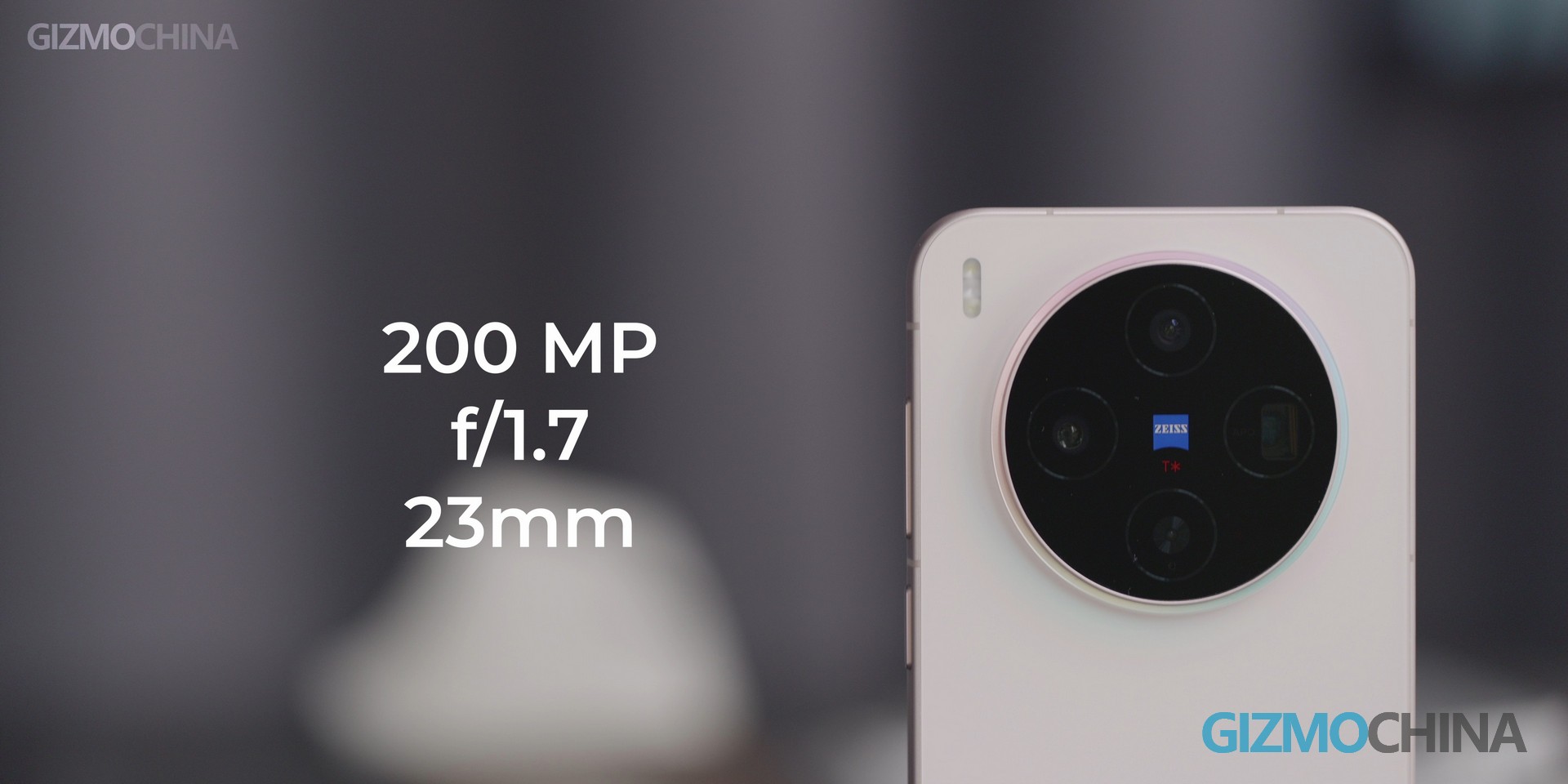
200MP Zeiss Main Camera: Consistent Quality Across Lighting Conditions
The 200MP Zeiss main camera uses a custom large-size Samsung HPB sensor—the same core hardware that made the X300 Pro a favorite among photography enthusiasts. It maintains sharpness in low-light environments and bright sunny landscapes, delivering reliable quality across diverse shooting scenarios.
Ultra-Wide and Portrait Capabilities
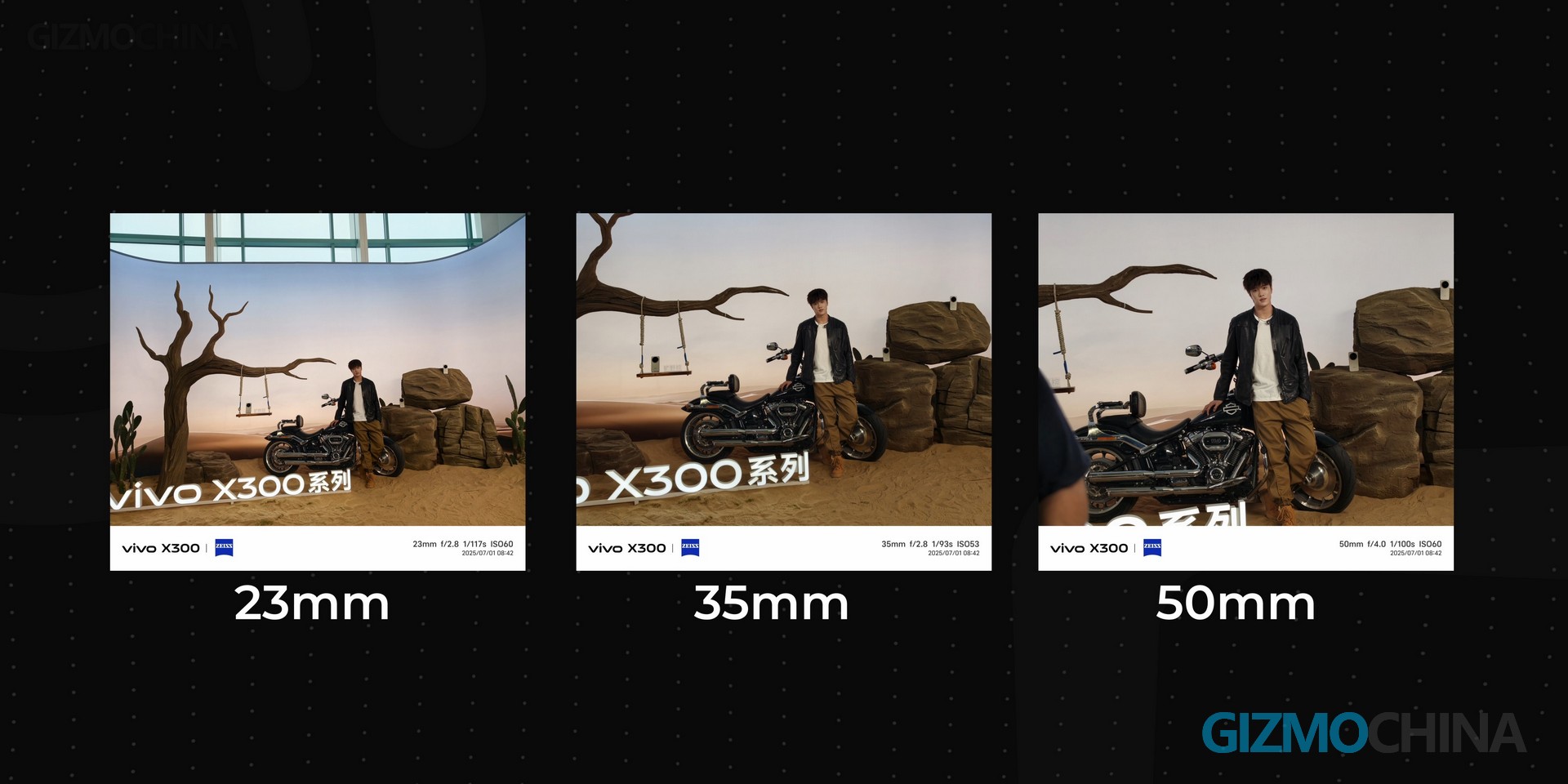
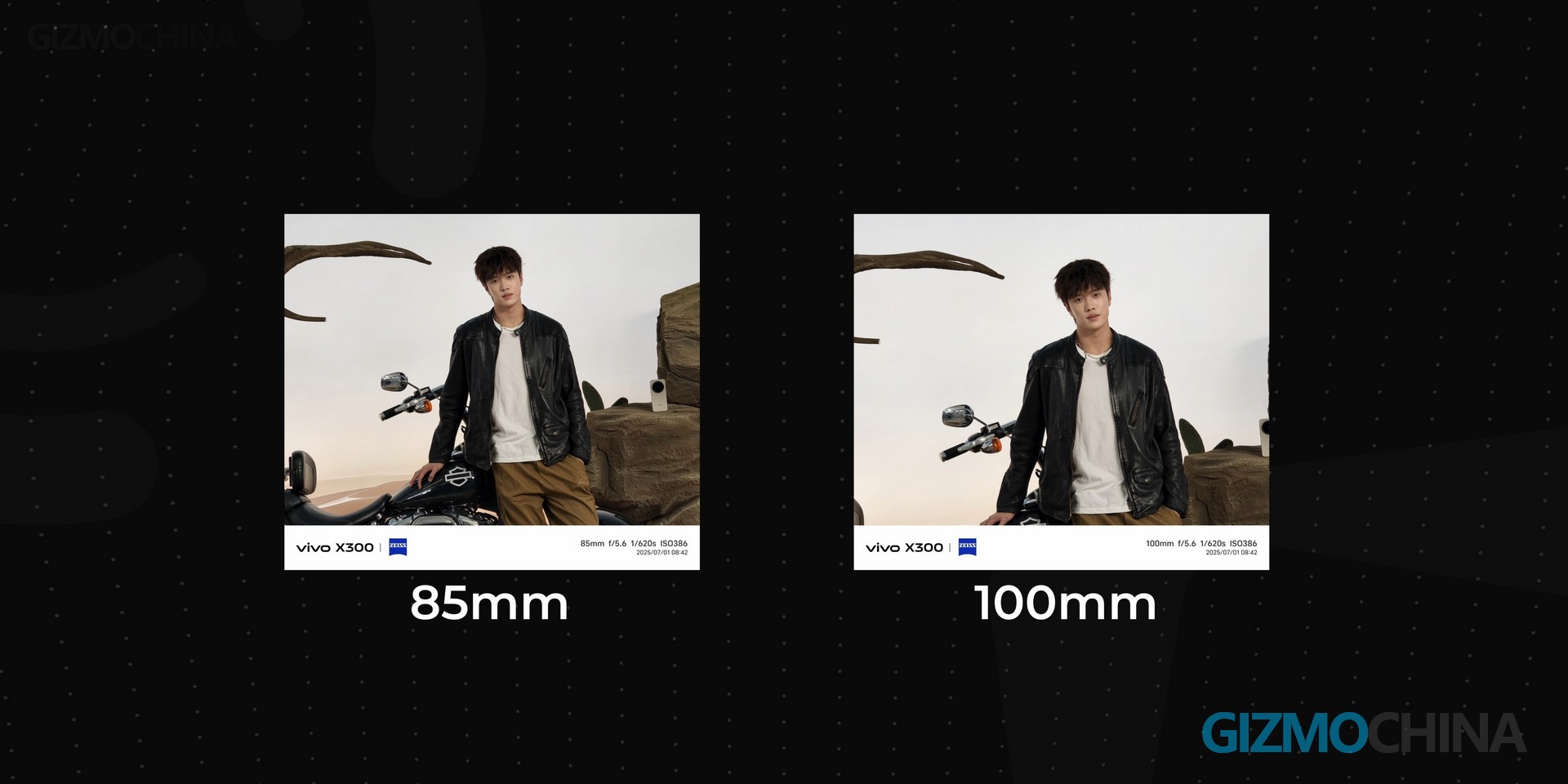
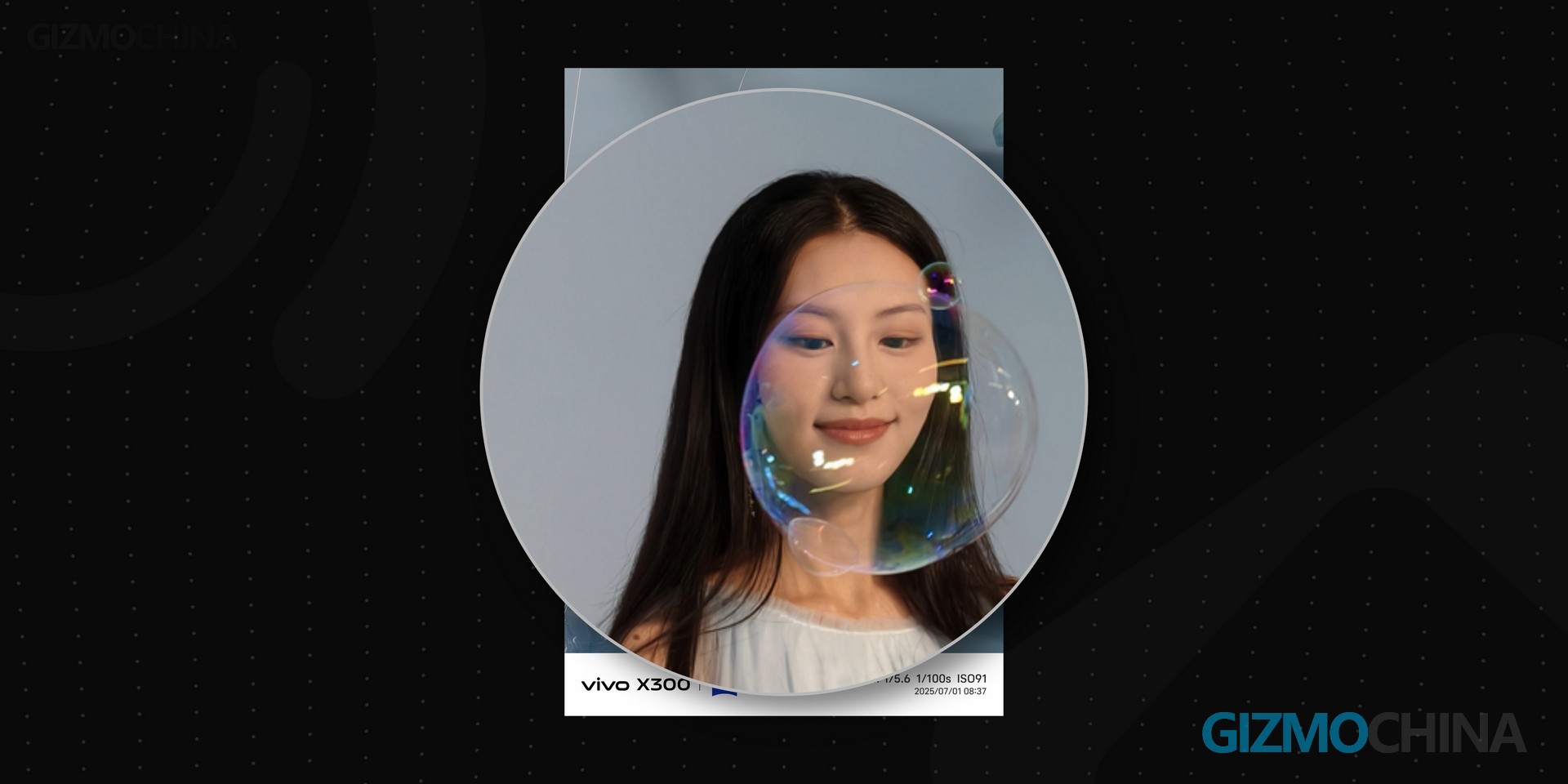
The ultra-wide-angle lens also performs strongly, capturing expansive scenes without distortion (sample photos available for reference). For portraits, the X300 Standard retains the X200 series’ popular focal lengths: 23mm, 35mm, 50mm, 85mm, and 100mm.
Vivo’s imaging style prioritizes “enhanced appeal” over strict realism—skin blemishes are subtly softened, a choice that sparks mild industry debate but aligns with consumer preferences for flattering portrait results.
Video and Creator-Centric Features
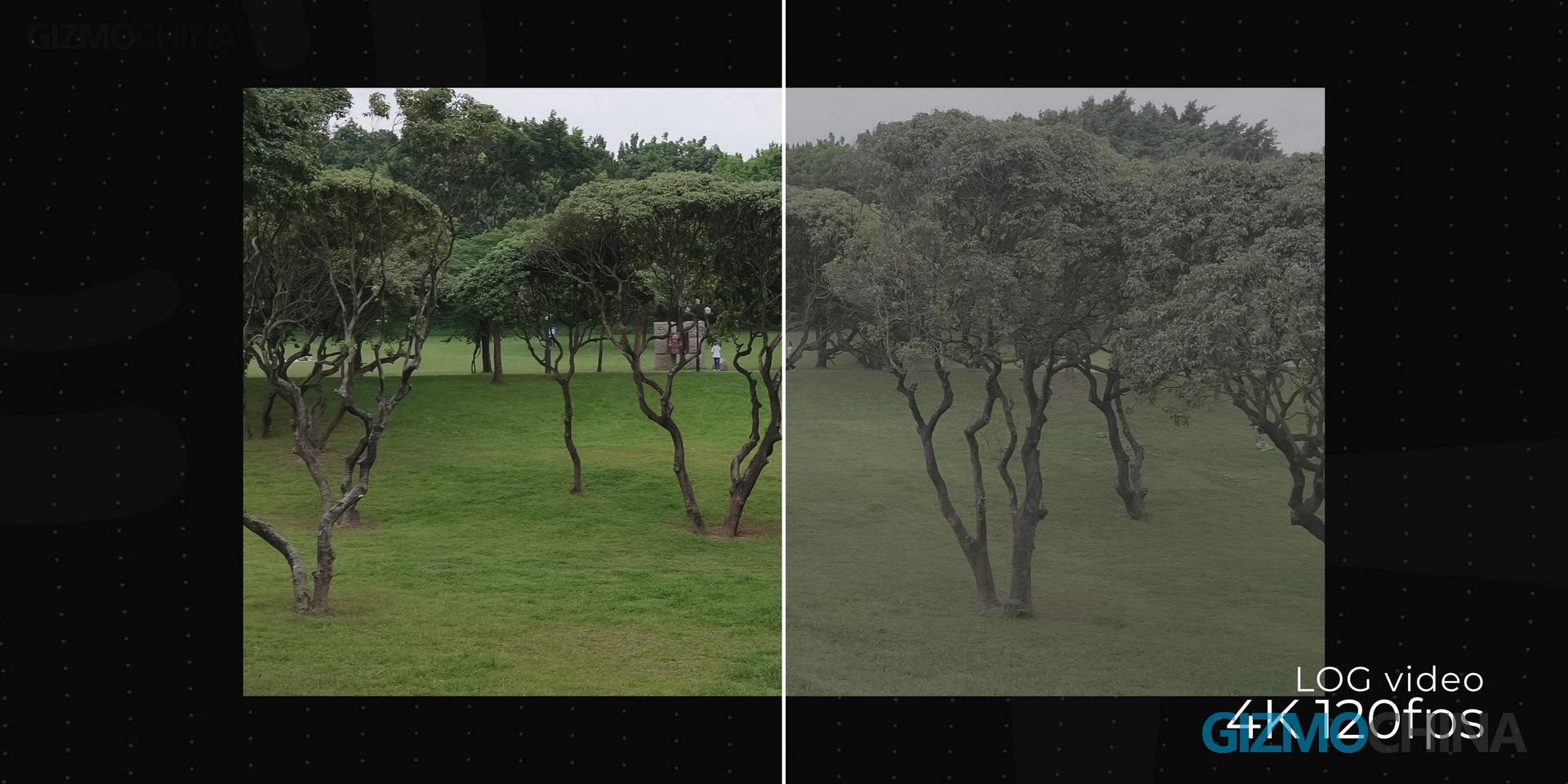
Video Performance: The device supports 4K 120fps LOG video mode and up to 2.8K 60fps video stabilization. Our sample videos showed minimal shakiness during walking shots, making them suitable for casual content creators and vloggers.
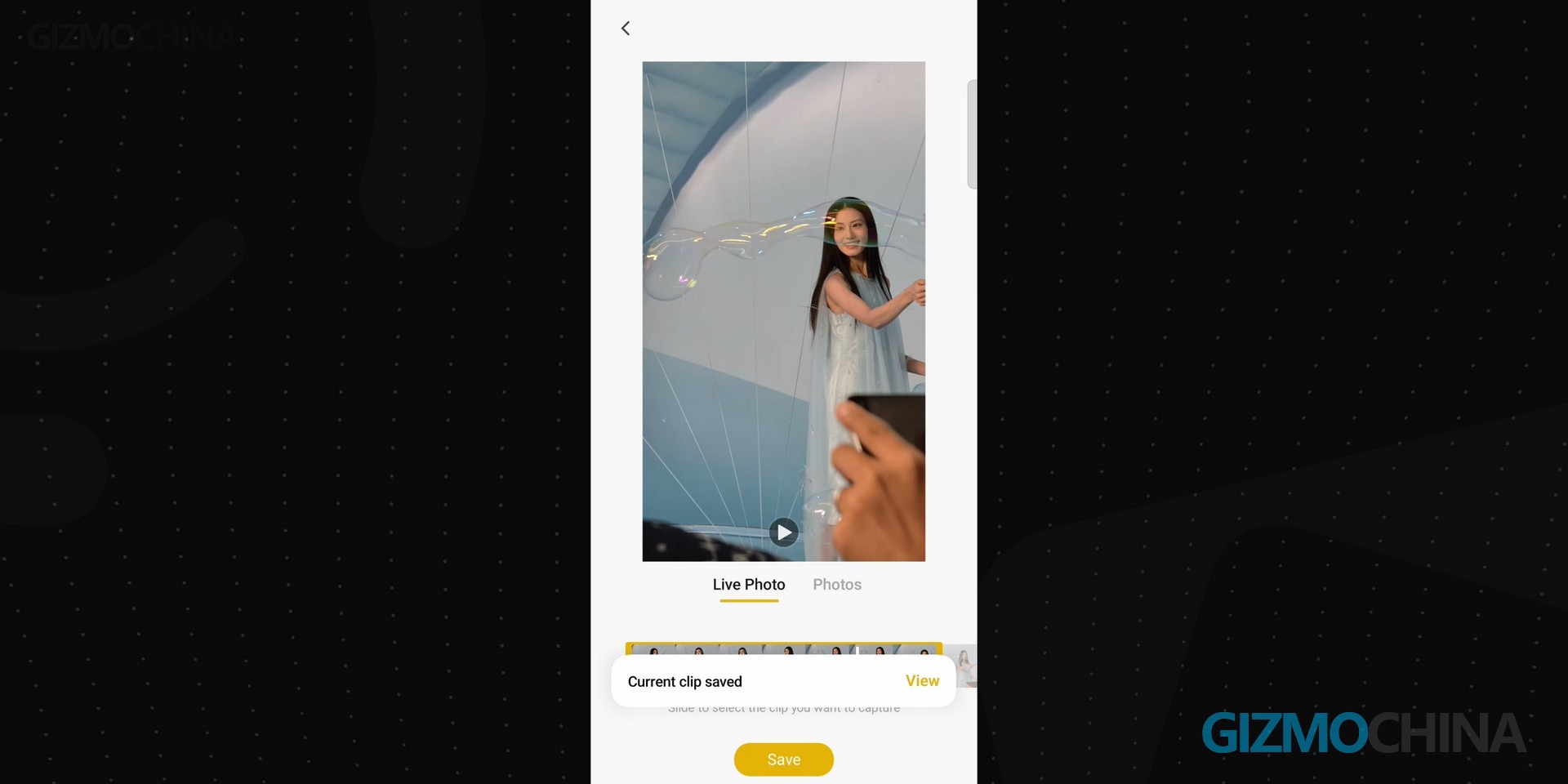
Post-Processing Tools: “Shoot First, Crop Later” allows users to adjust framing after capture, while video-to-Live-Photo conversion preserves dynamic moments (e.g., street scenes, event highlights) without requiring perfect initial composition.
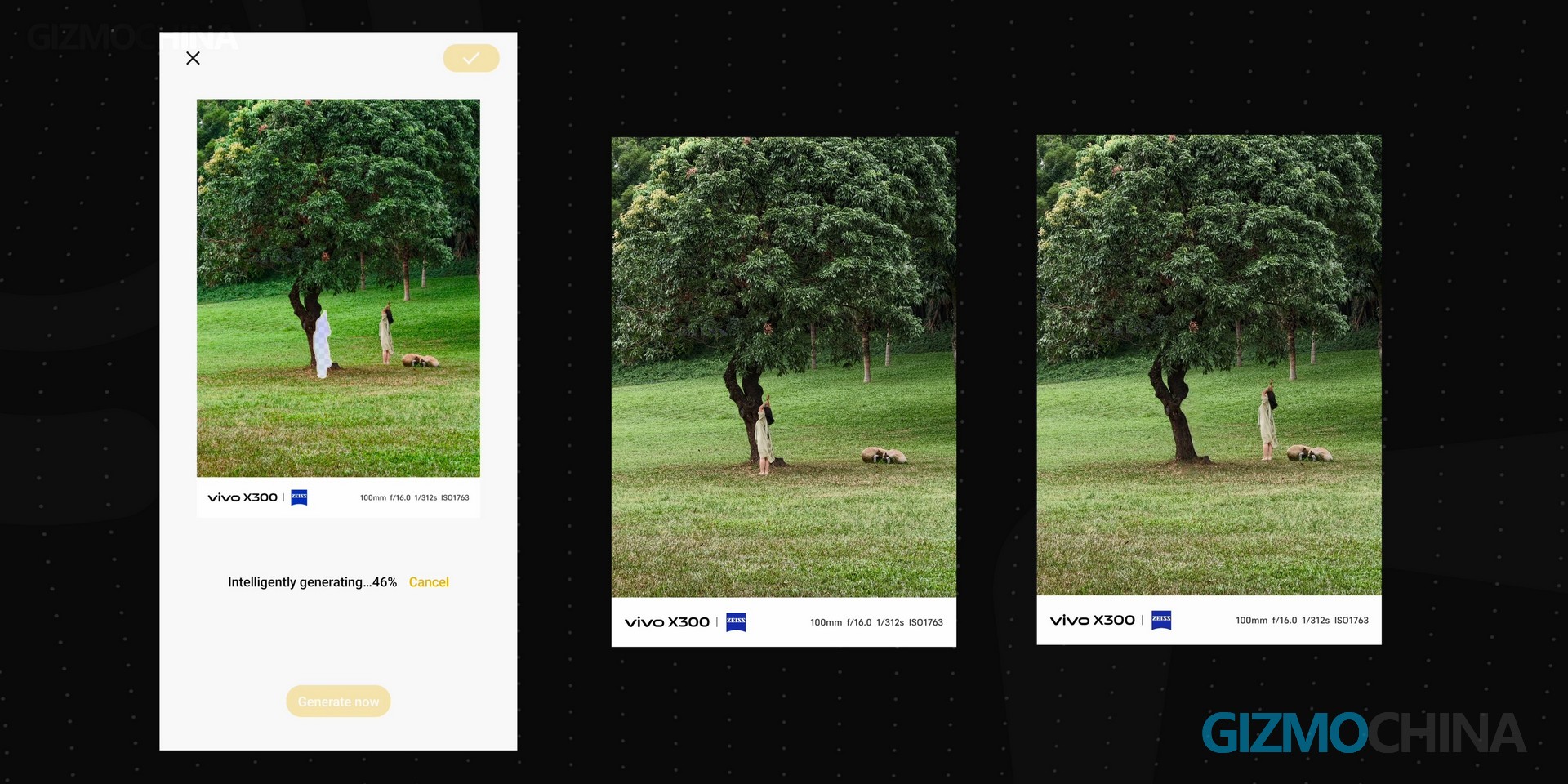
AI Portrait Erasure: Notably, this feature stands out as more natural and realistic than competing solutions. Users can even reposition people within a photo, and the results remain visually authentic—offering unprecedented flexibility for post-shoot editing.
Performance: Strong Benchmarks and Real-World Gaming Stability
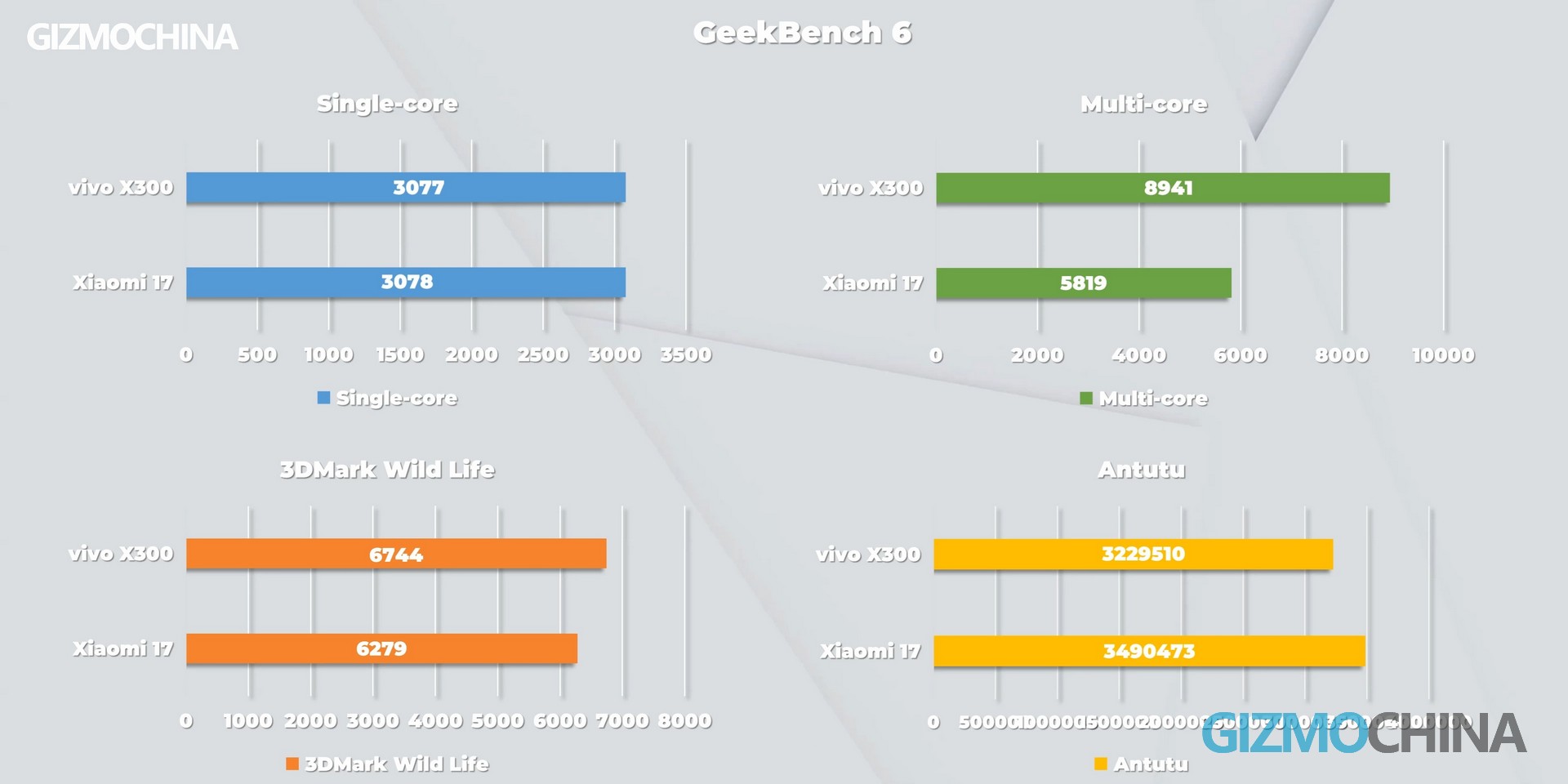
To evaluate performance comprehensively, we combined benchmark testing with real-world usage scenarios—ensuring results reflect how users actually interact with the device.
Benchmark Results
Real-World Gaming Test
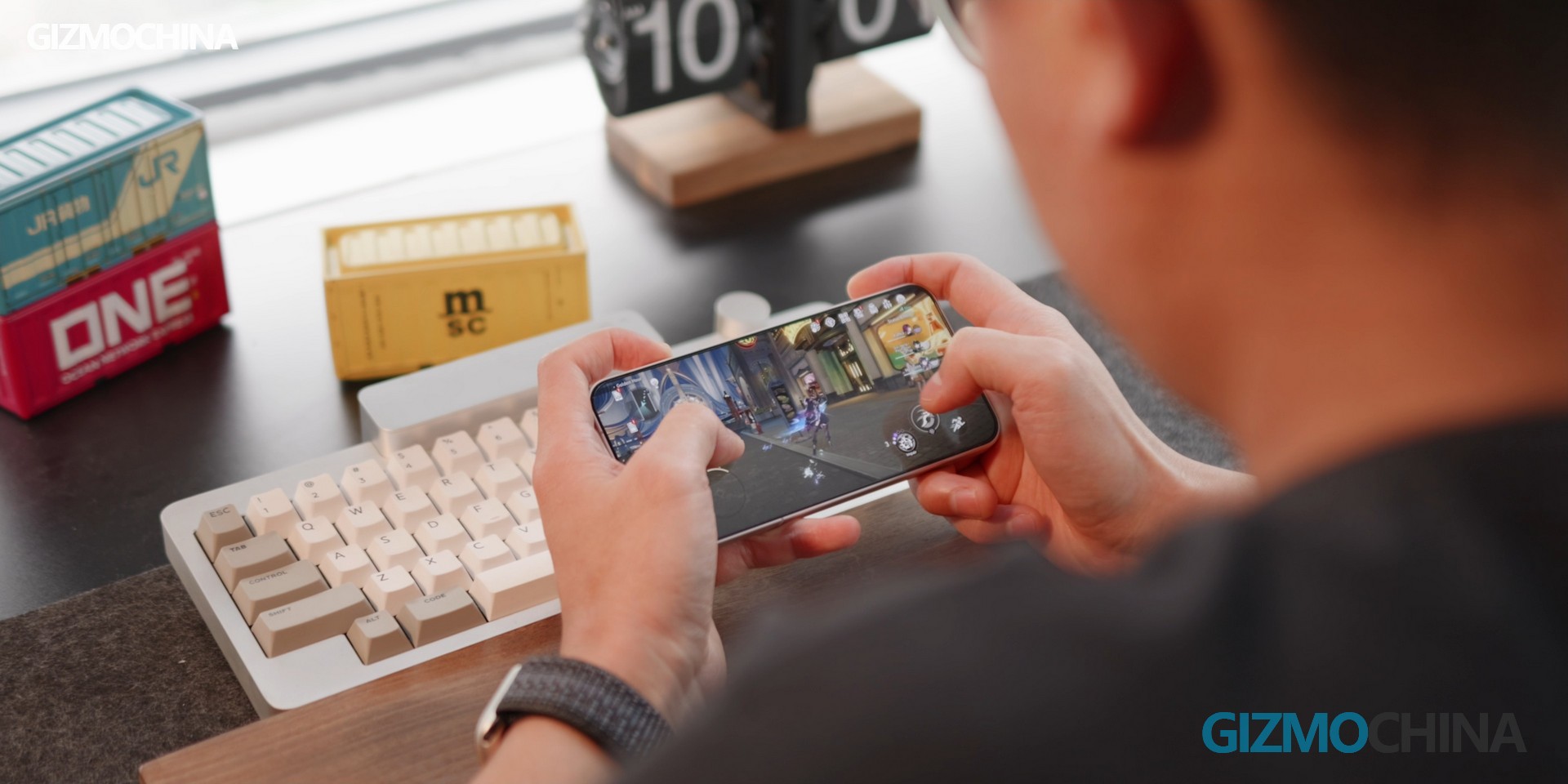
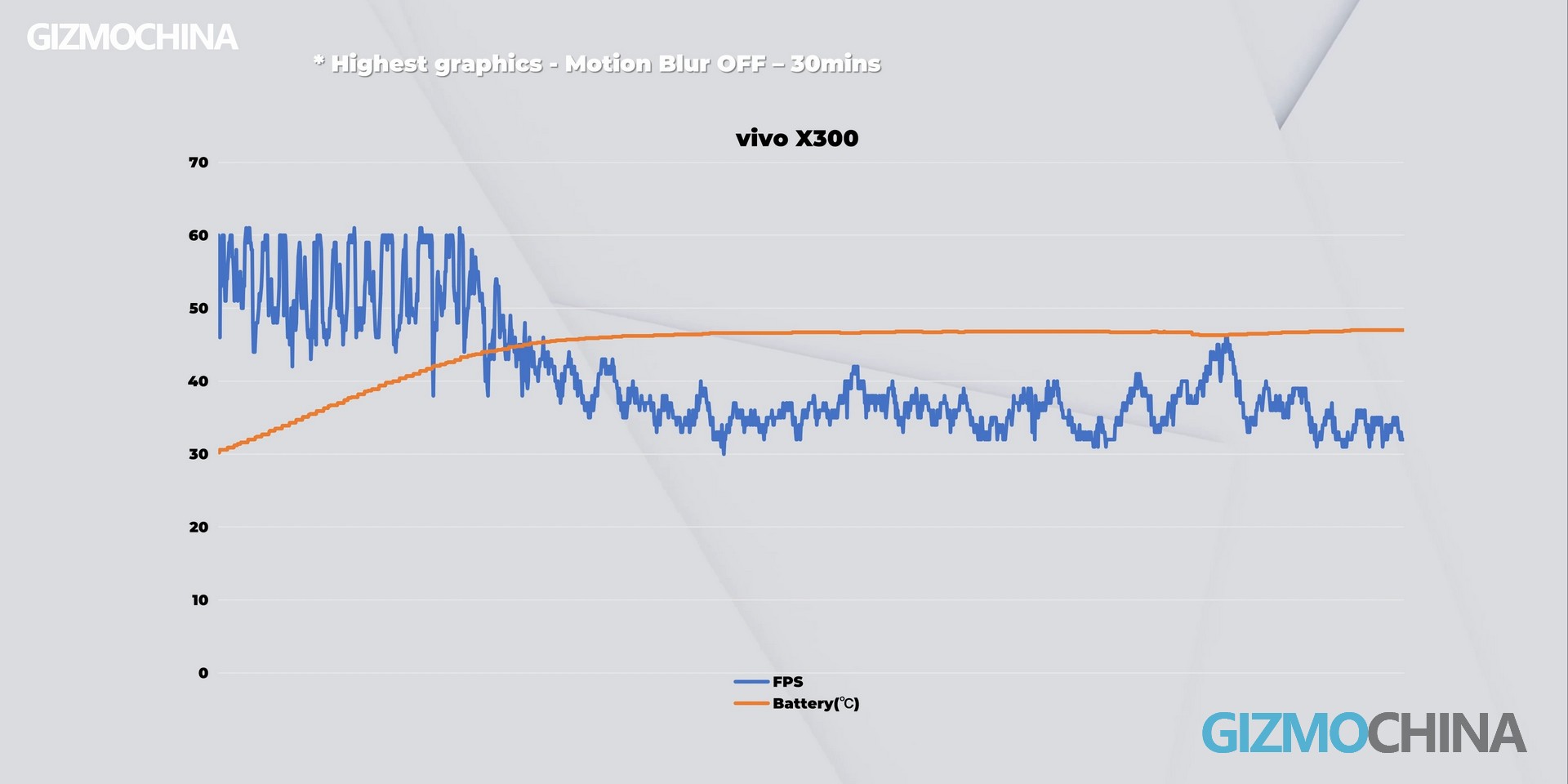
We subjected the device to heavy gaming with Honkai: Star Rail, maxing out graphics settings and frame rates: 0–10 minutes: Maintained a stable 60fps, with responsive controls and no lag or frame drops—handling the game’s initial load and complex in-game environments effortlessly.
10–15 minutes: Performance throttling kicked in, causing slight frame rate fluctuations (55–60fps). Concurrently, the device’s body temperature reached approximately 50°C (122°F), feeling noticeably warm to the touch.
15+ minutes: Frame rates dropped further to 35–45fps, likely due to limited inner thermal space. This is physics, not failure. Slim bodies have less thermal mass. If you do play games for over 30 minutes, expect throttling. For everything else—including my typical 15-minute gaming sessions—it stays smooth.
Display: Compact but Thoughtful
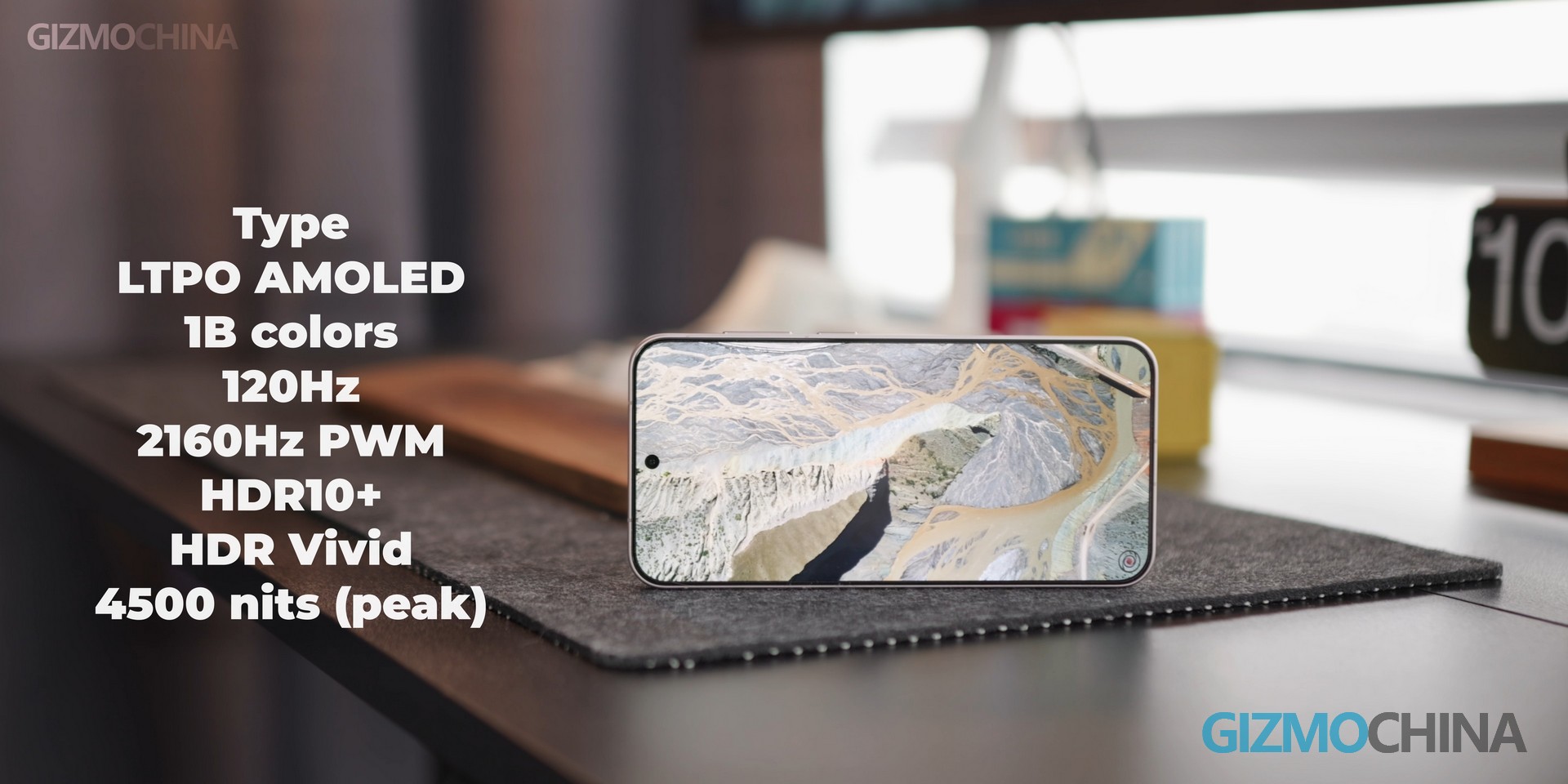
While the 6.3-inch display is compact, Vivo has implemented smart tweaks to balance display quality and long-term eye comfort: AI Adaptive Eye Comfort Mode: Adjusts the screen’s color temperature based on ambient light to minimize eye strain. The display also holds Germany’s TÜV Low Blue Light certification, making extended scrolling less tiring.
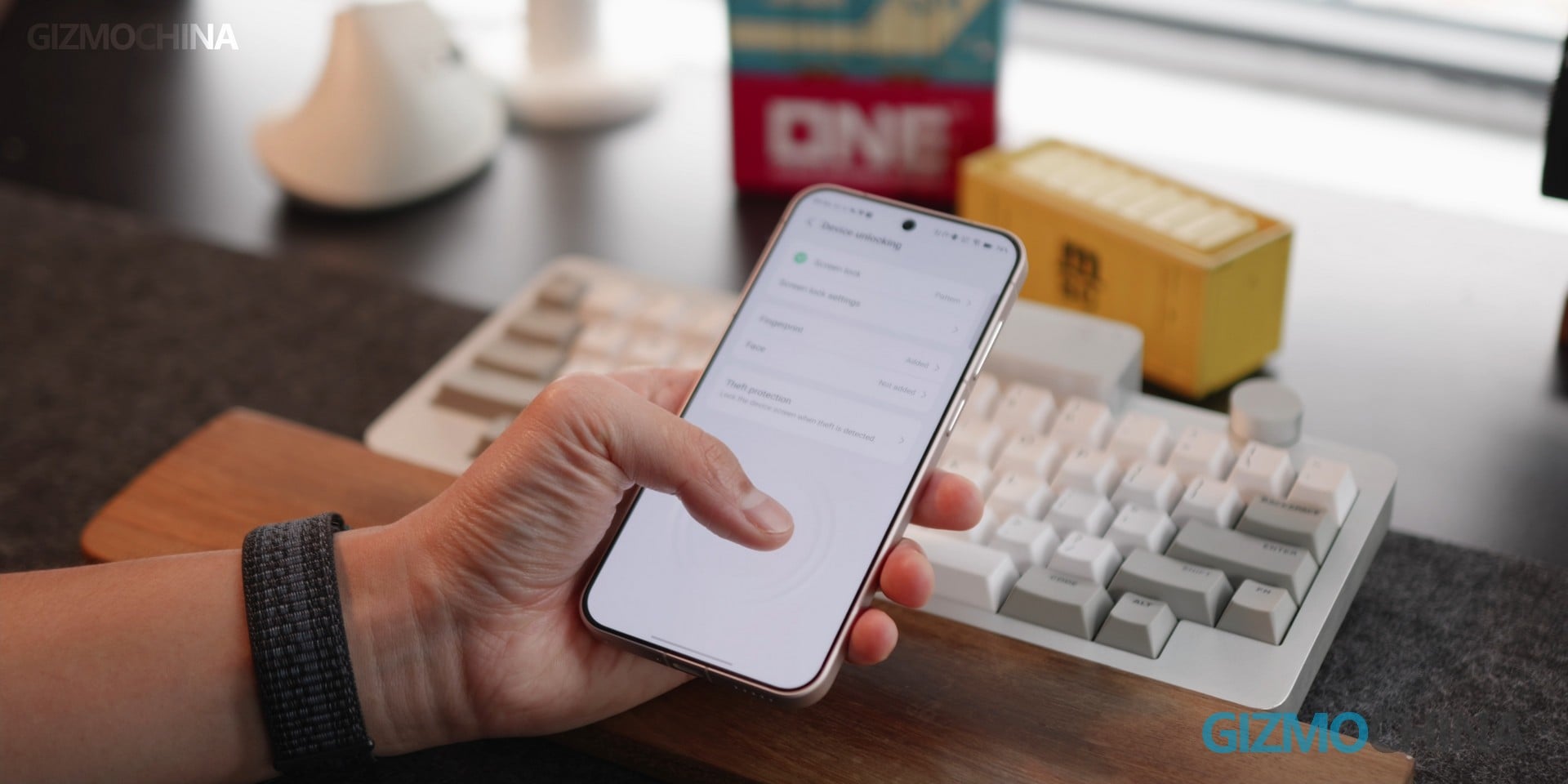
In-Display Fingerprint Unlock: Operates in just 0.2 seconds—fast enough for seamless one-handed access—and functions reliably even with wet hands, addressing a common pain point for users.
Small Screen Mode: Sliding inward from the bottom edge of the screen shrinks the display to a one-hand-friendly size, enabling easy access to top-screen icons without adjusting grip.
Battery Life: Big Capacity Solves Small-Screen Limitations
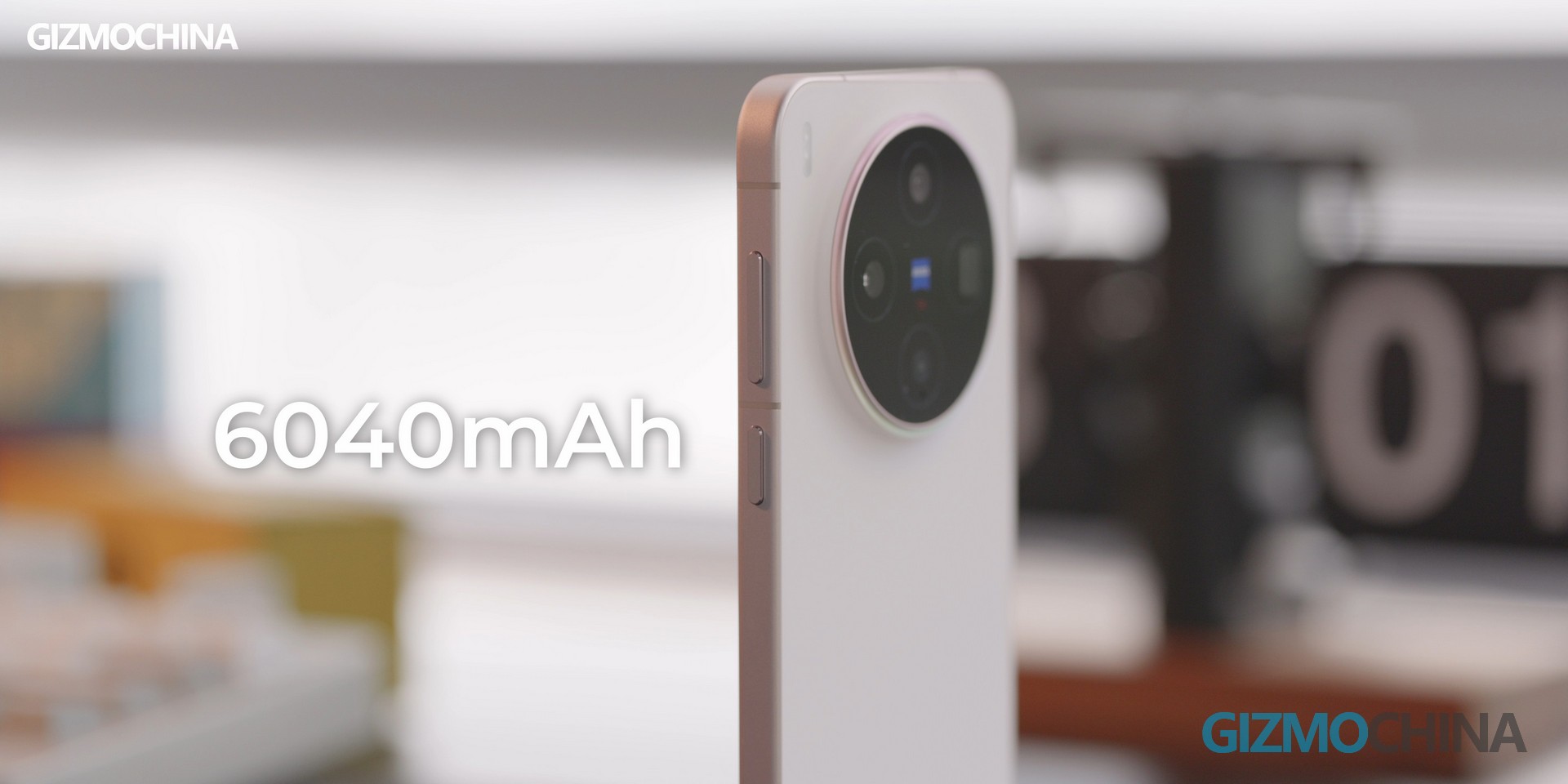
Small-screen phones are often criticized for poor battery life, but the Vivo X300 Standard addresses this with a combination of hardware upgrades and software optimizations. At its core is a 6040mAh battery—unusually large for a compact device. Our real-world testing recorded up to 14 hours of mixed usage—including web browsing, social media scrolling, and photography—on a single full charge
Complementing the large battery is 67W fast charging: it reaches 50% battery in 18 minutes and a full charge in approximately 45 minutes, eliminating anxiety about low power during busy days.
The Verdict: The Small-Screen Phone to Beat in 2025
The Vivo X300 Standard redefines what a small-screen flagship can be. It retains a slim, 183g, 6.3-inch body for effortless one-handed use while delivering flagship-level performance in three critical areas: imaging, processing speed, and battery life.
Its greatest strength is the 50MP anti-shake periscope telephoto + 200MP Zeiss main camera combo—a pairing that lets small-screen users capture professional-quality photos without paying Pro-tier prices. It excels at shooting “distant or small” subjects in daily life, outperforming even our highest expectations for a small-screen flagship in this price range. For photography enthusiasts, it even supports custom lenses, matching the X300 Pro’s versatility.
If you’re tired of choosing between portability and performance, the Vivo X300 Standard is the 2025 small-screen flagship worth Buying.
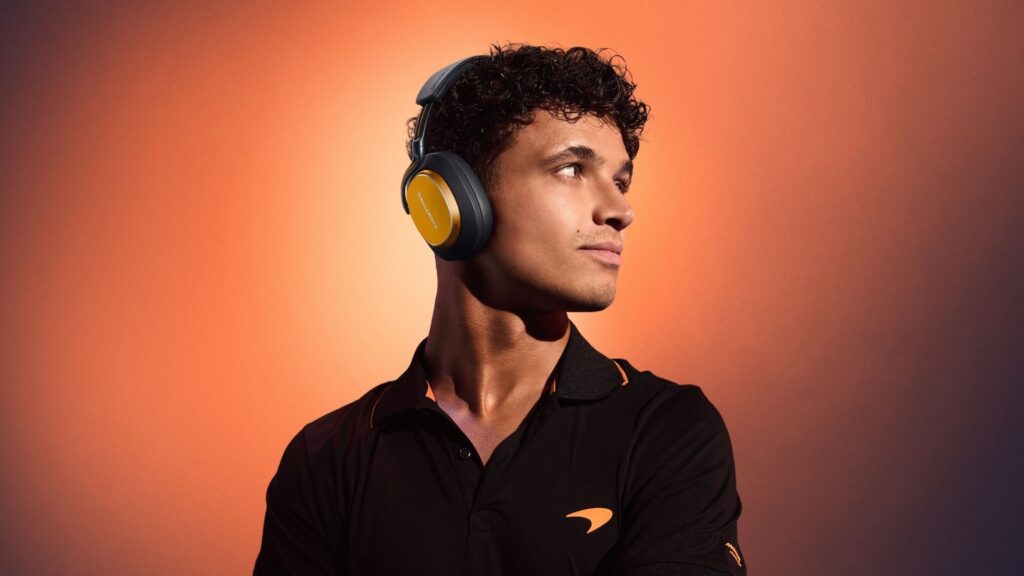
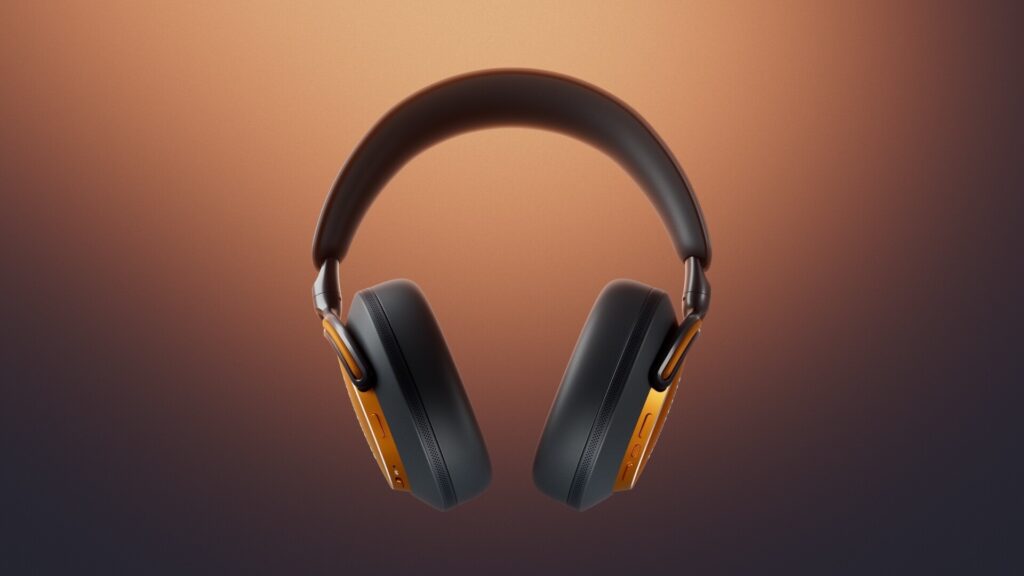
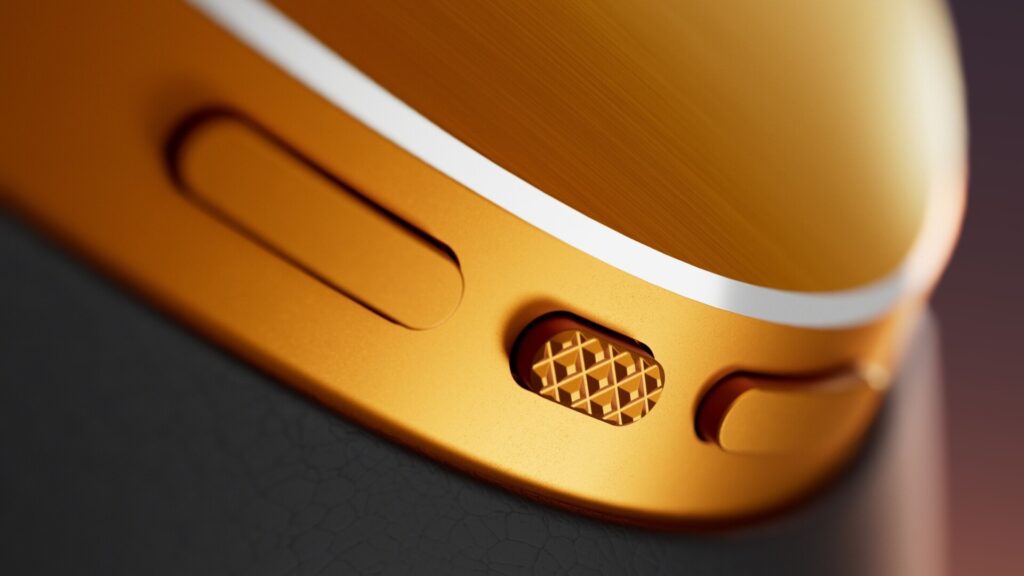
Bowers & Wilkins has launched the Px8 S2 McLaren Edition, a new version of its Px8 S2 wireless headphones created with McLaren Automotive and the McLaren Formula 1 Team. The headphones use the McLaren Papaya finish with Anthracite Grey accents, along with visible McLaren Speedmark details on the headband and earcups. The design also includes diamond-cut edges on each elliptical logo plate and soft Nappa leather on the memory-foam headband and ear cushions.
The Px8 S2 McLaren Edition focuses on sound performance and the look that connects to McLaren’s identity. It features Bowers & Wilkins noise-cancellation technology that reduces outside noise without affecting music quality. This model is the third product in the partnership and improves on the original Px8 S2.
Audio performance is driven by upgraded 40mm Carbon Cone drive units. The units have a redesigned chassis, voice coil, suspension and magnet for higher detail and better resolution. They are angled toward the listener’s ears to keep a consistent distance across the surface of each driver, which improves imaging and stereo width. The headphones support Qualcomm aptX Adaptive 24/96, aptX Lossless and Bowers & Wilkins DSP to deliver 24-bit, 96kHz high-resolution audio.
Users can control the headphones through the Bowers & Wilkins Music app. The app allows adjustment of noise cancellation, transparency mode, battery levels, wear sensor sensitivity and the Quick Action button. There is also a five-band EQ with the option to save presets. Battery life is rated at 30 hours, and a 15-minute charge provides up to seven hours of use.
The Px8 S2 McLaren Edition will be available from 19 November. Lyle Smith, President of Sound United at HARMAN, said the new model highlights the ongoing partnership with McLaren.
The Bowers & Wilkins Px8 S2 McLaren Edition will be sold on the Bowers & Wilkins website and through selected retailers for £729, €829 and $899.
For years, the biggest copyright fights around generative AI have focused on the companies building the technology. Now, for the first time, a regular user is at the center of a criminal case. In Japan, a 27-year-old man is being recommended for prosecution after allegedly using Stable Diffusion to recreate a copyrighted illustration and selling the result as a book cover.
Stable Diffusion image samples
Police in Chiba Prefecture say the man issued an enormous number of prompts — reportedly around 20,000 — in an effort to push the open-source model into reproducing a specific protected image. According to reporting from Yomiuri Shimbun (machine translated), this appears to be the first case anywhere in the world where an end user, not the creator of the AI tool, is facing criminal copyright charges over AI-generated artwork.
Until now, enforcement has almost always targeted developers. Getty Images famously went after Stability AI in the UK, and courts in the US have repeatedly ruled that AI-generated images can’t be copyrighted at all. Going after individual users has been viewed as unrealistic — they typically don’t have the resources of a tech company, and proving deliberate copying inside a complex diffusion model is extremely difficult.
Legal analyst Kensaku Fukui notes that the key factor here is intent. The sheer volume of prompts and the alleged effort to steer the system toward a specific artwork could set this case apart from the everyday “draw this in x style” prompts people type for fun. If prosecutors argue successfully that he used Stable Diffusion as a kind of sophisticated photocopier, the ruling could have major implications.
It’s still unclear which artist or copyright holder (if any) filed a complaint, or exactly what image was supposedly duplicated. What is clear is that this case pushes into new territory: at what point does prompting an AI shift from creative play to criminal reproduction? With most lawsuits still aimed at the companies behind these models, the outcome in Chiba could set an early precedent — and determine whether everyday users of generative AI may one day be held criminally liable too.
If you’re looking for a good entry-level of headphones, then here is a huge discount on JBL TUNE 760NC. The headphones are originally retailing for ₹7,999, which is currently marked down to an incredible price of ₹3,499, a massive 56% saving on Amazon. As an icing on the cake, you can get up to ₹1,500 Discount on select cards, bringing the effective price down to an incredibly low ₹1,999.
These headphones are built around two core features: JBL’s legendary Pure Bass Sound and powerful Active Noise Cancellation (ANC). Which means no tension about distracting chatter and ambient noise, for the TUNE 760NC creates your personal sound bubble, allowing you to immerse yourself fully in your music, work, or audiobooks.
Performance meets endurance with an excellent battery life, offering up to 50 hours of playtime. It comes with Bluetooth 5 and having support to aptX codec and more. JBL TUNE 760NC has a smart design that includes a lightweight, foldable frame and comfortable earpads, making it an ideal travel companion.
Additionally, headphones are packed with Multi-Device Connectivity, so you can seamlessly switch from watching a movie on your tablet to answering a call on your phone. They also feature AUX and Voice Assistant Support for complete versatility.
Please Note: When you buy something using the links in our articles, we may earn a small commission at no cost to you.
If you’re interested, head over to the Amazon product page now and secure your JBL TUNE 760NC in Blue, Black, White, or Rose color options before this limited-time offer and the card discount vanish. Also, don’t forget to check whether your card is eligible for the discount, as the instant discount is applicable for a few select cards, such as those from IDFC Bank.
For more deals and discounts on gadgets, follow our dedicated section for deals.
There’s a quiet but fascinating dispute brewing in Europe’s smartphone industry. As the EU’s new Ecodesign rules kicked in this summer, most major brands simply stretched their software support timelines to six or seven years and moved on. It looked like a smooth transition toward longer-lasting phones.
Motorola, however, isn’t convinced — and its pushback comes down to one surprisingly powerful word in the regulation.
The Ecodesign rules (Commission Regulation 2023/1670), which came into effect on June 20, cover everything from repairability standards to battery durability. But the part that drew the most attention was software longevity. On its own website, the European Commission confidently stated that the rules would ensure “operating system upgrades for longer periods (minimum 5 years from the date on which the last unit of a product model is no longer placed on the market).”
That sounded like a straightforward requirement. And most smartphone makers quickly changed their software update policy to comply with the new rule. But Motorola took a closer look at the actual legal text instead. Buried in Annex 2, title 1.2, paragraph 6(a), the key line reads:
“From the date of end of placement on the market to at least 5 years after that date, manufacturers […] shall, if they provide security updates, corrective updates or functionality updates to an operating system, make such updates available at no cost…”
That “if” changes everything. The regulation doesn’t explicitly force manufacturers to provide updates — only that, if they do, those updates must remain free for at least five years. Since no company charges for patches anyway, Motorola argues the rules don’t actually require longer support.
As a result, the brand continues to ship phones in Europe with relatively shorter timelines, sometimes barely hitting four years. The Motorola Edge 70, for instance, is reportedly eligible for up to four major OS updates and six years of security updates in Europe
Whether Motorola’s interpretation stands remains to be seen, but the situation highlights how much can hinge on a single word — and how regulations that sound clear in a press release can get far murkier once you read the fine print.
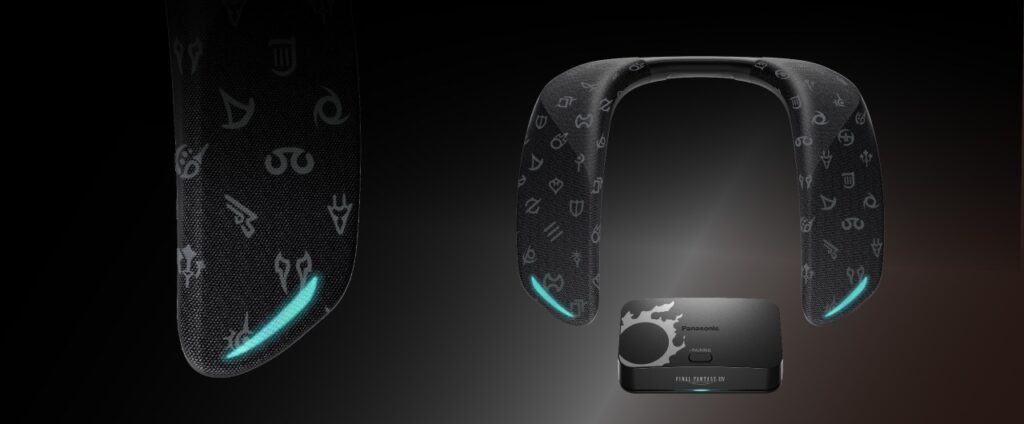
Panasonic Japan has announced the SoundSlayer x Final Fantasy XIV surround-sound neck speaker, model SC-GNW10S-FF. It is priced at 35,200 yen (about 230 dollars) and will be released in Japan on December 11, 2025. The product will be sold mainly through Panasonic Store Plus and will be available until the end of December 2026. Sales may end earlier if the planned stock runs out.
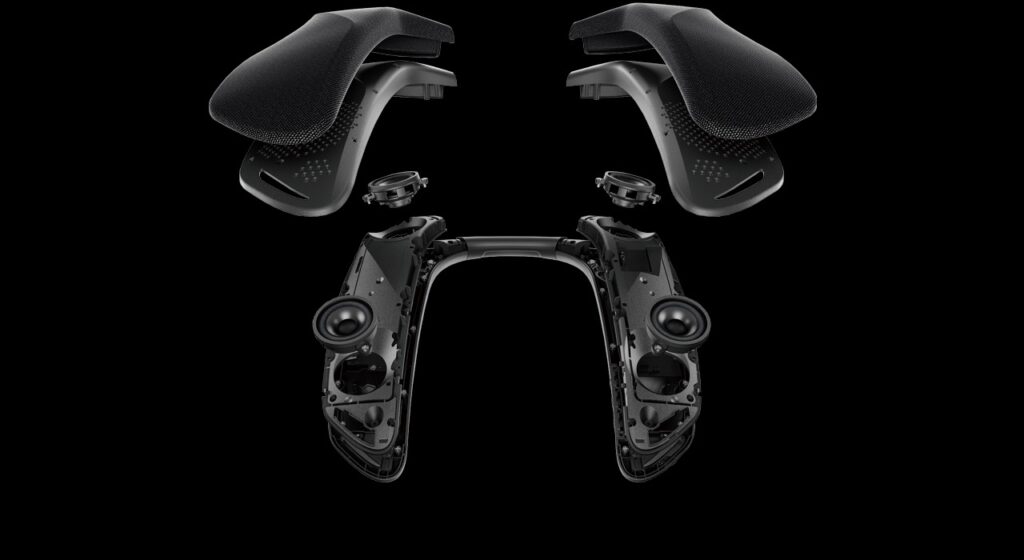
This new edition is based on the SC-GNW10S gaming neck speaker. The original model is known for its four speakers, strong surround sound, comfortable fit and easy operation. It also supports low-latency wireless audio through a 2.4 GHz dedicated connection. The hardware and performance remain the same on the SC-GNW10S-FF, but Panasonic has added official Final Fantasy XIV design features.
The neck speaker includes FFXIV job icons on the console, while the transmitter is styled with a meteor design linked to the game. The box uses artwork from the Golden Legacy expansion and includes the world map from the game. The unit has an LED that can switch to the color of each role. Tank is blue, Healer is green and DPS is red.
Panasonic has also added in-game themed sounds. The startup tone uses a melody inspired by the FFXIV track Prelude. When users switch sound modes, they hear the Duty Finder entry confirmation sound. The dedicated app has a matching theme with animated moogles and the same role-based colors. Users can adjust sound modes and equalizer settings in the app to set up the best audio profile for their needs.
For more daily updates, please visit our News Section.
The upcoming OnePlus Ace 6T for the Chinese market will be the first-ever phone to feature the yet-to-be-unveiled Snapdragon 8 Gen 5 chip. Recently, the device, which bears the model number PLR110, was spotted in the database of the Geekbench benchmarking platform, revealing the performance of the new chipset. Now, it has also emerged in AnTuTu’s database, achieving an impressive score of 3.5 million.
OnePlus Ace 6T AnTuTu listing
OnePlus Ace 6T AnTuTu listing
The OnePlus Ace 6T’s memory variant with 16GB of LPDDR5x RAM and 1TB of UFS 4.1 storage has surfaced on AnTuTu. The device supports up to a 165Hz refresh rate and runs on Android 16.
The Snapdragon 8 Gen 5-powered Ace 6T has scored 3,561,559 points on AnTuTu. This score is a total of CPU, GPU, memory, and UX test scores, where the device scored 1,061,167, 1,160,801, 538,316, and 801,275 points, respectively.
OnePlus Ace 6T specifications (rumored)
OnePlus has already started teasing the Ace 6T’s arrival in China, but it is yet to confirm the launch date. As per reports, the device has a 6.83-inch OLED 1.5K 165Hz display and an 8,000mAh battery with 100W charging support.
For photography, the Ace 6T will feature a 32-megapixel front camera and a 50-megapixel (OIS) + 8-megapixel (ultra-wide) dual-camera setup. It is also expected to come with other features, such as dual speakers, an aluminum frame, an x-axis linear motor, and an ultrasonic in-screen fingerprint sensor.
The Ace 6T will be available in shades like black, green, and purple. Additionally, it is expected to arrive in a special Genshin Impact limited edition.
An unreleased mid-range phone running Qualcomm’s upcoming Snapdragon 8 Gen 5 has popped up in China, and the details are… impressive. According to well-known tipster Digital Chat Station, the prototype includes a miniaturized, waterproof active cooling fan — something you’d normally expect in a flagship gaming phone, not a mid-range handset. The leak pretty much points to OPPO, since the specs look a lot like what you’d expect from an upgraded K13 Turbo Pro.
The leaker claims the test device uses a fully sealed, dust-resistant mini fan that forces air through the phone’s internals, paired with a 6.78-inch flat 1.5K LTPS display. Battery capacity is said to take a sizeable jump too. DCS describes it as going from “7″ to “8” — so likely the phone is moving from around 7000 mAh to somewhere near 8000 mAh. And the K13 Turbo series indeed packs a 7,000mAh battery.
The camera system, meanwhile, is described in a tongue-in-cheek way as being good enough for “QR code scanning,” which usually means it’s nothing fancy.
As mentioned above, the phone runs on the Snapdragon 8 Gen 5 — the expected step up from the 8s Gen 4 used in the K13 Turbo Pro. A previous report also suggested that Oppo may skip a number entirely and brand the new lineup as the K15 Turbo Pro series.
DCS says Oppo could also bring similar active cooling to more phones later on, calling the fan-based approach a new direction for the brand’s performance-focused lineup.
The K13 Turbo and Turbo Pro rely on a concealed air inlet, an L-shaped airflow channel, vortex-shaping structures, and dense heat-dissipation fins to dramatically boost airflow and cooling efficiency. Users can even choose between variable-speed and high-speed fan modes, plus customize the startup sound.
More details will likely surface as the engineering sample moves closer to an actual product.
Leica has introduced the Leica Q3 Monochrom, a black-and-white version of the Q3. Leica has been making monochrome digital cameras since the M9 Monochrom in 2012, and the new model brings the same idea to its compact full-frame line, with updated hardware and a refined design.
The Q3 Monochrom uses a 60 MP monochrome sensor that records only brightness data. There are no colour filters, which helps the camera produce higher detail, stronger sharpness and better tonal range. The sensor supports Triple Resolution Technology that lets users shoot at 60, 36 or 18 MP. The ISO range is 100 to 200,000. The camera records video at up to 8K resolution. It comes with the fixed Leica Summilux 28 mm f/1.7 ASPH lens, which delivers low-noise results in low light. Macro mode is available with a close focusing distance of 17 cm.
The design keeps the familiar Q-series look but switches to a full monochrome finish. The all-metal body and lens hood are black, and the engravings on the top plate and lens use black or grey. The leatherette covering has a clean, textured finish. Leica has also removed the red logo on the front to keep the design simple. The camera is made in Germany and has an IP52 rating for protection against dust and water splashes.
Key hardware features include a 5.76 MP OLED viewfinder, a tilting touch display and a fast hybrid autofocus system. Digital zoom expands the focal range from 28 to 90 mm. Wireless options include Wi-Fi, Bluetooth, USB-C and Micro HDMI, along with full support for the Leica FOTOS app for fast transfers.
The Q3 Monochrom is the first Q-series camera to support Content Credentials, which adds a CAI-compliant digital signature to each image for secure verification. Leica is also rolling out a new interface that separates photo and video menus, which will come to both the Q3 and Q3 43 through a firmware update at the end of the year.
The camera works with existing Q3 accessories. Leica is also releasing a wireless charging handgrip, a red filter and new carrying straps. The Leica Q3 Monochrom will be available worldwide on 20 November 2025 for EUR 6,750 including VAT.
For more daily updates, please visit our News Section.
The idea of smart glasses is not new, but it’s only recently that it’s finally catching up. If you remember Google Glass from more than a decade ago, you know what we mean.
Google Glass
The whole industry started with more promise than practicality. The early smart glasses hardware looked unfinished, the features were limited, and most people didn’t want to walk around with something that made them look like a test pilot. After that, the category stayed quiet for years.
But things have changed quietly in the past few years. Smaller chips, better cameras, and more power-efficient displays have made it possible for a smart glass to look like a normal shade while offering smart features.
But even with all these improvements, buying smart glasses can still be confusing. Every company promises a different vision of what these glasses should be. Some focus on AI features, some want to be your wearable camera, and some are basically just Bluetooth headphones shaped like glasses.
Ray-Ban Meta Gen 1 Smart Glasses
So before you choose a pair, it’s worth knowing what you need smart glasses for and what actually matters in them.
1. Decide What Type of Smart Glasses You Actually Want
Let’s start with the basics. Since the market is now crowded with types of smart glasses, it’s only natural to learn first about them.
Audio-only smart glasses
These look like regular glasses but have speakers in the temples. They’re mainly for listening to music, taking calls, or using voice assistants hands-free. They don’t have displays or cameras.
These are lightweight, the battery lasts longer, and they’re usually the cheapest option. But don’t expect them to do anything beyond audio tasks.
Camera-equipped smart glasses
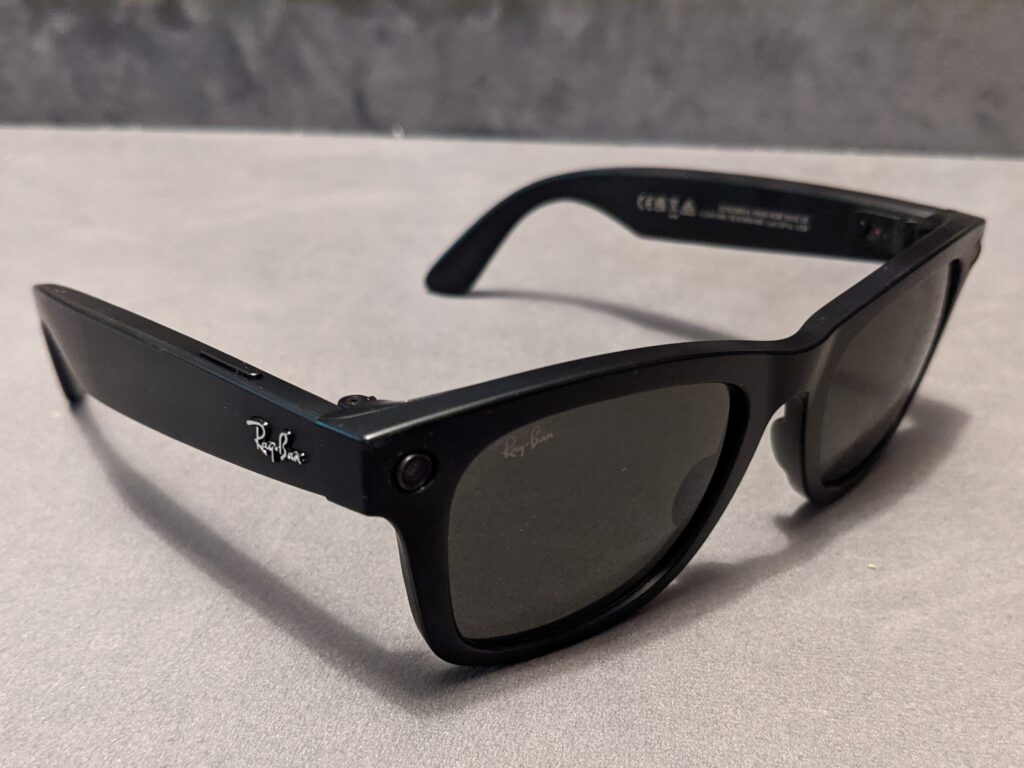
These include products like the Ray-Ban Meta glasses. They look normal but include one or two small cameras for capturing photos/videos and live-streaming. They usually support voice control and have open-ear speakers.
These are more useful if you’re into hands-free content creation, travel photography, or documenting daily life without pulling out your phone. But they also raise privacy concerns and may not be welcome everywhere.
Display-based smart glasses
These are the closest to “true” smart glasses. They use a tiny projector or microOLED display to show notifications, navigation directions, or other information in your field of view.
These are the most technically impressive but also the most limited in battery life. The display is usually small and meant for brief glances rather than long interactions.
Before you start comparing specs, figure out which type matches your needs. Buying display glasses when you only wanted good audio won’t make sense, and vice versa.
2. Check How Natural They Look and Feel
One of the biggest improvements in this industry is design. Early smart glasses resembled bulky, experimental pieces with thick frames and temples.
That’s certainly not the case anymore, and in fact, the newer ones even come with a polarizing lens and stylish designs, making it easy to wear in public without attracting attention. Still, there are things to keep in check.
Weight
Anything over 50–55 grams might start to feel heavy on the nose and ears after an hour. Display-equipped glasses often go beyond that, so try to find the lightest model that still offers the features you need.
Fit
Smart glasses must feel like normal eyewear. Thick temples, tight frames, or uneven weight distribution can make them tiring to use.
Prescription lenses
If you wear glasses already, check whether the model supports prescription lenses and whether the brand offers them officially. Not all frames can be adjusted by your local optician.
3. Battery Life
Battery life is one area where progress has been slow. Even the best smart glasses today struggle to last a full day if you use all the features.
Audio-only models usually offer 4–6 hours of continuous playback. For glasses with cameras, the battery life heavily depends on how you use them. If you click more photos and videos, you can easily deplete their battery in less than an hour.
And it’s not getting any better with the ones with display built-in. The projector consumes more power than you expect. You can expect these glasses to last only a few hours with the display active.
4. Camera Quality and Privacy Considerations
If the glasses have a camera, don’t expect smartphone-level quality. Sensors are tiny, and processing power is limited.
Things to check:
Resolution: 1080p is common; anything higher is a bonus.
Low-light performance: Most struggle in the dark.
Stabilization: Useful if you’re walking while recording.
Audio capture: Important for vlogging or live-streaming.
But the more important thing is privacy. Wearing a camera on your face isn’t the same as holding a phone. Some people will be uncomfortable around you. Some places may ban them outright.
Brands have added LED indicators to show when recording is active, but it’s still your responsibility to be aware of your surroundings. If you’re uncomfortable with these social rules, camera glasses may not be for you.
5. Display Quality (If Your Glasses Have One)
Not all smart glasses have displays in them. But it’s surely becoming mainstream, take Meta RayBan Display for instance. You should consider a few things before buying one with a display:
Brightness: Can you see the display outdoors?
Field of view: Wider is more comfortable.
Color vs. monochrome: Basic displays are often monochrome.
Clarity: Some displays look grainy or low-res.
Smart glasses displays are usually useful for quick glances, and are still not ready to replace your smartphones.
Please Note: When you buy something using the links in our articles, we may earn a small commission at no cost to you.
Final Thoughts
Smart glasses are on a journey from prototypes to actual consumer gadgets. But they’re still in an early phase where every model has trade-offs. Some focus on cameras, some on audio, some on displays, and none of them are perfect replacements for your smartphone.
If you’re buying a pair today, the best approach is to be practical rather than optimistic. Focus on what you’ll use daily, ignore features that sound impressive but unrealistic, and make sure the glasses look and feel like something you’re comfortable wearing outside.
Sharing a photo between Android and iPhone has always been way harder than it should be. You’d try Bluetooth (slow), a third-party app (annoying), or you’d give up and email it (complicated). Google just put an end to that hassle. Anyone with a Pixel 10 can now send files straight to any nearby iPhone, iPad, or Mac using AirDrop—and Apple devices can send stuff back the same way. No apps, no setup, nothing special.
Google confirmed the change on November 20. If a Pixel 10 is close by, an iPhone with AirDrop set to “Everyone for 10 minutes” will simply appear in the Quick Share menu. Tap the device, and the file goes through just like it would to another Android phone. The reverse works too: AirDrop on an iPhone now shows the Pixel 10 as a target. Transfers go both directions, and from what early users say, they’re basically instant.
Right now, the feature is limited to the Pixel 10 series, but Google says they are “looking forward to improving the experience and expanding it to more Android devices.”
Google also made a point to say security isn’t taking a hit. The system uses a protected sharing channel and keeps the usual approval popup on the receiving device. So if you’re already comfortable using AirDrop or Quick Share, this doesn’t change the privacy model.
vivo X300 series One Touch to Share feature
But to be fair, this idea isn’t entirely new. Big Chinese Android brands have been doing something similar for a while now in their flagship phones — the vivo X300 series, Xiaomi 17 series, OnePlus 15, Oppo Find X9, and others.
Google’s move is still a big deal, as it should make file sharing much smoother for Pixel and Galaxy users.
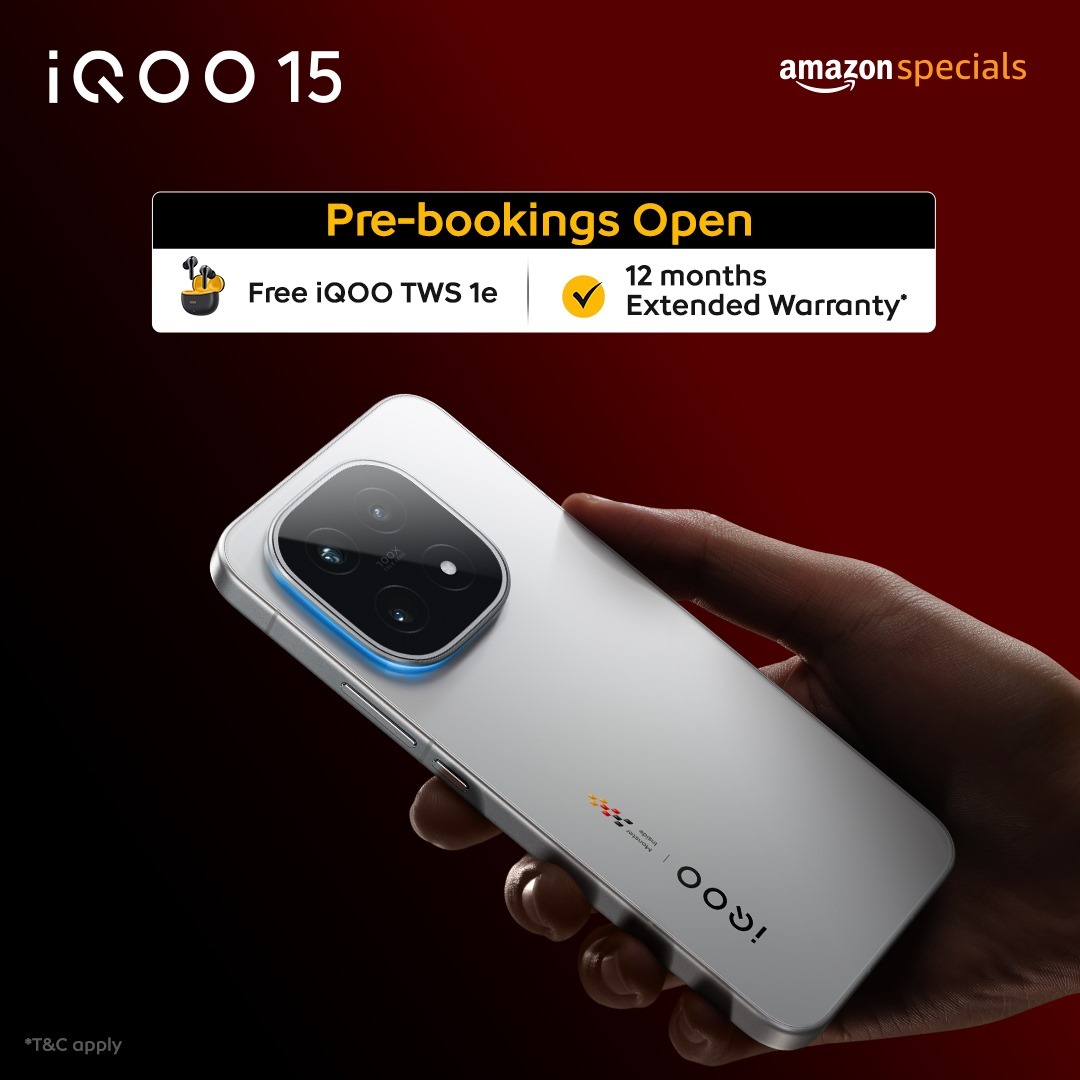
iQOO has opened pre-bookings for its upcoming flagship, the iQOO 15, ahead of its India launch on November 26. The company has confirmed that the phone will ship with the Snapdragon 8 Elite Gen 5 chipset, which is set to be one of the key highlights of the device.
Pre-booking begins on November 20 at 6 PM through a Priority Pass system on Amazon India and the iQOO India online store. Interested buyers must pay ₹1,000 to secure the pass. This amount converts into a coupon of equal value that can be used during the final purchase. The purchase window for Priority Pass holders runs from November 27 at 12 PM to November 28 at 11:59 PM. The coupon is single-use and cannot be transferred.
Customers who complete the purchase using the Priority Pass will receive added benefits on a first-come, first-served basis. These include a free pair of iQOO TWS 1e earbuds, a 12-month extended warranty that brings the total coverage to two years, and priority delivery. If a buyer decides not to proceed with the purchase, the coupon will automatically expire, and the ₹1,000 payment will be refunded to the original method.
The extended warranty applies after the standard one-year warranty ends and follows iQOO’s usual terms. It does not cover accidental damage, liquid damage or issues caused by unauthorized repairs. Customers can confirm warranty activation at iQOO service centers two months after purchase.
Recent reports suggested that the iQOO 15 could be priced around ₹60,000 in India with launch offers included, potentially making it the most affordable phone powered by the Snapdragon 8 Elite Gen 5 chipset. The device may launch in a single 16GB RAM and 512GB storage variant. Expected hardware includes a Samsung 2K M14 OLED display, a 7,000mAh battery with fast charging, a triple 50-megapixel rear camera setup, and software support promising five years of OS updates and seven years of security patches.
For more daily updates, please visit our News Section.
Losing your phone at home is a universal experience — it slips between the cushions, hides under a blanket, or somehow ends up on top of the fridge. Samsung’s upcoming Galaxy Buds 4 Pro might actually help with that. A new leak hints at a simple feature that could turn the buds’ charging case into a tiny rescue device, and it’s the sort of small quality-of-life upgrade that tends to matter more than most spec bumps.
The latest leak points to a new “Find Your Phone” function baked into the Buds 4 Pro case. Android Authority spotted leaked animations showing a dedicated button on the case itself. Tap it, and instead of you hunting for your earbuds, the case sends a Bluetooth command to your Samsung phone, making it ring loudly so you can track it down. It basically reverses the usual find-my-buds workflow, and honestly, it’s surprising nobody did this sooner.
The setup looks pretty straightforward. Just press the physical button on the case and wait for your phone to out itself. This isn’t something carried over from the Buds 3 Pro either; earlier reports got that part wrong. It seems to be a new trick reserved for the Buds 4 Pro, which lines up with Samsung’s habit of rolling out small but thoughtful ecosystem additions each generation.
There’s also a speaker grille on the front of the case this time, which could mean Samsung has more planned — maybe even a way to ping the case itself using the phone or the buds. That part’s still speculation, though, and none of the leaks go into how loud the phone alert will be or if it’ll tie into Samsung’s larger Find My network. For now, the focus is really just on that one button.
The Galaxy Buds 4 Pro aren’t expected to launch for a while yet, but this feature already feels like something a lot of people will use more than they’re willing to admit. In a flood of leaks about audio tuning and design changes, this tiny detail is the one that stands out. And if it ends up saving you from tearing your living room apart again, even better.
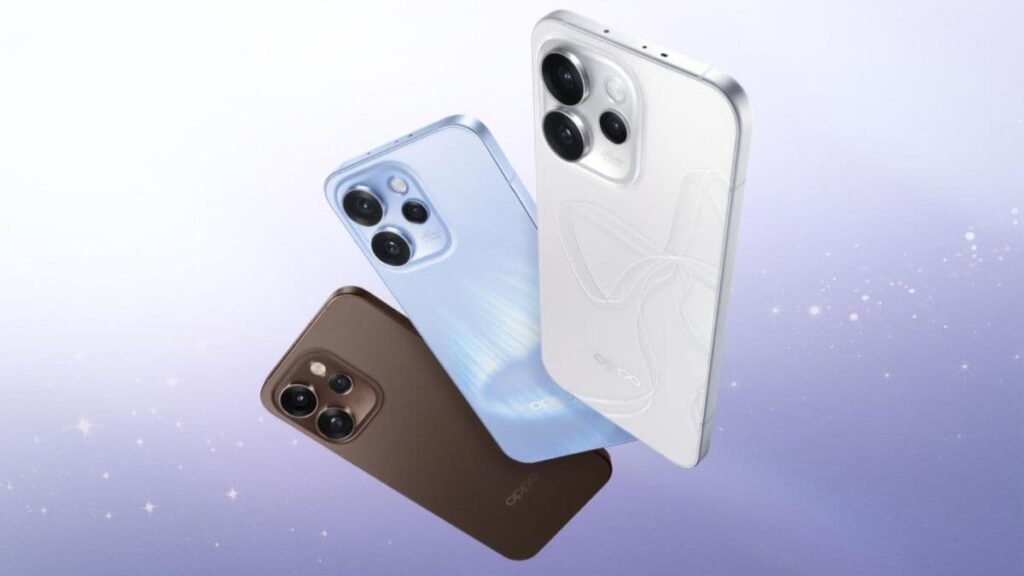
Oppo’s new Reno15 lineup recently landed in China, and the company is leaning hard on camera hardware and battery life to grab attention. As scheduled, both the Reno15 and Reno15 Pro are now on shelves, and early buyers get a small price cut: the 12+256GB Reno15 drops from 2999 to 2949 yuan, while the Pro version dips from 3699 to 3649 yuan. If you stack the current national subsidy, the base Reno15 can go as low as 2654 yuan.
Oppo Reno 15
The regular Reno15 keeps things compact with a 6.32-inch flat display, yet packs a 6200 mAh battery — huge considering the compact size. Oppo is also using a unibody cold-carved glass design here, with colors like Honey Gold, Canelé Brown, and Aurora Blue.
The headline spec of both the base and pro model, of course, is the 200MP, 1/1.56″ main camera. It’s paired with a 50MP, 3.5x telephoto, a 50MP ultra-wide, and a 50MP selfie camera — a surprisingly stacked setup for a non-Pro model. Under the hood, both phones include MediaTek’s new Dimensity 8450 chip, and charging tops out at 80W wired.
For those wondering, the Reno15 Pro differentiates itself with a larger 6.78-inch screen, a 6500 mAh battery (instead of 6,200 on the compact model), and the addition of 50W wireless charging. It also supports bypass charging — basically, the phone runs off the adapter directly instead of cycling through the battery. Handy for gaming sessions.
Pricing for the Reno15 maxes out at 3999 yuan for the 16GB+1TB variant, while the Pro tops at 4799 yuan. The series is already up for purchase through Oppo’s official store and major retailers in China.
For markets outside China, the phone could launch around February next year, though the base model is expected to undergo several changes, from the display size to the chipset.
TeamGroup has launched the T-Create Expert P35S, the world’s first external solid-state drive with one-click self-destruct functionality. The product is designed for professionals who need secure storage and rapid data elimination in critical situations. TeamGroup has not disclosed pricing or global availability yet.
T-Create Expert P35S Specifications
The T-Create Expert P35S features a patented one-click data destruction circuit developed by TeamGroup. The system integrates two distinct mechanisms: dual-mode data destruction and chip destruction. In emergencies, users can press and slide a switch to activate complete data erasure. Once triggered, the process permanently deletes all stored data, making recovery impossible.
To reduce the risk of accidental activation, TeamGroup equips the drive with a two-stage safety push-button. The first stage acts as a standby mode, while the second stage initiates data destruction. There is also a red warning indicator and a dual-damping resistance system that adds an extra layer of safety by ensuring the mechanism requires a firm, deliberate press.
The SSD supports USB 3.2 Gen 2 and includes a Type-C interface with plug-and-play functionality. It delivers read and write speeds of up to 1000 MB/s and is available in four capacities: 256GB, 512GB, 1TB, and 2TB. The device weighs just 42 grams and features a rounded, compact design for comfortable one-handed use.
TeamGroup provides a one-year warranty and states that the drive has passed strict quality testing for long-term reliability. The chassis uses a screwless construction, and the packaging is made entirely from recyclable paper, highlighting the company’s commitment to environmental sustainability.
The T-Create Expert P35S is built for professionals handling confidential or sensitive data who require both fast access and immediate destruction options. It targets use cases in journalism, law, corporate security, and emergency response, where data breaches carry significant consequences.
Xiaomi has shared its latest weekly HyperOS bug report, confirming several fixes and listing the issues that will be addressed in upcoming updates. The report covers problems found across Xiaomi, Redmi and POCO devices by testers and community users.
The first fix applies to the Xiaomi 15T Pro running the OS3.0.5.0.WOSEUXM beta build. Users were unable to download the update package. Xiaomi says the problem occurred because the update notification was sent before the download file was ready. The file is now available, and the update can be downloaded without any issues.
Another issue affected the Xiaomi 15T Pro on the OS3.0.4.0.WOSEUXM beta version. Users reported that the update details were not visible. Xiaomi has confirmed that a permission problem in the beta tester group caused this. The changelog now appears correctly.
A third fix covers all devices running HyperOS. Google Dialer was asking for microphone permission even after users had already granted it. Google pushed a cloud-controlled update that resolved the problem. Xiaomi says it has not received any new reports after the fix.
Xiaomi has also listed issues that are still being worked on. The Xiaomi Pad 7 may face Wi Fi disconnections and abnormal UI behavior in Game Booster. The Xiaomi 15 Ultra may produce no sound when connected to a Bluetooth device, and some users are experiencing random reboots and timer errors. Random reboots also affect the Xiaomi 15, and the Instagram camera is not working on the device. The POCO F5 has a volume panel that may freeze. The POCO X6 Pro 5G may turn off on its own.
For more daily updates, please visit our News Section.
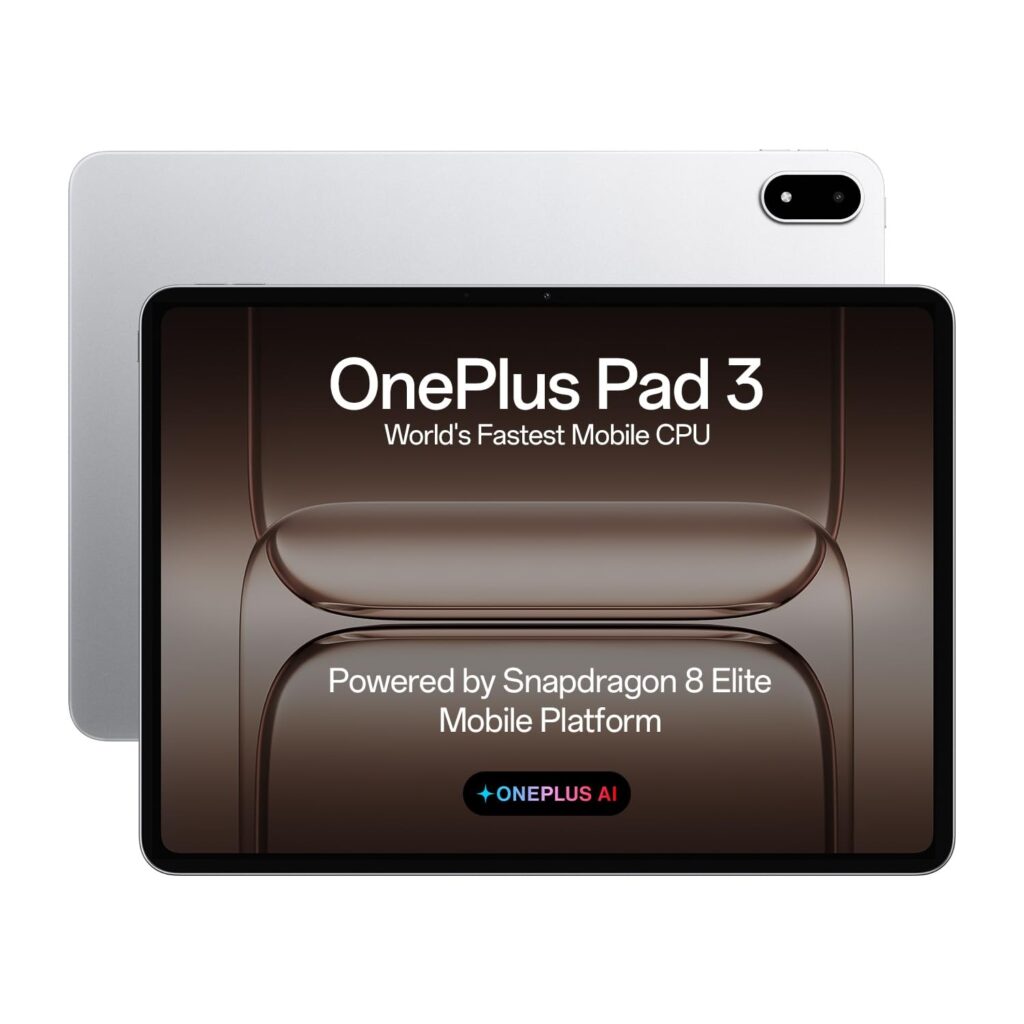
OnePlus Pad 3, a tablet designed for the ultimate blend of productivity and entertainment. OnePlus’s premium tablet has landed on Amazon India with an impressive limited-time offer. The deals are applicable across both the top-variant and the lower variant.
The top-tier variant with 16GB RAM and 512GB ROM is already seeing a discount, listed at ₹52,999 (down from the M.R.P. of ₹54,999). The real savings are locked within the special bank promotion, which makes it one of the best flagship tablet deals right now.
Flat Discounts on HDFC Credit Cards!
Amazon is providing a substantial flat instant discount of ₹6,250 exclusively for customers using HDFC Bank Credit Cards for their purchase. This incredible bank offer effectively brings the price of the premium OnePlus Pad 3 down to an amazing ₹46,749.
Coming to the lower-end 12GB/256GB variant, the actual pricing list shows 47,999 (down from the M.R.P. of ₹49,999). Instant discount of ₹4,750 exclusively for customers using HDFC Bank Credit Cards makes the effective price of the OnePlus Pad 3 just ₹43,249
Please Note: When you buy something using the links in our articles, we may earn a small commission at no cost to you.
Interestingly, these massive saving allows consumers to secure a world-class device boasting the Snapdragon 8 Elite Mobile Platform at an unparalleled value. Shoppers simply need to ensure they select the HDFC Credit Card offer during checkout to unlock this deep discount. You have the option to prefer No-Cost EMI as well by selecting the needed tenure.
OnePlus Pad 3 Features
The OnePlus Pad 3 is packed with high-end specifications to justify its premium status. It features a stunning 13.2-inch 3.4K display with a super-smooth 144Hz Adaptive Refresh Rate, delivering a viewing experience that is second to none. Coupled with 12GB/16GB of RAM, 256GB/512GB of storage. It has a massive 9510mAh battery and eight omnibearing speakers. This tablet is built for demanding users.
So, Don’t miss this opportunity to leverage the flat ₹4,750 HDFC discount and the convenient No-Cost EMI options to upgrade to the OnePlus Pad 3 from Amazon today.
Samsung may have only just shown off its Galaxy XR headset, but the company clearly has more wearable experiments in the pipeline. Its long-rumored XR smart glasses — the ones known internally as “Haean” — have popped up again, and the newest leak gives us the clearest picture yet of what Samsung’s cooking.
Ray-Ban Meta
The latest info comes from GalaxyClub, which spotted the model number SM-O200P tied to the glasses. That’s interesting because Samsung’s full-size XR headset starts with SM-I, which hints that the company sees these glasses as their own product line rather than a mini version of the headset.
A genuinely useful feature seems to be transition lenses that darken in sunlight and clear back up indoors. It sounds obvious, but it’s something most smart glasses still get wrong. If it works well, it could make wearing them outdoors more comfortable and a lot more appealing.
As for connectivity, Samsung seems to be keeping things simple: Wi-Fi and Bluetooth only, no mobile data. So the glasses will still lean on your phone for most heavy lifting. There’s also a tiny built-in camera. This leak doesn’t confirm the resolution, but an older report mentioned a 12MP Sony IMX681, mainly for things like hand-gesture tracking. It may not be suitable for photography, text recognition and translation, or vlogging.
Under the hood, the glasses are expected to run on Qualcomm’s AR1 chip, paired with an NXP chip for extra duties. The battery is reportedly just 155 mAh, which sounds tiny but lines up with the idea that these are meant to be super lightweight and worn for long stretches. After all, the brand already has a beefy XR headset for more complicated tasks.
Many people assumed Samsung would reveal the glasses alongside the Galaxy XR headset earlier this year, but that obviously didn’t happen. There’s still no clear timeline — early 2026 seems like a safe guess, but nothing’s guaranteed.
What’s clear, though, is Samsung is aiming for smart glasses that look and feel like something people would actually wear day to day. It’ll probably fill the gap the headset can’t: a lightweight, all-day wearable with just a touch of smart functionality.
Gigabyte has introduced the GO27Q24, a 27-inch QD-OLED gaming monitor aimed at competitive players and content creators. The company has listed the monitor on its official website but has not revealed pricing or release date yet.
Gigabyte GO27Q24 Specifications
The GO27Q24 features a 26.5-inch QD-OLED panel with a 2560×1440 QHD resolution and a 240Hz refresh rate. The panel delivers a 0.03ms GtG response time and a 1.5 million to 1 contrast ratio. Gigabyte has certified the monitor with VESA ClearMR 13000, ensuring sharp motion clarity during fast-paced gaming.
The display supports HDR10 and reaches a peak brightness of 400 nits. Color reproduction covers 99 percent of the DCI-P3 color space, and the panel supports 10-bit color depth, delivering over 1.07 billion colors.
Gigabyte equips the monitor with several gaming-focused features like Tactical Switch 2.0, which lets users switch resolutions instantly. It also includes Black Equalizer 2.0 to improve visibility in dark scenes, while Ultra Clear Technology reduces motion blur through intelligent black-frame insertion. Additionally, the monitor includes Game Assist tools such as crosshair overlays, countdown timers, and PIP or PBP modes.
The GO27Q24 uses a fanless passive cooling setup that relies on an optimized airflow path and a large heatsink to manage heat. Gigabyte adds a graphene thermal film to improve heat dissipation and support long-term panel durability. The monitor includes AI OLED Care, which runs background algorithms to reduce the risk of burn-in. Gigabyte also provides a three-year burn-in warranty.
The stand supports height adjustment up to 130mm, tilt from -5 to +21 degrees, ±15-degree swivel, and 90-degree pivot. The base uses a 2mm ultra-slim metal design, and the monitor is also compatible with 100×100 mm VESA mounts.
For connectivity, the GO27Q24 includes two HDMI 2.0 ports, one DisplayPort 1.4, and one USB-C port with DisplayPort Alt Mode and 15W power delivery. It also provides a USB-A port for firmware updates and a 3.5mm headphone jack.
In related news, Skyworth recently launched the G32U Max, a 32-inch 4K QD Mini LED gaming monitor with a 160Hz refresh rate, and Xiaomi unveiled the G34WQi 2026 curved gaming monitor globally with a 180Hz WQHD display.
For more daily updates, please visit our News Section.
We use cookies on our website to give you the most relevant experience by remembering your preferences and repeat visits. By clicking “Accept”, you consent to the use of ALL the cookies.
This website uses cookies to improve your experience while you navigate through the website. Out of these, the cookies that are categorized as necessary are stored on your browser as they are essential for the working of basic functionalities of the website. We also use third-party cookies that help us analyze and understand how you use this website. These cookies will be stored in your browser only with your consent. You also have the option to opt-out of these cookies. But opting out of some of these cookies may affect your browsing experience.
Necessary cookies are absolutely essential for the website to function properly. This category only includes cookies that ensures basic functionalities and security features of the website. These cookies do not store any personal information.
Any cookies that may not be particularly necessary for the website to function and is used specifically to collect user personal data via analytics, ads, other embedded contents are termed as non-necessary cookies. It is mandatory to procure user consent prior to running these cookies on your website.