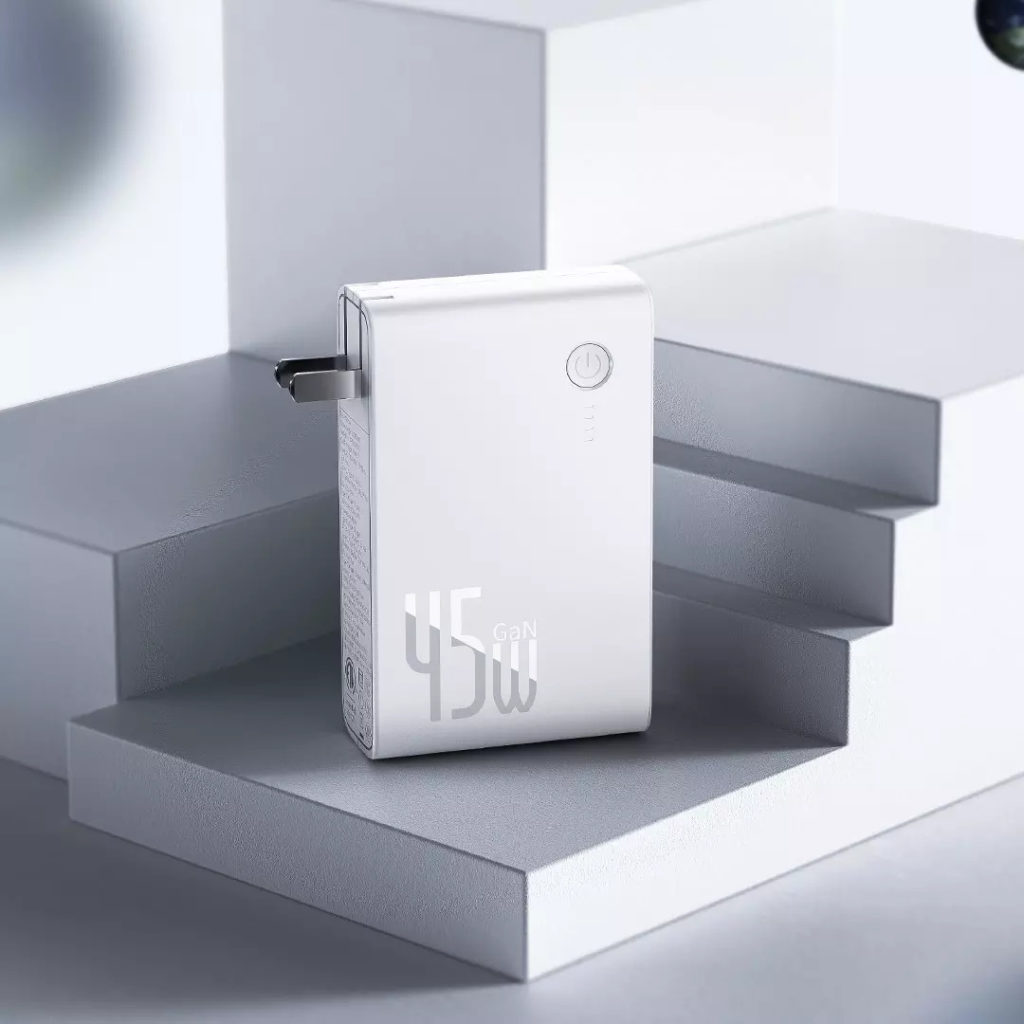
Companies have been releasing GaN (Gallium Nitride) chargers for a while now. Baseus, a Chinese accessory maker has upped their game by launching a 45W 2-in-1 GaN charger cum 10,000mAh power bank with a foldable pin and a 60W USB Type-C to Type-C cable in the box.
This charging accessory by Baseus is a useful product for those who are always on the go. It comes in two models – the first variant has dual USB Type-C ports and the second variant has one USB Type-C port and a standard USB Type-A port.
But both weight the same 280g and measure 103 x 64 x 30mm in dimensions. They come in two color options – Black and White.
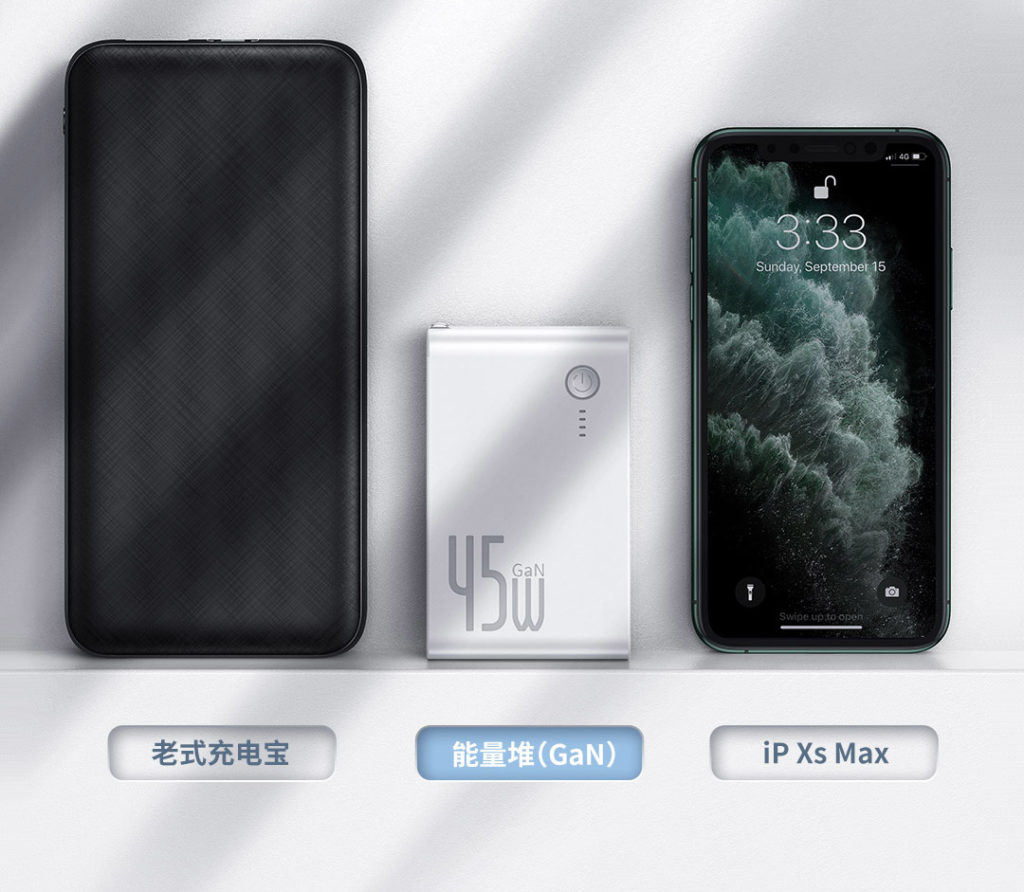
Being a GaN charger, it is smaller in size (even shorter than Apple iPhone Xs Max) as well as have better thermal performance compared to similar products with silicon. On top of it, it supports various charging standards and thus, it can be used to charge almost all electronics such as smartphones, tablets, laptops, wearables, and audio accessories.
The most common charging standards that the Baseus GaN charger cum power bank support are the ones listed below.
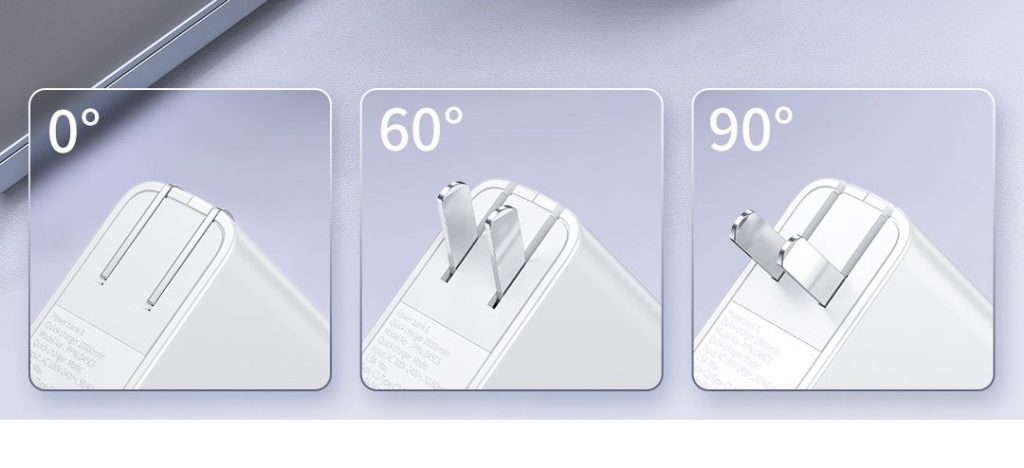
Additionally, it also supports other protocols for better versatility than competitors. Uses can also make use of its foldable pin as well as freebies like 60W USB Type-C to Type-C cable and a carrying pouch.
As far as price and availability are concerned, it costs only 199 Yuan ($28) as part of crowdfunding on Xiaomi’s Youpin platform. The final retail price will not be costlier either at 228 Yuan ($32).
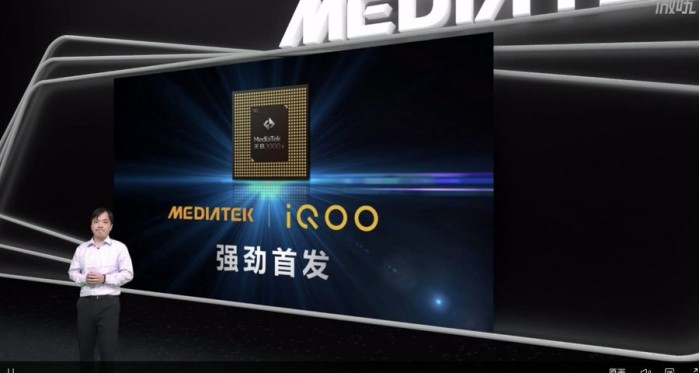
Earlier today (7th May 2020), the known chipmaker, MediaTek, held an online press conference in which it announced the Dimensity 1000+. The new flagship 5G chipset from MediaTek brings in improved performance alongside support for a higher refresh rate.
In the online meeting held by the company, MediaTek unveiled its latest flagship processor that will power flagship 5G handsets. As is the standard in 2020, most premium grade smartphones feature a display with a high refresh rates like 90 or even 120Hz. This is where the Dimensity 1000+ comes in with optimizations for both faster refresh rates for a smoother experience and enhanced 5G networking.
The Dimensity 1000+ arrives with MediaTek’s proprietary 5G UltraSave technology that helps save battery consumption when using the newer and faster bandwidth. This technology automatically switches between the networks and dynamically adjusts working mode of the modem. According to MediaTek, the new chipset consumes about 48 percent lower power in comparison to some of its competing product lines.
Furthermore, the flagship chipset now supports up to 144Hz refresh rate panels which are 2.4 times faster than the conventional 60Hz display on most handsets. This offers a smoother user interface and overall experience. The company has also improved the Dimensity series gaming performance in the new chip with what they call HyperEnging 2.0 which is found in the Dimensity 1000+.
MediaTek has also made numberous improvements to the networking aspects as well. The Dimensity 1000+ SoC now arrives with optimizations for a more stable 5G network experience. Users need not worry about interruption during video calls or gaming when they get incoming calls and will always remain online. The HyperEngine also helps by making intelligent predictions based on network and bandwidth requirements to achieve seamless switching between 4G and 5G. An example would be 5G during gaming and 4G on standby to save battery and data.
Amongst other improvements, the new chipset features low latency and anti jamming technology. The overall gaming experience has been enhanced and the company has even worked on reducing Wi-Fi network delays. Dimesity 1000+ also sports MediaTek’s new image display technology and the new MiraVision image quality engine. The company has announced an imminent upcoming launch with the Chinese OEM iQOO, so we expect more information to arrive soon.
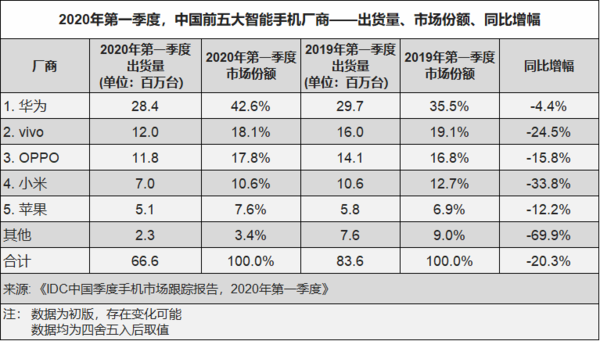
IDC, the known analytics firm, has revealed in a new report that the Chinese smartphone vendor, Huawei, has dominated the Chinese smartphone market in the first quarter of 2020.
Data from IDC China
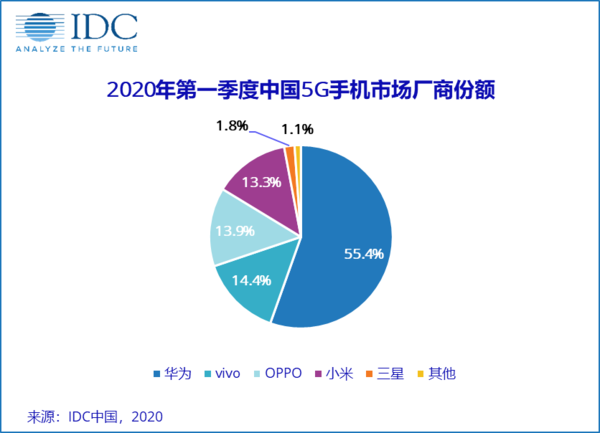
According to the IDC report, China’s smartphone market saw a total of 66 million units being shipped in Q1 of 2020. Out of this number, 5G smartphones brought in 14.5 million units in shipment, accounting for 21.8 percent of the overall market. This is a significant jump of 64 percent rise over the last quarter. But what’s more interesting is that Huawei was behind more than half of the 5G smartphone market sales while also capturing more than 40 percent of the total smartphone market as well.
Looking at the data published by IDC, Huawei had a total market share of 42.6 percent in Q1 2020. The spots ranging from the second and fourth place combined only barely manages to beat the Chinese tech giant. Analysts have stated that the reason for Huawei’s success, especially in the 5G smartphone market, stems from its various product offerings that targeted different price segments.
In other words, the Chinese company’s intuitive product placements, ranging from flagship to even upper mid range 5G handsets helped it in capturing more than half of the 5G smartphone market. These numbers arrive despite the ongoing Coronavirus pandemic that has affected China and even other OEMs launching their own 5G enabled devices. According to Wang Xi, IDC China’s Research Manager, affordable 5G smartphones offered more flexible product placements and enabled Huawei to effectively target different segments in the market.
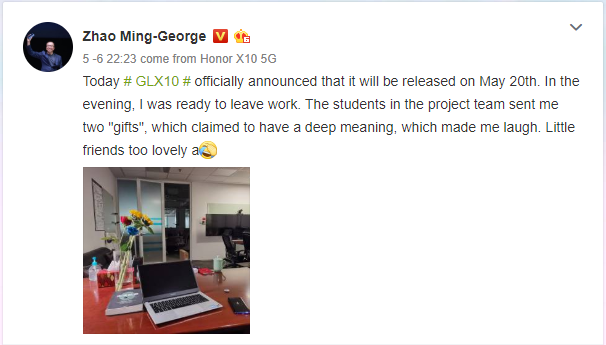
Honor’s George Zhao announced Honor X10 launch to take place on May 20. It will be the first phone in the series to support 5G connectivity. Apart from the launch date, the brand is yet to reveal any of the handset’s features. But a recent picture posted by Mr Zhao does tease a lot about this phone as well as new MagicBook 14.
Honor X10 Features Hinted by George Zhao
Looking at the picture shared by Mr Zhao, we can speculate a lot of things about the Honor X10. First and the foremost, the picture could have been shot on the phone itself as the post is indeed shared from Honor X10 according to Weibo.
Further, the caption of the post reads the team that worked on Honor X10 has sent Mr Zhao ‘two gifts with deep meaning’. We are not sure what are those two presents but we clearly recognize certain hints in the image.
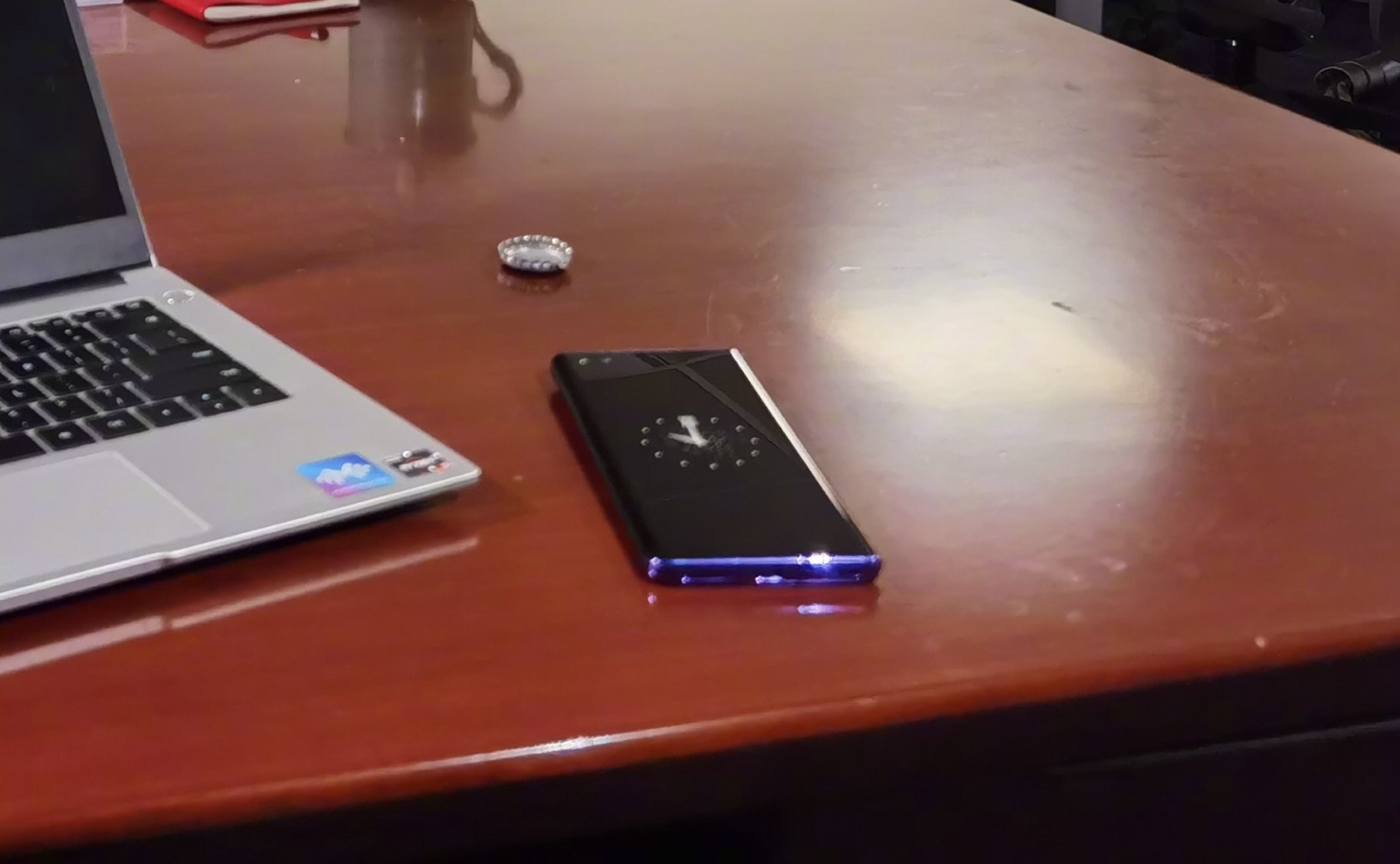
We can notice four flowers arranged in Red, Yellow, Yellow, and Blue colors. This somewhat confirms a previous leak which suggested the handset to feature Sony IMX600Y RYYB sensor. Then, there’s a bottle cap, which could only mean one thing, the return of the pop-up camera from the previous generation.
Also, the picture includes a book with a fingerprint-like pattern and a square cut-out in the middle suggesting an in-screen fingerprint sensor. Adding more flair to it, an Honor 30 Pro also sits on the desk with AOD displaying 10 ’Oclock. Is the executive teasing OLED display for Honor X10?
1 of 3
According to TENAA, the phone is expected to sport 6.63-inch FHD+ LCD panel and hence the chances of having the above-mentioned features are low. But Huawei has been already working on LCD in-display fingerprint sensor for a while now. Also, AOD on LCD has been possible for years and the best example is ‘Moto Display’ and the stock ‘Ambient Display’ feature on Android Lollipop.
Honor MagicBook 14 with 10th Gen Intel Processors
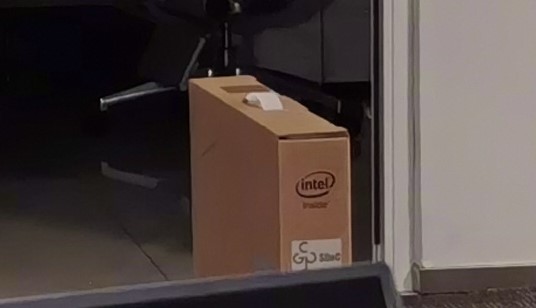
Then, the picture also showcases an AMD-powered MagicBook 14 placed on the desk as well as a laptop box with Intel logo at the door. For the unware, Honor recently updated the 15-inch model with 10th Gen Intel processors and hence we think the 14-inch might get a similar treatment.
Anyway, we will know more about the new products, especially the Honor X10 when the brand will start posting teasers daily leading up to the day of the launch.
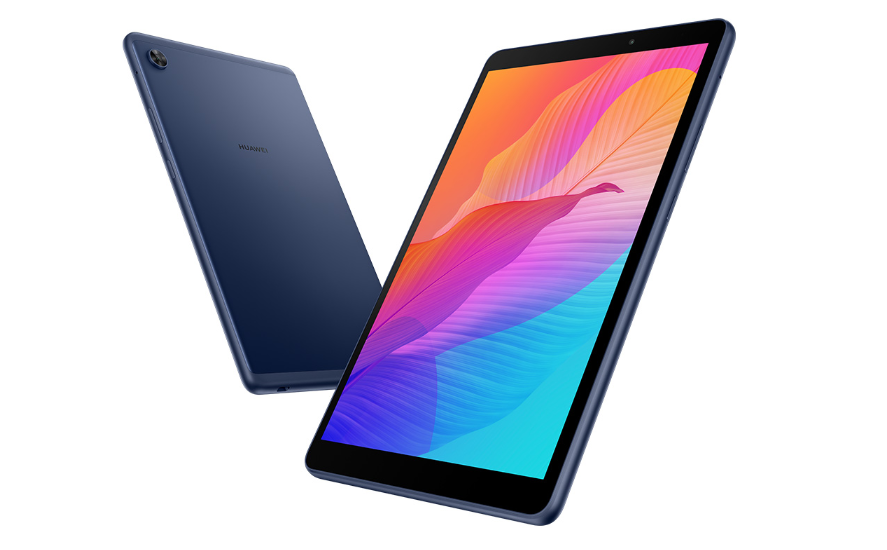
Huawei Romania has silently unveiled a new tablet named MatePad T8. It is a budget-friendly tablet that comes with a large display for enjoying movies and reading ebooks. The lightweight tablet houses a big battery and it runs on the latest version of EMUI.
Huawei MatePad T8 specifications
The Huawei MatePad T8 is a metal-bodied tablet with 199.7 x 121.7 x 8.55mm dimensions. The weight of the device is 310 grams. It features an 8-inch LCD panel with 4.9mm left and right bezels. This allows the tablet to deliver users with around 80 percent screen-to-body ratio. The screen supports 800 x 1200 pixels resolution and 189ppi pixel density.
The MediaTek MT8768 chipset that includes four cores of Cortex-A53 CPU ticking at 2.0GHz and another four cores of Cortex-A53 CPU at 1.5GHz. The SoC includes IMG G38320 650 graphics. The octa-core processor is coupled with 2 GB of RAM.
The MatePad T8 is preinstalled with Android 10 OS that is overlaid with Huawei’s EMUI 10.1 custom skin. The tablet lacks Google apps and services. Instead, Huawei provides its own AppGallery on the device. The tablet comes in 16 GB and 32 GB storage versions. There is a microSD card slot on the device for additional storage. The table comes with educational content for children. Parental control mode and eye-comfort mode are also available on the MatePad T8.
At front, the MatePad T8 sports a 2-mgeapixel camera with f/2.4 aperture. The rear shell has a 5-megapixel shooter which lacks an LED flash. The tablet is packed with a 5,100mAh battery that promises up to 12 hours of video playback. It comes with support for Wi-Fi 802.11ac, Bluetooth 5.0, microUSB 2.0, USB OTG and 3.5mm audio jack.
Huawei MatePad T8 price and availability
The MatePad T8 carries a starting price of 500 Romanian Leu (~$112). It comes in Deepsea Blue color only. The sales of the tablet will begin in Romania later this month.
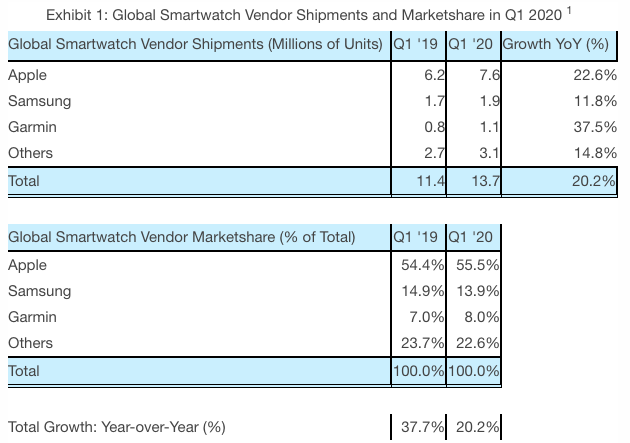
Strategy Analytics has released a new report which reveals that the global smartwatch shipments grew 20 percent in Q1 2020 to reach 14 million units. It also reveals that Apple is dominating the market and Samsung holds on to the second position.
Apple managed to ship 7.6 million units of Apple Watches in the first quarter of this year, dominating the market with a share of 55 percent. This also represents a slight increase for the company compared to the same period last year.
Samsung, on the other hand, shipped 1.9 million units for a market share of 13.9 percent, which declined from 14.9 percent last year. Garmin, which holds the third position, managed to expand its market share from 7 percent to 8 percent and shipped 1.1 million units in Q1 2020.
Steven Waltzer, Senior Analyst at Strategy Analytics, says that the global demand for smartwatches continued to grow despite considerable headwinds from the COVID-19 pandemic. He added that smartwatches are selling well through online retail channels, while many consumers have been using smartwatches to monitor health and fitness.
However, the company predicts that the global smartwatch shipments will slow sharply in the second quarter of 2020 because of the ongoing COVID-19 pandemic. Woody Oh, Director at Strategy Analytics says that sales in Europe and the US have inevitably been hit by virus lockdown in recent months.
The Surface Headphones 2 features the same 13 levels of noise cancelation technology that arrived with the original, alongside the dial on the earcups that allows you to adjust the volume. The rotating adjustment of both the volume and ANC levels was a highly innovative design at the time and still holds true. Similar to the predecessor, one can still the large touch enabled surface pad on the sides to control audio playback.
Microsoft has stuck to a tried and true design and functioning which is apparent with the very few changes or additions being made to the headphones’ formula. The 40mm “Free Edge” drivers and output have made an appearance again although the Surface Headphones 2 now feature Bluetooth 5.0 support alongside Qualcomm’s aptX Bluetooth codec; in contrast to the basic SBC codec that the first generation featured.
In terms of quality of life improvements, the Surface Heaphones 2 dials can now be rotated to 180 degrees, allowing for better controls when the headphones are simply resting on users’ necks. Under the hood, the battery that powers the headphones have received a bump with the total playback time raising to 20 hours from 15 hours when noise cancelation is enabled. Furthermore, Microsoft claims one can get nearly an hour of playback time with just a quick 5 minute charge as well.
Other features include Office integration (voice dictation) in Word, Outlook, and even PowerPoint. Additionally, Outlook can now read aloud your emails for you on iOS. The Microsoft Surface Headphones 2 start shipping on 12th May 2020 for a price of 249 US Dollars (down from the original’s 349 US Dollars price tag) and comes in a single color variant, Black.
Huawei‘s sub-brand Honor has today announced that the company will be a hosting a new Honor Smart Life product launch event in China on 18th May. In this event, the company is expected to launch smart home products for ease-of-access.
While announcing the launch event, the company said: “Turn your life vision into reality one by one, let life be with you upgrade together.” We are expecting a major focus on Internet of Things (IoT) from the company.
The event announcement is in line with what the company’s president Zhao Ming had teased during GMIC LIVE 2020 conference. He had said that Honor will host a major press conference in May for new products.
It remains to be seen what the company is planning to launch at this upcoming Honor Smart Life event. It seems that the company will continue with its “1+8+n” strategy with the new products and will continue to have smartphone as a cor or bridge between smart products to link each other.
Meanwhile, the company has also announced another launch event just a couple of days after the Honor Smart Life event. The company has confirmed that it’ll be launching Honor X10 5G smartphone in China on 20th May and it could be the cheapest 5G offering from the company so far.
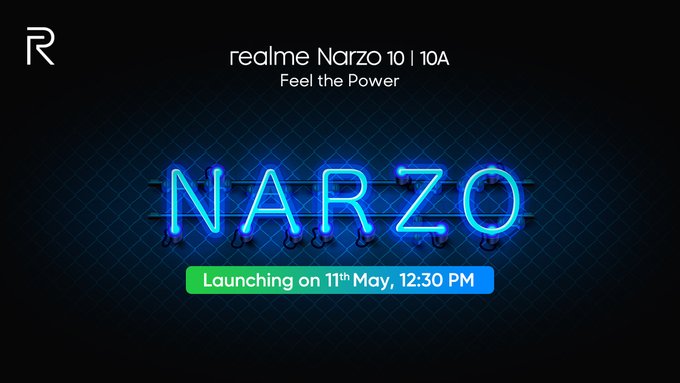
Realme had initially planned to launch the new Narzo series smartphones on March 26 in India. However, it had to be canceled due to the COVID-19 outbreak in the country. It had again tried to unveil the phone to April 21, but it had to be canceled once again for the same reason. Now that the COVID-19 lockdown has relaxed in certain parts of the country, the Chinese firm today confirmed that the Narzo 10 series will go official on May 11.
As the above shown in the poster, the Realme Narzo 10 and Narzo 10A phones now scheduled to go official on May 11 in India at 12:30 PM (local time). The launch will be shown through a pre-recorded video that will be streamed on YouTube and other social platforms on the said date and time.
The lockdown continues in regions marked as Red Zone in India. The sales of non-essential items which includes smartphones have started in Green and Orange Zones in the country.
Realme Narzo 10 and Narzo 10A specifications (Rumored)
Reports surrounding the Narzo 10 series have revealed that the Realme 6i and Realme C3 (Thailand and Indonesian edition) will be rebranded as Narzo 10 and Narzo 10A phones, respectively in India. Hence, the Narzo 10 is expected to come with specs like 6.5-inch full HD+ display, Helio G80 SoC, up to 4 GB of RAM, up to 128 GB storage, 48-mgeapixxel + 8-megapixel + 2-megapixel + 2-megapixel quad camera system, 16-megapixel front camera and 5,000mAh battery with 18W fast charging.
On the other side, the Realme Narzo 10A may house a 6.5-inch full HD+ display and Helio G70 SoC. The phone may come with up to 4 GB of RAM, up to 64 GB of storage, 12-megapixel + 2-megapixel + 2-megapixel triple cameras, 5-mgeapixel front camera and 5,000mAh battery with 10W charging.
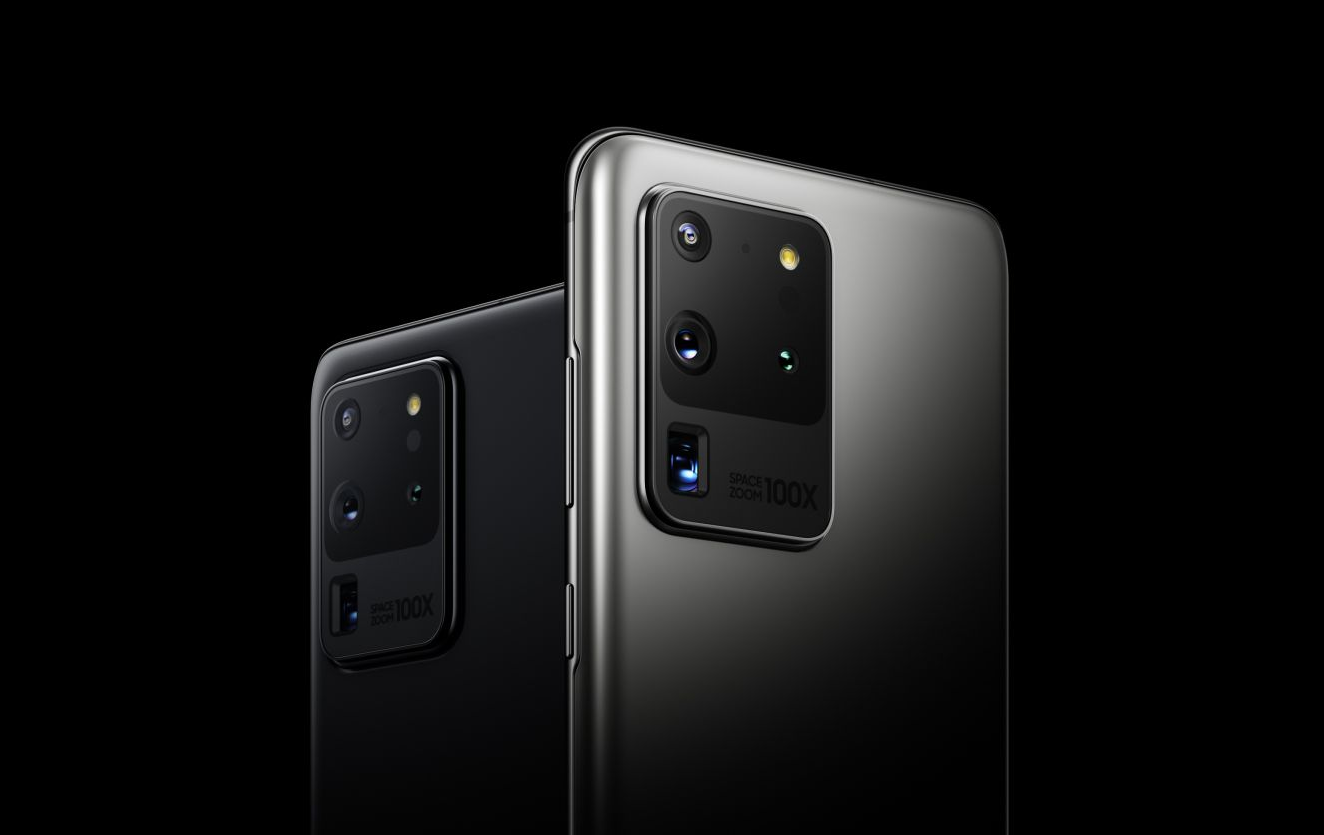
Samsung‘s latest flagship, the Galaxy S20 series, arrived with a capable camera setup but one which was plagued with a few technical issues, especially in the Exynos model. But now, it seems like the company is planning on improving upon this in its next premium flagship generation, Galaxy S21, as claimed by certain rumors.
Samsung Galaxy S20 Ultra
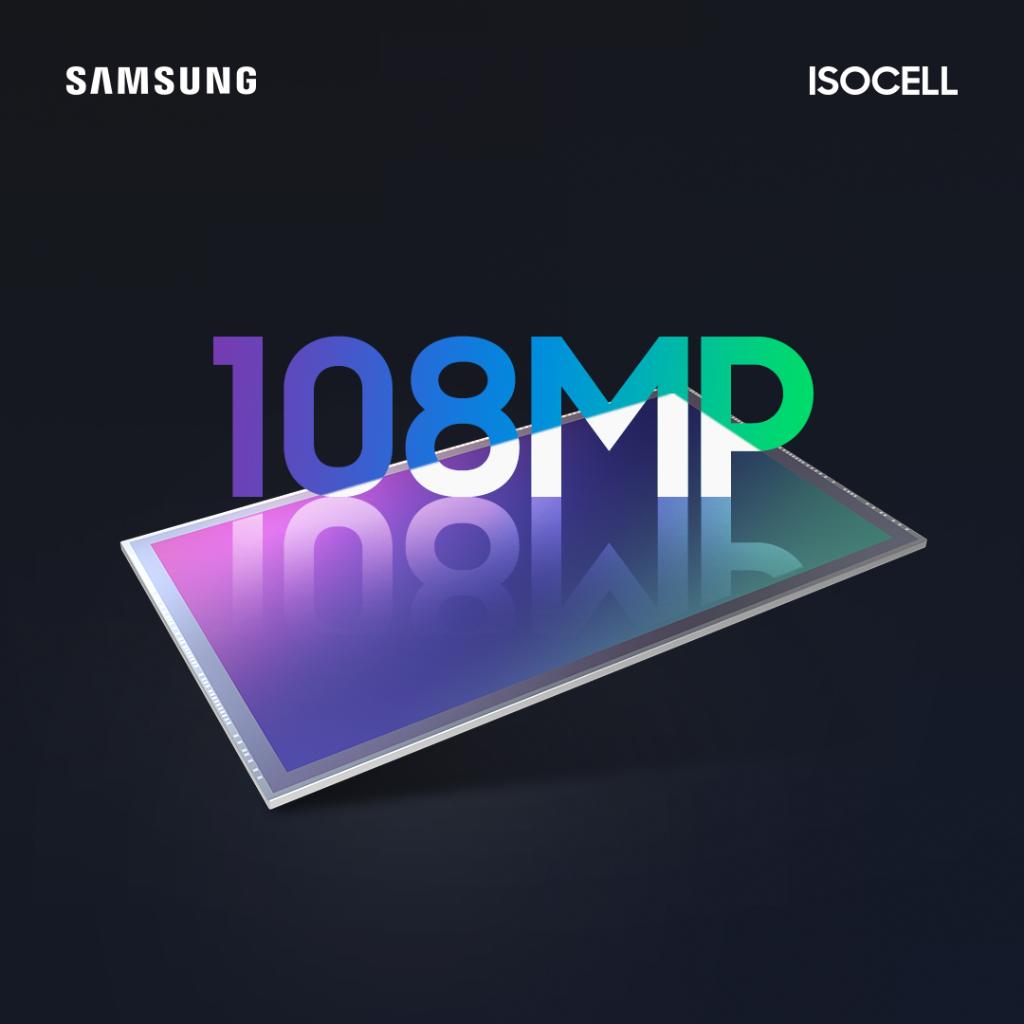
According to a new report, the Samsung Galaxy S21 may feature a penta camera setup. That is, it will have 5 image sensors on the rear with its primary lens being a whopping 150 megapixel shooter. This is a sizeable increase from the 108 megapixel ISOCELL sensor that the Galaxy S20 Ultra features. Interestingly, the rumor also claimed that the Galaxy S21 series camera will be dropping the laser autofocus technology.
Additionally, the 150 megapixel sensor will be supplemented by a 64 megapixel telephoto lens alongside a 16 megapixel ultra wide angle sensor as well. Unfortunately, the maximum magnification length of the telephoto lens is currently unknown. The Galaxy S21 will also feature a 12 megapixel macro lens with a ToF sensor rounding up as the fifth camera.
Samsung ISOCELL 108MP
The rumor has not been officially confirmed, so take it with a grain of salt for now. Although going along the same lines of rumored improvements, the selfie shooter was said to also see certain enhancements like OIS support and a bigger sensor. That is all we know so far but stay tuned for more leaks and reports.
Apple launched its new iPhone SE budget smartphone last month after years of leaks and rumours and the device is now available for purchase. Weeks after the phone’s launch, details about its components have surfaced online.
According to a report coming from Korea, Japan-based JDI has been picked by Apple to be the sole supplier of display panels for the new iPhone SE, at least for the initial batch. The report further adds that Sharp will join the list of suppliers at a later stage.
For those who are unaware, JDI and Sharp were the suppliers of the 4-inch display panel used in the earlier iPhone SE model. This time, for the iPhone SE 2020 model, LG Display was in the race to supply displays and also underwent the final round of testing.
The development for Japan Display Incorporated (JDI) comes at a time when the company is struggling and Apple reportedly pumped-in the much-needed cash of around $200 million last year in a bid to prevent the display maker from shutting down.
It is said that the company is now looking to sell off assents, including a production facility in Hakusan area and Apple will be buying a part of that facility. Apple’s decision to aware display contract for the new iPhone SE to JDI could be a part of its plan to help the Japanese company.
However, for the upcoming iPhone 12 series smartphones, Apple seems to have picked up China-based BOE for the OLED panels because of its in-display fingerprint sensor technology. For the upcoming 5G iPhone 12, the in-display fingerprint sensor is said to be vital to have some of the modern and trendy features.
In line with this, BOE is launching OLED production lines which will essentially boost the company’s manufacturing capacity by more than 200 percent. The company has heavily invested in three OLED production lines in China and will manufacture the sixth generation of AMOLED displays with a plan to soon reach a full production capacity of manufacturing 48,000 units every month.
Coming to the Apple iPhone 12, the phone will be powered by Apple A14 chipset manufactured by TSMC using 5nm node and will come with support for 5G. However, there are reports claiming that the company could delay the launch of iPhone 12 series as it faces supply issues because of the COVID-19 pandemic.
Vivo has silently unveiled a new smartphone called Vivo Y30 in Malaysia. In terms of specifications, it appears to be a weaker phone than the recently announced Vivo Y50. Some of the major highlights of the Vivo Y30 phone include a punch-hole display, a large-sized internal storage, a massive battery and a13-megapixel quad cameras.
Vivo Y30 specifications
The Vivo Y30 smartphone has a 6.47-inch IPS LCD Ultra O display that has a punch-hole at its top-left corner. While the chin of the device is a bit thick, the other three bezels surrounding the display are slim. The rear shell of the phone is of polycarbonate material with glossy appeal.
Vivo Y30 Moonstone White
The backside of the Vivo Y30 has four cameras housed inside a rectangle-shaped housing. The setup is pioneered by a 13-megapixel lens followed by ultrawide shooter of 8-megapixel, a 2-megapixel macro lens and a depth assist sensor of 2-megapixel. The back panel of the Vivo Y30 also features a fingerprint reader.
The Vivo Y30 smartphone is fueled by Helio P35 chipset and 4 GB of RAM. The phone comes with a big internal storage of 128 GB. There is a 5,000mAh battery inside the device which supports only 10W charging.
Vivo Y30 Dazzle Blue
The Vivo Y30 boots to FunTouch OS 10 based Android 10 OS. There is a microSD card slot on the device for expanding its storage.
Vivo Y30 price and availability
The Vivo Y30 has arrived with a price tag of RM899 (~$208) in Malaysia. Moonstone White and Dazzle Blue are the two color variants of the Vivo Y30.
Meizu is all set to launch its next-generation flagship smartphones as Meizu 17 series in China tomorrow, i.e. 8th May. Ahead of the official launch, the company has been revealing some of the key features through social media posts.
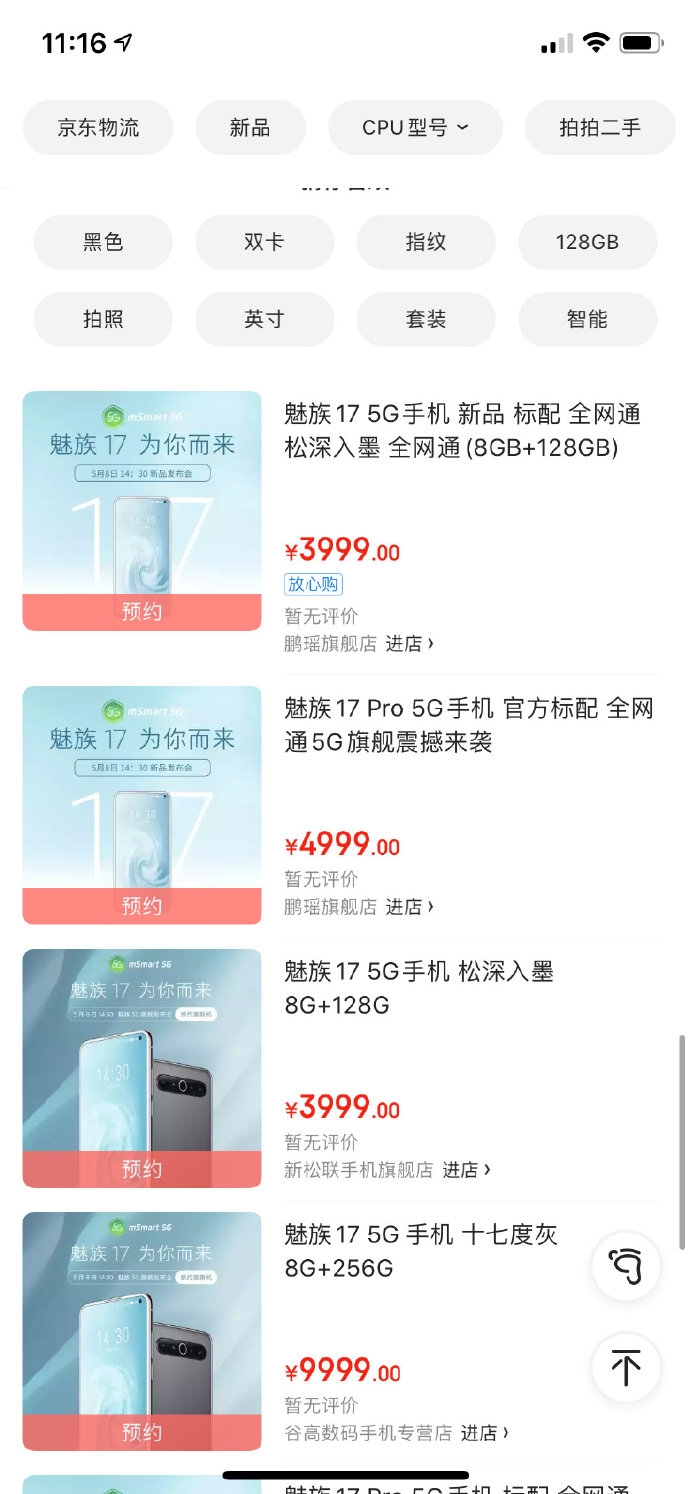
Now, the listing of the upcoming Meizu 17 devices on the third-party eCommerce platform have revealed their pricing details. It confirms that the device will start at 3,999 yuan (~$563) for the base model while the Pro model will start at 4,999 yuan (~$704).
So far, the company has confirmed that the smartphones will come with a Full HD+ AMOLED display along with 90Hz refresh rate and a punch-hole cutout for the front-facing camera sensor. Under the hood, the devices will be powered by the flagship Qualcomm Snapdragon 865 chipset with 5G support.
Meizu has also confirmed UFS 3.1 internal storage and thus, we expect the phone to have LPDRR5 RAM. The smartphone features a quad-camera setup where the primary sensor will be a 64-megapixel Sony IMX686 sensor.
Meizu will be launching three smartphones in this lineup — Meizu 17, Meizu 17 Pro, and Meizu 17T. All three smartphones are already up for pre-orders in the Chinese market through the company’s own online store, JD.com, Tmall and Suning.
Along with the Meizu 17 series smartphones, the company is also set to launch Android 10-based Flyme 8.1 custom user interface which will likely be running the upcoming smartphone series. The company will also be launching a few accessories, including Super mCharge Power bank and a GaN (Gallium Nitride) charger at the same event.
Earlier this year, Google revealed its plan and roadmap for the Android 11 development, including developer previous and beta versions. After releasing three developer previews, the company is now adding one more.
So far, Google has released DP1, DP2, and DP3 versions as a part of the developer previews. Now, it was time for the company to jump on the beta versions with the Beta 1. However, instead of Beta 1, the company is releasing DP4.
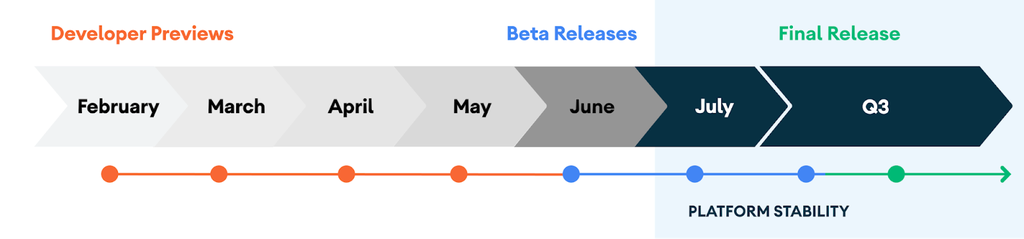
The addition of DP4 version was not a part of the plan and thus it pushes back the timeline for other versions. The company said that it “decided to add a bit of extra time in the Android 11 release schedule.” And with this, all the subsequent milestones by a month, with a final release still on track for Q3.
The new Android 11 DP4 is focused on performance improvements and iterative updates. It has fixed the location service icon issue and it’ll no longer appear in the status bar when the service is not in use. The company has also fixed the issue where the status bar icons were running over the edge for some device.
Moving ahead of the Developer Preview builds, the company has confirmed that there will be three Beta releases ahead of the stable Android 11 launch. Here’s how the company has divided the upcoming beta versions.
Beta 1 in June. It will come with the final SDK and NDK APIs and the company will open up Google Play publishing for apps targeting Android 11.
Beta 2 will be released in July. The company claims that it will reach Platform Stability with the release of this version.
Beta 3 release moves to August and the company will include release candidate builds for final testing. This will be the final beta version ahead of the stable release.
The Android 11 Developer Preview system images are available for Google’s own devices — Pixel 2, Pixel 2 XL, Pixel 3, Pixel 3 XL, Pixel 3a, Pixel 3a XL, Pixel 4, and Pixel 4 XL, as well as in the Android Emulator.
For those who have already installed Android 11 Developer Preview 3, the over-the-air (OTA) update will be rolling out. Users can also use the Android Flash Tool to install this new update.
The POCO F2 Pro is finally coming. It is scheduled to go official on May 12. Reports surrounding the smartphone have claimed that it could be arriving as a rebadged version of the Redmi K30 Pro. Ahead of the next week’s launch, 91mobiles revealed the pricing and color variants of the POCO F2 Pro.
POCO F2 Pro price and color variants (Rumored)
Based on the information received from a trusted source, the publication has claimed that the POCO F2 Pro will carry a price tag of 570 euros for its 128 GB storage version. The phone will be coming in other variants. However, the publication has on the pricing of POCO F2 Pro’s other variants.
A previous leak by a Portugal tech site had revealed that the 6 GB RAM + 128 GB storage and 8 GB RAM + 256 GB storage variants of the POCO F2 Pro will be priced at 649 euros and 749 euros in the Portuguese market. The prices of smartphones in Portugal are generally higher compared to other European countries because of the country’s private copy tax.
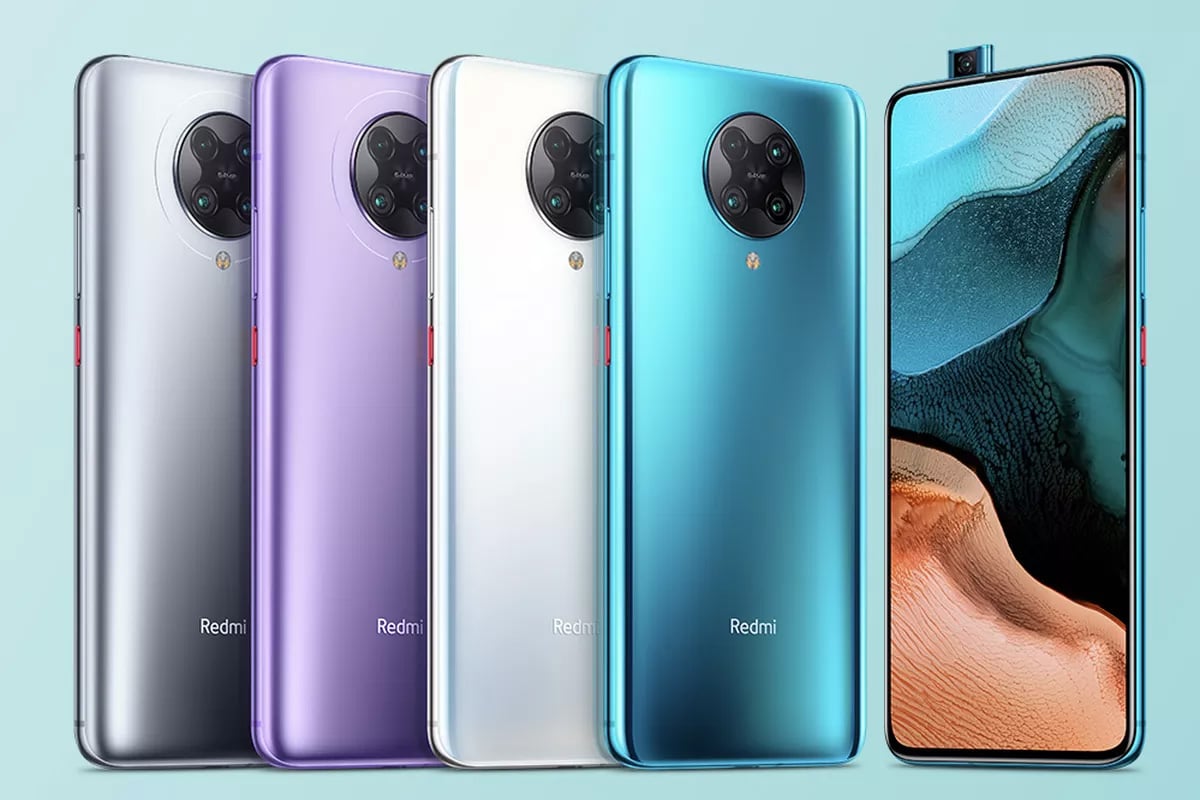
Redmi K30 Pro
The Redmi K30 Pro is available in White, Purple, Gray and Blue in China. A listing for the unannounced POCO F2 Pro was recently seen on GearBest. The listing carried the same color options for POCO F2 Pro. The new report by the publication also claimed F2 Pro will be coming in same four color variants.
The POCO F2 Pro may have the specs that are available on the Redmi K30 Pro. Hence, it is expected to arrive with a 6.67-inch AMOLED display with notch-less design. It may come with an in-screen fingerprint reader.
The Snapdragon 865 SoC may power the device with LPDDR5 RAM and UFS 3.1 storage. It could feature a 4,700mAh battery with 33W fast charging support.
The device is likely to come with a 20-megapixel pop-up selfie snapper. The rear side of the smartphone may feature a 64-megapixel + 5-megapixel + 13-megapixel + 12-megapixel quad camera setup placed inside a round-shaped camera housing.
Yesterday, phone names like Redmi Note 9, Xiaomi Mi 10 and POCO M2 Pro had appeared on the RF exposure page of Xiaomi India. The Redmi Note 9 and Mi 10 phones that are yet to go official in India are still listed on the RF exposure page, but the POCO M2 Pro that has a model number of M2003J6CI can no longer be seen on it. While some claimed that POCO India will launch the POCO M2 Pro as a phone specially designed for India, others said that the moniker may have surfaced by mistake and it does not exist. A fresh report on XDA Developers reveals that the POCO M2 Pro could be a mid-range device driven by the Snapdragon 720G octa-core processor.
According to XDA tipsters, the M2003J6CI that is expected to debut as POCO M2 Pro is codenamed as “gram” and they also managed to find “gram_in_global” firmware. The publication claims that these findings suggests that the phone could be heading to India.
In March, Xiaomi India had launched Redmi Note 9 Pro (M2003J6A1I) and Redmi Note 9 Pro Max (M2003J6B1I) smartphones in India. It is being said that the POCO M2 Pro may have some points of sameness with the Redmi Note 9 Pro and Pro Max phones. The report further states that the “gram” codenamed was previously seen in Redmi Note 9 Pro’s kernel source code. The handset’s firmware also carried watermark for “gram.”
According to the publication, since the Redmi Note 9 Pro could be driven by the Snapdragon 720G octa-core processor, there is a possibility that the POCO M2 Pro may feature the same SoC. There is a possibility that the phone could be featuring some other Snapdragon 7 series chipset with compatible software.
If are an expert and you need the highest value for money mid-range smartphone of the moment, we are sure you would surely take into consideration at least one device from Redmi, Realme, and Huawei. These three brands actually have amazing devices in their portfolio, when it comes to affordable phones. In this “Pro” comparison, we decided to compare the specs of the latest Pro mid-rangers launched by these companies in the global market: Redmi Note 9 Pro, Honor 9X Pro, and Realme 6 Pro. Note that we are talking about the global version of the Redmi Note 9 Pro which is different from the one launched in India.
Xiaomi Redmi Note 9 Pro vs Huawei Honor 9X Pro vs Oppo Realme 6 Pro
Quad 64 + 8 + 5 + 2 MP f/1.9, f/2.2, f/2.4 and f/2.4
16 MP f/2.5 front camera
Triple 48 + 8 + 2 MP f/1.8, f/2.4 and f/2.4
16 MP f/2.2 front camera
Quad 64 + 12 + 8 + 2 MP f/1.8, f/2.5, f/2.3 and f/2.4
Dual 16 + 8 MP f/2.1 and f/2.2 front camera
BATTERY
5020 mAh, fast charging 30W
4000 mAh, fast charging 10W
4300 mAh, fast charging 30W
ADDITIONAL FEATURES
Dual SIM slot
Hybrid Dual SIM slot
Dual SIM slot, splash resistant
Design
If there is a mid-ranger with a premium design, that is the Honor 9X Pro. Just like flagships, it comes with premium materials including aluminum for the frame and glass for the rear side. Both Redmi Note 9 Pro and Realme 6 Pro have a plastic frame and a glass back. Further, Honor 9X Pro has a high screen to body ratio and no holes thanks to a motorized pop-up selfie camera. It is one of the most amazing affordable phones in terms of design.
Display
The display king is the Realme 6 Pro. Despite AMOLED displays are the trending ones, all of these devices sport an IPS display. But Realme 6 Pro offers something more: a higher 90 Hz refresh rate. Redmi Note 9 Pro has the widest panel, but it has a standard refresh rate just like the Honor 9X Pro. On the other hand, Honor 9X Pro has the smallest diagonal, so it is a more compact handset than Redmi Note 9 Pro.
Specs & Software
According to benchmarks, the Kirin 810 SoC found on the Honor 9X Pro is more powerful than the Snapdragon 720G found on Redmi Note 9 Pro and Realme 6 Pro. Further, the Honor 9X Pro exists in a configuration that offers more internal storage than its two rivals: 256 GB. Honor 9X Pro has a shared micro SD slot, while Redmi Note 9 Pro and Realme 6 Pro come with a dedicated micro SD slot. Realme 6 Pro and Note 9 Pro run Android 10 out of the box, while Honor 9X Pro is based on Android 9 Pie since it is an older device. Unlike many other last-generation phones launched by Huawei, the Honor 9X Pro has Google services installed.
Camera
Realme 6 Pro wins the camera comparison mainly because of its better secondary sensor. It sports the same 64 MP main sensor as the Redmi Note 9 Pro, but unlike the affordable phone launched by Xiaomi’s sub-brand, it has a 12 MP telephoto lens with 2x optical zoom. There is also an ultrawide 8 MP sensor and a 2 MP macro camera. The Realme 6 Pro is superior even when it comes to front cameras: in its dual punch-hole, it has a dual selfie camera including an ultrawide sensor. The silver medal goes to the Note 9 Pro that offers a 64 MP quad-camera which can record 4K videos at 30 fps just like the Realme 6 Pro.
Battery
Redmi Note 9 Pro is the best battery phone thanks to a huge 5020 mAh battery which should allow 2 days of battery life even with intensive usage. Realme 6 Pro and Honor 9X Pro are more or less at the same level when it comes to battery life. Despite Honor 9X Pro comes with lower battery capacity, it has more efficient components than Realme 6 Pro; indeed, its SoC is built at 7 nm and its display has a standard refresh rate.
Price
We still do not know how much Redmi Note 9 Pro will cost globally, but we know that Redmi Note 9S begins at €229/$247. You can actually find the Honor 9X Pro for €249/$269 (6/256 GB), while Realme 6 Pro costs €349/$377 in its 8/128 GB configuration. While Note 9 Pro (probably) and Honor 9X Pro have a definitely higher value for money, Realme 6 Pro is the most advanced device of this comparison thanks to its better camera department and display. However, note that Note 9 Pro offers a bigger battery, while Honor 9X Pro offers very nice hardware and a premium design.
Ulefone Armor X7 has always stood by rough conditions in different testing environments whether it’s a durability test, drop test, screen rigidity test, waterproofing test, or the new lab test. The company is not leaving a single type of test to flaunt the stealth and rugged design of the Ulefone Armor X7. The phone maker has revealed a lab test video where the Armor X7 has undergone brutal testing to prove its IP68/IP69K and MIL-STD 810G certifications.
The smartphone undergoes all the different tests in the lab environment using different machines. Ulefone Armor X7 successfully clears all the tests including the drop test where it dropped from a 1.2-metre height, it was even placed in -20℃ testing machine to check if it works at such a low temperature or not. It was even placed in the dust and sand chamber to evaluate its dust proofing. Armor X7 survives all the tortures in the lab and not even a single crack was present afterward.
Additionally, Ulefone Armor comes powered with MediaTek MT6761 Helio A20 chipset featuring an octa-core processor and PowerVR GE8320 GPU. The smartphone houses a 5.0-inch IPS LCD display supporting 720 x 1280 pixels resolution with a 16:9 aspect ratio. It comes in 16GB internal storage and 2 GB RAM.
In the camera department, the company added a 12-megapixel rear single camera with f/2.2 aperture, and a 5-megapixel camera on the front for selfies. A 2.5mm jack is present for the better audio experience. It runs on Android 10 with near-stock experience.
Ulefone Armor X7 sports a Wifi, Bluetooth 5.00, GPS, NFC, FM Radio, and MicroUSB 2.0 in connectivity. However, you will find a rear-mounted fingerprint scanner, and an accelerometer, proximity, and compass sensor on the device. It is available in two color options of Black and Orange.
Xiaomi’s entry into Western Europe could still be said to be in its infancy. The brand first launched its products officially in the region in November 2017 with a launch event in Spain. But the company seems to have gained some traction in Western Europe and recently, Xiaomi’s CFO revealed plans to expand in the region.
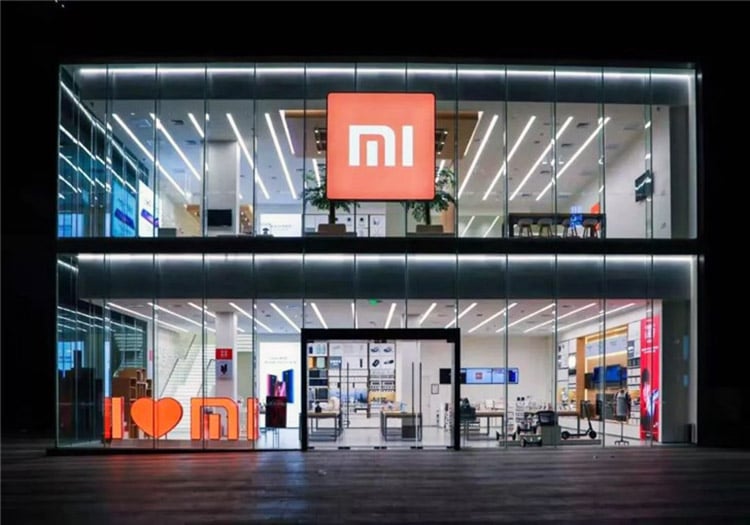
A Xiaomi Store in China
A market analytics report by Strategy Analytics has indeed confirmed Xiaomi’s rise in Western Europe. The report claims the Chinese company is now firmly established as the fourth-largest smartphone vendor in the region, only behind the likes of Samsung, Apple and Huawei. This is despite having zero presence there just 2.5 years ago.
Xiaomi’s rise is attributed to the continuous collaboration with local operators, resulting in huge gains across Western Europe. Much of that growth was achieved at the expense of Huawei, which continues to shrink in the region following the US ban.
Xiaomi’s total global smartphone shipments remained flat annually in Q1 2020. Despite the lack of growth, the company performed much better than the overall smartphone market, which declined -17% YoY in Q1 2020. Xiaomi’s global market share by volume thus increased to all-time high of 10%.
“In an extremely challenging environment, due to the COVID-19 crisis, which affected the industry both on the demand and supply side, Xiaomi was affected to a lesser extent than the other big Chinese brands (Huawei, Oppo, vivo), because of its more diverse geographical footprint and online channel distribution approach”, the report states.
HMD Global has announced a couple of phones this year such as the Nokia 8.3 which is its first 5G phone and other 4G phones such as the Nokia 5.3 and Nokia 1.3 and the resurrected Nokia 5310. A rumor going round has revealed key details about a new phone said to be the Nokia 6.3.
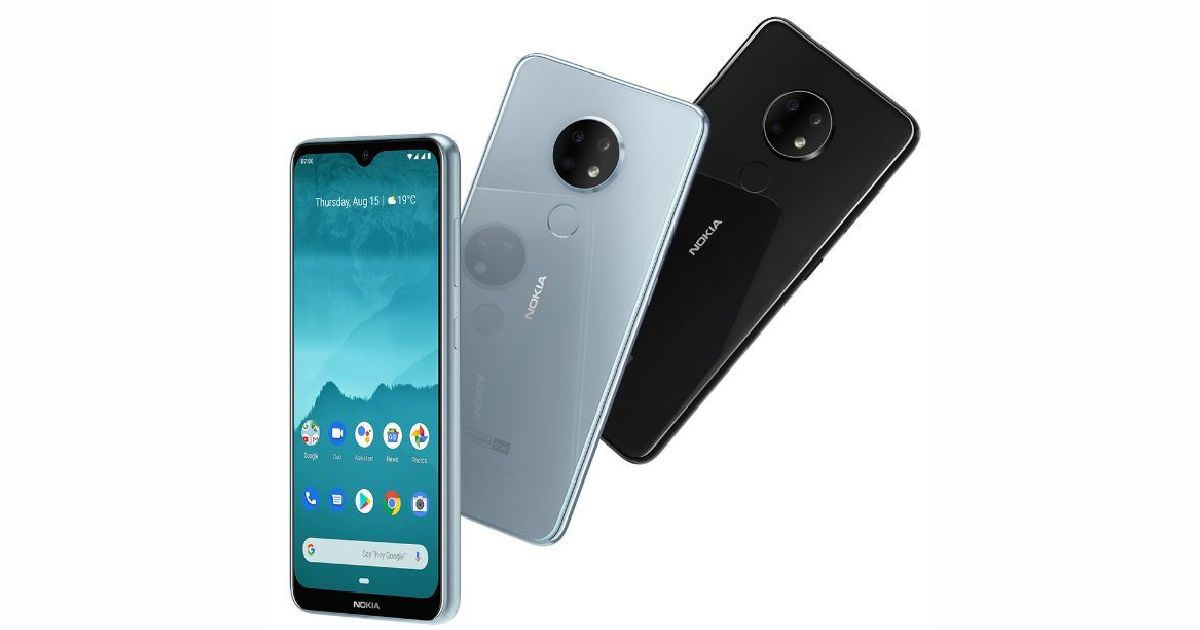
Nokia 6.3 reported to keep the notch of the Nokia 6.2 pictured above
A report by MySmartPrice says the Nokia 6.3 is coming, and the info comes along with some key specifications.
The upcoming mid-range phone is said to have a Snapdragon 670 or Snapdragon 675 processor inside it. The two processors may not be the chipsets folks are expecting to grace a 2020 phone but they are pretty good choices for the device seeing as its predecessor has a Snapdragon 636 processor. Based on this info, we presume the upcoming Nokia 7.3 will come with a Snapdragon 720G chipset.
The source also reports that the Nokia 6.3 will have four rear cameras with Zeiss lens. Sadly, there is no info on the camera configuration. However, the front camera is said to be a 16MP sensor.
With respect to design, the Nokia 6.3 may come with a waterdrop notch HMD Global like its predecessor and should have a PixelWorks display chip for upscaling SDR to HDR.
The launch is set at Q3 which is still months away but the pandemic may cause the date to be adjusted.
We use cookies on our website to give you the most relevant experience by remembering your preferences and repeat visits. By clicking “Accept”, you consent to the use of ALL the cookies.
This website uses cookies to improve your experience while you navigate through the website. Out of these, the cookies that are categorized as necessary are stored on your browser as they are essential for the working of basic functionalities of the website. We also use third-party cookies that help us analyze and understand how you use this website. These cookies will be stored in your browser only with your consent. You also have the option to opt-out of these cookies. But opting out of some of these cookies may affect your browsing experience.
Necessary cookies are absolutely essential for the website to function properly. This category only includes cookies that ensures basic functionalities and security features of the website. These cookies do not store any personal information.
Any cookies that may not be particularly necessary for the website to function and is used specifically to collect user personal data via analytics, ads, other embedded contents are termed as non-necessary cookies. It is mandatory to procure user consent prior to running these cookies on your website.

















UP NEXT: Mysterious Vivo V2012A with Snapdragon 765G spotted at Geekbench