Advertisement

Petition to get Xiaomi to update the Mi Mix 3 5G to Android 10 goes live

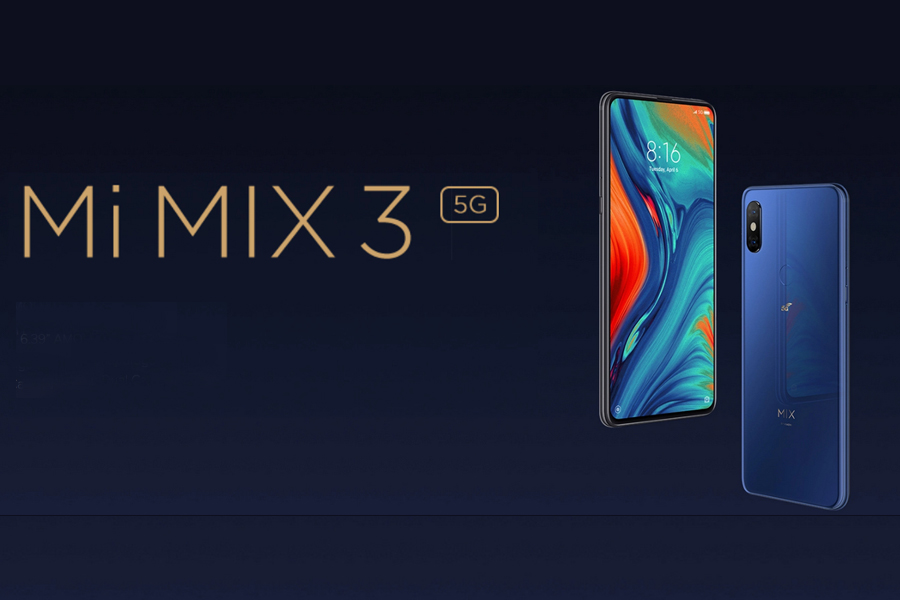
Xiaomi sprang a surprise early last year when it announced the Mi Mix 3 5G at MWC 2019. The device was later released in Europe and became the first 5G smartphone to go on sale in Spain and Italy priced at €599 (€699.90 in Italy). The Mix 3 5G came preinstalled with Android 9.0 Pie-based MIUI 10. Interestingly, the flagship device is yet to get updated to either MIUI 11 or Android 10 even when MIUI 12 is announced. I’ve come across several comments of fans venting their anger over this unfortunate situation. A Mi Mix 3 5G owner has now taken things beyond mere complaints and has floated a petition on Change.org in a bid to get the Chinese tech giant to update the software.

Apparently, the absence of any new update or the Mi Mix 3 5G isn’t a mistake. Turns out the device didn’t perform well in the market as only a few units were sold and so the company decided to halt software support. Recall that the Mi Mix 3 5G was released at a time 5G connectivity had barely rolled out in Europe. So, enthusiasm wasn’t really high for the device at that time. Who needs a 5G phone when there are no 5G services? Well, a few persons did.Xiaomi Mi Mix 3 5G
But then, the poor sales are no fault of the few persons who bought the model. The Mi Mix 3 4G which is sold in China has already gotten updated to Android 10-based MIUI 11. Thus, the owners of the 5G version also deserve to get new updates, possibly to MIUI 12 as well.

This petition seems to have drawn inspiration from a similar petition by Mi A3 users urging the Chinese company to push Android 10 update to Mi A3 models. Xiaomi responded in a short time but the update could at best be described as ill-fated. We wait for a response from Xiaomi on this petition.


(source, via)


Smartphone sales have resumed in India after a month

India has been under lockdown for over a month to fight back the spread of coronavirus. Even e-commerce was non-operational except for certain essential goods. But from May 4, the government has announced certain relaxation, which also includes selling and delivery non-essential products like smartphones via online as well as offline retail stores.

Abiding the new rule, smartphone brands have started selling their devices in the country. Companies like Xiaomi, Realme, Vivo, and Samsung have begun to take orders on their respective online stores.

However, they are not fully operational as they are only allowed to offer services to regions marked green and orange by the government. The same rule also applies for e-commerce companies like Flipkart and Amazon India who have also resumed their services.

Customers will have to enter their pin code to check availability of products to their area. On top of that, the delivery of ordered products could be delayed.

Also, Vivo has introduced a service by which users can order smartphones via SMS, which will be delivered by 20,000 retail stores across the country. Some of the local retail mobile shops have also been reopened in several regions.

Further, Xiaomi has also announced to launch Mi 10 in India this coming Friday, i.e. May 8. Whereas, Realme is yet to announce the new launch date for its long-delayed Narzo series


(Via)

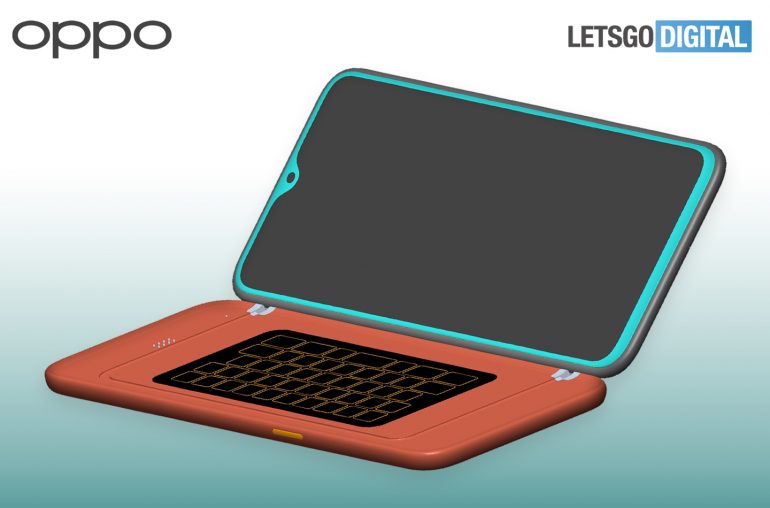
Oppo patents a smartphone with physical QWERTY keyboard

A few days ago, we saw a design patent filed by Vivo for a slider smartphone. Now, today, we are subjected to a patent for a smartphone with a physical QWERTY keyboard filed by its sister company Oppo. The design gives us the vibe of LG’s Dual-Screen cases available for G8X, V50, and V60.

Oppo QWERTY Keyboard Case Patent Featured

It has been a long time since we saw a physical keyboard on a smartphone. The last two such devices were BlackBerry Key 2 and Key 2 LE. If this patent comes into fruition, then we may finally get a modern phone with a keyboard from the house of Oppo.

Anyway, the design seems to be of a QWERTY keyboard case similar to LG Dual-Screen than a permanently attached hinge. If you recall, the last such accessory was available for the Galaxy Note 5, however, it was to be placed on the display and not to be used as a case.

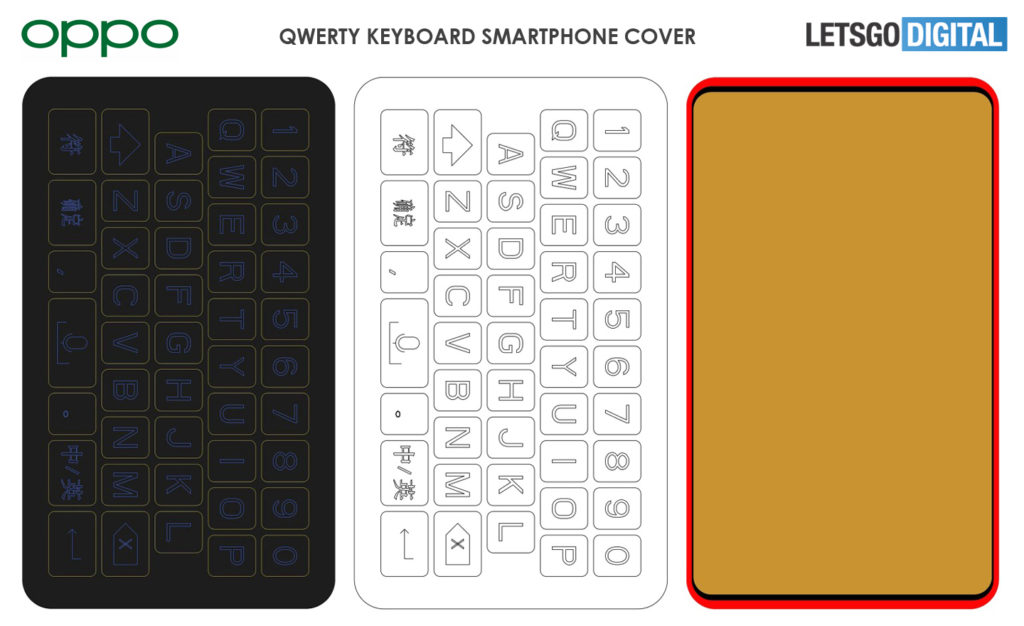
Further, the patent design suggests the keys to be rather capacitive than tactile. Also, the layout seems to be congested than wider. Additionally, the smartphone used for reference has bezels all around with a dew-drop notch.

Oppo QWERTY Keyboard Case Patent

All of the above-mentioned characteristics indicate the patent to be a rough unfinished design, which might never see the light of the day. However, there is a possibility that Oppo could be working on something with advanced design matching the current trend.


(Source)

Meizu Super mCharge USB-C Power bank launching alongside the Meizu 17

Meizu is expected to launch the Meizu 17 and 17 Pro this month in China. Before now, there have been several leaks and official teasers which capture some details of the phone. One of such details is the presence of a 4500mAh battery with support for 30W Super mCharge. The device is also tipped to ship with a GaN charger onboard the retail box.Xiaomi Mi Mix 3 5G

Meizu accessories have now released a poster teasing the impending launch of a Super mCharge USB-C Power bank. The poster shows the power bank will have a flat design but will feature an LED display which possible would show the battery level and other parameters. The power bank is also likely to feature support for 30W fast charging.

The Meizu 17 series will be released online on May 8th, so we expect the power bank to be launched the same day.


(via)

Huawei Y9s may launch soon in India as it is listed on Amazon India

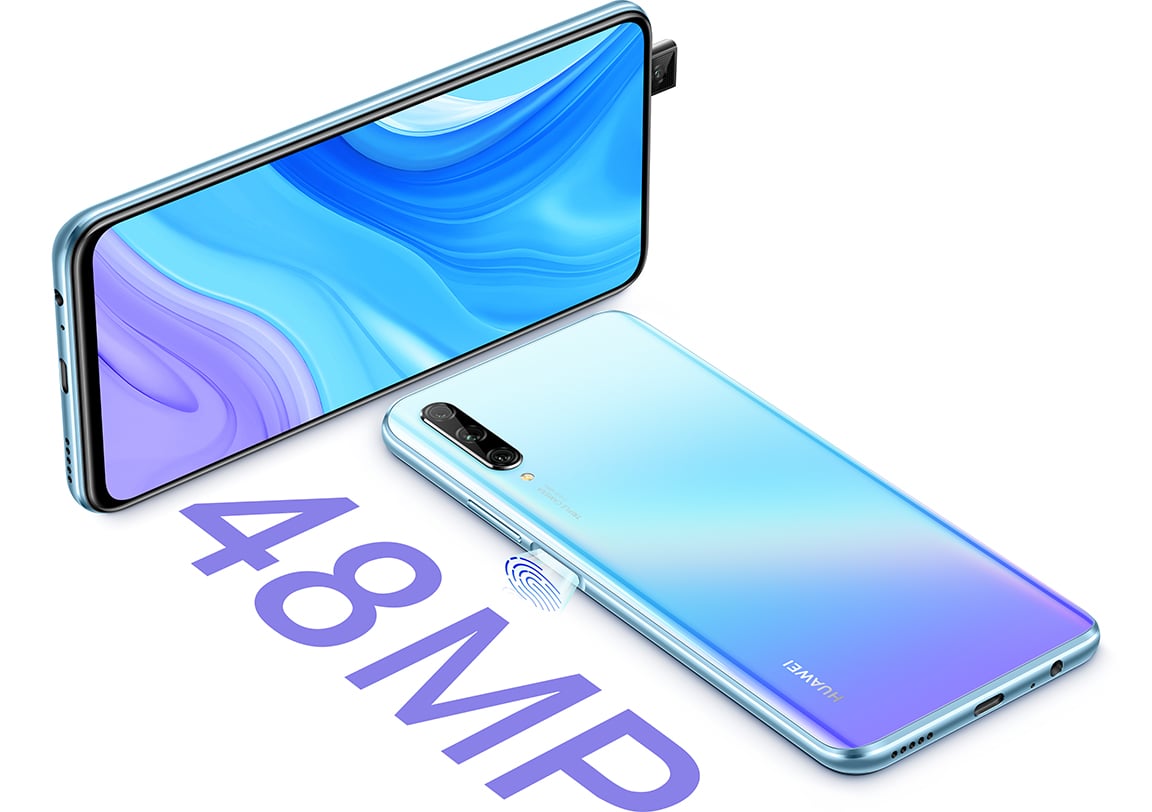
Huawei may soon launch the Y9s in India as the mid-range device has been listed by Amazon India. Huawei Y9s was launched last year November in Iraq with a decent specs lineup which includes a pop-up selfie camera, triple rear camera setup and a Kirin 710F SoC.Huawei Y9s featured

The Amazon.in product page for the Y9s doesn’t contain the price or the release date but contains the full specification. This is an indication that the product will go live soon in India but Huawei is yet to reveal a specific launch date. Apart from the Huawei Y9s, the company is also expected to launch the Watch GT 2e smartwatch and FreeBuds 3 earbuds in India.

The Huawei Y9s features a 6.59-inch FHD+ Ultra FullView Display with a pop-up selfie camera design. The phone has a side-mounted fingerprint scanner buried under the power button. The pop-up selfie camera has a 16MP lens while at the rear, there is a triple camera setup comprising a 48MP f/1.8 sensor, an 8MP f/2.4 ultrawide angle camera with a 120° field of view and a 2MP f/2.4 depth sensor.Huawei Y9S

The Huawei Y9s is powered by the same Kirin 710F processor and it gets 6GB of RAM and 128GB of storage which can be expanded via a MicroSD card slot (512GB max.). The phone packs a 4000mAh battery with support for 10W charging via a USB Type-C port.

Huawei will ship the phone with EMUI 9.1 out of the box based on Android 9 Pie. The phone is available in Midnight Black.


(source)


Xiaomi reveals redesigned icons of new MIUI Camera app

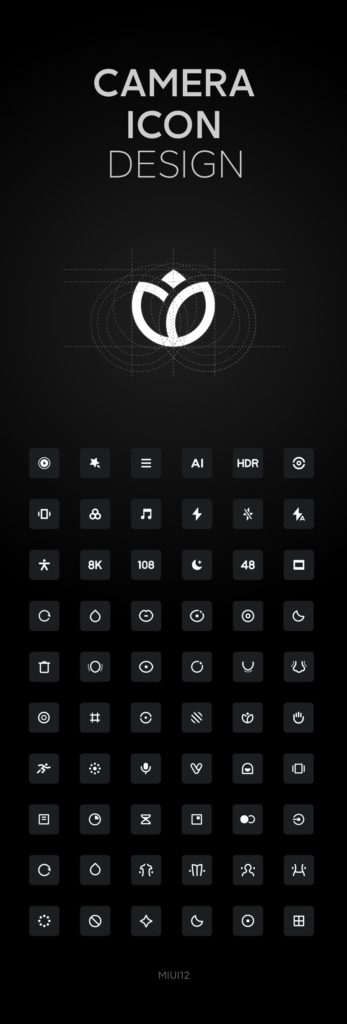
Last week, after the announcement of MIUI 12, the head of Xiaomi Camera also dropped a teaser video for new revamped MIUI Camera. She even shared the update timeline for all the eligible devices. Anyway, it’s worth noting that the list is limited to China. Now, almost a week later, she shared a poster on Weibo showcasing all the redesigned icons of the new MIUI Camera app.

MIUI 12 Camera Icon Design

As you can see from the image above, the icons are uniform as well as simple and elegant. They clearly match the other UI elements of MIUI 12. Although the icons in the poster are outlines, the new MIUI Camera app also supports customization allowing users to change colors of these icons.

Nevertheless, the image does not reveal any feature that we are not aware of. Here’s a refresher of all the new additions if you have forgotten or never knew before.

  • Magic Clone (Multiplicity Photography)
  • Magic Kaleidoscope
  • Tap to shoot, hold to record
  • Easy to arrange buttons (Option to edit toggle placement)
  • Custom colors (Theming)
  • Texture and Film camera sound (New in-app sounds)

Having said that, the new MIUI Camera is already live on many of the premium as well as some mid-range and budget smartphones running MIUI 12 Closed Beta builds. More devices will be getting it this month and next month, followed by almost all handsets with the stable release of MIUI 12.


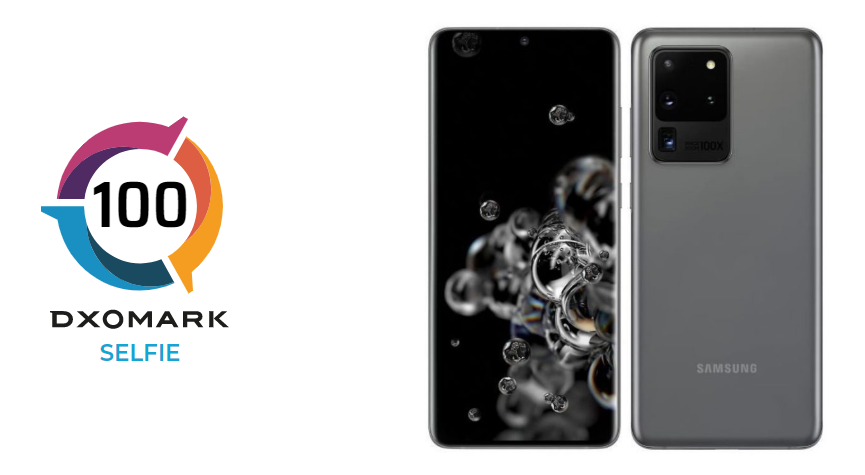
Galaxy S20 Ultra secures second position in DxOMark Selfie with 100 points

The Samsung Galaxy S20 Ultra underwent DxOMark Selfie test and scores a whopping 100 points, second only to Huawei P40 Pro with 103 points. Unlike the rear camera test, in which the phone ranks 7th with 122 points, the front camera performed much better in its own regard.

At the second position with 100 points on DxOMark Selfie, the Galaxy S20 Ultra ties with Huawei Nova 6 5G and is just one point ahead of Galaxy Note 10 Plus’ 99 points. According to the testers, the S20 Ultra’s front camera offers a stable performance making it a reliable option for selfie enthusiasts.

Galaxy S20 Ultra DxOMark Selfie

Talking about pictures from the front camera, the Galaxy S20 Ultra scores a record 87 points for exposure and contrast. The images out of the device have accurate exposures in all lighting conditions whether properly lit or dark. However, although colors are pleasant with accurate white balance and nice skin tones, it is generally inconsistent.

The focus performance is good enough and nothing extraordinary. The levels of the acutance are higher than iPhone 11 Pro Max but the depth of field is not as good as Apple’s because of the larger sensor.

The texture details are on point with the other top performers but the handset falls behind in low-light conditions. Artifacts are well-controlled but there are noticeable distortion, color quantization, anamorphosis of elements towards the edges, color fringing, and face rendering artifacts.

The flash performance is not as good as other high scorers as there are white balance color casts and visible noise in faces. Bokeh is great for a single selfie camera with good subject segmentation and minor edge artifacts.

The 4K 30fps video from the selfie camera on has accurate exposure just like images with high details, vivid colors, and wide depth of field. However, it suffers from autofocus issues, visible noise, cold white balance cast in outdoors, and other visible parameters like color quantization, hue shift, aliasing, and texture artifacts.

Overall, the  Samsung Galaxy S20 Ultra performs well making it a go-to selfie camera phone for people who can afford it.


(Source)

OPPO A92 unveiled as rebranded OPPO A72 in Malaysia

Last month, OPPO unveiled the OPPO A72 and OPPO A52 mid-range A series phones in China. Recently, the OPPO A92 phone was spotted on Indonesia’s Lazada e-commerce site with official renders and specs. Today, the smartphone has gone official in Malaysia. The smartphone has a rebadged version of the OPPO A72 phone.

OPPO A92 specifications

The OPPO A92 smartphone has a 6.5-inch IPS LCD screen with a punch-hole at the upper-left corner. The display produces full HD+ resolution of 1080 x 2400 pixels. It offers a screen-to-body ratio of 90.5 percent.  The TUV Rheinland certified display prevents eye strain by cutting down the blue rays.

The Snapdragon 665 mobile platform powers the device. The SoC is supported by 8 GB of RAM and it has an internal storage of 128 GB. A microSD card slot is available onboard for additional storage.

OPPO A92

There is a 5,000mAh battery present under the hood of the OPPO A92 phone. The Android 10 OS comes preloaded on the smartphone along with the ColorOS 7.1 UI. The phone possesses a side-mounted fingerprint reader.

For capturing selfies, the OPPO A92 is fitted with a front camera of 16-megapixel. The quad camera system present inside the rectangular camera module has a 48-megapixel main lens, a 119-degree ultrawide 8-mgaepixel lens, a 2-megapixel lens for macro shots and a 2-megapixel sensor for adding depth effects.

OPPO A92 price and release date

Twilight Black and Shining White are the two color editions of the OPPO A92. The handset is now up for pre-orders on the OPPO Malaysia website. It is priced MYR 1,200 (~$279) and its sales are scheduled to start in the country on May 9.


Xiaomi Youpin launches RunMi’s 90 Points Antibacterial T-shirt

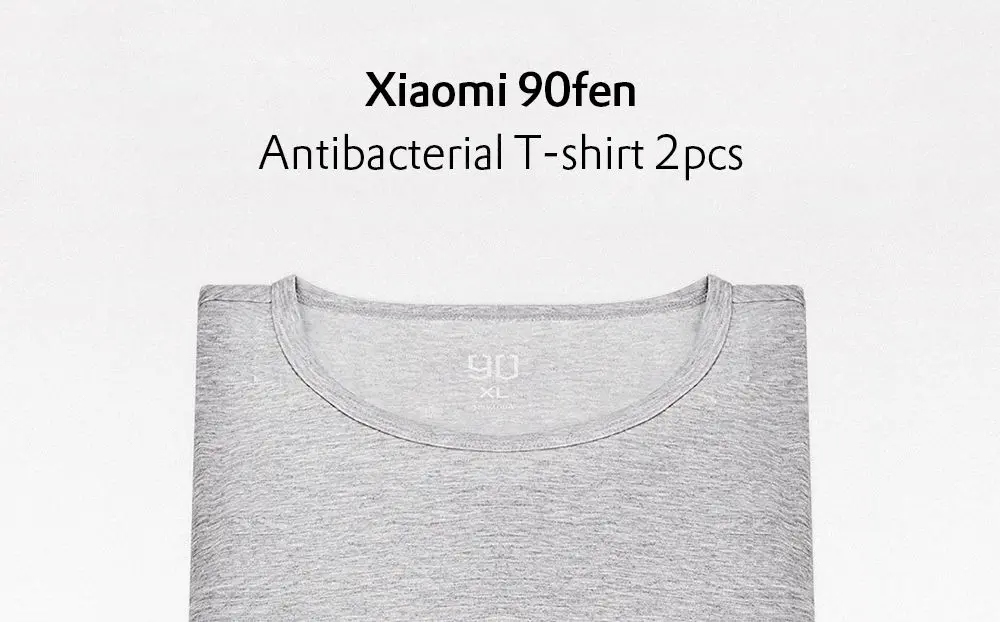
Earlier today (4th May 2020), the Xiaomi Youpin platform has launched the 90 Points anti-bacterial shirt made by RunMi, a Xiaomi subsidiary. As the name suggests, the T-shirt features antibacterial properties and is available online for a price of 69 Yuan (roughly 10 US Dollars).

Xiaomi

The 90 Points T-shirt is currently available in hemp gray, blue gray, and fragnant red color options. It also arrives in various different sizes including, medium, large, extra large, and 2XL as well. The 90 points anti-bacterial T-shirt is made from a seamless one piece weaving process which has the side and insides lined in to reduce friction between connecting regions.

The T-shirt is made from soft yarn and incorporates a variety of fiber components. It also features an improved weaving process that enhances elasticity and comfortable body stretch for the entire garment. Furthermore, this fabric is antibacterially treated and is rated for the national standard AA levels. Meaning it effectively inhibits the growth of bacteria, and makes it harder to give out odor and helps keep the body fresh as well.

Xiaomi

The 90 Points Antibacterial T-shirt is currently available on the Xiaomi Youpin platform under Xiaomi’s ecological chain company, Shanghai RunMi Technology Co. Ltd. 90 Points is a known lifestyle products brand under the company and has even launched other products like smart running shoes, backpacks, and suitcases.


[UPDATE] Xiaomi Mi 10 launch date in India is May 8

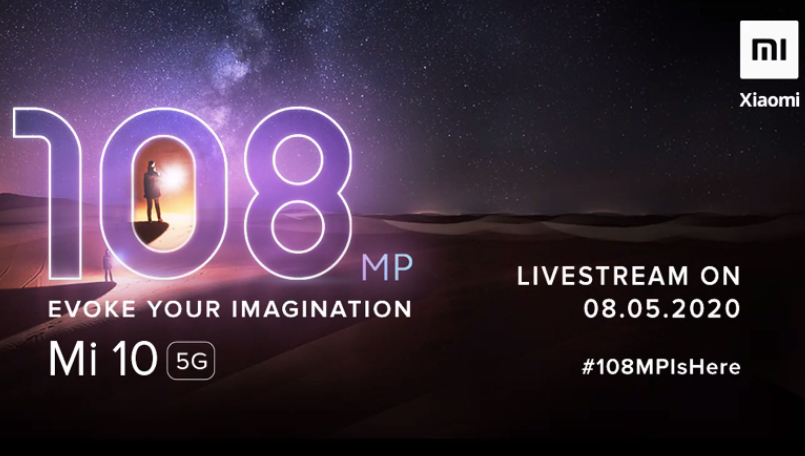
Update: Xiaomi India has confirmed that the Xiaomi Mi 10 will go official in India on May 8.

Xiaomi Mi 10 May 8 India launch

Original story…

Xiaomi India had previously planned to unveil the Xiaomi Mi 10 smartphone on March 31. However, due to the Coronavirus outbreak, the Chinese firm decided to cancel its launch. The company has now once again started teasing on the arrival of the Mi 10. Probably, the Xiaomi Mi 10 may go official in India at same point after the lockdown is removed.

Xiaomi India Managing Director Manu Kumar Jain released a new teaser on Twitter that highlights 108-megapixel camera of the Xiaomi Mi 10. Jain’s tweet from previous month had stated the company intends to launch the Mi 10 once the lockdown is over. He had also stated through another tweet the company will adopt a different pricing model for the Mi 10 due to factors like direct import, higher GST and depreciating Rupee value.

Xiaomi Mi 10 specifications

Xiaomi had launched the Xiaomi Mi 10 smartphone along with the more advanced Mi 10 Pro phone in China in February. The handset has a 6.67-inch S-AMOLED punch-hole display that supports full HD+ resolution. The screen offers 90Hz refresh rate. The Snapdragon 865 mobile platform powers the device with up to 12 GB of LPDDR5 RAM and UFS 3.0 storage of up to 512 GB.

The MIUI 11 based Android 10 OS comes preloaded on the MI 10. Its quad camera setup has a 108-megapixel main shooter, a 13-megapixel ultrawide sensor, a 2-megapixel macro lens and a 2-megapixel depth assist sensor. It has a front-facing camera of 20-megapixel. There is a 4,780mAh battery inside the Mi 10. The handset supports 30W fast charging, 30W fast wireless charging and 5W reverse wireless charging.


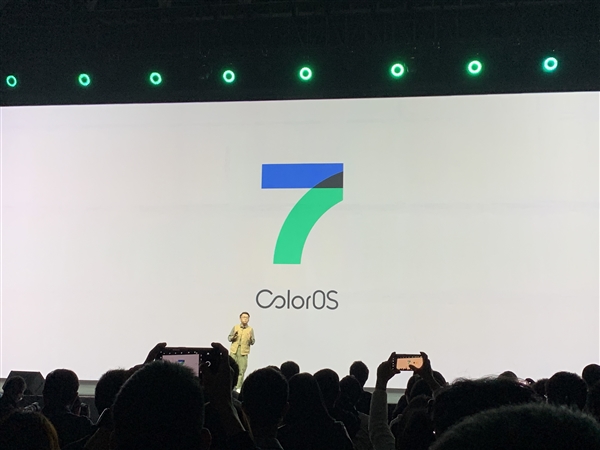
Oppo shares ColorOS 7 update timeline for Europe and Australia

Oppo has been updating its devices to ColorOS 7 based on Android 10 for weeks now. But it is yet to roll out updates in all the regions. Two weeks back, the Chinese smartphone maker updated some of its handsets like Reno 2, Reno Z, F11 series, and others in some global markets. Now, today, the official Twitter account of ColorOS shared update timeline for 17 smartphones sold in countries across Europe and Australia.

coloros 7

Here’s the list of 17 Oppo devices and their respective ColorOS 7 update timeline for Europe and Australia.

Oppo Reno 10x Zoom Edition

Ongoing
June
  • Russia
  • Kazakhstan
  • Italy
  • Spain
  • Turkey
  • France
  • Netherlands
  • United Kingdom
  • New Zealand
  • Poland
  • Australia


Oppo Reno

Ongoing
May
June
  • Kazakhstan
  • Russia
  • Spain
  • Italy
  • Netherlands
  • France
  • United Kingdom
  • Turkey
  • Poland


Oppo Reno 5G

June
  • Australia
  • Switzerland
  • Italy
  • Spain
  • United Kingdom


Oppo R17

Ongoing
  • Australia


Oppo R17 Pro / RX17 Pro

Ongoing 
May
June
  • Kazakhstan
  • Italy
  • Russia
  • France
  • Spain
  • Australia
  • New Zealand
  • Netherlands
  • United Kingdom
  • Poland
  • Turkey


Oppo Find X Series

Ongoing
June
  • Spain
  • Italy
  • Netherlands
  • Australia
  • France
  • Russia
  • Kazakhstan
  • Poland
  • United Kingdom
  • New Zealand


Oppo A5 2020, A9 2020

July
  • New Zealand
  • Australia
  • Russia
  • Kazakhstan
  • United Kingdom
  • France
  • Spain
  • Netherlands
  • Switzerland
  • Poland
  • Turkey
  • Ukraine
  • Romania
  • Italy
  • Belgium
  • Portugal


Oppo Reno 2

Ongoing
May
June
July
  • Switzerland
  • Spain
  • Ukraine
  • Kazakhstan
  • Russia
  • Netherlands
  • New Zealand
  • Germany
  • Poland
  • Turkey
  • Italy
  • France
  • United Kingdom


Oppo Reno Z

Ongoing
June
  • Russia
  • Kazakhstan
  • Australia
  • New Zealand
  • France
  • Italy
  • Spain
  • United Kingdom
  • Poland
  • Netherlands
  • Turkey


Oppo Reno 2 Z

Ongoing
June
July
  • Russia
  • Germany
  • Kazakhstan
  • Netherlands
  • Turkey
  • Ukraine
  • Poland
  • Australia
  • New Zealand
  • France
  • Italy
  • Spain
  • United Kingdom
  • Switzerland


Oppo F9, F9 Pro

May
  • Russia
  • Kazakhstan


Oppo F7, F7 128GB

June
  • Russia
  • Kazakhstan


Oppo R15

July
  • Australia
  • New Zealand


Oppo R15 Pro

July
  • Australia
  • New Zealand
  • Spain
  • France
  • Italy
  • Netherlands
  • Poland


Oppo A91

August
  • Italy
  • Spain
  • Netherlands
  • United Kingdom
  • Switzerland
  • Poland
  • New Zealand
  • Australia
  • Germany
  • Belgium
  • Russia
  • Kazakhstan
  • Ukraine
  • Turkey

As usual, the updates will be rolled out in batches and hence it may take time to reach every device. Optionally, users can go to Settings -> Software Update on their phones to manually check and download the update during the given time.


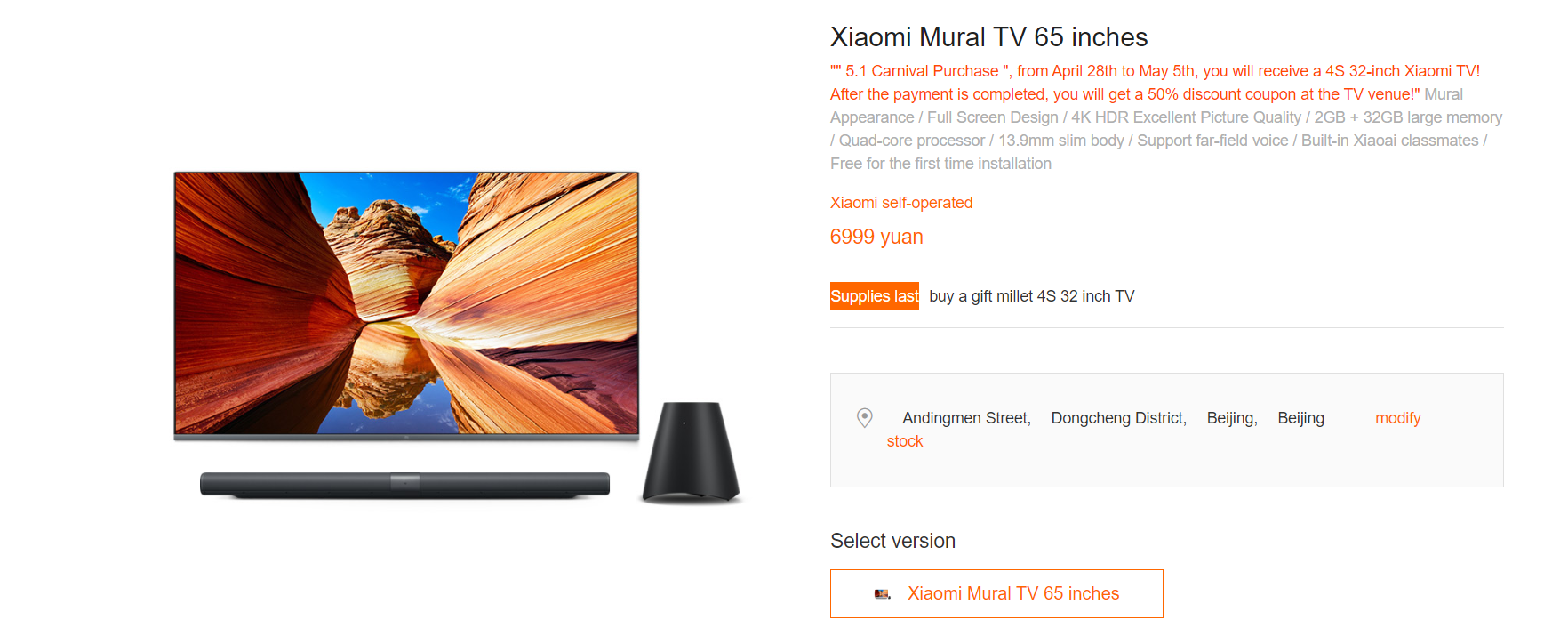
Xiaomi is giving away one 32-inch Mi TV for Free in China if you buy their high end Mi ART TV

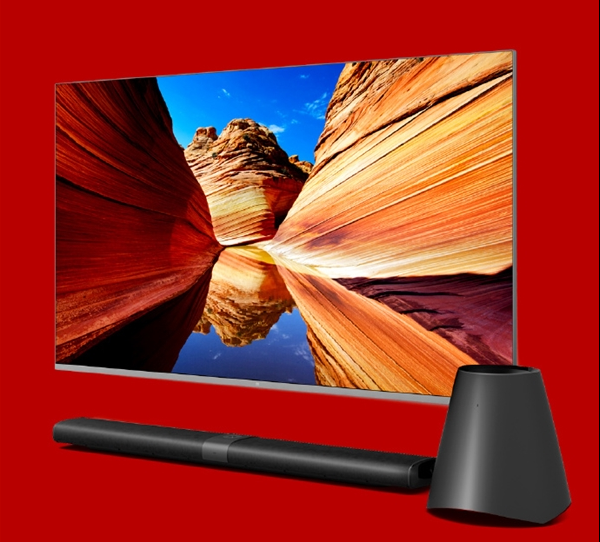
In a very special and promotional move, Xiaomi is offering a free 32 inch Mi TV to every customer that buys the company’s latest high end Mi ART TV. The 65 inch premium TV is probably being bundled alongside the affordable one to boost sales.

Xiaomi

For those unaware, Xiaomi Mi ART TV features a 65 inch display and is a thin high end TV with a width of just 13.9mm. The smart TV features an intelligent flat back design, which allows it to be mounted on the wall and fit perfectly in a manner that makes it seamless. The Mi ART TV features Samsung’s 4K OLED panel and houses Amlogic’s quad core processor alongside Mali-T830MP2 GPU.

Furthermore, it features 2GB of RAM and 32GB of internal storage as well. The device also supports 2.4G/5G dual band Wi-Fi and Bluetooth 4.2. Xiaomi’s Mi ART TV is equipped with a 6 channel Soundbar and subwoofer audio system that supports Dolby and DTS-HD dual decoding technology. Being a smart TV, it supports the Xiao AI voice assistant and can even connect with other smart home products.

Xiaomi

The Mi ART TV is currently priced at 6,999 Yuan (roughly 991 US Dollars) and is available at the Xiaomi Mall platform. When on the website, one can avail of the offer of the free Xiaomi Mi TV 4S 32 inch, which is worth 899 Yuan separately (roughly 127 US Dollars). This offer is only available in China, so those interested in a new TV should definitely not miss the chance to get two of them.


Vivo India now lets customers buy Smartphones from stores by an SMS

Due to the ongoing Coronavirus pandemic, the Indian government has implemented a strict countrywide lockdown. This has caused various non-essential businesses to be affected but it seems that Vivo India has found a new workaround for this. The company will now let customers buy its smartphones through its offline stores with just an SMS.

vivo V17 (India)
Vivo V17

The new system will let prospective buyers send an inquiry to Vivo via an SMS, the company’s official website, or even the Facebook page. Through this, one of the 30,000 Vivo brand ambassadors will get in contact with the customer. After which the company executive can enquire about the buyers’ requirements and help them in buying a new smartphone through any one of the 20,000 physical retail stores in India.

As of right now, the SMS based system is already in place and is operational while the other two platforms will soon launch in the country before the 12th of May 2020. According to Nipun Marya, Director Brand Strategy of Vivo India,”Majority of consumers in India still prefer to buy offline. However, considering lockdown and the post lockdown scenario, some consumers may be wary of stepping out. So, we have developed a platform that meets the needs of the customers and also helps the retails resume their business as usual.”

Vivo

The above statement was given out during an interview which also had the Vivo India official discuss other aspects of the system as well. This includes the distribution channel, customer analysis, and even inventory and stock. The Chinese company is a popular smartphone brand in the country and will adapt according to the demand and popularity of the new system.


(Via)

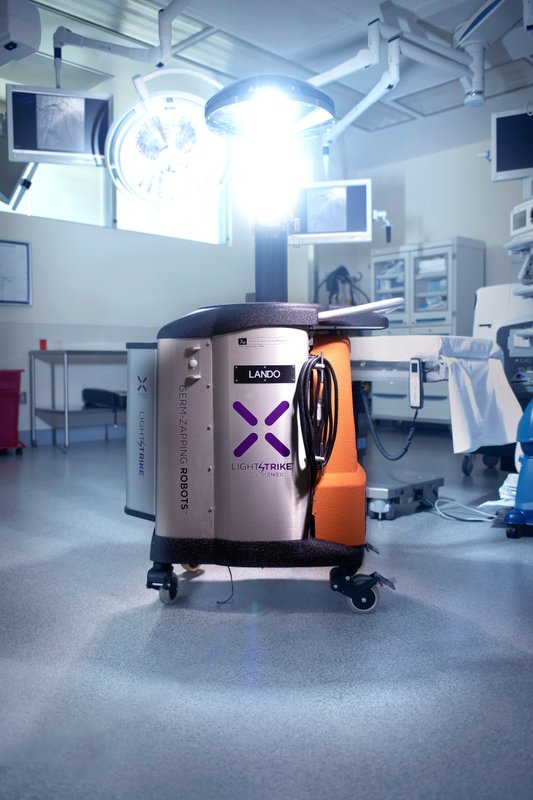
Coronavirus can be destroyed in just 2 minutes by this UV Light Robot

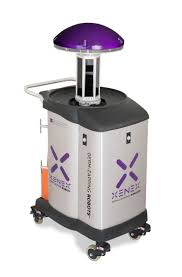
A new robot has been seeing growing use to disinfect hospitals. The machine is capable of destroying the Coronavirus in just under 2 minutes and might soon be adopted in public spheres as an effective method of removing the virus from populated regions.

Coronavirus
Xenex LightStrike

Xenes Disinfection Services, which is based in Texas (US), recently announced the successful tests of the LightStrike robot against COVID-19. The machine which was also sold in Japan by Terumo, a medical equipment manufacturer, and emits light at wavelengths between 200 and 312 nanometers that decontaminate beds, doorknobs and other surfaces that people frequently come in contact with.

In about two to three minutes, these ultraviolet radiations leave the virus too damaged to function normally. In other words, it breaks down it’s functioning, essentially impairing it. The robot has also been proven to work against multi-drug resistant bacteria and the Ebola virus as well. The LightStrike robot even has shown a 99.99 percent effectiveness in eliminating the coronavirus N95 masks.

Coronavirus

At the moment, the robot is currently being utilized in over 500 health care facilities across the globe. Terumo had received the distribution rights back in 2017 and has been giving out the machine 15 million Yen (roughly 140,000 US Dollars). During this time of crisis, it is expected that the demand for the device will only increase, especially from hospitals and other medical institutions.

(Via)

OnePlus reveals timeline for AOD(Always-on Display) implementation

In late March, OnePlus confirmed the arrival of AOD (Always-on Display) functionality on its devices. It was thought the feature would be debuting on OnePlus 8 series but unfortunately, that did not happen. Thankfully, the brand has now announced the timeline for the implementation of the most requested feature for its phones.

OnePlus AOD Timeline Roadmap

Recently, OnePlus shared a detailed recap of its IDEAS beta program on OnePlus Community. In the post, the company revealed that they received over 5000 ideas with over 25,000 likes and 2,000 comments. However, it has only confirmed to adopt 5 features and they are as listed below.

  • Always-on Display (AOD)
  • Fingerprint Lock for Hidden Pictures in Gallery
  • Battery Full Notification
  • Folders in App Drawer
  • More Features in Zen Mode

Additionally, the brand also announced timeline/roadmap for OnePlus AOD functionality.

  • Development by June
  • Introduction of feature in Closed Beta and Open Beta in August / September

Going by the details provided by the company, we can expect the AOD feature to reach stable builds in the last quarter of this year. That means OnePlus might be introducing the feature with Android 11 (OxygenOS 11) update for its devices.

Also, the devices eligible for this feature is still a mystery. All the handsets launched by the brand from OnePlus 3 feature OLED display. Since OnePlus 5  and 5T are nearing the end of their support, we can expect AOD to be available on devices from OnePlus 6 and above.


(Source)

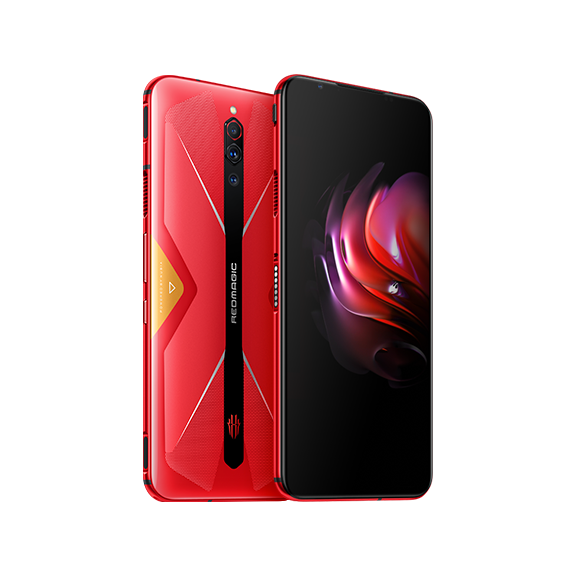
Nubia Red Magic 5G features hidden options for 120Hz refresh rate, new color modes and FHD screen recording

Back in March 2020, Nubia launched the Red Magic 5G, which is the current flagship handset from the company. It is a gaming smartphone that featured Qualcomm’s Snapdragon 865 SoC alongside 16GB of LPDDR5 RAM and other features like a 144Hz refresh rate display. Despite being packed to the brim with top notch specs and features the device did not have an option to switch between screen refresh rate modes amongst other trivial customizable options. However, it turns out that the device does have these functions, but they are hidden.

Red Magic 5G Mars Red-
Red Magic 5G Mars Red

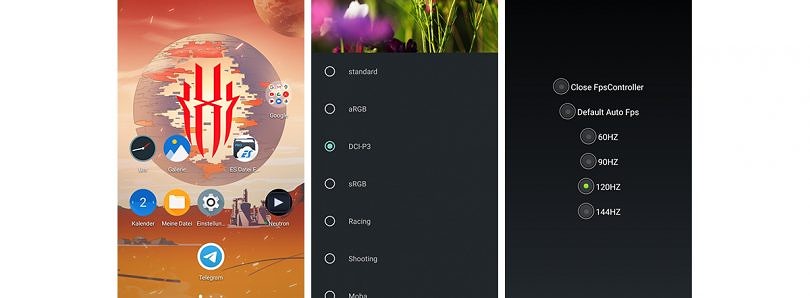
Talking about the lacking features first, these include a 120Hz refresh rate mode, an advanced screen color option, and an HD screen recording feature. These aren’t exactly profound and game-breaking features but are generally appreciated in a smartphone with a certain degree of customizability. But according to a recent post on the Red Magic 5G forums, it seems that the device does, in fact, include all of these additional settings and can even be easily accessed through an app like Activity Launcher.

The list of features that can be accessed include:

  • cn.nubia.theme.local.ThemeActivity
    • This enables all the preinstalled themes on the device in which one can choose the “colorful international” theme to get round icons on their device.
  • cn.nubia.gamecenter.settings.records.RecordSettingActivity
    • Enables switching between the default quality of the screen recorder from SD to HD.
  • com.qualcomm.qti.qcolo.QColorActivity
    • Allows users to choose from 8 different available color modes for the screen.
  • cn.nubia.factory.ChooseFpsActivity
    • Users can enable the 120Hz refresh rate, however, standard settings and the refresh rate notification won’t show the new value.
    • Enabling “default auto FPS” in the hidden menu will bring back the original refresh rate.

Nubia

Reportedly, these aren’t the only hidden feature that the Nubia Red Magic 5G has. Other smaller features include the battery percentage in the status bar, fingerprint calibration settings, and battery stat. All of these can be made available through the Activity Launcher app.


(Via)

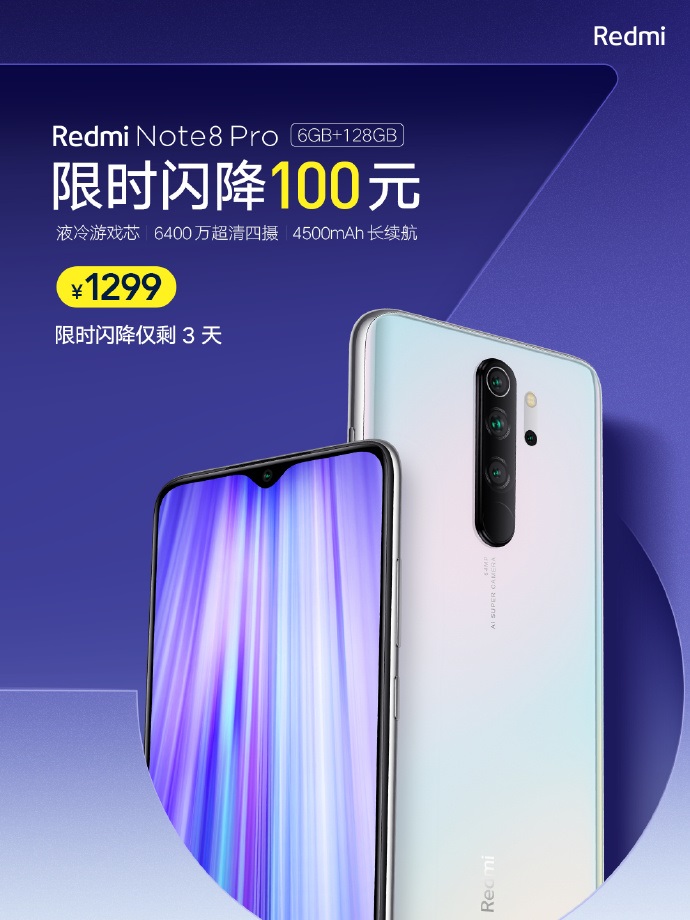
Redmi Note 8 Pro receives a Price Cut in China

Redmi, the Xiaomi subsidiary, is now slashing the prices down for one of its popular handsets. The Redmi Note 8 Pro will receive a price cut in China, however, this is just temporary and will not be permanent.

Redmi

The Redmi Note 8 Pro is offered in two different configurations, with both being offered in a lowered price tag compared to what was previously listed. The 6GB RAM and 128GB internal storage variant will now sell for 1,299 Yuan (roughly 184 US Dollars). Similarly, the 8GB RAM and 128GB storage variant is now priced at 1,499 Yuan (roughly 212 US Dollars).

For those unaware, the Redmi Note 8 Pro is an upper mid range smartphone from the Chinese smartphone manufacturer. It features MediaTek’s Helio G90T SoC, which is optimized for improved gaming performance, alongside the Mali-G76 GPU. The device houses 64 megapixel triple camera setup and is powered by a large 4,500mAh battery. Unfortunately, the deal is only a limited time offer and can only be availed in China. So those interested can definitely consider this as a viable option as their next smartphone.


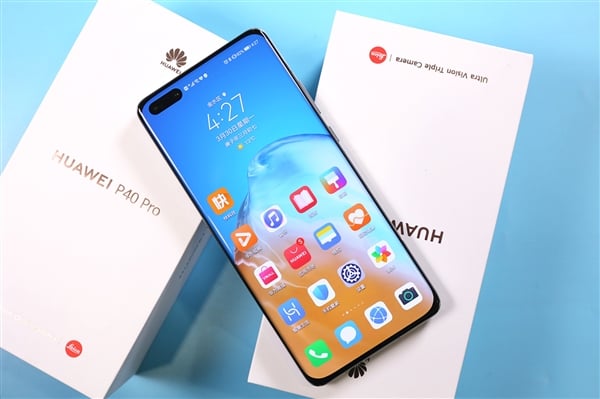
EMUI 10.1.0.126 update for Huawei P40 Series brings preview window for zoom

Huawei P40 series is receiving a new update in China. The update bumps up the firmware version to EMUI 10.1.0.126 and adds new camera feature as well as optimizes WiFi and notifications. The last major update for these handsets brought 50MP AI High-Quality Mode.

Huawei P40 Pro+

The new update is being rolled out to both Huawei P40 and P40 Pro, which are currently on EMUI 10.1.0.123 build. Below listed are all the models that are receiving the OTA now.

  • Huawei P40 Unlocked (ANA-AN00)
  • Huawei P40 Unlocked Custom Edition (ANA-TN00)
  • Huawei P40 Pro Unlocked (ELS-AN00)
  • Huawei P40 Pro Unlocked Custom Edition (ELS-TN00)

The Huawei P40 series feature telephoto camera for close-up shots of far-away subjects. The new update brings a preview window to the camera app, which pops up when the user zooms to 15x or more. This window gives an idea of the next zoom level or in other words, it shows the users the spot where the camera is pointing at.

In addition to that, the new EMUI update also improves ‘AI Remove Passerby’ feature as well as improves the clarity of pictures with more realistic and natural colors. Also, it optimizes the WiFi speed in some scenarios ensuring improvement in internet experience. Last but not least, it also optimizes the display effect of notifications on the notification panel interface.

Since the update is being seeded out through OTA, it might take time to reach all the devices. Also, we are not sure when these changes will be added to the global version of the P40 series.


(Source)

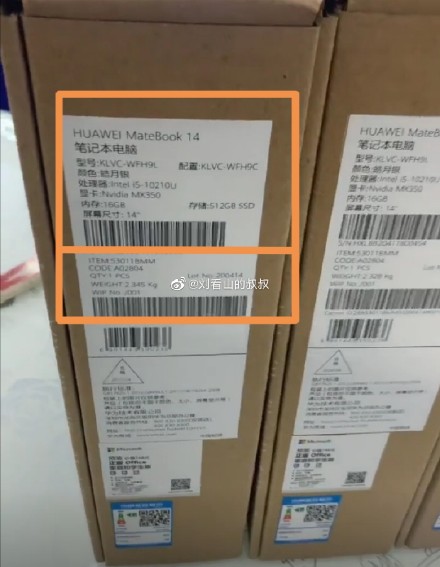
Huawei Matebook 14 2020 gets GPU upgrade without price increase

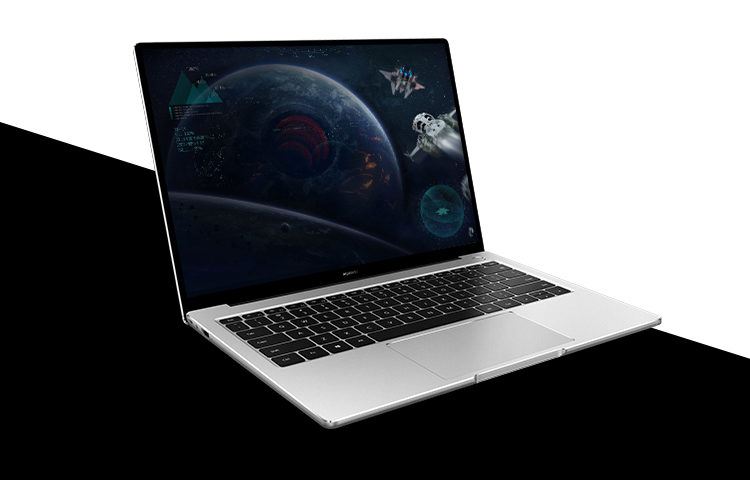
Huawei MateBook 14 2020 laptop has received an upgrade in terms of its graphics processor. The company has upgraded its GPU to MX350 and even after this upgrade, there’s no change in the pricing of the laptop.

The development comes just days after it was reported that the MateBook 13 2020 and MateBook 14 2020 both will get upgraded to MX350 GPU. However, the Huawei MateBook 14 2020 with MX350 GPU is yet to be listed online for sale.

Huawei MateBook 14 2020 MX350 GPU

The NVIDIA GeForce MX350, built on 14nm proces, was launched in February 2020. It is based on the GP107 graphics processor in its GP107-670-A1 variant and features 640 shading units, 32 texture mapping units, and 16 ROPs. The company has paired 2GB GDDR5 memory with the GeForce MX350 and the GPU is operating at a frequency of 1354 MHz, which can be boosted up to 1468 MHz, while the memory is running at 1752 MHz.

The Huawei MateBook 14 comes with a 14-inch display with 2K screen resolution offering 2160 x 1440 pixels with a 3:2 aspect ratio and a 90 percent screen-to-body ratio. It comes powered by the Intel‘s 10th-generation Core i5 and i7 processors.

Huawei MateBook 14 2020

The laptop is available in 8GB RAM and 16GB RAM configurations, with 512GB of PCIe SSD storage. It also has a one-touch fingerprint scanner but its cooling fan is just one but bigger. For connectivity, Huawei has included 1 x USB 3.0 port, 1 x USB 2.0 port, 1 x HDMI port, 1 x “full function” USB Type-C port, and 1 x audio port.

When announced, the laptop featured NVIDIA GeForce MX250 GPU but now it comes packed with the upgraded MX350 GPU. It is powered by a 56Wh battery and also supports 65W superfast charge over USB-C. It is 15.9mm thick and weighs 1.53kg.

As said, despite the upgrade in the graphics processor, the pricing of the laptop remains unchanged. The base model with Core i5 and 8GB RAM costs 5,899 yuan while the model with Core i5 SoC and 16GB RAM costs 6,399 yuan. The top-end model which packs Core i7 SoC and 16GB RAM is priced at 7,399 yuan.

(Source)

Samsung Galaxy Fold 2 appears in a Design Concept video, features a rotating camera and 3 displays

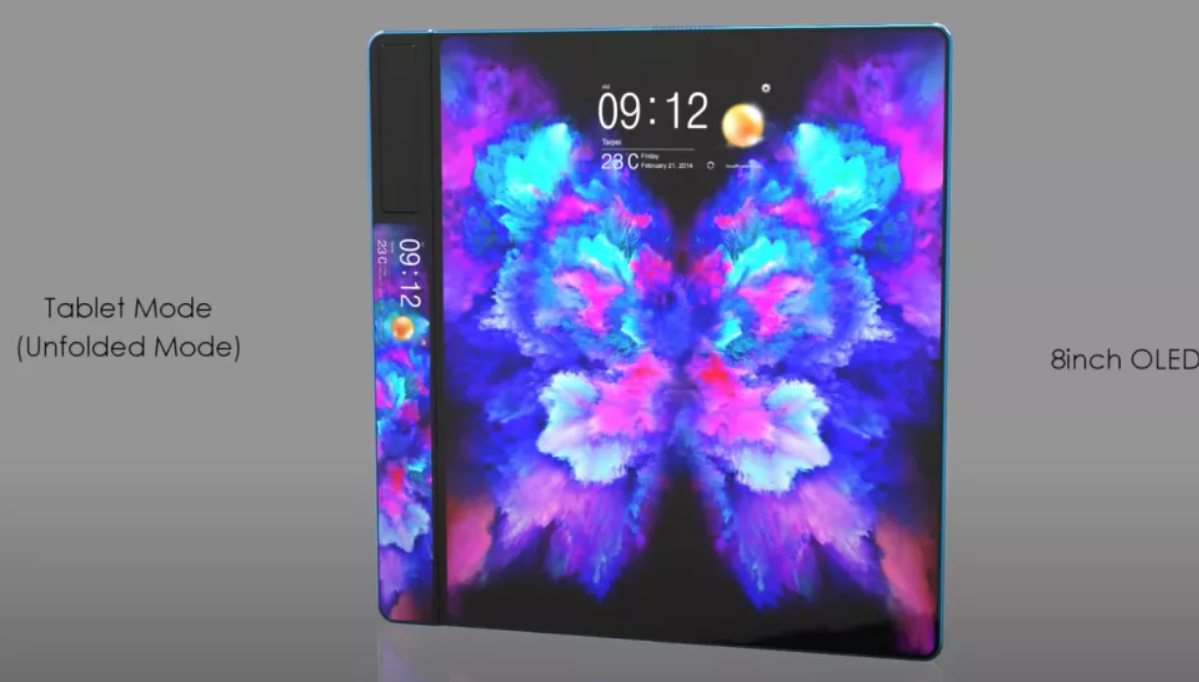
Samsung is set to launch two new flagships in the later this year. In a previously released financial report, the South Korean tech giant confirmed that the Galaxy Note 20 and Galaxy Fold 2 will launch in 2020, which could arrive by August or even July. Now, a new video depicting a concept render of the Galaxy Fold 2 has appeared on YouTube that showcases the foldable smartphone having 3 screens and a rotating camera.

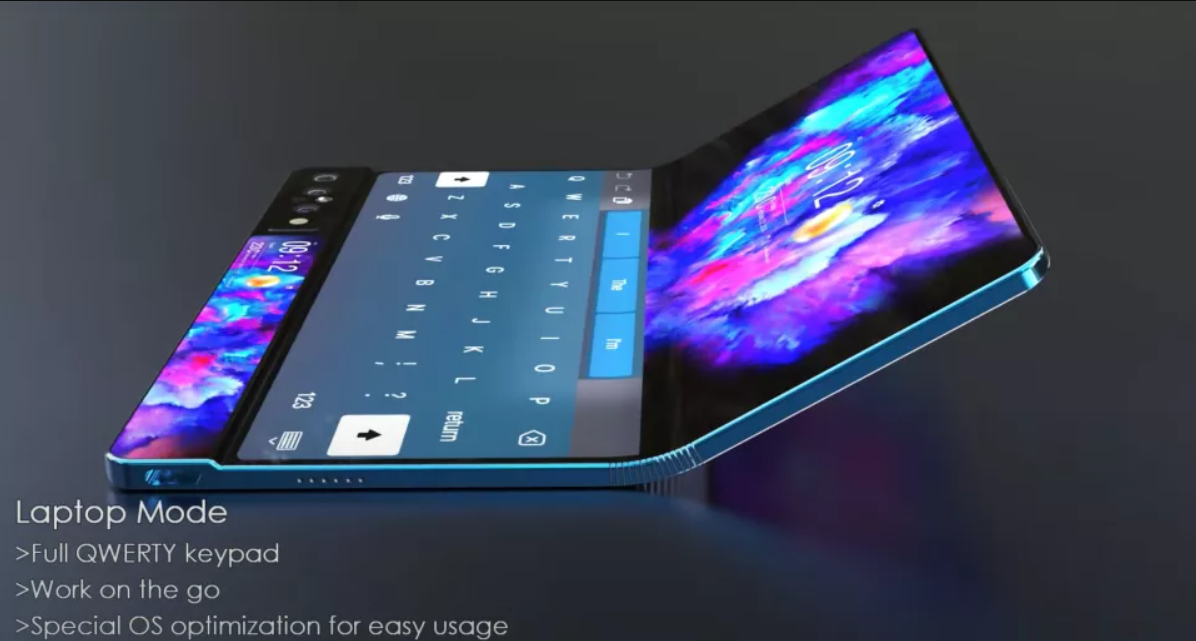
A YouTube channel called TechConfigurations had uploaded a Design Concept video on the popular video sharing platform for the Galaxy Fold 2. This video depicts the Galaxy Fold 2 having 3 displays in total alongside a rotating camera. The rotating camera is on the top corner and rotates on a hinge mechanism’s axis to act as both the primary rear and selfie camera. the sensors comprise of triple camera setup, including a 108MP primary shooter alongside a 12MP and 20MP sensors as well.

Samsung

According to TechConfigurations video, the Galaxy Fold 2 sports 3 separate display, with the primary large display being housed on the inside, which can be seen when the device is used in tablet mode. While switching to the smartphone or folded mode, the smaller secondary display lights up and users can completely utilize their device from just this display as well. The final display is the smallest among the three and is in the form of a strip that could specialize in quickly displaying notifications and, may also have certain other functions too.

The primary display is a massive 8 inch OLED screen, while the secondary display is a 6.6 inch OLED panel, which is noticeably larger than the original Galaxy Fold‘s 4.6 inch display. The third screen is a 5 x 0.8 inch mini OLED screen that is likely to act as a dashboard of sorts. Finally, the video details the Galaxy Fold 2 sporting Qualcomm’s Snapdragon 865 SoC alongside 12GB RAM and 512GB storage. The foldable handset will be powered by a massive 7,000mAh battery and will support 5G as well.

Samsung

Interestingly, the video also depicted a new laptop mode, where the user could fold the device upright to use the lower half as a keyboard and work on the upper half, like a mini laptop. However, the practicality behind this is still questionable. Furthermore, this isn’t design isn’t officially from Samsung, so we may never see a few or most of the features, but the OEM could surprise us all with the triple display system and others.