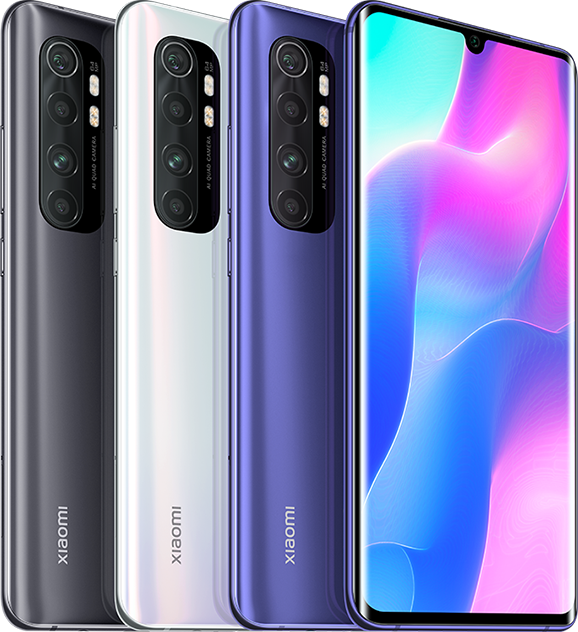
Advertisement

Xiaomi Mi 10 Youth 5G Unboxing Pictures: An alluring Beauty!

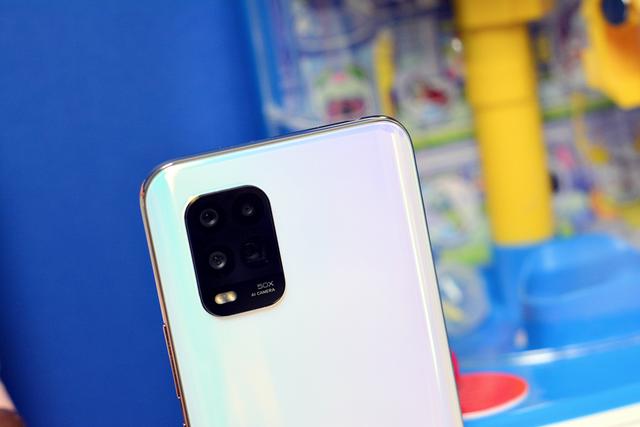
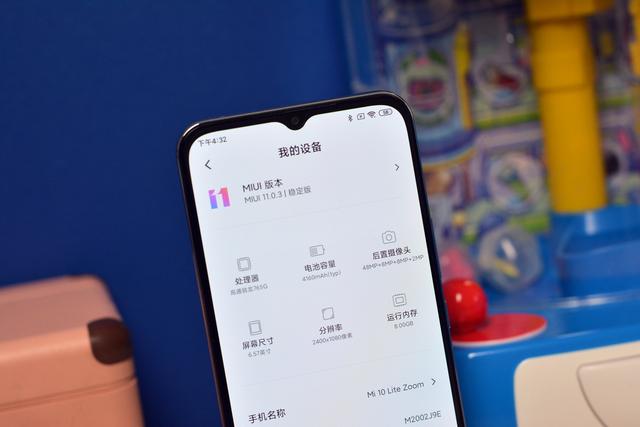
Xiaomi has found a way and catering to the smartphone needs of its fans in all class strata. When the Mi 10 flagship was released a few months back, there were uproars in some quarters due to the price tags that were far from being pocket friendly. The tech gain t responded during the launch of the Mi 10 series in Europe with a premium mid-range Mi 10 Lite 5G having a Snapdragon 765G chipset onboard and affordable pricing. In China, the company launched the Mi 10 Youth Edition with the same specs as the Mi 10 Lite but with a telephoto camera capable of 50x zoom instead of a 2MP depth sensor on the Lite. Here, we take a look at the Mi 10 Youth unboxing images. Xiaomi Mi 10 Youth 5G
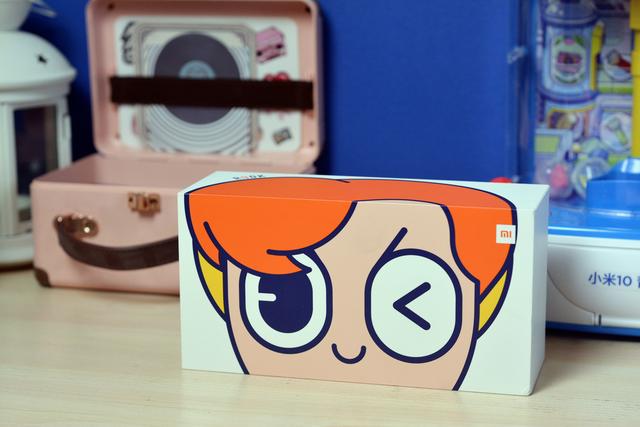
The Mi 10 Youth is expected to launch as Mi 10 Lite Zoom Edition in the global market. When that happens, the device will ship in a retail box with a blind box design. The retail box is randomly designed with different avatars which make it attractive. This perhaps because the device is targeted at the youths. Inside the retail box, you get the smartphone, a TPU case, a charging adapter and data cable, SIM tray ejector, and two cartoon stickers. Xiaomi Mi 10 Youth 5G
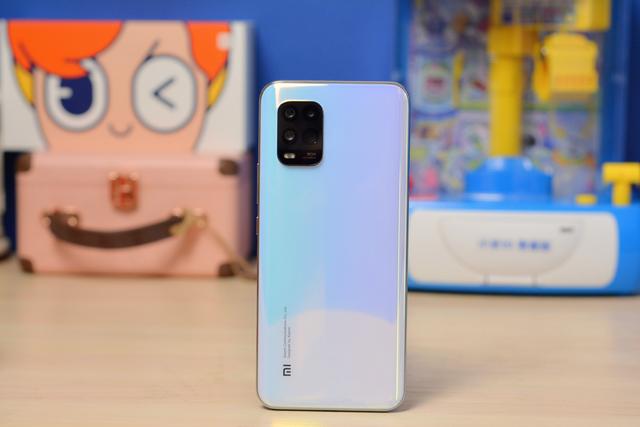
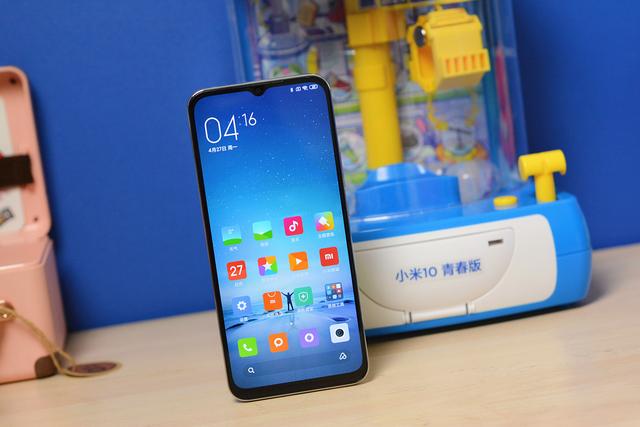
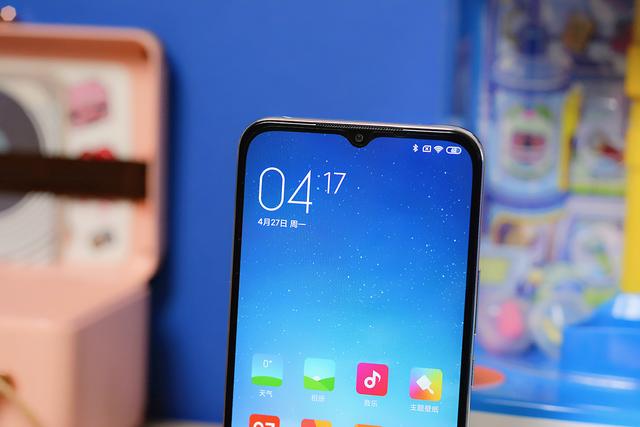
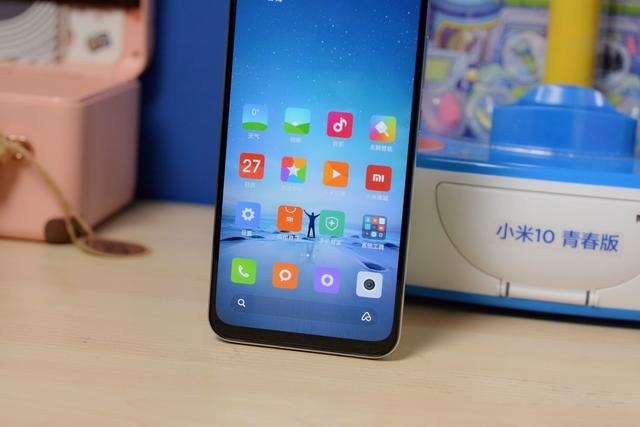
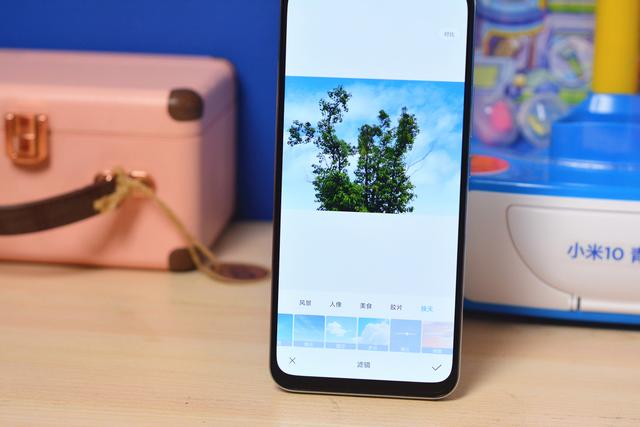
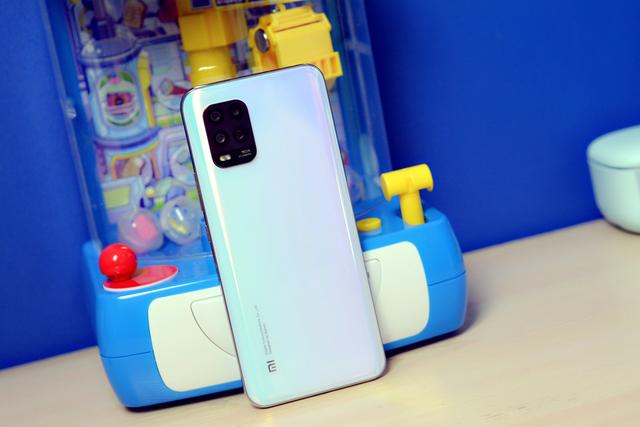
The phone itself is an alluring beauty especially the rear design. At the front, it adopts a 6.57-inch waterdrop AMOLED display. At the back, there is a rectangular camera housing with chamfered edges which makes it look unique. The protected by Corning Gorilla Glass.Xiaomi Mi 10 Youth 5G
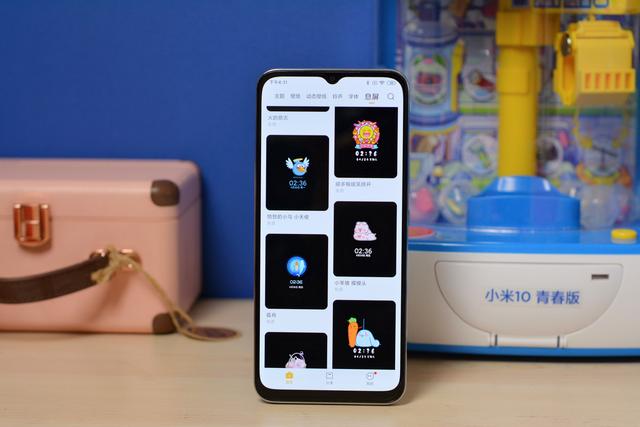
The phone adopts a lightweight and compact build, having a thickness of 7.88mm and weighing just 192g. It packs a 4160mAh battery and supports 22.5W fast charging technology.Xiaomi Mi 10 Youth 5G

The Mi 10 Youth 5G will come in five colors – White, Peach, Blue, Black, and Mint Green. There’s also a special Doraemon limited edition. We find the Mint Green colour variant extremely attractive. Find more pictures of the Mint Green variant below.


Xiaomi Mi 10 Youth 5GXiaomi Mi 10 Youth 5GXiaomi Mi 10 Youth 5GXiaomi Mi 10 Youth 5GXiaomi Mi 10 Youth 5G


Vivo files a design patent for a phone with slider mechanism

Vivo is known for bold design and innovation. The company was the first to launch smartphones with in-display fingerprint sensor and pop-up camera. But it is yet to release a phone with a slider mechanism, which might become a reality according to a patent filed by the brand.

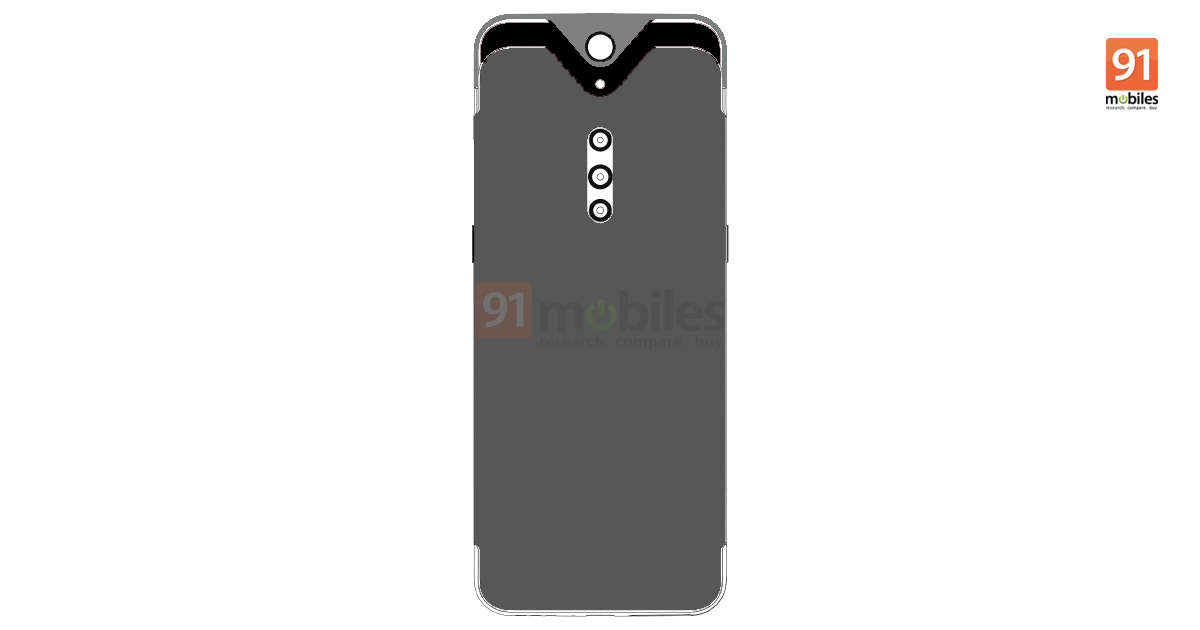
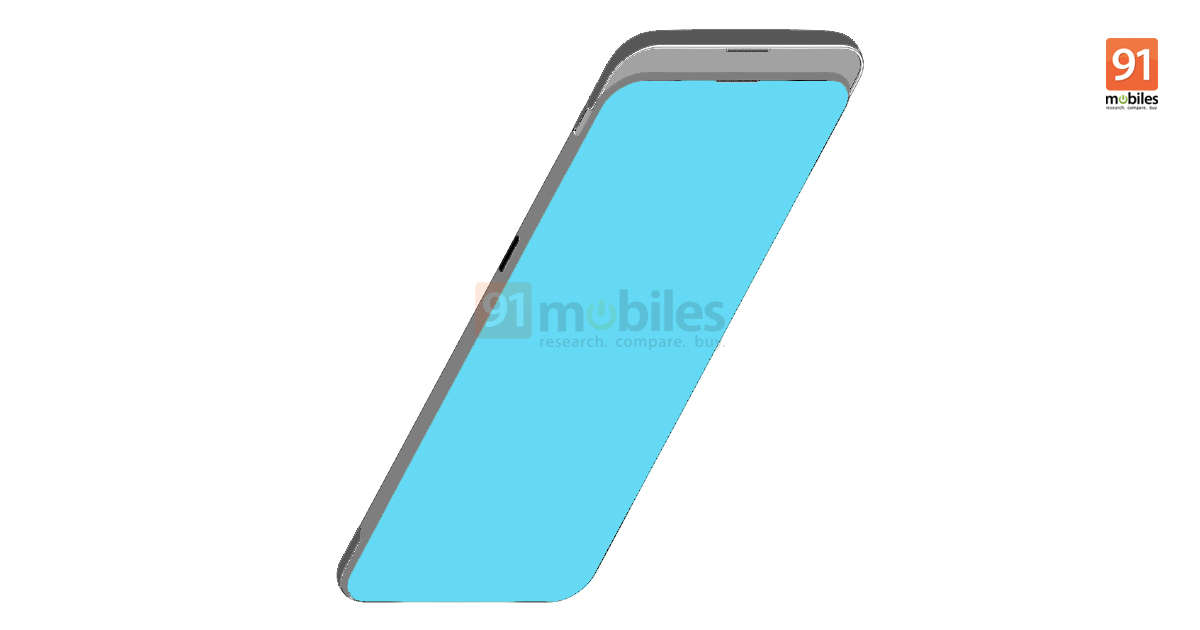
The Chinese smartphone maker Vivo has recently filed a design patent. The sketches show a smartphone with a slider mechanism. This is not the first time we are seeing such a handset. The world has already witnessed devices like Oppo Find X, Xiaomi Mi Mix 3, Honor Magic 2 3D, and Lenovo Z5 Pro with a similar design.

This smartphone design became obsolete within a year or so, possibly because of durability issue. But the pop-up camera design is still relevant today to achieve full-screen experience without any obstruction. So why did Vivo file such design patent now?

The Nex lineup of devices by Vivo comes with groundbreaking modern design. But before debuting as a consumer product, the company showcases it in the form of Apex concept smartphone. Hence, this patent could end up being one of the models under either of the two series.

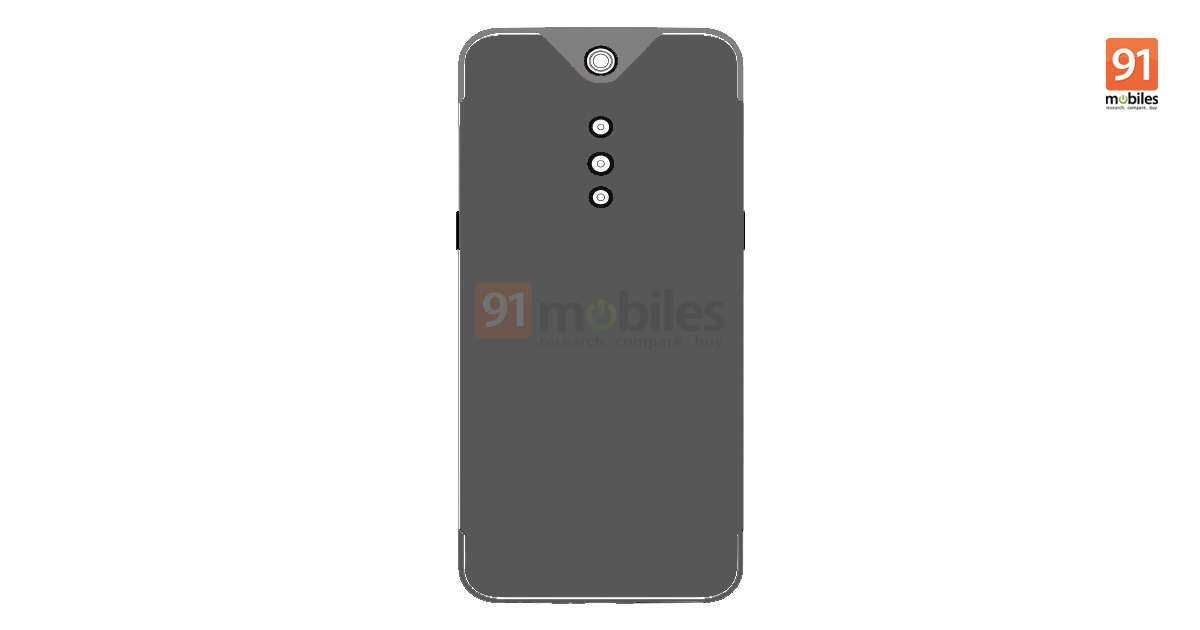
Talking about the design, the slider part houses the primary camera as well as flash module hidden underneath. Sliding it up should technically expose the front camera, however, the sketch shows a blank space. Perhaps, the design is simply a placeholder. Other than that, we can see the phone to sport a quad-camera setup and curved corners. It also looks to have a display with a longer 21:9 screen ratio. 

A Vivo smartphone with this design may never see the light of the day as companies file patents frequently but not all come into fruition.


(Source)

Leak reveals the OnePlus Z has a…..Snapdragon processor

Out goes MediaTek and in comes Qualcomm! A fresh leak has revealed that OnePlus has decided to go with a Qualcomm processor for its upcoming OnePlus Z smartphone and not a MediaTek processor as earlier reports have said.

The info was revealed by Max J. (@MaxJmb), the same leaker that reconfirmed that the OnePlus Z will launch in July. According to a tweet he shared today, the OnePlus Z is powered by a Snapdragon 765 processor with support for 5G.

Earlier leaks had said the OnePlus Z will have MediaTek’s Dimensity 1000/1000L processor under the hood but that seems to have changed. Could it have been that the info was incorrect? Maybe, maybe not.

It is possible that OnePlus originally decided to use one of MediaTek’s new 5G processors but changed its mind. Since the launch is still two months away, there is still enough time for such a major change to happen as long as mass production is yet to commence. However, the reason for changing from MediaTek to Qualcomm can be for a myriad of reasons.

Did Qualcomm offer OnePlus a better deal on the price of its Snapdragon 765 chipset? Did OnePlus, itself, decide to switch to a Snapdragon processor for reasons unknown to us? Is the Dimensity 1000 towing the same line as the ill-fated Helio X30 from a few years ago? We can come up with a lot more questions.

The Snapdragon 765 is a powerful mid-range processor but it still doesn’t match the Dimensity 1000L in terms of performance talk less of the Dimensity 1000. Nevertheless, we are sure there are lots of folks out there that are happy at the news that the OnePlus Z has a Snapdragon processor. Are you one of them? Let us know in the comment box.


(Source)

New Mi Laptops, Mi Notebook & RedmiBook Ryzen Editions Bluetooth SIG certified

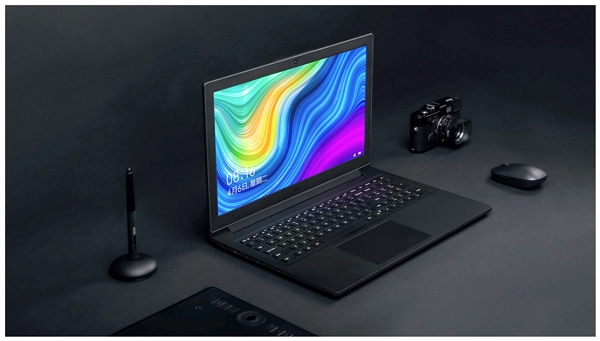
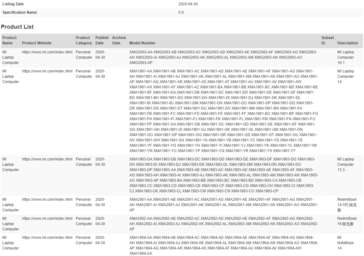
Xiaomi may have got plans to expands its laptop portfolio with up to side new models which have just received Bluetooth SIG certification. The mobile PCs belong to the Mi and Redmi brands with some powered by AMD’s latest Ryzen chipset.Xiaomi Notebook

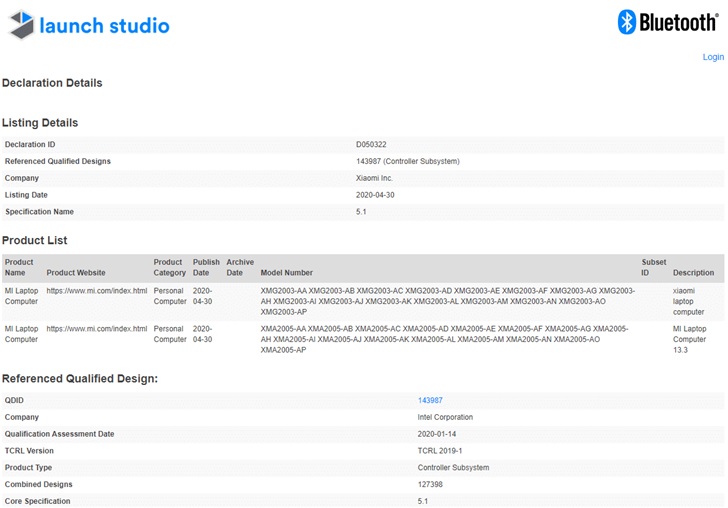
The models recently certified are listed as RedmiBook 14 and 16 and are expected to be powered by AMD’s new Ryzen 4000 mobility APUs. Also listed is a new Mi Laptop 13.3 as well as a 14-inch and 16.1-inch versions. There is also a Mi Notebook 14 variant and all fur models are likely to be equipped only with Intel’s Comet Lake-H processors.Mi Laptop

The RedmiBook 14 Ryzen Edition 2nd Generation is an upgraded version of the RedmiBook 14 which was launched last year. The RedmiBook 16 is a new 16-inch version dubbed RedmiBook 16 Ryzen Edition. The other four models include the Mi Laptop 13.3 / 14 / 16.1 and a Mi Notebook 14, which are brand new additions to the Xiaomi mobile PC portfolio. It is not yet clear if these four devices will be getting Ryzen CPUs, as well, but seeing how many OEMs are jumping on AMD’s bandwagon as of late, chances are in favour of such a move.

The Bluetooth SIG certification page shows all the models except the Mi Laptop 13.3 will feature support for Bluetooth 5.0 connectivity. The Mi Laptop 13.3 will come with Bluetooth 5.1 certification. This is an indication that it could also be integrating an advanced Wi-Fi module.

We await additional information to pop-up about the upcoming Xiaomi mobile PCs.


(via)


Huawei seems to have begun development for EMUI 11

Huawei just recently debuted EMUI 10.1 with the P40 series in March. The company has also started rolling out the closed beta update for the same to eligible devices in China. Sadly, some of the global devices are yet to even receive EMUI 10, which was announced alongside Mate 30 series in September 2019. Nevertheless, the firm seems to have started working on EMUI 11, the next iteration of its mobile software.

Similar to Xiaomi, which has begun to work on MIUI 13, albeit MIUI 12 was only announced earlier this week, Huawei is also suggested to have started development for EMUI 11.

Huawei Member Center App Changelog EMUI 11

The existence of the next version of EMUI was spotted in the changelog for the new update of Huawei Member Center app on AppGallery in China. It clearly reads the app has been ‘optimized for EMUI 11’.

This is the first time we are hearing about EMUI 11, which is expected to be based on the next version of Android. We believe the development might have sort of begun since we will see the release of Android 11 Beta from different OEMs alongside Developer Preview 4 this month.

In case you do not know, Google’s partners get access to the latest version of Android earlier so that they can start implementing their UI and features. But since Huawei cannot do business with American companies, we are not sure how they got this privilege.

Since Android is an open-source platform, Huawei can use it but the final release of AOSP (Android Open Source Project) Android 11 will be out for the public only in the second half of the year. So ideally, the development of EMUI 11 should begin at that time. But at the moment, the company could be using Android 10 base in initial stages and might shift to the next version later this year. 

It is not known what features the next version of EMUI will bring. But we can expect deeper integration of HMS (Huawei Mobile Services) than ever before since it doesn’t look like the US government will lift the ban anytime soon.


(Via)

OPPO A92 listed on Lazada Indonesia revealing official renders, specs and price

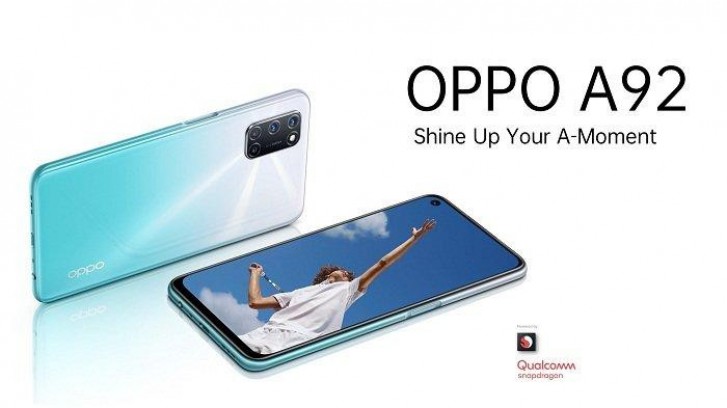
OPPO A92 has been spinning in the rumour mills for quite a while now, right after the silent launch of the A92s. Twitter tipster Evan Blass recently leaked some official renders of the Aurora Purple variant. Today, the A92 has officially been listed by popular e-retailer Lazada in Indonesia. OPPO A92

There two conflicting store listings for the model which comes in 8GB RAM and 128GB storage only. One of the product pages lists it with a price tag of IDR 3,999,000($267). The second store offers the product for IDR 4,499,000 ($301). Both listings are for the Shining White colour variant and it is bundled with a pair of wireless earphones.. Since these are pre-order pages, we expect the actual price to vary when it is launched. The listing is an indication the model will be launched soon. OPPO A92

The product page is also a rich source of specs details of the A92 and also contains a few official renders. The listing confirms the presence of a tall 6.5-inch IPS display with 1080 x 2400pixels resolution. The phone is powered by a Snapdragon 665 chipset paired with 8GB of RAM and 128GB of internal storage.OPPO A92 colours

In terms of the design, the A92 packs a front punch-hole located in the upper-left corner of the screen, which houses a16MP selfie camera. At the rear, there is a quad-camera setup housed in a rectangular module alongside the LED flash.  The rear setup consists of a 48MP main camera with f/1.7 aperture joined by an 8MP ultra-wide-angle camera, 2MP macro and 2MP depth sensor.

Further, there is a 5,000 mAh battery onboard with support for 18W fast charging over USB-C. Providing the interface is an Android 10-based ColorOS 7.1. The OPPO A92 will also be available in Shining White, Aurora Purple and Twilight Black colours.


(source 1, 2)


ARM offers zero cost access to its chip designs to silicon startups

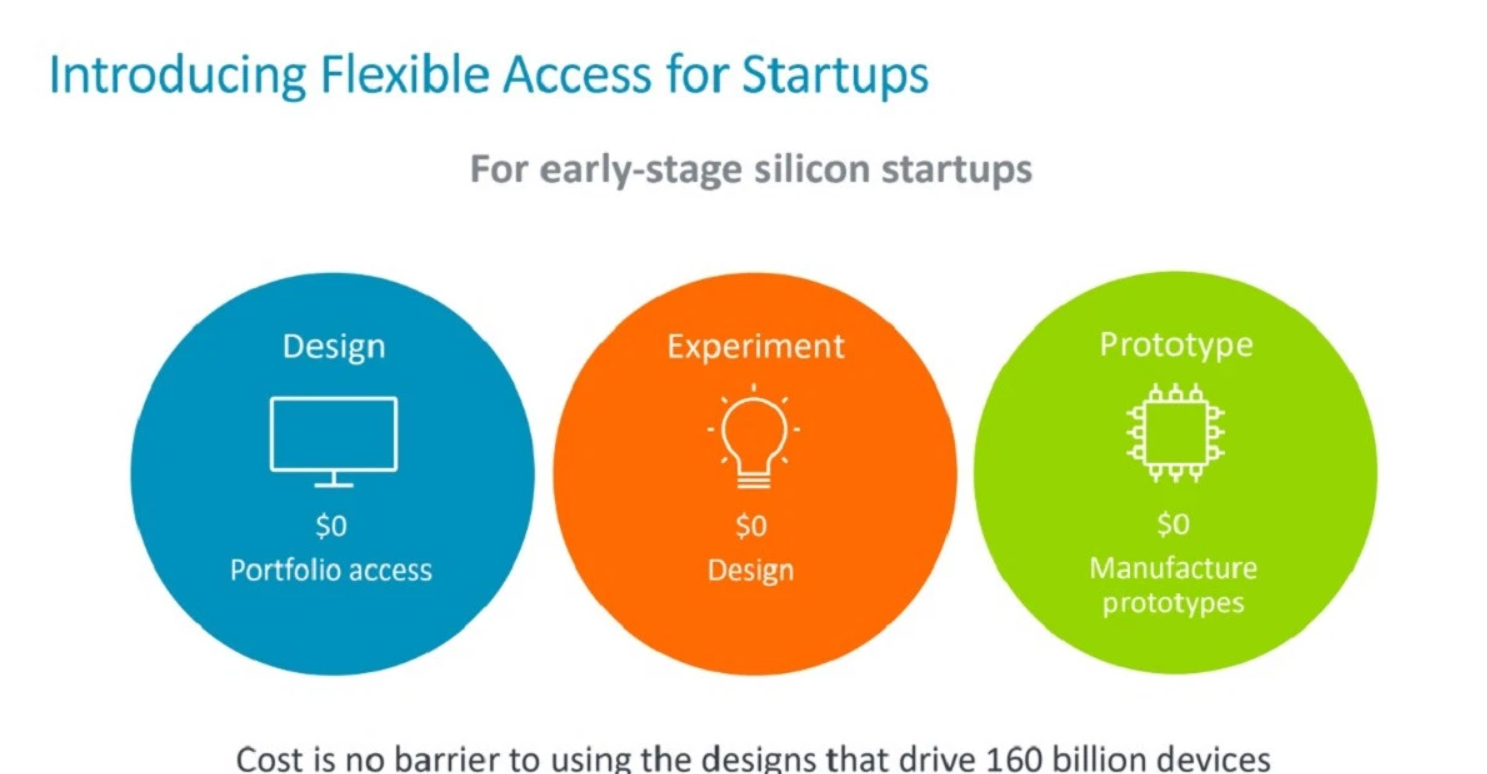
ARM has recently announced that it will be providing various silicon startups with zero cost access to its most widely used chip designs. The known semiconductor based company is offering this to advance innovation among chip startups that are facing the high barrier of entry through costs.

ARM

While the generous move from ARM is a great positive for the industry, it is also a method for the company to better compete with its rival RISC-V. The latter is an open sourced architecture that has become increasingly more popular in recent times and has begun affecting the market ARM had a hold on. In other words, a relatively new player in the chip design industry.

The ARM Flexible Access for Startups will be grant nascent firms access to the company’s intellectual property portfolio, tools, training, and more. Furthermore, ARM will offer full support in early experimentation, design, and even help in prototype silicons. Previously, ARM’s customers had to pay license fees or royalty for using designs that used by them on their own chips.

ARM

According to ARM, the new program could potentially lower risks and accelarate the time to market by 6 to even 12 months. The company is also partnering up with Silicon Catalyst, who is a specialist in silicon startups, to offer members free access to all of ARM’s IPs, design tools, and other prototypes. Again, this move is likely a response to RISC-V, which is growing it’s open royalty free support regarding chip architecture.


(Via)

Meizu 17 series confirmed to feature a 90Hz display across the lineup

Earlier today (1st May 2020), it was officially confirmed that the latest flagship series, the Meizu 17, will arrive with 90Hz high refresh rate display panels across the lineup. In other words, the fast and smoother display will be a standard across the premium flagship series.

Meizu

The Meizu 17 and Meizu 17 Pro will feature a Samsung AMOLED display, with an expected FHD+ resolution and a punch hole camera on the front. The news regarding the refresh rate being standard was shared on Weibo, the Chinese microblogging website, which also hinted at its advantages in mobile gaming. The faster refresh rate is not only limited to a smoother UI, but also to an overall enjoyable gameplay experience as well.

The Meizu 17 series is the Chinese company’s flagship and will arrive with top notch specs. This includes Qualcomm’s Snapdragon 865 SoC alongside LPDDR5 memory. It will also support 5G networking (SA and NSA Dual mode 5G) and feature unique camera module on the rear. The series will arrive on 8th May 2020 and will likely be revealed through a live stream online. So stay tuned.


Huawei patents an 8-inch budget MatePad tablet with Dual Speakers

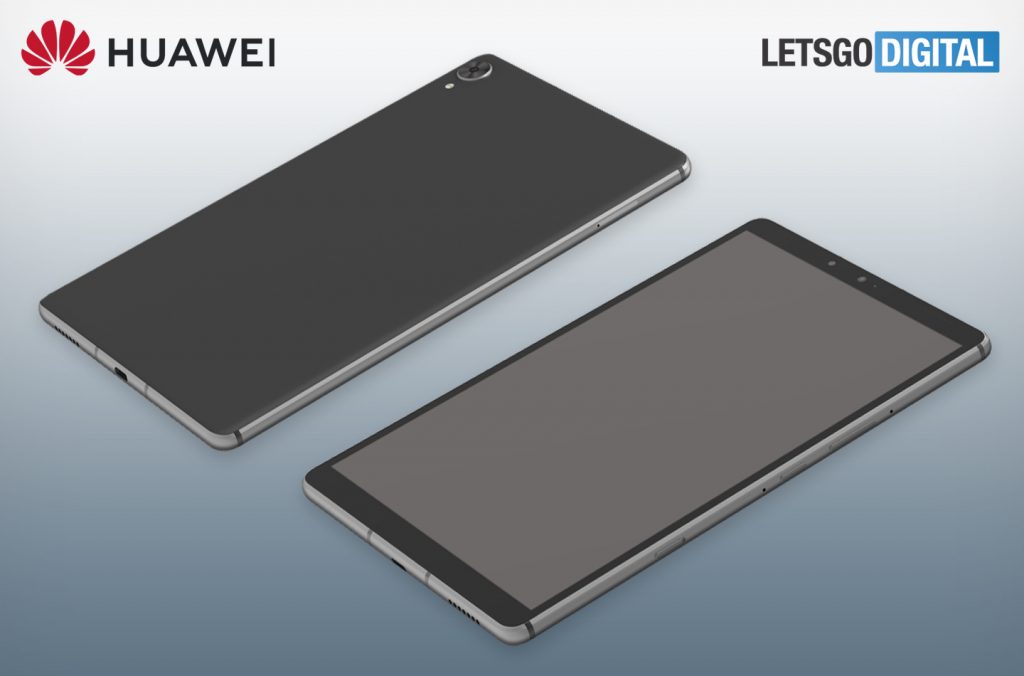
The tablet market had been on a steady decline so far. However, the trend recently shifted towards a healthier growth thanks in large due to the demand brought by the ongoing Coronavirus pandemic. Now, a Huawei design patent has been spotted online for an 8 inch MatePad with dual speakers, which is possible to capitalize in the unexpectedly well performing market.

Huawei

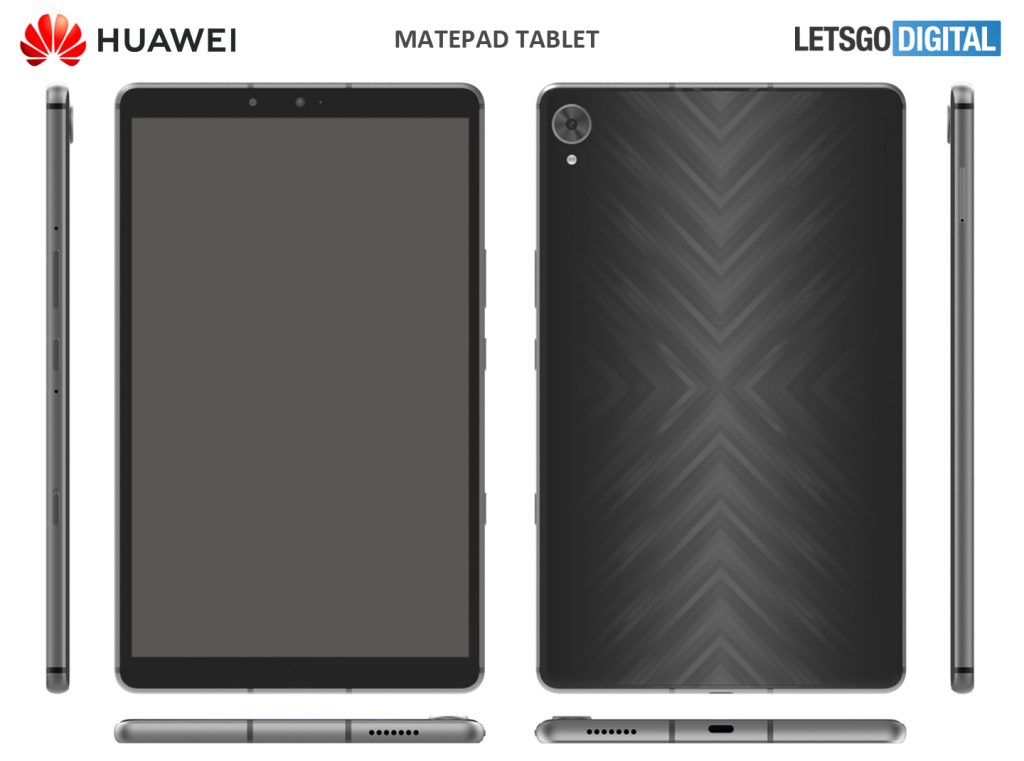
Huawei had filed a new design patent with the CNIPA back in 2019. This was finally published earlier this month and reveal 15 colored renders of the yet to be announced tablet. Looking at the images, the device may be the Huawei MatePad T, which is an affordable tablet under the 5G tablet the Chinese tech giant had launched previously. Although this is still unconfirmed.

However, the MatePad T was spotted receiving a WiFi certification in early April 2020. This certification revealed that 6 models are in the making, with the differences likely being in the memory and networking versions. In other words, WiFi only models, 4G LTE support and even 5G enabled MatePad T models being launched. Furthermore, the tablet is expected to run Android 10 out of the box with EMUI 10 custom skin, and again without the official Google services support.

Huawei

Unfortunately, finer details like internal specifications are currently unknown regarding the MatePad tab. Although, recently launched Kirin 810 or 820 SoC might be planned for the device. The tablet is meant to be a budget option so it might go for the former, with a single camera on the rear, and front, according to the design patent. A notable inclusion is the dual speaker system, with one speaker grill at the bottom, and one on the top. More information or official teasers from the company should arrive soon, so stay tuned.


(Source)


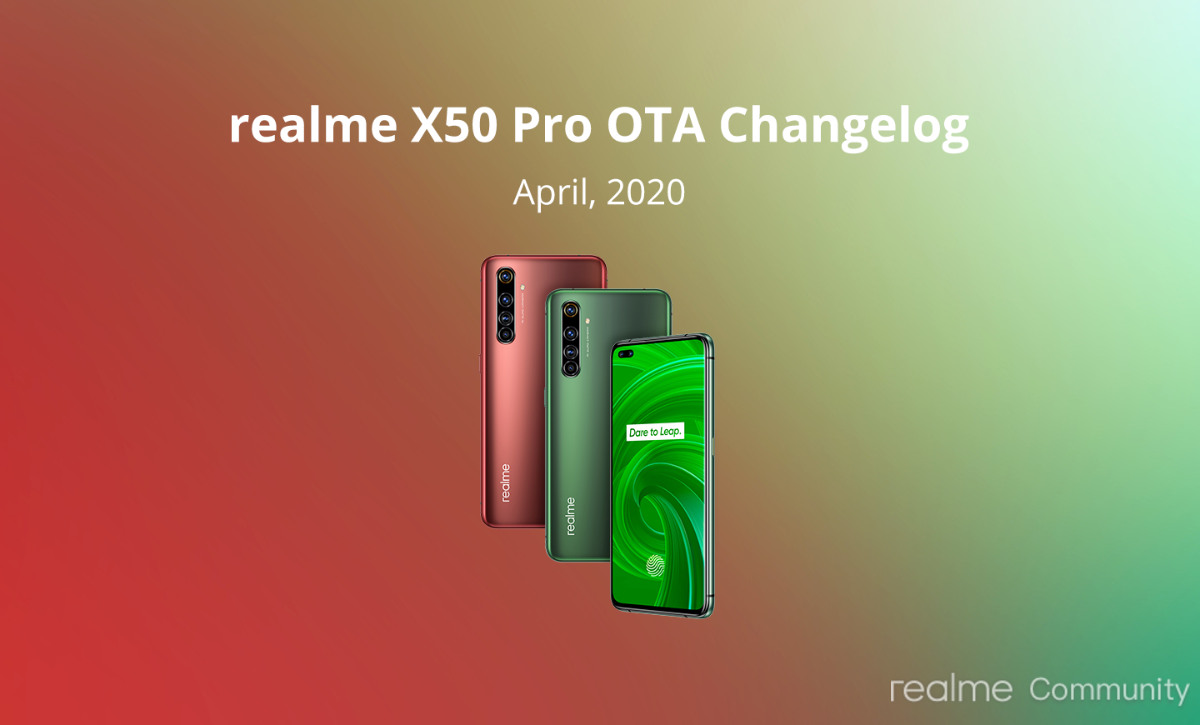
Realme X50 Pro 5G can now capture videos at 4K 60FPS after April Patch update

Realme has recently rolled out a new software update for its flagship smartphone, the X50 Pro 5G. The new update brings 4K 60FPS video recording to the premium device through the April patch software update.

Realme

The new software update brings the camera upgrade alongside the new Android security patch level. As of right now, the Realme X50 Pro 5G now runs the April 2020 security patch version and features a new charging icon as well, amongst other small changes. Furthermore, the update also brought Vivid Mode to the Screen Color Mode, for the display, alongside optimizations for better network stability.

For a detailed changelog, you can check the list down below:

  • Security
    • Android security patch: April 2020
  • Desktop
    • Changed the charging icon
  • Settings
    • Added Vivid Mode to Screen Color Mode
  • Camera
    • Added function of recording 60FPS 4K videos
    • Optimized the quality of photos
  • Optimization
    • Optimized the screen redness at the low brightness in some scenes
    • Optimized network stability
  • Known issue fixed
    • Fixed screen rounded corner problem

The update carried the version number RMX2076PU_11_A.19 and is currently rolling out in India in a staggered manner. In other words, it will only be available to a few Realme X50 Pro 5G users before being more widely available soon after. This is done to ensure no major bugs affect the smartphone, with the stable build being launch a few days after the initial one. Although for those that do not wish to wait, can choose to download and install it manually through here.


(Source)

US Republicans plan to introduce a bill banning government officials from using Huawei and ZTE products

The Republican Senator Ted Cruz and Josh Hawley had recently announced their plans on introducing a new bill, which will ban US government employees from using products made by Chinese companies that are deemed as security threats. This includes telecom and electronics product makers like Huawei and ZTE in particular.

Huawei building featured logo

The political leaders are seeking to pass the Countering Chinese Attempts at Snooping Act, which will essentially prohibit federal officials from conducting any official business through the use of technology from companies that are deemed as a risk. The State Department will be responsible for judgment regarding whether or not a company is under the control of the Chinese Communist Party (CCP).

The bill will have the State Department creating a list of companies that are backed by the Chinese government, which could pose a threat to national security, especially in regards to espionage and data leaks. The Republican Senators also particularly pointed out Huawei and ZTE platforms as major risks alongside Tencent in regards to other media based platforms.

Huawei

According to Ted Cruz, “Companies like Tencent and Huawei are espionage operations for the Chinese Communist Party, masquerading as telecom companies for the 21st century.” The Senator further added that “these are just some of the measures we will have to take as the United States reevaluates its relationship with China and the CCP.” Josh Hawley also called the Tencent group as a “glorified surveillance arm” for the Chinese government.


(Via)

OnePlus Gallery v3.11.2 update integrates Google Lens button

OxygenOS is one of the most loved Android skins in the market right now. With design close to stock Android, the software also features additional useful features that are not found on AOSP. Also, the first party OnePlus apps are much better than competitors’ with minimal design and rich favourable features. The OnePlus Gallery is one such app and with v3.11.2, which is currently rolling out to users, the app integrates Google Lens functionality.

Google Lens Featured

Google Lens is one of the best tools out there. It can help identify objects, text, and can even translate from images. It is a byproduct of Google’s image search functionality, which was introduced years ago. The tool is available as a separate app as well as it is in-built in Google App, Google Photos, and Google Assistant, which some consider (including me) as the best gallery app one can ask for.

But not all people use Google Photos and most of them prefer offline gallery app like their phone’s default solution. The OnePlus Gallery is such an app for OnePlus smartphones, which the brand regularly updates it with new features and bug fixes.

The latest update to this app brings Google Lens button, which nobody ever thought would be added. But now, it is here and does the job as expected. Clicking on the button will send the image to Google Lens activity as part of an intent to the Google App. For the unware, although Google Lens is available as an individual app, it depends on Google App similar to Google Podcasts and Google Assistant.

OnePlus users can experience this new feature by updating the OnePlus Gallery app from the Google Play Store. Last but not least, here’s the official changelog provided by the company.

OnePlus Gallery v3.11.2 Official Changelog

  • Integrate the identification function of Google Lens
  • Fixed some issues
  • Optimize the performance


(Via)

Google Stadia adds support for OnePlus 8 and OnePlus 8 Pro

Google Stadia is the search giant’s cloud gaming service that debuted in November of 2019. Although the company is adding more games and features, the service’s availability and supported devices are still limited. Thankfully, the list is growing as the recently launched OnePlus 8 and OnePlus 8 Pro are now compatible with the service according to the latest blog post by the Stadia team.

google stadia xtadia

Google Stadia has been out for the public for about five months now. But it is still only compatible with a handful of Android smartphones. However, users can access it on any TV using Chromecast Ultra and any computer or laptop via Google Chrome browser. Additionally, it also supports almost all the popular gamepads available in the market.

But it is restricted to certain regions just like few Android smartphones. When Stadia launched last year, initially it was only compatible with Google’s Pixel lineup of smartphones (excluding the OG Pixel and Pixel XL). Later on, the service became compatible with handsets from OEMs like Samsung, Asus, and Razer. Now, OnePlus becomes the new member of this elite squad with its OnePlus 8 and OnePlus 8 Pro.

Anyway, here’s the complete list of Android smartphones compatible with Google Stadia as of May 1, 2020.

OEM

Model

Google

Pixel 2

Pixel 2 XL

Pixel 3

Pixel 3 XL

Pixel 3A

Pixel 3A XL

Pixel 4

Pixel 4 XL

Samsung

Galaxy S8

Galaxy S8 Plus

Galaxy S8 Active

Galaxy Note 8

Galaxy S9

Galaxy S9 Plus

Galaxy Note 9

Galaxy S10

Galaxy S10 Plus

Galaxy Note 10

Galaxy Note 10 Plus

Galaxy S20

Galaxy S20 Plus

Galaxy S20 Ultra

Asus

ROG Phone

ROG Phone II

Razer

Razer Phone

Razer Phone 2

OnePlus

OnePlus 8

OnePlus 8 Pro


(Source 1, 2)

Canalys: Smartphone shipments fall in China, down by 18% from 2019

According to a new report from the known analytical agency Canalys, China’s smartphone market suffered a sizeable blow in the first quarter of 2020. The primary reason for this is undoubtedly the Coronavirus pandemic that had devastated the country during its initial outbreak.

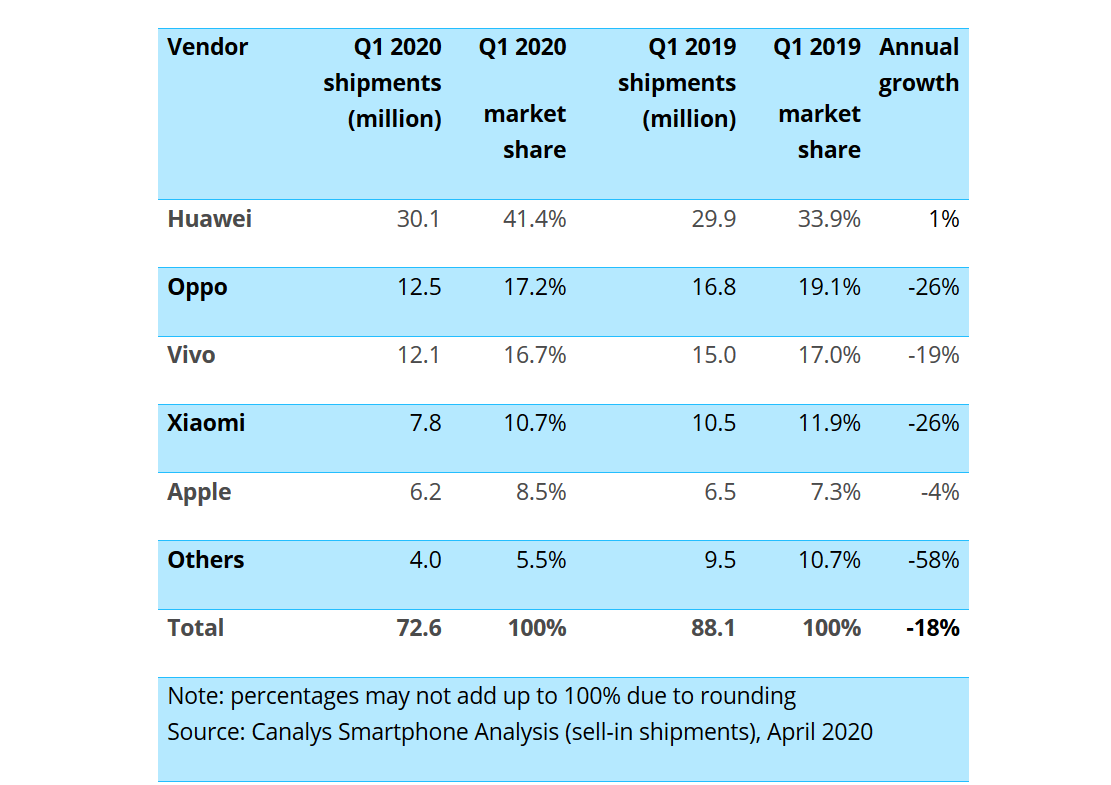
In the Canalys report, the Chinese smartphone market only saw 73 million units being shipped in Q1 of 2020. This is a notable decline of 18 percent during the same period back in 2019. While the smartphone market, in general, was seeing stagnation, the viral outbreak seemed to have had a severe negative impact on the industry globally. However, the top five OEMs all reported on seeing better than expected results during this time.

Canalys

In China, Huawei leads the smartphone market, with financial reports revealing an impressive performance for the first quarter. The Chinese tech giant was also the only vendor that actually saw a growth in shipments during this time of crisis (we had previously reported on this as through a report regarding the Chinese market by Counterpoint Research). Oppo and Vivo took up the second and third place, with shipment falling by 26 percent and 19 percent respectively.

An important factor that prevented the overall smartphone market in China from declining was also linked to government actions. The electronic product and its vendors were listed by the government as essential items, which basically allowed them to continue production and regain its footings. Unfortunately, the same can not be said for other major markets that are seeing complete shutdown, like India.

Canalys

According to Canalys analyst, Mo Jia, “The vendors with the greatest financial resources, supply chain control and negotiating power with the channel are recovering fastest, while smaller vendors have been brought down. The coronavirus crisis has pushed the market toward the top five, which now account for nearly 95% of the total market.” Interestingly, Huawei with its 5G offerings had best leveraged the market to its favor and managed to pull ahead of its competitors.


(Source)

Xiaomi India MD teased a 108MP camera smartphone that may launch soon

Manu Kumar Jain, the Managing Director of Xiaomi India, has again teased a smartphone with a 108 megapixel camera. The senior official shared the information through his official Twitter handle and may be suggestive of an imminent launch of a new handset.

At the moment, the Indian government has employed a strict lockdown policy across the country. Many companies, especially ones related to production have since been closed. So, it isn’t unlikely to believe that once the lockdown ends, Xiaomi would take the initiative to launch a new smartphone.

Earlier this year, the Chinese tech giant launched the Mi 10 series, which featured Samsung’s 108 megapixel ISOCELL Bright HMX sensor. The sensor had an f/1.69 aperture alongside four axis OIS (optical image stabilization). Hence, it is probable that the company might launch an entirely new smartphone with the Samsung sensor or may consider bringing back its flagship lineup to the Indian market.

Xiaomi mi 10 Pro
Xiaomi Mi 10 Pro

Unfortunately, finer details are currently unknown. However, it seems that Xiaomi is working on the pricing of the smartphone with the 108 megapixel camera. According to a previous tweet by Manu, the company is working on setting a ‘different pricing’ for upcoming smartphones due to various external aspects like depreciating Rupee value, higher GST, direct import, and more. So stay tuned, as more information is expected to arrive soon.


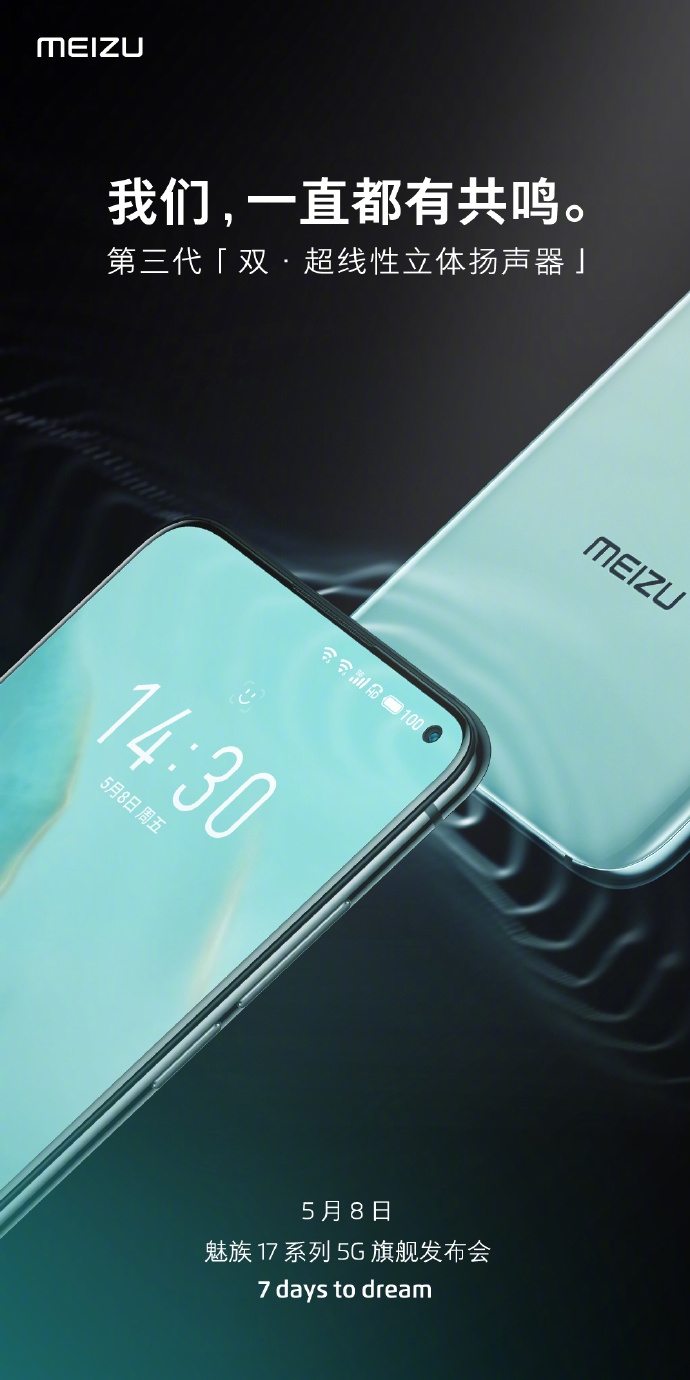
Meizu 17 series confirmed to feature stereo speakers for better multimedia experience

Ahead of launching its next-generation Meizu 17 series smartphones in China on 8th May, the company has been revealing some key features of the upcoming devices through teaser posters.

In the latest poster, the company has confirmed that the Meizu 17 smartphone will feature third-generation dual ultra-linear stereo speakers. Compared to the traditional speakers, these ultra-dynamic speakers greatly improves mid-low frequency and can provide more thumping bass for better sound quality.

Meizu 17 Speakers Teaser

Recently, the company had revealed that the Meizu 17 Pro smartphone will come equipped with a 3D depth sensor. While the company has not revealed information about the 3D depth sensor, it is believed to be a LiDAR scanner used by Apple in iPad Pro.

Prior to that, the company had released official renders of the Meizu 17 Pro, confirming that the device will come with a ceramic body. The phone will also come with Super wireless mCharge technology and is expected to support 40W fast charging.

The Chinese smartphone manufacturer has also confirmed that the Meizu 17 will feature 90Hz refresh rate display and will come powered by the flagship Qualcomm Snapdragon 865 octa-core processor with support for 5G connectivity. The company has also confirmed UFS 3.1 internal storage and thus, we expect the phone to have LPDRR5 RAM.

The smartphone features a quad-camera setup where the primary sensor will be a 64-megapixel Sony IMX686 sensor. There are reports which claims that the pricing for the series could start at 3,999 yuan which is approximately $564.

Meizu will be launching three smartphones in this lineup — Meizu 17, Meizu 17 Pro, and Meizu 17T. All three smartphones are already up for pre-orders in the Chinese market through the company’s own online store, JD.com, Tmall and Suning. To know for sure what the devices pack, as well as their pricing and availability details, we’ll have to wait for a few more days for the official launch event on 8th May.


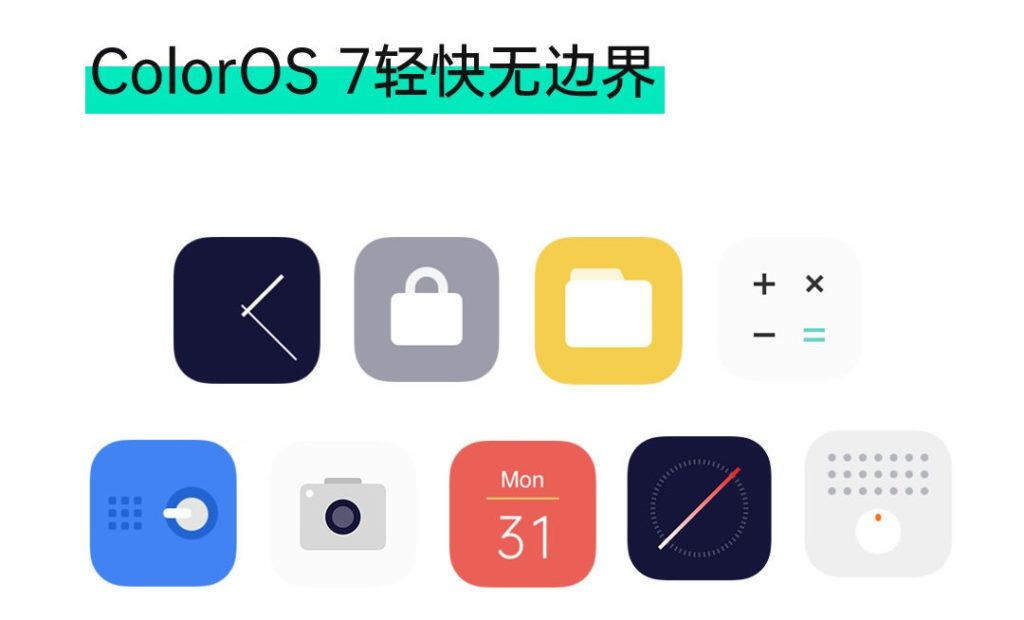
Oppo reveals ColorOS 7 Stable Update Timeline for A9, A11, K3, K5, and R15

In April, Oppo updated 17 of its smartphones to stable ColorOS 7 build in China. The list included all the premium and mid-premium devices. Now, the company has shared an update timeline for its mid-range and budget smartphones. These handsets will be receiving the OTA by the end of May.

ColorOS 7 May 2020 Update Timeline

The below-listed models are the third batch of handsets to receive stable ColorOS 7 stable update in China. 

Device

Update Date

Oppo A11

May 15

Oppo A11x

Oppo K5

May 20

Oppo R15

May 28

Oppo A9

Oppo A9x

Oppo K3

May 29

Oppo R15 Dream Mirror Edition

May 30

For the unware, Oppo already has a new version of its mobile software called ColorOS 7.1. This incremental version is only available on the company’s latest flagship smartphones – Find X2 and Find X2 Pro as well as the newly launched Oppo Ace 2. The brand is yet to reveal which devices will get this update

ColorOS 7 was announced way back in November 2019 but only now the company is rolling out stable updates to its devices. The new software update, apart from bringing new features, also bumps up the underlying Android to version 10.

The Chinese smartphone maker has also started seeding out stable updates globally. To learn more about ColorOS 7, do check out our launch coverage.


Smartphone sales in China fall by 22% in Q1 2020; only Huawei registers growth

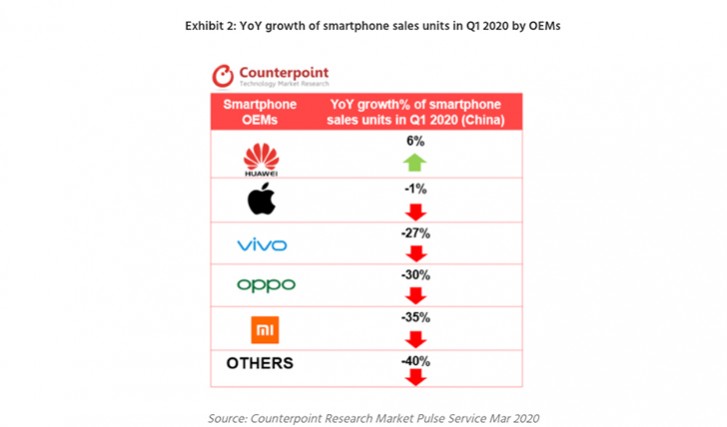
According to the data released by Counterpoint Research, smartphone sales in the Chinese market registered a decline of 22 percent Year-on-Year and 24 percent Quarter-on-Quarter for the Q1 2020.

The report attributes such massive fall in the market to the COVID-19 pandemic. It reveals that the top five leading brands in the market accounted for 93 percent of the market share, up by 6 percent compared to the last year.

Counterpoint China Smartphone Market Q1 2020

As per the report, the month of February along registered a decline of 35 percent YoY in smartphone shipments in China. However, it adds that the online sales grew to 50 percent, up around 20 percent compared to last year.

Huawei, the Chinese giant, continues to lead the market with a market share of 40 percent and remains the only company on the list that achieved positive Year-on-Year growth despite the coronavirus outbreak.

While Huawei registered 6 percent growth, the report shows that Apple show a minor decline of 1 percent while other brands on the list — Vivo, OPPO, and Xiaomi registered decline of 27 percent, 30 percent and 35 percent respectively.

The Counterpoint report also adds that within just six months after commercialisation of 5G in China, the penetration of 5G smartphone sales jumped to over 15 percent in Q1 2020 while the sale of 5G smartphones grew by nearly 120 percent QoQ.

Huawei also lead the 5G wave in the Q1 2020 in China, followed by Vivo, OPPO, and Xiaomi. The growth of 5G devices in China is also due to the fact that many manufacturers launched sub-$400 5G smartphones in the market. Further, it adds that by the end of this year, the 5G smartphone shipments could account for 40 percent of the market in China.


Xiaomi Mi Note 10 Lite will not be rebranded as Mi CC10 in China, confirms Xiaomi executive

Yesterday, Xiaomi announced the Xiaomi Mi Note 10 Lite smartphone for the European markets. It is unclear which other markets outside of China will be receiving the handset. The Chinese manufacturer recently unleashed the Xiaomi Mi 10 Youth Edition 5G phone with 50x periscope zoom lens in China. As far MI Note 10 Lite is concerned, China won’t be receiving it.

In the below shown screengrab, Zang Zhiyuan who is the General Manager of Xiaomi’s Marketing Department in China can be seen talking to Mi fans. He confirmed that the company will not be launching the Mi Note 10 Lite in the home market.

Xiaomi Mi Note 10 Lite coming as Mi CC10 in China

In March, a list of Xiaomi phones that are lined up for Q3 launch had surfaced online. It revealed that the company is planning to Mi CC10 and Mi CC10 Pro. When Zhiyuan was asked whether the Mi Note 10 Lite will be arriving in China as Mi CC10, he refuted the claim.

This is in line with Xiaomi CEO Lei Jun’s statement from November last year. He had said that all Xiaomi phones for China above 2,000 Yuan (~$283) pricing will come with support for 5G connectivity. The MI Note 10 Lite that debuted in Europe yesterday is a 4G phone that is priced at 349 euros (~$382).

Xiaomi Mi Note 10 Lite specifications

The Xiaomi Mi Note 10 Lite has a full HD+ 6.47-inch AMOLED display with waterdrop notch. It is powered by Snapdragon 730G and its 5,260mAh battery comes with 30W rapid charging support. The MIUI 11 based Android 10 OS comes preloaded on the Mi Note 10 Lite.

Xiaomi Mi Note 10 Lite

There is a 16-megapixel front camera on the Mi Note 10 Lite. The back panel has of the device has a quad camera setup. It has a Sony IMX686 64-megapixel primary lens, an 8-megapixel ultrawide lens, a 5-megapixel depth sensor and a 2-megapixel macro lens.

The Mi Note 10 Lite comes in two models such as 6 GB RAM + 64 GB storage and 8 GB RAM + 128 GB storage. They are priced at 349 euros and 399 euros (~$437), respectively. Midnight Black, Glacier White and Nebula Purple are the three color variants of the smartphone.


(via)

Xiaomi Mi Smart Standing Fan 1C lands in Europe for €39.99

At the global Redmi 9 series launch, Xiaomi also unveiled an IoT product for Europe called Mi Smart Standing Fan 1C alongside Mi Note 10 Lite. As the name suggests, it is a fan with smart connectivity features. For the unware, it was leaked to launch in the region a few days back along with a number of other ecosystem products.

Mi Smart Standing Fan 1C

The design of this product goes in line with other smart home products from the company. It is simple and elegant with a classic white paint job. The fan features seven custom build-blades to provide strong yet smooth airflow to the users.

It comes with three different airflow speed settings and two modes namely ‘Sleep’ and ‘Standard’. Users can even adjust the height like most conventional fans available in the market.

Another interesting feature of the new Xiaomi fan is its 37.2dB(A) low noise level apart from smart features. It can be paired with Mi Home app to control it remotely. On top of that, it is also compatible with both Google Assistant and Amazon Alexa. That means users can also control it with their voice.

Xiaomi is yet to reveal the price and availability of Mi Smart Standing Fan 1C for different European regions. However, it has suggested the average retail price to be €39.99.


(Source)