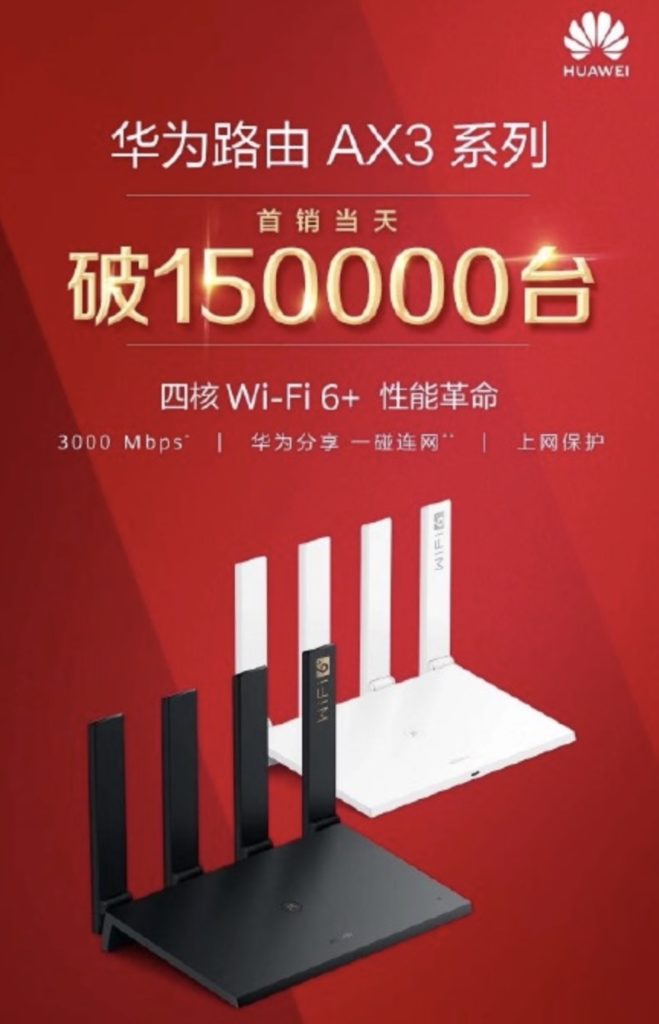
Recently, Huawei announced AX3 series of routers as the word’s first routers with WiFi 6+ support. The duo went on sale for the first time on April 27. According to the company, it sold over 150,000 units of these two network devices on the first day of the sale itself.
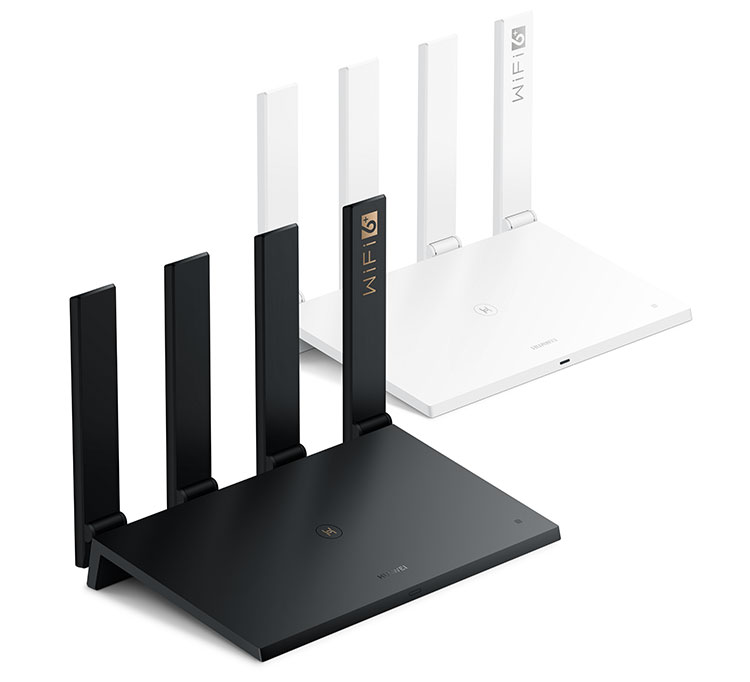
Huawei AX3 router series includes two devices – Huawei AX3 and Huawei AX3 Pro. They are priced at 229 Yuan ($32) and 329 Yuan ($46) respectively.
Both the Huawei AX3 WiFi 6+ routers features similar specifications and features except for the processor and RAM. The standard version is powered by in-house Lingxiao dual-core processor clocked at 1.2GHz paired with RAM and ROM of 128MB each. On the other hand, the Pro variant features a 1.4GHz Lingxiao quad-core processor coupled with 256MB RAM and 128MB ROM.
Also, though they are similar in size with dimensions of 225 mm x 159.2 mm x 39.7 mm, the standard version weighs lighter at 387g compared to 403g of the Pro version. Further, the power consumption differs on the two because of different CPUs – 12W and 24W respectively. Lastly, the standard version only comes in white color, whereas the Pro can be purchased in white as well as black color options
Apart from the above-mentioned differences, the Huawei AX3 and Huawei AX3 Pro WiFi 6+ routers are similar in all ways possible. They are capable of providing max speed of 2976 Mbps operating simultaneously in both 2.4GHz (574Mbps) and 5GHz ( 2402Mbps) ranges. They feature 4 high-performance antennas, two each for 2.4Hz and 5GHz respectively.
They have all the useful and security features such as one-key pairing, mobile app support, speed limit, bandwidth limit, parental controls, gaming acceleration, WiFi relay, guest network, MAC address filtering, VPN, WPA3, firewall, DMZ, DoS attack protection, and more.
Interested people can buy these new Huawei WiFi 6+ routers from GizTop with international shipping.
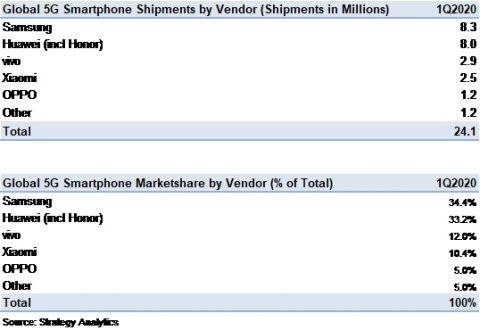
According to a new report, the global 5G smartphone market has crossed 24 million units in shipments in the first quarter of 2020. The demand has been noticeably higher this year, especially in China, with Samsung leading the market.
As per the report from Strategy Analytics, Samsung led the 5G smartphone market, with the South Korean tech giant shipping 8.3 million 5G handset units. Huawei followed close behind with 8 million units being shipped while the rest was rounded up by Vivo (2.9 million units shipped), Xiaomi (2.5 million shipped units), and Oppo (1.2 million units shipped).
The remaining 1.2 million 5G smartphones were from various other smartphone OEMs. This graph showcases the growing popularity of the newer and faster bandwidth, 5G networking, in mobile phones. According to the report, high demand for 5G enabled devices was observed, especially in China, despite the ongoing Coronavirus pandemic that has plagued the world.
Samsung Galaxy S20 series
Associate Director at Strategy Analytics, Ville-Petteri Ukonaho stated, that “Samsung vaulted into the lead in Q1 2020, shipping 8.3 million 5G smartphones globally in Q1 2020. Samsung has strong global distribution networks and operator partnerships and new 5G smartphones in Q1 2020. Popular 5G models for Samsung include the S20 5G and the S20 Ultra 5G.”
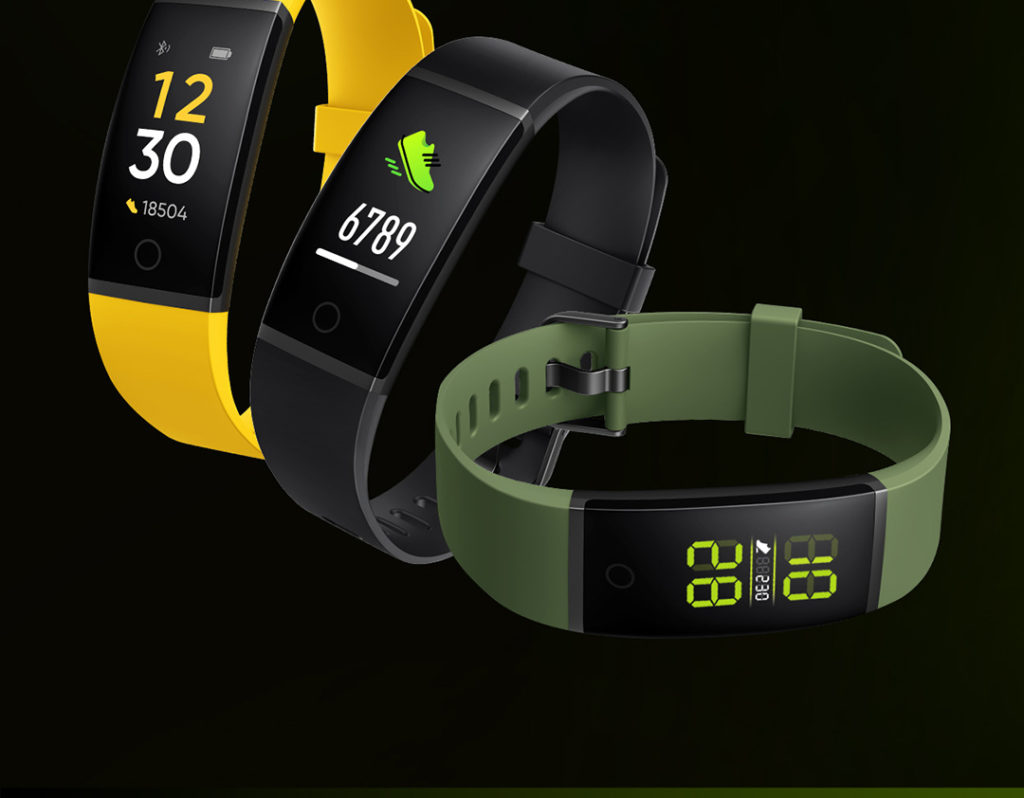
Realme ventured into wearable products with the launch of Realme Band in early March. The fitness band is now receiving its first-ever major firmware update. The update, which is being currently rolled out to the users brings a number of features that should have been present at the launch.
The new update for Realme Band bumps up the firmware to v6.0. To update the fitness tracker, users will have to first install the latest version of the Realme Link app from the Google Play Store.
The firmware v6.0 for Realme Band finally adds ‘Find Phone’, ‘Restart’ and ‘Weather’ functionalities. These three features are common on all wearables and should have been present on Realme Band since its launch. Better late than never, they are here now, however, it is a nightmare to use them
After the installation of the new firmware, the Realme Link app will allow users to enable weather on the Realme Band. Once it is set up, users will have to tap ‘seven times’ on the tracker’s capacitive button to access current weather and tap ‘two more times’ to see the report for the next two days. This is ridiculous and it is why wearables with touch input are better in terms of user experience.
Another nitpick is though the latest update brings restart option to the Realme Band, it works only when the tracker is charging (seriously?). Anyway, the update also brings improvements in UI, heart rate monitoring, data synchronization, and message display time.
Realme Band Firmware v6.0 Update Official Changelog
Optimized UI for functional interface
Added weather features
Added the ability to find your phone
Optimized heart rate measurement accuracy
Data synchronization speed optimized
Extended message display time
Added bracelet restart function: Long press touch button above 5s while charging
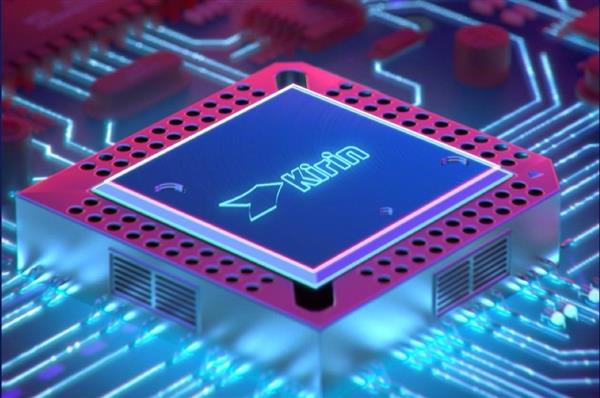
Earlier today (29th April 2020), CINNO Research released a new report detailing the semiconductor market standing in China for Q1 of 2020. The report had revealed that Huawei took the top spot for the first time, with its HiSilicon Kirin chipsets.
According to CINNO, the first quarter of 2020 had Huawei hold a chip market share of 43.9 percent. This is an increase from 36.5 percent back in Q4 2019 and 24.3 percent in Q1 of 2019. Qualcomm came in second this time around (32.8 percent), but was the leader in both Q1 and Q4 of 2019 (48.1 percent and 37.8 percent). In the report, MediaTek was found to be a consistent performer making it third in all of the three different quarters (13.1 percent in Q1 2020).
Apple came in fourth with just an 8.5 percent semiconductor market share followed by other manufacturers rounding up the remaining market share. A notable trend observed in the report was the sharp decline in smartphone shipments in the Chinese market, which is likely caused due to the ongoing Coronavirus Pandemic. The shipments declined by 44.5 percent over Q1 of 2019.
At the moment, Huawei’s HiSilicon processors and Qualcomm Snapdragon chips currently account for 76.6 percent of the total semiconductor market share in China. CINNO reported that about 90 percent of all Huawei smartphones shipped with its proprietary Kirin chipsets in Q1 of 2020, with various models using processors like the Kirin 810, Kirin 820, Kirin 985, and Kirin 990 SoC.
Huawei was one of the first smartphone manufacturers to ever release a smartphone with a bendable display. The Chinese company currently launched two foldable smartphones, Mate X and Mate Xs, and might be launching another one soon, this time with a zoom lens as well.
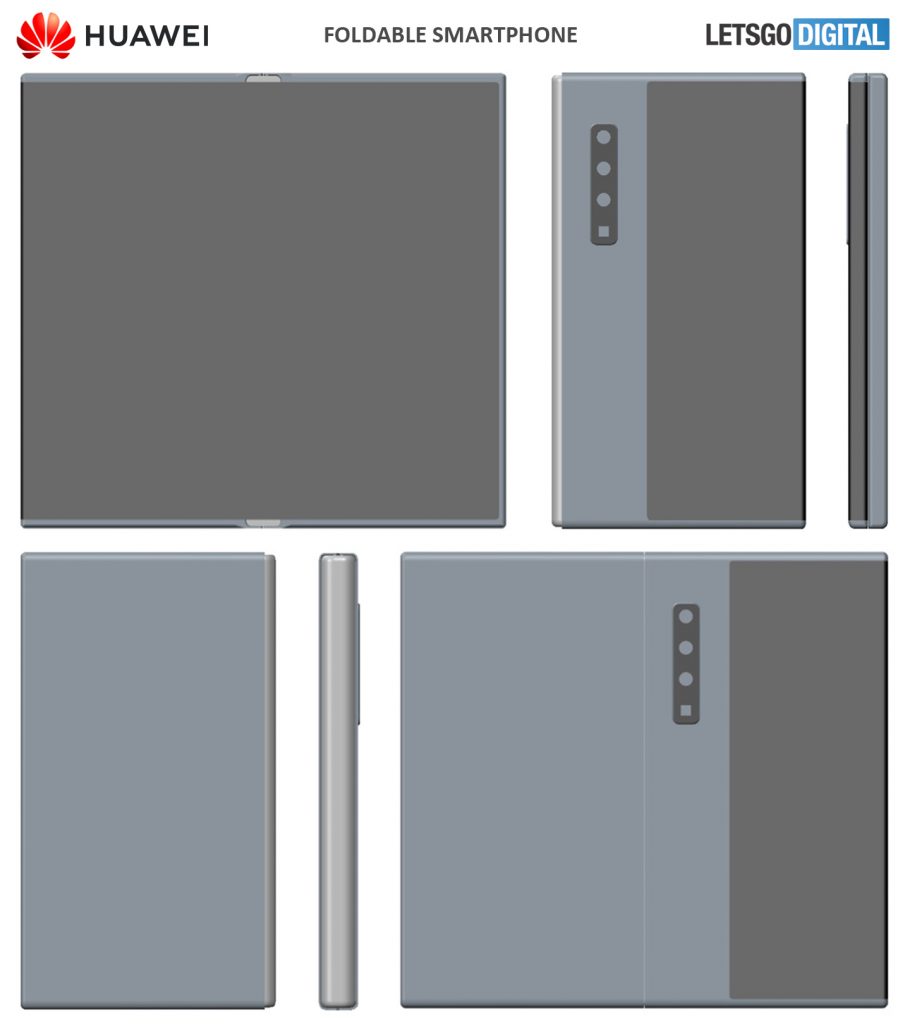
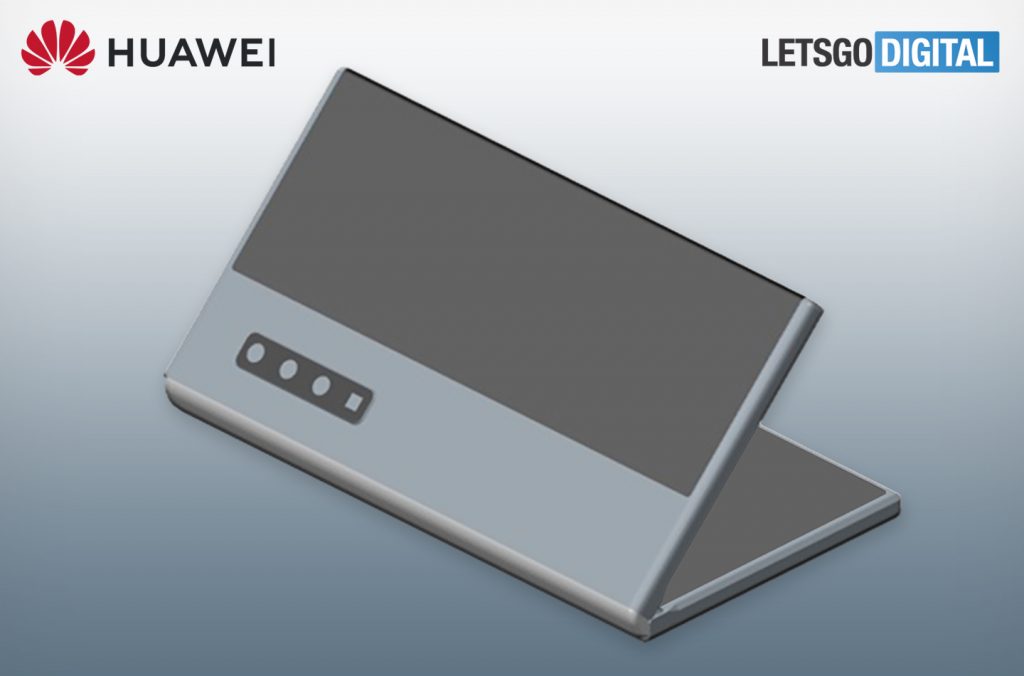
Back in 2019, the Chinese tech giant had applied for a patent, which was finally granted in its home country, China. In the patent, 16 colored product images can be observed that showcase designs with its existing Mate series of foldable handsets. Looking at the images, the upcoming Mate device can be unfolded to reveal a larger tablet size. The device bends inwards, similar to the Galaxy Fold, but features no selfie camera, with most fo the front being covered by the display.
On the rear is where the real difference between previous generations and even the Galaxy Fold can be seen. The patent Mate smartphone has a quad camera module similar to the Mate Xs but also features a zoom lens for magnified shots this time around. The sensors are right next to a smaller secondary display that rounds the corner, acting as an extension of the primary display.
The square camera cutout on the camera module is what gives away the sensor since Huawei has released several models with a zoom lens in a similar manner. The company is expected to launch another foldable smartphone in the second half of 2020, and this might be the device in question. However, it is still too early to tell, and we will have to wait for an official announcement to provide any confirmation.
At a time when most of the smartphone chipsets are made using 7nm node, Unisoc recently launched the world’s first 6nm chipset which was manufactured by TSMC using extreme ultraviolet lithography (EUVL). However, other companies are not much behind.
Samsung, the world’s second largest chipset maker after TSMC, has already started mass production of 6nm and 7nm EUV (Extreme Ultraviolet) chipsets. Now, the company has announced that it plans to start mass production of 5nm chipsets.
The company has also added that it will continue to invest in advanced processes as well as GAA 3nm process. The Samsung V1 facility located in Hwaseong, South Korea, is the one where the production will take place. It is a specialised facility with state-of-the-art technology and is capable of production of chipsets as small as 3nm.
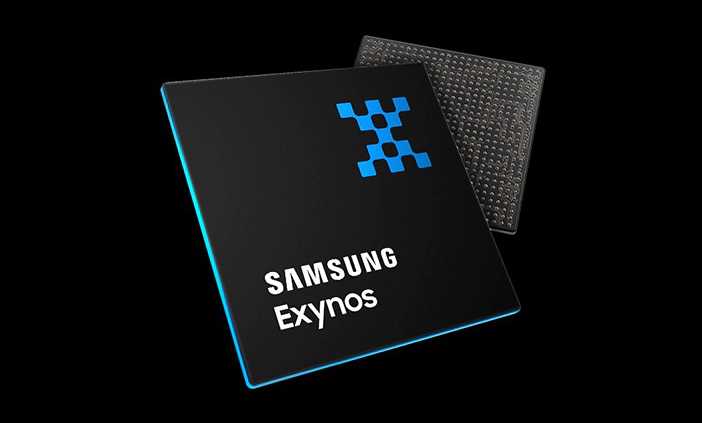
There are reports claiming that Google has partnered with Samsung for a custom Exynos chipset which is scheduled to release this year. The 5nm chipset is expected to feature an octa-core CPU consisting of two Cortex-A78 cores, two Cortex-A76 cores, and four Cortex-A55 cores. The graphics will be taken care of by an unannounced Mali MP20 GPU based on Borr microarchitecture. It is also said to include Google’s own Visual Core ISP and NPU instead of Samsung’s.
A couple of months ago, it was reported that Samsung Electronics’ semiconductor manufacturing division won a contract to make new Qualcomm 5G chips using . This is a major boost for the company to aims to rival TSMC.
To get a lead among its competitors, Samsung was set to start mass production of 3nm chipset from 2021 but it seems that the company is now forced to delay the manufacturing launch of this new process till 2022, mainly because of the COVID-19 outbreak.
It is reported that the coronavirus has hampered Samsung’s ability to fulfil the scheduled installation of equipment for the new production lines. The 3nm process from Samsung is based on the Gate All Around (GAAFET) technology rather than FinFET. It supposedly reduces the total silicon size by 35 percent while using about 50 percent less power.
It also allows for the same amount of power consumption and 33 percent performance increase over the 5nm FinFET process. The GAAFET design differs from the FinFET design as it is built around having gates around four sides of the channel, which ensures reduced power leakage and improved control over the channel.
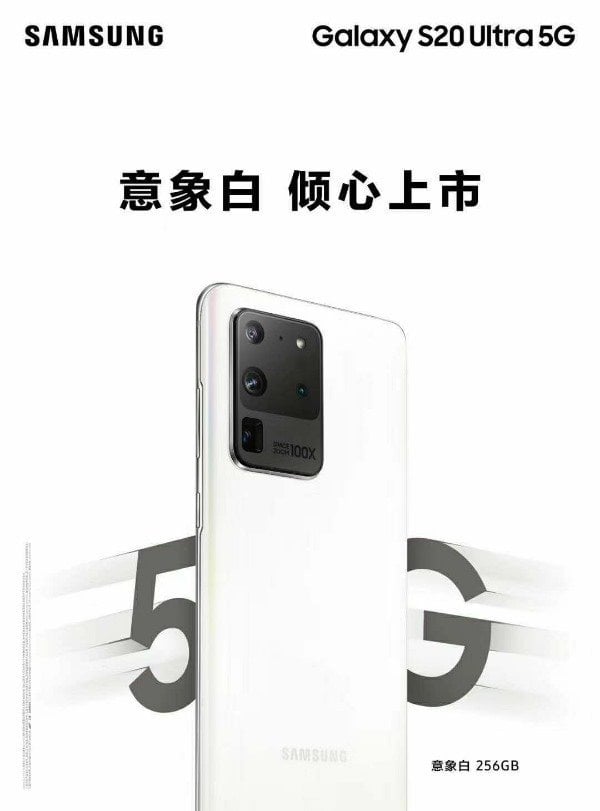
The Samsung Galaxy S20 Ultra is only available in two color options namely ‘Cosmic Grey’ and ‘Cosmic Black’. But now, it is getting a new paint job called ‘Cosmic White’, however, it is only limited to China for now. It is uncertain if this variant will be ever made available in other regions at the moment.
The new white color edition of Galaxy S20 Ultra is similar to the exclusive ‘Cloud White’ Galaxy S20 available in South Korea, Spain and the US (Verizon) but without gradient. It resembles classic white Samsung smartphones of the past and is expected to be free of smudges because of its color.
Unfortunately, this variant is exclusive for China and there’s no word on if or ever it will make it to other markets. If it does, this version of Galaxy S20 Ultra is definitely worth looking at unless Samsung sells Exynos 990-powered units in your region.
Also, it is worth noting that Galaxy S20 Ultra ‘Cosmic White’ is only available in 12GB RAM and 256GB ROM storage configuration. Apart from the new exterior look, it is exactly the same phone that Samsung unveiled in February.
That means it features Qualcomm Snapdragon 865 (China), 6.9-inches QHD+ Dynamic AMOLED display with centred punch-hole, 108MP (primary) + 48MP (periscope) + 12MP (ultra-wide) + 0.3MP (TOF) quad-camera setup, 40MP selfie camera, Gorilla Glass 6 on front and back, 5G connectivity, 5,000 mAh battery, 45W fast wired charging, 15W fast wireless charging, 9W reverse wireless charging, One UI 2.0 based on Android 10, and more.
Meizu has scheduled a launch event on 8th May where the company will be taking the wraps off its next-generation flagship Meizu 17 series smartphones. The lineup includes the standard Meizu 17 along with 17 Pro and 17T.
The upcoming smartphones are also up for reservation in China through the company’s official online store and other Chinese retailer sites like JD.com, Tmall and Suning. Now, in the latest development, the company has shared details about the 17 Pro’s camera.
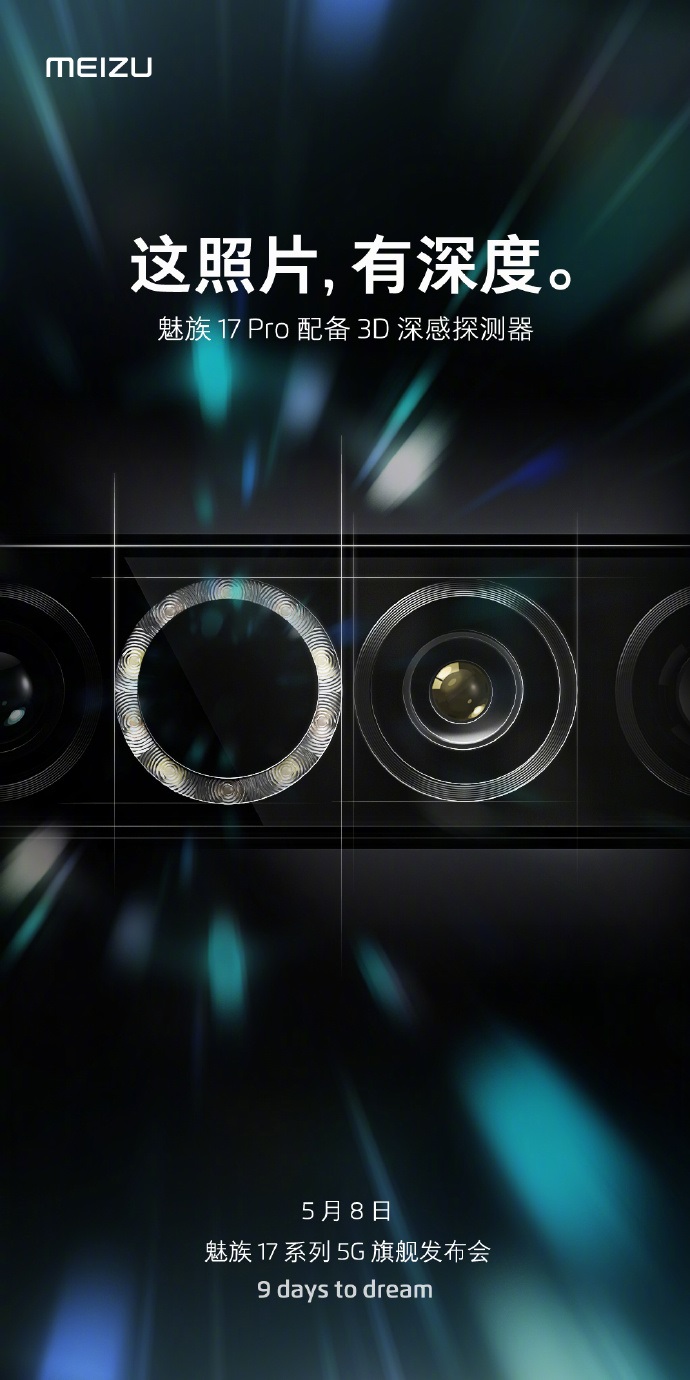
In a poster shared by the company, it reveals that the Meizu 17 Pro smartphone will come equipped with a 3D depth sensor. While the company has not revealed information about the 3D depth sensor, it is believed to be a LiDAR scanner used by Apple in iPad Pro.
With this new technology, the smartphone is set to offer some impressive portrait photography features. Recently released official renders of the Meizu 17 Pro confirmed that the device will come with a ceramic body. The phone will come Super wireless mCharge technology and is expected to support 40W fast charging.
On the other hand, the Meizu 17 is confirmed to feature 90Hz refresh rate display and will come powered by the flagship Qualcomm Snapdragon 865 octa-core processor with support for 5G connectivity. The company has also confirmed UFS 3.1 internal storage and thus, we expect the phone to have LPDRR5 RAM.
The smartphone features a quad-camera setup where the primary sensor will be a 64-megapixel Sony IMX686 sensor. There are reports which claims that the pricing for the series could start at 3,999 yuan which is approximately $564. To know for sure what the devices pack, as well as their pricing and availability details, we’ll have to wait for a few more days for the official launch event.
InterDigital, which develops digital mobile and video technology, has announced that the company has settled all litigation against Huawei and both of them have entered into a worldwide patent licensing agreement.
This new non-exclusive licensing agreement is a multi-year one and is set to run through 2023. It covers royalties from the sale of some of Huawei’s 3G, 4G and 5G wireless telecommunications products.
While the issue between both the companies seem to have been resolved, terms for the same have not been disclosed yet. In a statement, William J. Merritt, InterDigital‘s president and CEO, said: “This agreement, reached amid challenging circumstances given the current economic downturn, highlights the strength of our business and the value of InterDigital’s contributions to multiple generations of wireless and video standards.”
For the uninitiated, Huawei had sued InterDigital in January 2019 in China, claiming unfair terms for the licensing its patents. Then in December last year, InterDigital sued Huawei accusing the company of infringing five patents related to industry standards for 3G, 4G and 5G telecommunications.
Patent infringement suits are very common in the technology industry. Early this year, filing lawsuit against Verizon, Huawei said in a statement that it has paid out more than $6 billion for use of patented technologies, with 80 percent of those license fees going to US-based companies. It also added that since 2015, Huawei received more than $1.4 billion in license fees for its own patents.
Huawei, which is the world’s leader which it comes to telecom equipment, has been caught in the middle of the US-China trade war and has been put on trade blacklist by the US government since last year. This is severely impacted the Chinese giant’s ability to buy hardware, software and services from American companies.
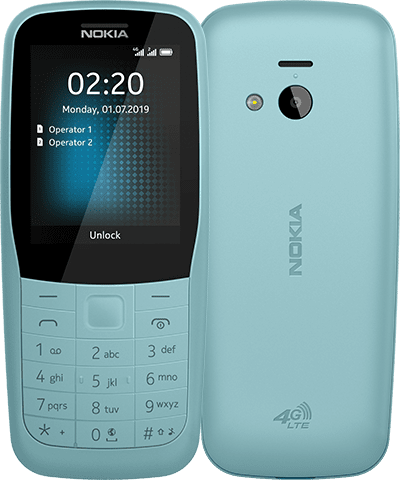
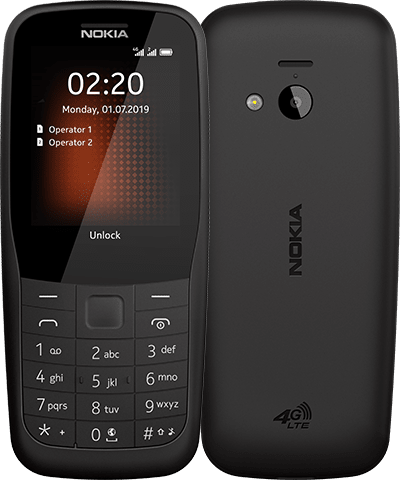
HMD Global launches Nokia 220 4G in China almost a year after the phone’s international announcement. Although the handset is priced at 299 Yuan ($42), customers who pre-order it with 1 Yuan deposit will have to only pay a final price of 270 Yuan ($38). The device will be shipping from May 7.
Nokia 220 4G is a feature phone with classic design and as the name says it supports 4G connectivity (including VoLTE) as well as dual SIM. The handset measures 121.3 x 52.9 x 13.4mm in size and weighs 86.5 g with the battery inserted. The device is entirely made of polycarbonate and comes in Blue and Black color options.
On the front, it sports a 2.4-inches QVGA display with a standard T9 keyboard below it. The phone runs Feature OS supported by 16MB RAM and 24MB internal storage. On the back, it features a VGA camera paired with an LED flash, which can be also used as a flashlight.
For connectivity, apart from support for 4G on all three major carriers in China, it also has Bluetooth 4.2. But the phone will fall back to 2G when there’s no 4G coverage as it does not support 3G. As for ports, it comes with a Micro-USB port for charging and a 3.5 mm headphone jack for audio output.
Nokia 220 4G Blue
Nokia 220 4G Black
Other features of the handset include microSD card support, internet browser, MP3 player, hands-free FM Radio, Snake game, speed dial up to 8 contacts, and more.
Last but not least, the Nokia 220 4G gets its juice from a 1,200 mAh removable battery with talk time and standby time of up to 6.3 hours and 27 days respectively.
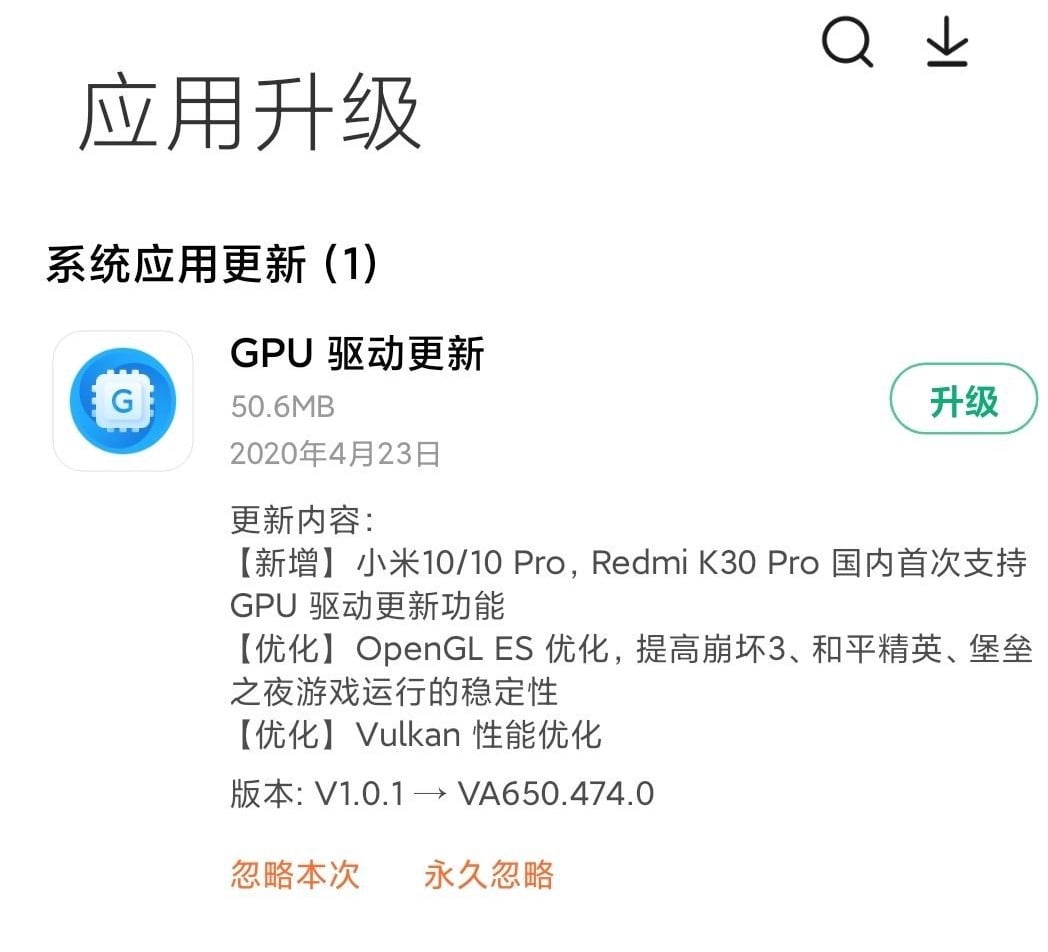
Last year, in December, Qualcomm had announced the capability of delivering GPU driver updates via Google Play Store. Last month, the company added support for older chipsets and listed devices from Samsung and Google to be the first to get the feature.
Now it seems that Xiaomi has become the first smartphone manufacturer in China to support this feature. The company has added a GPU Driver Update application on its App Store in China which it claims is for independent updates to improve stability of games such as Crash 3, Peace Elite, Fortnite, and others.
This new method of GPU driver update via Play Store is a welcome move as it’s much easier than the current solution. At this time, the GPU drivers are packaged with system updates and thus it needs carrier approval before releasing.
Although the new solution requires manufacturers to test the GPU driver updates before releasing them to the Google Play Store for general public, eliminating carrier testing from the process should result in faster deployment.
The initiative of GPU driver updates via Google Play Store was announced as a part of a partnership between Qualcomm and Google for Android GPU Inspector tool for developers that allows to inspect mobile GPU usage (including Qualcomm’s Adreno GPU) in games to figure out where improvements can be made.
Soon after making the announcement of this new update process, Qualcomm clarified that GPU driver updates won’t be a monthly thing like security patches and added that it is “committing to a quarterly cadence for release of updated drivers to the OEM.”
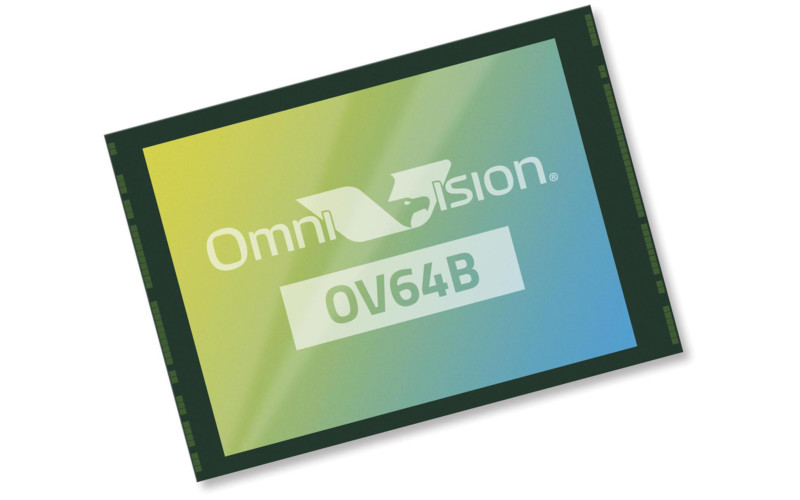
OmniVision has announced OV64B 1/2″ camera sensor which the company claims is the world’s first 0.7-micron 64-megapixel image sensor which can be used in high-end ultra-thin smartphones.
In comparison, Samsung ISOCELL Bright GW1 64MP camera sensor is larger as it uses a 0.8-micrometer pixels on a 1/1.7-inch sensor. On the other hand, the Samsung ISOCELL Bright 48MP sensor uses 0.8-micrometer pixels on a 1/2-inch sensor.
Comparing the new sensor with Sony, the Sony IMX686 is a 64MP image sensor with a large sensor size of 1/1.7” and a pixel size of 0.8μm. The Sony IMX586 48MP camera sensor offers a pixel size of 0.8 μm onto a 1/2-type unit.
The OmniVision OV64B is built on the company’s PureCel Plus-S stacked die technology and a four-cell color filter array (CFA) with on-chip hardware for re-mosaic. Along with the 64MP resolution images, the sensor can also output 16MP images with 4x sensitivity because of the near-pixel binning which is equivalent to sensors with 1.4-micron pixels, says OmniVision. This should result in better low-light photography.
As for the video, the sensor supports 4K video recordings with electronic image stabilisation (EIS), as well as 8K video at 30 frames per second (fps). It also has support for slow-mo capture at up to 240 fps at 1080p and 480 fps at 720p.
The OmniVision OV64B sensor feature type-2, 2×2 microlens phase detection autofocus (ML-PDAF) to boost autofocus accuracy. It also provides a CPHY interface for greater throughput using fewer pins.
As of the availability, OmniVision says the first sample units should ship out to prospective clients in May 2020. However, it remains to be seen which smartphone company adopts this sensor for their devices.
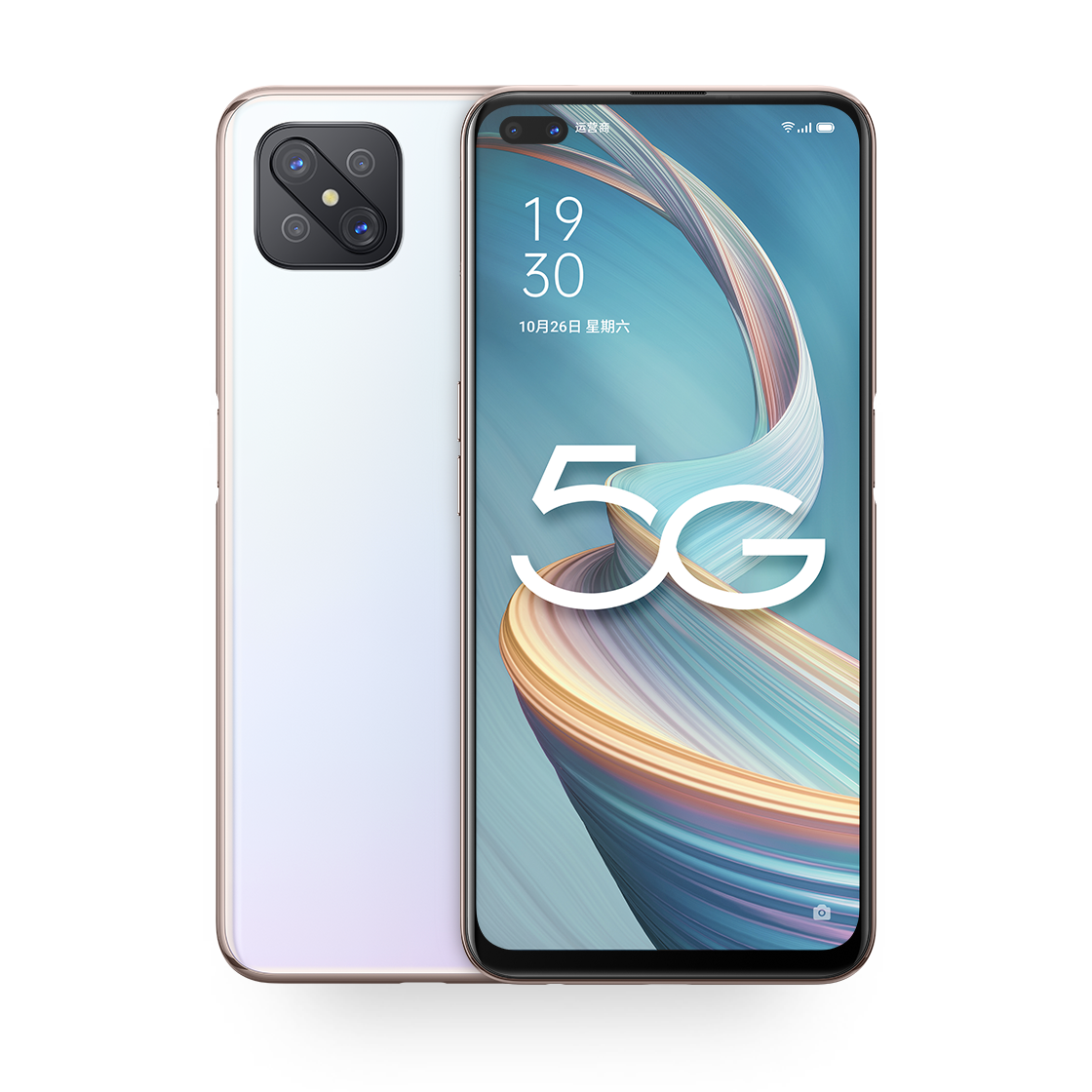
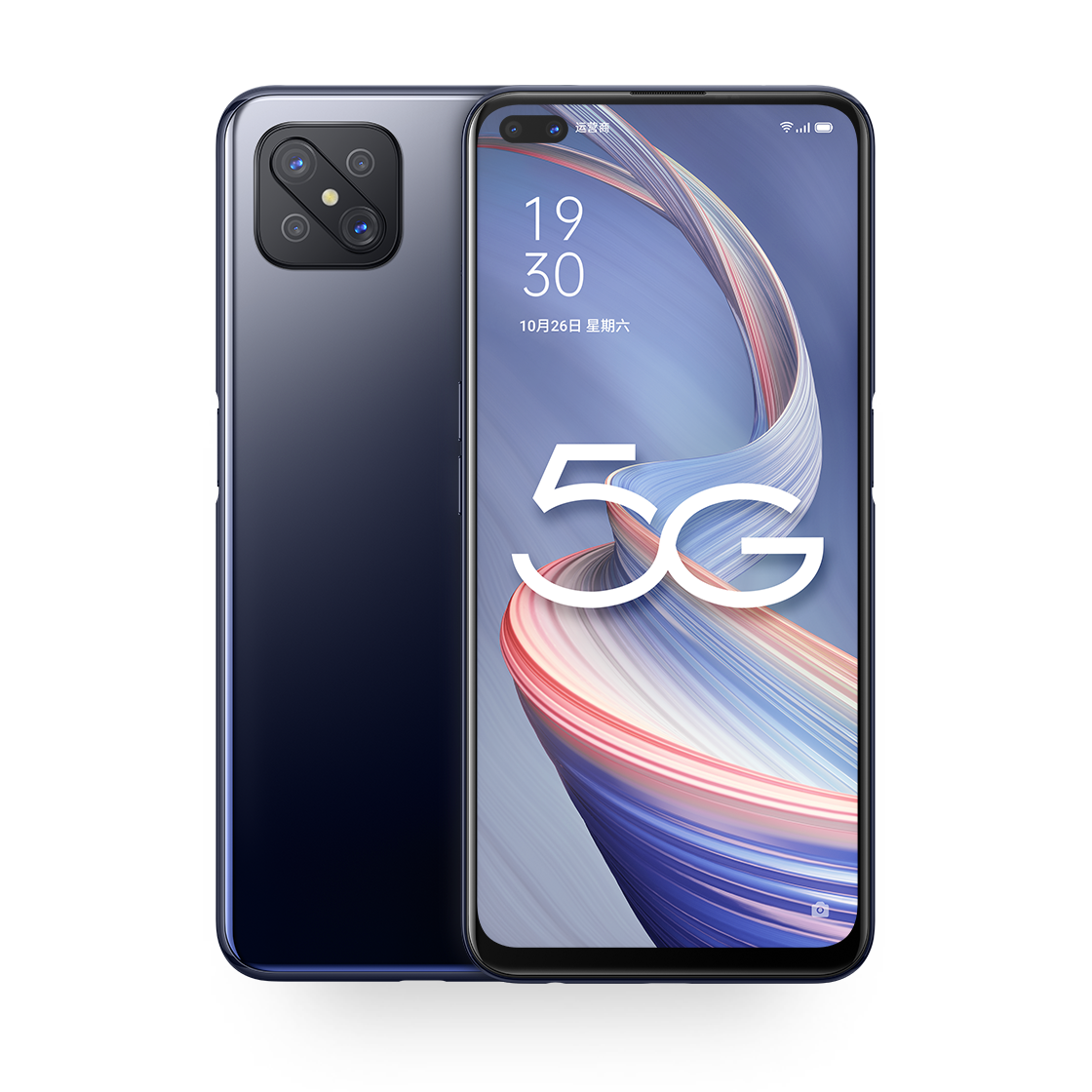
OPPO had quietly unveiled the OPPO A92s smartphone in China on April 18. One of the major highlights of the A-series phone is that it comes with a 120Hz refresh rate supporting display. Also, it is the first phone to feature the MediaTek Dimensity 800 5G chipset. Starting from today, the OPPO A92s is available for purchase in China.
OPPO A92s price
The OPPO A92s comes in two RAM variant such as 6 GB and 8 GB. Both come with 128 GB of storage. They are priced at 2,199 Yuan (~$311) and 2,499 Yuan (~$353). The phone comes in two colors such as black and purple. There is no word on the other markets that will be receiving on the OPPO A92s.
The OPPO A92s has a 6.57-inch IPS LCD display that supports full HD+ resolution of 1080 x 2400 pixels and 20:9 aspect ratio. The dual punch-hole on the screen has a 16-megapixel primary shooter and a 2-megapixel depth sensor. The backside of the device a uniquely designed square-shaped camera module. It houses a 48-megapixel main lens, an 8-megapixel ultrawide sensor, a 2-megapixel depth sensor and a 2-megapixel macro lens.
OPPO A92s
The Dimensity 800 5G chipset on the OPPO A92s is accompanied by LPDDR4X RAM. The phone comes with UFS 2.1 storage. It lacks a microSD card slot.
The Android 10 OS coupled with ColorOS 7.0 custom UI comes preinstalled on the OPPO A92s. It houses a 3,890mAh battery that supports 18W fast charging. The phone is also equipped with a side-facing fingerprint reader.
Earlier this month, OnePlus globally announced the OnePlus 8 and OnePlus 8 Pro smartphones. Despite the ongoing COVID-19 outbreak, the Chinese firm is determined to start with the sales of its latest flagships. At 00:00 AM in India today, Amazon India started receiving the pre-orders of the OnePlus 8 and OnePlus 8 Pro smartphones.
On Amazon India, customers can pre-book the OnePlus 8 series with a gift cart of Rs. 1,0000 or more and take advantage of Rs. 1,000 cashback as Amazon Pay balance. In order to take advantage of the offers, customers can visit the Amazon.in email gift card page and choose a desired denomination of Rs. 1,000 or above and avail the OnePlus Gift Card between April 29 and May 10.
The gift card will be sent to the email address of the user. It can be claimed using the link provided in the email. Next, users are required to purchase OnePlus 8 or OnePlus 8 Pro between May 11 and June 30. The Rs. 1,000 cashback will reflect in the Amazon Pay account within 30 days of purchasing the smartphone.
The base model of the OnePlus 8 comes with 6 GB of RAM and 128 GB of storage. It is priced at Rs. 41,999 (~$553) and it can be bought in Glacial Green color only. The second variant has 8 GB of RAM and 128 GB of storage. It costs Rs. 44,999 (~$592) and it can be bought in Onyx Black and Glacial Green colorways. The 12 GB RAM + 256 GB storage edition of the phone is priced at Rs. 49,999 (~$658) and it comes in three colors like Onyx Black, Glacial Green and Interstellar Glow.
The starting variant of the OnePlus 8 Pro has 8 GB of RAM and 128 GB storage and it costs Rs. 54,999 (~$724). It can be bought in colors like Onyx Black and Glacial Green. The higher 12 GB RAM + 256 GB storage version of the OnePlus 8 Pro is priced at Rs. 59,999 (~$790). Its color variants are Onyx Black, Glacial Green and Ultramine Blue.
On April 23, Realme silently announced the Realme X50m 5G as its cheapest 5G phone in China. The phone that sports a 120Hz display and Snapdragon 765G processor is a lighter version of the Realme X50 5G that debuted in January in China. The only difference between the two phones is that the Realme X50m comes with downgraded cameras. As scheduled, the handset has gone on sale for the first time in the home market today.
Realme X50m 5G price
The Realme X50m 5G comes in two variants such as 6 GB RAM + 128 GB storage and 8 GB RAM + 128 GB storage. They are priced at 1,999 Yuan (~$282) and 2,299 Yuan (~$325), respectively. Its two color editions are Starry Blue and Galaxy White. There is no word on the availability of the Realme X50m 5G phone outside of China.
The Realme X50m has an IPS LCD panel of 6.57 inches. The dual punch-hole screen supports full HD+ resolution of 1080 x 2400 pixels. The Snapdragon 765Gv octa-core CPU powers the smartphone with LPDDR4X RAM and UFS 2.1 storage.
There is a 4,200mAh battery inside the Realme X50m 5G phone. It supports 30W Dart charging. The Android 10 OS with the latest Realme UI comes preloaded on the device. It lacks a microSD card slot.
The Realme X50m 5G has a 16-megapixel + 2-megapixel dual selfie camera system. The rear-mounted quad camera setup has a 48-megapixel main lens, an 8-megapixel ultrawide sensor, a 2-megapixel macro sensor and a 2-megapixel depth sensor. A side-mounted fingerprint reader is available onboard. It also lacks a 3.5mm audio jack.
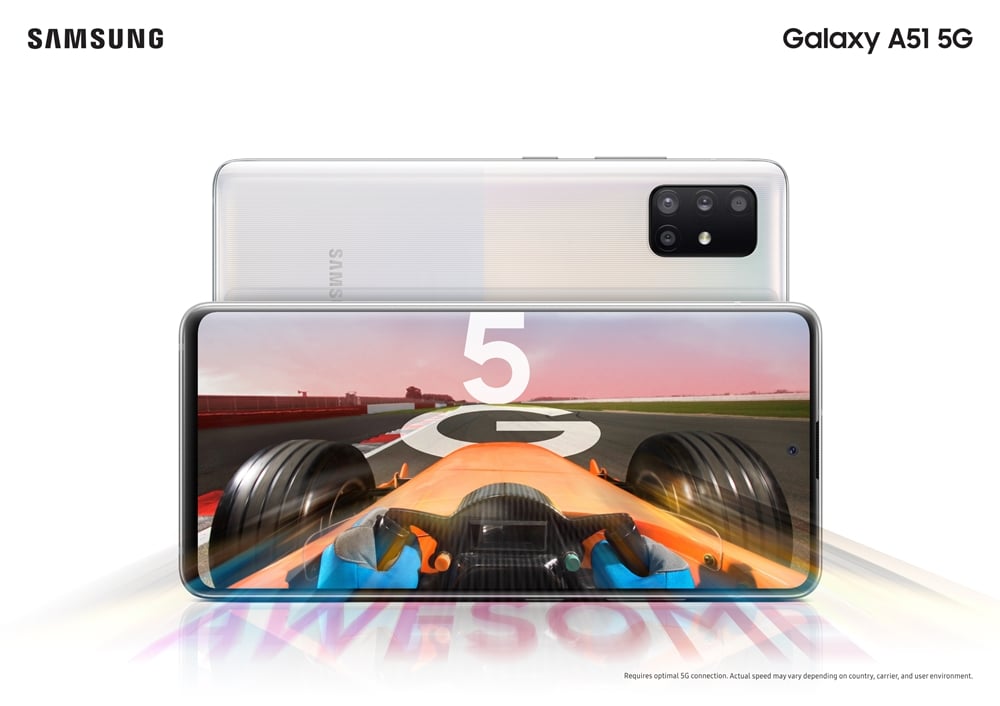
The 5G versions of the Galaxy A51 and Galaxy A71 have been in the rumors since quite some time. Through a press release, Samsung has now confirmed that the Galaxy A51 5G will be releasing in the South Korean markets on May 7. The Galaxy A71 5G was announced in the U.S. earlier this month.
Samsung Galaxy A51 5G specifications
The Galaxy A51 5G has 158.9 x 73.6 x 8.7mm dimensions and it weighs 187 grams. The handset has a 6.5-inch S-AMOLED display with Infinity-O design. It offers full HD+ resolution and its embedded with a fingerprint reader.
The handset features a front-facing camera of 32-megapixel. The rear-facing camera setup has a 48-mgeapixel main lens, a 123-degree 12-megapixel ultrawide sensor, a 5-megapixel depth sensor and a 5-megapixel macro lens.
Instead of the Exynos 9611 chipset that powers the 4G variant, the Galaxy A51 5G is driven by the Exynos 980 5G SoC. The SoC is accompanied by 6 GB of RAM. The 4,500mAh battery of the phone is coupled with 15W fast charging.
The Android 10 OS with One UI 2.0 custom skin runs on the device. The phone offers users with a native storage of 128 GB. It features a microSD card for additional storage.
Samsung Galaxy A51 5G price and availability
The Samsung Galaxy A51 5G will be available in South Korea in color edition such as Prims Crush White, Prism Crush Black and Prism Crush Pink. The handset carries a price tag 572,000 KRW (~$469) and its sales will begin on May 7. There is no word on the other markets that will be receiving the Galaxy A51 5G phone.
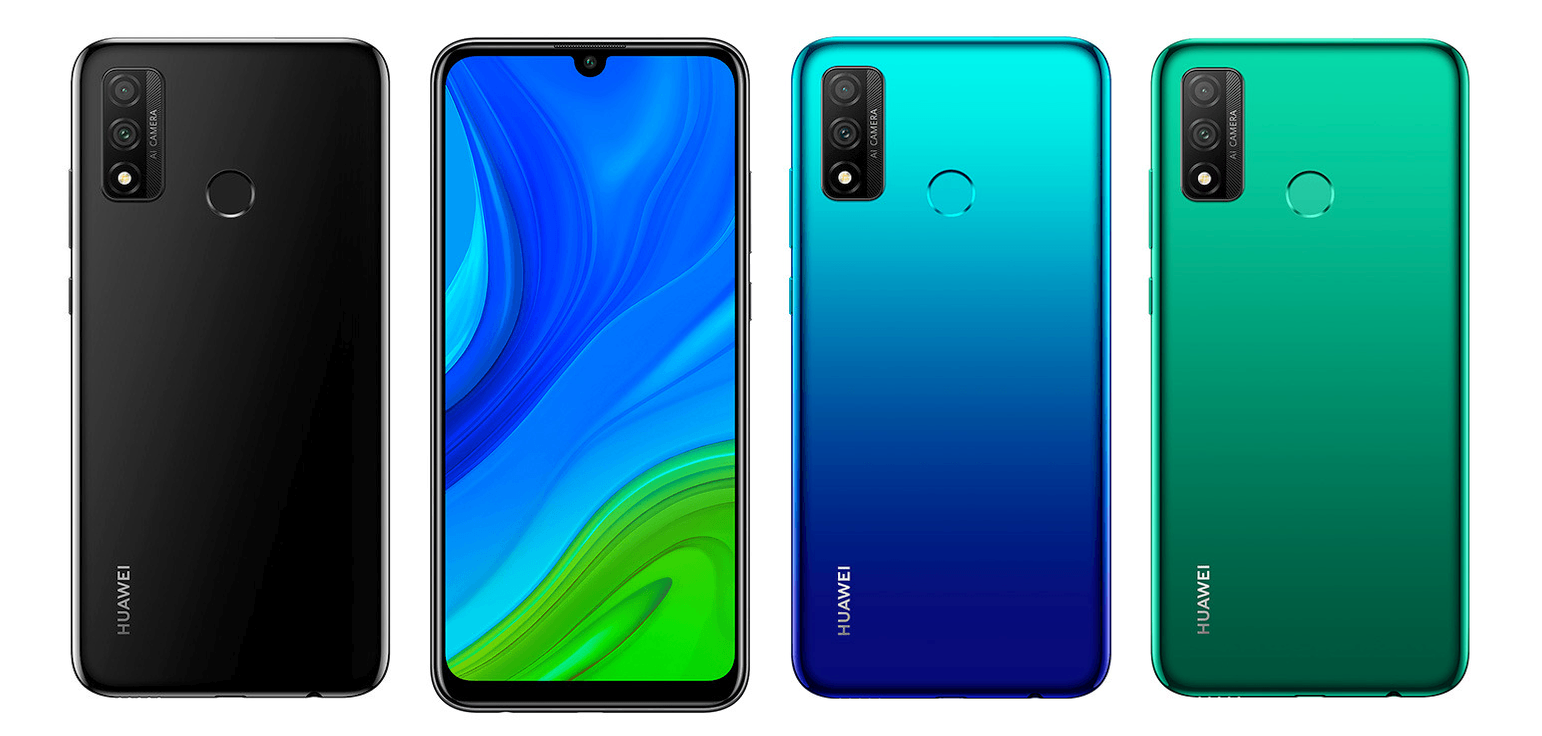
Huawei is soon expected to launch a new phone called Huawei P Smart 2020, claims Winfuture.de. While it may sound like a new phone, it is an old device that sports a new design. By doing this, Huawei can launch the Huawei P Smart 2020 with Google Mobile Services (GMS).
Huawei P Smart 2020 specifications
The publication has revealed that the Huawei P Smart 2020 will be arriving with a 6.21-inch IPS LCD panel that has a waterdrop notch. It supports 1080 x 2340 pixels full HD+ resolution and 19.5:9 aspect ratio.
The older Kirin 710F is present under the hood of the Huawei P Smart 2020. It comes with 4 Gb of RAM and 128 GB of storage. In comparison, the predecessor Huawei P Smart 2019 came with 3 GB of RAM and 64 GB of built-in storage. There is a microSD card slot onboard for additional storage.
The rear shell of the phone has a triple camera system. It consists of a 13-megapixel main lens with f/2.0 aperture, a 2-mgeapixel depth sensor and another 2-mgeapixel lens. Up front, there is an 8-megapixel selfie camera.
The Huawei P Smart 2020 is backed by a 3,400mAh battery. There is no support for fast charging. A fingerprint reader is available on the rear shell of the phone. The usual connectivity features like dual SIM support, Wi-Fi 802.11ac, Bluetooth 4.2, NFC, USB-C and 3.5mm audio jack are available on the P Smart 2020. The Android 9 Pie OS with EMUI 9.1 and support for Google apps and services will come preloaded on the phone.
Huawei P Smart 2020 price and availability
The Huawei P Smart 2020 is expected to be priced between 200 and 220 euros. There is no word on its availability, but it may launch in the coming month. It will be available in colors like Aurora, Green and Black.
In the previous week, Xiaomi confirmed that it will be holding a launch event for Europe on April 30. The launch poster revealed that the company will be announcing the Redmi Note 9 series for the European markets. In the same week, reliable tipster Roland Quandt had claimed that the Chinese firm will be also announcing the rumored Xiaomi Mi Note 10 Lite alongside the Note 9 series. However, there was no official confirmation from Xiaomi on it. The Mi Community now has a listing on Mi Community that reveals that the Mi Note 10 Lite will indeed go official on April 30.
The new thread at Mi Community carries the below shown poster that reveals the Mi Note 10 Lite smartphone. The marketing image reveals that the handset will be available in colors like purple, white and black.
These color variants were previously revealed by Quandt. He had also revealed that the Mi Note 10 Lite will come with 6 GB of RAM and 128 GB of native storage. The new Mi Community listing has no information on the specs of the device.
Rumors surrounding the Mi Note 10 Lite smartphone has revealed that it will be borrowing many of its specs from the Xiaomi MI Note 10v. However, instead of the 108-megapixel penta-lens setup, the Lite edition will have a 64-megapixel penta-lens system.
The Mi Note 10 Lite is expected to arrive with 6.47-inch full HD+ OLED display, Snapdragon 730G processor, 5,260mAh battery with 30W fast charging. Its rear camera setup will have a 64-megapixel main shooter, a pair of 8-mgeapixe lenses, a 5-megapixel sensor and a 2-megapixel shooter. There is no word on the pricing of the Mi Note 10 Lite.
Xiaomi invaded every sector of technology and electronics and it actually offers one of the most complete ecosystems of smart products. That is the reason why we think it is important to make a recap of Xiaomi’s best smart products once in a while. Through the Mi Fan Festival, the Chinese giant launched a lot of smart products this month. In this post, we gathered the 5 products which we consider the most interesting one launched this month by Xiaomi and its subsidiaries. If you think there are even more interesting smart products launched in April 2020, let us know by using the comment box below.
Top 5 Best Xiaomi Smart Products of the month
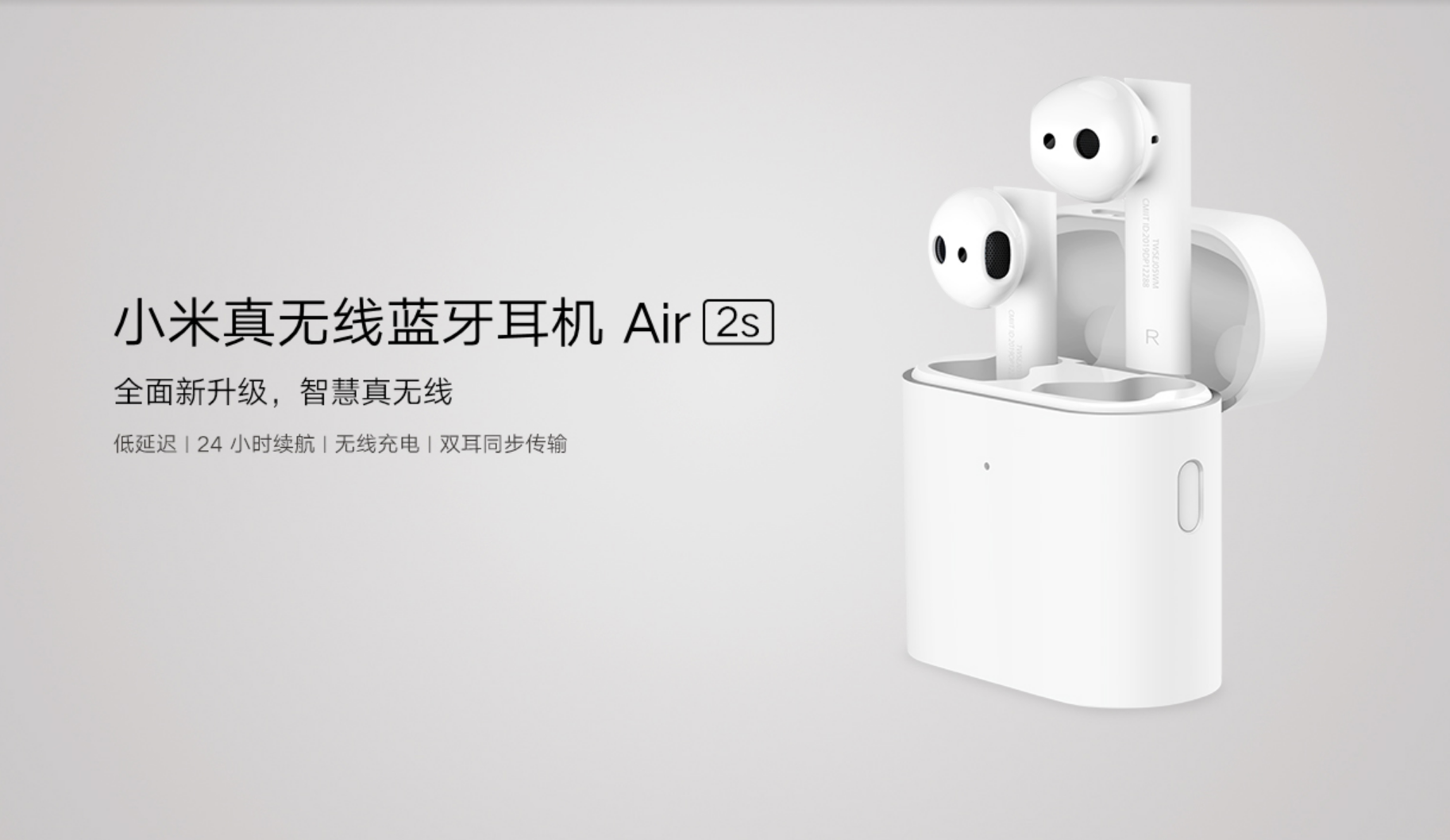
Xiaomi Mi Air 2S
A lot of people went crazy for the Xiaomi Mi Air 2. At first glance, they seem just the nth pair of affordable true wireless earphones. But if you dig deeper, you can discover that, with their non in-ear design, they are among the few valid alternatives to Apple’s AirPods coming at an affordable price. Right after the Mi Air 2 earbuds debuted in the European market, Xiaomi launched its successors: the Mi Air 2S. The new TWS earbuds come with an upgraded dual-core chipset and a new binaural synchronous transmission technology that transfers sound signals to left and right at the same time. The new earphones also come with improved battery life: they are able to provide 5 hours of usage on a single charge which can be extended up to 24 hours through the charging box. Unlike the Mi Air 2, the charging box of the Mi Air 2S supports Qi wireless charging. Xiaomi Mi Air 2S went on sale in China for a price of 399 Yuan, which roughly translates to $56.
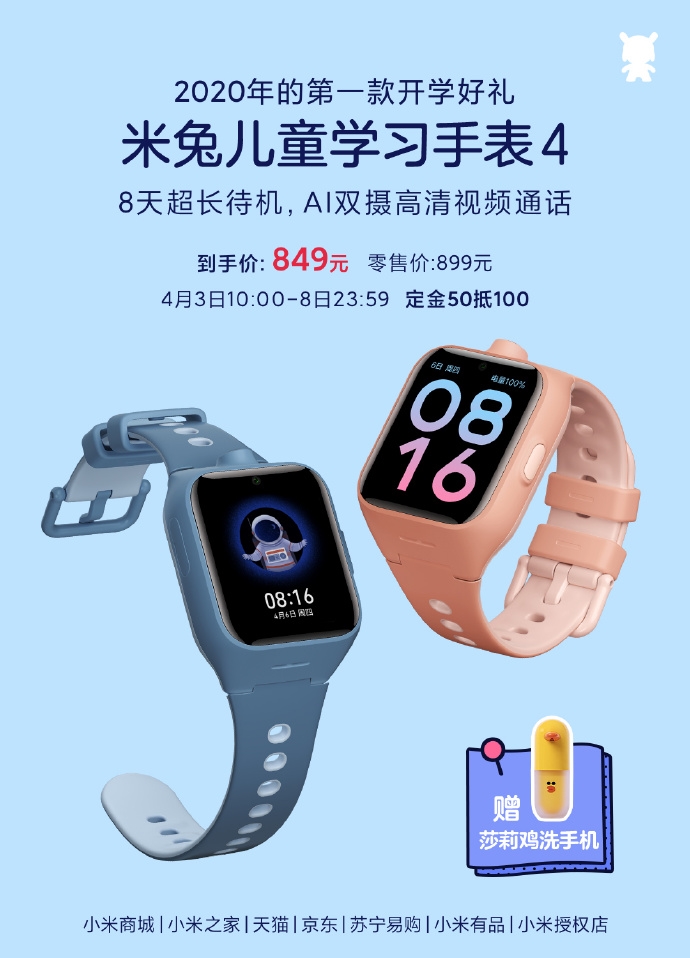
What can a smartwatch for kids have so special to deserve a place in this ranking? First of all, 5G. In a world in which we are yet to see a traditional smartwatch supporting 5G connectivity, you can get 5G on a smartwatch for kids. Further, Xiaomi Mi Bunny Children’s Watch 4 has a dual camera system including a 5 MP sensor on the front and one of the sides. The cameras can be used to watch the kid’s face and to monitor the surroundings with an HD resolution. The wearable sports a 1.78-inch AMOLED display, it supports video calls and indoor positioning. There is even an AI English interactive teaching feature. Xiaomi Mi Bunny Children Watch 4 is available to purchase since April 8 with a price tag of 899 Yuan ($127).
Even more than Xiaomi Mi Air 2, one of Xiaomi’s smart products which had the biggest success in the company’s history is the M365 also known as the Mi Electric Scooter. It contributed to the explosion of micro mobility and it sold millions of units all around the world. Now, Xiaomi unveiled another electric scooter with great battery life and a similar design to the M365 Mi Electric Scooter. We are talking about the Xiaomi Mijia Scooter 1S which debuted in China with a price of 1,999 Yuan (roughly $282). The Mijia Scooter 1S includes a new interactive visual dashboard with self diagnosis and checking features allowing the user to know whenever there is a malfunction in any system. The integrated display also shows real time speed without the need for an app, driving status, and more. It weighs 12.5 Kg and it can carry loads up to 100 Kg. It is foldable and it comes with a 500W engine reaching speeds up to 25 km/h. The battery lasts up to 30 km on a single charge and the electric scooter supports an energy-saving mode to improve battery life. It also comes with an ABS system.
As the name suggests, Xiaomi Full Screen TV Pro is a high-end smart TV with incredibly narrow bezels. It is the largest variant of the known full screen series and it comes with a 75-inch display. It reaches a 97 percent screen to body ratio and its design is also amazing because it features an aluminum alloy. The panel has a 4K resolution and the TV is powered by a 64-bit processor with a clock speed of 1.9 GHz, paired with 2 GB of RAM and 32 GB of internal storage. It runs the PatchWall operating system with video streaming services out of the box such as Tencent Video and Yoku. The TV supports XiaoAI assistant, voice commands, and Dolby Audio. It can interact with IoT devices to perfectly integrate with Xiaomi’s ecosystem. Xiaomi Full Screen TV Pro carries a price of 5,999 Yuan which roughly converts into $846.
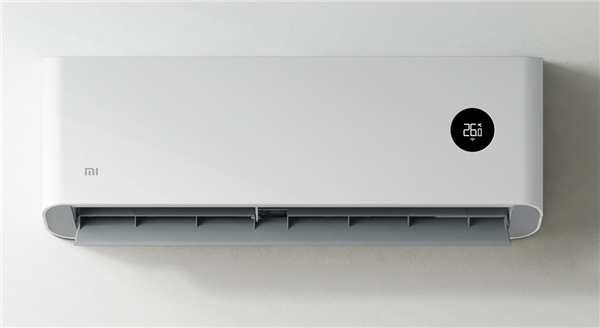
Just in case you thought you have seen enough smart products, Xiaomi even launched a smart air conditioner this month. As the name suggests, Xiaomi Gentle Breeze Air Conditioner has a special Gentle Soft breeze feature which enables the AC to spread the wind flow evenly across the room instead of letting out the air in a particular direction like traditional air conditioners. Thanks to this solution, the air conditioner brings the temperature variance to a minimum and it makes the air seem more natural, like a gentle breeze. The smart product features 1120 air outlet micro holes and two 98 mm cross flow fans, it uses a full DC frequency conversion technology and it has an APF value of 5.13; it is very efficient. It naturally supports XiaoAI voice assistant with vocal commands and it can interact with other smart home products. It sells in China with a price of 2,499 Yuan (roughly 352 US Dollars) for the base variant, but there is also a bigger version with a 2,699 Yuan price tag (roughly $381).
Before the Galaxy Buds and the Galaxy Buds+, there was the Gear IconX. For Samsung’s upcoming earbuds, it seems to be fusing the Galaxy Buds name and the Gear Icon X name together.
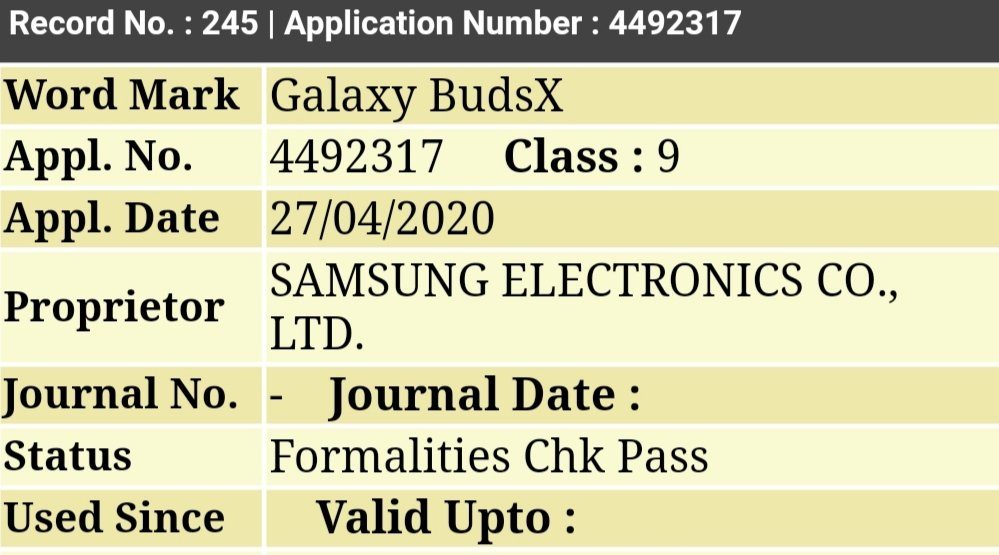
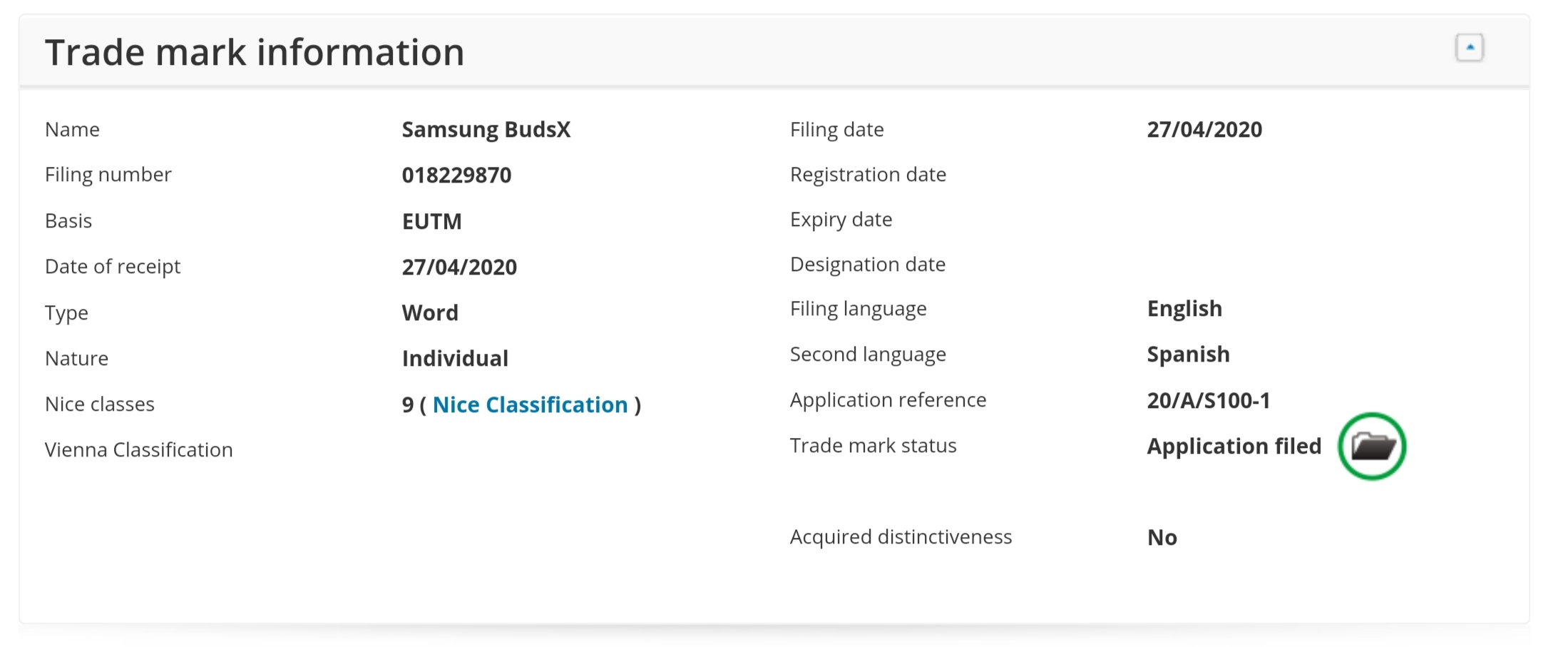
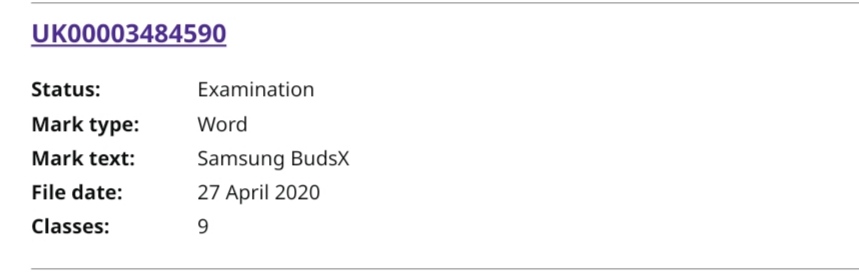
The Korean-giant has filed a trademark application in India for “Galaxy BudsX” and there are speculations it may be the official name of the kidney-bean shaped earbuds that leaked earlier this month. The trademark application was also filed in the UK and Europe too.
1 of 4
Galaxy BudsX
The upcoming TWS earbuds go by the codename “bean” and are expected to launch this year. The specifications are still unknown but more details should surface in the weeks or months leading up to its release.
We use cookies on our website to give you the most relevant experience by remembering your preferences and repeat visits. By clicking “Accept”, you consent to the use of ALL the cookies.
This website uses cookies to improve your experience while you navigate through the website. Out of these, the cookies that are categorized as necessary are stored on your browser as they are essential for the working of basic functionalities of the website. We also use third-party cookies that help us analyze and understand how you use this website. These cookies will be stored in your browser only with your consent. You also have the option to opt-out of these cookies. But opting out of some of these cookies may affect your browsing experience.
Necessary cookies are absolutely essential for the website to function properly. This category only includes cookies that ensures basic functionalities and security features of the website. These cookies do not store any personal information.
Any cookies that may not be particularly necessary for the website to function and is used specifically to collect user personal data via analytics, ads, other embedded contents are termed as non-necessary cookies. It is mandatory to procure user consent prior to running these cookies on your website.