Alongside the Mi 10 Youth Edition, Xiaomi also announced two Bluetooth earphones. The two audio products are the Line Free Bluetooth Headphones and the Mi Bluetooth Headset Youth Edition.
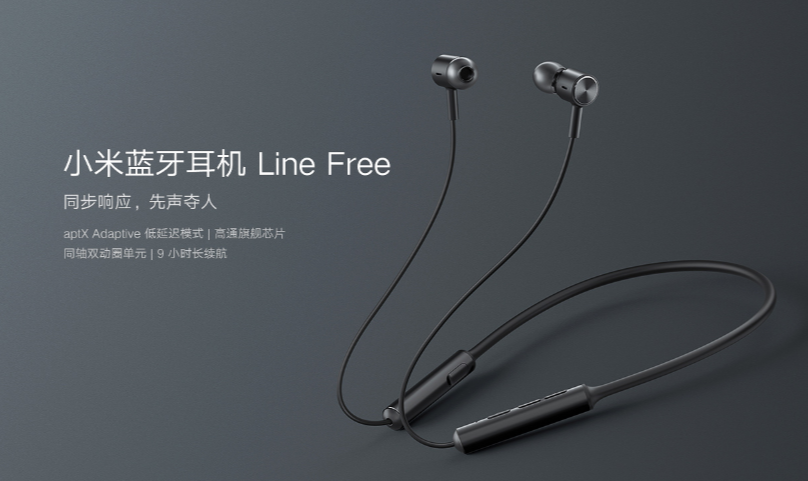
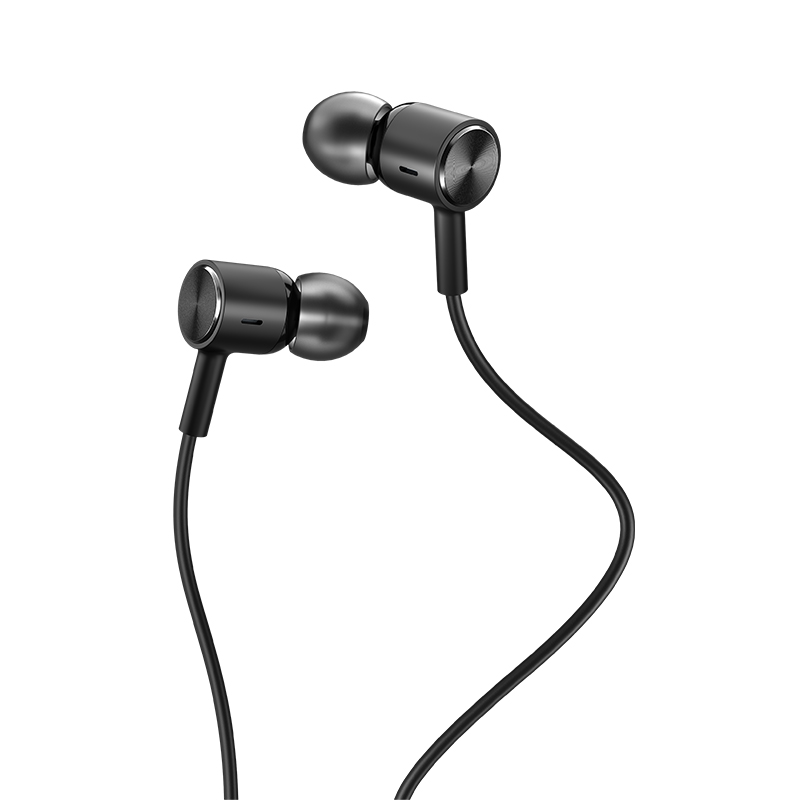
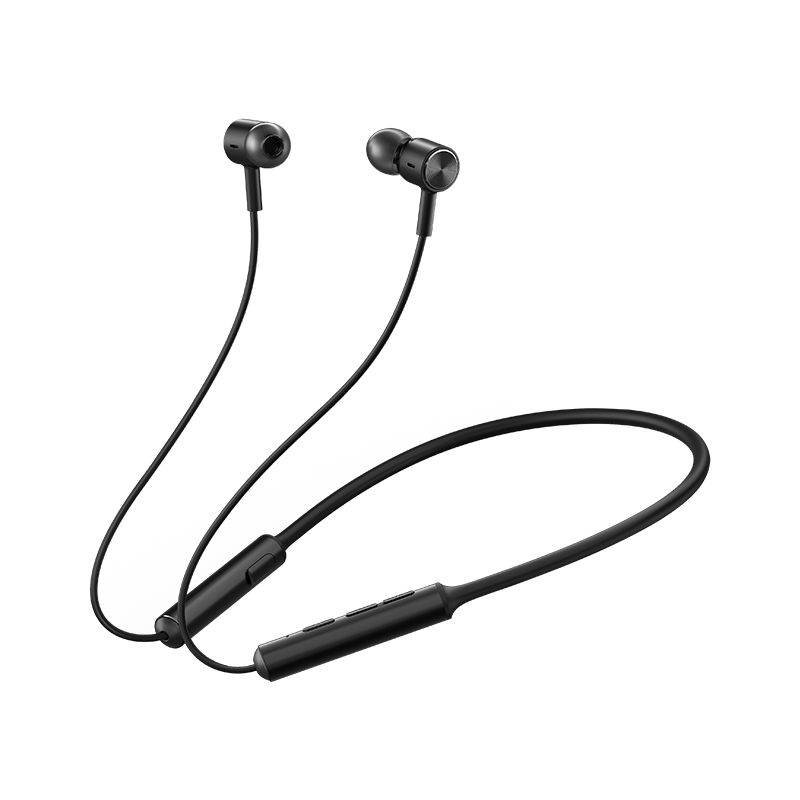
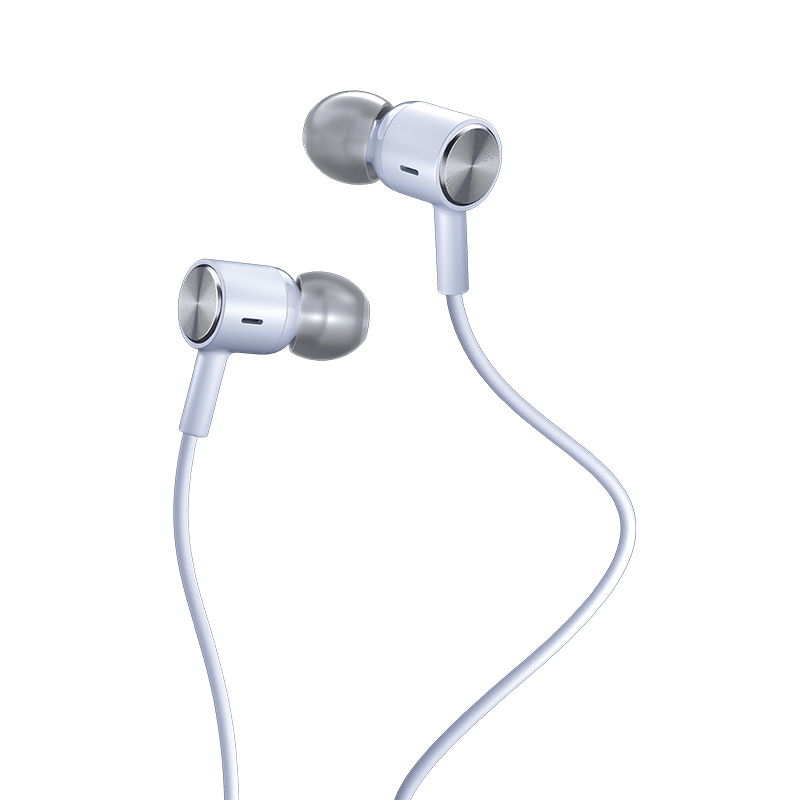
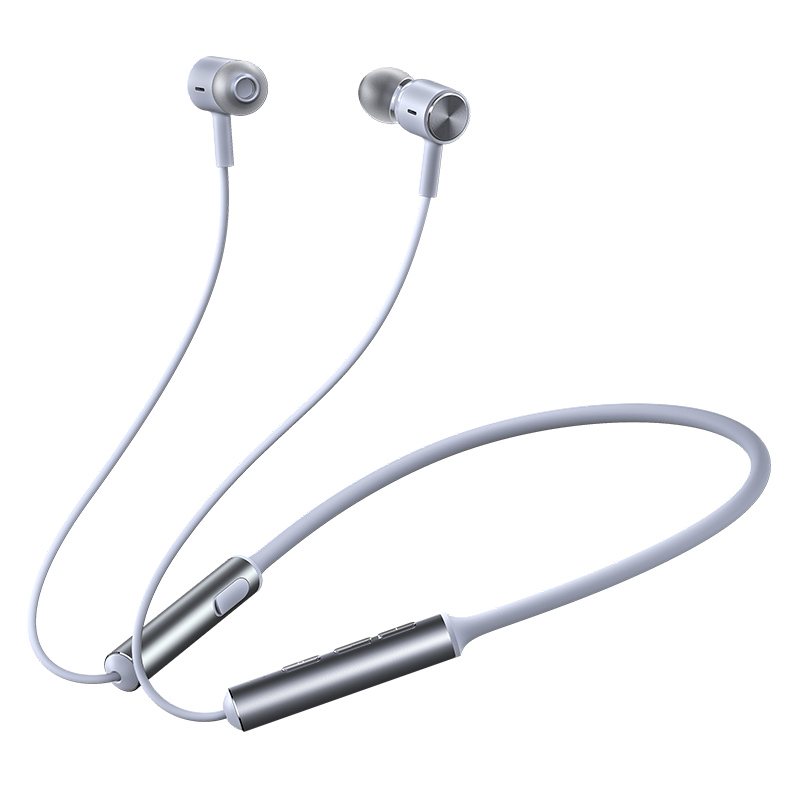
Xiaomi Line Free Bluetooth Headphones
The Line Free Bluetooth Headphones has a neckband design with magnetic earbuds. It comes in two color variants – Black and Gray – with a sandblasted finish. The unique selling point of the earphones is its low-latency (80ms); thanks to Qualcomm’s aptX Adaptive technology.
The Bluetooth headphones are powered by Qualcomm’s QCC5125 audio chipset which is a low-power premium audio chipset. It combines DSP+cVC technology for crystal clear audio playback and calls.
The Line Free Bluetooth Headset has a 9-hour battery life and charges via a USB Type-C port. Xiaomi says a 10-minute charge will provide up to 2.5 hours of playback time. There is an in-line remote with buttons for controlling the volume and music playback. It also has support for XiaoAI, Siri, and the Google Assistant.
The Xiaomi Line Free Bluetooth Headphones is priced at ¥199 (~$28) and is already available for purchase on Mi.com.
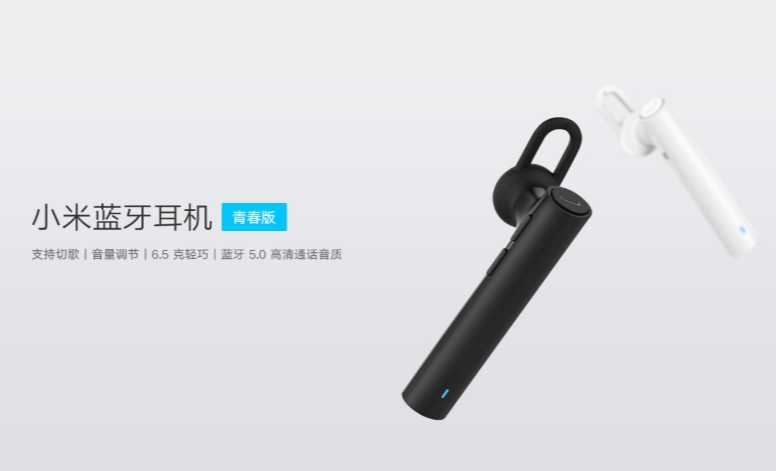
Mi Bluetooth Headset Youth Edition
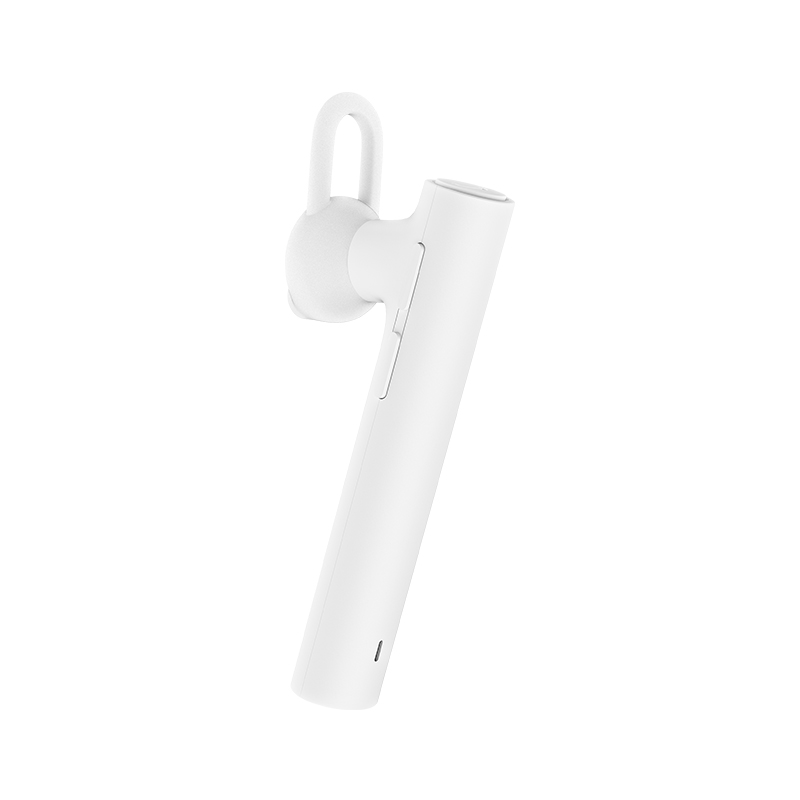
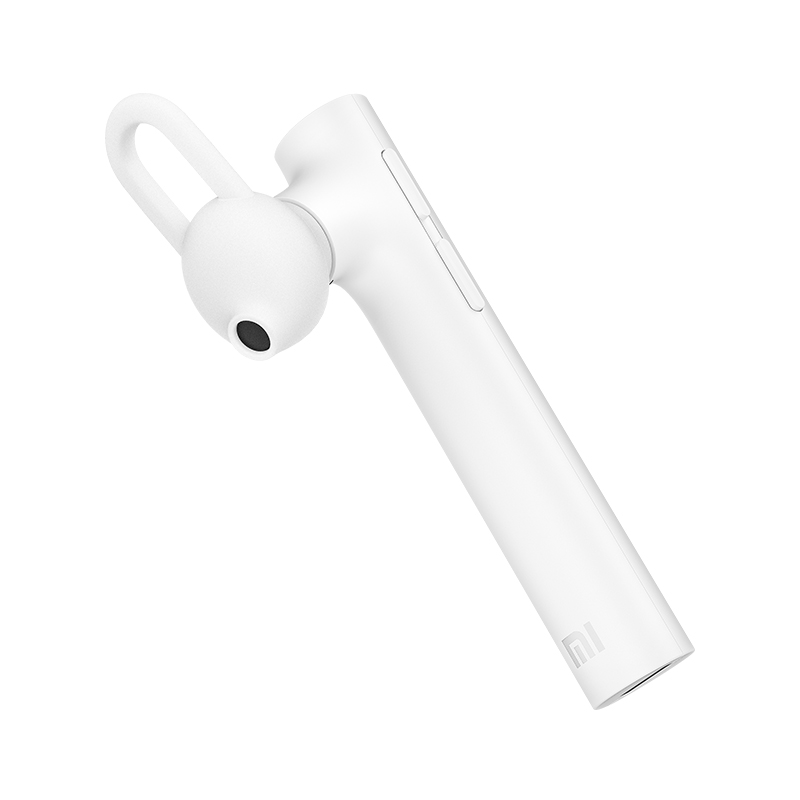
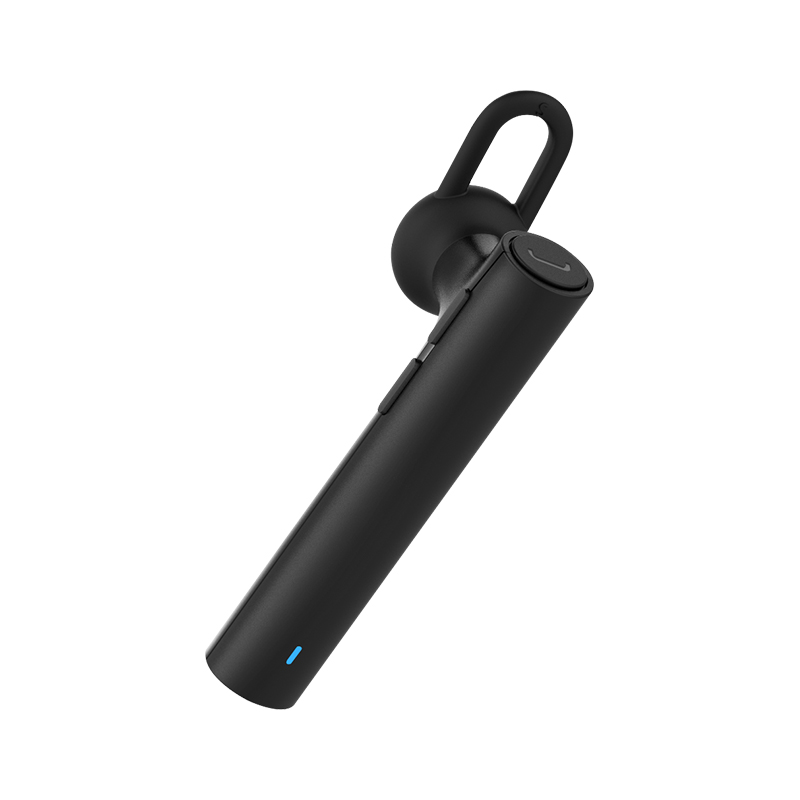
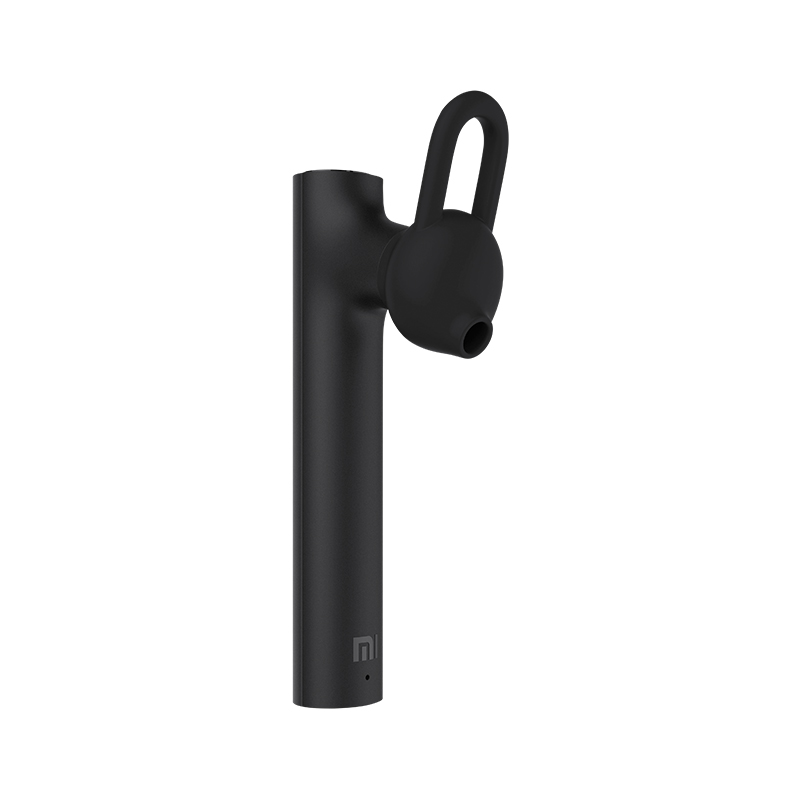
The Mi Bluetooth Headset Youth Edition (LYEJ07LS) is a single-ear Bluetooth headset designed primarily for calls. The design is similar to that of the Mi Bluetooth Headset Basic that was released a couple of years ago.
The headset weighs 6.5 grams and connects via Bluetooth 5.0 and has buttons for volume and music controls. You can also use the buttons to change tracks, reject or accept calls, redial numbers, and for three-way calling. It uses DSP technology for noise reduction and also reduces 4G network interference.
The Mi Bluetooth Headset Youth Edition has a nano-coating that is durable and oil-resistant. It has a 4-hour battery life and lasts up to 80 hours on standby. It can be paired to two devices at the same time and has a Bluetooth range of 10 meters.
The Mi Bluetooth Headset Youth Edition has a price tag of ¥59 (~$8) and comes in black and white color variants. It is also already available for purchase on Mi.com. It comes with three pairs of earbuds of varying sizes.
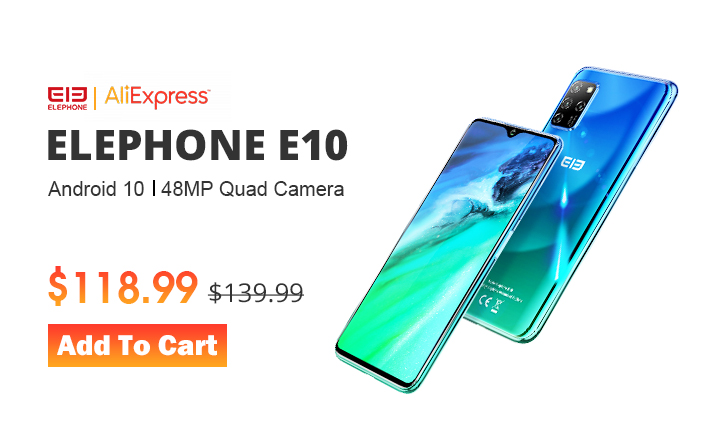
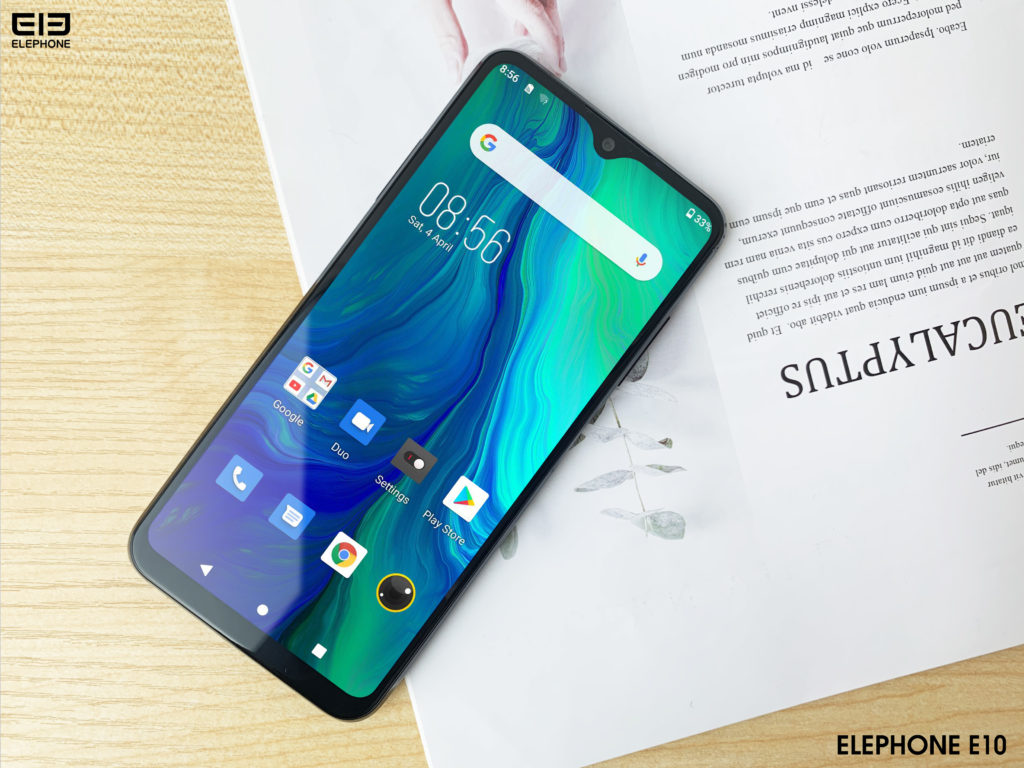
After the successful launch of Elephone E10, the company is now making it available across the globe by listing it on major e-tailers. Elephone E10 is already available on Banggood, and from today the smartphone will start retailing on Aliexpress for $108.99. The company is offering a limited time discount of $30 for early buyers until the end of April 2020.
Elephone E10 packs a true quad-module featuring a 48-megapixel primary camera, 13-megapixel ultrawide sensor, a 2-megapixel depth sensor, and a 5-megapixel macro sensor which fares well against the same sensor on Mi CC9 Pro. There’s a 13-megapixel front camera sensor for selfies and video calling.
Elephone E10 embeds a 6.5-inch Waterdrop display that offers 720 x 1560 pixels resolution having a 19:9 aspect ratio. It brings immersive experience thanks to the smaller bezels and 90.3% screen-to-body ratio.
The smartphone is powered with MediaTek Helio P22 chipset built on a 16nm process coupled with an octa-core processor with a maximum clocking speed of 2.0GHz. It swiftly handles the AI and couples a 4GB RAM. Elephone E10 houses a 64GB ROM and offers expandable storage up to 512GB storage with an SD card.
The smartphone packs a massive 4000 mAh battery which allows you to play games and watch videos without worrying about battery backup. It runs on Android 10 with a stock-like experience and supports NFC payments via Google Pay and other apps.
You can buy Elephone E10 at a discounted price of $108.99 on Aliexpress and Banggood. The limited-time discount will end and the smartphone will start retailing for the price of $139.99 from May. You can know more about the device by heading to the official Elephone store.
Moreover, Elephone is hosting 50% weekly flash sales to offer premium smartphones at dirt-cheap prices. Last week, the company sold out 50 units of Elephone PX, A6 Max, and A6 Mini within 2.-3 hours. If you are interested, then you can get Elepods, Elephone A5, and Elephone A7H for $0.99 from April 28 to 30. You can know more about the weekly deals on the Elephone official store.
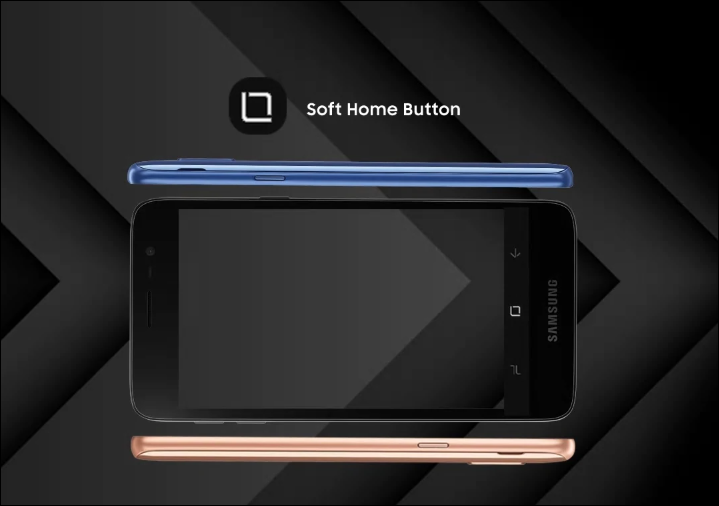
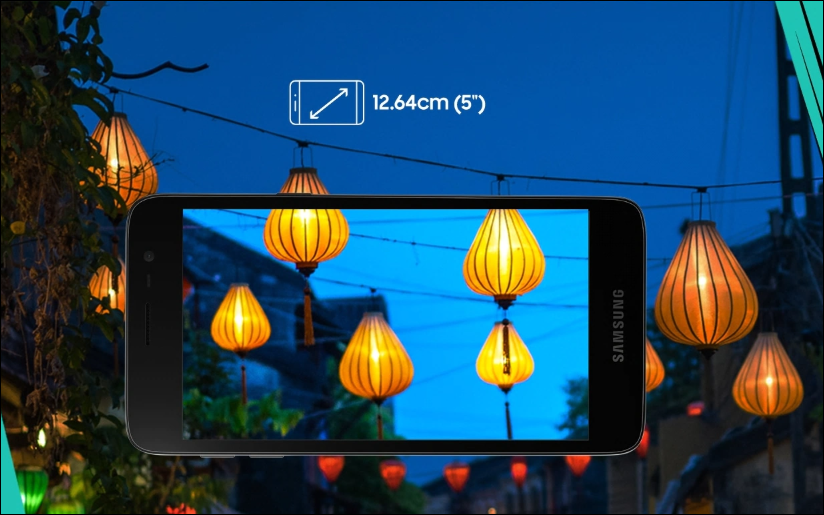
Samsung has officially unveiled a new entry-level smartphone in India. The model dubbed Samsung Galaxy J2 Core (2020) takes over the rein from the Galaxy J2 Core from 2018. Despite the two years gap between both launches, the new Galaxy J2 Core (2020) doesn’t really have so many improvements in the hardware and specs. The major improvement is in the storage as this model doubles up on the storage size of the earlier version. Here’s a look at the design and specifications.
The Galaxy J2 Core (2020) presents with a 5-inch PLS TFT LCD display with a resolution of 540 x 960 pixels. The display retains the 16:9 aspect ratio and has large bezels at the top and bottom edges. We expect the display to retain the Gorilla Glass protection on the 2018 model.
The smartphone is powered by Exynos 7570 Quad-core processor clocked at 1.4GHz. The chipset is a 14nm chip with four Cortex-A53 cores and a Mali-T720 GPU. The processor pairs with 1GB of RAM while there is 16GB of internal storage onboard. The storage can be expanded up to 256GB via a microSD slot.
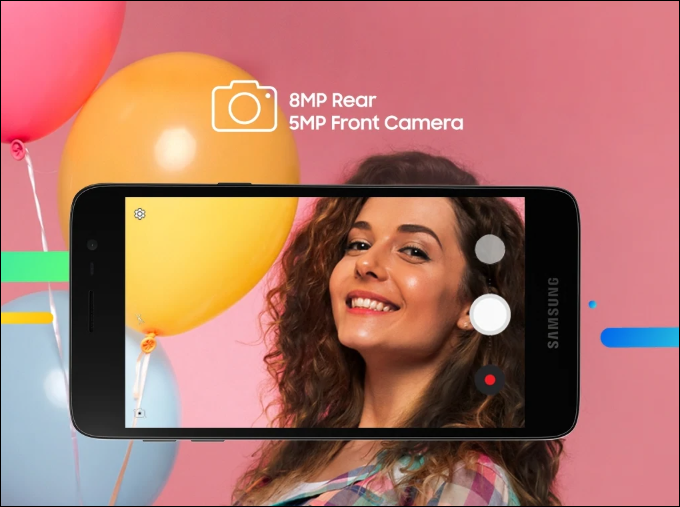
For photography, the Galaxy J2 (2020) packs a single 8-megapixel camera at the rear. The rear camera supports autofocus and can record 1080p videos at 30fps. For selfies, there is a 5-megapixel front camera just by the front speaker.
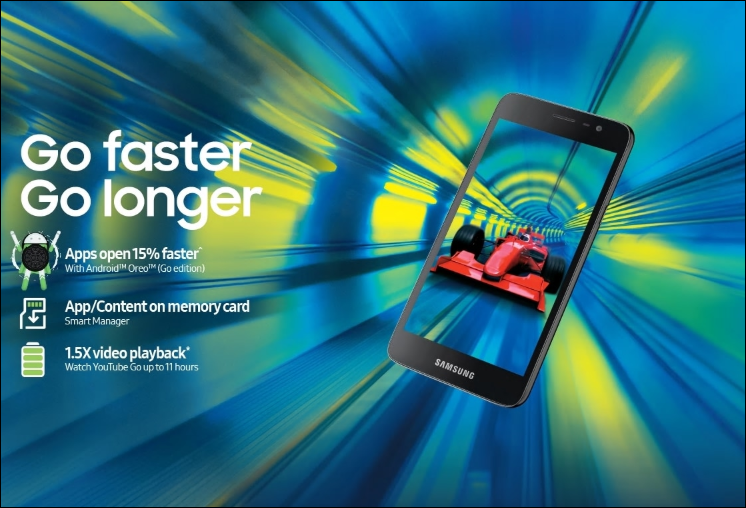
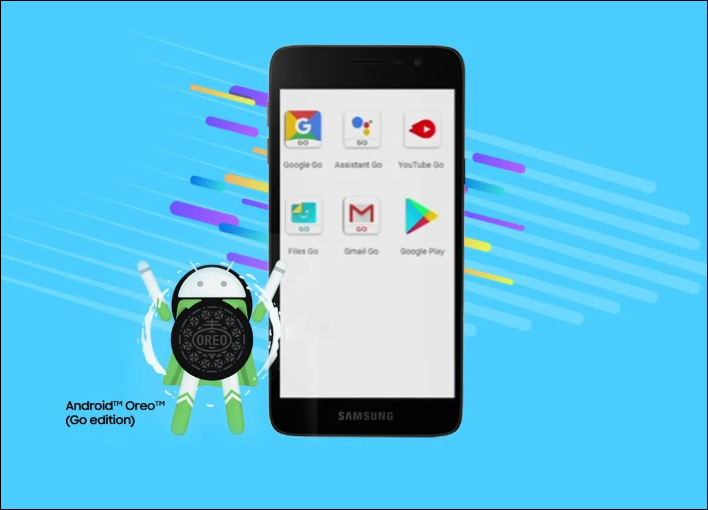
One important aspect of this entry-level phone is that it runs Android Go Edition even though it still runs Android 8.0 Oreo. The OS and apps are optimised to run on low-end hardware, in this case, a 1GB RAM phone. Android Go also comes with a Smart Manager which gives users the option to move apps and contents to the microSD card.
Keeping the lights up is a removable 2,600mAh battery which can last up to 14 hours when browsing the web over LTE and even longer over Wi-Fi (2.4GHz). You get two SIM slots and a dedicated SD card slot.
As for the pricing, the Samsung Galaxy J2 Core (2020) is priced at RS. 6299 (around $82). It’s available in Gold, Blue and Black.
Earlier today, Xiaomi officially revealed MIUI 12 and the eligible devices have just started receiving closed beta updates in China. The stable release for the first batch of devices is only expected by the end of June. However, the company has already started working on MIUI 13, the successor to the now-announced latest iteration of the firm’s mobile operating system.
The details about MIUI 13 comes directly from Xiaomi and is not a rumour of any sorts. MIUI User Research Team shared a post on Mi Community China soon after the MIUI 12 launch event. The post urges interested users to participate in a Feature Design Survey for MIUI 13.
The Chinese smartphone maker is yet to roll out stable MIUI 12 updates to its devices but it has already begun to work on MIUI 13, which will most probably release next year. This move by Xiaomi clearly echoes out a popular quote: ‘Dedication has no limitation’.
The MIUI head kicked off his presentation by saying ‘software is the soul of mobile phones, and it is more important that hardware to some extent’. This clearly spells out how committed Xiaomi is towards its mobile operating system. In fact, without MIUI, there would not be a Xiaomi now.
Having said that, the company is yet to announce the global launch event for MIUI 12. Xiaomi does have an online event scheduled for April 30 but it is for the launch of Redmi Note 9 series in Europe.
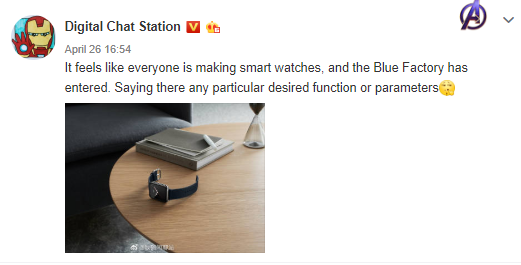
In the past couple of months, more Chinese smartphone manufacturers have announced their own smartwatches. Xiaomi already has two in form of the Mi Watch and Xiaomi Watch COLOR, both of which launched in the last quarter of 2019. OPPO followed suit last month with its OPPO Watch. Realme has also confirmed its smartwatch is coming and it has now been reported that Vivo is already developing its own smartwatch.
According to Digital Chat Station, the Chinese leaker on Weibo, Vivo has already begun the development of its first smartwatch. Sadly, there are no details on the features of the watch or its design. Nevertheless, more details should surface soon.
Based on the above info, we expect the smartwatch to launch this year. We do hope it is not another Apple Watch clone and that Vivo adopts a unique design language. As usual, expect the smartwatch to launch first in China before anywhere else.
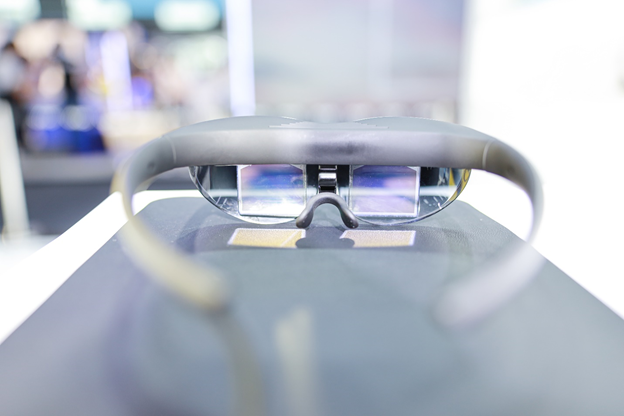
Vivo’s AR Glasses
Other non-smartphone products Vivo is planning include AR Glasses and smart headphones. It actually showed a prototype of its AR Glasses at an event last year but has not said anything about availability.
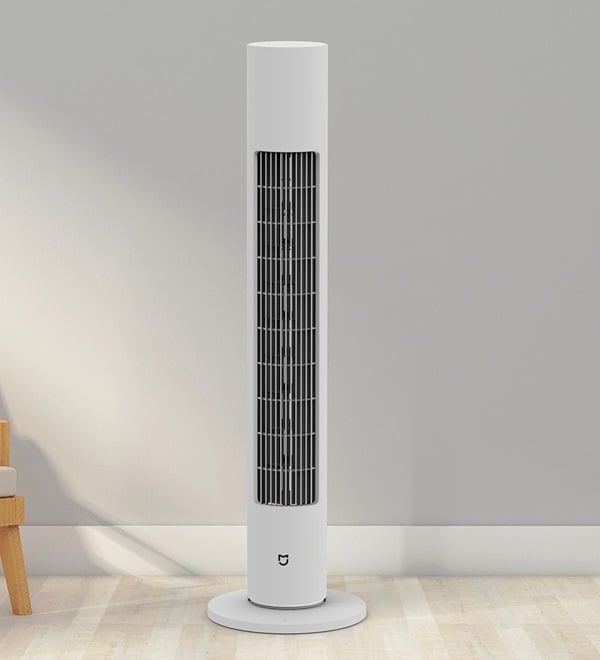
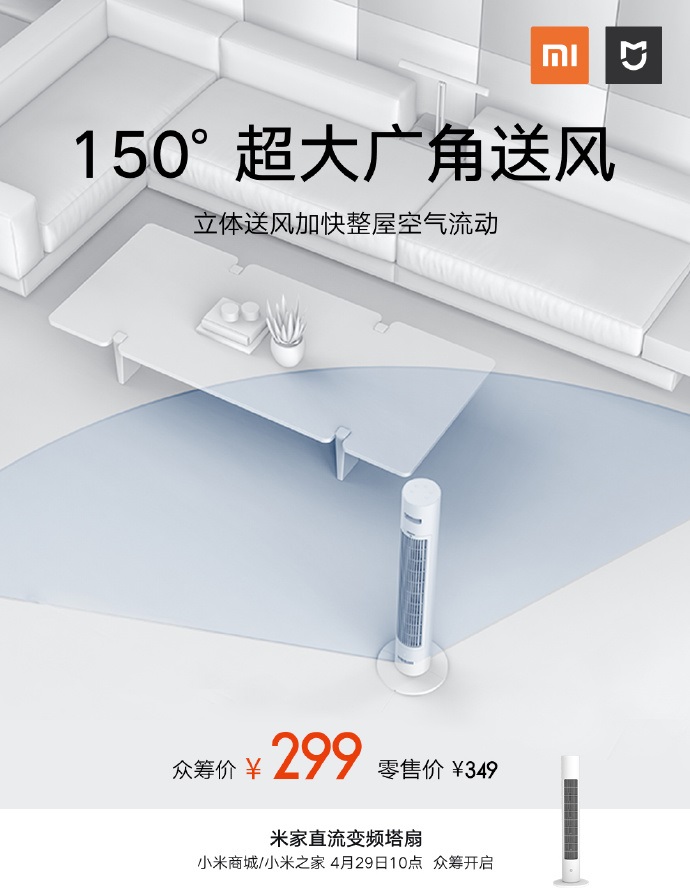
Xiaomi has today officially unveiled the MIJIA DC Inverter Tower Fan under crowdfunding. The product will retail for 349 yuan ($49) but during the crowdfunding period, it is available for 299 yuan ($42). The crowdfunding exercise will commence on April 29.
The MIJIA DC Inverter Tower Fan uses high-performance DC brushless fans with a maximum air output of up to 541m³ / h. The fan uses a cylindrical tower design with a round base. It has a 6.9mm fine outlet design and is also equipped with a 150° ultra-wide-angle air supply and super-large air outlets.
In addition, the Mijia tower fan uses a frequency conversion induction motor which runs smoothly and quietly, with noise as low as 34.6dB. The fan uses less power, as low as 3.5W. The maximum fan speed operation requires only 1.1 kWh for 6 days of operation assuming it was used for 8 hours daily
Furthermore, the fan supports AI voice control and can be turned on in one sentence
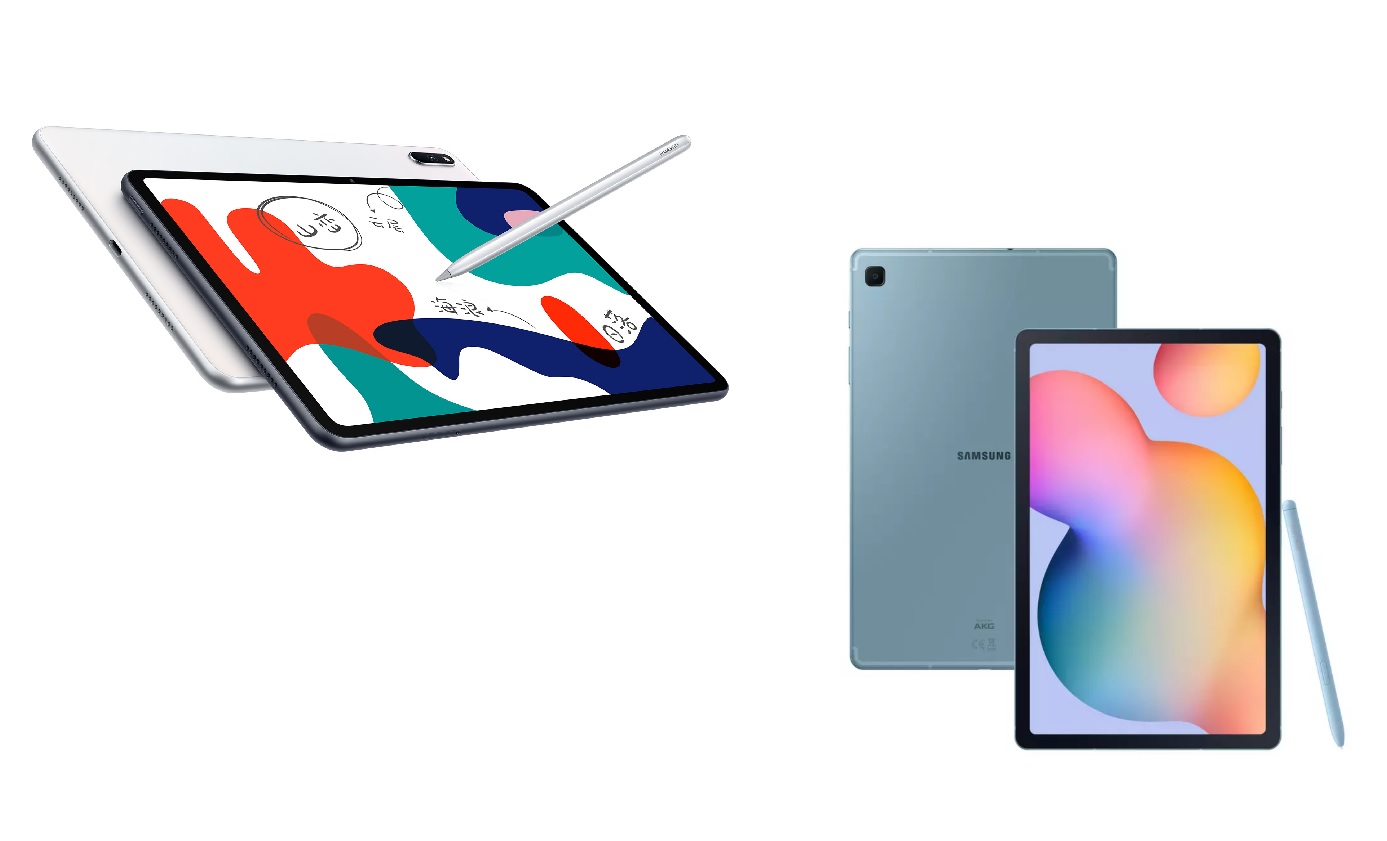
Last week, Huawei announced a new tablet simply called the MatePad which is actually a less-powerful version of its MatePad Pro flagship tablet. The MatePad is targeted at students and packs some pretty interesting specifications.
Huawei isn’t the only manufacturer that has announced a lite version of its flagship tablet. About a fortnight ago, Samsung announced the Galaxy Tab S6 Lite which is a cheaper version of its flagship tablet – the Galaxy Tab S6.
This post will compare the two new tablets which actually have more similarities than differences.
Design
Samsung and Huawei have gone with slightly different designs but the same materials. So you get a glass-covered display, an aluminum frame, and an aluminum back on both devices.
The two tablets have moderately-sized bezels, though not the slimmest we have seen. On the back, Huawei has adopted a pill-shaped camera housing for the MatePad while Samsung settled for a square-camera housing.
With respect to dimensions, the Galaxy Tab S6 Lite and Huawei MatePad are not too far apart. Samsung’s tablet measures 244.5 x 154.3 x 7 mm while the MatePad measures 245.2 x 155 x 7.4 mm. The Galaxy Tab S6 is slightly smaller and thinner but surprisingly weighs more at 467 grams compared to the MatePad that weighs 450 grams.
Display
The two tablets both have 10.4-inch displays with the same 1200 x 2000 resolution. Both are also LCD panels, so there isn’t a difference in quality.
Performance
The Huawei MatePad is powered by a Kirin 810 processor while the Galaxy Tab S6 Lite is powered by the Exynos 9611 processor. When it comes to performance, the Kirin 810 is the superior chipset. It has 2x Cortex-A76 cores and 6x Cortex-A55 cores compared to the Exynos 9611 that has 4x Cortex-A73 cores and 4x Cortex-A53 cores.
Based on the above, apps and games should launch and load faster on the MatePad. You should also have a better multi-tasking experience on Huawei’s tablet.
The MatePad is available in 4GB RAM and 6GB RAM variants with 64GB and 128GB of storage respectively. Samsung’s own tablet is available in a single 4GB RAM variant but you can choose between 64GB or 128GB of storage. The two tablets support storage expansion. Huawei’s tablet will allow you to add up to an extra 512GB while the Galaxy Tab S6 Lite doubles it to 1TB (US Site says 512GB).
Cameras
Another area where the two tablets are identical is the camera, the rear camera to be specific. Both have an 8MP camera but Huawei adds an LED flash to its setup which Samsung skips.
For selfies and video calls, Huawei goes with an 8MP sensor again but Samsung settles for a 5MP camera.
There is no camera comparison available yet, so we can’t say which tablet takes better pictures.
Battery and Fast Charging
Huawei ships the MatePad with a 7250mAh battery capacity with support for 18W fast charging (fully charged in 2.8 hours) and boasts it will provide up to 12 hours of video playback.
The Galaxy Tab S6 Lite has a smaller 7040mAh battery with support for 15W fast charging and claims it will last up to 13 hours on a single charge for video playback.
Other features
Both tablets have an active stylus – M-Pencil for the MatePad and S-Pen for the Galaxy Tab S6 Lite. However, Huawei doesn’t include the stylus in the box, so you have to buy that separately.
Another area where Samsung’s tablet wins is the addition of an audio jack. We are quite surprised why Huawei decided to skip it on a mid-range tablet. Huawei compensates for the lack of an audio jack by adding four speakers (Tuned by Harman Kardon) as against the two speakers (Tuned by AKG) on the Galaxy Tab S6 Lite. The MatePad also ships with a Type-C to 3.5mm audio cable in the box.
Both tablets come in LTE and Wi-Fi-only variants. However, Samsung opts for e-SIM connectivity for its own LTE version according to the official UK page.
The two tablets also ship with Android 10 out of the box with EMUI 10.1 on the MatePad and One UI 2 on the Galaxy Tab S6 Lite.
Price
Huawei’s MatePad sells for ¥1899 (~$269) for the 4+64GB Wi-Fi-only version compared to the Galaxy Tab S6 Lite’s $350/£349 price for the same configuration. However, if you throw in the price of the M-Pencil stylus which is ¥499 (~$70), the price tag almost levels up.
The 6+128GB Wi-Fi-only MatePad is ¥2199 (~$311) while the Galaxy Tab S6 Lite with the same configuration is $420.
If you want the LTE version of the MatePad with 6GB RAM and 128GB of storage, the price is ¥2499 (~$353). Samsung is selling the 64GB LTE version for £399 in the UK along with a free Book Cover (worth £59.99) for those who pre-order (Wi-Fi versions are eligible too). There is no info on the price of the 128GB version of the Galaxy Tab S6 Lite.
Conclusion
Both tablets are aimed at students as an affordable version of their more-powerful siblings which are targeted at professionals. However, they each have their strengths and weaknesses.
While the MatePad is definitely the better tablet in terms of performance and even price, its lack of Google Apps will not make it the first choice for several buyers outside China.
The Galaxy Tab S6 Lite has the advantage with support for Google Apps and Services, though it comes with an average chipset. It also has the S Pen included, and if you were to pre-order, you’d get a free case too.
If you do not mind the weak processor of the Galaxy Tab S6 Lite, it is the better buy. However, if you do not need the S Pen, the Galaxy Tab S5e which now sells for less ($330 on Best Buy) is a better alternative.
The Galaxy Tab S5e has a more powerful chipset, an OLED screen, better cameras, quad speakers, a fingerprint scanner, and faster charging (18W). It is also pretty thin at just 5.5mm but lacks an audio jack.
Power banks come in handy for recharging mobile phones on the go. Smartphone users often find themselves lower on the battery than they would like, which is exactly why buying a decent power bank is important.
A power bank enables you to top up without requiring you to go near a plug socket, making it a sensible investment. If you are carrying a power bank in your bag while traveling, you do not need to worry about potential battery emergencies for your mobile devices such as phones, tablets, smartwatches, Nintendo Switch, and more.
The market is teeming with massive power banks capable of recharging laptops. If you are in the market for a power bank that suits your fancy, you might want to check out our list of this year’s best power banks that keep your gadgets going.
iMuto 20,000mAh Power Bank
If you have restlessly been looking for a high capacity, yet easy-to-carry charger, the iMuto 20,000mAh portable charger might just fill the bill. It comes with a mammoth 20,000mAh capacity that can be used to charge an average smartphone more than four times, and still have enough juice left to another smaller device.
Unlike most chargers available on the market, the iMuto power banks show the exact remaining charge. A large number of currently available power banks indicate only a rough as far as remaining charge, meaning, you never know how much more you can charge your phone. Its highly appealing screen makes up for the large and ungainly frame.
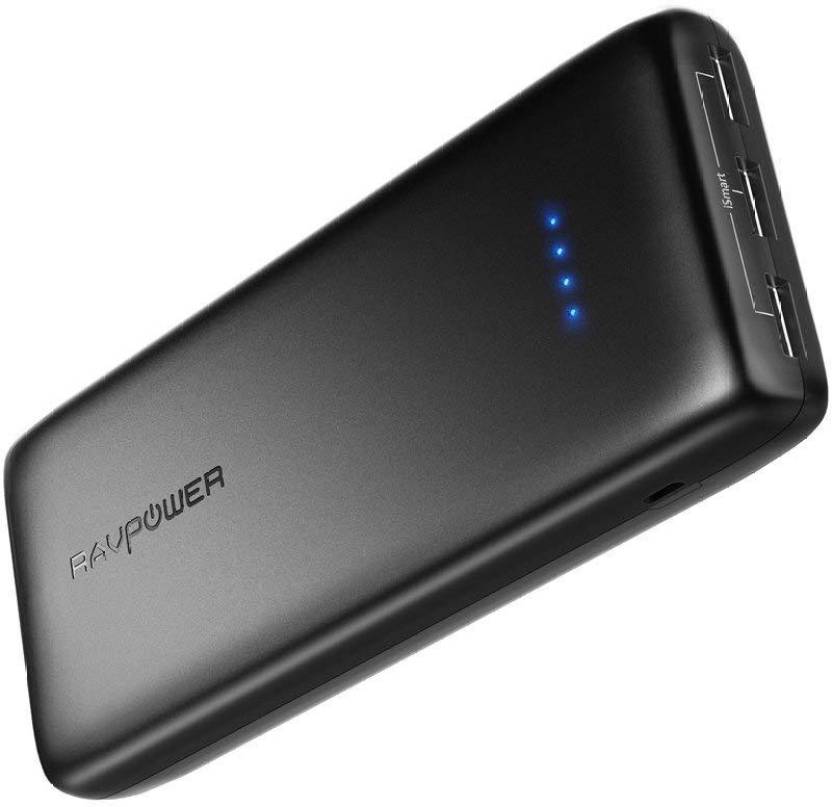
In terms of outward appearance, the RAVPower 20,000mAh power bank seems to look a lot like the rest of the alternatives available on the market. What makes it more useful than other charging banks is the fact that it offers a lot of capacity and can still fit inside your budget.
It features two ports, which allows you to charge two gadgets at the same time. It contains enough juice to charge up a mobile phone, as well as an iPad or a tablet from zero. Housed in a thinner and more streamlined body, the RAVPower 20,000mAh Power Bank fits inside your pocket.
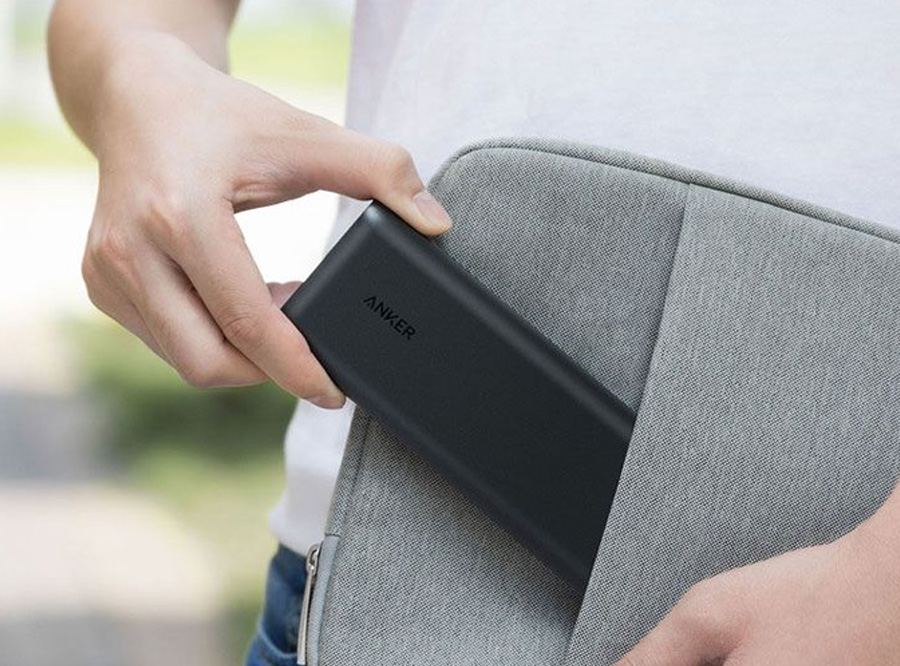
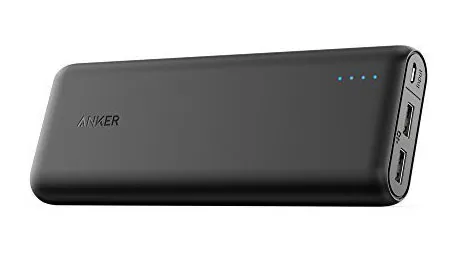
Anker is known for making the best portable chargers, and the Anker PowerCore 20,100 power bank is no exception. Backed by a mammoth 20,100mAh battery, this power bank can effortlessly charge your phone, tablet, and other devices several times before requiring a recharge.
In my opinion, it is a pretty snappy power bank to use. It not only can charge up quickly but can also power up your device instantaneously. It did heat up when I charged it more than the rest of the devices on the list, but not to alarming degrees. It is also worth noting that the high-speed charging doesn’t support all devices and works specifically with devices that use PowerIQ or VoltageBoost. Even though it cannot adopt Qualcomm’s QuickCharge technology, the power bank can still boost your device on the go.
The battery charger has two ports, meaning, you can charge your phone, as well as your tablet at the same time. Moreover, it has a light that shows the level of remaining battery charge. These are only standard features on a larger power bank; however, they are still useful for a lot of people.
The power bank sports a blocky design, making it less appealing to a lot of consumers. Nevertheless, it is portable and can be used to charge your mobile phones and a slew of other gadgets multiple times due to the high capacity cell inside.
The NOVOO Power Bank 22,500mAh comes with a socket that resembles the one you’d find on a wall, giving you the freedom to plug in any compatible device there. The powerful bank is ideal for scenarios when you do not want to charge Lightning, micro USB, or a USB-C device.On the downside, it is quite a big device. Moreover, most devices that you’d normally plug into the wall require more juice than just 22,500mAh. But with plugs and ports available for connection, the NOVOO Power Bank can still be touted as a malleable piece of tech.
Xiaomi announced MIUI 12 and Mi 10 Youth Edition earlier today. Closed beta registrations for the update is already live and the company will even start pushing OTA to selected users from today itself (April 27). Additionally, the firm also posted the MIUI 12 update schedule/timeline for its devices on Mi community China. Hence, let us go through it thoroughly in this post.
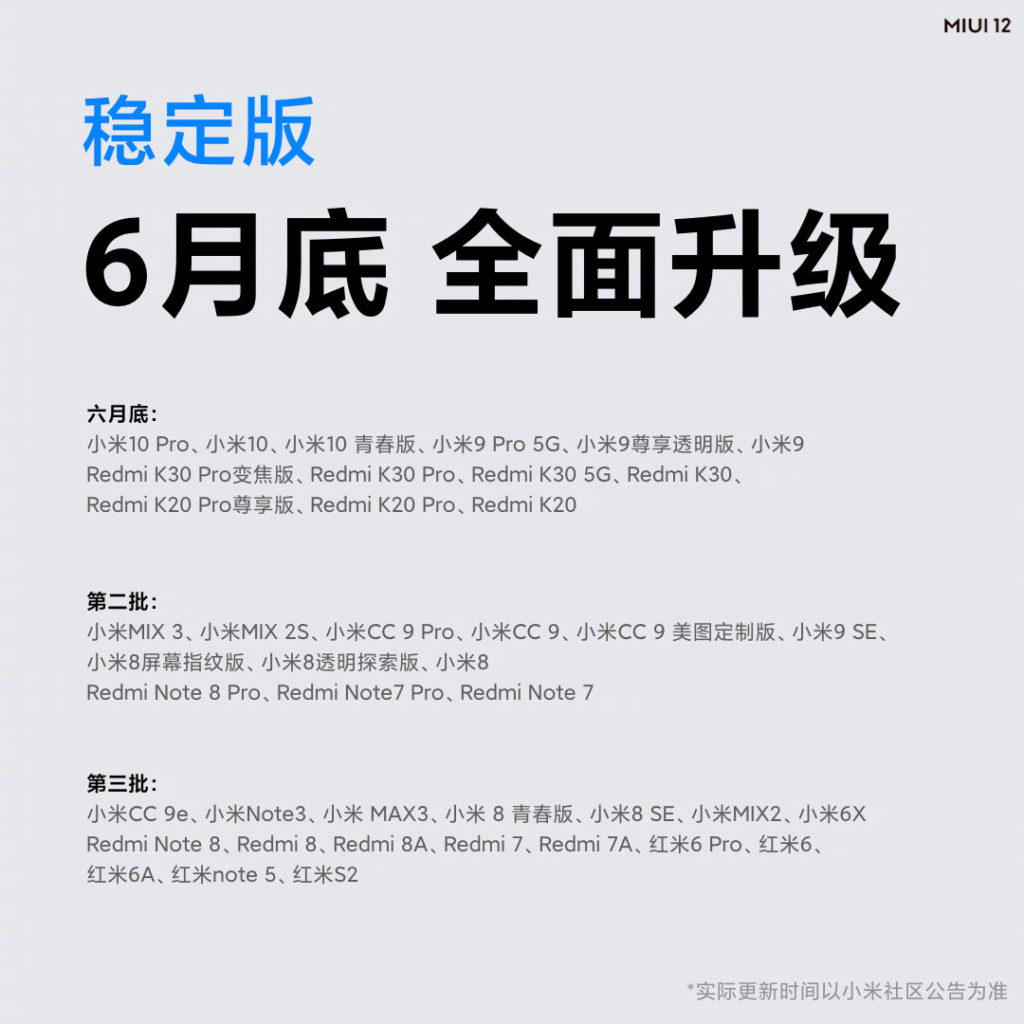
First and foremost, here’s the list of all the eligible Xiaomi and Redmi devices for MIUI 12 update. The company has divided them into three batches with the first set of stable updates scheduled for June 2020.
MIUI 12 Eligible / Supported Devices
First Batch
Xiaomi Mi 10
Xiaomi Mi 10 Pro
Xiaomi Mi 10 Youth Edition
Xiaomi Mi 9 Pro 5G
Xiaomi Mi 9 Explorer Edition
Xiaomi Mi 9
Redmi K30 Pro Zoom Edition
Redmi K30 Pro
Redmi K30 5G
Redmi K30
Redmi K20 Pro Premium Edition
Redmi K20 Pro
Redmi K20
Second Batch
Xiaomi Mi Mix 3
Xiaomi Mi Mix 2S
Xiaomi Mi CC9 Pro
Xiaomi Mi CC9
Xiaomi Mi CC9 Meitu Edition
Xiaomi Mi 9 SE
Xiaomi Mi 8 Screen Fingerprint Edition
Xiaomi Mi 8 Explorer Edition
Xiaomi Mi 8
Redmi Note 8 Pro
Redmi Note 7 Pro
Redmi Note 7
Third Batch
Xiaomi Mi CC9e
Xiaomi Mi Note 3
Xiaomi Mi Max 3
Xiaomi Mi 8 Youth Edition
Xiaomi Mi 8 SE
Xiaomi Mi Mix 2
Xiaomi Mi 6X
Redmi Note 8
Redmi 8
Redmi 8A
Redmi 7
Redmi 7A
Redmi 6 Pro
Redmi 6
Redmi 6A
Redmi Note 5
Redmi S2
Nitpicks About Missing Devices for MIUI 12 Update
At first glance, it is easy to miss but when you check the list again, you get to know a number of devices are missing. That is because this list is limited to China. We expect Xiaomi to add more devices in the MIUI 12 eligible list at the global launch.
Additionally, none of the Mi Pads is listed for the update. This is strange as the company’s tablets are currently only available in its home market but still, they are not included in the list above.
Xiaomi has no plans for giving up on tablets as a new product going by the name of Redmi Pad 5G was recently leaked via poster. Maybe, tablets from the company will get a forked version of MIUI 12 similar to iPadOS or they will be added to the list later.
Further, Mi 6 is also not listed but the cheaper offering Mi 6X makes the list. As per the Mi Community post, the former flagship smartphone will be indeed receiving MIUI 12, however, only beta builds for now. The company is yet to decide on providing a stable final build and therefore it is not on the list.
Now, as we are done with the devices supported for MIUI 12 update, let us take a look at the update schedule/timeline provided by the company.
MIUI 12 Update Schedule / Timeline
According to the latest post on Mi Community as of launch day, Xiaomi has revealed the MIUI 12 stable update schedule/timeline as mentioned below. We will update it every time the company makes any changes.
First Batch – Late June 2020
Second Batch – Yet to be declared
Third Batch – Yet to be declared
As mentioned earlier closed beta builds will be released from April 27, which will be followed by open beta builds from May 8.
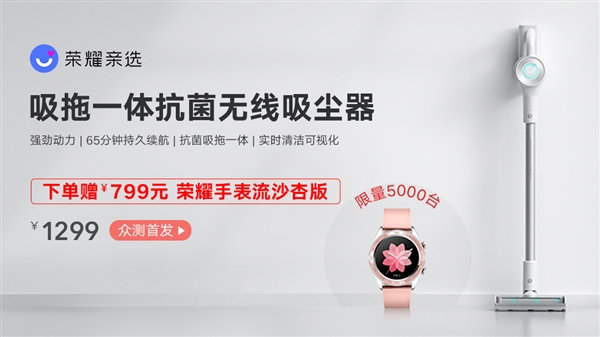
Honor, the Huawei subsidiary, has officially started the crowdfunding of its first wireless antibacterial vacuum cleaner. It is currently available on Huawei Mall and is priced at 1,299 Yuan (roughly 183 US Dollars).
Honor’s first vacuum cleaner is a wireless home appliance with anti-bacterial cleaning and 100,000rpm brushless motor. The motor has a TDP of 125W, allowing it to have strong suction reaching 24KPa. The gadget features a ten cone air duct optimization technology which basically enables manufacturers to integrate multiple filters to separate dust and air. This also prevents dust particles from clogging up on the inside, giving it longer durability with longer maintenance cycles.
The Honor vacuum cleaner also has a sterilization system, including the ion antibacterial air duct, silver io antibacterial roller brush, ion antibacterial water tank, and even an antibacterial rear filter. With these many prevention methods in its mechanism, the device can achieve up to 99.99 percent sterilization rates during its regular operations.
Arriving at the design, the Honor vacuum cleaner is made from lightweight durable materials and weighs in at just 1.65 kilograms. It can be used for up to 65 minutes on a single full charge. It follows a minimal aesthetics and is also shaped like a mop, which is another feature it possesses as another method for cleaning and hygiene. Finally, it also features an electric mite removal brush to get rid of pests alongside other specialized brush heads for other purposes.
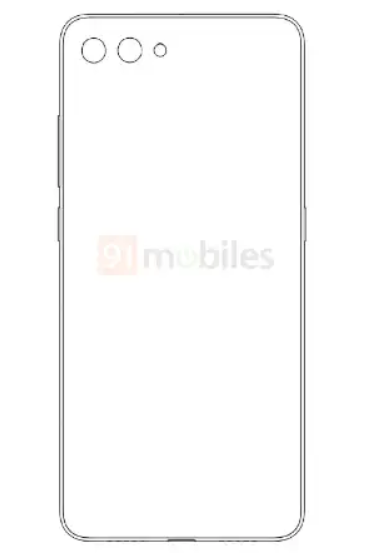
A unique Xiaomi smartphone has surfaced online through a new patent application from the company. The design was spotted on China’s National Intellectual Property Administration (CNIPA) and reveals a smartphone with a twisting camera, that acts as both the primary and selfie shooter.
Images Via 91Mobiles
Looking at the patent, it can be observed that the display panel of the Xiaomi smartphone comprises of two parts. This includes the bottom half is the larger portion, while the smaller half houses the camera module. The latter portion that has the camera module can be twisted, bringing the rear camera module to the front to act as a selfie shooter.
The smaller half sits on the top region of the smartphone and can be turned around. While we have seen examples of rotating cameras that make up both the front and rear cameras of a device, this is still a unique and new concept. The twisting mechanism occurs horizontally, meaning it rotates on its own axis and is joined by a hinge mechanism at the bottom.
This design may also be another form of attempt from Xiaomi to reduce bezels, although it remains unclear whether the process is automated or manual. The patent application could just be Xiaomi’s attempt to cover all bases since the viability of the technology is still uncertain. So, only time will tell if the Chinese tech giant actually plans on developing such a device.
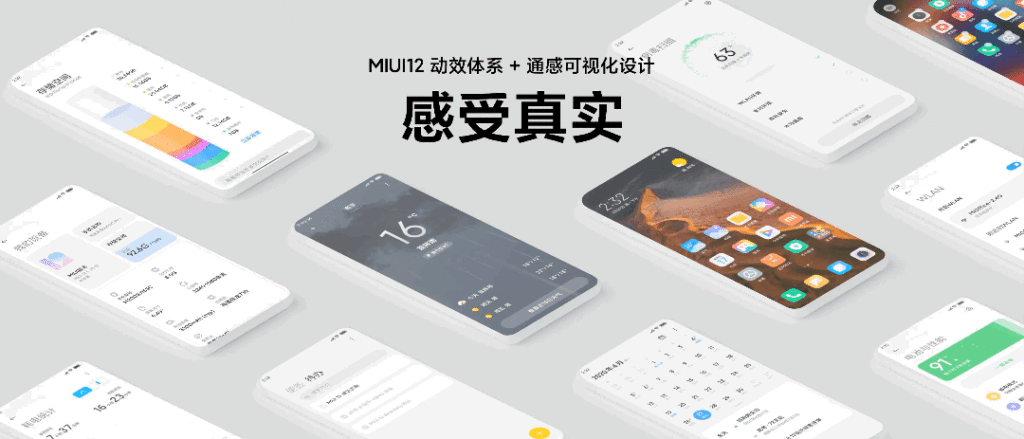
As expected, Xiaomi took wraps off MIUI 12 at an event in China where the company also launched Mi 10 Youth Edition. It marks the 10th anniversary of the company’s existence. With over 310 million monthly active users, the Chinese tech giant believes ‘software is the soul of mobile phones, and it is more important that hardware to some extent’. With that statement, let us have a look at what the latest version of Xiaomi’s operating system brings to the table as well as the complete list of supported / eligible devices.
MIUI 12 Logo
MIUI 12 Design
Design and animations are a core part of any UI. Thus, to perfect it on MIUI 12, Xiaomi has developed its own framework called ‘MIUI Light Cone Motion Effect Architecture’ (translated).
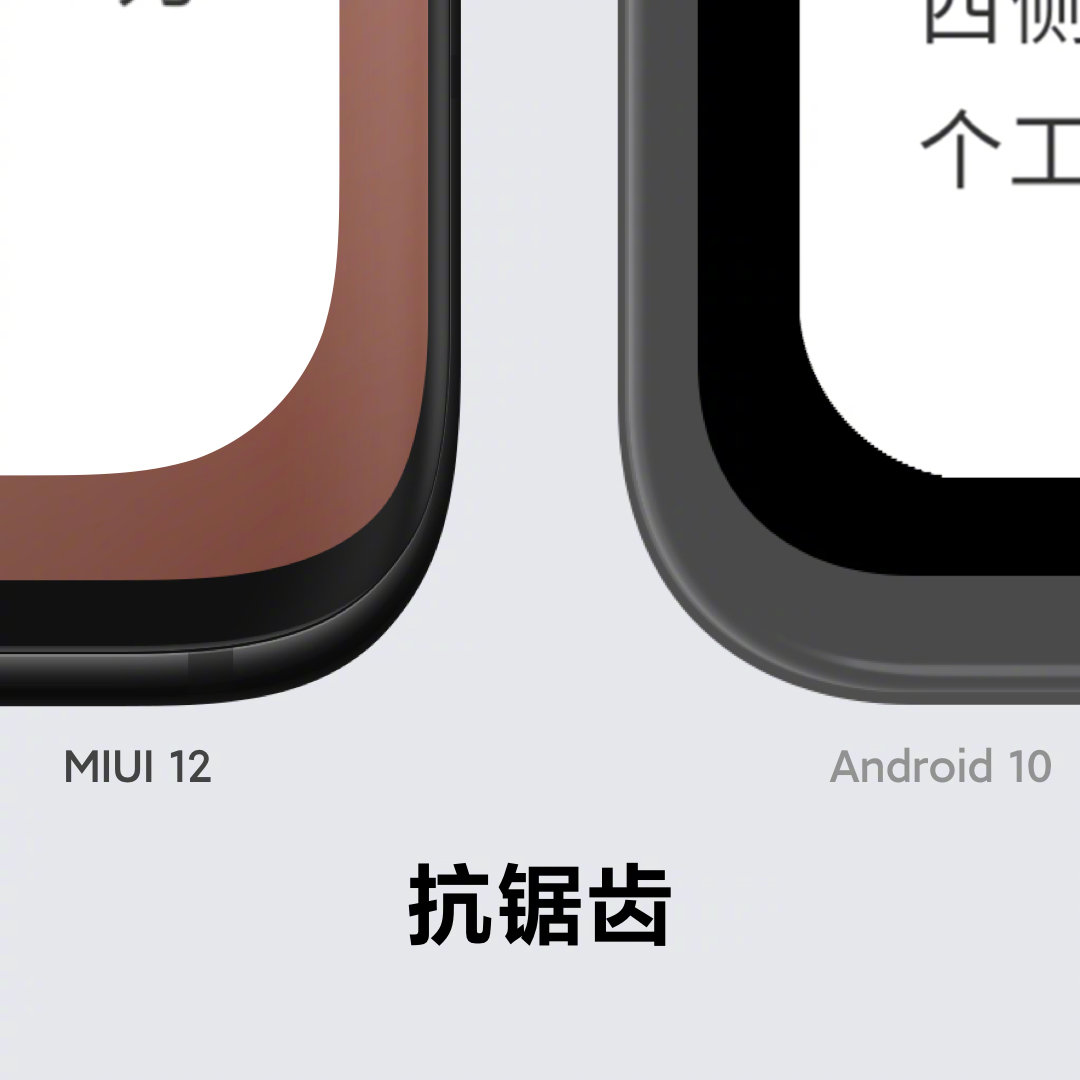
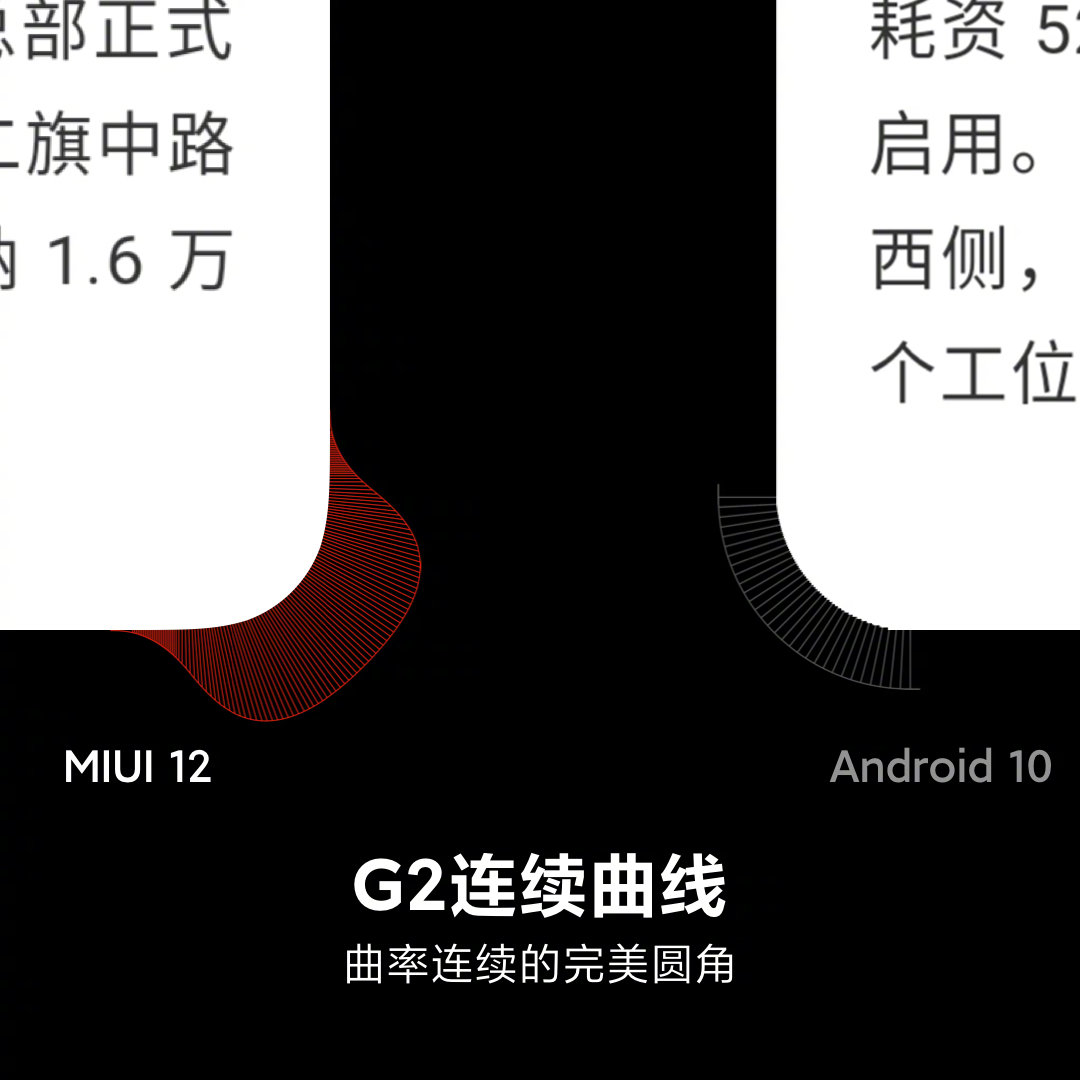
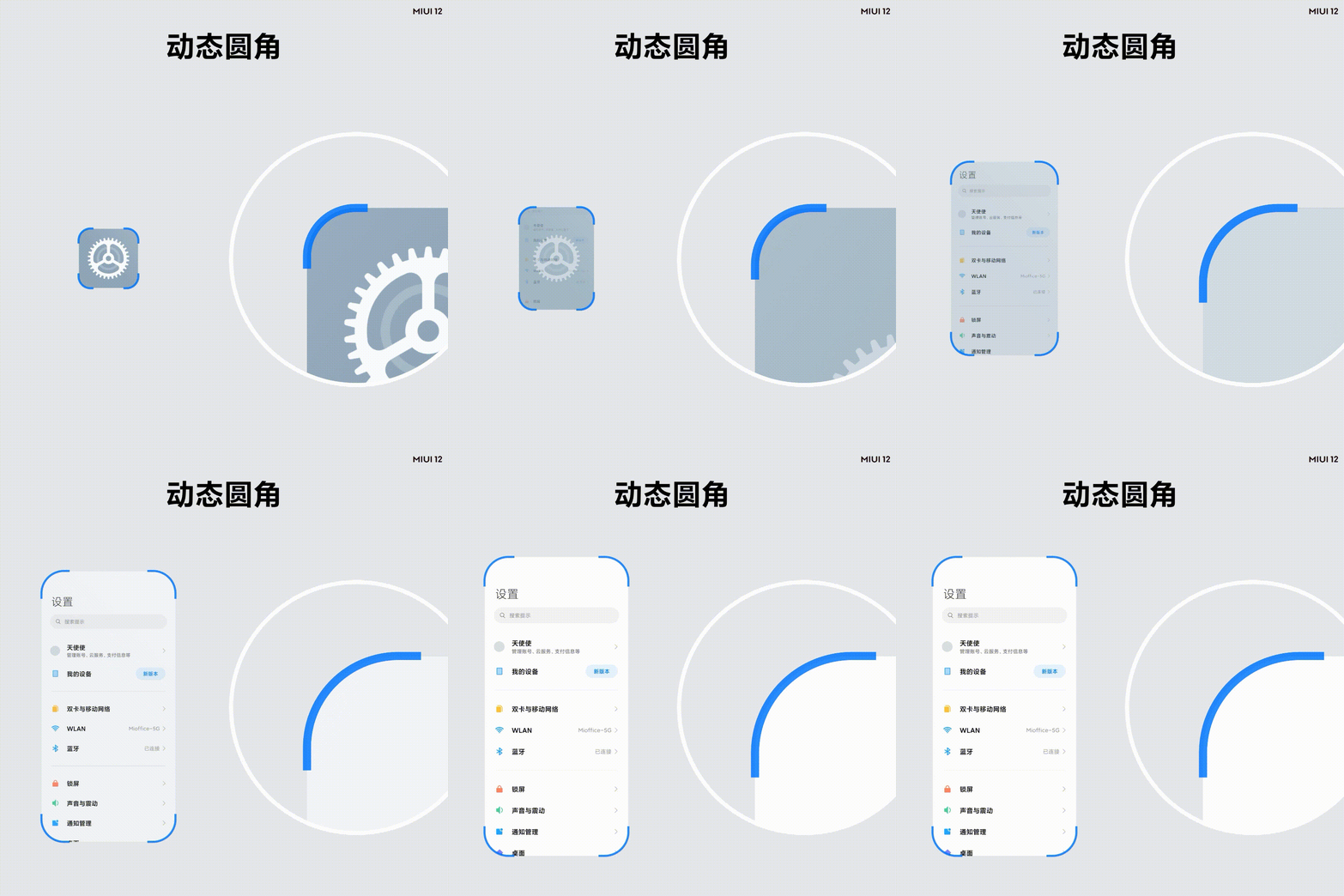
The ‘Rendering Engine’ of this framework enables real-world light and shadow, advanced interface color mixing, real-time blur, perfect anti-aliasing rounded corners, G2 curvature matching the phone’s display, curves, and dynamic rounded corners throughout the entire UI. The company even compared the uniformity of curves on MIUI 12 with stock Android 10 as you can see from the pictures.
1 of 3
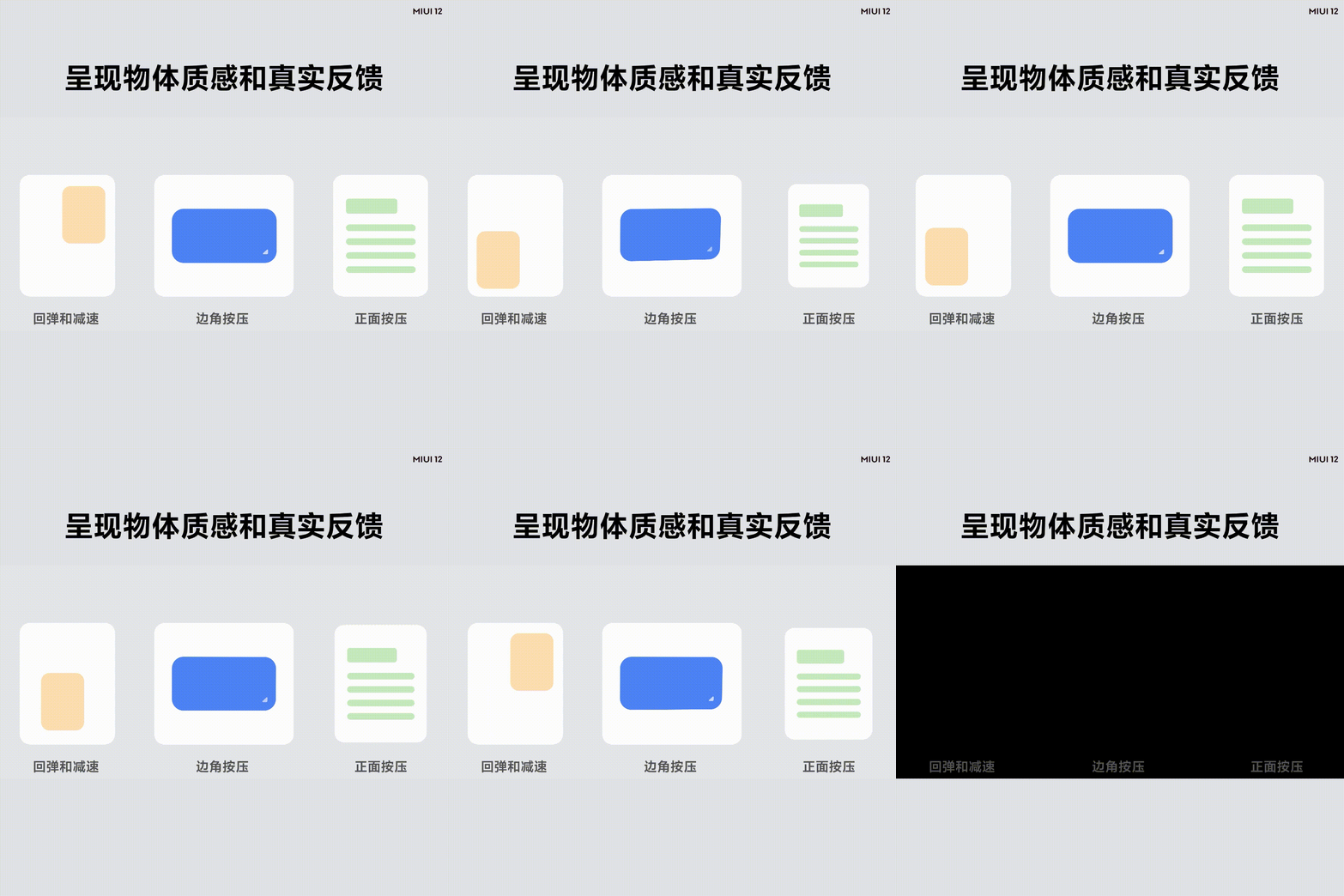
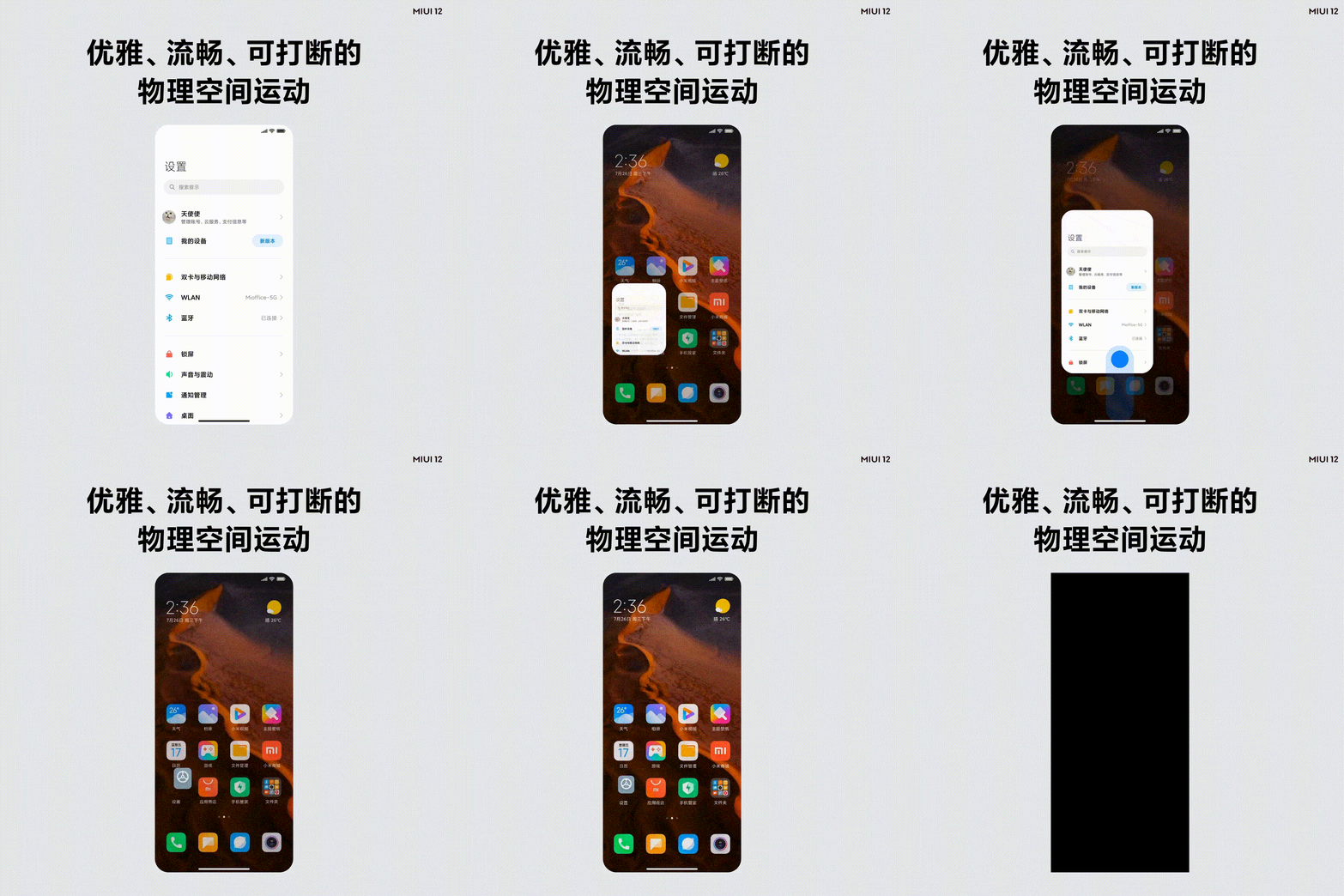
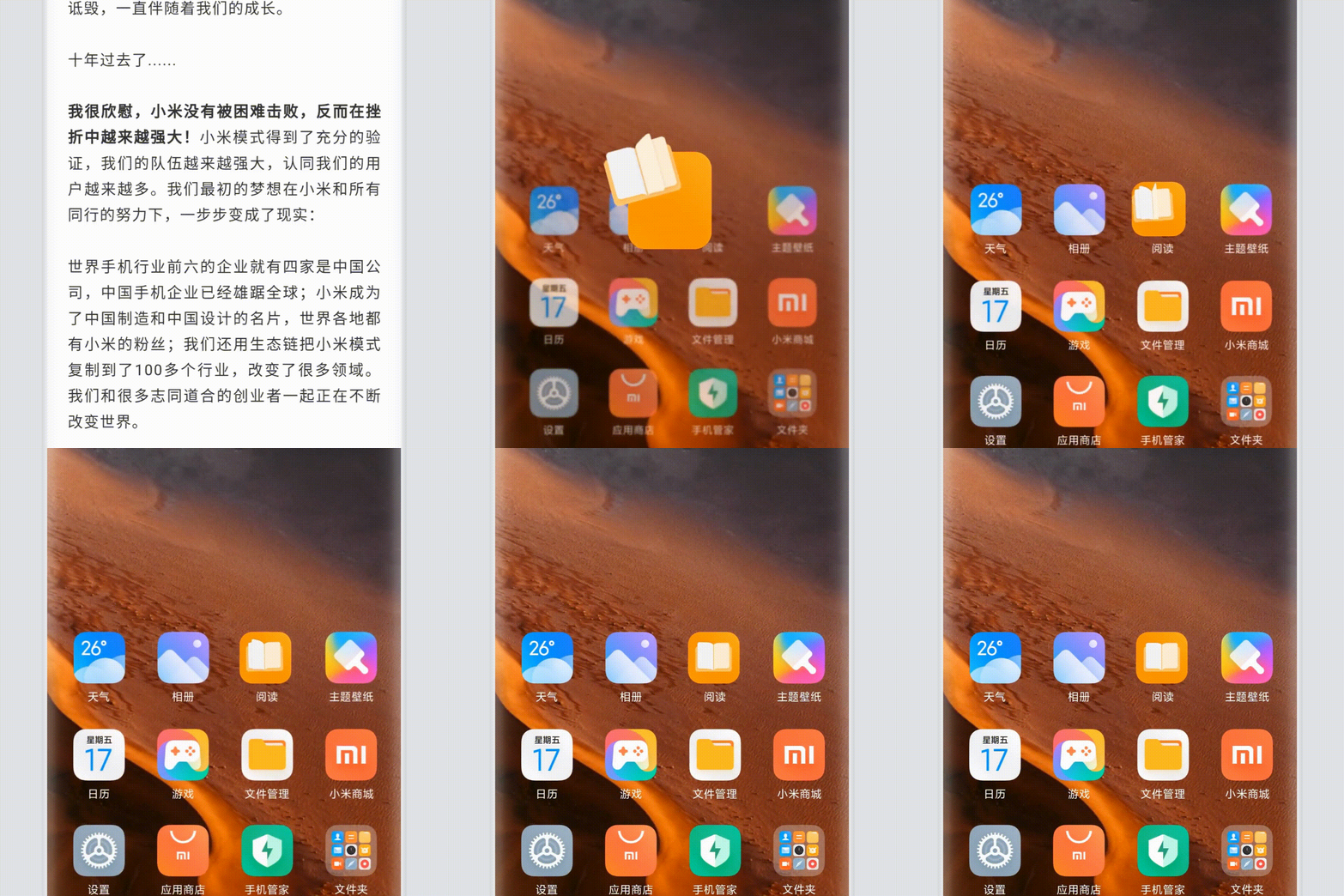
Further, the ‘Physical Engine’ is responsible for new improved system animations. The duration of animations will depend on users’ touch interaction. Opening and closing of apps will also affect the respective apps’ icons by stimulating a physical curve in three-dimensional space. Additionally, ‘Layered Dynamic Icons’ will generate real-time feedback based on the direction and speed of gestures. The animations are said to be vivid and smooth to offer a pleasing experience.
1 of 3
The new animation style helps in closing/opening of apps according to the pace of the user. One can close the app even half-way through opening it. Whereas, ‘Dynamic Form’ solves the ghosting/flashing issues that occur while rotating the device by smooth animations
Animations are ubiquitous in MIUI 12. It is applicable for the new revamped control center, battery app, file manager, Notes app, calendar app, while uninstalling apps, and more. The UI follows uniformed fonts and looks across the system, which is intuitive and the company calls it ‘Sensory Visual Design’. Last but not least, the MIUI 12 also brings Dark Mode 2.0 as announced last week.
MIUI 12 Super Wallpaper
1 of 4
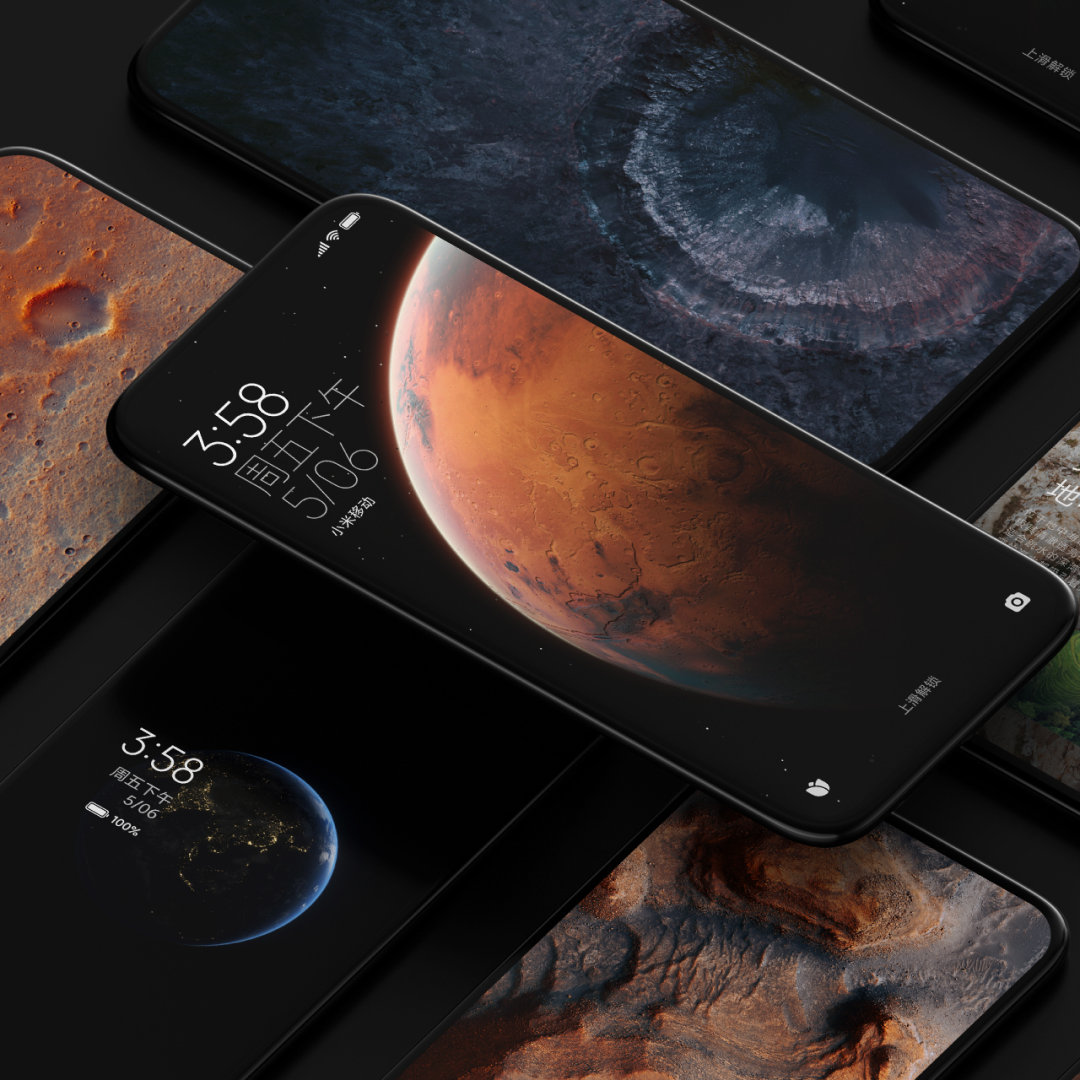
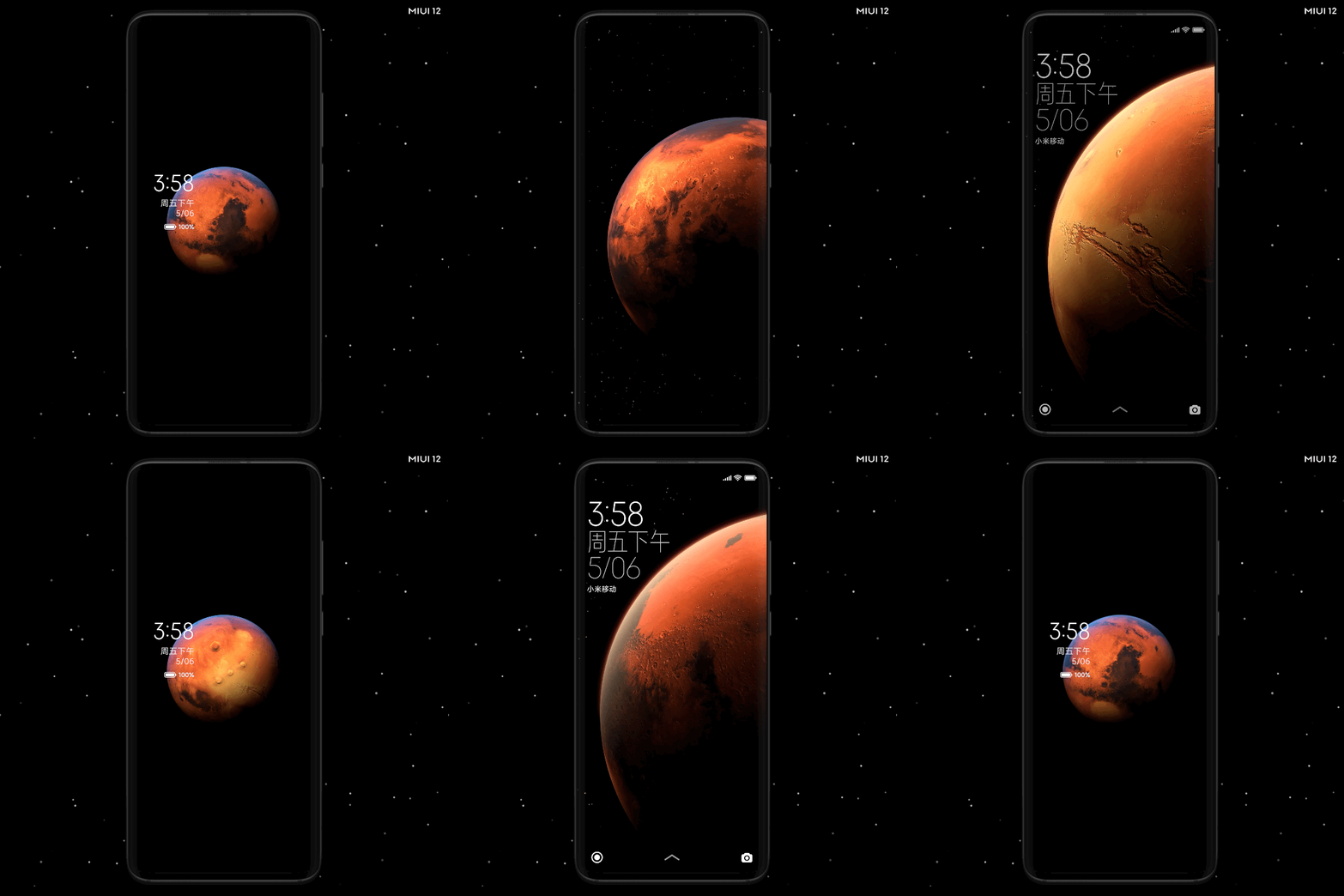
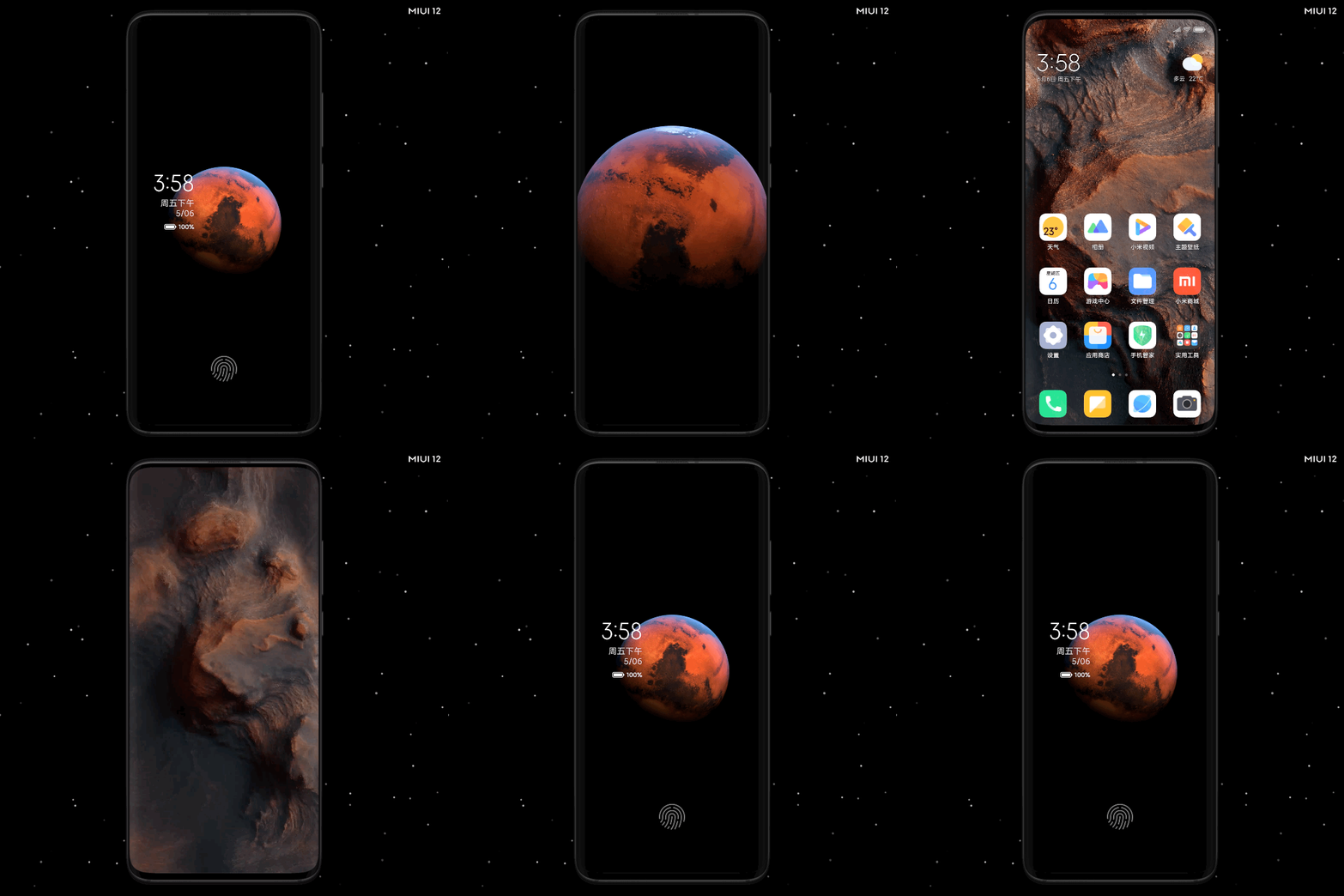
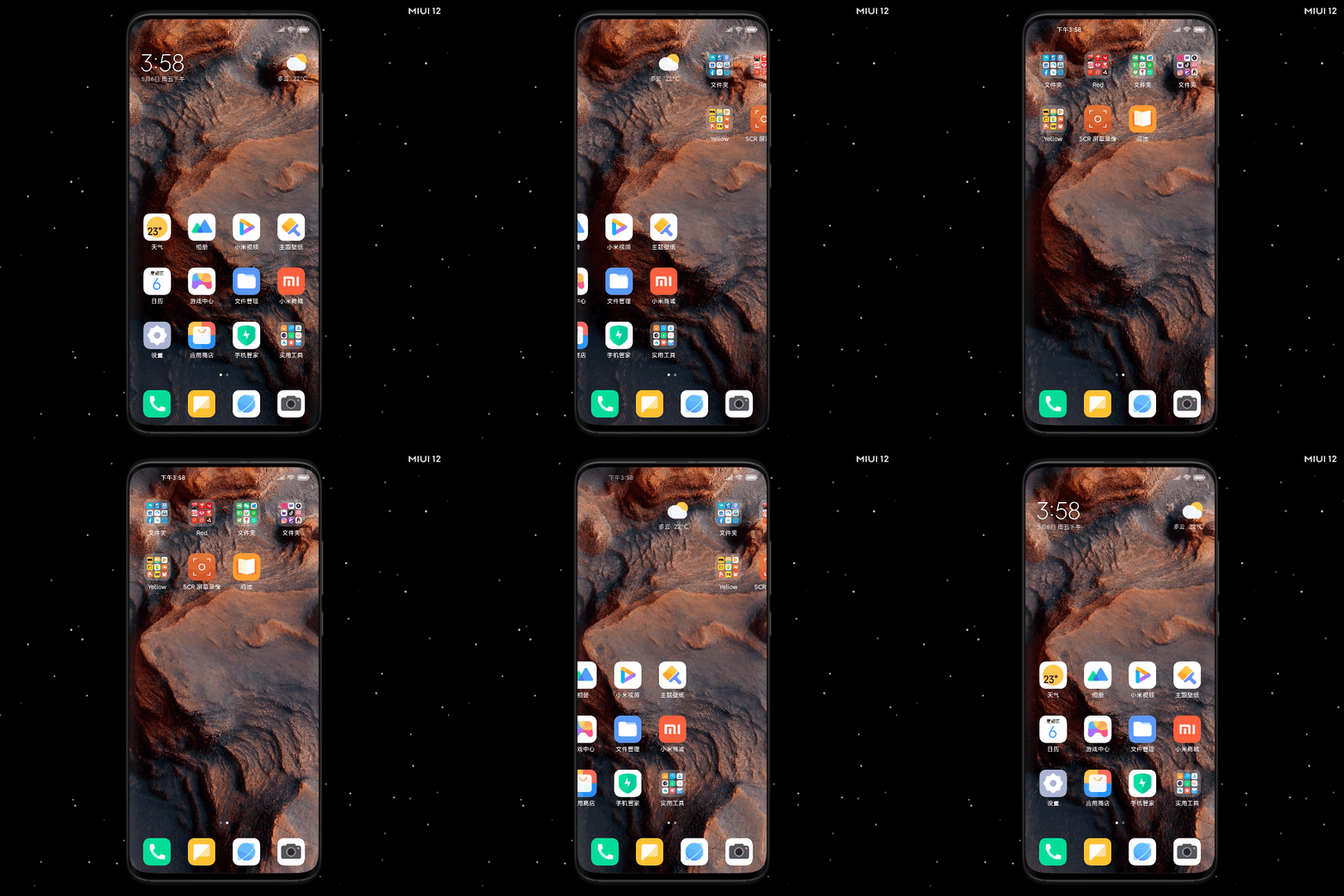
MIUI 12 also brings a new ‘Super Wallpaper’ option, which currently includes planets like Mars and Earth. Users can examine these two planets just like Google Earth and can even set any desired view of them as live wallpaper as well as animated AOD (Always-on Display) style.
MIUI 12 Privacy
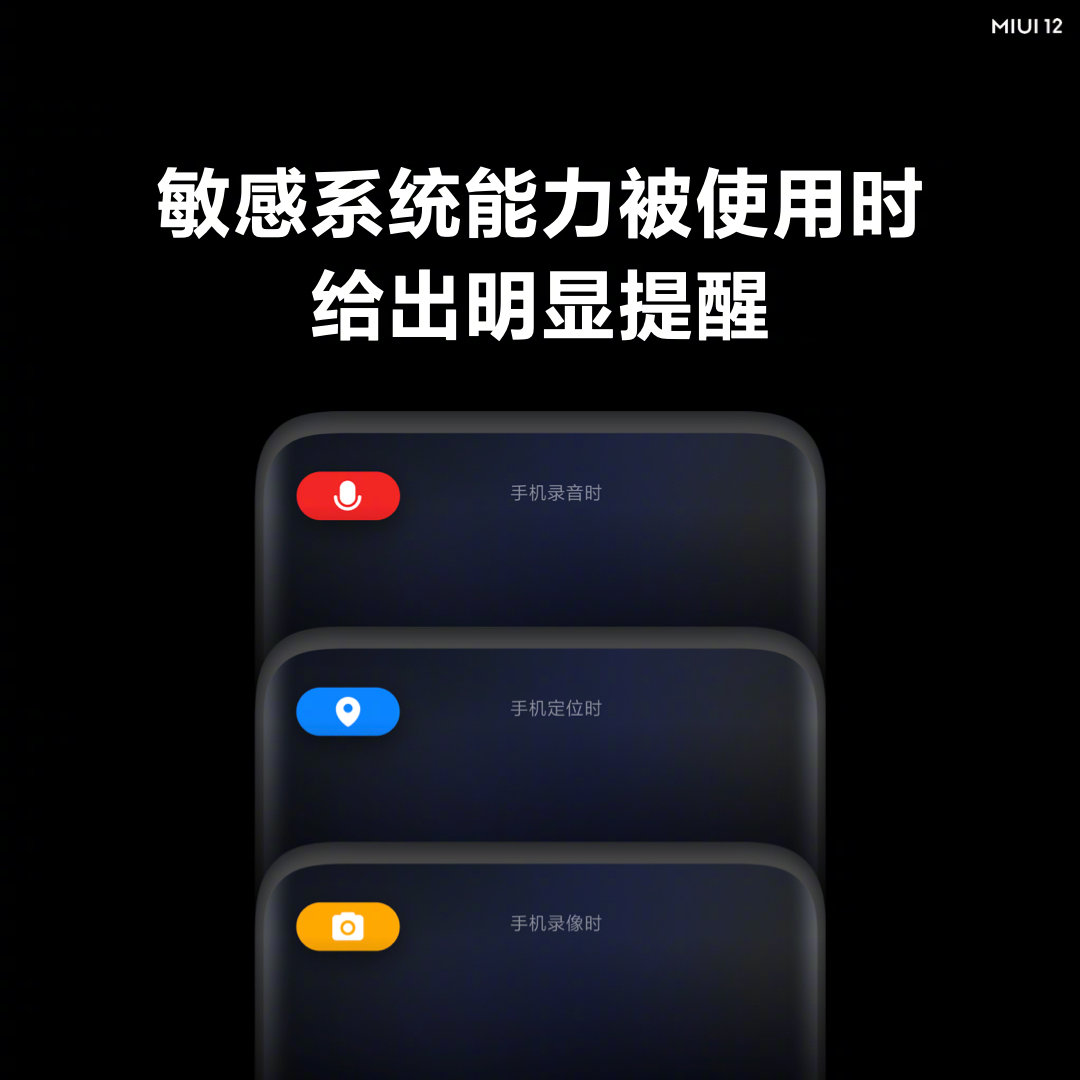
Last week, Xiaomi revealed new ‘Privacy’ branding for MIUI 12 and now at the launch, it has announced all the improvements. For the unware, Android 10 Developer Previews had a feature to notify when an app is accessing location, mic or camera. Xiaomi did not include it in MIUI 11 but in MIUI 12, it has tweaked this feature with prompts to deny or access permission in real-time when an app carries out such vicious activity. Furthermore, the system will also show phone usage history (like Google Activity) as well as permission requested by apps.
1 of 2
Xiaomi even included a feature similar to what Apple does with ‘Sign-in with Apple’ to provide blank data to the apps that request certain data in MIUI 12. The system only provides a virtual identity to apps and this identity can be changed at any time by the users. Hence, users don’t compromise their privacy by sharing their original info to unwanted apps.
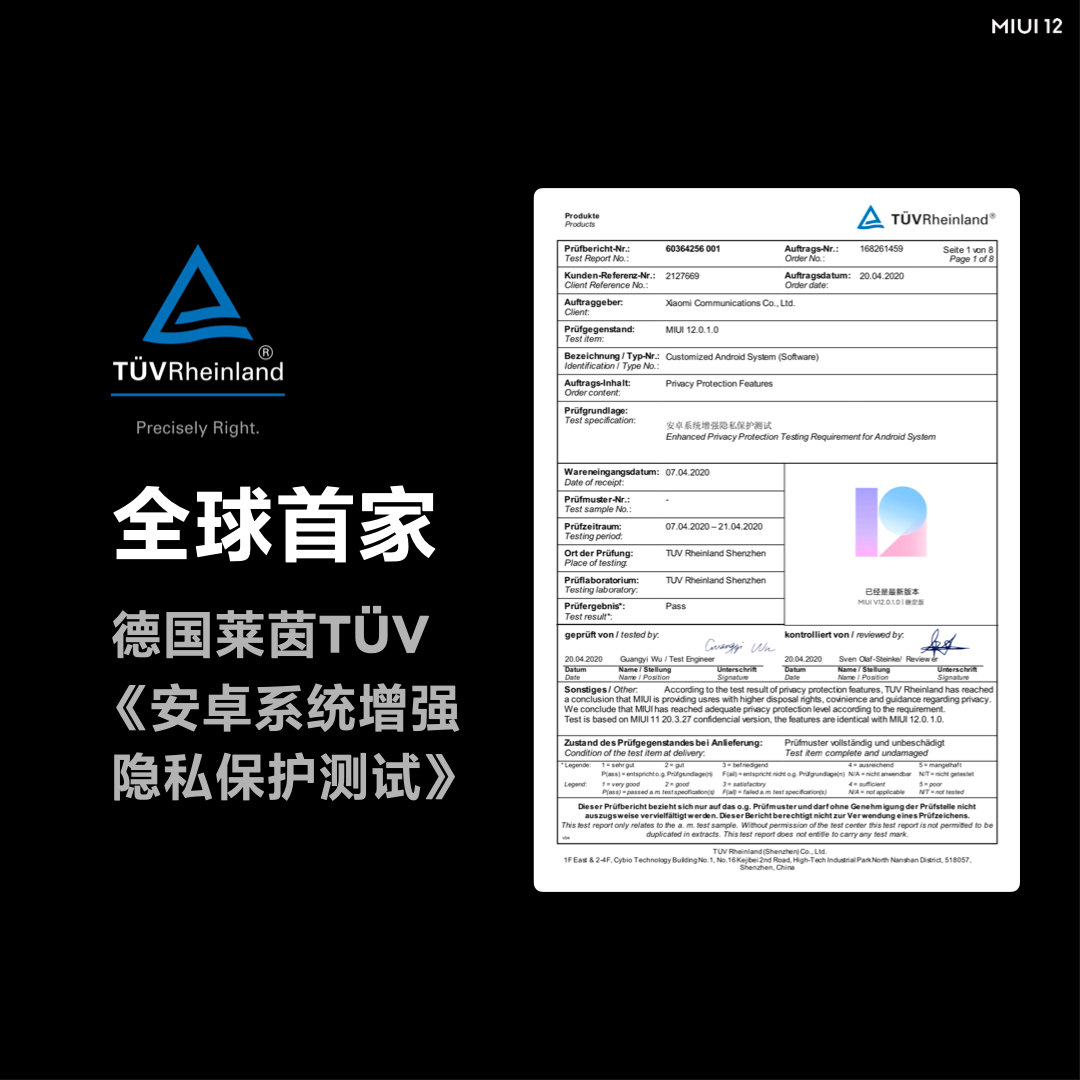
Due to privacy features like this, MIUI 12 is officially the first operating system to be TÜV Rheinland-certified for ‘Android System Enhanced Privacy Protection Test’.
MIUI 12 Multi-tasking
1 of 6
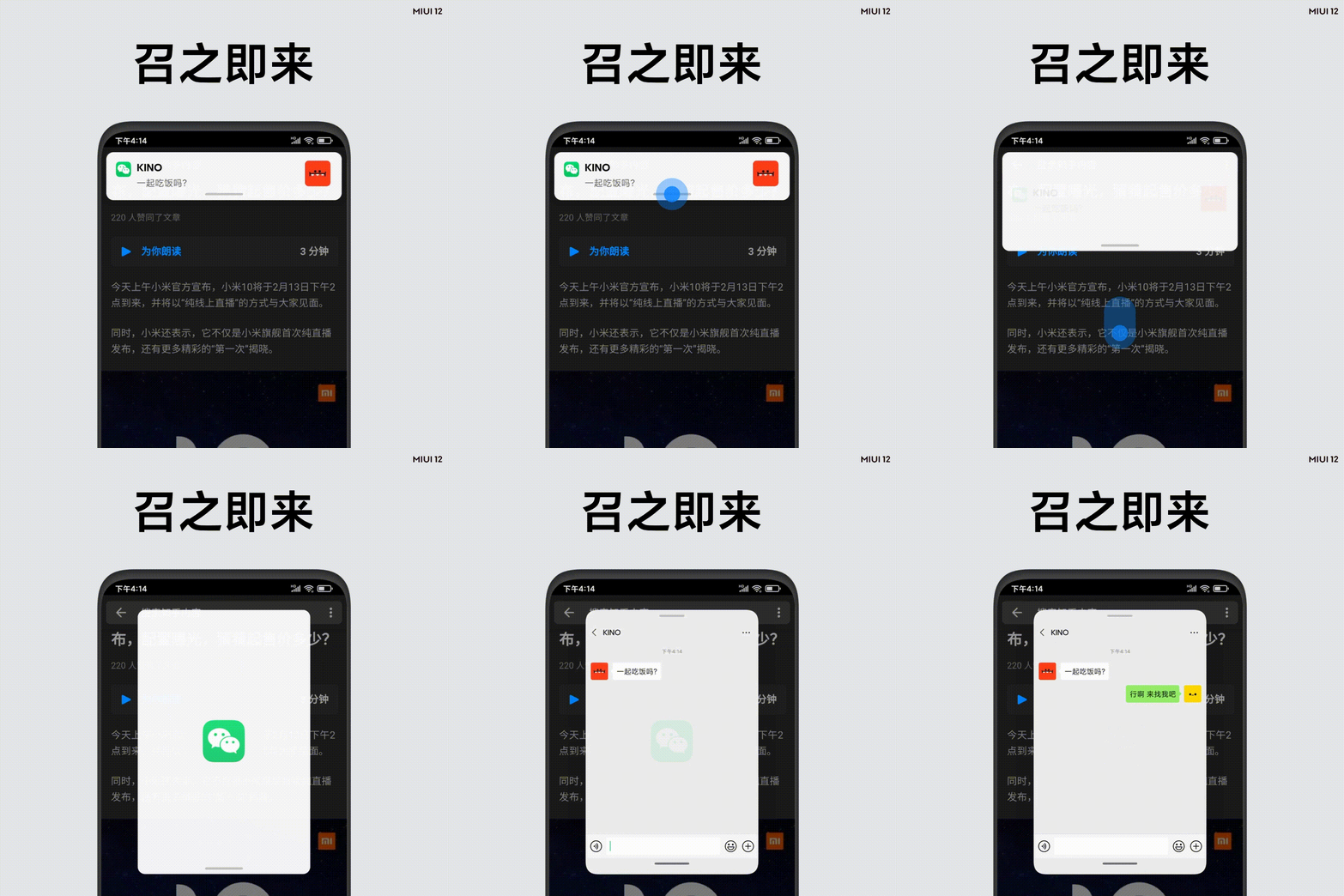
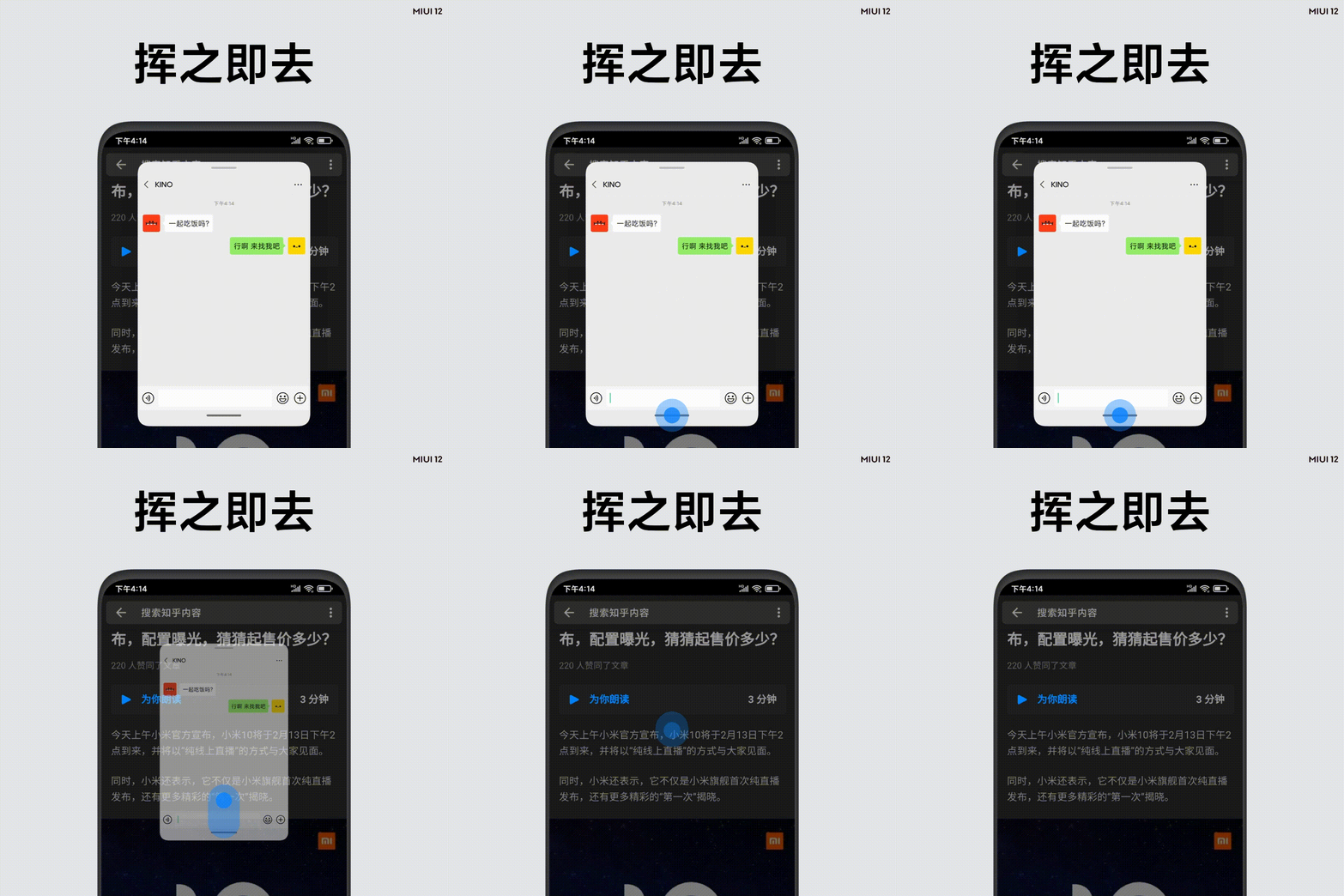
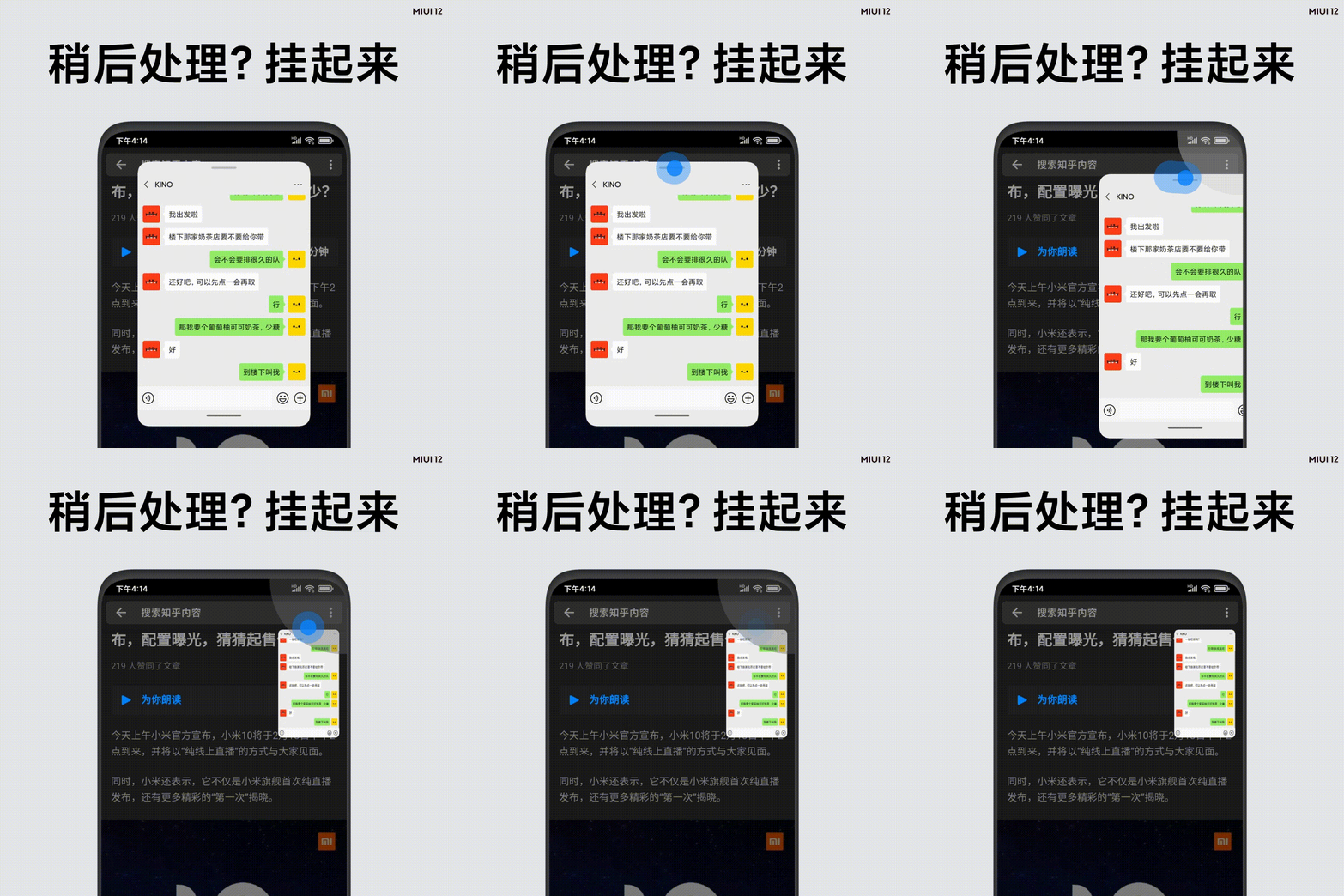
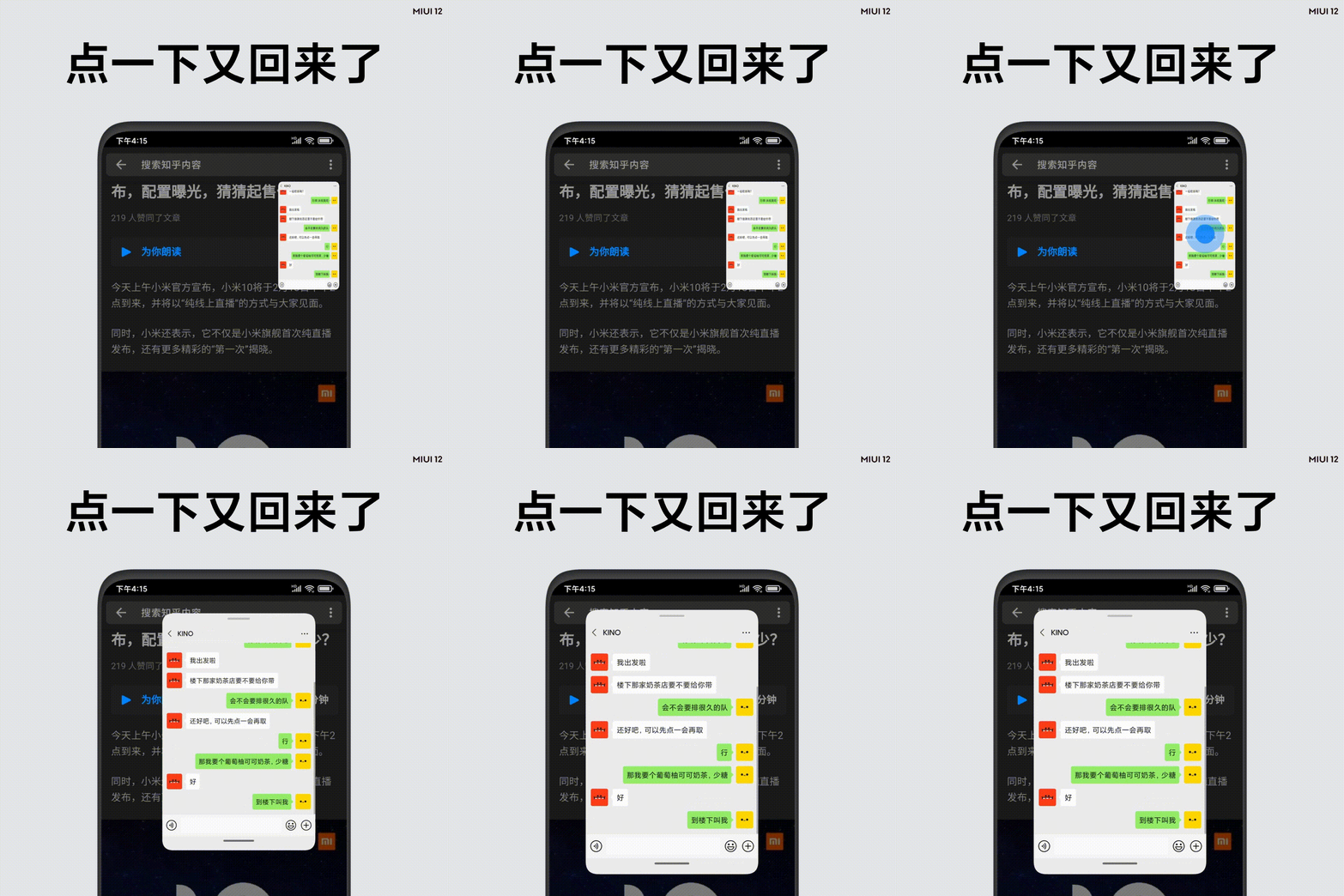
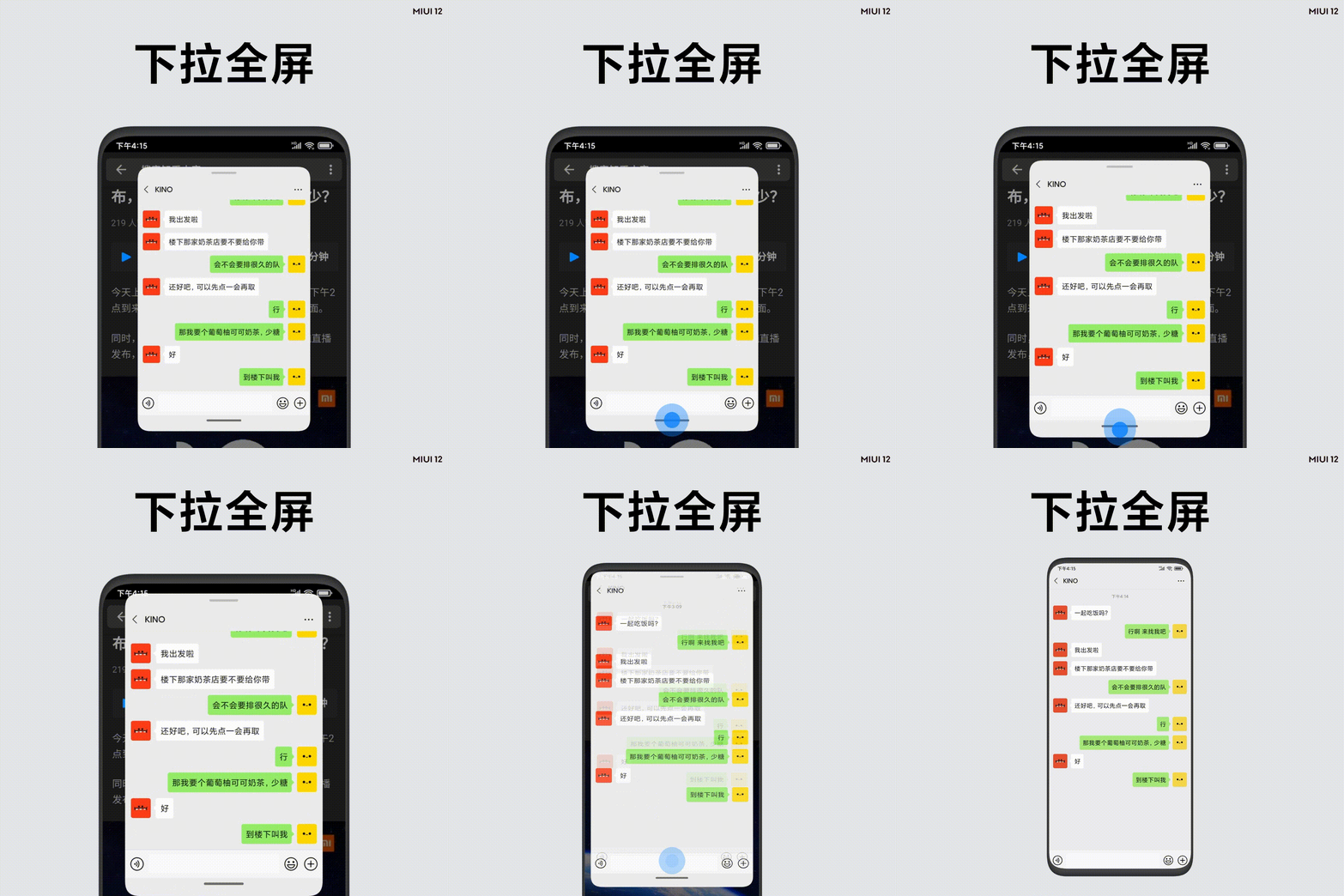
MIUI 12 also brings better multitasking with the help of ‘Global Free Windows’. Most apps still don’t support split-screen, especially games. To fix this, Xiaomi has now enabled apps to float (picture-in-picture / PiP). Apps can now float adopting to various usage scenarios with support for gestures. This is somewhat similar to the revamped multitasking feature on iPadOS. It is a fusion of stock Android PiP and Apple‘s take.
MIUI 12 AI Phone Assistant
1 of 2
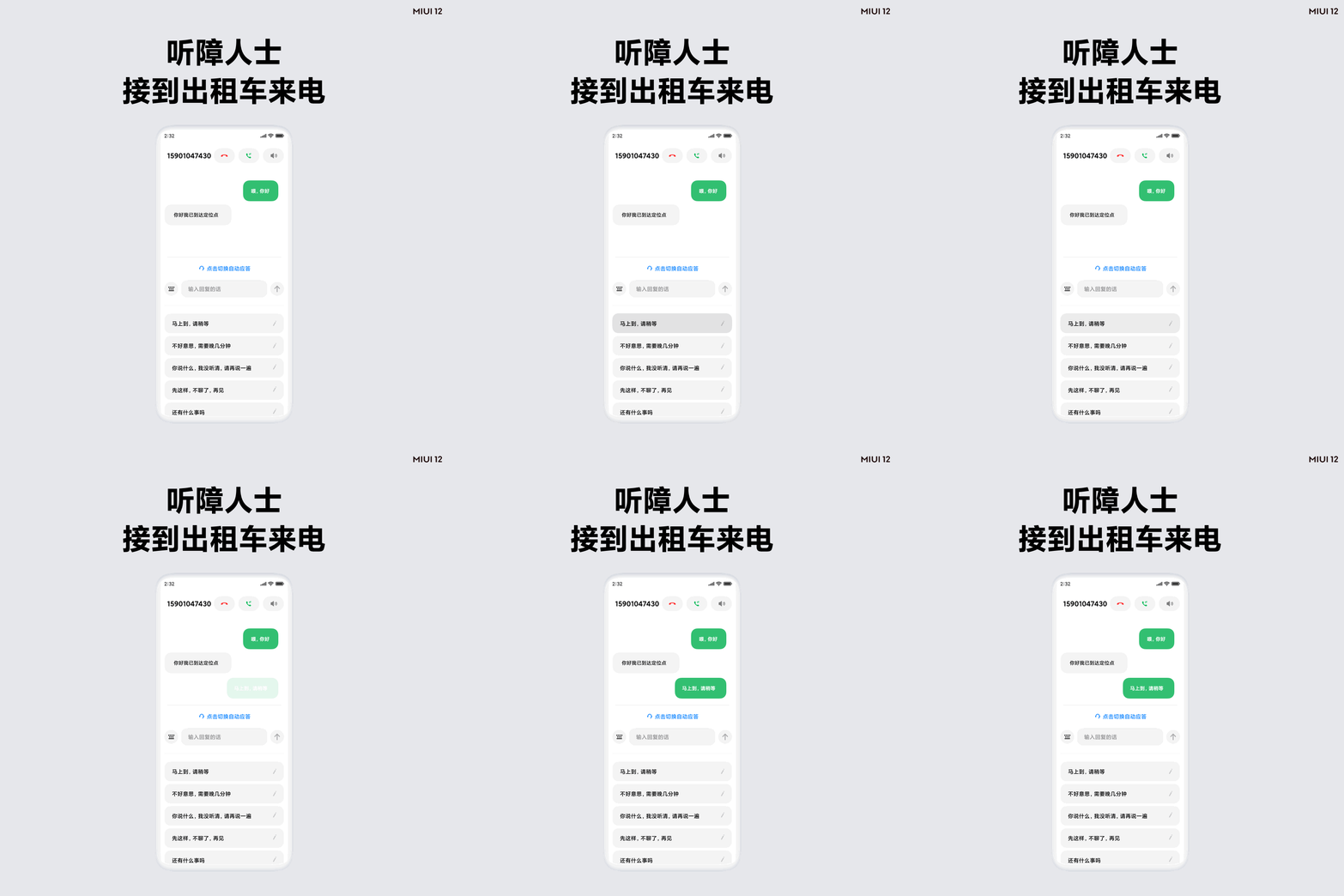
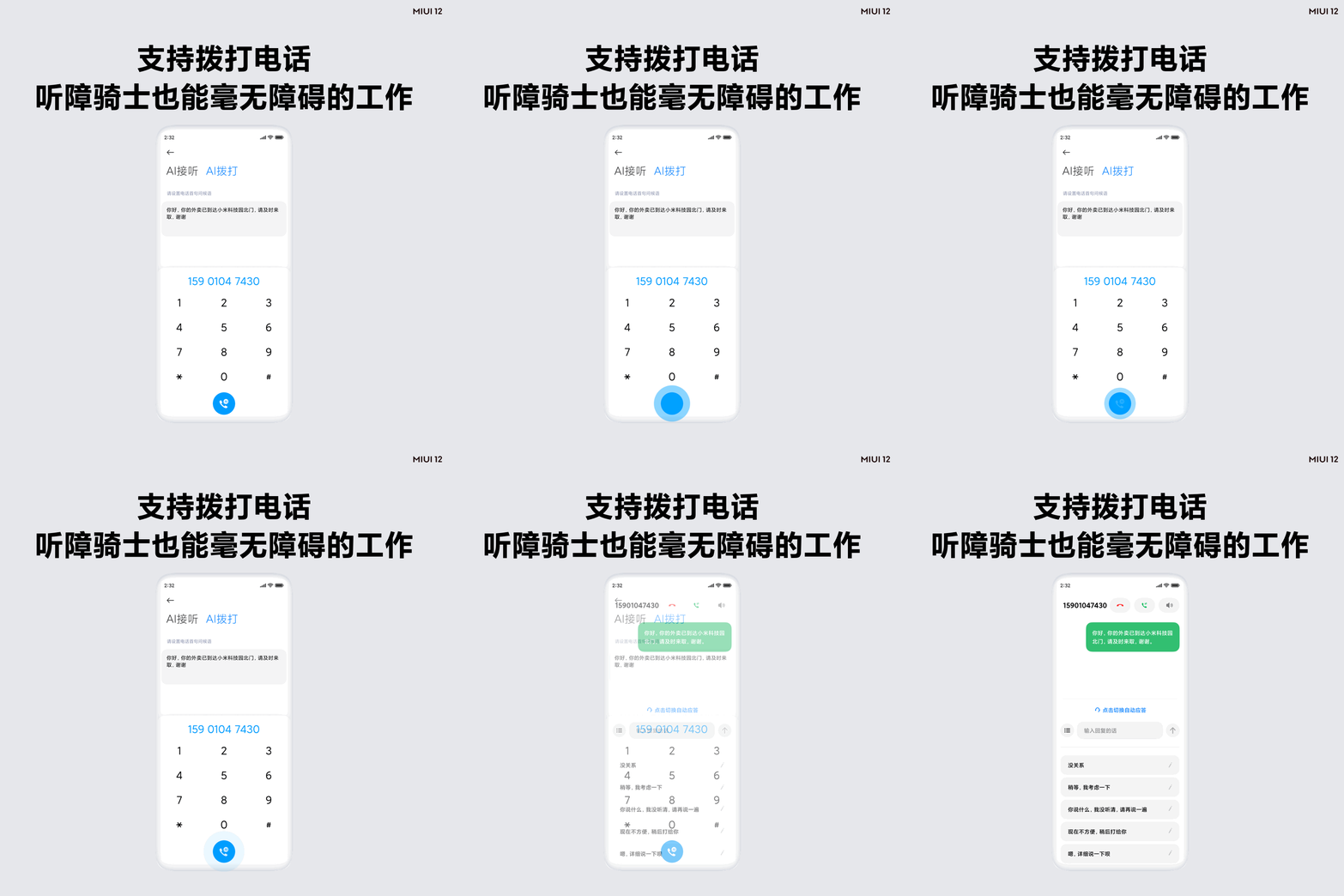
Xiaomi’s MIUI 12 also brings ‘AI Phone Assistant’, an alternative to Google Duplex, which is not available in China. According to the company, its virtual assistant has answered over 4 million calls for closed beta testers in the last 6 months. This feature is now getting a calling option too in order to be a useful tool for users with disabilities.
MIUI 12 Health
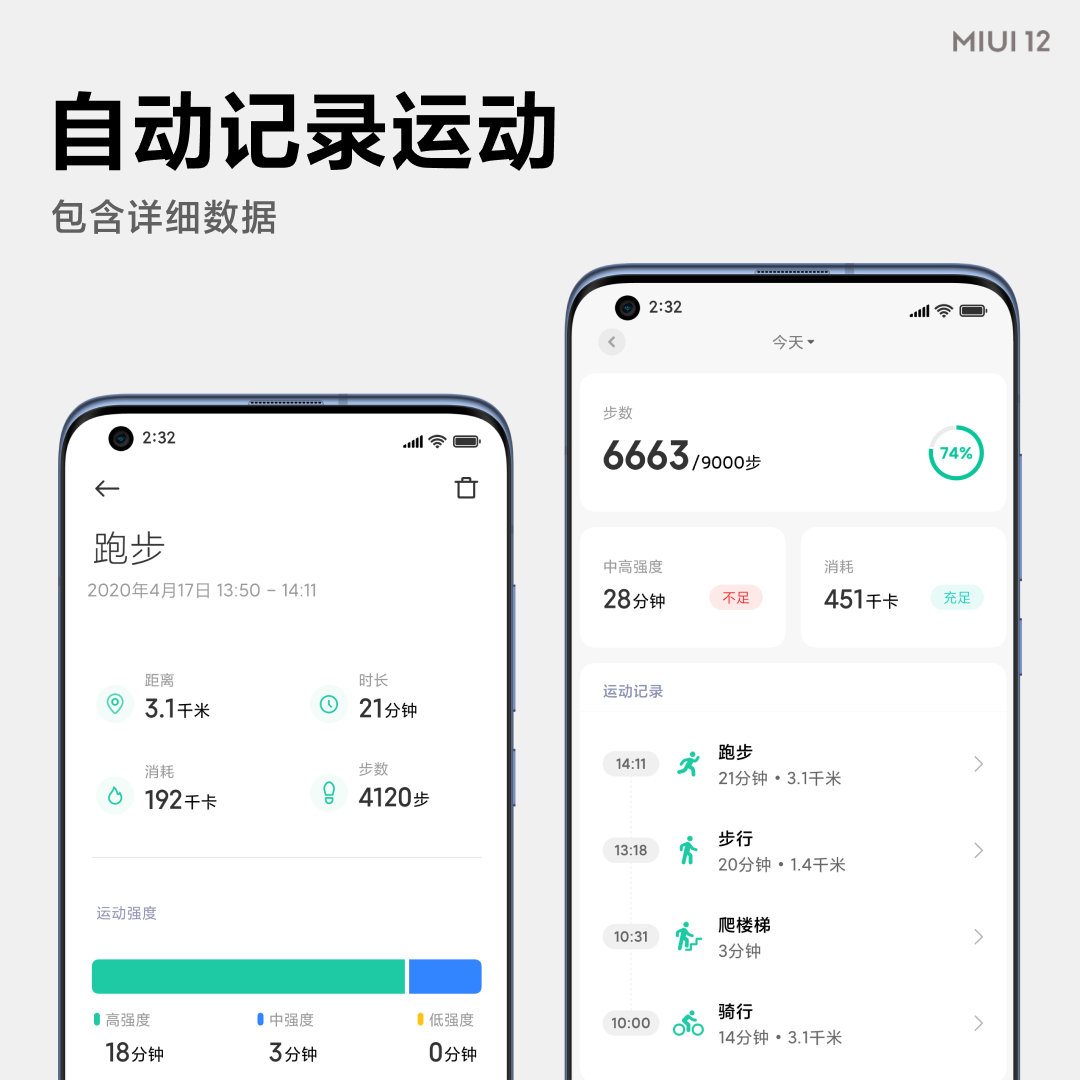
Xiaomi is also introducing a new health app in MIUI 12. It can automatically record a full day of walking, running, cycling and climbing stairs when the phone is in a pocket. Above all, the company claims that it will merely consume 1% of the battery for the whole day of usage.
1 of 3
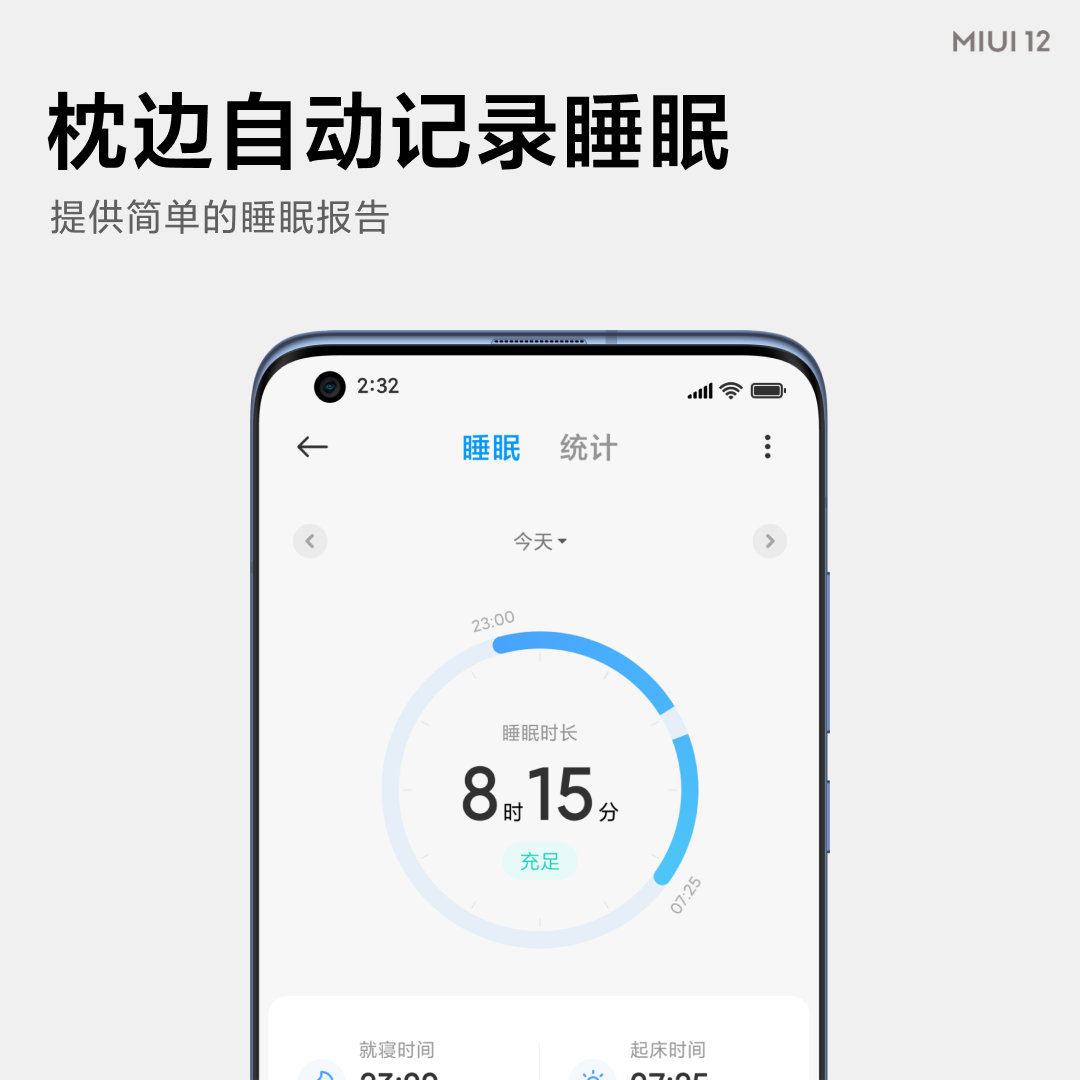
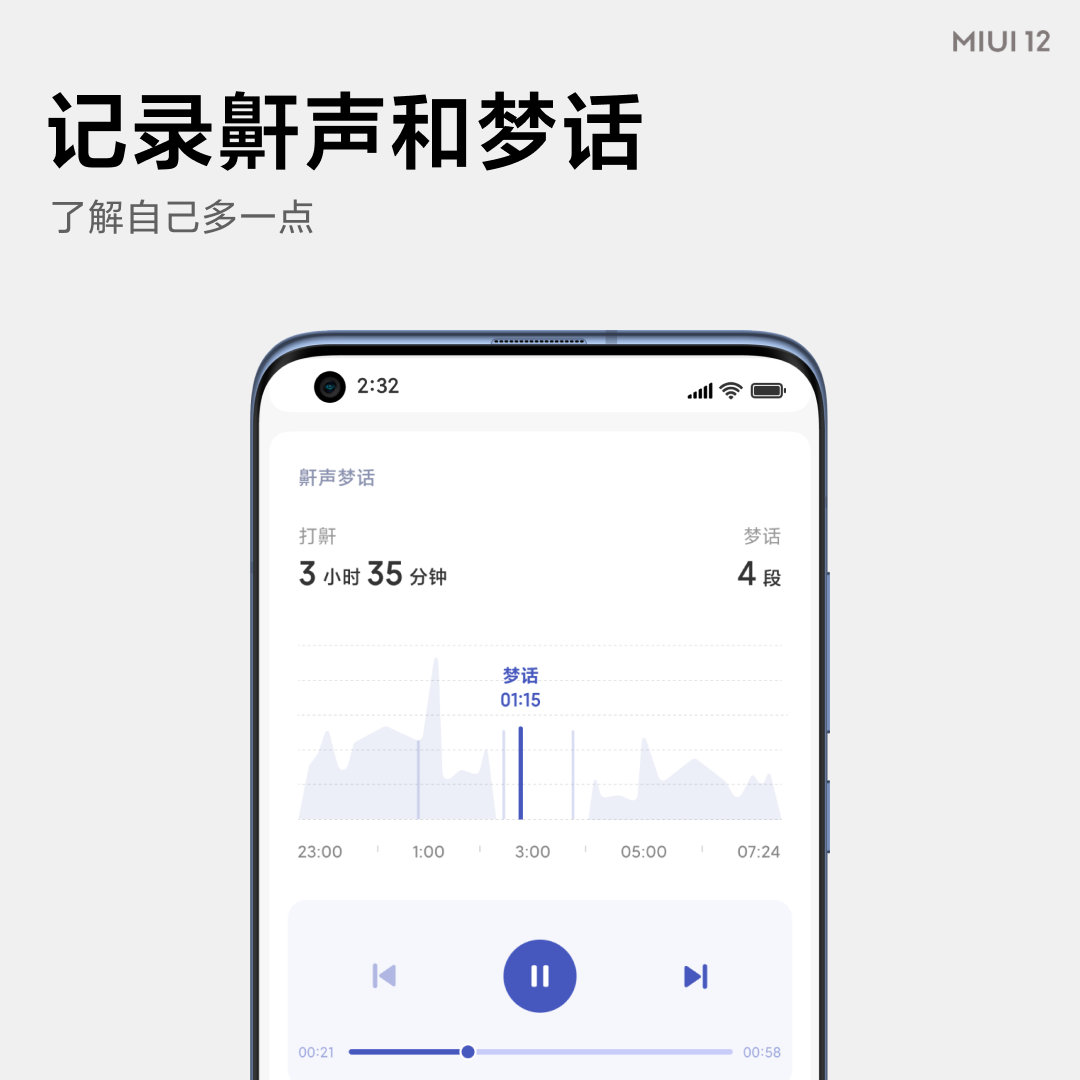
The app also includes options to monitor sleep and record snoring as well as dream words. More importantly, the firm assures the data collected by the Health app will be stored locally and will not be uploaded to the cloud.
MIUI 12 Themes
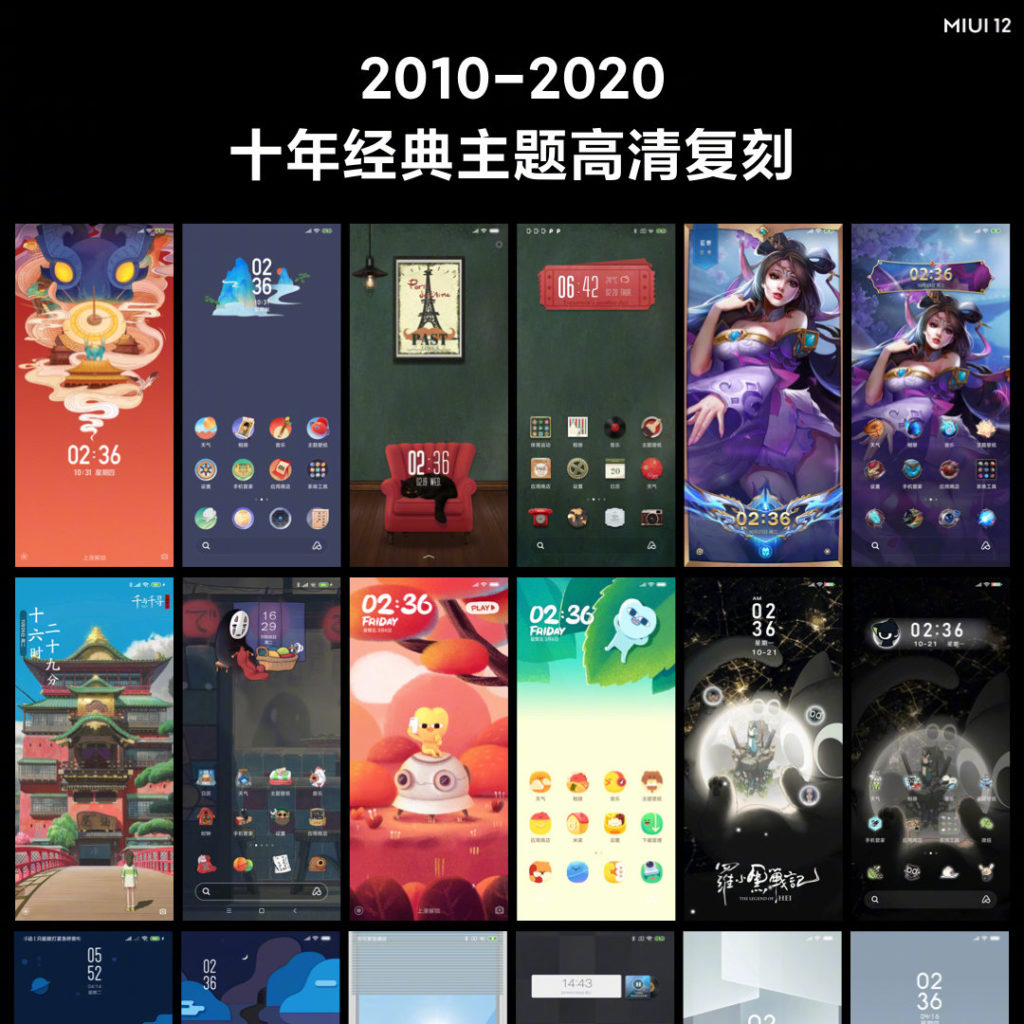
Celebrating the 10th year anniversary, Xiaomi is also re-releasing classic themes from the previous generations in high-quality, in addition to new themes and an AOD section for 1000+ third-party animated AOD styles. The latter feature is already available for devices running MIUI 11 China ROM.
Complete List of Devices Eligible for MIUI 12 Update
MIUI 12 Closed Beta testing registrations are already live for users in China. Selected users will be receiving OTA from today itself. The company has also announced the complete list of supported devices and divided them into three batches. Stable updates are scheduled to start rolling out from June.
Anyway, here’s the list of Xiaomi / Redmi smartphones eligible for MIUI 12 Update.
First Batch
Xiaomi Mi 10
Xiaomi Mi 10 Pro
Xiaomi Mi 10 Youth Edition
Xiaomi Mi 9 Pro 5G
Xiaomi Mi 9 Explorer Edition
Xiaomi Mi 9
Redmi K30 Pro Zoom Edition
Redmi K30 Pro
Redmi K30 5G
Redmi K30
Redmi K20 Pro Premium Edition
Redmi K20 Pro
Redmi K20
Second Batch
Xiaomi Mi Mix 3
Xiaomi Mi Mix 2S
Xiaomi Mi CC9 Pro
Xiaomi Mi CC9
Xiaomi Mi CC9 Meitu Edition
Xiaomi Mi 9 SE
Xiaomi Mi 8 Screen Fingerprint Edition
Xiaomi Mi 8 Explorer Edition
Xiaomi Mi 8
Redmi Note 8 Pro
Redmi Note 7 Pro
Redmi Note 7
Third Batch
Xiaomi Mi CC9e
Xiaomi Mi Note 3
Xiaomi Mi Max 3
Xiaomi Mi 8 Youth Edition
Xiaomi Mi 8 SE
Xiaomi Mi Mix 2
Xiaomi Mi 6X
Redmi Note 8
Redmi 8
Redmi 8A
Redmi 7
Redmi 7A
Redmi 6 Pro
Redmi 6
Redmi 6A
Redmi Note 5
Redmi S2
Do note that this list is only applicable to China. The global list may have some changes and thus may contain more or fewer devices.
Earlier today (27th April 2020), Xiaomi launched the Mi 10 Youth Edition. It is currently only been announced for the Chinese market, but a global version is expected to be launched as well and could be called the Mi 10 Lite Zoom edition.
According to known leakster Mukul Sharma (@stufflistings), Xiaomi is planning on rebranding the Mi 10 Youth Edition for foreign markets. The leakster tweeted about the information on his Twitter account and even shared certain sample images from the zoom lens of the Mi 10 Youth Edition. Unfortunately, this is still unconfirmed and we will have to wait for an official announcement to provide any concrete statements.
Notably, one of the highlighting features of the Mi 10 Youth Edition is undoubtedly its zoom lens that offers 50x magnifications. This is achieved thanks to its 5x optical zoom and 10x hybrid zoom with a 15mm to 122mm focal length sensor. Thus, it wouldn’t be surprising if the Chinese tech giant rebrands the Youth variant as the Mi 10 Lite Zoom as the name is suggestive of one of its best features.
In a recent interview, Ren Zhengfei, the Founder and CEO of Huawei Technologies, stated that the company’s proprietary OS will take no longer than 300 years to surpass Google’s Android or Apple’s iOS.
Huawei has been caught in the center of the trade tensions between the US and China. The Chinese tech giant faced various complications in the west after the US Commerce Department place the company on the “Entity List.” This banned Huawei from buying or selling products with US Based companies and also saw the OEM lose official support from Google. Since then, the company has been striving to make its own OS, HarmonyOS (HongMengOS in China), but it seems it is still lacking, according to the founder.
Ren Zhengfei, Huawei founder and CEO
Despite the strict restrictions and regulations being imposed on the brand, Ren Zhengfei said that “We are not thinking of replacing US components. The US will always be our good friend.” As of right now, American companies with a special license to deal with Huawei are the only ones that can trade with the Chinese OEM. Notably, Yu Chengdong, the CEO of the Consumer Business Group of Huawei, also mentioned that the company had alternatives to US parts but are still using them “to maintain good relationships with its American suppliers.”
According to the Founder, HarmonyOS will take at least 300 years to trump its competition, which are the industry leading giants, iOS and Android. He further added that “It would be OK if we didn’t use US components, but what happens if consumers don’t buy our products. The operating systems of Android and Apple have enjoyed massive sales in the world as consumers have become accustomed to them. Huawei is a latecomer, so it would be very difficult to surpass the operating systems of Android and Apple.”
The CEO even mentioned the “friendly” relationship Huawei has with both Apple and Google, and in cooperation for the development of 5G networking in recent times. Another reason for Huawei to shift to completely locally sourced parts is the Coronavirus pandemic. The outbreak has caused various complications in the global supply chain and is even affecting economies worldwide. The senior executive believes that moving supply chains to local countries is a terrible decision since no one country can be totally self sufficient, just like a company and its sources.
The Meizu 17 and Meizu 17 Pro are scheduled to go official on May 8. Since the past week, the Chinese firm has been revealing details on the vanilla model. Images of the invite for Meizu 17 Pro shared by a trustworthy source has revealed that it will be coming with support for wireless charging. The images have also revealed some other key features of the Meizu 17 Pro.
The images have revealed that the Meizu 17 Pro is driven by Snapdragon 865 mobile platform and LPDDR5 RAM. It is equipped with UFS 3.1 storage and OneMind 4.0 AI engine for improving performance through software optimizations.
The back panel of the Meizu 17 Pro has a horizontal quad camera system. The setup comprises of a Sony IMX686 64-megapixel sensor, a telephoto lens, an ultrawide sensor and a macro lens. The quad cameras will have support for AR filters and stickers. The Meizu 17 Pro also supports Wi-Fi 6 and NFC.
Past reports have claimed that the Meizu 17 Pro will be coming with a punch-hole 90Hz display with curved edges. The handset is believed to have M091Q model number. Its 3C certification have revealed that it could be coming with a 40W fast charger.
Some of the differences between the Meizu 17 and 17 Pro phones include that the Meizu 17 will be sporting a 90Hz flat display with punch-ole design. It will come with 30W fast charging support and it may lack support for wireless charging. Rumors are rife that the Meizu 17 series may sell with a starting price of 3,999 Yuan (~$564).
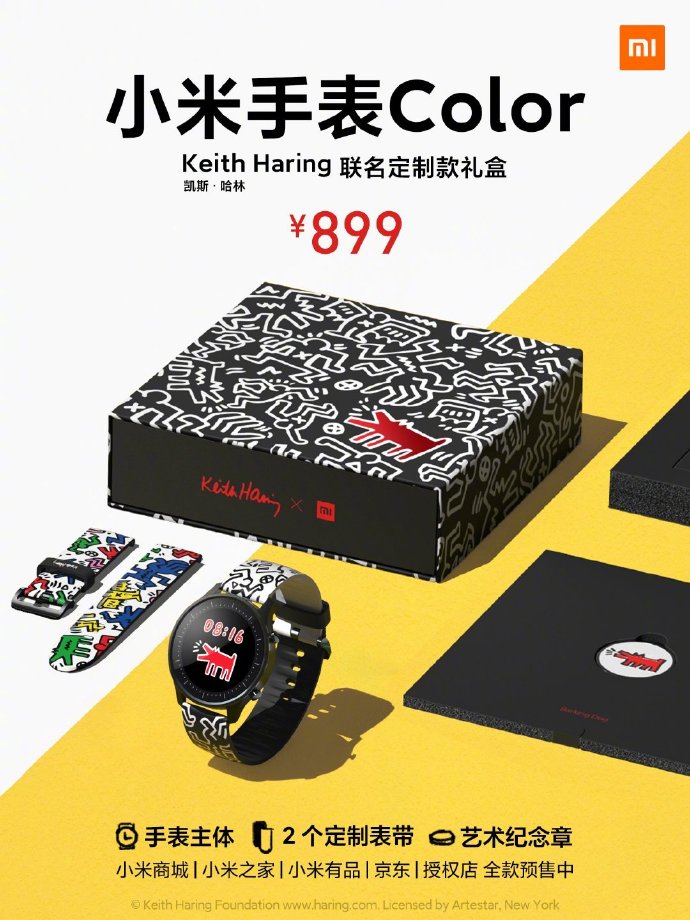
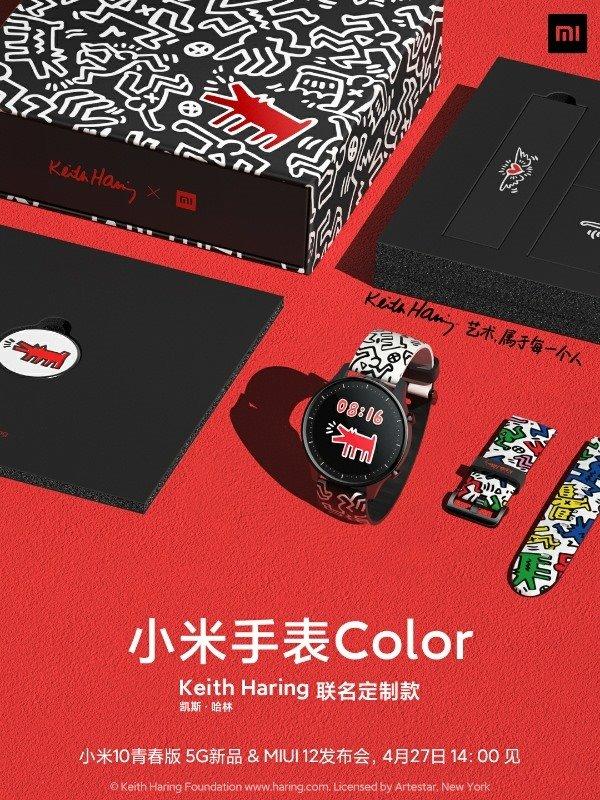
During the Xiaomi Mi 10 Youth Edition launch event earlier today (27th April 2020), the company also unveiled its new collaborative product, the Watch Color x Keith Haring Special Edition. It was teased last week by the Chinese tech giant and has now been officially announced, with a price tag of 899 Yuan (roughly 126 US Dollars) and tagline that “art is for everyone.”
The Xiaomi Watch Color Keith Haring special edition is a new variant of the company’s wearable product. As the name suggests, it is a limited variant which the company is offering through cooperation with the Keith Haring Foundation. For those unaware, Keith Haring was a popular artist and activist that was a part of the iconic art style in New York back in the 1980s.
He was known for his colorful and legendary art styles, a few of which can be found with the new product. This includes the Barking Dog and Radiant Baby. Looking at the new Xiaomi Watch Color variant, it arrives in a highly stylized box with even the watch strap/bands being covered with the iconic graffiti. To make the experience more immersive, the company has even added special faces in the Watch Color’s display and UI as well. Although it is a new variant, the difference between the standard version and the Keith Haring one is purely aesthetical in nature.
The Xiaomi Watch Color sports the same 1.39 inch AMOLED display and is powered by a 420mAh battery. It supports Bluetooth 5.0 technology, NFC, features built in Xiaomi AI voice assistant, and is even waterproof. The wearables also boast many different modes and functions to assist the user in tracking their physical activities.
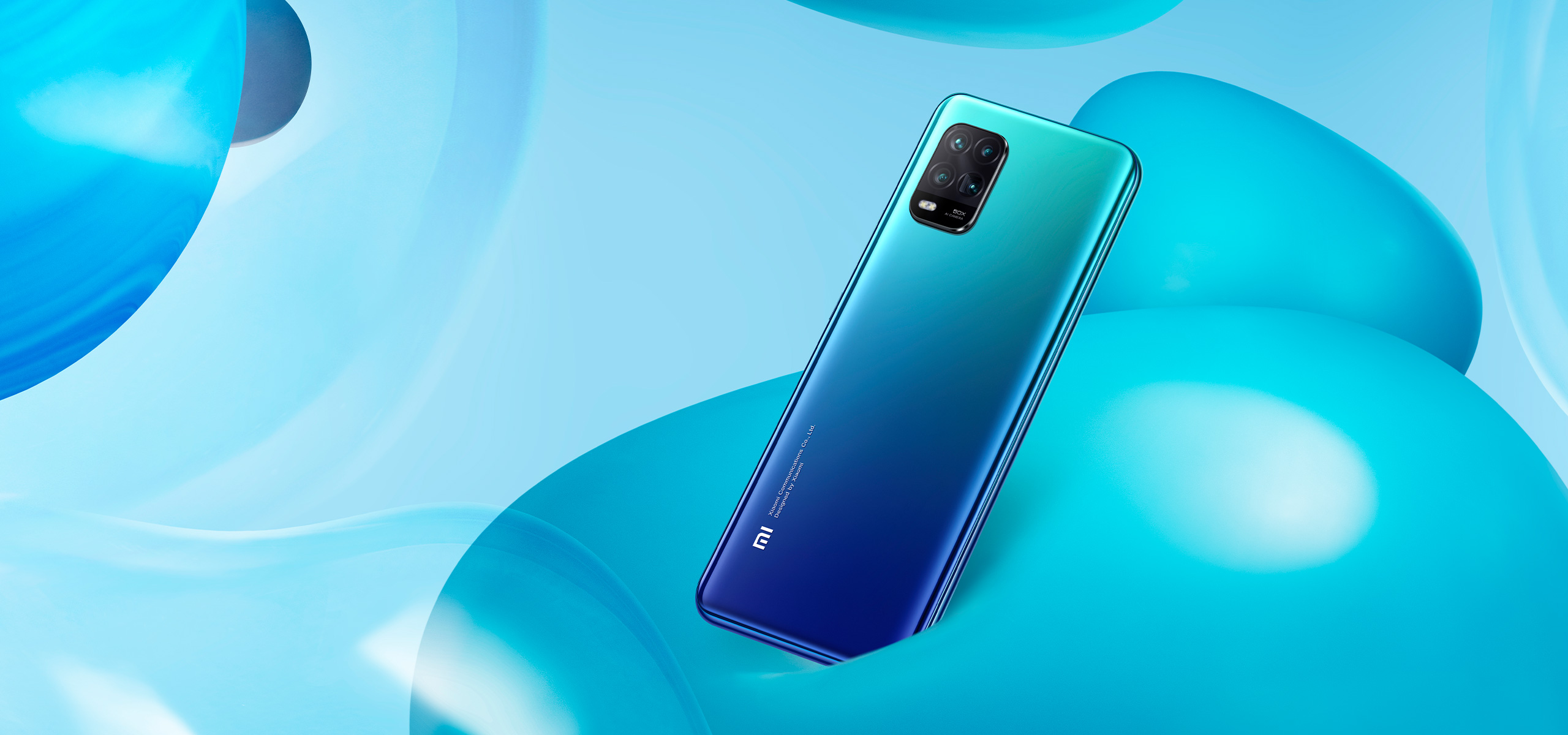
Xiaomi announced the Mi 10 Lite in Europe back in March. Now the same model has been launched in China with slight changes in its camera specifications. The Chinese variant keeps the same design as the international Lite edition but brings a few upgrades in the camera department for better positioning in the highly competitive Chinese smartphone market.
Xiaomi Mi 10 Youth 5G Design
Just like the Mi 10 Lite, the Mi 10 Youth Edition for China comes with a waterdrop AMOLED display upfront and a rectangular camera housing at the back. The camera housing has curved corners which sets it apart from other rectangular camera designs and the back is protected by Corning Gorilla Glass.
Xiaomi is marketing the Mi 10 Youth as a lightweight and compact 5G smartphone for China. The phone measures just 7.88mm in thickness and weigh 192 grams. This is quite respectable given the large 4160mAh battery inside.
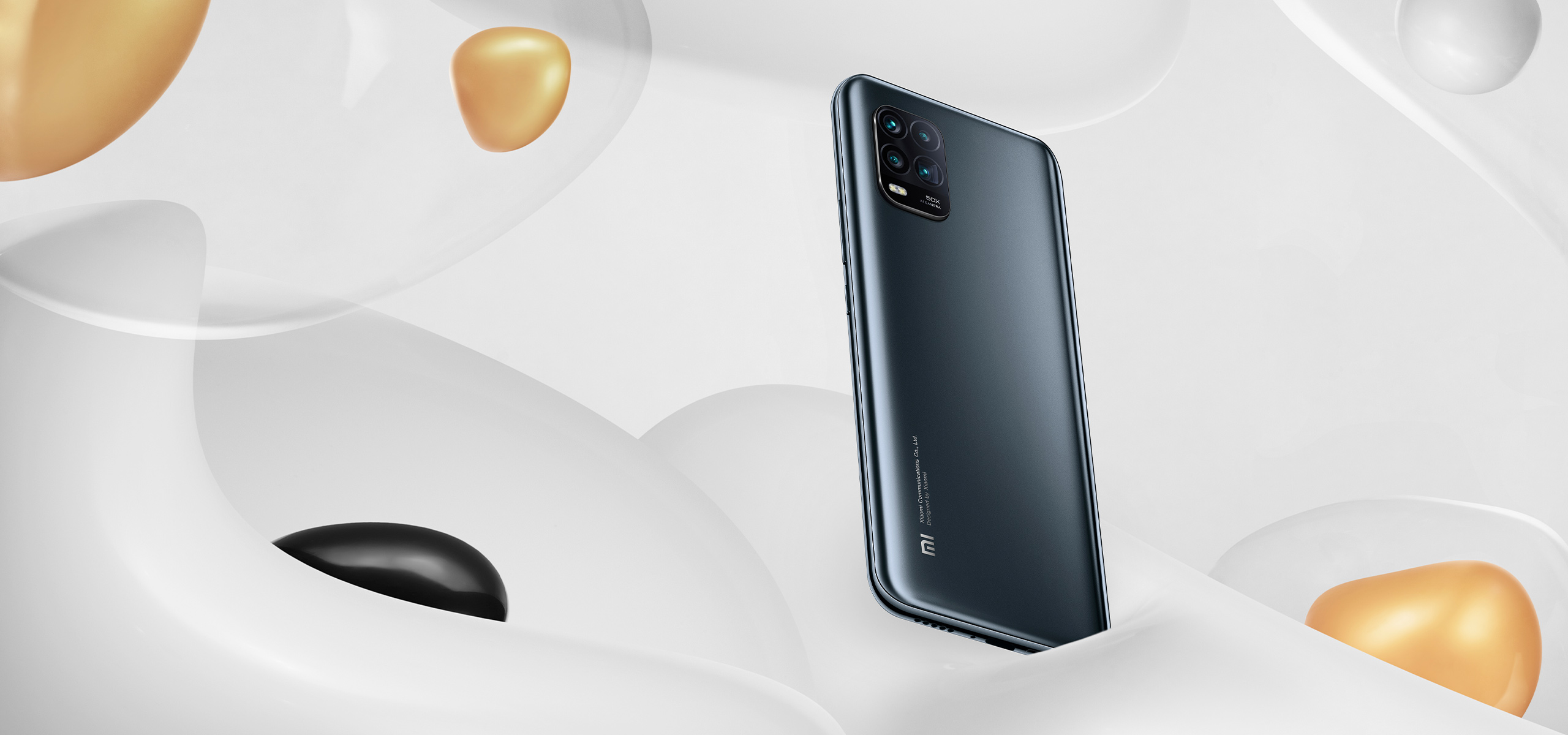
The Mi 10 Youth 5G will come in five colors – White, Peach, Blue, Black, and Mint Green. There’s also a special Doraemon limited edition.
Xiaomi Mi 10 Youth Specs
The Xiaomi Mi 10 Youth model comes with a 6.57-inch Pentile AMOLED display – same as the international Mi 10 Lite 5G edition. This display supports HDR10+, 180Hz touch sampling rate, and 800 nits of peak brightness.
The Mi 10 Youth is powered by the 5G integrated Snapdragon 765G processor and comes with liquid cooling. You can choose between 6GB and 8GB of RAM and up to 256GB of ROM. As mentioned above, the phone support SA/NSA 5G, making it yet another affordable 5G option in the Chinese smartphone market.
mi 10 youth camera specs
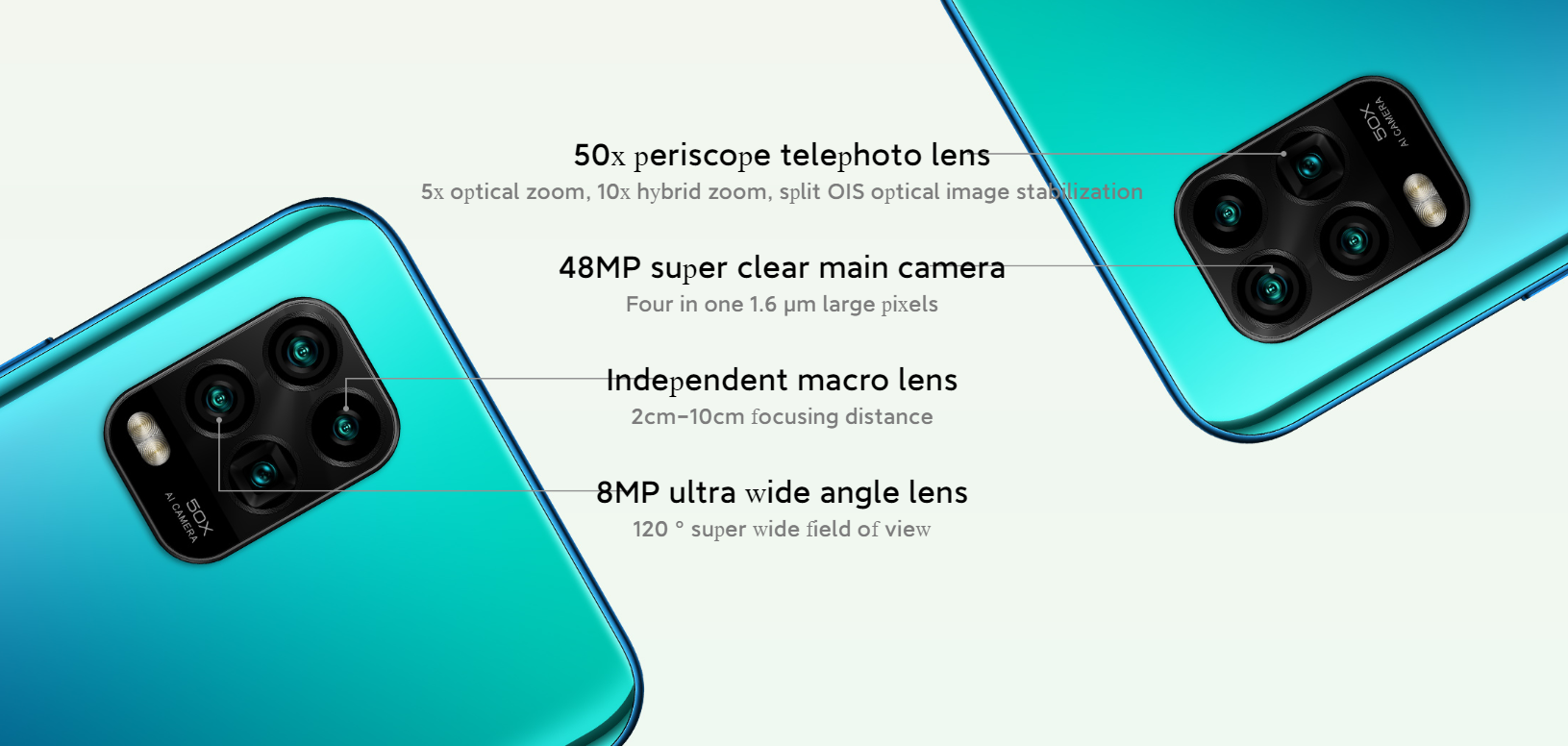
The main difference between the Chinese Mi 10 Youth Edition and the international Mi 10 Lite edition is in the camera department. The Youth model features an upgraded 48MP quad-camera setup which includes a capable telephoto sensor. The camera setup on the Youth edition is as follows.
50x telephoto zoom camera with 5X optical zoom and 10x hybrid zoom (15mm – 122mm focal length)
48MP high-resolution primary camera
120° ultra-wide-angle camera
2cm Macro camera
The international Lite model doesn’t have a telephoto shooter and features a 2MP depth sensor as its fourth camera. In a sense, the Chinese Mi 10 Youth can be regarded as the Mi 10 Lite Zoom edition.
Xiaomi added that the Mi 10 Youth Edition comes with all of the camera features of the flagship Mi 10 series. This includes 12 new filters for the popular AI sky replacement feature, AI Magic Kaleidoscope, AI Magic Avatar (clone mode), AI Magic Emoji, dual-view mode (using front and back cameras simultaneously), and even the AI + AR algorithms used on the Mi 10 cameras.
There’s a 16MP front camera taking care of your selfie needs.
The Mi 10 Youth comes with a 4160mAh battery and supports 22.5W fast charging technology. It features NFC, 3.5mm headphone jack, infrared, dual-frequency GPS, Hi-Res Audio, and 0.91cc speakers.
Xiaomi Mi 10 Pricing & Availability
The Xiaomi Mi 10 Youth 5G pricing is as follows.
6GB RAM + 64GB ROM – 2099 Yuan ($296)
6GB RAM + 128GB ROM – 2299 Yuan ($325)
8GB RAM + 128GB ROM – 2499 Yuan ($353)
8GB RAM + 256GB ROM – 2799 Yuan ($395)
You can pre-order the Mi 10 Youth in China right now. The first sale kicks off on April 30 via online and offline stores.
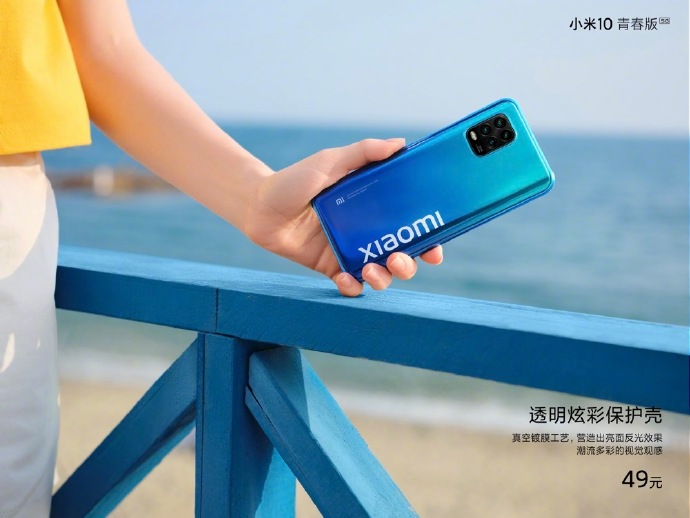
Xiaomi will also offer a number of cool cases for the Youth edition starting at 39 Yuan (~$6).
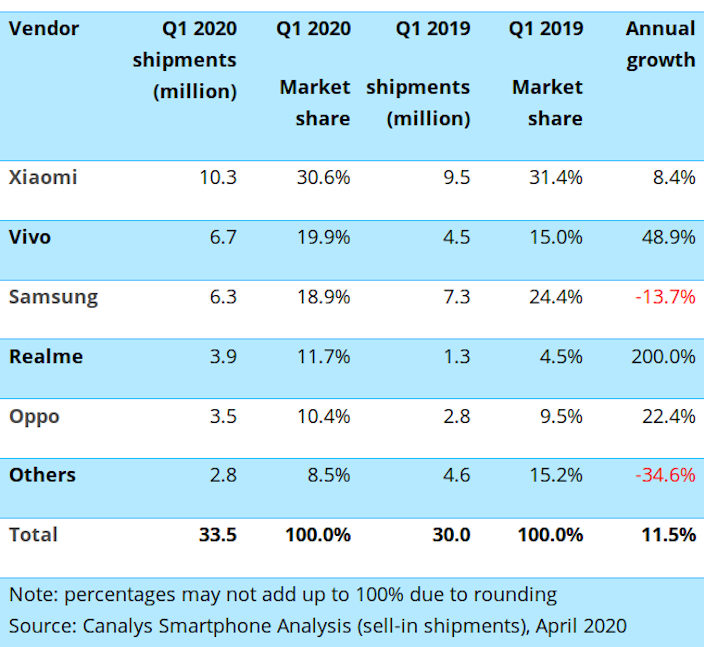
If the report from Canalys is to be believed, then Chinese smartphone maker Vivo has shipped more smartphones than Samsung in India in the first quarter of this year. With this, Vivo has overtaken Samsung for the first time in the Indian market.
As per the report, Vivo nearly doubled its shipments in India year-on-year to 6.7 million units, capturing almost 19.9 percent of the market. Xiaomi remains the leading smartphone brand in the country with 10.3 million units and 30.6 percent market share. This is attributed to the brand’s offline expansion and affordable pricing of products.
Samsung comes in at the third position with shipment of 6.3 million units and 18.9 percent market share, followed by Realme and OPPO. The report adds that Realme managed to ship 3.9 million units of its smartphones while OPPO shipped around 3.5 million units.
Overall, about 33.5 million units were shipped to vendors in the first quarter of this year in the country, registering a growth of 12 percent. However, the shipments are expected to plunge in Q2 2020 because of the on-going country-wide lockdown in India to curb the spread of coronavirus.
According to the research firm Counterpoint, the smartphone shipments in India grew 4 percent in Q1 2020. While shipments grew in the months of January and February, March reported a decline of 19 percent and thus, the growth was limited to just 4 percent.
While Vivo has become the second-largest brand in India in Q1 2020, the company may be in some sort of trouble. It was the title sponsor of IPL 2020, one of the biggest sporting event in India. With that in mind, the company shipped high stock of its devices to vendors but now with IPL getting postponed and country under lockdown, it will be difficult for the company to achieve expected sell-through after the lockdown ends.
The smartphone shipment numbers for the Indian market also showcases the dominance of BBK Electronics, which owns Vivo, OPPO, Realme, and OnePlus. The combined market share of its top three leading brand — Vivo, Realme, and OPPO comes at 42 percent.
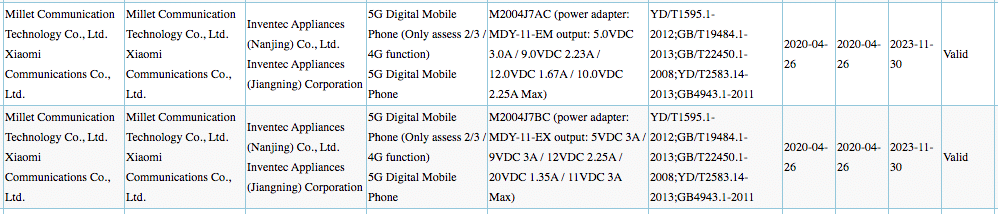
Redmi will be soon launching the Redmi 10X 4G smartphone in near future. Its specifications, design and pricing have already surfaced. The existence of the Redmi 10X 4G phone reveals that the company could be working on other phones in Redmi 10 series and it could be also planning to launch Redmi Note 10 series. Two Xiaomi phones have received approval from the 3C authority of China. The identities of these phones are currently under the wraps.
The 3C approved M2004J7AC and M2004J7BC are 5G-ready smartphones. The M2004J7AC listing on 3C reveals that it could be shipping with a 22.5W fast charger. The model number of the charger is MDY-11-EM. On the other side, the M2004J7BC could be coming with a faster MDY-11-EX charger that supports up to 33W rapid charging. The similarity in the model numbers of both devices suggest that these could be two phones from the same series.
Redmi had recently launched Redmi Note 9 and Redmi Note 9 Pro Max phones in India. Soon after the launch, Redmi President Lu Weibing said that the Note 9 series were meant for international markets like Indi where 5G networks have not commercialized yet. Hence, it appears that the company may not launch Redmi Note 9 lineup in China. So, it may directly announce Redmi Note 10 series as the successor for last year’s Redmi Note 8 series.
There is a possibility that the M20047JAC and M2004J7BC could be Redmi Note 10 and Note 10 Pro 5G phones. Readers are advised to wait for further reports to wait for further reports to know the identity of M20047JAC and M2004J7BC smartphones.
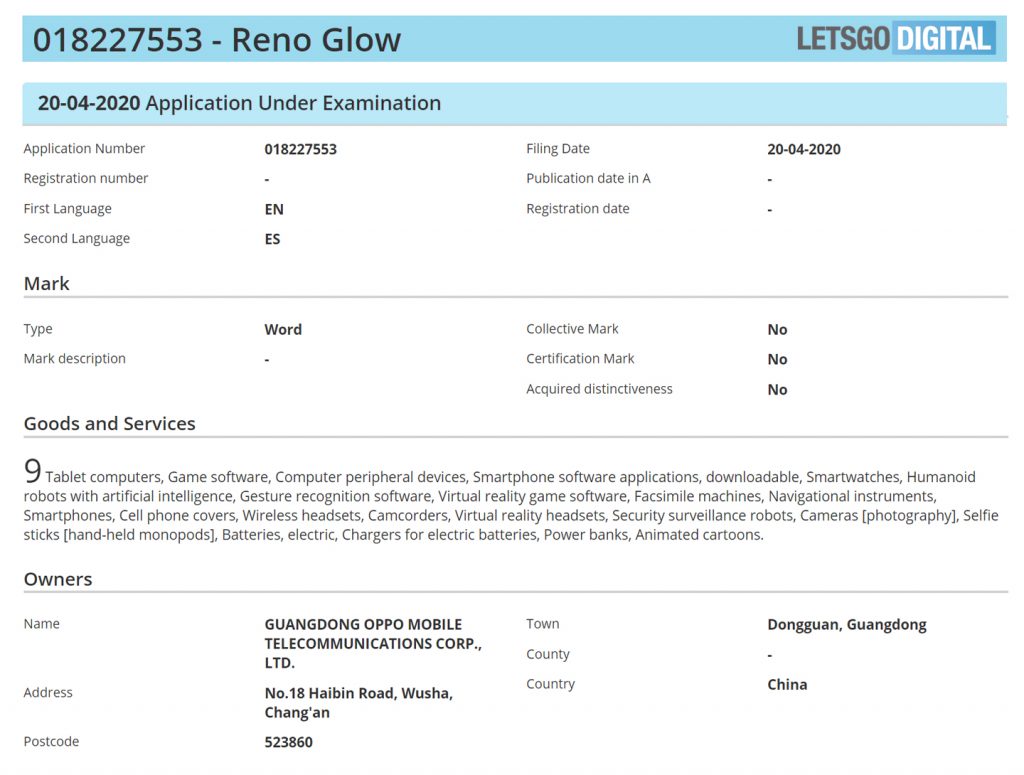
Oppo has recently applied for a new trademark with the European Union Intellectual Property Office (EUIPO). It is for an upcoming Reno series smartphones and may be called the Reno Glow.
Via LetsGoDigital
The Reno series from the Chinese smartphone manufacturer is a popular lineup of handsets. These range from affordable to even mid range and certain flagship products. Unfortunately, it is still unclear which category the Reno Glow will fall into, even after looking at the patent application. However, the name does suggest an interesting feature that may arrive with the device.
The Reno Glow could be related to a new camera system with better voice controls, although that is just speculation at this point. Notably, Oppi did release a “Glow in the Dark” version of the Oppo Reno 2 last year, to advertise its new Ultra Night camera function. The “Glow” could also be in reference to a better display since flagships have now been shifting towards a higher refresh rate panel on QHD displays with more colors and even higher maximum brightness.
All we have to go on currently is the trademark application. So, it is still too soon to provide any concrete statements. Since Oppo has been launching an increasing number of devices with 5G networking, the Reno Glow could also receive a similar treatment. But for more details, we will have to wait a while. So stay tuned.
We use cookies on our website to give you the most relevant experience by remembering your preferences and repeat visits. By clicking “Accept”, you consent to the use of ALL the cookies.
This website uses cookies to improve your experience while you navigate through the website. Out of these, the cookies that are categorized as necessary are stored on your browser as they are essential for the working of basic functionalities of the website. We also use third-party cookies that help us analyze and understand how you use this website. These cookies will be stored in your browser only with your consent. You also have the option to opt-out of these cookies. But opting out of some of these cookies may affect your browsing experience.
Necessary cookies are absolutely essential for the website to function properly. This category only includes cookies that ensures basic functionalities and security features of the website. These cookies do not store any personal information.
Any cookies that may not be particularly necessary for the website to function and is used specifically to collect user personal data via analytics, ads, other embedded contents are termed as non-necessary cookies. It is mandatory to procure user consent prior to running these cookies on your website.





 It is also worth noting that the high-speed charging doesn’t support all devices and works specifically with devices that use PowerIQ or VoltageBoost. Even though it cannot adopt Qualcomm’s QuickCharge technology, the power bank can still boost your device on the go.
 On the downside, it is quite a big device. Moreover, most devices that you’d normally plug into the wall require more juice than just 22,500mAh. But with plugs and ports available for connection, the NOVOO Power Bank can still be touted as a malleable piece of tech.