According to a report from Taiwan, Huawei has contributed 36.1 billion Yuan (roughly 5 billion US Dollars) in revenue to TSMC (Taiwan Semiconductor Manufacturing Company), the world’s largest contract chipmaker. This marked a massive jump of 80 percent year on year, with the OEMs share in TSMC’s total revenue growing from 8 percent to 14 percent.
While Huawei saw a major rise in TSMC’s revenue, the Chinese tech giant is still second in this regard to the Cupertino based electronics makers, Apple. The latter has contributed a massive 58.3 billion Yuan (roughly 8.2 billion US Dollars) to TSMC in 2019 and accounts for nearly 23 percent in total revenue to TSMC, up by 1 percent over 2018.
Notably, TSMC’s global market share in the semiconductor field has now reached 52 percent. The company has both 7nm and 5nm processes actively seeing use in mass production for new generation chipset, while it is currently developing and on track with the deployment of 3nm process. Even the 2nm process research has reportedly begun.
Telecom operators in India are struggling hard to pay off their AGR(Adjusted Gross Revenue) debts but that is not stopping Bharti Airtel to improve and expand its 4G coverage. The Indian firm has just signed a contract worth crores (₹) with Finnish network equipment manufacturer Nokia.
Airtel plans to expand and upgrade its network in nine circles across India, including rural areas. The equipment used in these locations were provided by Nokia. Hence, once again, the company makes a deal with the Finland-based corporation for modernising them.
Nokia was the original 4G equipment provider for Airtel in 9 circles – Gujarat, Madhya Pradesh, Bihar, West Bengal excluding Kolkata, Odisha, Mumbai, Maharashtra, Kerala and UP East. This deal in 2016 was estimated at $500, however, the exact cost of the new contract is unknown at the moment.
In addition to Nokia, Airtel has also confirmed to be in talks with other vendors like Ericsson, Huawei, and ZTE, who have provided equipment to the telco in certain circles earlier.
Recently, Airtel welcomed bids (RFP – Request For Proposal) for Tamil Nadu circle, which is currently served by Huawei. On the other hand, the telco replaced Huawei with Ericsson for 4G expansion and modernisation in Rajasthan for services like VoLTE.
At present, Chinese telecom companies such as ZTE and Huawei handle three circles each for Airtel. Whereas, Ceragon, an Israeli company was given a contract last week by Airtel to expand 4G networks in rural areas.
Airtel is expanding its 4G coverage in rural areas to compete Reliance Jio, the firm’s main rival. In March, the telco revealed its plans to add 22,000-26,000 4G sites across the country. This will not only help in improving coverage in rural areas but will also support data demand surge in urban areas.
In a recent interview, Ren Zhengfei, the founder and CEO of Huawei Technologies, revealed that the company had spent more than 132 billion Yuan (roughly 18.7 billion US Dollars) on US parts for its smartphones and is not looking to find replacements yet.
Ren Zhengfei, Huawei CEO and Founder
Huawei has been caught in the middle of the trade wars between China and the US. The company was placed on the “Entity List” last year and had even lost support from Google. Despite all of this, the Chinese tech giant has been steadfast about its sourcing, with the senior executive stating that the company will not look for replacements. According to Zhengfei, Huawei has spent 18 billion US Dollars in 2019, which is a large increase from just 11 billion US dollars before that.
Yesterday, we had covered similar statements that Ren had mentioned in the interview. The CEO emphasized greatly on maintaining a friendly relationship with its foreign supply chains, especially from the US, and believes that America “will always be our good friend.” Furthermore, Another senior official had also revealed that alternatives were available but they continue with US parts “to maintain good relationships with its American suppliers.”
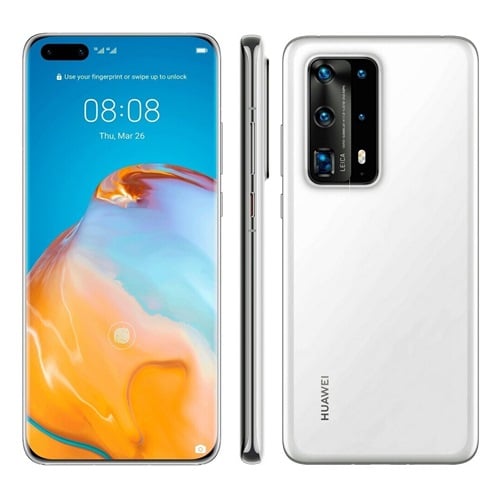
Interestingly, Ren Zhengfei stated that “The proposal of a few US politicians does not fully represent the opinion of the US government. Many US companies have been approved by the US Department of Commerce to supply us with spare parts.” Thus, the Founder believes that there is no pressuring reason to shift sourcing from the region in favor of other countries or even it’s home country. The recently launched flagship Huawei P40 series serves as a great example as the internals did arrive with a few but the important US made parts from Qualcomm, Skyworks, Qorvo, and more.
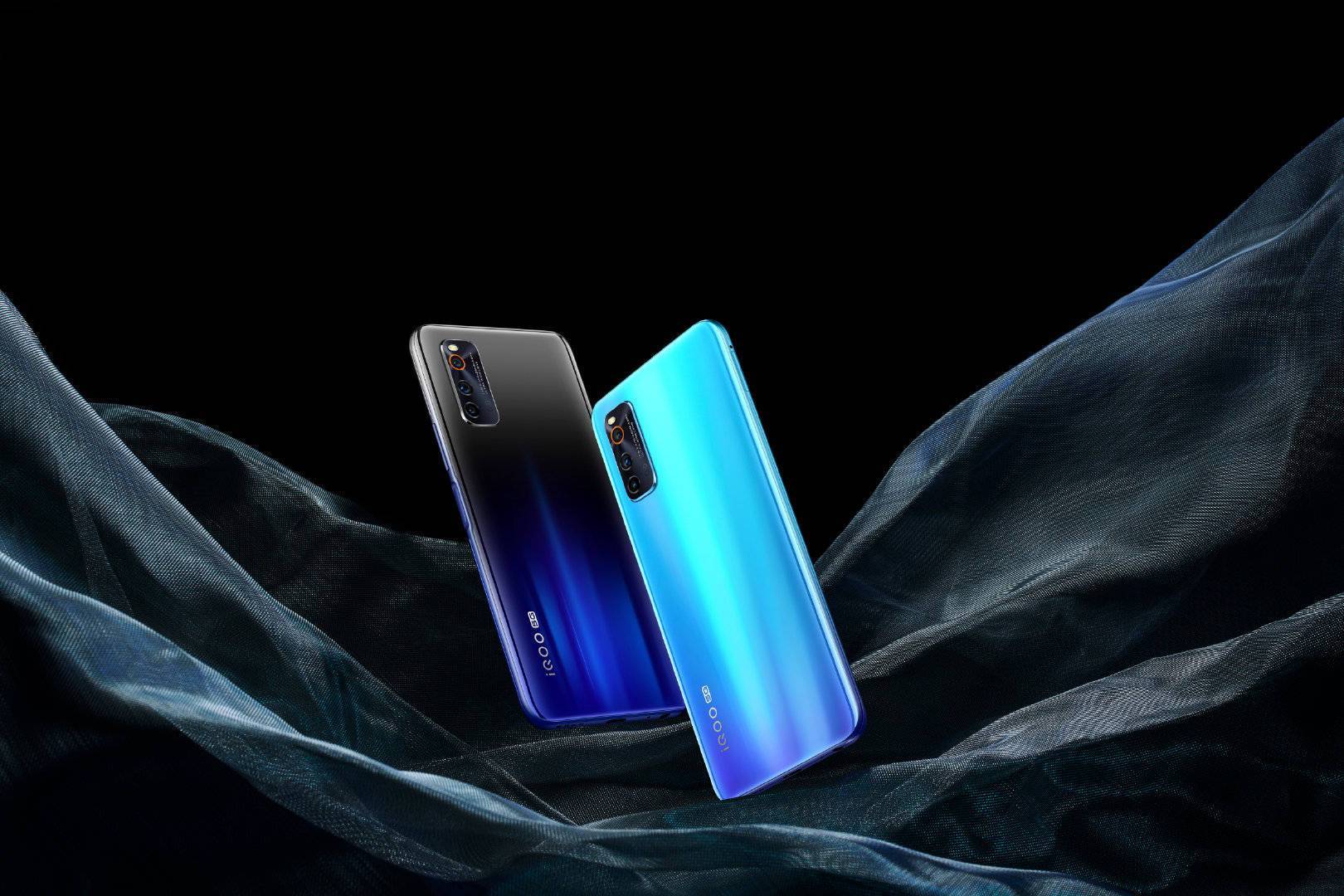
Last week, after teasing it for a few weeks, Vivo-backed iQOO officially launched the iQOO Neo3 5G smartphone in its home market. Now, the smartphone will be available for purchase in China from tomorrow.
The pricing for the iQOO Neo3 start at 2,698 yuan for the base model with 6GB RAM and 128GB storage, which coverts to around $381 while the 8GB RAM + 128GB storage model costs 2,998 yuan which is about $423.
The 8GB RAM + 256GB storage model is priced at 3,398 yuan which is roughly $480 while the top-end variant packed with 12GB RAM and 128GB internal storage is priced at 3,298 yuan which roughly converts to $466. The smartphone comes in two color options — Blue and Black with gradient finish.
Coming to the specifications, the iQOO Neo3 flaunts a 6.57-inch FHD+ LCD display panel with 98% sRGB color gamut, DCI-P3, and HDR10. It offers 144Hz refresh rate, an aspect ratio of 20:9 with a screen-to-body ratio of more than 90 percent.
Under the hood, the device is powered by the Qualcomm Snapdragon 865 SoC clocked at 2.84GHz, along with Adreno 650 GPU. The new iQOO model also upgrades the storage standard to UFS 3.1 which promises sequential reading speeds of up to 1733MB/s and write speeds of 731 MB/s.
It comes with 11-tier cooling system which the company claims can cool the internal temperature by up to 10 degrees. The phone supports dual-mode 5G SA/NSA, NFC, and Wi-Fi6+. As for the battery, the iQOO Neo3 is powered by a 4,500mAh battery and comes with support for 44W fast charging.
As for the camera department, it comes with an AI triple-camera setup that includes a 48MP primary sensor, an 8MP 112-degree ultra-wide-angle lens and a 2MP macro lens. On the front, it has a 16MP snapper housed inside the punch-hole cutout. The phone runs the latest Android 10 operating system with the company’s own iQOO UI on top.
Apple has been sourcing display panels for its iPhone from Samsung. However, the Cupertino-giant is expected to replace Samsung for the OLED panels with China-based BOE for its under-display fingerprint scanner.
The development is in line with the previous report which indicated that the iPhone 12 could feature OLED display from BOE. It was also reported that Apple is expected to purchase around 45 million panels in time for the 2021 iPhone.
As per the report, the inclusion of the in-display fingerprint sensor for the upcoming 5G iPhone 12 is vital for the company as it believes that the smartphone needs to have some of the modern and trendy features.
This is an interesting development given that Apple has invested heavily in Japan Display Inc. which is also ramping up efforts to develop OLED panels. JDI was a leading manufacturer of LCD displays but fell short in the race to OLED supremacy.
BOE is launching OLED production lines which will essentially boost the company’s manufacturing capacity by more than 200 percent. The company has heavily invested in three OLED production lines in China. The company is said to manufacture the sixth generation of AMOLED displays and will reach a full production capacity of manufacturing 48,000 units every month.
A few days ago, Qualcomm and BOE announced their partnership to produce new flexible displays that feature the 3D Sonic ultrasonic fingerprint sensors. At the same time, the company has also begun working on incorporating its security feature into BOE’s flexible OLED panels, to provide a more streamlined solution to OEMs.
Coming to the Apple iPhone 12, the phone will be powered by Apple A14 chipset manufactured by TSMC using 5nm node and will come with support for 5G. However, there are reports claiming that the company could delay the launch of iPhone 12 series as it faces supply issues because of the COVID-19 pandemic.
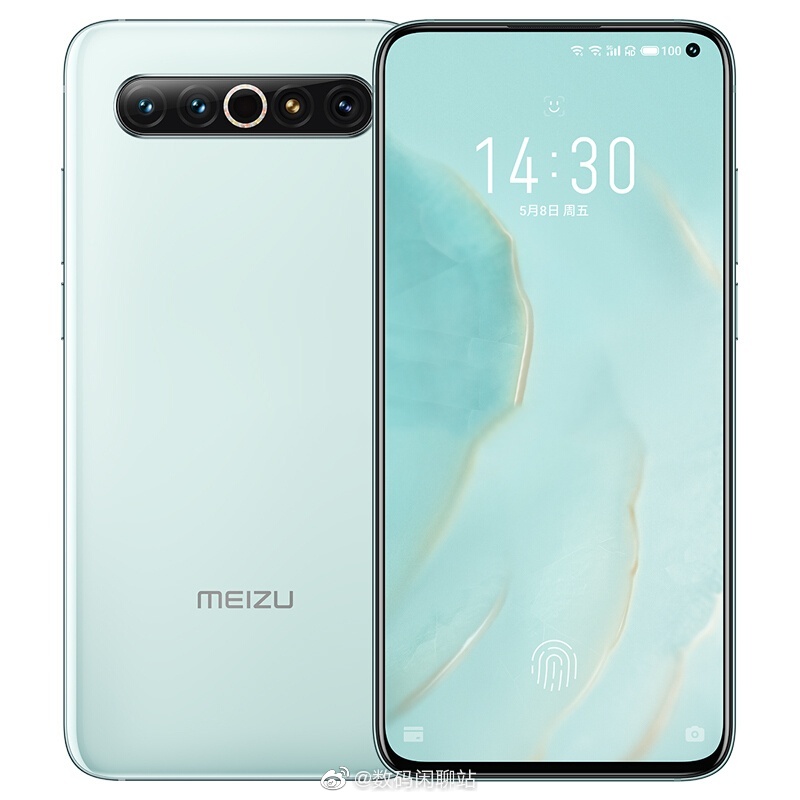
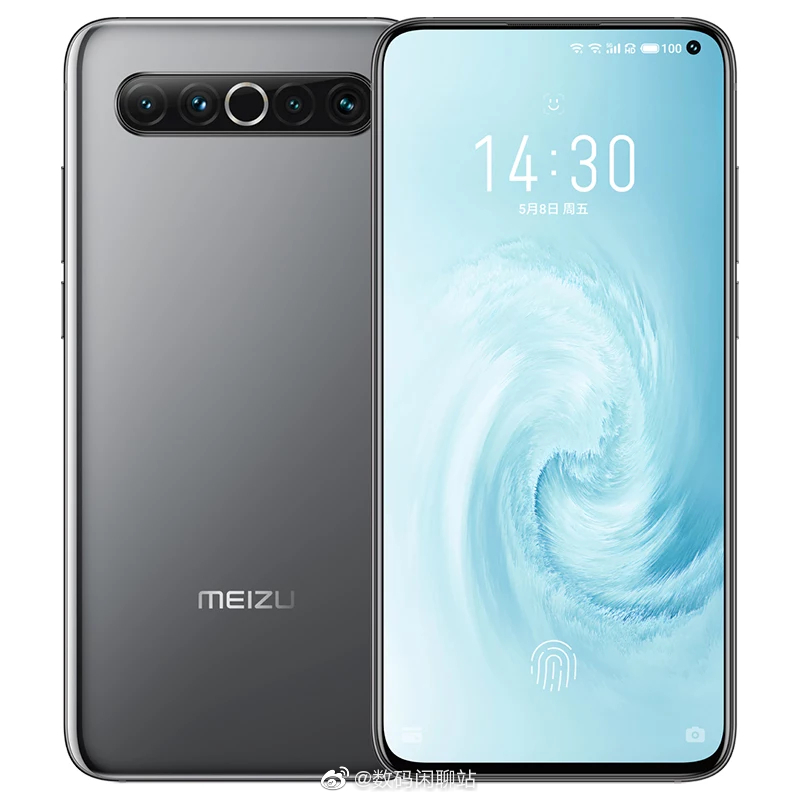
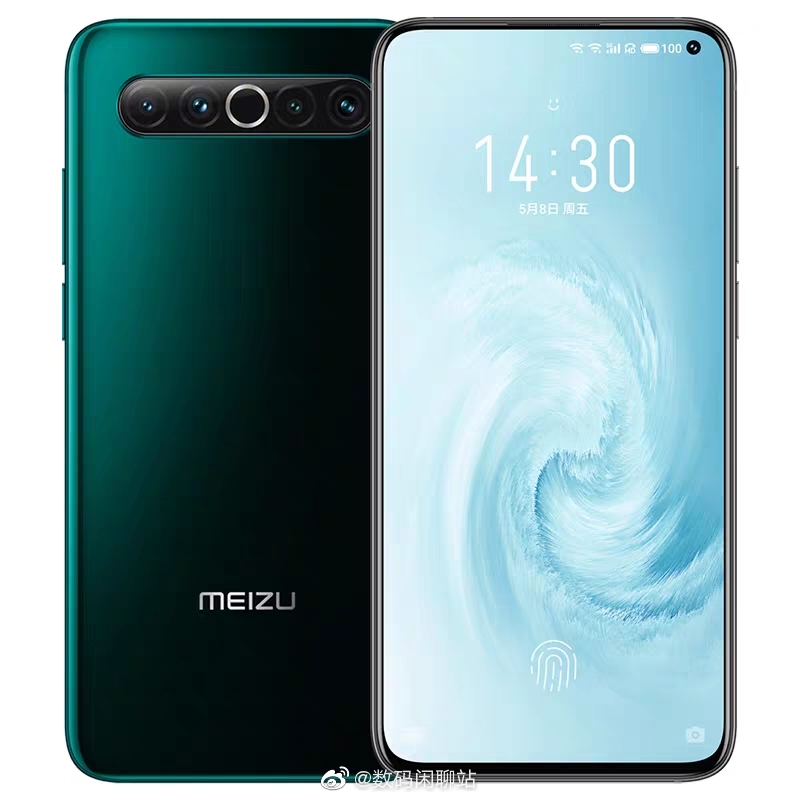
The Meizu 17 series smartphone is now up for reservations in China ahead of May 8 launch through it’s the company’s official online store and other Chinese retailer sites like JD.com, Tmall and Suning. The official renders have appeared through the reservations page. Yesterday, some details of the Meizu 17 Pro were revealed by a Chinese tipster. Today, the company officially confirmed that the Meizu 17 Pro will be sporting a ceramic build.
Meizu 17 renders
The official renders that have appeared today shows that the Meizu 17 will be available in three colors such as white, gray and green. The frontside of the phone features a 90Hz punch-hole screen that is integrated with a fingerprint reader. It is rumored to be equipped with a 6.5-inch OLED panel.
1 of 3
Meizu 17
Meizu 17
Meizu 17
The rear side of the Meizu 17 has a horizontal camera setup. It has a 64-megapixel Sony IMX686 main lens, a telephoto sensor, an ultrawide lens, a macro sensor and LED ring flash at the middle.
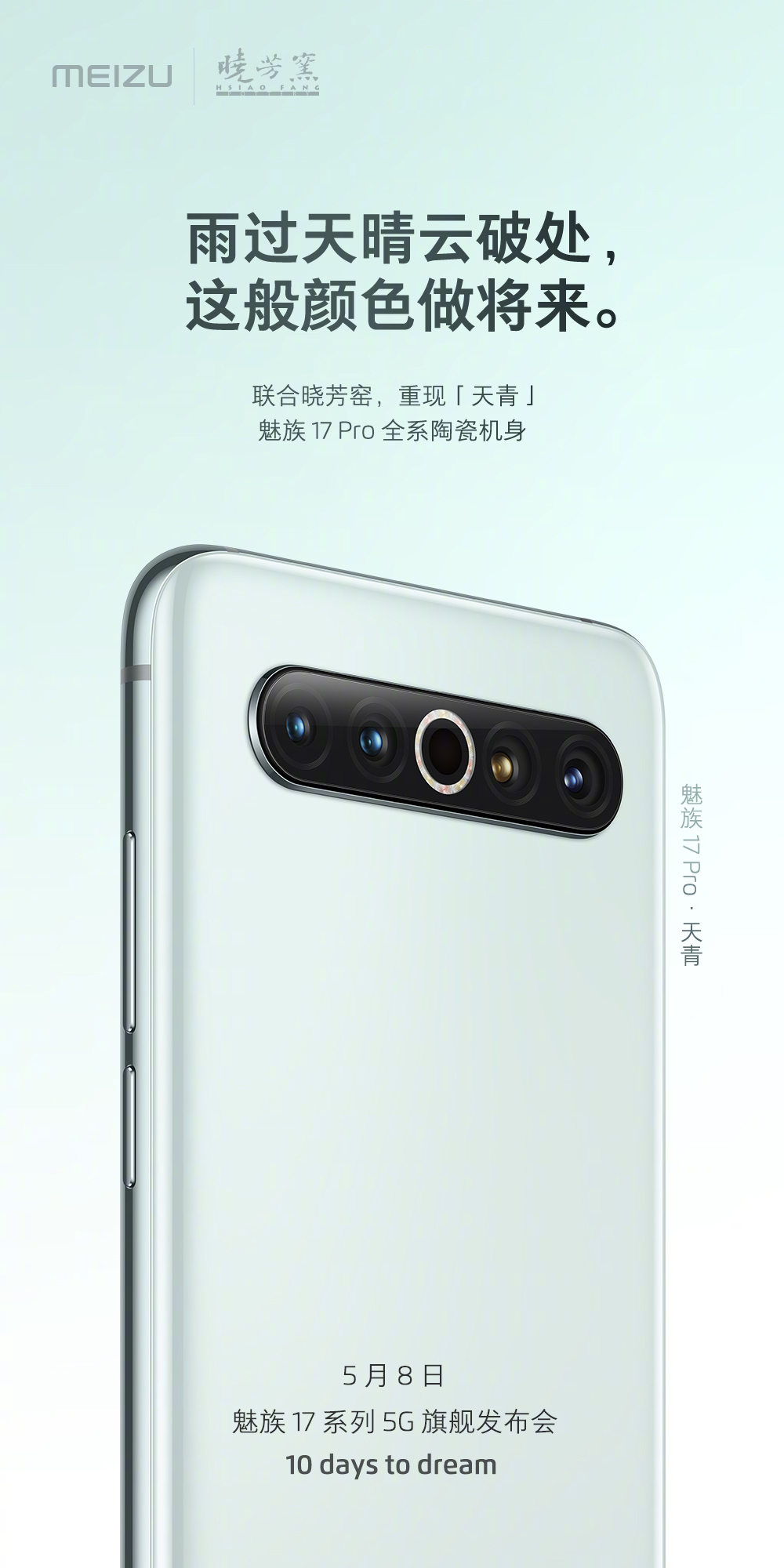
Meizu had claimed that the Meizu 17 is the only 5G flagship phone with a white colored front. However, the official renders show that the Meizu 17 has black colored bezels at the front. Hence, it appears that the Meizu 17 Pro will have a white front.
The Meizu 17 Pro will be the company’s first smartphone to sport a ceramic chassis. It will be available in “Azure” color. As it can be seen in the official poster, the Meizu 17 Pro seems to feature an identical quad camera setup that is available on the vanilla model. The edges of the phone are curved. The frontside of the 17 Pro is yet to be revealed by Meizu. Hopefully, it will sport a curved display. The Meizu 17 Pro will come Super wireless mCharge technology and is expected to support 40W fast charging.
Samsung already has launched two foldable smartphones in the market — Galaxy Fold and Galaxy Z Flip. The South Korean giant is now gearing up to launch a third foldable smartphone — Samsung Galaxy Fold 2, which as the name indicates, will be the successor of Galaxy Fold smartphone.
While some details related to this upcoming smartphone have already been leaked online, the latest information sheds light on the Galaxy Fold 2’s camera configuration. It has been revealed that the phone will come with a triple-camera setup on the back.
Samsung Galaxy Fold 2 Render by Benjamin Geskin
It seems that the company is taking out the same camera module that is present in the Samsung Galaxy S20. The upcoming Galaxy Fold 2 is said to feature a 12MP primary sensor, a 64MP telephoto lens, and a 16MP ultra wide-angle lens.
The report also says that the phone will have two camera sensors on the front side but they won’t be placed together. Instead, one sensor will be placed inside the notch of the Side-A small screen while the other sensor will be placed on a foldable screen.
Earlier there were reports calming that the Galaxy Fold 2 could feature in-display camera sensors. However, the company decided to go ahead with the punch-hole cutout for the front-facing cameras because of the supply issue for the display camera technology.
As per the reports, the Samsung Galaxy Fold 2 smartphone will come with a 7.59-inch Flexible Dynamic AMOLED display with 120Hz refresh rate while the secondary screen will be of 6.23-inch and will have 2267 x 819 pixels screen resolution.
It is also claimed that the phone uses Ultra Thin glass of the Galaxy Z Flip in order to protect the display which should offer higher durability. The phone is also reported to be powered by Qualcomm Snapdragon 865 chipset and come packed with a 4,500mAh battery along with 45W fast charging support. The phone is also said to have S-Pen support.
The Samsung Galaxy Fold 2 is also expected to come in two storage options — 256GB and 512GB. As for the color options, two colors have been revealed so far — Martian Green and Astro Blue. Coming to the pricing, reports indicate that the starting price for the Galaxy Fold 2 will be $100 lower than the Galaxy Fold, and thus start at $1,899.
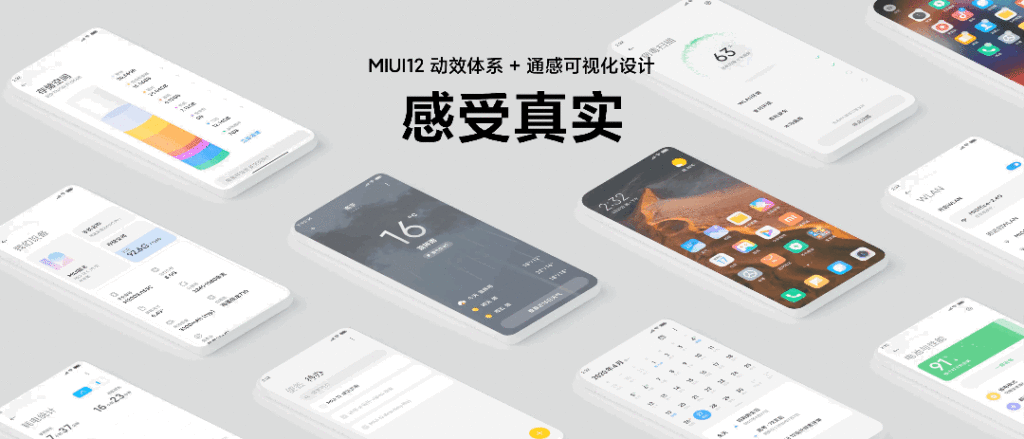
Yesterday, Xiaomi officially introduced MIUI 12, the new version of the company’s mobile operating system. After the launch event, the brand also shared the update schedule/timeline for all the eligible devices. It was later followed by ‘Survey for MIUI 13 Feature Design’ confirming the next iteration of software to be already in works. Now, earlier today, the product head of Xiaomi Camera shared a teaser video of a new improved MIUI Camera app on Weibo. The executive even revealed the list of devices that will be getting it.
Customization in the MIUI Camera app was already teased by @Queena_Xiaomi, the product head of Xiaomi Camera earlier last week. Now, as MIUI 12 is official, she dropped a new teaser video for the redesigned app revealing all new changes.
These are the new features that will be included in the new revamped MIIUI Camera app.
Easy to arrange buttons (Option to edit toggle placement)
Custom colors (Theming)
Texture and Film camera sound (New in-app sounds)
Apart from the above-listed features, the new MIUI Camera app will also feature device camera hardware-specific features like 50x zoom and 108MP modes to name a few.
MIUI Camera Update Timeline / Schedule for Supported Devices
First Batch – April 2020
Xiaomi Mi 9
Xiaomi Mi 9 Explorer Edition
Xiaomi Mi 9 Pro 5G
Redmi K20 Pro
Redmi K20 Pro Premium Edition
Xiaomi Mi CC9 Pro
Xiaomi Mi 9 SE
Redmi Note 7 Pro
Xiaomi Mi CC9
Redmi Note 8 Pro
Xiaomi Mi 10
Xiaomi Mi 10 Pro
Redmi K30 Pro
Redmi K30 Pro Zoom Edition
Second Batch – May 2020
Redmi Note 7
Xiaomi Mi 8
Xiaomi Mi 8 Explorer Edition
Xiaomi Mi 8 Screen Fingerprint Edition
Xiaomi Mi Mix 3
Xiaomi Mi Mix 2S
Xiaomi Mi 8 SE
Third Batch – June 2020
Xiaomi Mi 10 Youth Edition
Redmi K30 5G
Redmi K30 4G
Redmi K20
Xiaomi Mi CC9e
Redmi 8A
Redmi 8
Redmi 7A
Redmi 7
The new MIUI Camera app will first debut in MIUI 12 China Beta ROMs for the supported devices just like any other new feature for Xiaomi’s mobile software.
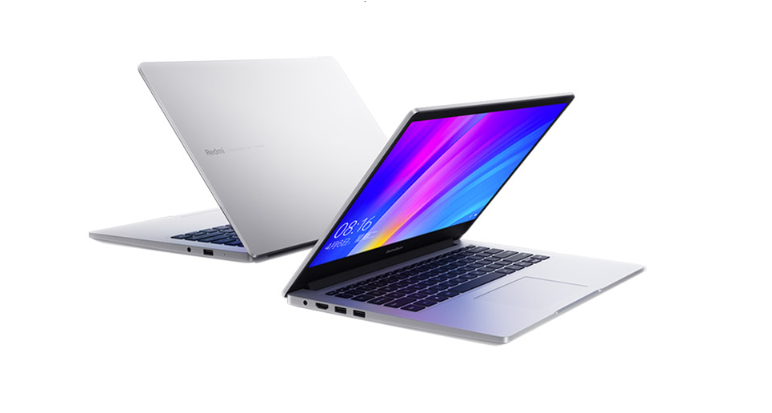
Earlier this year, it was reported that Xiaomi had trademarked the RedmiBook monicker in the Indian market, hinting at the arrival of the first laptop from the brand in the Indian market. In line with that, the RedmiBook 14 received approval from the Bureau of Indian Standards (BIS), confirming that the device is indeed gearing up for an official launch in the market.
Now, it seems that the launch is around the corner. Tipster Ishan Agarwal claims that Manu Kumar Jain, Xiaomi India MD and Xiaomi Global Vice President has said in an online meeting to retailers that the Redmi laptop will get launched in India as soon as possible.
However, there’s no timeline for the launch of the device or its availability revealed yet. But it confirms that the comment was for the laptops only from the brand and not any other device, such as Mi Pad.
While Manu Kumar Jain has not confirmed which laptop will get launched, it’s already known given that the RedmiBook 14 has already been certified in India. The BIS listing shows multiple variants of the same.
Along with the Redmi K20 series smartphones, the brand had launched the RedmiBook 14 in China in May last year. Later, the company had launched Enhanced Edition of the same as well as other variant with Ryzen processors.
Recently, the company updated its RedmiBook 14 Ryzen Edition in China that was first launched in October last year. It comes in two variants in terms of processor as some models pack an AMD Ryzen 5 3500U processor while and others pack an AMD Ryzen 7 3700U processor. Both come bundled with 8/16 GB RAM and 512GB storage.
The laptop also packs support for a new feature — cross-brand file transfer feature. This was launched earlier this year in cooperation with Xiaomi, Oppo, and Vivo for transferring files between the devices from these brands. It can transfer files between laptops and smartphones without any file size limit at a blink of an eye.
The pricing for the RedmiBook 14 AMD Ryzen 5 8GB RAM + 512GB storage version starts at 3,299 yuan (approximately $464) and the top-end AMD Ryzen 7 16 GB RAM + 512GB storage version is priced at 3,999 yuan (approximately $563). As said, it remains to be seen which RedmiBook model will be made official in India.
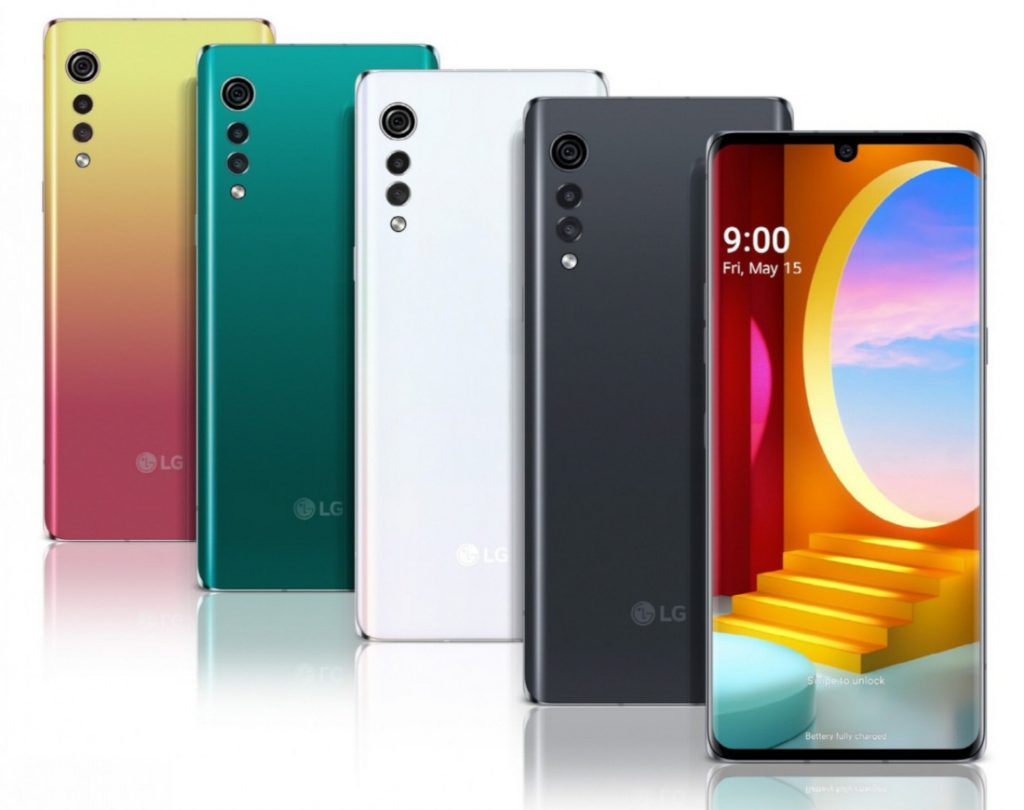
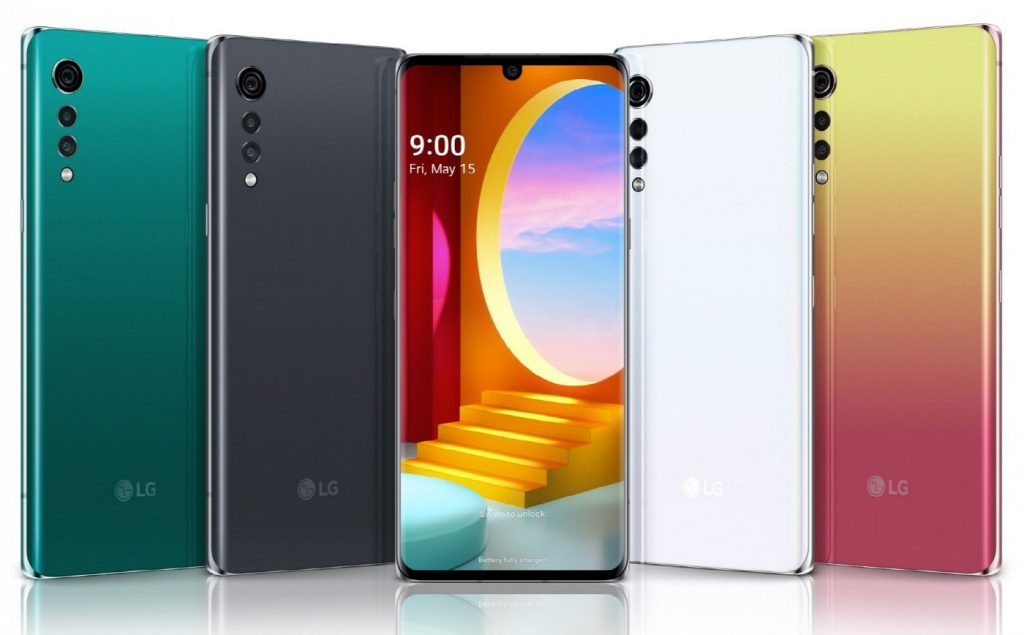
On May 7, LG will be holding a launch event for its new LG VELVET smartphone. Ahead of the unveil event, LG has revealed the entire specifications and features of the smartphone. The upper mid-range phone comes in some vibrant colors and it flaunts a refreshed rear design with a raindrop camera setup. Up front, the device features a massive waterdrop notch screen. The other key features of the device include 48-megapixel triple cameras and large-sized battery with wireless charging support.
LG VELVET specifications
The LG VELVET smartphone that comes with a glass and metal combination chassis offers users with a 3D arc design. In other words, the left and right edges at the rear and front are slightly curved. The top and bottom bezels are of equal size. The LG VELVET is blessed with Cinema FullVision OLED display of 6.8 inches. The screen delivers a tall aspect ratio of 20.5:9.
LG VELVET
The LG VELVET features Artificial Intelligence Sound that can automatically analyze the content being played on the device and chooses the optimal audio quality. Moreover, the device is equipped with stereo speakers. The waterdrop notch on the display is the home for its 16-megapixel selfie camera. The OLED panel is integrated with an under-display fingerprint sensor.
The rear cameras of the LG VELVET are positioned vertically at the top-left corner. The lenses are arranged like water droplets. It includes a 48-megapixel primary lens, an ultrawide shooter of 8-megapixel and 5-megapixel depth sensor. The LG VELVET include quad binning technology that combines four pixels into one for shooting better shots in low-light environments. There is Voice Out Focus features that makes it possible to remove unwanted sound while capturing a video. The ASMR (autonomous sensory meridian response) recording function can maximize the sensitivity of two high-performance microphones for capturing sound vividly. The Time Lapse function allow users to adjust the speed automatically according to the shooting target or movement without any separate setting. Users can freely adjust thee speed even while shooting the video.
LG VELVET
The 7nm Snapdragon 765 SoC is present under the hood of the LG VELVET. The handset comes with 8 GB of LPDDR4X RAM and UFS 2.1 storage of 128 GB. There is a microSD card slot onboard for additional storage. The smartphone is backed by a 4,300mAh battery. Apart from fast charging, the smartphone also supports 10W wireless charging.
The Android 10 OS coupled with LG’s UI comes preloaded on the LG VELVET. The connectivity features available on the device include 5G, dual-SIM slot, Wi-Fi 802.11ac, Bluetooth 5.1, NFC, USB-C and 3.5mm audio jack. The LG VELVET also supports accessories like LG Dual Screen and Stylus Pen. These accessories will be available for purchase separately.
LG VELVET price and availability
LG is expected to confirm on the pricing and availability of the LG VELVET through its May 7 unveil event. The phone will be available in multiple colors such as Aurora White, Aurora Gray, Aurora Green and Illusion Sunset. From April 29 to May 7, the South Korean company will be recruiting 300 ‘VELVETist’ to try the smartphone for a duration of four weeks. The sales of the smartphone will begin in South Korea on May 15.
What’s your opinion on the specifications and design of LG VELVET? Share us your thoughts by posting your comments below.
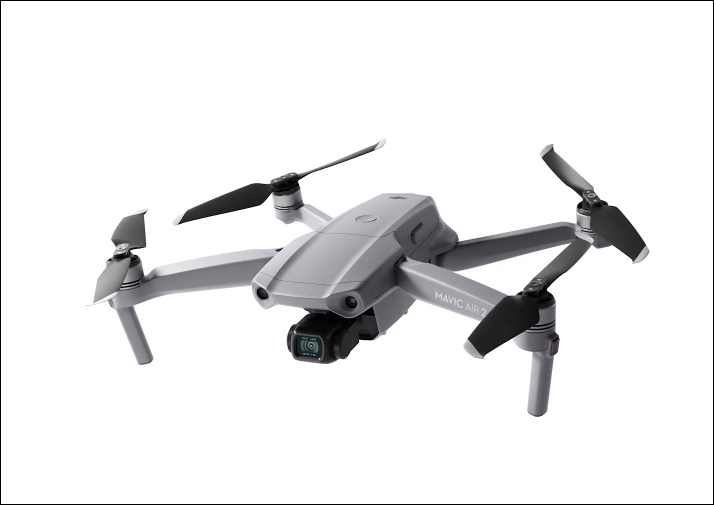
DJI has grown to become the leading name in the commercial drone industry. The drone maker has just launched its latest drone and it is available to buy on its website. The DJI Mavic Air 2 takes power and portability to the next level, offering advanced features in a compact form factor.
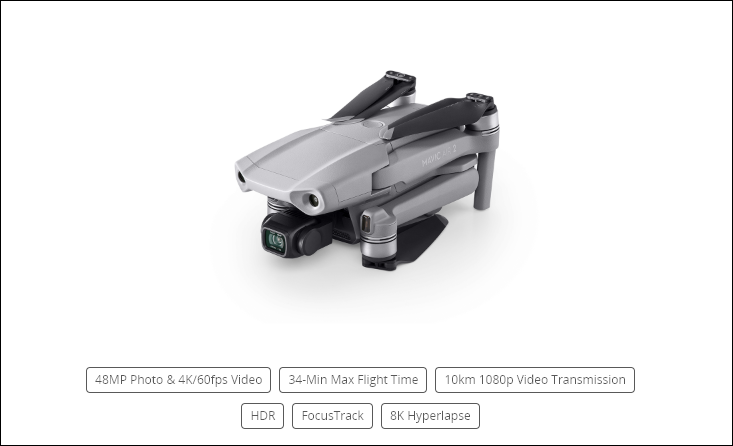
The drone has seen several improvements including the flight time and the camera. It packs a new 48MP sensor which can be binned to 12MP for better-quality photos. The sensor is also larger than the Mavic Air’s standing at 1/2.3” but the sensor has an 84° field of view and f/2.8 aperture, same as the first generation. It can shoot regular videos at 4K resolution and will also be able to shoot 8K Hyperlapses.
The DJI Mavic Air 2 weighs 570g which is higher than what the Mavic Air weighs. One reason for this is no doubt the larger 3,500mAh battery capacity. The bigger battery ensures the Mavic Air 2’s flight time is bumped up to 34 minutes, way higher than the 21 minutes light time which the first-gen model offers. The drone can travel at a maximum speed of 68.4 km/h and has a maximum descent of up to 5 m/s.
Further, the Mavic Air 2 supports OcuSync 2.0 out of the box, a feature from the Mavic Pro, which creates a more reliable long-distance attachment and enables the use of the DJI Goggles.
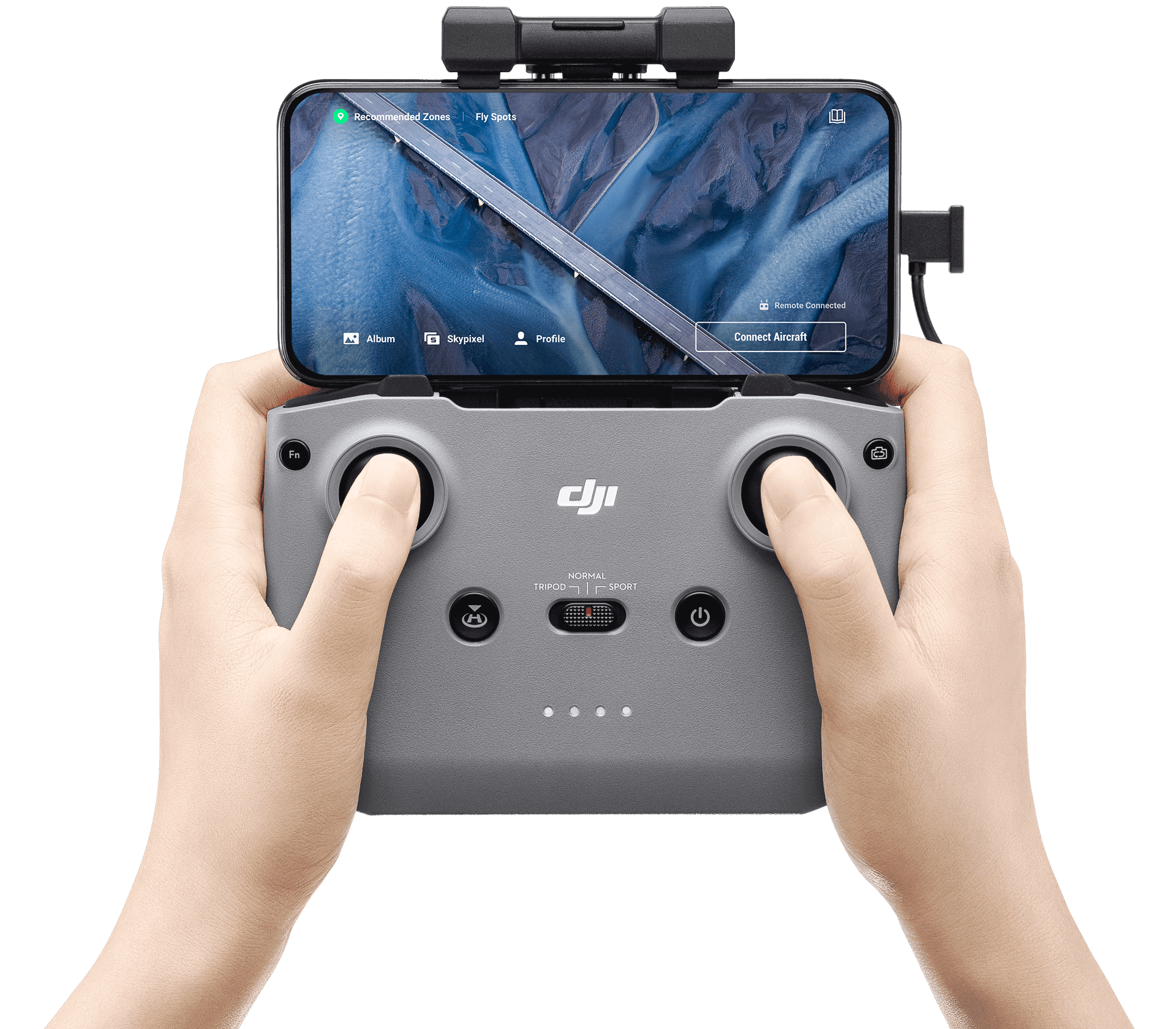
The newly designed remote controller features an ergonomic design for a more comfortable grip and boasts an impressively long battery life of 240 minutes. The new clamp makes attaching smartphones fast and easy, while integrated antennas significantly improve user experience.
The Mavic Air 2 with a price tag of $799. There is a “Fly more combo” with three batteries, a set of ND filters, 6 pair of replacement propellers, a battery charging hub, a Battery to Power Bank Adaptor, a shoulder bag and more offered for $988.
Quick Charge 4+ was announced back in 2017, so you won’t be wrong to expect the successor to arrive as Quick Charge 5 or Quick Charge 5+, right? Qualcomm has surprised us by not launching Quick Charge 5 but Quick Charge 3+.
Qualcomm says the new charging technology is designed to bring “advanced charging at a lower price point”. The feature is said to be available first on the Snapdragon 765 and Snapdragon 765G processors.
Quick Charge 3+ is also said to be available first on the newly-launched Mi 10 Lite Zoom (Mi 10 Youth Edition). Surprisingly, the phone is said to also support Quick Charge 4+, making it the world’s first smartphone to support both charging technologies.
Below are the key features of Quick Charge 3+:
Fast Charging and better efficiency: charges from 0% to 50% in 15 minutes. It is also 35% more efficient than the previous generation and 9°C cooler.
Support for USB Type-A to Type-C cables and accessories
Backward compatibility with previous-generation Quick Charge devices. Newer devices can also work with Quick Charge 3+ accessories.
Integrated cable power capability or identification
Support for new PMICs such as SMB1395/SMB1396 which brings advantages such as eliminating the need for external components an overvoltage protection chip and a sense resistor.
Qualcomm says more Snapdragon mobile platforms will support the new fast charging technology.
The COVID-19 pandemic was expected to have minimal effect on the smartphone industry but as the pandemic continues to ravage countries unabated, predictions are changing. Research firm DigiTimes has published a report which projects that smartphone shipments are now expected to decrease by a massive 15% this year to 1.15 billion units.
The slump in shipment is expected to hit smartphone brands with large presences in the United States and Europe, which have implemented strict lockdown measures and are likely to experience an economic recession this year. Manufacturers focused on the premium segment are also expected to face extra pressures since buyers are starting to live on tighter budgets. Besides, getting a new smartphone isn’t typically high on the list of priorities, especially not high-end ones. Recall that OnePlus which manufactures only premium phones recently laid off some of its workers in Europe.
Tech giant Apple has already lowered its internal targets. DigiTimes reports that Apple may have already lowered orders for the iPhone 11, which is the best-selling iPhone device globally, for the second and third quarters. The newly released iPhone SE may help soften the near-term impact.
Samsung has also reportedly lowered its internal smartphone shipment forecasts for the year. The poor reception of the Galaxy S20 series is one of the main reasons for this outcome. If the situation doesn’t improve, there are speculations the series could become the worst-selling Galaxy S lineup in years or perhaps ever. The company’s revenue will also take a hit under this circumstance.
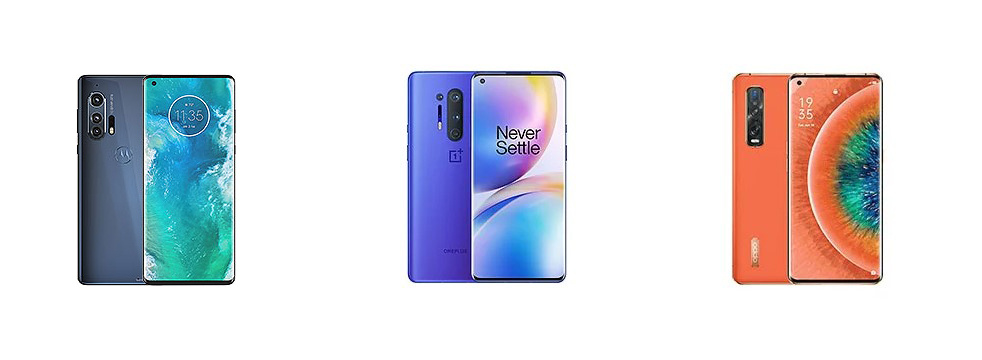
After years of silence, Motorola is back in the flagship segment with the Motorola Edge+. We are not talking about an affordable flagship, but a top-tier one offering maxed out specifications. We are still far from its launch in the market as the device will officially go on sale in May. But a lot of people are already wondering whether it is worth waiting for it or opting for other Chinese flagships already available to purchase. We think there is no better way to answer such a question than comparing the new Motorola Edge+ with the above-mentioned handsets. With the same budget, you can actually get an OnePlus 8 Pro or even an Oppo Find X2 Pro. Which one is worth the money asked and which is the best device? Go ahead with this comparison to find out.
Motorola Edge+ vs OnePlus 8 Pro vs Oppo Find X2 Pro
OnePlus 8 Pro
Oppo Find X2 Pro
Motorola Edge+
DIMENSIONS AND WEIGHT
165.3 x 74.4 x 8.5 mm, 199 g
165.2 x 74.4 x 8.8 mm, 200/208 g
161.1 x 71.4 x 9.6 mm, 203 g
DISPLAY
6.78 inches, 1440 x 3168p (Quad HD+), Fluid AMOLED
If you love stylish phones and you need the most unique design, go for the Oppo Find X2 Pro without thinking twice. It comes in two variants: one with a ceramic body and one with a vegan leather body. And in both versions, it is waterproof with the IP68 certification. Oppo Find X2 Pro has definitely the most impressive aesthetics, but OnePlus 8 Pro and Motorola Edge+ are still very beautiful handsets. All come with a punch-hole display and very narrow bezels, but Motorola Edge+ has a higher screen-to-body ratio and attractive curved edges, as the name suggests. However, while Oppo Find X2 Pro and OnePlus 8 Pro are waterproof, Motorola Edge+ is only splash resistant.
Display
With the Oppo Find X2 Pro and the OnePlus 8 Pro, you actually get a better display than Motorola Edge+. In both cases, we are talking about a 10-bit panel with a high Quad HD+ resolution and a 120 Hz refresh rate. OnePlus 8 Pro has a slightly wider panel with a 6.78-inch diagonal, while Oppo Find X2 Pro has a 6.7-inch display just like the Motorola Edge+. The Edge+ has a lower display resolution and even a lower refresh rate, so it is undoubtedly inferior. But with all of these devices, you get a rich image quality with the support of the HDR10+ standard.
Hardware/Software
The hardware side of Motorola Edge+, OnePlus 8 Pro, and Oppo Find X2 Pro does not have compromises. All are equipped with a Snapdragon 865 chipset and they offer up to 12 GB of RAM, so you get essentially the same performance level. Oppo Find X2 Pro offers more internal storage as it goes up to 512 GB, while its two rivals stop at 256 GB. Motorola Edge+ and OnePlus 8 Pro offer a nearly-stock Android experience with Android 10 out of the box, while the Android 10 version of the Oppo Find X2 Pro is customized by ColorOS 7 offering a different user interface. These devices are all 5G-enabled thanks to a Snapdragon X55 modem, but in the global market, OnePlus 8 Pro is the only with a dual SIM slot.
Camera
On the paper, the most impressive camera department belongs to the Oppo Find X2 Pro: it boasts two 48 MP sensors and a stunning periscope lens with up to 5x optical zoom. But hardware is not the only thing to consider when it comes to photo quality. Motorola Edge+ and OnePlus 8 Pro are still amazing camera phones, each with its strong points. The software optimization will be very important to establish which one wins the camera battle. But unfortunately, we still have no chance to test all of these devices thoroughly: the Motorola Edge+ will hit the shelves in May, so there is still no way to test it for us.
Battery
With its impressive 5000 mAh battery and a display with a lower resolution and a lower refresh rate, Motorola Edge+ will most likely offer a way longer battery life than Oppo Find X2 Pro and OnePlus 8 Pro. The OnePlus 8 Pro comes right after with a 4510 mAh battery. Oppo Find X2 Pro still offers a good battery life; it comes with the fastest wired charging technology, but unlike the OnePlus 8 Pro and the Motorola Edge+, it does not support wireless charging (neither reverse charging).
Price
Oppo Find X2 Pro and Motorola Edge+ carry a €1200/$1300 price tag globally (Motorola Edge+ will be priced $999 in the U.S.), while OnePlus 8 Pro begins at €919/$995. There is not a definitive winner for this comparison: each device has its pros and cons. The Oppo Find X2 Pro has a more impressive design and a great camera with high zoom capabilities, as well as a unique design and an amazing display; it is my favorite one for these reasons, but it does not support wireless charging. OnePlus 8 Pro has a higher value for money and a very similar specs sheet to Oppo Find X2 Pro, even though it lacks the unique design and 5x optical zoom. Motorola Edge+ has an inferior display, but it offers a bigger battery. Which one would you pick?
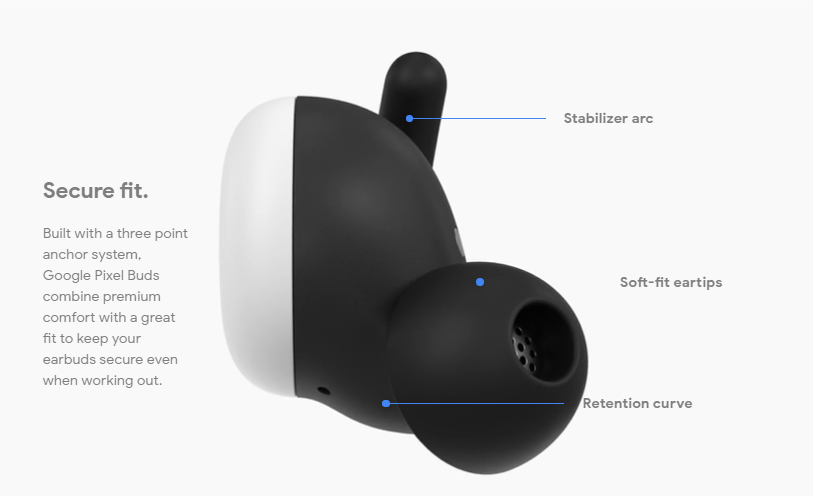
Google announced the new Pixel Buds with a truly wireless design in October last year and set the available date for Spring of 2020. Indeed, the Pixel Buds is now on sale in the US. According to Google, the earbuds will roll out to more countries in the coming months.
The Pixel Buds feature custom-designed 12 mm drivers, built-in sensors that automatically detect when you are talking, and microphones that help with noise cancellation. They come in a white case with black rubber seals that are visible even when closed. The case charges via USB Type-C and also wirelessly.
The earbuds are designed to have a secure fit and earbuds that seal the ears but they also have what is called an ambient vent that keeps you connected to the outside world. The buds have what is called adaptive sound which automatically adjusts the volume based on where you are.
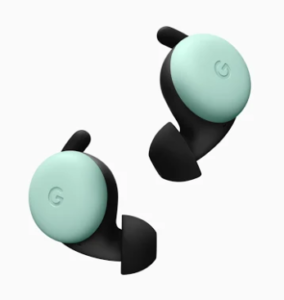
Pixel Buds Quite Mint
Pixel Buds Oh So Orange
Pixel Buds Clearly White
The Pixel Buds are sweat and water-resistant, have real-time translation built-in, and of course, have Google Assistant too. The buds will last 5 hours on a single charge and provide up to 24 hours of usage with the case.
In the US, it is available on Google Store and retailers including AT&T, Best Buy, Target (coming early May), T-Mobile, U.S. Cellular, Verizon and Walmart at US$179 with free shipping. As of this moment, only the Clearly White colour variant is available Recall that the earbuds are also available in Almost Black, Quite Mint and Oh So Orange variants. Google says all other variants will be available in the coming months.
MIUI 12 was officially unveiled earlier today along with Mi 10 Youth Editon mid-range 5G smartphone sporting a periscope camera. After the event, the company also announced the update schedule in a post on Mi Community China. Unfortunately, the post also mentions some bad news suggesting MIUI 12 could be the last update for five popular devices from the company.
Xiaomi stopped releasing MIUI Global Beta builds from last year, however, it continued to provide beta builds for MIUI China ROM. Whenever the company drops support for beta builds for a device, it is likely to not receive the next iteration of MIUI thereafter.
In the post where the company listed the eligible devices for MIUI 12, it also noted the end of beta builds for five devices listed below from June 20, 2020.
MIUI 12 could be the last update for the above-listed devices. They may not receive MIUI 13 update whose ‘Feature Design Survey’ is already live on Mi Community China.
Once the development of MIUI China Beta ROMs for these devices will be ended, they will be receiving MIUI 12 Stable build as per the update schedule/timeline provided by the company. Additionally, they might receive one or two maintenance updates after that to fix bugs. And that could be the end of official software support for these handsets unless Xiaomi changes its mind.
It is worth noting that Mi 6 is yet to be decided by the company to get a stable update. Also, the Redmi Note 5 mentioned here is the Chinese variant, which is popular as Redmi Note 5 Pro in India.
Although these smartphones may not receive update from the company in the near future, they are expected to remain up to date for a few more years as almost all of them are still popular in the Android modding community.
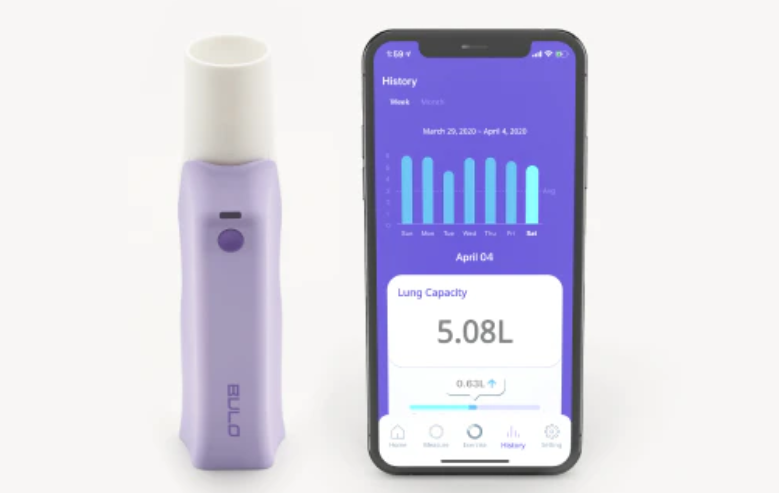
A new project on Kickstarter wants to help you monitor and improve the state of your lungs. BULO, as it is called, is a breath analysis device designed by ex-Samsung engineers and “accelerated by Samsung”. The portable device is able to measure and analyze the state of your lungs by simply breathing into it.
BULO connects to your phone via Bluetooth and has an accompanying app. The user is required to breathe into it for six seconds. The data is then sent to the phone and a special algorithm presents you with your result. The result includes your lung capacity, lung endurance, and even the age of your lungs.
Other than displaying the state of your lungs, it also suggests customized breathing exercises for you (based on your results) to improve the health of your lungs and records your daily progress. It will also display your results weekly, monthly, and yearly.
BULO has a removable and washable mouthpiece and LED. It has a 300mAh battery that charges via USB Type-C and lasts up to 20 days if you use it for 30 minutes per day. The charge time is stated as 4 hours.
BULO has crossed its $5000 goal even though it still has 23 days to go. Mass production is scheduled to begin in June and shipping is set for August. BULO does look like a promising product but we hope it comes in a sanitary carrying case. This is necessary for a product that is designed to go into your mouth.
You can back the project by visiting the source link below.
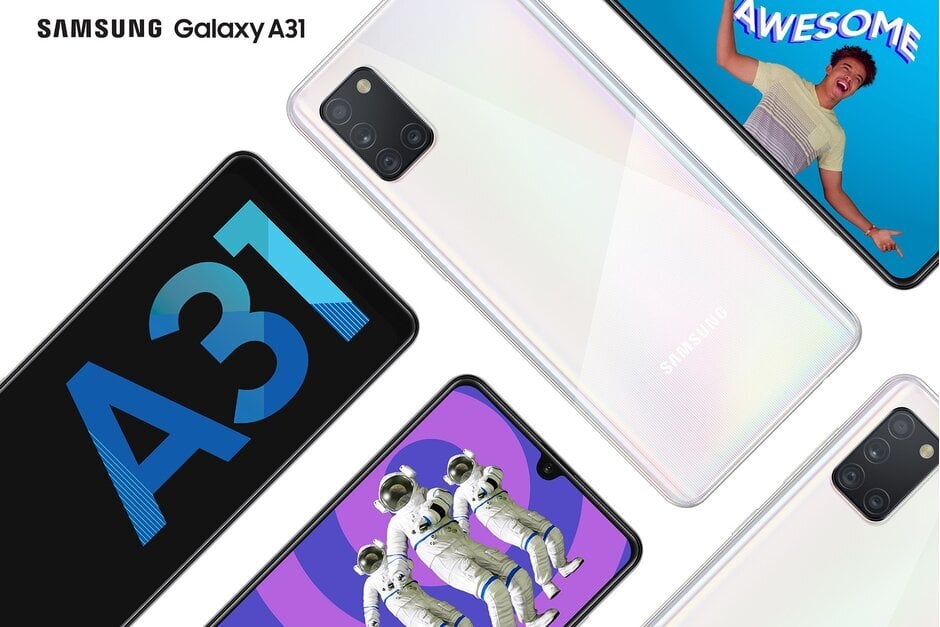
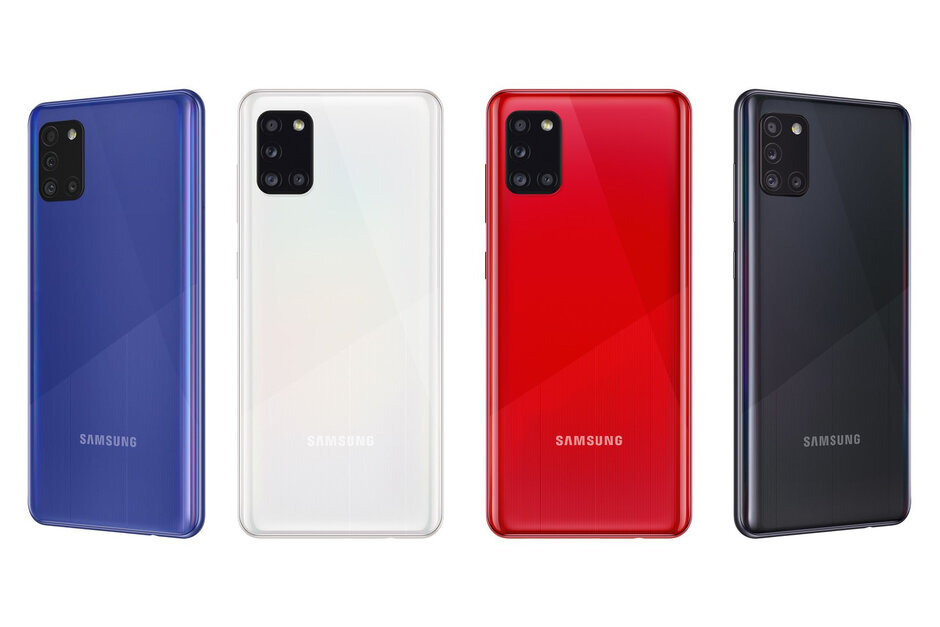
Samsung announced the Galaxy A31 recently as one of its Galaxy A series ew entrants. Even though the product was unveiled with the design and specifications listed, the pricing and availability weren’t revealed. The phone has now been listed by South Korean online store Coupang for preorder at a price of KRW 374,000 (around $300). Considering the specifications, the price looks good.
As a reminder, the Galaxy A31 packs a 6.4-inch FHD+ Infinity-U display and is powered by a MediaTek Helio P65 processor. The phone is available in two configurations – 4GB RAM + 64GB and 6GB RAM + 128GB. The pricing is for the 64GB version. There is also a MicroSD card slot which will allow users to add up to an additional 512GB of storage.
On the camera aspect, the Galaxy A31 also has a rectangular camera module. This houses four sensors – a 48MP f/2.0 primary camera, an 8MP f/2.2 ultrawide angle camera, a 5Mp f/2.4 depth sensor, and a 5MP f.2.4 macro camera. The selfie camera is a 20MP f/2.2 sensor.
The Galaxy A31 packs a 5000mAh battery but supports just 15W fast charging. There is an in-display fingerprint scanner and support for Samsung Pay. It also runs Android 10 out of the box.
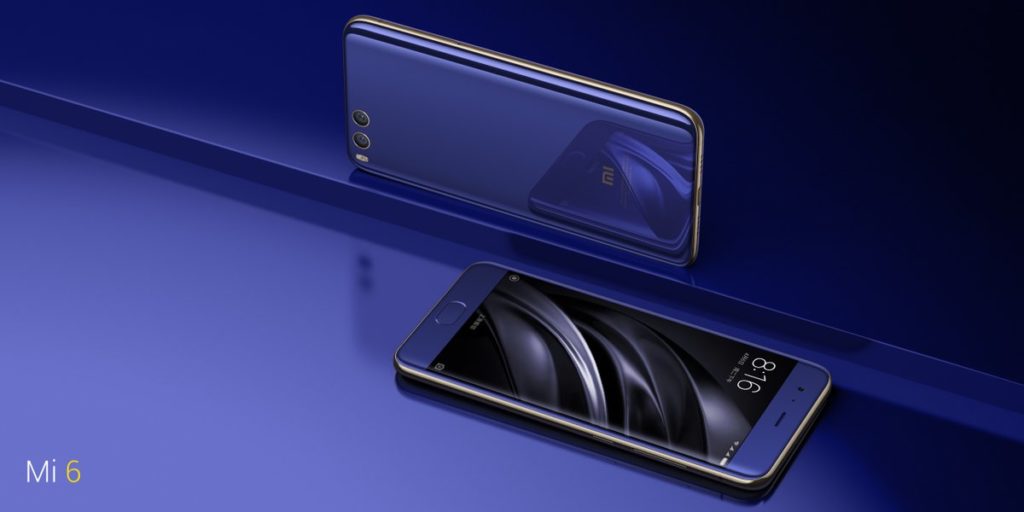
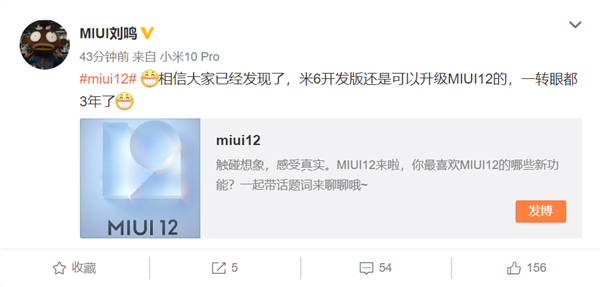
When Xiaomi revealed the official list of eligible devices for MIUI 12 update, it lacked Mi 6 flagship smartphone from 2017 but included Mi 6X, it’s lite variant. This was a head-turner for the user community as this device is still powerful enough to last for at least two more years. Thankfully, Liu Ming, the product manager of MUI has now confirmed the handset to receive the update.
The Xiaomi Mi 6 was launched in April 2017 with MIUI 8 based on Android Nougat. The device was later updated to MIUI 9, MIUI 10, and MIUI 11. Additionally, the system underneath was also upgraded to Android Oreo and Android Pie.
As far as any standard Android flagship smartphone is concerned, it is more likely to receive two platform updates and three years of security patches. In Mi 6’s case, it has already received support for 3 years and should not receive any update further if it has to follow the above tradition.
However, Xiaomi’s update tradition is different than other OEMs as it is known for supporting devices for up to 6 years. But sadly, the company has been changing as certain new MIUI features cannot work on old Android base and its a tiring job to update the platform versions of older devices.
On the other hand, phones released in the past few years are more capable than those launched before that. So, it was confusing why Xiaomi did not include Mi 6 for MIUI 12 update when Mi 6X was eligible for it.
At that moment, the MIUI Head took it to his Weibo to remind users that MIUI 12 Beta is indeed available for Mi 6. When we looked a look at the Mi Community post, we came to know that the company is yet to decide on providing a stable update to the device and thus it was not included in the official eligible list.
If Mi 6X is getting a stable MIUI 12 update, then Mi 6 will most certainly receive it. But for now, it is only guaranteed to get beta builds until the brand officially adds it to the official list of eligible devices, which we believe will happen soon going by the history of the company.
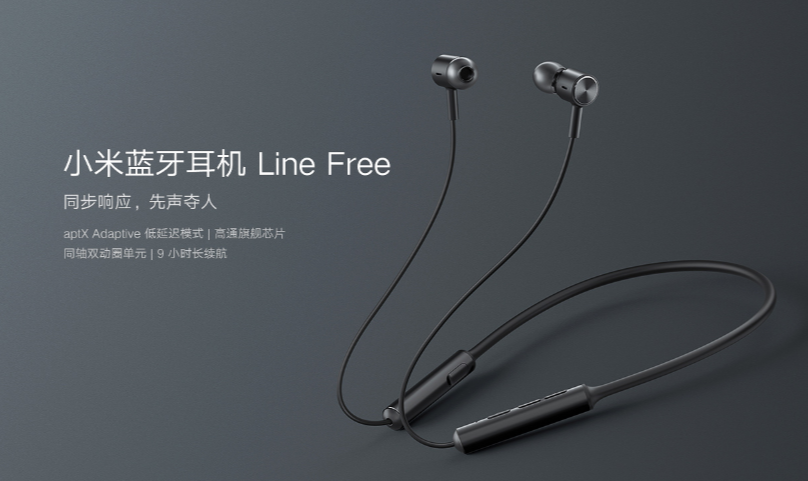
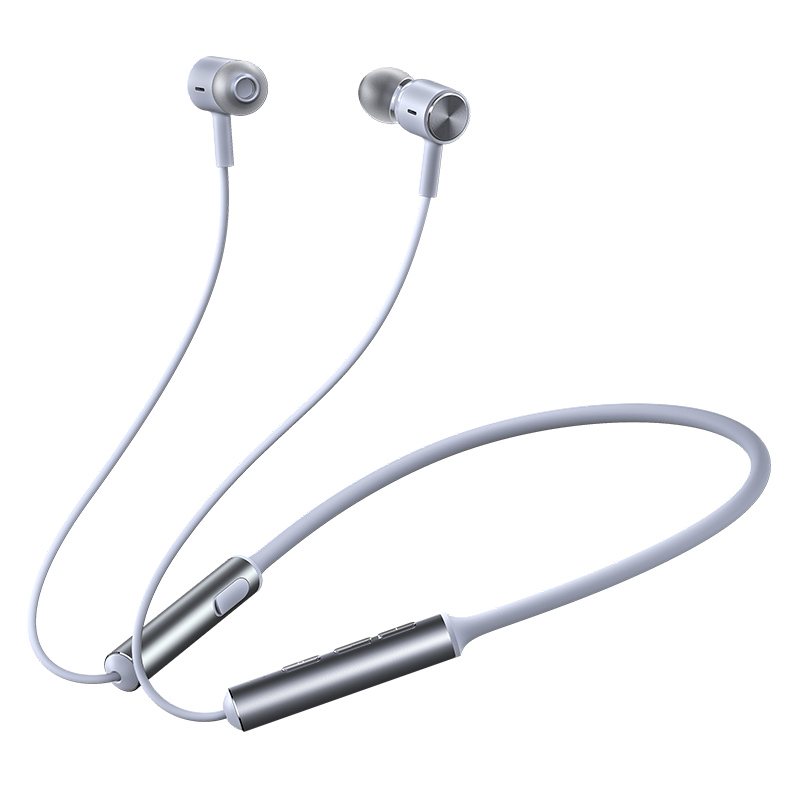
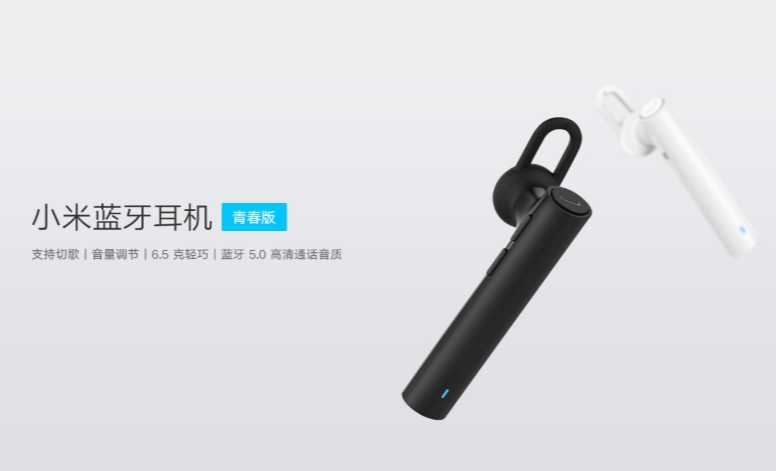
Alongside the Mi 10 Youth Edition, Xiaomi also announced two Bluetooth earphones. The two audio products are the Line Free Bluetooth Headphones and the Mi Bluetooth Headset Youth Edition.
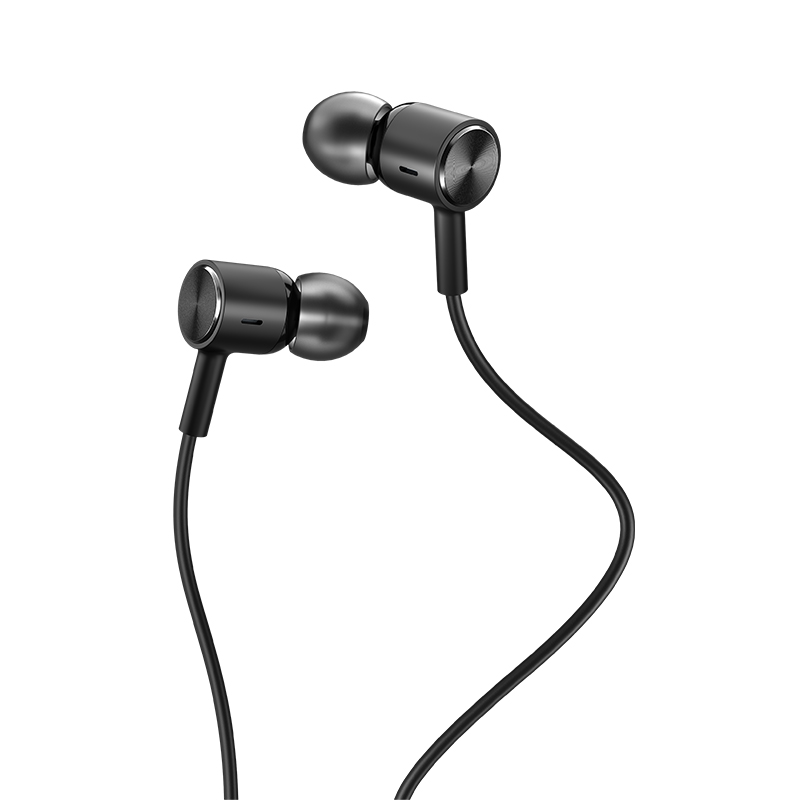
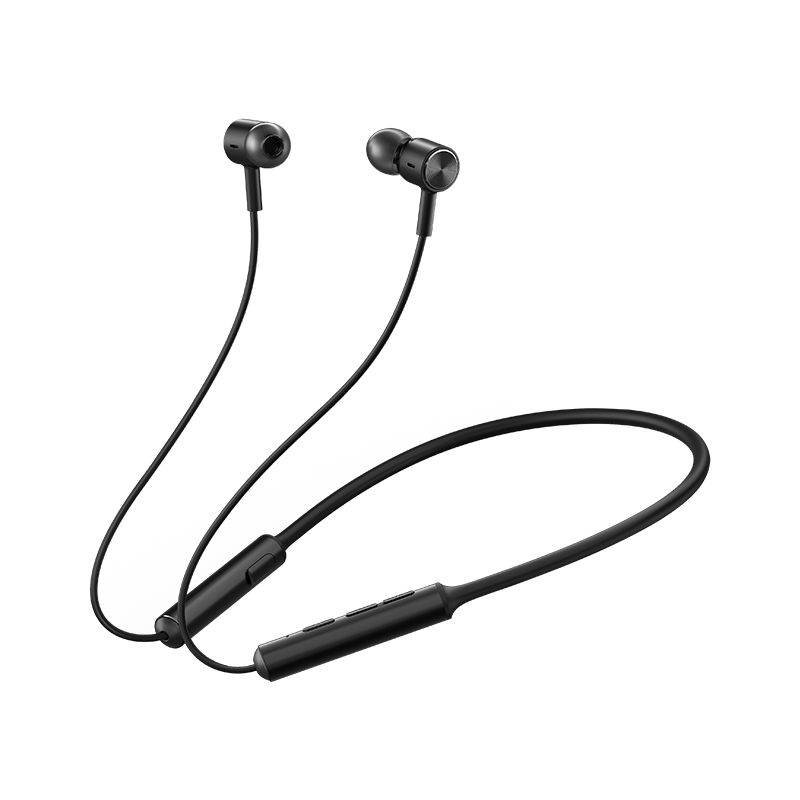
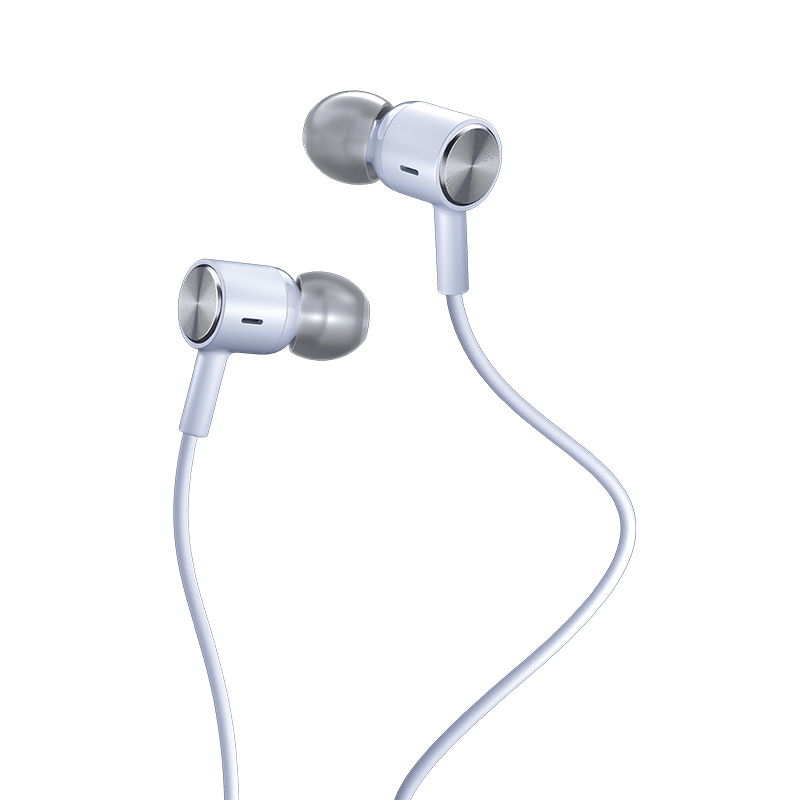
Xiaomi Line Free Bluetooth Headphones
The Line Free Bluetooth Headphones has a neckband design with magnetic earbuds. It comes in two color variants – Black and Gray – with a sandblasted finish. The unique selling point of the earphones is its low-latency (80ms); thanks to Qualcomm’s aptX Adaptive technology.
The Bluetooth headphones are powered by Qualcomm’s QCC5125 audio chipset which is a low-power premium audio chipset. It combines DSP+cVC technology for crystal clear audio playback and calls.
The Line Free Bluetooth Headset has a 9-hour battery life and charges via a USB Type-C port. Xiaomi says a 10-minute charge will provide up to 2.5 hours of playback time. There is an in-line remote with buttons for controlling the volume and music playback. It also has support for XiaoAI, Siri, and the Google Assistant.
The Xiaomi Line Free Bluetooth Headphones is priced at ¥199 (~$28) and is already available for purchase on Mi.com.
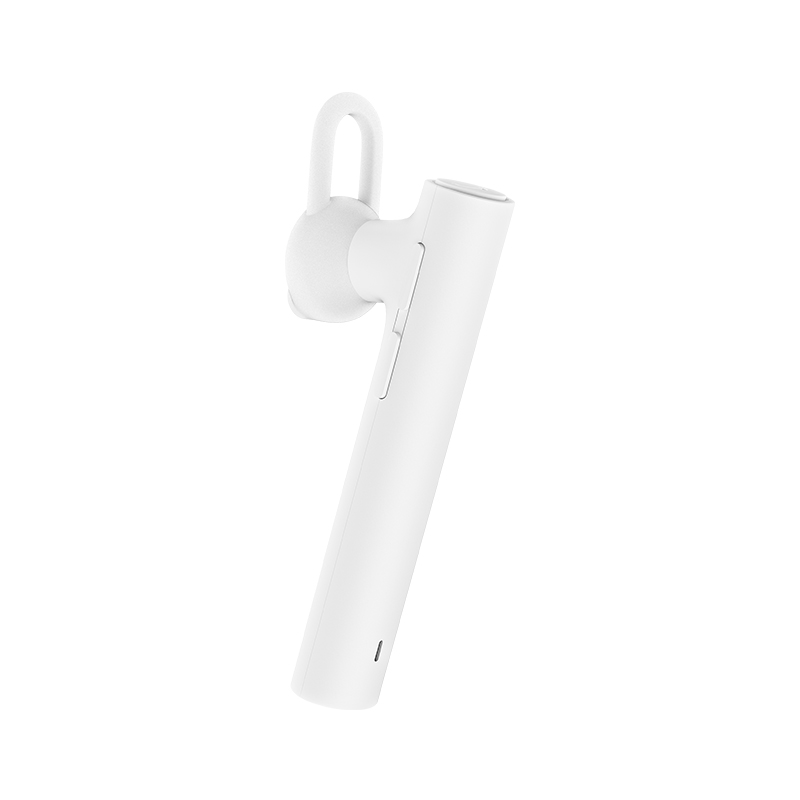
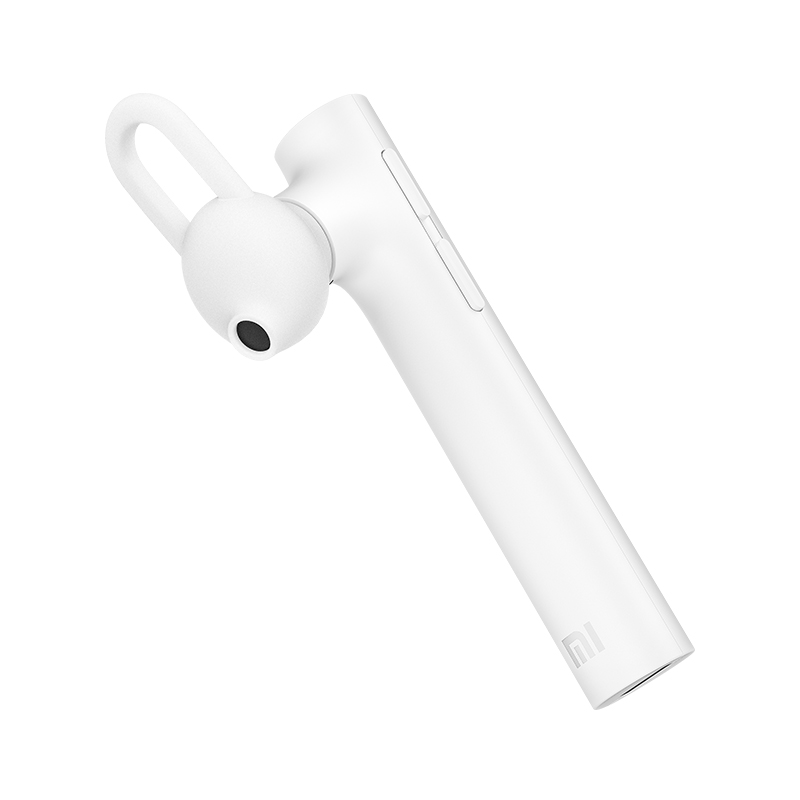
Mi Bluetooth Headset Youth Edition
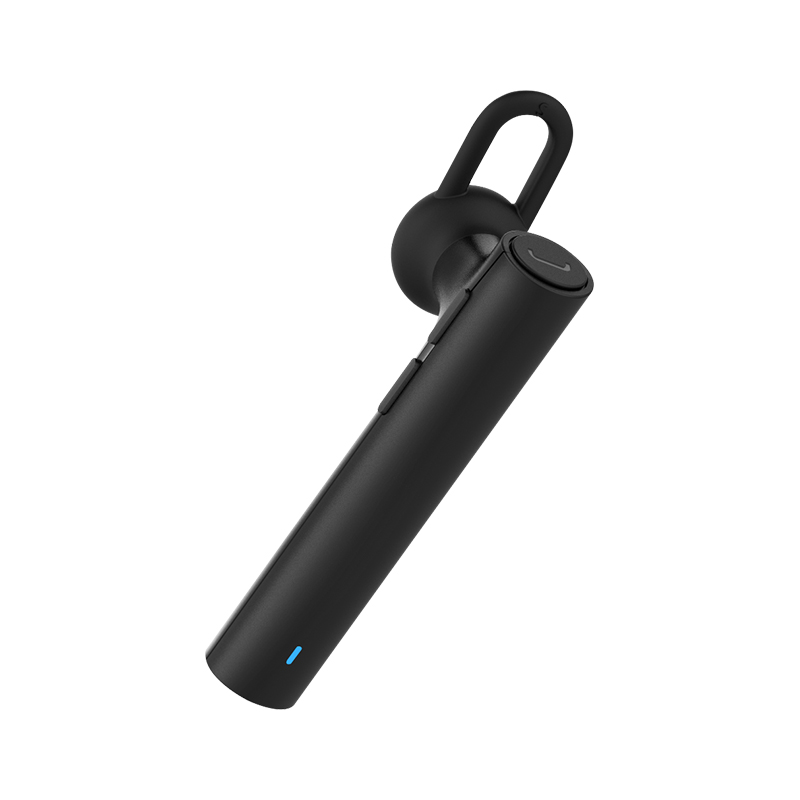
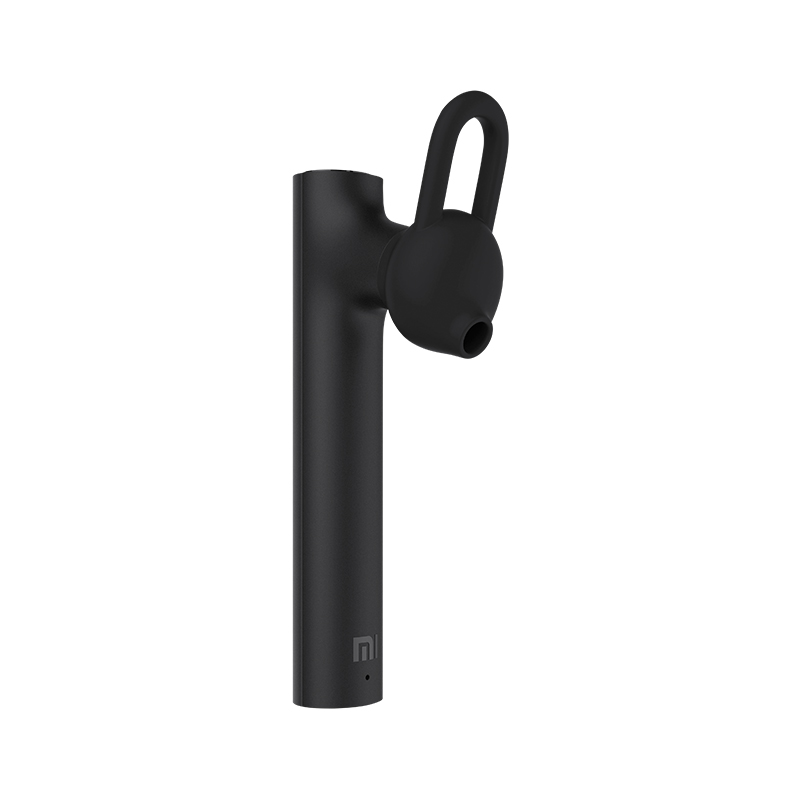
The Mi Bluetooth Headset Youth Edition (LYEJ07LS) is a single-ear Bluetooth headset designed primarily for calls. The design is similar to that of the Mi Bluetooth Headset Basic that was released a couple of years ago.
The headset weighs 6.5 grams and connects via Bluetooth 5.0 and has buttons for volume and music controls. You can also use the buttons to change tracks, reject or accept calls, redial numbers, and for three-way calling. It uses DSP technology for noise reduction and also reduces 4G network interference.
The Mi Bluetooth Headset Youth Edition has a nano-coating that is durable and oil-resistant. It has a 4-hour battery life and lasts up to 80 hours on standby. It can be paired to two devices at the same time and has a Bluetooth range of 10 meters.
The Mi Bluetooth Headset Youth Edition has a price tag of ¥59 (~$8) and comes in black and white color variants. It is also already available for purchase on Mi.com. It comes with three pairs of earbuds of varying sizes.
We use cookies on our website to give you the most relevant experience by remembering your preferences and repeat visits. By clicking “Accept”, you consent to the use of ALL the cookies.
This website uses cookies to improve your experience while you navigate through the website. Out of these, the cookies that are categorized as necessary are stored on your browser as they are essential for the working of basic functionalities of the website. We also use third-party cookies that help us analyze and understand how you use this website. These cookies will be stored in your browser only with your consent. You also have the option to opt-out of these cookies. But opting out of some of these cookies may affect your browsing experience.
Necessary cookies are absolutely essential for the website to function properly. This category only includes cookies that ensures basic functionalities and security features of the website. These cookies do not store any personal information.
Any cookies that may not be particularly necessary for the website to function and is used specifically to collect user personal data via analytics, ads, other embedded contents are termed as non-necessary cookies. It is mandatory to procure user consent prior to running these cookies on your website.