Advertisement

This Mi 10 Youth Edition virtual unboxing is the coolest thing you’ll see today

The Mi 10 Youth Edition was announced in China yesterday. The phone, which will launch outside China as the Mi 10 Lite Zoom, is scheduled to go on sale on April 30 for the first time.

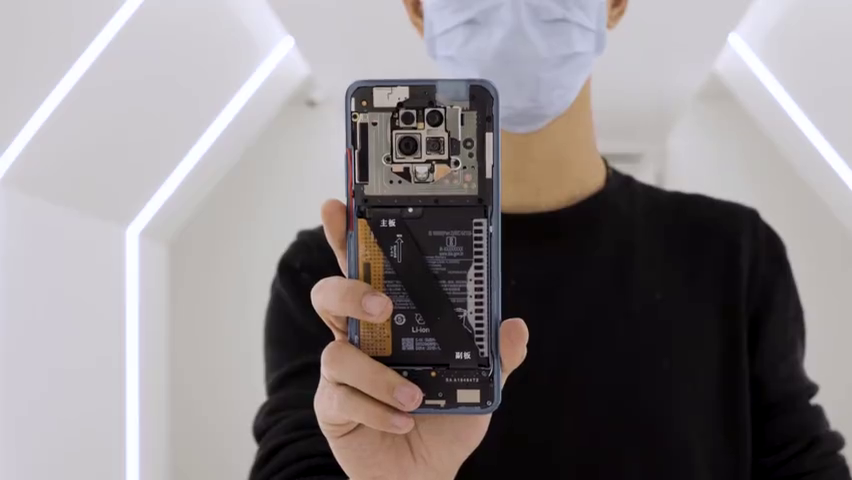
Ahead of the first sale, Xiaomi has created a virtual unboxing experience that lets you check out the phone. The experience is actually pretty neat and you get to see the phone in all the colorways it comes. The virtual unboxing also allows you to view the components that make up the phone such as the battery, the cameras, the cooling pipe, and the processor.
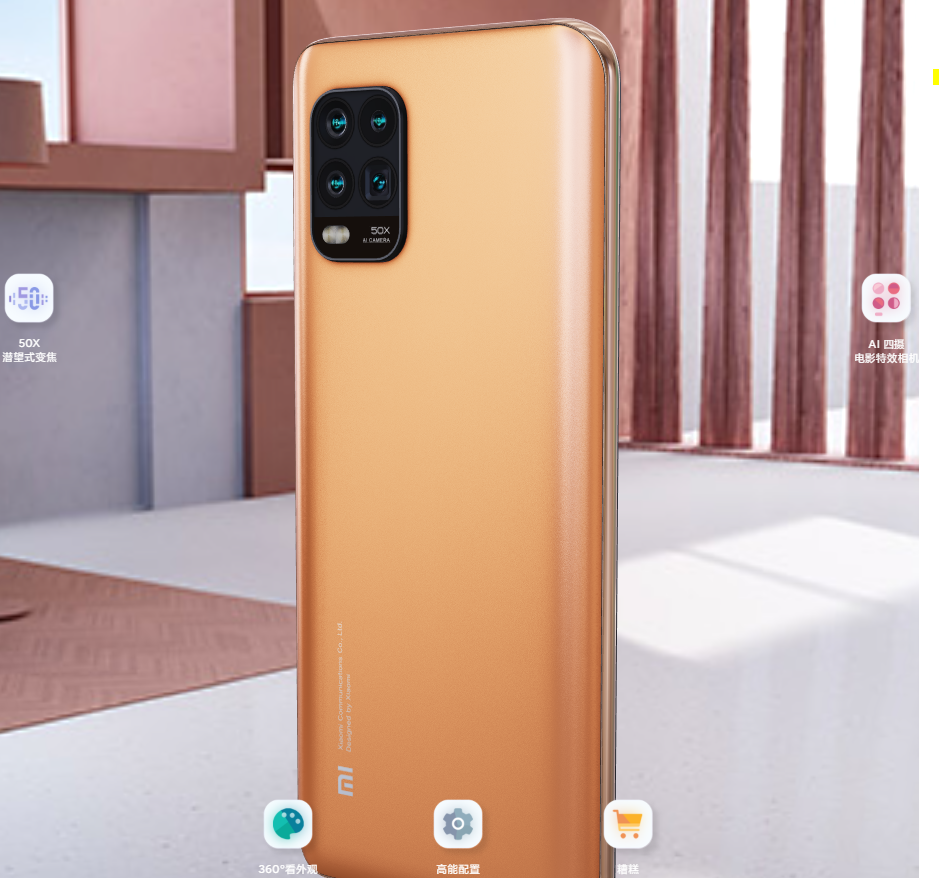
Mi 10 Youth Edition virtual unboxing

Another thing you get to experience or rather try out is the phone’s 50x zoom feature.

The Mi 10 Youth Edition has a 6.57-inch AMOLED display with a waterdrop notch. It is powered by a Snapdragon 765G processor with up to 8GB of RAM and 256GB of storage. It also has quad rear cameras that include a 48MP primary camera, an 8MP ultrawide angle camera, a 2MP macro camera, and a telephoto camera with 5x optical zoom. There is also a 16MP selfie camera.

The phone packs a 4160mAh battery with support for 22.5W fast charging. It also has an audio jack and infrared sensor at the top while a dual SIM tray and USB Type-C port sit at the bottom.

You can check out the Mi 10 Youth Edition virtual unboxing here. We advise you to view it on your PC for a better experience but you can also view it on your phone.


AutoX and Alibaba’s Amap Launch a Robotaxi Ride-hailing Service in China

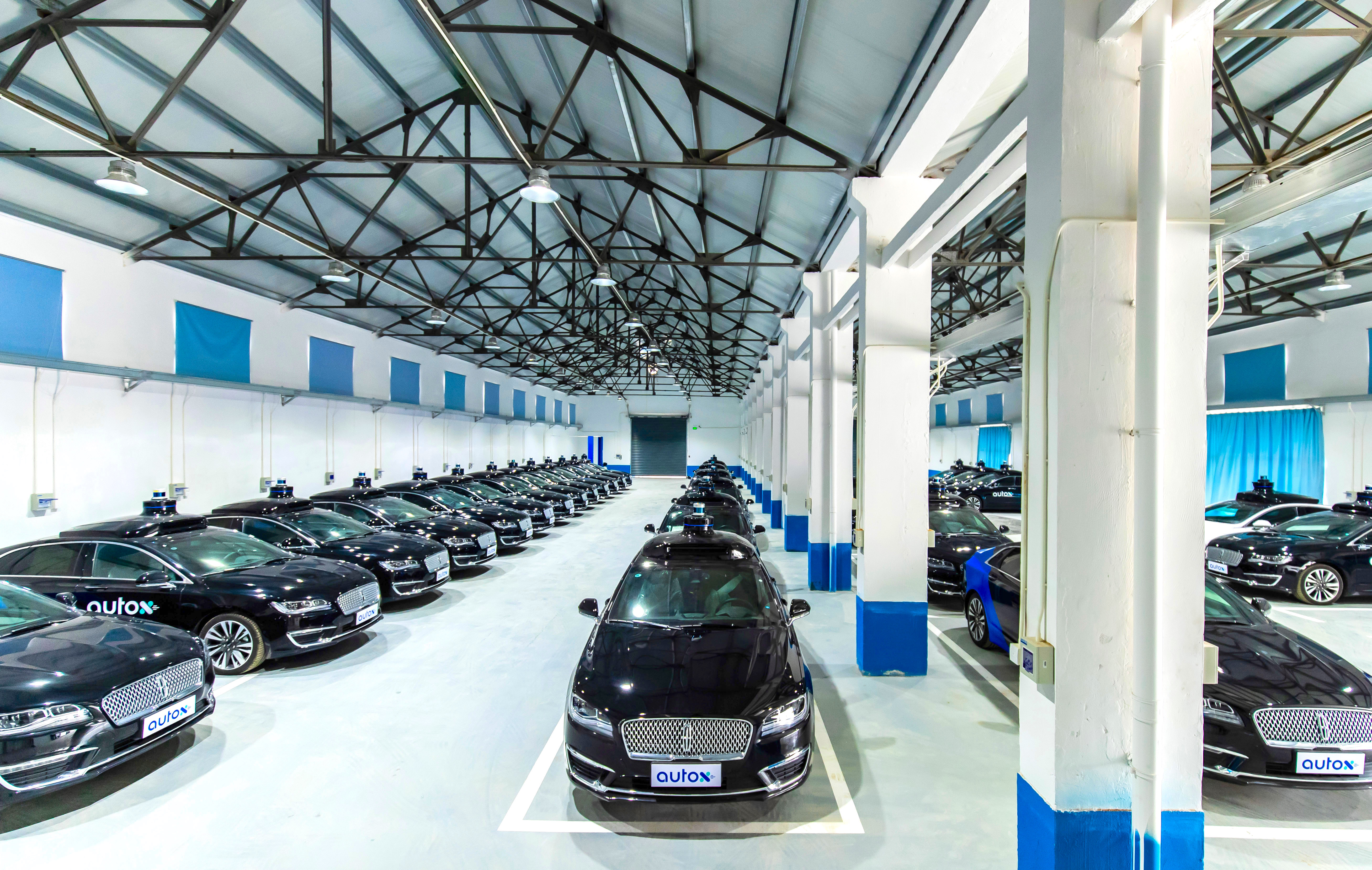
Alibaba‘s Amap and AutoX have partnered up to launch a self driving vehicle as Robotaxi, in China’s ride-hailing network for commercial service in China. The service is being launched first in Shanghai.

AutoX

The city of Shanghai is the first area where collaboration is launching its service, which is named ‘AutoX RoboTaxi.’ This is big news considering it is the first time a self-driving service has been available on a major ride hailing platform in China. The service is being offered by AutoX (also known as AutoNavi and Gaode) alongside the Alibaba owned, Amap Co. Ltd.

The process of using the service is relatively simple and quite similar to any regular taxi hailing service. A user must enter their pickup and drop locations, after which, the application will list all vehicles that can fulfill the request, including AutoX RoboTaxi vehicles. One can choose between the regular and autonomous vehicles selections and the app will simply send a car closest to the user in either case.

AutoX

According to AutoX CEO, Dr. Jianxiong Xiao, “The seamless combination of autonomous and human-driving fleets is crucial for the adoption and commercialization of self-driving technology. The service area of autonomous vehicles is an ever-increasing yet geo-fenced region, and the fleet size takes time to grow. This combination is a must-have for an autonomous driving company to be able to provide a truly useful service for all riders.”

At the moment, other self-driving car services only offer drops at fixed locations. However, the AutoX’s service will have users be picked up and dropped off at any location within the city. This provides a greater degree of flexibility and is a lot more viable and convenient for its customers. Furthermore, AutoX vehicles are capable of going speeds up to 80km/h and has also been developed with the recent pandemic in mind.

AutoX

The AutoX service is streamlined identity confirmation and ride starting process, which is completely touchless. For its self driving car, AutoX employs the V2X technology that is connected to servers via 5G networking. This allows the vehicle to communicate with road infrastructure like traffic lights, and obtain other information as well. At the moment, the RoboTaxi service is the first real-world application of Shanghai’s V2X infrastructure, which was recently built as part of China’s national New Infrastructure Initiative.

The practical applications and implications of this service is enormous. Not only does it open a new breed of service to the existing industry, but it also further advances the technology behind it and its implementation. This will also help the large population of Shanghai to move freely around the city with lower risks and go about daily commutes to subway stations, grocery stores, and more. The service will have 100 cars in its arsenal and will even start accepting free promotional rides to early users from 27th April 2020.


Xiaomi may soon launch its first TV with Dolby Vision support, may feature a 65 inch OLED panel

As of right now, even the recent highest end models of Xiaomi TV’s do not support Dolby Vision. An example of this is the Mi TV 5 Pro which only features a relatively low level HDR 10+ display. However, a recent post by a Xiaomi official hints at an upcoming TV that may support Dolby Vision.

Xiaomi

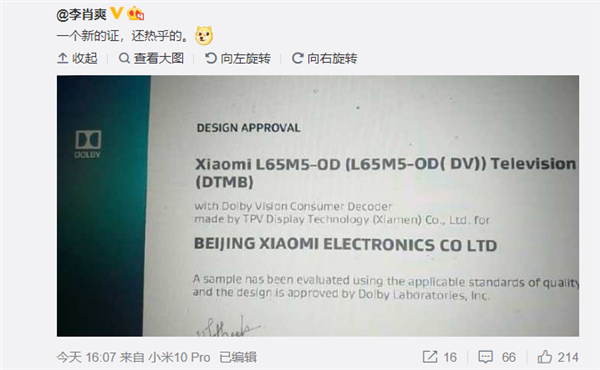
Earlier today (28th April 2020), the General Manager of Xiaomi’s TV Department shared an image on his official Weibo account, a popular Chinese microblogging website. Looking at the image shared, it depicts a product named L65M5-OD, which has just received Dolby Vision certification. A few attentive Weibo users also pointed out that the TV also supports digital terrestrial wave DTMB, and the foundry is TPV Xiamen.

Furthermore, the ‘OD’ in the model number may be a reference to an OLED panel. The list of specifications that we have listed so far all indicates a high end and expensive product from Xiaomi. Currently, Xiaomi’s smart TV shipments are ranked number 1 in the Chinese market and fifth in the global market. Unfortunately, finer details are unavailable at the moment, so stay tuned for more information that should arrive in the next few weeks.


MediaTek to announce new processors on May 7; Dimensity 2000 tipped to launch

New MediaTek processors are coming. The Taiwanese semiconductor company has announced that it has an online event scheduled for early next month, and there are reports new processors are expected to be unveiled.

MediaTek press conference

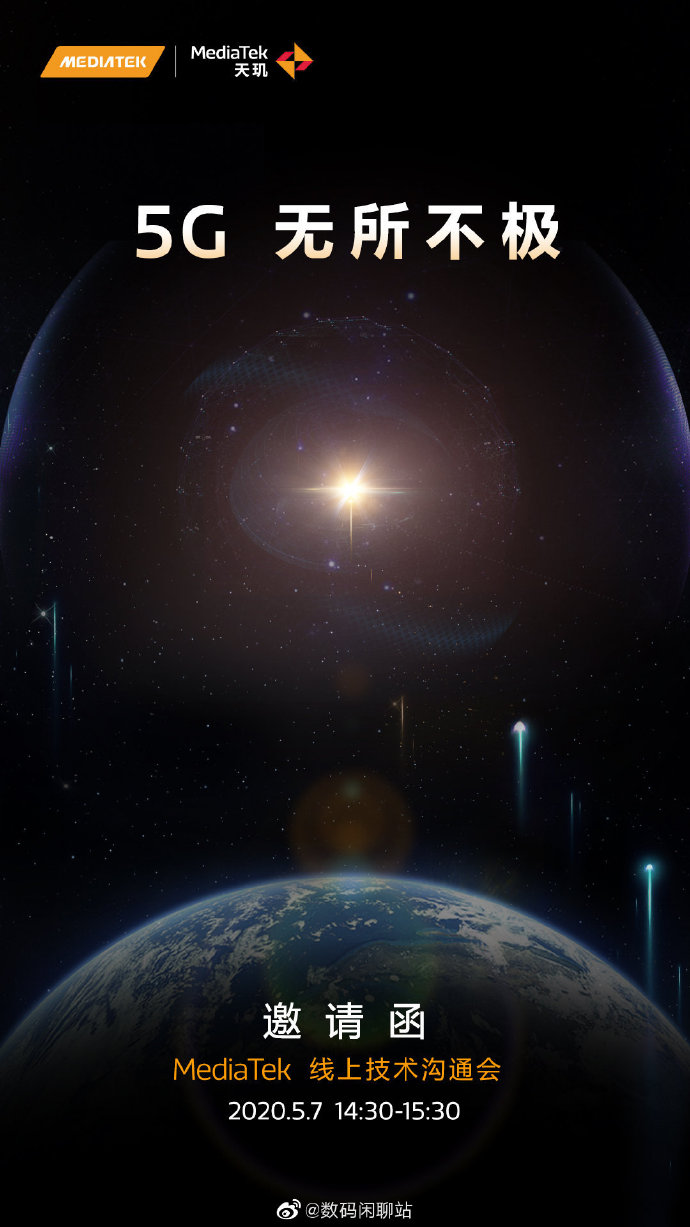
The event will be held on May 7 between the hours of 14:30 and 15:30. The poster doesn’t reveal much but has a text that roughly translates to “5G for All”. However, details of what to expect have surfaced from the Chinese leaker that goes by Digital Chat Station on Weibo.

More Powerful versions of the Dimensity 800 and Dimensity 1000

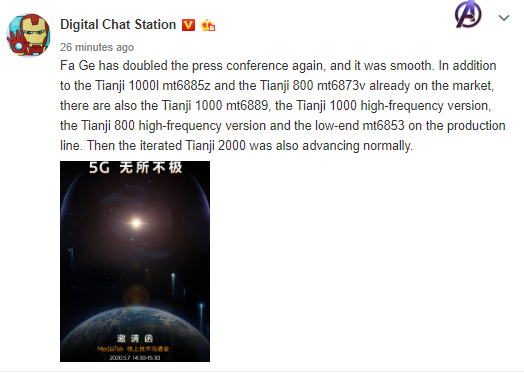
In a Weibo post, he said in addition to the already announced Dimensity 1000L (MT6885z), the Dimensity 800 (MT6873v), and the Dimensity 1000 (MT6889) which is yet to appear in a phone; there are also versions of the Dimensity 1000 and Dimensity 800 with higher clockspeeds in production.

The Dimensity 800 has a clockspeed of 2.0GHz for its Cortex-A76 cores and Cortex-A55 cores. This new version may push the clockspeed of the performance cores to 2.2GHz or 2.3GHz.

Dimensity 2000

On the other hand, the Dimensity 1000 has its Cortex-A77 cores clocked at 2.6GHz along with four Cortex-A55 cores at 2.2GHz. MediaTek may decide to increase the clockspeed of the performance cores or actually adopt a tri-cluster arrangement where one of the performance cores is separated and given a higher clockspeed.

These more powerful versions of the Dimensity 800 and Dimensity 1000 will most likely arrive with new names when they are announced.

Dimensity 2000

The leaker also revealed there is an entry-level processor called the MT6853 in production. However, the one you should be excited about is the Dimensity 2000 which should be its most powerful chipset ever. There are no details about the chipset but we are excited nonetheless.


(Source)

Demand for tablets increase, shipments to rise in 2020

With the world combating the Coronavirus pandemic, more and more sectors and industries have seen a shift towards the digital spheres. Education is one such big example as an increasing number of universities, schools, and other institutions are shifting their respective curriculum online. Through this, it is projected that the tablet market will see growth this year thanks to a rise in demand.

Tablet

The forced rapid development of the online education market has directly driven the rise in demand for products that are directly related. This includes electronic gadgets like projectors, printers, and even tablets. According to a new report from IDC, the tablet PC shipments will see a nearly 100 percent year on year growth during the month of February 2020.

Furthermore, this sudden growth was also well maintained at the 50 percent growth rate in the following month of March 2020. These numbers are inclusive of regular tablets that are available alongside educational tablets PCs that have also been more common release in recent weeks. Educational tablets are gadgets that are more focused towards younger audiences with built in educational resources related to the curriculum, with controlled and pre-installed applications as well.

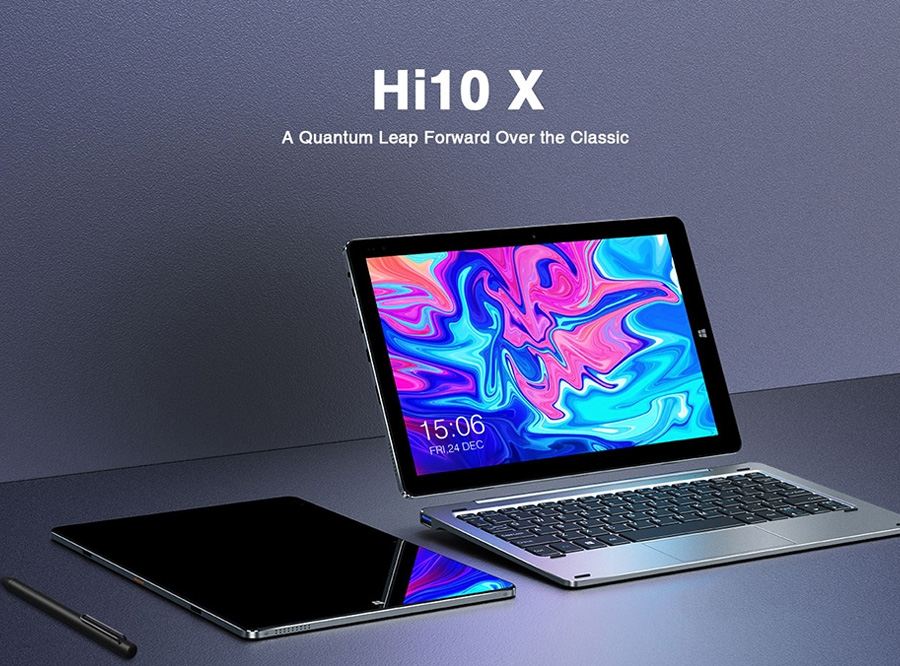
Chuwi Hi10X Tablet PC

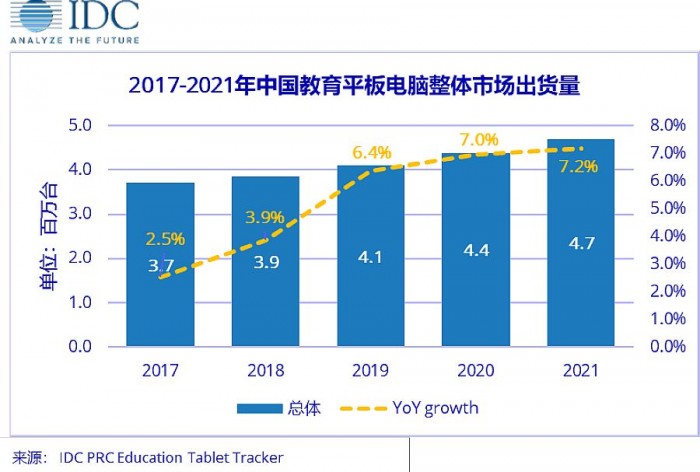
In the IDC report, China’s tablet market is seeing continuous growth during this period. Back in 2019, over 4 million units of educational tablets were shipped, while 4.4 million units are expected to ship in 2020 and 4.7 million in 2021. This is a stark contrast against the declining regular tablet market, with the former becoming more popular. At the moment, educational tablets are witnessing healthy demand, with figures revealing a similar trend.


(Via)

COVID-19: Samsung slashes smartphone components orders by 50%

The coronavirus outbreak has taken over the world affecting millions of lives. Businesses around the world are facing hard times than they have ever before in recent years. Samsung Electronics, the world’s largest smartphone maker is one of the large companies to hit so hard. According to a report from South Korea, the firm has reduced its smartphone components orders by a whopping 50%.

Samsung 11nm

The first quarter of 2020 fared well for Samsung but the same cannot be said for the second quarter. In the first three months, the company managed to sell a good number of Galaxy S20 series and Galaxy Z Flip, albeit 40% lesser than the Galaxy S10 series. But the coming months will be extremely difficult, even for the world’ largest smartphone brand.

Samsung started manufacturing its new flagship smartphones three months ahead of its release. Ever since COVID-19 virus spread across the world, the company had to shut down its smartphone manufacturing facilities in South Korea, India, and Brazil. Additionally, supply chains have been severely affected.

This has now led the company to cut off smartphone components orders by 50% as the demand, means of sale, as well as way of manufacturing, have been disturbed. Samsung is known for making more than 300 million smartphones every year raging across different price brackets. But now with reduced orders, there’s no way it could continue its streak in 2020. 

Above all, the worst-hit are those components manufacturers. One of the representatives of such company even calls the current situation ‘a death sentence’.


(Source, Via)

OnePlus Z coming in July with a centered punch-hole

The OnePlus Z is still coming. A new leak has revealed the date for the launch of OnePlus’s third phone this year.

According to leaker Max J. (@MaxJmb), the OnePlus Z will be announced in July. The leaker shared an image on Twitter confirming the phone’s release date.

The OnePlus Z was originally expected to launch alongside the OnePlus 8 and OnePlus 8 Pro but didn’t. OnePlus even teased that there would be a surprise product at the Chinese launch of the OnePlus 8 series and we thought it would be the OnePlus Z but there actually wasn’t any surprise product.

We do not know if the July release is the OnePlus originally planned or if it actually postponed the launch of the phone. Nevertheless, we now know that the phone is still coming even though there is no specific date yet and we do not know which market it will launch in first.

The OnePlus Z will have a punch-hole display with the hole in the middle of the screen rather than on the left side like that of the OnePlus 8 and OnePlus 8 Pro. The screen is said to be 6.4-inches in size and has a refresh rate of 90Hz. It is also rumored to have a MediaTek Dimensity 1000 5G processor inside it. Other features are a 48MP triple camera setup, a 4000mAh battery, and support for 30W fast charging.


(Source)

Samsung Galaxy A71 5G tipped to launch in S. Korea with a Quantum Encryption Chip

A recent report has revealed that the Samsung Galaxy A71 5G will launch with a Quantum Encryption chip technology in South Korea. The world’s largest smartphone brand was previously tipped to launch the first smartphone equipped with a quantum encryption chip, so this device might feature the technology.

Samsung
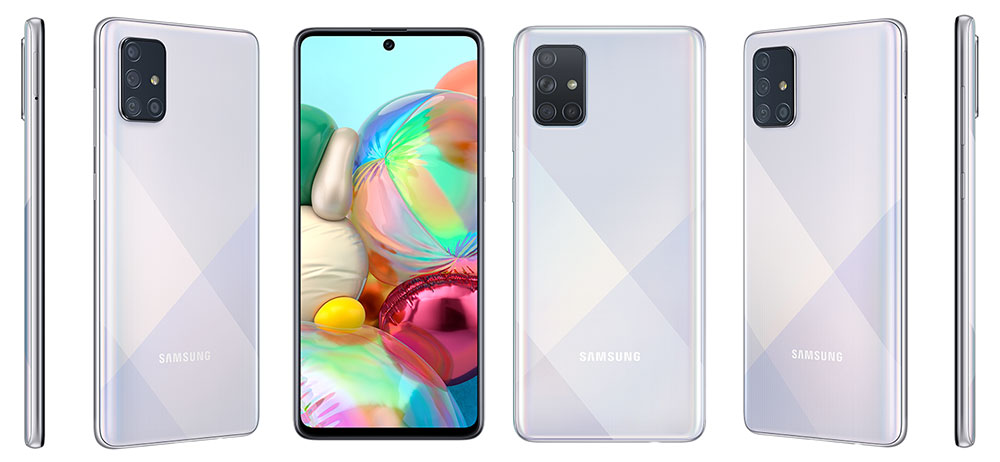
Samsung Galaxy A71

According to reports from South Korean news agencies, Samsung and SK Telecom are gearing up for the launch of a smartphone equipped with Quantum technology chip for encryption. The device in question is expected to be announced in May 2020 and will be found in the Samsung Galaxy A71 5G. The South Korean tech giant will be integrating the Quantum encryption chip into the motherboard of the handset (with reports also claiming a rebranding to Samsung Galaxy Quantum).

For those unaware, the Quantum encryption chip technology enhances the smartphone’s data protection. In other words, it improves the security of the device and helps in better protecting sensitive data held within a device. Furthermore, it will make it harder for hackers to steal data from your handset.

Samsung

Samsung smartphone that arrives with the new Quantum encryption chip will have their data encrypted in the form of random numbers. So even if the hacker attempts to read the memory, he would have to first pass the chip’s certification process before getting an approval. Similar to Samsung, even Sony has been reportedly working on the inclusion of Quantum encryption technology in its products.


(Via)

Realme Watch officially teased; Leaked renders appear

Realme has recently launched the Realme Band fitness tracker in India. Past reports have claimed that the Chinese firm will be also announcing its first smartwatch soon in the country. Around a month ago, Realme India CEO Madhav Sheth gave a glimpse of the upcoming Realme Watch in one of the #AskMadhav episodes on YouTube. Sheth has once again teased the Realme Watch’s arrival in the latest episode of #AskMadhav at 5:30 mark.

In the above video where the Realme Watch can be seen for few seconds reveals that it has a square-shaped display and a black colored band. Sheth only said that it will be coming “very soon,” but did not reveal any specific timeframe. Also, the company is yet to share any details on the specs of the Realme Watch.

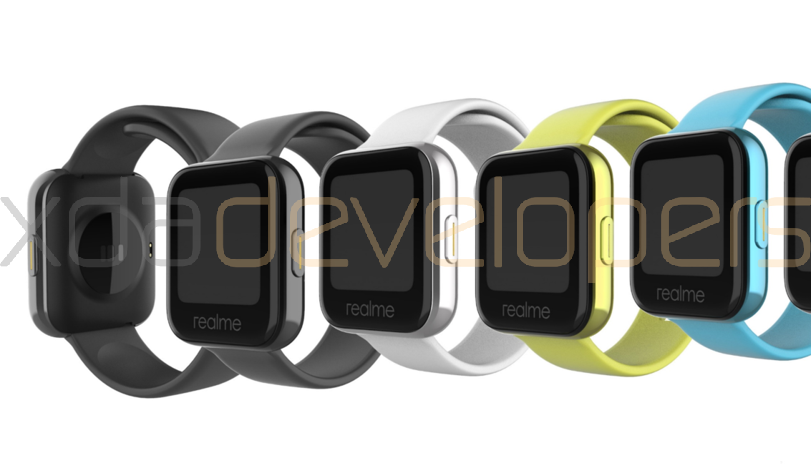
Realme Watch

XDA Developer’s community member revealed some key information on the Realme Watch. The leaked renders of the Realme Watch show that the phone has rounded corners and there is a “realme” branding below the display. It has a 1.4-inch TFT LCD touchscreen display that supports 320 x 320 pixels resolution. It has an IP68 rated dustproof a waterproof body. There is a physical lock/unlock button that can be also used for navigating across its different functions.

Realme Watch watch faces

The Realme Watch does not seem to feature user-replaceable bands as the clasp is not visible in the image. The polycarbonate back of the device has charging pins which indicates can be charged using a magnetic charger. The device has a 160mAh battery that can last for up to 7 days with 24-hour heart rate tracking on a single charge.

Apart from heart rate sensor, the Realme Watch has other sensors like acceleration sensor and blood oxygen sensor. The Realme Watch does not support GPS but comes with Bluetooth 5.0 connectivity. It won’t run on Android Wear OS. The leak states that it will be running on a proprietary OS that will offer users with five preloaded watch faces and it may allow users to download more watch faces.

The Realme Watch will come with limited storage that can store data for 7 days before it begins deleting older data. The other features that will be only the smartwatch include step counter, date and time functions, weather, stopwatch, alarm, Find My Phone, ability to control music on the paired phone, sedentary reminder, water reminders, and more. The Realme Watch can also trac various fitness activities like outdoor running, walking, swimming, indoor running, outdoor riding, aerobic capacity, strength training, football, basketball, badminton, table tennis, indoor riding, yoga, elliptical machine, and cricket. There is an Activity Pane that shows some important data like weather, heart rate, step count and sleep.

One of the major features of the Realme Watch is that it will support Hindi language apart from English. The leak has no information on the pricing and availability of the Realme Watch.


(source)

Redmi Guides on How to Mod Redmi K30 Pro into a Microscope

Redmi K30 Pro and K30 Pro Zoom Edition were announced late last month in China. The former device is expected to release as POCO F2 Pro in international markets (except India). Ahead of that, engineers at Redmi have shared a cool trick on Weibo to mod Redmi K30 Pro into a handheld microscope.

Redmi K30 Pro Microscope Mod Featured

Smartphone mods never get old as they are still popular these days, at least in the form of software. Redmi K30 Pro already has a good set of cameras such as a 64MP primary sensor with 26mm wide lens, a 13MP sensor with 12mm ultra-wide lens,  a 5MP sensor with 50mm macro lens, and a 2MP depth sensor.

Redmi engineers proved that this camera setup can be further improved by modding the macro camera to utilize it as a microscope. All you require is a spare macro camera module to achieve this hack.

As you can see from the video above, interested users will need to cut the shell of a spare macro module to take out its optical lens. Once done, all they have to do is stack it in reverse position on the 50mm macro lens present in Redmi K30 Pro. That’s it, now they can click pictures at a microscopic level.

The video showcases a Redmi engineer clicking pictures of pine leaf, Daphnia, pollen-carrying leg of a honeybee, intestine, stem of xylophyte dicotyledon, smear of human blood, onion, and a surgical mask.

Anyway, do note that making any change to the hardware of Xiaomi and Redmi smartphones void warranty, unlike unlocking the bootloader and flashing custom ROMs.


Honor X10 cases images reveal elevating selfie camera

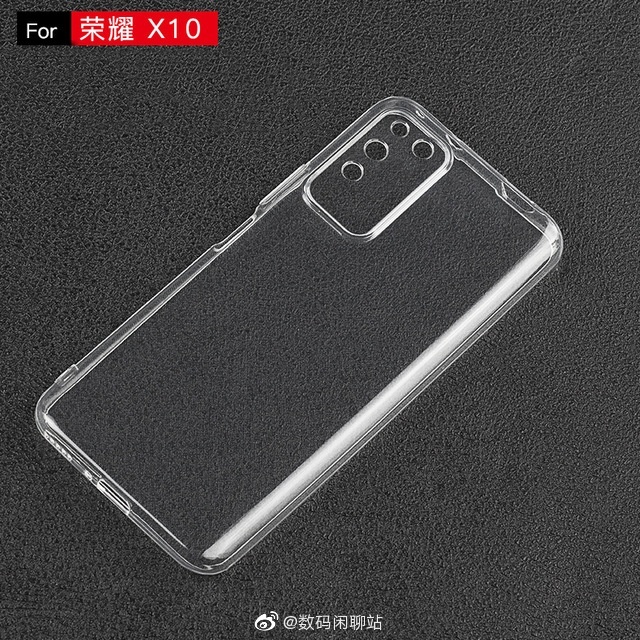
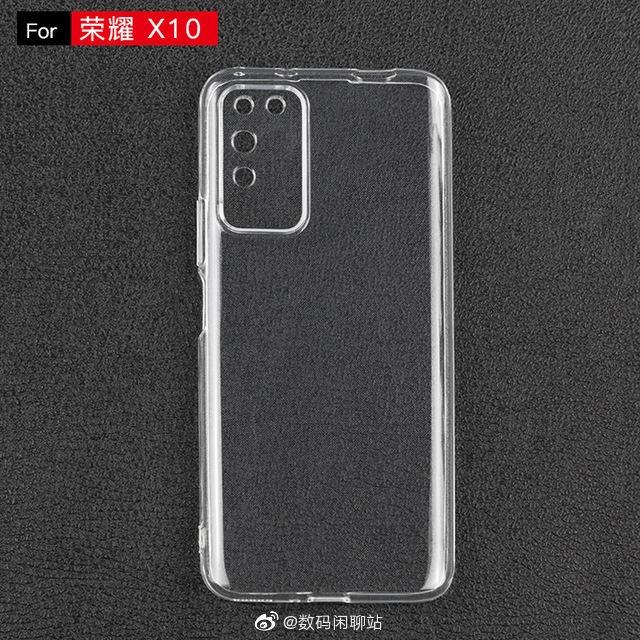
Recently, Honor revealed that the sales of the 2019’s Honor 9X exceeded 10 million units. The Chinese firm is now gearing up to launch the Honor X10 phone as its successor. It is speculated to break cover in May since the handset has already received TENAA and 3C certifications in China. The TENAA images of the phone suggested that it could be sporting a pop-up selfie camera. A reliable tipster from China shared images of a transparent case designed for Honor X10 to reveal more details on its design.

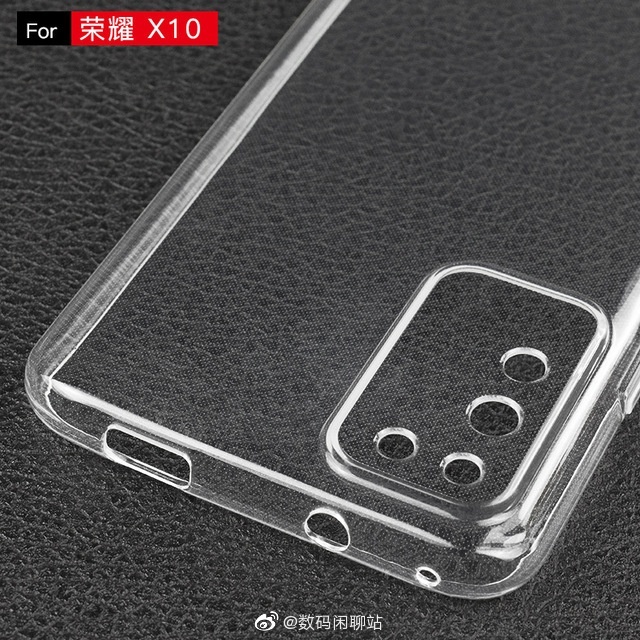
The cutouts present on the topside of the Honor X10’s case could be for a microphone, a 3.5mm headphone jack and a pop-up selfie camera. The presence of an elevating camera on the phone suggests that it will be flaunting a notch-less display like the Honor 9X. The TENAA listing had revealed that the Honor X10 measures 163.7 x 76.55 x 8.8mm and it is fitted with a 6.63-inch display. It seems to be feature an IPS LCD panel that supports full HD+ resolution.

The case also has a cutout for the side-facing fingerprint scanner of the Honor X10. The bottom edge of the phone has cutouts for an external speaker, another microphone and a USB-C port.

The Honor X10’s rear image at TENAA suggested that the phone has four cameras in its rectangle-shaped camera housing. However, its case image tells a different story. It reveals that it has cutouts for three cameras and an LED flash. Hence, it seems that the Honor X10 is equipped with triple rear cameras.

The Honor X10 has a 4,300mAh battery. It may arrive with 22.5W rapid charging support. Lastly, the phone is expected to be powered by Kirin 820 5G.


OnePlus 30W Warp Charge Wireless Charger priced revealed for India

OnePlus has officially revealed the price of its 30W Warp Charge wireless charger in India. The gadget is listed on the Chinese company’s official website and is priced at 3,990 INR (roughly 52 US Dollars), which is interesting considering it is priced at 69.95 US Dollars in the US (roughly 5,300 USD).

OnePlus

As of right now, the OnePlus 30W Warp Wireless Charger isn’t available for purchase and is currently listed under ‘Coming Soon’ while also giving the ‘Notify Me’ option to users. The website has listed the gadget in a single white color option and is likely to start sales alongside the OnePlus 8 and 8 Pro after the local lockdown period ends within the country.

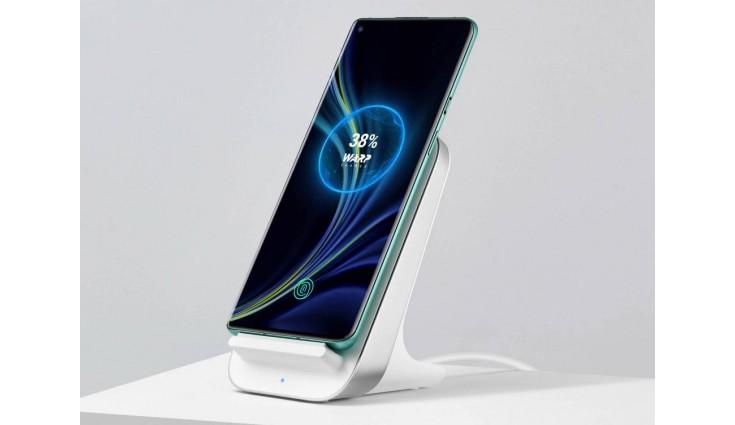
For those unaware, the OnePlus 8 Pro features wireless charging, with the company also launching a 30W Warp Wireless charger. This can charge the device from 0 percent to 50 percent in just 30 minutes and has a peak output of 30Ws. Notably, the wireless charging technology can also be used with other products as well, if they are compatible with the Qi wireless charging standards. This includes support from up to 5W to even 10W EPP standards.

OnePlus

The wireless Warp Charger also includes a Bedtime mode, that will lower the charging output to 10W. This mode activates automatically at 11 PM to 7 AM. However, users can change this setting and even have it activate manually. In terms of safety, the Warp Charger also cuts off power completely if it detects a foreign metal object near its surface, which will keep your device safe, alongside other overheating, and overvoltage protection.


(Via)

OPPO A92 specifications and render leaked

Last week, OPPO announced the OPPO A92s smartphone in China. The OPPO A52 was also unveiled in the country in close succession. PriceBaba teamed up with reliable tipster Ishan Agarwal to showcase the renders and specifications of the unannounced OPPO A92 smartphone.

OPPO A92 design

The OPPO A92 render shows that it has a punch-hole placed at top-left corner of its display. The phone is equipped with a side-facing fingerprint reader. The back panel of the phone has a rectangle-shaped camera housing that houses four cameras and an LED flash. Apart from the Shining White color variant shown below, the OPPO A92 will be also available in colors like Twilight Black and Aurora Purple.

OPPO-A92

OPPO A92 specifications (Rumored)

The leak revels that the OPPO A92 has a 6.5-inch IPS LCD panel that produces full HD+ resolution. It seems to be equipped with the same screen that is available on the OPPO A92 phone.

Instead of the Dimensity 800 5G chipset that powers the OPPO A92s, the Snapdragon 665 fuels the A92 phone. The phone will be arriving with 8 GB of RAM and 128 GB of built-in storage. The ColorOS 7.1 based Android 10 OS will come preloaded on the device.

For shooting selfies, it has a 16-megapixel selfie camera. The back panel of the phone has a 48-megapixel main lens, an 8-megapixel ultrawide sensor, a 2-megapixel macro shooter and a 2-megapixel portrait lens. The phone houses a 5,000mAh battery. By looking at the specs and design of the phone, it can be said that it is a rebranded version of the OPPO A52.


(source)

Lenovo Legion gaming phone’s display revealed; Gaming-grade OS to come preinstalled

Lenovo has been teasing on the arrival of the Lenovo Legion gaming smartphone since the past few months. It is unclear whether the gaming phone will go official within the first half of the year. Today, Lenovo shared an image to reveal the front appearance of its upcoming gaming phone.

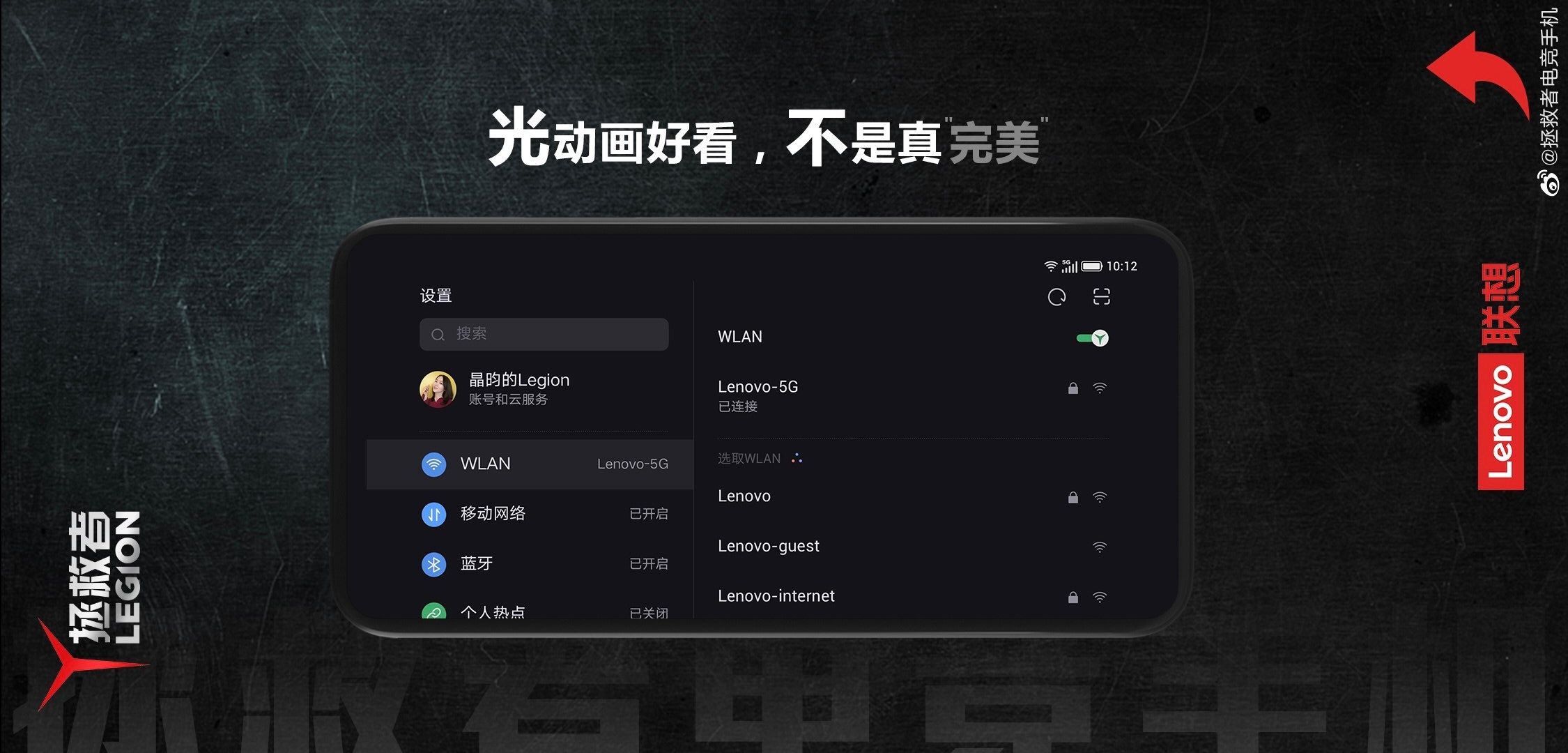
The image that has appeared does not clearly reveal the display of the Lenovo Legion gaming smartphone. The image suggests that the phone is equipped with a notch-less screen with slim bezels at the top and bottom. The only thing that can be known from the image is that the phone can connect to Wi-Fi and 5G networks simultaneously.

The Lenovo Legion gaming smartphone will be running on a gaming-grade OS. It is equipped with good-looking animation and is designed to deliver uncompromising interactive experience.

The official teaser video released by the company shows that the Lenovo Legion gaming smartphone can lost longer than its competitor phone. Rumors have it that it could be backed by a 5,050mAh battery. Also, the video reveals the presence of a second USB-C port on its left side makes it possible to charge the device conveniently while playing a game.

A Chinese tipster has revealed that the model number of the Lenovo Legion gaming smartphone is L79031. Based on the past reports surrounding the phone, the tipster stated that the Lenovo Legion gaming phone will have a screen that supports at least 90Hz refresh rate. It is powered by Snapdragon 865 mobile platform and comes with other features like 90W superfast charging, dual speakers, a linear motor, dual USB-C ports and temperature cooling technology.


Samsung Galaxy Note 20 could be powered by Exynos 992 chipset

A couple of months ago, Samsung launched the Galaxy S20 series flagship smartphones powered by the Qualcomm Snapdragon 865 and its own Exynos 990 chipsets, depending on the region.

However, the company has faced lots of criticism because of the issues related to the Exynos 990 SoC, including overheating and poor battery life, among others. Thus, the company seems to be ready to adopt an upgraded variant of the chipset for the upcoming Galaxy Note 20 series.

Exynos featured

According to the rumors, the Samsung Galaxy Note 20 series flagship smartphones will come powered by an improved Exynos 992 chipset. This chipset has reportedly been in the works since past few months and is being made using Samsung’s 6nm process.

The upcoming Exynos 992 SoC is expected to have more power-efficient design and could come with improved processing performance compared to the current Exynos 990 SoC. The performance is also speculated to be 1-3% higher than the Snapdragon 865.

Another reason for Samsung to adopt the new Exynos 992 SoC could be the delay of the Qualcomm Snapdragon 865+ SoC. As per the reports, because of the on-going COVID-19 crises, the SD865+ SoC has been delayed, and thus it won’t be available in time for the Galaxy Note 20 series.

Recently, an alleged image of the Galaxy Note 20 was spotted under the Samsung Rewards section, revealing the upcoming smartphone’s design. As the phone didn’t seem to have a punch-hole cutout for the front-facing camera, it could feature an in-display camera sensor. It also seems to have no physical buttons. However, there’s no confirmation about the render being the Galaxy Note 20, so take this with a pinch of salt.

The Samsung Galaxy Note+ was recently spotted with model number SM-N986U on benchmarking platform Geekbench. It revealed SD865+ SoC, 8GB RAM and Android 10 operating system. It recorded a single-core test score of 985 points while on the multi-core test, the phone scored 3,220 points.

As per the previous reports, the Samsung could launched three Galaxy Note models this year — Galaxy Note 20, Galaxy Note 20+ and the Galaxy Note 20 Ultra. The smartphones should have 120Hz refresh rate, up to 16GB RAM and 512GB of internal storage. The top-end model in the lineup could come with 5,000mAh battery.

(Via)

Huawei contributed 36.1 billion Yuan ($5.1 billion) in Revenue to TSMC, Apple took the top spot

According to a report from Taiwan, Huawei has contributed 36.1 billion Yuan (roughly 5 billion US Dollars) in revenue to TSMC (Taiwan Semiconductor Manufacturing Company), the world’s largest contract chipmaker. This marked a massive jump of 80 percent year on year, with the OEMs share in TSMC’s total revenue growing from 8 percent to 14 percent.

Huawei

While Huawei saw a major rise in TSMC’s revenue, the Chinese tech giant is still second in this regard to the Cupertino based electronics makers, Apple. The latter has contributed a massive 58.3 billion Yuan (roughly 8.2 billion US Dollars) to TSMC in 2019 and accounts for nearly 23 percent in total revenue to TSMC, up by 1 percent over 2018.

The primary reasons for Huawei’s significant stems from an increase in demand and expansion of its supply whilst also raising inventory with fears from pressures from the US Government. For those unaware, the US had planned on dealing a devastating blow to Huawei by pressuring TSMC to limit the supply of its HiSilicon Kirin chipset. This has caused the company to raise inventor stockpiles at the moment.

Huawei

Notably, TSMC’s global market share in the semiconductor field has now reached 52 percent. The company has both 7nm and 5nm processes actively seeing use in mass production for new generation chipset, while it is currently developing and on track with the deployment of 3nm process. Even the 2nm process research has reportedly begun.


(Via)

Airtel plans to Improve 4G Coverage, Signs a Multi-Crore Deal with Nokia

Telecom operators in India are struggling hard to pay off their AGR(Adjusted Gross Revenue) debts but that is not stopping Bharti Airtel to improve and expand its 4G coverage. The Indian firm has just signed a contract worth crores (₹) with Finnish network equipment manufacturer Nokia.

Airtel plans to expand and upgrade its network in nine circles across India, including rural areas. The equipment used in these locations were provided by Nokia. Hence, once again, the company makes a deal with the Finland-based corporation for modernising them.

Airtel Logo

Nokia was the original 4G equipment provider for Airtel in 9 circles – Gujarat, Madhya Pradesh, Bihar, West Bengal excluding Kolkata, Odisha, Mumbai, Maharashtra, Kerala and UP East. This deal in 2016 was estimated at $500, however, the exact cost of the new contract is unknown at the moment.

In addition to Nokia, Airtel has also confirmed to be in talks with other vendors like Ericsson, Huawei, and ZTE, who have provided equipment to the telco in certain circles earlier.

Recently, Airtel welcomed bids (RFP – Request For Proposal) for Tamil Nadu circle, which is currently served by Huawei. On the other hand, the telco replaced Huawei with Ericsson for 4G expansion and modernisation in Rajasthan for services like VoLTE.

At present, Chinese telecom companies such as ZTE and Huawei handle three circles each for Airtel. Whereas, Ceragon, an Israeli company was given a contract last week by Airtel to expand 4G networks in rural areas.

Airtel is expanding its 4G coverage in rural areas to compete Reliance Jio, the firm’s main rival. In March, the telco revealed its plans to add 22,000-26,000 4G sites across the country. This will not only help in improving coverage in rural areas but will also support data demand surge in urban areas.


(Source)

Huawei spent more than 18 Billion on U.S. parts last year and are not looking to replace them: Ren Zhengfei

In a recent interview, Ren Zhengfei, the founder and CEO of Huawei Technologies, revealed that the company had spent more than 132 billion Yuan (roughly 18.7 billion US Dollars) on US parts for its smartphones and is not looking to find replacements yet.

 Ren Zhengfei, Huawei CEO and Founder
Ren Zhengfei, Huawei CEO and Founder

Huawei has been caught in the middle of the trade wars between China and the US. The company was placed on the “Entity List” last year and had even lost support from Google. Despite all of this, the Chinese tech giant has been steadfast about its sourcing, with the senior executive stating that the company will not look for replacements. According to Zhengfei, Huawei has spent 18 billion US Dollars in 2019, which is a large increase from just 11 billion US dollars before that.

Yesterday, we had covered similar statements that Ren had mentioned in the interview. The CEO emphasized greatly on maintaining a friendly relationship with its foreign supply chains, especially from the US, and believes that America “will always be our good friend.” Furthermore, Another senior official had also revealed that alternatives were available but they continue with US parts “to maintain good relationships with its American suppliers.”

Huawei P40 Pro Plus

Interestingly, Ren Zhengfei stated that “The proposal of a few US politicians does not fully represent the opinion of the US government. Many US companies have been approved by the US Department of Commerce to supply us with spare parts.” Thus, the Founder believes that there is no pressuring reason to shift sourcing from the region in favor of other countries or even it’s home country. The recently launched flagship Huawei P40 series serves as a great example as the internals did arrive with a few but the important US made parts from Qualcomm, Skyworks, Qorvo, and more.


(Via)

iQOO Neo3 5G smartphone to go on sale tomorrow; price starts at 2698 yuan ($381)

Last week, after teasing it for a few weeks, Vivo-backed iQOO officially launched the iQOO Neo3 5G smartphone in its home market. Now, the smartphone will be available for purchase in China from tomorrow.

The pricing for the iQOO Neo3 start at 2,698 yuan for the base model with 6GB RAM and 128GB storage, which coverts to around $381 while the 8GB RAM + 128GB storage model costs 2,998 yuan which is about $423.

iQOO Neo 3 5G

The 8GB RAM + 256GB storage model is priced at 3,398 yuan which is roughly $480 while the top-end variant packed with 12GB RAM and 128GB internal storage is priced at 3,298 yuan which roughly converts to $466. The smartphone comes in two color options — Blue and Black with gradient finish.

Coming to the specifications, the iQOO Neo3 flaunts a 6.57-inch FHD+ LCD display panel with 98% sRGB color gamut, DCI-P3, and HDR10. It offers 144Hz refresh rate, an aspect ratio of 20:9 with a screen-to-body ratio of more than 90 percent.

Under the hood, the device is powered by the Qualcomm Snapdragon 865 SoC clocked at 2.84GHz, along with Adreno 650 GPU. The new iQOO model also upgrades the storage standard to UFS 3.1 which promises sequential reading speeds of up to 1733MB/s and write speeds of 731 MB/s.

It comes with 11-tier cooling system which the company claims can cool the internal temperature by up to 10 degrees. The phone supports dual-mode 5G SA/NSA, NFC, and Wi-Fi6+. As for the battery, the iQOO Neo3 is powered by a 4,500mAh battery and comes with support for 44W fast charging.

As for the camera department, it comes with an AI triple-camera setup that includes a 48MP primary sensor, an 8MP 112-degree ultra-wide-angle lens and a 2MP macro lens. On the front, it has a 16MP snapper housed inside the punch-hole cutout. The phone runs the latest Android 10 operating system with the company’s own iQOO UI on top.


Apple to source OLED panels from BOE for the upcoming 5G iPhone 12 series

Apple has been sourcing display panels for its iPhone from Samsung. However, the Cupertino-giant is expected to replace Samsung for the OLED panels with China-based BOE for its under-display fingerprint scanner.

The development is in line with the previous report which indicated that the iPhone 12 could feature OLED display from BOE. It was also reported that Apple is expected to purchase around 45 million panels in time for the 2021 iPhone.

As per the report, the inclusion of the in-display fingerprint sensor for the upcoming 5G iPhone 12 is vital for the company as it believes that the smartphone needs to have some of the modern and trendy features.

This is an interesting development given that Apple has invested heavily in Japan Display Inc. which is also ramping up efforts to develop OLED panels. JDI was a leading manufacturer of LCD displays but fell short in the race to OLED supremacy.

BOE is launching OLED production lines which will essentially boost the company’s manufacturing capacity by more than 200 percent. The company has heavily invested in three OLED production lines in China. The company is said to manufacture the sixth generation of AMOLED displays and will reach a full production capacity of manufacturing 48,000 units every month.

A few days ago, Qualcomm and BOE announced their partnership to produce new flexible displays that feature the 3D Sonic ultrasonic fingerprint sensors. At the same time, the company has also begun working on incorporating its security feature into BOE’s flexible OLED panels, to provide a more streamlined solution to OEMs.

Coming to the Apple iPhone 12, the phone will be powered by Apple A14 chipset manufactured by TSMC using 5nm node and will come with support for 5G. However, there are reports claiming that the company could delay the launch of iPhone 12 series as it faces supply issues because of the COVID-19 pandemic.

(Source)