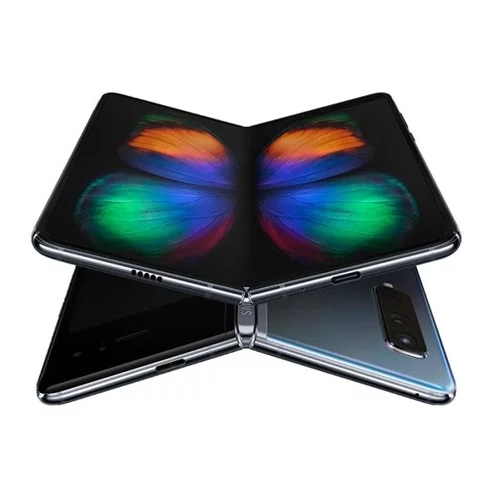
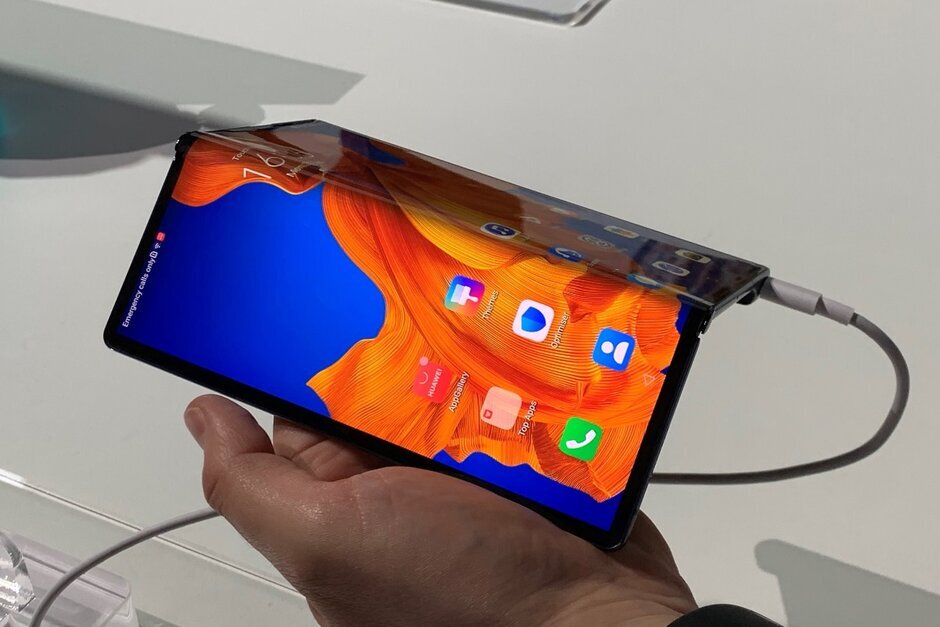
The number of foldable smartphones has continued to rise since last year when te first commercial models were released. At present, there is the Galaxy Fold, Galaxy Z Flip, Huawei Mate X and Mate Xs, and of then the Motorola RAZR. We won’t forget the Royole Flexpai and Flexpai 2.
One may concern about the foldable phones is their durability. iFixit has now released a teardown video of the latest Huawei Mate Xs showing not just the internals but also rate the phone’s repairability on a scale of 10. Interestingly, the Mate Xs was given a dismal 2 of 10 repairability score which means it is difficult to repair. That may not be because of poor quality but as a result of the extra-strong adhesive which held the flexible panel and some other components in place. The iFixit reviewer had to deploy extra force in order to remove the rear panel and batteries.
The flexible display was also pretty difficult to access as it requires going through the hinge and dealing with strong metal clips. The cumbersome process may even lead to damaging the OLED.
However, despite the horrible 2 of 10 repairability score, the Mate Xs has a new hinge design which doesn’t allow dust and dirt to enter into the display. The extra-strong adhesive could even add to the durability of the phone but that’ll be as long as you don’t need to take it apart and fix something.
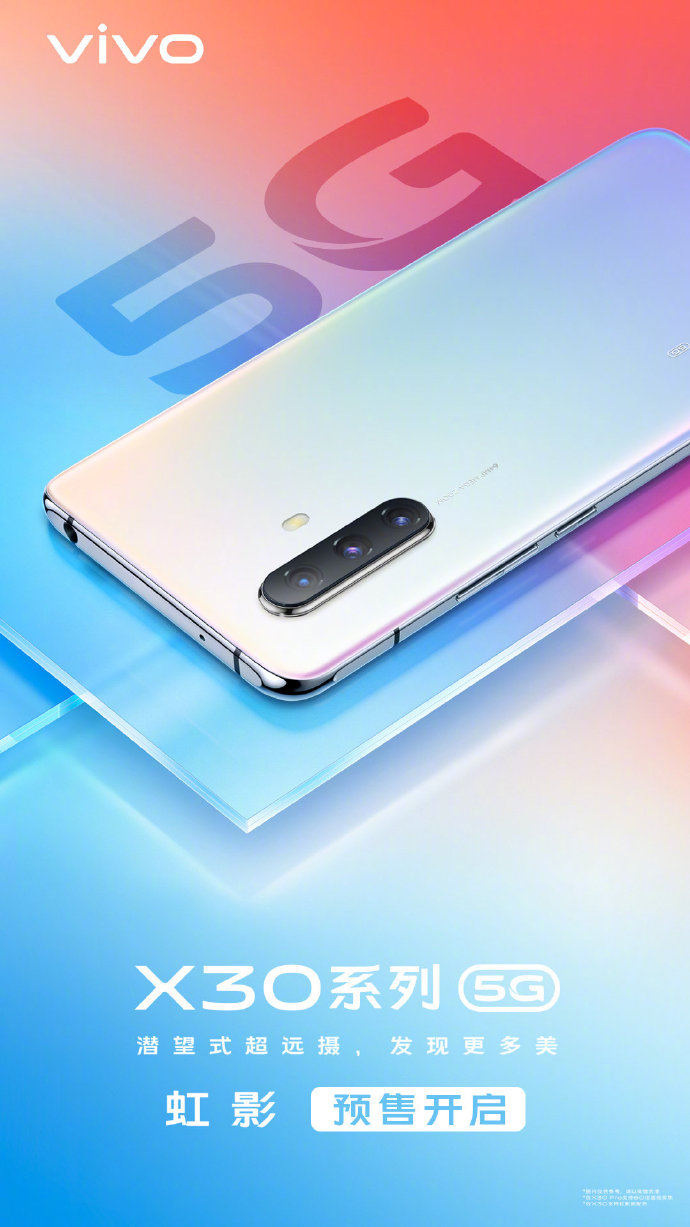
Vivo has launched a new Rainbow gradient variant of the flagship Vivo X30 5G. The new variant is only on the X30 5G and is not available for the X30 Pro. The new variant features a rear panel that is inspired by the multiple colours that a rainbow has.
The rear panel uses a gradient design which seems to show the seven different colours found on a rainbow. The back panel adopts the AG frosting process to make the color change with the change of angle, and at the same time add the visual experience of light smoke and soft mist. The panel also has a soft and delicate tactile feel.
Vivo X30 5G – All color options
The new Rainbow gradient color variant is now on pre-sale on Vivo’s official store. The model will go on sale at 10 AM on April 17. As for the pricing, the 8GB + 128GB version is priced at 3298 yuan ($467) while the 8GB + 256GB version is listed for 3598 yuan (~$510).
The Vivo X30 Pro has a 6.44-inch S-AMOLED display with punch-hole design. It offers 1080 x 2400 pixels full HD+ resolution and is integrated with a fingerprint sensor. The Exynos 980 chipset is present under the hood of the device along with 8 GB of RAM. It offers users with up to 256 GB of UFS 2.1 native storage. The latest FunTouchOS 10 based Android 9 Pie OS comes preloaded on the device. The device lacks support for external storage slot. It packs a 4350mAh battery with support for 33W flash charge.
Apart from this new colour option, the Vivo X30 5G is available in orange, blue and black colors
The OPPO Ace2 was unveiled earlier today in China. The phone has support for 65W SuperVOOC 2.0 wired fast charge and 40W wireless fast charge. While OPPO does include a number of accessories in the box such as a TPU case, a pair of earphones, and a 65W SuperVOOC 2.0 charger; buyers will have to purchase the 40W AirVOOC wireless charger separately.
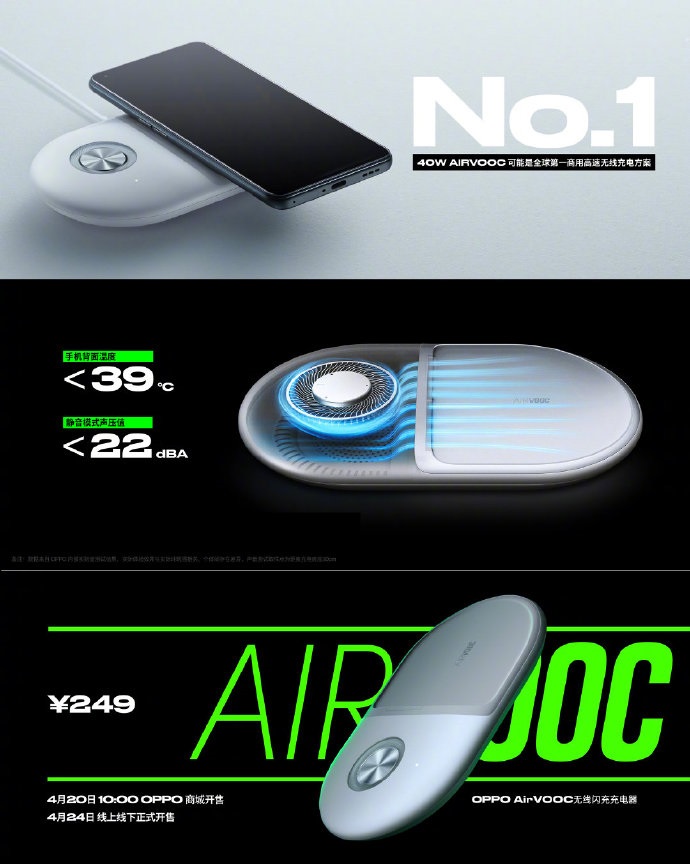
OPPO has put a price tag of ¥249 (~$35) on the AirVOOC wireless charger which is a bit cheaper than Huawei’s own 40W wireless charger priced at ¥289 (~$41).
The 40W AirVOOC charger has a mat-design which means the phone has to lay horizontally on it to charge. There is a fan to the right that provides cooling via a hidden side vent. The fan, which has a noise level of less than 22dBA, helps to bring down the temperature to under 39°C when charging the device.
OPPO claims the charger can fully charge the OPPO Ace from empty to full in just 56 minutes. The charger also supports Qi wireless charging and can be used to charge Qi-compatible phones at up to 10W.
The 40W AirVOOCwireless charger will go on sale on April 20. If you purchase it alongside the Ace2 between April 20 to April 30, you get ¥30 off the selling price.
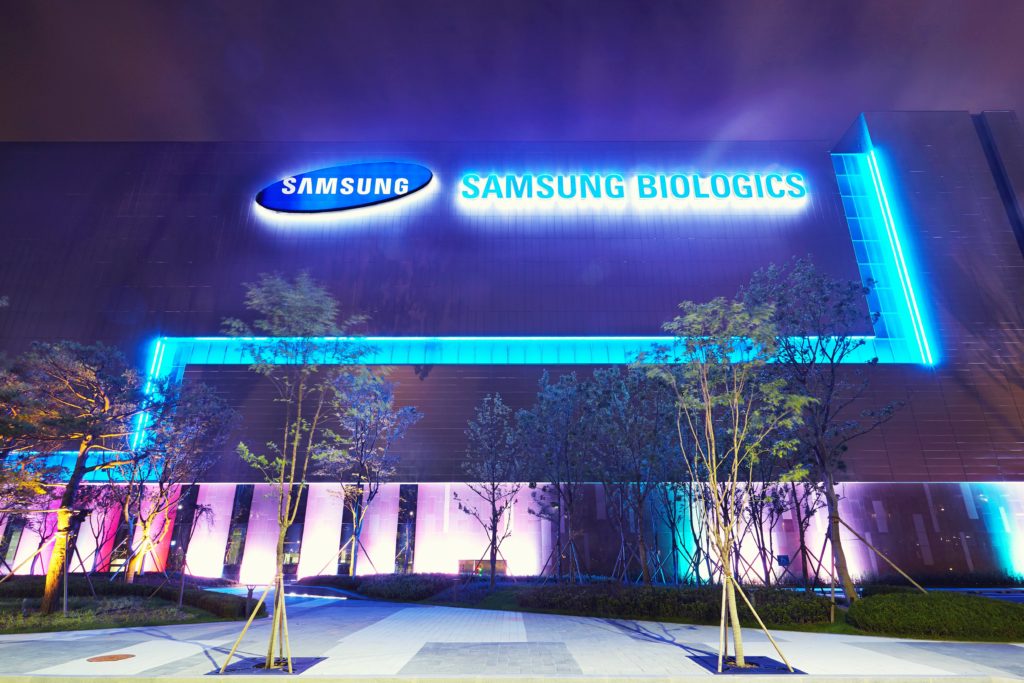
Samsung Biologics will be producing COVID-19 drugs for a contract worth $360 million from a San Francisco-based company called Vir Biotechnology. The manufacturing of drugs is expected to begin from October at the earliest.
Vir Biotechnology, a Nasdaq-listed company has been working on possible treatments for COVID-19. It is yet to conduct experimental tests for treatments as well as vaccines on humans, which might take three to five months. The company’s drugs are based on monoclonal antibodies (mAb) and they are calling it ‘SARS-CoV-2 monoclonal antibody’.
For large-scale production of the company’s finalized drug, Samsung Biologics has successfully won the contract worth $360 million for now. The agreement for the same is expected to be finalized by May. It is worth noting that this is the largest contract for the firm ever since it has gone public and it accounts for 63% of the total revenue reported by the company last year.
The manufacturing of drugs could start from October, however, the commercial batches will be possibly produced from early 2021 at Samsung Biologics’ plant in Songdo, located 30 kilometers southwest of Seoul in South Korea.
According to officials and drug experts, antibody drugs like this could be initially used to help people at the frontline such as health workers from getting infected by treating people with COVID-19.
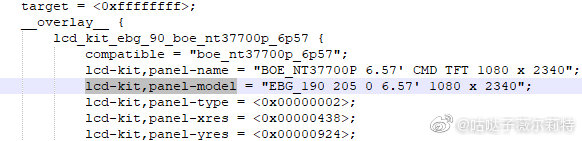
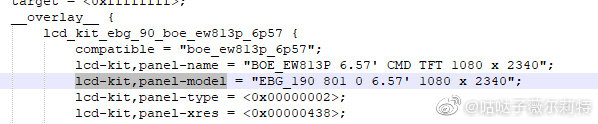
Honor is expected to officially launch the Honor 30 series on April 15 in China. Ahead of the launch, a well-known digital blogger who is also a former Foxconn employee has discovered the encryption code of the Honor 30 series which contains details of the display and battery.
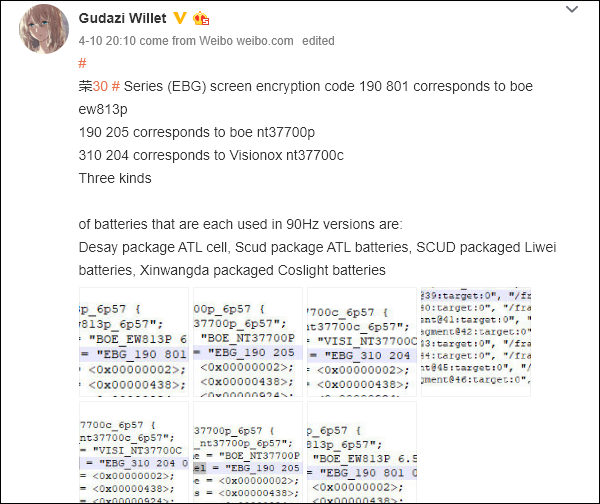
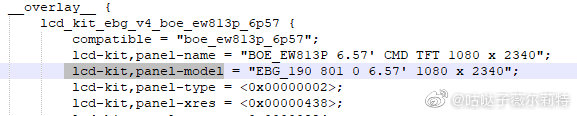
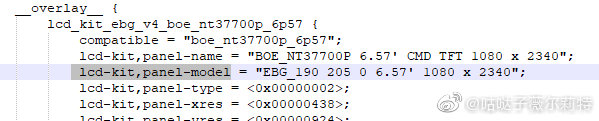
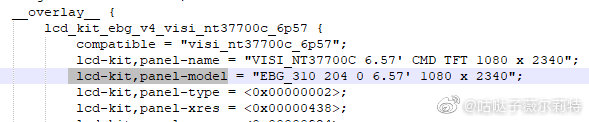
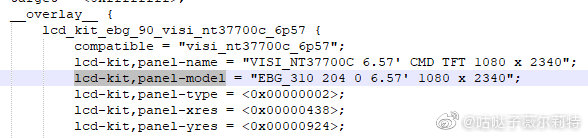
According to the screenshots shared, the Honor 30 series display and battery will be supplied by multiple OEMs. The encryption codes show that the Honor 30 series (EBG) screen with the code 190 801 corresponds to BOE ew813p. The code 190 205 corresponds to BOE nt37700p while the code 310 204 corresponds to Visionox nt37700c. One notable feature of all the OLED panels is that they support 90Hz refresh rates.
In addition, the batteries used in the three models of the Honor 30 series discovered on the encryption code are Desai encapsulated ATL cells, SCUD encapsulated ATL cells, SCUD encapsulated Liwei cells, and Xinwangda encapsulated Coslight cells.
Thus, while the display panel will likely be supplied by China’s BOE and Visionox, the battery cells will come from Huizhou Desai Battery technology, SCUD Battery Co. Ltd and Xinwangda Huizhou Electric Car Battery Co., Ltd, all Chinese manufacturers.
The Honor 30 is also expected to feature a new Kirin 985 chipset with 5G support and will have support for 40W super-fast charging. The device will adopt a full-band high-amplitude dual-speaker configuration, support Histen smart sound effects and game listening sound recognition. It is also expected to feature support for 4K ultra-dark video and 1920fps Super slow motion.
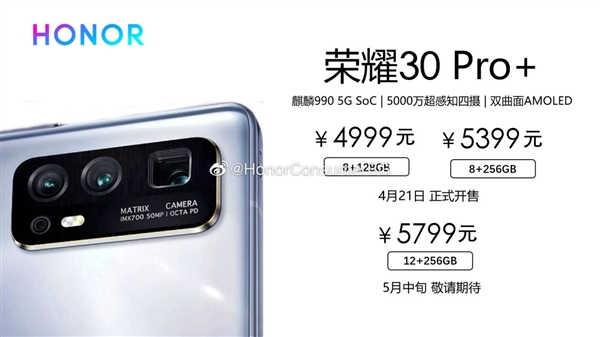
Just like Huawei, Honor is launching a Pro+ model of its upcoming Honor 30 phone. This means we are getting three flagships – the Honor 30, Honor 30 Pro, and the Honor 30 Pro+. Ahead of the launch event on Wednesday, April 15, the prices for the different variants of the Honor 30 Pro+ have been leaked.
Based on the image, the Honor 30 Pro+ will come in three variants:
8GB RAM + 128GB
8GB RAM + 256GB
12GB RAM + 256GB
The base model will sell for ¥4999 (~$709) but if you want double the storage, Honor is asking for ¥5399 (~$766). For those who want the high-end version that packs 12GB of RAM, the price tag is ¥5799 (~$822). We advise you to take the above prices with a grain of salt as they have not been verified.
Based on the pricing, Honor is sticking to the tradition of offering more-affordable versions of Huawei’s own phones. For example, the Huawei P40 Pro+ with 8GB of RAM and 256GB of storage is priced at ¥7988 (~$1133).
The Honor 30 Pro+ will come with a 90Hz curved OLED display with an in-display fingerprint scanner. Inside it will be the Kirin 990 5G processor. The phone will pack four rear cameras including a 50MP sensor. Other features include an IR blaster, support for wireless charging, and Magic UI 3.1 based on Android 10 out of the box.
As the rollout of 5G is progressing every quarter, so are the sales of 5G-enabled smartphones. According to a report by Counterpoint Research, 5G smartphone sales are expected to reach 8.4 million units in South Korea this year. OEMs like Samsung and LG are thriving to release more affordable 5G devices in the country.
Last year, 5G smartphones only made up 28% of the total sales in South Korea. However, this year, it is expected to reach 48% as per market analyst Counterpoint Research.
5G services were commercialized by carriers in the country last April. Since then, they have managed to garner 5.77 million subscribers as of last week, according to the Science Ministry of South Korea.
According to Counterpoint, 13 new 5G smartphones will be released in the country in 2020, which is almost double than 7 5G devices launched in 2019.
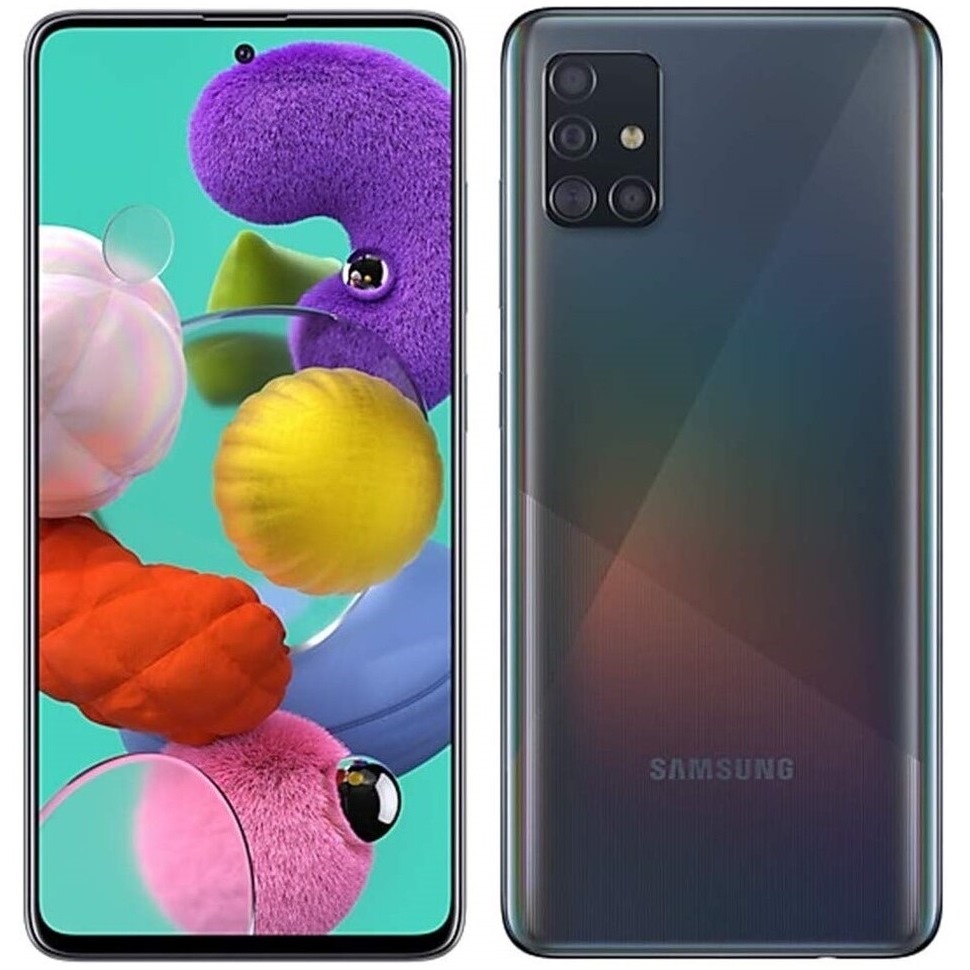
Samsung has already launched its first set of commercial 5G smartphones in the country in the form of the Galaxy S20 series. The next devices to hit the market will be more affordable like the recently announced Galaxy A51 5G and Galaxy A71 5G. The company also plans to release Galaxy A91 5G in the second half of the year.
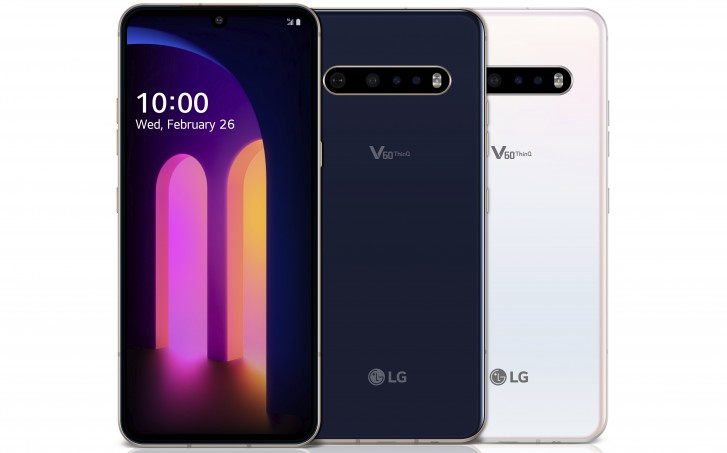
On the other hand, LG has so far launched only one 5G smartphone (V60 ThinQ) in the country this year. But the list will grow soon as the company is expected to launch new mid-range 5G smartphones under the newly announced ‘Velvet’ series. It may also launch 5G-enabled Q series smartphones in the second half of the year.
Lastly, even Apple is expected to debut its first 5G smartphone in the second half of 2020. Anyway, the projected South Korean 5G smartphones sales figure may vary based on the market’s recovery from the COVID-19 pandemic.
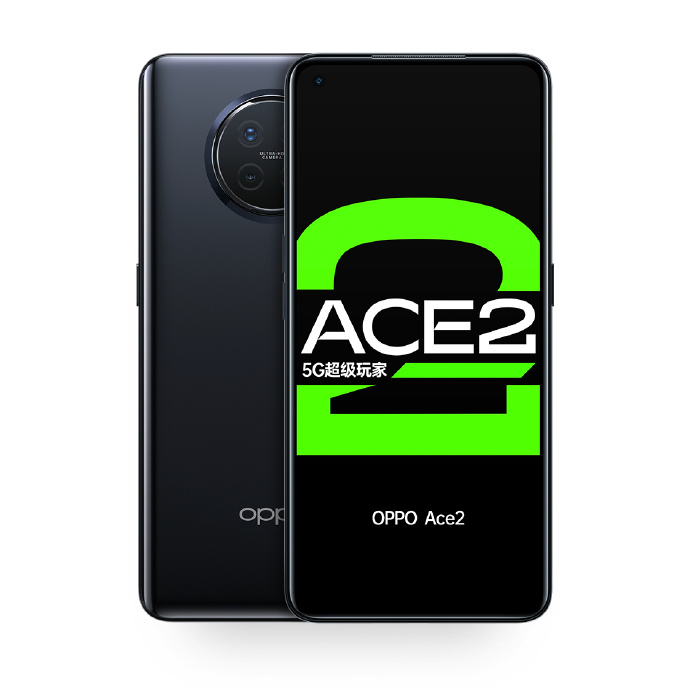
OPPO officially announced the Ace2 flagship at an online event in China today. The phone succeeds the OPPO Reno Ace model announced last year with better hardware and the world’s fastest wireless charging technology. The Ace lineup is being split up from the Reno series and will be sold as a separate lineup from OPPO. Overall, with 5G, Snapdragon 865, and an ultra-fast charging technology, the phone is being marketed as a gaming flagship. So it’s no surprise that the Ace2 is the official smartphone of the Peacekeeper Elite League in China this year.
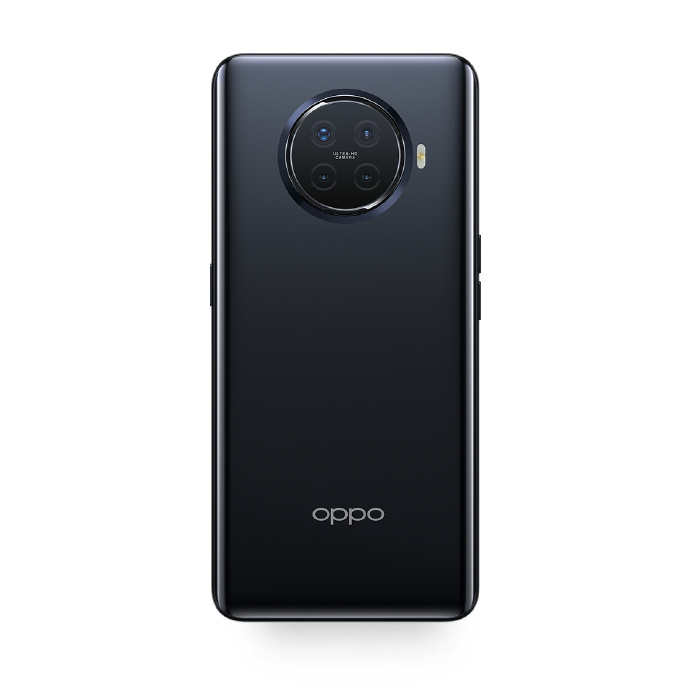
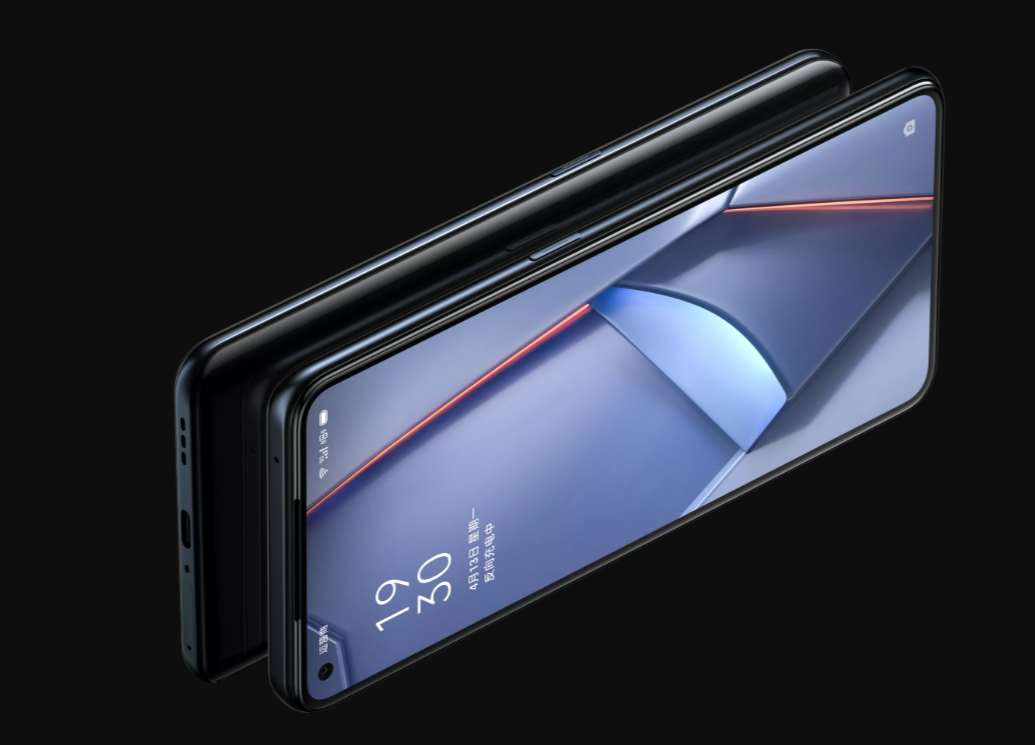
The OPPO Ace2 features a traditional 2020 smartphone design which includes a punch-hole display upfront and a round quad-camera setup at the back. The phone weighs just 185 grams and is 8.6mm thick, which means it will be comfortable to hold. There’s a 3D back curved design as well, improving the overall ergonomics. You get a 6.55-inch OLED display with 2400 x 1080p resolution with a high 91.8% screen to body ratio. The phone comes with the 5th generation Corning Gorilla Glass protection, 100% DCI-P3 color gamut, 1100nits brightness, HDR10+ certification, and a high 90Hz refresh rate.
OPPO Ace2 Specs
The OPPO Ace2 comes with a Snapdragon 865 chipset with up to 12GB of LPDDR5 RAM and UFS 3.0 with Turbo Write and Host Performance Boost (HPB) for fast read and write speeds. Thanks to Snapdragon 865 chip, the phone supports dual-mode 5G with roaming enabled in over 25 countries worldwide. Like all flagship phones of 2020, the OPPO Ace2 also supports Wi-Fi 6 and this can be combined with 5G to reach peak speeds of up to 2950Mbps!
At the online event in China today, OPPO said that the Ace2 scores around 608,000 on AnTuTu at room temperature. But if the phone’s cooling system kicks in, it can go up 625,184 in the same benchmark application. OPPO revealed that it has managed to reduce power consumption by up to 12% in some games and the temperature can be brought down by up to 1.4° C without sacrificing its performance.
The OPPO Ace2 comes with an optimised gaming experience. The company claims that it supports a stable high frame rate and comes with good battery life with excellent temperature control. Thanks to the new HyperBoost 3.0, the Ace2 manages to games like Peace Elite at stable 90FPS for a long time. The company says that you can keep playing even when the phone is charging, thanks to its advanced 4D VC cooling technology.
Since this is a flagship focused on gaming, OPPO has optimized e-sports and balanced mode on the device by gathering data from over 200 internal test players. The phone also supports a new social feature which is similar to the popular online commentary system in China called danmu. In case you are confused – if you have ever seen live comments fill up a video (its very popular in China), that’s danmu. OPPO Ace2 comes with a similar feature wherein your new messages will be shown on your game screen like a comment.
The Ace2 also supports voice controls during gameplay via OPPO’s Breeno smart assistant. You can tweak the volume, brightness and other features using Breeno. The phone also comes with 4D Game Vibration 2.0 standard which will customize gameplay vibrations according to the weapons being used. Finally, dual stereo speakers and Dolby Atmos ensures an immersive sound experience on the device.
The OPPO Ace2 comes with an average 4000mAh battery. But this is paired with an ultra-fast 65W wired charging solution. You also get the world’s fastest 40W Super AirVOOC Wireless Charging technology on board which gives you an additional hour of usage in just 5 minutes of wireless charging. This charging tech is certified by TUV Rheinland. You also get 10W reverse charging tech.
The Ace2’s camera setup isn’t exactly extraordinary but it should still be good enough for decent shots. The phone comes with a 48MP IMX586 primary sensor paired with an 8MP 119° ultra wide-angle camera, a 2MP portrait lens, and another 2MP Black and White camera.
There’s a 16MP f/2.4 front punch-hole shooter.
As for software, the phone runs on Android 10 based ColorOS 7.1.
OPPO Ace2 Pricing & Availability
The OPPO Ace2 starts at 3999 yuan ($567) for the 8GB RAM and 128GB ROM variant and goes up to 4399 yuan ($623) for the 8GB and 256GB ROM variant. The 12GB RAM and 256GB storage model is priced at 4599 yuan ($652).
Note that the 8GB RAM models are all LPDDR4X and only the 12GB RAM model comes with the latest LPDDR5 standard.
These three storage variants are available in Black and Purple color options. The OPPO Ace2 is up for reservations in China starting today and will go on sale for the first time on April 20.
If you are in the market for an AirPods alternative that doesn’t cost a bomb, you have come to the right place. The market is teeming with all sorts of bargain earphones that have garnered high user ratings, but are these earbuds are any good?
In my opinion, sports earbuds, noise-canceling earbuds, and various other wireless models aren’t gilt-edged but they aren’t bad either. Some models aren’t ideal for listening to music at all. Here’s a look at the best wireless earbuds in 2020 that might suit your fancy and fit inside your budget at the same time.
EarFun Free Bluetooth 5.0 Earbuds
The EarFun Free earbuds are loaded with impressive features. While it doesn’t deliver elite quality audio, the EarFun Free sounds pretty good, which means, it’s not just noise that comes out of the speaker.
They aren’t designed to deliver audio clarity offered by some steeply-priced true wireless earbuds; however, they have plump bass and ample audio detail that justifies the $49.99 price tag it carries.
Moreover, they provide a decent experience when it comes to making calls and its battery lasts six hours and the case lasts four charges. You can head straight to this link to check out more details about the EarFun Free Bluetooth 5.0 Earbuds and place your order.
Anker – Soundcore Liberty Air 2 True Wireless In-Ear Headphones
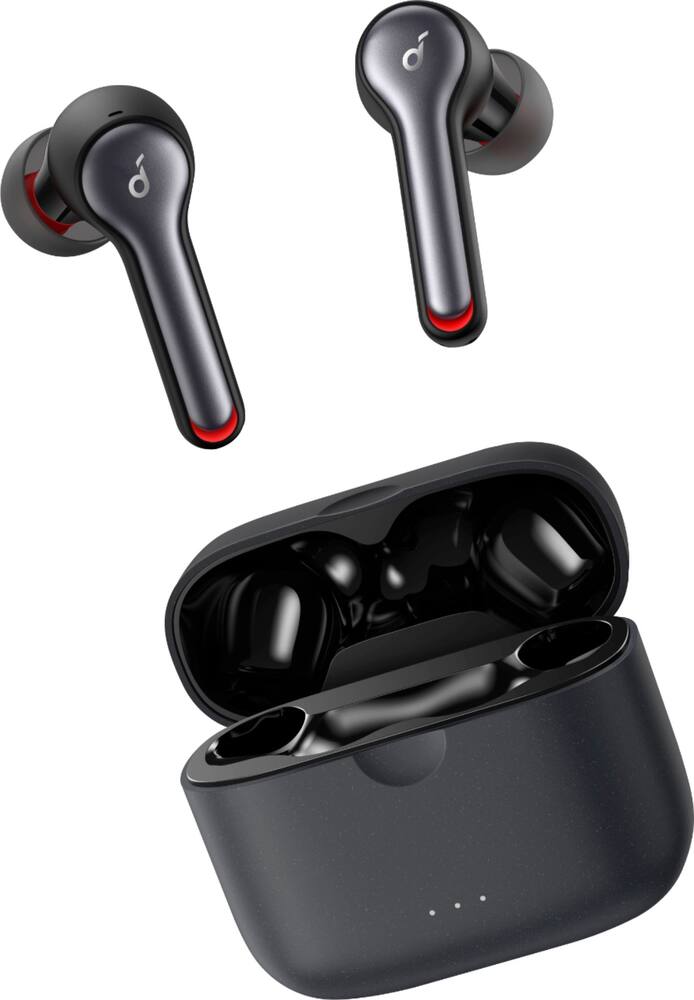
Top-branded truly wireless earbuds would normally set you back over a $160, but the elegantly designed Anker Soundcore Liberty Air 2 earbuds will deliver a superior listening experience at only $100. The earbuds come in highly-appealing color options including black, as well as white and offer an enhanced battery life, USB-C charging and good call quality.
The Anker – Soundcore Liberty Air 2 True Wireless In-Ear Headphones is currently up for grabs for $99.99 on Best Buy, and you can even choose between black, and white color options. The device offers functions that are similar to the AirPods Pro.
For instance, it comes in a compact charging case that features an eye-catching matte finish. Aside from that, it adopts a noise-isolating audio design to restrict ambient noise passively. On top of that, the Anker – Soundcore Liberty Air 2 is an elite set of earbuds when it comes to making calls in noisy settings.
It also has an IPX5 water-resistance rating, meaning, it can withstand sweat and water, but shouldn’t be fully submerged. The Anker – Soundcore Liberty Air 2 is a perfect companion for fitness and sports enthusiasts. You can follow this link to purchase it from Best Buy.
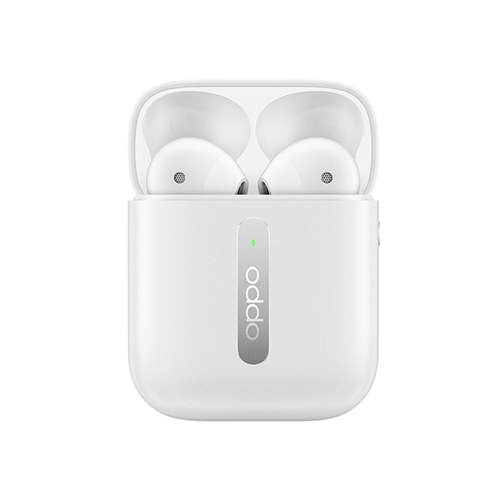
Available in black, white and pink color options, the Encore Free is simply irresistible true-wireless earphones. They normally retail for $129 but have currently gone up for sale bearing a considerably reduced price tag of just $89 through one of China’s most reliable e-tailers, Giztop.
Housed in a compact body, the Enco Free sports an open-fit design. The device has silicone in-ear tips that fit comfortably inside your ears for a longer duration. The charging case features a smooth-matte surface and it also serves as a wireless charger for the earphones.The USB-C port located at the bottom can be used to charge the earbuds. The Enco Free uses the latest Bluetooth 5.0 for more stable connectivity and an impressive wireless range of up to 10 meters. Furthermore, they use of 13.4mm dynamic drivers for superior sound.
The OPPO Enco Free delivers a 5-hour battery life at 50 percent volume and lasts 25 hours with the charging case, which is backed by a 410mAh battery. Integrated with wireless charging support, the case charges via USB Type and it takes 70 minutes to charge the earbuds and about 2 hours to charge the case.
You can visit this link to check out more details about OPPO Enco Free and avail of the discount before the promo comes to an end.
Unlike other wireless earbuds that aren’t easy on the pocketbook, the Xiaomi Haylou GT1 is currently available for a lowered price of only $26.18 through Gearbest. This a noteworthy 6 percent reduction in the earbuds’ original asking price of $27.90.
It uses Bluetooth 5.0 for a stable signal and seamless transmission, allowing you to enjoy your favorite soundtrack without barrier. Moreover, you can switch between listening to music and making calls with just one click. Its built-in microphones enable you to answer incoming calls with a single click at any time.
The Xiaomi Haylou GT1 is designed to deliver improved noise cancellation so that you can enjoy chatting like face to face, and record crystal clear voice messages even in noisy environments. Furthermore, they adopt an ergonomic design, which ensures you can wear them for a longer period without experiencing any sort of discomfort.
The Haylou GT1 uses smart chip and tuning technology and provided improved low-frequency sound performance, coupled with high-quality sound. To know more about the Xiaomi Haylou GT1 and take advantage of the discount, simply follow this link before the promo wraps up.
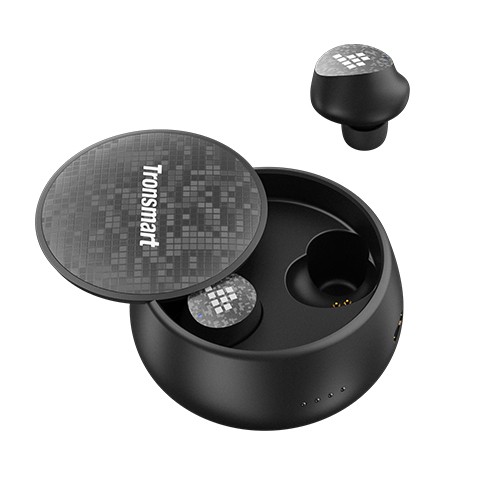
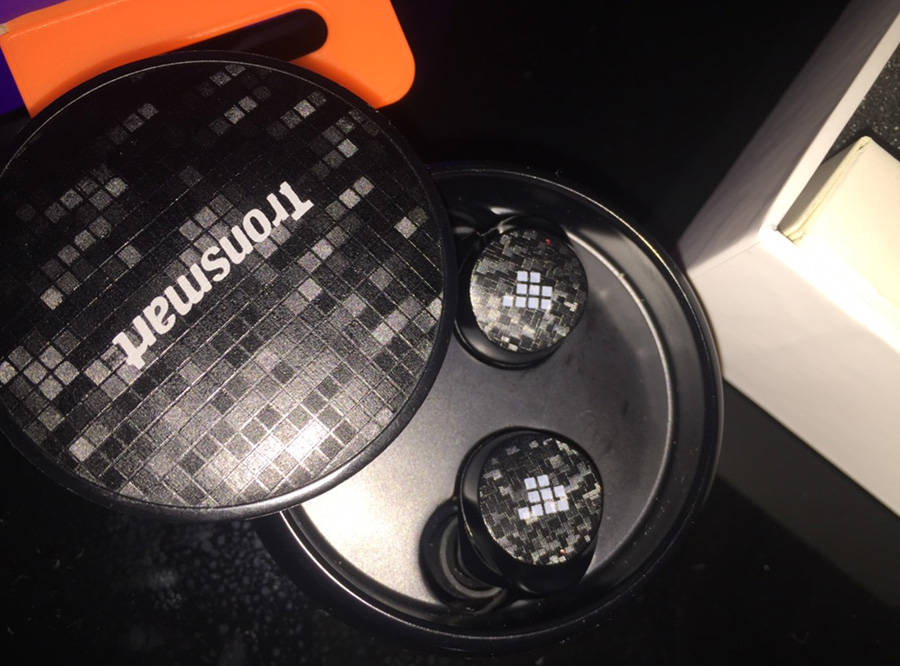
If you have restlessly been waiting to get your hands on inexpensive TWS earbuds that don’t compromise on quality, you might want to give the Tronsmart Spunky Pro a test drive. While it normally retails for $29.99, these feature-rich earbuds are now available for only $26.99 through GeekBuying.
In addition to getting this 10 percent discount, you can save more money by applying the 2% Off New User Coupon, provided this is your order with the popular Chinese e-tailer. Available with a new charging case, the Spunky Pro TWS earbuds are designed to deliver superior deep bass, clearer call sound.
These earbuds are crafted for truly wireless music and calls, making them a must-have music accessory for those leading active lifestyles. They come with 6mm speaker units that produce extraordinary bass and eliminate distortion.
On top of that, the Tronsmart Spunky Pro TWS Earbuds feature two built-in microphones that minimize ambient noise for ultra-clear stereo calls. It uses Bluetooth 5.0 and adopts a comfortable and highly-portable design for those who fancy listening to their favorite soundtracks on the go.
You can follow this link to know more about these IPX5 rated TWS earbuds and purchase them at a considerably lowered price from GeekBuying. Note that the promo was on the verge of wrapping up at the time of writing.
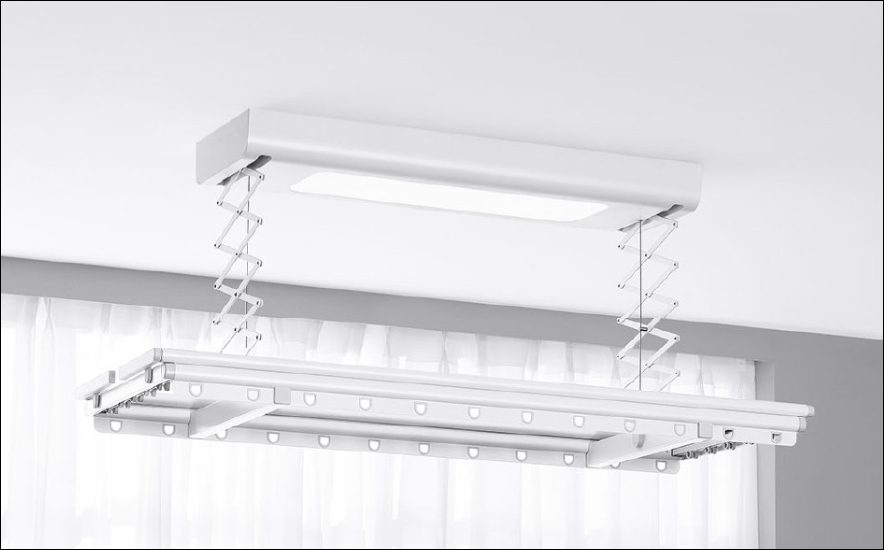
Xiaomi is steadily updating its IoT gadgets and this is in line with the company’s new posture as an AIoT company. The brand has just launched the MIJIA Smart Clothes Dryer under crowdfunding. The product comes with an affordable 849 yuan (~$120) price tag and will go on sale at 10 AM on April 15 via Xiaomi Mall and Mi Home. After the crowdfunding exercise, the smart dryer will retail for $899 (~$127).
The MIJIA Smart Clothes Dryer adopts a retractable design whereby the rack can be expanded by 2.2m. The bars are also sturdy and can bear a maximum load of 35kg. The dryer has a large-area energy-saving LED panel which makes it convenient to dry and take dried clothes off the rack at night.
As the name implies, this is a smart product and that is perhaps what differentiates this hanger from similar products like the Mr Bond Smart Clothes Dryer which this product seems to share a design with. The Mr Bond model only supports the MIJIA app control but this new model takes things further.
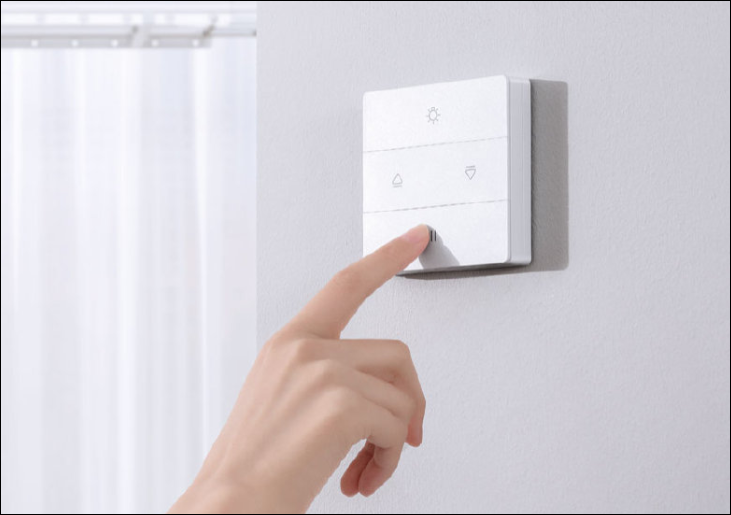
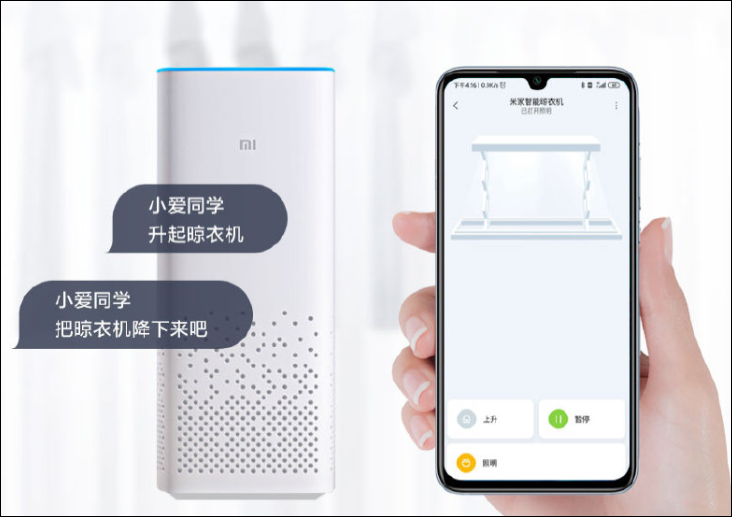
The MIJIA Smart Clothes Dryer comes with support for the MIJIA app which can be used to perform some commands like controlling the height, switching on the LED light from a mobile phone. The product also supports XiaoAI voice command and can be controlled using an XIaoAI compatible device like the Xiaomi Smart Speaker. Other simplistic but smart features include a wireless remote control which can be fixed on the wall.
Also, when the dryer is descending, once it gets to an appropriate height, you can stop the descent by just holding any of the bars. This also means it will stop when it meets an obstruction, saving it from damage. In addition, once you have finished using the dryer, you can close it by pushing it up and it automatically retracts.
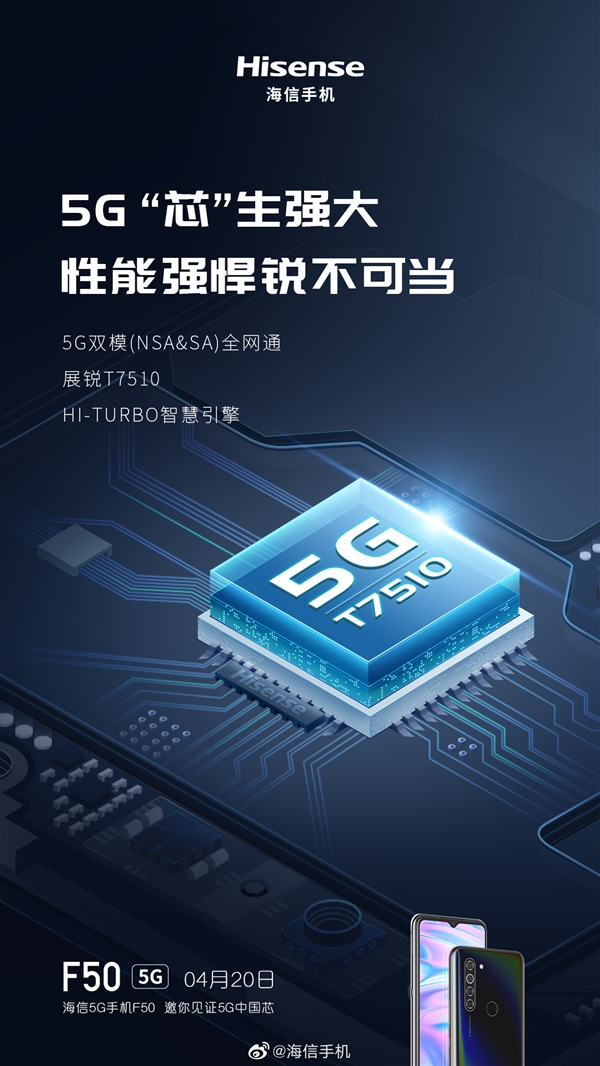
Back in February, Hisense announced its very first 5G smartphone called the Hisense F50 5G. The phone, which is powered by UNISOC’s Tiger T710 5G processor, packs four rear cameras and a pretty big battery. However, Hisense failed to announce a release date until today.
The Chinese manufacturer which also makes TVs and a bunch of other home appliances shared a poster today revealing that its F50 5G smartphone will be unveiled on April 20.
The poster confirms that the Hisense F50 5G will support SA and NSA 5G networks and also has a Hi-Turbo AI Engine.
The Tiger T710 processor is a 12nm octa-core chipset with 4x Cortex-A75 cores clocked at 2.0GHz and 4x Cortex-A55 cores clocked at 1.8GHz. It also has a PowerVR GM 9444 GPU and an Ivy V510 modem. We actually can’t wait to see how it performs against other mid-range 5G processors.
The Hisense F50 5G will come with a 5010mAh battery capacity with support for 18W fast charge. It will also have an 8mm wide cooling pipe. There are still a lot of unknowns but we should know all there is about the phone when it is unveiled next week.
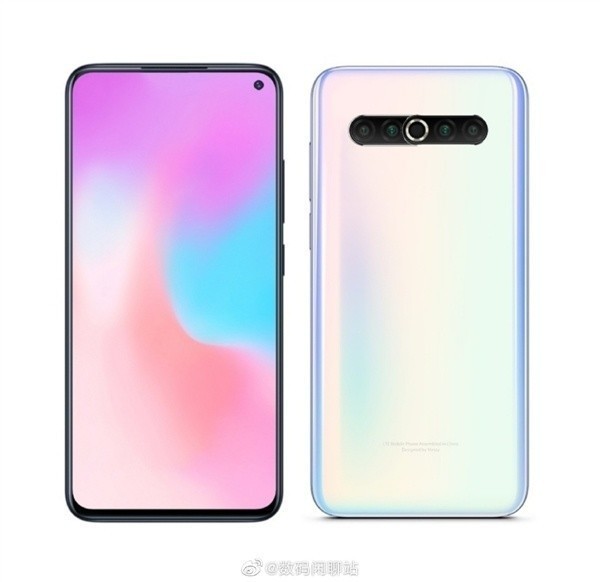
The smartphone and the automobile industry have had many collaborations in the past. Now, it seems that the upcoming Meizu 17 will also be a part of this trend as render leaks showcase an Audi Special Edition for the 5G smartphone.
According to a leaked image, the Meizu X Audi Sport co-branding can be seen in a promotional image. This image depicts the Meizu 17 in a dark color alongside the Audi RS17 branding at the bottom of the rear panel. An Audi sports car is also visible in the back to showcase the collaboration. Notably, the color pattern the Meizu Special Edition follows is similar to the Audi RS6 black, with angular design also being a prevalent theme.
The quad camera module placed horizontally also adds to the overall aesthetics, making it look very appealing. Although a slight difference between the base Meizu 17 model and the Audi Special Edition is that the light ring is not present, rather a simple LED unit can be found. Unfortunately, this news has not been announced officially, so take this report with a grain of salt for now. However, the images do make it seem likely.
For those unaware, the Meizu 17 is the upcoming flagship 5G handset from the company. It will feature top notch specs, like the Qualcomm Snapdragon 865 SoC that supports 5G, thanks to its X55 Modem. The standard version is touted to feature LPDDR4X memory while the high end variant will sport the new LPDDR5 memory. Although there are plenty of more rumors, we will have to wait for the official launch event, which is just around the corner.
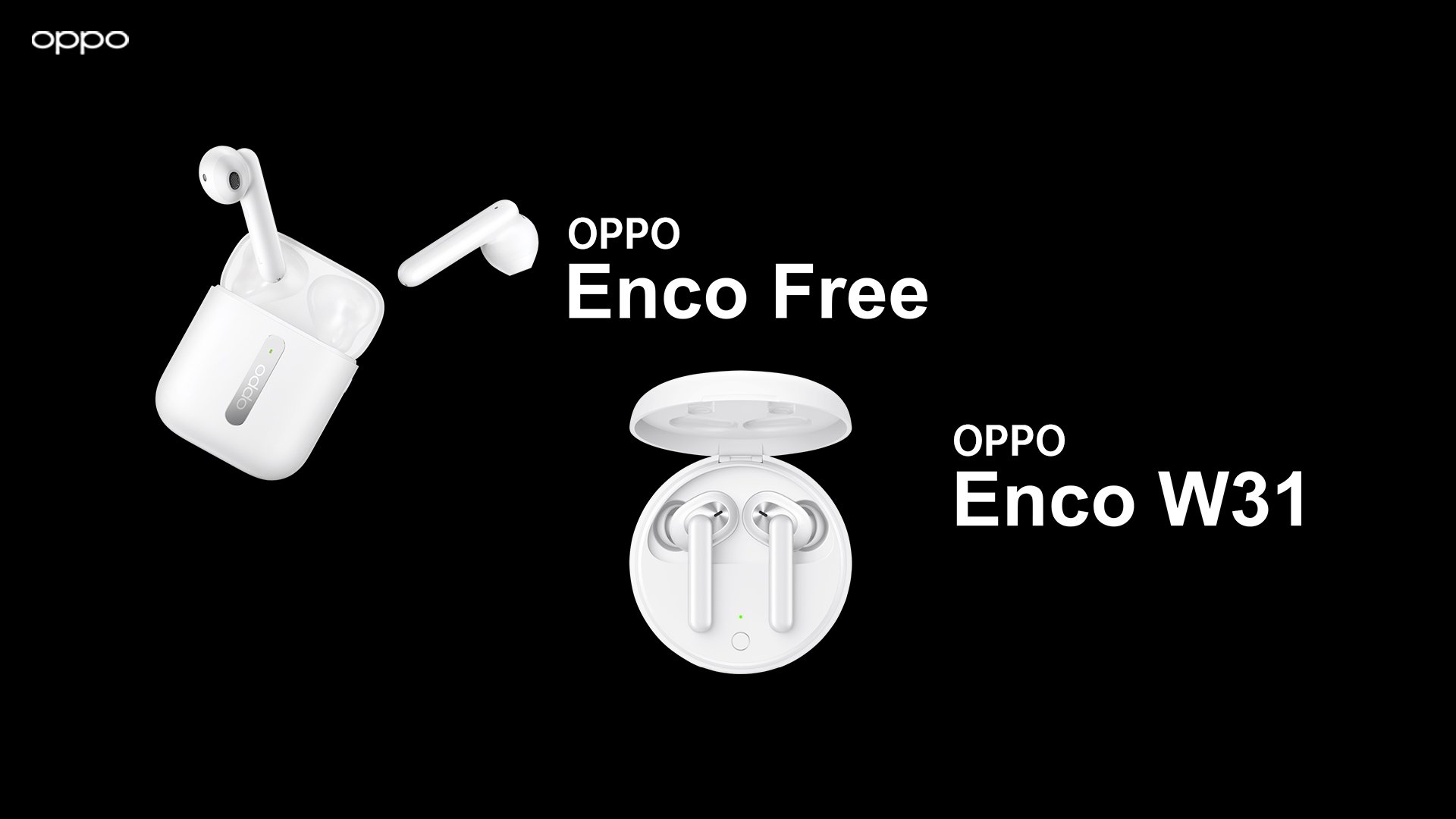
Earlier today (13th April 2020), Oppo shared various videos regarding its new Enco W31 Truly wireless earbuds. It is the latest entry in the Enco series and is touted to be a Bluetooth earphone with one of the lowest delays in audio, with a latency of just 94ms.
Notably, Oppo has already launched the Enco W31 truly wireless earbuds in India back in March 2020. It is a pair of affordable TWS earphones and features a 13.4 mm ultra dynamic speaker system. The hearables are currently available in black, pink and white variants and features different modes like bass mode or even balanced mode.
However, one of its most notable features is undoubtedly its lower delay. For those unaware, Bluetooth earphones suffer from a major issue that plagues many wireless headsets. This issue is latency, which is the delay between the audio being outputted from the video or other sources and the sound actually being played in the speakers.
Any latency above 100ms is easier to notice, and sometimes during videos, one may notice a slight delay in audio with wireless earphones. The Oppo Enco W31, however, doesn’t suffer from this as severely. While 94ms is still not as responsive as wired headphones, it is still a notable improvement and users will not notice any delays during daily use.
News from the Taiwanese reporting agency, Taiwan Economic Daily, has revealed that Apple has already been trying to place orders for 5nm chipsets through TSMC (Taiwan Semiconductor Manufacturing Company). The world’s largest semiconductor manufacturer is preparing for the mass production of its 5nm process, which should also be seen in the upcoming A14 SoC that will be used in the iPhone 12.
Previously, TSMC had announced that its 5nm processing technology is ready for mass production and is scheduled to officially begin operations starting from Q2 of 2020. At the moment, the chipmaking company is optimistic regarding the success of both its 5nm and 7nm process. According to sources, the 5nm chipsets for Apple will face various constraints and time constrictions if the Cupertino based giant doesn’t delay the iPhone 12 launch.
Thus, it is necessary for the smartphone giant to place orders right off the bat to make up for enough units for the coming launch in the latter half of this year. TSMC is planned to start the 5nm chip production for the A14 SoC in April. In other words, the plan is going according to schedule and is currently unaffected by any other factors, the largest hindrance being the Coronavirus pandemic.
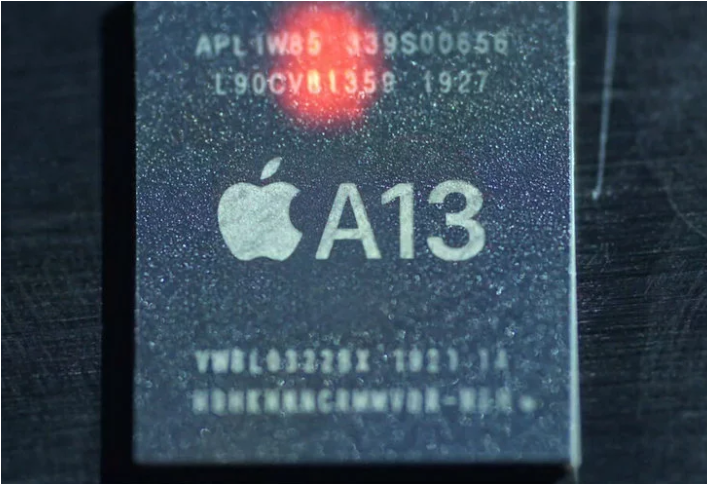
The last generation Apple A13 SoC
For those unaware, TSMC has been the primary supplier for Apple chipsets since 2016. Now, Apple’s latest chipset model is touted to be one of the most powerful mobile processors ever. Some reports even claim that it would be the first in the industry to cross the 3GHz mark and featuring other performance improvements across the board.
Samsung is reportedly working on the Galaxy Fold 2. The South Korean company is expected to launch it with some enhanced features than the original the Galaxy Fold that debuted as the firm’s first foldable phone in 2019. A South Korean publication has revealed some information on the new features that will be available on the Galaxy Fold 2.
The report reveals that the Galaxy Fold 2 will be coming in two color editions such as Martian Green and Astro Blue. The availability of these color variants may vary depending on markets. The aforementioned color variants were reportedly planned first for the original Galaxy Fold. However, the company scrapped the plan and launched it in Space Silver and Cosmos Black color choices.
The Galaxy Fold 2 is expected to weigh less than last year’s device. The report specifically mentions that the Fold 2 will weigh 229 grams. The Galaxy Fold weighs around 260 grams. While the rumor mill had speculated that the Fold 2 will come equipped with S-Pen stylus, the new report states Samsung’s next foldable phone won’t come with a stylus.
The outer design of the Galaxy Fold 2 could be same as the predecessor model. The Galaxy Fold has an outer screen of 7.3 inches. The report states the successor model will be flaunting a larger external display. Lastly, the South Korean tech giant is scheduled to mass-produce the Fold 2 slightly faster than it did for the predecessor model.
The mass production of the Galaxy Fold 2 parts may begin by mid-May and its commercial units could be ready by June. It is speculated that Samsung could be planning to launch the Galaxy Fold 2 alongside the Galaxy Note 20 series in August. The Fold 2 may come in a cheaper 256 GB storage variant. The original Fold is only available in 512 GB storage version.
Earlier today (13th April 2020), McDonald’s official WeChat public account released an interesting new announcement. The fast food giant is going to launch a 5G smart product in China, on the 15th of April 2020.
The company also shared various teasers and promotional images of the same. However, it is currently unknown what exactly the smart product is, and how the newer and faster bandwidth ties in with it. Although from what we can gather, the new product will have a display surrounded by thin bezels. It will even feature a wide angle lens, which will support facial recognition as well.
Amongst other news, the device will also have speakers and will support 5G networking. As of right now, it is also unclear if this is a collaboration between McDonald’s and a tech industry brand. This may still be likely, considering the company primarily focuses on the fast food industry and not technology, but that sort of collaboration would’ve seen more advertising or promotion.
Thus, we can only wait for the official announcement to know for sure, what the device in question actually is. The date of the conference is 15th April 2020, so stay tuned as we will be covering the event and more.
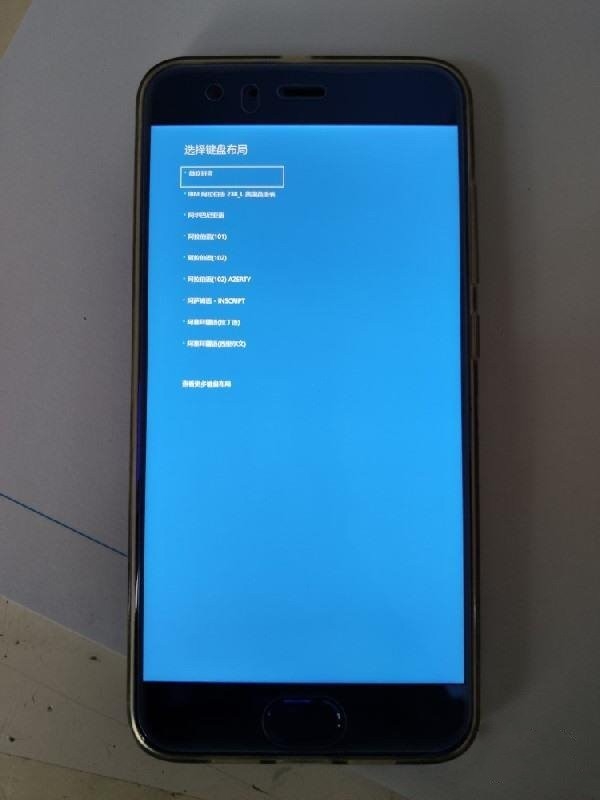
Smartphone enthusiasts have always been keen on tweaking with their handsets. This interest can be in the form of flashing different customs ROMs to even a full fledged Microsoft Windows operating system. Now, the Xiaomi Mi 6 runs the latter, as it operates on the x64 ARM based system for Windows 10.
After successfully flashing the OS, users are met with the keyboard input selection screen once the device begins operating on Windows 10 system. Notably, Windows 10 x64 ARM system isn’t a cut down or smaller version of the popular operating system and can run similar to the desktop version. In other words, it can run .exe files and is equipped with features that can be found in the regular software as well.
In one of the early demos, Qualcomm had showcased the Windows 10 using the Snapdragon 820 SoC. The processor was found in a Windows 10 notebook, which is impressive considering it was powered by a mobile chipset. This laptop could run games like World of Tanks, play 4K videos, run MS Office 2019 and all the essential functions, similar to Intel’s entry level i3 Processor family.
This again goes to show just how far enthusiasts will go to tweak and test devices. It is currently unknown just how well the operating system works on the handset or how stable it actually is, but it is still an impressive feat nonetheless.
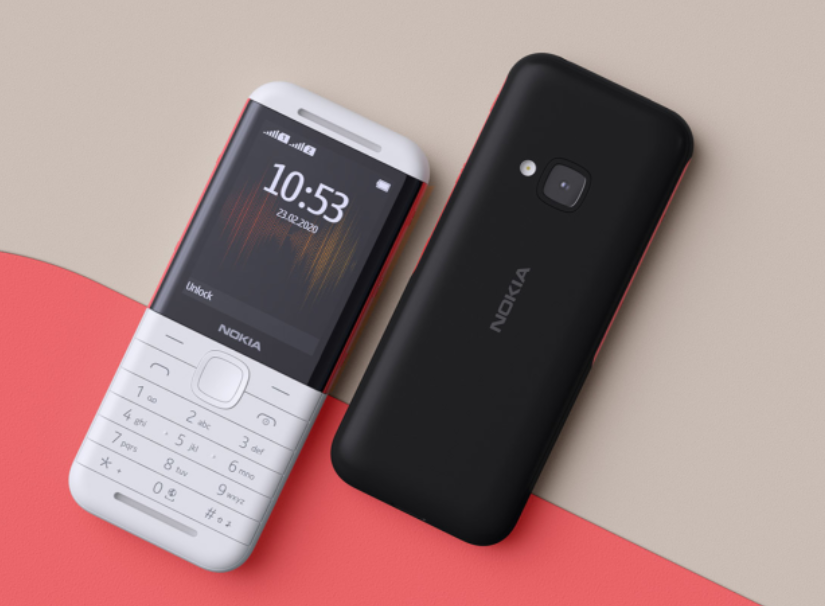
In March, HMD Global had announced a slew new phones including the Nokia 5310 feature phone. It is revised edition of the Nokia 5310 XpressMusic phone from the past. The handset is now available for pre-orders in China with a price tag of 399 Yuan (~$56).
The Nokia 5310 has landed in China in Black/Red and White/Red color variants. The handset is slated to go on sale in Chinese markets from April 21.
Nokia 5310 specifications
The polycarbonate bodied Nokia 5310 weighs 88.2 grams and measures 123.7 x 52.4 x 13.1mm. The dual-SIM handset only supports 2G connectivity.
The Nokia 5310 (2020) comes with a 2.4-inch display that supports 240 x 320 pixels. The screen is overlaid with curved glass. There are dedicated buttons for controlling music on the either sides of the display. The phone is flanked with dual front-firing speakers and it also comes with wireless FM feature.
There is a VGA camnera along with an LED flash on the backside of the Nokia 5310 (2020). It is backed by a removable battery of 1,200mAh capacity that promises a standby time of 20.7 hours and a talk time of 7.5 hours. The phone supports Bluetooth 3.9 connectivity. It runs on Nokia Series 30+ operating system. There is a microSD card slot for expanding its storage.
The feature phone is driven by the modest MediaTek MT6260A chipset. It has an internal storage of 16MB. There is a microUSB port for charging the device. Audiophiles can also listen to music on the device using its 3.5mm audio jack.
In Europe, the Nokia 5310 (2020) is selling for 39 euros. The handset is listed on Nokia India’s website which indicates that it may break cover in India in the near future.
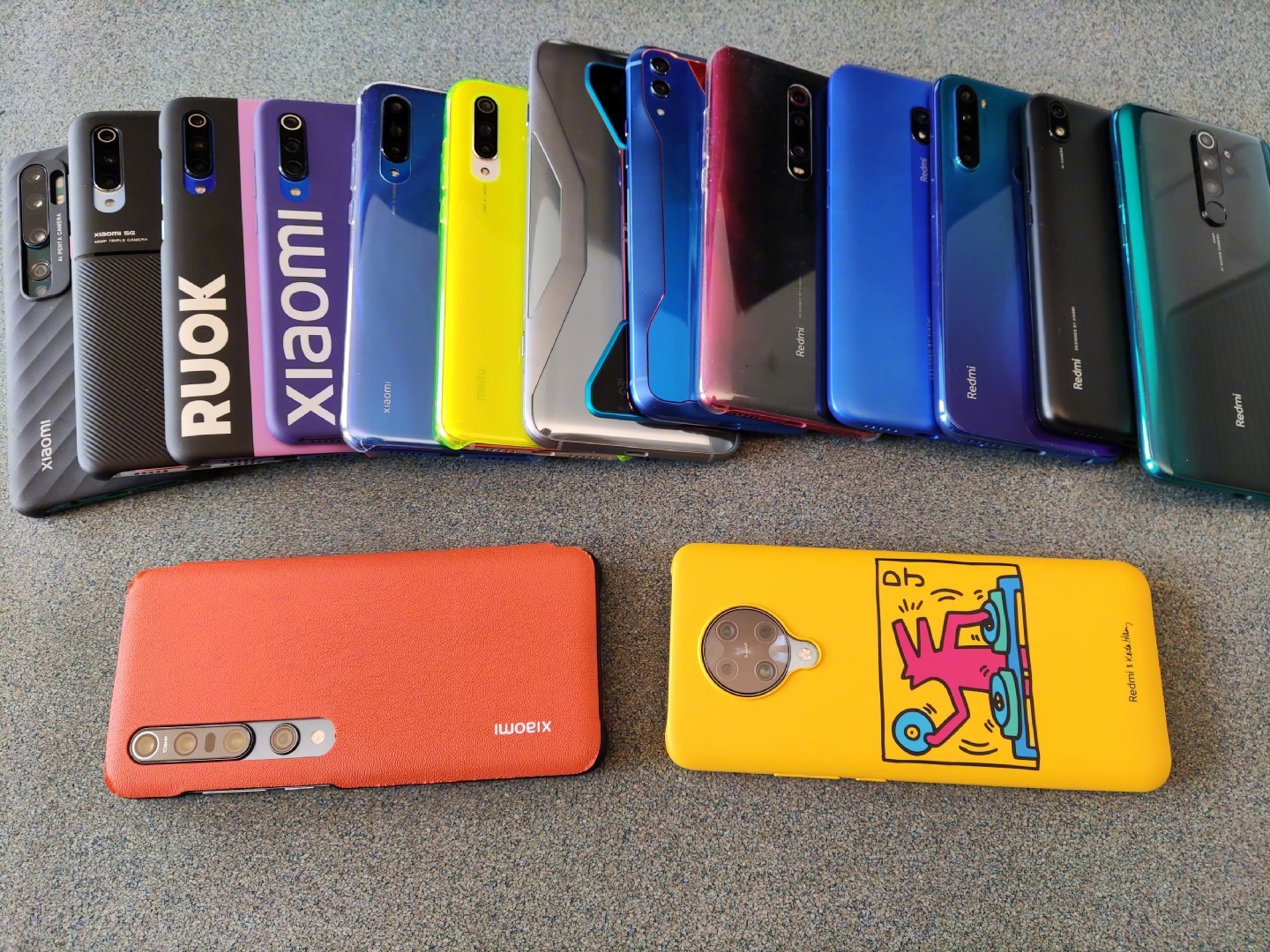
Lei Jun, the Co-Founder of Xiaomi, has shared an interesting image that had 15 engineering smartphone models. These had all been used by the senior executive in 2019 alone, and it has been said that all models must go through him first.
In his official Weibo account, a Chinese microblogging website, Lei Jun shared an image that showcased 15 different engineering smartphone models. All of which were used by the founder at some point during 2019. Apparently, Lei Jun acts as the first product manager for the company. In other words, he uses every smartphone before it has to be launched.
This goes to show how closely and on hands the company’s Founder and Chairman is with the products that are designed by Xiaomi and Redmi. Most of his teasers are also shared via respective smartphones that are expected to launch soon. So, it really showcases his involvement in the process.
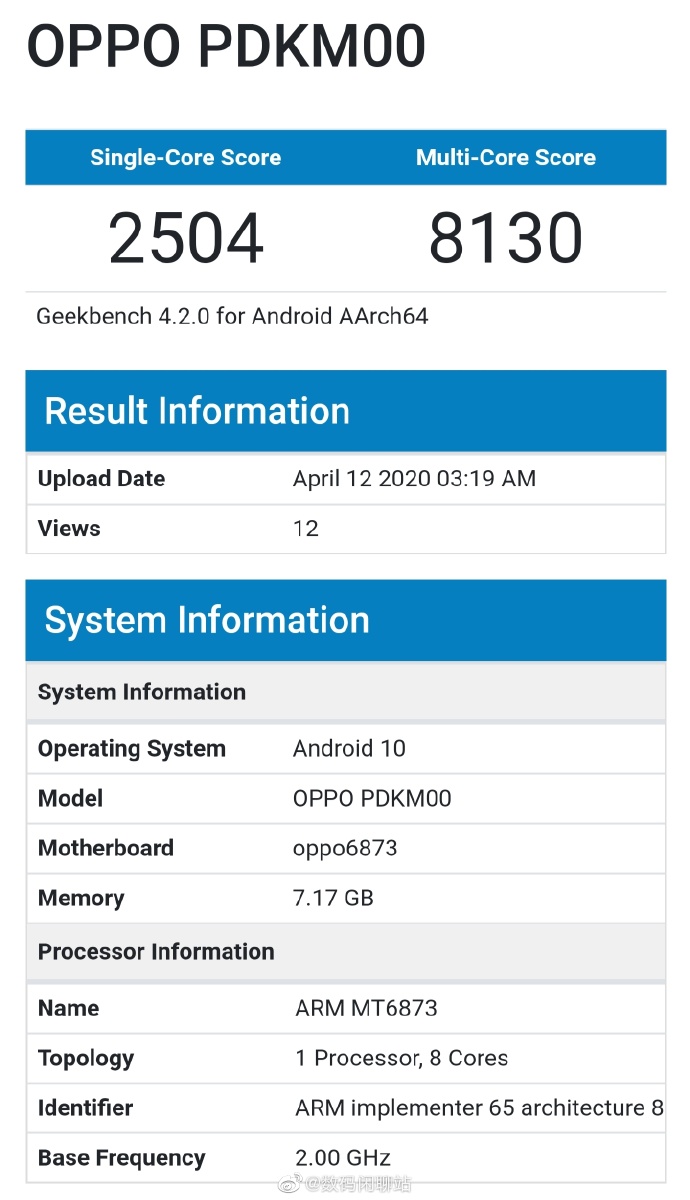
OPPO will be holding a launch event in China today to announce the OPPO Ace2 smartphone. Recent reports have revealed that the company is also working on the launch of the OPPO A92s. The major highlight of the phone is that it’s a mid-range 5G phone powered by the Dimensity 800 chipset by MediaTek. While some speculations suggest that OPPO may announce the A92s alongside the Ace2, there is no concrete evidence to support this claim. The OPPO A92s that reportedly has a model number of PDKM00 has surfaced on Geekbench through which the performance prowess of the Dimensity 800 chip has been revealed.
The OPPO A92s Geekbench listing reveals that it is running on Android 10 OS and 8 GB of RAM. The MediaTek MT6873 chipset aka Dimensity 800 drives the smartphone. It scored 2504 in the single-core test and 8130 in the multi-core test.
1 of 3
OPPO A92s Geekbench
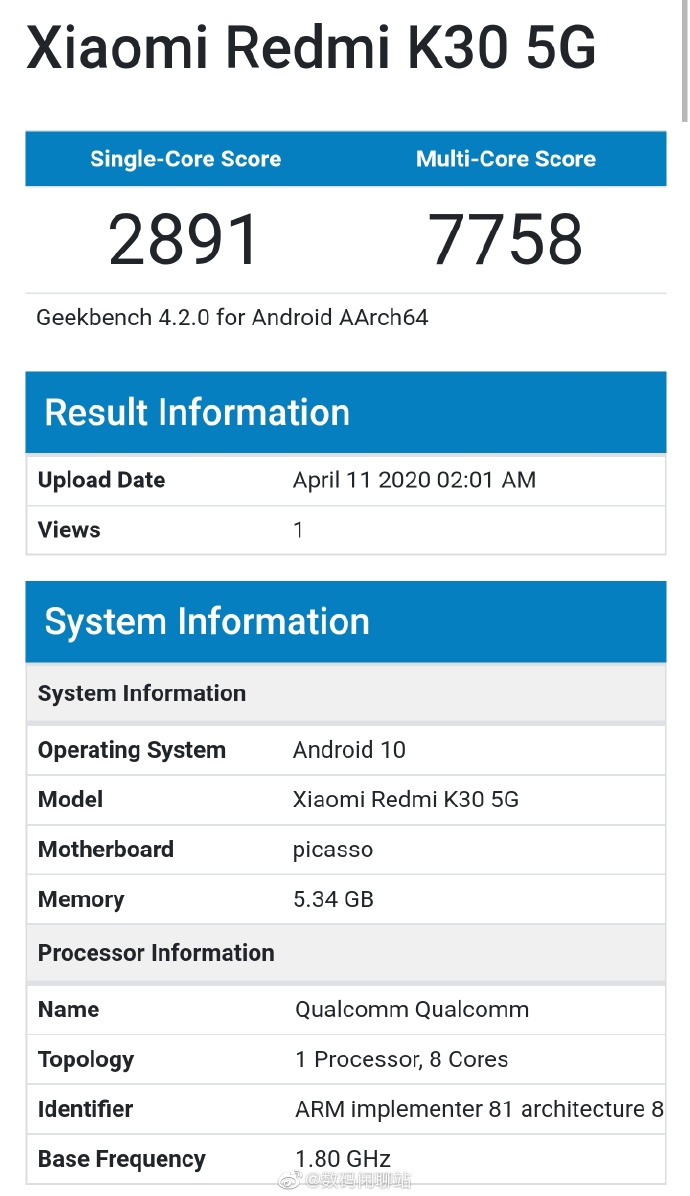
Redmi K30 5G Geekbench
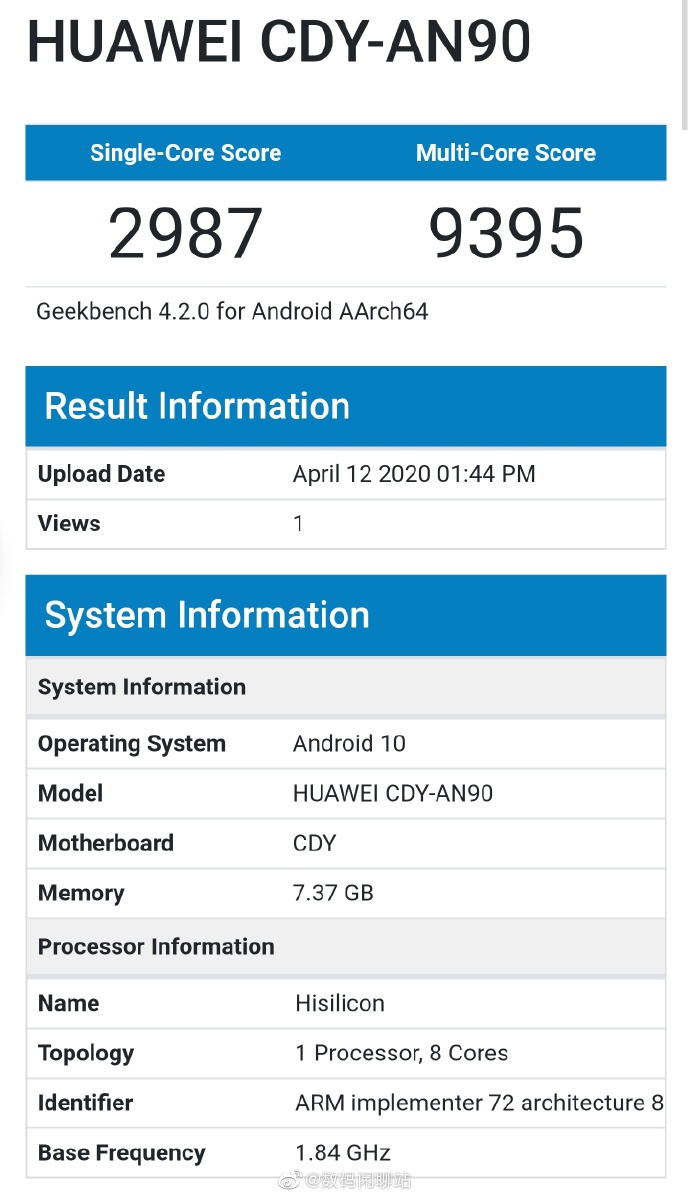
Honor 30s Geekbench
The Dimensity 800 5G chipset is expected to take on the likes of Qualcomm’s Snapdragon 765G 5G and Huawei’s Kirin 820 5G SoC. Here is a comparison of Geekbench scores of Dimensity 800 5G powered OPPO A92s with Redmi K30 5G and Honor 30S (CDY-AN90) that features SD765G and Kirin 820 5G, respectively.
The SD765G phone scored 2891 in the single-core test and 7758 in the multi-core test Geekbench. The Kirin 820 smartphone scored 2987 in the single-core test and 9395 in the multi-test. The comparison suggests that the Dimensity 800’s single-core performance may not be as good as Kirin 820 and SD7565. However, the MediaTek chip managed to record slightly better multi-core score than the Qualcomm chip.
Rumors are rife that the OPPO A92s has a 6.57-inch LCD panel with dual punch-hole for 16-megapixel + 2-megapixel dual front-facing cameras. The LCD panel supports 120Hz refresh rate. The rear-side of the phone has a 48-megapixel quad camera and the device houses a 4,000mAh battery. The phone has 8 GB of RAM and 128 GB of storage and it is likely to go official with 2,499 Yuan (~$355) price tag.
We use cookies on our website to give you the most relevant experience by remembering your preferences and repeat visits. By clicking “Accept”, you consent to the use of ALL the cookies.
This website uses cookies to improve your experience while you navigate through the website. Out of these, the cookies that are categorized as necessary are stored on your browser as they are essential for the working of basic functionalities of the website. We also use third-party cookies that help us analyze and understand how you use this website. These cookies will be stored in your browser only with your consent. You also have the option to opt-out of these cookies. But opting out of some of these cookies may affect your browsing experience.
Necessary cookies are absolutely essential for the website to function properly. This category only includes cookies that ensures basic functionalities and security features of the website. These cookies do not store any personal information.
Any cookies that may not be particularly necessary for the website to function and is used specifically to collect user personal data via analytics, ads, other embedded contents are termed as non-necessary cookies. It is mandatory to procure user consent prior to running these cookies on your website.








![True Wireless Earbuds, [2020 Upgraded] EarFun Free Bluetooth 5.0 Earbuds](https://images-na.ssl-images-amazon.com/images/I/51QHwgPffWL._AC_SL1500_.jpg)
 The USB-C port located at the bottom can be used to charge the earbuds. The Enco Free uses the latest Bluetooth 5.0 for more stable connectivity and an impressive wireless range of up to 10 meters. Furthermore, they use of 13.4mm dynamic drivers for superior sound.