Advertisement

OPPO 40W AirVOOC wireless charger certified by WPC

The Find X2 and Find X2 Pro are OPPO’s latest flagship phones but they do not support wireless charging. However, the manufacturer has a third flagship phone coming soon called the OPPO Ace2 that will support 40W wireless charging.

Ahead of the launch of the phone, the Wireless Power Consortium (WPC) has published the details of the wireless charger for the device.

According to the WPC, the wireless charger has model number OAWV01. The attached images reveal the official name as OPPO 40W AirVOOC and it supports the following power inputs – 9V 2A (18W), 5V 6A (30W), and 10V 6.5A (65W). The maximum power output is, of course, 40W.
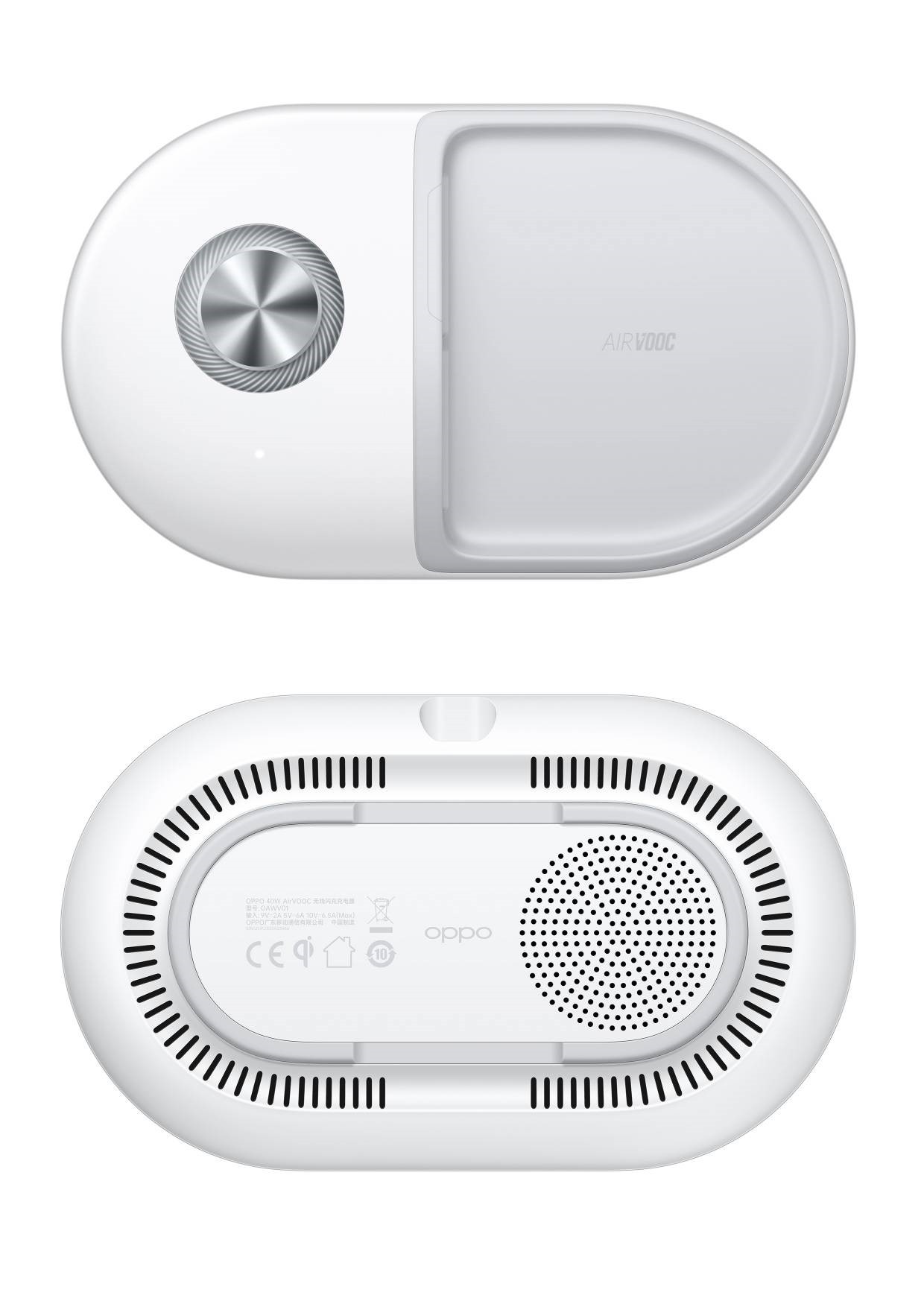
OPPO 40W AirVOOC Wireless Charger

The wireless charger has an unusual design. It has an oval shape with a recess on one side for the phone to lie on and a large silver button/knob on the other side. The underside has vents for heat dissipation. There is also a silicone strip around the base to prevent it from slipping.

The OPPO Ace 2 launches on Monday, April 13 which is a day before the OnePlus 8 series’ launch. OnePlus is also expected to announce its first wireless charger on that day but unlike OPPO’s charger, it supports 30W fast charge and has a vertical stand design.

The price tag for the AirVOOC wireless charger is unknown but expect it not to be cheap.


(Source)
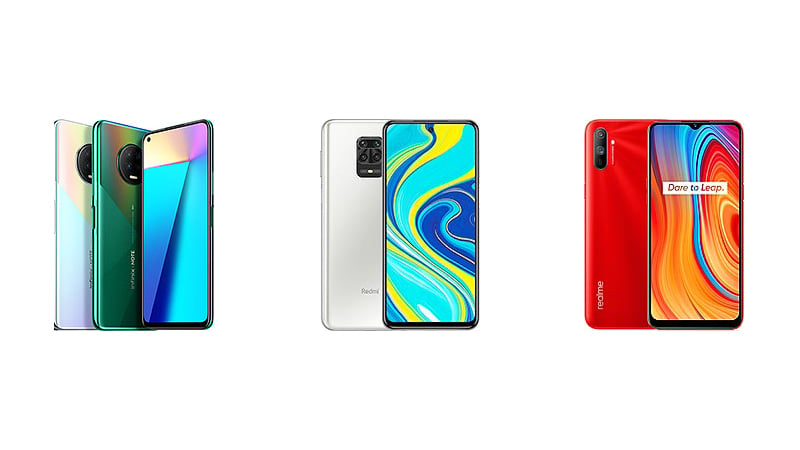
Infinix Note 7 vs Redmi Note 9S vs Realme C3: Specs Comparison

Despite Infinix is not a “global” brand, it is highly competitive in India and releases affordable devices which have nothing to envy to the smartphones released by mainstream brands in the global market. The latest arrival is the Infinix Note 7, bringing a huge display and a powerful chipset to the market at a very affordable price. We think it is time to compare it with other potential best-sellers in the Indian market. We chose the Redmi Note 9S and the Realme C3 because we believe they are potential best-sellers in that price range. Here is an in-depth comparison of the specifications.

Infinix Note 7 vs Xiaomi Redmi Note 9S vs Oppo Realme C3

Infinix Note 7 Oppo Realme C3 Xiaomi Redmi Note 9S
DIMENSIONS AND WEIGHT 173.4 x 79 x 8.8 mm 164.4 x 75 x 9 mm, 195 grams 165.8 x 76.7 x 8.8 mm, 209 grams
DISPLAY 6.95 inches, 720 x 1640p (HD+), 258 ppi, IPS LCD 6.5 inches, 720 x 1560p (HD+), 270 ppi, IPS LCD 6.67 inches, 1080 x 2400p (Full HD+), 395 ppi, IPS LCD
PROCESSOR Mediatek Helio G70, octa-core 2 GHz Mediatek Helio G70, octa-core 2 GHz Qualcomm Snapdragon 720G, octa-core 2.3 GHz
MEMORY 6 GB RAM, 128 GB – micro SD dedicated slot 2 GB RAM, 32 GB – 3 GB RAM, 32 GB – 4 GB RAM, 64 GB – micro SD dedicated slot 6 GB RAM, 128 GB – 4 GB RAM, 64 GB – micro SD dedicated slot
SOFTWARE Android 10, XOS Android 10, Realme UI Android 10, MIUI
CONNECTIVITY Wi-Fi 802.11 a/b/g/n/ac, Bluetooth 5.0, GPS Wi-Fi 802.11 b/g/n, Bluetooth 5.0, GPS Wi-Fi 802.11 a/b/g/n/ac, Bluetooth 5.0, GPS
CAMERA Quad 48 + 8 + 2 + 2 MP f/1.8, f/2.4, f/2.4 and f/1.8
16 MP f/2.0 front camera
Dual 12 + 2 MP f/1.8 and f/2.4
5 MP f/2.4 front camera
Quad 48 + 8 + 5 + 2 MP f/1.8, f/2.2, f/2.4 and f/2.4
16 MP f/2.5 front camera
BATTERY 5000 mAh, fast charging 18W 5000 mAh, battery charging 10W 5020 mAh, fast charging 18W
ADDITIONAL FEATURES Dual SIM slot Dual SIM slot, reverse charging, splash resistant Dual SIM slot, splash resistant

Design

With their punch-hole displays, glass backs and very narrow bezels, Redmi Note 9S and Infinix Note 7 have impressive designs, if we consider that they are just affordable phones. The Infinix Note 7 is one of the biggest mid-rangers out there, so not everyone may be comfortable with it. That is one of the reasons why Redmi Note 9S wins the design comparison. Redmi Note 9S and Realme C3 are splash resistant, but while the Redmi Note 9S has a glass back, Realme C3 has a full plastic design. On the other hand, Realme C3 is the most compact device of the trio.


Display

Redmi Note 9S is also the winner of the display comparison. The reason is simple: its display has a higher resolution: while Infinix Note 7 and Realme C3 come with HD+ displays, Redmi Note 9S has a Full HD+ resolution with a higher pixel density and a higher level of detail. It even boasts pretty high brightness, but the panel is a classic IPS and not an AMOLED display. Infinix Note 7 remains interesting because it has a huge 6.95-inch panel, despite HD+ resolution on a so big display is not the best solution a manufacturer can adopt.


Specs & Software

Again, Redmi Note 9S takes the gold medal. It has a way more powerful chipset: the octa-core Snapdragon 720G by Qualcomm paired with up to 6 GB of RAM and up to 128 GB UFS 2.1 internal storage. It is a better SoC for gaming, power users, and productivity. Both Infinix Note 7 and Realme C3 pack the Helio G70 SoC paired with slower eMMC 5.1 native storage. Realme C3 loses the comparison against Infinix Note 7 due to its lower amount of RAM: 4 GB against 6 GB. But each of the devices offers Android 10 out of the box.


Camera

Redmi Note 9S has the most advanced camera departments and it offers better sensors on the back. Both Redmi Note 9S and Infinix Note 7 have a 48 MP main sensor, but Redmi Note 9S has better secondary sensors including an 8 MP ultrawide lens, a 5 MP macro camera and a 2 MP depth sensor. With the Infinix Note 7, you get three 2 MP secondary sensors including a dedicated video camera. On the paper, the front camera of the Infinix Note 7 looks better. Realme C3 is pretty disappointing on the camera side with an inferior 12 MP main sensor and a 5 MP front camera.


Battery

The best battery phone here should be Realme C3. It has a 5000 mAh battery just like the Infinix Note 7 (Redmi Note 9S has 5020 mAh), but it has a smaller display and it should be more efficient. Unfortunately, we still did not test the battery life of the Infinix Note 7 because we make comparisons as soon as smartphones get announced.


Price

Infinix hasn’t yet shared the pricing details of the Infinix Note 7. Redmi Note 9S is sold at a price ranging from $190 to $210 depending on the market (we still do not know how much it will cost in India), while Realme C3 starts from just $98 and it offers a higher value for money. But the winner of this comparison is the Redmi Note 9S which offers a better display and higher performance, as well as a more promising camera setup.


Infinix Note 7 vs Xiaomi Redmi Note 9S vs Oppo Realme C3: PROs and CONS

Infinix Note 7

PROs

  • Widest display
  • Dedicated video camera
  • Stereo speakers
  • Good front camera

CONS

  • Dimensions


Oppo Realme C3

PROs

  • Great battery life
  • Affordable
  • Splash resistant
  • Reverse charging

CONS

  • No fingerprint reader


Xiaomi Redmi Note 9S

PROs

  • Highest performance
  • Punch-hole display
  • Greatest rear cameras
  • Splash resistant

CONS

  • Price

Samsung Galaxy Fold 2 will reportedly get a cheaper 256GB version

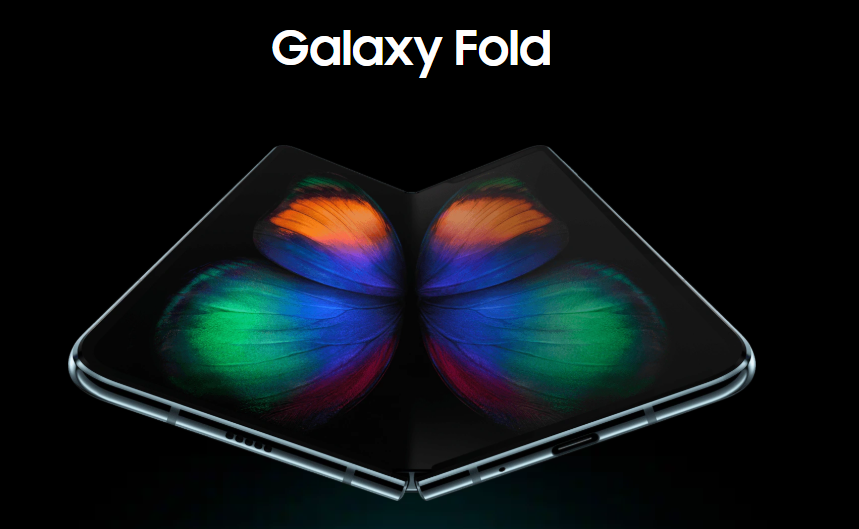
Samsung launched its first foldable smartphone –  the Galaxy Fold last year and the smartphone was an instant success despite its huge price tag. The tech giant is already prepping to launch a successor which would be known as Galaxy Fold 2. Samsung Galaxy Fold featured

There have been several leaks and rumours surrounding the Galaxy Fold 2 for a while now. The latest is that the Fold 2 will come in two storage variants. Last year’s Galaxy Fold only had a 512GB storage option but this year, Samsung will reportedly include a second 256GB storage version.

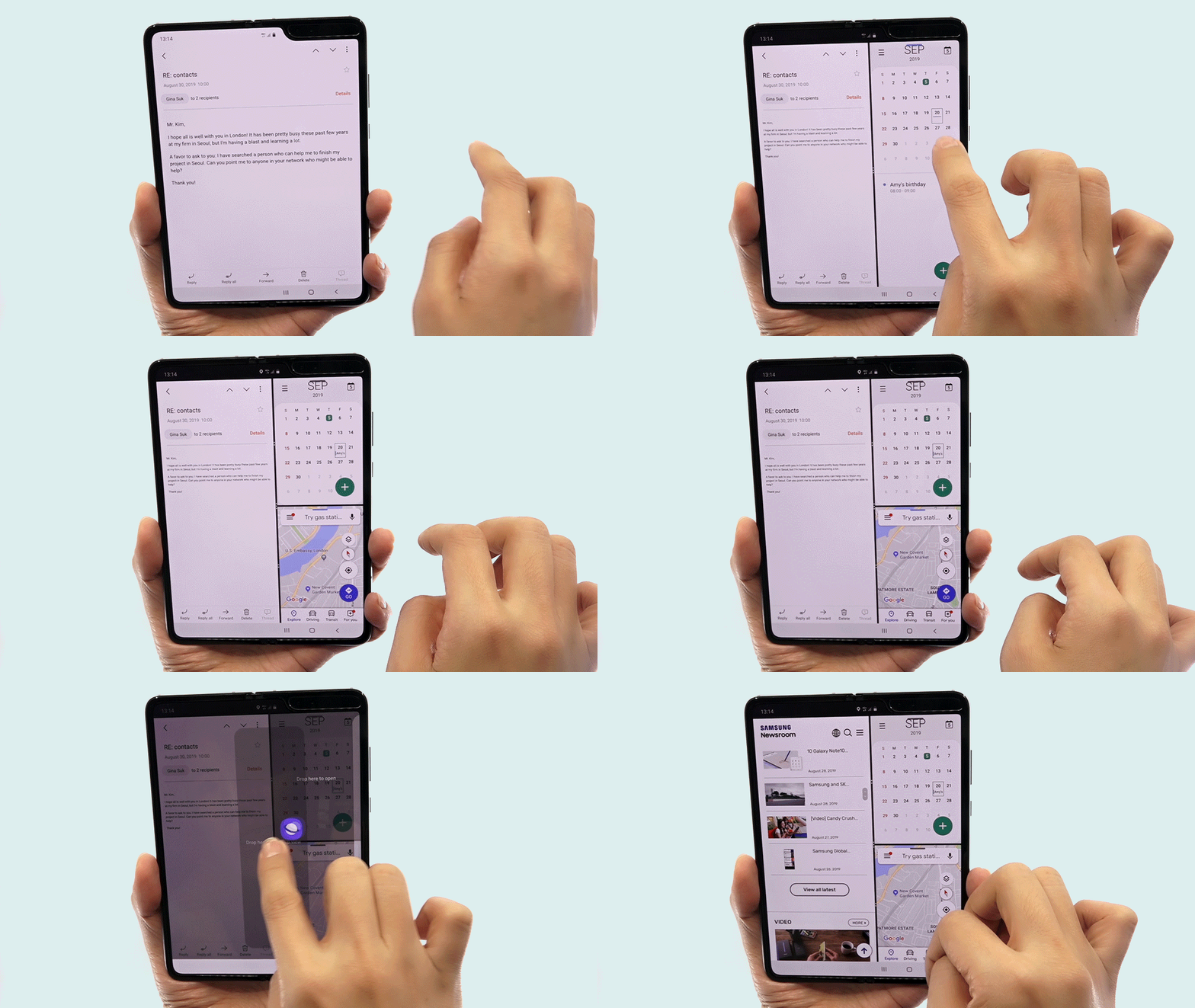
Samsung Galaxy Fold Multi Active Window

The report carried by Sammobile claims the Fold 2 with 256GB storage has the model number SM-F916 while the higher 512GB variant has the model number SM-F91x. The lower storage will enable Samsung to lower the price of the Galaxy Fold by some significant margin. The Galaxy Fold came with a mammoth $1,980 price tag. The Fold 2 may be priced at a similar price but the lower storage will definitely lower the price tag. Samsung may had got some idea from the Galaxy Z Flip which is sold for $1,400 but saw huge patronage despite the heavy price. Thus, lowering the Fold 2’s price could also help garner patrons.


(source)


Samsung ends security support for the Galaxy S7 and S7 Edge

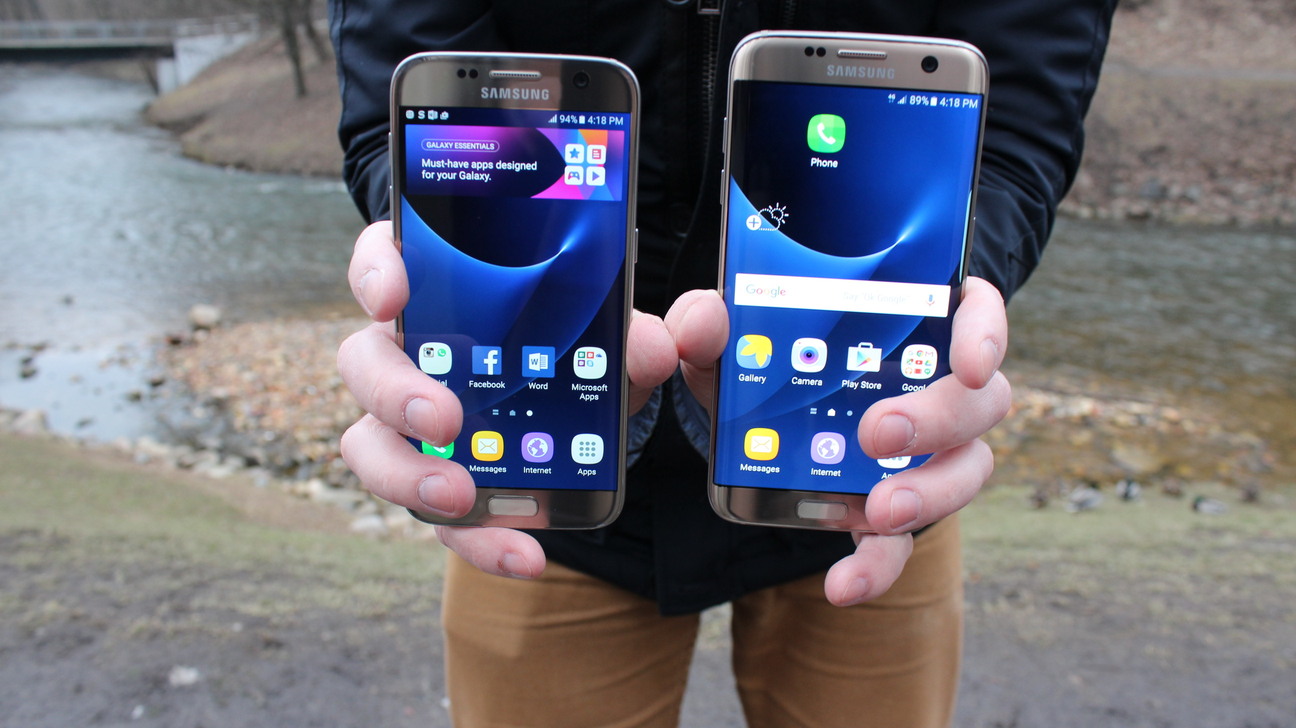
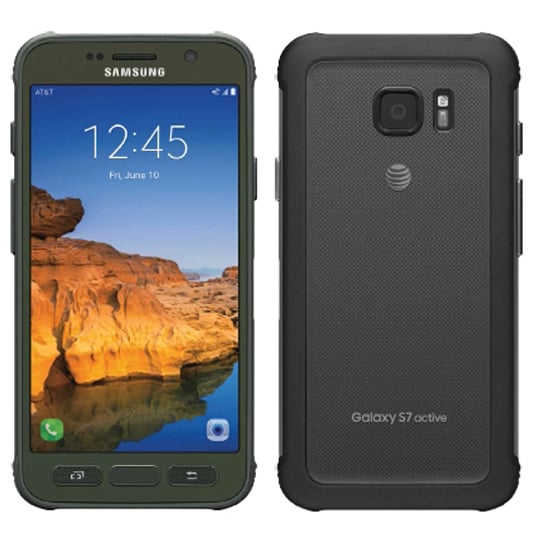
There is always an end to everything with a beginning. That is a popular mantra and it seems to apply presently to the Samsung Galaxy S7 and S7 Edge. Samsung has announced the end of software support for the 2016 flagship models.

Samsung Galaxy S7 active
Samsung Galaxy S7 Active is still listed but that won’t be for long

This is coming after four years since the models were launched. The two models were already in the quarterly Security update cycle and had just received the March 2020 security patch last month. The models have now be delisted from Samsung’s Android Security Updates device database. Curiously, the Galaxy S7 Active is still listed to receive quarterly security patches but that is maybe because it was launched after the Galaxy S7 and S7 Edge. The S7 Active may not be listed for long. However, 4 straight years of security support Is an impressive one from the Korean giant.

The Samsung Galaxy S7 and Galaxy S7 Edge were launched in 2016 with ANdroid 6.0 Marshmallow onboard. Samsung released two full Android version updates, that is Android 7 and Android 8.0 Oreo which was the last it got in 2018. Since then, the phones have received quarterly security updates which seems to have now ended. The S7 series launch was beclouded by the Galaxy Note 7 which launched a few months later but became ill-fated as a result of defective batteries that resulted in several exploding units.


(source)


Apple planning to scrap the Beats headphone lineup due to AirPods’ success

Apple acquired Beats Electronics on August 1, 2014, for $3 billion in a cash and stock deal. The deal was the largest acquisition in Apple’s history and since then, the brand has continued to soar higher and higher. However, there are reports that the US tech giant is planning to retire the Beats brand.

A tweet by Jon Prosser hints that Apple is working on several Beats-centric products for the AirPod line. The end goal is to see that the inventory is reduced as part of the long term project of reducing Beats inventory. The AirPod X is one of the upcoming products and it will be similar to the BeatsX earphones with a connecting cable for sports and running. The headphones will come with a premium design and will retail for $350. The product is targeted at wrestling some market share from Bose and Beats itself.

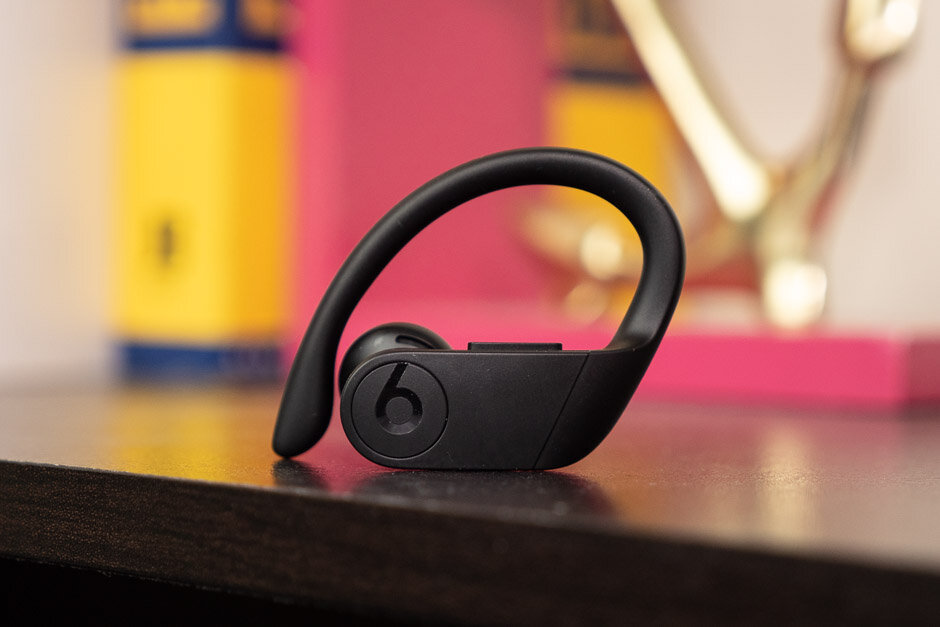
Apple is also offering good discounts on the Beats lineup as part of this long-term plan. In this regard, the Totally Wireless Powerbeats Pro which is less than one year since it was launched has already gotten a huge $50 slash in its price on the official website. Apple has also taken the decision to reduce the price of its Beats Solo Pro over-ear headphones by $50 as well. Apple employees are also being offered a 40% discount on the Beats products. This is seen as an attempt to reduce the inventory.

Apple launched its own branded true wireless earphones in late 2016 and it was a huge hit. The AirPods became the best-selling wireless earphones globally in a short time. The second-gen version was launched in March 2019 and the AirPods Pro with noise-cancelling features was launched in October 2019. The products helped propel Apple to a 54.4% market share with a whopping 58.7 million shipments last year. The growth of the AirPods line is responsible for the US company’s decision to phase out the Beats brand. For now, Apple looks to be trying to reduce inventory and the Powerbeats 4 may well be the last product under the brand.


Renders of OnePlus Warp Charge 30 wireless charger leaks

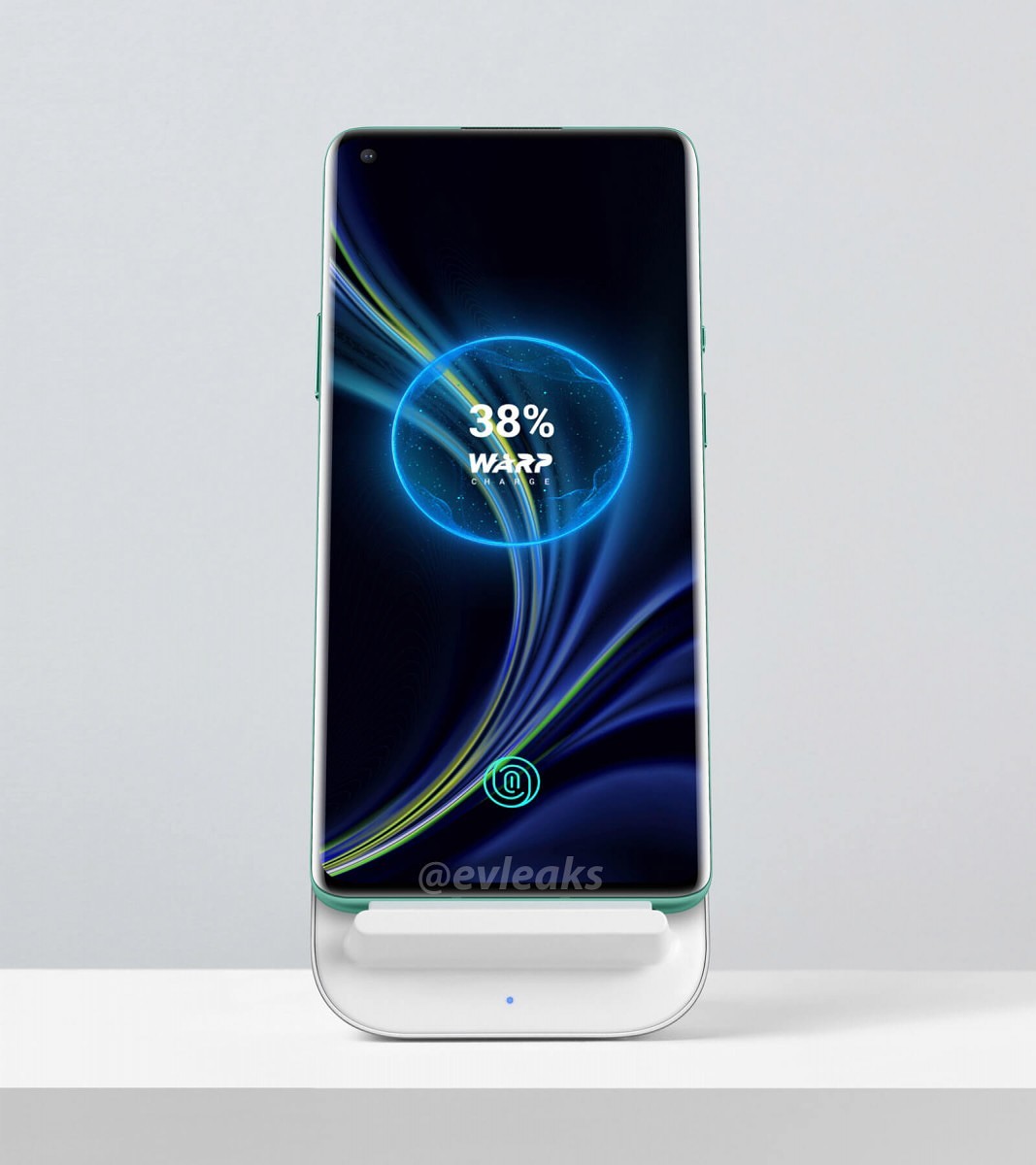
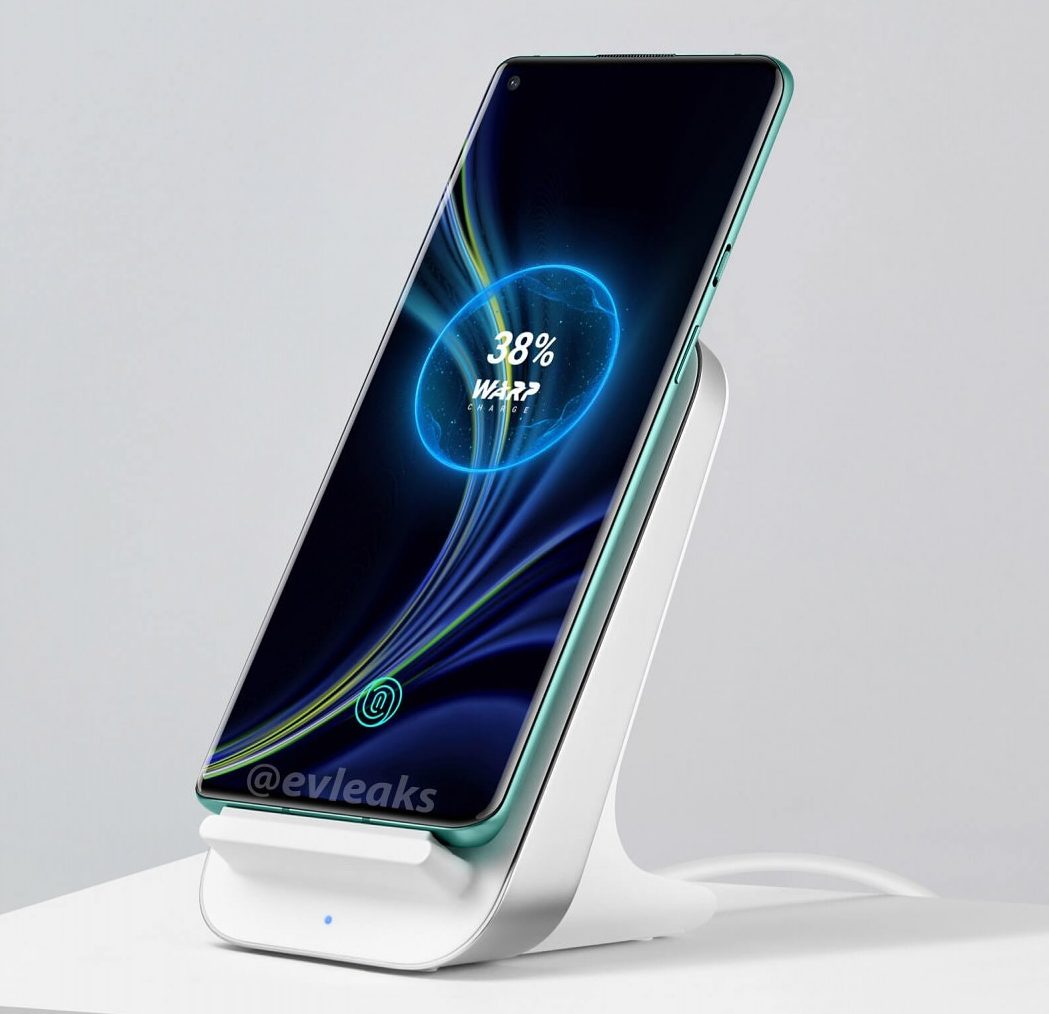
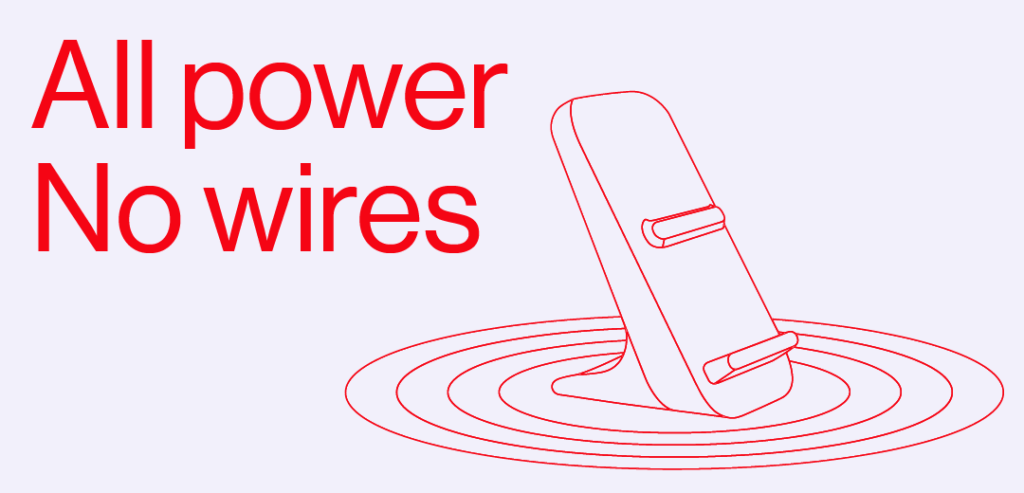
It has been confirmed that OnePlus’s wireless charging technology will be called Warp Charge 30 Wireless. Press renders of the wireless charger have been leaked, giving us an early look at the product.

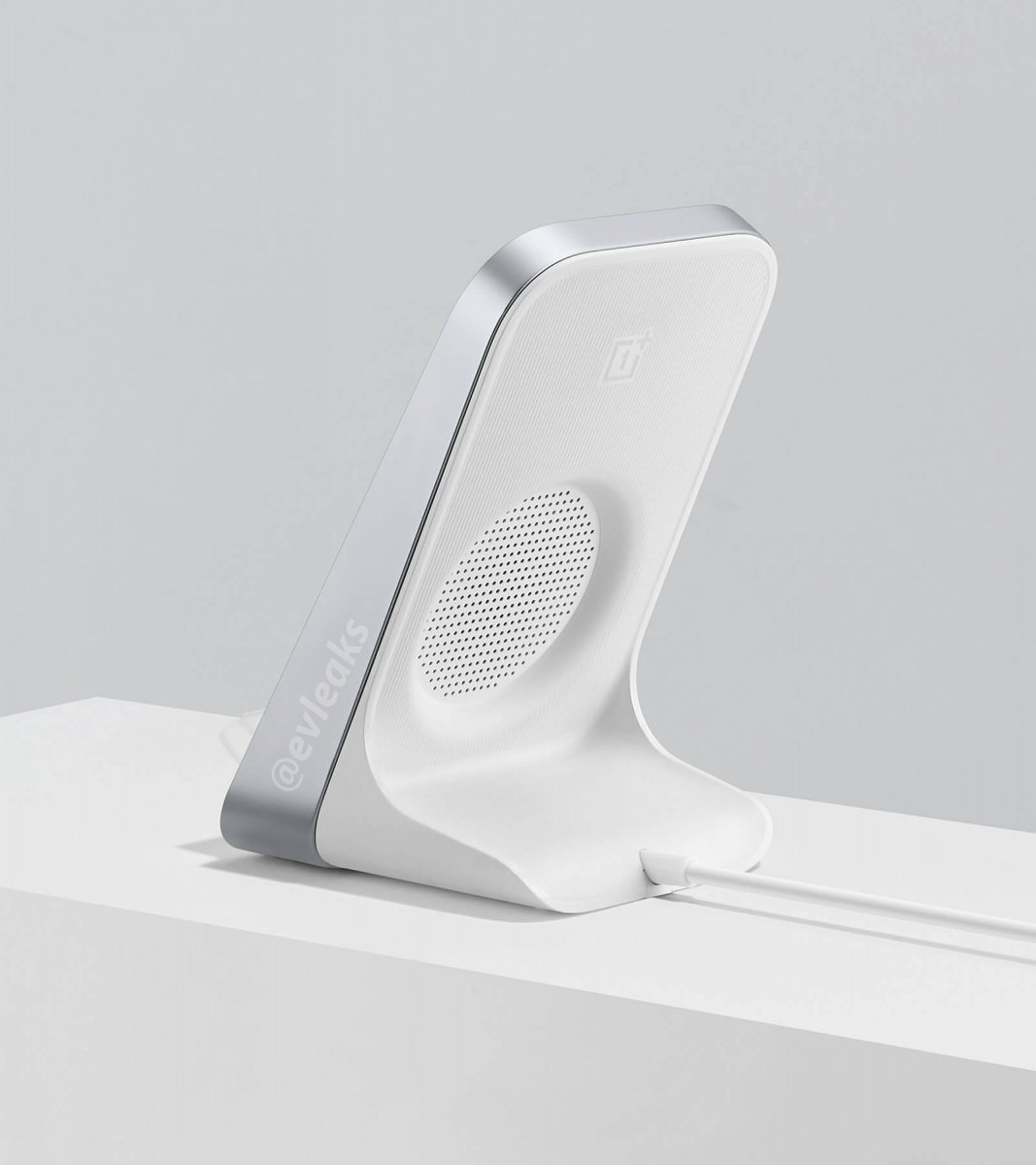
The renders reveal the OnePlus Warp Charge 30 Wireless Charger has a vertical stand design. The charger is white with a silver plate around the edge. There is also an LED at the base to let you know when it is powered on.

The wireless charger also has a grille at the back to help with heat dissipation and most likely has a built-in fan too. Based on one of the images, it doesn’t look like the cable at the back of the charger can be removed.

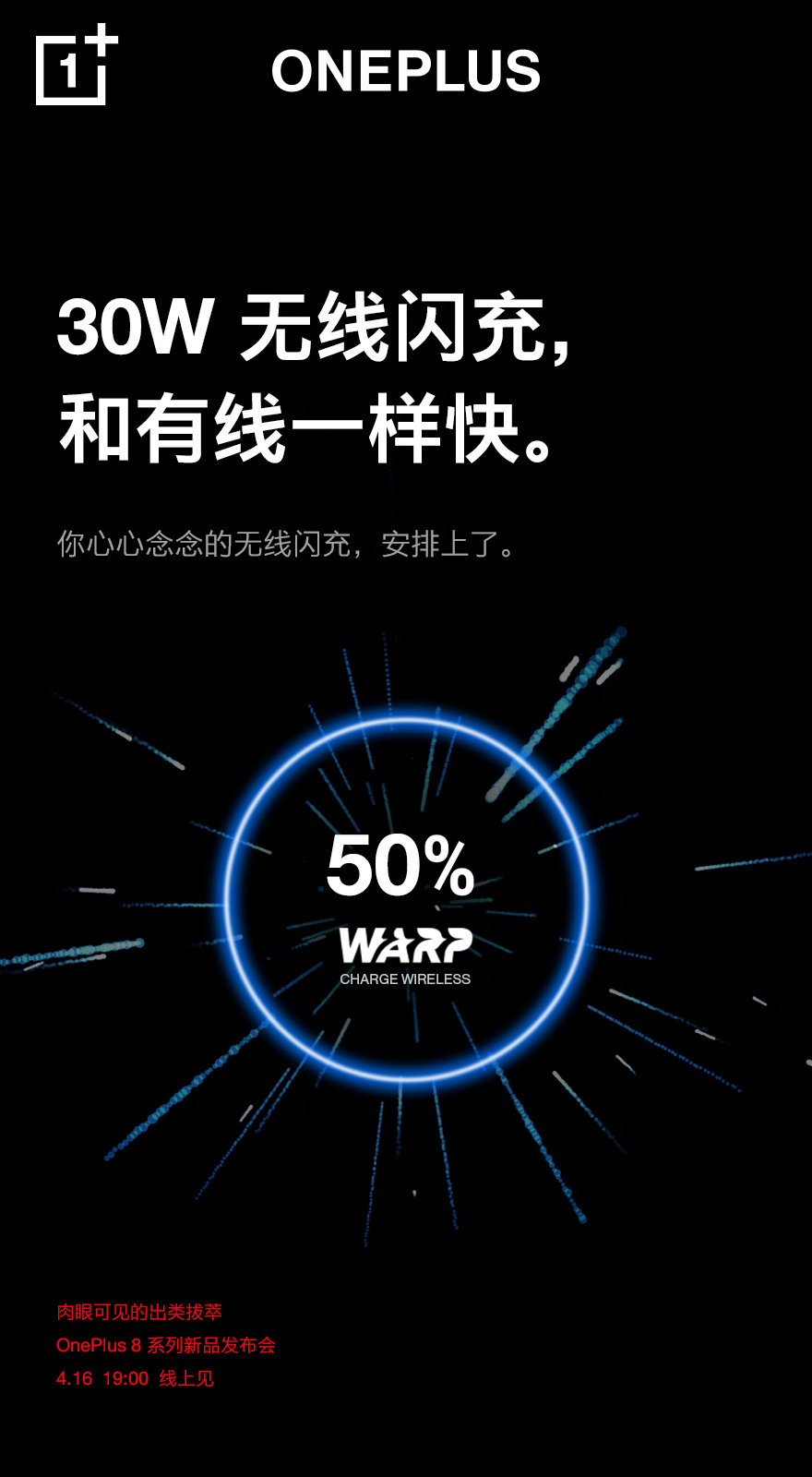
The OnePlus Warp Charge 30 Wireless Charger will charge the OnePlus 8 Pro from 1% to 50% in just 30 minutes. It has a maximum output of 30W but should be able to charge other devices that support the Qi standard.

There is no info on the price of the charger but we doubt it will cost less than $50.


Official: OnePlus 8 Pro will have 30W Wireless Charging support and Better Haptics

OnePlus will be announcing the OnePlus 8 series globally on April 14, followed by a separate launch event on April 16 in its home country, China. Though we are a week away from the launch, all the specs including the design of the phones are already out in the open. Now, the company itself confirms the presence of 30W wireless charging support on the OnePlus 8 Pro.

OnePlus Warp Charge 30 Wireless Charging

OnePlus Warp Charge 30 Wireless Official Announcement

Oneplus 8 series is expected to consist of OnePlus 8, OnePlus 8 Pro, and  OnePlus 8 Lite(also known as OnePlus Z). However, only the Pro model will have support for the new Warp Charge 30 Wireless, confirms Pete Lau, the co-founder of OnePlus on Weibo as well as in an interview with The Verge. Additionally, even the company has made an announcement on the same in the OnePlus Community.

The new Oneplus Warp Charge 30 Wireless Charger will be able to charge the Oneplus 8 Pro from 1% to 50% in 30 minutes with an efficiency of 97% by minimizing the amount of energy converted into heat. The charger utilizes isolated charge pumps, which also act as a kill switch if something goes wrong to provide fast and stable charging. Also, the charger and OnePlus 8 Pro will communicate while charging with the help of a customized chip in the phone to provide maximum efficiency.

Since Qi is the most commonly used wireless charging standard, the OnePlus 8 Pro will also have support for it, in addition to the EPP wireless charging standard. But these chargers will be only capable of charging the phone at relatively slower speeds of 5W and 10W respectively. Interestingly, although Warp Charge 30 Wireless tech is proprietary, Pete Lau is open to licensing it to other companies.

Anyway, the 30W wireless charging on OnePlus 8 Pro will be not the fastest wireless charging on a phone. That title goes to the Huawei P40 Pro Plus with a 40W wireless charging support and the upcoming Oppo Ace 2 with the same speed. The OnePlus device, on the other hand, ties with the Xiaomi Mi 10 Pro.

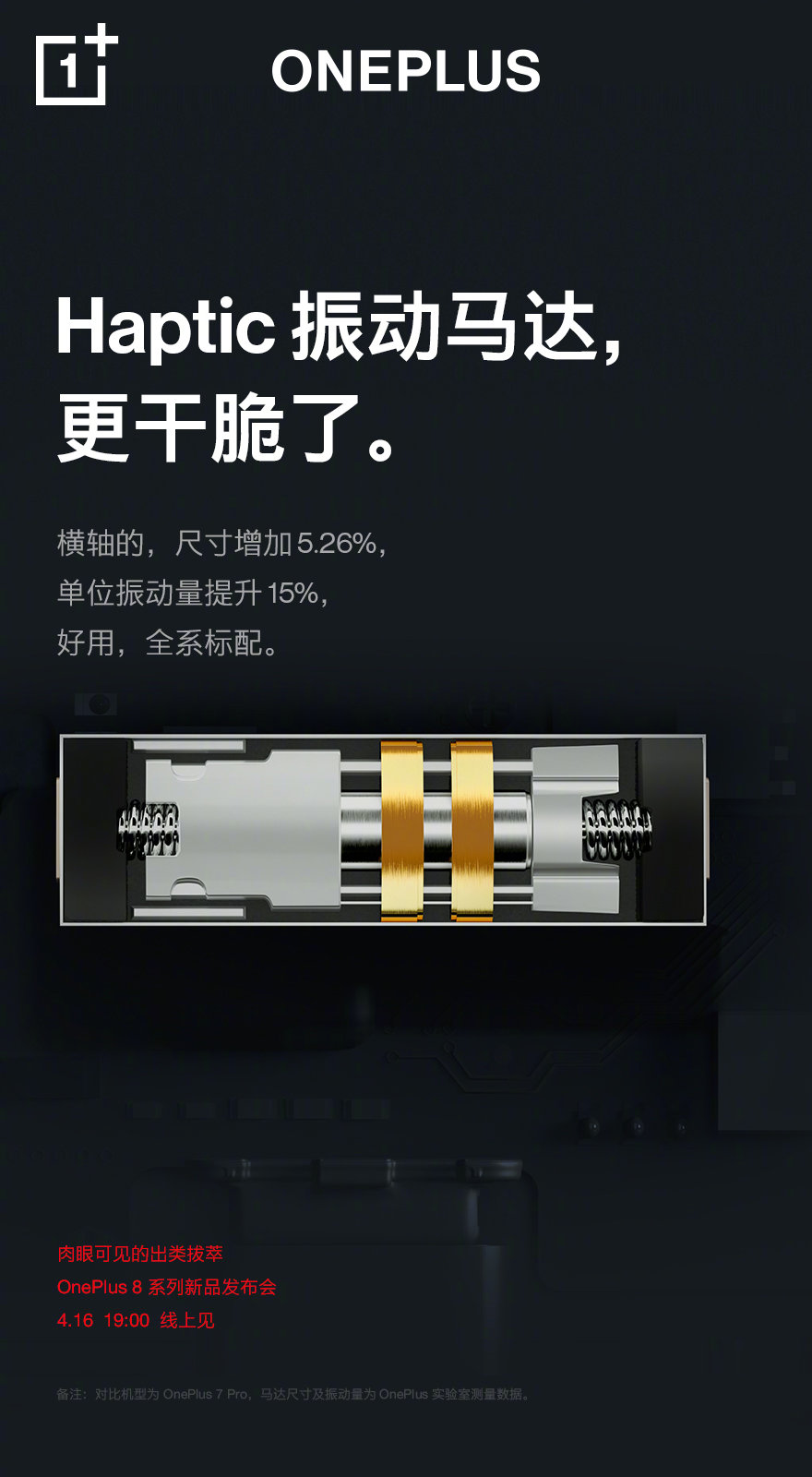
OnePlus Haptics Teaser

A Weibo teaser from official OnePlus account also confirms the presence of a new improved haptic motor with 15% more vibration than the previous generation. Whereas the second teaser also confirms a new wireless charging animation on the OnePlus 8 Pro featuring the text ‘Warp Charge Wireless’.

As per the recently leaked renders of the OnePlus Wireless Charger, it will be white in colour with metal around the edges. The front will feature an LED indicator and the back will house a large vent as well as a port (could be proprietary) for power supply.


(Source, Via)

Huawei donates over a Million Masks, 30,000 Goggles, and 50,000 Pairs of Gloves to Canada

Huawei has been continuously helping severely affected nations by COVID-19 virus around the world by donating personal protecting equipment (PPE). The latest country to receive aid from the Chinese telecom giant is Canada in the form of masks, goggles, and gloves.

huawei-logo-featured

Huawei has quietly donated more than a million masks, 30,000 goggles, and 50,000 pairs of gloves to Canada. The North American country is currently facing a shortage of PPE supplies like other harshly affected countries. This is mostly because a large global supply of PPE is manufactured in China and those factories were closed during the coronavirus outbreak in the country.

According to the source, Huawei has plans to donate six million masks to Canada, however, out of which, only 200,000 units will be N95 masks. As of now, over a million masks have been already received by the country as mentioned earlier. The remaining units are expected to be delivered soon.

Earlier in February, Canada donated 16 tonnes of PPE to China when the coronavirus outbreak was in its peak in the country. Now, as China is slowly recovering, it has started helping other nations in need. A number of Chinese companies like Huawei, Alibaba, Bank of China, Tencent, Trip.com, and others have been donating PPE and funds.


(Via)

AnTuTu listing confirms some Meizu 17 specifications

A few weeks ago, a full spec sheet and pricing details of the upcoming Meizu 17 got leaked. Now, an AnTuTu benchmark result has surfaced online that confirms some of those specs.

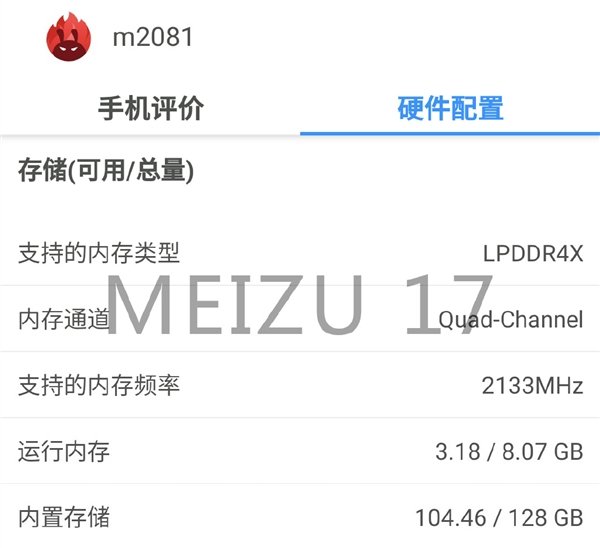
The benchmark result reveals the phone’s model number is “m2081”. It also confirms that the phone will have 8GB of LPDDR4X RAM and 128GB of storage. This goes along with the earlier leak which revealed that the base model will have LPDDR4X RAM while the other variants will have LPDDR5 RAM.

Meizu 17 AnTuTu

The Meizu 17 will have a 6.5-inch AMOLED display with a 90Hz refresh rate. Powering it is Qualcomm’s Snapdragon 865 processor along with a Snapdragon X55 5G modem. The phone will also come in 8GB RAM + 256GB and 12GB RAM + 256GB models. The spec sheet says the storage is UFS 3.0 and we expect this is the same type used for the base model too.

Meizu’s flagship phone will have four rear cameras arranged horizontally. The primary camera is a 64MP Samsung GW1 sensor. There is also an 8MP ultrawide camera, a 5MP telephoto camera, and a 2MP depth sensor. The configuration for the selfie camera is yet to be revealed.

The Meizu 17 will have stereo speakers, Dolby Atmos, a vertical linear motor, and an in-display fingerprint scanner. It will also have a 4500mAh battery capacity with support for 30W fast charging.

Meizu yet to announce a release date for the phone.


(Via)

China ends the US’ 41-year reign as the top patent filer in 2019, Huawei also leads

Are you still wondering how Huawei suddenly became a force to reckon with in the tech sector? The company has stated repeatedly that its rise is hinged on the huge investment in R&D but some are still unconvinced. The World Intellectual Property Organisation (WIPO) performance report for 2019 may well provide a definitive answer. The report which was released today showed that Huawei filed a total of 4,411 patents under the international patent system (also called Patent Cooperation Treaty – PCT). This makes Huawei the top corporate filer globally.US China trade war

The WIPO report also revealed another sensational news, and that is the performance of China. According to WIPO, China surpassed the United States of America (U.S.) in 2019 as the top source of international patent applications filed with WIPO. Applications from China filed using WIPO’s Patent Cooperation Treaty (PCT) System reached 58,990. On the other hand, the US filed 57,840 applications in the same period. This makes China the biggest user of the PCT System that helps incentivize and spread innovation.

It is worthy of note that the US had held this position each year for the past 41 years, which is since the PCT began operations in 1978. For comparison, as of 1999, WIPO received just 276 patent applications from China. But in 2019, the number of Chinese patent applications had risen to 58,990. That is a 200-fold increase in only twenty years.

Back to the corporate patent segment, leader Huawei is followed by Mitsubishi Electric Corp. of Japan with a total of 2,661 patents. In the third position is Samsung Electronics with 2,334 patents. Qualcomm is ranked fourth with 2,127 patent applications while Oppo Mobile occupies the fifth place with 1,927 patent filings. In summary, the top 10 applicant list comprises four companies from China, two from the Republic of Korea, and one each from Germany, Japan, Sweden and the U.S. Of the top 10 applicants, six filed mainly in digital communication, namely, Ericsson, Oppo, Huawei Technologies, LG Electronics, Samsung Electronics and Qualcomm.

huawei-store logo
Huawei is known for innovation

WIPO’s Director General Francis Gurry in his video broadcast stated, “2019 was the year that was.… Last year was the best year we have experienced in the course of the past decade. In fact, it was the best year we have experienced in the history of the Organization”.

“China’s rapid growth to become the top filer of international patent applications via WIPO underlines a long-term shift in the locus of innovation towards the East, with Asia-based applicants now accounting for more than half of all PCT applications”, the WIPO director added.


(source)


Flyme OS to adopt Android 10 Dark Mode, Will work on Unsupported Apps too

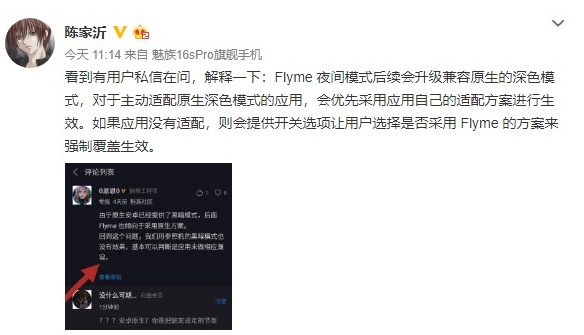
Meizu introduced dark mode, known as Night Mode on Flyme OS 7 long before Google brought it in native Android. Now as Android 10 officially supports dark mode, the company has decided to adopt the native solution in its latest Flyme OS 8 along with an option to force dark mode on unsupported apps.


Meizu’s FlymeOS is one of the richest Android skin in terms of features and functionality. Also, it was one of the first to bring dark mode which is now ubiquitous. Now, according to a Meizu FlymeOS executive, the Android skin will adopt the official Android 10 dark mode to enable dark mode on supported as well as unsupported apps.

Normally, on Android 10, when the user turns on dark mode, the supported apps also reflect the change. But Meizu will go one step ahead and provide an option in FlymeOS 8 to force dark mode on unsupported apps as well. Anyway, this features is not new as it is present on ColorOS 7 and Realme UI. Even OxygenOS is about to get this feature according to a finding in a recent open beta update for the OnePlus 7 series.

For those who don’t know, dark mode on FlymeOS 8 is in its second iteration called Night Mode 2.0. Enabling it will reflect even on static and dynamic wallpapers along with UI and apps. Do check our launch coverage of FlymeOS 8 to know all of its features.


Honor confirms the Kirin 985 SoC, features and AI benchmark ranking revealed!

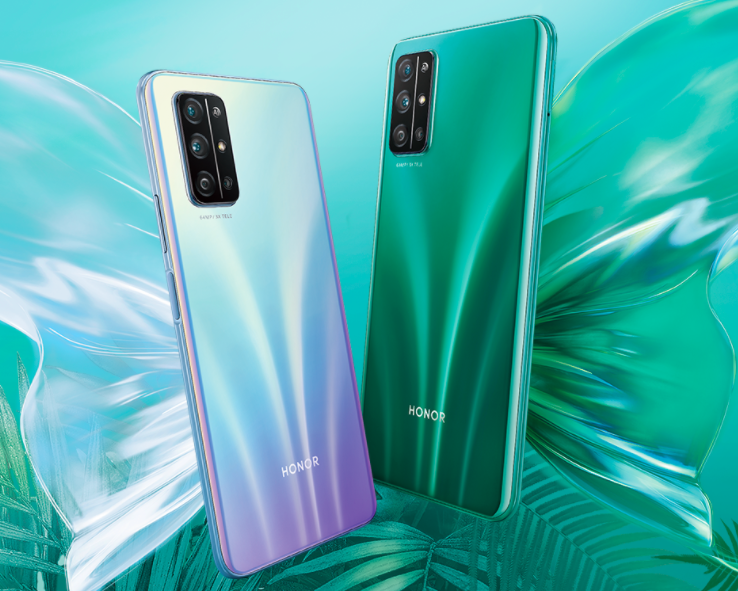
Between October last year and now, Huawei‘s Hisilicon chip department has released two high-end chipsets. The flagship Kirin 990 SoC which was used on the Mate 30 series and of late the P40 series. The foundry has also unveiled the Kirin 820 premium mid-range chipset that found its way into the Honor 30S first. The Chinese market leader has now revealed that another high-end chipset – Kirin 985 is in the works and it has earlier been tipped to roll out onboard the premium Honor 30.Kirin 985

The Kirin 985 first popped up in the rumour mills as far back as December 2018 and it was speculated to launch with last year’s Huawei P30. One of the rumours tipped that Kirin 985 to launch in the second half of 2019 and another leak hinted that it will be mass-produced by TSMC in Q2 2019. The mass production was later rumoured to commence in Q3 2019. The Kirin 985’s pathway didn’t pan out exactly as the rumours predicted but apparently there is some bit of truth in the rumours. Honor’s Business department vice-president has now confirmed the existence of the Kirin 985. Since it is coming from the Honor end, we may as well conclude the chipset will feature on the Honor 30 first.Kirin 985 AI Benchmark

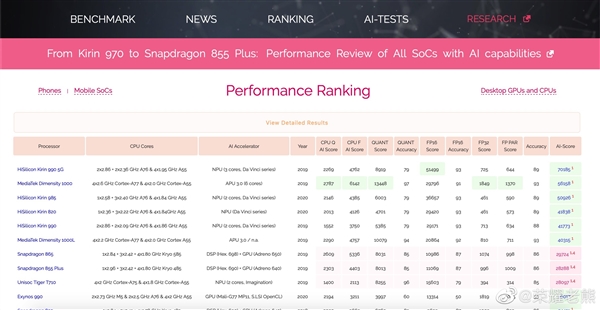
In a Weibo post today, the Honor VP shared the latest AI benchmark ranking with the Kirin 985 in the third spot. The chipset has ahead of it, only the Kirin 990 which is in the first spot and the MediaTek Dimensity 1000 in the second spot. The Kirin 985 is raked ahead of notable 5G chipsets like the Kirin 800 chipset in the third spot, the non-5G Kirin 990 variant in fifth while the premium mid-range Dimensity 1000L is at the sixth position in terms of AI prowess.

The Snapdragon 865 flagship SoC is ranked at number 8 while the SNapdragon 855 Plus sits at the 9th spot. A surprising inclusion is the Unisoc Tiger 710 which completes the top 10. Samsung’s Exynos 990 chipset is at the eleventh position.

Honor 30S colors
Kirin 820-powered Honor 30S

The Hoor VOP extols the capability of the company’s self-developed Neural Processing Unit (NPU) which is responsible for the impressive performance of the four Huawei chipset on the list, including the Kirin 985.

The screenshot shows the Kirin 985 is far below the Kirin 990 but is apparently a better SoC than the Kirin 820. However, the chipset is an octa-core processor with the same cores as the Kirin 820. It features a single Cortex-A76 core clocked at 2.58GHz and three Cortex-A76 cores with clocking frequencies of 2.4GHz each. There are also four Cortex-A55 cores with lower clock frequency of 1.84GHz. The Kirin 985 is listed as equipped with dual-core DaVinci NPU whereas the Kirn 820 has a single-core DaVinci NPU. Thus, the 985 has a slightly improved performance over the Kirin 820.

The Honor 30 series is expected to be launched on April 15.


TCL announces two new TWS earbuds and a neckband-style Bluetooth earphones

Alongside the new TCL 10 series smartphones announced yesterday, TCL also announced a bunch of other products including three Bluetooth earphones; two of which are TWS earbuds.

TCL ACTV500TWS

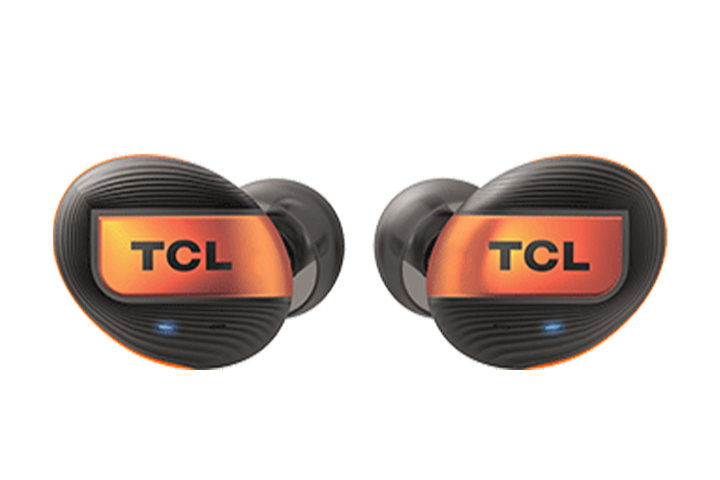
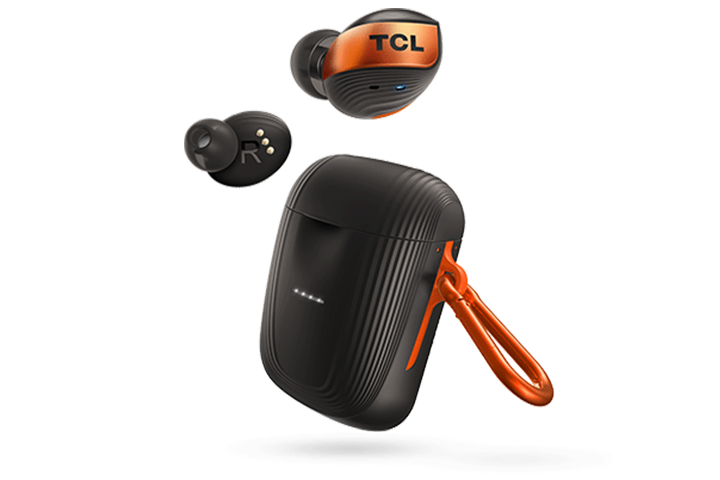
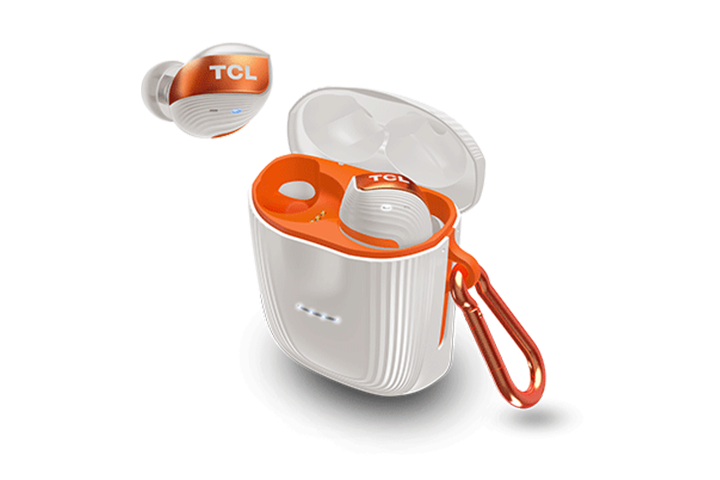
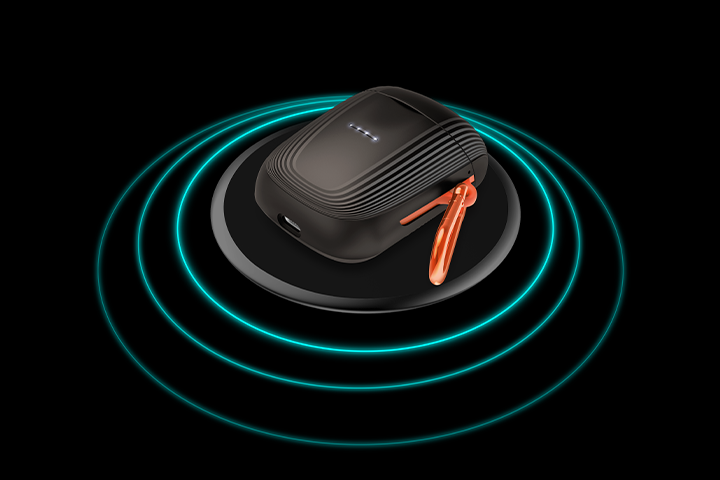
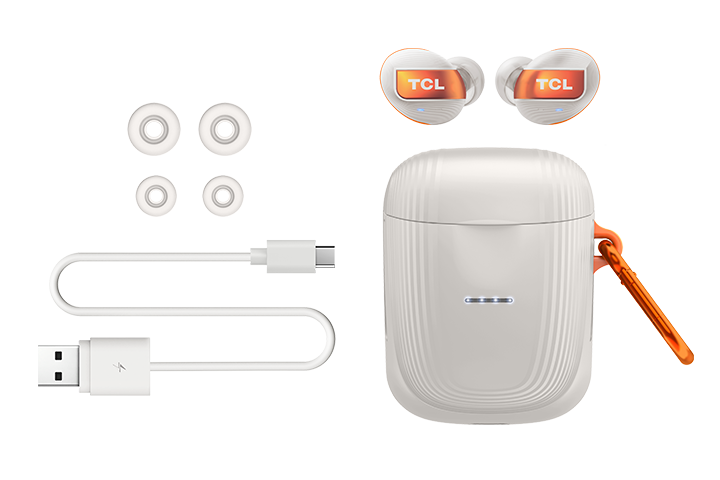
When it comes to design, the TCL ACTV500TWS clearly stands out from other TWS earbuds thanks to the copper-accent on the earbuds and the case. The case which supports wireless charging and USB-C charging even has a carabiner attached to it.

TCL’s ACTV500TWS has 6mm drivers for premium audio. They are designed to be comfortable when worn for long and come with Comply™ foam tips. The earbuds, which weigh 1.5 grams each, have a battery life of 6.5 hours and it goes up to 33 hours with the case. It also supports fast charge – a 15-minute charge will provide up to 1 hour of use.

TCL says the TWS earbuds are IPX7-certified and have echo cancellation. They support touch controls for music playback and calls. The earbuds connect via Bluetooth 5.0.

The TCL ACTV500TWS comes in Copper Dust and Copper Ash and will sell for €99 in Europe and $99 in North America.


TCL ACTV200BTWT

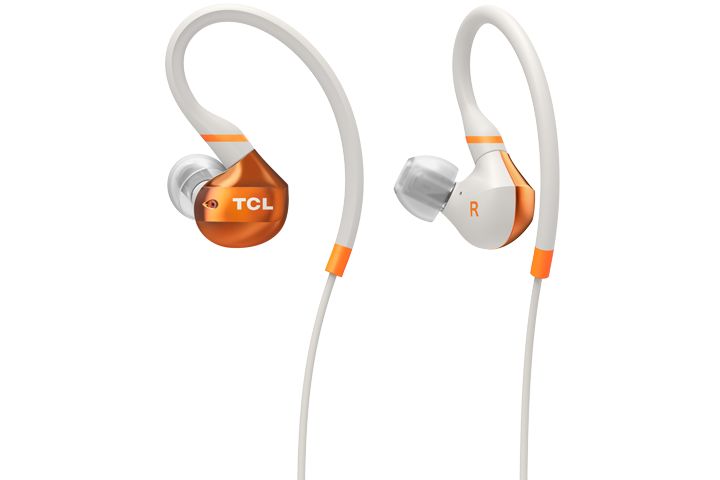
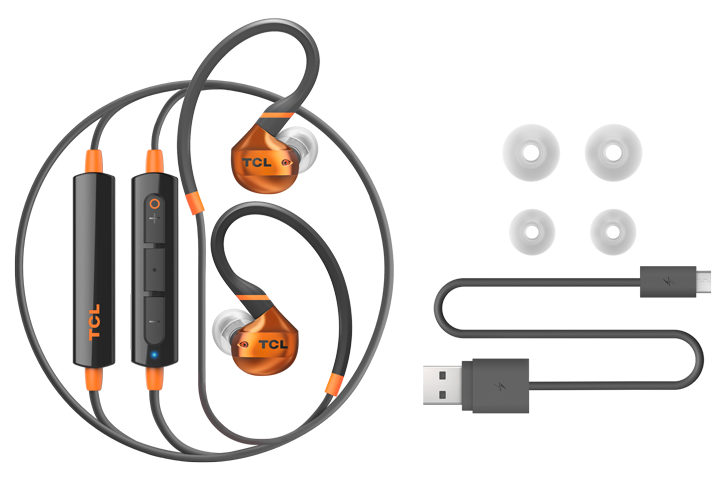
The TCL ACTV200BTWT is TCL’s latest wireless-in ear Bluetooth earphones under the ACTV line. While it adopts the neckband-style of wireless earphones, it has the same copper accents of the TCL ACTV500TWS. It too comes in Copper Dust and Copper Ash colorways.

The earphones have 8.6mm drivers for powerful bass. It connects via Bluetooth 5.0 and has an in-line remote for controlling playback and calls. TCL says it also has an IPX4 rating.

The battery capacity isn’t stated but battery life is put at 14 hours with support for fast charging (15-minute charge for 2 hours of use).

The TCL ACTV200BTWT has a price tag of €79.99/$79.99.


TCL SOCL500TWS

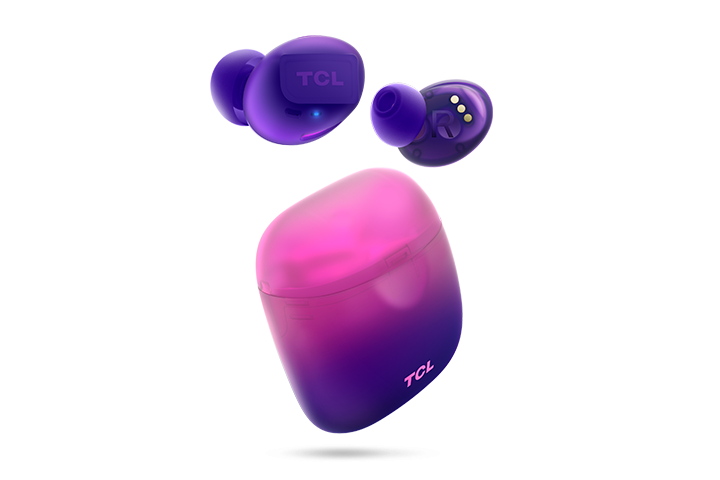
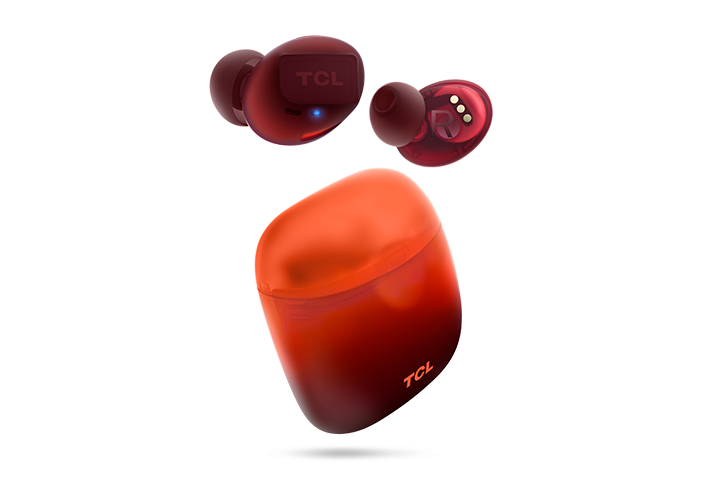
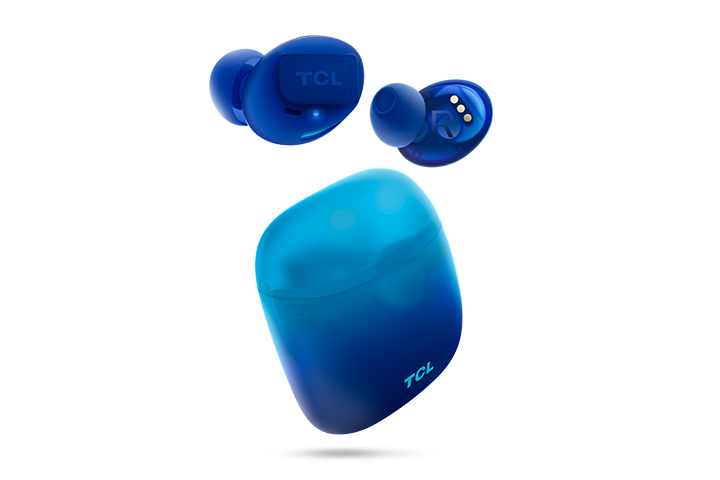
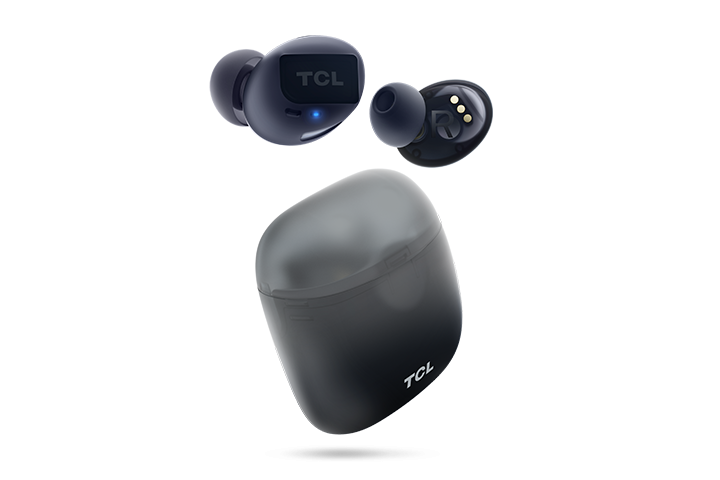
The TCL SOCL500TWS are TWS earbuds too but under TCL’s SOCL line of earphones. It comes in four color variants – Ocean Blue, Phantom Black, Sunrise Purple, and Sunset Orange.

They are cheaper than the TCL ACTV500TWS, with a price tag of €79.99/$79.99. However, the only tradeoffs seem to be the lack of wireless charging, the smaller drivers (5.8mm), and the overall battery life.

The earbuds provide 6.5 hours of listening time but with the case, it goes up to 26 hours. There is support for fast charging too (15-minute charge for 1 hour of use) and the case charges via USB-C. The TCL SOCL500TWS connects via Bluetooth 5.0, has call and music playback controls, and an IPX4 rating.


EMUI 10.1 Closed Beta Update is now available for Huawei Mate 30 and P30 series

EMU 10.1 debuted on the Huawei P40 series in the last week of March 2020. A few days later, the Chinese telecom giant announced a number of devices eligible for the update. Now, the first batch of devices like Mate 30 series and P30 series are receiving the closed beta update of EMUI 10.1 in China.

The latest version of Huawei’s mobile software, EMUI 10.1 is an incremental update for the EMUI 10 released after Google announced Android 10. As of now, most of the Huawei / Honor smartphones/tablets released within a time period of year or two are running the EMUI 10 software, however, only a few of them are guaranteed to get the EMUI 10.1 update so far.

For now, the brand has rolled out the first EMUI 10.1 closed beta update for the following devices as per the schedule.

The Mate 30 series is receiving the EMUI 10.1 closed beta update with version 10.1.0.119, whereas the update for the P30 series comes with version 10.1.0.118.

EMUI 10.1 brings a number of new features such as Huawei’s own Celia AI Voice Assistant, Huawei MeeTime video calling app, cross-device photo gallery, new improved AOD, multi-window, and others. Check out our coverage on EMUI 10.1 launch to know more about it.


(Via)

Samsung patents new Curved Display technology for all 4 edges

Samsung was one of the first smartphone manufacturers to adopt a curved display with its Galaxy lineup. Since then, various other OEMs have also included the technology, but it seems like Samsung plans on taking it a step further with its new patent.

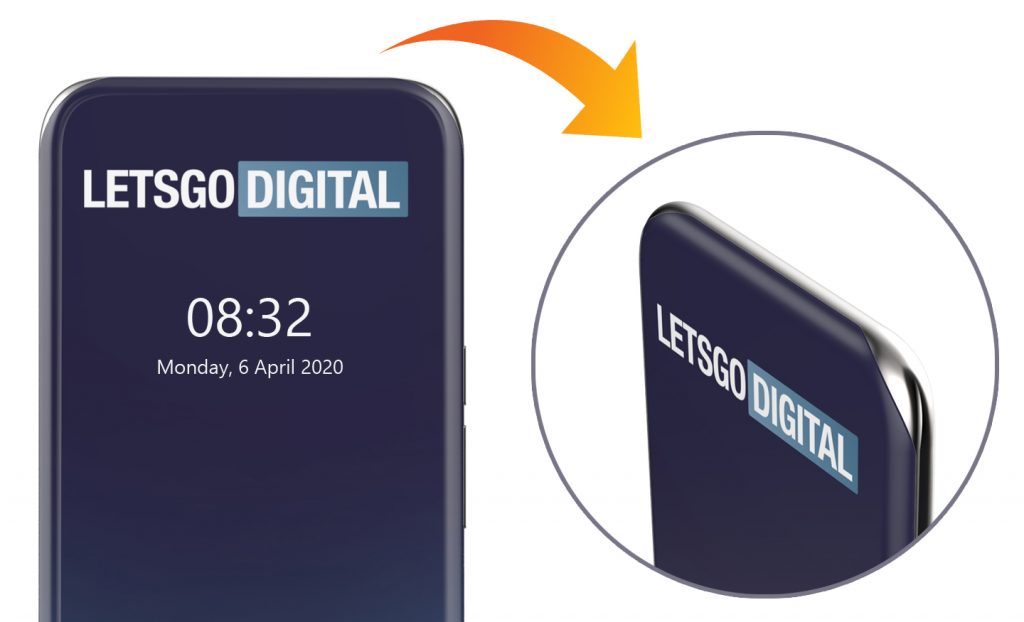
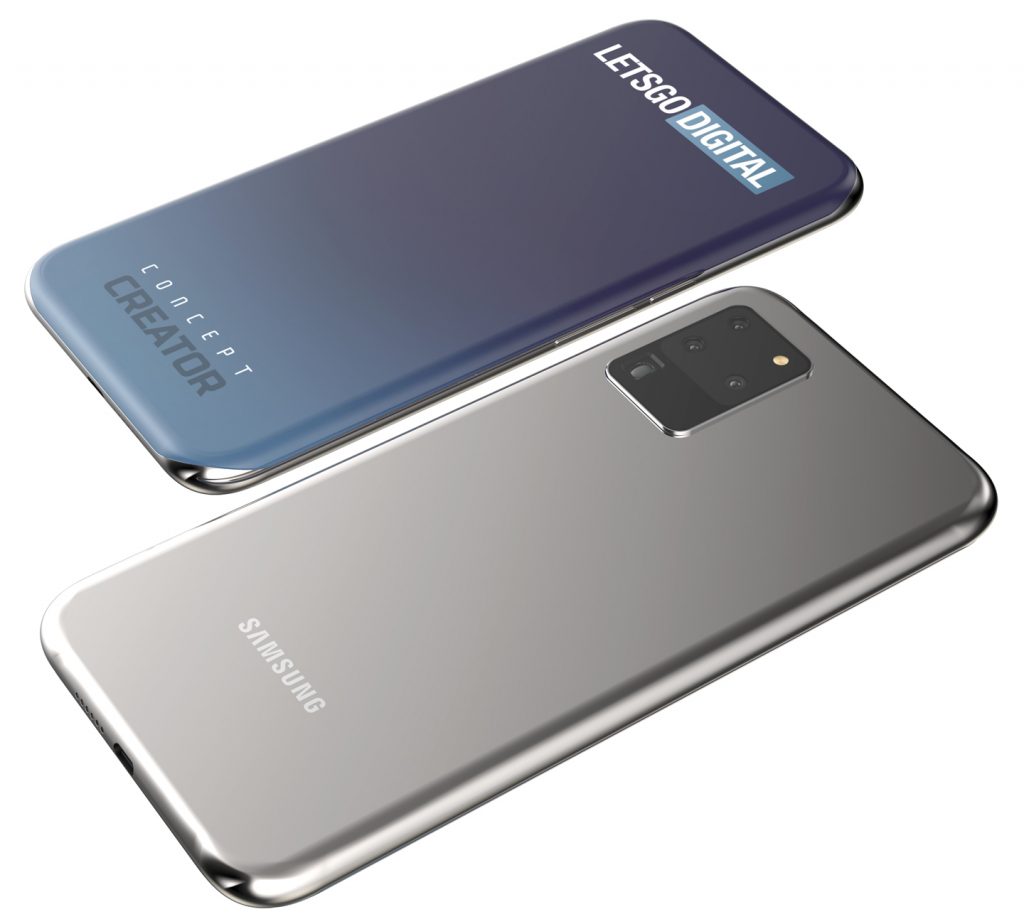
The new patent from Samsung reveals a new display technology which includes curved edges but on all four corners. Generally, a curved display was prominent only on the sides. However, Samsung seems to be extending the screen beyond the lower chin and upper notches as well. The patent contains 7 patented images and a brief description.

Samsung
Images Via LetsGoDigital

The South Korean tech giant had originally filed a patent back in July 2019 in China at the SNIPA (Chinese National Intellectual Property Administration). This was finally published on 24th March 2020 and is now also included in the Global Design Database of the WIPO (World Intellectual Property Office). Thanks to LetsGoDigital, we now have 3D renders of the patented display technology.

Looking at the images, the most striking aspect is the curved display extending beyond the top and lower bezels. Rather, only the corners now have bezels and are barely from the front. The Samsung device features an overall unique and futuristic design as well with a rounded corner. These corners that feature the metallic frame may also serve the purpose of durability, helping the smartphone survive falls.

Samsung

Judging from the design, no physical buttons or camera modules can be observed on the sides or on the front. This leads to the possibility of Samsung including an in-display fingerprint reader with a selfie camera under the screen as well. Unfortunately, it is currently unknown if Samsung will actually develop such a product or not. So stay tuned for more.


(Via)

Qualcomm says COVID-19 won’t affect the chip industry, predicts full 5G expansion this year

US fabless chipmaker Qualcomm has stated that the current chip industry is relatively less affected by the new Coronavirus pandemic. This position was revealed by Qualcomm’s global vice president Hou Mingjuan who added that the chip industry won’t be affected due to the high globalization of the supply chain and the relatively long links in the industrial chain.

Hou Mingjuan also hinted that the superb management and control of the supply chain by manufacturers had to a certain extent resisted the impact of the epidemic.  Using the US chipmaker for reference, he stated that Qualcomm does not have a production line but focuses on design, sales, technology research and development. The fabless chip manufacturer has a close partnership with many packaging and testing manufacturers. The company’s supply chain management team is also constantly in close communication with global suppliers without interruption every day. This, he said, has kept the production and supply of wafers basically normal.

From a product perspective, Qualcomm has launched a relatively rich 5G product portfolio in the past few years, including baseband chips, mobile platforms, and antenna modules. Only from February to March of this year (2020), there have been ten brands of mobile phones from different manufacturers, all powered by Qualcomm’s flagship Snapdragon 865 was released. In addition, the Snapdragon 700 series 5G chipset that as launched in December last year has featured in several mid-range 5G smartphones already.

ZTE Axon 10 Pro 5G
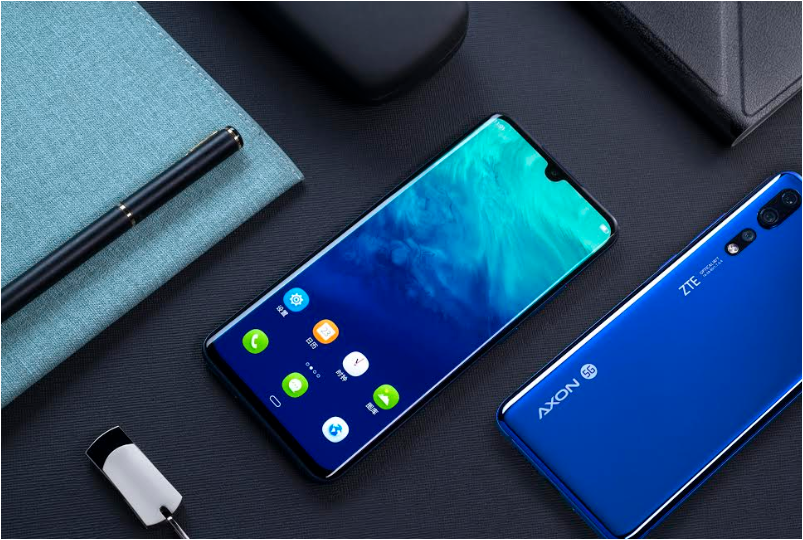
ZTE Axon 10 Pro 5G features a Qualcomm X50 modem

Hou Mingjuan believes that last year was the first year of traditional 5G. 5G obtained rapid commercial deployment in the world last year. He predicts 5G will be fully expanded this year. Some of the reasons for this prediction from the network level is that this year’s 5G networking has evolved from a non-independent network to an independent network. Secondly, 5G smartphones have seen rapid expansion from flagship-only models to the mid-range segment.  With this expansion, more users can get the opportunity to enjoy the super fast internet speed which 5G offers.  In addition, 5G will also expand to several terminals such as 5G PCs, 5G VR and XR and lost more.


(source)


TCL launches MOVETIME and LINKHUB, a Smartwatch for kids and a 5G Hub for homes

Earlier today (7th April 2020), TCL launched a few new products to expand its various existing consumer electronics products. Two of these include MOVETIME and LINKHUB, a smartwatch designed especially for kids and a 5G Hub for faster browsing speeds at homes.

MOVETIME

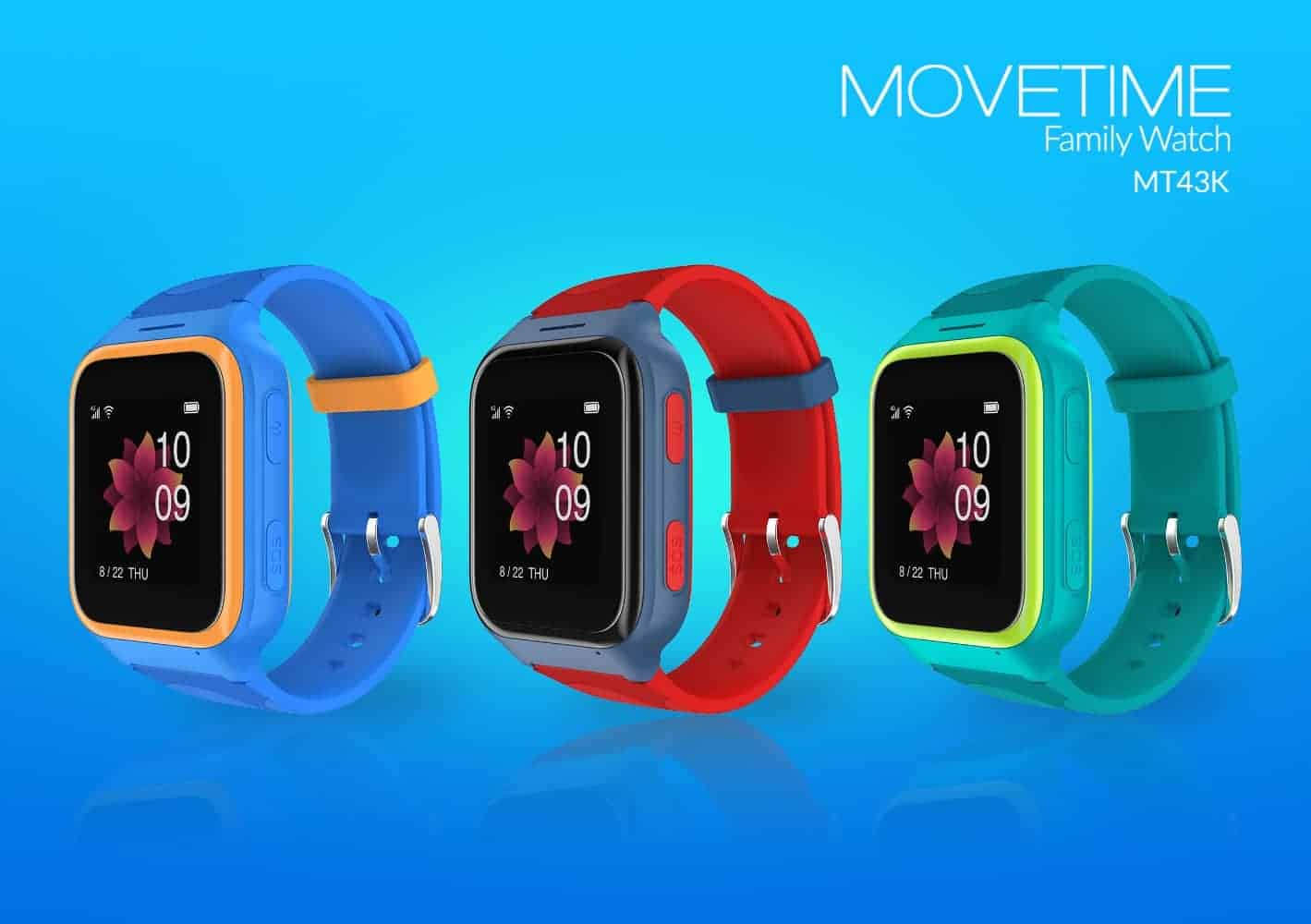
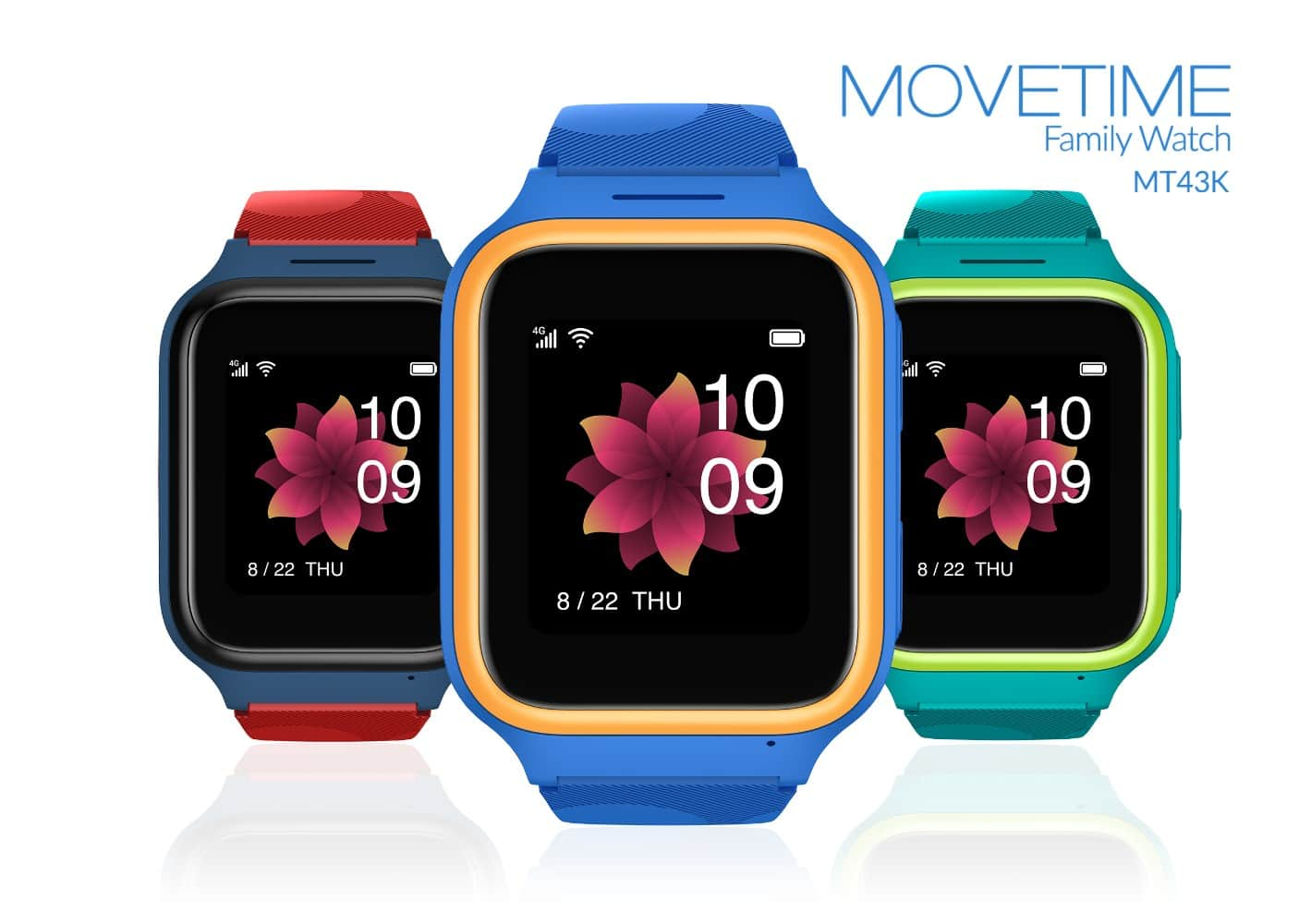
MOVETIME is TCL’s very own smart wearables offerings, but it mainly focuses on the younger demographic. It’s model name is MOVETIME Kids Watch MT43K and has been specifically designed for children. The gadget offers various parental features while also including a kid friendly design. The smartwatch allows adults to keep track of location history and also find the current location of their kids.

A few of its notable features include, an SOS button and a preset safe zone, where instant notifications are sent to parents if they exit a certain area. According to TCL, all of the above stated security features have been made in compliance with child privacy and data protection from various different governments across the world. This includes COPPA, CCPA, and GDPR.

The MOVETIME Kids Watch also supports two way calling and voice messaging via 4G and also features Bluetooth connectivity. Parents even have the option of turning on School Mode, which will allow the kids to focus on their homework or studies without being distracted. Furthermore, educational games are also included alongside an AI voice assistant.

The display on the MOVETIME is a 1.41 inch 2.5D glass AMOLED display which is powered by a Qualcomm Snapdragon SoC. Its screen is touch enabled and also includes two side buttons for additional input. One serves the function of a power button while the latter is an SOS key for emergencies. The watch is IP67 water and dust resistant and features a 600mAh battery pack that can last up to 4 days on a single charge. It is confirmed to launch in North America and Europe and will go for a price of $179.

TCL

LINKHUB

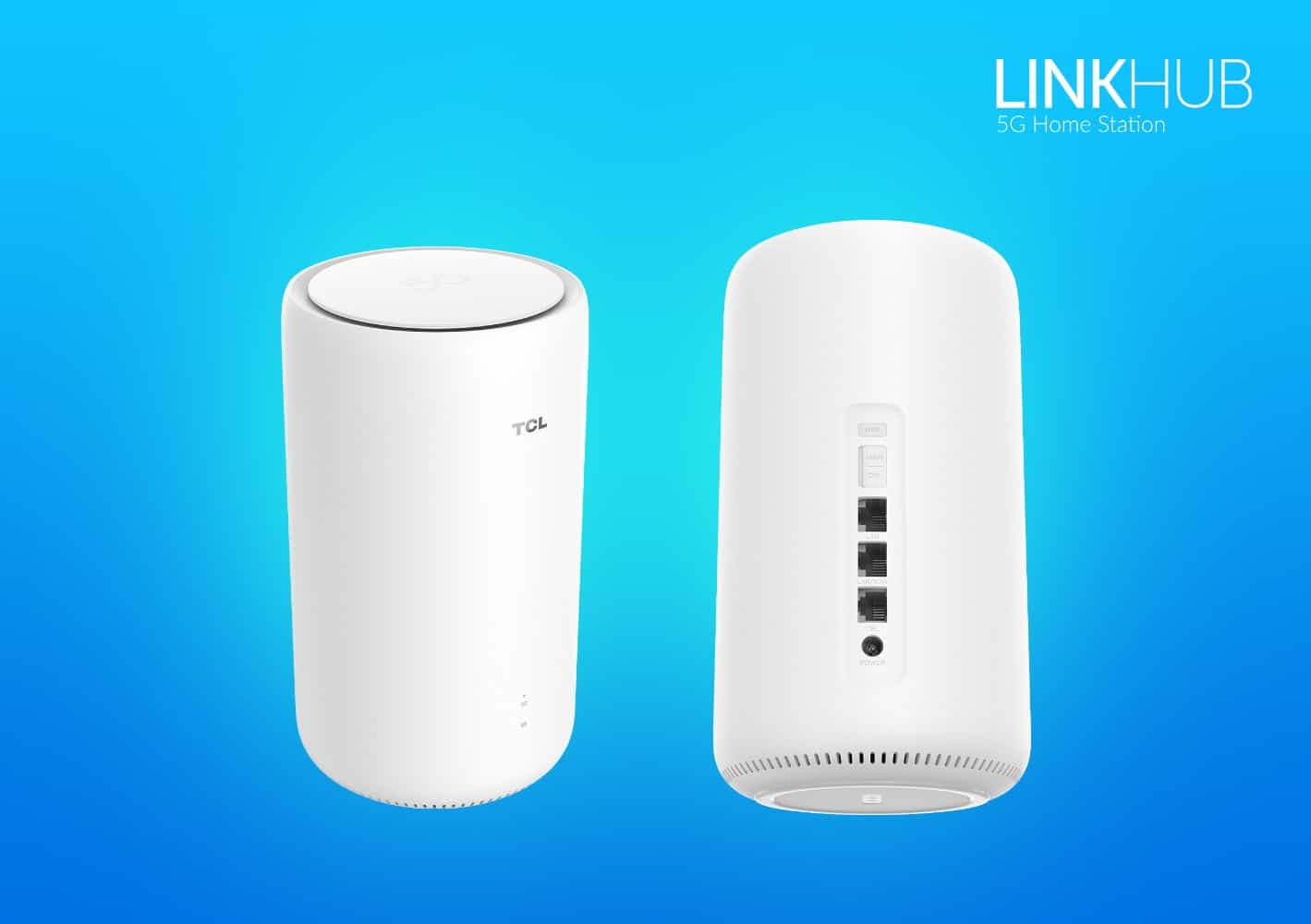
TCL also launched a brand new router, which will make better use of speeds from 5G mobile networks. It is officially called TCL HUBLINK 5G CPE and arrives in lightweight cylindrical form factor. The 5G hub is said to be easy to set up and use and features additional connectivity functionalities like NFC, Bluetooth 5.1 and Zigbee 3.0 as well.

TCL

Notably, the TCL HUBLINK 5G CPE supports smart dual band WiFi with 4×4 MU-MIMO, complete with Qualcomm’s Snapdragon X55 5G chipset (which is also the 5G modem found in the Snapdragon 865 SoC). This enables speeds up to 2.8Gbps or 3.6Gbps with WiFi 6. It can also handle over 1,000 connections simultaneously and can also be used as a 4G LTE or even a 3G router as well.

The LINKHUB from TCL will be available in two colors, white and black. These will be available in the US, Europe, China, Asian and Pacific regions, the Middle East, and Africa from the beginning of Q3 2020. Its starting price will by €499.


Nokia 3.2 gets Android 10 with March’s security patch

This is April, and if you own a Nokia phone that is yet to get the Android 10 update you should be excited. According to HMD Global’s rollout schedule, a total of seven devices should get the update this month. Last week, the Nokia 7.2, which is one of the phones on the list, got updated. Today, it is the turn of the Nokia 3.2.

The Nokia 3.2 was announced last June as an affordable budget phone. The Android One device ran Android Pie out of the box, so this is its first major OS upgrade. Based on Nokia’s promise of 2 years of Android OS upgrades, the Nokia 3.2 should get Android 11 next year.

The Android 10 update which comes in at 1.3GB brings new features such as Dark Mode, Smart Reply, new gesture navigation, and additional controls for privacy and location. It also comes with March 2020’s security patch.

Nokia says this is a staged roll-out. The first wave of countries to get it include Armenia, Azerbaijan, Bangladesh, Belgium, Cambodia, and twenty more other countries. The press release says 10% of the approved markets should get the update today, 50% should get it by April 10, and 100% of the countries in the first wave should get it by April 12th. There will be a second wave of countries for the update later.

Going by HMD Global’s release schedule, the Nokia 3.2 should get a successor next month or in June. The device should arrive as the Nokia 3.3.

Other Nokia devices expected to get the Android 10 update soon include the Nokia 2.3, the Nokia 4.2, the Nokia 6.2, the Nokia 3.1 Plus, and the Nokia 8 Sirocco. Do note that the update may not arrive in the order listed above.


(Sources: 1, 2)

POCO True Wireless In-Ears in development; will launch in India

It is only a matter of time before a brand known for smartphones begins manufacturing other phone-related accessories. POCO, the new Xiaomi sub-brand with just two smartphones to its name, has announced today that it is working on its first non-phone product – a pair of wireless earbuds that may launch as POCO True Wireless In-Ears. The announcement also revealed the earbuds will be coming to India

This info is more like a reconfirmation as POCO’s General Manager, C. Manmohan, already revealed over a week ago in a zoom meeting that they are going to launch their own TWS earbuds. Prior to that meeting, the company executive ran a poll asking fans what other tech products it should delve into and TWS earbuds got the highest number of votes.


There is no info on the features and launch date for the POCO True Wireless In-Ears, however, you can rest assured it will be affordable. Although, we do have a feeling it may be a rebadged product launched first by Xiaomi or Redmi.


(Source)
China to launch 5G Messaging, collaboration between 3 major operators

The traditional messaging system, SMS, is being replaced in China for a newer and more advanced version. 5G messaging will be released in the Southeast Asian country and will be jointly released by three major telecommunications operators.

China

According to public announcements by the operators, the telecom companies will be fully upgrading their basic text messaging system that is currently in place. 5G messaging will be a hallmark for innovation and offer a better experience overall. The new system has various advantages which also has direct ties to the users’ identity.

SMS being replaced will allow users to also have a unified messaging platform. In other words, a universal system that would reduce the need for people to rely on third party messaging applications. The improvements also include an enhanced method of B2C interaction, with a chatbot also being included. 5G messaging will seek to replace the aging SMS system and bring about more modern features in its place.

China

For those unaware, China is currently looking at the large scale adoption of 5G networking and its mainstream inclusion. This opens up many areas of development, especially in the forms of digital commerce. Thus, a huge market opportunity will also emerge, with payments and transactions being made digitally, becoming a more common occurrence.


(Via)