Huawei has hinted that it will halt its medical aid to Europe after a statement by the EU’s Foreign Chief Josep Borrell that a ‘politics of generosity’ is being played out. Borrel also claimed that Huawei’s donations suggest that there is a ‘global battle of narratives’ at play.
Borrel had written a blog post which we feel is ill-times, where he stated that “Following the EU’s donation of medical equipment to China earlier in the year, “China has brought down local new infections to single figures – and it is now sending equipment and doctors to Europe.” He also claimed that China’s generosity is an aggressive drive to push the message that it is a responsible and reliable partner, unlike the US. He also claimed Beijing had even made attempts to discredit the EU as well.
In this light, a Huawei official said to be familiar with the matter reportedly disclosed to EURACTIV that the company will scale down its donation of masks to countries in Europe to avoid getting entangled in the US/China power play. However, the company says it “remains open” to discussions with health authorities in Europe who are in “dire need” of additional equipment. The official also insisted that donations were never meant to have been a PR campaign.
The coronavirus pandemic began in China but it quickly spread like wildfire, overwhelming nations that were hitherto regarded as world powers such as Italy, Spain, France and even the US. While conspiracy theories are being forwarded as regards China’s intentions, we cannot simply brush aside the magnanimity of several top Chinese companies like Alibaba, Huawei, Xiaomi and others. The aids from these Chinese companies as well as the government of China have gone a long way to help countries contain the scourge and earned them accolades. Recently, China had responded to an appealed for assistance by Serbia and shipped equipment to the country. Serbian President Aleksandar Vucic is reported to have told China’s ambassador to Serbia that without China, Europe could “hardly defend itself.”
Huawei has also donated millions of masks to several EU member states, including Italy, Ireland, the Czech Republic, Poland, Holland, and Spain, to aid local efforts at fighting the disease. The Chinese government recently donated millions of masks and medical equipment to the Czech Republic this week. In response to the gesture, the Czech Interior Minister Jan Hamacek had claimed that China is “the only country capable of supplying Europe with such amounts.” These statements will no doubt make Washington and even the EU commission uncomfortable as it portrays China in a different light from the one the US wants countries to view Beijing.
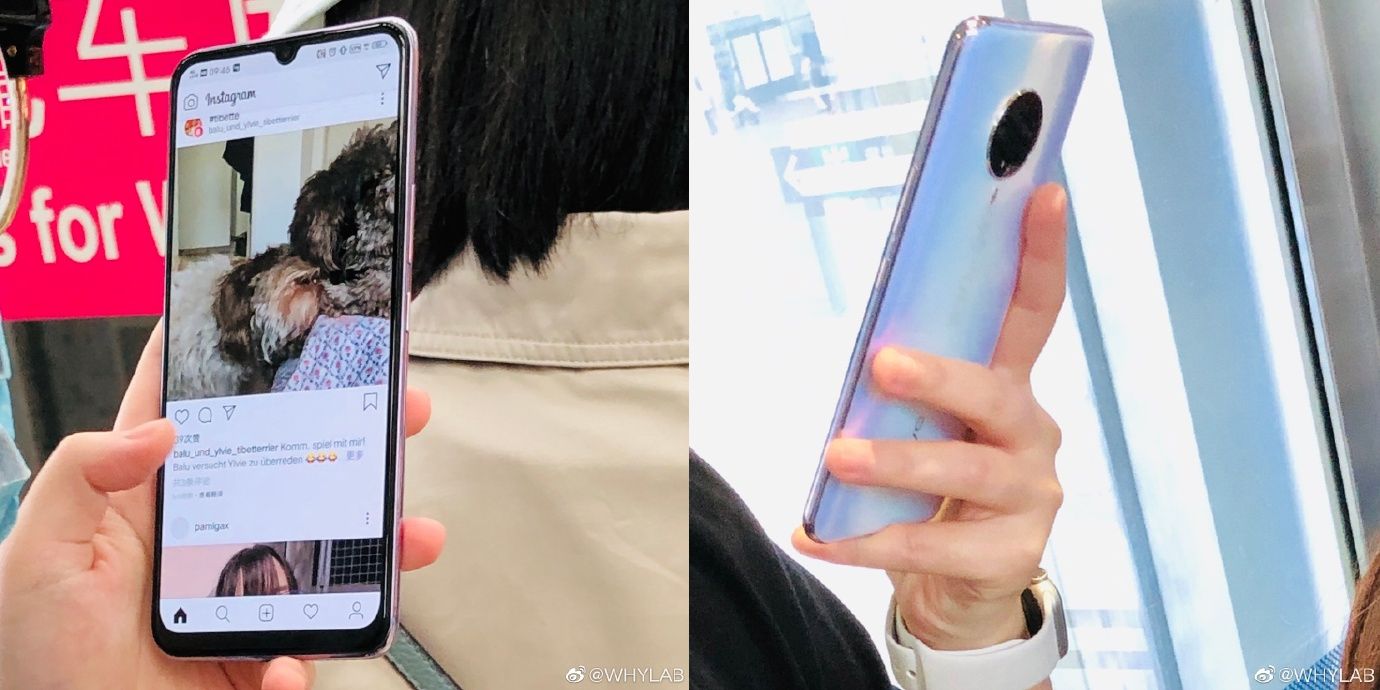
As the March 31 launch date for the Vivo S6 5G draws closer, more details of the device continue to emerge. Today, Vivo shared an official promotion video for the S6 5G on Weibo. The video has confirmed the front design of which the main highlight is a waterdrop notch design.
The video clip equally confirms the device will be available in two colour options and will pack a 3.5mm audio jack located at the top edge.
Vivo had earlier shared a picture which showed the rear design. To recall, the device is shown to pack a quad-camera setup housing a 48MP main shooter. The other sensors include an 8MP and two 2MP sensors. There will also be a 32MP selfie camera.
As for the specification, the Vivo S6 5G will feature a 6.44-inch AMOLED display with FHD+ resolution. The display will also have an under-screen fingerprint sensor onboard. It will come in 6GB RAM and 8GB RAM as well as 128GB and 256GB storage versions. GeekBench also revealed the device will pack an Exynos 980 chipset. In addition, the S6 5G will pack a 4,390 mAh battery with a USB-C charging port. It is also touted to come with an ultra-lightweight build.
Huawei has announced a bunch of official cases and wireless chargers for the new P40 series. The cases come in different colors and are made from different materials and also serve different purposes while the wireless chargers are for the Huawei P40 Pro and the Huawei P40 Pro+.
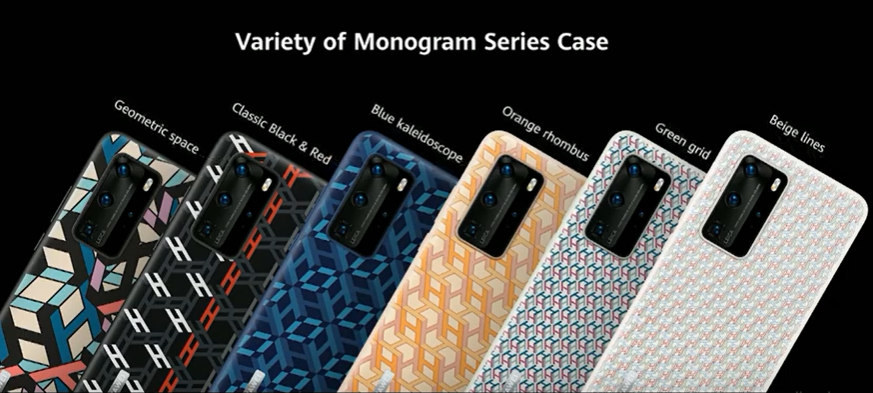
Huawei P40 series Silicone Case and Monogram Case
The silicone case is available for the P40, P40 Pro, and P40 Pro+. The cases provide four corner protection and their insides are lined with microfiber. There are six different colors to choose from including blue, beige, black, and orange.
There are also six different monogram cases available for the P40 series to make your phone stylish.
Huawei P40 Wireless Charging Case
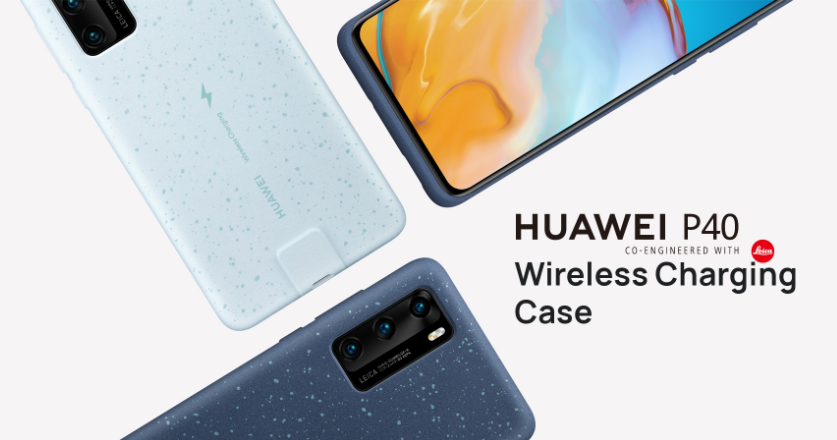
Just like last year’s Huawei P30, the Huawei P40 also doesn’t support wireless charging but that doesn’t mean you can’t charge the device wirelessly. Huawei has made a wireless charging case for the non-pro model that allows you to charge it wirelessly.
The case comes in two colors with a dotted pattern on the back. With the case slapped on, the Huawei P40 supports 22.5W wireless Huawei SuperCharge. Huawei says the case has a TÜV Rheinland certification for safety.
Huawei P40 Pro Game Case
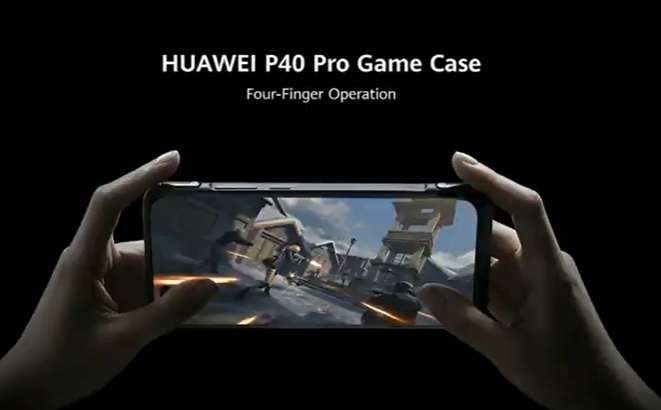
Huawei has made a special game case for the Huawei P40 Pro. The case not only provides protection for your phone but also has shoulder buttons on the right for your favorite shooting games.
The Game Case connects via Bluetooth. It has an on-off switch and comes in two colors. Do note that if you have the game case on, you cannot use wireless charging.
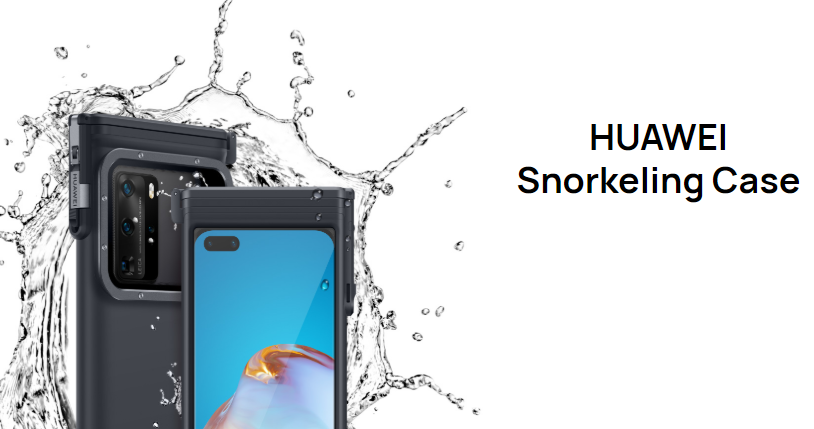
Huawei Snorkeling Case
The Huawei Snorkeling Case is available for all models in the P40 series and the Mate 30 Pro (excluding the Vegan Leather Edition). It allows you to shoot pictures underwater (up to 10 feet max. for 1 hour)
The case connects via Bluetooth to your device. It has a power button, a shutter button, and a zoom lever.
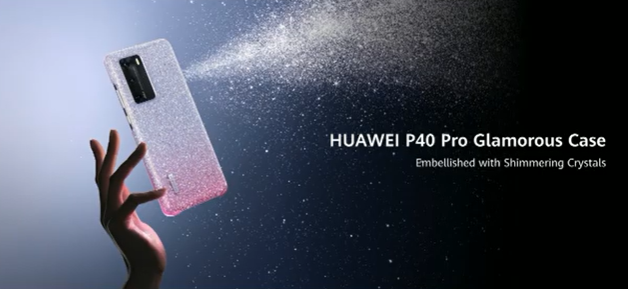
Huawei P40 Pro Glamorous Case
This case is included in the P40 Pro Special Edition Gift Box. The case is covered with Swarovski crystals that were individually carved and polished to give it a sophisticated look.
The box itself is handmade from brocade and lined inside with high-grade velvet. There is also a fragrant card included inside the box.
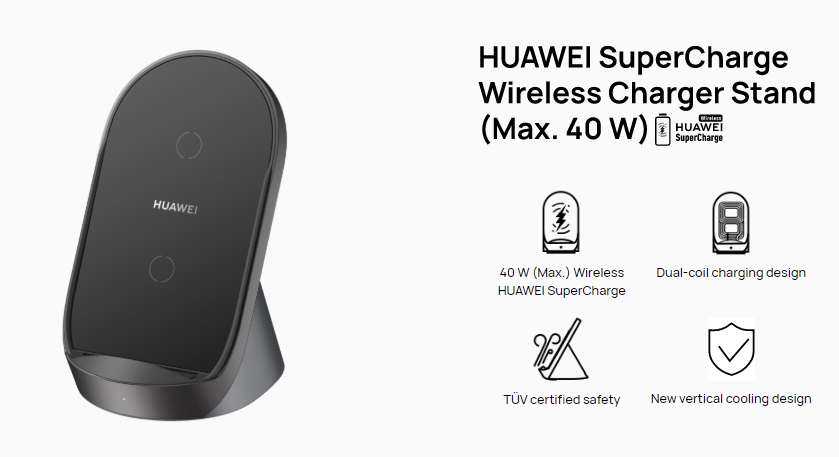
Huawei SuperCharge Wireless Charger Stand
The Huawei P40 and Huawei P40 Pro both support wireless charging, though only the latter supports 40W wireless charging.
The SuperCharge Wireless Charger Stand has a vertical design with a 60° tilt. You can decide to place your phone vertically on it or horizontally thanks to its dual coil design. There is a cooling fan at the bottom with very low noise. The charger is TÜV Rheinland-certified.
Huawei is yet to reveal the prices for these accessories. Once they do, we will update the post.
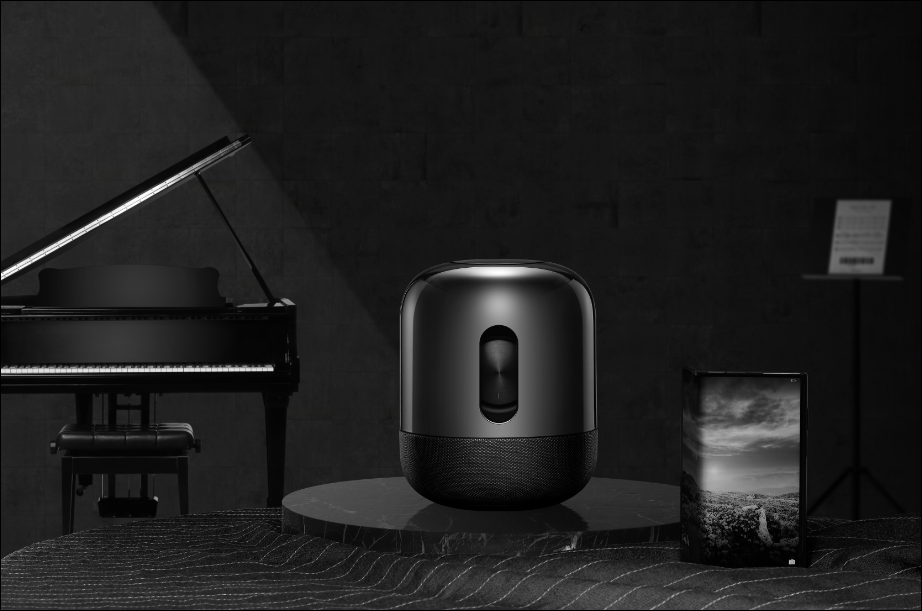
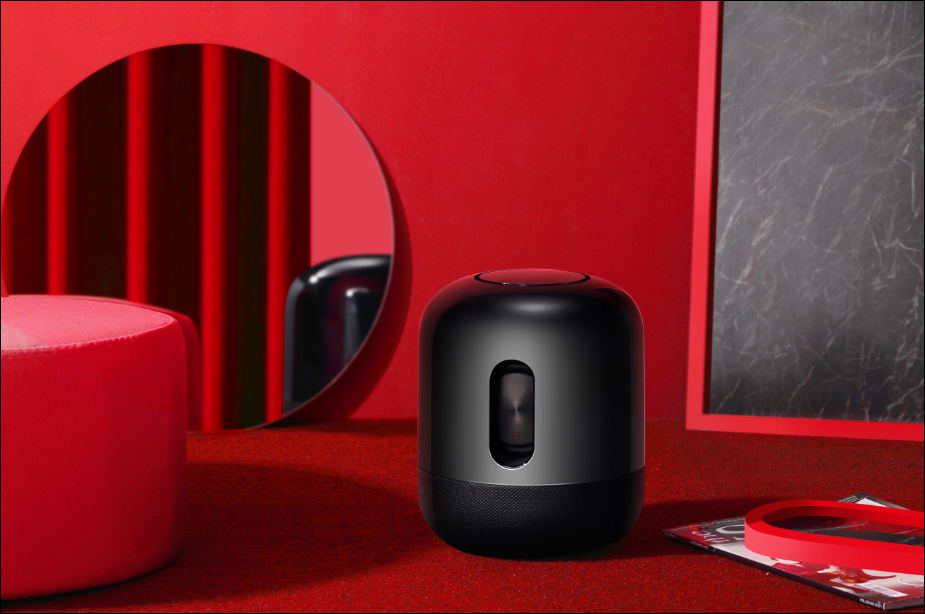
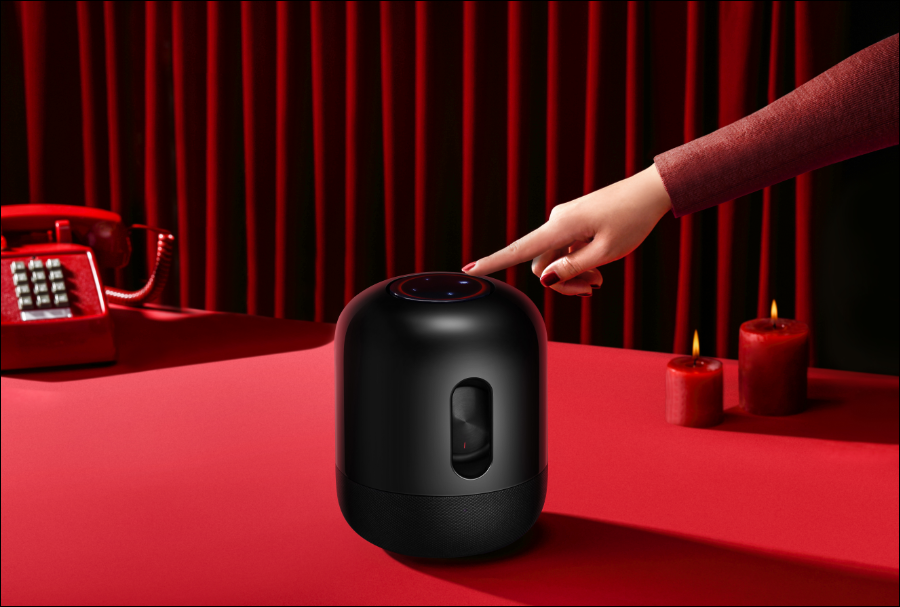
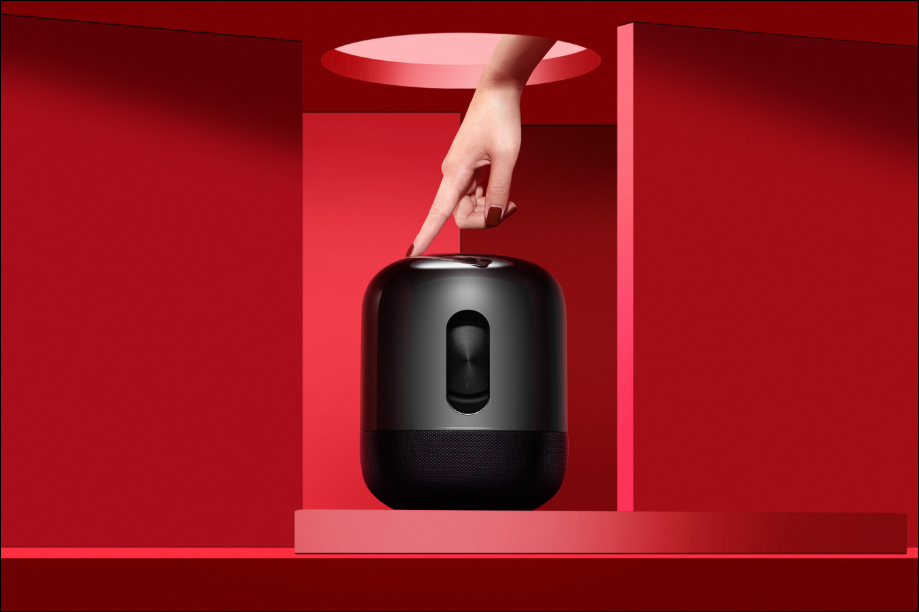
At the P40 launch event held today, Huawei announced a few other products. One of them is the Sound X wireless speaker. The speaker is jointedly developed by Huawei and Devialet and aims to revolutionize high-end acoustic technology with sonorous audio that leaves an enduring, life-altering impression on the listener.
The Sound X is the first high-end wireless speaker product from the Chinese telecommunications giant. Recall that the product was first announced in November 2019 during the Mate 30 launch. The Sound X is said to combine an awesome aesthetics with exquisite craftsmanship. The design is one of the recipients of the 2020 German iF Design Award as a result of its stunning appearance.
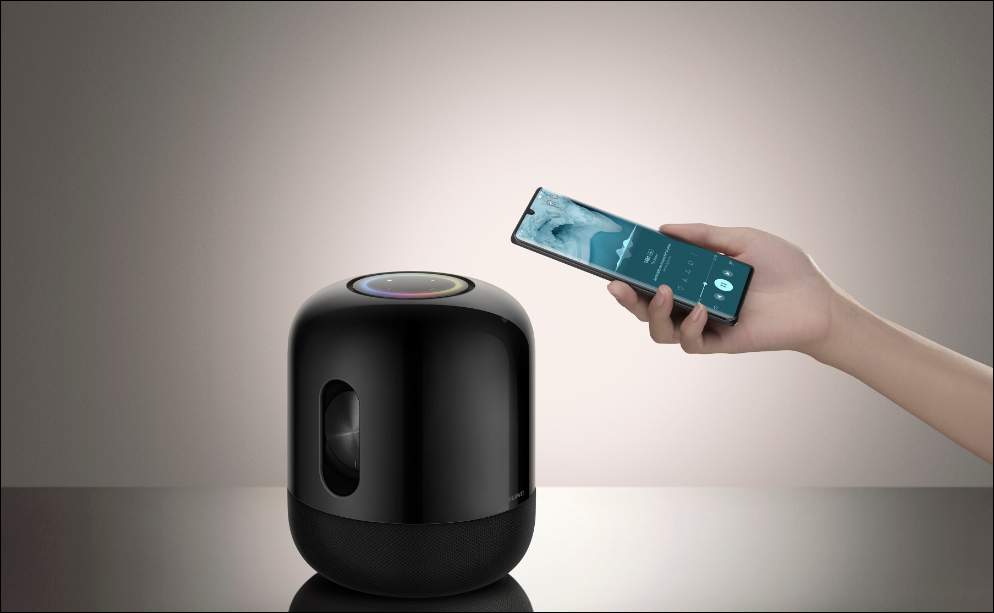
The smart speaker is designed to deliver seamless interaction with smart devices in the listener’s vicinity. Thus, if you gently tap your phone against the Sound X, it transmits audio to the speaker. The speaker also provides lossless, low-latency audio which can be further bolstered by a proprietary EMUI 10.1 multi-device control panel. This is Huawei’s equivalent of Apple’s AirPlay and is only available on the Huawei P40 since it is the only model running EMUI 10.1.
It also comes with the Huawei Share function. This saves users the hassle of waiting for a wireless or Bluetooth connection to establish. Instead, you can simply tap your phone’s NFC area against the Sound X, and the speaker will begin to play without delay. In addition, with Huawei Share, you can use the Sound X to answer calls by simply switching on the call mode with a tap of your hand.
The Sound X sound output is equally impressive, thanks to the input of Devialet, a global audio brand that enjoys a unique reputation for its premium High-Fidelity products. The company has garnered 76 awards and 160 technology patents, and cemented its position as a leader in acoustics, with inventive products that boast thunderous power and unparalleled performance within a limited-sized body. The product also comes with background noise suppression giving listeners a distortion-free sound even at maximum volume levels as well as low-pitched vibrations that can literally be felt in the listener’s bones.
The Huawei Sound X comes equipped with Devialet‘s patented signal-processing SAM® (Speaker Active Matching) technology, and iconic Push-Push symmetrical structure.
In terms of the exterior design, the main, glossy portion of the body is crafted from an advanced non-conductive vacuum electroplating process which allows for quality signal transmission and reception. The lower portion uses a seamless cover that further facilitates free, lossless transmission. The RGB tri-colour indicator light on the top surface seemingly blends the emitted light with its surroundings, for a kaleidoscopic display that is reminiscent of a glamorous music hall. The body is equally impact-resistant.
In addition, the speaker is equipped with dual subwoofers that deliver 60W of booming bass, while remaining compact and portable for every day, all-purpose use. The innovative, visible bass unit creates a lasting visual impression to pair with the resonance of the audio.
Huawei is yet to announce the pricing and availability details but promised to do that soon.
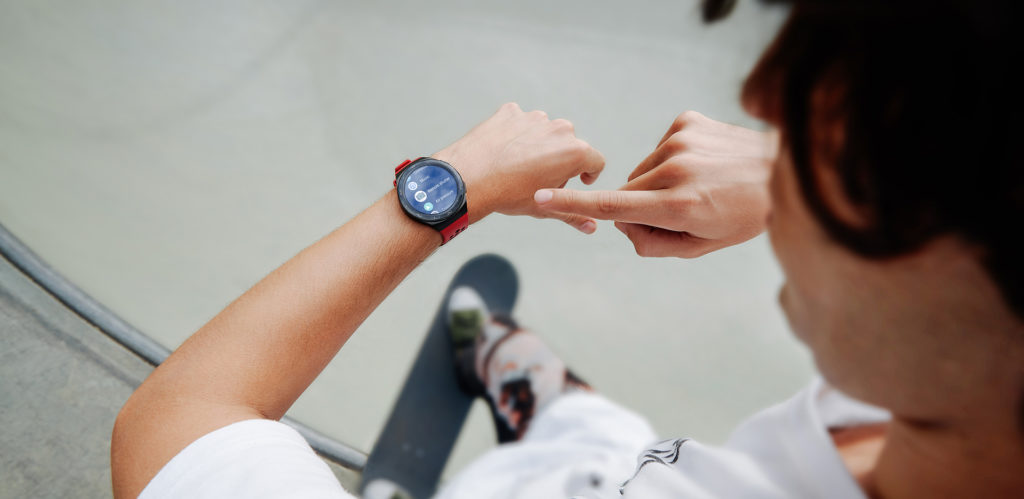
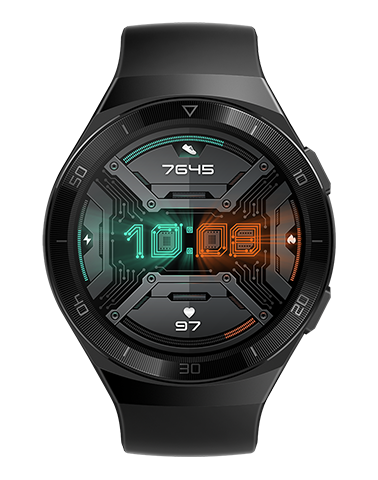
Apart from launching the Huawei P40 series, the company also announced EMUI 10.1 and unveiled two wearables. The first smartwatch named Huawei Watch GT 2 is the successor to the last year’s original Watch GT, while the second watch is a new product category altogether. This one called Huawei Watch GT 2e is a first of its kind by the company with sporty design and tailored features.
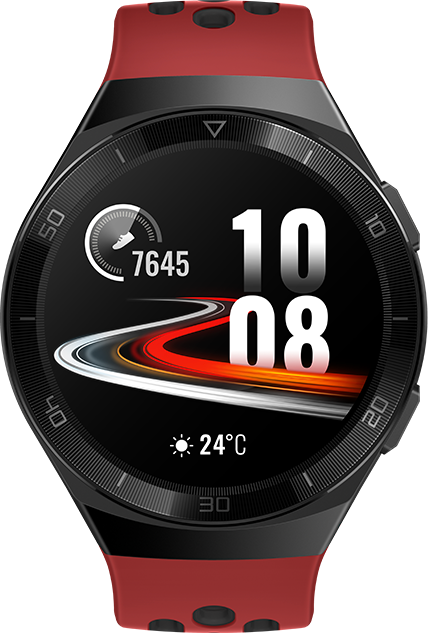
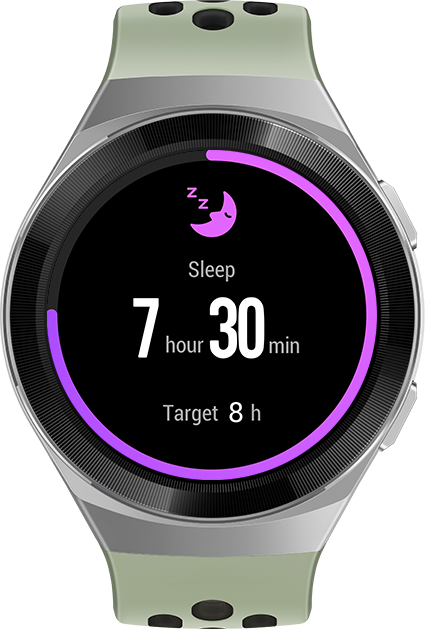
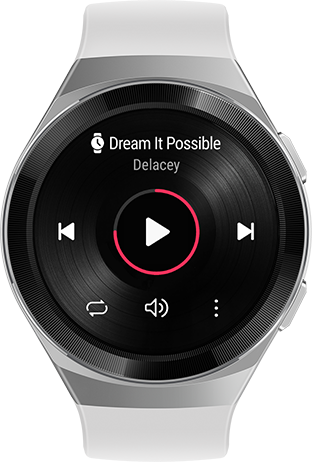
The Huawei Watch GT 2e comes only in one size and weighs 43g without the strap. The casing of the watch is made of metal + plastic and comes in Black Stainless Steel and Stainless Steel paint jobs. Further, the strap options for the watch include Black Fluoroelastomer, Red & Black TPU, Green & Black TPU, and White Fluoroelastomer Strap. Which means the watch can be rocked in Graphite Balck, Lava Red, Mint Green, and Icy White colours.
The wearable sports 1.39-inch AMOLED circular display with a resolution of 454 x 454 pixels. It supports touch and slide gestures as well as can be controlled using power and function buttons. Connectivity on the device includes a built-in GPS and Bluetooth 5.1 to connect with devices running Android 4.4+ or iOS 9.0+.
The watch supports a total of 100 fitness tracking mode including 15 professional workout modes and 85 customized workout modes. It also features a SpO2 sensor to monitor oxygen levels in the blood. The watch also comes with 4GB onboard storage to store music and includes a number of sensors like Accelerometer sensor gyroscope, geomagnetic, optical heart rate, ambient light, air pressure, capacitive for activity tracking.
Huawei Watch GT 2e Colours
1 of 4
As for battery life, the company claims 14 days on a single charge via magnetic charging thimble port using the in-box proprietary charging cradle. Additionally, the watch is also water-resistance up to 5ATM and thus it can be worn while in shower and swimming.
Lastly, as for price, the Huawei Watch GT 2e will retail for €199 (~$219) starting April in Europe
Huawei announced three new devices at its online conference in Europe, including the compact Huawei P40. We have already covered the Huawei P40 Pro and P40 Pro Plus in detail in our previous story here. So let’s take a closer look at what the standard P40 model has to offer.
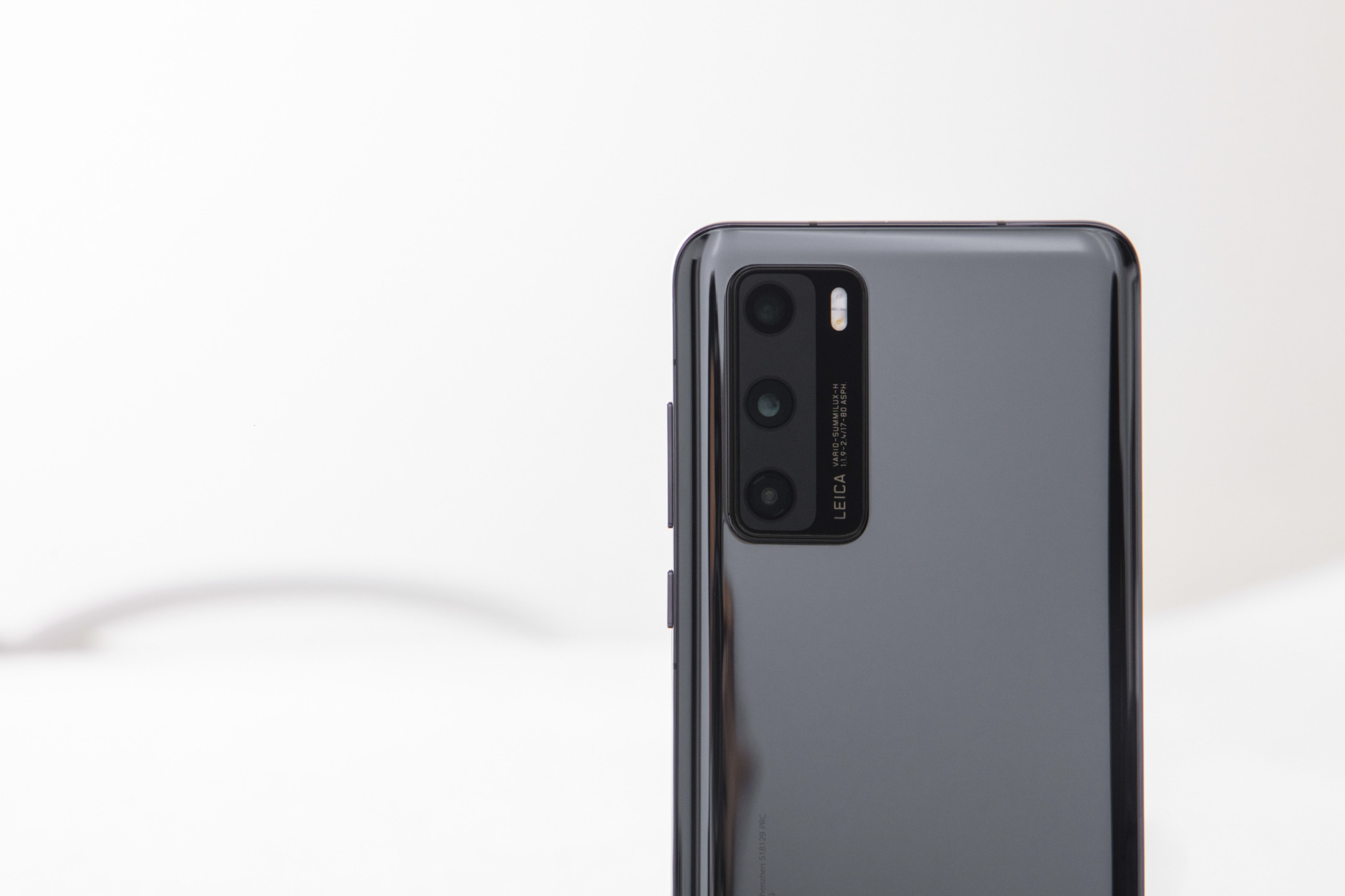
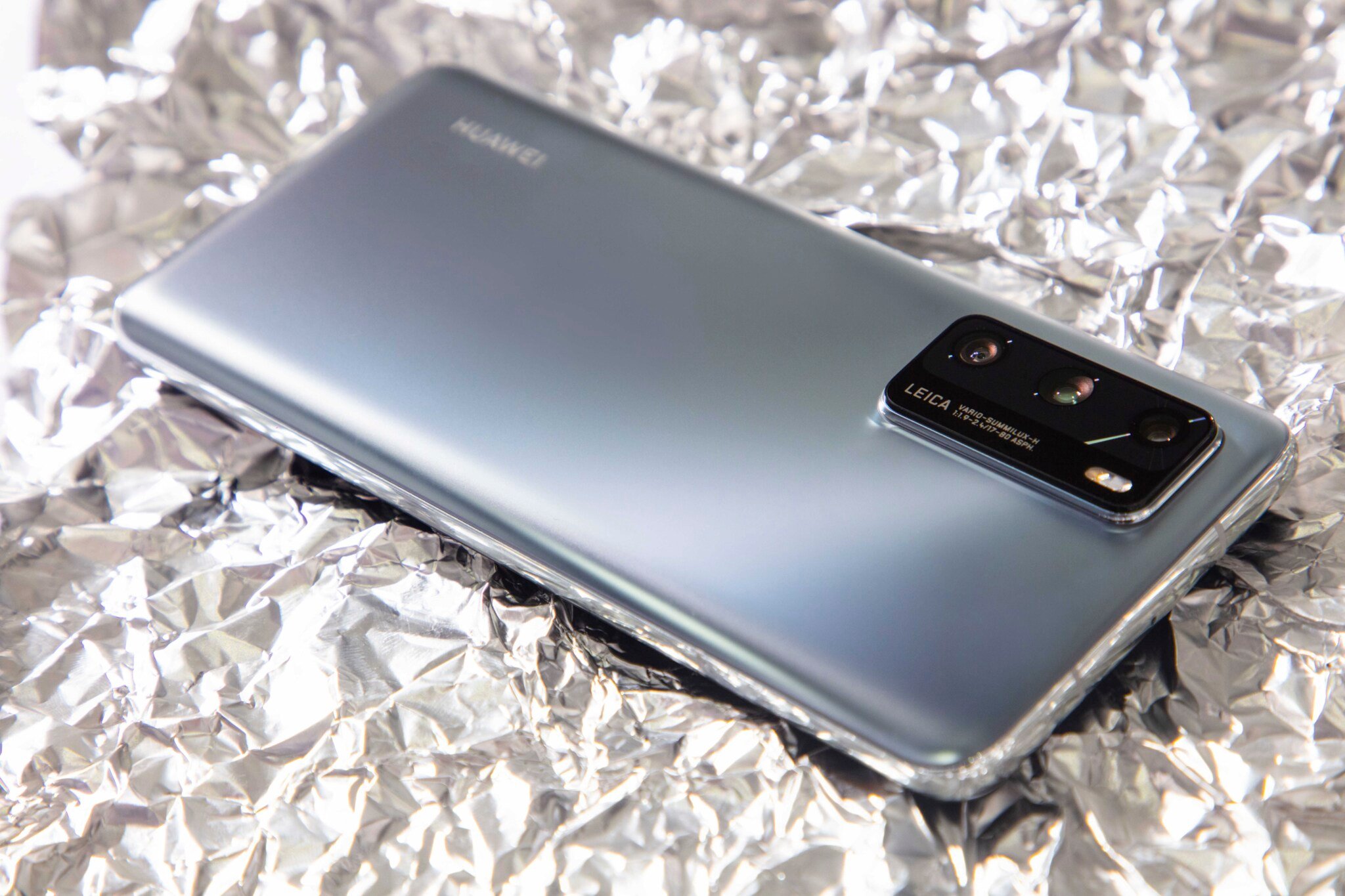
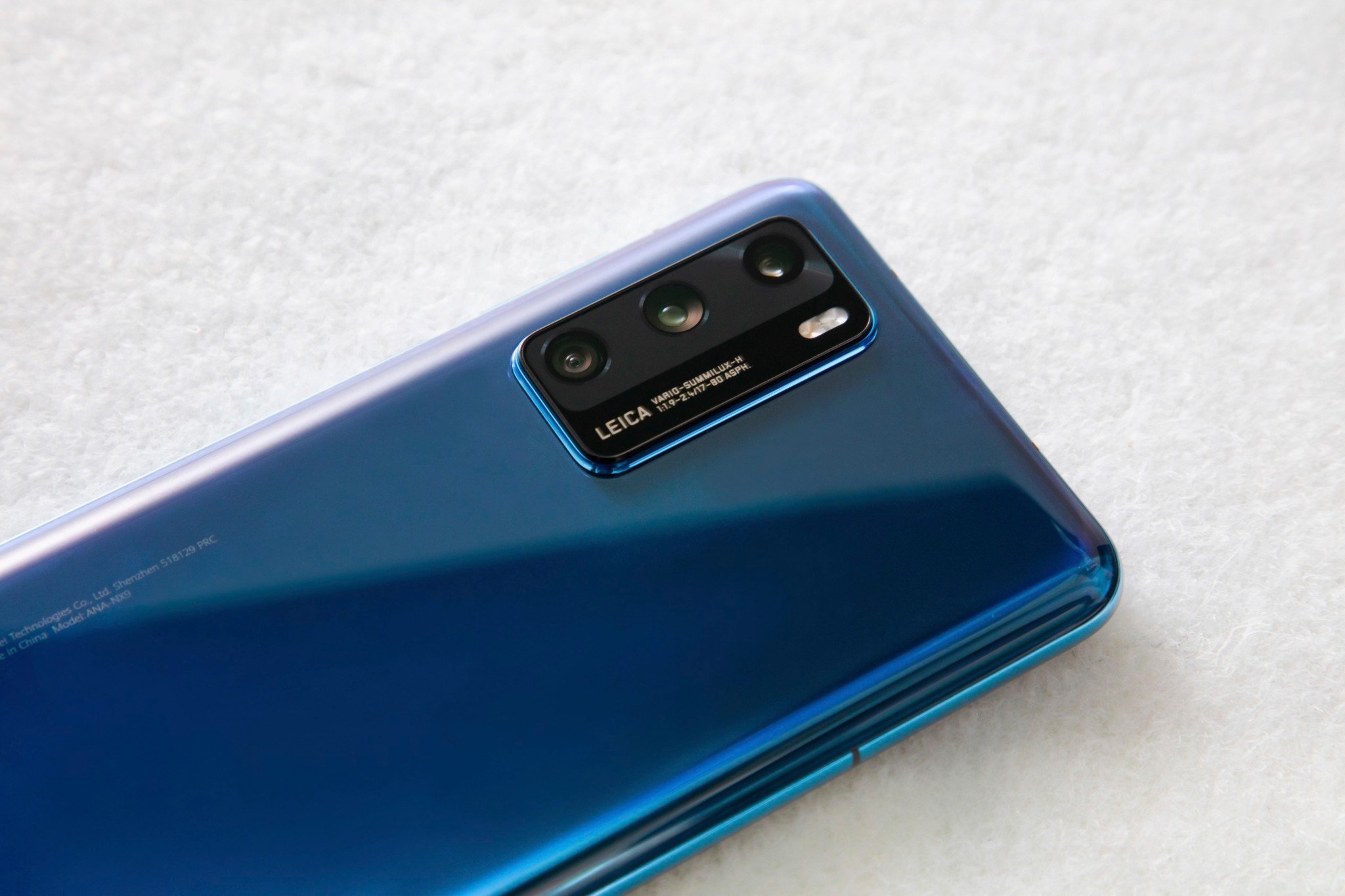
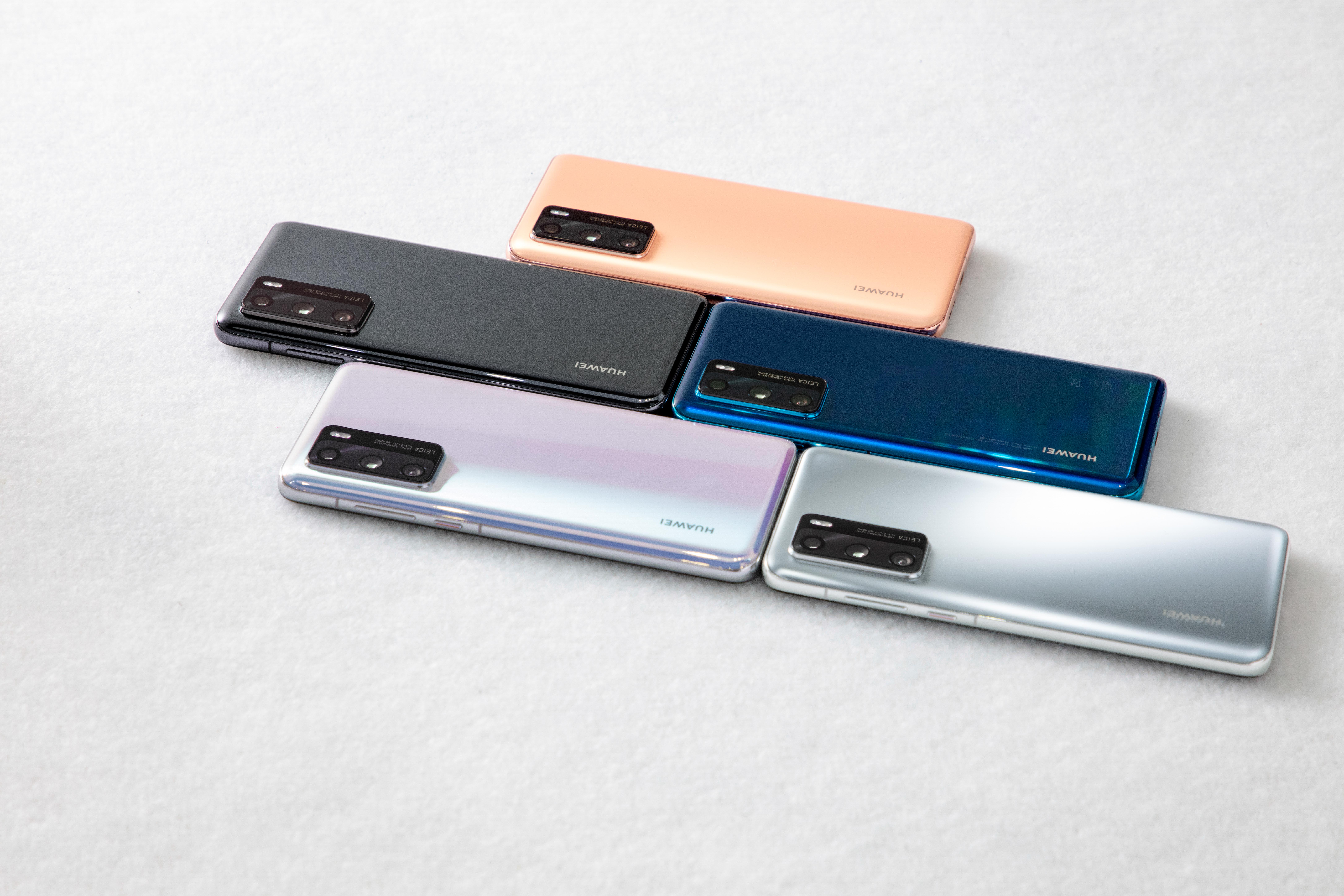
The Huawei P40 comes with the exact same design as the P40 Pro. So you have a premium soft matte finish at the back in five color options: Silver Frost, Ice White, Blush Gold, Black, and Deep Sea Blue. The phone features just three camera sensors at the back but the rectangular camera housing remains the same size as the Pro and Plus variants. Since the phone comes with a smaller display and battery, it is lightweight and compact. The phone weighs just 175 grams which is pretty light and measures just 8.5mm in thickness. In comparison, the P40 Pro weighs 209 grams and is nearly 9mm thick.
Huawei has cut down on premium features on the standard P40 to keep the pricing low. So instead of the “overflow” curved display, you get a flat 6.1-inch FHD+ 2340 x 1080 Pixels OLED display on the front with dual punch-hole cameras on the top left corner. The phone is not as water-resistant as the IP68 certified Pro and Plus models, but the IP53 rating ensures it can withstand a few splashes.
huawei p40 Silver Frost
Huawei P40 Specs
Under the hood, the Huawei P40 comes with the Kirin 990 5G processor with support for SA/NSA 5G standards. You have 8GB of RAM onboard with 128GB of storage. The phone comes in dual SIM and single SIM variants. Note that the single SIM model also accepts an additional eSIM. As for the battery, you get a 3800mAh capacity one inside with 22.5W SuperCharge charging technology. The standard P40 model does not support Wireless Charging.
Interestingly, the new Huawei P40 models support NaVIC in addition to GPS, AGPS, Glonass, and BeiDou. You also get support for Wi-Fi 6 and Bluetooth 5.1. It runs on EMUI 10.1 based on Android 10 OS with HMS (unfortunately no GMS).
Coming to the cameras, the Huawei P40 comes with a pretty strong triple camera setup. It consists of a 50MP f/1.9 UltraVision camera along with a 16MP UltraWide Angle shooter and an 8MP f/2.4 telephoto shooter. The telephoto lens supports 3x optical zoom, 5x hybrid zoom, and 30x digital zoom. The phone gets OIS and AIS for image stabilization and can shoot 4K 60fps videos.
There’s a 32MP selfie shooter upfront with an IR depth sensor for bokeh. Like the Pro models, the standard P40 also supports 4K 60fps video recording but it doesn’t have autofocus.
Huawei P40 Pricing & Availability
The Huawei P40 starts at €799 ($880) for the 8GB RAM and 128GB model and goes on sale on the same day as the P40 Pro: April 7.
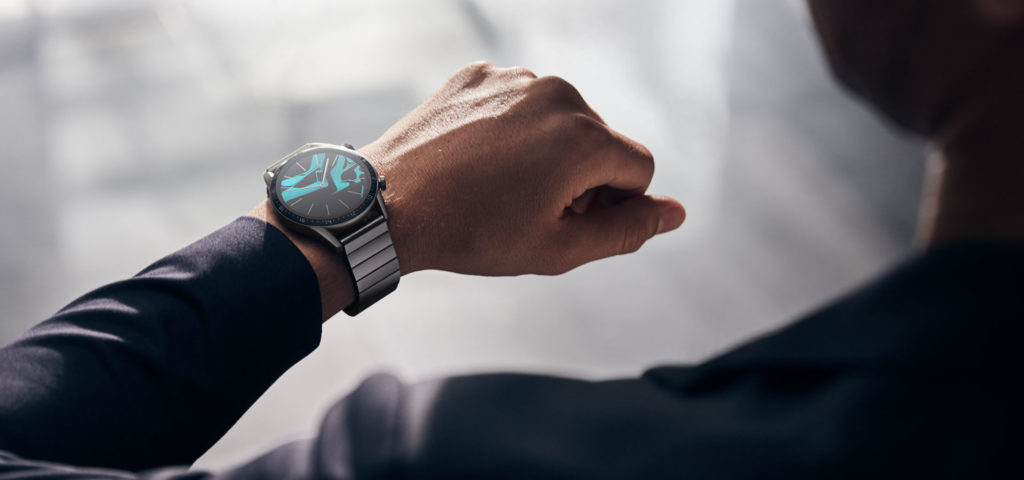
At the Huawei P40 series launch event, the company also took wraps off Huawei Watch GT 2, the successor to the last year’s Huawei Watch GT as well as EMUI 10.1 and another smartwatch called Huawei Watch GT 2e with sporty looks. But here in this post, let us take a closer look at what the new Huawei Watch GT 2 brings to the table.
Huawei Watch GT 2 Design
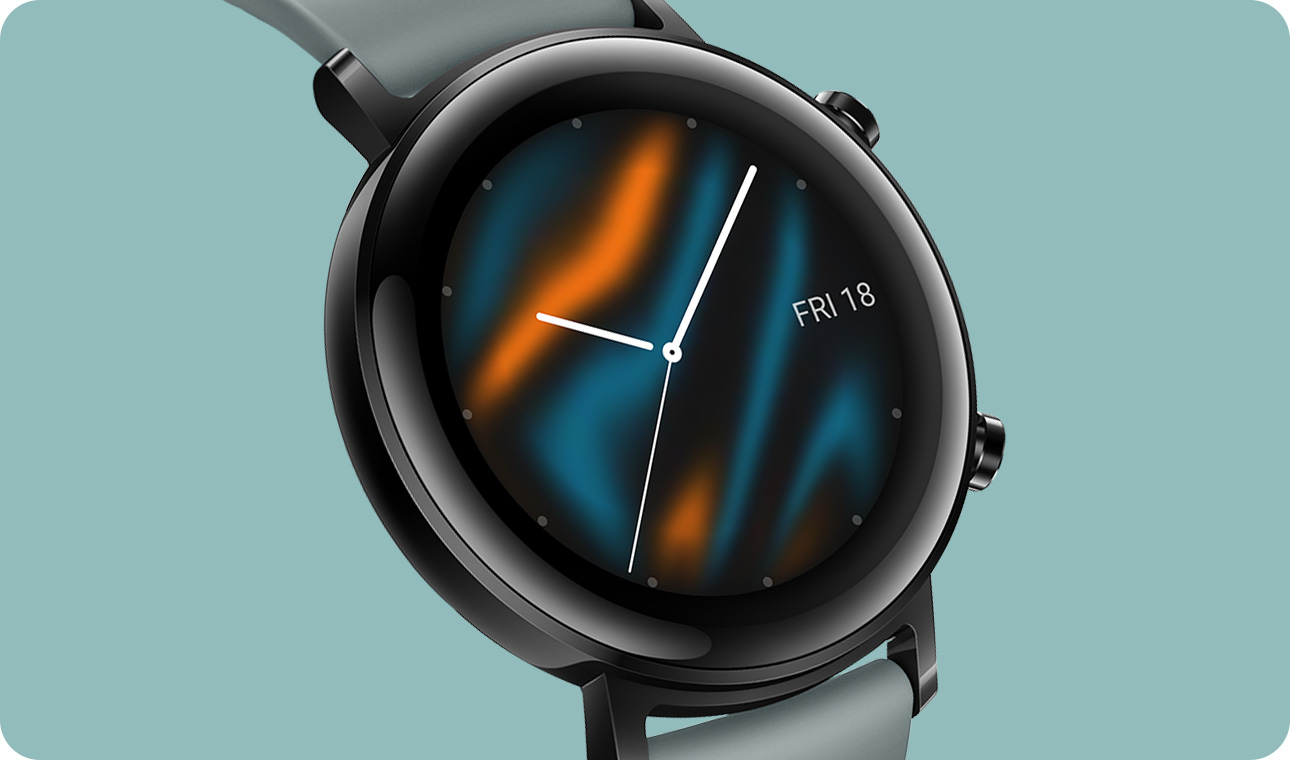
The Huawei Watch GT 2 is a spiritual successor to the original Huawei Watch GT launched in 2019. This smartwatch comes in two sizes – 42mm and 46mm as well as weighs 29g and 41g without the strap respectively. The watch case is made of metal + plastic and comes in Black Stainless Steel, Stainless Steel, Rose Gold Stainless Steel (42mm), and Titanium Grey Stainless Steel colors respectively.
As for straps, the 42mm version gets Khaki Leather, Cyan Fluoroelastomer, Rose Gold Milanese, and Black Fluoroelastomer options. On the other hand, the 46mm variant can be either paired with Titanium Grey Metal, Orange Fluoroelastomer, Brown Leather or Black Fluoroelastomer strap.
Talking about the screen, both variants feature a circular AMOLED display but with varying sizes and resolution. The smaller 42mm model comes fitted with a 1.2-inch panel with a resolution of 390 x 390 pixels, while the 46mm version sports a 1.39-inch panel with a resolution of 454 x 454 pixels. Although Huawei does not mention the capacity of the batteries present in each model, they are different as the smaller model is only rated for a maximum of 7 days, whereas the larger model will last 14 days as per the company.
1 of 2
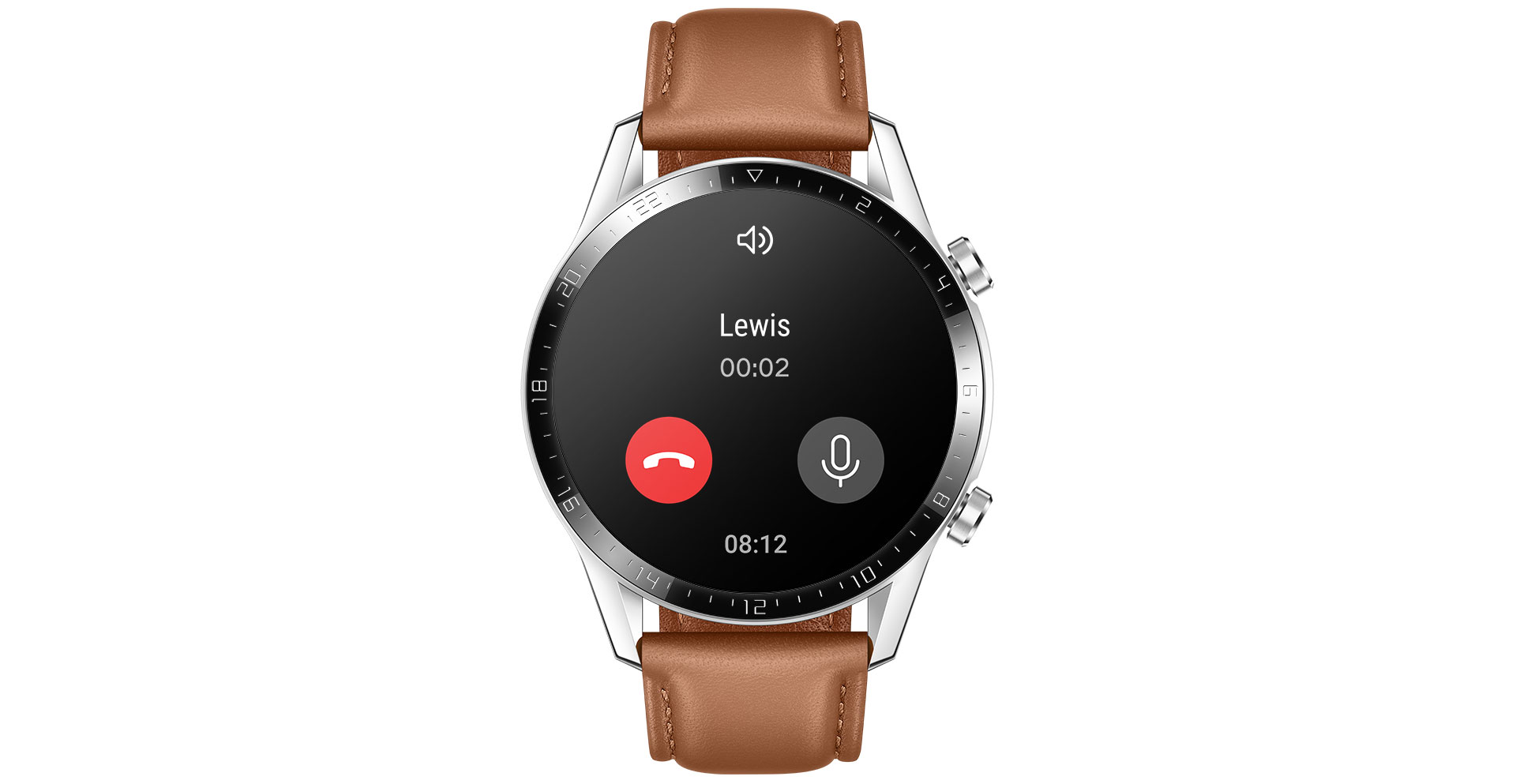
As far as common features between the two are concerned, both come with Huawei’s own Kirin A1 wearable chip, fifteen professional sports modes, 85 custom workout modes, Bluetooth calling, in-device Music, notification support, sleep monitor, stress monitor, menstrual cycle management, built-in GPS, Bluetooth 5.1, power button, function button, water-resistance up to 5ATM, magnetic charging thimble port for charging, and loads of sensors including accelerometer, gyroscope, geomagnetic, optical heart rate, ambient light, air pressure, and capacitive.
Last but not least, the Huawei Watch GT 2 is priced at €229 (~$252) and €249 (~$274) for the 42mm and 46mm respectively.
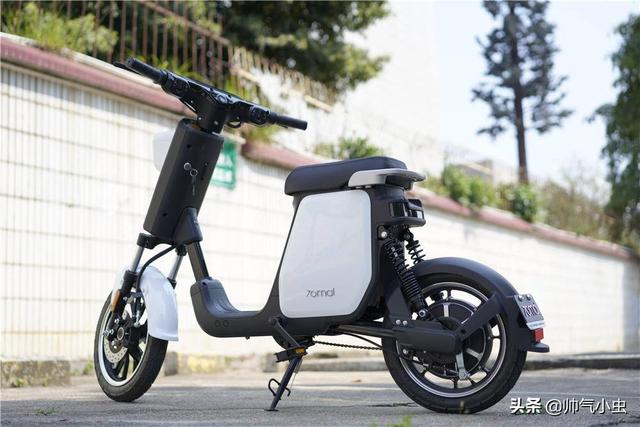
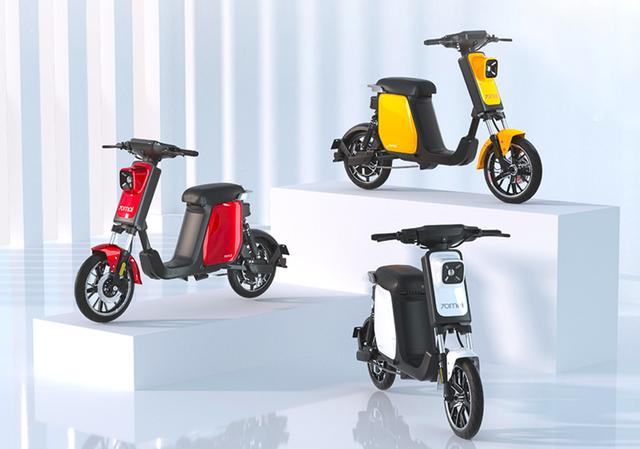
Electric vehicles are the future and Chinese tech giant Xiaomi obviously has realised that. The brand’s partner Ninebot launched two new models months back. A second Xiaomi ecological chain company 70mai has launched its own e-scooter. The 70mai A1 and A1 Pro Smart Electric Scooters were announced at an unveiling event earlier today. The e-bikes were manufactured by 70mai which is known for its wide range of car accessories such as dashboard camera, smart rearview mirrors, and several others.
The 70mai e-scooters appear as the only electric bikes that are equipped with XiaoAI smart voice assistant. It equally comes with an impressive 70km range and affordable price starting at 2999 yuan ($423).
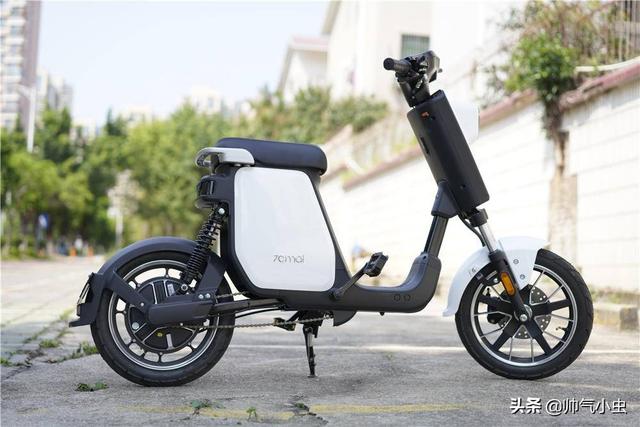
The 70mai A1 and A1 Pro Smart Electric scooters both have a similar design but the battery size and features onboard differentiate the two models. The design is said to have won the German iF Design Award 2020. It is extremely lightweight, weighing just 55kg and with a top speed of less than 25km/h which is in line with the new Chinese standard for e-bikes.
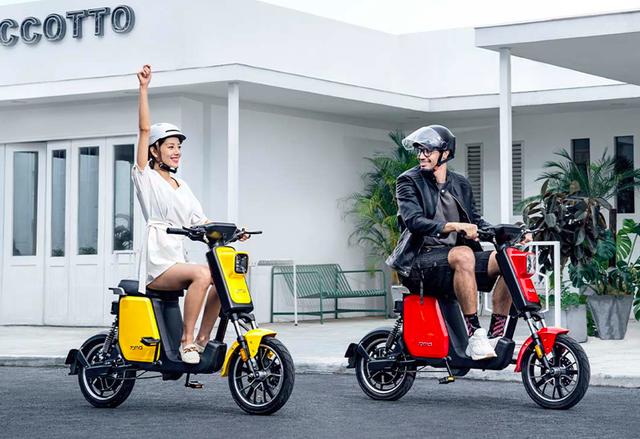
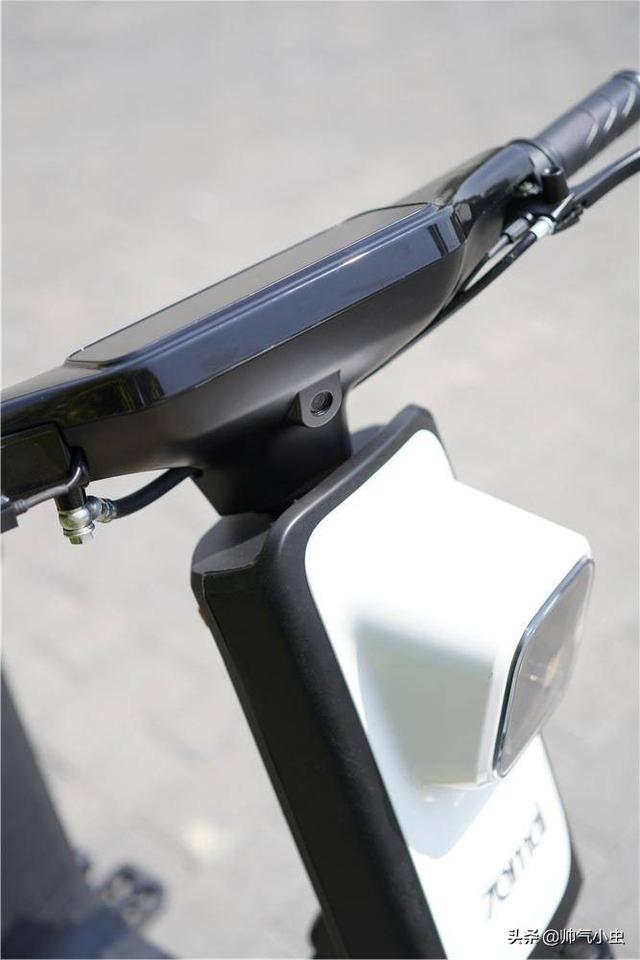
The 70mai e-bike features a unique design which isn’t too flashy, except for the attractive yellow and red colour versions. It uses a somewhat square-shaped LED headlight said to have a long illumination range. Just below the headlight is the company’s logo. Since the rear fender is low, the tail light is located just behind the seat increasing the visibility of the bike to rear traffic. The direction lights and hazard lights are integrated with the tail light.
The 70mai smart electric bike uses a one-piece seat cushion, which is very soft and comfortable. At the same time, the surface of the cushion is treated with waterproof and antifouling, so you don’t need to worry about it even if you park it outdoors in daily use.
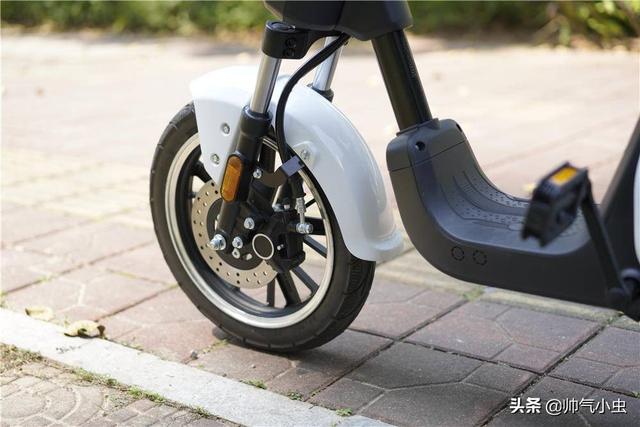
The bike uses a pair of 14-inch vacuum tires, 4PR structure with the ground clearance of the chassis standing at 160mm. It presents with a disc brake system on the front while the rear is designed with a drum brake. The bike equally features motorcycle-level shock absorption system. The chassis itself is cast using cold-rolled steel pipe and Q195 carbon steel, which are integrated through die-casting to ensure safe and comfortable riding.
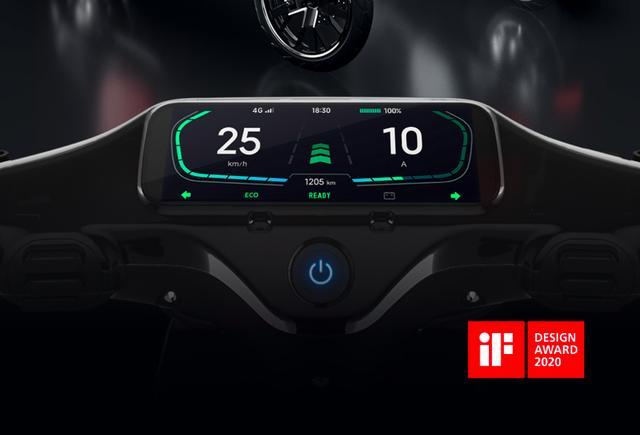
The most interesting part of the 70mai e-scooter is the 6.86-inch smart central control screen which features support for XiaoAI smart voice control. The display supports touch and voice commands. Apart from viewing traditional parameters such as cruising speed, battery power in real-time, the screen also has a built-in music and radio app to listen to music. There is also a built-in customized version of the MIJIA app that can control smart appliances at home. In addition, after it is connected to a mobile phone, the display also supports call reminders as well as navigation. With XiaoAI, voice commands can be used to operate the display while riding. At the front of the bike, is a high-definition camera that supports 1080P shooting and a 130 ° wide-angle. In other words, this smart electric vehicle also has a built-in driving recorder function. It has a built-in memory card, which can record 90 minutes of 1080P video. The camera also supports parking monitoring, which can also play a role in preventing theft to a certain extent.
In terms of anti-theft, the 70mai smart electric vehicle also has a convenient “Find my bike” function, which allows the bike to issue alerts and double flashes, and also for the camera to send images of the surrounding environment of the bike to the connected smartphone through the MIJIA app.
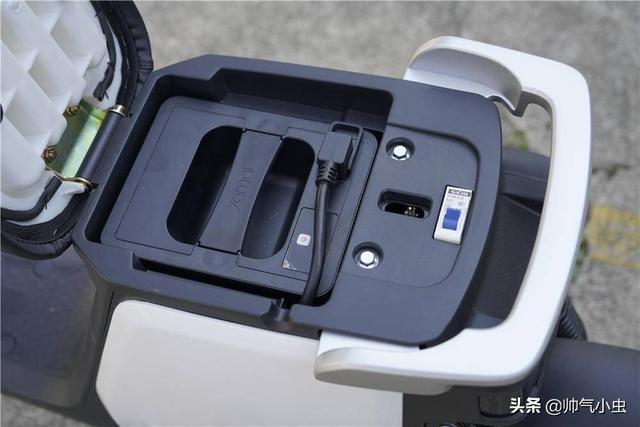
The 70 Mai smart electric vehicle is equipped with a brushless DC motor, which not only starts quickly but also is very smooth. In order to comply with the new national standard, the maximum speed of the vehicle is limited to 25km/h. In terms of battery life, 70 Mai smart electric vehicles use lithium batteries with support for fast charging. The battery can be fully charged in 7.5 hours. One of the differences between the A1 and A1 Pro is the range. While the Pro version has a range of 70km, and the A1’s range is 60km.
As for the pricing, the 70mai A1 smart electric car is on offer for 2999 yuan but after the crowdfunding exercise, the price will go up to 3699 yuan ($522). On the other hand, the A1 Pro goes for 3999 yuan ($565) on crowdfunding and 4699 yuan ($663) after the exercise. The crowdfunding is live on Xiaomi Youpin.
Along with the new Huawei P40 series comes a new version of EMUI. Called EMUI 10.1, the new version of Huawei’s custom Android Skin brings lots of new features and apps. Below are the new features Huawei has preloaded on its new phones.
Hey Celia AI Voice Assistant
Quite a number of the new features that EMUI 10.1 brings are its own version of apps and services that would usually be available for Huawei phones if they used Google Mobile Services. Celia is Huawei’s own AI voice assistant and the replacement for Google’s AI voice assistant.
The wake word for the assistant is “Hey Celia” and you can pretty much ask it questions, set alarms, identify objects, control smart home appliances, and do lots more.
Huawei MeeTime
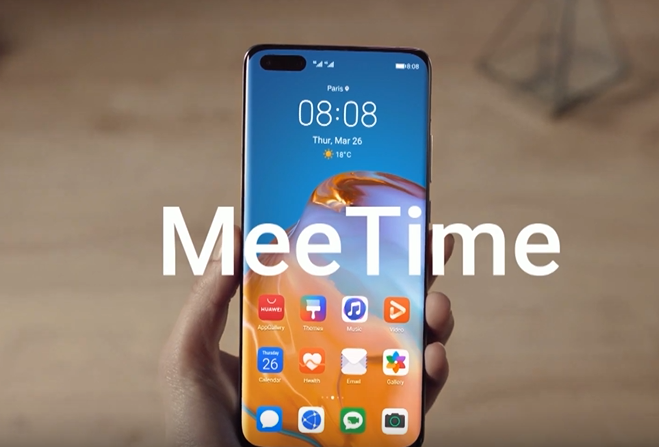
Since no Google Mobile Services, it means no Google Duo. While there are third-party video calling apps, Huawei has announced its own and it is called MeeTime (FaceTime, anyone?).
The good thing is that MeeTime is not limited to Huawei devices only. It can also work on other devices. The video calling app brings 1080p video calls, low-light mode, and even screen sharing (this is not available on Duo or WhatsApp).
Huawei says you can also continue calls on its Huawei Vision smart screen (read TV) and its Sound X smart speaker.
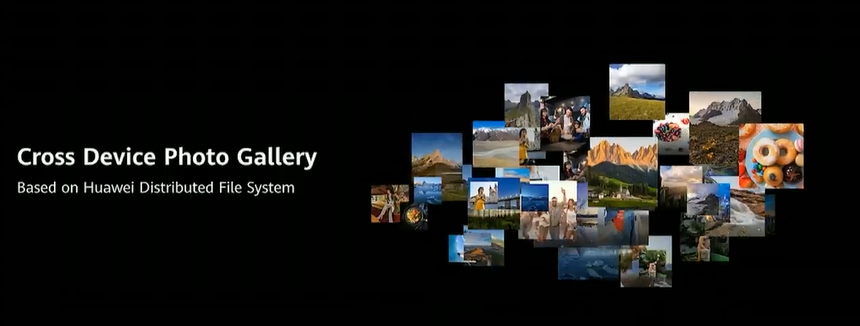
Cross-Device Photo Gallery
Huawei is developing more ways for its products to communicate with one another and Cross-Device Photo Gallery is the latest way to do so. With this feature, owners can access the gallery of any of their devices on the one currently in use as long as all the devices are on the same Wi-Fi network. Users will also be able to enter keywords to search for images such as flowers, cats, or cars to help with image search across devices.
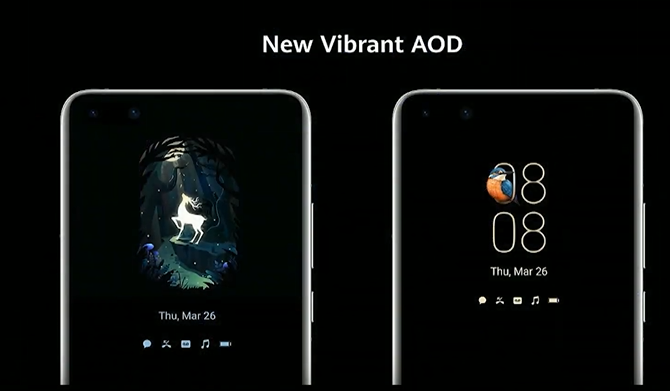
New and Vibrant AOD
EMUI 10.1 brings an improved Always-on Display feature with 3D icons and low-power consumption.
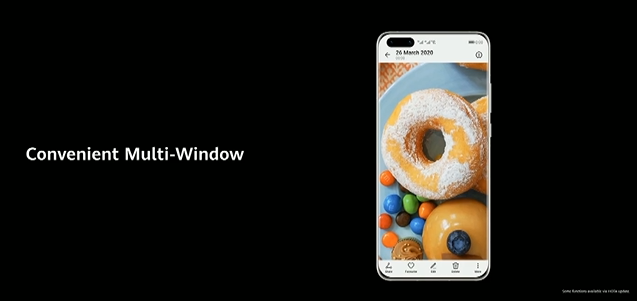
Convenient Multi-Window
The new version of EMUI comes with new multi-window features. There is Edge Panel which is a drawer that contains shortcuts to apps and tools that can be accessed by swiping from the sides of the screen.
When in multi-window mode, users can drag and drop text and images from one window to another. EMUI 10.1 also allows you to respond to messages by presenting a floating window of the app rather than opening the app when you tap on the notification. This way, you do not need to leave the app currently in use just to reply to a notification.
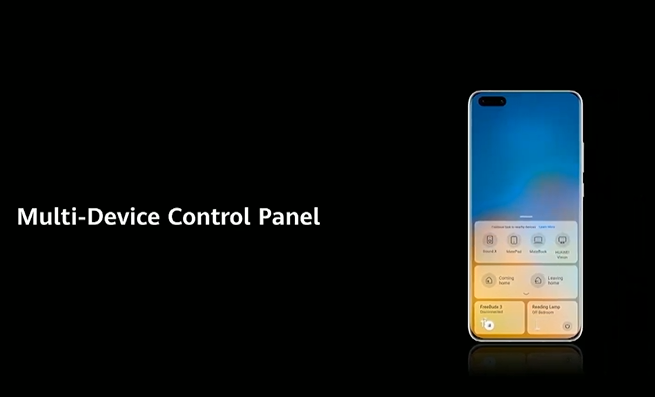
Multi-Device Control Panel
This is a new feature that brings all connected devices to your fingertips. To access the multi-device control pane, you swipe up from the left or right bottom corner of the screen. A control panel that allows you to connect new devices or control already connected devices is then displayed on the screen.
Huawei Video, Huawei Music, and Huawei News
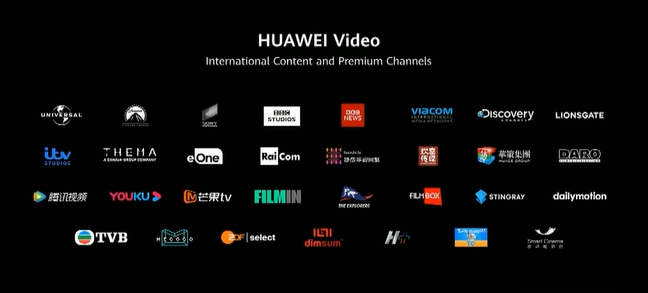
Huawei has partnered with several content partners for its music, news, and video content. Some of its partners include Universal Music, Napster, Warner Music Group for music; News UK, The Times, The Sun, and talkSPORT for news; Discovery, FilmBox, eOne, BBC News, Youku, Lionsgate, Universal, Paramount, and Sony, etc for video content.
After months of speculation and rumors, Huawei has unveiled one of the most anticipated smartphone lineups of 2020, the Huawei P40 series today. This year, the lineup has a special addition, the Huawei P40 Pro Plus. This is the company’s most powerful camera phone to date, upgrading its cutting edge RYYB camera technology and bringing a new generation of its periscope camera setup. The P40 Pro Plus gets exclusive features that sets it apart from the already powerful P40 Pro. Let’s take a deeper look at the two new models.
Huawei P40 Pro & Pro Plus Design


Both models feature the same design with a curved screen and rectangular camera housing at the back. The P40 Pro builds on the material and color scheme of its predecessor by offering a soft matte glass finish in five color options: Deepsea Blue, Silver Frost, Ice White, Black, and Blush Gold.

While the Huawei P40 Pro Plus uses the same form factor as the P40 Pro, it features a different texture and material. In fact, the P40 Pro Plus is one of the best-looking smartphones in the market right now. The phone features a premium ceramic body that comes in just two plain colors: Ceramic Black and Ceramic White. What makes this design special is the amount of processing that’s required to bring this design to reality.
Huawei reveals that the P40 Pro Plus’ body uses a nanotech technology to compress the ceramic powder and kiln it for five days at 1500 degrees. The resulting material has a refractive index similar to diamond and the strength of sapphire. So you don’t have to worry about scratches or fingerprints on the phone’s back.

The P40 Pro Plus brings a really powerful camera setup onboard, featuring five cameras (as opposed to P40 Pro’s quad-cameras), a first for Huawei’s P-series lineup. The five cameras are placed in a rectangular camera housing on the top left corner.
The Huawei P40 Pro Plus is also IP68 certified, just like the P40 Pro, so it is dust and water-resistant.
Huawei P40 Pro & Pro Plus Display
Huawei P40 Pro Plus comes with the exact same display as the P40 Pro model. The phone features a 6.58-inch 19.8:9 aspect ratio display with 2640 x 1200 resolution and 441 PPI. In case you are wondering, yes, the P40 Pro and P40 Pro Plus come with a 90Hz screen refresh rate.
The company is calling it as an ‘overflow display’ that’s inspired by the surface tension of a cup filled with water up to the brim. So the display is curved on both the edges with really thin bezels (1.7mm side bezels).
There are two punch-hole cameras in its display and both the P40 Pro and Pro Plus models feature IR face unlock. So, there’s a 32MP AF camera and another IR camera for Face Unlock and depth sensing. This ensures that you can accurately unlock your device even when the lighting is dim. The IR sensor also helps add an Attention Aware feature and Smart Gestures. You can simply Swipe in the air to scroll and grab to capture the screen.
Note that the standard P40 also features a front IR depth sensor, it only comes with a regular AI face unlock.
Huawei has also upgraded the screen fingerprint sensor. So now all the three Huawei P40 models including the P40 Pro Plus features a 30% larger screen fingerprint sensor which is 30% faster as well.
Huawei P40 Pro Plus Cameras
The biggest difference between the P40 Pro and P40 Pro Plus is in the camera department. The Huawei P40 Pro comes with a quad-camera setup while the P40 Pro Plus features a penta-camera setup. The Pro Plus variant features an additional Super Periscope telephoto sensor that captures up to 10x optical zoom and 100x digital zoom.
The Huawei P40 Pro Plus camera setup is as follow:
A 40MP f/1.8 Ultra Wide Cine Lens
An upgraded 50MP RYYB f/1.9 sensor with OIS
An 8MP f/2.4 Optical Super Periscope Telephoto camera with OIS and up to 10x optical zoom (240mm)
8MP f/2.4 Optical Periscope camera with OIS (80mm)
ToF depth sensor
Color temperature flash
The biggest upgrade in the camera department this year is the 10x optical zoom capable Super Periscope camera. This makes the Huawei P40 Pro Plus as the world’s first smartphone camera with such high optical zoom support! This is achieved by using a dual prism design with multiple reflections inside the periscope camera setup. So you have multiple optical zoom modes like 3X low-range zoom, 5x mid-range zoom, and 10x long-range optical zoom.
Another highlight of this Super Periscope camera setup is the use of the RYYB sensor. This also makes it the first smartphone from Huawei to use two separate RYYB sensors, which shows Huawei is confident about its RGB alternative. The company claims that the use of the RYYB sensor for telephoto significantly increases light intake for clearer zoomed-in shots.
In short, the Huawei P40 Pro Plus is capable of capturing 10x optical zoom, 20x Hybrid zoom, and up to 100x digital zoom.
As mentioned above, the Huawei P40 Pro model skips this super periscope sensor. The rest of the camera setup is the same as the Pro Plus. So the P40 Pro is able to capture 5x optical zoom, 10x hybrid zoom, and 50x digital zoom – similar to the P30 Pro.
Both the P40 Pro models feature 16-in-1 pixel fusion technology that can churn out pictures with a 4.48um pixel size. The 40MP UltraWide Cine lens on these two devices is actually the industry’s largest ultra-wide camera sensor with 1/1.54-inch sensor size.
The P40 Pro Plus takes the ISO sensitivity to an incredible ISO 51200 for videos. The two models can capture 4K HDR+ time-lapse videos, 4K 60 fps videos, 7680 fps super slo-mo videos, as well as real-time bokeh videos. Dual OIS + AIS ensures stability for the videos shot from the phone.
The P40 Pro Plus can also take Super Zoom videos, for example, Huawei claims that it can capture the zoomed-in video of the moon clearly. There’s also a special Dual View video mode that outputs a combined ultra-wide and close up view on the screen.
Upfront, the Huawei P40 Pro and P40 Pro Plus feature a dual 32MP selfie shooter and an IR depth sensor. This front selfie shooter features AutoFocus and is capable of capturing 4K selfie videos.
Huawei P40 Pro & Pro Plus Specs
The Huawei P40 Pro duo is powered by the Kirin 990 5G processor. The chip features a brand new NPU that offers a 460% improvement in performance and a 290% improvement in efficiency. Both the models naturally support SA/NSA 5G networks. The phone also features a 4-layer VC Liquid Super Cooling system to ensure that the phone stays cool, even under heavy load.
The Huawei phone comes with Wi-Fi 6 Plus support with transfer speeds up to 2600Mbps. All the models come with EMUI 10.1 out of the box with Android 10 onboard. Note that the P40 models don’t have Google services. Instead, the phones feature Huawei Mobile Services with its own AppGallery App Store.
The new phones also offer dual SIM and also supports eSIM (only for its single SIM variant). Note that you can also use one of these SIM slots to add more storage to the device via a nano memory card.
Huawei P40 Pro & Pro Plus Battery
Both the models feature a decent 4200mAh battery on board with 40W wired Charging. But the P40 Pro Plus gets an equally fast Wireless Charging too! Yes, you read that right, the P40 Pro Plus features the world’s fastest wireless charging technology with 40W charging speed. Like its predecessors, the P40 Pro duo also supports reverse wireless charging.
Huawei P40 Pro & Pro Plus Pricing & Availability
The Huawei P40 Pro starts at €999 ($1095) for the 8GB RAM and 256GB storage model.
The Huawei P40 Pro Plus starts at €1399 ($1533) for the 8GB RAM and 512GB storage model.
The P40 Pro will be available on 7th April while the P40 Pro Plus will be available a while later in June 2020.
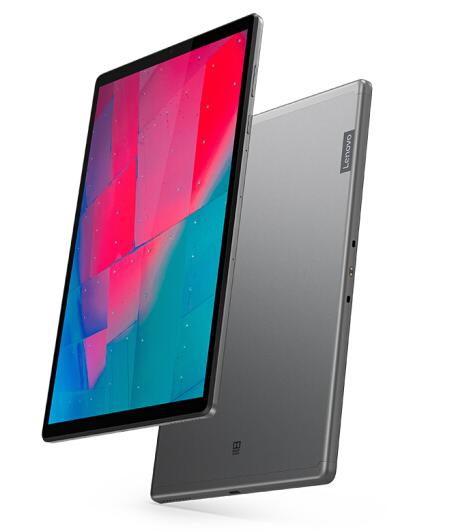
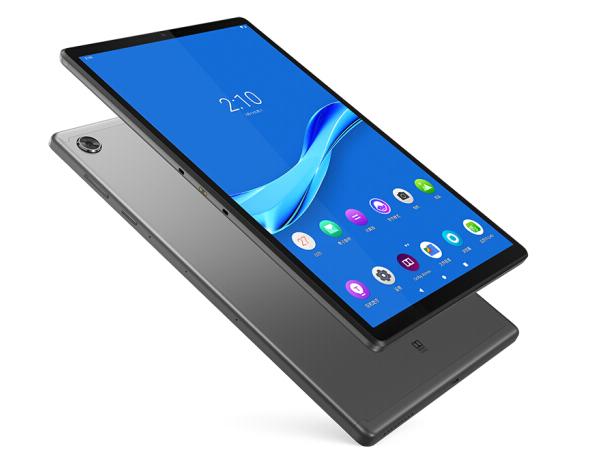
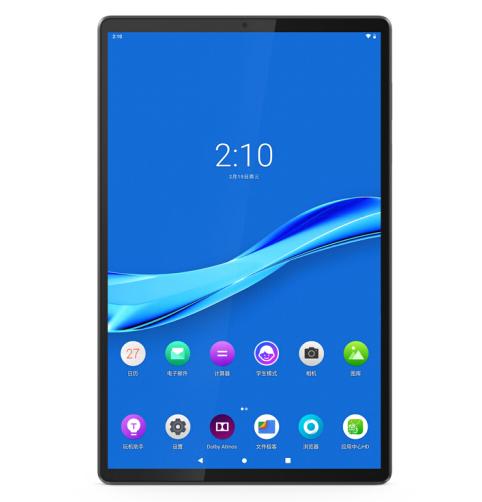
Lenovo has launched a new tablet in China. The tablet is dubbed Lenovo M10 Plus and is an offshoot of the Lenovo M10 tablet which was launched in December 2019. The M10 Plus is an entry-level tablet but the pricing doesn’t reflect that as it starts at 1599 yuan ($254).
The Lenovo M10 Plus tablet packs a 10.3-inch display with FHD resolution of 1920 x 1200 pixels. The display comes with a sizeable amount of bezels on all sides but the device has a screen ratio of 87% which isn’t bad for a 10-inch tablet. The display supports 10-point touch and is said to have TUV Rheinland certification. It equally comes with a child mode.
The tablet is powered by a MediaTek Helio P22T 64-bit, 12nm processor paired with 4GB of RAM while there are options of 64GB and 128GB storage. For interface, the tablet runs on Android 9.0 Pie operating system and we are not sure if that will even be upgraded to Android 10 in future.
In terms of the build, the tablet is touted to be very slim, with a thickness of 8.15mm and weight of 480 grams. That is because of the 7000mAh battery that is crammed inside. There are speakers on both sides of the tablet with support for Dolby Atmos sound effect.
The Lenovo M10 Plus tablet equally packs an 8MP front camera as well as a 13MP rear camera with autofocus, HD video shoot. The tablet comes with a Child mode which can protect the eyes of young children and prevent children from playing games for a long time.
The OnePlus 8 series is expected to launch next month. OnePlus has already begun accepting applications for its “The Lab” program which will see selected applicants get a review unit (that they get to keep) of the OnePlus 8 series before the launch.
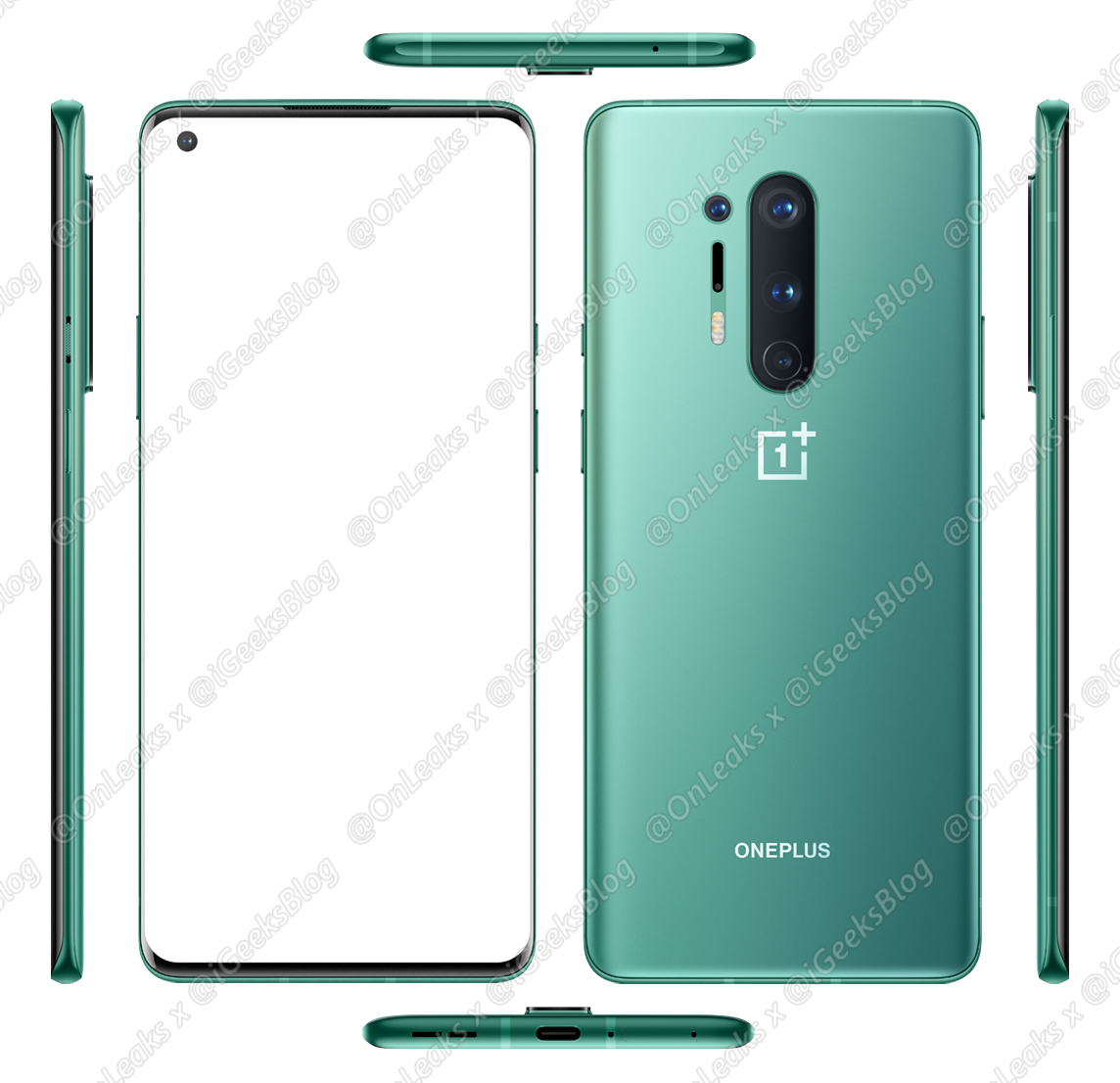
While we already know what the phones look like thanks to 3D renders and an alleged live photo leak of the OnePlus 8 Pro, a new leak has surfaced that reveals a new color variant of the flagship. The source of the leak is Steve Hemmerstoffer, best known as @OnLeaks on Twitter, and he has partnered with iGeeksBlog this time.
This image is said to be official press renders according to the source and it shows the green variant of the phone. This is a first for OnePlus and will likely be the favorite among buyers.
The OnePlus 8 Pro swaps the motorized pop-up selfie camera for one placed inside a punch hole. There is now a groove at the top of the device since there is no camera module sliding out. Above the display is a slit for the earpiece and one of the two stereo speakers.
OnePlus has kept the vertical camera design from the OnePlus 7 Pro and OnePlus 7T Pro. However, there is now a fourth camera sensor flanking the setup on the left. The laser focus module and redesigned LED flash are now positioned below the fourth camera sensor. The familiar OnePlus logo sits below the camera housing but the OnePlus name at the bottom is the new one which is written in uppercase.
The bottom of the OnePlus 8 Pro is home to the second speaker which is no longer a grille but two slits. The USB Type-C port is in the middle and there a microphone right next to it. The volume rocker is on the left while the power button and alert slider (which looks smaller by the way) are on the right.
The OnePlus 8 Pro will be powered by the Snapdragon 865 processor. It will have fast wireless charging and reverse wireless charging, a first for OnePlus phones.
A new report has just publicized an interesting correlation regarding a common household appliance and the strength of the Wi-Fi signals at homes. According to a UK based firm called Ofcom, if users are experiencing a dip in data network speeds, it could have been due to the microwave oven being in use.
The report states that the common kitchen appliance is capable of negatively impacting the strength of the Wi-Fi networks in houses when it is being used. Apparently, a Microwave oven is only one of the many household items that can potentially hamper Wi-Fi signals at your home. Other objects like a baby monitor, halogen lamp, cordless phones, dimmer switches, stereo speakers, TV, monitors and more can interfere with the Wi-Fi signal strengths that come from the router.
The news from Ofcom was shared after the number of people working from home and utilizing the broadband network increased due to the Coronavirus pandemic. According to an official statement, “we’re encouraging people to read our advice on getting the most from their broadband, home phones, and mobiles – and to share it with friends, families, and colleagues, to help them stay connected too.” In other words, this is a helpful initiative to make data speed efficient and optimal for professionals working from their homes.
An ad from a British Telecom Operator
This arrives after Britain is facing issues regarding its data networking, especially mobile data. The UK regulatory agency has advised people to make calls over a landline or internet as it is currently more reliable than the standard mobile calls due to heavy traffic in the data bandwidth. Even local telecom operators are providing Wi-Fi calling to aid the user’s cellular signals, which is too weak to handle a conversation.
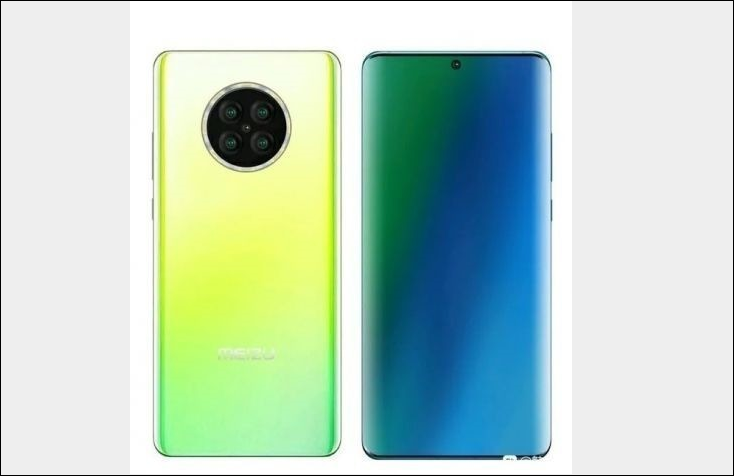
Earlier today (26th March 2020), the specifications and pricing for the latest flagship from Chinese smartphone manufacturer Meizu were leaked. The Meizu 17 will feature Qualcomm’s Snapdragon 865 SoC and will start from 3,999 Yuan (roughly 564 US Dollars).
According to the fresh leak, the Meizu 17 will sport a 6.5 inch OLED display with a high refresh rate of 90Hz. Under the hood, the device will house Qualcomm’s flagship Snapdragon 865 SoC alongside LPDDR5 RAM and UFS 3.0 storage. Its primary camera is a 64 megapixel sensor alongside a 20 megapixel wide angle and 12 megapixel telephoto lens.
The Meizu 17 is powered by a large 4,500mAh battery which supports 30W fast charging. Reportedly, the Meizu 17 will still be light and thin, with a body of 8mm and a weight of 185 grams, despite having such beefy specs and battery packs. Arriving at the pricing, the Meizu 17 will start from 3,999 Yuan for the 8GB RAM and 128GB of internal storage variant.
The 8GB RAM and 256GB of internal storage configuration will be sold for 4,299 Yuan (roughly 607 US Dollars) while the highest 12GB RAM and 256GB internal storage variant is priced at 4,699 Yuan (roughly 663 US Dollars). Unfortunately, this is still unconfirmed and we will have to wait for an official announcement from the company. More information is expected to arrive soon, so stay tuned for more coverage.
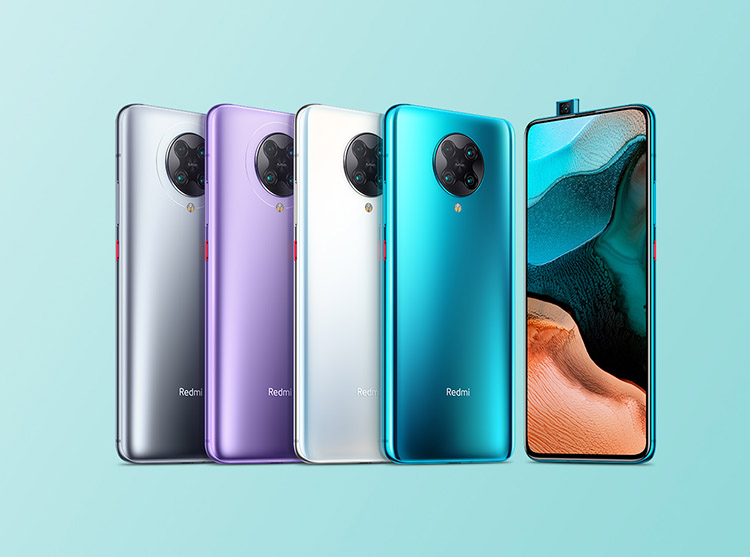
Redmi had just launched its highly anticipated flagship model, Redmi K30 Pro, earlier this week. The handset was the high end version of the base K30 and featured top notch specs at a lucrative price, similar to the Redmi K20 Pro. However, many were left disappointed after learning that the display was only a 60Hz panel, despite the base variant having a 120Hz display. But now, developers have bumped up the refresh rate to 80Hz via a software tweak.
Keep in mind this tweak is unofficial. In other words, users will void their warranties on their devices if they use this unofficial software tweak. For those unaware, a display can be slightly overclocked similar to a processor’s core frequency. However, this greatly reduces the life span of the panel and may eventually cause it to stop functioning optimally or break down entirely.
Furthermore, to actually be able to boost the Redmi K30 Pro’s refresh rate, one would have to root their device. A Redmi official has commented on this software tweak calling it unofficial and will cause warranties to be voided. He even stated that this requires a root and is risky, so users are advised against trying out the software. Previously, a few developers had also managed to overclock the screen of the Xiaomi Mi 9 to 80Hz as well, up from the official 60Hz.
Redmi K30 Pro
Redmi had opted out of a higher refresh rate panel for various reasons. The primary two being battery life and the choice between a high refresh rate or screen quality. The company chose the latter option and decided to include a better quality display over the base K30 but at 60Hz to preserve the battery performance of the smartphone. Hence, those that wish to still overclock their Redmi K30 Pro displays, should only do so knowing the risks of stability issues and voiding warranty.
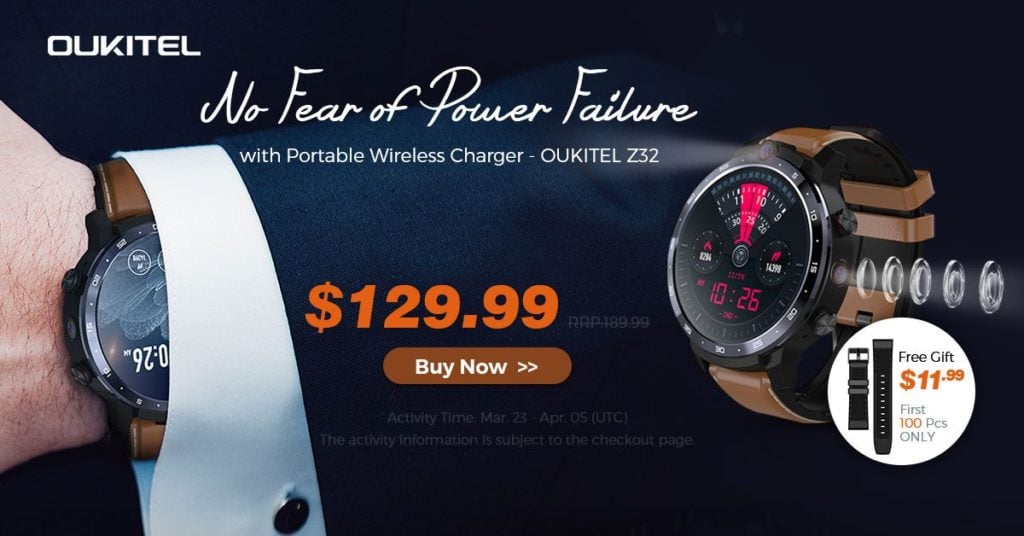
After excelling in the smartphone market, Oukitel is consistently improving on the smartwatches. The company is on the verge of launching the Oukitel Z32 smartwatch sporting several advanced features such as a bigger display and longer battery life. Like smartphones, smartwatches are becoming an important part of our everyday lives and is playing a pivotal role in handling day-to-day tasks. It is more convenient to move our wrists for important messaging and calls, rather than using a smartphone by taking it out from pockets. It becomes nearly impossible to miss any important notification on a wearable.
The presence of heart rate sensors, pedometer, and other useful sensors effectively takes care of our day-to-day health. The smartwatches are evolving and now the inbuilt camera and SIM compatibility have made the wearables fully independent. The Oukitel Z32 also possesses the same traits with 4G support, a portable wireless charger, and longer battery life. It is a perfect companion that can be used for personal, business or while traveling.
Oukitel Z32 Specs
The smartwatch carries a 1.6-inch LCD with an IPS panel and has a resolution of 400 x 400 pixels. There’s a 3GB RAM with 32 GB internal storage. Surprisingly, the users will get a dual-camera consisting of a 2-megapixel front camera and an 8-megapixel side camera. There’s a built-in 4G chip support that makes it fully independent of any support from a smartphone.
It is a fully waterproof and scratch resistance smartwatch with support of Google Voice assistant. The smartwatch is carved out of Metal and leather material for elongated resistance. In connectivity, Oukitel Z32 carries Bluetooth 4.0, GPS, Bluetooth 4 and much more.
In terms of software, it supports 9 sports modes including outdoor running, outdoor walking, indoor running, cycling, playing basketball, playing football, playing table tennis, playing badminton, and skipping. Moreover, there are other functions like exercise data analysis, heart rate measurement, message, multi-sports mode, and pedometer. The user can make a video call and can connect to the WiFi network.
Highlights of Outkitel Z32
Never Ending Battery Life
Oukitel Z32 smartwatch hosts a 900 mAh battery, which is the biggest in any smartwatch out there in this segment. Moreover, there’s an additional 900 mAh battery-powered wireless charger, that comes handy if you’re out for an adventurous activity for longer periods. The never-ending battery life will reduce the worries as the portable wireless charger also improves the battery backup.
Larger and Immersive display
Oukitel Z32’s large display is incredibly convenient while offering an immersive experience. It equips a 1.6-inch display sporting 400 x 400 pixels resolution for a maximum visual treat. The accidental touches are eliminated due to the design aesthetics of the panel.
Massive Storage
Oukitel Z32 smartwatch packs a 32 GB internal storage and 3 GB RAM. It is more than sufficient for smoother operations.
Dual Cameras
The smartwatch embeds dual cameras to facilitate video calling and recording features. There are a 2-megapixel front and an 8-megapixel side camera.
Beautiful watch faces
Various customizable features including different watch faces are present to give you a fresh look if you’re bored. The users can also design their own custom dials using personal photos easily via a simple procedure. There’s a whole lot of custom dials available for the watch.
Oukitel Z32 is an exciting and unique offering from the company. It is crafted with Ceramic Bezel while offering water-resistance and scratch resistance at the same time. Moreover, the leather and other premium elements make the watch perfect for business and formal occasions.
Oukitel Z32 Price
Oukitel Z32 smartwatch usually retails at the price of $189.99 via Gearbest but for the time being it is available at $129.99 offering 32% discounts. It is a perfect product for every user who wants to own a premium-looking smartwatch with different features. However, it is not limited to the athletes, every user can use it and can accomplish their task more easily.
There are multiple smartwatch choices available in the market, but it becomes harder to choose the best one out of the lot that offers the best value-for-money. Oukitel Z32 is one such smartwatch that can accomplish all your desires from a premium smartwatch.
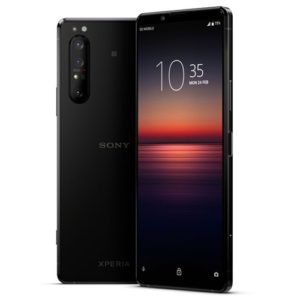
Sony announced the Xperia 1 II flagship premium smartphone late February in a pre-recorded video as part of its MWC 2020 presentation, which was called off due to coronavirus outbreak. But this smartphone is yet to hit the shelves and hence some of its specs are still unknown, apart from those shared by the company. But now, thanks to a new leak from Japan, we know more details about the phone’s cameras and storage.
1 of 2
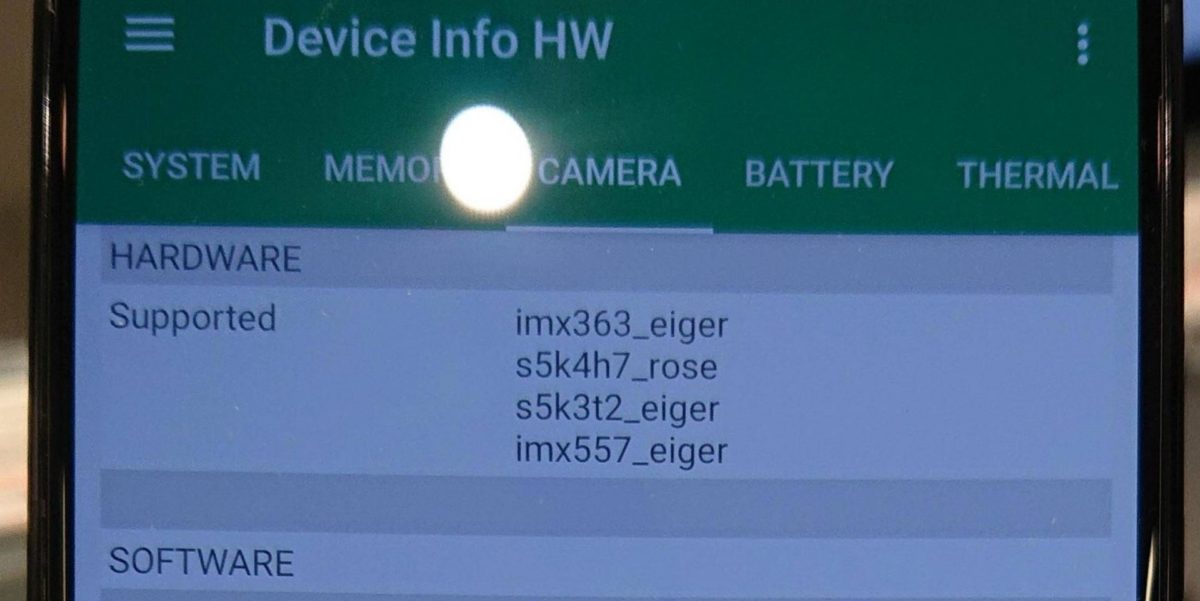
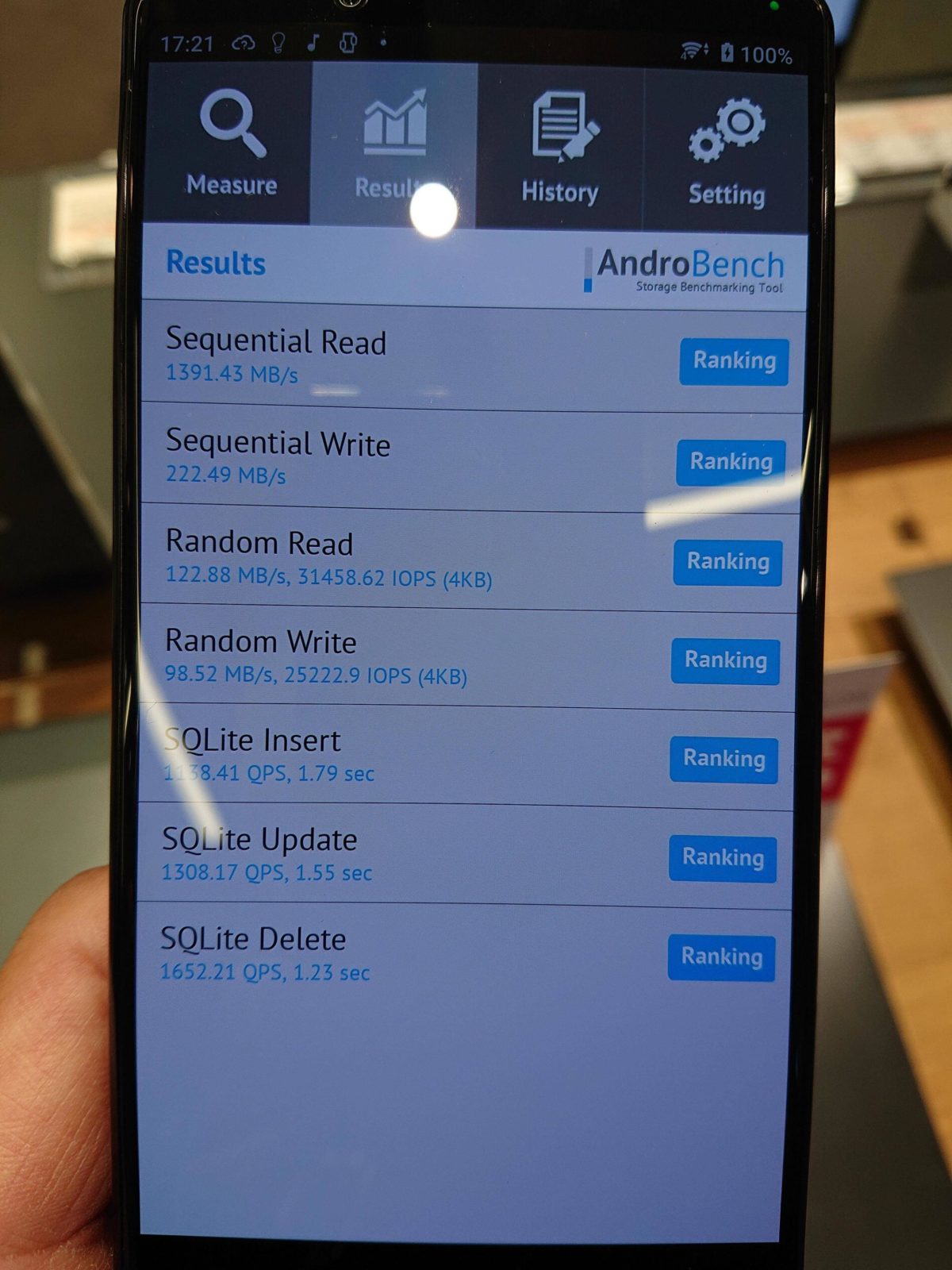
According to a couple of pictures from Japan, the new Sony Xperia 1 II smartphone features camera sensors by both Sony and Samsung and comes with UFS 3.0 storage. Almost all Sony premium smartphones have used the company’s own sensors but this time the Japanese Electronics giant has taken a different approach.
The first picture shows us the list of camera sensors included in the device. The primary camera of 12MP 24mm with f/1.7 aperture uses the Sony IMX557 sensor, which as per its model name could be an improved version of the Sony IMX555 sensor used by Samsung on its Galaxy S20 and Galaxy S20 Plus. Whereas, the 12MP 16mm ultra-wide camera with f/2.2 apertures uses the old tried and tested Sony IMX363 present on Google Pixel 4 and Pixel 3A series.
Further, the phone features a Samsung ISOCELL S5K3T2 sensor for its 12MP 70mm telephoto camera with f/2.4 aperture. Also, for the front 8MP 24mm f/2.0 selfie camera, the phone uses another Samsung made sensor with model number ISOCELL S5K4H7.
On the other hand, the second picture confirms Xperia 1 II to come with UFS 3.0 storage, which is slightly slower than the new UFS 3.1 storage standard. Although this does not make much difference, a premium smartphone is always expected to have the latest tech.
The organizers behind the MWC 2020 (Mobile World Congress) in Barcelona have come forward offering refunds or discounts to future events to the thousands of expected attendees and companies that had previously paid for the conference before its eventual cancelation.
For those unaware, the MWC is the world’s largest mobile technology conference. It brings big names from the industry to showcase their innovation or advancements and attract crowds in the thousands. Unfortunately, the event was canceled earlier this year due to fears of the Coronavirus outbreak. Look back at it now, the move was probably a smart decision to protect its organizers and attendees. However, the conference doesn’t operate for profit and had trouble issuing refunds, especially to OEMs that paid hefty sums for spots on the event.
This also marked the first time in 33 years that the event has to ever be scrapped. Many smartphone brands lost a major stage for their respective launch events and technological showcases. Similarly, tens of millions of dollars were also spent on the exhibition which had more or less been wasted, since advertising expenditure cannot be returned. Previously, it was reported that discounts were unlikely to be given out because of the losses incurred, but now it seems that fundings have been rerouted.
According to a statement from the organizer, GSMA will be offering a full refund on the ticket costs for the attendees. In other words, a 799 EUR ($865) basic admission pass will be sent to the many customers. For the large OEMs, however, the GSMA plans on incentivizing discounts on attending the event in future years as an alternative to refunding large sums outright. A few of the major brands have already expressed their desires to share the stage again next year, so the strategy might be effective for the trade body.
Big names can now receive a credit worth 125% of what they had initially invested in for the MWC 2020 in Barcelona. This sum can be be used to gain a 65% discount for next year and 35% and 25% in the subsequent years respectively. Additionally, GSMA has also offered a separate plan that will allow immediate refund claims for up to 50% of original spending, but only up to $178,000. Needless to say, its a strategy to actively include participation in next year’s event.
Huawei will be announcing its latest flagship, P40 series, later today (26th March 2020). It is the successor to the P30 series and sports top notch specs and features. However, just before the launch, the company’s promotional images and videos regarding the high end P40 Pro have been leaked.
Looking at the promotional images, the design of the Huawei P40 Pro resembles all the renders that we have previously covered. The rear features a quad camera solution while the front features a punch hole setup for the dual selfie shooters. The images depict a glass back for the Huawei P40 Pro, with the front being mostly covered by the display with minimal bezels, notch, and chin.
Although the official announcement is still a while away, previous leaks have hinted at the device’s possible specifications. The Huawei P40 Pro is expected to sport the company’s proprietary Kirin 990 5G SoC. It will be paired with at least 8GB of RAM and either 128 or 256GB of internal storage. Reportedly, the display will be a 6.58 inch AMOLED panel with a 90Hz high refresh rate.
Update: The video shared below has been making rounds online on Weibo. It showcases the Huawei P40 Pro’s ToF lens alongside its impressive 50x SuperSensing zoom technology. Furthermore, the video also showcases the device’s low light capabilities as well.
For optics, the P40 Pro may house a quad camera module with a primary lens alongside a ToF, ultra wide angle, and a dedicated telephoto zoom lens. The battery is said to be a large 4,200mAh pack with support for up to 40W fast charging. It will also support IP68 water and dust resistance and will ship with the latest EMUI 10.1 custom skin based on Android 10 OS. The official launch conference starts soon, so stay tuned.
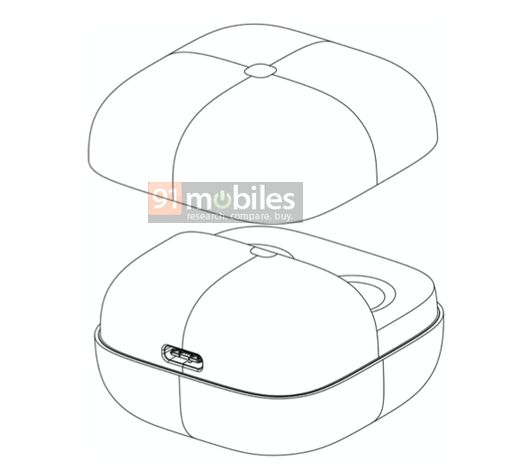
Lenovo is known for its computers but the Chinese company also makes other consumer electronics products like smartphones, audio devices, VR headsets, and more. Like any other big tech company, it also applies for patents on a regular basis. Now, a new design patent applied by the company (spotted by 91Mobiles), suggests it to be working on a new pair of TWS.
Lenovo TWS Design Patent
1 of 5
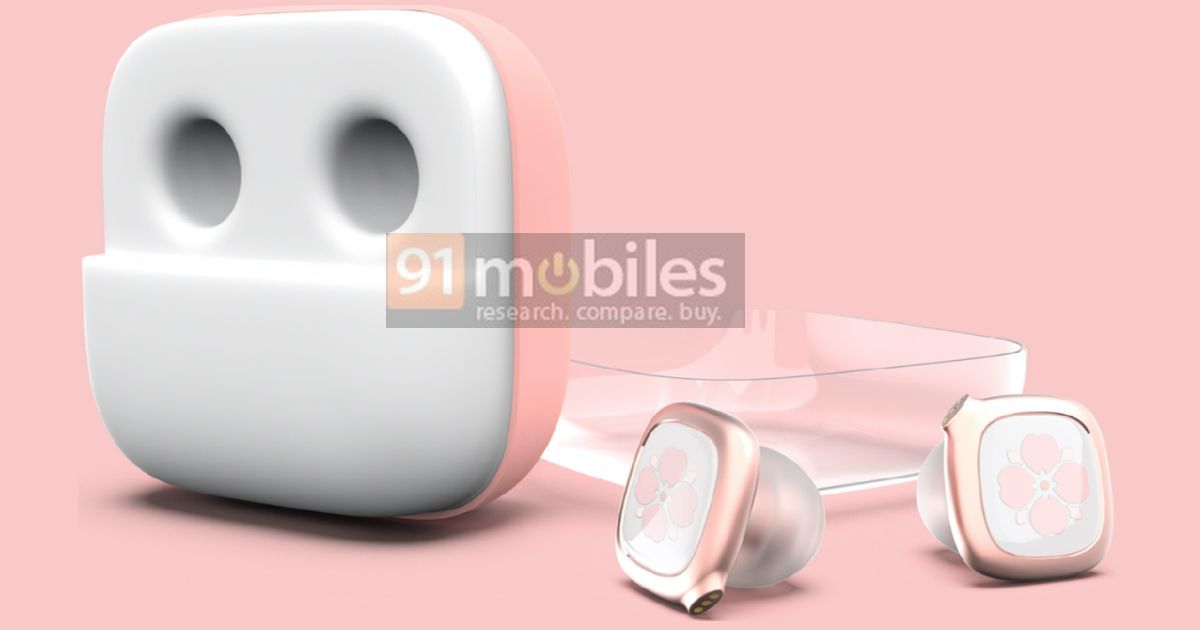
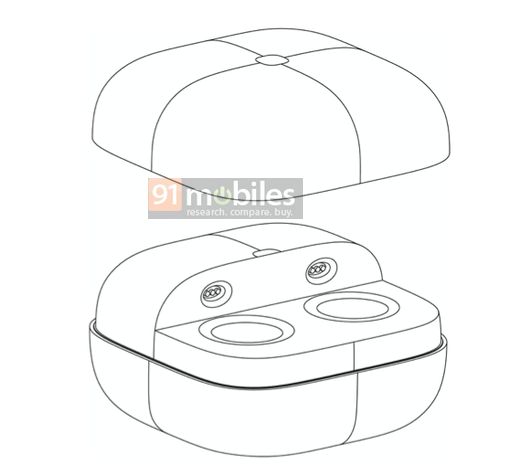
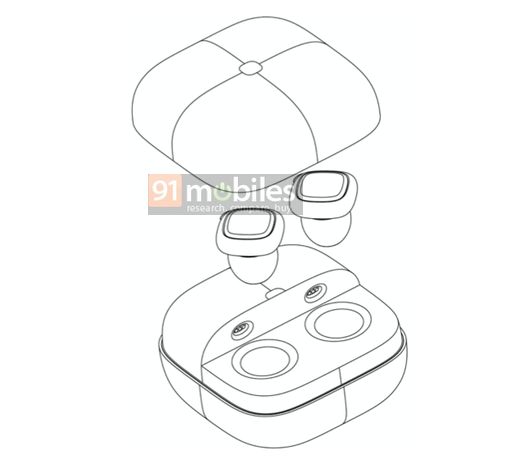
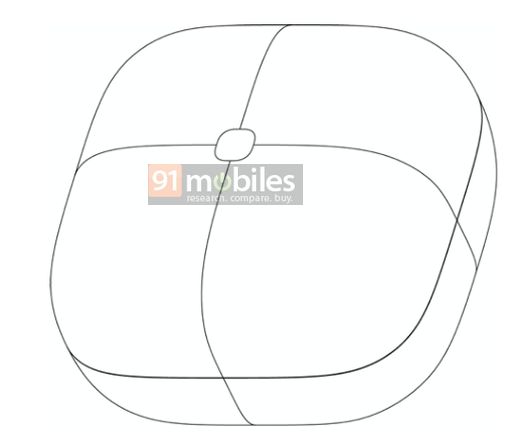
Lenovo has applied for a patent for the design of a new pair of TWS at the State Intellectual Property Office of the People’s Republic of China. This TWS design is unlike any other we have seen so far. The buds and the case are square in shape with curves at the sides and edges.
Further, one of the colored renders of the design shows it in a white and pink paint job with a flower pattern on what seems to be a touchpad for controls. This surface could be used to control music playback by a combination of gestures based on taps and swipes.
The buds have a pogo pin at the end of their edges to charge from the case when placed inside it. The case also resembles a flower with two separate cavities for the buds with pins to charge them at the sides. Last but not least, the case features a USB Type-C port to recharge its battery.
With all that being said, it is uncertain if Lenovo will ever launch a TWS with such design because companies file for a number of patents but not all come into fruition.
We use cookies on our website to give you the most relevant experience by remembering your preferences and repeat visits. By clicking “Accept”, you consent to the use of ALL the cookies.
This website uses cookies to improve your experience while you navigate through the website. Out of these, the cookies that are categorized as necessary are stored on your browser as they are essential for the working of basic functionalities of the website. We also use third-party cookies that help us analyze and understand how you use this website. These cookies will be stored in your browser only with your consent. You also have the option to opt-out of these cookies. But opting out of some of these cookies may affect your browsing experience.
Necessary cookies are absolutely essential for the website to function properly. This category only includes cookies that ensures basic functionalities and security features of the website. These cookies do not store any personal information.
Any cookies that may not be particularly necessary for the website to function and is used specifically to collect user personal data via analytics, ads, other embedded contents are termed as non-necessary cookies. It is mandatory to procure user consent prior to running these cookies on your website.