Huawei Technologies Co Ltd is but one of the many brands that have suffered due to the recent Coronavirus outbreak. Although the situation may finally be stabilizing soon as workers have returned and operations have resumed, the CEO of the company is still expecting a financial hit. Despite this, the company is working around the clock and is also expanding its research and development budget.
Huawei CEO and Founder, Ren Zhengfei in a recent interview with SCMP (South China Morning Post)
For those unaware, China was recently hit with the viral pandemic which had led the local government to shut down production lines, offices, and factories. This had affected various industries, especially the smartphone market which had most of its assembly lines in China. Huawei was one such brand and had complied with the government order as well. Now, the company is working around the clock, with thousands of employees running overtime hours.
According to Ren Zhengfei, CEO and Founder, Huawei is planning on boosting its research and development despite the slump in finances in early 2020. The plans will surge the R&D budget of the Chinese tech giant by $5.8 billion to more than $20 billion. Huwaei is also one of the largest telecom equipment providers and has been motivated to further develop new technology, not only for profit but to combat the current crisis.
Ren stated that “Over 20,000 scientists, experts, and engineers worked overtime during the Lunar New Year holiday because we’re racing to develop new [technologies].” In other words, while the sudden halt in a production put a pause on many OEMs, Huawei plans to work through the financial hit and improve upon its offerings. The company had initially resumed operations back in 3rd February 2020, earlier than most other brands after being labeled critical by the Chinese government. This has offered it a front foot over its competitors and lowered its downtime overall.
Huawei, the known electronics brand, is preparing for the launch of its latest flagship series, the Huawei P40. However, just a couple of hours prior to its official launch, the device has been spotted on Geekbench with 8GB of RAM.
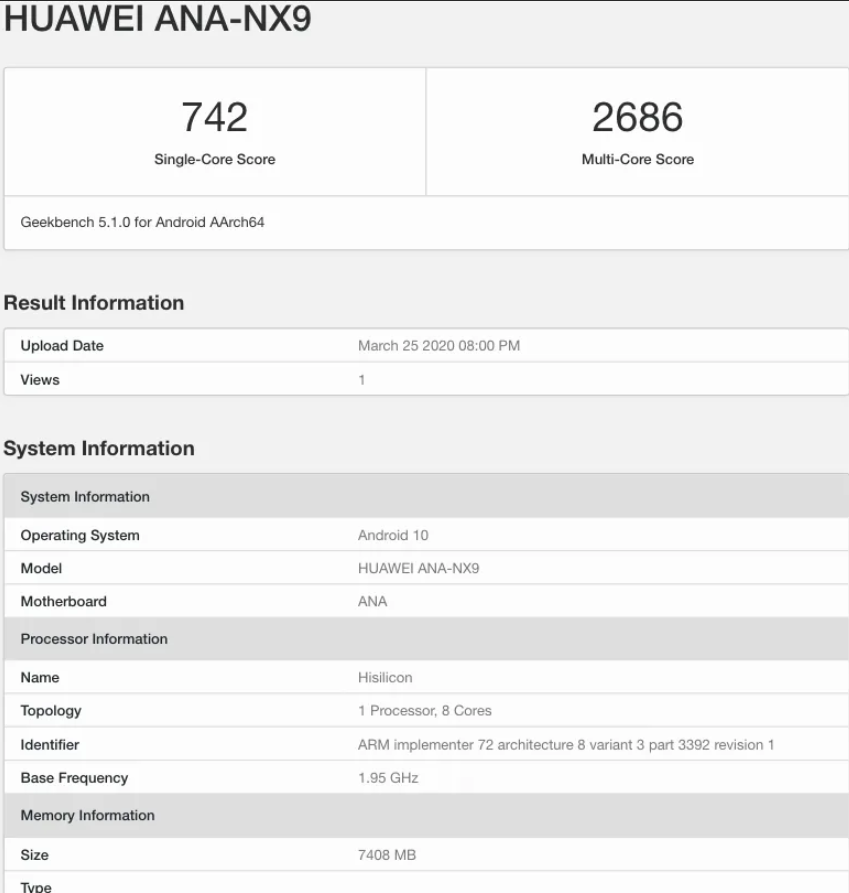
For those unaware, Geekbench is a popular benchmarking software, which is often used to test the capabilities of a smartphone. So, a new smartphone launch would generally garner tests to be showcased later during the official launch event. Earlier today (26th March 2020), the Huawei P40 was spotted on the Geekbench database and one of the things that were revealed was its memory among other things as well.
According to the Geekbench listing, Huawei P40 scored 742 points in the single core test while the multi core test had it receive 2686 points. The numbers were achieved on the latest Geekbench 5.1.0 build that also revealed the device will run the latest Android 10 OS out of the box. Under the hood, the handset will sport Huawei’s proprietary processor, the Kirin 990 5G SoC. 8GB of RAM has also been confirmed to be one of the configurations.
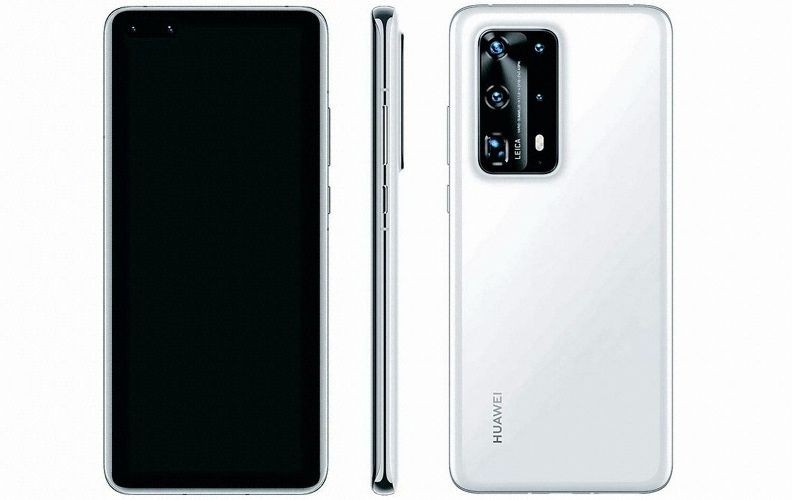
Huawei P40 Renders
Unfortunately, finer details like the battery and storage capacity are still unknown. Although, previous certifications have already revealed plenty of information; such as P40 supporting 22.5W fast charging while the P40 Pro features a 40W fast charging, according to China’s 3C certification. For optics, it is expected to feature a triple camera setup on the rear and a punch hole camera on the front. This will include the primary sensor, ultra wide angle and ToF lens as well. All in all a great flagship to look forward to, so stay tuned for the launch even later today, which we will be covering.
Recently, Redmi launched the K30 Pro flagship smartphone in China. Now, as per new findings by a member of XDA Developers, it might launch under POCO brand in India. Maybe, it could debut as the long-awaited POCO F2, a spiritual successor to POCO F1, which was the sensational smartphone of 2018.
An XDA junior member, going by the name kacskrz, found some intriguing codes in the camera app of the latest MIUI 11 beta build. While fiddling with certain new methods in the MIUI Camera code, he found out the existence of Redmi K30 Pro for India with a codename ‘Imiin’.
In case you are not aware of, ‘Imi’ is the codename of original K30 Pro sold in China. Since almost all the devices sold by Xiaomi in India have codenames suffixed by ‘in’, it is certain that K30 Pro is indeed coming to India.
Further digging into the MIUI Camera code, the member also observed an interesting string for camera watermark which read ‘SHOT ON POCO PHONE’. This finding clearly suggests the newly launched Redmi K30 Pro will be unveiled under POCO branding in India. But, it is not sure whether it will be called POCO F2 or something else altogether as the original POCO F1 was not a rebadged device, to begin with.
However, soon after becoming an independent brand earlier this year, POCO’s first smartphone was POCO X2, a rebadged Redmi K30 4G for India. So, it is possible that we might not see any original device from the newly formed brand for at least a year or so.
As announced earlier this month, Huawei will be unveiling its P40 series of premium smartphones at an online-only launch event today, Thursday, March 26. Initially, like every year, these phones were scheduled to be unveiled in Paris but due to coronavirus outbreak, the launch was moved to an online live stream.
That being said, if you are interested in experiencing the launch, then this post will guide you on when and where to watch the Huawei P40 series launch online.
The first question that comes into everyone’s mind is ‘When is the Huawei P40 series launch?’ Since it is a global launch, interested people around the world can witness it by tuning into the live stream at their local times. To help you put, we have listed-below the exact time of the Huawei P40 series launch for different time zones.
Huawei P40 Series launch is slated for Thursday, March 26, 2020, at the following times.
China
21:00 CST
Europe
14:00 CET
United Kingdom
13:00 GMT
India
18:30 IST
East Coast USA
08:00 EDT
West Coast USA
05:00 PDT
Now, the second question that arises is ‘Where / How to watch the Huawei P40 series launch?’ The answer to this question is simpler than timing. The company will be live streaming the launch on multiple social media platforms and even on its official website.
As YouTubeand Facebookare the most common medium to watch videos, we have embedded Huawei’s official live stream on these platforms below, which will begin as per the timings listed above. For other platforms, click on the respective links mentioned below.
Watch Huawei P40 Series Launch on YouTube
Watch Huawei P40 Series Launch on Facebook
Step into a new era of smartphone photography with #Huawei – live at 14:00 CET Thursday March 26th #VisionaryPhotography #HUAWEIP40
The Huawei P40 series of smartphones will be made official later today. The lineup includes Huawei P40, Huawei P40 Pro and another device called Huawei P40 Pro Plus (or Pro+) 5G. The latter was previously rumored to debut as Huawei P40 Pro Premium. The P40 Pro+ 5G will be an advanced version of the P40 Pro smartphone. Reliable tipster Roland Quandt has shared some key details on the Huawei P40 Pro+ few hours ahead of the launch.
The new leak reveals that the Huawei P40 Pro Plus 5G will be powered by the Kirin 990 5G chipset which also powers the P40 and P40 Pro. The P40 Pro+ will be the company’s first smartphone to arrive with a 120Hz refresh rate supporting display. The size of the screen will 6.58 inches. The P40 also features the same-sized screen but carries support for 90Hz refresh rate. Both phones are said to arrive with same dimensions.
The P40 Pro has 8 GB of RAM, but its Plus variant is expected to arrive with 12 GB of RAM. The penta-lens setup of the phone is expected to house two telephoto lenses that will bring support for up to 10x optical zoom. The P40 Pro has a 4,200mAh battery. Its Plus edition is said to house the same battery. The Pro model supports 40W SuperCharge, but its advanced version will be arriving with faster charging.
Quandt had recently revealed that the Huawei P40 with 8 GB RAM + 128 GB storage will be priced at 799 euros (~$871). The 8 GB RAM + 128 GB storage and 8 GB RAM + 256 GB storage will be respectively priced at 999 euros (~$1,089) and 1,099 euros (~$1,199). There is no word on the pricing of the Huawei P40 Pro+ 5G.
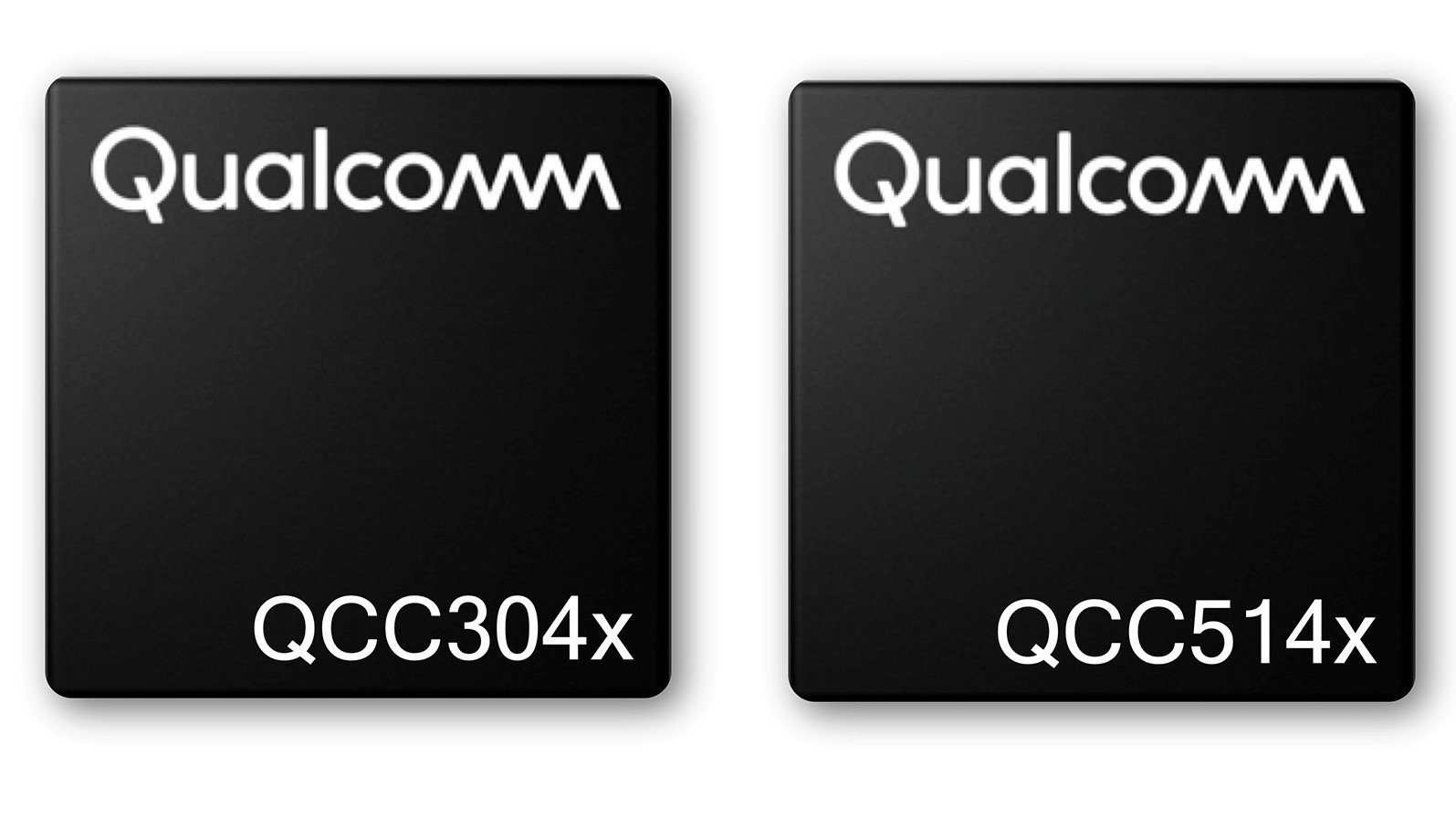
Qualcomm, which is dominating the mobile chipsets market, has now announced two new chipsets for the true wireless earbuds — Qualcomm QCC514x and Qualcomm QCC304x which promises to bring premium features.
Both these new chipsets support Qualcomm’s TrueWireless Mirroring technology for more reliable connections and also comes integrated with dedicated hardware for Qualcomm’s hybrid active noise cancellation.
Qualcomm’s TrueWireless Mirroring handles connections to a phone through a single earbud, which is then mirrored to the other earbud, cutting down the amount of sync needed for a more reliable connection.
Another major feature on the chipsets is the company’s “hybrid ANC,” which promises integrated noise-cancellation technology. This enables even cheaper earbuds to offer active noise cancellation as well as “leak-through” for outside noise, which seems similar to transparency modes on regular noise-canceling headphones.
While the Qualcomm QCC514X lineup offers support for Always-on voice assistant activation, the QCC304X series chipsets rely on push-button activation for AI assistants. The company says that the new chips are more power efficient and is also promising better battery life.
As Qualcomm is making premium features like voice assistants and ANC standard for even entry-level headphones which this new chipsets, we expect to see more true wireless earbuds to come with such features even in the entry-line offerings and won’t be limited to high-end premium models like Apple AirPods Pro.
The company is planning to start shipments for this new chipsets to manufactures from next month and Qualcomm says that it expects to see new products based on these SoCs to arrive in the market in Q2 2020.
Realme is expanding its product lineup in India. The Chinese manufacturer recently unveiled the Realme Band fitness tracker. The company is also expected to soon launch its first smart TV in the country. During the latest edition of #AskMadhav episode on YouTube, Sheth was seen wearing the upcoming Realme smartwatch. He revealed that it will be made official soon in India.
The Realme smartwatch’s official product name is under the wraps. Parent firm OPPO has dubbed its smartwatch as OPPO Watch. It remains to be seen whether the Realme smartwatch will debut as Realme Watch or with some other moniker. The device features a square-shaped dial like the Apple Watch, and it has a black colored strap. Sheth did not share any details on the specs of the upcoming Realme Watch.
What else is coming? The Realme 6 Pro smartphone that was announced earlier this month comes in Lightning Blue and Lightning Orange colors. Sheth revealed that the company will soon announcing Lightning Purple color variant for the Realme 6 Pro. In the video, an unannounced white colored version of the device can be also seen.
The Chinese firm is also gearing up to introduce Bluetooth speakers in the Indian markets. More details on the device is expected to surface in the near future and it is expected to go official with Realme TV. The company will be soon rolling out new watch faces for the Realme Band. A fix for the call notification bug is now available for its users through the latest update on Google Play Store.
The Realme 6 Pro has some exclusive features like slow-motion video shooting and UIS will be coming to Realme 6 users in the next month. Other camera features such as Nightscape 3.0 and Tripod mode won’t be coming to any of the existing phones from the company.
Huawei’s sub-brand Honor is reportedly gearing up to launch its all-new Honor 30 series of smartphones. As the launch nears, more and more details related to the upcoming devices keep surfacing online.
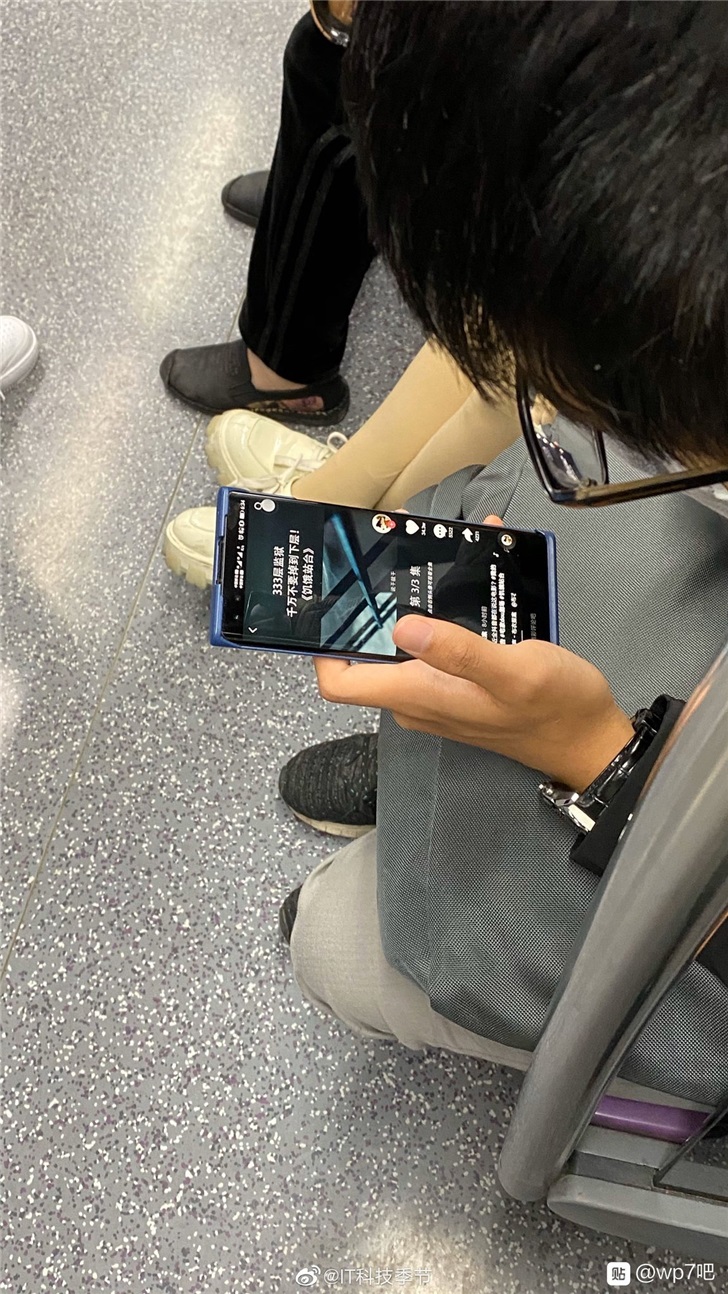
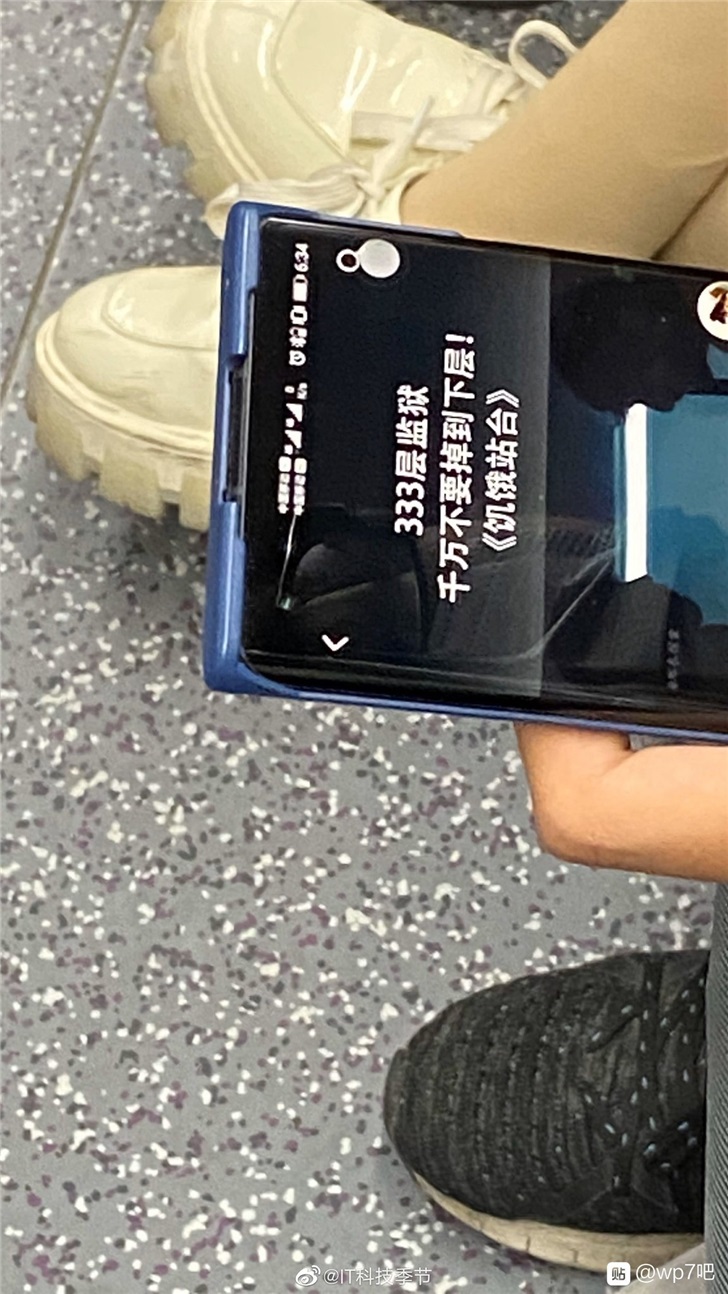
In the latest development, the Honor 30 Pro smartphone’s live images have leaked online. The phone was spotted being used by someone while travelling through subway. It seems that whoever was using the smartphone was testing the device.
The leaked images show that the Honor 30 Pro will come with a full-screen design with curved edges around the screen and larger curvature. The device will come with a pill-shared punch-hole cutout for housing two front-facing cameras.
While the images are said to be of the Honor 30 Pro, the design seems quite similar to that of the upcoming Huawei P40 Pro, which is set to go official tomorrow, i.e. 26th March through an online virtual conference.
As per the reports, the Honor 30 Pro is expected to come powered by the Kirin 990 flagship chipset and will have support for 5G connectivity. It is said that while Honor 30 and 30 Pro will have Kirin 990 SoC, the Lite variant will be powered by Kirin 820 5G chipset.
Currently, not much information is available on the specifications of the Honor 30 series. It is likely that the Honor 30 may come with up to 90Hz refresh rate screen to improve the overall gaming experience. Like the predecessor Honor 20 and Honor 20 Pro, their successor is expected to offer stellar photography experience.
While Honor has not yet announced a launch date, reports indicate that the launch will happen in April this year. If that’s the case, then the company should be officially announcing the launch date in a couple of weeks.
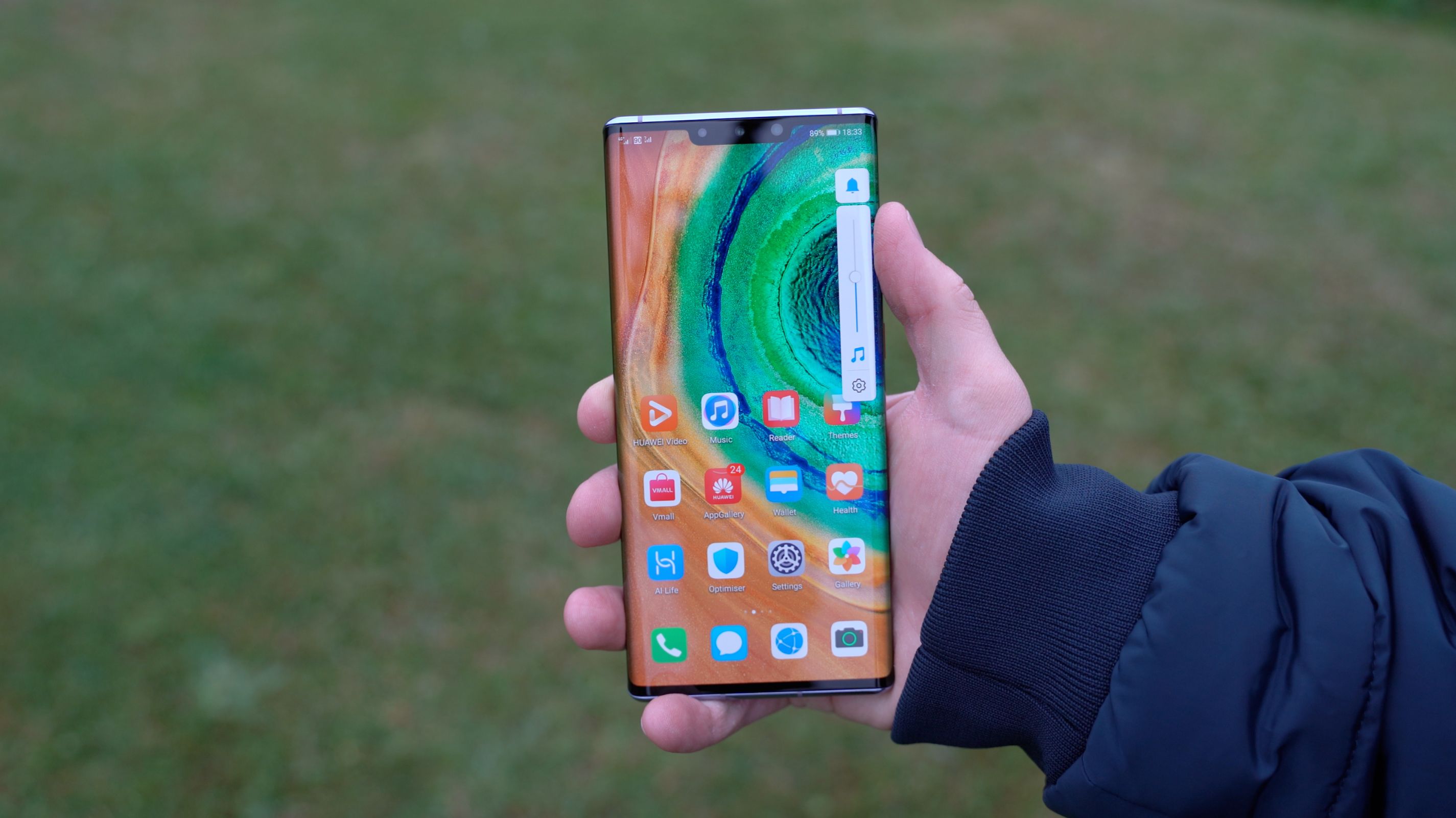
Wang Chenglu, President of Huawei Consumer BG Software Department, has introduced a new feature in EMUI for select Honor and Huawei smartphones — Smart Charging Mode which is meant to protect battery health of the device.
The company’s executive says that smartphones are powered by lithium batteries and have varying degrees of ageing and battery capacity degradation. If it is used improperly, the battery ageing process can be accelerated.
He claims this as a reason for launching this new feature in EMUI called Smart Charging Mode which effectively deduces the battery ageing and extends the battery life through reasonable management and usage.
What the feature does is that it learns the user’s charging habits through the built-in AI in the device and then slows down the battery charging as it reaches 100 percent, effectively preventing the battery from being idle at fully charged state for a longer time.
The Smart Charging Mode will stop the charging of the smartphone after it reaches 80 percent to protect the battery from ageing during overnight charging. So, if you need to charge the device beyond that, simply turn off the feature from the settings and once the device is fully charged, you can turn the feature on again.
Once you get this new EMUI feature, you can easily manage it by going to Settings > Battery > More battery settings > Smart charging mode. Currently, the feature is being made available in Huawei Mate 30 and Honor V30 series and could be rolled out to other devices in the near future.
Recently, a couple of weeks ago, OPPO launched its flagship smartphones — Find X2 and Find X2 Pro with premium features and pricing. Now, the company is all set to launch a lighter variant of the same, dubbed as OPPO Find X2 Lite.
We have now come acoss a render of the Find X2 Lite smartphone, showcasing the phone’s design. While the leak shows the design, the specifications of the device remains unknown, which will definitely be toned-down compared to the standard model.
The render leak shows that the smartphone has a small waterdrop notch on top of the display. On the back side, the device will have a quad-camera setup with sensors aligned vertically and placed in the top-left corner.
This is interesting given that the Find X2 and X2 Pro features a triple camera setup on the back side. The upcoming Lite model will also come with a video stabilisation mode found on other devices from the company. We expect to know more about this phone in the coming days or weeks.
The OPPO Find X2 duo feature 6.7-inch AMOLED panels with 1440 x 3168 pixels resolution support. The punch-hole display carry support for up to 120Hz refresh rate and 240Hz sampling rate. The Snapdragon 865 mobile platform powers the Find X2 series with up to 12 GB of LPDDR5 RAM. Both phones offer up to 512 GB of UFS 3.0 storage.
The Find X2 has a 48-emgapixel + 13-megapixel + 12-megapixel triple camera setup while the Pro variant possesses 48-emgapixel + 13-meapixel + 48-megapixel triple cameras. Both the phones feature 32-megapixel front-facing cameras. The Find X2 has a 4,200mAh battery while the Find X2 Pro features a slightly large 4,260mAh battery and the series support 65W SuperVOOC 2.0.
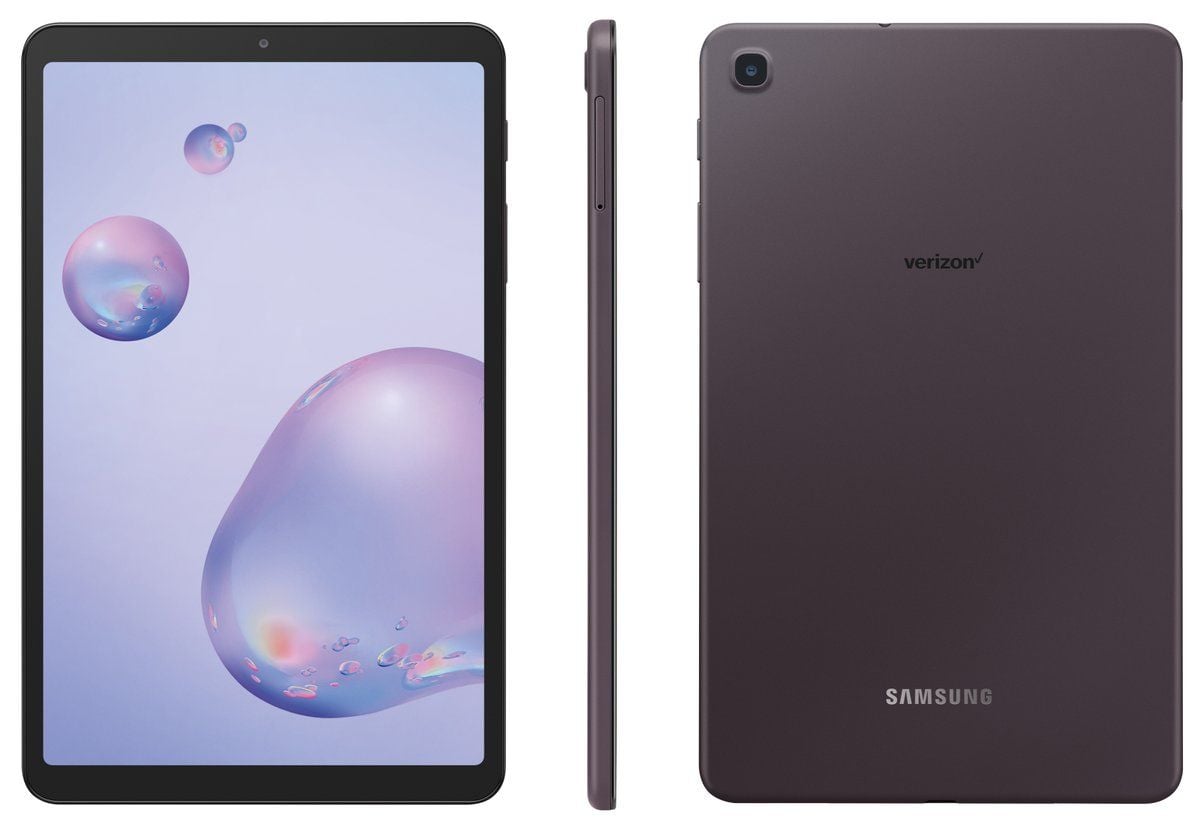
The Samsung Galaxy Tab A 8.4 (2020) tablet has gone official in the U.S. It is a budget-friendly device that promises a battery life of around 10 hours. The tablet is priced at $279 and comes with a discount for new users of Samsung Kids app. The tablet comes with couple of upgraded features compared to the predecessor model.
Samsung Galaxy Tab A 8.4 (2020) specifications
The Galaxy Tab A 8.4 (2020) has an 8.4-inch LCD panel that produces 1920 x 1200 pixels resolution. The predecessor Galaxy Tab A 8.0 (2019) had an 8-inch screen which offered lower resolution of 1280 x 800 pixels.
The Snapdragon 429 quad-core chipset powered the last year’s model. Its 2020 edition comes with Exynos 7904 SoC that includes a 1.8GHz octa-core processor. The SoC is coupled with 3 GB of RAM. The device offers users with a microSD card slot and a native storage of 32 GB.
The Galaxy Tab 8.4 (2020) comes with Android 9 Pie OS and One UI interface. It draws power from 5,000mAh battery which is 100mAh smaller than the previous generation. The Galaxy Tab A 8.4 (2020) features an 8-megapixel rear camera and a 5-megapixel front camera. The predecessor model had a 2-megapixel front camera. The new tablet is equipped with some other features like 3.5mm audio jack, Dolby Atmos powered dual speakers, USB-C, Wi-Fi and Bluetooth 5.0.
The Galaxy Tab A 8.4 comes in Wi-Fi only and LTE versions. The device comes with 30-day trial version of Samsung Kids Plus app which contains educational content for children. When the trial edition expires, new users of the Samsung Kids Plus app can take advantage of $7.59 discount. The Verizon edition of the tablet will available through Samsung’s official online store. The tablet will also sell through AT&T, Sprint and T-Mobile. It comes in Mocha color.
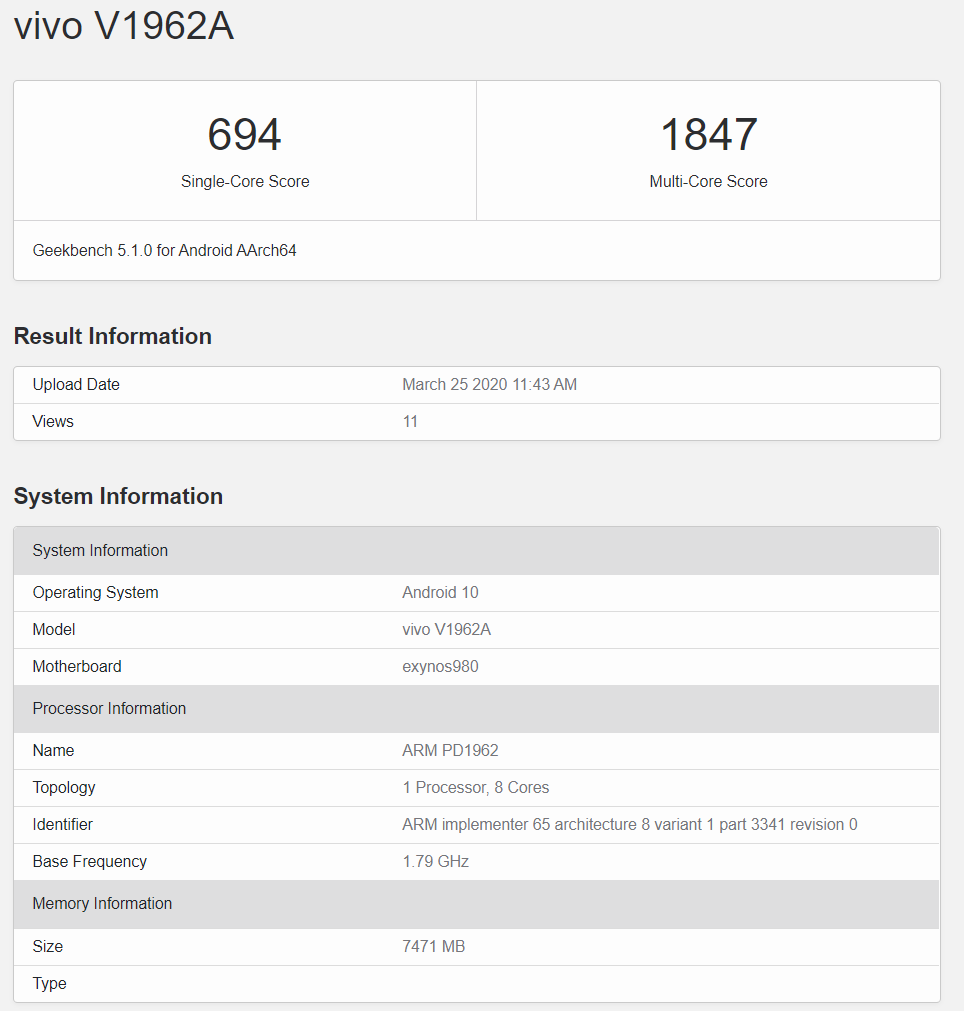
Vivo will be unveiling the Vivo S6 5G smartphone on March 31. While the specifications and design of the phone appeared in recent reports, there was no confirmation on the name of the processor that powers it. The handset has appeared on Geekbench through which it has been revealed that it is fueled by the Exynos 980 5G-capable SoC.
The TENAA listing of the Vivo S6 5G smartphone only revealed that it features 2.2GHz octa-core processor. The Geekbench 5 appearance of the phone states that it is powered by Exynos 980 chipset that offers a base frequency of 1.79GHz. The SoC is coupled with 8 GB of RAM and the device is preinstalled with Android 10 OS. On Geekbench 5’s single-core test, the handset scored 594 points. It recorded a score of 1847 in the multi-core test.
The Vivo S6 5G will be the third phone from the manufacturer to feature the Samsung chipset. The Vivo X30 Pro and Vivo X30 phones that were announced in December 2019 were also driven by the same processor.
The Exynos 980 is a direct rival for Qualcomm’s Snapdragon 765G which fuels the Vivo Z6 5G phone that went official in the previous month. The Samsung chip has seemingly outscored the SD765G since the latter is known for scoring around 400-500 points in the single-core test. Both chipsets are known for scoring 1,800 mark on the multi-core test of the benchmarking platform.
Vivo S6 5G specifications
The Vivo S6 5G has a 6.44-inch S-AMOLED full HD+ waterdrop notch screen. The phone will come in 6 GB and 8 GB RAM editions and storage options such as 128 GB and 256 GB in the home market.
It will have a 32-megapixel front camera and a 48-megapixel + 8-megapixel + 2-megapixel + 2-megapixel quad camera setup on its back. The device will be driven by 4,390mAh minimum rated battery. The handset is expected to come with 18W fast charge support. It will also feature an under-screen fingerprint reader.
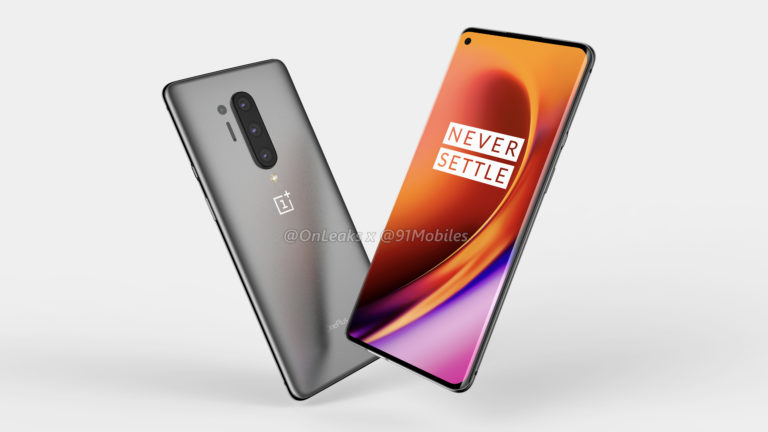
OnePlus will be launching the OnePlus 8 series in the coming month. Some reports had claimed that the OnePlus 8 and OnePlus 8 Pro may go official by mid-April. However, some contradictory information claim that the Chinese firm may postpone the launch to the end of April due to the COVID-19 outbreak. The specifications of the OnePlus 8 duo have surfaced in bits and pieces from multiples sources in the recent reports. Few hours ago, reliable tipster Ishan Agarwal shared the specs sheet the upcoming OnePlus 8 and 8 Pro phones.
OnePlus 8 Pro specifications (Rumored)
The new leak states that the OnePlus 8 Pro will be coming with a 6.78-inch quad HD+ resolution supporting screen. The S-AMOLED display will carry support for a refresh rate of 120Hz. The CAD renders of the phone that had appeared few months ago had revealed that the phone will be sporting a curved display with a punch-hole for the 16-megapixel selfie snapper. The back panel of the device will feature 48-megapixel + 48-megapixel + 8-megapixel + 5-megapixel quad camera setup.
OnePlus 8 Pro render
The OnePlus 8 Pro will be fueled by the Snapdragon 865 mobile platform. It will come in 8 GB and 12 GB LPDDR5 RAM versions and UFS 3.0 storage options of 128 GB and 256 GB. The handset will draw power from a 4,510mAh battery that will be equipped with 30W Warp Charge 30T, 30W wireless fast charging and 3W reverse wireless charging. It will be an IP68 68 rated dustproof and water-resistant device and it will come in color options like blue, black and green.
The OnePlus 8 will be coming with a slightly smaller 6.55-inch full HD+ resolution supporting S-AMOLED display with 90Hz refresh. It will be flaunting a flat screen with a punch-hole design. It will also feature a 16-megapixel sensor for shooting selfies. The rear side of the phone will have a 48-megapixel + 16-megapixel + 2-megapixel triple camera system.
OnePlus 8 render
The SD865 powered OnePlus 8 will come in 8 GB and 12 GB LPDDR4X RAM versions. It will sell in UFS 3.0 options like 128 GB and 256 GB. The device will be backed by a 4,300mAh capacity battery. The handset will only support 30W Warp Charge 30T. It won’t carry an IP rating. Glow, black and green are the three color variants of the OnePlus 8. There is no word on the pricing of the OnePlus 8 and 8 Pro smartphones.
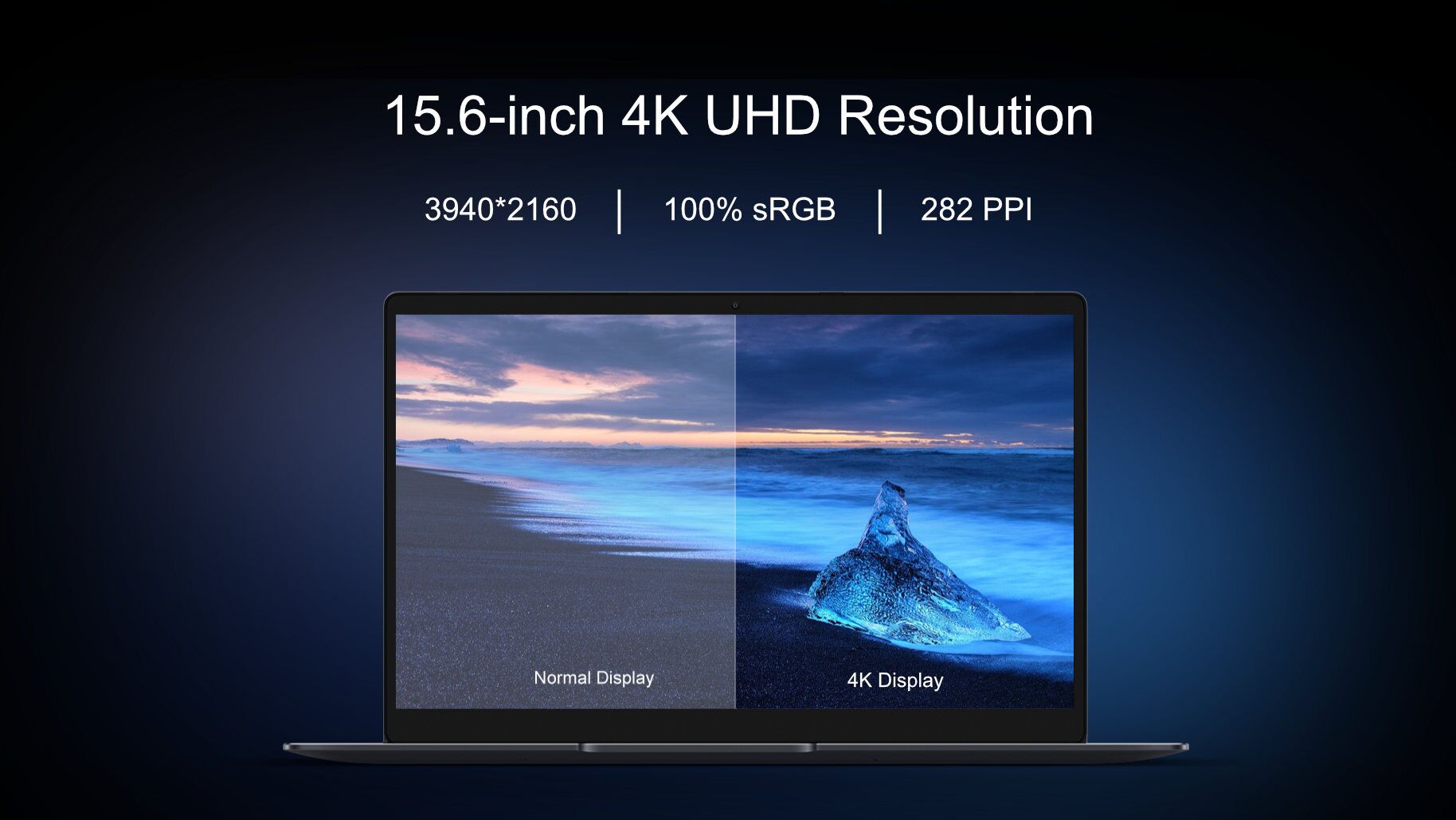
As announced a few days ago, Chuwi AeroBookPro has finally surfaced on the IndieGoGo. The laptop features a 15.6-inch 4K UHD display and is powered with an Intel i5-6287U processor. There’s an 8GB DDR4 RAM and 256 GB SSD that enhances the device performance. The interested users can grab the laptop for $499 via IndieGogo campaign.
Precisely, Chuwi AeroBook Pro is an energy-efficient and loaded performance machine packed with an Intel i5 6287U processor with 3.5GHz clocking speed. The device is capable of diligently supporting the graphics-intensive work or multimedia editing work. Moreover, the 4K Ulta HD display further improves the viewing experience while maintaining the quality. The panel supports 10-bit HDR content along with a 100% sRGB color gamut. Overall, the display features 282PPI of pixel density and achieves maximum brightness of 340 nits.
The laptop carries 256 GB SSD comes via SATA port, meanwhile, the M.2PCIe SSD port remains empty.
Nevertheless, the Chuwi AeroBoook Pro runs on Windows 10 Home and its 60Wh battery offers 8 hours of video playback.
It is among the best Hackintosh laptop available right now in the market. The full-metal design and powerful hardware onboard don’t make it unaffordable. It is available right now from Indiegogo at a cost-effective price of $499 ($100 discount is inclusive of the usual price). More information about the device can be accessed over here.
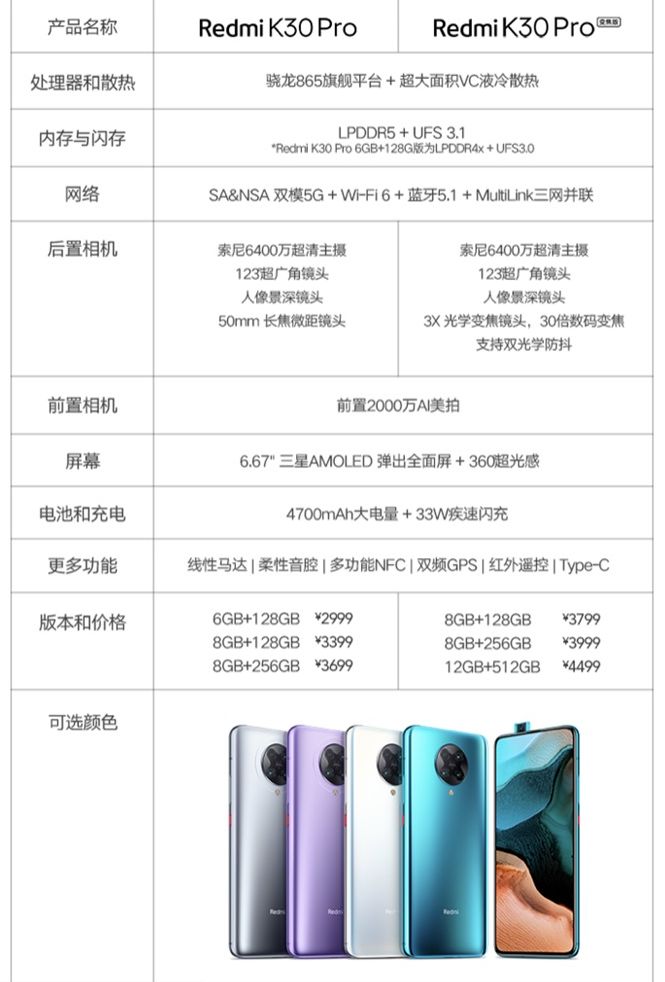
On Tuesday, Redmi announced the Redmi K30 Pro and Redmi K30 Pro Zoom Edition smartphones in China. Both handsets are now up for pre-orders and will be available for purchase in the home market from March 27. The Chinese firm had announced the Zoom Edition in two models. A new third variant has been spotted on the JD.com listing of the smartphone.
At the unveil event, Redmi confirmed that the 8 GB RAM + 128 GB storage and 8 GB RAM + 256 GB storage version of the Redmi K30 Pro Zoom Edition phone are priced at 3,799 Yuan (~$534) and 3,999 Yuan (~$562). Xiaomi’s store listing of the K30 Pro Zoom Edition on JD.com reveals a higher model with 12 GB of RAM + 512 GB storage. It is priced at 4,499 Yuan (~$634). The new variant is not yet available for buying. Probably, it will be listed for purchase sometime later.
Also, the standard Redmi K30 Pro smartphone was announced in three versions such as 6 GB RAM + 128 GB storage, 8 GB RAM + 128 GB storage and 8 GB RAM + 256 GB storage. They are priced at 2,999 Yuan (~$421), 3,399 Yuan (~$478) and 3,699 Yuan (~$520). Only the first two versions of the phone are listed for purchase on the official Xiaomi Mall website. The 8 GB RAM + 256 GB storage edition of the K30 Pro will go on sale in the coming month. Currently, the K30 Pro is the cheapest Snapdragon 865 mobile platform powered phone in the world.
The Redmi K30 Pro and K30 Pro Zoom Edition smartphones comes in four colors such as Moonlight White, Sky Blue, Purple and Space Gray. The Chinese firm is also selling custom cases in partnership with Keith Haring Foundation for the K30 Pro duo. Each case can be bought for 49 Yuan (~$7).
During the launch of the Galaxy S20 series in February, Samsung also announced new TWS earbuds called the Galaxy Buds+. The new earbuds boast nearly double the battery life of last year’s Galaxy Buds without a change in the dimensions. Want to know how Samsung was able to pull it off?
Galaxy Buds+ Thom Browne Edition – same dimensions as the Galaxy Buds but with almost double the battery life
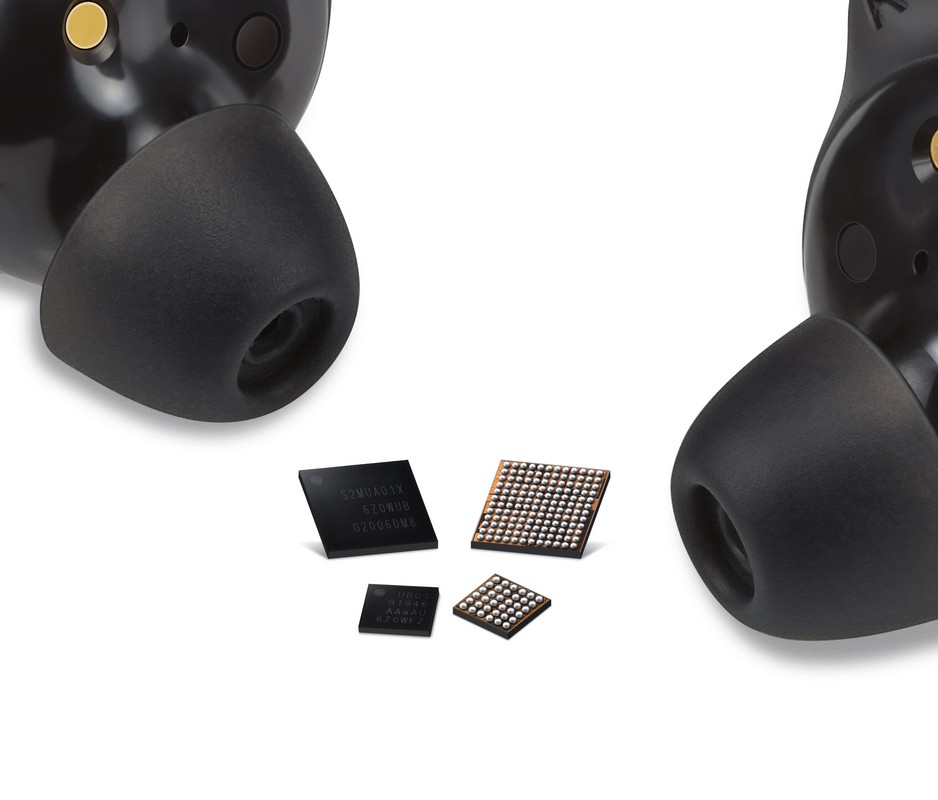
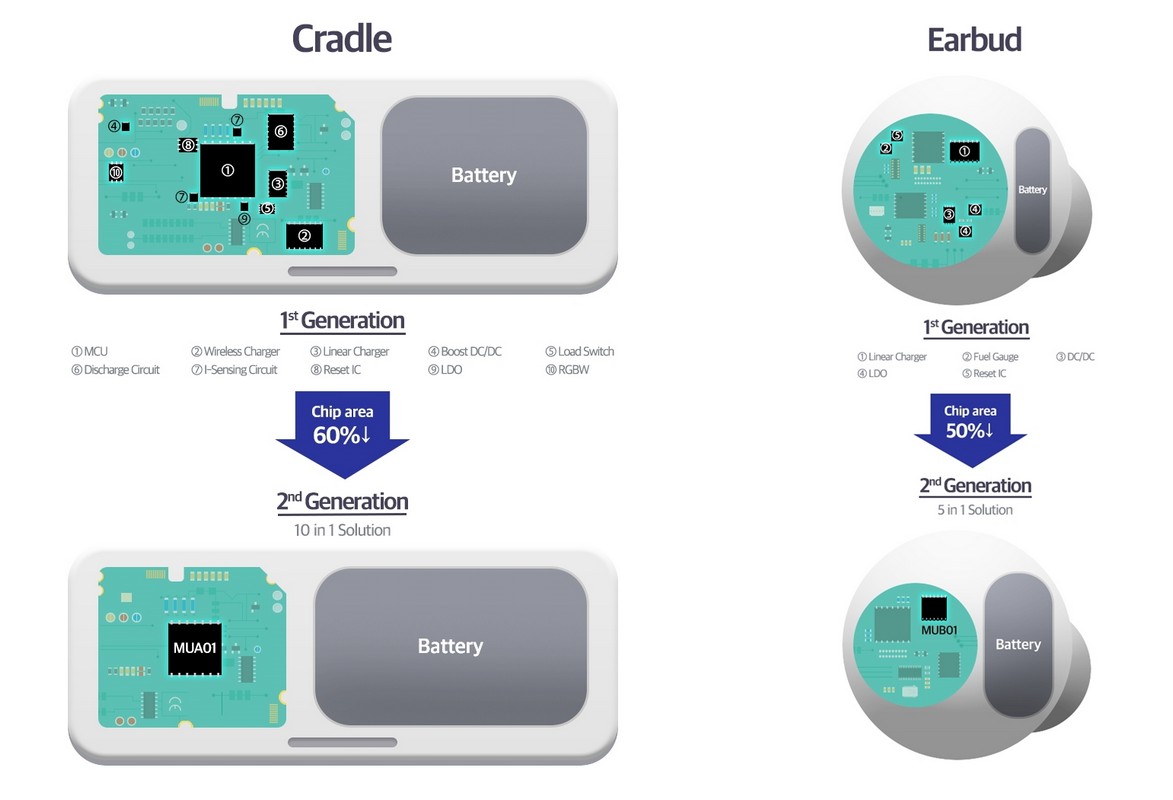
According to a press release by the tech giant, they were able to fit a bigger battery into the Galaxy Buds+ while keeping the dimensions of the 2019 Galaxy Buds as a result of the all-in-one power management integrated circuits (PMIC) they designed for the earbuds.
These all-in-one power ICs, called MUA01 and MUB01, are the first of their kinds in the industry and they have been specifically optimized for use in TWS earbuds.
What Samsung has achieved with the ICs is no small feat. They have been able to combine multiple components (up to 10) into a single chip and thus created more room for a bigger battery for the earbuds. To further understand the scale of what they have done, imagine if Samsung decided not to increase the battery capacity but rather shrunk the size of the earbuds, thus making them even smaller while maintaining the battery life of the previous generation.
Samsung says the MUA01 IC was designed for earbuds while the MUB01 IC was designed for charging cases. Part of the components the PMICs contain include the switching chargers and discharge circuits. By doing this, they freed up more space occupied by components for a bigger battery.
These PMICs are also the first in the world to support both wireless (WPC’s Qi 1.2.4 standard) and wireless charging in a single chip. The MUA01, which is designed for earbuds, even has a microcontroller unit (MCU) and embedded Flash (eFlash) to provide the option of modifying its firmware to work with other applications.
Samsung’s press release also revealed that the ICs support power line communication (PLC) which allows them to talk to each other via the charging pins and share info such as battery levels and whether the earbuds are inside the case.
MUA01 and MUB01 are being mass-produced already, and while they already appear in the Galaxy Buds+, we may see them in other TWS earbuds in the future.
Xiaomi has several affordable flagships and high-end phones sold at very interesting prices in its portfolio. The latest one launched is the Redmi K30 Pro: one of the most affordable smartphones equipped with the best Qualcomm’s chipset. Right before, Xiaomi released the Mi 10, another affordable flagship. Which one to choose between the two flagship killers? Is it worth giving a chance to Xiaomi’s most recent flagships or the latest 2019 high-end camera phone Xiaomi Mi Note 10 is enough for your needs? We will try to answer these questions with an in-depth specs comparison between Redmi K30 Pro, Xiaomi Mi 10 and Xiaomi Mi Note 10.
Xiaomi Redmi K30 Pro vs Xiaomi Mi 10 vs Xiaomi Mi Note 10
Xiaomi Mi 10
Xiaomi Mi Note 10
Xiaomi Redmi K30 Pro
DIMENSIONS AND WEIGHT
162.6 x 74.8 x 9 mm, 208 g
157.8 x 74.2 x 9.7 mm, 208 g
163.3 x 75.4 x 8.9 mm, 218 g
DISPLAY
6.67 inches, 1080 x 2340p (Full HD+), Super AMOLED
6.47 inches, 1080 x 2340p (Full HD+), AMOLED
6.67 inches, 1080 x 2400p (Full HD+), Super AMOLED
4780 mAh, fast charging 30W, Fast wireless charging 30W
5260 mAh, fast charging 30W
4700 mAh, fast charging 33W
ADDITIONAL FEATURES
Dual SIM slot, reverse wireless charging 10W, 5G
Dual SIM slot
Dual SIM slot, 5G
Design
My favourite design is the one of the Xiaomi Mi 10. It has a display with curved edge and a punch-hole selfie camera, as well as the most narrow bezels. Further, its rear side is elegant and minimalistic, compared to the Redmi K30 Pro. Since it has a notch-less and holeless display thanks to its pop-up selfie camera, the second place goes to the Redmi K30 Pro, despite the huge circular camera module on the rear side. But Xiaomi Mi Note 10 is still a pretty beautiful device with its curved display, high screen-to-body ratio and non-invasive camera module.
Display
Besides coming with a more elegant look (at least in my opinion), Xiaomi Mi 10 also boasts the most impressive display. It is a flagship-class HDR10+ compliant AMOLED panel with a Full HD+ resolution, a high 90 Hz refresh rate, a 180 Hz touch-sampling rate, and high DCI-P3 coverage. Right after it, we got the Redmi K30 Pro which still comes with HDR10+ and boasts a complete DCI-P3 gamut, but it lacks a high refresh rate. Xiaomi Mi Note 10 has an inferior panel to both Redmi K30 Pro and Xiaomi Mi 10, but its display is still great since it provides a high image quality thanks to HDR10 and DCI-P3 gamut. In each case, you get an AMOLED panel with an in-display fingerprint scanner.
Hardware/Software
It is a close fight between Redmi K30 Pro and Xiaomi Mi 10. Both are fueled by the Snapdragon 865 that is the best chipset ever launched by Qualcomm. It supports 5G thanks to an external dual-mode Snapdragon X55 modem. While Redmi K30 Pro has a faster UFS 3.1 native storage, Xiaomi Mi 10 offers more RAM (12 GB) in its most expensive configuration. Given the marginal difference between UFS 3.0 and UFS 3.1, the 12/256 GB configuration of the Xiaomi Mi 10 wins. Xiaomi Mi Note 10 has just a midrange chipset: the Snapdragon 730G, but it still provides great performance, including the GPU. The Mi Note 10 is still based on Android 9 Pie, while Xiaomi Mi 10 and Redmi K30 Pro offer Android 10 out of the box.
Camera
Finally, Xiaomi Mi Note 10 takes a gold medal: it is the best camera phone of the trio. The main sensor of the rear camera is the same as the Xiaomi Mi 10, but the secondary sensors are superiors. The handset includes a dual telephoto lens with optical zoom up to 5x, a 20 MP ultrawide sensor and a 2 MP dedicated macro camera, so it boasts a Penta-camera setup. Xiaomi Mi 10 provides a stunning photo quality, but unfortunately, it lacks a telephoto sensor, replaced by a standard depth sensor, a macro camera, and an ultrawide lens. Even the Redmi K30 Pro has a telephoto sensor, but unlike its rivals, it does not have a 108 MP main camera; instead, it comes with a 64 MP sensor supporting OIS.
Battery
Xiaomi Mi Note 10 has the biggest battery and it should also have lower energy consumption thanks to the absence of 5G, so longer battery life. But Xiaomi Mi 10 still comes with a very nice 4780 mAh battery and it is the only to support wireless charging and reverse wireless charging, so do not underestimate it. The 4700 mAh battery of the Redmi K30 Pro should let it be at the same level as the Xiaomi Mi 10; note that Redmi K30 Pro may have a lower energy consumption than Xiaomi Mi 10 because it does not have a 90 Hz display draining more battery.
Price
The starting prices of Redmi K30 Pro and Xiaomi Mi 10 in China are about €390 and about €530, respectively. Xiaomi Mi Note 10 is known as the Mi CC9 Pro in China and it starts from $399, while it is currently available for less than €400 globally. Xiaomi Mi 10 has a lower value for money, but it is the winner of this comparison since it features wireless charging, a better display, and best performance. But if you do not need a 90 Hz display, an astonishing camera, and wireless charging, Redmi K30 Pro is enough for you. Xiaomi Mi Note 10 lacks 5G and it has midrange-class hardware, but it actually offers the best photo quality, the biggest battery, and the most affordable price.
One reason why the coronavirus was able to spread easily is the inability to detect the virus in the asymptomatic stage. The story is told of a reverend in Washington DC who was down with the flu and thought he had recovered. He then went on to give Holy Communion and shook hands with hundreds of parishioners. Unfortunately, he later tested positive for COVID-19 but by then he had already infected several others. Another one, three attendees at a Biogen conference in Boston attendees who showed no symptoms during the meeting later tested positive for COVID-19. Boston currently has 284 confirmed cases as of March 25 and 104 were linked to the conference.
In order to stem the tide, The New York Community Trust has launched a crowdfunding exercise on Indiegogo for a test that could help detect Coronavirus and COVID-19 cases before they start exhibiting any symptoms. The funding could provide testing for a large number of persons who may have been infected in order to quickly identify them before they can expose others. Such patients usually don’t show symptoms like a fever, cough or difficulty breathing.
A recent research conducted by a team led by Jeffrey Shaman, PhD at the Columbia University Mailman School discovered that two-thirds of all documented infections in China were caused by undocumented infections with mild, limited, or no symptoms. According to Dr. Shaman: “Depending on their contagiousness and numbers, undetected cases can expose a far greater portion of the population to the virus than would otherwise occur.”
The C3 Test, as it is called, is a multiplex assay with a high level of accuracy, is ultra-sensitive and rapid. The samples can be processed in large quantities, thus speeding up the waiting time for those who may be in line to get tested. The test was created by Dr. Ian Lipkin, an internationally renowned expert on pathogen discovery, and his team at the Columbia University Mailman School’s Center for Immunity and Infection (CII).
Most importantly, the C3 Test can accurately detect coronavirus infection even among patients with low viral loads thus exhibiting no symptoms, with results ready in four hours. the test can also be carried out outside the hospital settings.
Importantly, this new C3 Test can decrease both false negatives and false positives, reducing not only the number of people who unknowingly spread the virus, but also reducing resources spent on quarantining or treating those who are ill due to something else.
In addition, the Lipkin team is working on multiple strategies for prevention and treatment and this diagnostic capability provides the foundation for these parallel efforts. Thus if you back this project, you are also helping find a possible treatment for the disease apart from providing rapid tests to a large number of persons.
Both New York Community Trust and Indiegogo have been magnanimous to waive all fees and costs in connection with the contributions to the fund. If you would like to back this project, follow this link.
The Honor 30S is one of Honor‘s upcoming smartphones. It will likely be the first phone to be powered by the new Kirin 820 5G processor. Ahead of the launch which is scheduled for March 30, a render showing a new color variant has surfaced on the web.
Before this leak, we have seen the phone in orange and gradient blue. Now, we know there will be a green variant of the phone too. The image was shared on Weibo earlier today.
The green variant of the Honor 30S has the same “light streaks” design as the other two colorways. Its camera housing is also black.
This is not Honor’s first green phone and will likely not be the last. Just last month, the manufacturer announced a green variant of the Honor 9X.
The Honor 30S will have a 1080p display with a punch hole. The processor will be paired with 8GB of RAM and 128GB of storage according to an AnTuTu benchmark result and it will run Android 10 out of the box.
EMUI 10.1 has been long tipped to be released soon. Earlier today, Huawei confirmed it to debut on P40 series, whose launch is set for tomorrow. Additionally, the official Twitter account of EMUI has been teasing the new features for a couple of days now.
EMUI 10.1 Official Teasers
1 of 3
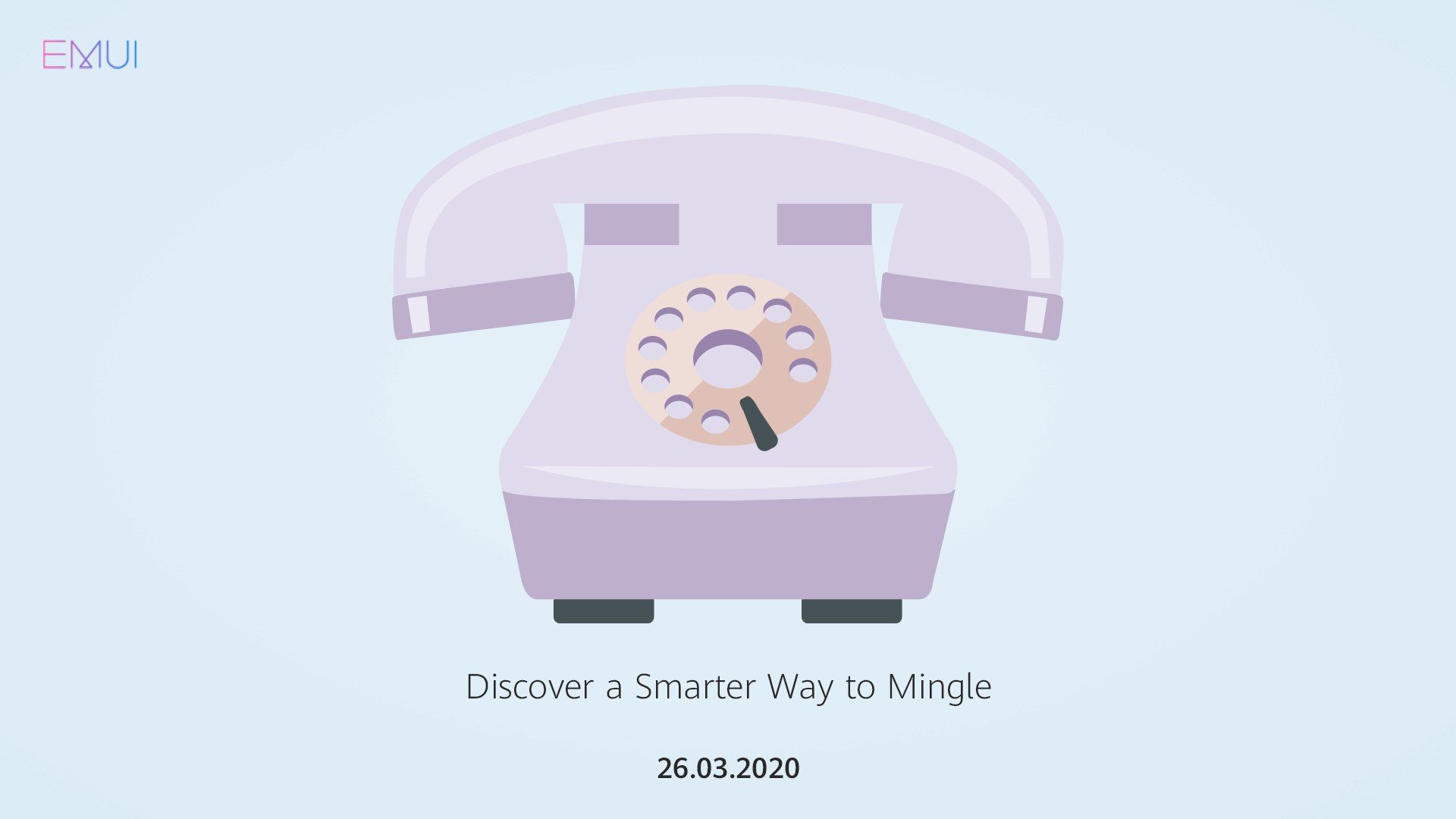
The official EMUI handle on Twitter posted the first teaser picture on March 23. This image displays a telephone with ‘Discover a Smart Way to Mingle’ text written below it followed by the release date, which happens to 26th March (tomorrow). Although the poster does not reveal anything, we expect it to be some new feature to enhance group calls, which might be applicable for both audio and video calls.
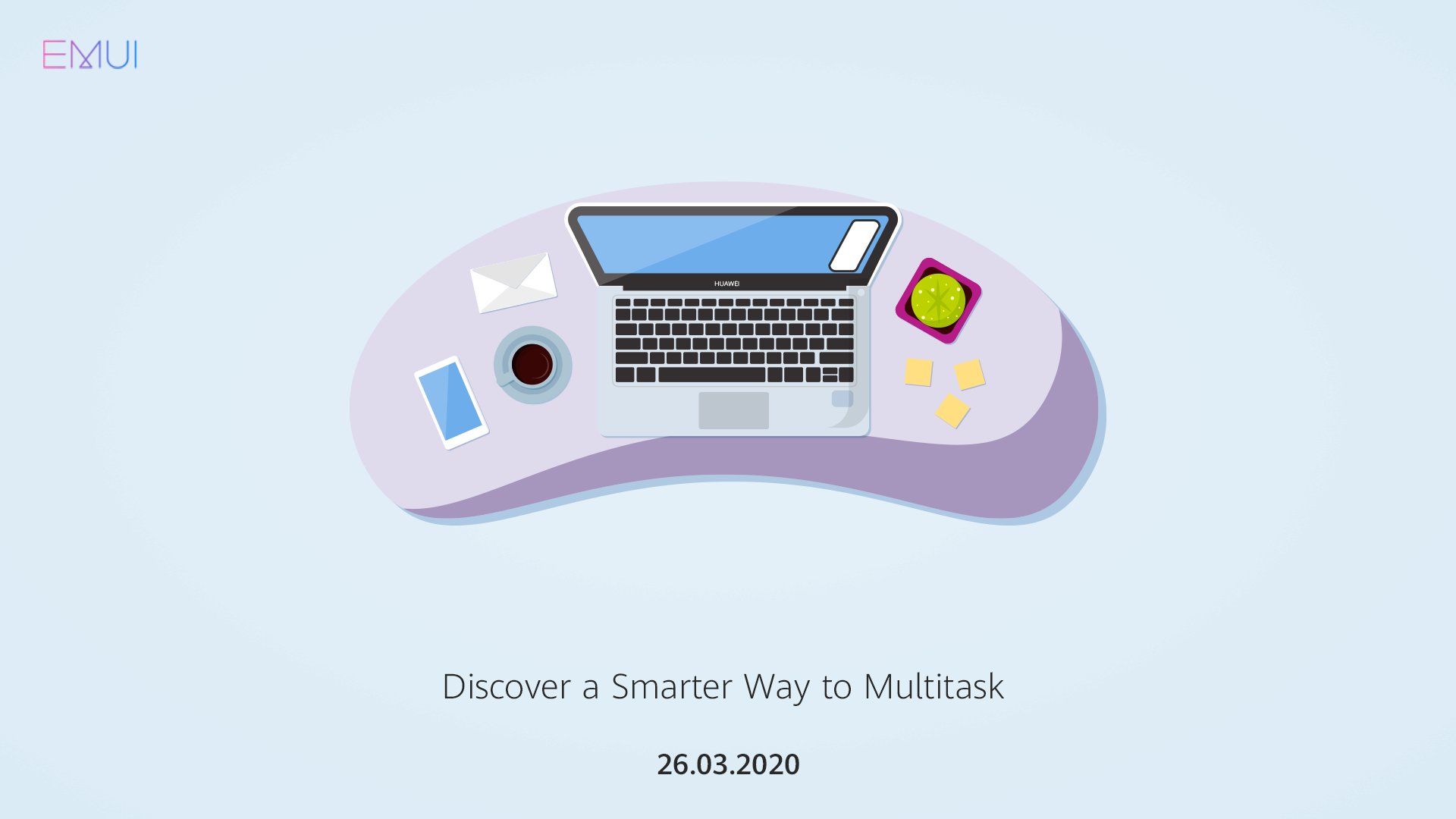
Coming to the second teaser poster, which the account posted yesterday (March 24), has a desk with a laptop, envelope, coffee, snacks and a phone on it. Below that, the text reads ‘Discover a smarter Way to Multitask’. According to us, this teaser has to do with new improvements the company has planned for the already available ‘Multi-Screen Collaboration’ feature, which will further enhance multi-tasking on devices running EMUI 10.1.
Lastly, the third teaser which was posted today is a picture of a handheld gaming console with a quote saying ‘Discover a Smarter Way to Unwind’. Here, the image itself gives away that it is relating to gaming on smartphones. Probably, the new iteration of EMUI will bring an improved GPU Turbo and extra-added features to improve the overall gaming experience.
Anyway, we don’t have to wait too long as everything about EMUI 10.1 will be official tomorrow at the Huawei P40 series launch.
We use cookies on our website to give you the most relevant experience by remembering your preferences and repeat visits. By clicking “Accept”, you consent to the use of ALL the cookies.
This website uses cookies to improve your experience while you navigate through the website. Out of these, the cookies that are categorized as necessary are stored on your browser as they are essential for the working of basic functionalities of the website. We also use third-party cookies that help us analyze and understand how you use this website. These cookies will be stored in your browser only with your consent. You also have the option to opt-out of these cookies. But opting out of some of these cookies may affect your browsing experience.
Necessary cookies are absolutely essential for the website to function properly. This category only includes cookies that ensures basic functionalities and security features of the website. These cookies do not store any personal information.
Any cookies that may not be particularly necessary for the website to function and is used specifically to collect user personal data via analytics, ads, other embedded contents are termed as non-necessary cookies. It is mandatory to procure user consent prior to running these cookies on your website.