Advertisement

Galaxy S20 Ultra scores an above average 69 points in DxOMark Audio Test

Samsung launched the Galaxy S20 series in February 2020. This year, the company introduced a new high-end model dubbed as Galaxy S20 Ultra, which is the costliest Galaxy S series phone released so far. This device has now received the DxOMark audio test treatment and scored an above-average 69 points similar to last year’s ASUS ROG Phone 2.

Going by the overall points scored by the Galaxy S20 Ultra in DxOMark audio test, it falls behind the likes of Apple iPhone Xs Max, iPhone 11 Pro Max, Xiaomi Mi 10 Pro, and even Huawei Mate 20 X. However, it edges the company’s own Galaxy Note 10 Plus from 2019.
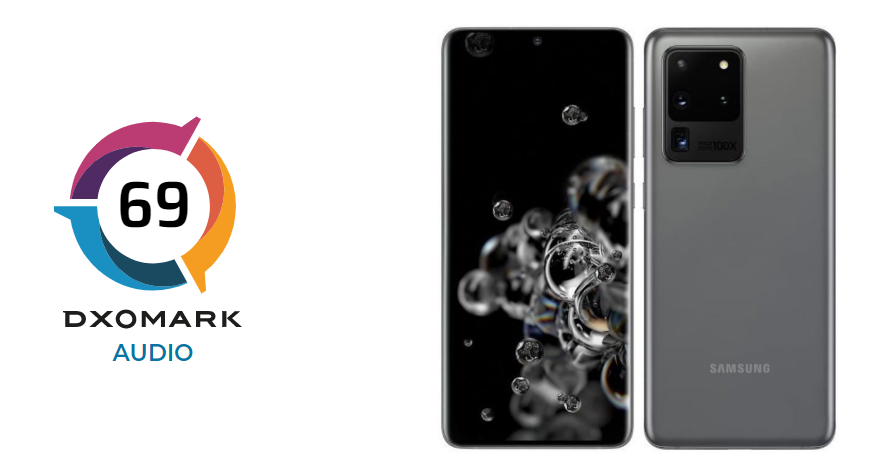
As per DxOMark, the S20 Ultra performs above-average but it’s nothing extraordinary for a phone costing $1400. The speakers on the phone deliver precision and clarity in both mid-range and high-end frequencies. And thus they produce sound with accurate distance rendering, precise localizability, and good wideness. 

Also, the phone handles maximum volume and artifacts smoothly without any issue. However, the balance of the audio played is off-center and there is a lack of intelligibility in high dynamic content at minimum volumes. Additionally, the bass frequencies are lower compared to iPhone 11 Pro Max and Mi 10 Pro

In the recording, the phone does not perform as good as in playback. The sound picked up in selfie videos lacks high-end frequencies and thus it is poor in distance rendering and localizability. Further, the attack and blurred envelope of the sound recorded make the backgrounds as well as voice sound unnatural and nasal respectively.

In loud environments, aggressive low-end compression kicks in which affects the punch and produces audible temporal artifacts. Lastly, the timbre performance is good, dynamics are modest at best, and loudness is poor indoors


(Source)
Xiaomi’s 30W 20,000mAh wireless Power Bank launching April 9, promotional poster leaks

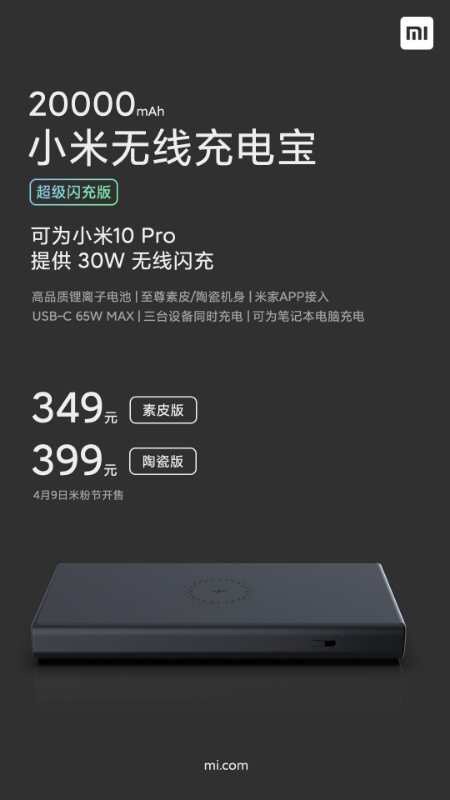
Xiaomi presently has 10,000mAh wireless power bank models with support for 20W/10W flash charge in the shelf. The 10W version was even launched in India recently. The tech giant may be planning to take things a notch higher as the promotional poster for an upcoming product has leaked online. The poster is that of a wireless power bank that features support for 30W super flash charge. The power bank is listed to feature a massive battery capacity of 20,000mAh, twice the capacity of the previous versions. XIaomi 30W wireless power bank

Apart from the bumped up battery capacity and higher fast charge rating, the wireless charger will also come with a premium build. The poster tips the gadget to be available in two versions. One of them will have a leather casing while the higher version will feature a ceramic body. The poster also touts the power bank of capable of providing 30W fast charge for the Mi 10 Pro.XIaomi 30W wireless power bank

In addition, it also features support for MIJIA app and uses a USB-C interface. The battery will also be lithium-ion batteries which provide better quality. The power bank will have a maximum charging power of 65W and can be used to charge a laptop which uses the USB-C interface.

As for the prices, the leather version is listed with a 349 yuan ($49) price tag while the ceramic version comes in at 399 yuan ($56). It is expected to be launched on April 9. We’ll be on the lookout and keep you updated here on Gizmochina when it is launched.


(via)


Samsung launches AKG N400 TWS Earbuds; costs more than the Galaxy Buds+

The Galaxy Buds and Galaxy Buds+ are Samsung‘s most popular TWS earbuds. However, the manufacturer has announced a new pair of earbuds that do not carry the Galaxy branding but AKG’s. The AKG N400 with noise cancelation is its latest earbuds and it has some really nice features and a price tag higher than that of the Galaxy Buds+.

AKG N400 featured

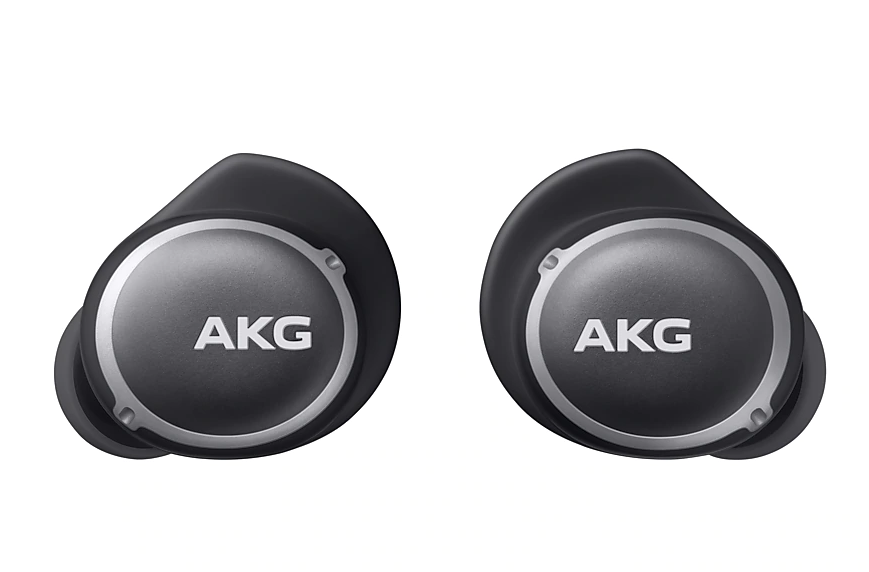
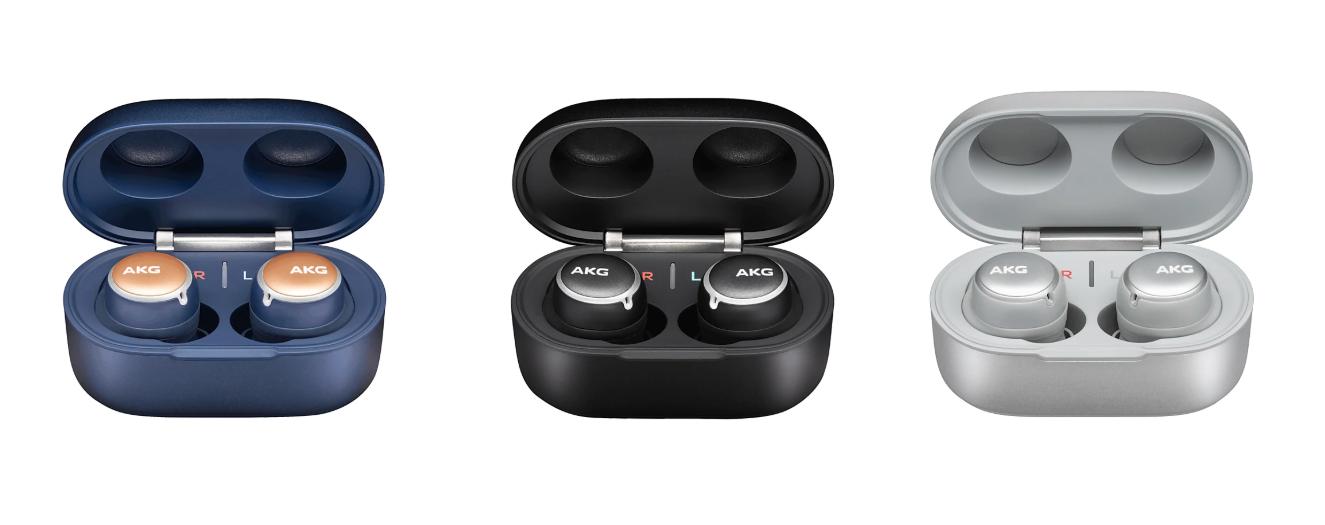
With respect to design, the earbuds have a matte finish unlike the Galaxy Buds+ that has a glossy finish. It comes in three color variants – Blue, Black and Silver though the Blue has a touch of gold and silver.

The earbuds have an 8.2mm driver and support touch controls. The product page says the touch control of the left earbud is disabled when shipped but you can activate it using the app. With the touch controls, you can activate your phone’s voice assistant (Bixby, Google Assistant, and Siri) and also control playback and answer calls.

AKG N400

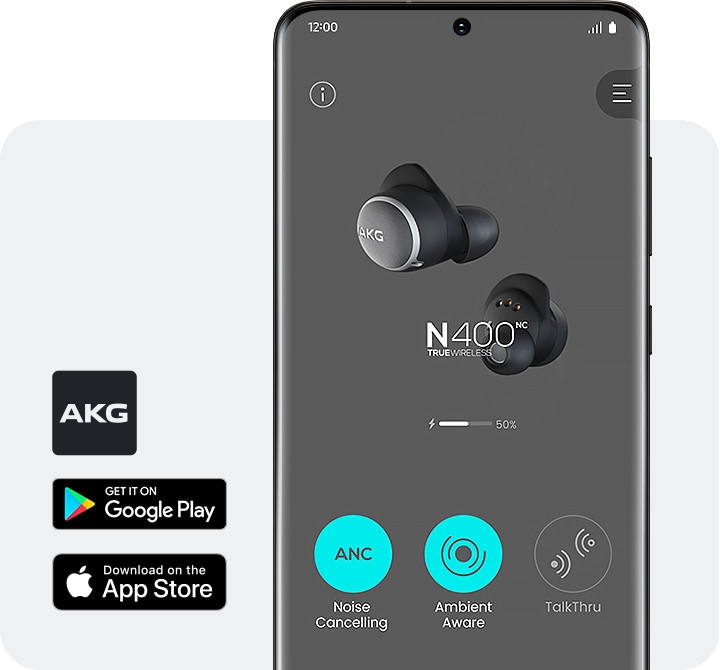
The AKG N400 also has Active Noise Cancelling, Ambient Aware, and TalkThru. Users will be able to modify ANC settings with the AKG Headphone app. It also has an IPX7 waterproof rating.

The AKG, Google Play, and App Store logos are on the left and the N400 app is turned on in your mobile device.

Samsung’s new earbuds connect via Bluetooth 5.0 and support the following Bluetooth profiles:

  • HFP V1.6
  • A2DP V1.3
  • AVRC
  • P V1.5

It also supports AAC and SBC audio codecs.

The AKG N400 has a 55mAh battery that lasts up to 6 hours on a single charge with ANC turned off. However, when ANC is turned on, battery life drops to 5 hours. The case has a battery capacity of 220mAh and doubles the battery life of the earbuds to 12 hours.

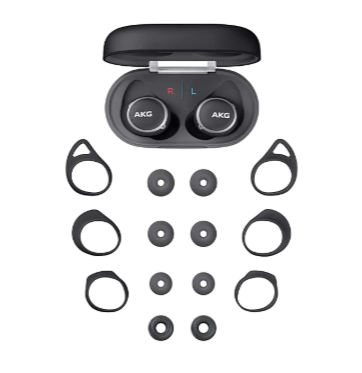
AKG N400 accessories

The case supports Qi wireless charging and Samsung claims a 10-minute charge can provide up to 1 hour of battery life. It also supports charging via USB Type-C. The AKG N400 ships with three ear tips and three wingtips. Samsung also includes a Comply™ Foam Tip in the box.

The AKG N400 is priced at KRW 229,000 (~$187/€171/₹14,203). It is still exclusive to South Korea for now and there is no news of a global release.


Xiaomi is working on a phone with 144MP camera, Could be either Mi 10S Pro or Mi CC10 Pro

Xiaomi was one of the first companies to launch a phone with a 48MP camera (Redmi Note 7 Pro) in 2019. Later in the same year, it also became one of the first smartphone manufacturers to launch devices with a 64MP camera (Redmi Note 8 Pro) as well as a 108MP camera (Mi CC9 Pro). Now, according to Sudhanshu, a well-known tipster on Twitter, Xiaomi is working on a phone with a whopping 144MP camera.

The megapixels game on smartphones was dead for a few years since the Nokia Lumia 1020. But when Sony announced its 48MP IMX586 sensor, the game was back on with Samsung, another major supplier of smartphone cameras joining the bandwagon.

As for clients, Xiaomi is one of the few companies participating in the Megapixel race. Being the first to launch a phone with a 108MP sensor, the brand wants to continue the streak with the upcoming 144MP sensor as suggested by the tipster.

As per the tip, this new 144MP sensor could either debut on Xiaomi Mi 10S Pro or Mi CC10 Pro. However, the leakster did not say anything about who will be supplying this sensor to Xiaomi. As of now, only Samsung is rumored to be working on a 144MP camera sensor so there are high chances of it being the sole supplier of this new large sensor.


Samsung SM-A217F suspected to be the Galaxy A21s hits GeekBench

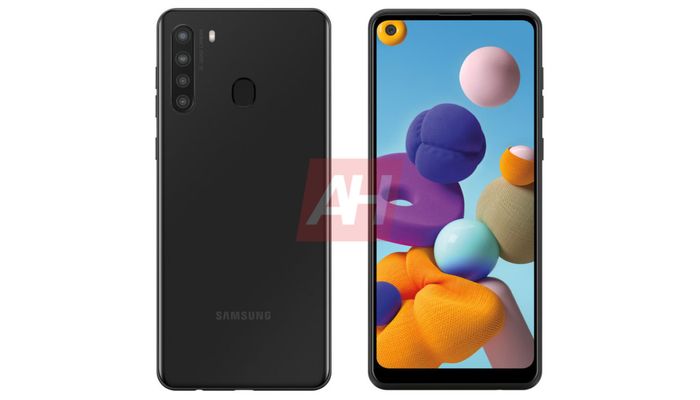
A new Samsung smartphone with model number SM-A217F has appeared on GeekBench’s database. The device is said to be the Galaxy A21s and has all the dressing of a budget model. Samsung Galaxy A21 leaked render

The Samsung SM-A217F is not to be confused with the SM-A215U which appeared on GeekBench last month packing an Helio P35 chipset. That model is expected to launch as Samsung Galaxy A21 which is a mid-range model.

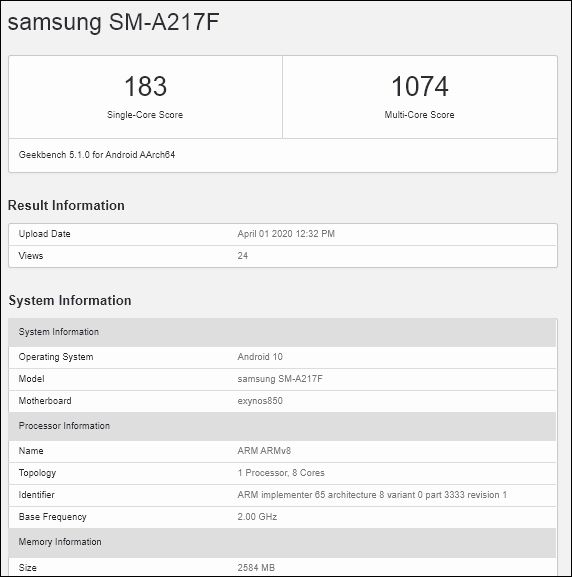
On its part, the Galaxy A21s(SM-A217F) is listed to feature a Samsung Exynos 850 chipset which the tech giant is yet to announce. The processor is an octa-core SoC with a base frequency of 2.0GHz. The processor is paired with 3GB of RAM. The phone equally runs on Android 10 OS.

An earlier report by Sammobile indicates that the Samsung SM-A217F  will likely come in 32GB and 64GB storage options. In addition, the device will pack a 2MP macro camera.

On the GeekBench test, the device polled a total of 183 points on the single-core test. On the multi-core test, it scored 1074 points.


(source)

Honor 30 Render Leak reveals a 50MP Sony IMX700 camera sensor

Earlier this week, Honor debuted the Honor 30S, a mid-range smartphone powered by Kirin 820 5G chipset. A day later, the brand set April 15 to be the launch date for the Honor 30 series, it’s next premium smartphone. Now, the first render of this upcoming phone has emerged on the web, courtesy of GSMArena revealing its camera setup and more.

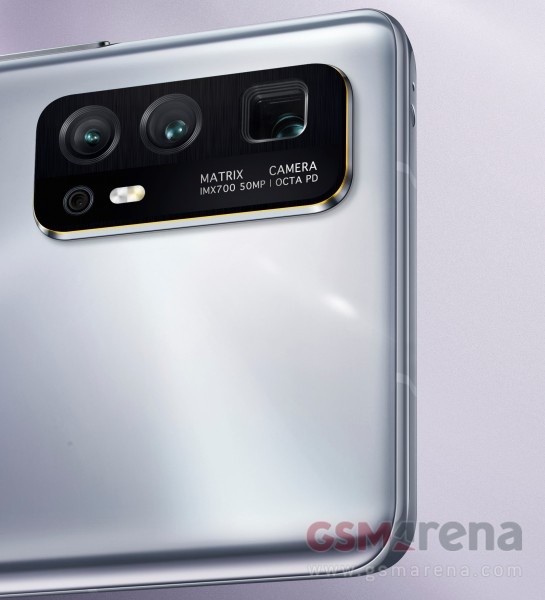
The forthcoming Honor 30 was already rumored to feature a 50MP primary sensor but now the new render leak confirms it. Interestingly, Honor has decided to imprint the camera sensor model on the device, which says the handset to come with IMX700. This new Sony custom large sensor could be the same from the recently unveiled Huawei P40 series.

As the render leak showcases the top position of the phone’s back, we get to see the entire now-ubiquitous rectangular camera array. The 50MP primary sensor will be paired with three additional cameras and an LED flash, out of which two could be ultra-wide and periscope telephoto as per the new teasers shared by the brand. Further, the inscription on the camera module also confirms the presence of the Octa PD autofocus system, another feature borrowed from the P40 series.

The render leak also exhibits the camera module to have a golden accent and a secondary microphone as well as an IR blaster at the top and volume rockers on the right side of the phone.

Unfortunately, these are the only information available for the Honor 30 for now. But we are certain the brand will soon reveal the features of the phone leading up to the day of the launch.


(Source)
Finally, T-mobile and Sprint officially completes merger

One of what should be the most protracted merger deals in the tech industry has finally come to a conclusion. That is T-Mobile and Sprint’s merger deal. The merger was first announced around April 2018 and has met several obstacles on the way which has prevented a deal from getting sealed all this while.  Sprint

It took almost two years after T-Mobile US officially announced its merger with Sprint as well a several hearing and legal negotiations with US regulators to get to this point. The deal worth $23 billion will result in a collaboration of the third and fourth-largest wireless carrier in the US in terms of subscriber base, forming a new company known as “The New T-Mobile”.

The entities will equally join forces in terms of infrastructures to take on AT&T and Verizon Wireless the top 2 carriers in the US. Sprint’s spectrum and subscribers will be transitioned to T-Mobile. Sprint possesses a precious 2.5GHz mid-band spectrum which is ideal for 5G. The new T-Mobile will deploy this spectrum alongside T-Mobile’s own low-band 5G (600Mhz) for a nationwide rollout. T-Mobile says it will offer eight times faster speeds compared to LTE and expects the speeds to get up to 15 times faster over the next six years. T-Mobile also plans on using the mid-bands to cover Americans in rural areas.

As part of a deal made with US regulators, Sprint will sell its prepaid assets including Boost Mobile, its 9.3 million subscribers, more than 7000 retail stores, and its 800Mhz band spectrum to Dish Network, creating a new #4 carrier in the US. Dish will maintain these subscribers on T-Mobile’s networks as an MVNO under a seven-year lease while it develops and rolls out its own 5G network. Boost Mobile will be transitioned under the Dish Network brand. The new T-Mobile promise not to change its pricing for three years even with 5G offering.

As a result of the merger deal, T-Mobile’s CEO John Legere has stepped down earlier than the April 30 expiration date of his contract. The company’s President and COO, Mike Sievert has now stepped in as the new CEO of “The New T-Mobile”. Legere will remain as one of T-Mobile’s new board of directors. Legere assumed the position of T-Mobile’s CEO in 2012 and oversaw several massive growth with the company going from 33.3 million subscribers at the end of the third quarter of 2012 to 86 million customers at the end of the fourth quarter of 2019.


(source)


CPU Configuration for Qualcomm Snapdragon 865+ revealed

Last year, Qualcomm announced the Snapdragon 855+ as a slightly higher clocked version of the Snapdragon 855. The chipset went on to power several phones from different manufacturers. Qualcomm may toe the same path this year as more evidence of a Snapdragon 865+ surfaces.

qualcomm-snapdragon-865-5g-mobile-platform-hero-image-800x450
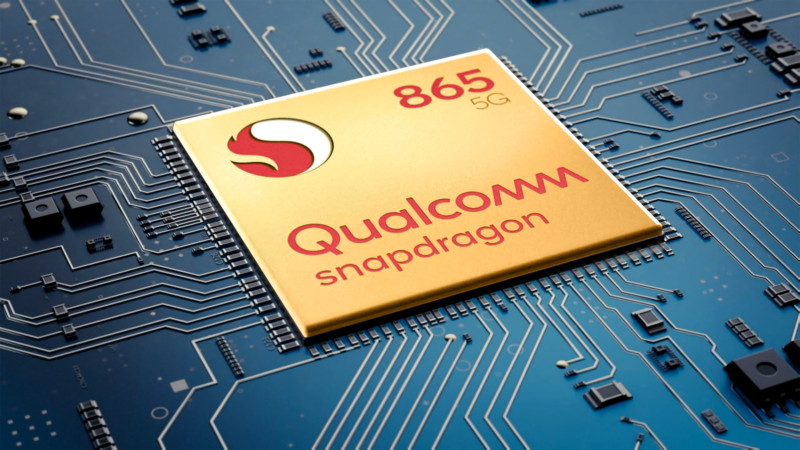
Qualcomm Snapdragon 865

The Galaxy Note20+ Geeknbench listing has revealed the phone is powered by a Qualcomm chipset different from the Snapdragon 865 that powers the Galaxy S20 series. This chipset is believed to be the Snapdragon 865+. Max Weinbach, a writer for XDA Developer and leaker has revealed the CPU configuration for the chipset.

According to his tweet, Qualcomm is sticking to a 1+3+4 CPU core arrangement. The single prime core is clocked at 3.1GHz, the three performance cores are clocked at 2.4GHz and the four efficiency cores are clocked at 1.8GHz.

When compared to the Snapdragon 865, Qualcomm has increased the clockspeed of the prime core only while the other CPU cores are unchanged.

The Snapdragon 865+ should be announced in the second half of the year with the first set of phones powered by the chipset launching in July. Other than Samsung’s Galaxy Note series, we expect it to appear in phones from Xiaomi, Nubia, ASUS, OnePlus, Vivo, iQOO, Realme, and OPPO.


(Source)
Sales of Gaming Consoles and Games Soared amid Lockdown due to Coronavirus

The whole world is going through troubled times due to the COVID-19 pandemic. Many of the severely affected countries by the virus are under lockdown in order to maintain social distancing. Because of this, several business industries are suffering in a way they had never dreamt of. But the current situation has turned out to be favorable for the gaming industry as the sales of consoles and games surged higher.

To stop the spread of the coronavirus, people around the world are being advised to stay home and follow social distancing as much as possible. Some countries even went ahead and ordered total lockdown to enforce people to stay indoors.

Thus, people have nothing to do (those who can’t work from home) other than stream media and play video games. According to an analysis by Gamesindustry.biz on the recent data from Games Sales Data (GSD), the consoles and games sale climbed between March 16 and 22.

Ever since Microsoft and Sony started hinting the release of their next-generation gaming consoles, the sales of consoles declined in recent months as people are waiting to invest in the latest products expected to release in the holiday season. However, the current situation urged people to buy the existing current-gen consoles like PlayStation 4, Xbox One, and Nintendo Switch. 

As per the data, the sales of consoles rose to 155%, which is significantly higher in recent times. The consoles’ sales in Australia were up by 285.6%, 250% in the UK, 140.6% in France, 84% in Italy, and 66% in Spain. Whereas, digital game downloads were up by 52.9% in 50 markets without including Doom Eternal and Animal Crossing: New Horizons. Interestingly, even physical games sales jumped to 82%.

During these hard times, video gaming has become a viable option to kill time for most people according to the sales data.


(Via)

Samsung Galaxy Note 20+ spotted on GeekBench with suspected Snapdragon 865+ SoC

Samsung traditionally released the Galaxy Note series models around August each year. This year’s Galaxy Note 20 series isn’t expected to be any different. Thus, the Note 20 is still months away from going official but it ha started appearing on benchmark and leaks. A device suspected to be the Samsung Galaxy Note 20+ has appeared on the database of benchmarking outfit GeekBench.samsung galaxy note 10 and samsung galaxy note 10 plus

The Galaxy Note 20+ model appears with the model number SM-N986U. This is likey the US version as the Galaxy Note 10+ with Snapdragon 855+ SoC has the model number SM-N976U. The listing equally contains a few details of the model. The device is listed as running Android 10 operating system and has 8GB of RAM onboard. There is likely going to be a higher 12GB RAM variant.

As for the processor, the motherboard is listed with the code name “kona” which is the codename of the Snapdragon 865 SoC. However, the CPU clock speed is higher than that of all known Snapdragon 865 model. The SD 865 maxes out at 2.84GHz whereas the smartphone’s processor is listed to have a maximum CPU of 3.09GHz. Thus, there is good reason to believe this is the Snapdragon 865+.

The model recorded a single-core test score of 985 points while o the multi-core test, it scored 3,220 points.


(source)
 

Chuwi AeroBook Pro 15.6-inch hands-on video unfurls every nook and corner of the device

Chuwi recently published the Chuwi AeroBook Pro 15.6-inch laptop on the Indiegogo platform. The new laptop features high-end specifications including a powerful Intel i5 processor, 15.6-inch 4K display, 8GB RAM, 256GB SSD and much more. The powerful device is available at an affordable price of $500. It has already raised more than $210k on the Indiegogo within a week of its listing.

Chuwi has published a new hands-on video depicting its hardware and software prowess in detail. You can watch the video below:

As per the video, it can smoothly run 4K videos, games and can perform graphics-intensive tasks with ease. The immersive display experience is doubled when it is combined with a powerful processor like Intel i5.

Chuwi AeroBook Pro 15.6 carries a beautiful 15.6-inch 4K display having the resolution of 3840*2160 resolution. It would be an ideal display to watch and play games in 4K resolution. Moreover, video editing and photo editing can be more enjoyable on the laptop.

aerobook pro 15.6 inch

It is well equipped with a powerful Intel i5 processor that performs much better in the benchmark test. According to a Geekbench test, the processor scores 4102 points in a single-core test, whereas, the score reaches 8149 points on multi-core testing. The presence of 256SSD SATA storage enables to rear and write at the speeds of 470 MB/s and 410 MB/s respectively.

Chuwi has not only invested in the processor, display and build, they even added 8GB LPDDR4 RAM, then enables programs to run more rapidly. Along with Processor, system RAM is also responsible to render text and graphics more effectively and bring comfortable visual experience on its 15.6-inch 4k display. Overall, it helps to increase productivity.

Moreover, Chuwi AeroBook Pro 15.6 houses an Intel Iris Graphics 550 GPU coupled with an operating frequency of 1.1GHz. It can easily perform graphics-intensive work specially related to content editing.

Chuwi AeroBook Pro 15.6-inch is a perfect device to accomplish your daily office work, playing graphics demanding games and working on large software. The interested users can grab the competitive specifications packed laptop at an affordable price of $600. You will get a 25% discount if you participate in crowdfunding at Indiegogo. You can easily get the Chuwi AeroBook Pro 15.6-inch at an effective price of $509 by participating at Indiegogo. The interested users can know more about the device by heading to the official website.


Huawei will reportedly shift to LG display for its upcoming Smart Vision TV

Huawei is reportedly looking into LG‘s display technology for the supply of its upcoming Smart Vision TV. The news arrives after reporters learned that the company will soon be launching a new smart screen product later this month, while another source claimed the supplier for the displays will be LG.

Huawei

Yu Chengdong (also known as Richard Yu), the CEO of Huawei Consumer Business, stated that the domestic conference will retain the big move for a new generation of smart screens. In other words, a shift of supplier for the latest generation of Smart display products. For those unaware, TCL and Optronics were the previous major suppliers of the Chinese tech giant, so the move may be a significant impact on them as well.

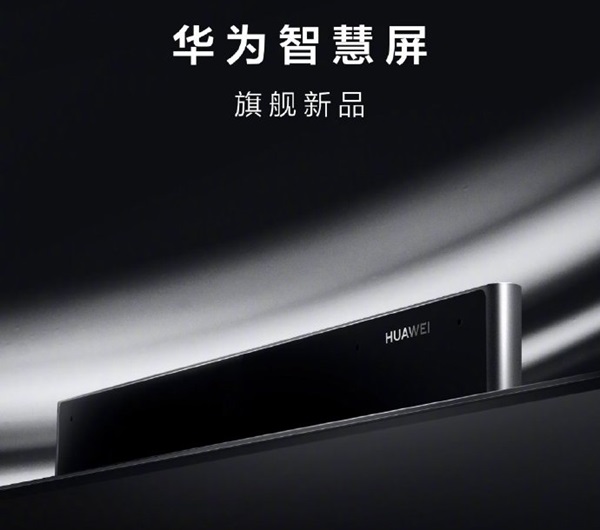
Huawei had announced on 30th March 2020 that it will be launching a new smart screen product on 8th April 2020. Certain teasers from the company were also shared, that depicted a mechanized popup camera of a much larger scale than the previous generation. LG is a known manufacturer of OLED displays, so this move can be understood if the South Korean company has made an noteworthy improvements in its technology.

Huawei

Unfortunately, this is still unconfirmed and we will have to wait for the official launch conference on 8th April. Notably, Zhihao, the President of Huawei Consumer Business for the IoT Product Line, said that this will be Huawei’s most expensive product launch at the moment. So stay tuned for the upcoming event as we will be covering it.


Xiaomi Large Mi TV with affordable pricing to launch tomorrow

Xiaomi is slated to hold a new product launch conference tomorrow (3rd April 2020). In this event it will launch 22 new products, one of which is the a new Large Mi TV with an affordable price tag.

Xiaomi

According to a few teasers from the Xiaomi mall that are warming up the launch, the two primary selling points of the new Mi TV are its affordable price and large display. Unfortunately, the exact details of its size and other crucial specifications have yet to be revealed. But from what we do know, the new Mi TV will be equipped with PatchWall artificial intelligence voice system.

This is a standard AI voice assistant that is standard in every Xiaomi and Redmi smart TVs. Alongside Xiao AI, this essentially becomes a control center for smart homes where everything can be accessed via voice commands. As of right now, Xiao AI has reportedly about 30 million monthly users on more than 100 million devices. This makes it one of the largest AI voice assistant, which works cross platform across IoT products in a smart home.

Xiaomi

The new Large Mi TV from Xiaomi also follows the company’s low cost and high performance philosophy. In other words, this is aimed to appeal to the broader market with a product that has a high cost to value ratio. Currently, all we have to go is a single image poster shared by the Chinese tech giant, so stay tuned for tomorrow, where we will be covering the launch event.


Redmi Band wearable is launching tomorrow

After more than two months since news of Redmi launching a smartband surfaced, we finally have a launch date. Thankfully, we do not have to wait for long.

Redmi Band teaser poster

The official Redmi Weibo account shared a poster today teasing the arrival of its first wearable which should arrive as the Redmi Band. According to the Weibo post, the wearable will be announced tomorrow at 14:00 hrs (China Time).

While the poster doesn’t show the smartband itself, another poster has surfaced on Weibo that may possibly be that of the Redmi Band, although it is not stated.

The poster says the unnamed smartband launches tomorrow too at 14:00 hrs. It has a rectangular color display and will be available in orange, green, black, and blue. We can’t say outrightly that this is the Redmi Band since the manufacturer’s logo isn’t on the poster. However, based on the leak from January which shows the Redmi Band with a rectangular display, there is a high chance it is it.

Redmi Band

The Redmi Band should come with features such as a calorie counter, pedometer, and a heart rate sensor. It should also be able to receive notification alerts when connected to the phone. We won’t rule out the possibility of it having NFC for payments.


(Sources: 1, 2)

Oppo Reno 5 might succeed the Reno 3 series, Possible launch in May

The Oppo Reno 5 series could be the direct successor to the Reno 3 series, according to a new report. The news arrives from Weibo, a Chinese microblogging website, from the account of Digital Chat Station.

Oppo

For those unaware, the number ‘4’ is generally considered as bad luck in Chinese tradition. Thus, OEM’s sometimes skip the names of their products with this number. A popular example of this is the OnePlus 5 series which arrived directly after the OnePlus 3 series. As of right now, finer details regarding the Oppo Reno 5 series is unknown.

Unfortunately, its internal specifications are still at large at the moment, but going by the industry trend, a few educated guesses can be made. The Oppo Reno 5 series is likely to be a mid segment smartphone and may arrive with either Qualcomm’ Snapdragon 765G SoC or MediaTek’s new Dimensity chipsets. Furthermore, it is also possible that it may feature a high refresh rate display and quite possibly the newer and faster 5G network as well.

OPPO Reno 3 Global Version

Although, these are just speculations so take this with a grain of salt. Despite having the name revealed, we still don’t know a lot about the Reno 5 series. But the Weibo post did mention one crucial information, which is the release date that is set sometime in May 2020. So stay tuned for additional information that should arrive in the next couple of weeks.


Huawei lost $12 billion in Revenues after US ban and loss of Google Apps in 2019

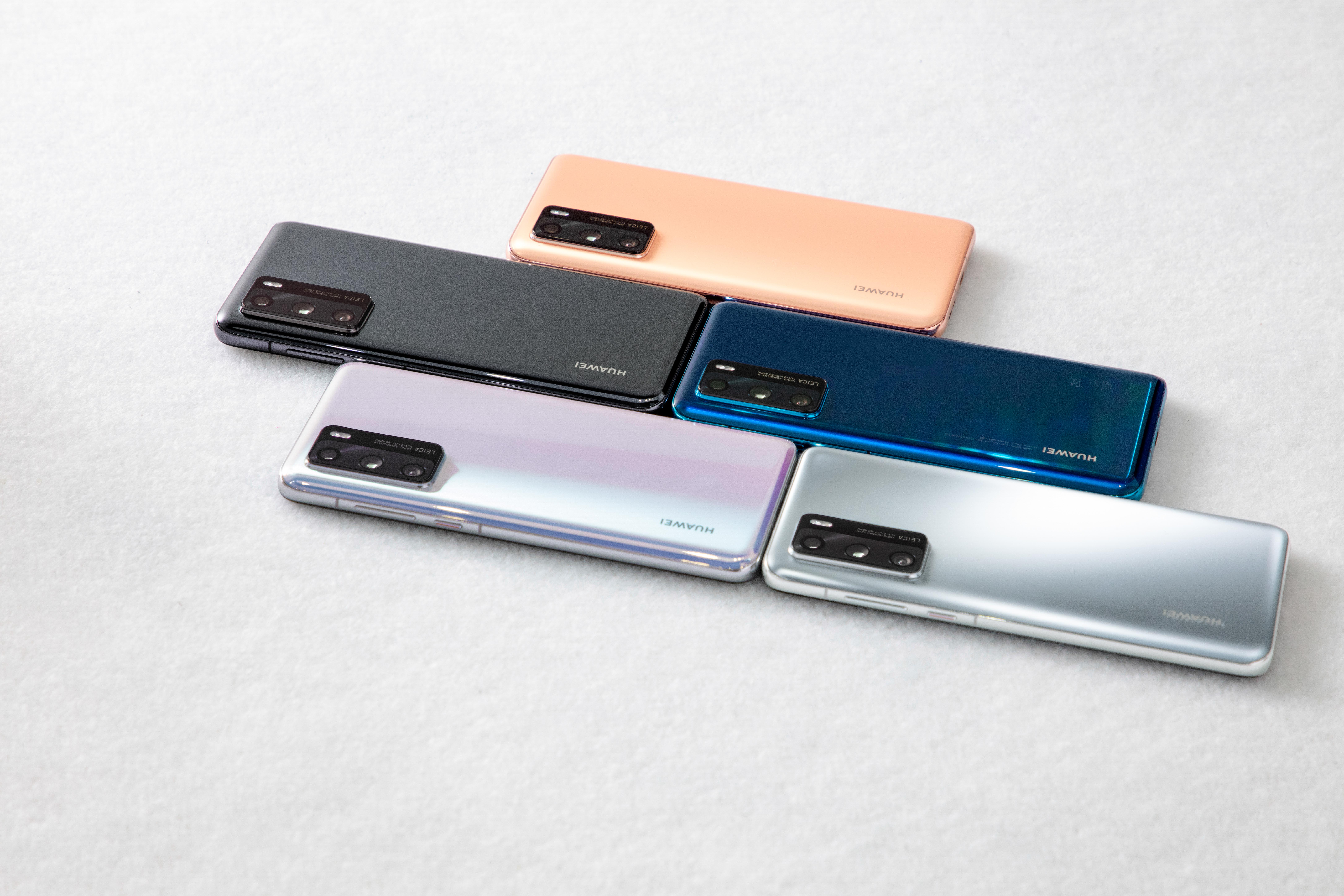
Back in early 2019, Huawei had been hit with a ban from the US, that placed the company in the “Entity List.” Since then, the company’s operations have been severely hampered while it has also lost support from Google, due to the blacklist. While the company did launch its own alternatives, it seems the transition wasn’t as simple as they wished, with the company reportedly losing out on billions of dollars.

Huawei P40 Pro
Huawei P40 Pro

According to Eric Xu, the Deputy Chairman and Rotating Chairman of Huawei, the company has lost out on nearly 12 billion US Dollars in 2019. Apparently, Huawei’s previous projections regarding the year had an estimated 135 billion US Dollars. However, the company has fallen just short of the amount, which was directly related to the various “US sanctions” that were against the Chinese tech giant.

A major chunk of the shortfall arrived from Huawei’s consumer division that accounts for over 54 percent of the company’s total sales in 2019. Xu stated that “it is the consumer business of Huawei that was hurt the most.” In other words, smartphones, tablets, laptops and more were affected by the US blacklisting. Reportedly, these consumer grade electronics products brought in 66.93 billion US Dollars in revenue in 2019, which was about 10 billion US Dollars less than what the company was originally targetting.

Huawei

For those unaware, after the US ban, Huawei could not trade or buy products/services from US based companies. This caused it to lose Google’s mobile services, which in turn meant that Huawei smartphones now had to ship with vanilla Android. Thus, this caused the development of the HMS (Huawei Mobile Services), but unfortunately, the platform is still in its nascent stages. Huawei’s partnership with Google also meant that both companies profited greatly from one another, but that has since been terminated.


(Via)

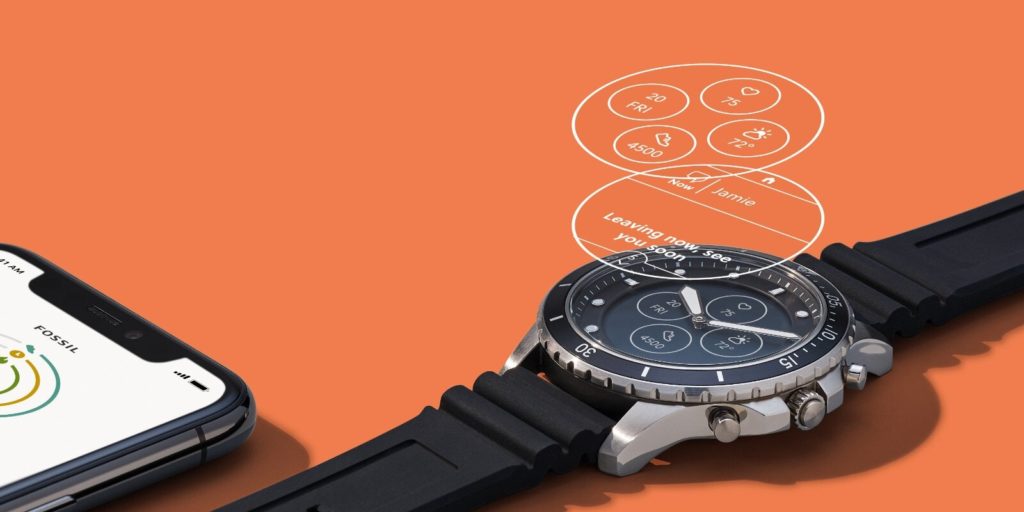
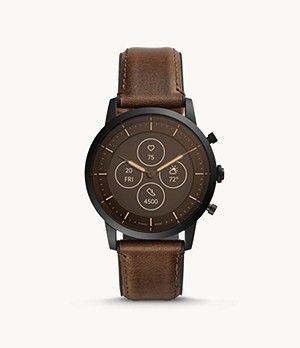
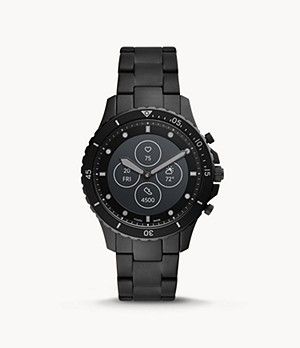
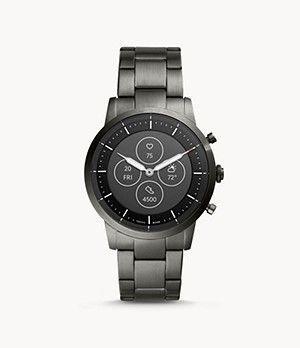
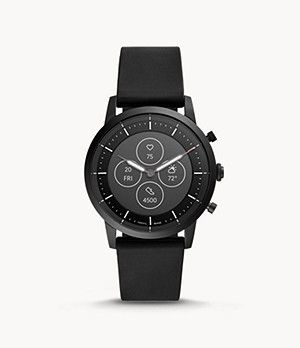
Fossil Hybrid HR smartwatch finally lands in China after 5 months

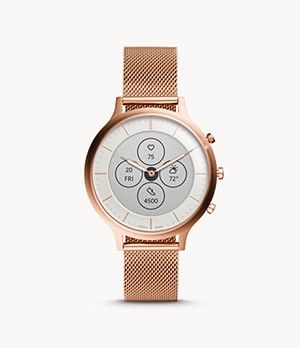
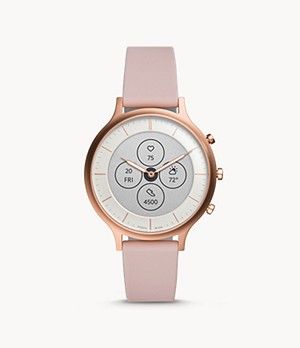
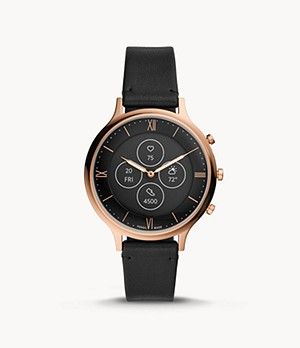
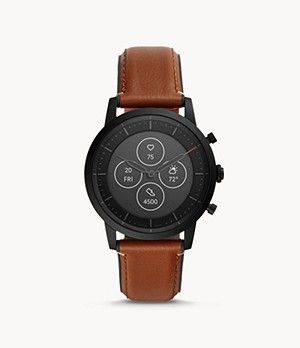
Fossil finally launches the Hybrid HR smartwatch in China for a starting price of 1890 Yuan ($266). This smartwatch with a fusion of classic design and smart features was first announced back in November of 2019.

The Fossil Hybrid HR is unlike other smartwatches in the market featuring a classic watch design complete with mechanical arms. But as a smart wearable, it also comes with a display – an e-ink one rather than an OLED panel. Further, it also has an accelerometer, optical heart rate sensor, water-resistance up to 3ATM.

The e-ink display on the Hybrid HR measures only 1.06-inch and is enclosed in a stainless steel casing with no support for touch input. And thus, the smartwatch has to be controlled using three push buttons on the right side, out of which the middle one resembles a crown but unfortunately it is not one.

The smart features of the watch include app notifications, call, and message alerts, music controls,  weather, multiple time zones, stopwatch, timer, fitness tracking, and sleep tracking. The watch comes with Bluetooth 5.0 to connect with smartphones running iOS 10 / Android 5.0 and above.

Also, like any other watch, the Fossil Hybrid HR smartwatch comes in a number of finishes with a wide range of straps to choose from.


Fitbit Charge 4 is the first product from the company since Google Acquisition announcement

Earlier in November 2019, Google announced to buy Fitbit for $2.1 billion. Since then the popular fitness tracker company did not announce any new product. But now, it has, after five months since the buyout was announced. Unfortunately, the new wearable from the company is Fitbit Charge 4, which is nothing but a successor to Fitbit Charge 3 from 2018.

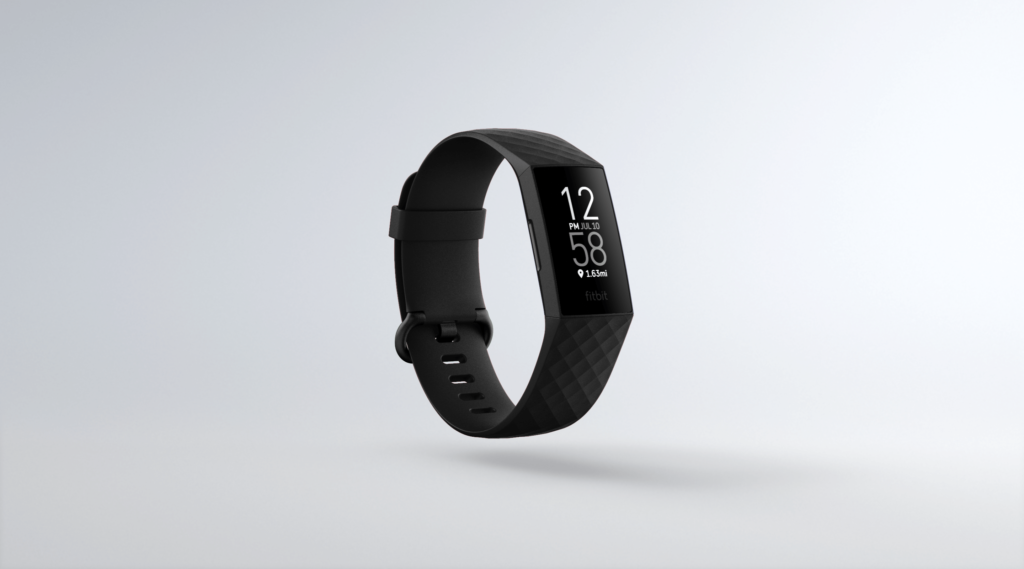
The Fitbit Charge 4 features the same design as its predecessor but comes with a built-in GPS, which is absent on the previous model. The tracker is made of aerospace-grade aluminum and is available in four options including a special edition.

The tracker sports an OLED greyscale display with support for touch inputs. The sensors present in it include  3-axis accelerometer, optical heart rate monitor, SpO2 blood oxygen level monitor and altimeter. For connectivity, it features Bluetooth 4.0 to connect with smartphones running both Android and iOS. It also has NFC to make contactless payments via Fitbit Pay.

As a fitness tracker, it does monitoring all-day including workouts like swimming as it is water-resistant up to 50m. Also, it has support for sleep monitoring, call and message alerts, app notifications, music playback controls, and more.

As far as price is concerned, the Fitbit Charge 4 standard variant in mauve, blue, and black colored staps will retail for $149.95. Whereas, the special edition with classic black woven and reflective bands is priced at $169.95. However, in India, the fitness tracker costs more as they have been priced at INR 14,999 and INR 16,999 respectively. Lastly, buyers in all regions will get 90 days free trial of Fitbit Premium subscription service.


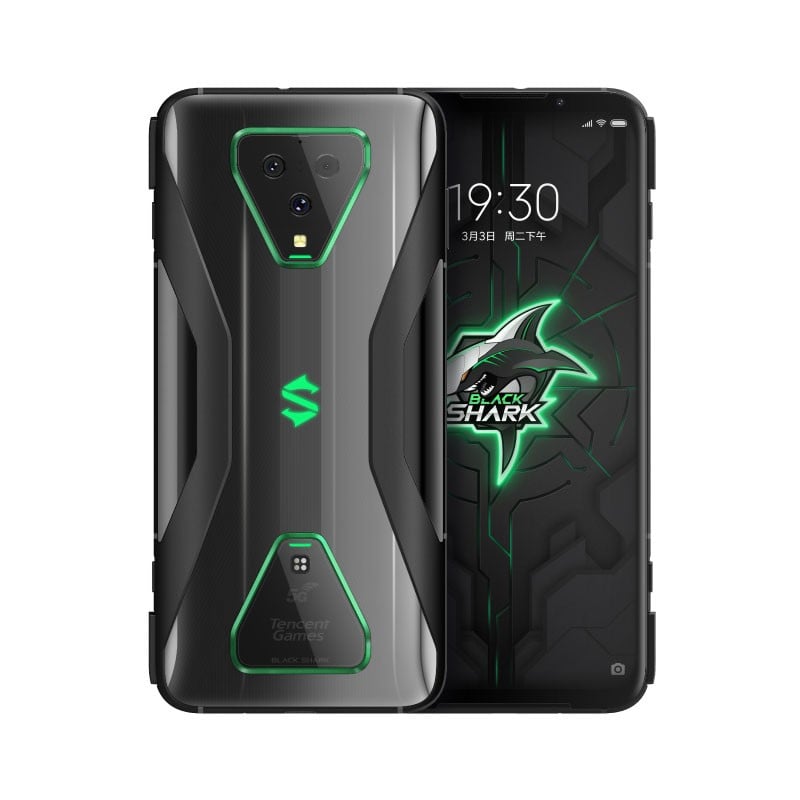
Xiaomi Black Shark 3 Pro Teardown: Unique layout with big heat pipes

Xiaomi‘s Black Shark 3 Pro has just undergone a teardown from JerryRigEverything, the popular YouTube tech content creator. The new video shows an interestingly unique internal design and layout of the device and also highlights the big heat pipes that help keep the gaming smartphone cooler.

Peering into the insides, the Xiaomi Black Shark 3 Pro has two thick copper heat pipes that are connected to the metal shields on top of the CPU. To even get to this point, one must remove the bow tie shaped back panel, a design that has never been seen before. Notably, most smartphone OEMs follow relatively similar internal layouts, as they are the most efficient ways to pack in all the hardware.

However, we have to keep in mind that gaming smartphones require a few additional touches for thermal performance, so a unique new design is welcomed as well. Right off the bat, the back panel is noticeably smaller considering a few of the outer designs meld into the battery pack (referring to the angular design on the back). To remove the motherboard or even reach the battery pack, the front display had to be unmounted as well.

Typically, most, if not all internal components can be found or removed from just the rear panel, but this unique layout manages to utilize the smartphone’s angular design to a great degree. Once the motherboards is out, the most notable aspect are the two thick copper heat pipes that wrap around both sides of it. This essentially completely covers the processor and other crucial parts enabling better thermals.

Xiaomi Black Shark 3 Pro (1)

On the other hand, Xiaomi uses twin battery pack systems that surround the motherboard on both sides. This means that Xiaomi charges both the batteries separately to achieve the advertised 65W fast charging rates on the Black Shark 3 Pro. For more details on the teardown, you can check out JerryRigEverything’s video above.


Honor Play 4T Pro, Play 4T official renders appears ahead of April 9 launch

The Honor Play 4T will be made official on April 9. Ahead of the launch, some of the known retailer sties of China such as JD, Suning and Tmall have started with the reservations of the Play 4T. Interestingly, the reservation pages on JD reveals that the company will be not only launching the Play 4T and Play 4T Pro phones.

The images that have surfaced on reservations pages show that there are two kinds of Play 4T. One of them has a waterdrop notch and under-display fingerprint sensor. This handset could be the Honor Play 4T Pro. The handset can be seen in black, green and gradient white colors.

On the other side, there is a variant that features a punch-hole screen and a conventional fingerprint sensor on its rear. This device is likely to debut as Honor Play 4T. Apart from green, the handset could be available in other color choices.

Honor Play 4T Pro specifications

Honor Play 4T Pro
Honor Play 4T Pro

The image of the Honor Play 4T Pro resembles with the AQM-AL10 phone that was certified by TENAA telecom regulatory body of China in March. The TENAA listing revealed that it has a full HD+ 6.3-inch AMOLED display with 20:9 aspect ratio, Kirin 810 chipset, 6 GB / GB RAM, 128 GB / 256 GB storage, 48-megapixel + 8-megapixel + 2-megapixel triple cameras, 16-megapixel front camera and 4,000mAh battery with 22.5W rapid charging support.

Honor Play 4T specifications

The Honor Play 4T seems to be AKA-AL10 smartphone which also received TENAA certification last month. It features a 6.39-inch IPS LCD display with HD+ resolution support, 2.0GHz octa-core processor, 4 GB / 6 GB RAM, 64 GB / 128 GB storage, 48-megapixel + 2-megapixel dual camera, 8-megapixel selfie snapper and 4,000mAh battery. The Android 10 OS is preinstalled on both phones. There is no word on their pricing.


(source 1234|via)