Advertisement

5G phone prices to fall to 1500 yuan (~$214) by the end of this year says Vivo VP

Vivo‘s VP and president of its Chinese operations Liu Hong has revealed that Vivo sales since March this year has increased by more than 10% when compared to the same period last year. The VP in a recent interview equally revealed that with the Coronavirus epidemic under control, more than 80% of its workforce has returned to work and that has had a tremendous effect on its production lines with over 90% increase in output. 

This should be similar to what other Chinese tech companies are experiencing which is cheering news considering that only a couple of weeks back, the industry was staring at a total collapse in production due to the government’s social isolation polity and directive for citizens to stay at home.

However, what should interest you most about Liu’s interview should be the aspect where he spoke about 5G phones. The Vivo exec hinted that the company’s 5G phone production capacity each day will surpass 100,000 units by mid-March which is already upon us. More interesting, he also forecasted that the prices of 5G phones will drop to around 1,500 yuan ($214) by the fourth quarter (4Q 2020) or the end of this year.

Vivo has already released three 5G phones this year- the Vivo Z6, iQOO 3 and Vivo NEX 3S. The VP equally stated that the consumer demand for 5G mobile phones exceeded expectations, and the sales of these products were significantly higher than expected. Although affected by the epidemic, since March, sales of Vivo mobile phones have increased by more than 10% compared with the same period last year. That should be due to 5G phones. Liu Hong also revealed that Vivo is accelerating the switch from 4G to 5G. At present, there is no pressure on 4G inventory in the price segment above 2,000 yuan and that is because more persons prefer to go for 5G models even when it is far more expensive than the 4G version. That is an indication of the rapid change in the market forces.

Vivo was one of the top-selling OEMs in the 5G segment in Q4 2019. The company shipped a reasonable among grabbing 13.7% share of the market. It ranked second with Huawei at the first spot with 20.2% market share. Thus, with an increase in its production capacity and the release of more 5G models within the year, Vivo is looking to maintain its top position. But then, when more 5G phones get released, the consumers stand to gain more as it will bring down the prices of older models enabling us to lay our hands on cheaper 5G phones early.


(source)


Huawei P40 Pro retail box & more renders leak ahead of launch

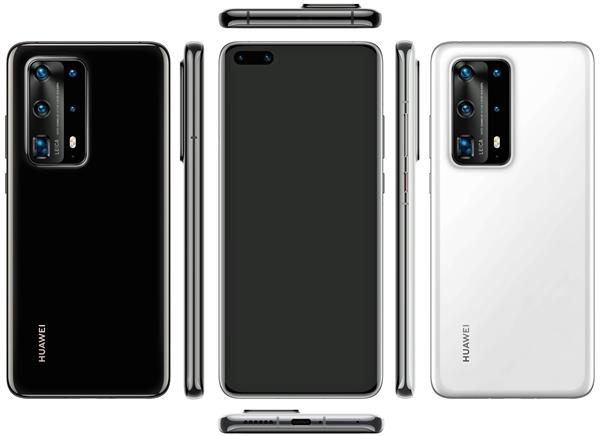
In about a week’s time, Huawei would have put the rumour mill to rest after it takes the wraps off the much anticipated Huawei P40 flagships. The Huawei P40 models have kept the mill buzzing daily in recent times. We are yet entertained with another leak pertaining to the P40 series. This time around, it is the retail box for the Huawei P40 Pro and some renders showing the device from all angles.Huawei P40 Pro

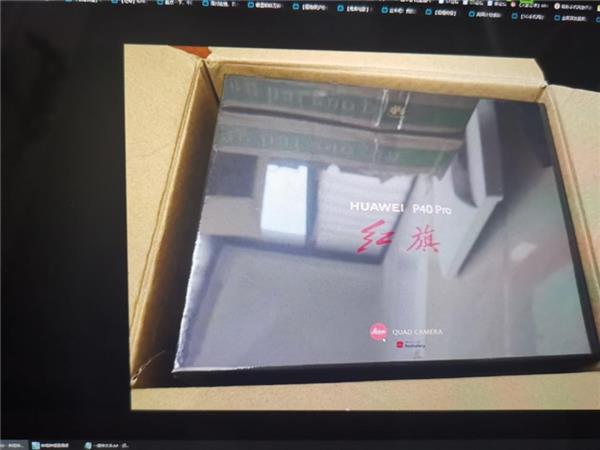
The packing box is specifically for the Huawei P40 Pro Hongqi Limited Edition. Earlier this month, a promotional poster had tipped the version to be among those that Huawei will release, albeit in limited quantity. We can’t say if this partnership will replace the one with Porsche Design but the company will be teaming up with local Chinese luxury car brand Hongqi, owned by FAW Group. The tech giant is said to manufacture just 200 units of this edition and to get one, you’ll have to buy the new Hongqi H9 luxury car.  Huawei P40 Pro Hongqi Limited Edition

The retail box looks big, suggesting the model may have several customised accessories onboard. From the earlier leak, the  Huawei P40 Pro Hongqi Limited Edition will have a black finish with a red dragon engraving at the right half of the back panel. The back panel will be made of ceramic and not glass. This is similar to the Huawei P40 Pro Premium Edition and so we can’t say for sure if they are not the same model.

In addition, the renders show the device will come with five rear cameras whereas the P40 is rumoured to have just three sensors and the P40 Pro has four sensors. Lest we confuse ourselves over the camera configuration of the models, we look forward to the official launch or more detailed leak specifically of the P40 series camera.


(source)

OPPO Reno3 gets a 4G global version with an Helio P90 chipset

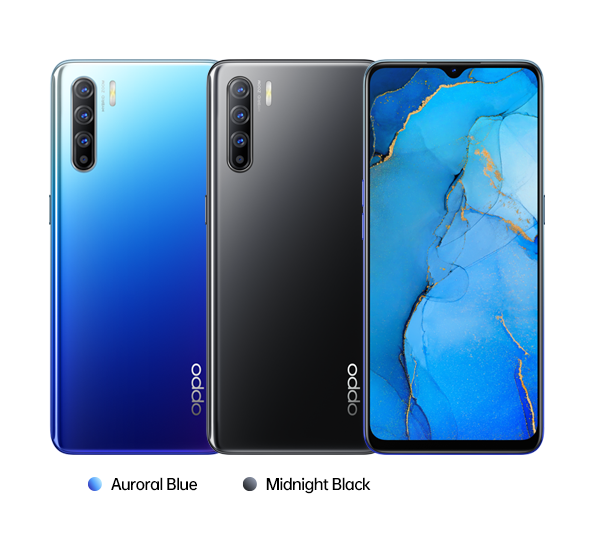
The OPPO Reno3 has finally gotten a global release about three months after the 5G version was announced in China. The phone largely keeps the same design as the Chinese variant but with little changes. It also comes with pretty different internals.

OPPO Reno 3 Global Version

The Reno3 Global Version has a 6.4-inch 2400 x 1080 AMOLED display. There is a waterdrop notch at the top for a 44MP selfie camera. The bezels have been slimmed down considerably save for the chin which is thicker than the others.

Inside the Reno3 is a MediaTek processor just like the 5G version but this is the Helio P90 processor and not the Dimensity 1000L. There is 8GB of RAM and 128GB of storage which can be expanded by up to an additional 256GB.

Reno3 4G Global Version

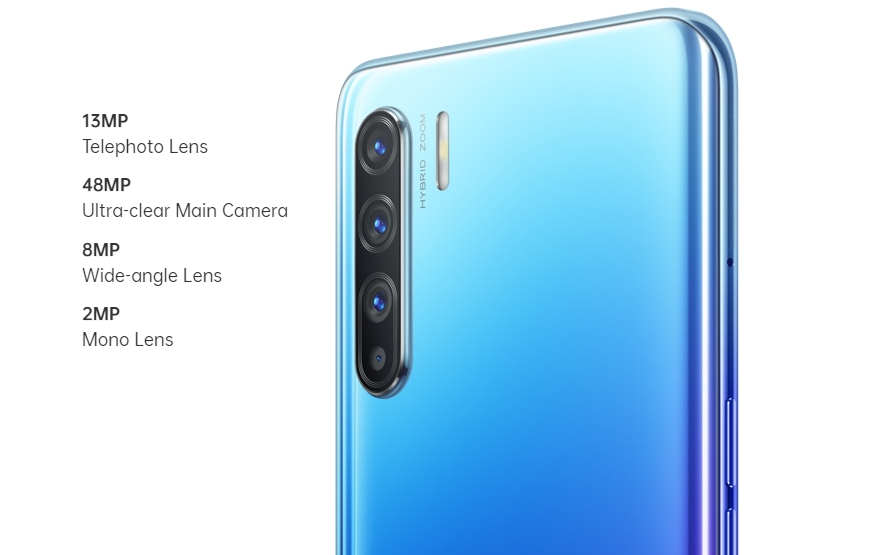
There are four rear cameras – a 48MP primary rear camera with an f/1.8 aperture, a 13MP f/2.4 telephoto camera with, an 8MP f/2.4 ultrawide angle camera, and a 2MP monochrome depth sensor. OPPO says the phone can actually take 108MP photos thanks to software. The phone also has 5x hybrid zoom and 20x digital zoom. There is an Ultra Dark Mode for capturing photos in low-light, a video bokeh mode, and even a macro mode even though it doesn’t have a macro camera.

OPPO has included a 4025mAh battery with support for VOOC 3.0. There is a USB Type-C port at the bottom flanked on one side by the speaker grille and on the other side by a microphone and audio jack. The phone also has stereo speakers with Hi-Res Audio and Dolby Atmos. There is a fingerprint scanner under the display.

The Reno 3 Global Version ships with ColorOS 7 based on Android 10. The phone weighs just 170 grams and is 7.9 millimeters thick. It is available in Midnight Black and Auroral Blue and will ship with a free p[air of earphones and a pre-applied s. There is no info yet on price and availability.


(Source)

Xiaomi launches the MIJIA Desk Lamp Lite for 79 yuan (~$11)

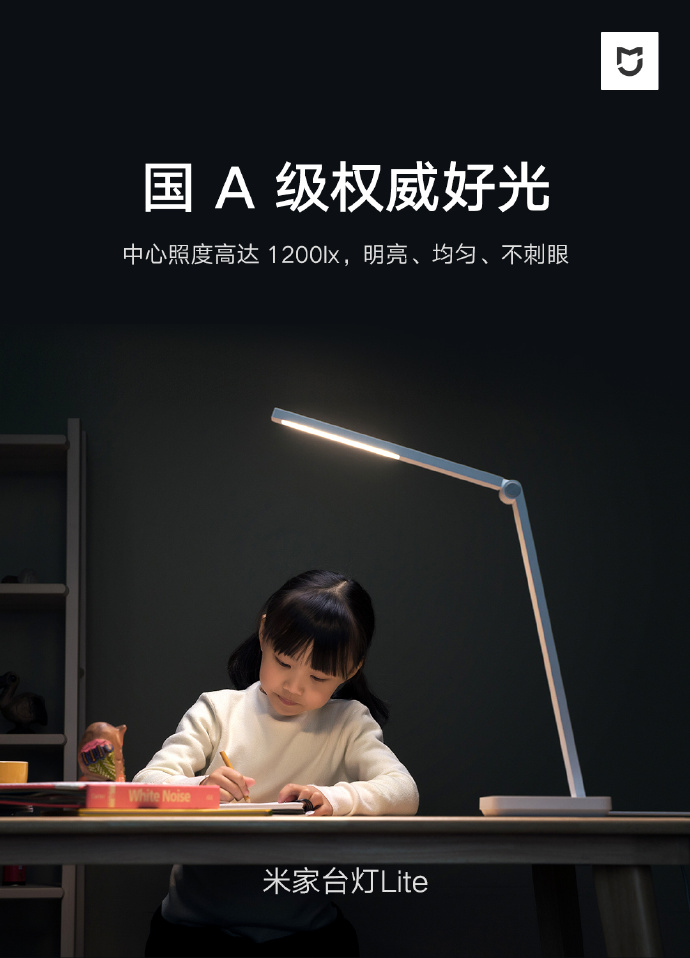
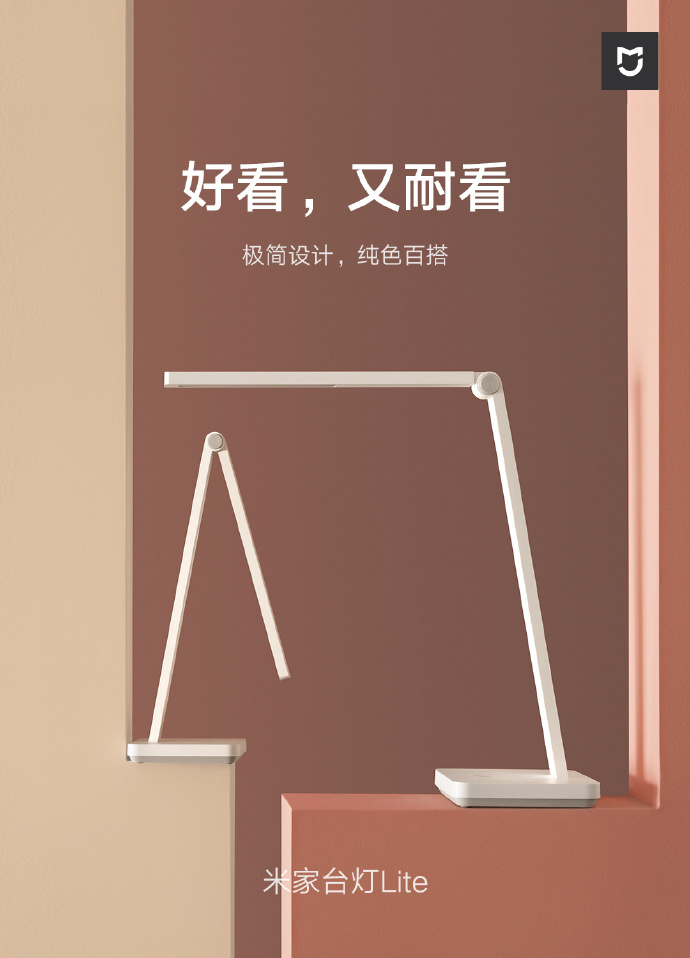
Xiaomi has launched a new MIJIA Desk Lamp Lite and it is already available to buy on several online platforms. As the name implies, the MIJIA Desk Lamp Lite is a trimmed-down version but stil brings several important features which ensure proper eye care. MIJIA Desk Lamp Lite

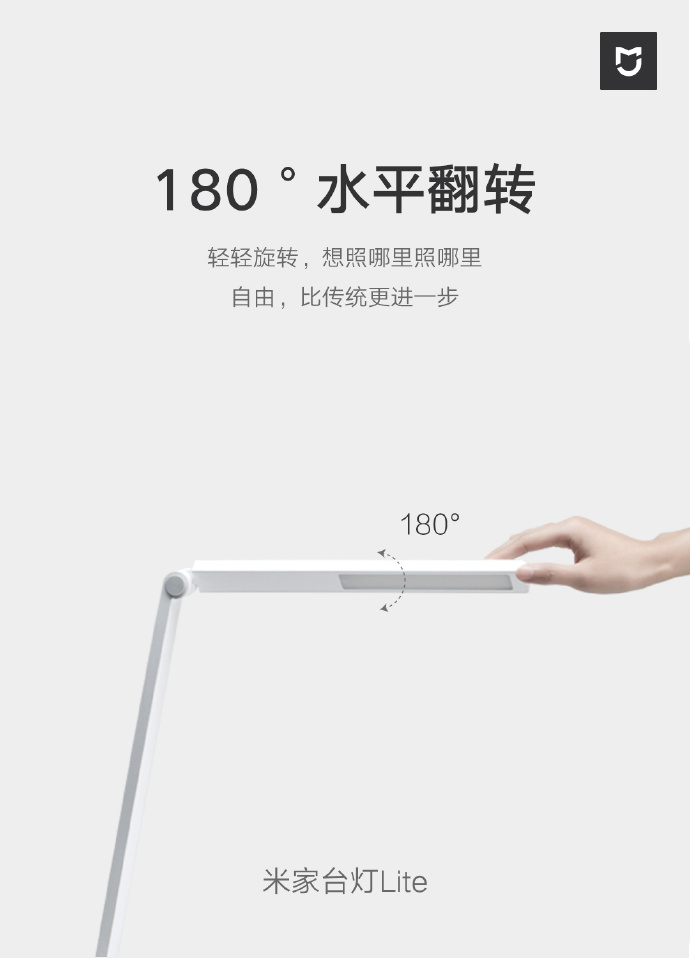
The desktop lamp is made from high-quality ABS plastic which gives it an elegant outward appearance. The lamp features an articulated arm that can be used for adjusting the direction of the light beam. The adjustable arm can bend up to 218-degree and can be rotated 180-degrees.MIJIA Desk Lamp Lite

The Mijia Desk Lamp Lite comes with a national standard A-level illumination while offering three blocks of comfortable and good light. The lamp equally offers protection from the damage arising from exposure of the eyes to blue light.MIJIA Desk Lamp Lite

The MIJIA lamp also offers up to 1200 lumens of brightness level. However, you can adjust the brightness level as desired.

As for the pricing and availability, the MIJIA Desk Lamp Lite comes with a 79 yuan (~$11) price tag. The product is already available to buy outside China on Gizmochina’s online store Giztop for an affordable $15 price tag. You can check out the Giztop product page from here.


(source)


Huawei Vision Smart TV Premium Edition with 128GB storage launched

Huawei launched its first smart TV last year with an impressive design and several outstanding features. The Huawei Vision Smart TV Premium Edition has now been unveiled with some upgraded features. One of the upgrades is a bigger 128GB storage pairing up with 4GB of RAM. The standard edition only has 64GB of storage space.

The Huawei Vision Smart TV Premium Edition comes with a 65-inch display but the upgrade is in the addition of some new smart interaction features. One of the top features of the Huawei Vision is the AI smart eye auto-pop-up camera which the smart TV has. The camera can be used for multi-party video calls. Not only is the resolution much higher than that of mobile phones, but also the big screen makes the experience way better. The pop-up camera is a high-quality one.Huawei Vision Smart TV Premium Edition

In addition, the Huawei Vision Smart Screen Premium Edition features a built-in AI fitness 2.0 function. When users use fitness functions, AI Smart Eye will recognize human bones and joints in real-time and provide actionable guidance. If a certain action is really difficult to do, you can also pause learning by waving your arms or skip the lesson by waving your right hand. This experience will be similar to having a fitness instructor around.

The smart TV also comes with the capability to monitor the child’s viewing distance and postures of children at any time through the AI ​​smart eye camera. The TV then sends a prompt reminder if an incorrect posture or exposure to bright light is detected in order to help children protect their vision. At the same time, parents can also turn on the adult monitoring function.

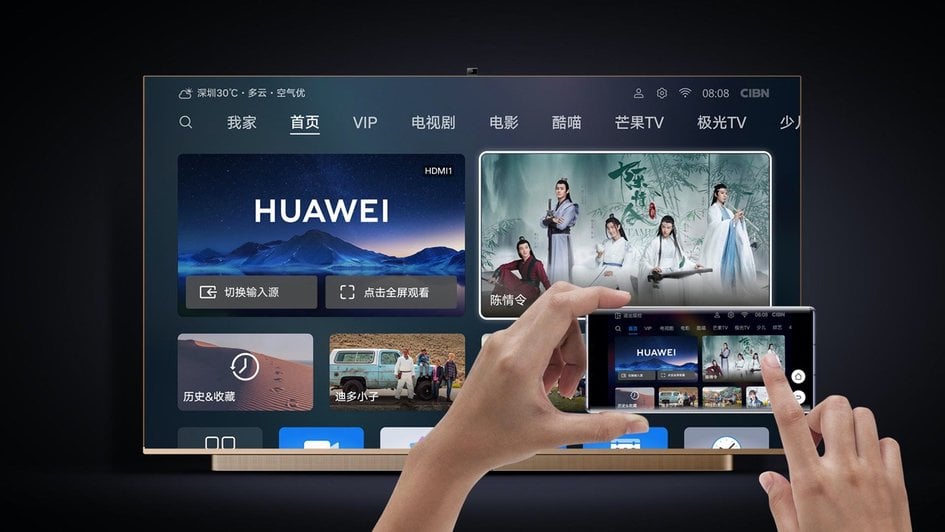
When it comes to the smart interaction of Huawei products, the Huawei Share function must be mentioned. On the smart screen, Huawei Share can be used to share contents with a smartphone. Contents on the mobile phone can also be displayed on the large smart TV screen. The phone can also be used as a remote control to control the TV. These are also features found on the non-premium edition.

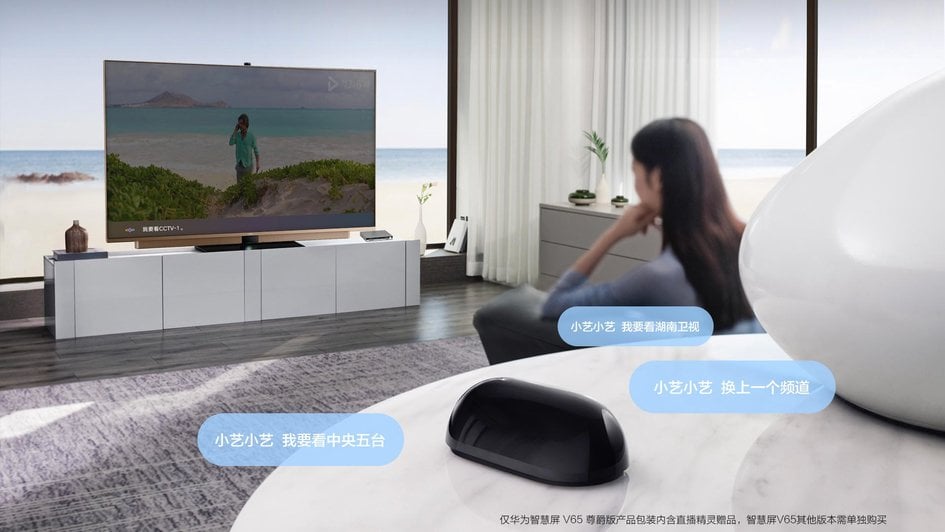
Huawei Vision Smart TV equally comes with a live broadcast function which enables voice control of the smart TV. Whether it is on-demand content in the smart TV or live content in the set-top box at home, with a voice command of “Xiaoyi Xiaoyi” + “Want to watch”, the user can directly change channels by voice.

The Huawei Vision Smart TV Premium Edition is presently listed on Huawei’s official flagship store on Jingdong (JD.com) but the price is yet to be revealed.


(source)


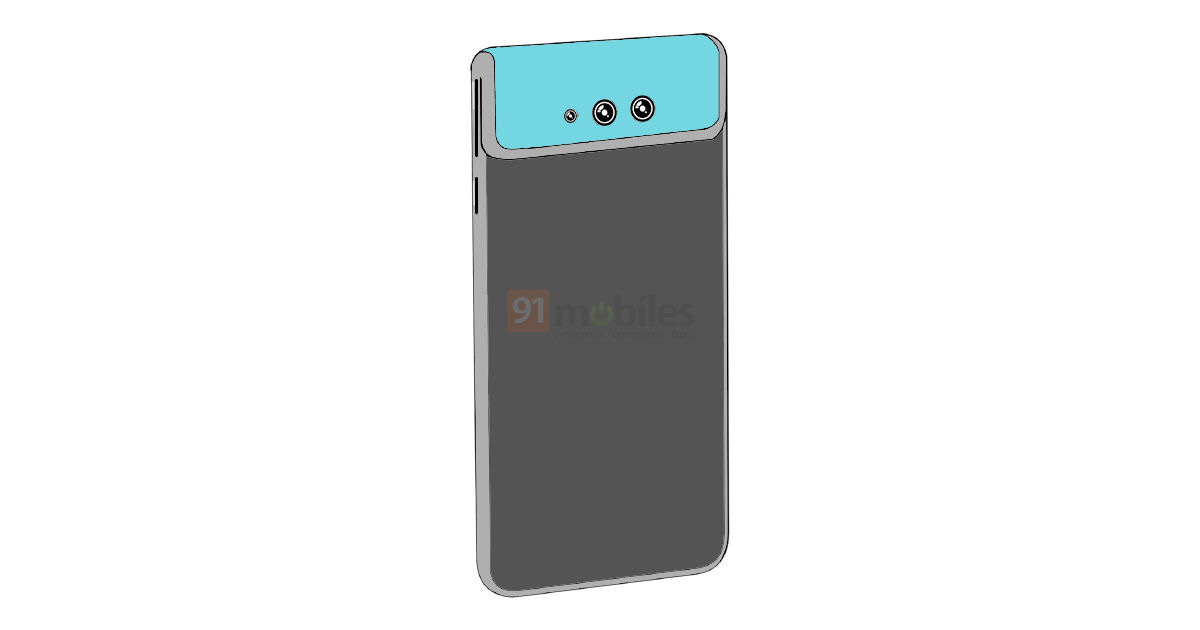
Xiaomi patents a bizarre Flip camera Smartphone with a Foldable display on Top

Companies patent a wide variety of things including design, technology, and branding. Xiaomi is no stranger in this regard. Recently, the company has been granted a smartphone patent design with a bizarre flip camera mechanism.

Smartphone OEMs have been coming up with strange ideas to achieve full-screen display on their products. As of now, we have seen phones with notches, punch-holes, pop-ups, flip-ups, and sliders. We are uncertain what tomorrow brings us to the table in the smartphone industry. Thankfully, we can imagine those designs when companies file for their patents such as this strange flip camera mechanism by Xiaomi involving a flexible display.

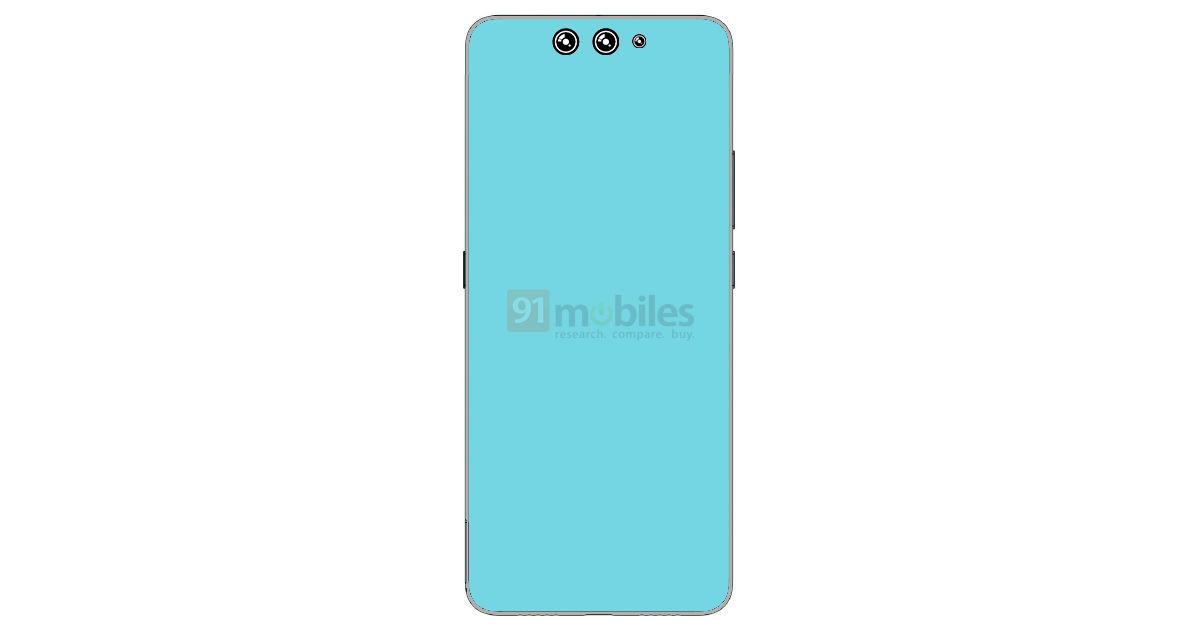
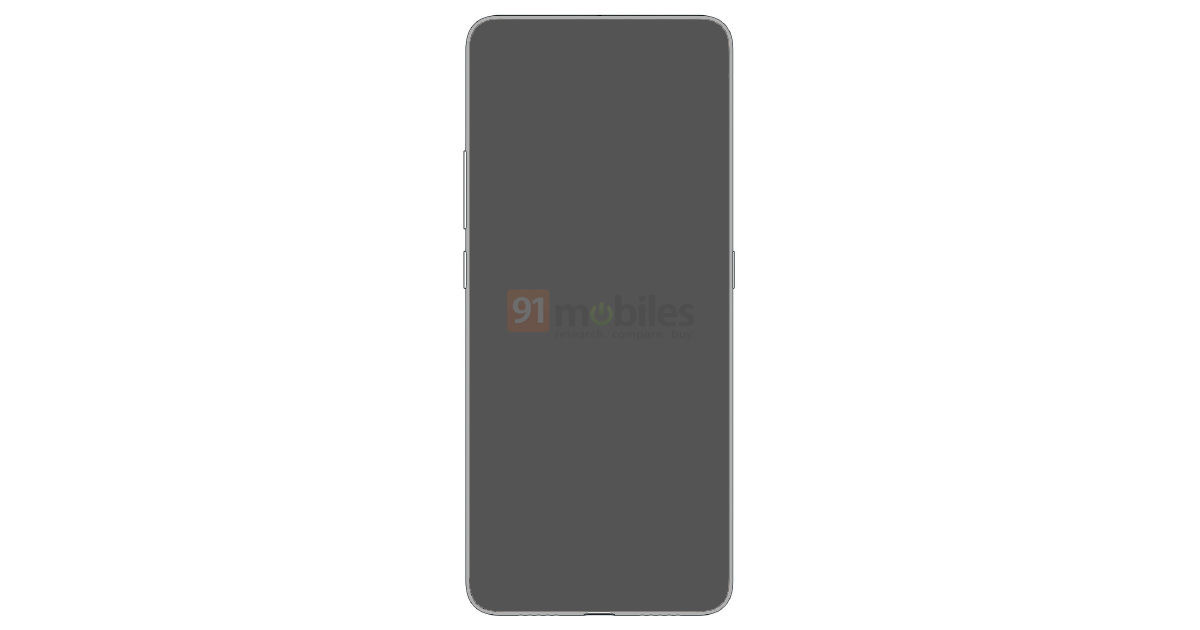
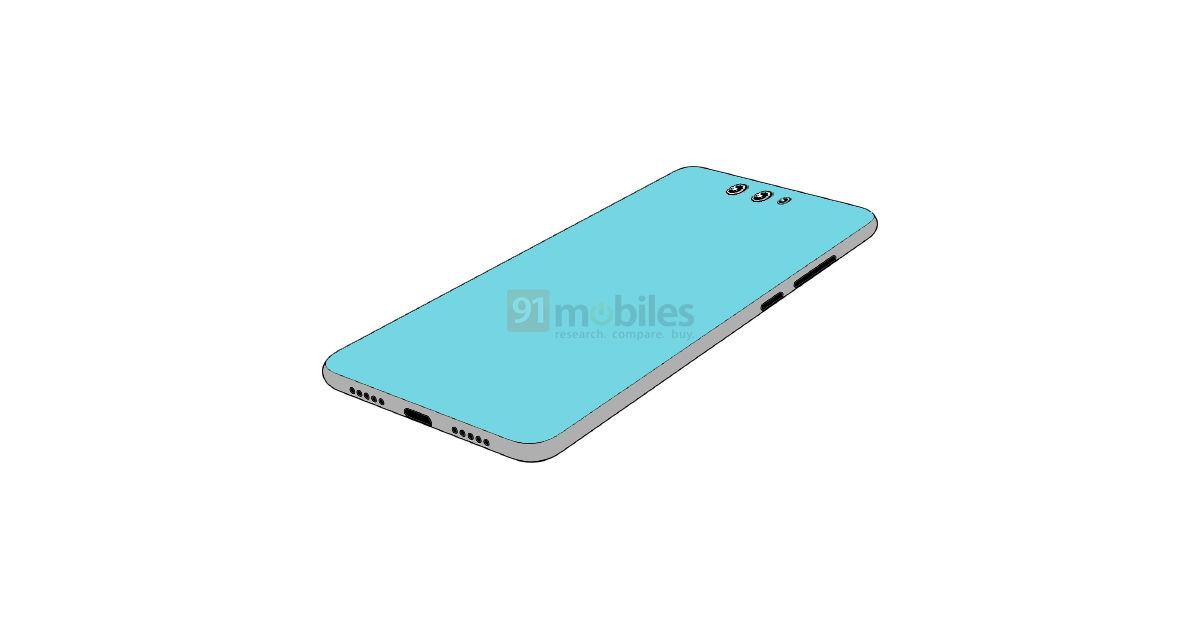
As you can see from the images, unlike ASUS 6Z and Galaxy A80, Xiaomi’s flip camera design will include a flexible display. On the former phones, only the camera module flips up and down with the help of mechanical parts. Whereas on the Xiaomi design, the cameras are embedded in the display like punch-holes and the screen itself flips like a foldable smartphone.

When on the back, the display could be used for camera viewfinder, notification panel or concept features as showcased by the company on its Mi Mix Alpha surround screen smartphone. While when the camera part of the display is flipped up, the entire back of the phone is left clean. On the sides, however, the design shows volume rockers and power key on the right side, dedicated key to call AI assistant on the left side, and USB Type-C port as well as speaker grilles at the bottom. Since there is no sign of a fingerprint reader, we can assume it to be featured under the display.

Anyway, we cannot guarantee Xiaomi to launch a commercial smartphone with this bizarre flip camera display design. Perhaps, this design will never see light as a finished product like many other design patents before.


(Via)

Alleged Honor 30 looks gorgeous in these renders; Honor 30S tags along too

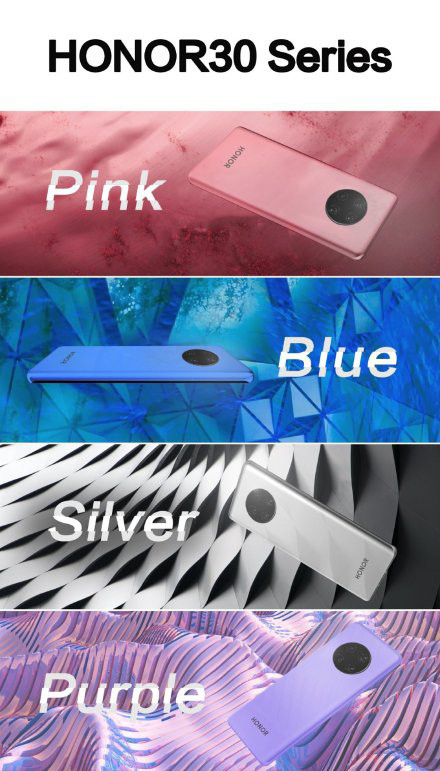
The Honor 30 series will be coming on the heels of the Huawei P40 series. Honor is expected to launch at least three phones – the Honor 30 Pro, the Honor 30, and the Honor 30S. Renders alleged to be of the Honor 30 has leaked revealing four color variants the phone might be available in. Some new renders of the Honor 30S have also tagged along.

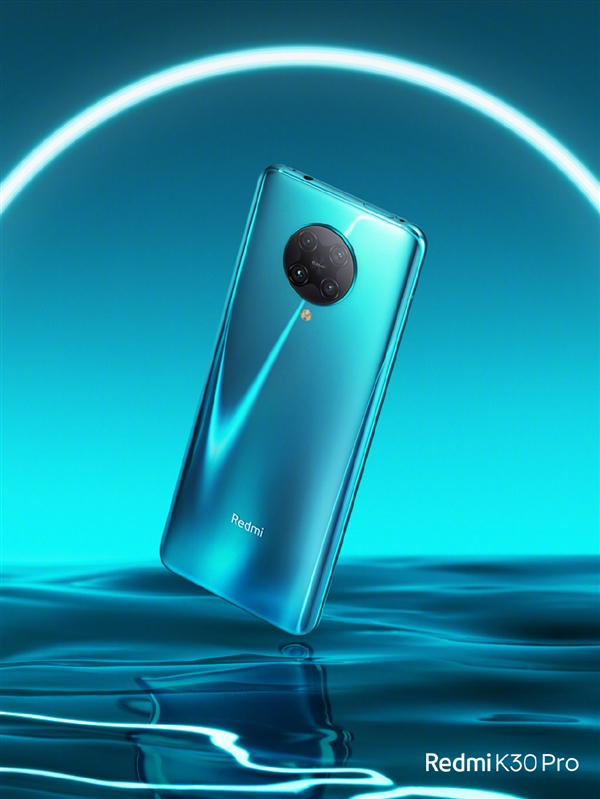
The Honor 30 is shown with the same cookie camera design as the Redmi K30 Pro whose images leaked yesterday. The camera housing is black on all four color options and has a slight bump to it. There are four holes arranged in a matrix on the back of the phone. We are not sure if there is a sensor in each hole as the LED flash is not visible. If the LED flash is in one of the holes, then the phone will have three rear cameras just like the Honor V30 series.

Honor 30 render

The Honor 30 stuns in Pink, Blue, Silver, and Purple. We expect they will have more flamboyant names when they are announced.

The Honor 30S render shows the front of the phone which has a punch-hole display. The hole is at the top left corner of the display. This is the first render that shows the front of the phone. The renders that leaked yesterday already revealed the rear design which is similar to that of the Honor V30 but with some slight changes.

[envira-gallery id=”310879″]

The Honor 30 will come with a Kirin 990 processor with a 5G modem while Honor 30S is expected to come with a new mid-range 5G processor rumored to be named the Kirin 820. Honor has not yet announced a launch date but there are reports it will be in April.


(Via: 1, 2, 3)

GREE China develops a new Coronavirus Purifier

Gree recently held a program in China dubbed “Walking into Gree” and which was broadcast live. Dong Mingzhu, chairman of Gree Electric revealed during the broadcast that the company had previously developed an anti-virus purifier due to the high risk of person-to-person spread of various classes of viruses during social interaction. Even though the products are available, they were not developed for Coronavirus.

Mingzhu also disclosed that when the Coronavirus outbreak began during the Spring Festival holiday, the factory worked overtime and took a bit of research. It spent almost two months to create a new technology to be able to tackle the Coronavirus strain. The company says the project was a success but Mingzhu regretted that the research and development of this device was a bit late. She opined that if they had been able to complete the product development one month or a month and a half before the outbreak, many medical staffs would not have been infected.

China has made tremendous progress in containing the spread of the virus. While the technology may not be needed, there are several countries like the US, UK, Italy, Australia, among others which would find it useful as the virus overwhelm their health facilities. Unfortunately, the company didi not reveal further details of the product or its launch plans.

UP NEXT: OnePlus 8 TPU Case goes on sale on GizTop; confirms design


(source)
 

Nokia 2.2 gets Android 10 after update rescheduling

The Nokia 2.2 is the first phone to get updated to Android 10 following HMD Global’s Android 10 rollout rescheduling last week. The phone was originally scheduled to get the update early this quarter alongside three other phones but the update was delayed.

Android 10 brings lots of new features to the Nokia 2.2 such as System-Wide Dark Mode, Smart Replies, Family link for Digital Wellbeing, a new gesture navigation, and privacy controls. The update also comes with February 2020’s security patch.

The phone was announced in June last year and it ran Android 9 Pie out of the box. It should still be up for one more major OS upgrade going by HMD Global’s tradition.

The Nokia 2.2 has a 5.71-inch HD+ display with a waterdrop notch. There is an Helio A22 processor inside the phone along with 2GB or 3GB of RAM and 16GB or 32GB of storage. The phone has a single 13MP rear camera and a 5MP selfie camera. There is no fingerprint scanner but it has a dedicated Google Assistant button. It also packs a 3000mAh battery covered by replaceable XpressOn covers.


(Source)

Sony Xperia Pro may cost $200-300 more than base Xperia 1 II

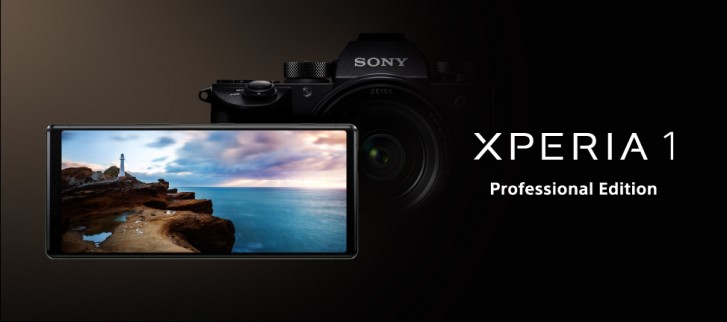
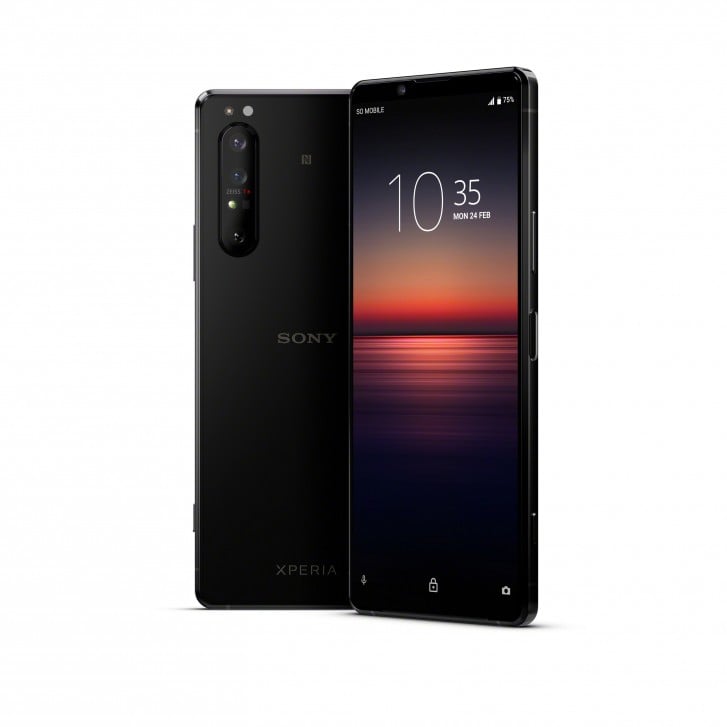
Sony recently announced that it will launch a “Pro” version of its flagship series alongside the Xperia 1 II. Generally, the higher variant offers more features or higher spec components, but are also priced higher as well. However, reports suggest that the Sony Xperia Pro may be priced nearly $200-$300 more than the base Xperia 1 II.

Sony

As of right now, the price for the base Xperia is unknown in the US, however, the European pricing is 1,200 EUR while the Canadian price is likely to be around 1,200 CAD as well. Thus the base price for the Xperia 1 II is also likely to be just around 1,200 US Dollars or just under it. The latest Sony flagship series will only be available in certain countries or regions, including the US, Europe, and others, excluding Japan.

Furthermore, it is being marketed more as a supplementing tool alongside the new Professional grade Sony Alpha camera owners. The smartphone perfectly pairs with the camera and also helps in getting the perfect shots. The smartphone can be connected to the Sony Alpha via an HDMI connection so it can serve as a screen, outputting on the handset’s 4K OLED display.

Sony Xperia 1 II
Sony Xperia 1 II

The Sony Xperia Pro will also feature 5G mmWave antennas, making them 5G enabled. This will allow the smartphone to broadcast live at high video quality (reaching up to 5Gbps under perfect conditions). Although the base variant only arrives with a sub-6GHz 5G networking support, which has better coverage but slower speeds overall. The Sony Xperia 1 II is expected to launch in the late Spring of 2020, with the Pro variant following soon after.


(Source,Via)

China has 160,000+ 5G base stations covering more than 50 cities: GSMA

China is one of the few countries in the world to have a well covered high-speed 5G network technology. Carriers in the region launched commercial 5G services only last year and the market is already showing huge progress in adoption. As per a series of reports published by GSMA, 5G networks will account for almost half of the country’s mobile network by 2025.

GSMA China Half Mobile Networks 5G 2025

The 2020 China edition of ‘Mobile Economy’, a series of reports on the mobile industry by GSMA says that the country’s 5G adoption rate is on par with other leading regions such as Japan, South Korea, and the United States. It also forecasts half the country’s mobile networks will be 5G by the year 2025. Further, over $180 billion is estimated to be invested in mobile CAPEX over the next five years by the Chinese operators. Out of which, roughly 90% of the total investment will be on 5G networks.

According to Sihan Bo Chen, GSMA’s Head of Greater China, as a result of early 5G adoption, China has already built more than 160,000 5G base stations covering more than 50 cities. He also adds that unlocking the benefits of next-generation networks and flexible policies for spectrum as well as infrastructure are strategically important to aid China’s ongoing transmission into a fully-fledged digital economy. One of the reports also forecasts the mmWave 5G to contribute $104 billion to China’s GDP by 2034.

In case you are interested in reading all the detailed reports published by GSMA under the ‘Mobile Economy’ series, then access them from the source link provided below.


(Source)

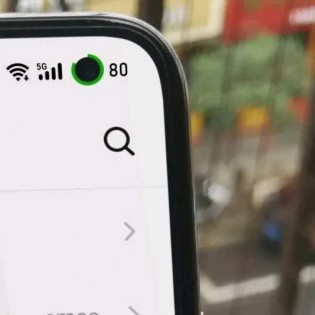
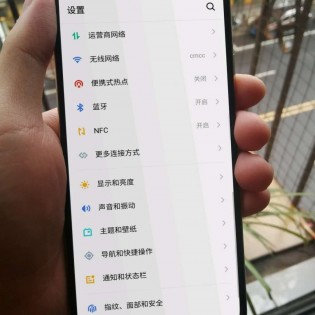
Meizu 17 Live shot reveals a punch-hole circled by a battery indicator; key specs leaked

Meizu revealed last week that the Meizu 17 will be launched in April. The Meizu 17 will hit as Meizu’s 17th-anniversary flagship model and is expected to have a redefined design. Meizu has over the years refused to adopt a display cut-out design rather, they have stuck with symmetrical design in line with the philosophy of its founder Jack Wang.Meizu 17

The Meizu 17 may deviate slightly from that style if this leaked photo of the device is anything to go by. The leak shows the device will have a punch-hole at the top right corner of the display. What makes this even more interesting is that the punch-hole camera will be surrounded by a ring LED indicator which displays the battery level. The indicator may also display perhaps in different colours when the device is charging. The location of the punch-hole is different from what obtains on most smartphones where the selfie camera cut-out is located at the top left corner. With this design, the indicator is rightly located close to the signal strength indicator and the clock is then retained in its traditional top-left location. Meizu 17

The Meizu 17 is expected to be powered by a Snapdragon 865 processor and will support 5G connectivity as well as WiFi 6. The flagship device is equally expected to have an in-display fingerprint scanner. It will definitely run Android 10 but then that will be with the company’s FlymeOS skin on top of it. We’ll have to wait for more details to know if it will feature 90Hz refresh rate.

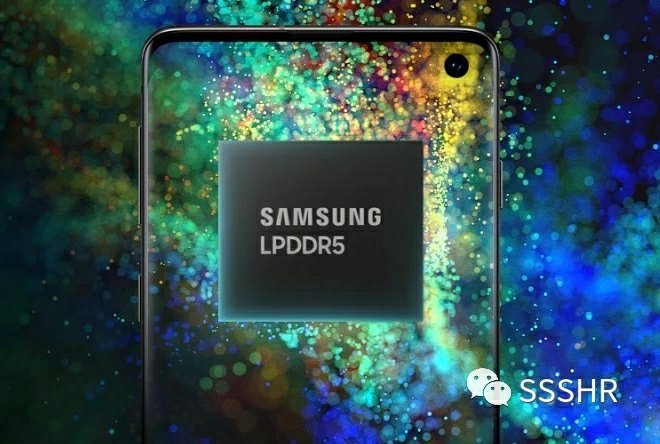
UPDATE: Persons familiar with the internal operations at Meizu have revealed some of the key specs of the Meizu 17. The device is said to have a screen size between 6.4-6.5 inches with FHD+ resolution. The device is also said to have support for 90Hz refresh rate as well as an aspect ratio of 19.5: 9. The flagship will come with an 8GB RAM + 128GB storage variant and will use the new LPDDR5 memory and UFS3.0 flash memory. The Meizu 17 will pack a 4500mAH battery with support for 30W wired fast charging and 30W wireless fast charging.


(source)
 

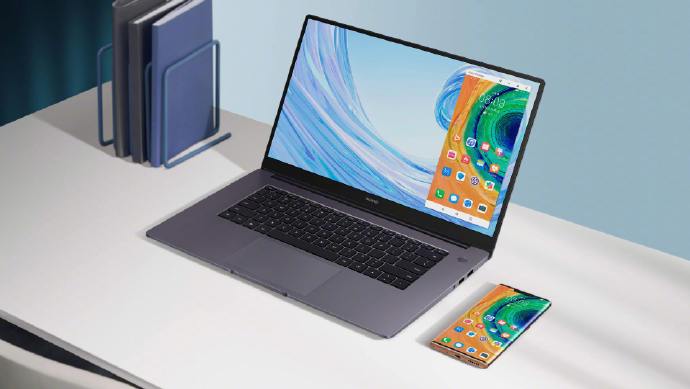
Huawei laptops to see 100% growth in 2020 after Global Windows laptop market surges: Ming Chi Kuo

According to the renowned analyst, Ming Chi Kuo, the global demand for Microsoft Windows laptops has grown significantly in early 2020 and will surge further all through March and later in 2020. This arrives despite the impacts on various economies and industries due to the ongoing Coronavirus pandemic. Through this growth in Windows laptop, it seems that Huawei‘s notebooks will see a sizeable growth as well, as per Ming Chi Kuo’s reports.

Ming Chi Kuo reported that the latest survey showed that shipments of key components of the Windows laptops are expected to grow in the Q2 of 2020. This rise will be about 20 to 30 percent and will even affect Huawei’s notebook offerings. Reportedly, Huawei’s MateBook series may see an exponential growth that could see unit shipments rise by nearly 100 percent or 6 million units around this time.

Huawei MateBook D
The new Matebook lineup comes with Windows 10 after Microsoft received a license to trade with Huawei.

It seems that the recent viral outbreak is making more companies push the ‘work from home’ policy which will have laptops become an increasingly popular option.  Thus, Huawei’s own PC shipments are expected to rise by 30-40 percent in the Q2 of 2020. This is impressive considering Huawei is still relatively new in the PC market. Back in 2019, Huawei had revealed that its Huawei notebooks sales had grown by 249 percent over 2018.

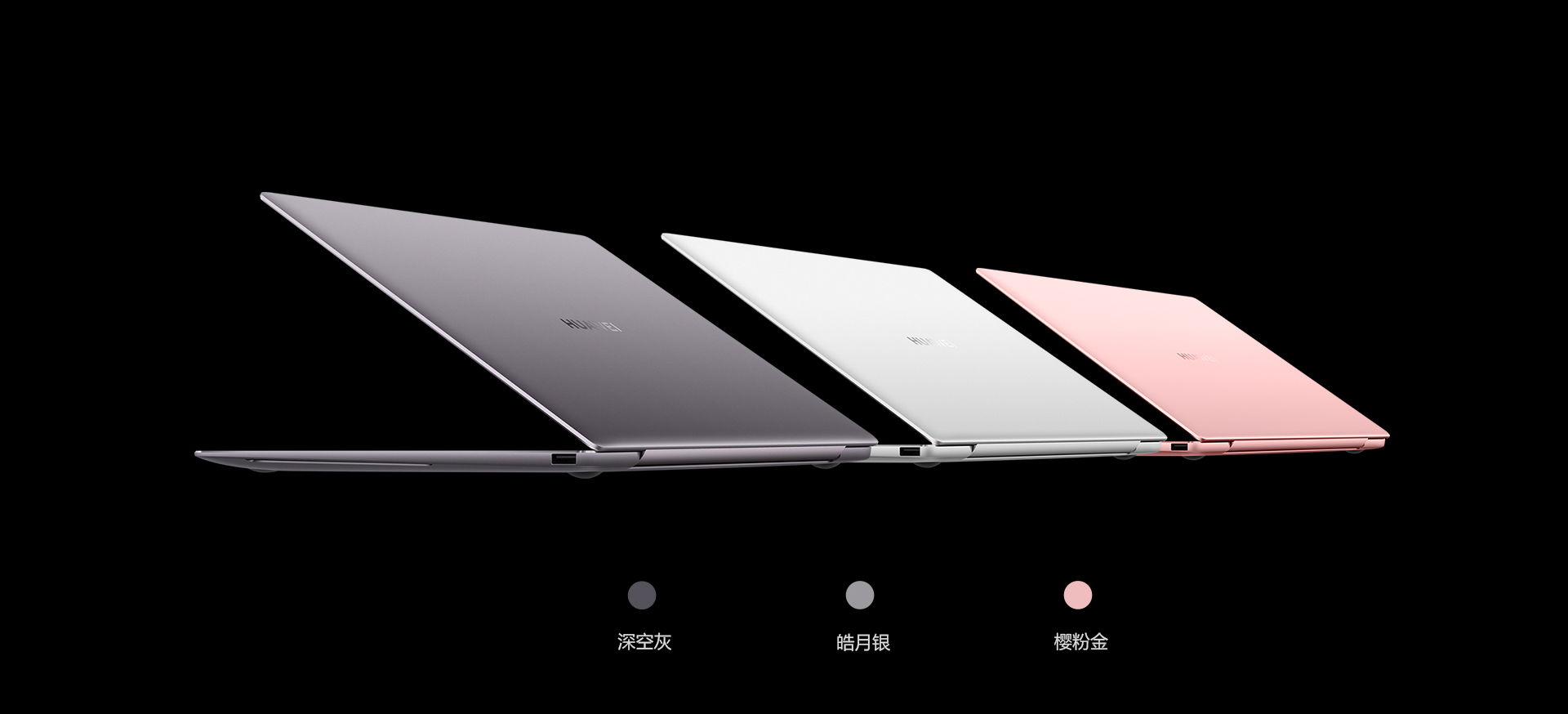
These numbers reflect notable year on year growth for Huawei’s multiple notebook lineup, including the Matebook, MateBook X/ Pro, MateBook D, E and MateBook 13 and 14 as well. The Chinese tech giants laptop offerings are generally thin and lightweight and offer attractive specs that make them a viable option for a Windows laptop, especially in China due to its lucrative domestic pricing, specs, and features.

Huawei MateBook X Pro (2019) all colors
Huawei MateBook X Pro (2019)

Ming Chi Kuo’s report also stated that the new trend of work from home will only help and curb the further spreading of the viral infection and will help normalize things faster. Additionally, the Windows laptop offerings are important productivity took and the shipments in the near future are also likely to prove to be better than the current market expectations.


(Via)

Realme 6i becomes the World’s First Helio G80 Smartphone, Launched in Myanmar

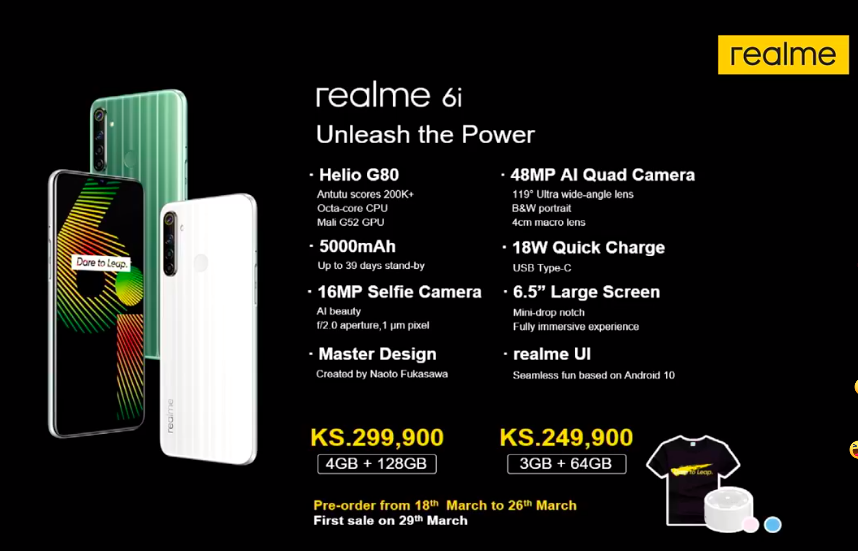
Realme has just announced the world’s first Helio G80 powered smartphone, the Realme 6i. The phone was launched today at an event in Myanmar featuring this new chipset as well as a quad-camera setup at the back.

World’s First Helio G80 Smartphone

The Helio G80 processor sits just below the G90T gaming chipset from MediaTek. It features two Cortex-A75 performance cores clocked at 2GHz and six power-efficient Cortex-A55 cores clocked at 1.8GHz. There’s the Mali-G52 GPU handling the graphics. The company reveals that the Realme 6i scores nearly 201K on the AnTuTu benchmark.

REalme 6i colors- GIZMOCHINA

The Realme 6i should be placed just below the Realme 6 (powered by the G90T) that was announced earlier this month in India. Basically, consider the Realme 6i to be the true successor of the Realme 5i model.

Realme 6i Camera & Battery

Unlike the Realme 6 and 6 Pro, the Realme 6i continues with the waterdrop or the mini-drop display (Realme’s term for waterdrop) measuring 6.5-inches and a screen to body ratio of 89.8 percent. It’s likely going to be an FHD+ panel, which would be an upgrade from the HD+ screen on the Realme 5i. However, we couldn’t confirm this information and will update the story when we get more details.

At the back, the Realme 6i features a quad-camera setup arranged vertically. There’s a rear-mounted fingerprint sensor as well. This is yet another deviation from the other two Realme 6 series model which feature side-mounted fingerprint sensors. The quad-camera setup consists of a 48MP primary sensor along with a 119° ultra-wide-angle camera, a dedicated B&W portrait sensor, and a macro camera (up to 4cm). On the front mini-notch, you have a 16MP f/2.0 AI beauty camera for selfies.

Realme 6i specs
Realme 6i specs

The phone continues to use a large 5000mAh battery as its predecessor but has upgraded fast charging to 18W. For software, you have the Realme UI based on Android 10.

Realme 6i Price & Availability

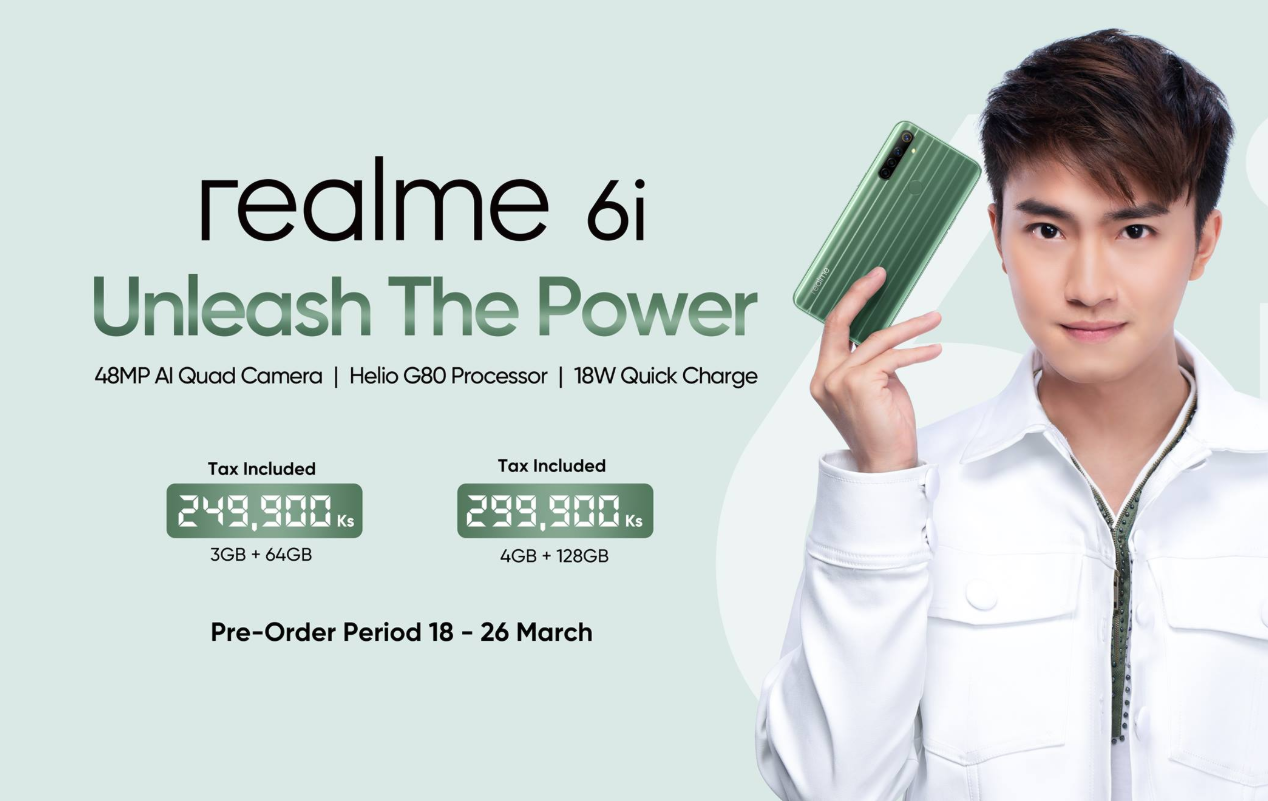
The Realme 6i starts at KS 249,900 (~$176 / Rs. 13,000) for the 3GB RAM and 64GB variant and goes up to KS 299,900 (~$212 / Rs. 15,700) for its unusual 4GB RAM and 128GB ROM variant.

realme 6i price

The phone is up for pre-order in Myanmar till March 26 and will go on sale for the first time on March 26. There Realme 6i will be available in two color variants: Milke White and Green Tea.


[UPDATE: UFS 3.1 Confirmed] Redmi K30 Pro to feature a VC Liquid Cooling to improve thermal performance

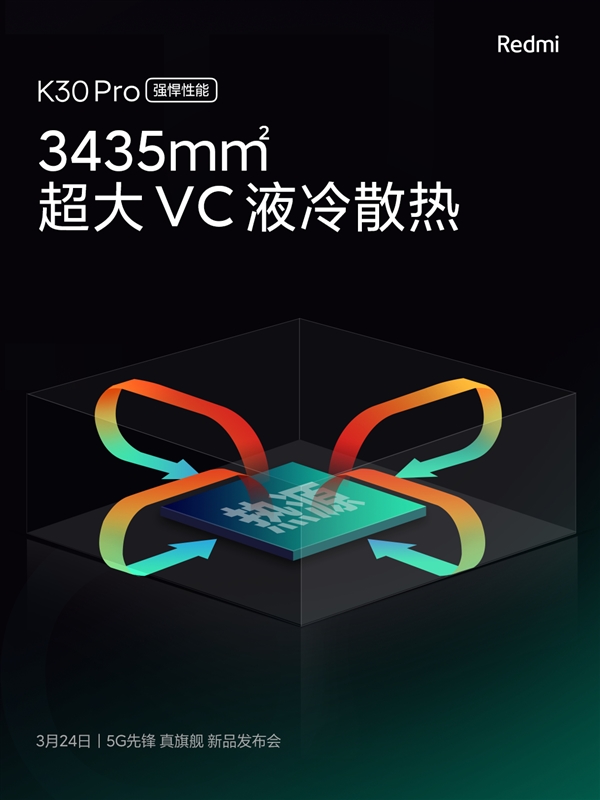
Earlier today (17th March 2020), Redmi revealed a few details regarding its upcoming premium flagship, the Redmi K30 Pro. In the press conference, the Xiaomi subsidiary revealed that the smartphone will feature a VC liquid cooled heat sink which will improve performance and enable Qualcomm’s Snapdragon 865 SoC to run at full capacity.

Redmi

According to the official image poster, the Redmi K30 Pro will be equipped with a 3435 square millimeter of liquid cooled heat sink which is claimed to offer improved thermal performance and allow for greater heat dissipation over traditional cooling methods. Lu Weibing, General Manager of Redmi, stated that the name of the new VC heat sink or vapor chamber is along the line of a vacuum sink heat sink cooling technology.

For those unaware, heat sinks are basically copper tubes that run along the length on the device’s internals covering heat generating components such as the processor, memory, and battery. These tubes carry the liquid cooling solution which uses the principle of gas to liquid phase change to conduct heat from one side of the device to another. In simple terms, this allows for better heat dispersion and lowers overall temperatures during extended or intensive periods of smartphone usage.

Redmi

Technically, the more powerful a processor, the more power it draws and the heat generated rise as well. The Snapdragon 865 SoC is currently one of the fastest most powerful chipsets which is commercially available and is capable of running intense gaming apps and more. This generated heat which can reduce the overall performance of the device, but Redmi K30 Pro’s new liquid heat sink can lower the heat generated, allowing for more performance gains over a given period of use.

Redmi

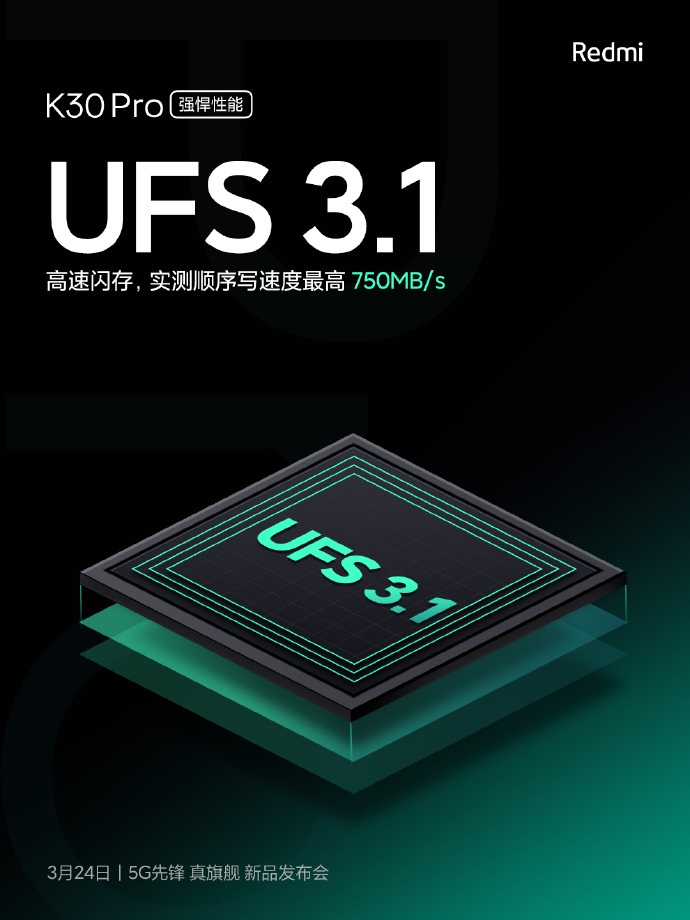
Update: the Redmi K30 Pro has just been confirmed to feature UFS 3.1. The new storage standard is the latest and fastest memory chip currently available commercially in the market and will provide read speeds up to 750MB/s. The image poster shared also states that this may be the “strongest performance combination’ in the 5G era.” By comparison, UFS 3.0 only offered read speeds between 400MB/s or 260MB/s.


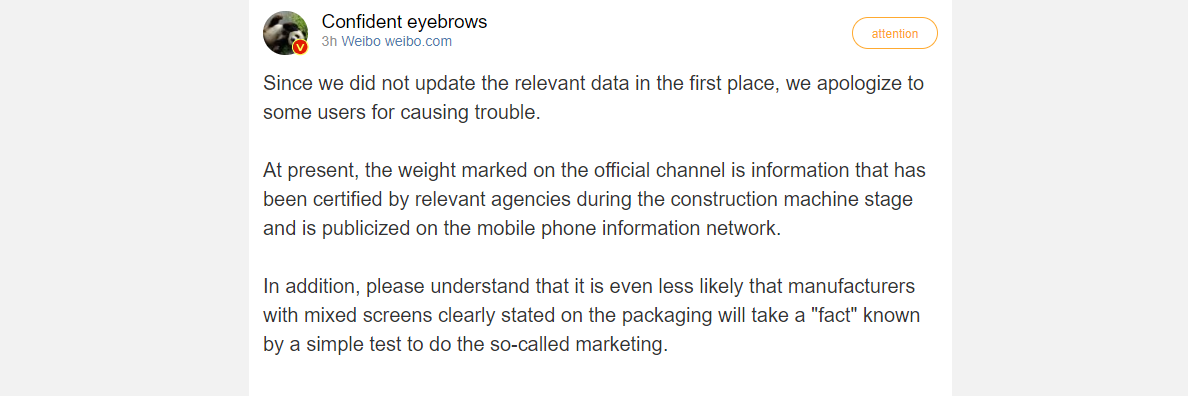
Oppo product page shares misleading details of Find X2’s weight, company offers refunds

Oppo has just made a new announcement in response to the recent criticism it had garnered due to false advertising. The Chinese smartphone manufacturer had shared misleading details regarding the Find X2‘s weight on its official product page and is now offerings refunds to people that have purchased the handset.

Oppo had recently launched its latest flagship series, the Find X2 and Find X2 Pro. These smartphones are premium grade flagships and cost 5,499 and 6,999 respectively (or roughly $783 and $996). After its launch, many people noticed that the weight of the smartphone felt heavier than what was officially claimed; and after real life tests, it was determined that the actual weight was nearly 5-13 grams higher than advertised.

This led to a controversy that sparked online which although was a small mistake from the company, could potentially be interpreted as misleading to its customers. Thus, Shen Yiren, the Vice President of Oppo, issued a public apology and stated that the company would investigate that matter. So it was found out that there were several discrepancies in the weight of the Oppo Find X2 series.

Notably, the glass version of the Find X2 weighed 192g, over the claimed 187grams. Similarly, the ceramic Find X2 unit weighed 209g which is sizeably more than the officially advertised 196g. Furthermore, this even affected the Find X2 Pro units with its ceramic version seeing an increase of 10g over actual and claimed weight as well.

Oppo
Oppo Find X2 Pro

Thus, Oppo has officially started refunds for the Find X2 series in China. Other regions where the Find X2 series is available will have the product information updated while Mainland China will make refunds against Find X2 orders for those that wish to return the device. So for those interested, make your way to the nearest customer service center in China before 24th March 2020, to avail this limited time offer.


Samsung starts Mass Production of the Fastest Storage for Flagship phones

Samsung Electronics is a known brand in the consumer electronics industry. The company is popular for its smartphones, various home appliances and a lot more. However, many are unaware that the company is also a world leader in the memory market. Now, the South Korean tech giant has just announced that it is starting the mass production of the world’s fastest storage units that will soon be available in flagship smartphones.

Samsung

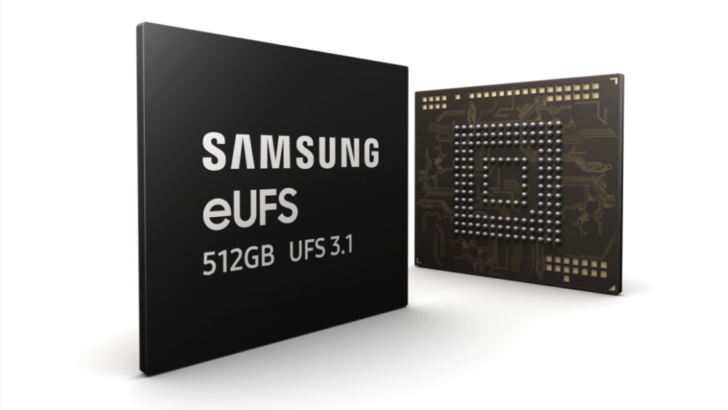
Samsung has begun the large scale manufacturing of the industry’s first 512GB eUFS (embedded Universal Flash Storage) 3.1. You can expect these to be house in premium grade flagships and are touted to deliver performance speeds nearly three times higher than the current generation, eUFS 3.0. The company broke the 1GB/s threshold through the new eUFS 3.1, marking a new advancement in technology.

According to Cheol Choi, executive vice president of Memory Sales & Marketing at Samsung, “smartphone users will no longer have to worry about the bottleneck they face with conventional storage cards.” In other words, Samsung is focusing on the future, since it is preparing for the advancement in other fields which the faster memory will supplement eventually. This holds especially true in terms of gaming performance and large media files like 4K or even 8K video recording.

LPDDR5 Samsung memory

In terms of read and write speeds, the new Samsung eUFS 3.1 storage boasts 1,200MB/s which is over twice as fast as the SATA based SSD storage of PCs (with 540 MB/s). Similarly, these speeds are over 10 times faster than conventional microSD card read speeds as well (90MB/s). The new memory technology may even soon be found in ultra thin ultrabook laptops as well. So stay tuned as we’ll cover smartphones that will feature the new memory standards.


(Source)
Samsung pushes Work from Home policy on its Employees

Samsung Electronics, the known electronics company, is actively pushing for a work from home business model for a lot of its employees. The company “strongly advised” this decision and is a step towards hampering the spread of the recent coronavirus pandemic.

For those unaware, China was recently hit with the Coronavirus outbreak, which led to many manufacturing lines shutting down and a massive number of infected cases. Now, it is a widespread global phenomenon as every nation in the world prepares for the worst case scenario that China is facing. In the midst of this, company’s such as the South Korean tech giant, Samsung, are advocating for remote of home working policies “Where possible.”

Samsung

According to the source, internal memos and documents circulating detail plans on curbing the further escalation of the Coronavirus infection. Samsung will now have health screening in the entrances of its facilities while international travels have been restricted to only “mission critical journeys.” Furthermore, the company has also made a special task force that will go around the globe to track and implement the latest expert advice during this time. Going as far as sending special care packages to few that are working from home or are under self quarantine.

Previously, we had reported on Samsung production lines closing down in Gumi in South Korea. The factory was closed due to confirmed cases of the COVID-19 infections. During this time, the company is urging employees to work from home when possible, but these probably won’t be taken up by workers in the manufacturing operations. Currently, Samsung employs more than 300,000 people globally. Including, 52 sales offices, 15 regional offices and dozens of research and development centers.

Samsung

The impacts of the viral outbreak can be seen in the entire industry. Apple, Samsung and more have all been suffering from shutdowns and halts in production. While press conferences and launch events have also been canceled, in place of live streaming. The confirmed cases in on site manufacturing floors have only made the situation direr as well.


(Via)

Meizu 16th 4G Smartphone is available for just $359.99 on GearVita

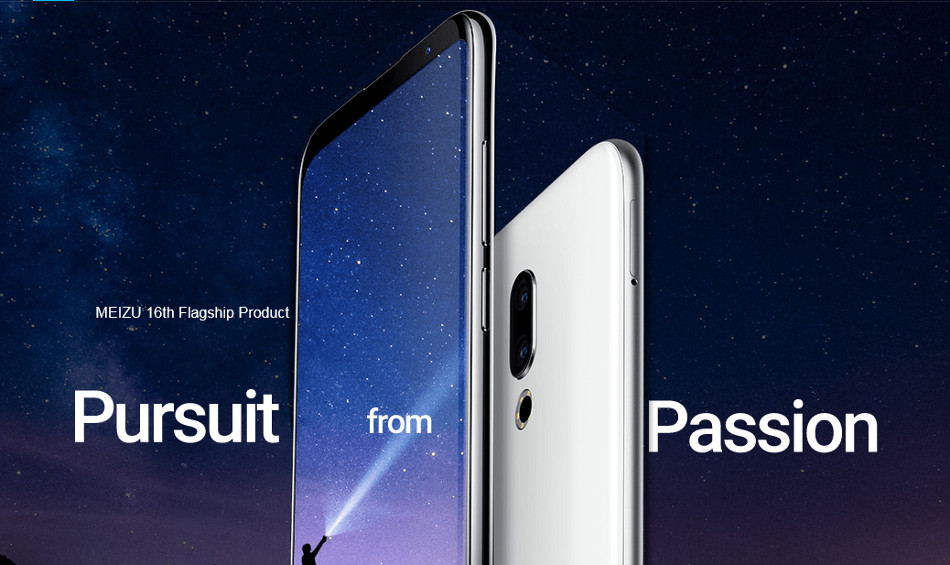
Meizu has a reputation for offering feature-rich smartphones that don’t cost a bomb. Living up this notoriety, the Chinese consumer electronics company launched a new phone dubbed the Meizu 16th under its well-received 16-lineup back in March 2019.

Meizu 16th

Even over a year after hitting the store shelves, the Meizu 16th smartphone continues to garner popularity among smartphone lovers. Considering the phone’s undying demand, Meizu is now offering it for a considerably lowered price through GearVita.

The 6GB RAM+64GB ROM Meizu 16th global version would normally set you back a pretty penny, but you can now purchase the aforesaid variant for just $359.99 from GearVita. In other words, you can avail of a $144 off on the smartphone’s original asking price of $503.99.

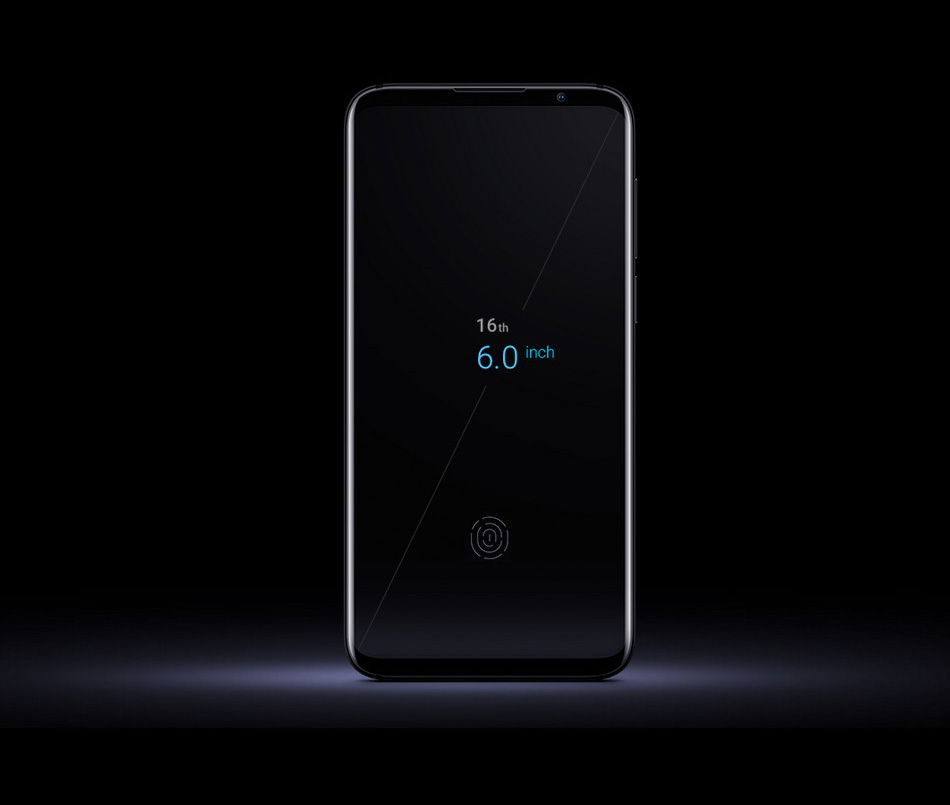
This 23 percent discount is currently valid for the black color option only. An absolute steal at this price, the Meizu 16th sports a 6.0 Inch display with a high resolution of 2160 x 1080 pixels.

Meizu 16thIt packs a powerful Qualcomm Snapdragon 845 Octa Core, max to 2.8GHz processor along with a Qualcomm Adreno 640 GPU under the hood. The dual-SIM smartphone features a 12MP and a 20MP camera at the back and a 20MP front shooter for selfies.

Moreover, the Meizu 16th smartphone runs the Android 8 Oreo operating system and is backed by a 3010mAh Li-ion battery. You can follow this link to check out the rest of the specifications and place your order through GearVita.

The Gizmochina Coupons is a community that finds, reports and evaluates deals and coupons of Chinese products from online shops. Please visit it here to find more coupons to save money on mobiles and smart gadgets.

Samsung is rumored to develop a 150MP Nonacell Camera sensor with a Q4 2020 Launch

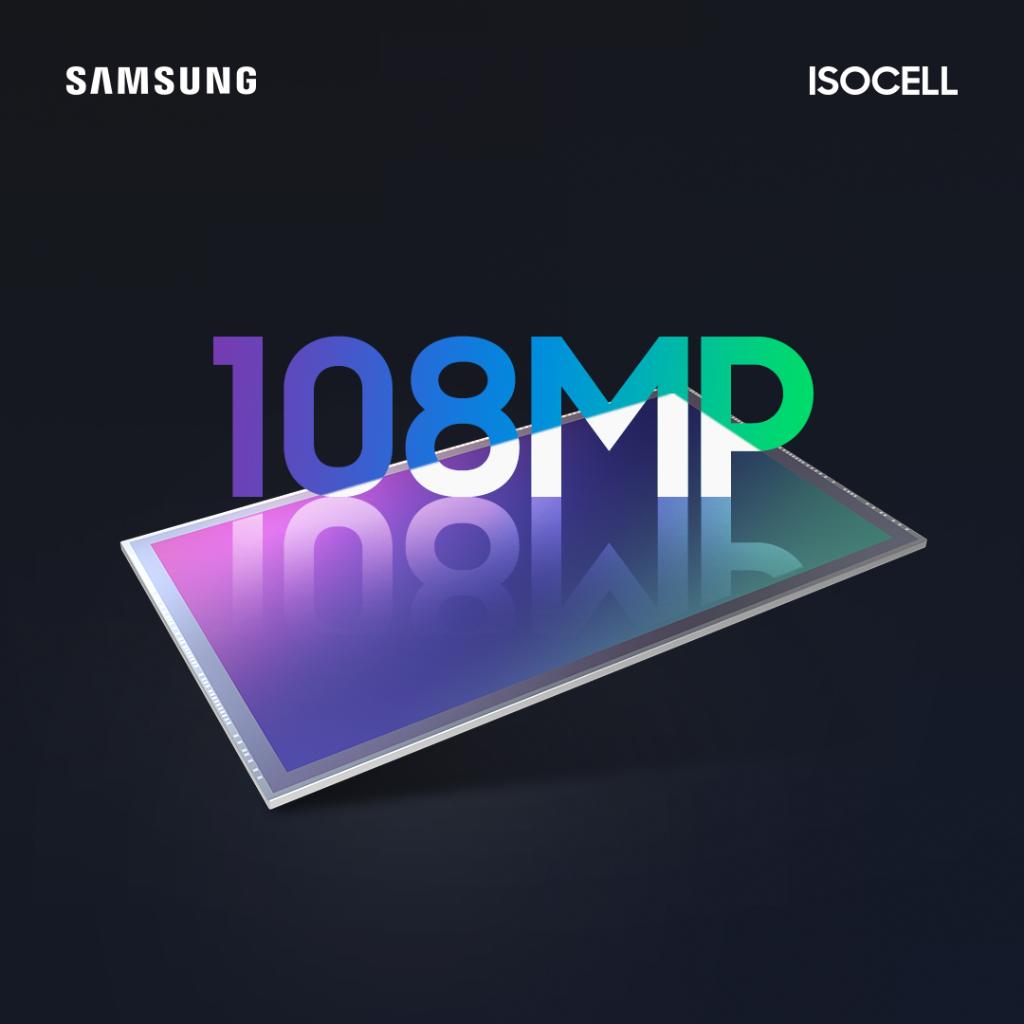
Previously, Samsung Electronics made a buzz online after rumors had revealed that a 108 megapixel sensor was in the works. This sensor soon turned out to be official and can now even be found in the Galaxy S20 Ultra. Now, rumors have surfaced again, with the sensor size being raised even further.

Samsung ISOCELL 108MP
Samsung ISOCELL 108MP Camera Sensor

The South Korean tech giant is rumored to develop a 150 megapixel Nonacell camera sensor. It is expected to launch around Q4 of 2020 and will be the company’s largest sensor, solely by megapixel count. It is also the largest commercially available image sensor that can be found in the market. The original news arrived via a tweet on Twitter by a user named Sleepy Kuma (@Kuma_Sleepy).

In the tweet, the news also includes additional details like the adoption of the new Samsung sensor by other OEMs. Similar to this year, it was claimed that Xiaomi ill adopt the new 150 megapixel sensor in Q4 of 2020. Vivo and Oppo are also set to include the sensor, but in the Q1 of 2021. These devices are likely to be the Chinese smartphone companies’ flagship and are said to also feature Qualcomm’s Snapdragon 875 SoC as well.

As it stands right now, the rumor had yet to be officially confirmed through any sources. So take it with a grain of salt considering a separate report had mentioned a 144 megapixel from Samsung. Furthermore, the current generation of chipsets, especially Snapdragon 865, is capable of supporting a camera sensors up to 200 megapixels. So supplementing technology is available right now. However, Samsung’s proprietary Exynos 1000 might be the processor which is meant to feature the sensor.