Gaming smartphones pack the same hardware (read chipset) as regular flagship phones – so you get a largely similar performance between devices from the two categories.
However, gaming smartphones have other features that are practically what gives them their name. Such as a display with a high refresh rate, a high touch sampling rate, a large battery capacity, faster charging, gaming-oriented optimized software, physical/capacitive shoulder buttons, superior cooling technology, and a matching design (color-changing LEDs, extra ports, etc.).
While a regular flagship doesn’t usually have all of the bells and whistles of a gaming smartphone, it will handle any of the games you throw at it with ease. You can also buy accessories that can improve the gaming experience such as a controller or a cooling fan.
For this week’s poll, we want to know which you actually prefer – a gaming smartphone or a regular flagship smartphone. So please take the poll and also drop a comment telling us why you prefer one over the other.
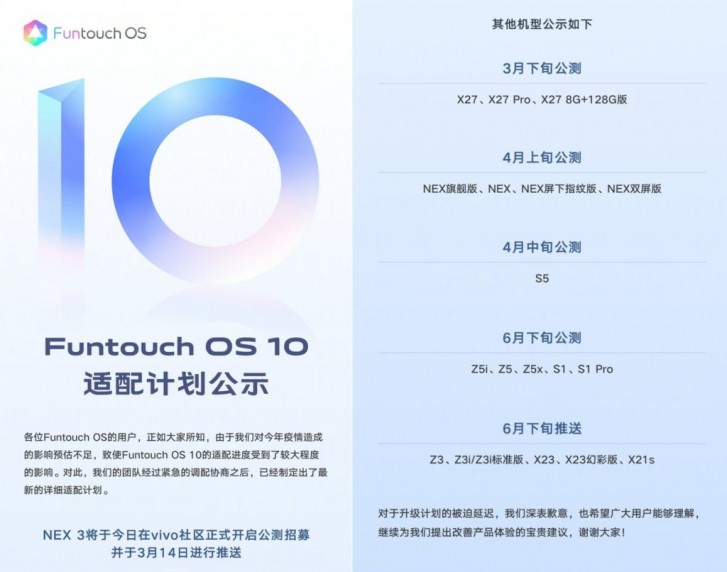
Vivo had initially planned to start with the testing of beta version of FunTouch OS 10 based Android 10 upgrade in February. However, the update was delayed due to the COVID-19 Coronavirus outbreak. On Feb. 17, the company had confirmed that it will soon share a detailed upgrade plan. The Chinese firm is back with a revised Android 10 update schedule for the Chinese market.
The public beta of Android 10 OS featuring the latest FunTouch OS 10 which was made official in December 2019 will be first made available to the users of Vivo NEX 3 and Vivo NEX 3 5G on March 14. The first 4,000 users who register for it will be provided with the public beta. Vivo had launched the Vivo X30 and X30 Pro phones in China with FunTouch OS 10 based Android 9 Pie. The revised Android 10 roll out does not mention when the X30 series will get the Android 10 update.
The Vivo X27, X27 (8 GB + 128 GB model), X27 Pro users will be receiving the public beta by early March. The owners of Vivo NEX S, NEX A, NEX-A with in-screen fingerprint sensor and NEX Dual Display will be treated by early April.
The Vivo S5 will get the update by mid-April. The end of April will see the update hitting handsets like Vivo Z5, Z5i, Z5x, S1 and S1 Pro. The update will be coming to other smartphones like Vivo Z3, Z3i and X23 by late June.
The above mentioned devices are the only smartphones from Vivo that will be blessed with FunTouch OS 10 based Android 10. The arrival of Android 10 update for users of Vivo phones in international markets is likely to happen once the Chinese models are treated with the update.
HMD Global will be announcing its new devices on March 19 through an unveil event in London. The Nokia 8.2 5G which is the company’s first 5G-ready smartphone will be the major highlight of the event. The company is also expected to unleash couple of new smartphones including the Nokia 5.2 mid-ranger phone. Leaks surrounding it suggest that it is codenamed as Nokia Captain America. A new report on Nokia Power User has revealed some vital information on the smartphone. The report also claims that the device will be debuting as Nokia 5.3.
The report reveals that the Nokia 5.3 that has a model number of TA-1234 will be a dual-SIM device that will flaunt a 6.55-inch display. The previously seen leaked images of the smartphone revealed its screen features a waterdrop notch. The Nokia 5.3 is expected to deliver a tall aspect ratio of 18.5:9.
Courtesy: Evan Blass
The leak further states that the Nokia 5.3 will draw power from Snapdragon 660 / 665 mobile platform. The highest version of the phone will have 6 GB of RAM and a built-in storage of 64 GB. The phone is also expected to arrive in lower RAM versions of 3 GB and 4 GB. Both models are likely to feature 64 GB of native storage.
Courtesy: Evan Blass
In terms of optics, the Nokia 5.3 will bear a front-facing camera of 8-megapixel. The rear side of the device will have a quad camera setup. It will include a 16-megapixel main camera, a second camera of 5-megapixel and a pair of 8-megapixel units.
The Nokia 5.3 will be housing a 4,000mAh battery. The 6 GB + 64 GB version of the smartphone may carry a price tag of $180. It may hit the market in color choices like Charcoal and Cyan.
Google Pixel 4 was launched last fall with some exciting new features including inspirational motion gestures. The smartphone inbuilt radar chip helps to efficiently detect your presence under Motion Sense. The whole technology is based on Project Soli which was initially showcased in 2015.
After the mouse, keyboard and touch screen display, the motion gestures are set to become a new medium of interaction between smartphones and humans. However, the feature on Pixel 4 is limited to just a few motion gestures, but its applicability is much diverse. In the coming times, we will see its applicability across different functions on smartphones. Pixel 4 comes with a hand wave gesture to change tracks, pause and play the music and more more.
Other smartphones do not feature any radar chip, but with the help of other sensors and Tasker app, we can attain the Motion Gestures. Tasker is a popular automation app available on the Android ecosystem. It can perform complex functions using multiple triggers. We have crafted a guide to enable Pixel 4 motion gestures on any Android smartphone using Tasker.
Enable Pixel 4 Motion Gestures
It is a bit complex process, as the user has to create multiple triggers to attain Pixel 4 like functionality. We recommend following the process carefully.
Things to Attain
Our procedure will enable motion gestures for Next, Previous, Play and Pause music tracks.
Sending WhatsApp Messages without touching the smartphone.
Prerequisites:
Below are some plugins and permissions you need to accomplish the procedure.
Note: Both the below plugins will require Accessibility Service request. The user can enable it by heading over to Settings > Accessibility.
After downloading the above apps, the user needs to grant some access to both of these apps.
Both the AutoInput and AutoNotification apps need Accessibility access. You can grant access to both the apps by heading to Settings > Accessibility.
After installing the Tasker app, grant the user access and display over other apps access by heading to Usage Access.
Grant storage, microphone, and body sensors access permission.
Steps to enable Pixel 4 Motion Gestures
Follow the steps carefully to control music and send a WhatsApp message without touching the smartphone.
Download or Import the Tasker project over the device.
It will prompt to get certain permissions, tap Yes. Follow, the on-screen instructions.
After successful import to the profile, head over to the profile section to make sure that profiles are free of any exclamation mark. (Note: If any exclamation mark occurs, then recheck the permissions as some might be missing.)
Steps to access Pixel 4 Motion Gestures
Now you can watch the video to learn to operate both of the features.
Controlling Music:
Users can easily control the music from Google Play Music, Spotify, and Pocket Cast app.
Open any of these apps and hold your hand against the front sensors to pause music, wave from the right or left to play the next or previous song.
Send WhatsApp Message:
Open WhatsApp and head over to the chat screen.
Now, perform a swipe to initiate a voice chat popup and then automatically send the message.
It is quite an amazing feature to try on Android devices. It can make your device look superficial with the Tasker app. The process is a bit complicated, but we hope our guide would have helped you to enable the Motion Gestures on Android smartphones.
Recent reports have revealed some vital information on the upcoming Galaxy M21 smartphone. Samsung is yet to confirm on its arrival, but rumors surrounding it have claimed that the Galaxy M21 will go official this month. A new Indo-Asian News Service (IANS) report claims that the Galaxy M21 will be made official on March 16.
The report claims that the Samsung Galaxy M21 is equipped with a 6.4-inch Super AMOLED display and it features a triple camera setup with a 48-megapixel main unit on its rear. The phone is backed by a massive battery of 6,000mAh capacity. A recent leak had claimed that the Galaxy M21 will be arriving with the same internals that were made available on the Galaxy M30s that went official in India in September 2019.
Hence, the Galaxy M21 is expected to be fueled by the Exynos 9611 chipset. The Geekbench appearance of the smartphone had also revealed that the Exynos 9611 is present under its hood. The SoC was coupled with 4 GB of RAM and it was found to be running on Android 10 OS.
The phone is also expected to arrive in 6 GB RAM version. The Galaxy M21 could be arriving in the Indian markets in two storage options such as 64 GB and 128 GB. In the previous month, the Galaxy M21 was seen at the database of Bluetooth SIG authority.
The Galaxy M21 will be arriving as a successor for the Galaxy M20 phone that debuted in India in January 2020. At present, there is no word on the pricing of the Galaxy M21. The Galaxy M20s had arrived in India with a pricing of Rs. 10,990 (~$149) for its 3 GB RAM variant and Rs. 12,990 (~$175) for its 4 GB RAM edition. The Galaxy M21 is likely to arrive with a similar pricing and it will be positioned under the recently announced Galaxy M31 which is selling in India with a starting price of Rs. 14,999 (~$202).
The Realme X50 Pro 5G launched in India last month. It will be launched in China on March 12, and according to TENAA, it may be available in a variant that is not sold in India.
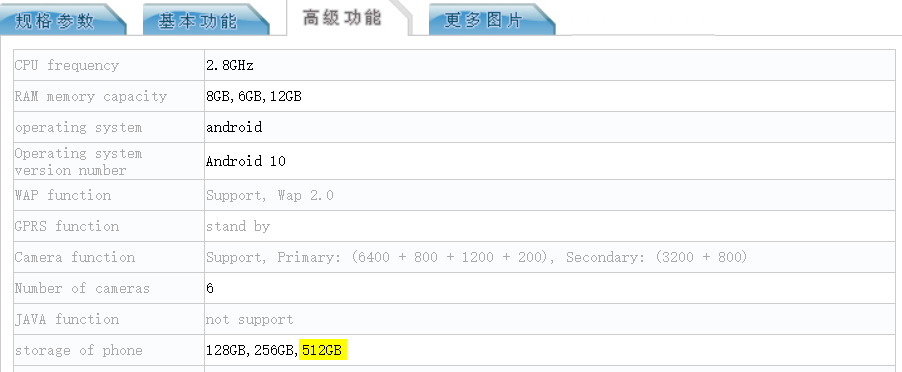
The phone is available in three configurations in India – 6GB RAM + 128GB, 8GB RAM + 128GB, and 12GB RAM + 256GB. The TENAA listing shows the phone will come in three RAM versions – 6GB, 8GB, and 12GB RAM and three storage versions – 128GB, 256GB, and 512GB. Based on this, the phone may be available in 12GB RAM + 512GB.
The Realme X50 Pro 5G has a 6.44-inch Super AMOLED display with an FHD+ resolution and a punch-hole in the top left corner for two cameras. The Snapdragon 865 is the chipset inside the phone.
On the back of the phone, there is a 64MP f/1.8 primary camera, a 12MP telephoto camera with 20X hybrid zoom, an 8MP 119° ultrawide lens, and a 2MP f/2.4 portrait lens. The selfie cameras are a 32MP sensor and an 8MP 105° ultrawide angle camera.
The Realme X50 Pro also has an in-display fingerprint scanner, stereo speakers, and a 4200mAh battery with support for 65W SuperDart fast charging technology. The phone starts at INR 37,999 (~$513) and goes up to INR 44,999 (~$608).
Last year, Oppo gave us a brief glimpse of its first true wireless earbuds called the Oppo Enco Free through a Weibo post. The Chinese phone maker also confirmed that it will make the true wireless earbuds available to the public on December 26th alongside the Reno 3 series of phones.
Oppo even shared renders that showed three color options of the TWS earphones, while creating more hype around its impending launch. The Oppo Enco Free seems to draw inspiration from the Apple AirPods as far as design elements are concerned.
The earbuds feature a half-in-ear design that can be converted into a shallow in-ear design with the help of the ear-cap. The lightweight and compact Enco Free is Oppo’s second product under the well-received Enco lineup.
Moreover, the earbuds come with silicone in-ear tips for a comfortable fit and to ensure it does not fall off while running, walking or working out. Furthermore, it comes with a charging case that has a smooth matte surface and can be used as a wireless charger for the earbuds.
To ensure easy recharging for the case, as well as the earbuds, a USB-C port has been placed at the bottom. The Enco Free supports the latest Bluetooth 5.0 connectivity which offers a stable wireless range of up to 10 meters. Aside from that, the Enco Free uses AI uplink noise cancellation and offers supports wear detection support. In short, the earbuds will automatically pause and resume playback every time you take them out or place them inside your ear. Its unique open-fit design is ideal for touch controls.
If you want to adjust volume, all you need to do is to slide a finger on the left earbud or switch between tracks, simply by sliding a finger on the right earbud. The Enco Free draws its juices from a 31 mAh battery that lasts for 5 hours and offers 25 hours of battery life with the charging case. The charging case is backed by a 410mAh battery.
You can follow this link to purchase the Oppo Enco Free from Giztop for a lowered price of just $85. The earbuds come in black, as well as white color options, usually carrying a $129 price tag.
The Gizmochina Coupons is a community that finds, reports and evaluates deals and coupons of Chinese products from online shops. Please visit it here to find more coupons to save money on mobiles and smart gadgets.
Oppo’s Vice President, Shen Yiren took the covers off the hotly-anticipated Find X2 series on Friday, March 6th.
Touted as a higher-end phone in the lineup, the Find X2 Pro garnered more attention, thanks to its top-end specifications and camera that propelled it straight to the top in DxOMark camera testing history, leaving the Mi 10 Pro from Xiaomi far behind in terms of overall performance. We will talk more about the specs and features in just a bit.
It might interest you to know that the Find X2 Pro has gone up for pre-order through Giztop carrying a price tag of $1,199. Available in black (ceramic) and orange (leather) color options, the recently unveiled handset ships with a large 12GB of RAM and offers a hefty 256GB of internal storage space for you to save your favorite multimedia content. The Oppo the Find X2 Pro houses a triple camera setup comprising a 48MP primary shooter, a 48MP ultra-wide-angle lens and a 13MP telephoto sensor at the back. The main shooter is Sony IMX689 sensor, while the IMX586 sensor serves as the wide-angle lens.
The telephoto lens supports up to 10x hybrid optical zoom with 60x maximum digital zoom. The three sensors work together to deliver a superior focal length that ranges from 17mm to 170mm. The Find X2 Pro sports a 6.7-inch OLED 120Hz QHD+ display and is rated IP54 splash-proof. It packs a powerful Qualcomm Snapdragon 865 Octa-Core processor and an Adreno 650 GPU under the hood. The dual-SIM phone runs ColorOS 7.1 based on Android 10 OS and is backed by a robust 4260mAh battery that supports 65W SuperVOOC 2.0 Flash Charge.
You can visit this link to check out more details about the Oppo Find X2 Pro and place your pre-order via Giztop. Note that the estimated delivery of the phone is the middle of March this year.
The Gizmochina Coupons is a community that finds, reports and evaluates deals and coupons of Chinese products from online shops. Please visit it here to find more coupons to save money on mobiles and smart gadgets.
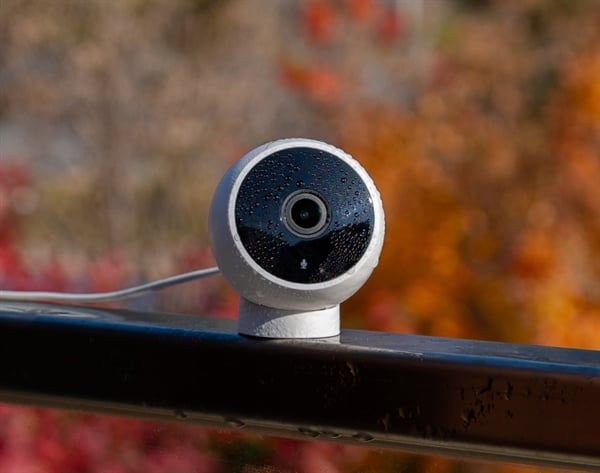
Xiaomi launched a new camera dubbed the Xiaomi Smart Camera Standard Edition. The camera went on sale today, March 8th at 10 AM. You can purchase it through Giztop for $21.99.
The round-shaped Xiaomi Smart Camera Standard Edition features a sensor that allows you to shoot at a Full HD (1080p) resolution. Moreover, it has an ultra-wide-angle shot with a 170-degree field of view, which is higher than the MIJIA Smart camera’s 130-degree field of view. As a result, the video output offers superior clarity.
To filter false alarms that are usually due to other moving objects like animals, insects, etc captured in the field of view, the MIJIA Smart Camera Standard Edition has been integrated with AI smart detection of humans. Aside from that, the newfangled smart camera offers an undisturbed night vision, which makes it a great choice for most domestic environments.
It uses invisible infrared to capture images at night to ensure you are not disturbed while sleeping. Featuring a full-duplex voice call design, the MIJIA Smart Camera Standard Edition offers an upgraded voice call experience. The two-way communication has been upgraded from a question and answer style feature like the walkie-talkie to allowing seamless communication between two parties. You can use the smart camera for remote viewing using your smartphone. When connected to a mainstream Android device, it supports PiP (picture-in-picture) function as well. Pinned on the screen like a tiny window, the screen can be viewed from anywhere without hampering other functions.
As if that weren’t enough, the smart camera also supports multiple screens on one screen. In short, if you have multiple cameras set up in your home, you can simultaneously view all the screens on the screen. Since it comes with a magnetic base, the smart camera can be attached refrigerators and other metal objects. The MIJIA Smart Camera Standard Edition offers IP65 dustproof and waterproof protection, making it a great choice for sports enthusiasts who engage in adventurous outdoor activities such as trekking, dirt biking, etc. You can visit this link to place your order through Giztop.
The Gizmochina Coupons is a community that finds, reports and evaluates deals and coupons of Chinese products from online shops. Please visit it here to find more coupons to save money on mobiles and smart gadgets.
Xiaomi has launched a new product under the Youpin crowdfunding platform. The new product is the Deerma Sweep/Mop-Integrated Mop with a crowdfunding price of 79 yuan (~$11). The product will adopt a retail price of 99 yuan (~$14) after the crowdfunding exercise.
The Deerma Sweep/Mop-Integrated Mop is designed to be able to achieve the easy conversion of the sweeper and water spray mop, making cleaning as easy as walking. Every time you clean, your hands do not need to directly have contact with sources of contamination in order to maintain good hand hygiene. With the Deerman mop, all just need to do is push the mop and collect garbage while sweeping and with the water spray, you can disinfect the floor while mopping.
The device has a front spiral mechanical roller brush that can drive the roller brush to rotate when pushed forward, sweeping the floor dust and garbage into the dust box. There is a 230mL capacity dust box which is quite large and won’t need to be emptied frequently. It has a leak-proof and sealed design and can be opened with a light touch and the debris will fall off when it needs to be emptied such that you don’t need to touch it with your hands
The Deerma Sweep/Mop-Integrated Mop redesigned the inlet to a 170mm wide structure, which is enough to deal with all kinds of dust and debris generated in daily life, such as snack residue, fruit peels, scrap papers, etc. on the floor and clean it easily. The bristles are soft and slender and can sweep out the dust even in the gaps on the floor.
It also has a built-in boosting atomizing pump, which releases a fine mist of water in one minute by applying pressure for 0.1 seconds. This allows the user to moist-mop the floor and get it dried immediately, without leaving the floor wet. This will protect wooden floors from mildew and also prevent stains when someone walks on the floor as would happen with a wet floor.
The product is presently available on the Youpin platform and you can check it out from the source link down below.
Xiaomi was supposed to unveil the Mi 10 series on February 23 at a pre-MWC event. Unfortunately, less than two weeks to the event, it had to be postponed as the GSMA had decided to cancel MWC 2020 due to the Coronavirus outbreak. Xiaomi has now announced a new release date.
The Mi 10 series will be unveiled on March 27 and it will be an online event. The launch will begin at 14:00 hrs (GMT+1) and will be live-streamed on the official Xiaomi accounts on Facebook, Twitter, and YouTube.
The Mi 10 series includes the standard Mi 10 5G and the Mi 10 Pro 5G. The two phones are powered by the Snapdragon 865 processor. They also have the same 6.67-inch AMOLED FHD+ punch-hole display with a 90Hz refresh rate. The selfie camera on both devices is a 20MP sensor.
Coming to their differences, the Mi 10 5G has a 108MP primary rear camera, a 13MP ultrawide camera, a 2MP macro camera, and a 2MP depth sensor. The Pro version also has a 108MP primary camera along with a 20MP ultrawide camera, an 8MP telephoto camera, and a 12MP portrait camera.
The Mi 10 Pro packs a 4500mAh battery with support for 50W wired fast charging and 30W wireless charging. The non-pro model has a larger battery with a capacity of 4780mAh but comes with a slower 30W wired fast charging. It too supports 30W wireless fast charging.
The following are the expected specs of the three Redmi Note 9 models likely to launch today. Note that these are based on the final set of rumors, leaks, and teasers.
Redmi Note 9
6.67-inch FHD+ IPS LCD display 60Hz
Helio P75
48MP quad cameras
4GB + 64GB RAM base with MicroSD
4500mAh battery with 18W fast charging
Redmi Note 9 Pro
6.67-inch FHD+ IPS LCD 60Hz
Snapdragon 720G
48MP + 8MP Ultrawide + 5MP Macro + 2MP depth
16MP punch-hole selfie camera
4GB + 64GB base variant with MicroSD
5020mAh battery with 18W fast charging
Redmi Note 9 Pro Max
6.67-inch FHD+ IPS LCD 90Hz
Dimensity 800 chip
64MP quad-cameras
32MP punch-hole selfie shooter
6GB RAM + 128GB with MicroSD
5020mAh battery with 18W
Original story as follows.
The Redmi Note series is Redmi’s (Xiaomi) best selling smartphone series. The Redmi Note 7 was one of the top-selling smartphones of 2019 according to Omdia while Canalys says the Redmi Note 8 is the No. 1 selling smartphone globally. The Redmi Note 8 Pro, on the other hand, was the No. 1 selling quad-camera smartphone in India for Q4 2019.
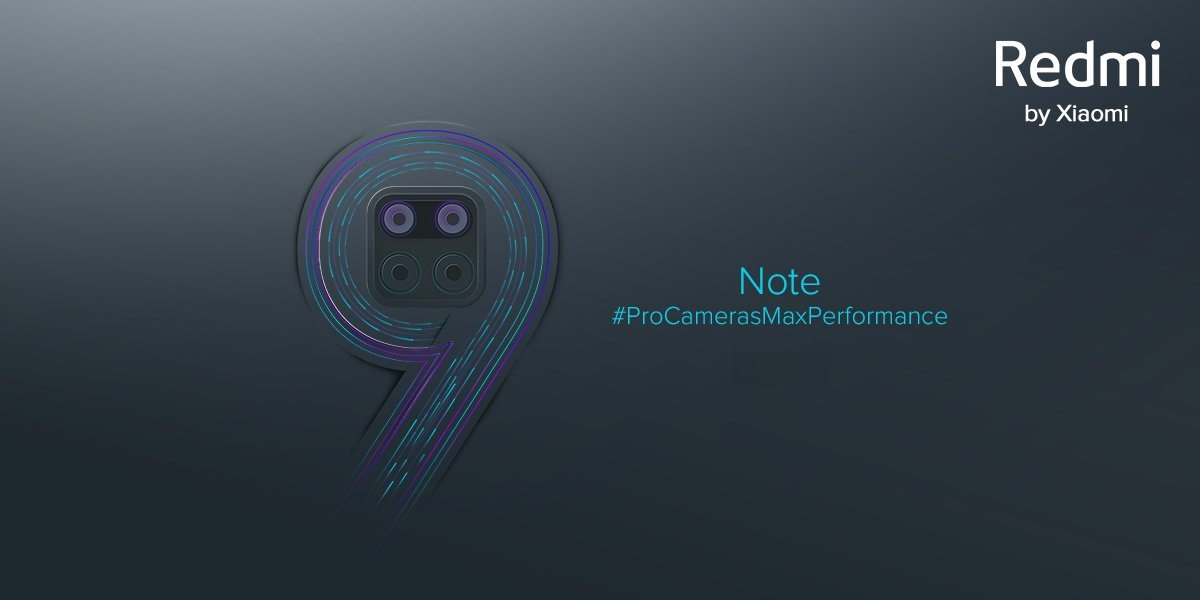
Xiaomi India has announced that a successor called the Redmi Note 9 will launch on March 12 in India. The teaser image has revealed only one key detail about the phone and that is it will have four rear cameras arranged in a matrix rather than vertically like on its predecessor. Alongside the Redmi Note 9, we also expect the Redmi Note 9 Pro. This post is a summary of what we expect from Redmi with the two new phones.
Redmi Note 9
Redmi India has created the hashtag #ProCamerasMaxPerformance ahead of the release of the Redmi Note 9 series. The hashtag hints at cameras and performance being the focus and those are what we will start with.
Cameras – The Redmi Note 9 will have four rear cameras like its predecessor but not only will the sensors be arranged differently, they should also be better than those of its predecessor.
The Redmi Note 8 launched with a 48MP + 8MP ultrawide + 2MP macro + 2MP depth sensor. We want to believe the Redmi 9 will have a 64MP primary camera 48MP camera while the other three cameras will likely be unchanged other three sensors getting slight upgrades.
Redmi will also most likely upgrade the selfie camera too and our guess is it will be a 32MP sensor like that of the Mi A3. However, it is also possible it may be a 20MP sensor like that of the Redmi K30.
Processor – The Redmi Note 8 has a Snapdragon 665 processor inside it but it will most likely be replaced with the new Qualcomm Snapdragon 720G chipset. Xiaomi already announced it will launch a phone with the new 8nm chipset when it was announced and there is no better device to feature the chipset than the Redmi Note 9.
The special page created for the Redmi Note 9 on Amazon India teases the phone will have a “beast processor” and “beast gaming”. The Snapdragon 720G ticks the boxes for both features.
Display – The Redmi Note 7 and the Redmi Note 8 both have a 6.3-inch screen with a notch. For the Redmi Note 9, we presume the notched screen will be replaced with one with a hole-punch. And since Redmi says the phone will have a “Pro Display”, we expect it will have a high refresh rate too.
The Redmi Note 9 may also come with a bigger display but we don’t think it will be bigger than the Redmi Note 8 Pro’s 6.53-inch screen. However, the screen will definitely be an LCD.
Battery – Redmi has bumped up the battery capacity of its phones starting with the Redmi 8A which has a 5000mAh battery capacity. The Redmi Note 9 should have a bigger battery capacity but it may not surpass 4500mAh.
In addition, fans of the series should expect it to have a faster-charging technology. The official Redmi India Twitter account already said the upcoming phone(s) will have the fastest charging ever on a Redmi Note device. Our guess is it will be 22.5W fast charging as a Xiaomi charger with that power rating received 3C certification last month.
Others – The Redmi Note 9 is expected to run Android 10 out of the box. It should retain the audio jack and the IR blaster but we won’t be surprised if the fingerprint scanner moves to the side. Both sides of the phone will have Gorilla Glass and the phone should have a splash-resistant coating.
Price – The Redmi Note 9 is expected to keep its sub ~$200/INR 15,000 price tag when it launches.
The Redmi Note 9 Pro may also tag along and it should pack better specs than the standard version.
Cameras – The Redmi Note 9 Pro will also have a 64MP quad-camera setup like its predecessor but its primary sensor may have a larger aperture size. Redmi might also give it a 13MP ultrawide camera rather than an 8MP sensor. It may also feature a telephoto camera.
The selfie camera might also get an upgrade but since it the Redmi Note 8 Pro has a 20MP selfie camera, Redmi may decide to leave it that way.
Processor – The Redmi Note 8 Pro has MediaTek’s Helio G90T chipset. Up until now, it is still the only commercially-available phone with the gaming chipset. However, for the Redmi Note 9 Pro, Redmi will be switching to Qualcomm.
The Redmi Note 9 Pro appeared on Geekbench a few days ago with an octa-core Snapdragon processor. The identifier and base frequency matches that of the Realme 6 Pro’s Geekbench result. And since we already know that the Realme 6 Pro has a Snapdragon 720G processor, it means the Redmi Note 9 Pro is coming with the same chipset. The SoC is paired with 6GB of RAM but there should be other variants too.
Processor (China): Recent developments this week hint at the Redmi Note 9 Pro getting a different processor in China. This chipset is believed to be MediaTek’s Dimensity 800 5G processor. If this turns out to be true, it means the Chinese model of the Redmi Note 9 Pro will be a 5G smartphone.
Display – The Redmi Note 9 Pro may get a slightly bigger LCD display but it too may have a hole punch for the selfie camera. We also expect it to have a high refresh rate.
Battery – With a bigger display, we also expect a bigger battery capacity. So the Redmi Note 9 Pro may be the first Redmi Note to have a 5000mAh battery capacity. Like the non-pro model, this should also have 22.5W fast charge.
Others – The Redmi Note 9 Pro will run Android 10 out of the box. It should also keep the audio jack and infrared blaster. Both the display and the back should have Gorilla Glass and the phone should also have a splashproof nano-coating. The fingerprint scanner might also change position and move to the side.
Price – Xiaomi (Redmi) always tries to keep the price unchanged, so the Redmi Note 9 Pro should remain under INR 18,999 (~$259) for the highest configuration.
The Redmi Note 9 series will be unveiled online on March 12. It will be available first in India before launching in other countries.
Xiaomi has closed its first and only Mi Store in the United Kingdom but don’t panic, it is not related to the Coronavirus epidemic. The company decided to shut the doors of the store located in the Westfield shopping center in Sheperd’s Bush, London, on March 5, 2020.
Already, the Westfield London website has been updated with a disclaimer that the UK Mi Store is no longer open for trading. Further, the Twitter account for the store is now offline. The UK Mi Store first opened shop in November 2018 and had in stock several Xiaomi products ranging from smartphones, smart bands, smart home gadgets, electric scooters, umbrellas etc. However, the store soon became notorious for not having most of the products in stock. Apart from that, the prices of the products in stock were markedly higher than what is obtainable online. Thus, the closure may be tied to low patronage and a desire to cut cost and focus on more vibrant markets in Europe
A spokesperson for the Chinese company did release a statement to Android Authority that the closure is an adjustment to its local retail strategy due to its fast growing business in Western Europe. The company also enjoined fans in the UK to purchase their favourite Xiaomi products through its official website mi.com/uk and other official channels that would be announced during future product launch events. Xiaomi’s products are also available via Amazon in the UK, US, Europe and India.
This year Oppo released a real top-tier flagship in order to compete with the most expensive smartphones in the market. The Oppo Find X2 Pro won’t let you face any compromises and it brings a lot of power and innovation to the ground. That is why we decided to compare it with the most expensive flagships released by Samsung and Xiaomi in 2020. Before the launch of the Find X2 Pro, we found no devices which could face Samsung Galaxy S20 Ultra in terms of specifications. We also brought the Xiaomi Mi 10 Pro in this comparison because we believe it will be the best value for money alternative to these flagships.
Oppo Find X2 Pro vs Samsung Galaxy S20 Ultra vs Xiaomi Mi 10 Pro
Oppo Find X2 Pro
Samsung Galaxy S20 Ultra
Xiaomi Mi 10 Pro
DIMENSIONS AND WEIGHT
165.2 x 74.4 x 8.8 mm, 200/208 g
166.9 x 76 x 8.8 mm, 222 g
162.6 x 74.8 x 9 mm, 208 g
DISPLAY
6.7 inches, 1440 x 3168p (Quad HD+), AMOLED
6.9 inches, 1440 x 3200p (Quad HD+), Dynamic AMOLED 2X
6.67 inches, 1080 x 2340p (Full HD+), Super AMOLED
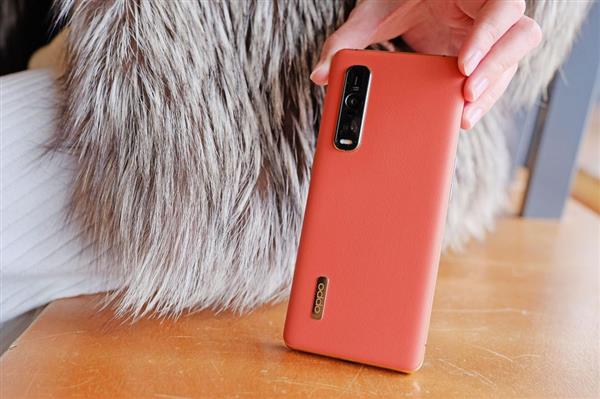
Oppo Find X2 Pro wins the design award without any doubt, at least according to us. Oppo employed very premium materials for the making of its latest flagship. The Oppo Find X2 Pro will be available in two versions: one made of ceramic (called Ceramic Black) and one with a vegan leather body (Vegan Leather Orange). Further, the Find X2 Pro is the first waterproof Oppo device boasting an IP68 certification. And its display has a very high screen-to-body ratio with extremely curved edges. Oppo Find X2 Pro is definitely the king of elegance and originality. Right after, Samsung Galaxy S20 Ultra offers the most valid build quality, but its huge camera module on the rear side does not make it the device with the most attractive design. Xiaomi Mi 10 Pro looks more minimalistic, despite its build quality looks definitely inferior.
Display
Xiaomi Mi 10 Pro loses the display comparison since it comes with a panel sporting a lower resolution and a lower refresh rate. On the paper, Oppo Find X2 Pro looks the most convincing one with its 10-bit panel showing one billion colors, a 120 Hz refresh rate, a QHD+ resolution, a nearly perfect color accuracy, and a very high brightness. Samsung Galaxy S20 Ultra retains the 120 Hz refresh rate, but it is only available with the Full HD+ resolution. On the other hand, Samsung Galaxy S20 Ultra has the biggest panel with a 6.9-inch diagonal: while holding it, you would probably feel almost like holding a small tablet.
Hardware/Software
Oppo Find X2 Pro, Xiaomi Mi 10 Pro, and Samsung Galaxy S20 Ultra are equipped with almost the same hardware departments (depending on the variant). They all come with a Snapdragon 865 bundled with a Snapdragon X55 5G modem and up to 512 GB of UFS 3.0 internal storage (note that the EU version of the Galaxy S20 Ultra has an Exynos 990 SoC), as well as Android 10 out of the box. But Samsung Galaxy S20 Ultra offers something more: it is the only with a micro SD slot and, in its most expensive configuration, it offers 16 GB of LPDDR5 RAM instead of 12 GB.
Camera
In each case, we are talking about top camera phones. Judging from the specs on the paper and from what we learned until now, Oppo Find X2 Pro and Xiaomi Mi 10 Pro are more or less at the same level. Samsung Galaxy S20 Ultra looks like a device with slightly better camera hardware, but we still did not test its camera performance and algorithm thoroughly since it is still not available.
Battery
With a higher 5000 mAh capacity (but it is also a bigger phone), Samsung Galaxy S20 Ultra will last more on a single charge. But with a 65W power, Oppo Find X2 Pro has the fastest charging technology. Last but not least, Xiaomi Mi 10 Pro has the fastest wireless charging technology with a 30W power.
Price
We still do not know how much Xiaomi Mi 10 Pro will cost globally (in China it starts from about €660/$745), but we are sure that it will offer a similar experience to the Samsung Galaxy S20 Ultra under many points of view at a fraction of the price. Samsung Galaxy S20 Ultra costs €1349 in Europe and $1389 in the U.S. while Oppo Find X2 Pro will cost €1199/$1353 globally. It is hard to choose a winner here, it mostly depends on the user’s needs. Xiaomi Mi 10 Pro is definitely the inferior one due to its lower-end display and no water resistance. Unfortunately, Oppo Find X2 Pro lacks wireless charging, but it has the fastest charging technology, probably the best display, and an amazing design/build quality. Samsung Galaxy S20 Ultra looks like a perfect flagship on the paper, but it is big and very expensive. Which one would you go for?
Xiaomi has launched a new smart camera which costs just 99 yuan ($14). The camera is dubbed Xiaomi Smart Camera Standard Edition and will be on sale tomorrow at 10 AM.
The Xiaomi Smart Camera Standard Edition has a round shape and a sensor which supports 1080p Full HD video shooting. It equally supports ultra-wide angle shot of which the field of view is increased from 130° to 170° when compared to the MIJIA Smart camera. The video output comes with vivid clarity.
The MIJIA Smart Camera Standard Edition also adds AI smart detection of humans which effectively filter false alarms which would have result from other moving objects such as insects, animals etc coming in the field of view.
In terms of night shooting, it supports undisturbed night vision which meets the requirements of most domestic environments. The night capture uses infrared which isn’t visible and so won’t disturb your sleep at night. In addition, the MIJIA Smart Camera Standard Edition comes with upgraded voice call experience and adopts a full-duplex voice call design. The two-way communication feature is no longer a question and answer style similar to the walkie-talkie. Instead, both parties can instantly communicate seamlessly.
The Smart Camera supports remote viewing via a connected smartphone. It equally supports picture-in-picture function on mainstream Android models. The screen is pinned in the form of a small window, and the screen can be viewed anytime and anywhere without affecting other operations. It also supports multiple screens on one screen. When there are multiple cameras in the home, you can view multiple screens on the screen at the same time.
In terms of the build, the camera has a magnetic base that can be attached to metal objects such as refrigerators and other surfaces with magnetic properties. It comes with IP65 dustproof and waterproof protection making it suitable for a variety of outdoor uses.
The Mi 10 and Mi 10 Pro both have a 6.67-inch display which is pretty big but the standard size for flagship phones these days. However, it is not the largest display we have seen on a phone in recent times. The Black Shark 3 Pro has a massive 7.1-inch display! And according to an unconfirmed report from China, Xiaomi may announce a variant of the Mi 10 with similar screen size.
The info is from Digital Chat Station and according to a Weibo post he shared today, there will be an “oversized“ Xiaomi phone called the Mi 10 S (might be stylized as Mi 10S). He adds that the phone will launch in the second half of the year.
While the info should be taken with a grain of salt until there is proof, we won’t be surprised if this happens since Black Shark (which Xiaomi has an investment in) already pulled it off with the Black Shark 3 Pro. The good thing is that this may be the first Xiaomi phone with a 1440 resolution if it uses the same display as the Black Shark 3 Pro which has a 1440 x 3120 resolution.
While the screen size is all we know now, we have some guesses about some other key specs. First, the Mi 10 S may actually come with the rumored Snapdragon 865 Plus processor. The chipset is scheduled to launch in the second half of the year too, specifically the third quarter of the year.
The Mi 10 S should also have a bigger battery capacity than the Mi 10 which has a 4780mAh battery. Our guess is it will have a 5000mAh battery and should come with even faster wired and wireless charging technology.
Touted as an upgraded version of the SOOCAS X3 Sonic Electric Toothbrush, the SOOCAS X3U Sonic Electric Toothbrush was launched by Xiaomi under one of its most popular ecological chain brands Youpin earlier this year.
The recently unveiled SOOCAS X3U Sonic Electric Toothbrush boasts an array of radically overhauled features as compared to its predecessor. The newfangled electric toothbrush is currently up for grab understandably carrying a slightly steeper price tag of $65.99 through Giztop.
Integrated with improved features, the SOOCAS X3U does not deviate from the design of the X3; however, it comes with an upgraded power train that enables you to use it for a longer duration. Aside from that, it supports wireless charging. Available in three highly-appealing color options including white, black and pink, the SOOCAS X3U makes relatively lesser operating noise. It is powered by a true magnetic levitation acoustic wave motor that produces vibrations 39600 times per minute, which is higher than 38600 times vibration per minute generated by the previous generation model.
Even when the tactile pressure on the brush increases, the vibration remains powerful. On top of that, it offers splash protection. Among other upgrades, SOOCAS, which is a member of Xiaomi Ecological Chain has included two additional brush heads in the upgraded version, bringing the total of brush heads to three.
The aforesaid brush heads comprise a copper-free whitening brush head, a deep polishing brush head, and a soft-bristle brush head. It features a Type-C charging port for faster charging.
The SOOCAS X3U offers IPX7 waterproof protection and is backed by a 1000mAh battery that supports wireless charging. If you charge the battery for just 4 hours, it will last for thirty days.
You can visit this link to check out more details about the SOOCAS X3U Electric Toothbrush and place your order through Giztop. The Gizmochina Coupons is a community that finds, reports and evaluates deals and coupons of Chinese products from online shops. Please visit it here to find more coupons to save money on mobiles and smart gadgets.
OPPO yesterday took the wraps off the Find X2 series after a two-year hiatus. recall that the last Find X model was launched in 2018 and the series did not have any new offering last year. The new series consists of the Find X2, Find X2 Pro and Find X2 Pro Lamborghini Edition. We take a quick look at the Find X2 Pro hands-on pictures and camera samples.
The Find X2 Pro is the top model among the two but has the same display size and specs as the Find X2. That is a 6.7-inch AMOLED display with a 3K resolution of 3168 x 1440 pixels and 551ppi. The display also supports 120Hz refresh rate, 800 nits high brightness and 1200nit peak HDR brightness.
From the design angle, we can see the punch-hole 32MP camera located at the top right corner of the screen. The device is said to have a 93% screen ratio with extremely reduced bezels. The bezel is only prominent on the low edge otherwise called the chin.
The rear aspect sees the device pack a triple-camera setup located at the top left corner of the back panel. The setup is comprised of a 48MP Sony IMX689 sensor with OIS, a 48MP Ultra-wide angle Sony IMX586 sensor. There is also a 13MP Periscope zoom camera with OIS and 10X hybrid optical zoom.
The camera samples shot by the Find X2 Pro were also shared. The captures include the 10X zoom, x zoom, ultra-wide shots, and portrait shots. We didn’t get to see the 60X zoom sample at this time. We must say the samples didn’t look out of this world. We’ll have to wait for a professional review by the guys at DXOMark to know how the camera really performs.
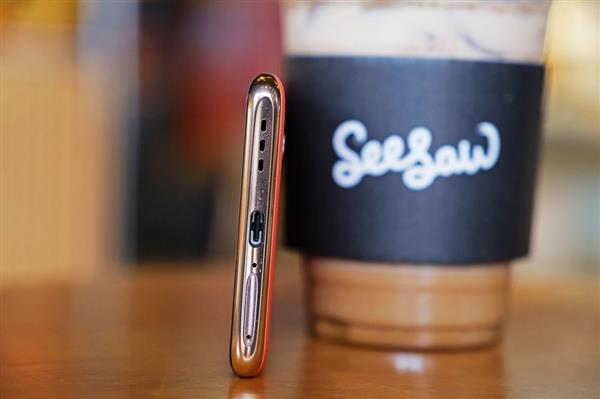
In other aspects, the Find X2 Pro comes in a Vegan Orange Leather variant as well as a Ceramic Black variant. The USB-C port and SIM slots are situated at the bottom edge of the device.
The flagship gets its interface from the ColorOS 7.1 based on Android 10. It equally comes with a 4260mAh battery with SuperVOOC 2.0 65W charging that is said to deliver a full charge to a flat battery in just 38 minutes.
Check out more pictures and camera samples from down below.
OPPO Find X2 Pro Pictures/Camera Samples
OPPO Find X2 Pro 10x zoom
OPPO Find X2 Pro 10x zoom
OPPO Find X2 Pro Ultra-wide-angle shotOPPO Find X2 Pro
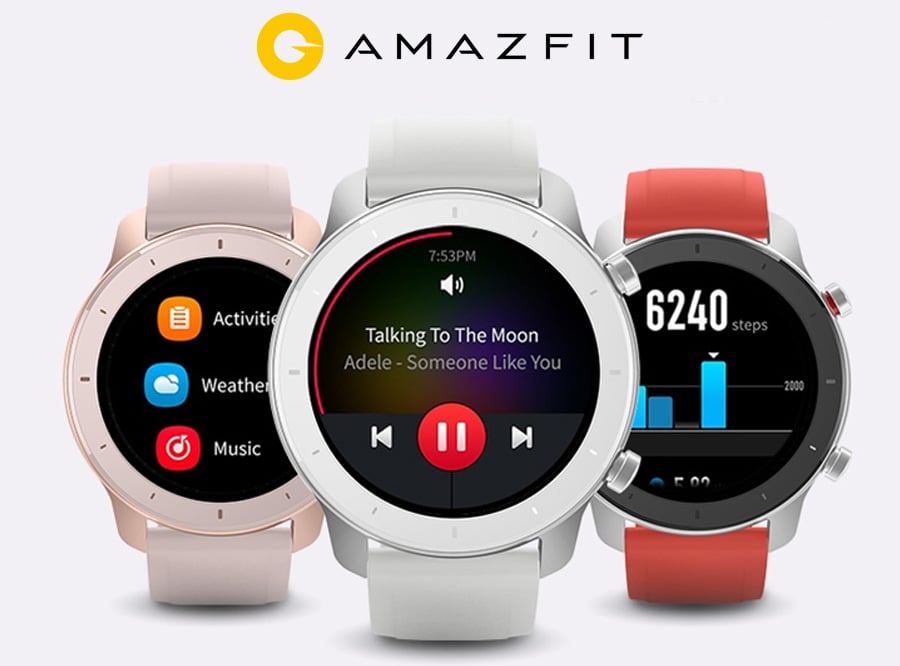
Huami introduced the Amazfit GTR to its well-received Amazfit series of smartwatches back in July last year. Targeting cost-conscious buyers, most of the Amazfit smartwatches sport a square-shaped display. The Amazfit GTR, on the other hand, adopted a more premium concept by featuring a round dial.
A major hit among sports and fitness enthusiasts, the Amafit GTR smartwatch is worth a pretty penny; however, if you are on a tight budget and aren’t willing to spend that kind of money on a smartwatch, we got good news for you. As part of its Super Deals, Gearbest is offering the Amazfit GTR 42mm Smart Watch for a lowered price of just $125.59.
This is a noteworthy 30 percent reduction in the smartwatch’s original asking price of $178.32, which means, the popular Chinese e-tailer is giving you an unmissable chance to avail of a $52.73 off. The aforesaid discount is valid for the red color option, but you can alternatively get your hands on the black, white as well as brown color options without emptying your pockets.
The coveted Amazfit GTR 42mm Smart Watch adopts a classic design of the traditional watch, making it a great choice for both sports, as well as business use. It features a 1.2 inch AMOLED display with 454 x 454 pixels resolution, retina level 326PPI and Corning Gorilla glass and anti-fingerprint coating on top for added protection.
Its USP is ultra-long battery life, which lasts up to 12 days in normal use. It comes with a 5 ATM water-proof ration, which means, it can withstand up to 50 meters of water pressure. Featuring more than 100 watch faces, the Amazfit GTR smartwatch is integrated with 12 sports modes that help you track your health.
Furthermore, the Amazfit GTR 42mm Smart Watch is powered by a 28nm ultra-low power consumption Sony GPS chip, which consumes only 1/3 power as compared to other GPS chips. On top of that, it adopts the DualHeaTeck technology for continuous and more efficient heart rate measurement of the wearer.
You can head straight to this link to check out more details about the AMAZFIT GTR 42mm Smart Watch and place your order. With 20 pieces sold at the time of writing, the Gearbest Super Deals is slated to end in just 1 day.
The Gizmochina Coupons is a community that finds, reports and evaluates deals and coupons of Chinese products from online shops. Please visit it here to find more coupons to save money on mobiles and smart gadgets.
XIDU is a budding computer manufacturer based in Shenzhen, China. Aside from manufacturing, the company designs, develops, markets and sells a wide range of customizable computer systems and services.
As a professional brand of computing products, XIDU has a reputation for offering top-notch 2-in-1 laptops, tablet and a slew of other innovative computing products at unbeatable prices. In an attempt to make PCs more affordable and accessible even to those on a tight budget, XIDU comes up with amazing promotional sales from time to time.
With Women’s Day just around the corner, the Chinese tech manufacturer is gearing up to launch the XIDU Super Women’s Day Promotional Sale. As part of the promo, XIDU will be doling out a noteworthy $50 off on all laptops and offering free mouse.
Much to the delight of those who have restlessly been waiting to purchase a high-end laptop or tablet without emptying their pockets, XIDU will be offering new laptops and top-notch tablets for reasonable prices during the promotional sale i.e. on March 8th, 2020.
During the activity period, consumers will be able to take advantage of really amazing discounts. In other words, this is your best chance to pick up new laptops and tablets without spending tens of thousands of dollars. XIDU is offering the lowest prices for the products mentioned below:
XIDU PhilBook Pro Original Price:$349.99, First Item:$299.99 Second Item:$279.99
XIDU PhilBook Max Original Price:$419.99, First Item:$369.99 Second Item:$349.99
XIDU PhilPad Original Price:$409.99, First Item:$359.99 Second Item:$339.99
This is without an iota of doubt, the best time to get a new laptop. You can visit the XIDU Store to get your tech greedy hands on better laptops than the MacBook during the event.
You can visit this link to check out the XIDU Super Women’s Day promotional sale. Note that it is slated to end on March 8th.
The Gizmochina Coupons is a community that finds, reports and evaluates deals and coupons of Chinese products from online shops. Please visit it here to find more coupons to save money on mobiles and smart gadgets.
We use cookies on our website to give you the most relevant experience by remembering your preferences and repeat visits. By clicking “Accept”, you consent to the use of ALL the cookies.
This website uses cookies to improve your experience while you navigate through the website. Out of these, the cookies that are categorized as necessary are stored on your browser as they are essential for the working of basic functionalities of the website. We also use third-party cookies that help us analyze and understand how you use this website. These cookies will be stored in your browser only with your consent. You also have the option to opt-out of these cookies. But opting out of some of these cookies may affect your browsing experience.
Necessary cookies are absolutely essential for the website to function properly. This category only includes cookies that ensures basic functionalities and security features of the website. These cookies do not store any personal information.
Any cookies that may not be particularly necessary for the website to function and is used specifically to collect user personal data via analytics, ads, other embedded contents are termed as non-necessary cookies. It is mandatory to procure user consent prior to running these cookies on your website.












 Aside from that, the Enco Free uses AI uplink noise cancellation and offers supports wear detection support. In short, the earbuds will automatically pause and resume playback every time you take them out or place them inside your ear. Its unique open-fit design is ideal for touch controls.
 The Oppo the Find X2 Pro houses a triple camera setup comprising a 48MP primary shooter, a 48MP ultra-wide-angle lens and a 13MP telephoto sensor at the back. The main shooter is Sony IMX689 sensor, while the IMX586 sensor serves as the wide-angle lens.
 It packs a powerful Qualcomm Snapdragon 865 Octa-Core processor and an Adreno 650 GPU under the hood. The dual-SIM phone runs ColorOS 7.1 based on Android 10 OS and is backed by a robust 4260mAh battery that supports 65W SuperVOOC 2.0 Flash Charge.
 You can use the smart camera for remote viewing using your smartphone. When connected to a mainstream Android device, it supports PiP (picture-in-picture) function as well. Pinned on the screen like a tiny window, the screen can be viewed from anywhere without hampering other functions.
 The MIJIA Smart Camera Standard Edition offers IP65 dustproof and waterproof protection, making it a great choice for sports enthusiasts who engage in adventurous outdoor activities such as trekking, dirt biking, etc. You can visit








 Available in three highly-appealing color options including white, black and pink, the SOOCAS X3U makes relatively lesser operating noise. It is powered by a true magnetic levitation acoustic wave motor that produces vibrations 39600 times per minute, which is higher than 38600 times vibration per minute generated by the previous generation model.
 The aforesaid brush heads comprise a copper-free whitening brush head, a deep polishing brush head, and a soft-bristle brush head. It features a Type-C charging port for faster charging.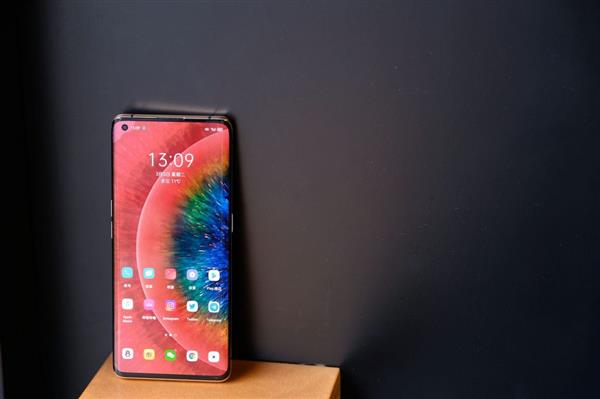


































 During the activity period, consumers will be able to take advantage of really amazing discounts. In other words, this is your best chance to pick up new laptops and tablets without spending tens of thousands of dollars. XIDU is offering the lowest prices for the products mentioned below: